Skip to content
Carne de porco à alentejana
Featured recipe

Carne de porco à alentejana

Pork and clams

Despite the name, this surf-and-turf dish of pork and clams is most often linked with the Algarve coast, where Alentejo pork met local shellfish; today it is served in tascas all over Portugal, especially for Sunday lunch. It is a pork dish: cubes of pork shoulder marinate in massa de pimentão (sweet red pepper paste), garlic and traditionally white wine, then are fried and tossed with steamed clams, crisp potato cubes, pickles and lots of coriander. For an alcohol-free version, swap the wine for chicken stock with a tablespoon of white wine vinegar. Chef's tip: buy the pork with a little fat on; lean loin turns dry and tough when fried.

Read more 0 views

What to eat today?

Around the world

Today's trip: Paraguayan

A new country every day, from every cuisine on the site.

Paraguayan

Pira caldo

Creamy fish soup with cheese 60 minMore from Paraguayan (27) →

This week's collection

Kid-friendly dinners
537 recipes · a new collection every Monday

Latest recipes

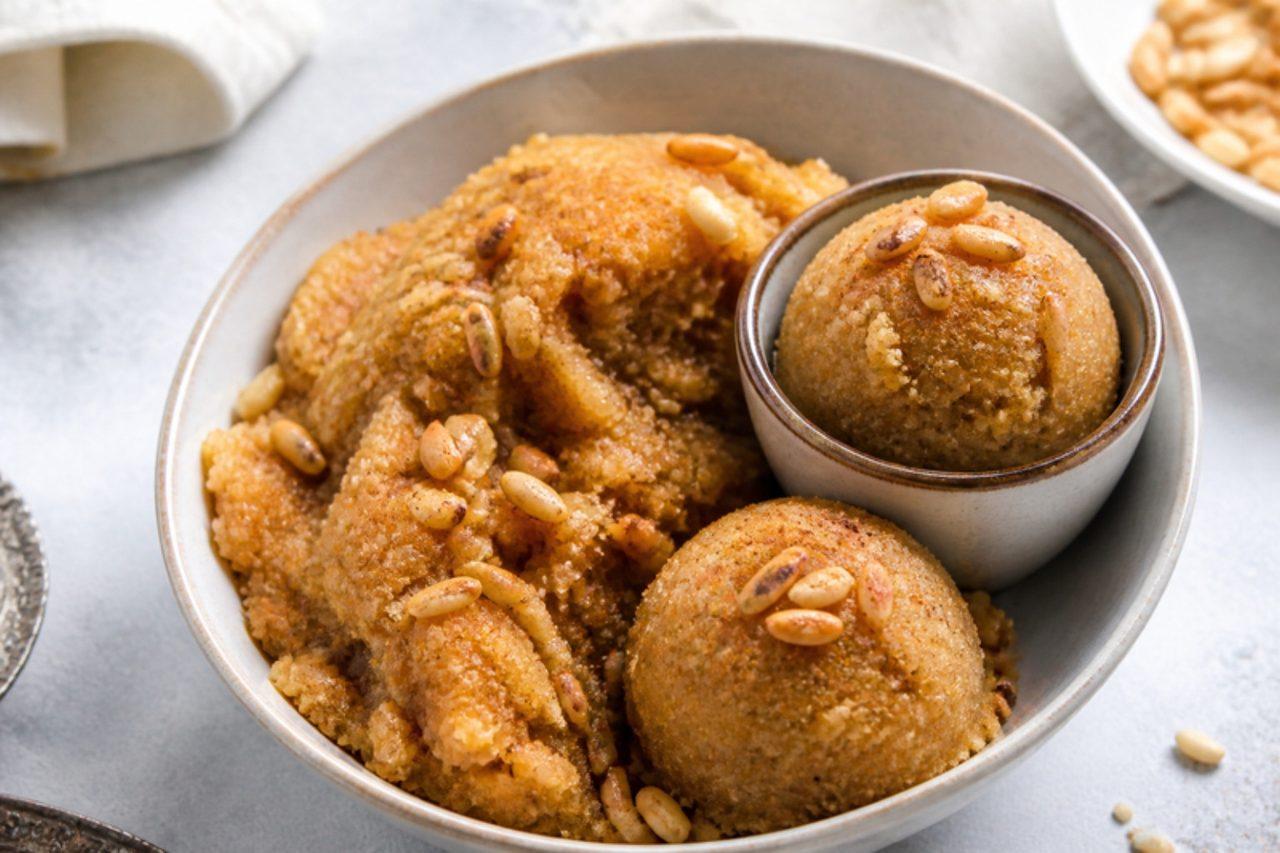
İrmik helvasıSemolina halva with pine nuts

Across Turkey, the smell of semolina toasting in butter means something is happening: a new baby, a mevlit prayer gathering, or the forty days after a funeral, when neighbours are sent plates of warm helva. It is also simply a Friday-night family sweet. The semolina is stirred with pine nuts in butter until it is the colour of hazelnuts, then hissing hot milk and sugar are poured in and the pan rests until every grain swells. Common mistake: rushing the roasting over a high heat; it browns unevenly and tastes raw inside. Chef's tip: press the warm helva into a small cup and turn it out for neat domes, then dust with cinnamon.

by KrazyBadal 0 views

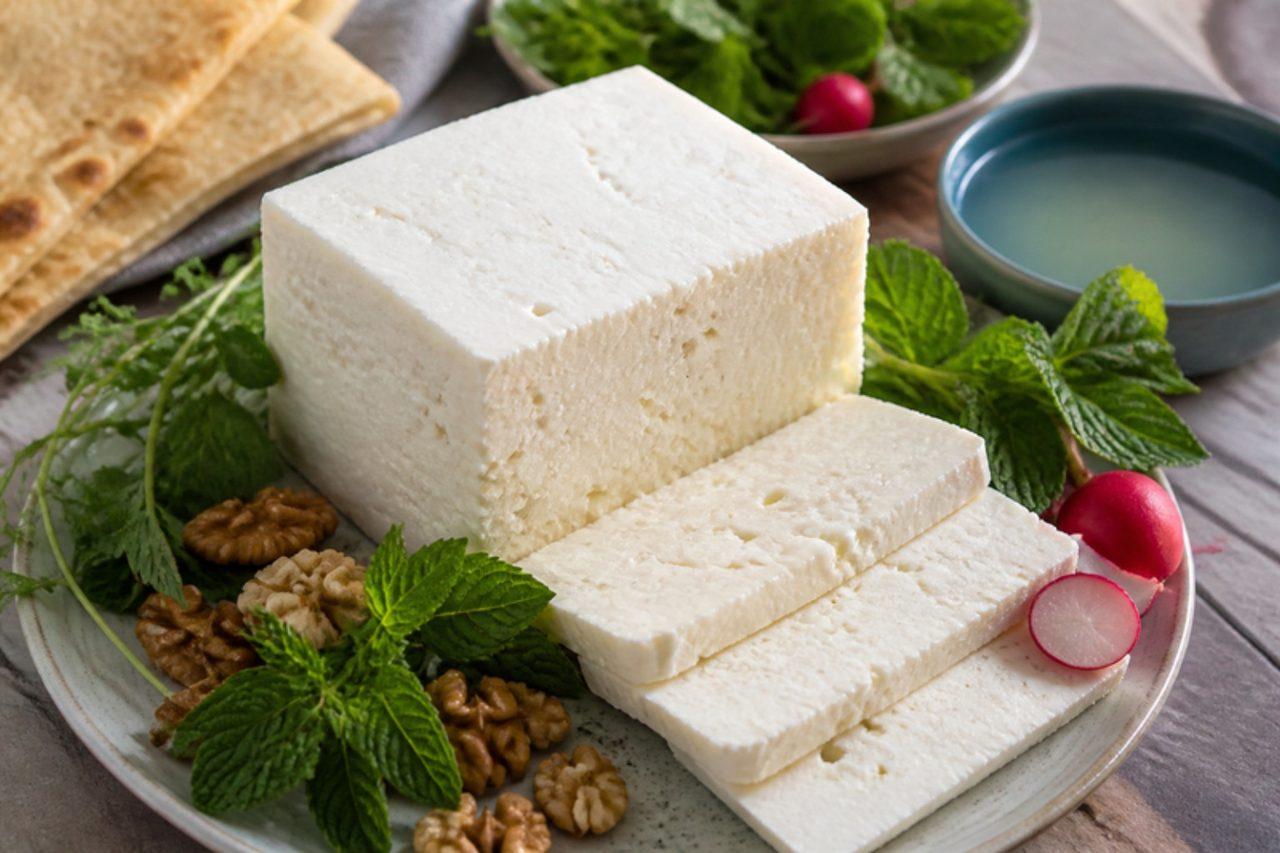
Lighvan-style brined cheese

The village of Lighvan, on the slopes of Mount Sahand south of Tabriz, gives its name to Iran's most loved breakfast cheese: a white, holey, tangy sheep's milk cheese matured in brine, traditionally in goatskins or tins in mountain caves. Across Azerbaijan province it is eaten every morning with warm bread, walnuts, fresh herbs and sweet tea. This home version uses pasteurised sheep's milk (or a mix with goat's milk) so it is safe to make in your kitchen. Village Lighvan is set with animal rennet; use a vegetarian (microbial) rennet to keep it vegetarian. The commonest mistake is cutting the curd before it gives a clean break, which loses yield and makes a crumbly cheese. Chef's tip: let the cheese firm in the fridge for a full week in the brine; it develops its classic tang and little holes as it matures.

1500 minPersianBasicsGluten free
by KrazyBadal 0 views

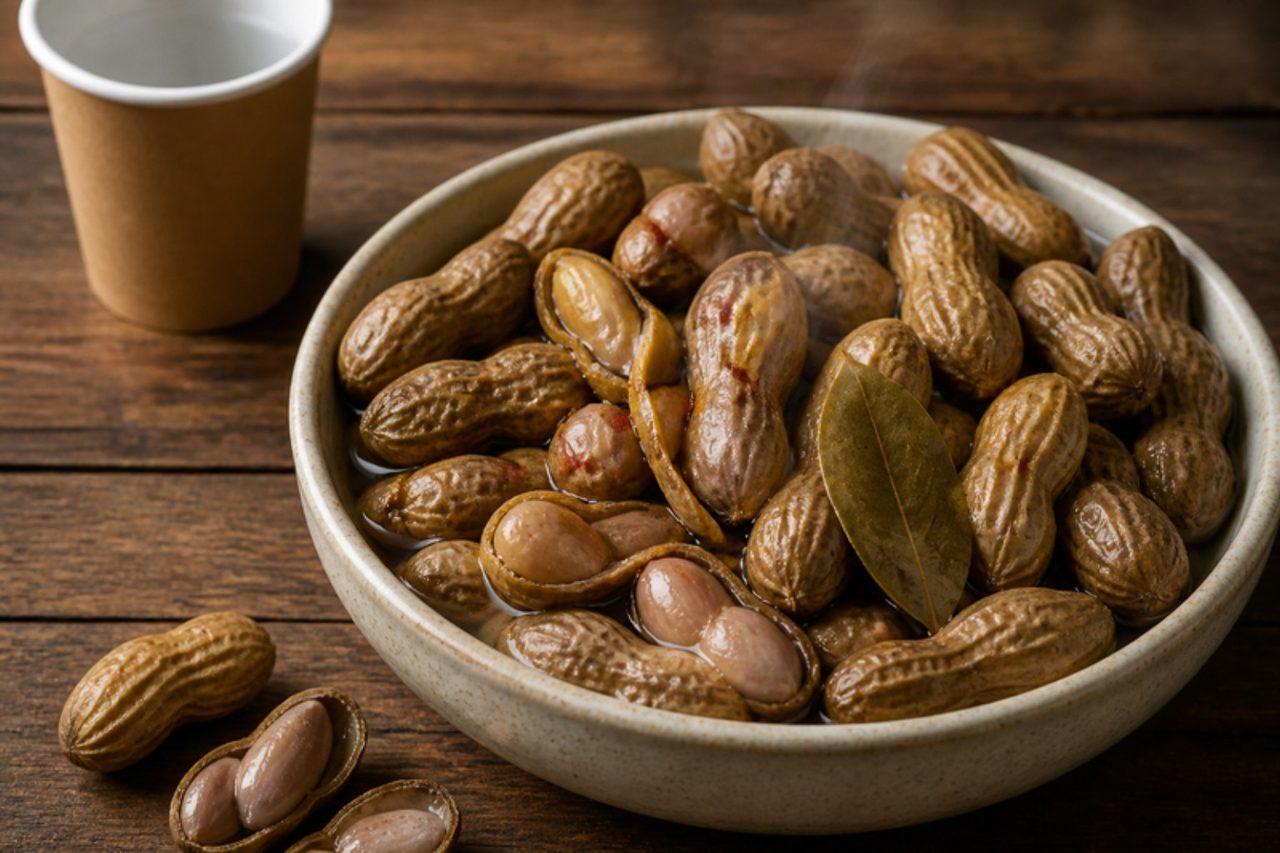
Southern boiled peanuts

Boiled peanuts are sold steaming from roadside stands and petrol stations all along the back roads of South Carolina, Georgia and Alabama, ladled into paper bags in late summer when the green peanut harvest comes in. Raw peanuts are simmered for hours in heavily salted water until soft as cooked beans, salty and earthy. A Cajun-spiced version with chilli is popular too. Chef's tip: taste a peanut every hour; they are done when the kernel is completely soft with no crunch.

by KrazyBadal 0 views

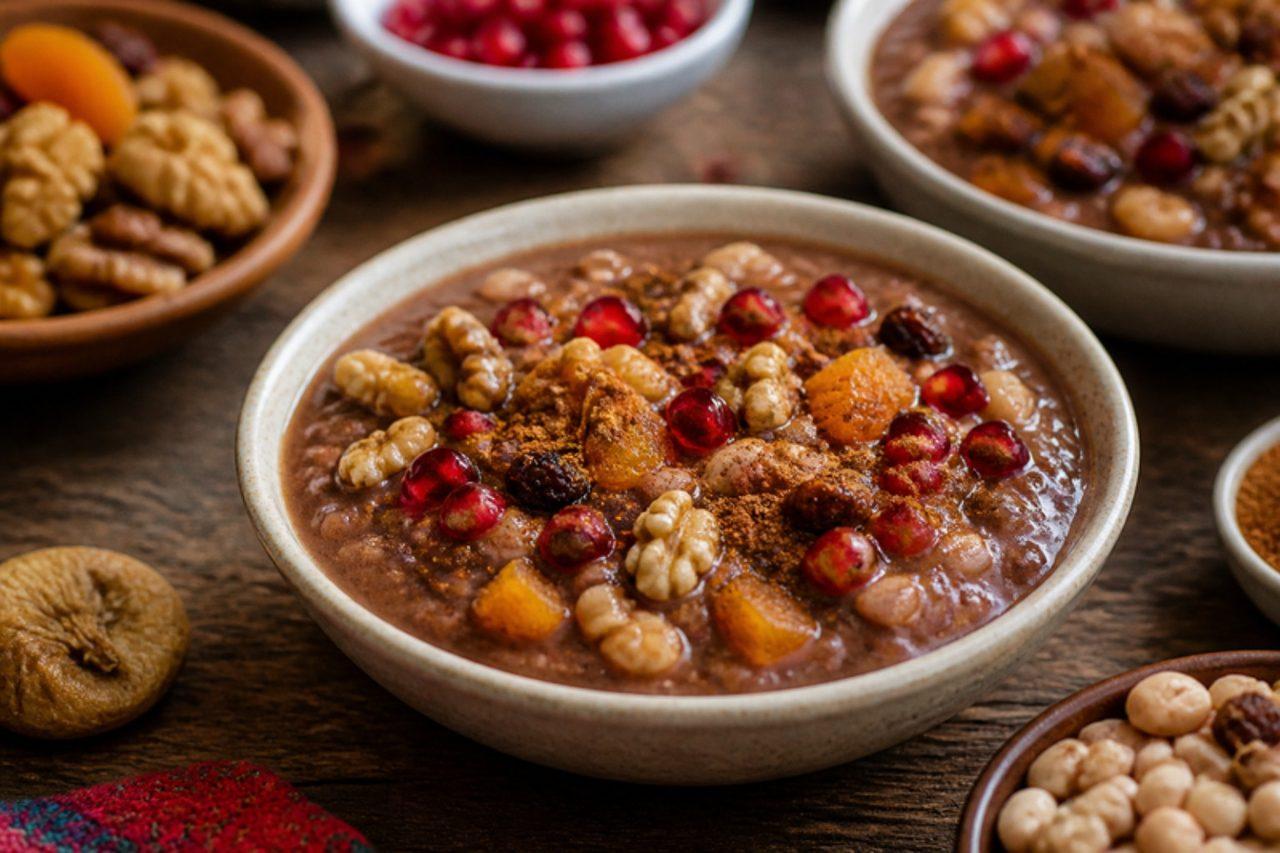
AşureWheat, bean and dried fruit pudding

In the month of Muharram, kitchens all over Anatolia, especially in conservative Konya and Sivas, boil great pots of aşure and send bowls to every neighbour, regardless of faith, so the sweet is as much about sharing as eating. Legend says it was cooked on Noah's ark from the last of the stores, which is why it combines whole wheat, chickpeas, white beans, dried apricots, figs and raisins in a thick, gently sweet pudding. It's topped with walnuts, pomegranate and cinnamon. Common mistake: adding sugar before the wheat is fully tender; sugar firms the grains and they never soften. Chef's tip: soak the wheat and pulses overnight and cook the wheat in its soaking water for the creamiest result.

by KrazyBadal 0 views

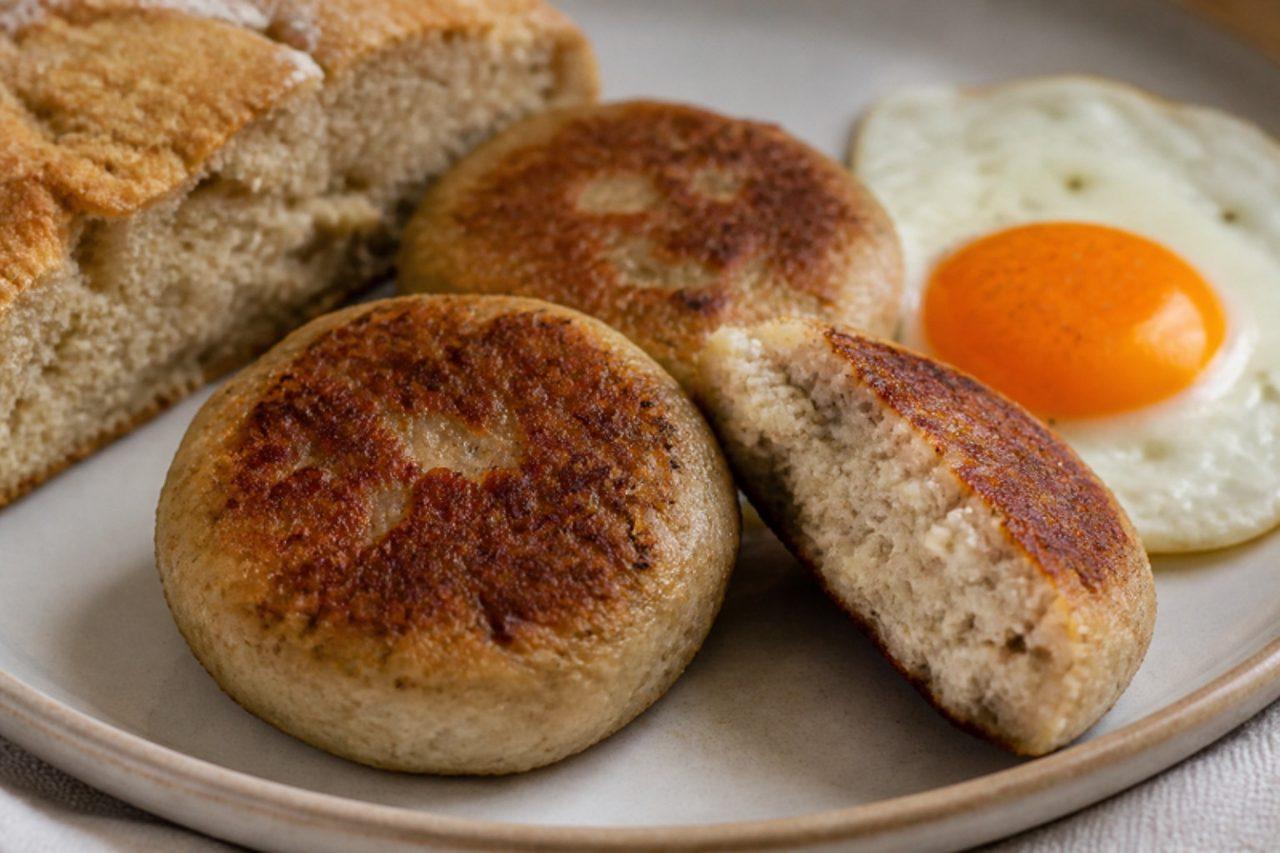
Irish white pudding patties

White pudding is the pale partner to black pudding on the Irish breakfast plate, made in butchers' shops from West Cork to Sligo with pork, pork fat, oatmeal, onion and a secret blend of spices. Making it at home in casings is fiddly, so this version shapes the same mix into patties to fry for the full Irish or a breakfast roll. Chef's tip: toast the oats in a dry pan first; it gives the nutty flavour that good shop-bought white pudding has.

by KrazyBadal 0 views

Southern sweet tea

Sweet tea is the house wine of the South, poured by the jug at every barbecue joint, meat-and-three and Sunday lunch from South Carolina to Texas. Strong black tea is sweetened while hot so the sugar dissolves completely, then cooled and poured over plenty of ice with lemon. A pinch of bicarbonate is an old trick that softens bitterness and keeps it clear. Chef's tip: let the tea cool to room temperature before chilling; putting it straight in the fridge hot makes it go cloudy.

by KrazyBadal 0 views

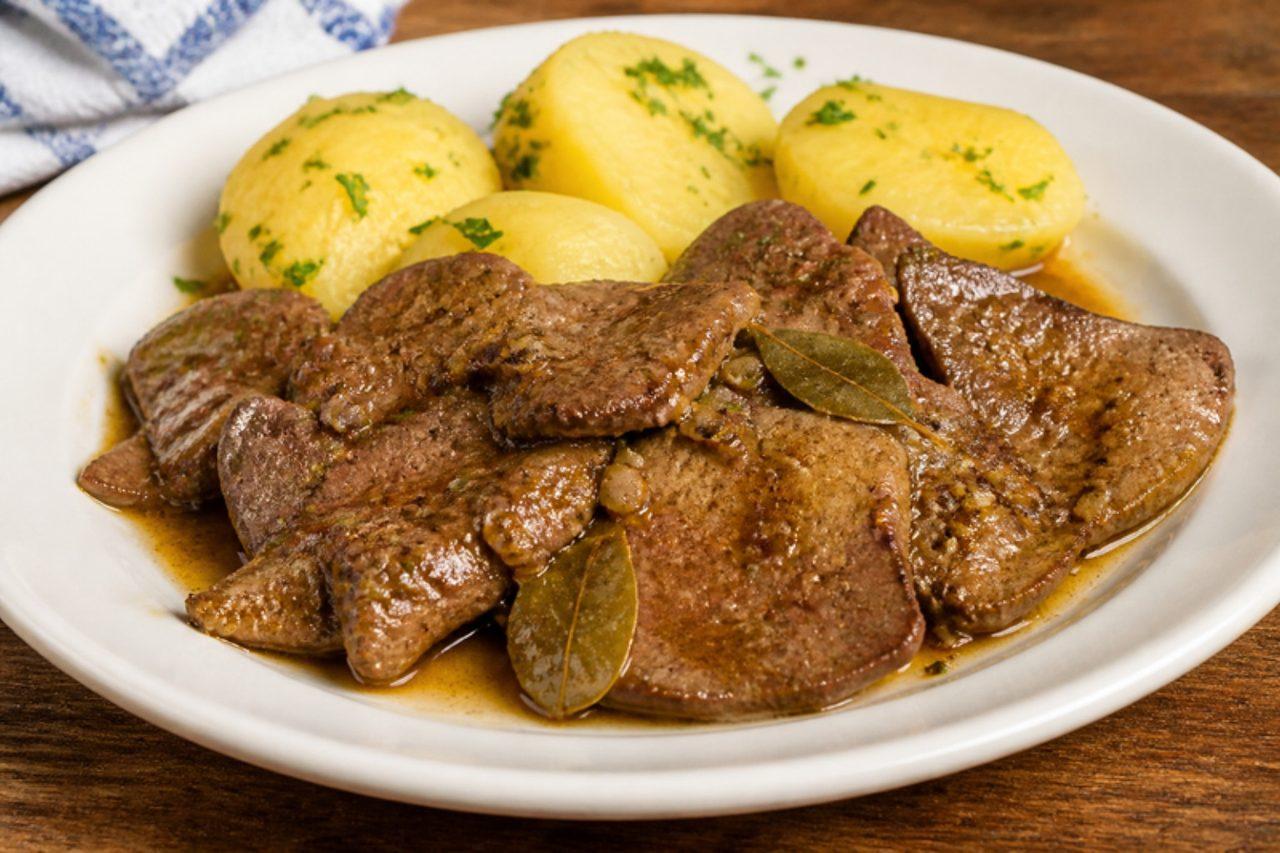
Iscas com elasFried marinated liver with potatoes

In the old tascas of Lisbon's Baixa and Alfama, iscas com elas was cheap, filling food for workers: thin slivers of liver marinated overnight in white wine, vinegar, garlic and bay, flash-fried and served 'with them', the boiled potatoes that soak up the sauce. This contains pork (pig's liver); calf's liver works too. The marinade uses white wine, which contains alcohol; stock with an extra spoon of vinegar is a good alcohol-free option. A common mistake is slicing the liver thick: it must be thin so it cooks through fast without turning hard. Chef's tip: dry the slices well before frying so they sear instead of boiling.

by KrazyBadal 0 views

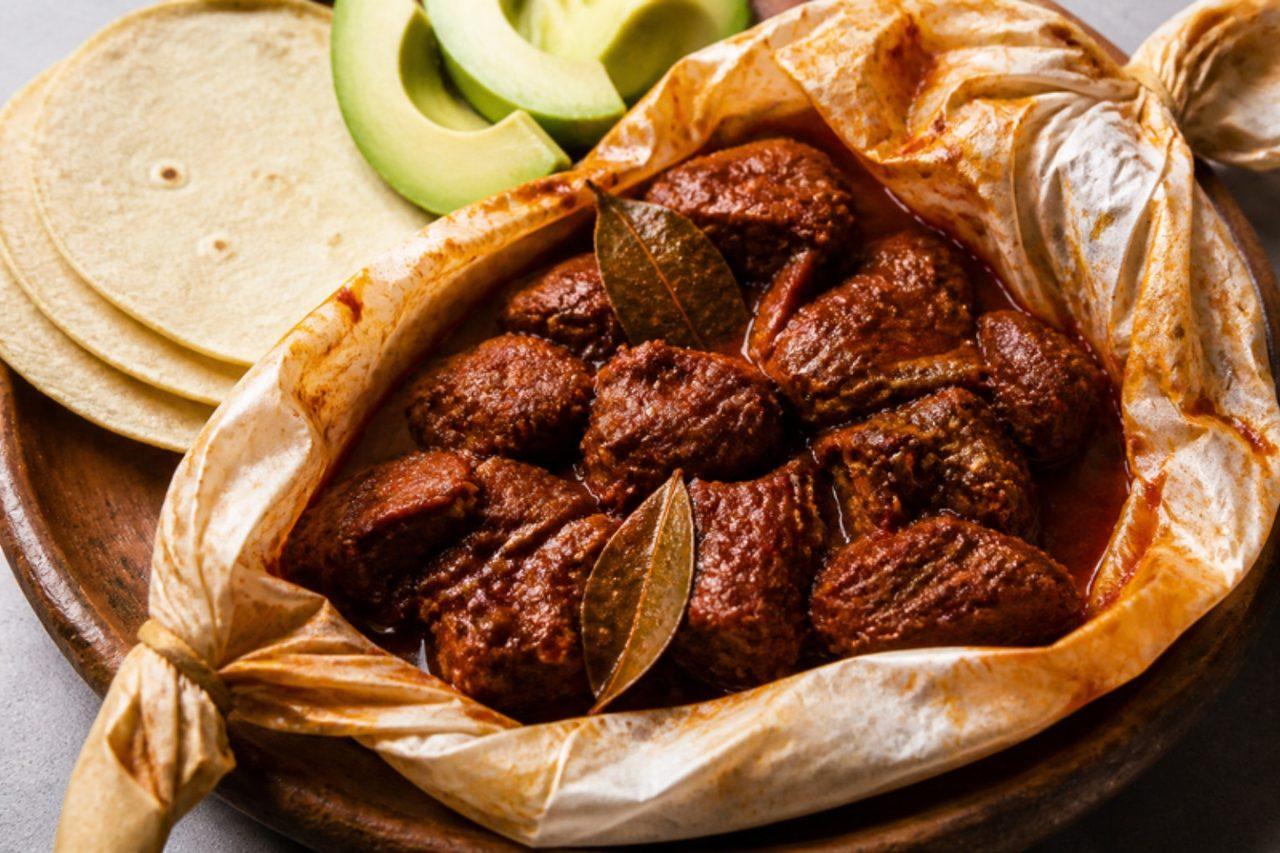
MixiotesChilli lamb steamed in parchment

Mixiotes belong to the high plains of Hidalgo and Tlaxcala, where they are a Sunday and fiesta dish sold from steaming pots at weekly markets. Chunks of lamb (or chicken) are soaked in a dark, aromatic paste of guajillo and ancho chillies with garlic, cumin and cloves, wrapped in parcels and steamed until the meat collapses into its own rich red juices. The traditional wrapper is mixiote, the thin skin peeled from maguey leaves, which is now protected and hard to buy, so this recipe uses baking parchment tied with string. The lamb marinates in the fridge for at least 4 hours or overnight. Open the parcels at the table and serve with corn tortillas, salsa verde and avocado. Chef's tip: twist and tie the parcels tightly so no steam gets in; a sealed parcel keeps the sauce thick and concentrated.

420 minMexicanMeatGluten freeSpicy
by KrazyBadal 0 views

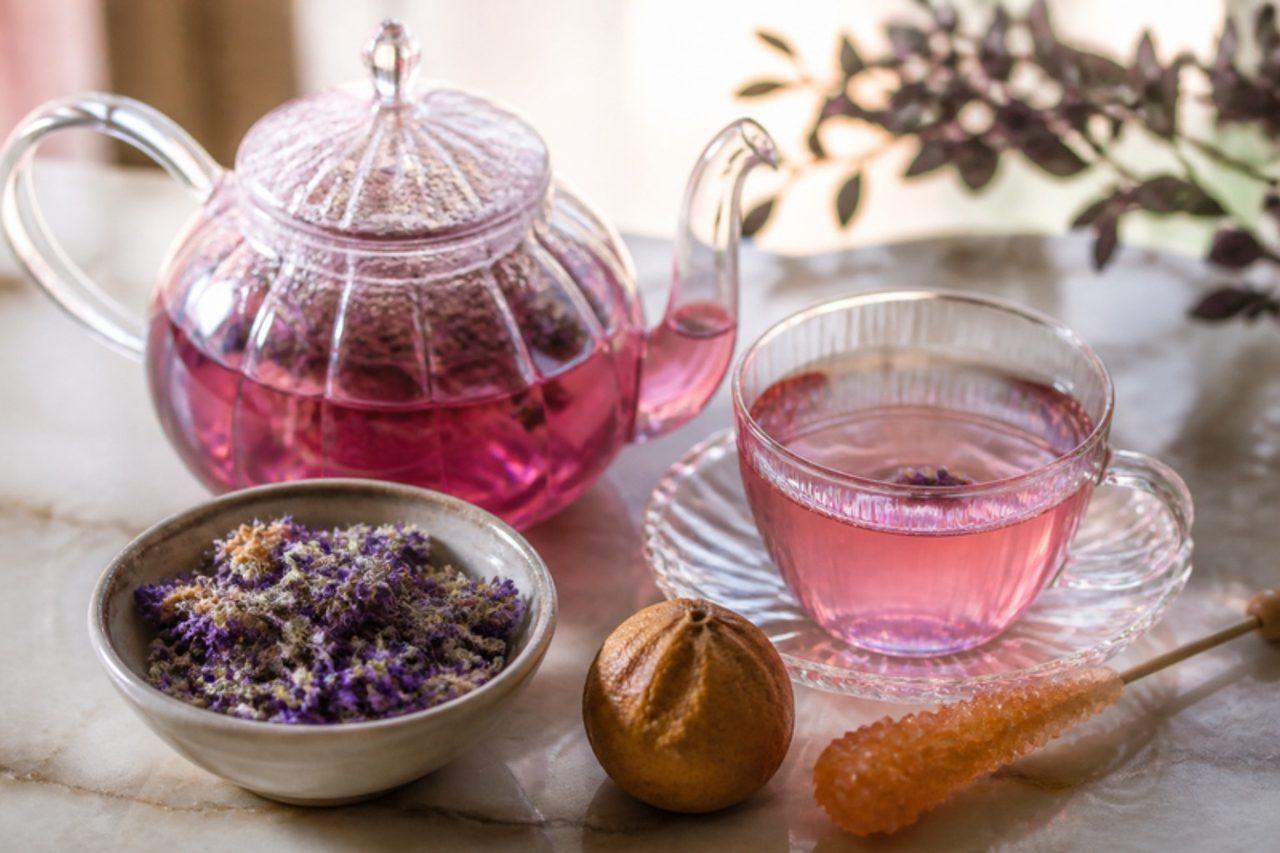
Gol gav zabanBorage flower tea

Gol gav zaban is the calming tea Iranians make on stressful evenings or when a cold is coming on, sold in bags of dried purple flowers by herbalists in the old bazaars of Tehran and Tabriz. Steeped in hot water it turns a dusky blue-brown, then flashes pink the moment lime juice goes in, which children love to watch. It is sipped with a stick of saffron nabat (rock sugar), sometimes with a few dried limes or a pinch of valerian. Persian borage contains small amounts of natural compounds that can strain the liver, so drink it only now and then, and avoid it if you are pregnant, breastfeeding or have liver problems. Chef's tip: steep below boiling and keep the pot covered so the gentle aroma doesn't escape.

by KrazyBadal 0 views

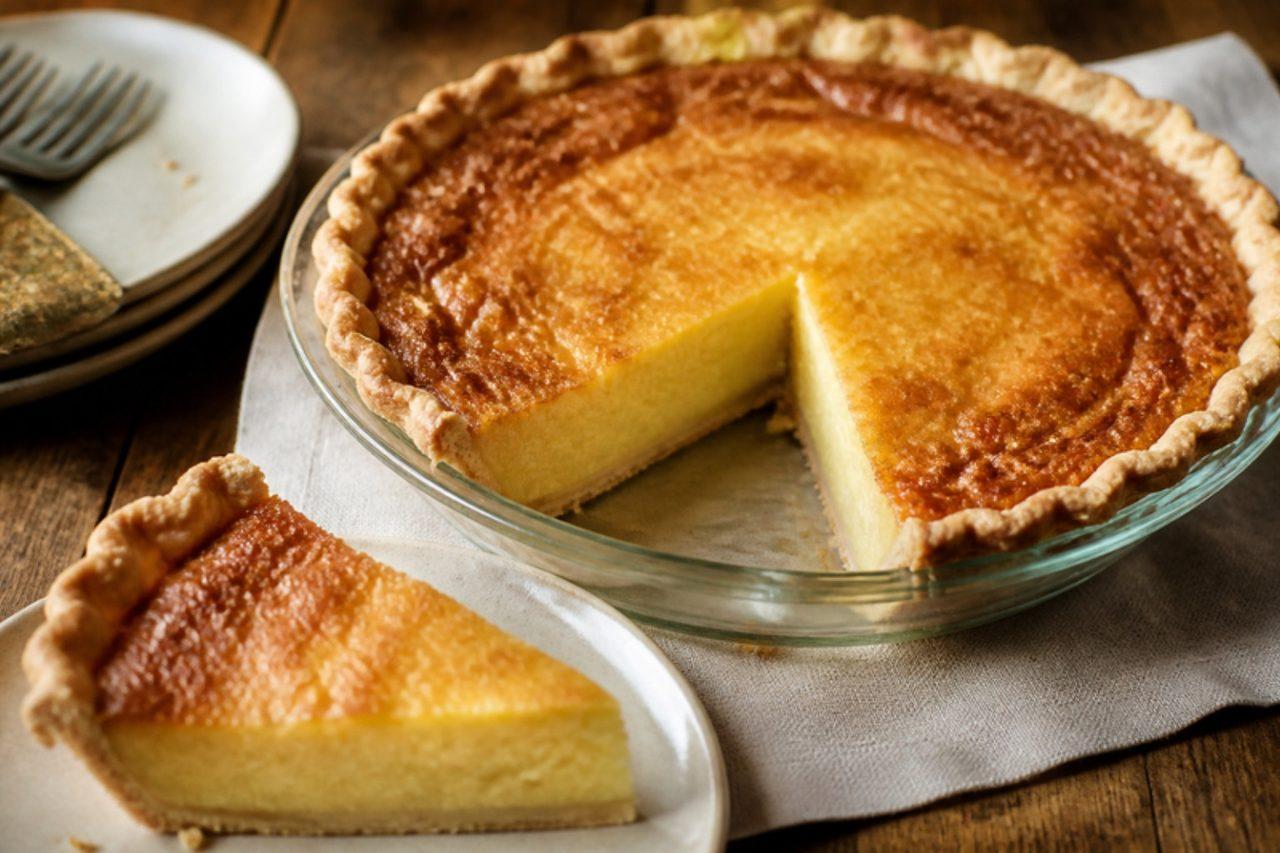
Chess pie

Chess pie is the plain-pantry pie of Virginia, Kentucky and the Carolinas, made with nothing but butter, sugar, eggs and a spoonful of cornmeal, so it was baked year-round when there was no fruit. It sets into a rich, translucent custard with a crackly, golden sugar crust on top. Nobody agrees on the name; one story says a cook called it 'jes' pie'. Chef's tip: the cornmeal and vinegar aren't optional; they stop the very sweet custard from being cloying and help it set.

by KrazyBadal 0 views

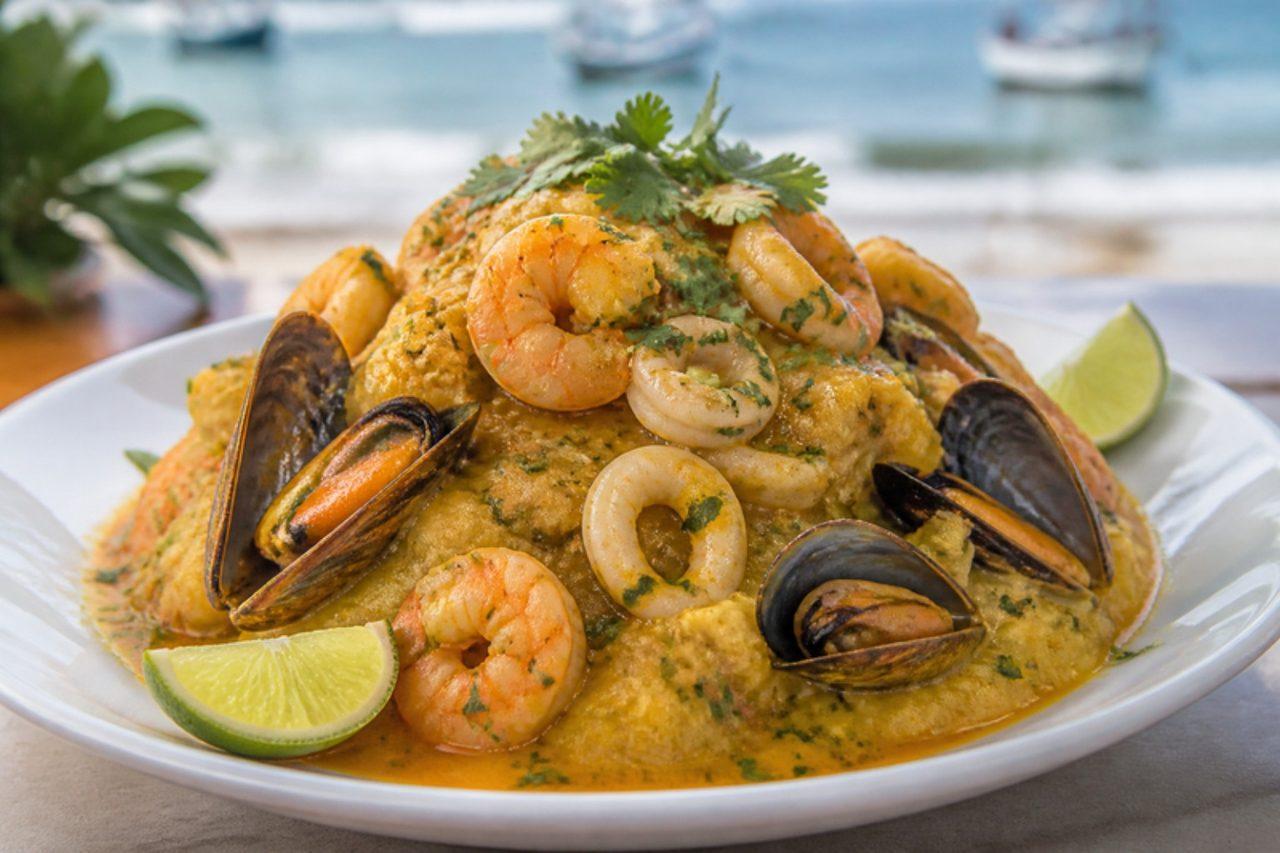
MajariscoPlantain mash with seafood

Its name blends 'majado' (mashed plantain) and 'marisco' (seafood), and along the coast of Piura and Tumbes, near the Ecuadorian border, it's what cevicherías and beach restaurants serve when you want something hot and filling. Mashed green plantain is folded into a sauce of garlic, onion, ají and seafood juices, with prawns, squid and mussels running through it, so every forkful is creamy, garlicky and briny. Serve it with lime and salsa criolla. Mussels must be alive: tap any open ones and discard those that don't close, and discard any that stay shut after cooking. Overcooking the seafood is the most frequent mistake; it goes in at the end, just until pink and opaque. Chef's tip: keep the mussel cooking liquid and use it to loosen the mash; it's pure seafood flavour.

by KrazyBadal 0 views

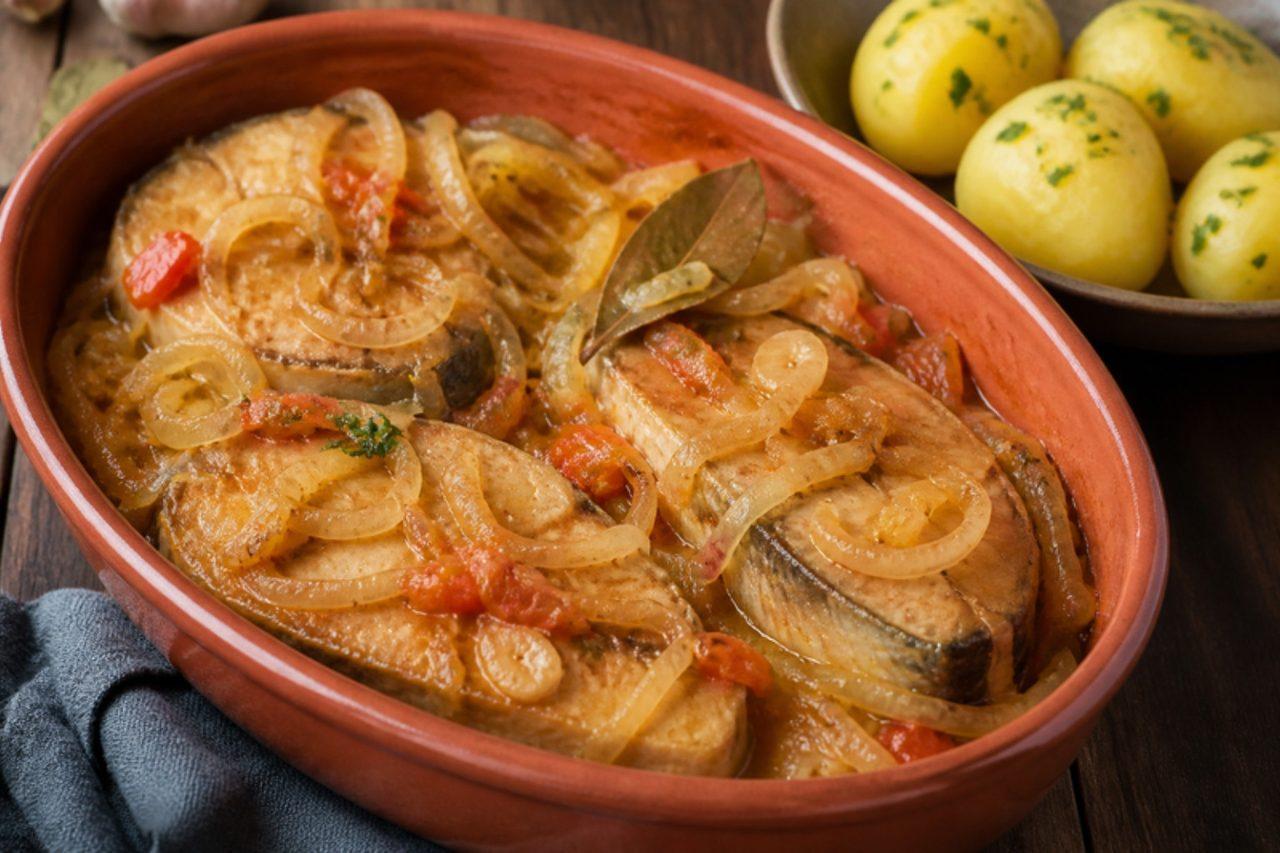
Atum de ceboladaTuna in onion sauce

From Vila Real de Santo António to Tavira, cebolada means a deep pan of onions cooked slowly in olive oil with garlic, bay and tomato, finished with a splash of vinegar, and tuna steaks laid in it to braise. Fishing families made it with the cheaper cuts from the tuna traps; restaurants still serve it on weekday lunch menus with boiled potatoes. Chef's tip: give the onions their full 25 minutes, so they turn sweet and jammy before the tuna goes in.

by KrazyBadal 0 views

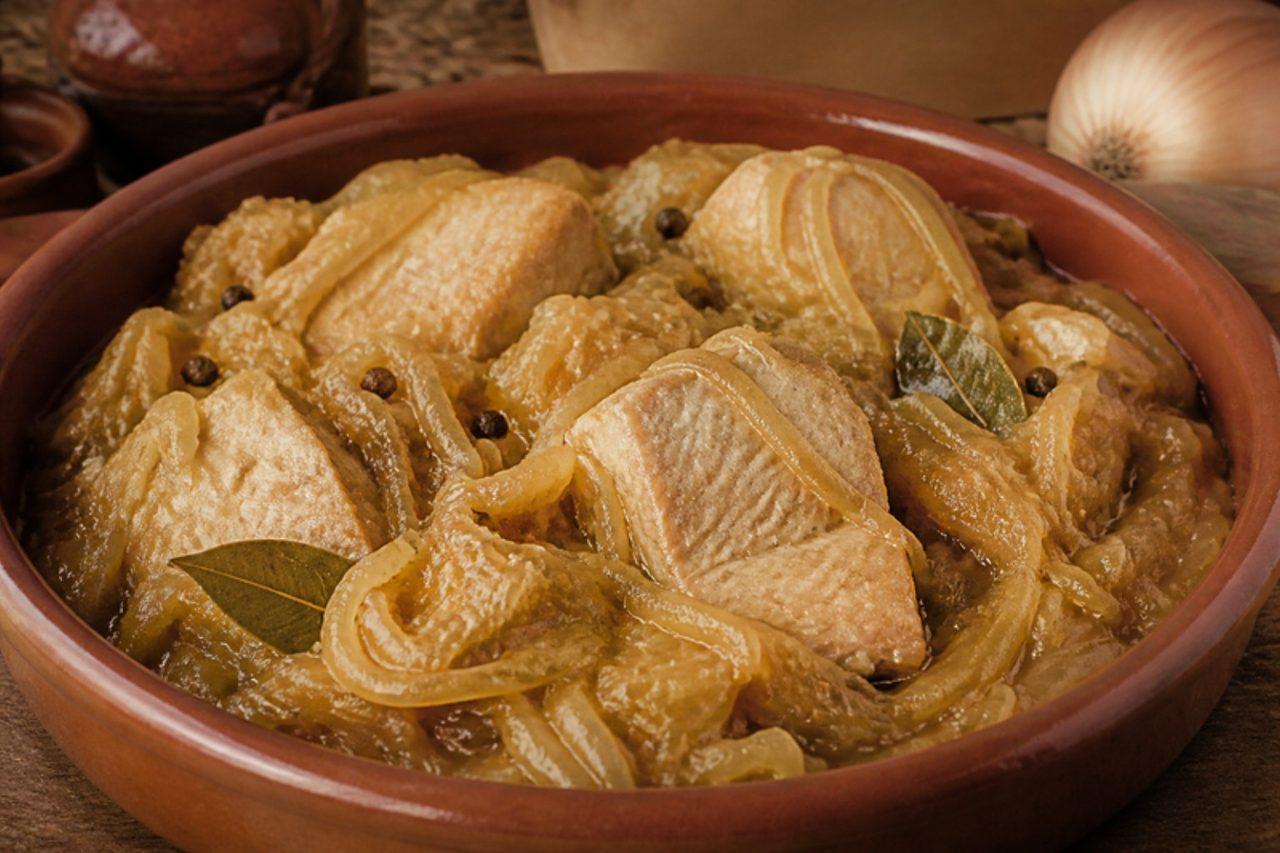
Atún encebolladoTuna stewed with onions

When the almadraba nets bring bluefin tuna ashore in Barbate and Zahara de los Atunes in May and June, households along the Cádiz coast make atún encebollado: chunks of tuna braised in a mountain of onions cooked down until sweet and golden, with bay, pepper and a splash of fino. Any good tuna steak works the rest of the year. This recipe uses wine; the alcohol-free option is in the ingredient note. Chef's tip: the onions take the time, the tuna does not; add it only for the last few minutes, or it turns dry and grey.

by KrazyBadal 0 views

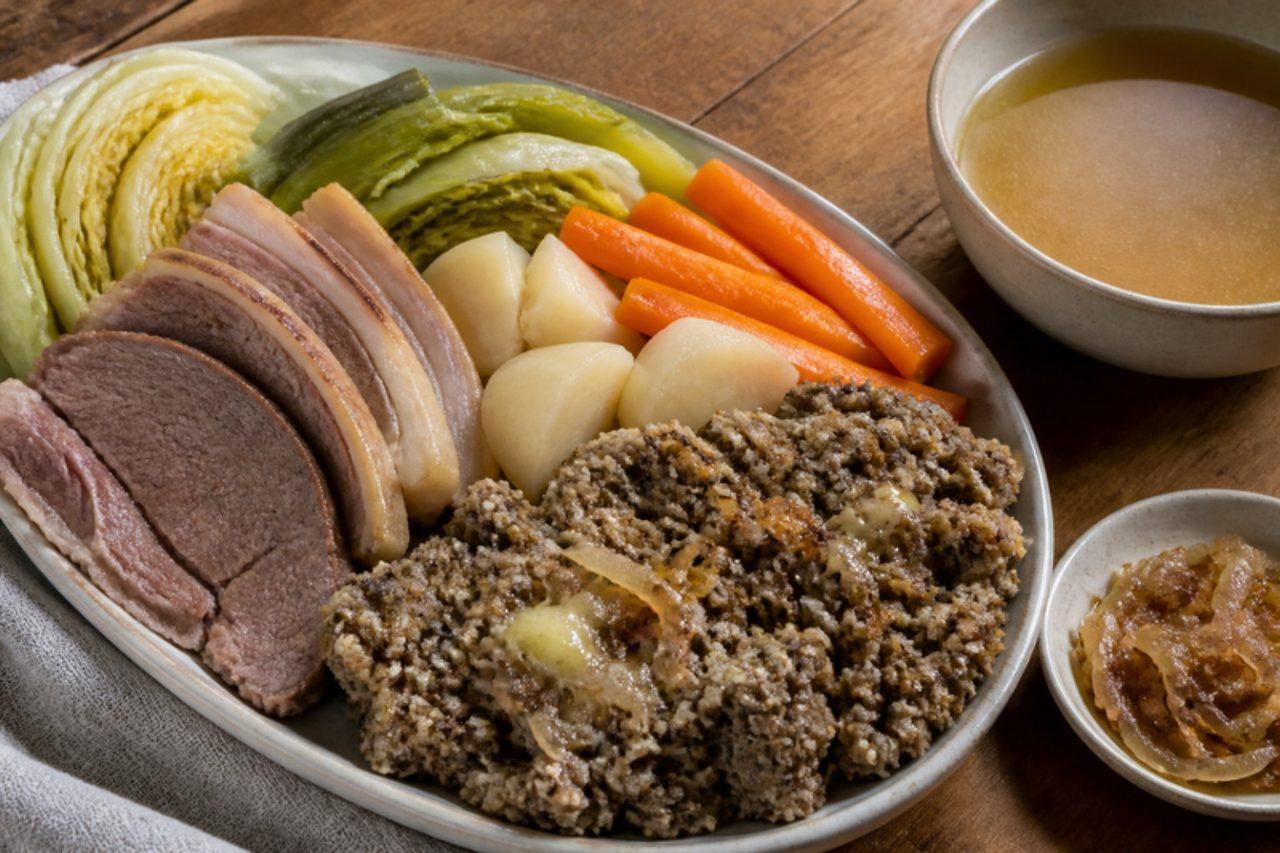
Kig ha farzBeef and pork with buckwheat pudding

Kig ha farz, "meat and stuffing" in Breton, belongs to the Léon country of north Finistère, where it is still the big shared dish of village fêtes, rugby-club dinners and family gatherings. Beef shin and salt pork belly simmer for hours with cabbage, carrots, leeks and turnips, and in the same pot sits a cotton bag of buckwheat batter that cooks into a dense, nutty pudding. The pudding is crumbled and served with the meats and vegetables, often with lipig, a sauce of shallots melted in butter. Chef's tip: tie the cloth bag loosely, leaving room for the batter to double, or the pudding turns heavy and rubbery.

250 minFrenchMeat
by KrazyBadal 0 views

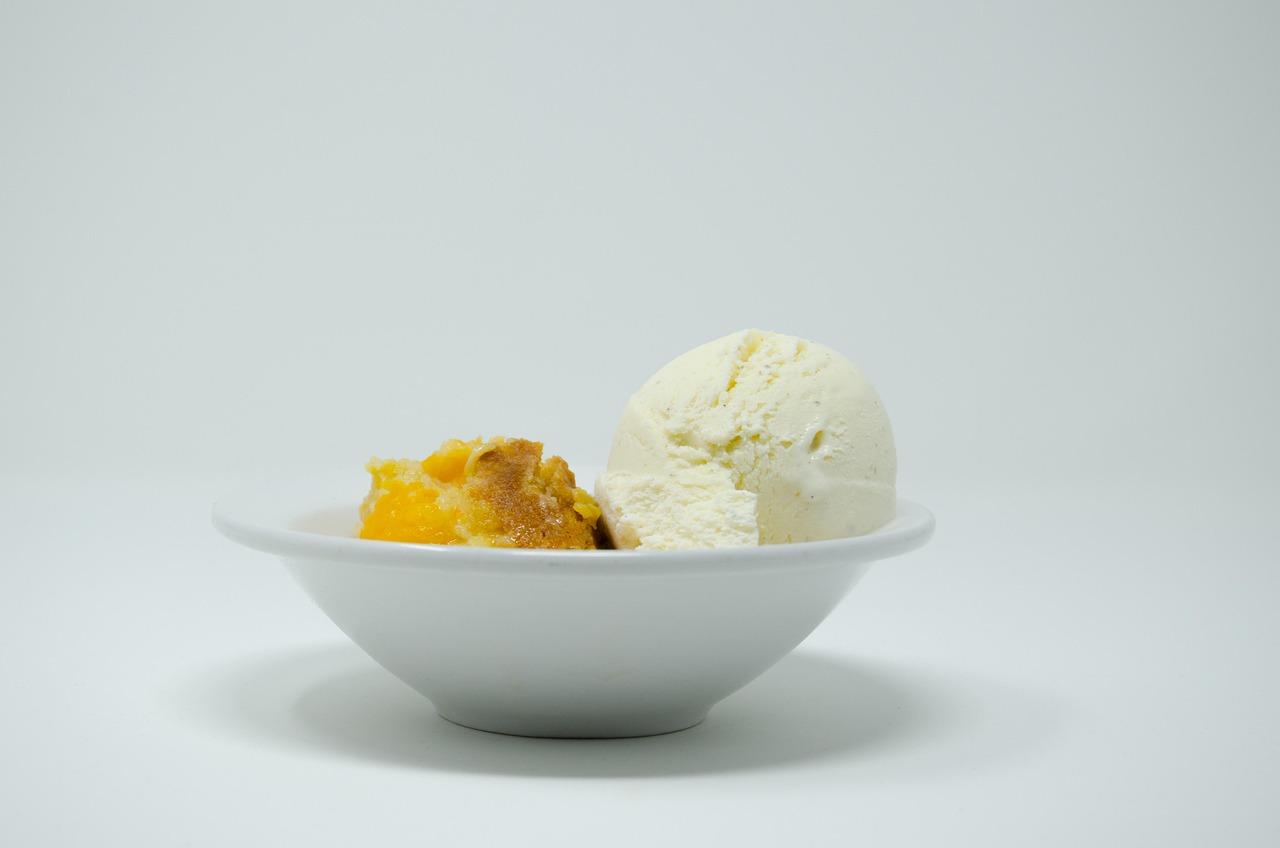
Georgia peach cobbler

Georgia calls itself the Peach State, and in June and July roadside stands around Fort Valley sell peaches by the basket for this summer cobbler. In the old Southern style, a simple batter is poured over melted butter, then the peaches go on top; as it bakes the batter rises up around the fruit into a golden, cakey crust with crisp edges. Serve warm with vanilla ice cream. Chef's tip: don't stir after the peaches go in; the layers sort themselves out in the oven.

by KrazyBadal 0 views

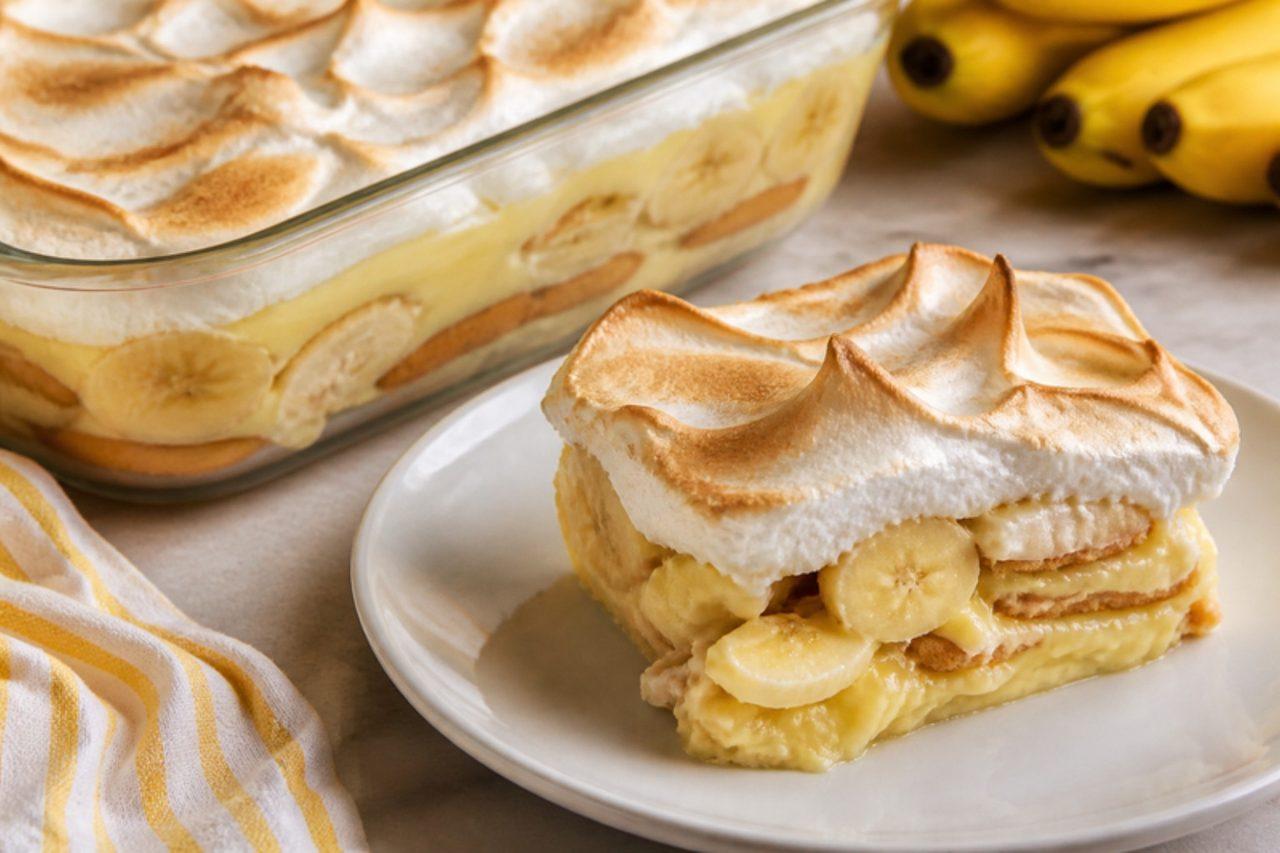
Southern banana pudding

Banana pudding is the potluck and barbecue-joint dessert of Tennessee, the Carolinas and Mississippi, scooped from a deep dish next to the pulled pork. Vanilla wafers, sliced bananas and a stove-top custard are layered so the biscuits soften to cake, then the top is finished with toasted meringue the old-fashioned way. Chef's tip: pour the custard on while it is still warm so it seeps into the wafers.

by KrazyBadal 0 views

AuszogneStretched doughnuts

Auszogne are the doughnuts of the Bavarian countryside, fried for Kirchweih, the village church fair in autumn, and for Carnival. Each ball of rich yeast dough is pulled over the knees or the backs of the hands so the middle goes almost see-through while a thick, puffy ring stays round the edge; the centre fries crisp, the rim soft and fluffy. They are eaten warm with icing sugar and a cup of coffee. A common mistake is pulling the dough cold: it tears. Let the stretched rounds rest, and keep the oil at a steady 170 °C so the rims cook through before they brown. Chef's tip: stretch them on lightly buttered fingertips, not floured ones, so the dough slides without sticking.

by KrazyBadal 0 views

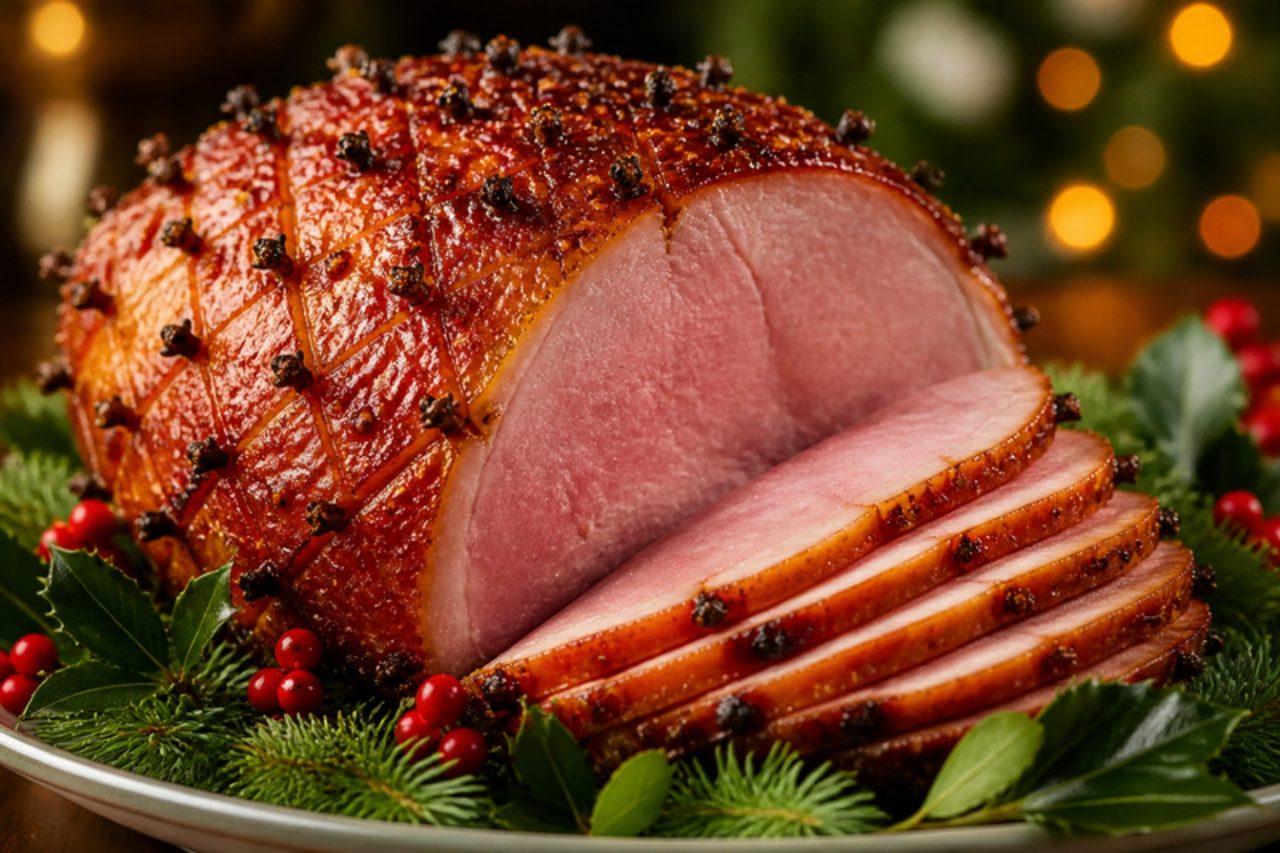
Limerick ham with cider glaze

Limerick was once famous across Europe for its hams, cured in the city's bacon factories, and a glazed ham is still the centrepiece of the Irish Christmas table next to the turkey. This is a gammon joint, which is pork: simmered gently in cider with an onion and spices, then studded with cloves and glazed in a hot oven until sticky and dark. Serve hot with mash and parsley sauce, or cold for St Stephen's Day sandwiches. The cider contains alcohol, which mostly cooks off; for an alcohol-free version use cloudy apple juice. Chef's tip: score the fat in a neat diamond pattern only through the fat, not the meat, so the glaze grips without the meat drying.

200 minIrishMeatGluten free
by KrazyBadal 0 views

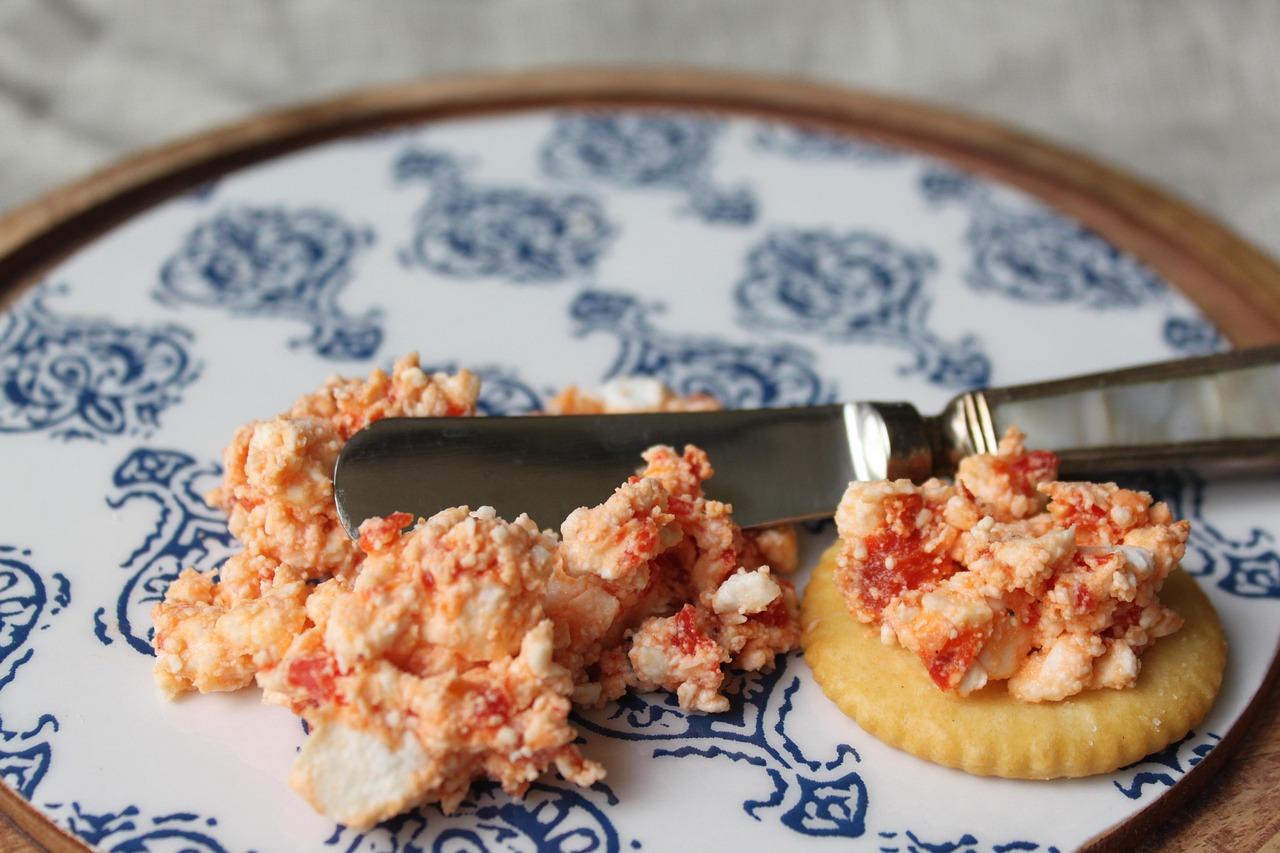
Pimento cheese

Pimento cheese is the 'caviar of the South', sold in tubs in every Carolina supermarket and spread in white-bread sandwiches at the Masters golf tournament in Augusta. Grated sharp cheddar, sweet red pimento peppers and mayonnaise are mashed together with a little heat, and it ends up on crackers, celery, burgers and fried green tomatoes. Traditional cheddar is made with animal rennet, so choose a vegetarian cheddar if you need to. Chef's tip: grate the cheese yourself; pre-grated cheese is coated in starch and makes a dry, grainy spread.

by KrazyBadal 0 views

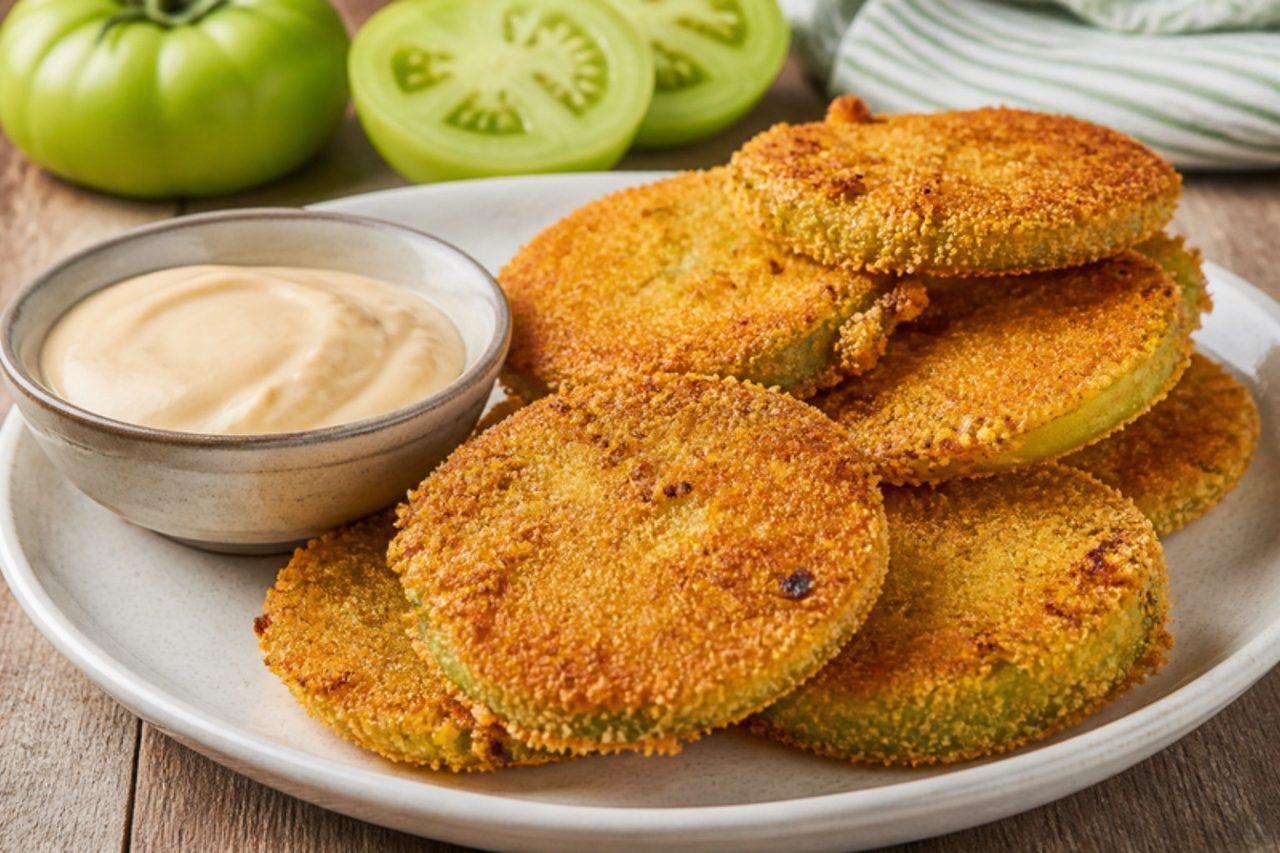
Fried green tomatoes

Fried green tomatoes are the early-summer and end-of-season treat of Alabama and Georgia kitchens, when the garden is full of firm, unripe fruit. Thick slices are dipped in buttermilk and a cornmeal crust and fried until crisp outside, while the inside softens and stays tangy. Serve them hot with a spoonful of pimento cheese or a dab of remoulade. Chef's tip: salt the slices and let them drain for 10 minutes so the crust doesn't go soggy.

by KrazyBadal 0 views

Avena colombianaChilled oat drink

Bakeries all over Colombia keep a fridge of avena in plastic cups, ready to pair with a warm pandebono, buñuelo or almojábana. It is a thick, sweet oat drink cooked in milk with cinnamon and cloves, then blended smooth and chilled until it is creamy and spoonable, somewhere between a milkshake and rice pudding. Children drink it after school, and it is a common mid-morning snack with something baked. Home versions are less sweet and more spiced than shop ones. The thing to watch is texture: if you skip blending or straining, you end up with slimy flecks of oats, so blend thoroughly once it is cooked. It thickens a lot as it chills, so loosen it with cold milk before serving. Chef's tip: toast the oats in the dry pan for 2 minutes first; it gives a nutty, biscuity flavour.

by KrazyBadal 0 views

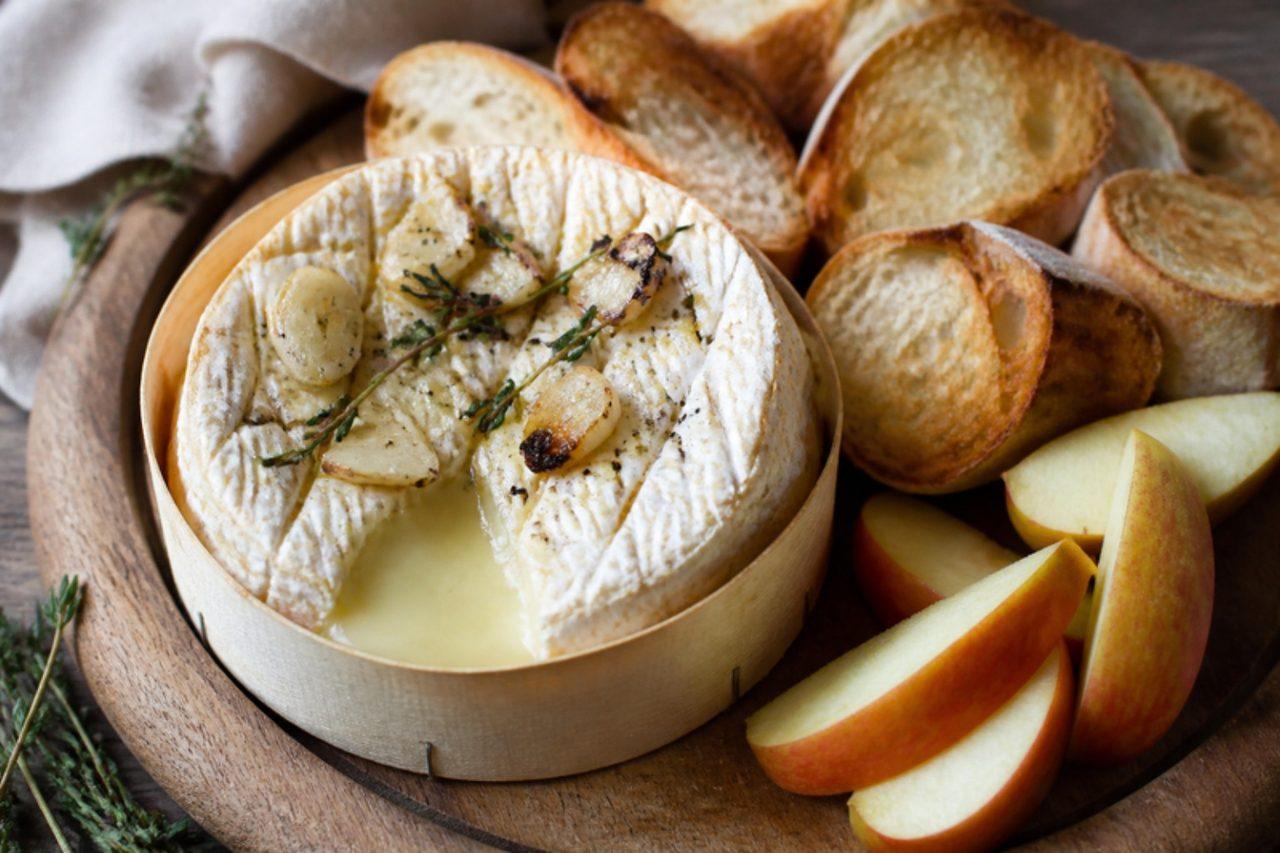
Camembert baked in its box

Normandy dairy farmers have always known that a Camembert just past its best is perfect for the oven, and baked Camembert is now what friends share on cold evenings across the region, from Caen to the Pays d'Auge, with crusty bread, apple slices and boiled potatoes for dipping. The cheese stays in its wooden box, gets scored, studded with garlic and thyme and baked until the inside is liquid under a just-holding rind. It is ready in 20 minutes and makes a light supper with a salad. Real Camembert de Normandie is made with animal rennet; for a vegetarian version use a vegetarian Camembert-style cheese. Chef's tip: take off any plastic wrapping and tie the box with kitchen string if it is stapled; cheap boxes can split in the heat.

by KrazyBadal 0 views

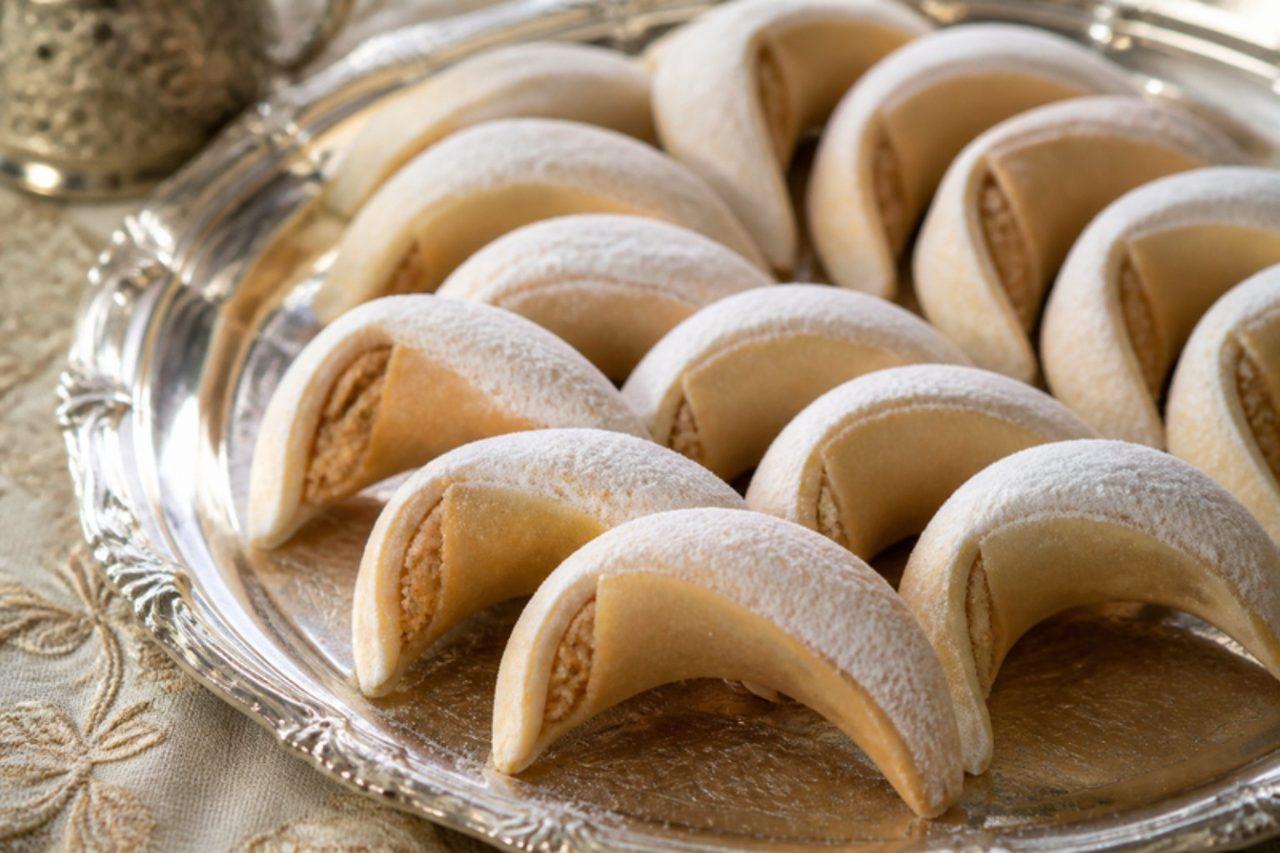
Kaab el ghzal (gazelle horns)

Kaab el ghzal, 'gazelle ankles' or horns, are the most elegant of Moroccan biscuits: a slim crescent of fragrant almond paste flavoured with orange-flower water, wrapped in a pastry rolled so thin it is almost transparent, then baked only until it sets and stays pale. They are made for weddings, Eid, engagements and any visit that deserves honour, and are served with mint tea. The filling is soft and marzipan-like, the pastry delicate and barely crisp. They take time, so make a full batch and freeze half. Chef's tip: bake them until just firm and barely coloured; browning is the common mistake and makes the pastry hard.

by KrazyBadal 0 views

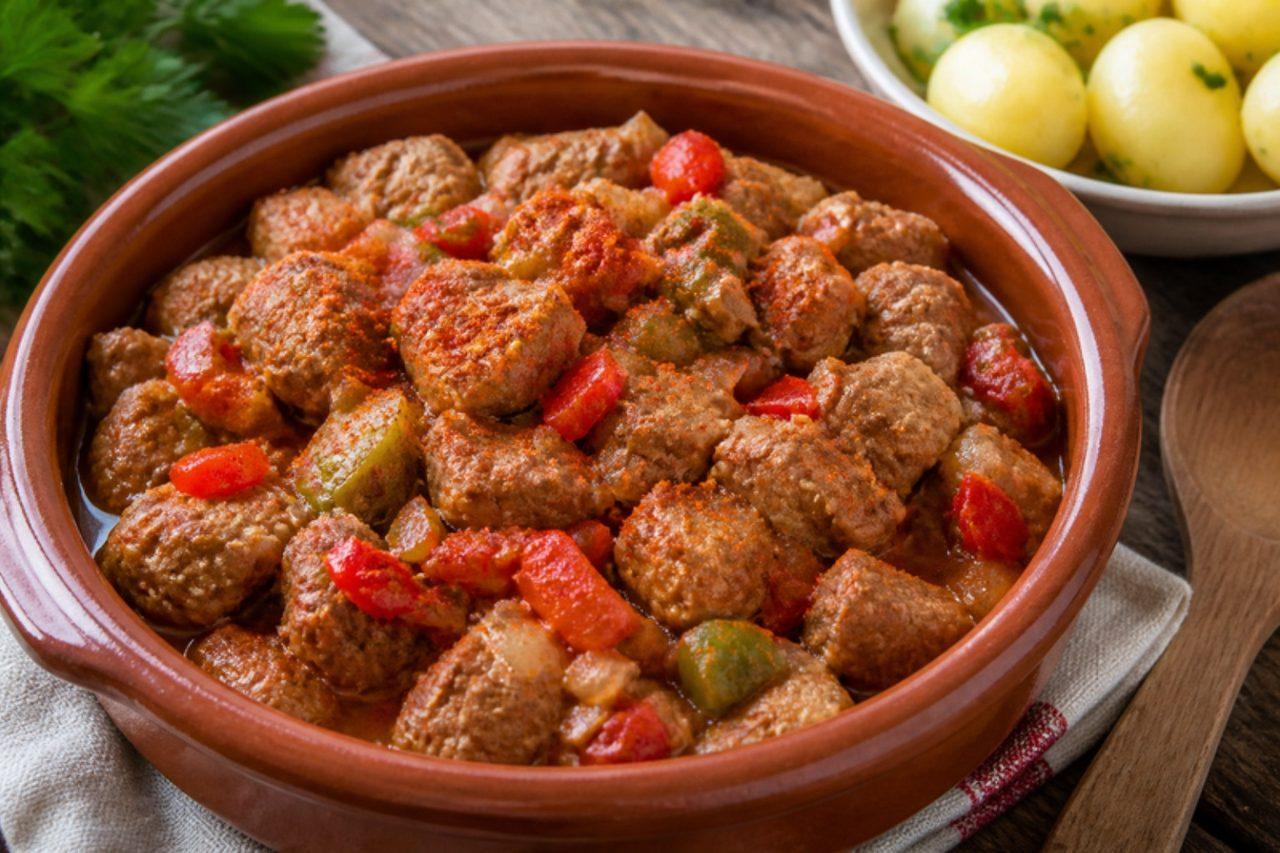
Axoa de veauMinced veal and pepper stew

Axoa (say 'ash-o-a') comes from Espelette, the Basque village whose house fronts are hung with strings of drying red peppers every autumn, and it is still the dish of the October pepper fair and of market-day lunches in Cambo and Bayonne. Veal shoulder is cut into small dice, then stewed with onions, mild green peppers and a good spoonful of ground Espelette pepper, which brings warmth and a fruity, smoky perfume rather than real fire. The result is soft, juicy and brick-red at the edges, best spooned over boiled potatoes or with crusty bread. Chef's tip: stir most of the Espelette pepper in at the end of cooking; long simmering dulls its fragrance.

70 minFrenchMeatGluten free
by KrazyBadal 0 views

GondiChicken and chickpea-flour dumplings

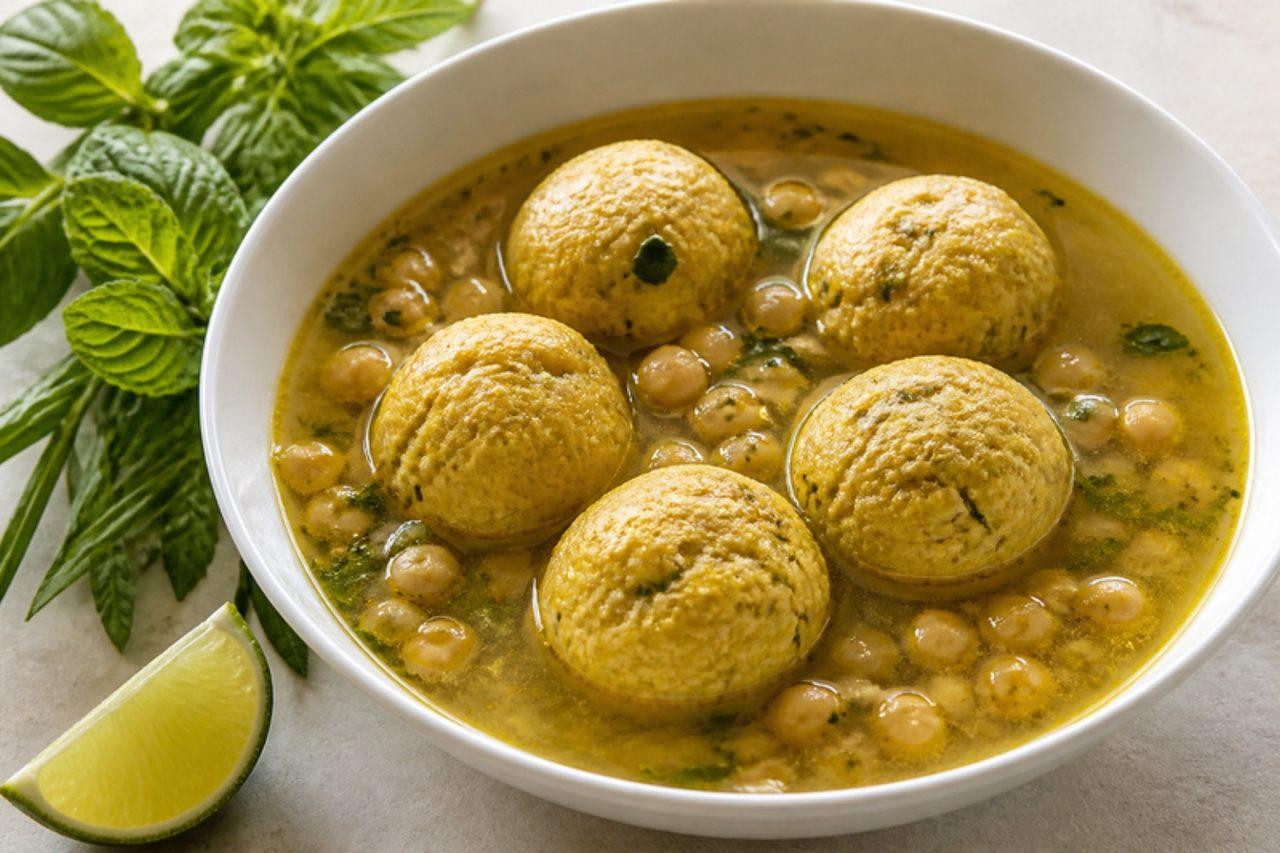
Gondi is the Friday-night dish of Tehran's Persian Jewish families, served at the Shabbat table before the main course or as a light lunch after. Big, soft dumplings of minced chicken, grated onion and roasted chickpea flour, scented with cardamom, are poached in a clear turmeric broth with chickpeas, and each bowl gets one or two with plenty of broth, fresh herbs and flatbread. The texture should be tender and slightly crumbly, a little like a dense matzo ball. A common mistake is using raw chickpea flour; buy roasted chickpea flour (nokhodchi flour) or dry-toast plain gram flour first, or the dumplings taste raw. Chef's tip: chill the mixture for 30 minutes before shaping so the dumplings hold their shape in the broth.

by KrazyBadal 0 views

Islak burgerSteamed garlic tomato burger

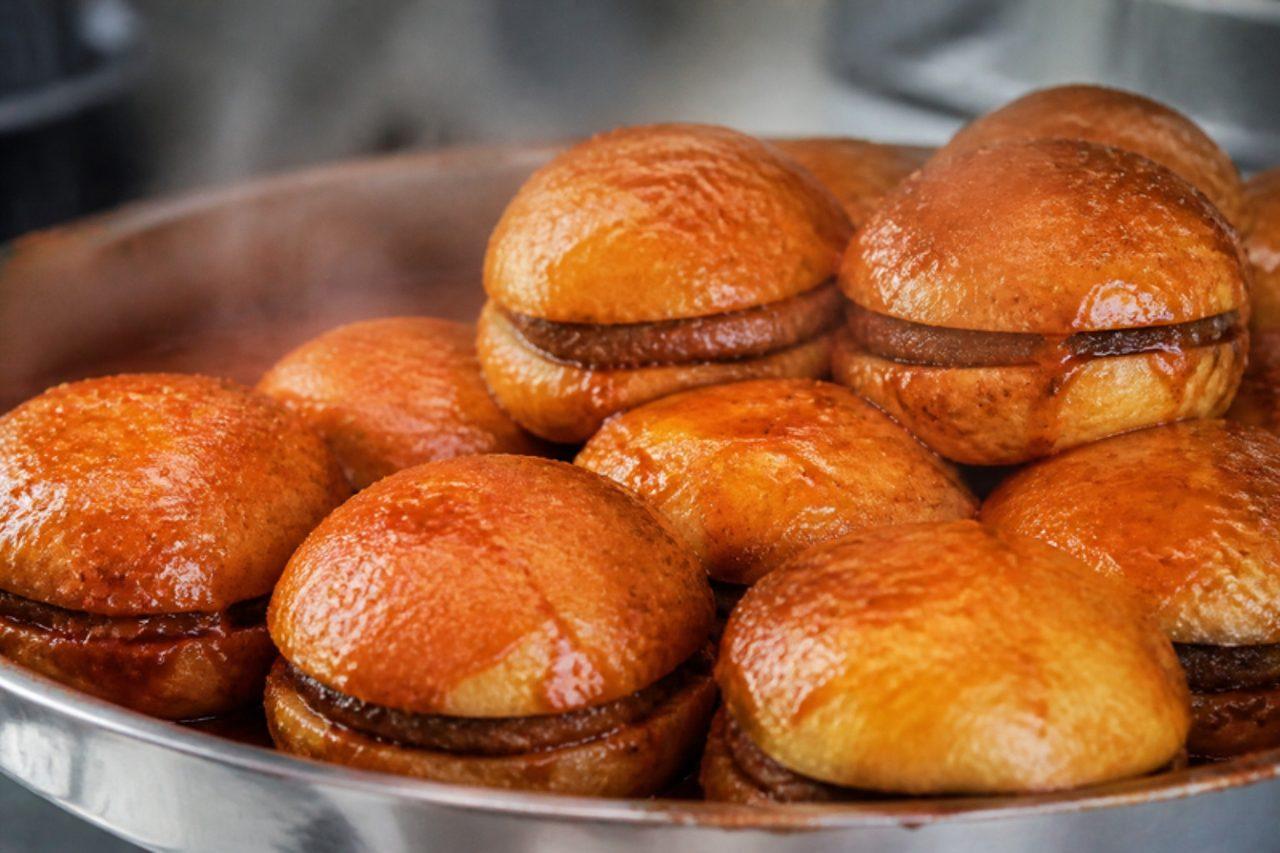
In the windows of the snack bars on Taksim Square, little burgers sit in a steaming glass box, their buns soaked in a garlic and tomato sauce: the ıslak, or 'wet', burger, eaten by the half-dozen at 3 a.m. after a night out on İstiklal. The beef patty is thin and spiced, the bun turns soft and juicy, and the whole thing is gone in four bites. At home a covered pan does the job of the steam box. Chef's tip: use a soft, slightly sweet bun; crusty rolls stay hard and just get soggy at the edges.

by KrazyBadal 0 views

Irish breakfast roll

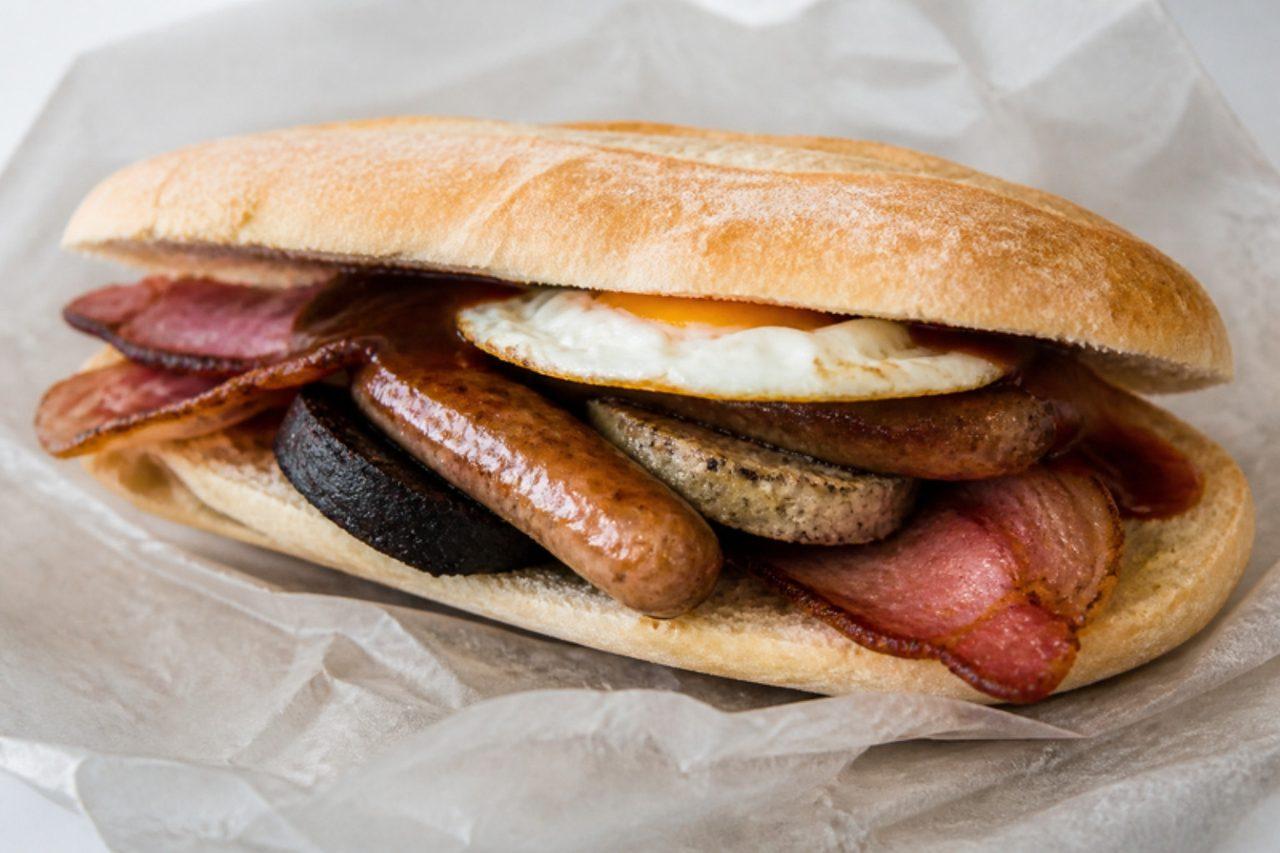
The breakfast roll is the hot deli sandwich of Irish petrol stations and corner shops, eaten from its paper bag by builders, commuters and students all over the country from early morning. A long, crusty baguette-style roll is packed with what is in a fry: pork sausages, rashers, black and white pudding and a fried egg, with butter and brown sauce or ketchup. Chef's tip: warm the roll in the oven so it is crisp outside and soft within before you load it.

by KrazyBadal 0 views

MidopilafoMussel pilaf

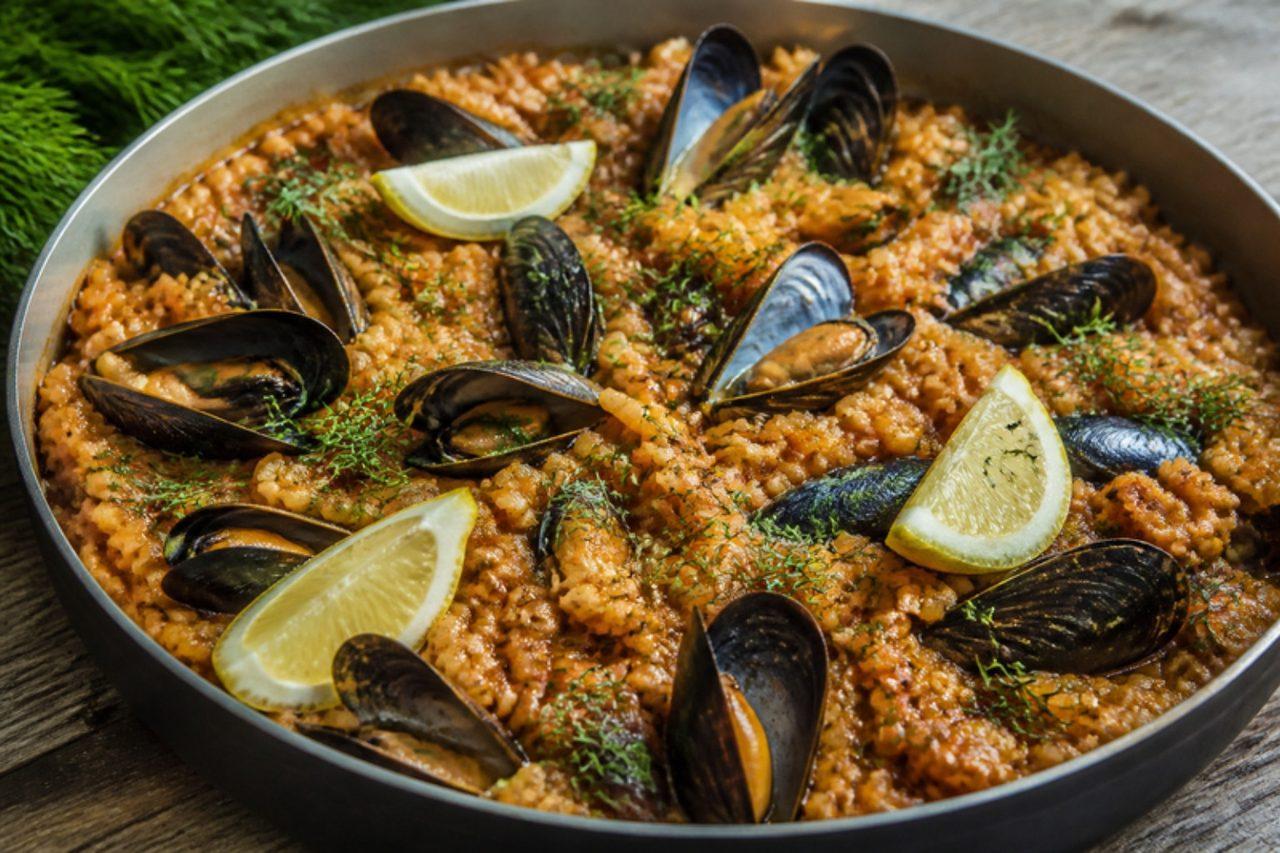
Midopilafo is what Thessaloniki fishermen's families make on a fasting Friday or a cheap midweek night, when a bag of mussels from the Thermaic Gulf can feed a crowd. The mussels are steamed first and their briny liquor becomes the stock for the rice, which simmers with onion, a little tomato and dill until tender and a touch soupy. The shelled mussels go back in at the end so they stay plump. Some cooks add white wine; this version uses lemon and the mussel juice only, so it is alcohol-free. Common mistake: cooking the shelled mussels with the rice the whole time — they shrink to rubber. Chef's tip: strain the mussel liquor through a fine sieve lined with kitchen paper to catch any grit.

60 minGreekFishGluten free
by KrazyBadal 0 views

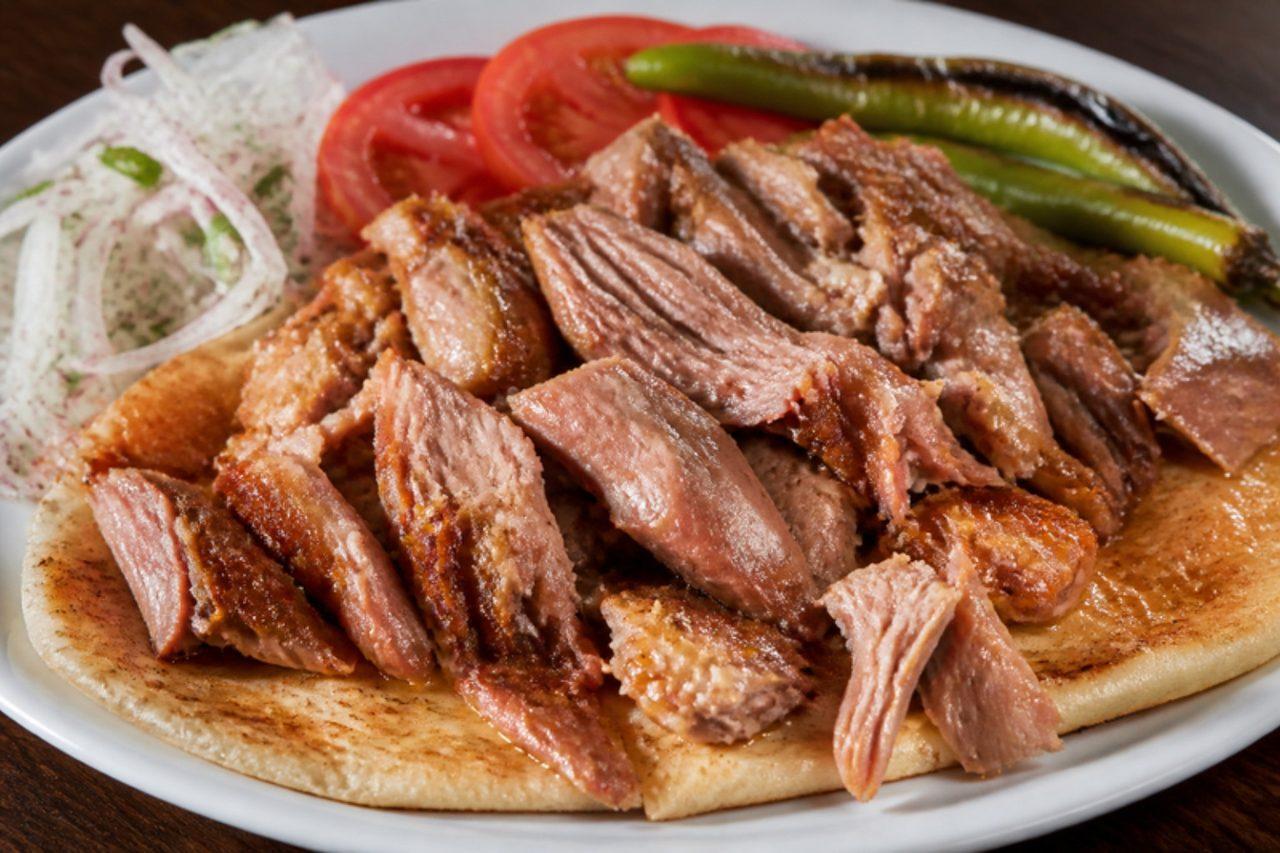
Fırın kebabıSlow-roasted lamb on bread

Konya's fırın kebabı comes from the city's old tandır ovens, where whole sides of lamb hung for hours until the meat collapsed and the fat crisped. Served on a sheet of thin pide with the cooking juices soaked in, a raw onion on the side and a jug of ayran, it is a Sunday treat and a wedding dish. A low home oven and a tightly covered tray give the same soft, juicy result. Common mistake: uncovering it too soon; the lamb needs steamy, sealed heat for hours before it gets its final browning. Chef's tip: rest the cooked lamb on the bread, not on a board; the bread drinks up every drop of juice.

255 minTurkishMeat
by KrazyBadal 0 views

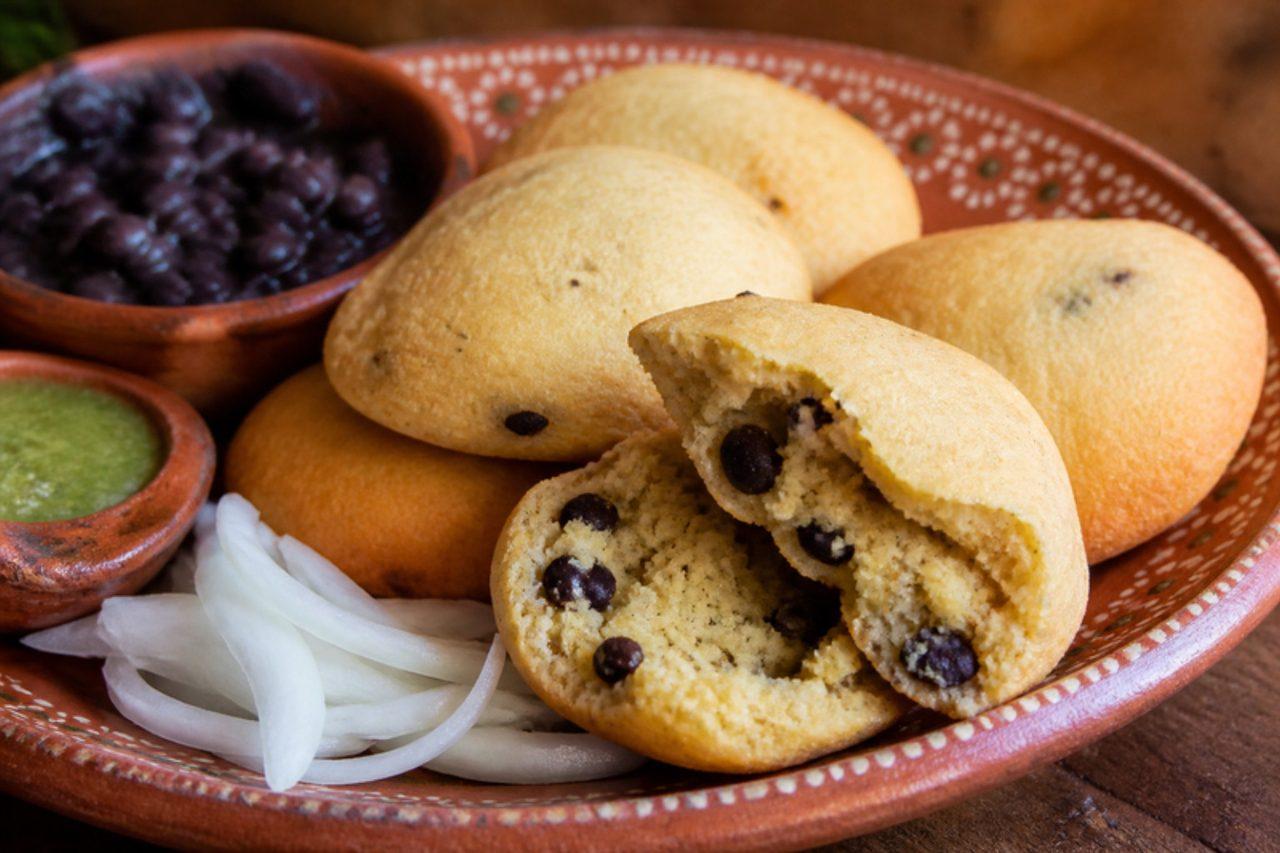
Gordas de frijol negroBlack bean masa cakes

In the Sotavento region of southern Veracruz, around Tlacotalpan and Los Tuxtlas, cooks knead well-fried black beans straight into the corn masa, so the little cakes come out speckled grey-black, then fry them until they puff up like balloons. Gordas de frijol are a supper snack from street stalls and fiesta tables, split and topped with salsa, chopped onion and, for a non-vegan version, a crumble of fresh cheese. Avocado leaf in the beans gives a faint aniseed note. Chef's tip: the beans must be very thick and cooled; warm, wet beans make a sticky dough that will not puff.

by KrazyBadal 0 views

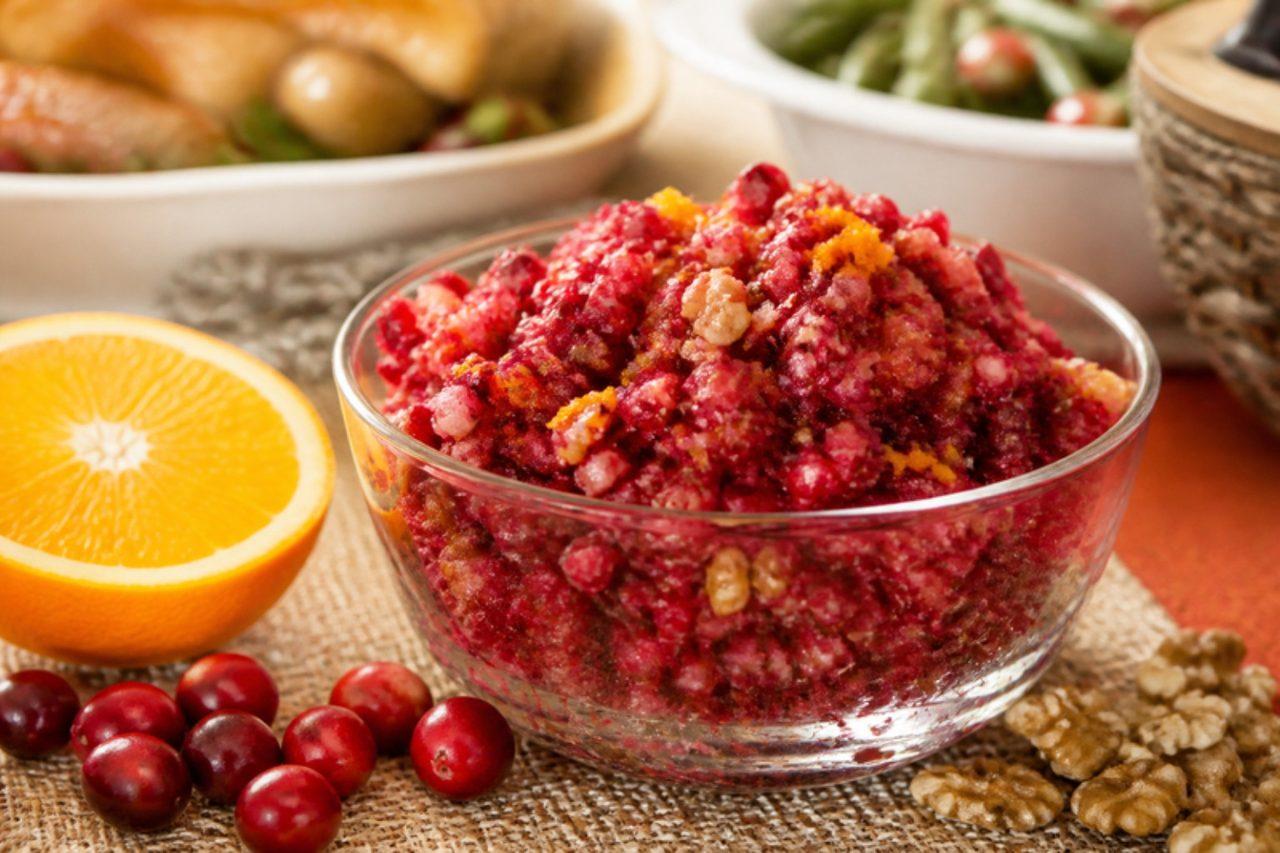
Cranberry orange relish

Cape Cod and the bogs of south-eastern Massachusetts grow much of America's cranberry crop, and this uncooked relish is the sharp, bright alternative to cooked cranberry sauce on many New England Thanksgiving tables. Fresh cranberries are chopped with a whole orange, peel and all, then sweetened, so it is crunchy, tart and fragrant, lovely with roast vegetables, nut roasts or cheese. Chef's tip: make it a day ahead; the sugar draws out the juices and softens the bitterness of the peel overnight.

by KrazyBadal 0 views

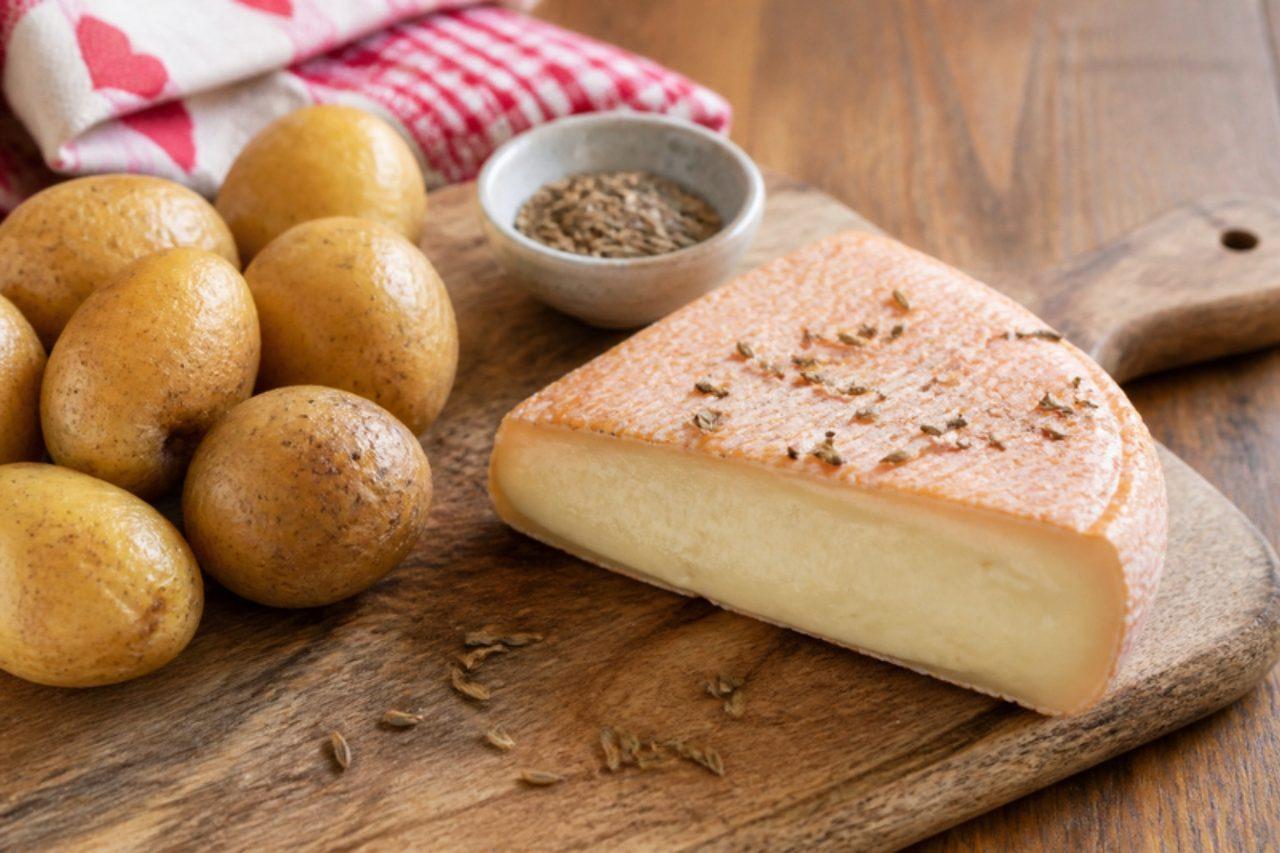
Munster with cumin and potatoes

High in the Vosges above Munster, the farm-inns called fermes-auberges serve their pungent washed-rind cheese in the simplest way: a wedge laid over hot potatoes in their skins, with a little dish of cumin seeds for sprinkling. Alsatians eat it as a winter supper or as the cheese course after a walk in the hills, with a green salad and a glass of something cold. The cheese smells strong but tastes mild and milky once warm, and cumin is its traditional partner. Most Munster is made with animal rennet; for a vegetarian meal choose a vegetarian washed-rind cheese, or a ripe vegetarian brie or reblochon-style cheese. Chef's tip: toast the cumin seeds in a dry pan for a minute before serving; they go from dusty to nutty and lift the whole plate.

by KrazyBadal 0 views

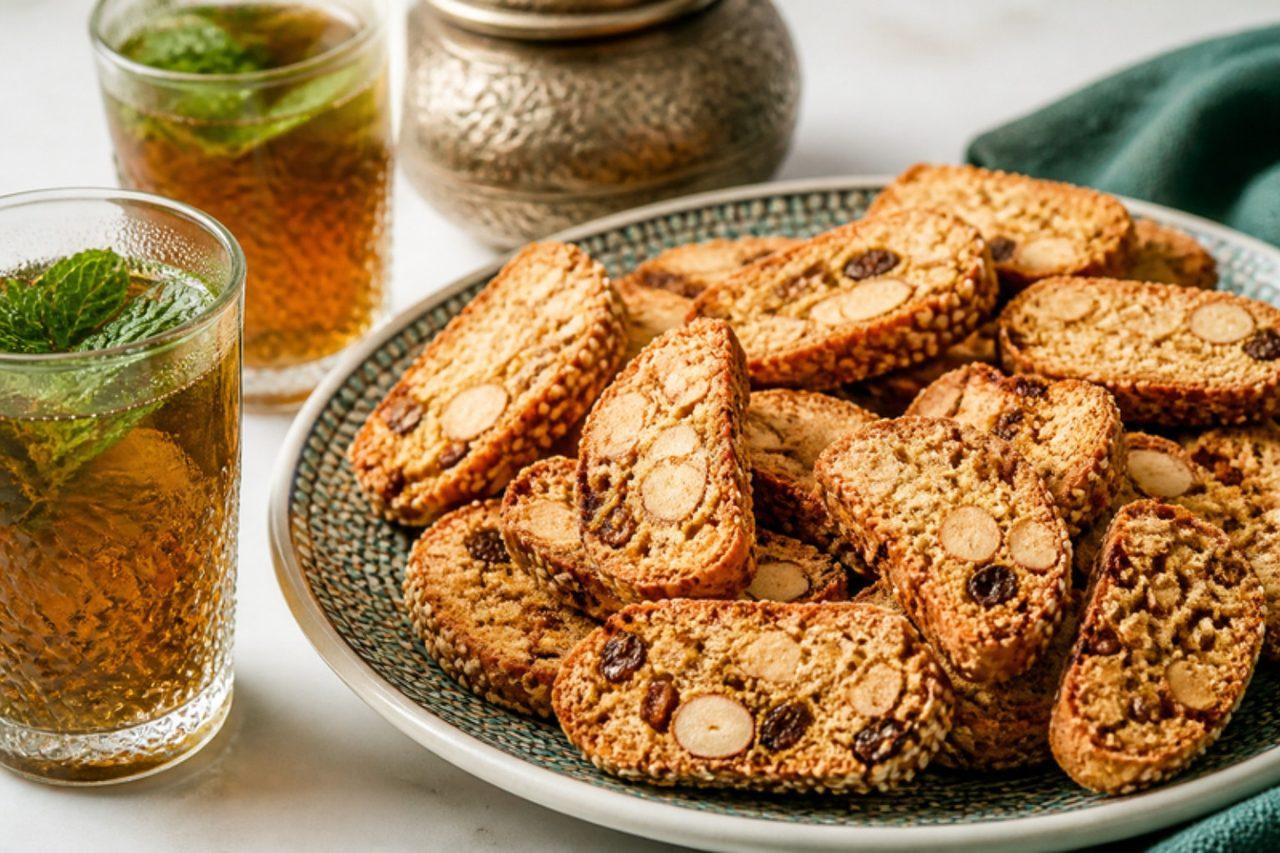
Fekkas (twice-baked almond biscuits)

Before Eid and during Ramadan, Moroccan kitchens fill with the scent of fekkas: logs of a soft, eggy dough studded with almonds, raisins, aniseed and sesame are baked, cooled, sliced thin and baked again until dry, golden and very crunchy. They are offered to guests on trays with ghriba and other biscuits and dunked into mint tea or milky coffee, and they keep for weeks in a tin, so they are perfect to make ahead. The flavour is gently sweet, with liquorice notes from the anise and a little lemon. Avoid slicing the logs while they are still hot from the first bake; they crumble. Let them firm up first. Chef's tip: let the baked logs cool completely, ideally overnight, before slicing; warm logs crumble under the knife.

by KrazyBadal 0 views

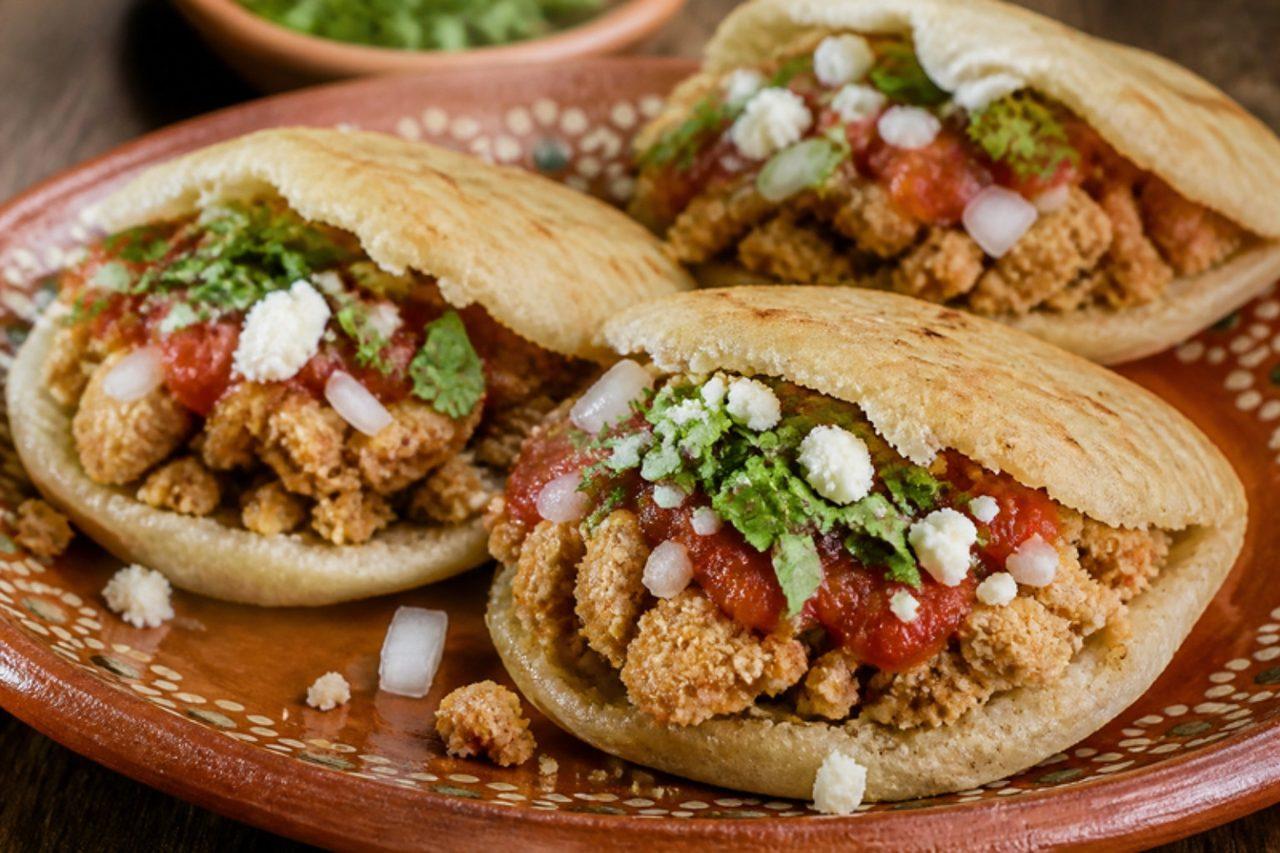
Gorditas de migajasMasa cakes with pork crackling

In Querétaro, gorditas de migajas are a breakfast and market favourite, cooked on wide griddles in the old town and in the street stalls of the Sierra Gorda. They are thick corn cakes filled with migajas, the crunchy crumbs of pork crackling left at the bottom of the carnitas or chicharrón vat, bound with asiento, the brown, savoury pork lard full of toasted bits. This is very much a pork dish; plain pork lard and finely crushed pork crackling make a good substitute if you can't find asiento. Split open while hot, they are filled with red salsa, onion, coriander and crumbled cheese. Chef's tip: cook them over a medium, not high, heat so the inside cooks through before the outside burns.

by KrazyBadal 0 views

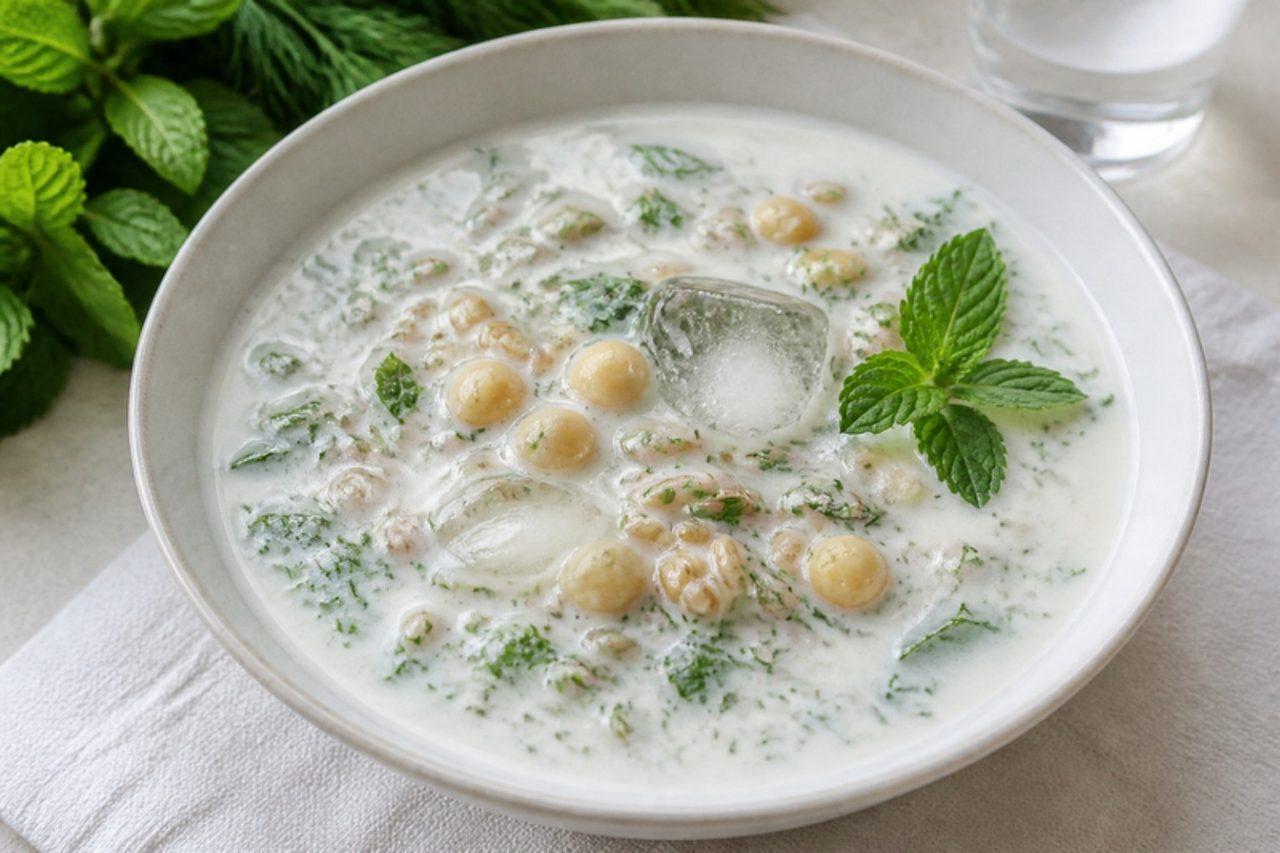
Ayran aşıChilled yoghurt and wheat soup

When the summer heat hits the eastern plateau around Erzurum, Erzincan and Sivas, families switch from hot soups to ayran aşı, a cold soup of thinned yoghurt with cooked whole wheat, chickpeas and handfuls of mint, dill and purslane or cucumber. It's ladled from a big bowl at lunch with flatbread, and it's as refreshing as a drink but filling as a meal. Common mistake: adding the grains while still hot, which makes the yoghurt split and turn sour-tasting; cool them completely first. Chef's tip: make it a few hours before serving and chill; the wheat soaks up the yoghurt and the herbs perfume the whole bowl.

by KrazyBadal 0 views

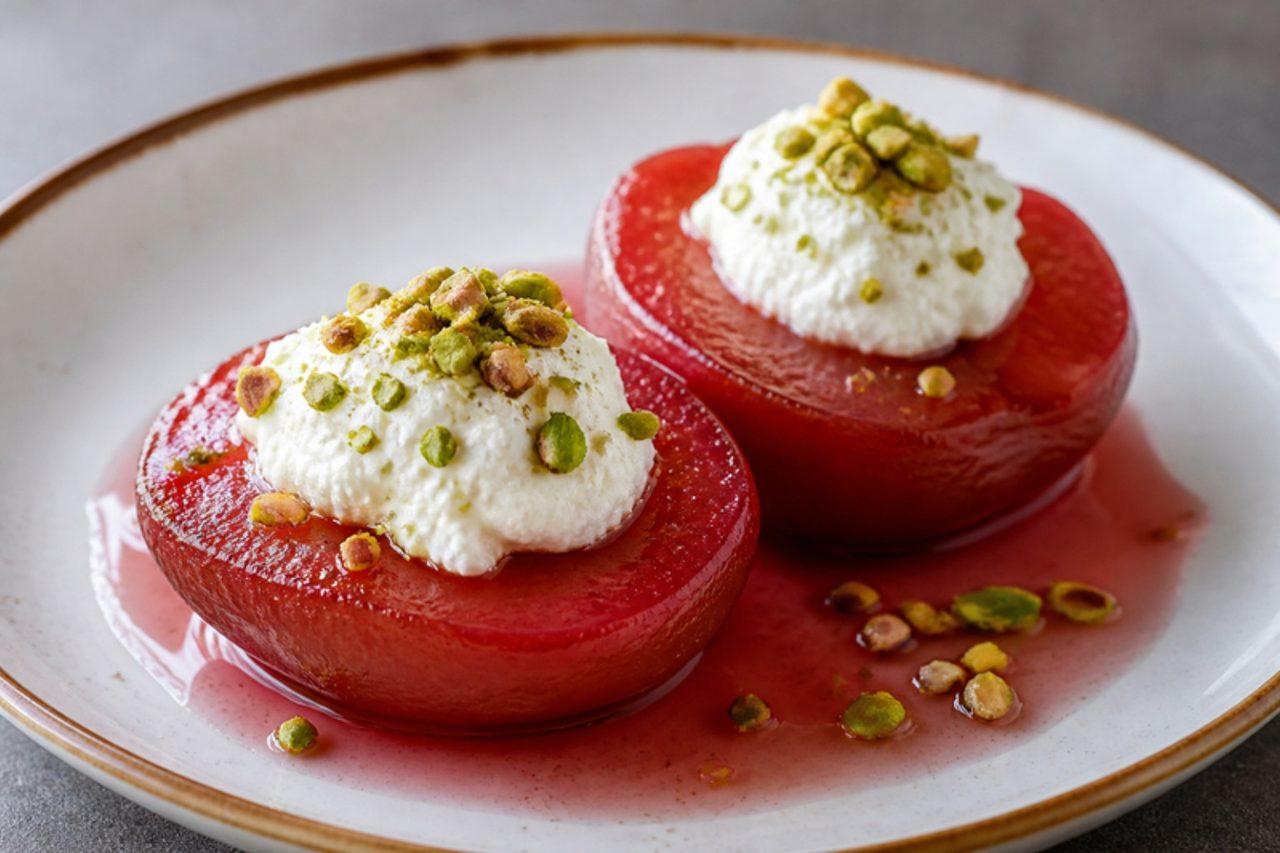
Ayva tatlısıPoached quince with clotted cream

In autumn the market stalls of Ankara and Kayseri are piled with knobbly yellow quinces, and the best-loved thing to make with them is ayva tatlısı: halves poached slowly in syrup with their own seeds and a few cloves until they turn translucent and a deep garnet colour. Each half is filled with thick kaymak or clotted cream and topped with pistachio. Common mistake: rushing it on a high heat; the red colour only comes with long, gentle cooking. Chef's tip: tie the cores and seeds in a little muslin bag and cook them with the fruit; their natural pectin and tannins give the syrup body and that ruby glow.

by KrazyBadal 0 views

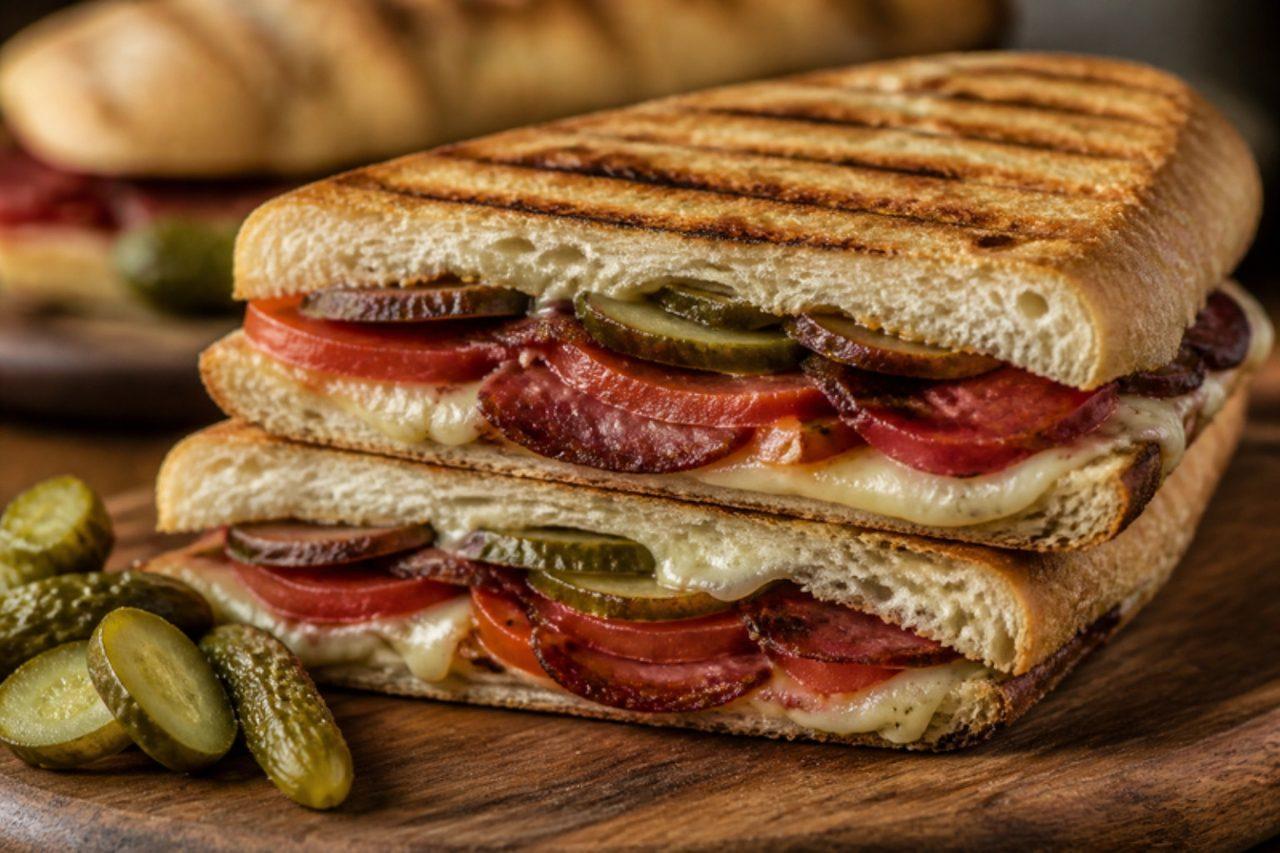
Ayvalık tostuSausage, cheese and pickle toastie

Ayvalık, the olive-oil town on the north Aegean, turned the humble cheese toastie into a feast: a long, soft loaf split and stuffed with kaşar, beef sucuk, beef salami, tomatoes and pickles, pressed hot, then opened up again to be piled with ketchup, mayonnaise and Russian salad. It is eaten for breakfast or as a late snack after a swim. This one has beef sausage and salami, so check the label if you avoid pork. Chef's tip: press it twice, once with the cheese and meats, then again after opening it to add the cold toppings, so the bread stays crisp.

by KrazyBadal 0 views

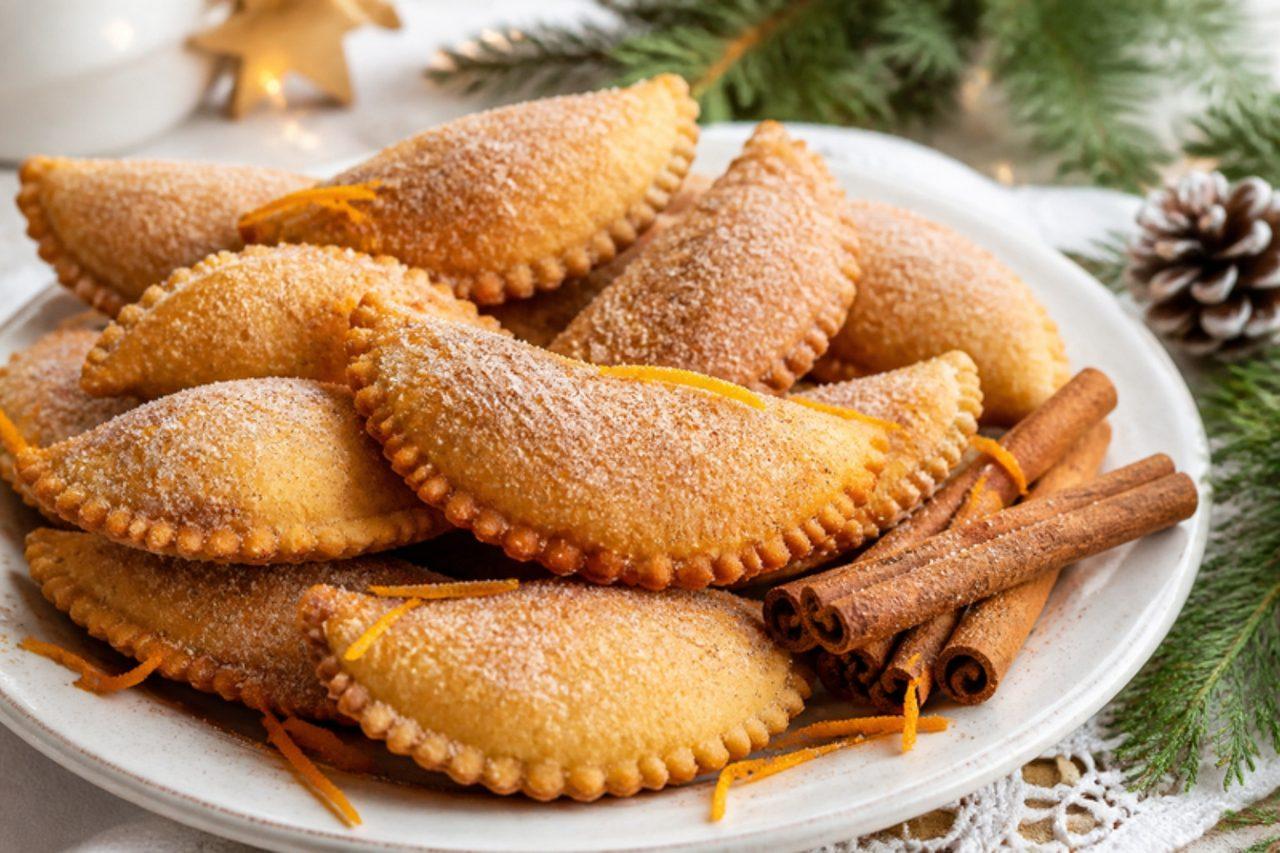
Azevias de grãoSweet chickpea fried pastries

Come December, Alentejo kitchens fill with the smell of these: thin, crisp pastries folded around a sweet chickpea paste flavoured with orange and cinnamon, fried until blistered and rolled in cinnamon sugar. Families make them by the hundred and share them with neighbours over Christmas. Many recipes add a splash of aguardente, a grape spirit containing alcohol, to the dough for crispness; it is optional here, and orange juice alone works. This version contains no egg or dairy. A common mistake is rolling the dough too thick; it should be thin enough to see light through, so it bubbles and crisps. Chef's tip: make the filling the day before; cold, firm filling is far easier to wrap.

by KrazyBadal 0 views

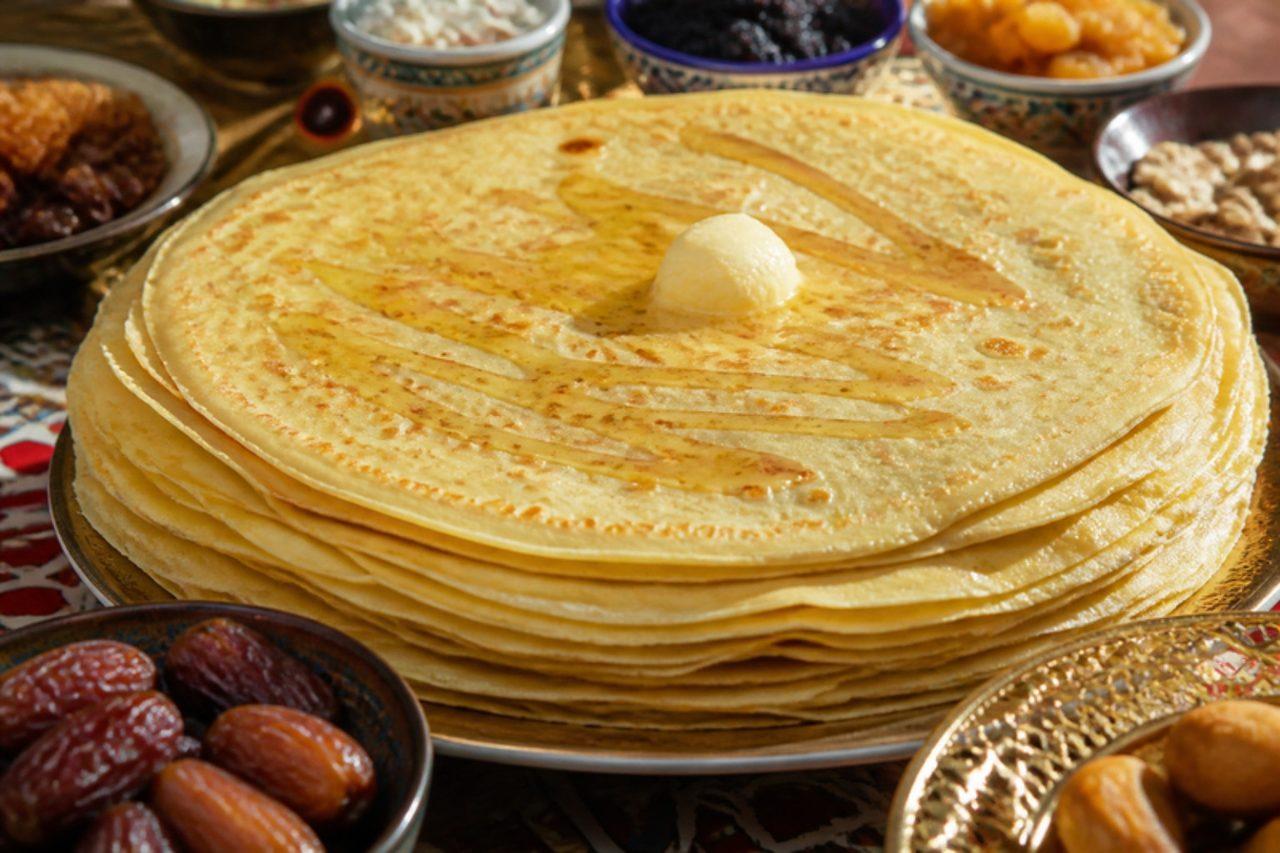
Mufleta (Mimouna stacked crêpes)

On the evening Passover ends, Moroccan Jewish families celebrate Mimouna by opening their doors to neighbours and friends, and the star of the table is mufleta: paper-thin rounds of unleavened dough stretched by hand and cooked one on top of another in a single pan, so a whole warm stack comes out at once. Each layer is peeled off, spread with butter and drizzled with honey, and rolled up to eat with mint tea, among sweets, dried fruits and flowers. They are soft, a little chewy and lightly crisp at the edges. The dough has no yeast, fitting for the night bread returns. The usual mistake is stretching the dough with too little oil on the board, so the sheets tear and stick together in the stack. Chef's tip: cook over a medium-low heat; a pan that is too hot scorches the bottom layer before the stack is built.

by KrazyBadal 0 views

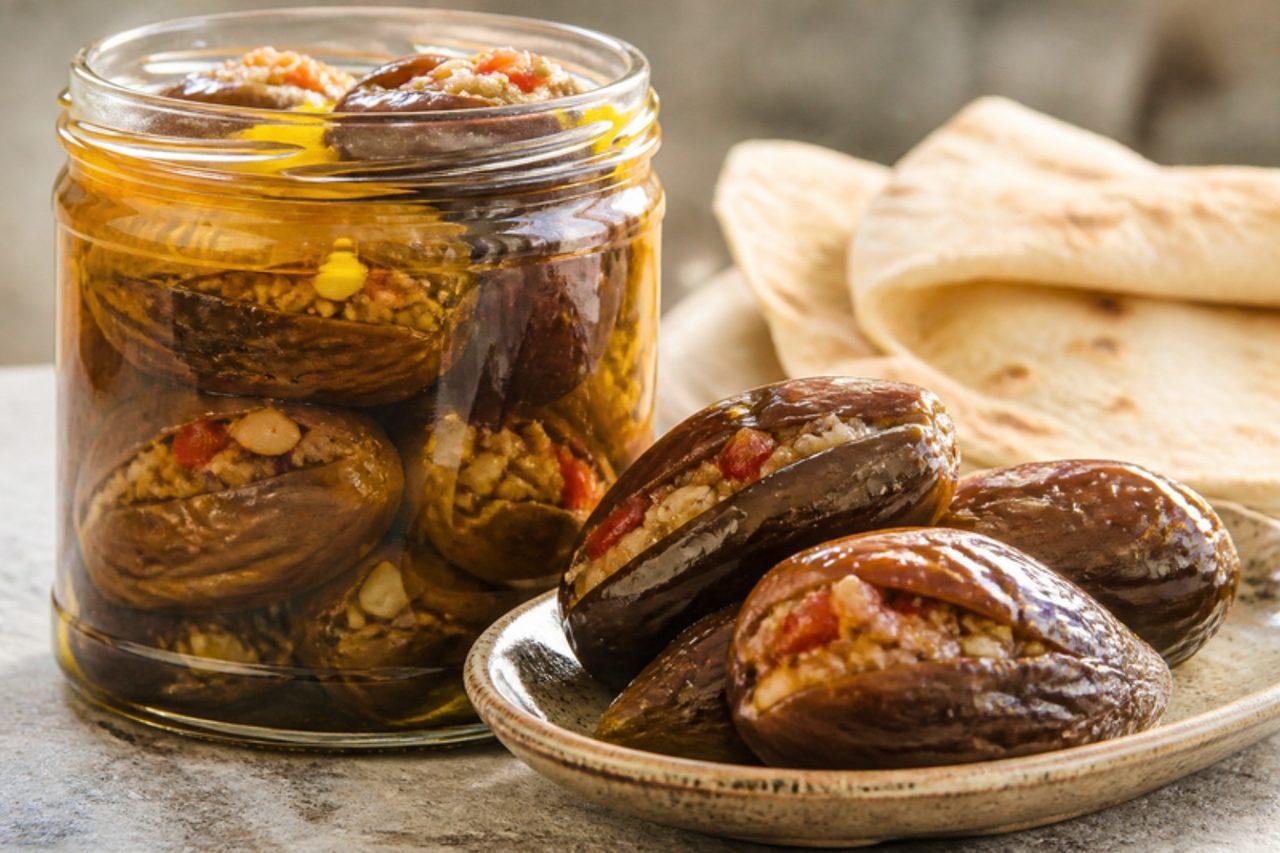
MakdousWalnut-stuffed pickled aubergines

Every autumn, Damascus kitchens fill with jars of makdous as families preserve the last of the small aubergines for the winter breakfast table. The aubergines are boiled, salted and pressed for a day, then stuffed with walnuts, red pepper, garlic and chilli and packed under olive oil to cure until tangy and tender. A couple of them, split on a plate with bread, labneh and tea, is the classic Syrian morning. Common mistake: skipping the pressing — any water left in the aubergines can spoil the jar. Chef's tip: keep the jar in the fridge and always lift them out with a clean fork; homemade preserves in oil should be kept chilled and eaten within a month for safety.

by KrazyBadal 0 views

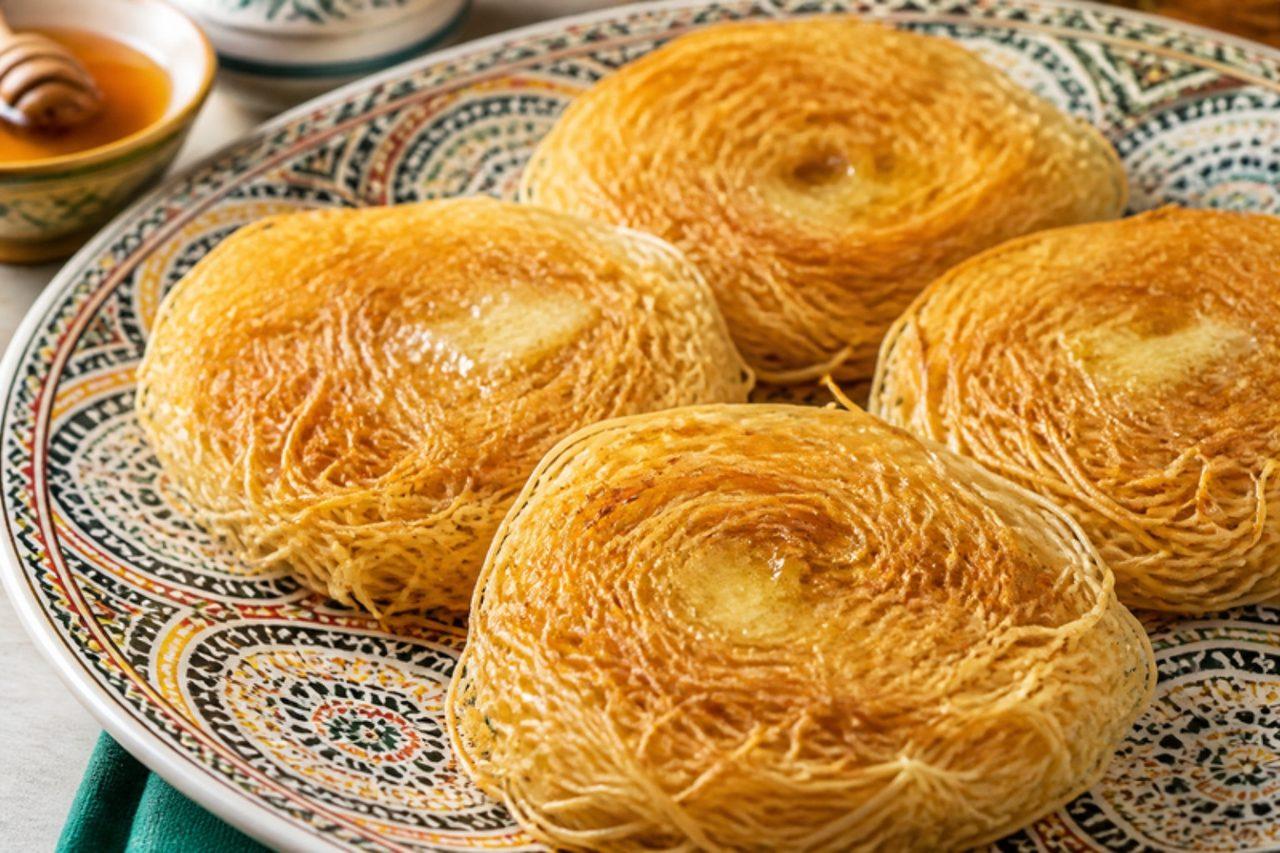
Rziza (coiled thread pancakes)

Rziza is one of the showpieces of the Ramadan table in the old imperial cities: a soft dough is stretched into a sheet, rolled up and pulled into a long, thin cord, then wound around the fingers into a skein, flattened into a nest and griddled until crisp outside and tender within. At iftar the nests are pulled apart into their fine strands and drenched in warm honey and melted butter, to eat with harira, dates and mint tea. Making it takes patience and practice; the first one or two may tear, and that is fine. Chef's tip: keep everything well oiled, your hands, the board and the dough balls; too little oil is the common mistake, and the dough then tears instead of stretching.

by KrazyBadal 0 views

King kongLayered biscuit with manjar blanco

Named, the story goes, after the giant ape because of its size when the film reached Peru, the king kong is Lambayeque's proudest sweet: thick, crumbly biscuit layers stacked with manjar blanco, a sticky pineapple jam and a peanut fudge, then cut into heavy slabs. Shops in Lambayeque and Chiclayo sell them by the kilo in boxes, and travellers carry them home as gifts. It is very sweet, buttery and dense, so a slice goes a long way with black coffee. This home version makes the manjar blanco from condensed and evaporated milk to save hours, then turns half of it into the peanut layer. The usual mistake is overbaking the biscuit until it is hard; take it out as soon as the edges are pale gold, as it firms up while it cools. It is a project, so make the fillings first and let them cool. Chef's tip: wrap the finished king kong and leave it overnight before cutting; the layers settle and soften into each other.

by KrazyBadal 0 views

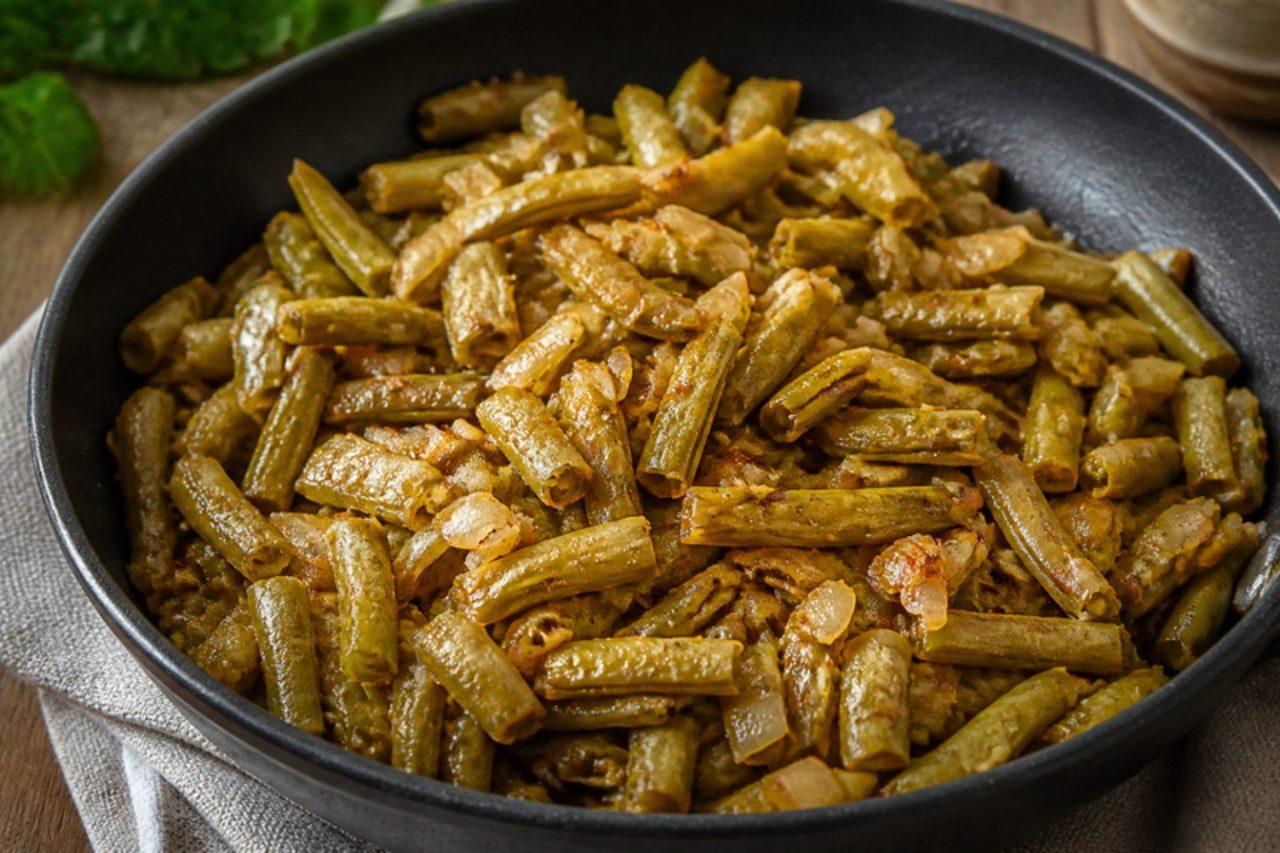
Fasulye turşusu kavurmasıFried pickled green beans

Every autumn, Black Sea households pack crocks with green beans and brine, and through the winter those sour, soft beans are fried with onion and a little butter or oil into one of the region's most loved side dishes. Kavurma means fried, and the beans take on golden edges while keeping their tangy bite; a beaten egg sometimes goes in at the end. Eat it with cornbread, rice pilaf or a bowl of fried anchovies. Common mistake: frying the beans straight from the jar; they spit and taste harshly sour. Chef's tip: soak them in fresh water for half an hour first, tasting as you go, until they are pleasantly sour rather than puckering.

by KrazyBadal 0 views

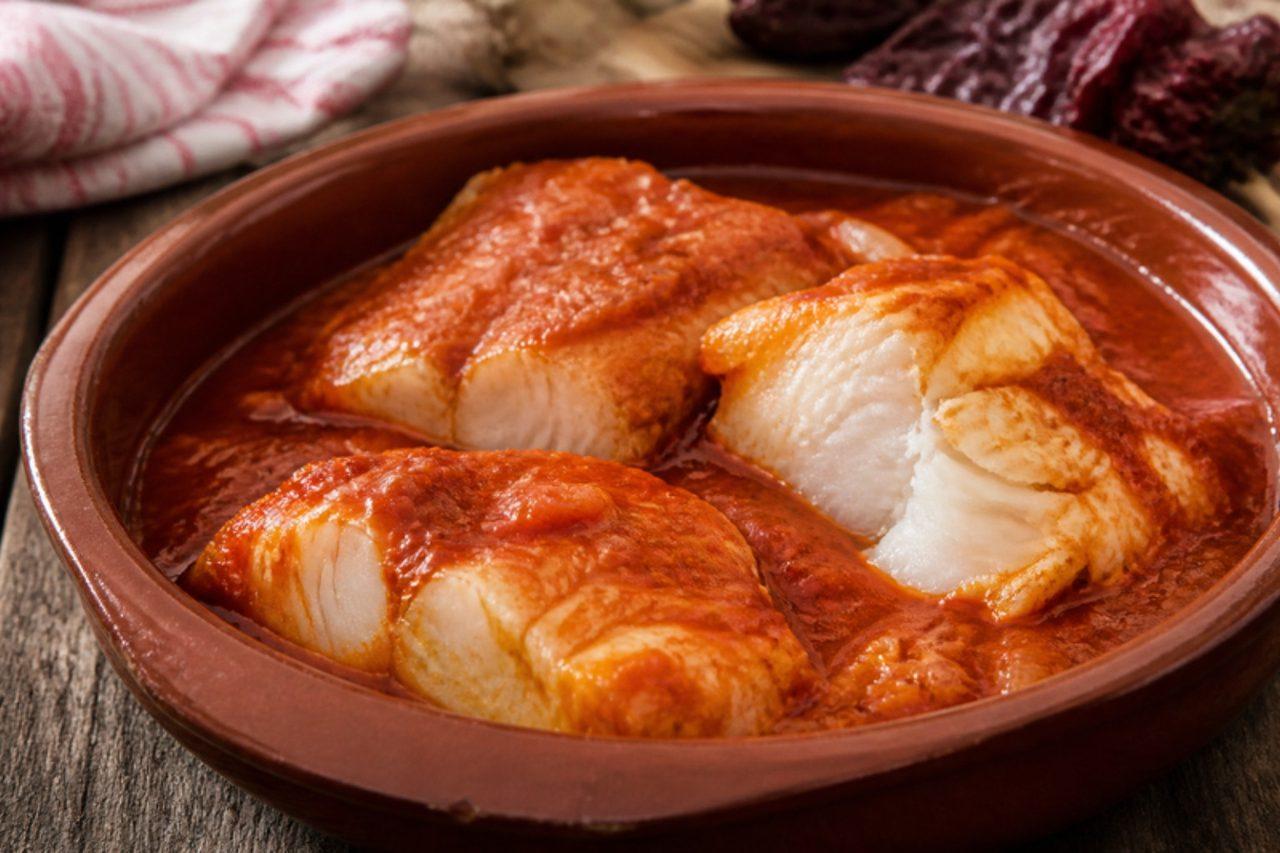
Bacalao a la vizcaínaSalt cod in red pepper sauce

Bilbao's great salt cod dish shows up every Lent and on Good Friday, and in the city's old taverns its sauce is judged as fiercely as the fish. The sauce is made only from onions cooked for a long time and the flesh of dried choricero peppers, with no tomato, which gives it its deep red colour and gentle sweetness. Salt cod needs 36–48 hours of soaking in the fridge, so start two days ahead. A common mistake is hurrying the onions: they need at least 40 minutes on a low heat to turn soft and sweet. Chef's tip: taste a flake of the soaked cod before cooking, and if it's still salty, soak it a few hours more.

105 minSpanishFishGluten free
by KrazyBadal 0 views

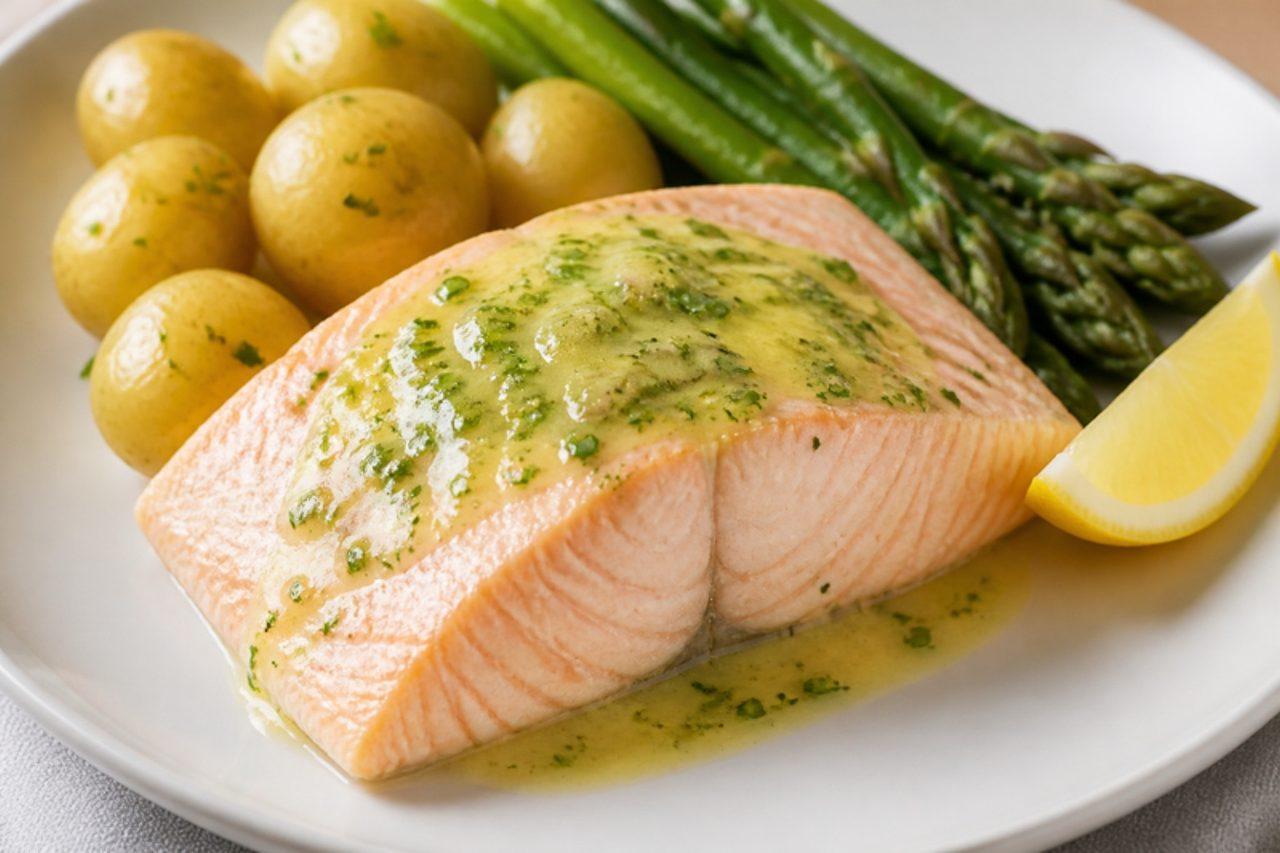
Poached Irish salmon with herb butter

A side of poached salmon is the centrepiece of Irish wedding buffets, First Communion lunches and summer gatherings along the Moy and the Blackwater, where wild salmon once ran thick. Poached gently in a court bouillon, it stays silky and moist, and here it is served warm with a simple chive and lemon butter sauce, new potatoes and peas. Chef's tip: never let the poaching liquid boil; it should barely shiver, or the salmon tightens and leaks white curds.

30 minIrishFishGluten free
by KrazyBadal 0 views

Showing 45 of 7,762 recipes

Show more recipes

Page 463 of 863