


Skip to content
Home-made yogurt
Featured recipe

Home-made yogurt

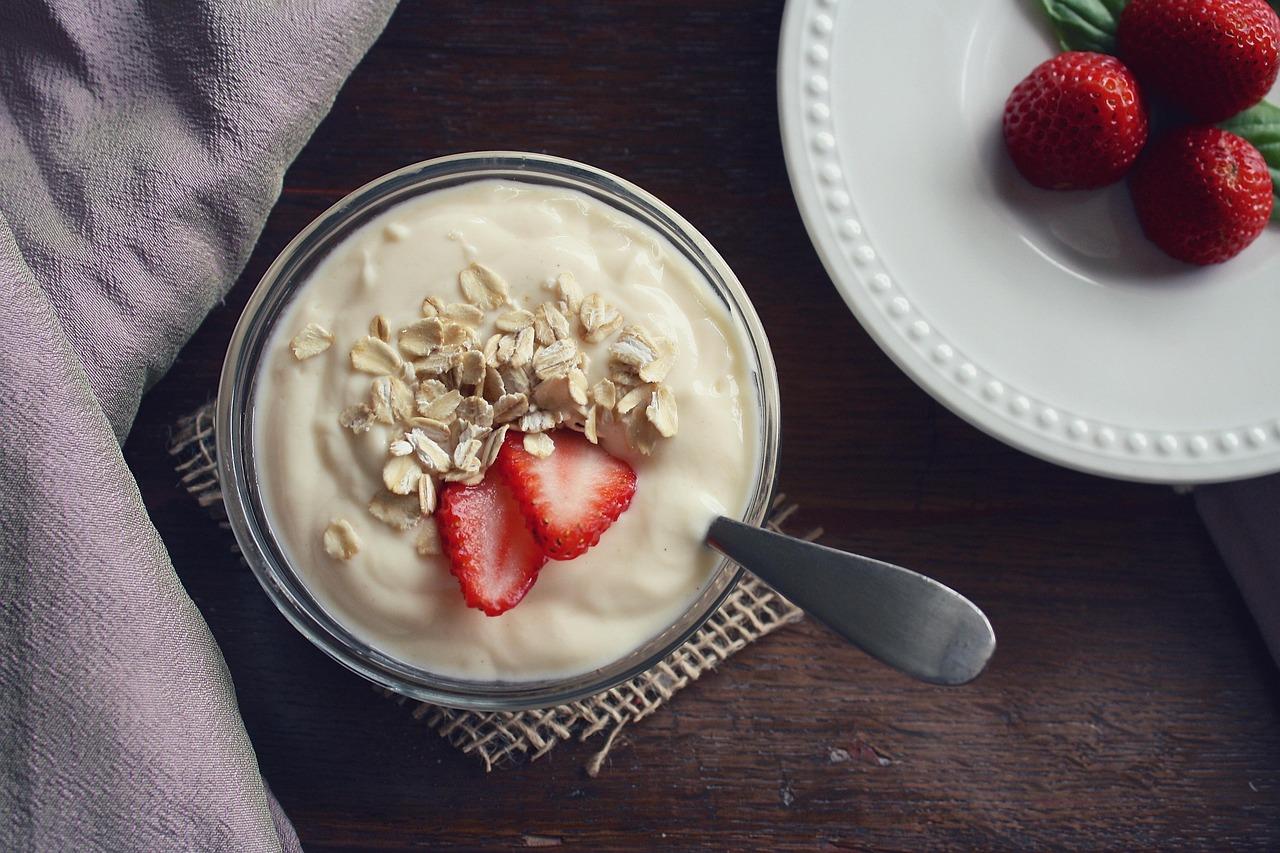
Set yogurt (dahi) at home with just milk and a spoonful of yogurt from the last batch as the culture. It sets overnight in a warm spot. Scale it up to any amount of milk: allow ½ tsp of yogurt for each cup.

Read more 0 views

What to eat today?

Around the world

Today's trip: Paraguayan

A new country every day, from every cuisine on the site.

This week's collection

Kid-friendly dinners
537 recipes · a new collection every Monday

Latest recipes

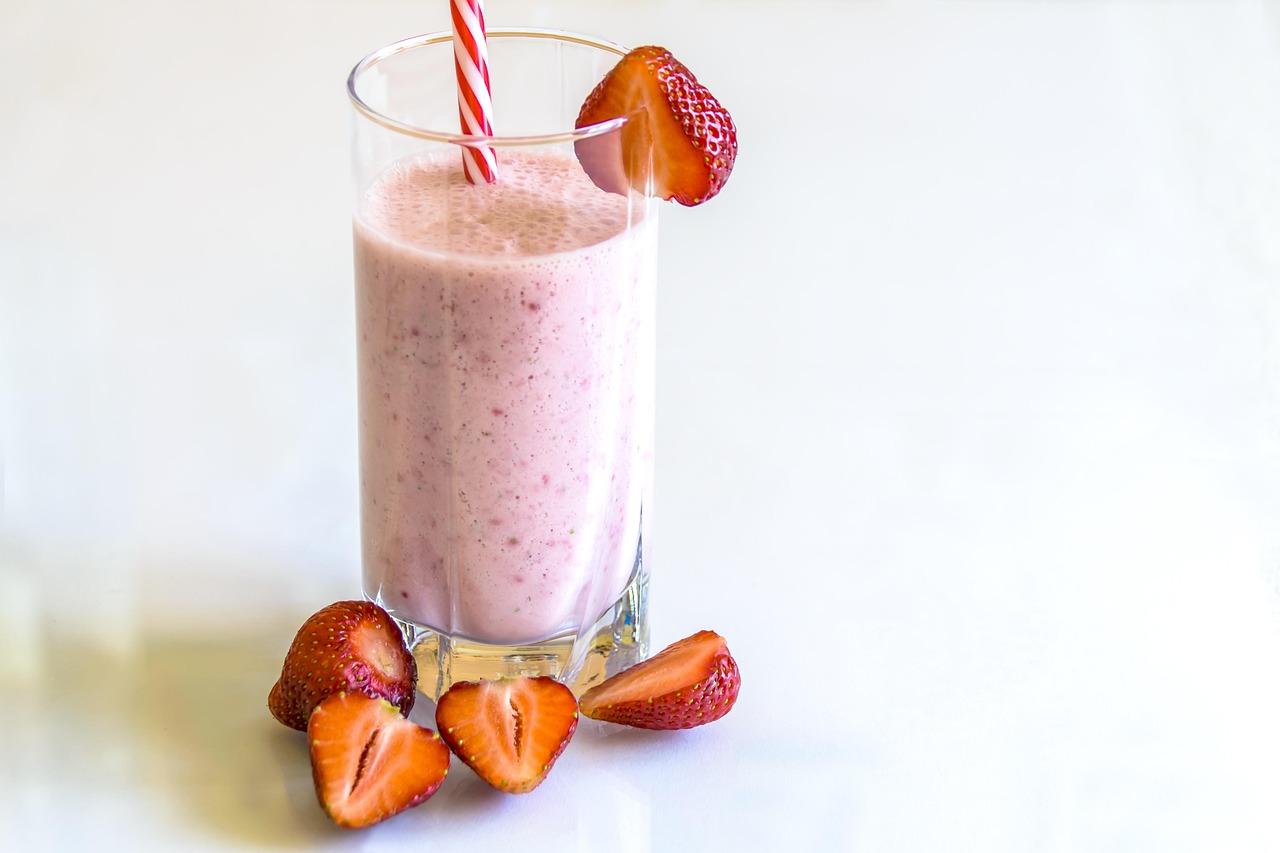
Agua de fresa cremosa

In Hidalgo, the pulque country north of Mexico City, the pulquerías serve curados: pulque blended with fruit, and the strawberry one is pink, thick and creamy. Home cooks and taquerías make this alcohol-free cousin for the whole family, a strawberry agua fresca blended with evaporated milk, so it is like a light milkshake that you drink with tacos on a hot afternoon. It contains no pulque or alcohol. Chef's tip: use the ripest, darkest strawberries you can find; pale ones give a thin, sour drink.

by KrazyBadal 0 views

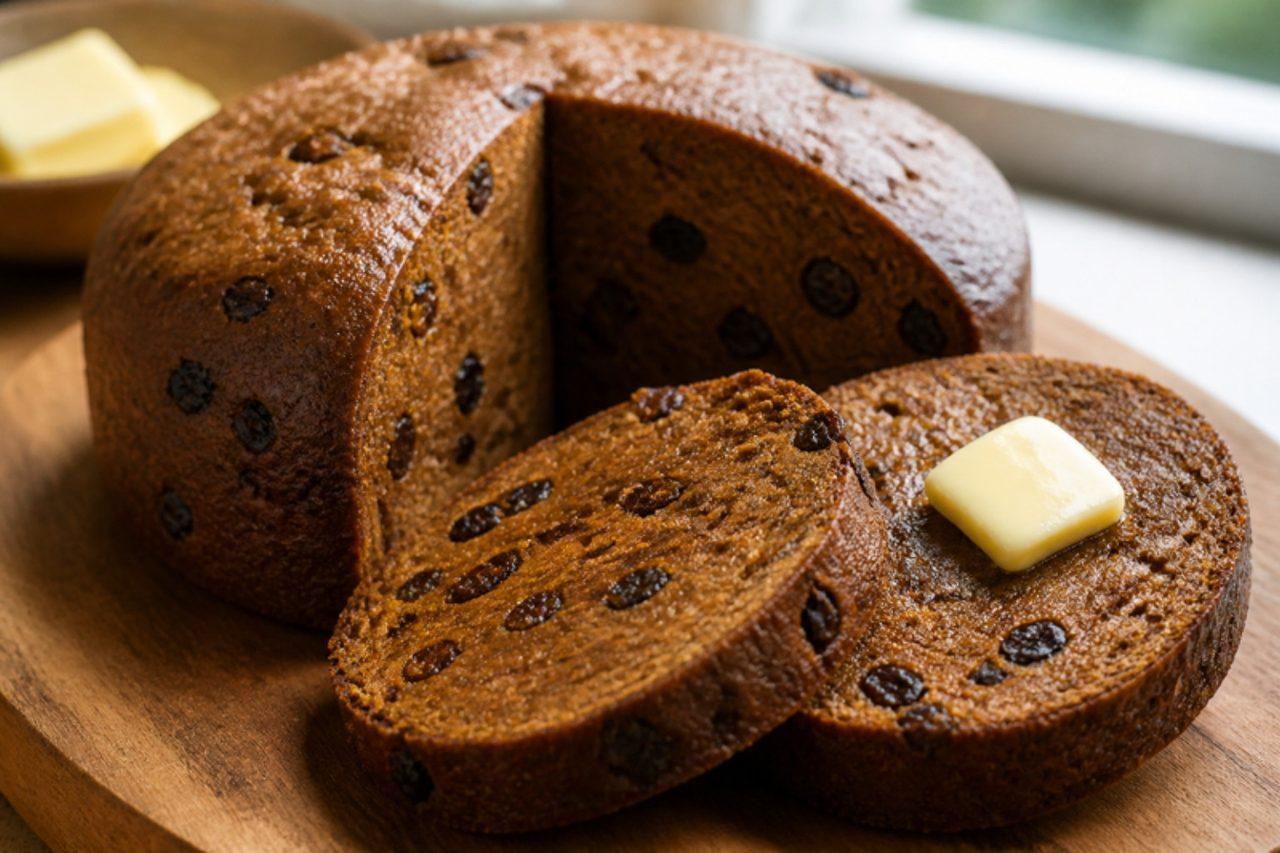
Selkirk bannock

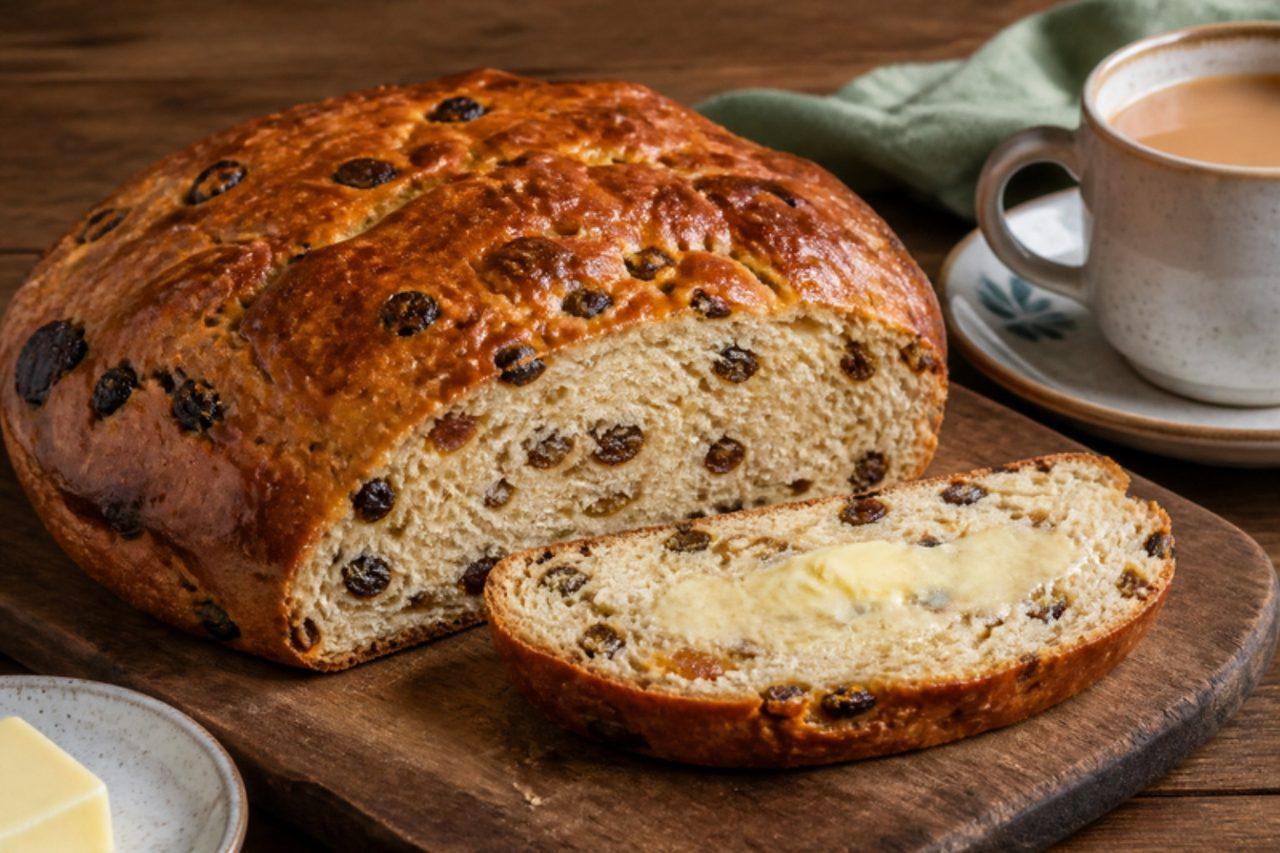
The Selkirk bannock is a round, glossy fruit bread from the Border town of Selkirk, first baked in the 1850s and famously eaten by Queen Victoria at Abbotsford. Unlike a plain oat bannock it is a rich yeast dough that is mostly sultanas, sliced and buttered with afternoon tea. Chef's tip: work the sultanas in only after the dough has risen once, or they tear the gluten and the loaf won't lift.

by KrazyBadal 0 views

Boston brown bread

Boston brown bread is the dark, moist loaf New England families steam in a tin can and slice next to a pot of Saturday-night baked beans. It mixes rye flour, wholemeal and cornmeal with buttermilk and molasses, so it is sweet, slightly sour and almost cake-like, with no yeast and no oven. Eat it warm with butter or cream cheese. Chef's tip: steam it in clean food tins or a pudding basin covered tightly with buttered foil, because any steam that gets in makes the top soggy.

by KrazyBadal 0 views

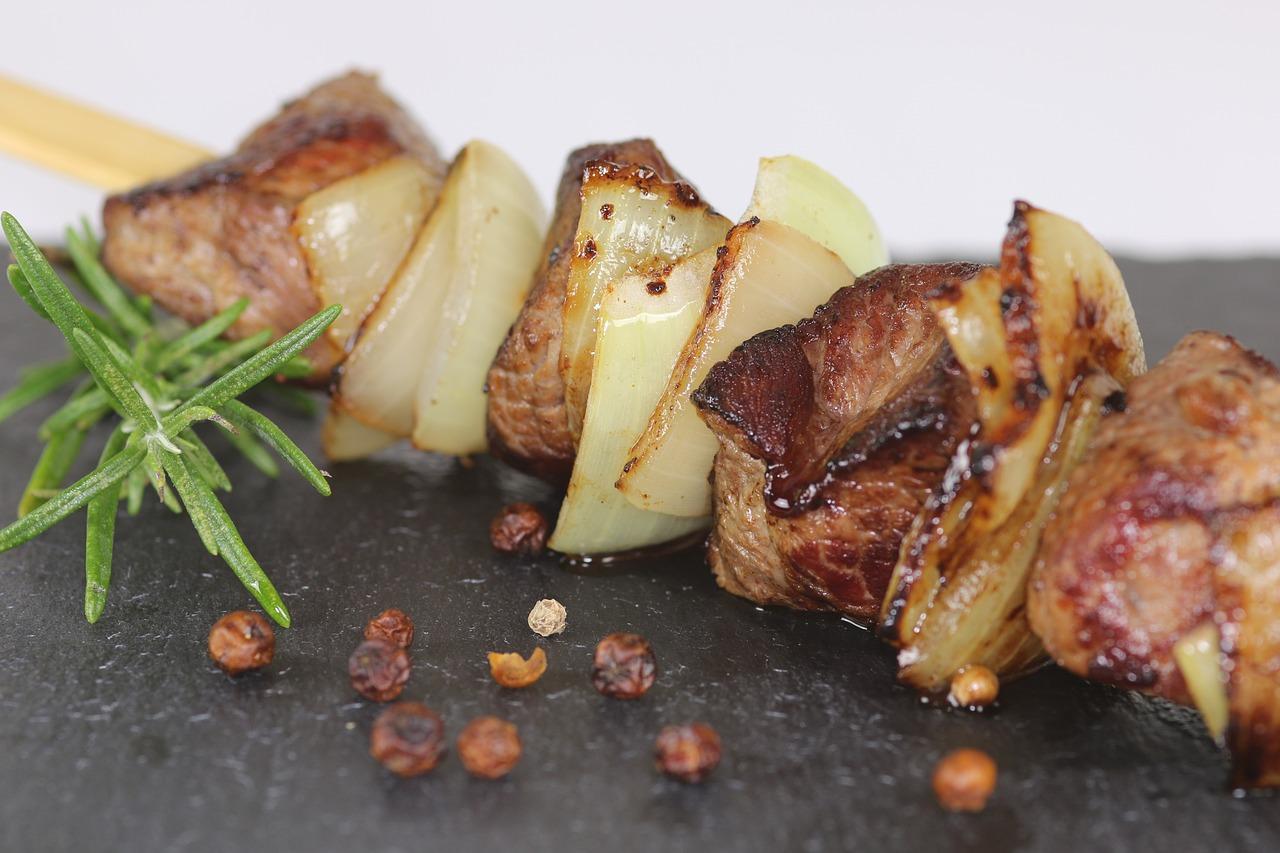
Lahm meshwi

Every Levantine family barbecue, from mountain picnics above Zahle to Friday gatherings in Amman, has a tray of lahm meshwi: chunks of lamb leg marinated with onion, seven-spice and olive oil, threaded with onion and pepper and grilled over hot charcoal. The skewers go straight onto warm bread to catch the juices, with a heap of parsley, sliced onion and sumac. It is simple food that lives or dies by the marinade and the heat. The common mistake is cutting the lamb too small, so it is grey and dry by the time the outside chars. Chef's tip: grate the onion for the marinade and squeeze in its juice; it tenderises the meat overnight in the fridge.

by KrazyBadal 0 views

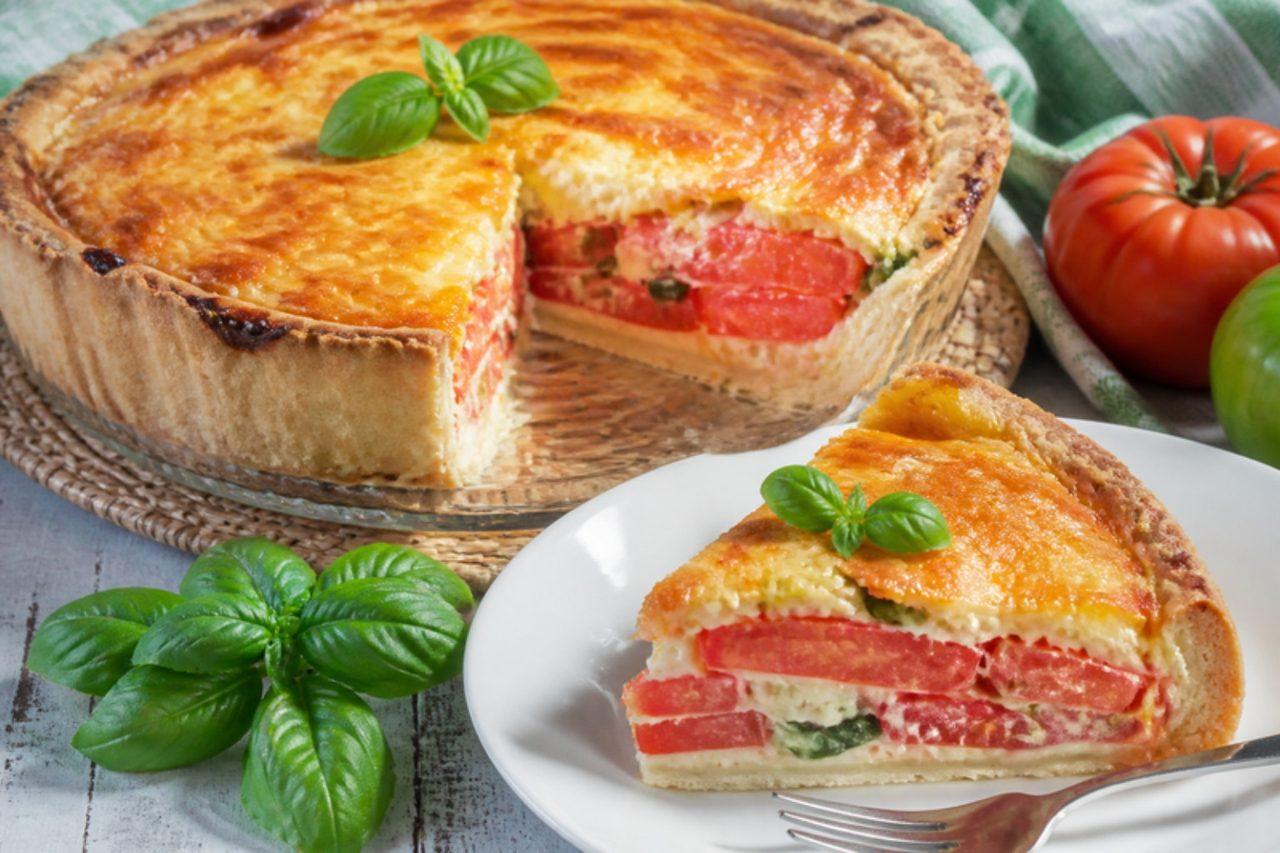
Southern tomato pie

Tomato pie is the high-summer lunch of the Carolinas and Virginia, made when the ripe tomatoes are piling up on the windowsill. Salted, drained tomato slices are layered in a pastry case with basil and spring onion, then covered with a rich topping of cheddar and mayonnaise that bakes golden and bubbly. It is best warm or at room temperature with a green salad. Choose a vegetarian cheddar if needed, as traditional cheddar uses animal rennet. Chef's tip: salting and draining the tomatoes is the difference between a sliceable pie and a soggy one.

by KrazyBadal 0 views

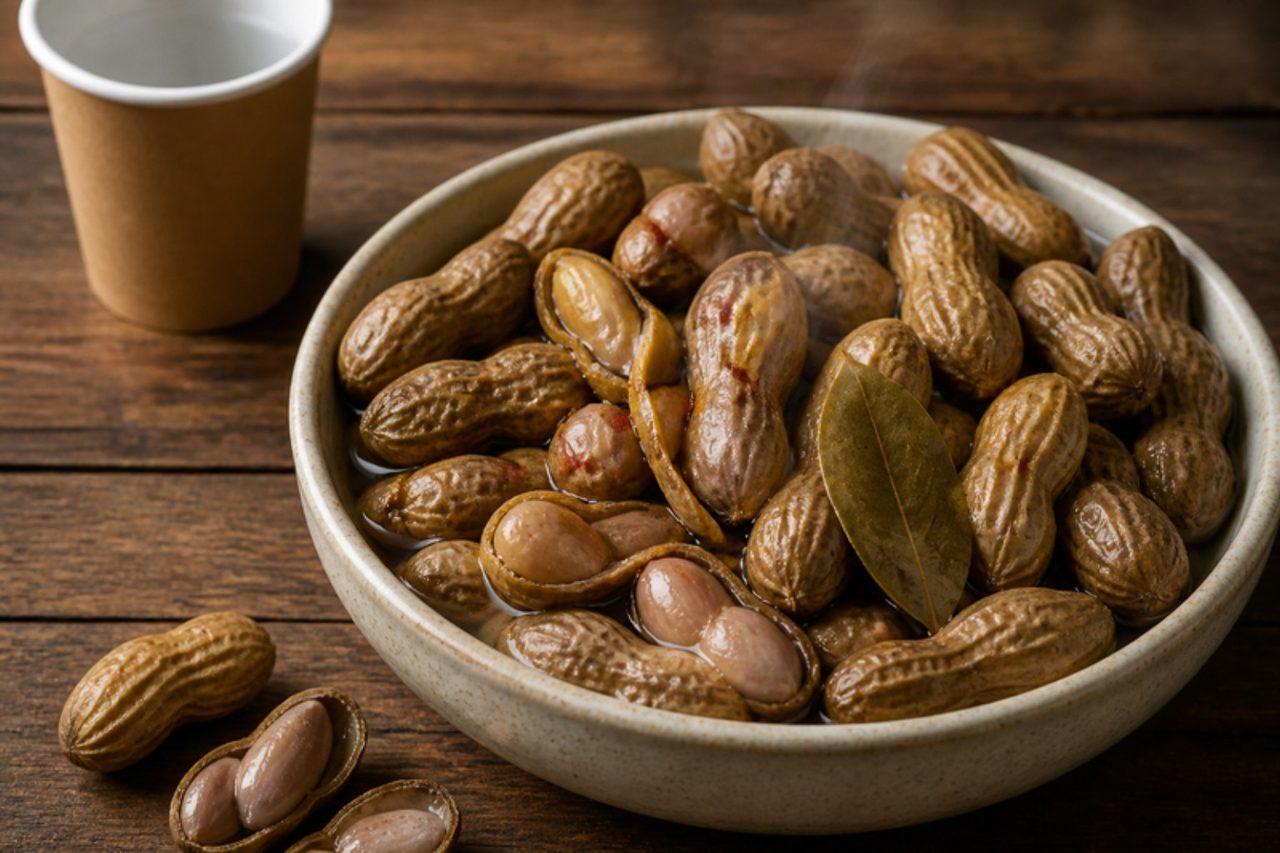
Southern boiled peanuts

Boiled peanuts are sold steaming from roadside stands and petrol stations all along the back roads of South Carolina, Georgia and Alabama, ladled into paper bags in late summer when the green peanut harvest comes in. Raw peanuts are simmered for hours in heavily salted water until soft as cooked beans, salty and earthy. A Cajun-spiced version with chilli is popular too. Chef's tip: taste a peanut every hour; they are done when the kernel is completely soft with no crunch.

by KrazyBadal 0 views

Southern sweet tea

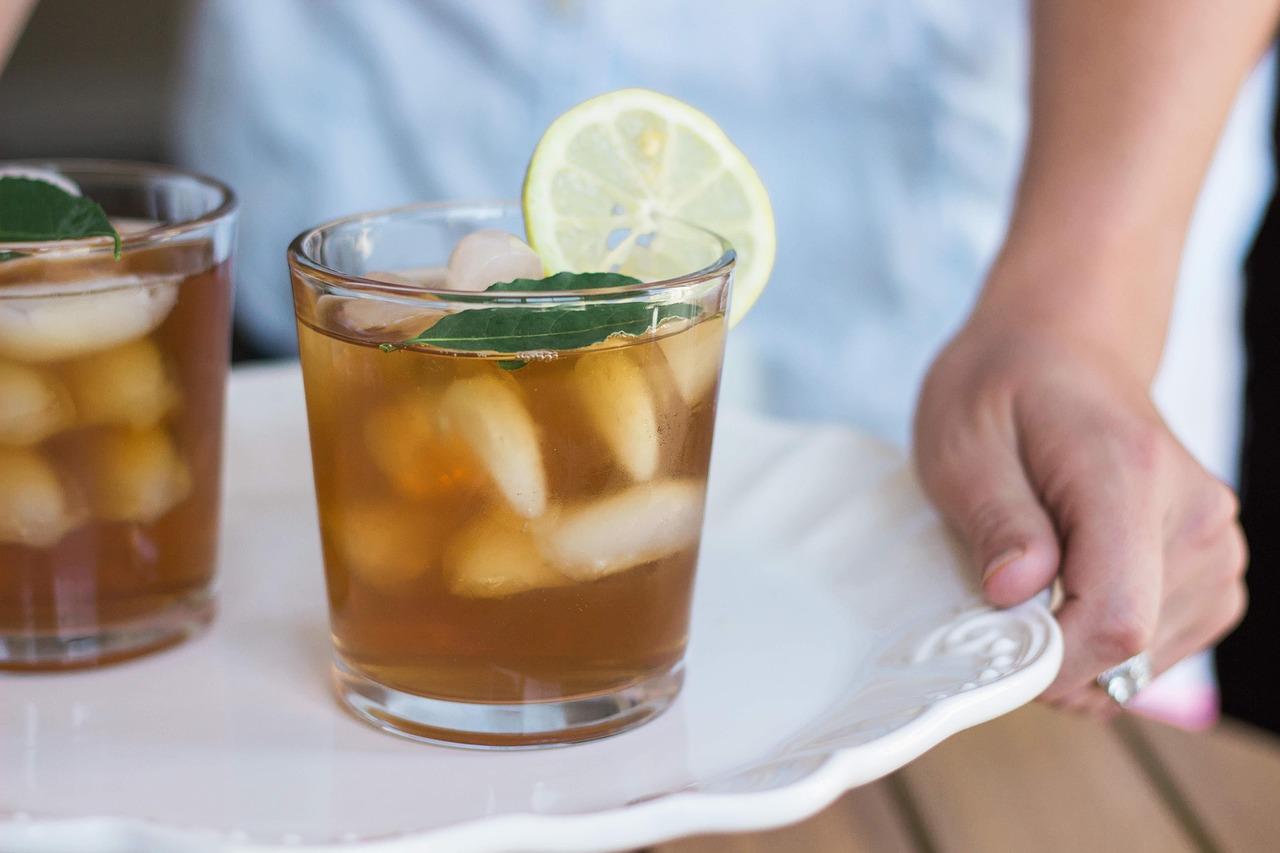
Sweet tea is the house wine of the South, poured by the jug at every barbecue joint, meat-and-three and Sunday lunch from South Carolina to Texas. Strong black tea is sweetened while hot so the sugar dissolves completely, then cooled and poured over plenty of ice with lemon. A pinch of bicarbonate is an old trick that softens bitterness and keeps it clear. Chef's tip: let the tea cool to room temperature before chilling; putting it straight in the fridge hot makes it go cloudy.

by KrazyBadal 0 views

Chess pie

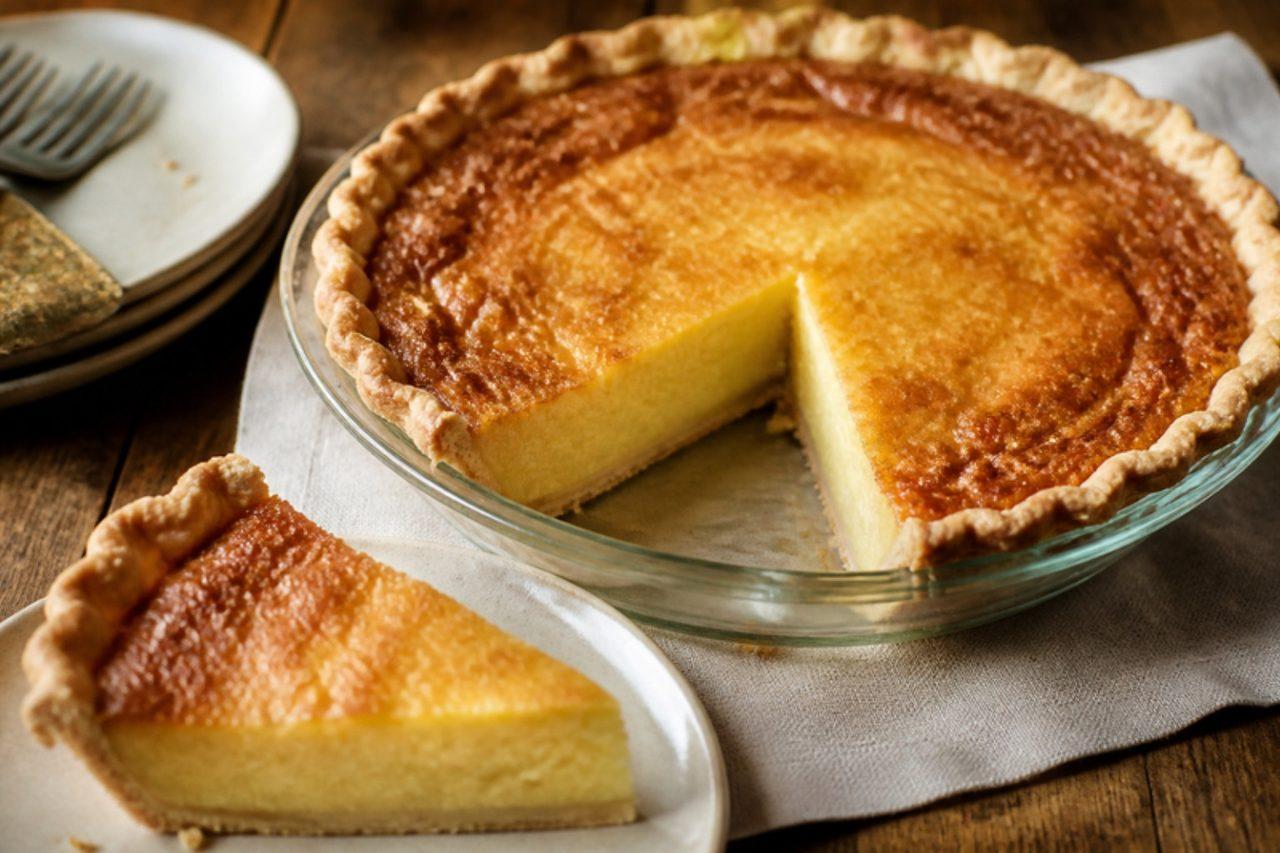
Chess pie is the plain-pantry pie of Virginia, Kentucky and the Carolinas, made with nothing but butter, sugar, eggs and a spoonful of cornmeal, so it was baked year-round when there was no fruit. It sets into a rich, translucent custard with a crackly, golden sugar crust on top. Nobody agrees on the name; one story says a cook called it 'jes' pie'. Chef's tip: the cornmeal and vinegar aren't optional; they stop the very sweet custard from being cloying and help it set.

by KrazyBadal 0 views

Georgia peach cobbler

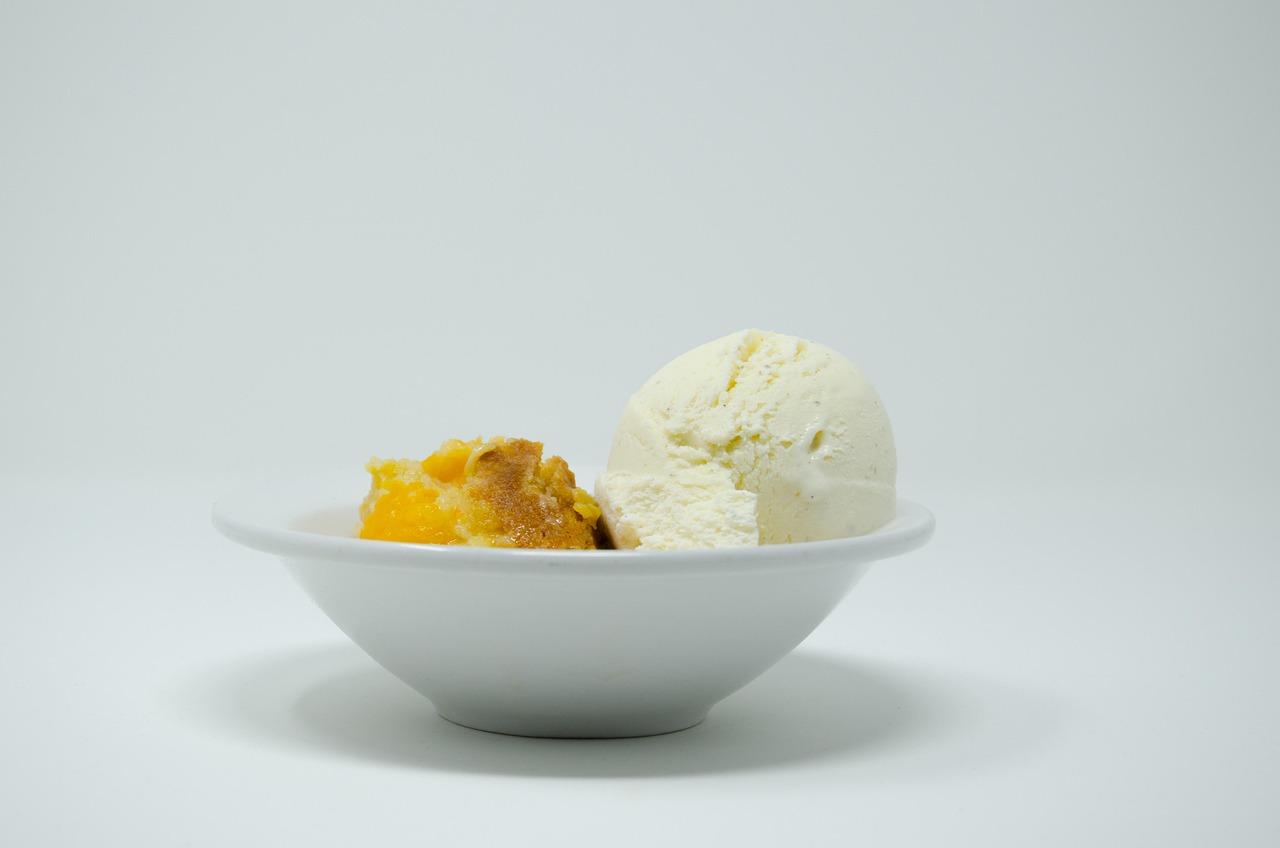
Georgia calls itself the Peach State, and in June and July roadside stands around Fort Valley sell peaches by the basket for this summer cobbler. In the old Southern style, a simple batter is poured over melted butter, then the peaches go on top; as it bakes the batter rises up around the fruit into a golden, cakey crust with crisp edges. Serve warm with vanilla ice cream. Chef's tip: don't stir after the peaches go in; the layers sort themselves out in the oven.

by KrazyBadal 0 views

Southern banana pudding

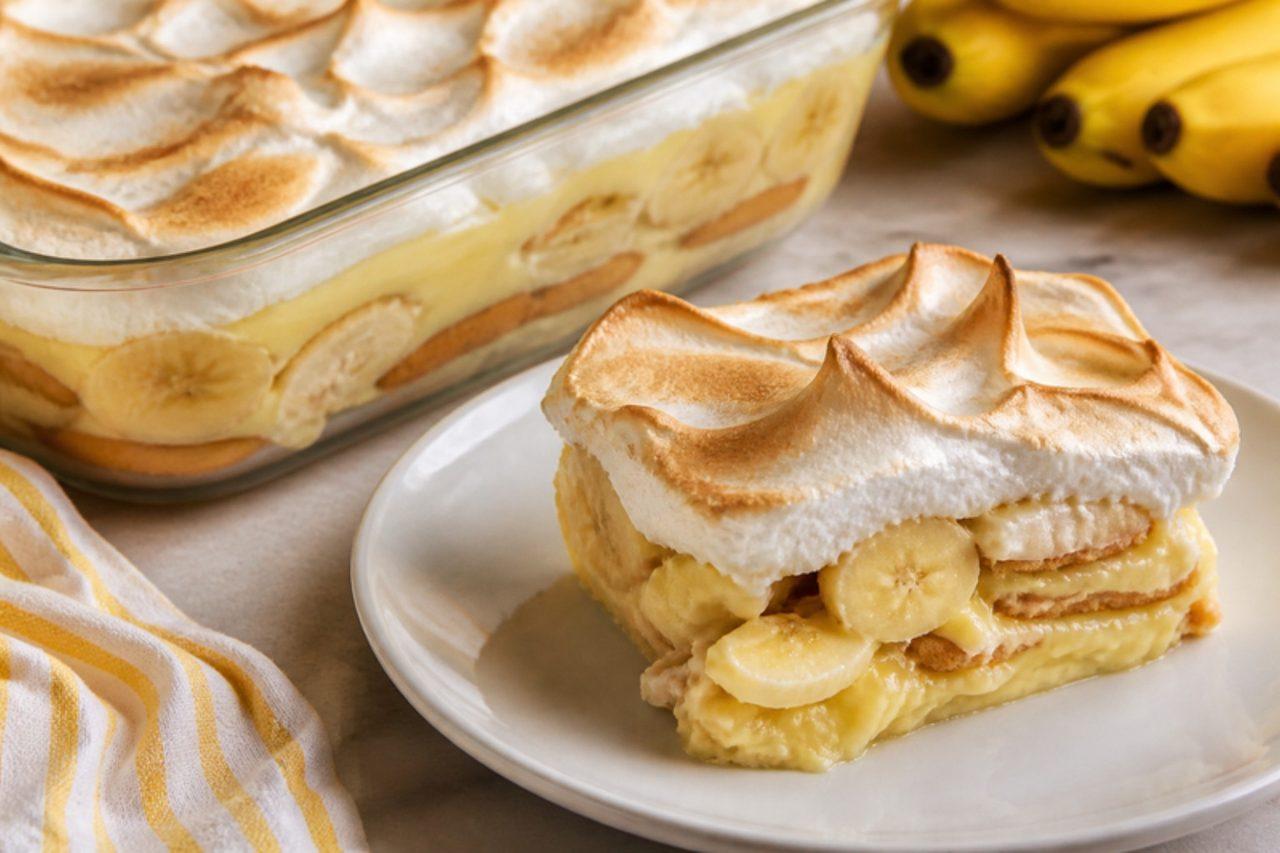
Banana pudding is the potluck and barbecue-joint dessert of Tennessee, the Carolinas and Mississippi, scooped from a deep dish next to the pulled pork. Vanilla wafers, sliced bananas and a stove-top custard are layered so the biscuits soften to cake, then the top is finished with toasted meringue the old-fashioned way. Chef's tip: pour the custard on while it is still warm so it seeps into the wafers.

by KrazyBadal 0 views

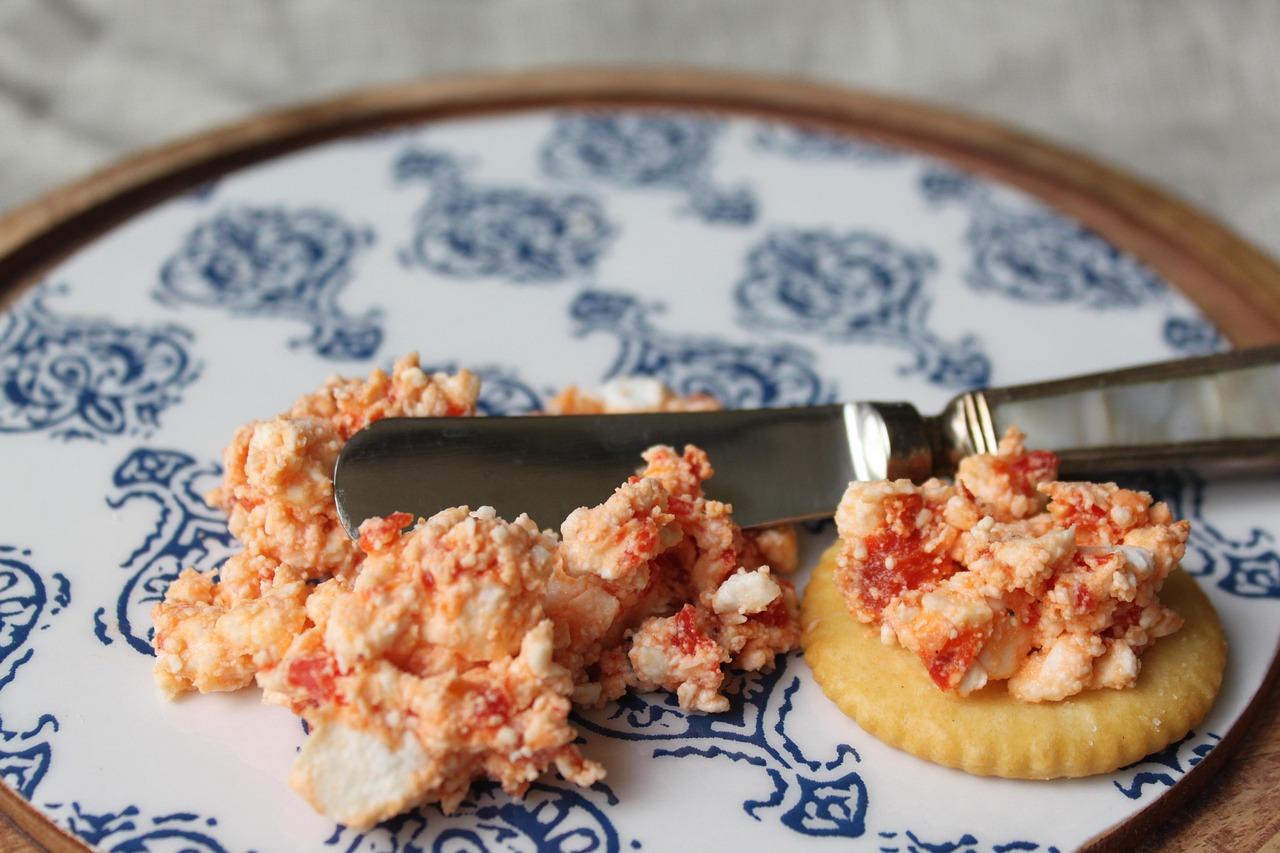
Pimento cheese

Pimento cheese is the 'caviar of the South', sold in tubs in every Carolina supermarket and spread in white-bread sandwiches at the Masters golf tournament in Augusta. Grated sharp cheddar, sweet red pimento peppers and mayonnaise are mashed together with a little heat, and it ends up on crackers, celery, burgers and fried green tomatoes. Traditional cheddar is made with animal rennet, so choose a vegetarian cheddar if you need to. Chef's tip: grate the cheese yourself; pre-grated cheese is coated in starch and makes a dry, grainy spread.

by KrazyBadal 0 views

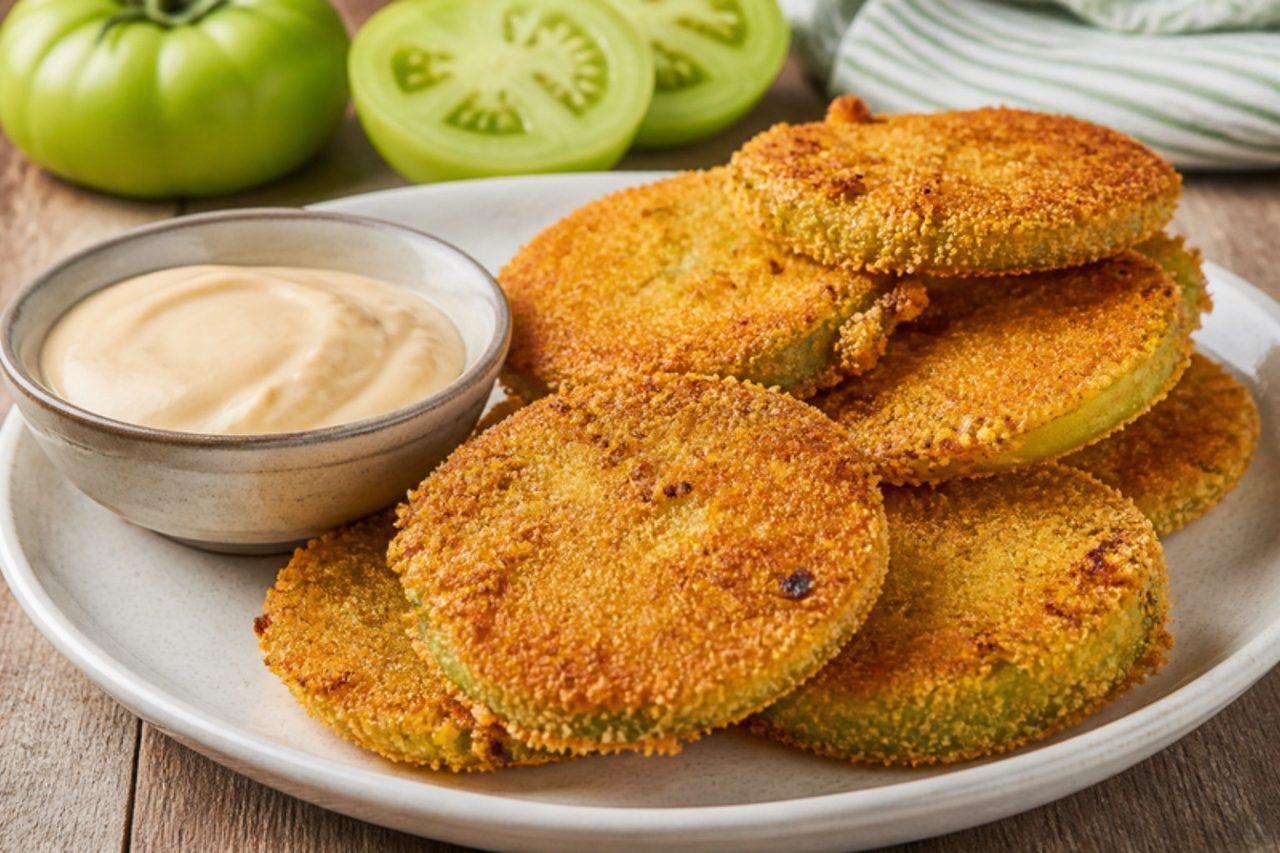
Fried green tomatoes

Fried green tomatoes are the early-summer and end-of-season treat of Alabama and Georgia kitchens, when the garden is full of firm, unripe fruit. Thick slices are dipped in buttermilk and a cornmeal crust and fried until crisp outside, while the inside softens and stays tangy. Serve them hot with a spoonful of pimento cheese or a dab of remoulade. Chef's tip: salt the slices and let them drain for 10 minutes so the crust doesn't go soggy.

by KrazyBadal 0 views

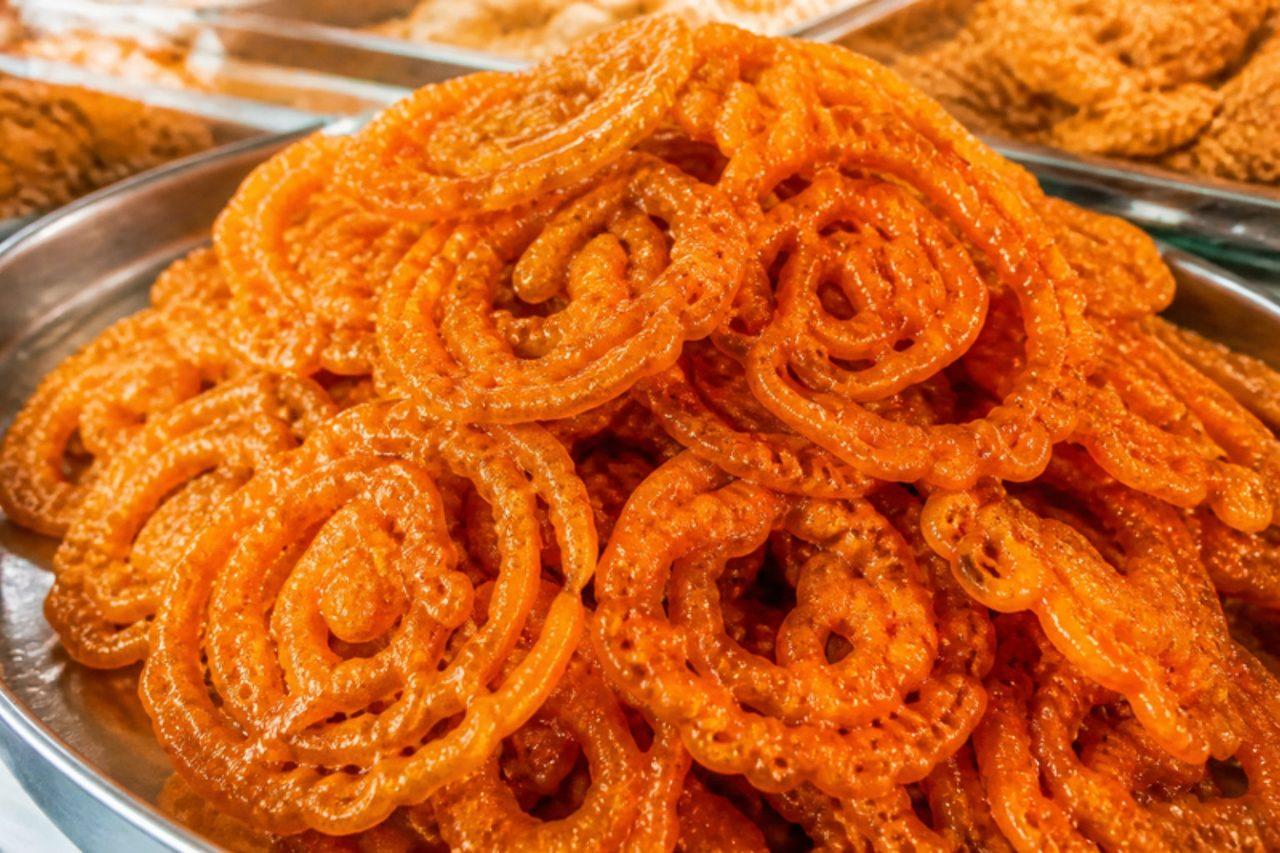
Mushabbak

Glass counters in the souks of Nablus and Damascus are stacked with mushabbak, crisp latticed spirals of fried batter dunked in syrup until they glisten. They are bought by the bag for Christian and Muslim feast days, for Ramadan evenings and for no reason at all, and are best eaten within hours while the shells still crack. A lightly fermented batter piped into hot oil gives the hollow, crunchy rings. The mistake to avoid is oil that is not hot enough: the batter soaks up fat and the spirals turn heavy and limp. Chef's tip: the syrup must be cold and the mushabbak hot; dip, count to three and lift, and they stay crisp for hours.

by KrazyBadal 0 views

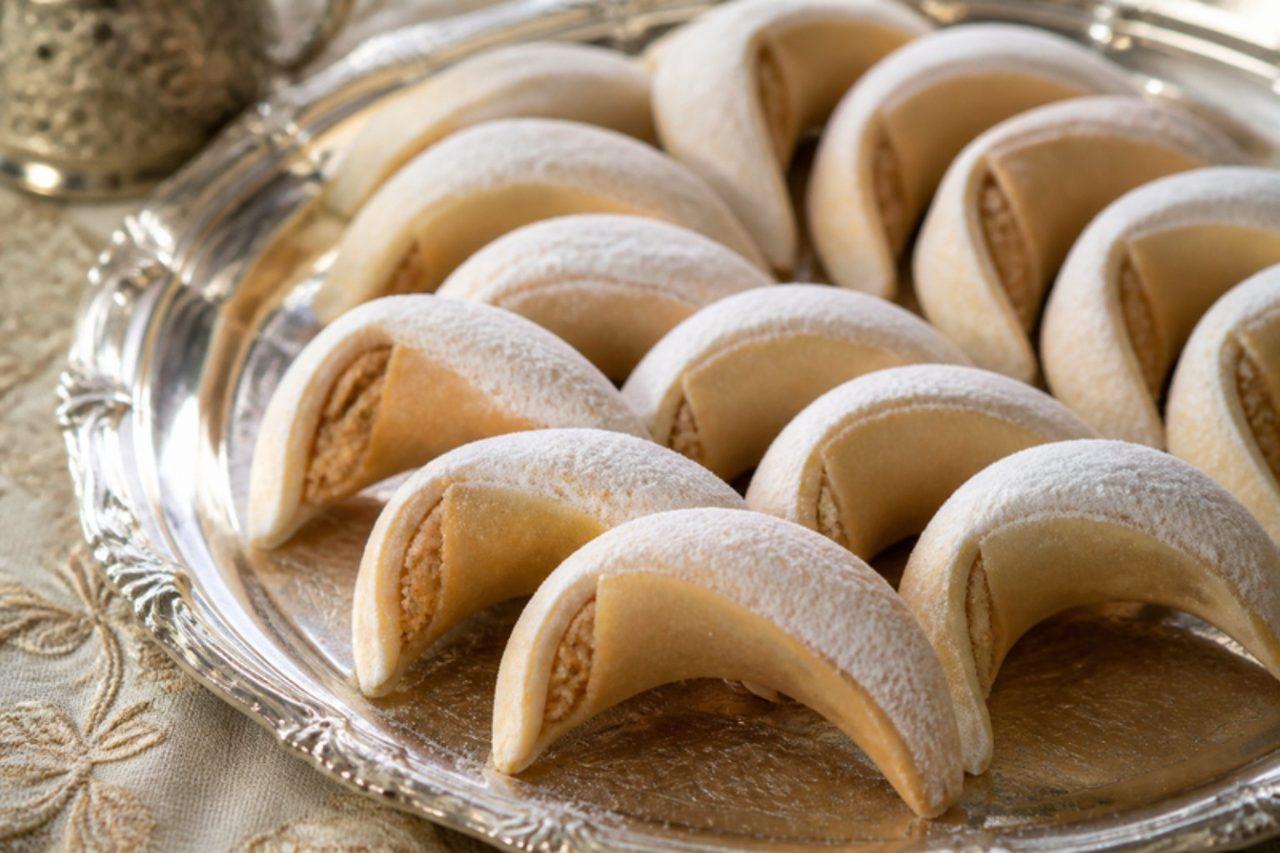
Kaab el ghzal (gazelle horns)

Kaab el ghzal, 'gazelle ankles' or horns, are the most elegant of Moroccan biscuits: a slim crescent of fragrant almond paste flavoured with orange-flower water, wrapped in a pastry rolled so thin it is almost transparent, then baked only until it sets and stays pale. They are made for weddings, Eid, engagements and any visit that deserves honour, and are served with mint tea. The filling is soft and marzipan-like, the pastry delicate and barely crisp. They take time, so make a full batch and freeze half. Chef's tip: bake them until just firm and barely coloured; browning is the common mistake and makes the pastry hard.

by KrazyBadal 0 views

Cranberry orange relish

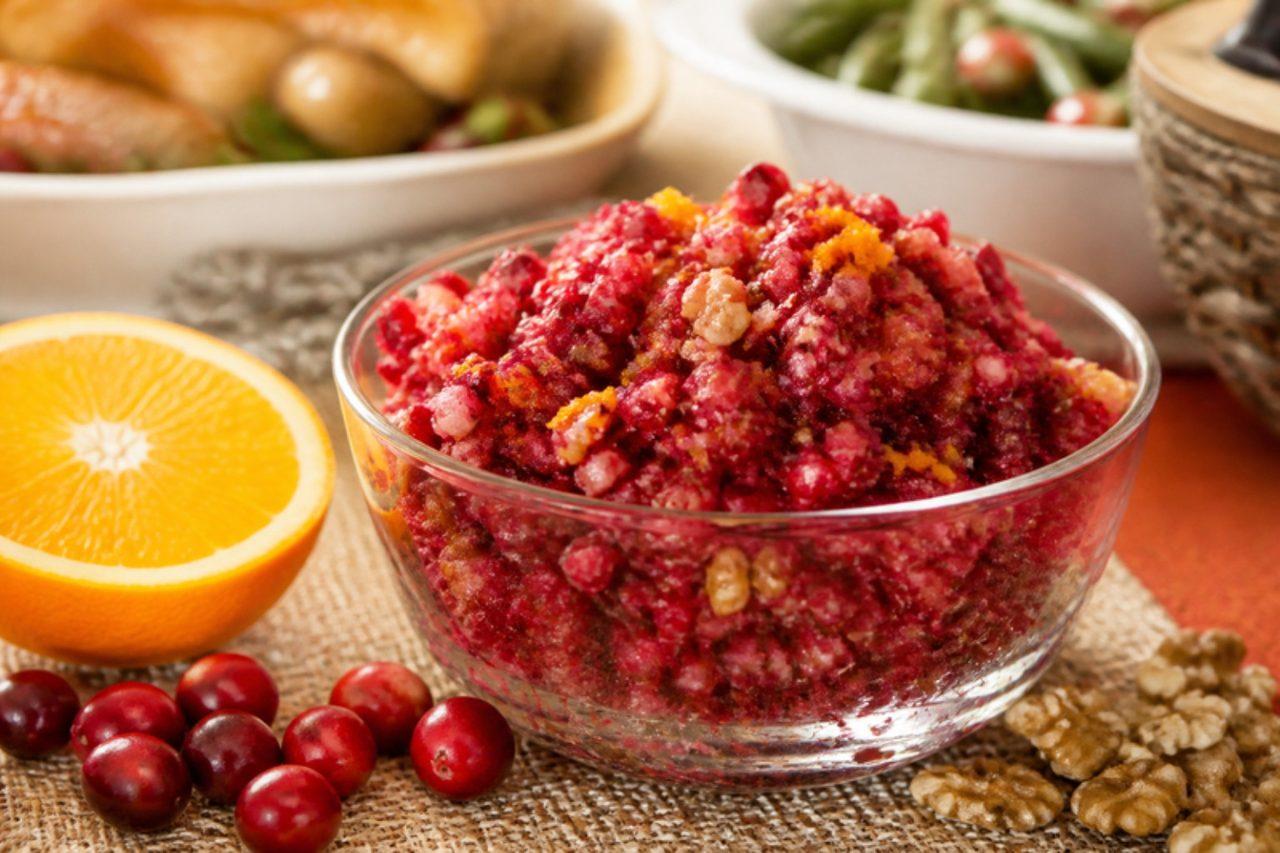
Cape Cod and the bogs of south-eastern Massachusetts grow much of America's cranberry crop, and this uncooked relish is the sharp, bright alternative to cooked cranberry sauce on many New England Thanksgiving tables. Fresh cranberries are chopped with a whole orange, peel and all, then sweetened, so it is crunchy, tart and fragrant, lovely with roast vegetables, nut roasts or cheese. Chef's tip: make it a day ahead; the sugar draws out the juices and softens the bitterness of the peel overnight.

by KrazyBadal 0 views

Fekkas (twice-baked almond biscuits)

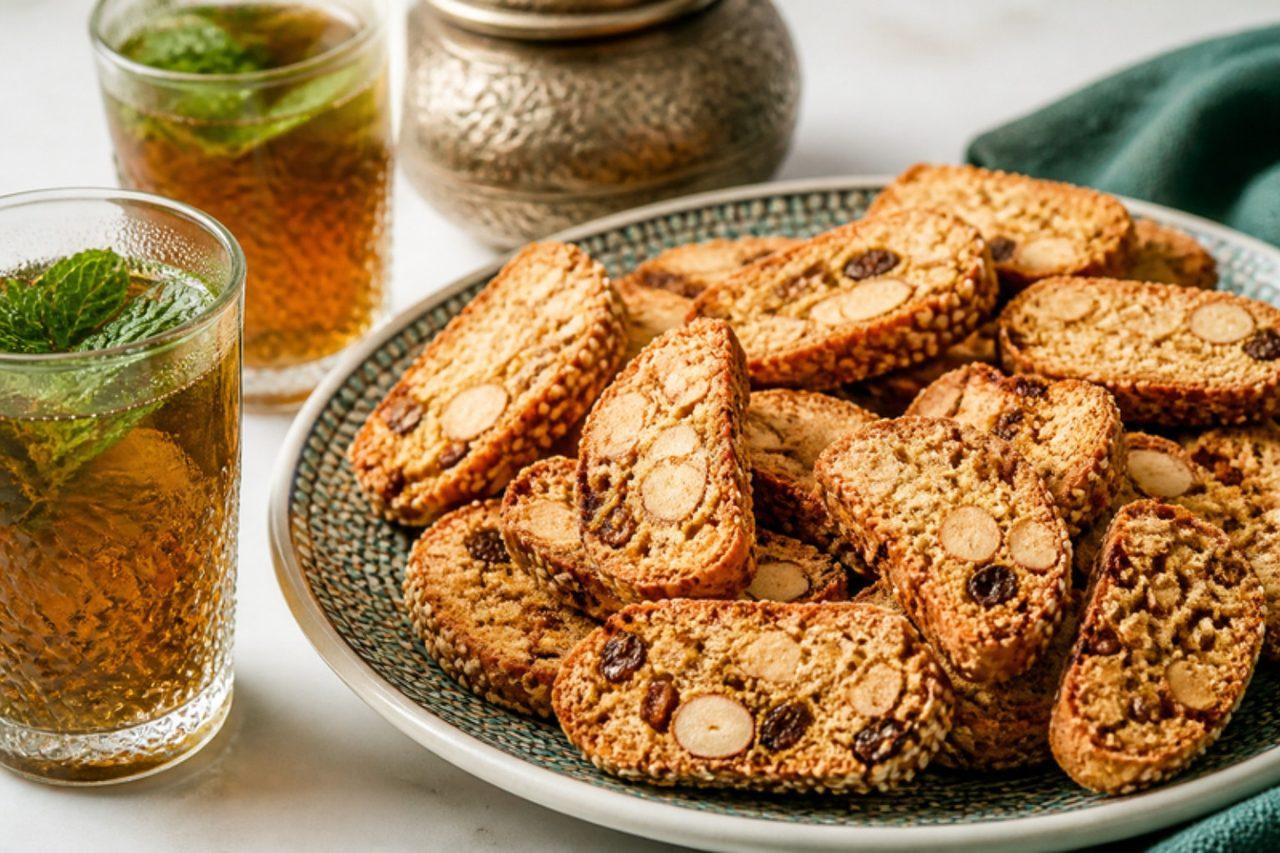
Before Eid and during Ramadan, Moroccan kitchens fill with the scent of fekkas: logs of a soft, eggy dough studded with almonds, raisins, aniseed and sesame are baked, cooled, sliced thin and baked again until dry, golden and very crunchy. They are offered to guests on trays with ghriba and other biscuits and dunked into mint tea or milky coffee, and they keep for weeks in a tin, so they are perfect to make ahead. The flavour is gently sweet, with liquorice notes from the anise and a little lemon. Avoid slicing the logs while they are still hot from the first bake; they crumble. Let them firm up first. Chef's tip: let the baked logs cool completely, ideally overnight, before slicing; warm logs crumble under the knife.

by KrazyBadal 0 views

Mufleta (Mimouna stacked crêpes)

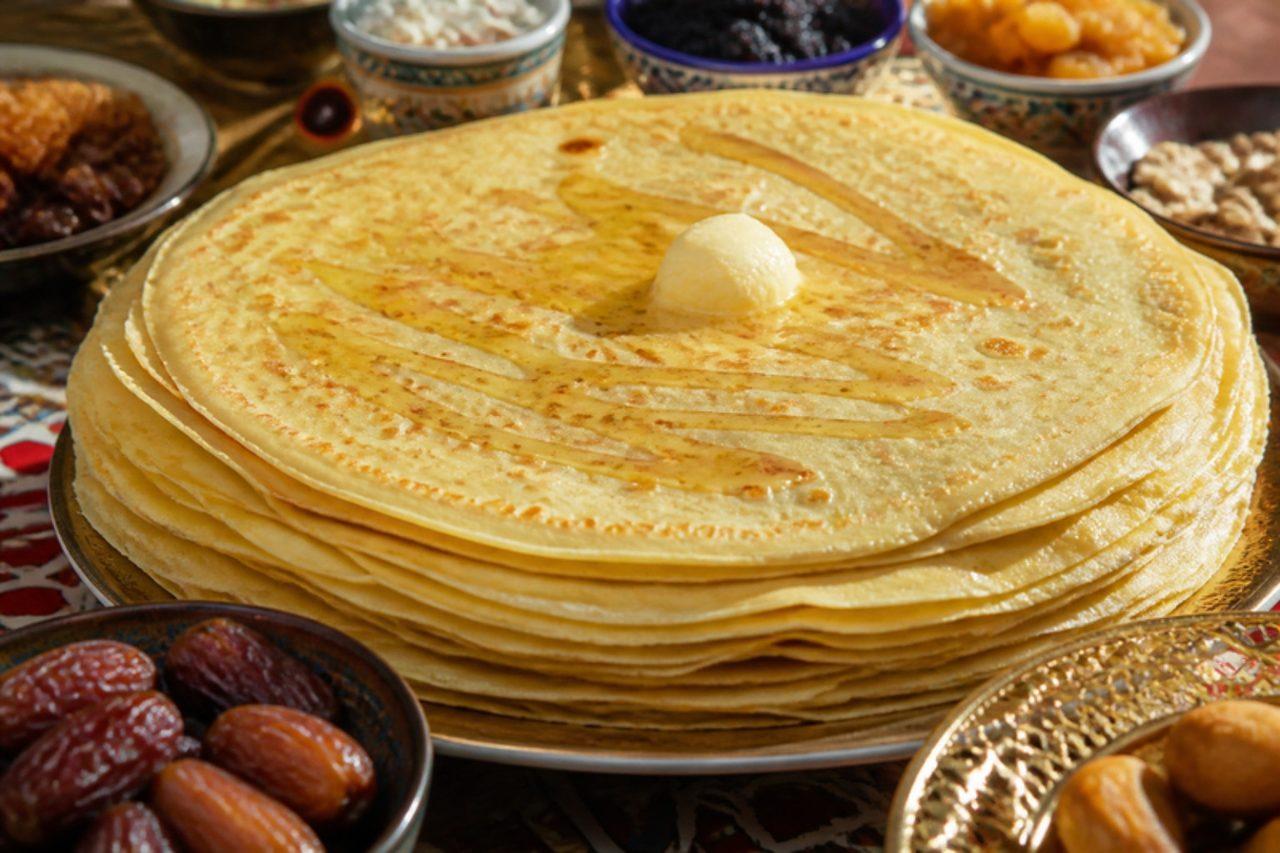
On the evening Passover ends, Moroccan Jewish families celebrate Mimouna by opening their doors to neighbours and friends, and the star of the table is mufleta: paper-thin rounds of unleavened dough stretched by hand and cooked one on top of another in a single pan, so a whole warm stack comes out at once. Each layer is peeled off, spread with butter and drizzled with honey, and rolled up to eat with mint tea, among sweets, dried fruits and flowers. They are soft, a little chewy and lightly crisp at the edges. The dough has no yeast, fitting for the night bread returns. The usual mistake is stretching the dough with too little oil on the board, so the sheets tear and stick together in the stack. Chef's tip: cook over a medium-low heat; a pan that is too hot scorches the bottom layer before the stack is built.

by KrazyBadal 0 views

Lilikoi butter

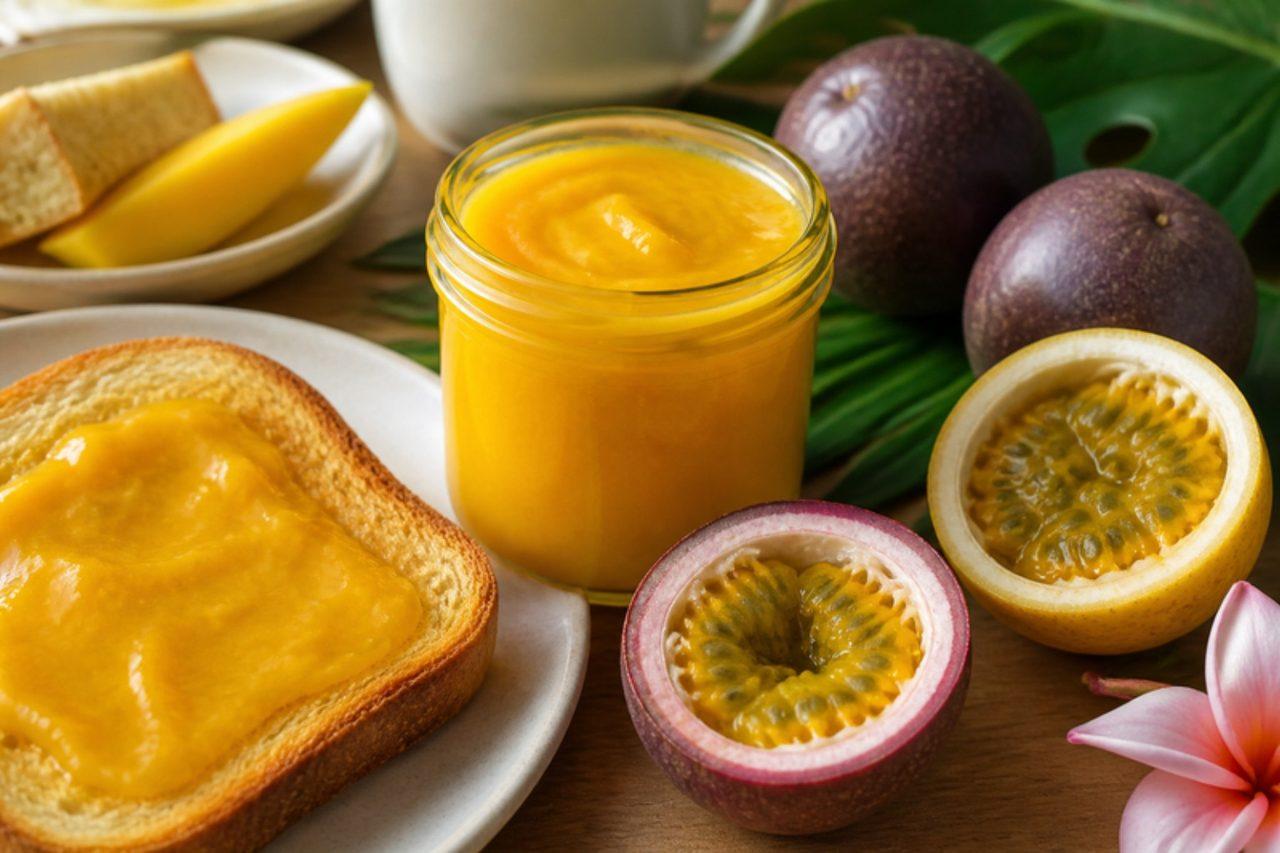
Lilikoi is the Hawaiian name for passion fruit, which grows wild on vines all over the islands, and lilikoi butter is the tangy golden curd that farmers' markets on Maui and Kauai sell in jars. It is spread on toast, sweet bread and scones, or spooned onto shave ice and cakes. Chef's tip: keep the heat low and stir constantly; the curd is ready when it coats the back of a spoon and holds a line drawn through it with your finger.

by KrazyBadal 0 views

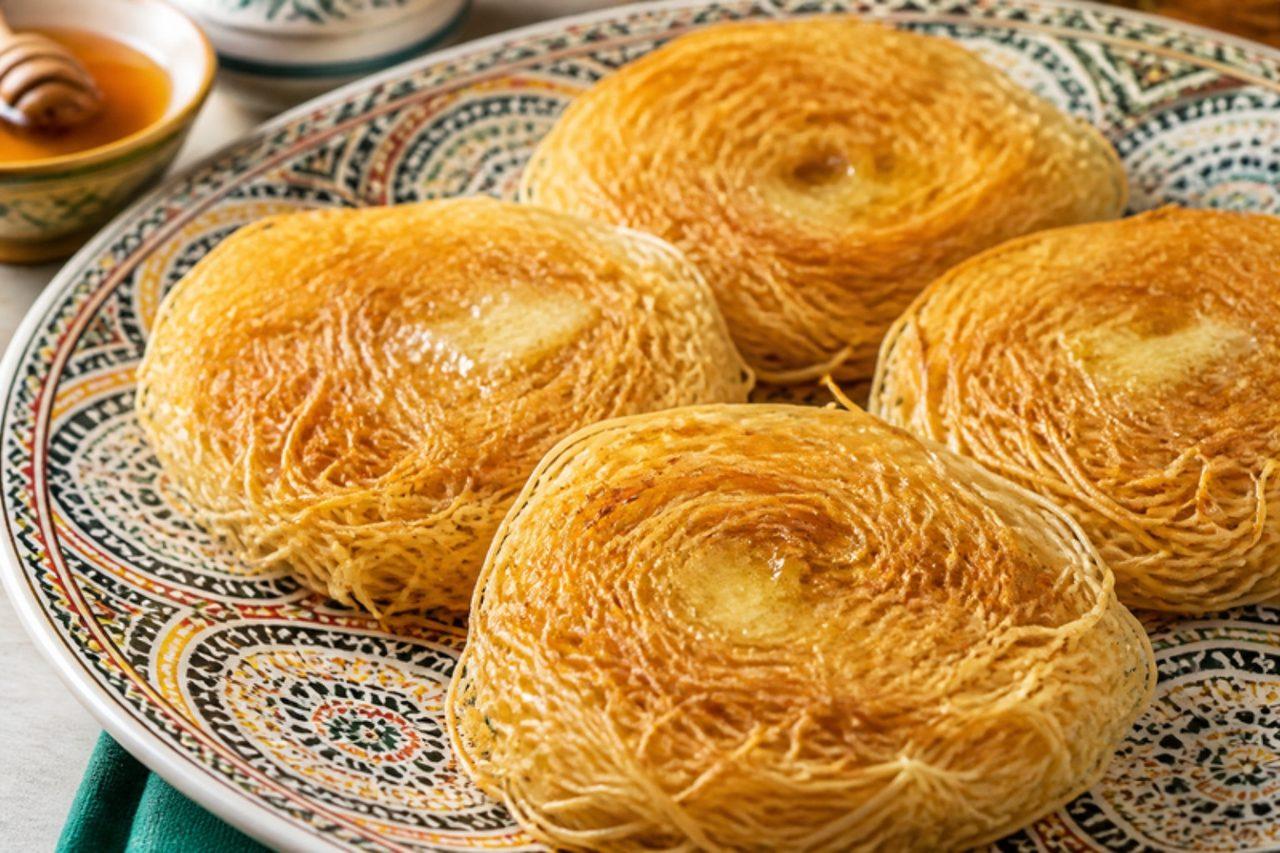
Rziza (coiled thread pancakes)

Rziza is one of the showpieces of the Ramadan table in the old imperial cities: a soft dough is stretched into a sheet, rolled up and pulled into a long, thin cord, then wound around the fingers into a skein, flattened into a nest and griddled until crisp outside and tender within. At iftar the nests are pulled apart into their fine strands and drenched in warm honey and melted butter, to eat with harira, dates and mint tea. Making it takes patience and practice; the first one or two may tear, and that is fine. Chef's tip: keep everything well oiled, your hands, the board and the dough balls; too little oil is the common mistake, and the dough then tears instead of stretching.

by KrazyBadal 0 views

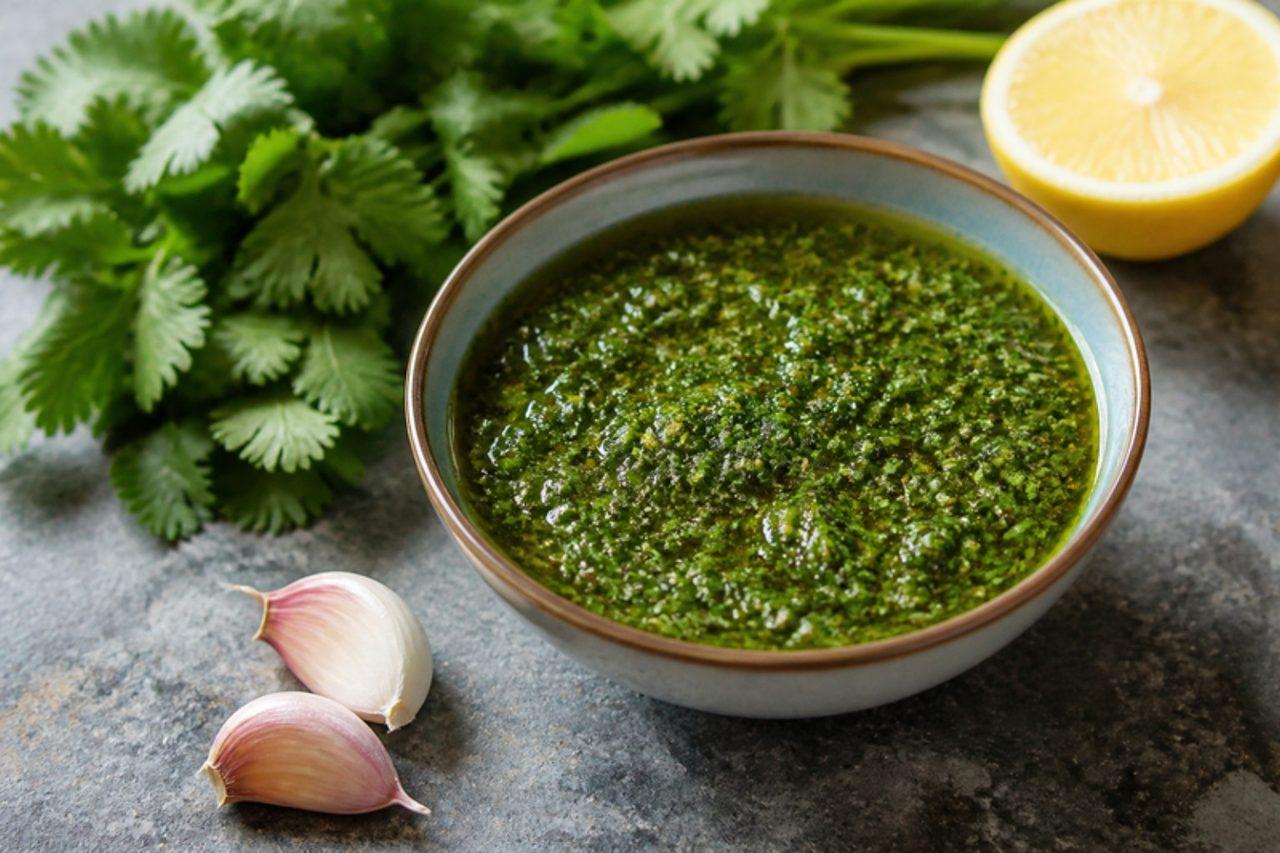
Chermoula

Along the Atlantic coast, in the fish stalls by Essaouira harbour and in home kitchens up and down the coast, chermoula is the green, garlicky paste that seasons almost everything from the sea: whole fish for the oven, sardines for the grill and fish tagines with potatoes and peppers. It works just as well on vegetables: toss it with potatoes, aubergine or carrots before roasting, spoon it over chickpeas, or stir it into a vegetable tagine. Bright, herby and tangy, it is warm with cumin and paprika and has a little chilli heat. When you use it on fish, marinate in the fridge, never on the counter, and for no more than 2 hours, or the lemon starts to cook the flesh and turns it mushy. Chef's tip: chop by hand or pulse only briefly; blended to a smooth purée, the herbs bruise and taste grassy.

by KrazyBadal 0 views

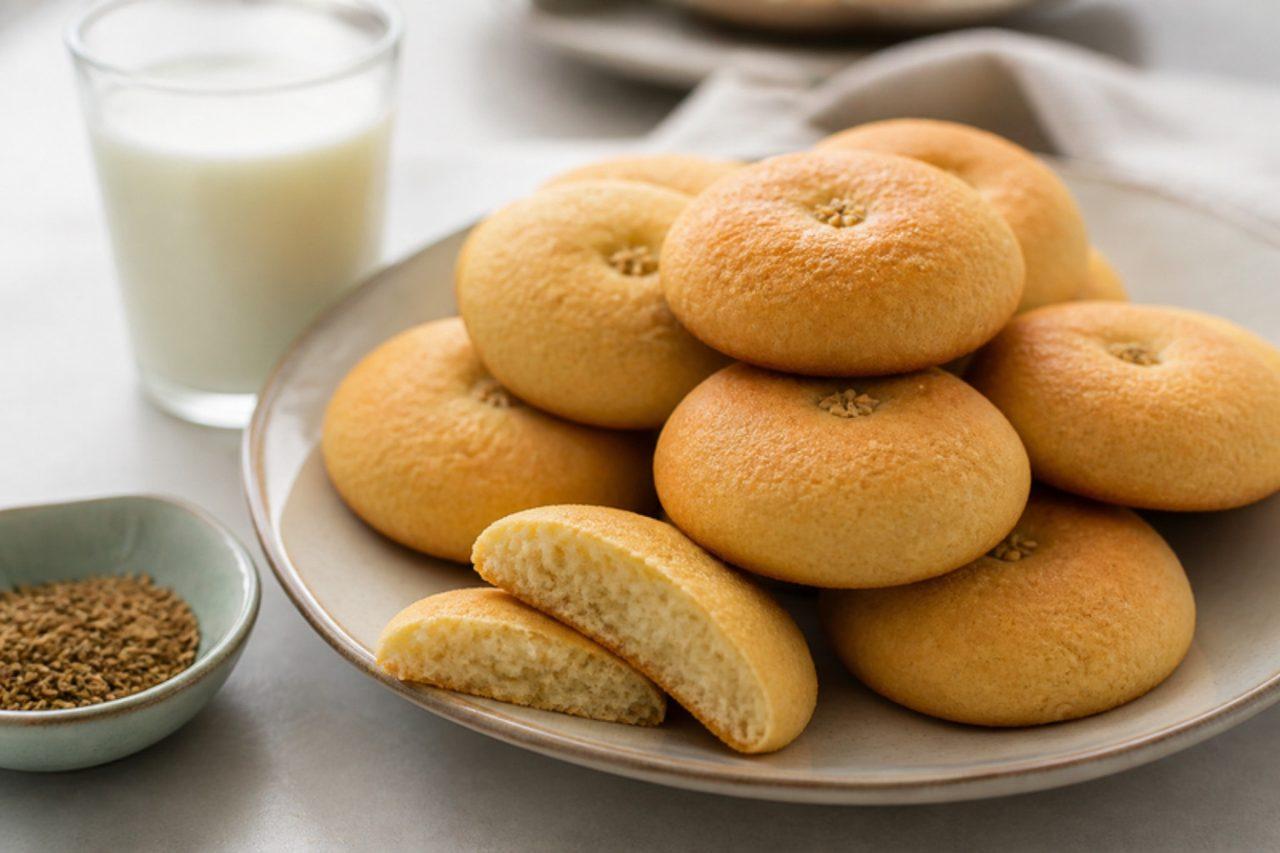
Ka'ak bi haleeb

Lebanese families bake ka'ak bi haleeb by the tray before Eid and Easter alike, stamping each round with a carved wooden mould so it comes out patterned like a little rosette. They are soft rather than crisp, gently sweet, perfumed with mahlab (ground cherry kernels), anise and orange blossom water, and dusted with sesame or left plain. Children dunk them in milk, grown-ups in tea. The common mistake is adding too much flour to make the dough easier to handle, which gives dry, bready cookies. Chef's tip: let the shaped cookies rise for 30 minutes before baking; the yeast makes them pillowy and keeps the stamped pattern sharp.

by KrazyBadal 0 views

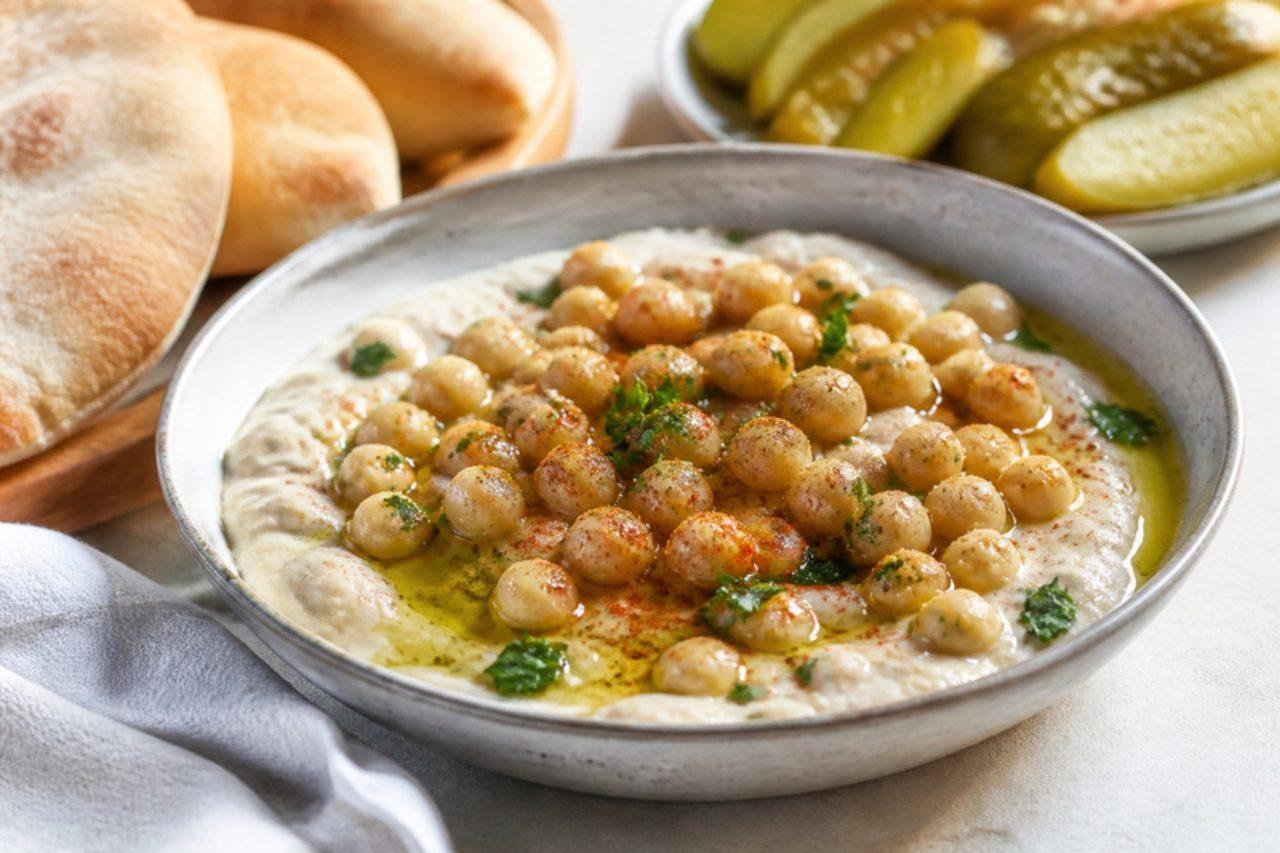
Msabbaha

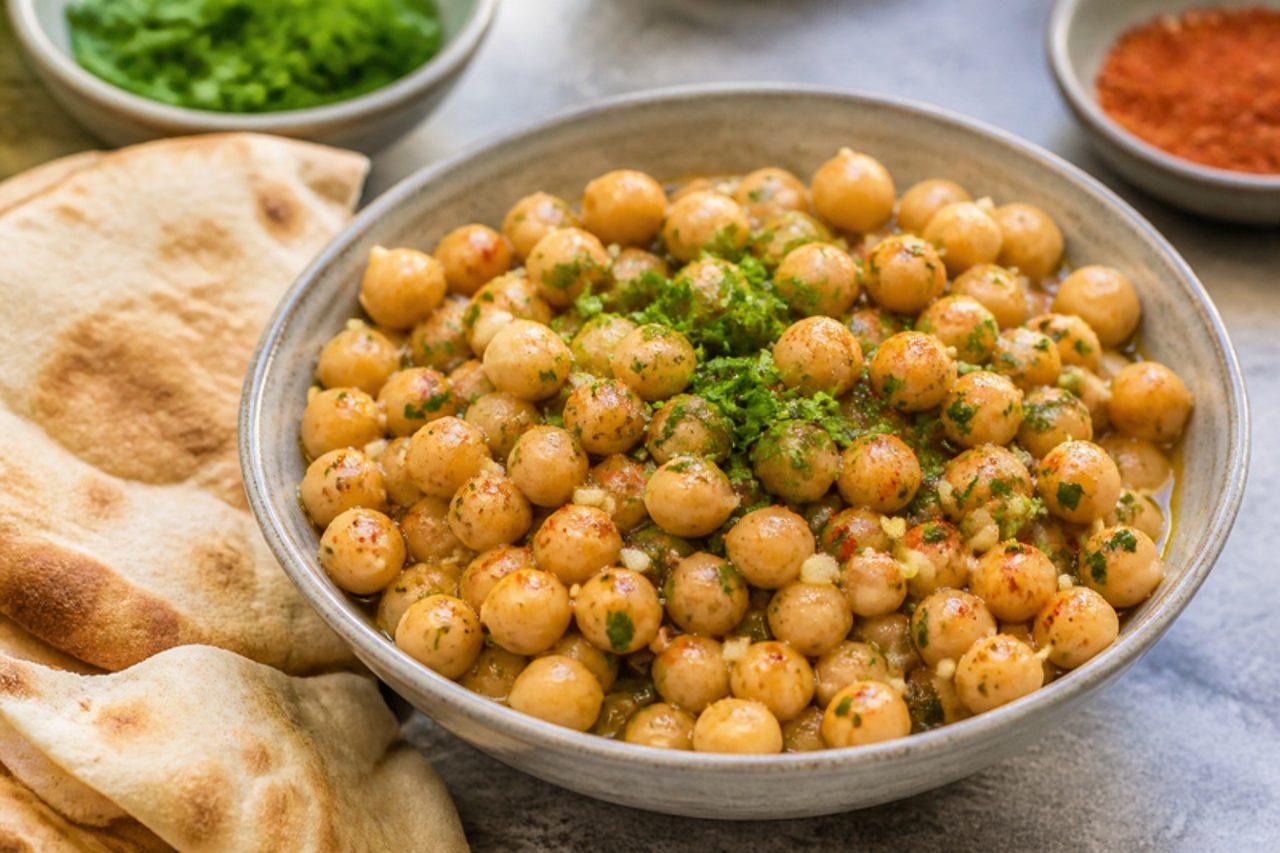
Hummus shops in Jerusalem's Old City and in Nablus open before dawn, and alongside the smooth hummus they ladle out msabbaha: whole, just-cooked chickpeas bathed in a loose, garlicky tahini and lemon sauce, still warm. It is a working breakfast, eaten with raw onion wedges, green chilli and plenty of bread, and it is just as popular in south Lebanon. The texture is the point, soft chickpeas in a creamy pool rather than a purée. The common mistake is making the tahini sauce too thick; it should pour like double cream so it seeps around every chickpea. Chef's tip: crush a handful of the hot chickpeas into the sauce before you spoon it over; it makes the msabbaha richer and creamier.

by KrazyBadal 0 views

Balila

On winter mornings in Damascus, handcarts with steaming pots of chickpeas park outside schools and offices, and vendors ladle balila into paper cups with a squeeze of lemon and a shake of cumin. In Beirut it is a mezze dish and a light Sunday breakfast, served warm in a shallow bowl with pine nuts and parsley and bread on the side. It is simply chickpeas, cooked until creamy inside, dressed while hot so they soak up the garlic and oil. The usual mistake is dressing cold chickpeas from the fridge; they stay waxy and the flavours sit on the surface. Chef's tip: keep a ladle of the hot cooking water and add it to the dressing; it turns the oil and lemon into a light, clinging sauce.

by KrazyBadal 0 views

Stuffies

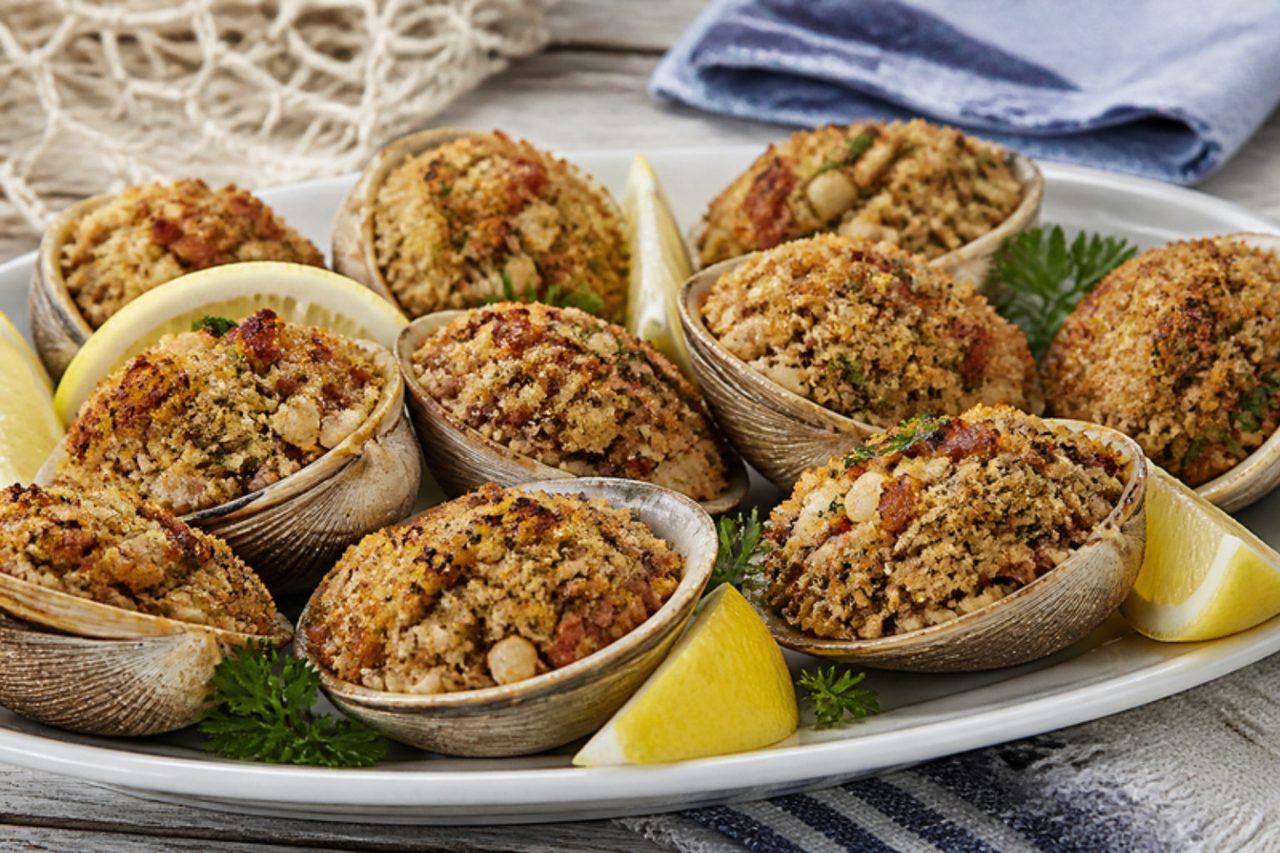
Stuffies are Rhode Island's summer starter, sold at clam shacks in Warwick and Bristol and made at home for Fourth of July cookouts: big hard-shell quahog clams are steamed, the meat chopped and mixed with buttery breadcrumbs, peppers and spicy Portuguese chouriço (pork sausage), then baked back in the shells. Chef's tip: save the steaming liquid and use it to moisten the stuffing; plain water makes it bland.

by KrazyBadal 0 views

Fortune cookies

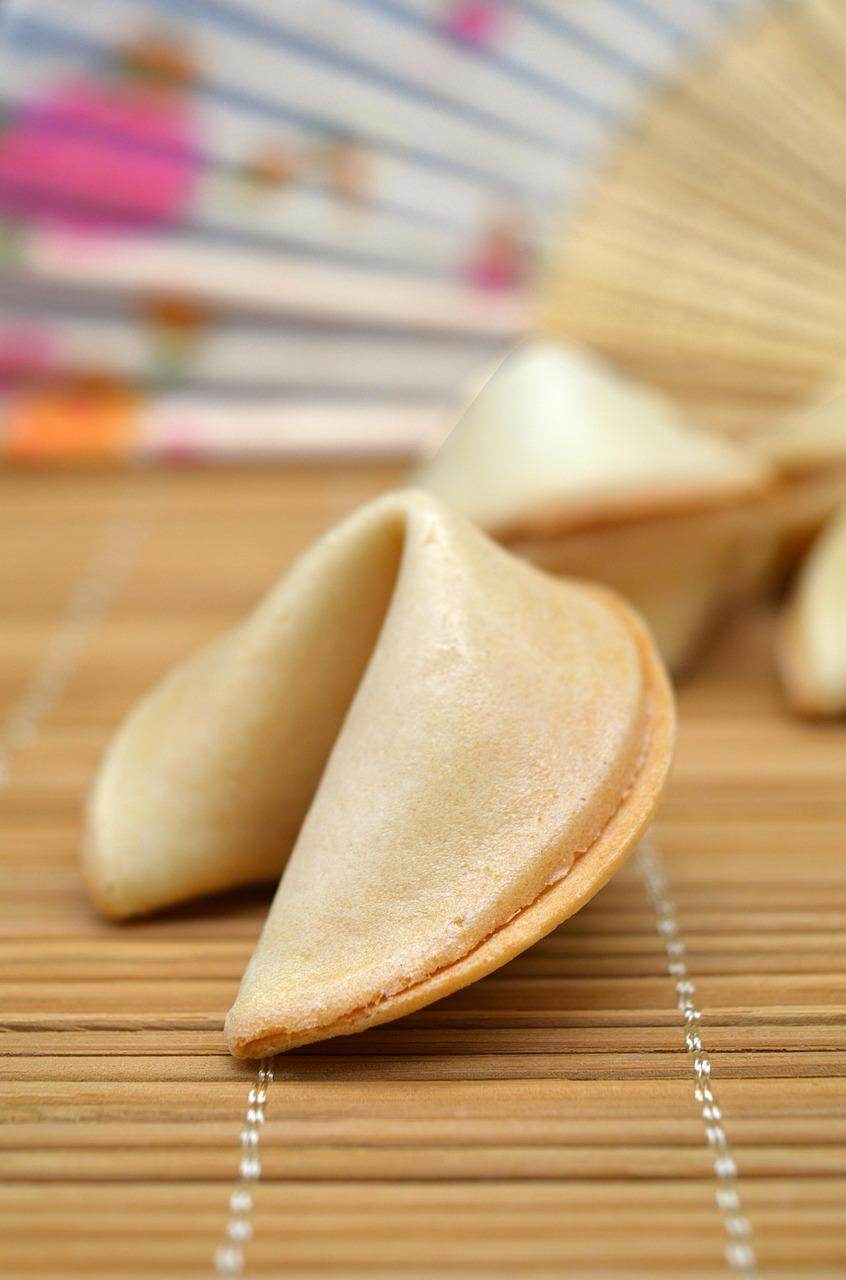
Fortune cookies are not from China at all: they were first sold in San Francisco and Los Angeles in the early 1900s, probably from a Japanese tea garden recipe, and Chinese-American restaurants made them famous. A thin vanilla and almond batter is baked into a wafer, then folded while hot around a paper message. Write your own fortunes for a party. Chef's tip: bake only two or three at a time; the wafers set in seconds and crack if you can't fold them fast enough.

by KrazyBadal 0 views

Castroville fried artichokes

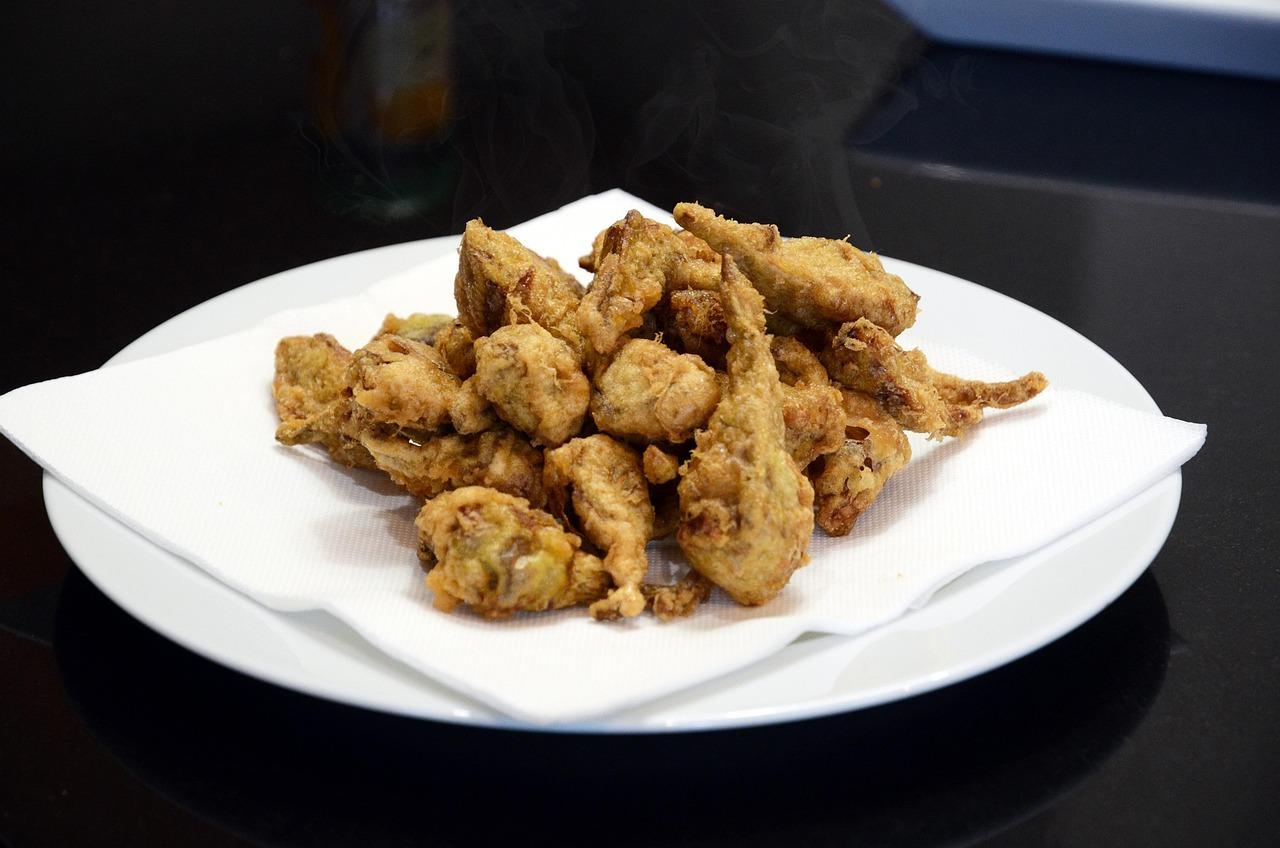
Castroville, near Monterey on California's central coast, grows most of America's artichokes and calls itself the artichoke centre of the world. Roadside stands and the annual artichoke festival sell them crisp-fried, the tender hearts dipped in a light batter and served with lemon and garlic mayonnaise. Small 'baby' artichokes are best, as they have almost no choke. Chef's tip: drop each trimmed artichoke straight into lemon water; cut artichokes turn brown within minutes.

by KrazyBadal 0 views

Green bean casserole from scratch

Green bean casserole was invented in a test kitchen in the 1950s and spread across the Midwest via church cookbooks; today it is on most American Thanksgiving tables. This version skips the tins: fresh beans in a homemade mushroom cream sauce, topped with crisp shallots you fry yourself. Chef's tip: blanch the beans only until bright green and still squeaky, because they cook again in the oven.

by KrazyBadal 0 views

Showing 27 of 7,762 recipes

Show more recipes

Page 466 of 863