Skip to content
Lal sah
Featured recipe

Lal sah

Red tea

In Assam, the home of half of India's tea, the everyday cup is lal sah, 'red tea': strong CTC or orthodox Assam leaf brewed briefly, poured off, sweetened and drunk black. It is what tea-garden workers, Guwahati office-goers and grandmothers drink from morning till evening, often with a slice of lemon, a crushed piece of ginger or, in upper Assam, a bay leaf. Its colour is a deep, clear red and its taste is malty and brisk, never stewed. Chef's tip: take the pan off the heat before adding the leaves; boiling them makes the tea harsh and cloudy.

Read more 1 views

What to eat today?

Around the world

Today's trip: Persian

A new country every day, from every cuisine on the site.

This week's collection

Kid-friendly dinners
537 recipes · a new collection every Monday

Latest recipes

Abghooreh (verjuice)

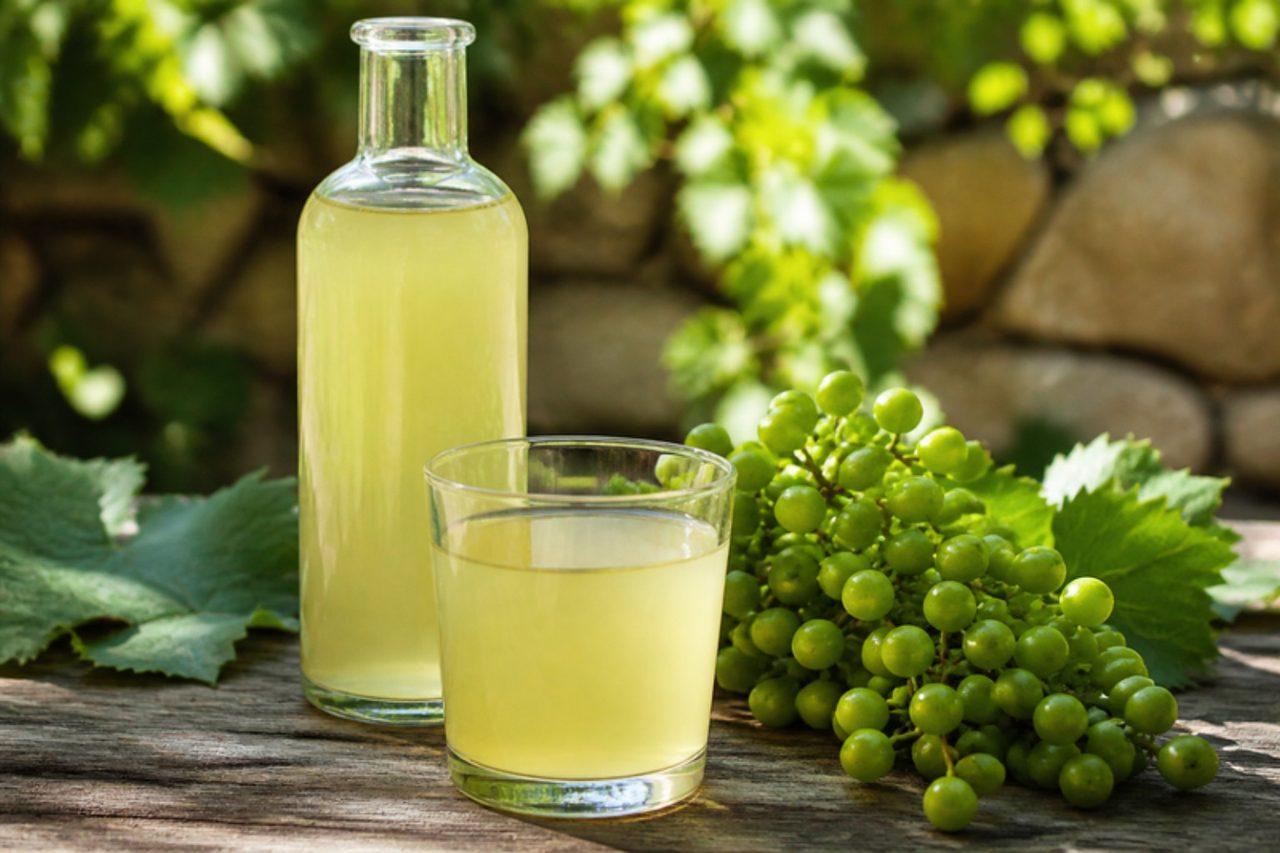
In early summer, families across Shiraz and the vineyards of Fars thin their vines and press the hard green grapes into abghooreh, a sharp, clean sour juice stored in bottles for the whole year. It sours khoresh, brightens salad shirazi and is splashed over kebabs and rice in place of lemon. The grapes must be truly unripe, hard and mouth-puckering; once they soften the juice turns sweet. A common mistake is skipping the boil and salt, which lets the juice ferment in the bottle. Chef's tip: let the boiled juice settle overnight and pour it off the sediment for a clear, bright abghooreh.

by KrazyBadal 0 views
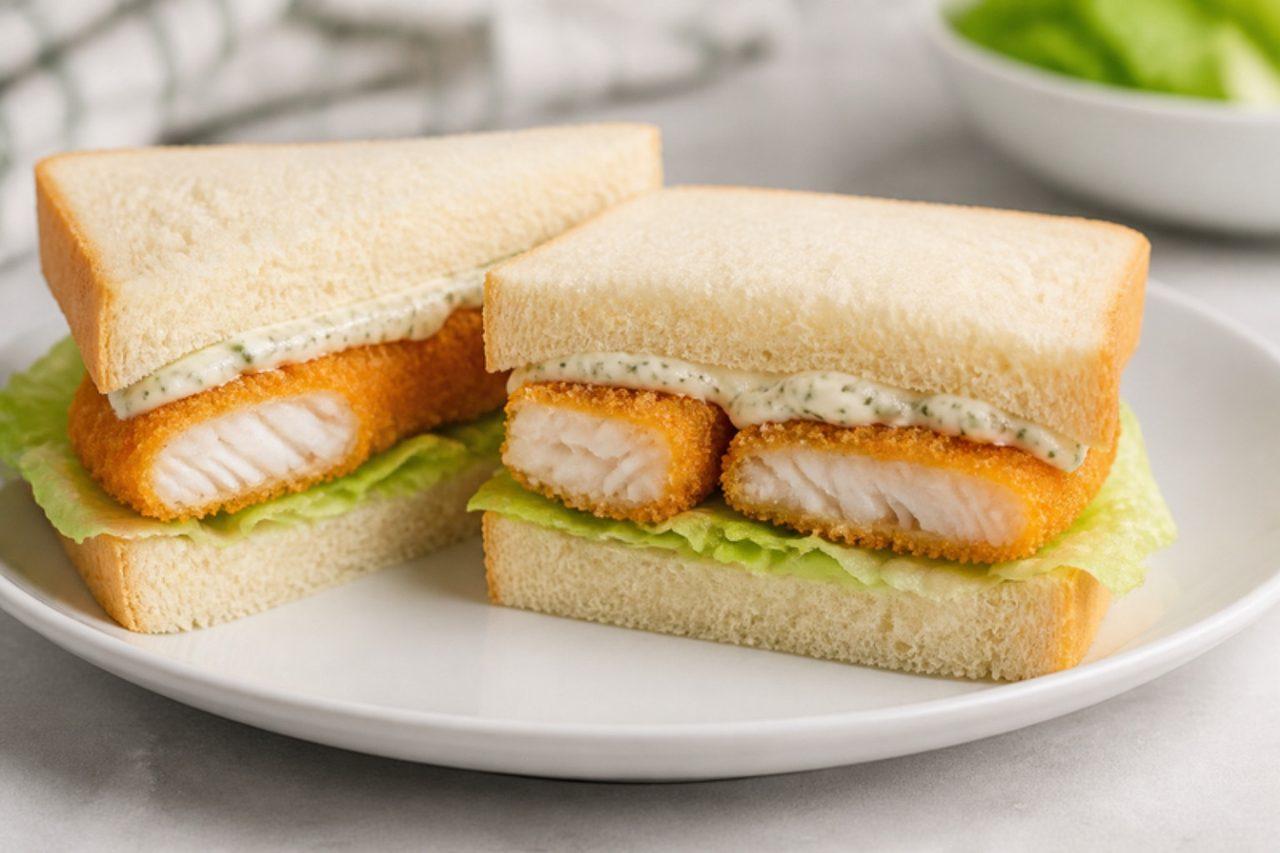
Fish finger sandwich

The fish finger sandwich is a beach-café and pub-lunch classic around the English coast from Whitstable to Brighton, and the ultimate home comfort food for anyone who grew up in Britain. Here the fingers are made from fresh cod in crunchy crumbs, piled into buttered white bread with tartare sauce and crisp lettuce. Chef's tip: cut the fish into even fingers so they all cook in the same time.

by KrazyBadal 0 views

Chicken and leek pie

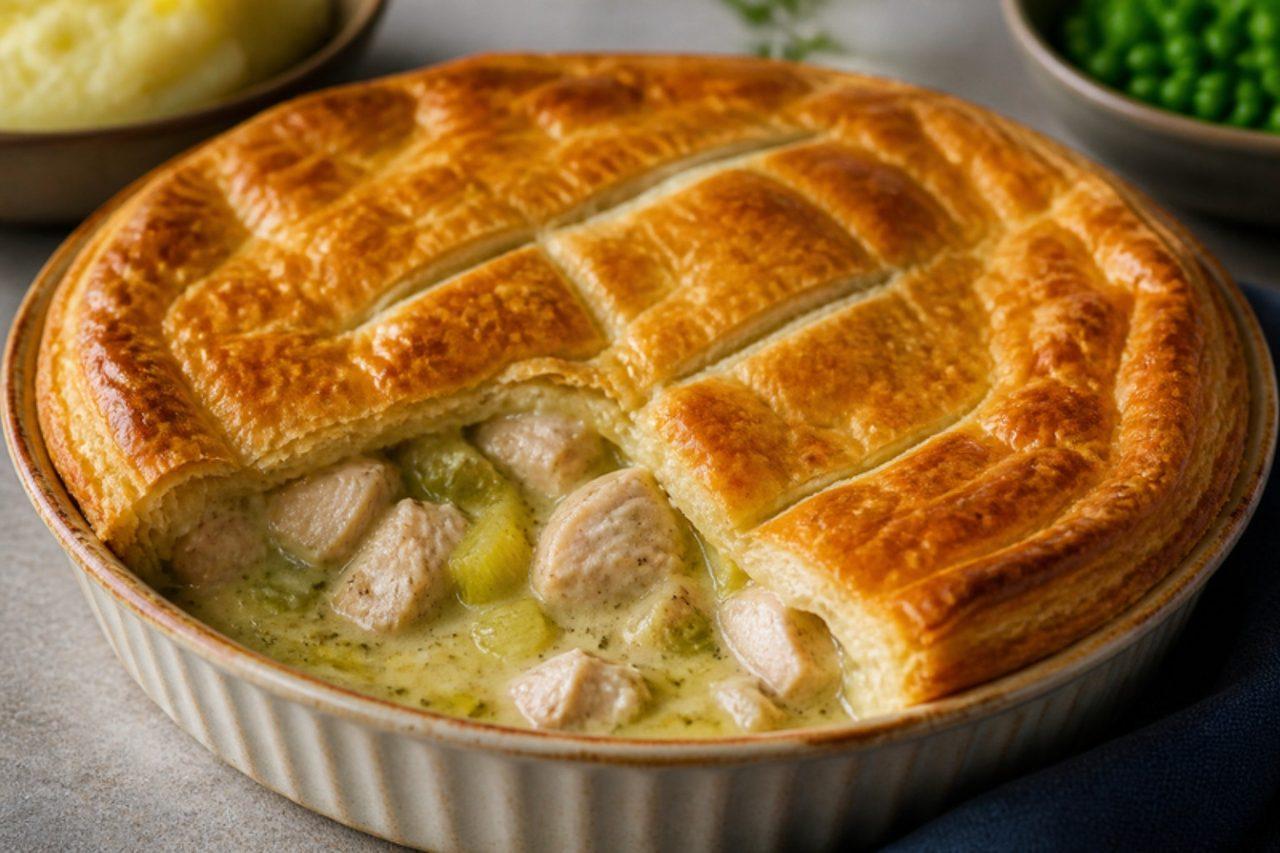
Chicken and leek pie is the Sunday-night and pub supper of southern England, made with leftover roast chicken or fresh thighs simmered in a creamy sauce with soft leeks and a little tarragon, then topped with buttery puff pastry. It is gentle, savoury and best with mash and greens. Chef's tip: let the filling cool before the pastry goes on, or the lid will sink and stay raw underneath.

by KrazyBadal 0 views

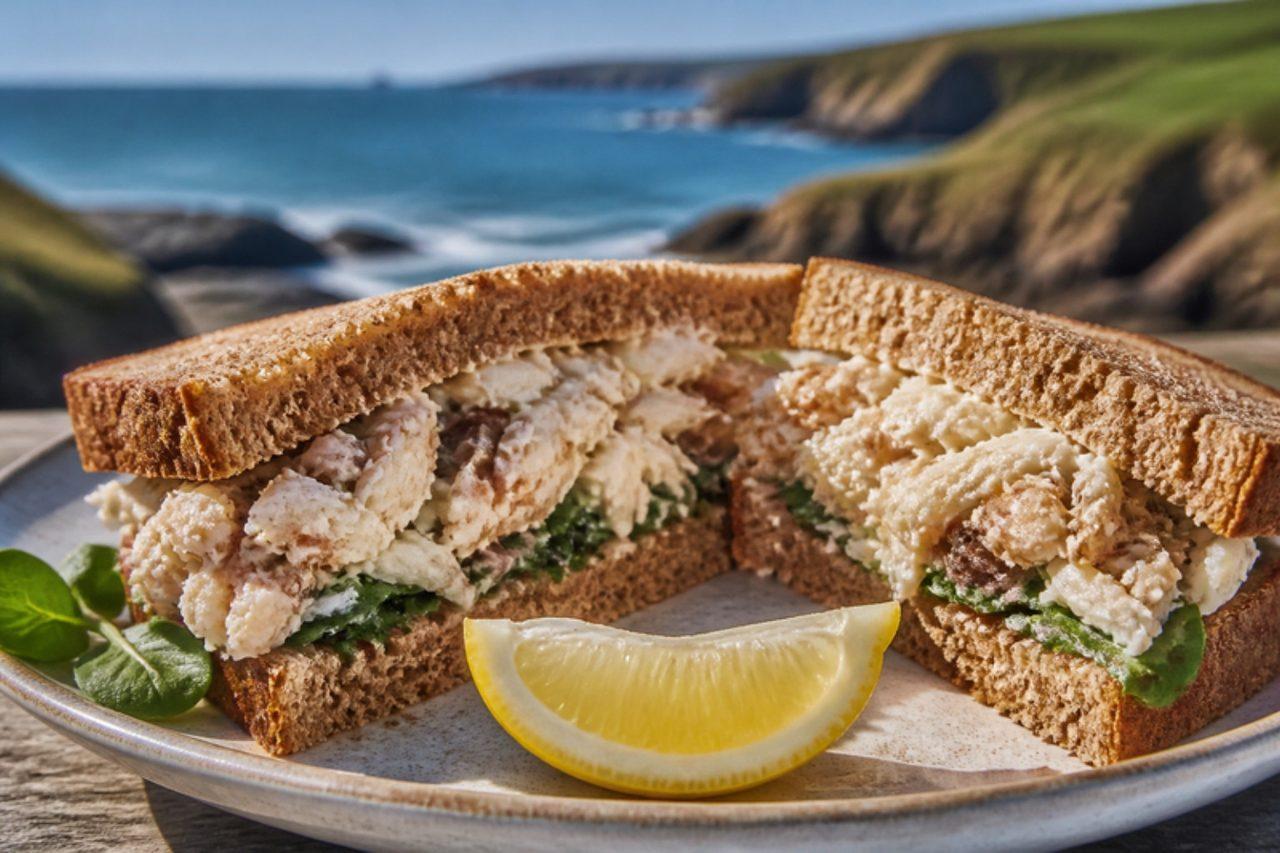
Cornish crab sandwich

In Newlyn, Padstow and St Ives, harbourside kiosks sell crab sandwiches made with the morning's catch: sweet white claw meat and rich brown body meat on buttered brown bread with a little lemony mayonnaise. It is a summer lunch for eating on the harbour wall. Buy fresh, cooked and picked crab from a fishmonger, keep it in the fridge and use it the same day. Chef's tip: keep the white and brown meat separate and use both; the brown meat gives the flavour.

by KrazyBadal 0 views

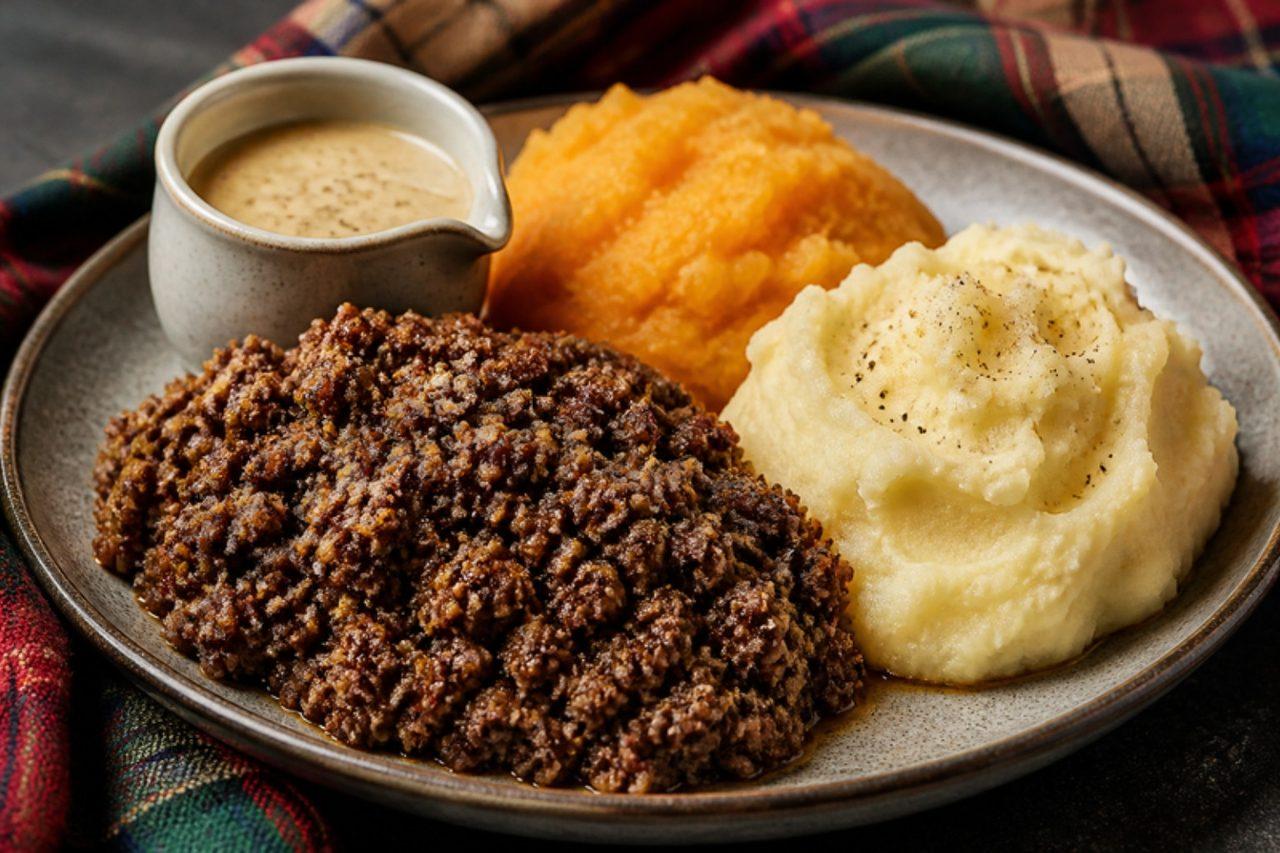
Haggis, neeps and tatties

Haggis, neeps and tatties is the centre of every Burns Supper on 25 January, when the haggis is piped in, addressed with Robert Burns's poem and cut open with a flourish. Haggis is a peppery, oaty pudding of minced lamb's offal, onion and spice; nearly everyone in Scotland buys it from a butcher, then simply heats it and serves it with mashed swede (neeps) and potatoes (tatties). The cream sauce has a splash of whisky, which contains alcohol; leave it out and add a teaspoon of mustard for an alcohol-free sauce. Chef's tip: wrap the haggis tightly in foil before it goes in the water so the casing doesn't burst.

by KrazyBadal 0 views

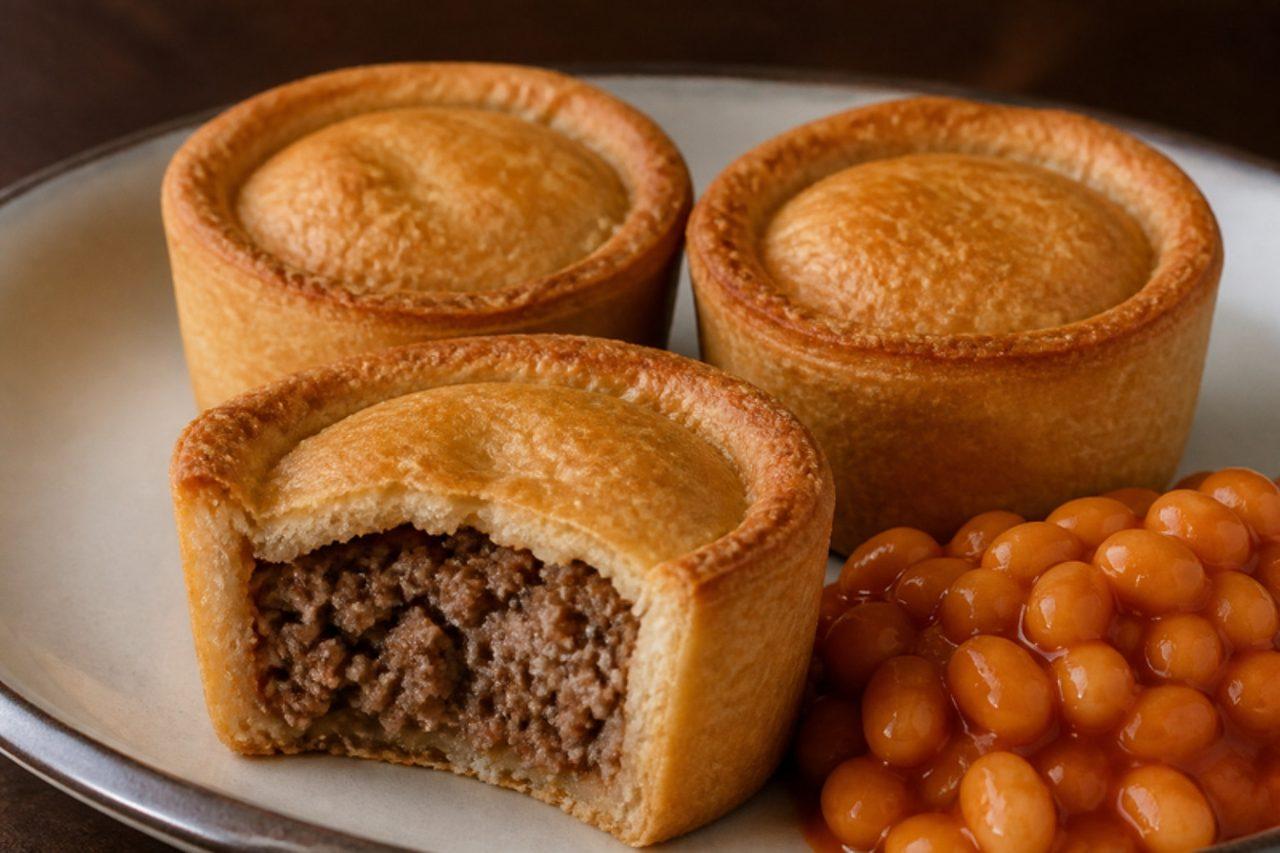
Scotch pies

The Scotch pie is the straight-sided, double-crust mutton pie eaten at half time on football terraces and bought from butchers' counters in every Scottish town, with an open rim at the top for adding gravy, beans or mash. The pastry is a hot water crust made with lard (an animal fat) and the filling is peppery minced mutton or lamb. Chef's tip: shape the pastry while it is still warm; cold hot-water pastry cracks.

by KrazyBadal 0 views

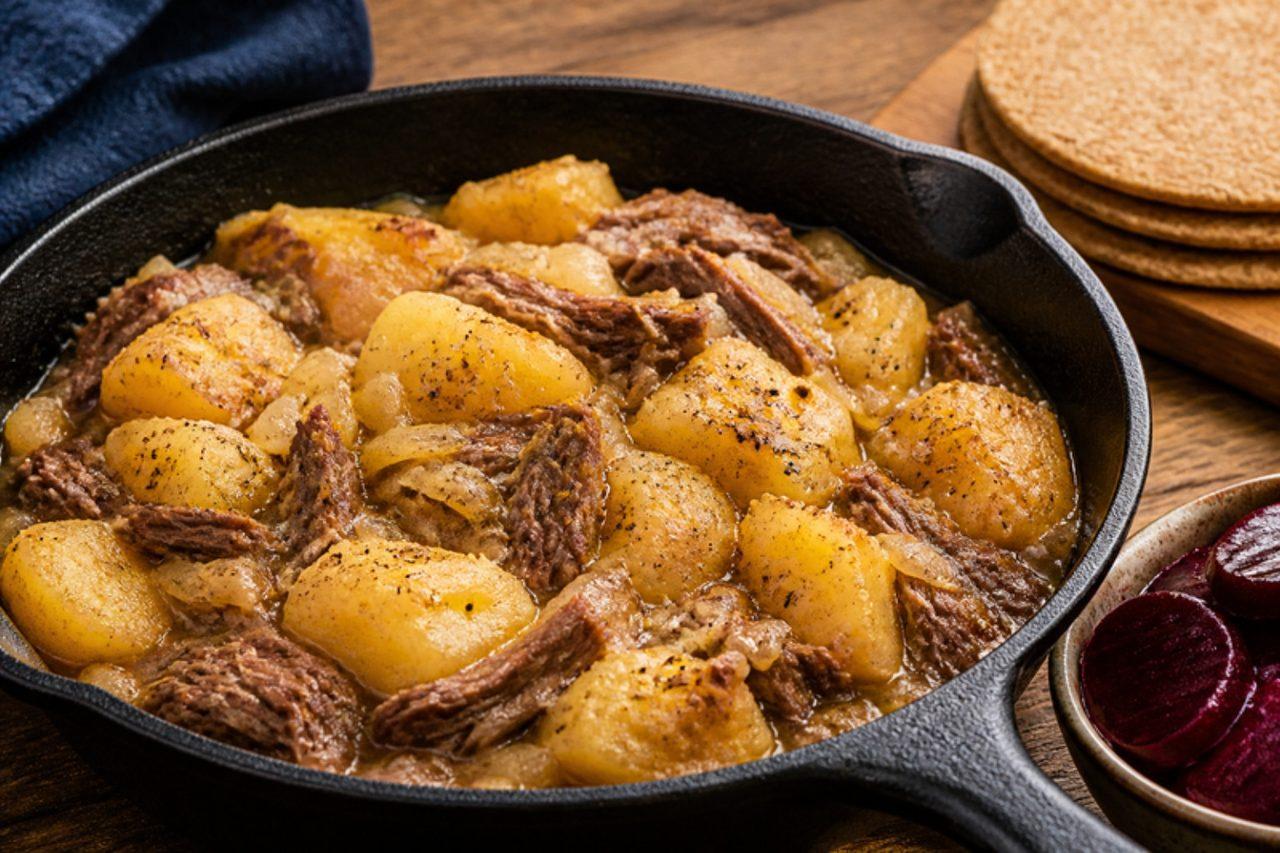
Scottish stovies

Stovies, from the Scots word for stewing on the stove, is the Monday dish made from Sunday's roast all over Scotland, and the ceilidh and wedding supper served late in the evening with oatcakes and beetroot. Potatoes and onions are cooked slowly in beef dripping with the leftover meat and its jelly until some potatoes collapse into a thick, savoury mash and some stay in chunks. Chef's tip: don't stir too often; let the bottom catch a little, as those brown bits are the best part.

by KrazyBadal 0 views

Mince and tatties

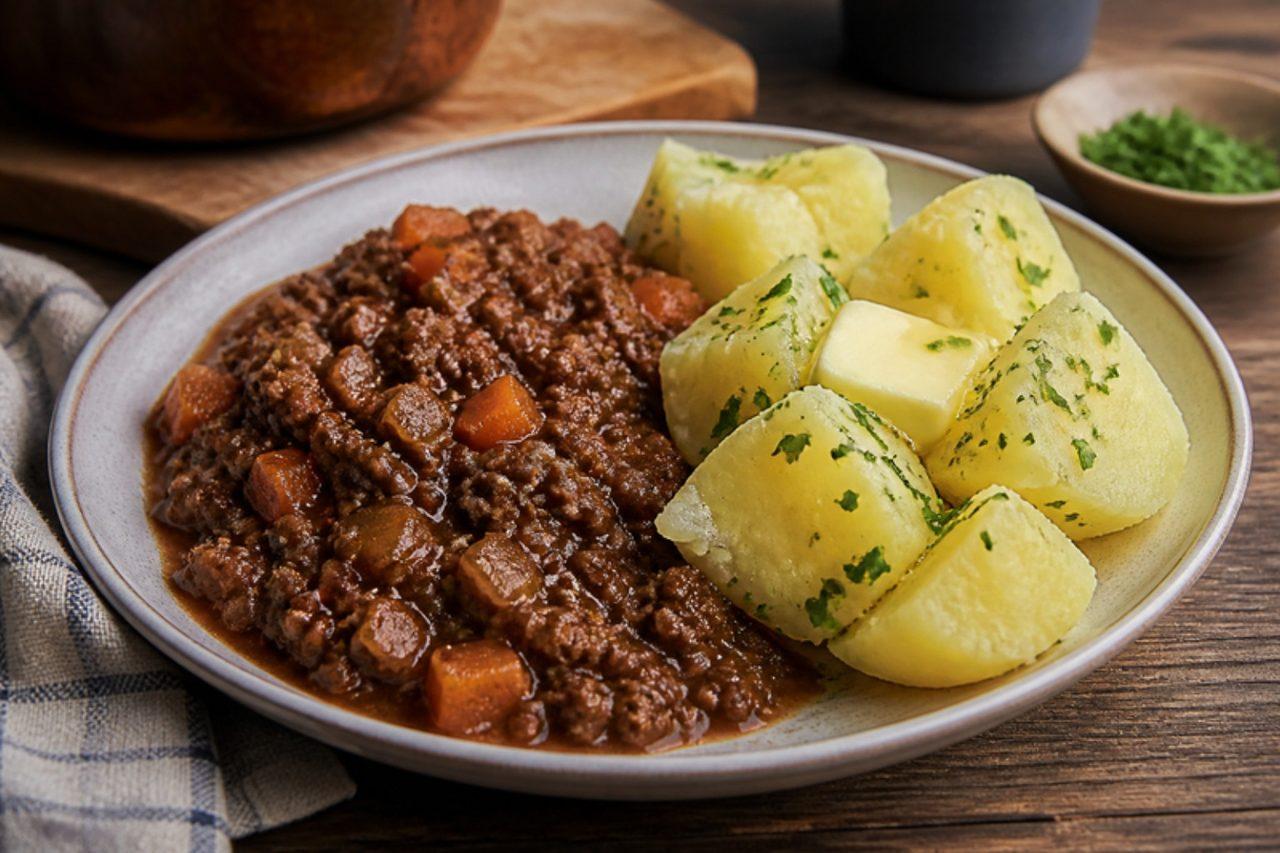
Mince and tatties is the weekday tea of Scottish homes and school canteens, so familiar that 'mince' is Scots slang for nonsense. Beef mince is browned and simmered with onion, carrot and a little oatmeal to thicken, then served with plain boiled or mashed potatoes and often peas. Chef's tip: brown the mince in batches until it crackles and turns properly brown; grey mince gives a flat flavour.

by KrazyBadal 0 views

Devilled kidneys

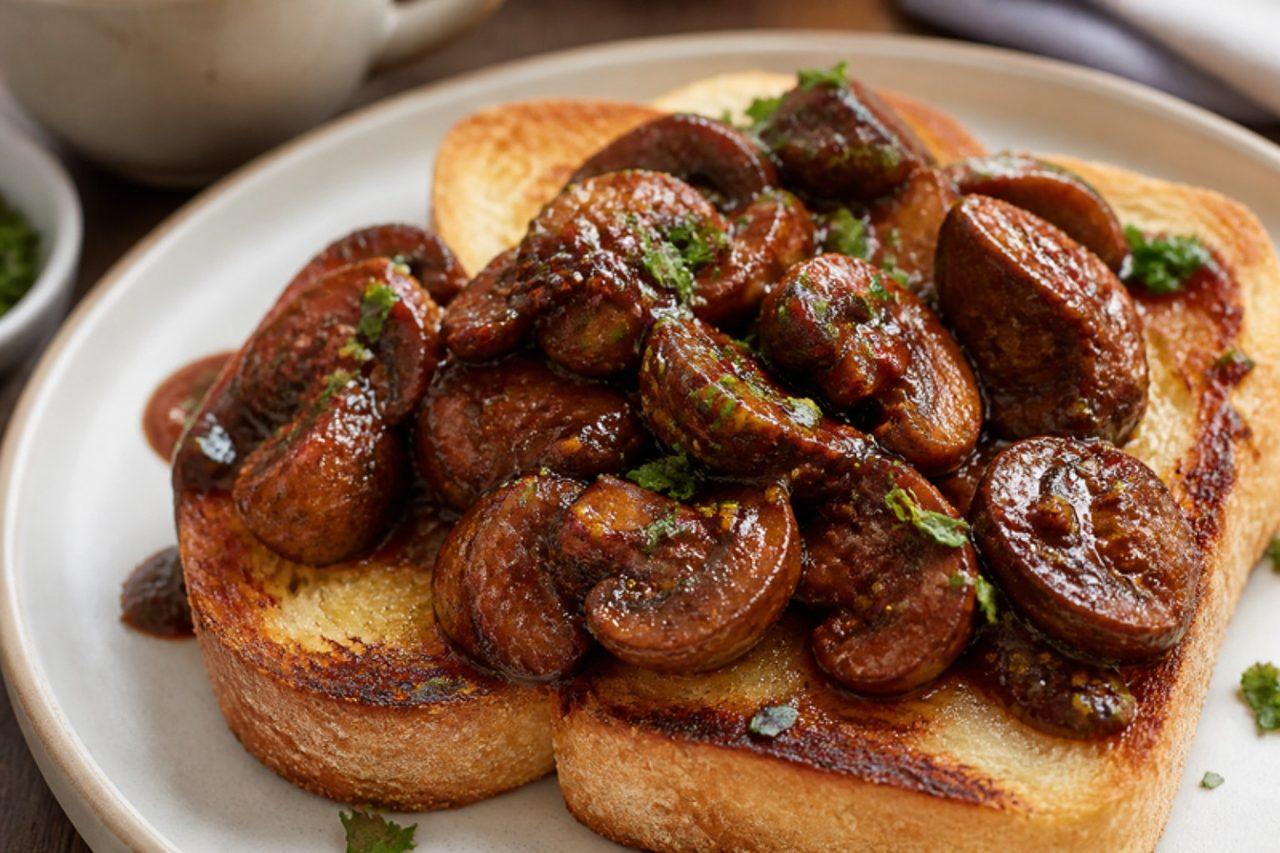
Devilled kidneys were a Victorian gentlemen's club breakfast in London and on country house sideboards, and they have come back on the menus of British chop houses as a brunch dish. Lamb's kidneys are dusted with flour, mustard powder and cayenne, fried quickly and finished in a peppery sauce, then piled on hot buttered toast. Chef's tip: snip out the white core from each kidney; it is tough and has a strong taste.

by KrazyBadal 0 views

Penclawdd cockles and laverbread

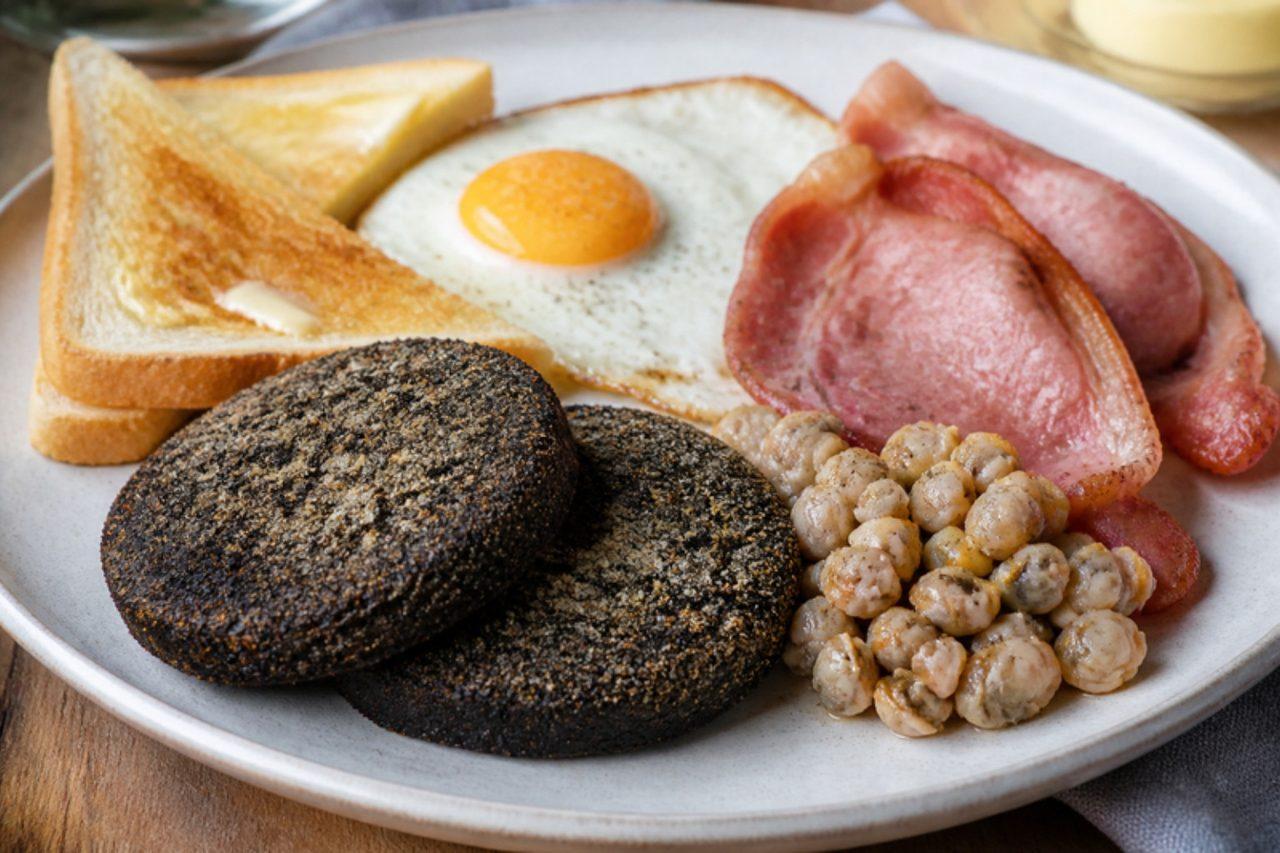
On the Gower peninsula near Swansea, the cocklewomen of Penclawdd have raked cockles from the estuary sands for centuries, and Swansea market still sells them beside laverbread, a dark purée of laver seaweed. Together with smoked bacon (pork) they make the traditional South Wales breakfast: laverbread rolled in oatmeal and fried into little cakes, cockles tossed in the bacon fat with pepper and vinegar. Chef's tip: soak live cockles in salted water so they spit out their sand before cooking.

by KrazyBadal 0 views

Belfast pastie supper

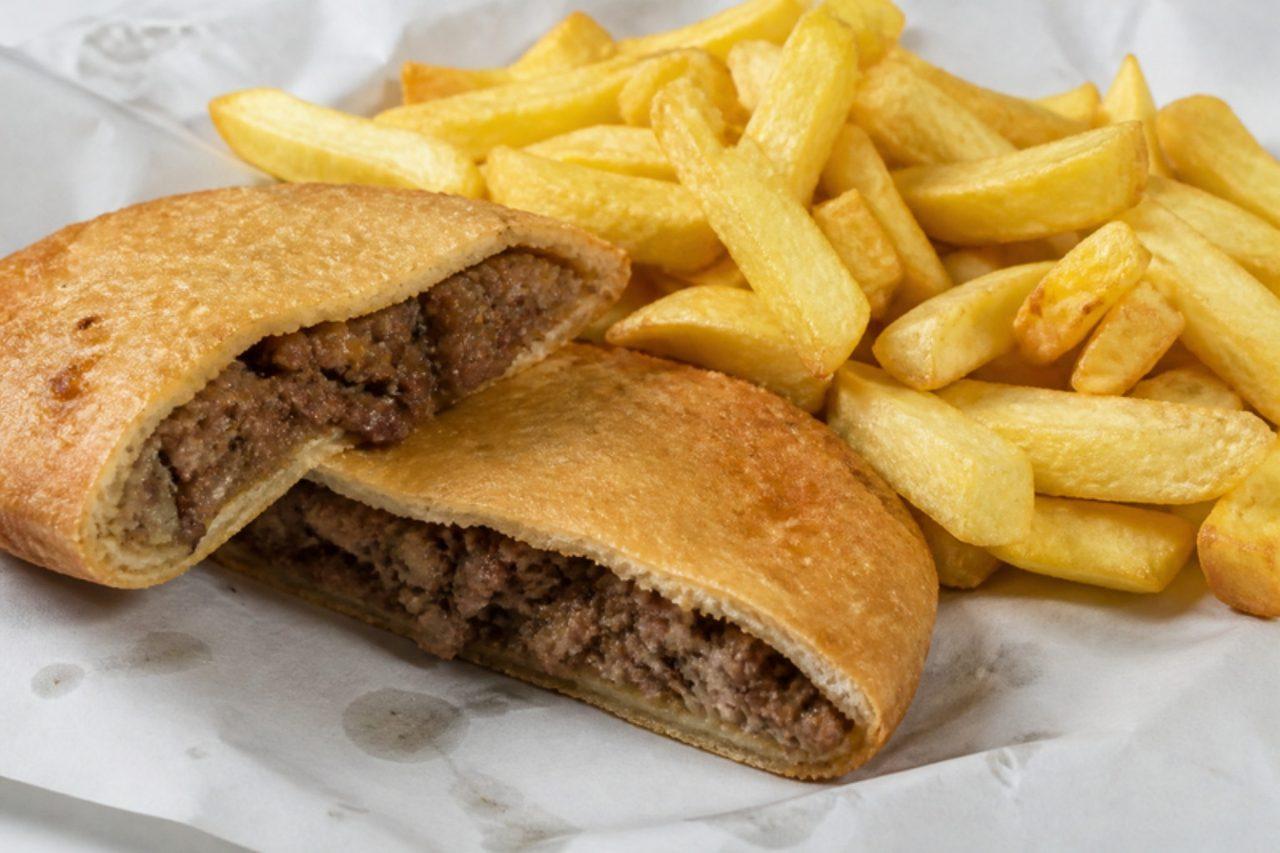
Despite the name, a Belfast pastie has no pastry: it is a round patty of seasoned pork mince, onion and potato, dipped in batter and deep-fried, and served as a 'pastie supper' with chips in chip shops across Northern Ireland. It is crisp outside and soft and peppery within, and is eaten with salt, vinegar and gravy. Chef's tip: chill the patties until firm before battering so they keep their shape in the fryer.

by KrazyBadal 0 views

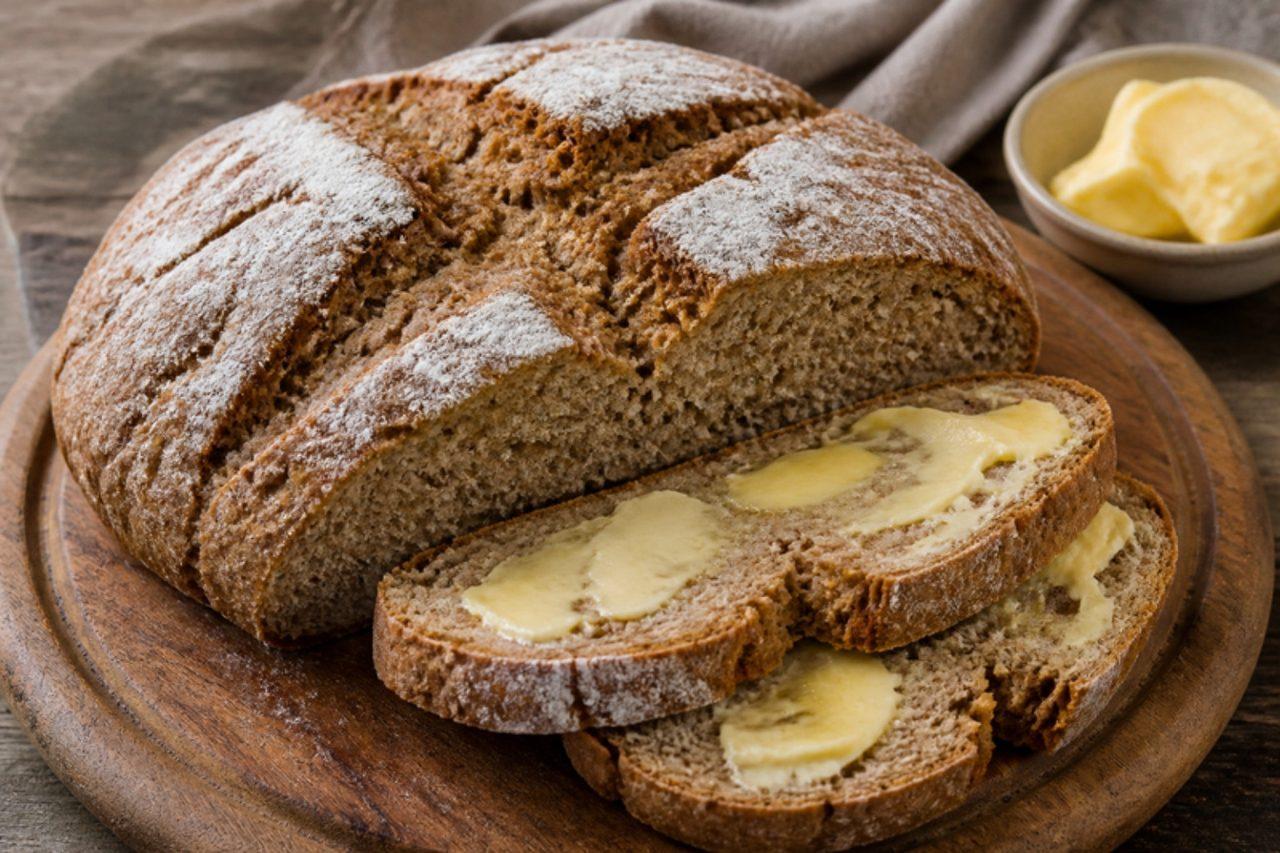
Irish brown soda bread

Brown soda bread is on every Irish table, from the Aran Islands to Wexford, sliced thickly at breakfast and served beside soup or smoked salmon in pubs. It is raised with bicarbonate of soda and sour buttermilk instead of yeast, so it is mixed and in the oven in ten minutes, with a nutty, coarse crumb and a hard crust. Chef's tip: mix with a light hand only until it comes together; kneading makes soda bread tough and heavy.

by KrazyBadal 0 views

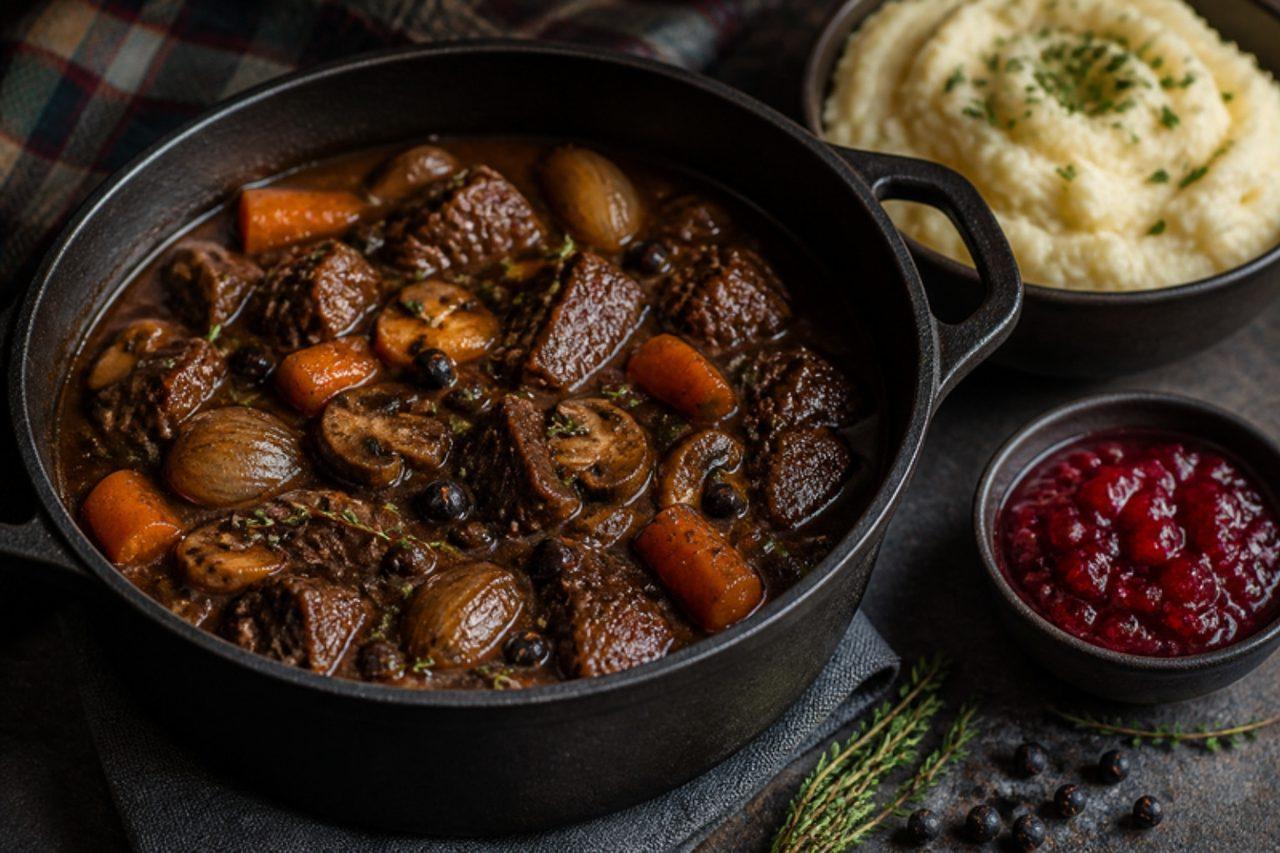
Scottish venison casserole

Venison from red deer on the Highland estates is cooked in autumn and winter when the stalking season brings it to Scottish butchers, and a slow casserole is the warming way to eat the cheaper cuts. Shoulder is braised with red wine, juniper berries and a spoon of redcurrant jelly until tender and dark. The wine contains alcohol; for an alcohol-free version use extra stock with a tablespoon of balsamic vinegar. Chef's tip: venison is very lean, so cook it at a bare simmer; boiling makes it dry and stringy.

175 minBritishMeat
by KrazyBadal 0 views

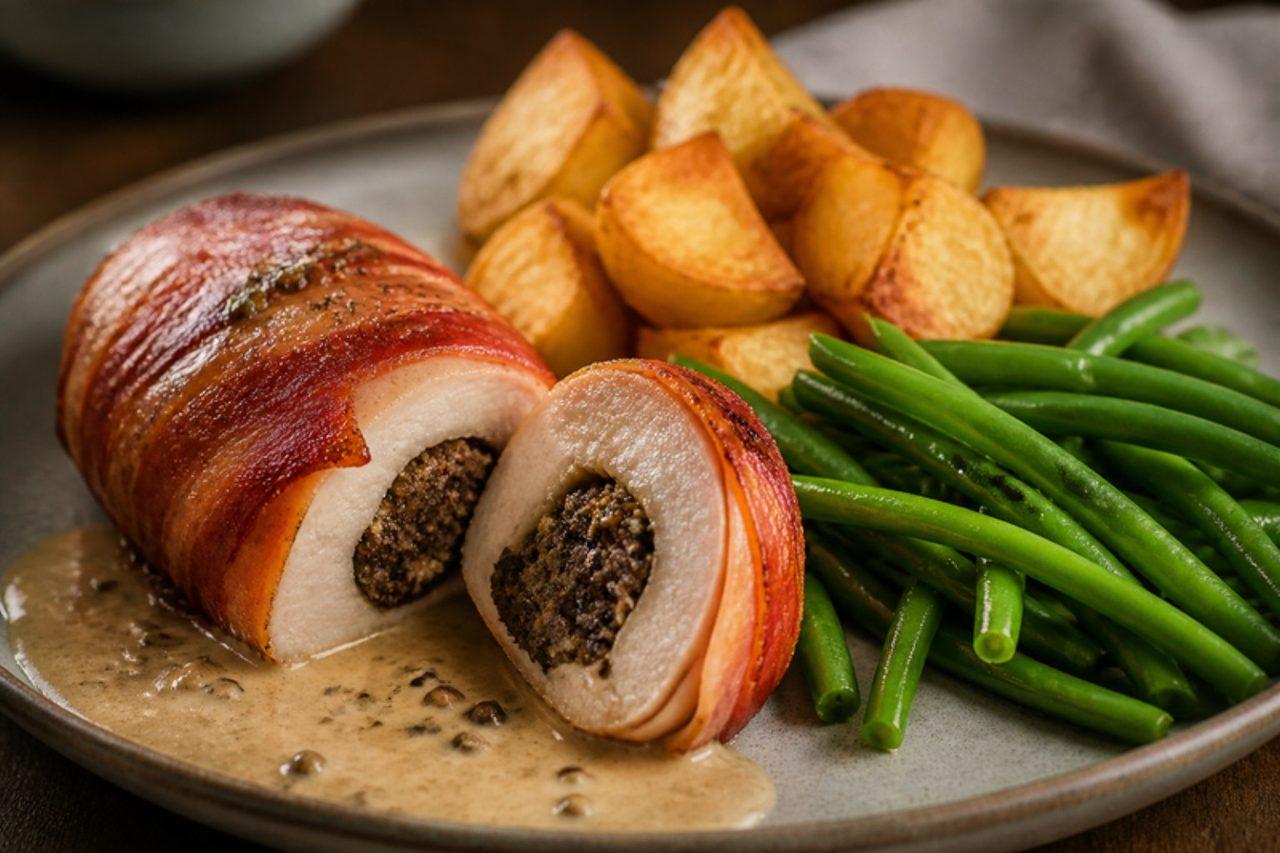
Balmoral chicken

Balmoral chicken, named after the royal castle on Deeside, is the Scottish hotel and wedding-dinner dish of chicken breast stuffed with haggis, wrapped in smoked streaky bacon (pork) and roasted, usually with a whisky cream sauce. This version uses a peppercorn cream sauce with no alcohol. Chef's tip: make a deep pocket rather than butterflying the breast, so the haggis stays inside as it cooks.

by KrazyBadal 0 views

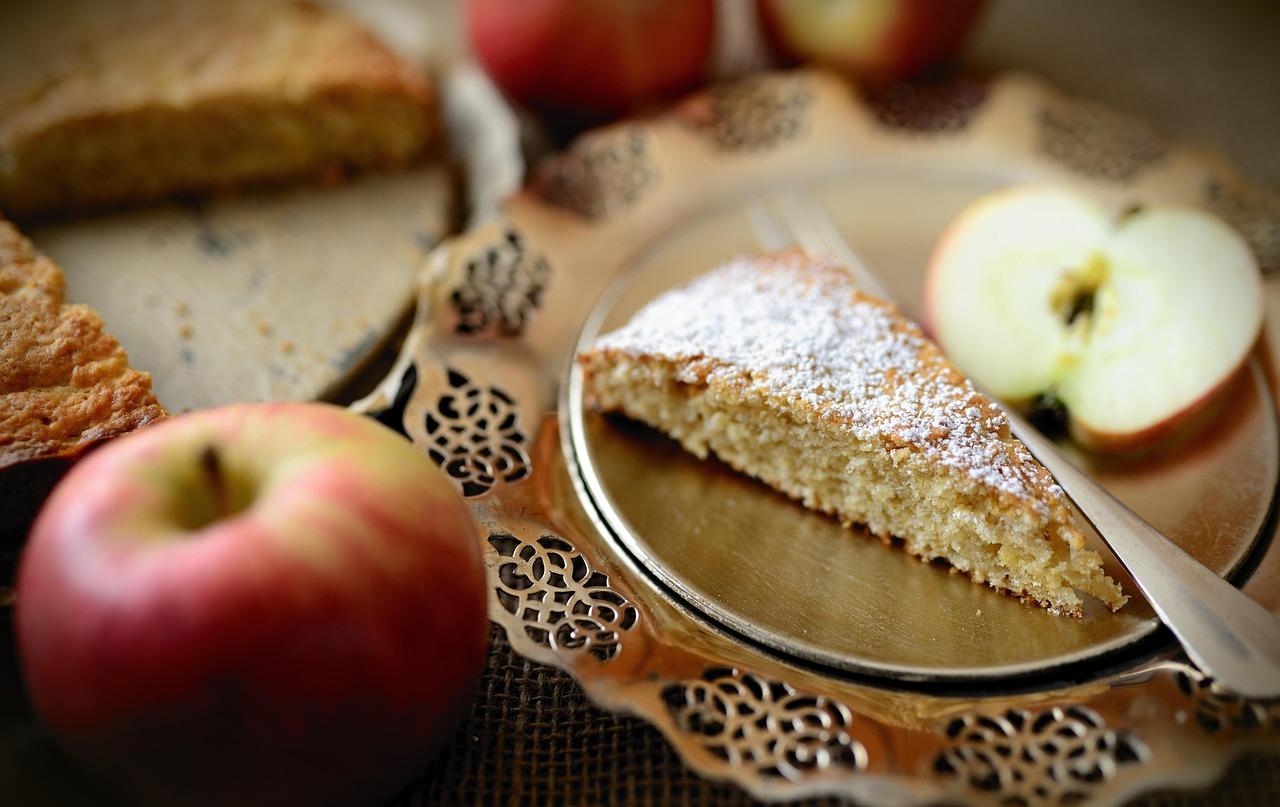
Irish apple cake

Every Irish county has its apple cake, but it is especially loved in Armagh's orchard country and in Kerry, baked in late September when the Bramleys come in. Sharp cooking apples bake into soft, tart pockets in a buttery sponge, under a crunchy sugar and cinnamon crumb. Serve warm with custard or softly whipped cream. Chef's tip: toss the apple slices in lemon juice and sugar only at the last minute, or they release water into the batter.

by KrazyBadal 0 views

Irish porter cake

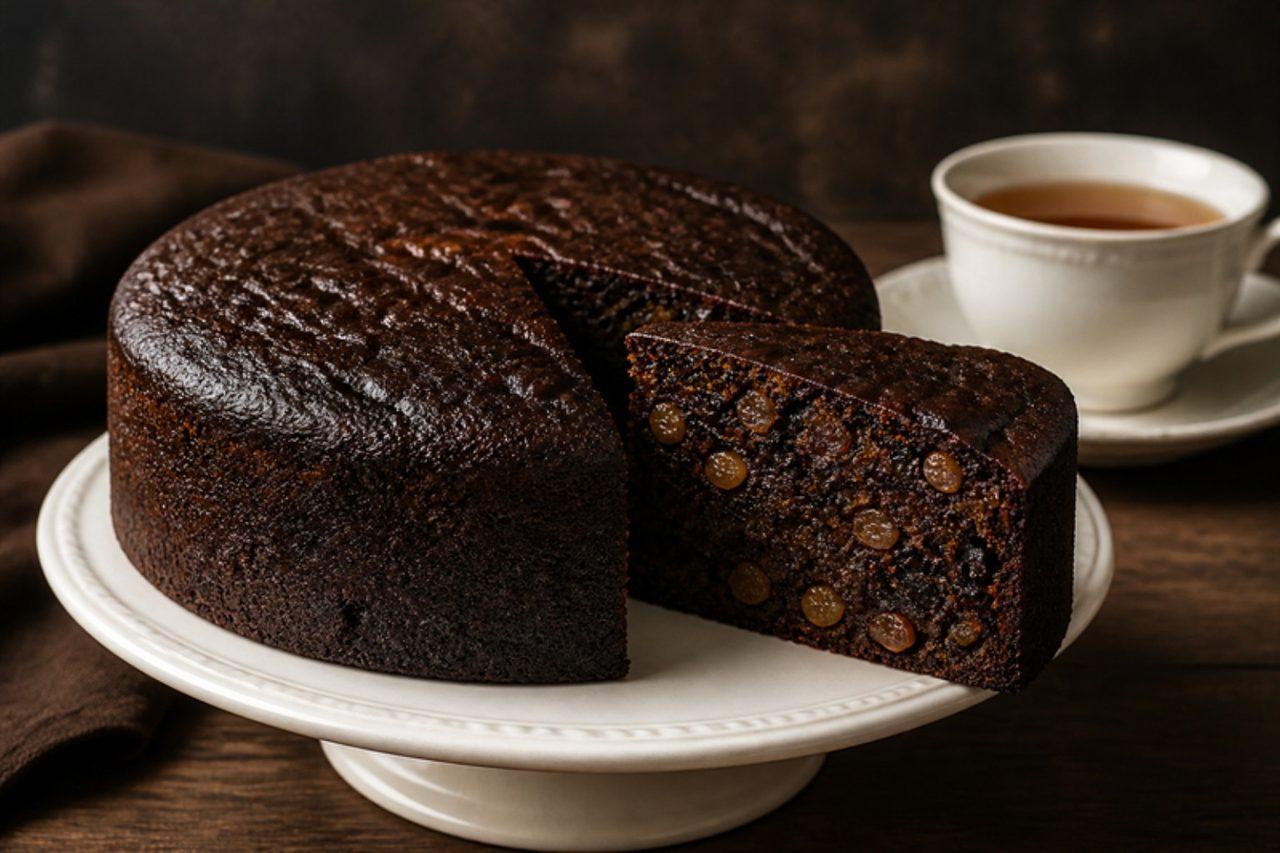
Porter cake is the Dublin fruit cake made with stout, the dark beer once drunk by the porters of Dublin's markets and docks; it is baked for Christmas, christenings and wakes across Leinster. The fruit is simmered in the stout, which gives the crumb a deep, malty, slightly bitter flavour and keeps it moist for weeks. This recipe contains alcohol: most of it cooks off, but for an alcohol-free version use strong black tea or alcohol-free stout. Chef's tip: wrap the cooled cake and leave it for 2–3 days before cutting; it slices better and tastes richer.

140 minIrishBaking
by KrazyBadal 0 views

Irish potato soup

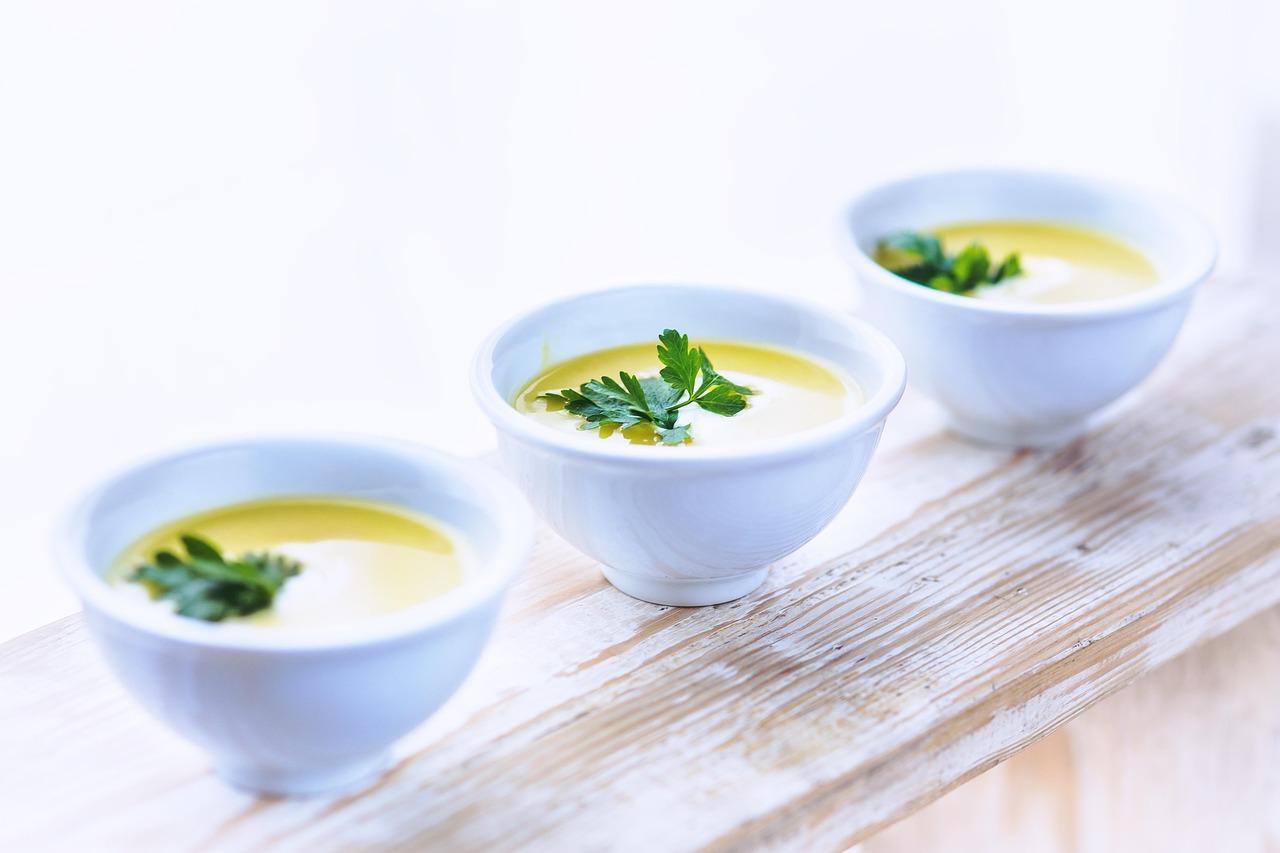
Potato soup is what Irish pubs and farmhouse kitchens set down on a wet afternoon from Kerry to Mayo, always with a heel of brown soda bread. Floury potatoes, onion and leek are sweated in butter and simmered in stock, then blended to a velvety, comforting soup with a gentle onion sweetness. A swirl of buttermilk and chives adds freshness. Chef's tip: sweat the leeks slowly without browning them; colour makes the soup taste bitter and turns it grey.

50 minIrishSoupsGluten free
by KrazyBadal 0 views

Irish buttermilk scones

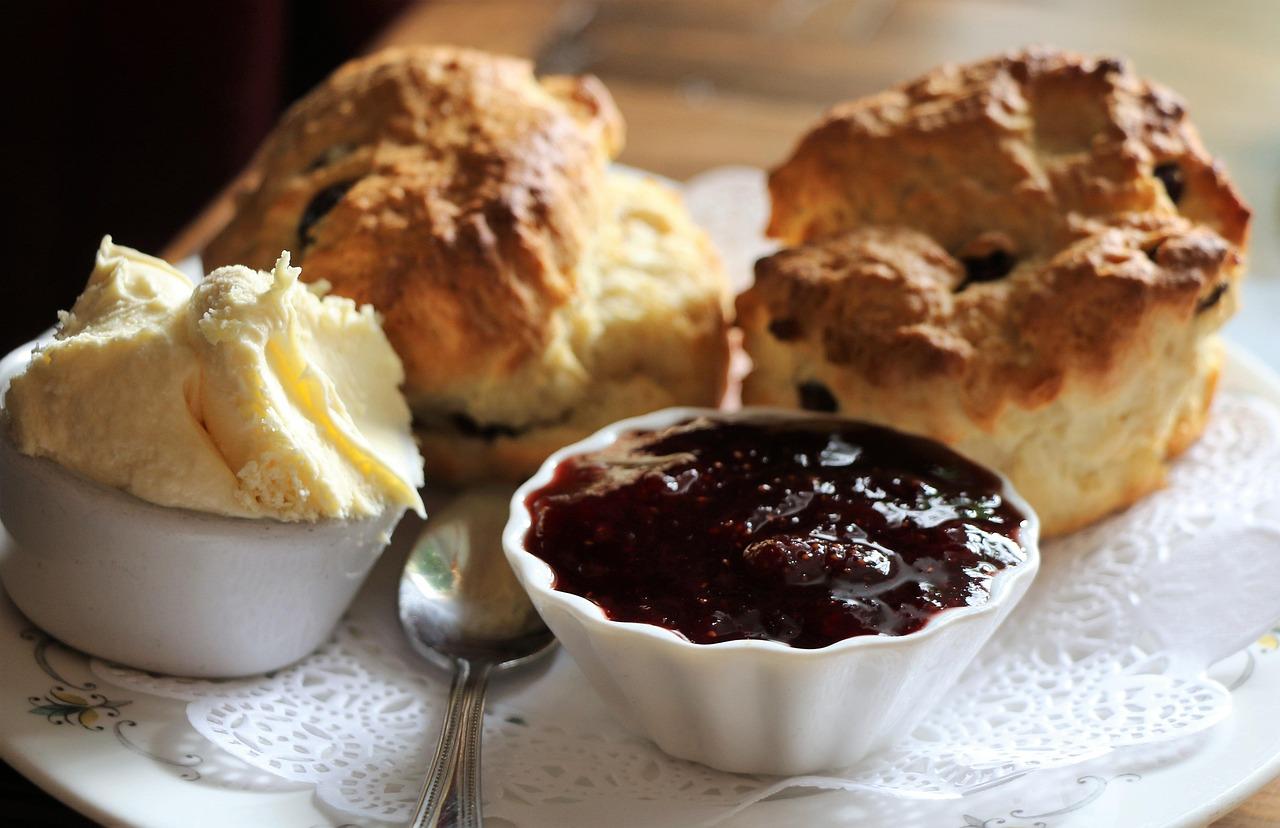
Irish scones are the centre of afternoon tea in hotels and country houses from Galway to Wicklow, and the bake that every Irish cook makes from memory. Buttermilk makes them light and tender with a faint tang, and an egg wash gives the glossy golden top. Serve warm, split, with butter, raspberry jam and whipped cream. Chef's tip: press the cutter straight down without twisting; twisting seals the edges and stops them rising tall.

by KrazyBadal 0 views

Irish rhubarb tart

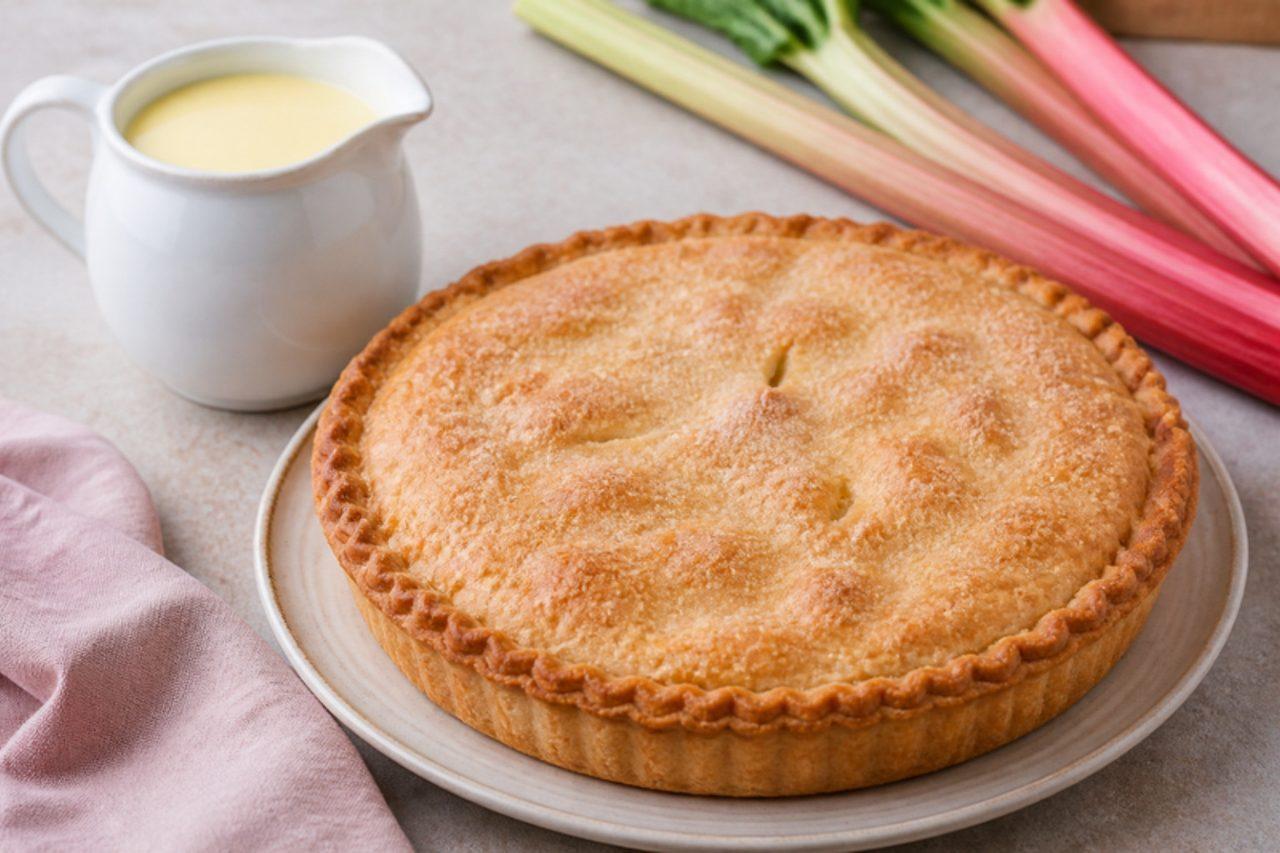
In April and May rhubarb crowns burst up in kitchen gardens all over Ireland, and the first of it goes into this plate tart, baked on an enamel plate in farmhouses from Cork to Donegal. The rhubarb is sweet-sour under a crisp, sugar-crusted lid of shortcrust. Serve warm with custard or a jug of cream. Chef's tip: sprinkle a spoonful of semolina or cornflour over the bottom pastry before adding the fruit; it soaks up the juice and stops a soggy base.

by KrazyBadal 0 views

Irish coffee

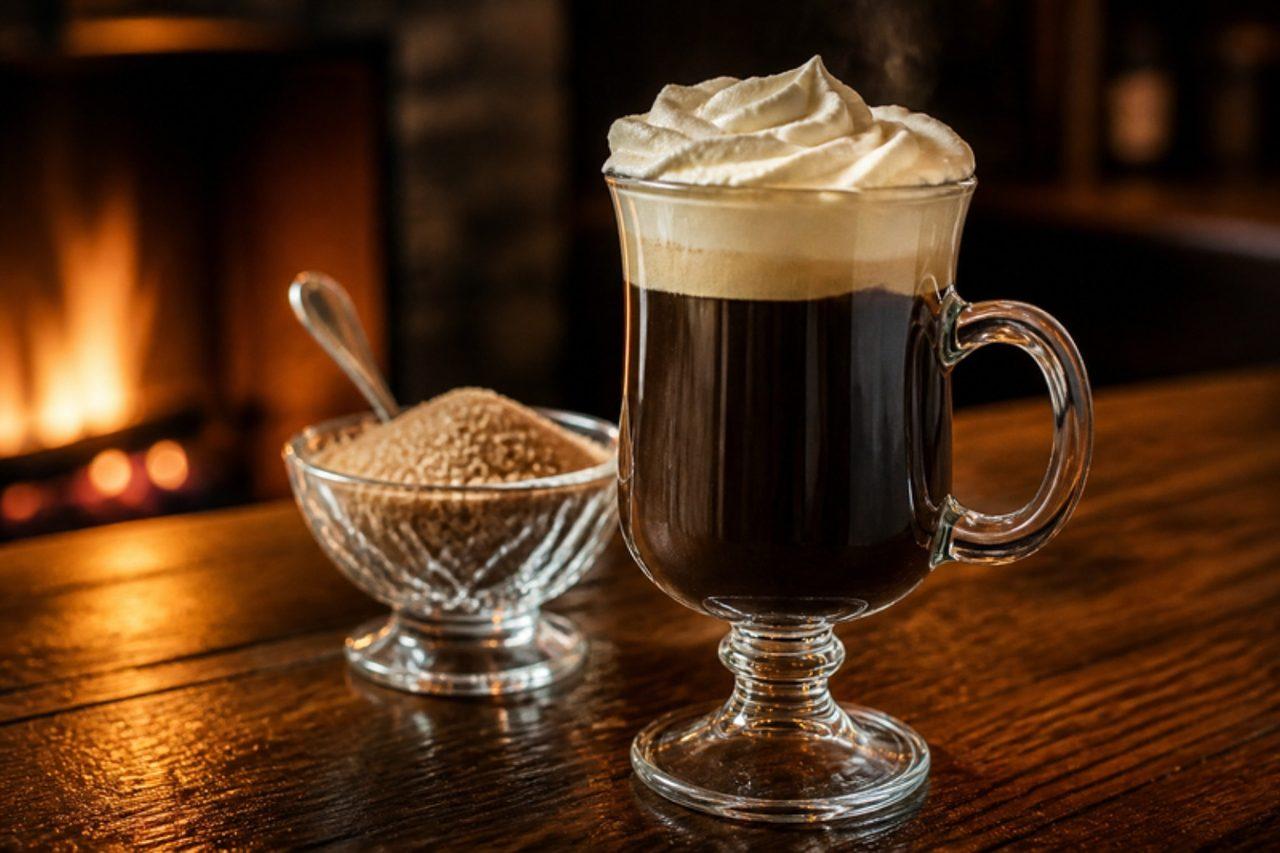
Irish coffee was first served in the 1940s at Foynes on the Shannon estuary, to cold passengers stepping off the flying boats from America, and it is now poured in hotel bars across Ireland after a long dinner. Hot black coffee is sweetened with brown sugar and laced with Irish whiskey, then topped with a layer of lightly whipped cream that you drink the coffee through. This drink contains alcohol; for an alcohol-free version, leave out the whiskey and add a few drops of vanilla. Chef's tip: whip the cream only until it just thickens, so it floats in a soft layer rather than sinking or sitting in stiff blobs.
by KrazyBadal 0 views

Brown bread ice cream

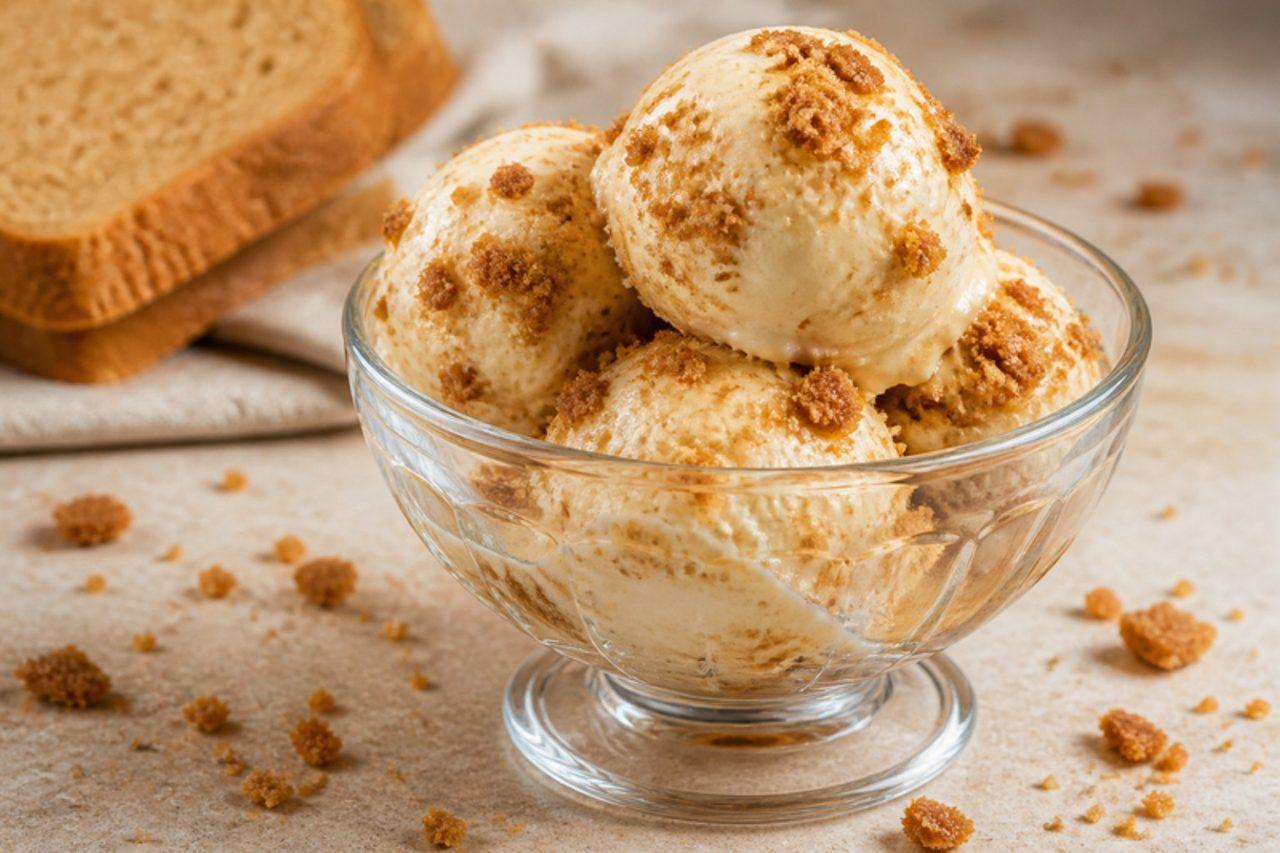
Brown bread ice cream has been a country-house dessert in Ireland since Victorian times and still turns up on menus in Kenmare, Kinsale and Dublin restaurants. Crumbs of brown soda bread are toasted with brown sugar until crisp and toffee-like, then folded through a rich vanilla ice cream, so it tastes of caramel and malty, nutty bread. This no-churn version needs no machine. Chef's tip: let the caramelised crumbs cool and break up completely before folding them in, or they sink and clump.

by KrazyBadal 0 views

Irish chicken and ham pie

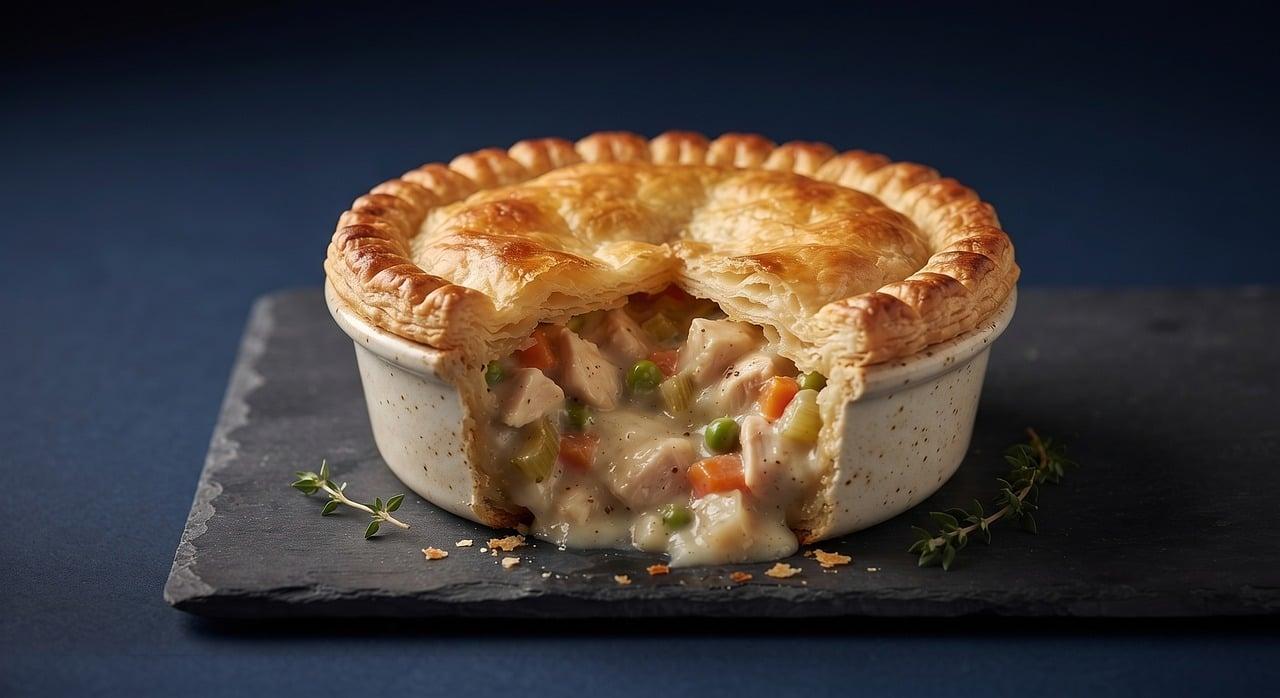
Chicken and ham pie is the family supper of Irish homes from Westmeath to Wicklow, the way to stretch a roast chicken and a piece of cooked ham into another meal, and a staple of hotel carveries. The ham is pork. Both meats sit in a creamy leek and mushroom sauce under a puff pastry lid. Chef's tip: let the filling cool before putting on the pastry, or the butter in the puff melts and it won't rise.

by KrazyBadal 0 views

Mackerel with gooseberry sauce

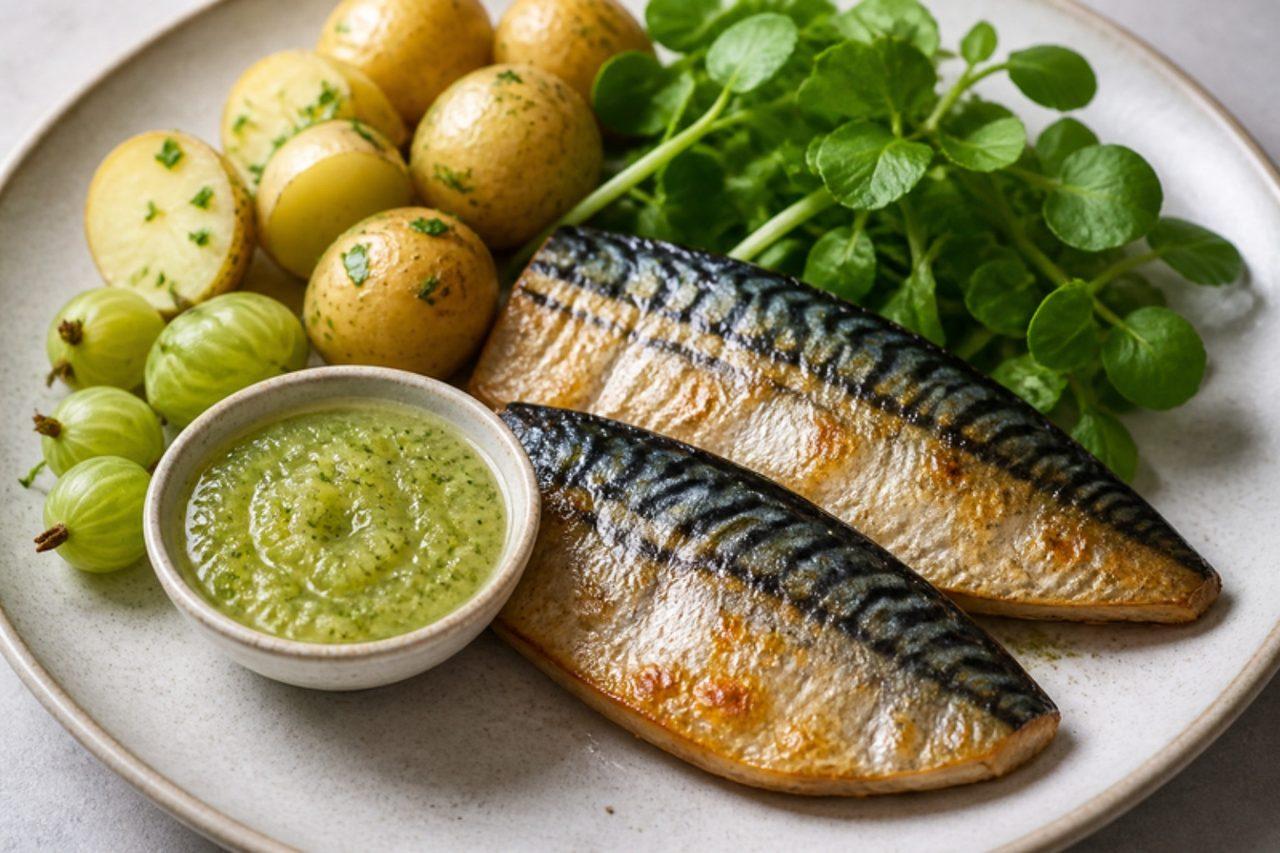
In July and August shoals of mackerel come close to the piers from Kilmore Quay to Killybegs, and children catch them on hand lines for the evening pan. The old Irish partner for the oily fish is a sharp sauce of the gooseberries ripening in the garden at the same time, which cuts through the richness. Serve with new potatoes. Chef's tip: cook the fillets skin-side down almost all the way, so the skin crisps and the delicate flesh stays moist.

25 minIrishFishGluten free
by KrazyBadal 0 views

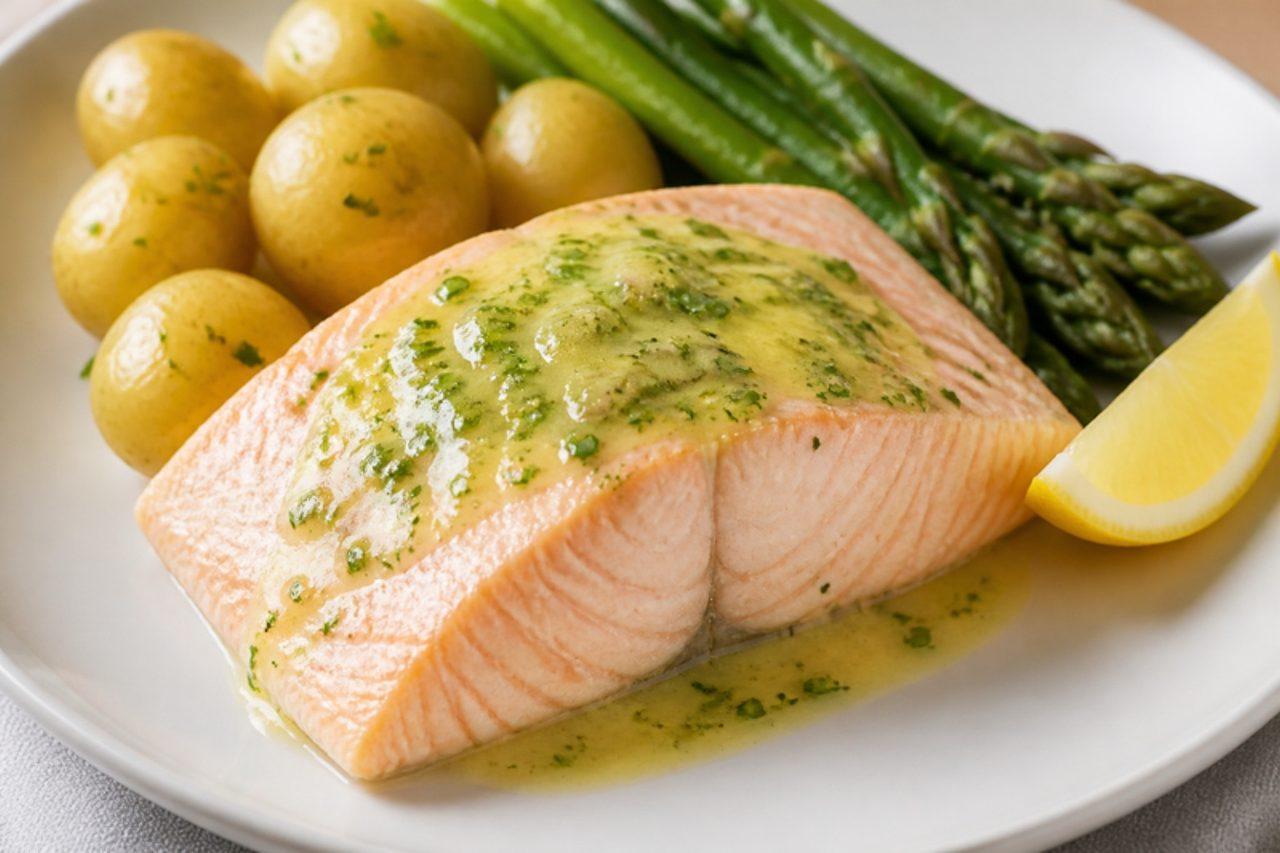
Poached Irish salmon with herb butter

A side of poached salmon is the centrepiece of Irish wedding buffets, First Communion lunches and summer gatherings along the Moy and the Blackwater, where wild salmon once ran thick. Poached gently in a court bouillon, it stays silky and moist, and here it is served warm with a simple chive and lemon butter sauce, new potatoes and peas. Chef's tip: never let the poaching liquid boil; it should barely shiver, or the salmon tightens and leaks white curds.

30 minIrishFishGluten free
by KrazyBadal 0 views

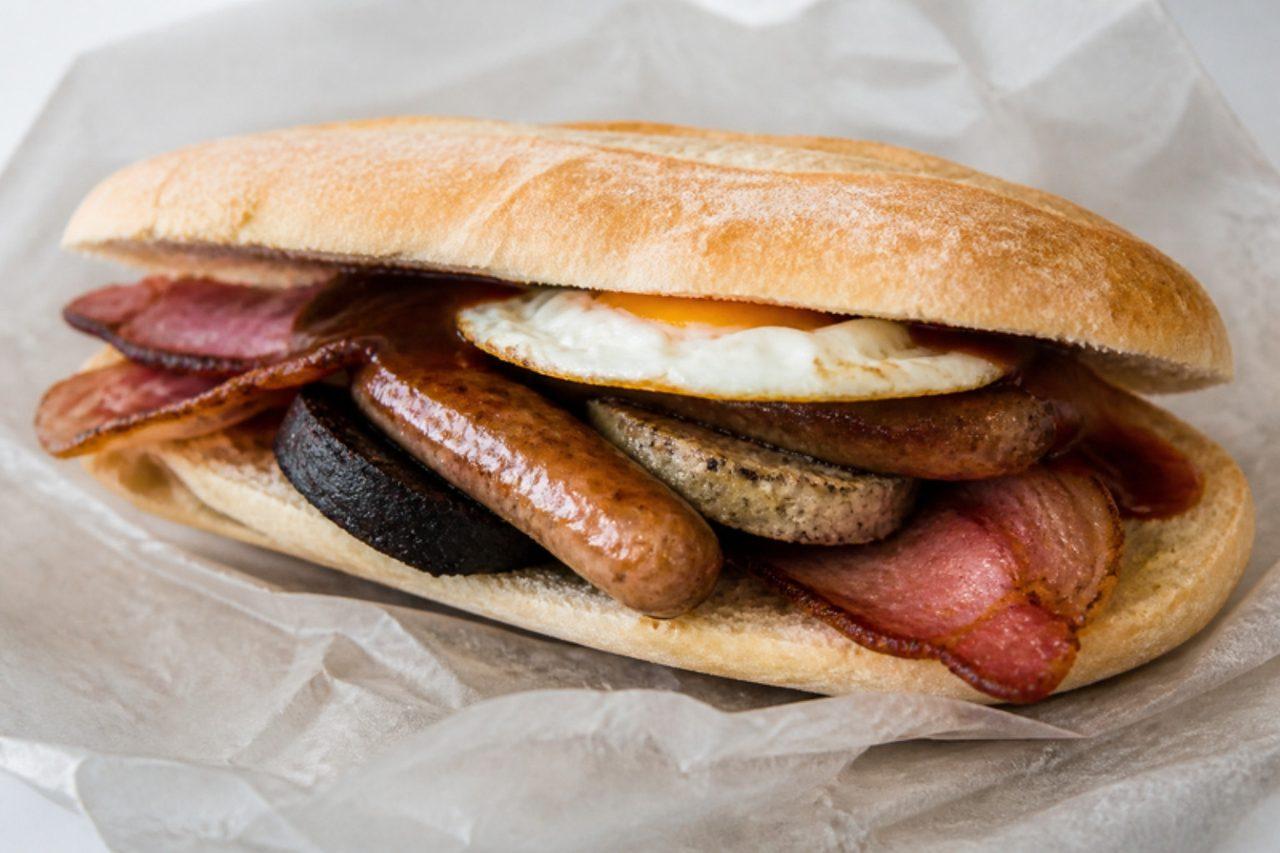
Irish breakfast roll

The breakfast roll is the hot deli sandwich of Irish petrol stations and corner shops, eaten from its paper bag by builders, commuters and students all over the country from early morning. A long, crusty baguette-style roll is packed with what is in a fry: pork sausages, rashers, black and white pudding and a fried egg, with butter and brown sauce or ketchup. Chef's tip: warm the roll in the oven so it is crisp outside and soft within before you load it.

by KrazyBadal 0 views

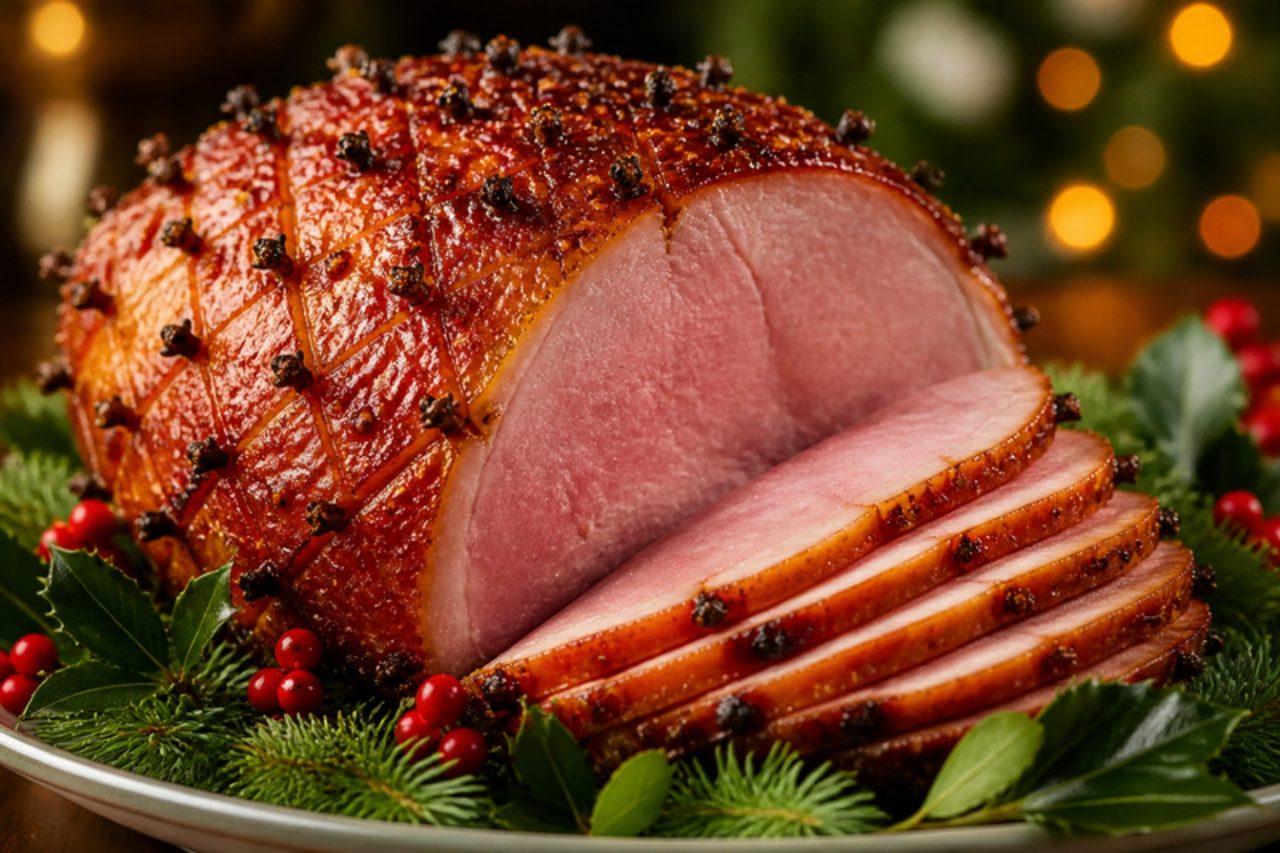
Limerick ham with cider glaze

Limerick was once famous across Europe for its hams, cured in the city's bacon factories, and a glazed ham is still the centrepiece of the Irish Christmas table next to the turkey. This is a gammon joint, which is pork: simmered gently in cider with an onion and spices, then studded with cloves and glazed in a hot oven until sticky and dark. Serve hot with mash and parsley sauce, or cold for St Stephen's Day sandwiches. The cider contains alcohol, which mostly cooks off; for an alcohol-free version use cloudy apple juice. Chef's tip: score the fat in a neat diamond pattern only through the fat, not the meat, so the glaze grips without the meat drying.

200 minIrishMeatGluten free
by KrazyBadal 0 views

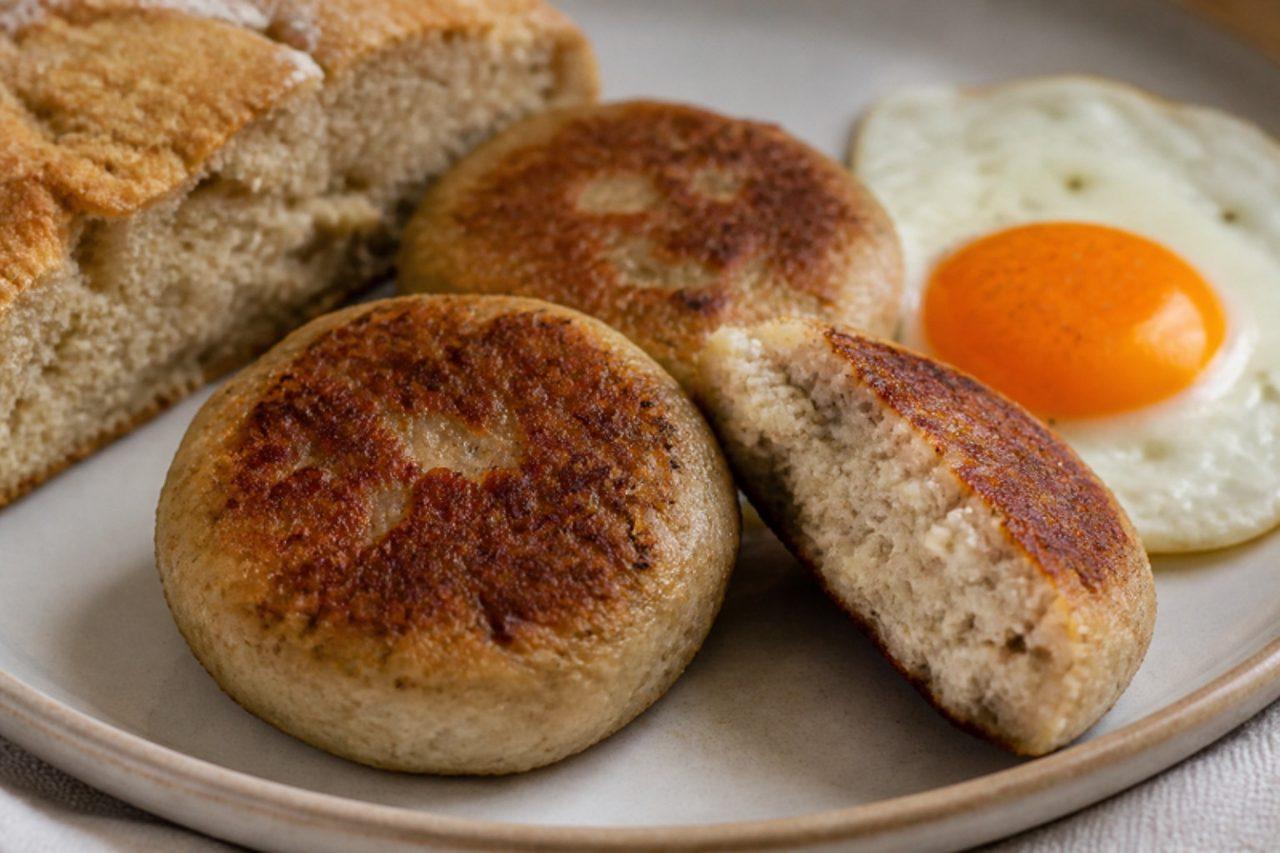
Irish white pudding patties

White pudding is the pale partner to black pudding on the Irish breakfast plate, made in butchers' shops from West Cork to Sligo with pork, pork fat, oatmeal, onion and a secret blend of spices. Making it at home in casings is fiddly, so this version shapes the same mix into patties to fry for the full Irish or a breakfast roll. Chef's tip: toast the oats in a dry pan first; it gives the nutty flavour that good shop-bought white pudding has.

by KrazyBadal 0 views

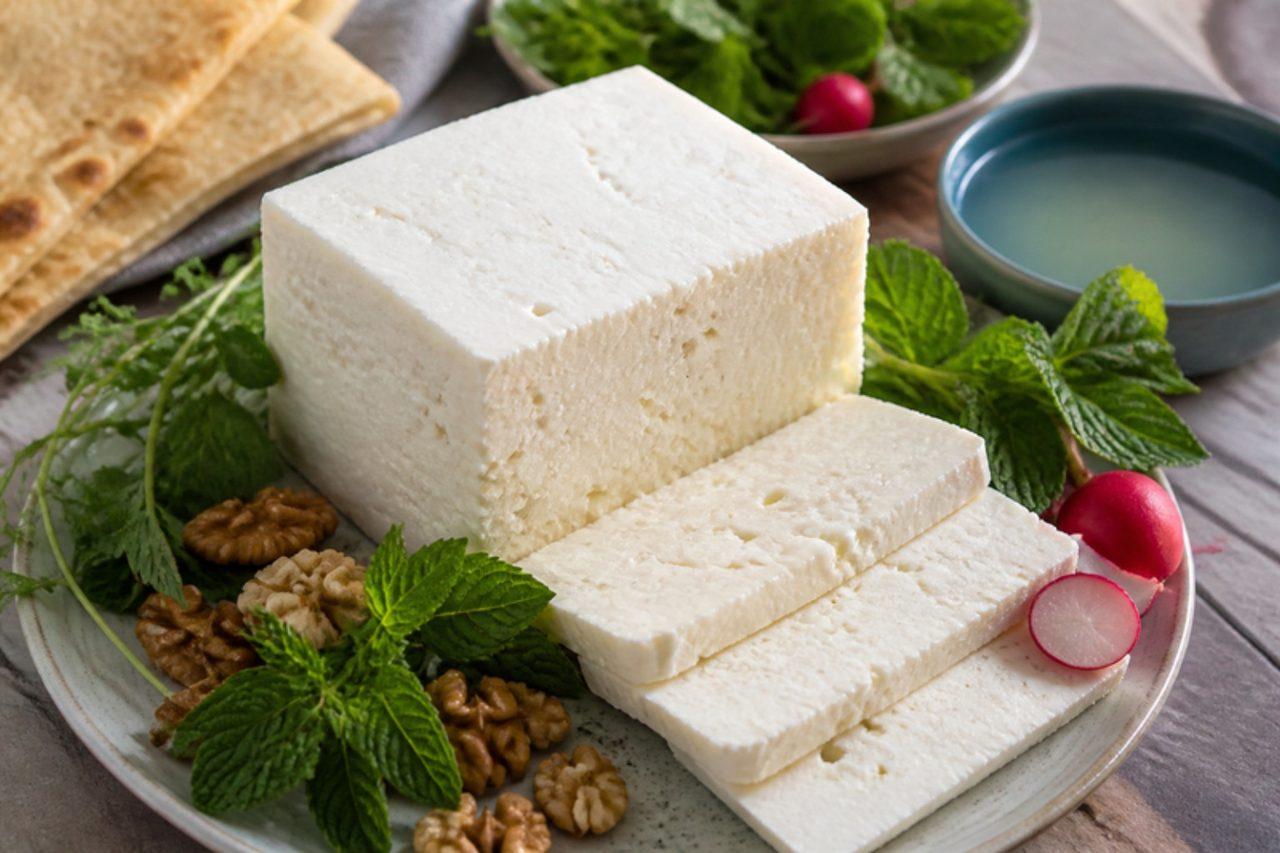
Lighvan-style brined cheese

The village of Lighvan, on the slopes of Mount Sahand south of Tabriz, gives its name to Iran's most loved breakfast cheese: a white, holey, tangy sheep's milk cheese matured in brine, traditionally in goatskins or tins in mountain caves. Across Azerbaijan province it is eaten every morning with warm bread, walnuts, fresh herbs and sweet tea. This home version uses pasteurised sheep's milk (or a mix with goat's milk) so it is safe to make in your kitchen. Village Lighvan is set with animal rennet; use a vegetarian (microbial) rennet to keep it vegetarian. The commonest mistake is cutting the curd before it gives a clean break, which loses yield and makes a crumbly cheese. Chef's tip: let the cheese firm in the fridge for a full week in the brine; it develops its classic tang and little holes as it matures.

1500 minPersianBasicsGluten free
by KrazyBadal 0 views

Golab (home-distilled rosewater)

Every May the valleys around Kashan and Qamsar fill with pickers gathering Damask roses at dawn for golabgiri, the rose-water festival, when copper stills bubble in village courtyards. Golab is the backbone of Persian sweets, sharbat and rice, and a small batch can be made at home with a stockpot, an upturned lid and a bowl of ice. You need fragrant roses that have never been sprayed: florist roses are not safe to use in food. A common mistake is boiling hard, which cooks the petals and gives a grassy, dull water; the pot should only simmer. Chef's tip: pick the roses early in the morning, when their scent is strongest, and distil the same day.

by KrazyBadal 0 views

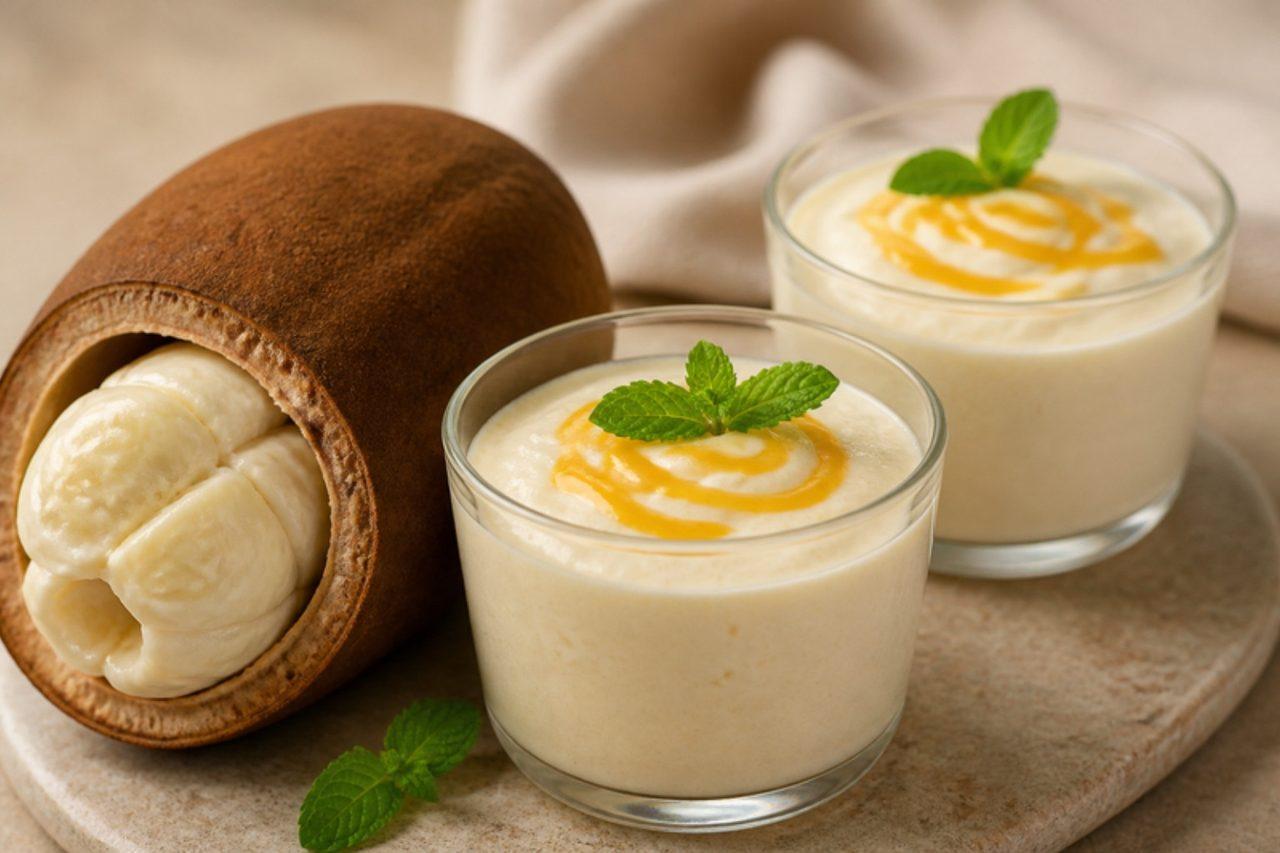
Mousse de cupuaçu

Cupuaçu, a cousin of cacao with a velvety white pulp, smells of pineapple, banana and chocolate at once and is one of the great flavours of Pará. Belém's ice-cream parlours and lunch restaurants turn it into this light, sharp-sweet mousse, and home cooks make it the night before a birthday or Sunday lunch because it is just whipped and chilled. Condensed milk and cream soften the fruit's sourness; a spoon of cupuaçu syrup on top adds colour and bite. Outside Brazil, buy frozen unsweetened cupuaçu pulp from Brazilian or Latin shops. Many cooks blend the cream with everything else, which leaves the mousse runny; whip it separately and fold it in. Chef's tip: thaw the pulp in the fridge rather than in hot water, so it keeps its perfume, and chill the mousse for at least 4 hours.

by KrazyBadal 0 views

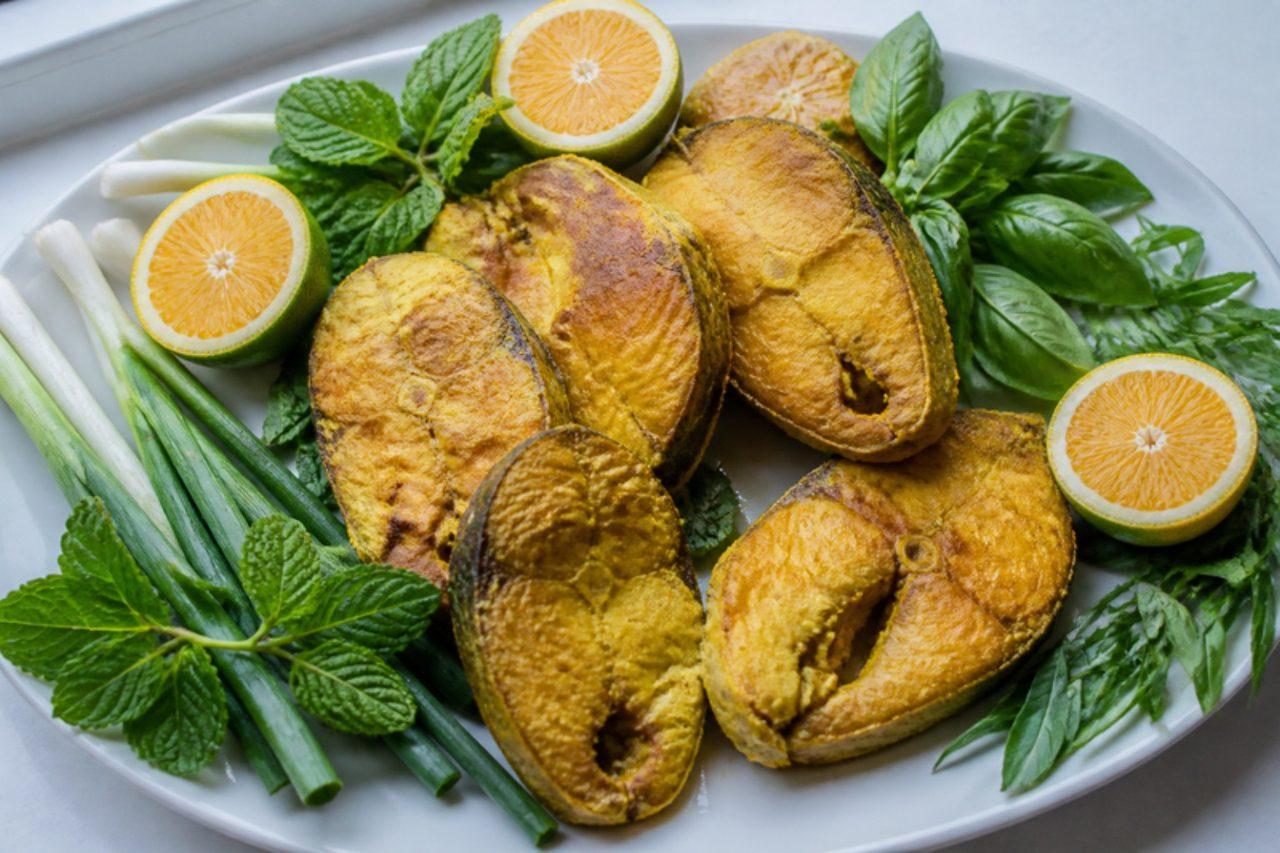
Fried mahi sefid with bitter orange

Along the Caspian shore from Bandar Anzali to Babolsar, the silvery kutum (mahi sefid) arrives in late winter, and families fry thick steaks of it for weekday lunches and for the Nowruz table. The coating is nothing more than flour, turmeric, salt and pepper, so the sweet, firm flesh does the talking; it comes to the table with wedges of bitter orange (narenj), rice and a plate of fresh herbs. Any firm white fish with skin works if you can't find kutum: sea bass, hake or cod steaks. A common mistake is crowding the pan, which drops the oil temperature and leaves the crust pale and greasy. Chef's tip: dry the fish properly and flour it only at the last moment, so the turmeric crust fries to a crisp golden shell instead of turning pasty.

by KrazyBadal 0 views

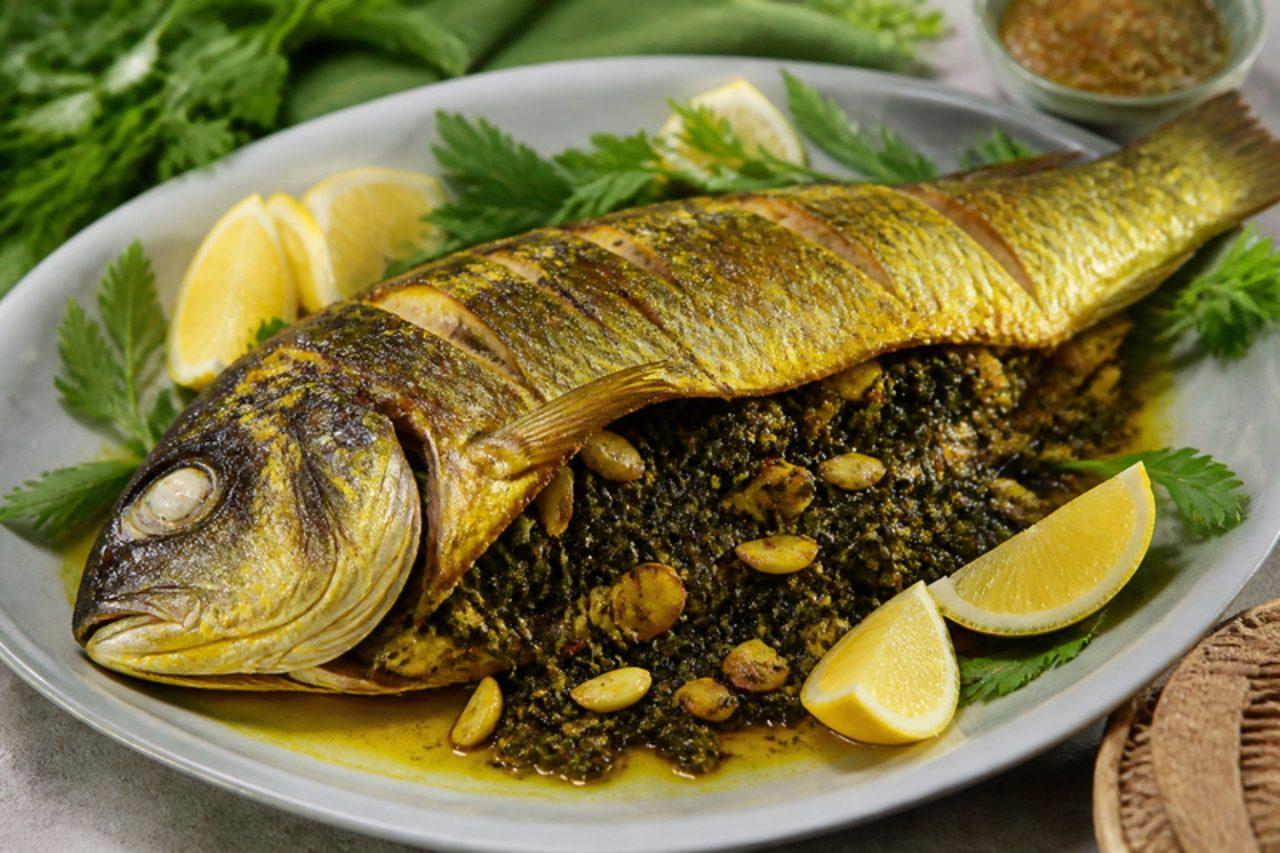
Mahi sobour stuffed with herbs and tamarind

Each spring the shad (sobour) swims up the Karun and Arvand rivers, and in Ahvaz and Khorramshahr the season is marked by whole fish split open, packed with a sour paste of herbs, garlic and tamarind and cooked over coals or in a hot oven. The rich, oily flesh is a perfect match for the sharp filling. Shad is very bony, so most home cooks outside Khuzestan use sea bass, sea bream or mackerel, which take the same filling beautifully. A common mistake is overfilling the fish so it bursts open and the stuffing burns; pack it firmly but leave a finger's width at the edges. Chef's tip: cut three shallow slashes in each side and rub a little filling into them, so the sourness reaches the whole fish.

by KrazyBadal 0 views

Mahyaveh-style anchovy and spice spread

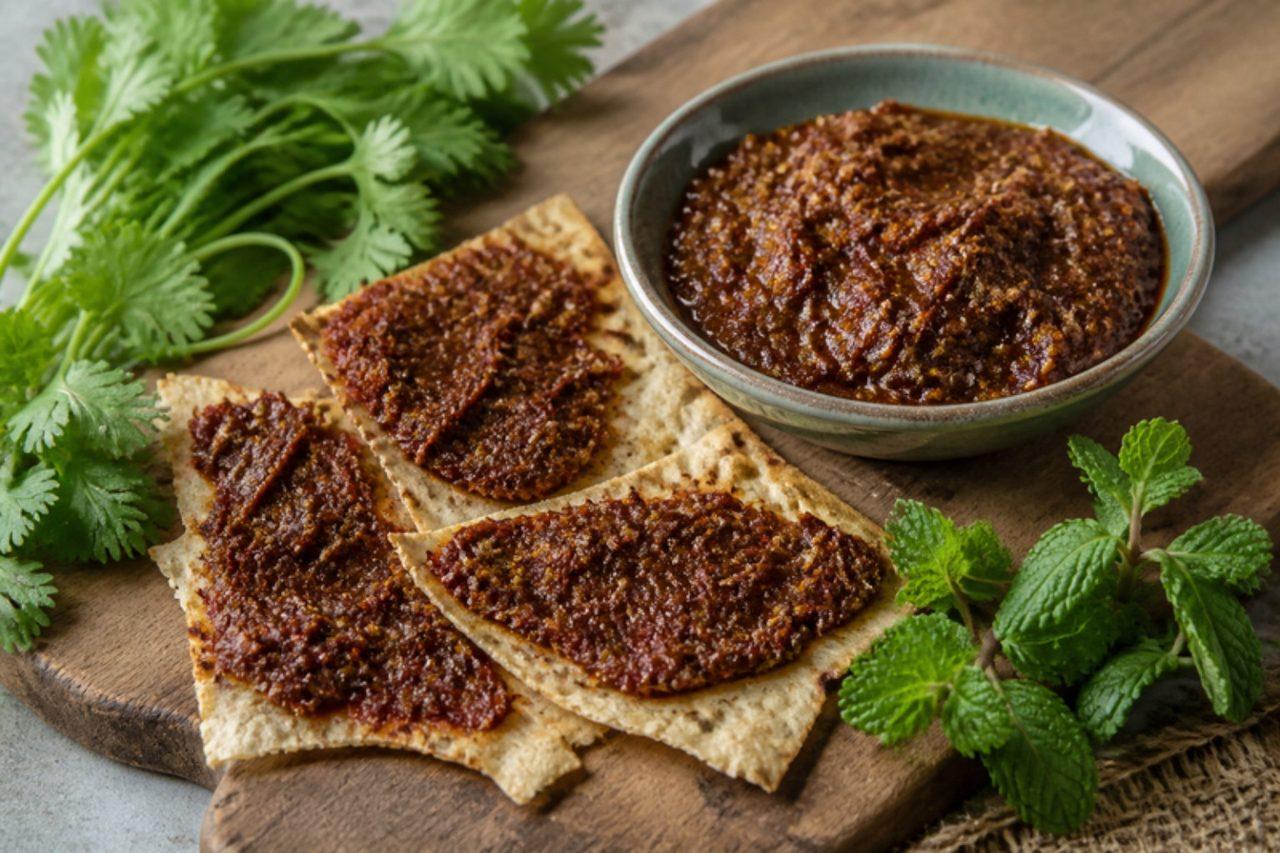
In Bandar Abbas, Lar and the villages of Hormozgan, mahyaveh is a dark, pungent sauce made by leaving tiny fish with salt, mustard seed and spices to ferment in the sun for weeks; it is smeared on hot flatbread for breakfast or with eggs. That open-air fermentation is hard to control safely at home, so this version gets the same deep, salty flavour from ready-cured anchovy fillets blended with toasted mustard seed, cumin, coriander seed, fennel and a little vinegar, and it lives in the fridge from the start. It is still a cured-fish product: not for pregnant women, young children or anyone with a weakened immune system. A common mistake is spreading it thickly like a pâté; it is a seasoning, so a thin smear is enough. Chef's tip: toast the spices until the mustard seeds just start to pop, which takes the raw bitterness out and gives the spread its roasted edge.

by KrazyBadal 0 views

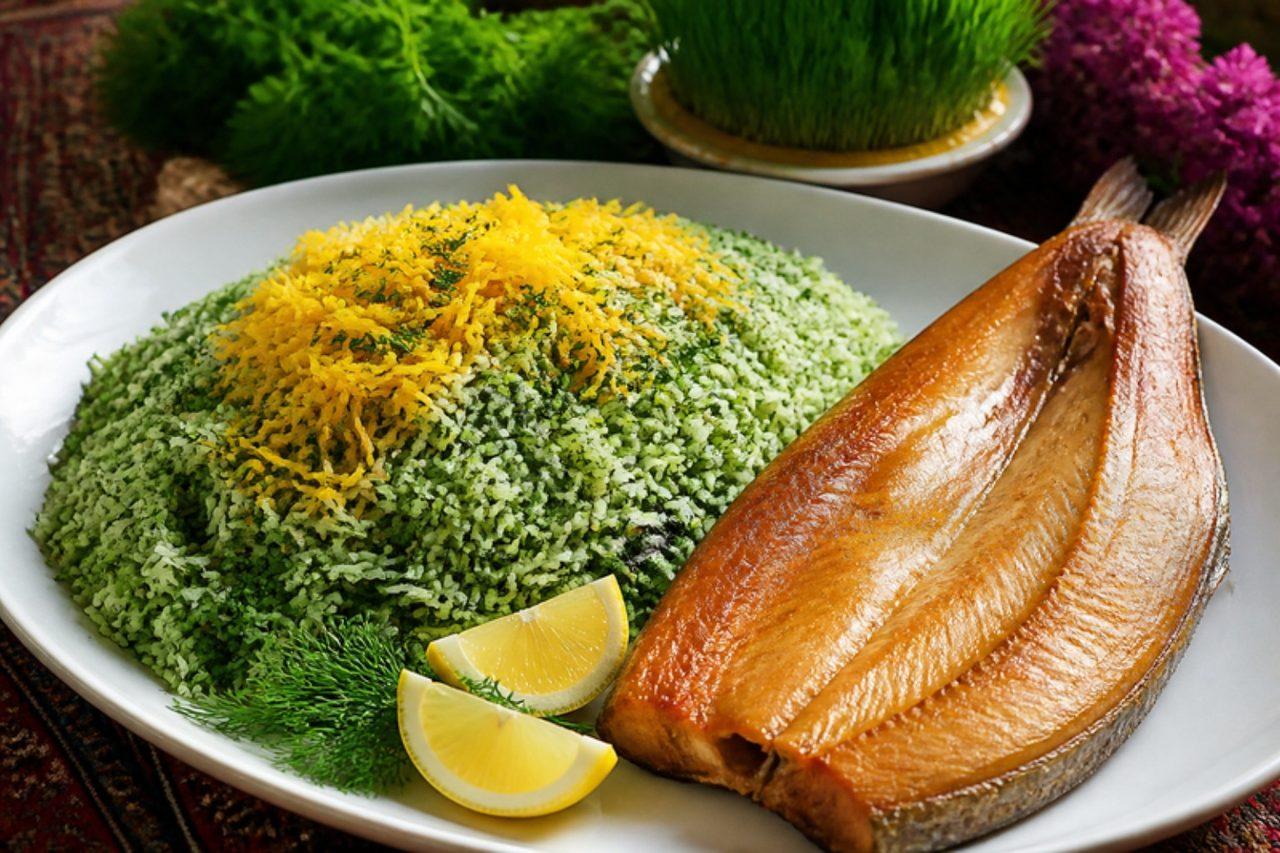
Mahi doodi with sabzi polo

On the first day of the Persian new year, from Rasht to Tehran, the classic lunch is sabzi polo, a green herb rice, with fish, and on the Caspian side that fish is often golden hot-smoked white fish (mahi doodi). Fresh herbs stand for spring and the fish for life, so the plate is full of meaning as well as flavour. Most cooks buy the smoked fish ready made and simply warm it with a little garlic and saffron butter, which is what this recipe does; the rice is steamed with dill, parsley, coriander and chives until it forms a crisp tahdig. Hot-smoked fish is already cooked; heat it until piping hot, at least 70 °C in the middle. A common mistake is warming the fish dry in a hot oven, which makes it tough and salty; wrap it with a splash of water so it steams. Chef's tip: soak the smoked fish in warm water for 10 minutes first to draw out some of the salt.

by KrazyBadal 0 views

Sachertorte

This dense, dark chocolate torte is Vienna's most famous cake, eaten in coffee houses all over the city with a cup of Melange and, always, a cloud of unsweetened whipped cream on the side. The sponge is made with melted chocolate and whisked egg whites, so it is fine-crumbed and slightly dry by design; a thin layer of sharp apricot jam runs through the middle and over the top, under a shiny, snappy chocolate glaze. A common mistake is pouring the glaze too hot or too cold; too hot and it runs off thin, too cold and it sets dull and lumpy. It is a cake for birthdays and Sunday visits, and it keeps well for days. Chef's tip: bake it the day before and let it rest overnight wrapped; it cuts far more neatly and the crumb softens.

by KrazyBadal 0 views

Linzer Torte

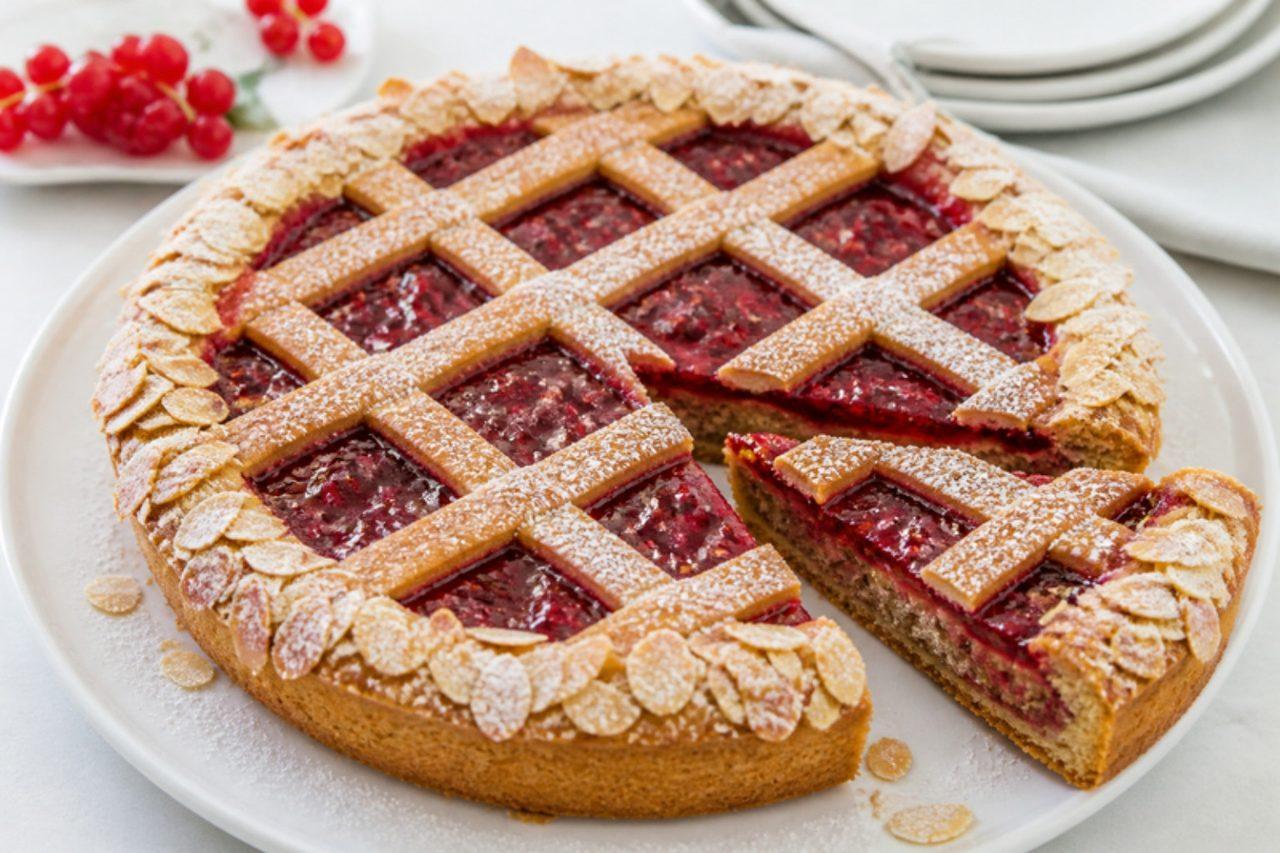
Linz, the Danube city in Upper Austria, has baked this tart for centuries, and it still fills bakery windows there all year, with extra demand in Advent. It is closer to a soft, crumbly nut biscuit than a pastry: ground hazelnuts, butter, cinnamon and cloves are pressed into the tin, filled with tart redcurrant jam and topped with a lattice. Serve a thin slice with coffee or tea. A common mistake is eating it on the day it is baked; it is much better after two or three days, when the jam soaks into the crumb. Chef's tip: chill the lattice strips on a tray before lifting them on, and they will not tear.

by KrazyBadal 0 views

Westphalian pumpernickel

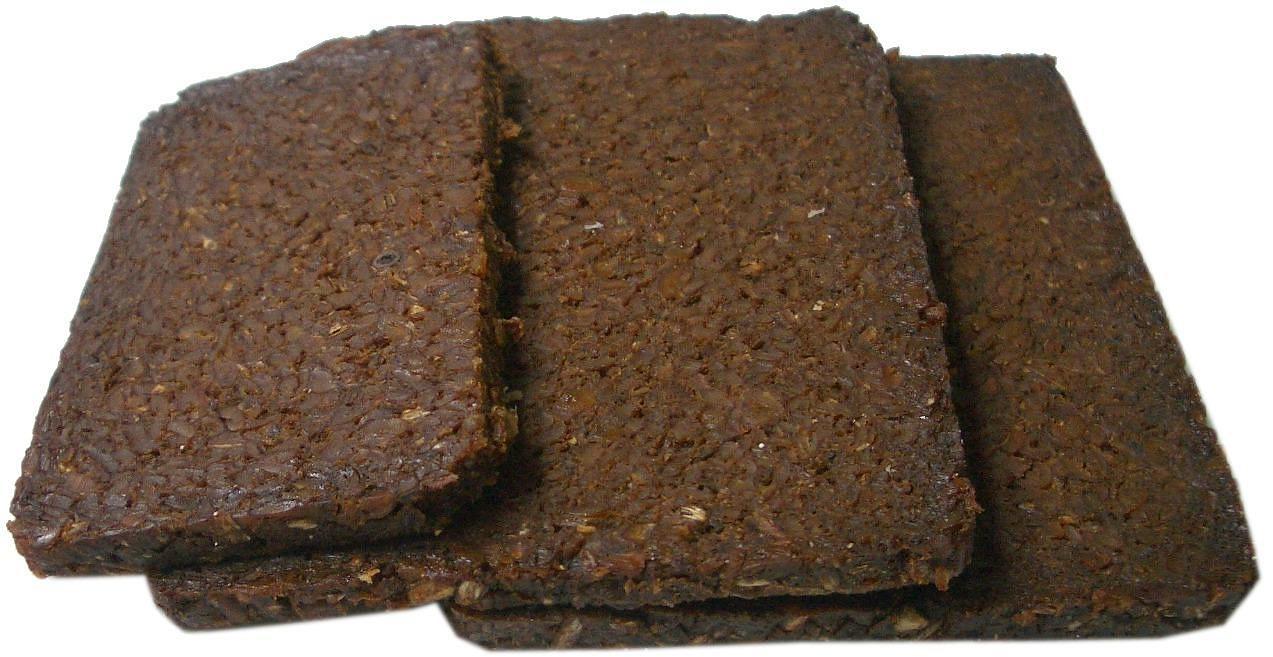
Real pumpernickel comes from Westphalia, where bakers in towns like Soest once left loaves in the cooling bread oven overnight, and it is still sliced paper-thin for breakfast with butter, quark and radishes or with a sharp cheese. There is no colouring and no molasses here: the near-black colour and the malty sweetness come only from cracked rye cooked for many hours in steam at a low heat. The crumb is moist, dense and slightly sticky, and the loaf keeps for over a week wrapped in cloth. A common mistake is slicing it on the day it comes out of the tin; it needs a full day to settle or it tears into gummy crumbs. Chef's tip: wrap the tin tightly in two layers of foil and stand it in a roasting tray of hot water, because a dry loaf turns hard instead of dark and sweet.

by KrazyBadal 0 views

Sweet-sour pickled pumpkin

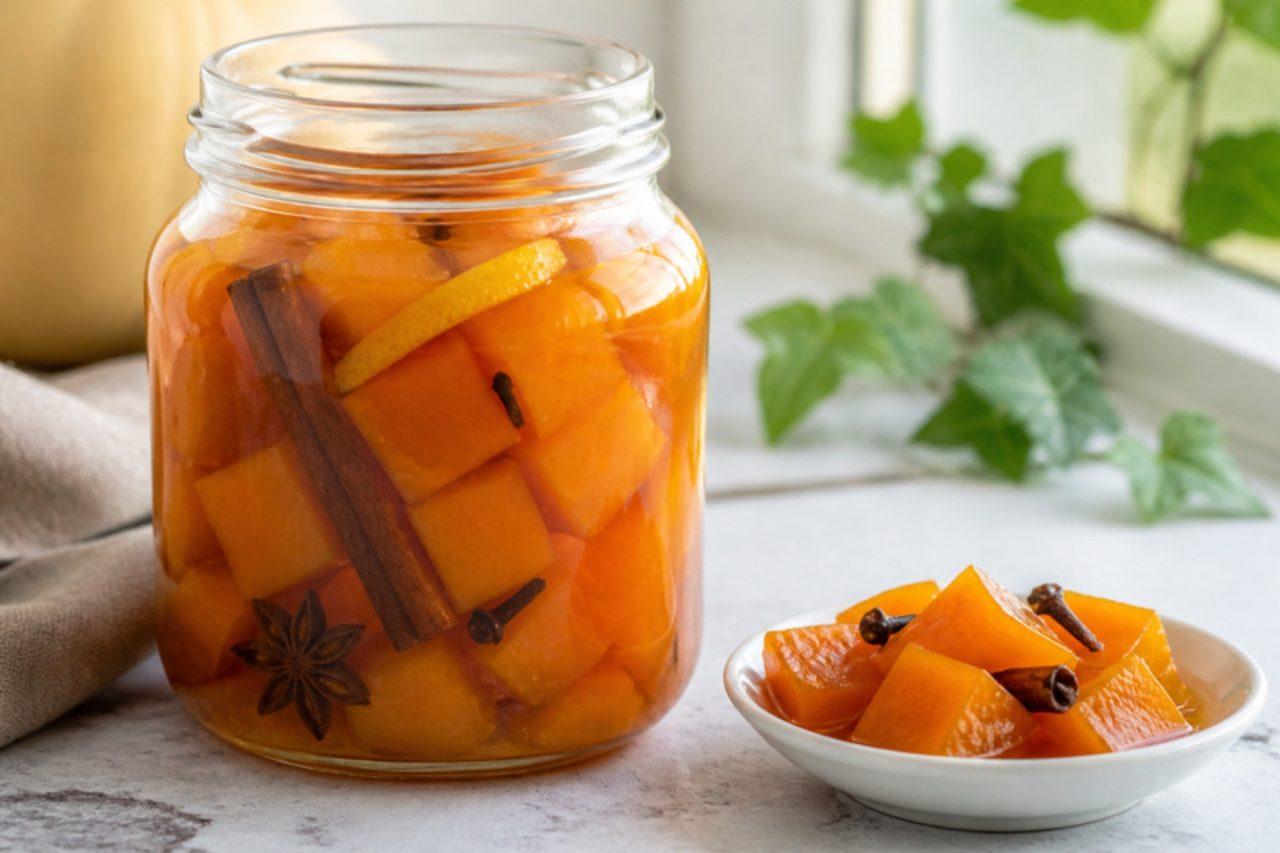
When the pumpkin harvest peaks in October, from the Rhineland to Saxony, German kitchens turn the firm orange flesh into Süß-sauer eingelegter Kürbis, golden cubes preserved in sweet spiced vinegar. Through the winter they come out of the cellar to sit beside roast dinners, game, cheese boards and cold cuts, or a simple plate of potatoes and quark. Cinnamon, cloves, ginger and a little lemon peel make them taste of Christmas. The mistake is using a watery carving pumpkin, which falls apart; choose a dense one such as Hokkaido or butternut. Chef's tip: steep the raw cubes in the cold vinegar overnight before cooking; it firms them so they stay in neat, glassy cubes.

by KrazyBadal 0 views

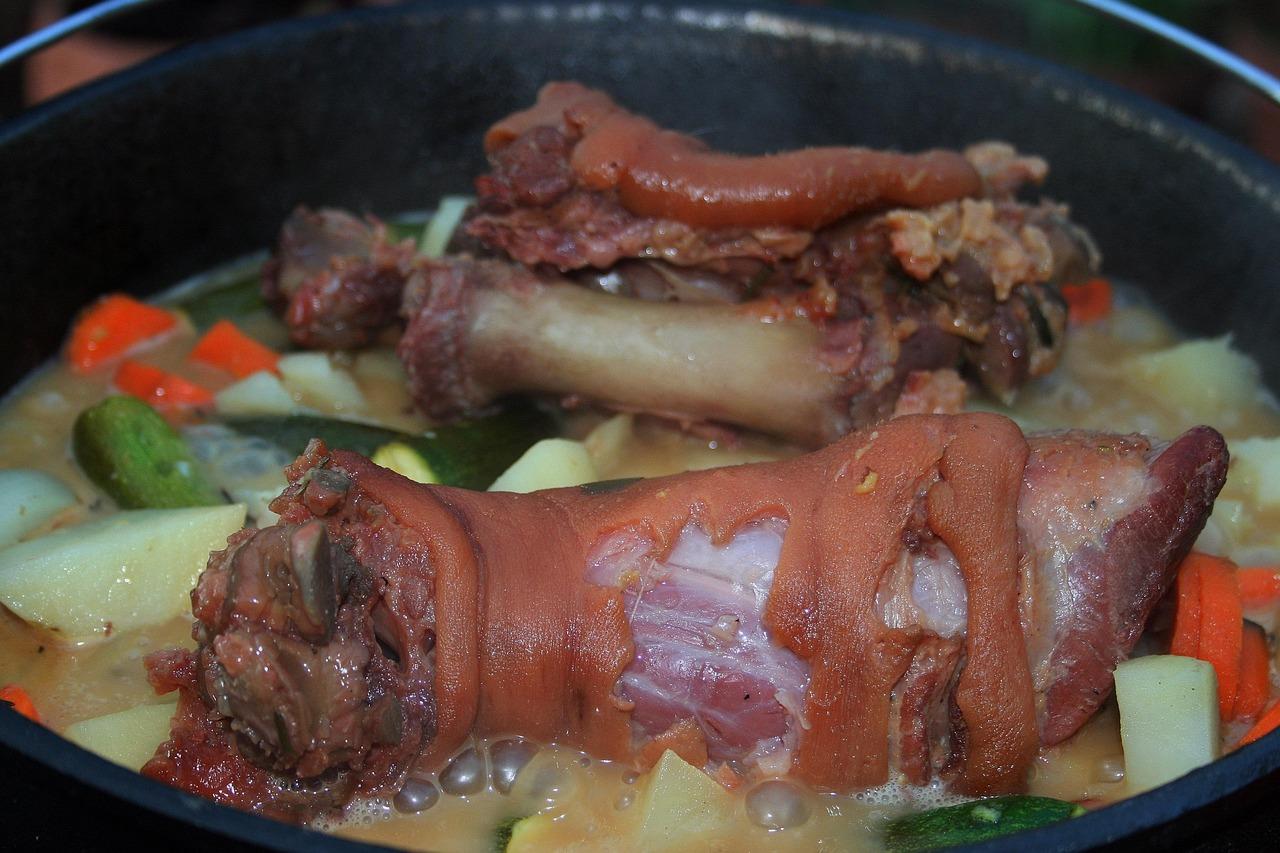
EisbeinCured pork knuckle

Eisbein is old Berlin pub food, the cured pork knuckle served in Kneipen across the city with a mound of yellow pease pudding (Erbspüree) and sauerkraut, and it is especially popular in the cold months. Unlike the Bavarian roast Haxe, this pork knuckle is pickled in brine by the butcher and then simmered slowly, so the meat turns pink, tender and gently salty and the rind stays soft. Order a cured ("gepökelt") knuckle from a German or Polish butcher. Chef's tip: soak the knuckle in cold water for a few hours first if your butcher's cure is strong; taste a little of the simmering water after 30 minutes and change it if it is very salty.

180 minGermanMeatGluten free
by KrazyBadal 0 views

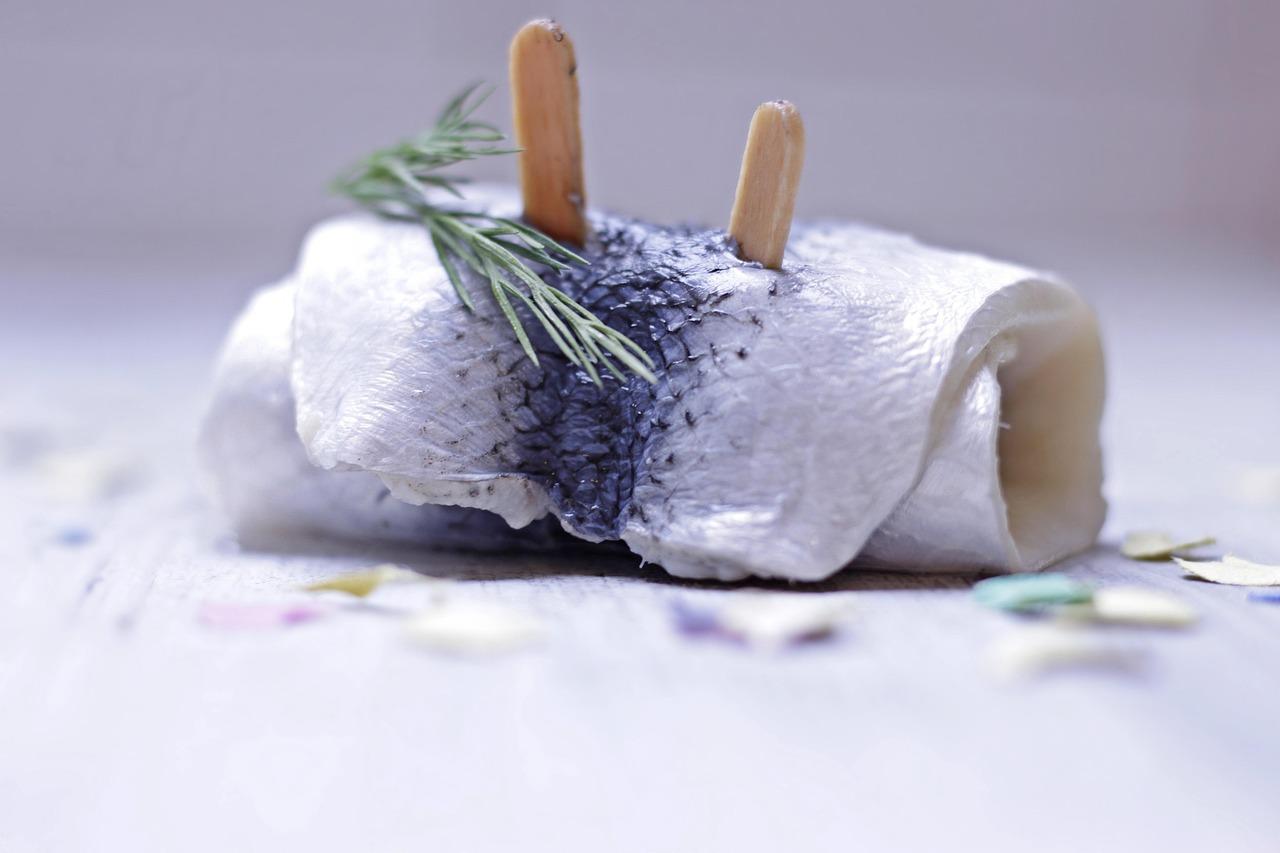
Rollmops

Rollmops are the pickled herring rolls of the North Sea and Baltic coasts, pinned with a wooden pick around gherkin and onion and kept in a jar of spiced vinegar; in Berlin and Hamburg they are the classic morning-after breakfast and a fixture of New Year's Day tables. Making them at home takes a week of fridge time but very little work. Because the fish is never cooked, use herring that has been frozen at −20 °C for at least 24 hours (most fresh 'sashimi-grade' or commercially frozen fillets qualify; ask your fishmonger), and keep everything chilled. Rollmops are not for pregnant women, young children or anyone with a weakened immune system. Chef's tip: let the jars rest a full five days; the vinegar needs that long to firm the flesh and soften the tiny bones.

60 minGermanFishGluten free
by KrazyBadal 0 views

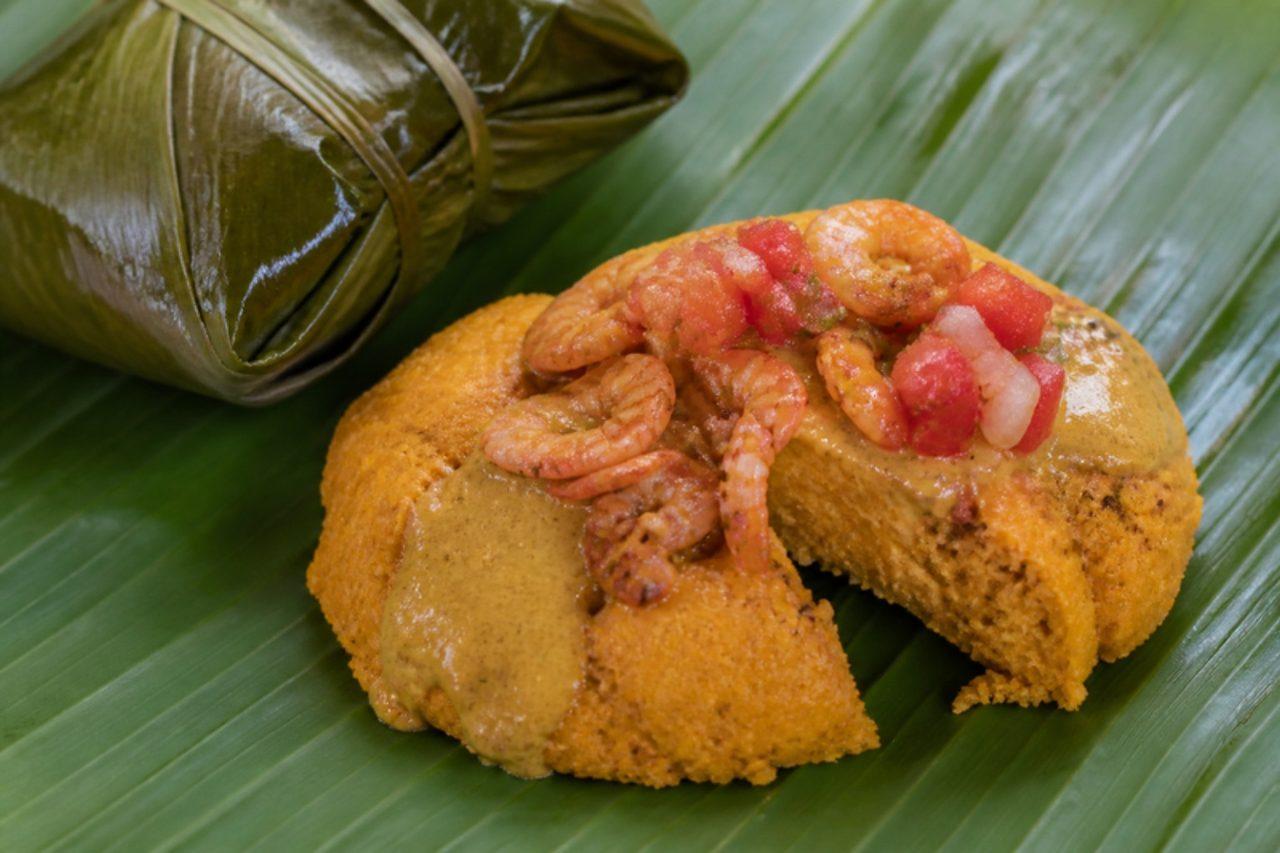
AbaráSteamed black-eyed pea parcels

Abará is the steamed sister of acarajé, sold from the same wooden trays by the baianas in white lace who set up on the corners of Salvador's Pelourinho, Rio Vermelho and the Barra seafront. The batter is identical, black-eyed peas skinned and ground with onion and dried shrimp, but instead of hitting hot dendê it is wrapped in banana leaf and steamed, so it comes out soft, dense and sunset-orange, tasting of palm oil, sea and pulses. Baianas split it open and fill it with vatapá, caruru, vinagrete and a few whole shrimp; at home it is lovely with just a spoonful of pepper sauce. Plan ahead: the peas need soaking overnight. The usual mistake is leaving the skins on, which makes the parcels grey, gritty and heavy. For a vegetarian version, leave out the shrimp and add a pinch more salt. Chef's tip: beat the paste hard with a wooden spoon for a few minutes before wrapping; the air you work in is what keeps abará light rather than rubbery.

by KrazyBadal 0 views

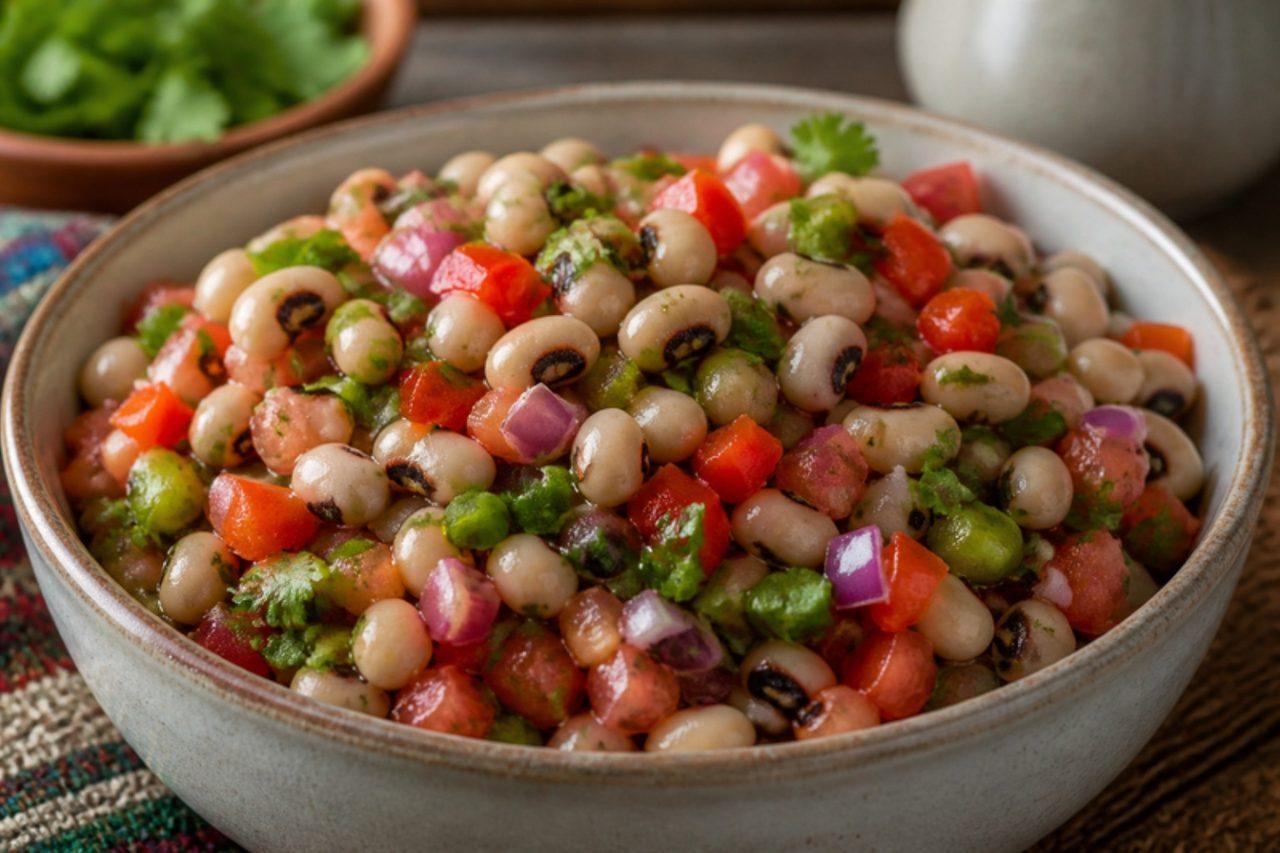
Salada de feijão-fradinhoBlack-eyed pea salad

Black-eyed peas are the bean of Bahia, ground for acarajé and abará and simmered whole for the caruru feasts of late September. Cooked until just tender and dressed while warm, they also make this bright salad that appears on Salvador's por-quilo lunch buffets and next to grilled food at weekend gatherings. Tomato, red onion, two kinds of pepper, coriander and plenty of lime give it crunch and sharpness, and the peas stay creamy inside. It goes with rice and grilled vegetables, or stands alone as a light lunch. Soak the dried peas for at least 4 hours or overnight before you start. The trap to avoid is boiling the peas hard until the skins split; they turn to mush when tossed. Chef's tip: dress the peas while they are still warm with the lime, oil and salt only, then add the raw vegetables once they are cool so everything stays crisp.

by KrazyBadal 0 views

Empanadas cordobesas

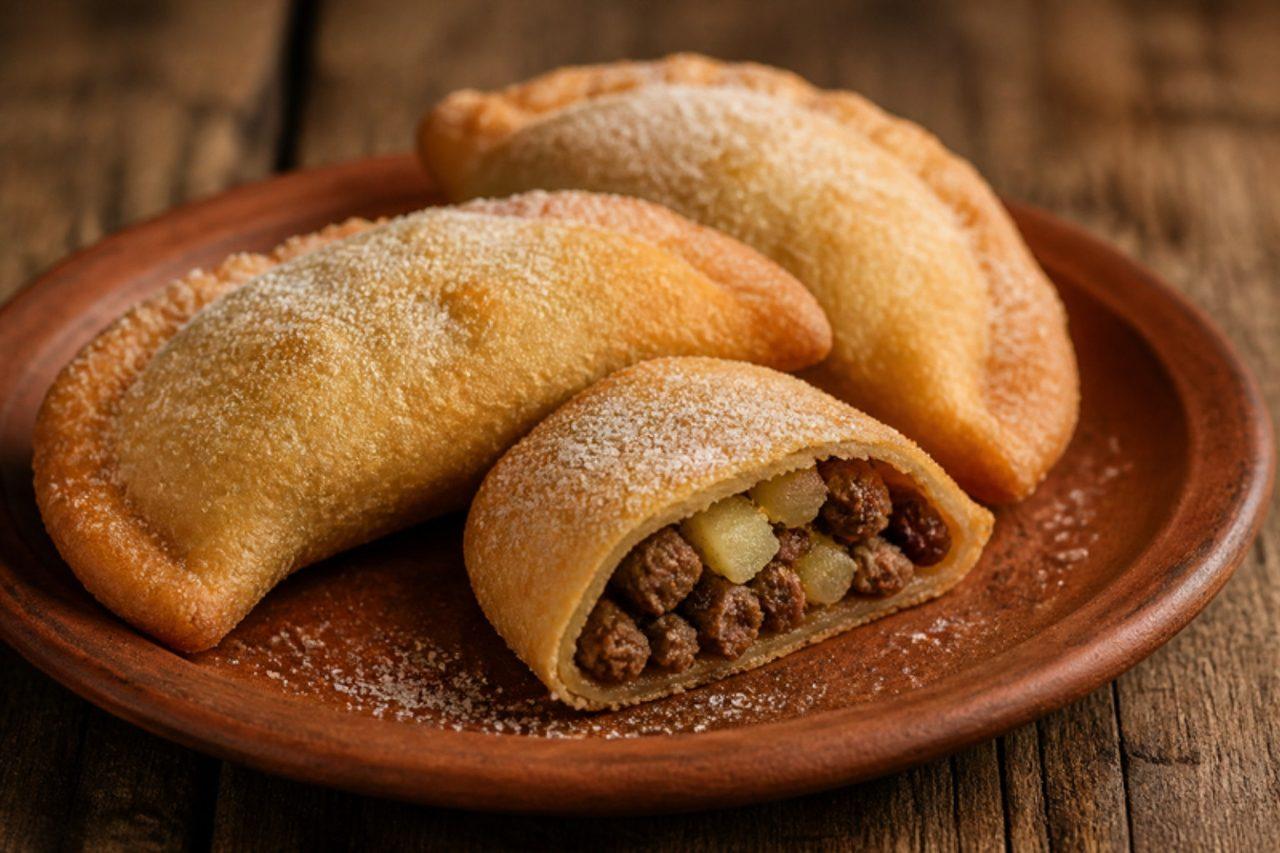
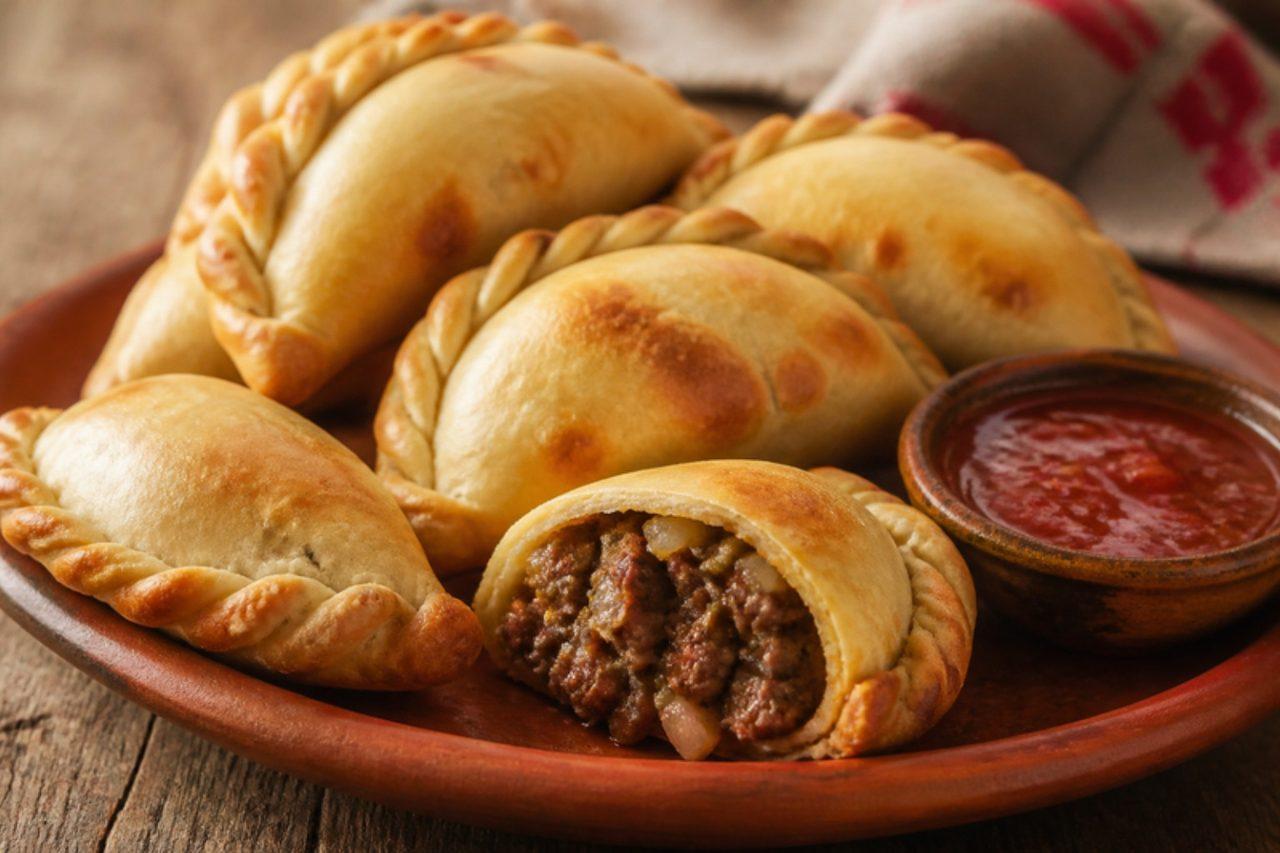
Sweet and salty is the whole point here. Córdoba's empanadas hold a filling of beef, onion, a little potato, raisins and olives, and the moment they come out of the fryer they get a sprinkle of sugar that melts into the crackly crust. They turn up at birthday parties, school fundraisers and the patriotic holidays of 25 May and 9 July, often next to a bowl of locro. If the sugar on top sounds odd, try one: the contrast with the cumin and paprika is the local hallmark. The error that ruins them is frying in oil that isn't hot enough, which leaves them pale and greasy; keep it at 175 °C. Chef's tip: dust with sugar within seconds of draining, while the surface is still glistening, or it won't stick.

by KrazyBadal 0 views

Empanadas de pescado

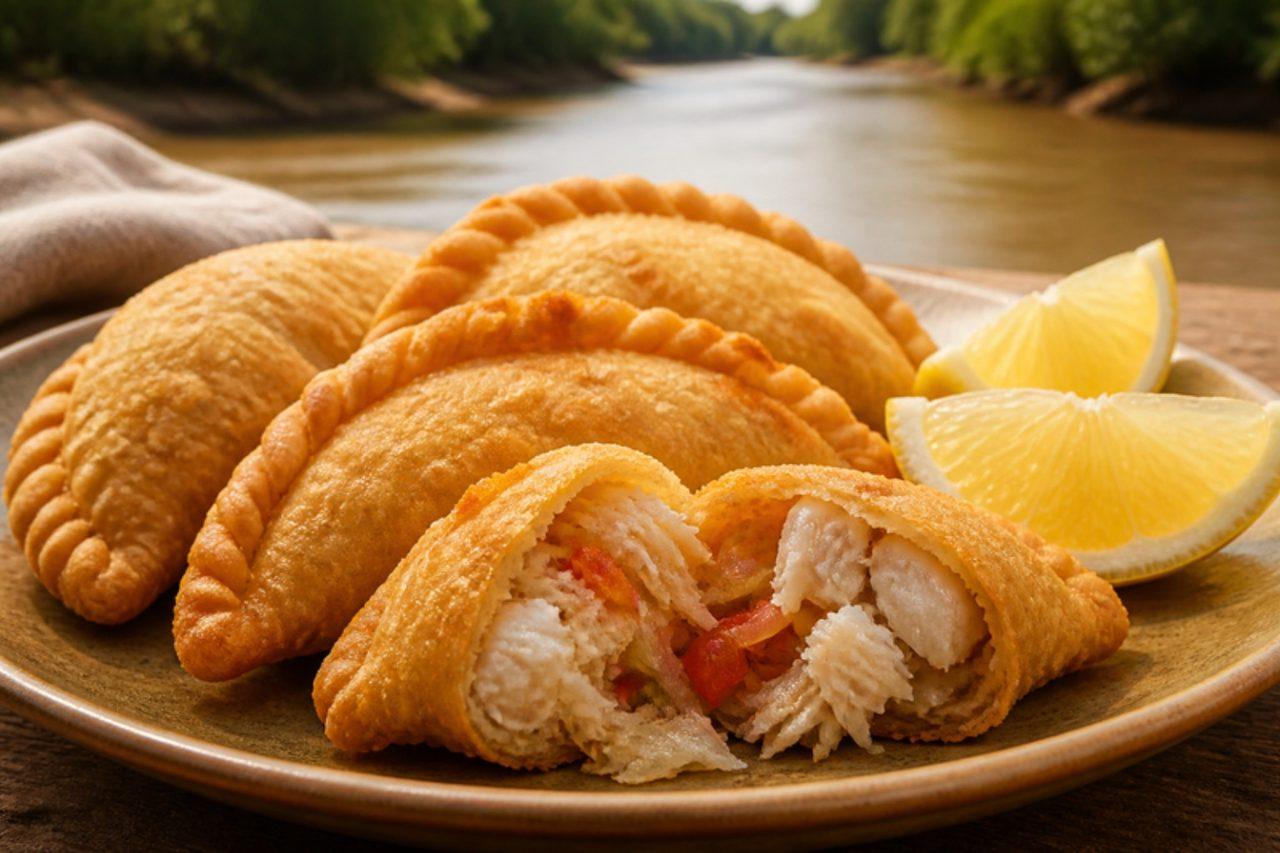
Along the coast of Santa Fe, especially during Lent and Holy Week, fishmongers' stalls and riverside kiosks sell fried empanadas filled with sábalo or surubí. The fish is poached, flaked and folded through soft onion and sweet pepper, then sealed in a thin oil-based dough and fried until blistered and crisp. Squeeze lemon over them and eat them warm, with a green salad or just a paper napkin. Any firm white fish works: hake, cod or a farmed catfish. The mistake people make most is skipping the bone check; river fish such as sábalo hide fine bones, so run your fingers through every flake. Chef's tip: keep the filling quite dry and cold before you fill the discs; extra liquid turns to steam in the hot oil and bursts the seams.

by KrazyBadal 0 views

Empanadas mendocinas

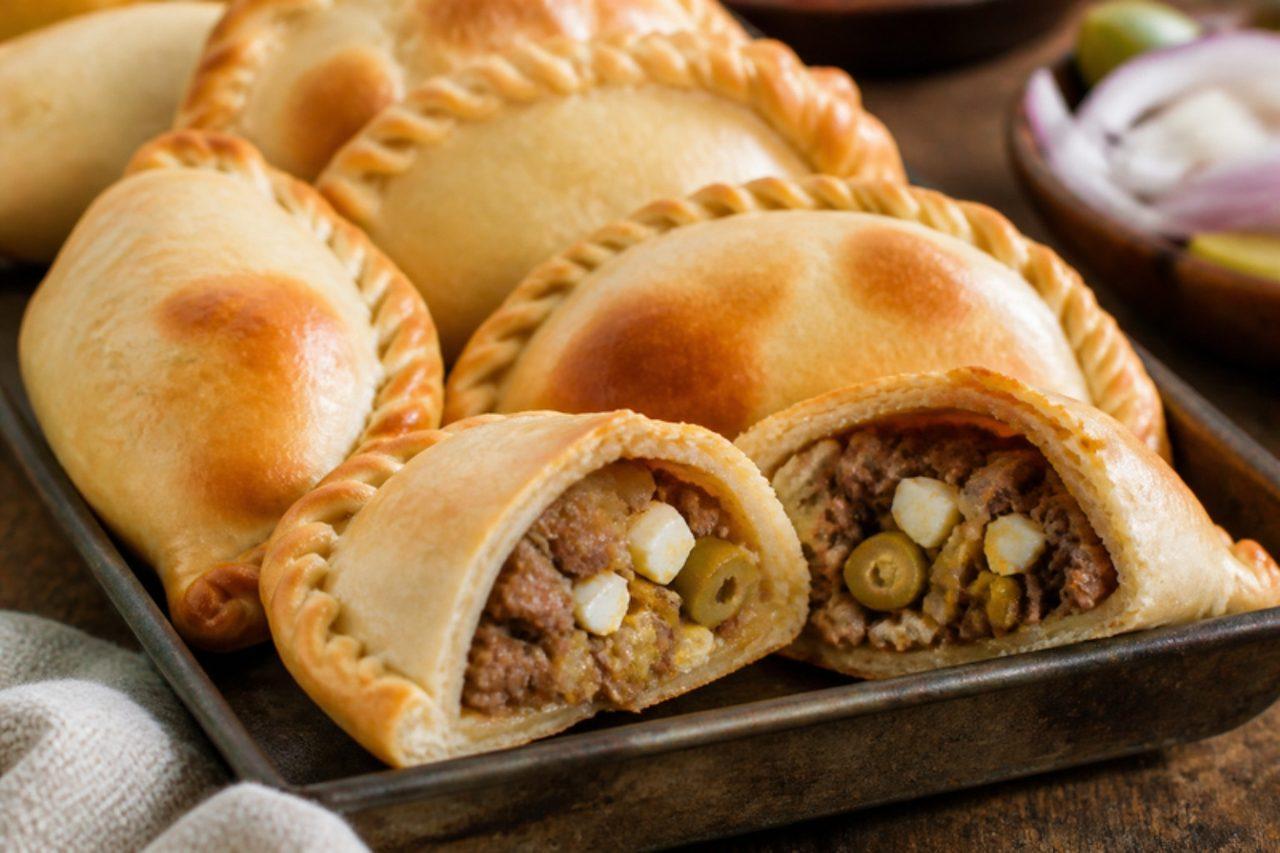
Mendoza's empanadas are all about juice. The filling uses roughly as much onion as beef, cooked only briefly so it stays sweet and wet, then gets folded with hard-boiled egg and a whole green olive in every pastry; the dough is a tender one made with beef fat. They come out of wood ovens across the province for Sundays, family gatherings and the grape harvest, and are eaten by hand, leaning forward, with a tomato and onion salad on the side. The classic error is filling the dough while the meat is still warm: the fat melts, the pastry turns soggy and the seal splits in the oven. Cool the filling completely, ideally overnight. Chef's tip: cut the beef into small cubes with a knife instead of buying mince; it stays juicier and gives the bite a Mendoza cook expects.

by KrazyBadal 0 views

Licuado de bananaBanana milk shake

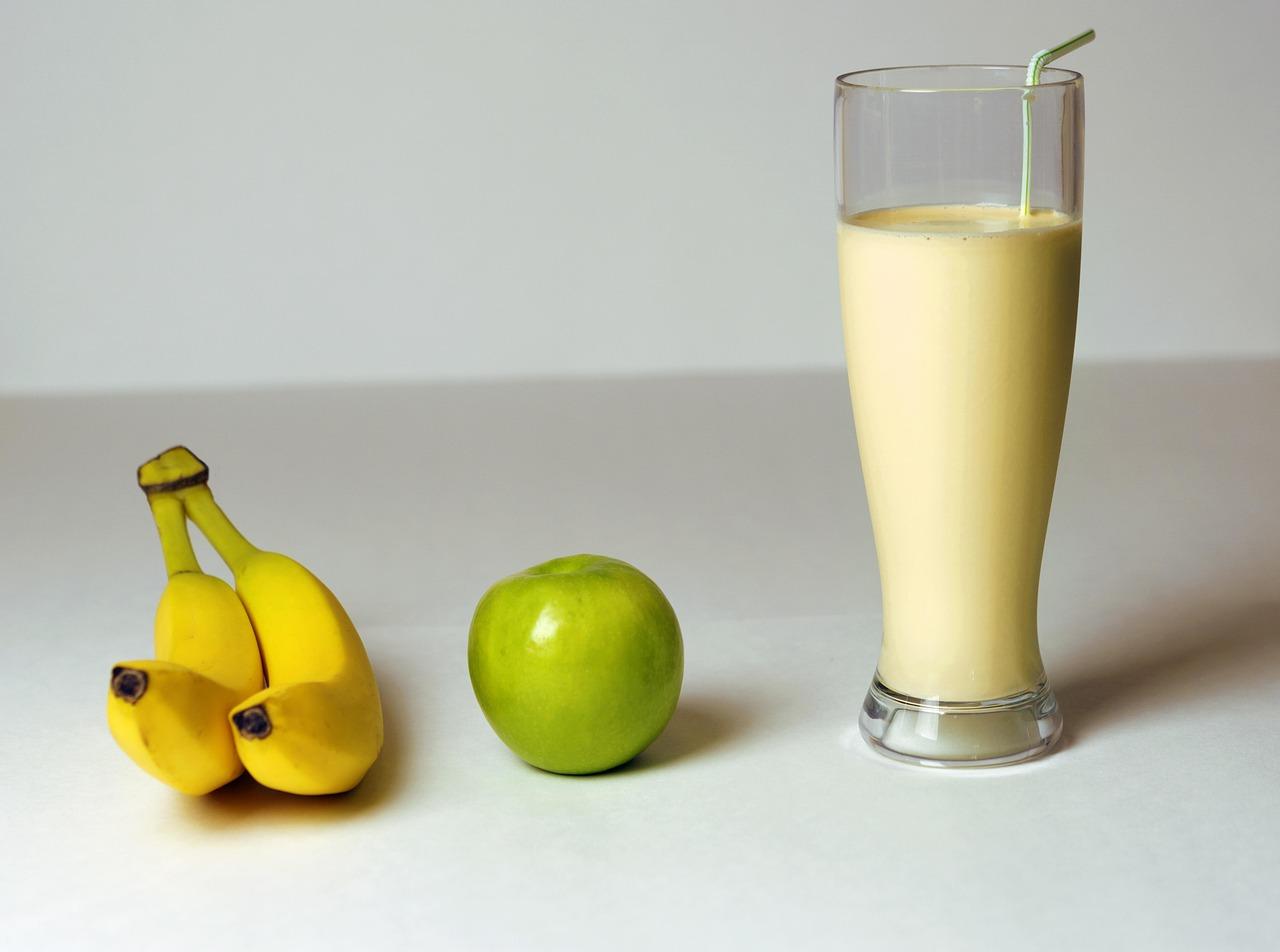
Order a licuado in any Argentine café or bar and you will get a tall glass of fruit blended with milk (con leche) or water (con agua), and banana with milk is the one nearly everyone grows up on. It is breakfast for teenagers in a hurry, a merienda with tostados, and the drink parents in Buenos Aires make when the fruit bowl has spotty bananas. It should be thick, cold and smooth, with a light froth, sweet mainly from ripe fruit. Using under-ripe bananas is the mistake: they taste chalky and need lots of sugar, so wait for brown freckles. Chef's tip: slice and freeze the bananas the night before and you can skip the ice; the shake comes out colder and thicker without being watered down.

by KrazyBadal 0 views

Empanadas tucumanas

Tucumán takes its empanadas so seriously that the town of Famaillá holds a national empanada festival every September, and judges count the pleats. The local style is small and juicy, filled with beef cut by hand with a knife (never minced), lots of white onion and spring onion, cumin, paprika and hard-boiled egg, and the dough is made with beef fat. They are baked very hot, traditionally in a clay oven, until blistered, and eaten standing up at peñas, football matches or family lunches, a drop of lemon squeezed in. The beef filling must reach 71 °C; it cooks first in the pan and again in the oven. A dry filling is the mistake to avoid: cook the onion slowly and let the filling cool so the fat sets, which turns to juice in the oven. Chef's tip: chill the filling overnight if you can; cold filling is easier to spoon and the empanadas come out juicier.

by KrazyBadal 0 views

Salada algarviaTomato, pepper and onion salad

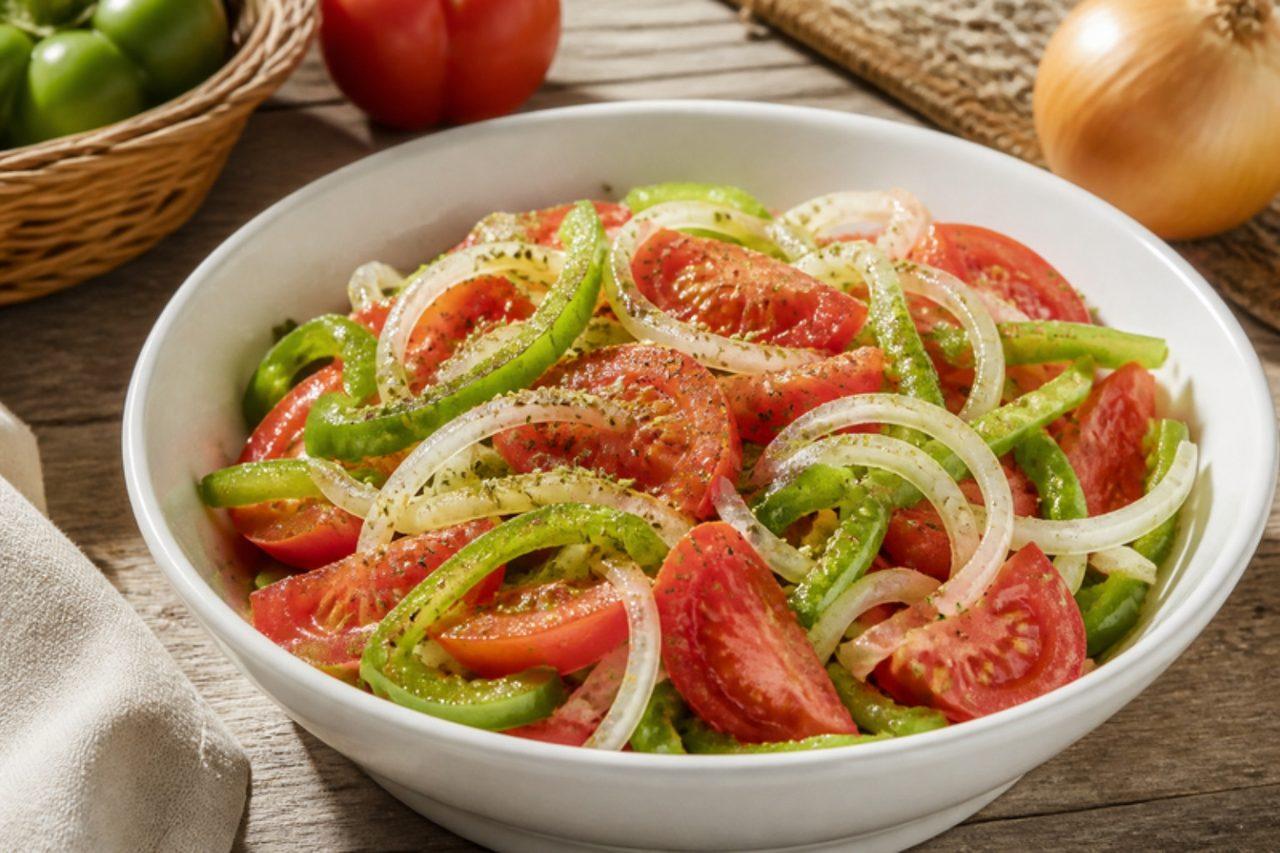
Order grilled sardines or fish at any beach shack between Sagres and Monte Gordo and this salad arrives alongside without anyone asking. It is little more than summer tomatoes, crisp green pepper and sweet onion, dressed with olive oil, a splash of vinegar and plenty of dried oregano, but the juices left in the bowl are the best part, mopped up with bread. Chef's tip: salt the tomatoes 10 minutes before dressing them so they release their juice into the dressing.

by KrazyBadal 0 views

Sablés normandsButter biscuits

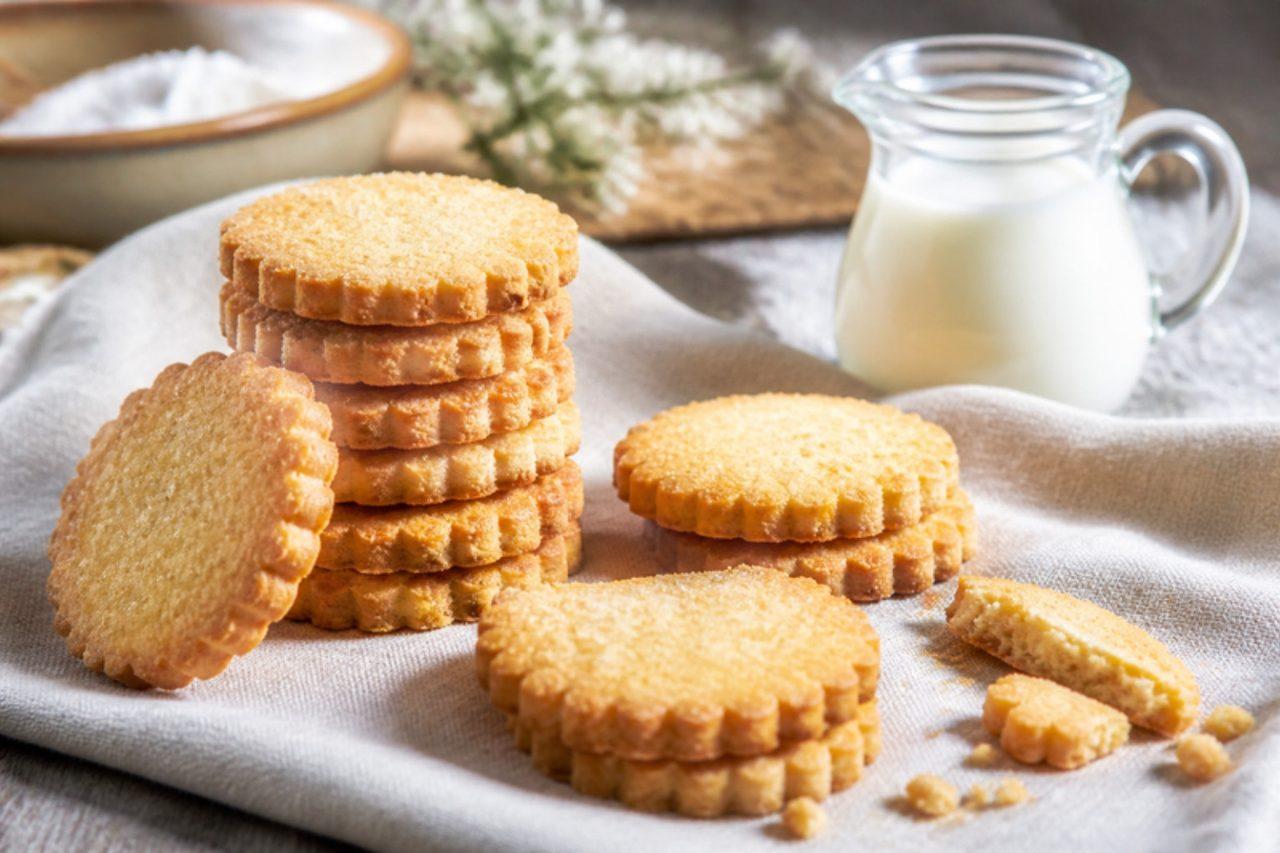
The little town of Lisieux, in the Pays d'Auge, has made sablés since the 1800s, and the word means 'sandy', for the way they crumble on the tongue. They are one of the simplest things a Normandy kitchen bakes: good salted butter, sugar, egg yolks and flour, rolled into a log, sliced and baked pale gold. Normans dip them in coffee or serve them with fruit compote, teurgoule or a bowl of fromage blanc, and children grow up with a tin of them in the cupboard. Chef's tip: work the dough as little as possible once the flour goes in; the less you knead, the more tender and sandy the crumb.

by KrazyBadal 0 views

Tortas ahogadasPork rolls in tomato sauce

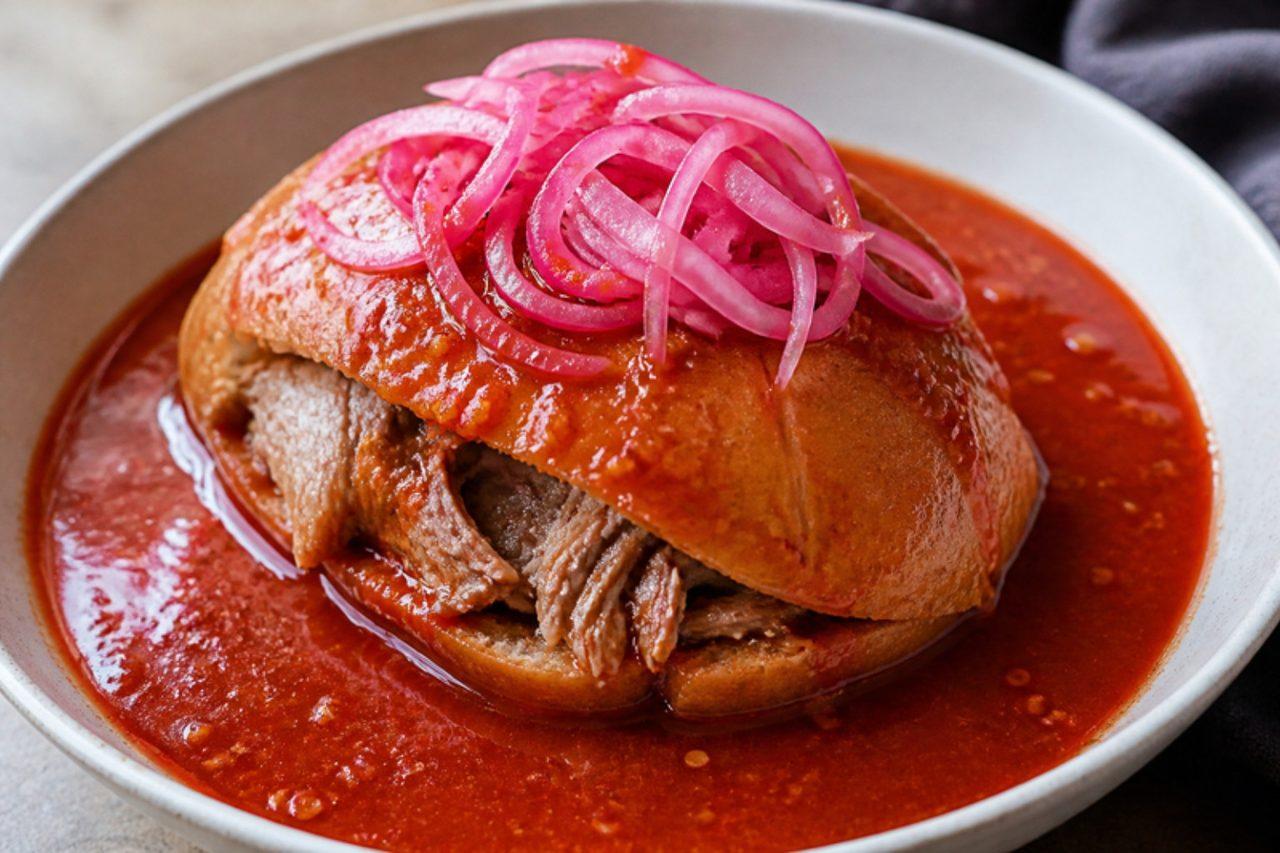
Guadalajara's great hangover cure, the torta ahogada is sold from street stands and small fondas all over the city from mid-morning. A crusty roll is split, packed with pork carnitas, then 'drowned' in a thin, mild tomato sauce and splashed with a ferociously hot chile de árbol salsa; you can order it half-drowned or fully submerged, and eat it with a plastic bag over your hand or with a knife and fork. The local birote salado, a sourdough roll with a hard crust, rarely exists outside Jalisco, so use the crustiest small baguettes or sourdough rolls you can find. Pickled red onions and a few radishes are the classic side. Chef's tip: let the rolls go a day stale and toast the cut sides; a firm, dry crumb soaks up sauce without turning to mush.

by KrazyBadal 0 views

InchicapiPeanut chicken soup

From the riverside kitchens of Iquitos and the Peruvian Amazon comes inchicapi, a festive chicken soup traditionally made with a free-range hen for birthdays and fiestas. Raw peanuts and a little maize flour are ground and stirred into the broth, which turns it creamy, pale and nutty, and pieces of cassava, garlic, ají dulce and sacha culantro (a long, serrated, strongly flavoured coriander) finish it. It is served with rice, boiled plantain or cassava. If you can't find sacha culantro in Asian or Latin shops (sold as culantro or ngo gai), use a big handful of coriander. The pitfall is adding the peanut paste dry: it clumps and catches on the bottom, so loosen it with broth first and stir often. Chef's tip: use raw, not roasted, peanuts; they keep the soup pale and give it the right fresh, milky taste.

by KrazyBadal 0 views

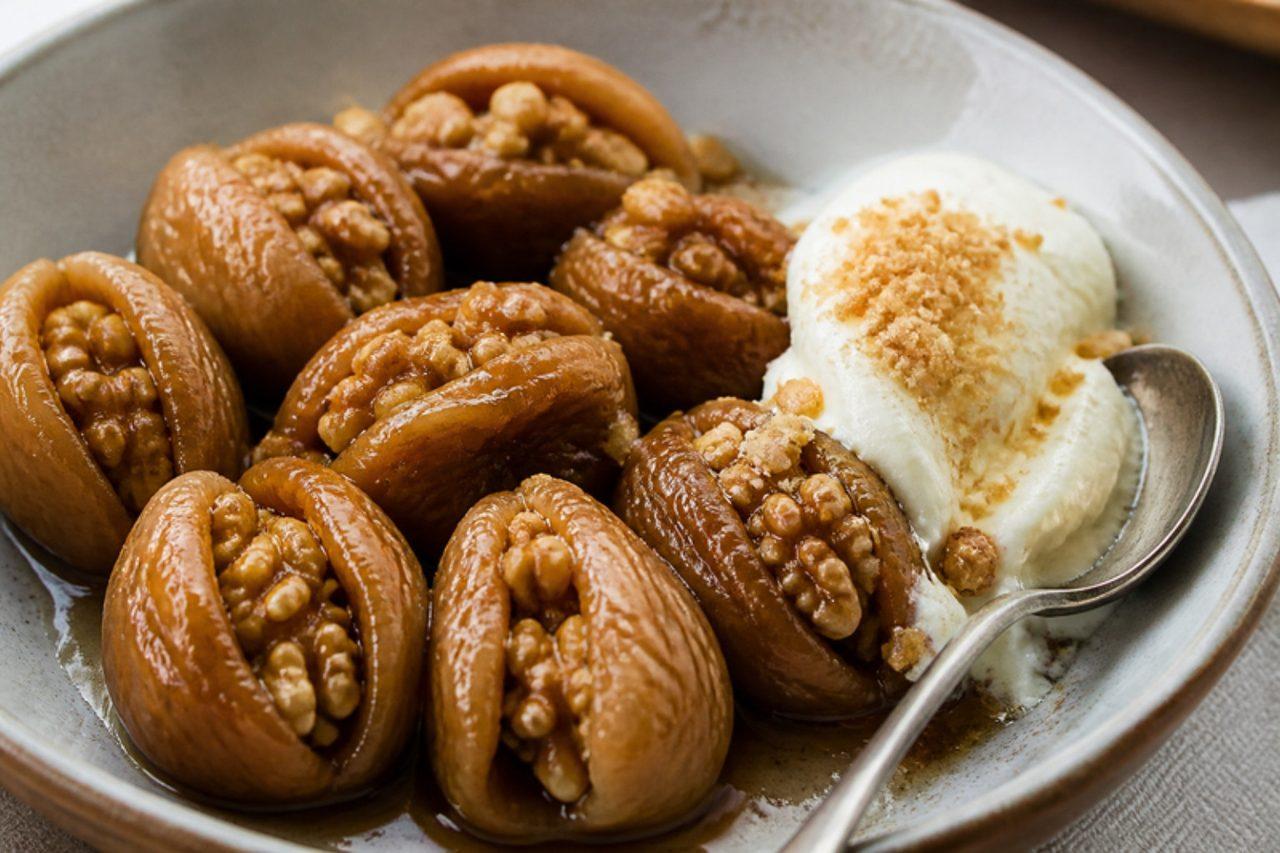
İncir tatlısıWalnut-stuffed figs in syrup

The plain around Aydın grows most of Turkey's figs, and in winter, when only the dried ones remain, local cooks soften them in water, tuck a walnut half inside each, and poach them in a light syrup until they plump up dark and glossy. A spoonful of milk in the pan, an old Aegean trick, gives the syrup a soft caramel note. Serve them cold with kaymak or thick yoghurt. Chef's tip: soak the figs first so they swell before cooking; added dry, they stay leathery in the middle however long they simmer.

by KrazyBadal 0 views

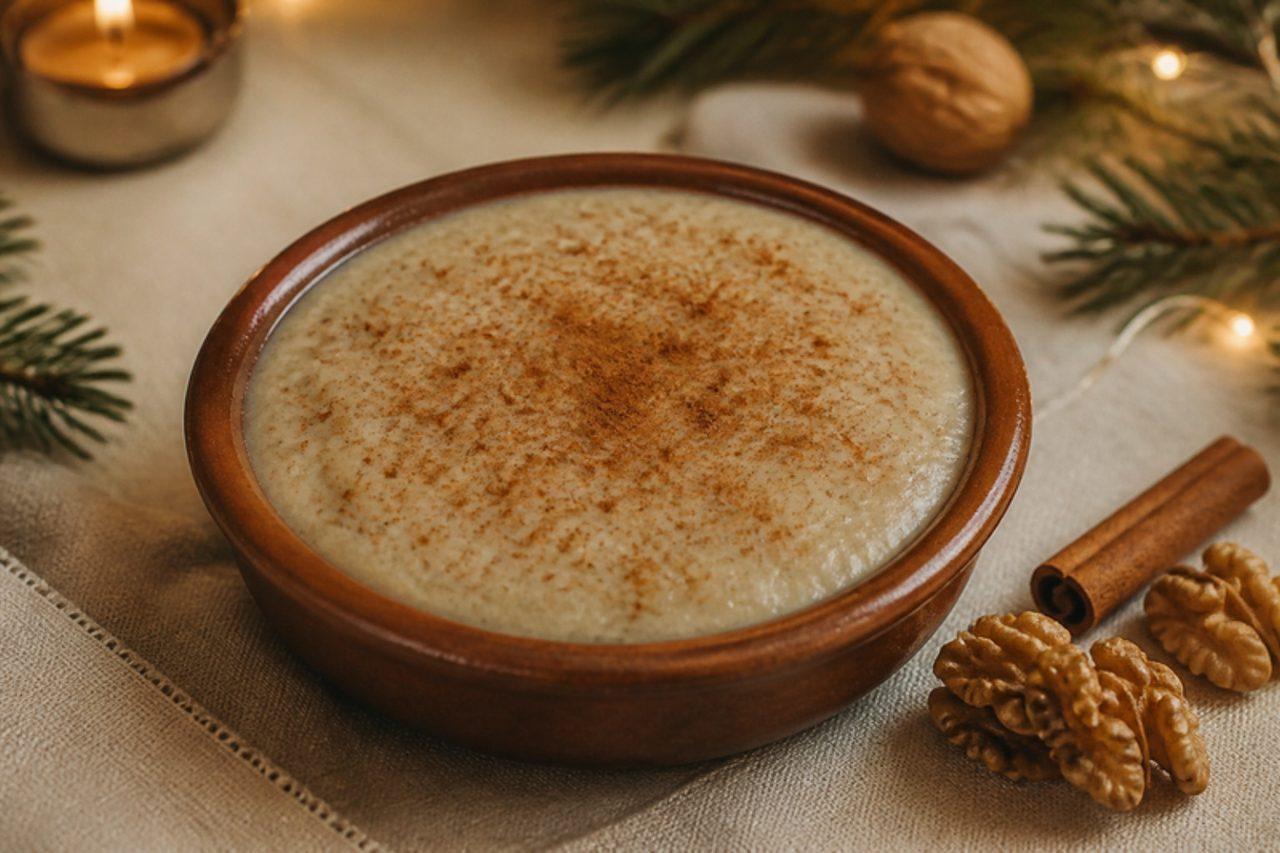
IntxaursaltsaWalnut cream with milk and cinnamon

On Christmas Eve in Gipuzkoa farmhouses, after the sea bream and before midnight, a pot of intxaursaltsa appears: walnuts slowly simmered in milk with sugar and cinnamon until thick and creamy. It was the sweet of the caseríos, made with walnuts from the farm's own trees, and it is eaten warm or cold from small bowls. A common mistake is letting it boil hard, which makes the milk catch and taste scorched; it should only murmur. Chef's tip: grind the walnuts in short pulses so they stay like coarse sand and don't turn into an oily paste.

by KrazyBadal 0 views

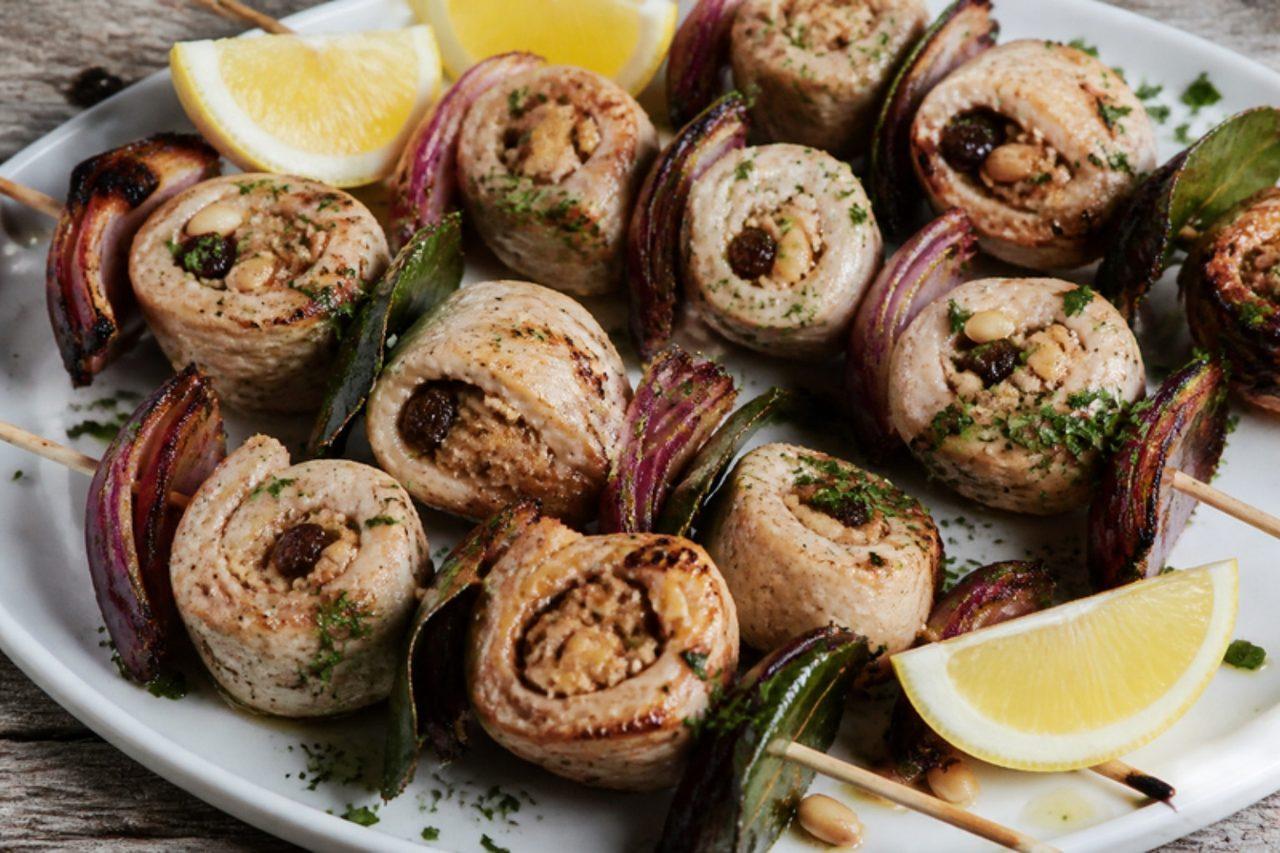
Involtini di pesce spadaSwordfish rolls

Swordfish has been hunted in the Strait of Messina for centuries, and in early summer, when the boats with their tall lookout towers are out, the city's cooks roll thin slices around a filling of toasted breadcrumbs, pine nuts, raisins, lemon and parsley. Threaded onto skewers with bay leaves and onion, they are grilled or baked until just opaque, sweet-salty and fragrant. Serve with lemon wedges and a fennel and orange salad. Swordfish is high in mercury, so pregnant women and young children should limit how often they eat it; thin slices of tuna loin work too. Chef's tip: ask the fishmonger to slice the swordfish as thinly as possible, then pound it gently between sheets of cling film to 3 mm.

by KrazyBadal 0 views

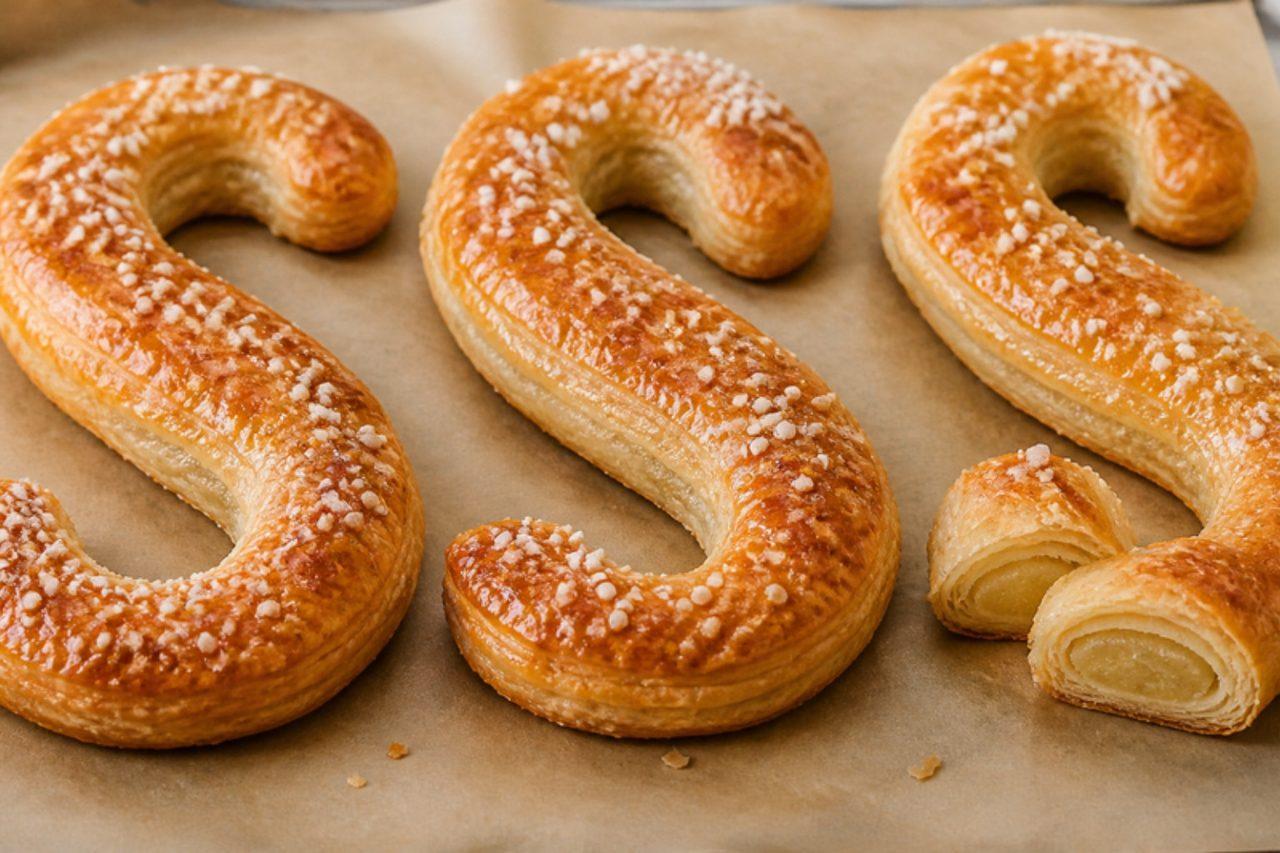
Iowa Dutch lettersAlmond pastry S-shapes

Every May the small town of Pella, Iowa, celebrates its Dutch settlers with the Tulip Time festival, and the bakeries on the square sell these flaky pastry 'letters', traditionally shaped as an S for Sinterklaas. A log of sweet almond paste is rolled in rough puff pastry, curved into an S, brushed with egg and sugar and baked until crackly. Chef's tip: seal the pastry seam well and bake seam-side down, or the almond filling bubbles out.

by KrazyBadal 0 views

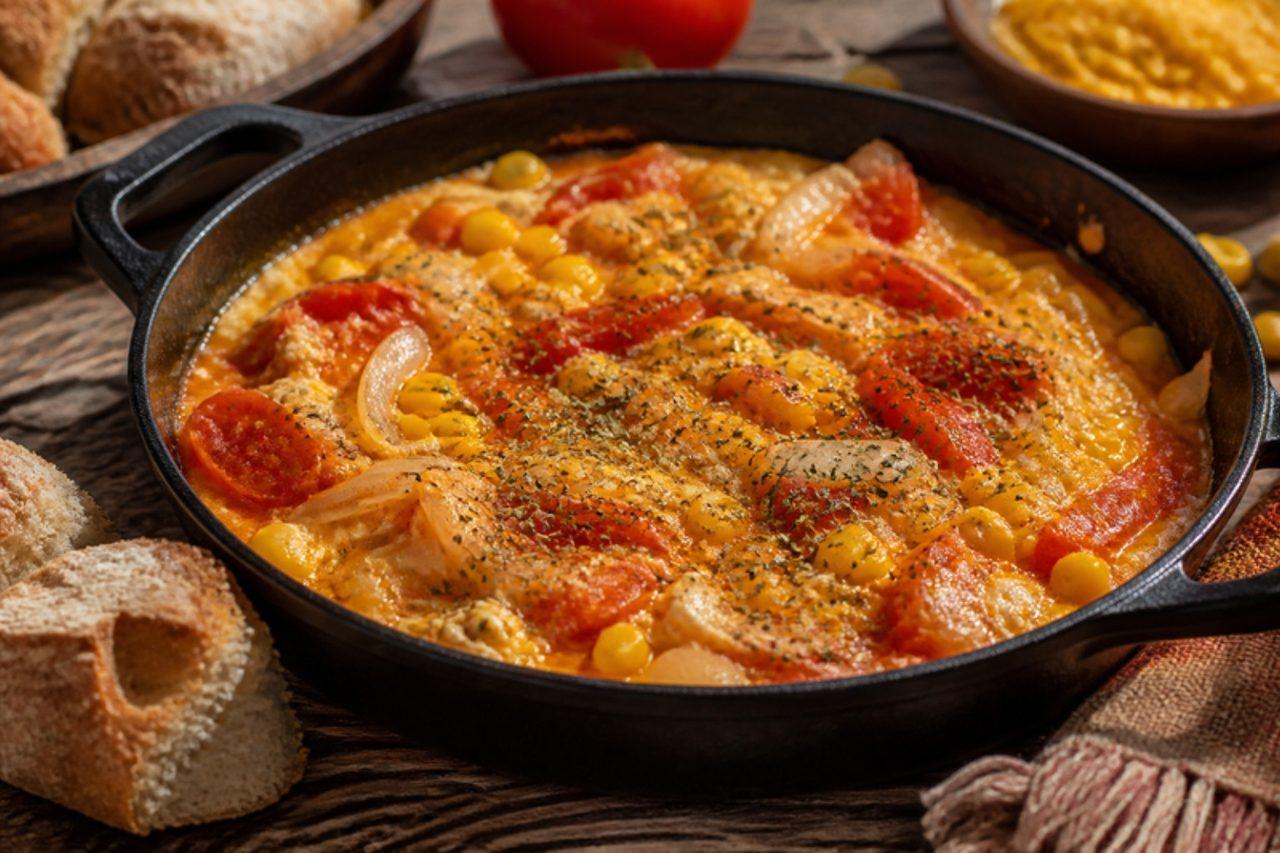
TomaticánTomato, corn and egg stew

Mendoza's irrigated orchards and fincas drown in tomatoes in February, and tomaticán is the old Cuyo answer to the glut: a quick pan stew of onion, chopped ripe tomato and fresh sweetcorn, seasoned with oregano and a little ají, with beaten egg stirred through at the end until it sets in soft curds. It is a farmhouse lunch and a cheap supper, eaten with crusty bread to mop the juice, and some cooks add diced potato to stretch it. The flavour is bright and sweet-sour, the texture loose and juicy. People often add the egg to a pan full of liquid and end up with egg soup; cook the tomatoes down until the juices are jammy first. Bread for dipping is traditional, so pick a gluten-free loaf if you need it. Chef's tip: stir the egg in off the heat and let the pan's heat set it; you want soft, creamy ribbons, not a dry scramble.

by KrazyBadal 0 views

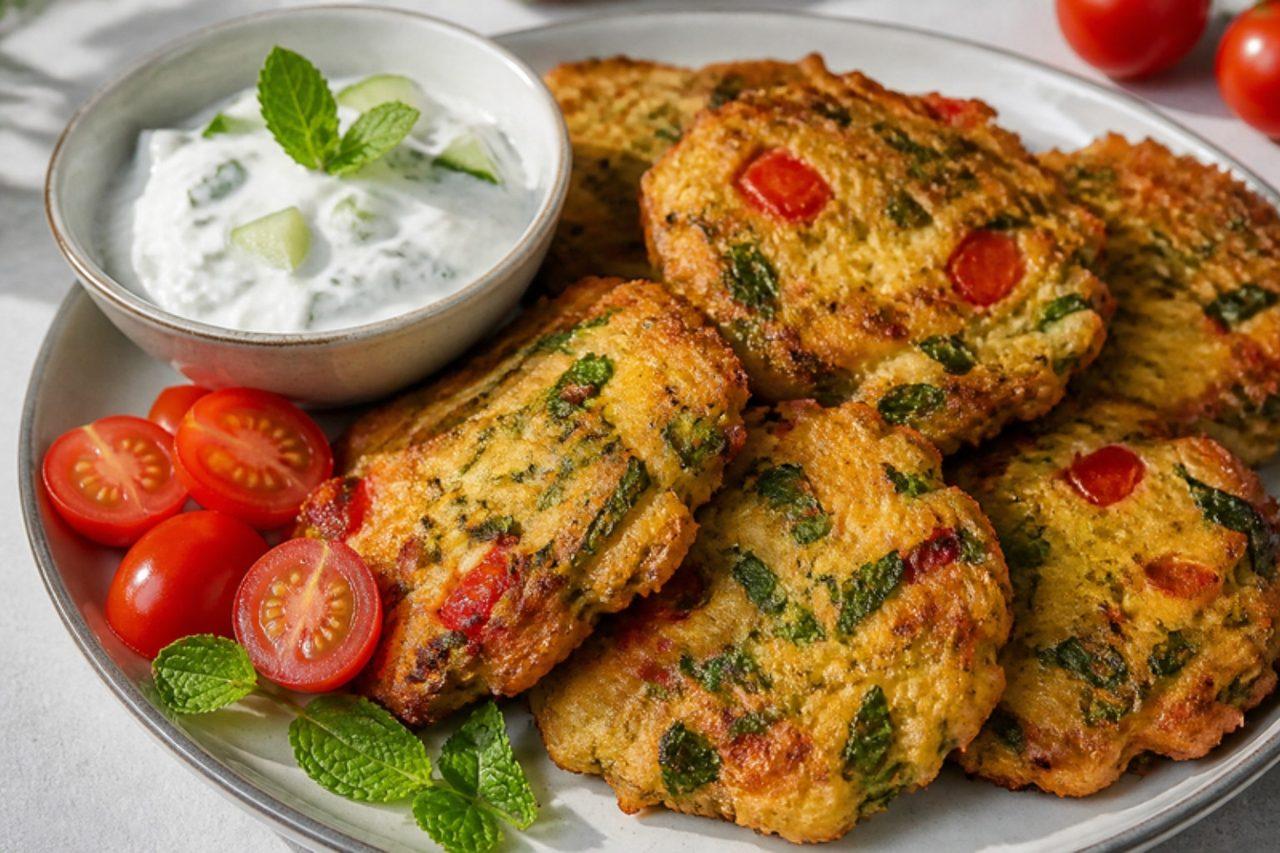
TomatokeftedesTomato and mint fritters

The volcanic soil of Santorini grows tiny, intensely sweet tomatoes on almost no water, and every taverna on the caldera serves them as tomatokeftedes: chopped tomato, onion, mint and oregano bound with just enough flour to hold, then fried until the outside is lacy and crisp and the inside is soft and juicy. They are eaten hot as a meze, often next to Santorini fava and a cold glass of water or lemonade. Common mistake: letting the batter sit, which draws out tomato juice and makes it runny; mix it right before frying. Chef's tip: squeeze the chopped tomatoes in a sieve first and keep the juice for a soup; drier tomatoes give crisper fritters.

by KrazyBadal 0 views

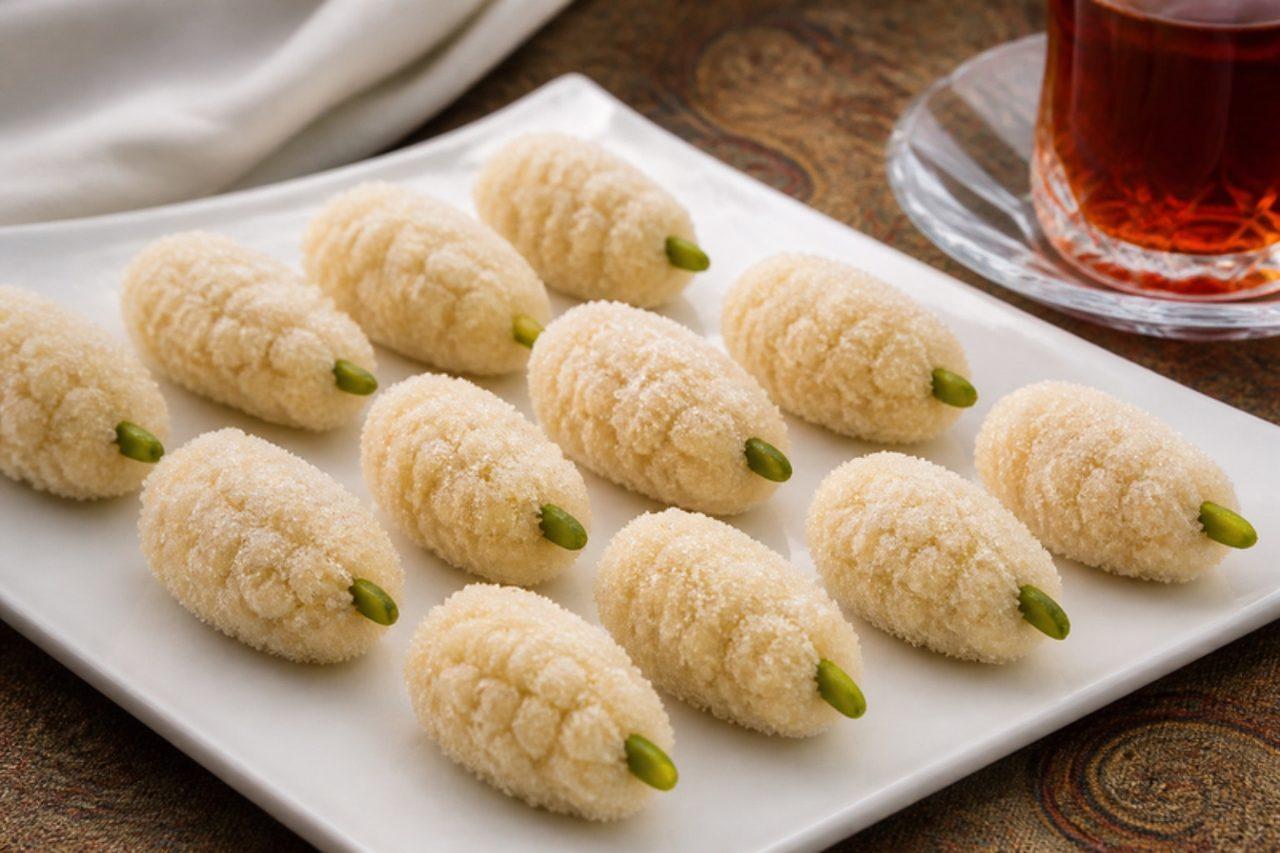
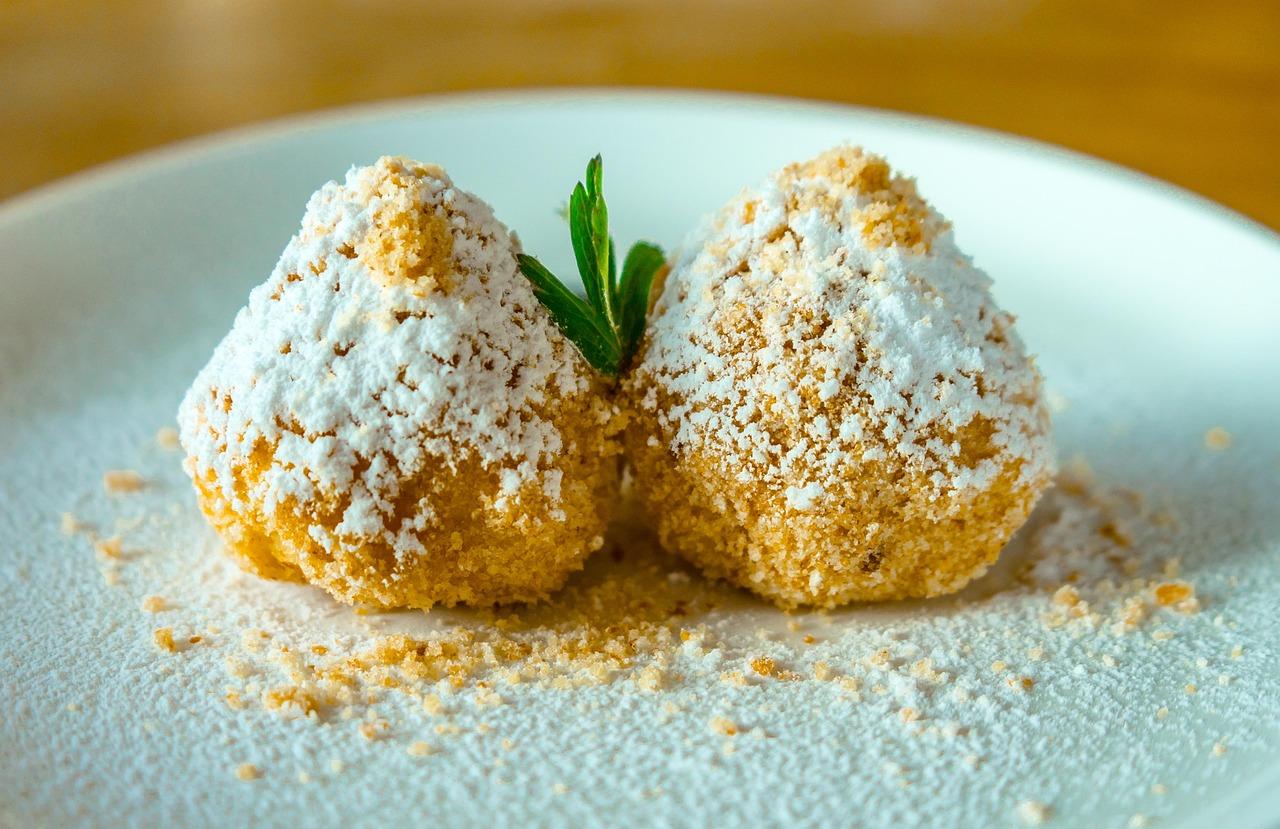
TootAlmond rosewater marzipan

Little white toot sit on silver dishes at Nowruz and at weddings in Tehran and Isfahan, shaped and named after the pale mulberries that grow all over Iran. They are a soft, fragrant almond paste bound with rosewater, rolled in sugar and finished with a sliver of pistachio for the stalk. No cooking is needed, so children can help shape them. Chef's tip: add the rosewater a spoonful at a time; the paste should just hold when squeezed, and a wet paste won't keep its mulberry bumps.

by KrazyBadal 0 views

TopfenknödelQuark dumplings in buttery crumbs

Topfenknödel belong to the long Austrian tradition of sweet main courses: in Viennese homes and Lower Austrian inns they are often served as a light Friday lunch, or as dessert after soup. Fresh quark, butter, egg and semolina make a dough that cooks into soft, tangy, almost cheesecake-like dumplings, which are rolled in breadcrumbs toasted in butter with cinnamon sugar and served with a warm fruit compote. A common mistake is boiling them hard; they puff, crack and fall apart, so keep the water just shivering. Most quark is made without animal rennet, but check the label and choose one marked vegetarian. Chef's tip: rest the dough for at least 30 minutes so the semolina can swell; it makes the dumplings hold together.

by KrazyBadal 0 views

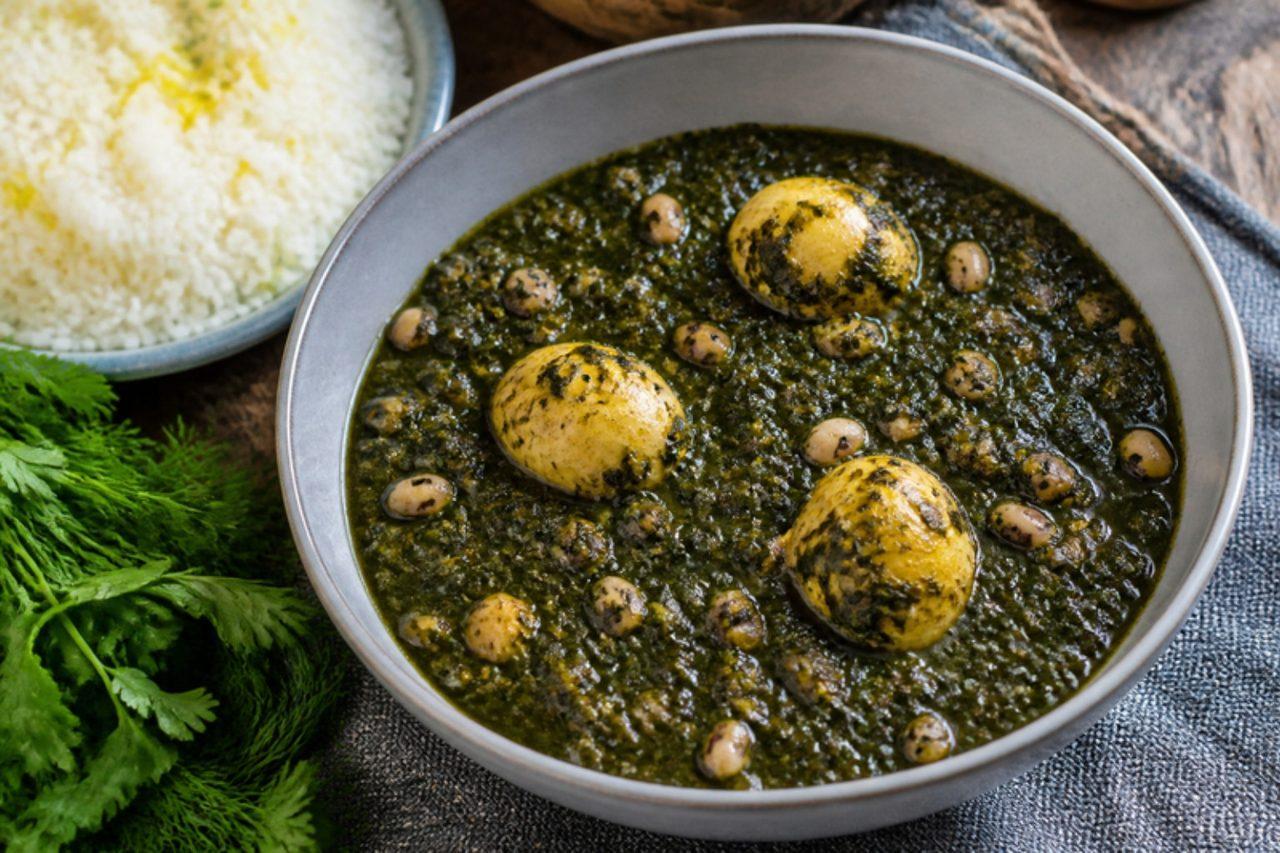
Torshe tarehSour herb and bean stew

Torshe tareh is one of the dishes that marks Gilan's cooking as different from the rest of Iran: a dark, sour, garlicky stew of finely chopped greens, cooked down with rice flour and soured with bitter orange juice or dried sour plums, then finished with eggs. It is made in the Rasht area all year round and eaten with kateh rice, often alongside salted fish for those who eat it; this version is vegetarian with black-eyed beans for body. The common mistake is undercooking the herbs, which leaves the stew grassy instead of deep and savoury. Chef's tip: fry the chopped herbs until they turn almost black-green and stop smelling raw before any liquid goes in.

by KrazyBadal 0 views

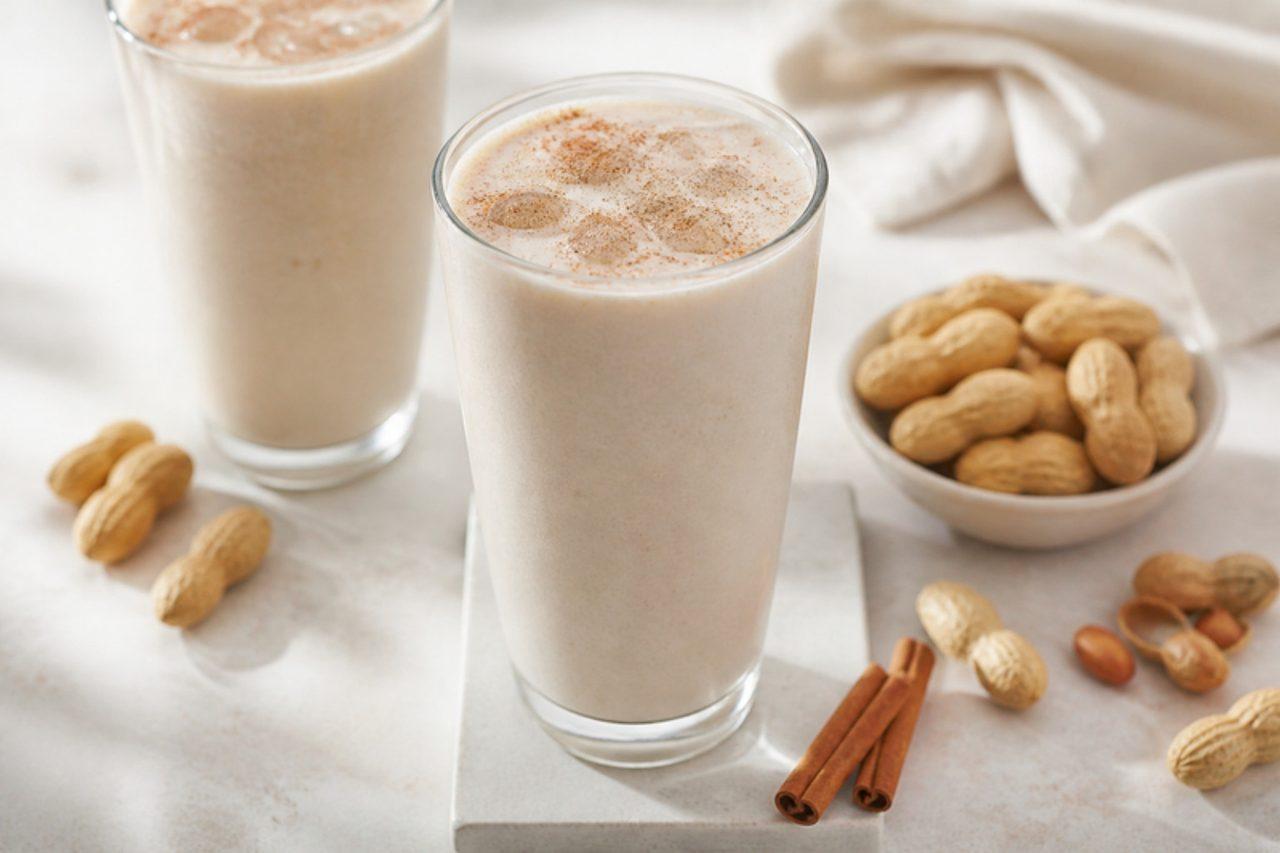
Torito de cacahuatePeanut drink

Torito is the party drink of the port of Veracruz and the Sotavento, poured at weddings, saints' days and the Tlacotalpan Candelaria fair: a thick, cold, milkshake-like blend of peanuts, condensed and evaporated milk and cinnamon. The traditional version is spiked with aguardiente, the local cane spirit. This recipe is the alcohol-free version, so children can drink it too; adults who want the original add a measure of cane spirit to each glass. It contains peanuts, so check for allergies. Chef's tip: toast the peanuts until just golden before blending; raw ones taste flat and beany.

by KrazyBadal 0 views

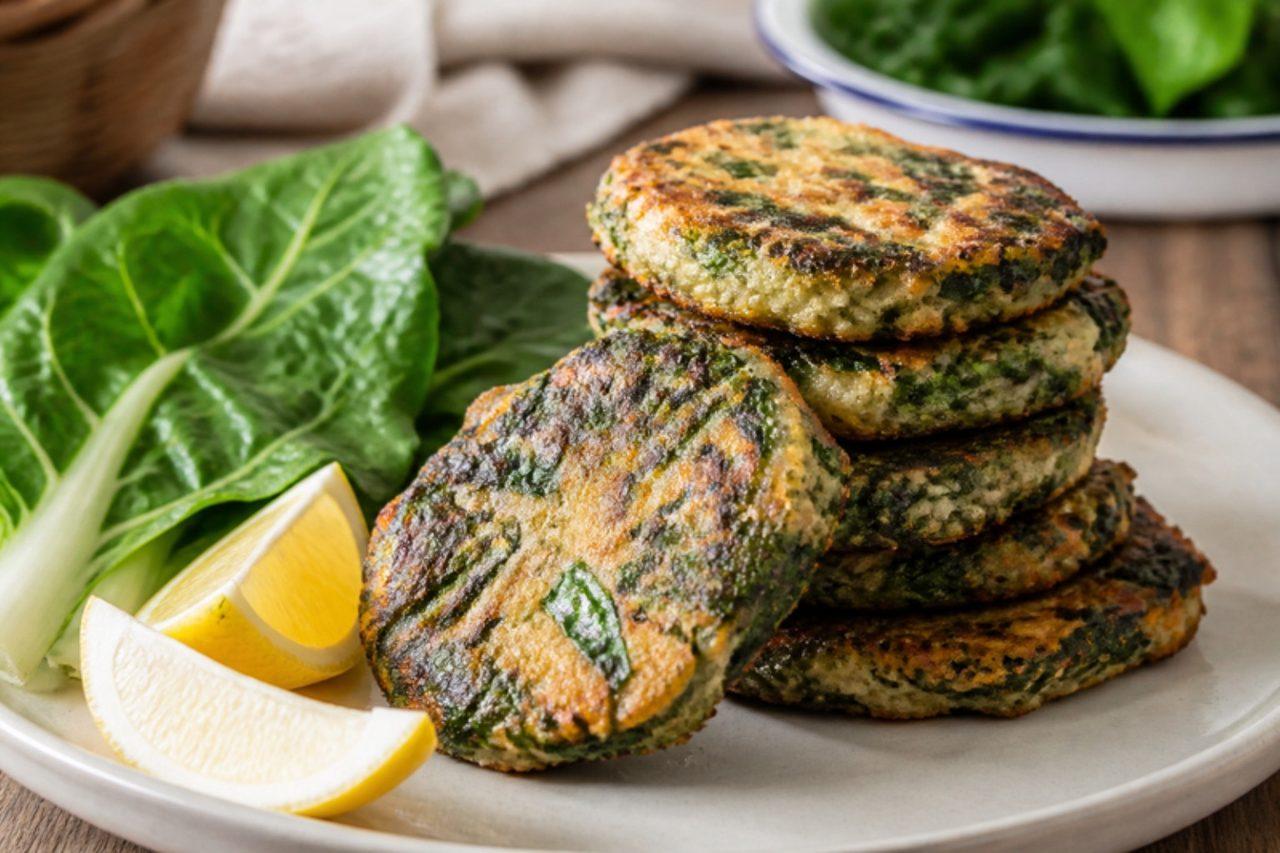
Torrejas de acelgaSwiss chard fritters

When a bunch of acelga (Swiss chard) is the cheapest thing at the verdulería, Buenos Aires home cooks turn it into torrejas: thin fritters of chopped chard bound with egg, a little flour, garlic and grated cheese, fried in shallow oil until the edges lace up and crisp. They are weekday food, eaten hot from the pan with a squeeze of lemon and a salad, or cold the next day in a sandwich, and children who won't touch greens tend to eat them. Inside they stay tender and green, outside nutty and golden. Wet chard is what ruins them: water left in the leaves makes the batter thin and the fritters spit and fall apart, so wring the blanched chard really dry. Grated hard cheese is often made with animal rennet; pick a vegetarian hard cheese if needed. Chef's tip: fry one small torreja first to check the seasoning and thickness, then adjust with a spoon of flour or a splash of milk.

by KrazyBadal 0 views

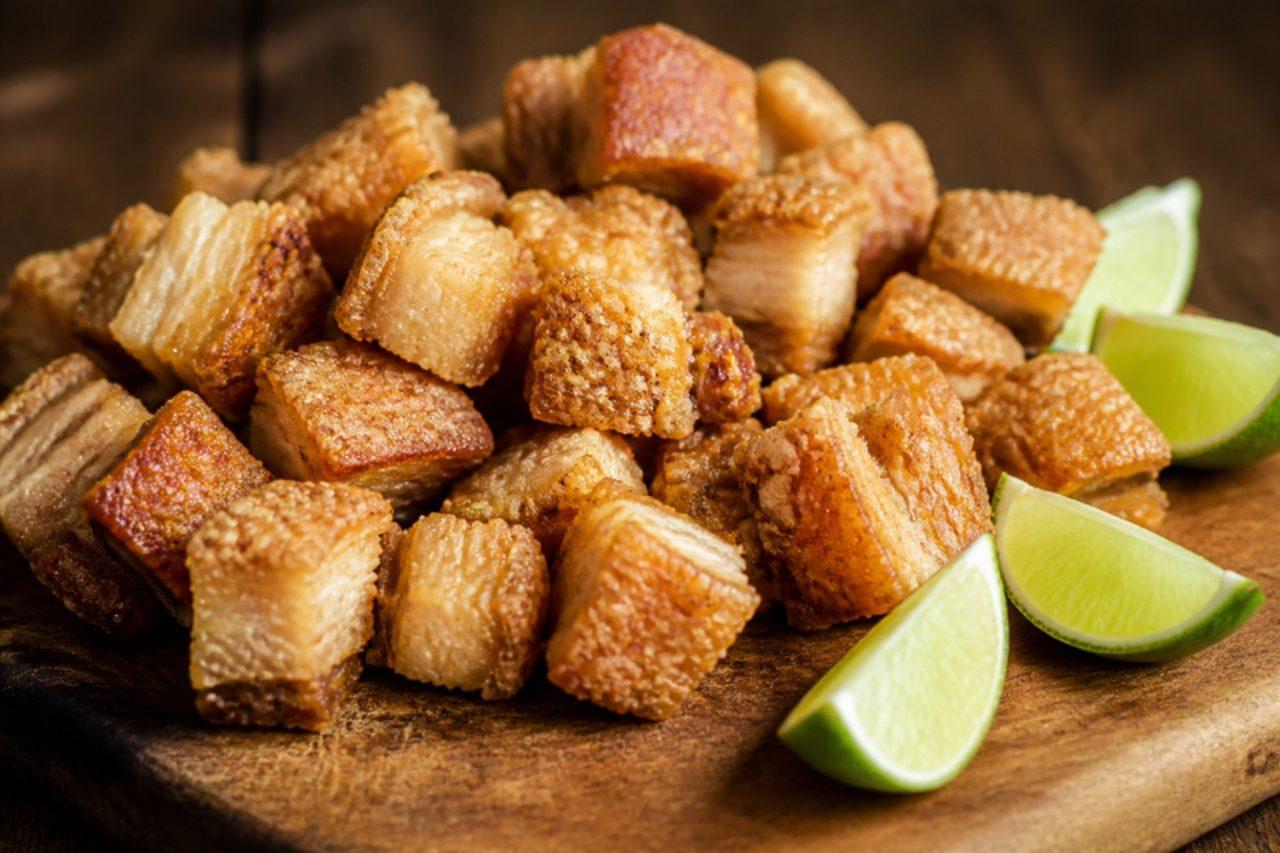
TorresmoPork crackling

Every boteco in Minas Gerais keeps a tray of torresmo by the counter: chunks of pork belly with the skin on, fried so slowly the fat melts out, then blasted in hot fat until the skin bursts into crackling bubbles. Done right, each piece has a shatteringly crisp, blistered top, a layer of soft fat and a strip of juicy meat. Mineiros eat it as a snack with lime and with feijão tropeiro, tutu or couve at lunch. The classic error is frying wet skin in very hot fat at once, which gives hard, glassy skin and dangerous spitting; dry it well and fry it twice. Use a deep, heavy pot, never fill it more than a third with fat, and keep children away from it. Chef's tip: after the first slow fry, let the pieces cool completely, even overnight in the fridge; the drier the skin, the bigger the puff.

by KrazyBadal 0 views

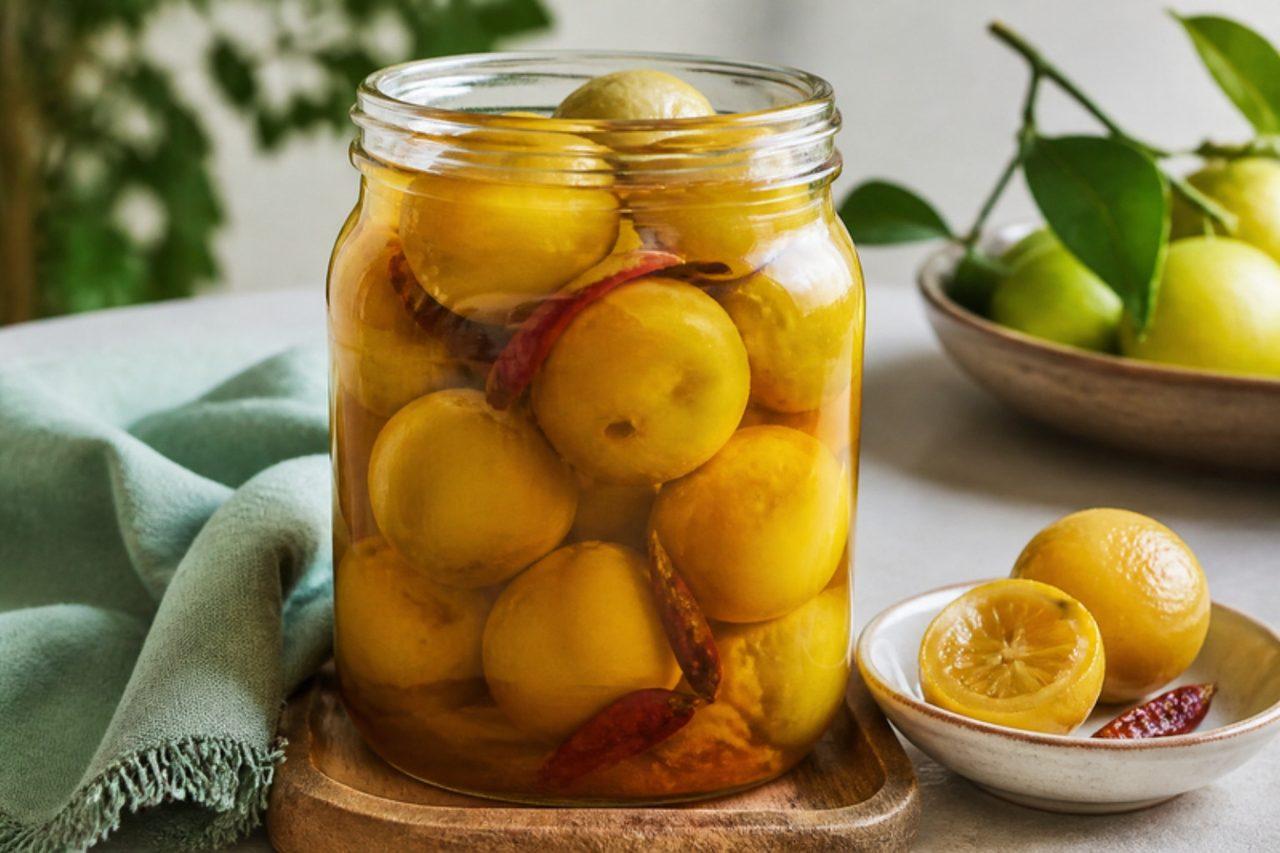
Torshi limooSalt-pickled limes

In Shiraz and down towards the Gulf ports, small thin-skinned limes are packed into jars with salt and more lime juice, then forgotten on a sunny shelf until the peel softens and turns translucent. The result is sour, salty and faintly bitter, and a little goes a long way: a sliver alongside fish and rice in Bushehr, chopped into a salad, or mashed into a stew. It is related to the Gulf habit of drying limes, but stays soft and juicy. Chef's tip: choose small, thin-skinned limes; thick-skinned ones stay bitter and tough however long you wait.

by KrazyBadal 0 views

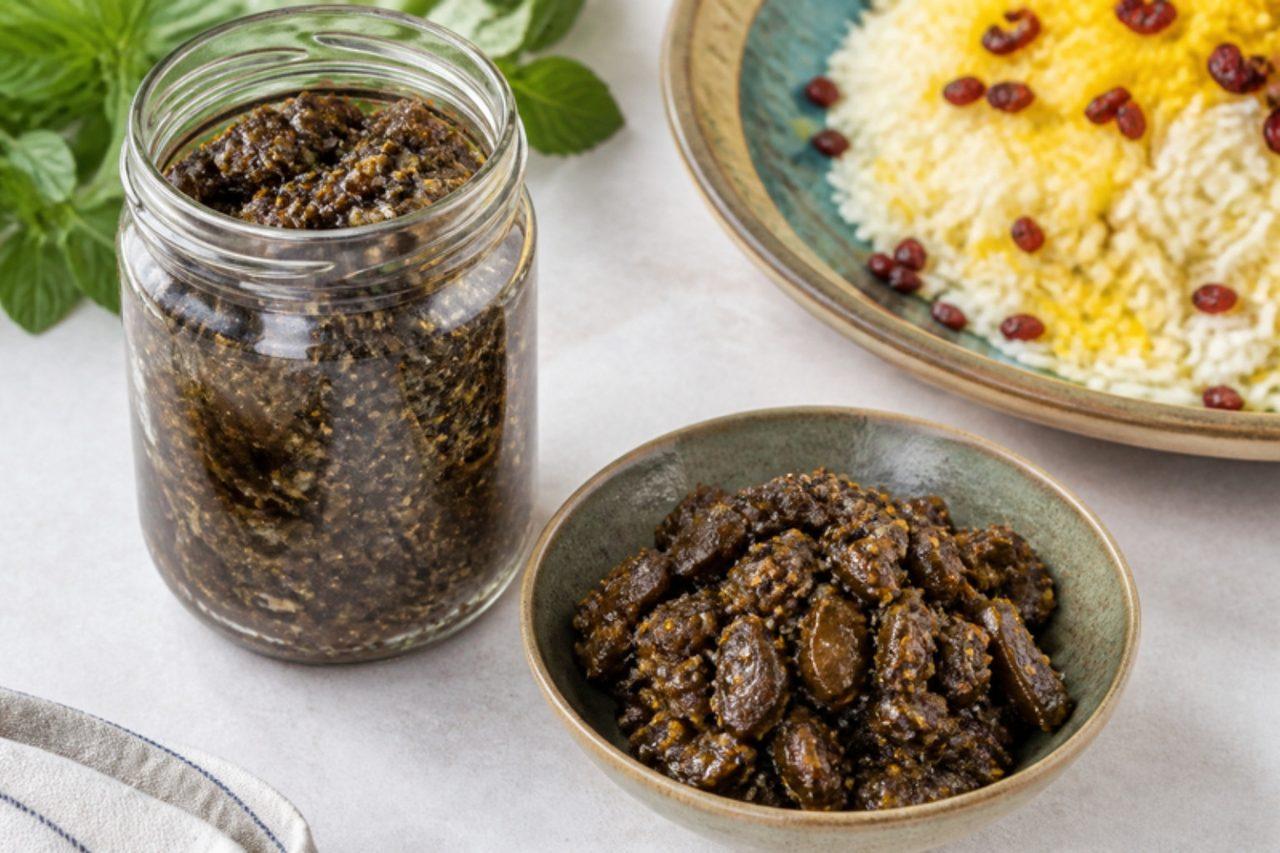
Torshi litehAubergine and herb pickle

Torshi liteh is the dark, spoonable pickle of late summer, made in kitchens from Tabriz to Tehran when aubergines pile up cheaply at the bazaar. Roasted aubergine is chopped fine with garlic, a heap of dried herbs, nigella and golpar (Persian hogweed) and loosened with vinegar, then left for a couple of weeks until the flavours knit. It goes alongside rice and stews, inside a sandwich of bread and cheese, or next to kuku. Chef's tip: squeeze the cooked aubergine hard in a cloth; water left in it dilutes the vinegar and shortens the life of the jar.

by KrazyBadal 0 views

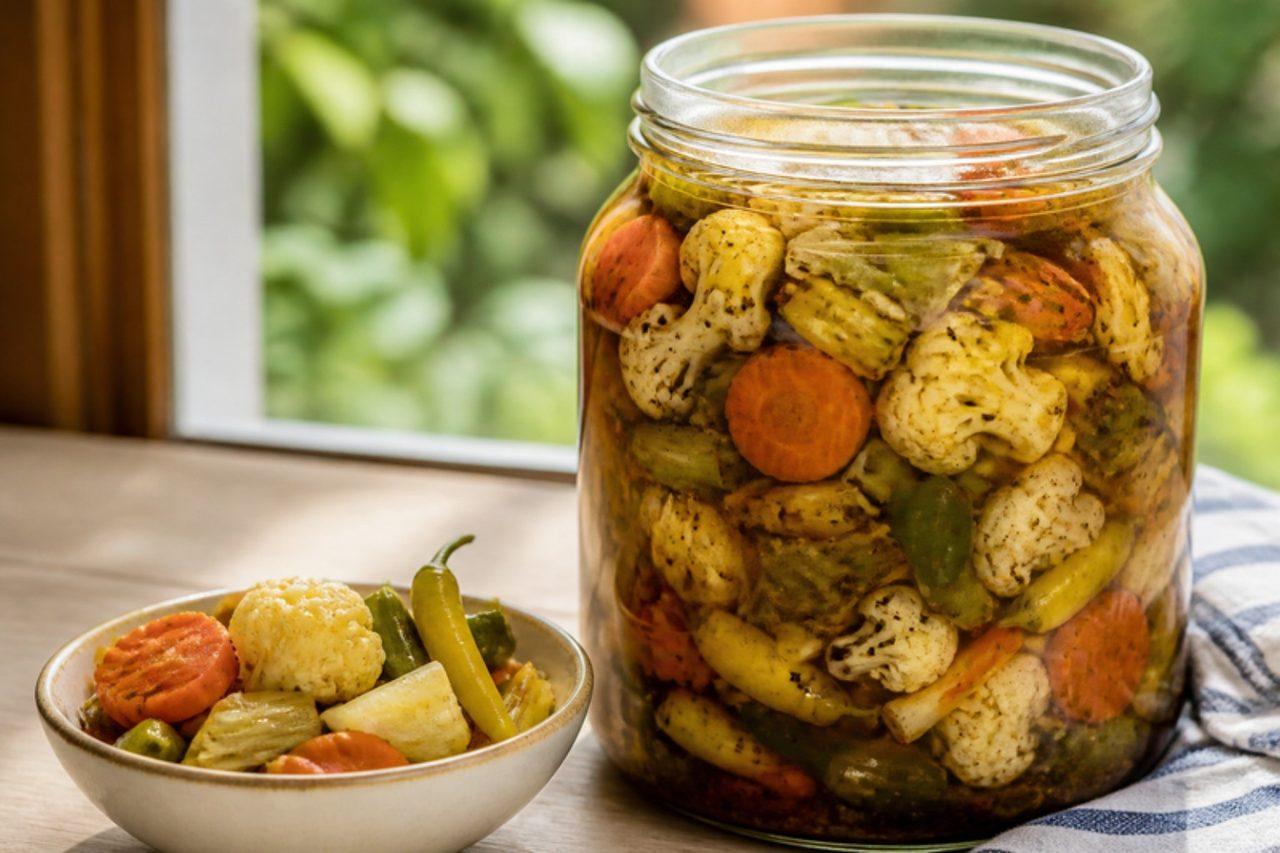
Torshi makhlootMixed vegetable pickle

In October, families all over Iran buy cauliflower, carrots, celery and peppers by the sack and spend a weekend chopping for torshi makhloot, the mixed pickle that sits on the sofreh through the winter. The vegetables stay crunchy, stained gold by turmeric, and the vinegar is scented with garlic, nigella, golpar and dried herbs. A small bowl comes out with every rice dish, from Tehran chelow kabab to a weeknight adas polo. Chef's tip: cut every vegetable to roughly the size of a hazelnut so each spoonful carries a little of everything.

by KrazyBadal 0 views

Torta BalcarceSponge cake with dulce de leche

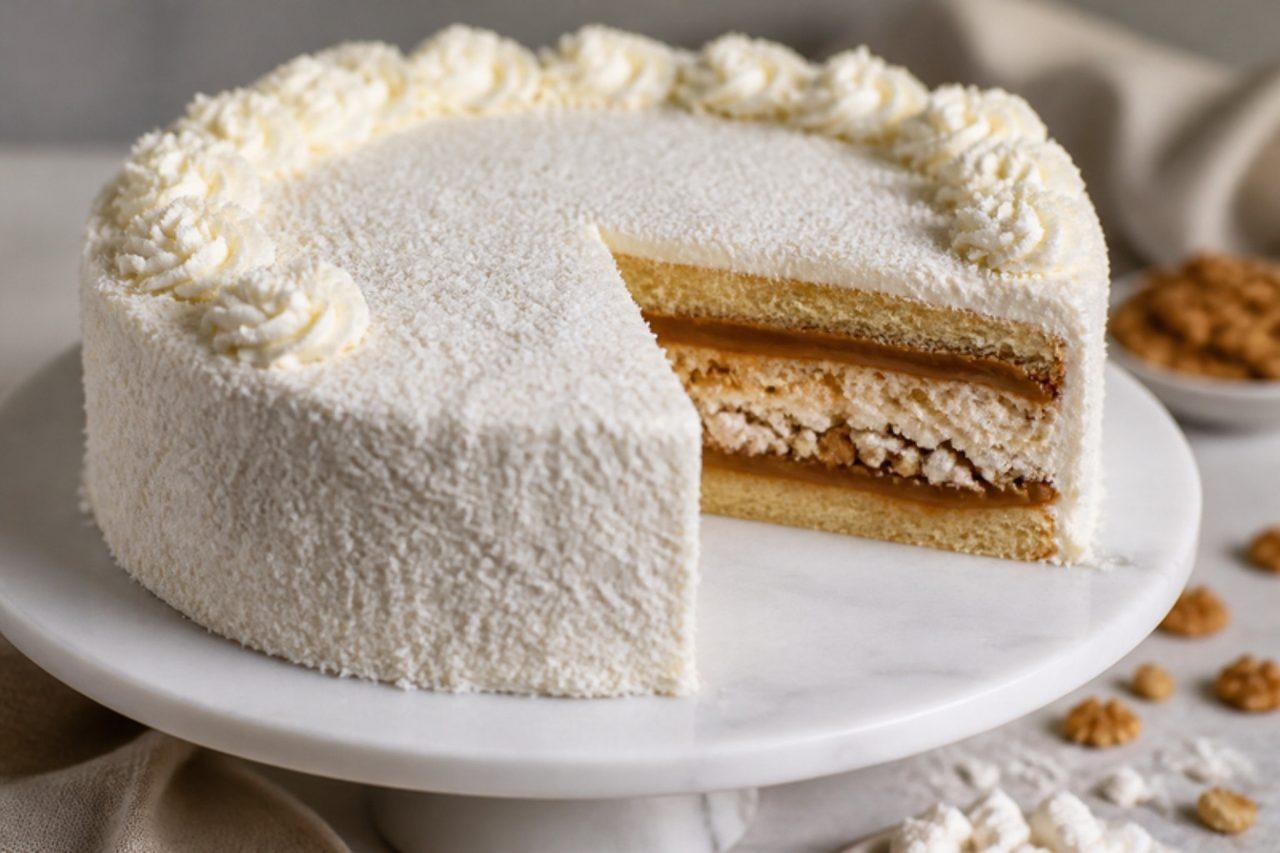
Mar del Plata's beachgoers and the people of Balcarce, a farm town an hour inland in Buenos Aires Province, both claim this cake, which was created in a Balcarce confitería in the 1950s and became famous when holidaymakers carried it home in boxes. Two layers of sponge sandwich a filling of dulce de leche, cream and crumbled crunchy meringue with walnuts, chestnuts or almonds and coconut, and the outside is covered in more cream and toasted coconut. It is soft, crunchy and very sweet, a celebration cake for Sundays and birthdays. Some bakers soak the sponge with a liqueur syrup; this version uses a vanilla syrup, so it is alcohol-free. The common error is mixing the meringue into the cream too early: it dissolves and the filling turns runny, so fold it in at the last minute. Chef's tip: bake the meringues the day before and keep them in an airtight tin; dry, crisp meringue is what gives the cake its crunch.

by KrazyBadal 0 views

Torta de bolachaNo-bake biscuit and custard cake

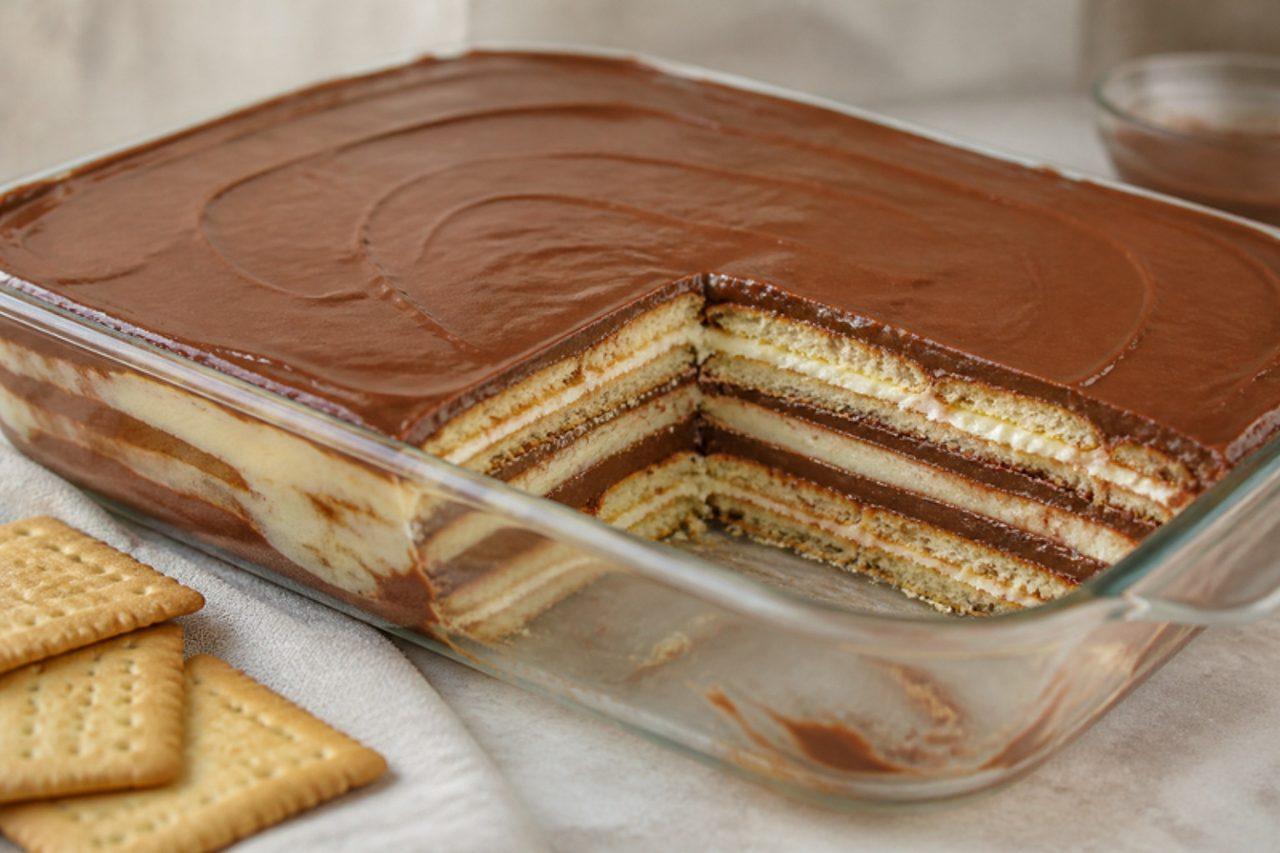
Gaúcho birthday tables almost always carry a torta de bolacha, the fridge cake that grandmothers in Porto Alegre and the Serra Gaúcha towns put together the night before. Plain Maria biscuits are dipped in sweet milk and stacked with two stovetop creams, one pale vanilla custard and one chocolate, until the biscuits soften into something close to sponge. It is cool, soft and very sweet, and slices best after a night in the fridge; serve it with coffee or as the birthday cake itself, with candles on top. It contains egg yolks and wheat biscuits. Most failures come from soaking the biscuits too long: they should be dipped for a second, not left to swim, or the layers collapse into mush. Chef's tip: let both creams cool until just warm before layering, so they stay thick enough to hold the next row of biscuits.

by KrazyBadal 0 views

Torta de palmitoHeart of palm pie

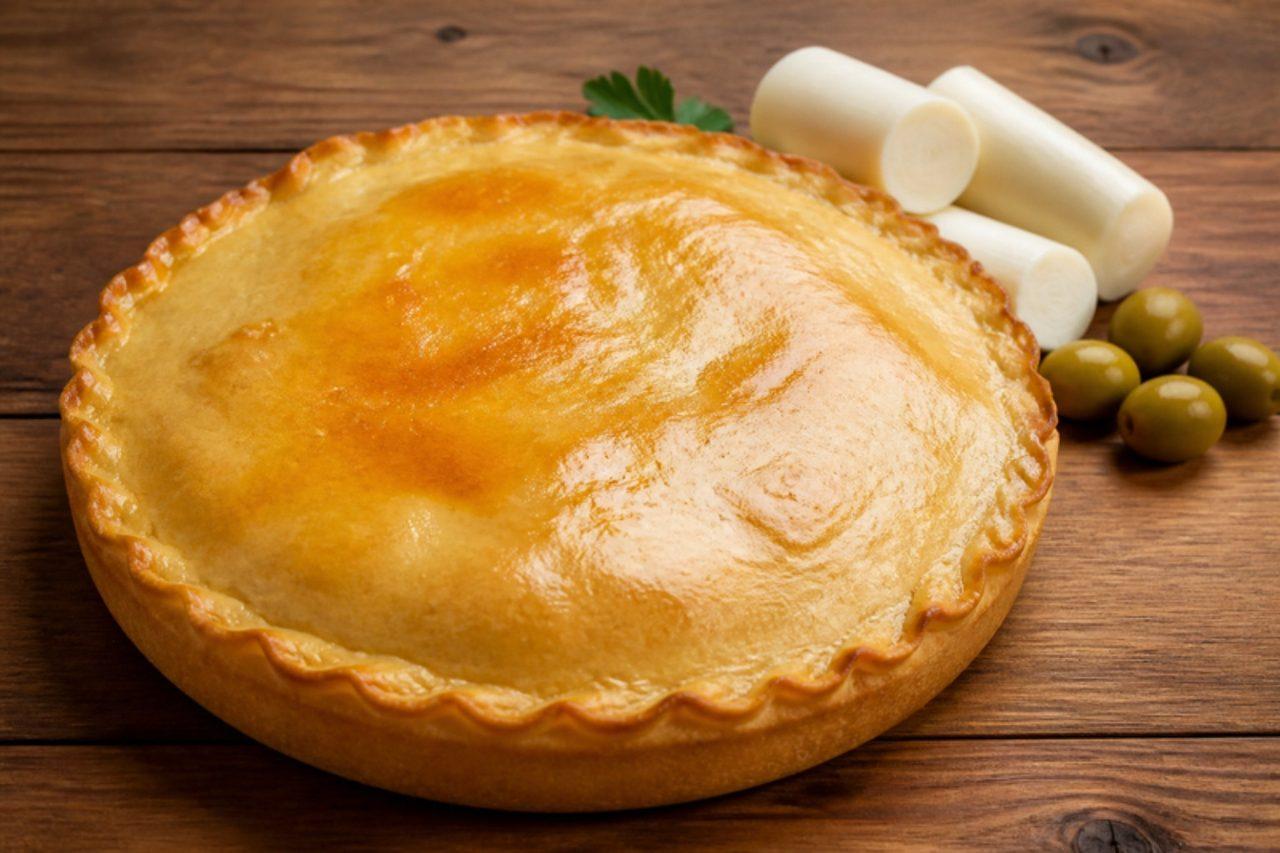
Paulistano families bring this pie to Sunday lunch, to Easter and to every bring-a-plate party, and padarias sell it by the slice next to the coxinhas. A crumbly, buttery crust encloses a creamy filling of heart of palm with tomato, peas, green olives and parsley, set with a little cornflour so it slices cleanly but stays moist. It is good warm or cold, with a green salad or just on its own. Look for palm hearts from cultivated pupunha palms. The commonest problem is a soggy base from a filling that is too wet or too warm; cook it until thick and let it cool before it goes in. Chef's tip: bake the pie on a preheated tray on the bottom shelf, so the base gets a blast of heat and crisps before the filling can soak in.

by KrazyBadal 0 views

Torta del Casar al hornoBaked sheep's cheese with garlic

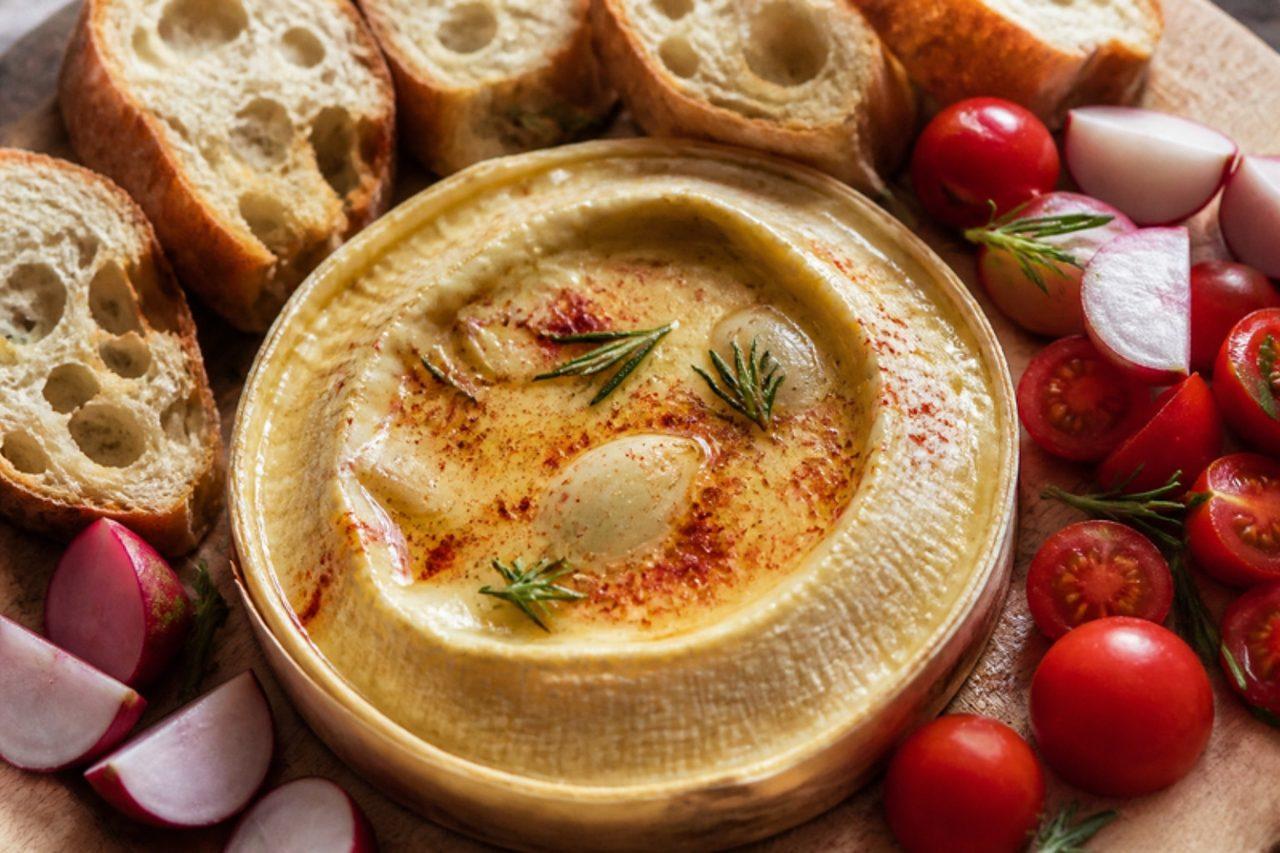
Torta del Casar is made in Casar de Cáceres and the surrounding plains from raw merino sheep's milk, curdled not with animal rennet but with the dried flower of a wild thistle, so it suits many vegetarians. When ripe, the rind holds a centre so soft it is eaten with a spoon, and in Cáceres bars a whole torta comes warm from the oven with its lid cut off, surrounded by bread for dipping. It is a cheese for sharing at the start of a long dinner. Because it is made from unpasteurised milk, it is not for pregnant women, young children or anyone with a weakened immune system unless heated until steaming hot all through. Chef's tip: take the cheese out of the fridge an hour ahead so it warms evenly.

by KrazyBadal 0 views

Torta galesaDark fruit and walnut cake

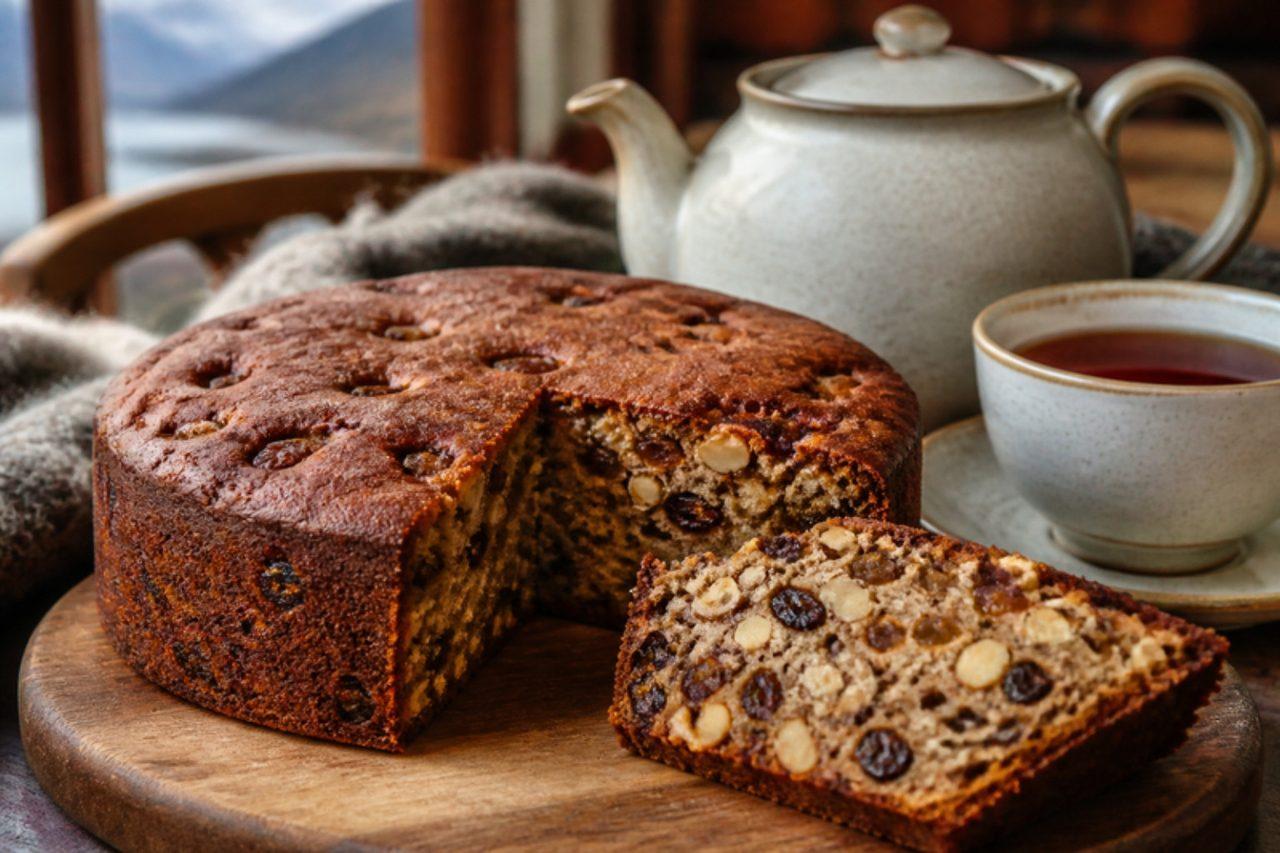
Welsh settlers arrived in the Chubut valley in 1865 and their descendants still serve afternoon tea in Gaiman and Trelew, where the casas de té bring out pots of tea, scones, cream cakes and, always, a slice of torta galesa. It is a dense, almost black fruit cake made with brown sugar and black treacle, studded with raisins, candied peel and walnuts, and it was built to last through long Patagonian winters and journeys across the steppe. The crumb is moist and sticky, rich with spice and caramel. An oven that is too hot is the classic error: the outside chars before the middle is set, so it bakes low and slow under a sheet of paper. There's no alcohol in this version; many cooks brush it with rum after baking, so leave that out or use strong tea. Chef's tip: wrap the cooled cake tightly and wait two or three days before cutting; it turns moister and the flavours deepen.

by KrazyBadal 0 views

Torta holandesaChilled biscuit and ganache tart

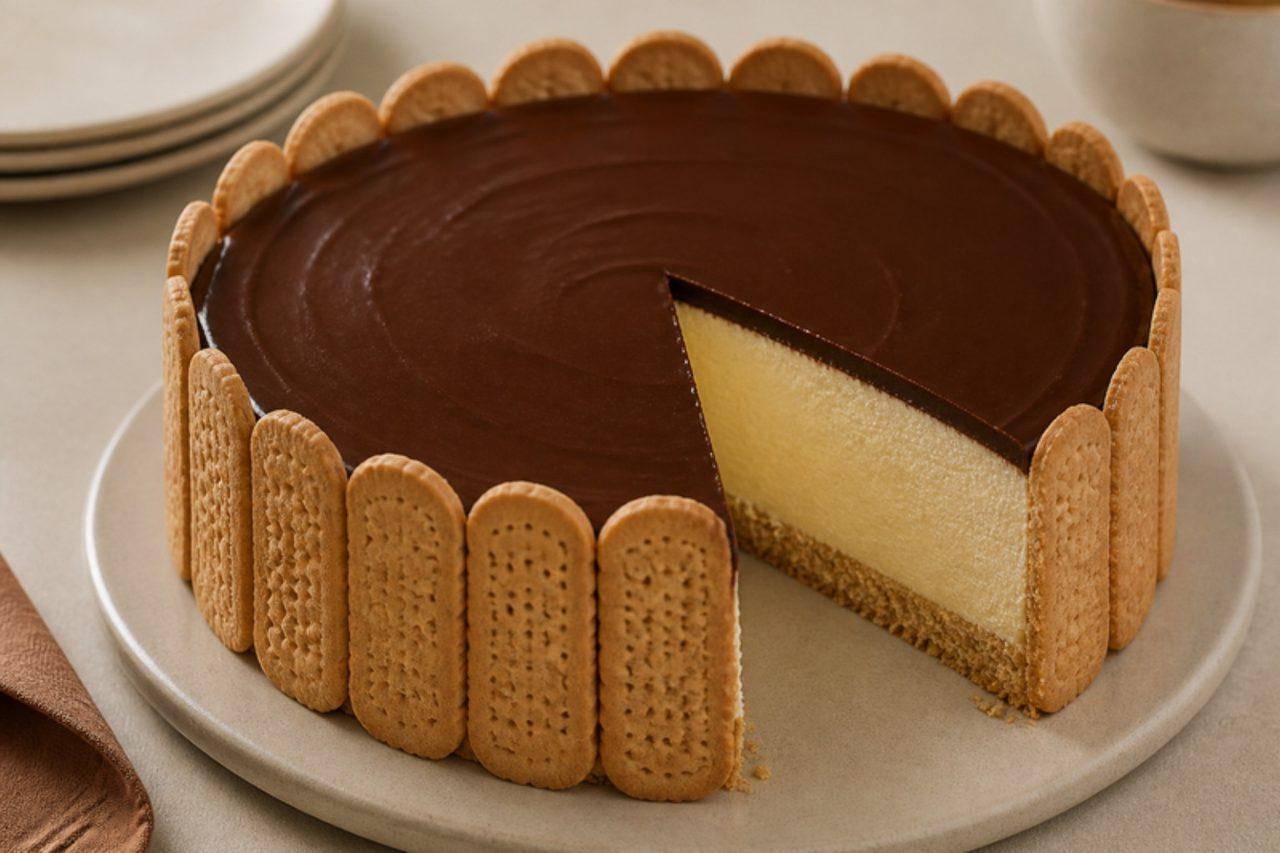
Despite the name, the 'Dutch tart' is a Brazilian invention, created in a confeitaria in Campinas, São Paulo state, in the 1990s and now sold in bakeries and churrascarias all over the country. A crunchy biscuit base holds a tall layer of light vanilla buttercream, sealed with dark chocolate ganache, and the sides are fenced with chocolate-dipped biscuits stood on their edges. Served cold, it is rich, creamy and crunchy at once, cut in thin slices with coffee. Some versions set the cream with gelatin; this one gets its body from butter and whipped cream only. Warm ganache poured straight on is the commonest mistake, since it melts the cream underneath into streaks. Chef's tip: let the ganache cool until it is just pourable and barely warm to a fingertip, about 30 °C, before pouring it over the chilled tart.

by KrazyBadal 0 views

Torta rogelLayered pastry dulce de leche cake

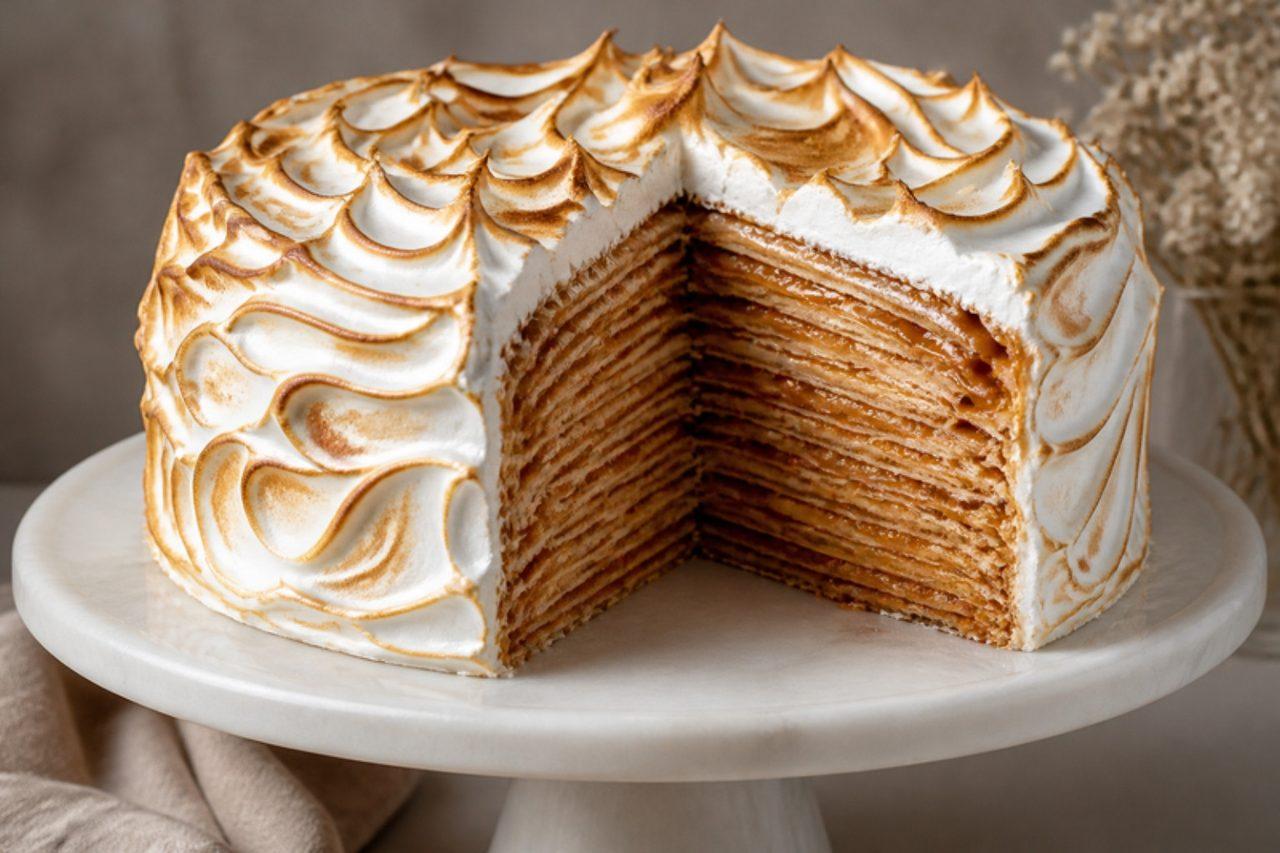
Birthdays in Buenos Aires are where the rogel shows off: eight or more wafer-thin, crackling discs of egg-yolk pastry, each spread with thick dulce de leche, stacked high and finished with a cloud of glossy Italian meringue browned with a blowtorch. Confiterías sell it by the slice, and it is a cake of contrasts, crisp and chewy, very sweet against the faintly salty pastry. It is laborious rather than difficult, and it slices best after a few hours' rest, when the dulce de leche has softened the layers just slightly. Use thick dulce de leche repostero (bakers' style); the runny kind for spreading on toast makes the tower slide. Rolling the discs too thick is the classic mistake: they should be so thin you can almost see the worktop through them, or the cake becomes heavy and hard to cut. Chef's tip: prick every disc all over with a fork before baking, or it puffs into a dome and won't stack flat.

by KrazyBadal 0 views

Tortas de aceite sevillanasCrisp olive-oil flatbreads with anise

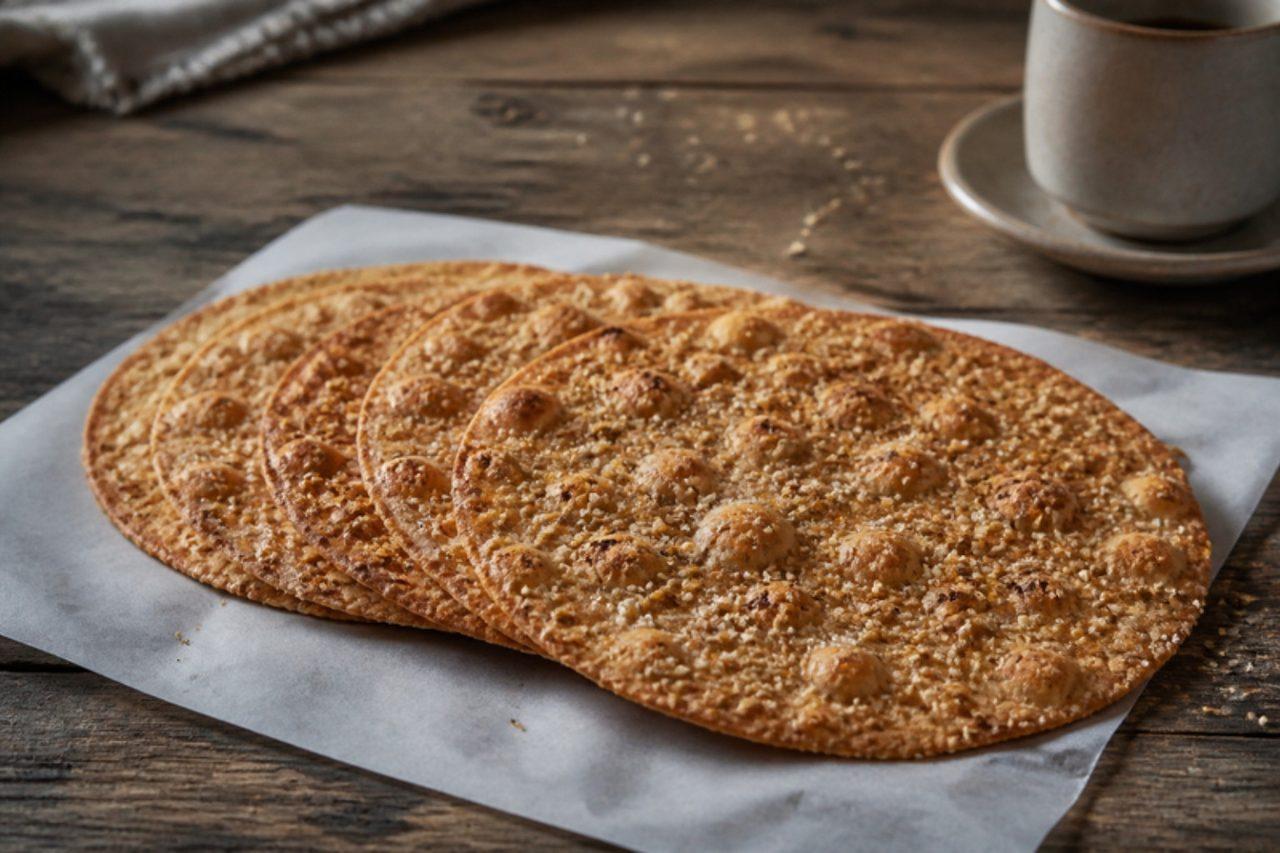
Castilleja de la Cuesta, just west of Seville, has made these hand-pressed tortas for well over a century, and across Andalusia they are dunked into morning coffee or eaten as an afternoon snack. The dough is little more than flour, olive oil infused with anise and sesame, and a pinch of yeast, rolled until you can almost see through it and baked with a crust of sugar. Chef's tip: roll each torta directly on the baking paper you will bake it on; the dough is too thin to lift without tearing.

by KrazyBadal 0 views

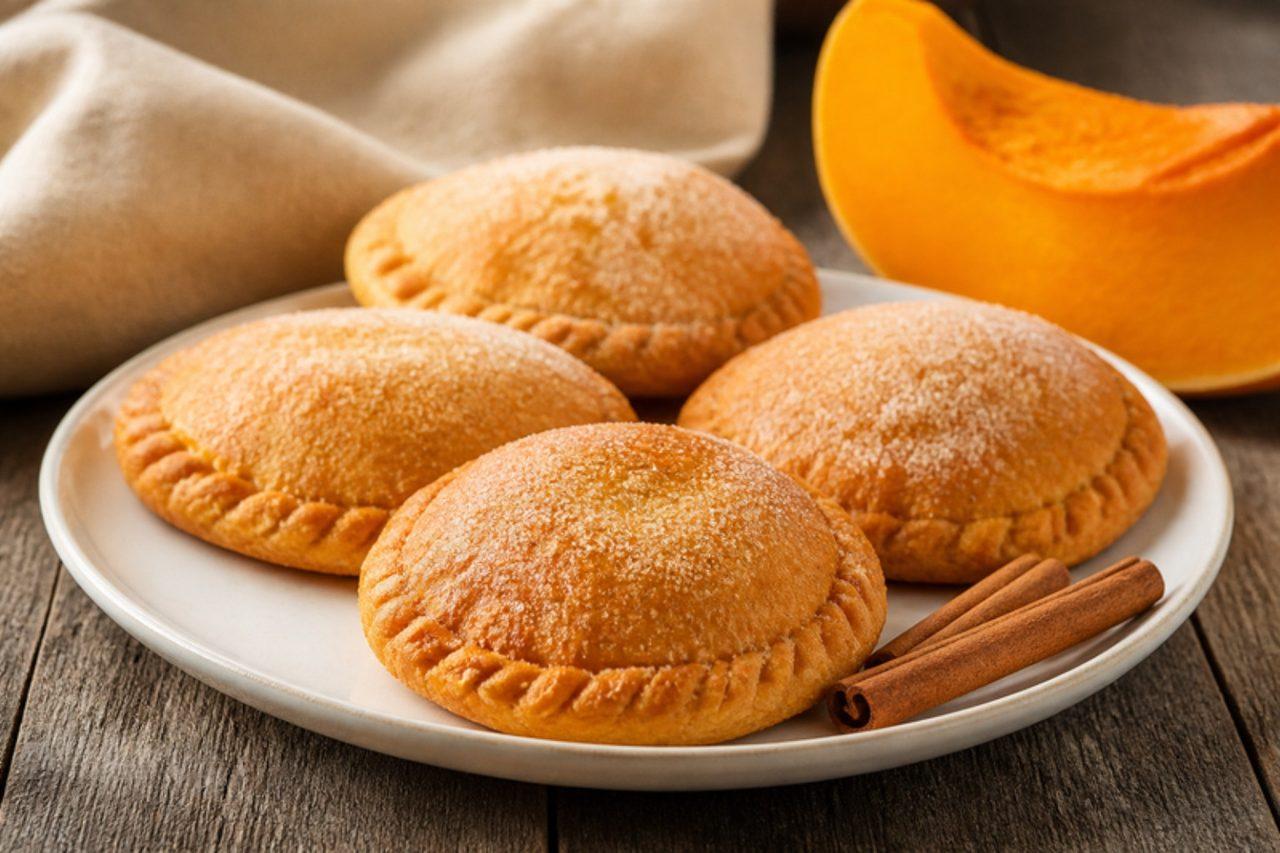
Tortas de almaPumpkin and almond pastries

In the province of Teruel, especially around Calamocha and the Jiloca valley, tortas de alma are made at the end of autumn when the pumpkins come in: crisp, flaky olive-oil pastry folded over "alma", a sweet filling of pumpkin cooked down with sugar, almond and cinnamon. They are eaten with coffee at the village festivals and given away by the dozen at All Saints and Christmas. Recipes vary from house to house; this one keeps to the simple, widely made version. A common mistake is a runny filling, which leaks and burns on the tray; cook it until it is thick enough to hold a clean line. Chef's tip: make the filling a day ahead and chill it; cold alma is far easier to spoon onto the pastry.

by KrazyBadal 0 views

Tortas de VianaSponge roll with egg-yolk cream

In the pastry shops along Viana do Castelo's old streets, tortas are sold rolled and sliced, a feather-light sponge wrapped around a glossy egg-yolk cream. They turn up on festival weekends in August, when the town fills for the Romaria d'Agonia, and as an afternoon treat with coffee the rest of the year. The sponge contains only eggs, sugar and a little flour, so it bends without cracking if you roll it warm. Chef's tip: roll the sponge in sugared paper straight from the oven and let it cool in that shape, then unroll and fill.

by KrazyBadal 0 views

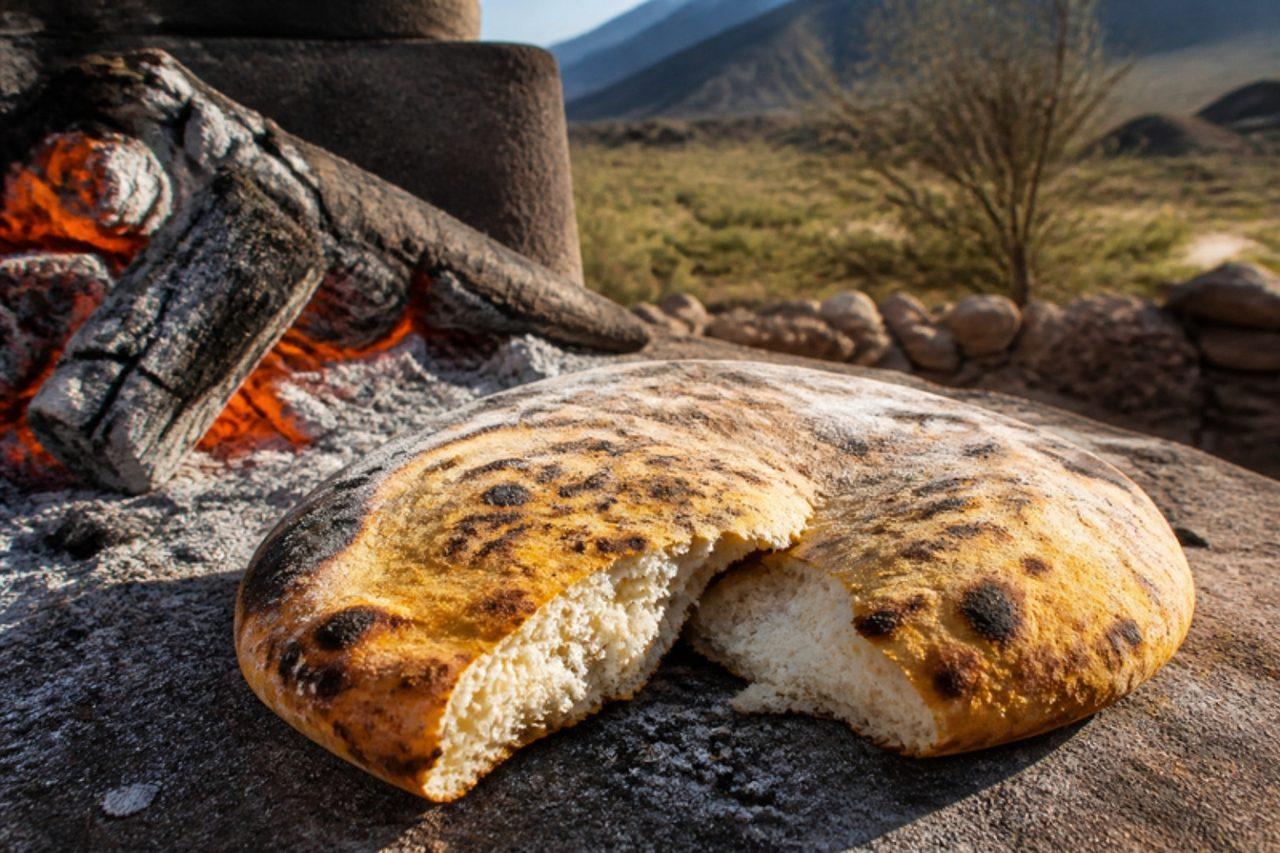
Tortilla al rescoldoAsh-baked flatbread

Puesteros in the hills of Salta and the Calchaquí valleys bake this bread the oldest way there is: a thick disc of plain dough laid straight onto the hot ash at the edge of the fire, covered with more embers and dug out 20 minutes later with a crust that is blistered and smoky and a crumb that is dense and soft. You brush off the ash, break it with your hands and eat it with goat's cheese, a mate or a bowl of locro. The traditional fat is lard (grasa); this version uses butter or vegetable shortening so it stays vegetarian. Laying the dough on flaming wood instead of a bed of settled grey embers is the mistake that burns the outside black before the middle cooks, so wait until the fire has died back. No fire? A dry cast-iron pan and a hot oven give you a close result. Chef's tip: knock the bread on its base when you lift it out; a hollow sound means it is cooked through.

by KrazyBadal 0 views

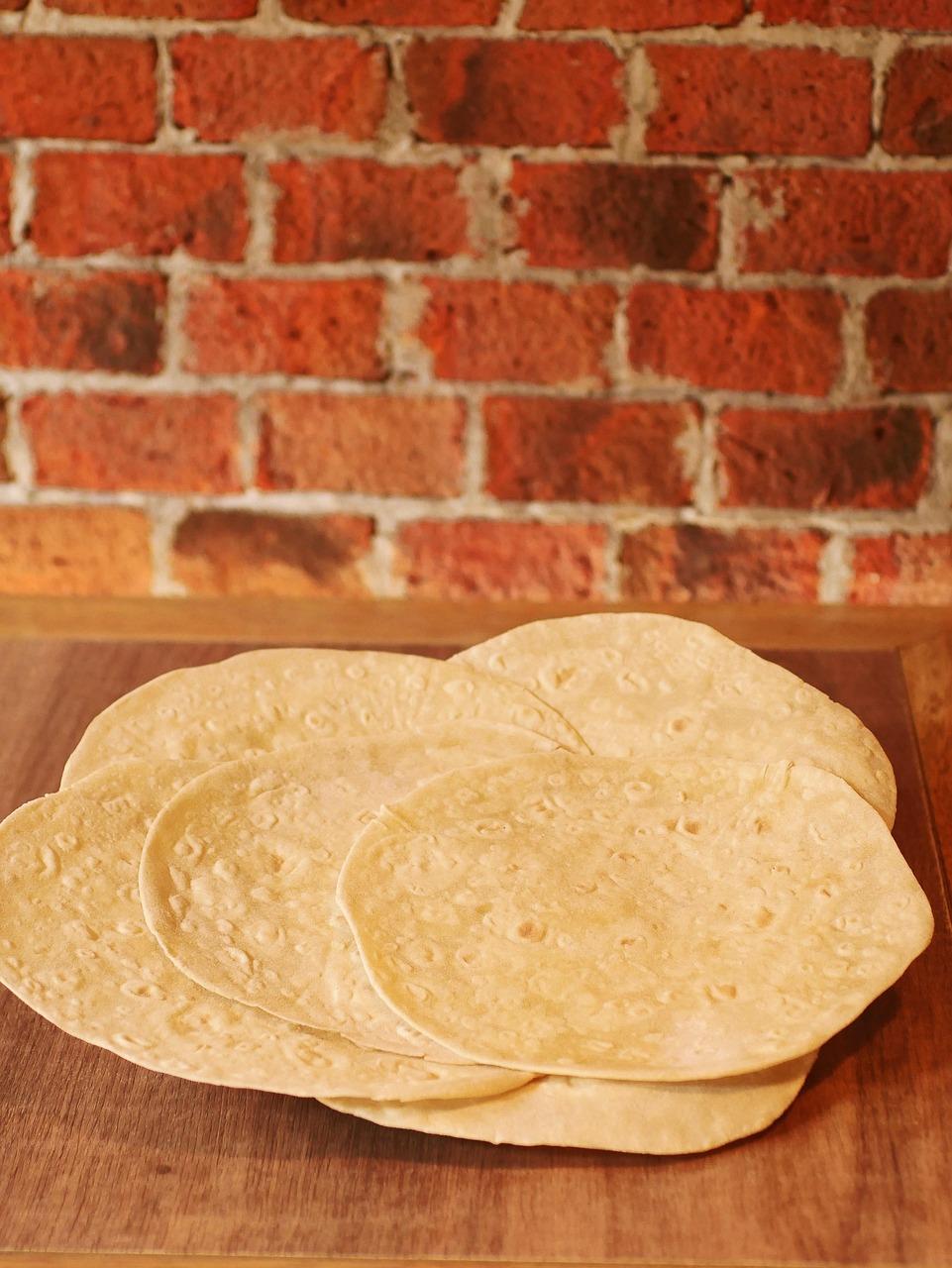
Tortillas de harina sobaquerasGiant flour tortillas

In Sonora, wheat is the grain, and the pride of Hermosillo kitchens is the sobaquera: a flour tortilla stretched over the backs of the hands and arms until it is almost see-through and as wide as a serving tray (the name comes from sobaco, armpit, because it reaches that far). It cooks in seconds on a big comal and is folded around beans, cheese or machaca, or torn and eaten with caldo de queso. Sonoran cooks use lard; vegetable shortening works the same. A 30–35 cm tortilla is a realistic home size. Chef's tip: the long rest is what makes the dough stretch; do not cut it short.

by KrazyBadal 0 views

Tortillitas de camaronesShrimp and chickpea-flour fritters

Around the Bay of Cádiz, especially in San Fernando and Sanlúcar de Barrameda, tortillitas de camarones are fried to order in bars and eaten with fingers: thin, lacy fritters of chickpea flour, spring onion and parsley studded with tiny whole shrimp. The local camarones are eaten shell and all; outside the bay, small raw peeled prawns, roughly chopped, work well. The batter must be as thin as single cream, so it spreads into a crisp lace in the oil. Chef's tip: keep the batter in the fridge until the last moment; cold batter hitting hot oil gives the most delicate lace.

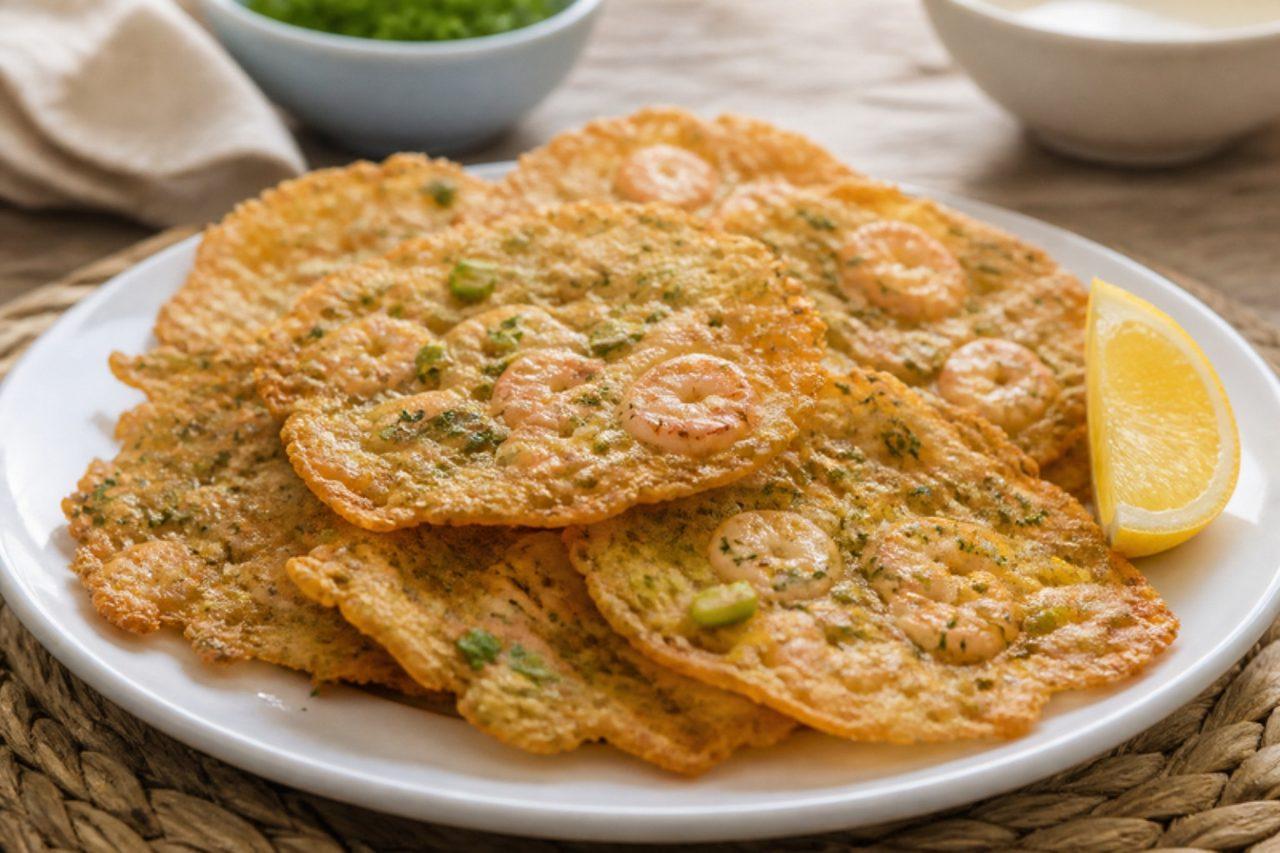
by KrazyBadal 0 views

Tortitas de Santa ClaraShortbread with pumpkin seed cream

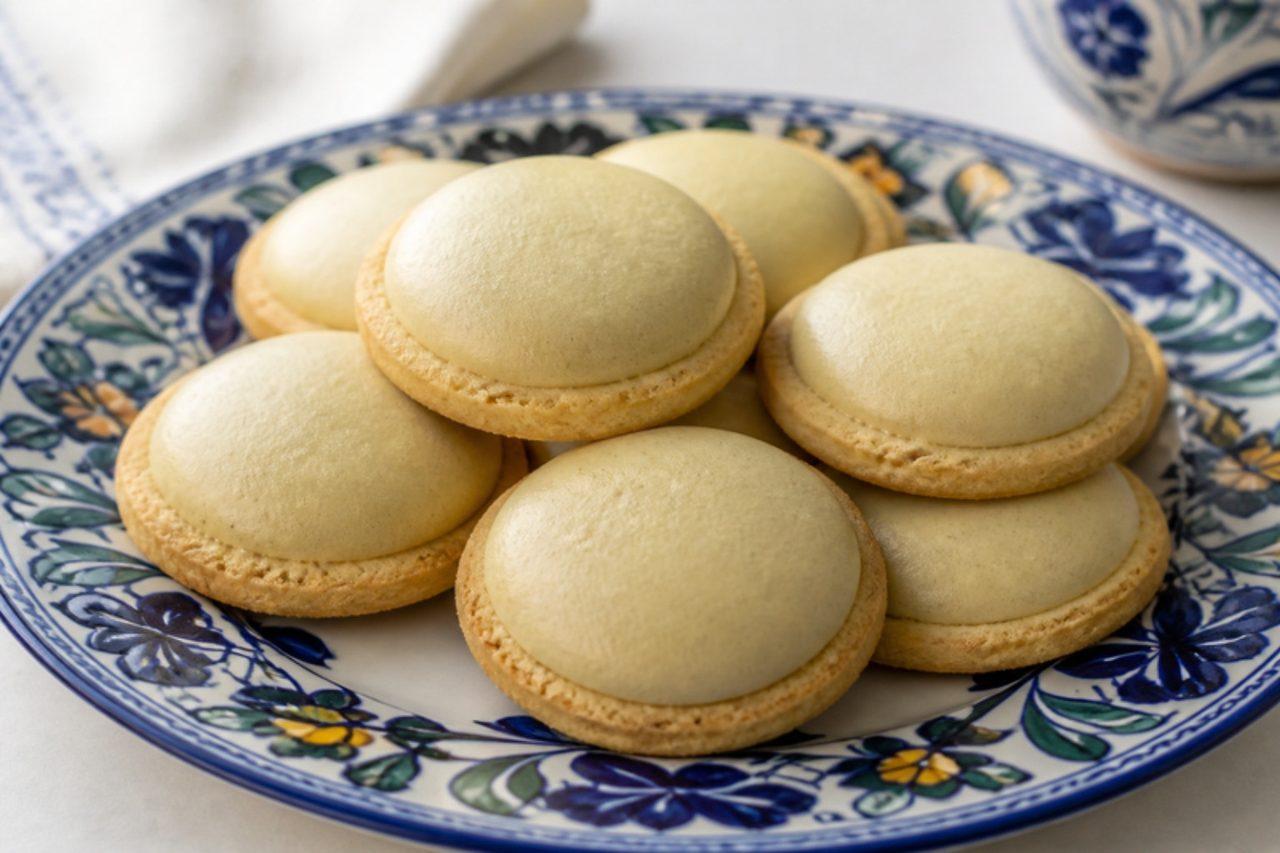
The nuns of the Santa Clara convent in Puebla are credited with this biscuit, and the city's Calle de los Dulces still sells it in boxes stacked beside camotes and jamoncillos. It is a crumbly, lightly sweet shortbread round, covered with a thick, pale cream made from ground pumpkin seeds, sugar and milk, which sets to a soft fudge-like layer. They are eaten with coffee in the afternoon and taken home as a gift from Puebla. Chef's tip: grind the peeled pumpkin seeds as fine as you can before cooking; any coarse bits make the topping gritty.

by KrazyBadal 0 views

Tortitas mendocinasFlaky round breakfast breads

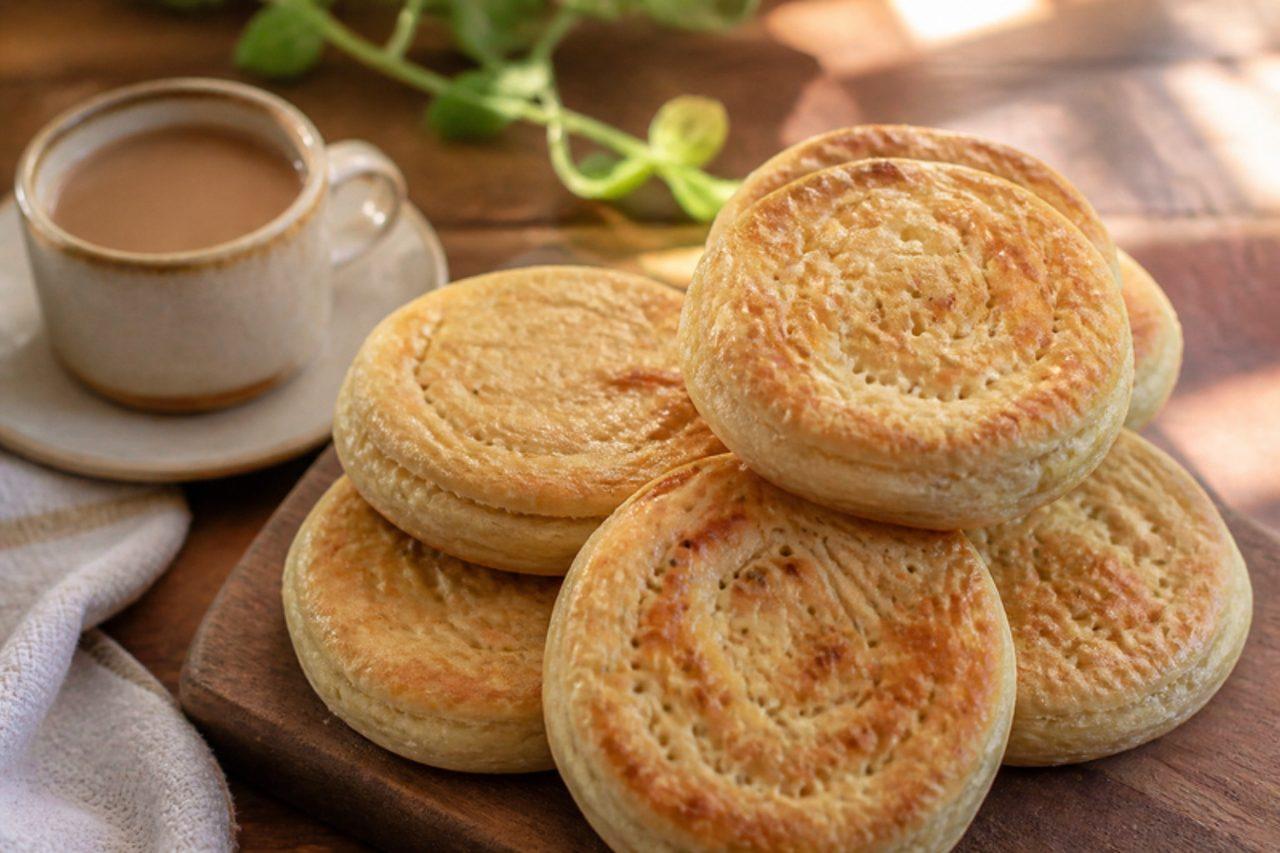
Every panadería in Mendoza fills a tray with tortitas in the early morning, and they go out in paper bags to be eaten warm with mate, split and spread with butter, quince paste or a slice of cheese. They are flat, round, slightly salty breads, soft and layered in the middle and crisp at the edges, with the fork marks that give them away. The traditional fat is beef lard (grasa), which makes them very short; here butter or vegetable shortening takes its place to keep them vegetarian, and both give a good flaky result. The mistake to avoid is rolling them thin like crackers: they should be a generous centimetre thick, or they bake hard and dry. Chef's tip: fold the dough in three twice before the final roll, like a quick puff pastry; those folds give tortitas their layers.

by KrazyBadal 0 views

Tortitas negrasBrown sugar-topped buns

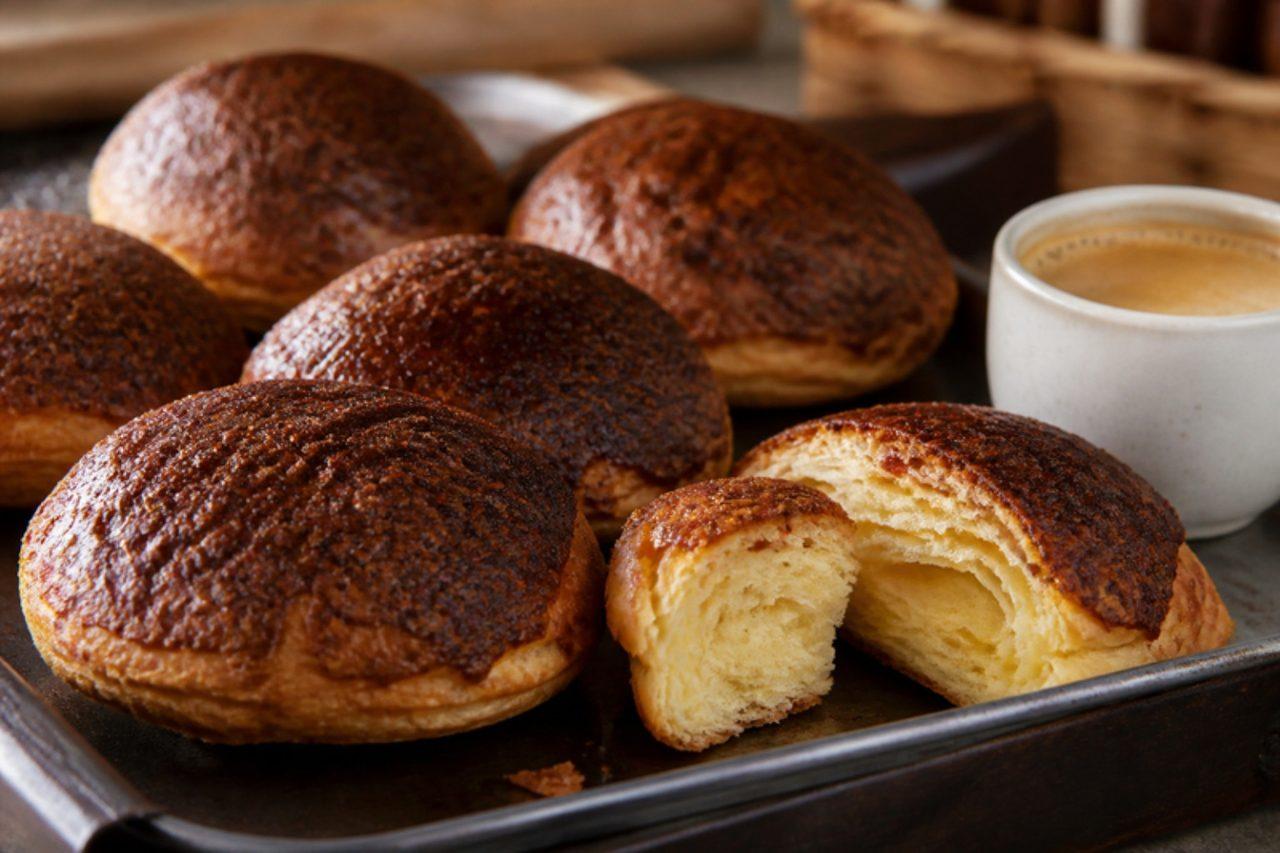
Black cakes, the name means, though only their tops are dark: tortitas negras are flat, round, flaky buns covered with a thick crust of dark brown sugar that melts in the oven and sets crunchy and toffee-like. They are among the cheapest and most popular facturas in Buenos Aires bakeries, eaten from a paper bag at breakfast or as a merienda with mate, and everyone fights over the sugary edges. The dough is a lightly laminated yeast dough, between bread and puff pastry. Bakeries often use lard or margarine; this version uses butter and stays vegetarian. Being stingy with the sugar is the classic misstep: a thin layer just melts into the dough and disappears, so pile it on thickly and press it down. Chef's tip: brush the rounds with water, not egg, before adding the sugar; the water melts the sugar into a crisp, crackling shell.

by KrazyBadal 0 views

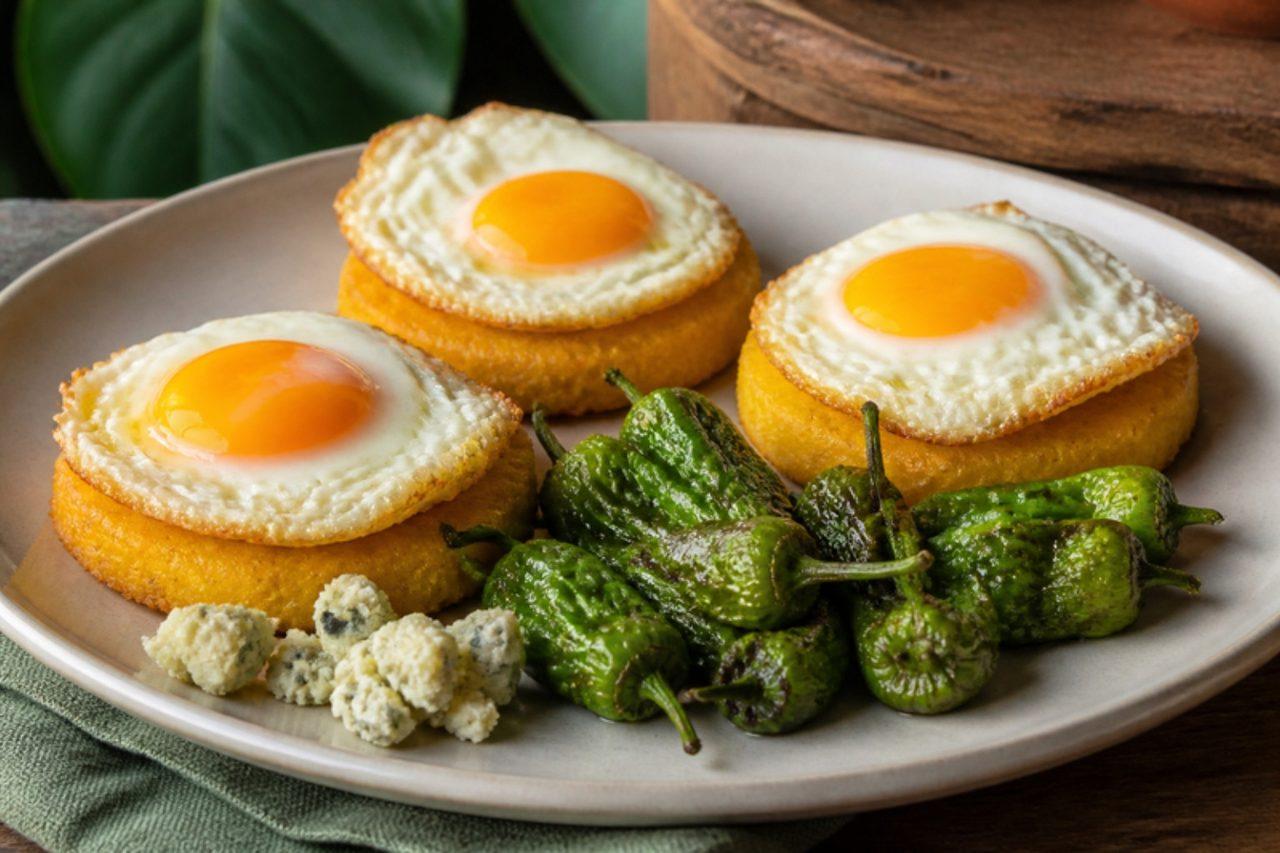
Tortos de maízCorn cakes with fried eggs

In the cider houses of Asturias, tortos arrive as a starter: small discs of corn dough fried until crisp outside and soft within, usually piled with something rich on top. Inland farms once ate them in place of bread, since maize grew far better than wheat in the damp valleys. This meat-free version tops each torto with a fried egg and blistered green peppers, with a little crumbled cabrales for those who want it; cabrales is usually made with animal rennet, so use a vegetarian blue cheese if that matters to you. Chef's tip: knead the dough with hot water and let it rest; cold water gives a crumbly dough that cracks in the pan.

by KrazyBadal 0 views

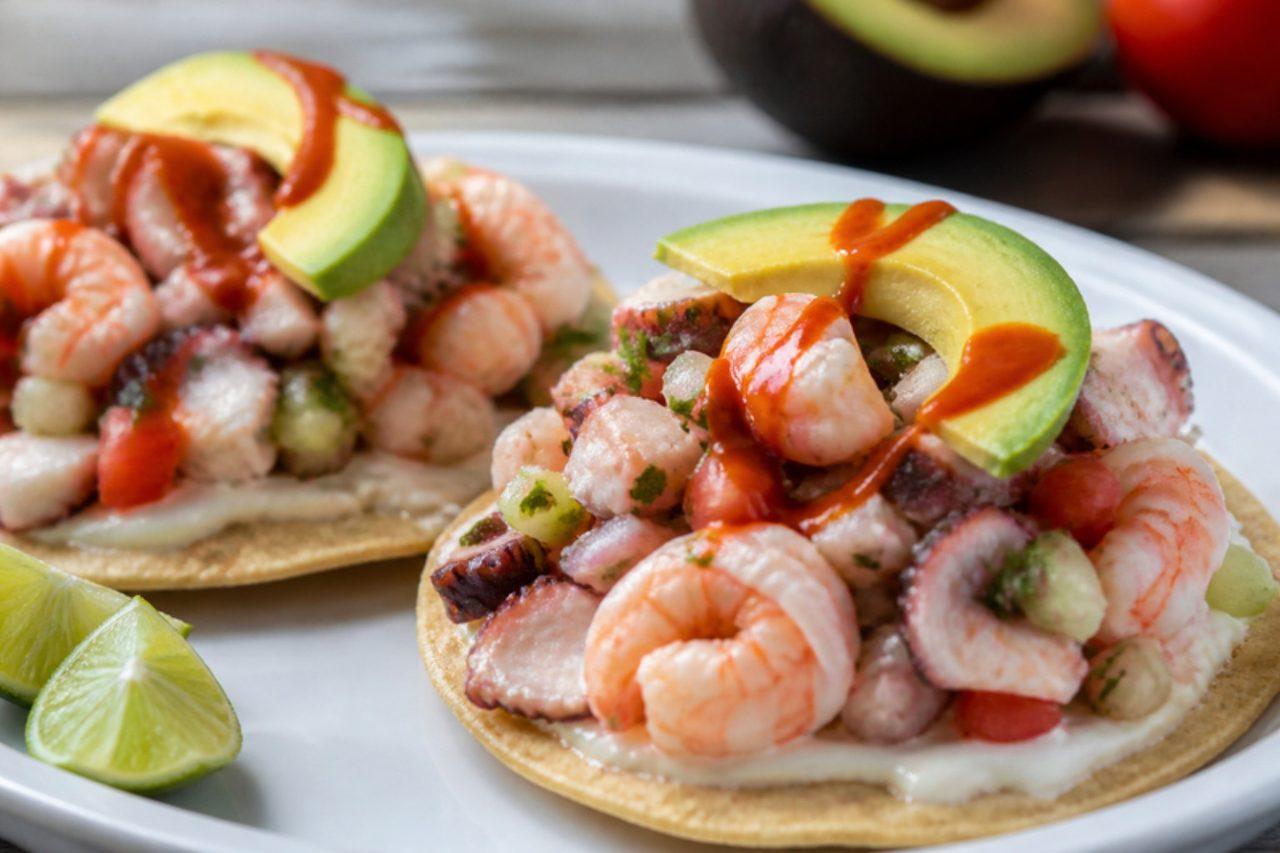
Tostadas de mariscosPrawn and octopus tostadas

Walk past the fish market in Ensenada and the seafood carts are already busy by mid-morning, piling crisp corn tostadas high with a lime-bright mix of prawns, octopus, tomato, onion and coriander. They are eaten standing up with a squeeze of lime and a few drops of hot sauce, often as the first stop of a weekend in Baja. This version uses only cooked seafood: prawns poached until pink and opaque, and octopus bought ready-cooked from a fishmonger or deli counter. The mix is cold, juicy and crunchy, with creamy avocado on top. Chef's tip: assemble each tostada right before it is eaten, as even five minutes of waiting softens the shell.

by KrazyBadal 0 views

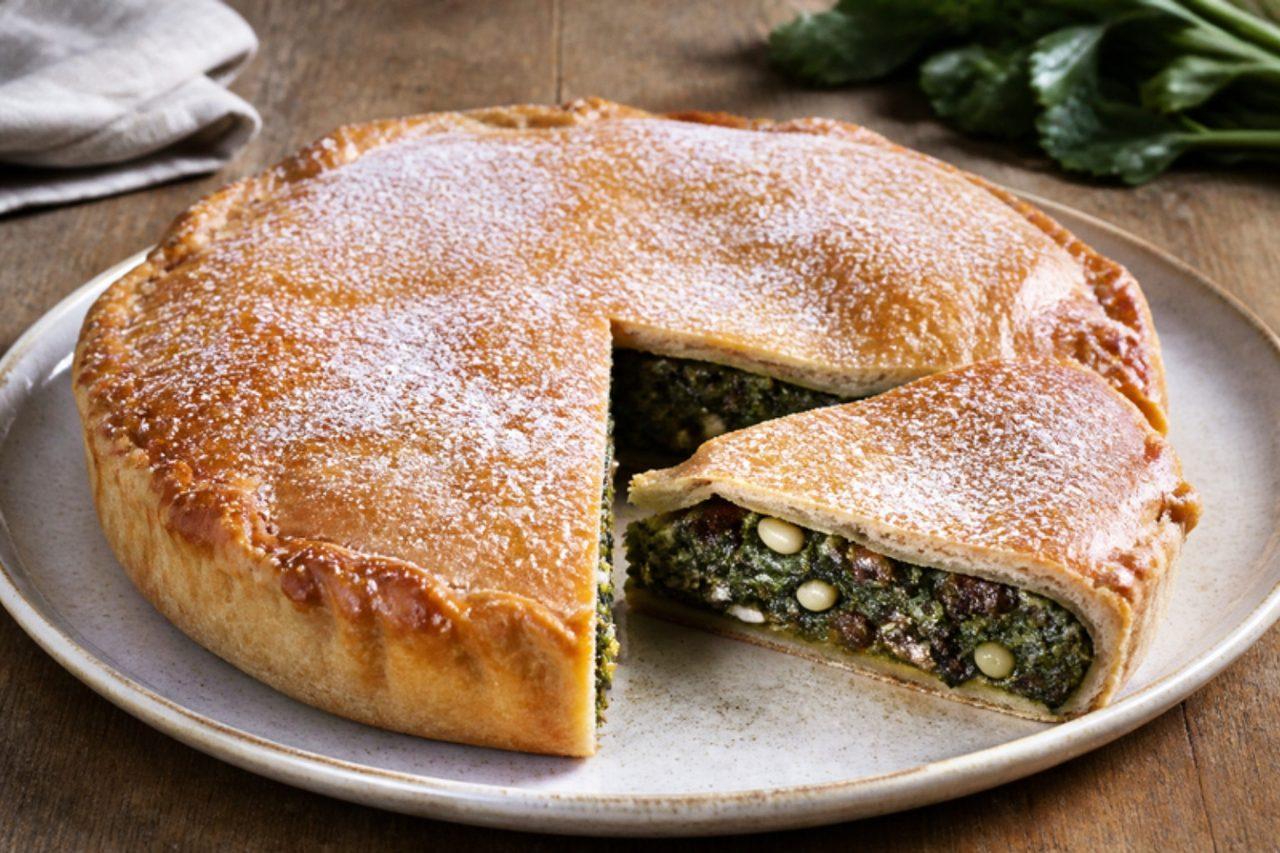
Tourte de blettesSweet Swiss chard pie

Visitors to Vieux-Nice are often surprised to find a pie of green chard leaves sold as a dessert, by the slice, in the old-town bakeries. The sweet tourte de blettes mixes chard with raisins, pine nuts, apple and a little cheese inside a sugared pastry, and Niçois families set it out on Christmas Eve as one of the thirteen desserts. The raisins are traditionally plumped in rum or marc; warm orange juice is used here, so it is alcohol-free. Parmesan is made with animal rennet, so pick a vegetarian hard cheese if you need to. Chef's tip: use only the green leaves; the white ribs make the filling watery, but keep them for a gratin.

100 minFrenchBaking
by KrazyBadal 0 views

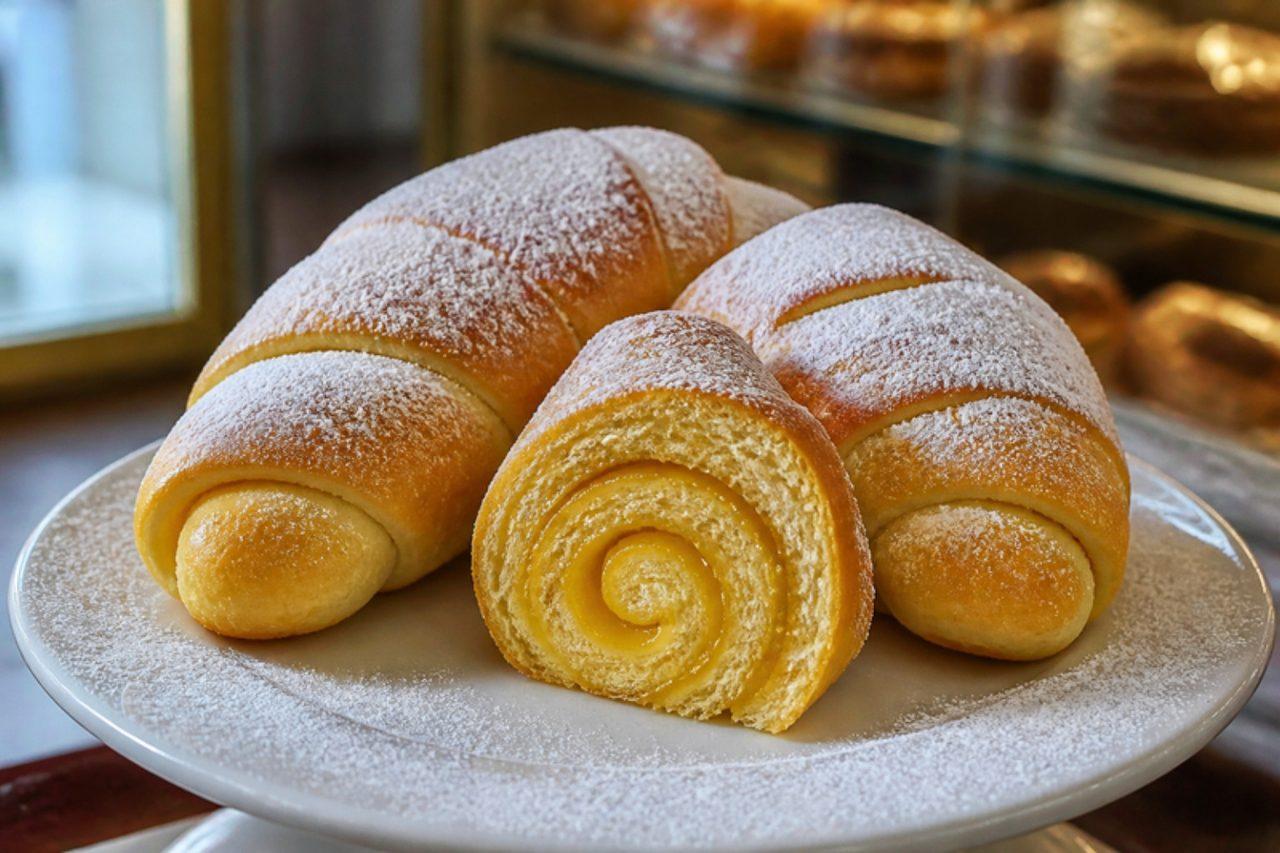
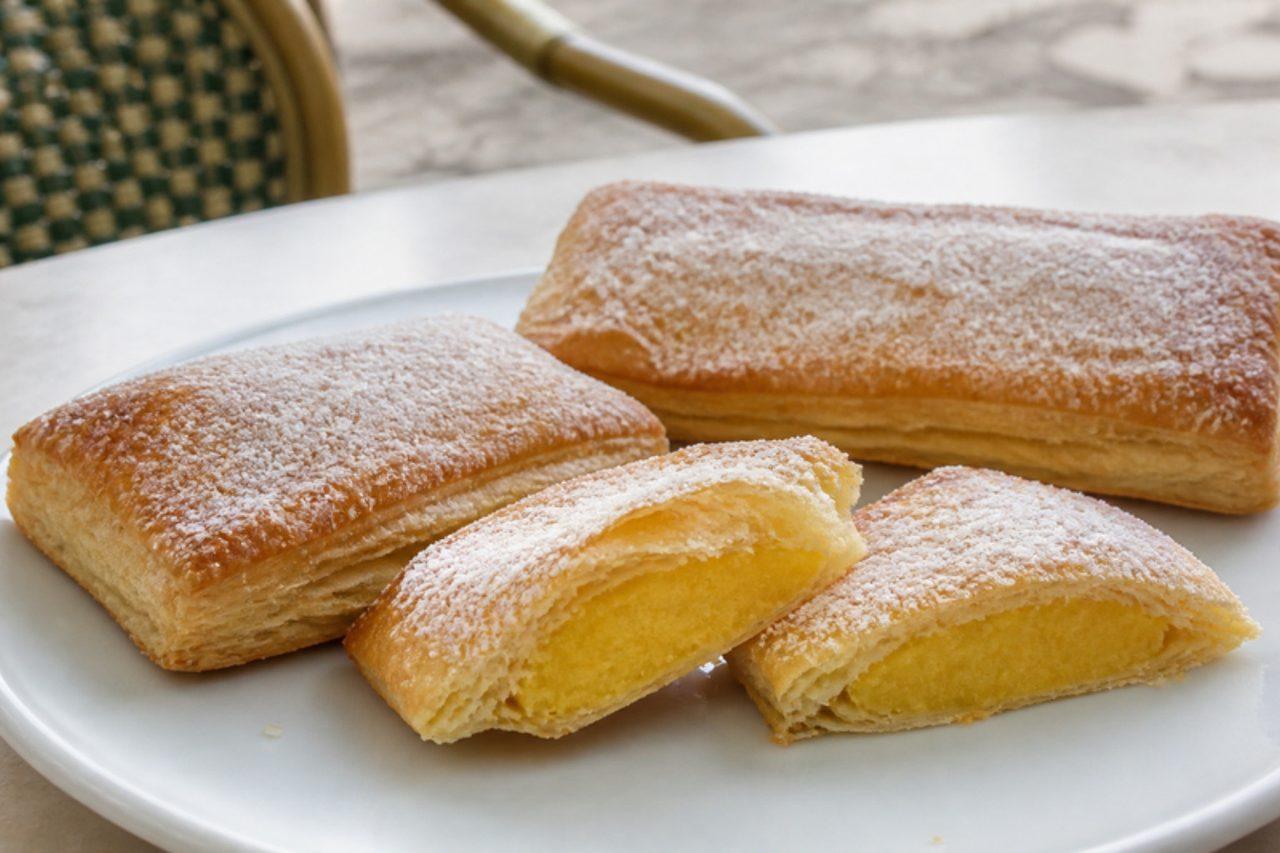
Travesseiros de SintraAlmond cream puff pastries

Travesseiro means pillow, and these long, sugar-dusted pastries from Sintra look just like one, plump with a soft almond cream. They were first sold at a café in the town in the mid-twentieth century and are now the second pastry, after queijadas, that every visitor carries home. Eat them warm, when the pastry shatters and the filling is still loose. Using shop-bought all-butter puff pastry makes them a fair home project. Chef's tip: cook the almond cream until it is thick enough to hold a trail from the spoon, then chill it; warm filling melts the butter in the pastry and stops it puffing.

by KrazyBadal 0 views

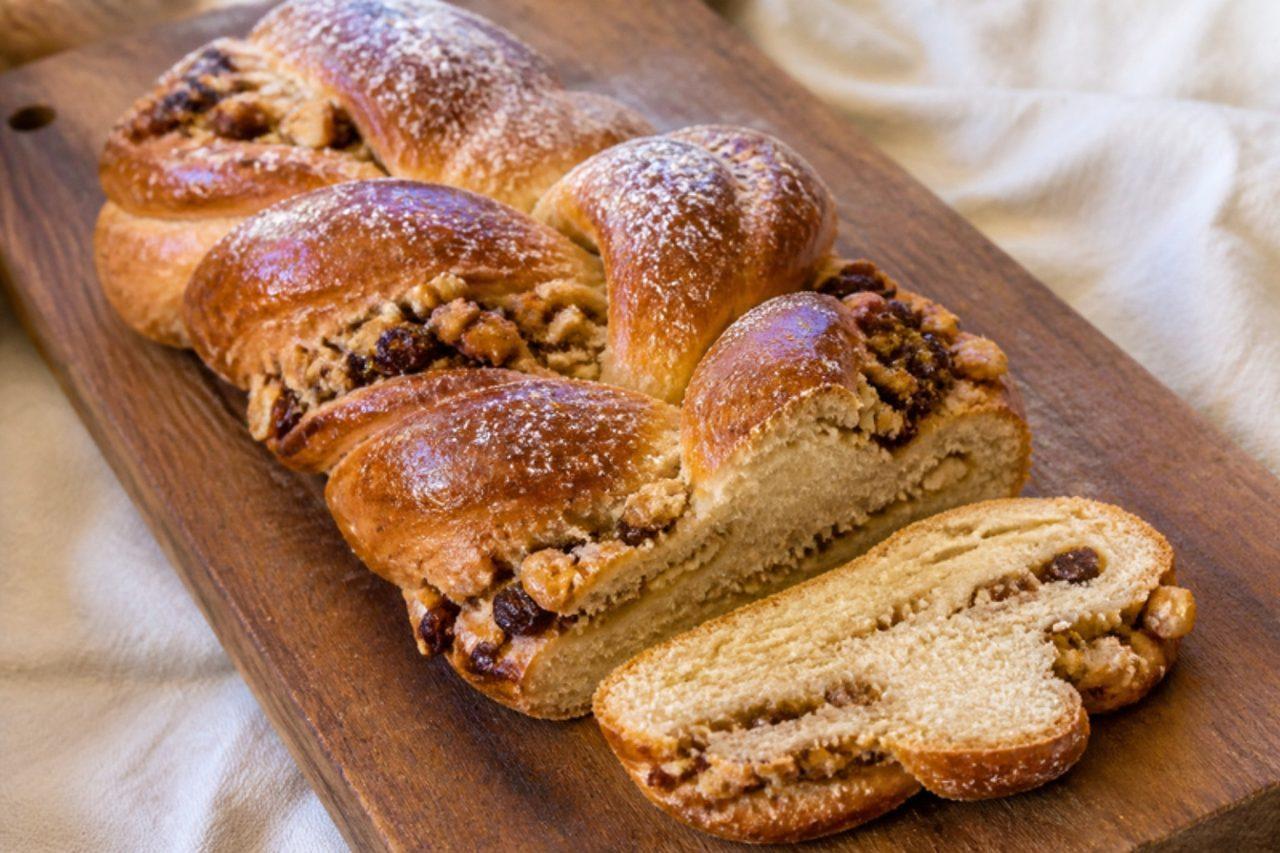
Trenza de AlmudévarNut and raisin braided bread

Almudévar, a small town between Zaragoza and Huesca, gave its name to a braid that is now sold all over Aragon and given as a present at Christmas: a golden plaited loaf, layered with chopped nuts and liqueur-soaked raisins and brushed with syrup until it shines. The town's bakeries use a laminated, puff-like dough that takes a day; this home version uses a buttery brioche rolled around the filling and cut and braided so the layers show. The raisins are traditionally soaked in rum or brandy; use warm orange juice for an alcohol-free loaf. A common mistake is braiding too tightly, which squeezes out the filling and stops the dough rising. Chef's tip: chill the filled roll for 15 minutes before cutting it lengthways; the butter firms and the cut is much cleaner.

by KrazyBadal 0 views

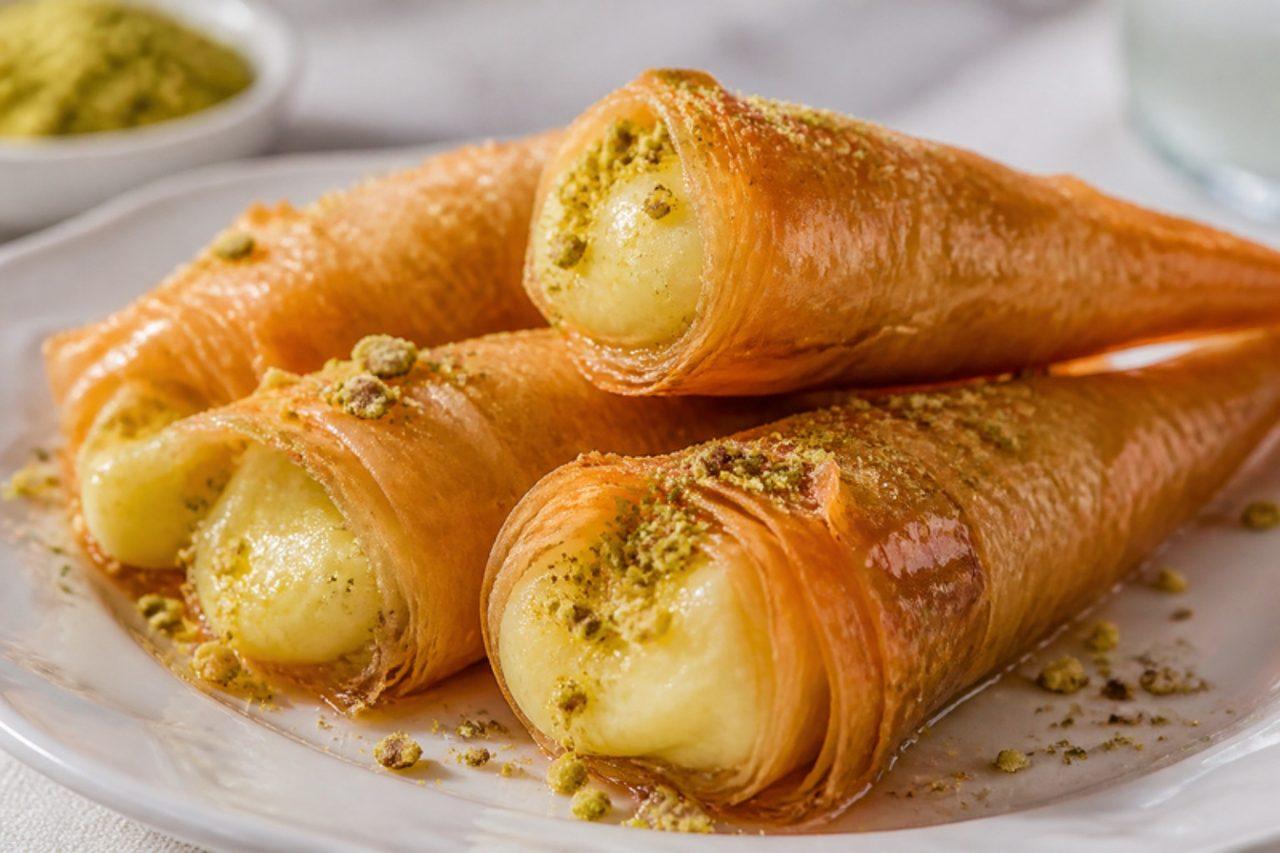
Trigona PanoramatosCustard-filled filo cones in syrup

Up in Panorama, the hillside suburb above Thessaloniki, pastry shops fill crisp filo triangles to order, and people carry boxes of them down to the city for Sunday visits and name days. Each cone is baked until it shatters, dunked for a second in lemony syrup, then piped full of a cold, light custard cream. The contrast is the point: brittle, buttery shell against soft, barely sweet filling, best within a couple of hours. Common mistake: filling the cones while the syrup is still warm, which melts the cream and turns the pastry limp. Chef's tip: roll each cone around a cone-shaped metal mould or a twist of foil so it keeps a wide, open mouth for piping.

by KrazyBadal 0 views

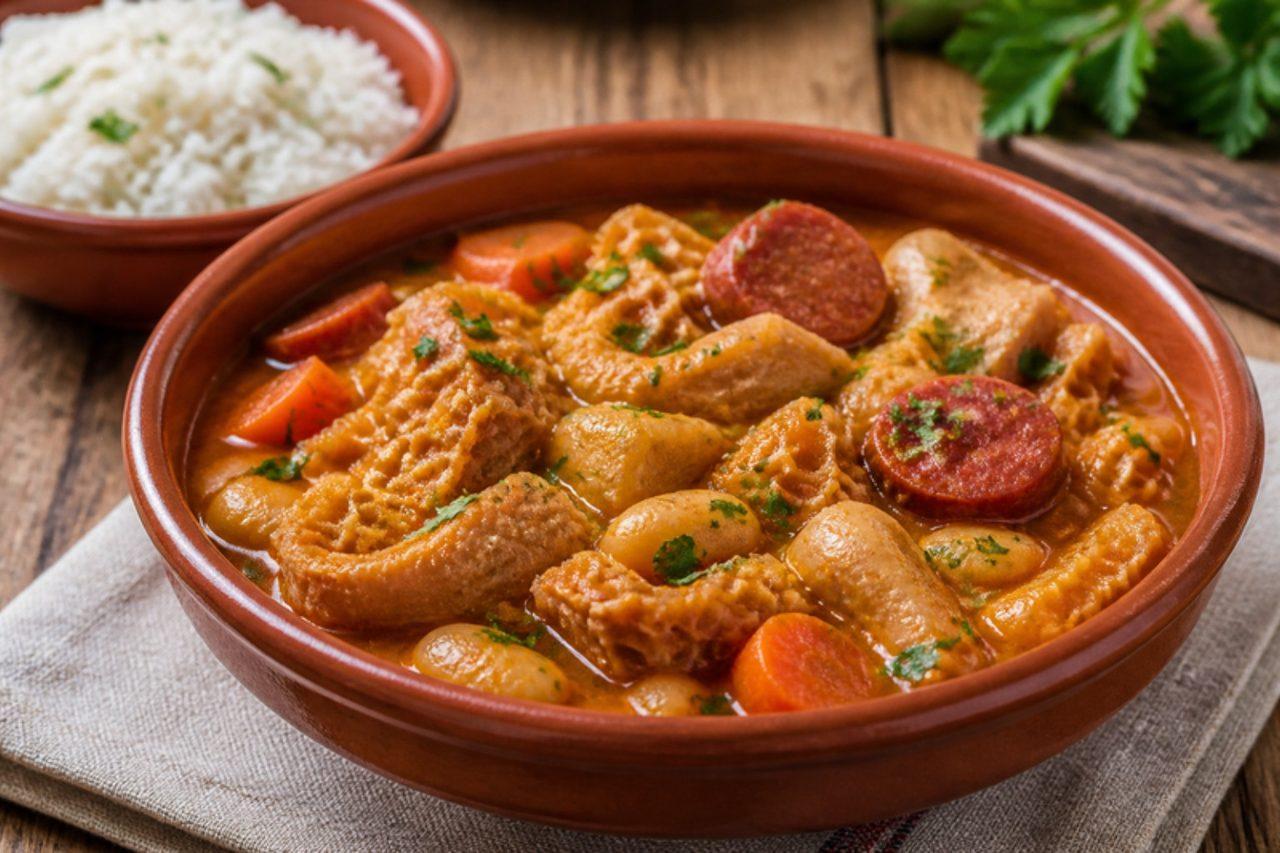
Tripas à moda do PortoTripe and butter bean stew

People from Porto are still nicknamed tripeiros, tripe-eaters, after the city's story of giving its best meat to the fleet that sailed for Ceuta in 1415 and keeping only the offal. Tripas is the dish of that legend and is served in the city's tascas, especially on Thursdays and during the São João festival. This contains pork (bacon, chouriço and optional pig's trotter). Tripe, chicken and cured meats simmer slowly with white beans, carrot and cumin into a sticky, rich stew poured over white rice. Chef's tip: buy cleaned, part-cooked honeycomb tripe and still simmer it until it is completely soft.

by KrazyBadal 0 views

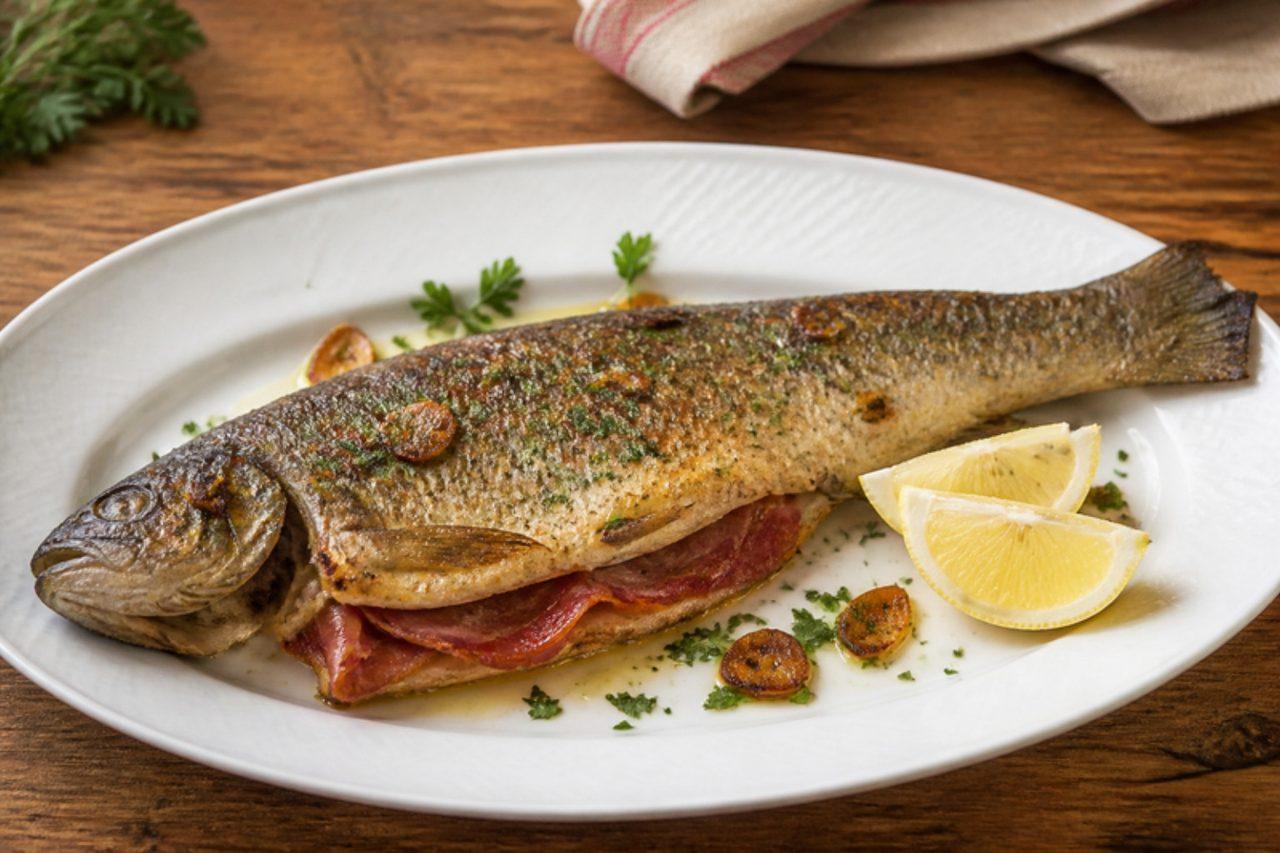
Trucha a la navarraTrout with cured ham

The trout streams of the Navarrese Pyrenees, the Irati above Burguete and the Bidasoa among them, gave this dish to the whole of Spain, and it is still the summer lunch in the mountain inns where anglers stay. The fish is opened, a slice of cured ham laid inside, then floured and fried in olive oil so the ham's salt seasons the flesh. This contains pork (serrano ham). Serve it with boiled potatoes or a green salad. Chef's tip: cook in two pans or two batches rather than crowding one, so the skin crisps instead of steaming.

by KrazyBadal 0 views

Showing 90 of 7,762 recipes

Page 483 of 863