


Skip to content
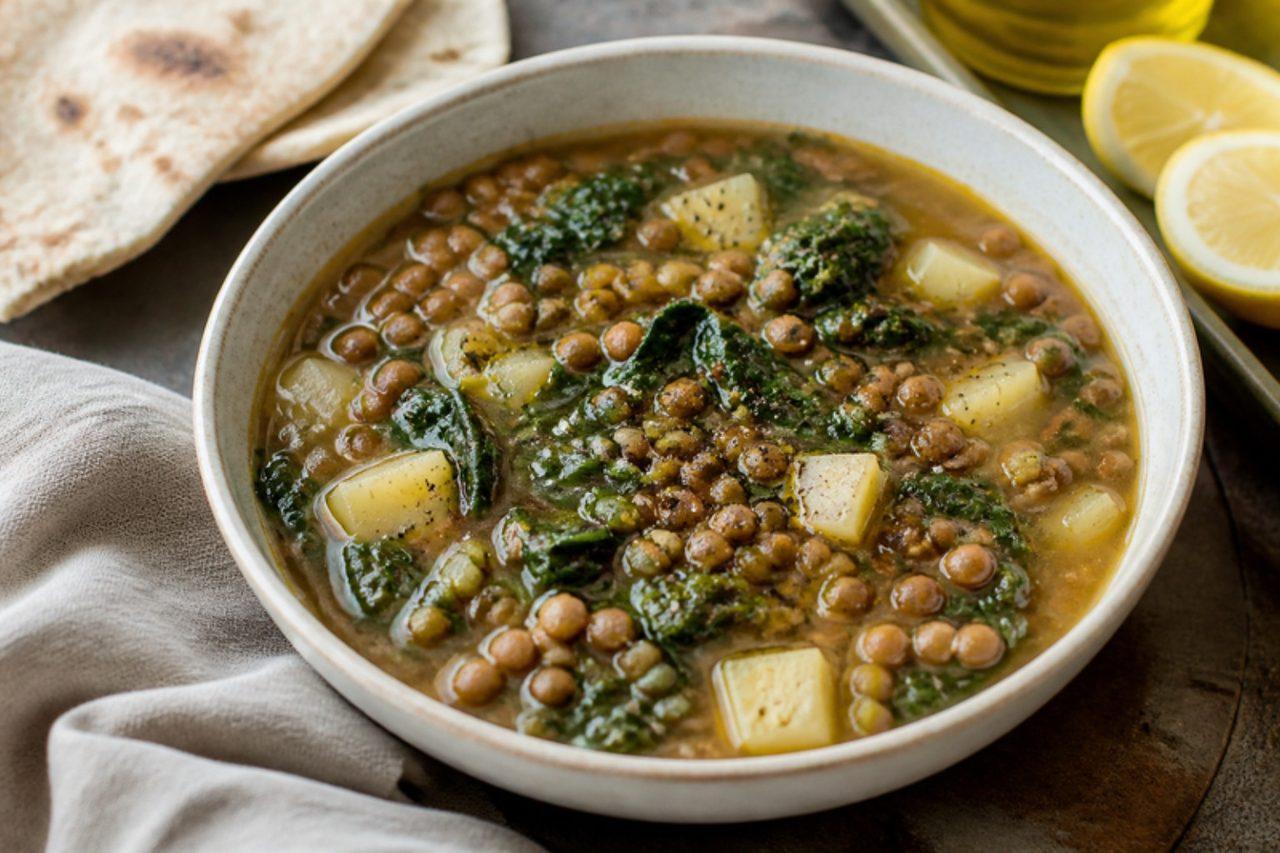
Adas bi hamod
Featured recipe

Adas bi hamod

Lentils with chard and lemon

Adas bi hamod — 'lentils with sourness' — is a Lenten staple in Lebanese Christian homes and a thrifty weeknight pot everywhere else, especially in the south. Brown lentils simmer with chard, potato and a fried paste of garlic and coriander until the broth turns thick, then a generous amount of lemon makes it tangy and refreshing. It is somewhere between a soup and a stew and is just as good warm or at room temperature with bread. Common mistake: adding the lemon at the start; the acid stops the lentils softening, so add it at the end. Chef's tip: mash a ladleful of lentils against the side of the pot to give the broth body without any flour.

Read more 0 views

What to eat today?

Around the world

Today's trip: Paraguayan

A new country every day, from every cuisine on the site.

Paraguayan

Buñuelos de algas

Sea lettuce fritters 35 minMore from Paraguayan (27) →

This week's collection

Kid-friendly dinners
537 recipes · a new collection every Monday

Latest recipes

Hawaiian macaroni salad

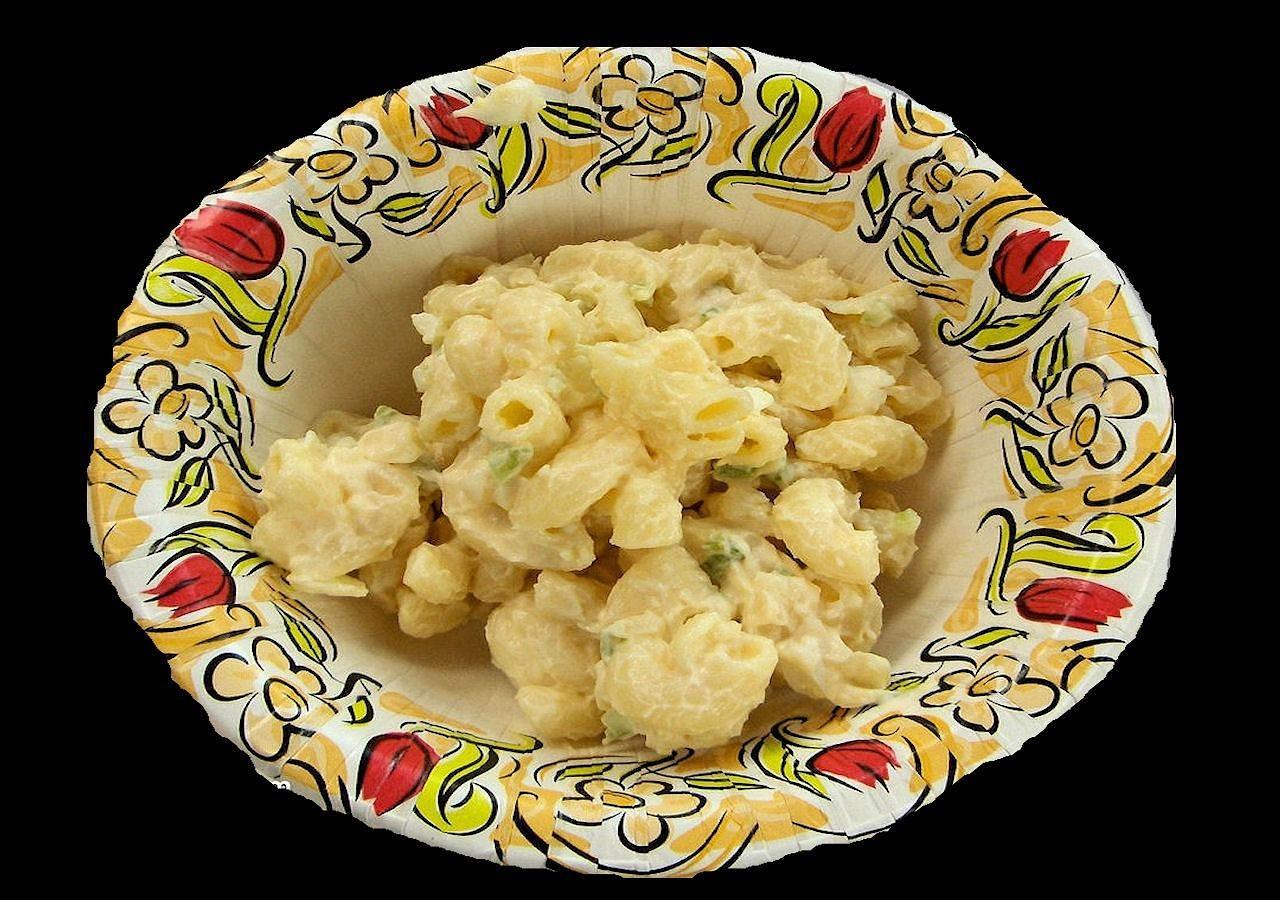
Every Hawaiian plate lunch, from drive-ins in Hilo to the lunch wagons of Honolulu, comes with two scoops of rice and one of this soft, creamy macaroni salad. It is simpler than American pasta salads: overcooked elbow macaroni soaked in vinegar while hot, then folded with lots of mayonnaise, a little milk and grated carrot. Chef's tip: cook the pasta past al dente, a few minutes longer than the packet says; plate-lunch mac is meant to be soft so it soaks up the dressing.

by KrazyBadal 0 views
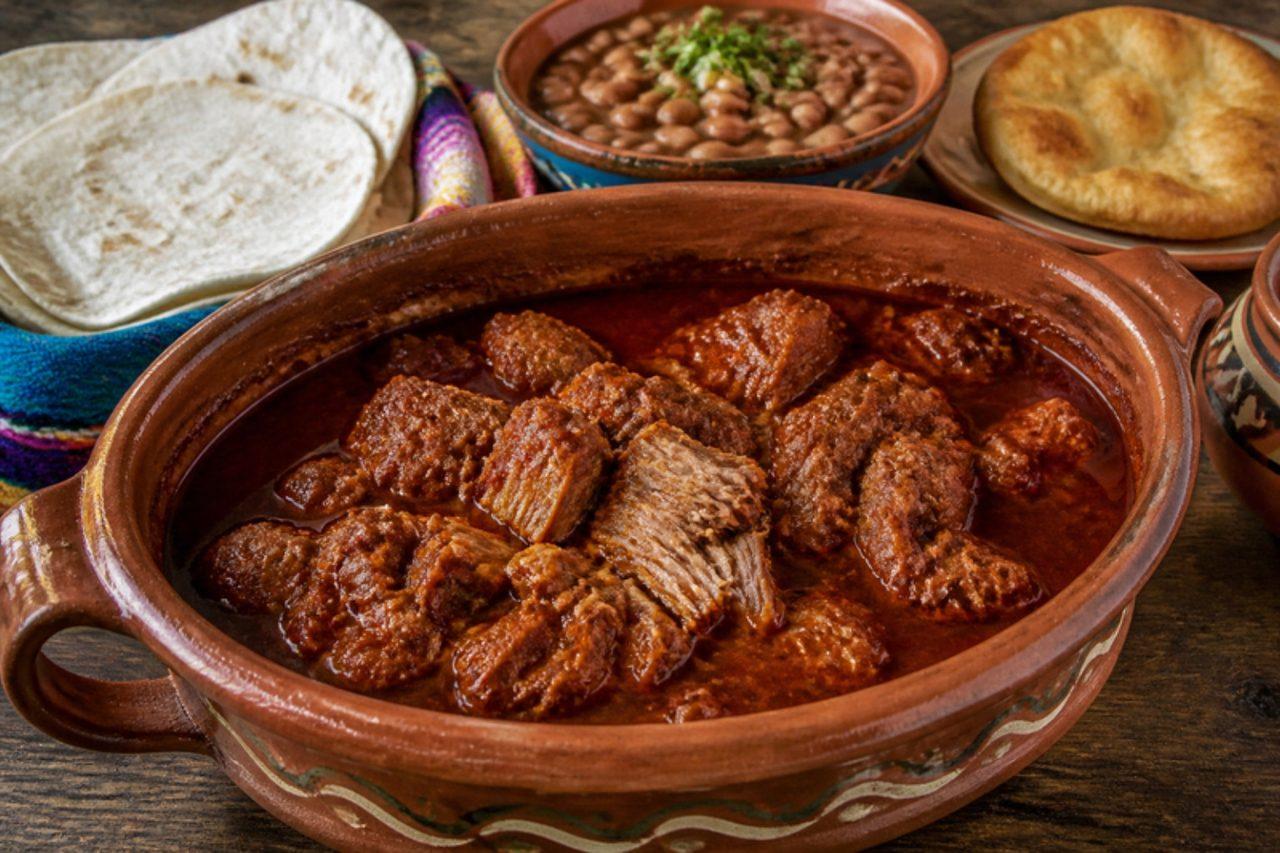
New Mexico carne adovada

Carne adovada is the slow-braised red chile pork of northern New Mexico, a speciality of Chimayó and the Española Valley, eaten in burritos, with eggs for breakfast or with sopaipillas on the side. Pork shoulder marinates overnight in a smooth sauce of dried red chile pods, garlic and oregano, then bakes until it falls into soft shreds stained deep red. Chef's tip: marinate it overnight in the fridge; the chile works into the meat and makes it extra tender.

200 minAmericanMeatGluten freeSpicy
by KrazyBadal 0 views

Green chile cheeseburger

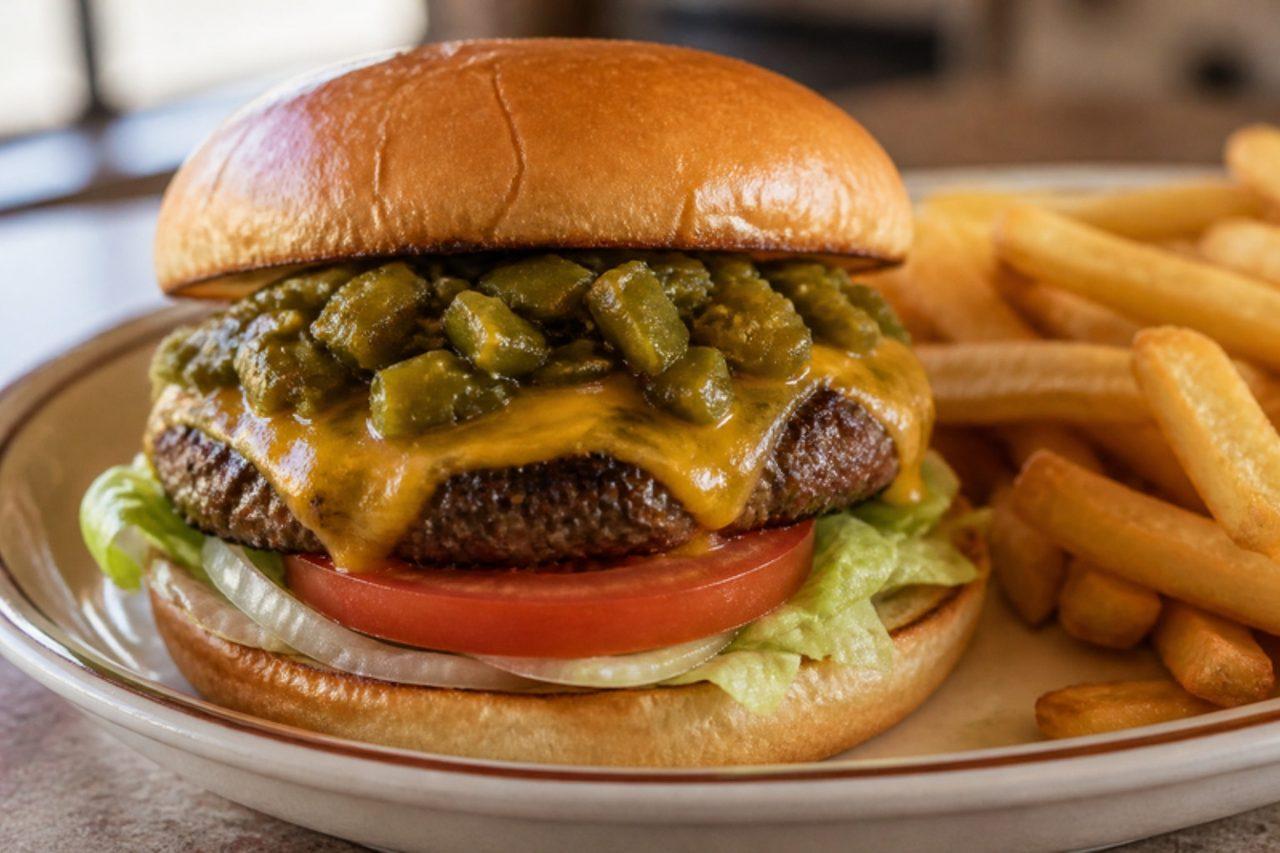
The green chile cheeseburger is the pride of New Mexico, with an official trail of roadside diners and bars from San Antonio, New Mexico, to Santa Fe competing for the best one. A juicy beef patty is topped with melted American or cheddar cheese and a heap of roasted, chopped green chile, which adds smoky heat that cuts through the richness. Chef's tip: put the chile on before the cheese and let the cheese melt over it, so it holds the chile in place.

by KrazyBadal 0 views

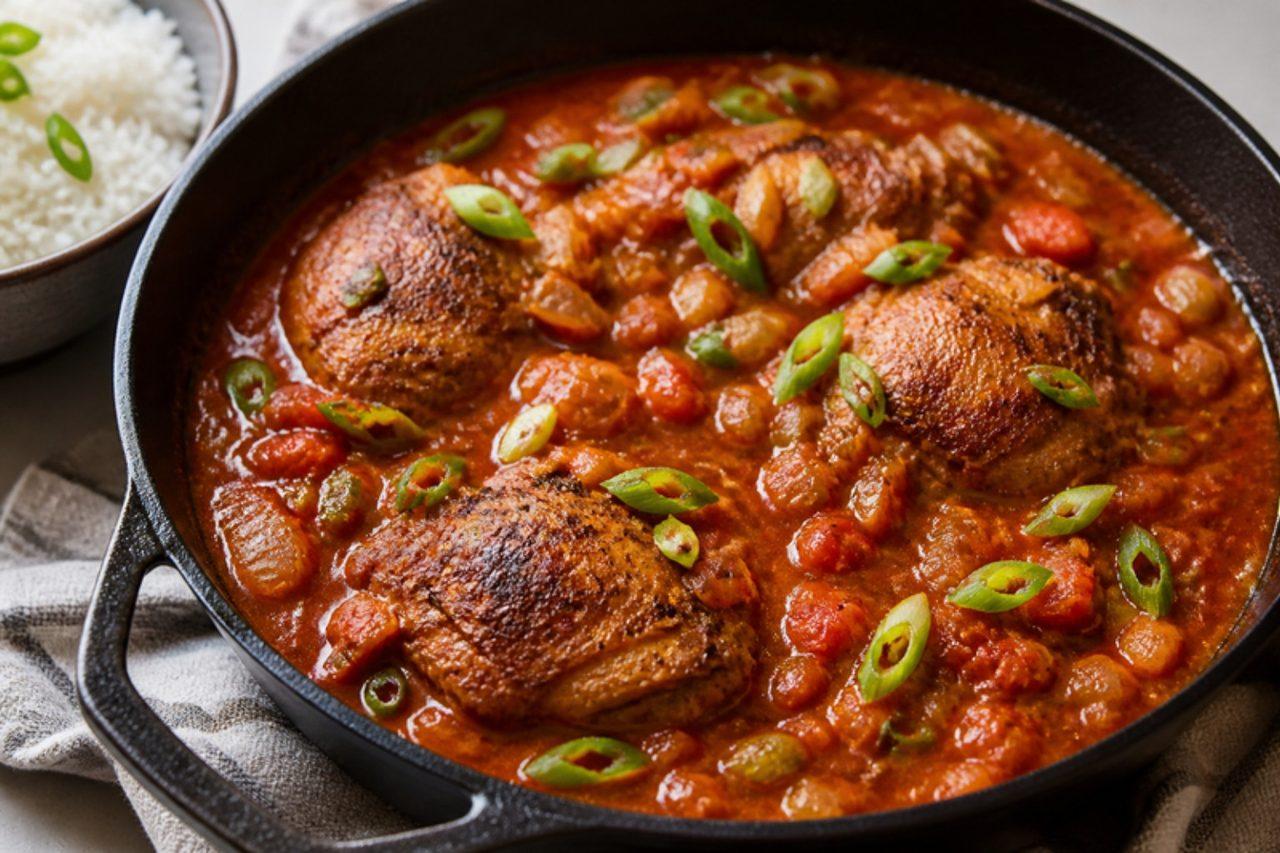
Chicken sauce piquante

Sauce piquante is the fiery tomato-and-roux braise of the Cajun parishes, cooked in big black pots for family reunions and the Raceland sauce piquante festival, with chicken, rabbit, alligator or turtle. This chicken version simmers until falling off the bone in a sauce sharp with chilli, vinegar and plenty of black pepper. Serve over rice. Chef's tip: let it sit for 20 minutes off the heat before serving; the heat and sharpness mellow and blend.

by KrazyBadal 0 views

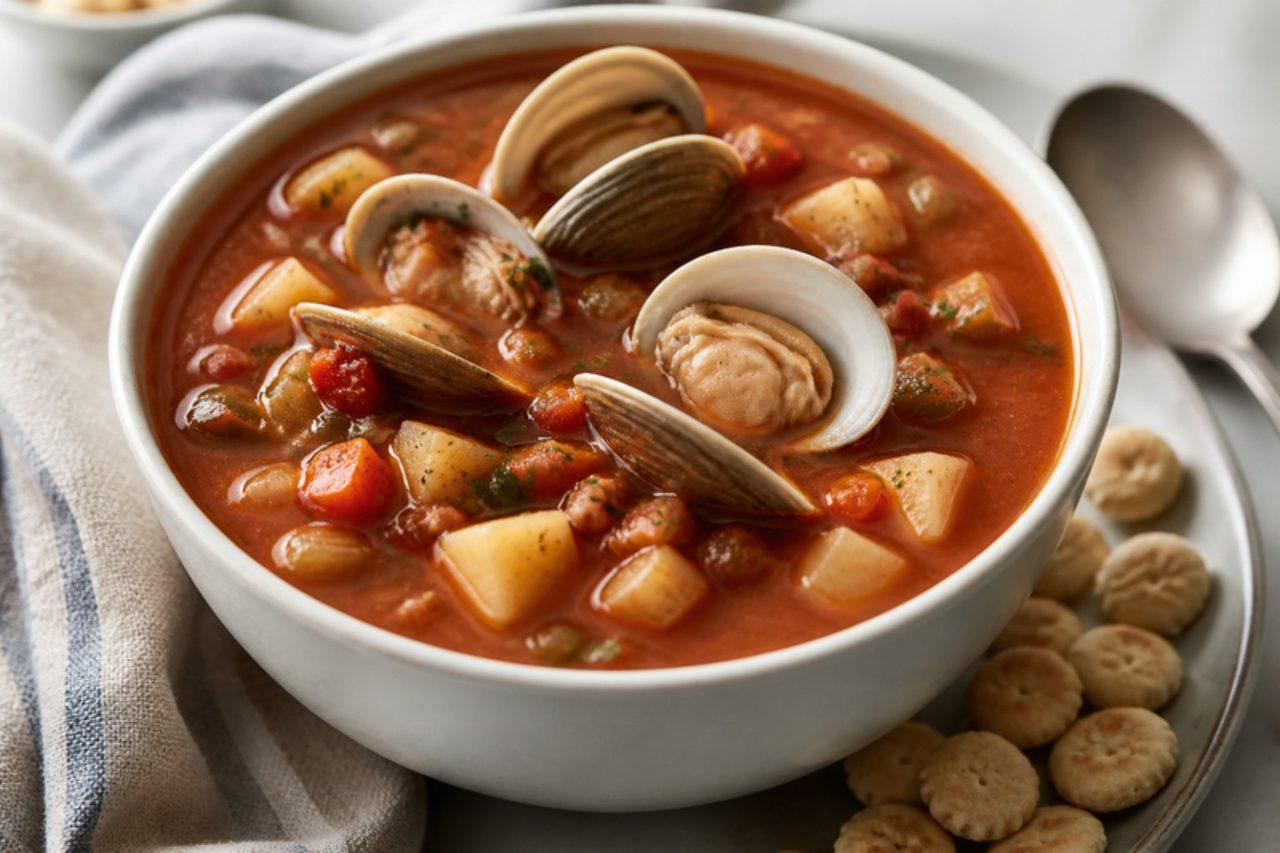
Manhattan clam chowder

Manhattan clam chowder swaps New England's cream for tomatoes, a style that grew up in the Portuguese and Italian fish restaurants of New York and Coney Island and is still ladled out in Fulton Street lunch counters. It is a brothy red soup with clams, potato, carrot, celery and a little bacon (pork), lighter than the white kind and peppery with thyme. Chef's tip: add the chopped clams only for the last few minutes; long boiling turns them to rubber.

by KrazyBadal 0 views

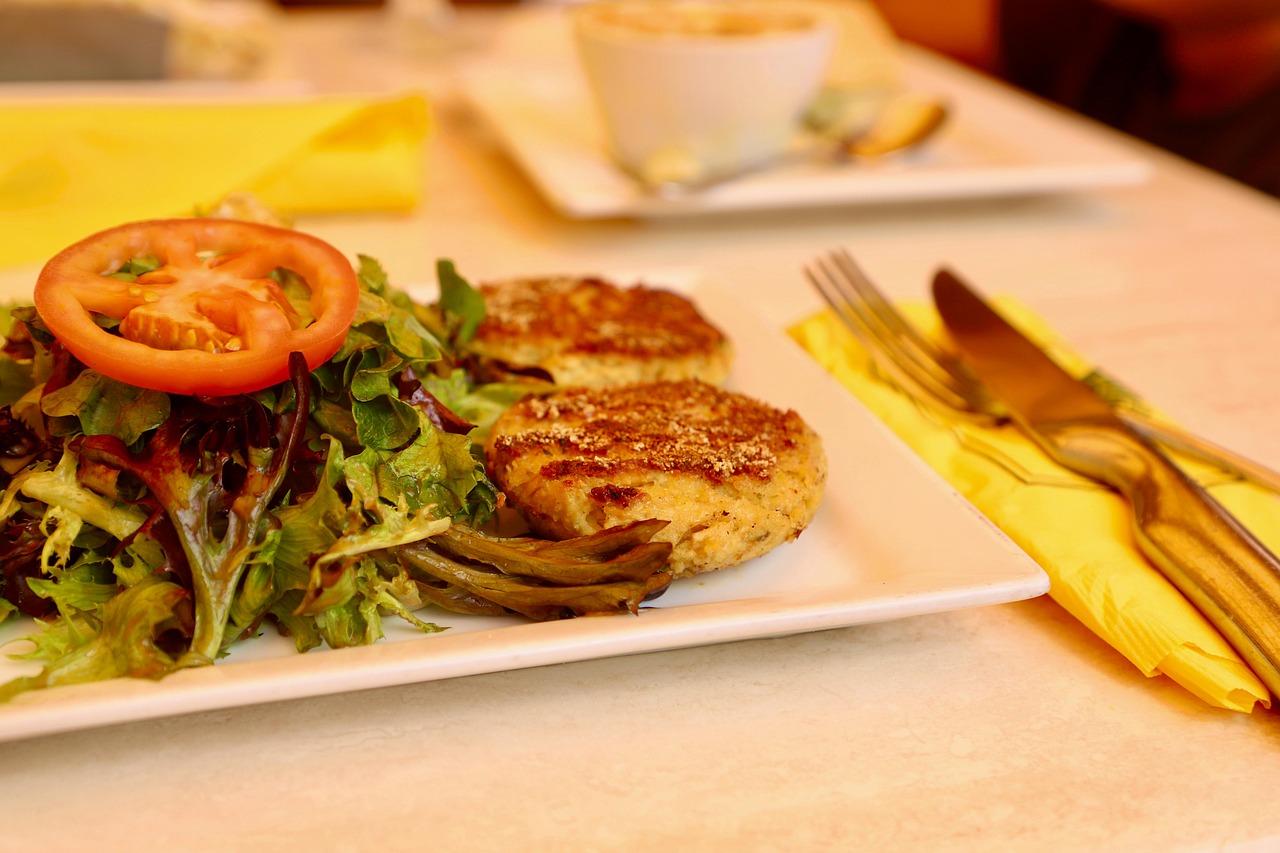
Maryland crab cakes

Around Chesapeake Bay, from Baltimore's crab houses to the docks of the Eastern Shore, a proper crab cake is judged by how little holds it together: sweet lump blue crab, a spoon of mayonnaise and mustard, a little seasoning and just enough crumbs to bind. They are eaten as a platter with coleslaw or in a soft roll with tartare sauce through the summer crab season. Chef's tip: chill the shaped cakes for an hour; it firms them so they don't fall apart in the pan.

by KrazyBadal 0 views

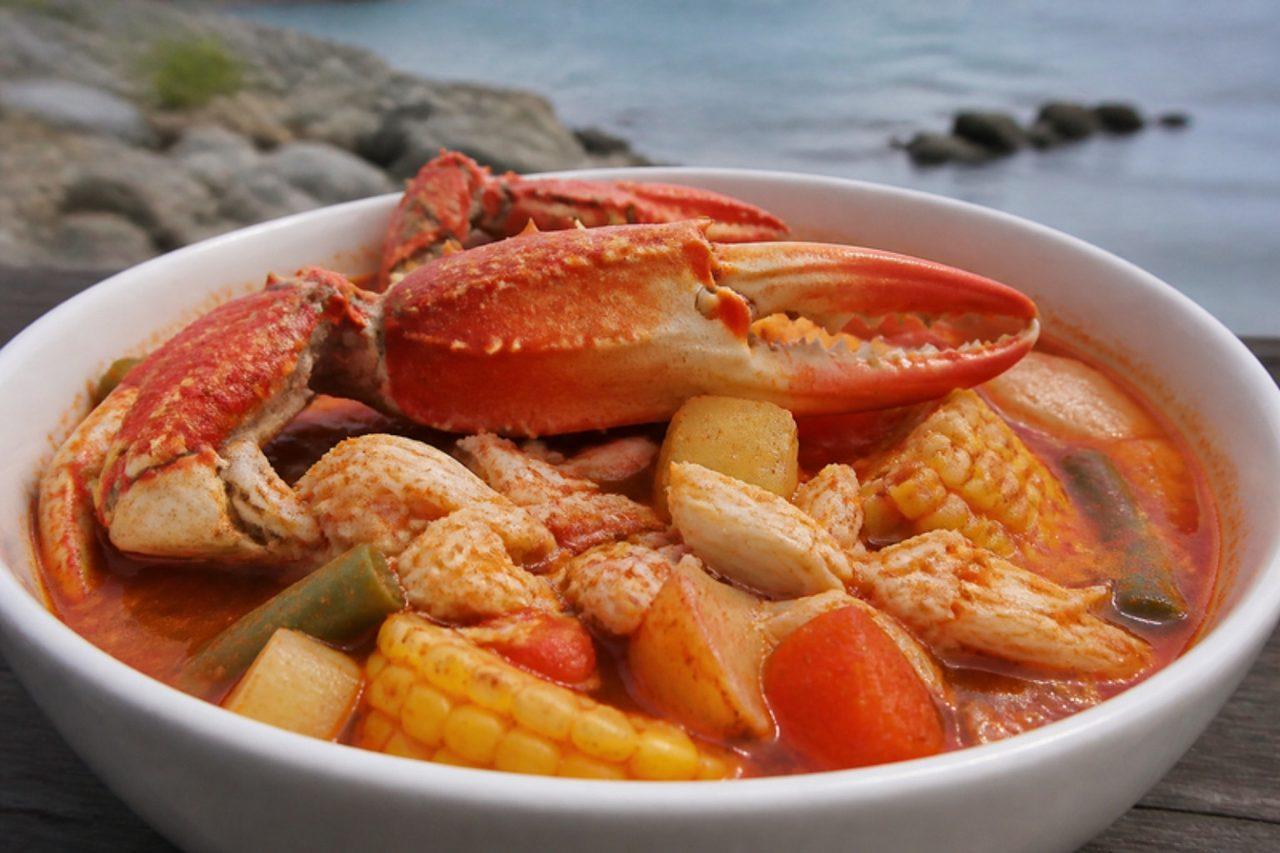
Maryland crab soup

Maryland crab soup is the red, vegetable-packed soup of Baltimore crab houses and Eastern Shore church fundraisers, simmered in a beef broth with tomatoes, corn, beans and lots of crab seasoning, with blue crab meat stirred in at the end. Locals eat a cup before a tray of steamed crabs. Chef's tip: let the vegetables cook fully before the crab goes in; crab meat only needs warming, and stirring too much shreds it.

by KrazyBadal 0 views

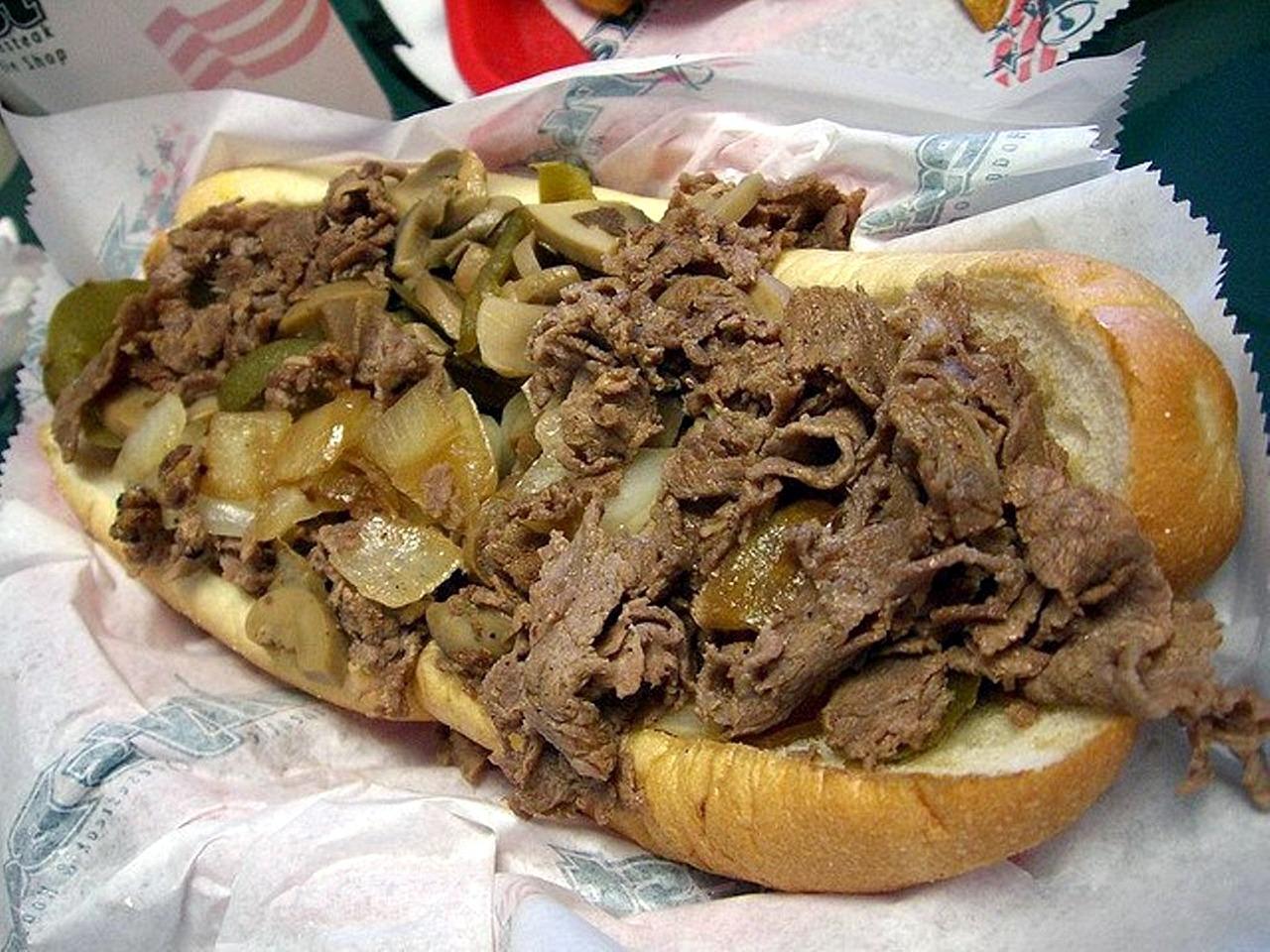
Philly cheesesteak

The cheesesteak was born in South Philadelphia in the 1930s, and the rival stands on Passyunk Avenue still keep the city arguing over whether it should come with melted cheese sauce, provolone or American cheese, and 'wit' or 'witout' fried onions. Paper-thin ribeye is chopped on a hot griddle, cheese is melted over it and the lot is scooped into a soft, crusty hoagie roll. Chef's tip: freeze the beef for 40 minutes before slicing; it firms up so you can cut it almost see-through.

by KrazyBadal 0 views

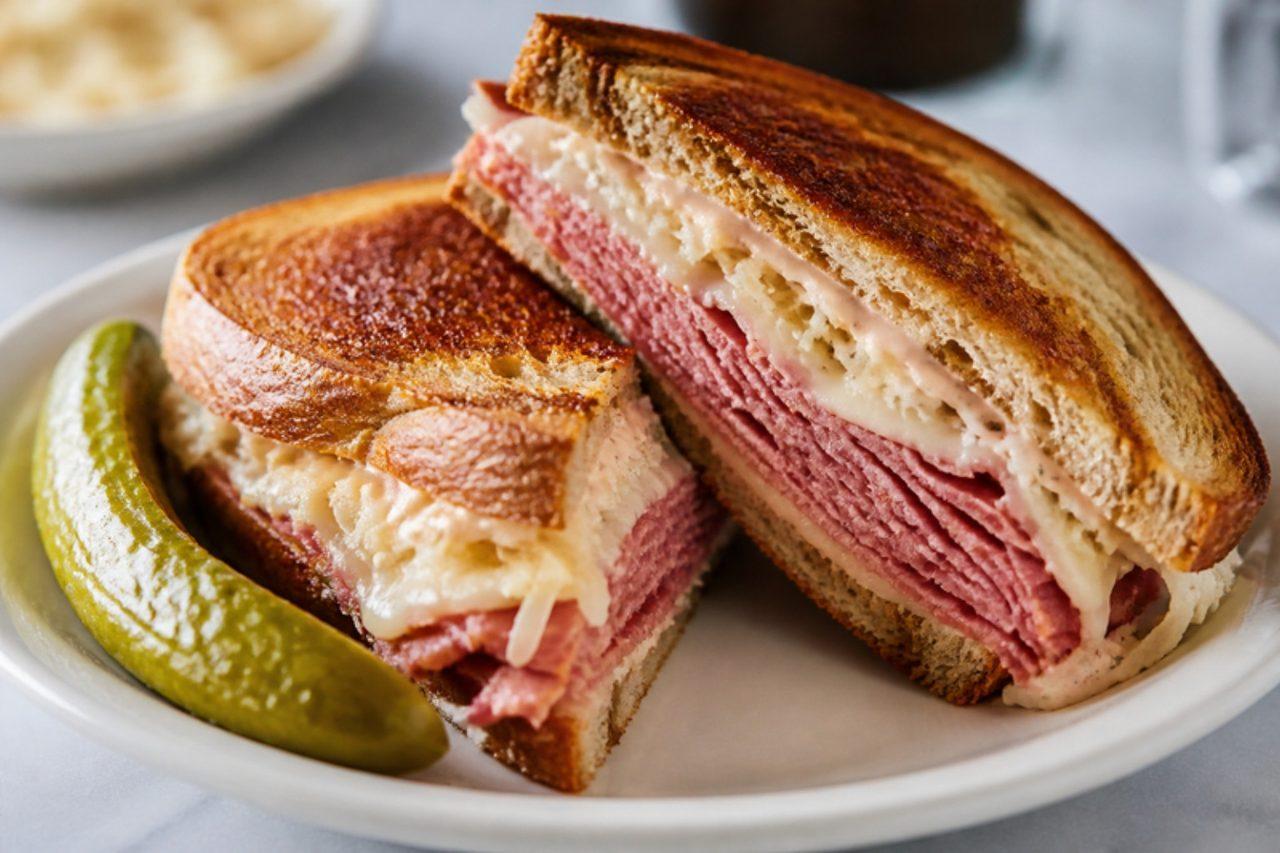
Reuben sandwich

The Reuben is a New York deli classic, claimed by both a Manhattan delicatessen and a poker game in Omaha, and now on every Jewish-style deli menu in the city: rye bread layered with thin corned beef, sauerkraut, Swiss cheese and Russian dressing, then fried in butter until the cheese melts. It is a big, salty, tangy lunch. Chef's tip: squeeze the sauerkraut hard in your fist; wet kraut makes soggy toast.

by KrazyBadal 0 views

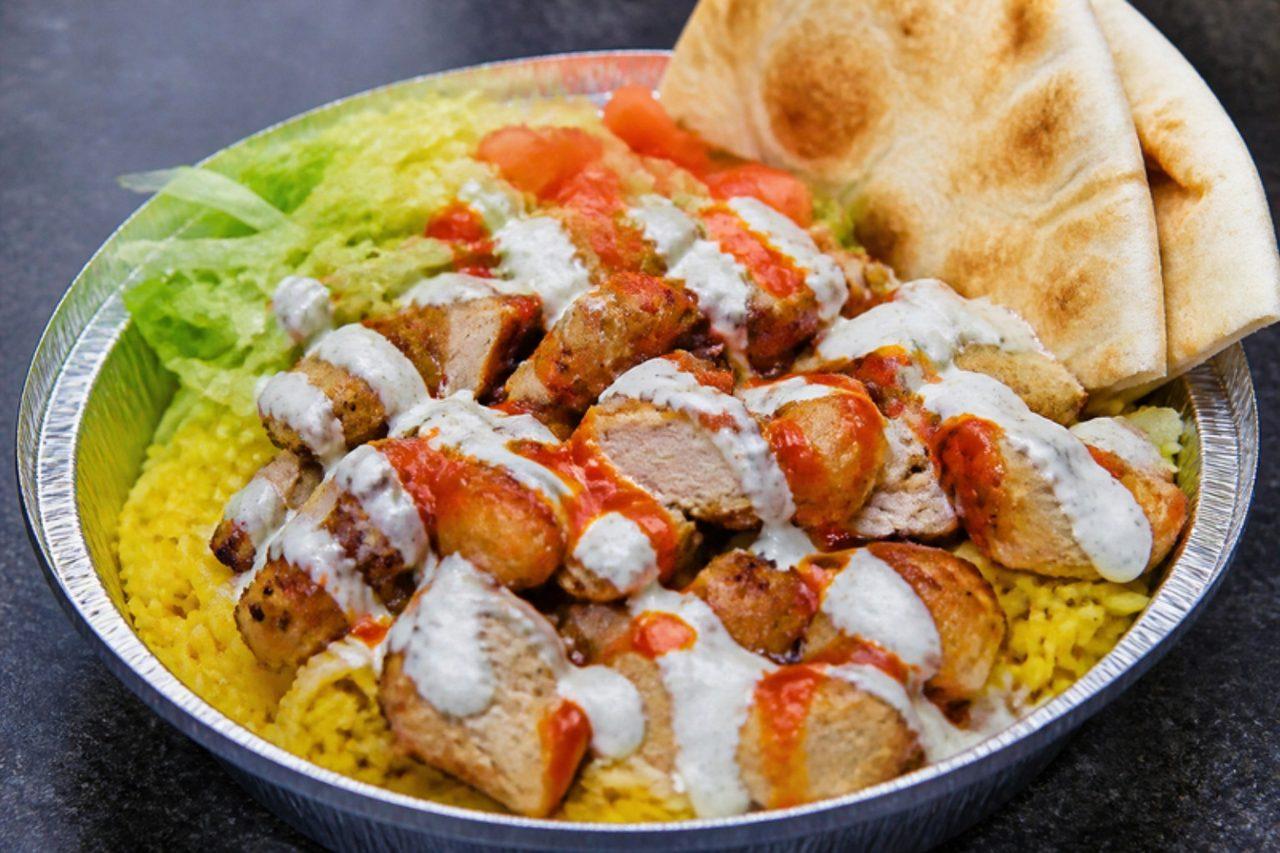
Halal cart chicken over rice

From the silver carts on Midtown corners, often run by Egyptian and Afghan cooks, comes New York's favourite cheap late-night meal: chopped spiced chicken thighs on turmeric rice with shredded lettuce, a tangy white sauce and a fiery red chilli sauce. Office workers and taxi drivers queue for it at 2 a.m. Chef's tip: marinate the chicken in the fridge overnight; the lemon and spices soak right in.

by KrazyBadal 0 views

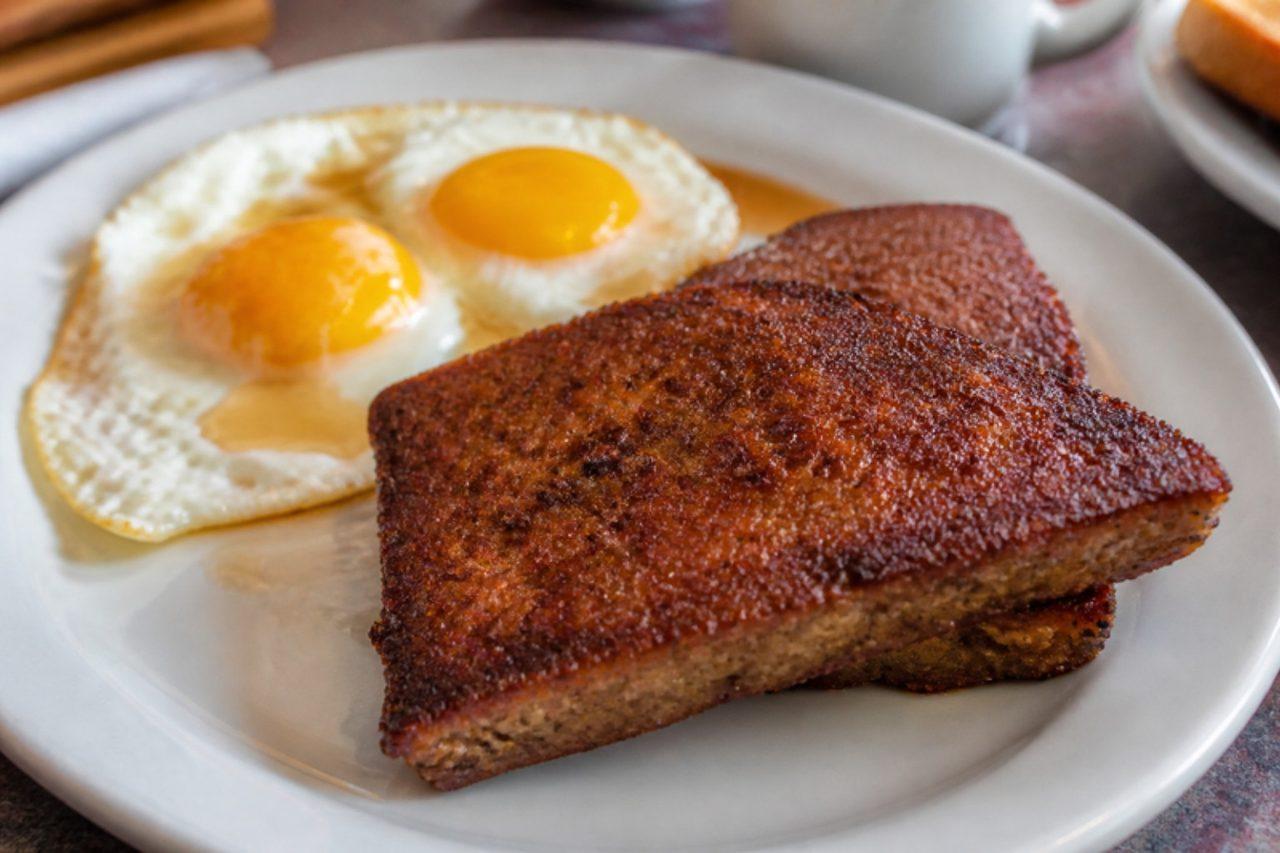
Scrapple

Scrapple is the thrifty breakfast meat of Pennsylvania Dutch farm country and the Delaware Valley, made at pig-killing time from pork trimmings simmered and set with cornmeal and buckwheat into a loaf. Slices are fried until crisp and brown outside and soft within, and eaten with eggs, apple butter or maple syrup at Lancaster County diners. This home version uses pork shoulder and a little liver. Chef's tip: slice it 1 cm thick and leave it alone in the pan until a dark crust forms; it sticks if you move it early.

by KrazyBadal 0 views

Pennsylvania Dutch chicken pot pie

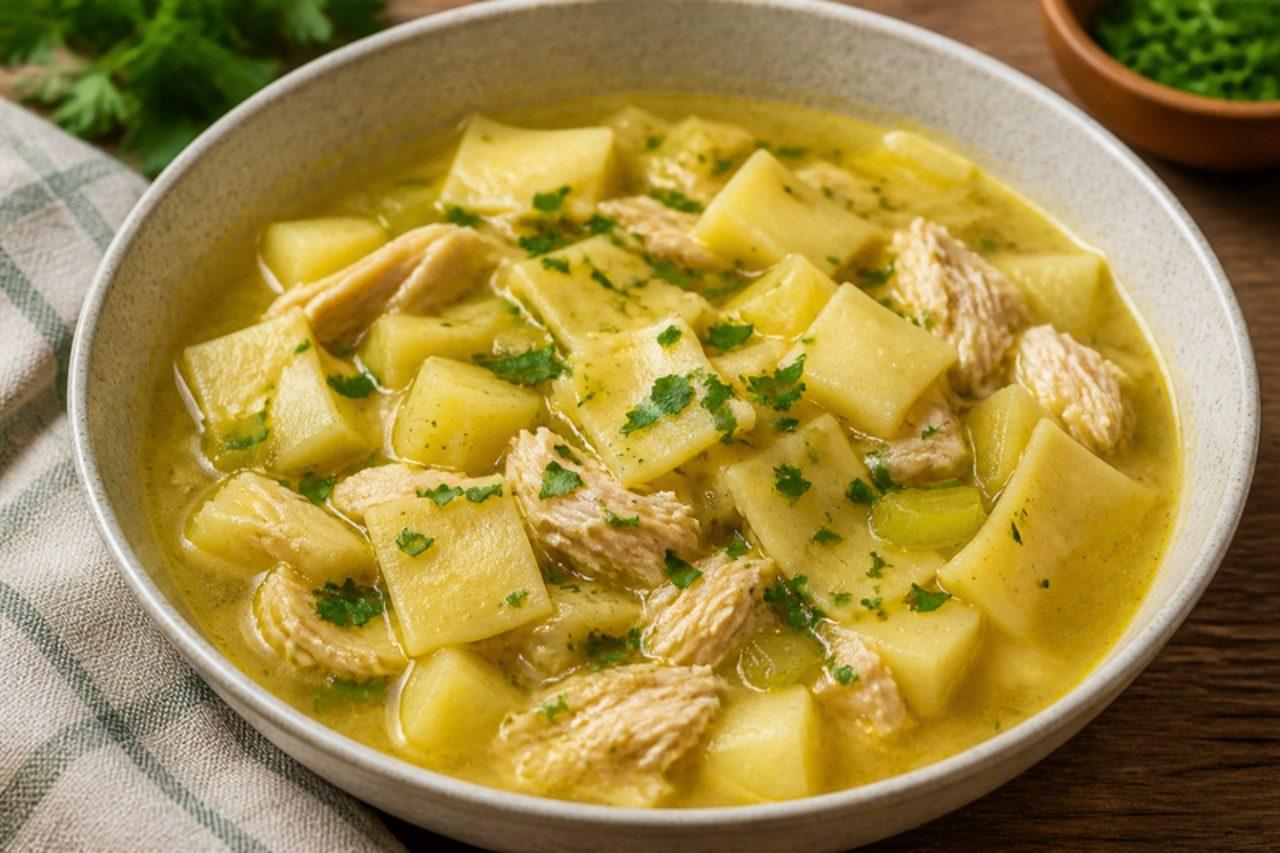
In Lancaster County a pot pie is not a pie at all: bott boi is a thick chicken stew with potatoes, celery and saffron in which big squares of rolled egg dough are boiled like noodles, served at firehouse suppers and Amish and Mennonite family dinners. It is soft, comforting and golden. Chef's tip: drop the dough squares in one at a time into a rolling boil so they don't stick together in a lump.

by KrazyBadal 0 views

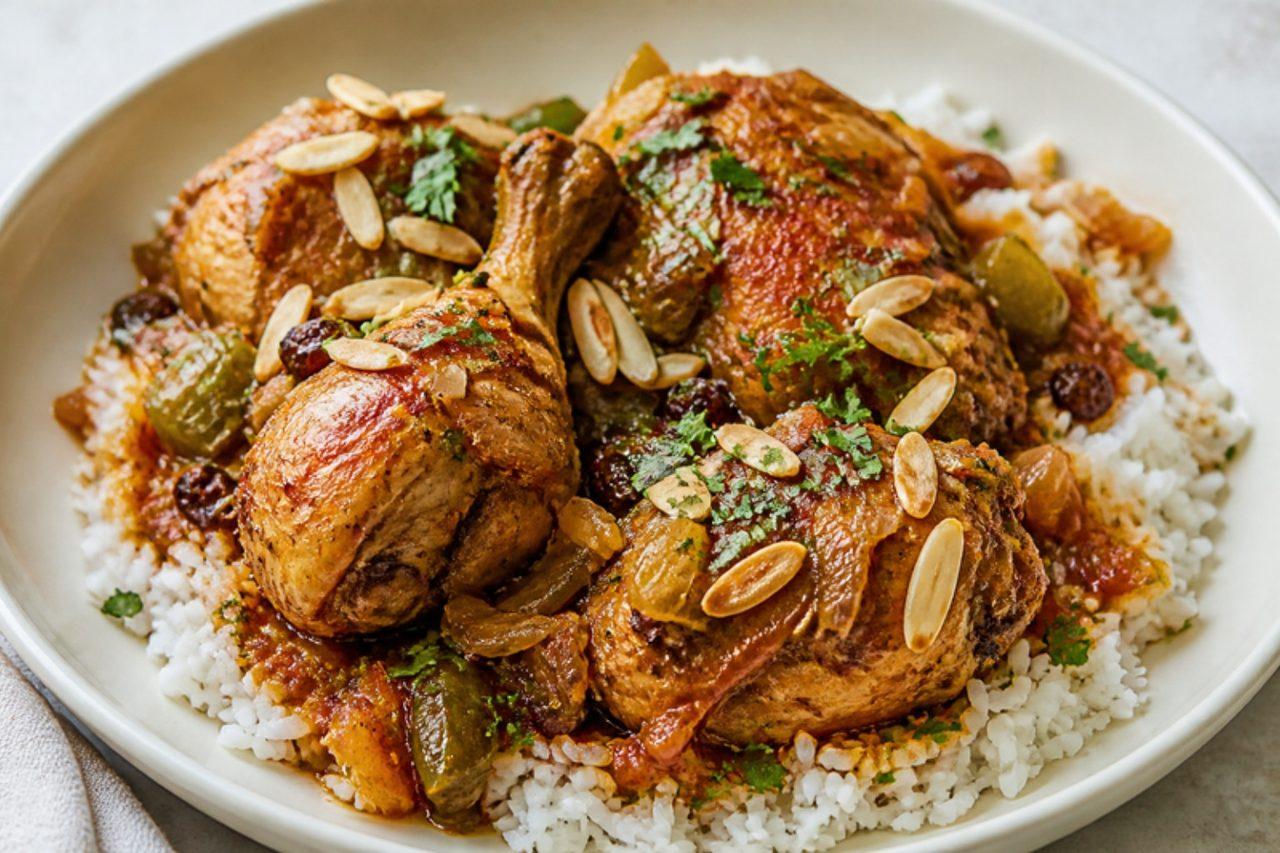
Country captain

Country captain is the curried chicken of Savannah and coastal Georgia, said to have arrived with sea captains in the spice trade from India, and it is still served at Georgia Junior League luncheons and holiday buffets. Browned chicken is braised in a mild curry and tomato sauce with peppers, then finished with currants and toasted almonds, and served over white rice. Chef's tip: toast the curry powder in the fat for a full minute; raw curry powder tastes dusty.

by KrazyBadal 0 views

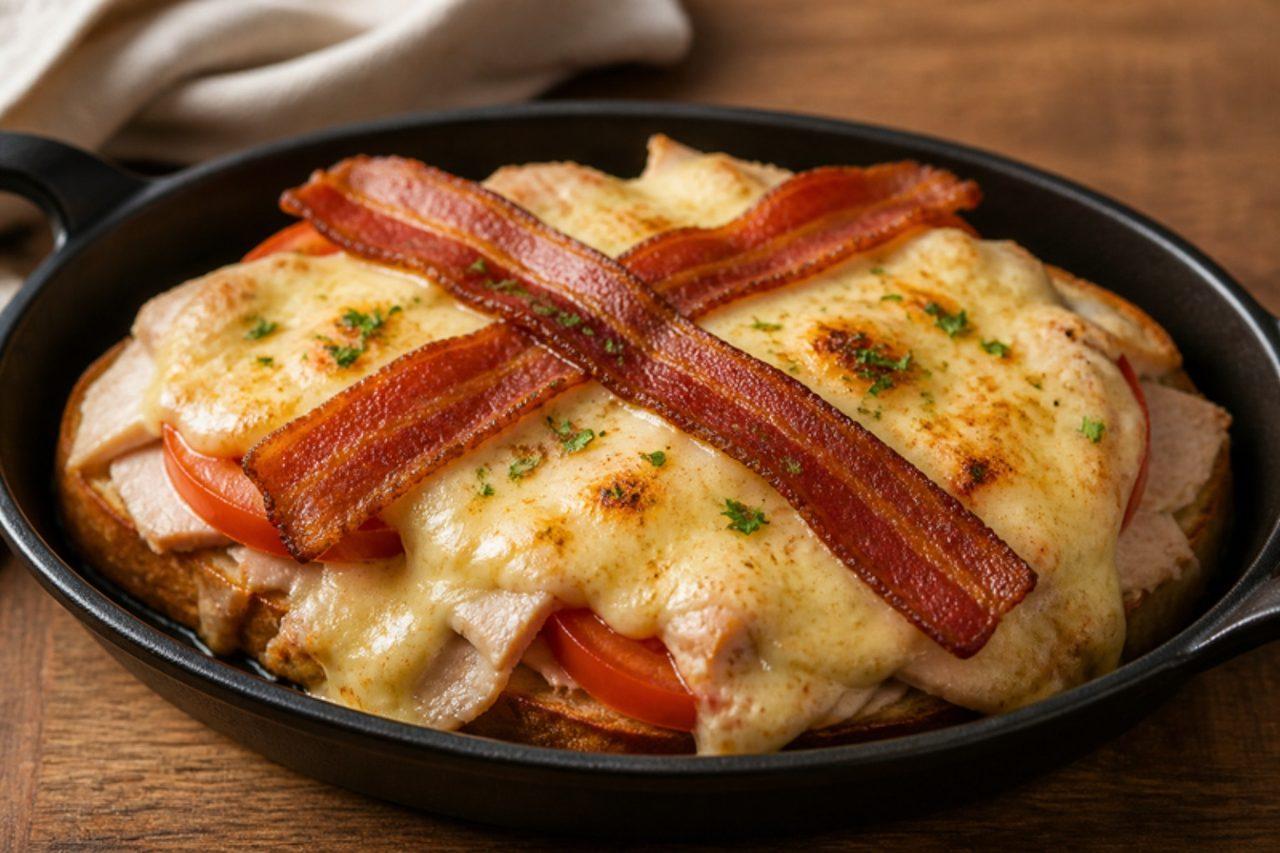
Kentucky hot brown

The hot brown was invented in 1926 at the Brown Hotel in Louisville, Kentucky, as a late-night dish for dancers, and it is still ordered there and all over the city on Derby weekend. Thick slices of roast turkey on toast are covered in a rich Mornay sauce and grilled until bubbling, then topped with tomato and crisp smoked bacon (pork). Eat it with a knife and fork. Chef's tip: use leftover roast turkey breast carved thickly; thin deli slices dry out under the grill.

by KrazyBadal 0 views

Philadelphia roast pork sandwich

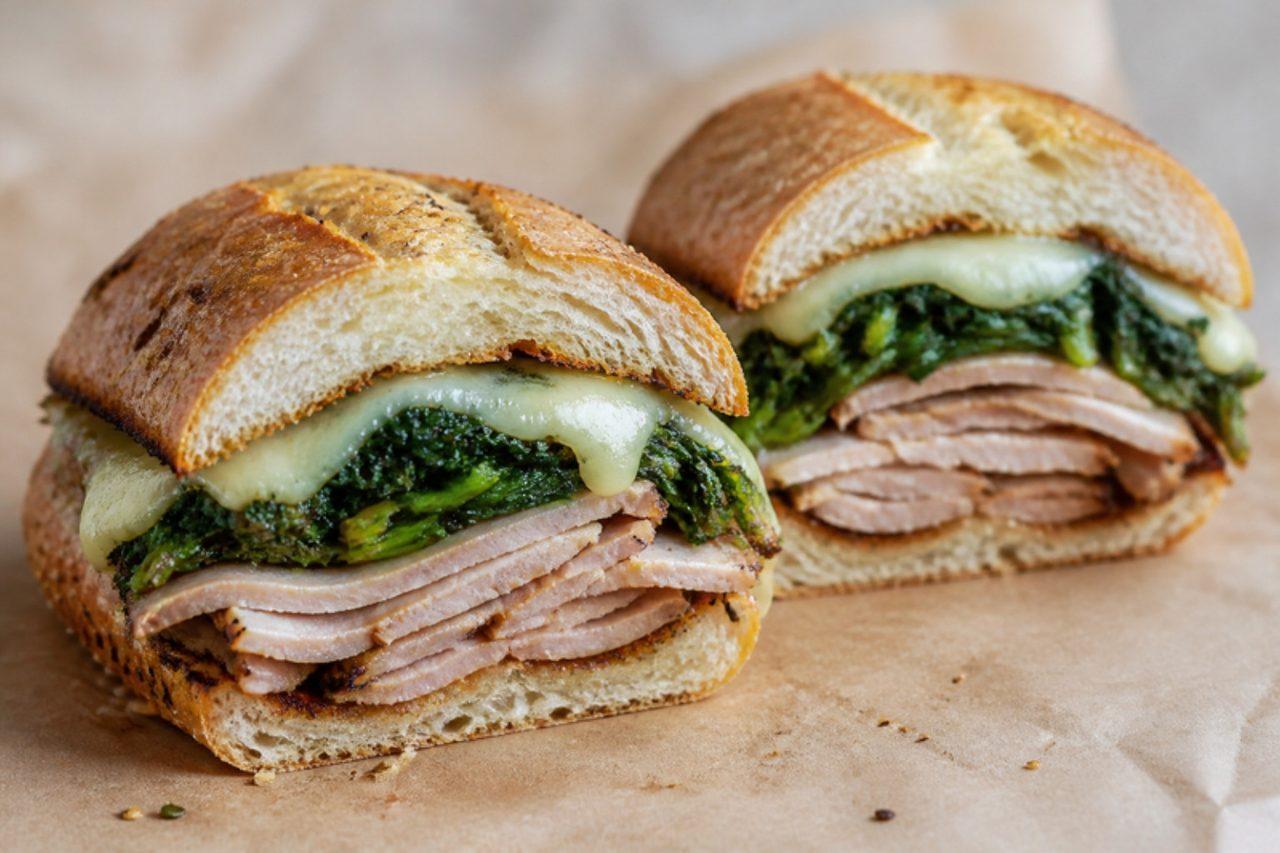
Many Philadelphians quietly prefer this to the cheesesteak: thinly sliced roast pork shoulder soaked in its garlic and herb juices, with bitter sautéed broccoli rabe and sharp provolone in a seeded Italian roll. It comes from the Italian markets of South Philly and the stalls of the Reading Terminal Market, where it is lunch for market workers. Chef's tip: slice the pork very thin and dunk it back in the hot juices; that soaking is what makes the sandwich.

230 minAmericanMeat
by KrazyBadal 0 views

Buffalo chicken wings

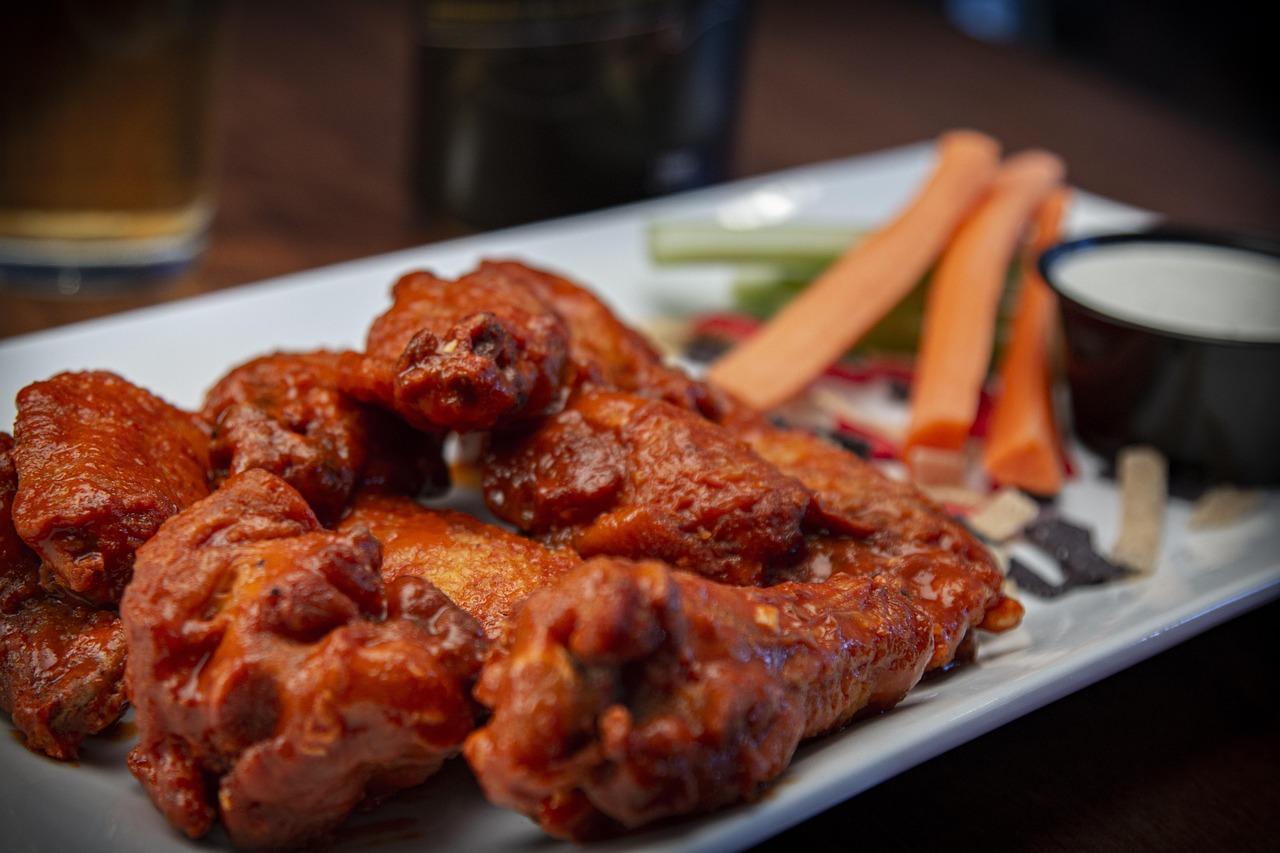
Buffalo wings were first tossed in hot sauce and butter at a bar in Buffalo, New York, in 1964 and are now the snack of every American football Sunday. The wings are cooked until the skin is crisp, then coated in a glossy, vinegary chilli-butter sauce and served with celery sticks and a cooling blue cheese dip. This oven version skips the deep fryer. Chef's tip: dry the wings well and toss them with baking powder; it draws out moisture and blisters the skin almost like frying.

by KrazyBadal 0 views
Beef on weck

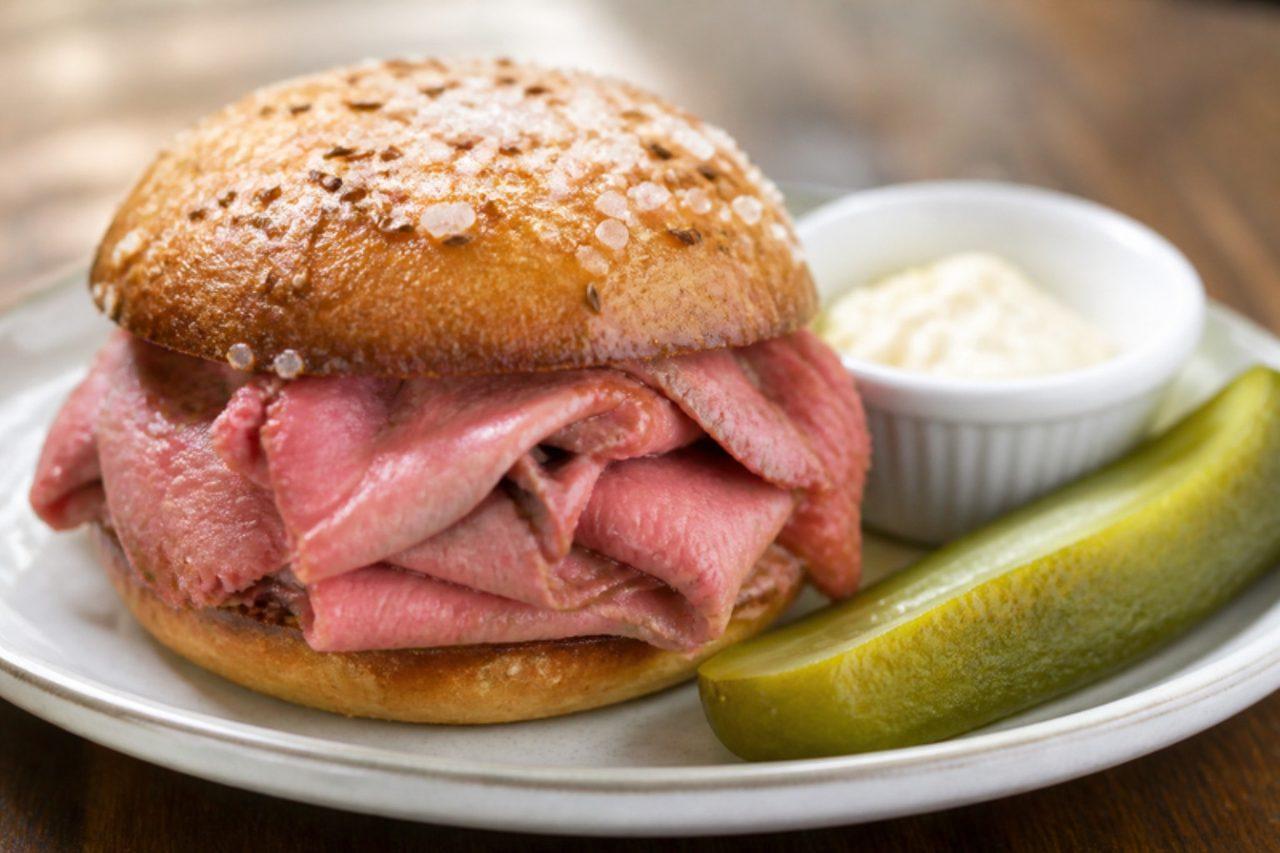
Ask in a Buffalo tavern and many people will say this, not the wing, is the city's real sandwich: thin slices of rare roast beef dipped in its juices, piled on a kummelweck roll crusted with coarse salt and caraway seeds, with sharp horseradish on the side. German bakers in western New York brought the roll in the nineteenth century. Chef's tip: dip the top of the roll in the beef juices just before serving, so it softens but the salt crust stays crunchy.

120 minAmericanMeat
by KrazyBadal 0 views

Crawfish étouffée

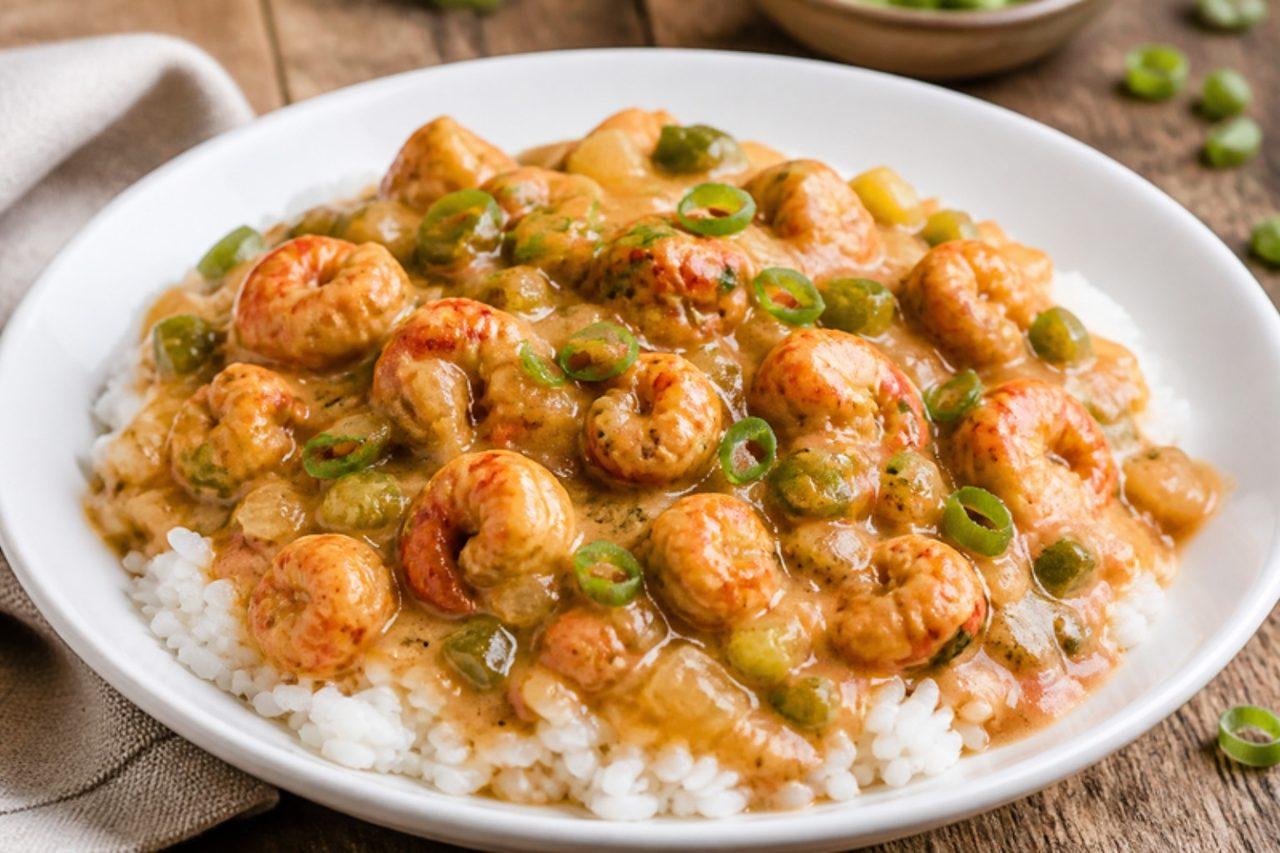
Étouffée means 'smothered', and in Breaux Bridge, which calls itself the crawfish capital of the world, this is what happens to the spring crawfish catch from February to May. Peeled tails are simmered in a butter-based light roux with the trinity, garlic and cayenne until the sauce is glossy and orange with crawfish fat. Serve over white rice. Peeled frozen crawfish tails or raw prawns work well outside Louisiana. Chef's tip: keep any yellow crawfish fat in the pack; it gives the sauce its richness and colour.

by KrazyBadal 0 views

Shrimp Creole

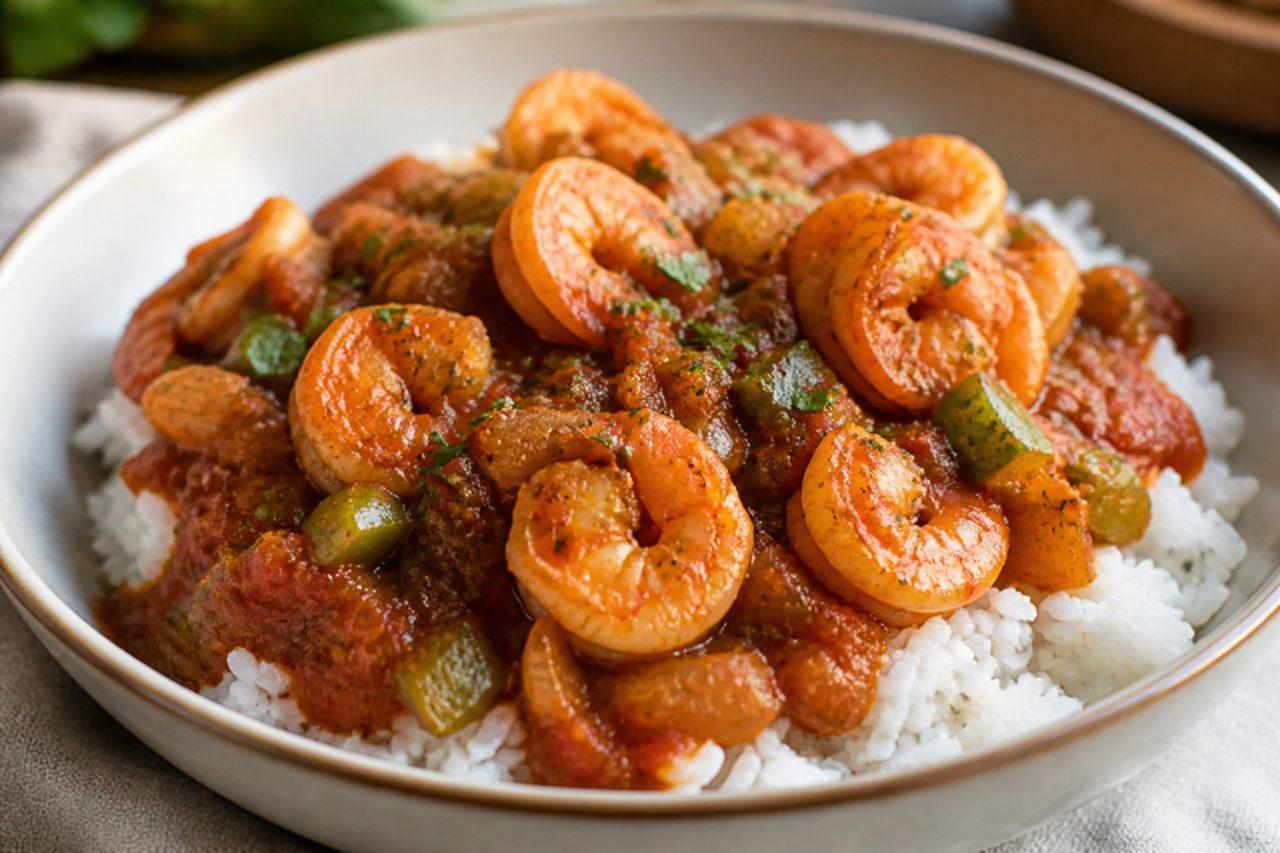
Shrimp Creole is the tomato-red weeknight dish of New Orleans homes and old Creole lunch counters, quite different from the brown, roux-based Cajun stews of the countryside. Gulf prawns simmer briefly in a sauce of tomato, the trinity, garlic, bay and hot sauce, and the dish is spooned over fluffy rice. Chef's tip: simmer the sauce until it is thick before the prawns go in, because they release water as they cook.

by KrazyBadal 0 views

Tex-Mex beef fajitas

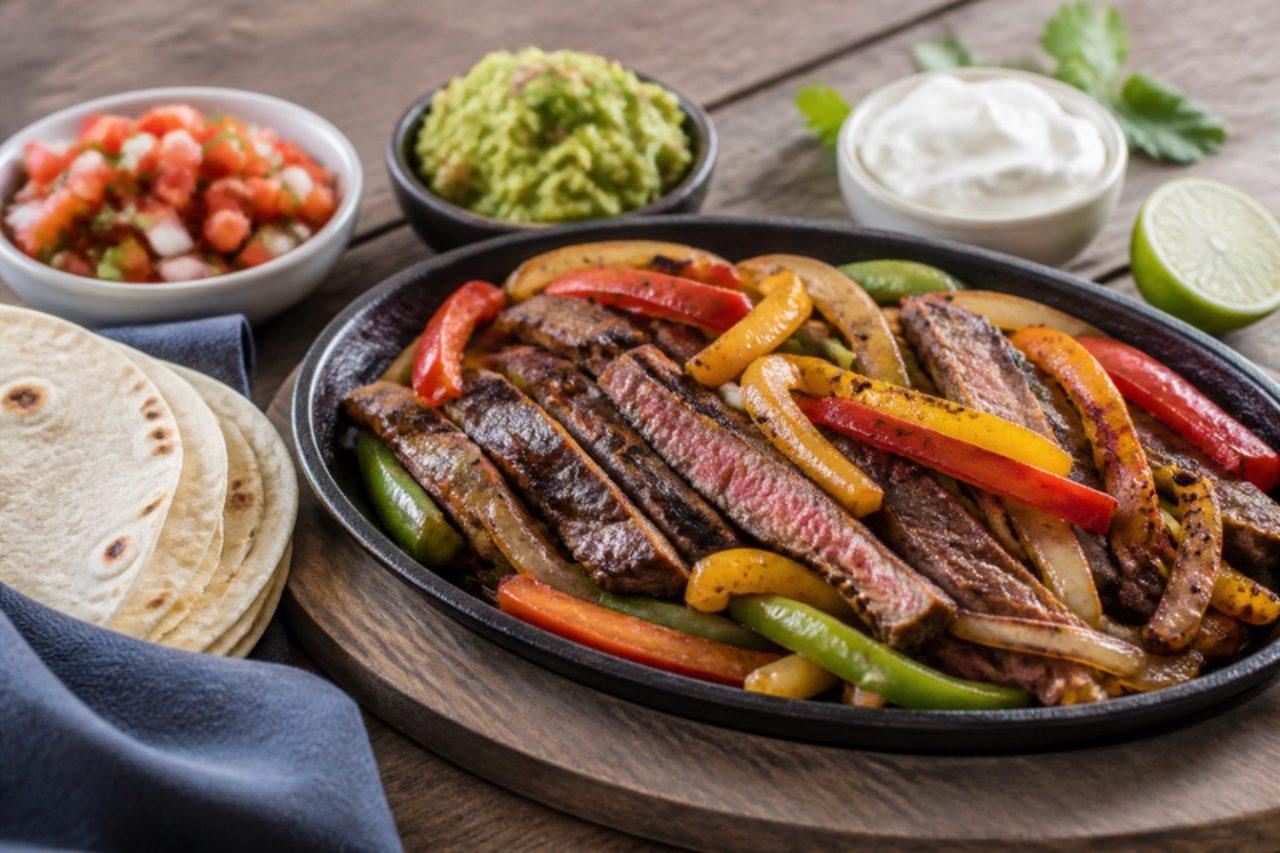
Fajitas started with the vaqueros of the Rio Grande Valley, who were paid partly in the tough skirt steak, and they became a Tex-Mex restaurant hit in Houston and Austin in the 1970s, carried to the table on a hissing iron platter. The steak is marinated in lime, garlic and cumin, seared very hot and sliced thinly against the grain, then wrapped in flour tortillas with charred peppers and onions. Chef's tip: slice across the grain; with skirt steak that one detail decides whether it is tender or chewy.

by KrazyBadal 0 views

Chicken-fried steak

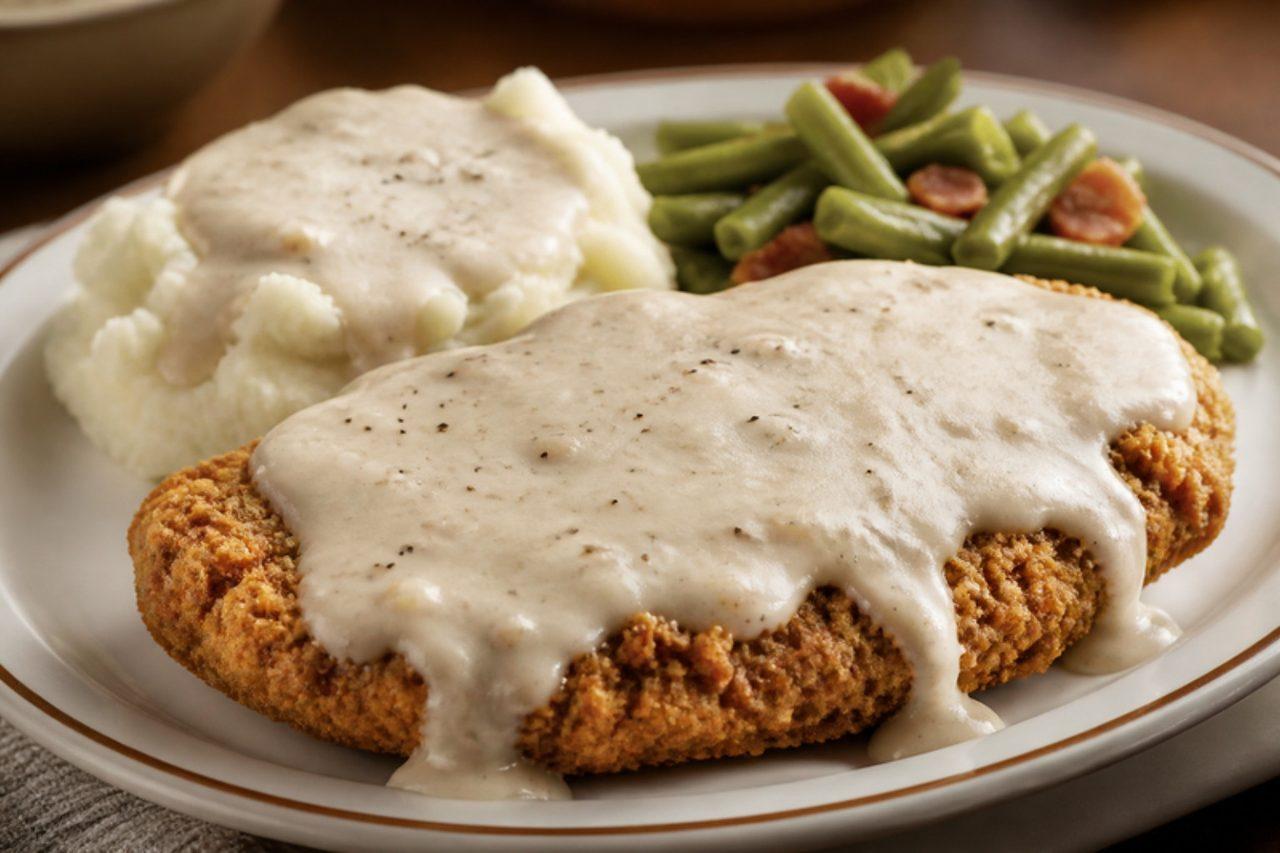
Chicken-fried steak is Texas's unofficial state dish, served in truck stops, small-town cafés and Sunday after-church lunches across the Hill Country: a tenderised beef steak breaded and fried like fried chicken, smothered in white cream gravy with lots of black pepper, next to mashed potatoes. It came from German and Austrian settlers' schnitzel. Chef's tip: double-dip in seasoned flour, buttermilk and flour again for the craggy, crunchy crust.

by KrazyBadal 0 views

Navajo mutton stew

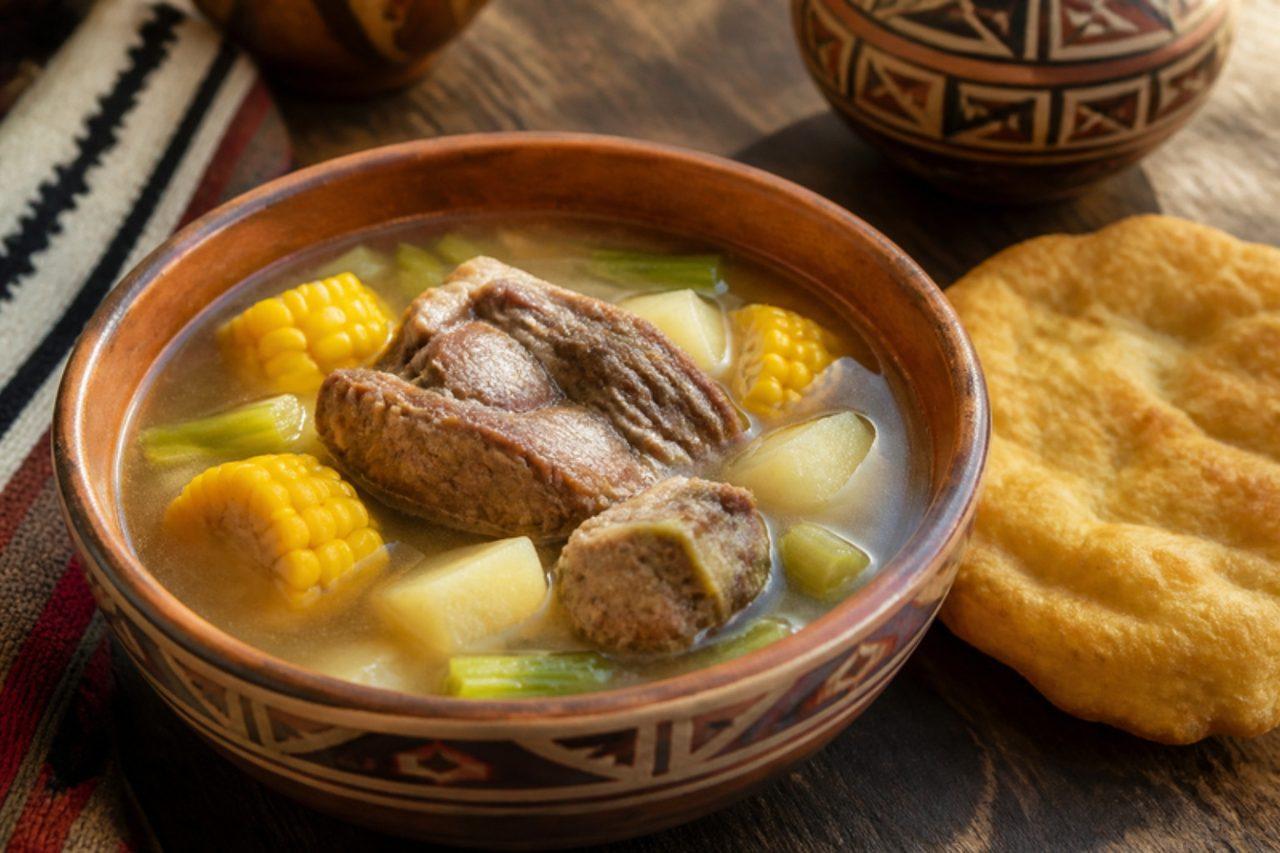
Mutton stew is the everyday and ceremonial dish of the Navajo (Diné) Nation, where sheep have been raised on the high desert since the 1600s; it simmers on wood stoves in hogans and is served at the Navajo Nation Fair in Window Rock with fry bread or blue corn bread. It is a plain, honest stew of bone-in mutton, potatoes, corn, onion and a little green chile. Lamb shoulder can be used, and cooks a little faster. Chef's tip: keep it at a lazy simmer and skim the fat as it rises; mutton fat is strong-tasting.

170 minAmericanMeatGluten free
by KrazyBadal 0 views

Texas chili pie

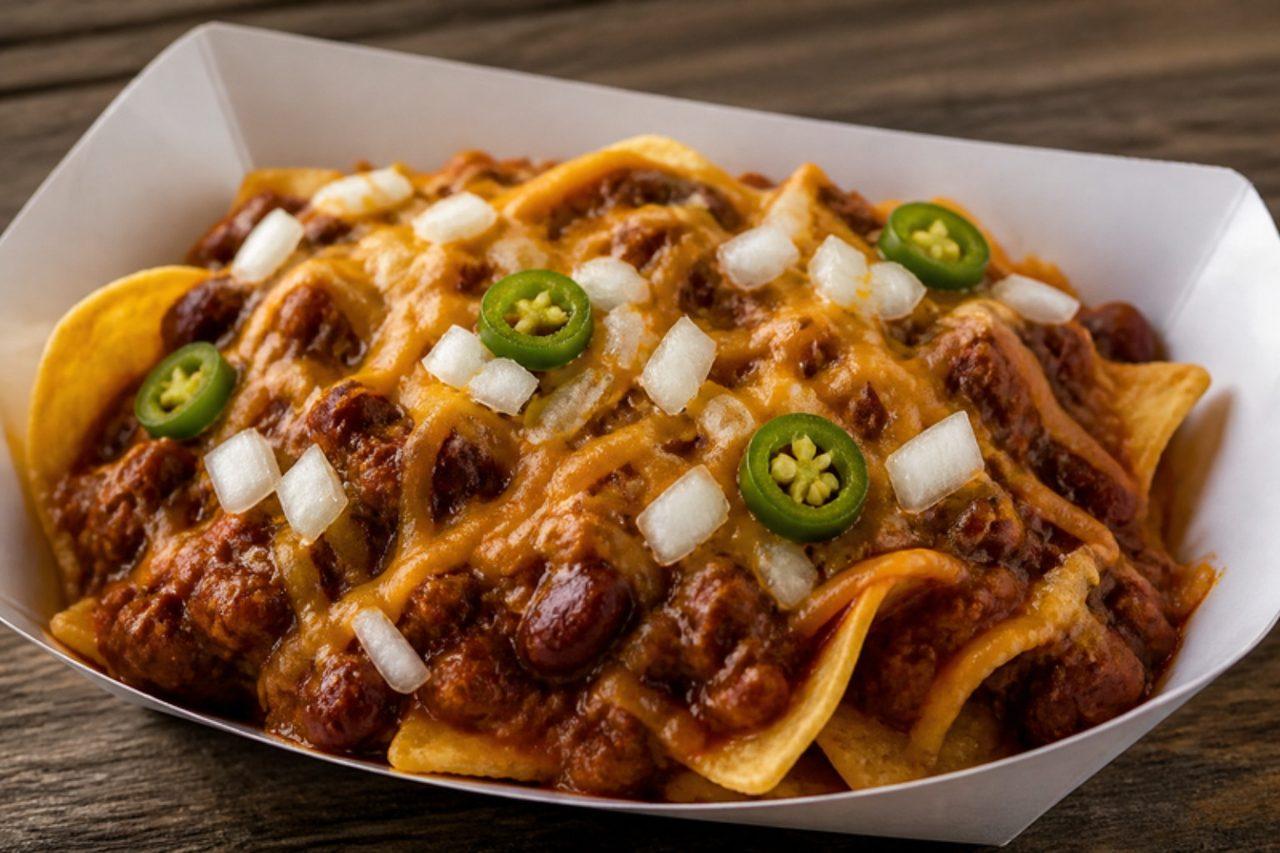
Chili pie is Friday-night-lights food across Texas, sold at high-school football concession stands, rodeos and the State Fair in Dallas: a heap of crunchy corn chips smothered in hot beef chili, grated cheese and raw onion, sometimes served right in the split chip packet. Making the chili from scratch turns it into a proper meal. Chef's tip: add the chili just before eating, because the chips should still crunch under the sauce.

by KrazyBadal 0 views

Lincolnshire plum bread

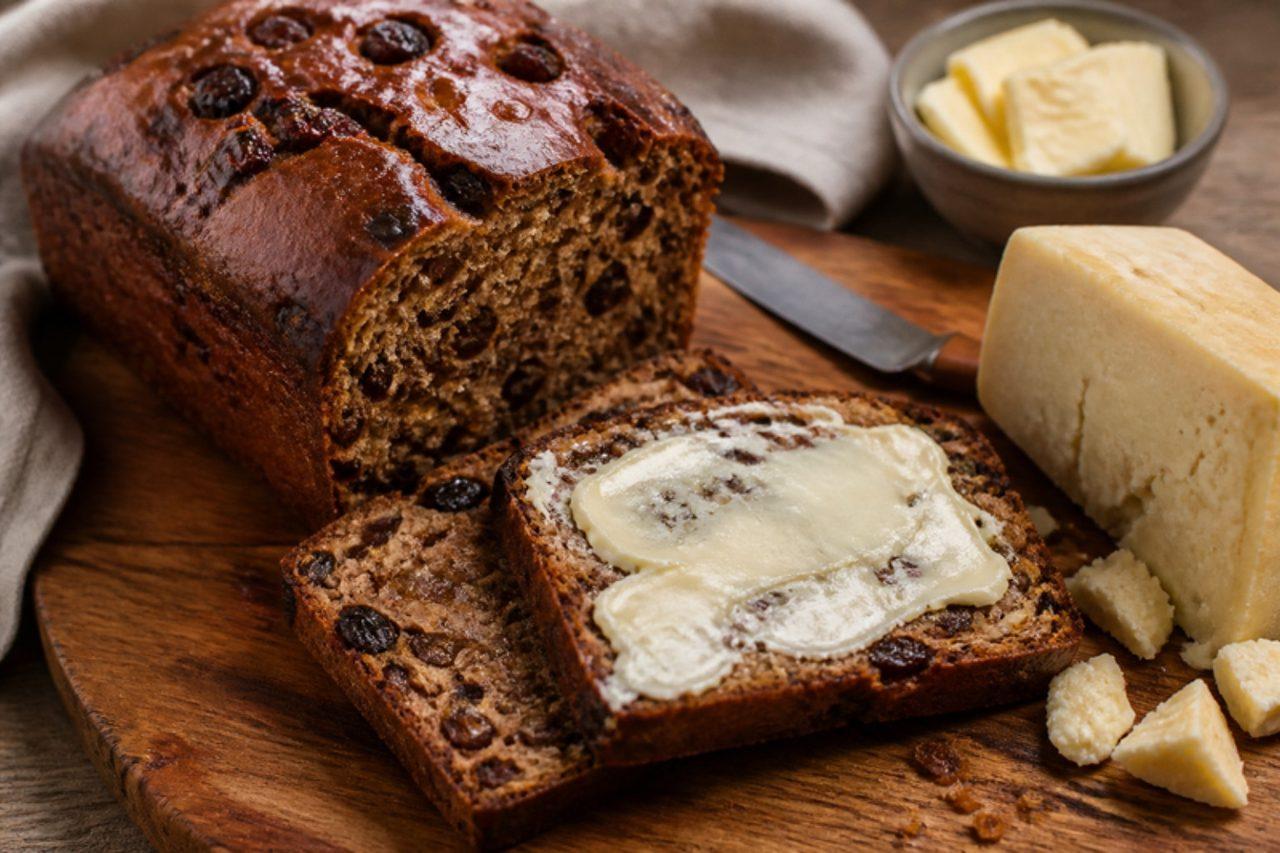
Plum bread is the dark, spiced fruit loaf of Lincolnshire bakeries, sold year round but especially at Christmas, sliced and spread with butter or eaten with a wedge of Lincolnshire Poacher cheese. There are no plums in it: 'plums' was the old word for dried fruit. The dough is enriched with butter, egg and mixed spice and packed with prunes, raisins and currants. Chef's tip: soak the fruit in hot tea for an hour so it stays juicy and doesn't steal moisture from the bread.

by KrazyBadal 0 views

Charleston she-crab soup

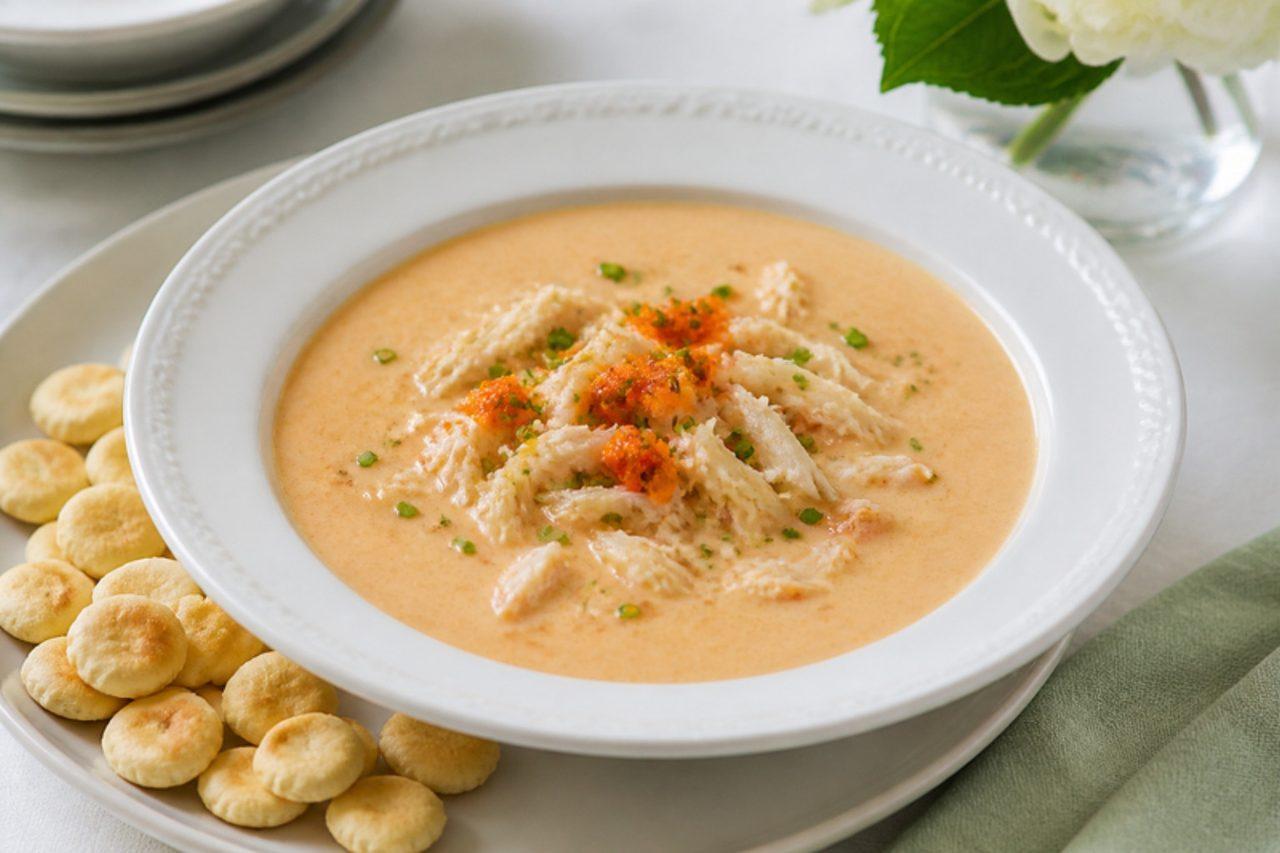
She-crab soup was first made in Charleston, South Carolina, in the early 1900s and is still ordered at the city's oldest dining rooms: a velvety cream soup full of sweet blue crabmeat, coloured orange with crab roe from the female crabs. A splash of dry sherry is stirred into each bowl at the table; the alcohol doesn't cook off, so leave it out for children or anyone avoiding alcohol and add a few drops of lemon juice instead. Chef's tip: never let the soup boil once the cream is in, or the crab turns stringy.

by KrazyBadal 0 views

Southern chicken and dumplings

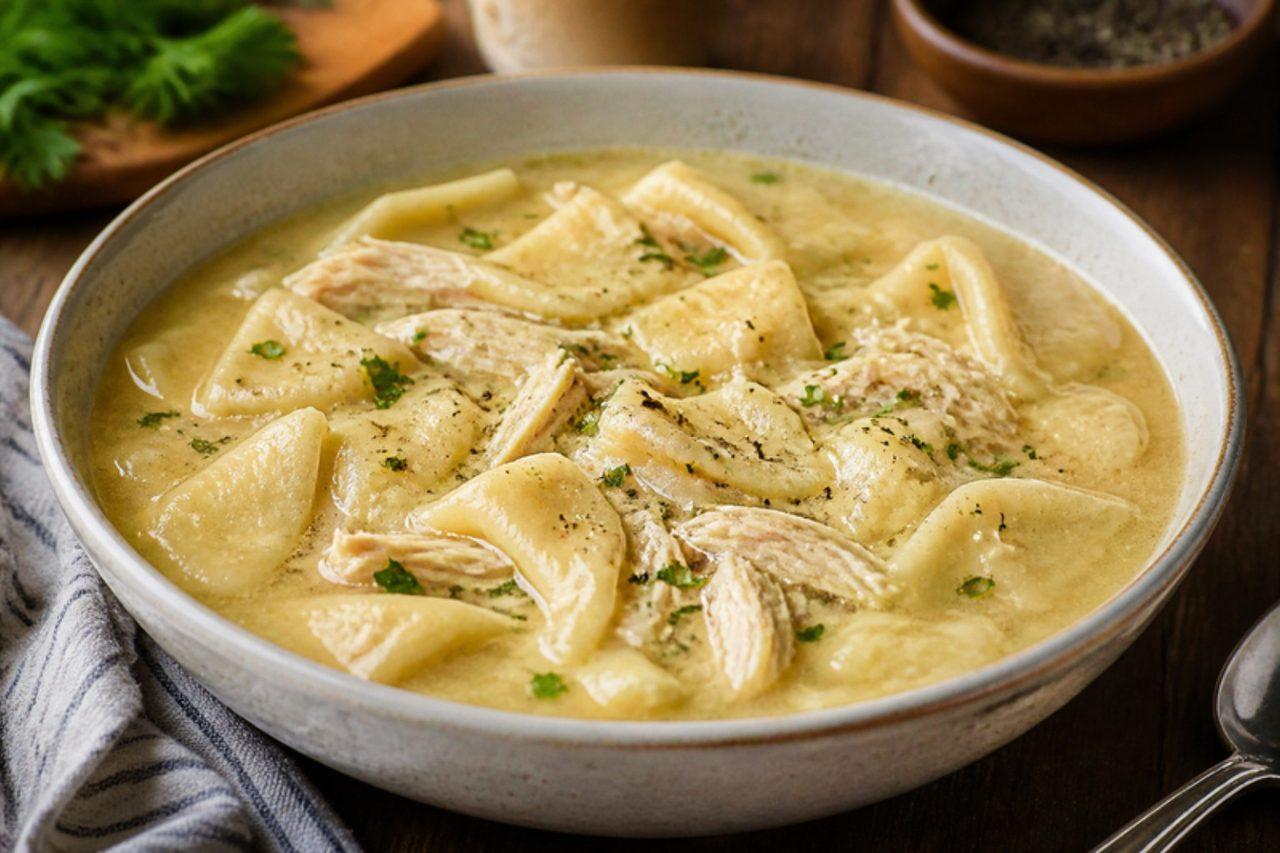
Chicken and dumplings is the Sunday dinner and sick-day comfort of Mississippi, Tennessee and the Carolinas: a whole bird simmered into broth, shredded, and cooked with thin, rolled strips of dough that thicken the pot as they simmer, so it ends up halfway between soup and stew. Chef's tip: roll the dumplings thin, about 3 mm; thick ones stay doughy in the middle.

by KrazyBadal 0 views

Southern collard greens with smoked ham hock

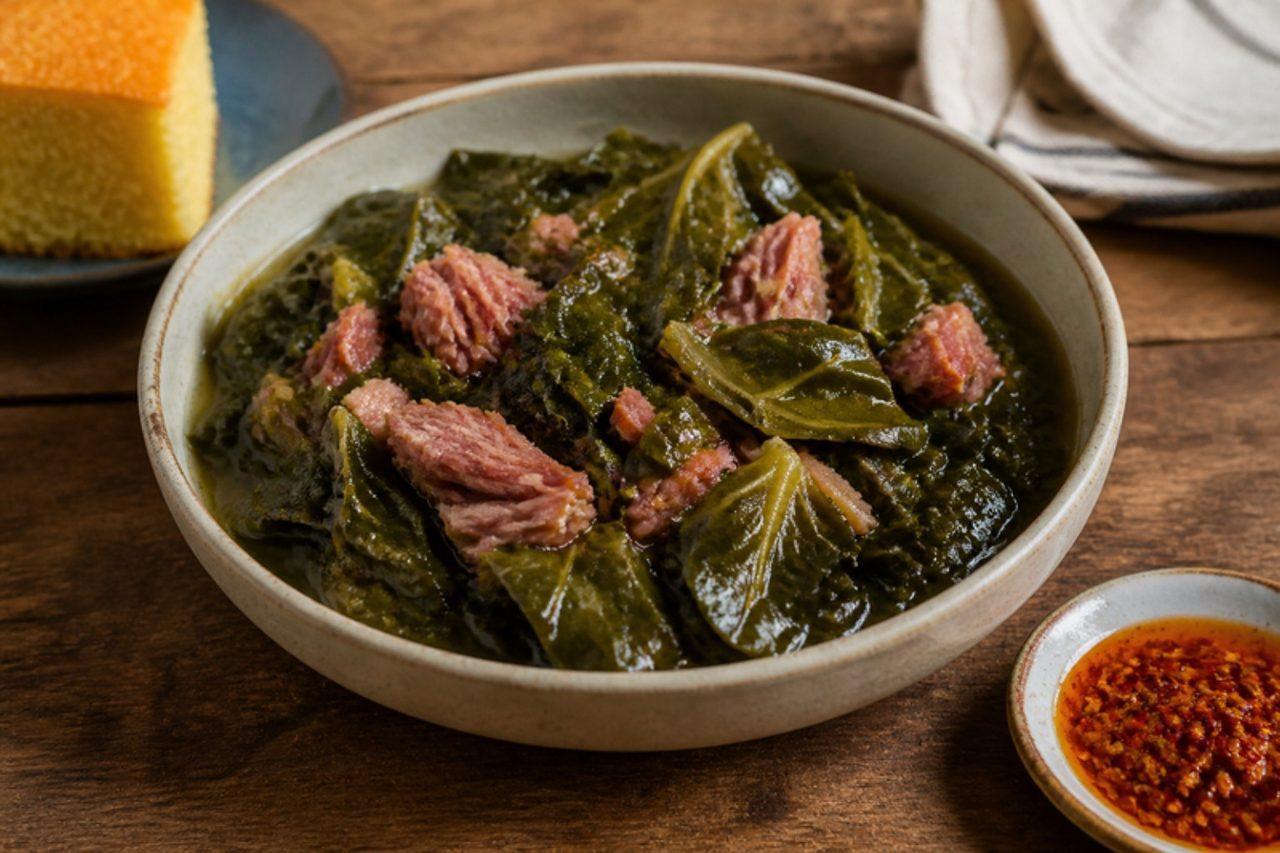
Collard greens simmered low and slow with smoked pork are at the heart of African American soul food and of Southern Sunday dinners and New Year's tables from Alabama to Virginia. The tough leaves melt into silky, savoury greens, and the cooking liquid, the 'pot likker', is so good it is sopped up with cornbread. Chef's tip: strip out the thick stems and wash the leaves in three changes of water; grit is the commonest complaint.

by KrazyBadal 0 views

Grillades and grits

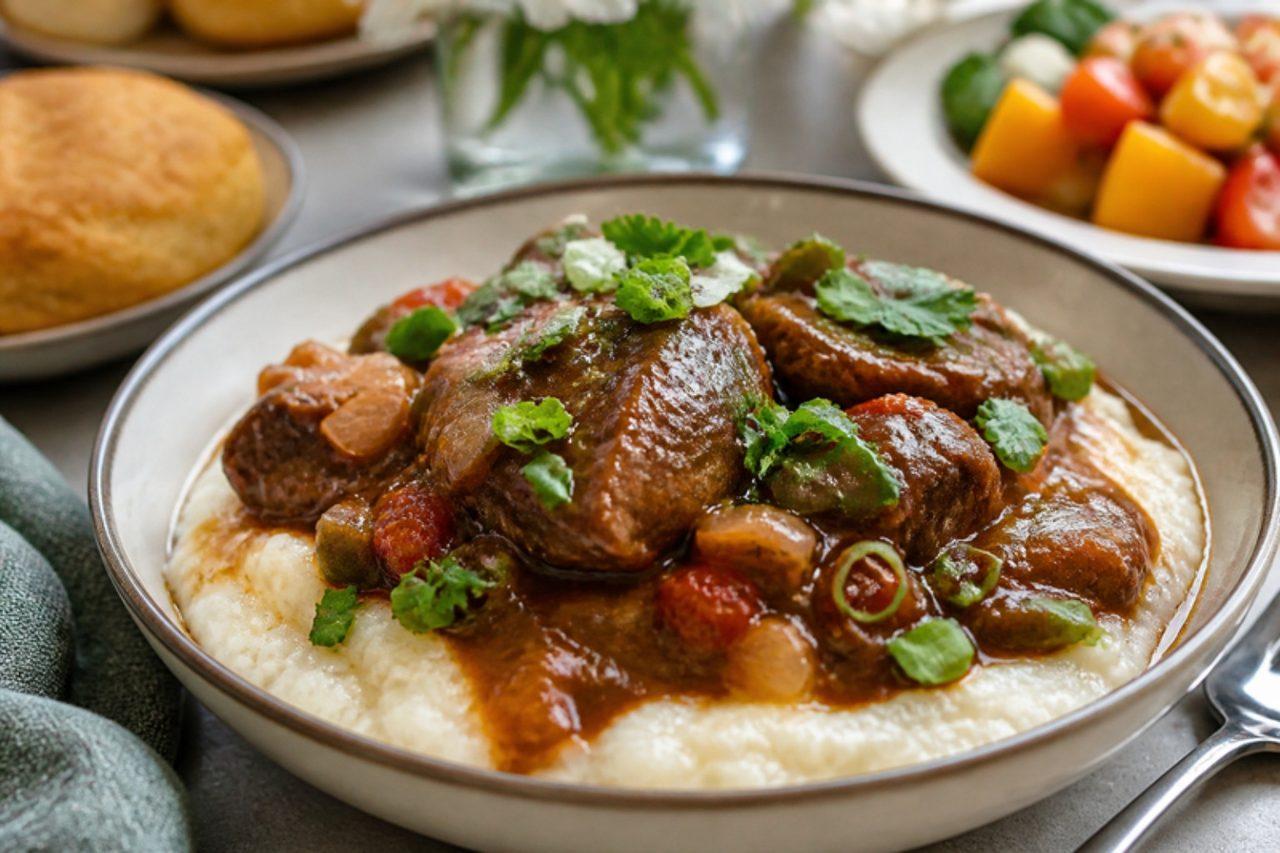
Grillades and grits is the long-standing New Orleans brunch for Sunday mornings, Mardi Gras day and Jazz Fest weekends: thin medallions of beef pounded, browned and braised in a rich brown Creole gravy with tomato and the trinity, then spooned over buttery grits. Chef's tip: pound the meat thin and braise it low and slow until a fork slides in easily; rushing it leaves the beef chewy.

125 minAmericanMeatGluten free
by KrazyBadal 0 views

Redfish courtbouillon

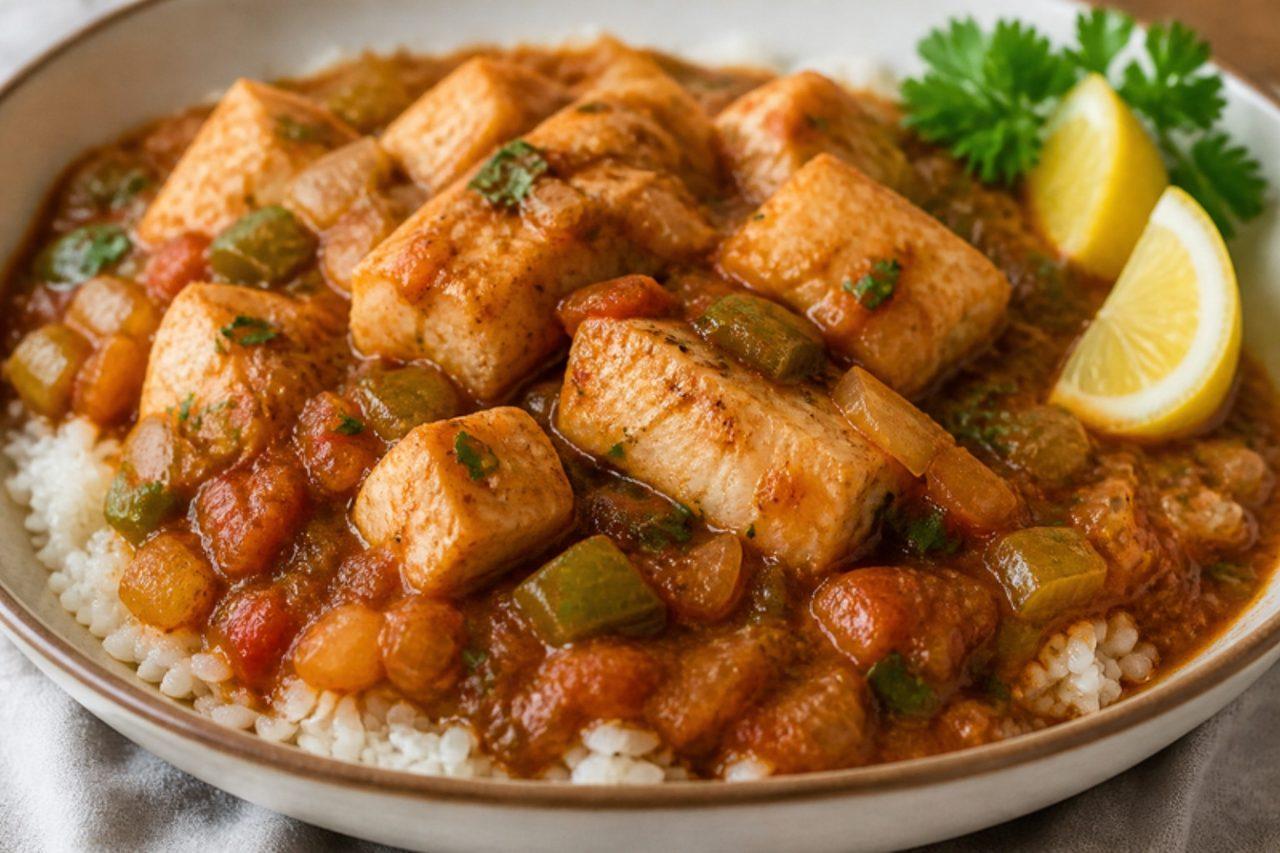
In Cajun country, courtbouillon (say 'coo-boo-yon') is not the French poaching broth but a thick, spicy red stew of firm fish, made in the fishing communities of Vermilion Bay and the Atchafalaya Basin after a good day's catch of redfish or catfish. It is built on a roux and tomatoes and finished with lemon and spring onions, then served over rice. Chef's tip: lay the fish on top of the sauce and spoon it over rather than stirring, so the pieces stay whole.

by KrazyBadal 0 views

Oysters Rockefeller

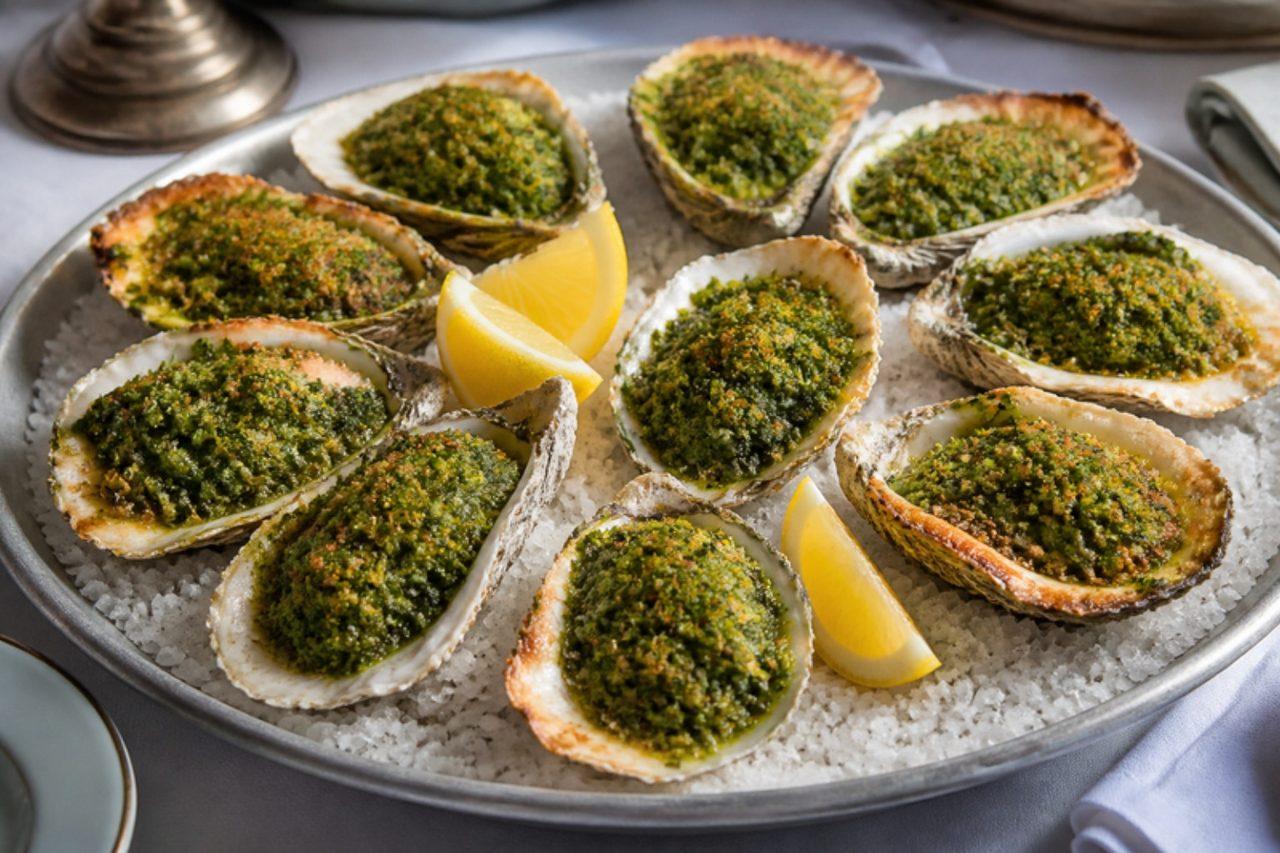
Oysters Rockefeller were created at Antoine's in the French Quarter in 1889 and named after the richest man in America because the sauce was so rich; the restaurant has never shared its exact recipe. Live Gulf oysters on the half shell are covered with a bright green butter of herbs and greens and baked until bubbling, a classic starter at New Orleans celebration dinners. This version uses a dash of anise-flavoured liqueur, which is traditional; it can be replaced with a pinch of ground fennel seed for an alcohol-free version. Chef's tip: bed the shells on coarse salt so they sit level and the juices don't spill.

by KrazyBadal 0 views

New Orleans muffuletta

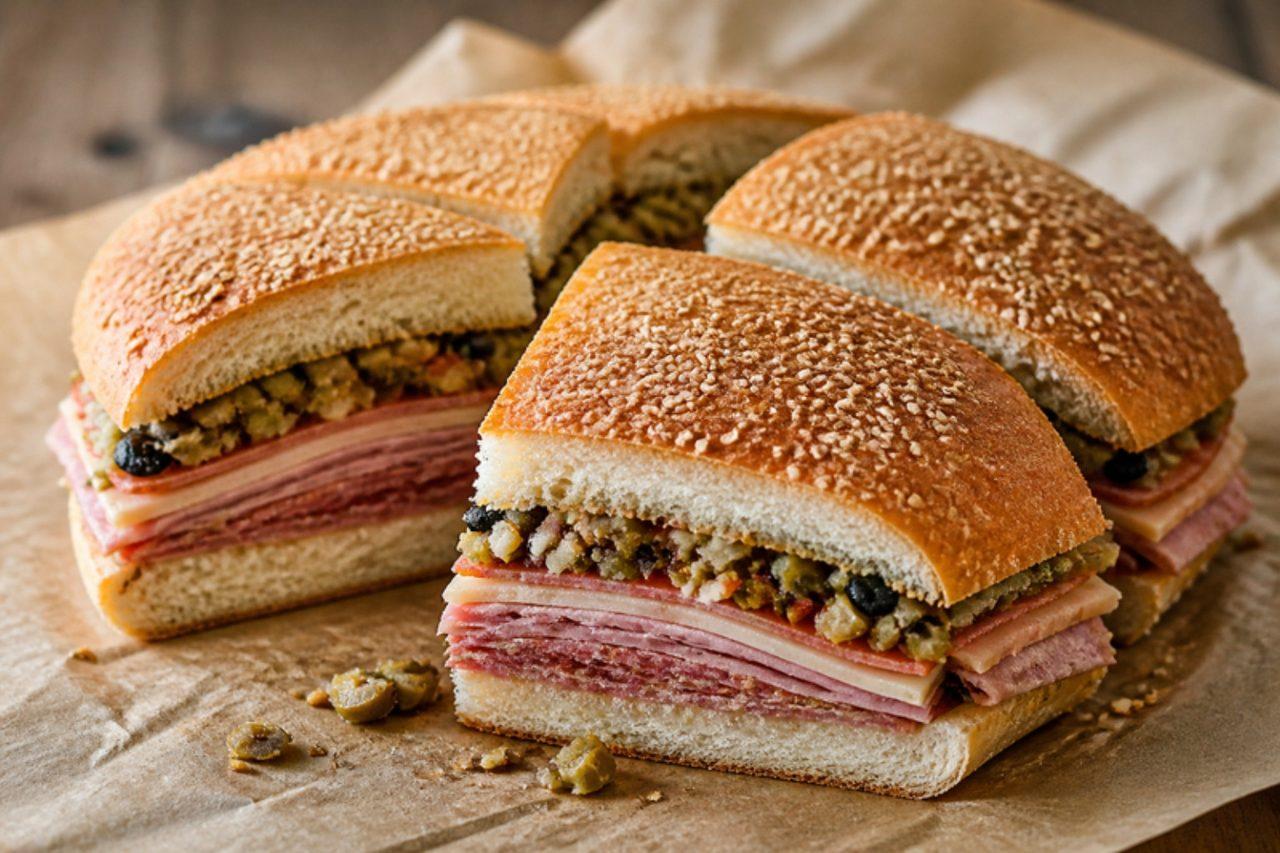
The muffuletta was first made by Sicilian grocers on Decatur Street in New Orleans in the early 1900s for dock workers' lunches, and it is still sold whole or in quarters to take to the levee or a Saints game. A big round sesame loaf is filled with layers of ham, salami, mortadella (all pork) and provolone and soaked with a chunky olive salad. Provolone is traditionally made with animal rennet. Chef's tip: press the sandwich under a weight for an hour so the oil soaks into the bread.

by KrazyBadal 0 views

Ahi poke

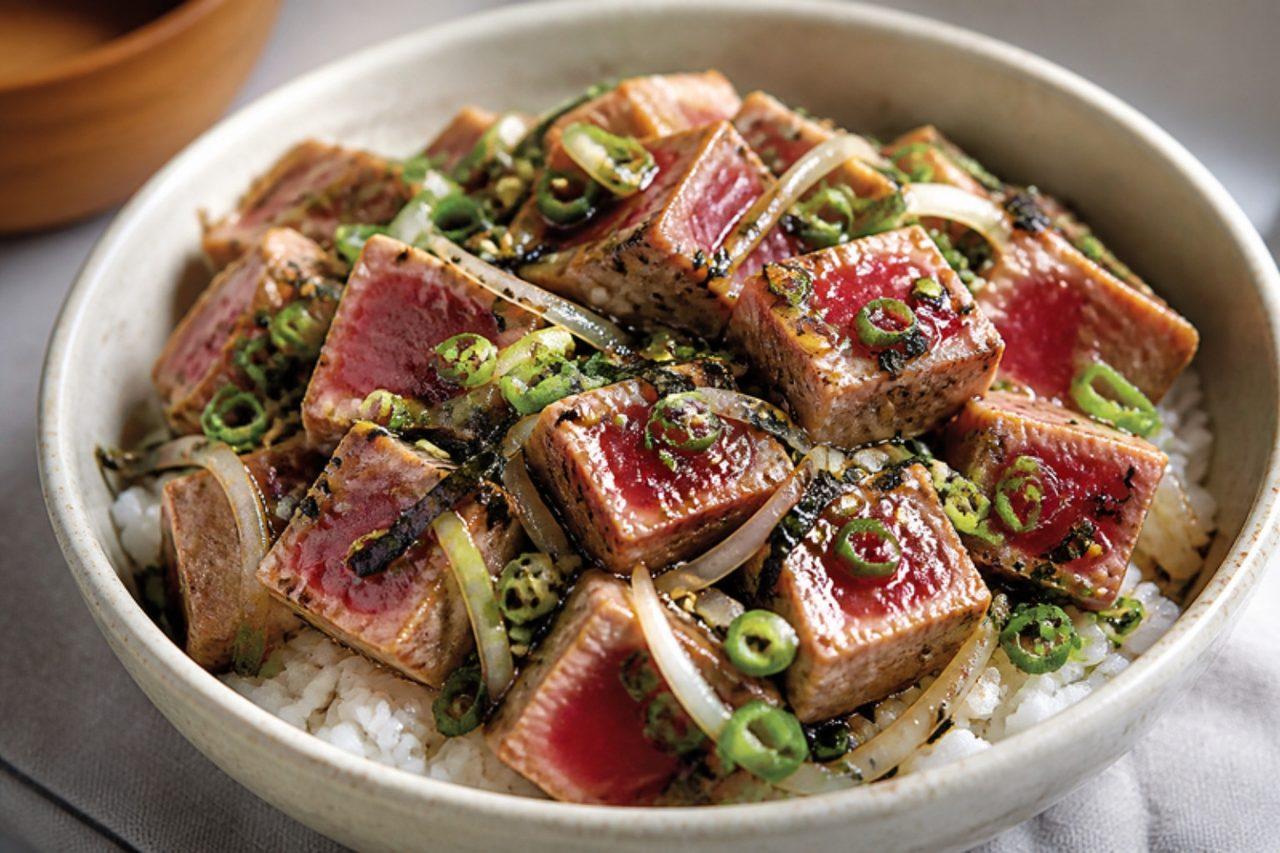
Poke, from the Hawaiian word for cut into pieces, began as fishermen's snack of raw reef fish with sea salt, seaweed and roasted kukui nut, and is now sold by the pound from the deli counters of every Hawaiian supermarket, eaten over rice as a quick lunch or with drinks after work. This shoyu ahi style dresses cubes of yellowfin tuna in soy sauce, sesame oil, sweet onion and chilli. Traditional poke is raw fish, which is not for pregnant women, young children or anyone with a weakened immune system, so this version quickly sears the cubes until cooked through. Chef's tip: dress the tuna just before eating; the soy sauce draws out moisture and turns it soft if it sits for hours.

by KrazyBadal 0 views

Shoyu chicken

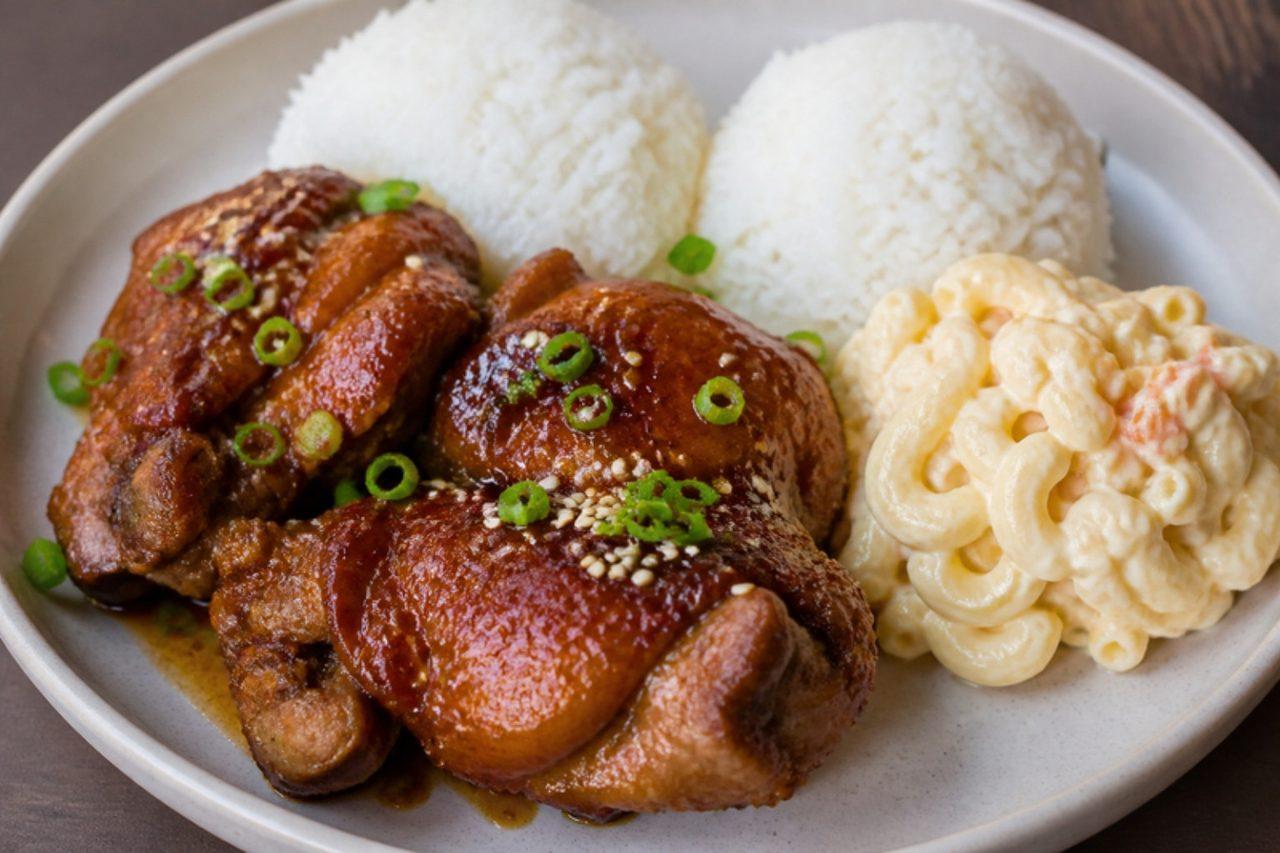
Shoyu chicken is the home-cooked comfort of Hawaii's plantation families, a Japanese-influenced braise of chicken thighs in soy sauce (shoyu), sugar, ginger and garlic, and a staple of the plate lunch: two scoops of rice, a scoop of macaroni salad and chicken with plenty of sauce. Chef's tip: simmer uncovered at the end and spoon the sauce over until it turns glossy and coats the chicken.

by KrazyBadal 0 views

Brunswick stew

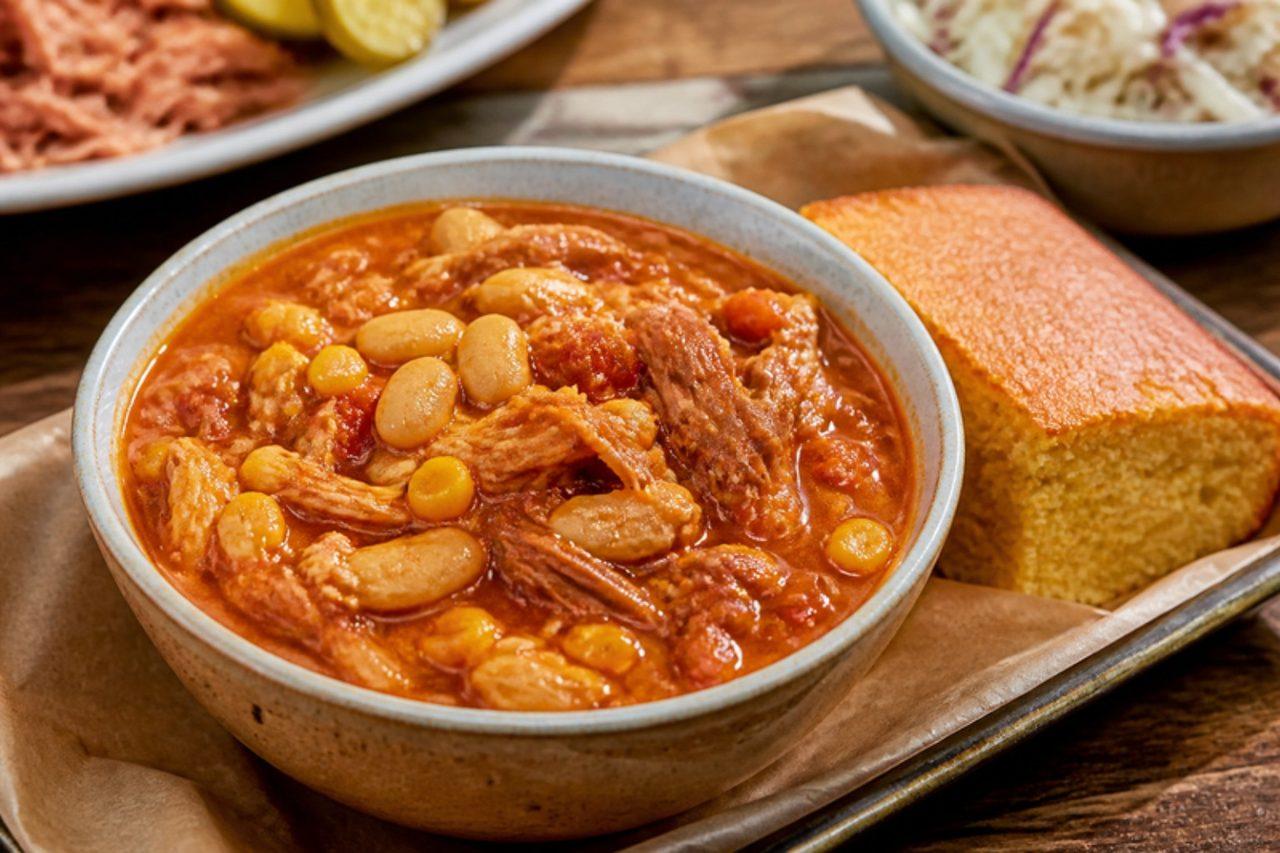
Virginia and Georgia both claim Brunswick stew, and it is still cooked in huge iron kettles for fire-station fundraisers and served beside barbecue all over the two states. It is a thick, tangy tomato stew of shredded pork and chicken with lima beans and sweetcorn, sharpened with vinegar and Worcestershire sauce. Leftover smoked pork shoulder makes it even better. Chef's tip: simmer it long enough that the meat and vegetables break down a little and the stew turns thick enough to stand a spoon in.

100 minAmericanMeat
by KrazyBadal 0 views

Hoppin' John

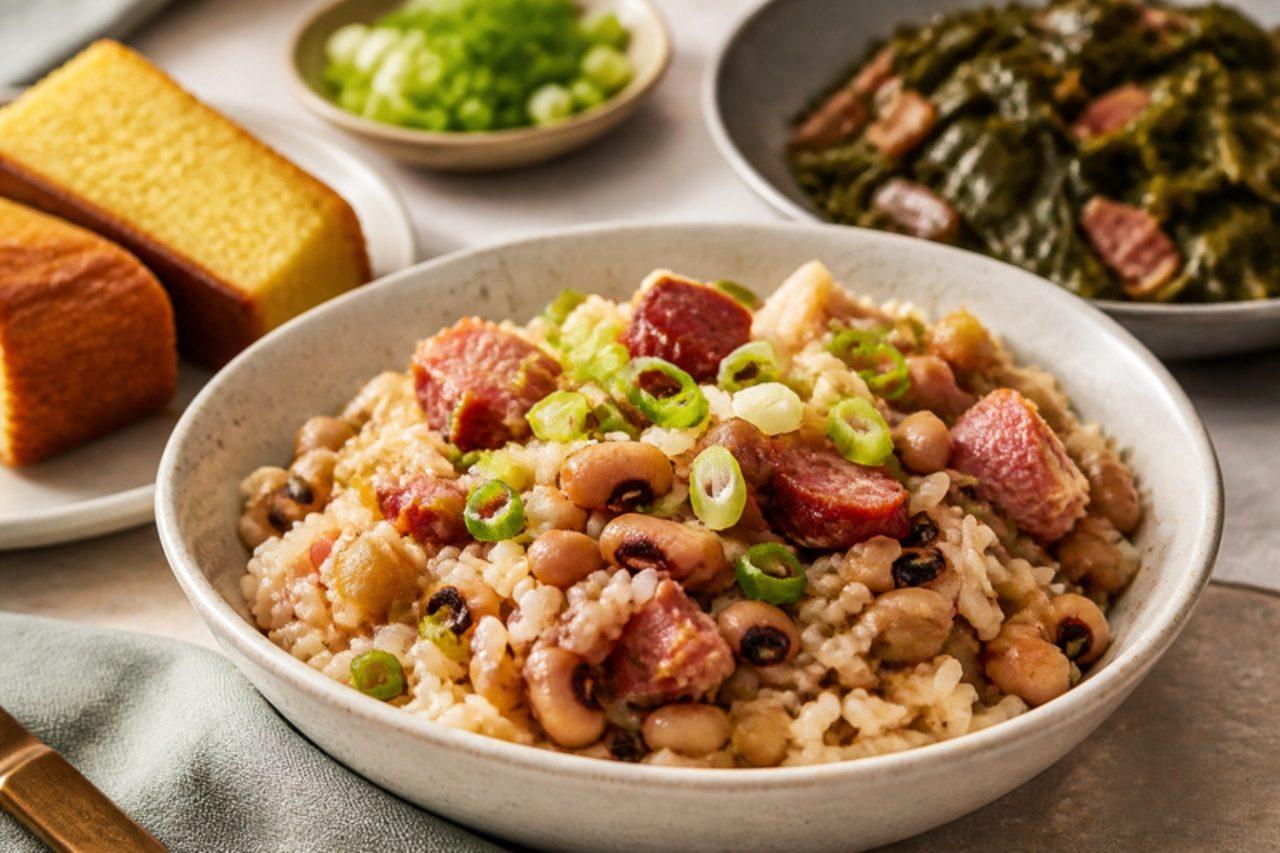
Hoppin' John is eaten on New Year's Day across the South for luck, with collard greens for money and cornbread for gold, and its roots run back to the rice plantations of the South Carolina Lowcountry and the West African cooks who worked them. Black-eyed peas are simmered with smoked pork (here a ham hock and bacon), then cooked with rice so every grain takes on the smoky broth. Chef's tip: cook the rice in the bean liquor, not water; that is where all the flavour is.

by KrazyBadal 0 views

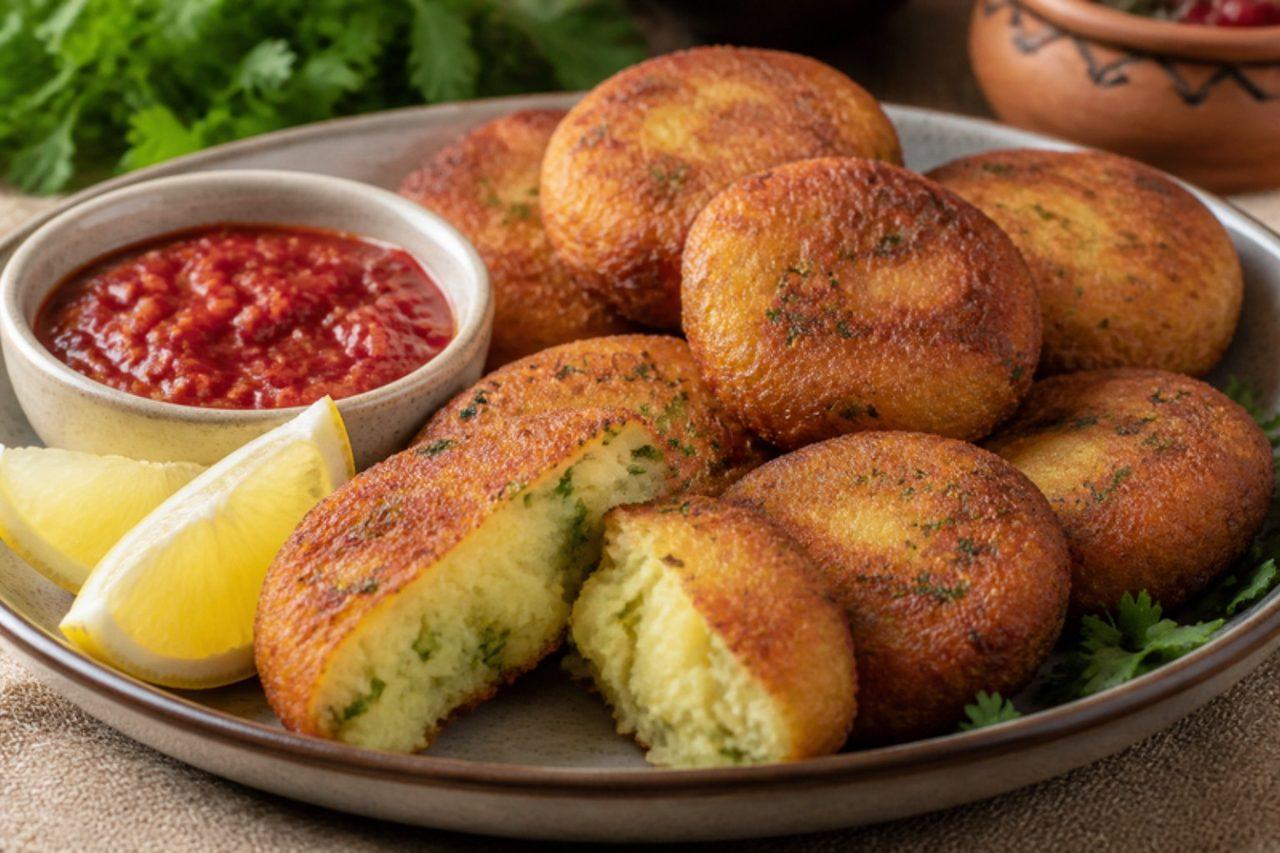
Maakouda (potato fritters)

Few street snacks are as loved in Morocco as maakouda, golden patties of mashed potato seasoned with garlic, cumin, turmeric and plenty of parsley and coriander, dipped in beaten egg and fried until crisp outside and fluffy inside. At sandwich stalls in Casablanca, Rabat and Tangier they are split into half a baguette or a round of khobz with harissa, chopped tomato and onion, and in Ramadan they appear on the iftar table beside harira. At home they make a great lunch with a salad. Chef's tip: cook the potatoes in their skins, then peel and mash them while hot and leave the mash to steam dry for 10 minutes; dry mash holds together, while wet mash, the classic mistake, falls apart in the pan.

by KrazyBadal 0 views

West Virginia pepperoni rolls

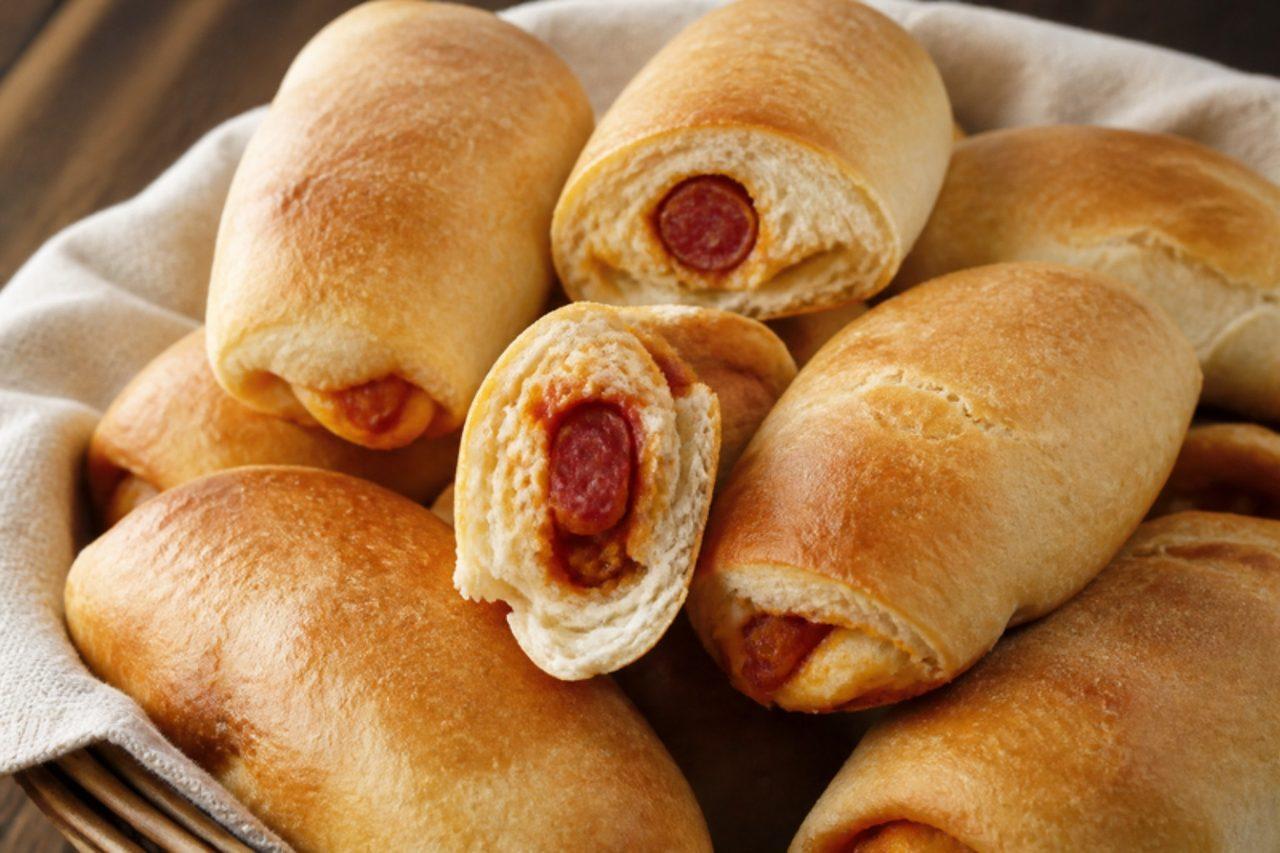
Pepperoni rolls were first baked for Italian immigrant coal miners in Fairmont, West Virginia, in the 1920s as a lunch that needed no refrigeration down the mine, and they are now sold in every petrol station and school canteen in the state. Soft, slightly sweet bread is rolled around sticks of cured pork-and-beef pepperoni, whose spicy oil seeps into the dough as it bakes. Chef's tip: use sticks of pepperoni rather than slices, which is the original Fairmont way and keeps the bread from going greasy.

by KrazyBadal 0 views

Chicken and andouille gumbo

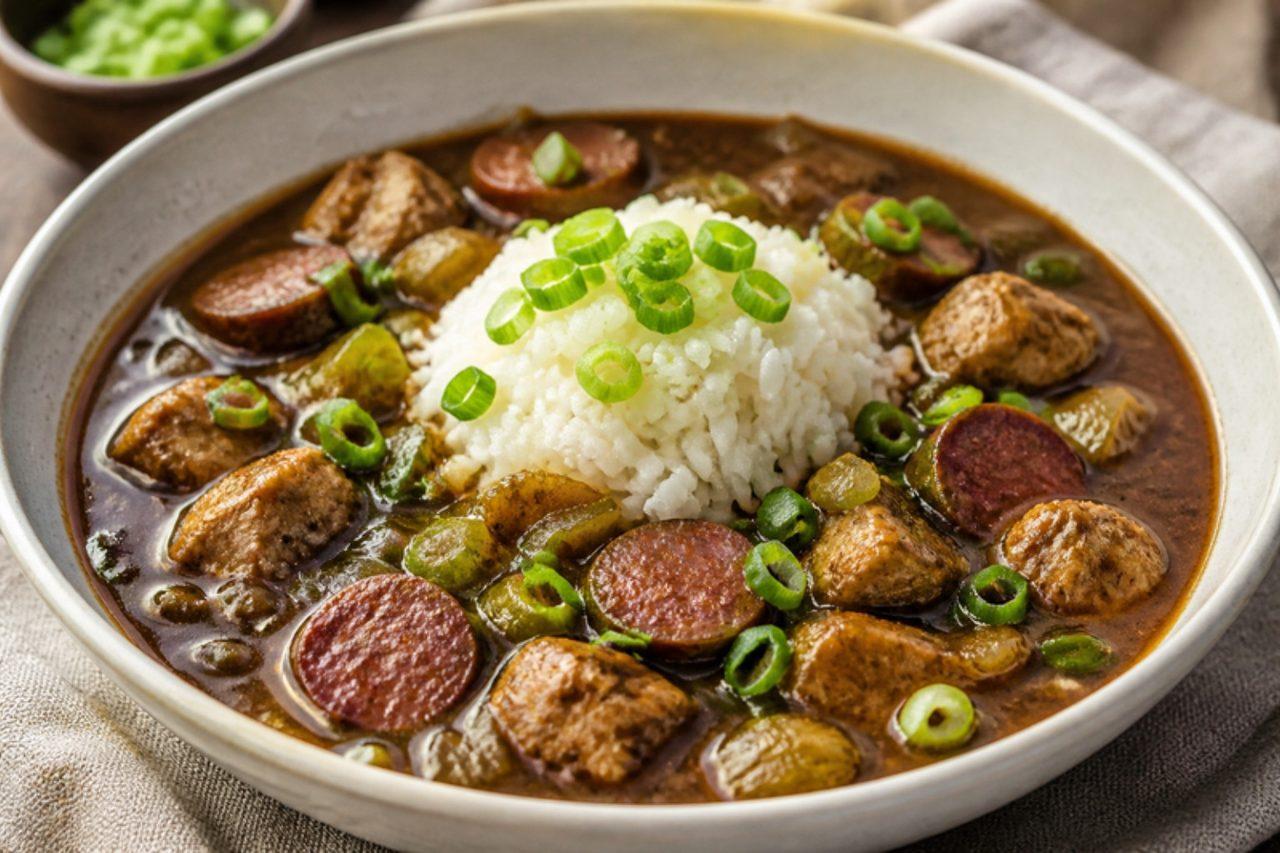
In the prairie towns of Acadiana around Lafayette and Eunice, a pot of chicken and andouille gumbo goes on the stove for Sunday dinners, Mardi Gras runs and cold winter evenings. It starts with a roux of flour and oil stirred until the colour of dark chocolate, then the holy trinity of onion, celery and pepper, chicken thighs and andouille, a spicy smoked pork sausage. Serve in bowls over rice with potato salad on the side, as many Cajun families do. Chef's tip: never stop stirring the roux and keep the heat medium; a single black fleck means it has burnt and must be thrown out.

by KrazyBadal 0 views

Seafood gumbo

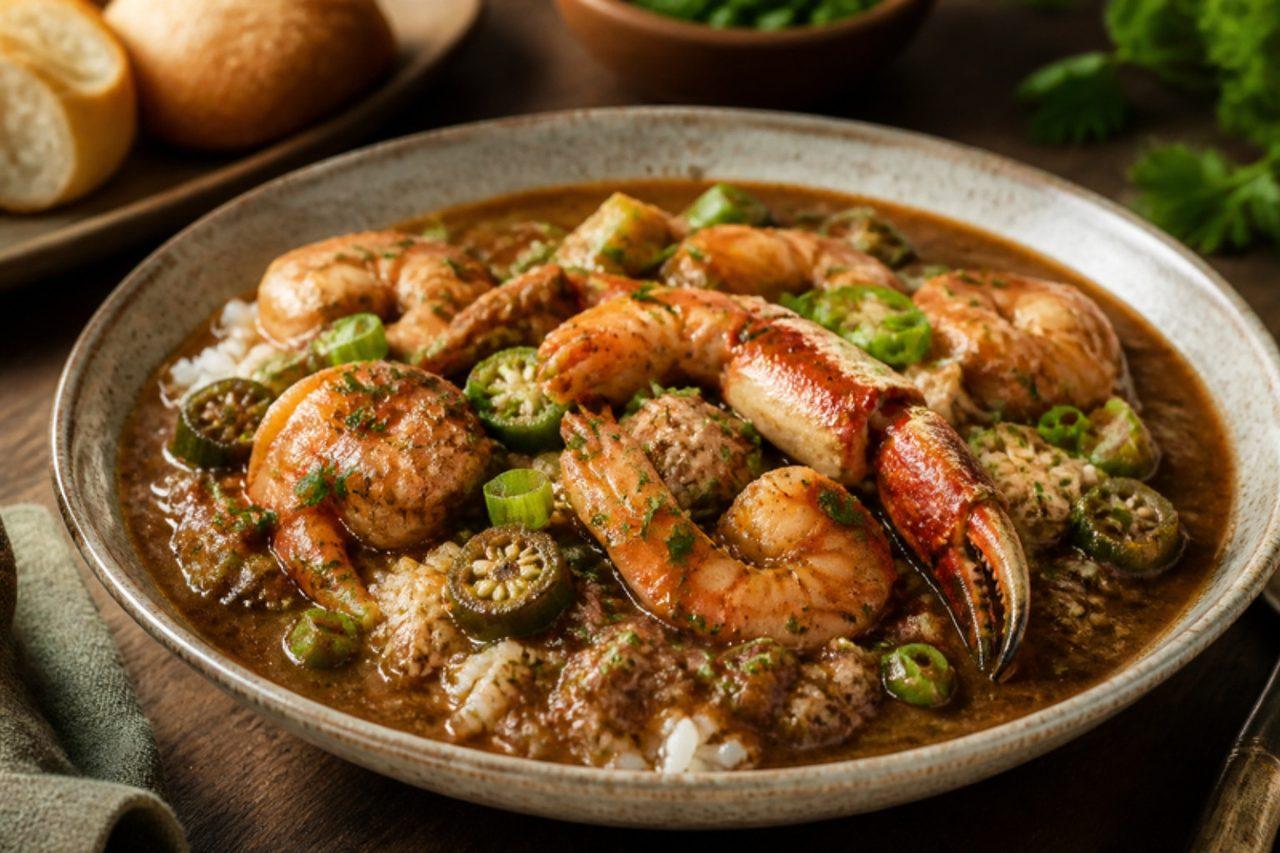
Seafood gumbo is the New Orleans Creole style, made in coastal kitchens from the French Quarter to the bayou towns of Plaquemines Parish, with a medium-brown roux, tomato and sliced okra to thicken it, and as much Gulf prawn, crab and oyster as the market offers. It is a Friday, Lent and Christmas Eve dish. Serve over rice with a dash of hot sauce. Chef's tip: make a quick stock from the prawn shells; it carries the sea flavour through the whole pot.

130 minAmericanFish
by KrazyBadal 0 views

Moroccan barley bread (khobz chair)

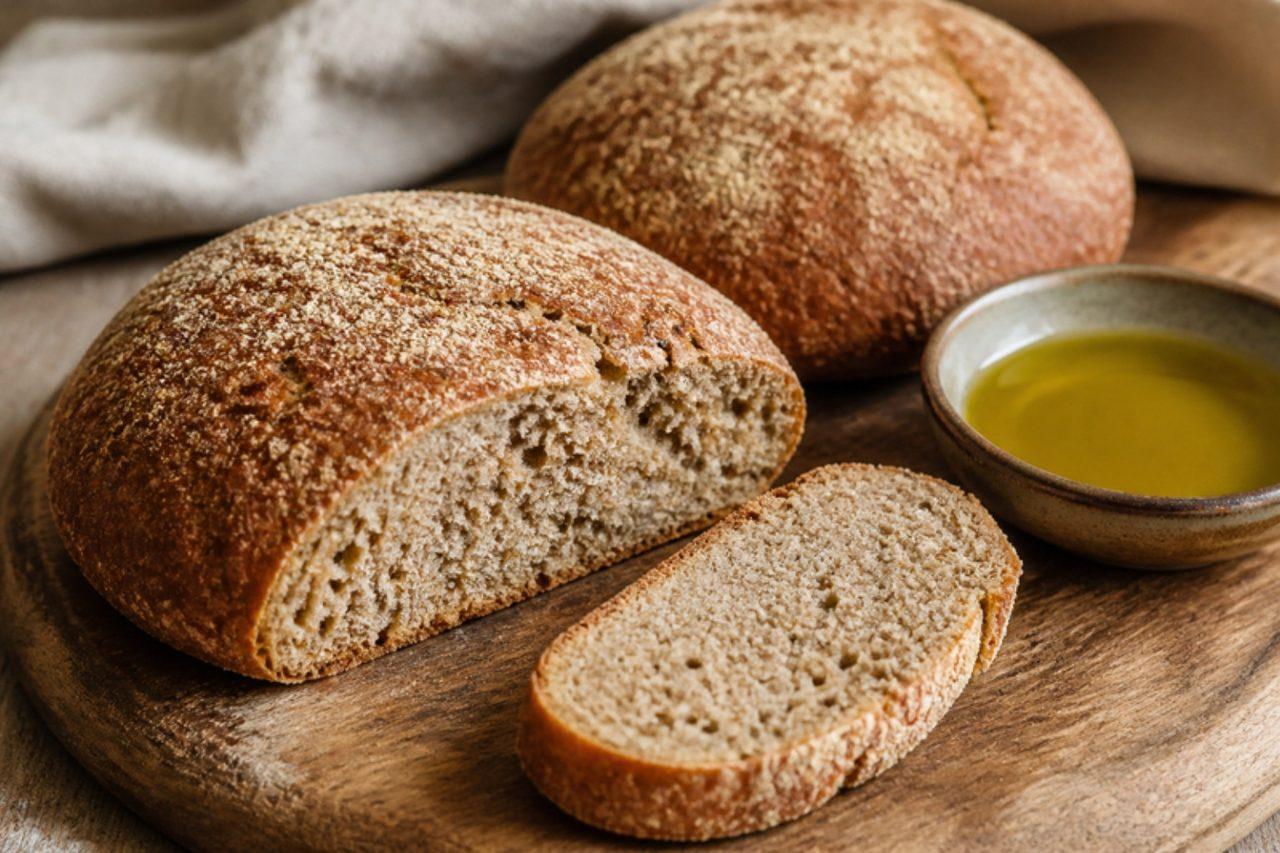
Before white flour became cheap, barley bread was everyday food in much of rural Morocco, from the Rif to the Atlas, and khobz chair is still baked at home and sold in markets by people who love its dense, slightly sweet, nutty crumb. Barley has very little gluten, so the loaves are flat-domed rather than tall, with a crust dusted in barley grits or semolina. Tear it while warm and dip it in olive oil, eat it with bissara, lentils or olives, or spread it with honey and butter at breakfast. A little white flour helps it rise; allow about 1 1/2 hours for rising. Chef's tip: do not keep adding flour to make it less sticky; barley dough is meant to feel tacky, and extra flour, the common mistake, makes a dry, crumbly loaf.

by KrazyBadal 0 views

Krachel (aniseed and sesame brioche buns)

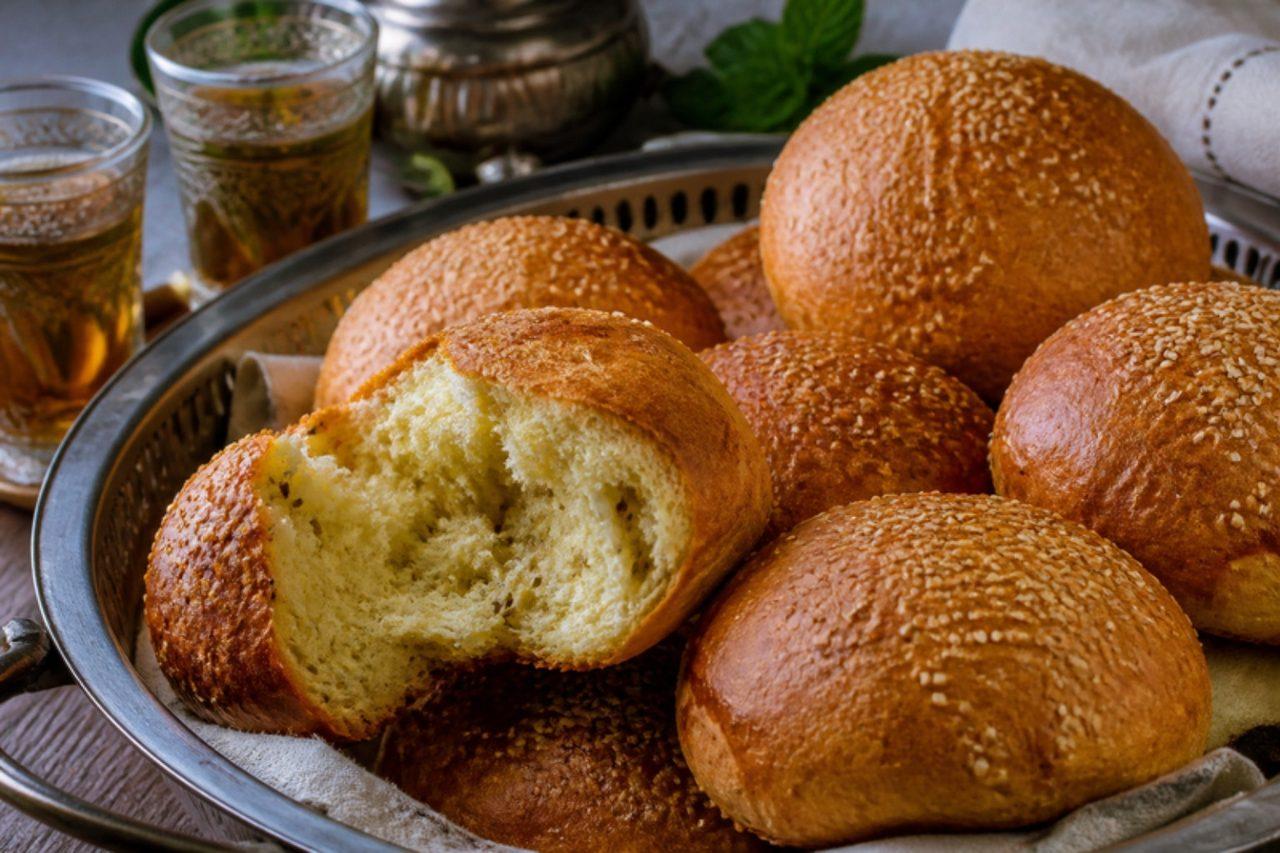
Moroccan bakeries pile their windows with krachel, round, glossy buns of enriched dough perfumed with aniseed, toasted sesame and orange-flower water, and families bake them at home for breakfast, for guests and for feast days. They are soft and pillowy, lightly sweet, with a distinctive liquorice-like scent from the anise and a nutty crunch of sesame on top. Eat them warm with butter and jam, dipped into milky coffee, or with mint tea in the afternoon. The dough needs two rises, about 1 1/2 hours in all. Don't rush the rise: under-proved krachel bake dense and tight instead of soft and fluffy. Chef's tip: lightly toast the aniseed and sesame in a dry pan before adding them to the dough; it doubles their fragrance.

by KrazyBadal 0 views

Shrimp rémoulade

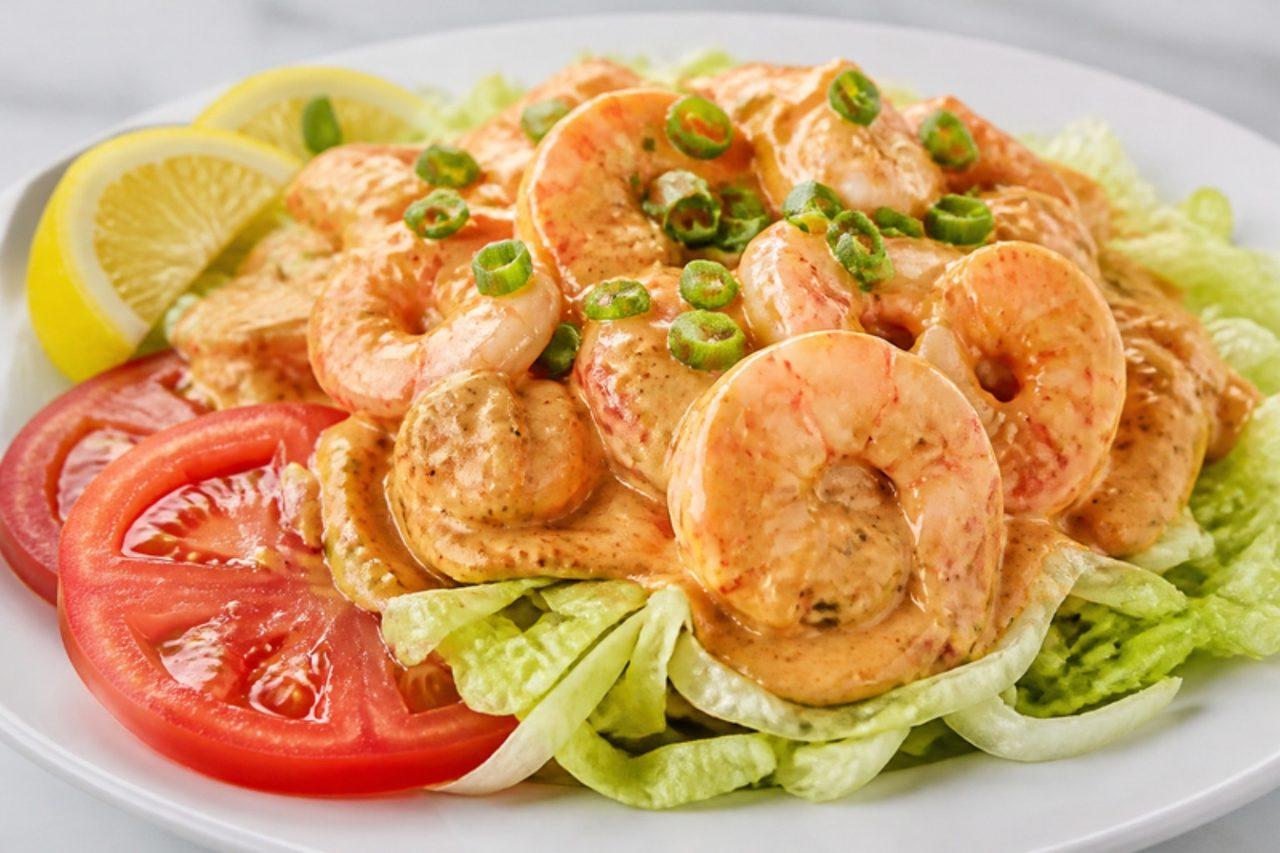
New Orleans rémoulade is not the pale French sauce but a brick-red, punchy mix of Creole mustard, paprika, horseradish and the trinity, and in the grand old Creole restaurants it is served as a cold starter over boiled Gulf prawns and shredded lettuce, especially in the summer heat. Chef's tip: make the sauce the day before so the flavours marry; it tastes raw and harsh straight after mixing.

by KrazyBadal 0 views
Texas smoked brisket

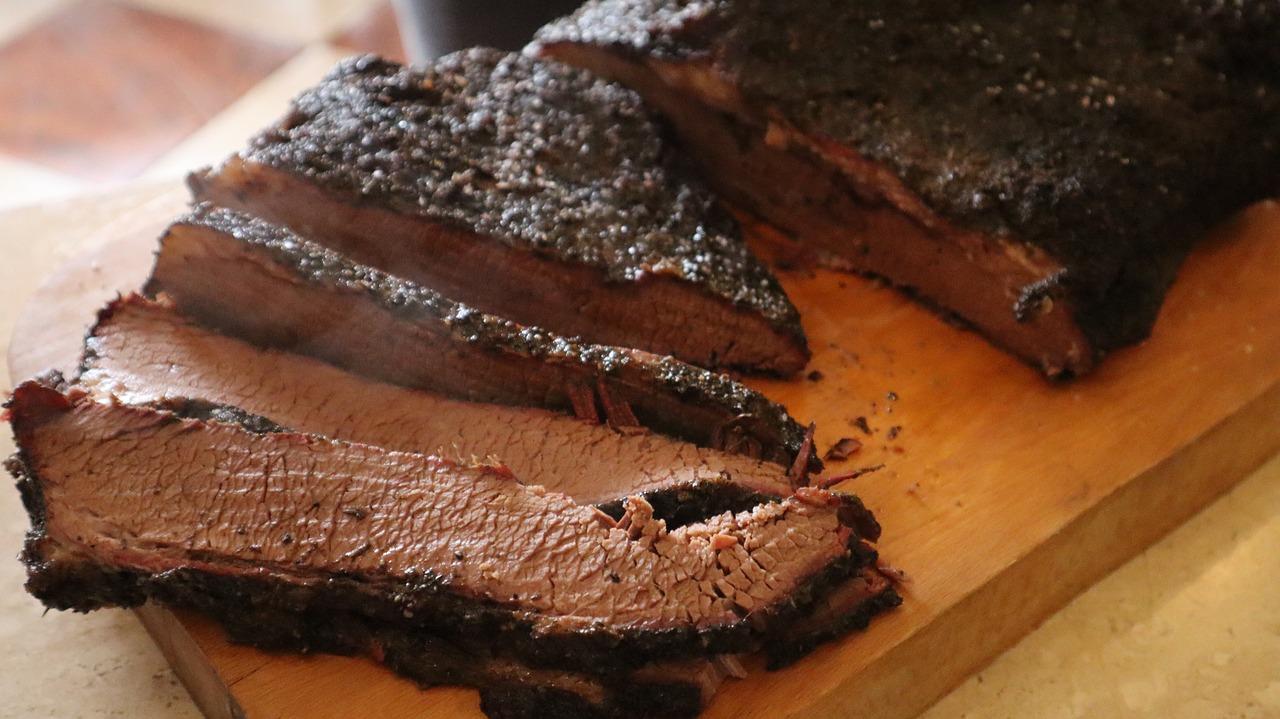
In the barbecue towns of central Texas, Lockhart, Luling and Taylor, brisket is smoked over post oak for half a day with nothing on it but coarse salt and black pepper, then sliced on butcher paper and sold by the pound with white bread, pickles and onion. The fatty point and the leaner flat both turn meltingly tender under a black, peppery bark. Chef's tip: cook to feel, not just time: it is ready when a probe slides into the thickest part like going into soft butter, usually around 95 °C inside.

750 minAmericanMeat
by KrazyBadal 0 views

Arizona chimichangas

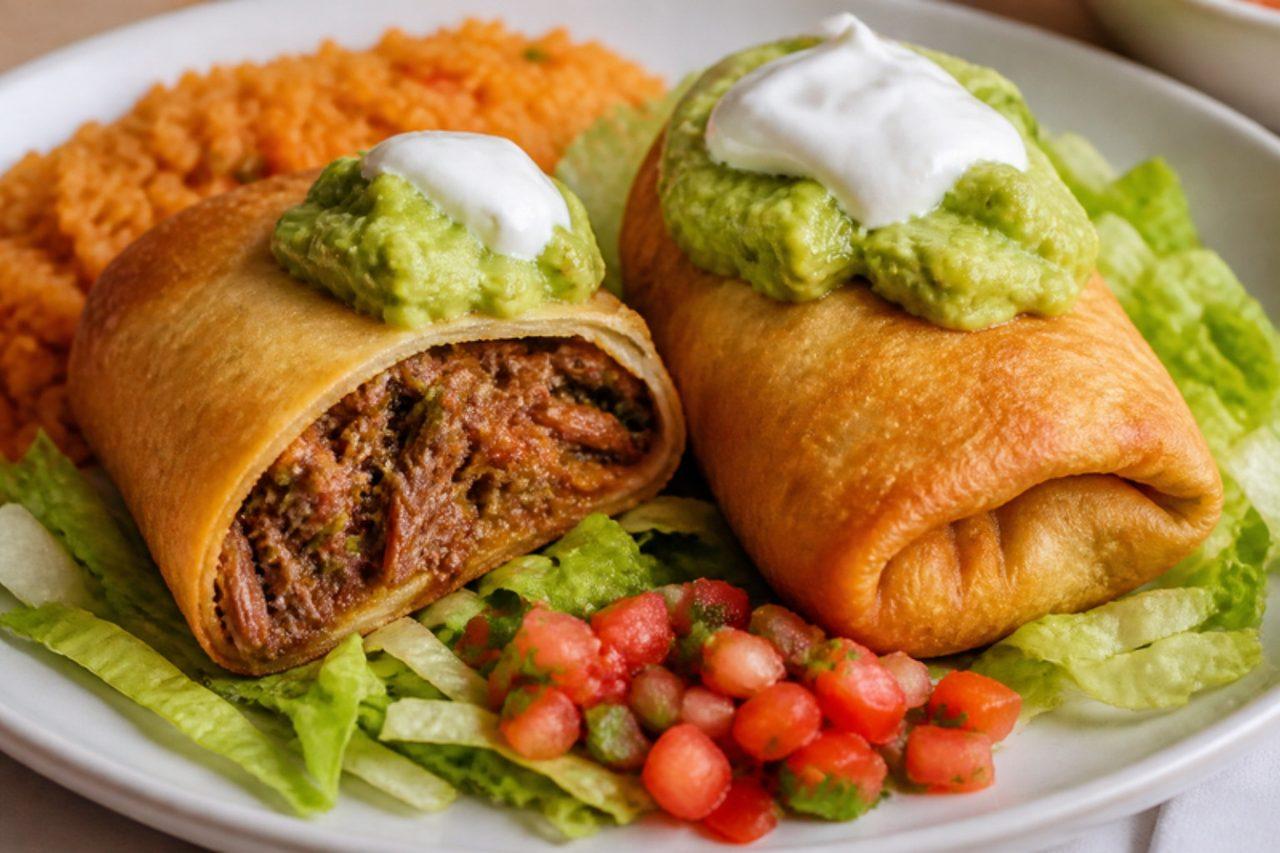
Tucson and Phoenix both claim to have invented the chimichanga, and the story told in Tucson is of a cook who dropped a burrito into the fryer by accident and swore in Spanish. It is now a staple of Arizona Mexican diners: a flour tortilla wrapped around shredded beef and beans, fried golden and crisp, then topped with guacamole and soured cream. Chef's tip: roll the burrito tightly and fry it seam-side down first so it seals and doesn't open in the oil.

170 minAmericanMeat
by KrazyBadal 0 views

Chicago Italian beef

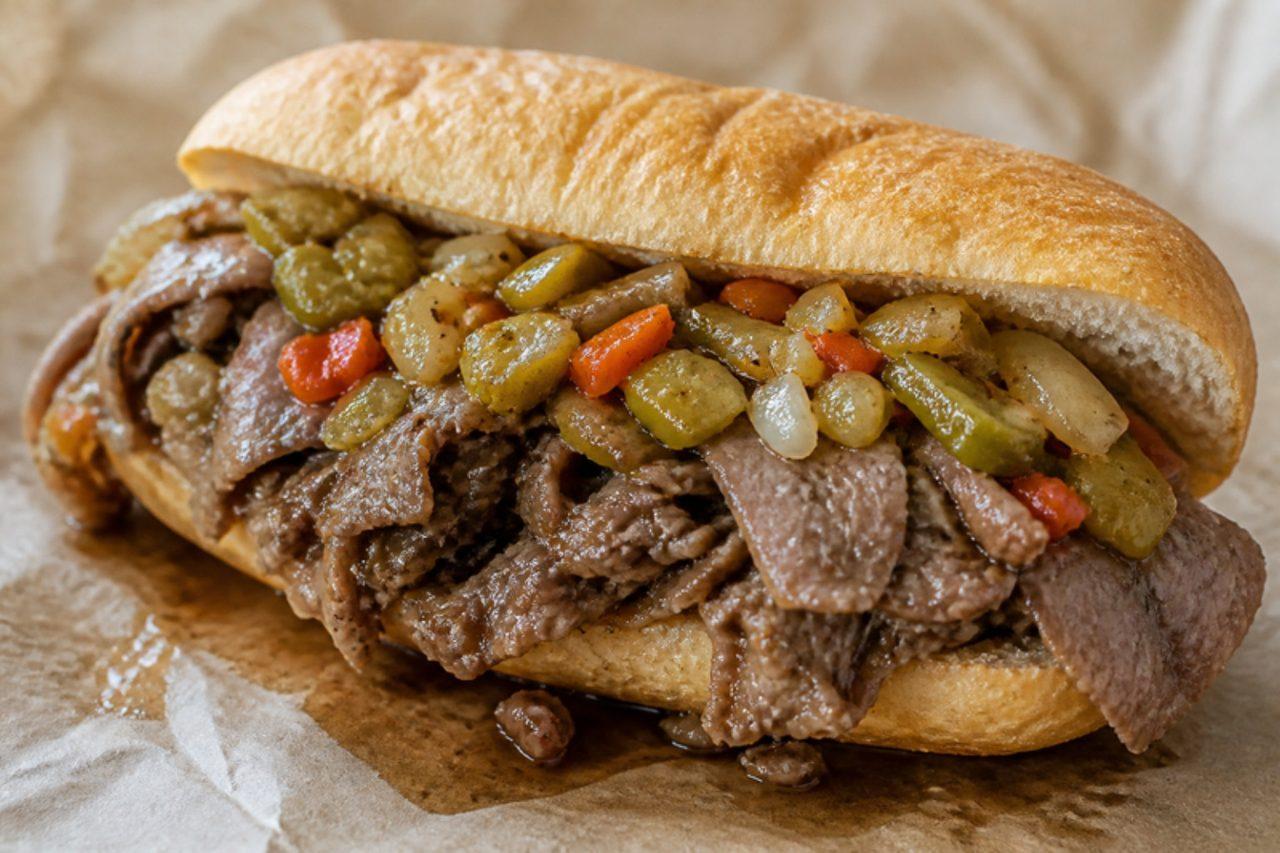
Italian beef was born at Italian-American weddings and family stands on Chicago's West Side in the 1930s, when cooks sliced roast beef paper-thin so a little meat could feed a crowd. The slices are soaked in a garlicky, oregano-spiced jus and piled into a crusty roll with hot giardiniera or sweet peppers; order it 'dipped' and the whole sandwich gets a dunk in the jus. Chef's tip: chill the roast overnight before slicing; cold beef slices far thinner, and thinness is everything here.

175 minAmericanMeat
by KrazyBadal 0 views

Chicago-style hot dog

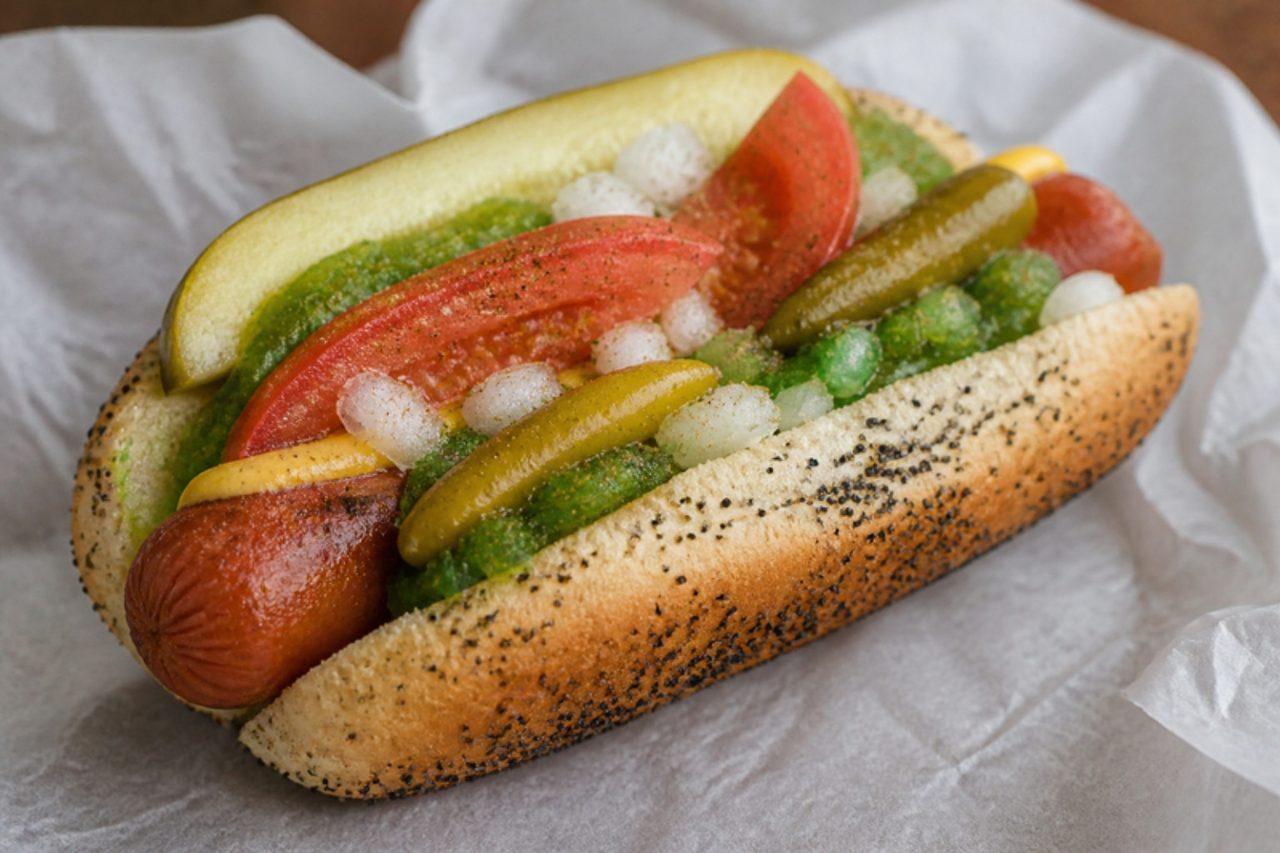
A Chicago dog is one of the city's proudest foods, sold from hot dog stands across the city and outside Wrigley Field: an all-beef frankfurter in a steamed poppy seed bun, 'dragged through the garden' with yellow mustard, bright green relish, onion, tomato, a pickle spear, pickled sport peppers and celery salt. Chicagoans have one firm rule: never ketchup. Chef's tip: steam the buns instead of toasting them, so they are soft and warm and hold everything together.

by KrazyBadal 0 views

St. Louis toasted ravioli

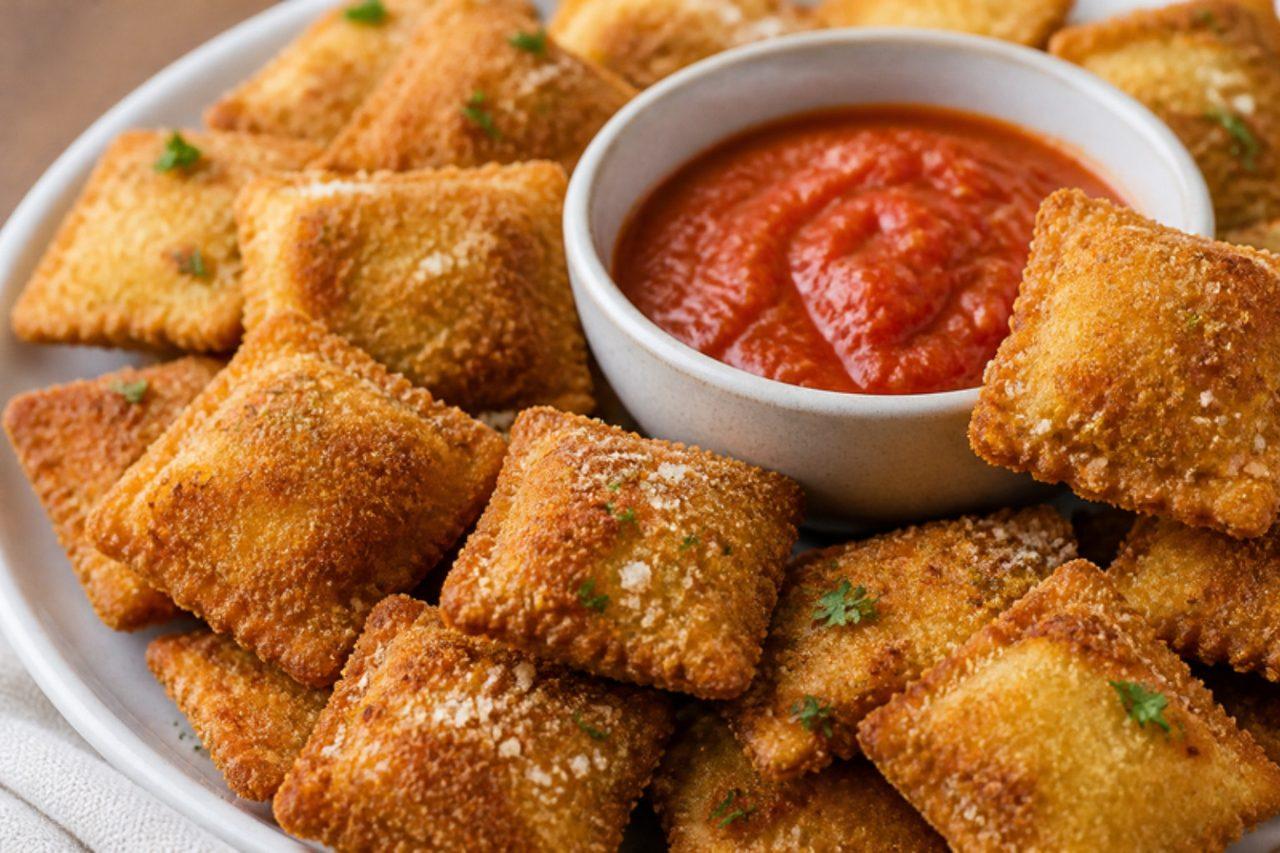
Toasted ravioli was invented on the Hill, St. Louis's old Italian neighbourhood, when, as the story goes, a cook dropped ravioli into hot oil by accident; now 'T-ravs' are on nearly every bar and restaurant menu in the city. Beef-filled ravioli are breaded and fried, not toasted, until crisp, then dusted with grated cheese and dipped in marinara. Chef's tip: chill the breaded ravioli for 20 minutes before frying so the crumb sticks and doesn't fall off in the oil.

by KrazyBadal 0 views

Minnesota tater tot hotdish

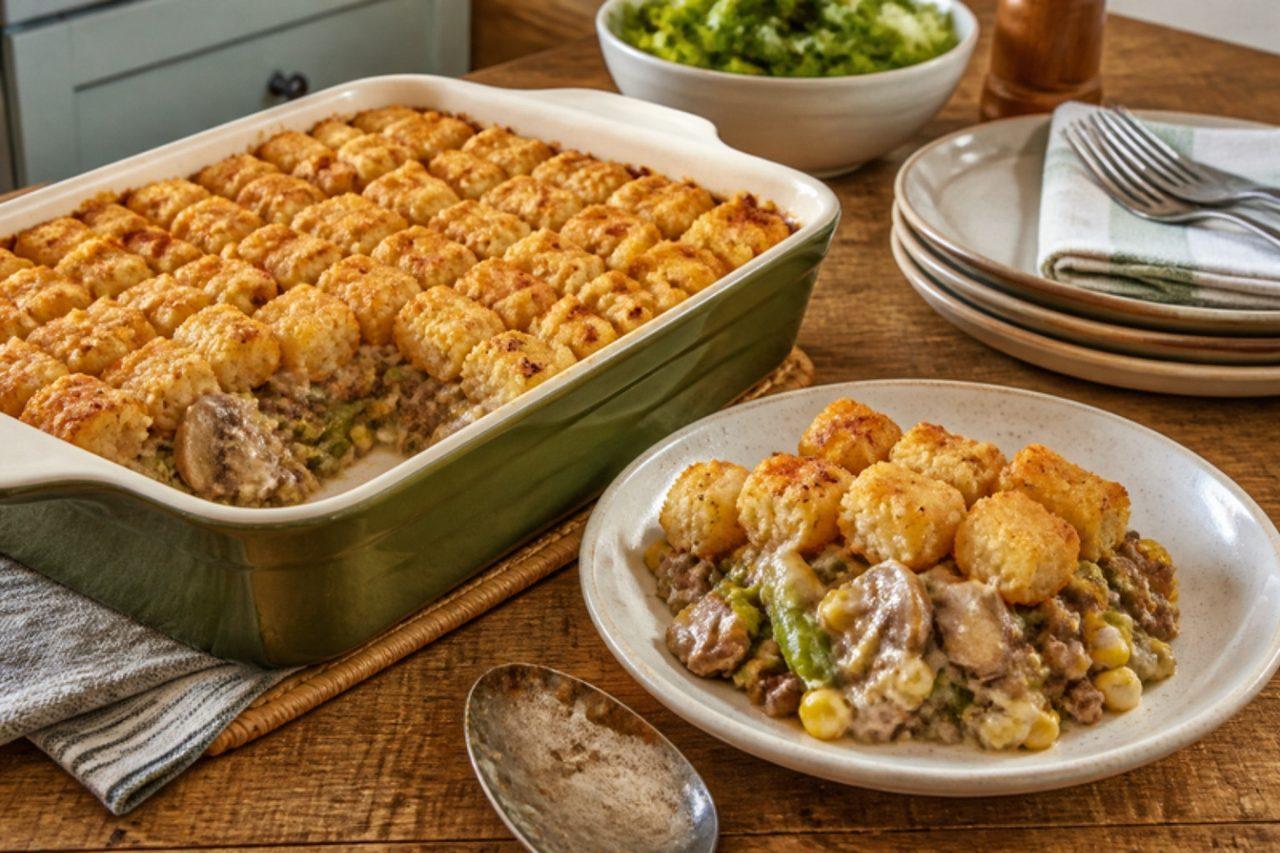
In Minnesota, any one-dish bake is a hotdish, and the tater tot version is what turns up at church basement suppers, Lutheran funerals and family reunions all over the state. Seasoned beef mince and vegetables go into a creamy mushroom sauce, the top is covered in neat rows of crisp potato tots, and everything bakes until golden. This version makes the sauce from scratch. Chef's tip: lay the tots in tight, even rows; gaps let steam escape and the tots crisp instead of going soggy.

by KrazyBadal 0 views

Iowa loose meat sandwich

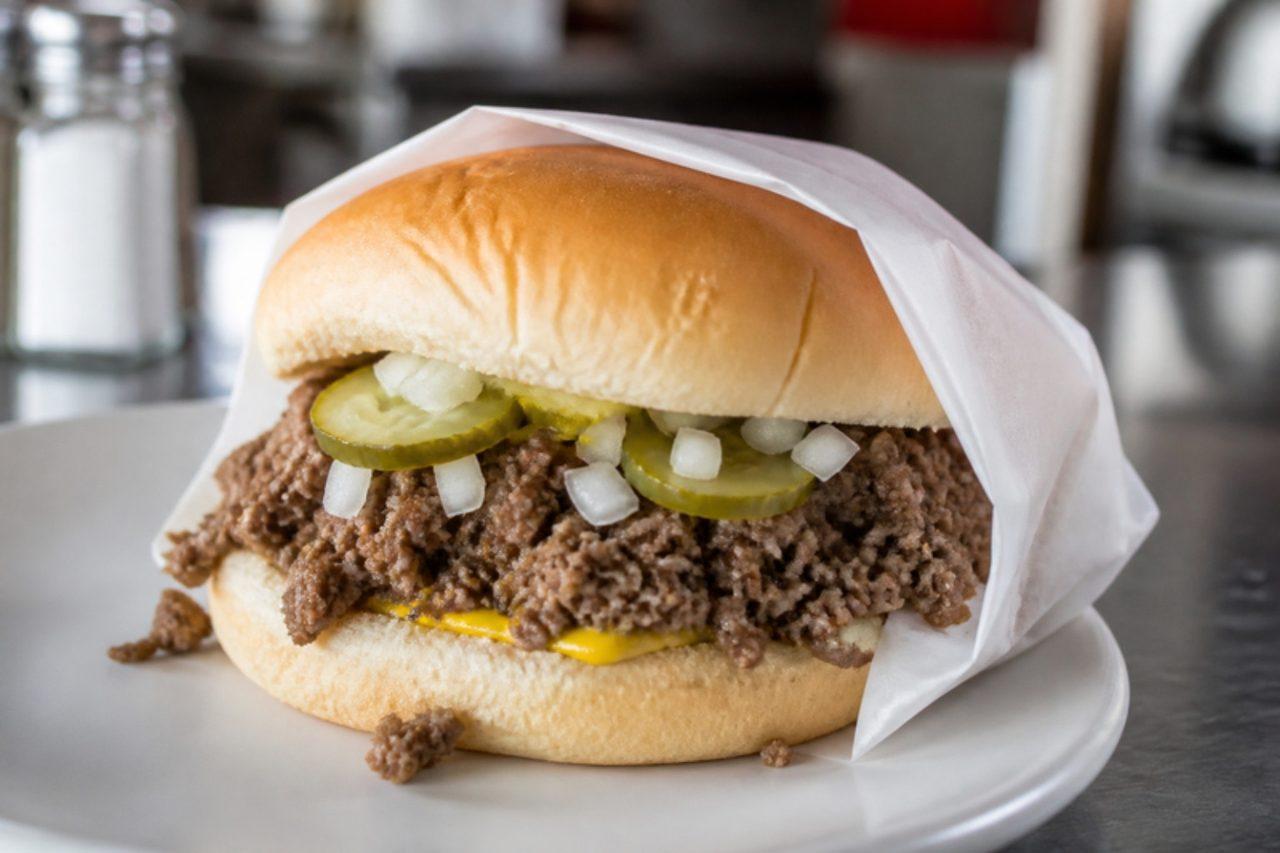
The loose meat sandwich, sometimes called a Maid-Rite after the Iowa chain that started it in Muscatine in 1926, is beef mince simmered until finely crumbled and tender, then piled loose on a soft bun with mustard, pickles and onion. It falls apart as you eat it, so it comes with a spoon. Small-town Iowa cafés have served it at lunch counters for generations. Chef's tip: break the meat up constantly with a potato masher as it cooks; you want fine, even crumbs, not lumps.

by KrazyBadal 0 views

King Ranch chicken

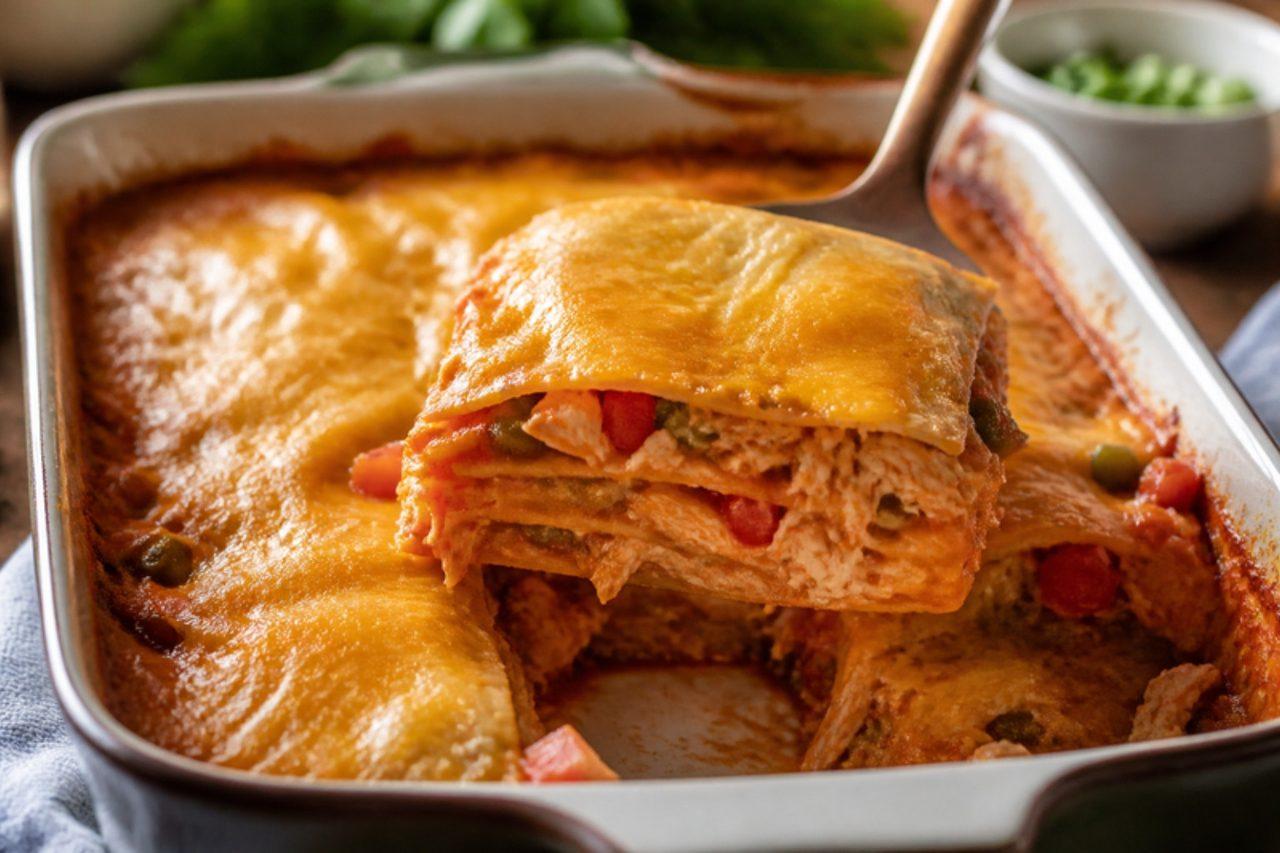
King Ranch chicken is the layered casserole every Texan has eaten at a potluck, baby shower or after a funeral, named, without any proof, after the famous ranch in South Texas. Corn tortillas are layered like lasagne with shredded chicken, peppers, tinned tomatoes with green chiles, a creamy sauce and lots of cheese. This version makes the sauce from scratch instead of tinned soup. Chef's tip: lightly fry or toast the tortillas first so the layers hold up instead of turning to mush.

by KrazyBadal 0 views

San Antonio puffy tacos

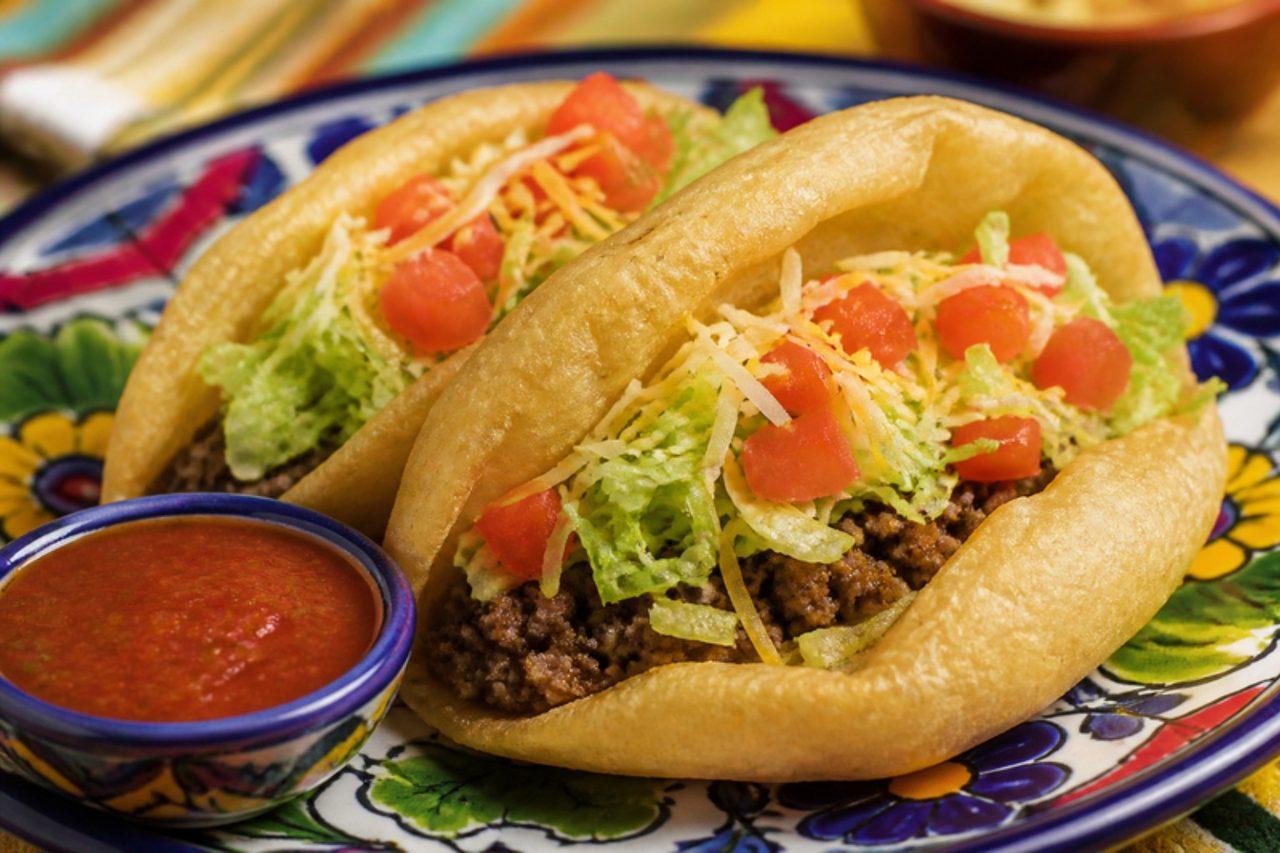
The puffy taco is San Antonio's own: a ball of fresh corn masa pressed flat and dropped into hot oil, where it puffs into a light, crisp, hollow shell, then shaped into a U and filled with seasoned beef mince, lettuce and tomato. Family-run Tex-Mex restaurants on the West Side have served them since the 1950s, and the city's baseball team even has a puffy taco mascot. Chef's tip: as soon as the dough puffs, press a spatula into the middle to make the fold, before it sets.

by KrazyBadal 0 views

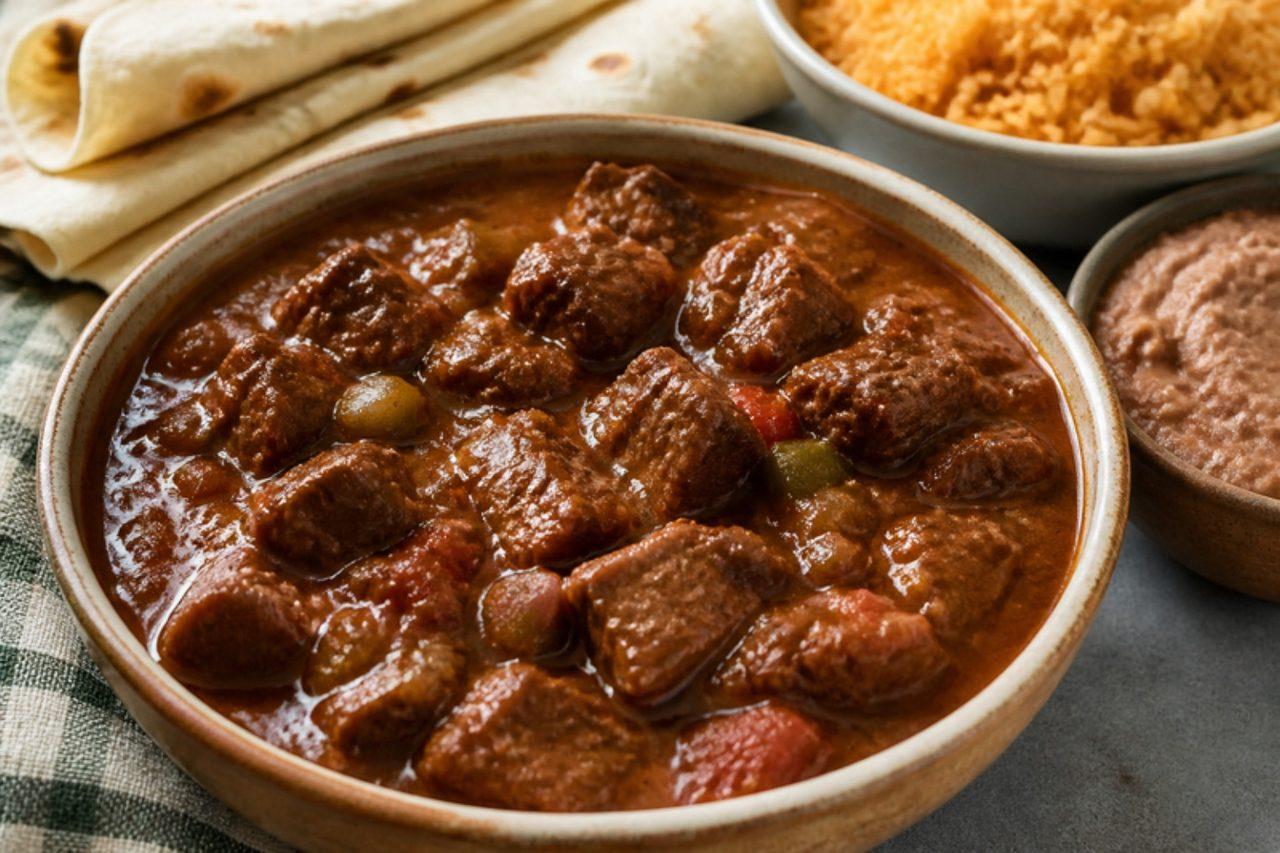
Texas carne guisada

Carne guisada is the South Texas comfort stew of the Rio Grande Valley and Corpus Christi, ladled into fresh flour tortillas for breakfast tacos or eaten from a plate with rice and refried beans. Cubes of beef chuck are browned and slowly stewed with onion, pepper, garlic and cumin in a thick, peppery brown gravy. Chef's tip: dust the beef with flour as it browns; it thickens the gravy just enough to cling to a tortilla.

135 minAmericanMeat
by KrazyBadal 0 views

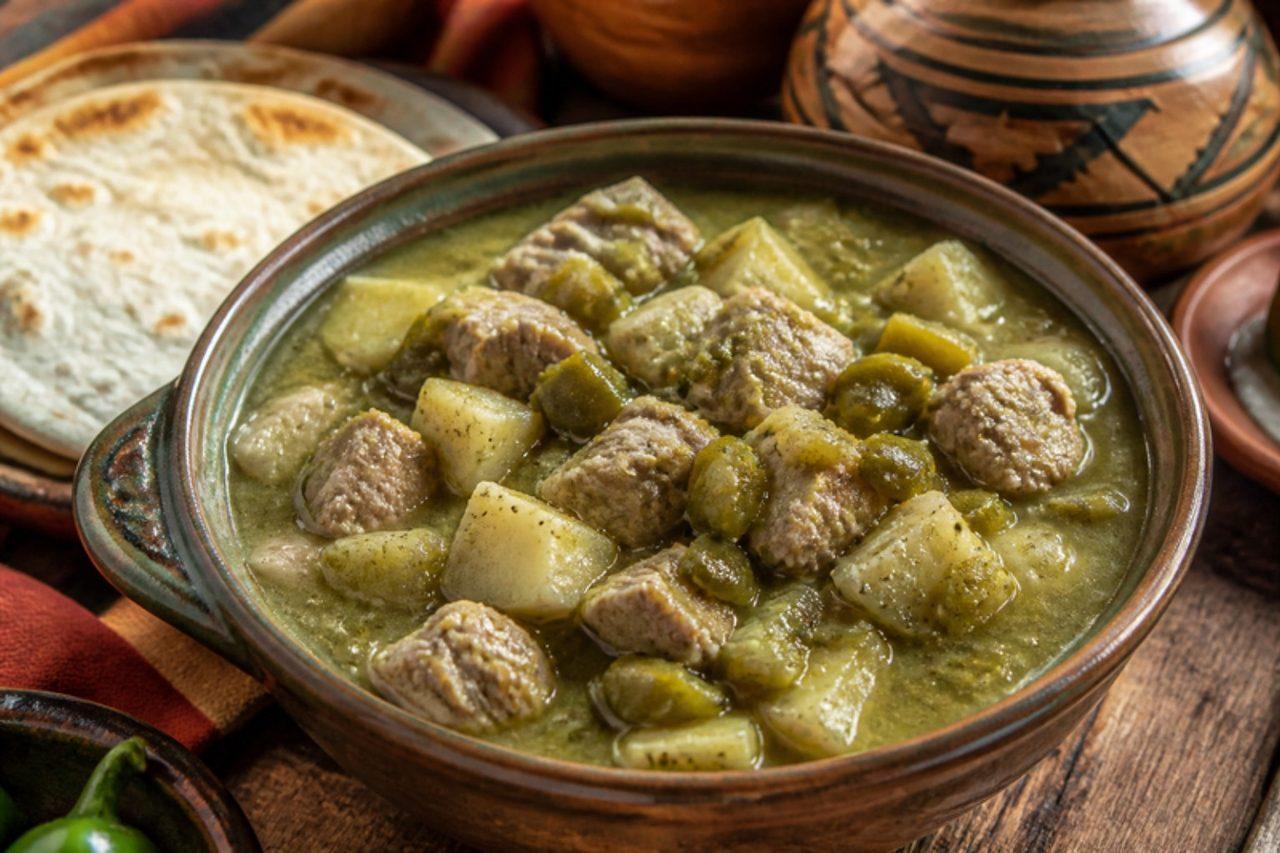
New Mexico green chile stew

When the Hatch chile harvest comes in each September, the smell of roasting green chiles fills supermarket car parks across New Mexico, and green chile stew becomes the dish of football Fridays and cold Santa Fe nights. It is a brothy stew of pork shoulder, potatoes and plenty of roasted, peeled green chile, served with a warm tortilla. Chef's tip: roast the chiles until the skins blister black all over, then sweat them in a covered bowl; the skins slip off easily.

120 minAmericanMeatGluten freeSpicy
by KrazyBadal 0 views

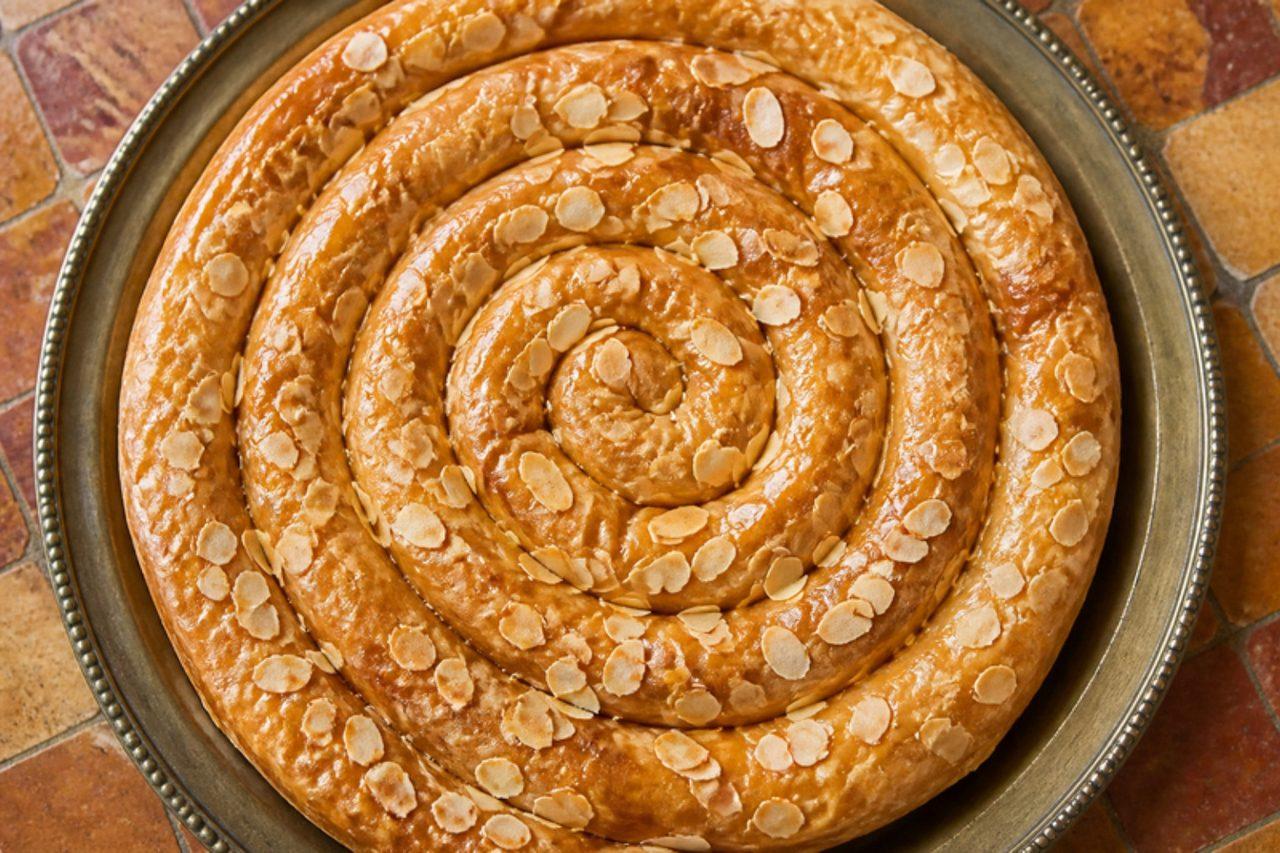
Mhancha (almond snake pastry)

M'hancha means 'the snake', and that is exactly what this festive Fez pastry looks like: a long tube of paper-thin warqa or filo filled with orange-blossom almond paste and coiled into a spiral, then baked until golden and brushed with warm honey. It is brought out whole for guests and family celebrations and cut into wedges at the table with mint tea. The pastry shatters, the filling is soft and fragrant with cinnamon, and the honey glaze makes it shine. Filo stands in well for warqa; most shop filo is made without butter, but check the label. Most people go wrong by letting the filo dry out while they roll; keep the sheets under a damp cloth so the long rolls don't crack when coiled. Chef's tip: roll the filling loosely in the pastry and coil it gently; packed too tightly, the snake cracks as you curl it.

by KrazyBadal 0 views

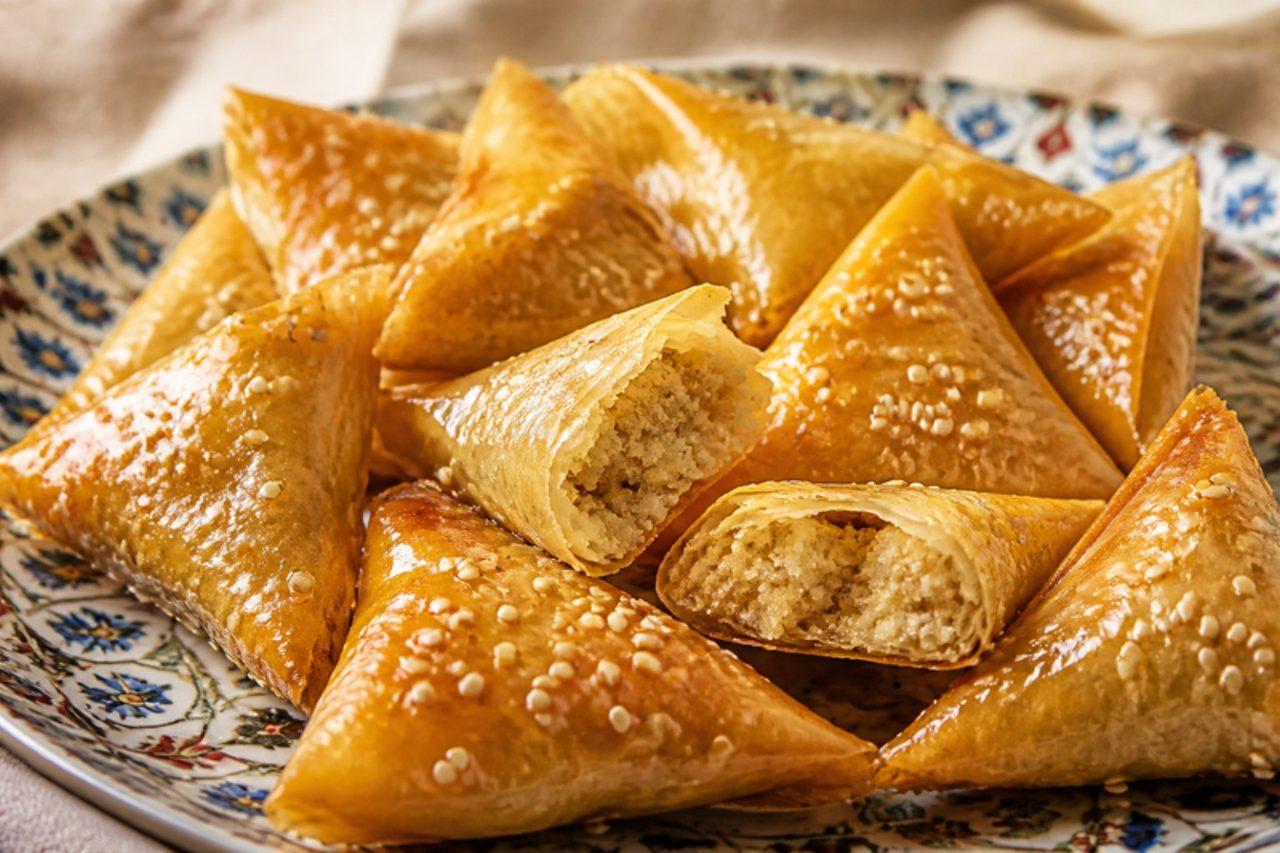
Almond briouats

Ramadan evenings, weddings and Eid all call for a tray of sticky almond briouats: small triangles of warqa or filo wrapped around almond paste scented with orange-flower water and cinnamon, fried until golden and then plunged into warm honey. They are crisp at first bite, then soft and chewy as the honey seeps in, finished with a few sesame seeds. Served with mint tea, they sit happily next to chebakia and sellou on the iftar table. Filo works well in place of warqa. Chef's tip: dip the briouats in honey that is warm but not boiling, for about 2 minutes; leave them longer, the common mistake, and they turn soggy.

by KrazyBadal 0 views

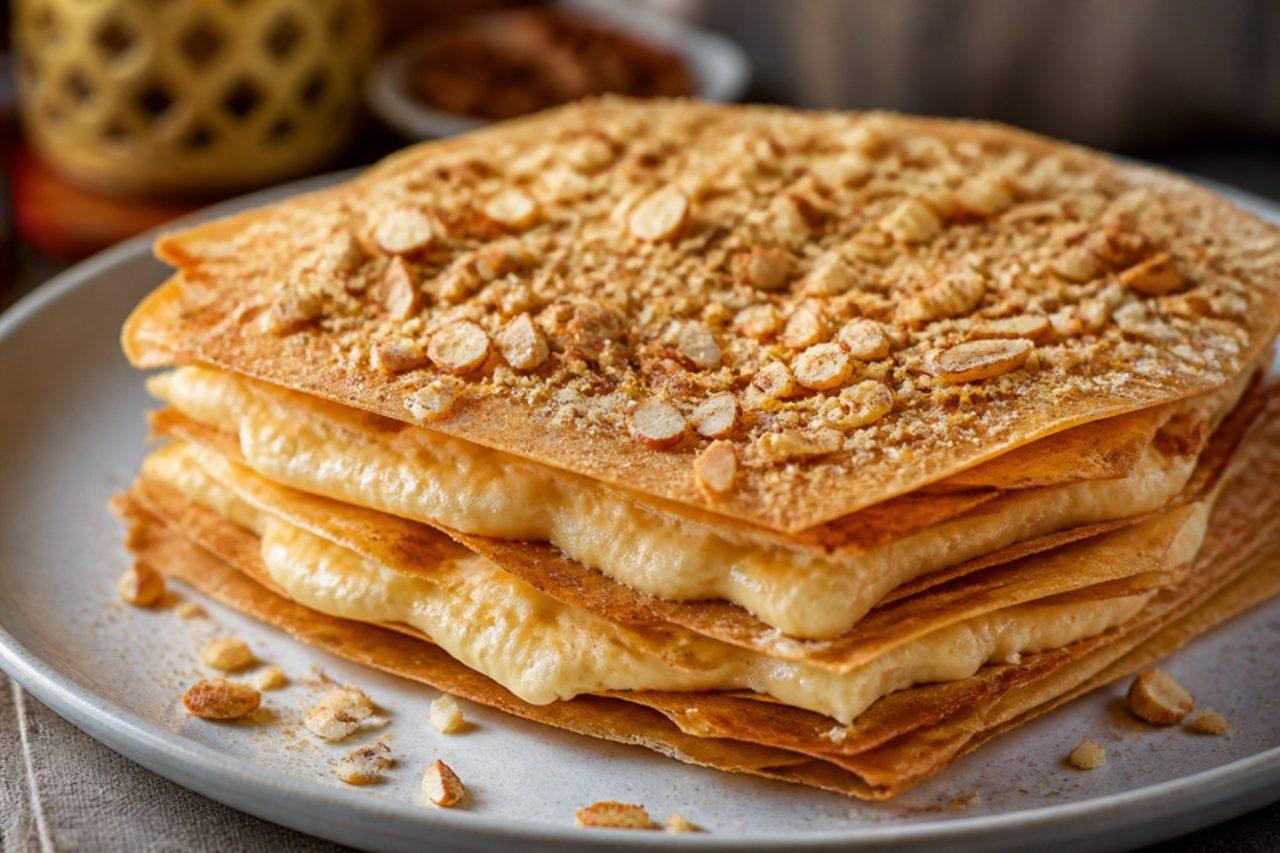
Ktefa (milk pastilla)

Ktefa, also known as pastilla au lait, is the grand finale of many weddings and family feasts in Fez and Rabat: shattering layers of fried warqa piled up with a light orange-blossom milk custard and a sweet, cinnamon-scented crumble of toasted almonds, assembled at the very last moment so every bite crackles. It is served in wedges or straight from the platter. Filo fried in rounds makes an easy home version, and everything can be prepared ahead except the final assembly. The custard is cooked until it bubbles, so the eggs are fully cooked. Don't assemble ktefa ahead of time: once the custard sits on the crisp layers they go soggy within minutes. Chef's tip: assemble only when you are ready to serve; if it sits for more than 15 minutes, the custard softens the crisp layers, the most common way ktefa goes wrong.

by KrazyBadal 0 views
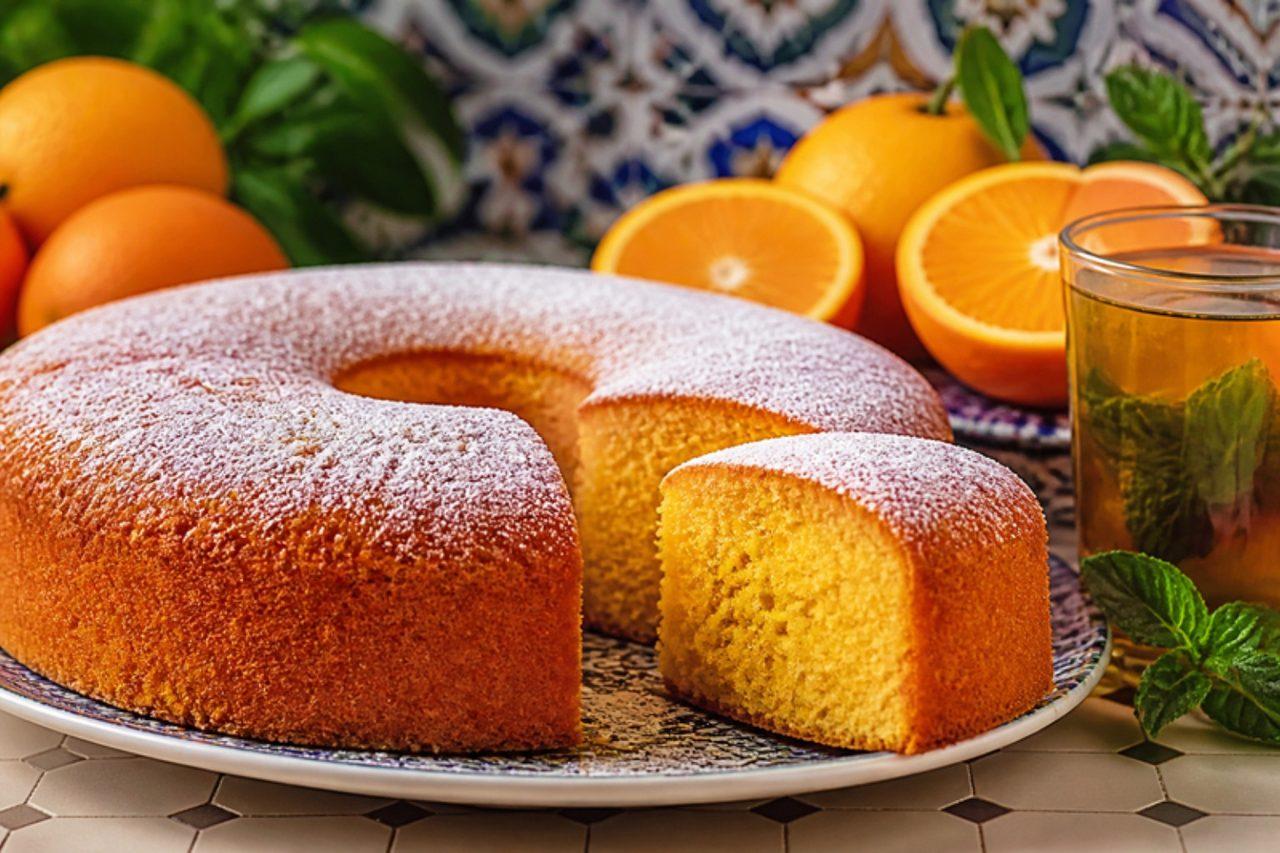
Meskouta (Moroccan orange cake)

Every Moroccan home cook seems to have a meskouta recipe, the light, fluffy sponge that is baked in a ring tin and set out for afternoon tea, unexpected guests or a children's snack. This one is flavoured with fresh orange juice and zest; many families make a yogurt version instead, using the yogurt pot to measure everything, and that variation is in the steps. The crumb is airy and moist, not too sweet, and it pairs perfectly with mint tea or a glass of milk. No mixer is strictly needed, but it helps. Chef's tip: beat the eggs and sugar for a full 5 minutes until pale and tripled in volume; under-whipped eggs, the usual mistake, make a dense, flat meskouta.

by KrazyBadal 0 views
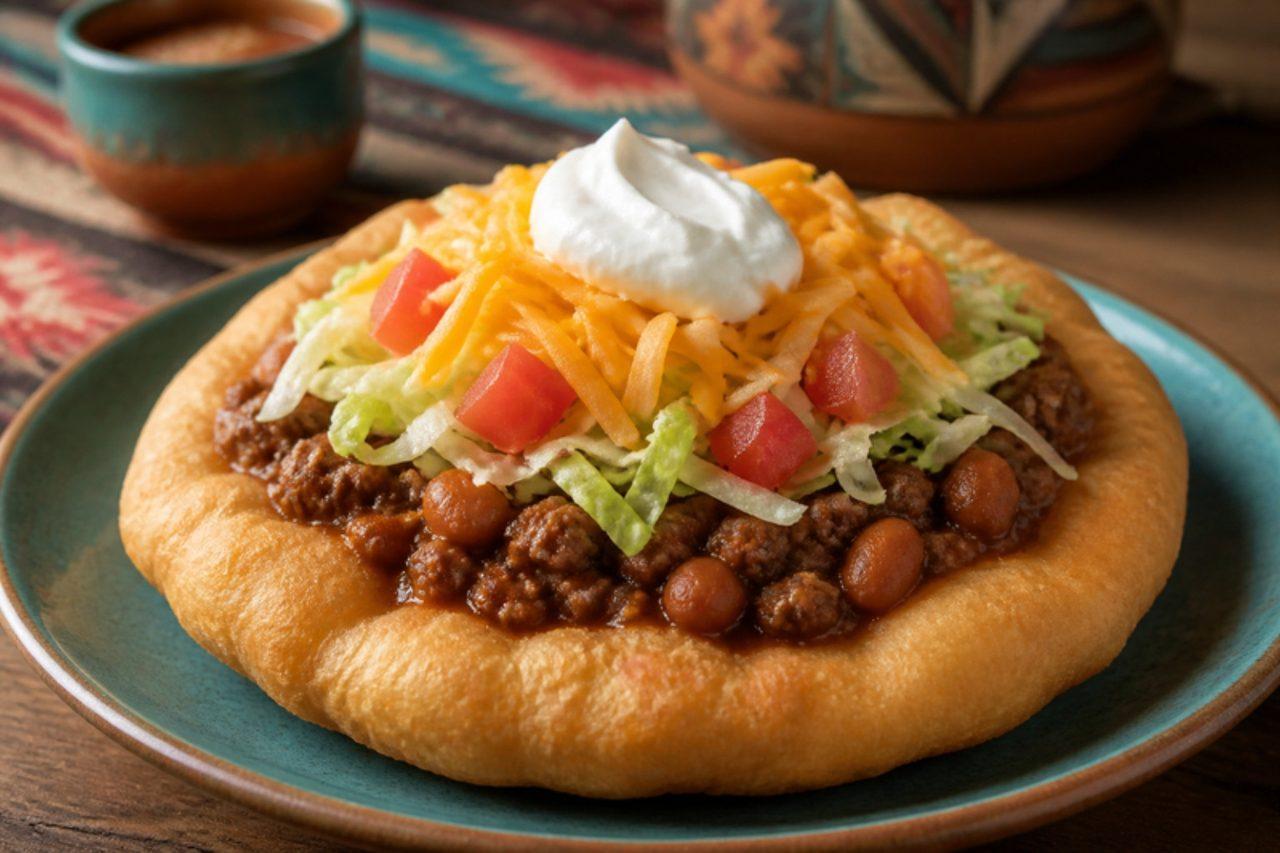
Navajo tacos

Navajo tacos, also called Indian tacos, are what the queues are for at powwows, state fairs and roadside stands across the Navajo Nation and the Four Corners. A freshly fried, crisp-edged fry bread is piled with beef and pinto bean chili, shredded lettuce, tomato, onion and cheese, and eaten with a knife and fork. Chef's tip: make the chili first and fry the bread last, so it is still crisp when the toppings go on.

by KrazyBadal 0 views
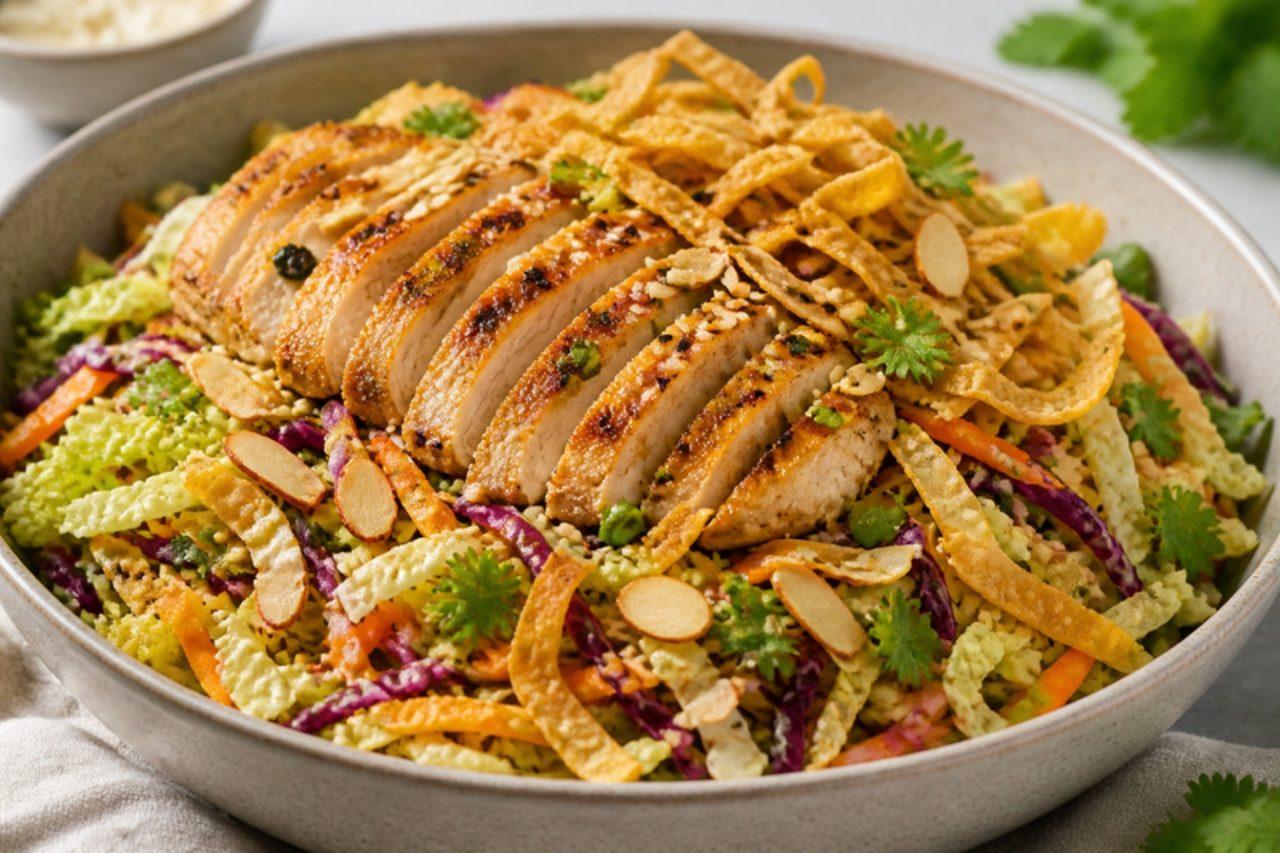
Chinese chicken salad

Chinese chicken salad is not from China but from 1960s and 70s California, popularised by a Chinese-American restaurant in Beverly Hills and by Hollywood lunch spots, then copied by every Los Angeles café. Shredded chicken, cabbage, carrots and spring onions are tossed in a sweet sesame-ginger dressing and topped with crisp fried wonton strips, toasted almonds and mandarin segments. Chef's tip: add the crunchy toppings at the last moment, or they go soft in minutes.

by KrazyBadal 0 views
Idaho finger steaks

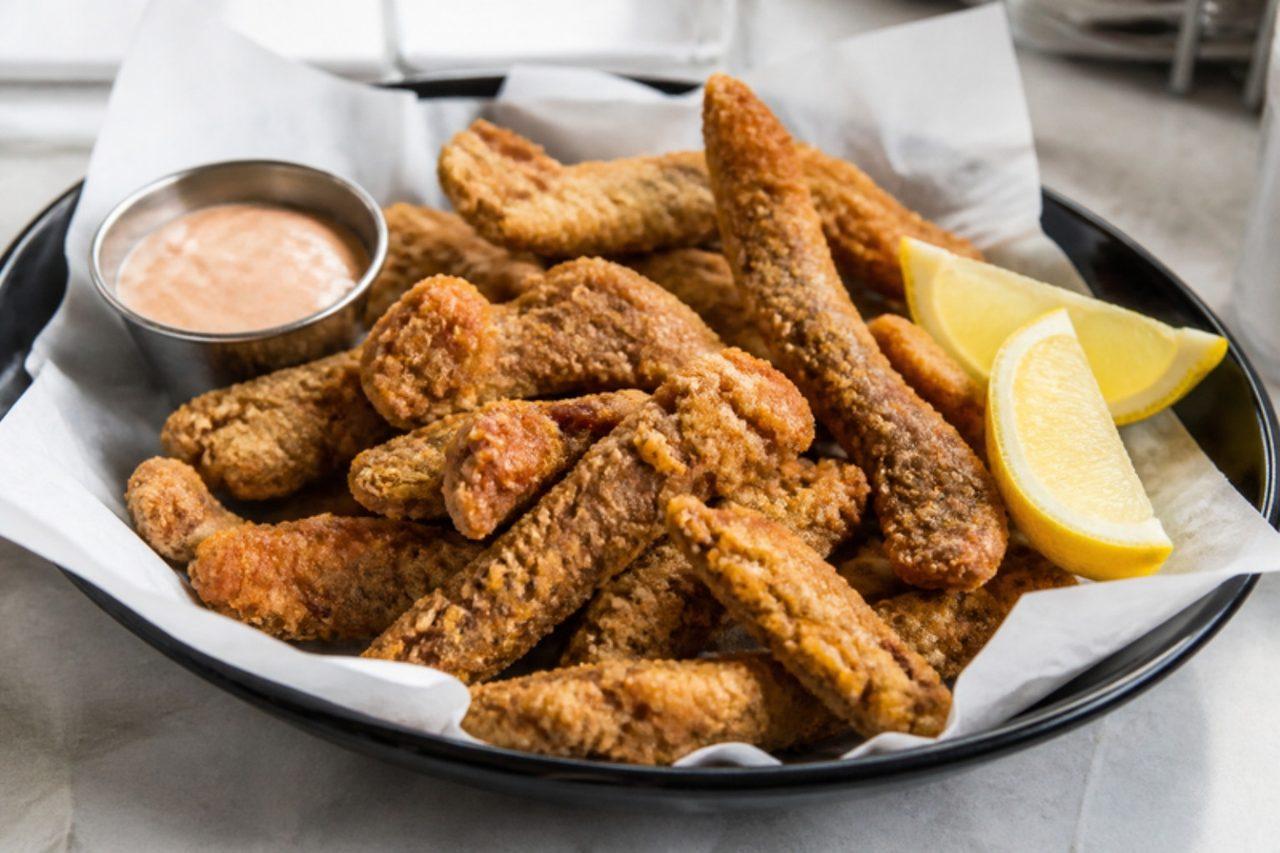
Finger steaks are Idaho's diner and drive-in speciality, said to have been invented by a butcher in Boise in the 1950s who battered the trimmings of steaks and fried them. Strips of tender sirloin are dipped in a light, peppery batter and deep-fried until crisp, then eaten with chips and pink fry sauce at the county fair. Chef's tip: cut the beef into even strips about 1.5 cm thick so they cook to tender in the 2 minutes it takes the batter to brown.

by KrazyBadal 0 views
Huli huli chicken

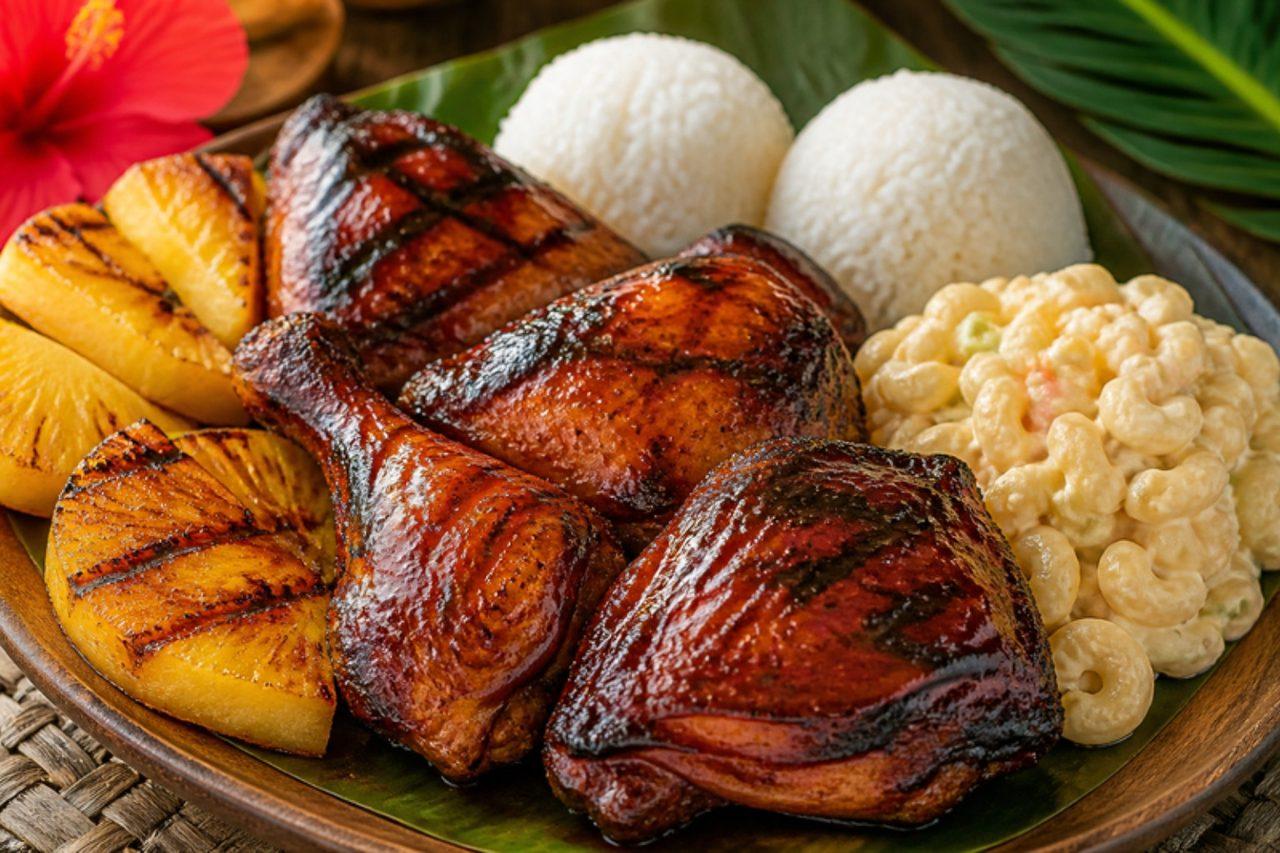
Huli means turn in Hawaiian, and this chicken was named in the 1950s when a farmer on Oʻahu grilled it between two racks and flipped it over the fire; today you smell it from roadside fundraiser stands and North Shore weekend grills. Chicken is marinated in soy sauce, pineapple juice, ginger and brown sugar, then grilled and basted until sticky and charred. Chef's tip: boil the leftover marinade before basting with it, so it is safe and turns into a glaze.

by KrazyBadal 0 views
Chicken long rice

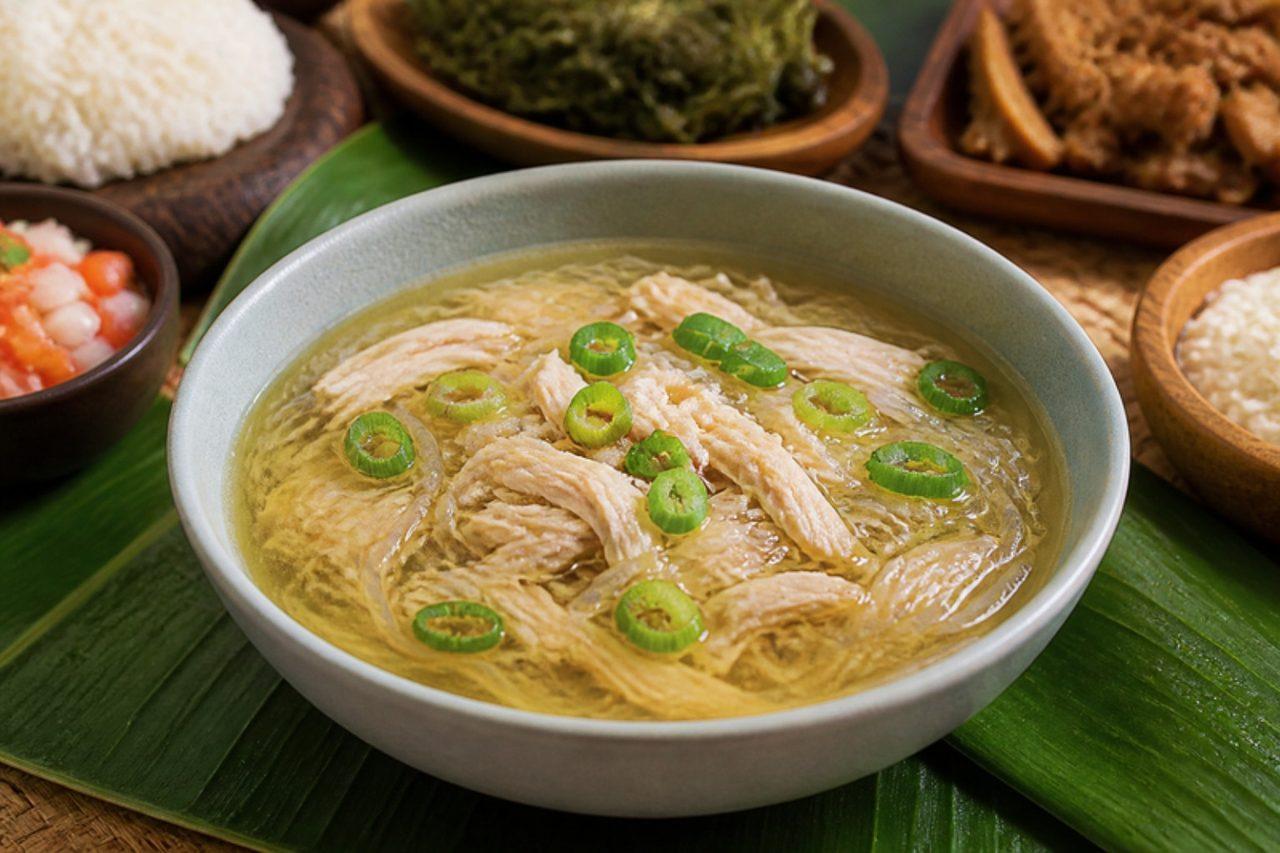
Despite its name there is no rice in it: chicken long rice is a gingery chicken broth with bean thread noodles, brought to Hawaii by Chinese plantation workers and now a fixture at every lūʻau and baby's first-birthday party alongside kalua pig and poi. The glassy noodles soak up the broth until it is almost a stew. Chef's tip: soak the noodles and cut them into short lengths before they go into the pot, or you get one long, tangled clump.

by KrazyBadal 0 views
Yorkshire puddings

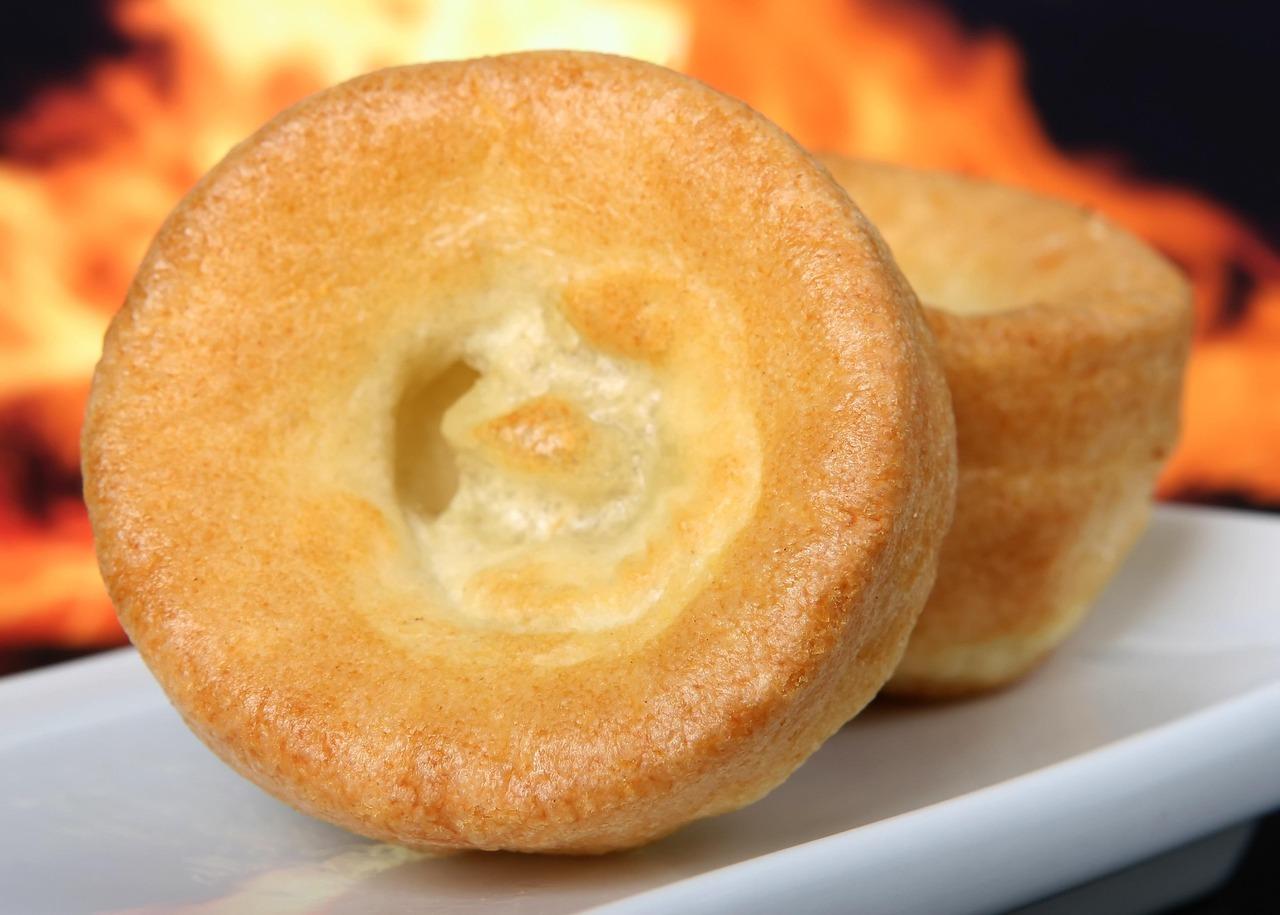
In Yorkshire the pudding was once served first, on its own with gravy, to fill people up before the meat; today these puffed, crisp-edged cups sit beside the roast at Sunday lunch all over England. The batter is nothing but eggs, flour and milk, and the trick is in the heat: smoking-hot fat in the tin and a hot oven. Serve with onion gravy for a vegetarian roast. Chef's tip: rest the batter for at least 30 minutes, which helps the puddings rise tall and even.

by KrazyBadal 0 views
Mince pies

Mince pies are handed round with mulled drinks at every English Christmas gathering, from carol services to office parties, and children leave one out for Father Christmas. The mincemeat once held meat; this home-made version is all fruit, apple and spice, with vegetarian suet, and brandy is optional, so it can be alcohol-free. Chef's tip: make the mincemeat a week ahead so the flavours mellow; it keeps for months.

by KrazyBadal 0 views
Crumpets

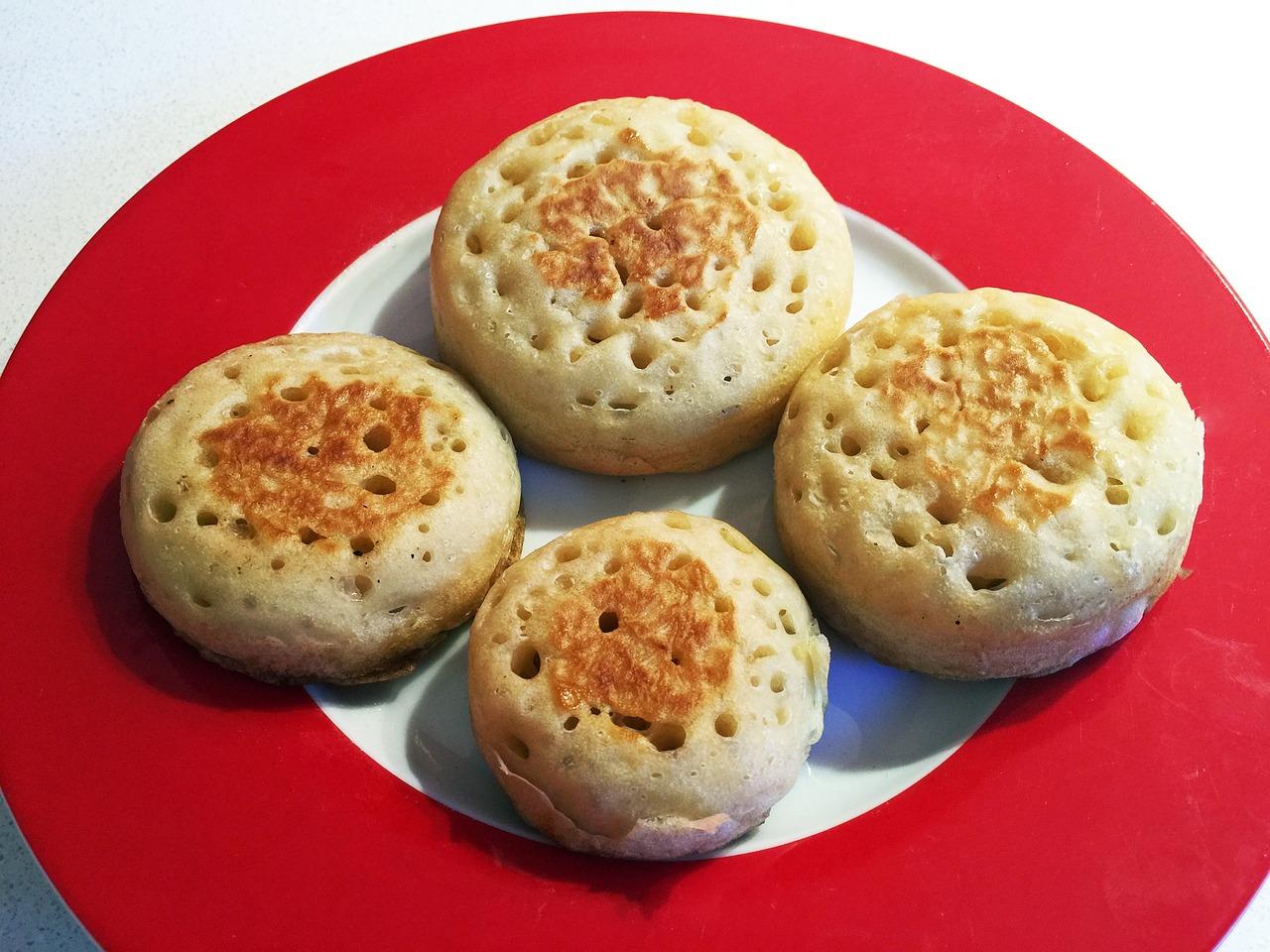
Crumpets are the spongy, holey griddle cakes that Londoners and the whole of England toast on winter afternoons, soaked in melting butter. A loose yeasted batter is lifted with a little bicarbonate, poured into rings on a griddle and cooked gently on one side only, so bubbles rise and set into the famous holes. Chef's tip: grease the rings generously and keep the heat low; the top must set before the bottom burns.

by KrazyBadal 0 views
Moroccan almond milk (sharbat louz)

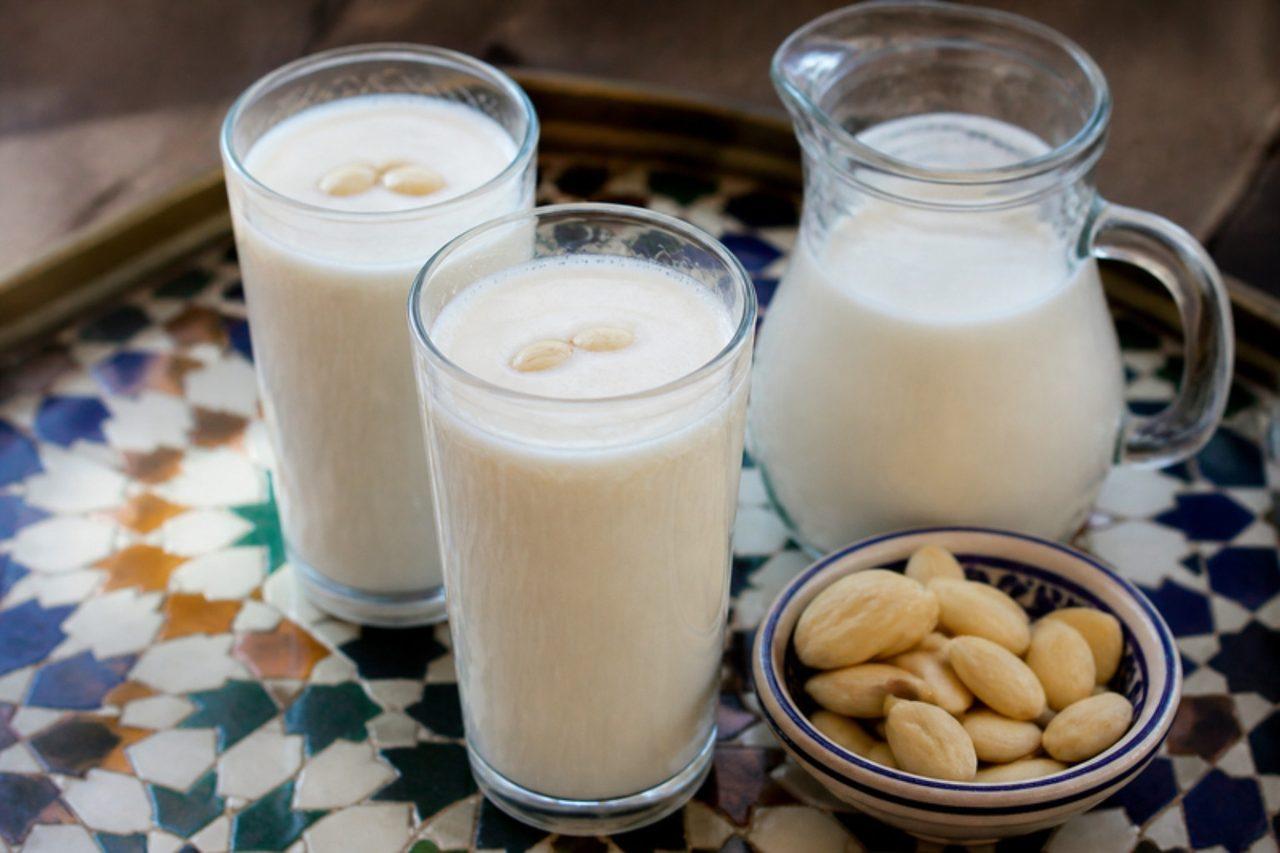
At Moroccan weddings and engagement parties, silver trays of tall glasses filled with sharbat louz are passed among the guests: chilled milk blended smooth with blanched almonds, sugar and a perfume of orange-flower water. It is also a favourite summer drink at home and is often offered to break the fast in Ramadan. The taste is creamy, delicate and nutty, a world away from carton almond milk, since it is real dairy milk enriched with almonds. Serve it very cold, on its own or with sweets. A common mistake is skipping the straining, which leaves a gritty drink instead of a smooth, silky one. Chef's tip: blend the almonds with the sugar and a little milk first, into a fine paste, before adding the rest; that way it ends up silky rather than gritty. Not for anyone with a nut allergy.

by KrazyBadal 0 views

Breaded pork tenderloin sandwich

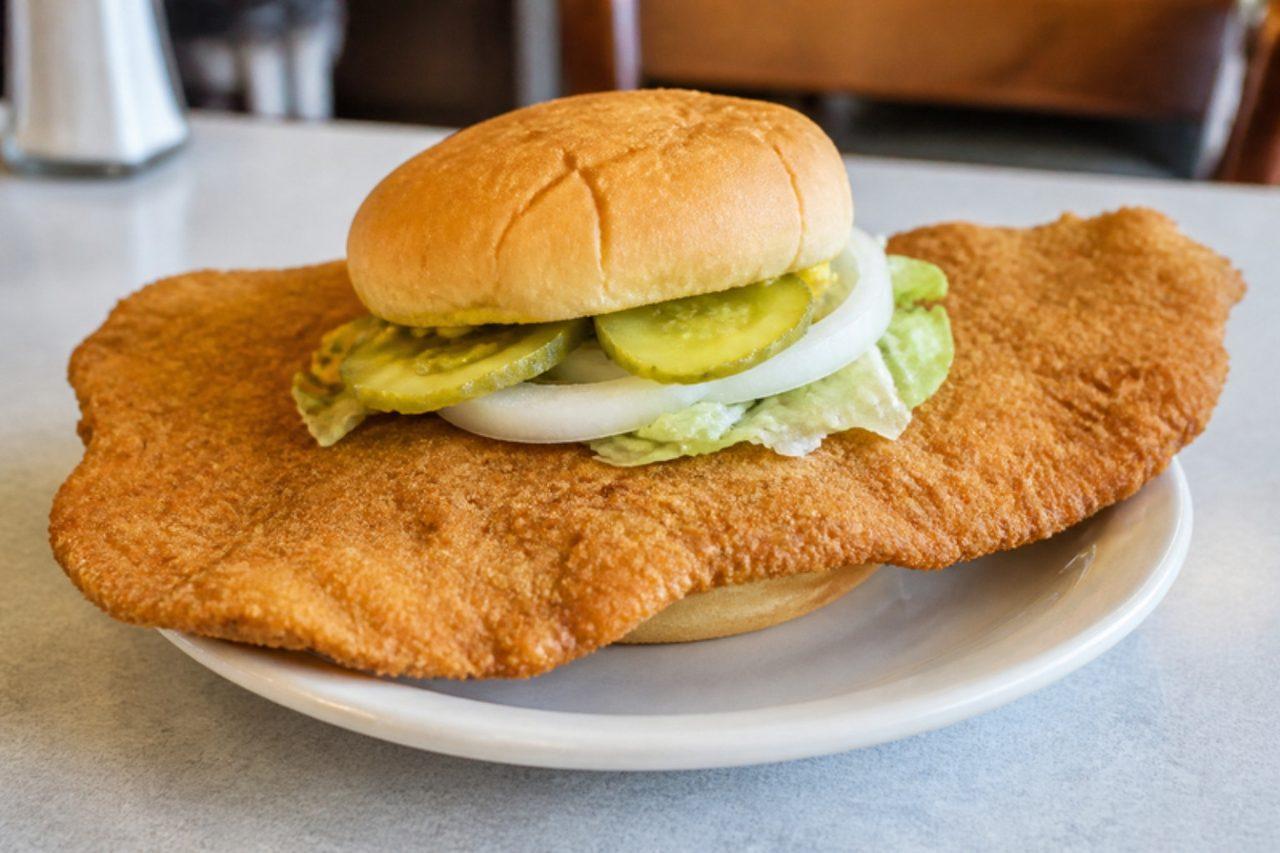
The breaded pork tenderloin sandwich is the pride of small-town diners in Indiana and Iowa: a pork cutlet pounded so thin and wide that the crisp, golden edges stick out far beyond the bun. It came from the German schnitzel tradition of the farming towns, and people drive miles to compare them. It's dressed simply with mustard, pickles, onion and lettuce. Chef's tip: pound the pork evenly to 5 mm; thin pork cooks through in the time it takes the crumb to turn golden.

by KrazyBadal 0 views

Minneapolis Juicy Lucy

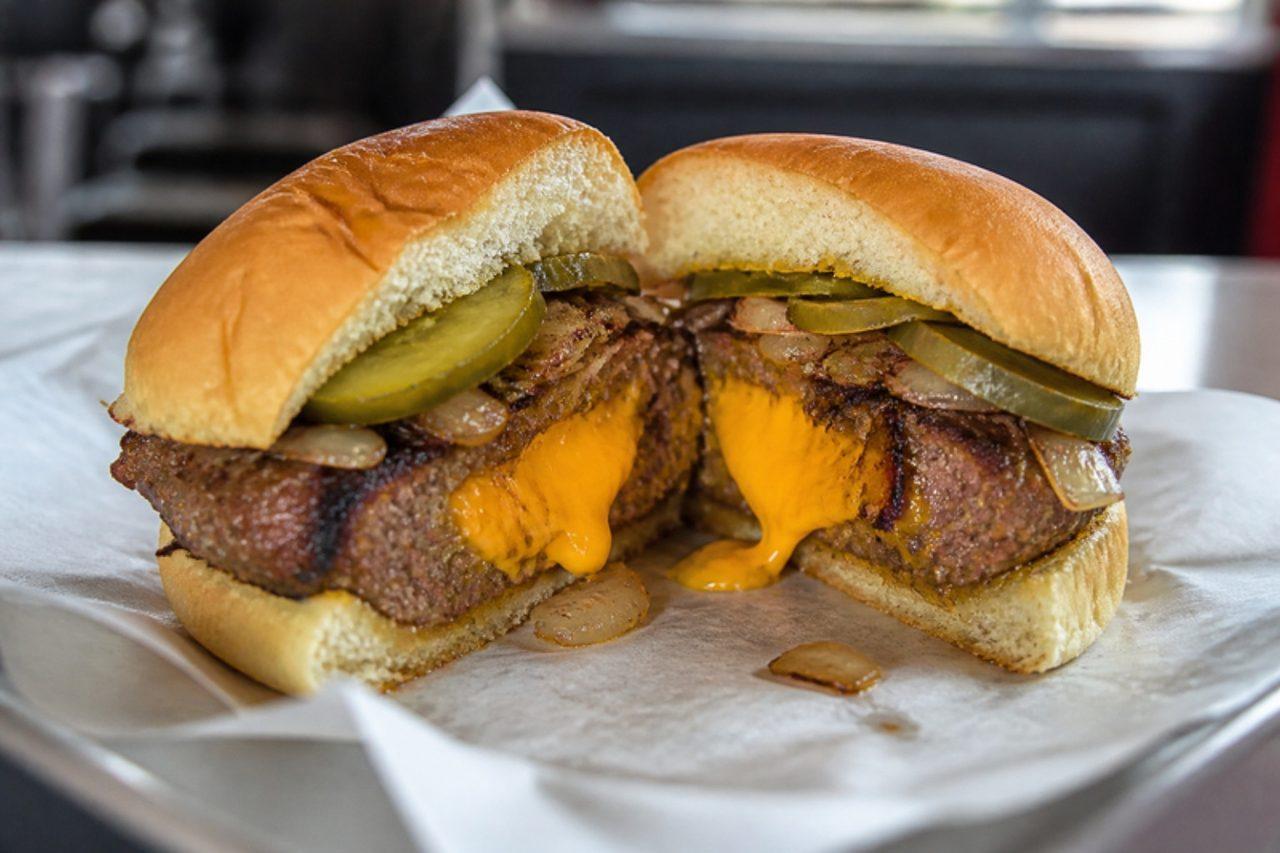
Two bars in south Minneapolis both claim to have invented the Juicy Lucy in the 1950s, and the city still argues about it over beers. Instead of cheese on top, the cheese is sealed inside the beef patty, so it melts into a molten pocket that spurts when you bite. It is served simply, with fried onions and pickles. Chef's tip: warn everyone to wait a minute before biting; the cheese inside is scalding hot.

by KrazyBadal 0 views

Door County fish boil

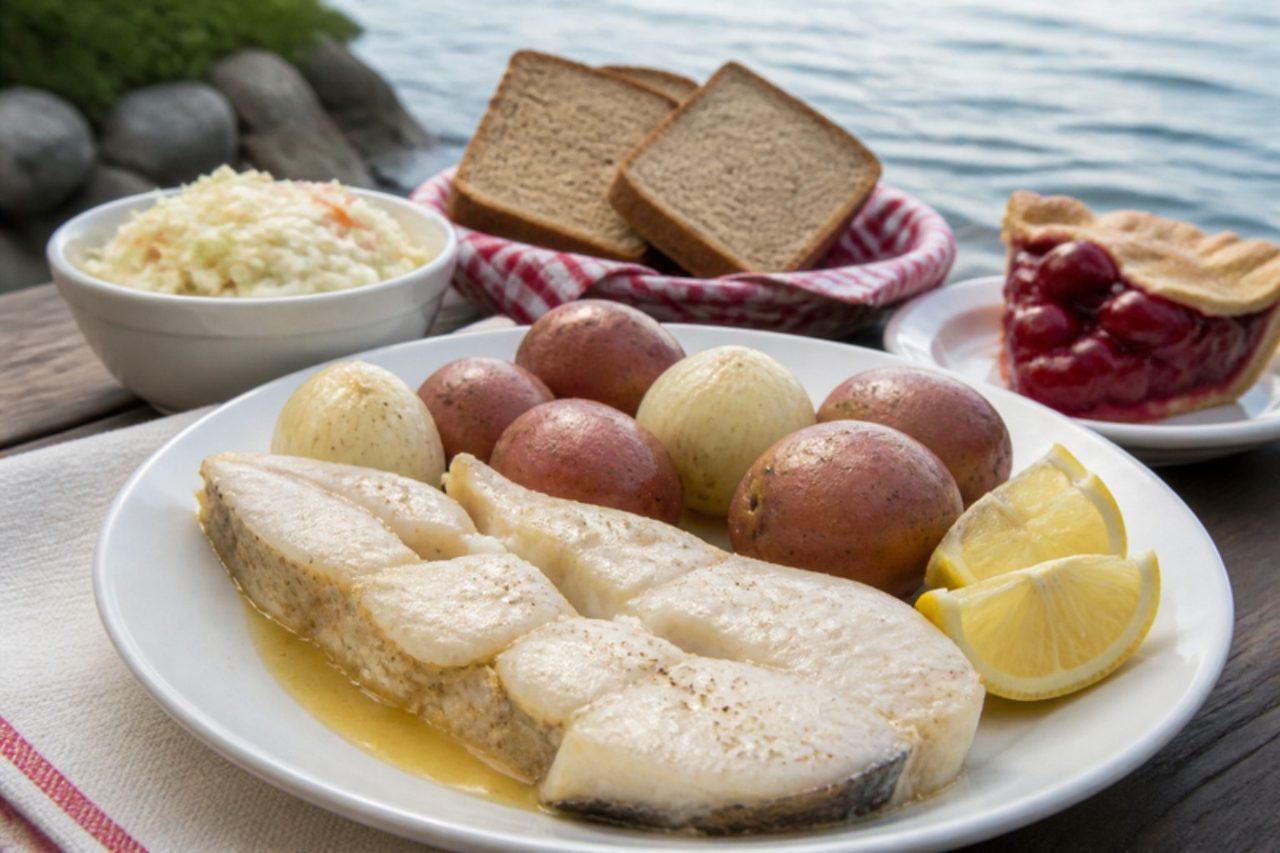
On the Door County peninsula of Wisconsin, Scandinavian fishermen cooked their catch in a cauldron over a wood fire, and summer 'fish boils' are still a show for visitors: when the fish is done, the boil master throws kerosene on the fire and the pot boils over, carrying off the fish oils. At home, a big pot and a skimmer do the same job. Lake whitefish, potatoes and onions are boiled in very salty water and served with melted butter, lemon and, for dessert, cherry pie. Chef's tip: the salt is high, so don't cut back; it raises the boiling point and seasons the fish without making it salty.

by KrazyBadal 0 views

Wisconsin Friday fish fry

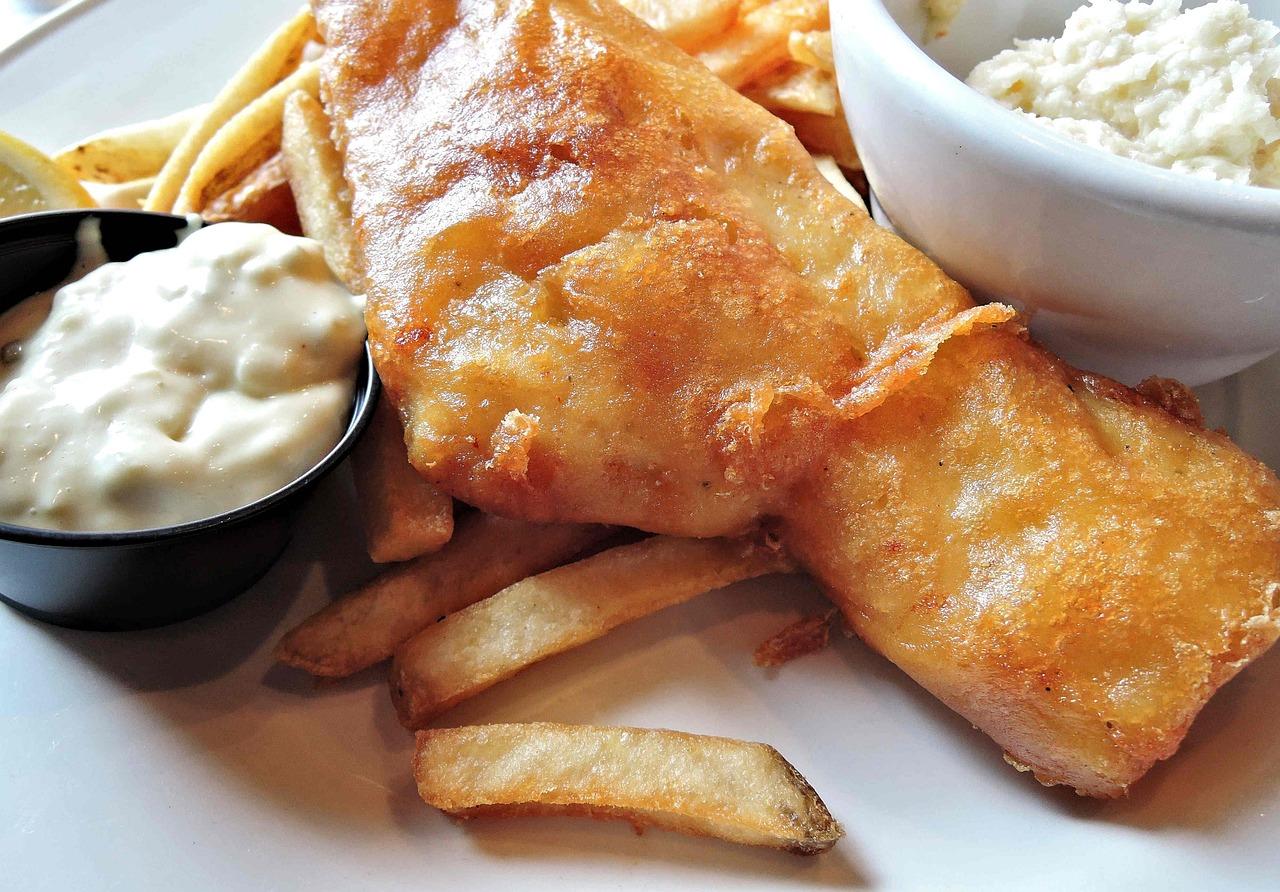
Every Friday night in Wisconsin, supper clubs, taverns and church halls hold a fish fry, a Catholic Lenten tradition that became a year-round social event. Beer-battered cod, perch or bluegill is fried crisp and served with rye bread, coleslaw, tartare sauce and a lemon wedge. Many taverns use lager in the batter; it contains alcohol, which mostly cooks off, so for an alcohol-free version use sparkling water, which gives the same light, crisp coat. Chef's tip: dust the fish in flour before it goes in the batter, so the batter clings instead of sliding off.

by KrazyBadal 0 views

Kansas City burnt ends

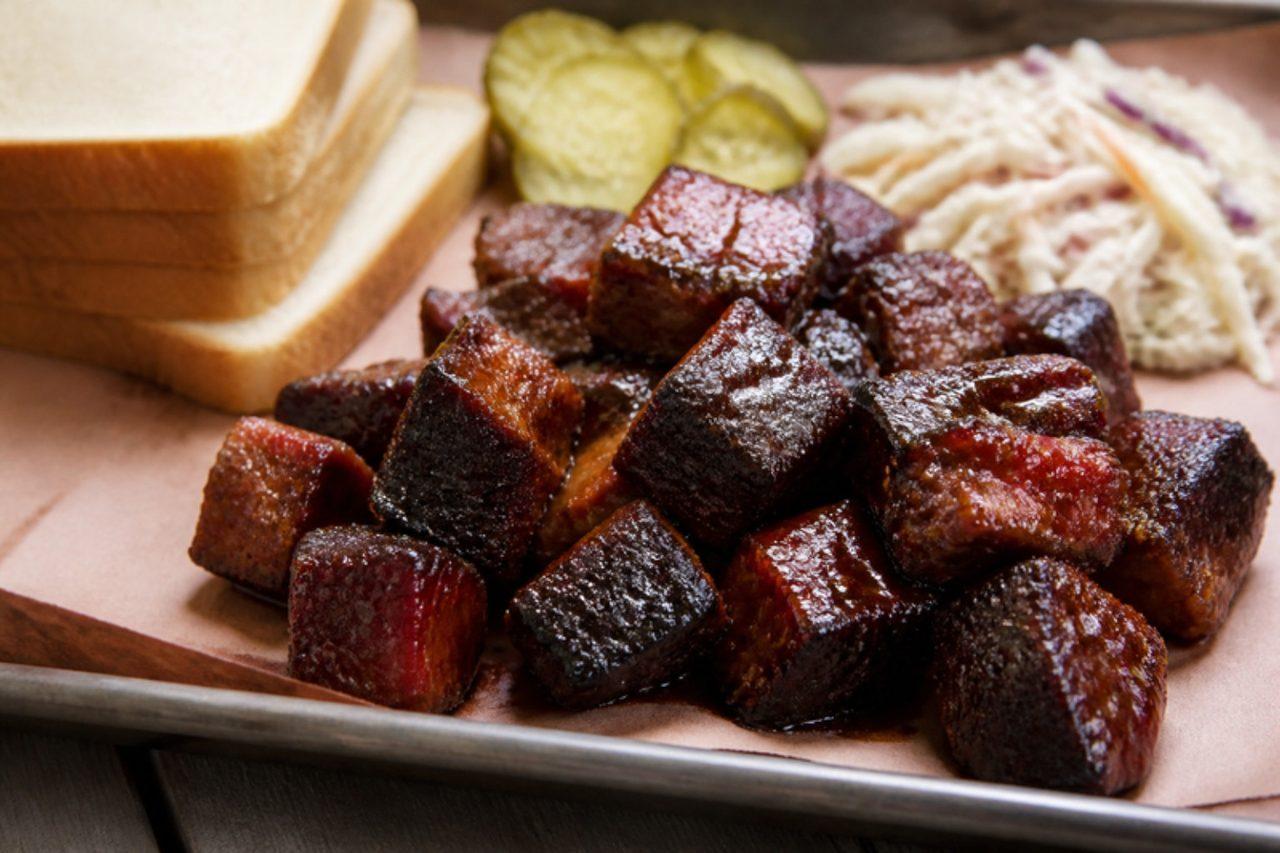
Burnt ends were once the charred trimmings that Kansas City barbecue joints handed out free at the counter; today they are the most prized thing on the menu. The fatty point end of a beef brisket is smoked low and slow until tender, cubed, tossed in sweet, tangy Kansas City sauce and smoked again until sticky and caramelised. They're eaten on white bread with pickles and beans. Chef's tip: wait for the brisket to probe tender, like pushing into soft butter, before cubing; temperature is only a guide.

630 minAmericanMeat
by KrazyBadal 0 views

Minnesota pan-fried walleye

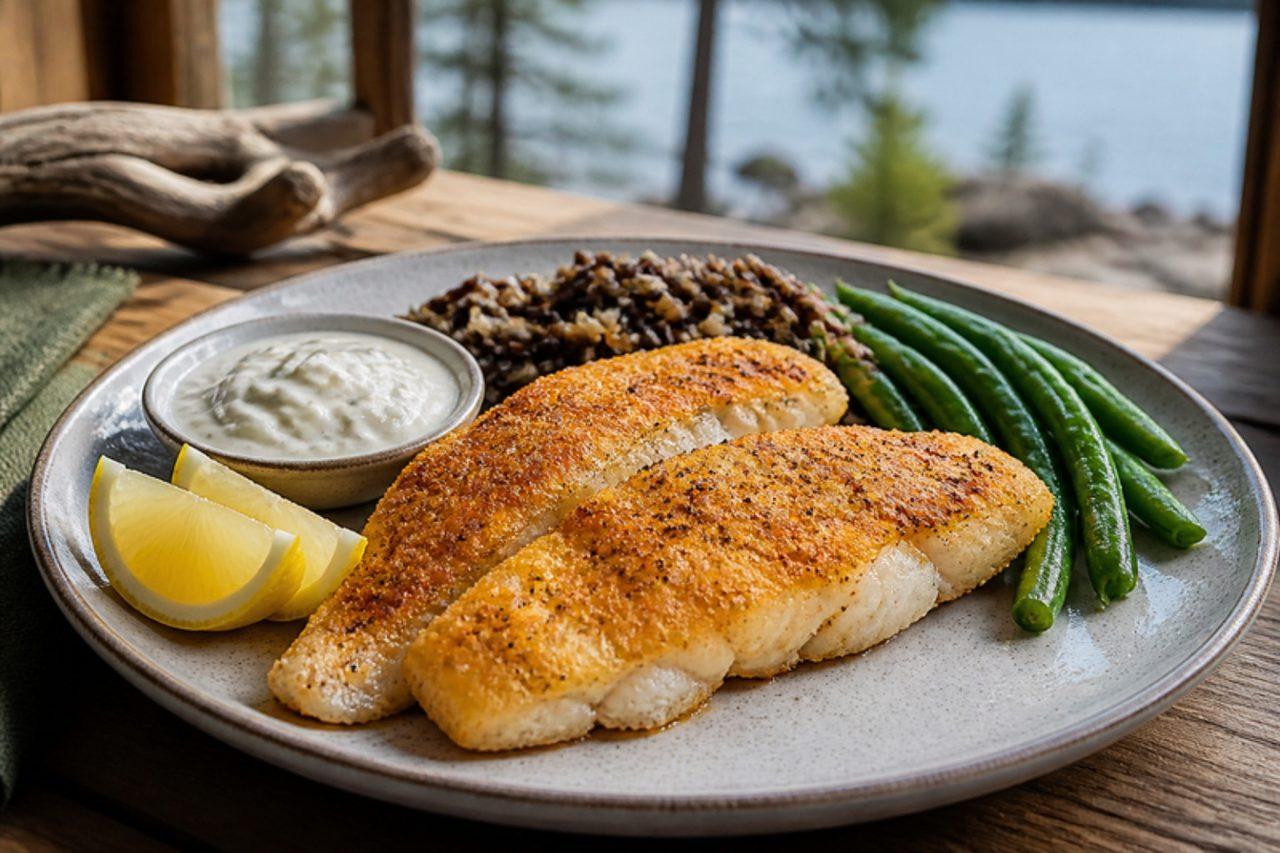
Walleye is Minnesota's state fish, pulled through the ice of its northern lakes in winter and fried at the cabin the same evening; restaurants from Duluth to Lake of the Woods sell walleye sandwiches and shore lunches. The mild, sweet white fillets are coated in crushed crackers or a light seasoned flour and pan-fried in butter until golden. Perch, pike-perch or haddock work too. Chef's tip: fry skin-side down first and don't move the fish for 3 minutes; that is how the crust sets.

by KrazyBadal 0 views

Showing 72 of 7,762 recipes

Show more recipes

Page 481 of 863