Skip to content
Masala khakhra
Featured recipe

Masala khakhra

Crisp roasted wheat crackers

Khakhra are thin chapaties roasted slowly on a griddle until they turn crisp, like a cracker. This masala version adds gram flour, fresh fenugreek, turmeric and chilli to the wheat dough. They are a light Gujarati breakfast or tea-time snack, and lovely with pickle, chutney or a smear of butter. You can also make them in a roti maker.

Read more 2 views

What to eat today?

Around the world

Today's trip: Paraguayan

A new country every day, from every cuisine on the site.

Paraguayan

Cocido quemado

Burnt sugar mate drink 14 minMore from Paraguayan (27) →

This week's collection

Kid-friendly dinners
537 recipes · a new collection every Monday

Latest recipes

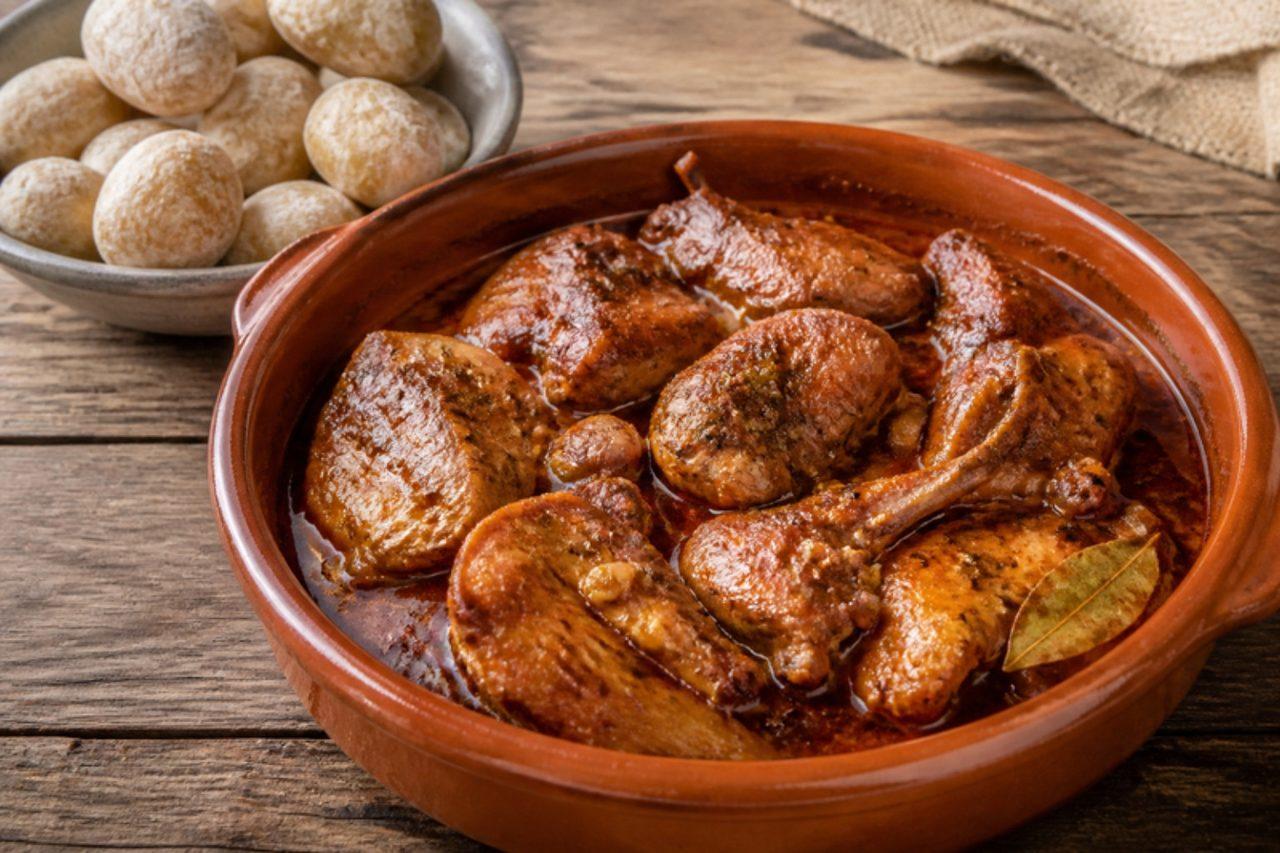
Conejo en salmorejoMarinated rabbit with garlic and peppers

Nothing to do with the cold tomato soup of Córdoba: in the Canaries salmorejo is a punchy marinade of garlic, red pepper, paprika, thyme, oregano, vinegar and wine, and rabbit cooked in it is the star of Tenerife's hillside guachinches and Sunday family lunches. The rabbit soaks overnight, then is fried and simmered in the marinade until tender, and served with papas arrugadas to mop up the sauce. The marinade uses white wine; for an alcohol-free version, swap it for water with an extra spoon of vinegar. Chef's tip: dry the rabbit pieces well before frying, so they brown properly rather than stew grey in the marinade.

by KrazyBadal 0 views
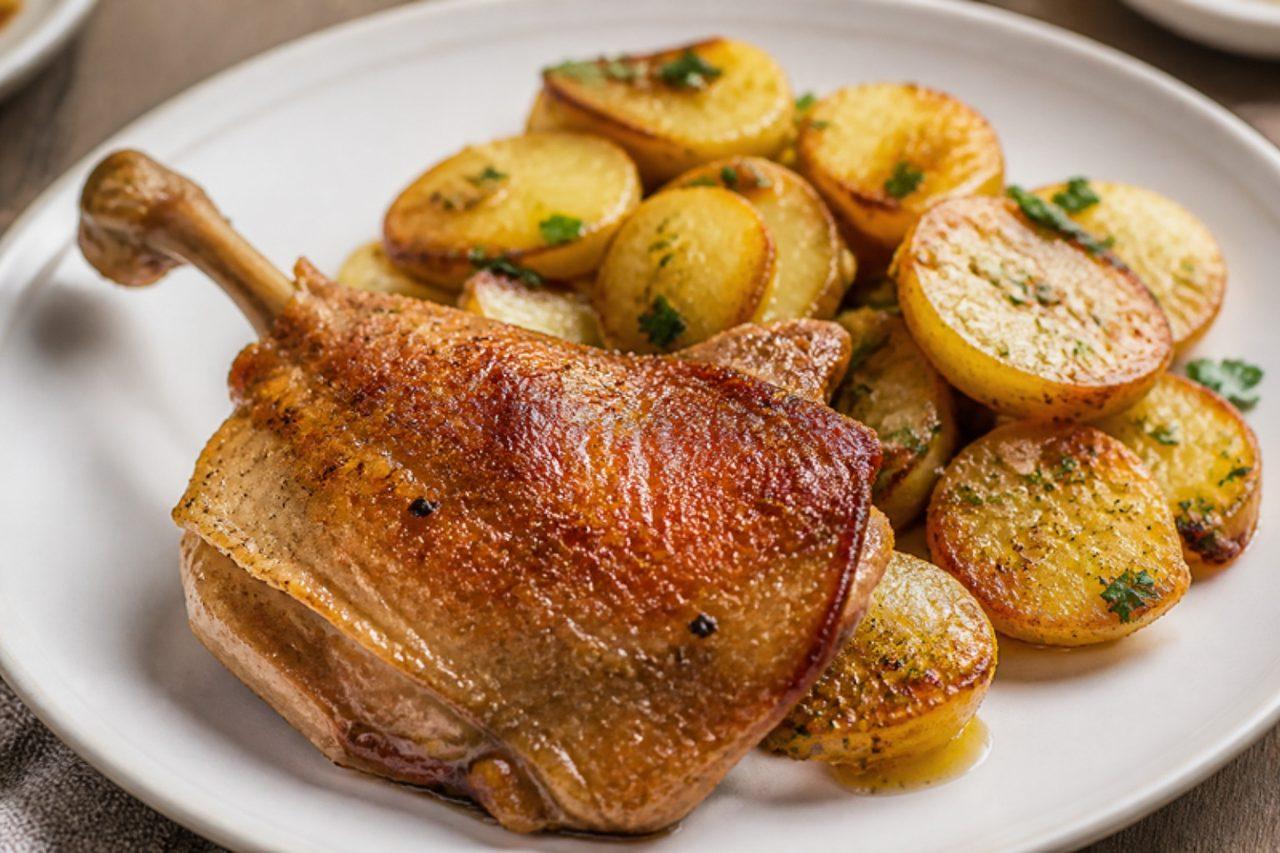

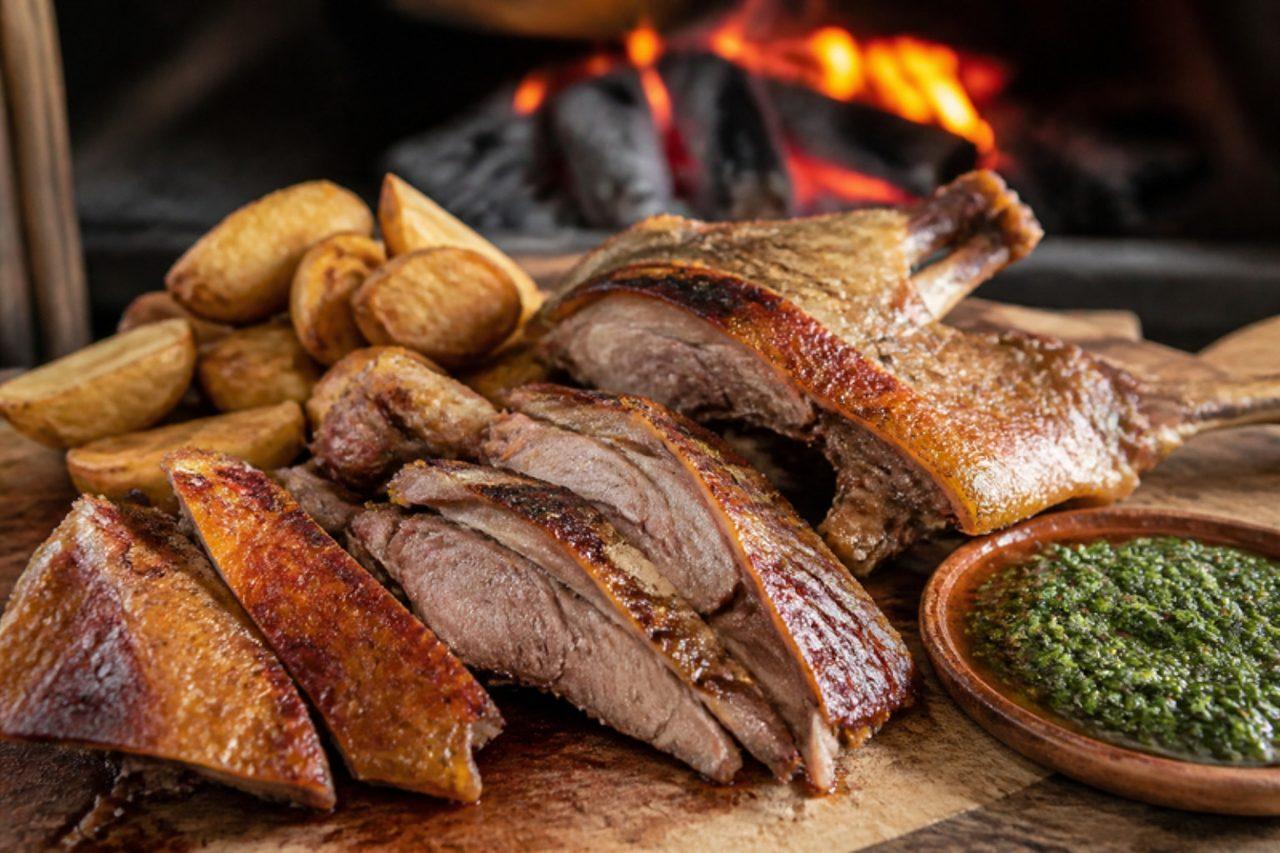
Confit de canard, pommes sarladaisesDuck confit with garlic potatoes

Every farmhouse in the Périgord and Gascony once lined its larder with stoneware jars of confit, duck legs salted, cooked slowly in their own fat and sealed under it to last the winter. Today it is the order of the day at Sarlat's Saturday market restaurants, served with pommes sarladaises: potato slices fried in that same duck fat until golden, then tossed with garlic and parsley. The skin should crackle and the meat should fall from the bone in soft, savoury shreds. The legs are cured for 12–24 hours in the fridge before cooking, so start the day before; a sharp green salad with walnut oil is all it needs alongside. Chef's tip: add the garlic and parsley to the potatoes only in the last two minutes, so the garlic stays sweet instead of turning bitter.

240 minFrenchMeatGluten free
by KrazyBadal 0 views

Cordero al asadorSpit-roasted lamb

Southern Patagonia raises sheep on vast estancias, and when the shearing ends or a fiesta comes round in Santa Cruz or Chubut, a whole lamb goes on the asador: an iron cross pushed into the ground beside a fire of lenga or ñire wood. Lambs fed on wild steppe grasses taste clean and faintly herbal, so the seasoning is only salt and a brine to baste, and the result is crackling skin over meat that falls into juicy strands. Serve with chimichurri, a simple salad and bread. Order a whole lamb of 10–12 kg dressed weight from a butcher. Rushing it with a big flame near the meat is the commonest error; the heat must be steady and gentle. Chef's tip: give it about three hours with the ribs to the fire and only the last hour or so skin side, then check the thickest part of the leg reads at least 63 °C (Patagonian cooks take it to about 70 °C, cooked through).

by KrazyBadal 0 views

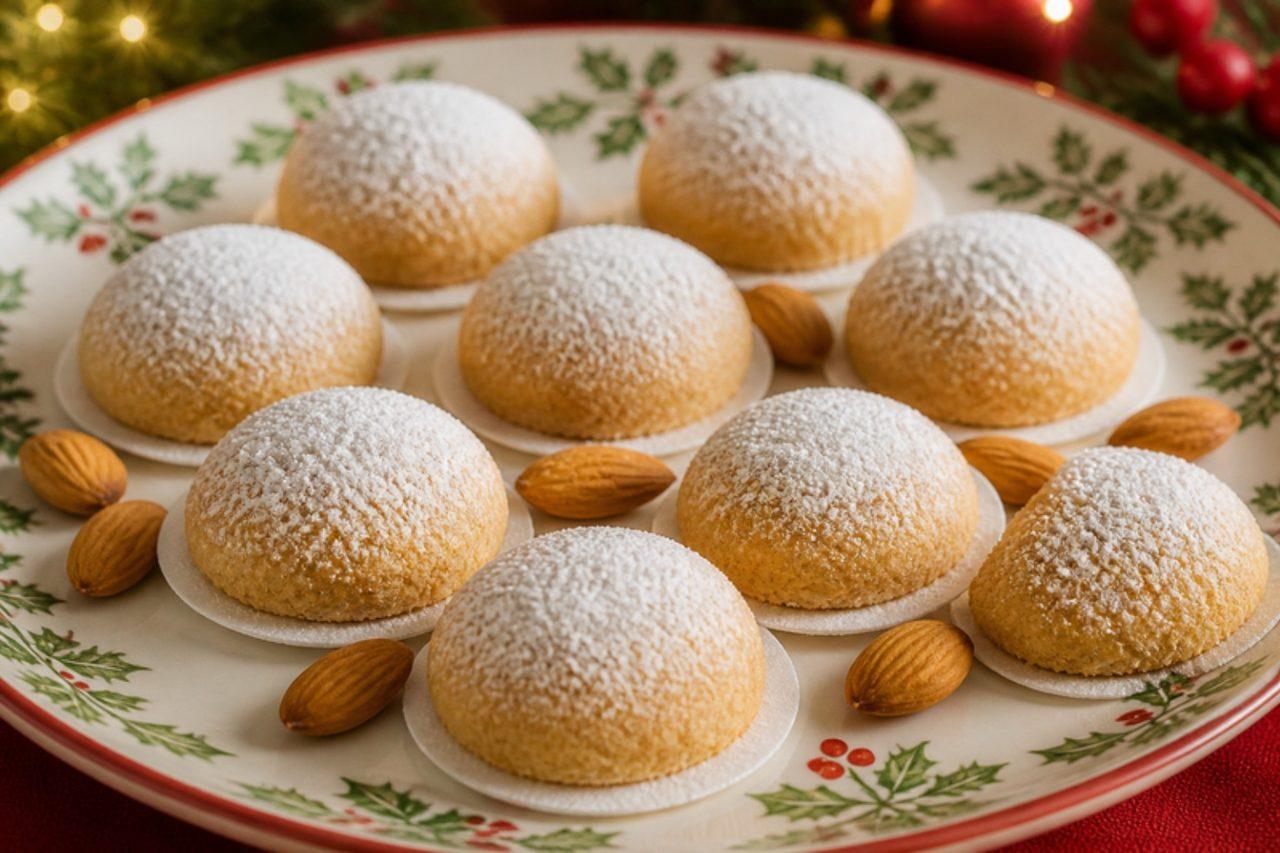
CordialesAlmond and candied pumpkin cakes

Murcian Christmas tables always have a plate of cordiales, small domed cakes of ground almond and egg with a spoonful of cabello de ángel, the stringy candied squash jam, hidden in the middle. They are sold in every pastry shop in Murcia from December and baked at home in the weeks before Christmas, traditionally on a round of edible wafer so they lift cleanly off the tray. They should be crisp at the very tips and soft and moist inside. Chef's tip: make them a day ahead; the almond paste firms up and the flavour deepens.

by KrazyBadal 0 views

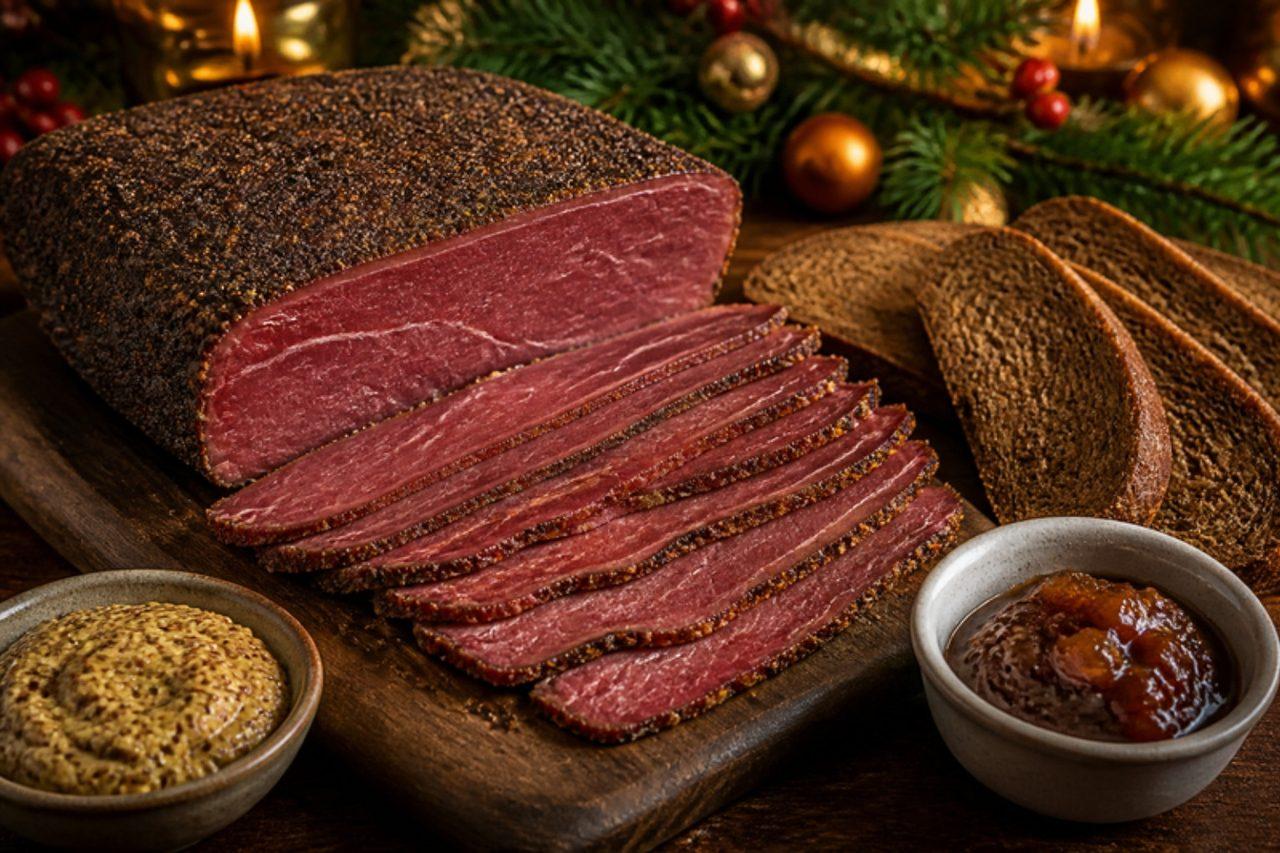
Cork spiced beefSpiced pressed brisket

Spiced beef is the Christmas meat of Cork city, sold in the English Market in December and served cold in thin slices on St Stephen's Day with brown bread and chutney. A piece of brisket or silverside is rubbed with salt, brown sugar, allspice, cloves and juniper and turned in the fridge for a week, then simmered slowly and pressed. The meat comes out deep pink, tender and fragrant. Chef's tip: keep it in the fridge the whole week of curing and turn it every day so the cure reaches every side.

270 minIrishMeatGluten free
by KrazyBadal 0 views

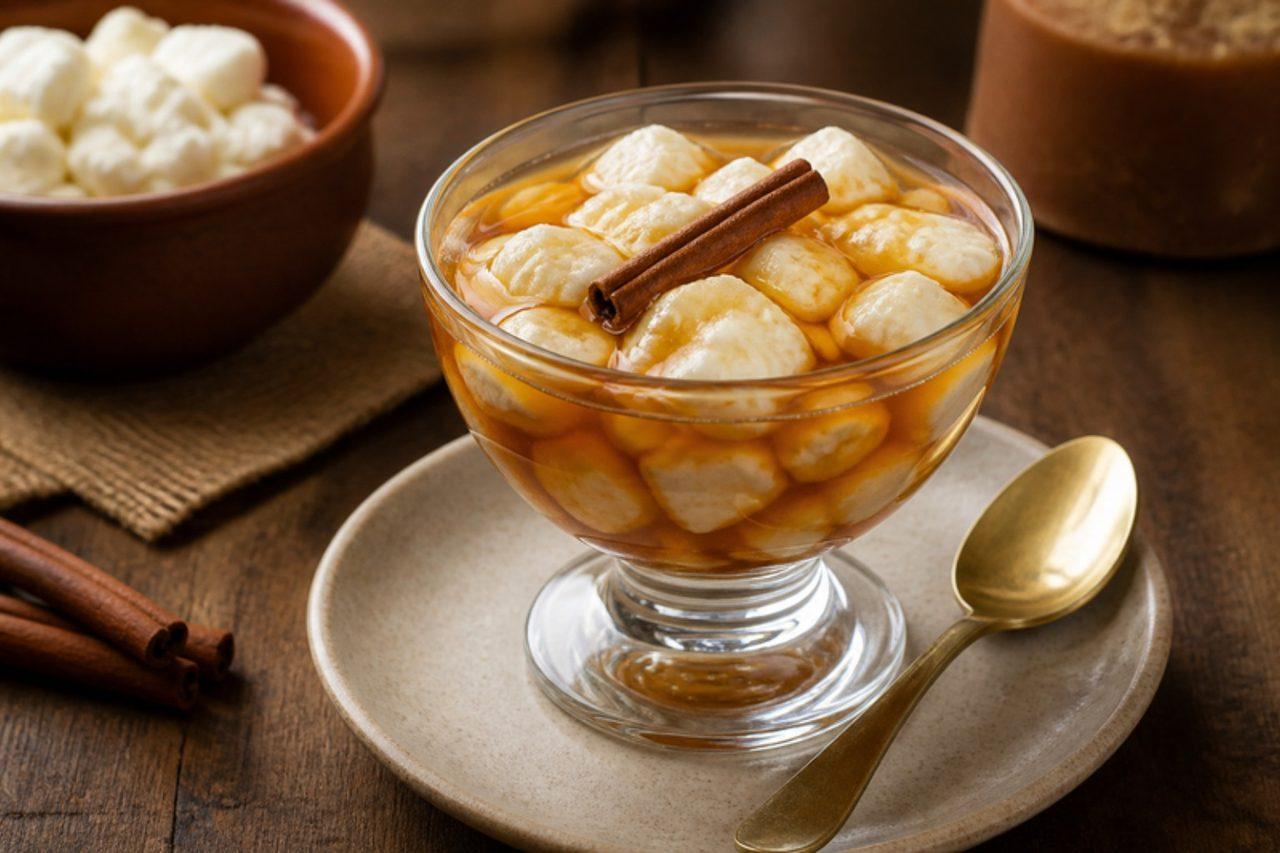
Cortado de lecheCurdled milk in panela syrup

On farms in Antioquia and Santander, when there was more milk than anyone could drink, it became cortado: milk deliberately split with lime juice, then simmered slowly with panela and spices until the curds turn tender and tan and the whey reduces into a thin, molasses-flavoured syrup. It is a country dessert, served warm or cold in small bowls after Sunday lunch, sometimes with a piece of white cheese on the side. The texture is somewhere between a soft ricotta and baked custard, sweet and lightly spiced with cinnamon and clove. Because lime does the curdling, there is no rennet involved. Stirring hard as soon as the lime goes in is the usual mistake; it breaks the curds into grainy specks, so let them form undisturbed and then move the pan gently. Chef's tip: use full-fat milk that is not ultra-heat-treated; UHT milk gives smaller, softer curds.

by KrazyBadal 0 views

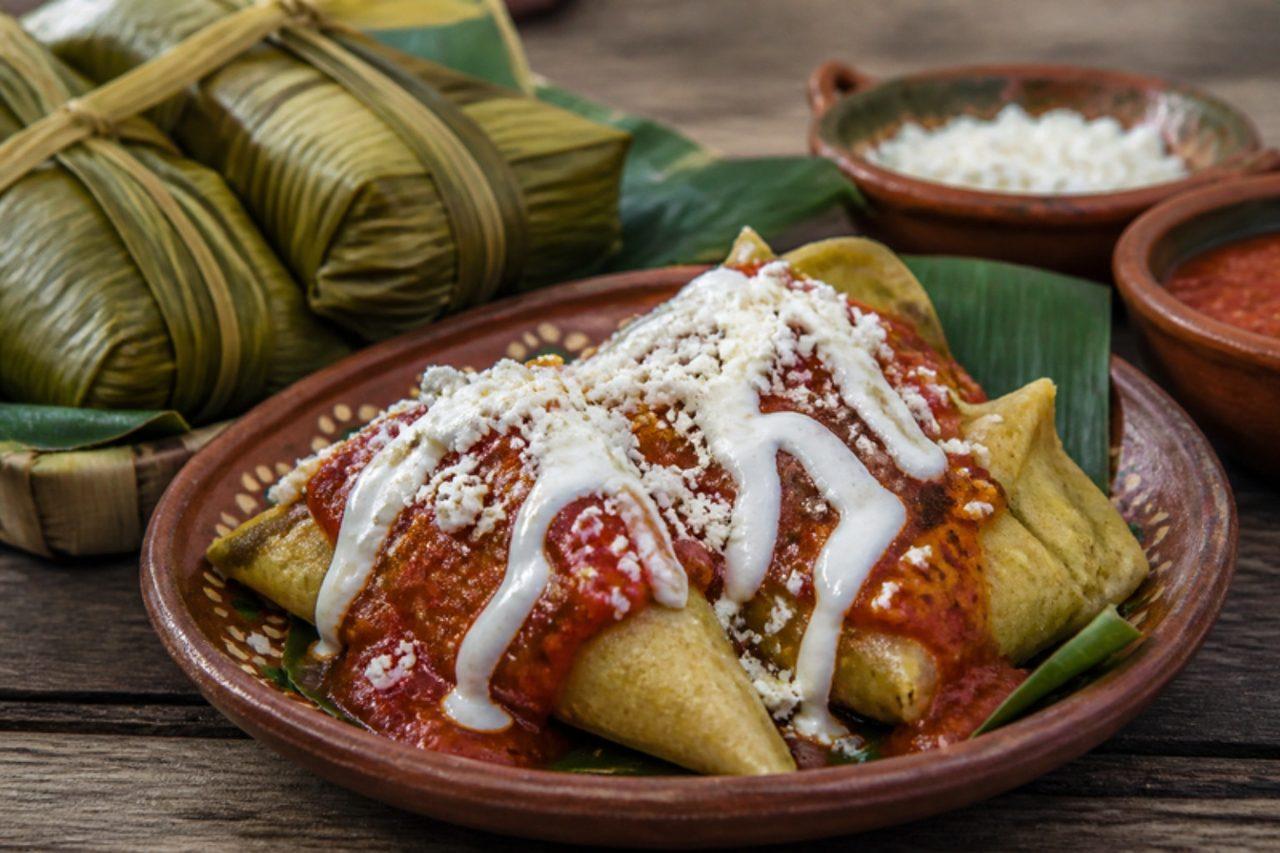
CorundasTriangular corn tamales

Corundas come from the Purépecha people of Michoacán, around Lake Pátzcuaro and Morelia, and they look nothing like a usual tamal: small, plump and triangular or star-shaped, wrapped in the long green leaves of the corn plant rather than dried husks. The masa is soft and fluffy, usually plain or with a little cheese and poblano inside, and corundas are eaten with crema, salsa roja and crumbled cheese, often for breakfast or at fiestas. Traditional dough uses pork lard; we use vegetable shortening or butter. Cheese may be made with animal rennet, so use a vegetarian one if needed. Chef's tip: beat the fat until it is white and fluffy before adding the masa; a spoonful of dough should float in water when it is light enough.

by KrazyBadal 0 views

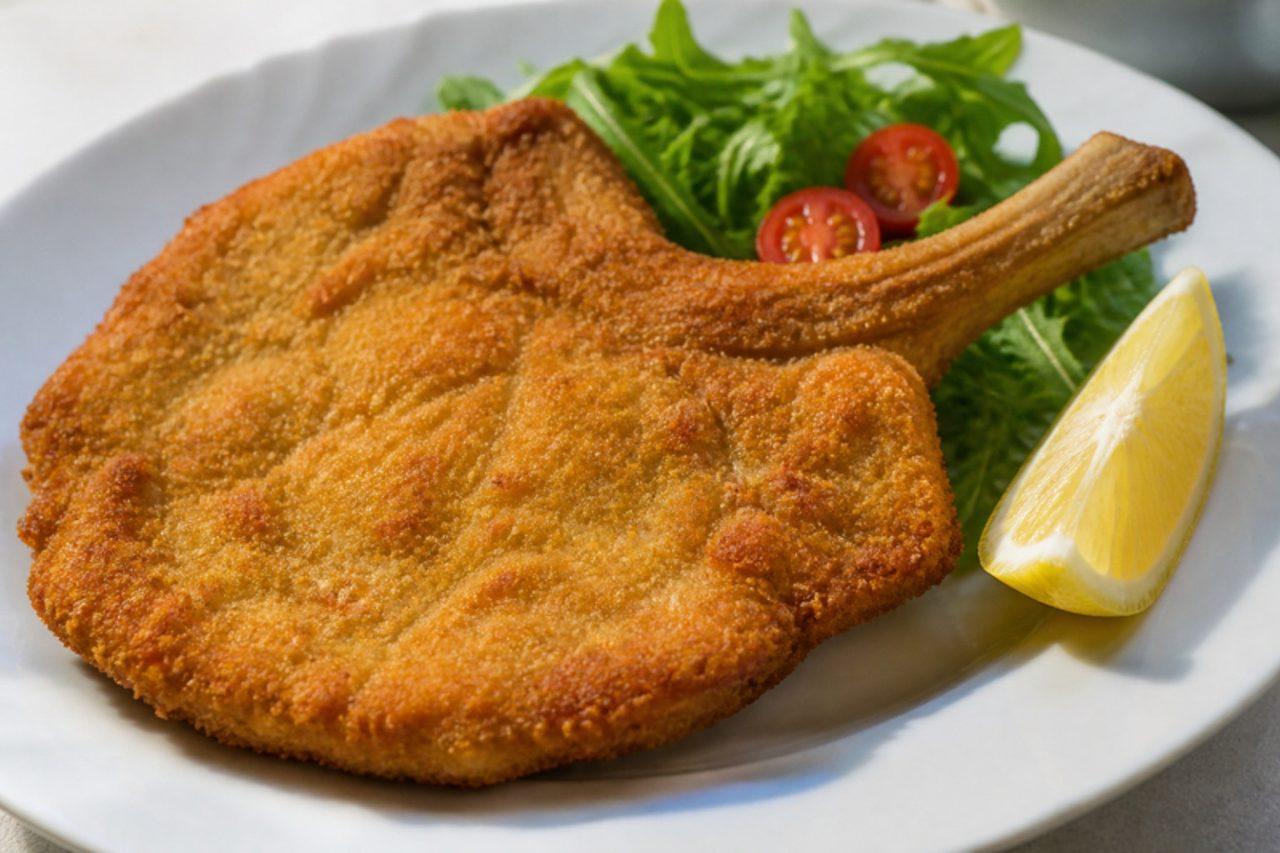
Cotoletta alla milaneseBreaded veal cutlet

The Milanese cotoletta is a thick, bone-in veal rib chop, dipped in egg and breadcrumbs and fried slowly in clarified butter until the crust is deep gold and the meat inside is still juicy and faintly pink. It is the standard Sunday and celebration dish in Milan's old trattorie, served with just a lemon wedge and perhaps a rocket and tomato salad or a few roast potatoes. Unlike the thin, beaten schnitzel, the true cotoletta keeps its bone and is only lightly flattened, so it stays tender. Chef's tip: clarify the butter yourself or use ghee; ordinary butter burns at frying heat and leaves bitter black specks on the crumb.

by KrazyBadal 0 views

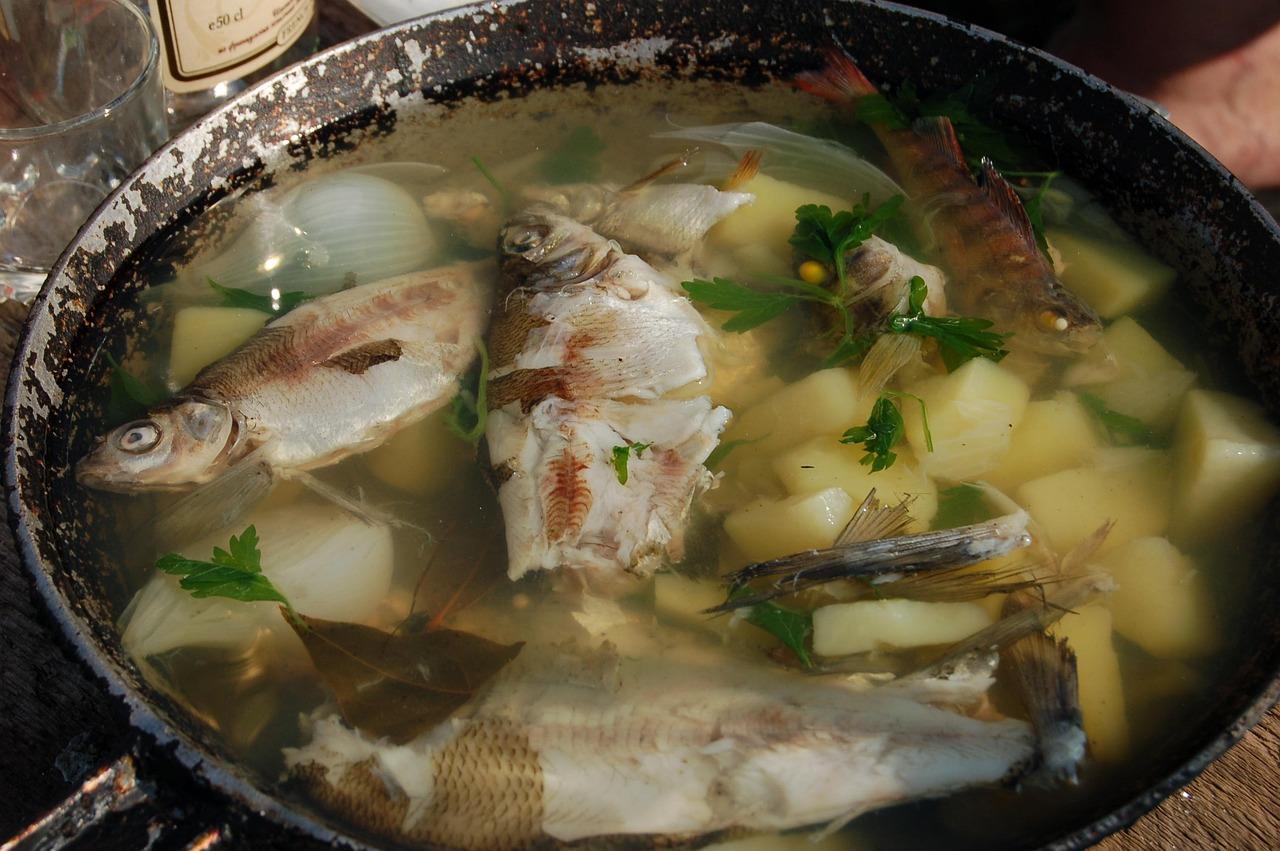
CotriadeFish and potato soup

Cotriade is the Breton answer to bouillabaisse, plainer and kinder on the purse, made in the ports of the south coast from Concarneau to Quiberon with whatever the boats could not sell. Chunks of several fish, both firm and oily, are poached with potatoes and onions in a thyme-scented broth, then served in two parts: the broth poured over toasted bread, and the fish and potatoes moistened with a sharp mustardy vinaigrette. The contrast of the soft, buttery broth and the bright dressing is the whole point. Serve it with good bread and salted butter. Chef's tip: add the firm fish first and the delicate ones last, so nothing falls to pieces in the pot.

by KrazyBadal 0 views

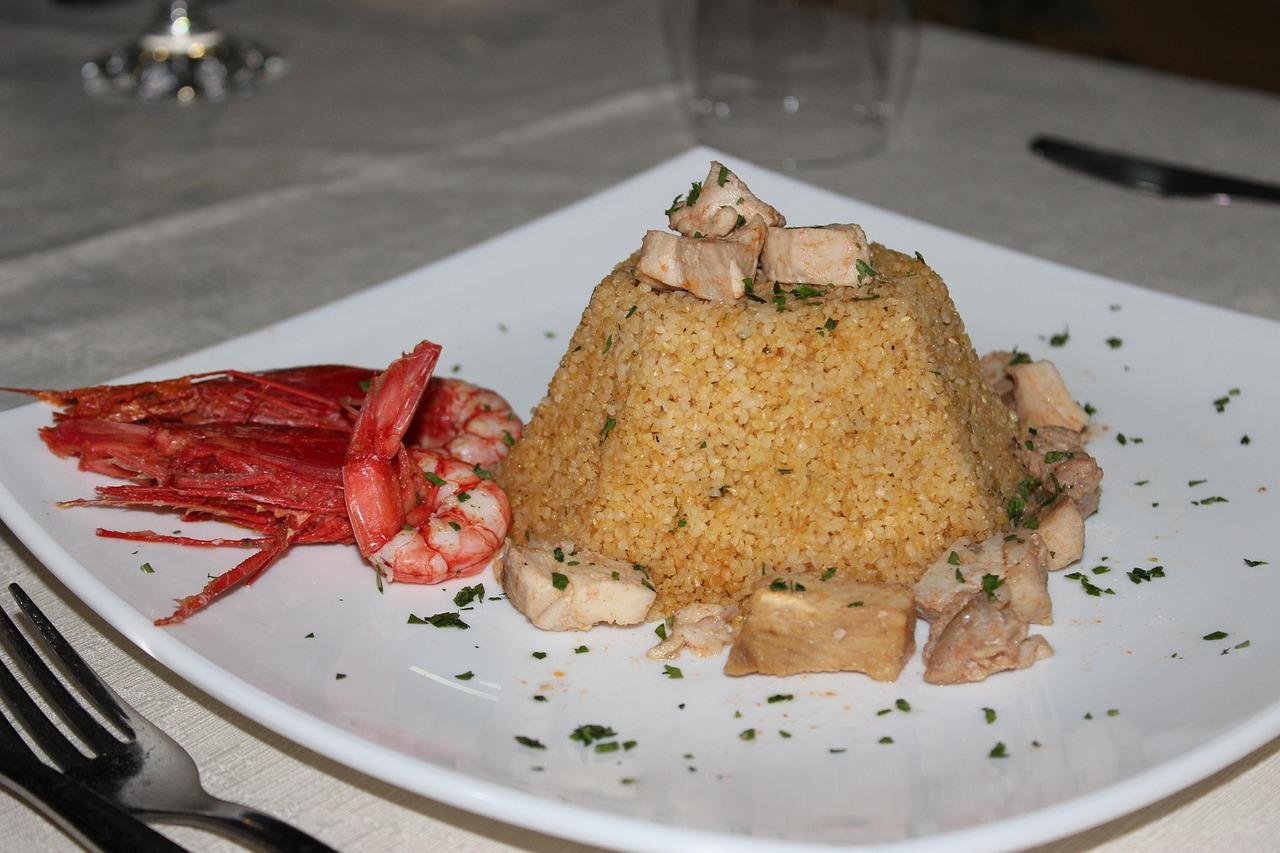
Couscous trapaneseFish couscous

Trapani, on Sicily's western tip, looks across the sea to Tunisia, and its cuscusu is the clearest sign of that old connection; every September the nearby town of San Vito Lo Capo holds a whole festival for it. The couscous is steamed, then soaked in a deep, saffron-tinged fish broth made from mixed fish, tomato and ground almonds, so the grains swell and taste of the sea; the fish itself is served alongside. Traditionally the grains are rolled by hand, but bought couscous is perfectly fine. Serve with a bowl of extra hot broth for each person. Chef's tip: after pouring the broth over the couscous, cover it tightly and leave it alone for a full 20 minutes; this resting is what makes the dish.

105 minItalianFish
by KrazyBadal 0 views

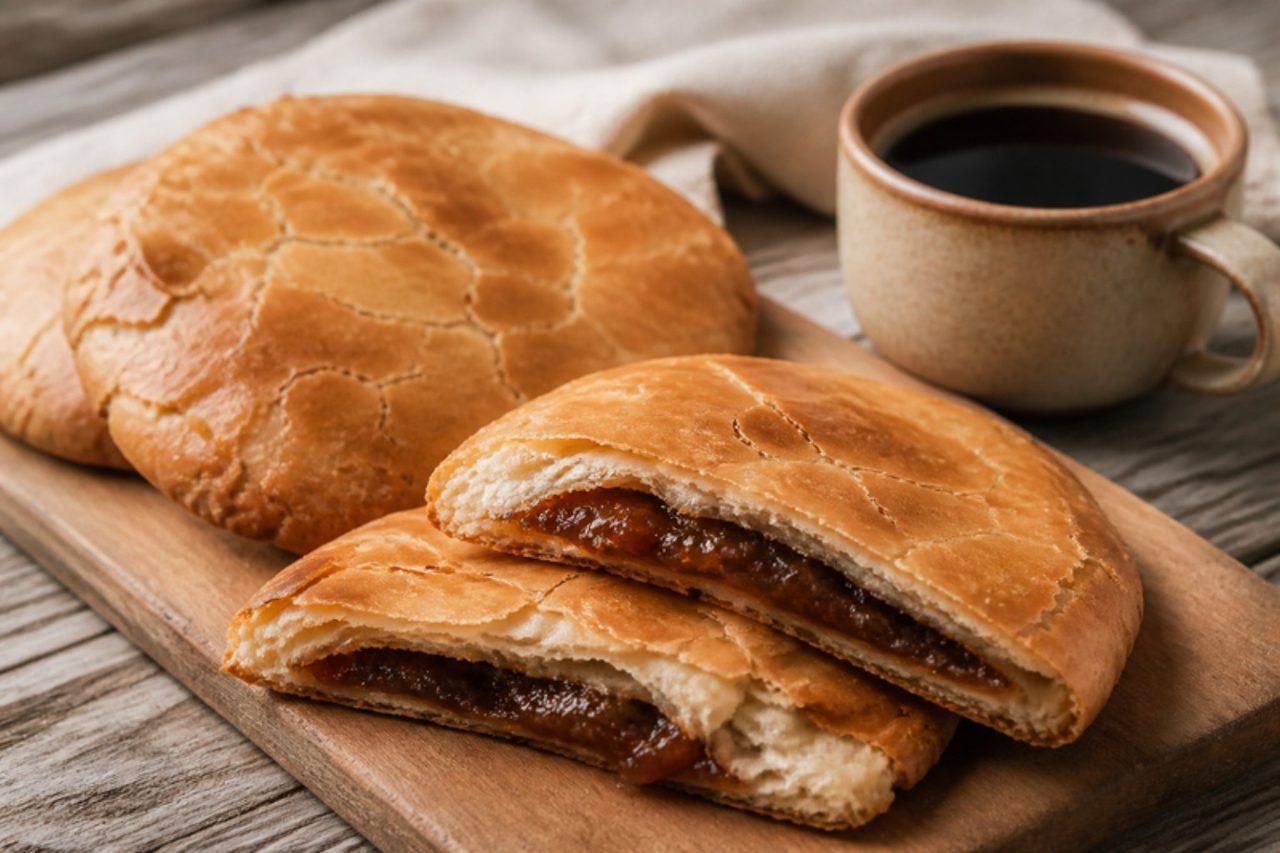
CoyotasPiloncillo-filled turnovers

Coyotas were first baked in the Villa de Seris neighbourhood of Hermosillo, and today Sonorans buy them by the dozen in paper bags to eat with morning coffee or take as a gift when they travel. They are flat, round, pale pastries with a crisp, crumbly crust and a thin layer of molten piloncillo inside, like a giant cookie with a toffee middle. Some bakers add guava or cajeta, but brown sugar loaf is the classic. Chef's tip: pinch the edges firmly and prick the tops; otherwise the hot sugar bubbles out and burns on the tray.

by KrazyBadal 0 views

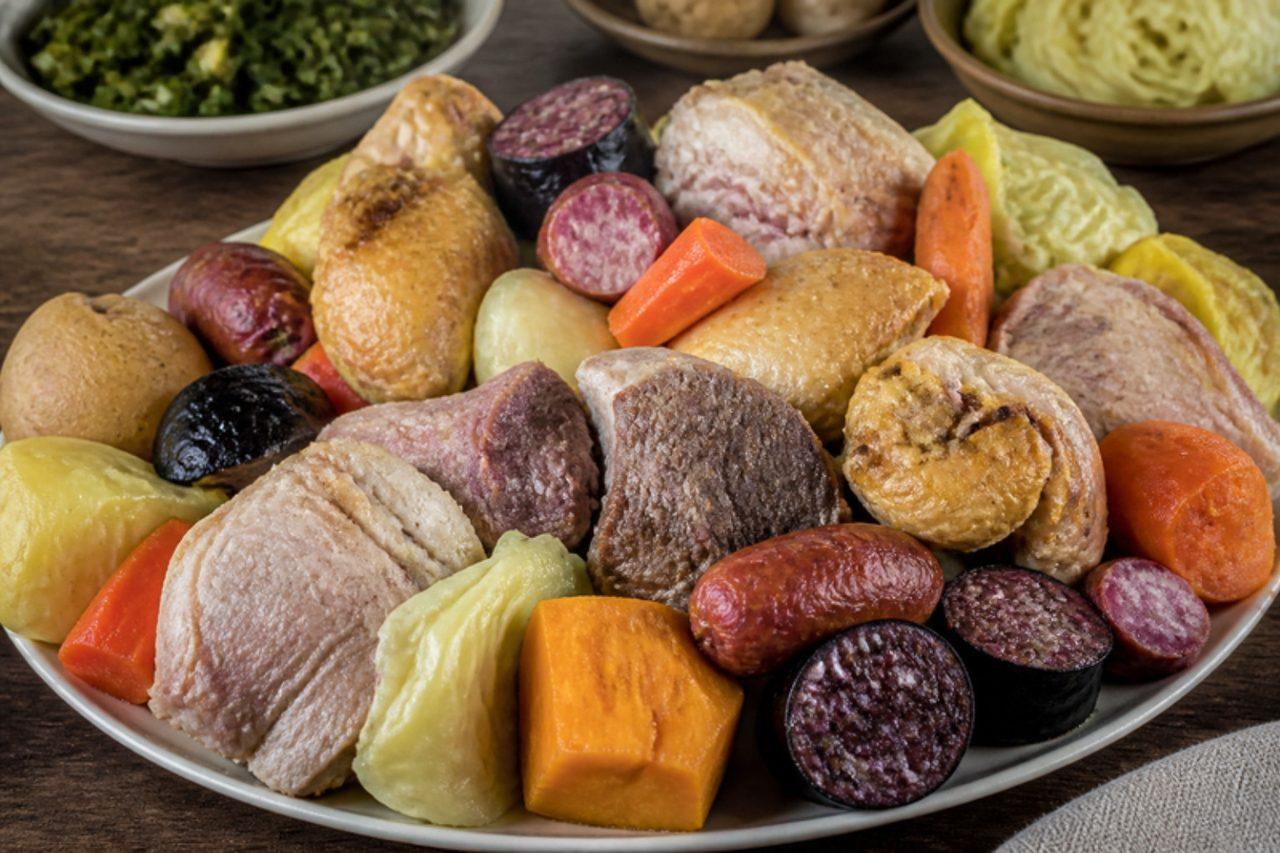
Cozido das FurnasSlow-cooked meat and vegetable pot

In Furnas, on São Miguel, cooks lower tall pots of meat and vegetables into holes in the hot volcanic ground by the lake at dawn, cover them with earth and dig them up at lunchtime six hours later. The steam cooks everything gently in its own juices, so the meats are falling apart and the cabbage tastes of smoked sausage. A low oven gives a very similar result at home. This contains pork (belly, chouriço and blood sausage). Chef's tip: seal the pot tightly with foil under the lid; the dish relies on steam, not added water.

by KrazyBadal 0 views

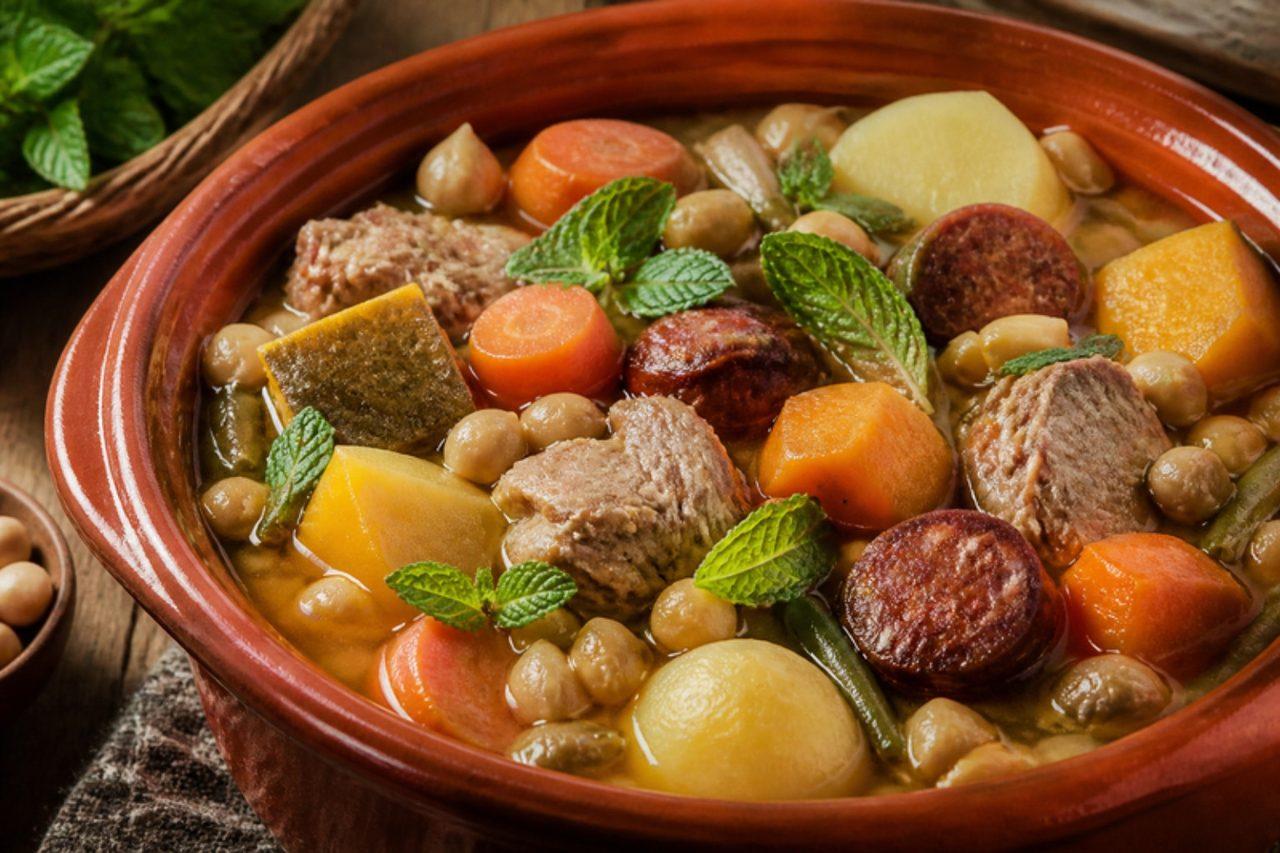
Cozido de grãoChickpea stew with pork and chouriço

Inland Alentejo makes its cozido with chickpeas instead of the cabbage-heavy versions of the north: a big pot of chickpeas, pork, chouriço and blood sausage, with potatoes, carrots, green beans and pumpkin all cooked together and finished with fresh mint. It is a winter Sunday lunch, and leftovers become soup the next day. This contains pork (pork belly, chouriço and morcela). Start the chickpeas the night before. A common mistake is adding the vegetables at the start; they go in near the end so they hold their shape. Chef's tip: keep the sausages whole while they simmer, then slice them, so they flavour the broth without falling apart.

by KrazyBadal 0 views

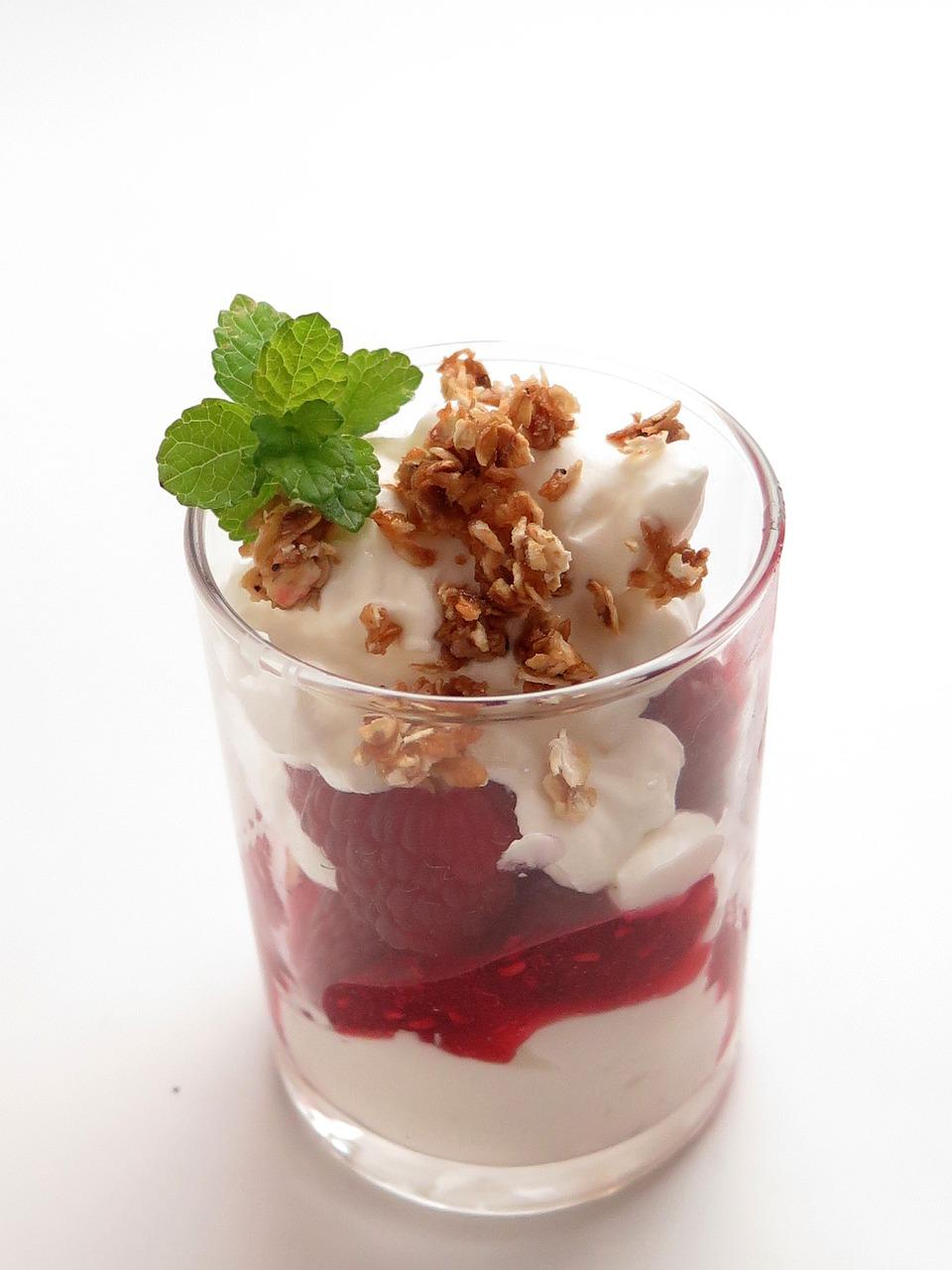
CranachanOat, raspberry and whisky cream dessert

Cranachan began as a harvest-home dessert in the Highlands, made when the raspberries ripened in June and July, and it is now served on Burns Night and at Scottish weddings. Layers of whipped cream sweetened with heather honey, toasted pinhead or rolled oats and fresh raspberries make it crunchy, rich and sharp all at once. The traditional splash of Scotch whisky contains alcohol; for an alcohol-free version use a few drops of vanilla and a squeeze of orange juice instead. Chef's tip: toast the oats until they smell nutty and look golden; raw oats taste floury.

by KrazyBadal 0 views

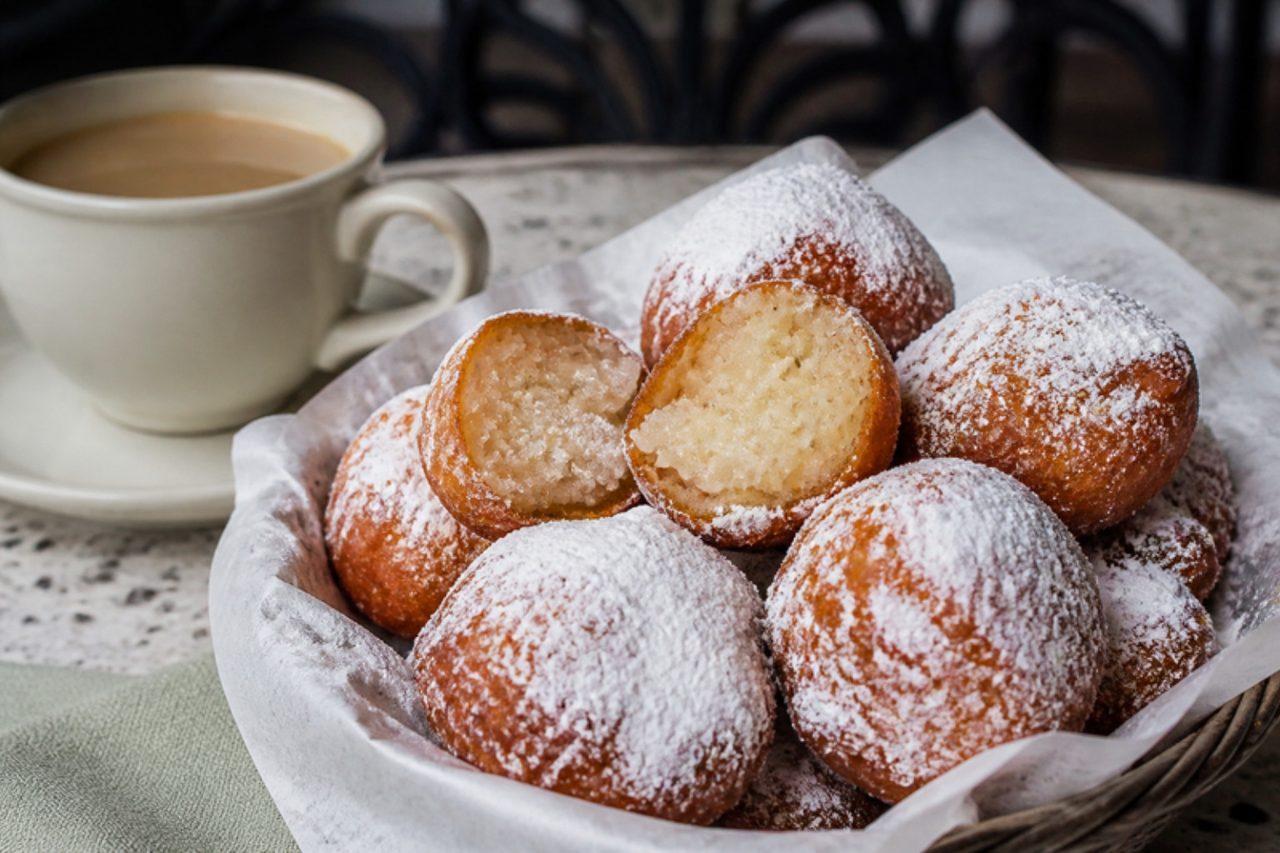
Creole calasSweet rice fritters

Calas are little fritters of cooked rice, egg and nutmeg that were once sold hot in the early mornings of the French Quarter by free and enslaved Black women calling 'Belle cala, tout chaud!'. Many saved the earnings to buy their freedom. Today they appear at Creole brunches and on Mardi Gras mornings, dusted with sugar or drizzled with cane syrup. Chef's tip: use cold, day-old rice, which holds the batter together; fresh warm rice makes the fritters fall apart.

by KrazyBadal 0 views

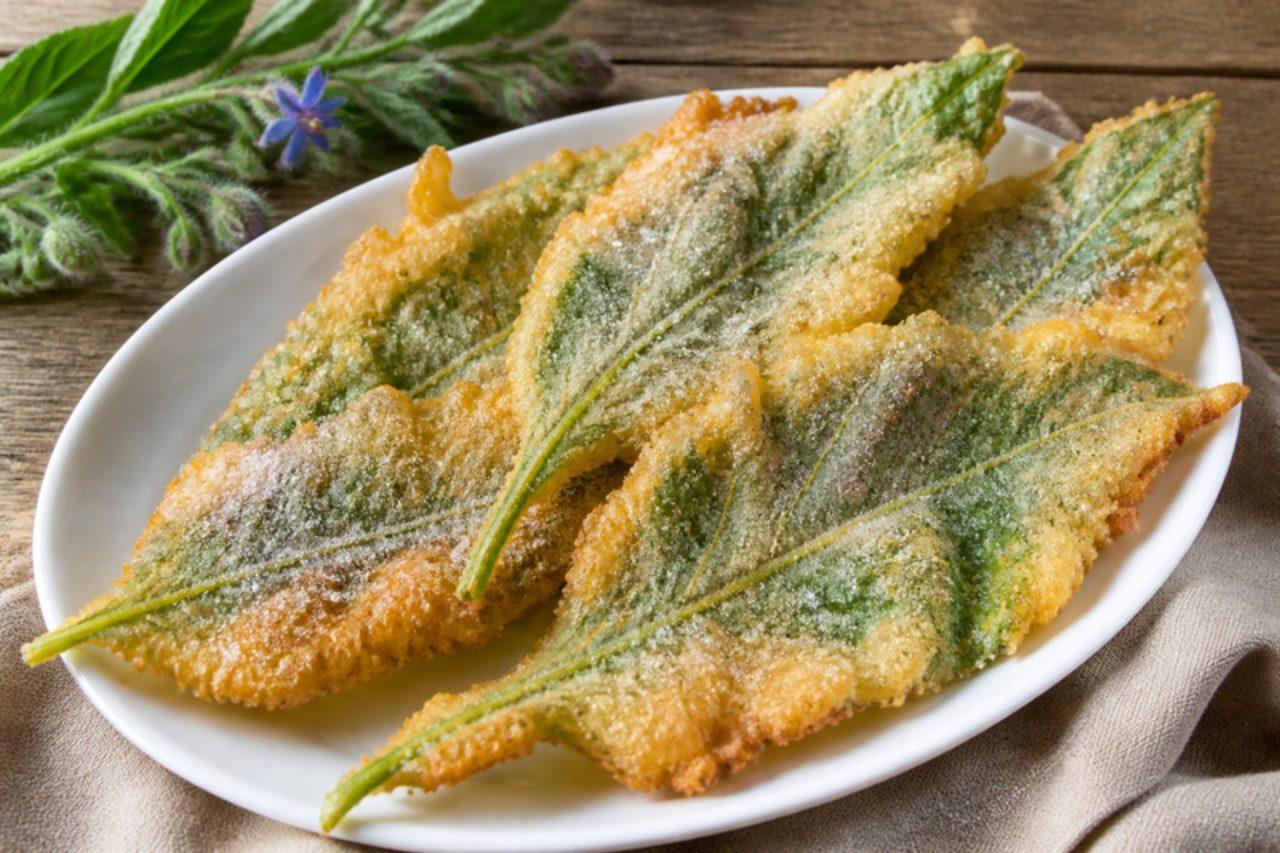
Crespillos de borrajaSugared borage leaf fritters

In the villages around Zaragoza and Huesca, the large, soft leaves of the borage plant become a sweet in spring: each leaf is dipped in a light batter, fried until it puffs and crackles, and dusted with sugar and cinnamon. Crespillos are made for Holy Week and for the Easter Monday picnics, and the leaf inside stays green and tender, with a fresh taste that cuts the richness of the frying. Some families add a splash of anise liqueur to the batter; this version leaves it out and uses lemon zest and a pinch of ground anise instead. A common mistake is using wet leaves, which make the oil spit and the batter slide off. Spinach or chard leaves work if borage isn't available. Chef's tip: hold each leaf by its stalk and let the extra batter drip off for a few seconds; a thin coat fries lacier and crisper.

by KrazyBadal 0 views

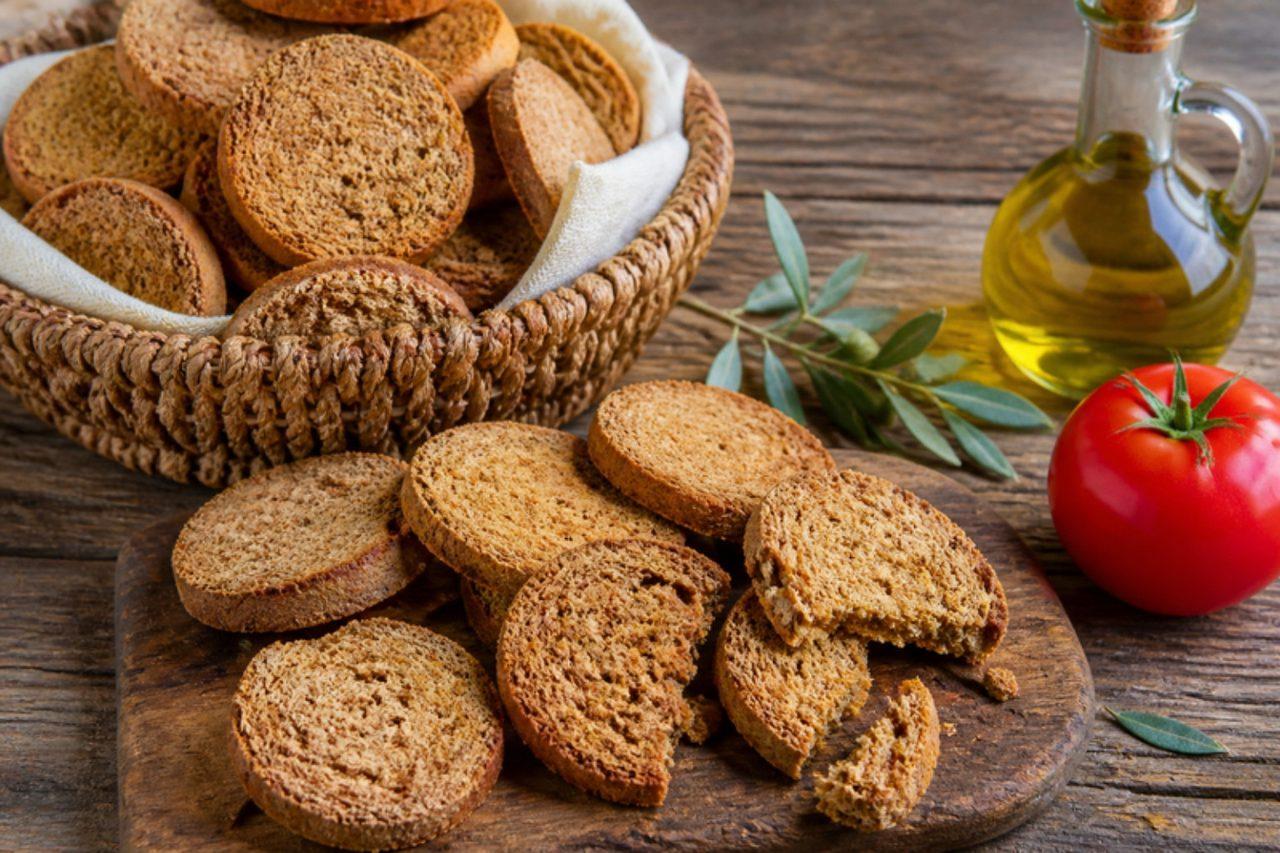
Kritika paximadiaTwice-baked barley rusks

Every Cretan bakery stacks bags of dark, rock-hard paximadia, and every Cretan home keeps a tin: barley bread baked once, sliced, then dried slowly until it will keep for months. Farmers carried them to the fields, and they are still the base for dakos, softened with a splash of water and piled with grated tomato and soft cheese, or broken into salads and dunked into coffee. They taste nutty and faintly sweet, with a crunch that softens to chewiness when moistened. Common mistake: drying them too hot, which browns the outside while the centre stays soft and goes mouldy in the tin. Chef's tip: dry the slices at the lowest oven setting with the door slightly ajar; they are ready when one snaps cleanly and sounds hollow.

by KrazyBadal 0 views

CrubeensCrisped pig's trotters

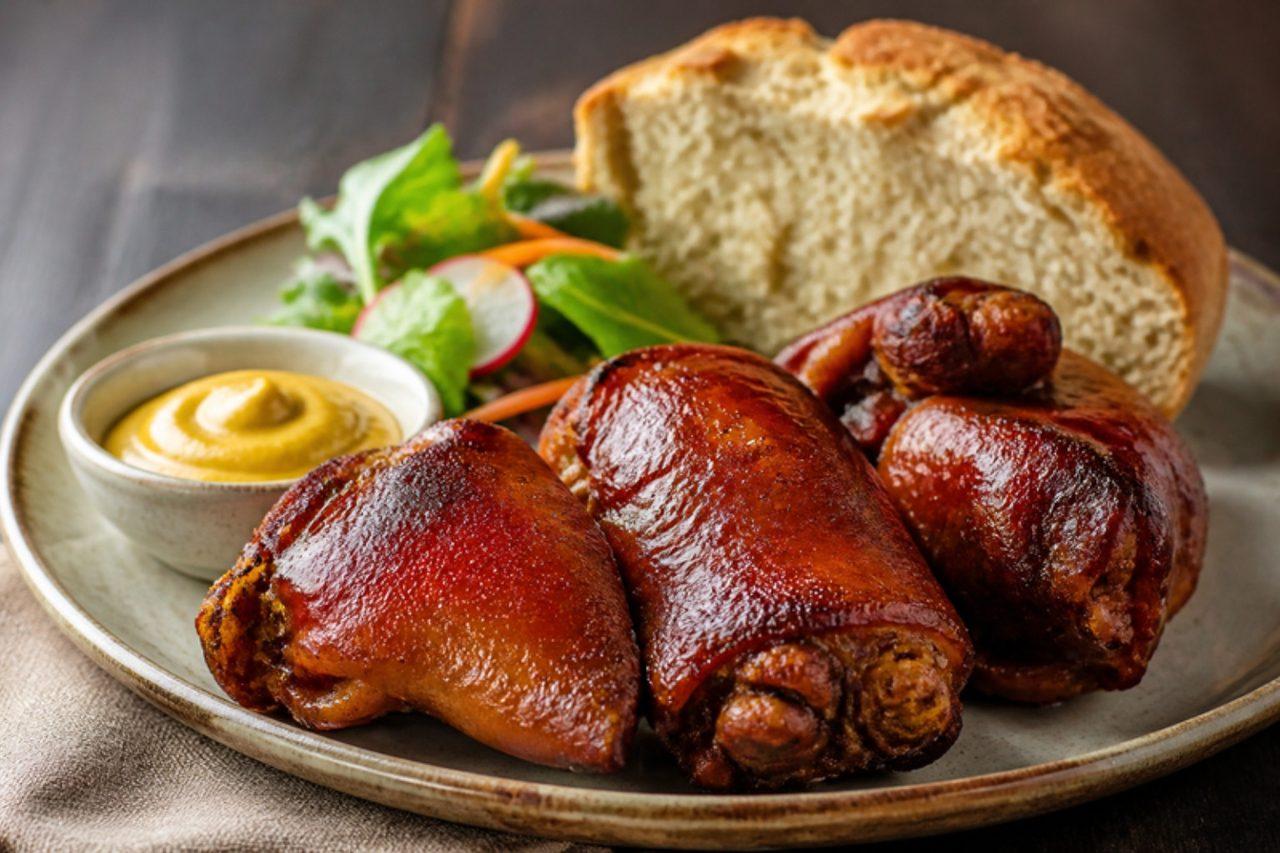
Crubeens are boiled pig's trotters, once sold hot from stalls at fairs and in Cork and Dublin pubs as a salty, sticky snack to go with a pint. They are pork, and very gelatinous: simmered for hours until the meat almost falls from the bone, then crisped in the oven with a mustard and breadcrumb coating, which is how many cooks finish them today. Eat them with your fingers, with brown bread and pickles. Chef's tip: ask your butcher for split, cleaned trotters, and singe off any stray hairs with a kitchen blowtorch before cooking.

220 minIrishMeat
by KrazyBadal 0 views

CuajadaSheep's milk junket with honey

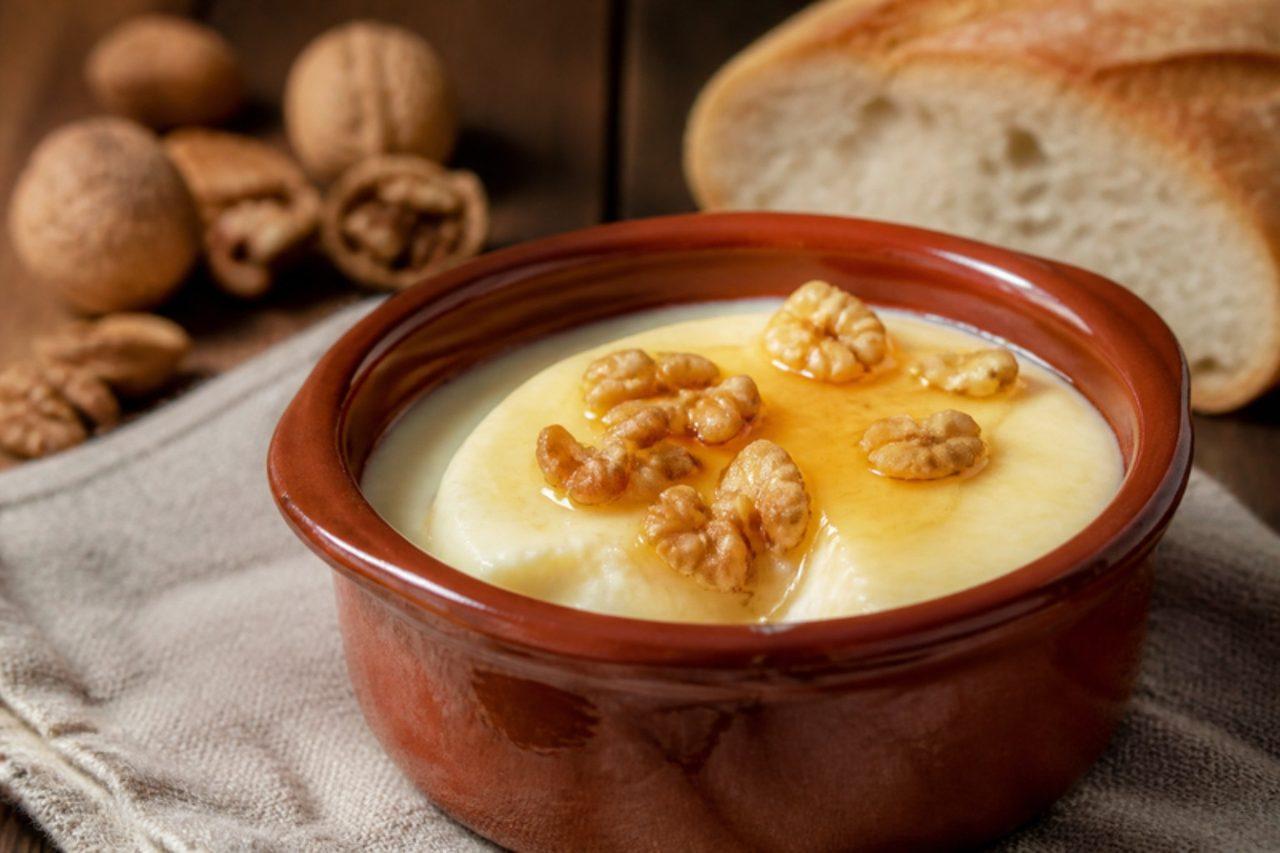
In the green valleys of northern Navarre, Ultzama and Roncal above all, sheep's milk is set into cuajada, a wobbly, faintly tangy junket that is eaten as dessert in village restaurants and sold in little clay pots at Pamplona's markets. Shepherds once warmed the milk by dropping a red-hot stone into a wooden pot, which is why some cuajadas taste lightly smoky. It is always eaten cold, with honey and walnuts. Most rennet is made from calves' stomachs; for a vegetarian cuajada use a microbial or vegetable rennet. Chef's tip: once the rennet is in, don't move the pots at all until they have set, or they turn grainy and weep.

by KrazyBadal 0 views

Cuajada con melaoCurd cheese with panela syrup

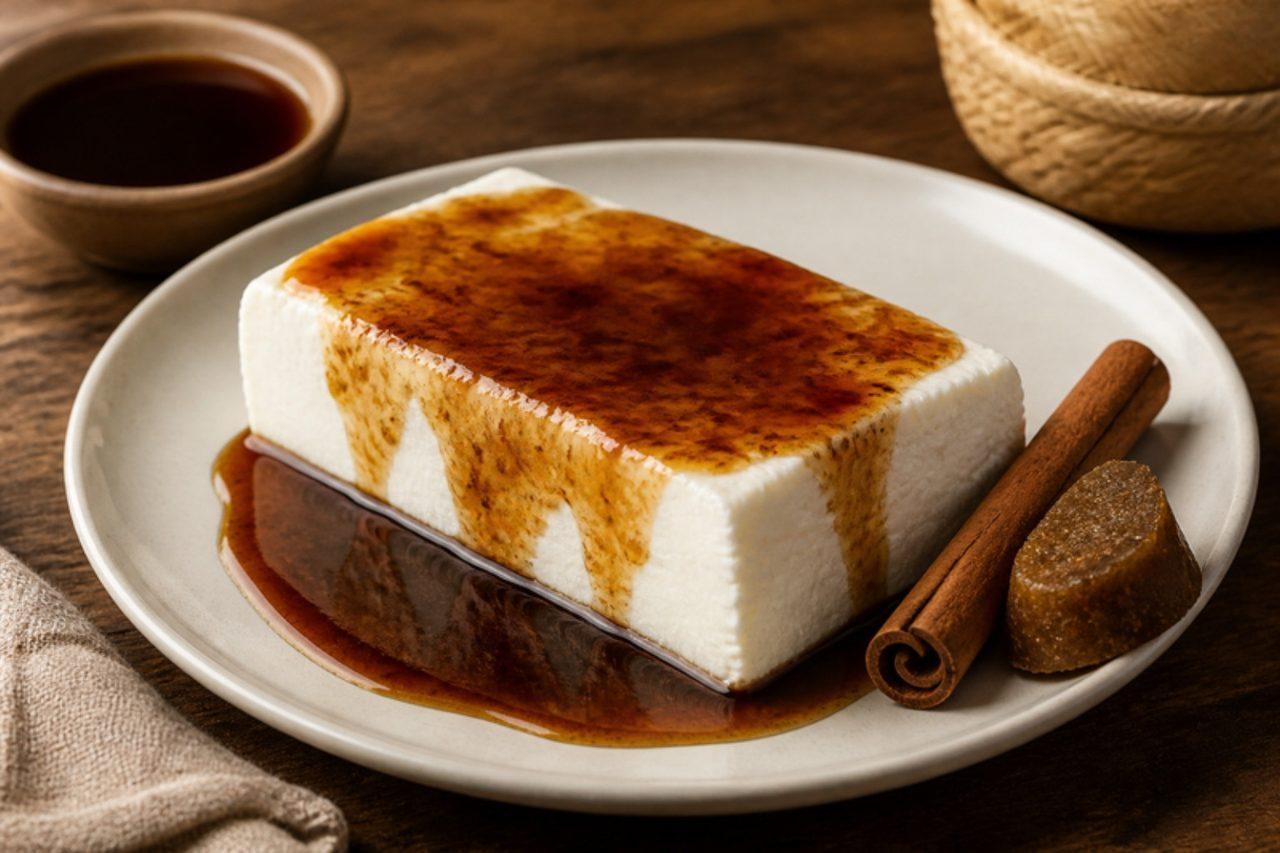
Simplicity is the charm of this Andean dessert: a slab of fresh, milky cuajada, barely salted, with a dark syrup of panela poured over it, still warm. Highland fondas between Bogotá and Boyacá serve it after a lunch of ajiaco or sancocho, and the contrast of cool, squeaky curd with molasses-deep, spiced syrup is the point. Cuajada is set with rennet, traditionally animal; buy a vegetarian curd or fresh ricotta-style cheese, or make cuajada at home with microbial rennet. Panela is unrefined cane sugar; dark muscovado is the closest swap. The mistake is boiling the syrup too long: it turns to toffee as soon as it meets the cold cheese. Take it off when it coats a spoon thinly. Chef's tip: a strip of lime zest in the syrup cuts the sweetness beautifully.

by KrazyBadal 0 views

CucaBanana crumble yeast cake

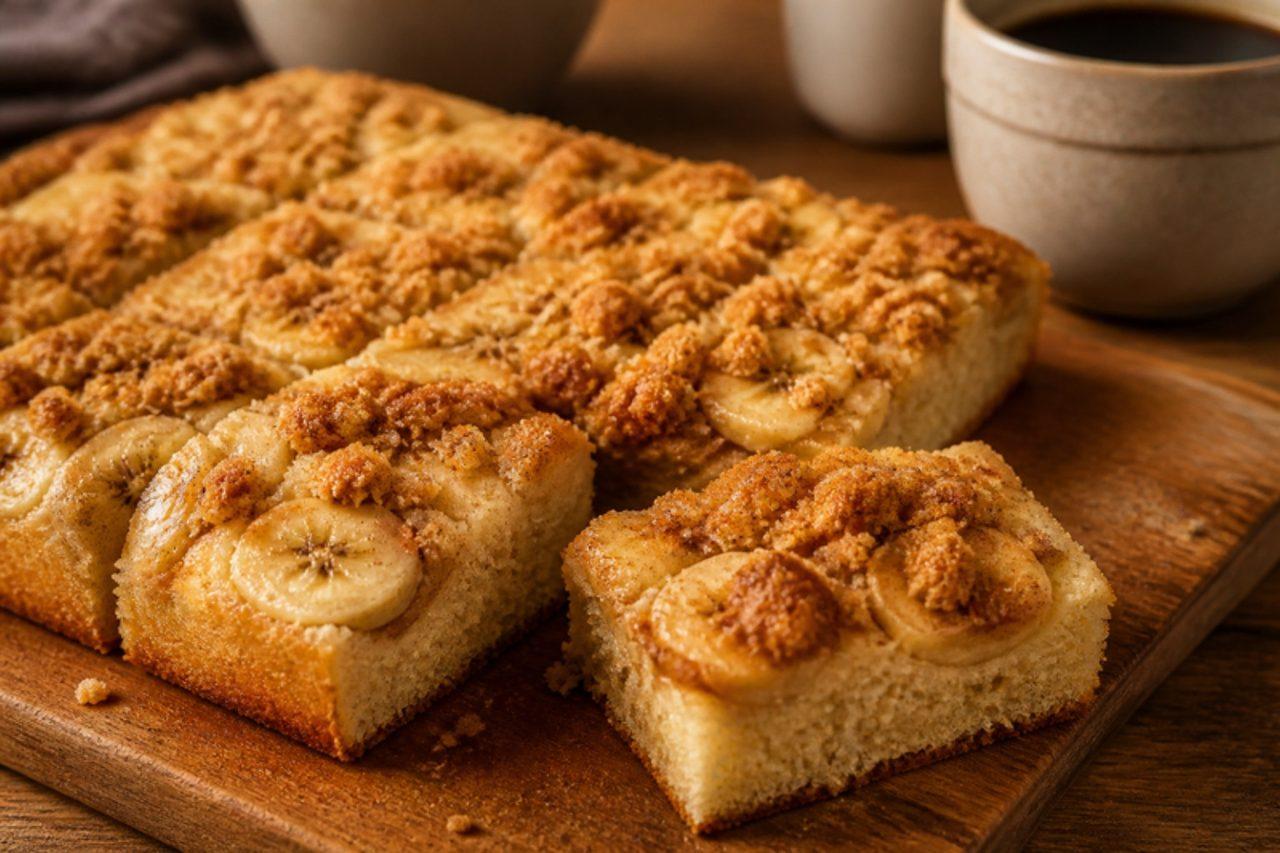
German settlers in Rio Grande do Sul and Santa Catarina brought the Streuselkuchen, and their descendants call it cuca: a soft, enriched yeast dough baked under a layer of fruit and a thick, buttery crumble called farofa. In Blumenau, Pomerode and the serra gaúcha it is sold in colonial bakeries and roadside cafés and served at the long afternoon café colonial with coffee, jams and cheeses. Banana with cinnamon is the classic, but grape, apple and guava versions are common. The usual misstep is letting the dough rise in a cold kitchen and then baking it anyway: it stays heavy and dense, so wait until it really has doubled. Chef's tip: rub the crumble together and chill it in the freezer while the dough rises, so it stays in big, crunchy clusters in the oven.

by KrazyBadal 0 views

CulurgionesPotato and pecorino dumplings

Culurgiones come from Ogliastra, on Sardinia's rugged eastern coast, where women seal each dumpling with a row of tiny pinches that look like an ear of wheat. Inside is a soft, warm filling of potato, aged pecorino, garlic and fresh mint. In villages such as Ulassai and Lanusei they are made for the end of the harvest and for 2 November, All Souls' Day, as a token of good luck and protection. Some families work a little lard into the dough; here it is olive oil. Chef's tip: chill the filling; firm, cold filling is far easier to pleat and won't tear the thin dough.

by KrazyBadal 0 views

Curau de milhoFresh corn pudding

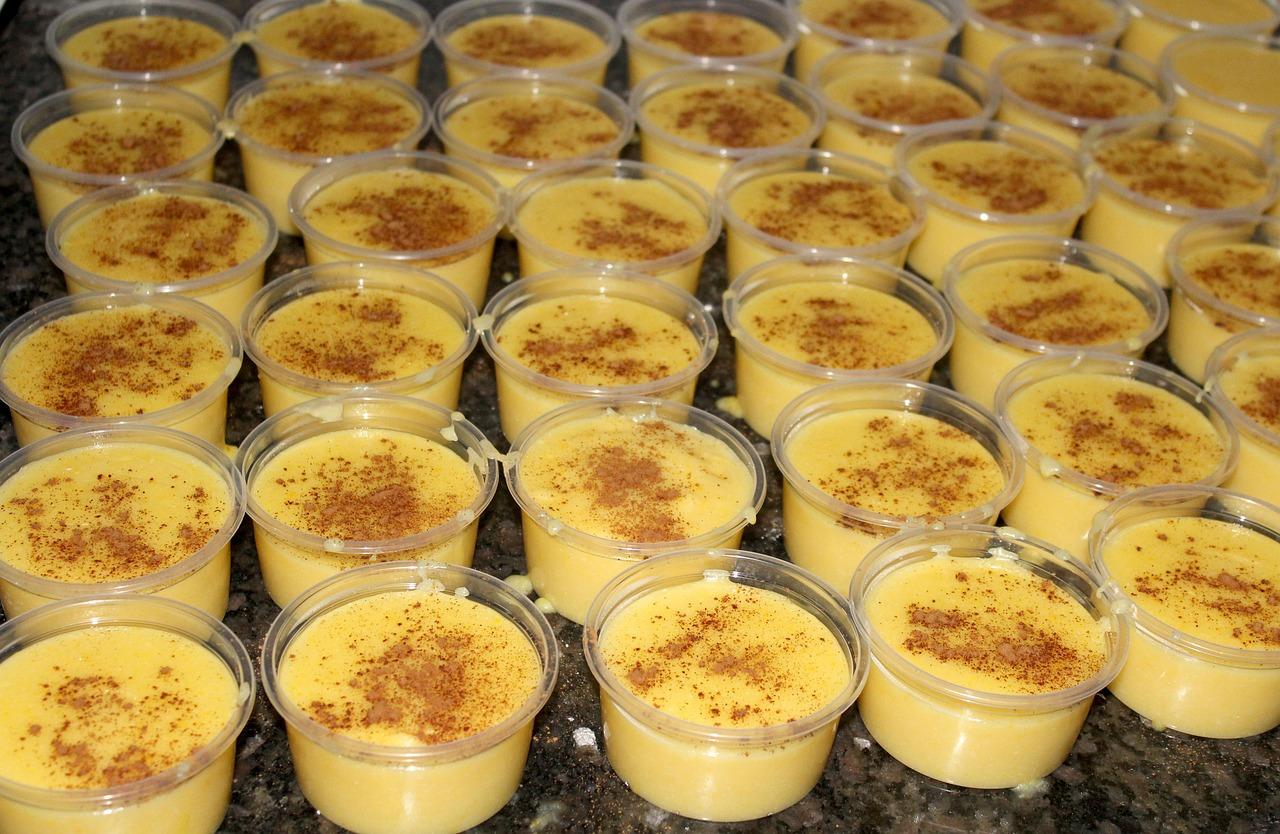
São Paulo and Minas call it curau; in parts of the Northeast the same thing is canjica, which can confuse anyone travelling for the June festivals. Whatever the name, it is fresh sweetcorn blended with milk, strained and stirred over the heat until it sets into a soft, pale yellow pudding, served cold in little bowls with a dusting of cinnamon. You find it at every arraial in the interior of São Paulo and Goiás and at corn shops beside the pamonha. It tastes of milky fresh corn, gently sweet, and the texture should be silky, never grainy. A frequent slip is to stop stirring: corn starch catches on the base within seconds and gives the whole pot a burnt taste. Chef's tip: cook it in a heavy pan and use a flat wooden spatula so you can scrape every corner of the base.

by KrazyBadal 0 views

Cuscuz de tapiocaTapioca and coconut cake

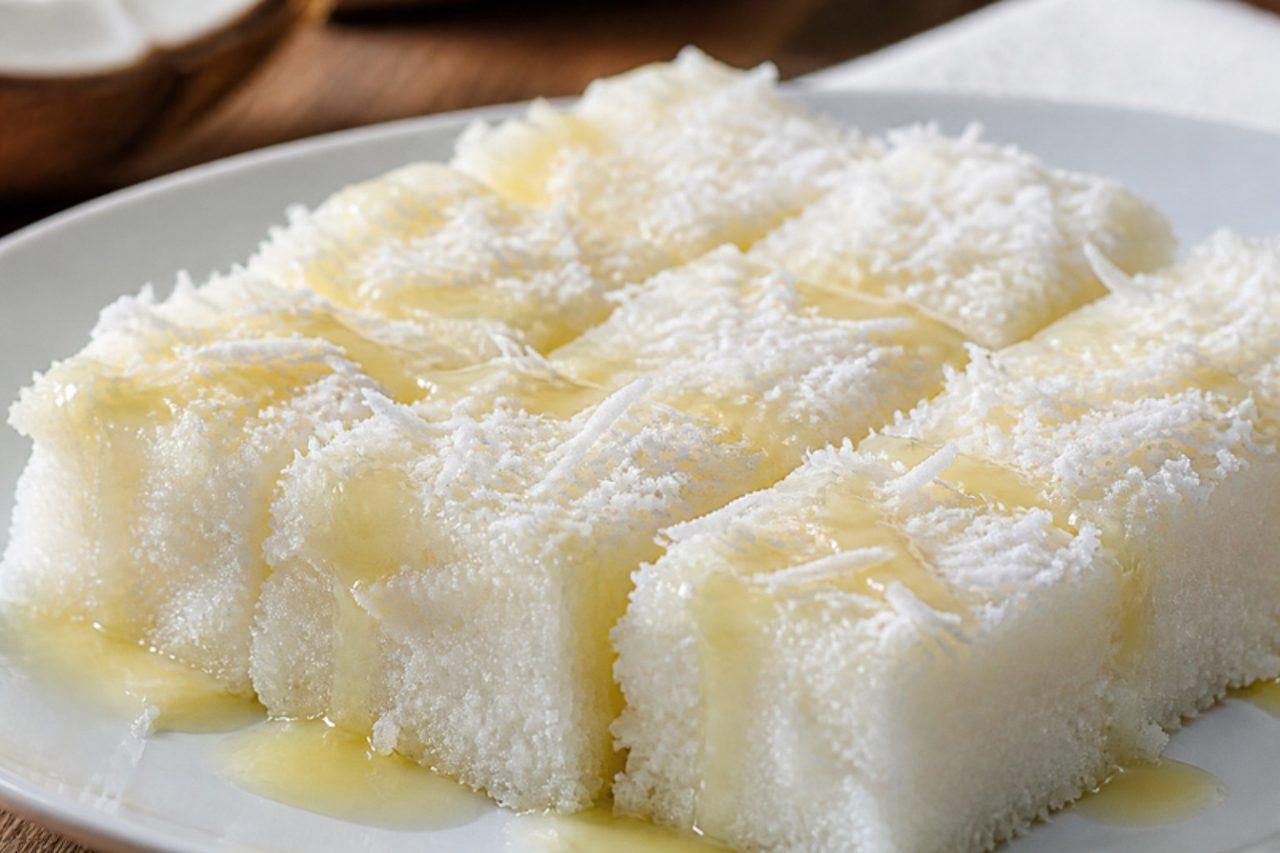
Breakfast stalls in Salvador and the street markets of Recife and Fortaleza sell cuscuz de tapioca by the slice from a big round tray, often with a drizzle of condensed milk on top. It needs no cooking at all: granulated tapioca (tapioca granulada) soaks up hot sweetened milk and coconut milk and swells into a firm, white, bouncy cake with a chewy, pearly texture and a gentle coconut taste. It is eaten cold, at breakfast or as an afternoon sweet with coffee. Granulated tapioca is a Brazilian product made of small irregular crumbs, not pearls; Brazilian shops sell it in bags. Cutting it too early is the usual mistake, and the slices crumble because the granules are still dry at the centre. Chef's tip: pour the liquid in while it is steaming hot and cover the dish straight away; the trapped steam swells the granules evenly.

by KrazyBadal 0 views

Cuscuz paulistaCornmeal with palm heart and sardines

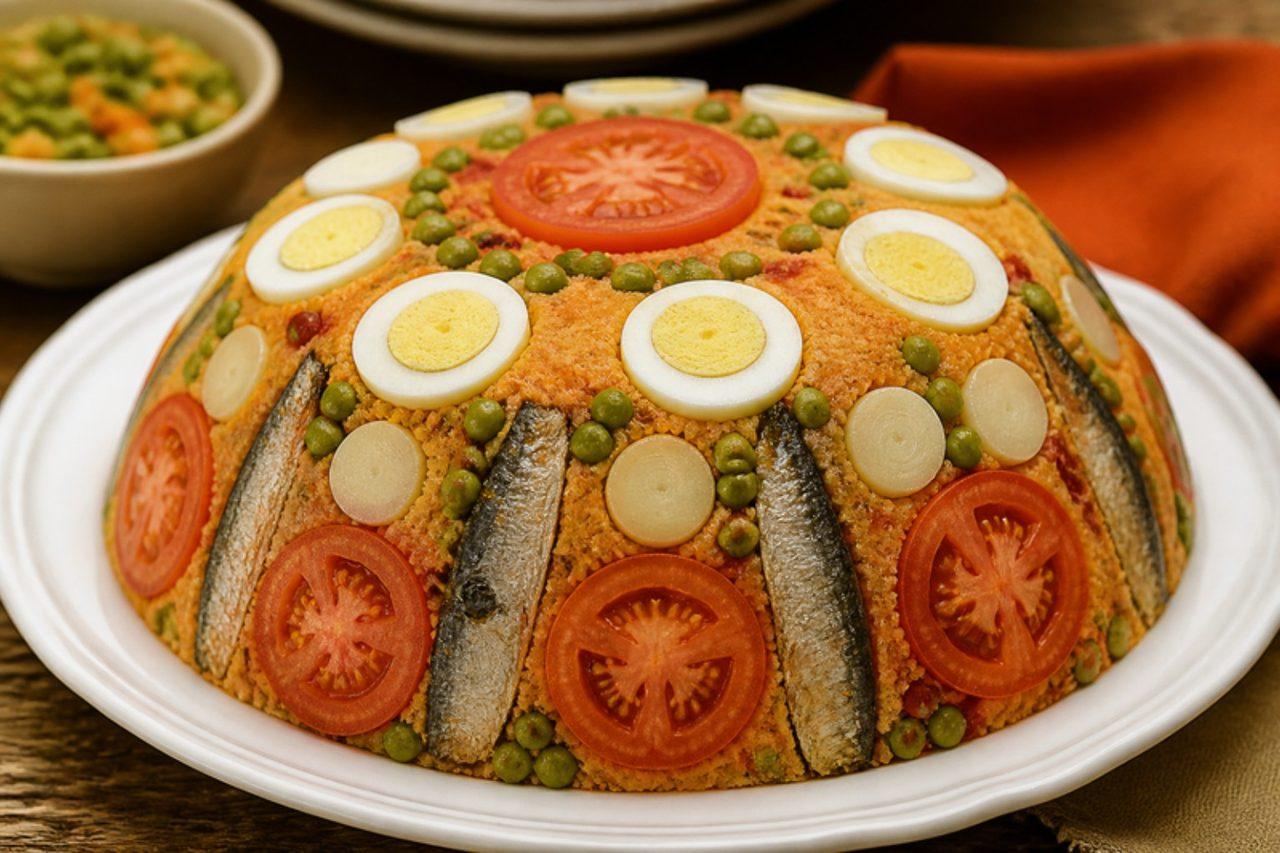
Nothing like North African couscous, cuscuz paulista is a moulded cake of corn flakes cooked in a rich tomato sauce, packed into a ring mould decorated with sardines, sliced egg, tomato, palm hearts and peas, then turned out so the pattern shows. São Paulo bakeries and family lunches serve it cold or at room temperature, in slices, for birthdays, Easter and Sunday tables. It is moist, savoury and tangy, with bursts of olive and fish. It needs at least an hour to set in the fridge, so it is perfect to make the day before. The thing that most often goes wrong is a mixture that is too dry, which crumbles when turned out; it should look like soft, wet polenta before it goes into the mould. For a vegetarian version, skip the sardines and add extra palm hearts. Chef's tip: oil the mould generously and press the decoration against the sides firmly, so it sticks to the cuscuz and not the tin.

by KrazyBadal 0 views

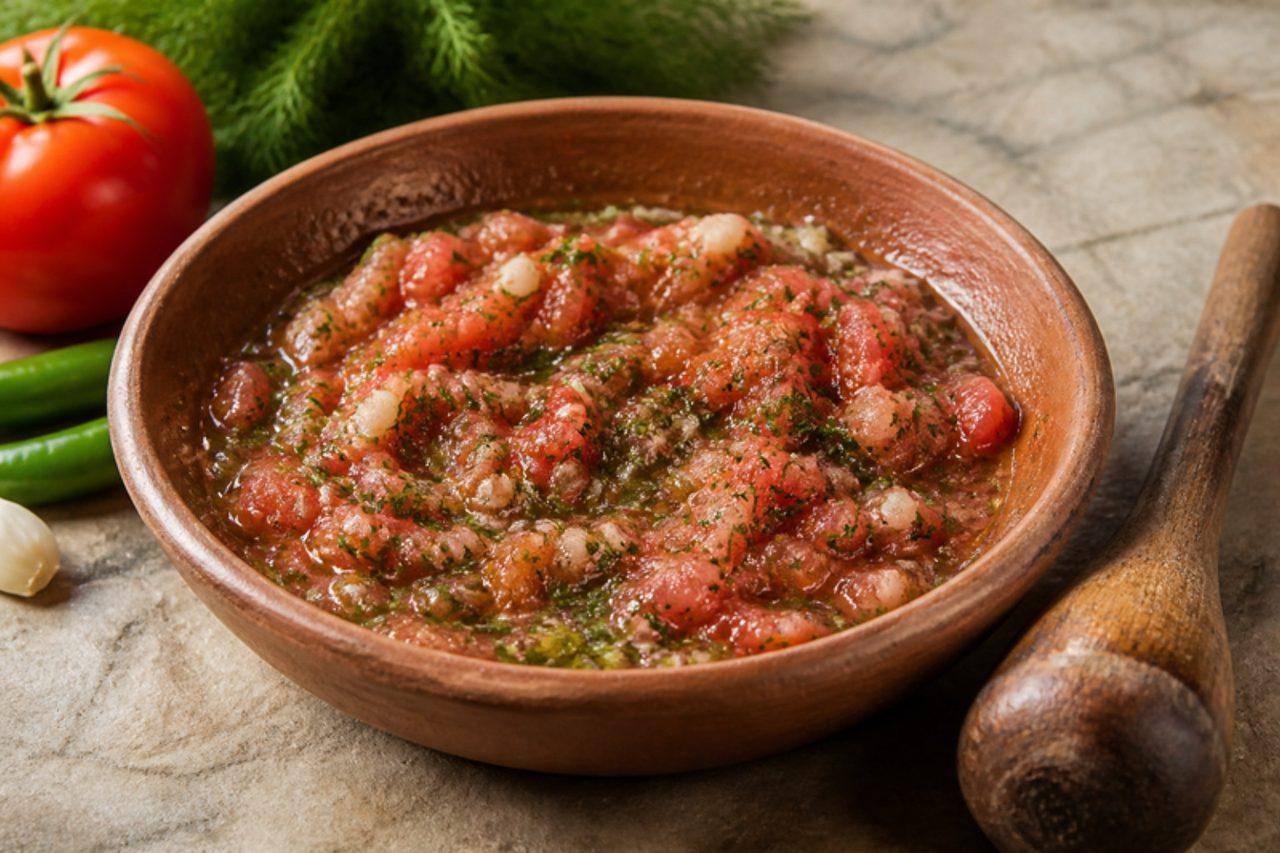
DaggaPounded tomato, dill and chilli salad

Dagga, sometimes called salata ghazawiyya, is the salad that sits on every table in Gaza, pounded in a clay bowl (zibdiya) with a wooden pestle until the tomatoes collapse into a juicy, chunky relish. Fresh dill, green chilli, garlic and lemon make it sharper and hotter than any salad in the north, and it is spooned over fish, rice and grilled meat or scooped up with bread. Common mistake: using a blender, which turns it into a smooth sauce; you want broken pieces in their own juice. Chef's tip: pound the garlic, chilli and salt to a paste first, then add the dill, so its oils bloom before the tomatoes go in.

by KrazyBadal 0 views

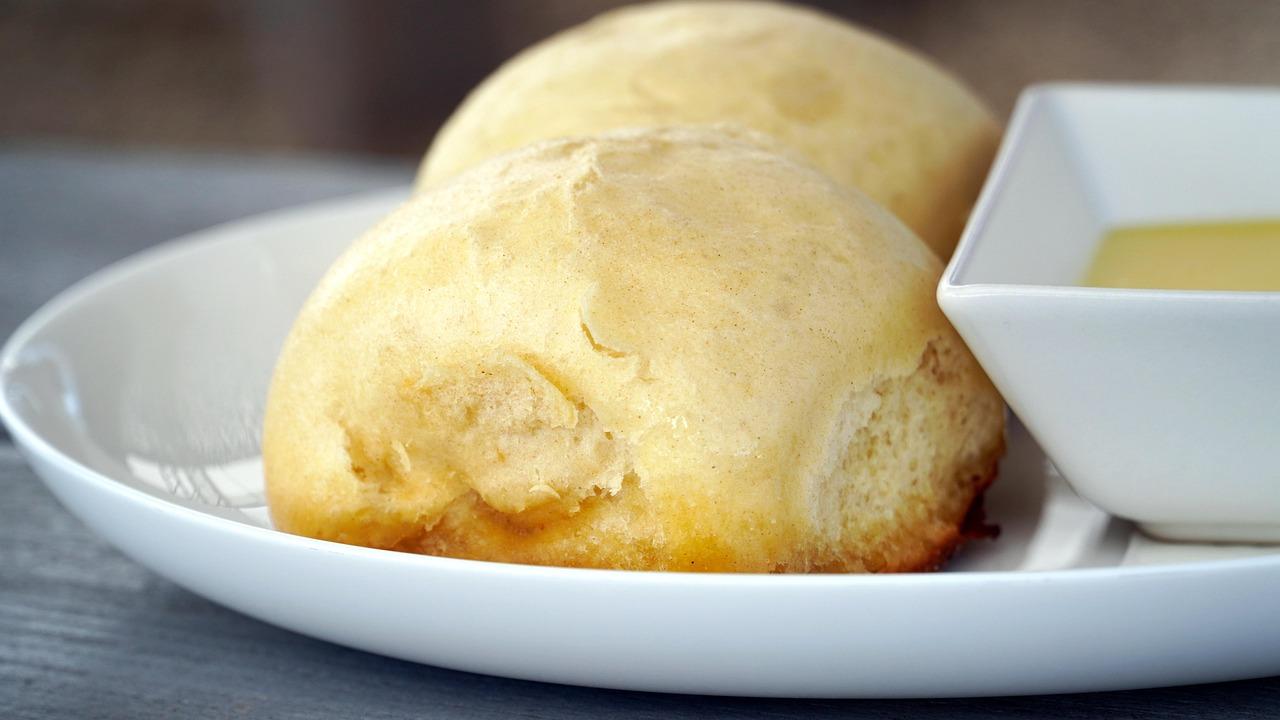
DampfnudelnSteamed yeast dumplings with vanilla sauce

Dampfnudeln are a Friday supper in Bavaria and the Palatinate, from the days when meatless Fridays meant a sweet main course. Soft yeast buns are packed into a heavy pan with milk, butter and a little sugar, the lid goes on, and they steam until fluffy on top while the liquid boils away and leaves a salty-sweet caramel crust underneath. They come to the table with warm vanilla sauce. The famous mistake is lifting the lid too early: the steam escapes and the buns collapse. Chef's tip: listen to the pan instead of looking; when the bubbling turns to a crackle, the crust is forming and you have about 3 minutes left.

by KrazyBadal 0 views

Showing 27 of 7,762 recipes

Show more recipes

Page 480 of 863