


Skip to content
Aşure
Featured recipe

Aşure

Wheat, bean and dried fruit pudding

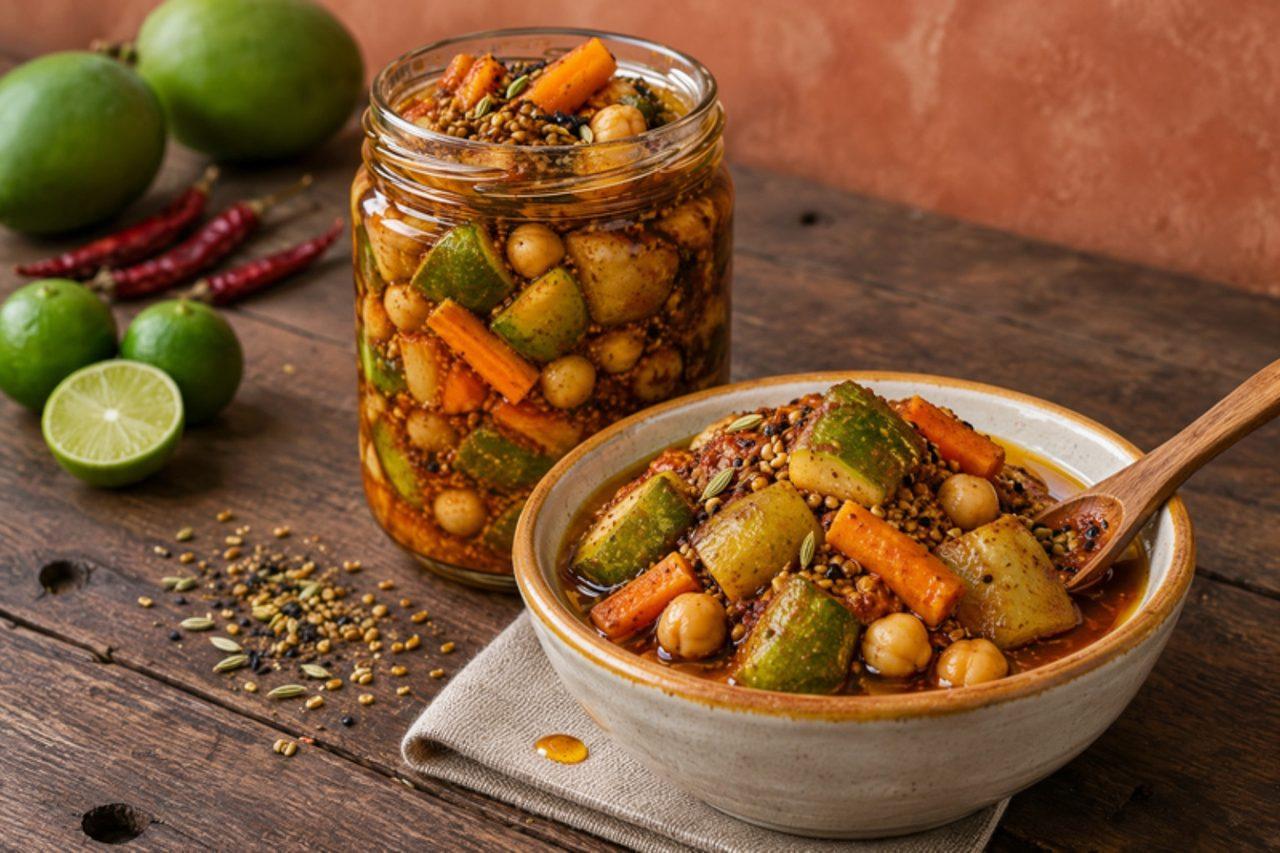
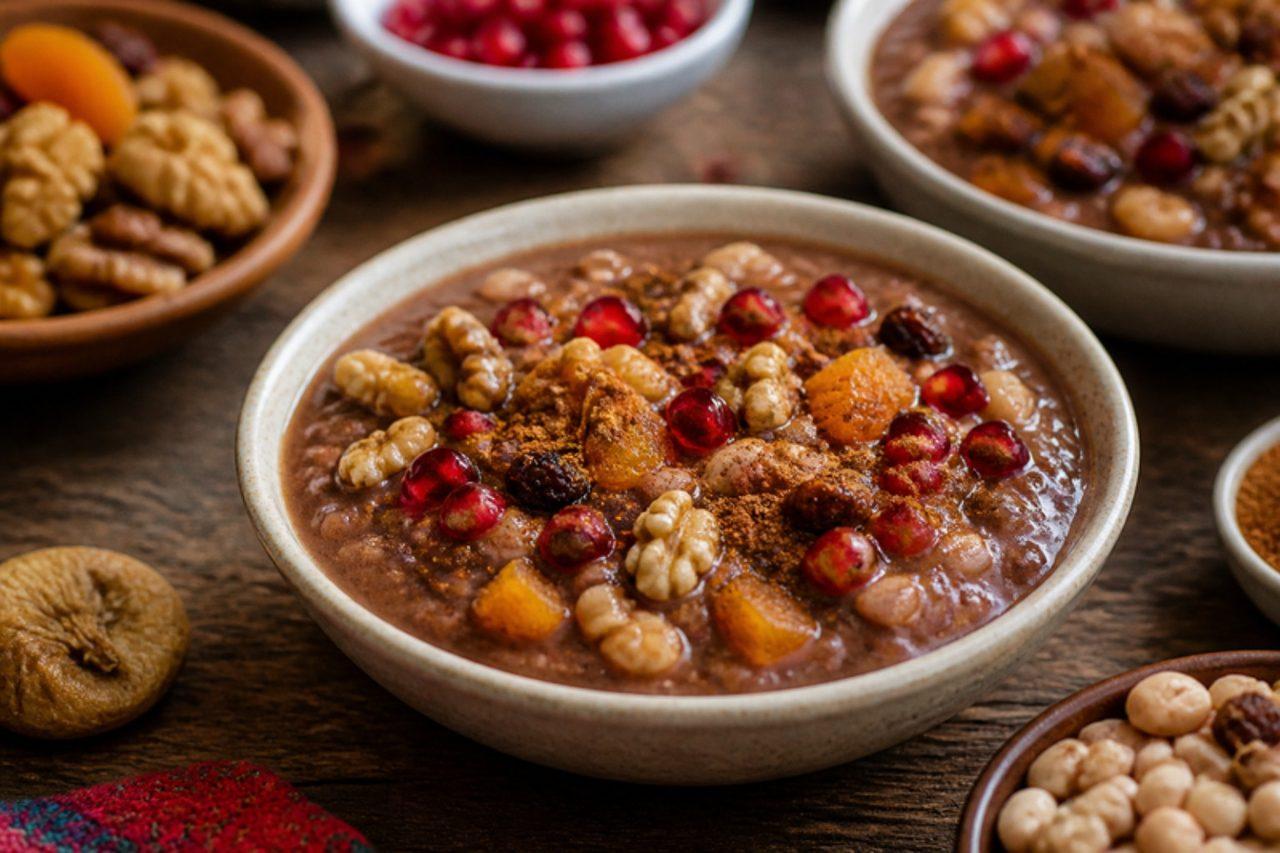
In the month of Muharram, kitchens all over Anatolia, especially in conservative Konya and Sivas, boil great pots of aşure and send bowls to every neighbour, regardless of faith, so the sweet is as much about sharing as eating. Legend says it was cooked on Noah's ark from the last of the stores, which is why it combines whole wheat, chickpeas, white beans, dried apricots, figs and raisins in a thick, gently sweet pudding. It's topped with walnuts, pomegranate and cinnamon. Common mistake: adding sugar before the wheat is fully tender; sugar firms the grains and they never soften. Chef's tip: soak the wheat and pulses overnight and cook the wheat in its soaking water for the creamiest result.

Read more 0 views

What to eat today?

Around the world

Today's trip: Paraguayan

A new country every day, from every cuisine on the site.

Paraguayan

Chipa

Cheese bread rings 50 minMore from Paraguayan (27) →

This week's collection

Kid-friendly dinners
537 recipes · a new collection every Monday

Latest recipes

Tex-Mex migasEggs scrambled with tortilla strips

Texas migas is the Austin diner breakfast for using up stale corn tortillas: strips are fried crisp, then tossed with onion, jalapeño and tomato and scrambled with eggs and melting cheese, served with refried beans and warm flour tortillas. It is a quite different dish from the bread-crumb migas of Spain. Chef's tip: add the eggs while the tortilla strips are still crisp, so some stay crunchy and some soften.

by KrazyBadal 0 views

SumaghiyyehSumac, chard and lamb stew

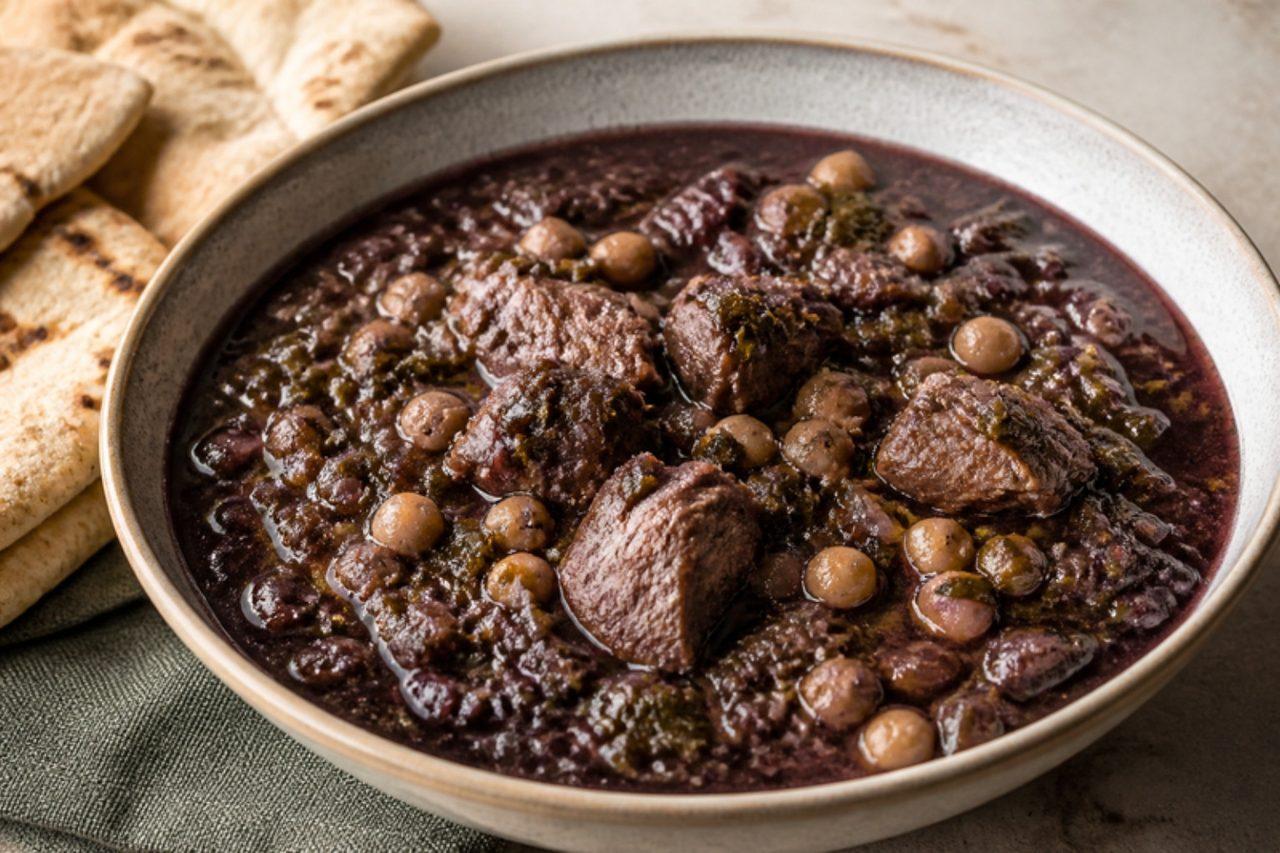
Sumaghiyyeh is Gaza's festive dish, cooked in big pots for Eid al-Fitr and eaten cold the next days with bread: chunks of lamb and chickpeas in a thick, purple-brown sauce of sumac, chard, tahini, garlic, dill and chilli. It tastes sour, nutty and herby all at once and is served at room temperature, sealed under a film of olive oil. Common mistake: using ground sumac straight into the pot, which leaves it gritty; soak the sumac and use the strained liquid. Chef's tip: make it a day ahead; the sauce sets and the flavours deepen, just as Gazan families serve it.

by KrazyBadal 0 views

TsigariastoFried and braised lamb

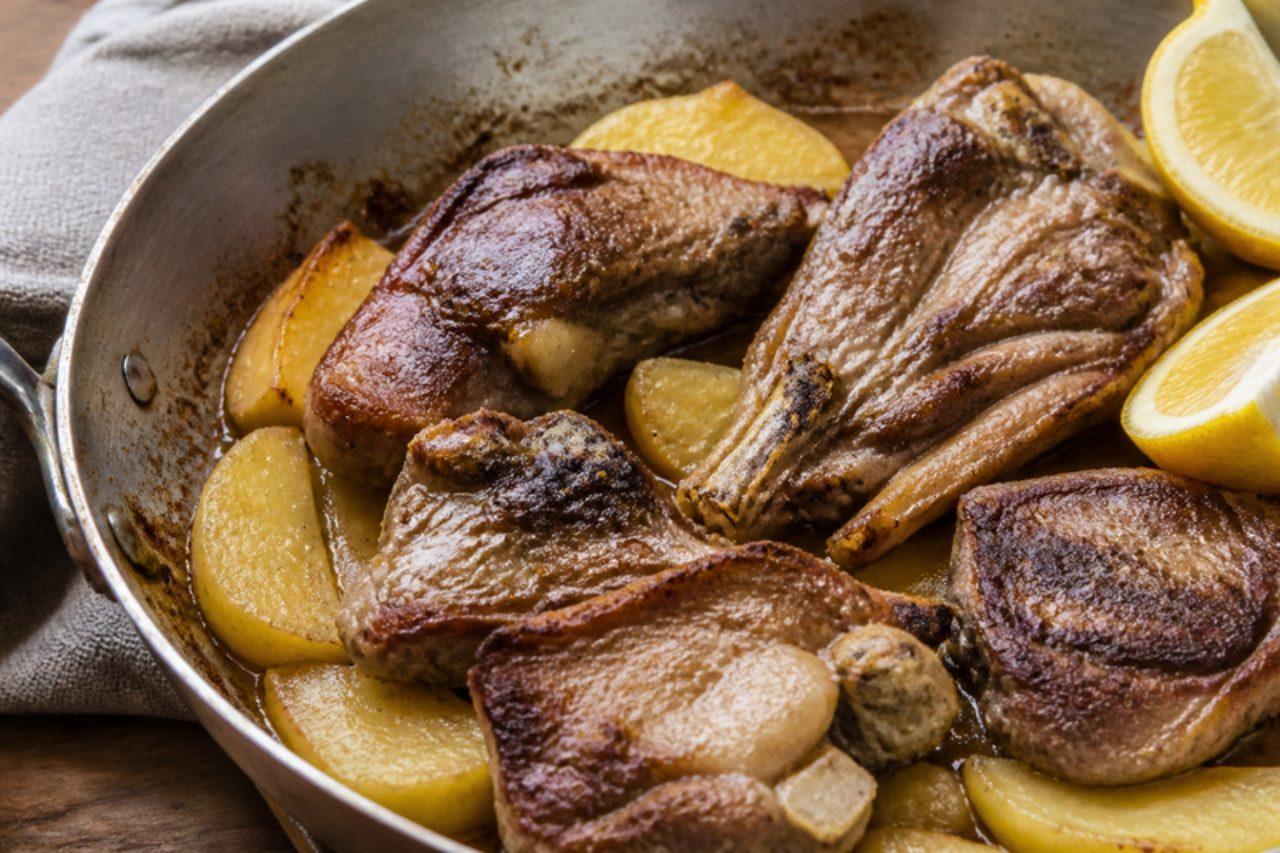
Tsigariasto comes from the verb 'to sizzle', and in the mountain villages of Crete it is the everyday way to cook lamb or kid: the pieces are browned hard in good olive oil, then left to stew slowly, covered, in nothing more than their own juices with salt and pepper. The result is meltingly tender meat in a small amount of rich, golden sauce, served with chips fried in olive oil, a horiatiki salad and bread. Common mistake: adding too much water, which turns it into a boiled stew; add only a splash at a time when the pan looks dry. Chef's tip: keep the lid on tight and the flame very low; the meat should murmur, not bubble.

135 minGreekMeatGluten free
by KrazyBadal 0 views

Sandre au beurre blancPike-perch with butter sauce

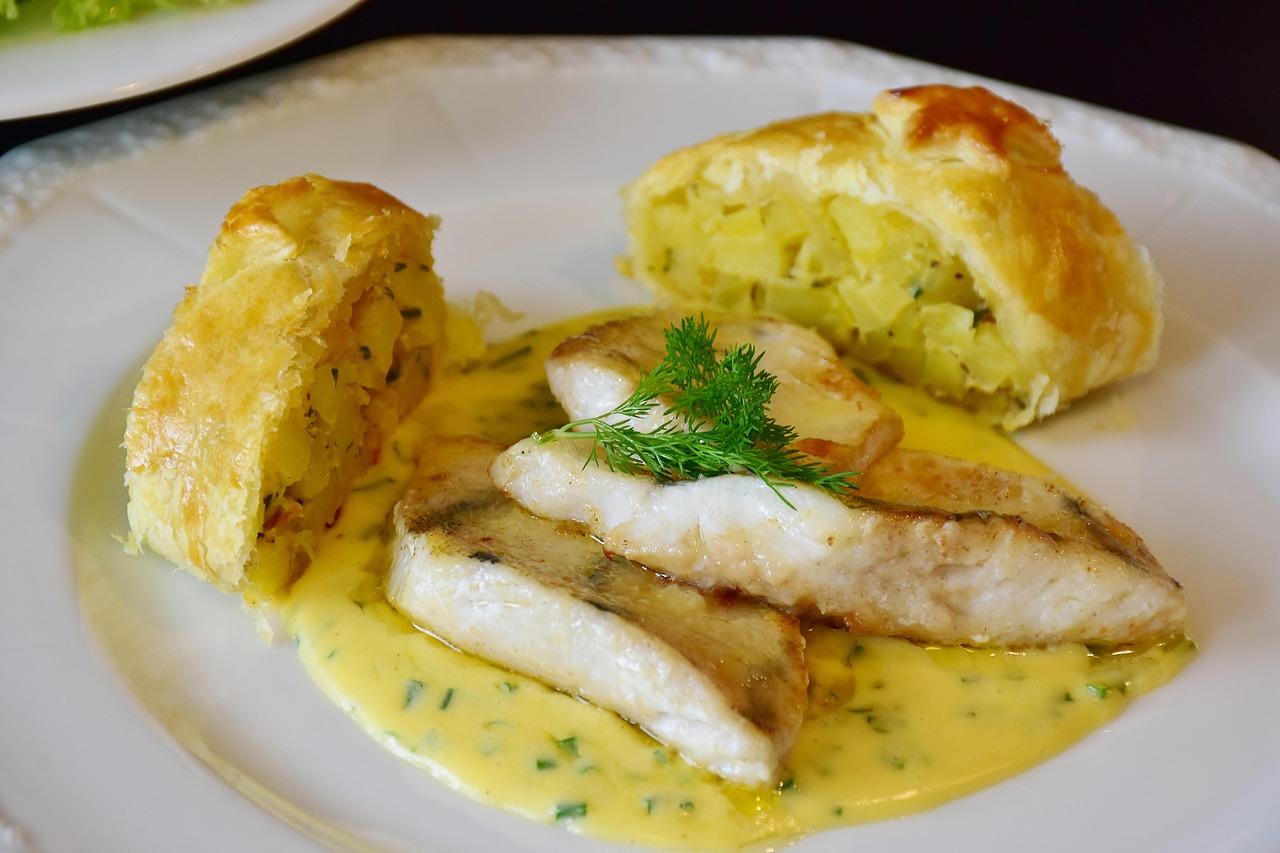
Beurre blanc was first whisked up on the banks of the Loire near Nantes, and riverside restaurants from Anjou to the Muscadet vineyards still serve it with sandre, the firm, mild pike-perch of the river. The sauce is nothing but shallots reduced in white wine and vinegar, then mounted with cold butter into a pale, foamy emulsion that tastes sharp and creamy at once. The crisp-skinned fish sits on top, with steamed potatoes or leeks alongside. The reduction uses dry white wine; an alcohol-free option is in the notes. If you can't find pike-perch, sea bass or hake fillets are good substitutes. Chef's tip: keep the butter fridge-cold and add it a few cubes at a time, and the sauce will never split.

30 minFrenchFishGluten free
by KrazyBadal 0 views

Sanduíche de mortadelaFried mortadella and cheese roll

Tourists queue for it at the Mercado Municipal in São Paulo, where the sandwich counters on the mezzanine fold slice after slice of mortadella onto a hot griddle until the stack is taller than the bread. Mortadella is a cooked pork sausage, and warming it this way crisps the edges, softens the fat and makes it taste sweeter and more peppery; a layer of melted provolone or mild cheese glues it together inside a crusty French roll. It is gloriously over the top, best eaten with both hands and a paper napkin. The mistake most people make is stacking cold mortadella flat, which stays rubbery; fold the slices loosely so the heat gets between them. Chef's tip: ask for the mortadella sliced very thin, almost see-through; thin slices ruffle up and give the sandwich its height and tenderness.

by KrazyBadal 0 views

TsigareliGreens braised with tomato and paprika

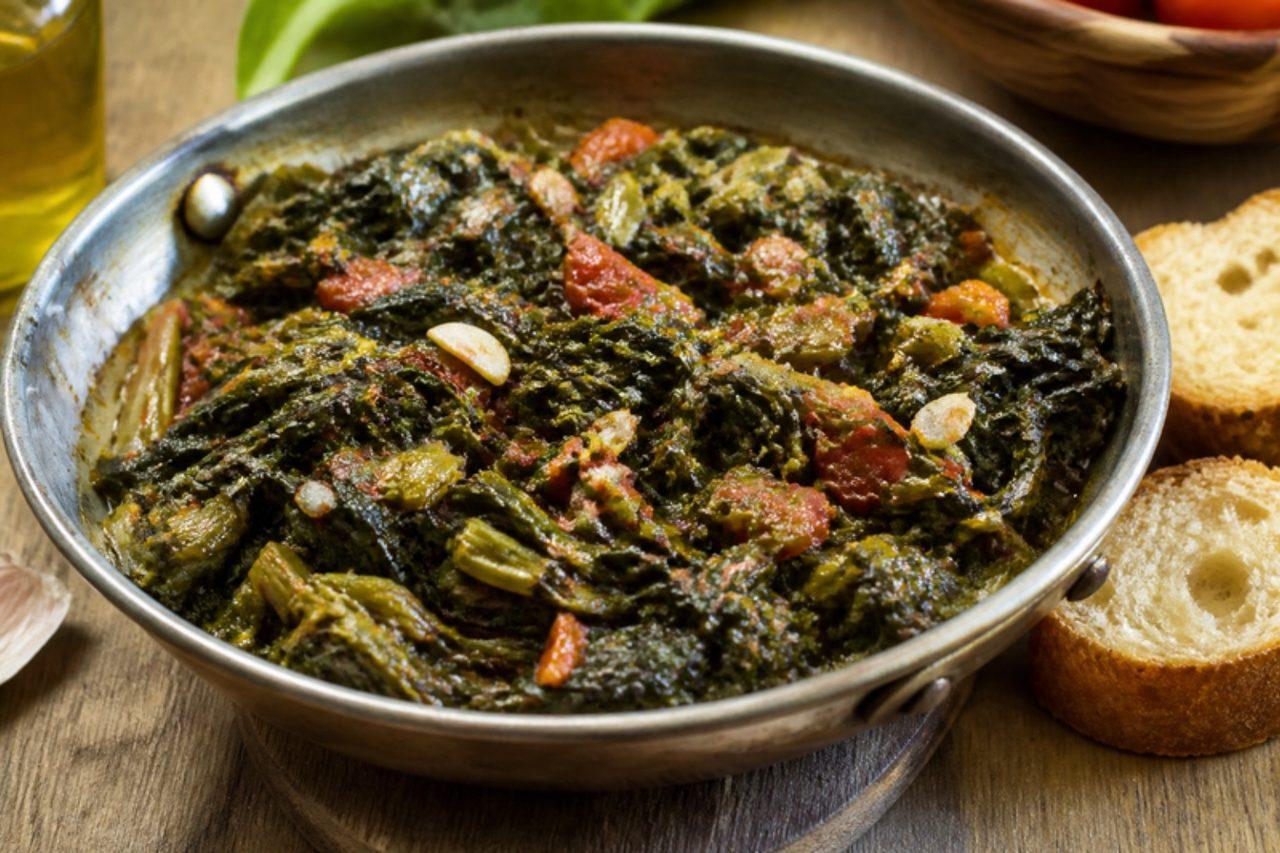
Corfiots gather wild chicory, sow-thistle, fennel tops and young chard from the olive groves in winter and spring and stew them into tsigareli, a peppery, oily braise that sits on the table with bread, feta and a fried egg or two. The Venetian-era love of hot red pepper shows: it should warm the back of your throat. Common mistake: drowning the greens in water — they make their own juice, so add only a splash. Chef's tip: shop-bought mixes of spinach, chard, rocket and dill work well; add the tender leaves last so they keep some colour.

by KrazyBadal 0 views

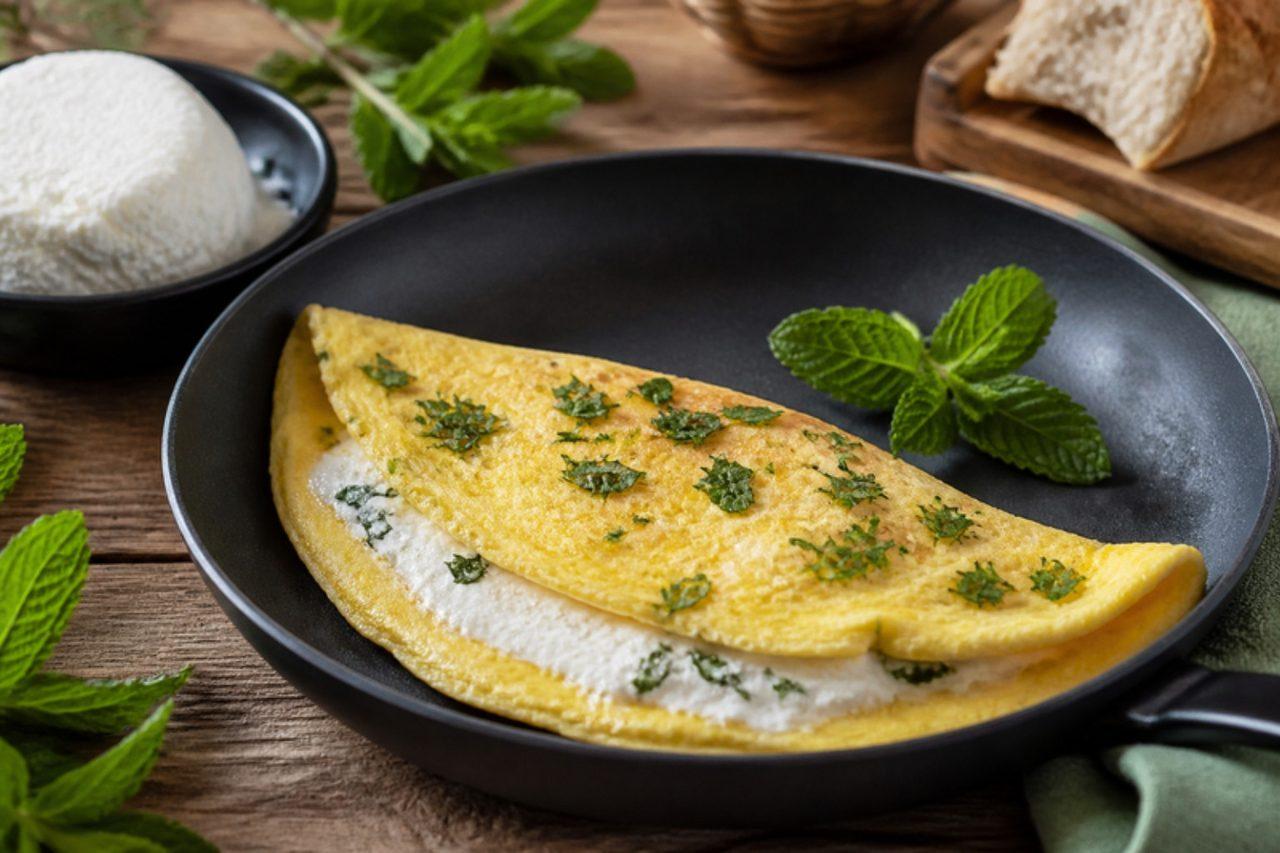
Omelette au brocciu et à la mentheFresh cheese and mint omelette

Inland Corsica, around Corte and the mountain villages, serves this omelette from late autumn to early summer, the months when shepherds make fresh brocciu. The cheese goes in at the last moment so it stays creamy, and wild mint picked from the maquis cuts through its richness; it is a light lunch or supper with a green salad and bread. Brocciu is made from the whey of rennet cheeses, so vegetarians often use ricotta labelled vegetarian instead. Chef's tip: season the cheese and mint, not just the eggs, because fresh whey cheese is very mild.

by KrazyBadal 0 views

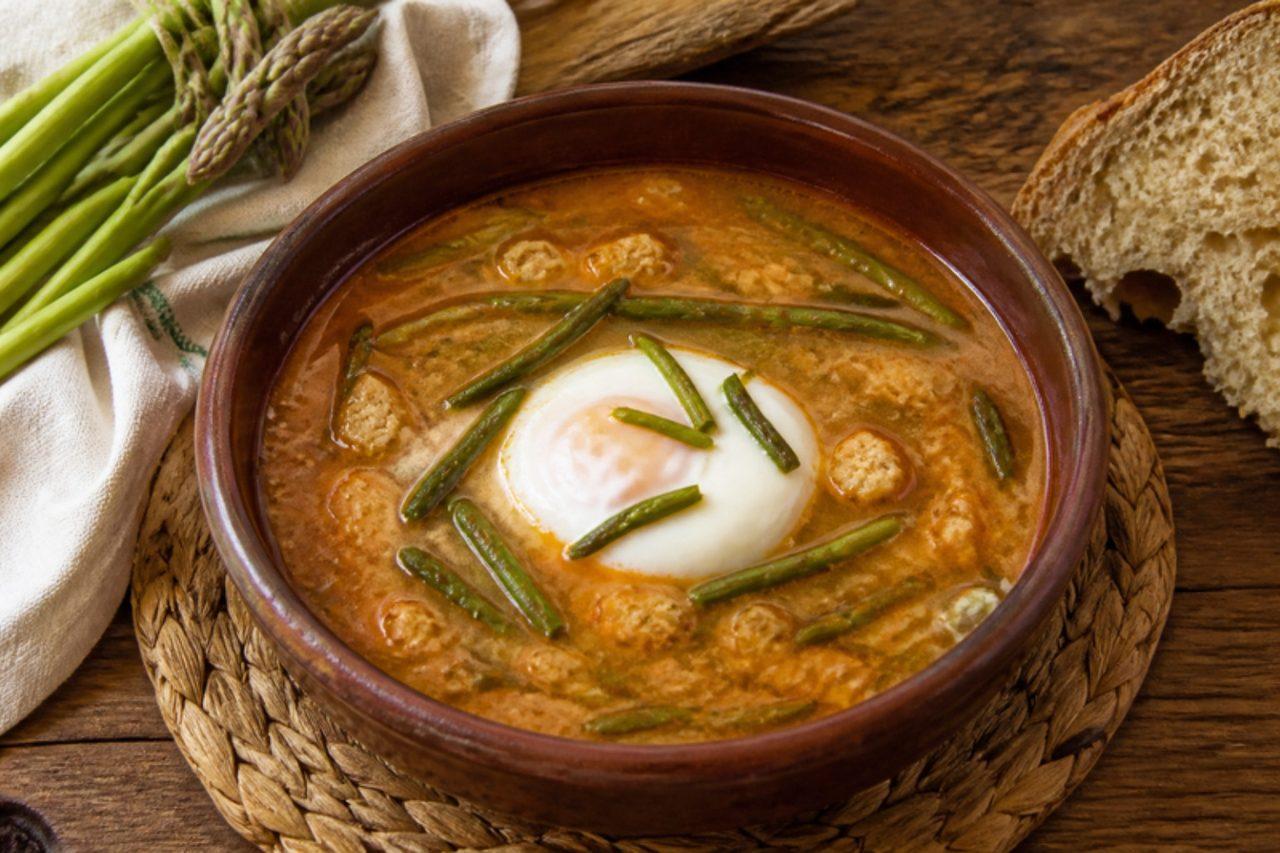
Sopa de espárragos triguerosWild asparagus and bread soup

In March and April people across Extremadura walk the field margins and olive groves picking thin, bitter wild asparagus, and much of the haul goes into this soup. The spears are fried with garlic and smoky pimentón de la Vera, simmered with water, thickened with thin slices of stale bread, and an egg is poached in the pot for each person. It is a country supper for chilly spring evenings. Thin green asparagus from the shops works well. Chef's tip: take the pan off the heat before adding the paprika, so it doesn't scorch.

by KrazyBadal 0 views

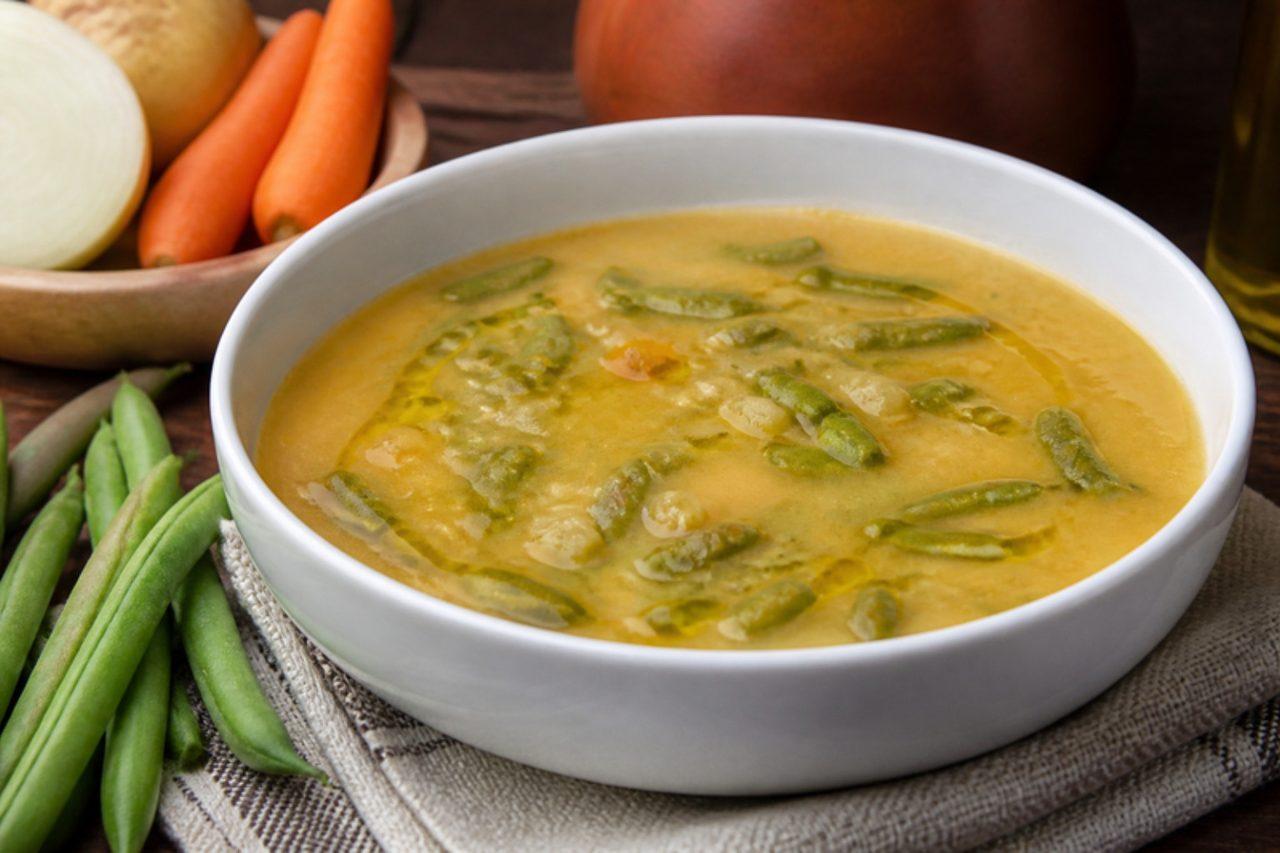
Sopa de feijão verdeGreen bean and potato soup

From June to September, Minho kitchen gardens are heavy with runner and flat beans, and this soup is what most families make with them, served as the first course of an ordinary weekday lunch. A smooth base of potato, onion and carrot is puréed, then the beans, cut into thin diagonal slivers, are simmered in it until just tender. It is thick, mild and comforting, finished with a thread of olive oil. A common mistake is adding the green beans with the potatoes; they turn grey and soft, so add them only for the last few minutes. Chef's tip: slice the beans very thinly on a slant, as Minho cooks do, so they cook evenly and every spoonful gets some.

by KrazyBadal 0 views

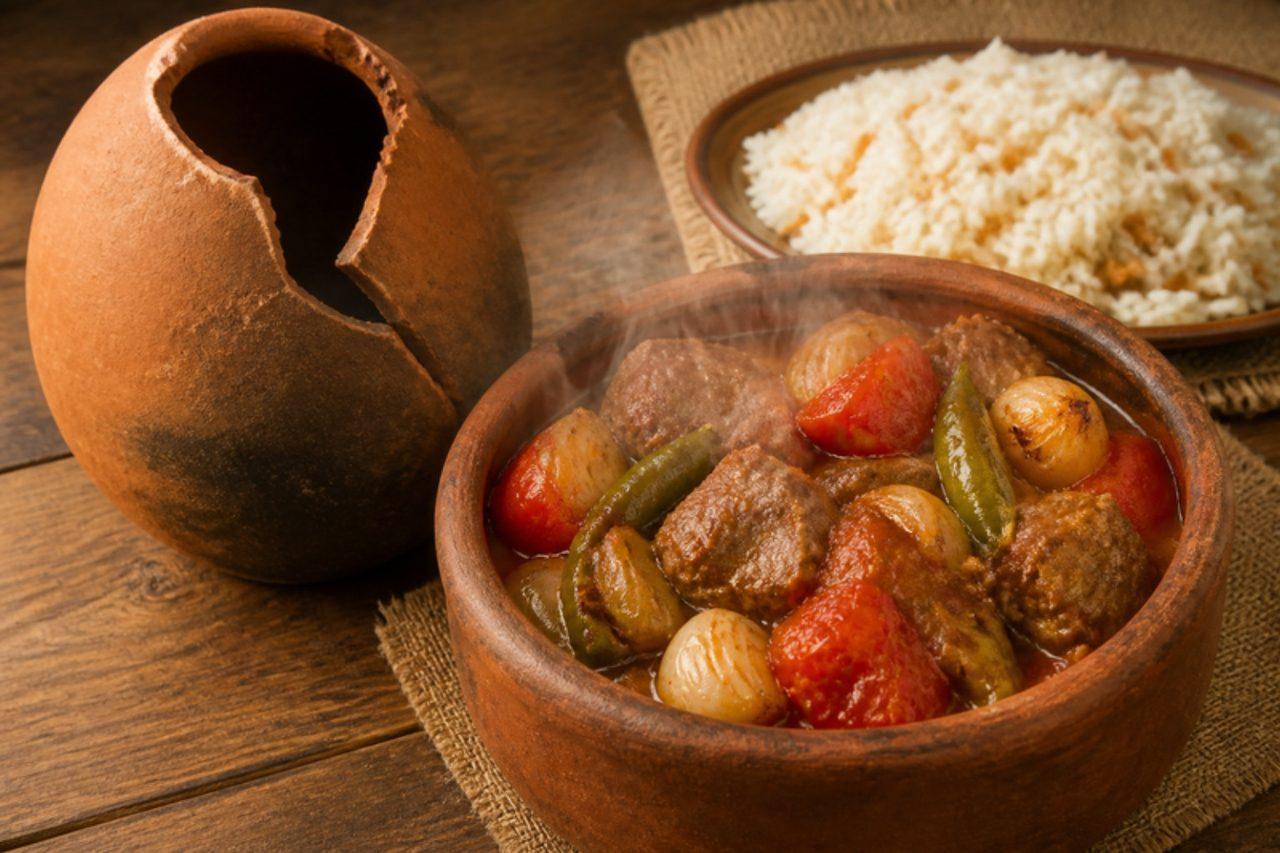
Testi kebabıLamb and vegetable clay-jug stew

In the cave restaurants of Göreme and Avanos, testi kebabı arrives as a sealed clay jug, glowing from the oven, which the waiter cracks open at the table with a sharp tap of a knife. Inside is beef or lamb stewed with tomatoes, peppers, garlic and onion until tender in its own rich juices. A lidded casserole works perfectly at home, and you can still seal the lid with dough for the drama. Serve with plain rice pilaf. Common mistake: adding a lot of water; the vegetables give off plenty and the sealed pot should braise, not boil. Chef's tip: brown the meat in two batches first for a deeper, savoury sauce.

175 minTurkishMeat
by KrazyBadal 0 views

Sopa de grão com espinafresChickpea and spinach soup

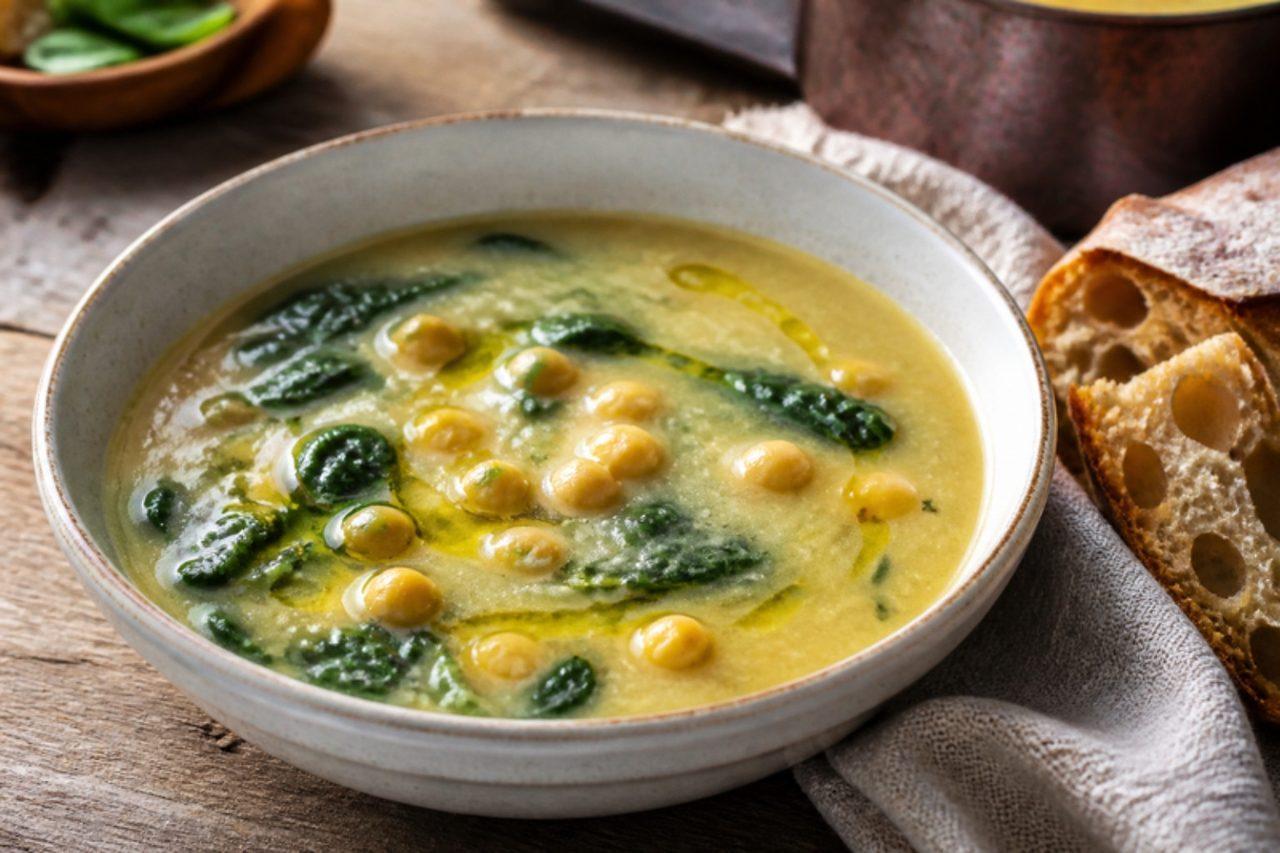
This is everyday food in the villages of the Beira interior, where chickpeas are a winter store-cupboard standby and a big pot of soup starts most lunches and suppers. Part of the chickpeas are blended with potato and onion for a creamy base, the rest left whole, and fresh spinach is stirred in at the end. It is filling, cheap and ready in under an hour. A common mistake is boiling the spinach in the soup for too long; add it at the end and cook it only until it wilts. Chef's tip: add the spinach only at the last minute, as long cooking turns it grey and bitter.

by KrazyBadal 0 views

Ulster potato farlsGriddled potato bread

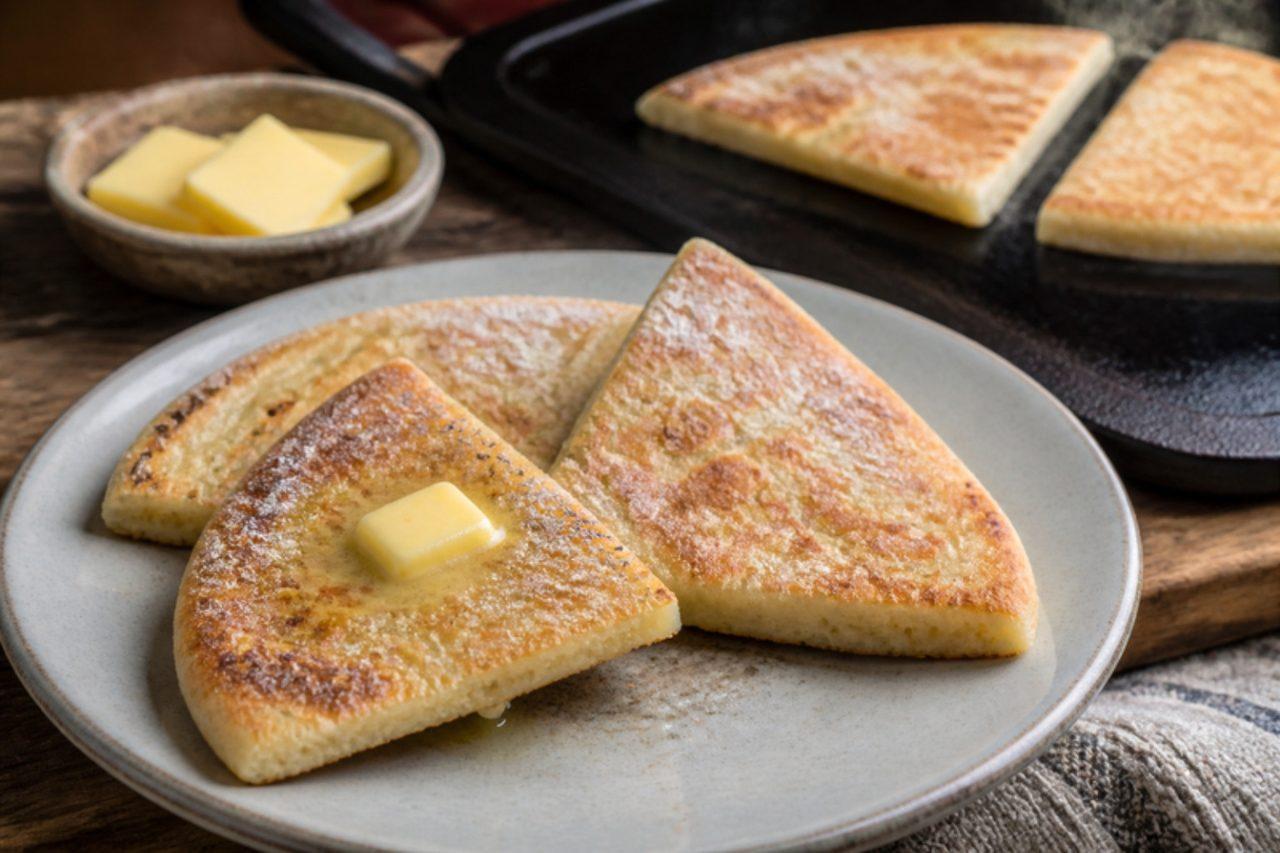
Potato bread, often just called fadge or tattie bread, is the soft, flat quarter-round that sits beside soda bread in every Ulster fry from Belfast to Derry. Warm mashed potato is worked with a little flour and butter, rolled into a round, cut into four farls and cooked on a dry griddle. It is thinner than a Scottish tattie scone and is always fried golden before serving. Chef's tip: use only enough flour to stop it sticking; the more potato, the better the farl.

by KrazyBadal 0 views

Sopa seca chinchanaSpaghetti in basil chicken broth

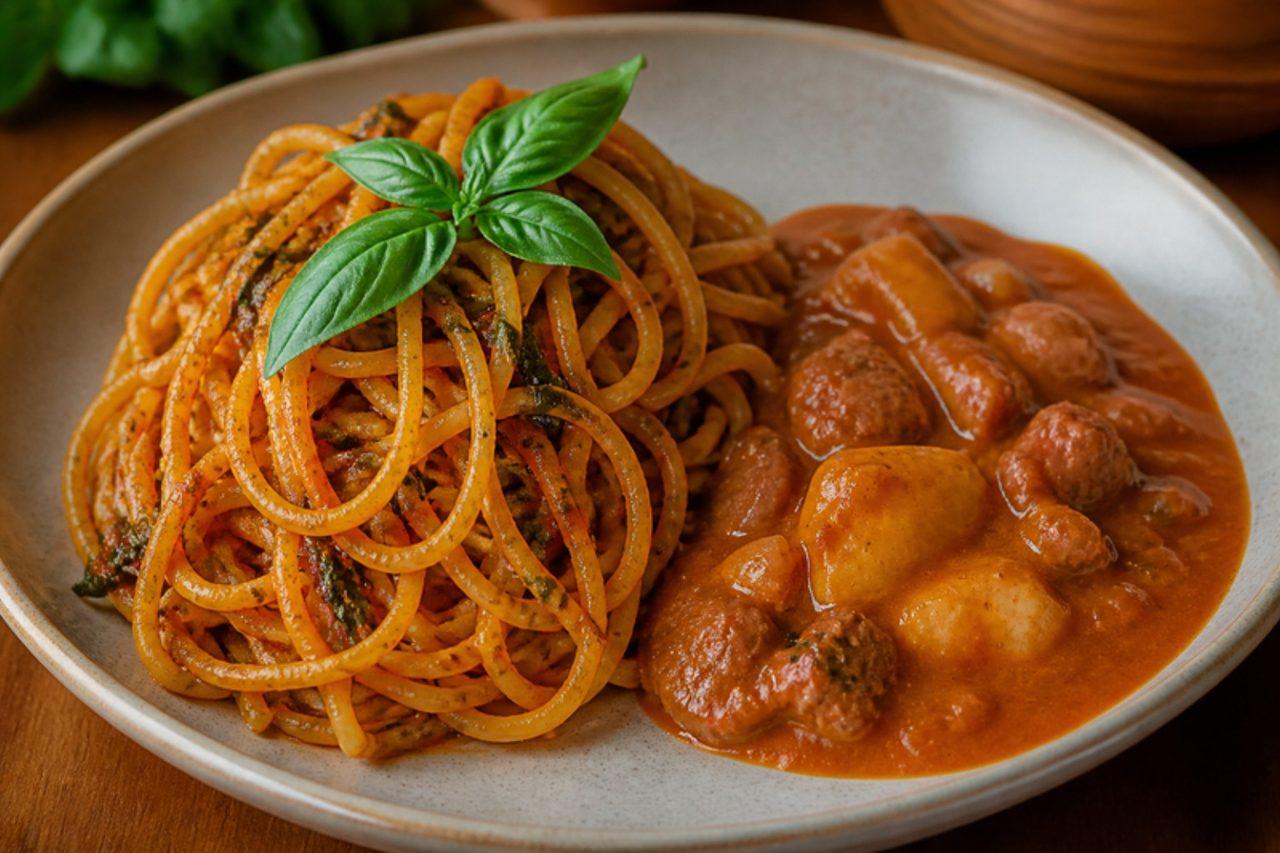
Despite the name, there is no soup in a bowl: sopa seca is spaghetti cooked like a risotto in a well-seasoned chicken broth with basil, ají panca and tomato until every drop is absorbed and the noodles turn reddish-green and fragrant. In Chincha and Ica it always arrives on the same plate as carapulcra, the two together forming the famous festive 'matrimonio', with a chicken thigh on top. Expect soft, very savoury pasta with a mild warmth from the chilli. Where it goes wrong is pouring in all the broth at once, which leaves the pasta swimming and mushy; add it in stages, as for risotto. Chef's tip: blend the basil with a little oil and stir it in only in the last minutes, so it stays green instead of turning brown.

by KrazyBadal 0 views

Sopa tarascaBean and tomato soup

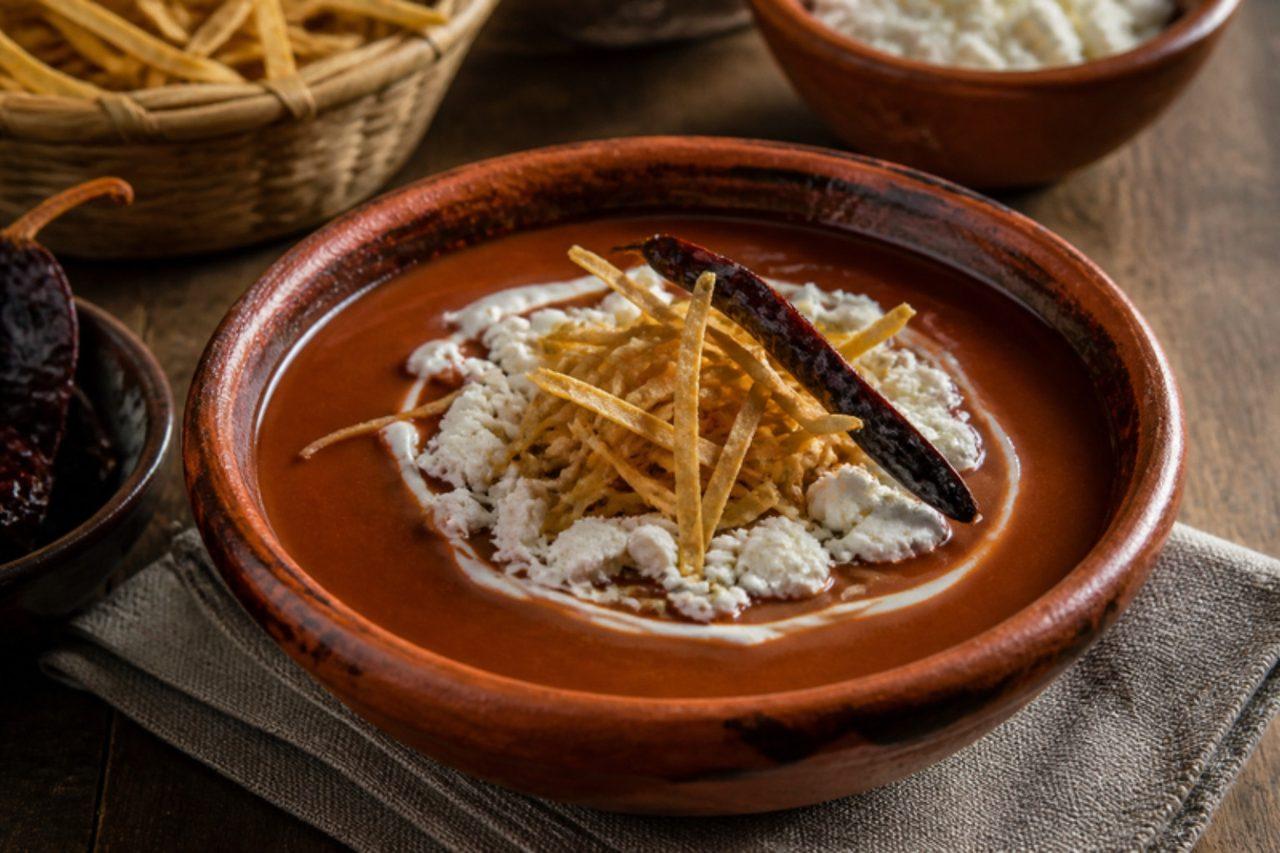
Named after the Tarascan (Purépecha) people of Michoacán, sopa tarasca is the soup served in the restaurants around the plazas of Pátzcuaro and Morelia, especially on cool highland evenings. It is a smooth, brick-red purée of beans, tomato and ancho chilli, poured over crisp tortilla strips and finished with cream, fresh cheese and fried chilli rings. Some versions use chicken stock; this one uses vegetable stock and loses nothing. Fresh cheese may be made with animal rennet, so use a vegetarian one if needed. Chef's tip: fry the blended soup base in hot oil before adding the stock; it cooks out the raw tomato taste and deepens the colour.

by KrazyBadal 0 views

Tsai tou vounouMountain tea with honey and lemon

Bunches of dried sideritis, the woolly-leaved herb Greeks call mountain tea, hang in village kitchens from Mount Olympus to Taygetos, and a pot is brewed at the first sniffle of winter or after a long walk. The tea is pale gold with a gentle lemony, earthy, slightly floral taste, and it is drunk with honey, a slice of lemon and sometimes a cinnamon stick. Common mistake: brewing it like black tea with boiling water for a minute; it needs a gentle simmer to draw out flavour. Chef's tip: break the dried stems into the pot along with the flowers; the flower heads hold most of the aroma, the stems add body.

by KrazyBadal 0 views

TruffadeFried potatoes with Cantal cheese

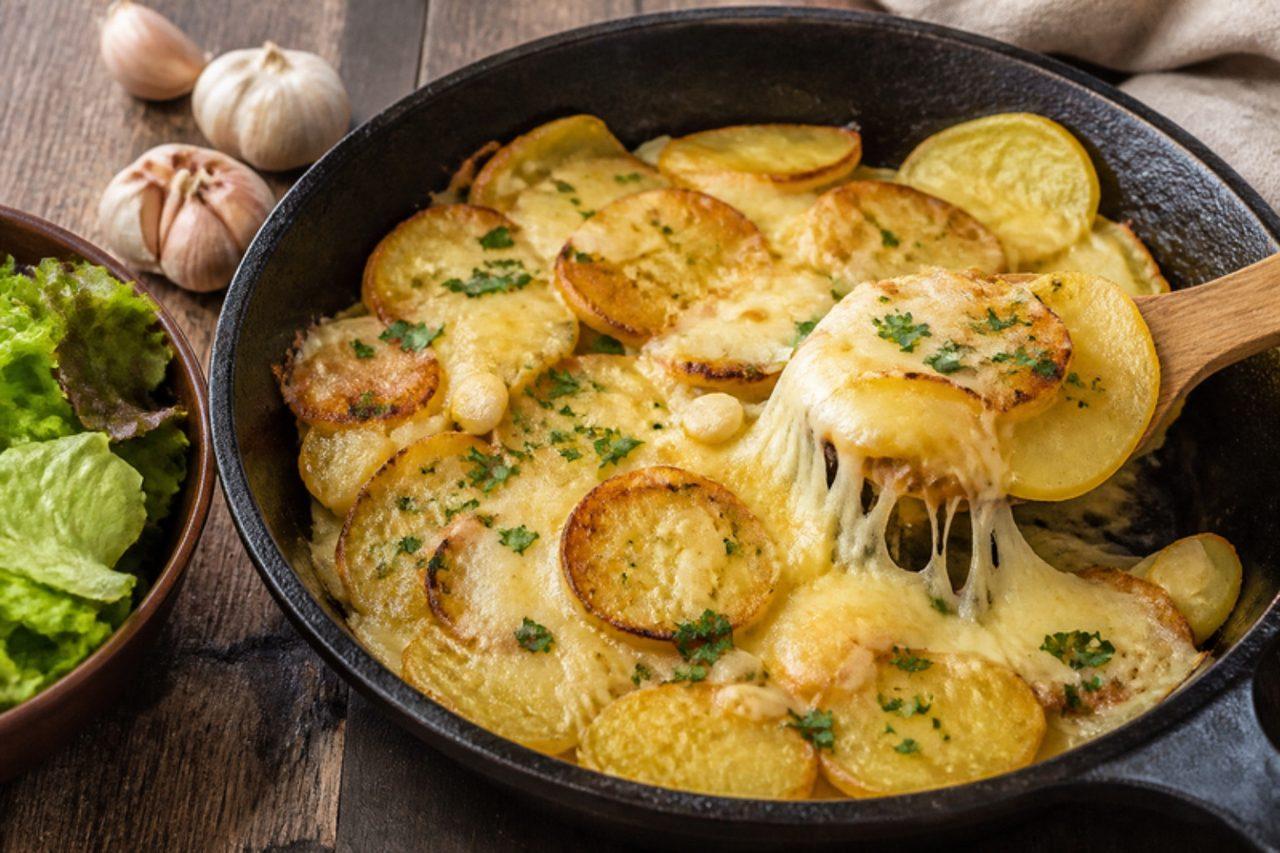
Truffade is cattle-herders' food from the volcanic mountains of the Cantal, cooked in a big pan over the fire in the stone burons where Salers cows spend the summer. Potato slices are fried until tender and lightly golden, then folded with thin slices of young tomme fraîche du Cantal until the cheese melts into strings, and the whole thing is eaten with a green salad, nothing else. Herders used lard; this version uses butter and oil, so it is vegetarian. Tomme du Cantal is made with animal rennet; a young vegetarian cheese that melts well, such as a mild Lancashire-style or vegetarian mozzarella, also works. Chef's tip: slice the potatoes as thin as a coin so they cook through before they burn.

by KrazyBadal 0 views

Travesseiros de SintraAlmond cream puff pastries

Travesseiro means pillow, and these long, sugar-dusted pastries from Sintra look just like one, plump with a soft almond cream. They were first sold at a café in the town in the mid-twentieth century and are now the second pastry, after queijadas, that every visitor carries home. Eat them warm, when the pastry shatters and the filling is still loose. Using shop-bought all-butter puff pastry makes them a fair home project. Chef's tip: cook the almond cream until it is thick enough to hold a trail from the spoon, then chill it; warm filling melts the butter in the pastry and stops it puffing.

by KrazyBadal 0 views

PatarashcaLeaf-wrapped grilled fish

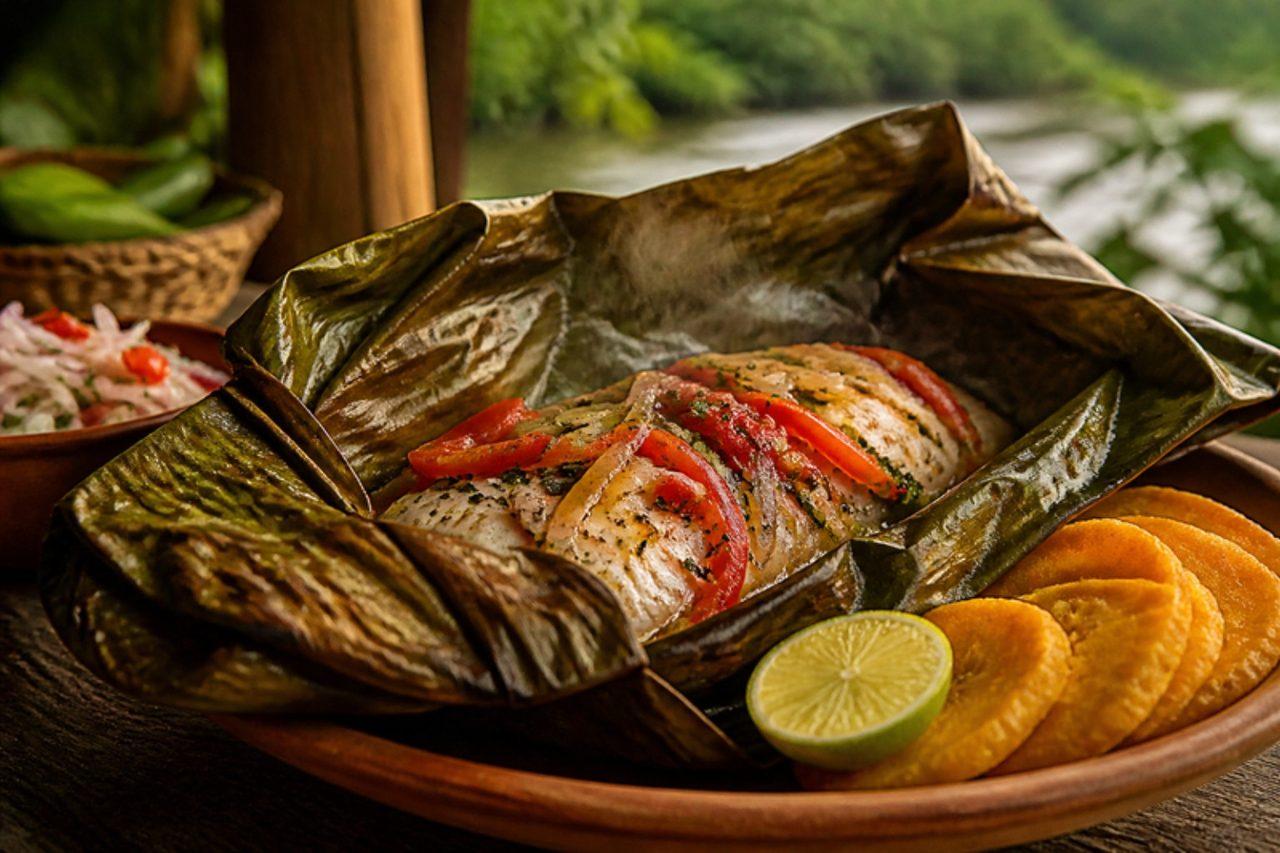
Wrapping fish in leaves and cooking it over embers is how the riverside towns of Loreto and San Martín have always cooked their catch, and in Iquitos patarashca is sold on Belén market grills and in the restaurants along the Malecón. A whole fish or thick fillet is smeared with garlic, ají dulce, tomato, onion, cumin and sacha culantro, folded in large bijao leaves and grilled until the parcel chars and the fish steams in its own juices. When you open it, the flesh is soft and fragrant with herbs. Banana leaves from Asian shops are the best swap for bijao; foil works at a pinch. Too thin a parcel is the usual mistake: the leaves burn through and the fish dries out, so use two layers. Chef's tip: serve it in the opened leaf with boiled plantain or cassava and spoon up every drop of the juices.

by KrazyBadal 0 views

Tourte de blettesSweet Swiss chard pie

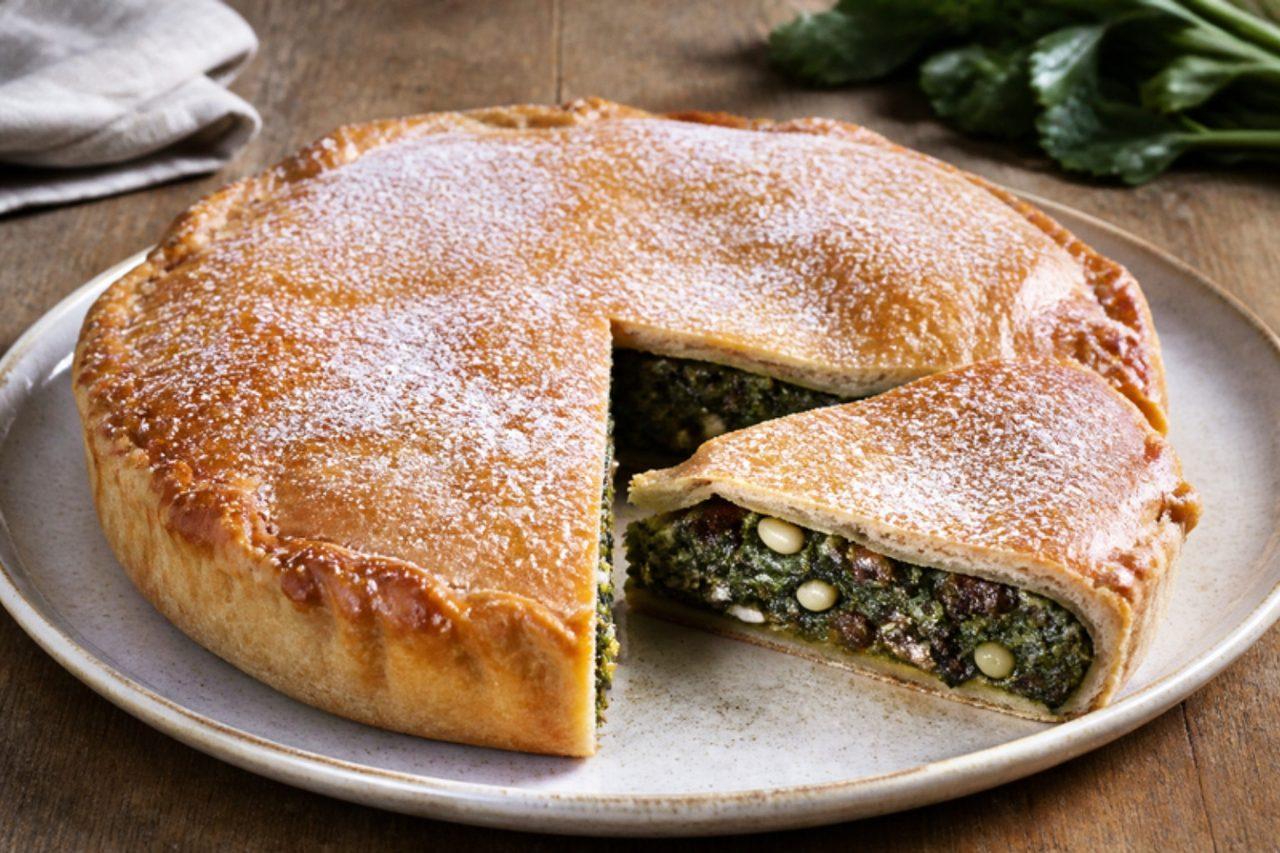
Visitors to Vieux-Nice are often surprised to find a pie of green chard leaves sold as a dessert, by the slice, in the old-town bakeries. The sweet tourte de blettes mixes chard with raisins, pine nuts, apple and a little cheese inside a sugared pastry, and Niçois families set it out on Christmas Eve as one of the thirteen desserts. The raisins are traditionally plumped in rum or marc; warm orange juice is used here, so it is alcohol-free. Parmesan is made with animal rennet, so pick a vegetarian hard cheese if you need to. Chef's tip: use only the green leaves; the white ribs make the filling watery, but keep them for a gratin.

100 minFrenchBaking
by KrazyBadal 0 views

Ternasco de Aragón asadoRoast young lamb with potatoes

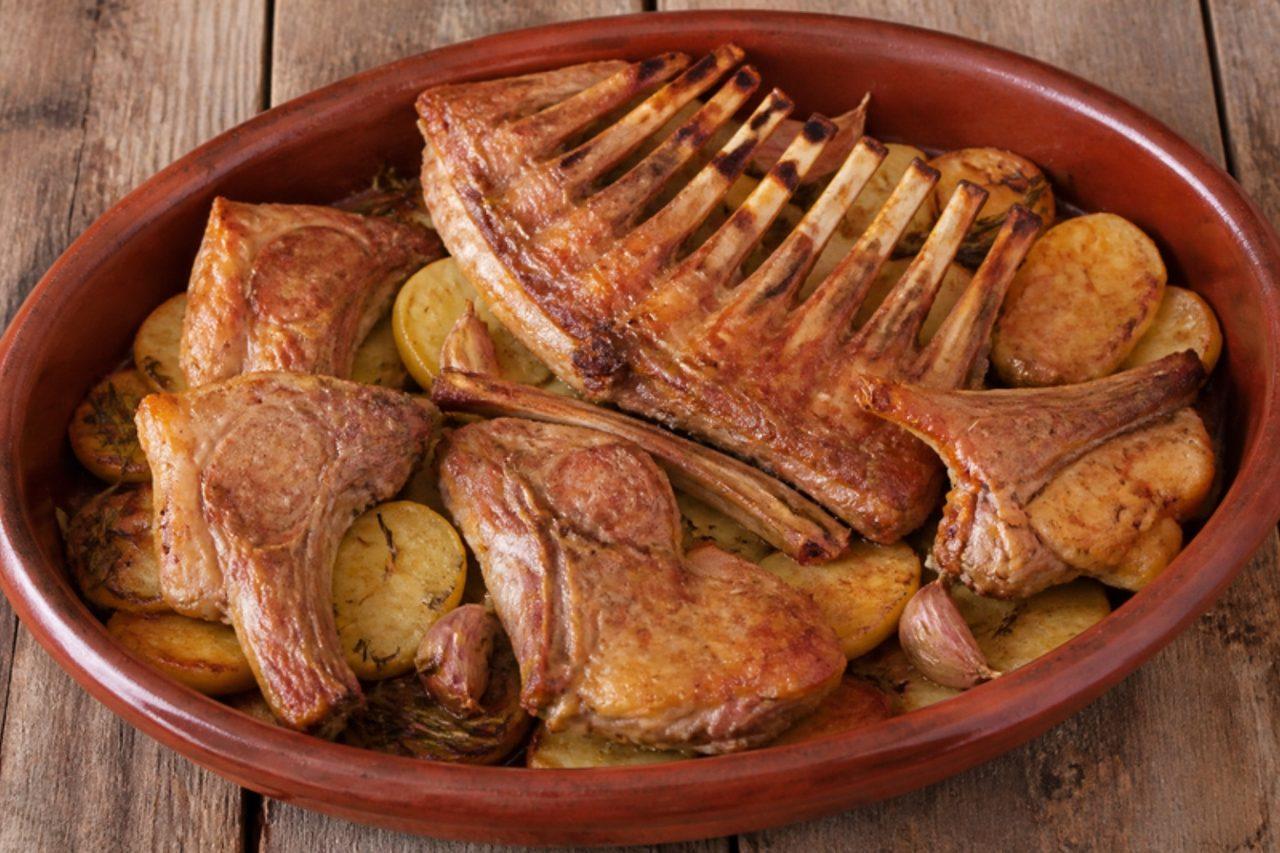
Ternasco is the young, milk-and-grass-fed lamb of Aragon, and roasting it in a wood oven with potatoes is how families in Zaragoza, Huesca and Teruel celebrate Sunday lunches, christenings and Christmas Day. The meat is pale, tender and mild, and the potatoes underneath cook in its juices with garlic, wine and herbs until golden and soft. This uses white wine; swap it for water with a squeeze of lemon if you prefer no alcohol. A common mistake is roasting too hot: young lamb dries out quickly, so keep the oven moderate and baste often. Chef's tip: ask your butcher to cut a shoulder or a leg of young lamb into large pieces through the bone; more surfaces brown, and it cooks evenly.

120 minSpanishMeatGluten free
by KrazyBadal 0 views

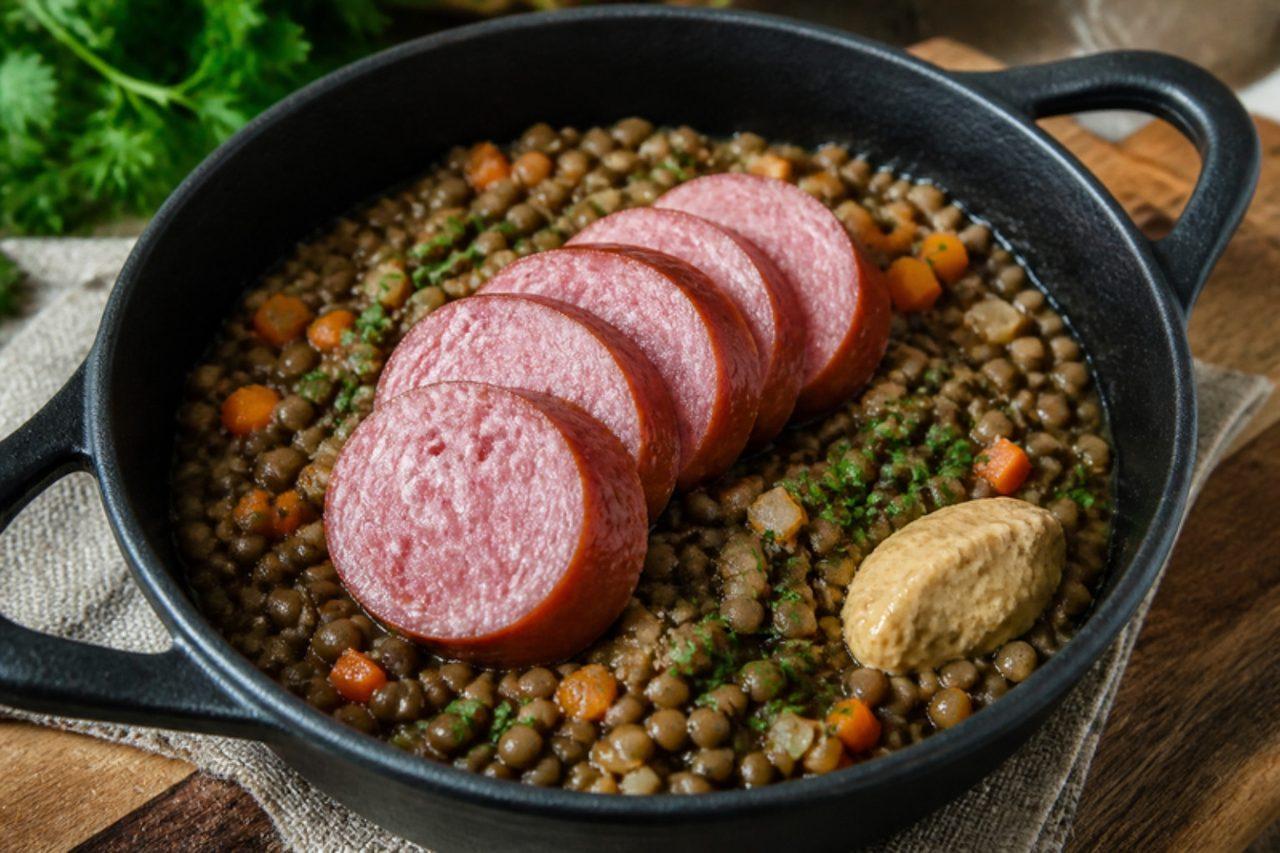
Saucisse de Morteau aux lentillesSmoked sausage with lentils

The Morteau sausage is the pride of the Haut-Doubs in Franche-Comté: a pure pork sausage slow-smoked over resinous pine in the tall chimneys of mountain farmhouses, recognisable by the little wooden peg at one end. On winter weekdays it is simmered with small green lentils, carrots and onions, so the lentils soak up its smoky, garlicky juices while staying whole and nutty. Slice the sausage thickly over the lentils and serve with Dijon mustard and a green salad. If you can't buy Morteau, use another good smoked pork sausage. Chef's tip: never prick a Morteau before cooking, or the juices that should flavour the lentils will leak out into the water and be lost.

65 minFrenchMeatGluten free
by KrazyBadal 0 views

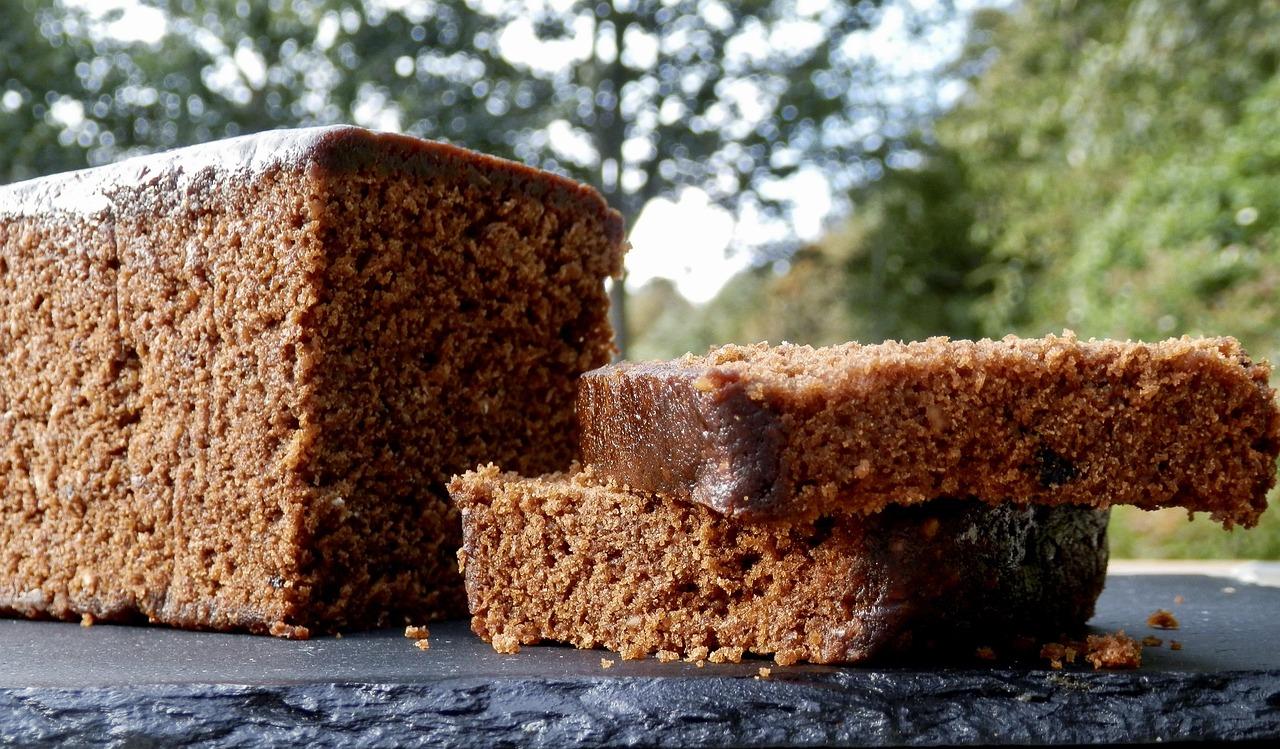
Yorkshire parkinOatmeal and treacle ginger cake

Parkin is the dark ginger cake that West Yorkshire bakes for the 5th of November, cut into squares and handed round at Bonfire Night fires in Leeds, Halifax and Bradford. It is made with oatmeal, black treacle and golden syrup, so it is dense, chewy and gingery rather than light. It gets better with time, turning stickier after a few days in a tin. Chef's tip: wrap it and keep it for three days before cutting; fresh parkin is dry and crumbly by comparison.

by KrazyBadal 0 views

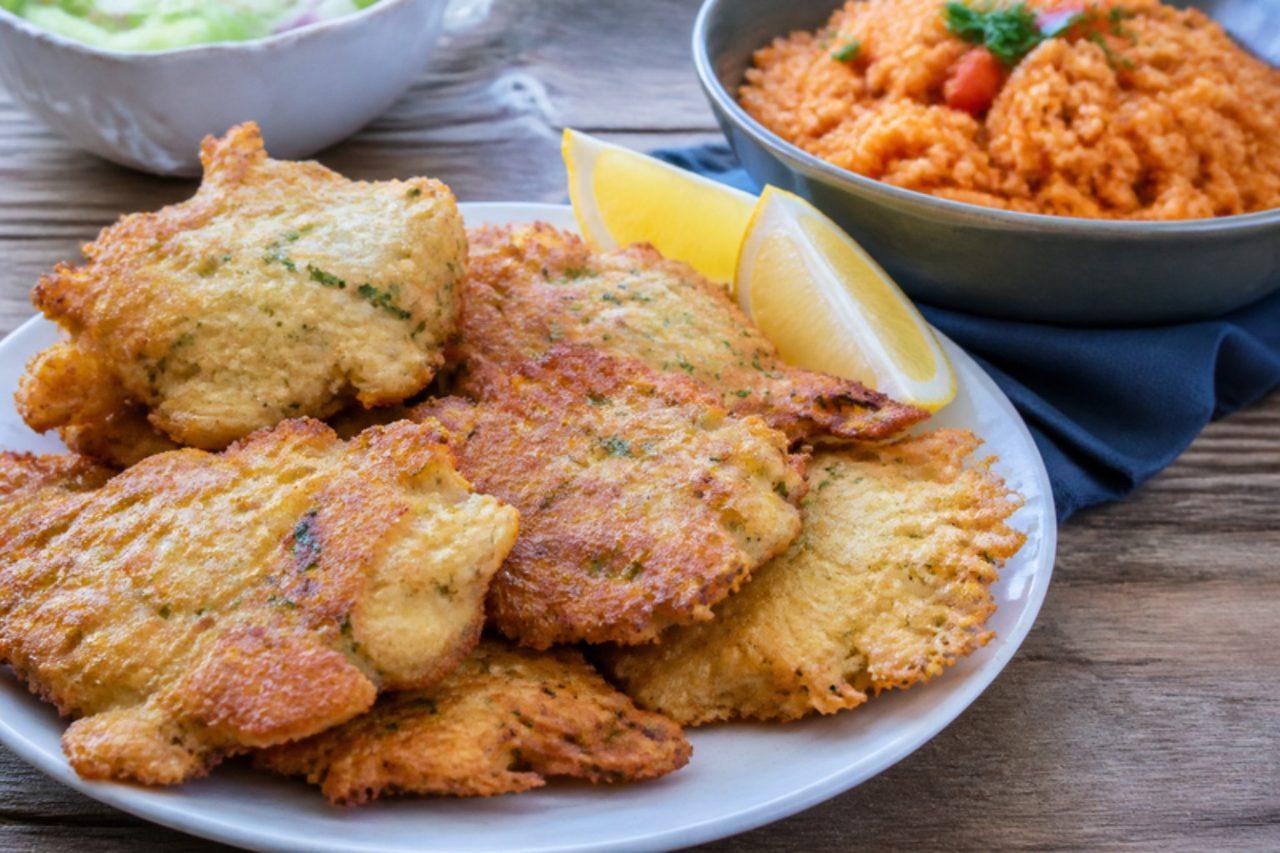
Pataniscas de bacalhauSalt cod fritters

Where pastéis de bacalhau are neat and smooth, pataniscas are rough and generous: spoonfuls of a loose batter packed with shreds of salt cod, onion and parsley, fried into wide, crisp-edged fritters. Lisbon tascas serve them at lunch with arroz de feijão, a soupy red-bean rice, or tucked into a bread roll as a snack. Soak the cod in the fridge for a day or two first. A common mistake is a batter as thick as pancake mix, which gives doughy fritters; it should drop loosely from the spoon. Chef's tip: let the batter rest for 30 minutes so the flour swells and the fritters hold together without needing more.

by KrazyBadal 0 views

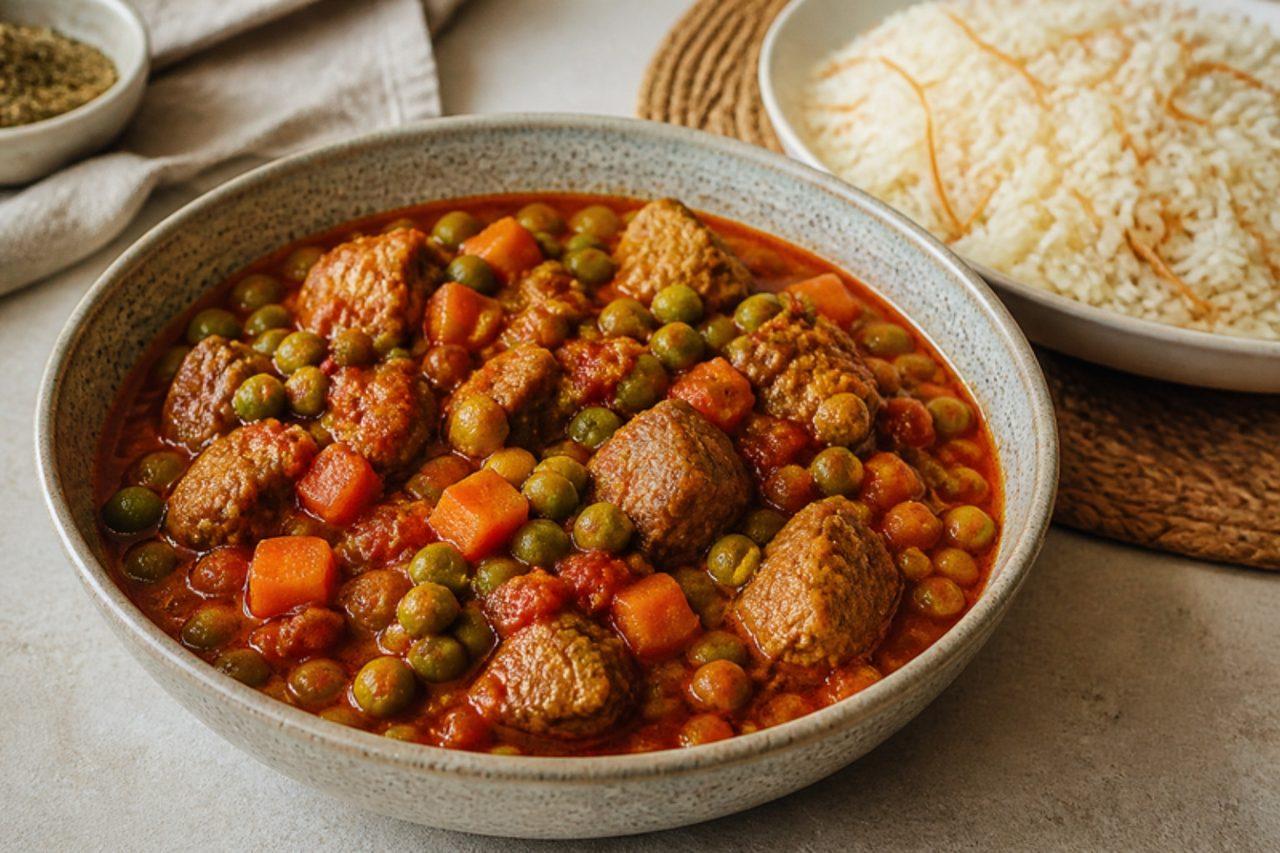
Yakhnet bazellaLamb and pea stew with rice

Yakhnet bazella is weekday food in almost every Lebanese household: cubes of lamb (or beef) simmered until tender with peas, carrots and tomato, with a last-minute hit of garlic and coriander, ladled over buttery vermicelli rice. Mothers in Beirut make it with frozen peas in winter and fresh ones in spring; children love its sweetness. Common mistake: adding the peas with the meat — they turn grey and mushy; put them in for the last 10 minutes. Chef's tip: brown the meat in small batches so it really sears; that browned base is where the stew's flavour comes from.

100 minLebaneseMeatGluten free
by KrazyBadal 0 views

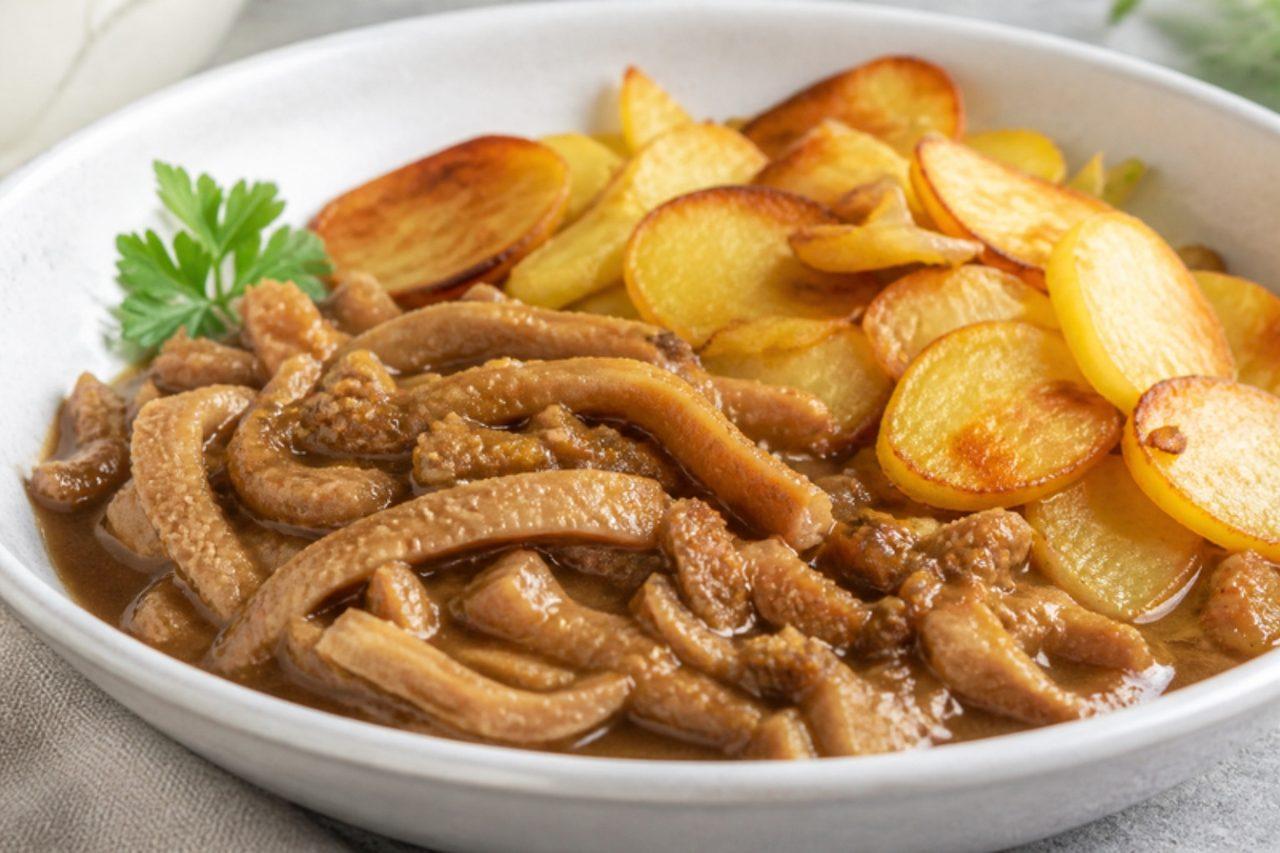
Saure KuttelnTripe in tangy vinegar sauce

Saure Kutteln is old-fashioned Swabian comfort food, still served at Stuttgart's Wasen fairs, in country inns around Reutlingen and Tübingen and by butchers who make it every Thursday. Thin strips of beef tripe are simmered in a dark roux sauce sharpened with vinegar, bay and juniper, and eaten with crisp fried potatoes. Buy tripe that the butcher has already cleaned and blanched. Some cooks add red wine; this version uses only vinegar and stock. Chef's tip: brown the roux slowly until it smells of toasted nuts, because it gives the sauce its colour and depth.

120 minGermanMeat
by KrazyBadal 0 views

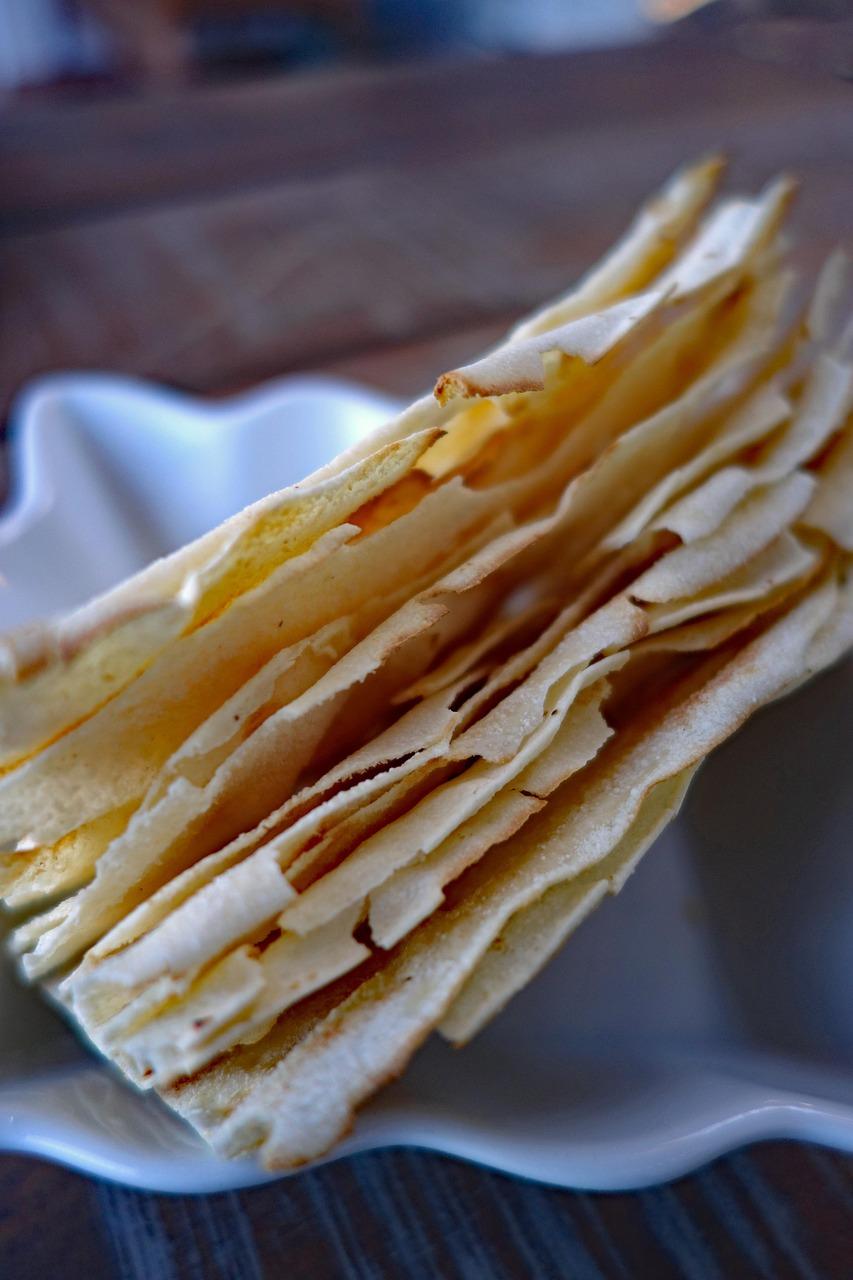
Pane carasauThin crisp flatbread

Shepherds in Barbagia, the mountainous heart of Sardinia, took stacks of pane carasau with them for weeks on the high pastures, because this dry, glass-thin flatbread never goes stale. Each disc is baked until it balloons, split in two while hot, then baked again until crisp and golden; Italians call it carta da musica, music paper, for how thin and crackly it is. Sardinians eat it with olive oil and salt as a snack, break it into soups and layer it into pane frattau. Making it at home takes patience and a very hot oven. Chef's tip: split each puffed disc the moment it comes out of the oven; once it cools, the two layers fuse together.

by KrazyBadal 0 views

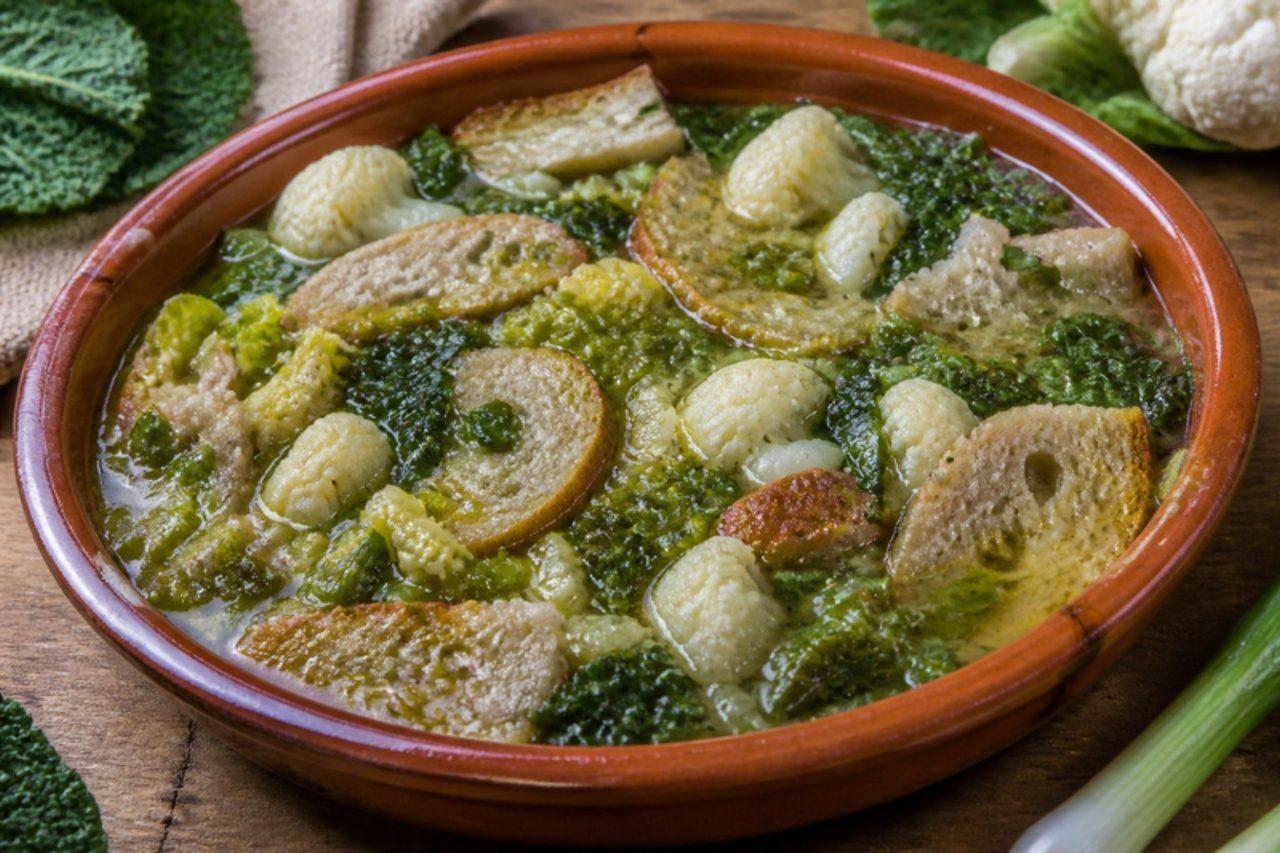
Sopes mallorquinesCabbage broth with brown bread

Sopes are a winter ritual in Mallorca, simmered in a wide clay greixonera and eaten for breakfast by country people and for Sunday lunch by everyone else. Cabbage, chard, cauliflower, artichoke and mushrooms cook in a garlicky, paprika-tinted broth, which is then poured over wafer-thin slices of dry brown bread until it soaks it all up into a spoonable mass, more stew than soup. Pork ribs often go in; this version is all vegetables. Serve with pickled chillies and black olives on the side. Chef's tip: buy the bread sliced for sopes at a bakery or slice a hard loaf on a mandolin, as thin bread is the whole texture of the dish.

by KrazyBadal 0 views

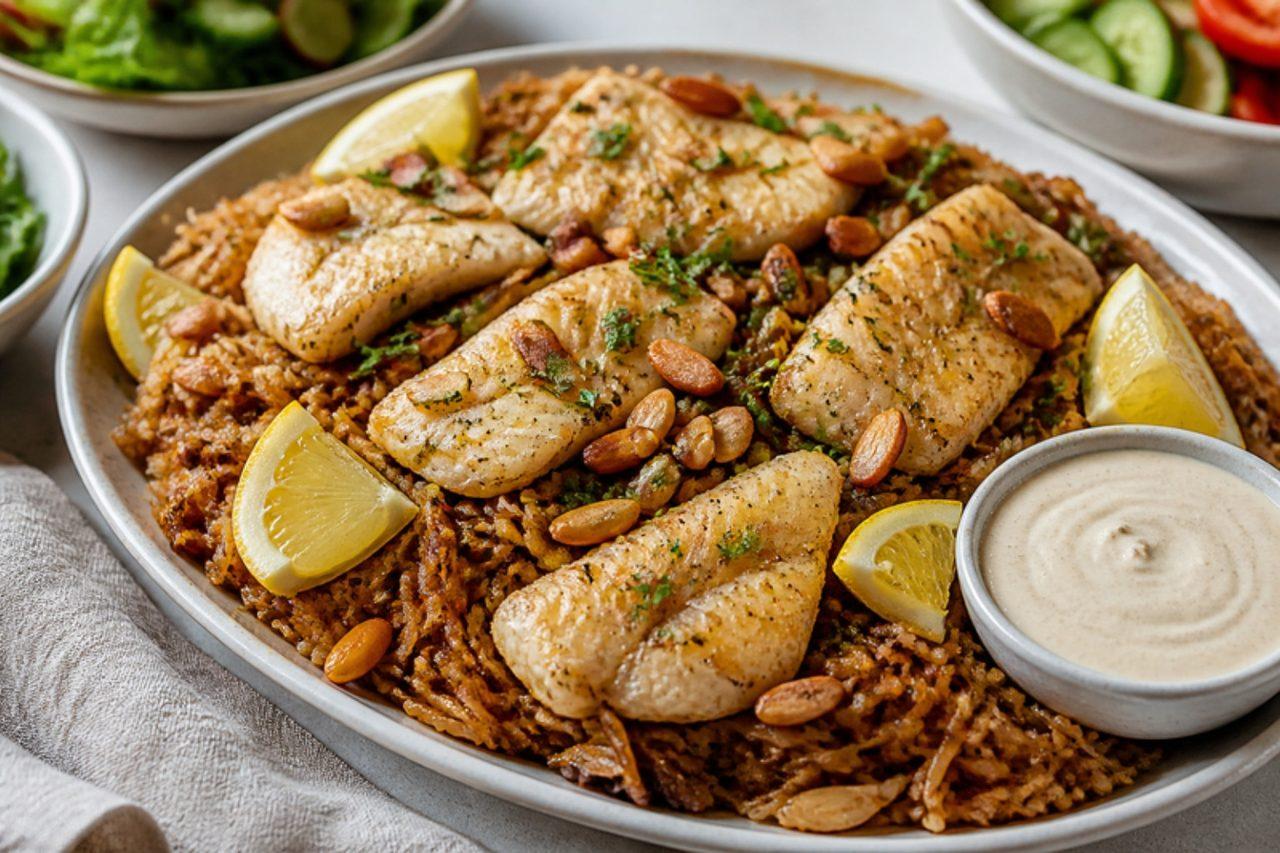
SayadiehFish and caramelised onion rice

In the port towns of Saida, Tyre and Batroun, sayadieh is what fishermen's families cook with the day's white fish: rice simmered in a deep brown stock made from very dark caramelised onions and cumin, topped with flakes of fried fish, toasted almonds and pine nuts. The rice is savoury and faintly sweet from the onions, and it comes with a tahini-lemon sauce (tarator) on the side. Common mistake: stopping the onions too early — they need to be almost mahogany for the right colour and taste. Chef's tip: simmer the fish trimmings in the onion stock for 20 minutes before cooking the rice; it doubles the sea flavour.

by KrazyBadal 0 views

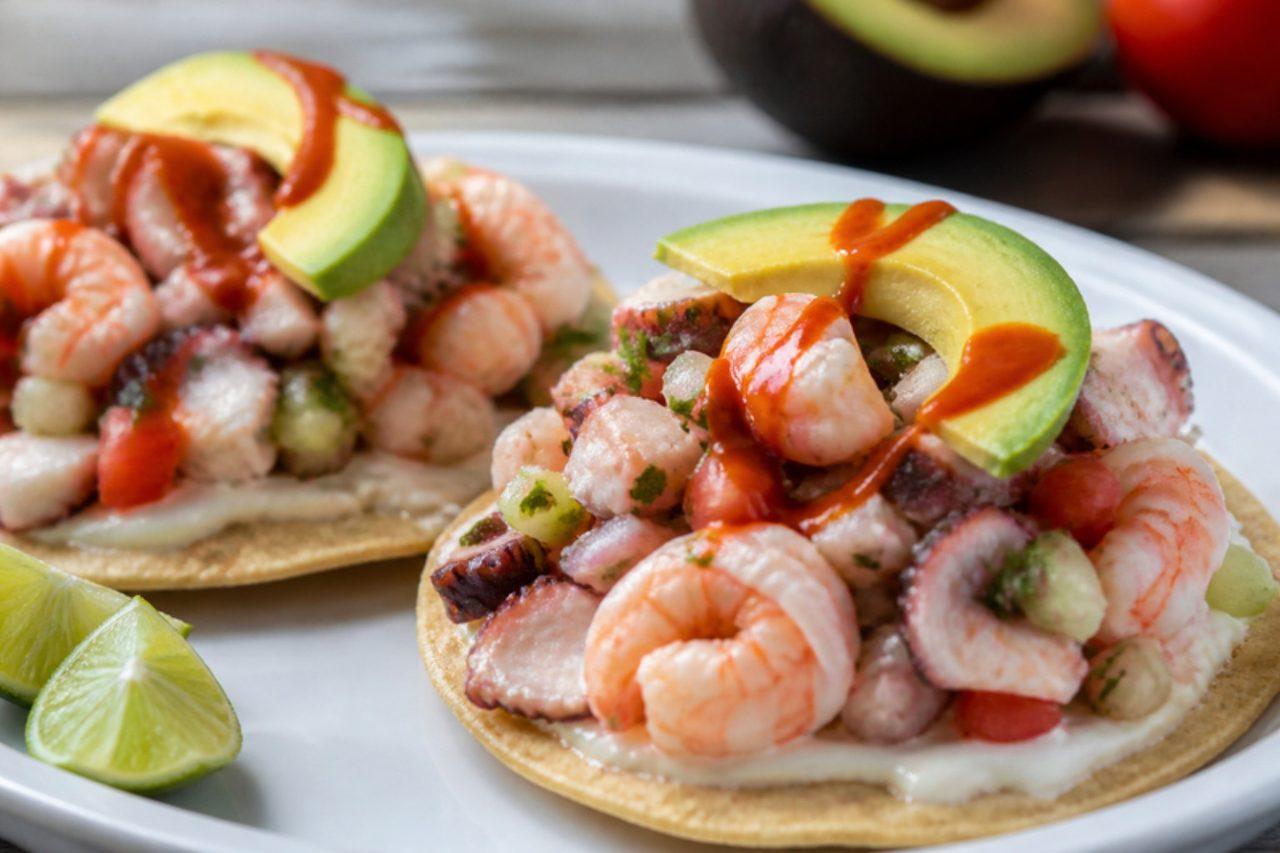
Tostadas de mariscosPrawn and octopus tostadas

Walk past the fish market in Ensenada and the seafood carts are already busy by mid-morning, piling crisp corn tostadas high with a lime-bright mix of prawns, octopus, tomato, onion and coriander. They are eaten standing up with a squeeze of lime and a few drops of hot sauce, often as the first stop of a weekend in Baja. This version uses only cooked seafood: prawns poached until pink and opaque, and octopus bought ready-cooked from a fishmonger or deli counter. The mix is cold, juicy and crunchy, with creamy avocado on top. Chef's tip: assemble each tostada right before it is eaten, as even five minutes of waiting softens the shell.

by KrazyBadal 0 views

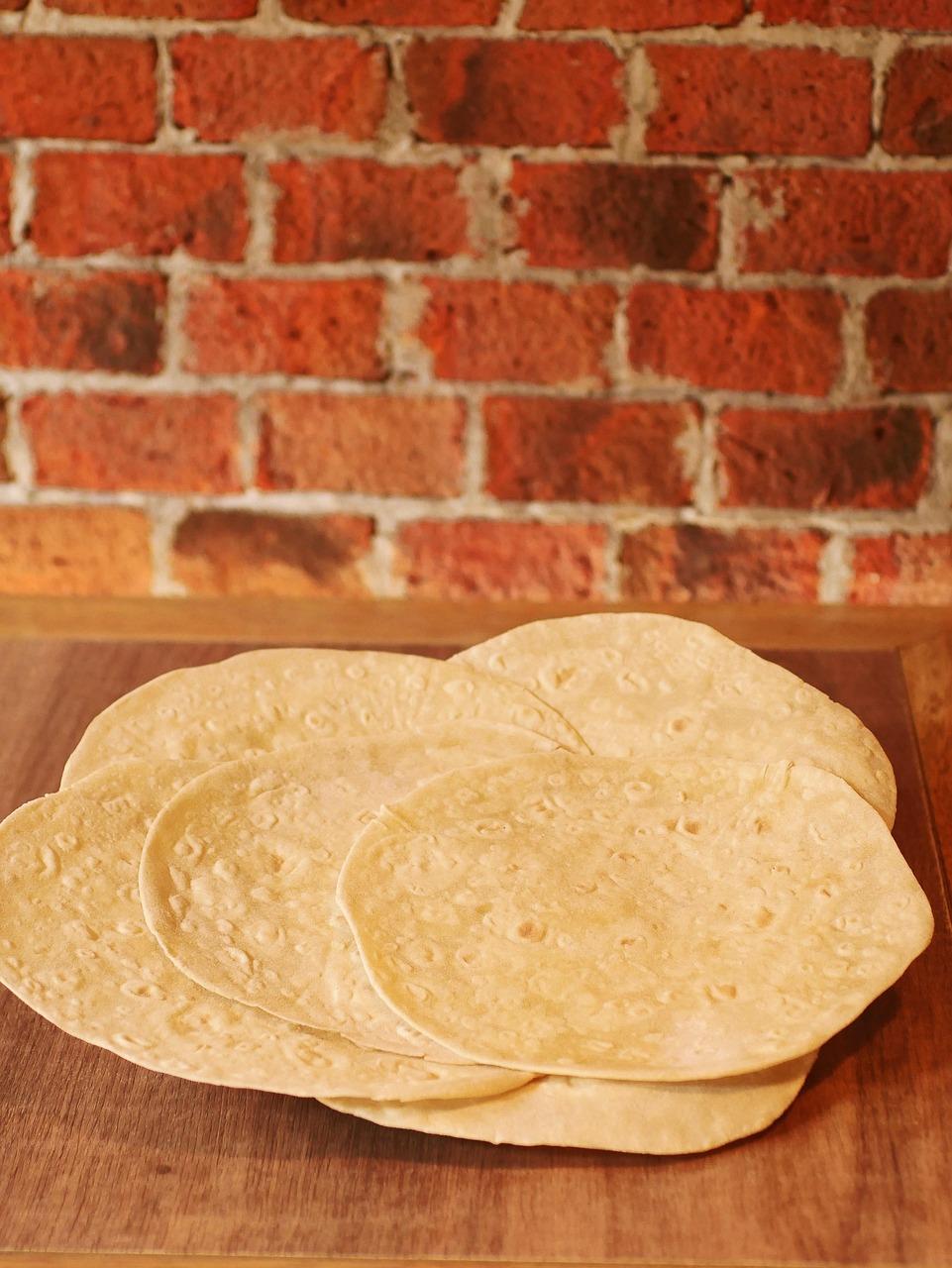
Tortillas de harina sobaquerasGiant flour tortillas

In Sonora, wheat is the grain, and the pride of Hermosillo kitchens is the sobaquera: a flour tortilla stretched over the backs of the hands and arms until it is almost see-through and as wide as a serving tray (the name comes from sobaco, armpit, because it reaches that far). It cooks in seconds on a big comal and is folded around beans, cheese or machaca, or torn and eaten with caldo de queso. Sonoran cooks use lard; vegetable shortening works the same. A 30–35 cm tortilla is a realistic home size. Chef's tip: the long rest is what makes the dough stretch; do not cut it short.

by KrazyBadal 0 views

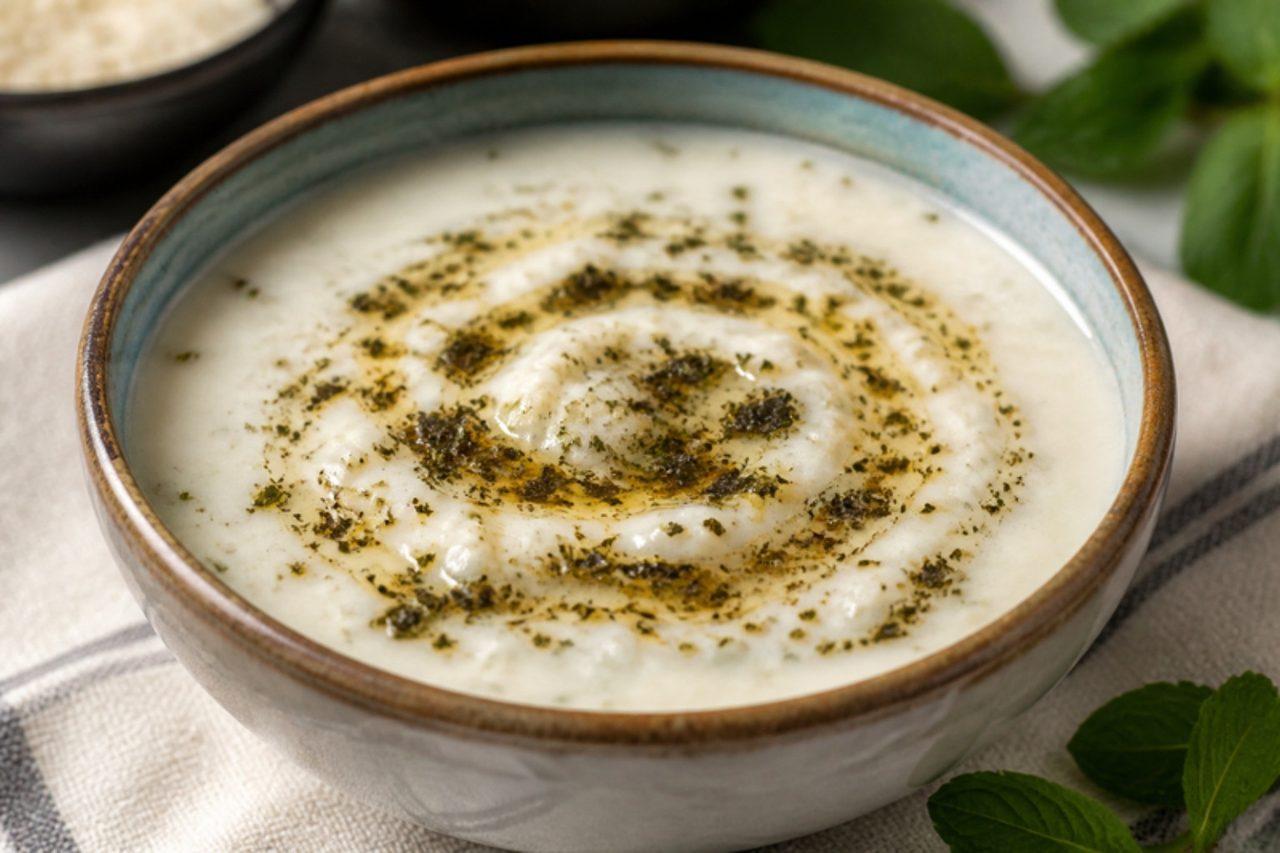
Yayla çorbasıYoghurt, rice and mint soup

Named for the high summer pastures of Anatolia, yayla çorbası is the soup that tradesmen's restaurants in Ankara and Kayseri ladle out from morning onwards: soft rice in a silky, gently sour yoghurt broth, finished with a slick of mint butter. It is light enough for breakfast yet filling with bread, and many families make it when someone is unwell. Common mistake: pouring cold yoghurt straight into the boiling pot, which splits it into grainy curds; temper it first with hot liquid and keep the soup below a boil afterwards. Chef's tip: whisk an egg yolk and a spoon of flour into the yoghurt; they stabilise it and give a velvety body.

by KrazyBadal 0 views

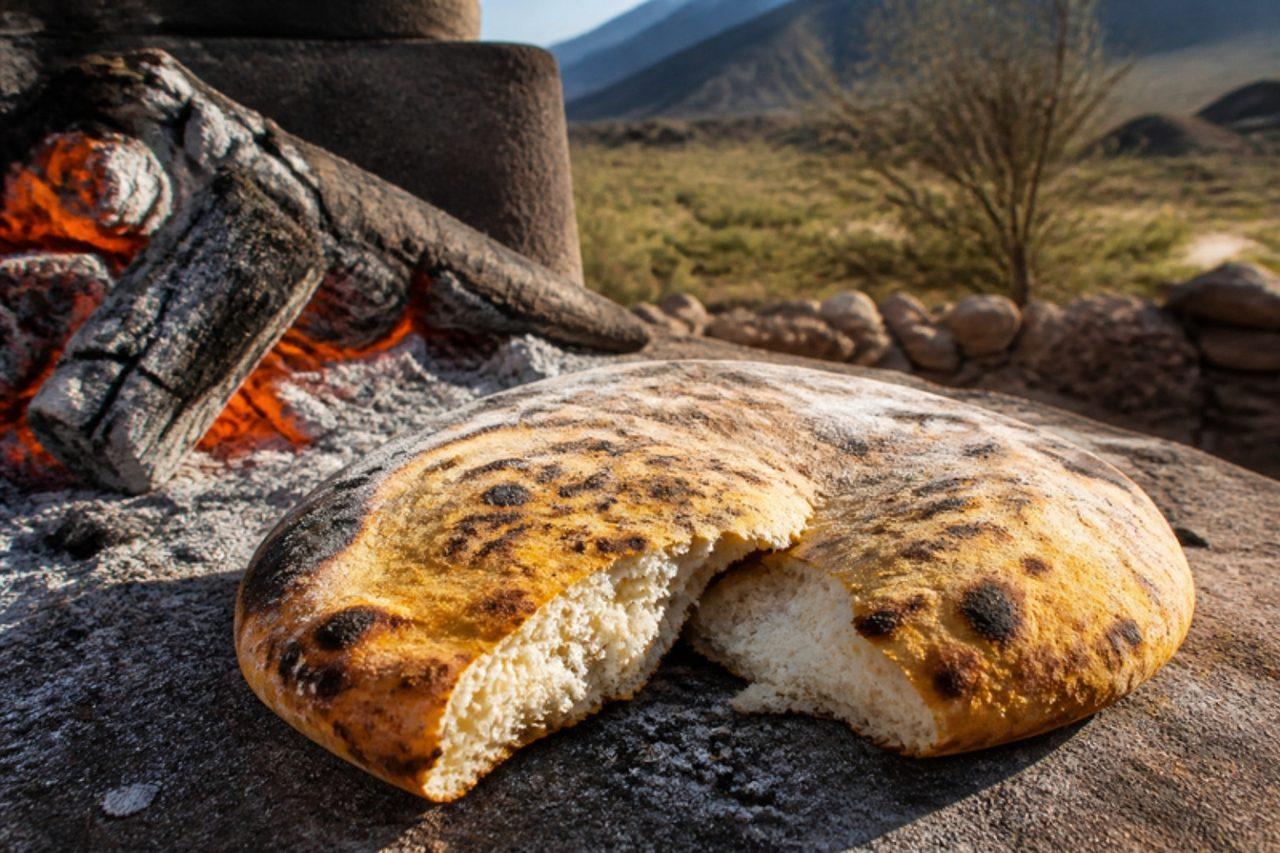
Tortilla al rescoldoAsh-baked flatbread

Puesteros in the hills of Salta and the Calchaquí valleys bake this bread the oldest way there is: a thick disc of plain dough laid straight onto the hot ash at the edge of the fire, covered with more embers and dug out 20 minutes later with a crust that is blistered and smoky and a crumb that is dense and soft. You brush off the ash, break it with your hands and eat it with goat's cheese, a mate or a bowl of locro. The traditional fat is lard (grasa); this version uses butter or vegetable shortening so it stays vegetarian. Laying the dough on flaming wood instead of a bed of settled grey embers is the mistake that burns the outside black before the middle cooks, so wait until the fire has died back. No fire? A dry cast-iron pan and a hot oven give you a close result. Chef's tip: knock the bread on its base when you lift it out; a hollow sound means it is cooked through.

by KrazyBadal 0 views

Torta holandesaChilled biscuit and ganache tart

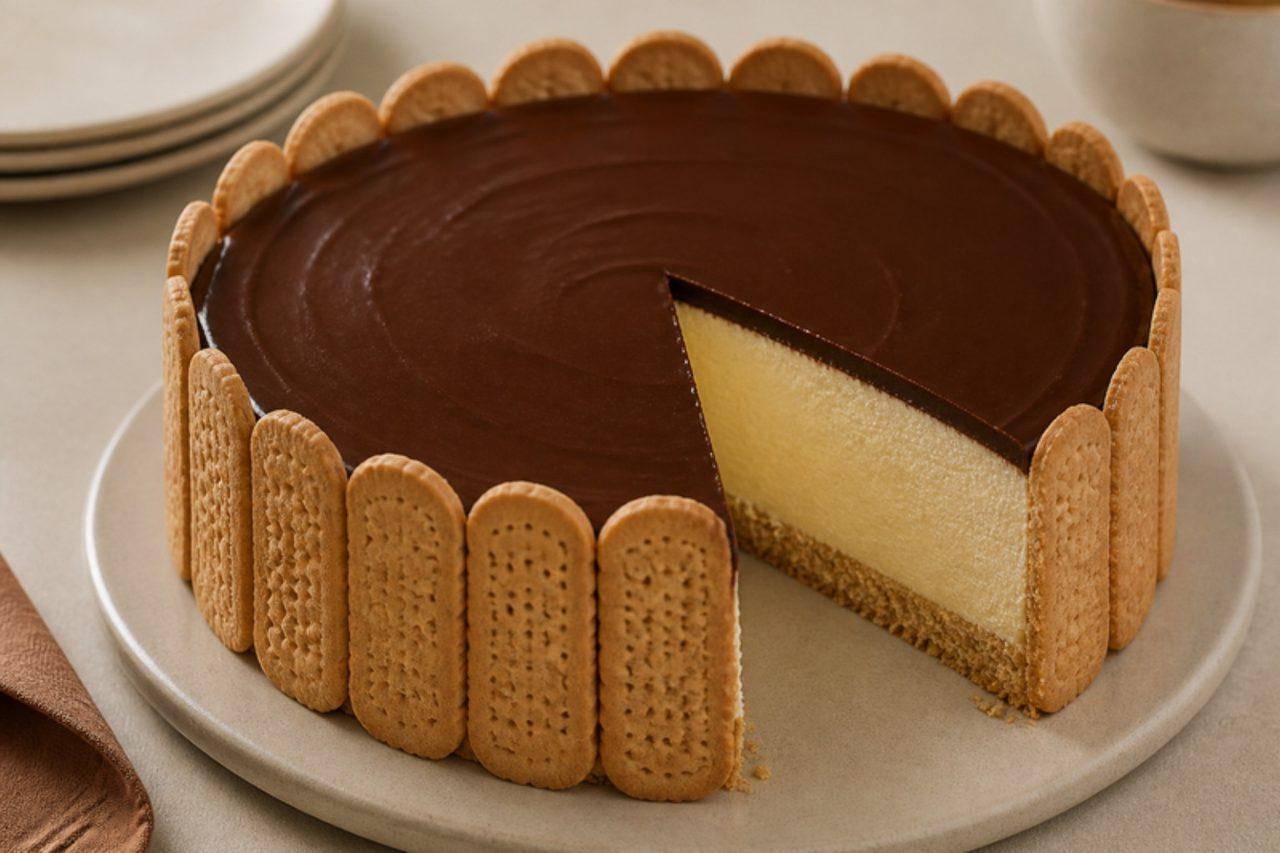
Despite the name, the 'Dutch tart' is a Brazilian invention, created in a confeitaria in Campinas, São Paulo state, in the 1990s and now sold in bakeries and churrascarias all over the country. A crunchy biscuit base holds a tall layer of light vanilla buttercream, sealed with dark chocolate ganache, and the sides are fenced with chocolate-dipped biscuits stood on their edges. Served cold, it is rich, creamy and crunchy at once, cut in thin slices with coffee. Some versions set the cream with gelatin; this one gets its body from butter and whipped cream only. Warm ganache poured straight on is the commonest mistake, since it melts the cream underneath into streaks. Chef's tip: let the ganache cool until it is just pourable and barely warm to a fingertip, about 30 °C, before pouring it over the chilled tart.

by KrazyBadal 0 views

Partan breeCrab and rice soup

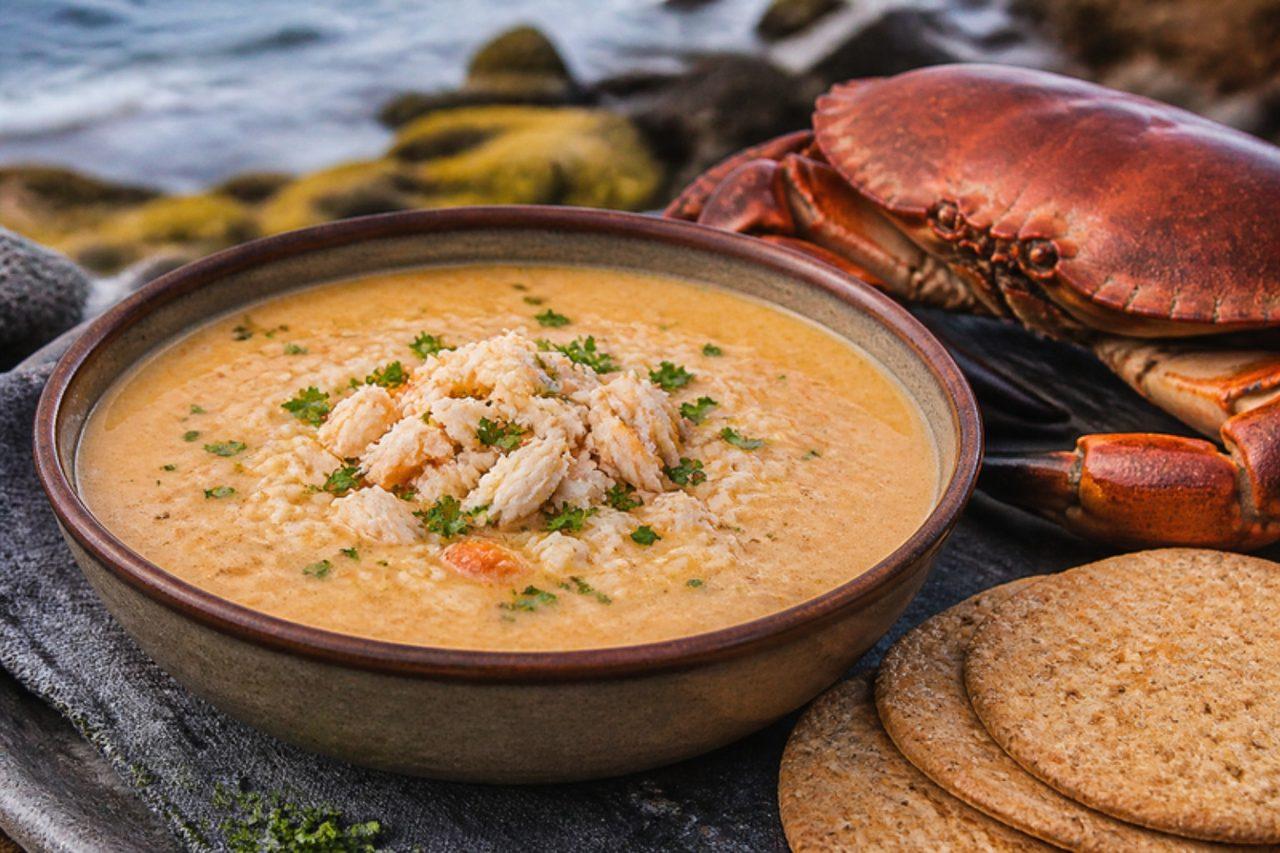
Partan bree comes from the fishing villages of the north-east of Scotland, where partan is the Scots word for the brown crab and bree means broth. Rice is simmered in milk and fish stock until soft, blended with the crab's brown meat, and finished with sweet white claw meat and a little cream. It is the coast's answer to a bisque, simpler and milder. Buy ready-cooked crab meat and keep it chilled. Chef's tip: add the white meat right at the end and only warm it through, so it stays in flakes.

by KrazyBadal 0 views

SchäufeleCured smoked pork shoulder

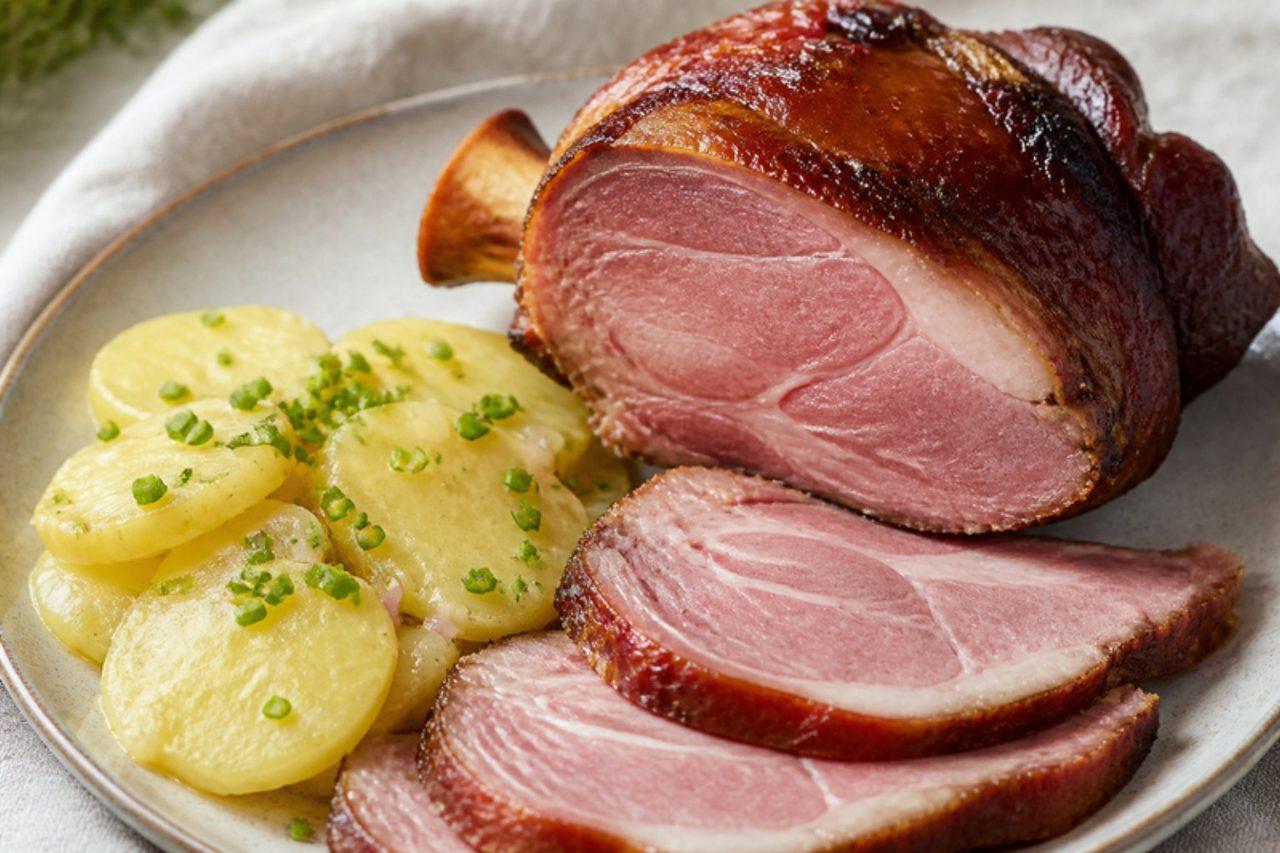
In Baden, Schäufele ("little shovel") is the bone-in pork shoulder blade, cured and lightly smoked by the butcher, and it belongs on New Year's Eve and family get-togethers. It is gently simmered so the meat stays juicy and rosy from the cure, then sliced thick and served with a warm potato salad dressed with broth and vinegar. Ask a German butcher for a ready-cured Schäufele, or use a cured and smoked pork shoulder joint. Chef's tip: keep the water barely trembling; a rolling boil tightens the meat and squeezes out its juices.

145 minGermanMeatGluten free
by KrazyBadal 0 views

Schwäbische SeelenSpelt caraway rolls

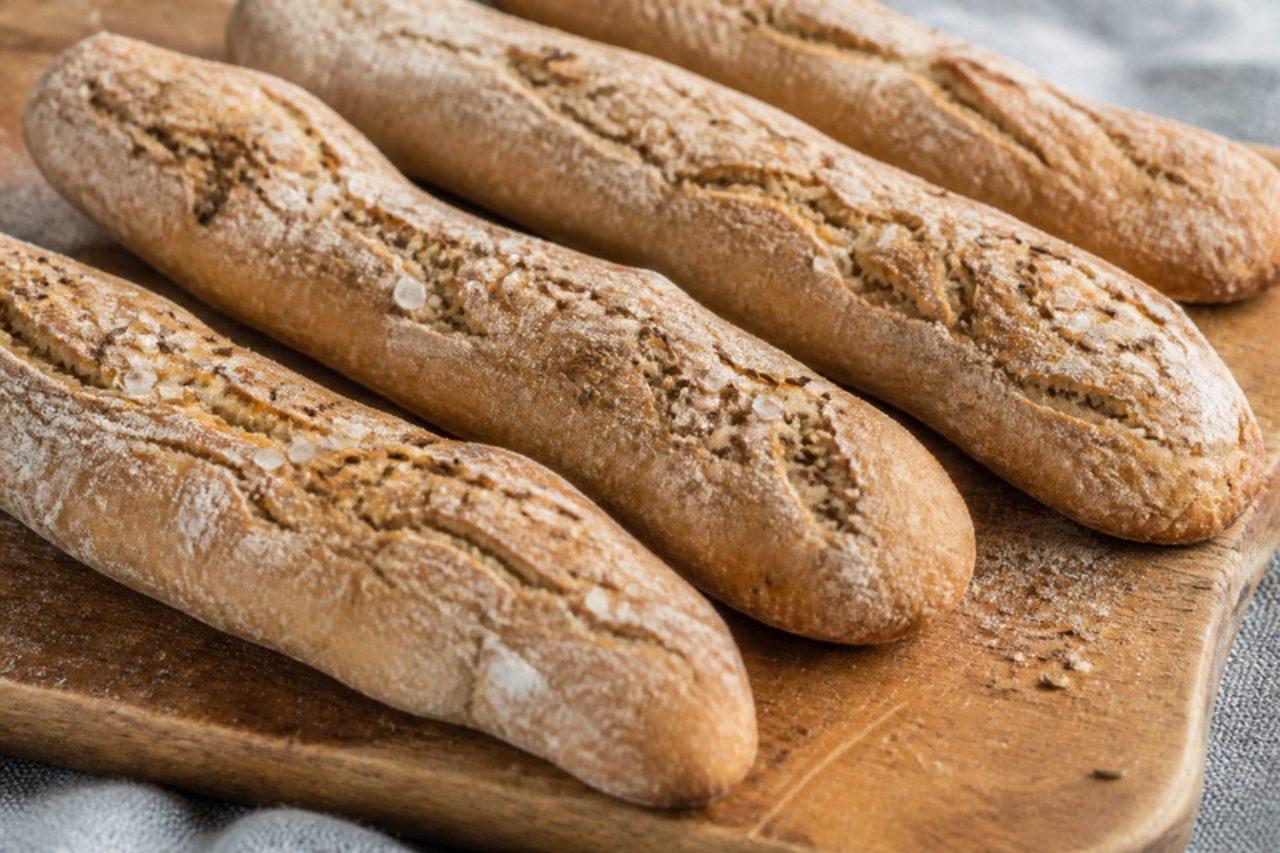
Seelen, meaning 'souls', are the long, pale spelt rolls of Upper Swabia, around Biberach and Ravensburg, said to have first been baked for All Souls' Day. Today they are an everyday bakery item, eaten split with butter or alongside a bowl of soup, and they turn up at every Swabian beer garden. The dough is very wet, so the rolls are pulled into shape rather than rolled, giving an open, chewy crumb under a thin crust crusted with salt and caraway. A common mistake is adding extra flour to make the dough easier to handle, which turns them into ordinary bread rolls. Chef's tip: keep a bowl of cold water beside you and wet your hands before every piece; the dough won't stick and you can stretch each soul straight onto the tray.

by KrazyBadal 0 views

Showing 36 of 7,762 recipes

Show more recipes

Page 483 of 863