


Skip to content
Bathua raita
Featured recipe

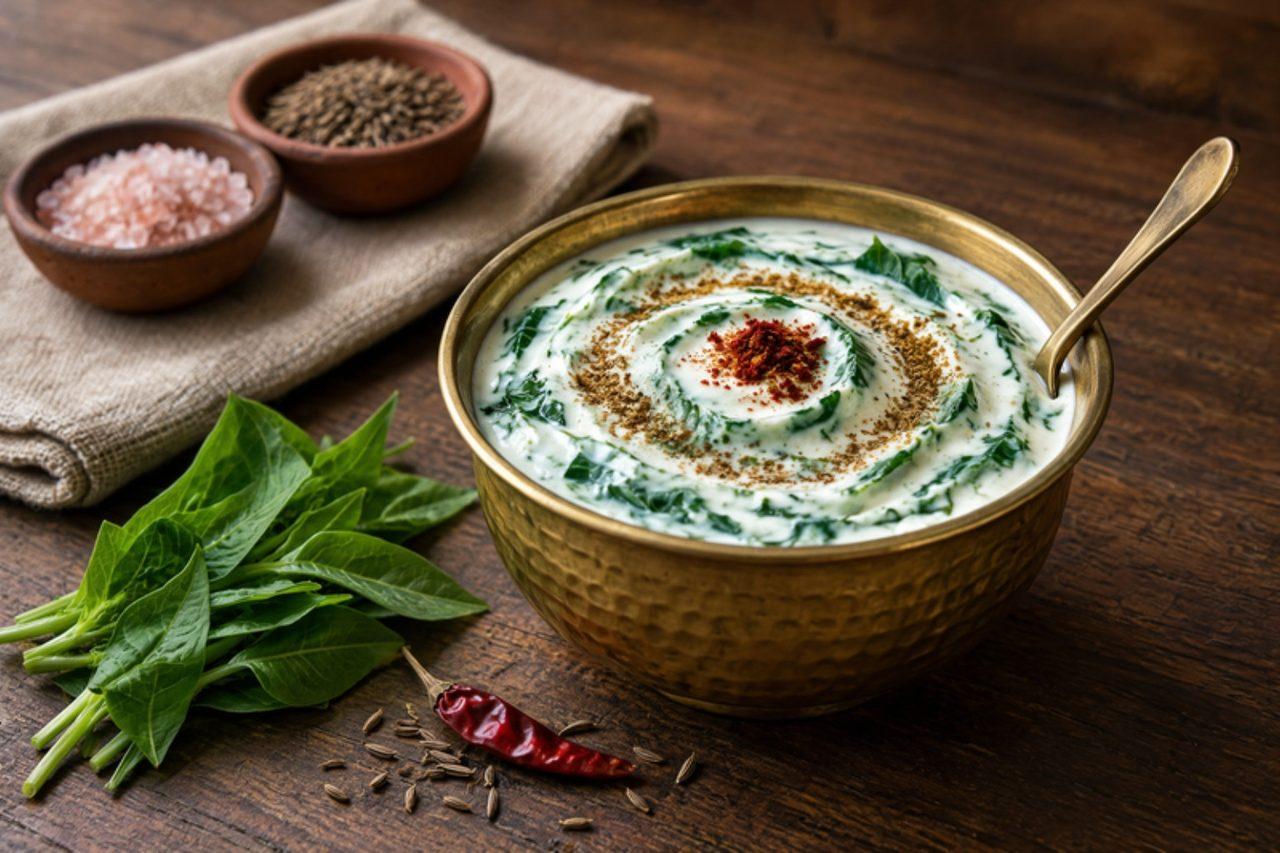
Bathua raita

Bathua (chenopodium or lamb's quarters) grows wild in the wheat fields of western Uttar Pradesh and Haryana in winter, and from December to February families blanch it and stir it into yogurt as a cooling raita beside paratha, dal or bajra roti. The leaves are boiled briefly, chopped and folded into whisked yogurt with roasted cumin, black salt and a little green chilli, so it tastes earthy, tangy and fresh. It is suitable as part of a balanced diet. About 90 kcal and 7 g carbohydrate per portion. The usual mistake is adding the greens while they are still hot or wet, which makes the yogurt thin and grainy; squeeze them dry and cool them first. Chef's tip: grind half the blanched leaves to a paste so the raita turns an even pale green.

Read more 0 views

What to eat today?

Around the world

Today's trip: Paraguayan

A new country every day, from every cuisine on the site.

This week's collection

Kid-friendly dinners
537 recipes · a new collection every Monday

Latest recipes

Bunyols de l'Empordà

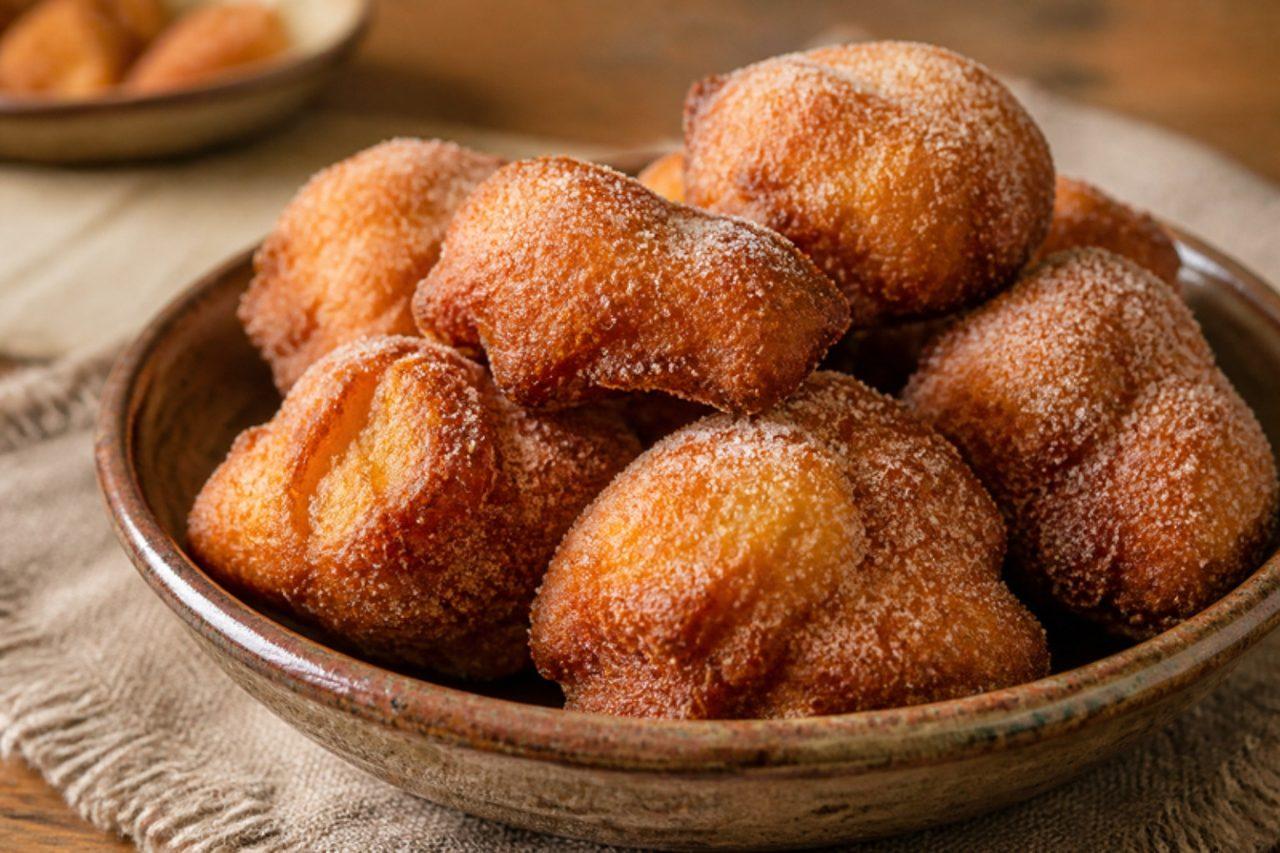
During Lent, bakeries and grandmothers across the Empordà in Girona fry bunyols: light, irregular rings of enriched yeast dough flavoured with anise and lemon, dusted with sugar while hot. Families make them together, poking a hole in each ball with wet fingers as it goes into the oil. The dough traditionally takes a splash of anise liqueur; the alcohol-free option, milk infused with aniseed, is in the ingredient list. Chef's tip: keep a bowl of water by the pan and wet your fingers before shaping each one; the dough then stretches cleanly instead of sticking.

by KrazyBadal 0 views
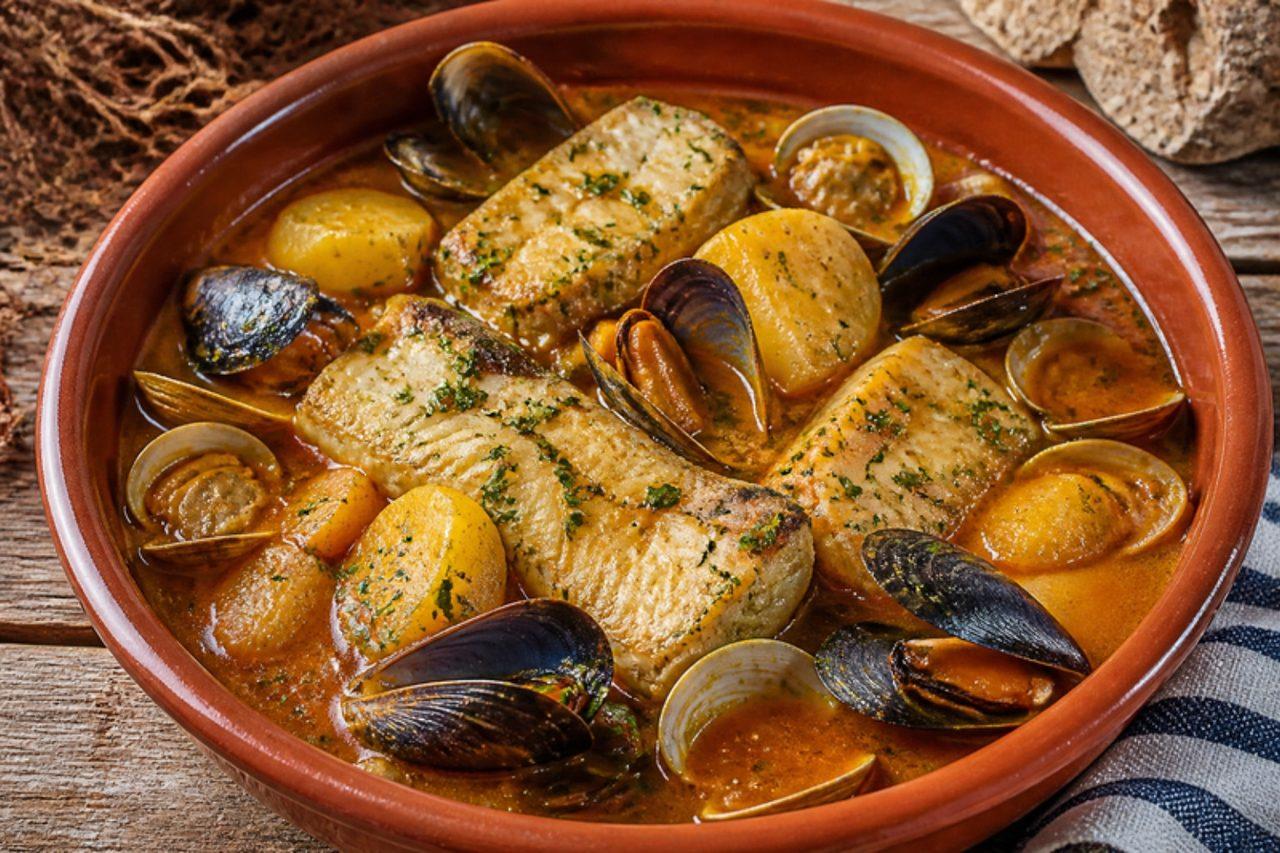
Suquet de peix

Fishermen from Cadaqués, Palamós and the other Costa Brava ports made suquet on board with the fish that would not sell: rockfish, monkfish, hake, a few prawns, simmered with potatoes in a sofrito and thickened at the end with a picada of garlic, almonds, parsley and fried bread. Now it is a weekend lunch in harbour restaurants, served straight from the pan. The potatoes must release their starch so the broth turns into a light, silky sauce. Chef's tip: 'crack' the potatoes rather than slicing them: cut part way, then snap off the pieces; the rough edges give up more starch.

by KrazyBadal 0 views

Botifarra amb mongetes

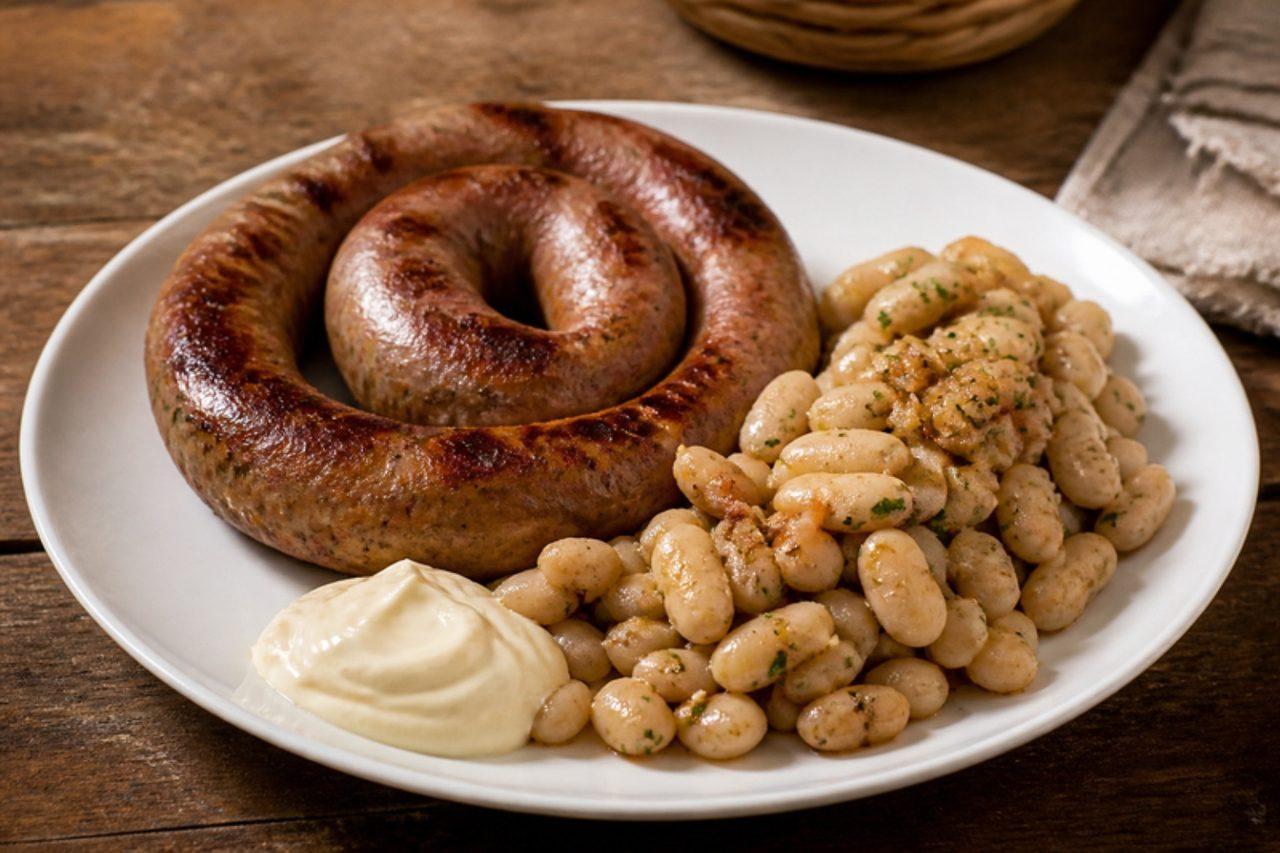
This contains pork (botifarra sausage). Ask in any Barcelona neighbourhood restaurant for the most Catalan plate on the menu and you will probably get this: a coil of grilled botifarra, a fresh pork sausage seasoned with little more than salt and pepper, beside white beans sautéed with garlic and parsley until crisp at the edges. It is everyday lunch food, and often comes with allioli. If you cannot find botifarra, use coarse, plain fresh pork sausages. Chef's tip: let the beans sit untouched in the hot pan for a minute between stirs, so some of them catch and crisp.

by KrazyBadal 0 views

Chalupas de Chilpancingo

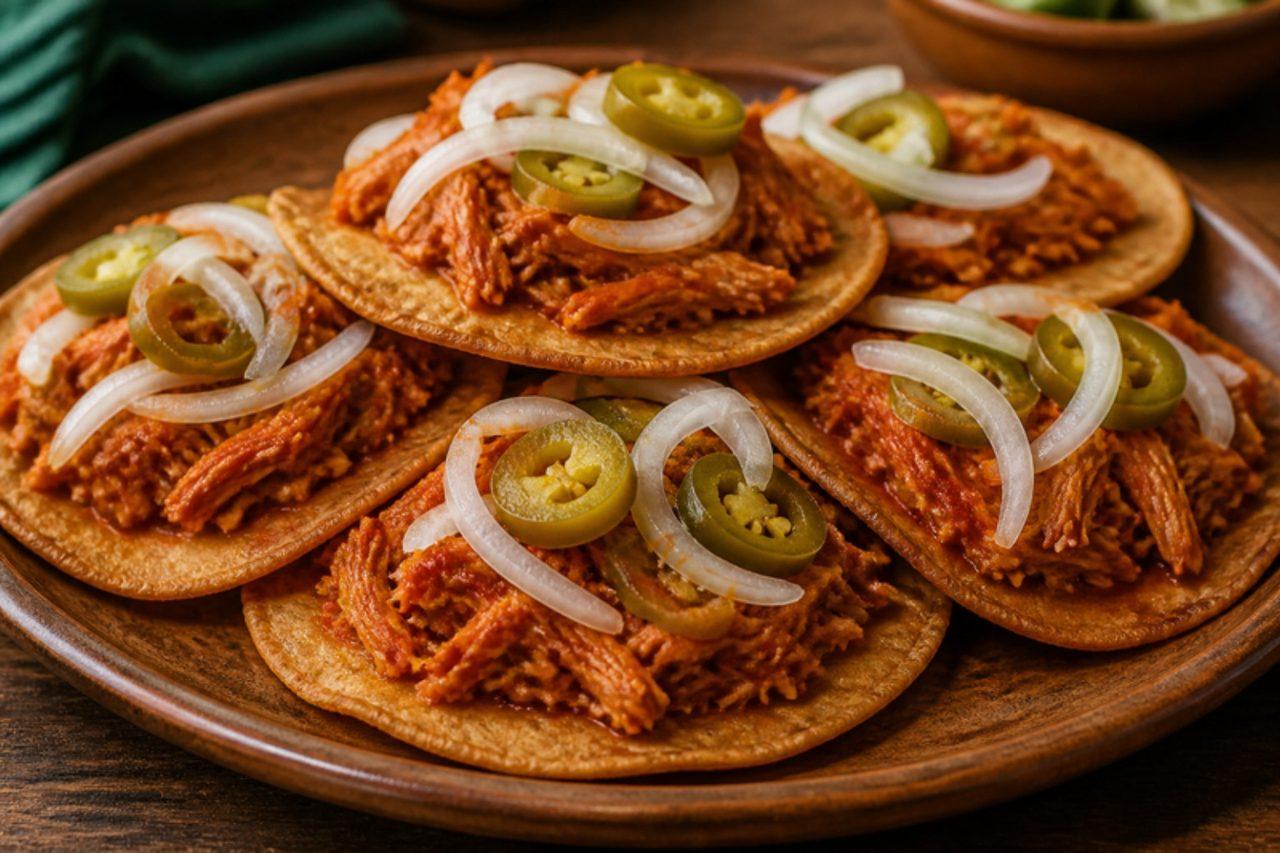
Chalupas are Chilpancingo's favourite evening snack: in the capital of Guerrero they are sold by the plateful at cenadurías and street stands, often alongside pozole. Small, thick corn tortillas are fried until crisp at the rim but still a little soft in the middle, then heaped with chicken shredded into a smoky chipotle-tomato sauce and finished with sliced onion, a slice of pickled jalapeño and a crumble of cheese for those who like it. Expect to eat five or six each, with a cold agua fresca. The sauce is traditionally fried in pork lard, but vegetable oil is fine. Chef's tip: press a thumb into the edge of each tortilla while it is still warm to make a low rim; it holds the topping and gives the chalupa its little boat shape.

by KrazyBadal 0 views

Relleno de cerdo

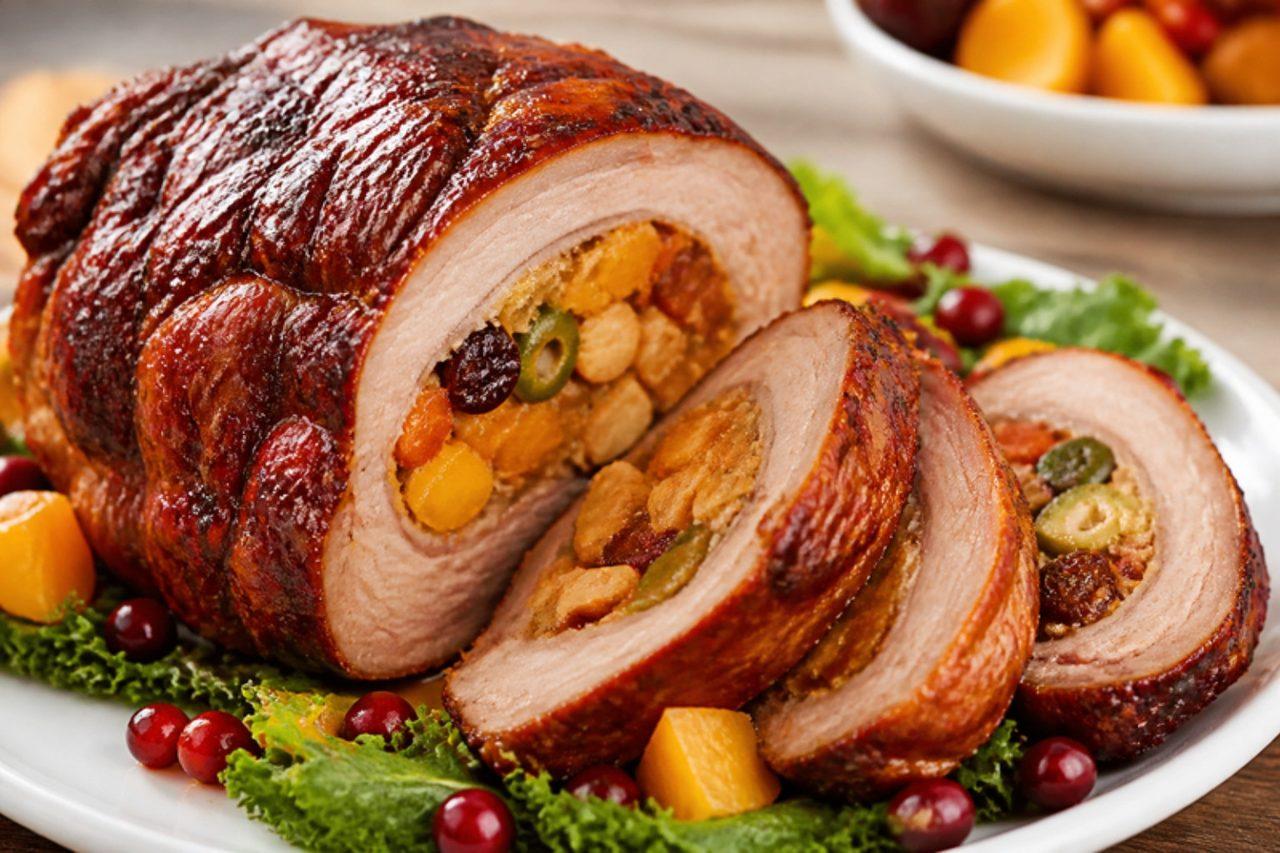
In Guerrero's Tierra Caliente, around Ciudad Altamirano, relleno de cerdo is the centrepiece of weddings and saints' days: a whole pig is stuffed with fruit, vegetables and its own chopped meat, rubbed with chilli and roasted for hours, then served in tortas or tacos. This home version is a pork dish for an ordinary oven, using a boned pork shoulder rubbed with a guajillo adobo and rolled around a stuffing of ripe plantain, potato, carrot, olives, raisins and almonds, so you get the same sweet, salty and spicy mix. Slice it thickly with its juices, warm tortillas, rice and pickled jalapeños. Chef's tip: ask the butcher to butterfly the shoulder evenly to about 3 cm thick; an even slab rolls neatly and cooks at the same rate all through.

300 minMexicanMeatGluten free
by KrazyBadal 0 views

Guacamayas

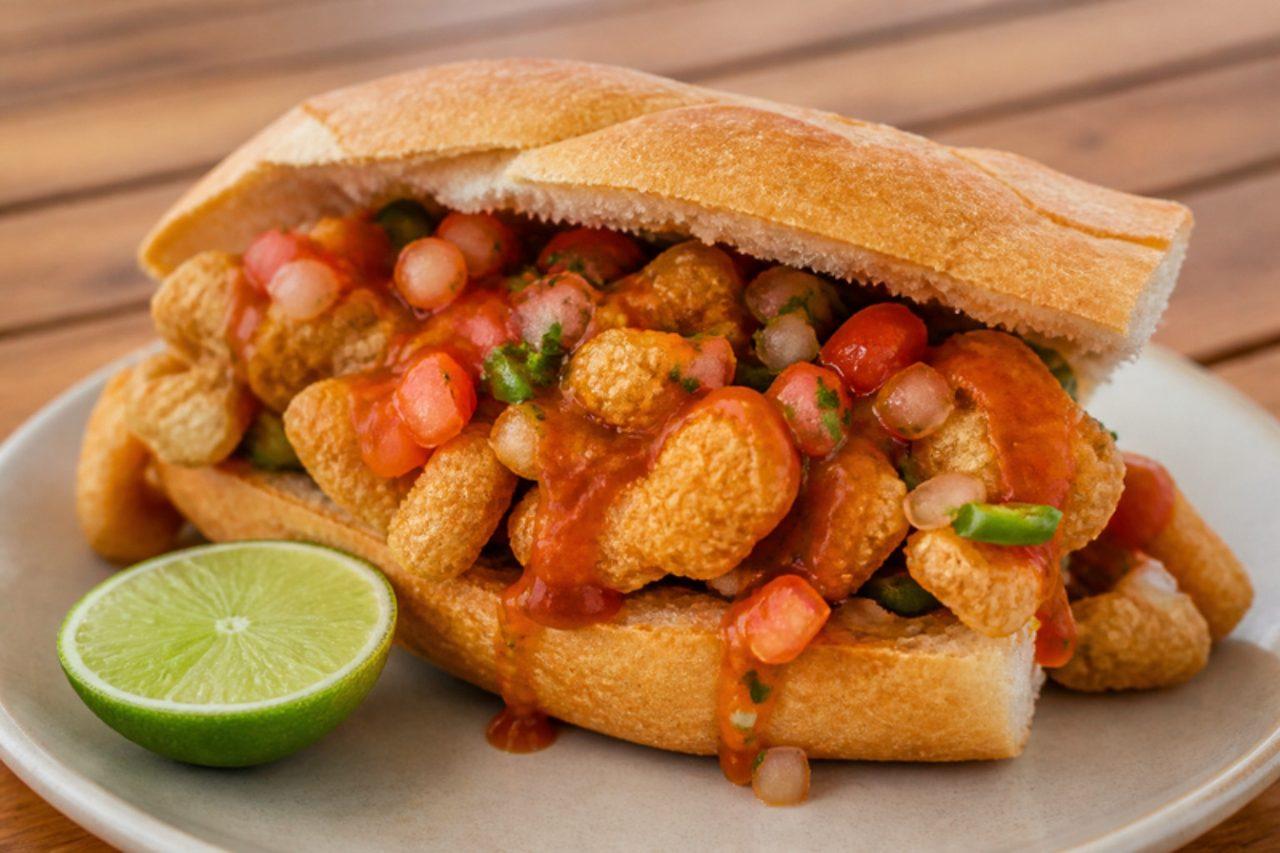
Guacamayas are León's street snack, sold from carts outside schools and in the city centre of this Guanajuato town from the afternoon on. A crusty bolillo is split and stuffed with crisp pork chicharrón, piled with a juicy pico de gallo of tomato, onion and chilli, and soaked with a hot red salsa and lime, so the crackling softens at the edges but stays crunchy in the middle. Some stands add avocado or a smear of beans. It is a quick, no-cook pork dish, best eaten standing up with a cold drink. Chef's tip: dress the chicharrón with salsa and lime only seconds before eating; left to sit, it turns soft and chewy.

by KrazyBadal 0 views

Fiambre de San Miguel

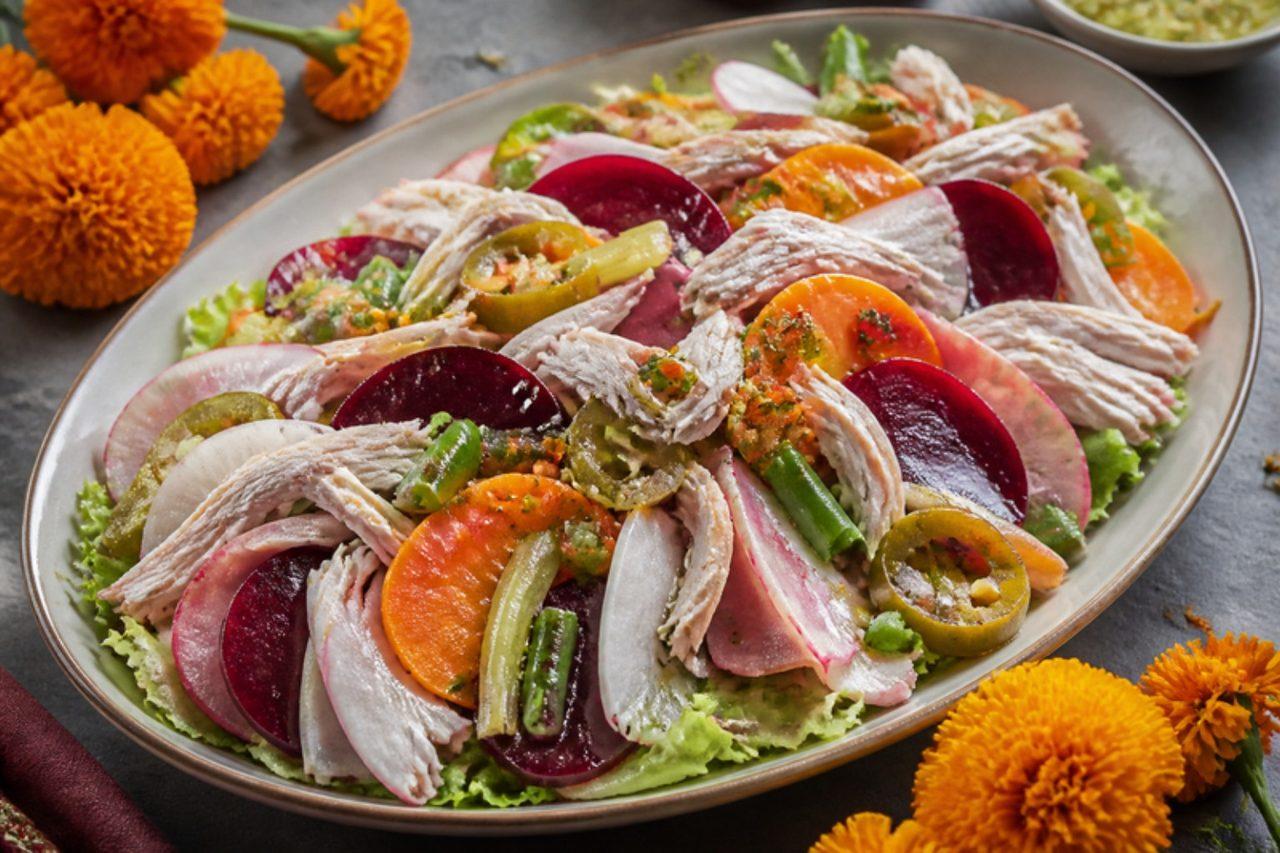
In San Miguel de Allende, families make fiambre for All Saints' and the Day of the Dead at the start of November, setting it on the table and the home altar alongside bread of the dead. It is a cold, colourful platter of vinegar-dressed vegetables, beetroot, jícama, orange, apple and banana, with cooked chicken and pork, sharp, sweet and crunchy at once. Pickled pig's trotters are the traditional meat; this version makes them optional and uses cooked pork tongue or good ham with poached chicken, so it is still a pork dish. Serve well chilled with bread or tostadas. Chef's tip: dress the sturdy vegetables and meats hours ahead, but add the lettuce, banana and avocado just before serving so they stay fresh.

by KrazyBadal 0 views

Pastes de Real del Monte

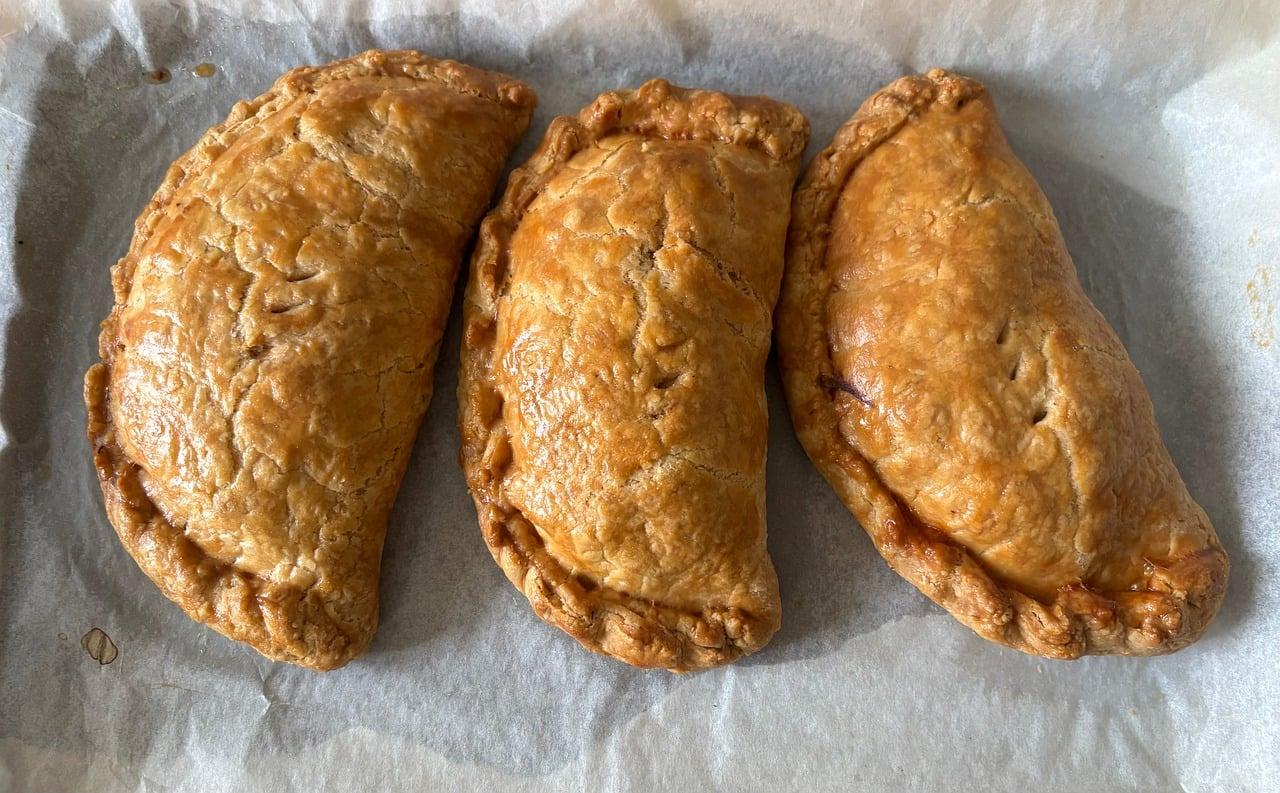
Cornish miners arrived in the silver mines around Real del Monte and Pachuca in the 1820s, and their pasties stayed: today the hilltop town in Hidalgo has paste shops on every street, selling them warm from the oven to visitors and locals all day. The classic filling is close to the original, diced beef, potato, onion and parsley seasoned with plenty of pepper, sealed in a short, buttery crust and baked until the juices turn to gravy inside; Mexican kitchens added a little chilli and many other fillings, including chicken in mole, which you can use instead of the beef. Eat them with a hot salsa or alone, with coffee. Chef's tip: cut the beef and potato small and evenly, about 1 cm; it all cooks raw inside the pastry, so even pieces are what make it tender.

by KrazyBadal 0 views

Ximbó

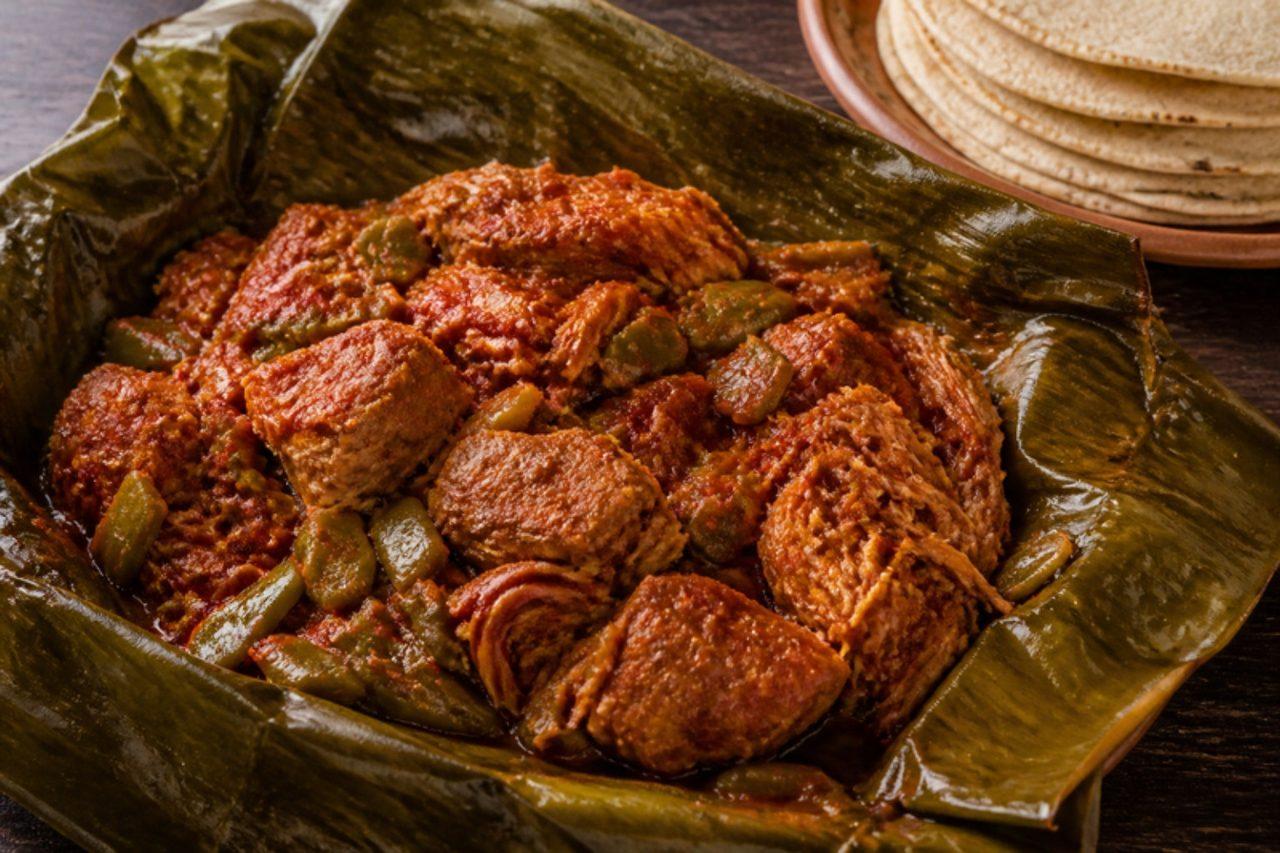
Ximbó comes from the Otomí (Hñähñu) communities of Hidalgo's Valle del Mezquital, where it is cooked for village fiestas: pieces of chicken, and often pork, are coated in a guajillo and pasilla sauce with nopales and onion, wrapped in the thick leaves of the maguey and slow-cooked in a pit oven like barbacoa. The meat comes out tender and juicy, in a concentrated, smoky red sauce. Maguey leaves are almost impossible to buy outside Mexico, so this home version wraps everything in banana leaves and baking paper and steams it on the hob; the pork is optional, but if you use it this becomes a pork dish too. Eat it straight from the parcel with tortillas, salsa and pickled chillies. Chef's tip: pass the banana leaves briefly over a gas flame or hot pan until they turn glossy; they become supple and stop cracking when you fold them.

by KrazyBadal 0 views

Aguachile

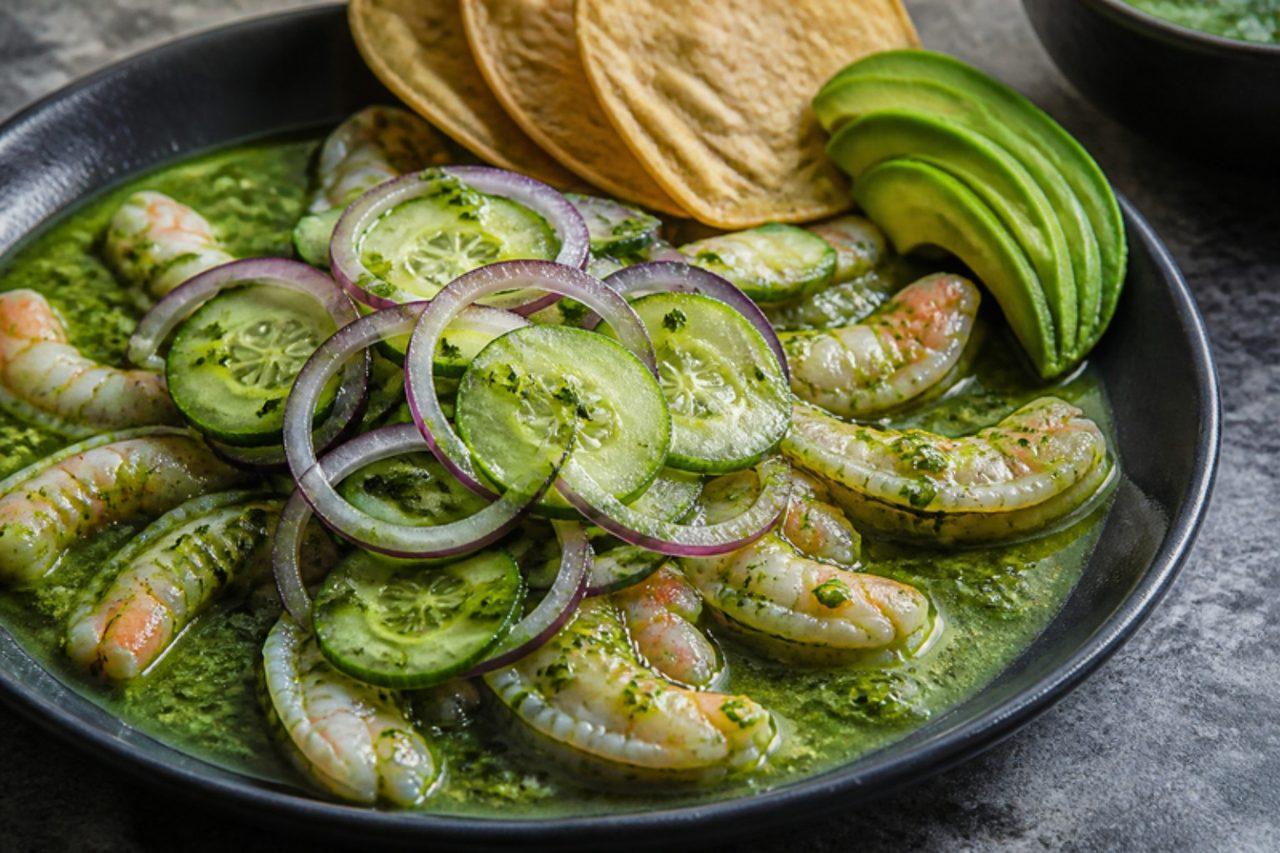
Along the Sinaloa coast, from Mazatlán to Culiacán, aguachile is the cold plate that starts a long seafood lunch at the beachside palapas, eaten straight from a stone molcajete with tostadas and a cold drink. The classic version is raw prawns cured only in lime, and that raw version is the risky one: lime juice does not kill bacteria or parasites the way heat does. This safer version poaches the prawns for a minute or two until just pink and opaque, chills them and then dresses them, so you keep the snap and the fierce, grassy chilli heat. Even so, treat any cold seafood dish with care: the raw classic is not for pregnant women, young children or anyone with a weakened immune system. Serve with crisp corn tostadas and slices of avocado. Chef's tip: blend the chilli water with ice-cold water and pour it on at the last minute, so it stays vivid green and the prawns stay crisp.

by KrazyBadal 0 views

Chilorio

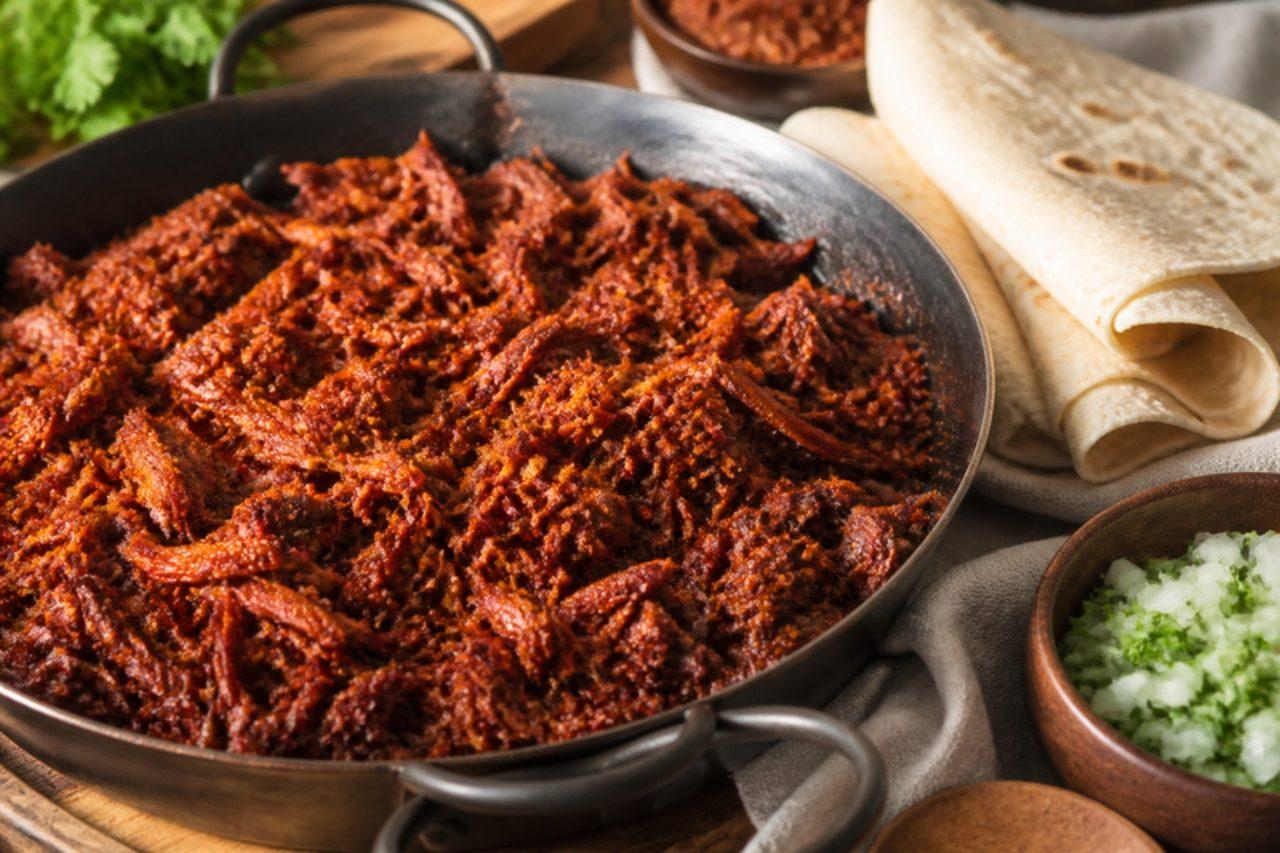
Chilorio is Sinaloa's great pork dish: pork shoulder simmered until it falls apart, shredded and then fried in pork lard with a vinegary paste of ancho and guajillo chillies until almost dry and deeply brick-red. Ranch cooks around Culiacán made it to keep, and it is still packed into jars and sold in markets across the north. It is rich, tangy and gently spicy rather than fiery, and it fills flour tortillas for burritos, tops scrambled eggs at breakfast or goes into tortas with refried beans. Chef's tip: fry the shredded pork in the lard for a few minutes before the chilli goes in, so the edges crisp and the paste clings instead of stewing.

175 minMexicanMeatGluten free
by KrazyBadal 0 views

Gallina pinta

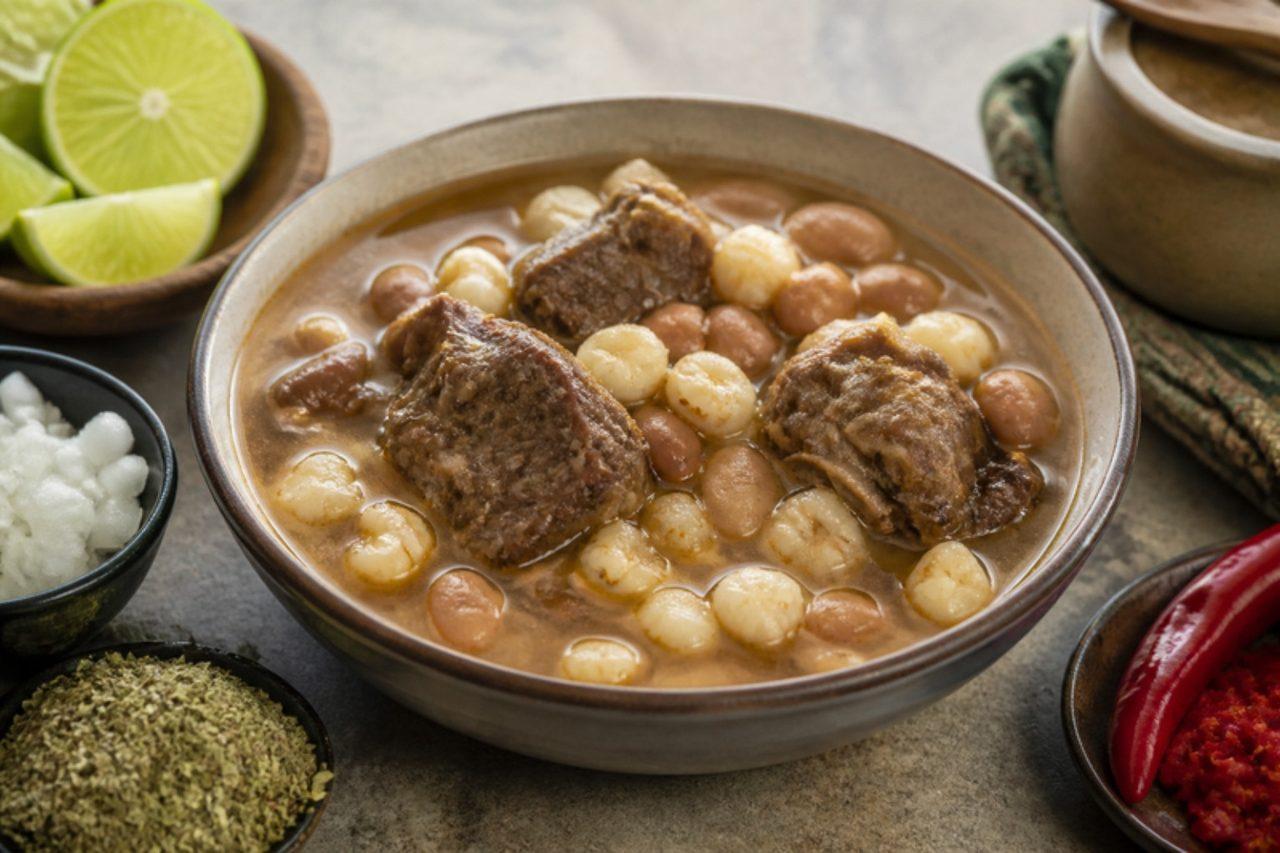
Despite the name, there is no hen in gallina pinta: the 'speckled hen' of Sonora is a hearty soup of beef, pinto beans and hominy, the speckles being the beans among the white corn. It is cold-weather food across the state, ladled out at family gatherings and in Hermosillo diners, and every cook uses bony cuts such as oxtail or beef shank so the broth turns rich and silky. The beans need soaking overnight, so start the day before. Serve it in deep bowls with chopped onion, oregano, lime and a dried red chilli crumbled over, plus warm flour tortillas. Chef's tip: add the hominy only in the last half hour, so the kernels stay plump and chewy rather than splitting.

230 minMexicanSoupsGluten free
by KrazyBadal 0 views

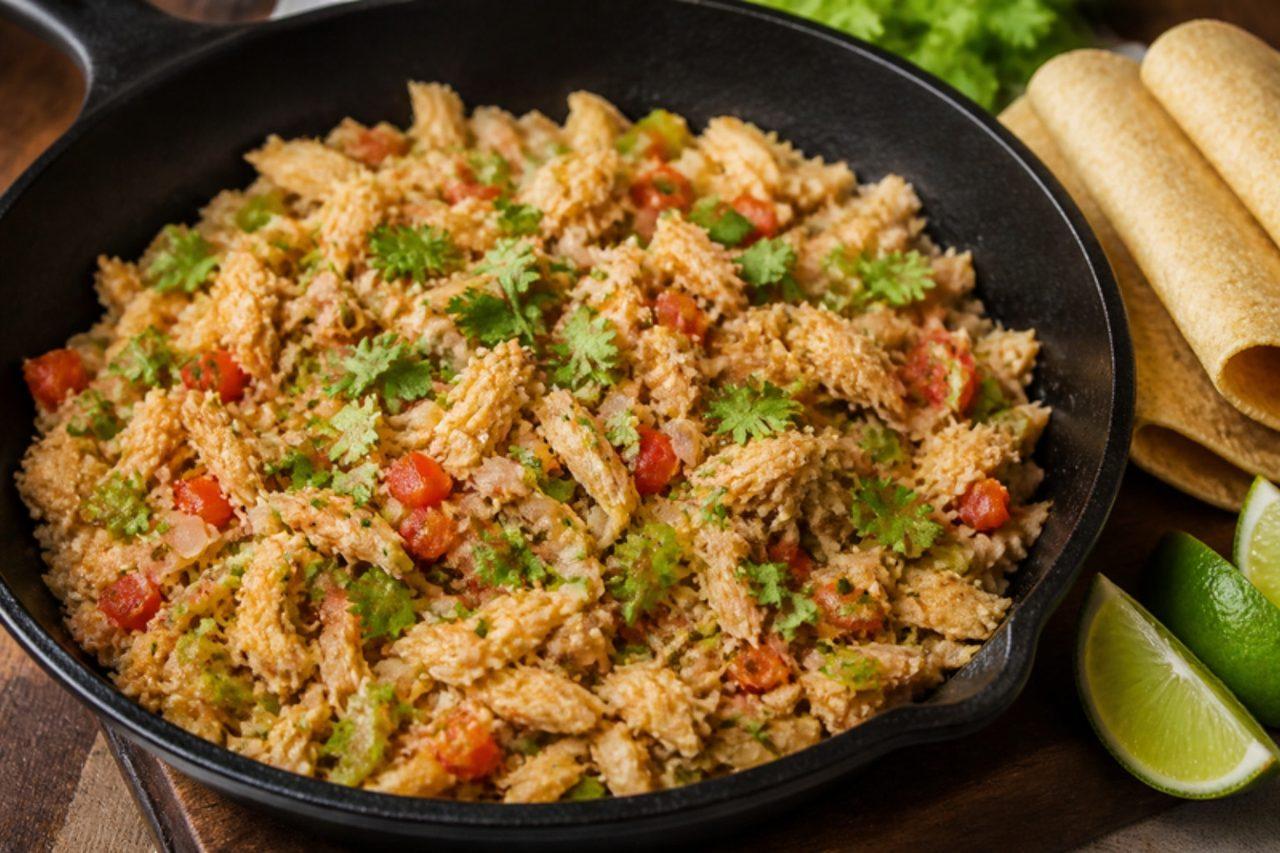
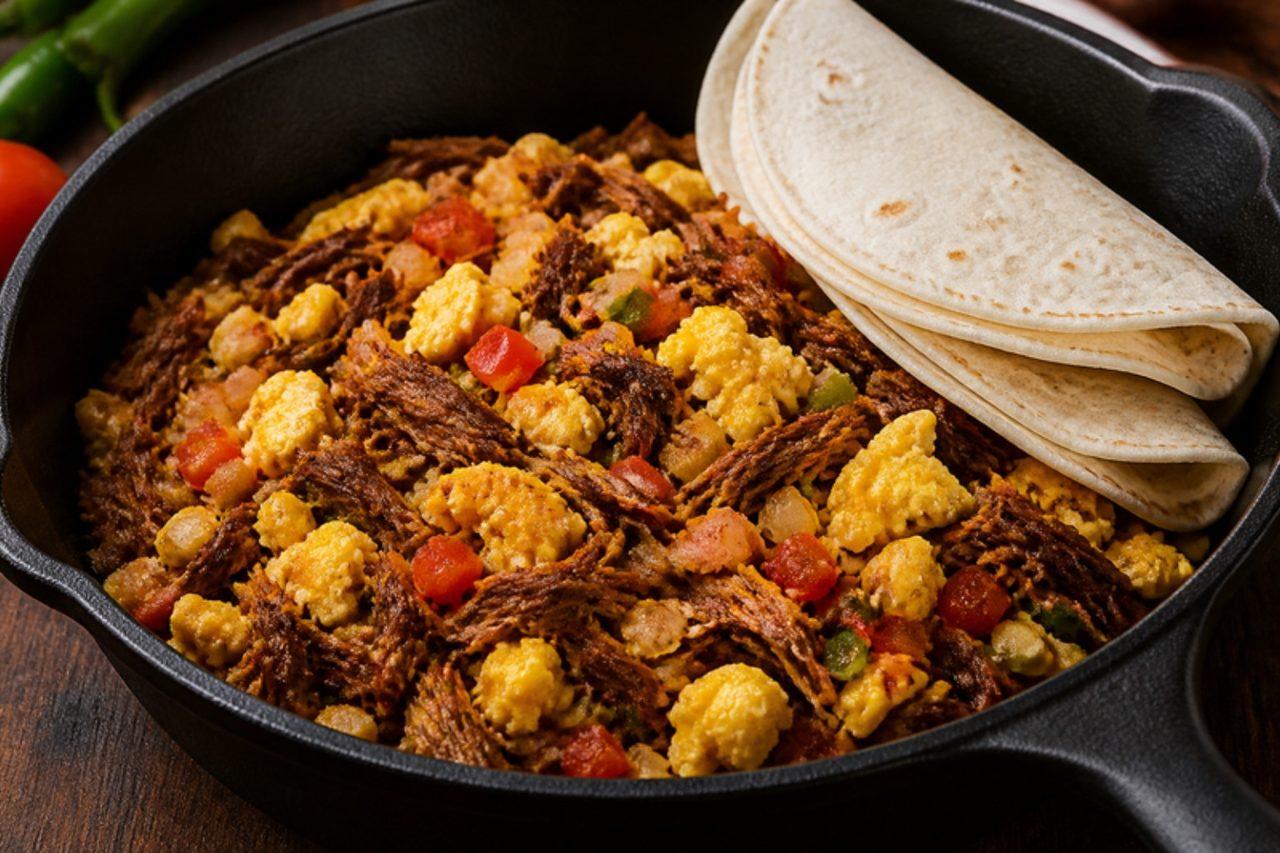
Machaca con huevo

Monterrey and Sonora both claim machaca, the dried, pounded beef that once let ranchers carry meat across the desert. At breakfast it is fried with onion, tomato and green chilli, then scrambled with eggs and rolled into soft flour tortillas, and it turns up in every lonchería and roadside café in the north. The beef is savoury, salty and chewy against the soft egg. Proper machaca is hard to find outside Mexico; shredded leftover roast beef or brisket, dried out in the pan until crisp, makes a good substitute, as does unsweetened beef jerky pounded into shreds. Chef's tip: fry the machaca on its own first until the edges crackle, which brings back the toasty flavour before anything wet goes in.

by KrazyBadal 0 views

Cabrito al pastor

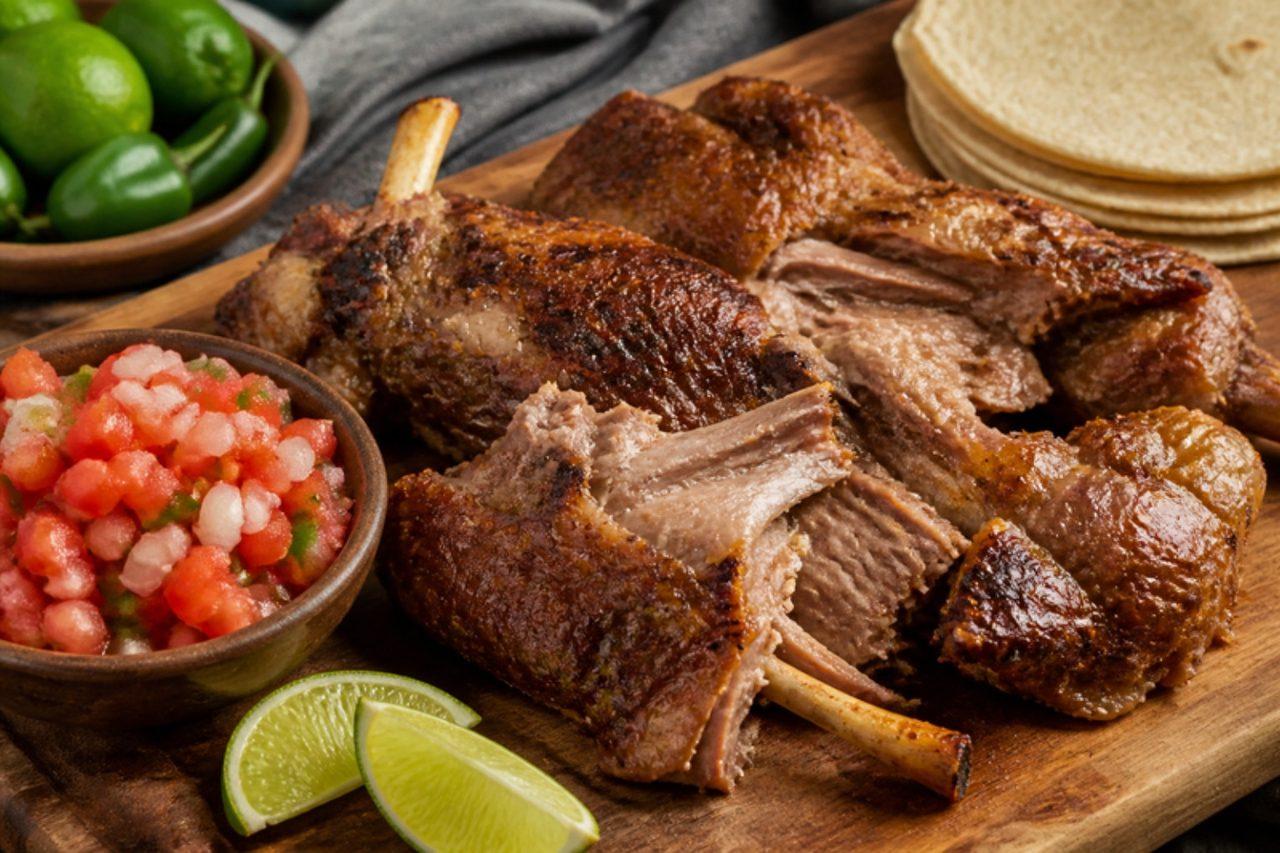
Monterrey is the capital of cabrito: young milk-fed goat spread on a stake and roasted slowly beside glowing wood embers, the speciality of the city's big grill restaurants and of weekend family feasts in Nuevo León. The meat is pale, delicate and juicy with crackly, salty skin, and it comes with salsa, flour tortillas, guacamole and a bowl of frijoles charros. Kid goat is hard to find, so this home-oven version also works with a bone-in lamb shoulder, which is a little fattier but just as good; ask a halal or specialist butcher for goat. Chef's tip: roast it covered and low first, then uncover and blast it at the end; starting at high heat is what dries out lean goat.

240 minMexicanMeatGluten free
by KrazyBadal 0 views

Rillettes de Tours

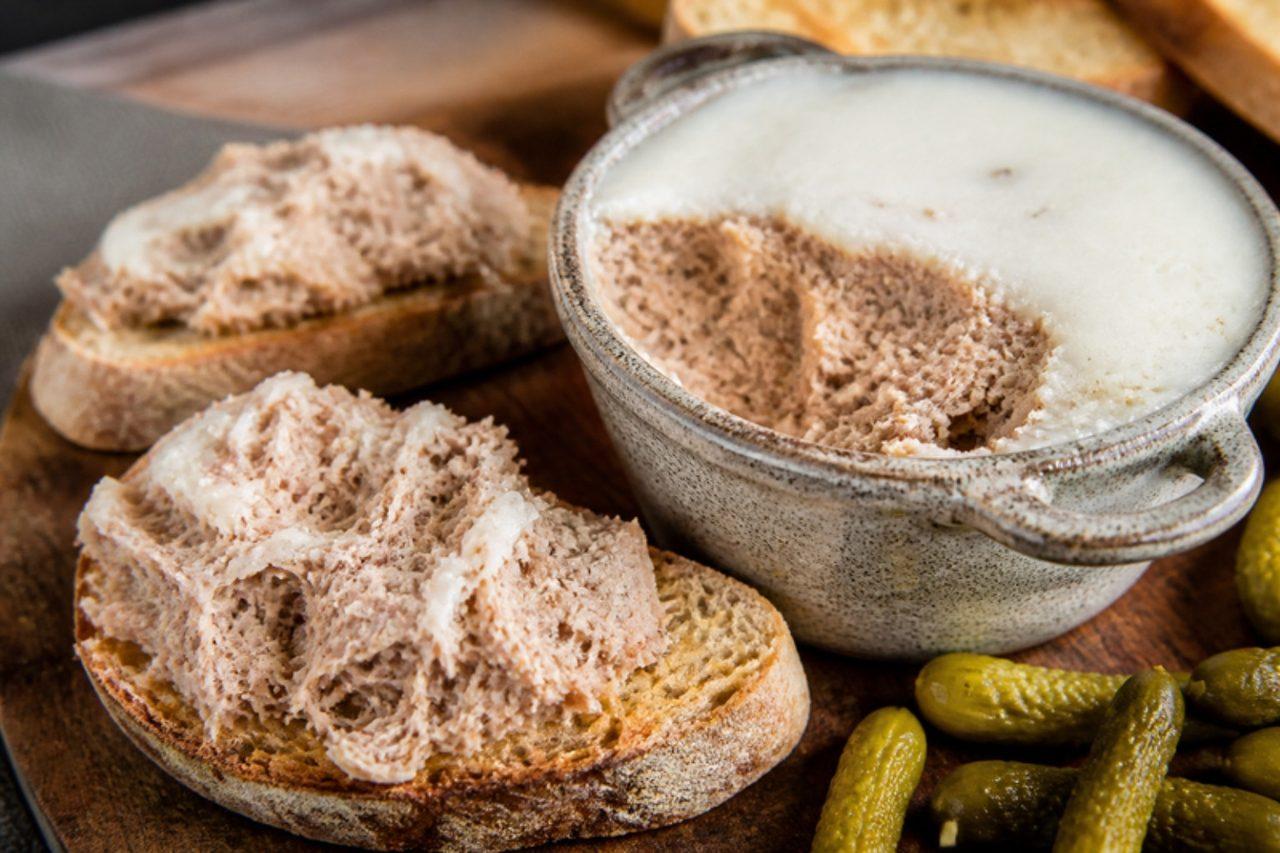
Touraine, the stretch of the Loire Valley around Tours, has made rillettes since the Middle Ages, and every charcuterie counter in the region sells them alongside rillons, their chunky cousins. This is pork through and through: pork shoulder and belly cooked very slowly in their own fat with a little water until they collapse, then shredded with forks into a soft, rich spread that is brown at the edges and deeply savoury. Pots of it go on the table at apéritif time with crusty bread, cornichons and a glass of something cold. Kept sealed under a layer of fat, they last a week in the fridge. Chef's tip: cook it long enough that the meat colours lightly in the fat at the end; that browning is what gives Tours rillettes their deeper taste.

by KrazyBadal 0 views

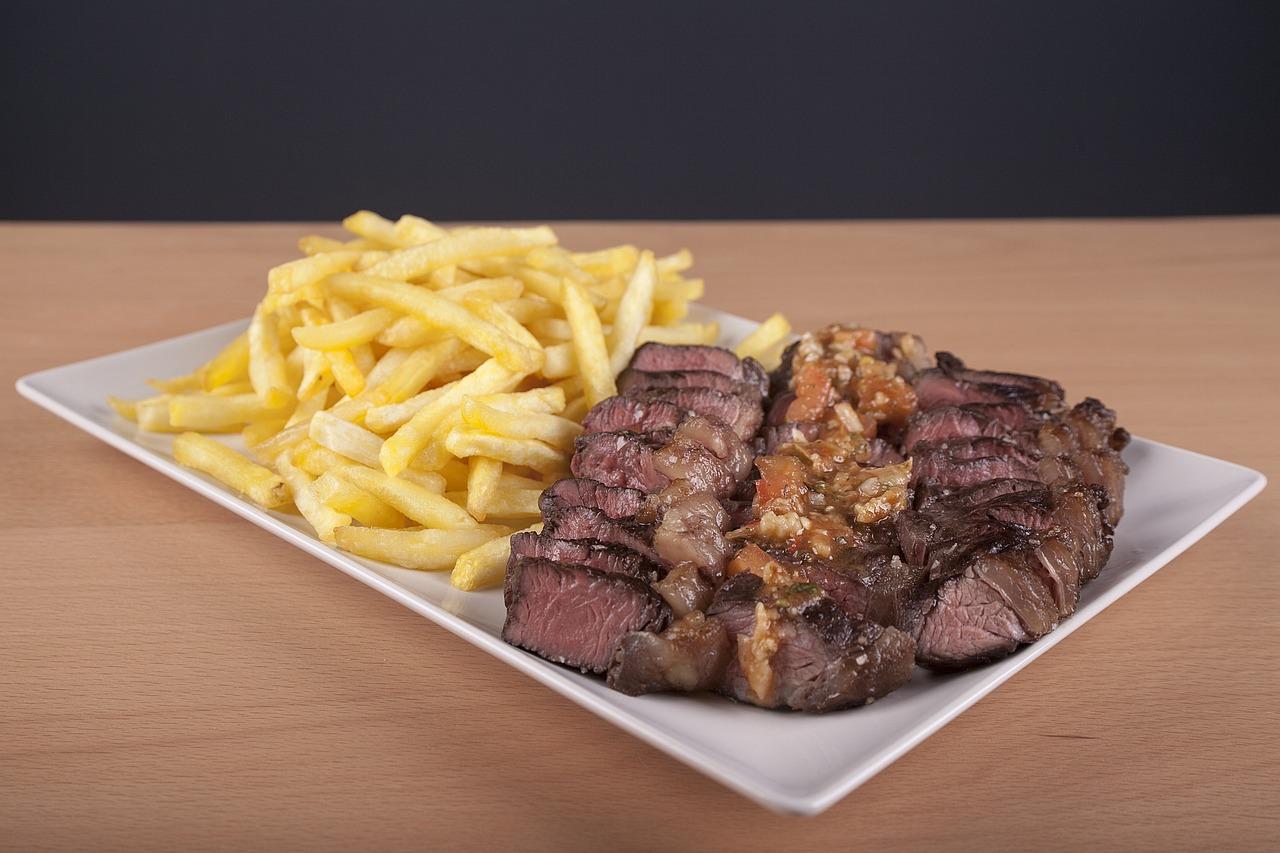
Steak frites

Steak frites is the backbone of the Parisian bistro and brasserie menu, ordered at a zinc-topped table at lunchtime with a green salad and a dab of Dijon. A thick entrecôte or bavette is seared hard in a very hot pan, rested, then topped with a melting coin of shallot and parsley butter, while chips cooked twice come out crisp outside and fluffy within. In France the steak is usually served rare (saignant) or medium-rare (à point); because this is a whole-muscle cut, the inside can safely be pink as long as the outside is well seared, but cook it to your taste using the guide in the steps. Chef's tip: take the steak out of the fridge 30 minutes before cooking and salt it just before it goes in the pan, for an even, crusty sear.

65 minFrenchMeatGluten free
by KrazyBadal 0 views

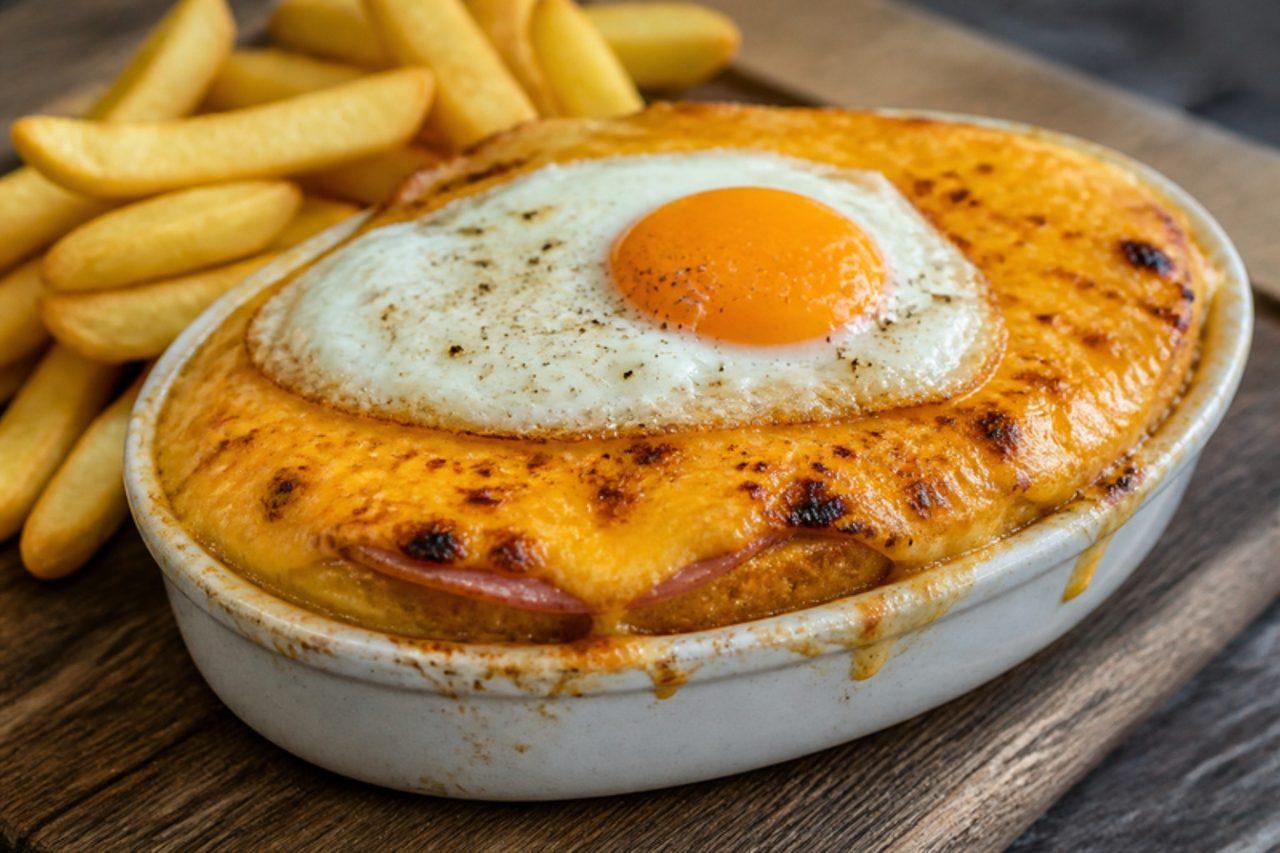
Welsh

Brought over the Channel by British soldiers and miners, the welsh rarebit became a fixture of the estaminets of Lille and the Nord, where it is served in its own oval dish: toast soaked in beer, a slice of ham, then a flood of Cheddar melted with more beer and mustard, baked until bubbling and often topped with a fried egg. It is rich, sharp and very filling, with chips and a green salad the usual partners. It contains pork in the form of cooked ham, and uses beer; the notes give an alcohol-free swap. Chef's tip: use a strong, mature Cheddar, because a mild one melts flat and loses all its bite once the beer goes in.

by KrazyBadal 0 views

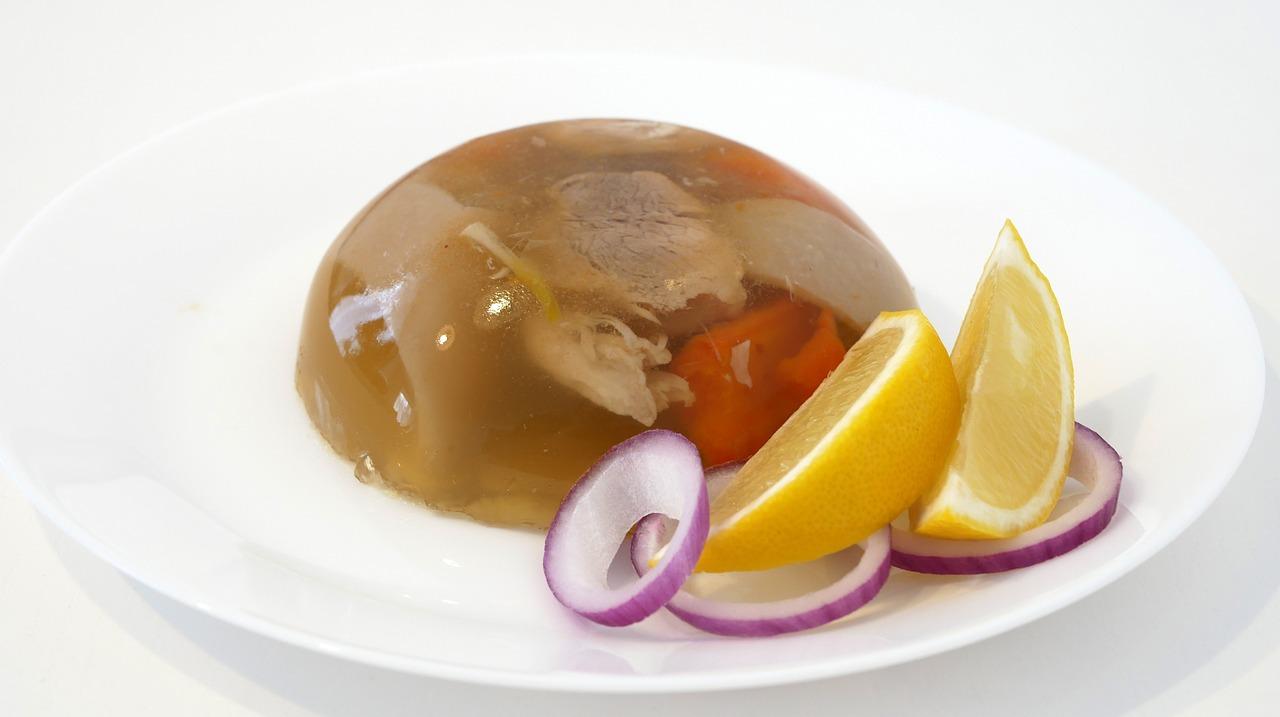
Potjevleesch

Potjevleesch, Flemish for "little pot of meat", comes from French Flanders around Dunkirk, Bergues and Hazebrouck, where it fills the cold cabinets of every friterie and estaminet. Chunks of chicken, rabbit, pork and veal are layered with onion, garlic and herbs, covered with white wine and a little vinegar and baked slowly in a covered terrine; the juices are then set with gelatine so the meat is held in a clear, tangy jelly. It is eaten cold, sliced, with hot chips and a green salad, a contrast that the Nord loves. It contains pork and uses white wine; the notes give an alcohol-free option. If rabbit is hard to find, use more chicken thighs. Chef's tip: slice it straight from the fridge with a hot knife, so the jelly cuts cleanly.

930 minFrenchMeatGluten free
by KrazyBadal 0 views

Machaca de pescado

On the waterfront in La Paz, Baja California Sur, machaca de pescado is the sea's answer to beef machaca: firm fish is poached, shredded and fried with onion, pepper, tomato and chilli until almost dry and full of flavour. Fishermen's families once made it with shark or smoked marlin, and today it fills breakfast burritos, tacos and tostadas in cafés along the malecón. Any firm white fish such as cod, hake or mahi-mahi works well. It is savoury, lightly spicy and tender. Serve it with corn tortillas, rice or refried beans. Chef's tip: squeeze the shredded fish in your hands to get rid of excess water before it hits the pan, so it fries rather than stews.

by KrazyBadal 0 views

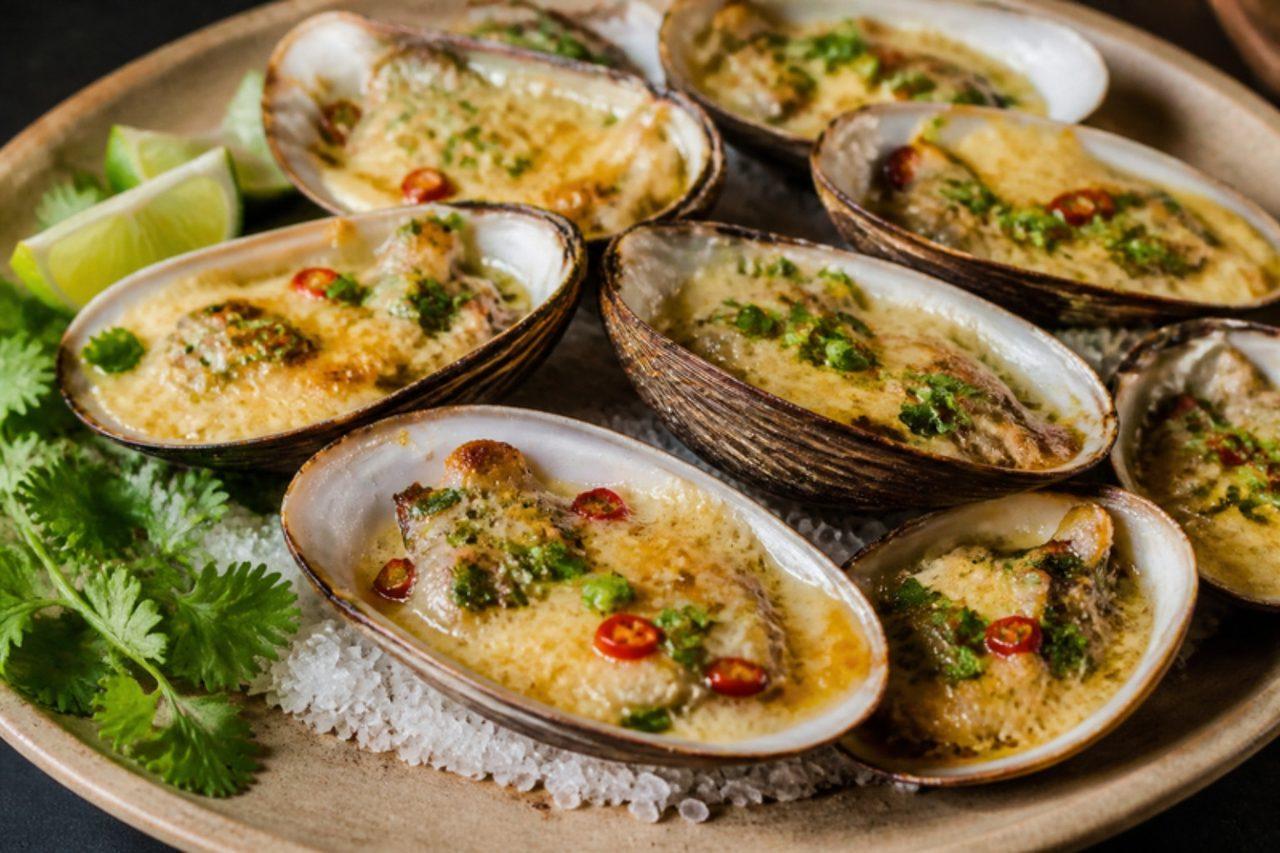
Almejas chocolatas

Loreto, on the Gulf of California side of Baja, is famous for its almejas chocolatas: large clams named for their glossy brown shells, sold by local divers and cooked at seafood stands along the bay. One popular way is to open them, top the meat with butter, garlic, chilli and melting cheese, and bake them until bubbling. Chocolate clams are rarely found elsewhere, so use the largest hard-shell clams you can buy, such as quahogs or cherrystones. Serve them hot as a starter with lime and cold drinks. Chef's tip: chop the clam meat before returning it to the shell, so every bite gets butter and cheese instead of one chewy mouthful.

by KrazyBadal 0 views

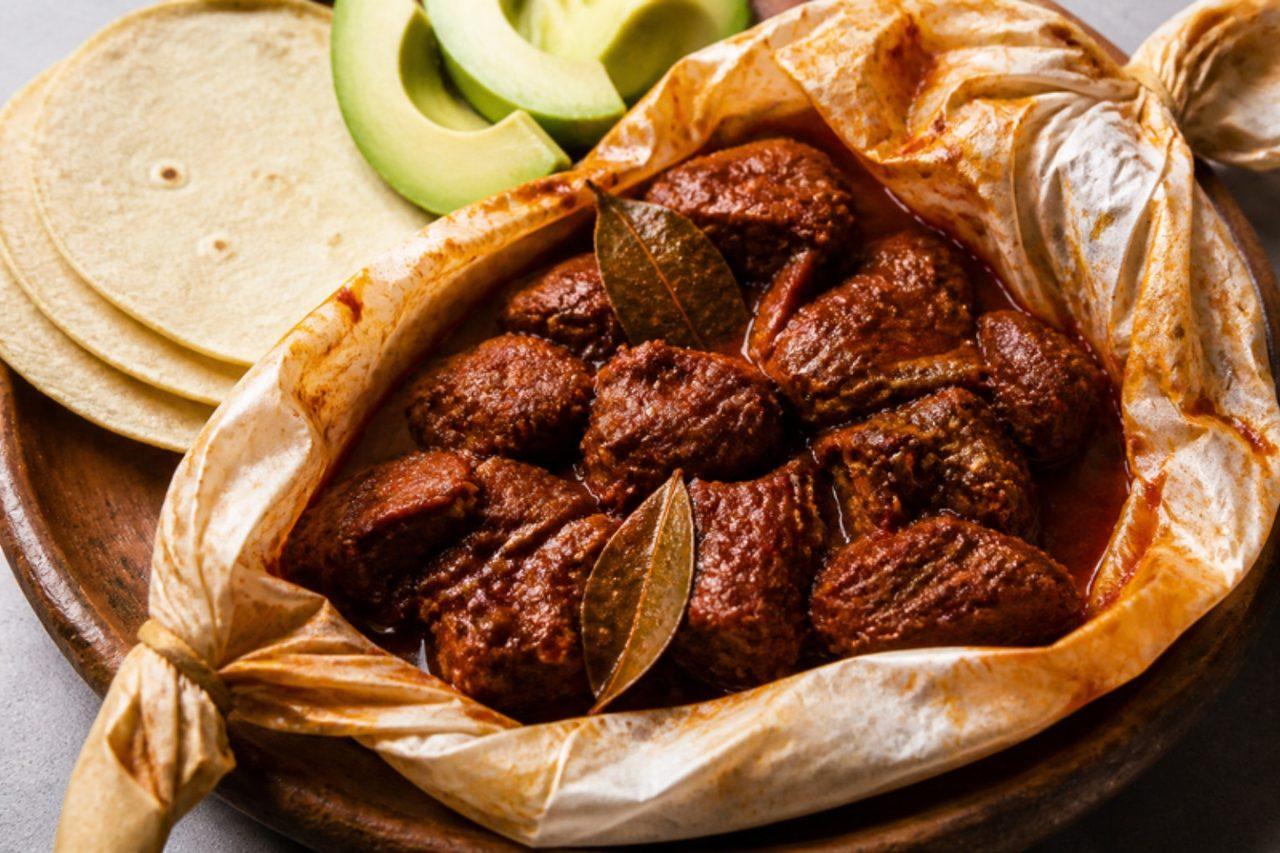
Mixiotes

Mixiotes belong to the high plains of Hidalgo and Tlaxcala, where they are a Sunday and fiesta dish sold from steaming pots at weekly markets. Chunks of lamb (or chicken) are soaked in a dark, aromatic paste of guajillo and ancho chillies with garlic, cumin and cloves, wrapped in parcels and steamed until the meat collapses into its own rich red juices. The traditional wrapper is mixiote, the thin skin peeled from maguey leaves, which is now protected and hard to buy, so this recipe uses baking parchment tied with string. The lamb marinates in the fridge for at least 4 hours or overnight. Open the parcels at the table and serve with corn tortillas, salsa verde and avocado. Chef's tip: twist and tie the parcels tightly so no steam gets in; a sealed parcel keeps the sauce thick and concentrated.

420 minMexicanMeatGluten freeSpicy
by KrazyBadal 0 views

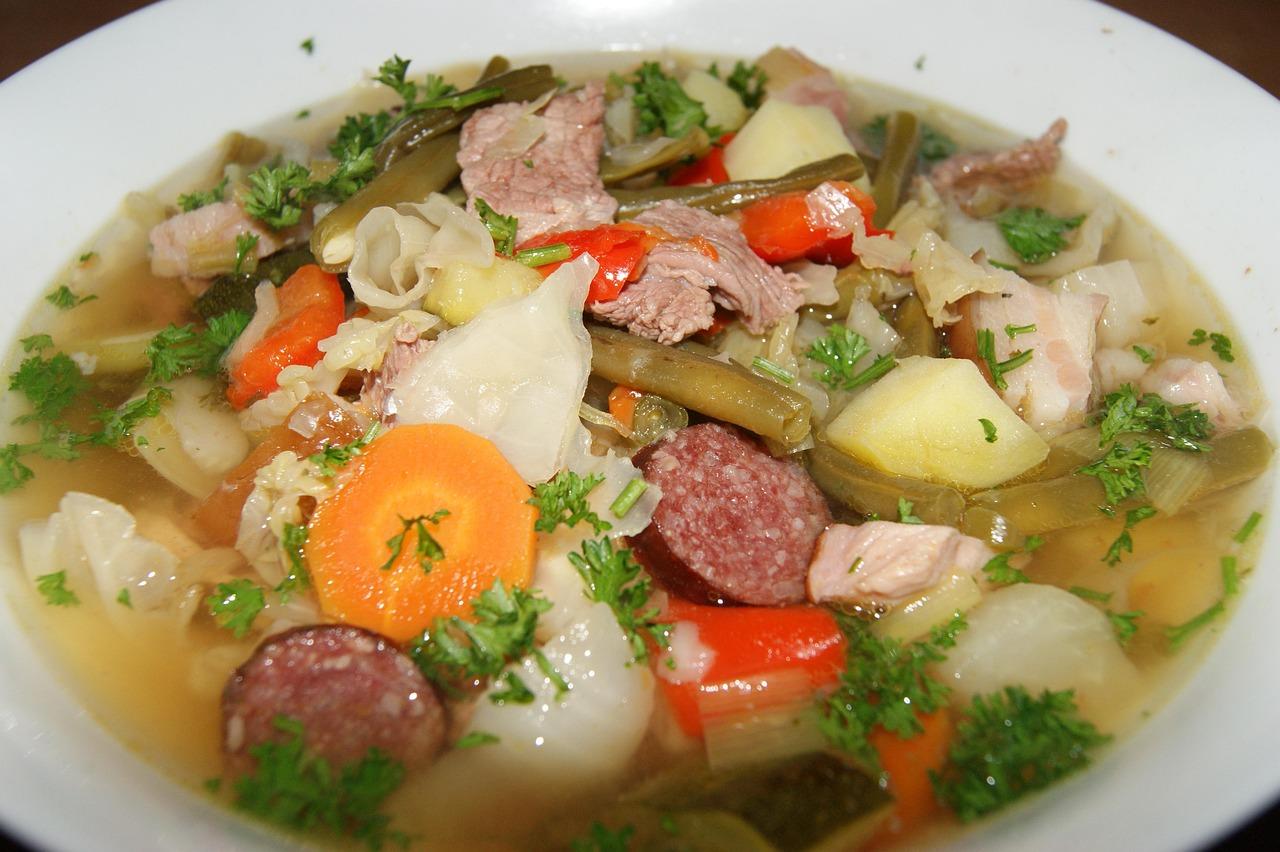
Potée auvergnate

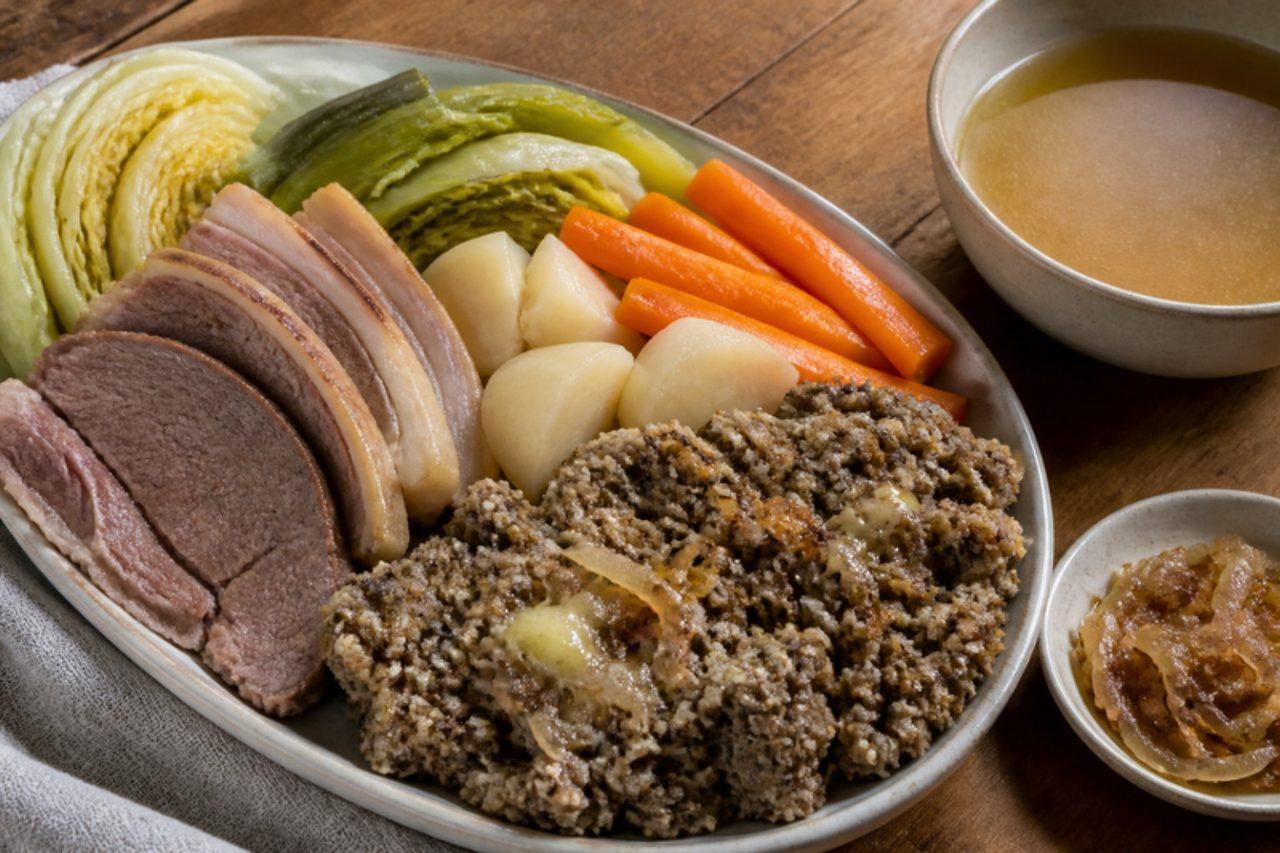
High in the Massif Central, potée auvergnate is what farmhouses put on the stove when the first frosts arrive: a pork dish of salt pork belly and smoked pork sausage simmered slowly with savoy cabbage, carrots, turnips and potatoes. The broth comes out clear, smoky and gently salty, and the vegetables soak up all that pork flavour while keeping their shape. In the Cantal it is served in two rounds, the broth poured over slices of toasted country bread first, then the meat and vegetables on a big platter with strong mustard and gherkins. Chef's tip: soak the salt pork first and taste the broth before you add any salt; between the belly and the sausage it rarely needs more.

180 minFrenchMeat
by KrazyBadal 0 views

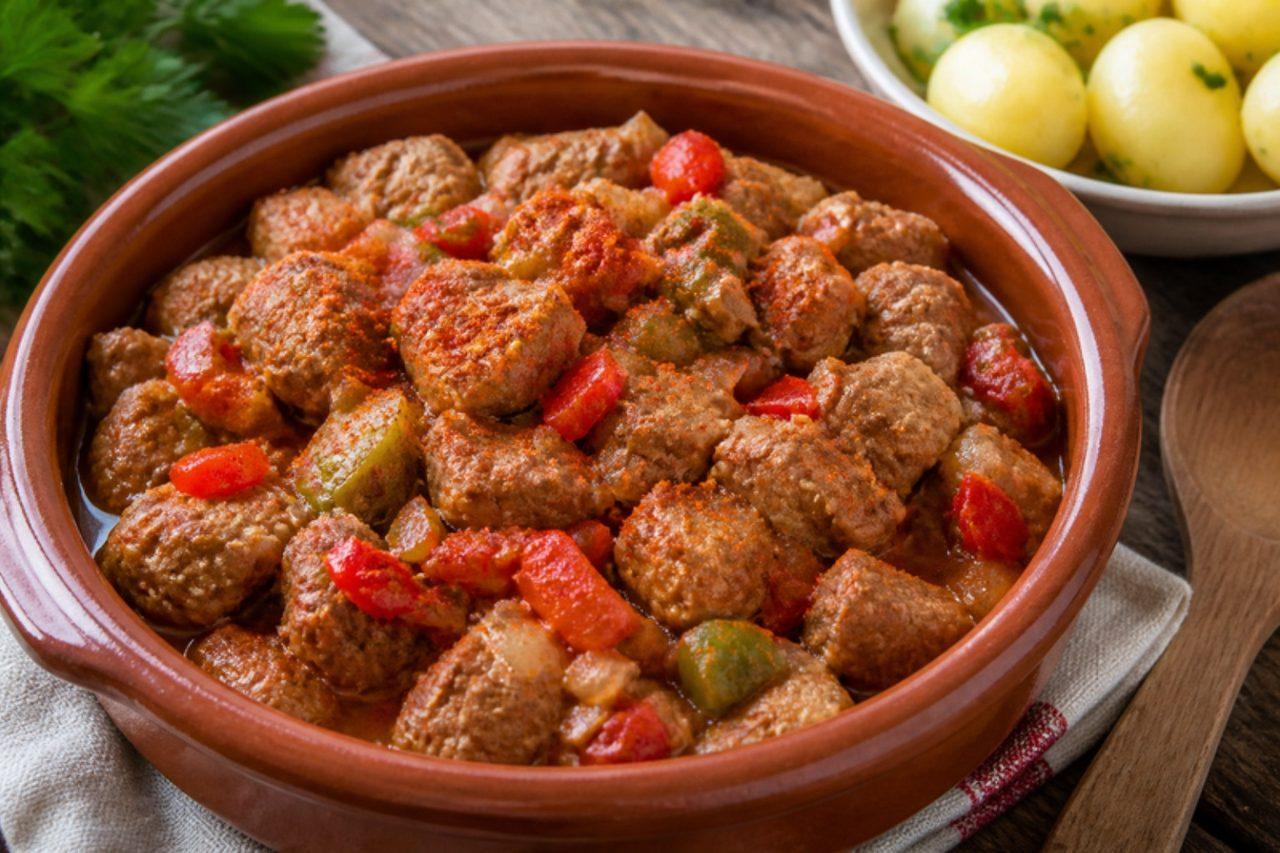
Axoa de veau

Axoa (say 'ash-o-a') comes from Espelette, the Basque village whose house fronts are hung with strings of drying red peppers every autumn, and it is still the dish of the October pepper fair and of market-day lunches in Cambo and Bayonne. Veal shoulder is cut into small dice, then stewed with onions, mild green peppers and a good spoonful of ground Espelette pepper, which brings warmth and a fruity, smoky perfume rather than real fire. The result is soft, juicy and brick-red at the edges, best spooned over boiled potatoes or with crusty bread. Chef's tip: stir most of the Espelette pepper in at the end of cooking; long simmering dulls its fragrance.

70 minFrenchMeatGluten free
by KrazyBadal 0 views

Garbure

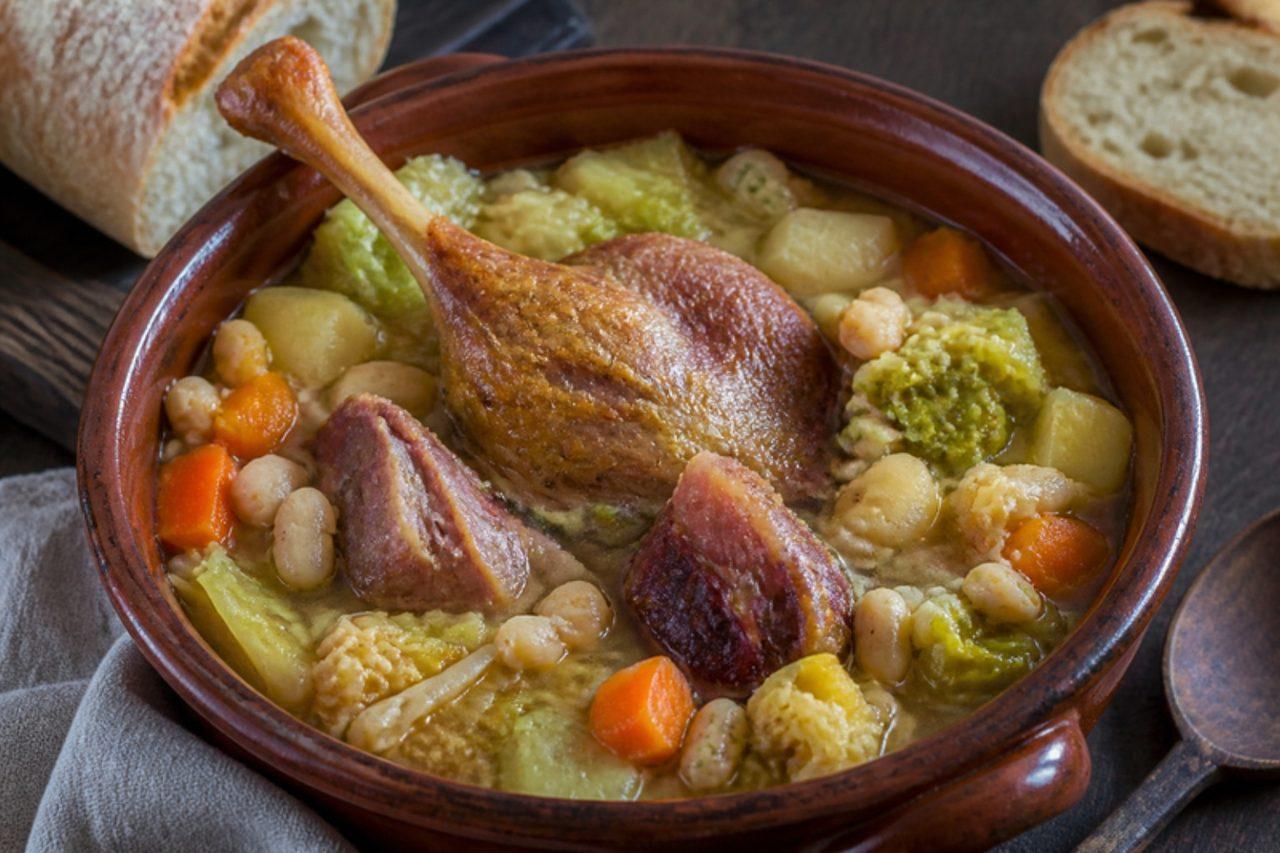
Shepherds in the Béarn valleys and farmers across Gascony have eaten garbure through the cold months for centuries, and it is still the centrepiece of village rugby-club suppers and winter fêtes. It is a soup so thick that, as people in Pau like to say, the ladle should almost stand up in it: white beans, cabbage, potatoes, leeks and turnips cooked down slowly, finished with pieces of duck confit warmed through in the pot. A ham hock is often added too; that version is a pork dish as well as a duck one, so leave it out if you need to. Serve it in deep bowls with thick slices of country bread. Chef's tip: hold back the salt until the very end, because confit duck and ham hock both season the soup as they warm.

180 minFrenchSoupsGluten free
by KrazyBadal 0 views

Confit de canard, pommes sarladaises

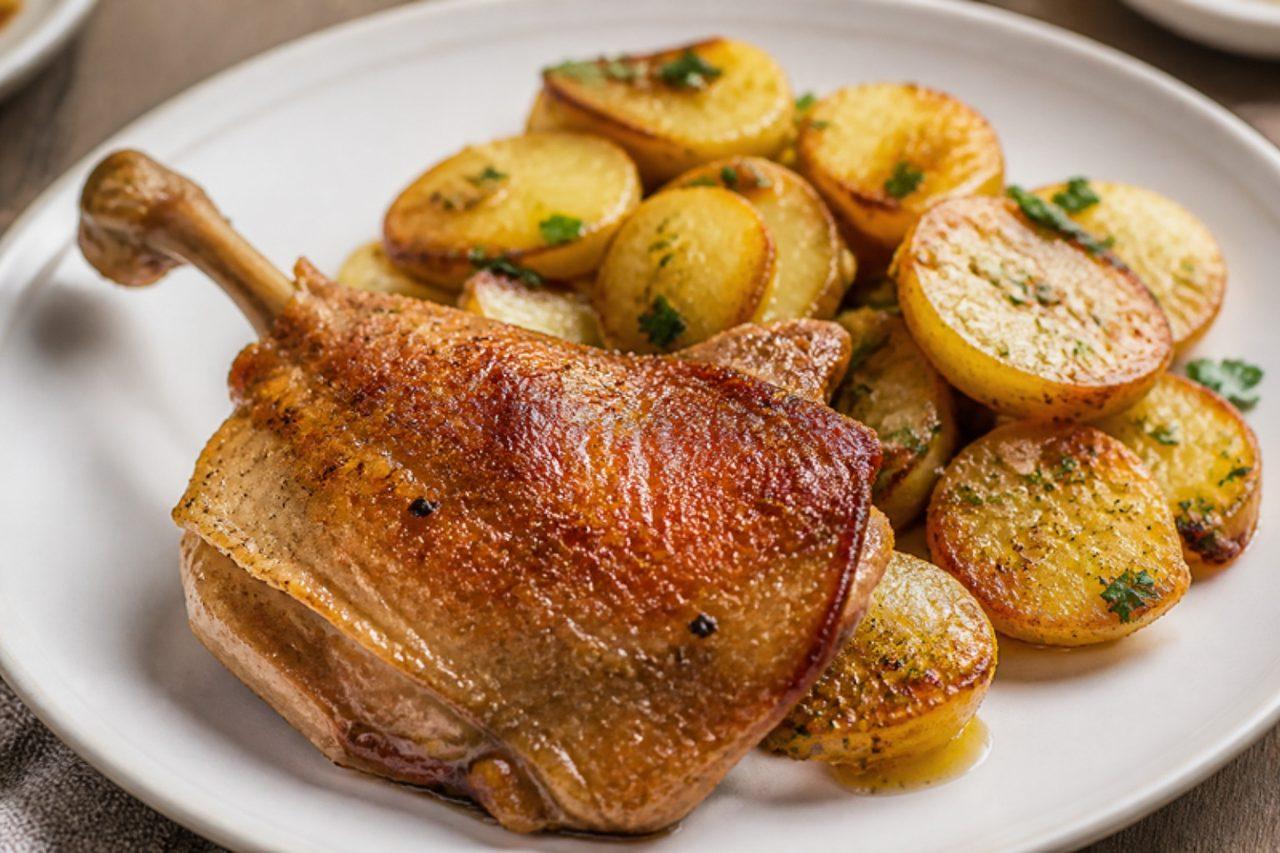
Every farmhouse in the Périgord and Gascony once lined its larder with stoneware jars of confit, duck legs salted, cooked slowly in their own fat and sealed under it to last the winter. Today it is the order of the day at Sarlat's Saturday market restaurants, served with pommes sarladaises: potato slices fried in that same duck fat until golden, then tossed with garlic and parsley. The skin should crackle and the meat should fall from the bone in soft, savoury shreds. The legs are cured for 12–24 hours in the fridge before cooking, so start the day before; a sharp green salad with walnut oil is all it needs alongside. Chef's tip: add the garlic and parsley to the potatoes only in the last two minutes, so the garlic stays sweet instead of turning bitter.

240 minFrenchMeatGluten free
by KrazyBadal 0 views

Entrecôte bordelaise

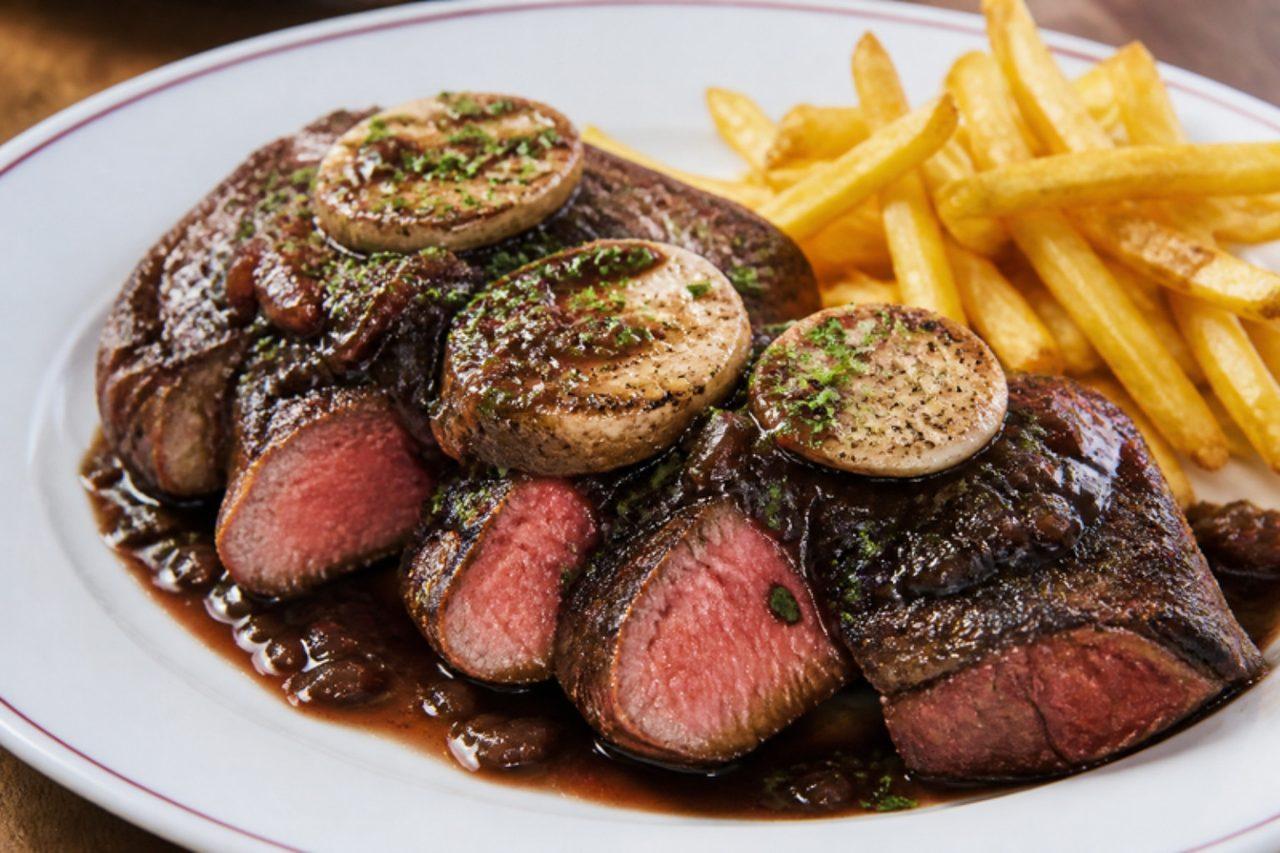
Bordeaux's brasseries, from the quays of the Garonne to the old Chartrons wine-merchant quarter, still grill entrecôte over vine cuttings and serve it with sauce bordelaise: shallots, thyme and red wine reduced to a syrup, then enriched with stock and cold butter. Poached bone marrow, folded in at the end, is the old-school touch and well worth trying. The sauce is glossy, deep and a little sweet against the well-browned, juicy steak. The sauce uses red wine; the ingredient note gives an alcohol-free version. Serve with frites or sautéed potatoes and a crisp green salad. Chef's tip: let the steaks sit out of the fridge for 30 minutes before cooking so the centre cooks evenly.

50 minFrenchMeat
by KrazyBadal 0 views

Kig ha farz

Kig ha farz, "meat and stuffing" in Breton, belongs to the Léon country of north Finistère, where it is still the big shared dish of village fêtes, rugby-club dinners and family gatherings. Beef shin and salt pork belly simmer for hours with cabbage, carrots, leeks and turnips, and in the same pot sits a cotton bag of buckwheat batter that cooks into a dense, nutty pudding. The pudding is crumbled and served with the meats and vegetables, often with lipig, a sauce of shallots melted in butter. Chef's tip: tie the cloth bag loosely, leaving room for the batter to double, or the pudding turns heavy and rubbery.

250 minFrenchMeat
by KrazyBadal 0 views

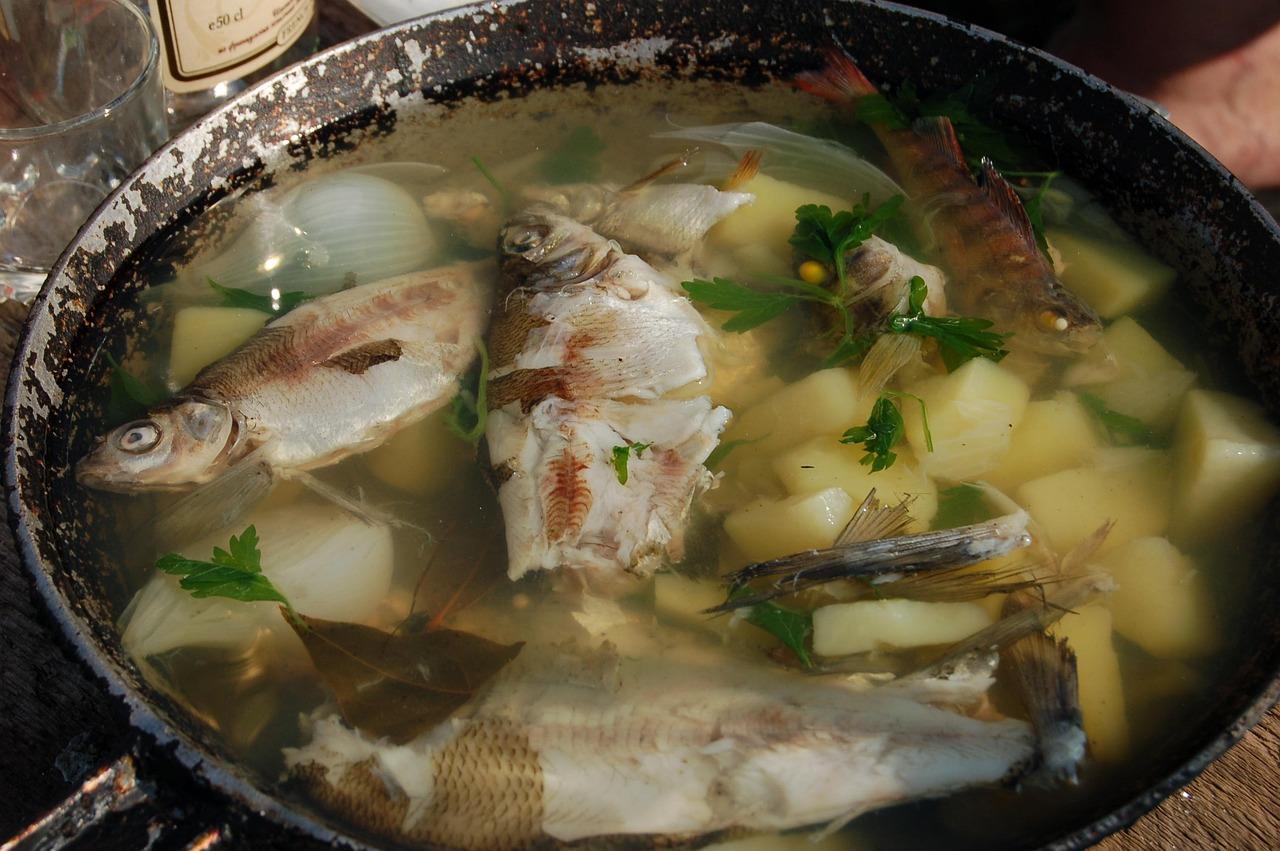
Cotriade

Cotriade is the Breton answer to bouillabaisse, plainer and kinder on the purse, made in the ports of the south coast from Concarneau to Quiberon with whatever the boats could not sell. Chunks of several fish, both firm and oily, are poached with potatoes and onions in a thyme-scented broth, then served in two parts: the broth poured over toasted bread, and the fish and potatoes moistened with a sharp mustardy vinaigrette. The contrast of the soft, buttery broth and the bright dressing is the whole point. Serve it with good bread and salted butter. Chef's tip: add the firm fish first and the delicate ones last, so nothing falls to pieces in the pot.

by KrazyBadal 0 views

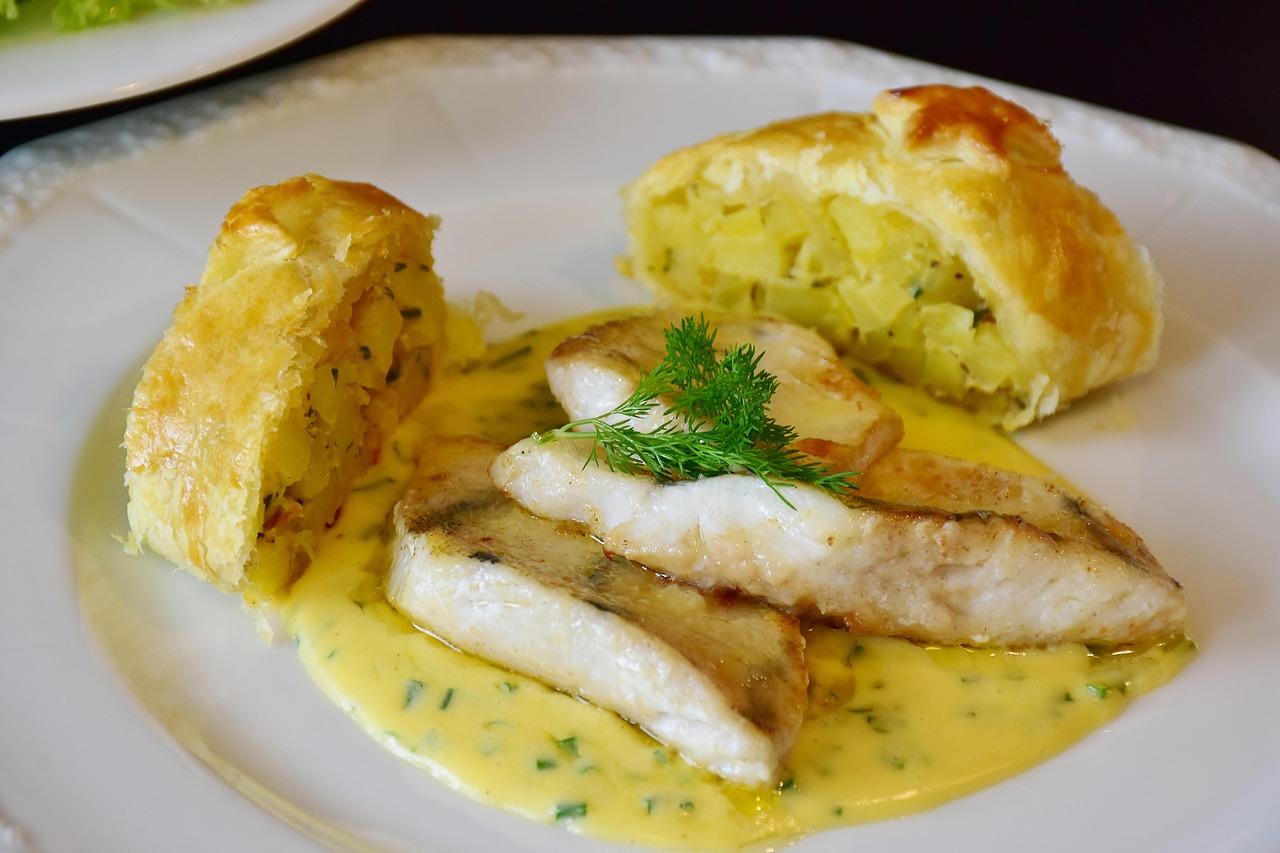
Sandre au beurre blanc

Beurre blanc was first whisked up on the banks of the Loire near Nantes, and riverside restaurants from Anjou to the Muscadet vineyards still serve it with sandre, the firm, mild pike-perch of the river. The sauce is nothing but shallots reduced in white wine and vinegar, then mounted with cold butter into a pale, foamy emulsion that tastes sharp and creamy at once. The crisp-skinned fish sits on top, with steamed potatoes or leeks alongside. The reduction uses dry white wine; an alcohol-free option is in the notes. If you can't find pike-perch, sea bass or hake fillets are good substitutes. Chef's tip: keep the butter fridge-cold and add it a few cubes at a time, and the sauce will never split.

30 minFrenchFishGluten free
by KrazyBadal 0 views

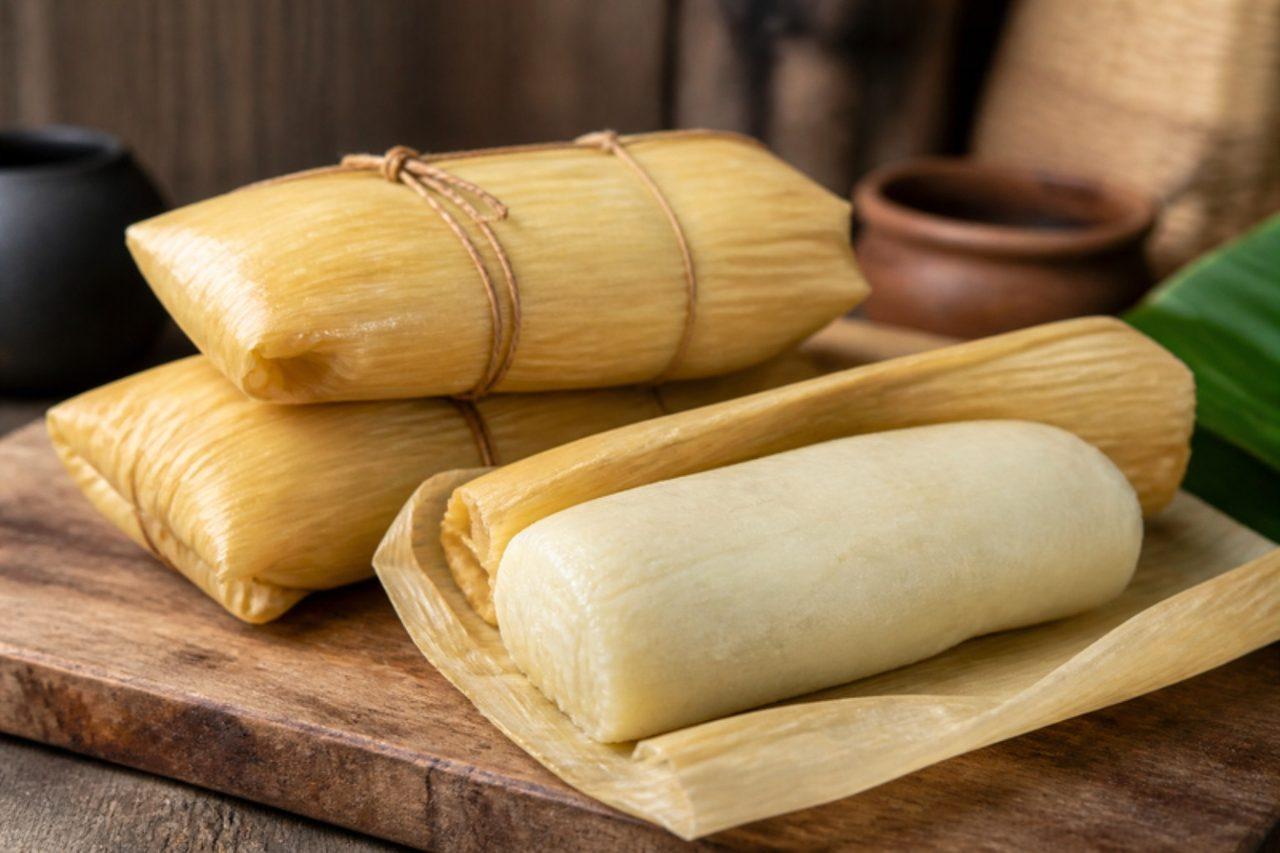
Bollo de yuca

Along the Caribbean coast from Cartagena to Santa Marta, the bollo de yuca is a staple to set beside fried fish, a bowl of soup or a slice of fresh white cheese. Raw cassava is grated, kneaded with a little salt and sometimes a few anise seeds, then wrapped and boiled until it turns translucent and pleasantly chewy, with a mild, slightly sweet flavour. Market sellers stack them by the dozen, and they keep well, so many households buy enough for several days. Cassava must always be fully cooked and peeled down past the pink inner layer, since the raw root contains natural toxins that cooking removes. Squeezing the grated cassava too hard is the error that ruins it: bone-dry dough gives tough, rubbery bollos, so you only want to press out the loose juice. Frozen grated cassava from Latin or African shops works well. Chef's tip: wet your hands before rolling the logs, because the starch sticks to dry palms.

by KrazyBadal 0 views

Petits pâtés de Pézenas

Pézenas, the old Languedoc town of Molière, is famous for these little pies shaped like cotton reels, sold warm from its bakeries all winter and especially around Christmas. Local legend links them to the Indian cooks of Lord Clive, who stayed nearby in 1768, which would explain the unexpected sweet-savoury filling of minced lamb, brown sugar and lemon zest. They have a crisp, sturdy hot-water crust and a juicy, gently sweet centre with a hint of spice. Eat them warm as a starter, with a green salad, or as a mid-morning snack the way Piscénois do. Chef's tip: shape the pastry while it is still warm and supple; once it cools it cracks instead of folding.

by KrazyBadal 0 views
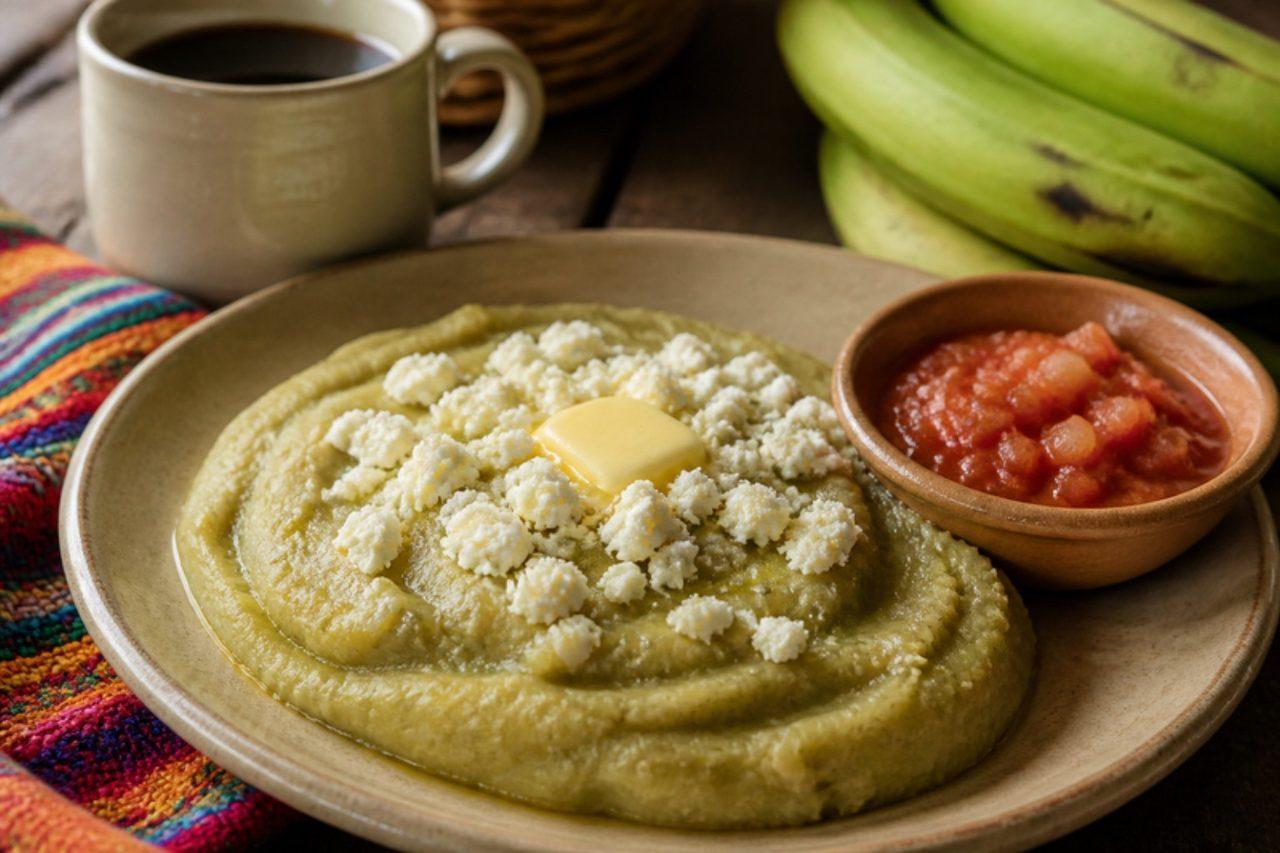
Cayeye

Ask anyone from Santa Marta or Ciénaga what they ate growing up and cayeye will come up quickly. Unripe green bananas, the small cooking kind rather than plantains, are boiled and mashed with butter and grated salty cheese into a soft, slightly sticky purée, then topped with hogao, the tomato and spring onion sauce of Colombian kitchens. Breakfast is its moment, often with a fried egg or a slice of fried cheese and a strong black coffee, and it is filling enough to last until lunch. The cheese on the coast is queso costeño; a firm feta-style cheese works, and since both are usually set with animal rennet, look for a vegetarian microbial-rennet version. Mashing the bananas once they have cooled is the misstep to avoid, because they set into a gluey lump; mash them straight from the pot with a splash of the hot cooking water. Chef's tip: rub your hands with oil before peeling green bananas, as the sap stains skin and boards.

by KrazyBadal 0 views

Oeufs en meurette

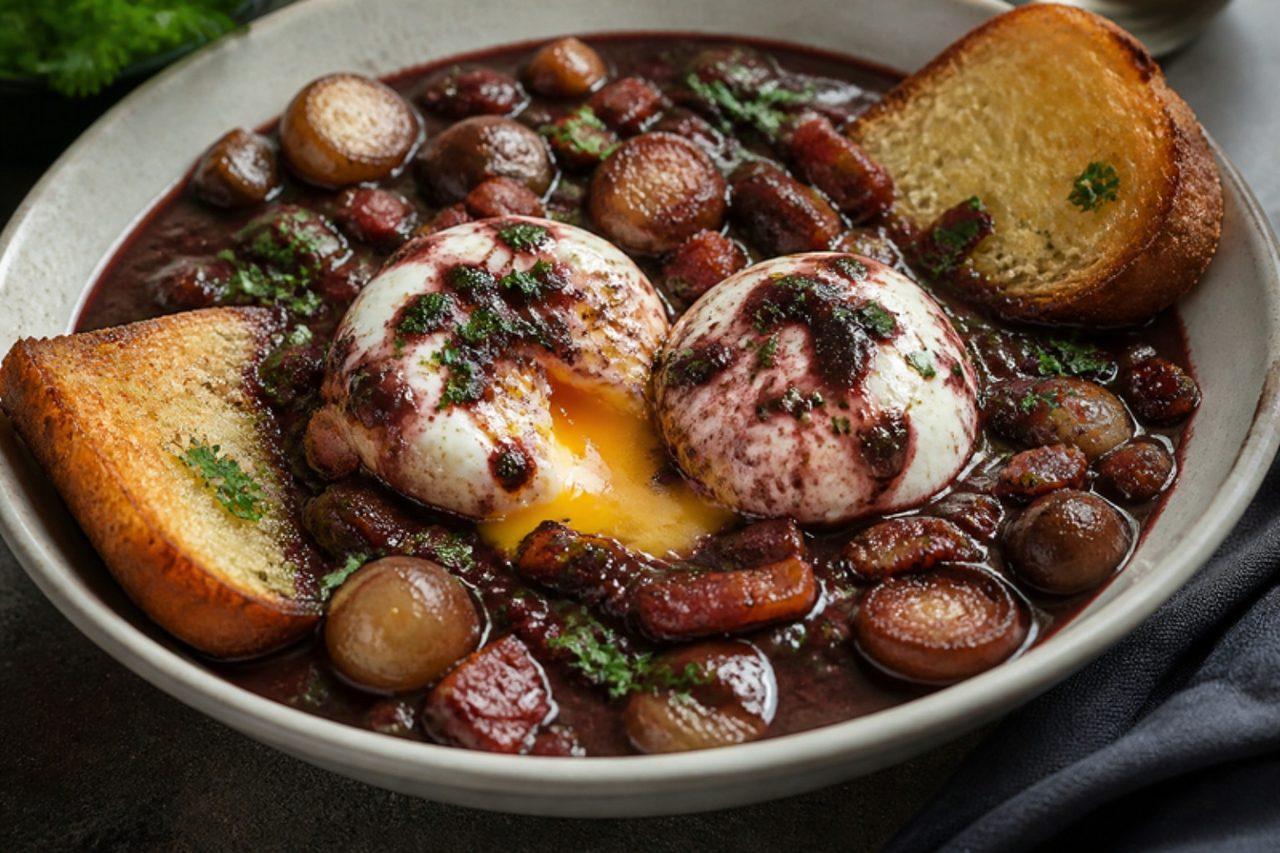
In Burgundy, between Dijon and Beaune, a meurette is any dish cooked in red wine sauce, and oeufs en meurette is the one served as a starter in village restaurants and at weekend lunches. Eggs are poached in a reduced, glossy sauce of red wine, shallots and stock, then served with crisp smoked pork lardons, button mushrooms and garlic-rubbed croutons to dip into the yolks. The sauce is deep, winey and savoury; the eggs make it rich. The dish uses red wine, and an alcohol-free version is in the notes. The yolks stay runny, so use pasteurised eggs for pregnant women, young children, older people or anyone with a weakened immune system, or poach the eggs until the yolks are set. Chef's tip: poach the eggs in water with a dash of vinegar rather than in the wine itself, so the whites stay white.

by KrazyBadal 0 views

Enyucado

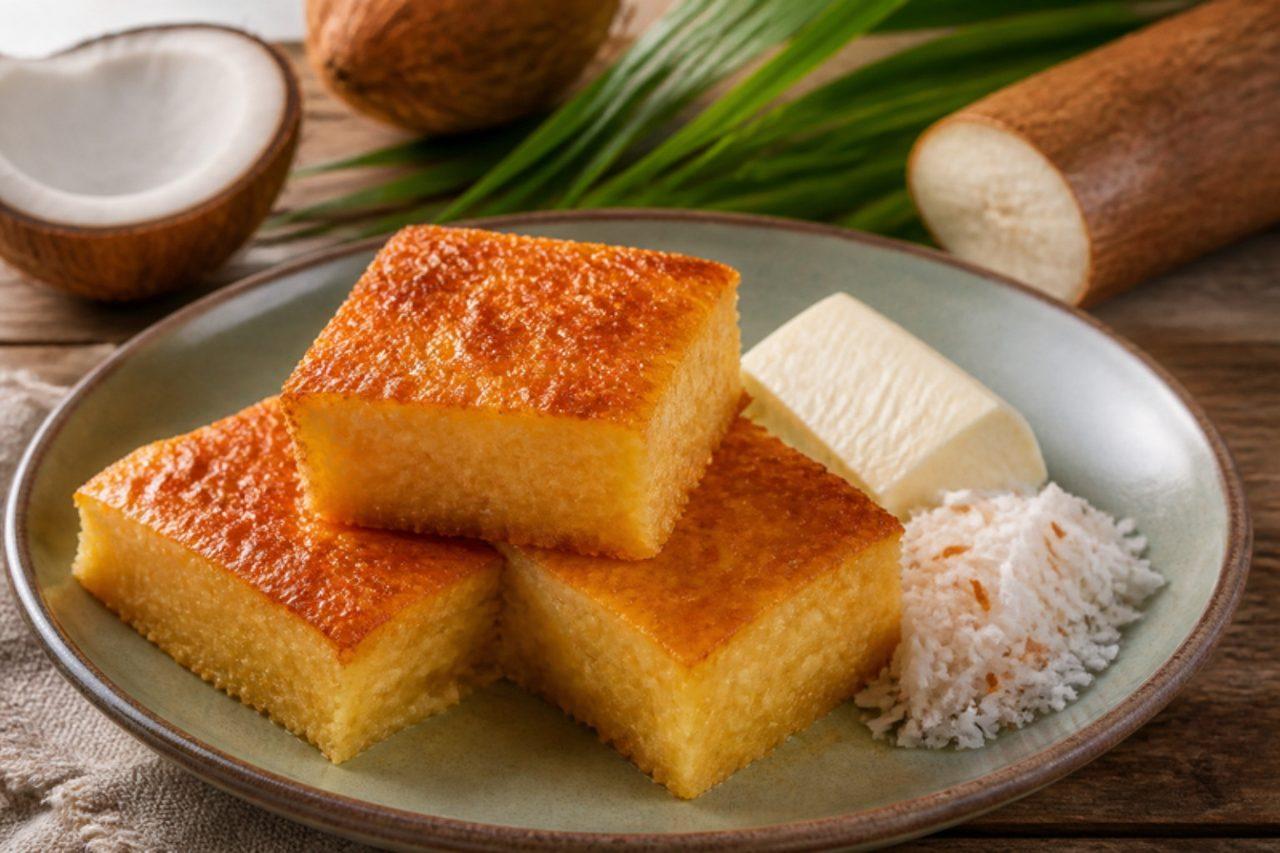
Bakeries and street vendors in Cartagena, Barranquilla and Montería sell enyucado by the square, wrapped in paper, as an afternoon sweet with coffee. It is a dense, moist cassava cake held together by coconut milk, sweetened with sugar, scented with aniseed and given a salty edge by grated white cheese; the top bakes to a golden, slightly chewy crust while the middle stays soft and pudding-like. It is also a fixture at birthday and holiday tables along the coast. Queso costeño is the cheese used; a firm feta-style one is the nearest swap, and as both are usually set with animal rennet, choose a vegetarian (microbial-rennet) cheese. People most often go wrong by cutting it warm: the starch needs at least an hour to set, otherwise the slices are gummy and fall apart. Frozen grated cassava from Latin or African shops saves a lot of work. Chef's tip: squeeze the grated cassava lightly so the cake sets well but stays moist.

by KrazyBadal 0 views

Loubia (white beans in cumin and tomato)

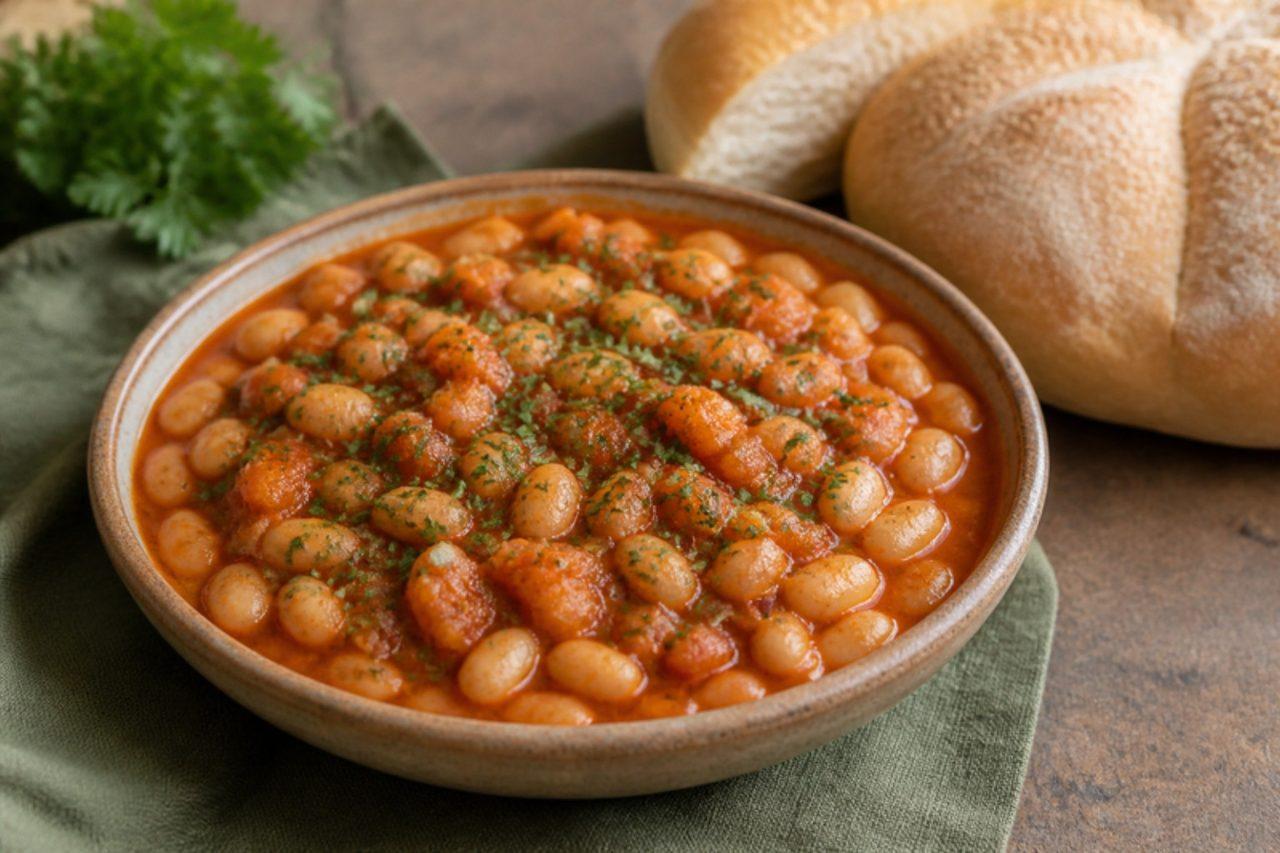
Ask in a Marrakech side street where to eat cheaply and you will be pointed to a stall with a vat of loubia: white beans stewed until creamy in a garlicky tomato sauce spiked with cumin, paprika and a little ginger, ladled into a bowl and eaten with bread. At home the same dish is a weekday staple, often cooked with a piece of meat, but the meat-free version here is just as satisfying and is how plenty of families make it. The sauce should be thick and orange with olive oil pooling on top. A sprinkle of cumin and a drizzle of oil at the table are customary. Avoid adding the tomato before the beans are tender; its acid keeps the skins tough however long they simmer. Chef's tip: soak the beans overnight and cook them until tender before the tomato goes in properly; acid stops beans softening, so loubia rushed with tomatoes from the start can stay chalky.

by KrazyBadal 0 views

Lamproie à la bordelaise (with eel)

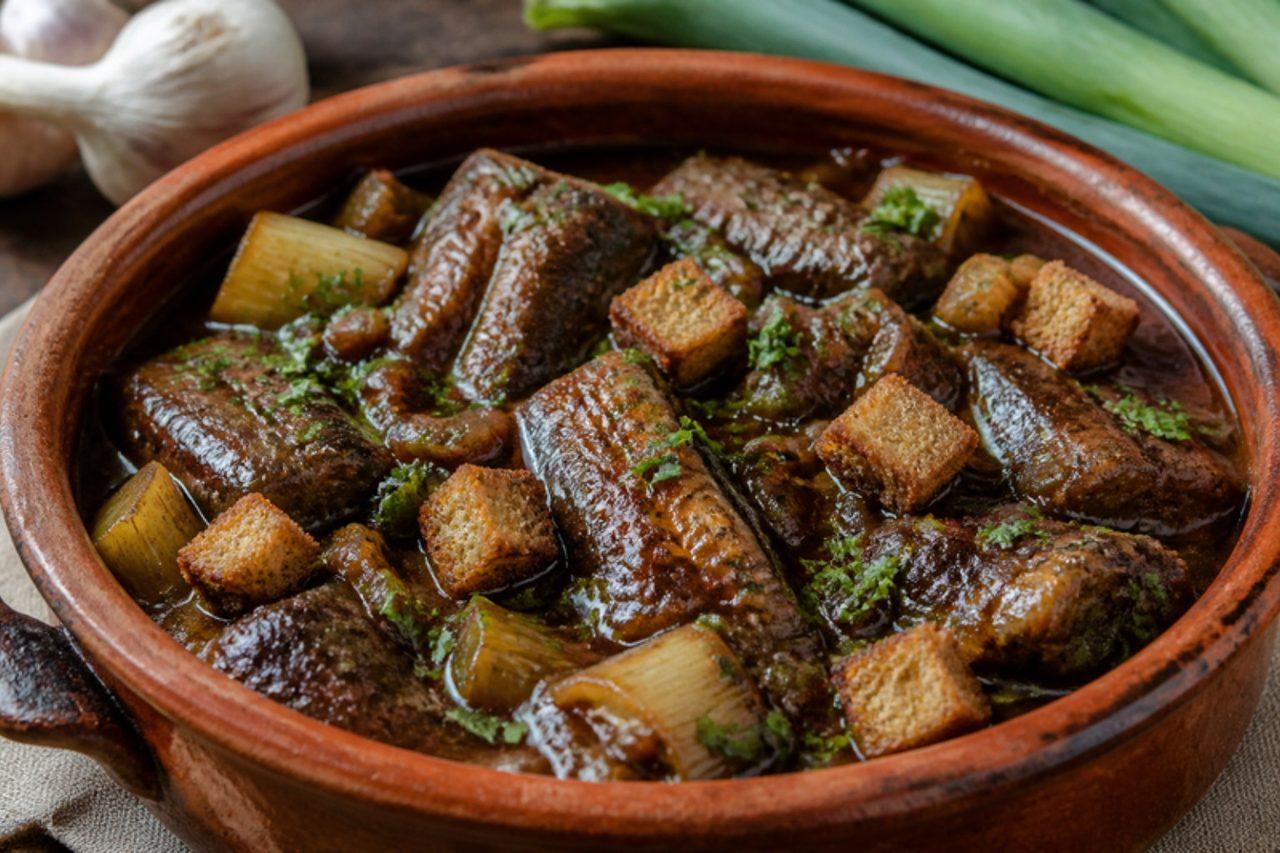
In the Gironde, the spring run of lampreys up the Garonne and Dordogne is celebrated in Sainte-Terre and the villages of the Entre-deux-Mers, where the fish is stewed slowly in red wine with masses of leeks. Lamprey is rare, seasonal and protected in many places, so this is a practical version made with eel (or firm monkfish), which gives the same rich, dark, glossy stew; traditionally the sauce is thickened with the lamprey's own blood, and here a little roux and a square of dark chocolate do that job. It tastes deep and winey, with sweet melting leeks. The dish uses red wine; the ingredient note gives an alcohol-free version. Serve with garlic croutons or boiled potatoes. Chef's tip: ask the fishmonger to skin and cut the eel, and keep it cold until the moment it goes into the sauce.

110 minFrenchFish
by KrazyBadal 0 views

Brandade de morue

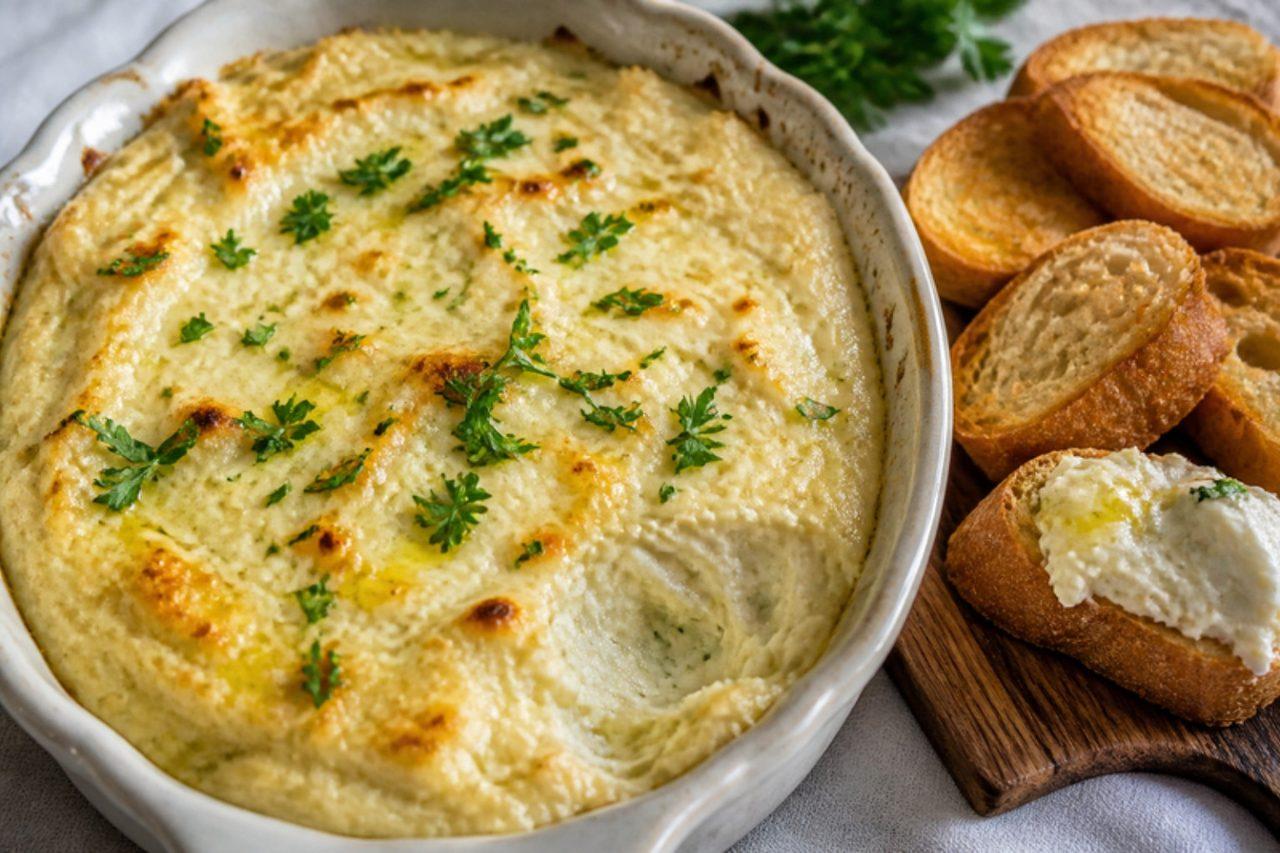
Brandade is Nîmes' great Lenten dish, served on Fridays, on Christmas Eve and as a spread on toast in the bars around the Roman arena during the ferias. Salt cod is poached, then beaten with warm olive oil and milk until it turns into a pale, fluffy, garlicky cream with a gentle salty depth. Nîmes purists make it with fish, oil and milk only; many cooks elsewhere fold in a little mashed potato for a softer texture, which is optional here. The cod needs 24–36 hours of soaking in the fridge first, so plan ahead. Spread it on toasted bread, or bake it in a dish until golden and serve with a green salad. Chef's tip: keep both the oil and the milk warm as you beat them in, so the brandade stays smooth and never splits.

65 minFrenchFish
by KrazyBadal 0 views

Tielle sétoise

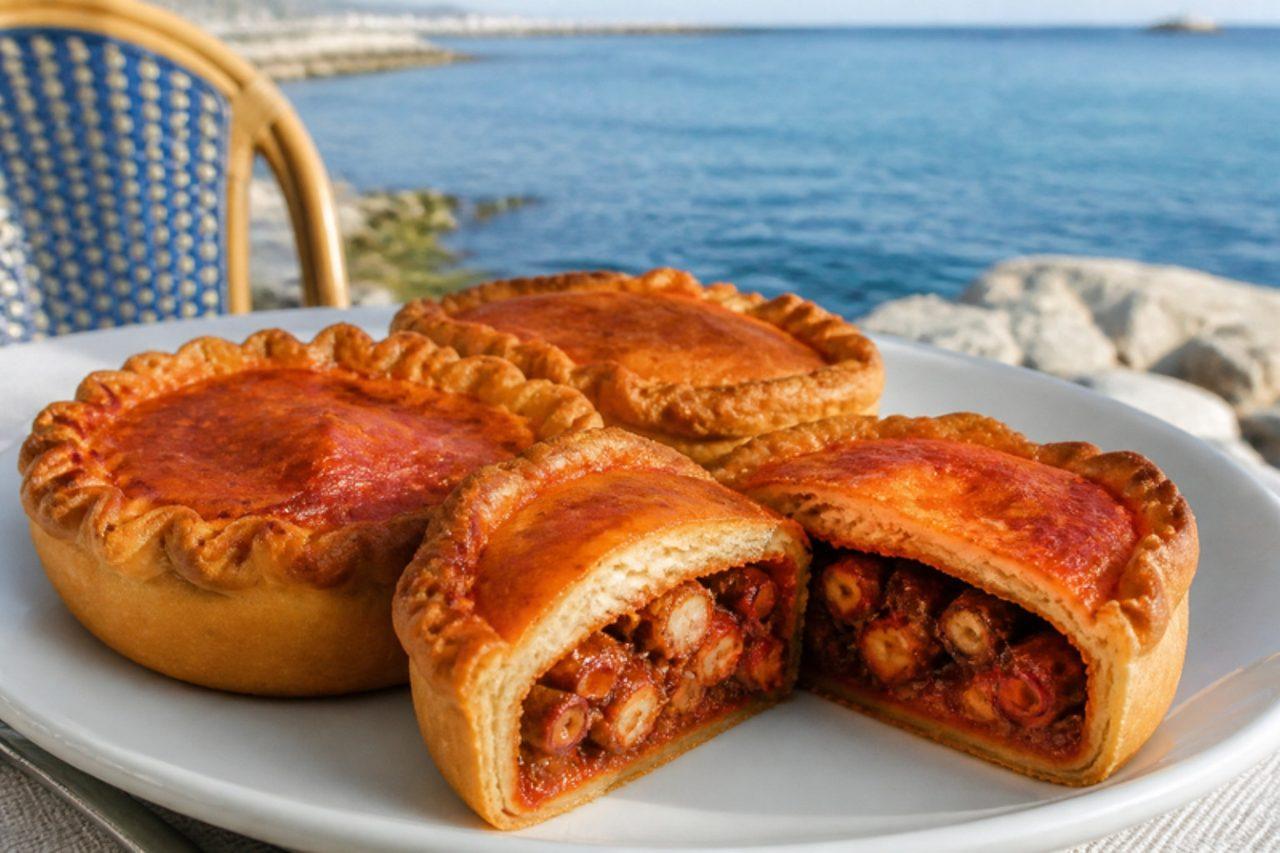
The fishing port of Sète eats tielles everywhere: from bakeries along the canals, at the market on the Halles square, and on the quays during the summer water-jousting festival. Brought by Italian fishing families from Gaeta, the pie wraps a spicy, slow-cooked filling of octopus, onions and tomato in a soft olive-oil bread dough with a fluted, crimped edge. It is chewy, rich and properly peppery, and just as good cold as warm. Cut it into wedges as a snack or serve it with a green salad for lunch. Chef's tip: cook the filling until it is thick enough to hold a line when you drag a spoon through it, or the base will go soggy.

by KrazyBadal 0 views

Soupe de poissons with rouille

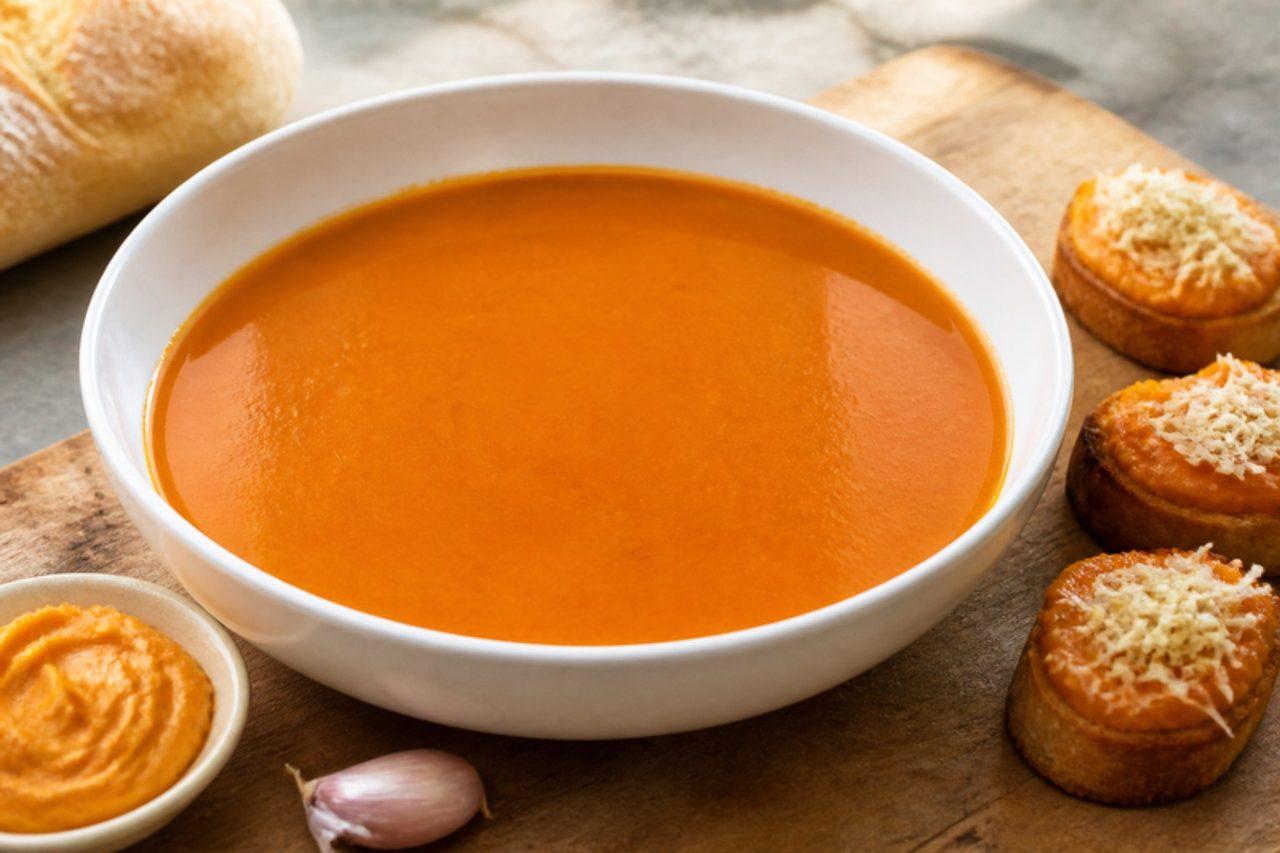
Not to be confused with bouillabaisse, where whole pieces of fish are served, soupe de poissons is the smooth, rust-coloured soup made all along the coast from Marseille to Sète from small rockfish too bony to eat any other way. The fish are fried with fennel, tomato, garlic and saffron, simmered and then pressed through a food mill, giving a velvety soup tasting deeply of the sea. In harbourside restaurants it arrives with a tray of toasted croutons, a pot of fiery garlic rouille and grated cheese, and everyone builds their own bowl. This rouille is thickened with potato and bread, with no raw egg. Chef's tip: press the cooked fish hard through the mill or sieve; the flavour is in the pulp, not just the liquid.

100 minFrenchSoups
by KrazyBadal 0 views

Grand aïoli

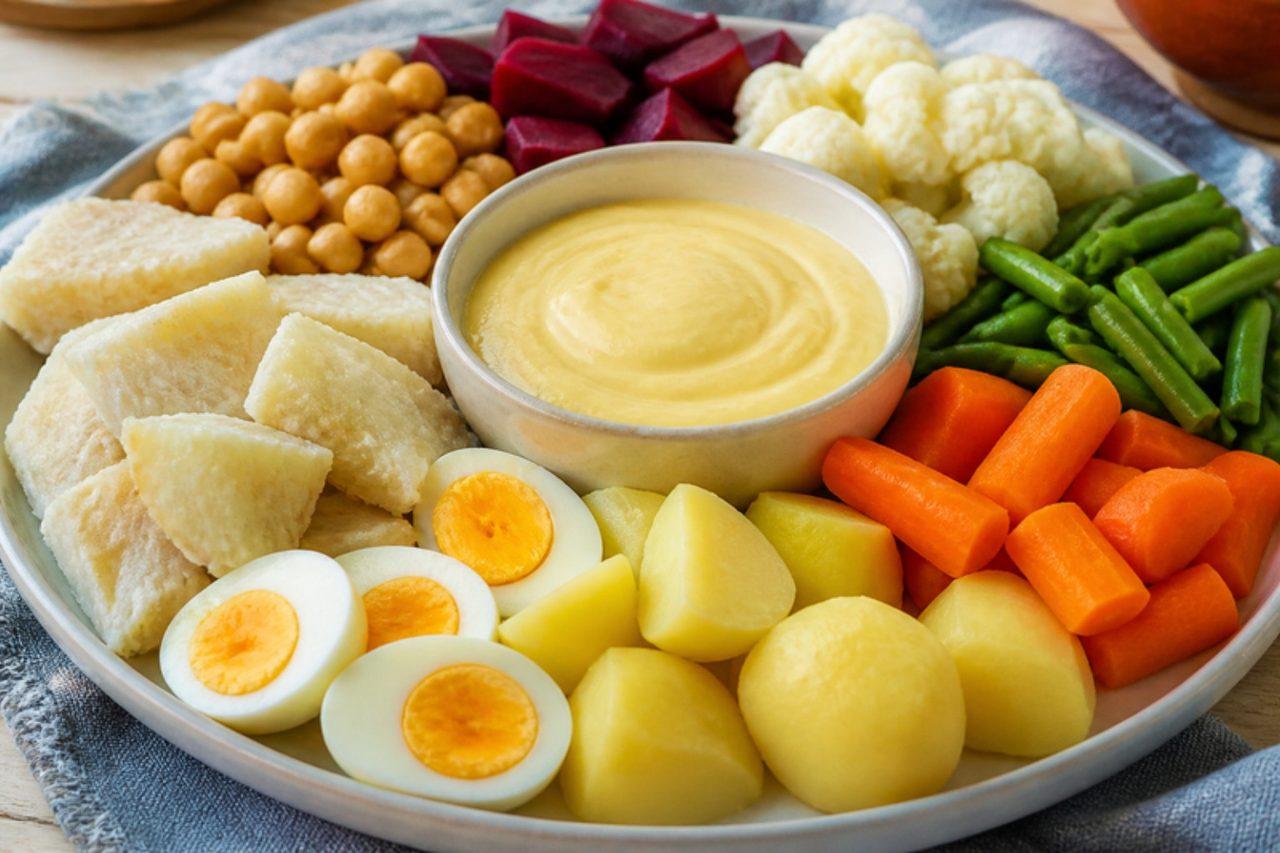
Across Provence, a grand aïoli is the lunch for Fridays, the meatless day, and for summer village fêtes, when long tables are laid under the plane trees and the platters go round. Poached salt cod, boiled potatoes, carrots, green beans, beetroot and hard-boiled eggs are piled up around a bowl of aïoli, the pungent, golden garlic mayonnaise that gives the meal its name. It is plain food made thrilling by that sauce, so use your best olive oil. The salt cod needs 24–36 hours soaking in the fridge, so start early. Because the aïoli is made with raw egg yolk, use pasteurised egg yolks if you are serving pregnant women, young children, older people or anyone with a weakened immune system. Chef's tip: start the aïoli with a pinch of salt and pounded garlic, and add the oil drop by drop until it thickens.

85 minFrenchFishGluten free
by KrazyBadal 0 views

Daube provençale

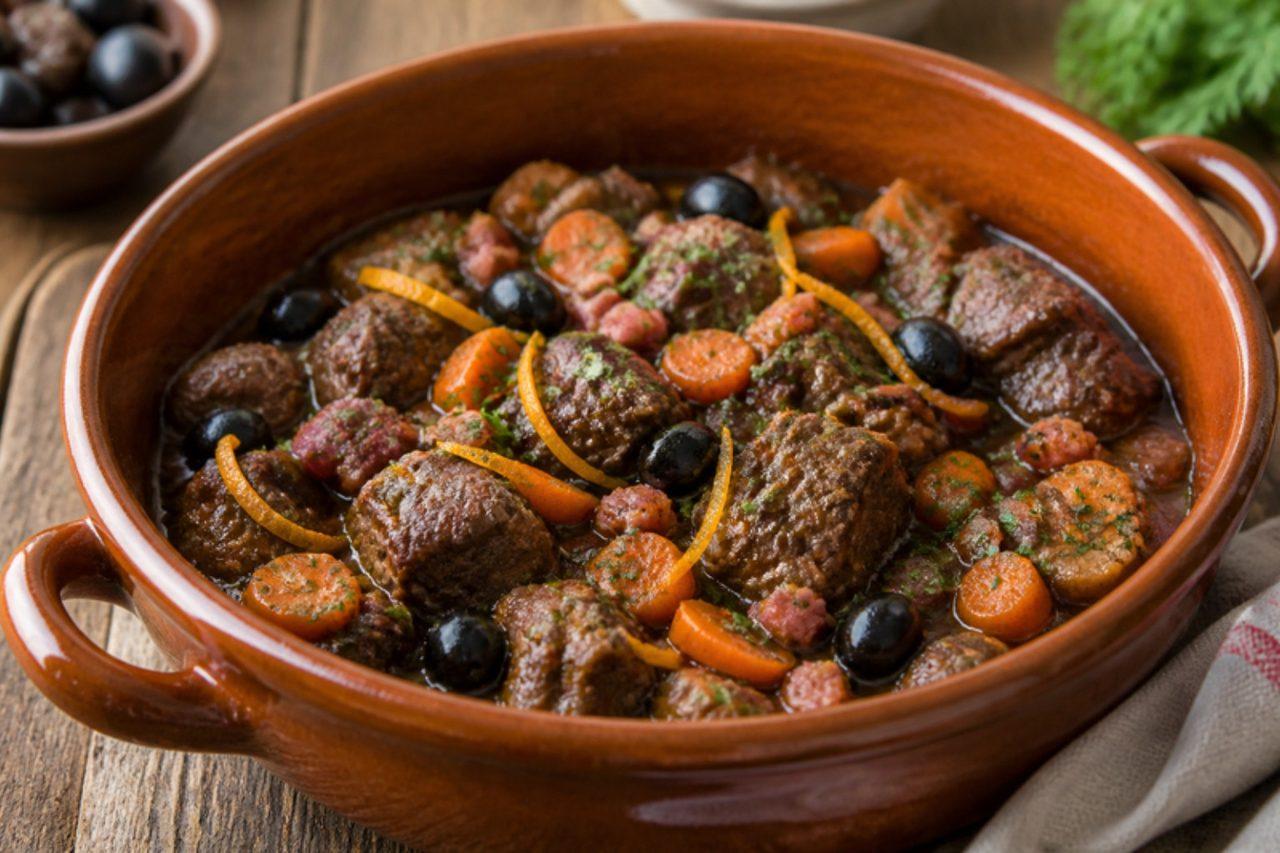
In Provence the daube is the Sunday and winter-feast dish, traditionally simmered all morning in a pot-bellied clay daubière at the edge of the fire. Chunks of beef are marinated overnight in the fridge with red wine, garlic, herbs and a strip of orange peel, then braised slowly with black olives until the sauce turns dark, glossy and fragrant with citrus. It uses red wine, and the ingredient note gives an alcohol-free version; the optional smoked lardons make it a pork dish too. In Avignon and Nice the leftover sauce dresses macaroni (the macaronade), but polenta or plain boiled potatoes are just as good. Chef's tip: make it a day ahead; it tastes even better reheated, and the fat is easy to lift off once cold.

250 minFrenchMeatGluten free
by KrazyBadal 0 views

Pan bagnat

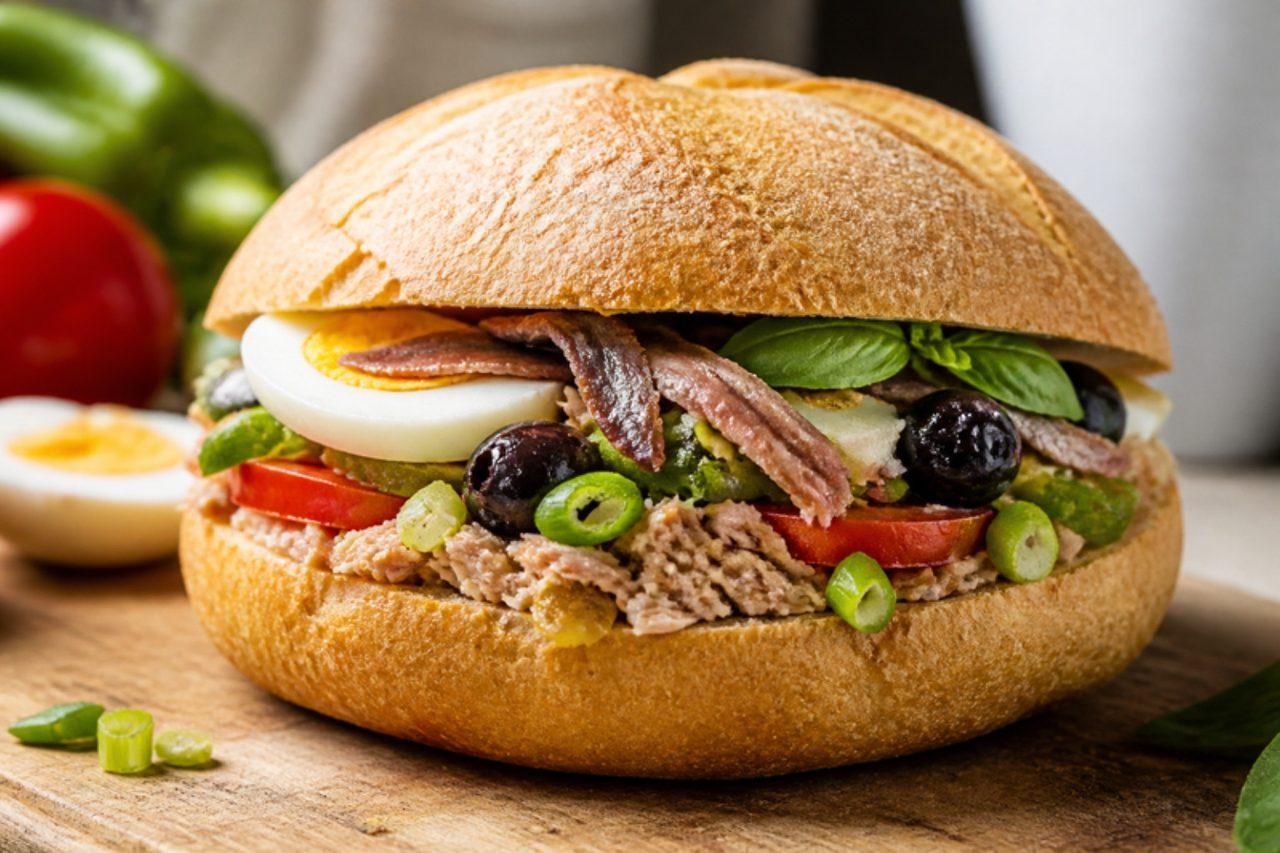
Pan bagnat, 'bathed bread' in Niçois, is the beach and market lunch of Nice, sold wrapped in paper from kiosks around the Cours Saleya and packed for picnics on the pebbles of the Promenade. A round crusty roll is soaked with fruity olive oil and filled with everything that goes into a salade niçoise: tuna, anchovies, hard-boiled egg, tomato, sweet green pepper, spring onion and black olives. Pressed for an hour, it turns juicy, compact and easy to eat in big, messy bites. Serve it on its own or with a few radishes and a glass of something cold. Chef's tip: rub the cut bread with garlic before the oil goes on; it perfumes every bite without overpowering the fish.

by KrazyBadal 0 views

Suero costeño

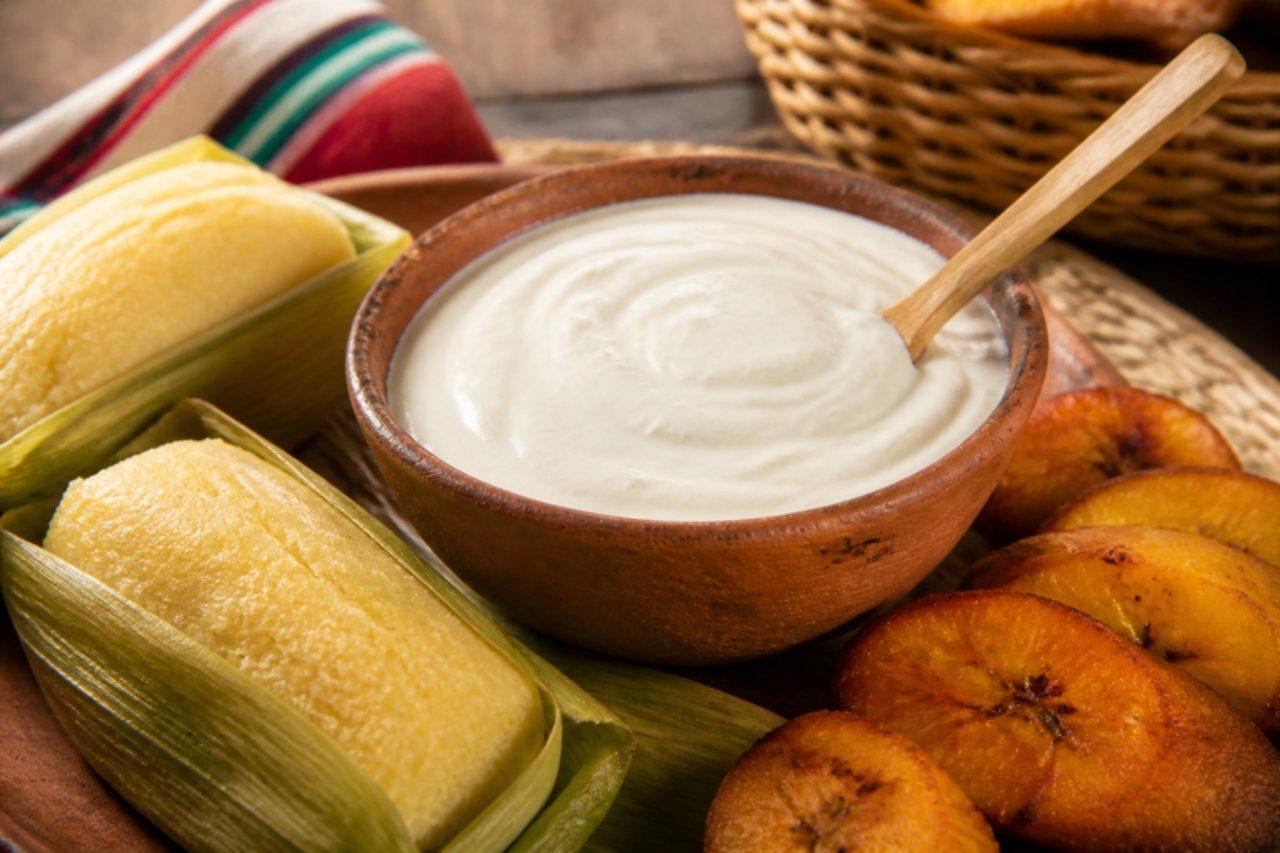
Market stalls in Montería, Sincelejo and Valledupar sell suero costeño from big tubs, ladled into bags: a sour, salty, spoonable cream that goes onto bollos, arepas, boiled cassava, fried plantain and mote de queso. Traditionally it comes from raw milk left to sour in the heat. This home version keeps the flavour but uses pasteurised cream and milk with live yogurt as a starter, which is far safer. Plan for 12–24 hours of fermenting plus chilling. Hygiene matters: wash the jar and spoon in hot soapy water and scald them with boiling water, never use raw milk, and keep the jar at room temperature (20–25 °C, out of direct sun) for no more than 24 hours before it goes into the fridge. Throw it out if you see mould, pink or orange patches, or it smells putrid rather than pleasantly sour. Leaving it out too long is the big mistake: it goes bitter and separates. Chef's tip: salt only after fermenting, as salt slows the cultures.

by KrazyBadal 0 views

Raspao

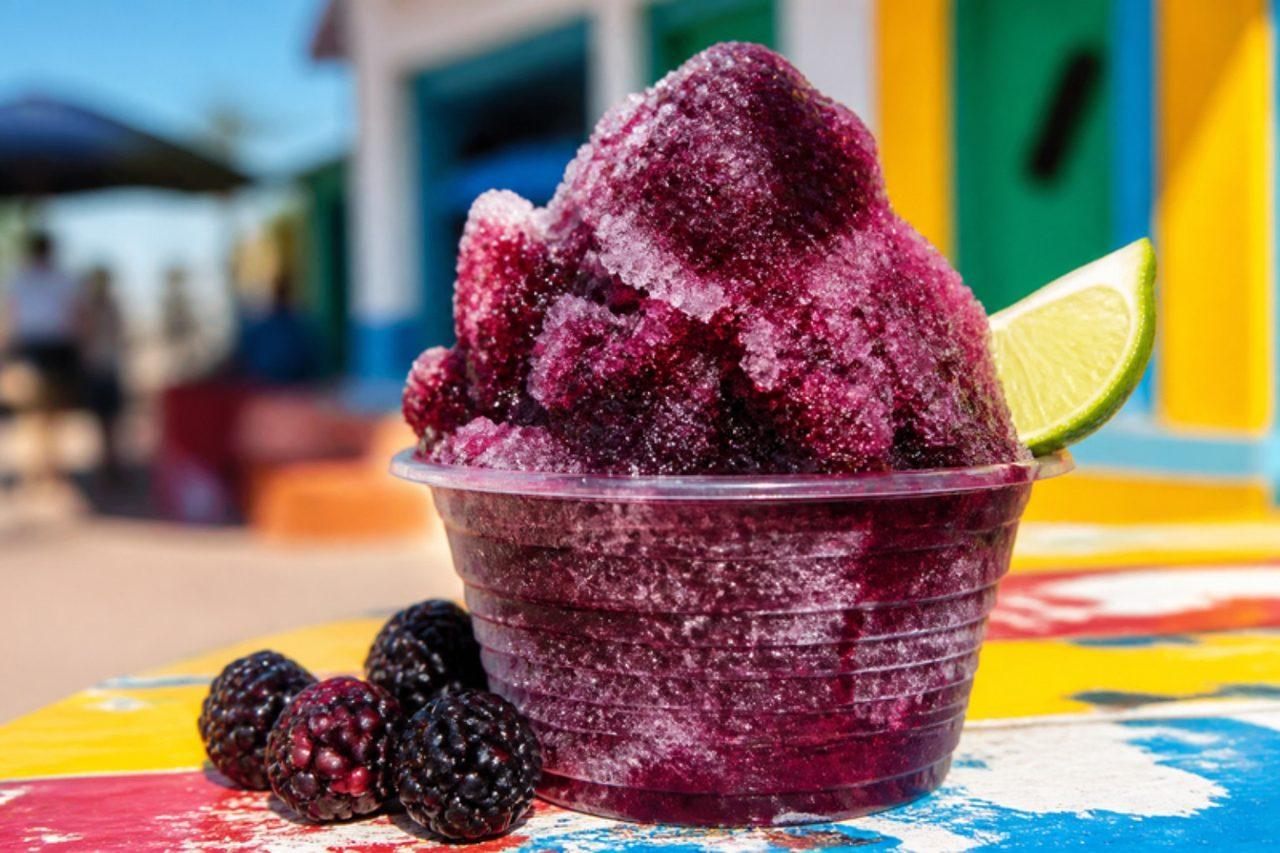
On a hot Barranquilla afternoon, the raspao cart is the fastest way to cool down. The vendor scrapes a block of ice with a metal plane, packs the snow into a cup and floods it with bright syrups: kola, tamarind, lime, blackberry. Many add a ribbon of condensed milk on top, but this version stays vegan and lets the fruit carry it. Children love it, and it is a fun one to make at home with a blender and a jug of syrup. The usual misstep is pouring warm syrup over the ice, which melts it to slush in seconds, so chill the syrup completely first. Make the syrup a day ahead if you like; it keeps a week in the fridge. Chef's tip: freeze water in a shallow tray, then blitz the slab in pieces with a few pulses for fluffier, snow-like ice than ice cubes give.

by KrazyBadal 0 views

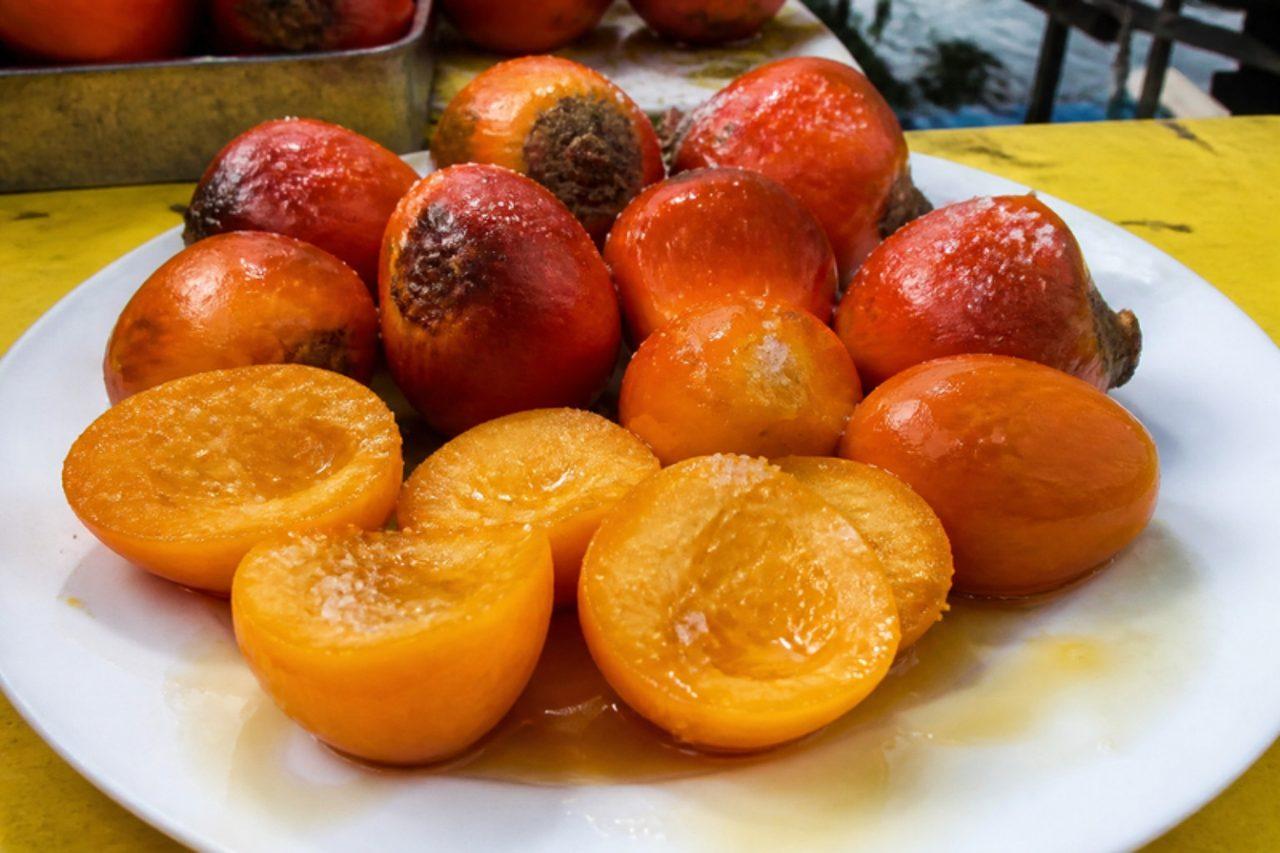
Chontaduro

Street vendors in Cali, Buenaventura and Tumaco push carts piled with bright orange and red chontaduro, peeled to order and sprinkled with salt, then drizzled with honey. The fruit of the peach palm, it has a dense, floury flesh somewhere between roasted chestnut, squash and boiled egg yolk, and a savoury-sweet flavour that people from the Pacific coast swear by as an energy food. At home, the fruit must be cooked, as raw peach palm is unpleasant and irritating to the throat. Fresh fruit appears in Latin American shops in season; frozen or jarred cooked chontaduro is easier to find and only needs warming. Undercooking is the common slip: the flesh stays fibrous and scratchy, so keep boiling until it crumbles easily. This is vegetarian but not vegan because of the honey; panela syrup is a vegan swap. Chef's tip: cut the fruit in half and remove the stone before salting, so the seasoning reaches the warm flesh.

by KrazyBadal 0 views

Showing 45 of 7,762 recipes

Show more recipes

Page 494 of 863