


Skip to content
Pounti
Featured recipe

Pounti

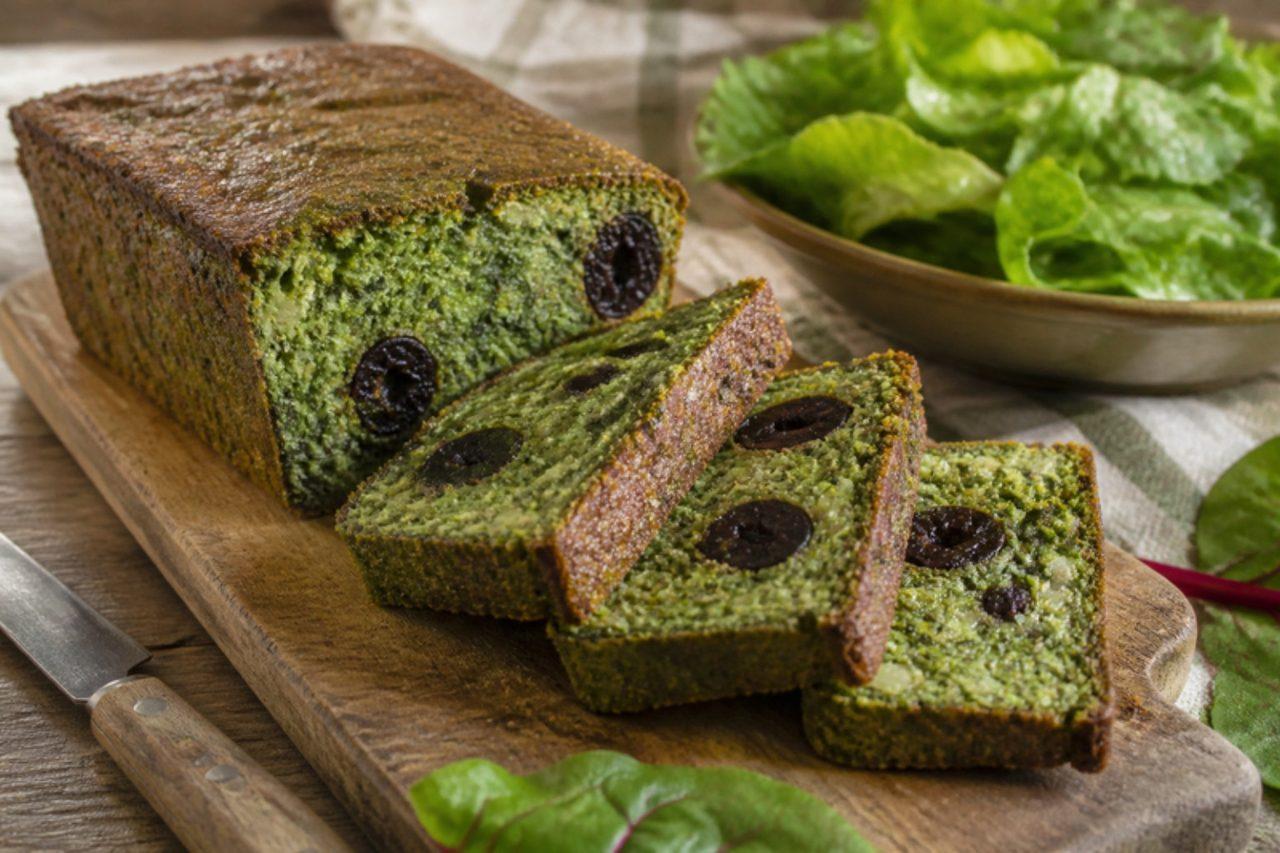
Chard and prune loaf

Farm kitchens in the Cantal and the Aveyron uplands bake pounti as a way to use the garden's chard and a few prunes from the cupboard: a soft savoury loaf, green-flecked and studded with dark sweet fruit, served warm with a salad for supper or cold in slices for a picnic. It is traditionally made with bacon or ham; this version leaves the meat out and adds a little smoked paprika for the same savoury edge. Chef's tip: wring the blanched chard really dry, or the loaf will be soggy in the middle.

Read more 0 views

What to eat today?

Around the world

Today's trip: Paraguayan

A new country every day, from every cuisine on the site.

Paraguayan

Morcilla dulce

Sweet blood sausage with walnuts 120 minMore from Paraguayan (27) →

This week's collection

Kid-friendly dinners
537 recipes · a new collection every Monday

Latest recipes

Santa Maria tri-tip

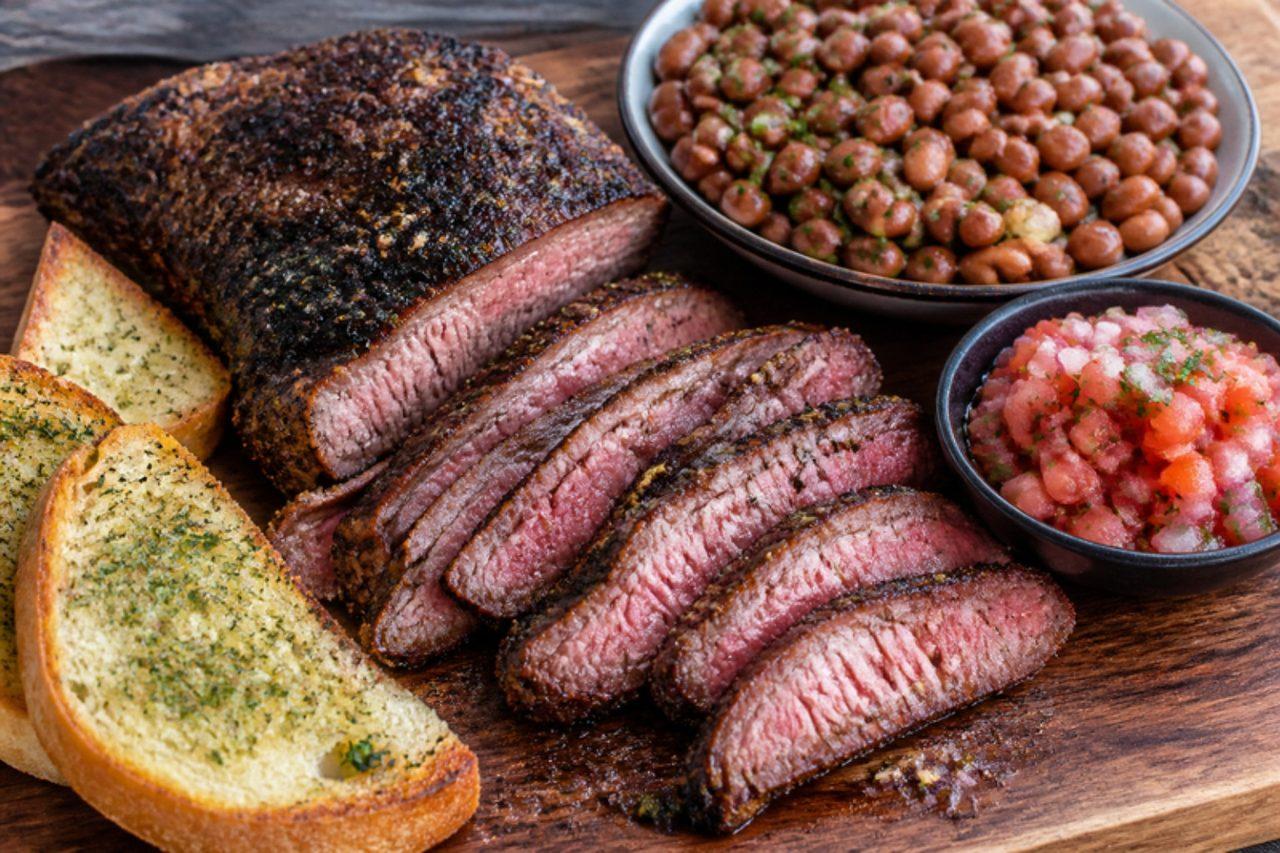
In the Santa Maria Valley on California's Central Coast, ranchers' barbecues over red oak fires gave the state its own style: a triangular tri-tip roast of beef rubbed simply with salt, pepper and garlic, grilled until crusty, then sliced thin. It comes with pinquito beans, salsa and garlic bread at fundraisers and Saturday roadside barbecues. Chef's tip: tri-tip's grain changes direction in the middle, so cut the roast in two where the grain turns and slice each piece across its own grain.

by KrazyBadal 0 views

Nous-nous (half-half coffee)

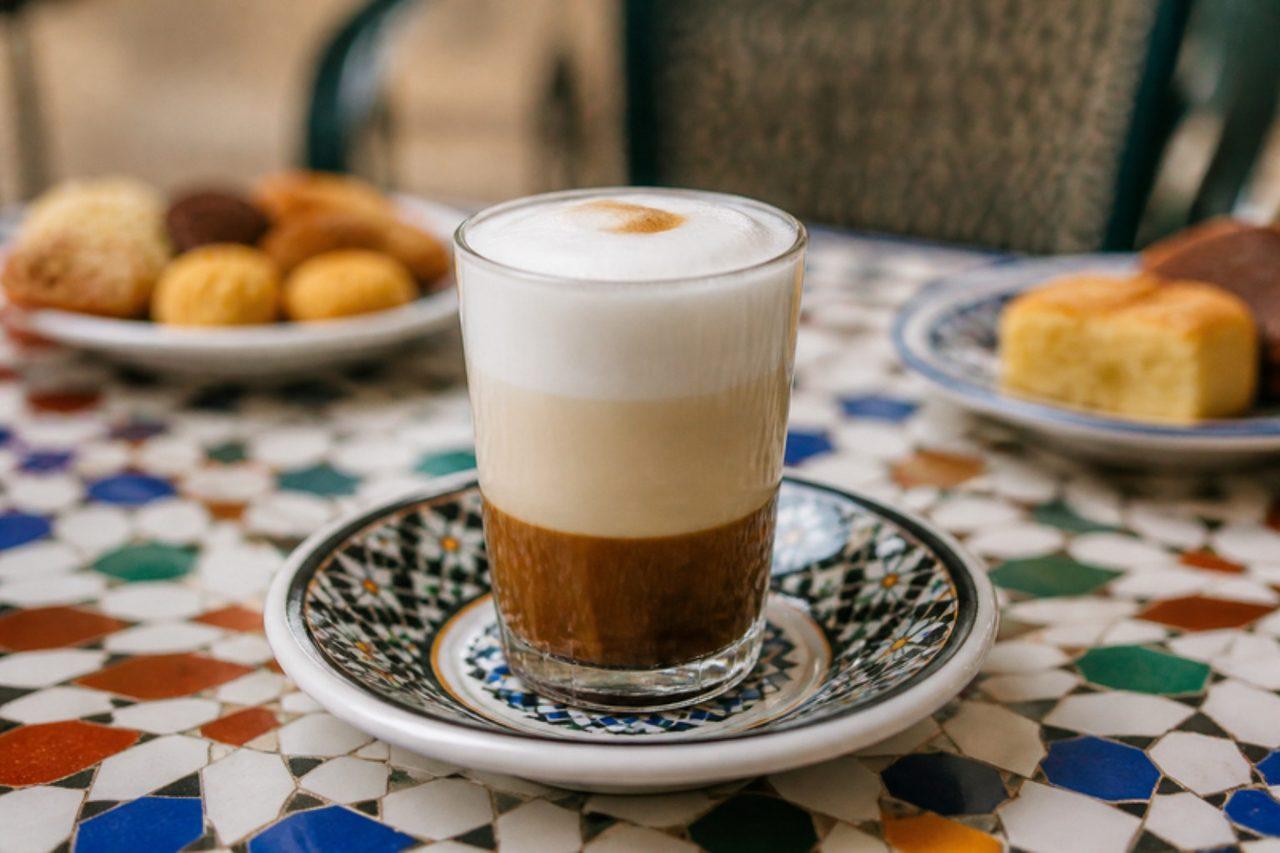
Sit down at a café terrace in Casablanca, Rabat or Marrakech and order a 'nous-nous' (from 'nus', half) and you will get a small glass of half espresso, half steamed milk, often layered so the coffee floats in a dark band over the pale milk with a cap of foam. It is the default morning and afternoon coffee for many Moroccans, sipped slowly while watching the street, usually with a sugar lump or two on the saucer. It is smaller and stronger than a latte and milkier than a macchiato. A moka pot works fine at home if you have no espresso machine. Chef's tip: heat the milk only to 60–65 °C, hot to the touch but not scalding; boiled milk loses its sweetness and the foam collapses, a common mistake.

by KrazyBadal 0 views

Crab Louie

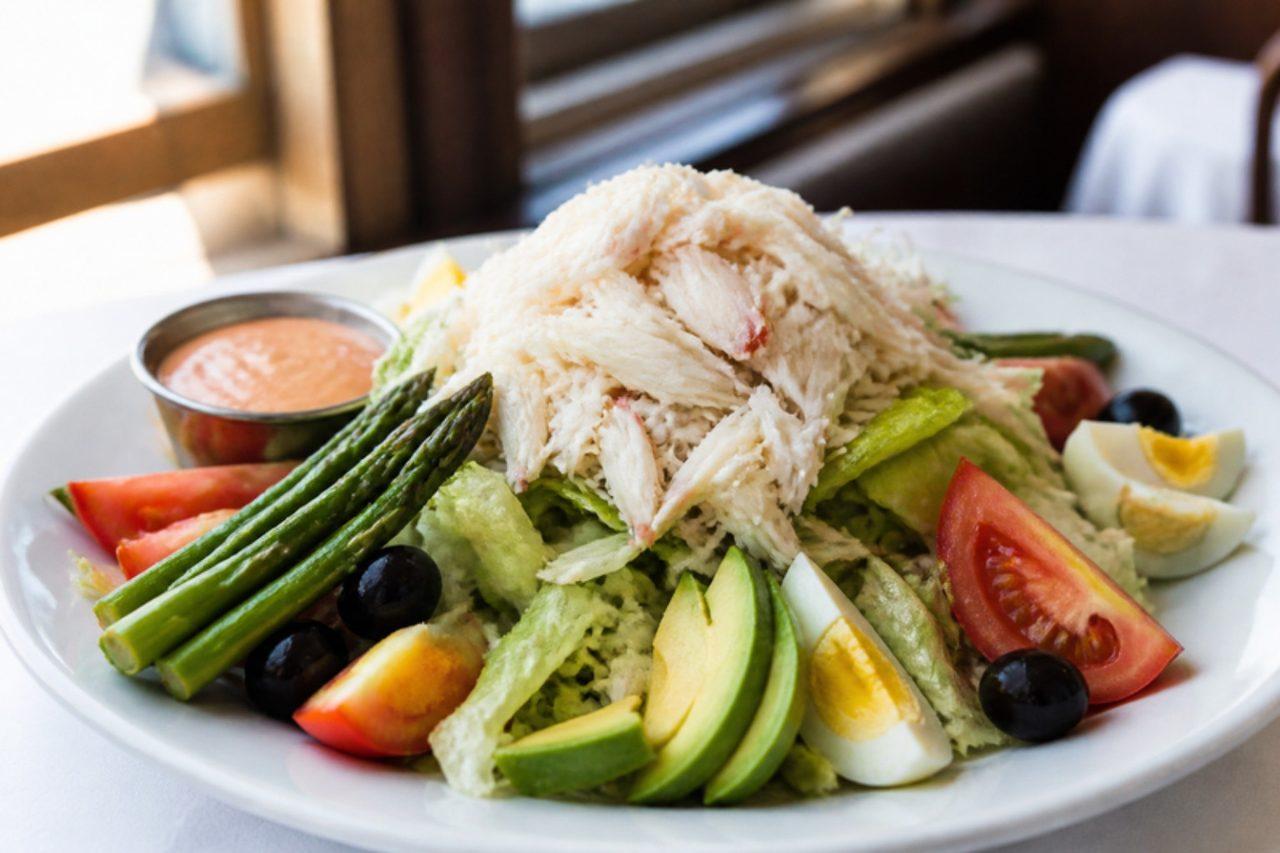
Crab Louie was on the menus of San Francisco's grand hotels and wharf restaurants by the early 1900s and is still a winter lunch when Dungeness crab is in season. Sweet crab meat is heaped on crisp lettuce with hard-boiled eggs, tomato, asparagus and avocado, and covered with a creamy, tangy pink dressing. Chef's tip: keep the crab in big pieces and add the dressing at the table, so the salad stays crisp.

by KrazyBadal 0 views

Luncheon meat musubi

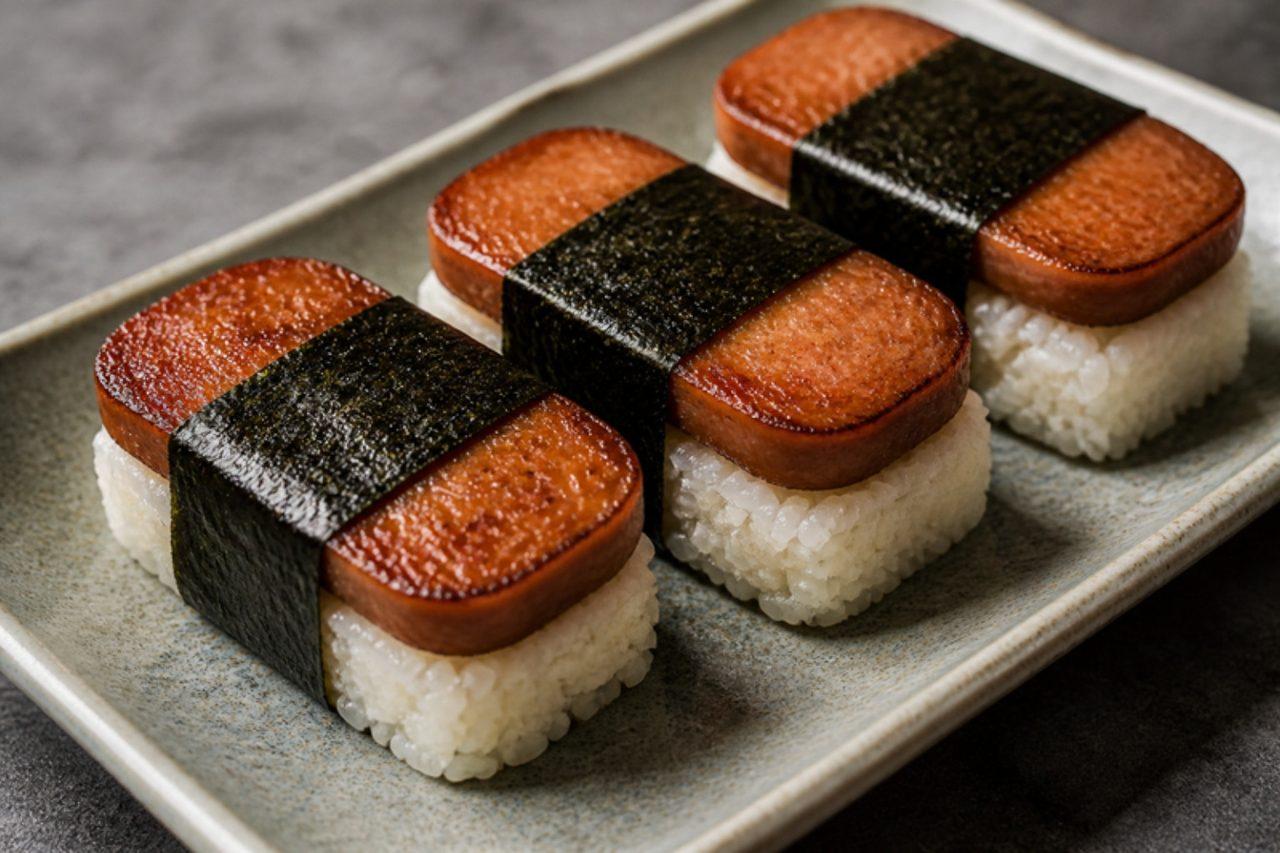
Musubi is Hawaii's favourite grab-and-go snack, sold wrapped in cling film by the till in every convenience store from Honolulu to Hilo and packed for beach days and school lunches. A slice of tinned pork luncheon meat is fried in a sweet soy glaze, set on a block of rice and belted with a strip of nori, a Japanese rice-ball idea adapted after the Second World War. Chef's tip: wet the mould and your hands so the rice doesn't stick, and press firmly so the block holds.

by KrazyBadal 0 views

North Shore garlic shrimp

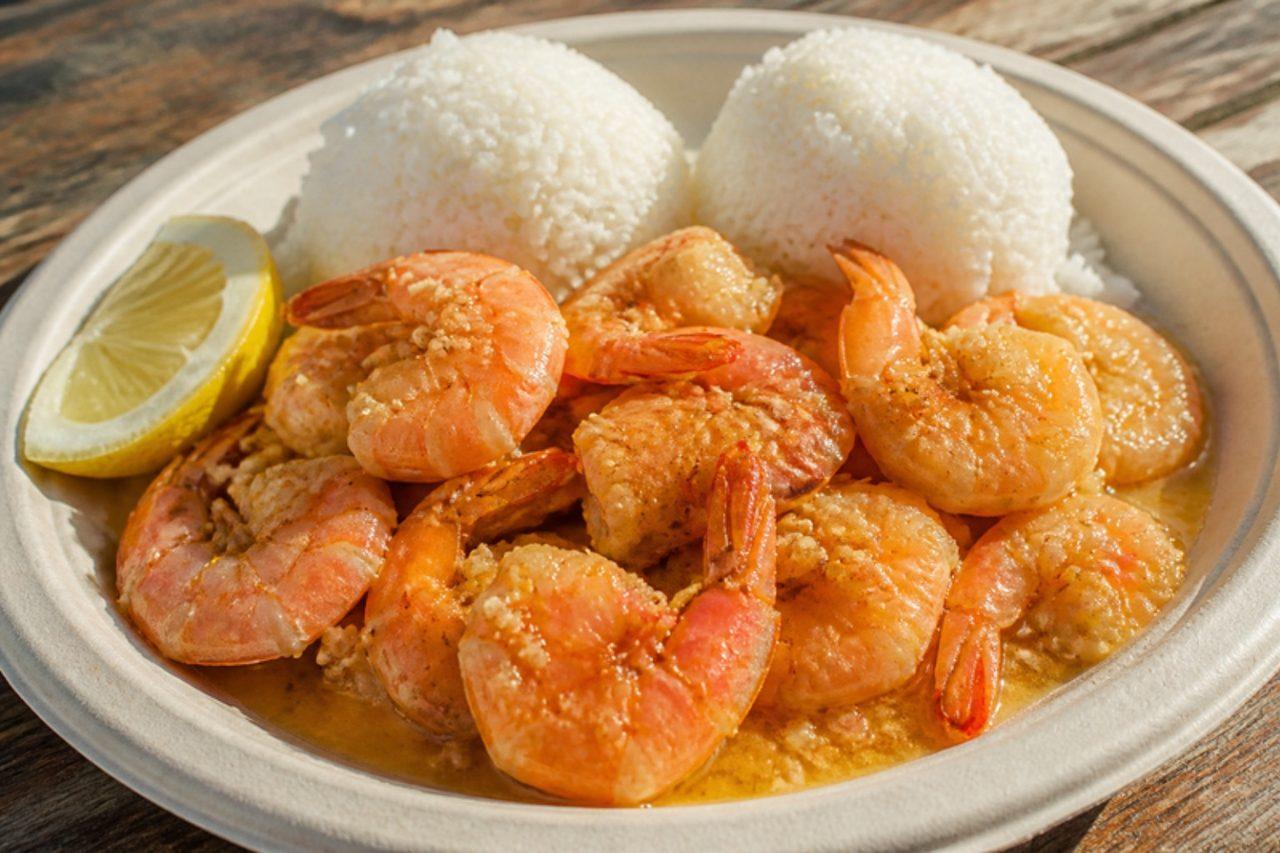
The shrimp trucks parked along Kamehameha Highway in Kahuku, on Oʻahu's North Shore, serve this on paper plates to surfers and day-trippers: shell-on prawns from the local farms fried in a heap of garlic and butter until the shells are crisp enough to eat, with two scoops of rice and lemon. Chef's tip: dust the prawns in a little cornflour before frying; it helps the garlic butter cling and the shells crisp.

by KrazyBadal 0 views

Saimin

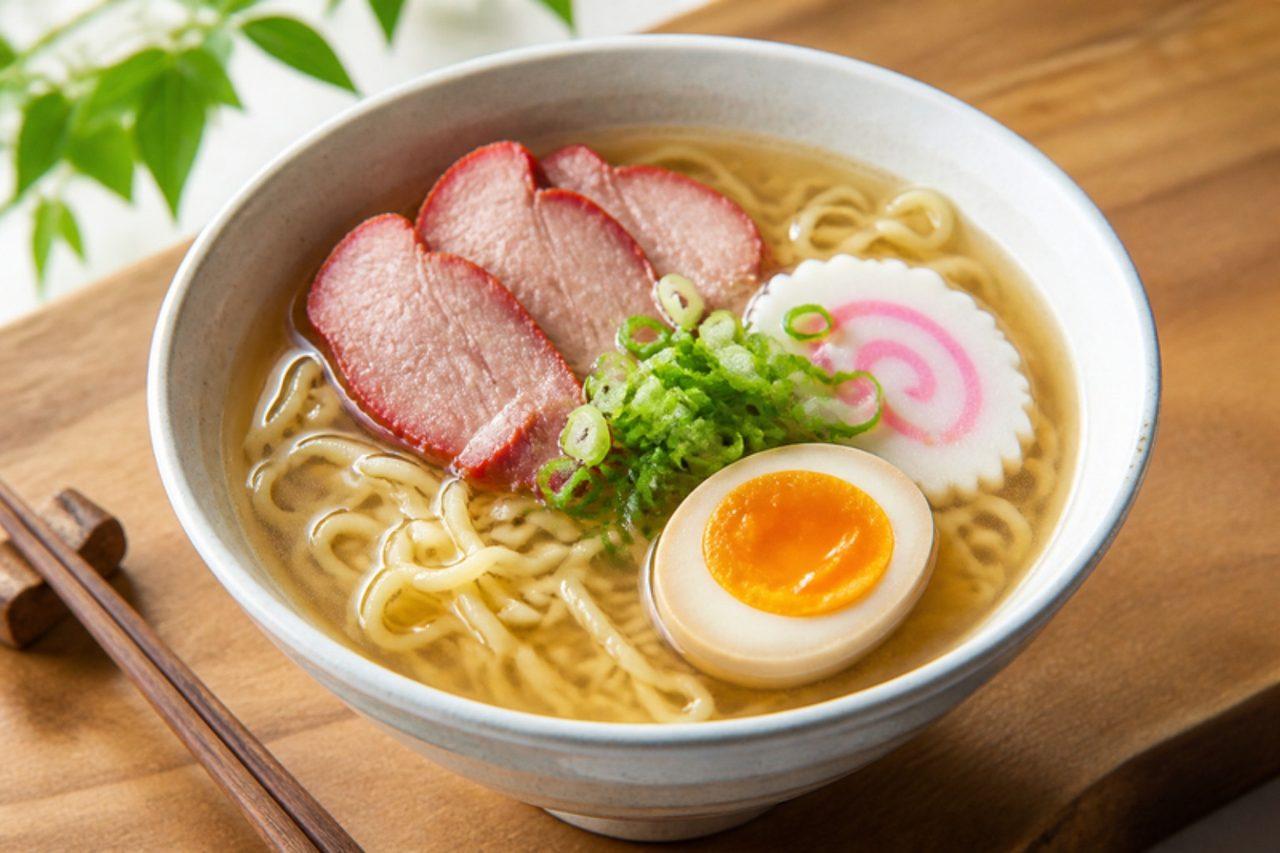
Saimin was born in the sugar plantation camps of Hawaii, where Chinese, Japanese and Filipino workers shared pots and combined their noodle soups into one, and it is still sold everywhere from old Kauaʻi diners to the snack bars at Little League games. Springy wheat noodles sit in a clear dashi and shrimp broth, topped with sliced char siu (roast pork), pink fish cake, egg and spring onion. Chef's tip: cook the noodles separately and rinse them, so their starch doesn't cloud the clear broth.

by KrazyBadal 0 views

Piccalilli

Piccalilli is the bright yellow pickle of the English ploughman's lunch, the Boxing Day cold cuts and the cheese board, and it has been made in farmhouse kitchens since the 18th century, when Indian pickles inspired it. Crunchy cauliflower, beans and onions are salted, then folded into a sweet, sharp sauce of mustard, turmeric and vinegar. Chef's tip: salt the vegetables overnight; it draws out water and keeps them crunchy for months.

by KrazyBadal 0 views

Christmas pudding

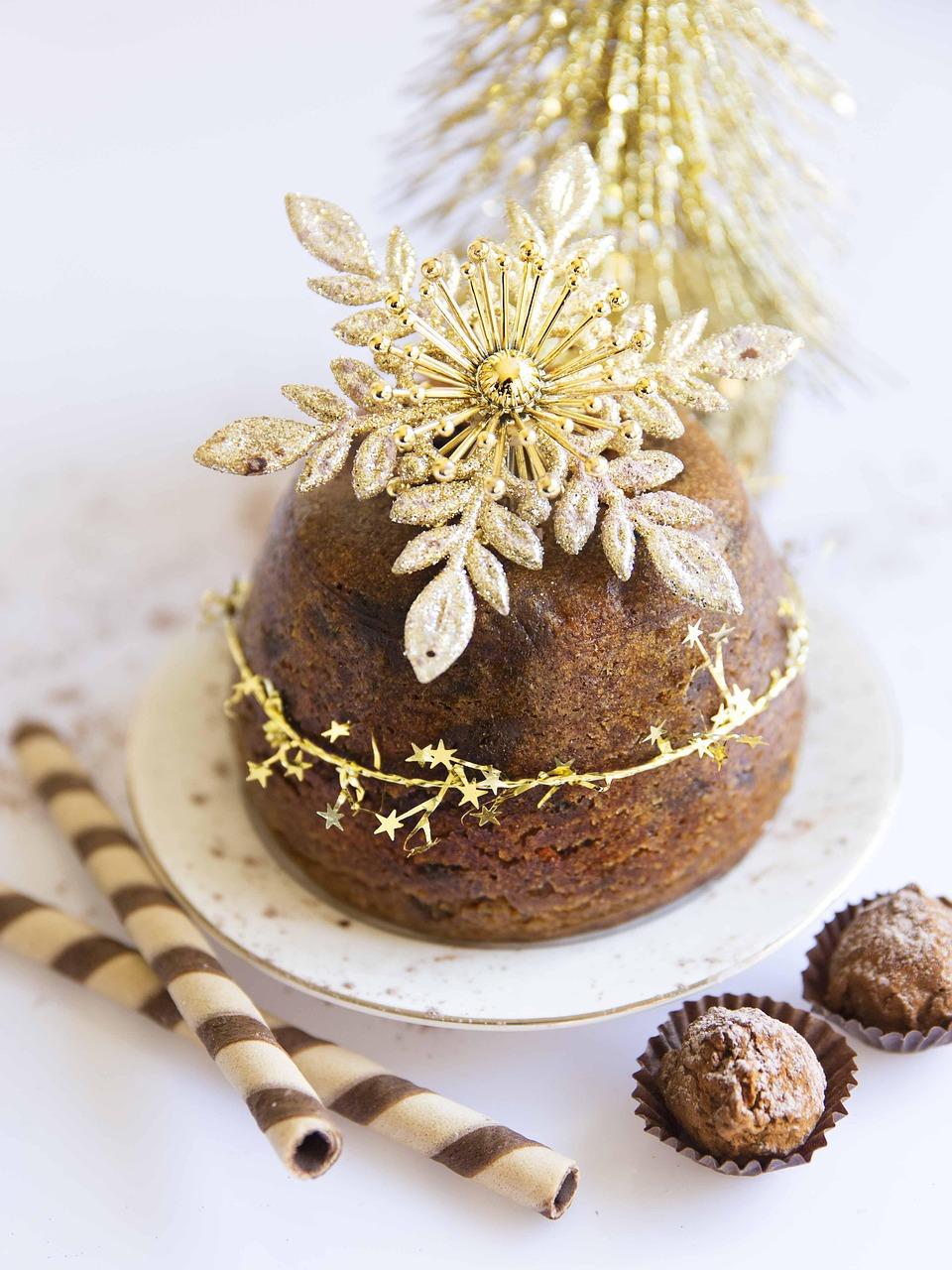
The Christmas pudding is the dark, fruit-packed pudding that ends Christmas dinner in English homes, traditionally mixed on Stir-up Sunday in late November when every family member stirs and makes a wish. This one uses vegetarian suet and is soaked with brandy or stout, so it contains alcohol; for an alcohol-free pudding use the same amount of strong black tea or orange juice. It is set alight at the table with warmed brandy (skip that for alcohol-free) and served with brandy butter or custard. Chef's tip: steam it again for 2 hours on the day; the second steaming darkens and enriches it.

by KrazyBadal 0 views

Yorkshire curd tart

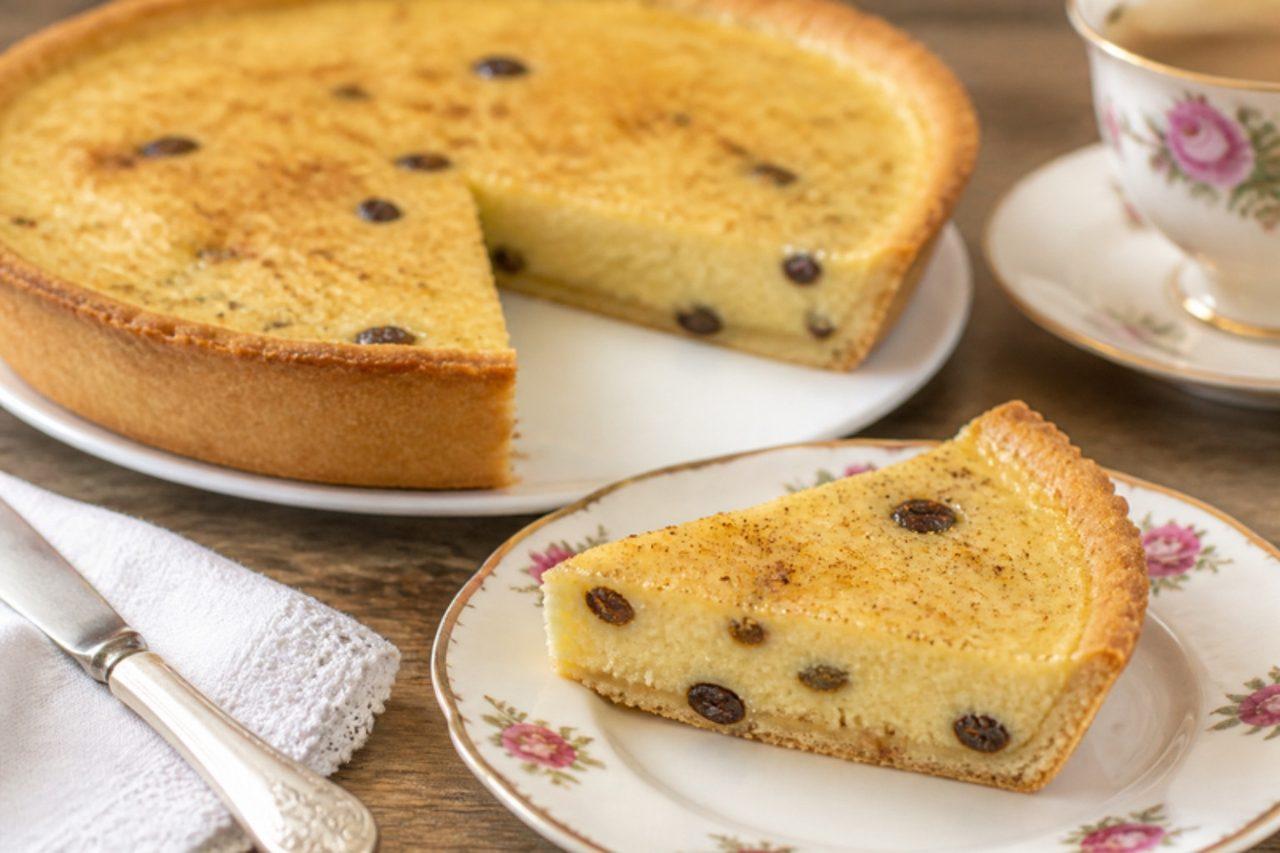
Curd tart is the Yorkshire tea-shop tart that was made at Whitsuntide, when farms had more milk than they could drink and turned it into fresh curds. The filling of curd cheese, eggs, currants and a good pinch of allspice is set in shortcrust, so it is creamy, slightly grainy and lightly spiced, a cousin of cheesecake. Market cafés from York to Ripon still sell it by the slice. Chef's tip: use proper curd cheese or well-drained ricotta; soft cream cheese makes it heavy and smooth instead of crumbly.

by KrazyBadal 0 views

Yorkshire fat rascals

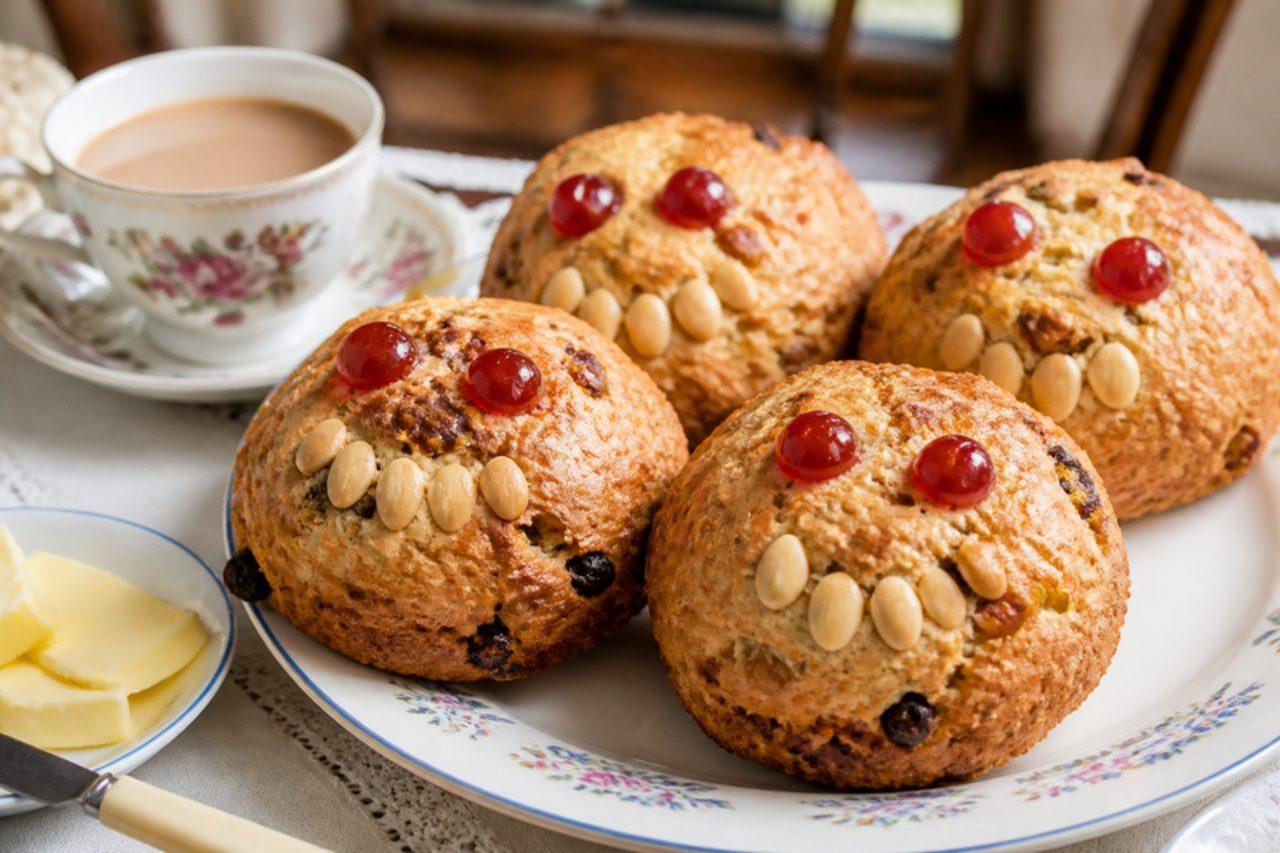
Fat rascals are big, rough, fruit-studded cakes from the North York Moors, halfway between a scone and a rock cake, and the famous Harrogate tea rooms made them a visitor's treat. Each one gets a face of glacé cherries and blanched almonds before baking. Eat them warm, split and buttered, with a pot of tea. Chef's tip: work the dough as little as possible, just until it holds; overmixed rascals bake up tough.

by KrazyBadal 0 views

Eccles cakes

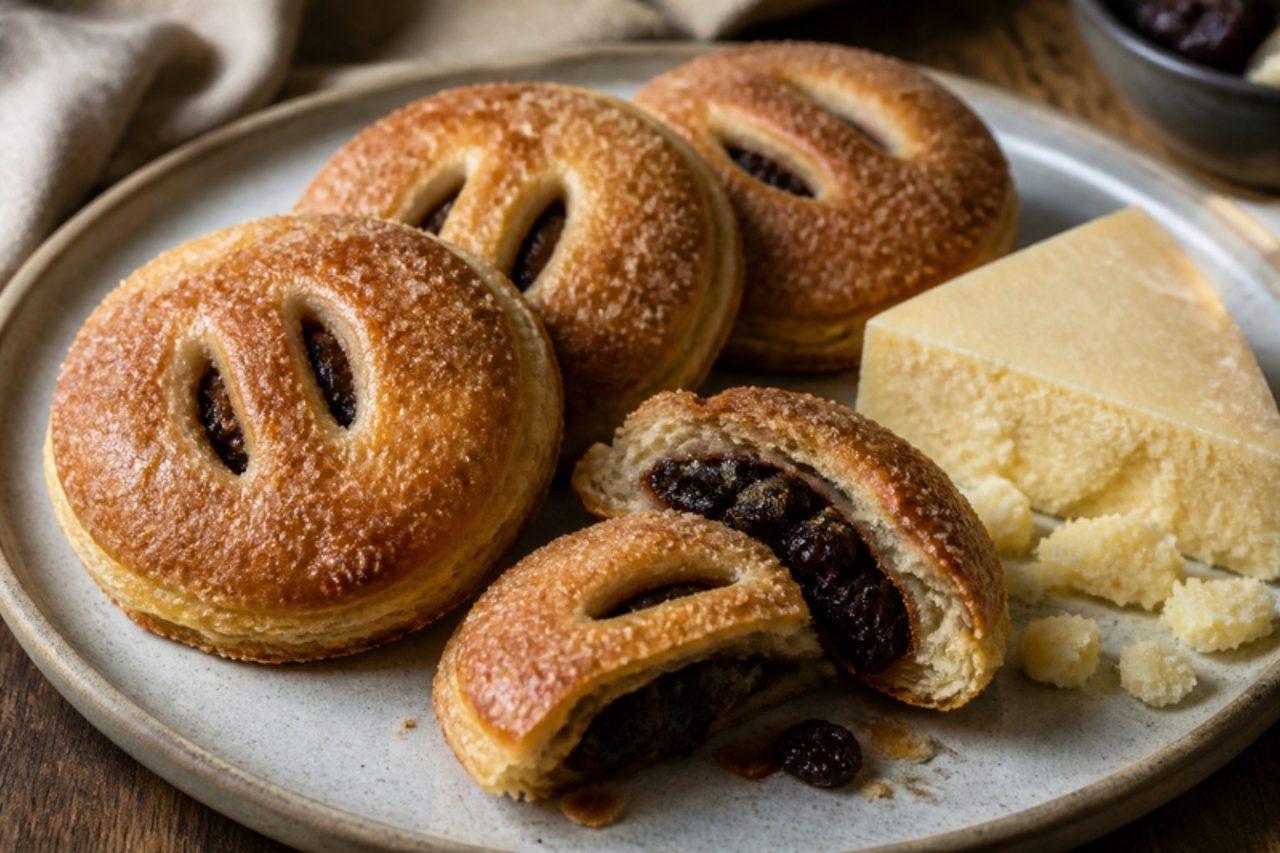
From the town of Eccles near Manchester, these flat pastry cakes are filled with butter-soaked currants and peel, slashed three times on top and baked until sugary and crackly. Lancashire people eat them with a slice of crumbly Lancashire cheese, the sweet and salty pairing locals swear by. Chef's tip: chill the filled cakes for 20 minutes before baking, so the pastry stays flaky and the filling doesn't leak.

by KrazyBadal 0 views

Lancashire cheese and onion pie

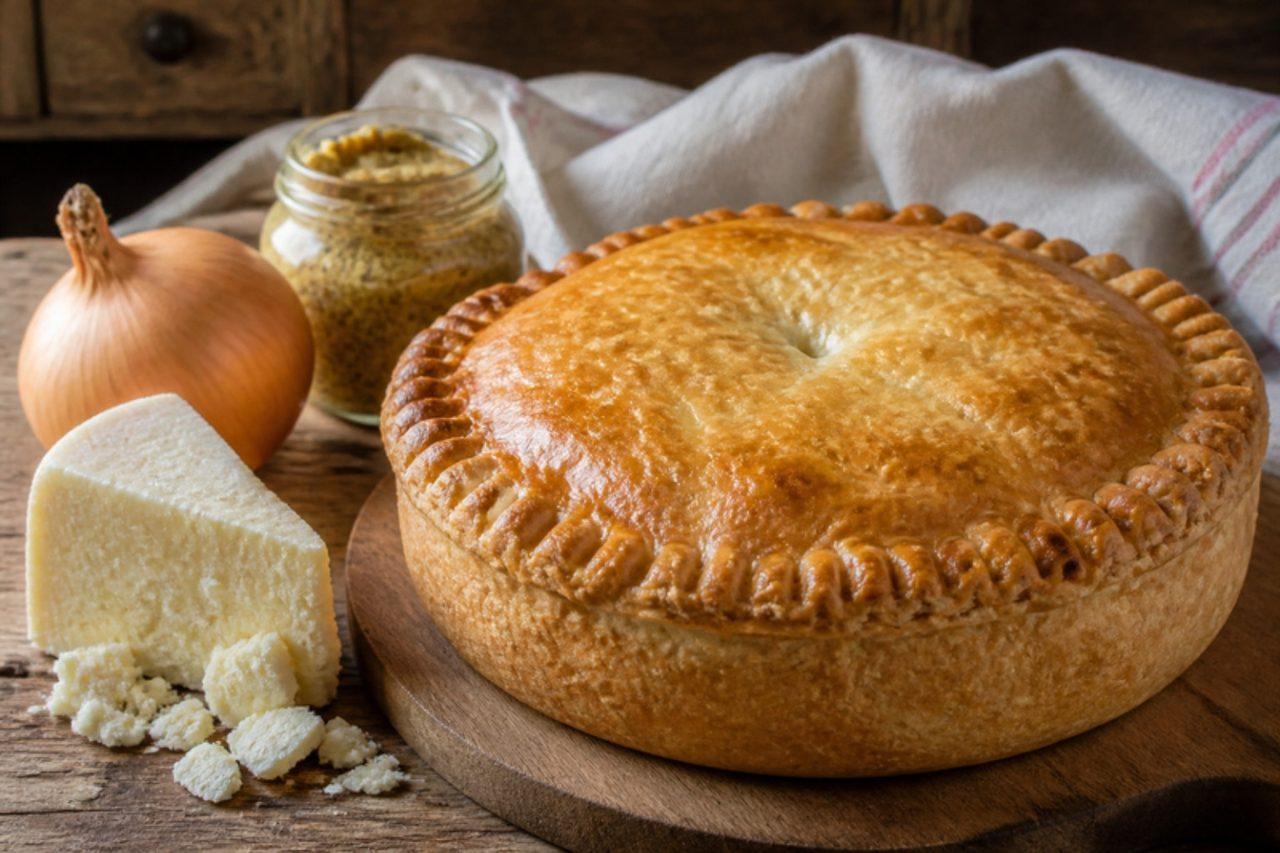
This is the pie of the Lancashire chippy and the Bolton market stall, a vegetarian staple of the North West long before the word was common. Sliced onions and potato are softened, then mixed with plenty of crumbly Lancashire cheese and baked in shortcrust until the filling is creamy and tangy. Traditional Lancashire is usually made with animal rennet, so choose a vegetarian Lancashire or a vegetarian crumbly cheese. Serve with mushy peas or beans. Chef's tip: let the onions cool before mixing in the cheese, or it melts into oil before the pie is baked.

by KrazyBadal 0 views

Sticky toffee pudding

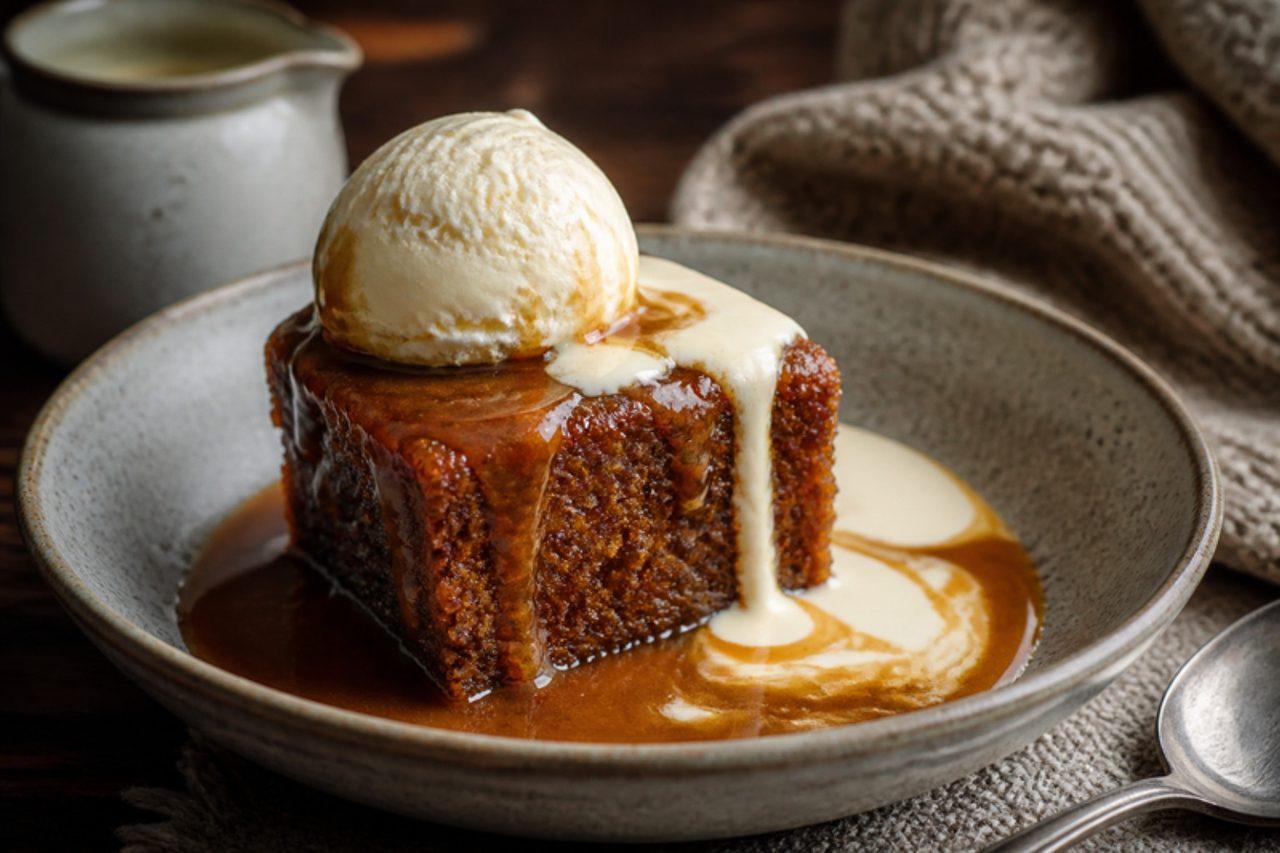
Sticky toffee pudding was made famous by a country hotel and a village shop in the Lake District, and Cumbria still claims it, though it now ends Sunday lunch in pubs across Britain. A soft, dark sponge made with soaked dates is soaked in a buttery brown-sugar sauce and served with more sauce, plus cream, custard or vanilla ice cream. Chef's tip: poke holes in the hot sponge and pour on a third of the sauce, so it soaks right in.

by KrazyBadal 0 views

Grasmere-style gingerbread

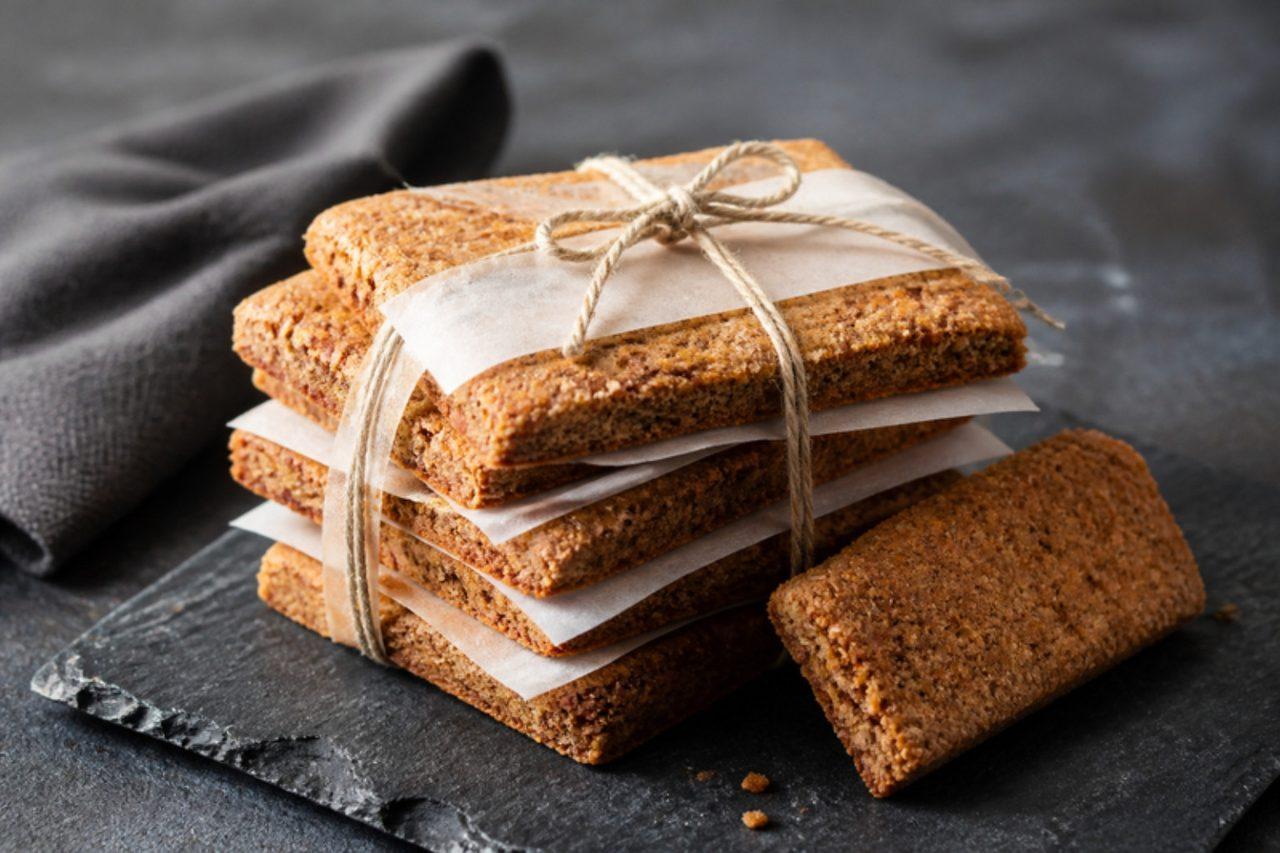
The village of Grasmere in the Lake District has sold its own gingerbread since the 1850s, a cross between shortbread and a biscuit with a crumbly top and chewy base, wrapped in paper for walkers and visitors to Wordsworth's grave. The real recipe is a closely kept secret; this is our home version, made with oatmeal, brown sugar and plenty of ground ginger. Chef's tip: press only the bottom half of the crumb mixture firmly and scatter the rest loosely on top, which gives the two textures.

by KrazyBadal 0 views

Pease pudding

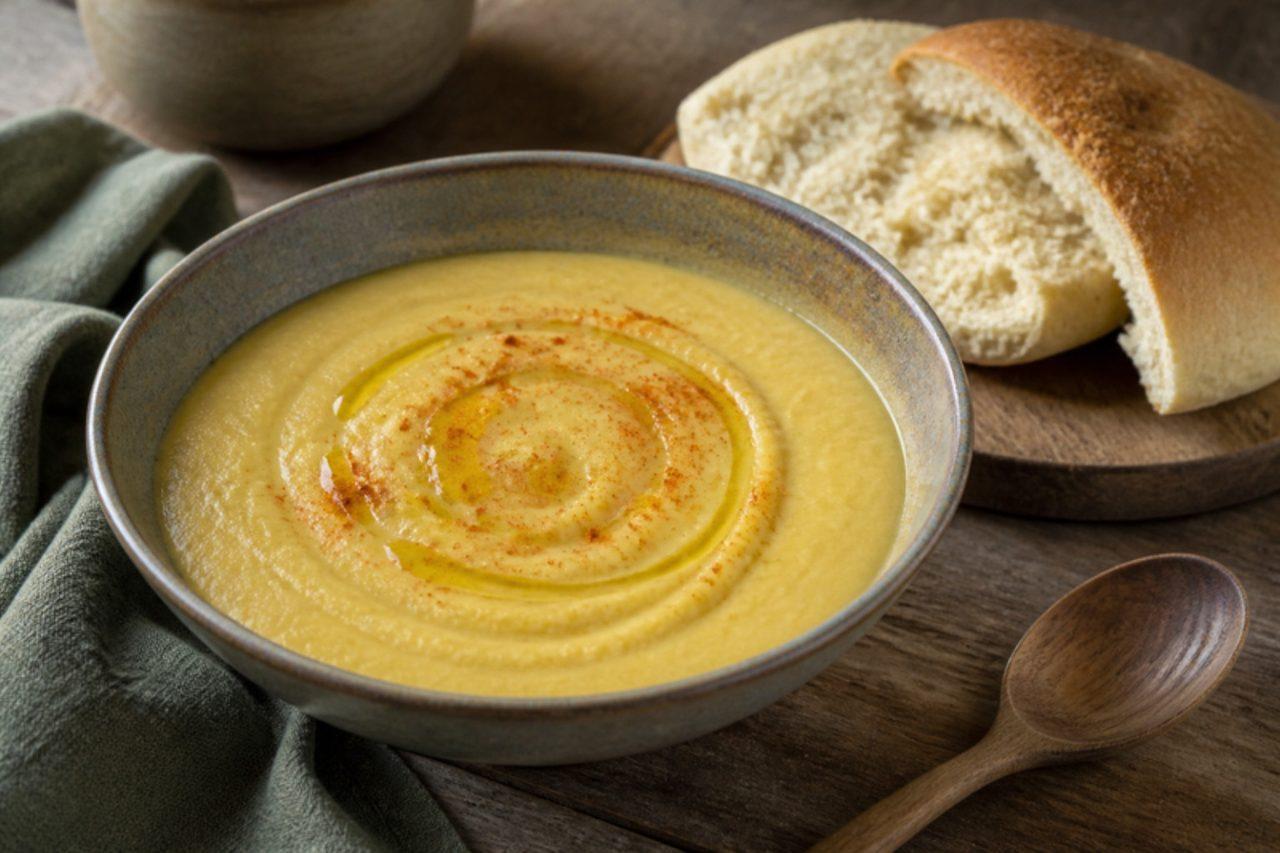
Pease pudding is the thick yellow split pea spread of Newcastle and the North East, eaten in a stottie cake with ham or simply with buttered bread, and the 'pease pudding hot, pease pudding cold' of the nursery rhyme. It was traditionally boiled in a cloth beside a ham; this plant-based version is simmered with onion, bay and a little smoked paprika for the savoury depth. Chef's tip: soak the split peas overnight; unsoaked peas take hours and cook unevenly.

100 minBritishSidesVeganGluten free
by KrazyBadal 0 views

Newcastle stottie cake

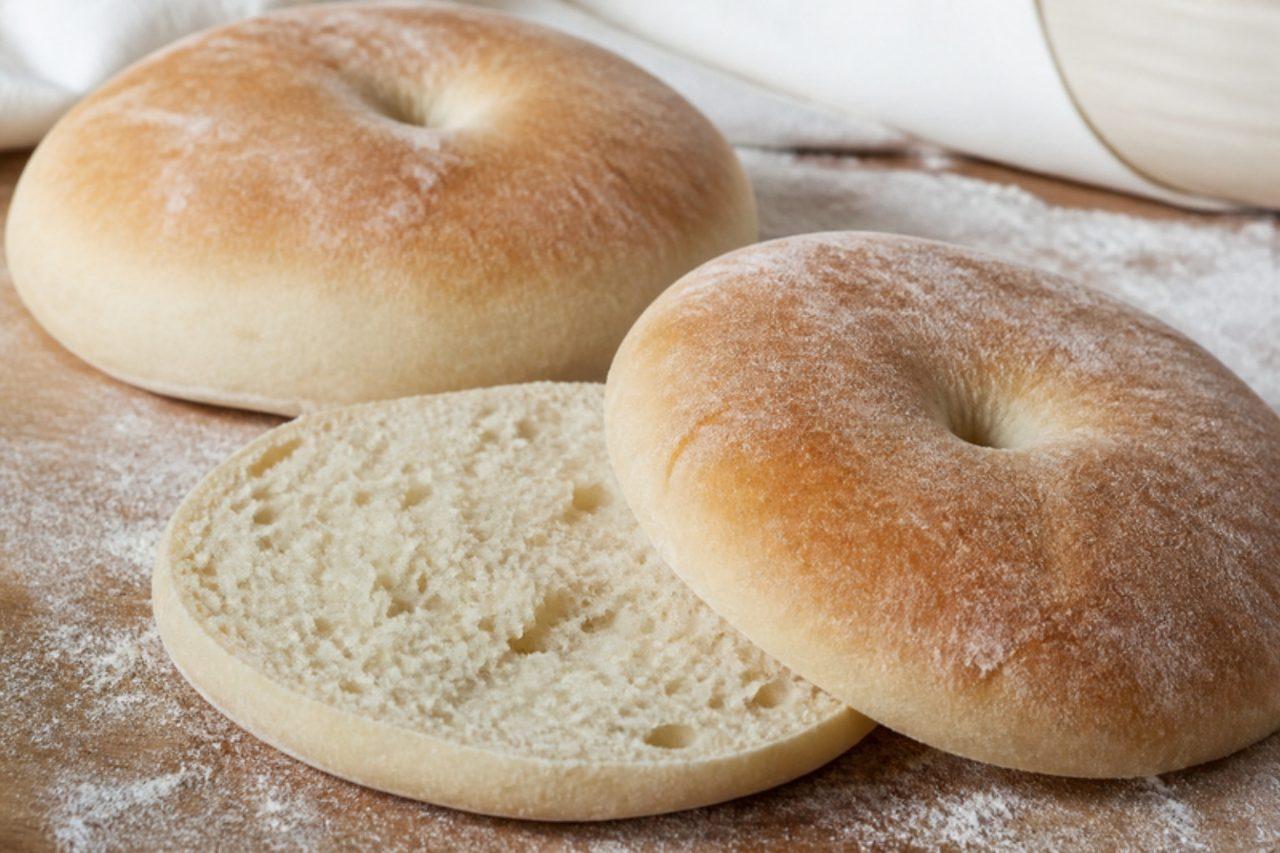
The stottie is the big flat round loaf of Tyneside and County Durham, with a dimple pressed in the middle and a dense, chewy crumb; bakers in Newcastle split them and stuff them with pease pudding, cheese or a bacon filling. Its name is said to come from 'stotting', or bouncing, because it is heavy enough to bounce off the floor. Chef's tip: bake it low in the oven so the bottom gets a deep golden colour while the top stays pale.

by KrazyBadal 0 views

Singin' hinnies

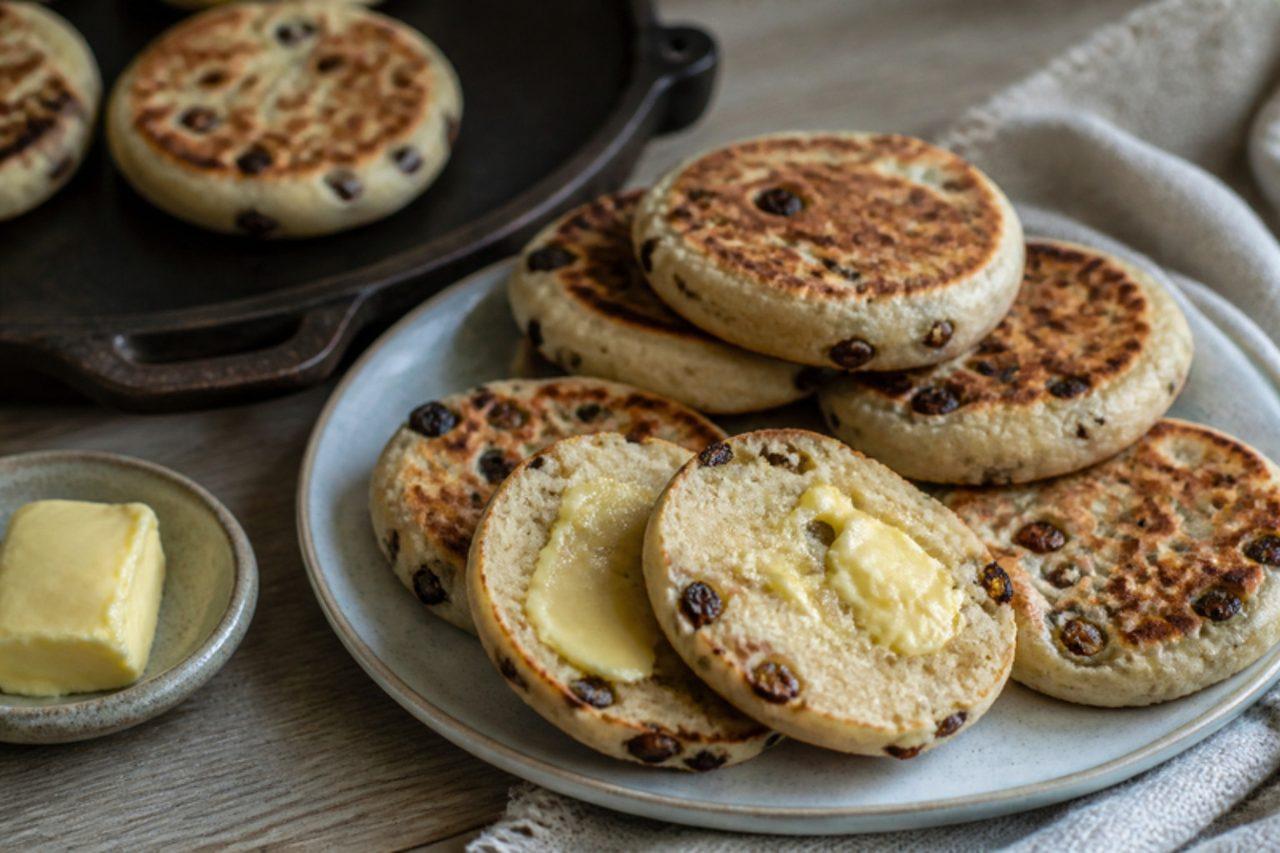
Singin' hinnies are the girdle cakes of Northumberland and Tyneside, named for the singing hiss of the butter as they cook ('hinny' is a Geordie word of affection, like 'honey'). Mothers made them for children coming home from school, cooked on a heavy griddle and eaten hot, split and buttered. They are scone dough studded with currants and cooked in the pan instead of the oven. Chef's tip: keep the heat medium-low so they cook through before the outside darkens.

by KrazyBadal 0 views

Staffordshire oatcakes

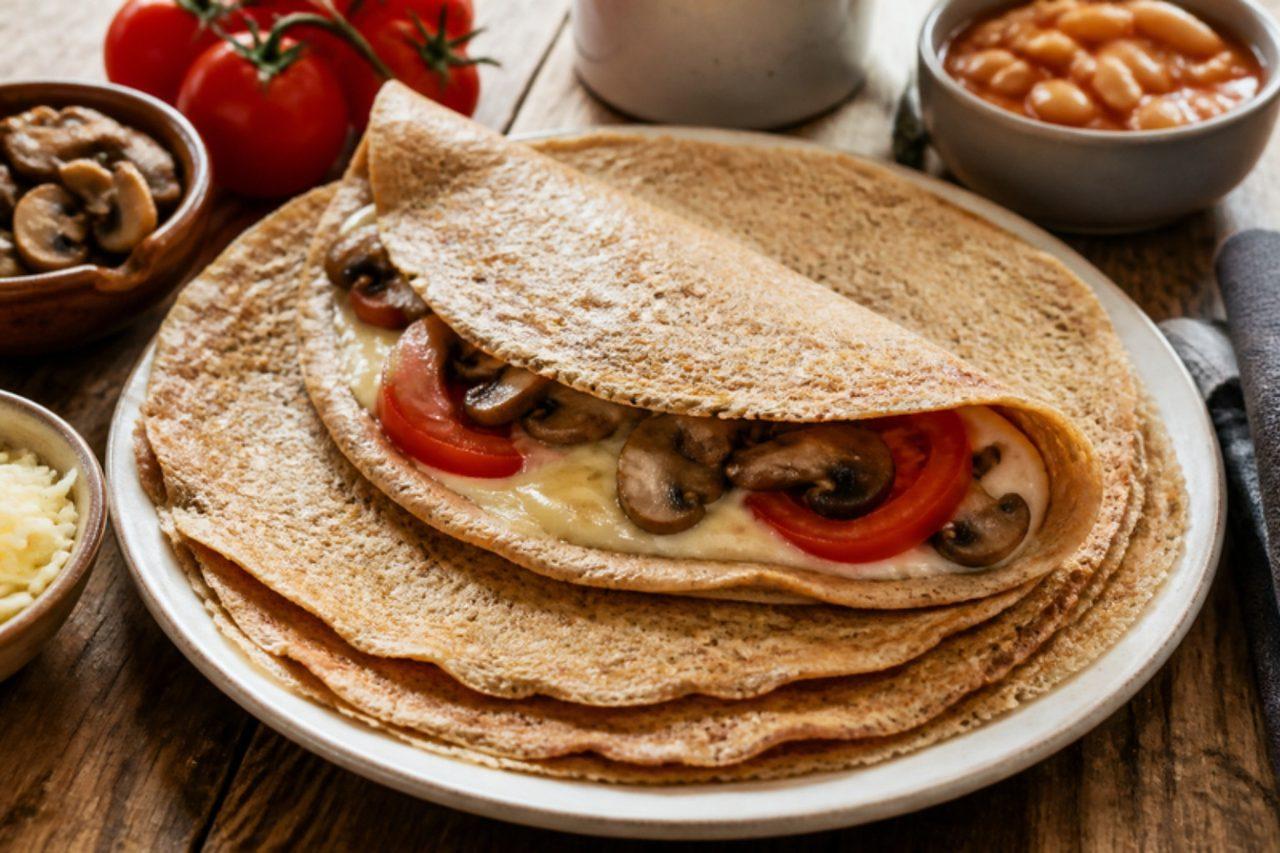
In Stoke-on-Trent and the Potteries towns, oatcakes are not crisp biscuits but large, soft, holey pancakes made from a yeasted oat and wheat batter, sold warm from shop hatches in the morning. They are rolled around fillings of melted cheese, tomato and mushroom, or folded up with beans. Chef's tip: the batter should be thin like single cream; if it is thick the oatcakes come out stodgy instead of lacy.

by KrazyBadal 0 views

Bakewell tart

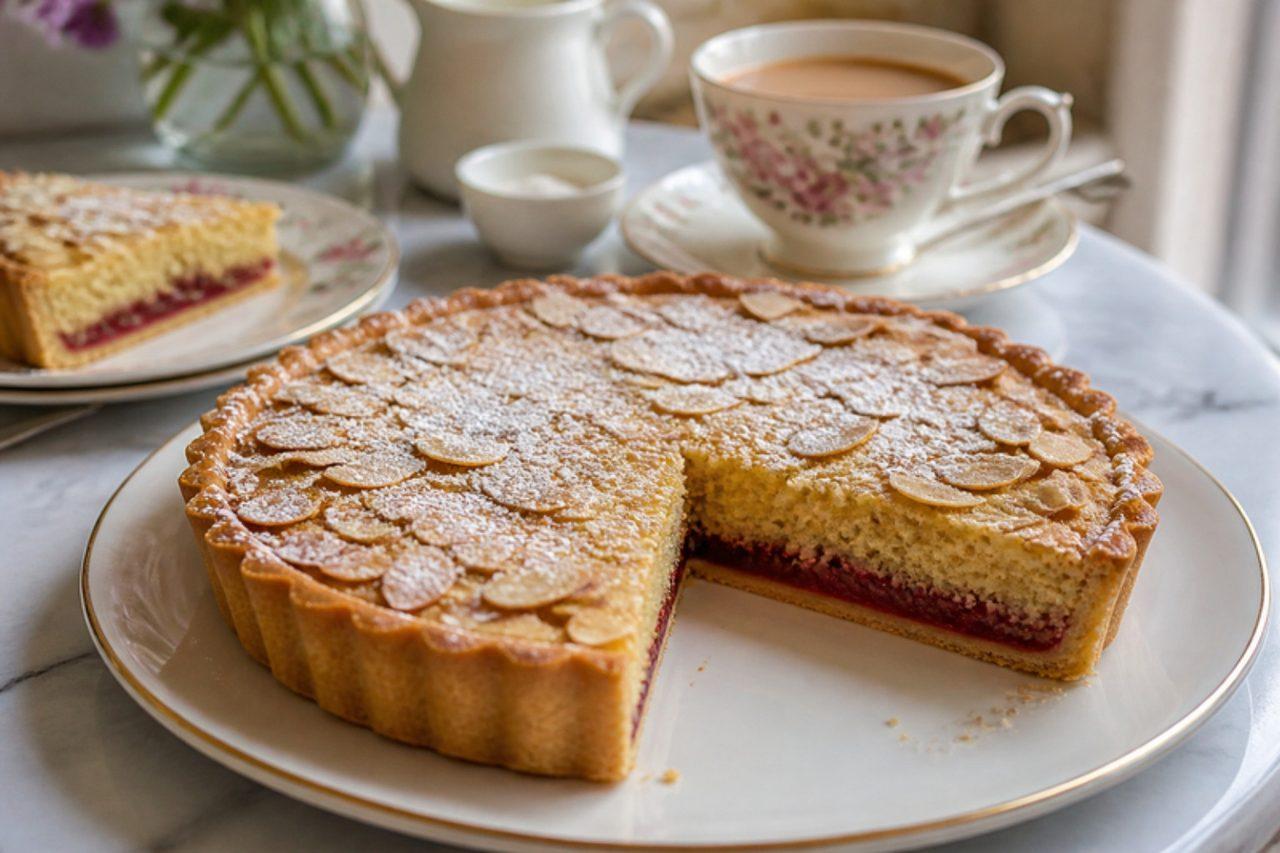
The Derbyshire market town of Bakewell in the Peak District is home to the Bakewell pudding, and its descendant, the Bakewell tart, is the one baked in every English home and village tea shop. Shortcrust is spread with raspberry jam and filled with a soft almond frangipane, then scattered with flaked almonds. Chef's tip: spread the jam thinly and leave a 1 cm border, or it boils up through the frangipane.

by KrazyBadal 0 views

Simnel cake

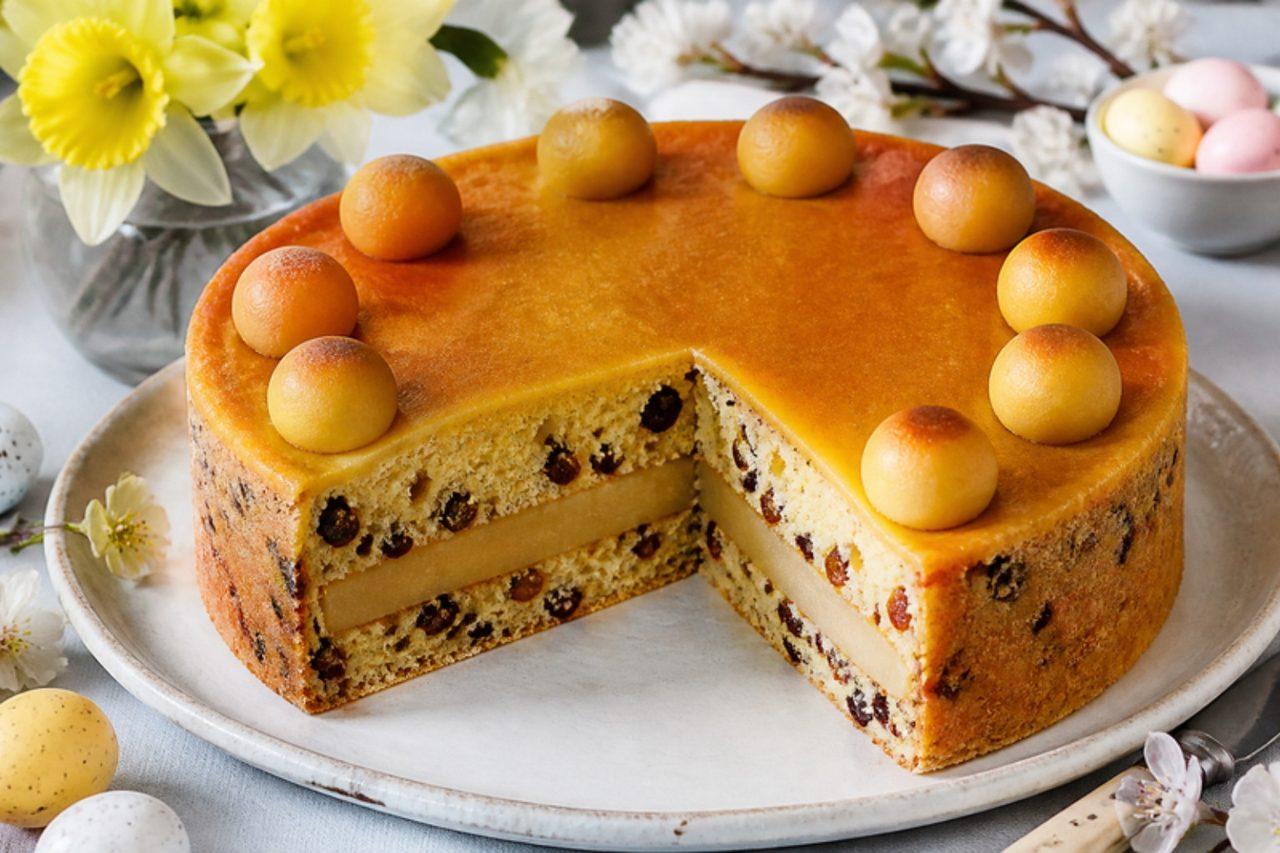
Simnel cake is England's Easter fruit cake, once baked by girls in service to take home on Mothering Sunday and now the centrepiece of Easter tea. A light fruit cake has a layer of marzipan baked through the middle and more on top, decorated with eleven marzipan balls for the apostles, leaving out Judas. Chef's tip: wrap a band of baking paper round the outside of the tin; it stops the edges drying out during the long, slow bake.

by KrazyBadal 0 views

Moroccan spiced coffee
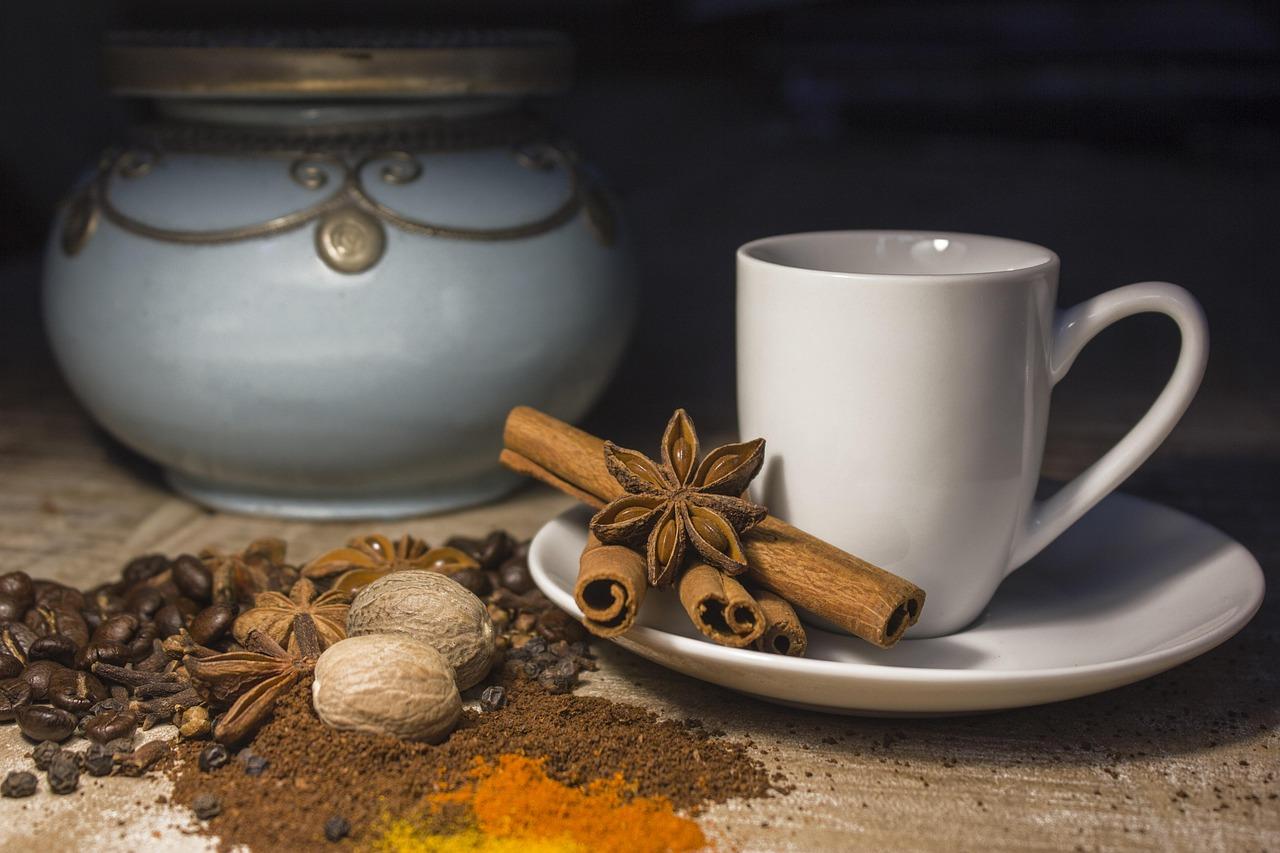
In many Moroccan homes, coffee is bought ready-mixed from the roaster with a spoonful of 'attria', a warm blend of ground spices such as cinnamon, ginger, nutmeg, cardamom, black pepper and toasted sesame, that gives it a rounded, gently peppery aroma. It is brewed in a pan or a pot and sipped black and sweet, or with a splash of milk, after lunch, with pastries for guests, or on cold mornings. The spices soften the bitterness and make the whole kitchen smell wonderful. This home version mixes the spices into ordinary ground coffee. Chef's tip: keep the coffee at a bare simmer and never let it boil hard; vigorous boiling, the usual mistake, extracts bitterness from both coffee and spices.

by KrazyBadal 0 views

Mushy peas

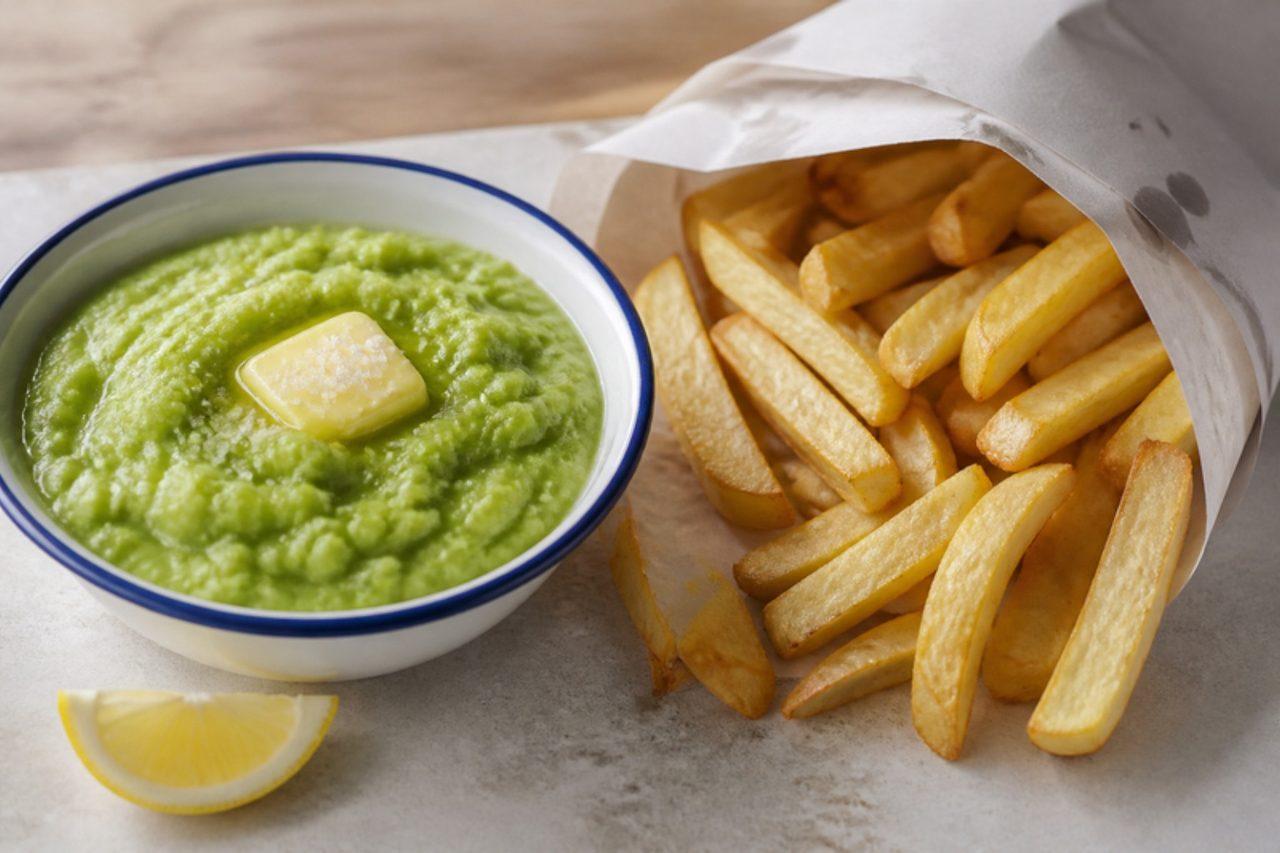
No fish and chip shop in the North of England is complete without a tub of mushy peas, and in Nottingham and Leeds they are sold with mint sauce from pea stalls at fairs. Dried marrowfat peas are soaked overnight with a little bicarbonate of soda, which softens their skins, and then simmered until they break down into a thick, savoury green mash. Chef's tip: rinse the soaked peas very well, or the bicarbonate leaves a soapy taste.

by KrazyBadal 0 views

Manchester tart

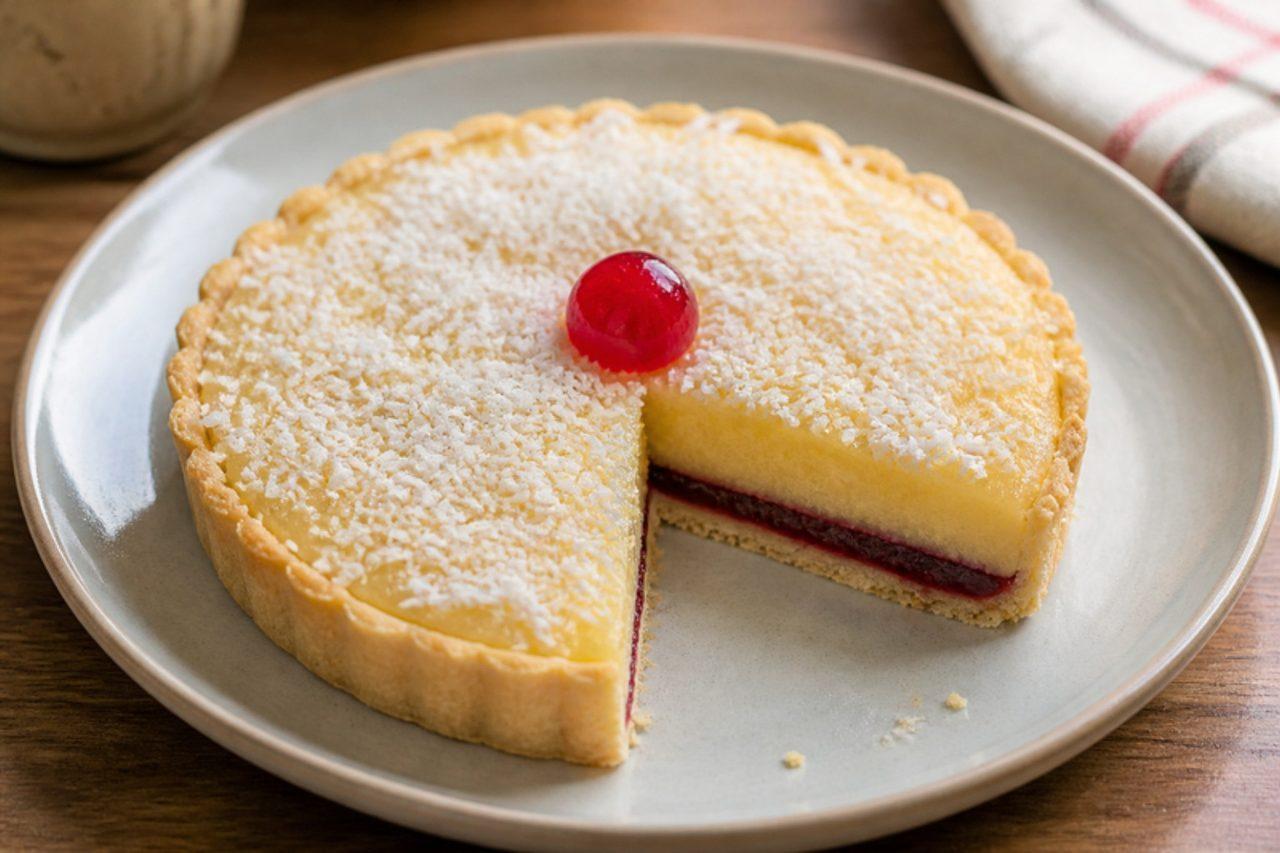
Manchester tart is the school-dinner pudding generations of Mancunians remember: a shortcrust case spread with raspberry jam, filled with thick, cold vanilla custard and covered in desiccated coconut, sometimes with a glacé cherry on top. It is a nostalgic Northern bake for birthdays and school reunions. Chef's tip: make the custard really thick and cool it a little before pouring, so it sets in clean slices.

by KrazyBadal 0 views

Cornish saffron buns

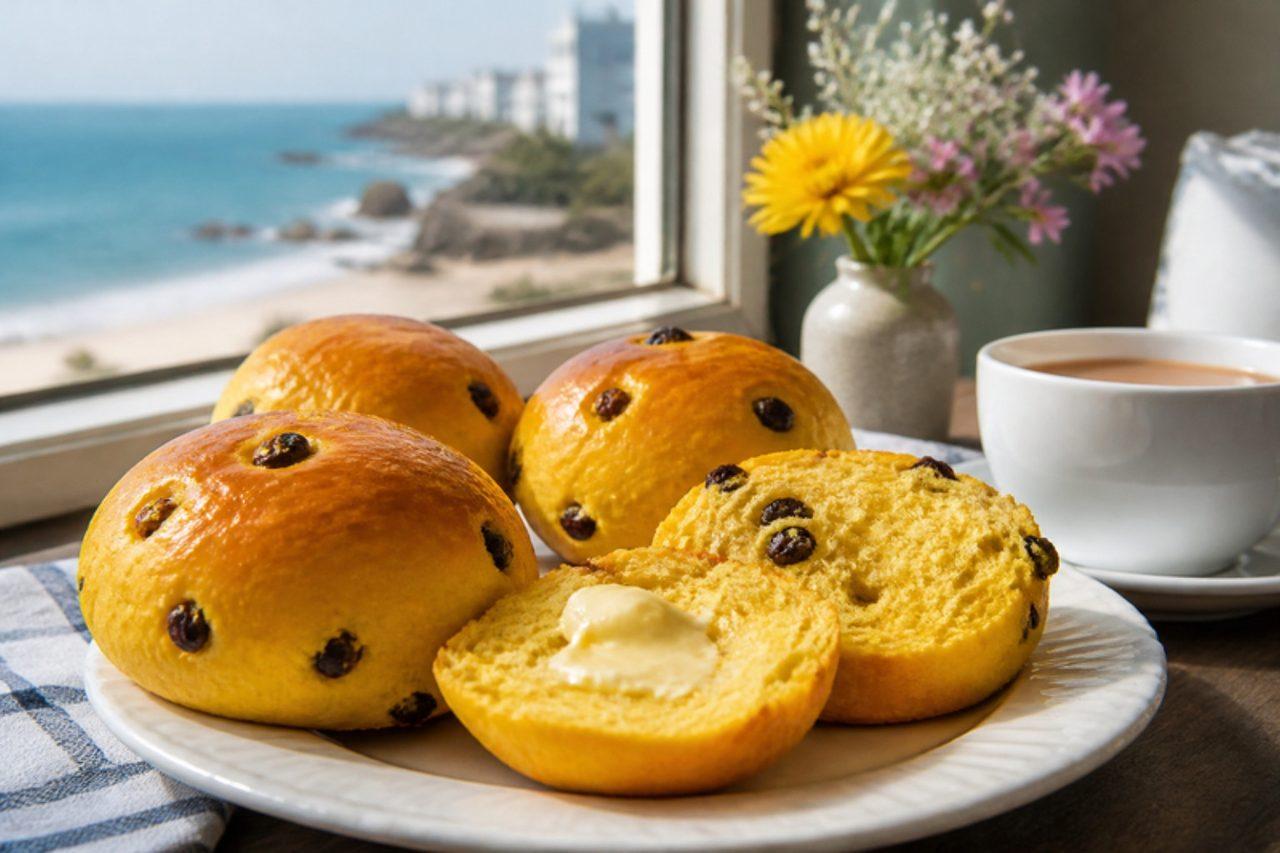
Saffron buns, called 'tea treats' in parts of Cornwall, were handed out at Sunday school outings and chapel tea treats, and they still glow yellow in bakery windows from Penzance to Truro. A pinch of saffron steeped in warm milk colours a soft, enriched dough studded with currants and peel, so they taste gently floral and fruity. Eat them split and spread with butter or clotted cream. Chef's tip: steep the saffron overnight for the deepest colour and flavour.

by KrazyBadal 0 views

Devon cream tea scones

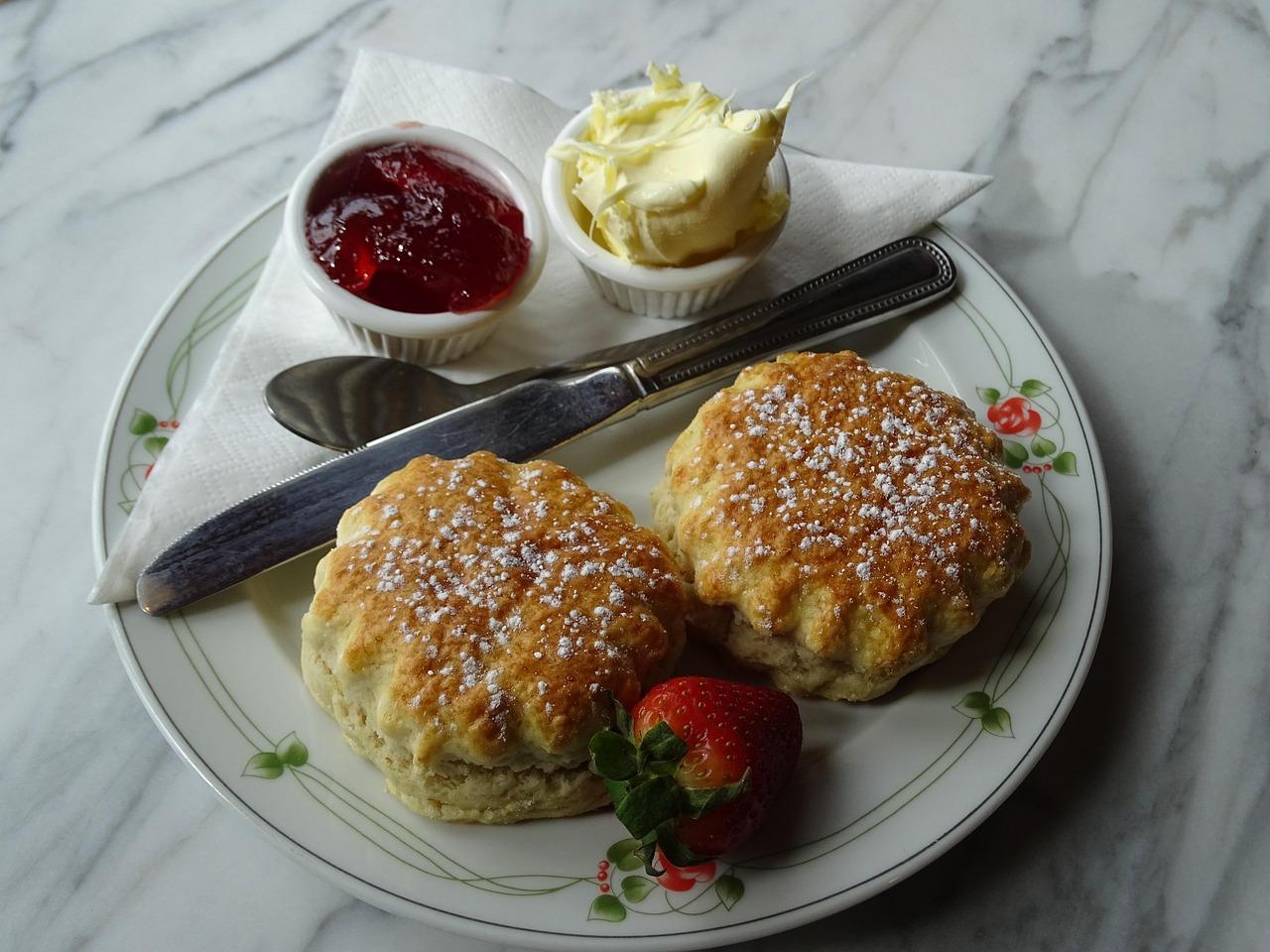
A cream tea is the West Country's afternoon treat: warm scones, clotted cream and strawberry jam with a pot of tea, served in tea gardens across Devon and Cornwall. In Devon the cream goes on first and the jam on top; in Cornwall it's the other way round, and the argument never ends. These scones are plain and light so the cream and jam shine. Chef's tip: cut straight down with the cutter and don't twist it, or the scones rise lopsided.

by KrazyBadal 0 views

Chelsea buns

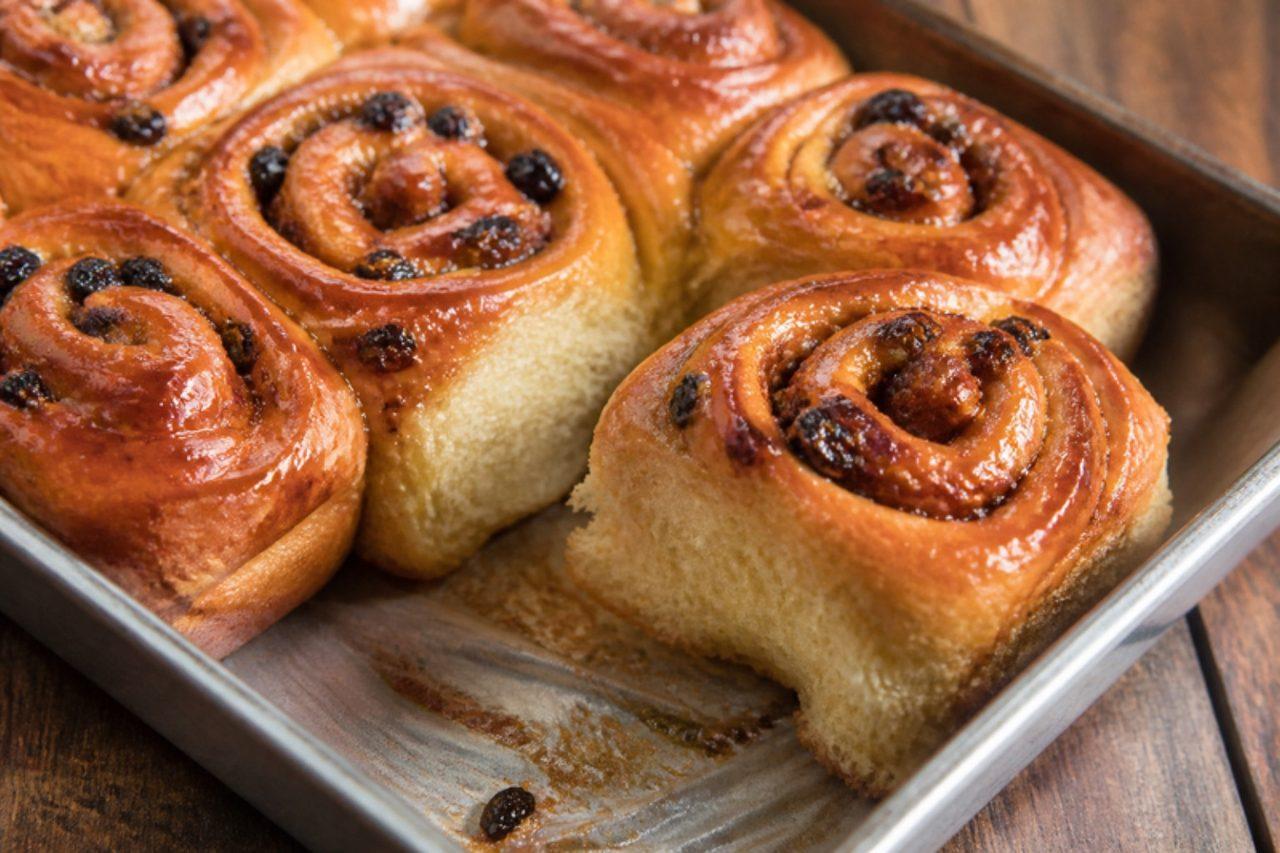
The Chelsea bun was the speciality of the Old Chelsea Bun House in London in the 1700s, where crowds queued on Good Friday; today the coiled, sticky bun is a bakery classic across England. A soft dough is spread with butter, brown sugar, currants and spice, rolled up, sliced and baked snugly in a tin so the buns rise into each other and come out square-sided. Chef's tip: pack the slices tightly; it is the squeeze that gives them their shape and soft edges.

by KrazyBadal 0 views

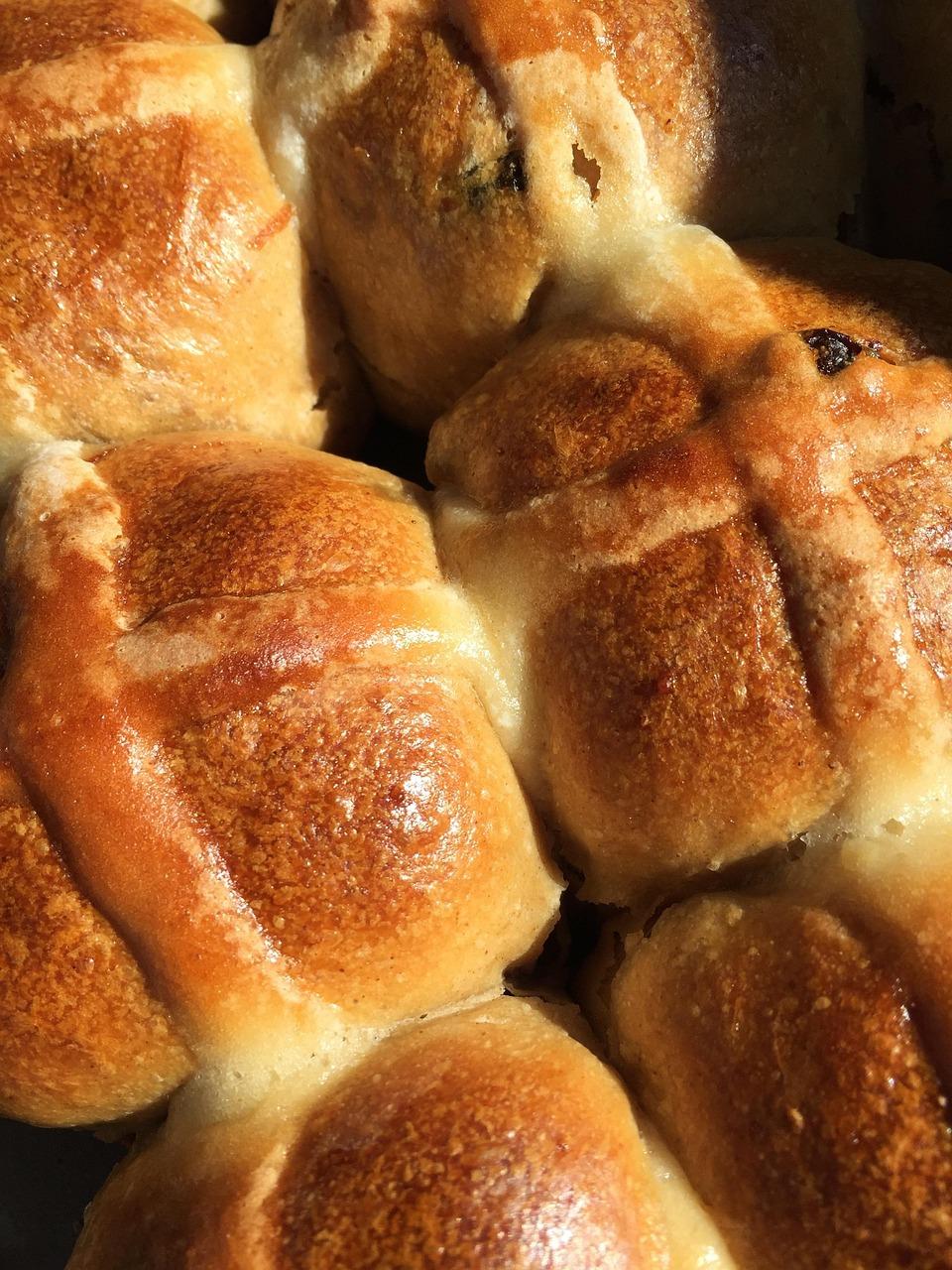
Hot cross buns

Hot cross buns are eaten toasted with butter on Good Friday across England, and London bakeries have sold them for centuries to the old street cry 'one a penny, two a penny'. The soft, spiced dough is full of currants and orange peel, and the cross on top is piped from a simple flour paste before baking. Chef's tip: let the dough rise somewhere really warm; spiced, fruited dough is slow and needs patience.

by KrazyBadal 0 views

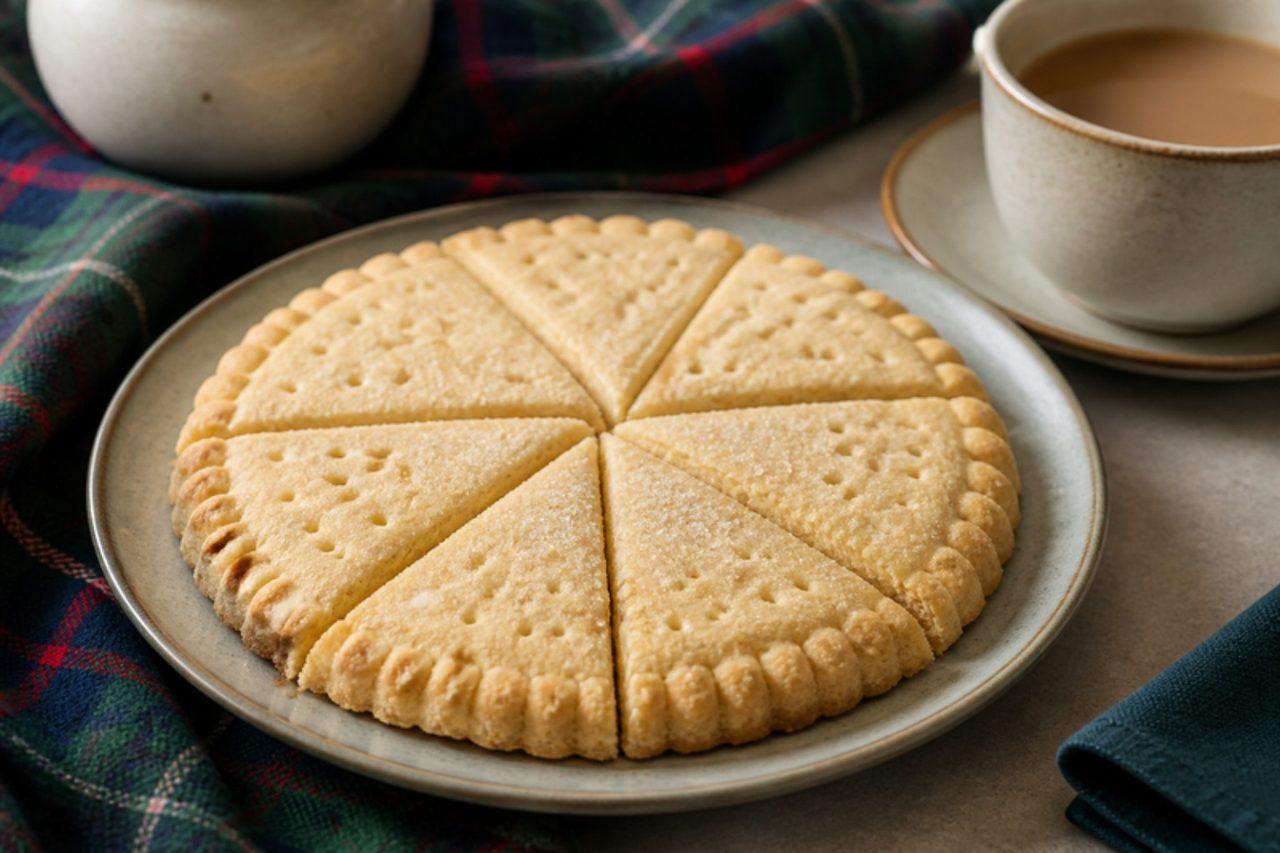
Scottish shortbread

Shortbread is Scotland's most famous bake, handed round at Hogmanay with a dram and packed in tins as a gift all year. The classic recipe is one part sugar, two parts butter and three parts flour, with a little rice flour for the sandy snap; it is shaped into a round and cut into petticoat tails, a shape linked with Mary, Queen of Scots. Chef's tip: bake low and slow so it stays pale gold; brown shortbread tastes bitter rather than buttery.

by KrazyBadal 0 views

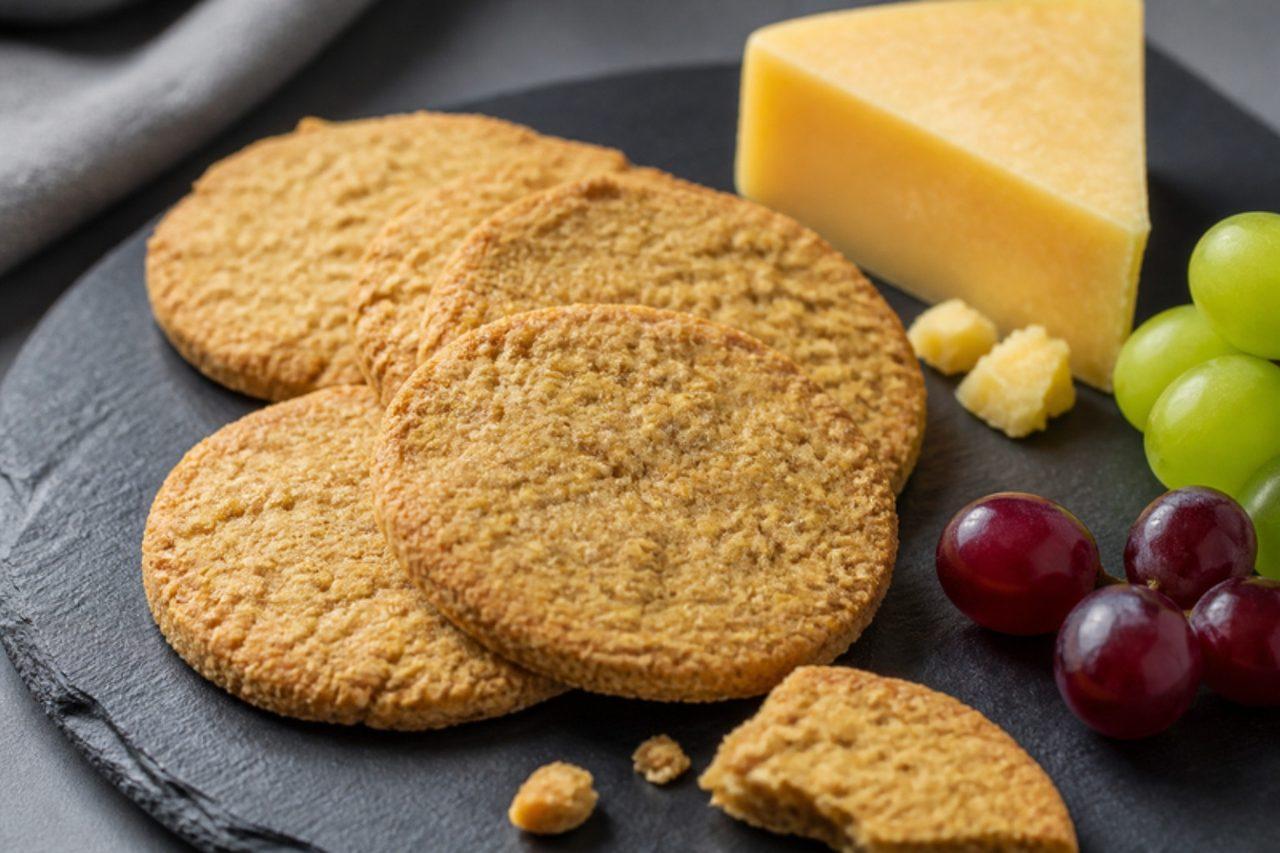
Scottish oatcakes

Oatcakes have been baked on girdles across Scotland since oats were the country's main grain, and they are still eaten with cheese, smoked fish or marmalade, and alongside soup on cold days. Medium oatmeal is bound with a little melted butter and hot water, rolled thin and baked until crisp and nutty. Chef's tip: work quickly while the dough is warm; as it cools it cracks and won't roll.

by KrazyBadal 0 views

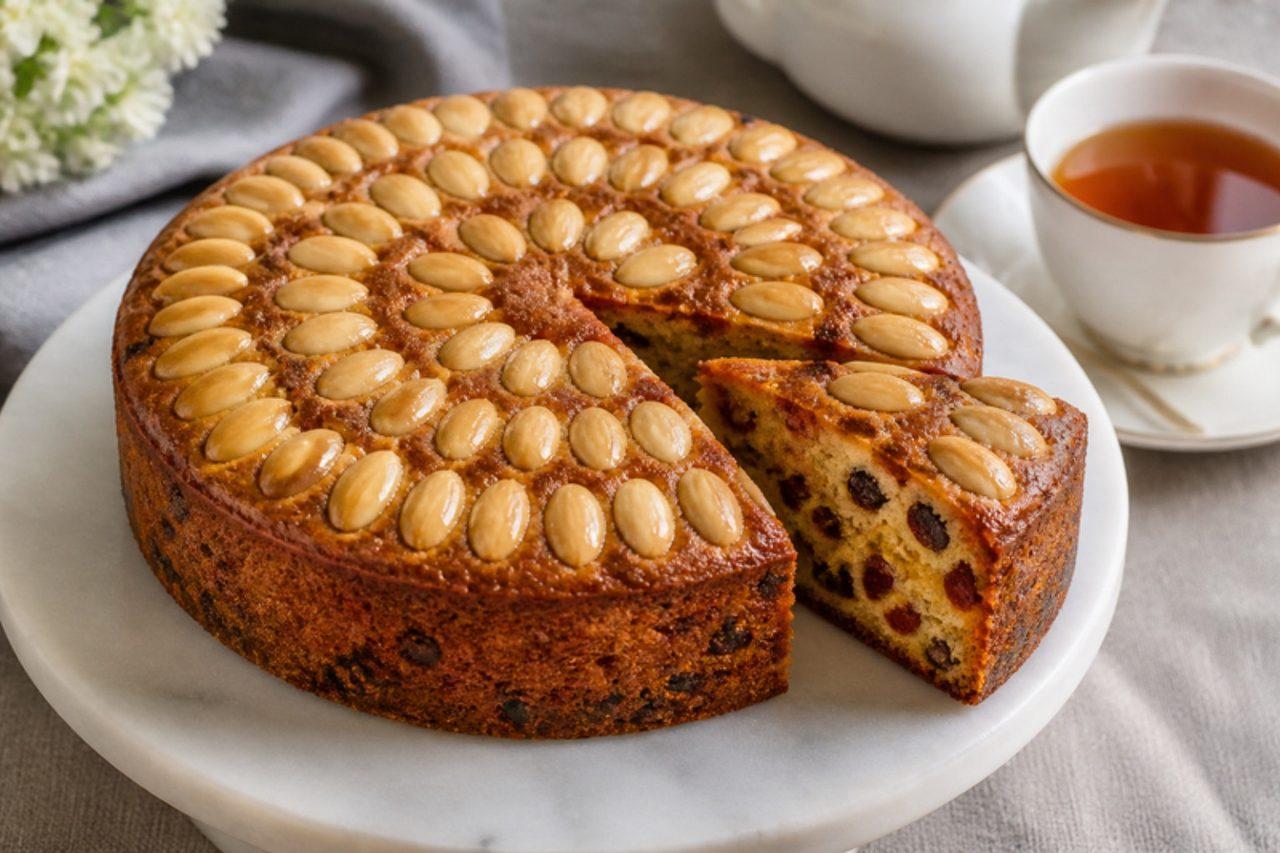
Dundee cake

Dundee cake is the light, buttery fruit cake from the city of marmalade and jute, said to have been created by the Keiller family to use up their orange peel. Instead of marzipan and icing it is topped with concentric circles of whole blanched almonds, and it is eaten at Christmas and with afternoon tea. Chef's tip: lay the almonds on gently without pressing; if they sink they burn and the pattern is lost.

by KrazyBadal 0 views

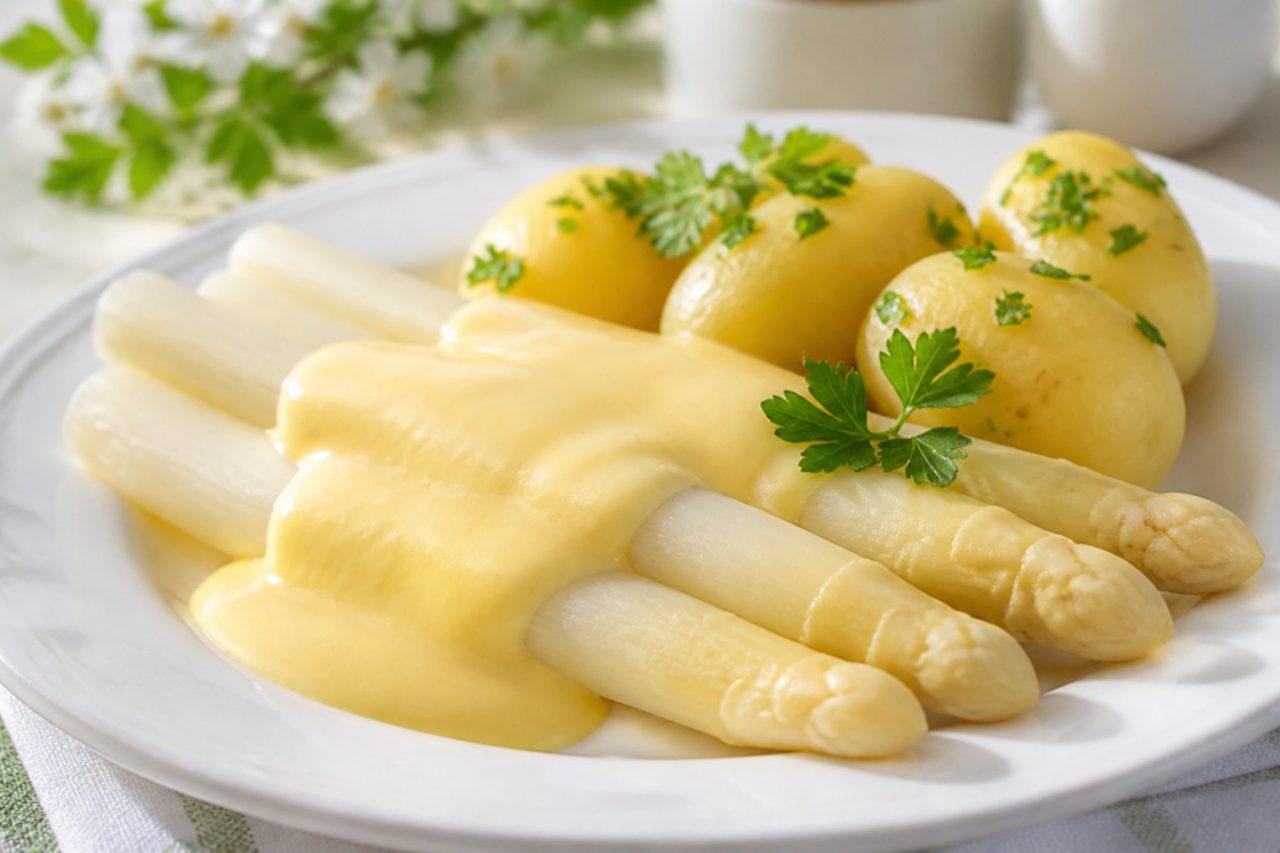
White asparagus with hollandaise

From mid-April until 24 June, Spargelzeit takes over Baden, and the little town of Schwetzingen near Heidelberg holds its asparagus market in front of the palace. The thick white spears are peeled, simmered with a pinch of sugar and a knob of butter, and served on a warm platter with new potatoes and a jug of hollandaise, often as a meal on its own. The sauce is thickened with egg yolks warmed gently to about 70 °C, which also takes them past the safe point. The common mistake is peeling too lightly: the woody outer layer stays stringy, so peel generously from just under the tip. Chef's tip: save the peelings and ends to simmer in the cooking water first; it makes the spears taste far more of asparagus.

by KrazyBadal 0 views

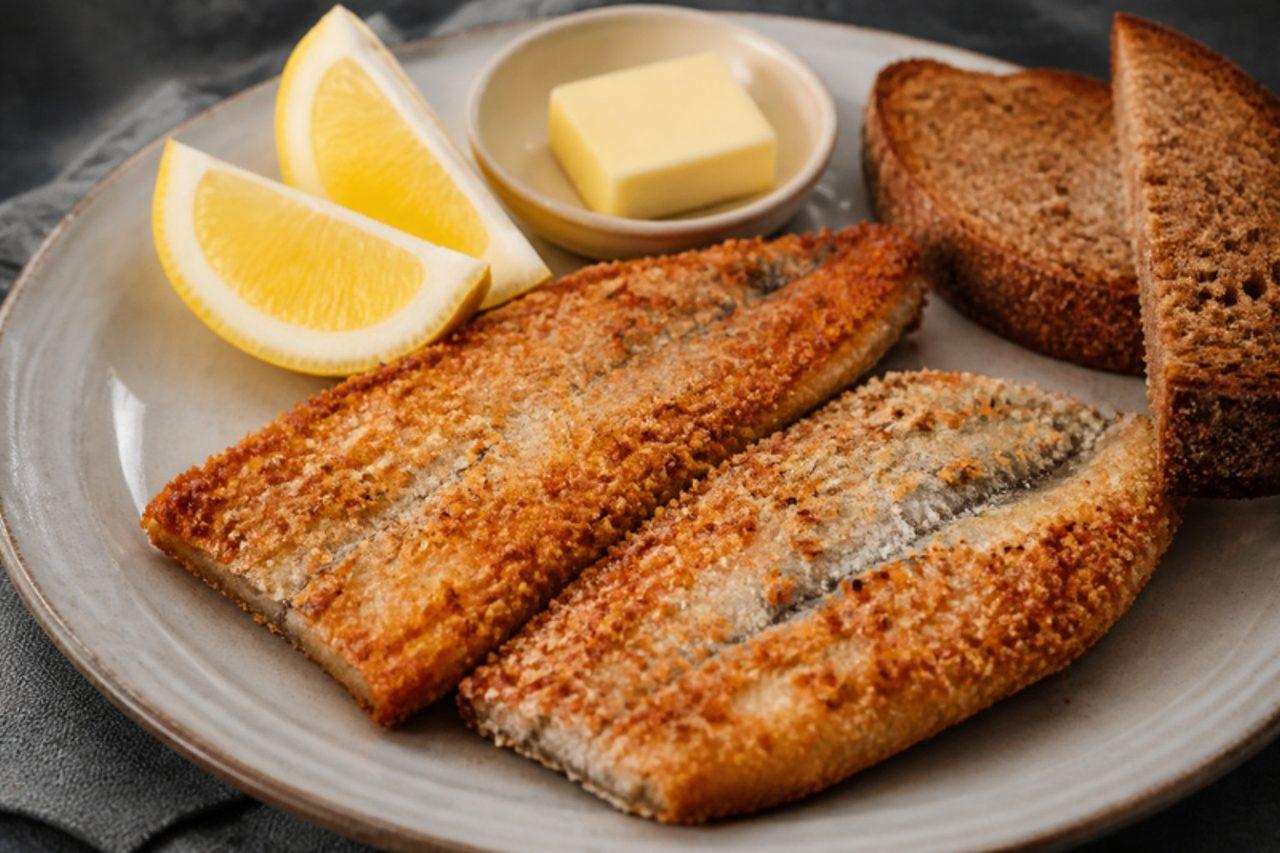
Donegal herring in oatmeal

Herring was the silver fortune of Killybegs and the Donegal coast, when the boats came in loaded through the autumn, and the cheapest supper in every fishing village was fresh herring rolled in oatmeal and fried. The oats make a nutty, crunchy crust around the rich, soft fish. Serve with boiled potatoes and a wedge of lemon or a spoonful of mustard. Chef's tip: press the oats on firmly and let the fish sit for 5 minutes before frying, so the coating sticks.

25 minIrishFish
by KrazyBadal 0 views

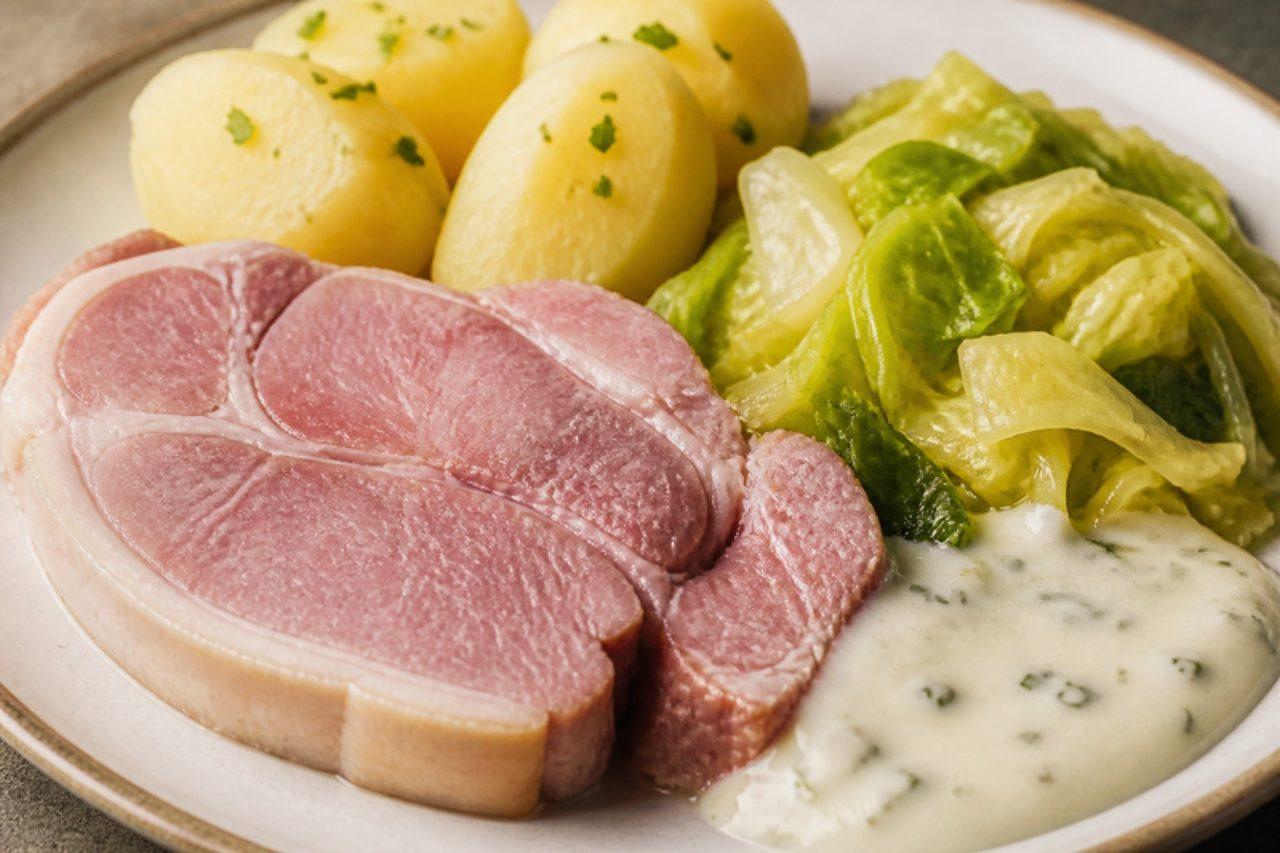
Bacon and cabbage

Bacon and cabbage is the Sunday dinner and the everyday dinner of rural Ireland, cooked in farmhouses from Tipperary to Mayo long before corned beef became the emigrants' version. A joint of cured pork, usually collar or loin bacon, is simmered gently, then the cabbage is cooked in the same salty, porky water, and both are served with floury potatoes and a white parsley sauce. Chef's tip: soak the bacon joint overnight in cold water if it is very salty; ask your butcher, as some cures are milder.

135 minIrishMeatGluten free
by KrazyBadal 0 views

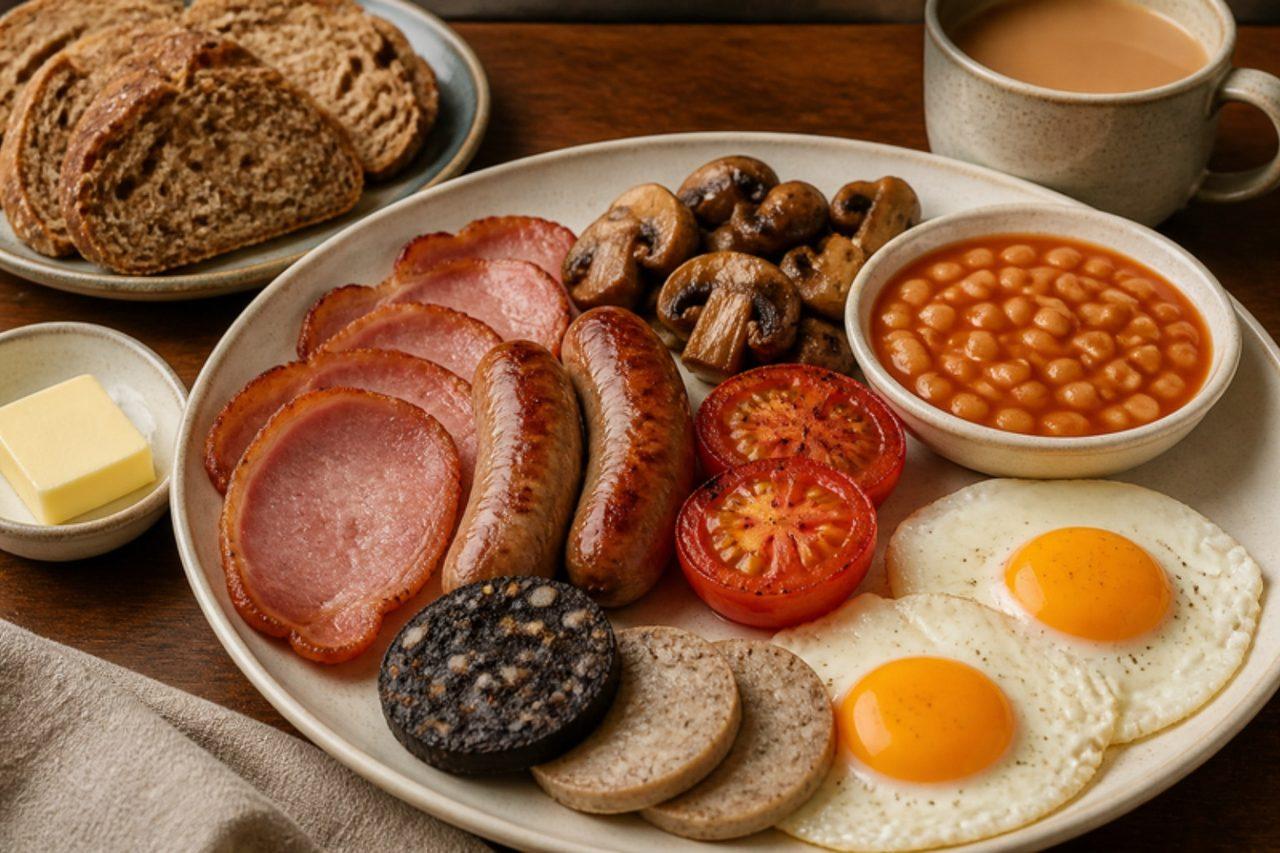
Full Irish breakfast

The full Irish, or simply 'the fry', is the big weekend breakfast served in B&Bs from Donegal to Kerry and in Dublin cafés before the match. It differs from the English breakfast in its back rashers, black and white pudding, and fried soda bread or potato bread to mop up. It contains pork: sausages, rashers and puddings. Chef's tip: cook in stages in one large pan and keep each item warm in a low oven, so everything reaches the plate hot together.

by KrazyBadal 0 views

Dublin Bay prawns in garlic butter

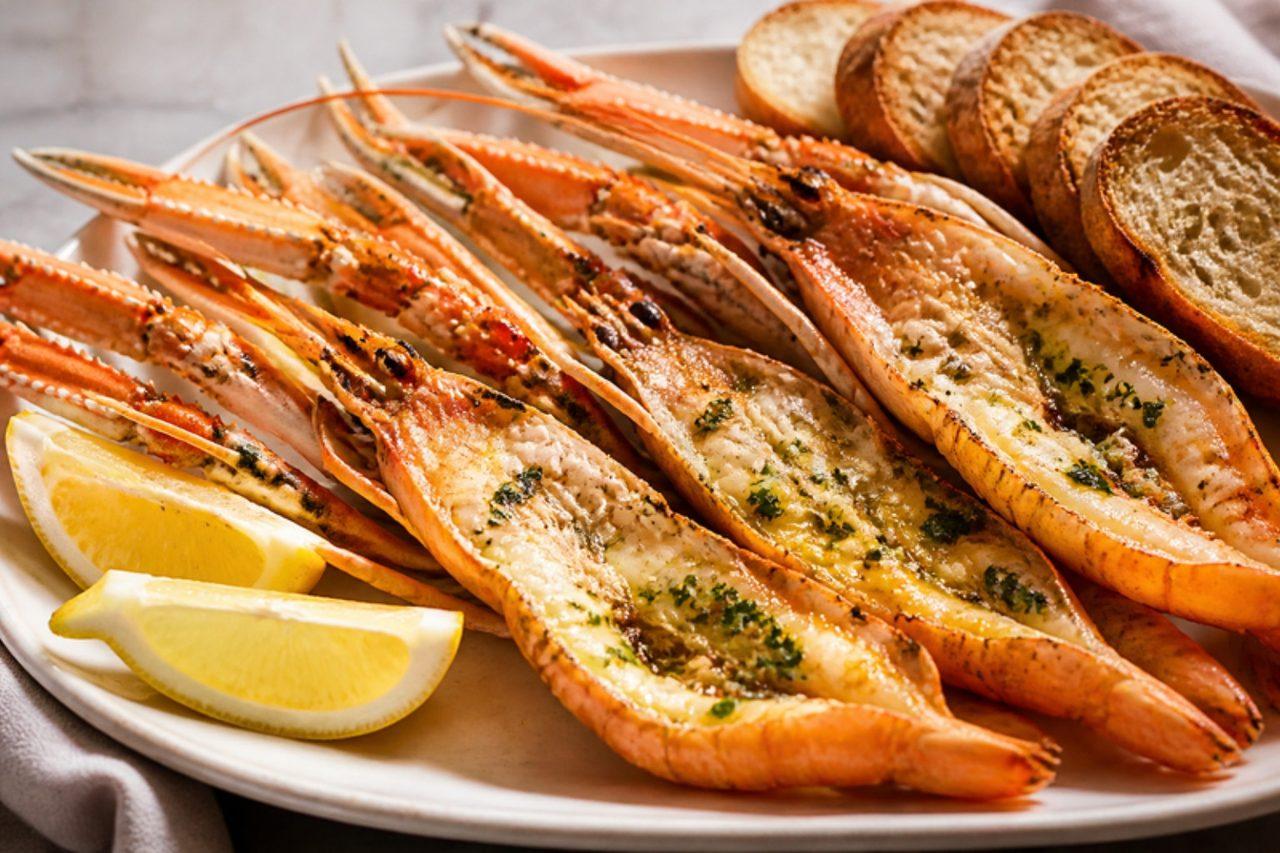
Dublin Bay prawns are not prawns at all but langoustines, the small orange lobsters landed at Howth and Clogherhead and once sold off the boats along the north Dublin coast. Seafood bars in Howth serve them split and grilled under a sizzling garlic, lemon and parsley butter, with brown bread to mop the plate. Chef's tip: they cook in minutes, so take them out as soon as the flesh turns from translucent to white.

25 minIrishFishGluten free
by KrazyBadal 0 views

Bantry Bay mussels in cider

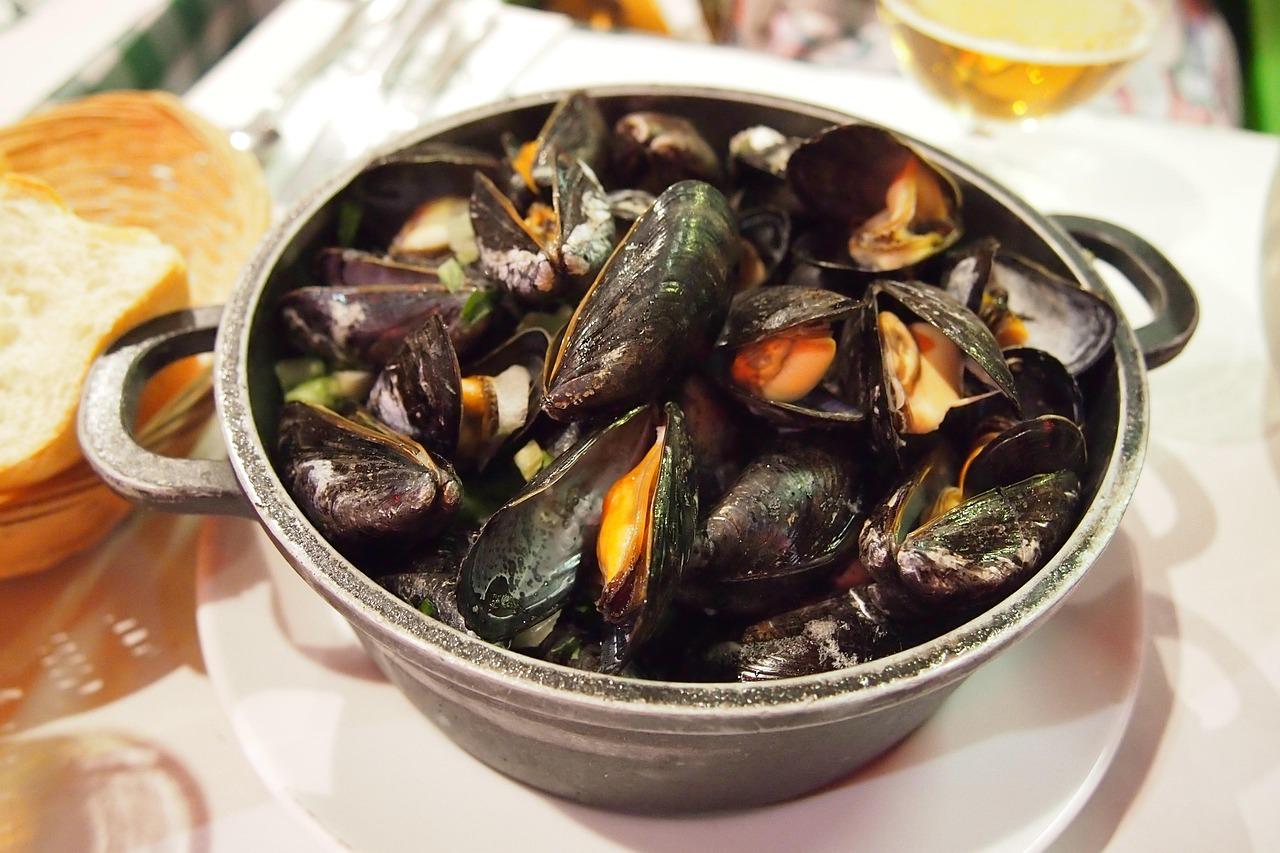
The sheltered waters of Bantry Bay in West Cork grow rope mussels that end up in pots in every harbour pub from Glengarriff to Kinsale. Here they are steamed in Irish dry cider with leek, garlic and thyme, then finished with a spoonful of cream, giving a sweet-sour, apple-scented broth for dipping brown bread. The cider contains alcohol, which mostly cooks off; for an alcohol-free version use cloudy apple juice with a teaspoon of cider vinegar. Chef's tip: the mussels must be alive when cooked, so check every one before they go in.

30 minIrishFishGluten free
by KrazyBadal 0 views

Welsh rarebit

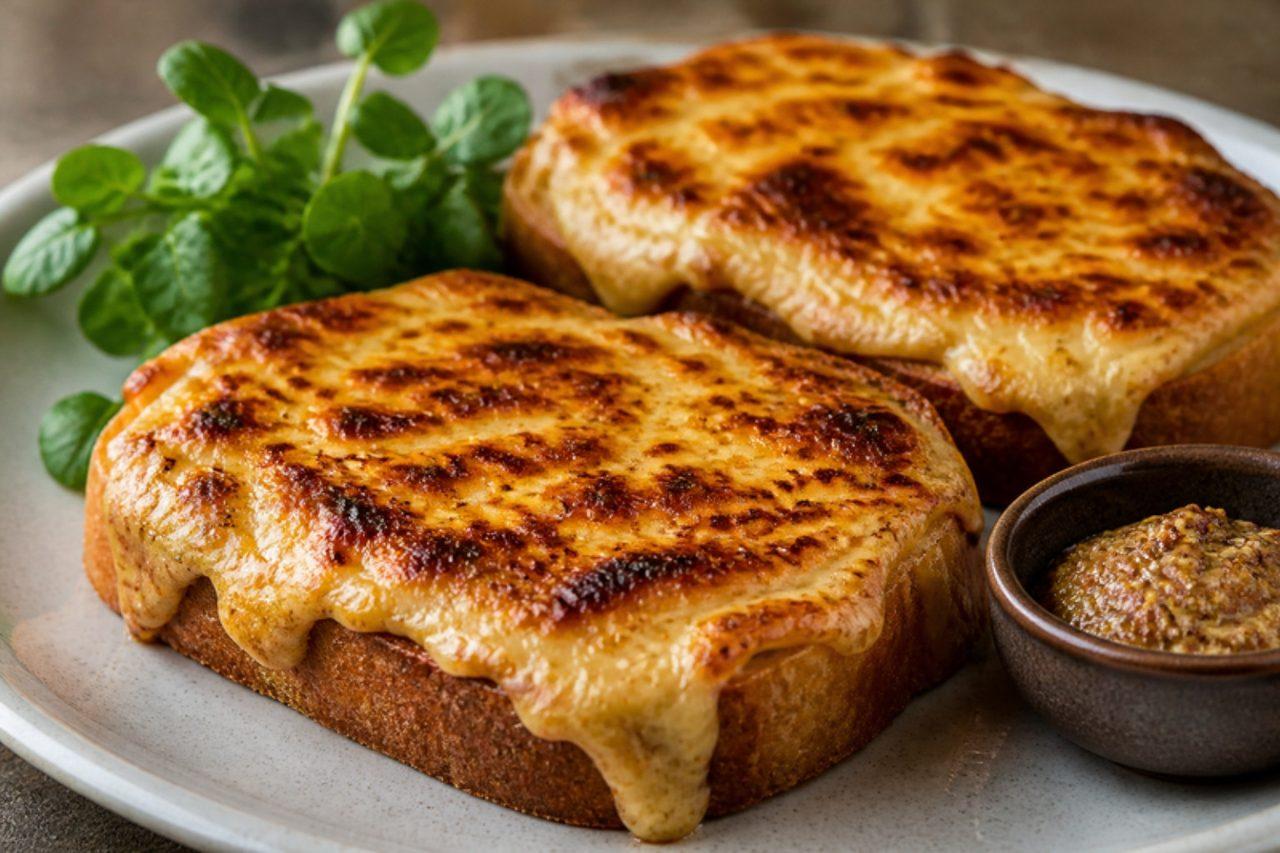
Welsh rarebit, caws pobi in Welsh, is far more than cheese on toast: a thick sauce of strong cheese, mustard, Worcestershire-style sauce and ale is spread on toast and grilled until bubbling and blistered. It has been a tavern supper in Wales and across Britain for three hundred years. The ale contains alcohol, so use milk for an alcohol-free version. Many traditional cheddars use animal rennet, and Worcestershire sauce usually contains anchovy, so choose a vegetarian cheese and a vegetarian brown sauce. Chef's tip: take the sauce off the heat as soon as the cheese melts; boiling makes it stringy and oily.

by KrazyBadal 0 views

Glamorgan sausages

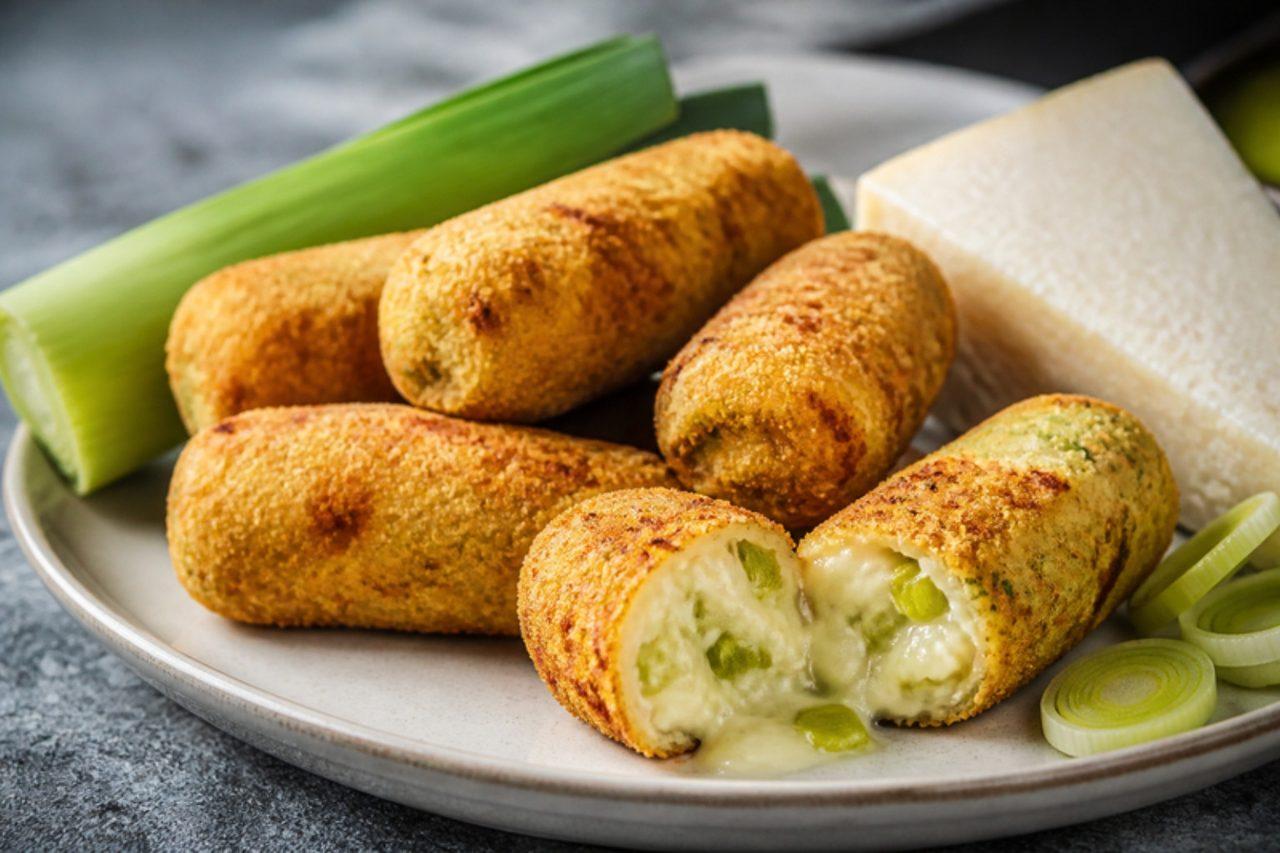
Glamorgan sausages, selsig Morgannwg, are a meat-free Welsh classic from the old county of Glamorgan in South Wales, made since at least the 1800s and praised by George Borrow on his tour of Wales. Crumbly Caerphilly cheese, leek and fresh breadcrumbs are bound with egg, rolled into sausages, crumbed and fried until crisp and golden. Traditional Caerphilly is often made with animal rennet; look for a vegetarian one. Chef's tip: chill the shaped sausages for 30 minutes before frying so they hold together.

by KrazyBadal 0 views

Anglesey eggs

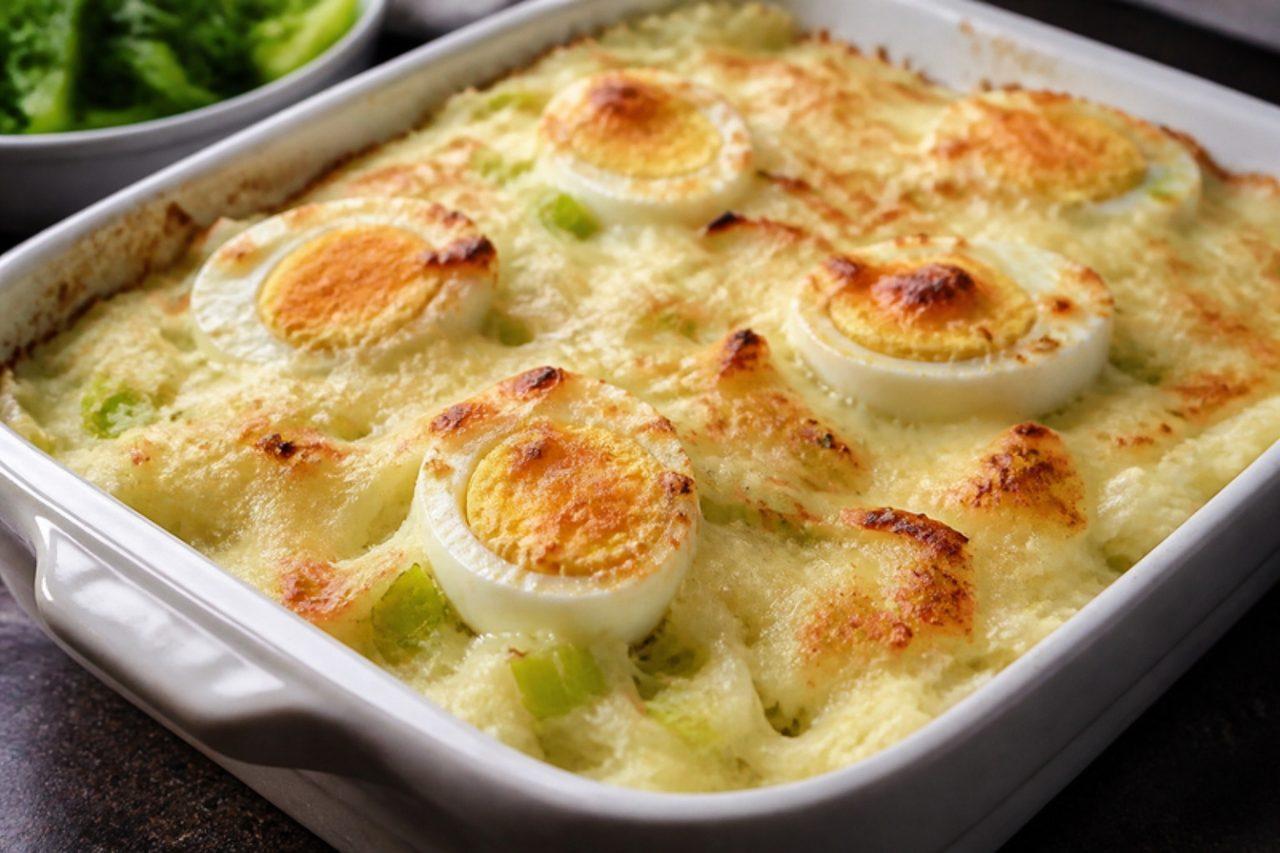
Anglesey eggs, wyau Ynys Môn, is a farmhouse supper from the island of Anglesey off North Wales: leeky mashed potato piped round halved hard-boiled eggs, covered with cheese sauce and baked until golden. It is cheap, filling and comforting, the kind of dish made on a wet weeknight with what the farm had. Use a vegetarian hard cheese, as traditional cheddar can contain animal rennet. Chef's tip: cool the boiled eggs in cold water straight away so the yolks stay yellow without a grey ring.

by KrazyBadal 0 views

Roast beef and gravy

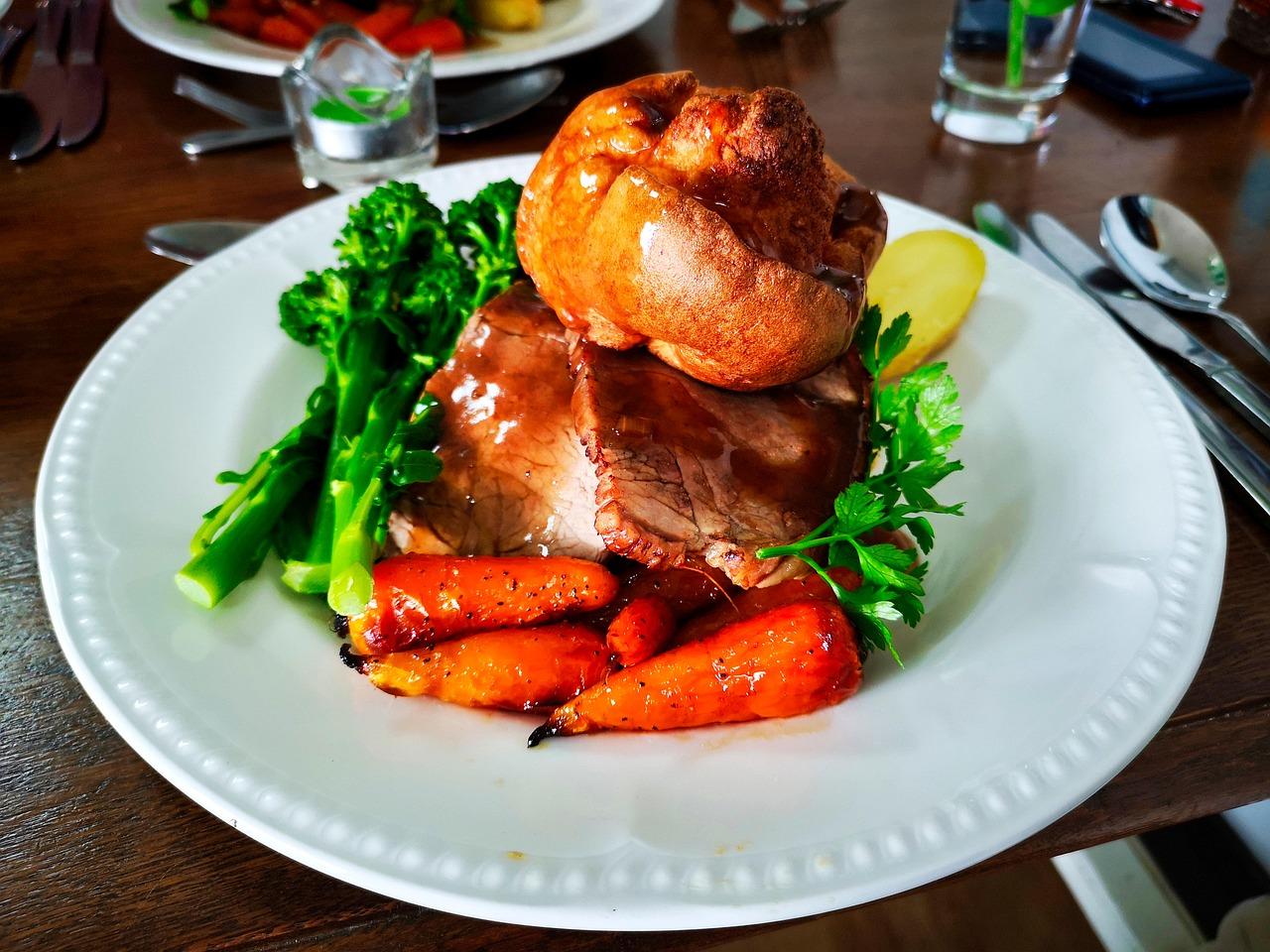
Roast beef is the heart of the English Sunday lunch, and in Yorkshire it comes with puddings, roast potatoes and a jug of gravy made from the pan juices. A beef joint is seared in a hot oven, then roasted more gently and rested so it slices juicy and pink, with crisp, well-seasoned edges. Serve with Yorkshire puddings, horseradish and greens. Chef's tip: rest the meat for at least 20 minutes under foil; carved straight away, its juices run all over the board.

110 minBritishMeat
by KrazyBadal 0 views

Raised pork pie

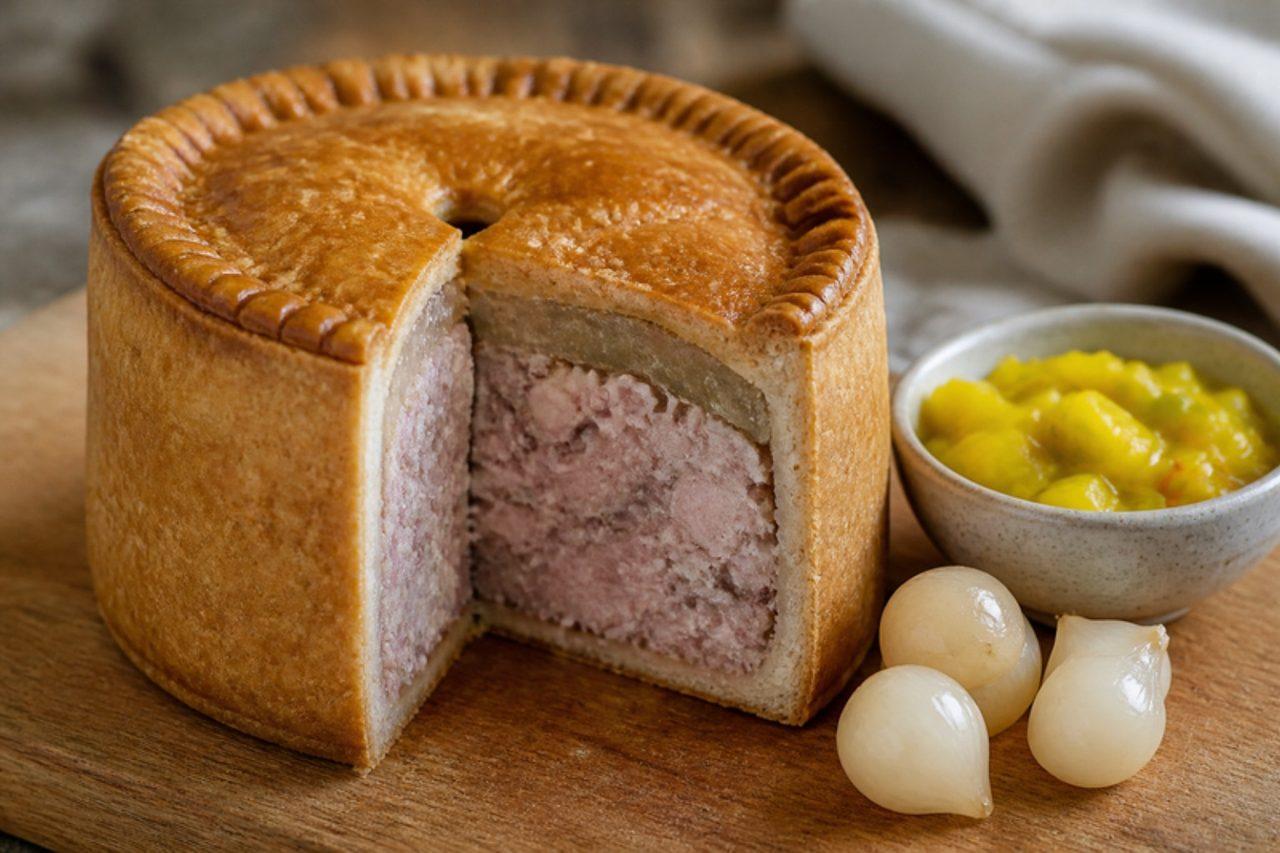
This is a raised pork pie in the style of Melton Mowbray in Leicestershire, the hunting town whose pies were carried in saddle bags; only pies made in the area may use the town's name, so this is our home version. Chopped, uncured pork shoulder and belly, peppered and spiced with mace, is packed into a crisp hot water crust made with lard, baked with bowed sides, then filled with a savoury jelly. Eat it cold with English mustard and pickle at picnics or on Boxing Day. Chef's tip: work the pastry while it is still warm; as it cools it cracks.

180 minBritishMeat
by KrazyBadal 0 views

Cumberland sausage and mash

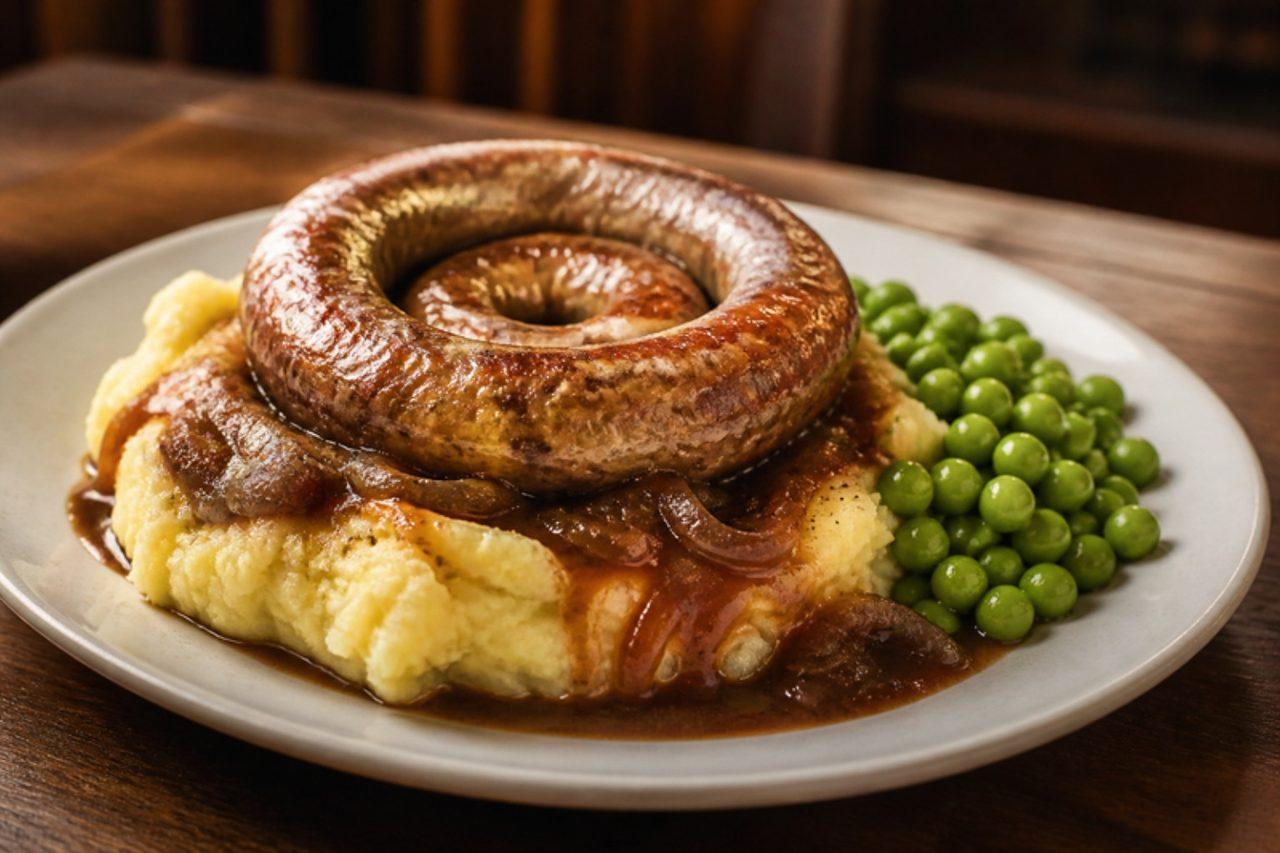
The Cumberland sausage is a long, unlinked coil of coarse, peppery pork sausage from the old county of Cumberland in the Lake District, cooked whole and cut at the table. With buttery mash and a slow onion gravy it's the pub and family supper of the North West. Chef's tip: cook the coil gently in the oven, held flat with skewers, so it doesn't split and stays juicy.

by KrazyBadal 0 views

Birmingham chicken balti

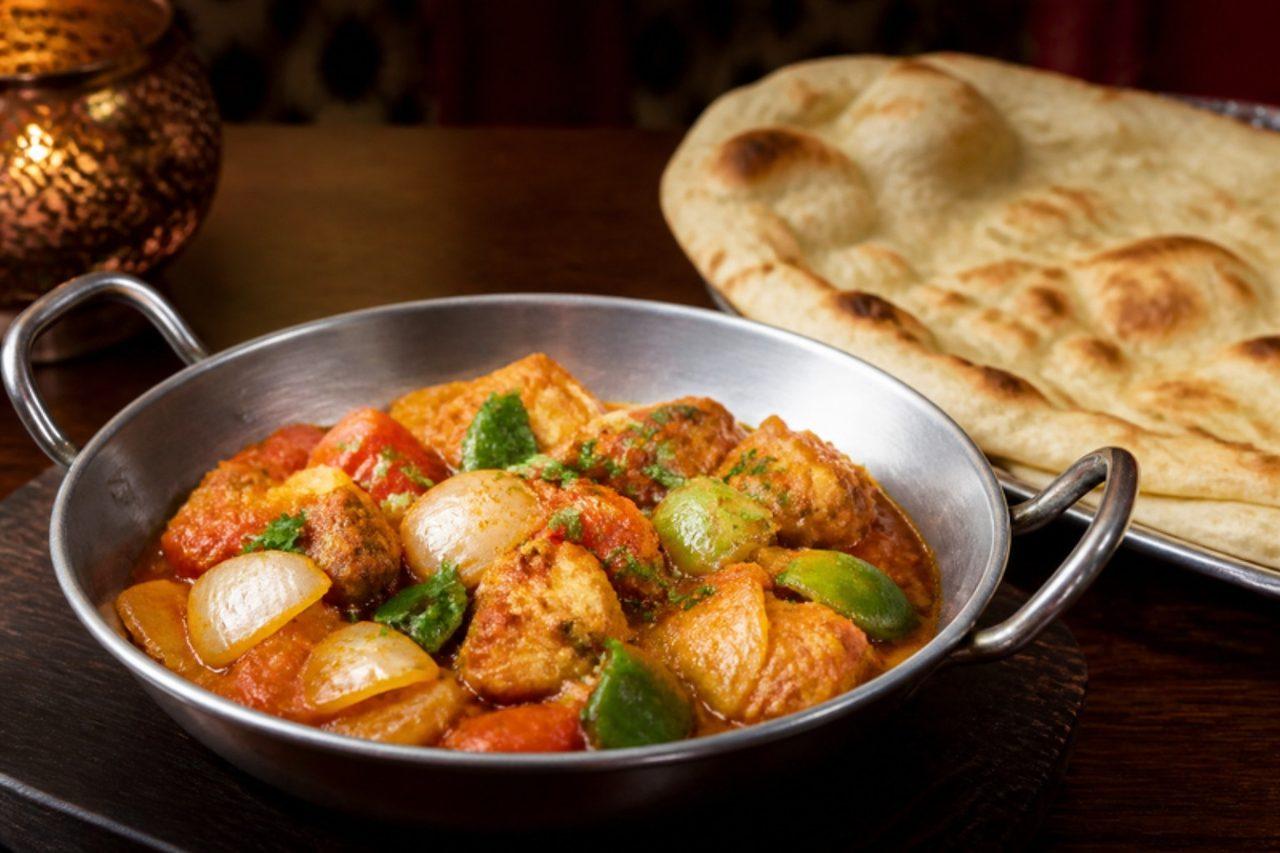
The balti was born in the 1970s in the Pakistani and Kashmiri restaurants of Sparkbrook and Balsall Heath in Birmingham, an area still called the Balti Triangle. It is cooked fast in a thin steel bowl over fierce heat, so the sauce is reduced and the peppers keep some bite, and it is served sizzling in the same bowl and scooped up with a huge naan. Chef's tip: make the base sauce first and keep the final cook hot and quick; slow simmering turns it into a stew.

by KrazyBadal 0 views

Morecambe Bay potted shrimps

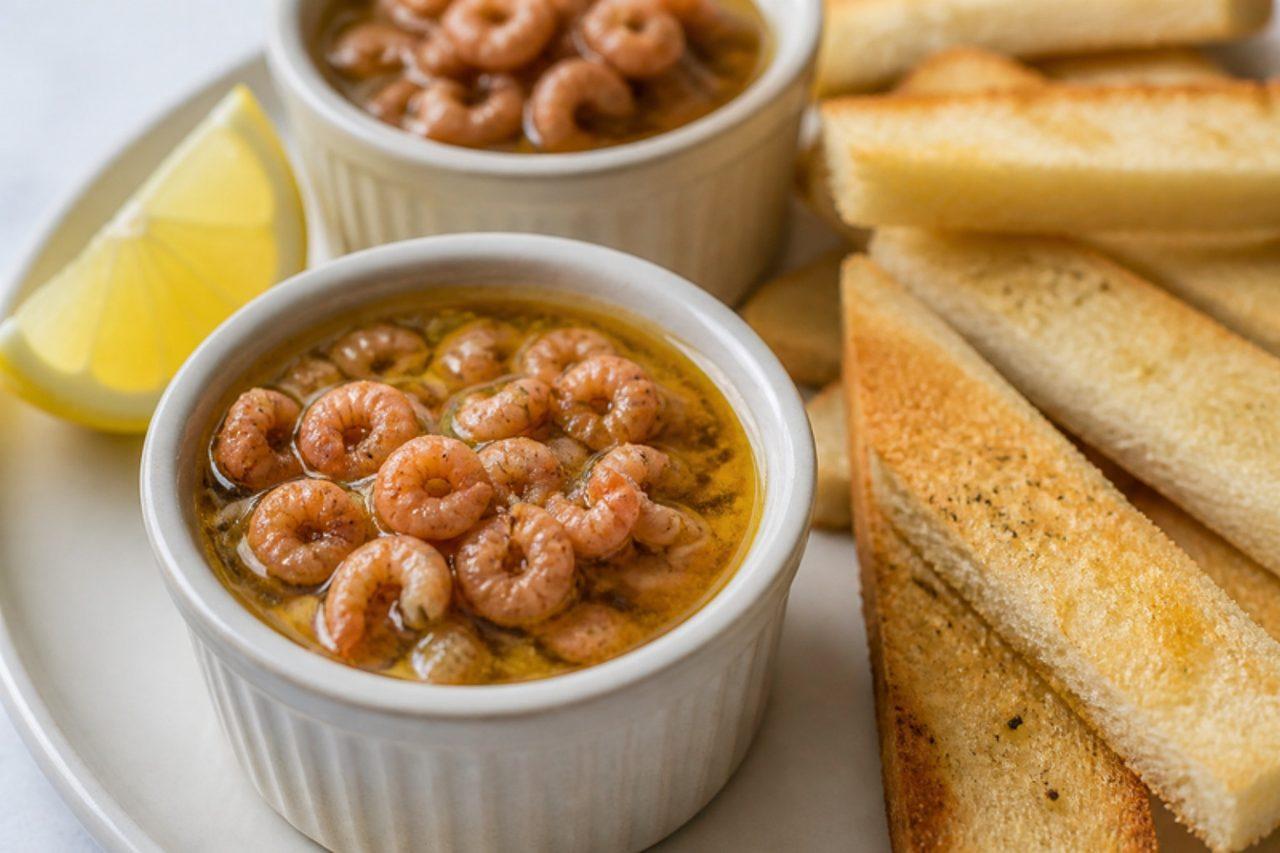
On the wide sands of Morecambe Bay in Lancashire, tiny brown shrimps have been caught by tractor and horse-drawn nets for centuries, boiled on the boats and picked by hand. Potted in butter flavoured with mace, nutmeg and cayenne, they are a classic English starter, served with hot toast so the butter melts. Buy shrimps ready cooked and peeled. Chef's tip: warm the shrimps in the butter only briefly; boiling them makes them tough and rubbery.

by KrazyBadal 0 views

Grilled kippers

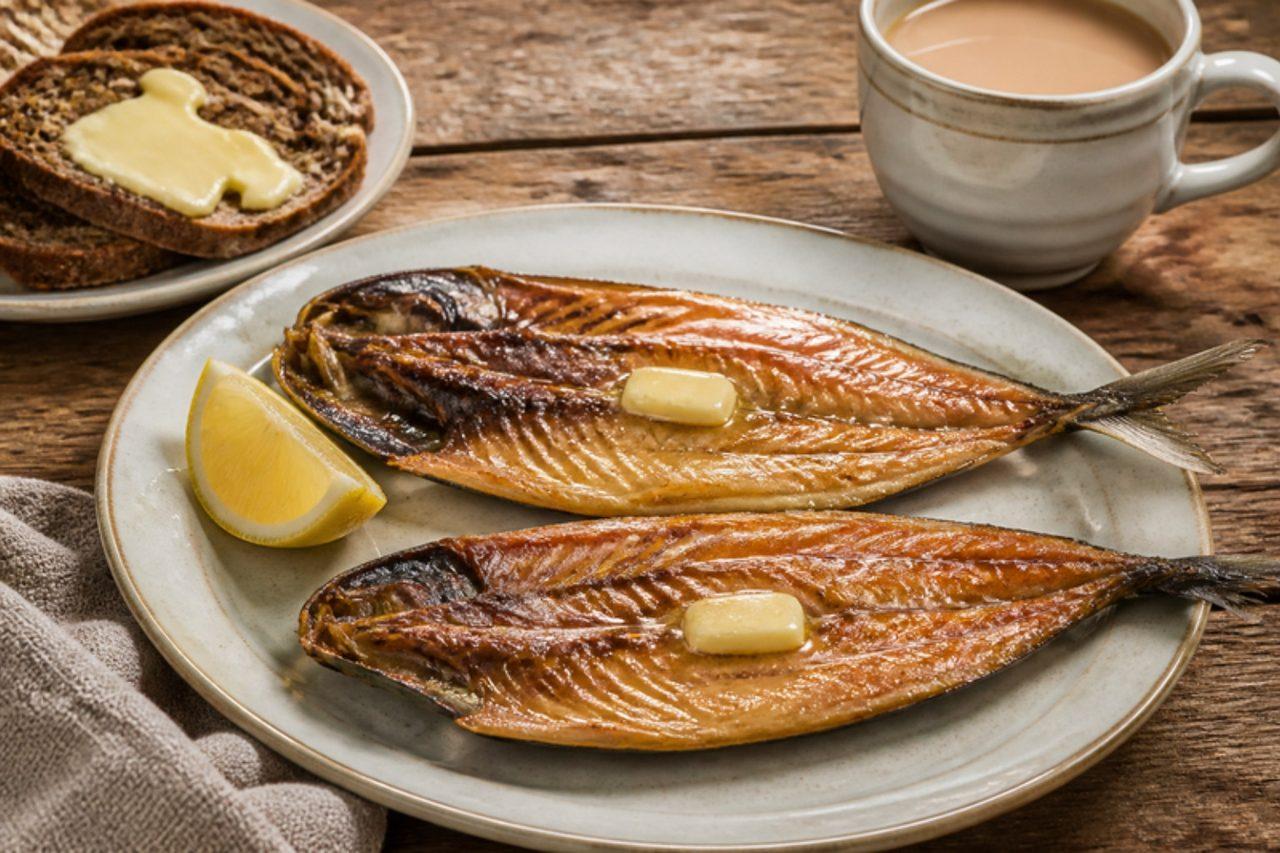
In the tiny harbour village of Craster on the Northumberland coast, herring have been split and oak-smoked in the same smokehouse for over a century, and kippers are the classic English breakfast fish in seaside hotels and on dining cars. A kipper is cold-smoked but not cooked, so it must be heated through; grilled with butter it turns rich, salty and smoky. Serve with brown bread and butter, a poached egg or a squeeze of lemon. Chef's tip: grill them skin-side up first so the skin crisps and the flesh stays juicy.

by KrazyBadal 0 views

Teesside chicken parmo

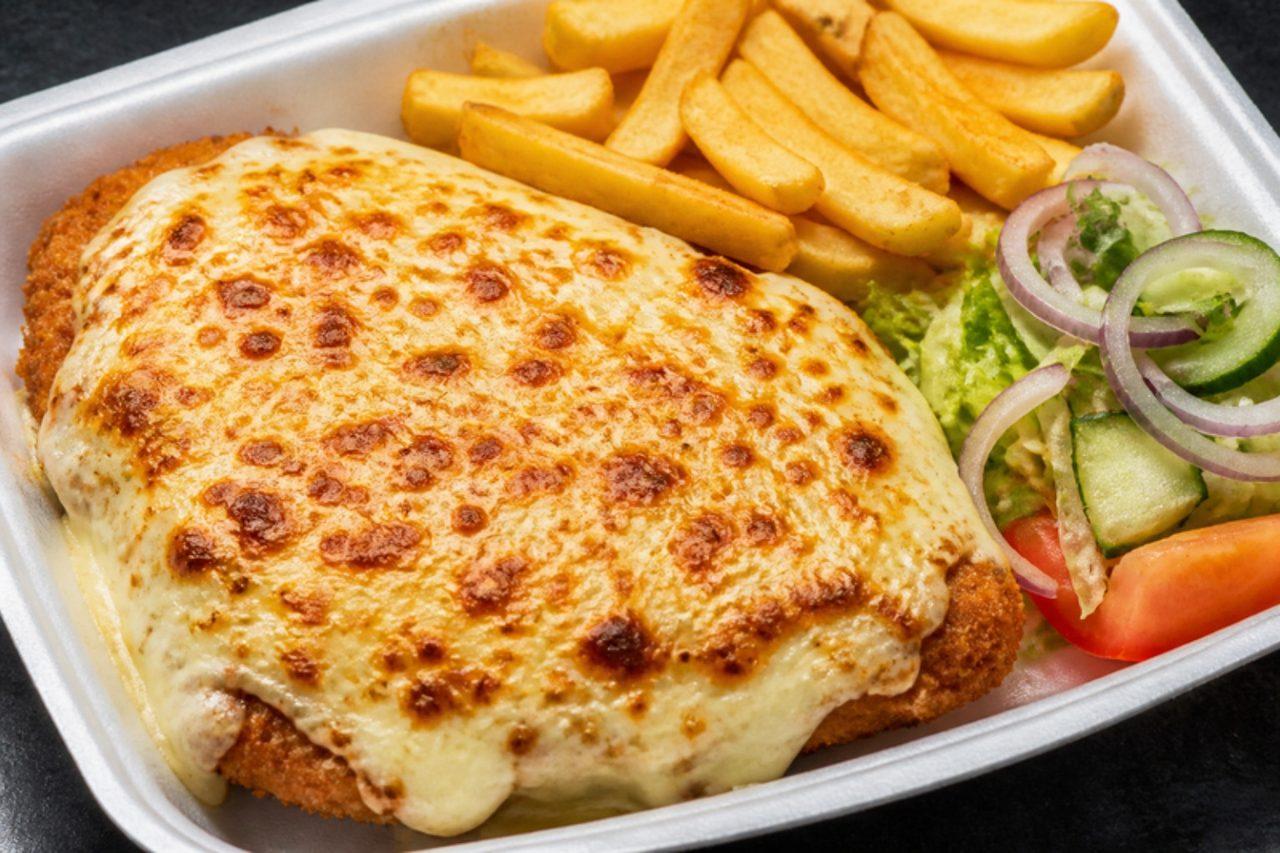
The parmo is Middlesbrough's own takeaway dish, said to have been created by an American soldier who settled on Teesside after the Second World War, and it's sold in boxes with chips across the town on a Friday night. A flattened, breaded chicken breast is fried, then covered with white sauce and a thick layer of cheese and grilled until bubbling. Chef's tip: bash the chicken to an even 1 cm, so it cooks through before the crumb burns.

by KrazyBadal 0 views

Steak and kidney pudding

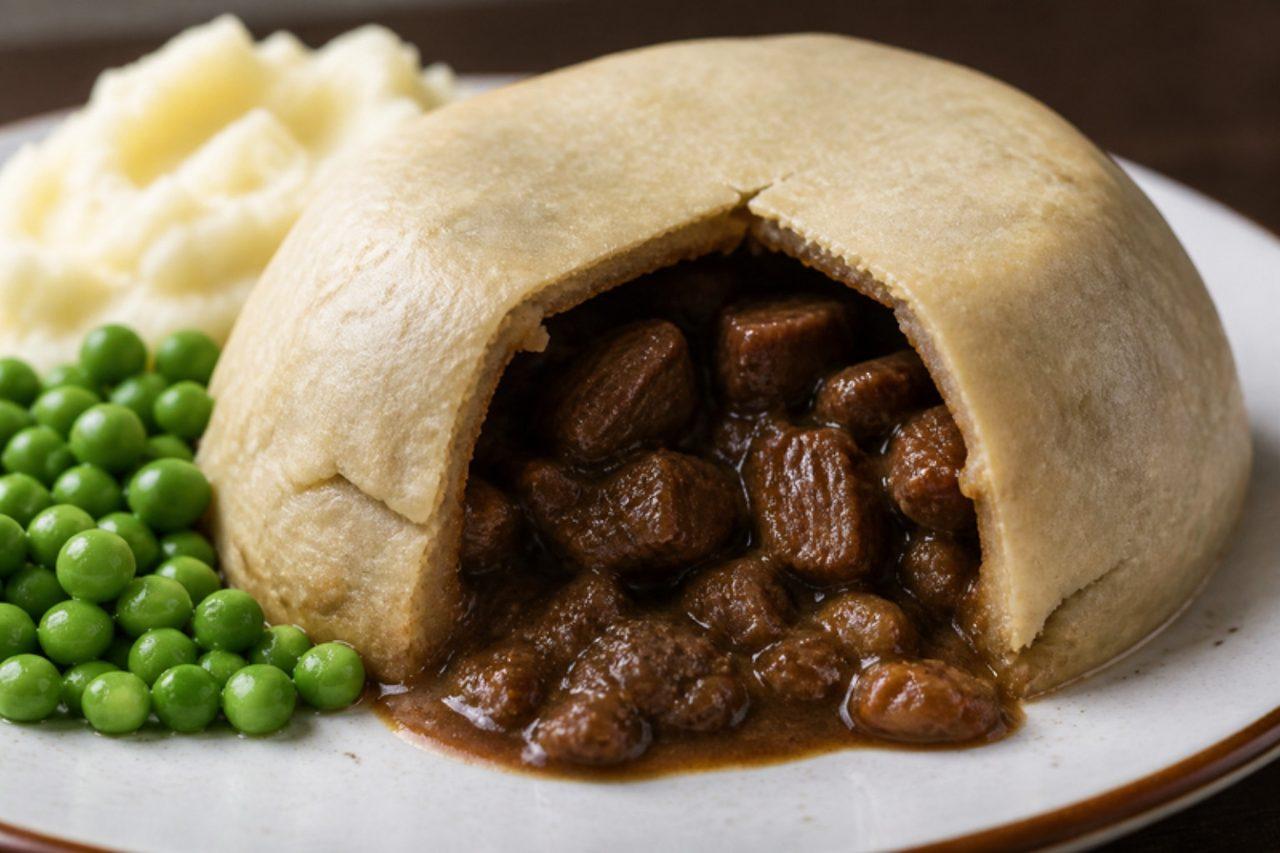
Steak and kidney pudding is the steamed suet pie of old English chop houses and Northern family kitchens, the kind of dish that filled up mill workers through Lancashire winters. Beef and lamb's kidney in rich gravy are sealed in a basin lined with suet pastry and steamed for hours until the crust is soft and the filling falls apart. Chef's tip: cook the filling first; it gives tender meat and a crust that isn't soggy.

340 minBritishMeat
by KrazyBadal 0 views

Liver and onions

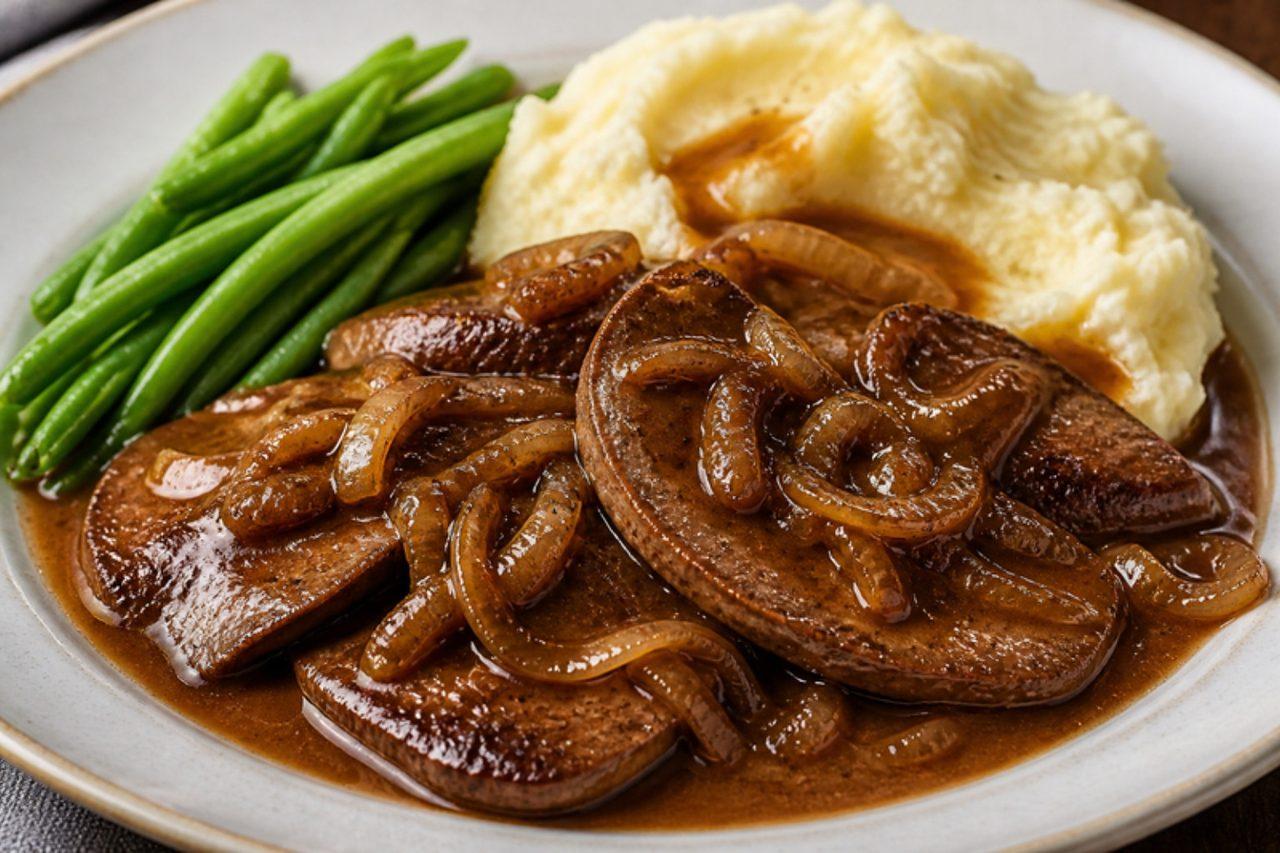
Liver and onions is a café and works-canteen classic across the North and the Midlands, cheap, quick and full of iron, eaten with mash and a dollop of gravy. Thin slices of calf's or lamb's liver are fried briefly in butter after the onions have turned slow and sweet. Chef's tip: soak the liver in milk for 30 minutes if you find its flavour strong; it softens the taste.

by KrazyBadal 0 views

Beef and ale pie

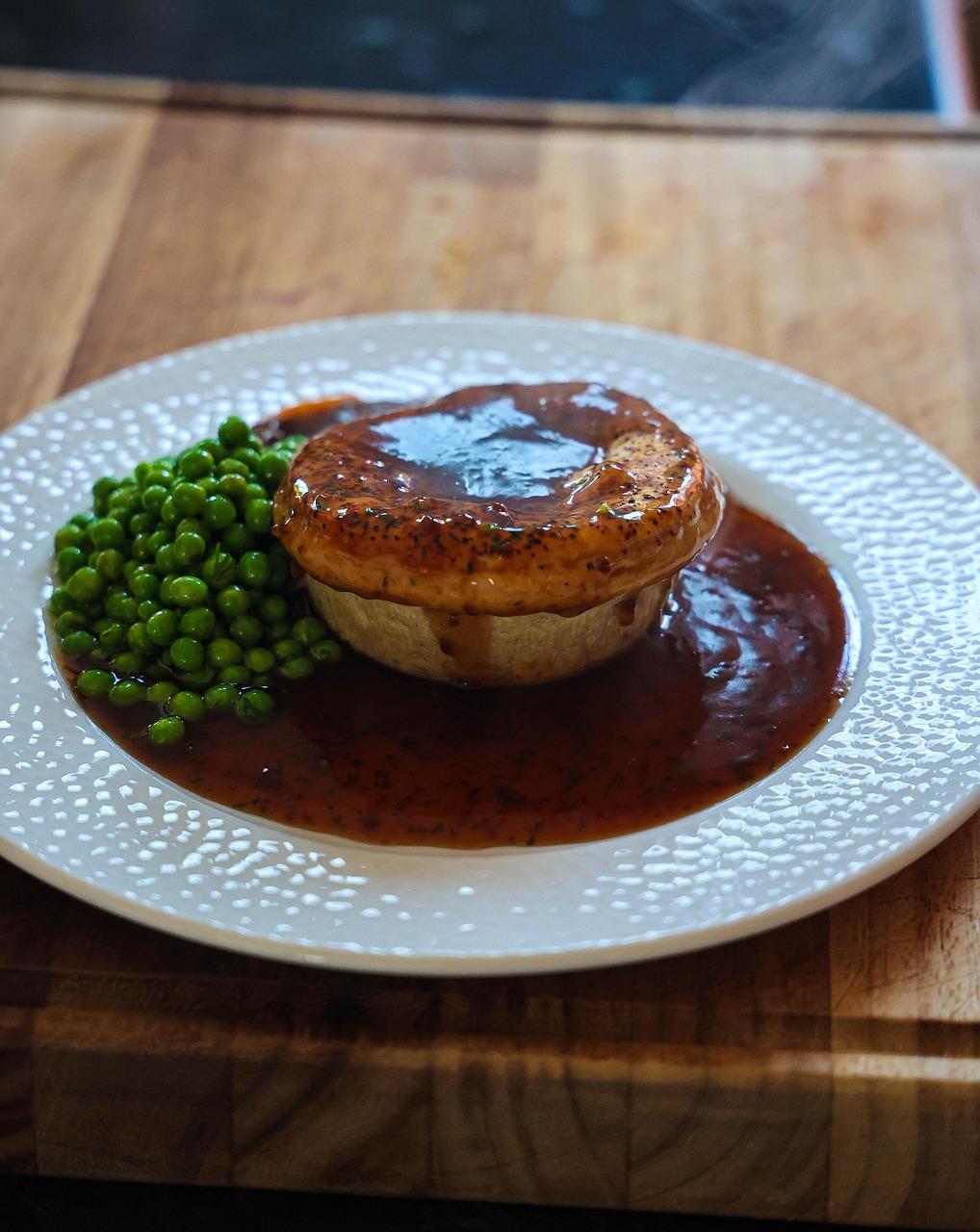
Beef and ale pie is the pub supper of Yorkshire and the Midlands, where brewing towns like Burton upon Trent made a dark ale gravy part of the region's cooking. Chuck steak is braised slowly in ale with onions and mushrooms until tender, then topped with flaky pastry. This recipe contains alcohol, most of which cooks off; for an alcohol-free pie use the same amount of beef stock with 1 tablespoon of malt vinegar and a teaspoon of brown sugar. Chef's tip: let the filling cool before topping, so the pastry stays crisp and puffy.

210 minBritishMeat
by KrazyBadal 0 views

Pie and mash with liquor

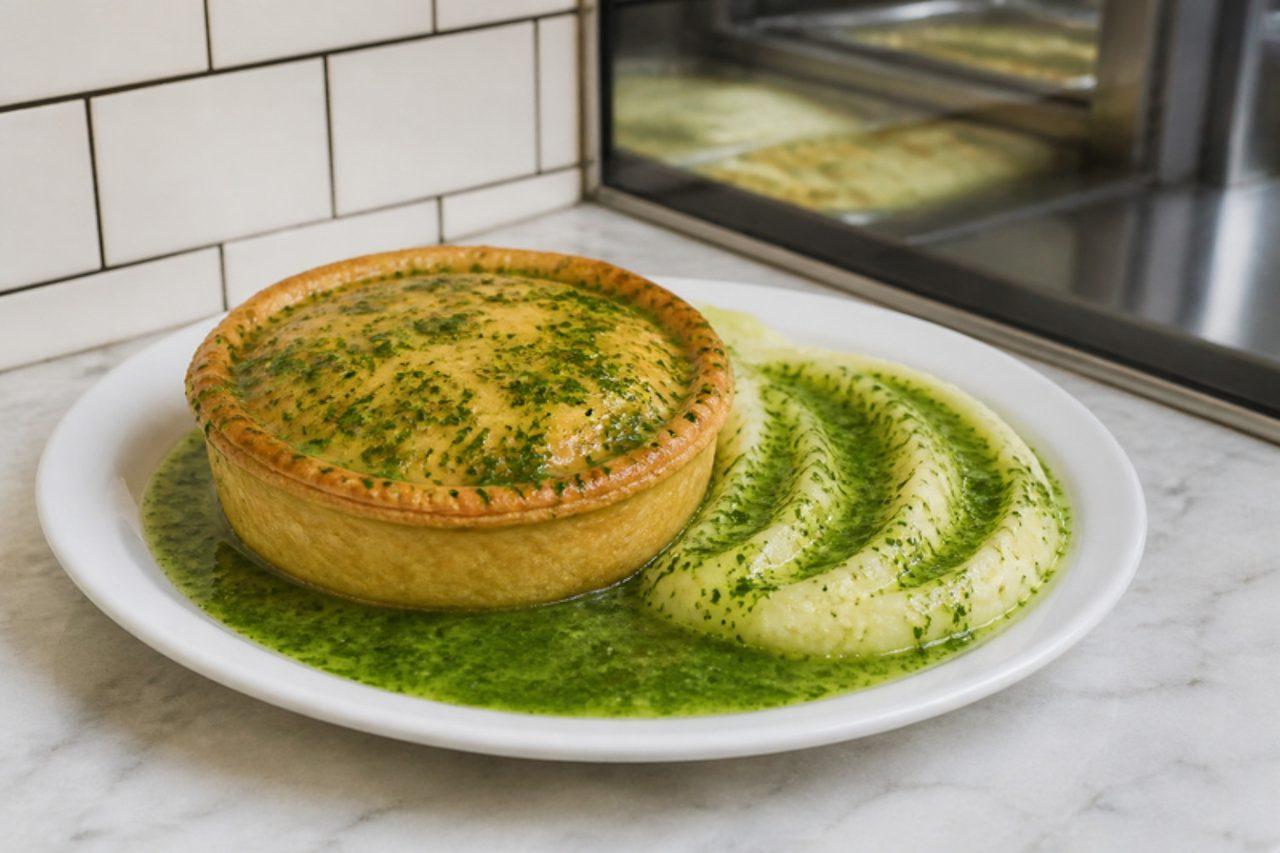
Pie, mash and liquor is the working-class lunch of the East End of London, served in tiled pie shops from Bethnal Green to Walthamstow since the 1800s. Small minced beef pies with a soft suet-style base and a crisp puff lid sit next to a scoop of smooth mash, all flooded with liquor, a thin, bright green parsley sauce. Pie shops make the liquor with the stock from stewed eels; this version uses fish or vegetable stock. Locals add chilli vinegar. Chef's tip: keep the liquor thin and pourable, like single cream, not thick like gravy.

by KrazyBadal 0 views

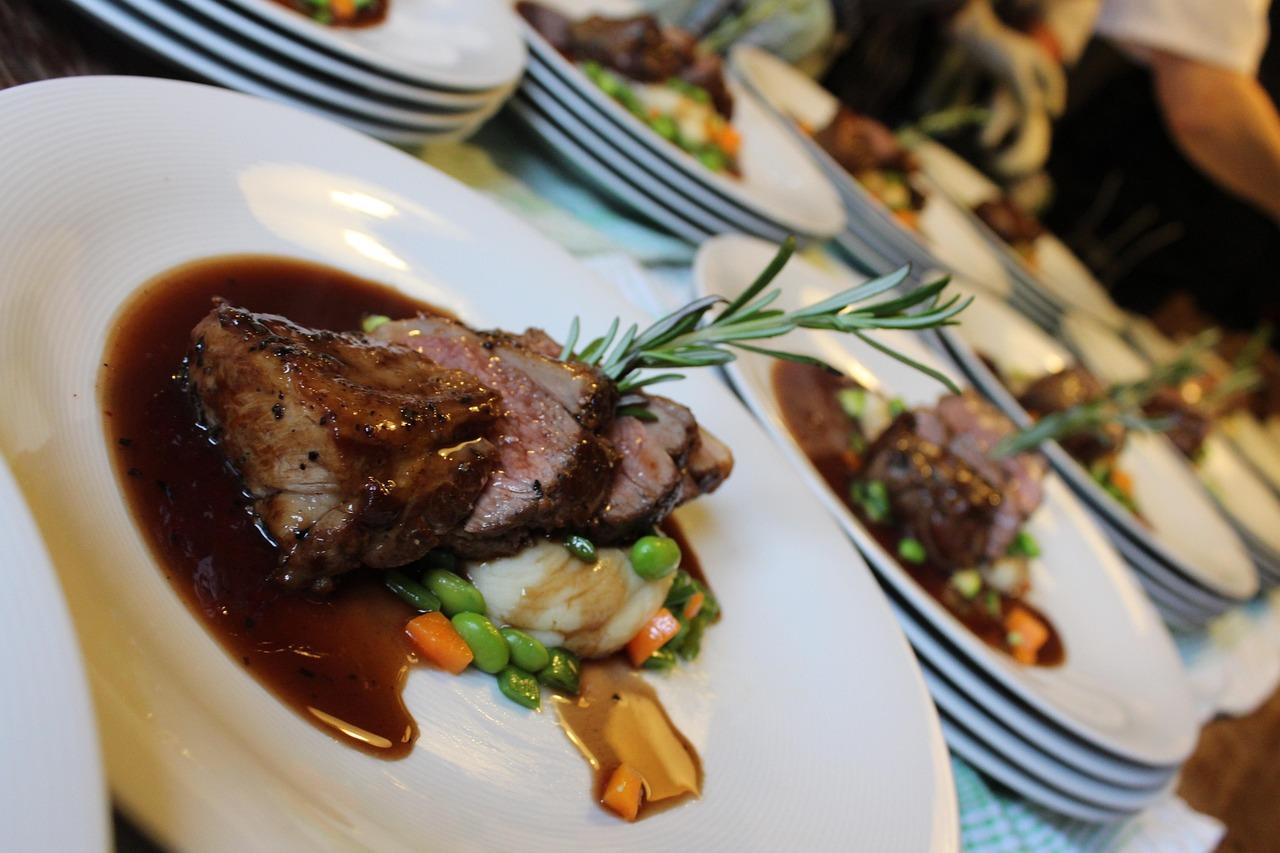
Roast lamb with mint sauce

Roast leg of lamb is the Easter Sunday lunch of England, when spring lamb from the South Downs and the West Country comes in, served with roast potatoes, spring greens and a jug of mint sauce. The sauce is the English twist: chopped garden mint steeped in vinegar and a little sugar, sharp enough to cut the richness of the meat. Chef's tip: make the mint sauce an hour ahead so the vinegar mellows and the mint flavour comes out.

120 minBritishMeatGluten free
by KrazyBadal 0 views

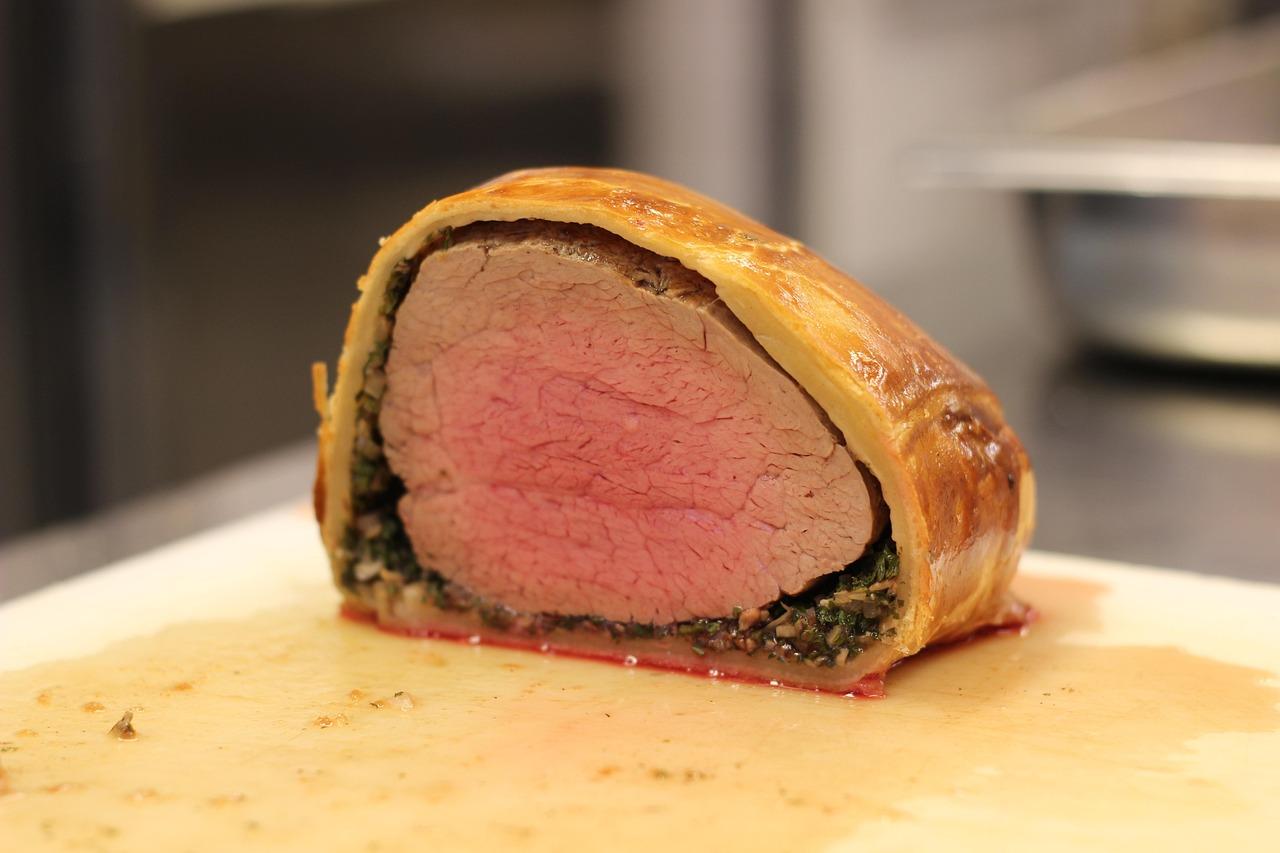
Beef Wellington

Beef Wellington is the grand centrepiece of British Christmas and celebration dinners, a whole beef fillet coated in finely chopped mushroom duxelles, wrapped in thin pancakes or ham and golden puff pastry, then sliced at the table to show a pink middle. It is linked, without much proof, to the Duke of Wellington. This version wraps the fillet in crêpes instead of the usual Parma ham. The duxelles is deglazed with a splash of white wine, which contains alcohol; use a little stock for an alcohol-free version. Chef's tip: chill the wrapped fillet before it goes in the pastry so everything stays tight and the base doesn't go soggy.

105 minBritishMeat
by KrazyBadal 0 views

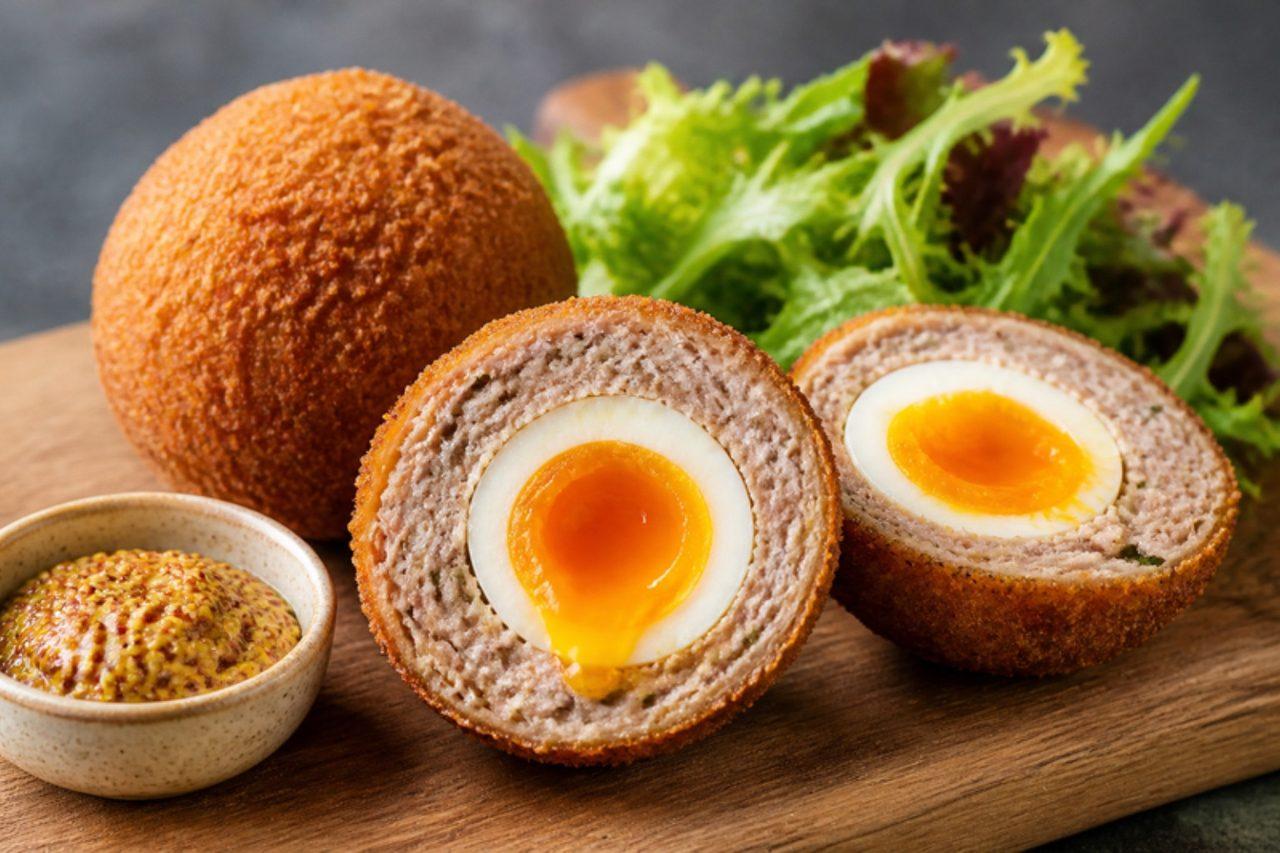
Scotch eggs

The Scotch egg was sold as a travelling snack by the London grocer Fortnum & Mason in the 1700s, and it is still the picnic and pub-counter favourite of England: a boiled egg wrapped in pork sausage meat, crumbed and fried. Modern pubs serve them with a runny yolk and a dollop of piccalilli or mustard. Chef's tip: boil the eggs for exactly 6½ minutes and plunge into iced water; that sets the white enough to peel but leaves the yolk soft.

by KrazyBadal 0 views

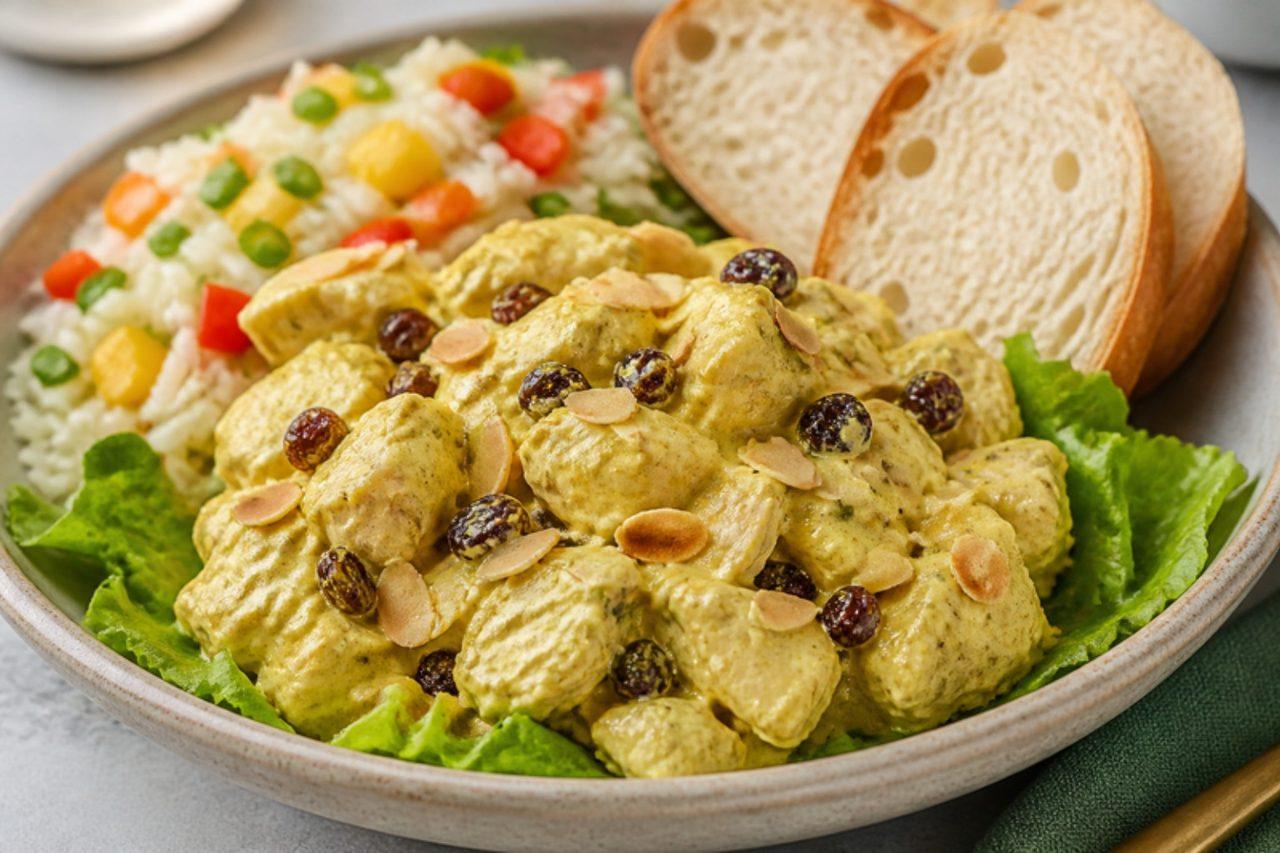
Coronation chicken

Coronation chicken was invented for the banquet of Queen Elizabeth II's coronation in 1953 by the Cordon Bleu school in London, and it became the filling of choice for jacket potatoes, wedding buffets and garden party sandwiches across England. Poached chicken is folded through a creamy, mildly spiced sauce of mayonnaise, curry paste, apricot and yoghurt. Chef's tip: poach the chicken very gently and cool it in its liquid so it stays juicy.

by KrazyBadal 0 views

Showing 54 of 7,762 recipes

Show more recipes

Page 495 of 863