


Skip to content
Scotch pies
Featured recipe

Scotch pies

The Scotch pie is the straight-sided, double-crust mutton pie eaten at half time on football terraces and bought from butchers' counters in every Scottish town, with an open rim at the top for adding gravy, beans or mash. The pastry is a hot water crust made with lard (an animal fat) and the filling is peppery minced mutton or lamb. Chef's tip: shape the pastry while it is still warm; cold hot-water pastry cracks.

Read more 0 views

What to eat today?

Around the world

Today's trip: Paraguayan

A new country every day, from every cuisine on the site.

Paraguayan

Pira caldo

Creamy fish soup with cheese 60 minMore from Paraguayan (27) →

This week's collection

Kid-friendly dinners
537 recipes · a new collection every Monday

Latest recipes

VanillekipferlVanilla almond crescents

No Austrian Christmas cookie tin is complete without Vanillekipferl, the pale little crescents that melt on the tongue; Viennese grandmothers bake them by the hundred in early December, and they are just as loved over the border in Bavaria. The dough is short and rich with butter and ground almonds, and the crescents are rolled in vanilla sugar while still warm so it sticks. The common mistake is overbaking: they should stay pale with only the tips turning golden, or they lose their tender, sandy texture. Chef's tip: chill the dough well and shape it with cool hands; warm dough cracks and the crescents spread in the oven.

by KrazyBadal 0 views

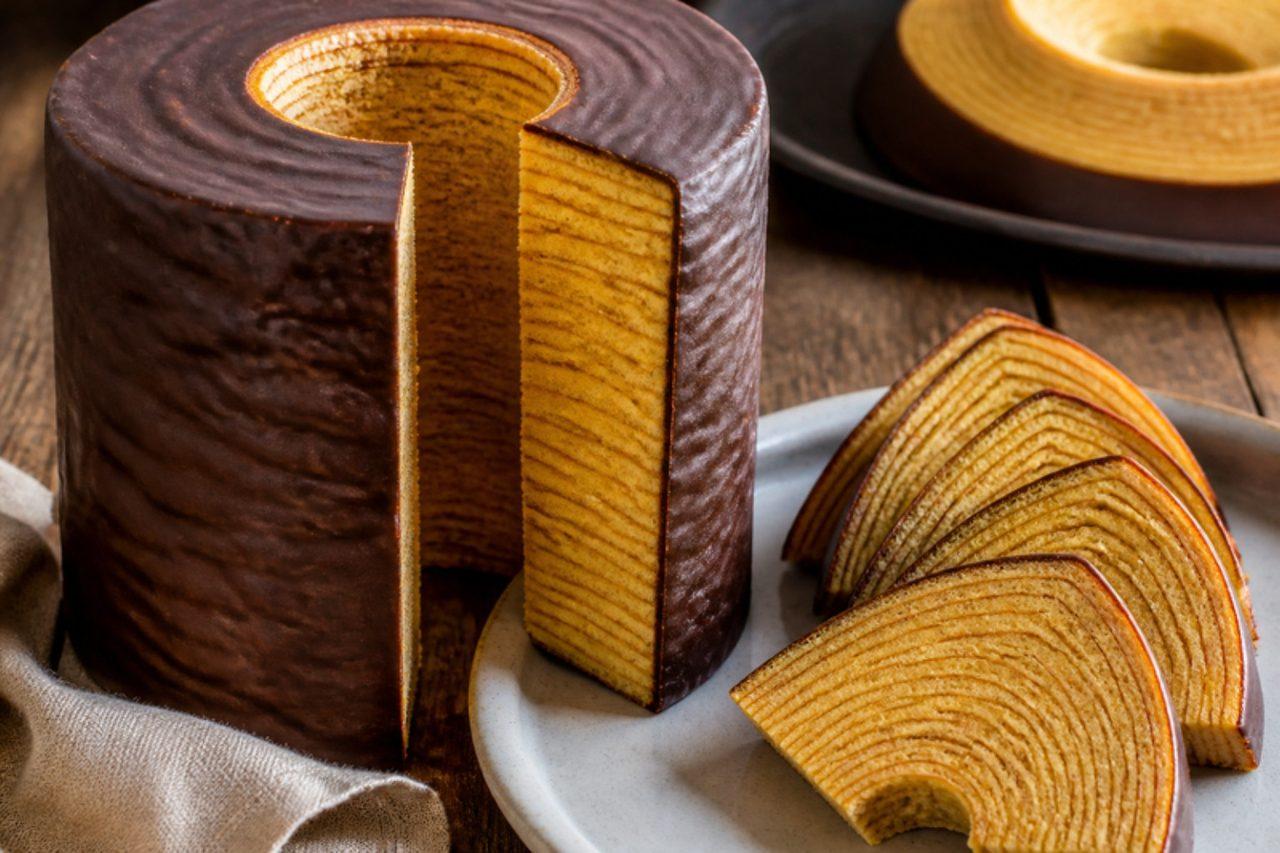
BaumkuchenLayered tree cake

Baumkuchen is the king of German cakes, and the little town of Salzwedel in Saxony-Anhalt has baked it on a turning spit over an open flame for two centuries; in December, Baumkuchenspitzen, chocolate-dipped triangles of it, fill the shelves before Christmas. Without a spit you can build it at home in a tin under the grill, one thin layer at a time, and each slice shows the golden rings of a tree. The mistake people make is spreading the batter too thickly, which gives fewer, stodgy layers that cook unevenly; aim for 2 tablespoons at a time. Chef's tip: stand by the oven; each layer turns from pale to burnt within a minute once it browns.

110 minGermanBaking
by KrazyBadal 0 views

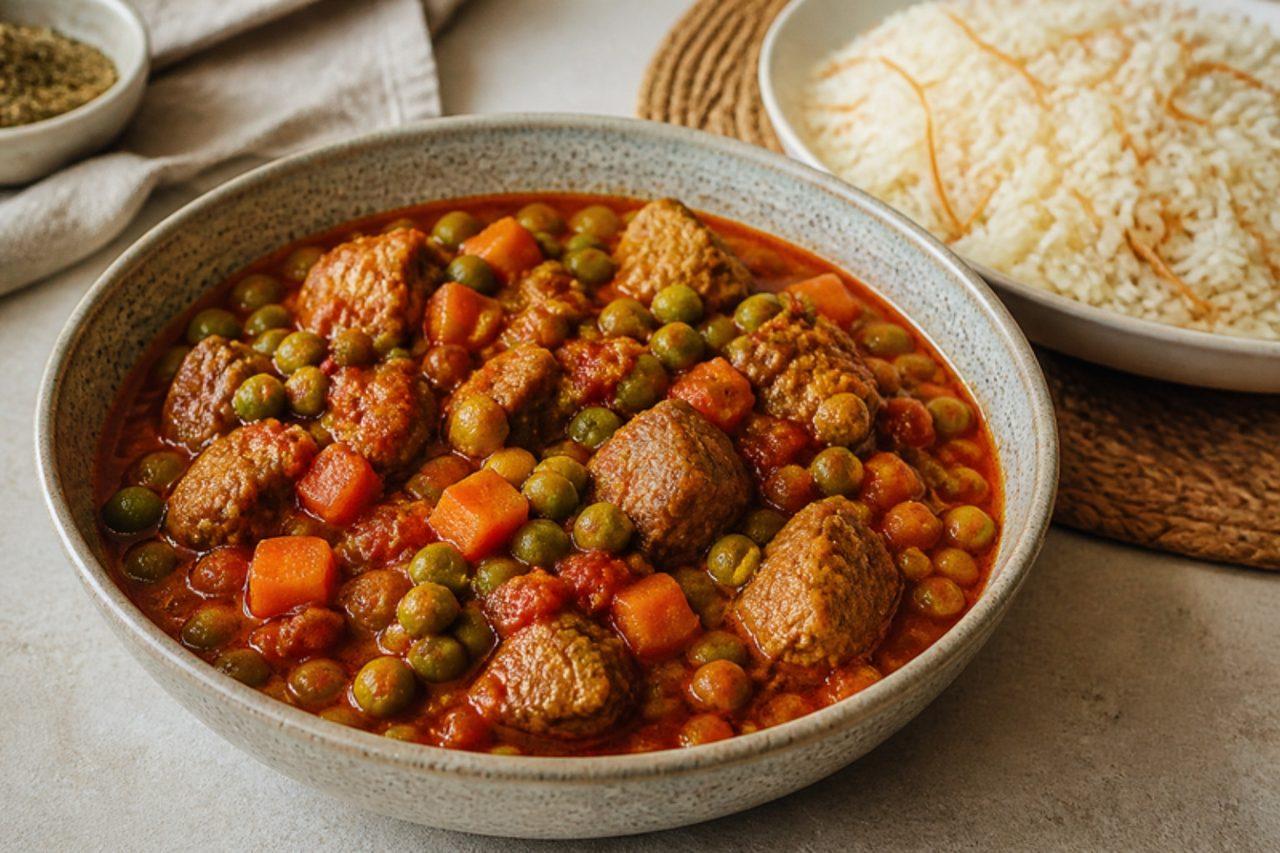
Yakhnet bazellaLamb and pea stew with rice

Yakhnet bazella is weekday food in almost every Lebanese household: cubes of lamb (or beef) simmered until tender with peas, carrots and tomato, with a last-minute hit of garlic and coriander, ladled over buttery vermicelli rice. Mothers in Beirut make it with frozen peas in winter and fresh ones in spring; children love its sweetness. Common mistake: adding the peas with the meat — they turn grey and mushy; put them in for the last 10 minutes. Chef's tip: brown the meat in small batches so it really sears; that browned base is where the stew's flavour comes from.

100 minLebaneseMeatGluten free
by KrazyBadal 0 views

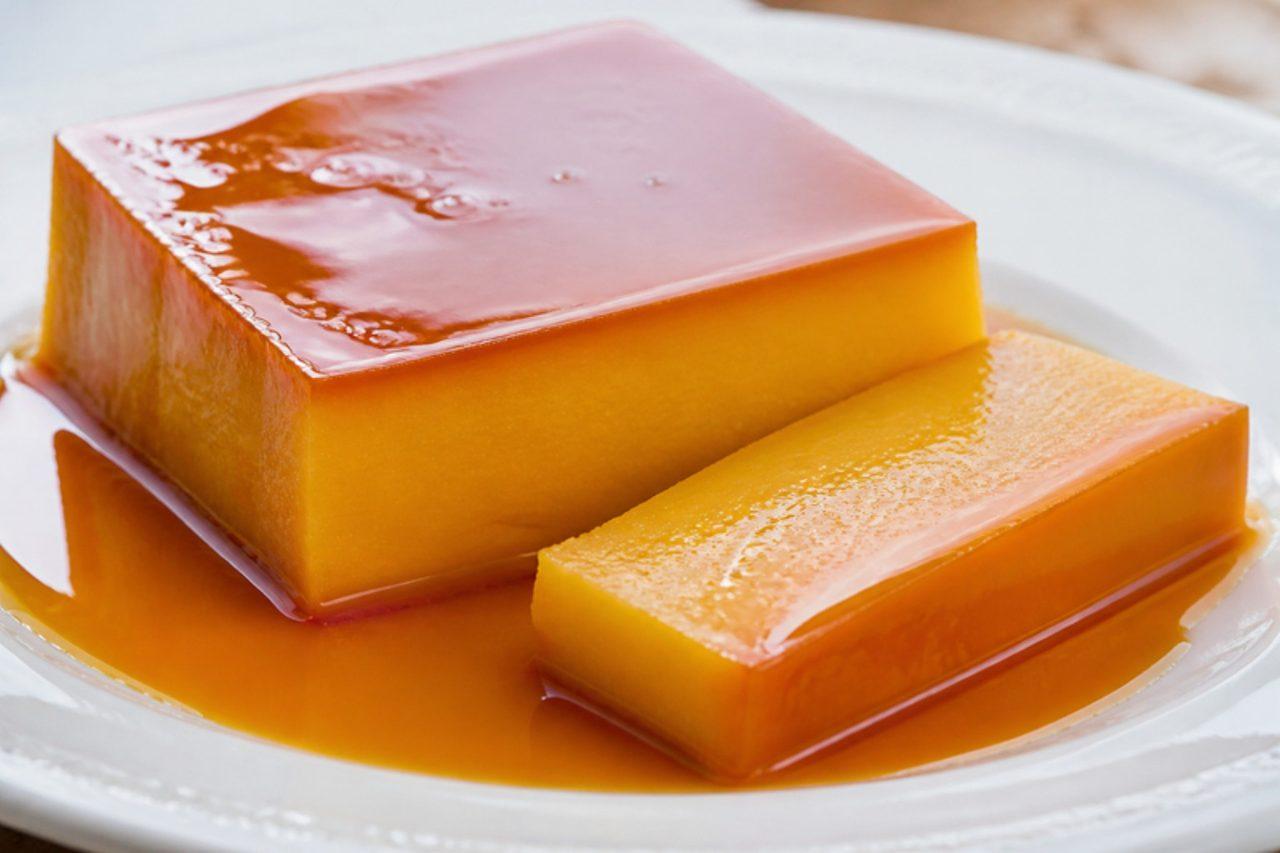
Tocino de cieloEgg-yolk and syrup custard

Tocino de cielo means 'bacon from heaven', but there is no pork in it at all: the name refers only to its rich, deep-yellow colour. The story told in Jerez de la Frontera is that the sherry bodegas used egg whites to clarify their wine and gave the leftover yolks to the convents, whose nuns turned them into this. It is denser and silkier than flan, with no milk, and a small square goes a long way after Sunday lunch. Chef's tip: strain the yolk mixture twice and skim off every bubble; that is what gives the glassy, pore-free finish.

by KrazyBadal 0 views

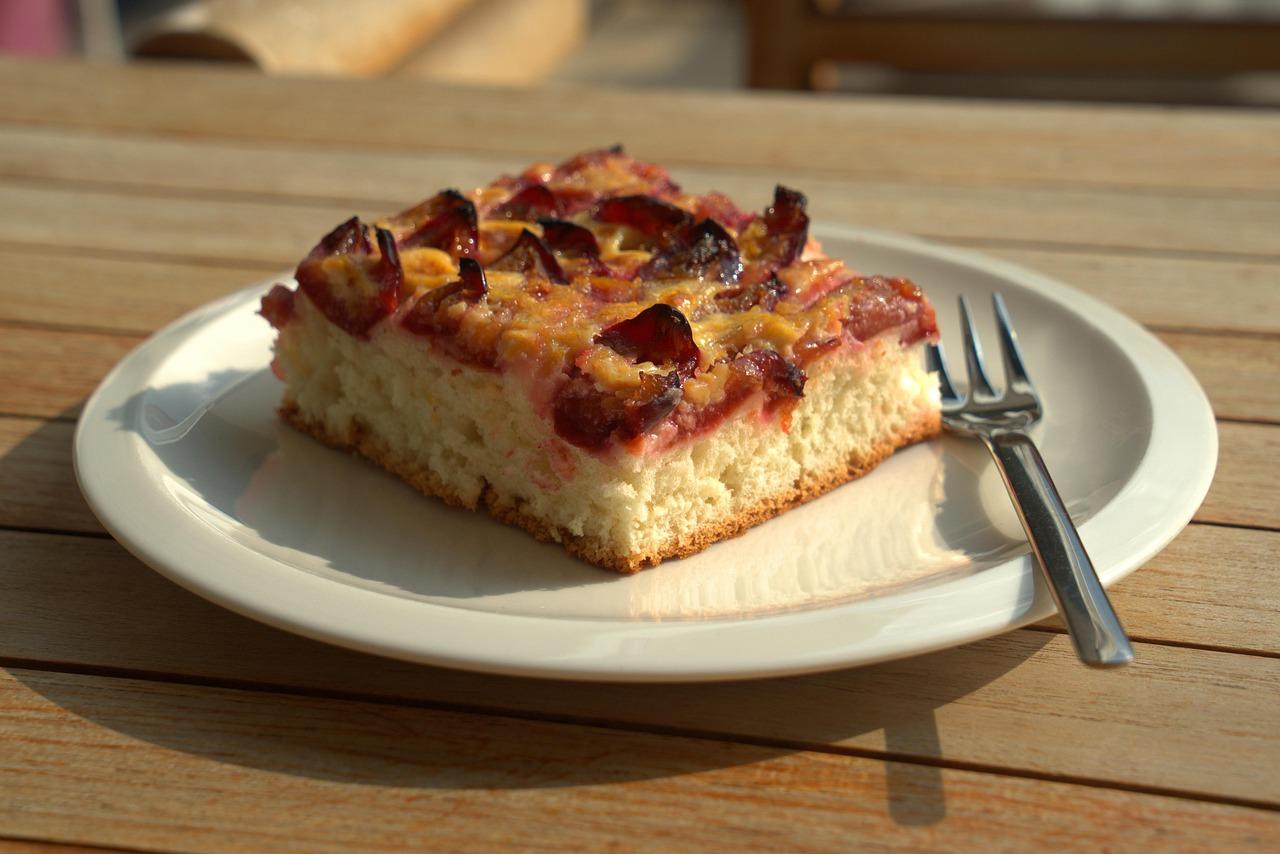
ZwetschgendatschiPlum yeast sheet cake

When the late-summer Zwetschgen (small, oval damson-type plums) arrive at the markets of Augsburg and Munich, every Bavarian and Swabian kitchen bakes a Datschi on the biggest tray it owns. A thin, soft yeast dough is covered edge to edge with plum halves stood upright in tight, overlapping rows, so the juices run and caramelise as it bakes. It is eaten in the afternoon, cut in squares, with a big spoon of whipped cream. A common mistake is using large round plums, which flood the dough with juice and leave it soggy; the firm, oval Zwetschgen hold their shape. Chef's tip: scatter a thin layer of fine breadcrumbs or ground almonds over the dough before the plums go on to catch the juice.

115 minGermanBaking
by KrazyBadal 0 views

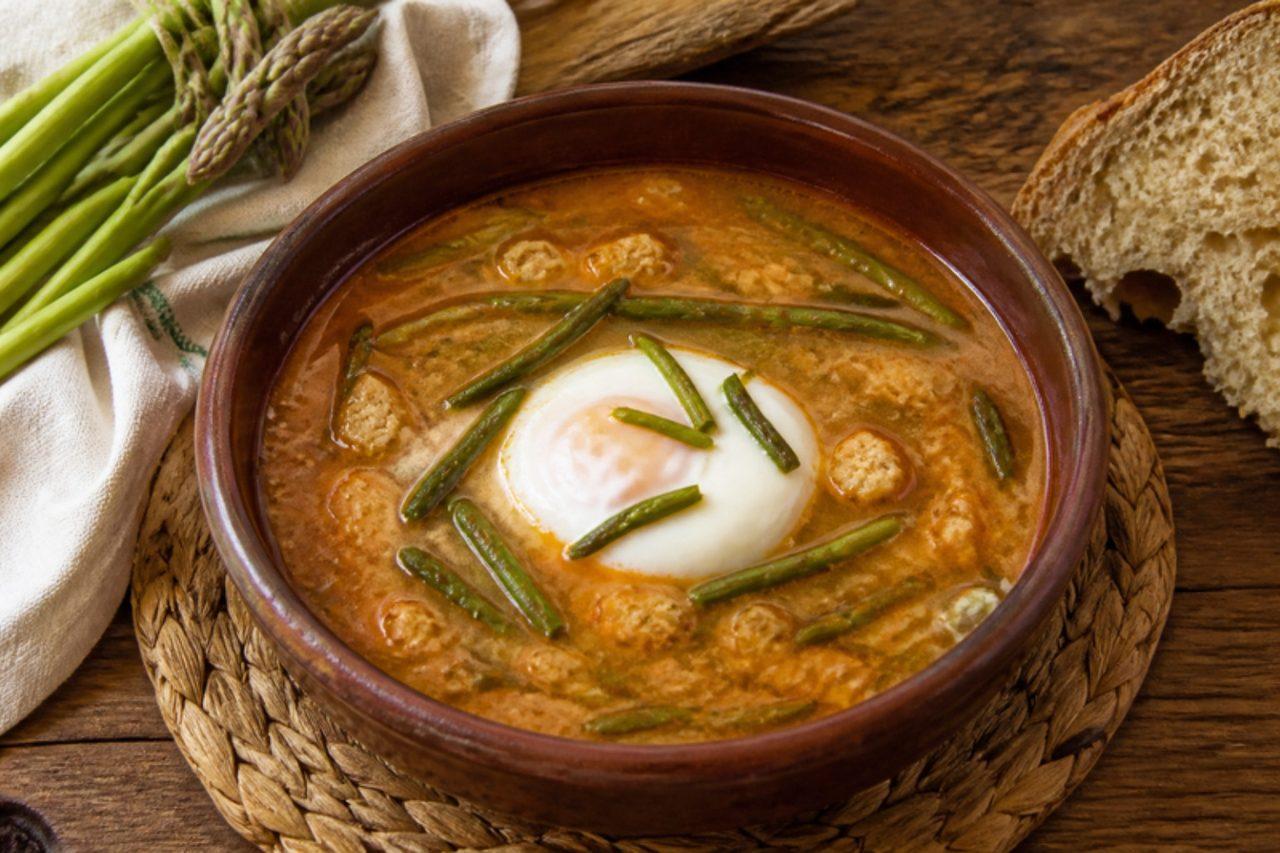
Sopa de espárragos triguerosWild asparagus and bread soup

In March and April people across Extremadura walk the field margins and olive groves picking thin, bitter wild asparagus, and much of the haul goes into this soup. The spears are fried with garlic and smoky pimentón de la Vera, simmered with water, thickened with thin slices of stale bread, and an egg is poached in the pot for each person. It is a country supper for chilly spring evenings. Thin green asparagus from the shops works well. Chef's tip: take the pan off the heat before adding the paprika, so it doesn't scorch.

by KrazyBadal 0 views

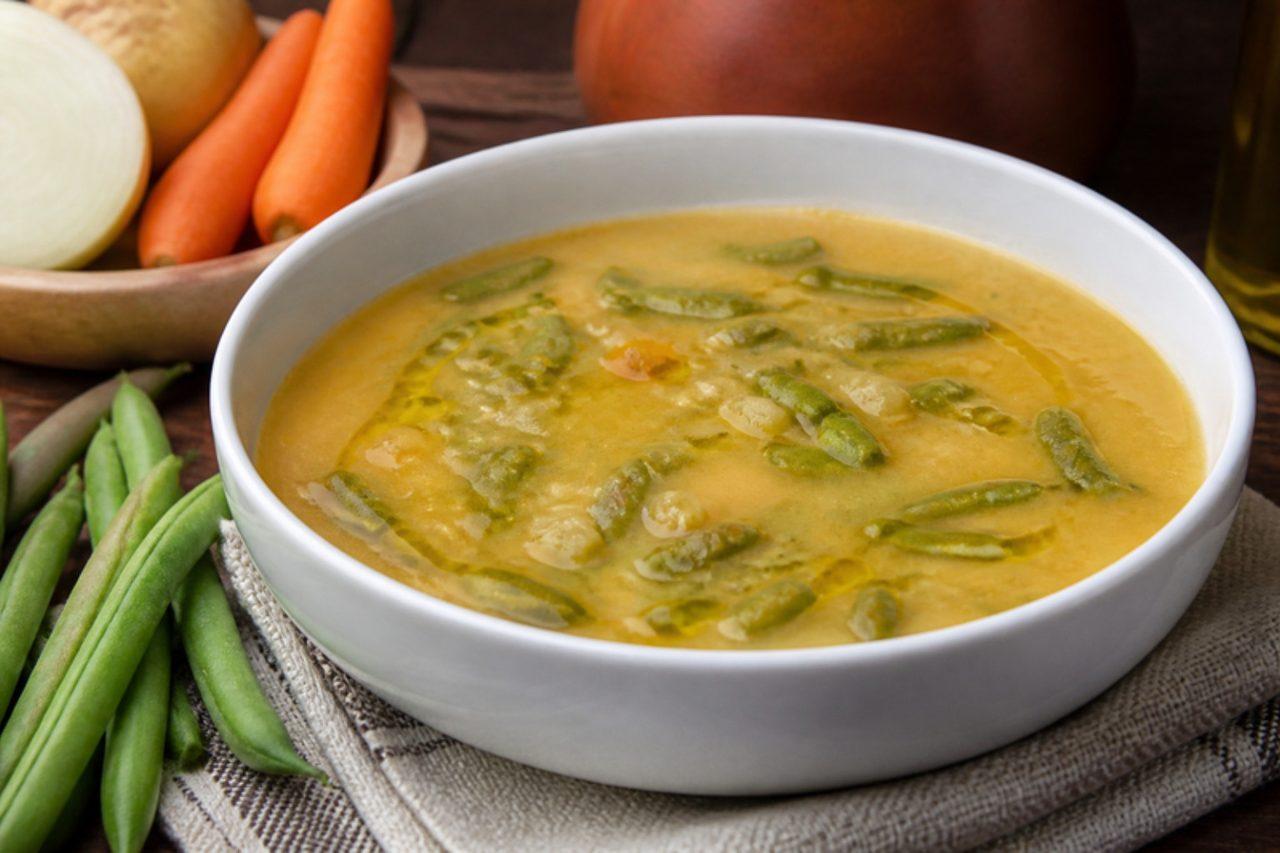
Sopa de feijão verdeGreen bean and potato soup

From June to September, Minho kitchen gardens are heavy with runner and flat beans, and this soup is what most families make with them, served as the first course of an ordinary weekday lunch. A smooth base of potato, onion and carrot is puréed, then the beans, cut into thin diagonal slivers, are simmered in it until just tender. It is thick, mild and comforting, finished with a thread of olive oil. A common mistake is adding the green beans with the potatoes; they turn grey and soft, so add them only for the last few minutes. Chef's tip: slice the beans very thinly on a slant, as Minho cooks do, so they cook evenly and every spoonful gets some.

by KrazyBadal 0 views

Reshteh poloRice with toasted noodles and dates

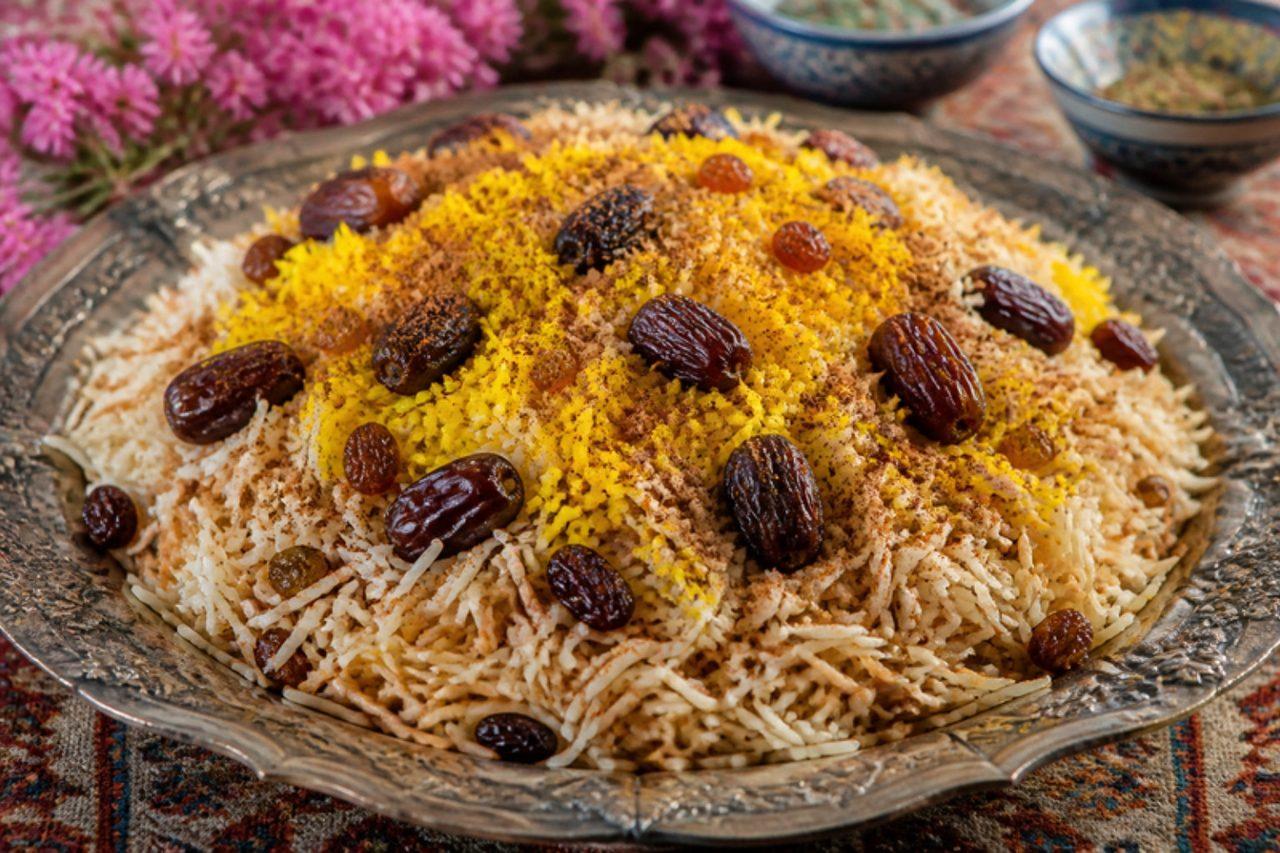
On the last evening before Nowruz, and on the first night of the new year in many Tehran households, a platter of reshteh polo is set out so the family can 'take hold of the reins' of their luck for the year ahead; the noodles are the reins. Long-grain rice is par-boiled with toasted reshteh (thin, salty Persian noodles), layered with buttery dates, raisins and cinnamon and steamed until each grain separates, with a golden tahdig crust underneath. Meat is often served alongside, but the polo itself is meat-free. A common mistake is skipping the noodle toasting, which leaves them pale and gummy. Chef's tip: wrap the lid in a clean tea towel while the rice steams so condensation doesn't drip back and make the rice wet.

by KrazyBadal 0 views

Sopa de grão com espinafresChickpea and spinach soup

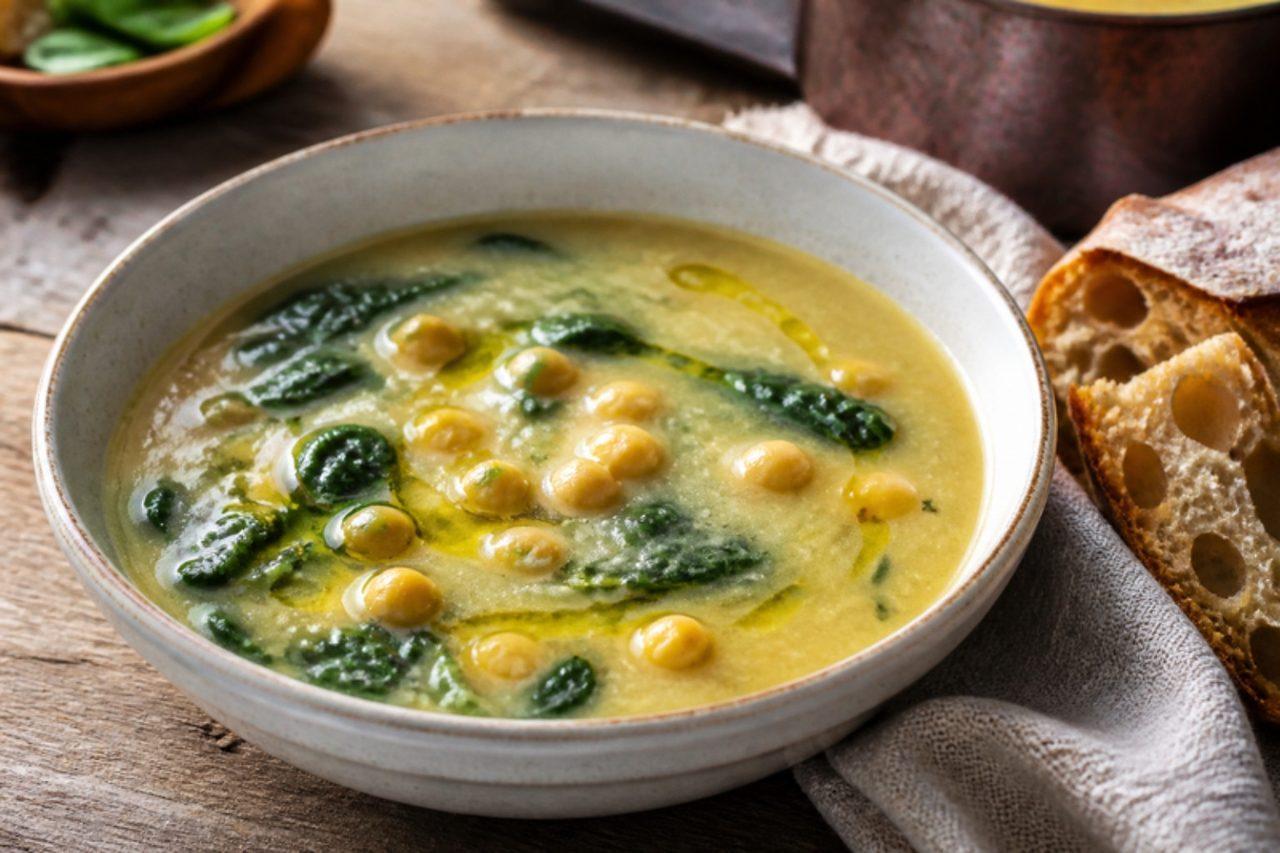
This is everyday food in the villages of the Beira interior, where chickpeas are a winter store-cupboard standby and a big pot of soup starts most lunches and suppers. Part of the chickpeas are blended with potato and onion for a creamy base, the rest left whole, and fresh spinach is stirred in at the end. It is filling, cheap and ready in under an hour. A common mistake is boiling the spinach in the soup for too long; add it at the end and cook it only until it wilts. Chef's tip: add the spinach only at the last minute, as long cooking turns it grey and bitter.

by KrazyBadal 0 views

Sopa de limaLime and chicken soup

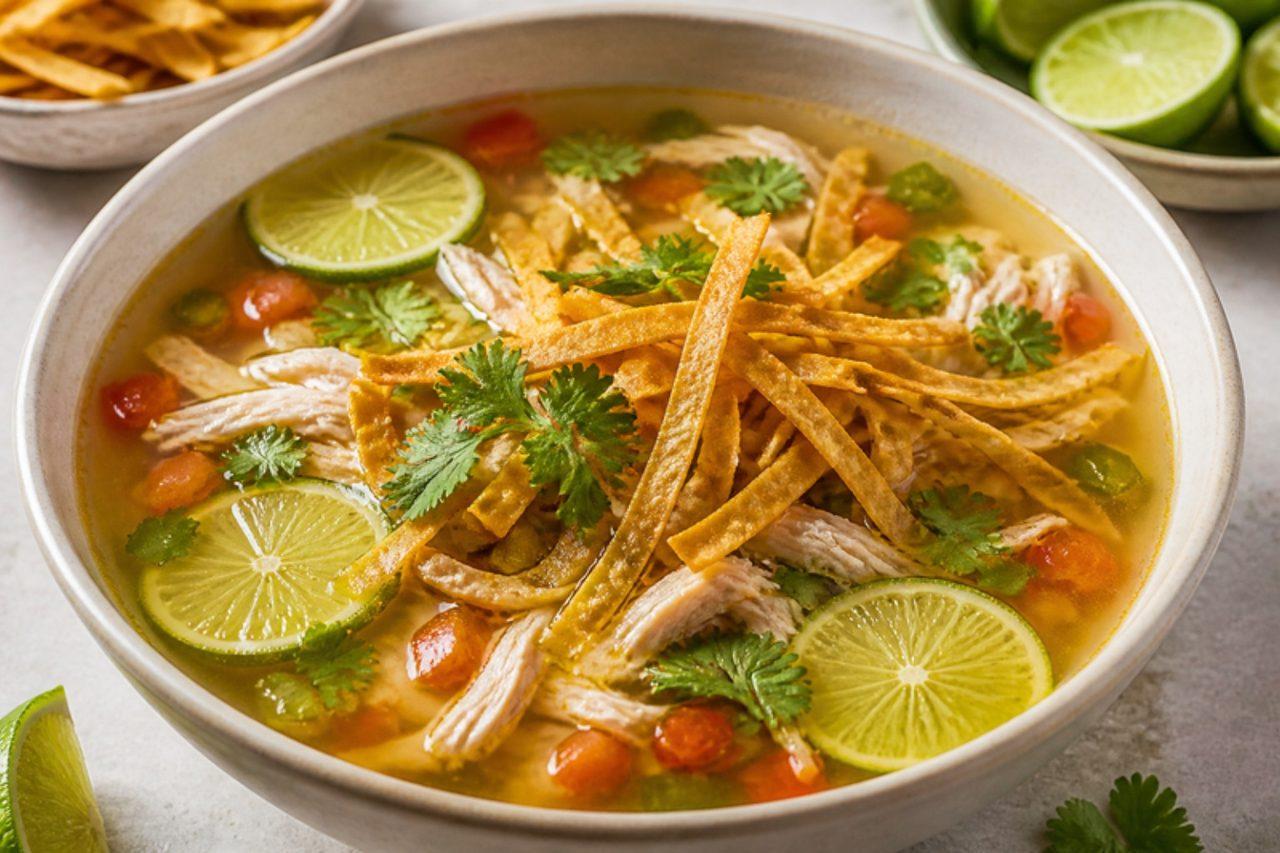
Sopa de lima is the soup Mérida is proud of: a clear, golden chicken broth lightly spiced with oregano, allspice and clove, sharpened with a sofrito of tomato and green pepper and perfumed by the lima, a fragrant, mild Yucatán citrus. Restaurants around the main square serve it at lunch with a heap of crisp fried tortilla strips that soften as you eat. Lima is almost impossible to buy elsewhere, so this version uses ordinary lime plus a little orange or grapefruit juice to mimic its floral, less sour taste. Serve with extra lime slices and a fiery habanero salsa on the side. Chef's tip: fry the tortilla strips just before serving and add them at the table, so they still crunch.

by KrazyBadal 0 views

Polenta fritaFried polenta sticks

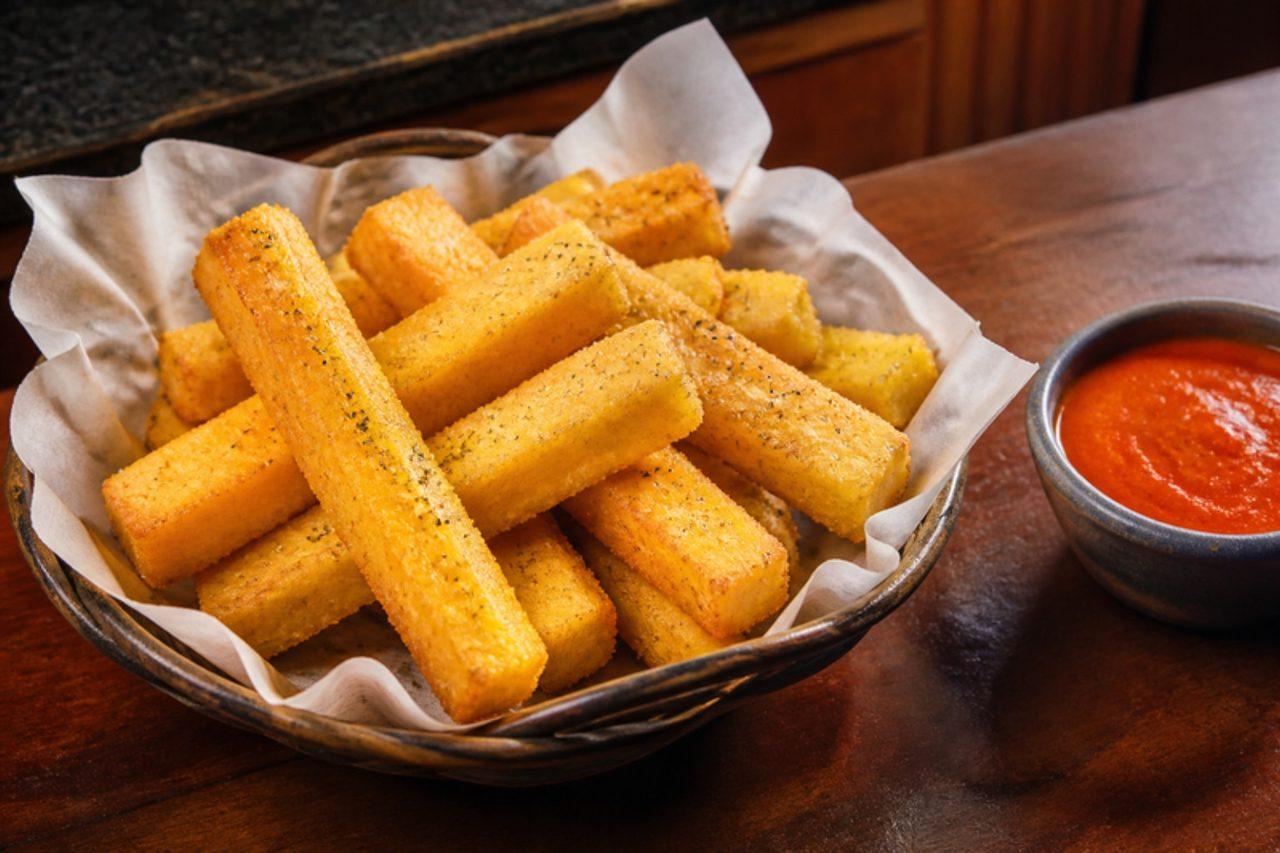
Italian immigrants brought polenta to São Paulo, and the city's bars and cantinas turned the leftovers into one of its best snacks: thick sticks of set polenta, deep-fried until the outside is crunchy and bubbled and the inside stays soft and creamy. They arrive in paper-lined baskets in Bixiga cantinas and corner botecos alike, sprinkled with salt, to be eaten with a cold drink; some places dust them with grated cheese, which makes them no longer vegan. Kids love them as a side with tomato sauce. They fall apart in the oil when the polenta is too soft, so cook it until very thick and let it set completely in the fridge. Chef's tip: dry the cut sticks on kitchen paper and fry in small batches, so the oil temperature stays high and the crust forms at once.

by KrazyBadal 0 views

Sopa de panLayered bread soup

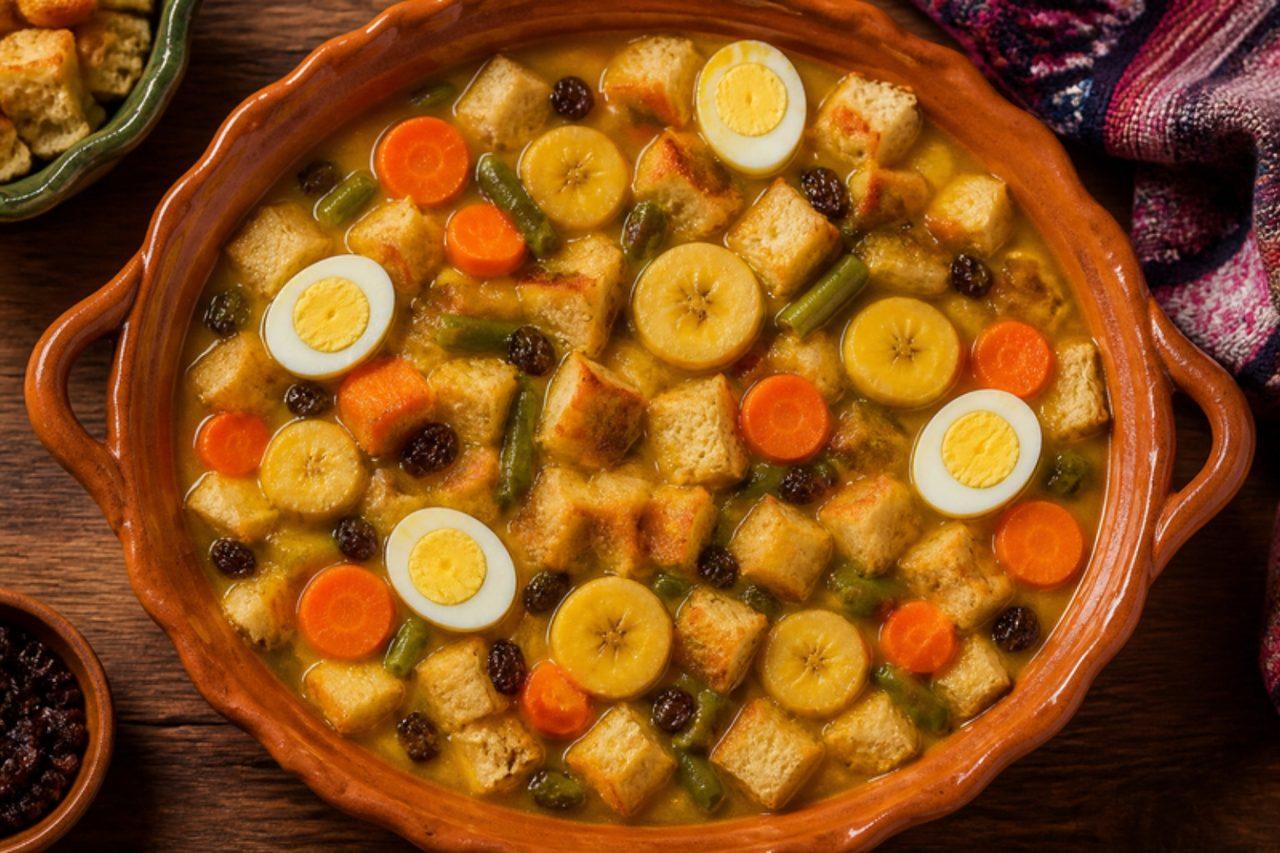
This is not a thin soup but a 'dry' one, baked in layers in a deep dish, and in San Cristóbal de las Casas it belongs to fiestas, weddings and the meatless days of Holy Week. Toasted bread is stacked with fried ripe plantain, green beans, carrot, potato, boiled egg and a tomato sauce, then soaked with a saffron and thyme broth until the bread swells into something like a savoury bread pudding. It is served in deep plates with a spoon. Families in the highlands use chicken stock; a good vegetable stock keeps it vegetarian. Chef's tip: dry the bread hard in the oven first; fresh bread dissolves into mush when the broth goes in.

by KrazyBadal 0 views

AşureWheat, bean and dried fruit pudding

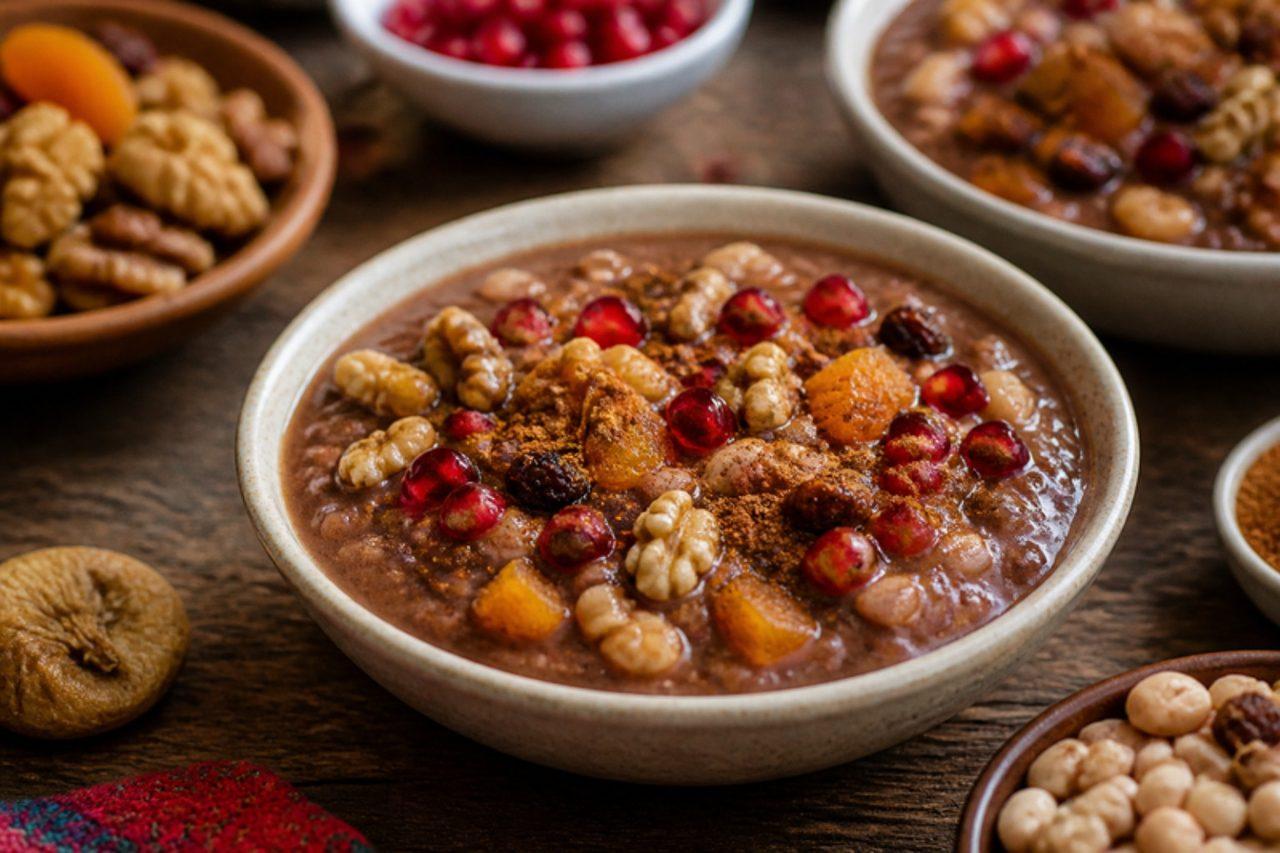
In the month of Muharram, kitchens all over Anatolia, especially in conservative Konya and Sivas, boil great pots of aşure and send bowls to every neighbour, regardless of faith, so the sweet is as much about sharing as eating. Legend says it was cooked on Noah's ark from the last of the stores, which is why it combines whole wheat, chickpeas, white beans, dried apricots, figs and raisins in a thick, gently sweet pudding. It's topped with walnuts, pomegranate and cinnamon. Common mistake: adding sugar before the wheat is fully tender; sugar firms the grains and they never soften. Chef's tip: soak the wheat and pulses overnight and cook the wheat in its soaking water for the creamiest result.

by KrazyBadal 0 views

ReviroFried flour and egg scramble

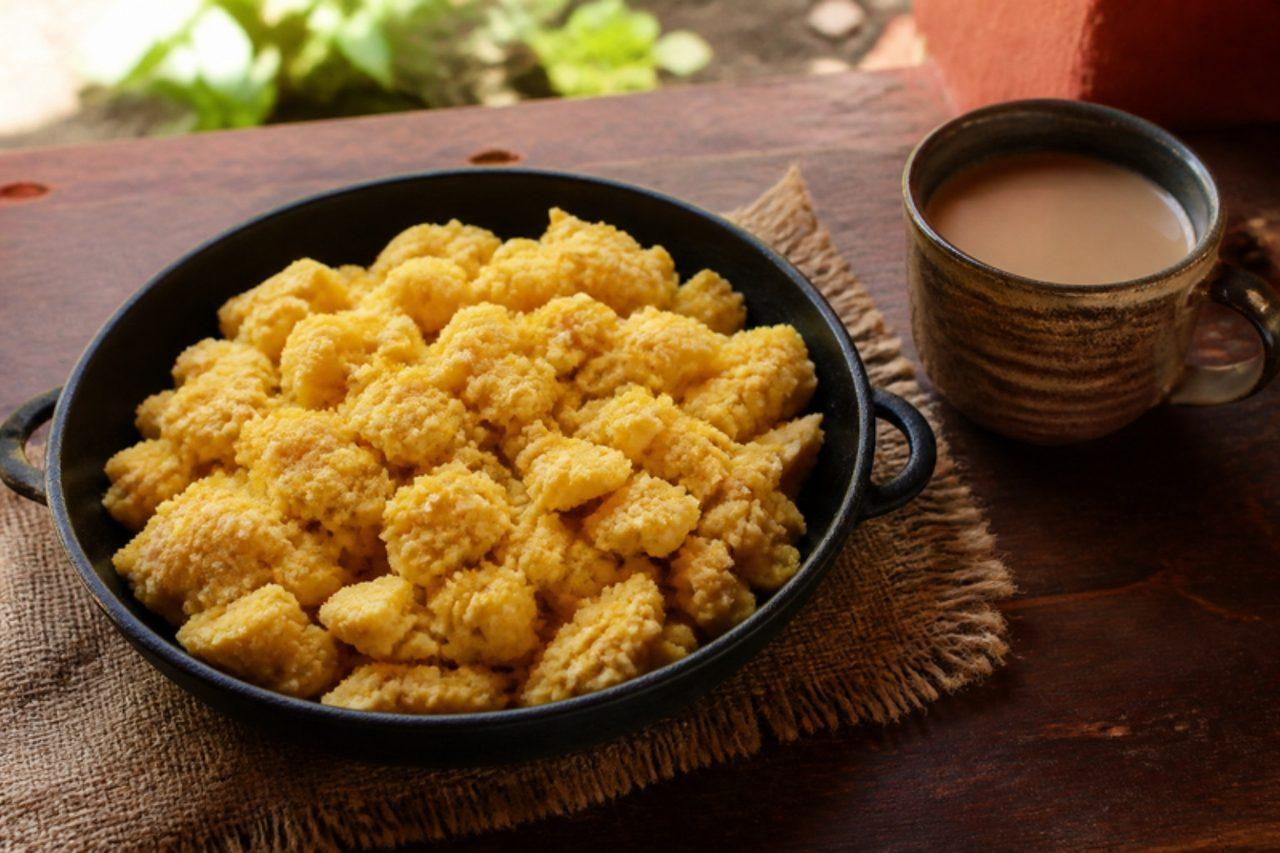
For field workers in the yerba-mate plantations of Misiones, the morning starts with reviro: a simple dough of flour, egg, water and salt fried in plenty of fat and then broken up with a spatula as it cooks, until it becomes a pile of crisp, golden, irregular crumbs with soft centres. It is filling, cheap and very good dunked in a mug of mate cocido or milky coffee, and it shares its roots with the Guaraní and Paraguayan kitchen across the river. Traditionally it is fried in lard or beef fat; this version uses butter and oil so it is vegetarian. Turning it too early is the classic blunder: the batter needs to fry undisturbed until a crust forms, or it turns into a pale, doughy mash. Chef's tip: keep chopping and turning with the edge of a metal spatula for the last 10 minutes; the more edges you make, the more crunch you get.

by KrazyBadal 0 views

RevithadaClay-pot baked chickpeas

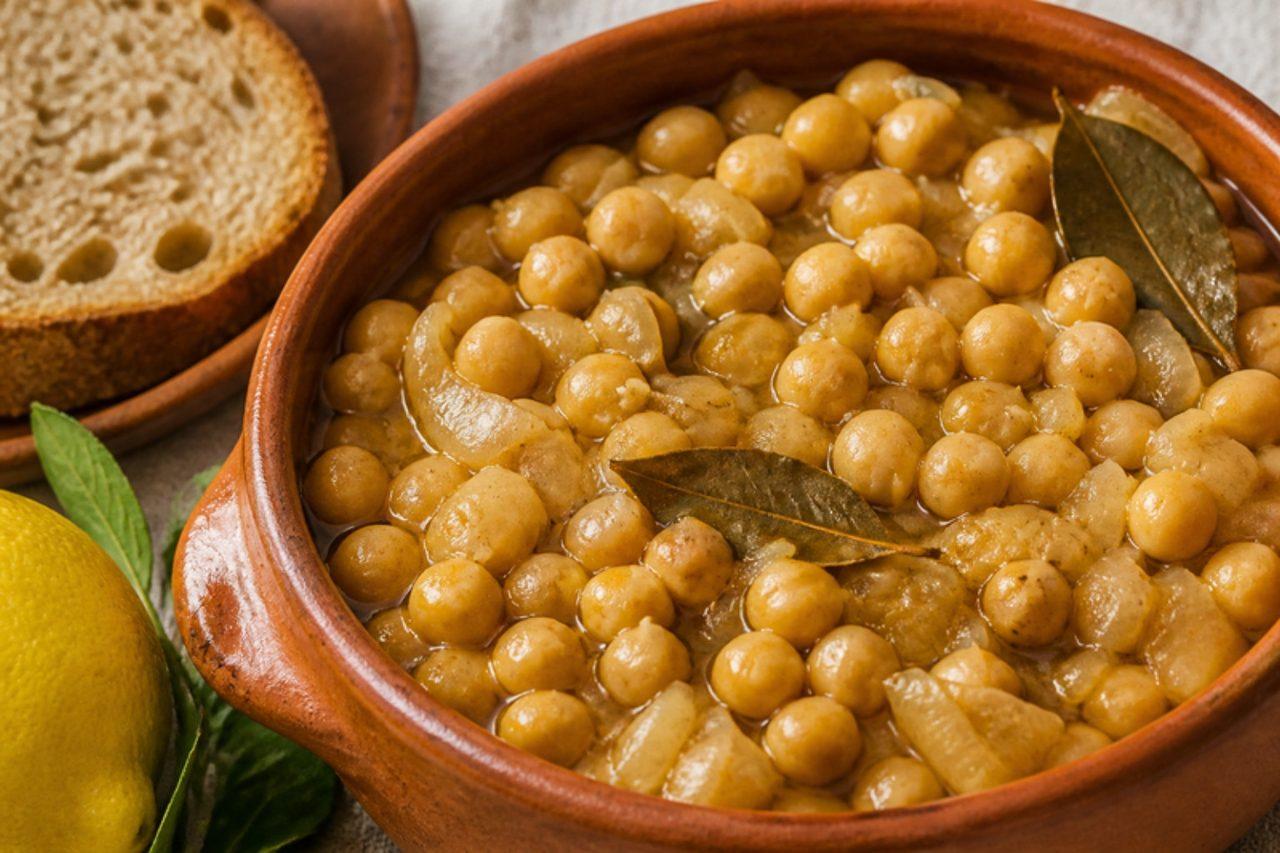
On Sifnos, Saturday night means taking a clay pot of chickpeas, onions, olive oil and bay to the village baker, who leaves it in the cooling wood oven overnight; on Sunday morning, after church, families collect it and eat it for lunch. The chickpeas turn creamy and almost melting in a thick, sweet, onion-rich broth. A home oven at low heat does the same job in about five hours. Common mistake: adding salt at the start, which can keep the chickpeas firm; add it in the last hour. Chef's tip: rub the soaked chickpeas with a little bicarbonate of soda and rinse well; it helps them soften to that silky texture.

by KrazyBadal 0 views

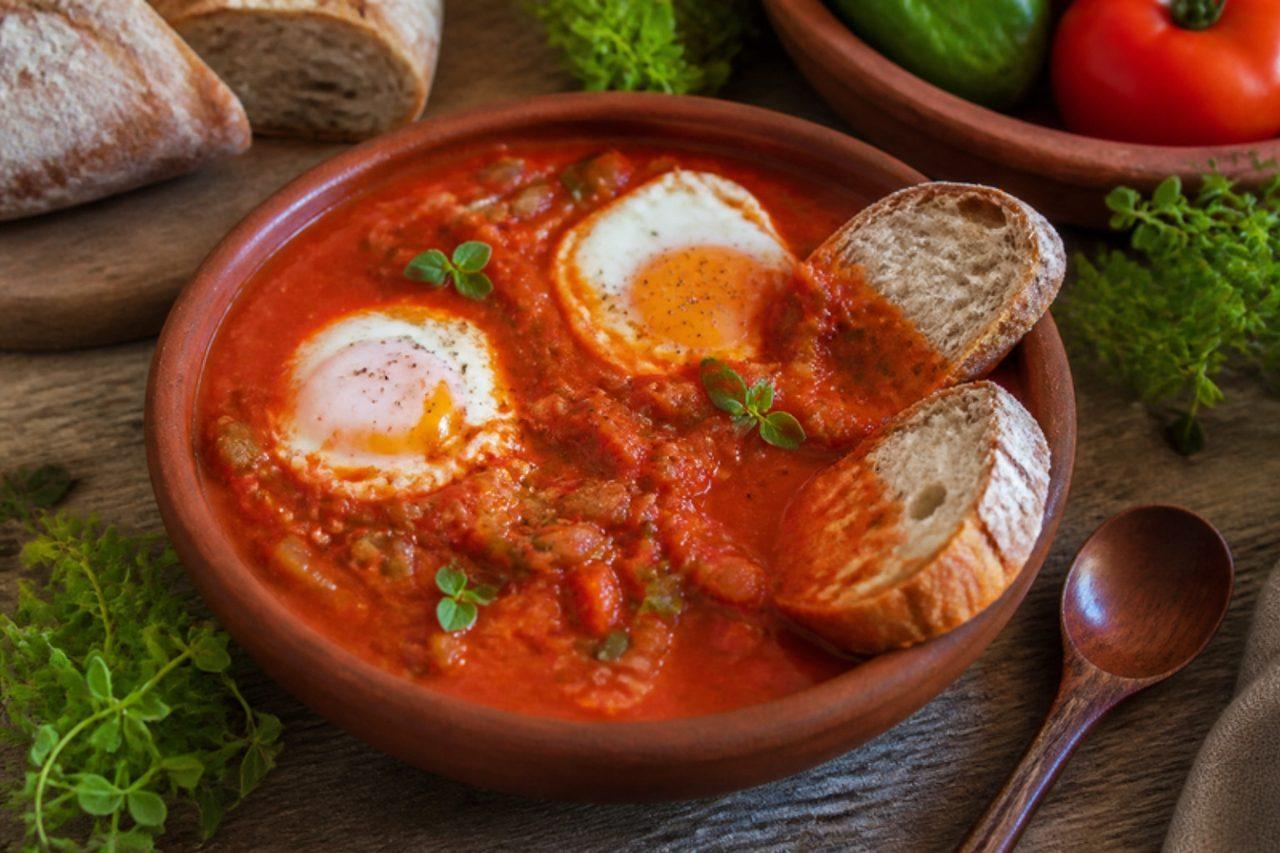
Sopa de tomate à alentejanaTomato soup with poached eggs

In the Alentejo, high summer means tomatoes ripening faster than anyone can eat them, and this is what farm families do with the glut: a thick, oily stew-soup of tomato, onion and green pepper, with eggs poached right in the pot and the whole thing spooned over slices of stale country bread. It is a supper dish, eaten in deep plates on hot evenings, often with grapes or melon afterwards. Many households slip in chouriço; this version keeps it vegetarian. A common mistake is using watery salad tomatoes; you need very ripe, deep-red ones for a soup that tastes of anything. Chef's tip: cook the onion slowly until truly sweet before the tomatoes go in; that sweetness carries the whole dish.

by KrazyBadal 0 views

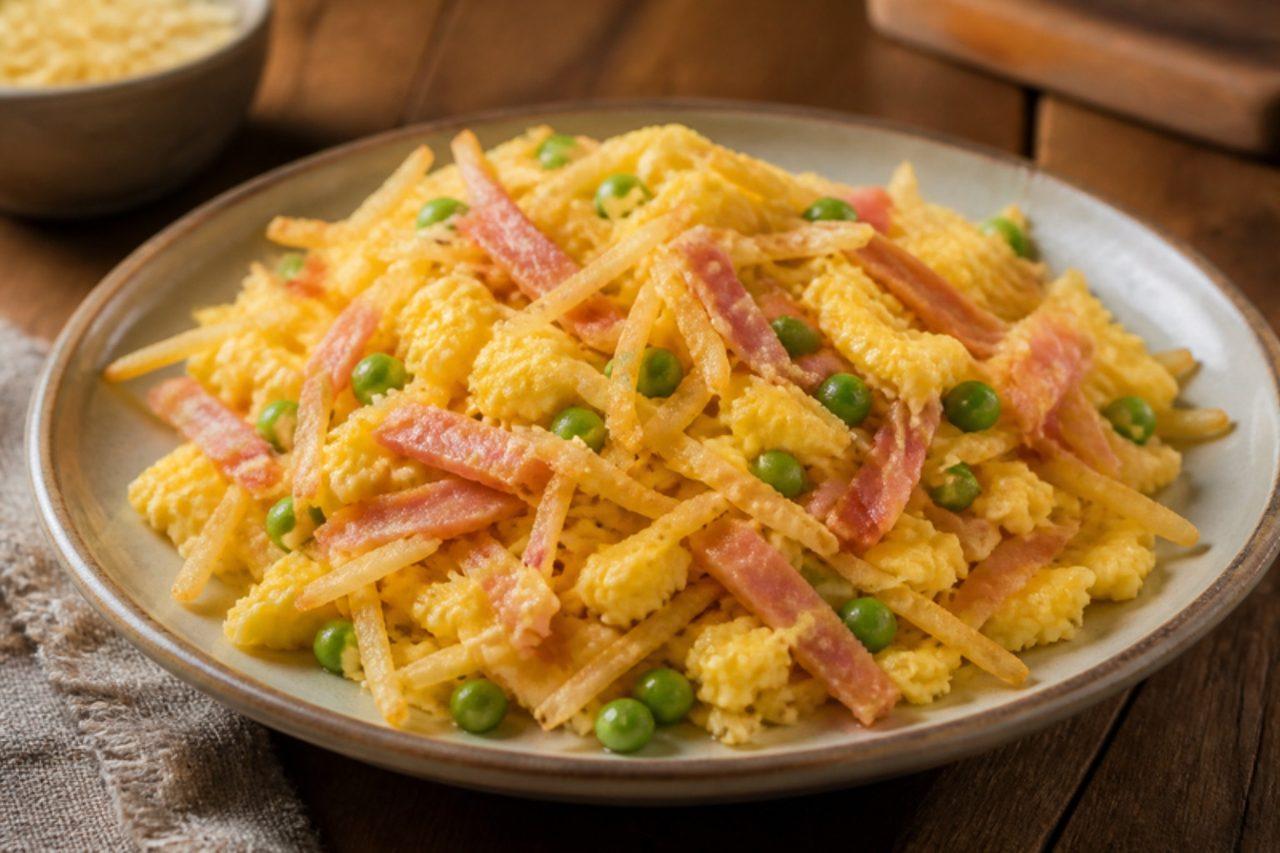
Revuelto GramajoScrambled eggs with potatoes and ham

Late at night in the bodegones of Buenos Aires, when the kitchen has been busy for hours, revuelto Gramajo is what regulars order with a glass of something cold: a pile of crisp shoestring potatoes tossed in the pan with cooked ham (pork), onion, peas and eggs scrambled just until creamy. Legend credits a colonel's aide called Gramajo with inventing it, and every porteño has an opinion about how soft the eggs should be. Done right, some potato threads stay crunchy and others soak up the egg. The mistake to avoid is adding the potatoes too early, which turns them to mush; they go in at the very end, with the pan off the heat. Cook the eggs until no liquid egg remains if you are feeding anyone pregnant, very young or elderly. For a vegetarian version, leave out the ham and double the peas and onion. Chef's tip: fry the potato matchsticks twice, first pale and then golden, so they stay crisp even after meeting the eggs.

by KrazyBadal 0 views

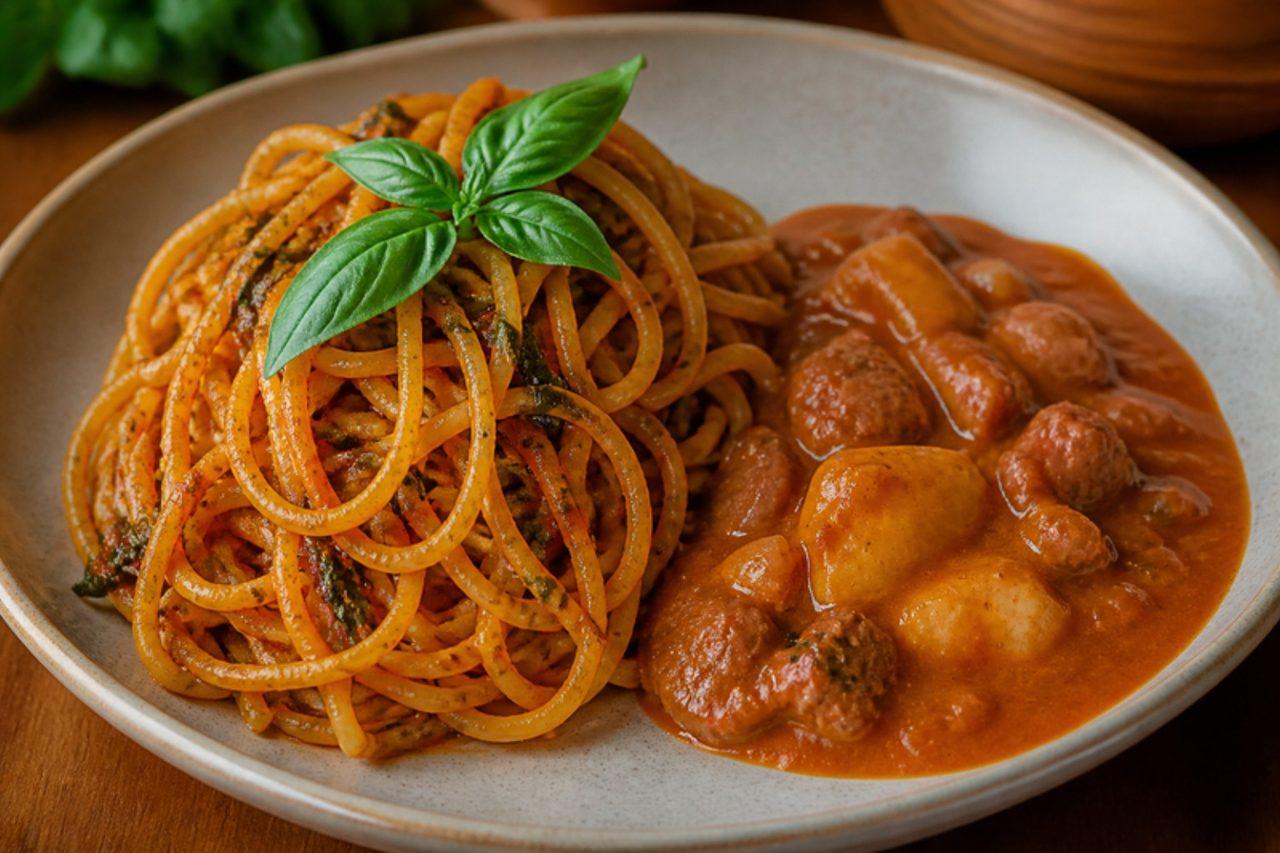
Sopa seca chinchanaSpaghetti in basil chicken broth

Despite the name, there is no soup in a bowl: sopa seca is spaghetti cooked like a risotto in a well-seasoned chicken broth with basil, ají panca and tomato until every drop is absorbed and the noodles turn reddish-green and fragrant. In Chincha and Ica it always arrives on the same plate as carapulcra, the two together forming the famous festive 'matrimonio', with a chicken thigh on top. Expect soft, very savoury pasta with a mild warmth from the chilli. Where it goes wrong is pouring in all the broth at once, which leaves the pasta swimming and mushy; add it in stages, as for risotto. Chef's tip: blend the basil with a little oil and stir it in only in the last minutes, so it stays green instead of turning brown.

by KrazyBadal 0 views

Showing 18 of 7,762 recipes

Show more recipes

Page 502 of 863