


Skip to content
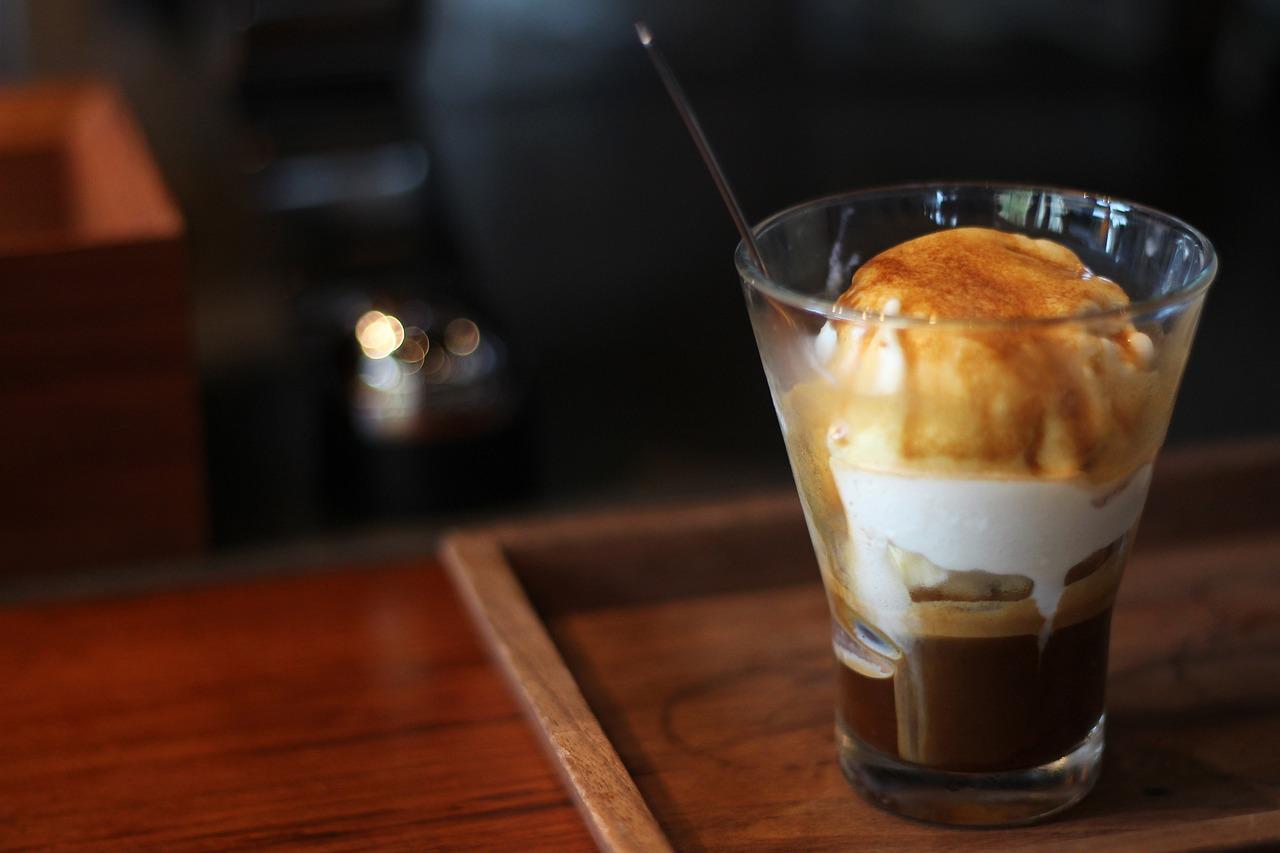
Affogato
Featured recipe

Affogato

Ice cream with hot espresso

Affogato means 'drowned': a scoop of vanilla or fior di latte gelato with a shot of hot espresso poured over it at the table. It is served in bars and gelaterie all over Italy as the simplest after-dinner dessert, half drink and half ice cream, eaten quickly with a spoon while the coffee melts into the gelato. It takes five minutes and needs good ice cream and strong coffee. Chef's tip: chill the glasses in the freezer for 10 minutes first, so the gelato melts slowly and you get both hot and cold in each spoonful.

Read more 0 views

What to eat today?

Around the world

Today's trip: Persian

A new country every day, from every cuisine on the site.

This week's collection

Kid-friendly dinners
537 recipes · a new collection every Monday

Latest recipes

Suco de cajuCashew apple juice

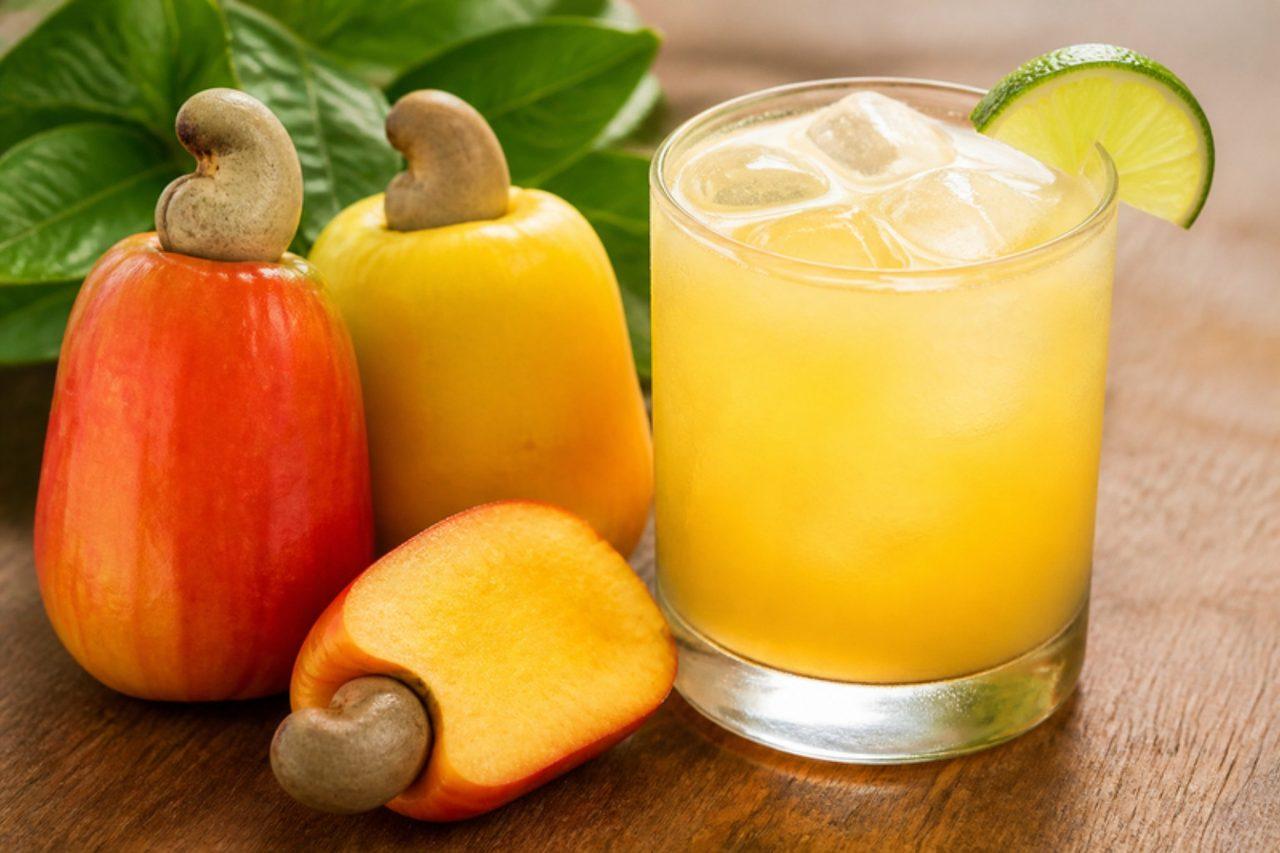
Everyone in Ceará and Rio Grande do Norte has a cashew tree nearby, and in the season, roughly September to December, the fleshy yellow and red cashew apples hang heavily above the nuts. Their juice is the region's everyday drink: pale, cloudy, sweet-tart and faintly astringent, it leaves a slight dryness in the mouth that people love with fried fish or a plate of baião de dois. Fresh cashew apples rarely travel, so outside Brazil use frozen cashew-apple pulp (polpa de caju) from Brazilian shops. This is the fruit, not the nut, but anyone with a cashew allergy should still avoid it. Over-sweetening to hide the astringency is a common mistake, as the juice turns syrupy. Chef's tip: a few drops of lime and plenty of ice soften the dryness far better than extra sugar.

by KrazyBadal 0 views

KharroubCarob drink

Through Ramadan, street vendors in Jerusalem's Old City and in Nablus walk the alleys with brass urns of kharroub on their backs, clacking cups to announce the cold carob drink that breaks the fast. Made by soaking crushed carob pods (or more easily from carob molasses), it is dark, chocolatey-caramel in taste, lightly sweet and very refreshing over ice. Common mistake: boiling the pods hard, which makes the drink bitter and cloudy; soak and simmer gently. Chef's tip: a few drops of orange-blossom water just before serving lifts the earthy carob flavour.

by KrazyBadal 0 views

KataifiShredded pastry rolls with walnuts

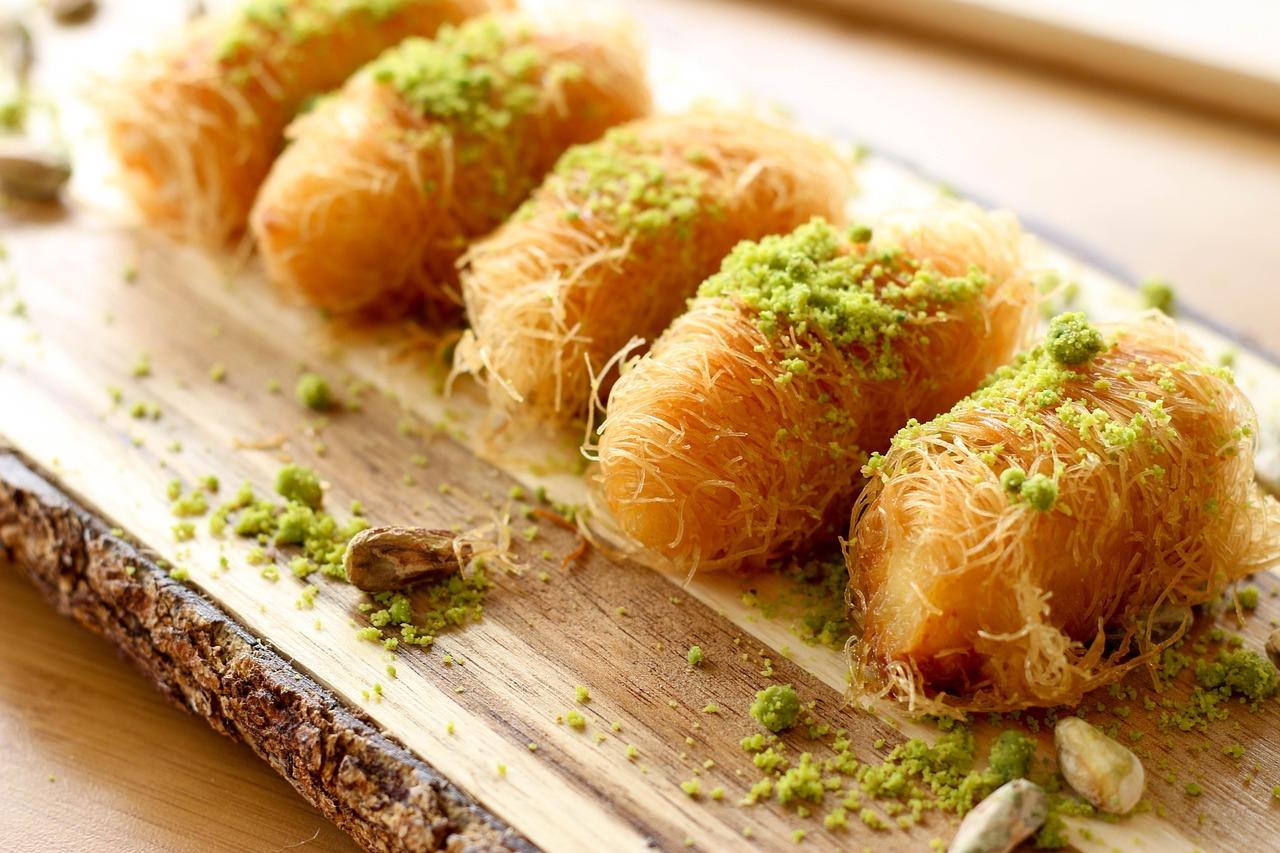
Ioannina's old pastry shops, by the lake and under the castle walls, are known for their syrup sweets, and kataifi rolls are the ones locals buy for Christmas and Easter visits. Fine threads of kataifi pastry are wrapped around a cinnamon-walnut filling, drenched in butter and baked crisp, then soaked in cool syrup so they stay crunchy on top and sticky beneath. Serve at room temperature with Greek coffee. Common mistake: pouring hot syrup on hot pastry, which turns it soggy — one of the two must be cool. Chef's tip: tease the pastry threads apart with your fingers before rolling; matted clumps bake hard.

by KrazyBadal 0 views

Qamar al-dinApricot drink

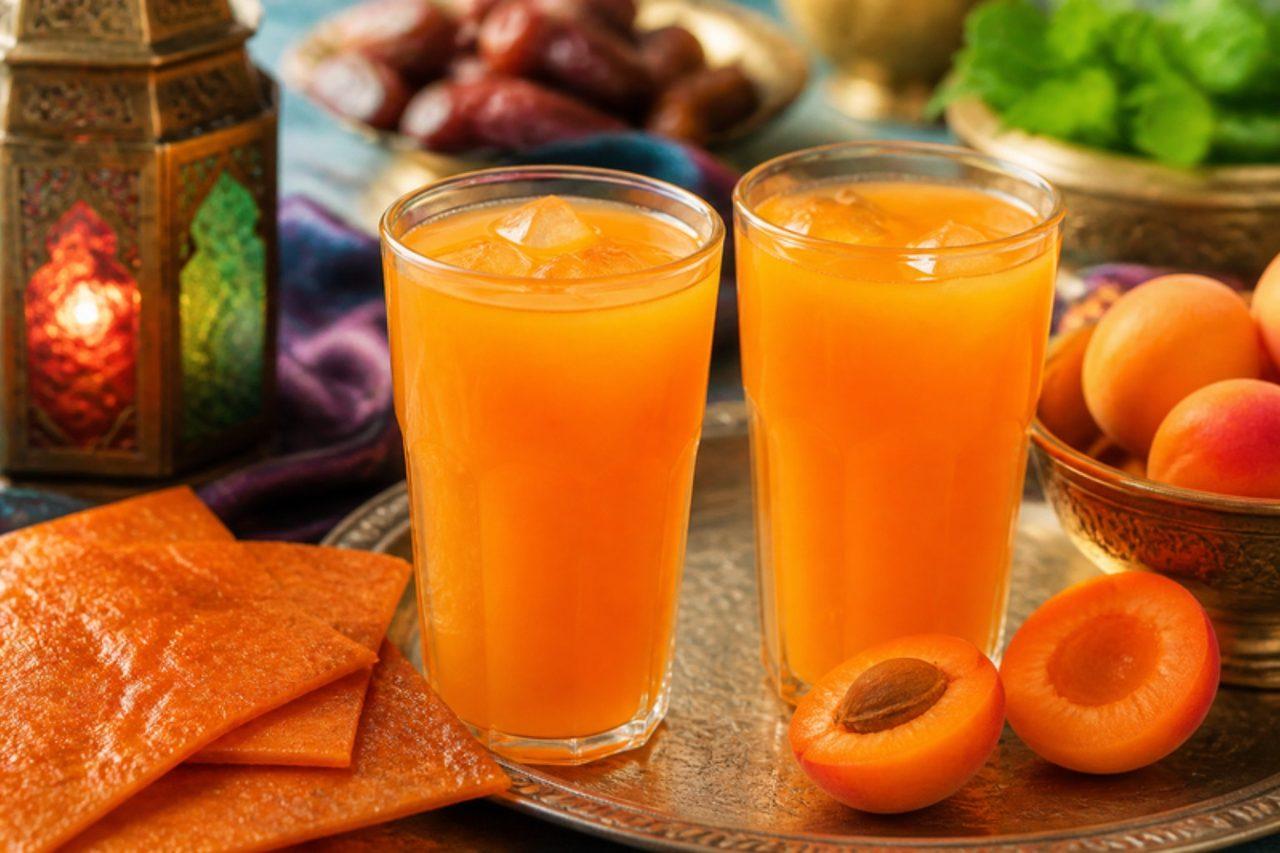
Damascus is famous for its apricots, and much of the summer harvest is pressed into thin orange sheets of apricot leather called qamar al-din. In Ramadan, almost every Syrian home soaks a sheet overnight and blends it into a thick, velvety drink to break the fast — it is sweet, slightly tart and full of energy after a long day. Serve it chilled, sometimes with a few soaked pine nuts on top. Common mistake: blending without soaking long enough; the leather needs time to soften or the drink is gritty. Chef's tip: add a splash of orange blossom water and a squeeze of lemon to wake up the apricot flavour.

by KrazyBadal 0 views

Sharbat-e beh limooQuince and lime syrup drink

Quince and lime syrup is an old-fashioned Persian cooler, the drink grandmothers in Isfahan and Tehran bring out on hot afternoons, said to settle the stomach and cool the body. Grated quince simmered in syrup turns from cream to a soft rosy amber and gives a floral, almost honeyed scent; fresh lime juice cuts through the sweetness. Diluted with iced water, it is lovely after a heavy meal of rice and stew. Chef's tip: cook the grated quince gently for the full time; the colour only turns pink after long, slow simmering.

by KrazyBadal 0 views

Suco de acerolaAcerola cherry juice

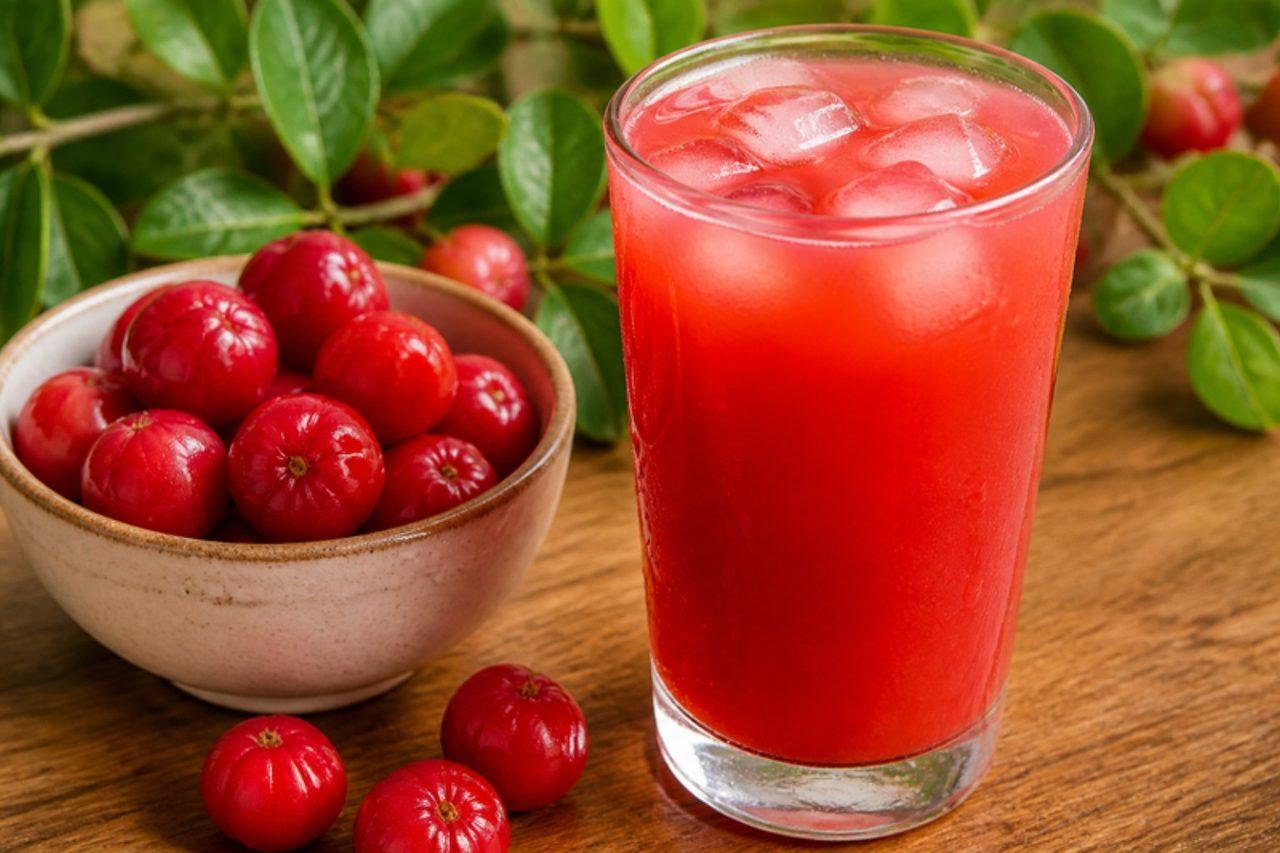
Backyard acerola bushes are everywhere in Pernambuco, Paraíba and the rest of the Northeast, and the small, glossy red cherries fruit several times a year. Blended with water and a little sugar, they make a vivid orange-red juice, tart and cherry-like with a slightly floral finish, famously one of the richest natural sources of vitamin C. Lanchonetes often mix it with orange juice; at home it is the drink kids are handed when they have a cold. Fresh acerolas spoil within days, so outside Brazil use frozen acerola pulp. Letting it stand is the common mistake, since the vitamin C and colour fade quickly once blended. Chef's tip: blend it just before serving, and add the sugar sparingly, about a tablespoon per two glasses, to keep it light.

by KrazyBadal 0 views

QidraLamb and rice clay-pot

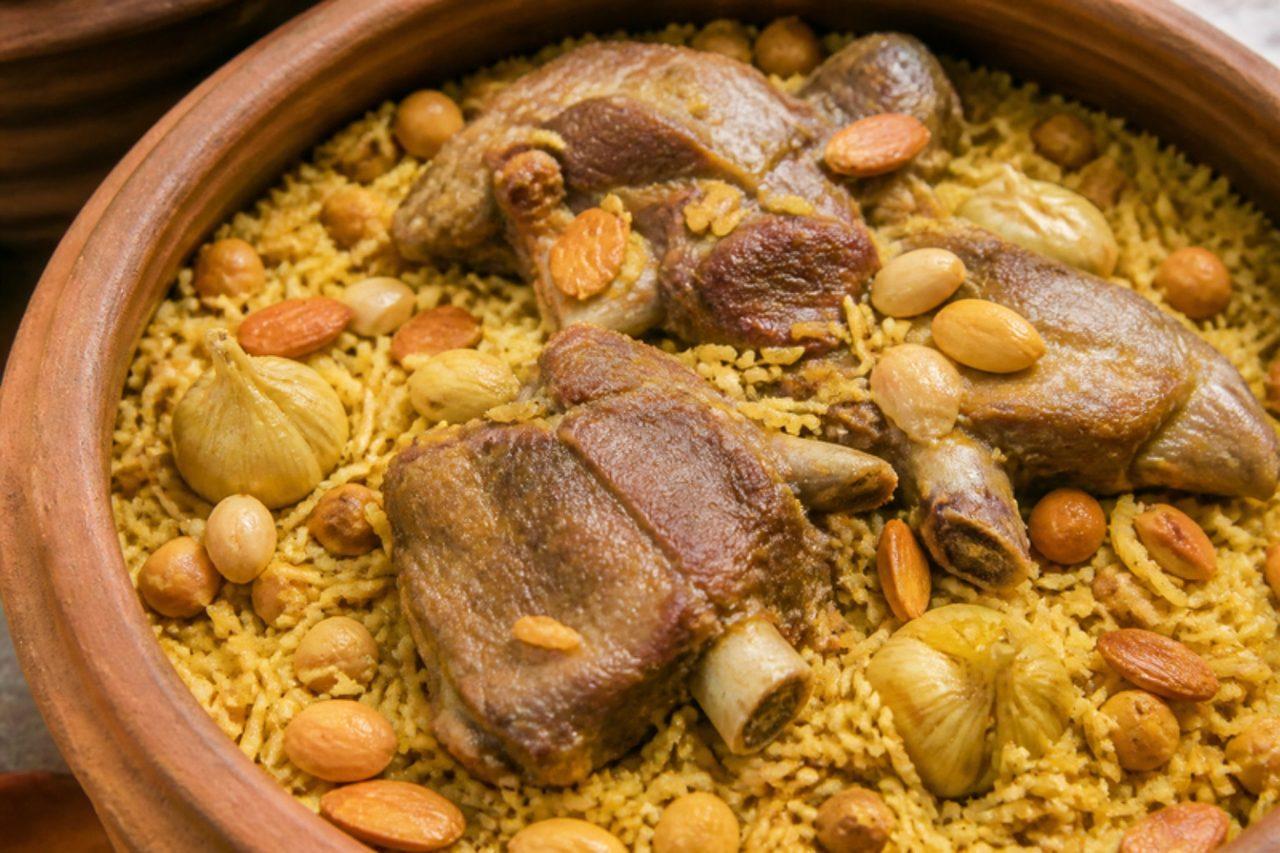
Qidra takes its name from the tall copper or clay pot it is cooked in, which in Hebron is sealed and carried to the neighbourhood bakery to cook slowly in the bread oven for Friday lunch, weddings and Eid. The rice is golden with turmeric and cumin, studded with whole garlic cloves and chickpeas, and the lamb underneath turns meltingly tender. At home, a heavy lidded casserole in the oven does the job. Common mistake: lifting the lid to stir, which breaks the rice and lets the steam escape. Chef's tip: soak the rice for 30 minutes and use only as much broth as the recipe says; the sealed pot loses almost nothing.

by KrazyBadal 0 views

Znoud el sitCream-filled filo fingers

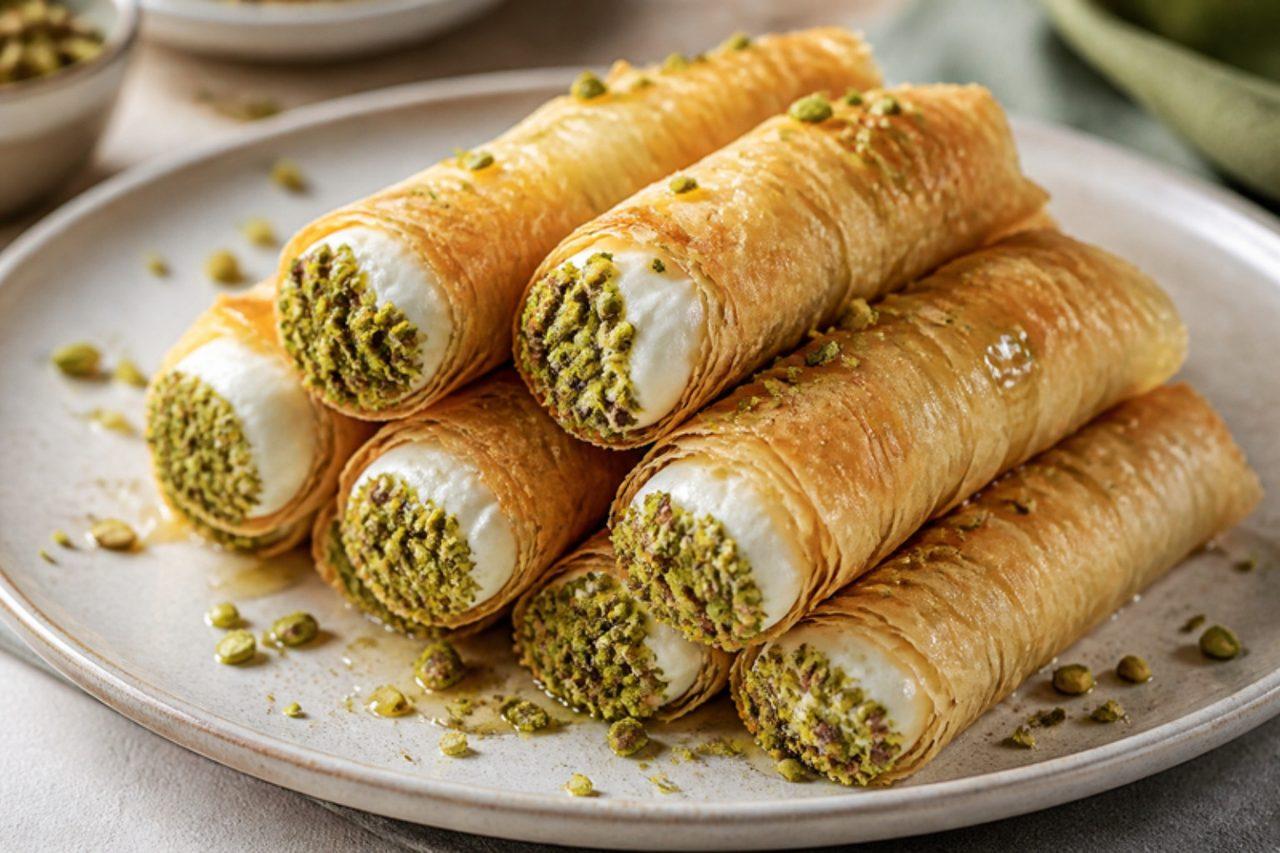
Lebanese sweet shops in Tripoli and Saida fry trays of znoud el sit every evening during Ramadan, and families queue for them after iftar. Filo is rolled around a thick, set milk cream (a home version of ashta), baked or fried until shatteringly crisp, then dipped in cold syrup and dusted with ground pistachios. The contrast of crackling pastry and cool, fragrant cream is the whole point, so eat them within an hour or two of filling. Common mistake: filling with warm cream; it leaks and makes the pastry soggy, so chill it until firm. Chef's tip: brush with clarified butter rather than whole butter — it browns evenly without burning and keeps the rolls crisp longer.

by KrazyBadal 0 views

TomatokeftedesTomato and mint fritters

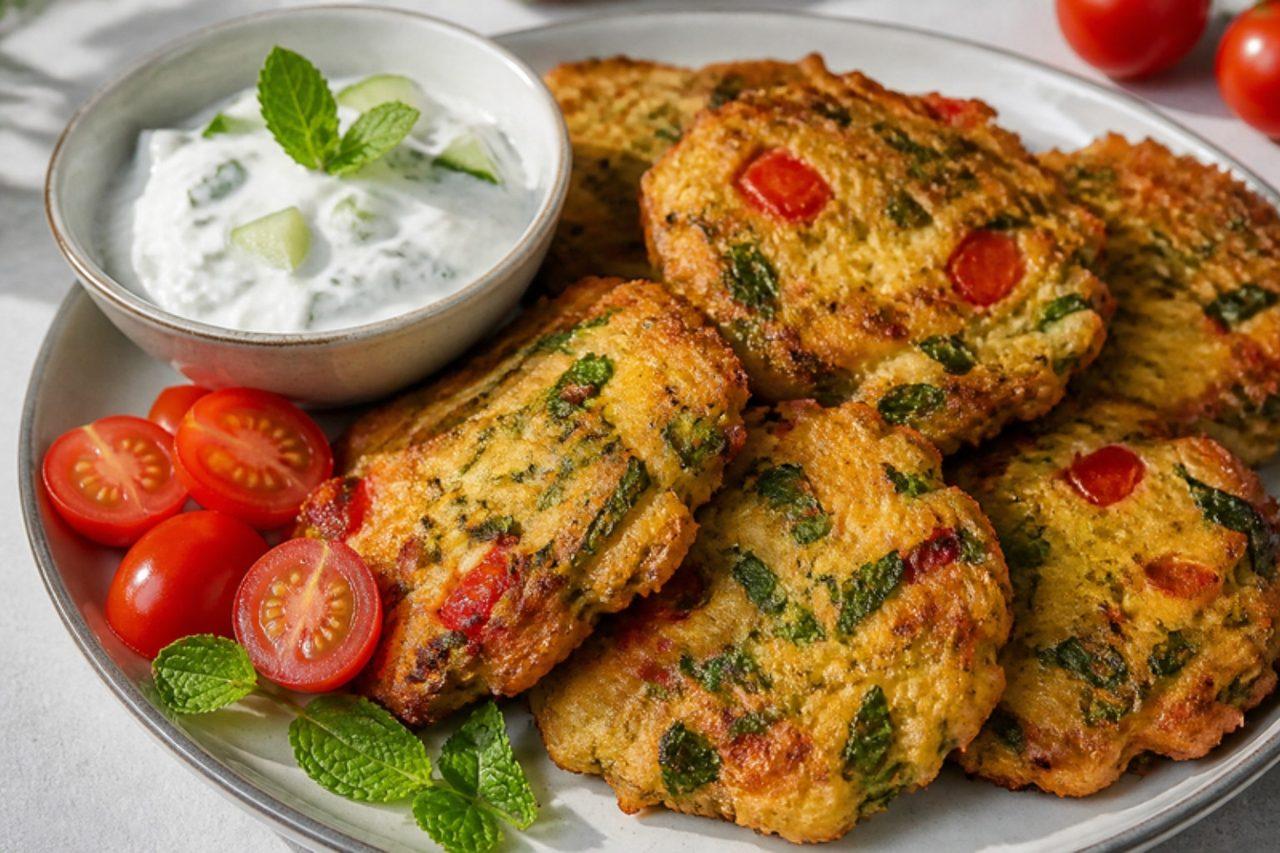
The volcanic soil of Santorini grows tiny, intensely sweet tomatoes on almost no water, and every taverna on the caldera serves them as tomatokeftedes: chopped tomato, onion, mint and oregano bound with just enough flour to hold, then fried until the outside is lacy and crisp and the inside is soft and juicy. They are eaten hot as a meze, often next to Santorini fava and a cold glass of water or lemonade. Common mistake: letting the batter sit, which draws out tomato juice and makes it runny; mix it right before frying. Chef's tip: squeeze the chopped tomatoes in a sieve first and keep the juice for a soup; drier tomatoes give crisper fritters.

by KrazyBadal 0 views

TomaticánTomato, corn and egg stew

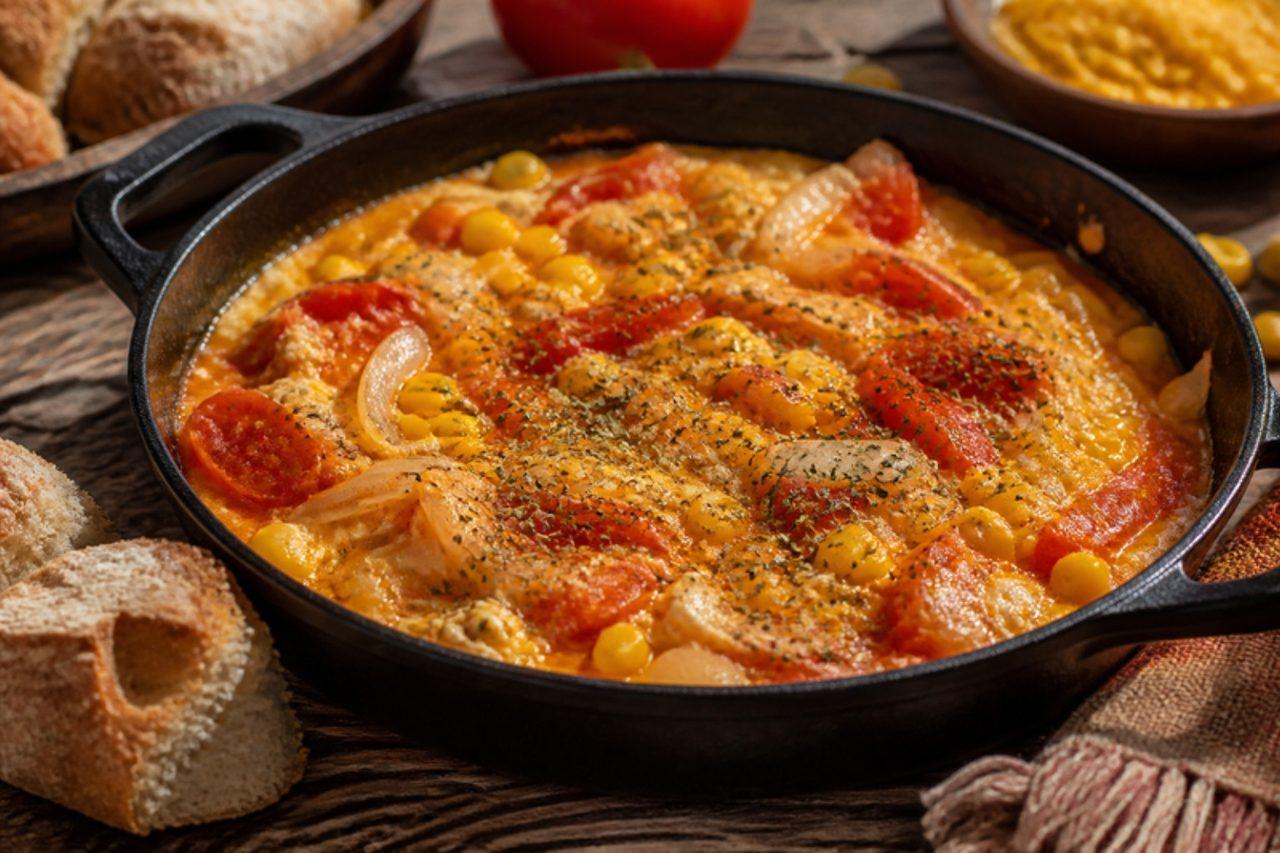
Mendoza's irrigated orchards and fincas drown in tomatoes in February, and tomaticán is the old Cuyo answer to the glut: a quick pan stew of onion, chopped ripe tomato and fresh sweetcorn, seasoned with oregano and a little ají, with beaten egg stirred through at the end until it sets in soft curds. It is a farmhouse lunch and a cheap supper, eaten with crusty bread to mop the juice, and some cooks add diced potato to stretch it. The flavour is bright and sweet-sour, the texture loose and juicy. People often add the egg to a pan full of liquid and end up with egg soup; cook the tomatoes down until the juices are jammy first. Bread for dipping is traditional, so pick a gluten-free loaf if you need it. Chef's tip: stir the egg in off the heat and let the pan's heat set it; you want soft, creamy ribbons, not a dry scramble.

by KrazyBadal 0 views

KatehSoft buttery rice

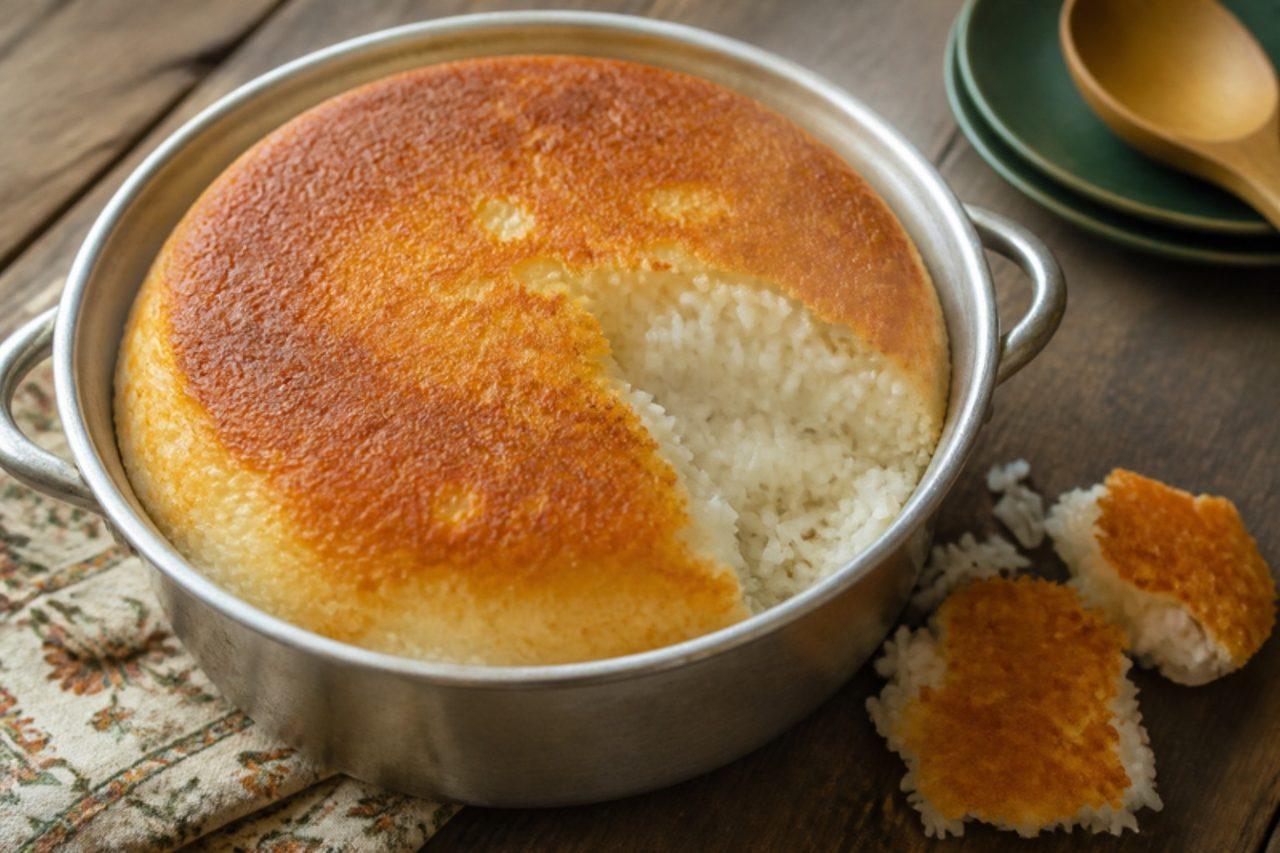
Along the Caspian coast in Gilan and Mazandaran, kateh is the daily rice: no par-boiling and draining as in Tehran's chelow, just rice, water, salt and butter cooked together until the water vanishes and the grains settle into a soft, slightly sticky cake with a golden crust underneath. Northern families eat it at almost every meal with fish, mirza ghasemi or baghala ghatogh, and children love the buttery bottom. The common mistake is lifting the lid and stirring once the water has been absorbed, which breaks the grains and stops the crust forming. Chef's tip: use a heavy non-stick pot and add the butter only after the water has boiled down; it seeps through and fries the base.

by KrazyBadal 0 views

QizhaNigella seed cake

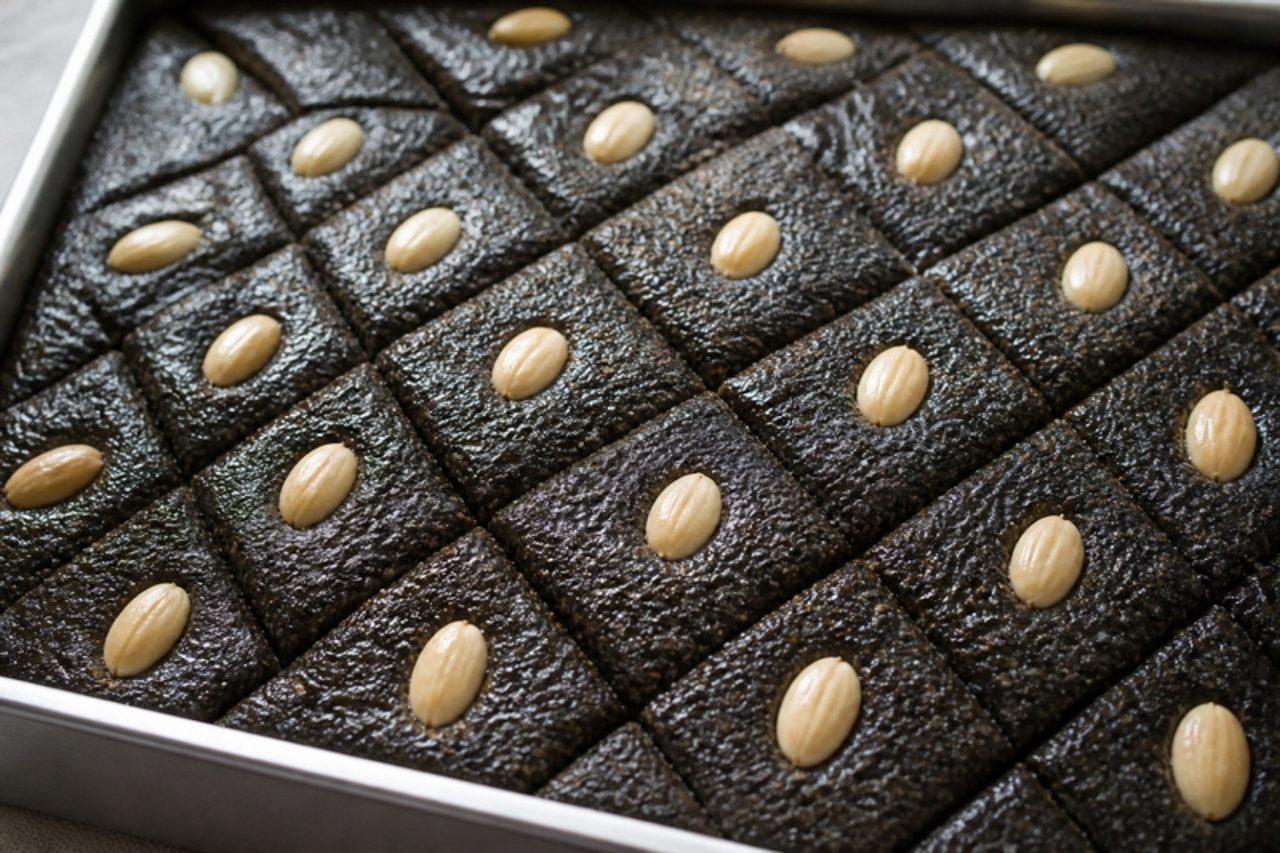
Qizha is Gaza's own sweet: a dense, near-black semolina cake made with a paste of roasted nigella seeds, eaten especially in winter and during Ramadan, when bakeries in Gaza City stack trays of it. It tastes nutty and slightly bitter, a little like dark sesame, softened by syrup and topped with almonds or pistachios. Nigella paste is sold in some Middle Eastern shops; if you can't find it, grind toasted nigella with tahini as below. Common mistake: over-toasting the nigella, which turns it acrid; stop as soon as it smells fragrant. Chef's tip: rest the mixed batter for 30 minutes before baking so the semolina swells and the cake slices cleanly.

by KrazyBadal 0 views

Sharbat-e khakshirIced rosewater drink with seeds

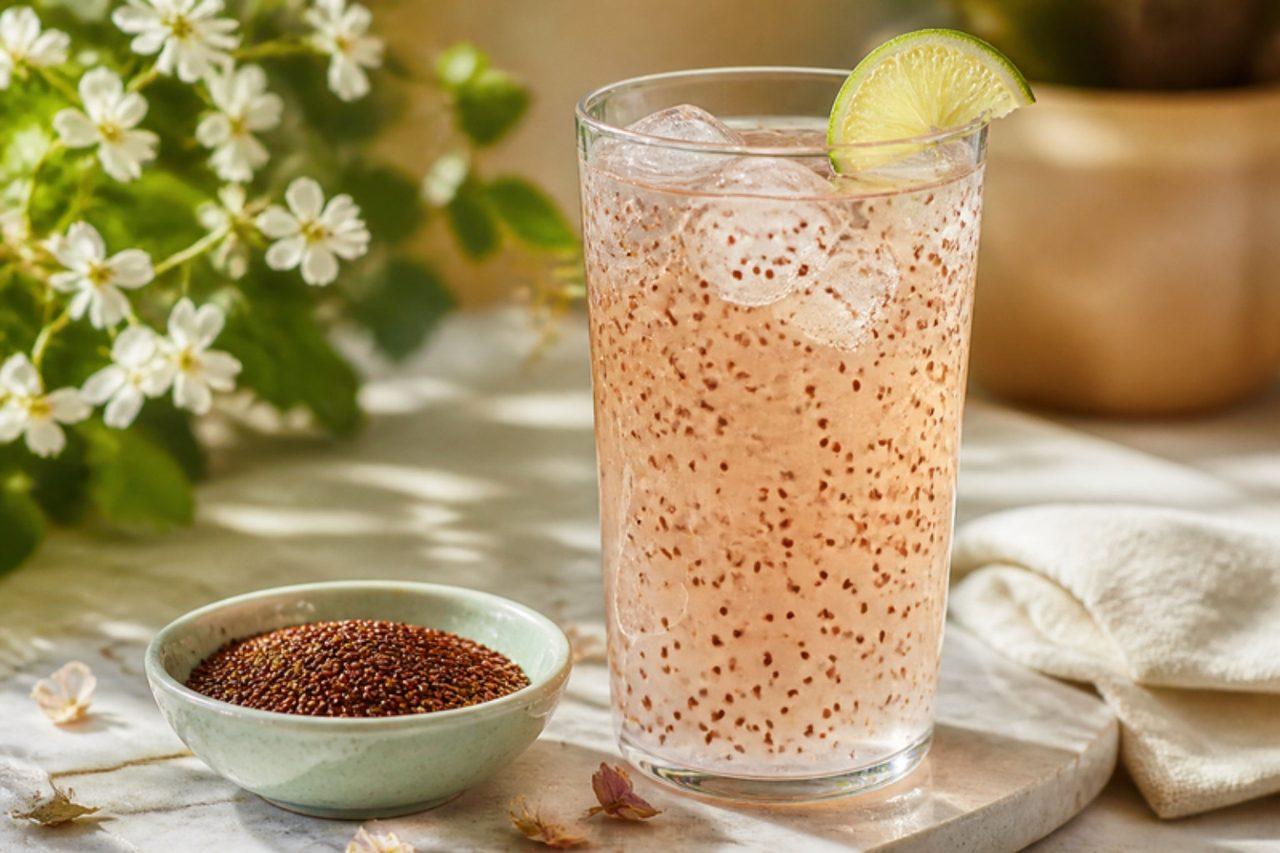
Khakshir are the tiny reddish seeds of flixweed, and in Yazd, Kashan and across the hot centre of Iran a glass of khakshir sharbat is what people drink on scorching summer afternoons and to break the fast on long Ramadan days. The seeds swell slightly and float through sweet iced water perfumed with rosewater, giving a gentle crunch; some add a squeeze of lime or a little sour cherry syrup. Find khakshir at Iranian grocers. Chef's tip: rinse the seeds in several changes of water and pour off anything that floats; dust and grit come away with it.

by KrazyBadal 0 views

KispiñoSteamed quinoa cakes

Pressed in a fist so each one carries the marks of the cook's fingers, kispiño are small, dense quinoa cakes from the Puno highlands, steamed and then left to dry so they keep for weeks on journeys, herding trips and pilgrimages. Traditional ones are bound with a little lime water (from cal, the mineral) and fat; this home version uses oil and a pinch of aniseed and sugar, so they're vegan and pleasantly savoury-sweet. They're firm and chewy, a little like a grain cake, and good with hot tea, coca tea or a soup on a cold day. The common mistake is making the dough too wet, so the cakes slump in the steamer; it should feel like damp sand that holds its shape when squeezed. Ground quinoa is quinoa flour; grind your own from rinsed, dried and toasted grain, or buy it ready ground. Chef's tip: toast the ground quinoa in a dry pan first until it smells nutty, which takes away any bitterness.

by KrazyBadal 0 views

Sauce chienHerb, lime and chilli sauce

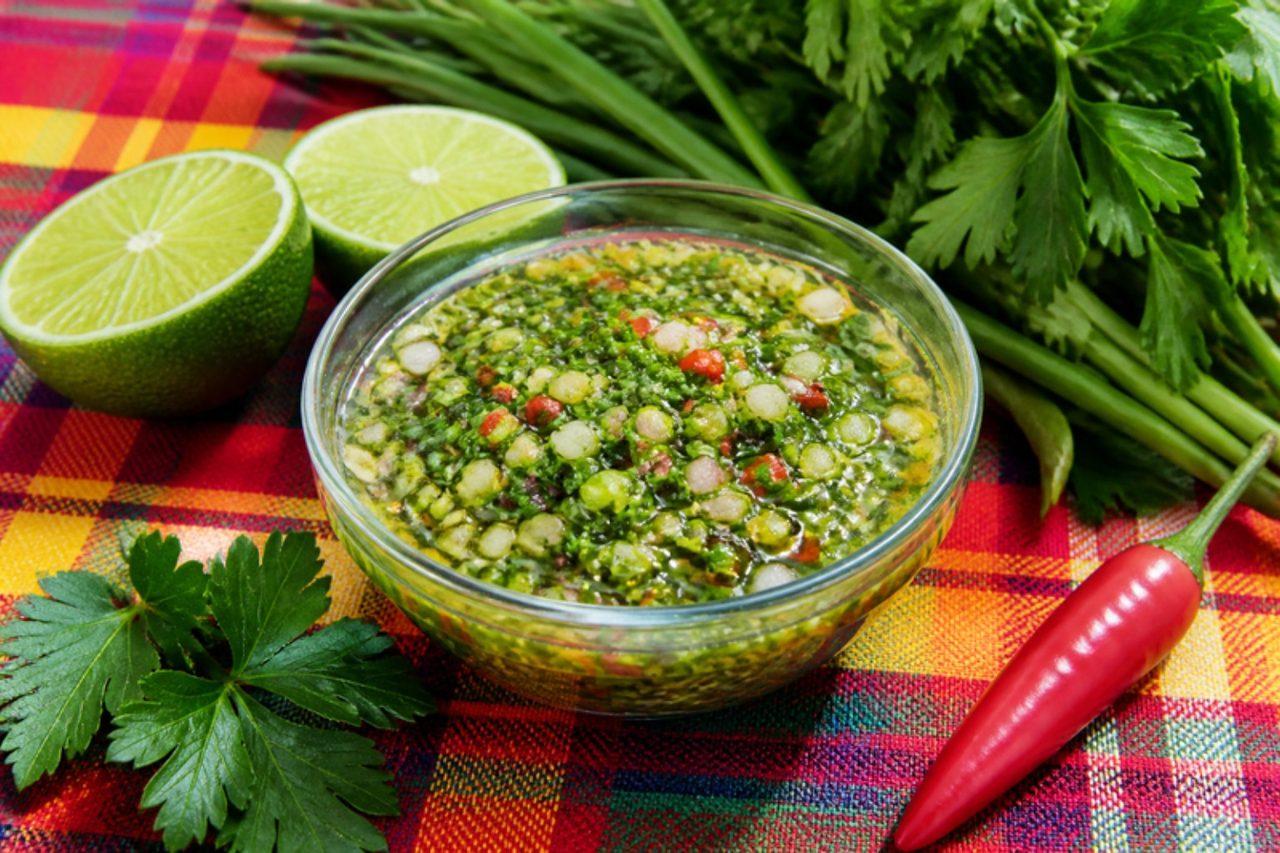
No grill in Martinique or Guadeloupe is complete without a bowl of sauce chien: shallot, garlic, spring onion, parsley and Scotch bonnet chopped very fine, then 'cooked' with a splash of boiling water, lime juice and oil. Islanders spoon it over grilled vegetables, plantain, rice and beans, and accras, at beach picnics and family barbecues on Sunday afternoons. One story says it is named after the knife used to chop the herbs, whose handle bore a dog. Chef's tip: pour the water on just off the boil; it softens the raw onion and garlic and brightens the green of the herbs.

by KrazyBadal 0 views

Himmel un ÄädApple potato mash with black pudding

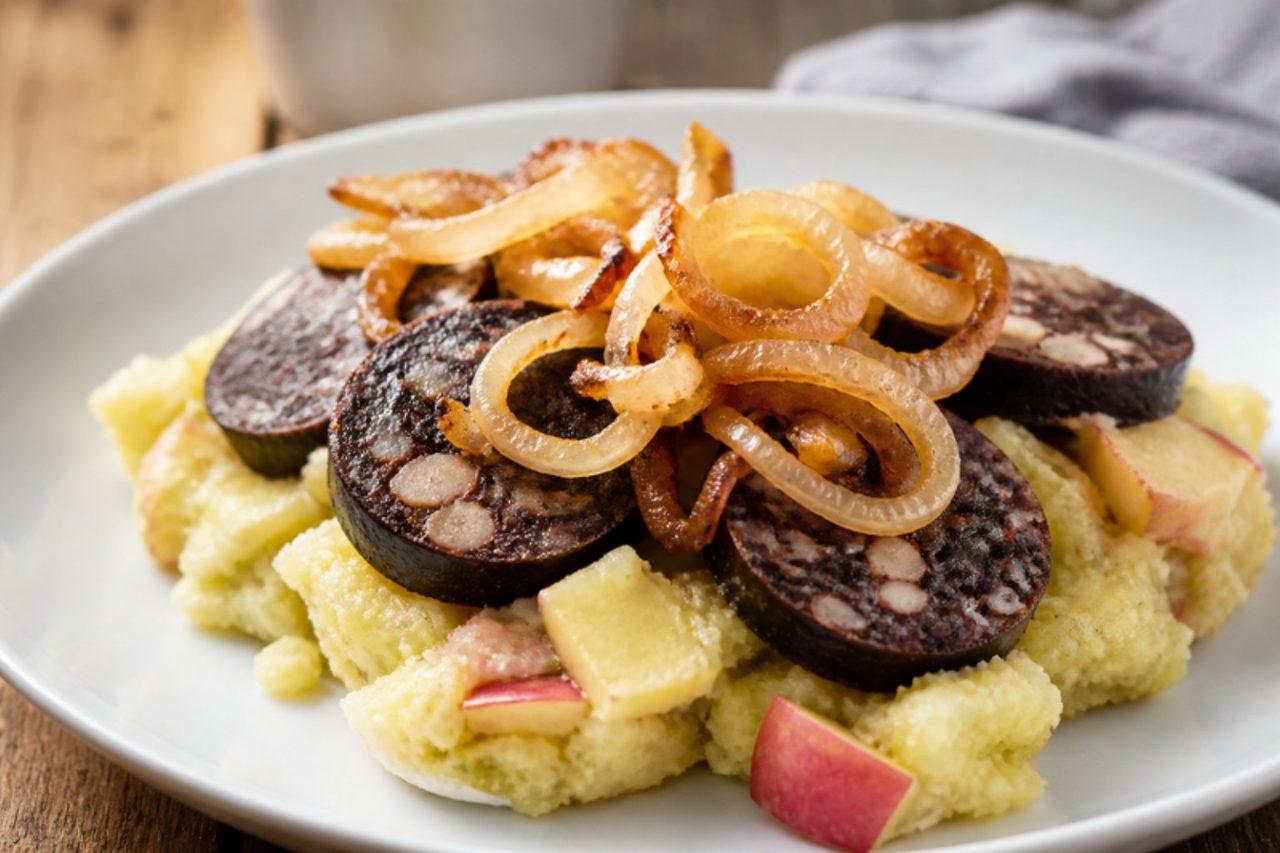
Himmel un Ääd is Cologne dialect for "heaven and earth": apples from the trees above and potatoes from the ground below, mashed together and topped with slices of fried Flönz, the soft Rhineland black pudding, and crisp onions. It is a classic in Cologne's brewery taverns, especially around Carnival and in autumn when the apples are new. For a vegetarian plate, skip the blood sausage and add extra fried onions and a fried egg. Chef's tip: use a sharp apple like Boskop or Bramley, which balances the rich sausage much better than a sweet one.

45 minGermanMeatGluten free
by KrazyBadal 0 views

Tocino de cieloEgg-yolk and syrup custard

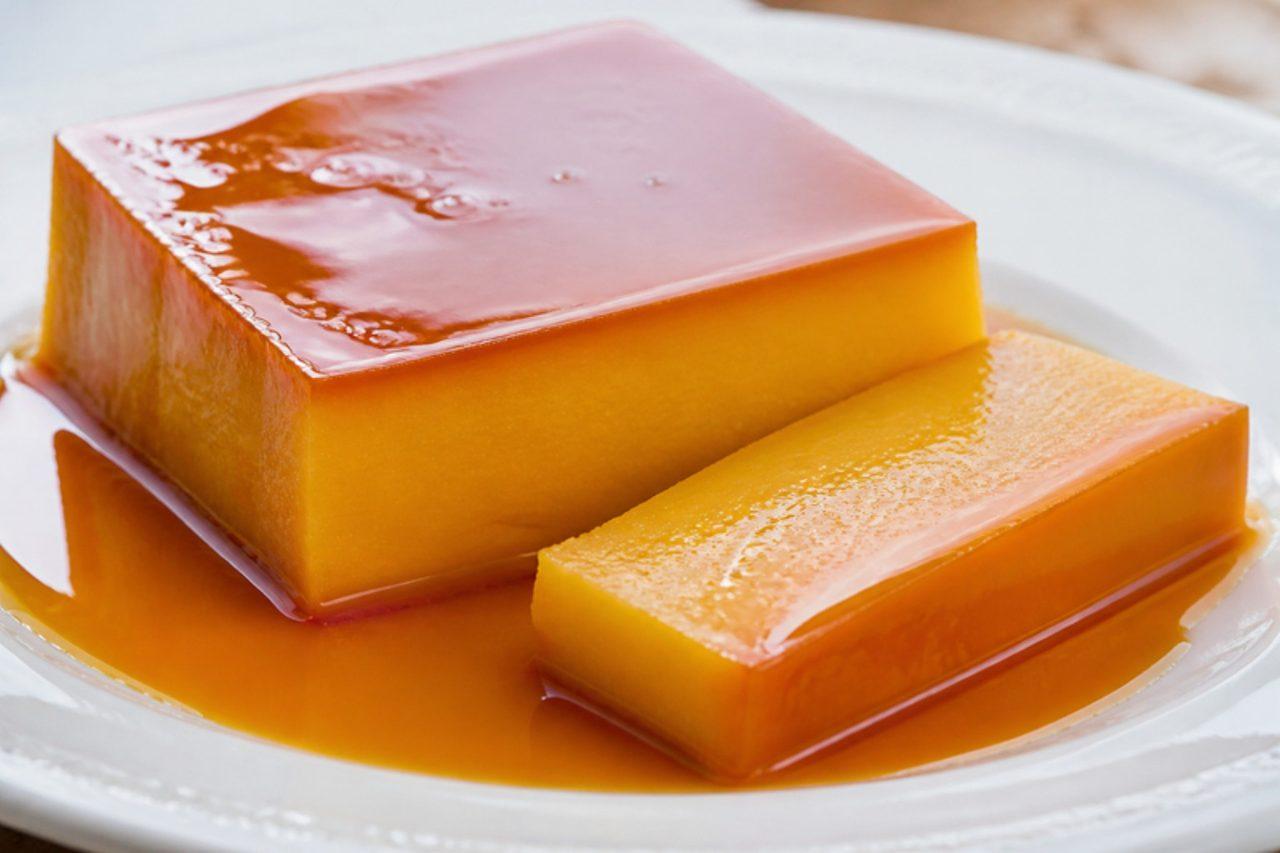
Tocino de cielo means 'bacon from heaven', but there is no pork in it at all: the name refers only to its rich, deep-yellow colour. The story told in Jerez de la Frontera is that the sherry bodegas used egg whites to clarify their wine and gave the leftover yolks to the convents, whose nuns turned them into this. It is denser and silkier than flan, with no milk, and a small square goes a long way after Sunday lunch. Chef's tip: strain the yolk mixture twice and skim off every bubble; that is what gives the glassy, pore-free finish.

by KrazyBadal 0 views

SubmarinoHot milk with chocolate bar

Café tables in Buenos Aires have their own way with hot chocolate: the waiter brings a tall glass of frothy, steaming milk on a saucer with a slim bar of dark chocolate, and you drop the bar in yourself and watch it sink like a submarine. Stirred with a long spoon, it melts into a rich, not-too-sweet drink, and it is the classic order with medialunas on a cold winter afternoon or after school. At home it takes five minutes, and children love the moment of dropping the bar in. The common letdown is milk that is only warm: the chocolate sits in a lump at the bottom. Heat it until it is steaming and just starting to rise, but not boiling. Chef's tip: froth the hot milk with a whisk or milk frother before pouring; the foam on top is part of the café ritual and keeps the drink hot while the chocolate melts.

by KrazyBadal 0 views

Styrian KürbiskernbrotPumpkin seed rye loaf

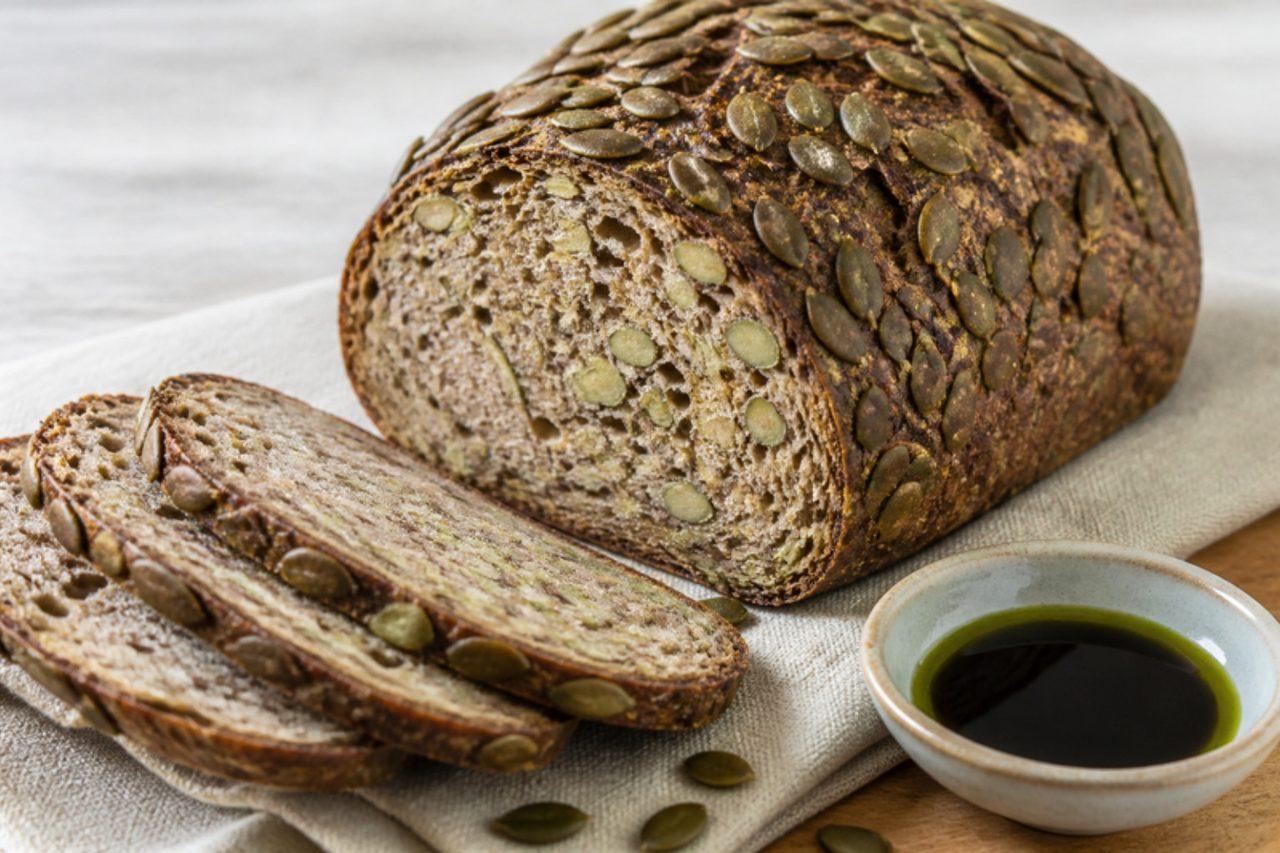
In Styria, the south-eastern corner of Austria where the hulless Styrian pumpkin is grown for its dark green seeds and oil, every bakery sells a loaf crowded with those seeds. Kürbiskernbrot is a light rye-wheat bread, nutty and slightly sweet, with toasted seeds through the crumb and pressed all over the crust. Locals eat it at a Buschenschank, the farmhouse wine tavern, with Liptauer, cured meats or a drizzle of pumpkin seed oil. A common mistake is adding the seeds raw: toasting them first gives the bread its deep, roasted flavour. Chef's tip: soak half the toasted seeds in hot water while you make the dough, so they stay tender inside the bread and don't pull moisture from the crumb.

by KrazyBadal 0 views

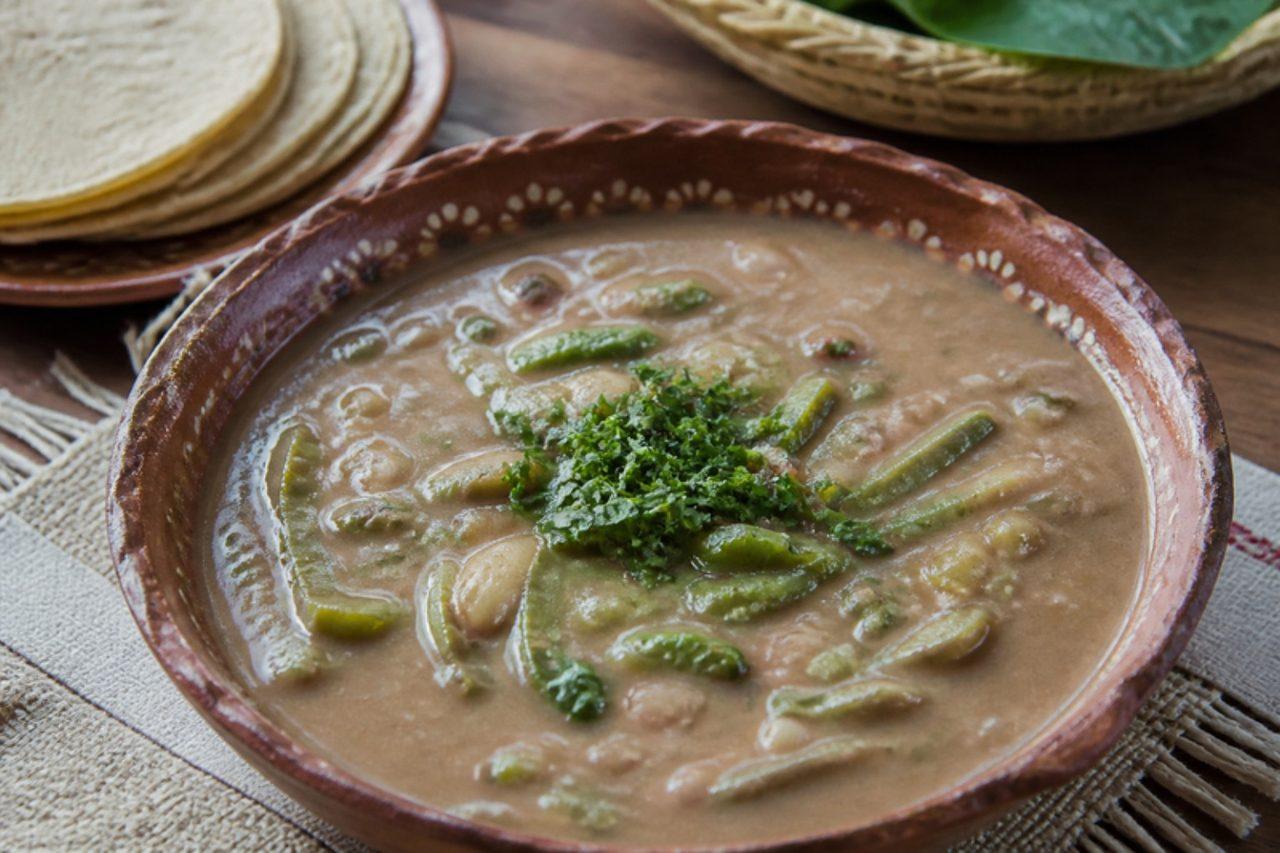
TlatlapasBean, fava and pea soup

In the villages of Tlaxcala, tlatlapas is the Lenten and rainy-season soup: dried beans, fava and peas are toasted on a comal, ground to a coarse flour and simmered into a thick, earthy purée seasoned with dried chilli, epazote and strips of cactus. It is a peasant dish with pre-Hispanic roots, cheap, filling and full of protein, eaten with corn tortillas and a squeeze of lime. Using split beans keeps the cooking under an hour. Chef's tip: toast the pulses until golden and nutty, not dark; burnt ones turn the whole pot bitter.

by KrazyBadal 0 views

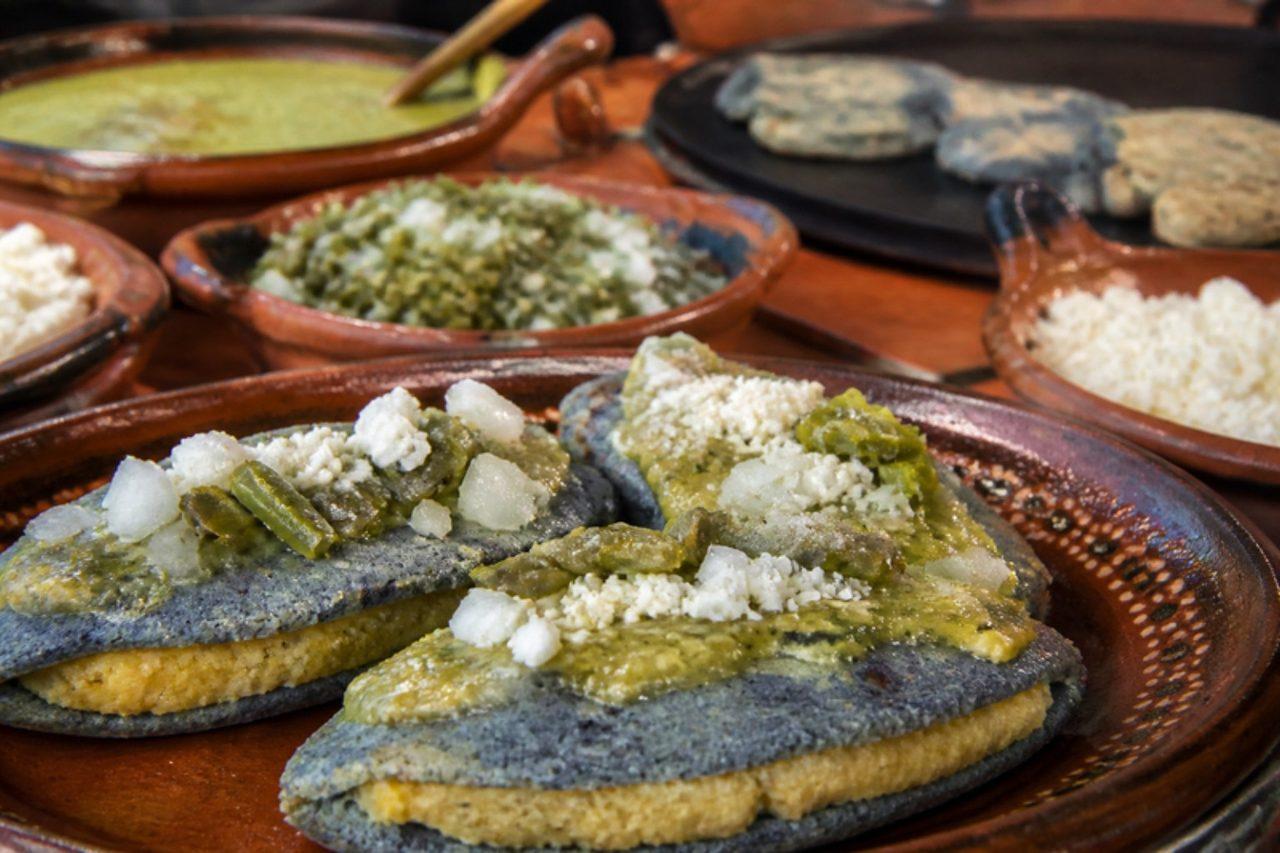
Tlacoyos de habaStuffed blue corn cakes

Walk out of almost any Metro station in Mexico City in the morning and you will find a woman on a low stool patting out tlacoyos on a clay comal: thick, oval cakes of blue or white corn masa with a seam of bean or fava purée hidden inside, topped with cactus, salsa and crumbly cheese. They are bought hot, eaten standing up, and are one of the oldest street foods in the valley, older than the city itself. This version is filled with garlicky fava purée (habas) and topped with a quick nopal salad and salsa verde. Leave off the cheese and it is vegan. Chef's tip: keep the purée stiff, like mashed potato; a loose filling bursts through the masa when you flatten it.

by KrazyBadal 0 views

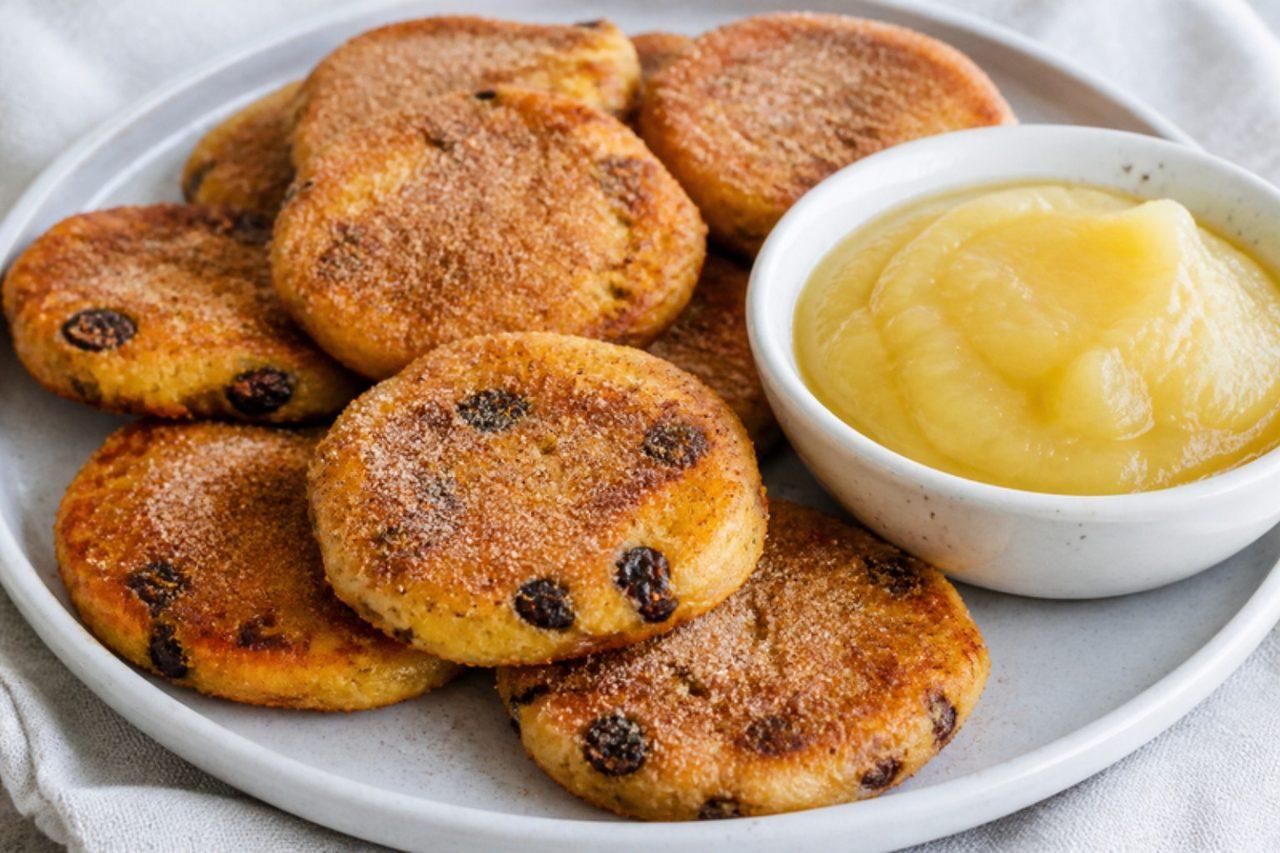
QuarkkeulchenPotato and quark pancakes

Quarkkeulchen are the sweet little pancakes of Saxony, the kind a Dresden or Leipzig grandmother makes on a Saturday afternoon from yesterday's boiled potatoes: mashed potato, quark, egg, a little flour and sugar, lemon zest and raisins, shaped into small thick discs and fried in butter until golden. They are crisp outside, soft and slightly tangy inside, and come dusted with cinnamon sugar beside a bowl of apple sauce. A common mistake is using freshly boiled warm potatoes, which make a sticky dough; use cold ones from the day before. Chef's tip: soak the raisins in hot water for 10 minutes so they plump up and don't burn in the pan.

by KrazyBadal 0 views

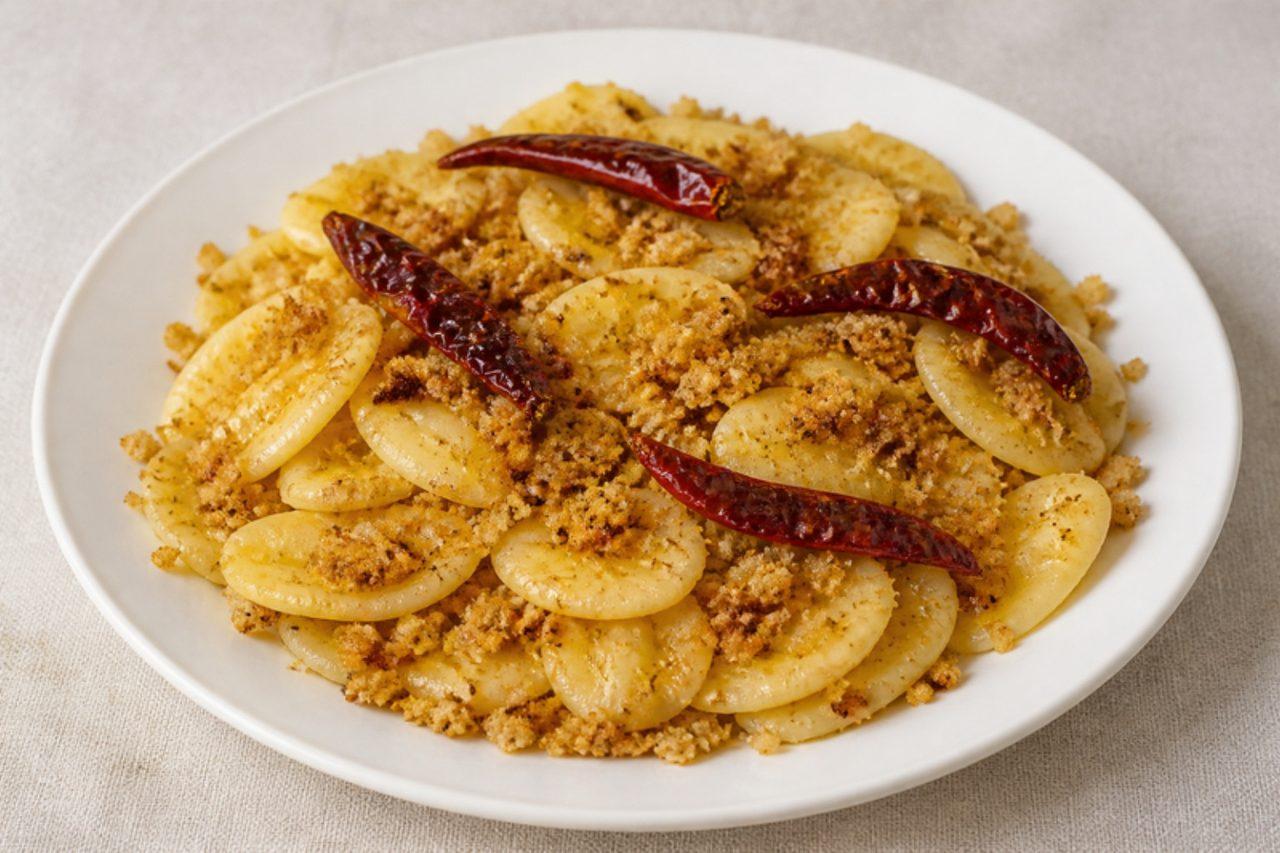
Strascinati con mollica e peperoni cruschiPasta with breadcrumbs and crisp peppers

Strascinati get their name from the way they are made: a piece of semolina dough is dragged (strascinato) across a wooden board under two or three fingers, so it curls into a wide, ridged shell. In the hill towns of Basilicata they are rolled on Sunday mornings and tossed with the simplest dressing of the poor kitchen, olive oil, garlic, breadcrumbs fried until crunchy and crushed peperoni cruschi, the sweet dried peppers of Senise. The crumbs stand in for cheese, which once was a luxury. Chef's tip: fry the breadcrumbs separately and add them at the table, so they are still crackling when you eat.

by KrazyBadal 0 views

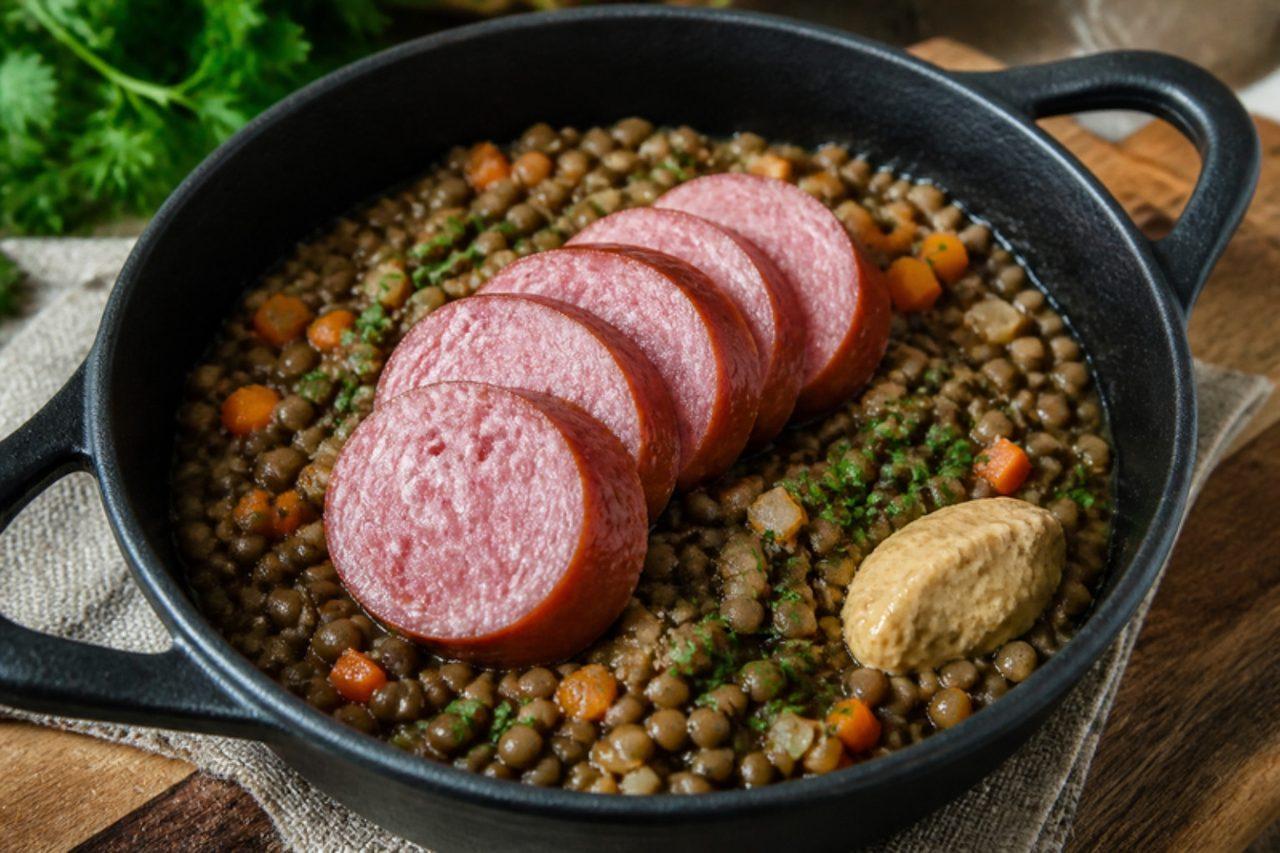
Saucisse de Morteau aux lentillesSmoked sausage with lentils

The Morteau sausage is the pride of the Haut-Doubs in Franche-Comté: a pure pork sausage slow-smoked over resinous pine in the tall chimneys of mountain farmhouses, recognisable by the little wooden peg at one end. On winter weekdays it is simmered with small green lentils, carrots and onions, so the lentils soak up its smoky, garlicky juices while staying whole and nutty. Slice the sausage thickly over the lentils and serve with Dijon mustard and a green salad. If you can't buy Morteau, use another good smoked pork sausage. Chef's tip: never prick a Morteau before cooking, or the juices that should flavour the lentils will leak out into the water and be lost.

65 minFrenchMeatGluten free
by KrazyBadal 0 views

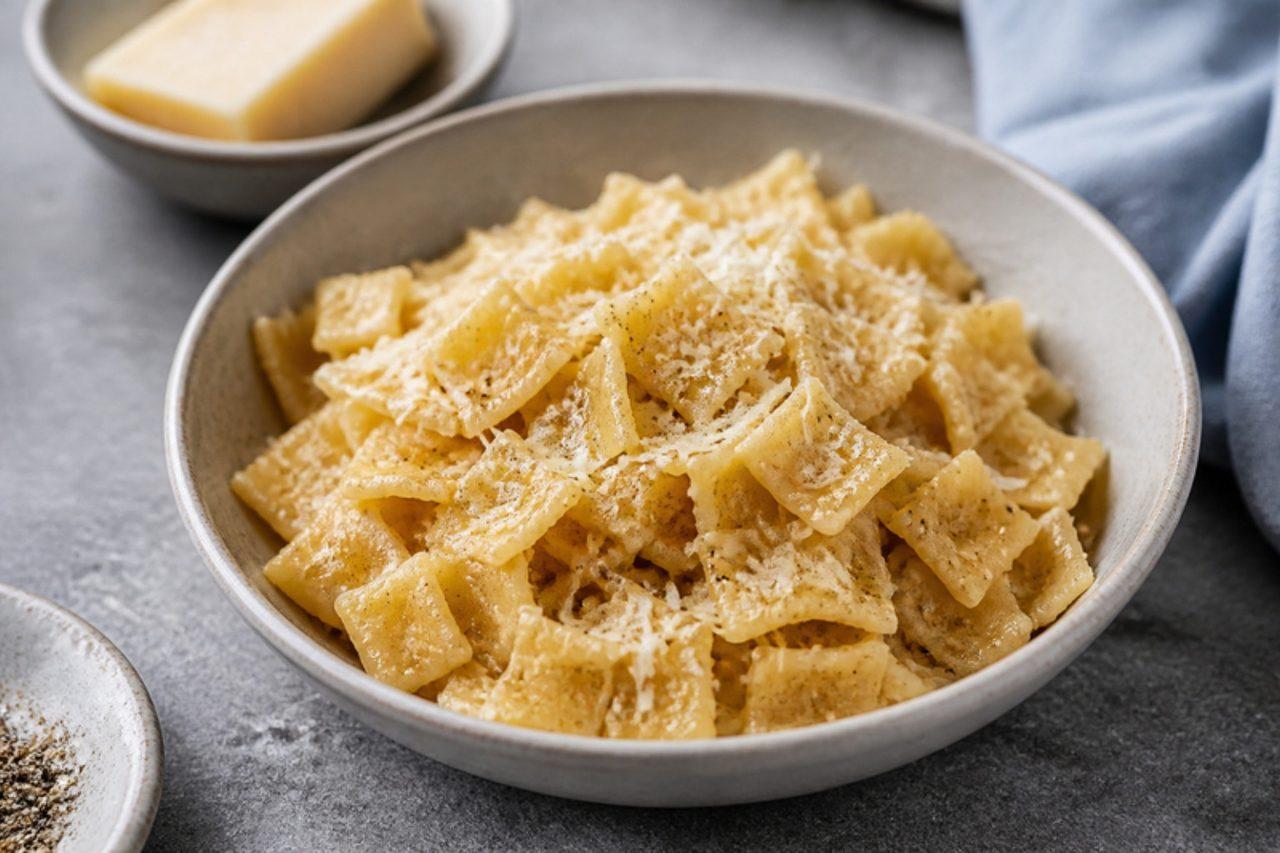
HilopitesEgg pasta with butter and cheese

In late summer, when sheep's milk and eggs are plentiful, the women of Epirus and Thessaly gather to make hilopites: a stiff egg-and-milk dough rolled thin, dried on cloths and cut into tiny squares, then stored in sacks for winter. They're cooked like any pasta, in stock with chicken or simply tossed with sizzling butter and grated cheese, which is how children in Ioannina eat them. This recipe makes a fresh batch and serves it the simple way. Kefalotyri and myzithra are often made with animal rennet; choose a vegetarian hard cheese if needed. Common mistake: cutting the sheets while still soft, so the squares stick — dry them until leathery first. Chef's tip: dried fully, they keep for months in a jar.

by KrazyBadal 0 views

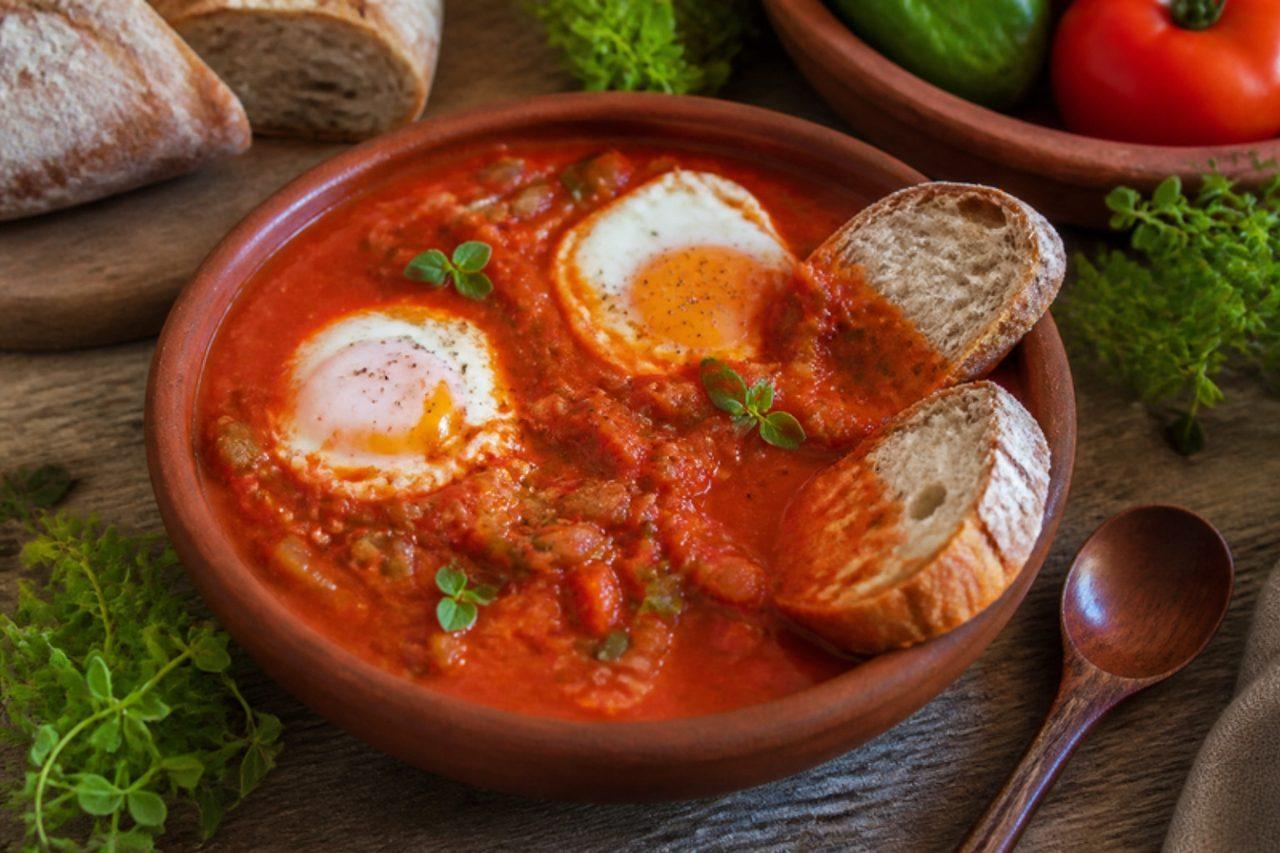
Sopa de tomate à alentejanaTomato soup with poached eggs

In the Alentejo, high summer means tomatoes ripening faster than anyone can eat them, and this is what farm families do with the glut: a thick, oily stew-soup of tomato, onion and green pepper, with eggs poached right in the pot and the whole thing spooned over slices of stale country bread. It is a supper dish, eaten in deep plates on hot evenings, often with grapes or melon afterwards. Many households slip in chouriço; this version keeps it vegetarian. A common mistake is using watery salad tomatoes; you need very ripe, deep-red ones for a soup that tastes of anything. Chef's tip: cook the onion slowly until truly sweet before the tomatoes go in; that sweetness carries the whole dish.

by KrazyBadal 0 views

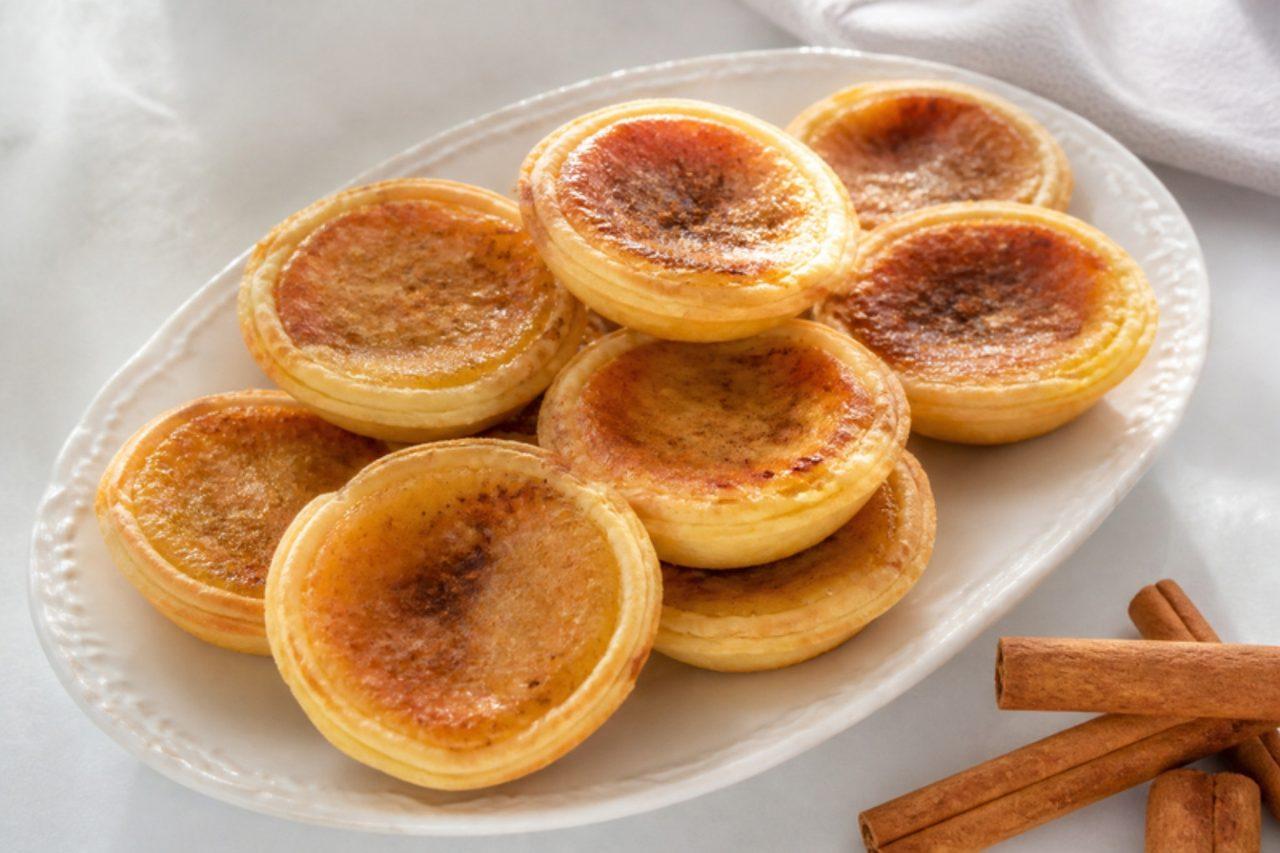
Queijadas de SintraFresh cheese and cinnamon tarts

Day-trippers queue for these in Sintra's old town, buying them by the paper-wrapped half dozen to eat on the train back to Lisbon. They have been made around the palace town for centuries: a creamy filling of fresh cheese, sugar, egg yolk and cinnamon, baked in a thin, crisp case until the top blisters brown in patches. Traditional fresh cheese is curdled with animal rennet; look for ricotta or curd cheese made with vegetarian (microbial) rennet if that matters to you. A common mistake is rolling the pastry too thick: it should be almost see-through, so it crisps instead of turning bready. Chef's tip: press the cheese through a sieve before mixing, so the filling bakes silky rather than grainy.

by KrazyBadal 0 views

Queijo coalho assadoGrilled squeaky cheese skewers

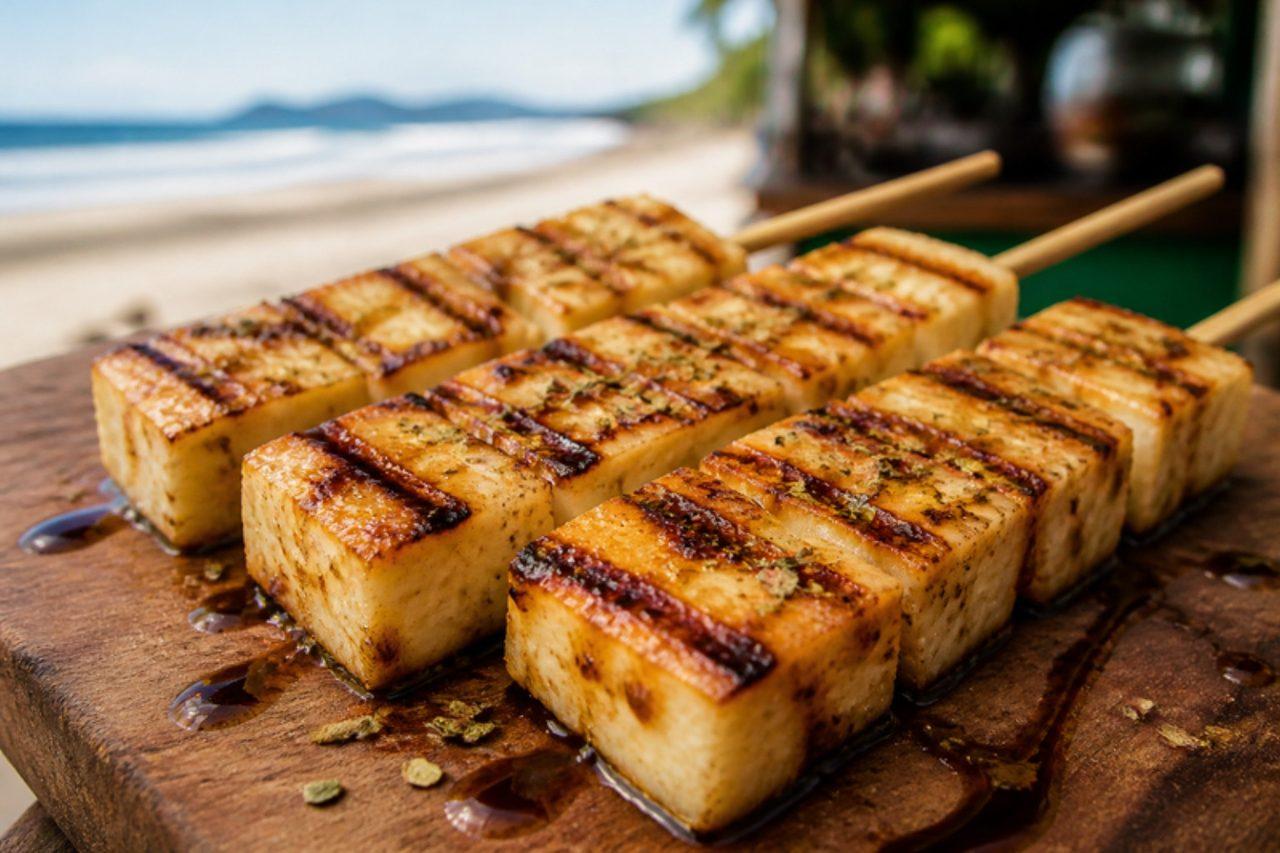
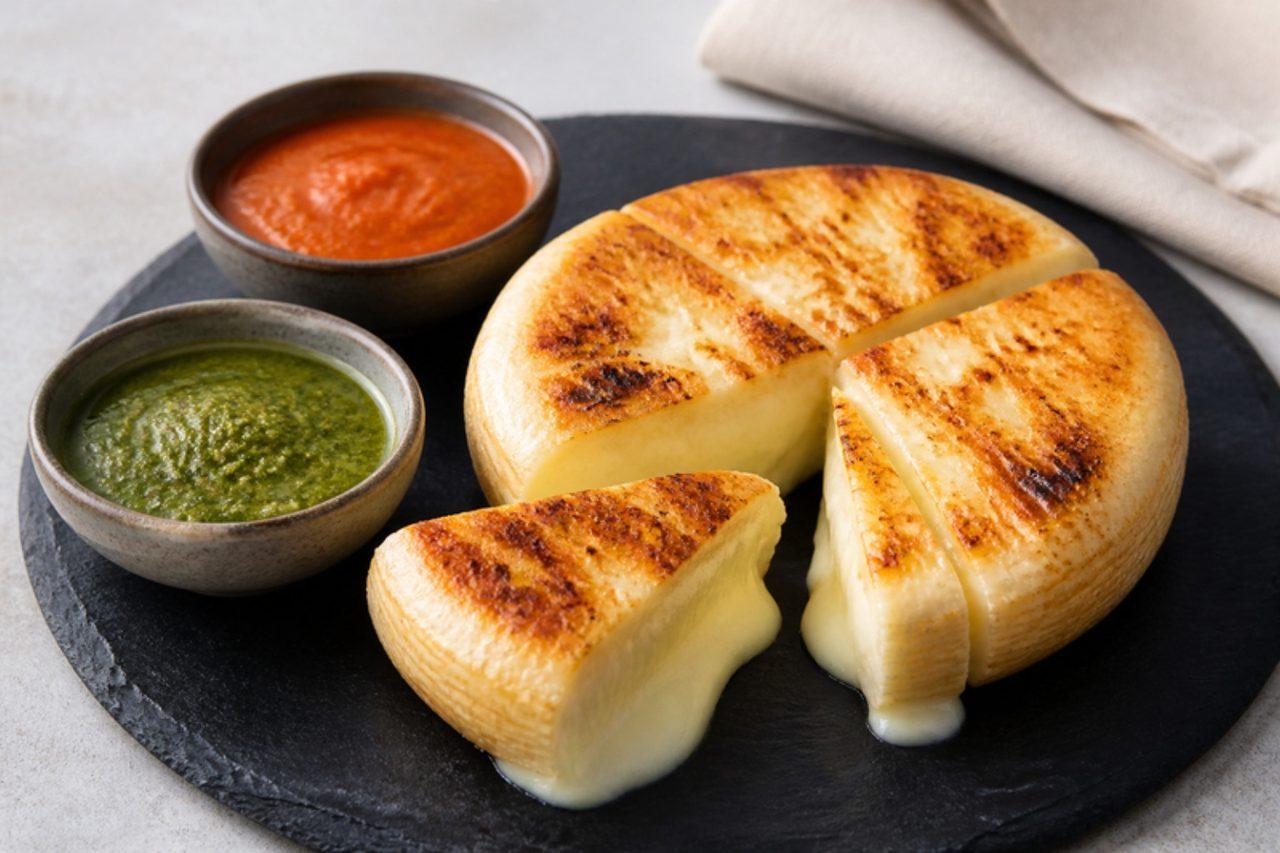
Along the beaches of Recife, Porto de Galinhas and Fortaleza, vendors walk the sand with a small charcoal brazier, toasting sticks of coalho cheese to order. Coalho is a firm, salty curd cheese that holds its shape over the heat, so it browns and blisters on the outside while the inside turns soft and squeaky. Buyers choose it plain, sprinkled with dried oregano, or drizzled with dark sugarcane molasses for a salty-sweet bite. At home it works on a barbecue, a ridged griddle or under a hot grill, and makes a good starter for a churrasco. Most coalho is made with animal rennet, so look for one labelled vegetarian or with microbial rennet, or use a vegetarian halloumi. Everyone's first error is turning the cheese too soon: it tears and sticks until a crust has formed. Chef's tip: pat the sticks dry and brush the grill, not the cheese, with oil, so the crust forms quickly and releases cleanly.

by KrazyBadal 0 views

Queijo da Serra no fornoBaked cheese with garlic and herbs

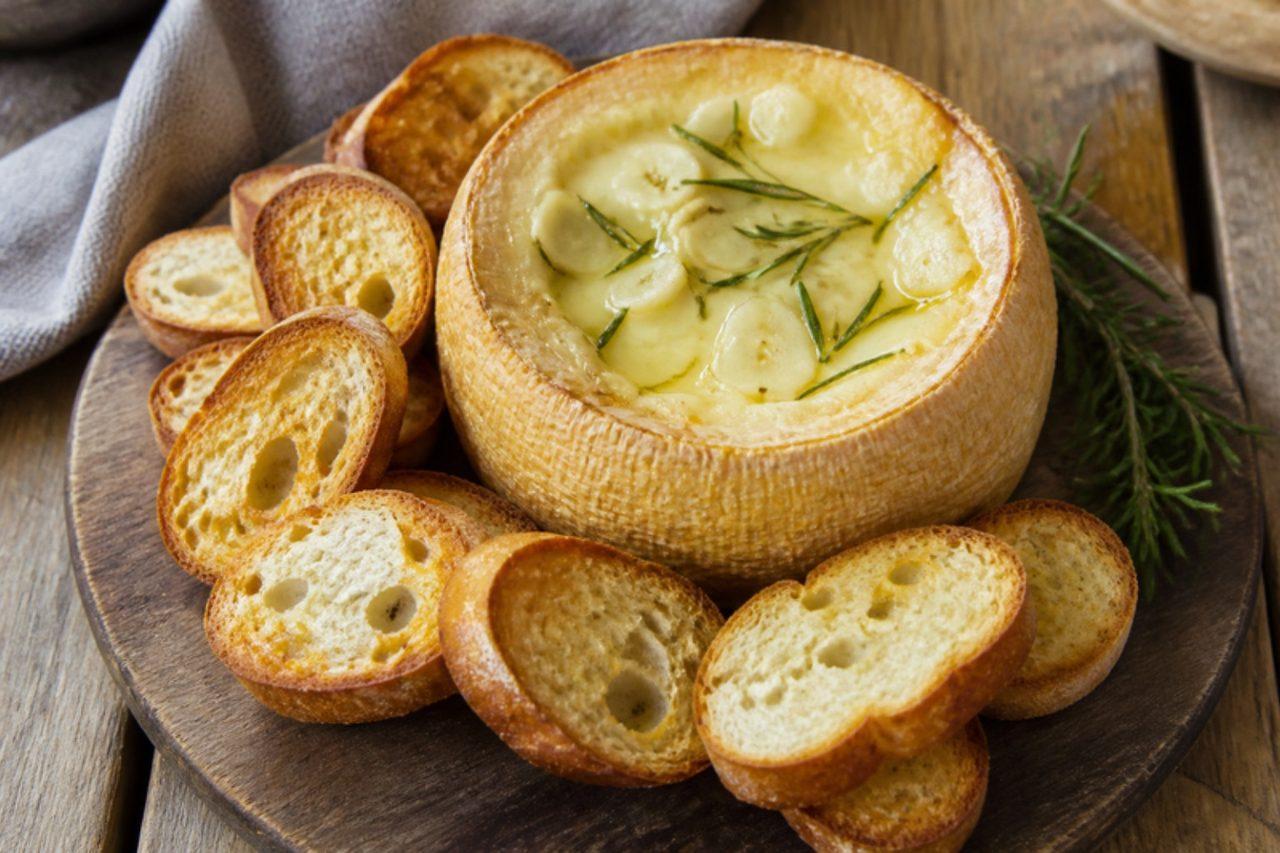
High in the Serra da Estrela, shepherds still make Portugal's most famous cheese from raw ewe's milk, curdled with the flowers of the wild cardoon thistle, which also means it uses no animal rennet and suits vegetarians. In mountain villages such as Seia and Manteigas it is served whole, the rind cut open and the runny inside scooped onto bread, and a short bake makes it even more molten. If you use another soft cheese instead, check the label for vegetarian rennet. Raw-milk soft cheese is not for pregnant women, young children or anyone with a weakened immune system unless it is baked until piping hot throughout. Chef's tip: bake it in a dish only just bigger than the cheese, so it melts without spreading.

by KrazyBadal 0 views

Quenelles lyonnaises natureBaked quenelles in mushroom sauce

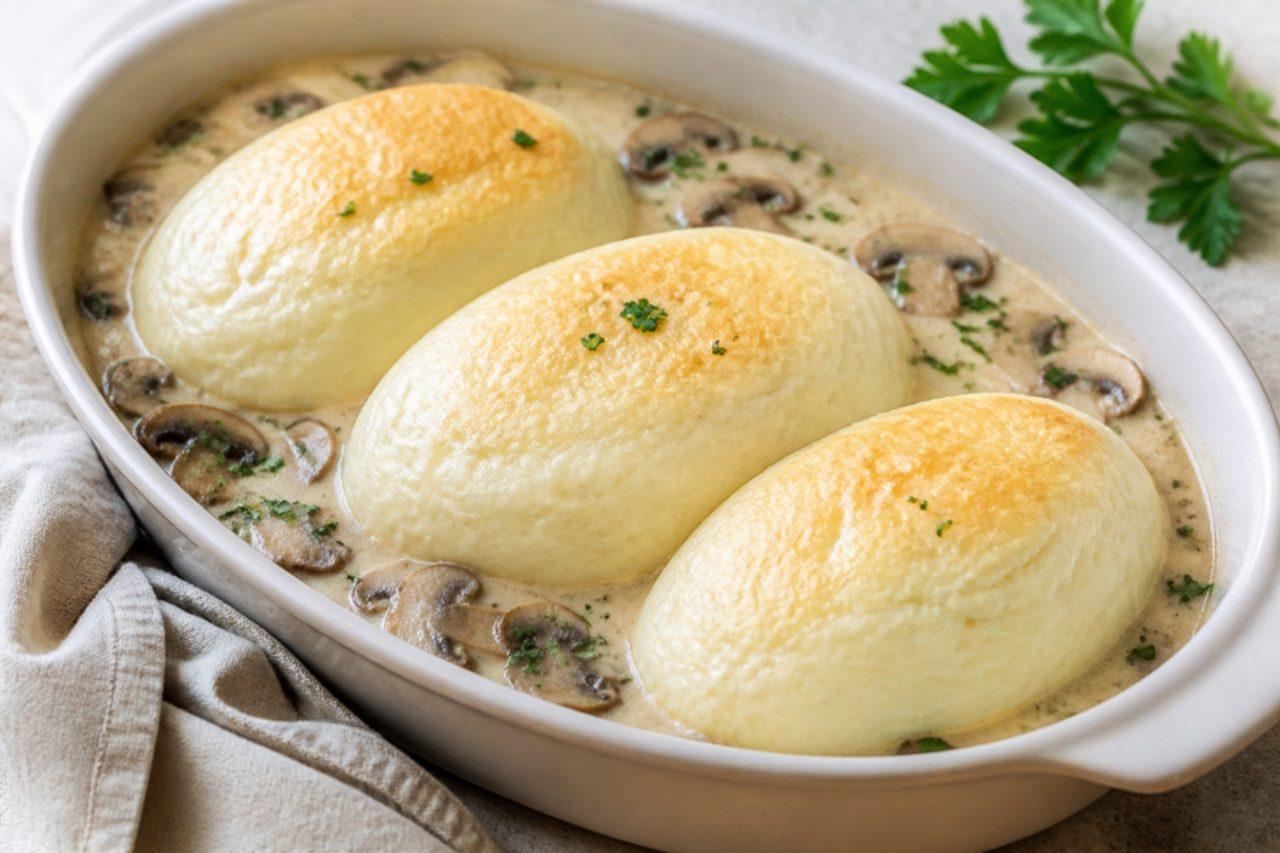
Every charcuterie and traiteur in Lyon sells quenelles, the soft oval dumplings that the city's bouchons bake until they swell to twice their size in a bubbling dish. The famous version contains pike, but Lyonnais families also buy quenelles nature, plain ones made from a flour, milk, butter and egg panade, and bake them for a weeknight supper with a mushroom or tomato cream sauce and a green salad. Made at home they are light and wobbly, with a hint of nutmeg. Gruyère for the top is usually made with animal rennet; use a vegetarian alternative if you prefer. Chef's tip: chill the dough well and shape it with two wet spoons; cold dough holds a neat shape and puffs evenly.

by KrazyBadal 0 views

TitainaTomato, pepper and tuna stew

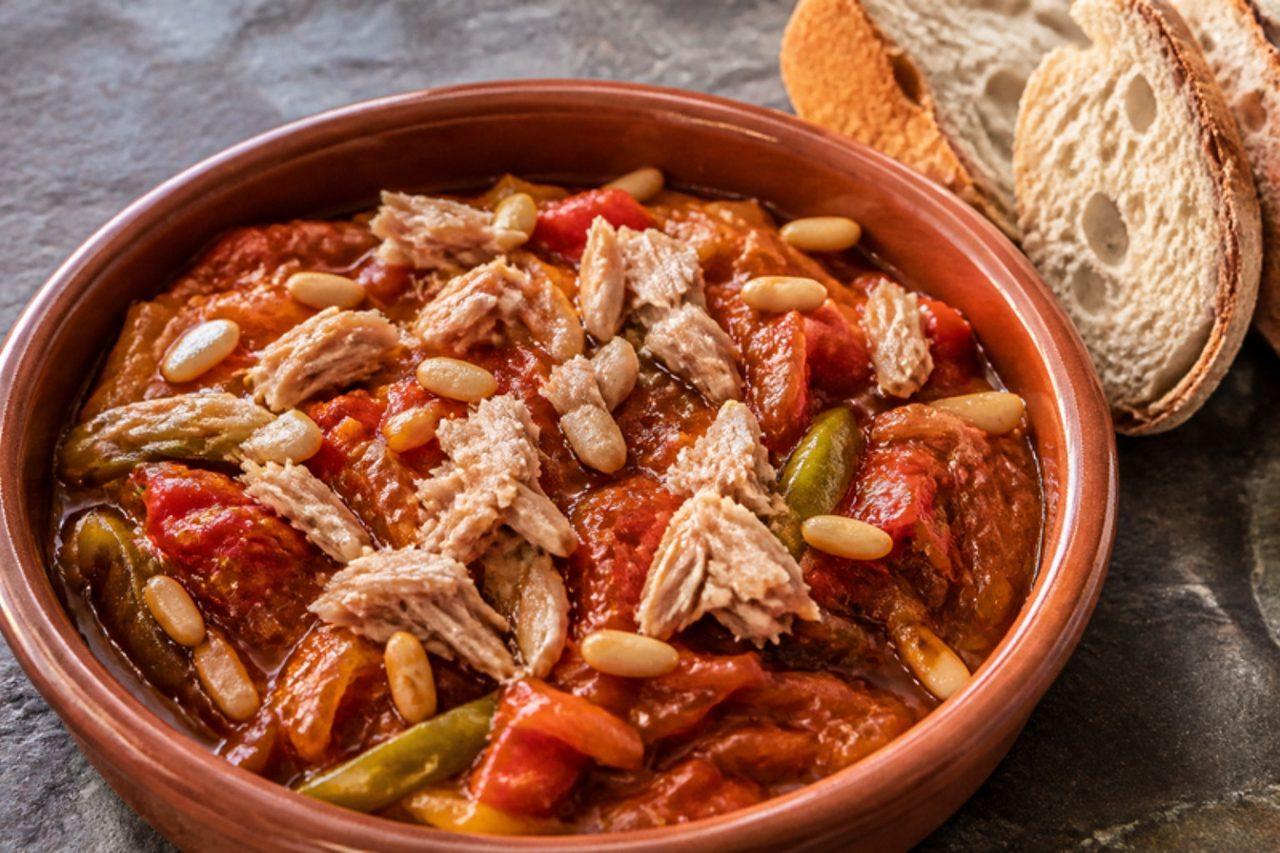
Titaina comes from the Cabanyal, the tiled fishermen's neighbourhood by Valencia's beach, where it is still served as a tapa in the old bars and spooned onto bread at home on summer evenings. Green peppers, onion and ripe tomatoes are cooked down in olive oil with toasted pine nuts until sweet, then mixed with tuna. Fishermen used tonyina de sorra, salt-cured tuna belly; this version uses good tinned tuna in olive oil, which is already cooked and easy to find. A common mistake is cooking it fast on a high heat: it needs a slow 40 minutes so the vegetables melt instead of fry. Chef's tip: add a pinch of sugar only if your tomatoes are sharp, and stir in the tuna at the very end so it stays in flakes.

by KrazyBadal 0 views

Tiroler GröstlFried potato and pork with egg

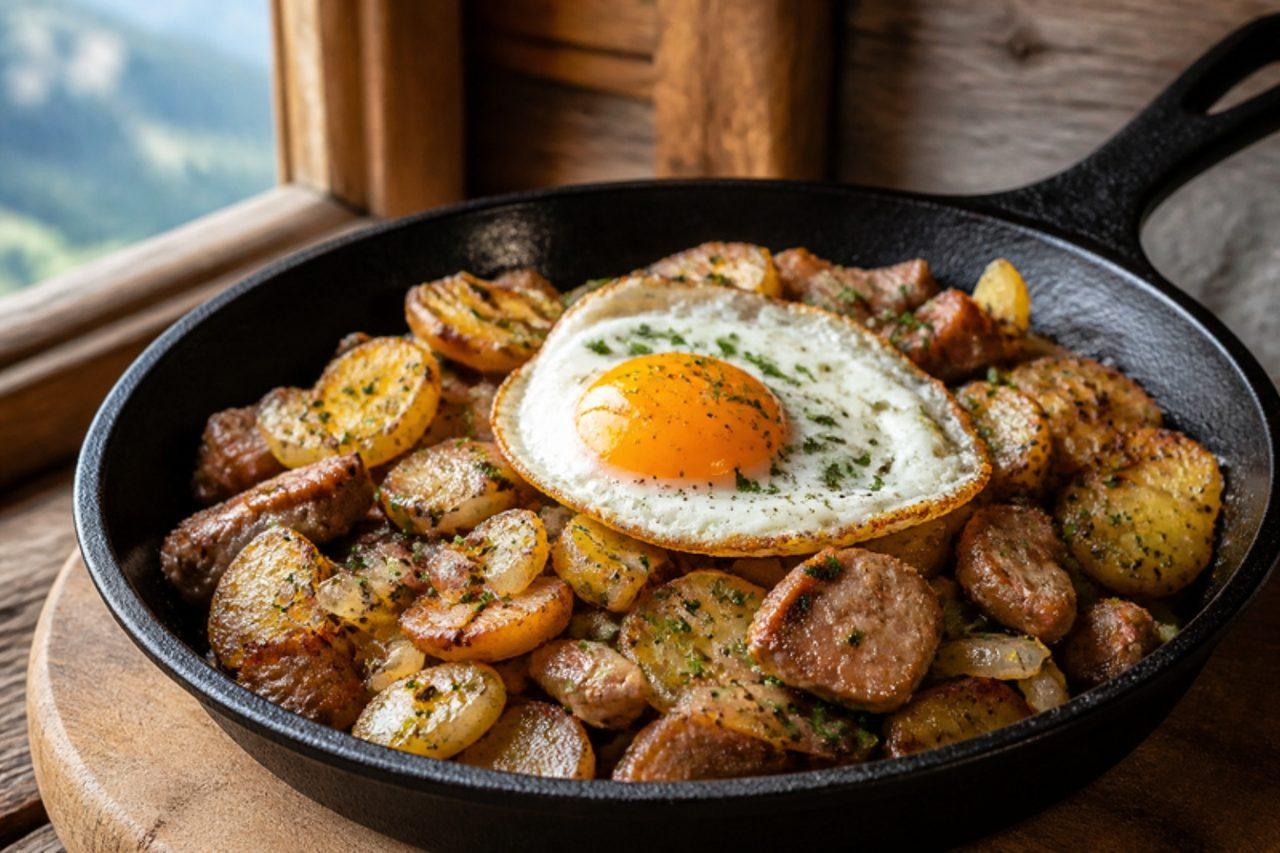
Tiroler Gröstl is what Tyrolean mountain huts serve to skiers and hikers coming in from the cold, and what farmhouse kitchens around Innsbruck make on Monday from Sunday's roast. Cold boiled potatoes are fried until crusty with onions, then tossed with cubes of leftover roast pork or smoked pork, caraway and marjoram, and crowned with a fried egg. It is made in one big pan and brought to the table in it. Chef's tip: let the potatoes fry undisturbed for the first few minutes; the brown crust is the whole dish.

by KrazyBadal 0 views

ShrakPaper-thin saj flatbread

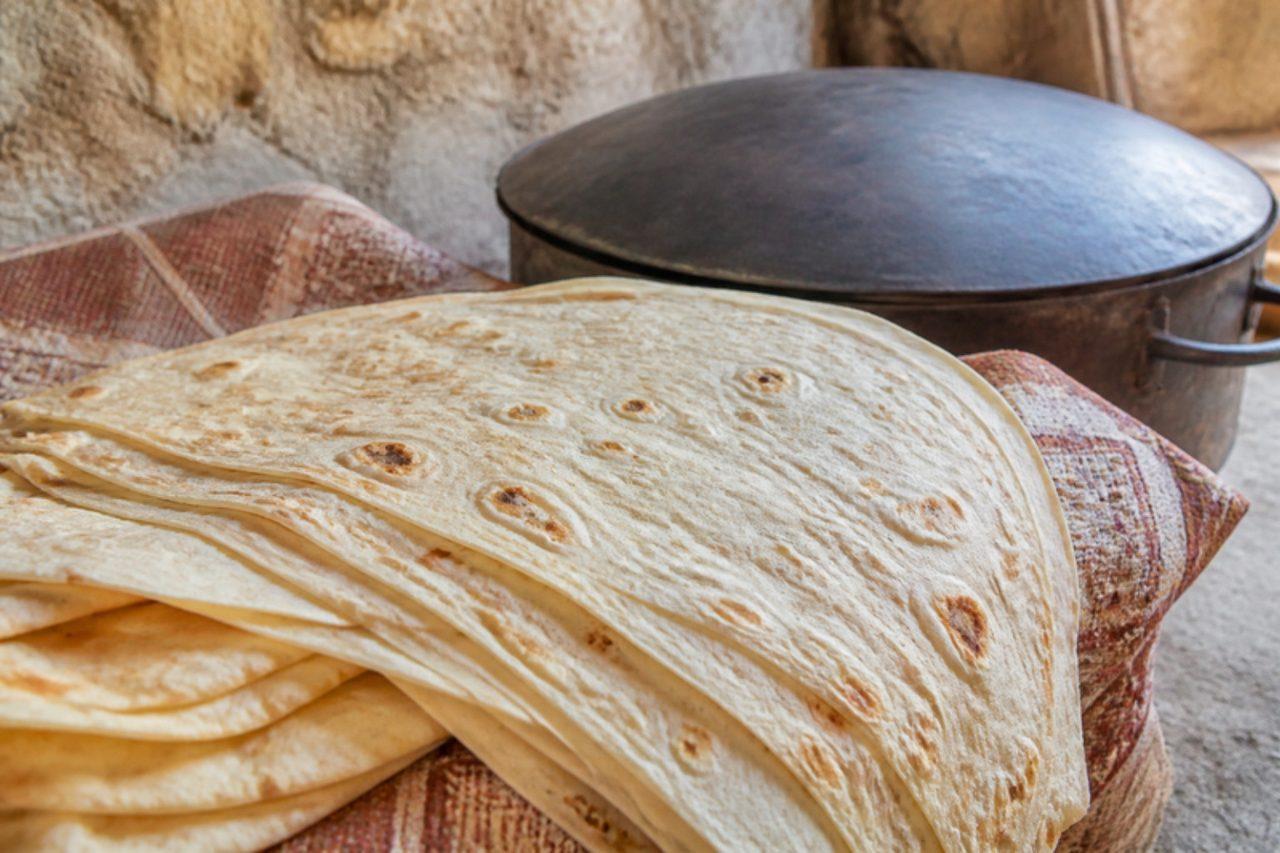
In Bedouin camps around Wadi Rum and Ma'an, shrak is baked fresh for every meal: dough stretched thinner than a handkerchief, flung over a domed iron saj above the fire and lifted off seconds later, soft and blistered. It is the bread that lines the mansaf platter and wraps grilled meat, and it is torn for galayet and labneh at breakfast. At home an upturned wok over a gas flame stands in for the saj. The common mistake is rolling the dough on a dry surface; it tears, so oil your hands and worktop instead and stretch the dough over the backs of your hands like a pizza maker. Chef's tip: rest the dough balls a full 30 minutes, well oiled and covered; relaxed gluten stretches to near see-through without fighting back.

by KrazyBadal 0 views

Quesadillas de huitlacocheCorn mushroom quesadillas

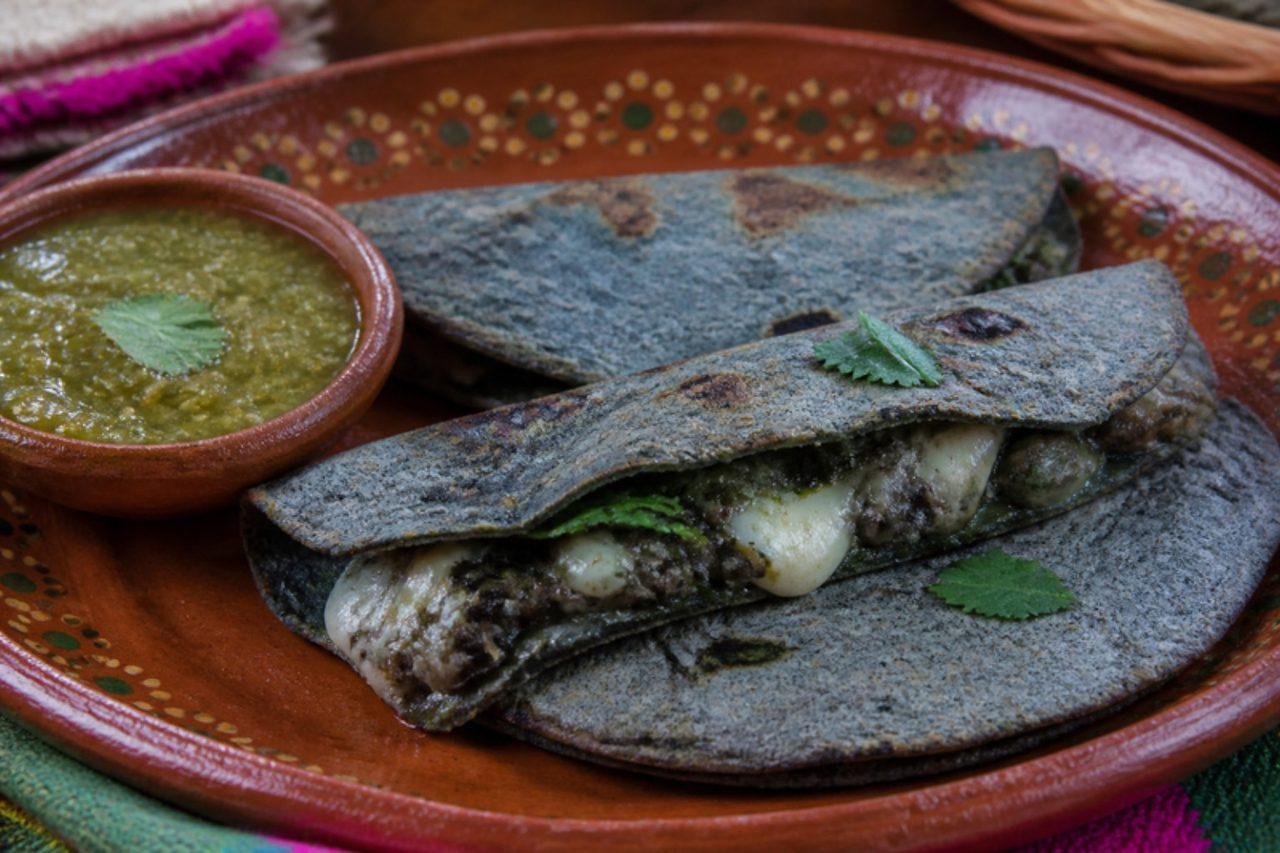
Huitlacoche is a fungus that swells the kernels of rain-soaked corn into silvery-black, inky lobes, and in central Mexico it is a delicacy prized for its deep, mushroomy, slightly smoky taste. In the rainy months, the quesadilla stalls of Mexico City and Coyoacán fry it with onion, chilli and epazote and fold it into fresh masa turnovers; in the capital you ask for cheese separately. Fresh huitlacoche turns up at Mexican grocers from July to October, and tinned or frozen works the rest of the year. Chef's tip: cook it until the black juices have mostly evaporated; a wet filling makes the masa soggy and grey.

by KrazyBadal 0 views

Quesillo con miel de cañaFresh cheese with cane syrup

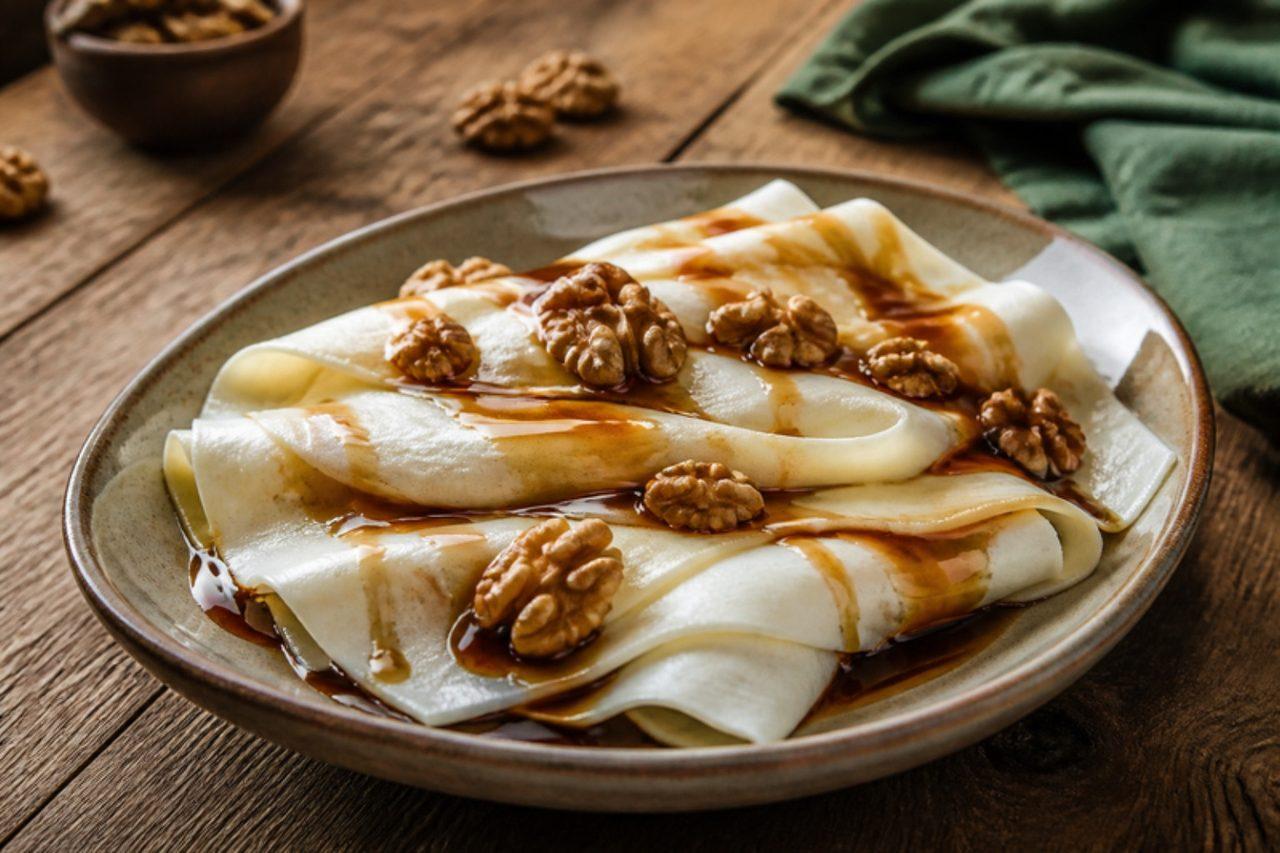
In the Tafí del Valle hills above San Miguel de Tucumán, quesillo is made by stretching hot curd into long, thin, elastic sheets and folding them into flat rounds; along the road up from the city, stalls sell it beside jars of miel de caña, the dark syrup boiled from the juice of Tucumán's sugarcane. Put the two together and you have the province's simplest dessert: mild, milky, slightly squeaky cheese with a pour of syrup that tastes of molasses and caramel, plus walnuts for crunch. It is eaten after lunch or as a merienda with mate. Drowning the cheese is the usual misstep; the syrup is intense, so pour a ribbon, not a puddle. Real quesillo is hard to find abroad: fresh mozzarella, Oaxaca cheese or another fresh stretched-curd cheese is closest, and light cane syrup or a 2:1 mix of golden syrup and black treacle stands in for miel de caña. Most of these cheeses use animal rennet; choose a vegetarian one if needed. Chef's tip: warm the syrup slightly so it runs into the folds of the cheese.

by KrazyBadal 0 views

KremidopitaOnion and cheese pie

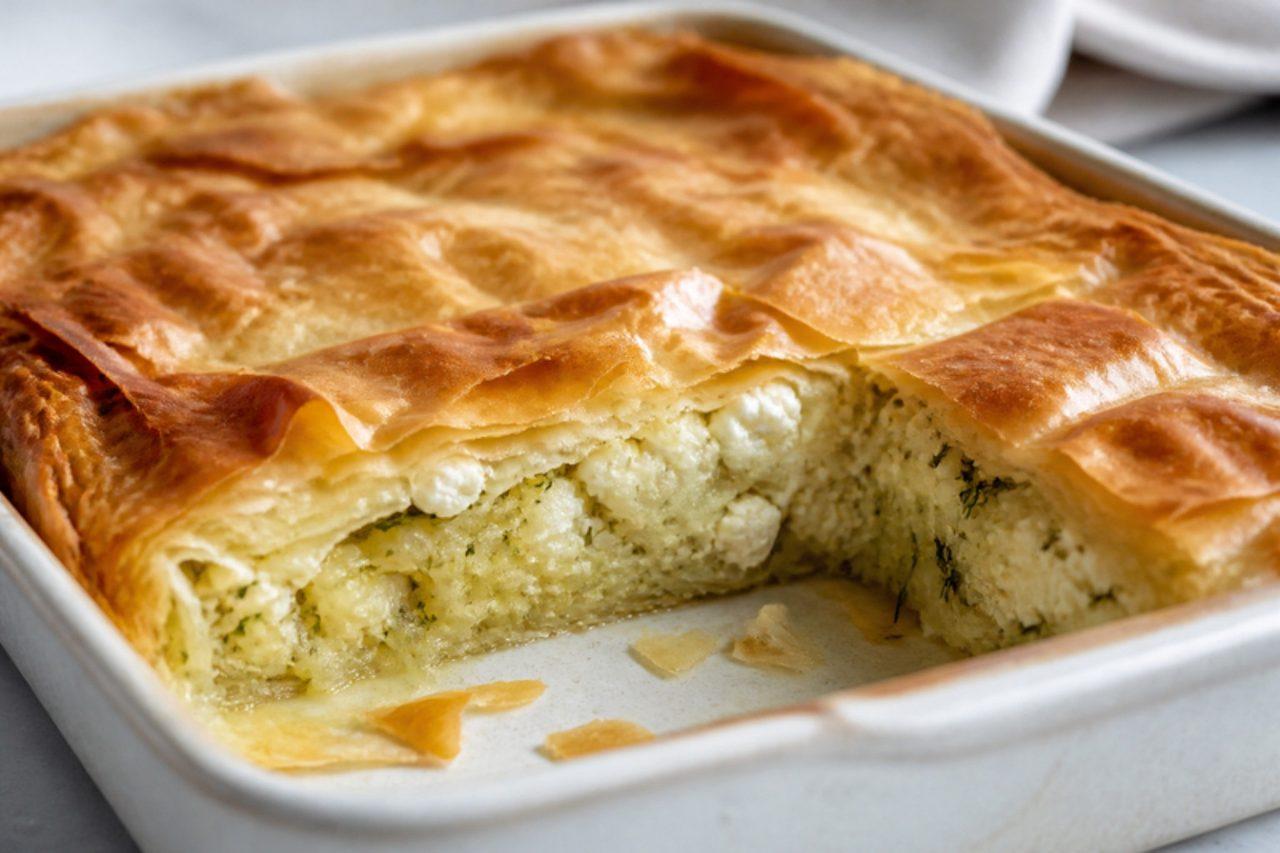
Mykonian grandmothers made kremidopita long before the island filled with beach clubs: a pie of slowly softened onions, tangy fresh cheese, eggs and dill between sheets of filo, baked for name days and family Sundays. The onions go sweet and jammy, the cheese keeps it creamy and sharp, and it is eaten warm or cold with a tomato salad. Feta is usually made with animal rennet, so pick a vegetarian feta if you need to. Common mistake: frying the onions hard and fast; they must sweat gently until soft, or the filling turns bitter and crunchy. Chef's tip: cool the onions completely before mixing in the eggs and cheese, so the filling doesn't start to set before baking.

by KrazyBadal 0 views

Queso asado con mojoGriddled goat's cheese with red sauce

Thick slabs of semi-cured goat's cheese, seared on a hot griddle until golden outside and soft within, then splashed with red mojo: it is the starter that opens lunch at country restaurants across Fuerteventura and Gran Canaria, the islands of Majorero and Flor de Guía cheeses. Some places serve it with palm honey instead, for a sweet-salty version. Traditional Canarian cheeses use animal rennet; choose a vegetarian semi-cured goat's cheese if that matters to you. Eat it with bread while it is still soft. Chef's tip: use a firm, semi-cured cheese at least 1.5 cm thick, as fresh cheese melts flat and runs off the pan.

by KrazyBadal 0 views

Queso heladoCinnamon coconut milk ice

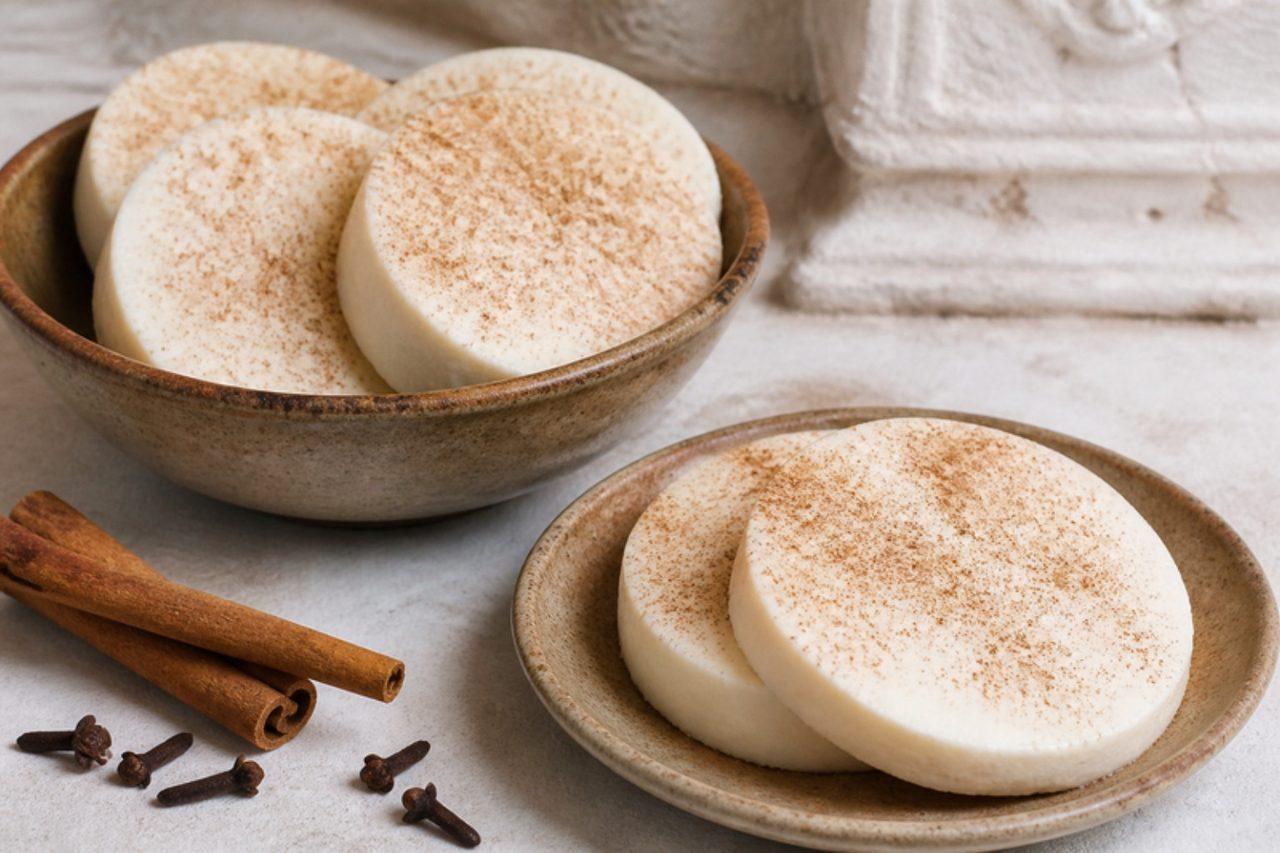
Despite the name, there's no cheese in it: queso helado is Arequipa's old-fashioned frozen milk dessert, cut into thick rounds that look like a slice of fresh cheese and dusted with ground cinnamon. Vendors in white aprons sell it around the Plaza de Armas and at the Yanahuara viewpoint, traditionally churned in a metal pail spun over ice and salt, and every Arequipeño has a favourite stall. It is creamy, mildly milky and fragrant with cinnamon, clove and grated coconut, less rich than ice cream and slightly icy in a pleasant way. Many recipes thicken it with egg yolks; this one uses evaporated and condensed milk with a little cornflour so it stays egg free. The common error is freezing it untouched, which gives one hard block of ice: stir it every 45 minutes for the first few hours. Allow at least 4 hours of freezing on top of the cooking time, or make it a day ahead. Chef's tip: freeze it in a loaf tin lined with cling film, then lift it out and slice it into rounds for that true street look.

by KrazyBadal 0 views

Queso manchego en aceiteSheep's cheese preserved in olive oil

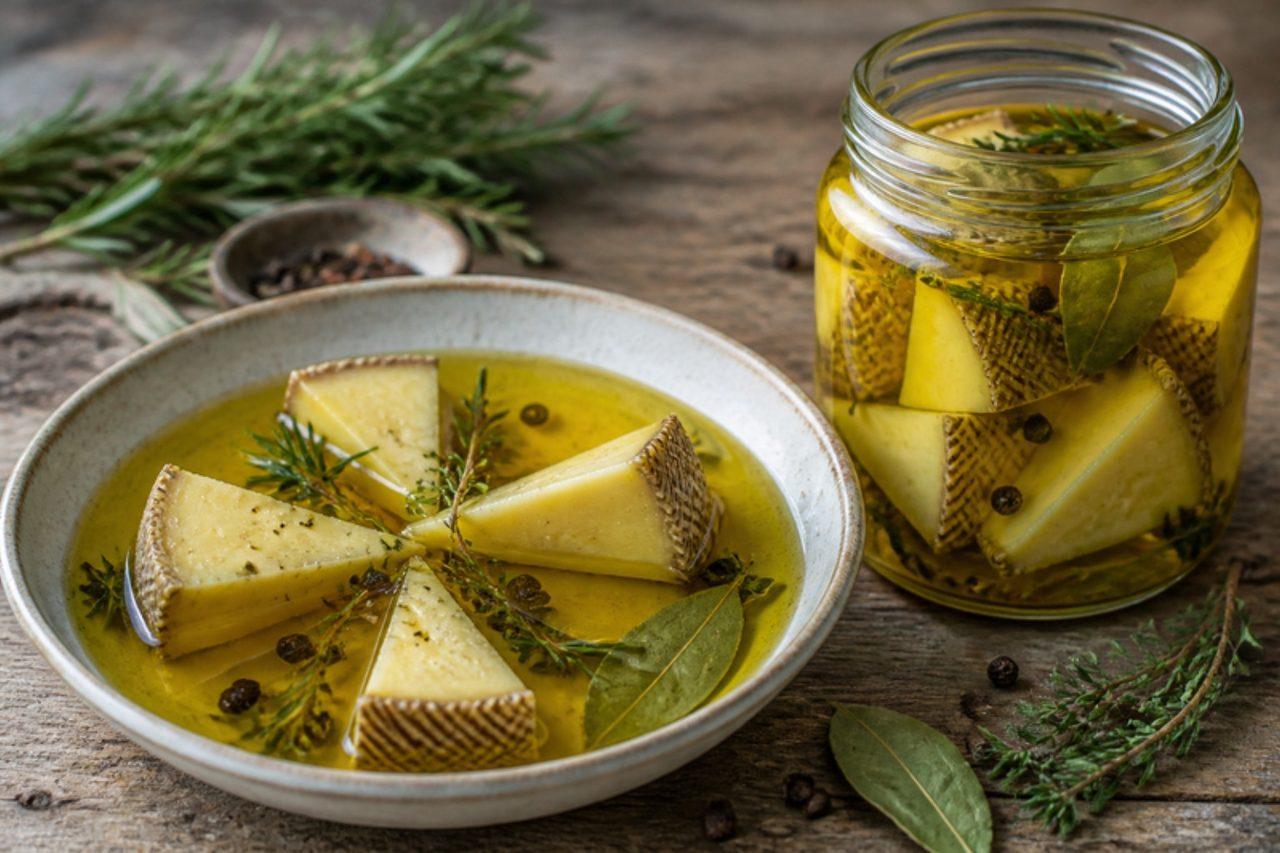
Manchego farmhouses have long stored cheese under olive oil so it would keep through the hot months; the oil seals it, softens the rind and deepens the flavour. In bars across Toledo and Ciudad Real a saucer of these oil-darkened wedges arrives with bread as soon as you sit down. PDO manchego is made with animal rennet; if you eat vegetarian, choose a ewe's-milk cheese made with vegetable or microbial rennet. Chef's tip: use a cheese aged at least three months; young cheese goes soft and greasy in the oil.

by KrazyBadal 0 views

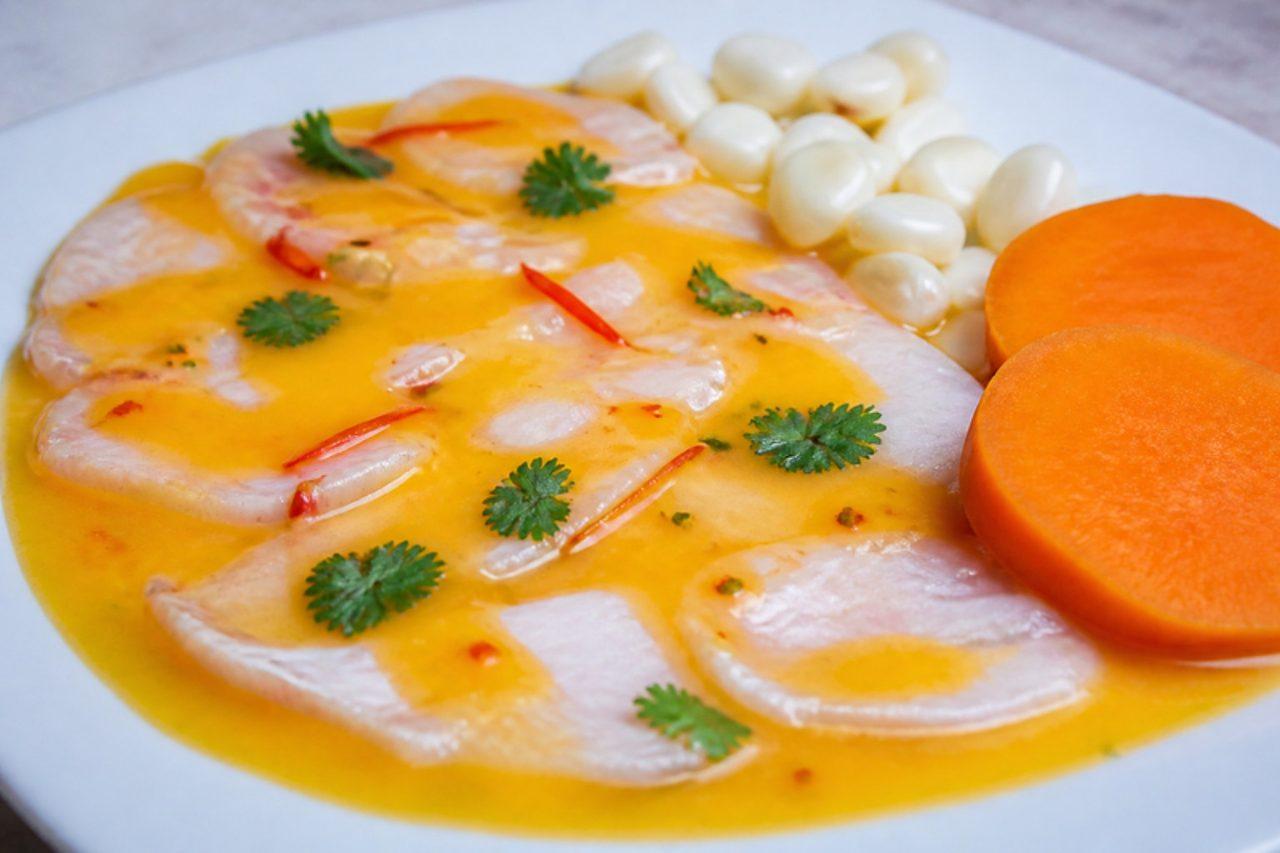
TiraditoSliced fish in ají amarillo sauce

Lima's Japanese-Peruvian cooks turned ceviche on its head with tiradito: instead of cubes soaked in lime, the fish is cut thin like sashimi, laid flat and dressed at the last minute, so it stays silky with only the surface turning white. The sauce here is the classic golden one, ají amarillo blended with lime, garlic and ginger, fruity and medium hot. It is served as a starter in cevicherías and upmarket Miraflores restaurants with boiled sweet potato and corn. Because the fish is eaten almost raw, this version uses sashimi-grade fish frozen at −20 °C for 24 hours first (allow for that), kept cold and eaten the moment it is dressed; it is not for pregnant women, young children or anyone with a weakened immune system. The mistake people make is dressing it ahead: after ten minutes the lime cooks it through and it turns chalky. Chef's tip: chill the plates in the freezer for 10 minutes before you lay out the fish; it keeps the slices firm while you work.

by KrazyBadal 0 views

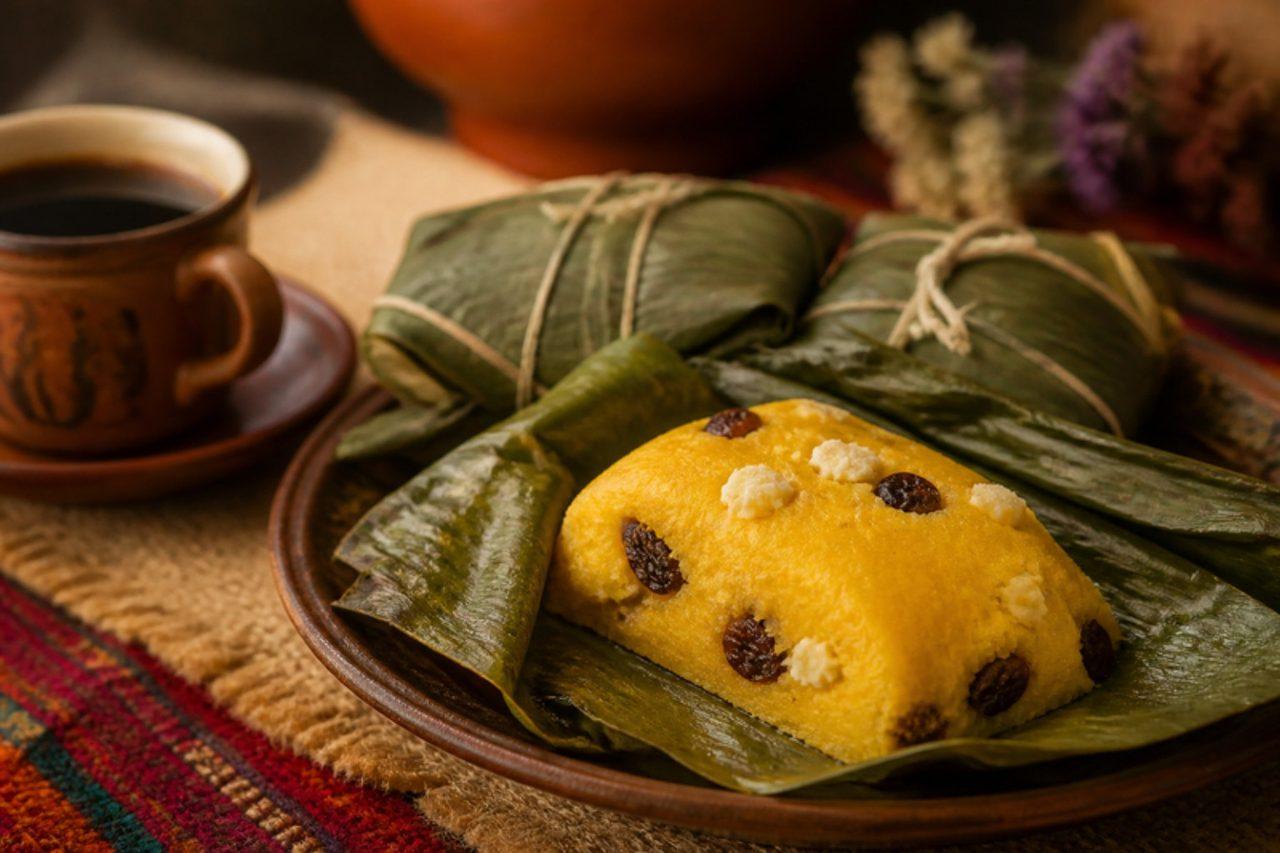
QuimbolitosSteamed sweet cheese and raisin cakes

Southern Nariño shares the quimbolito with neighbouring Ecuador. In Pasto these small sweet cakes are steamed in achira leaves and eaten at the mid-afternoon onces with a cup of hot chocolate or coffee. The batter is a rich mix of butter, sugar, eggs, wheat and corn flours and fresh cheese, dotted with raisins; steaming makes it light and moist, closer to a sponge pudding than a cake, and the leaf adds a mild green scent. Some cooks add a splash of anise liqueur; this version uses vanilla and keeps it alcohol-free. Fresh cheese is often set with animal rennet, so pick a vegetarian (microbial-rennet) one if needed. Achira leaves are rare outside the Andes: banana-leaf pieces or squares of baking paper work. Overfilling is what usually goes wrong, as the batter rises and bursts the parcel, so fill each leaf only halfway. Chef's tip: keep the water at a steady simmer, never a rolling boil, so the cakes rise evenly and stay dry.

by KrazyBadal 0 views

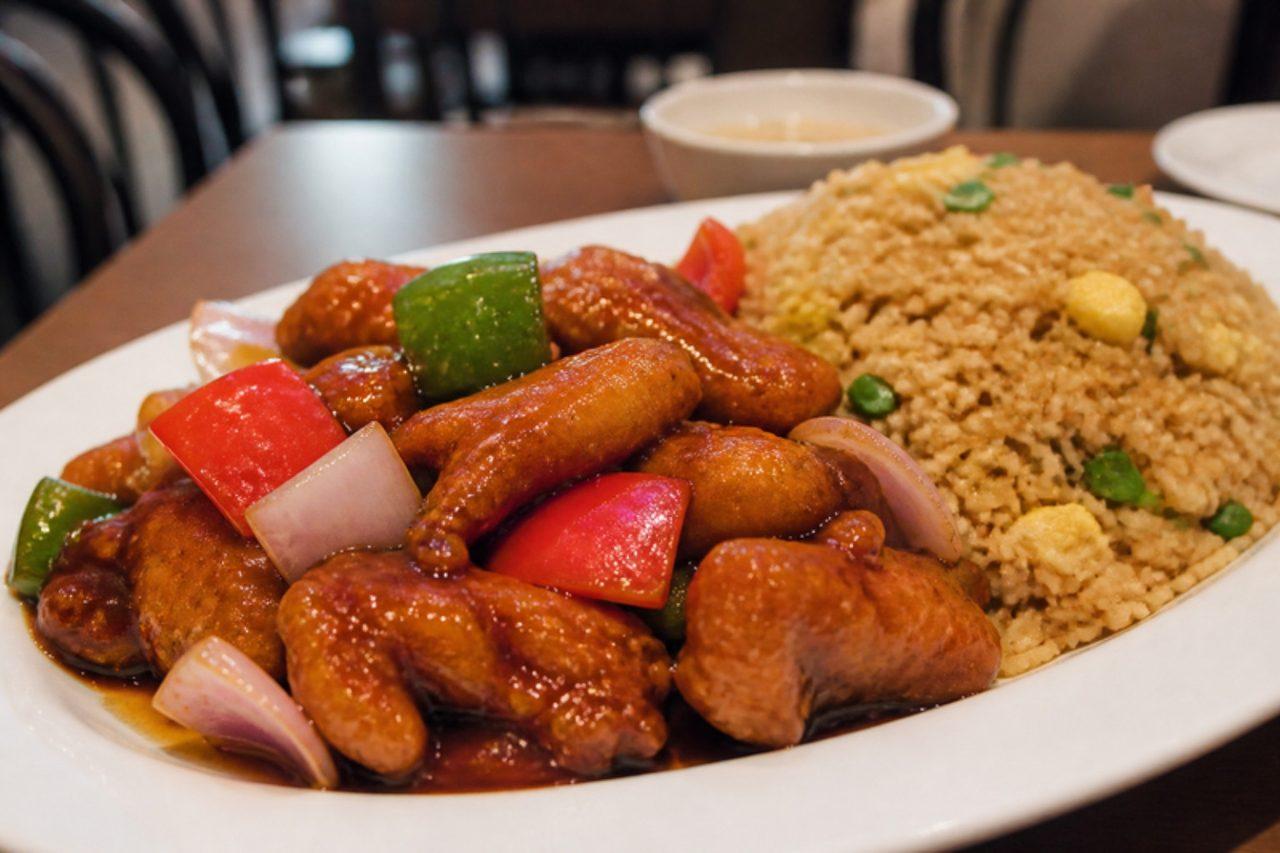
TipakayChicken in sweet-sour tamarind sauce

Sweet, tangy and a little sticky, tipakay is the chifa order for people who like their sauce on the fruity side: battered pieces of chicken fried crisp, then dressed in a dark, glossy sauce built on tamarind, panela and soy, with strips of red and green pepper and onion that keep some crunch. It is one of the most popular platters in Lima's family-run chifas, eaten with white rice or chaufa. Its sauce is darker and less candy-sweet than kam lu's, with tamarind's sour depth. The mistake most home cooks make is letting the peppers stew until soft; give them only a minute in the wok so they stay bright. Chef's tip: taste the sauce before thickening and balance it: more lime if it's cloying, a pinch more panela if it's too sour.

by KrazyBadal 0 views

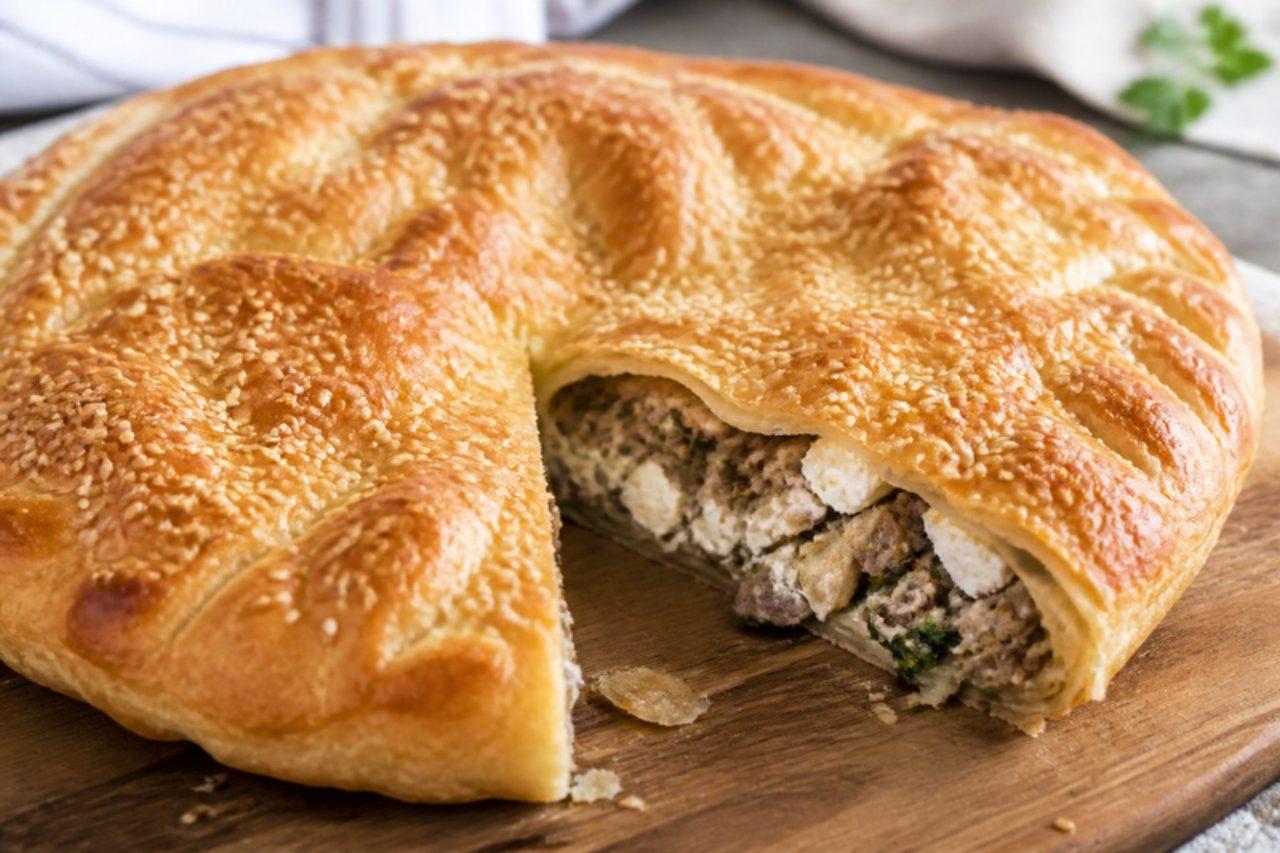
KreatotourtaLamb, cheese and mint pie

In Chania and the villages of western Crete, kreatotourta is baked on Easter Saturday so it is ready for the Sunday feast: a tall pie of tender lamb pieces layered with soft fresh cheese and mint, sealed in a crisp olive-oil pastry. It is cut into wedges and eaten warm or at room temperature, and leftovers vanish over the following days. The traditional cheeses are fresh mizithra and some graviera. Common mistake: putting raw lamb in the pie, which leaves the pastry burnt before the meat is tender; simmer the lamb first. Chef's tip: save a ladle of the lamb's cooking liquid and pour it through the steam hole halfway through baking so the filling stays juicy.

195 minGreekMeat
by KrazyBadal 0 views

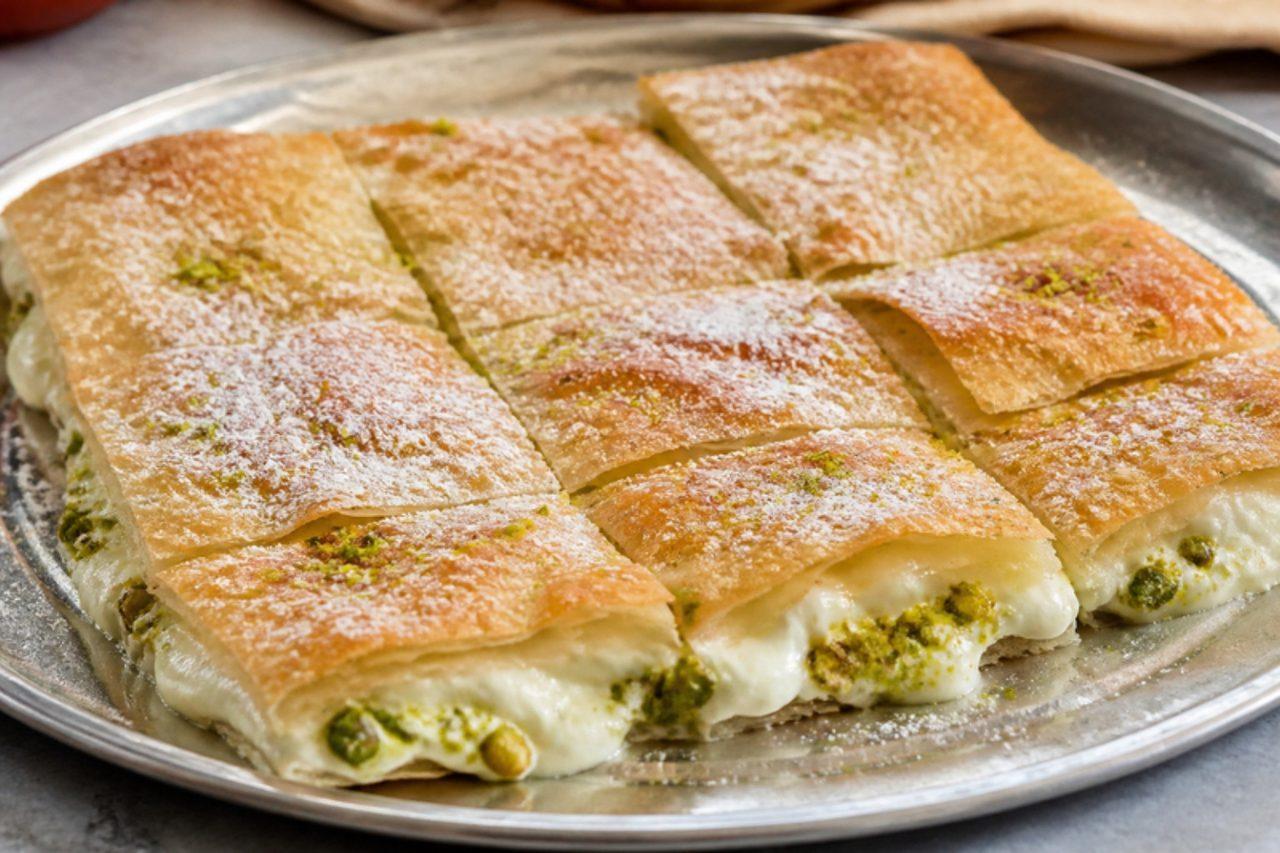
KatmerClotted cream and pistachio pastry

In Gaziantep the morning starts at a katmer counter: a baker slaps a ball of dough into a sheet so thin you can read through it, scatters it with pistachios, sugar and kaymak, folds it into a parcel and bakes it on a hot iron plate. Eaten straight away, it shatters at the edges and stays creamy in the middle, and locals drink strong tea with it. At home a heavy frying pan stands in for the iron plate. The usual mistake is stretching the dough before it has rested; it tears instead of going translucent, so give it the full hour under oiled cling film. Chef's tip: grind the pistachios only to coarse sand, not powder, so they stay bright green and give each bite some crunch.

by KrazyBadal 0 views

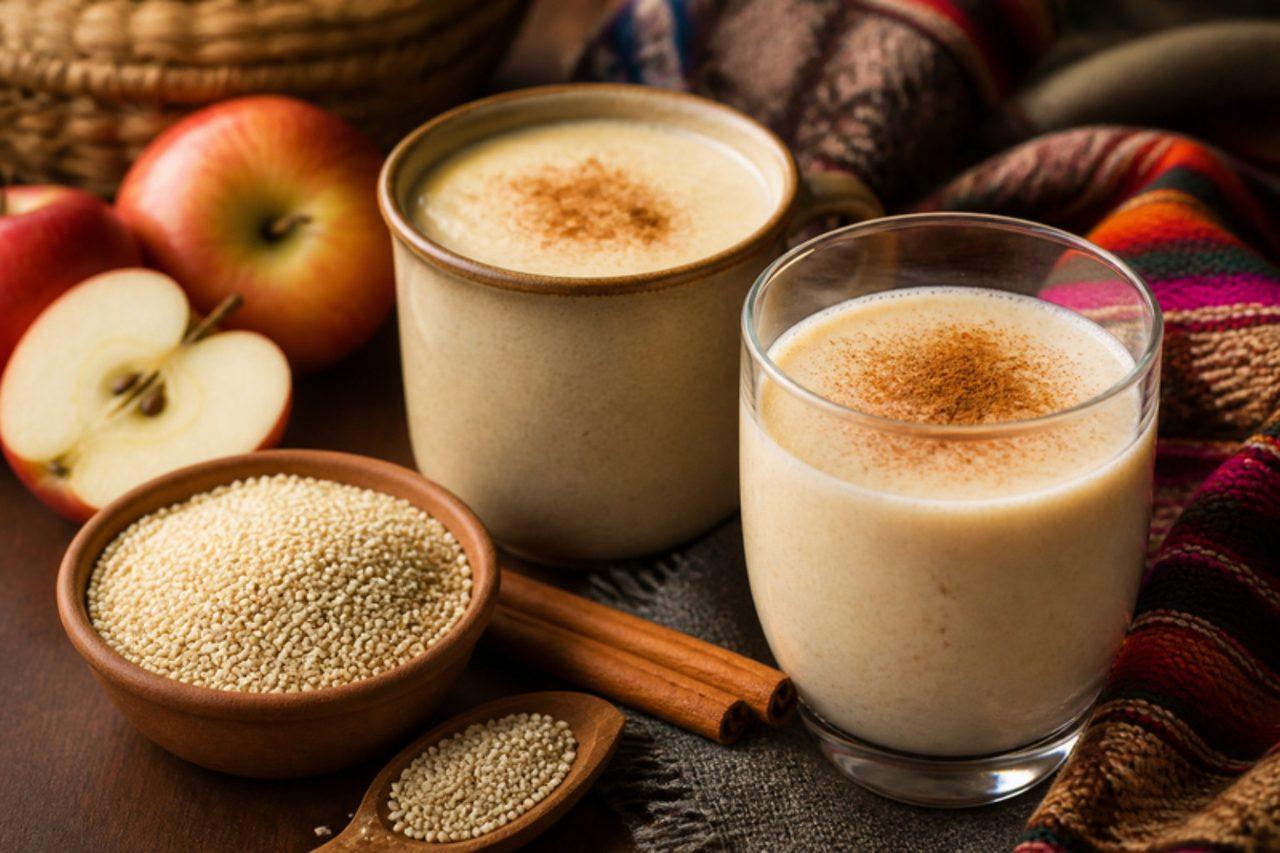
Quinua con manzanaQuinoa and apple drink

Morning market stalls and street carts from Lima to Huancayo ladle quinua con manzana into glasses alongside emoliente and maca, and many people drink it as breakfast on its own, with a bread roll or a sandwich beside it. Quinoa and chunks of apple are simmered with cinnamon and cloves until the grains burst and the liquid thickens, then sweetened and served warm or cold. Some stalls blend it smooth; others leave the grains and soft apple pieces to spoon up. It is mild, fruity and filling, and children usually like it. The mistake that ruins it is skipping the rinse: quinoa's natural coating, saponin, makes the drink bitter and soapy, so rub it under running water until the foam stops. Chef's tip: add a few drops of lime at the end; it lifts the apple and keeps the drink from tasting flat.

by KrazyBadal 0 views

Showing 45 of 7,762 recipes

Show more recipes

Page 511 of 863