


Skip to content
Marineras
Featured recipe

Marineras

Russian salad and anchovy bread rings

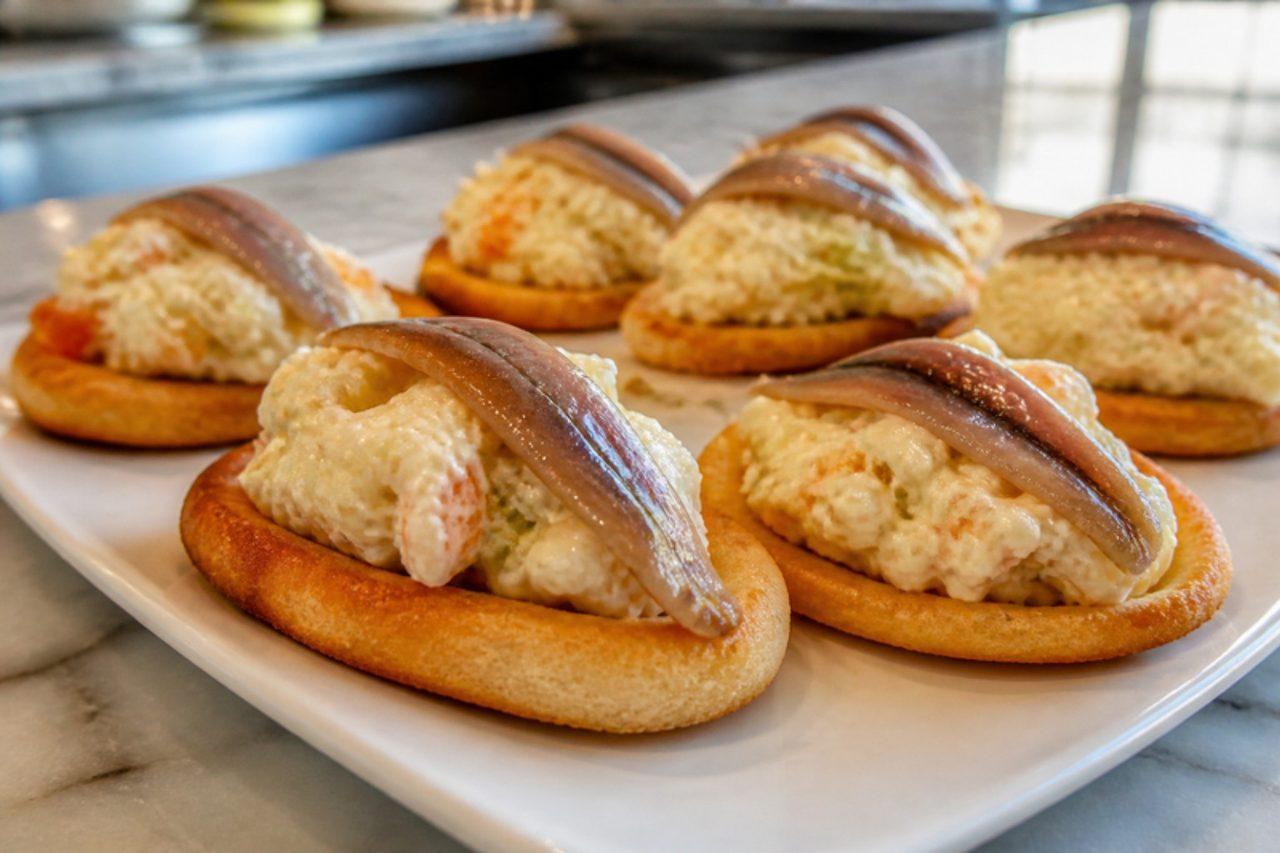
No pre-lunch drink in Murcia is complete without a marinera: a crunchy ring-shaped breadstick, the rosquilla, piled with ensaladilla rusa (potato, carrot and peas in mayonnaise) and crowned with an anchovy. Bar counters in the city line them up from midday, alongside the marinero, topped with a vinegar-cured fresh anchovy, and the bicicleta, which has no fish at all. This version uses salted anchovy fillets in oil and shop-bought mayonnaise, which is made with pasteurised egg. If you use vinegar-cured fresh anchovies instead, they are raw fish: buy them frozen first, and they are not for pregnant women, young children or anyone with a weakened immune system. Chef's tip: assemble them at the last moment so the rings stay crunchy.

Read more 0 views

What to eat today?

Around the world

Today's trip: Paraguayan

A new country every day, from every cuisine on the site.

Paraguayan

Morcilla dulce

Sweet blood sausage with walnuts 120 minMore from Paraguayan (27) →

This week's collection

Kid-friendly dinners
537 recipes · a new collection every Monday

Latest recipes

Pa amb oli mallorquíTomato olive oil bread

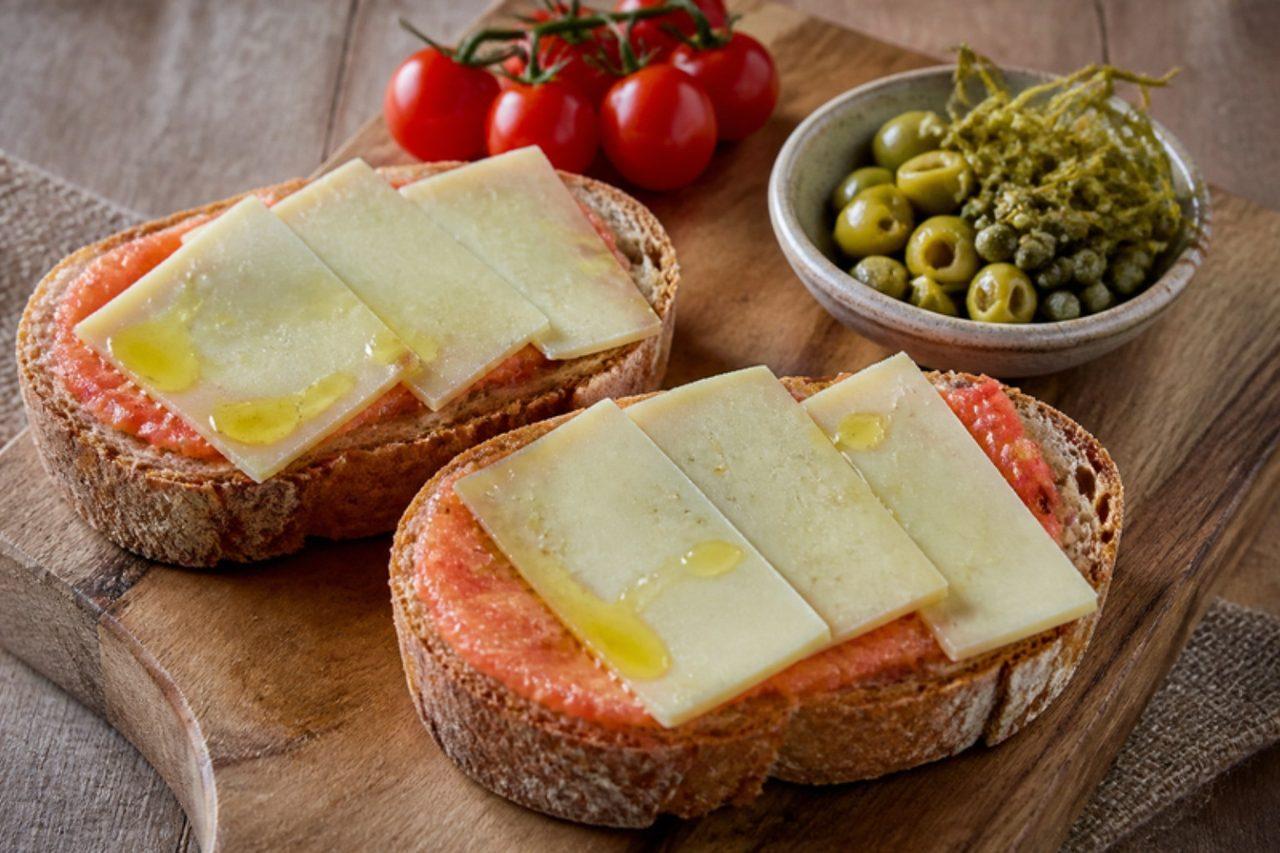
In Mallorca pa amb oli is supper on a hot evening, the snack in every village bar and the picnic on a boat. Slices of dense, unsalted brown country bread are rubbed with the island's tomàtigues de ramellet, small tomatoes kept hanging in bunches through winter, then soaked with olive oil and salted. On the side go green olives, capers, pickled sea fennel and slices of Mahón cheese; this vegetarian plate leaves out the usual cured ham. Mahón is normally made with animal rennet, so pick a vegetarian semi-cured cow's milk cheese if that matters to you. Chef's tip: toast the bread only lightly, or not at all, so it stays soft enough to drink up the tomato.

by KrazyBadal 0 views
PaçocaPeanut and cassava flour sweet

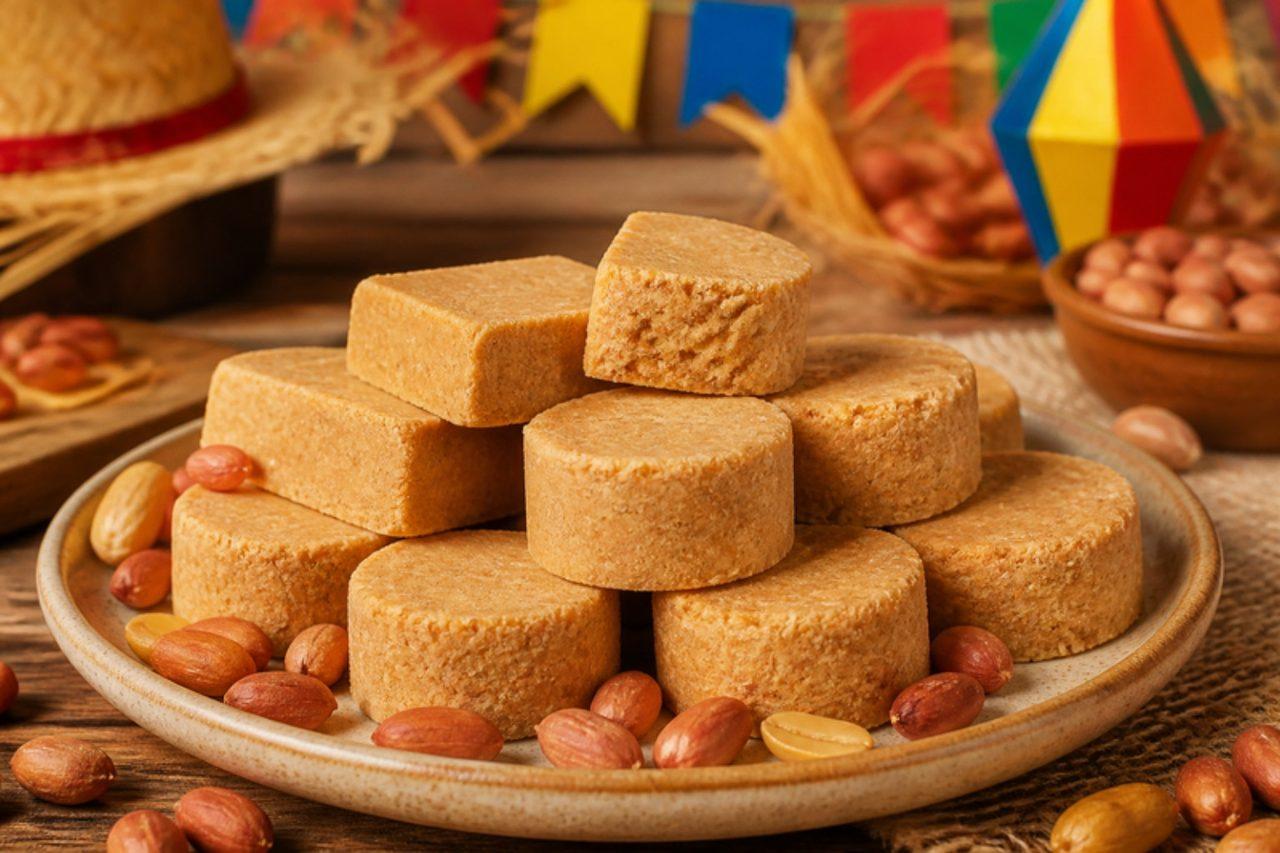
Kids across Brazil grow up on paçoca, the pale peanut sweet that melts into sandy crumbs the moment it is bitten, and no festa junina bag of treats is complete without a few. It started in the countryside of São Paulo and Minas as a way to use the peanut harvest, pounded in a wooden pestle with sugar and cassava flour, and today it is mostly pressed into little discs called rolhas. The flavour is pure toasted peanut, salty-sweet, with a texture between shortbread and fudge. Fine cassava flour (farinha de mandioca fina) is sold in Brazilian shops; you can leave it out for a richer, softer paçoca. Under-roasting the peanuts is the usual pitfall: pale peanuts give a raw, beany taste. Chef's tip: grind the mixture only until it just starts to clump; if it turns to butter, it will not hold a crumbly shape.

by KrazyBadal 0 views

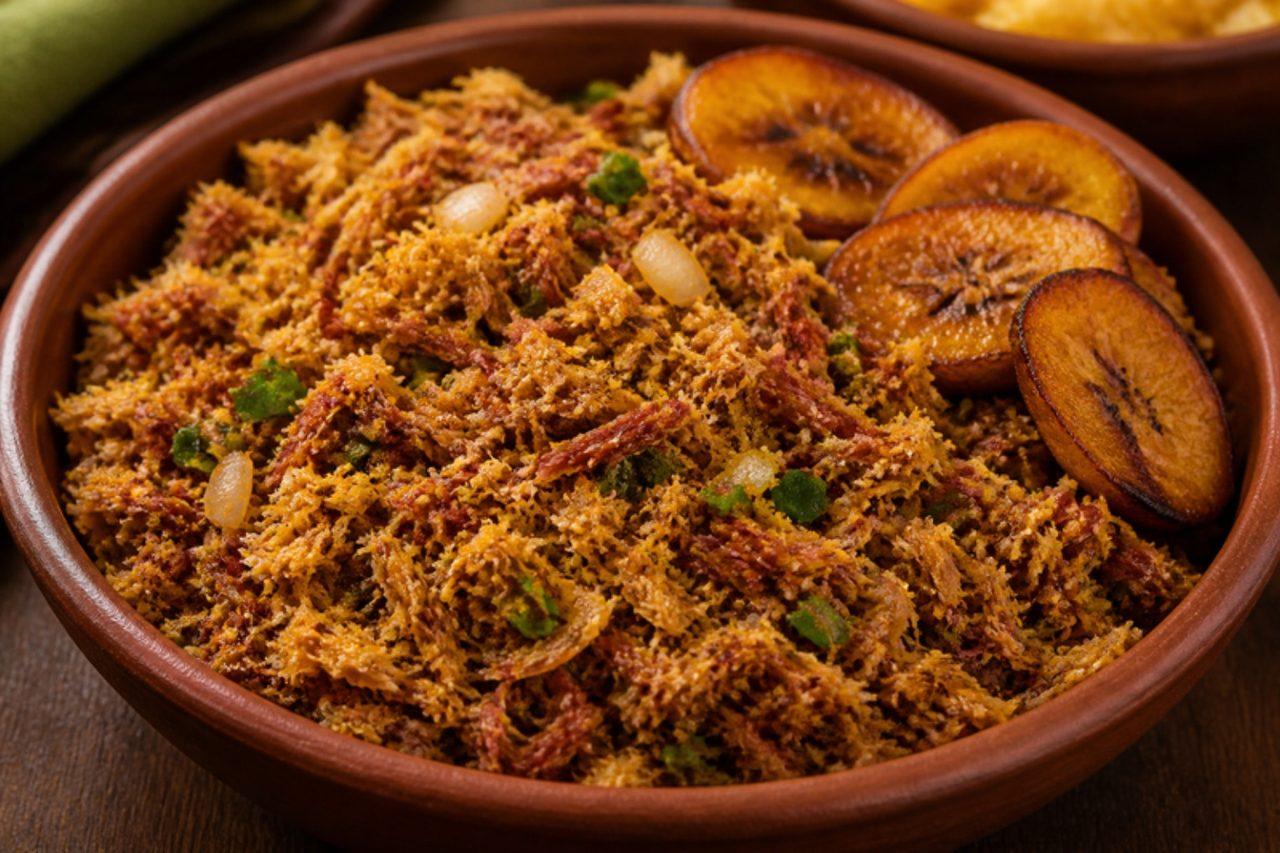
Paçoca de carne de solPounded dried beef with cassava flour

Not the peanut sweet of the same name: in Ceará, Piauí and Maranhão, paçoca is a savoury, fluffy tangle of fried carne de sol pounded with toasted cassava flour and onion in a big wooden pilão. Cowboys of the sertão carried it on long rides because it keeps for days, and today it is served at roadside restaurants and at home with baião de dois, boiled macaxeira, ripe banana and a cold glass of cajá juice. It should be dry, crumbly and full of crisp beef threads, salty and deeply savoury. The thing that goes wrong most often is adding the cassava flour to a wet pan, which turns it into paste; the beef must be fried really dry first. Without a pilão, a large mortar or short pulses in a food processor do the job. Chef's tip: let the pounded paçoca rest for ten minutes before serving; the farinha soaks up the beef fat and the texture turns soft and fluffy.

by KrazyBadal 0 views

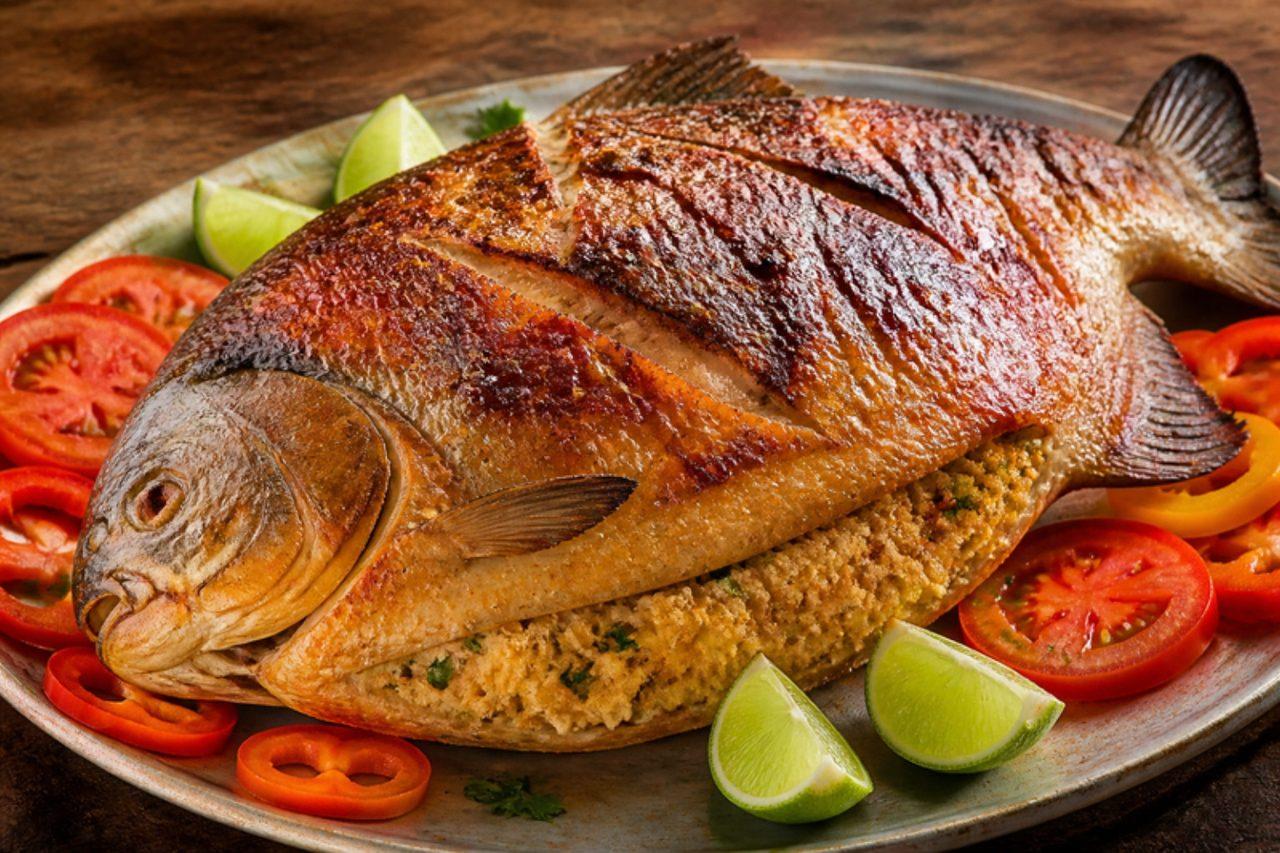
Pacu assadoRoast whole river fish

Cuiabá's fish restaurants and weekend riverside lunches in the Pantanal put a whole pacu on the table, stuffed with farofa and roasted until the skin is golden and crisp. Pacu is a round, fat-rich river fish with sweet, juicy flesh; ask your fishmonger for whole sea bream, pompano or a large tilapia if pacu is not available. The stuffing is cassava flour toasted with onion, garlic, pepper, tomato and herbs, and it soaks up the fish juices as it cooks. Serve with white rice, a tomato vinagrete and lime. The mistake to watch for is over-roasting until the flesh dries out; check at the backbone and stop when it is just opaque. Pacu has fine Y-shaped bones in the belly, so eat carefully. Chef's tip: cut deep slashes on both sides and push a little lime-garlic paste into them; it seasons the thick flesh and helps it cook evenly.

by KrazyBadal 0 views

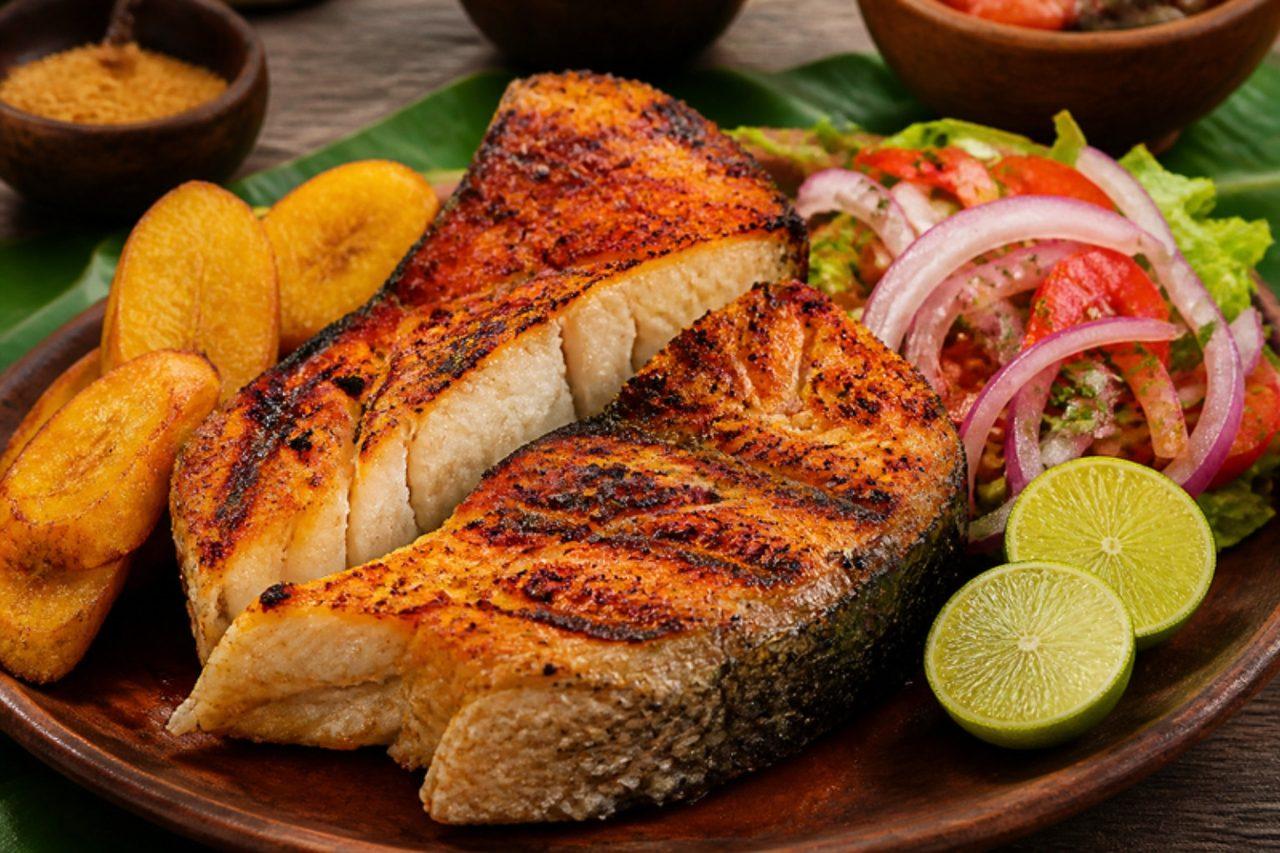
Paiche a la parrillaGrilled paiche steaks

Paiche (arapaima), one of the largest freshwater fish on earth, has thick, white, almost boneless flesh, and in Iquitos it is farmed and cut into meaty steaks that sizzle on the grills of riverside restaurants. Marinated briefly in garlic, lime, cumin and achiote, it chars on the outside and stays juicy and mild inside, a little like cod but firmer. Serve it with a tomato and onion salad, rice, or tacacho (mashed fried plantain balls). Frozen farmed paiche is sold in some fishmongers; thick cod, halibut or hake loin are good stand-ins. Leaving it in lime too long is the big mistake: the acid starts to 'cook' the surface and it sticks and tears on the grill, so 15 minutes is plenty. Chef's tip: oil the fish, not the grill, and don't move it for the first 3 minutes so it forms a crust and releases cleanly.

by KrazyBadal 0 views

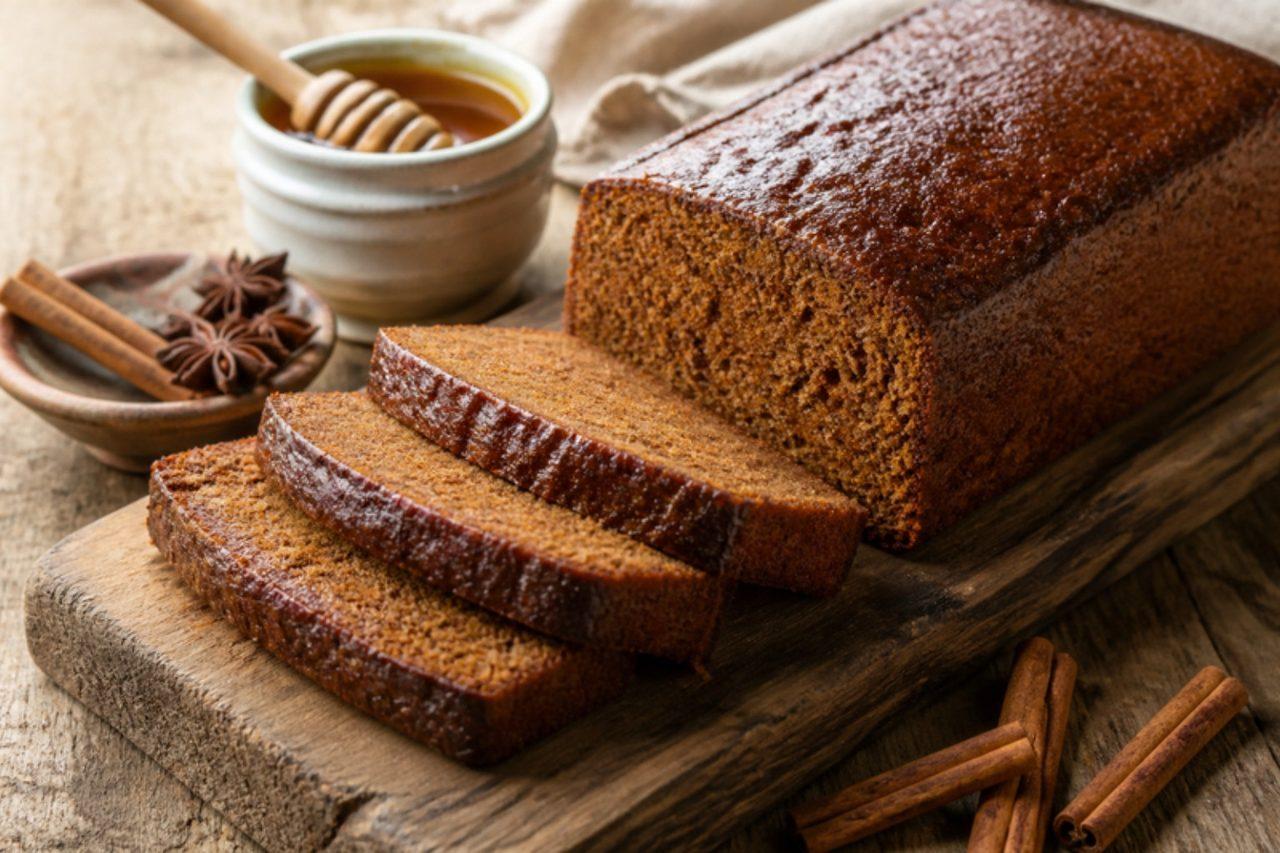
Pain d'épices de DijonHoney spice loaf

Dijon has been baking pain d'épices since the Middle Ages, and the shops near the old ducal palace still sell it by the slice, plain or glazed with orange. It is a dense, fragrant honey loaf, sold all year but eaten most in December, when Burgundian families toast slices for breakfast, spread them with butter, or serve them with cheese and pears. The Dijon style uses wheat flour and a whole egg, which makes it softer than the rye-flour loaves of Reims. Chef's tip: wrap it and wait a day before cutting; the crumb turns moist and the spices settle and deepen.

by KrazyBadal 0 views

Pan de CalatravaCaramel bread pudding

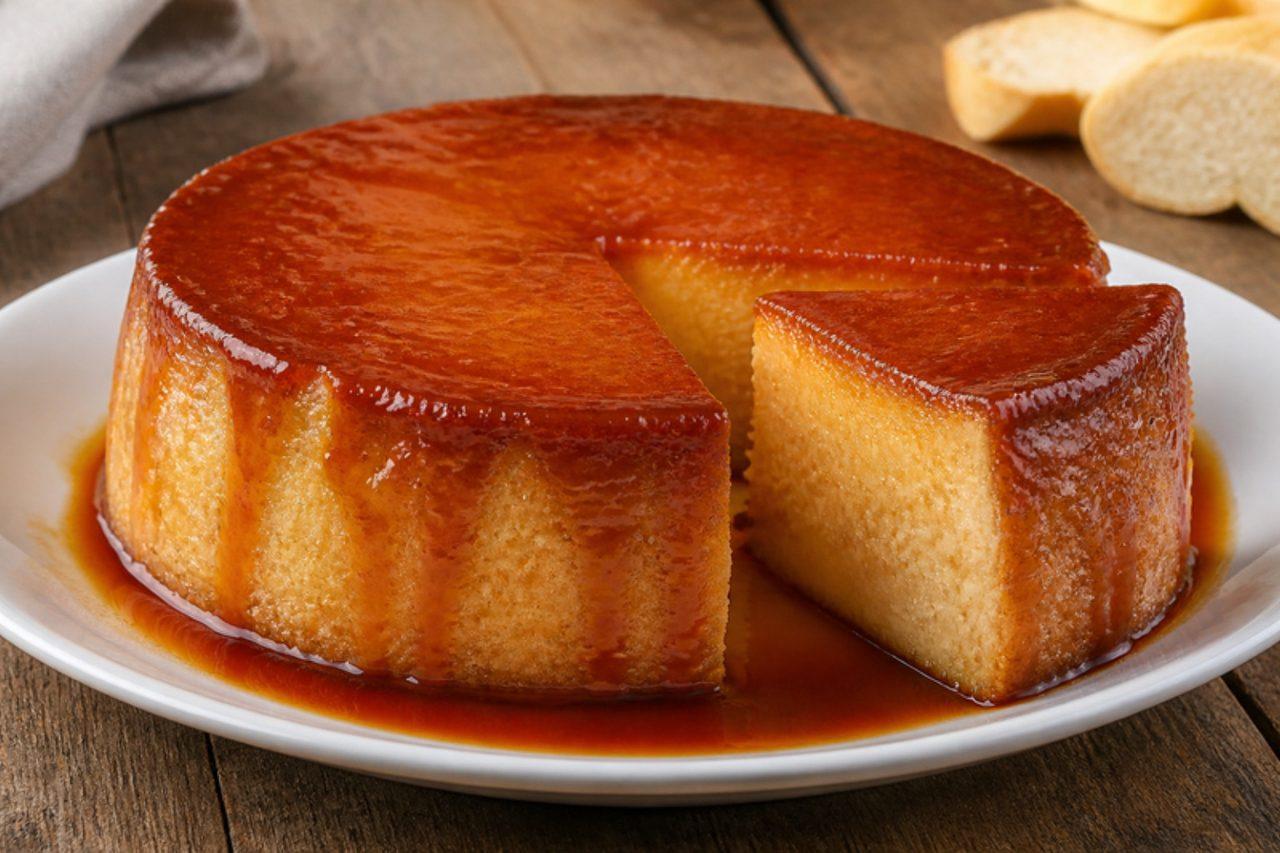
Pan de Calatrava is Murcia's thrifty Sunday dessert, a flan thickened with yesterday's bread or leftover sponge and baked over a layer of dark caramel. Murcian grandmothers made it to use up the end of a loaf, and it is still on the menu at family-run restaurants across the region, cut into slices and served cold with the caramel running down. The milk is infused first with lemon peel and cinnamon. Chef's tip: let it chill overnight before turning it out, so it slices cleanly and the caramel turns to syrup.

by KrazyBadal 0 views

PambazoDipped roll with potato and chorizo

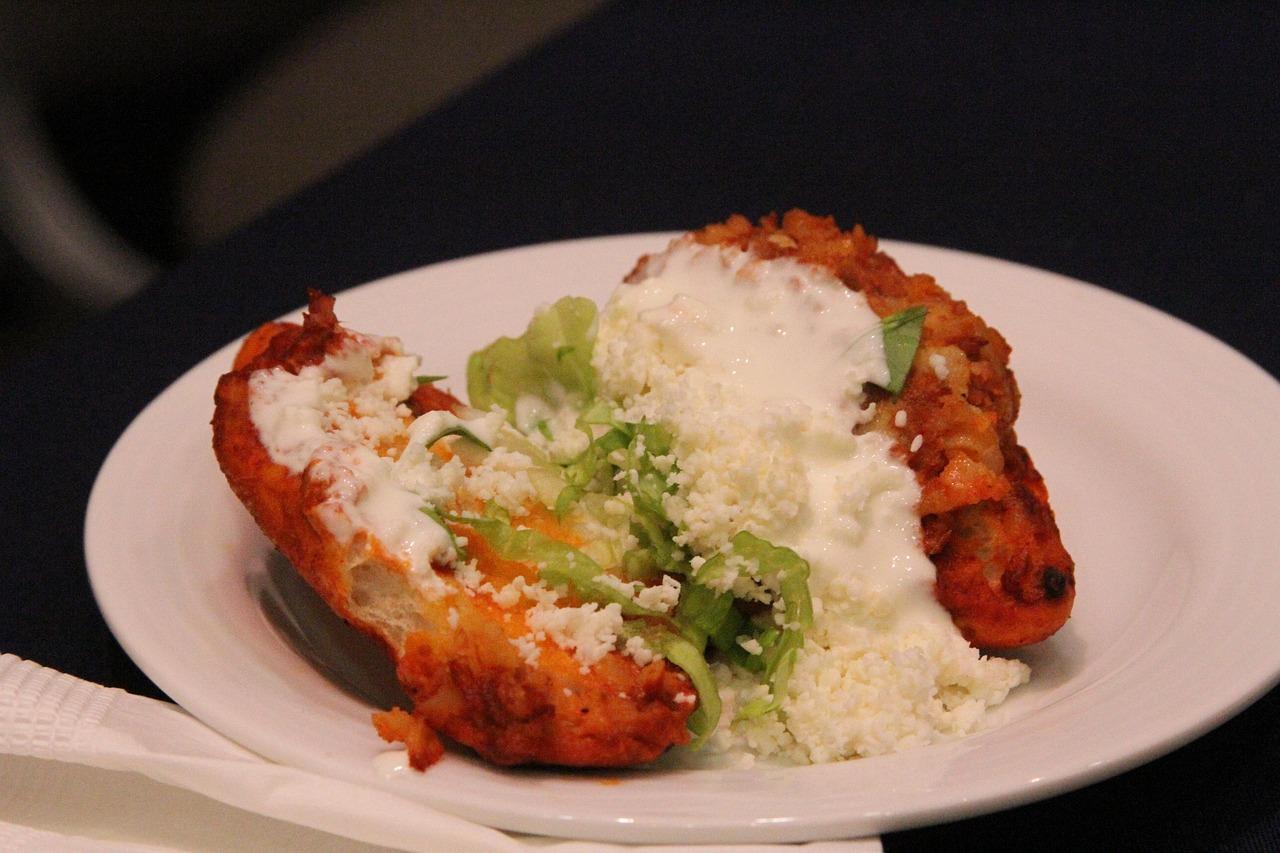
Pambazos are a Mexico City street classic, sold at night from griddles outside metro stations and at the fondas that open for Lent and village fiestas. A soft, light roll is split, filled with potato fried with pork chorizo, then dipped in a garlicky red guajillo sauce and crisped on the griddle, so the outside turns deep red, slightly crunchy and a little messy. Inside go shredded lettuce, cream and crumbled cheese, with salsa verde for heat. Eat it straight off the griddle with plenty of napkins. Chef's tip: use day-old rolls; fresh, soft bread soaks up too much sauce and falls apart on the griddle.

by KrazyBadal 0 views

PamonhaSteamed fresh corn parcels

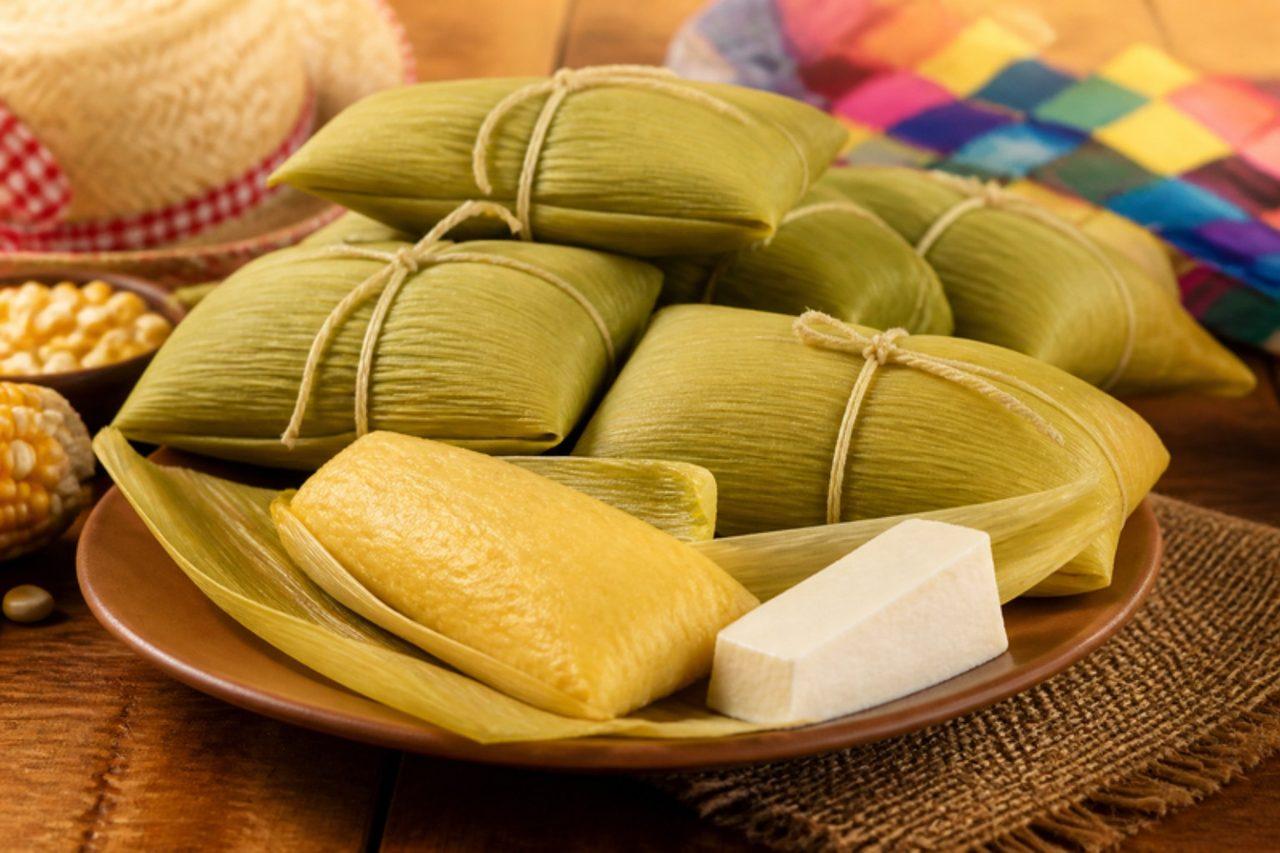
Corn season in Goiás and across the Northeast means pamonharias, roadside shops where pamonha comes out of huge steaming pots all afternoon, and in June it is one of the anchors of the festa junina table. Freshly grated green corn is mixed with milk and sugar, wrapped in its own husks, tied and boiled until it sets into a soft, sweet, slightly chewy parcel that smells of fresh corn. The Goiás way is also savoury, with salt instead of most of the sugar and cubes of cheese inside; that option is in the last step. Traditional queijo minas or curd cheese is often made with animal rennet, so pick a vegetarian cheese made with microbial rennet. Serve hot, with coffee, or with butter melting on top. The usual mistake is using mature, starchy supermarket corn or tinned kernels: the mixture will not set properly and the flavour is flat. Chef's tip: use corn so young that a fingernail pressed into a kernel squirts milky juice, and save every intact husk for wrapping.

by KrazyBadal 0 views

Showing 9 of 7,762 recipes

Show more recipes

Page 509 of 863