


Skip to content
Hyderabadi chicken dum biryani
Featured recipe

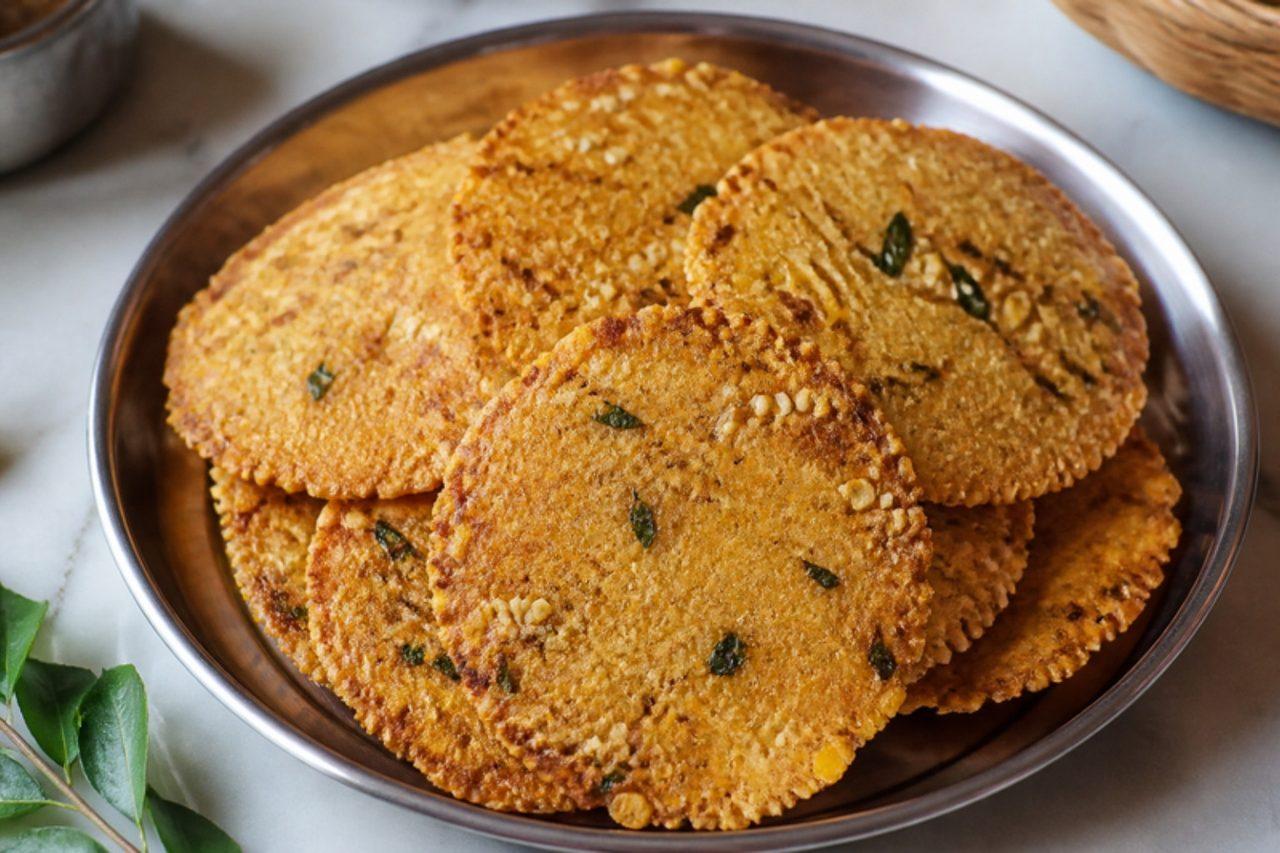
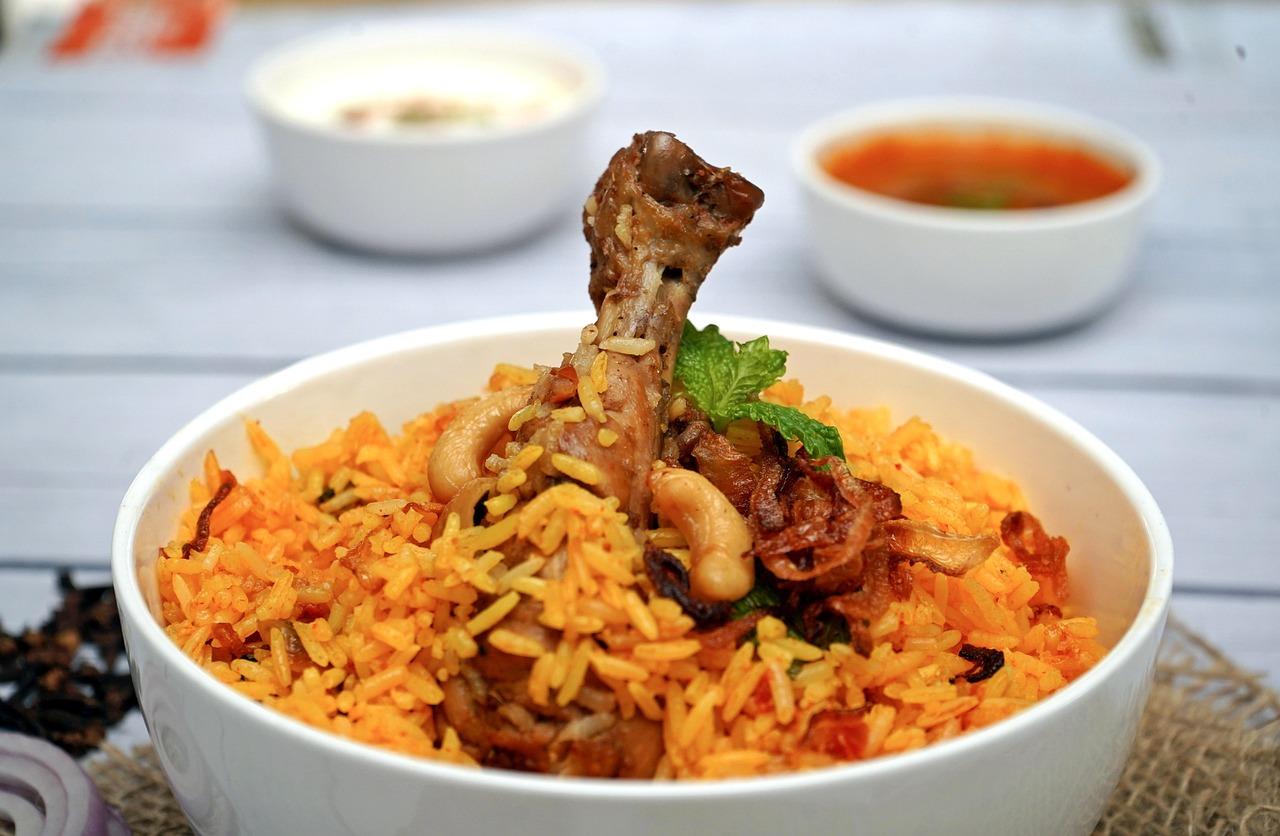
Hyderabadi chicken dum biryani

Hyderabad's biryani grew up in the kitchens of the Nizams, and the kacchi style is its proudest form: the chicken goes into the pot raw, in a thick yogurt, mint and fried-onion marinade, and cooks only in the steam trapped under part-cooked basmati. In the old city it is wedding and Eid food, ordered in huge copper deghs, and at home it's the Sunday showpiece, served with mirchi ka salan and a cooling raita. Because the meat cooks without being stirred, small bone-in thigh and drumstick pieces work best. Chef's tip: marinate overnight in the fridge — the yogurt tenderises the chicken and the flavours go right to the bone.

Read more 1 views

What to eat today?

Around the world

Today's trip: Persian

A new country every day, from every cuisine on the site.

Persian

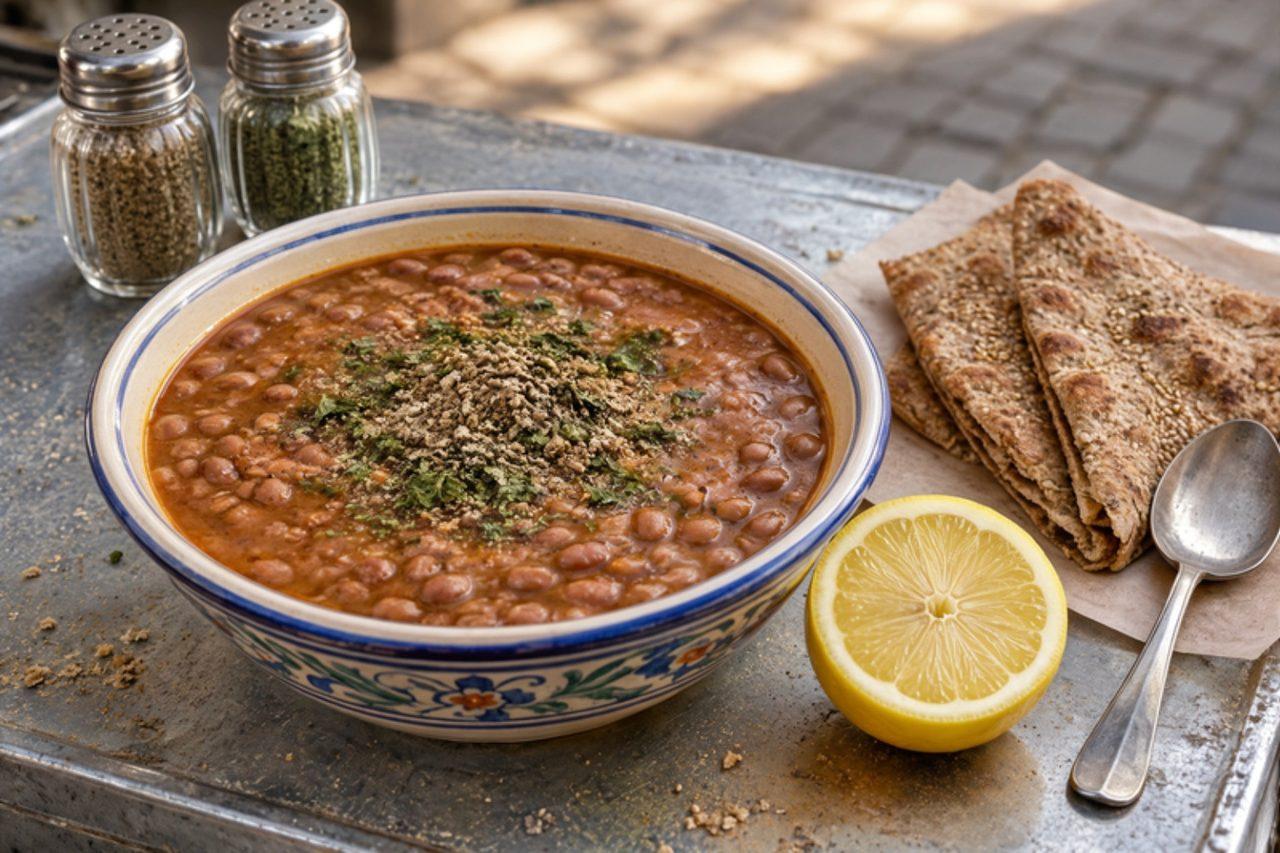
Lubia pokhte

Spiced pinto beans 120 minMore from Persian (131) →

This week's collection

Kid-friendly dinners
541 recipes · a new collection every Monday

Latest recipes

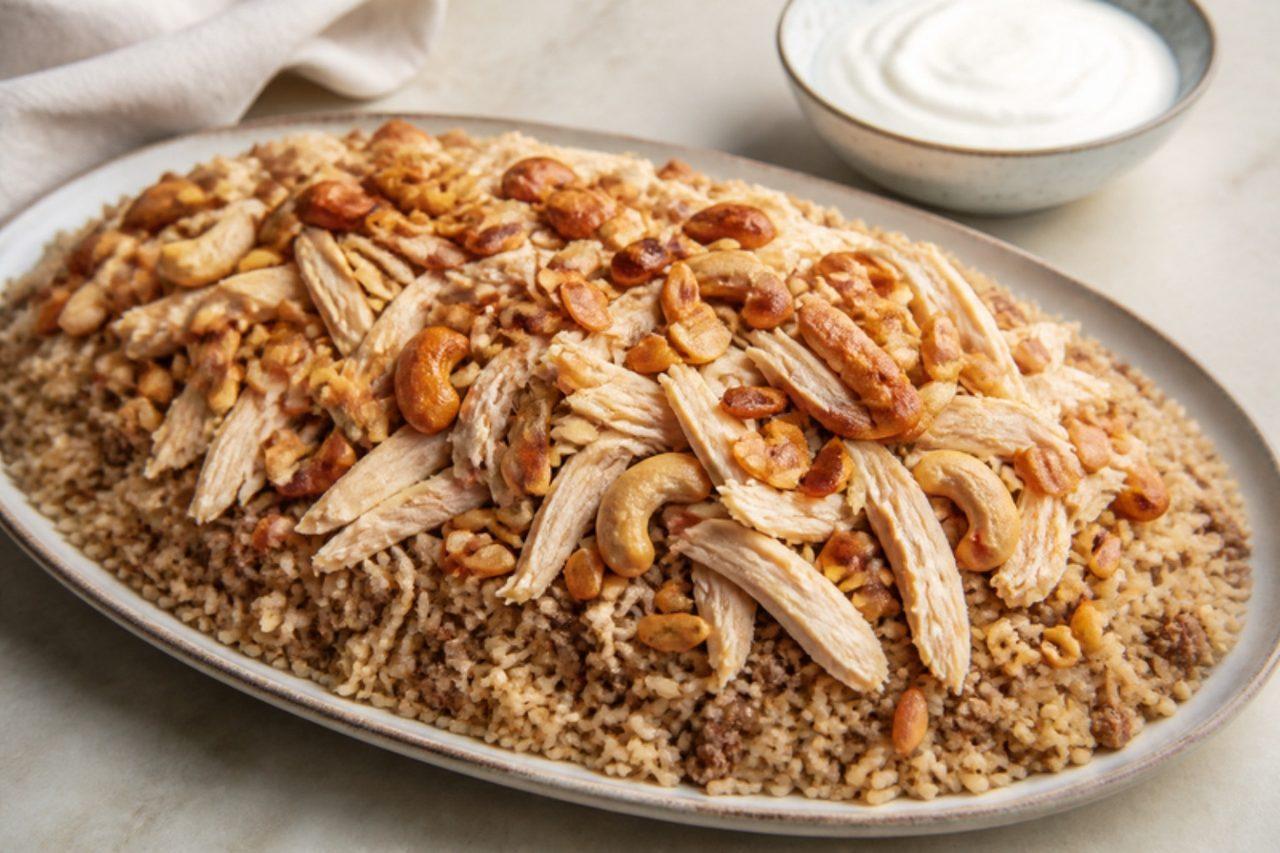
Riz a djejChicken and spiced rice with nuts

Riz a djej is the centrepiece of Lebanese celebrations and Eid lunches, carried to the table on a huge platter: rice cooked in chicken broth with a little spiced minced beef, crowned with pulled poached chicken and a heavy scattering of fried almonds, pine nuts and cashews. The flavours are gentle and warm — cinnamon, allspice, nutmeg — so it is a favourite with children too. Plain yoghurt and a crisp salad go alongside. Common mistake: skipping the rinse; unrinsed rice turns sticky in the rich broth. Chef's tip: poach the chicken the day before and chill the broth so you can lift off the fat; you get a cleaner, more savoury rice.

by KrazyBadal 0 views

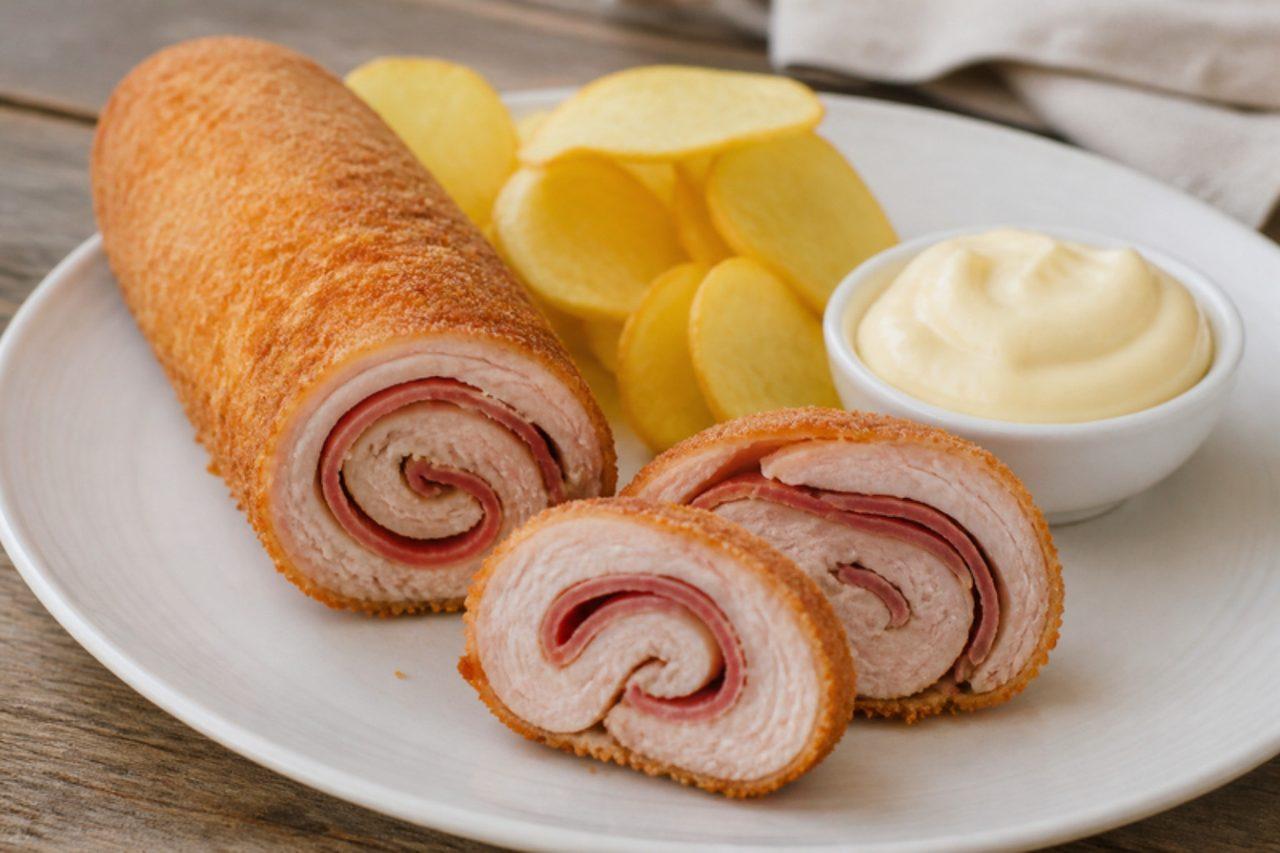
Flamenquín cordobésCrumbed pork and ham rolls

This contains pork (pork loin and serrano ham). In Córdoba, flamenquín is the bar food of choice: a long roll of thin pork loin wrapped around cured ham, crumbed and fried, then sliced and served with chips and mayonnaise. Locals argue over the name, but agree on the order: plenty of chips and something cold to drink, usually at lunch. Chef's tip: chill the crumbed rolls for 30 minutes before frying; the coating sets and stays on in the oil.

by KrazyBadal 0 views

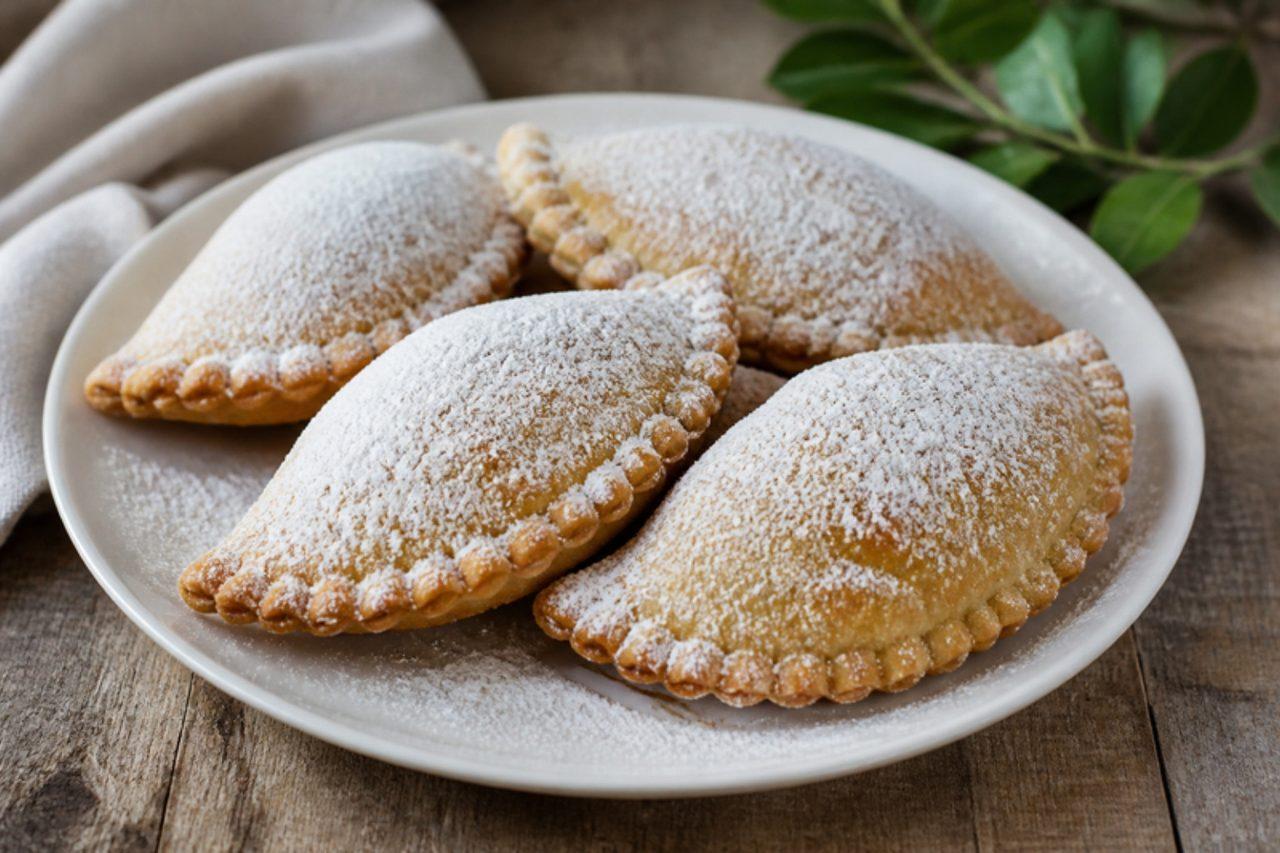
RobiolsCurd cheese or jam half-moon pastries

Robiols belong to Easter week in Mallorca, when grandmothers and grandchildren shape them by the trayful alongside crespells and panades. They are soft, crumbly half-moons of pastry with a frilled edge, filled with brossat (a fresh curd cheese like ricotta), cabell d'àngel pumpkin jam or apricot jam, and showered with sugar. Traditional dough uses pork lard; this vegetarian version uses butter and olive oil. Ricotta can be made with or without animal rennet, so check the label if that matters. Chef's tip: keep the dough cool and handle it as little as possible, because a short, tender crumb is what makes a robiol.

by KrazyBadal 0 views

Turrón de Doña PepaAnise biscuit sticks in spiced syrup

Every October, the month of the Señor de los Milagros processions in Lima, bakeries and street sellers pile their trays with turrón de Doña Pepa: layers of crumbly anise-flavoured sticks drenched in a dark syrup of chancaca cooked with fruit and spices, topped with a storm of coloured sprinkles. Popular lore credits it to Josefa Marmanillo, a woman from the Cañete valley who is said to have made it in thanks after the procession. It is sticky, crunchy and soft at once, with orange and clove in the syrup. Its downfall is usually runny syrup that soaks the sticks into mush; it needs to reach a thick, threading stage before it goes on. Chancaca is sold as cones or blocks in Latin shops; panela or dark muscovado also work. Some coloured sprinkles contain gelatin, so check the label. Chef's tip: make it a day ahead; the syrup sets and the sticks soften just enough to slice neatly.

by KrazyBadal 0 views

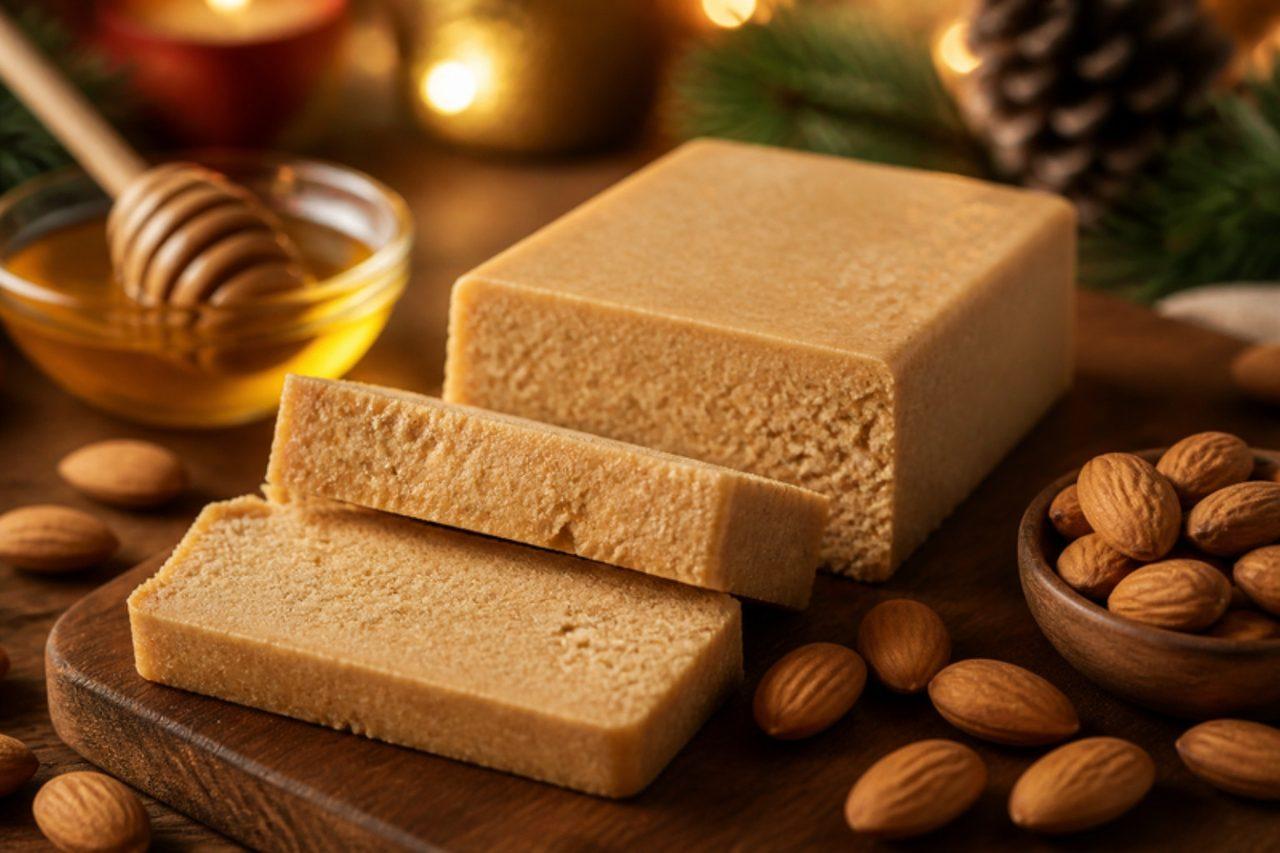
Turrón de JijonaSoft almond and honey nougat

The hill town of Jijona (Xixona) in Alicante has been grinding almonds and honey into turrón for centuries, and its soft, beige, slightly oily bars are on almost every Spanish table between Christmas Eve and Twelfth Night. Unlike hard Alicante turrón, Jijona turrón is a smooth almond paste that crumbles and melts in the mouth, deeply nutty with a floral sweetness from the honey. A common mistake is under-toasting the almonds; pale almonds give a bland, grey paste, so take them to a light, even gold. This version uses honey and egg white, so it is vegetarian but not vegan. Chef's tip: press the warm paste into its mould under a weight and leave it a full two days before slicing; it firms up and the oil settles evenly through it.

by KrazyBadal 0 views

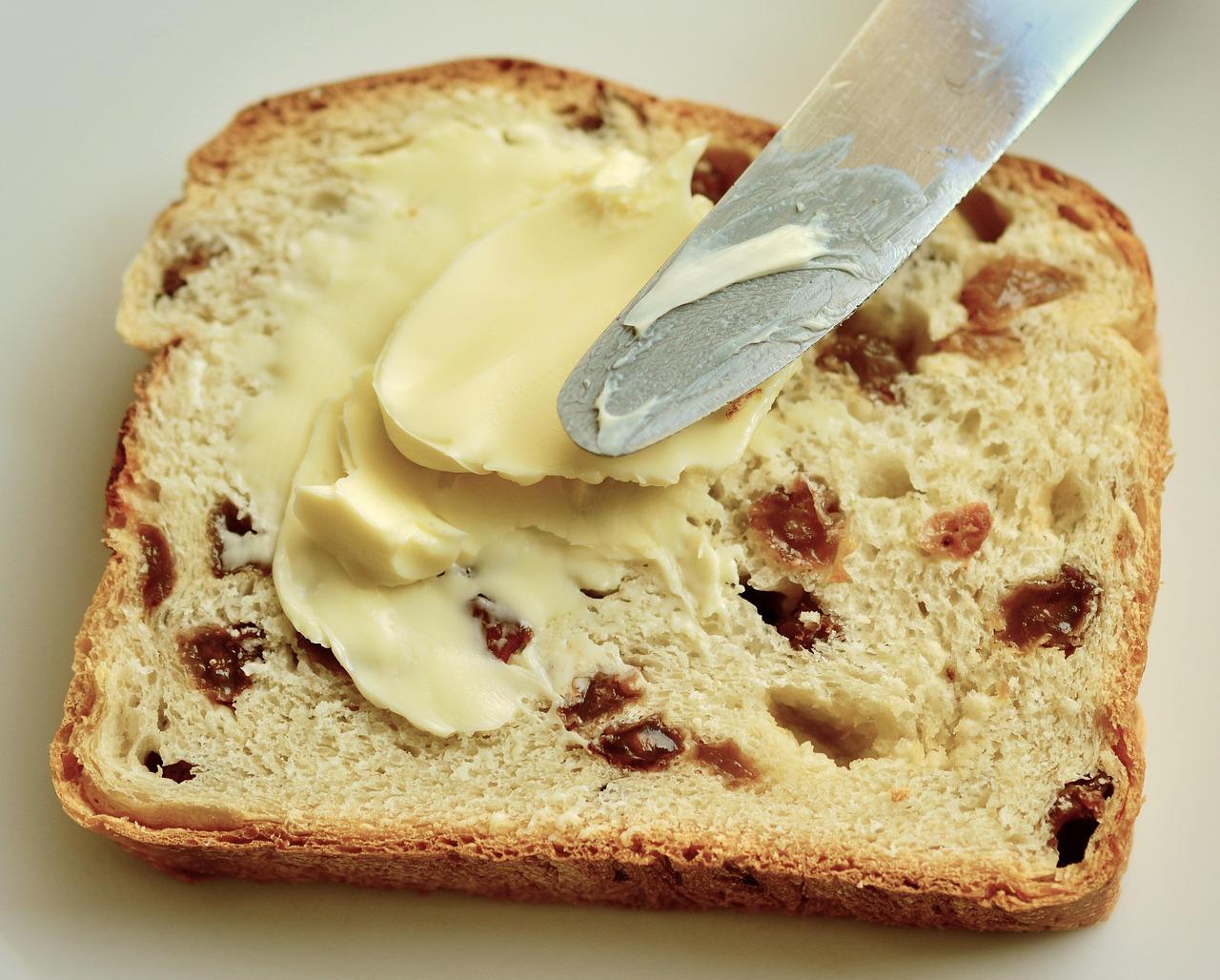
RosinenstutenRaisin milk loaf

Rosinenstuten is the soft, slightly sweet raisin loaf that Westphalian and Rhineland families buy for Sunday breakfast and for christenings, where a giant one was once the traditional gift. It is baked in a long tin, sliced thick and spread with good butter, sometimes with a layer of cheese on top, which sounds odd and works beautifully. The crumb is fine and fluffy and the crust soft and shiny. A common mistake is adding dry raisins straight to the dough; they burn on the crust and steal moisture. Chef's tip: soak the raisins in hot water for 15 minutes, pat them dry and knead them in only at the very end, gently, so the dough stays light.

190 minGermanBaking
by KrazyBadal 0 views

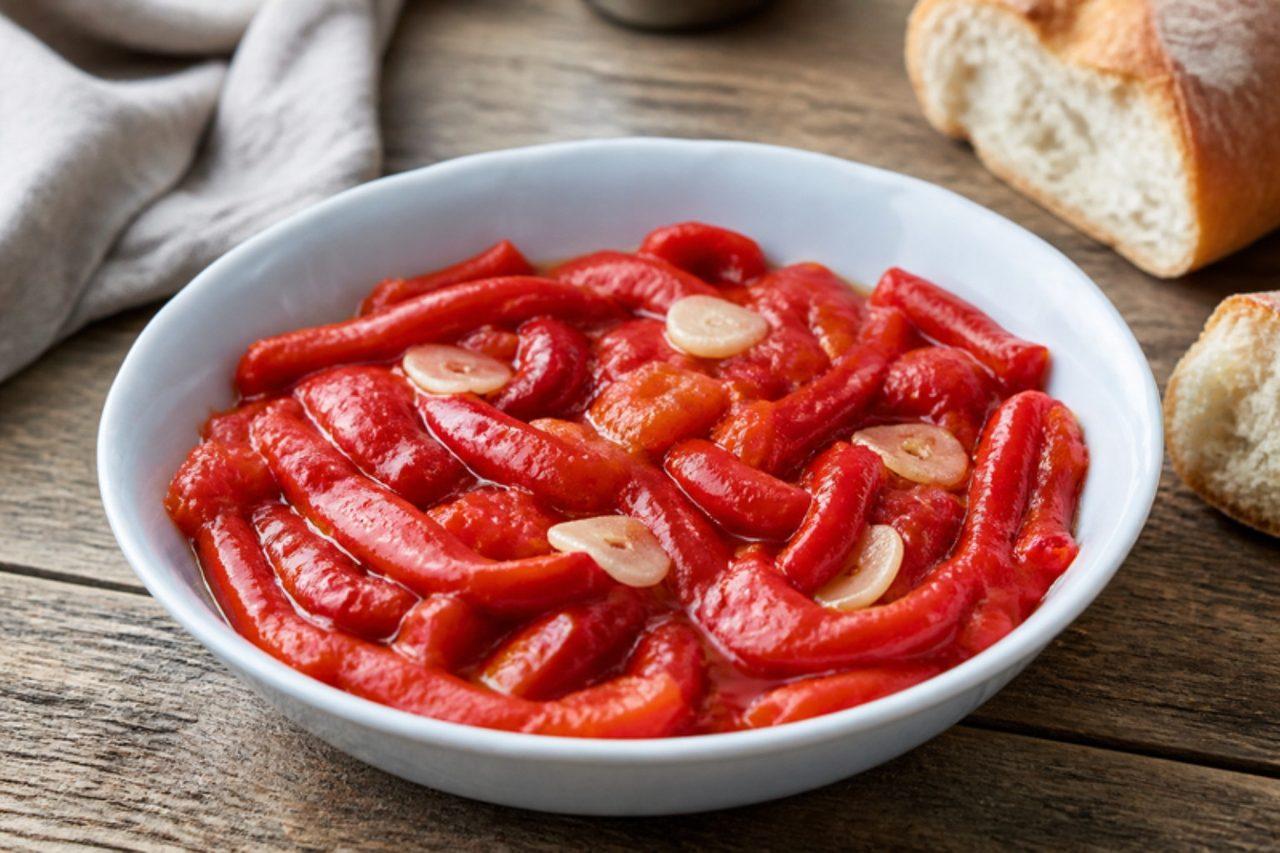
ZorongolloRoast pepper and tomato salad

Zorongollo is the summer salad of the Extremaduran countryside around Cáceres and the Vegas del Guadiana, made when red peppers are sweet and cheap. The peppers and tomatoes are roasted until blackened, peeled, torn by hand into strips and soaked in olive oil, garlic and a little vinegar, and it is served on its own with bread or beside grilled meat at summer lunches. It keeps for days in the fridge and improves overnight. Chef's tip: tear the peppers along their natural ridges rather than slicing them, so the strips stay soft and catch more dressing.

by KrazyBadal 0 views

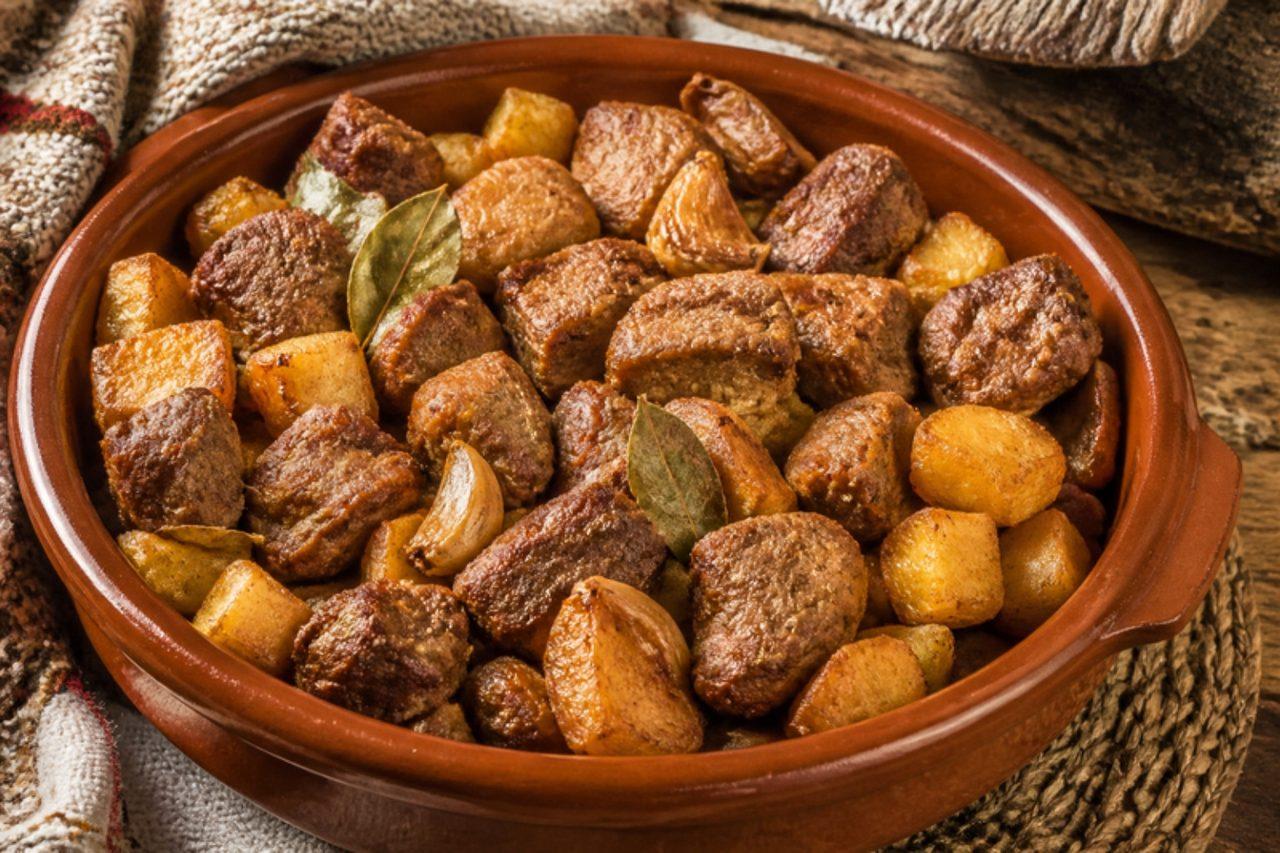
Rojões à minhotaMarinated fried pork with potatoes

Rojões are the centrepiece of a Minho winter feast, traditionally cooked in the weeks after the family pig was killed and still served in Braga and Ponte de Lima restaurants with arroz de sarrabulho alongside. This contains pork (pork shoulder and lard). Chunks of pork shoulder spend a night in white wine, garlic, paprika and bay, then cook slowly in their own fat until the outsides are crusty and the insides tender. The dish uses wine; an alcohol-free option is given in the ingredient list. A common mistake is crowding the pan, so the pork stews in its juices instead of browning in its own fat. Chef's tip: dry the pork well after marinating, or it will stew rather than brown.

by KrazyBadal 0 views

CranachanOat, raspberry and whisky cream dessert

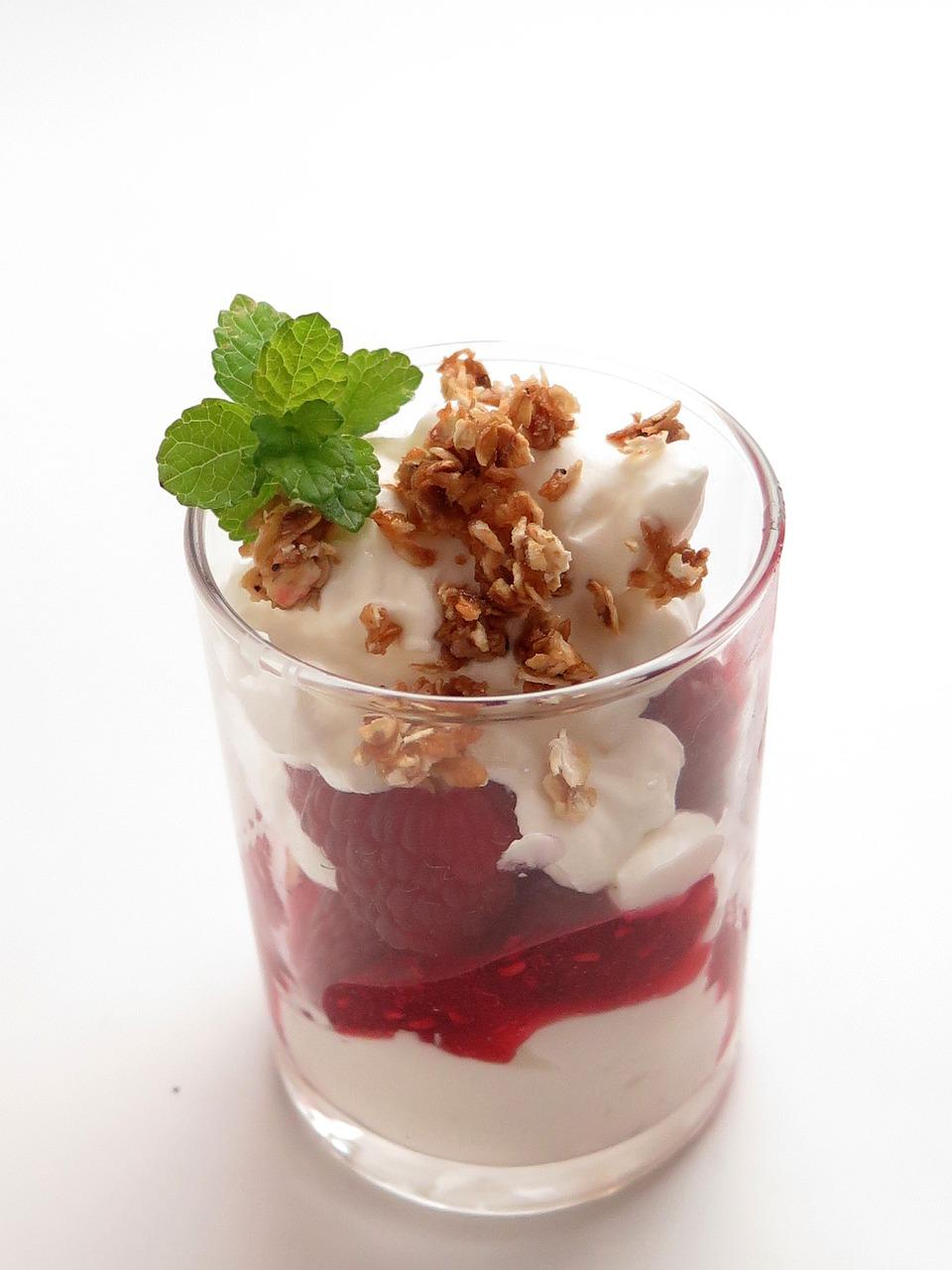
Cranachan began as a harvest-home dessert in the Highlands, made when the raspberries ripened in June and July, and it is now served on Burns Night and at Scottish weddings. Layers of whipped cream sweetened with heather honey, toasted pinhead or rolled oats and fresh raspberries make it crunchy, rich and sharp all at once. The traditional splash of Scotch whisky contains alcohol; for an alcohol-free version use a few drops of vanilla and a squeeze of orange juice instead. Chef's tip: toast the oats until they smell nutty and look golden; raw oats taste floury.

by KrazyBadal 0 views

Romeu e JulietaGuava paste with fresh cheese

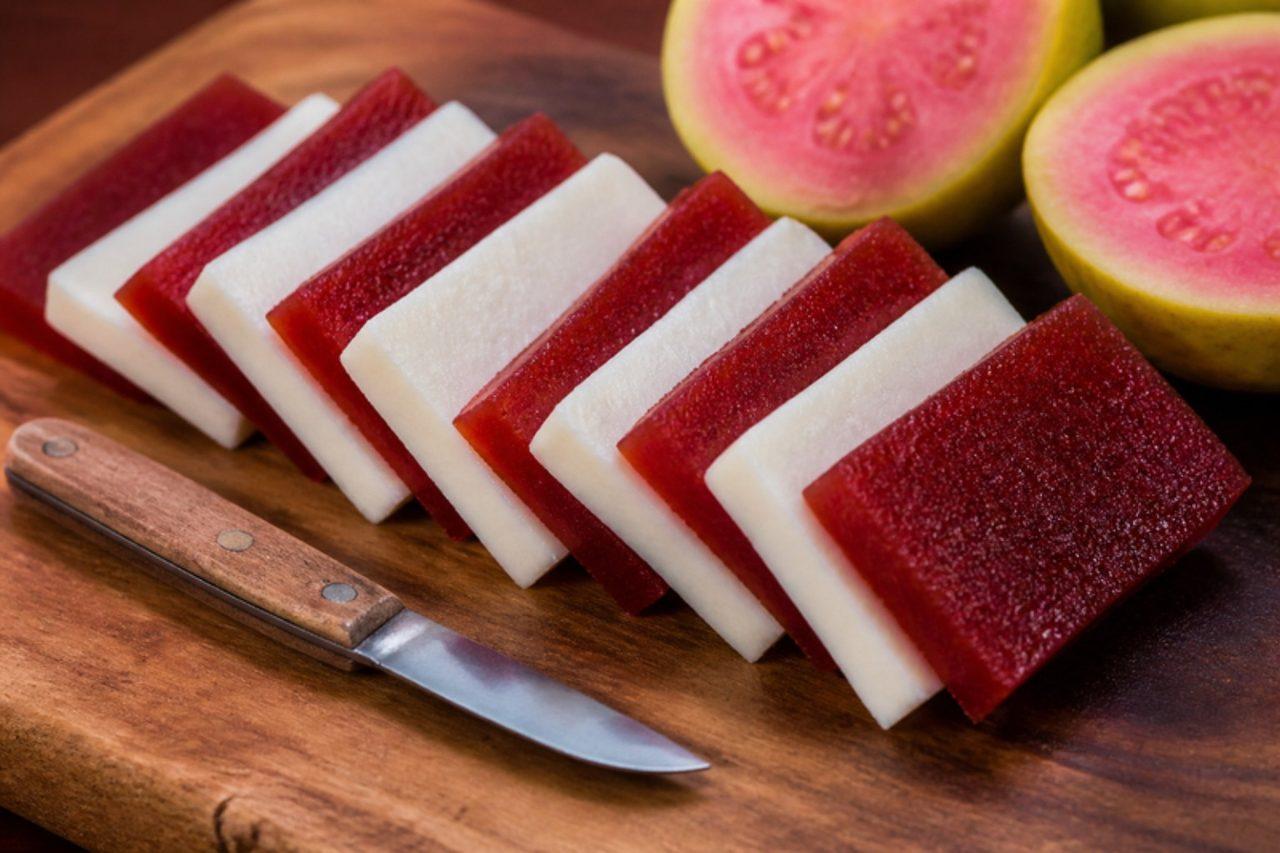
Two ingredients, no cooking, and a name every Brazilian knows: Romeo is the dark red goiabada, Juliet the mild white queijo Minas frescal, and they are always eaten together. Mineiros serve it after lunch on a saucer, at the end of a feast in a roadside restaurant, or as a mid-afternoon snack with coffee; the sweet, dense guava and the cool, milky, lightly salty cheese balance each other perfectly. Variations melt the guava into a warm sauce over the cheese, or bake both inside a pastry. Queijo Minas frescal is often made with animal rennet, so pick one labelled vegetarian, or use a young vegetarian farmer's cheese or paneer-style fresh cheese. The usual fault is cutting the guava thicker than the cheese, which buries Juliet; keep both slices the same size. Chef's tip: take the cheese out of the fridge 15 minutes ahead so it tastes of fresh milk rather than cold rubber.

by KrazyBadal 0 views

RondónCoconut fish and conch stew

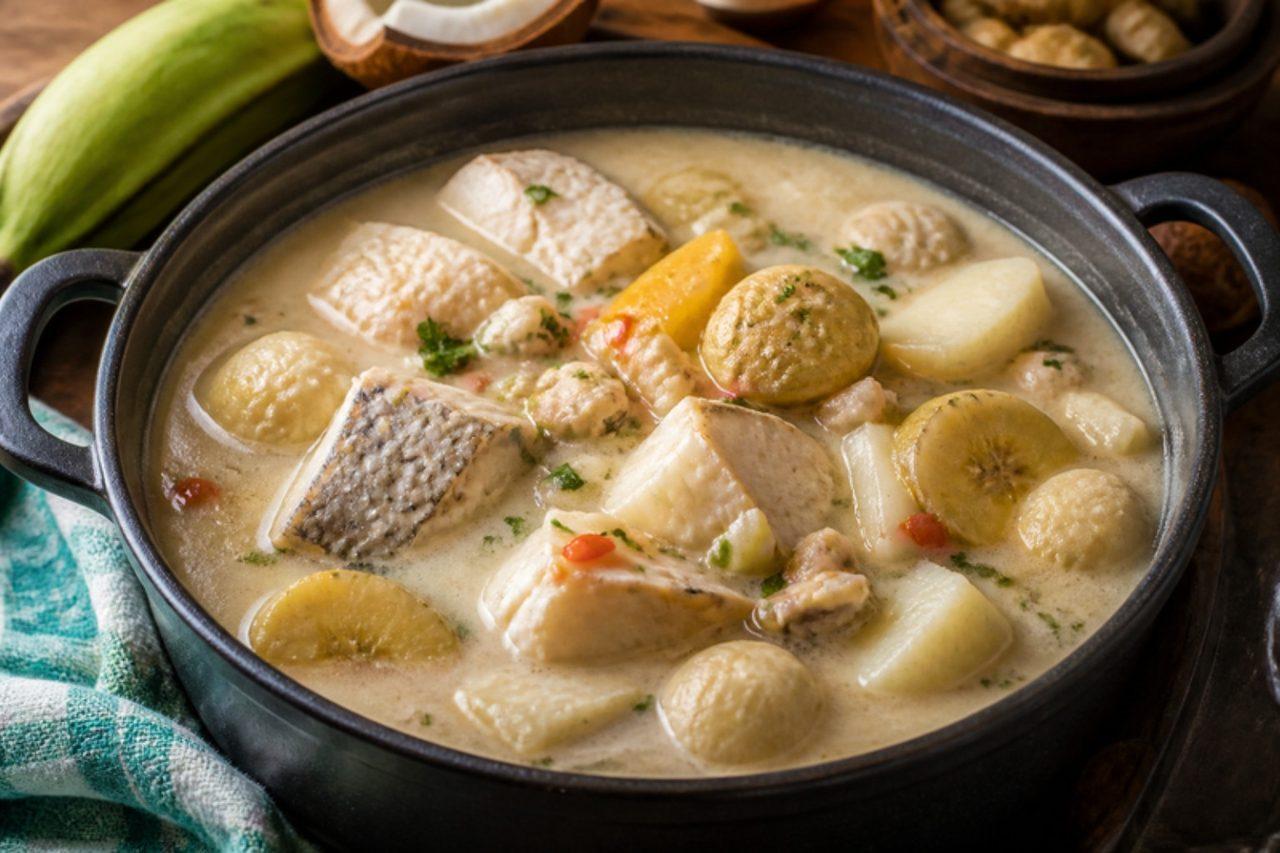
The English-speaking Raizal islanders of San Andrés and Providencia call it rundown, and it is cooked for a crowd on weekends and at beach gatherings: coconut milk boiled down until it 'runs down' and starts to release its oil, with cassava, green plantain, breadfruit or sweet potato, flour dumplings, salted pig tail and, on top, fish and conch steamed in the creamy broth. Pork appears as the salted tail, which seasons the pot. The broth is rich, coconut-sweet and herby with thyme, with a perfume of whole Scotch bonnet that gives aroma rather than fire as long as it doesn't burst. Start the day before: the pig tail needs overnight soaking. A common mistake is stirring once the fish goes in, which breaks it up; layer it and let the steam do the work. Chef's tip: queen conch is protected in much of the Caribbean, so buy only legally sourced frozen conch, or swap in large raw prawns added with the fish.

by KrazyBadal 0 views

FlädlesuppeBeef broth with pancake strips

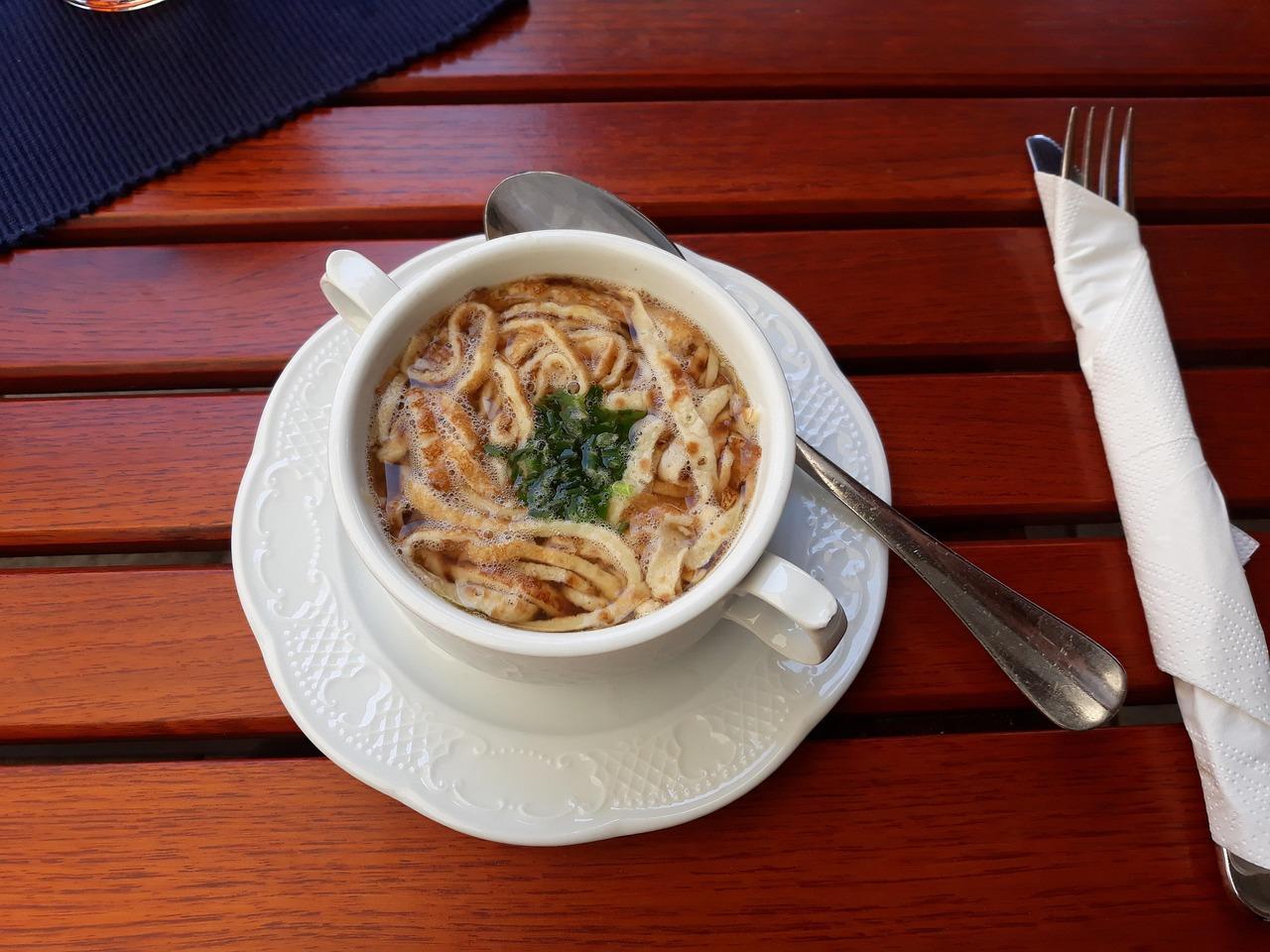
In Swabia, Flädlesuppe opens Sunday lunch, wedding dinners and many a Stuttgart inn meal: a clear, golden beef broth with thin ribbons of pancake, the Flädle, and a scatter of chives. The broth is simmered slowly from beef shin and a bone, and the pancakes are cooked, rolled up and sliced like noodles. For a vegetarian version, make the same pancakes and serve them in a strong vegetable broth with browned onion. Chef's tip: never let the broth boil hard; a lazy simmer keeps it clear instead of cloudy.

170 minGermanSoups
by KrazyBadal 0 views

Ropa vieja canariaChickpea, beef and chicken fry-up

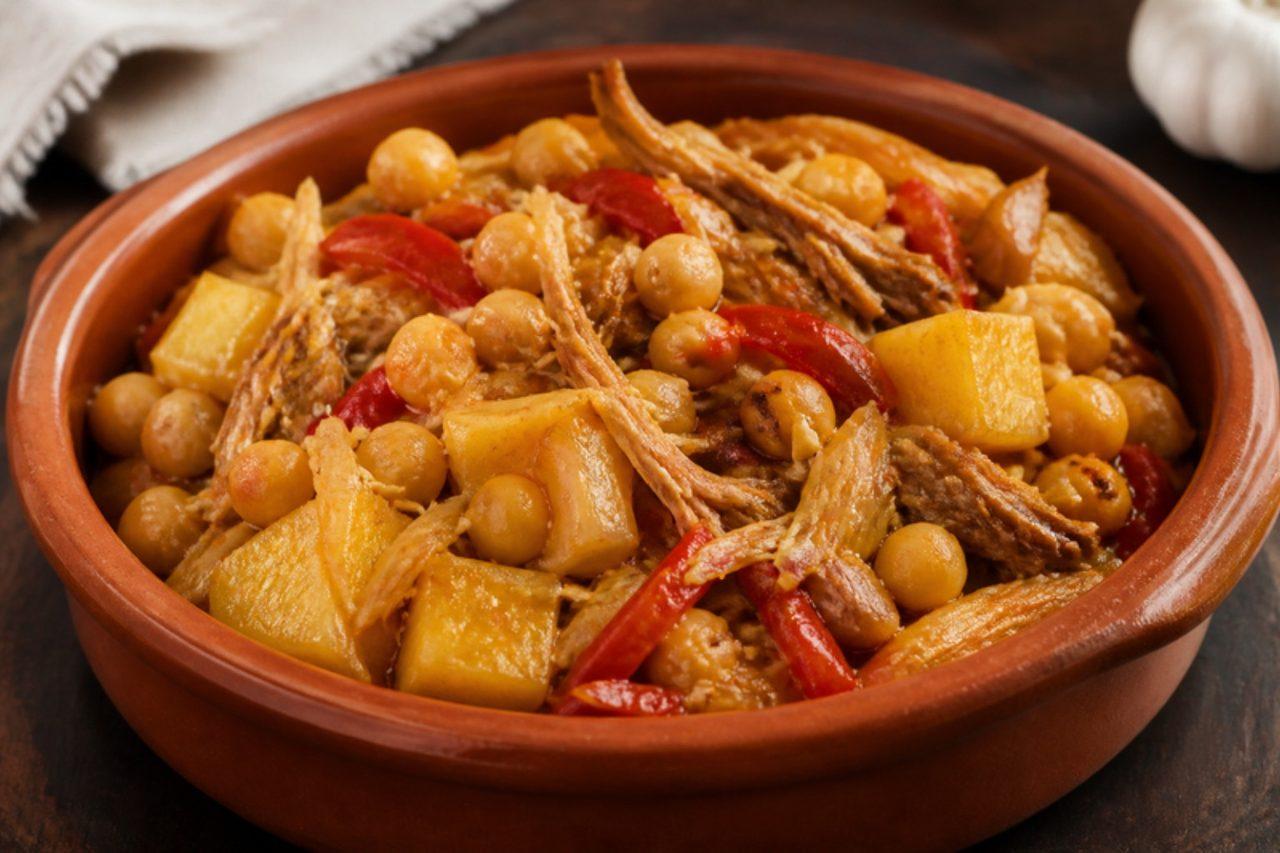
The 'old clothes' of the name are the leftover meats from Sunday's puchero, shredded and fried the next day with chickpeas, potatoes, peppers and tomato; it is a different dish from the Cuban ropa vieja, and on the islands it is Monday lunch and a fixture of bar menus in Las Palmas. Some versions include pork; this one uses beef and chicken, poached from scratch if you have no leftovers. A splash of white wine is common; it is optional and the dish is complete without it. Chef's tip: fry the chickpeas until a few catch and crisp, because those browned bits make the dish.

100 minSpanishMeatGluten free
by KrazyBadal 0 views

Rosca de PascuaEaster ring bread

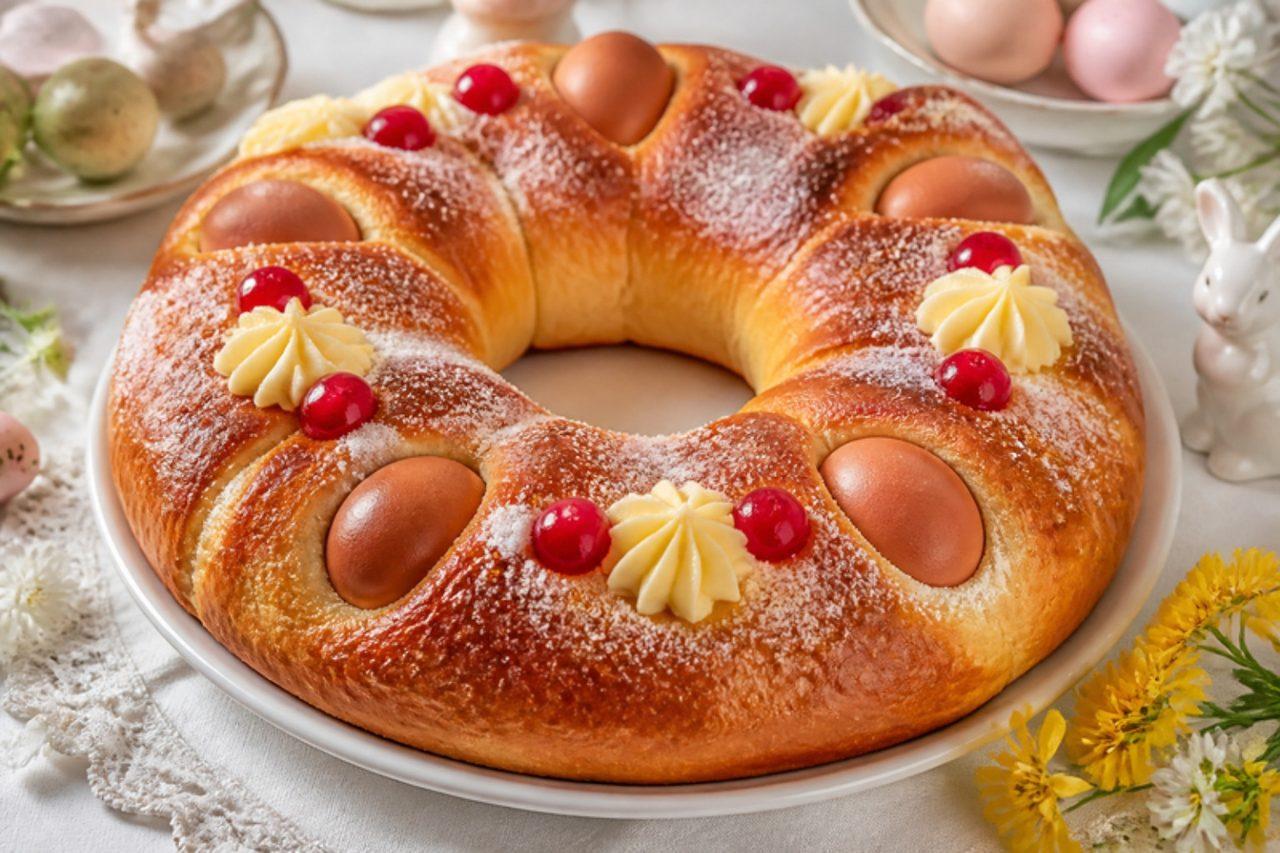
Argentine Easter Sunday breakfast centres on the rosca de Pascua, a ring of soft, orange-scented brioche-like dough laid with stripes of pastry cream, candied cherries and pearl sugar, with whole boiled eggs pressed into the dough as a symbol of new life. Bakeries in every barrio stack them in the window from Holy Thursday, and families share it with coffee or mate after the Easter egg hunt. The crumb is fluffy and pale yellow, and the custard bakes into soft, golden ridges. Because the eggs bake for 30 minutes on top of their boiling, they are fully cooked; many people keep them for decoration and peel them later. The mistake to avoid is piping the pastry cream too thick, which slides off as the ring rises; thin lines give neat ridges. Chef's tip: cook the custard until it is very thick and chill it before piping, and brush the ring with egg before (not after) the cream goes on.

by KrazyBadal 0 views

RoscónGuava-filled sweet bread ring

Every Bogotá bakery has a tray of roscones by the counter: soft, enriched bread rings glazed and sprinkled with sugar, hiding a seam of melted guava paste inside. They are eaten at onces, the afternoon coffee break, or for breakfast with hot chocolate, and they are a favourite thing to bring when visiting. The dough is a gently sweet milk-and-butter bread, close to a brioche but lighter. Chunks of guava paste that are too big are what normally goes wrong: they melt, burst the seam and burn on the tray, so cut it into thin batons and seal the dough firmly around them. Plan about 2 hours, most of it rising time. Look for guava paste (bocadillo or goiabada) in Latin shops; quince paste works in a pinch. Chef's tip: brush with the egg wash twice, once before the second rise and once before baking, for a deep, shiny crust that holds the sugar.

by KrazyBadal 0 views

Dawood bashaMeatballs in tomato sauce

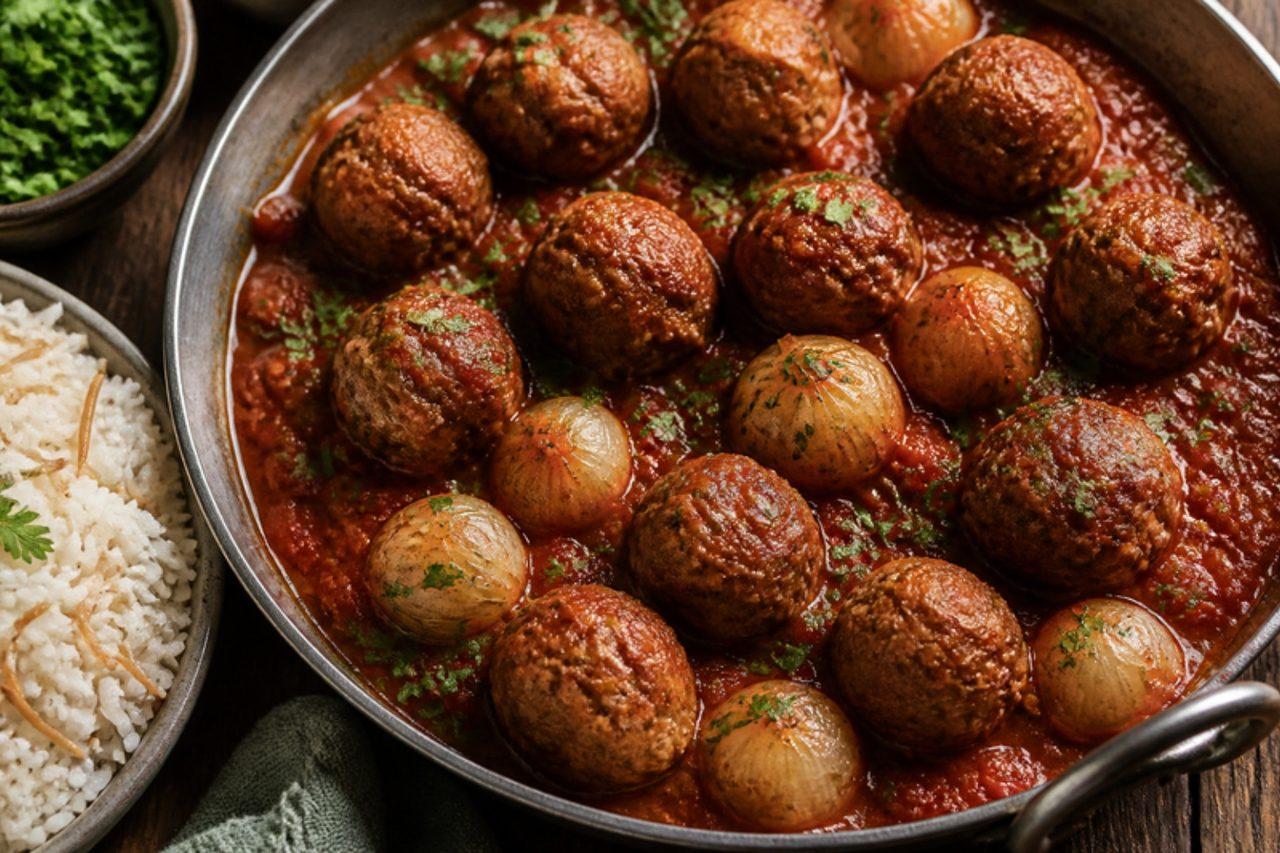
Named, so the story goes, after an Ottoman governor who loved it, dawood basha is a homely Damascus and Beirut supper of small spiced meatballs simmered with baby onions in tomato sauce, finished with pine nuts. Families serve it ladled over vermicelli rice, and it is one of the first dishes Syrian children learn to love. The sauce is lightly tangy from pomegranate molasses and fragrant with allspice and cinnamon. Common mistake: crowding the meatballs when browning — they steam instead of colouring; fry in batches. Chef's tip: grate a little onion into the meat and squeeze out the juice first; the meatballs stay tender without falling apart.

65 minSyrianMeatGluten free
by KrazyBadal 0 views

Rote GrützeRed berry pudding

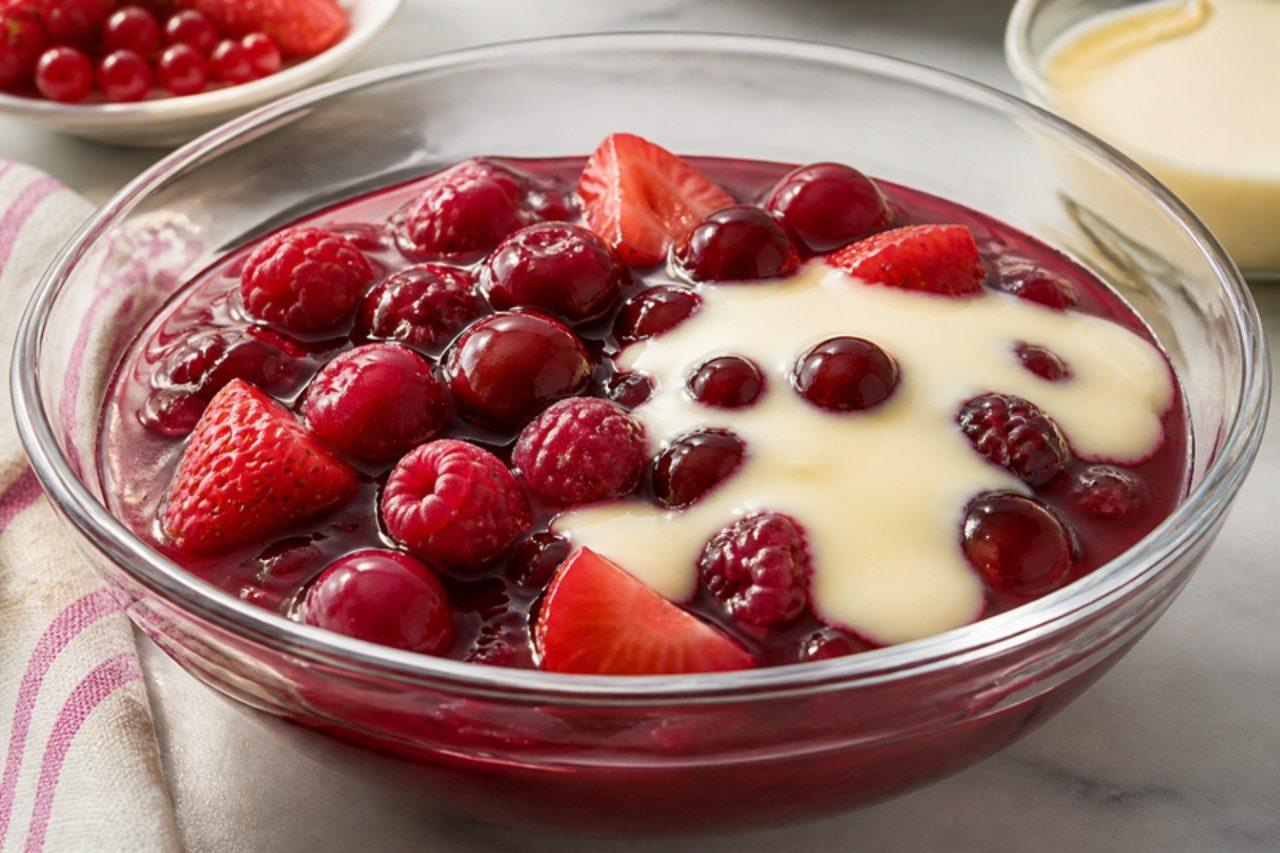
Rote Grütze is the summer dessert of Hamburg, Schleswig-Holstein and Lower Saxony, made when the gardens are full of redcurrants, raspberries and sour cherries. The fruit is cooked briefly, thickened with a little cornflour and chilled until it sets to a glossy, spoonable jelly, tart and deep red, with whole berries still in it. Northerners pour cold vanilla sauce or plain cream over it; with a plant-based vanilla sauce it is fully vegan. A common mistake is boiling all the berries: add the soft raspberries last, off the heat, so they keep their shape. Chef's tip: frozen mixed berries work beautifully out of season, and their juice gives an even deeper colour.

by KrazyBadal 0 views

Waterford blaaSoft white bread rolls

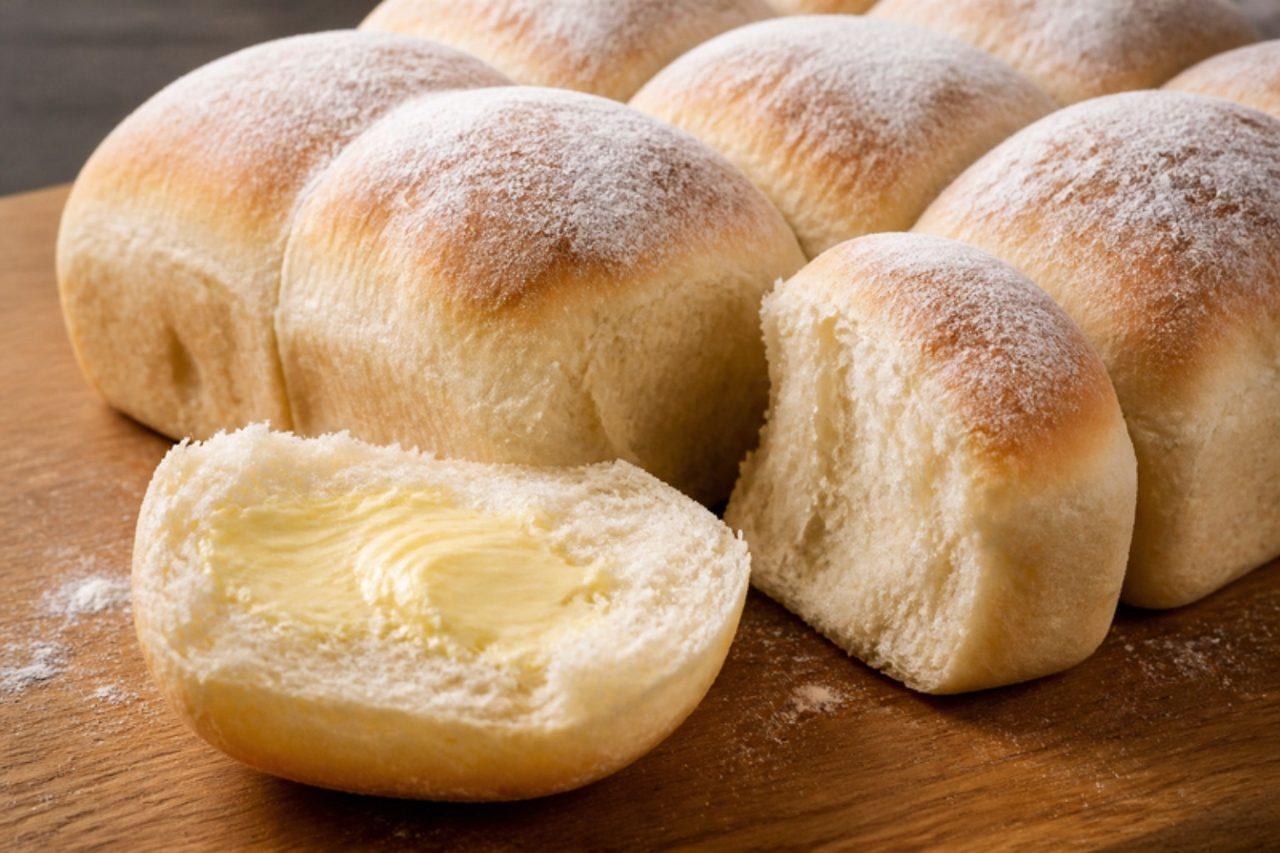
The blaa is the soft white roll of Waterford city, said to have been brought by French Huguenot bakers in the 1700s, and it carries protected status in Europe. The rolls are proofed close together and dusted thickly in flour, so they have pale, tender sides and a fine, white floury crust. Waterford people eat them for breakfast with butter, or split and filled with crisps or a 'rasher blaa'. Chef's tip: bake them touching each other in a hot oven for only a short time; they should stay pale and soft, never crusty.

by KrazyBadal 0 views

Rougail saucissesSmoked sausages in spicy tomato sauce

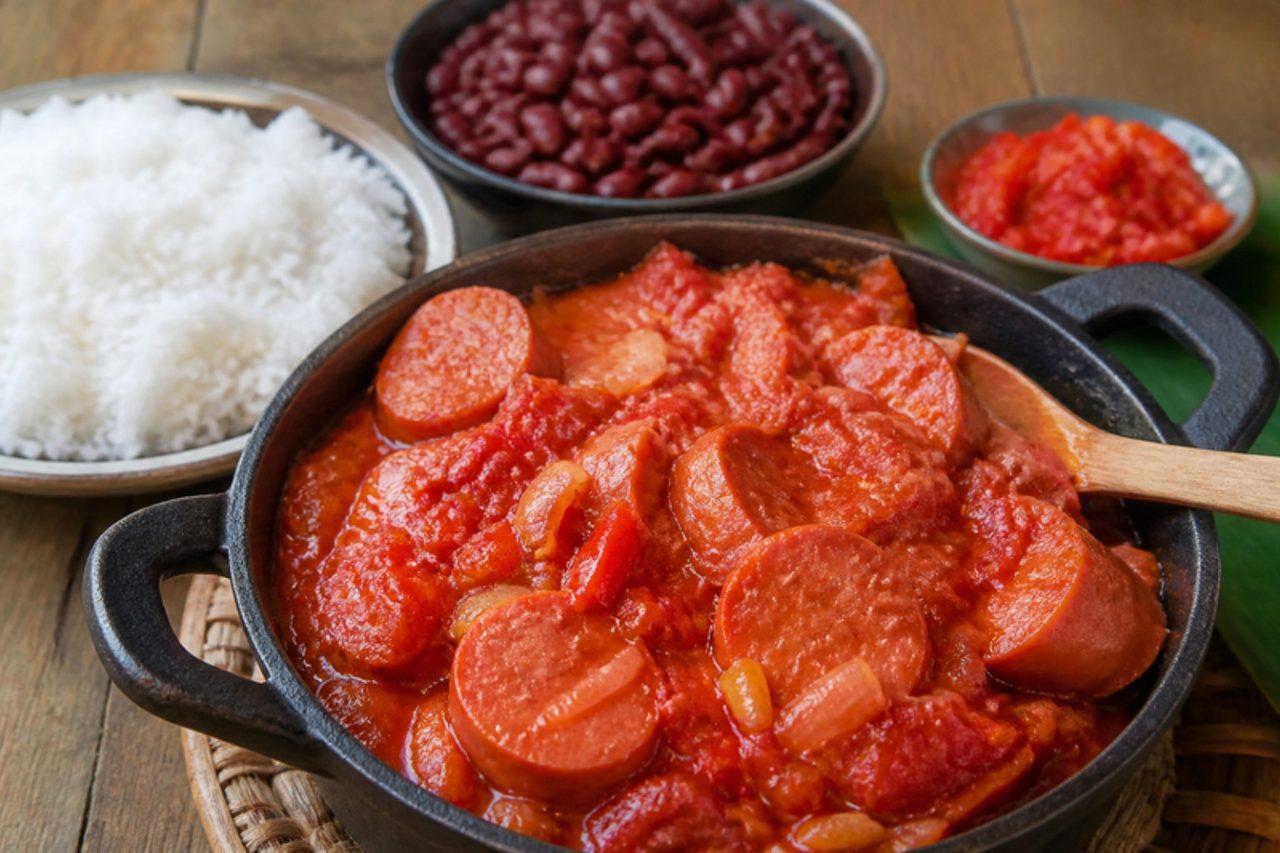
On Réunion Island, rougail saucisses is the everyday favourite cooked in a big cast-iron pot for family lunches, beach picnics and Sunday gatherings, and it is a pork dish built on smoked pork sausages. The sausages are blanched, browned, then simmered in a thick sauce of onions, ripe tomatoes, garlic, ginger, turmeric and fresh chilli until everything turns rich and slightly smoky. It is always served Creole-style with white rice and grains (red beans stewed with garlic and thyme) and, for those who like heat, a spoonful of fresh tomato-chilli rougail on the side. Chef's tip: blanch the sausages first; it removes excess salt and fat so the sauce tastes clean and bright.

85 minFrenchMeatSpicy
by KrazyBadal 0 views

FischbrötchenHerring roll with onion and gherkin

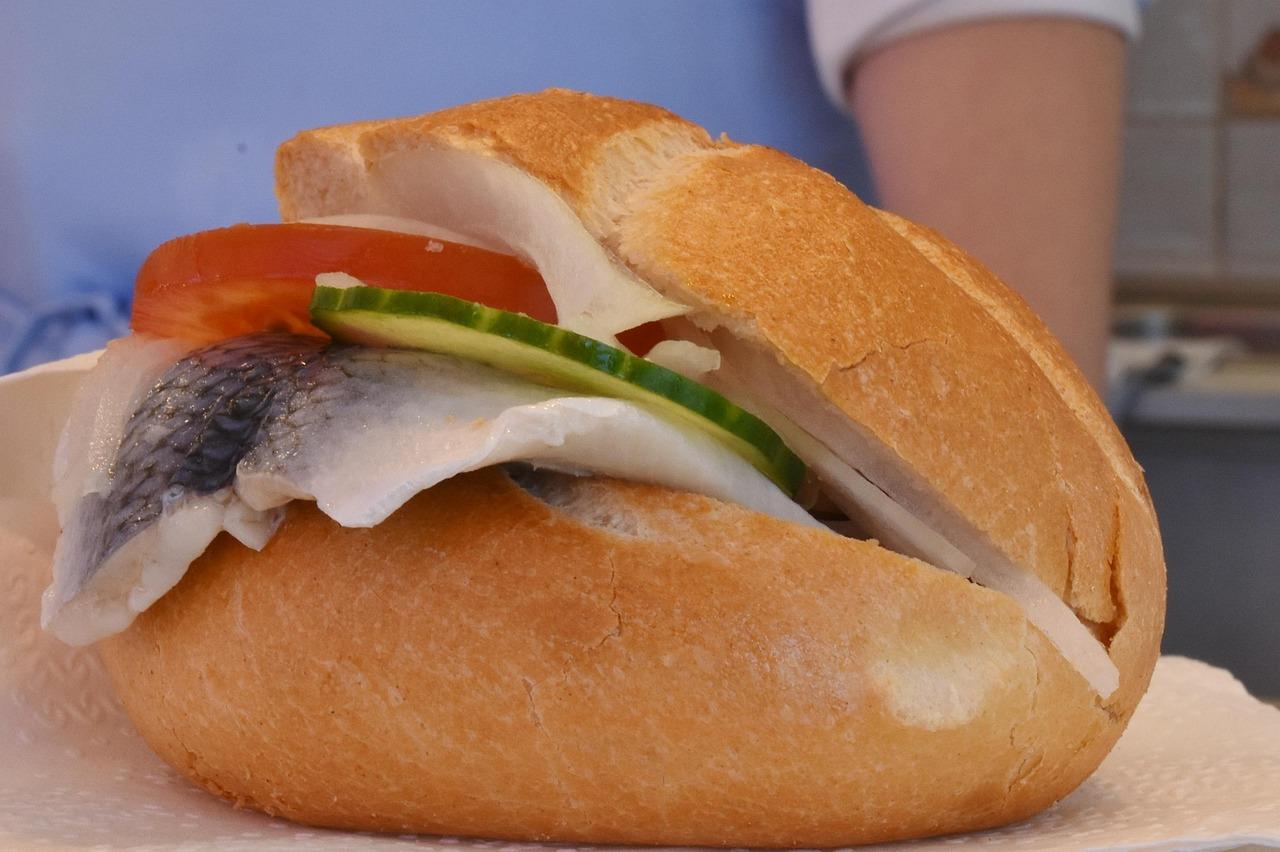
Fischbrötchen are what people eat standing up at the Landungsbrücken piers in Hamburg, on the Sunday fish market, or from a kiosk on the dyke at any North Sea harbour. A crusty white roll is filled with sharp marinated herring, raw onion rings, gherkin and a little crisp lettuce, and eaten in a few bites with the wind in your face. The herring is cured, not cooked, so use commercially prepared Bismarck-style marinated herring from the chilled counter, which has been frozen before curing as the law requires; it is not for pregnant women, young children or anyone with a weakened immune system. Chef's tip: slice the onion paper-thin and rinse it in cold water for a minute so it stays crunchy but stops shouting over the fish.

10 minGermanFish
by KrazyBadal 0 views

RubacãoRice with cowpeas and dried beef

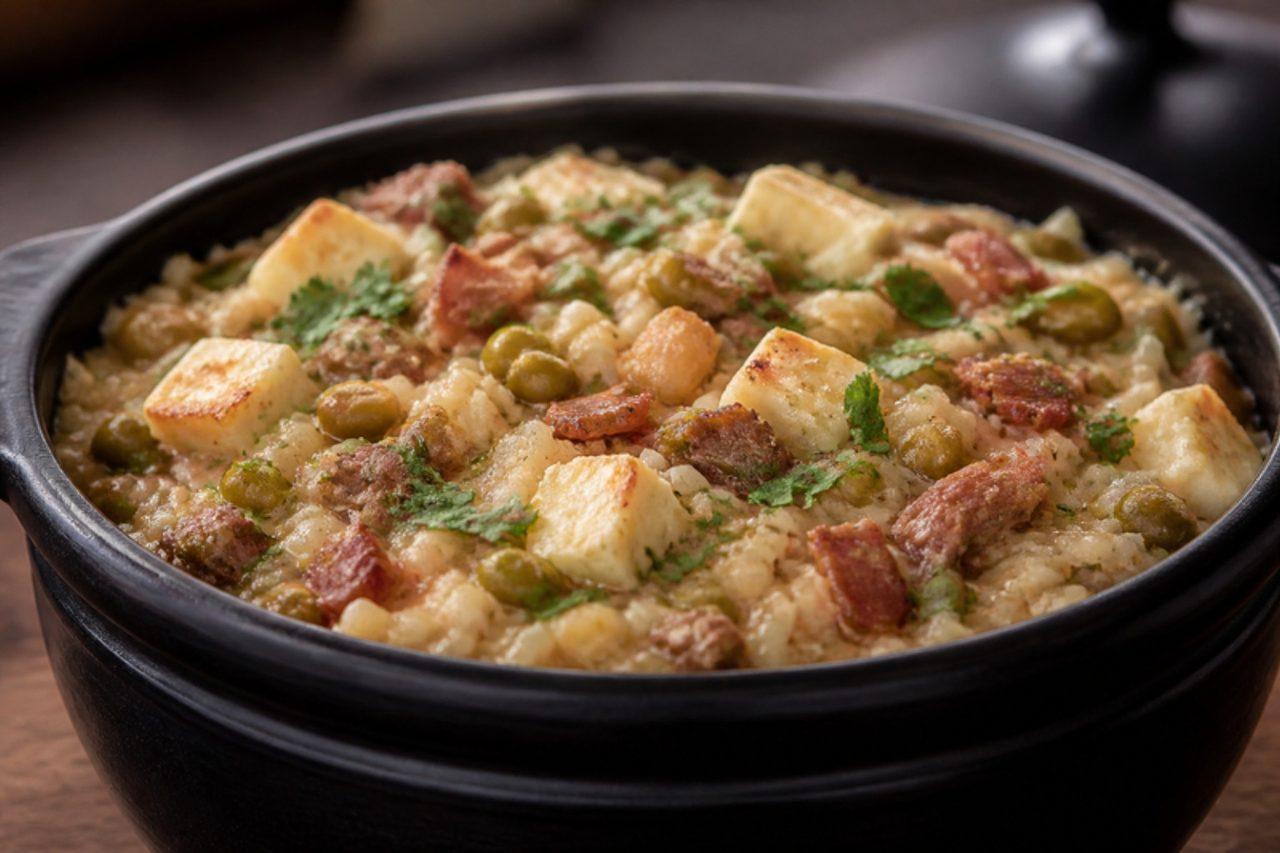
Paraíba's cousin of baião de dois, rubacão (also spelt rubação) is cooked for long family lunches in João Pessoa and Campina Grande, and it is a fixture of the São João season in June. Rice and freshly shelled green cowpeas (feijão verde) cook together with dried beef and smoky bacon, then coalho cheese and cream are folded through so the pot turns soft, creamy and stretchy, salty from the meat and sweet from the beans. Serve it on its own with a tomato salad and pepper sauce; it is a meal in one pot. If you use charque or carne seca, it needs soaking overnight in the fridge. The pitfall to avoid is adding the cheese while the pot is on the flame, which turns it rubbery; fold it in off the heat and let the steam soften it. Chef's tip: save the bean cooking water and use it to cook the rice; it gives the dish its earthy colour and flavour.

by KrazyBadal 0 views

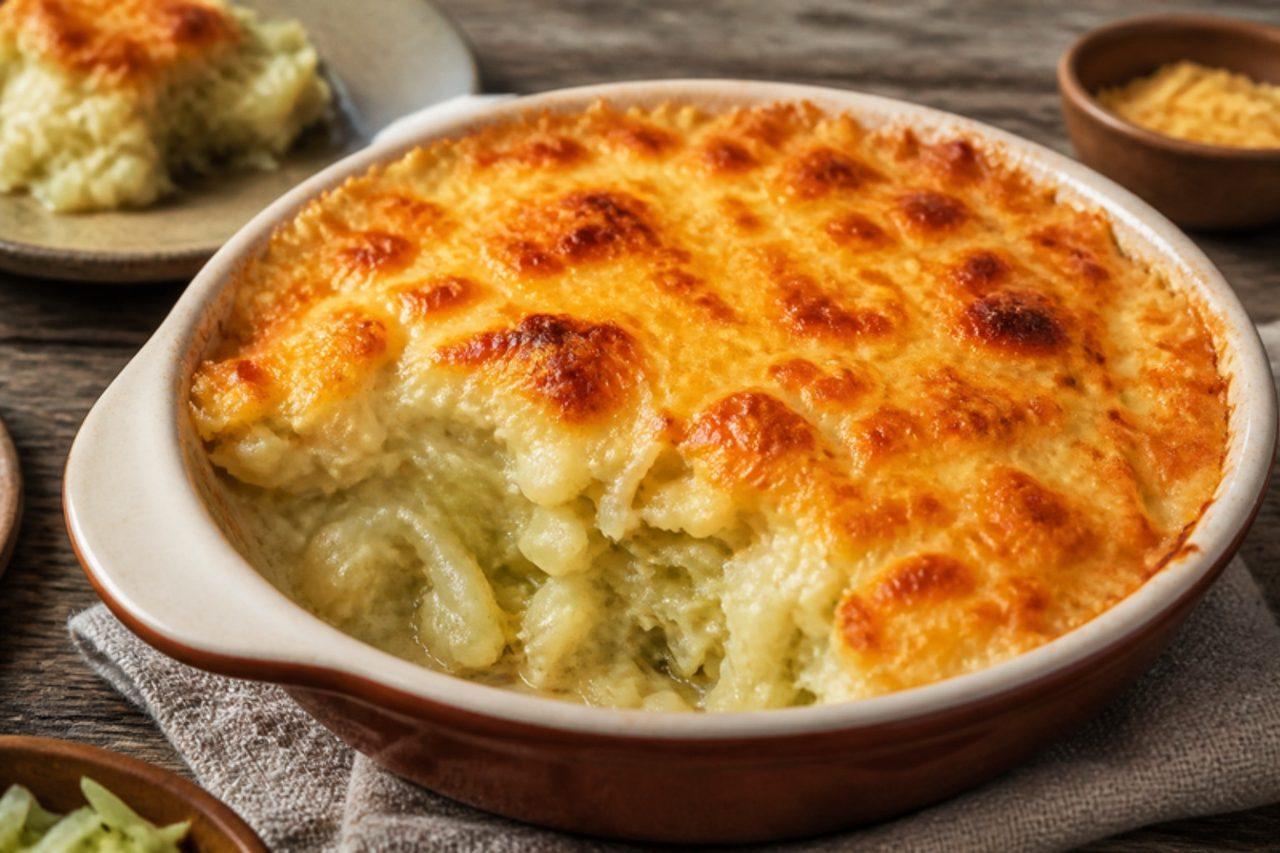
RumbledethumpsPotato, cabbage and onion bake

Rumbledethumps comes from the Scottish Borders, a thrifty supper of mashed potato, buttery cabbage and onion baked under a crust of cheddar, usually made with the Sunday roast leftovers on a Monday night. The name is said to come from the rumbling and thumping of the pans. Traditional cheddar is often made with animal rennet, so use a vegetarian cheddar if that matters to you. Chef's tip: cook the cabbage only until bright and just tender so it keeps some bite in the bake.

by KrazyBadal 0 views

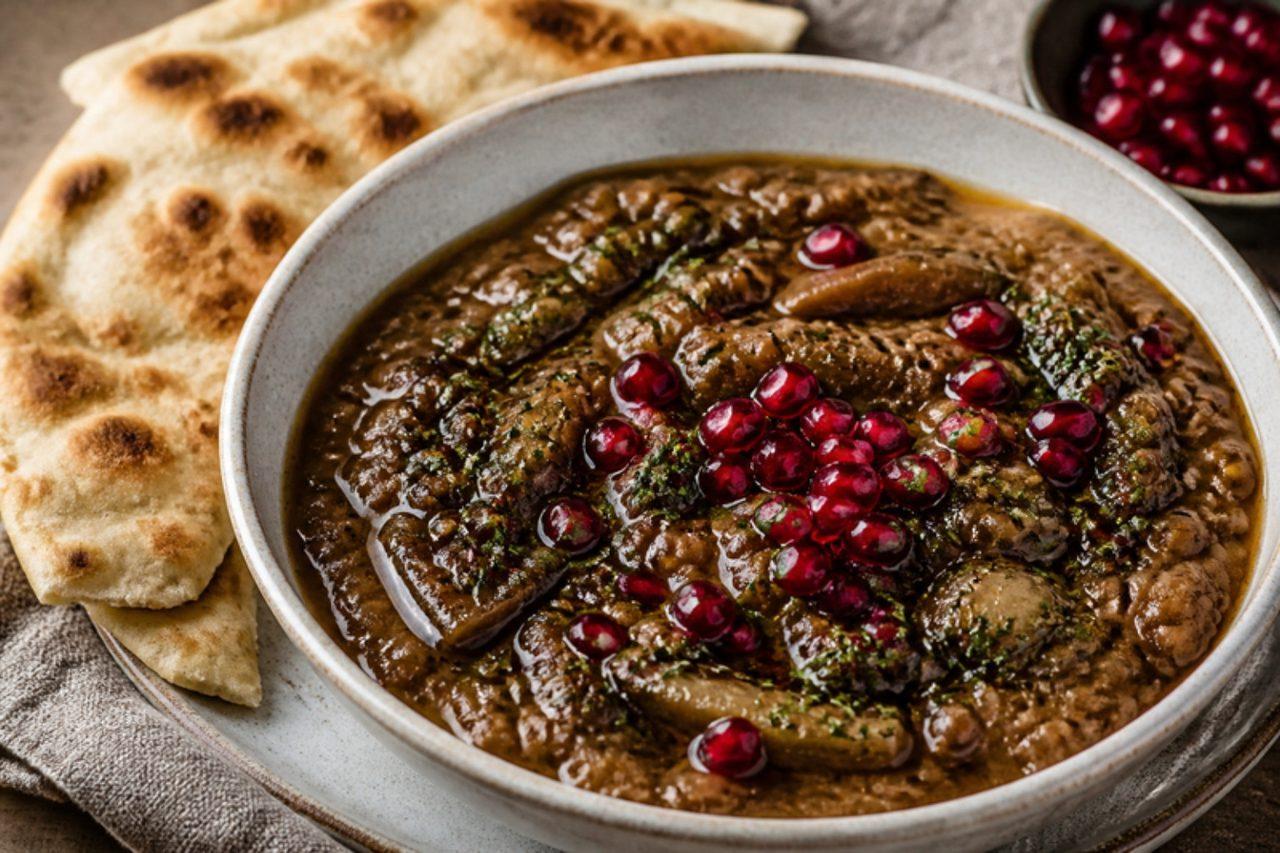
RummaniyehLentil and aubergine stew with pomegranate

Rummaniyeh, from rumman (pomegranate), is a Gazan autumn dish made when the pomegranates ripen: brown lentils and cubes of aubergine cooked to a thick, earthy stew, soured with pomegranate juice and molasses, enriched with tahini and finished with a sizzling oil of garlic, dill and chilli. It is eaten warm or at room temperature, scooped up with bread, and keeps well for days. Common mistake: adding the tahini over a high heat, where it seizes and turns grainy; stir it in off the boil. Chef's tip: fry the garlic and dill only until the garlic is pale gold; brown garlic tastes bitter against the sour fruit.

by KrazyBadal 0 views

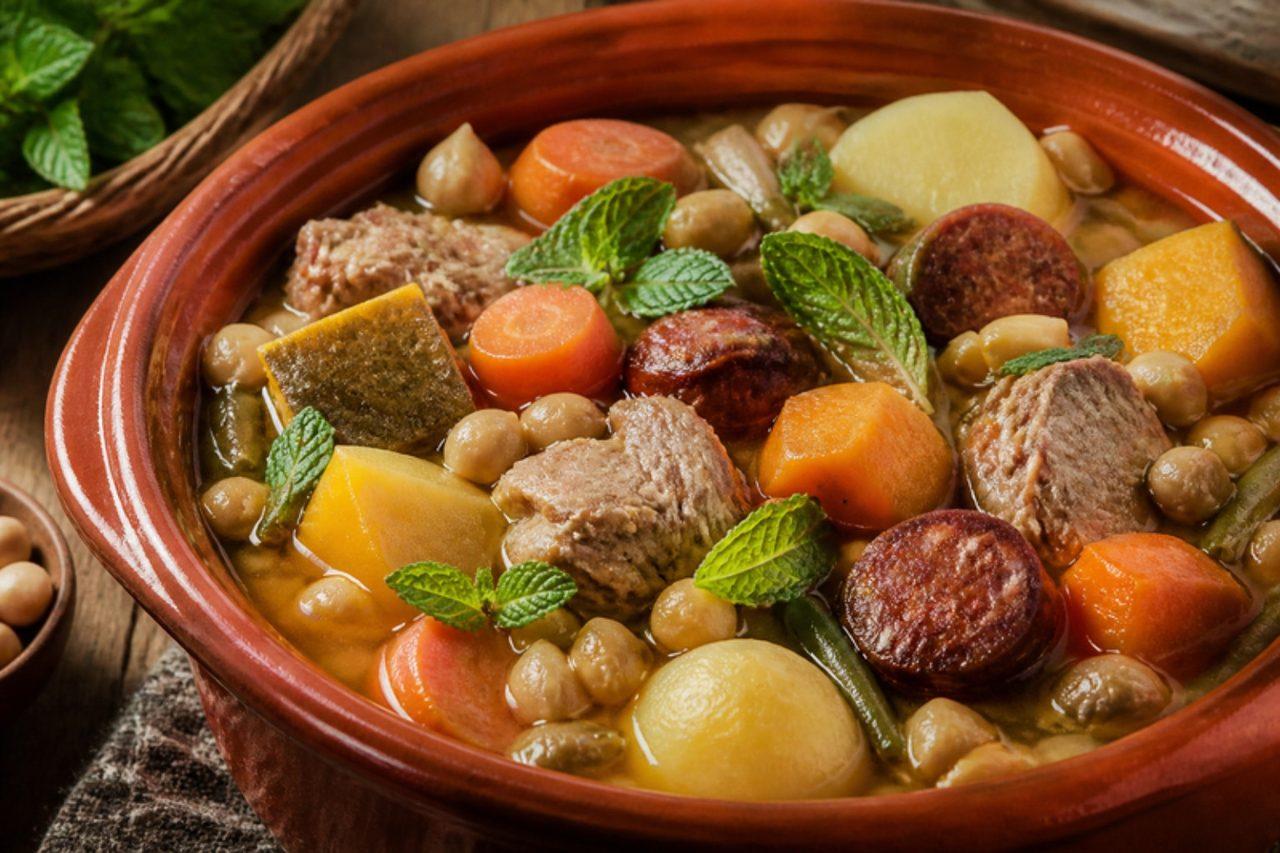
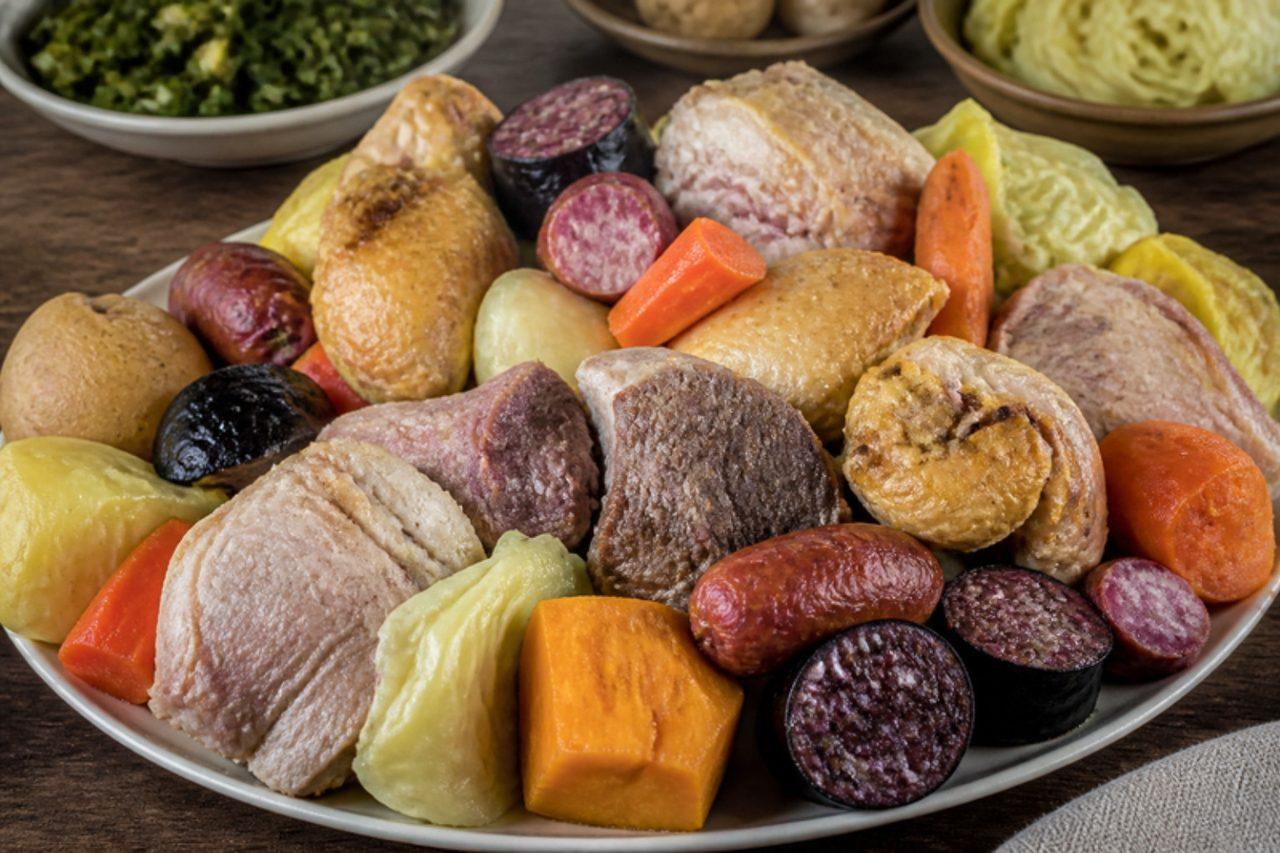
Cozido de grãoChickpea stew with pork and chouriço

Inland Alentejo makes its cozido with chickpeas instead of the cabbage-heavy versions of the north: a big pot of chickpeas, pork, chouriço and blood sausage, with potatoes, carrots, green beans and pumpkin all cooked together and finished with fresh mint. It is a winter Sunday lunch, and leftovers become soup the next day. This contains pork (pork belly, chouriço and morcela). Start the chickpeas the night before. A common mistake is adding the vegetables at the start; they go in near the end so they hold their shape. Chef's tip: keep the sausages whole while they simmer, then slice them, so they flavour the broth without falling apart.

by KrazyBadal 0 views

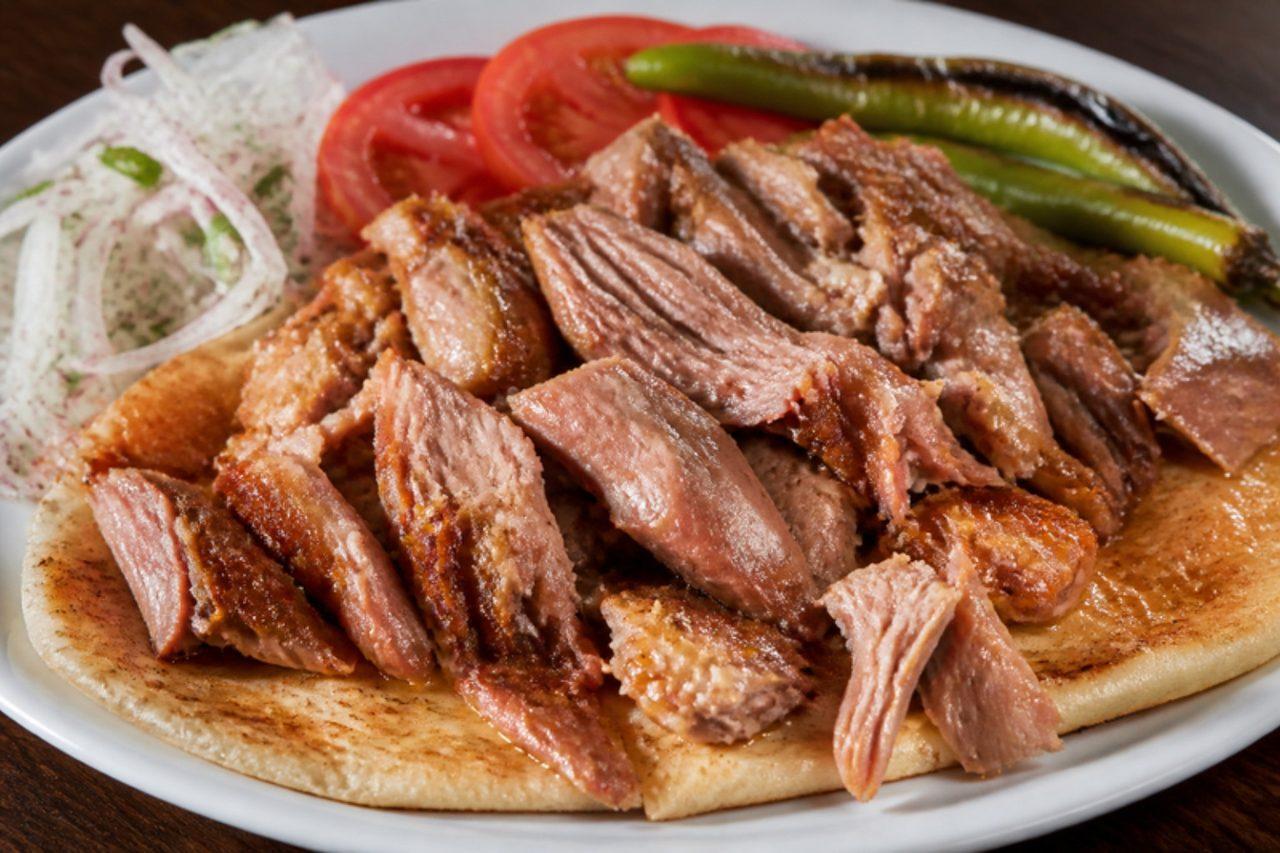
Fırın kebabıSlow-roasted lamb on bread

Konya's fırın kebabı comes from the city's old tandır ovens, where whole sides of lamb hung for hours until the meat collapsed and the fat crisped. Served on a sheet of thin pide with the cooking juices soaked in, a raw onion on the side and a jug of ayran, it is a Sunday treat and a wedding dish. A low home oven and a tightly covered tray give the same soft, juicy result. Common mistake: uncovering it too soon; the lamb needs steamy, sealed heat for hours before it gets its final browning. Chef's tip: rest the cooked lamb on the bread, not on a board; the bread drinks up every drop of juice.

255 minTurkishMeat
by KrazyBadal 0 views

Cozido das FurnasSlow-cooked meat and vegetable pot

In Furnas, on São Miguel, cooks lower tall pots of meat and vegetables into holes in the hot volcanic ground by the lake at dawn, cover them with earth and dig them up at lunchtime six hours later. The steam cooks everything gently in its own juices, so the meats are falling apart and the cabbage tastes of smoked sausage. A low oven gives a very similar result at home. This contains pork (belly, chouriço and blood sausage). Chef's tip: seal the pot tightly with foil under the lid; the dish relies on steam, not added water.

by KrazyBadal 0 views

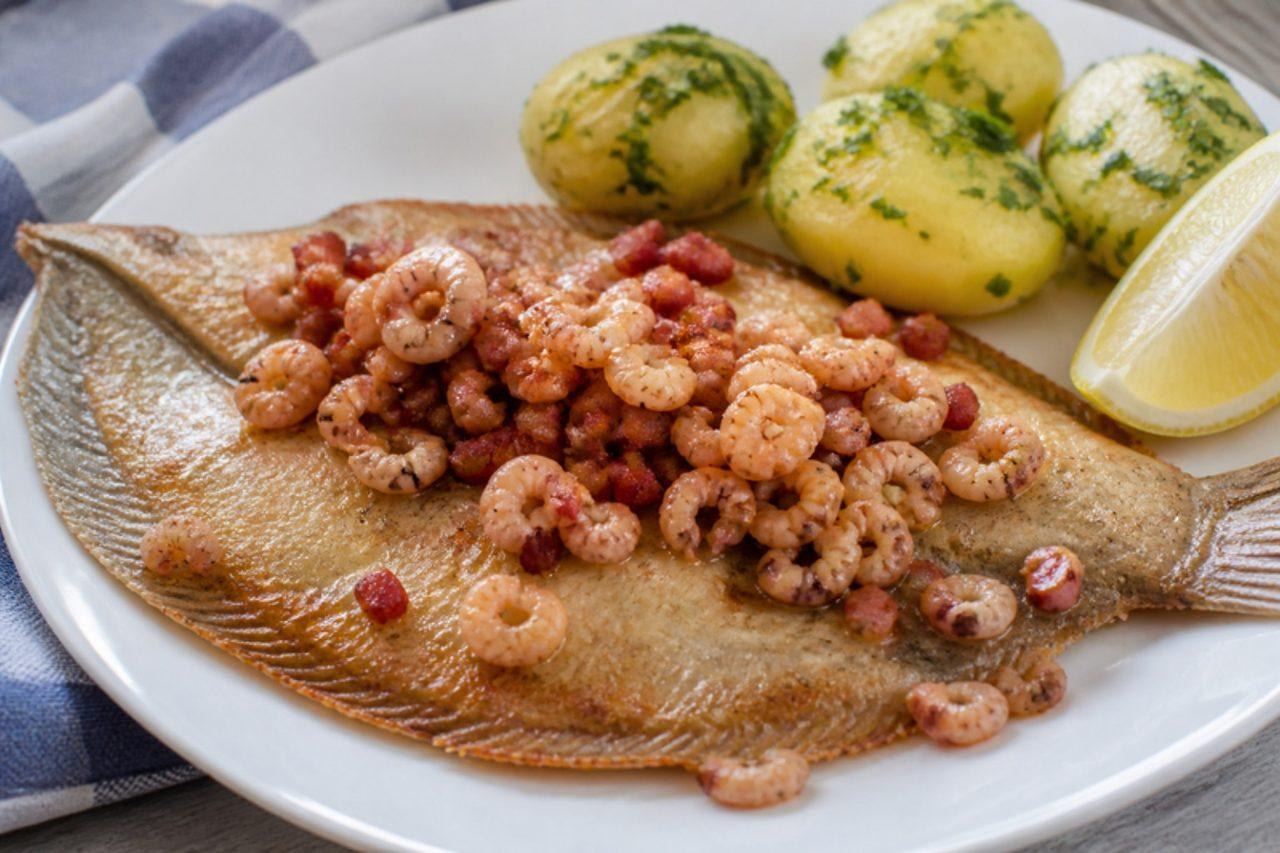
Finkenwerder ScholleFried plaice with bacon and shrimps

Finkenwerder was a fishing village on an Elbe island, and the way its fishermen cooked plaice is now Hamburg's signature fish dish, eaten from May to autumn when plaice is plump. A whole fish is dusted and fried in butter, then covered with crisp cubes of smoked pork belly bacon and a handful of tiny brown North Sea shrimps warmed in the same pan, and served with parsley potatoes and cucumber salad. The bacon is pork; leave it out and add capers for a pork-free plate. Chef's tip: score the dark skin side lightly twice so the fish stays flat in the pan and cooks evenly to the bone.

40 minGermanFishGluten free
by KrazyBadal 0 views

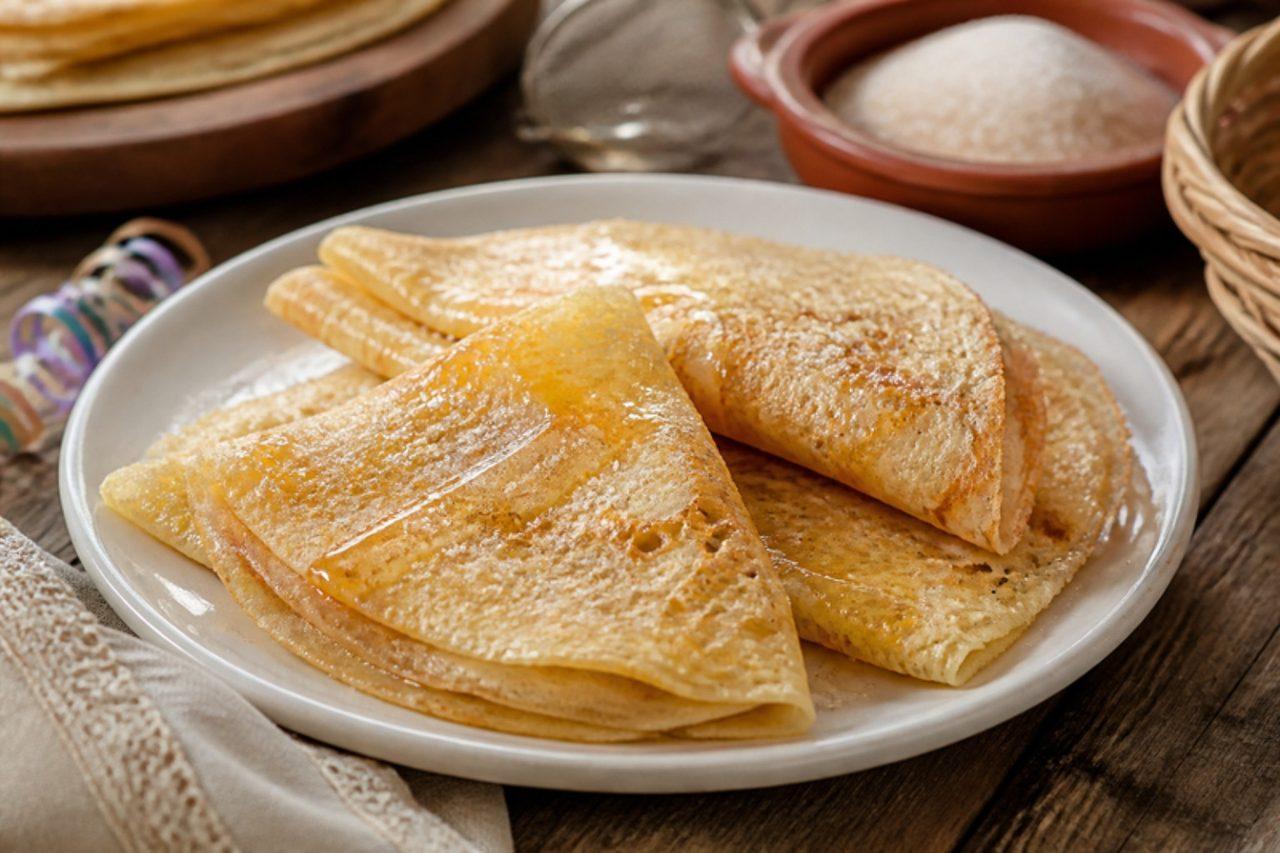
FilloasThin Galician crêpes

When Entroido, the Galician carnival, comes round in February, kitchens in Lugo and Ourense fill with stacks of filloas, paper-thin pancakes cooked on a hot iron pan. In the countryside the pan was greased with a piece of pork fat and some villages still make a version with pig's blood at slaughter time; this sweet version uses butter and is vegetarian. They are rolled or folded and eaten with sugar, honey or a spoon of cream. A common mistake is a batter that is too thick: it should be as thin as single cream, so it runs across the pan in a lacy sheet. Chef's tip: rest the batter in the fridge for at least 30 minutes so the flour relaxes and the filloas don't tear.

by KrazyBadal 0 views

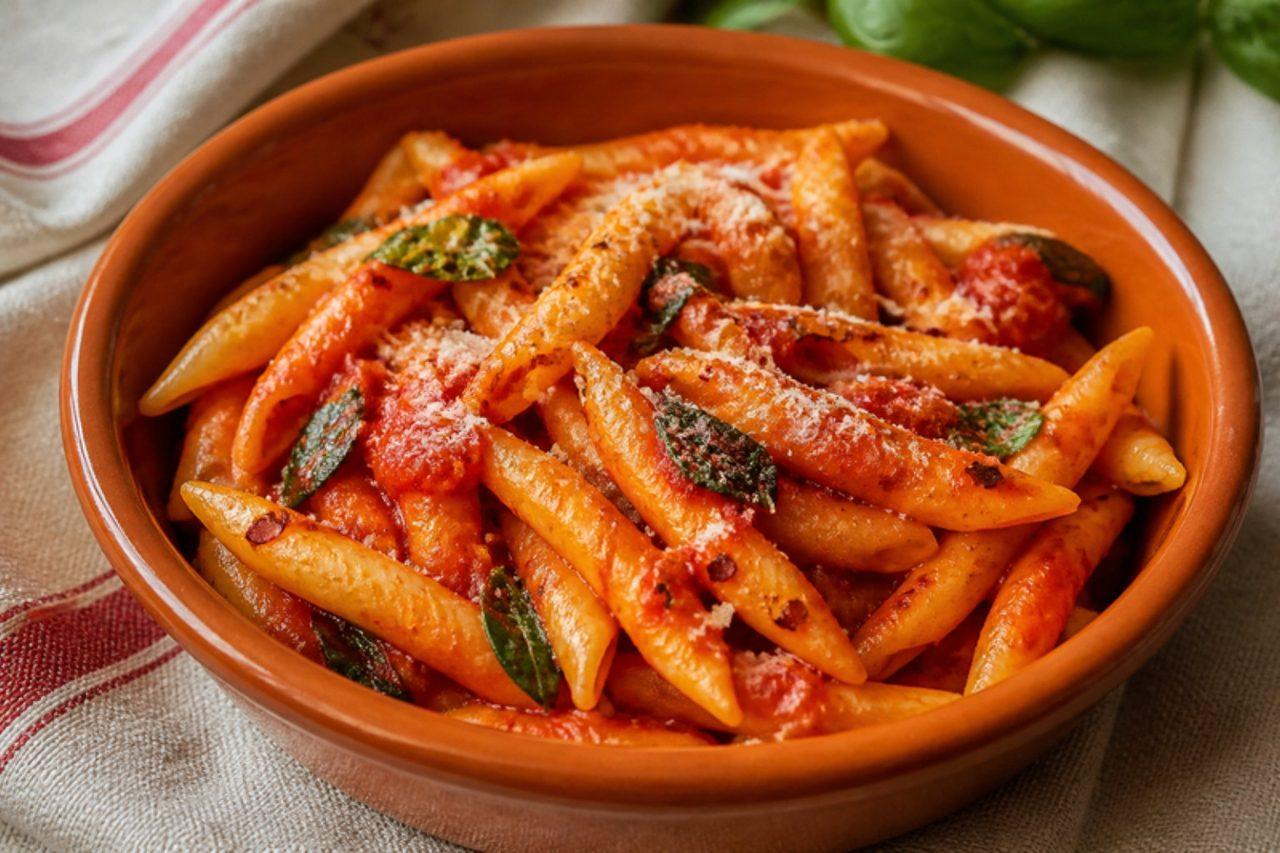
Fileja al pomodoro piccanteTwisted pasta in spicy tomato sauce

Around Vibo Valentia, on Calabria's Tyrrhenian side, fileja are still rolled by hand around a thin iron rod or knitting needle, which leaves a long, hollow twist that traps sauce inside and out. Nonne make trays of them for Sunday lunch and village sagre, and the classic dressing is a slow tomato sauce sharpened with Calabrian chilli and sweet red onion from nearby Tropea. Many local cooks melt a spoonful of 'nduja into the pan; this version keeps it vegetarian and lets the chilli carry the heat. Chef's tip: dust the needle with semolina, not flour, and twirl with the flat of your palm so each piece slides off cleanly.

by KrazyBadal 0 views

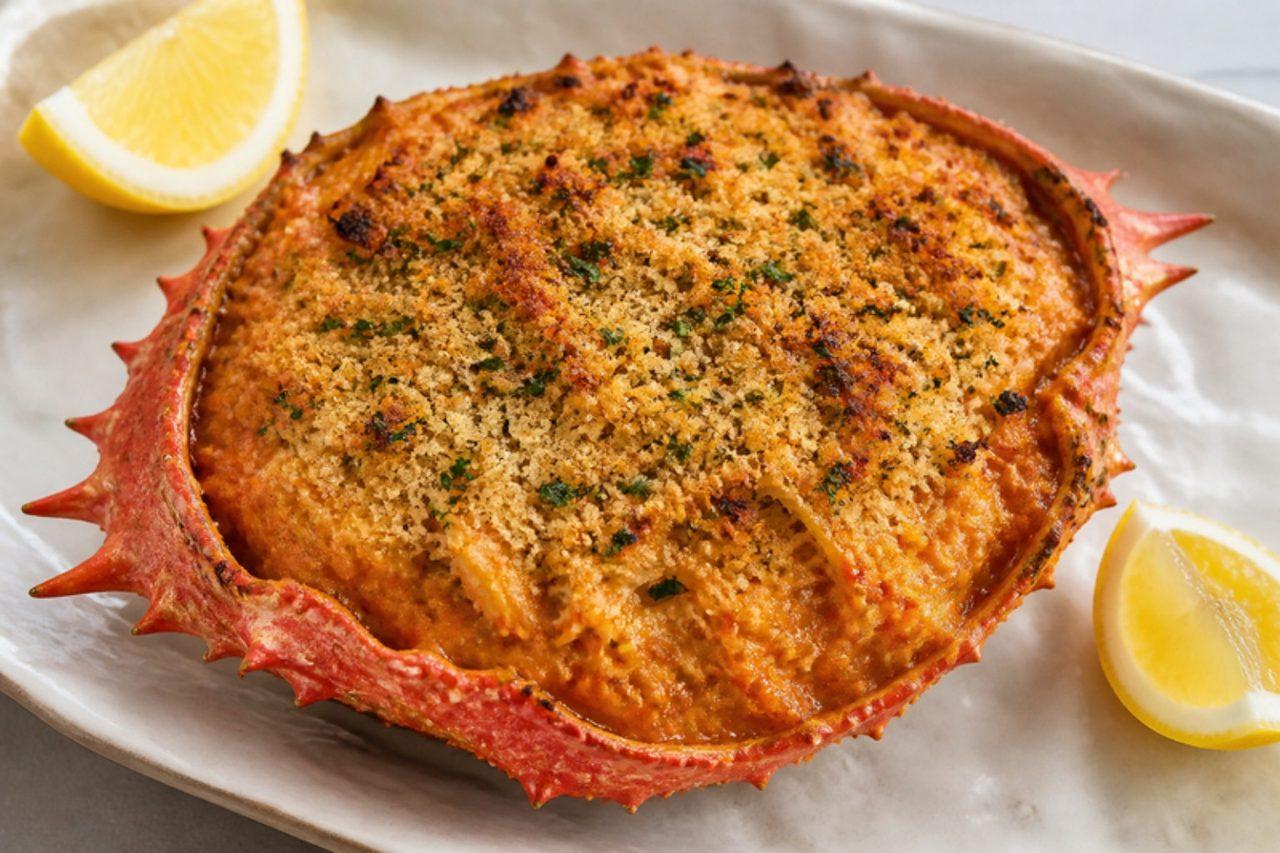
Txangurro a la donostiarraBaked spider crab

In San Sebastián the spider crab (txangurro) is a winter treat, at its best from November to April, and the old bars of the Parte Vieja serve it bubbling hot in the shell. The picked crab meat is mixed with a slow sofrito of onion, leek, carrot and tomato, often splashed with brandy, then topped with breadcrumbs and butter and browned. This recipe uses brandy; leave it out or use the same amount of crab cooking water for an alcohol-free version. A common mistake is a wet filling that boils under the crumbs; cook the sofrito down until thick. Chef's tip: use a cooked crab from the fishmonger on the day you buy it, and scrub the shell well if you plan to serve in it.

by KrazyBadal 0 views

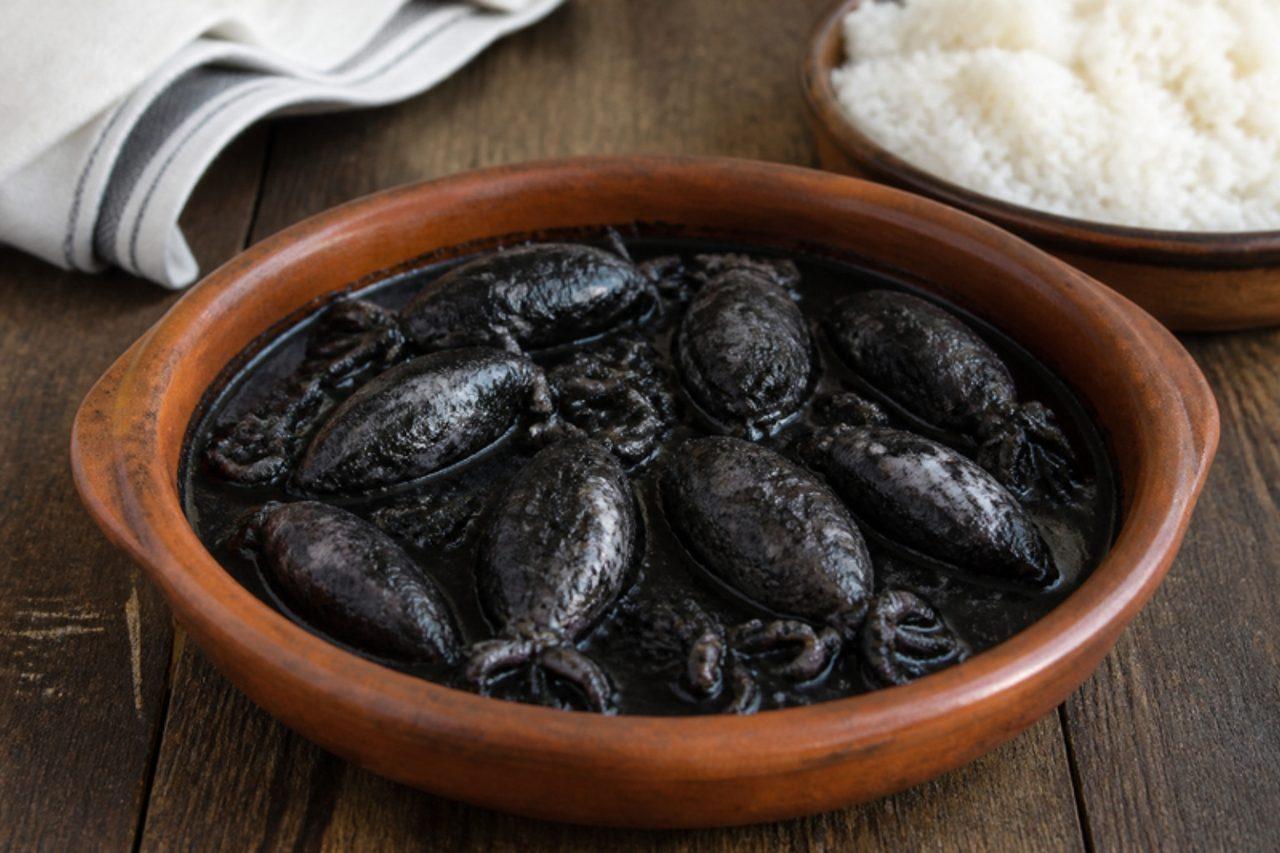
Txipirones en su tintaBaby squid in ink sauce

Along the Basque coast from Getaria to Hondarribia, little squid caught on hand lines in late summer are stuffed with their own tentacles and stewed in a sauce made inky black with their ink. In bars and homes it is served with plain white rice or fried bread to soak up the sauce. Cleaning the squid takes a little patience, but the stew itself is simple. A common mistake is browning the onions: they should stay soft and sweet, or the sauce tastes harsh. Chef's tip: buy extra ink sachets from the fishmonger, as the ink in small squid is rarely enough for a deep colour.

by KrazyBadal 0 views

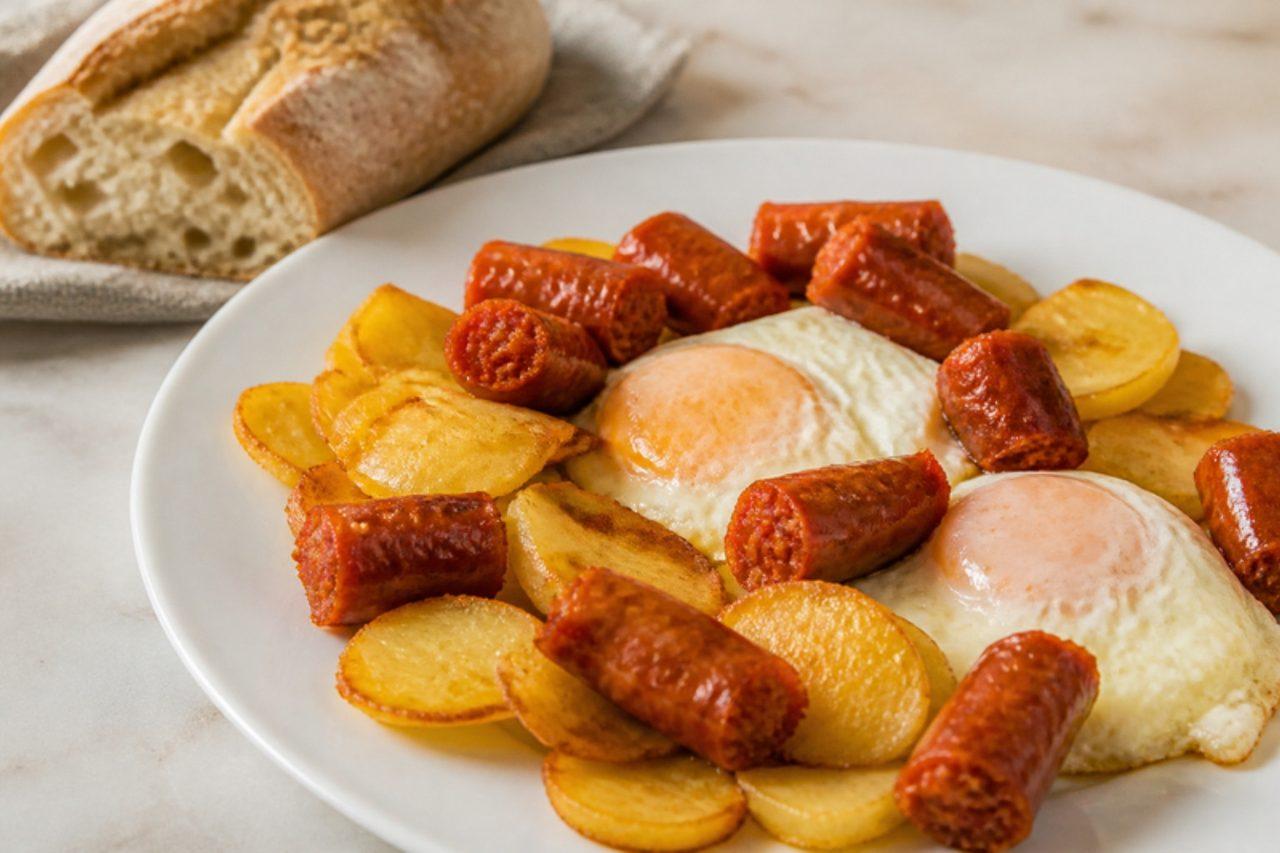
Txistorra con huevos fritos y patatasSausage with chips and fried eggs

Txistorra is a long, thin, bright red fresh sausage from Navarre and the Basque Country, made from pork seasoned with garlic and sweet paprika. During San Fermín in July, Pamplona eats it at all hours: after the morning bull run it turns up on a plate with fried eggs and chips, a breakfast that could feed a farmhand. This contains pork (txistorra). Chef's tip: fry the txistorra without extra oil, since it gives up its own orange fat, and use that fat to baste the eggs.

by KrazyBadal 0 views

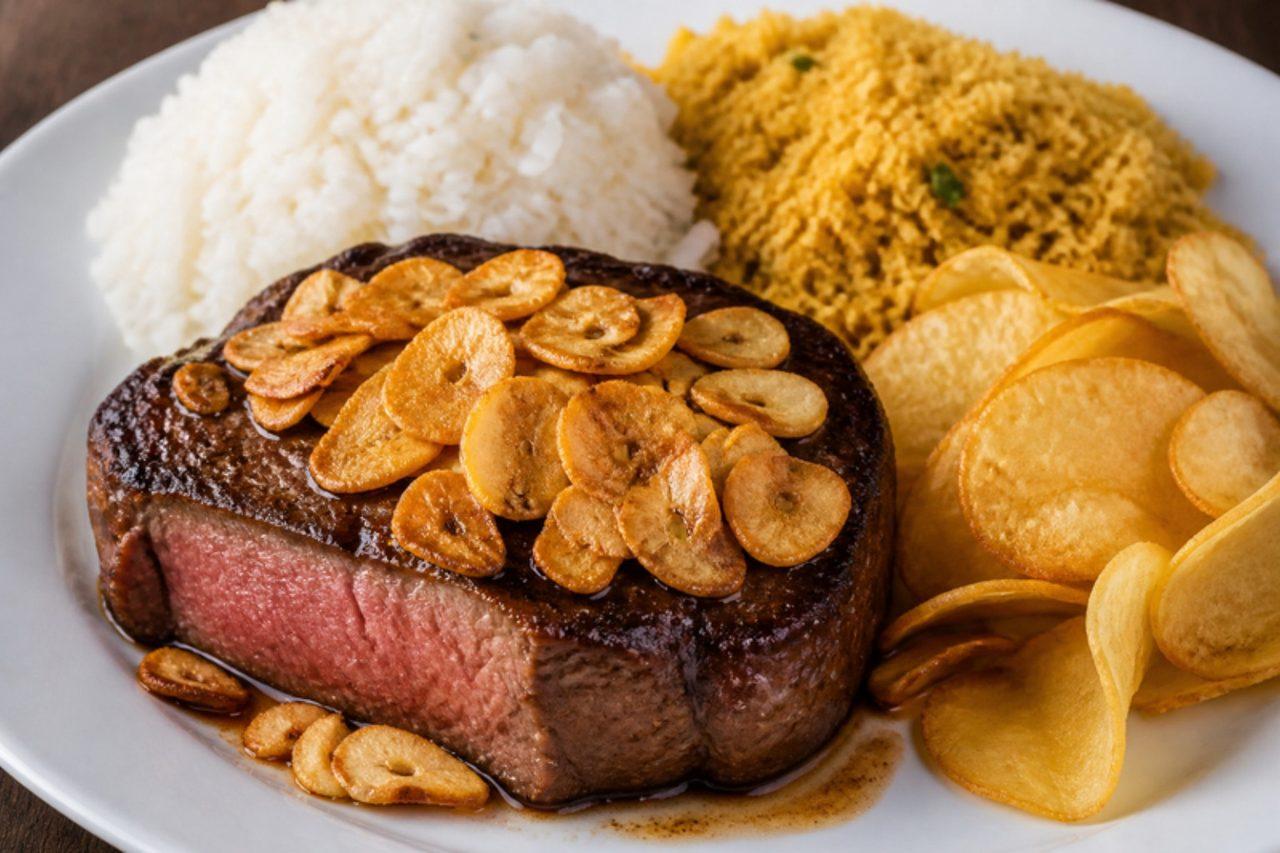
Filé à Oswaldo AranhaBeef fillet with fried garlic

Rio de Janeiro's old-school restaurants, the ones with white-jacketed waiters in Flamengo and Centro, have served this plate since the 1930s, named after the statesman who supposedly ordered it every day. It is simple and generous: a thick fillet steak, seared hard and buried under a pile of golden fried garlic, with white rice, buttery farofa and a heap of crisp potato straws. The garlic is sweet and nutty, the steak juicy, and the farofa soaks up the juices. Cook the steak to your liking; whole beef steaks are safe pink in the middle, but take them further if you prefer. The biggest mistake is frying the garlic too hot, which turns it bitter in seconds; it should go slowly from pale to light gold. Chef's tip: take the garlic out of the oil when it is only just golden, as it keeps darkening on the paper.

by KrazyBadal 0 views

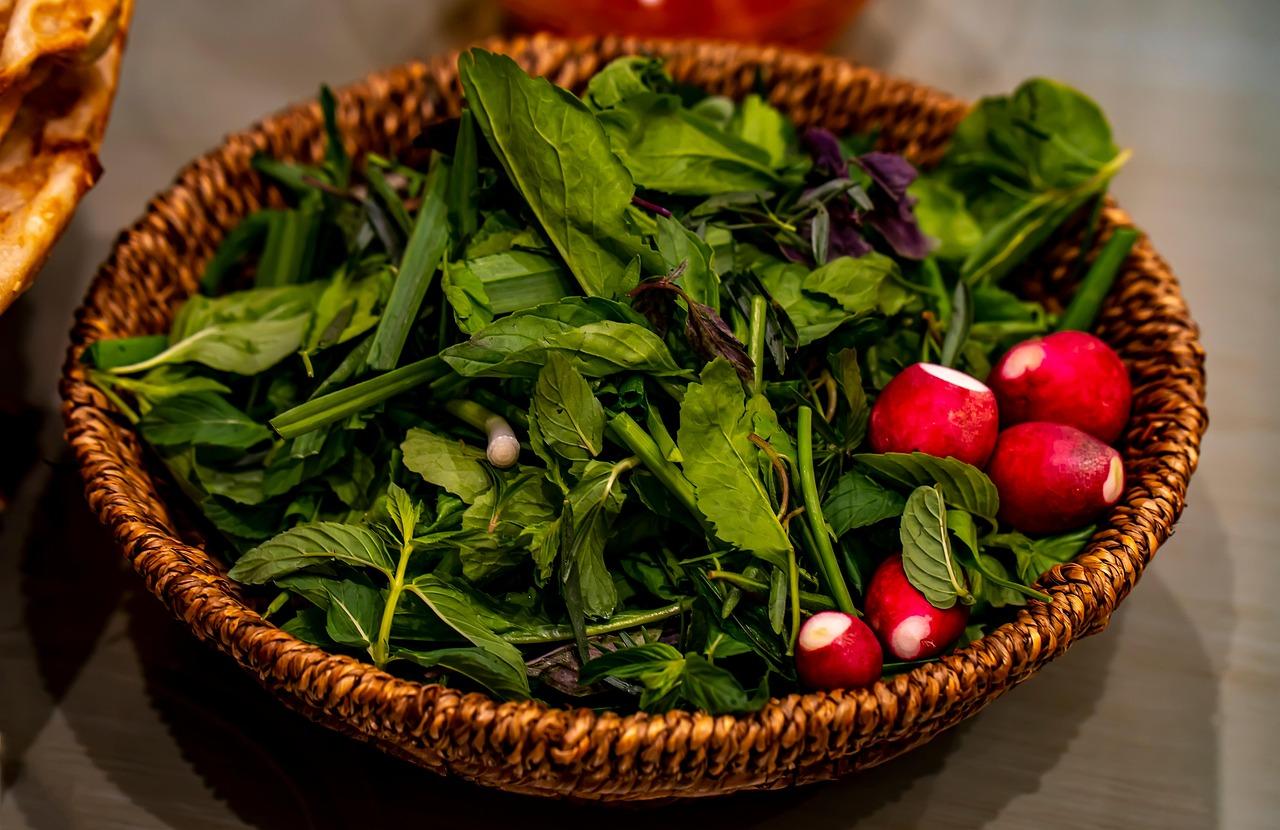
Sabzi khordanFresh herb and cheese platter

No Tehran dinner table is complete without sabzi khordan, literally 'herbs for eating': a basket or plate of whole sprigs of basil, mint, tarragon, chives and coriander with radishes, spring onions, walnuts and a block of white cheese. People tear off bread, add a little cheese and a walnut, then stuff in a few leaves, eating between mouthfuls of stew or rice. The mistake most people make is serving the herbs wet or limp; they should be crisp, dry and cold. Traditional Iranian white cheese is set with animal rennet, so choose a feta labelled vegetarian (microbial rennet) if that matters to you. Chef's tip: wash the herbs an hour ahead, spin them dry and chill them wrapped in a damp tea towel so they stay perky on the table.

by KrazyBadal 0 views

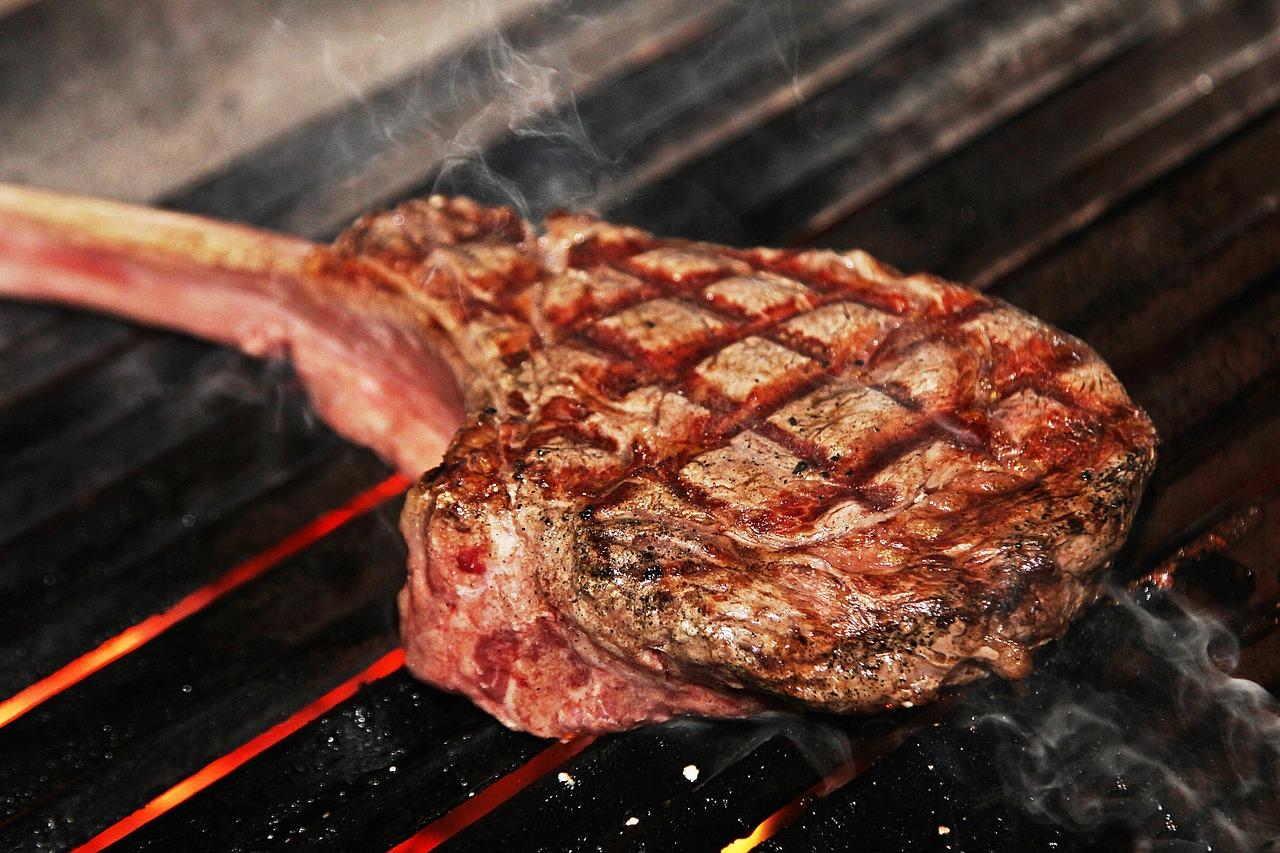
TxuletaGrilled aged rib steak

In the cider houses of Astigarraga and Hernani, the January-to-April season ends every meal with a txuleta: a huge bone-in rib steak from an older cow, aged for weeks, seared over oak coals and sliced at the table. It is eaten very pink inside with plenty of coarse salt and a plate of fried green peppers. A rare whole steak is generally safe when the outside is well seared, because bacteria sit on the surface, but for pregnant women, young children or anyone with a weakened immune system, cook it to at least 63 °C in the centre. A common mistake is cooking a fridge-cold steak, which burns outside before the middle warms. Chef's tip: salt only once the first side is seared, so the surface stays dry and crusts well.

by KrazyBadal 0 views

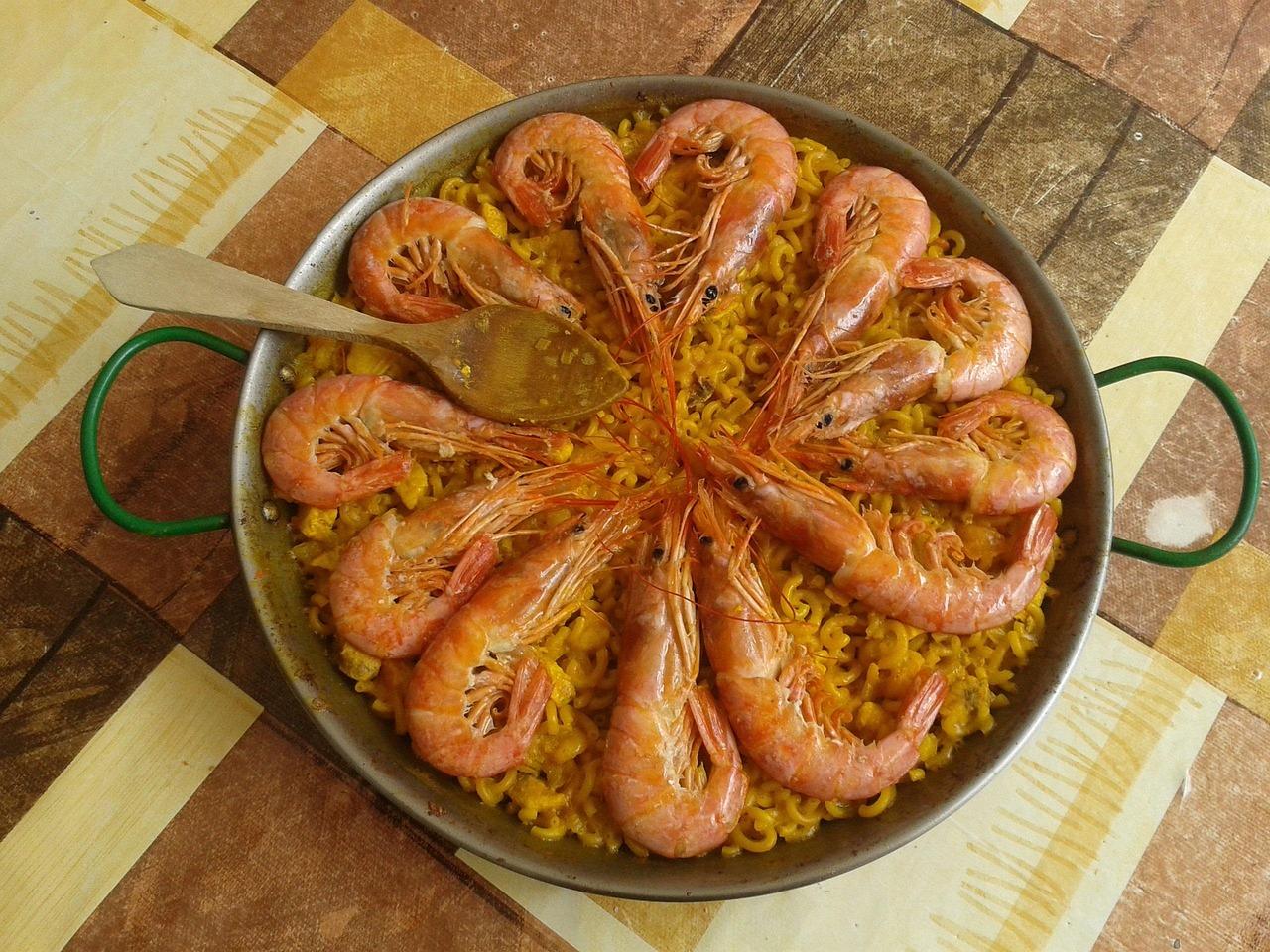
FideuàSeafood noodle paella

Gandia, on the coast south of Valencia, claims fideuà as its own and holds a contest for it every summer: a paella pan of short, thin noodles toasted in oil and cooked in a deep seafood stock with monkfish, squid and prawns until the liquid has gone and the tips of the noodles curl upwards. It is served straight from the pan with a bowl of allioli to stir in. A common mistake is stirring once the stock is in; the noodles release starch and turn sticky instead of separate and slightly crisp. Use a well-flavoured fish stock, as it is the backbone of the dish. Chef's tip: finish the pan for a few minutes under a hot grill, the trick that makes the noodles stand up like little hooks.

by KrazyBadal 0 views

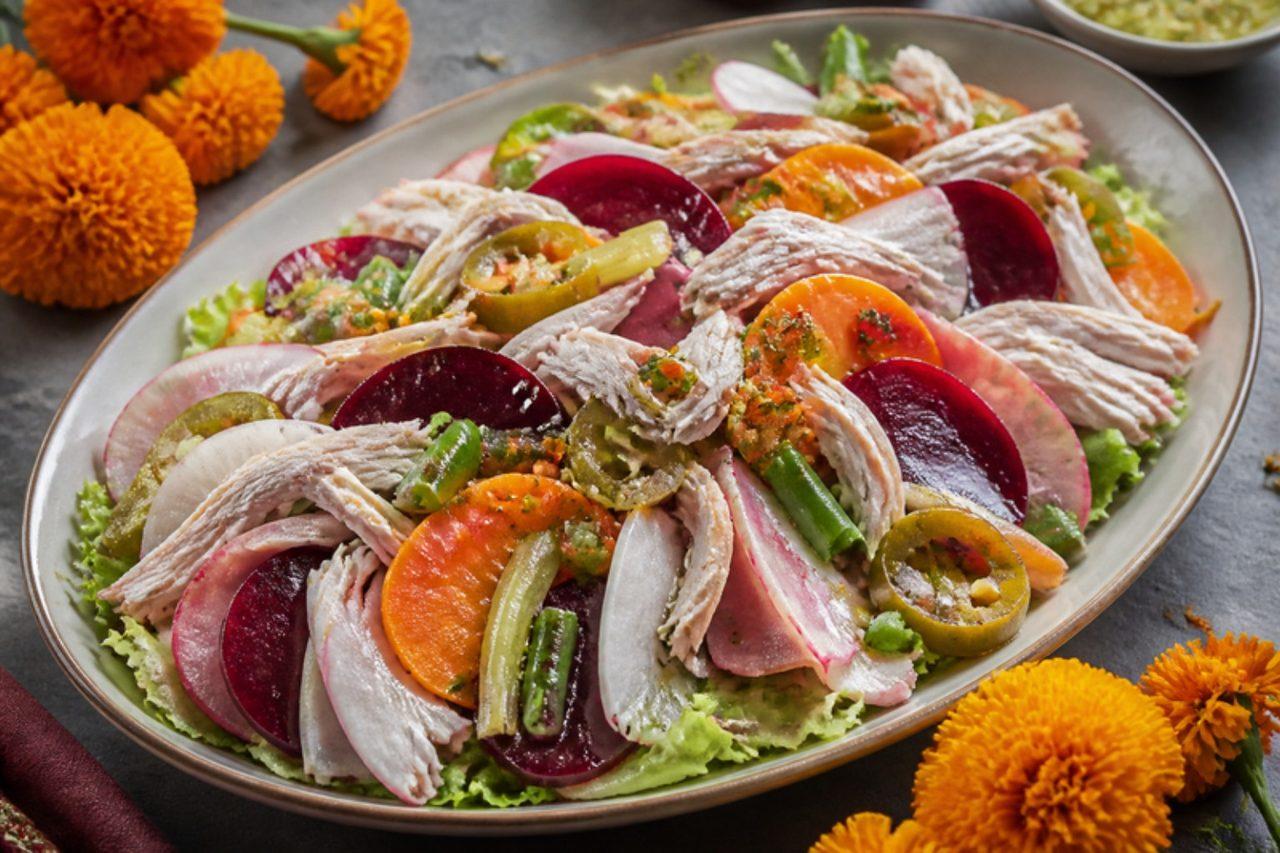
Fiambre de San MiguelCold pickled meat and fruit salad

In San Miguel de Allende, families make fiambre for All Saints' and the Day of the Dead at the start of November, setting it on the table and the home altar alongside bread of the dead. It is a cold, colourful platter of vinegar-dressed vegetables, beetroot, jícama, orange, apple and banana, with cooked chicken and pork, sharp, sweet and crunchy at once. Pickled pig's trotters are the traditional meat; this version makes them optional and uses cooked pork tongue or good ham with poached chicken, so it is still a pork dish. Serve well chilled with bread or tostadas. Chef's tip: dress the sturdy vegetables and meats hours ahead, but add the lettuce, banana and avocado just before serving so they stay fresh.

by KrazyBadal 0 views

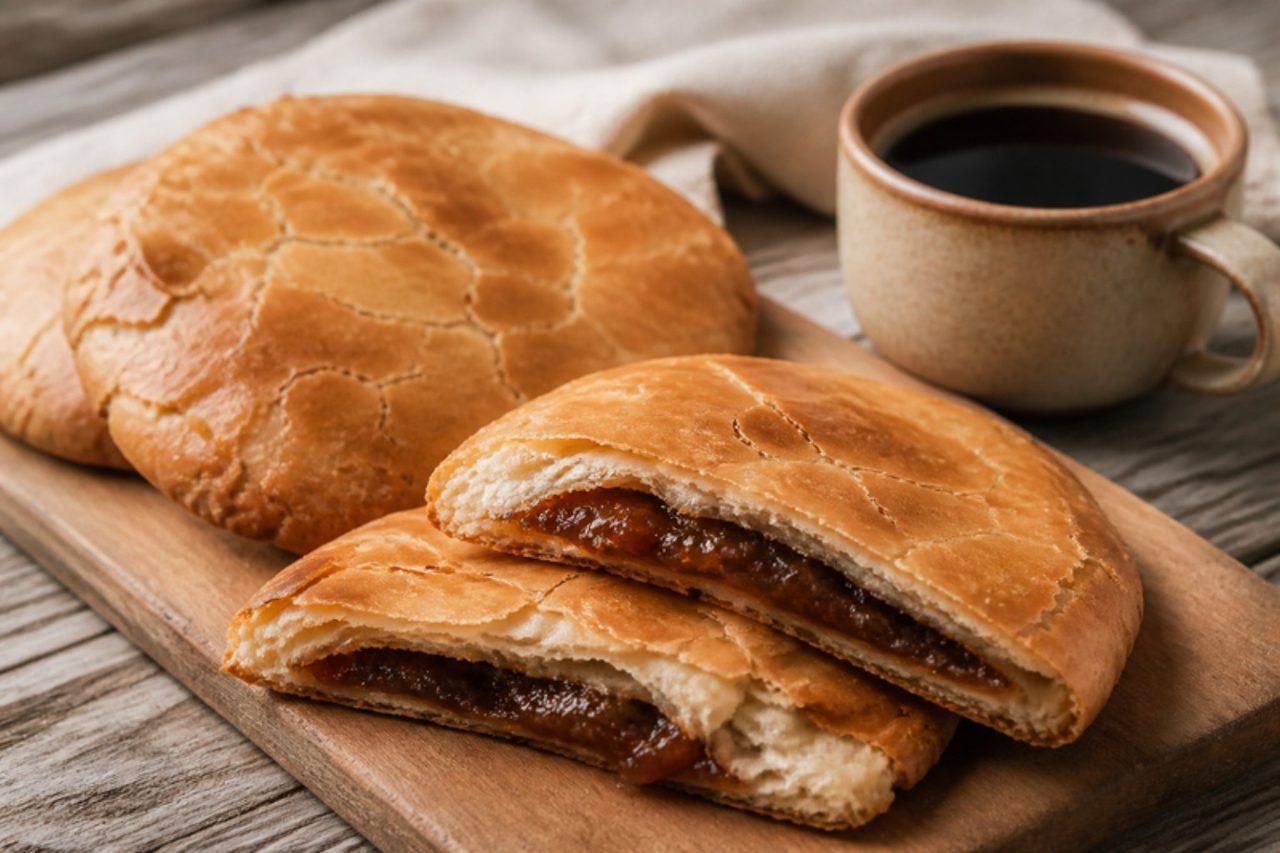
CoyotasPiloncillo-filled turnovers

Coyotas were first baked in the Villa de Seris neighbourhood of Hermosillo, and today Sonorans buy them by the dozen in paper bags to eat with morning coffee or take as a gift when they travel. They are flat, round, pale pastries with a crisp, crumbly crust and a thin layer of molten piloncillo inside, like a giant cookie with a toffee middle. Some bakers add guava or cajeta, but brown sugar loaf is the classic. Chef's tip: pinch the edges firmly and prick the tops; otherwise the hot sugar bubbles out and burns on the tray.

by KrazyBadal 0 views

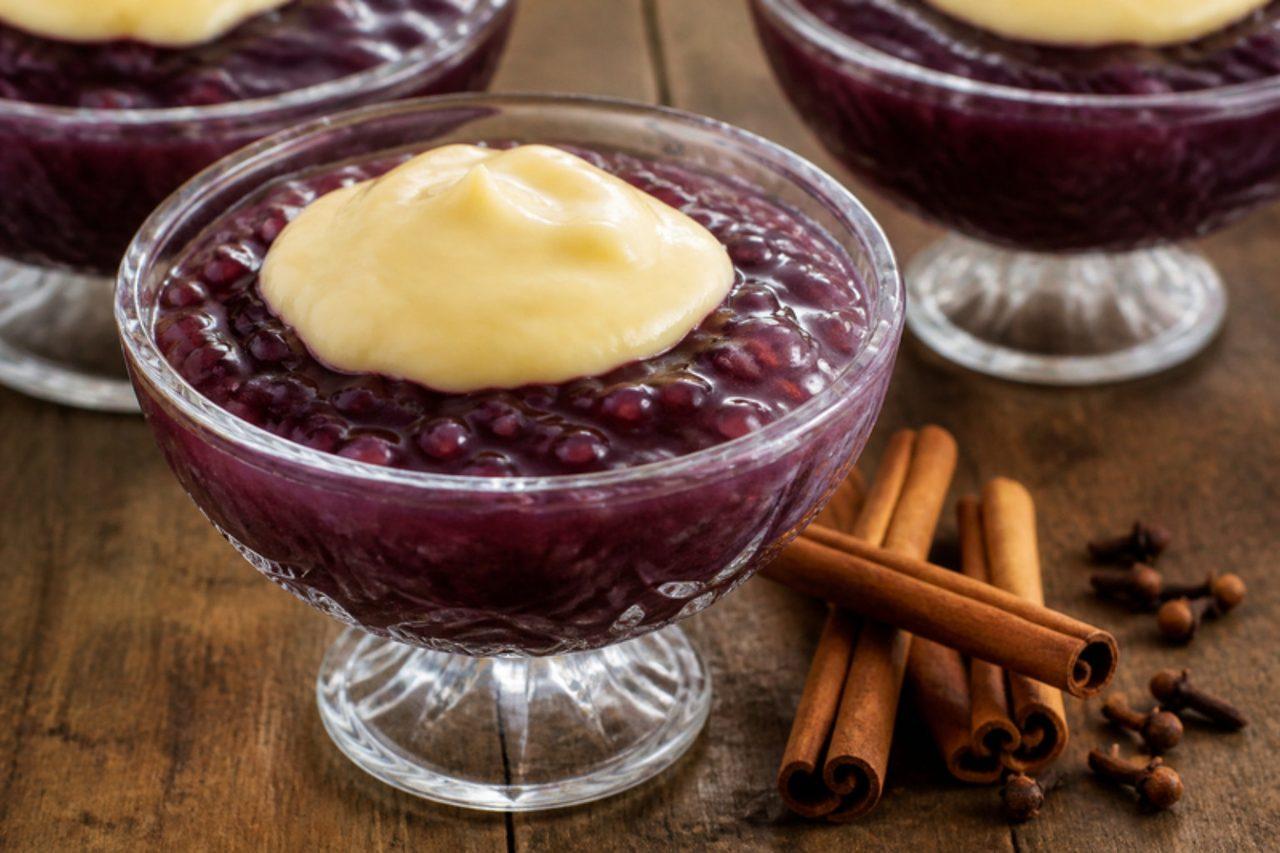
Sagu de vinhoTapioca pearls in red wine

Glossy, wine-dark and wobbling with little translucent pearls, sagu is the dessert of the serra gaúcha, the Italian-settled wine country around Caxias do Sul and Bento Gonçalves, where it ends Sunday lunch at family tables and galeteria buffets. Tapioca pearls are cooked until clear, then simmered in red wine with sugar, cloves and cinnamon so they soak up the colour and spice. Locally it comes with a spoon of vanilla custard on top. The dish contains red wine, and simmering does not remove all the alcohol; for an alcohol-free version, use red grape juice and cut the sugar by half. Choose a vegan wine if that matters to you, as some are fined with egg or fish products. The common mistake is adding the wine before the pearls are clear, which leaves white chalky centres. Chef's tip: rinse the cooked pearls under cold water before they go into the wine, so the starch washes off and the dessert stays glossy.

by KrazyBadal 0 views

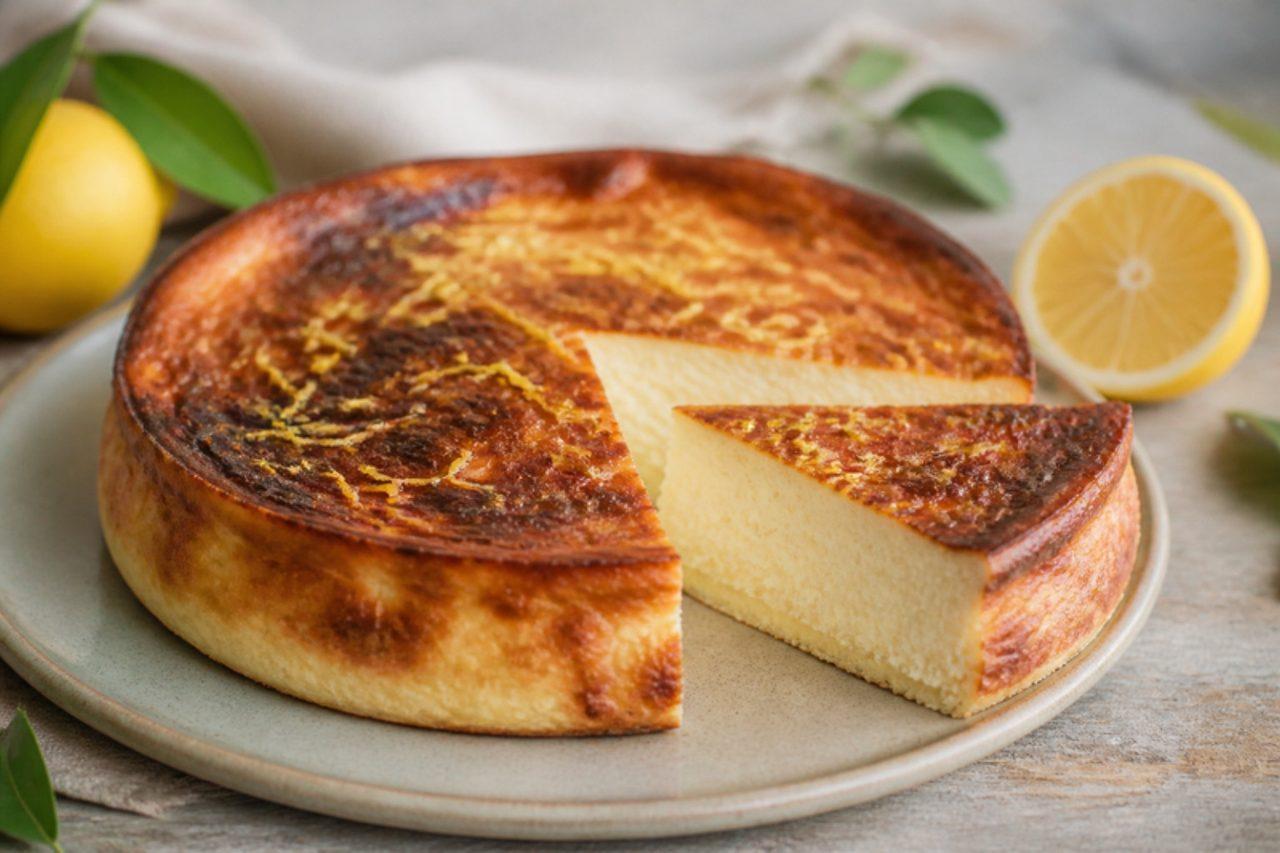
FiadoneLemon cheesecake

Fiadone is the cake of Corsican Easter and village feast days: fresh brocciu, the island's soft ewe's- or goat's-milk whey cheese, beaten with eggs, sugar and lemon zest and baked until the top is freckled brown. There is no base, so it is naturally gluten free, and it tastes lighter and less sweet than most cheesecakes. Brocciu is made from whey left after rennet cheesemaking, so it is not strictly vegetarian; well-drained ricotta labelled vegetarian is the usual stand-in outside Corsica. Some families add a spoon of local eau-de-vie; it is left out here. Chef's tip: drain the cheese well; a dry cheese gives the light, almost soufflé-like texture.

by KrazyBadal 0 views

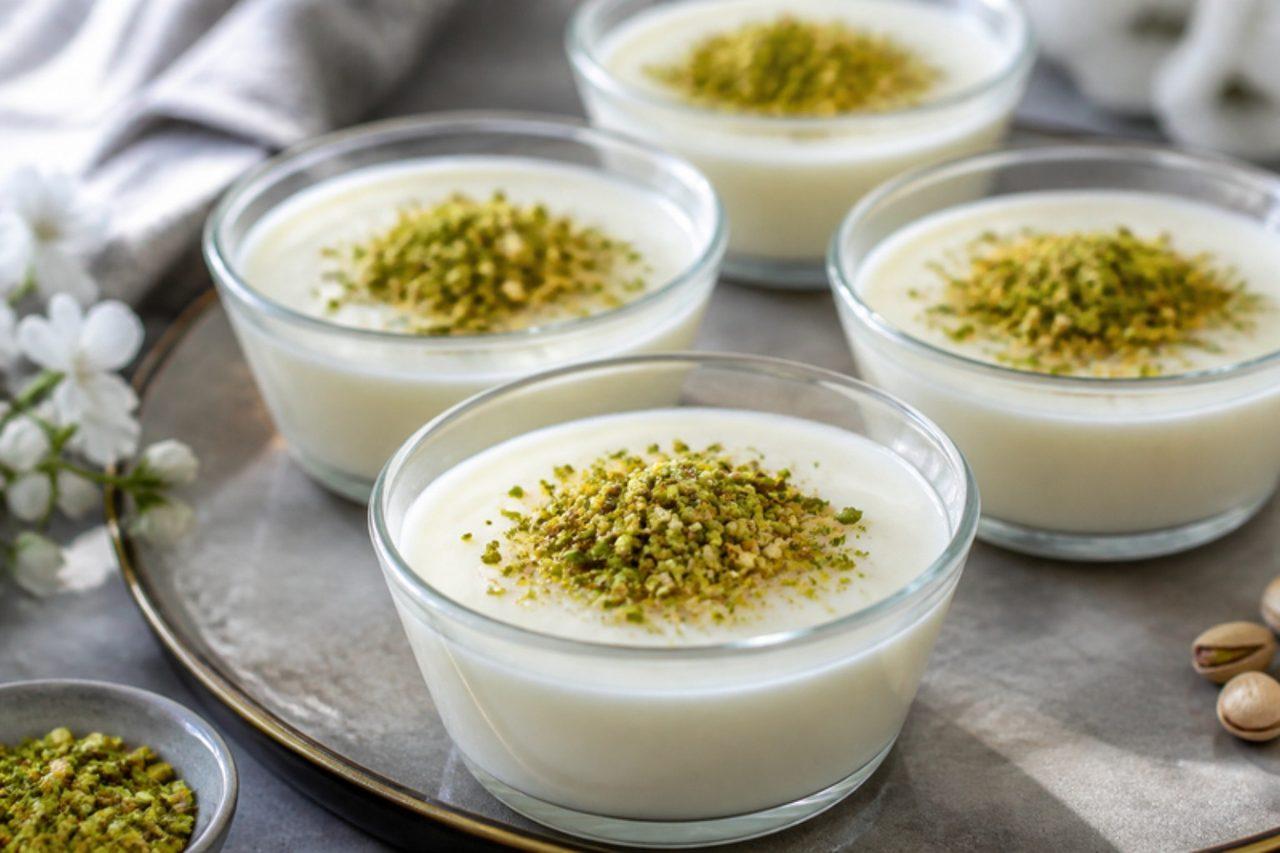
Sakızlı muhallebiMastic milk pudding

Çeşme looks across the water to Chios, the island where mastic trees weep their resin, and the town's pudding shops have long used it to perfume a simple, wobbly milk pudding. The flavour is hard to describe: piney, a little floral, very fresh against cold creamy milk. It is the dessert to order after a long fish lunch in Alaçatı. Chef's tip: grind the mastic with a teaspoon of sugar in a mortar; on its own it gums up into sticky lumps.

by KrazyBadal 0 views

Feijoada de búziosWhelk and butter bean stew

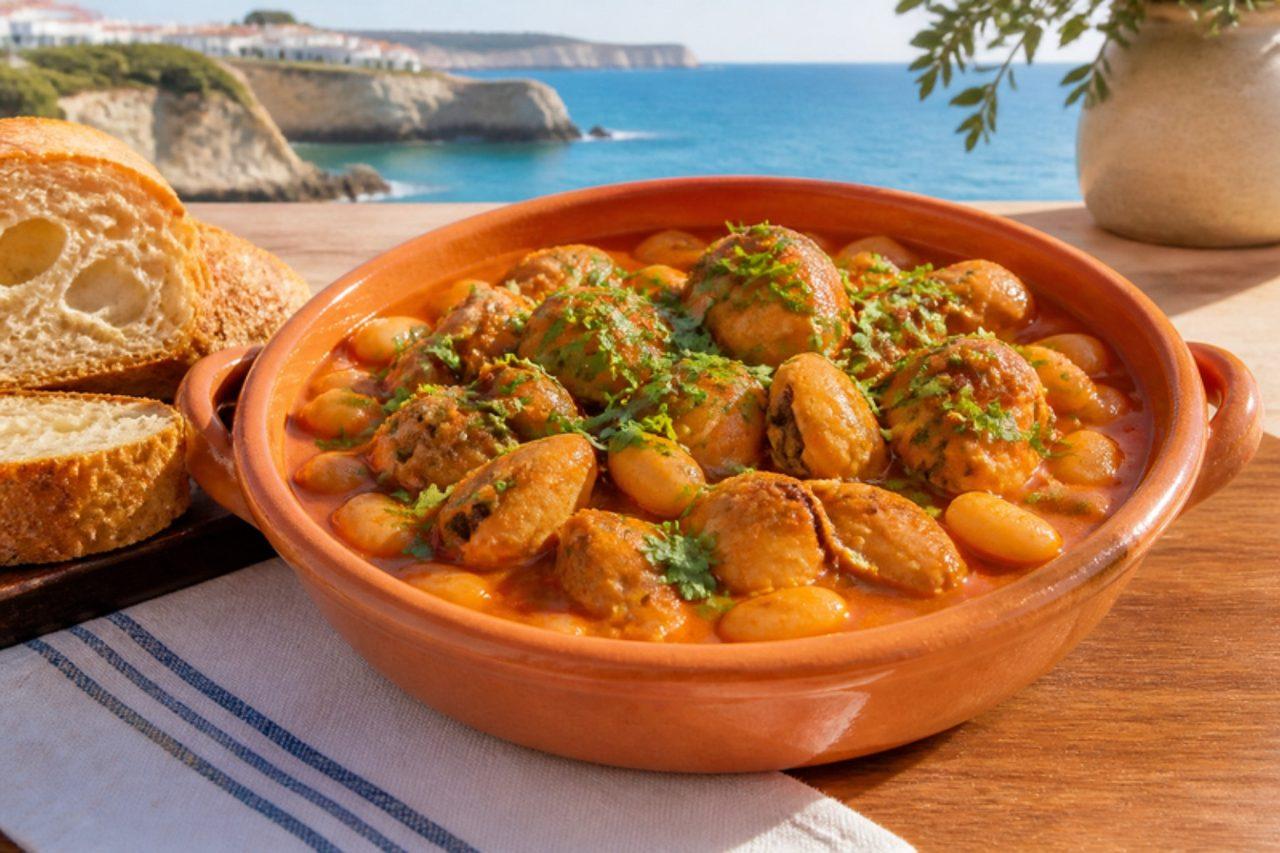
On the western Algarve coast around Sagres and Aljezur, whelks gathered from the rocks go into a thick, tomatoey bean stew that is the seaside cousin of the meat feijoada. It is winter food, served steaming from big pots at local festivals and in family kitchens, with rice on the side. This contains pork (chouriço); leave it out and add an extra teaspoon of smoked paprika if you prefer. Chef's tip: cook the whelks separately first so you can slice them and control their texture.

by KrazyBadal 0 views

Feijoada à transmontanaRed beans with smoked sausages

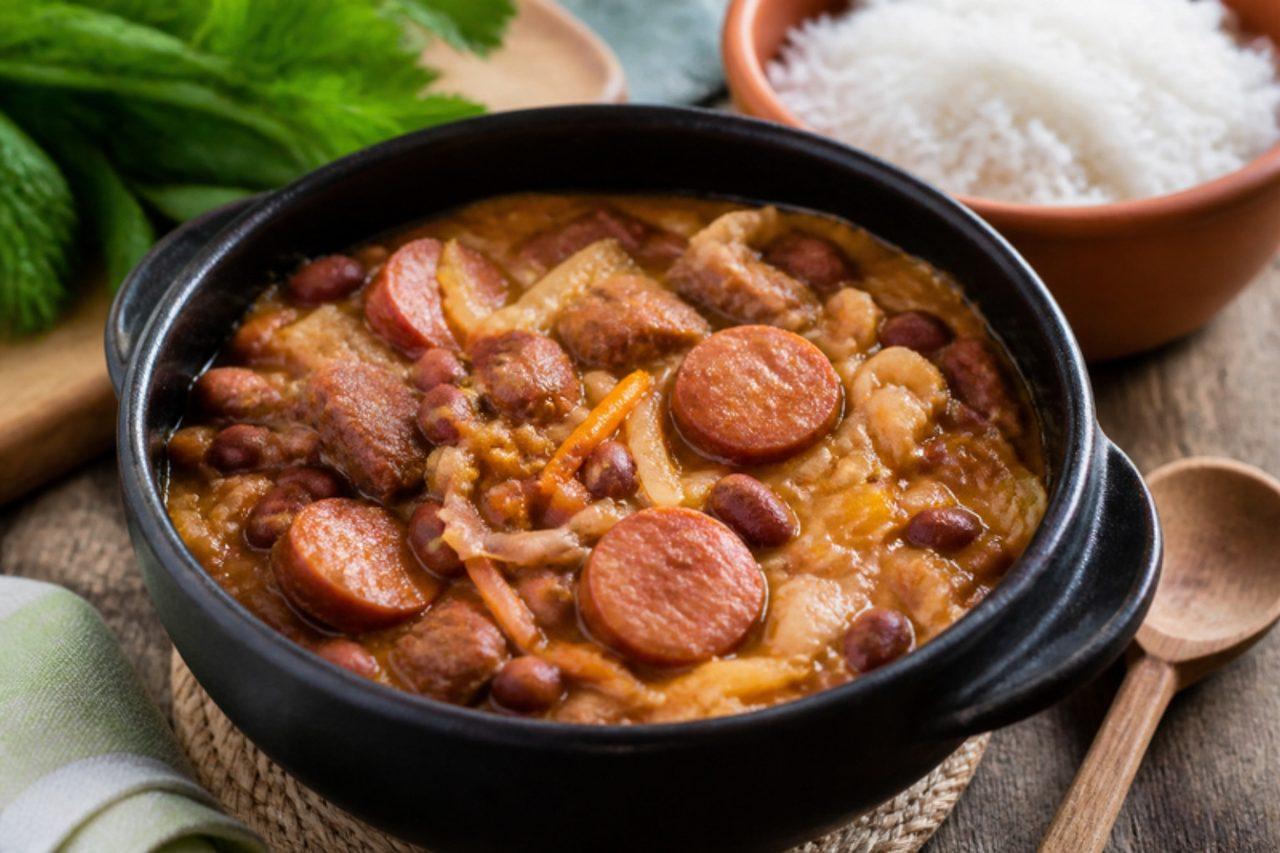
In Trás-os-Montes the cold months were the months of the fumeiro, the smoking of sausages, and this bean stew was where those sausages ended up. Unlike the Brazilian black-bean feijoada, the transmontana version uses red or white beans, with pig's ear and trotter for body, chouriço and salpicão for smoke, and carrots and cabbage cooked in at the end. It is served for Sunday lunch in Chaves and Bragança with plain rice. This contains pork (ear, trotter, belly and smoked sausages). Chef's tip: cook the beans separately in their own water first, so the cured meats do not stop them softening.

by KrazyBadal 0 views

Salame de chocolateNo-bake chocolate biscuit log

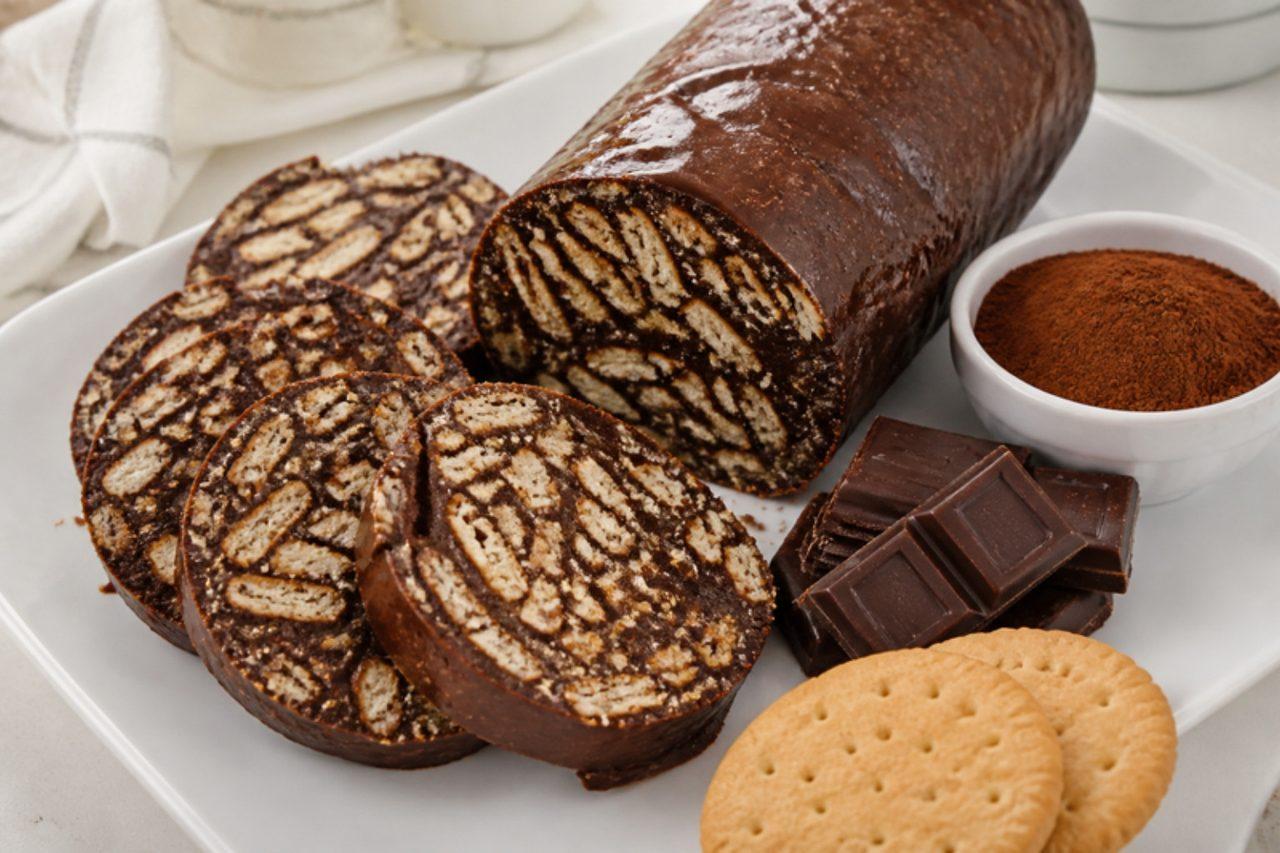
Every Portuguese child seems to have helped make one: crushed Maria-style tea biscuits folded through rich chocolate, rolled into a log, chilled and dusted with icing sugar until each slice looks like salami. It turns up at birthday parties, in café display cases around Lisbon and on Christmas dessert tables. The traditional mix uses raw eggs; this version leaves them out and sets with melted chocolate and butter instead, so there is nothing raw in it. A splash of port is often added, which contains alcohol; leave it out or use milk. A common mistake is crushing the biscuits to crumbs; leave some larger pieces, or the slices lose their marbled look. Chef's tip: break the biscuits by hand into pieces the size of a fingernail; crumbs turn it into fudge and you lose the salami look.

by KrazyBadal 0 views

UchucutaRocoto and peanut chilli sauce

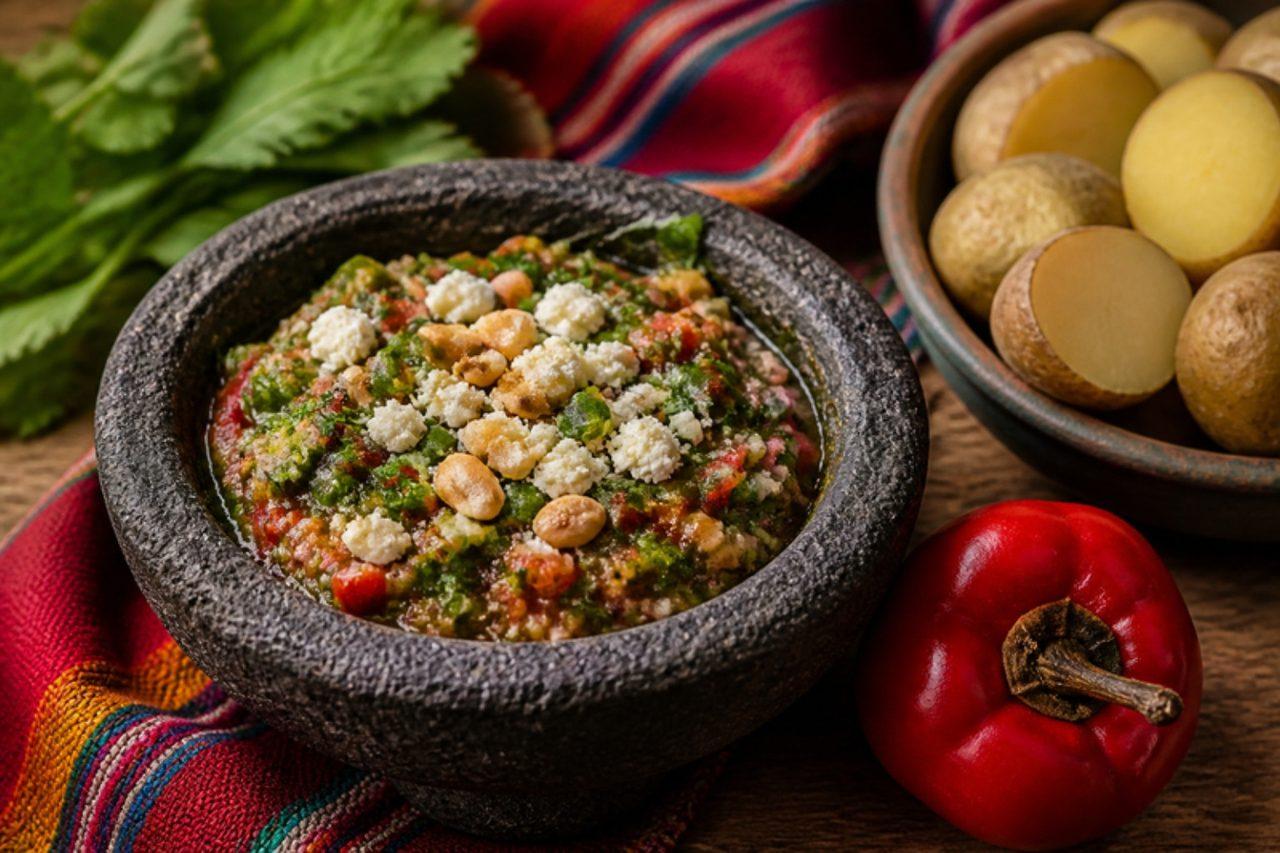
Ground on a batán, the flat grinding stone found in Andean kitchens, uchucuta is the table sauce of Ayacucho and Cusco: rocoto or yellow chilli crushed with huacatay, toasted peanuts and a little fresh cheese into a thick, speckled green-red paste. It goes on boiled potatoes, choclo, broad beans and huatia, and on festival days it sits next to every plate. The flavour is hot, herby and nutty, with a salty creaminess from the cheese. The name comes from the Quechua uchu, chilli, and it is meant to be spicy, but people often add all the rocoto at once and end up with something inedible; blend in half, taste and build up. A food processor or blender will do the work of the stone, though pulse it so the sauce keeps some texture. Queso fresco is usually made with animal rennet, so choose a vegetarian fresh cheese if you prefer. Chef's tip: toast the peanuts yourself until just golden; their warmth softens the raw sharpness of the chilli.

by KrazyBadal 0 views

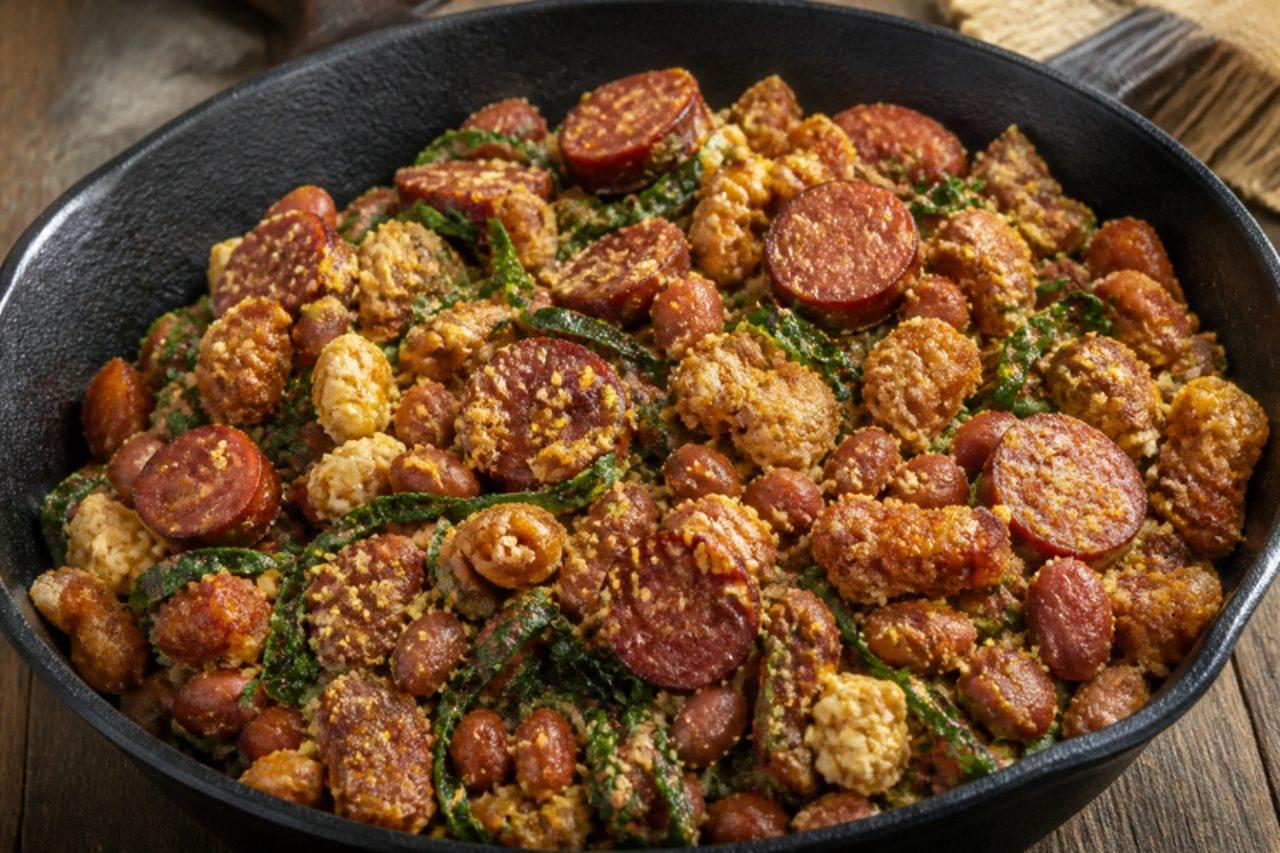
Feijão tropeiroBeans with cassava flour and bacon

Mule drivers, the tropeiros, crossed Minas Gerais with sacks of beans, cassava flour and pork, and their trail food has become the state's pride: you will find feijão tropeiro at every comida mineira restaurant, at football grounds in Belo Horizonte and on Sunday tables, with rice, couve, torresmo and a grilled pork chop. The beans are cooked just tender, drained, and tossed in bacon and sausage fat with onions, scrambled egg, cassava flour and shredded collards, so the dish is moist but loose, smoky and very savoury. This is a pork dish: smoked bacon and pork sausage give it its flavour. If you start from dried beans, soak them overnight. The usual mistake is overcooking the beans; mushy beans turn the farofa into paste. For a vegetarian version, skip the meats and use butter and an extra egg. Chef's tip: add the farinha off the heat a handful at a time and stop when it looks moist and fluffy, not dry.

by KrazyBadal 0 views

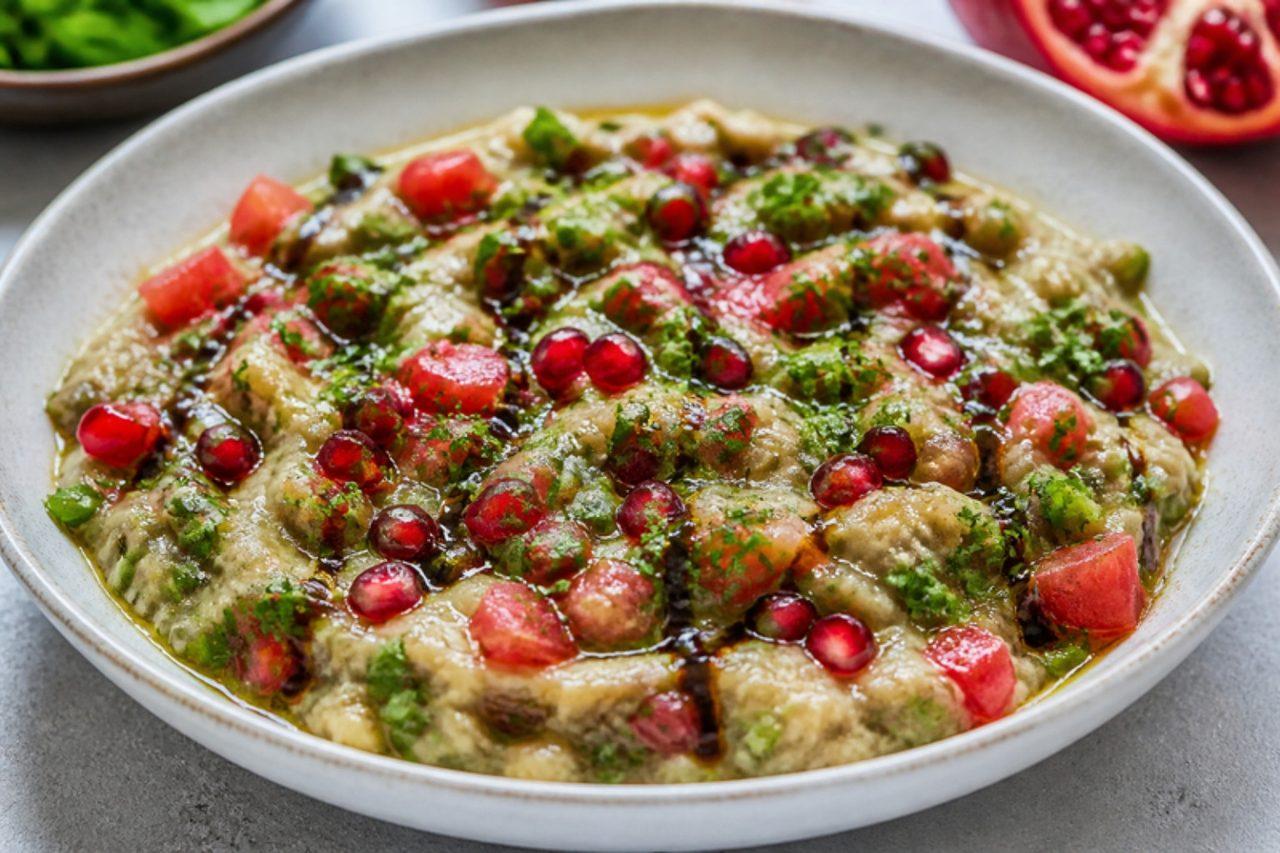
Salatet el rahebSmoky aubergine salad

Mezze restaurants along the Lebanese coast serve salatet el raheb as the fresh, chunky cousin of baba ghanoush: the aubergine is charred until smoky, then chopped rather than puréed and tossed with tomato, peppers, spring onion, parsley and a sharp dressing of lemon and pomegranate molasses. There is no tahini, so it is light and summery and sits well next to grilled halloumi or kebabs. Common mistake: leaving the aubergine juices in; drain the flesh in a sieve or the salad turns watery. Chef's tip: char the aubergines directly over a gas flame or on a barbecue rather than in the oven — the smoky flavour is the soul of the dish.

by KrazyBadal 0 views

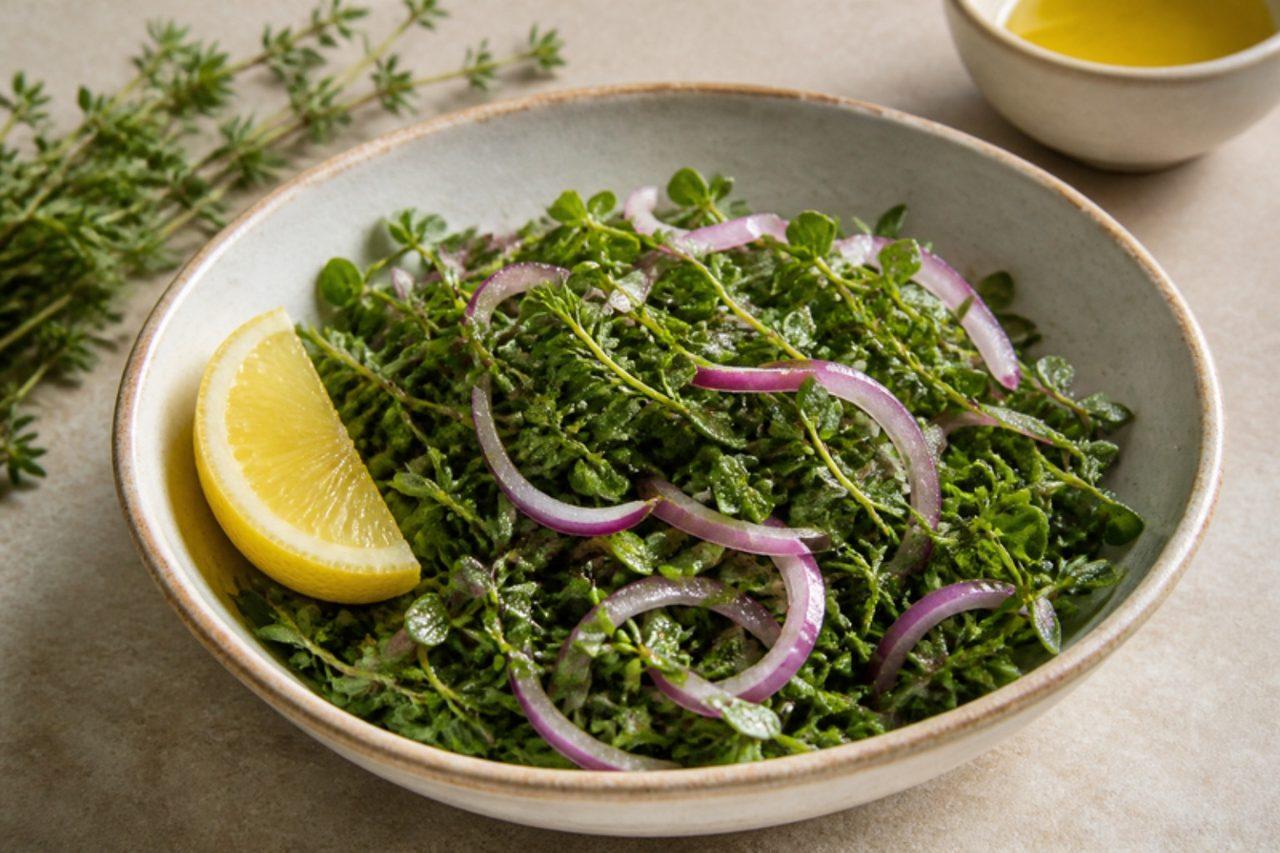
Salatet za'atar akhdarFresh thyme leaf salad

In spring, Palestinian families pick young za'atar (wild hyssop-thyme) from the hills of the West Bank and the Galilee, and the tender leaves are tossed raw with onion, lemon and the year's new olive oil. The salad is sharp, piney and peppery, eaten as part of breakfast with labneh, olives and warm taboon bread, or beside grilled meat. If you can't find fresh za'atar, a mix of fresh oregano, thyme and a little marjoram comes close. Common mistake: chopping the leaves; keep them whole so they stay perky and don't turn dark. Chef's tip: rub the sliced onion with sumac and salt for 5 minutes first; it softens its bite and turns it a pretty pink.

by KrazyBadal 0 views

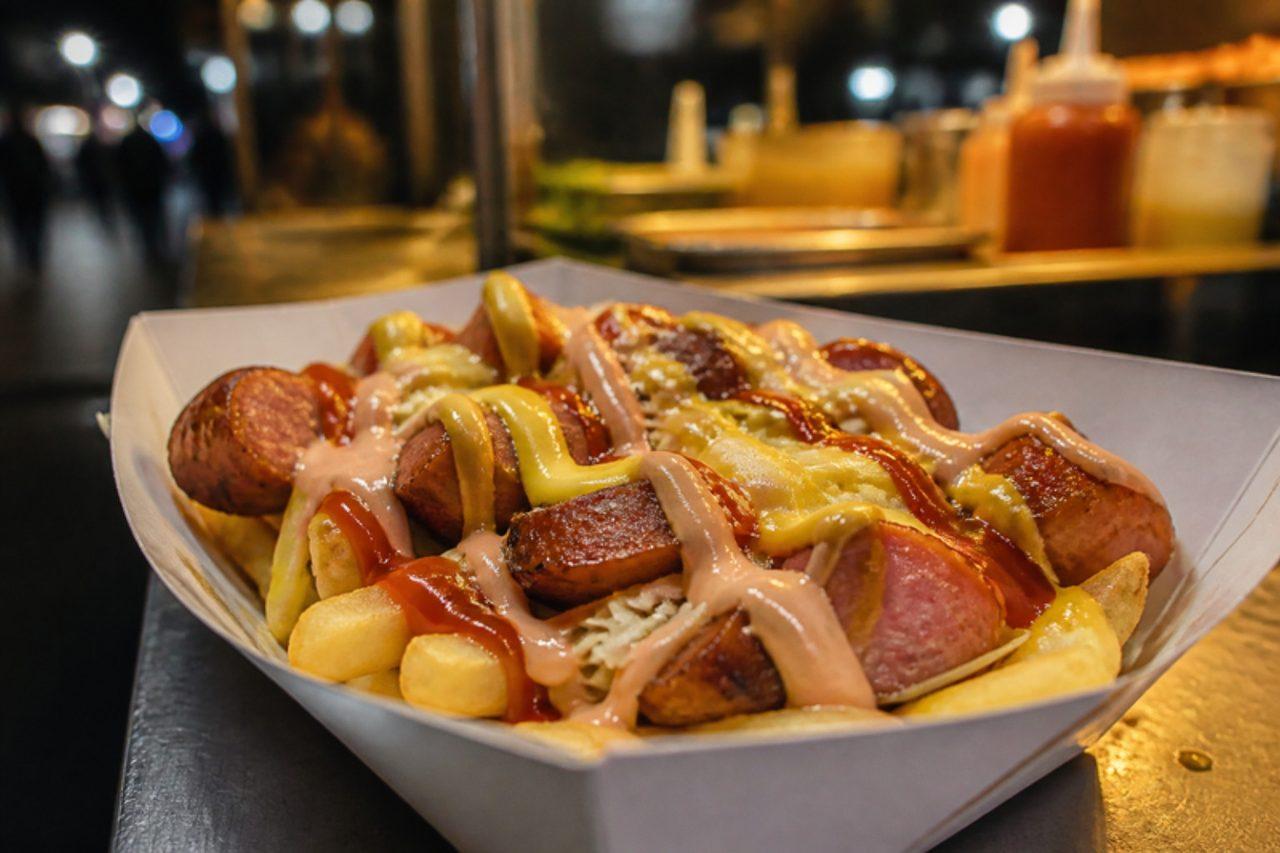
SalchipapaFries with sliced sausage

Late at night outside the bars and football stadiums of Bogotá and Medellín, carts and fast-food counters sell salchipapa by the plastic tray: hot chips topped with fried slices of hot dog sausage, drowned in salsa rosada (ketchup mixed with mayonnaise), mustard and grated cheese, sometimes with a squirt of pineapple sauce. Kids love it, and it's an easy Friday-night dinner at home: salty, crisp and soft at once, with the sweet-tangy pink sauce tying everything together. The way it goes wrong is soggy fries; double frying keeps them crisp under all that sauce. Chef's tip: slice the sausages on the diagonal and fry them until they curl and blister at the edges; the crisp bits make the dish.

by KrazyBadal 0 views

Sally Lunn bunsBrioche-style bun

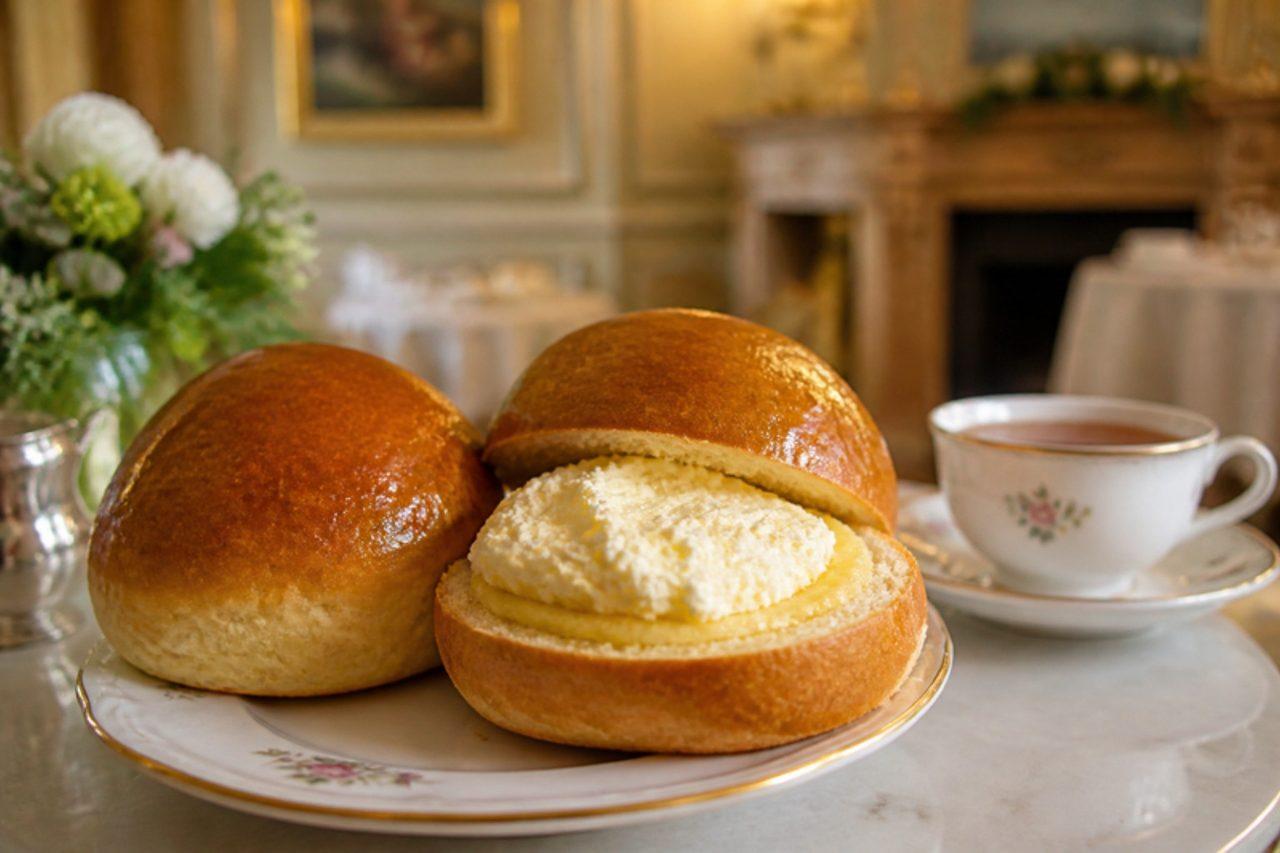
The Sally Lunn is a huge, airy, enriched bun from the Georgian city of Bath, where an old house by the Abbey still serves it split and toasted, sweet with cinnamon butter or savoury with cheese. The dough is soft, with plenty of egg, butter and cream, so it bakes up light like brioche. Chef's tip: the dough is very soft; use a cake tin to hold its shape rather than shaping it freehand.

by KrazyBadal 0 views

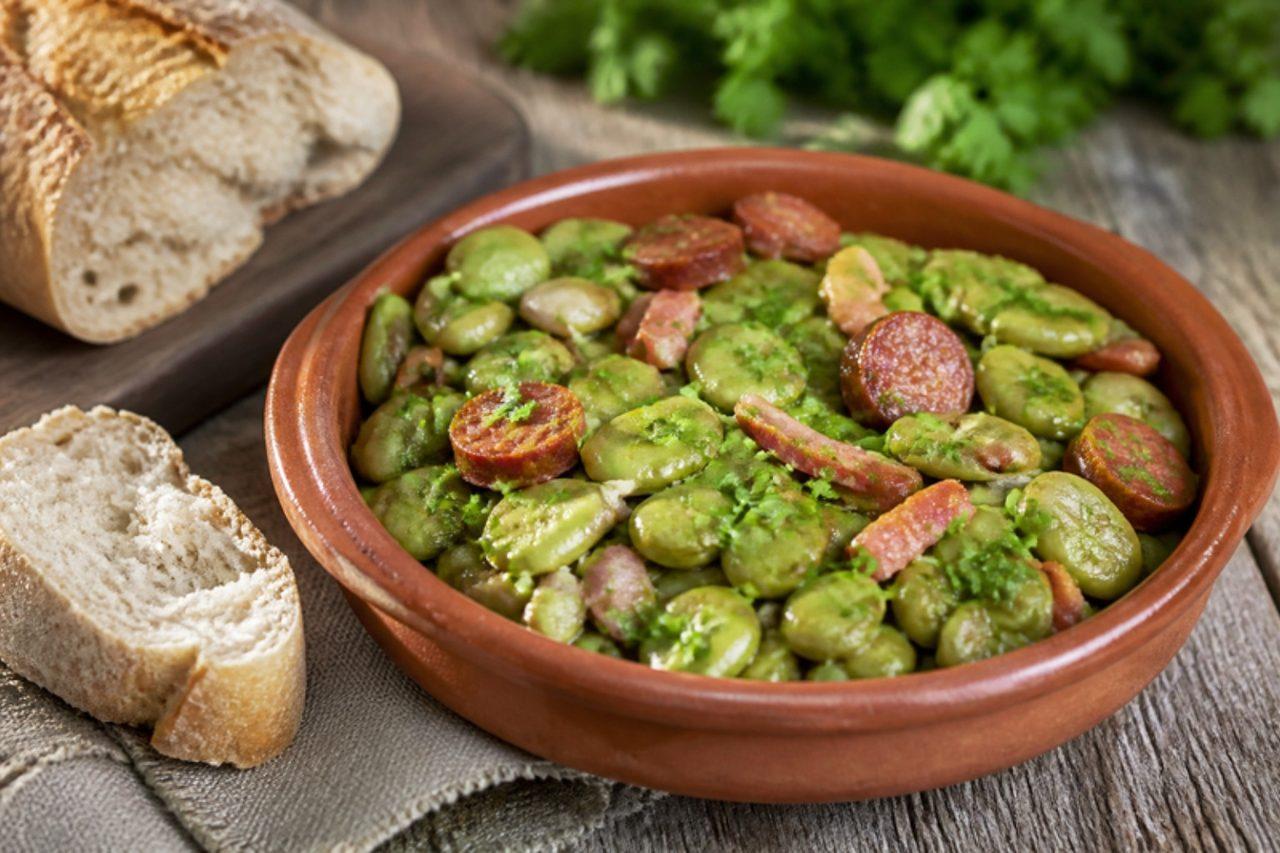
Favas guisadas com chouriçoBroad beans with chouriço

When broad beans come in across the Alentejo in April and May, this is the dish that announces them: young beans stewed with chouriço and a little cured pork belly, garlic, onion and a big handful of coriander, until the beans are soft and the sauce is red with paprika fat. It is a weekday lunch with bread, or with a poached egg on top. This contains pork (chouriço and bacon). Frozen broad beans work well out of season. A common mistake is boiling the beans until they turn grey and mealy; stop when they are tender and still green. Chef's tip: a spoonful of vinegar at the end brightens the rich, fatty sauce.

by KrazyBadal 0 views

Salpicón de frutasDiced fruit in watermelon juice

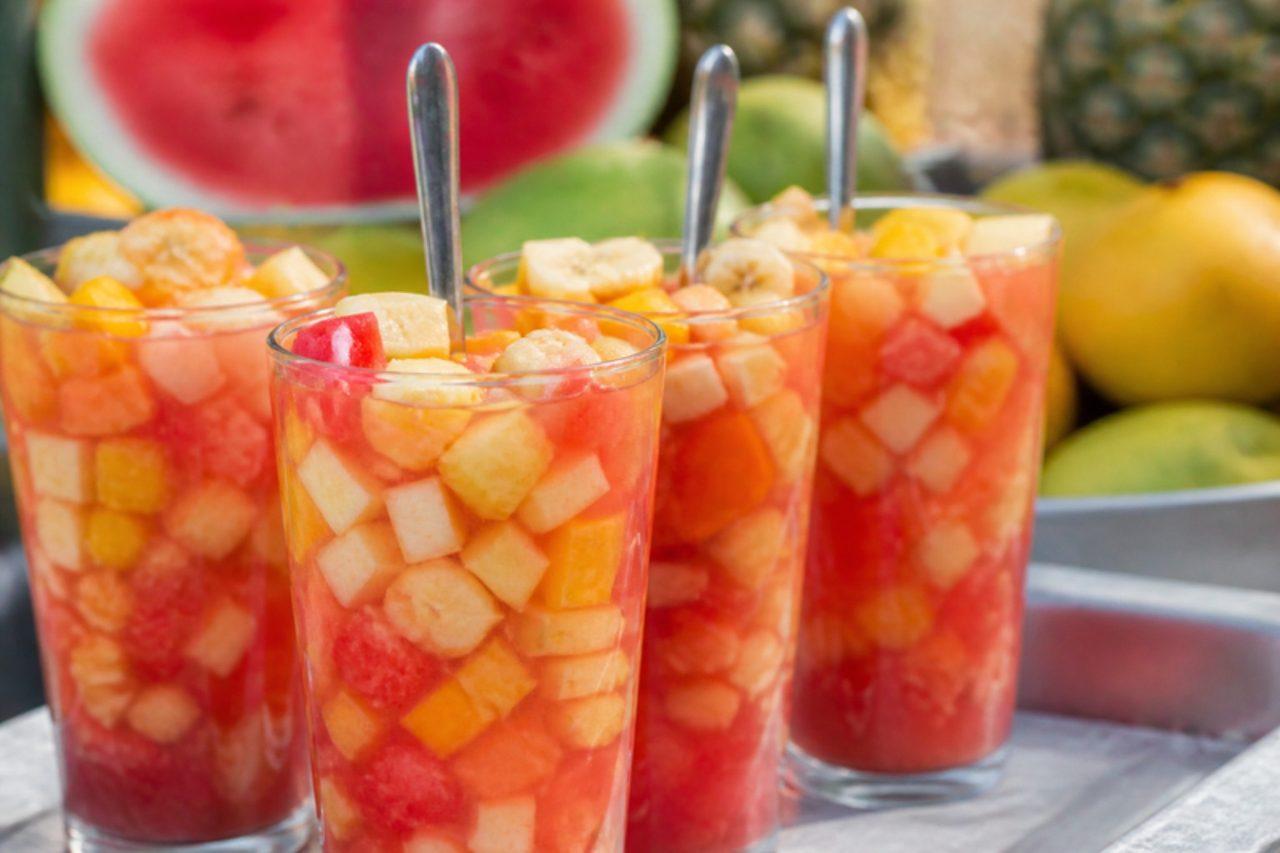
Salpicón is what Caleños grab at fruit stands and in the parks of San Antonio when the afternoon heat sets in: a tall cup of tiny, jewel-like cubes of papaya, pineapple, mango, banana and apple, swimming in freshly blended watermelon juice, eaten with a spoon and drunk to the last drop. Some stalls top it up with a fizzy orange or lemon soda; this version keeps it to fresh juice. It is sweet, cool and very refreshing. The mistake people make is cutting the fruit too big; the joy is in tiny cubes you can drink through the juice. Chef's tip: blend and strain the watermelon just before serving and keep everything ice cold; watermelon juice loses its fresh taste within an hour.

by KrazyBadal 0 views

Salsa criollaTomato, onion and pepper relish

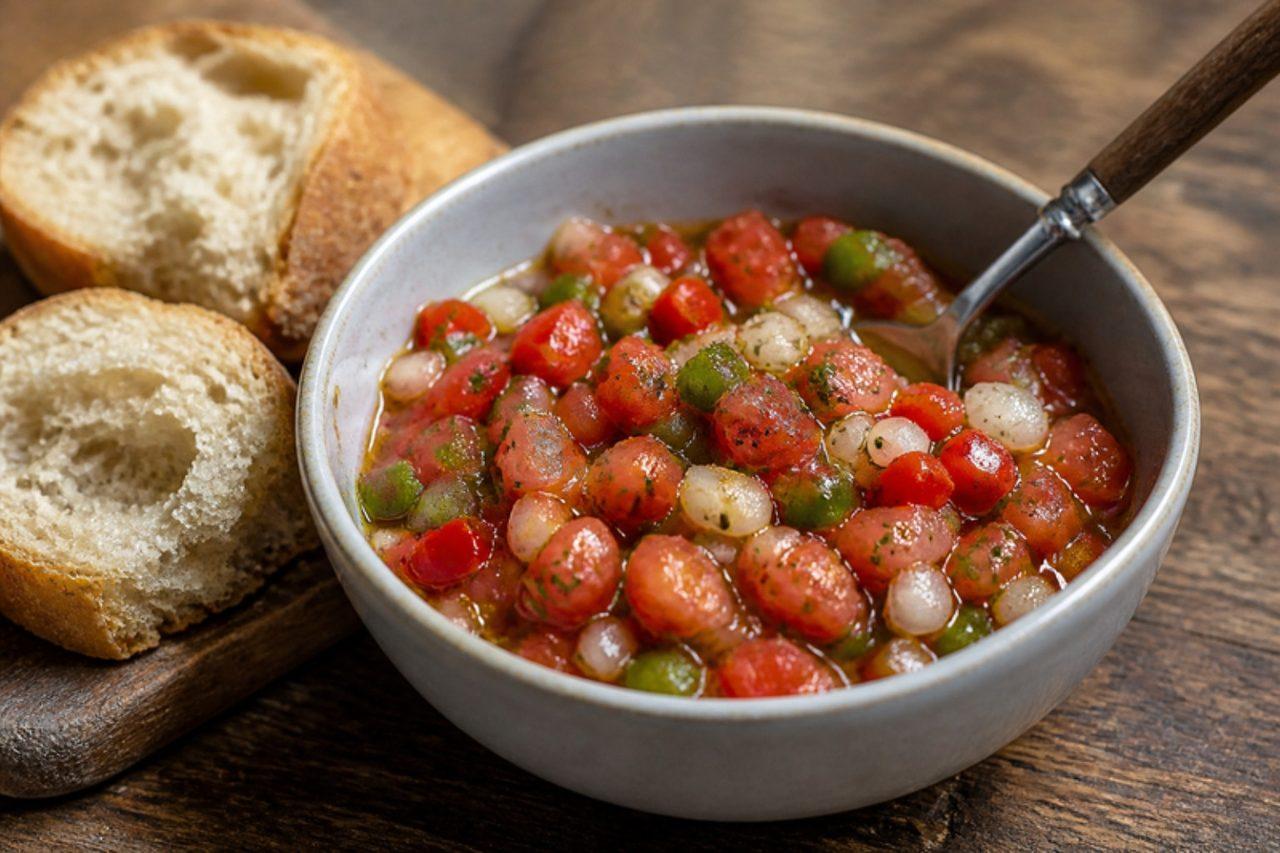
Chimichurri gets the fame, but at a Sunday asado anywhere from Buenos Aires to Salta the other bowl on the table is salsa criolla: tomato, onion and red and green pepper cut into small, even dice, dressed with vinegar, oil, oregano and salt, and left to sit until the juices pool. It is spooned over steak, chorizo and provoleta, piled into choripán, and eaten with grilled vegetables, and it brings freshness and acid to rich, smoky food. Expect crunch, a clean sour note and a mild sweetness from the peppers. Chopping it all in a food processor is the mistake: it turns watery and pulpy, so take the time to dice by hand. Some cooks use only red onion, others add spring onion or a pinch of chilli; adjust to taste. Chef's tip: dress the onion with the vinegar and salt first for 10 minutes before adding the rest; it softens the raw bite without losing the crunch.

by KrazyBadal 0 views

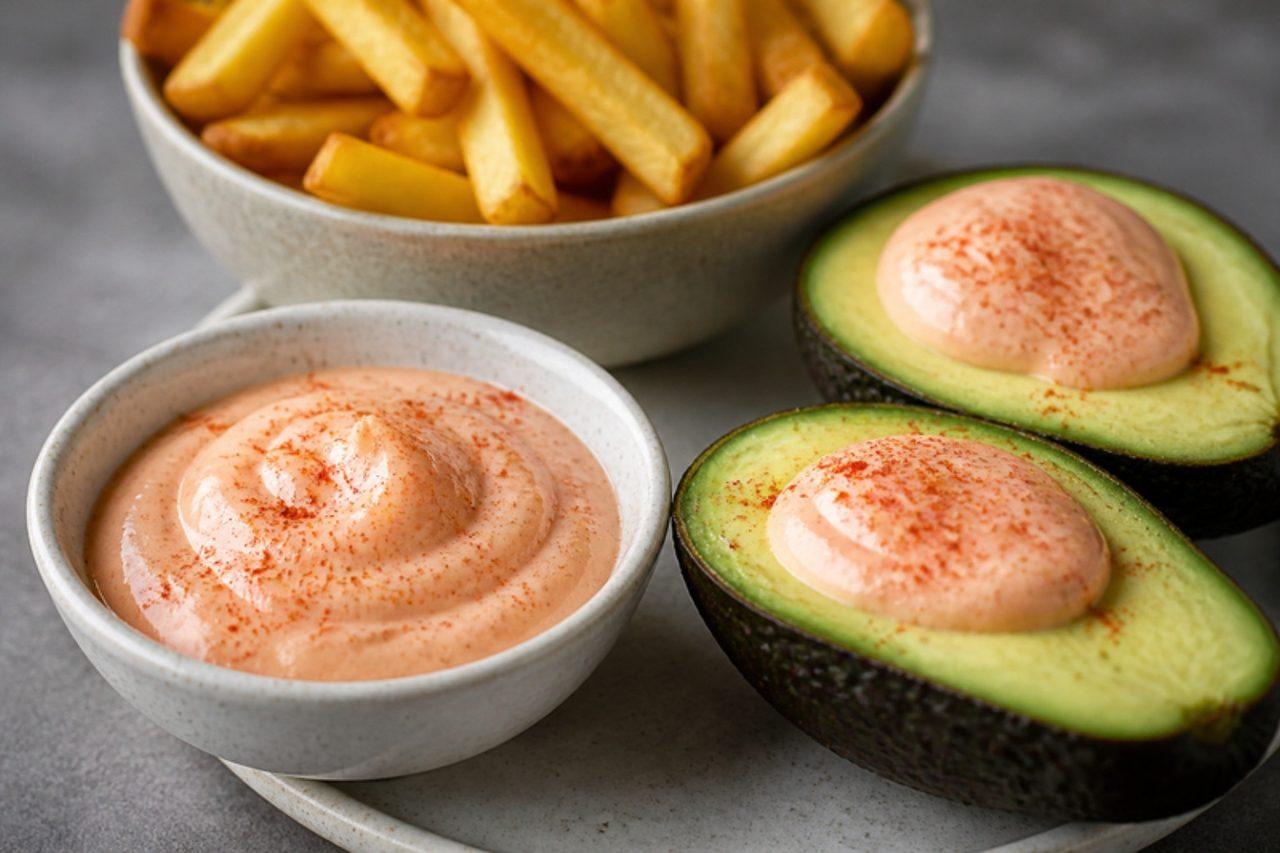
Salsa golfMayonnaise and ketchup sauce

Mar del Plata's golf club gave its name to this sauce in the 1920s, so the story goes, and Argentines have been mixing mayonnaise and ketchup ever since. It is the pink sauce of the 1970s cocktail party and the seaside: spooned into half avocados (palta a la golf), over hearts of palm, onto a cold hard-boiled egg, beside fries or into a prawn cocktail, and every family has its own ratio. A drop of lemon and a dash of mustard lift it from a simple mix to something tangy and creamy. Too much ketchup is the misstep that turns it sweet and orange; it should be a soft salmon pink. Use shop-bought mayonnaise, which is made with pasteurised egg; if you make your own, use pasteurised eggs. Check the labels of the mayonnaise, ketchup and mustard if you need it gluten free. Chef's tip: let it sit in the fridge for 15 minutes before serving; the flavours blend and it thickens slightly.

by KrazyBadal 0 views

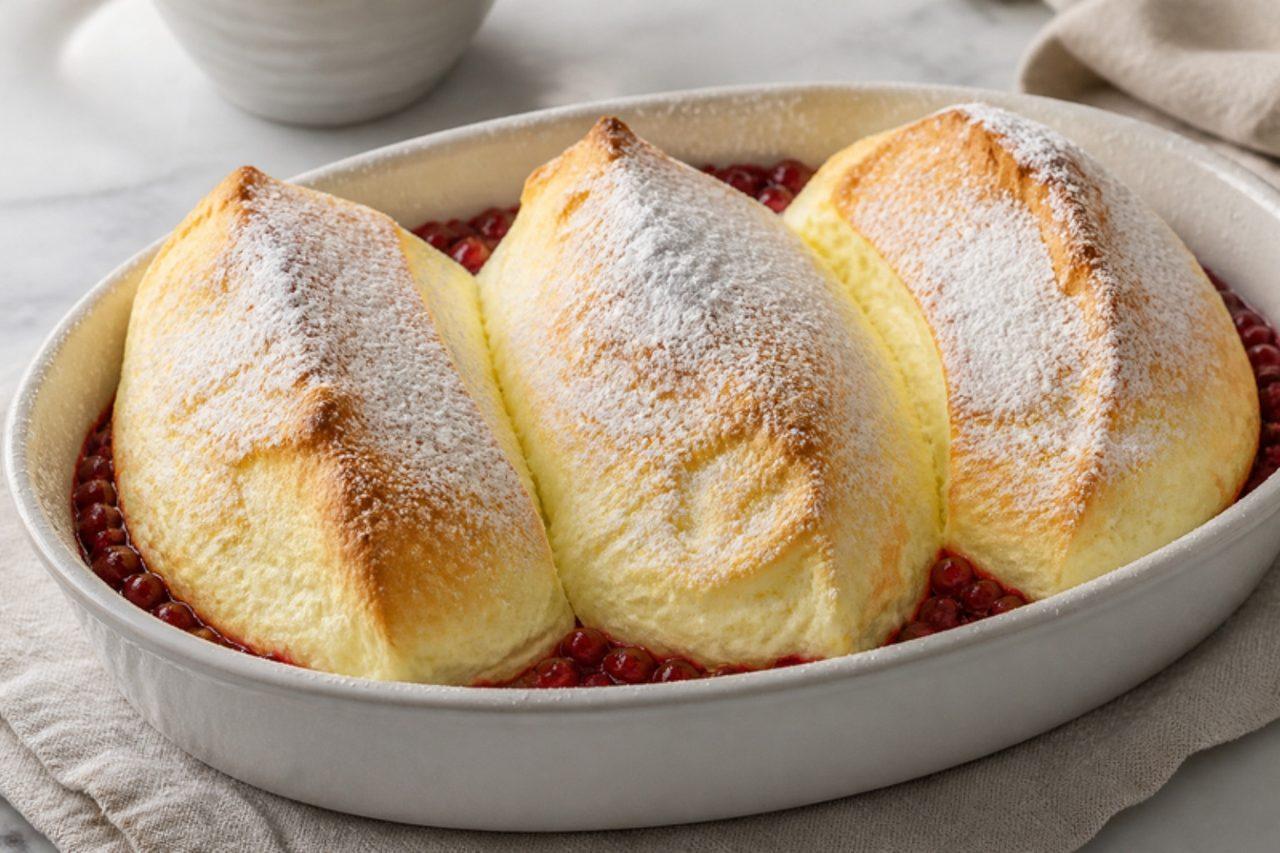
Salzburger NockerlSweet soufflé peaks

Salzburger Nockerl is the dessert Salzburg serves to visitors after a concert or a walk through the old town: three golden, sugar-dusted peaks said to stand for the hills around the city. Under the airy egg-white soufflé is a layer of tart lingonberries or redcurrants, warmed with vanilla milk in the baking dish. It is meant to be shared from the dish and eaten the moment it leaves the oven, before it sinks. This version uses cornflour instead of wheat flour, so it is gluten free. A common mistake is over-folding the yolks into the whites; streaks are fine, and too much stirring makes it collapse. Chef's tip: keep the oven door shut until the end; the peaks are ready when they are golden outside but still creamy inside.

by KrazyBadal 0 views

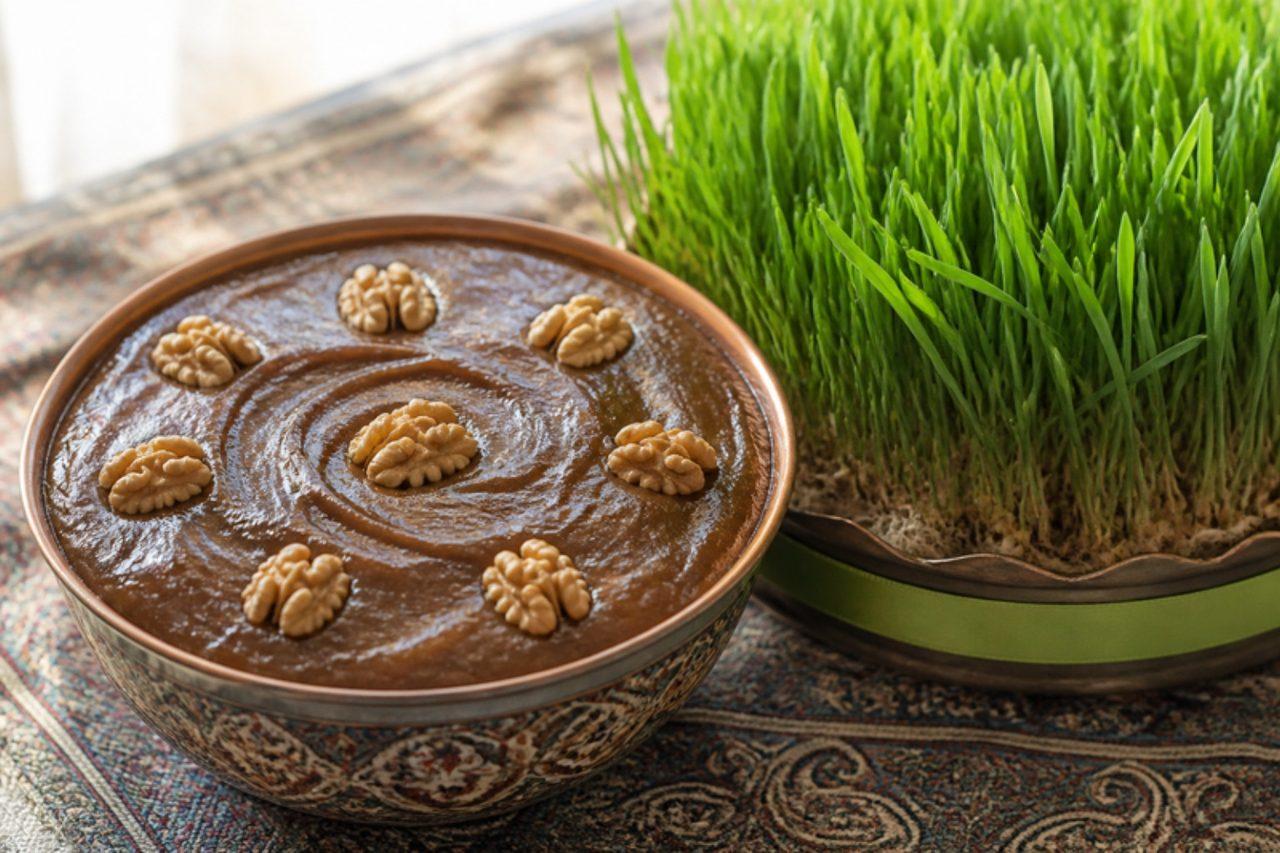
SamanuSprouted wheat pudding

Samanu is one of the seven 's' items on the Nowruz haft-sin table, standing for strength and abundance, and in many neighbourhoods of Tehran and Shiraz women still gather to stir the great pot through the night, singing and taking turns. It is made from nothing but sprouted wheat juice and flour, cooked very slowly for many hours until the natural malt sugars caramelise into a thick, toffee-brown, gently sweet pudding. This home version uses a smaller batch, but it still takes days of sprouting and a long, patient simmer. The common mistake is turning the heat up to rush it, which scorches the base and makes the samanu bitter. Chef's tip: drop a few clean walnut halves into the pot near the end; tradition says whoever finds one in their bowl will have a lucky year.

by KrazyBadal 0 views

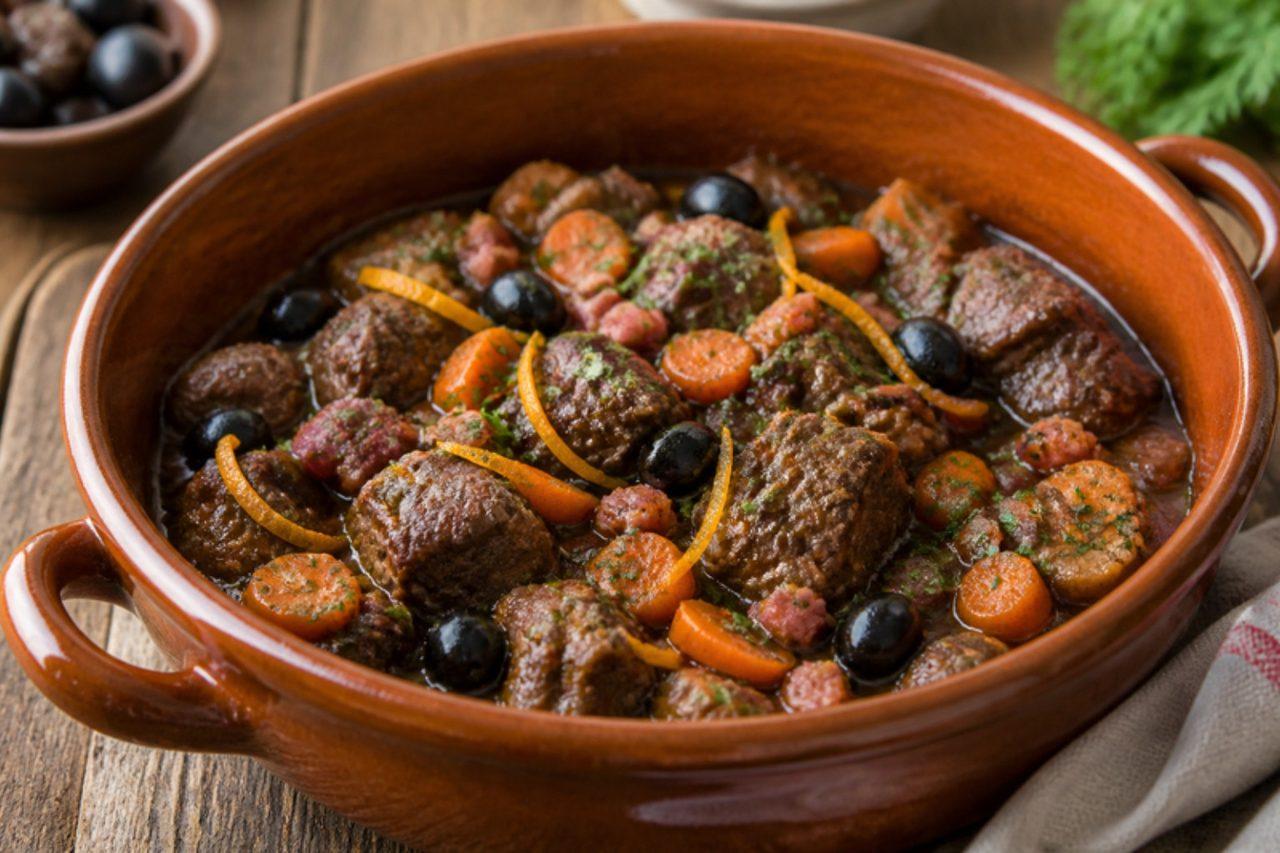
Daube provençaleRed wine beef stew with olives

In Provence the daube is the Sunday and winter-feast dish, traditionally simmered all morning in a pot-bellied clay daubière at the edge of the fire. Chunks of beef are marinated overnight in the fridge with red wine, garlic, herbs and a strip of orange peel, then braised slowly with black olives until the sauce turns dark, glossy and fragrant with citrus. It uses red wine, and the ingredient note gives an alcohol-free version; the optional smoked lardons make it a pork dish too. In Avignon and Nice the leftover sauce dresses macaroni (the macaronade), but polenta or plain boiled potatoes are just as good. Chef's tip: make it a day ahead; it tastes even better reheated, and the fat is easy to lift off once cold.

250 minFrenchMeatGluten free
by KrazyBadal 0 views

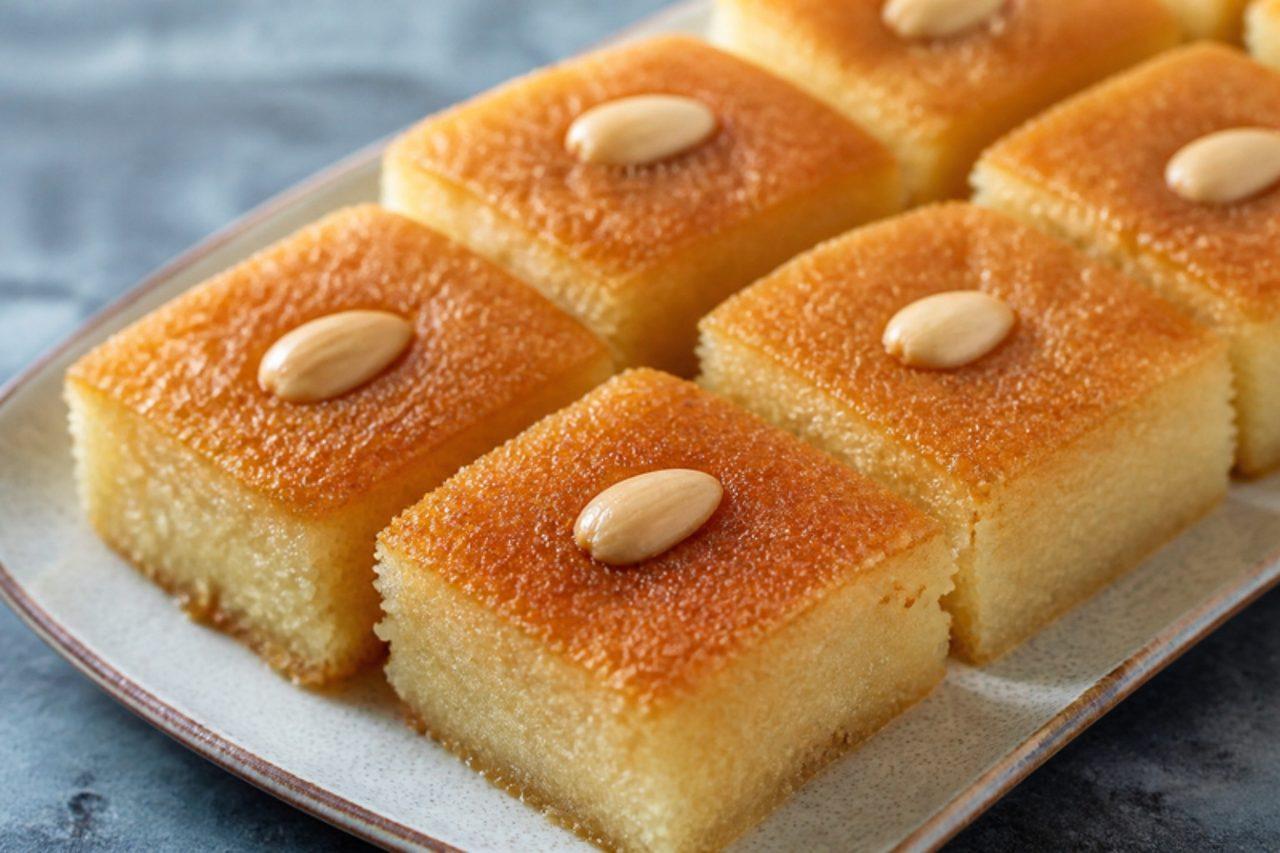
ŞambaliSemolina yoghurt cake in syrup

Walk through İzmir's Kemeraltı bazaar and you'll see huge copper trays of şambali, cut into diamonds, each topped with a blanched almond and glistening with syrup. It is a dense, moist semolina cake made with yoghurt, sold by street vendors and old pastry shops, sometimes with a spoon of kaymak on top. Plainer than it looks and dangerously easy to eat. Chef's tip: rest the batter for a few hours, or overnight, so the semolina softens fully; otherwise the cake is gritty.

by KrazyBadal 0 views

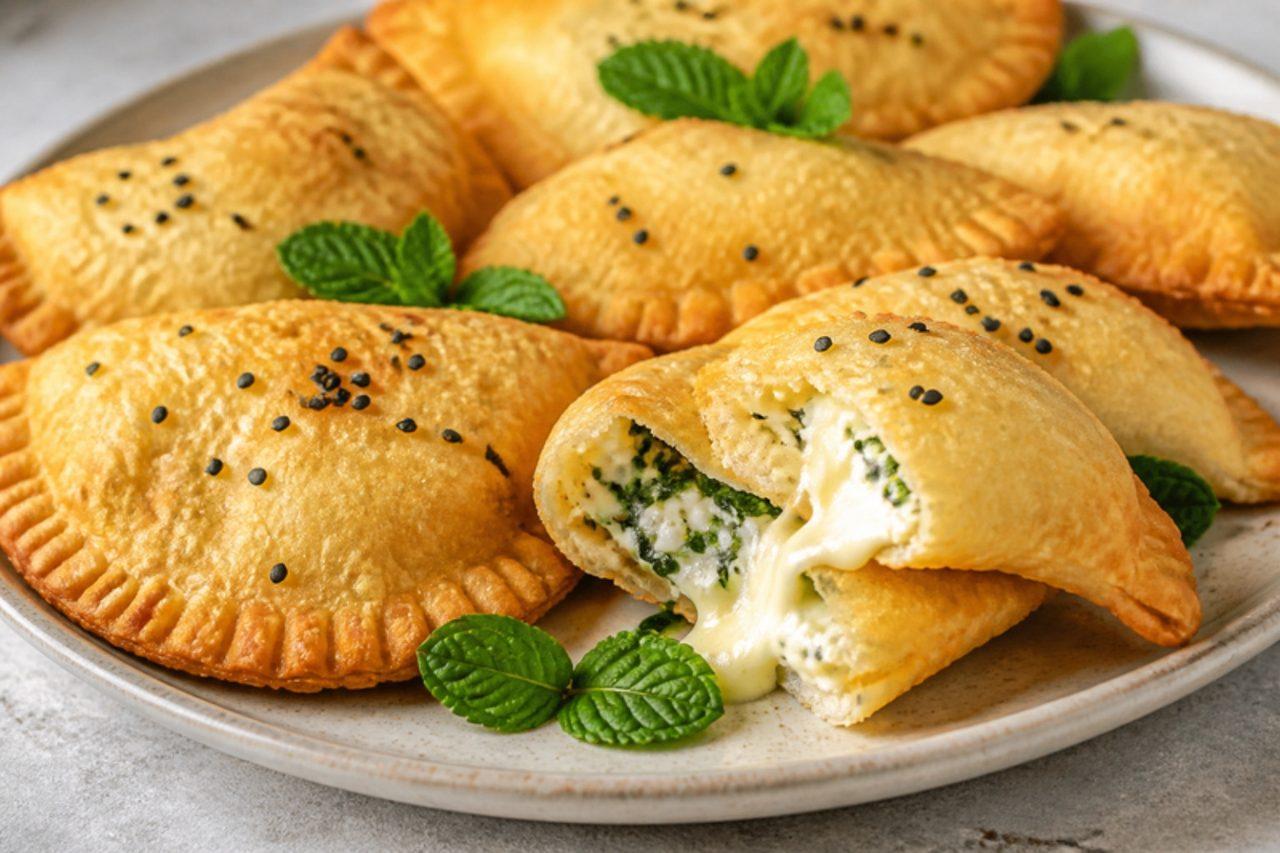
Sambousek bi jibnehCheese half-moon pastries

Hot sambousek bi jibneh are the first thing to vanish from a Syrian mezze spread or a Ramadan iftar table, where Damascene and Aleppan cooks fry dozens at a time. A tender olive-oil pastry is folded around white cheese, parsley and nigella seeds, then crimped with a fork or twisted into a rope edge and fried or baked until blistered and golden. Eat them warm, when the cheese is soft and stringy. Common mistake: using a salty cheese straight from the brine — soak akkawi or halloumi for an hour first. Chef's tip: mix a little mozzarella into the filling for that stretchy pull. Akkawi, halloumi and mozzarella are often made with animal rennet; use vegetarian-rennet versions if needed.

by KrazyBadal 0 views

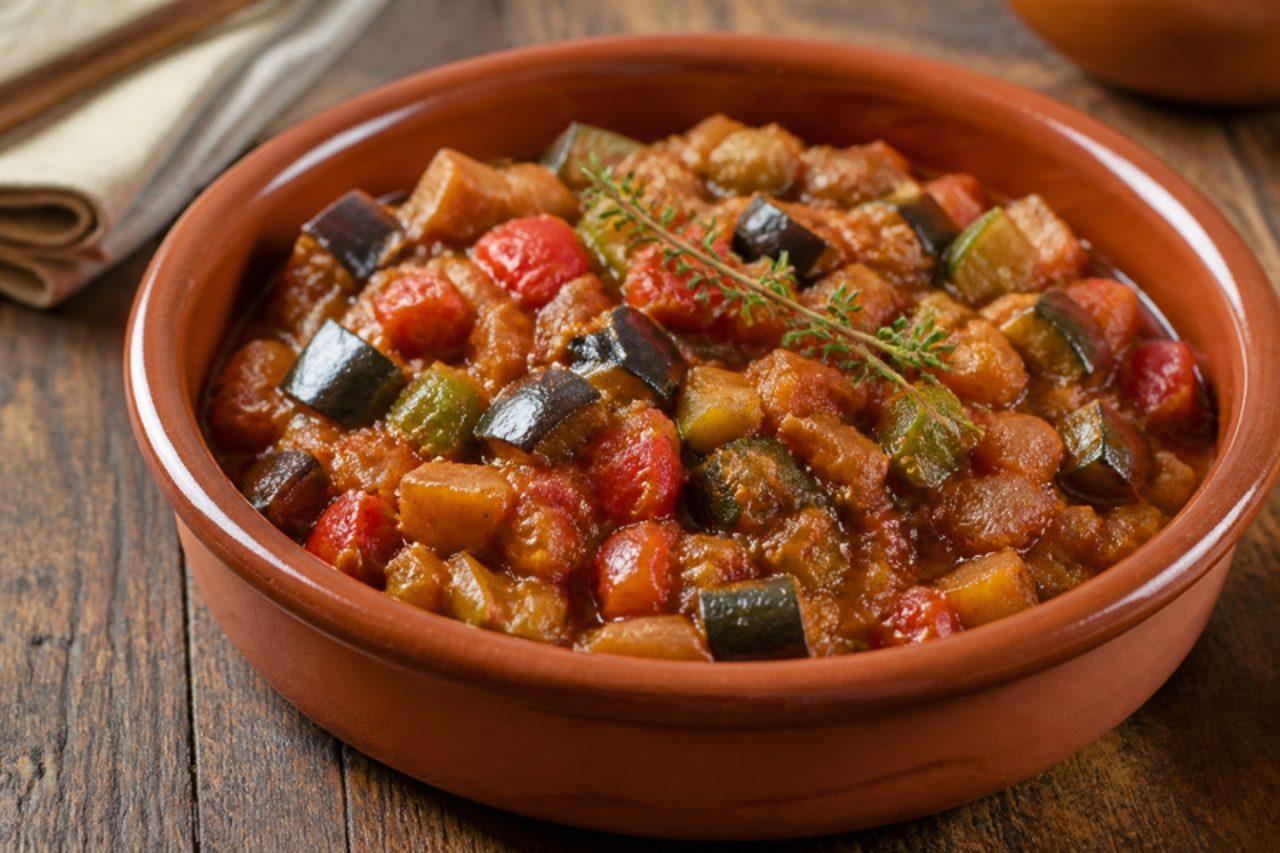
SamfainaOnion, aubergine, courgette and pepper stew

Samfaina is what Catalan kitchens do with a market bag full of late-summer vegetables: they go into the pan in order, each one softening before the next, until they melt into a sweet, glossy stew. It is eaten on its own with bread, spooned beside grilled fish or a fried egg, or used as a sauce for chicken or salt cod. It tastes better the next day. Chef's tip: cut everything to the same 1.5 cm dice, so it all cooks evenly and the finished dish has a soft, even texture.

by KrazyBadal 0 views

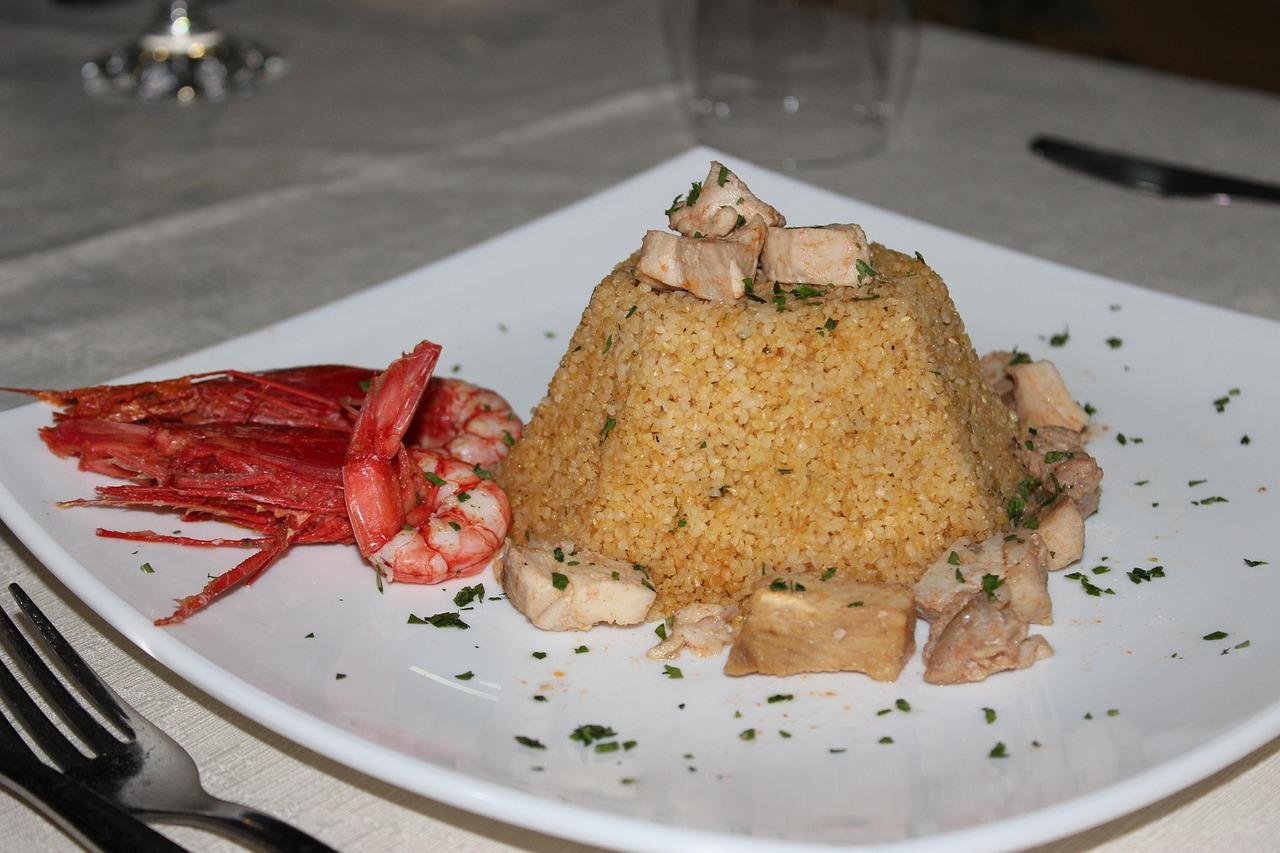
Couscous trapaneseFish couscous

Trapani, on Sicily's western tip, looks across the sea to Tunisia, and its cuscusu is the clearest sign of that old connection; every September the nearby town of San Vito Lo Capo holds a whole festival for it. The couscous is steamed, then soaked in a deep, saffron-tinged fish broth made from mixed fish, tomato and ground almonds, so the grains swell and taste of the sea; the fish itself is served alongside. Traditionally the grains are rolled by hand, but bought couscous is perfectly fine. Serve with a bowl of extra hot broth for each person. Chef's tip: after pouring the broth over the couscous, cover it tightly and leave it alone for a full 20 minutes; this resting is what makes the dish.

105 minItalianFish
by KrazyBadal 0 views

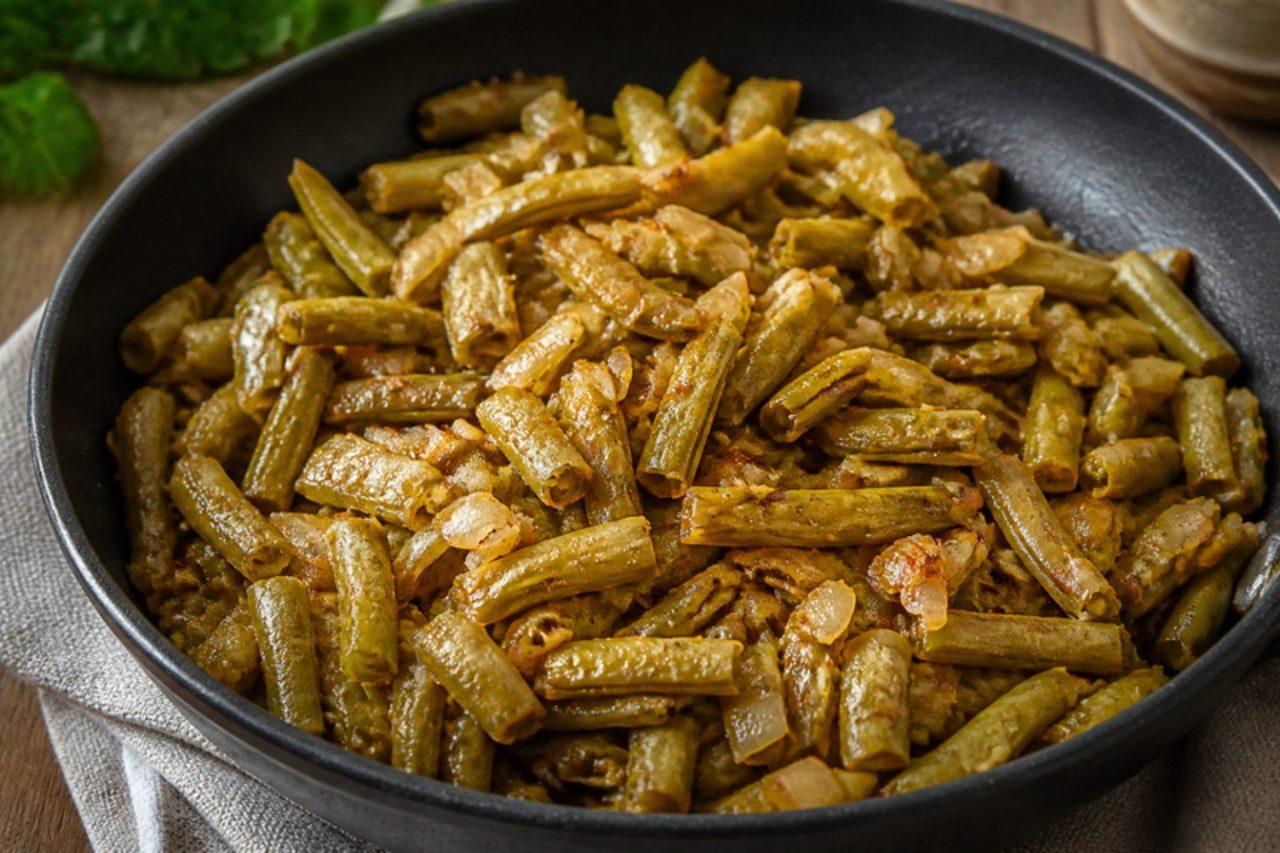
Fasulye turşusu kavurmasıFried pickled green beans

Every autumn, Black Sea households pack crocks with green beans and brine, and through the winter those sour, soft beans are fried with onion and a little butter or oil into one of the region's most loved side dishes. Kavurma means fried, and the beans take on golden edges while keeping their tangy bite; a beaten egg sometimes goes in at the end. Eat it with cornbread, rice pilaf or a bowl of fried anchovies. Common mistake: frying the beans straight from the jar; they spit and taste harshly sour. Chef's tip: soak them in fresh water for half an hour first, tasting as you go, until they are pleasantly sour rather than puckering.

by KrazyBadal 0 views

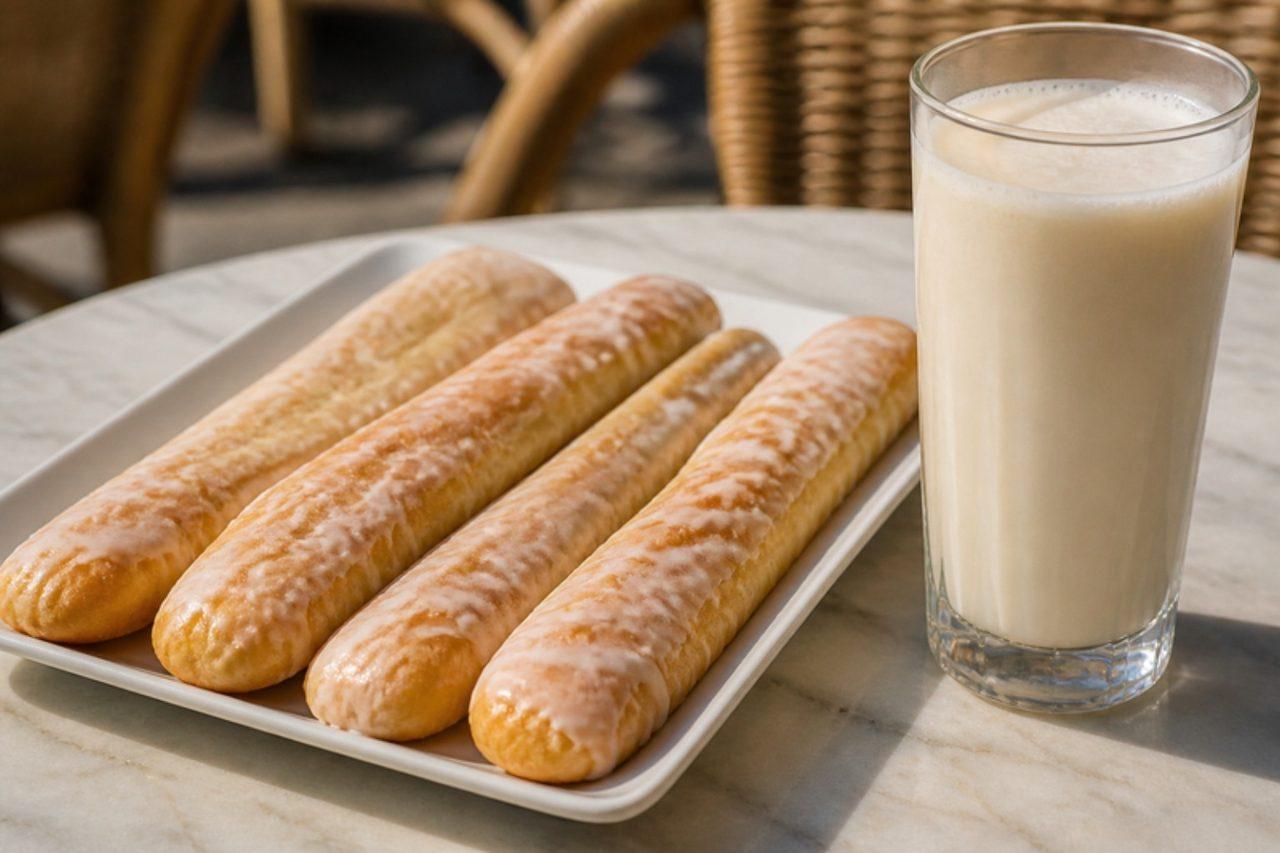
FartonsSweet glazed buns for dipping

In Alboraya, just north of Valencia, the horchaterías that serve cold tiger-nut horchata in summer put a plate of fartons beside every glass: long, slim, soft buns with a shiny sugar glaze, designed to be dunked and to soak up the milky drink without falling apart. The dough is enriched with egg, milk and sunflower oil rather than butter, which gives them their light, cottony crumb. They are just as good with coffee or cold milk. A common mistake is rushing the second rise; under-proved fartons stay tight and bready instead of airy. Chef's tip: roll each strip a little thinner than you think, about as thick as your finger, because they almost double in the oven.

by KrazyBadal 0 views

Showing 63 of 7,888 recipes

Show more recipes

Page 525 of 877