


Skip to content
Chilli mud crab
Featured recipe

Chilli mud crab

Mud crabs are caught in the mangroves of Queensland and the Northern Territory, and in Cairns, Darwin and Brisbane the favourite way to eat them is Asian-Australian style, wok-tossed in a sticky sauce of chilli, garlic, ginger and tomato. It is messy, hands-on eating with crusty bread or rice to mop the sauce. Ask your fishmonger to clean and cut the crab into pieces for you, and cook it the same day. A common mistake is using too little sauce; the shells soak it up. Chef's tip: crack the claws with the back of a heavy knife before cooking so the sauce gets in.

Read more 0 views

What to eat today?

Around the world

Today's trip: Paraguayan

A new country every day, from every cuisine on the site.

Paraguayan

Capeletis a la Caruso

Stuffed pasta in cream sauce 35 minMore from Paraguayan (27) →

This week's collection

Kid-friendly dinners
537 recipes · a new collection every Monday

Latest recipes

Postre de guanábanaSoursop cream dessert

Soursop has a perfume all its own, somewhere between pineapple, banana and citrus, with a creamy white flesh, and Colombians turn it into this no-bake fridge dessert for birthdays, Sunday lunches and Christmas tables. Soursop pulp is blended with condensed milk and lime, then folded through whipped cream and chilled until it sets into a light, mousse-like cream that is sweet, tangy and fragrant. It is served in glasses or one big dish, sometimes with crumbled biscuits on top; leave them out to keep it gluten free. Frozen soursop pulp is sold in Latin American shops and is easier than fresh fruit. If you start from a whole fruit, the error people make is blending the seeds, which are inedible and add bitterness; pick every one out by hand. Plan for at least 4 hours of chilling. Chef's tip: keep back a few spoonfuls of pulp and swirl them over the top just before serving for a sharper finish.

by KrazyBadal 0 views

Postre de natasMilk skin dessert

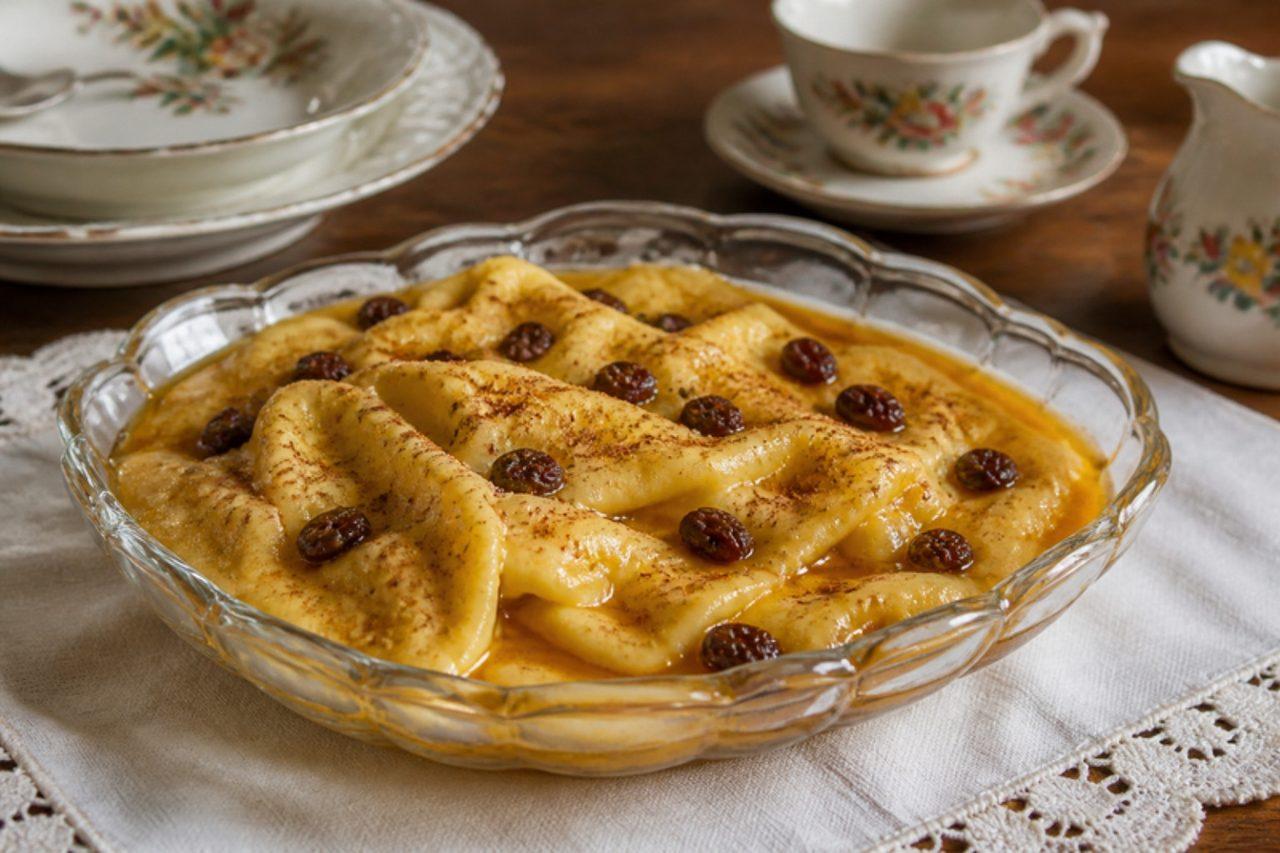
Postre de natas comes from colonial Santa Fe de Bogotá, when farm milk was boiled every day and the thick skins (natas) that formed on top were saved rather than wasted. Today it is a dessert for Christmas and family gatherings: soft, creamy ribbons of milk skin in a pale golden, cinnamon-scented custard dotted with raisins, served cold in small bowls. It takes patience rather than skill. Use full-fat, ideally non-homogenised milk, which forms thicker skins. Stirring the milk while the natas form is the common slip: it breaks them up so nothing can be lifted off. Older recipes add a splash of brandy or sherry; this one leaves it out. Chef's tip: lift each skin with a slotted spoon into a bowl and keep going; the more natas you collect, the more texture the dessert has. Chill for at least 4 hours before serving.

by KrazyBadal 0 views

Postre vigilanteCheese with quince paste

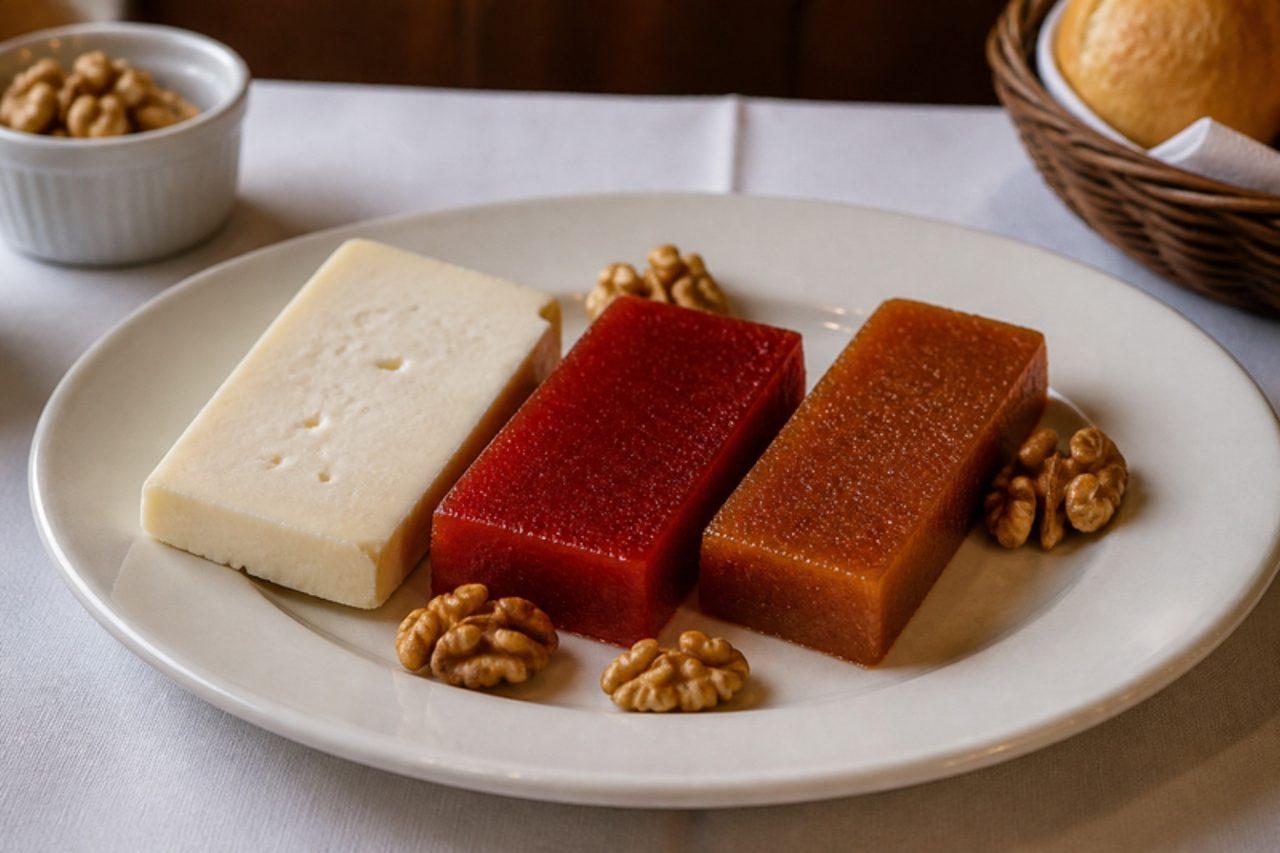
Ask for dessert in an old Buenos Aires bodegón and the waiter will rattle off flan, budín and, inevitably, vigilante: a thick slab of soft, mild cheese laid beside an equal slab of dulce de membrillo or dulce de batata. The name, "policeman", is said to come from the beat officers who ordered it as a cheap sweet in early twentieth-century cafés; Uruguayans call the same plate Martín Fierro. It is salty against sweet, creamy against firm, and takes five minutes. The traditional cheese is fresh queso cremoso or cuartirolo, or a firmer port salut; a young Havarti or mild Gouda is the best stand-in abroad. Like many soft cheeses, these are often made with animal rennet, so check the label for a vegetarian (microbial-rennet) cheese. The usual error is cutting the slabs thin like a cheese board; vigilante is about generous, equal bricks. Chef's tip: take the cheese out of the fridge 20 minutes ahead; cold cheese tastes of nothing next to the paste.

by KrazyBadal 0 views

Potaje de berrosWatercress and bean stew

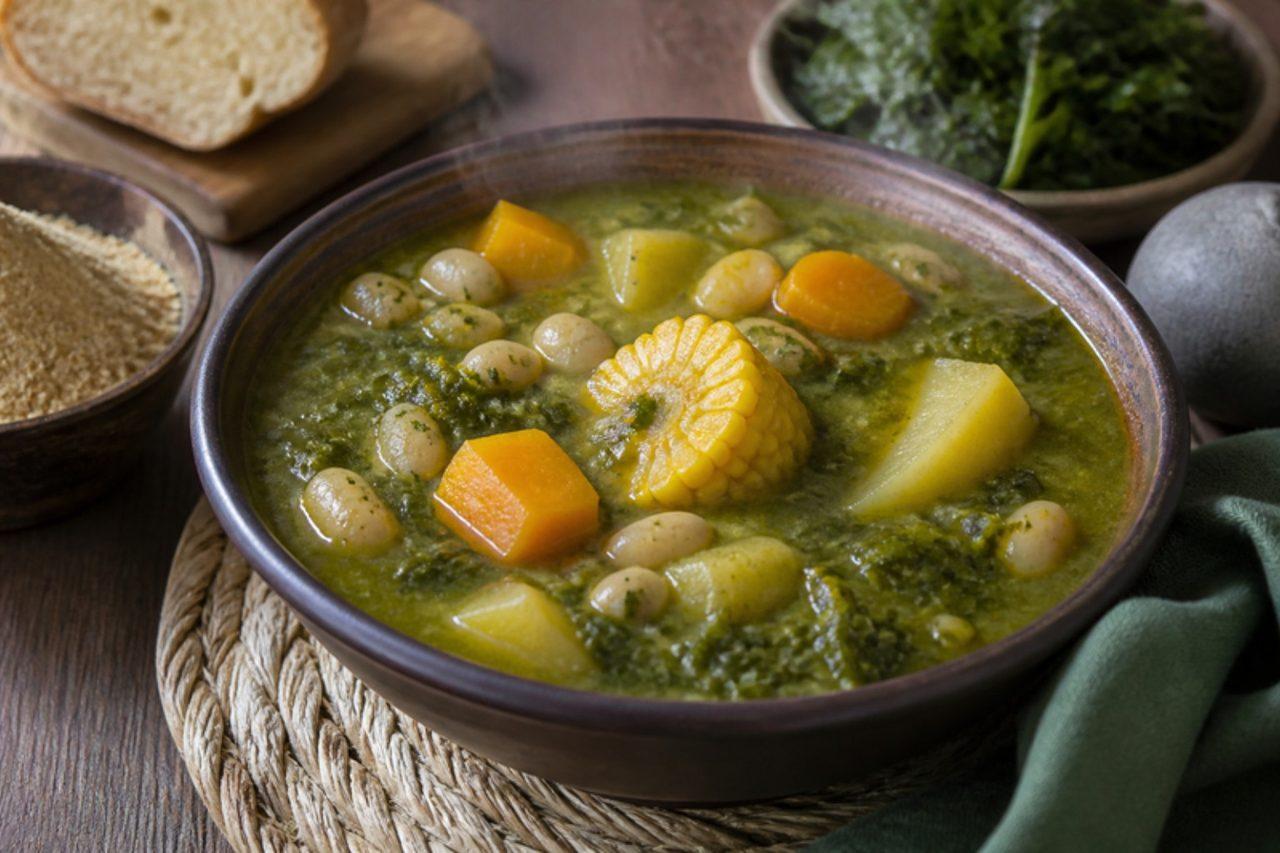
Watercress grows wild in the irrigation channels and ravines of Tenerife and La Palma, and in the cool months it goes into potaje de berros, a thick, green, cumin-scented stew that islanders eat by the bowlful with a spoon of gofio stirred in. It is a cheap, filling family supper, and a good one to make ahead. Pork ribs or belly often go in for flavour; this version leaves them out and is vegan, relying on garlic, cumin and paprika instead. Chef's tip: cook the watercress for most of the time, not just at the end, so it collapses into the broth and gives the stew its earthy depth.

by KrazyBadal 0 views

Potée auvergnatePork, cabbage and sausage pot

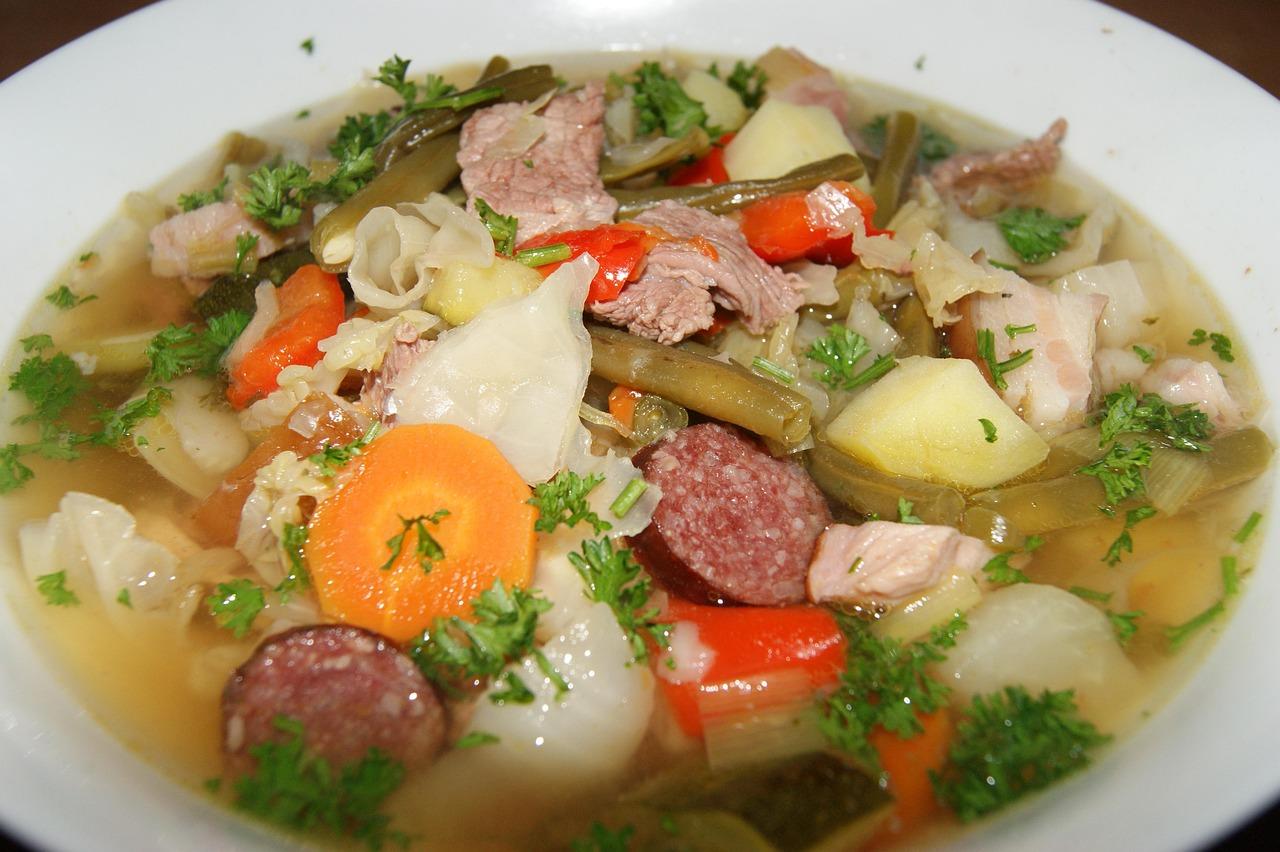
High in the Massif Central, potée auvergnate is what farmhouses put on the stove when the first frosts arrive: a pork dish of salt pork belly and smoked pork sausage simmered slowly with savoy cabbage, carrots, turnips and potatoes. The broth comes out clear, smoky and gently salty, and the vegetables soak up all that pork flavour while keeping their shape. In the Cantal it is served in two rounds, the broth poured over slices of toasted country bread first, then the meat and vegetables on a big platter with strong mustard and gherkins. Chef's tip: soak the salt pork first and taste the broth before you add any salt; between the belly and the sausage it rarely needs more.

180 minFrenchMeat
by KrazyBadal 0 views

Potée lorraineSmoked pork and white bean pot

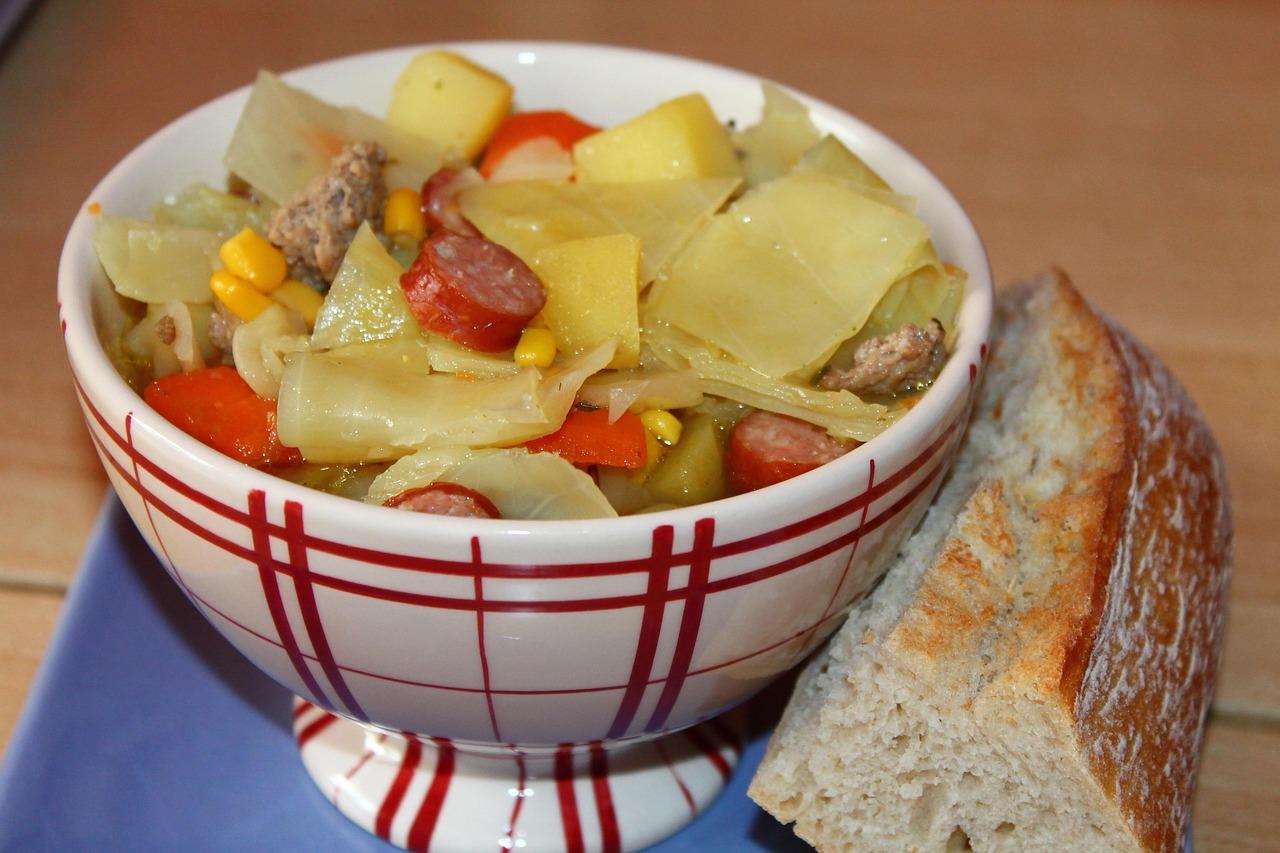
In Lorraine farmhouses around Nancy and the Vosges foothills, the potée simmered on the stove through winter and fed the household after a cold morning outside. It is a pork dish through and through: smoked pork shoulder, smoked belly and a garlic sausage gently poached with a whole green cabbage, carrots, turnips, leeks and white beans until the broth is smoky and the vegetables melt. The broth is ladled out first, sometimes over toasted bread, and the meat and vegetables follow with mustard and gherkins. Chef's tip: blanch the cabbage for five minutes before adding it to the pot, which takes away its sulphurous edge and keeps the broth sweet.

180 minFrenchMeat
by KrazyBadal 0 views

PotjevleeschJellied chicken, rabbit, pork and veal

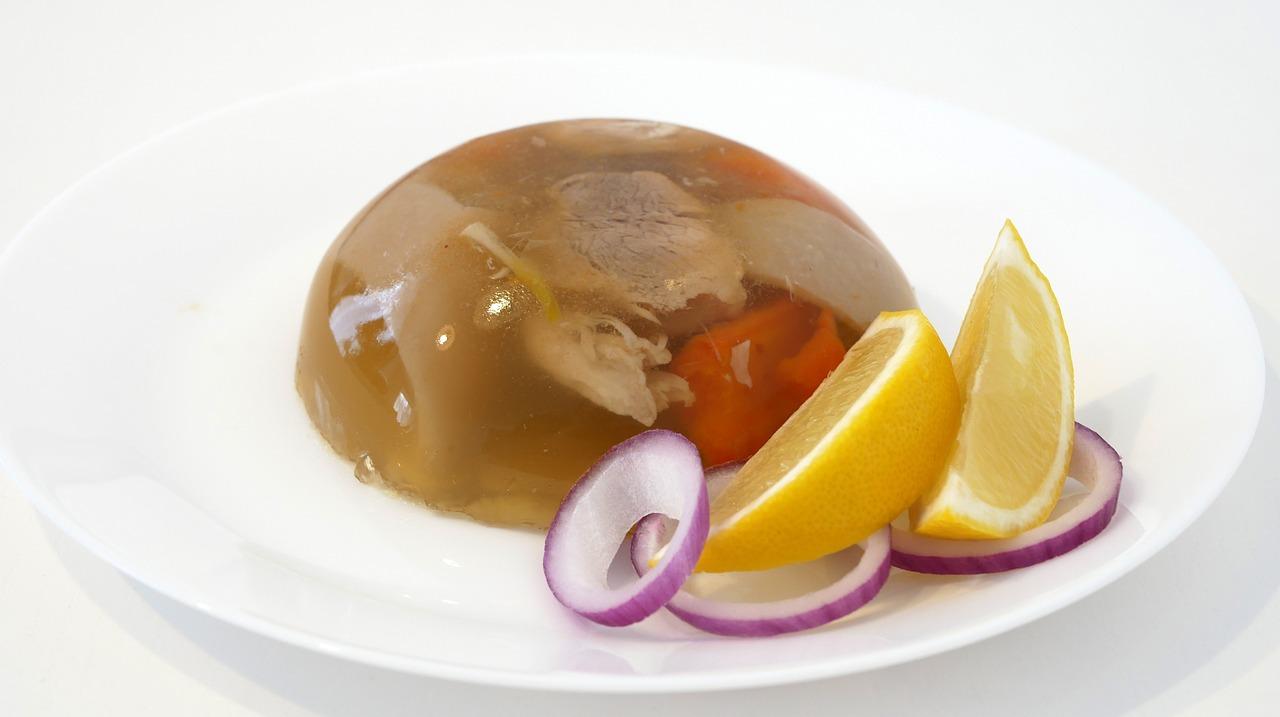
Potjevleesch, Flemish for "little pot of meat", comes from French Flanders around Dunkirk, Bergues and Hazebrouck, where it fills the cold cabinets of every friterie and estaminet. Chunks of chicken, rabbit, pork and veal are layered with onion, garlic and herbs, covered with white wine and a little vinegar and baked slowly in a covered terrine; the juices are then set with gelatine so the meat is held in a clear, tangy jelly. It is eaten cold, sliced, with hot chips and a green salad, a contrast that the Nord loves. It contains pork and uses white wine; the notes give an alcohol-free option. If rabbit is hard to find, use more chicken thighs. Chef's tip: slice it straight from the fridge with a hot knife, so the jelly cuts cleanly.

930 minFrenchMeatGluten free
by KrazyBadal 0 views

PoulakiThin saffron sugar candy

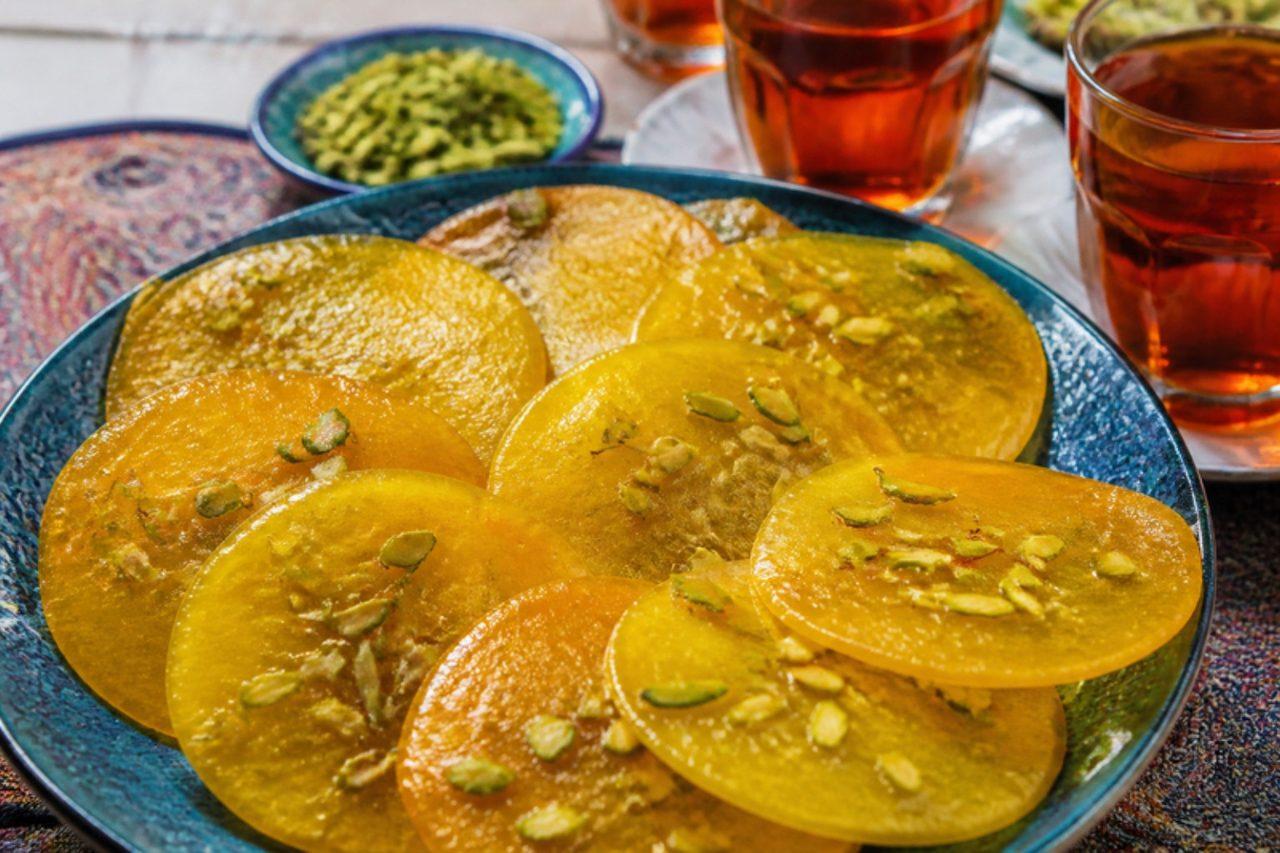
Poulaki are the paper-thin golden sugar coins sold by weight in Isfahan's sweet shops, meant to be held between the teeth while you sip strong black tea. The name comes from 'poul', the old word for coin, and Isfahanis serve them with tea to guests at any hour, flavoured with saffron, cardamom or sesame. Only sugar, a little vinegar and spice are needed, but timing matters. A common mistake is pouring the drops too big: they should spread no wider than 4 cm or they stay chewy in the middle. Chef's tip: work on a cold, lightly oiled marble or steel tray, which sets the coins in seconds and keeps them glassy.

by KrazyBadal 0 views

Poulet vallée d'AugeChicken in cider and cream sauce

The Pays d'Auge, the green orchard country around Lisieux and Pont-l'Évêque, puts its three great products into one pan here: apples, cider and thick Normandy cream. Chicken pieces are browned in butter, flamed with a splash of Calvados if you like, braised in dry cider with mushrooms and finished with crème fraîche, so the sauce is tangy, gently sweet and pale gold. It is a Sunday lunch dish, served with rice or steamed potatoes and wedges of apple caramelised in butter. The recipe uses cider and optional Calvados; alcohol-free swaps are in the ingredient notes. Chef's tip: choose a dry cider, because a sweet one makes the sauce cloying once it reduces.

by KrazyBadal 0 views

Showing 9 of 7,762 recipes

Show more recipes

Page 526 of 863