


Skip to content
Pastel vasco
Featured recipe

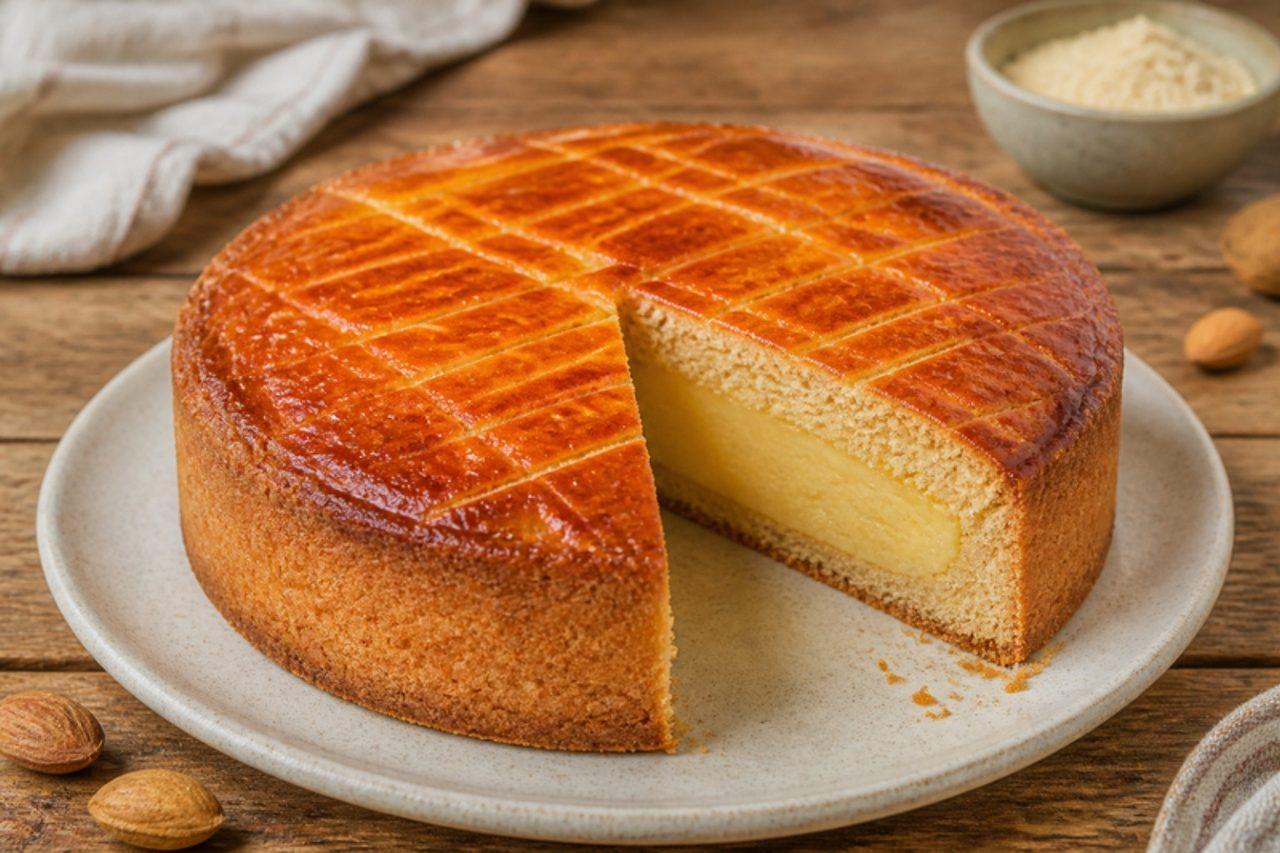
Pastel vasco

Almond cake with pastry cream

Bakeries across the French Basque province of Labourd, from Cambo-les-Bains to Saint-Jean-de-Luz, sell this round cake by the slice, and the village of Itxassou has long filled it with black cherry jam instead of cream. The dough sits between a biscuit and a shortcake, rich with butter and ground almonds, and it hides a thick layer of vanilla pastry cream. Some bakers add a spoon of rum to the cream; this one leaves it out. A common mistake is baking it too pale, so the crust stays soft: wait for a deep golden top. Chef's tip: chill the dough well, as it is very soft and much easier to roll when cold.

Read more 0 views

What to eat today?

Around the world

Today's trip: Paraguayan

A new country every day, from every cuisine on the site.

Paraguayan

Lampreado

Cassava starch cheese fritters 30 minMore from Paraguayan (27) →

This week's collection

Kid-friendly dinners
537 recipes · a new collection every Monday

Latest recipes

PatarashcaLeaf-wrapped grilled fish

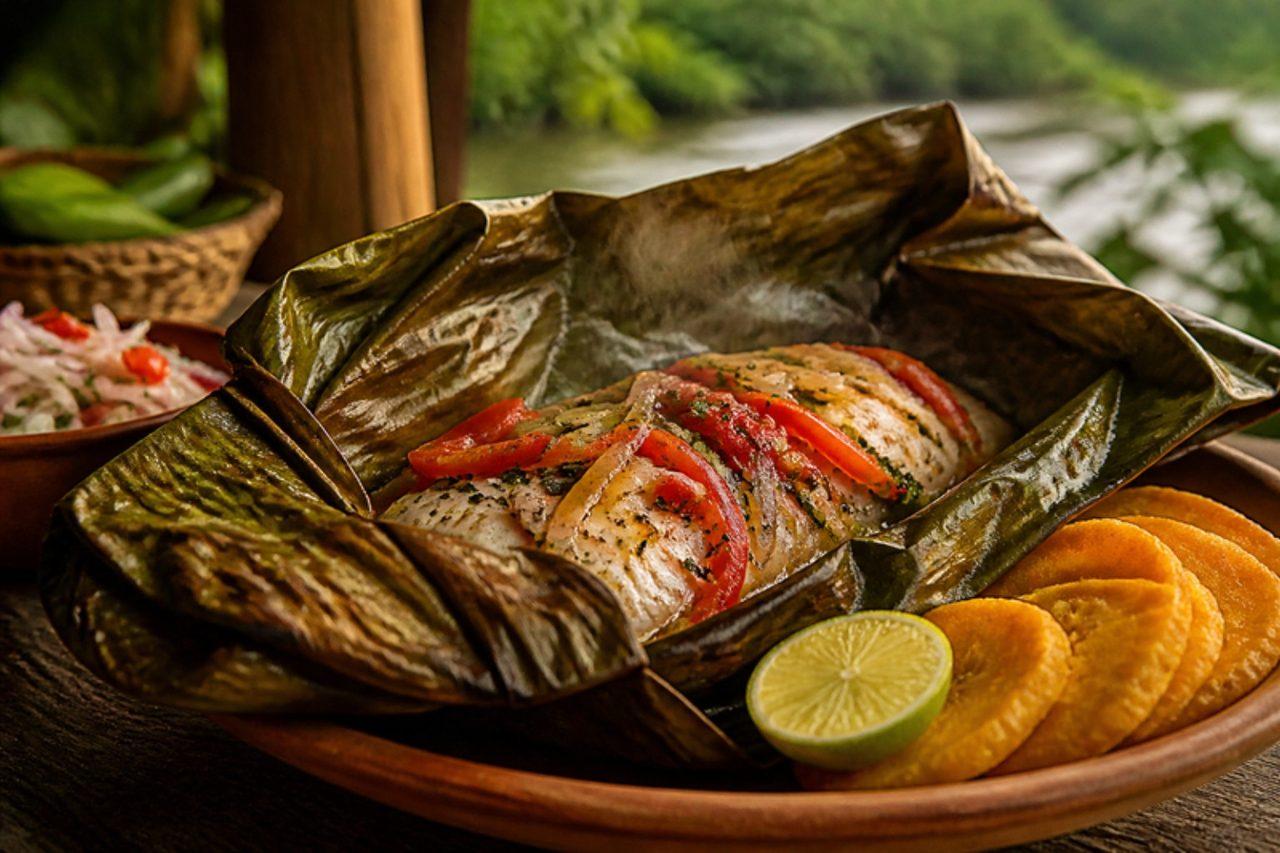
Wrapping fish in leaves and cooking it over embers is how the riverside towns of Loreto and San Martín have always cooked their catch, and in Iquitos patarashca is sold on Belén market grills and in the restaurants along the Malecón. A whole fish or thick fillet is smeared with garlic, ají dulce, tomato, onion, cumin and sacha culantro, folded in large bijao leaves and grilled until the parcel chars and the fish steams in its own juices. When you open it, the flesh is soft and fragrant with herbs. Banana leaves from Asian shops are the best swap for bijao; foil works at a pinch. Too thin a parcel is the usual mistake: the leaves burn through and the fish dries out, so use two layers. Chef's tip: serve it in the opened leaf with boiled plantain or cassava and spoon up every drop of the juices.

by KrazyBadal 0 views

PatascaHominy and tripe soup

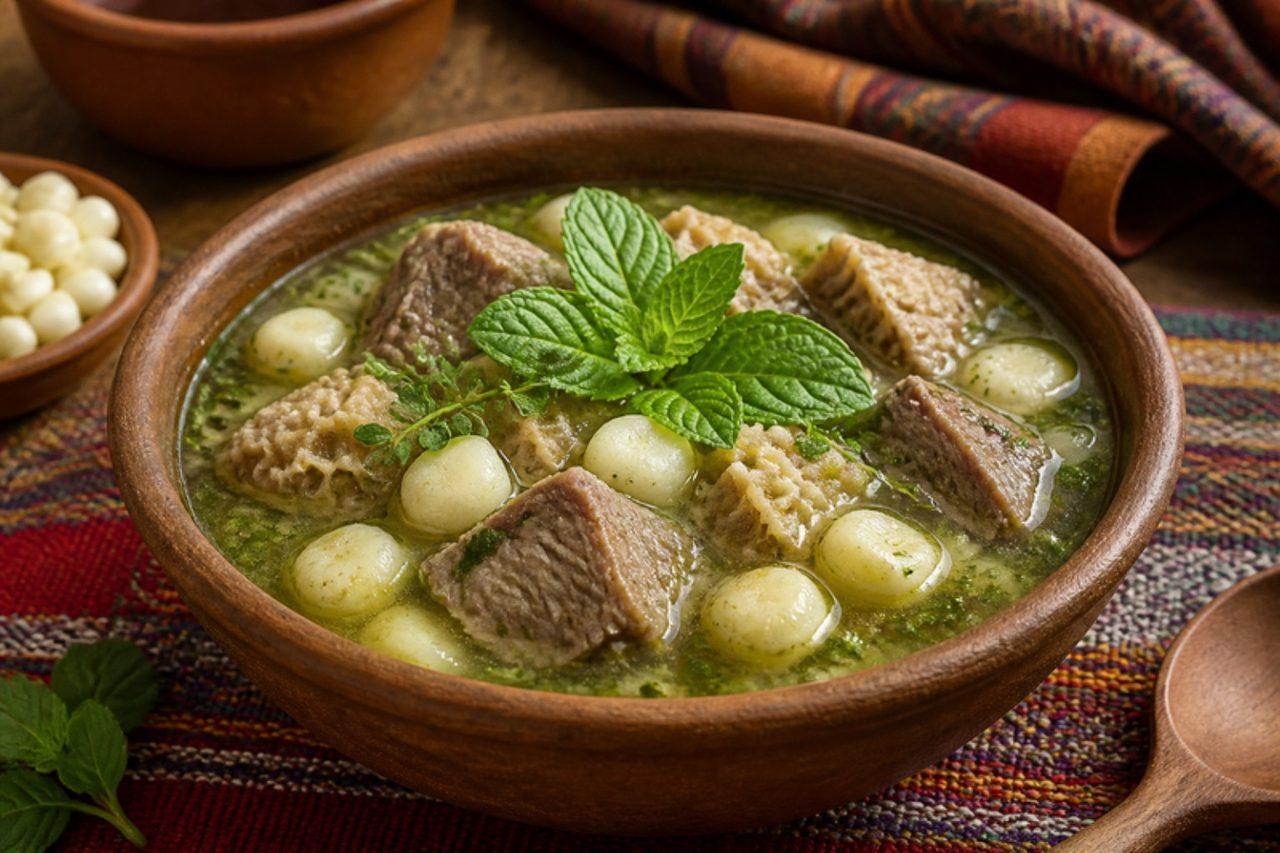
Through the highlands of Ayacucho, Huancavelica and Apurímac, patasca (also called mondongo) is the soup for cold mornings, carnivals and the day after a fiesta: plump white mote, dried maize kernels that burst open like flowers after long boiling, in a clear, rich broth with honeycomb tripe and beef shin, perfumed with mint and oregano. It is filling and gentle, and gets its fire at the table from a spoon of rocoto sauce. Plan ahead: the maize needs an overnight soak and several hours of simmering. Buy tripe cleaned and blanched from a butcher or Latin or halal shop; it must be simmered until soft and fully cooked. The typical mistake is salting the mote early, which keeps the kernels hard. Chef's tip: cook the maize and the tripe in separate pots, then combine; each needs a different time and the broth stays cleaner.

by KrazyBadal 0 views

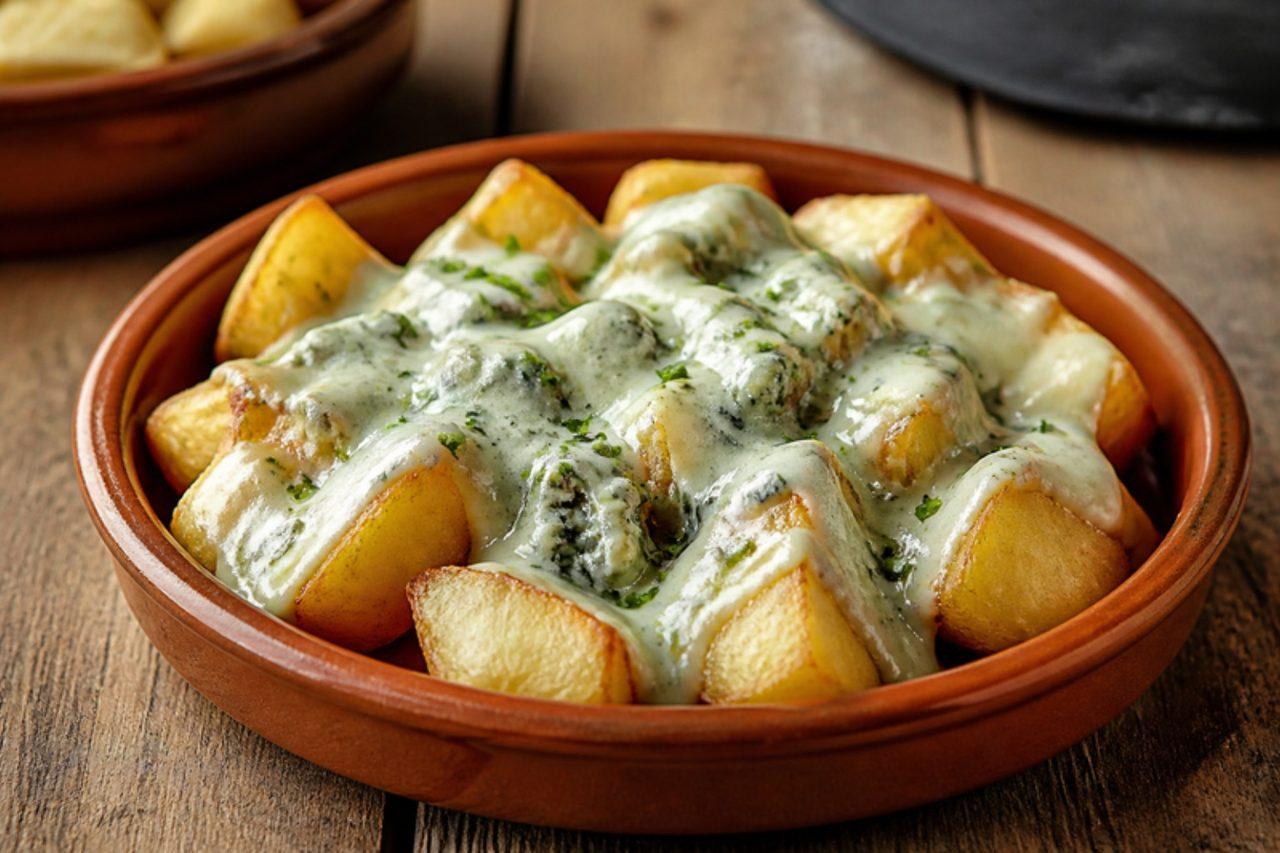
Patatas al cabralesFried potatoes with blue cheese sauce

Cabrales is ripened in limestone caves in the Picos de Europa, and the bars of Arenas de Cabrales and Cangas de Onís pour it, melted into cream, over hot chips as a ración to share with a bottle of cider. The sauce is sharp, salty and very rich, so a little goes a long way. Most cabrales is made with animal rennet; for a strictly vegetarian dish, choose a blue cheese labelled vegetarian. Chef's tip: keep the sauce below a boil once the cheese goes in, or it splits and turns grainy.

by KrazyBadal 0 views

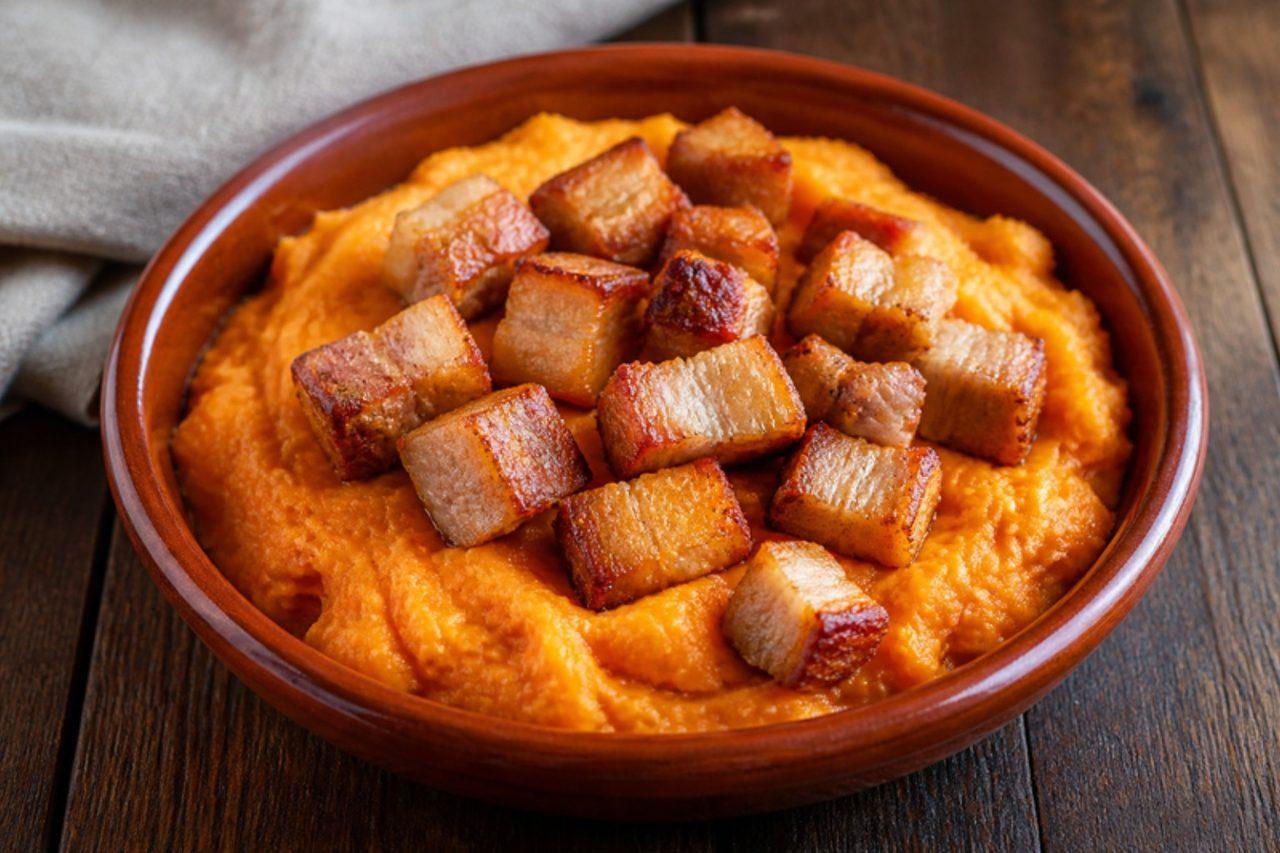
Patatas revolconasPaprika mashed potatoes with crisp pork

Shepherds in the Gredos mountains of Ávila once lived on these "tumbled" potatoes, roughly mashed with garlicky paprika oil and topped with crunchy fried pork belly, called torreznos. Bars in Ávila, Salamanca and Béjar now serve them on the house as a tapa, or as a starter before a steak on a chilly evening. This contains pork (pork belly). Chef's tip: save the potato cooking water; a splash makes the mash loose and spoonable without milk or butter.

by KrazyBadal 0 views

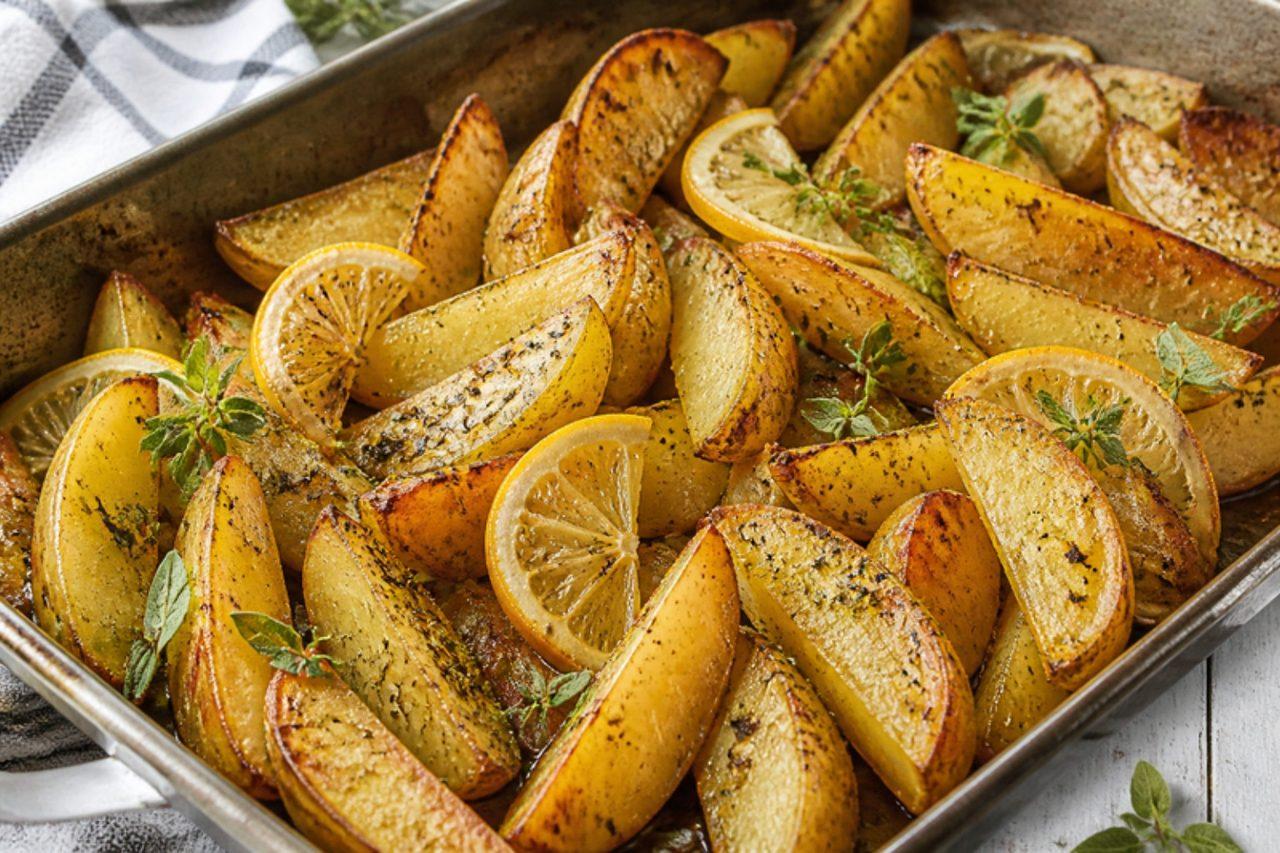
Patates lemonatesLemon-oregano roast potatoes

These are the potatoes that come out of Peloponnese bakers' ovens alongside Sunday roasts, and that every Greek grandmother has a firm opinion on. Wedges roast in a bath of lemon juice, olive oil, garlic and oregano; the liquid soaks into the potatoes, then evaporates, leaving them sticky, golden and tangy, with fluffy middles. Serve with roast chicken or lamb, or with feta, a salad and bread for a meatless lunch. Common mistake: crowding the tin, so the potatoes steam instead of browning. Chef's tip: add a final squeeze of fresh lemon as they come out of the oven; the cooked juice loses its brightness.

90 minGreekSidesVeganGluten free
by KrazyBadal 0 views

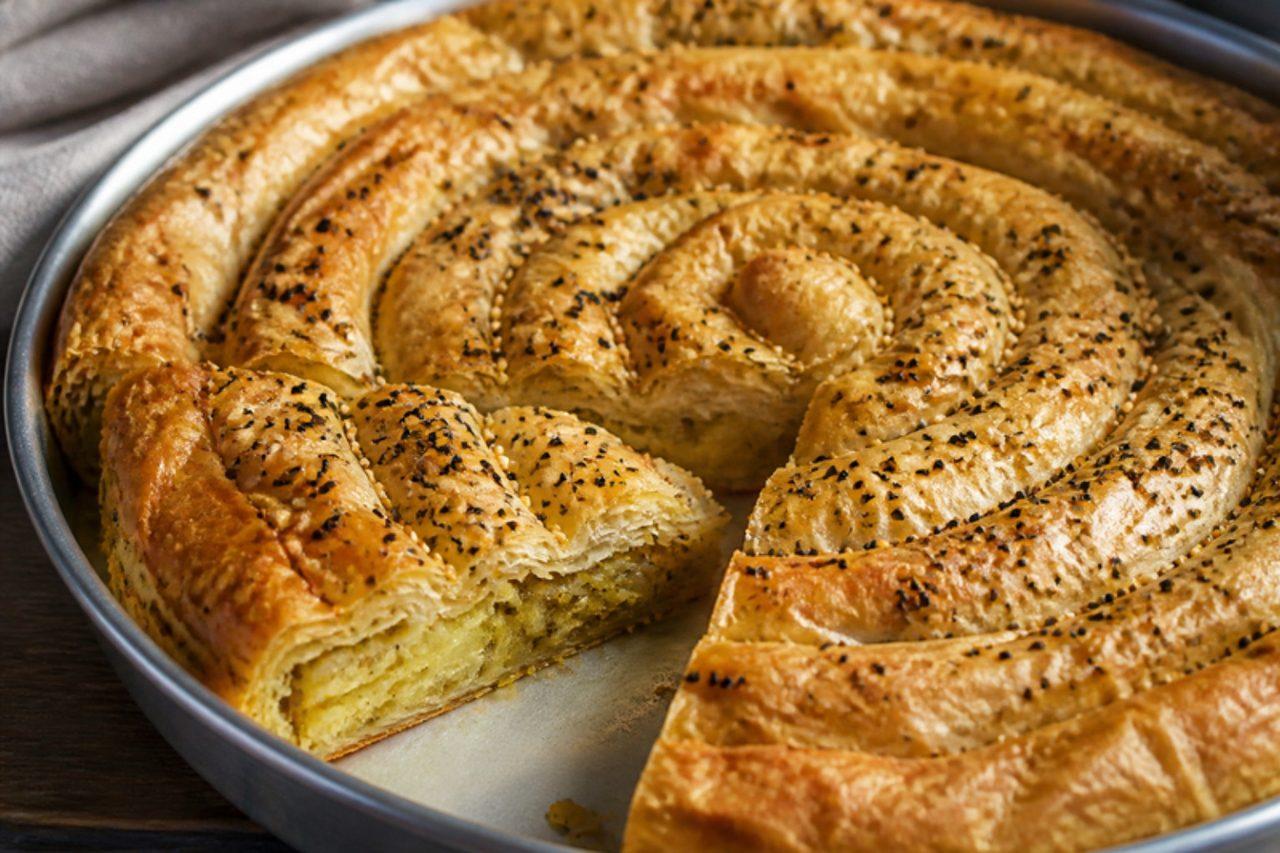
Patatesli kol böreğiPotato and onion filo coil

Kol böreği is the long 'arm' börek that Istanbul neighbourhood bakeries coil into round trays and sell by weight in the morning, and the potato version is the one home cooks make for guests at five o'clock tea. Thin sheets of yufka are brushed with a milk and oil wash, rolled around a peppery potato and onion filling, then coiled and baked until shatteringly crisp outside and soft within. Serve it warm with tea or ayran. Chef's tip: let the filling cool completely before rolling; warm potato steams the pastry from inside and makes it soggy.

by KrazyBadal 0 views

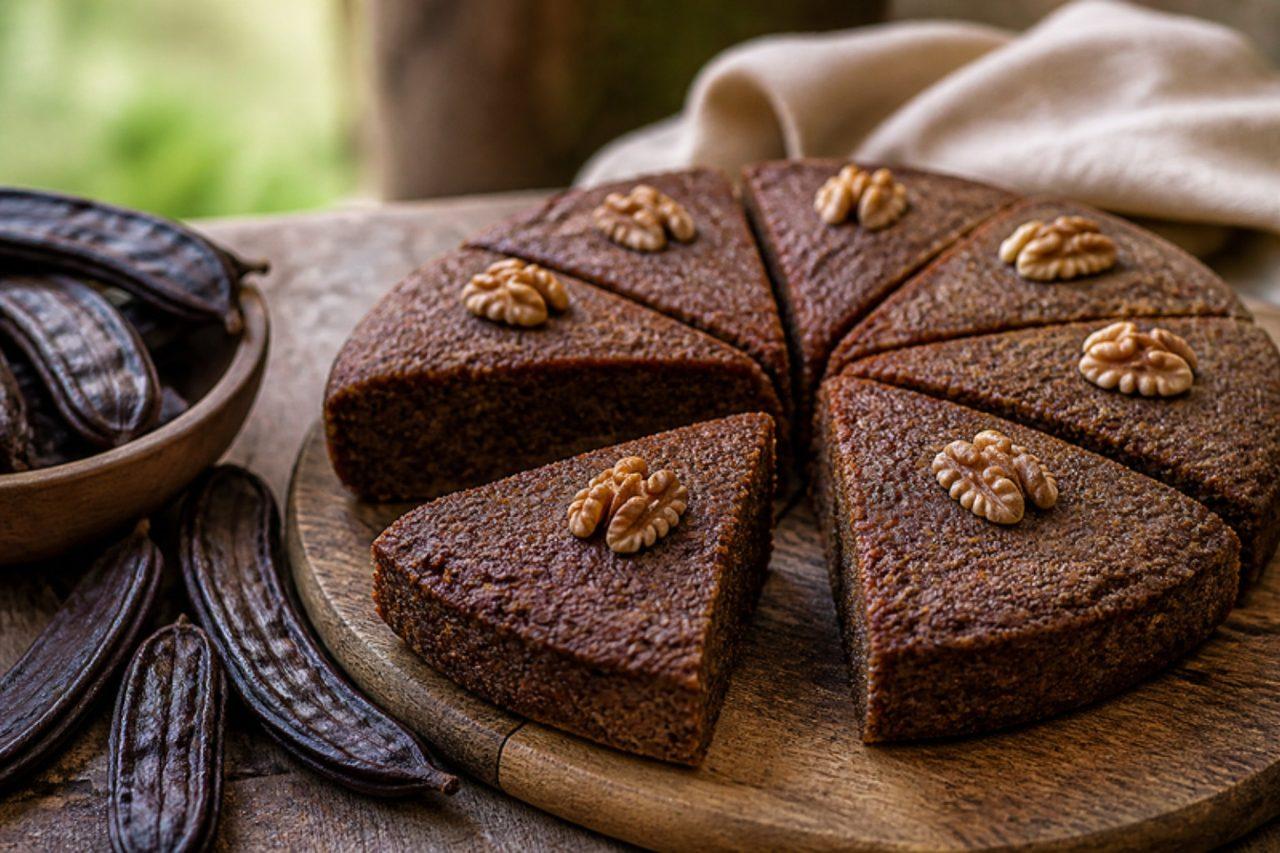
PatayAlgarroba pod cake

Long before sugar reached the dry northwest, the pods of the algarrobo tree were the region's sweetness, and patay is the oldest way of keeping them: the pods are ground, the flour is moistened and pressed into a cake that dries into something dense, fudgy and naturally sweet, with notes of cocoa, coffee and caramel. In Santiago del Estero you still buy it in round slabs at markets and roadside stalls, to eat with mate or to crumble into milk. Harina de algarroba comes from the South American Prosopis tree; look for it in health-food shops or online, and mesquite flour is the same family and works well. Mediterranean carob flour is different and tastes more bitter. Too much water is the way most first attempts go wrong: the cake should be pressed from a damp, crumbly mix, not a batter, or it bakes up gummy. Chef's tip: sieve the flour twice; algarroba flour clumps, and lumps stay as hard grains.

by KrazyBadal 0 views

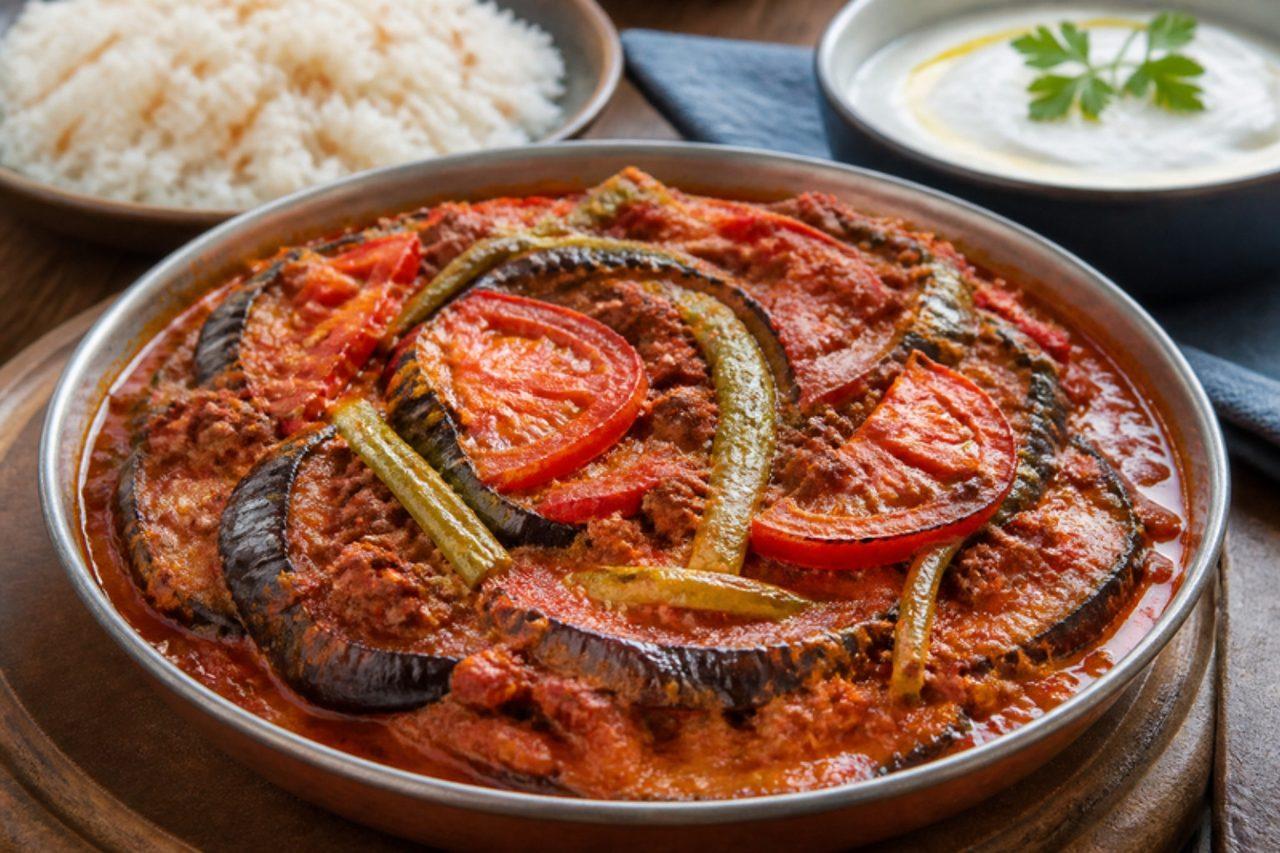
Patlıcan musakkaAubergine and mince stew

Turkish musakka has little in common with the Greek bake: there is no béchamel and no potato, just fried aubergine and a mince sauce with peppers and tomato, layered in a pan and simmered until the aubergine melts. It is a summer favourite in home kitchens from İzmir to Ankara, served warm with rice pilaf and a bowl of cacık. Salting and draining the aubergine stops it drinking too much oil. Common mistake: frying the aubergine pale; it needs to be properly golden or it turns slimy in the sauce. Chef's tip: bake the aubergine slices brushed with oil at 220 °C instead of frying if you want a lighter dish.

by KrazyBadal 0 views

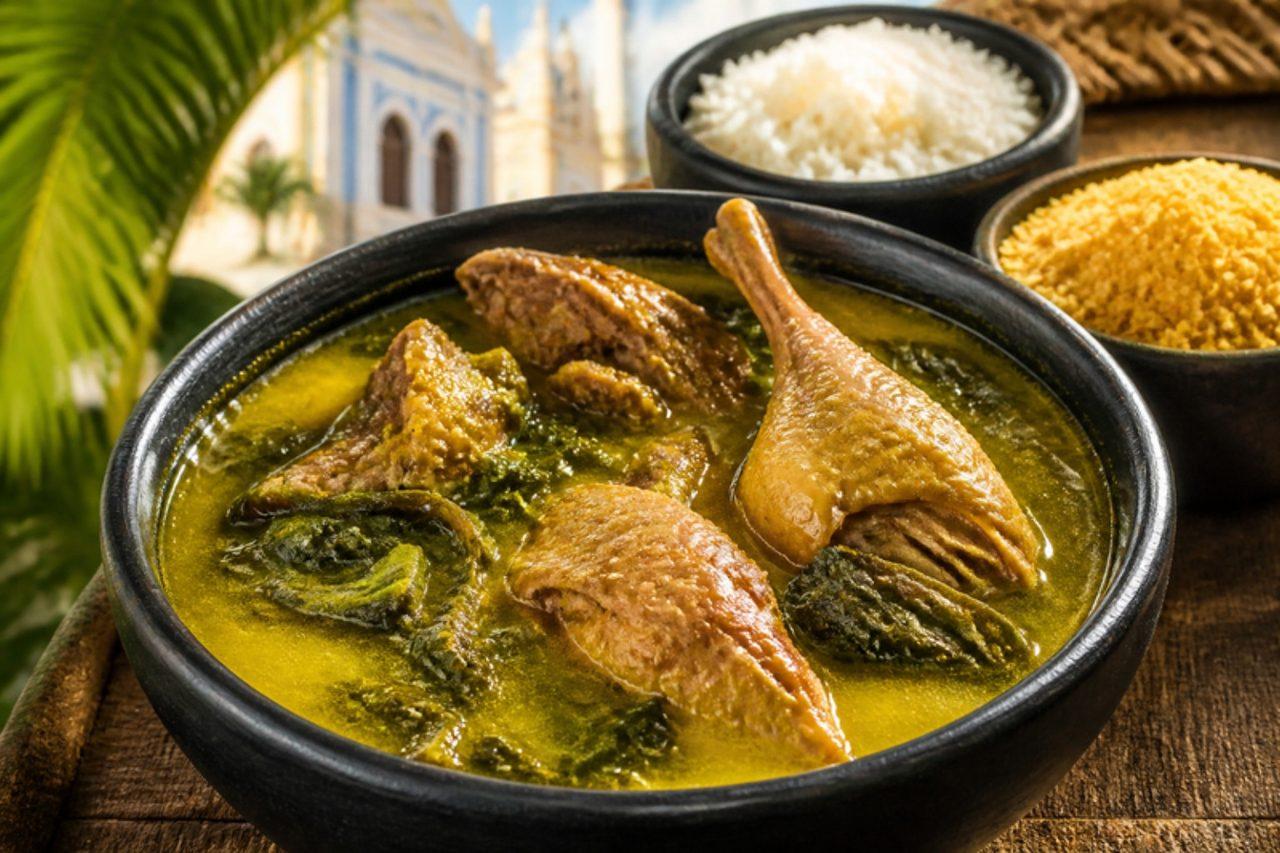
Pato no tucupiDuck in cassava tucupi broth

Belém eats pato no tucupi above all at the Círio de Nazaré lunch in October, but restaurants around the Ver-o-Peso serve it year round. Duck is marinated, roasted until the skin is brown, then simmered in tucupi, the yellow, sour broth pressed from wild cassava, with garlic, culantro and basil, and finished with jambu, a leaf that makes lips tingle and go pleasantly numb. The flavour is tart, savoury and electric. Raw tucupi is toxic: buy only commercial tucupi sold frozen or bottled in Brazilian shops, which has already been cooked, and still boil it as below. Jambu is sold frozen there too, or as fresh paracress (Szechuan buttons). Allow an overnight marinade in the fridge. A frequent mistake is skipping the roast and just boiling the duck, which leaves the skin flabby and the broth greasy. Serve with white rice and farinha d'água. Chef's tip: blanch the jambu separately and add it at the end so it stays green and keeps its buzz.

by KrazyBadal 0 views

Showing 9 of 7,762 recipes

Show more recipes

Page 523 of 863