


Skip to content
Easter pâté
Featured recipe

Easter pâté

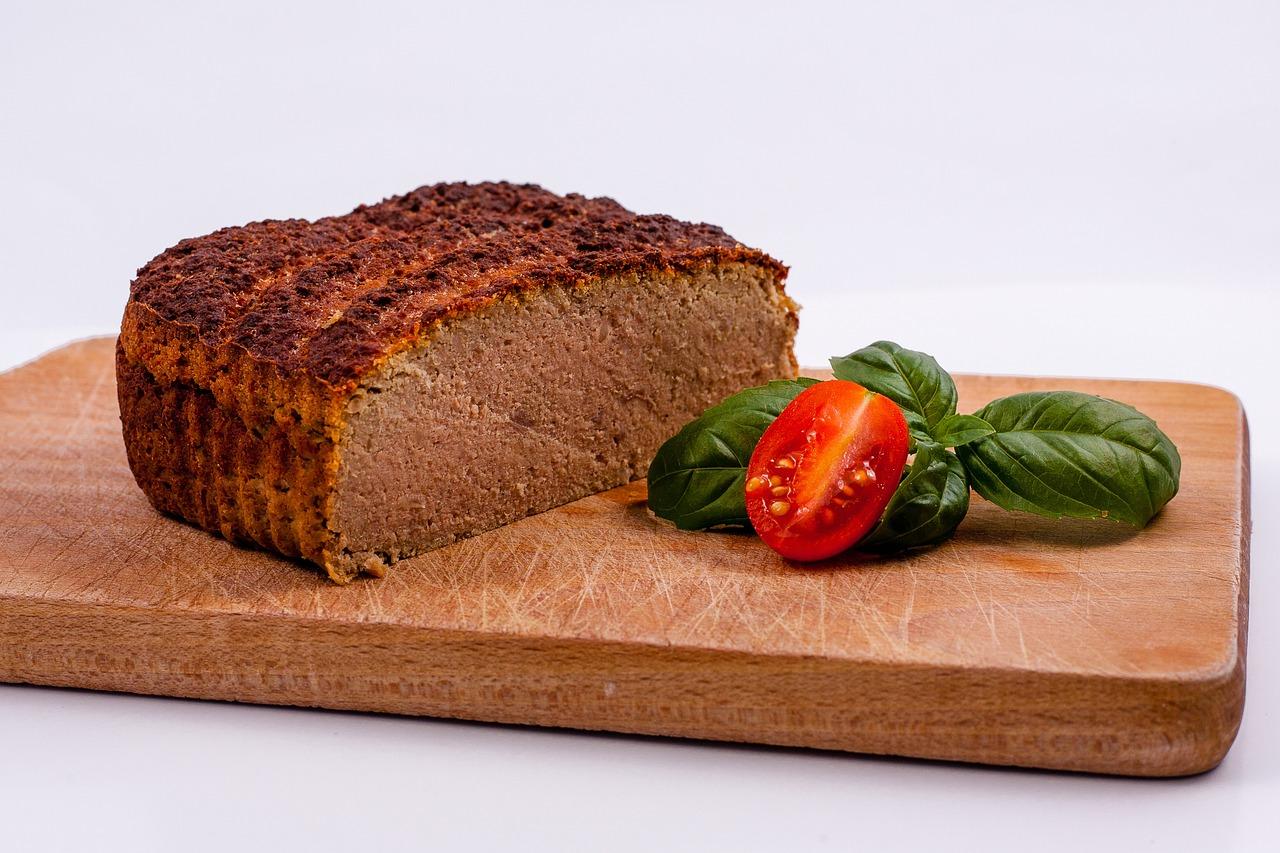
A thick slice of homemade pasztet belongs on the Easter breakfast table after the blessing of the food basket, next to ham, eggs, ćwikła and white sausage. This baked loaf combines pork shoulder, chicken thighs and pork liver, simmered with root vegetables and allspice, minced twice and baked until firm, so it slices cleanly yet stays moist and spreadable. Marjoram and nutmeg give it the classic Polish flavour; serve it cold with horseradish, beetroot relish and pickles. Overbaking dries it out, but underbaking is the bigger risk with poultry and liver, so always check the centre with a thermometer. Bake it two days ahead: it needs to chill overnight to set, and it keeps for five days in the fridge. Chef's tip: save the cooking stock and add it a ladle at a time as you mix; the mixture should be as soft as thick porridge, which keeps the finished loaf juicy.

Read more 0 views

What to eat today?

Around the world

Today's trip: Persian

A new country every day, from every cuisine on the site.

Persian

Homemade kashk

Fermented yogurt whey 90 minMore from Persian (131) →

This week's collection

Kid-friendly dinners
578 recipes · a new collection every Monday

Latest recipes

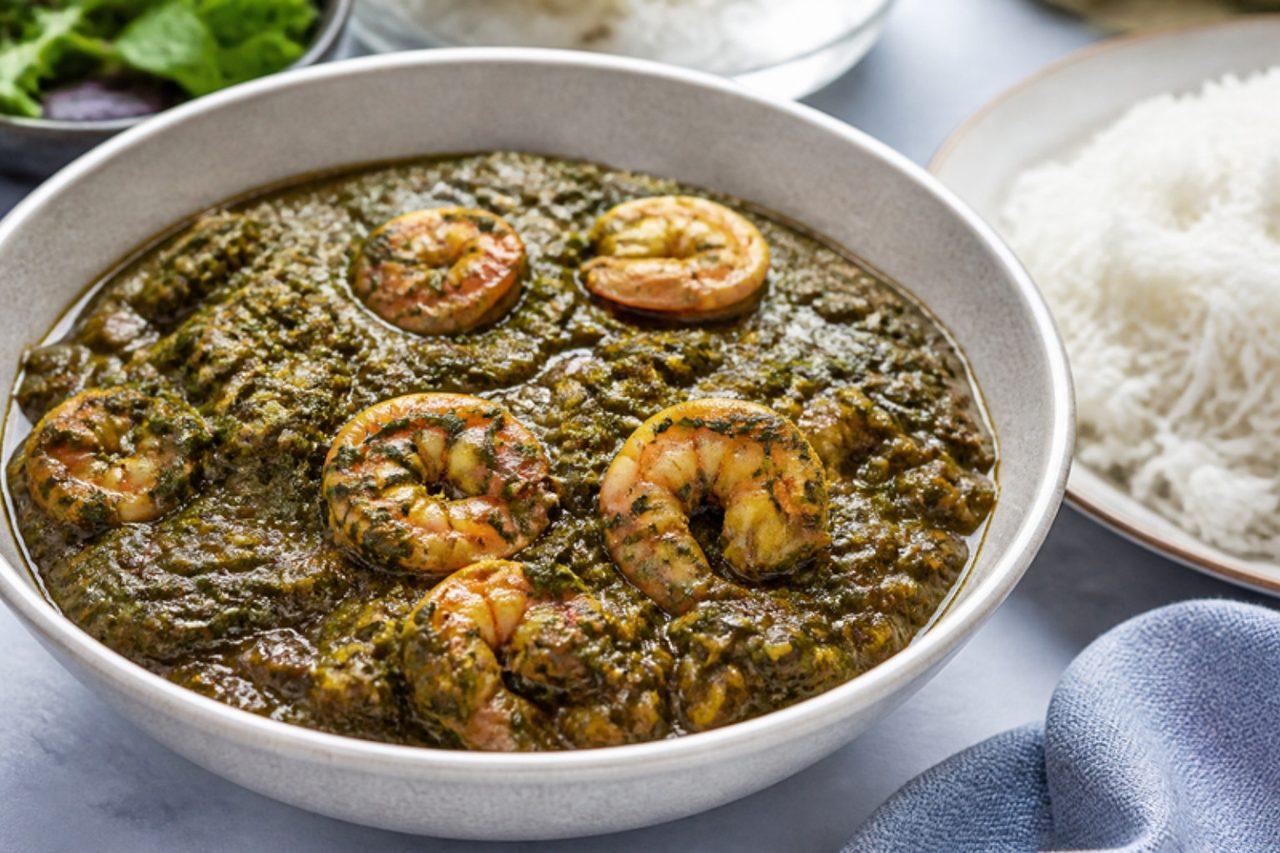
Ghalieh meygooSpicy prawn and tamarind stew

In Bushehr, where the fishing boats bring in Gulf prawns every morning, ghalieh meygoo is the dish cooks make when they want something quicker and a little more festive than the fish version. The same base of slow-fried coriander, fenugreek and garlic is soured with tamarind and fired up with chilli, then the prawns go in for just a few minutes so they stay sweet and juicy. It is eaten with plain chelow rice and a raw onion on the side. A common mistake is simmering the prawns with the sauce from the start, which leaves them rubbery and small. Chef's tip: simmer the prawn shells in the water for 10 minutes first and use that stock; it gives the sauce a real taste of the sea.

by KrazyBadal 0 views
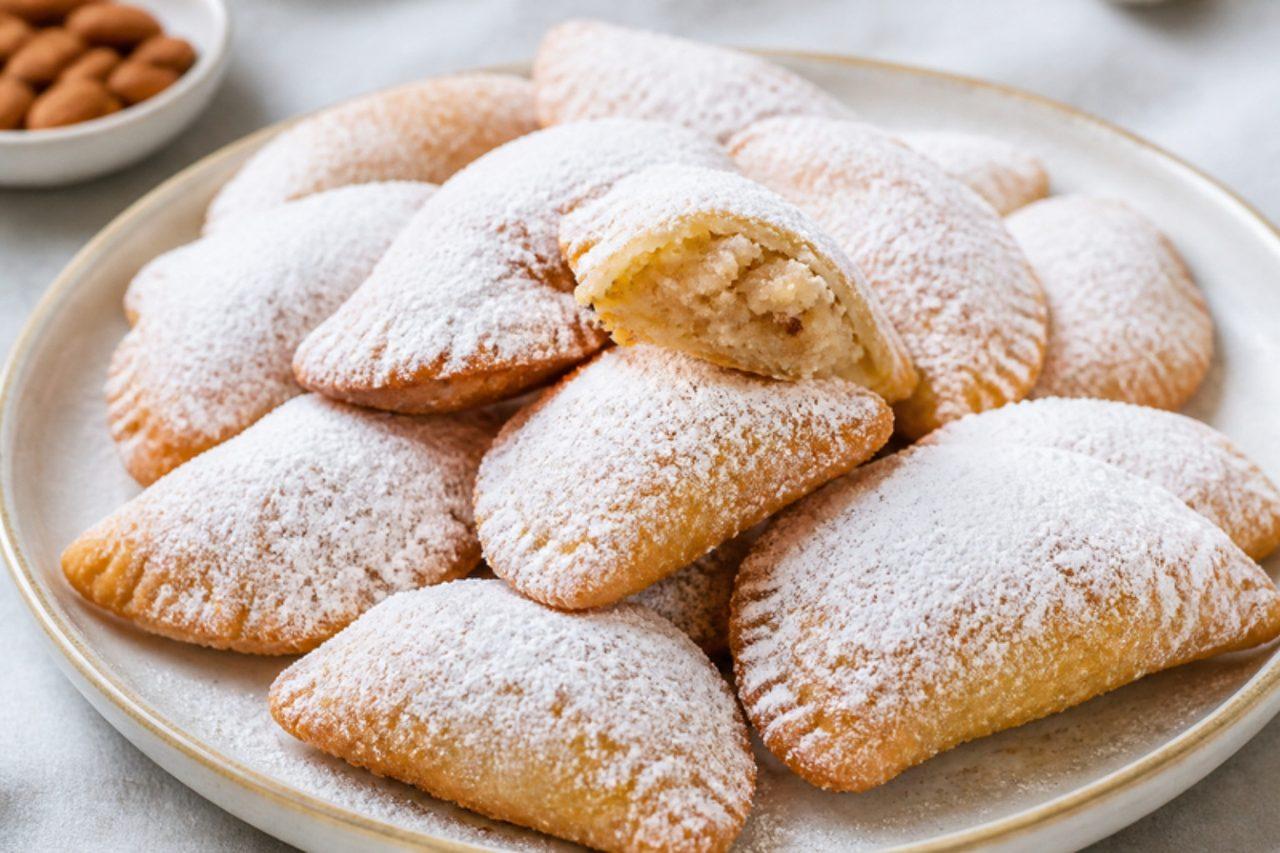
GhotabFried almond crescents

Ghotab are the little fried crescents that Yazd's confectioners have been making for generations, packed into boxes for Nowruz and carried as gifts by anyone travelling from the city. A tender yogurt dough is wrapped around ground almonds, sugar and plenty of cardamom, fried until blond and crisp, then buried in icing sugar. A common mistake is frying too hot, which browns the outside before the dough inside the fold cooks through, leaving it doughy. Chef's tip: roll the ghotab in icing sugar while still warm, then again once cold, for a thick snowy coat.

by KrazyBadal 0 views

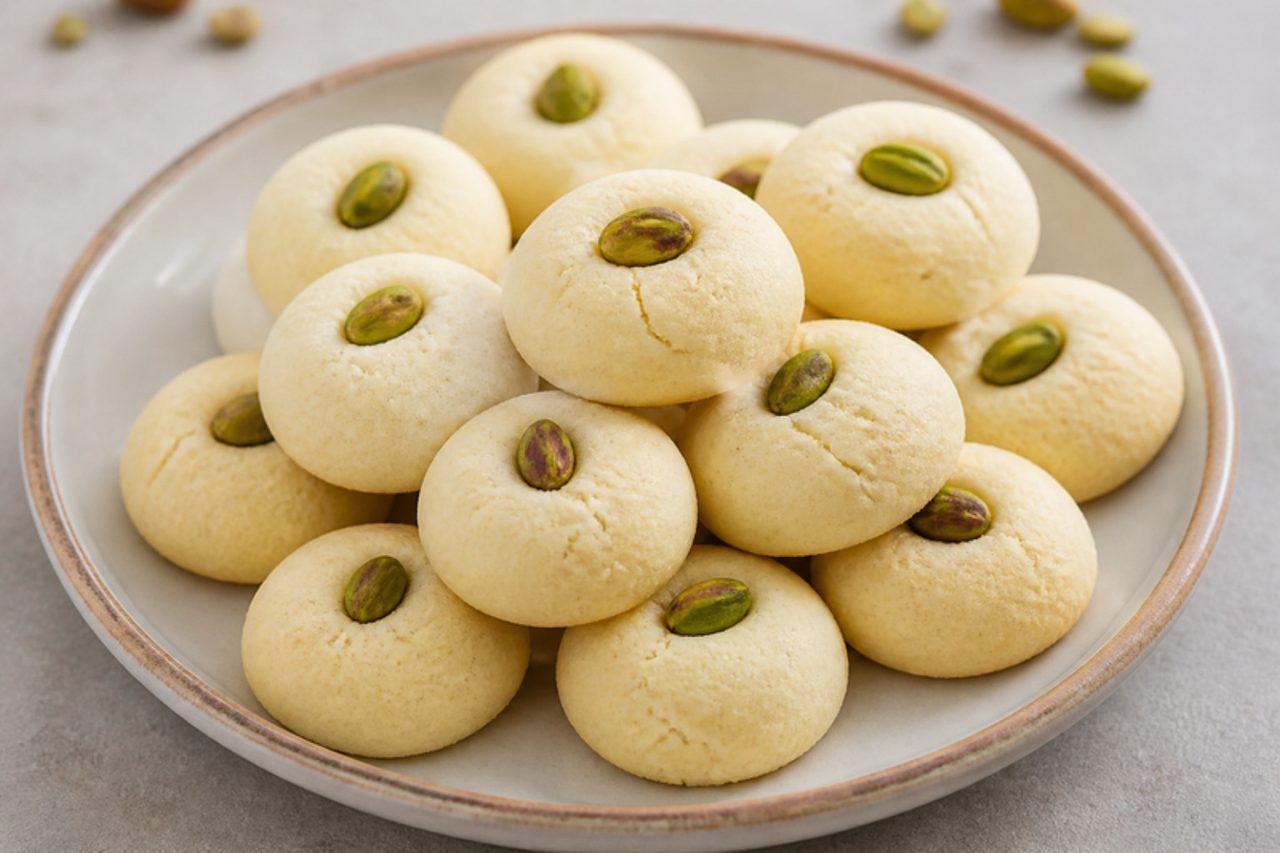
GhraybehPistachio shortbread

Across Syria, Lebanon and Palestine, trays of ghraybeh appear for Eid and weddings next to ma'amoul; in Aleppo they are often shaped into little bracelets with a pistachio at the join. Made from just ghee, icing sugar and flour, they are so tender they crumble as soon as you bite, and they should stay ivory-white, never brown. Serve with strong coffee or mint tea. Common mistake: baking until golden — they should come out pale and still soft, and firm up as they cool. Chef's tip: whip the ghee and sugar for a full 10 minutes until white and fluffy; that is what gives the melting texture.

by KrazyBadal 0 views

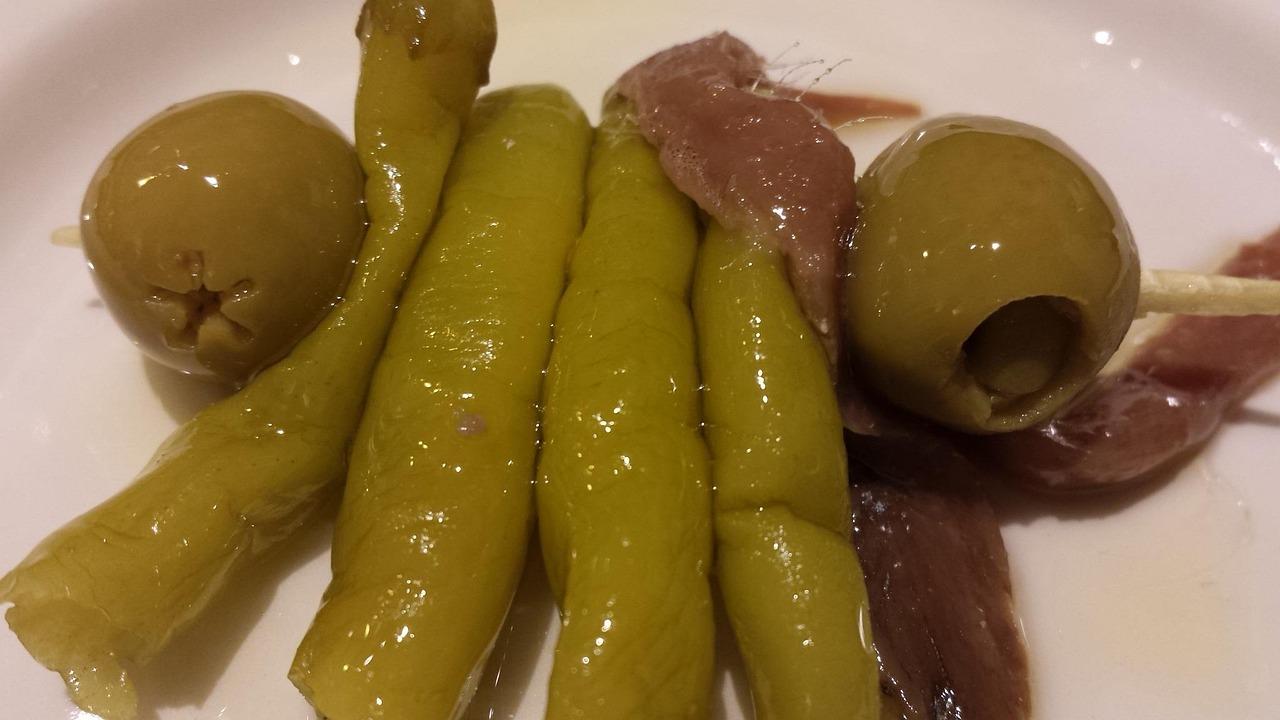
GildaOlive, anchovy and pepper skewer

The gilda was born in a San Sebastián bar in the late 1940s and named after the screen heroine of the film of the same name: green, salty and a little spicy, as the regulars put it. Every Basque bar counter still has a plate of them, eaten in one bite with a glass of something cold before lunch. Salted anchovies in oil are cured, not cooked, so they are not for pregnant women, young children or anyone with a weakened immune system; for a safer version use good tinned tuna in oil instead. A common mistake is using fresh anchovies marinated in vinegar (boquerones), which are raw and too soft for the stick. Chef's tip: thread the anchovy in a wave between the olives so each bite gets a bit of everything.

by KrazyBadal 0 views

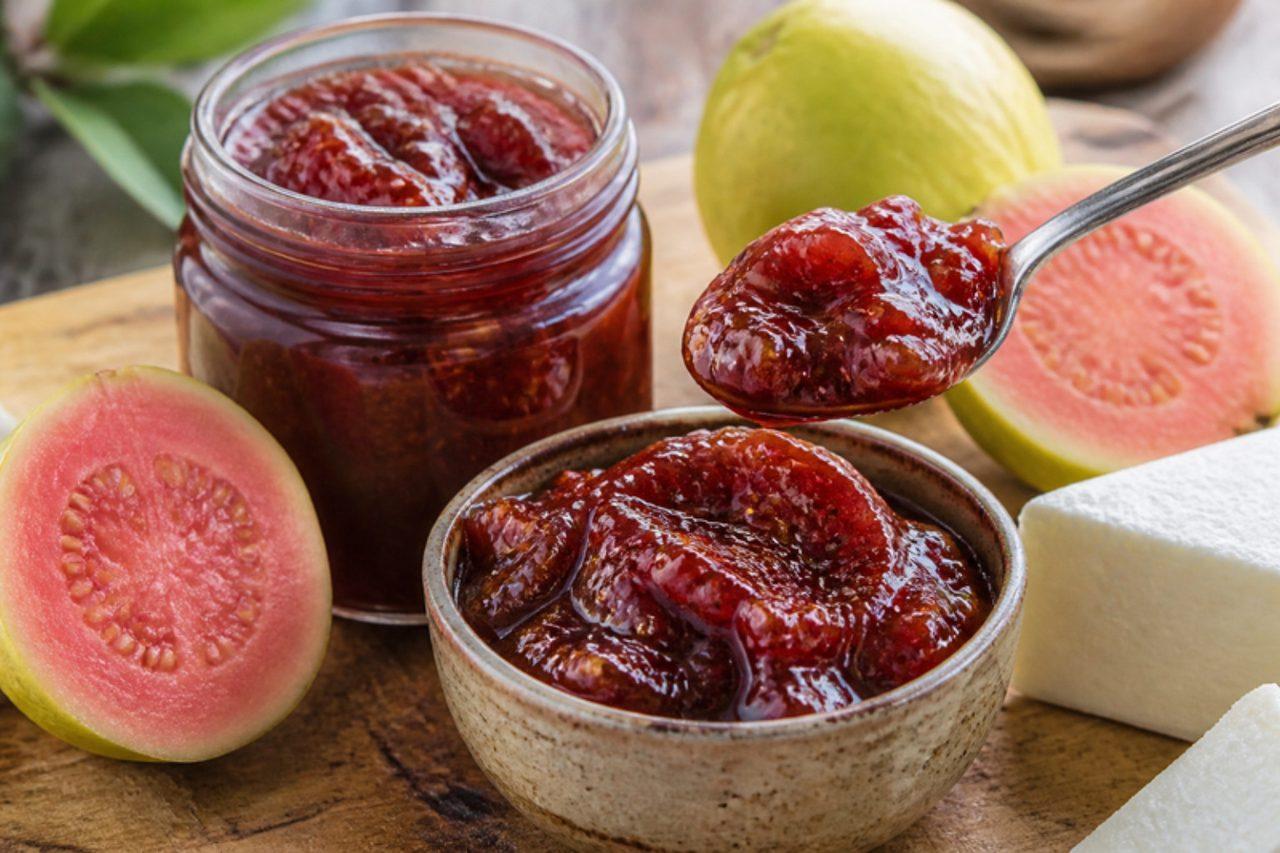
Goiabada cascãoGuava paste with skins

Ponte Nova and other towns in the Zona da Mata of Minas Gerais are famous for this rough, dark guava paste, stirred for hours in big copper pans over wood fires until it is almost brick red and firm enough to cut with a knife. 'Cascão' means it keeps chunks of the skin, so each slice is chewy and fruity rather than smooth. It is the guava in Romeu e Julieta, the filling for countless cakes, and a sweet in its own right after lunch. A heavy stainless-steel pan works at home. The big mistake is cooking over high heat to save time; the sugar catches and turns bitter long before the paste is set, so keep the heat moderate and stir constantly near the end. The paste spits fiercely, so use a long spoon and cover your arm. Chef's tip: test it by dropping a spoonful into a glass of cold water; when it stays in one firm piece, it is ready to pour.

by KrazyBadal 0 views

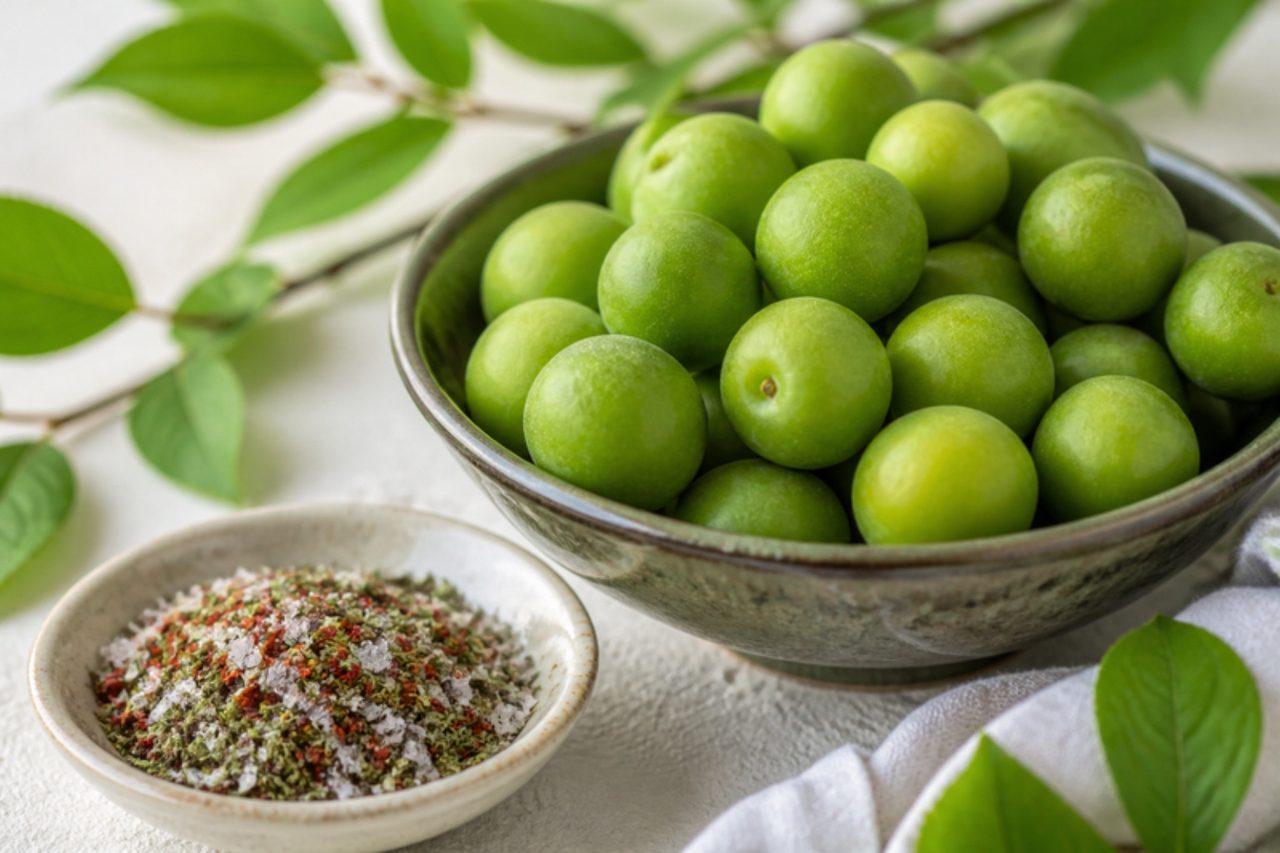
Gojeh sabz ba namakSour green plums with salt

In late March and April, just after Nowruz, the fruit stalls of Tehran and every small town fill with hard, bright green plums, and children walk home from school with paper bags of them and a twist of salt. The unripe plums are crunchy and mouth-puckeringly sour; a dip in salt, sometimes mixed with dried mint or chilli, makes them addictive. There is nothing to cook, only good fruit to choose. A common mistake is buying plums that have already softened and turned yellow; they lose the crunch that makes this snack. Chef's tip: chill the plums for an hour and wash them in cold water just before serving so they snap when you bite.

by KrazyBadal 0 views

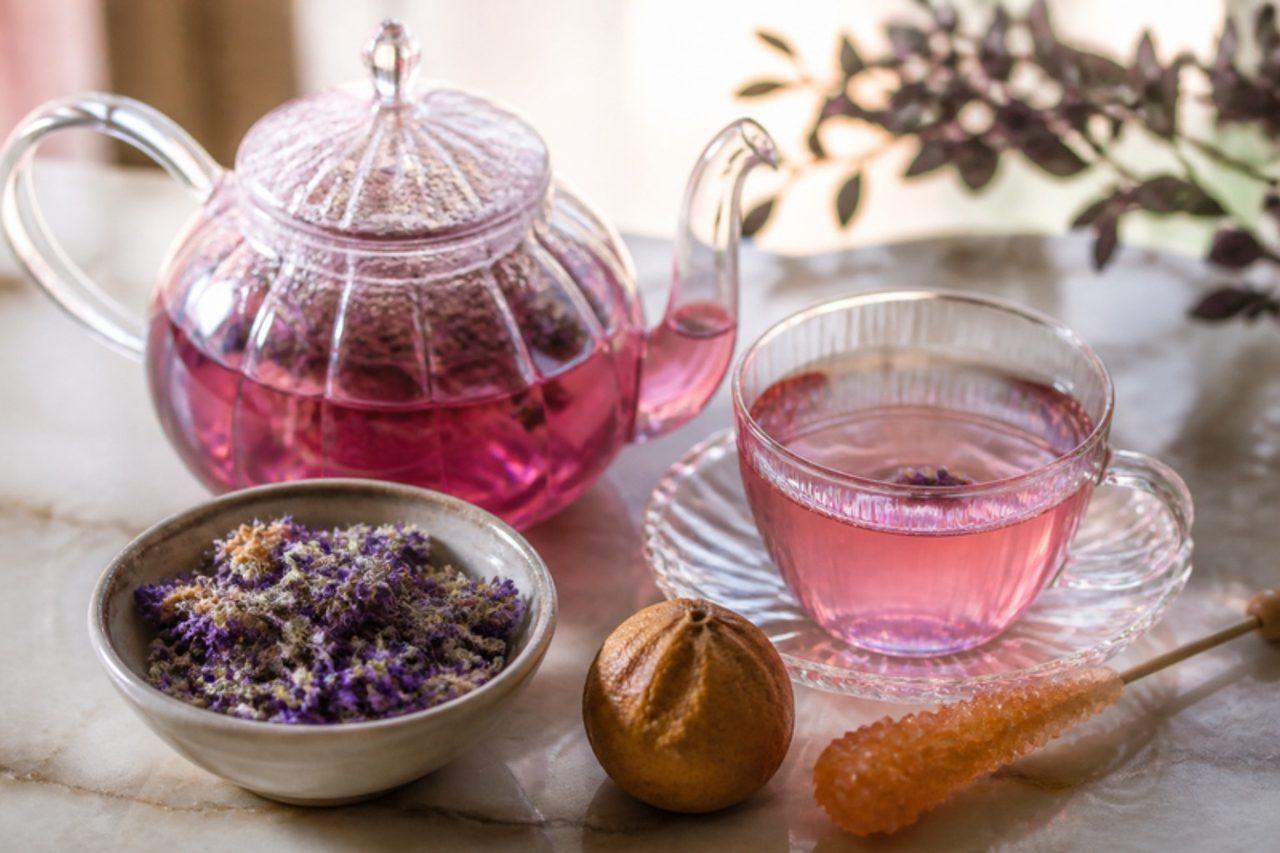
Gol gav zabanBorage flower tea

Gol gav zaban is the calming tea Iranians make on stressful evenings or when a cold is coming on, sold in bags of dried purple flowers by herbalists in the old bazaars of Tehran and Tabriz. Steeped in hot water it turns a dusky blue-brown, then flashes pink the moment lime juice goes in, which children love to watch. It is sipped with a stick of saffron nabat (rock sugar), sometimes with a few dried limes or a pinch of valerian. Persian borage contains small amounts of natural compounds that can strain the liver, so drink it only now and then, and avoid it if you are pregnant, breastfeeding or have liver problems. Chef's tip: steep below boiling and keep the pot covered so the gentle aroma doesn't escape.

by KrazyBadal 0 views

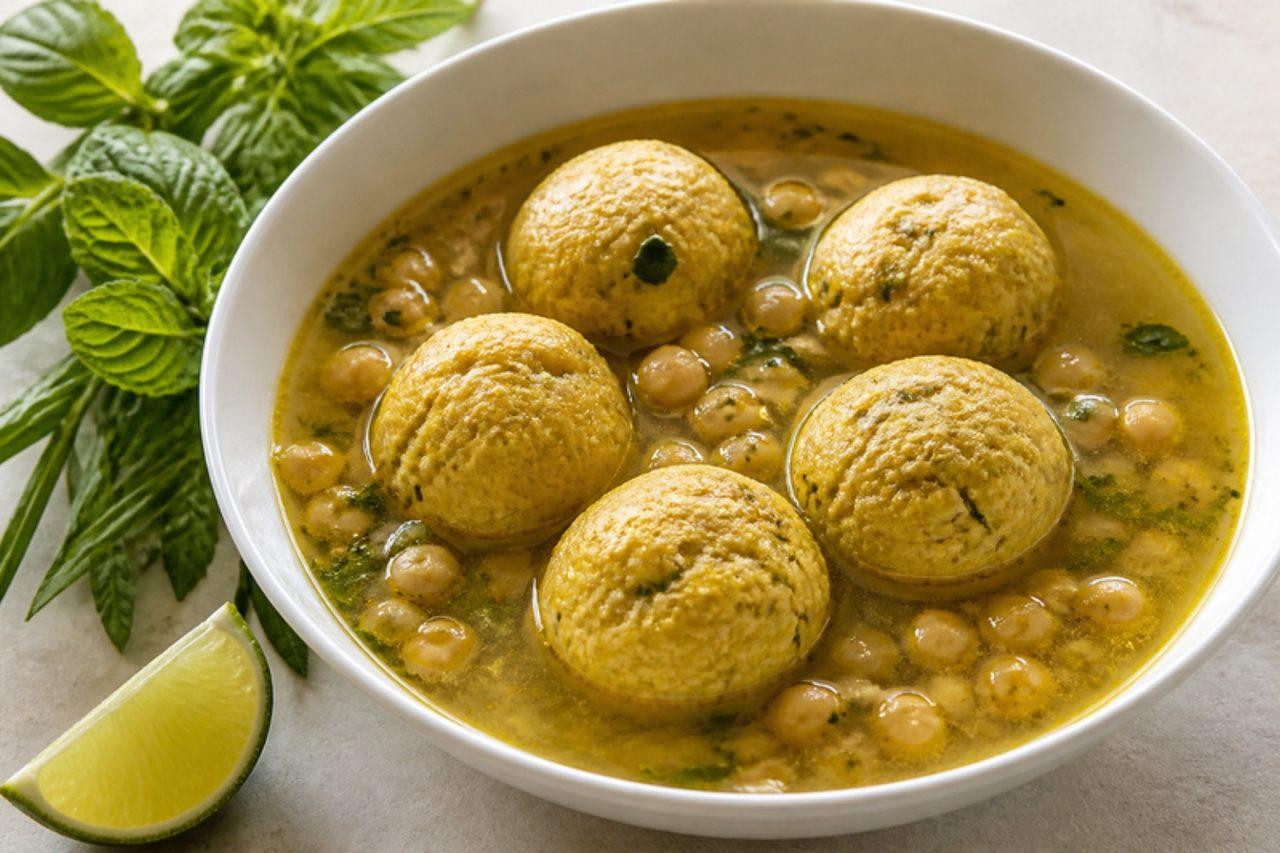
GondiChicken and chickpea-flour dumplings

Gondi is the Friday-night dish of Tehran's Persian Jewish families, served at the Shabbat table before the main course or as a light lunch after. Big, soft dumplings of minced chicken, grated onion and roasted chickpea flour, scented with cardamom, are poached in a clear turmeric broth with chickpeas, and each bowl gets one or two with plenty of broth, fresh herbs and flatbread. The texture should be tender and slightly crumbly, a little like a dense matzo ball. A common mistake is using raw chickpea flour; buy roasted chickpea flour (nokhodchi flour) or dry-toast plain gram flour first, or the dumplings taste raw. Chef's tip: chill the mixture for 30 minutes before shaping so the dumplings hold their shape in the broth.

by KrazyBadal 0 views

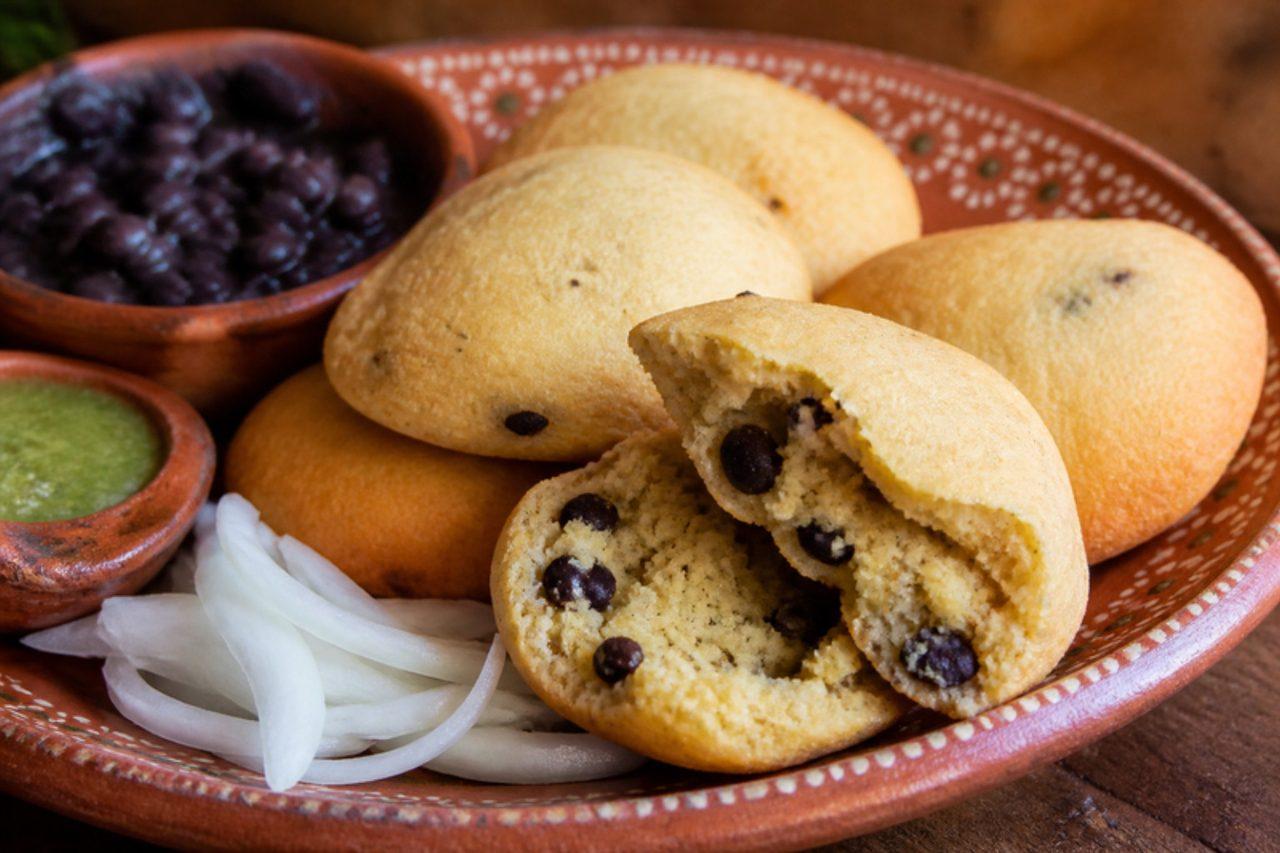
Gordas de frijol negroBlack bean masa cakes

In the Sotavento region of southern Veracruz, around Tlacotalpan and Los Tuxtlas, cooks knead well-fried black beans straight into the corn masa, so the little cakes come out speckled grey-black, then fry them until they puff up like balloons. Gordas de frijol are a supper snack from street stalls and fiesta tables, split and topped with salsa, chopped onion and, for a non-vegan version, a crumble of fresh cheese. Avocado leaf in the beans gives a faint aniseed note. Chef's tip: the beans must be very thick and cooled; warm, wet beans make a sticky dough that will not puff.

by KrazyBadal 0 views

Gorditas de migajasMasa cakes with pork crackling

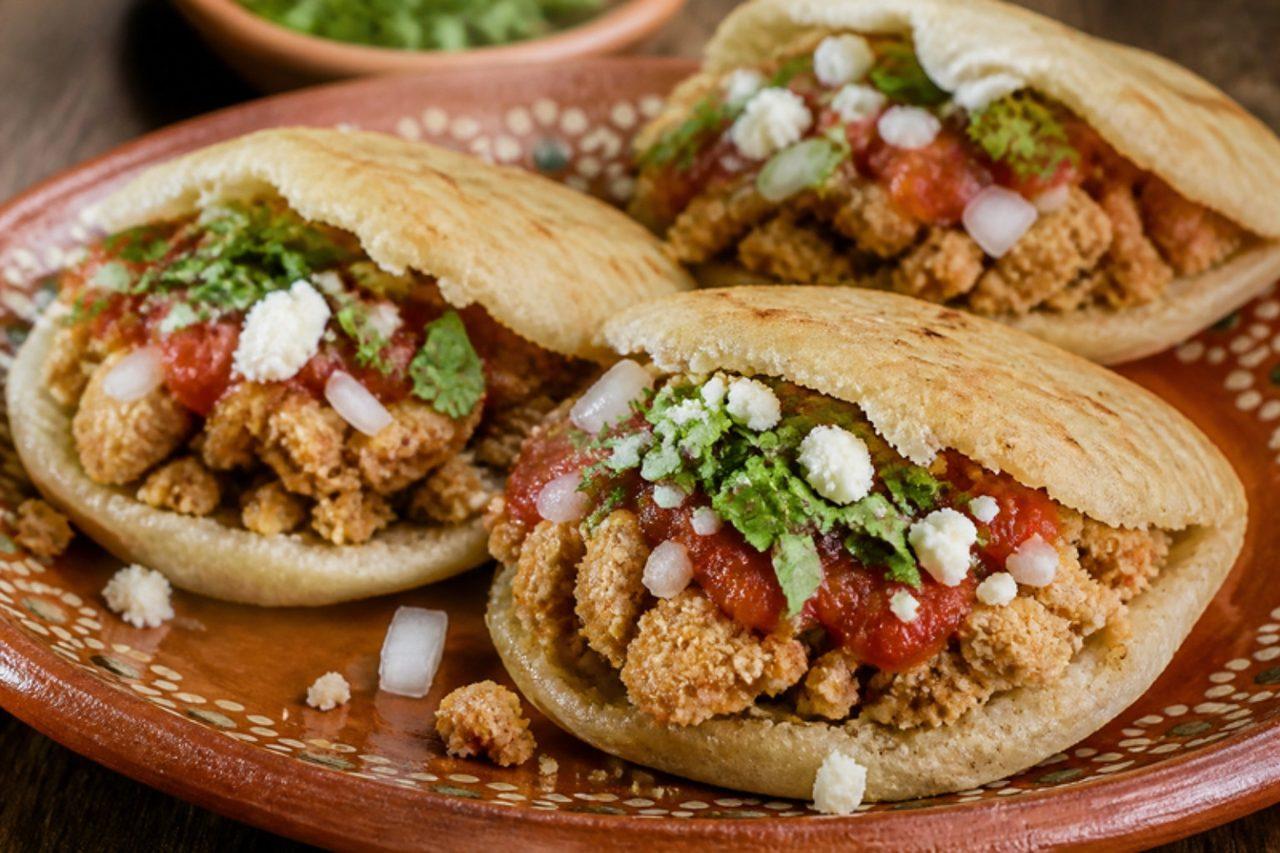
In Querétaro, gorditas de migajas are a breakfast and market favourite, cooked on wide griddles in the old town and in the street stalls of the Sierra Gorda. They are thick corn cakes filled with migajas, the crunchy crumbs of pork crackling left at the bottom of the carnitas or chicharrón vat, bound with asiento, the brown, savoury pork lard full of toasted bits. This is very much a pork dish; plain pork lard and finely crushed pork crackling make a good substitute if you can't find asiento. Split open while hot, they are filled with red salsa, onion, coriander and crumbled cheese. Chef's tip: cook them over a medium, not high, heat so the inside cooks through before the outside burns.

by KrazyBadal 0 views

Grand aïoliSalt cod and vegetables with aioli

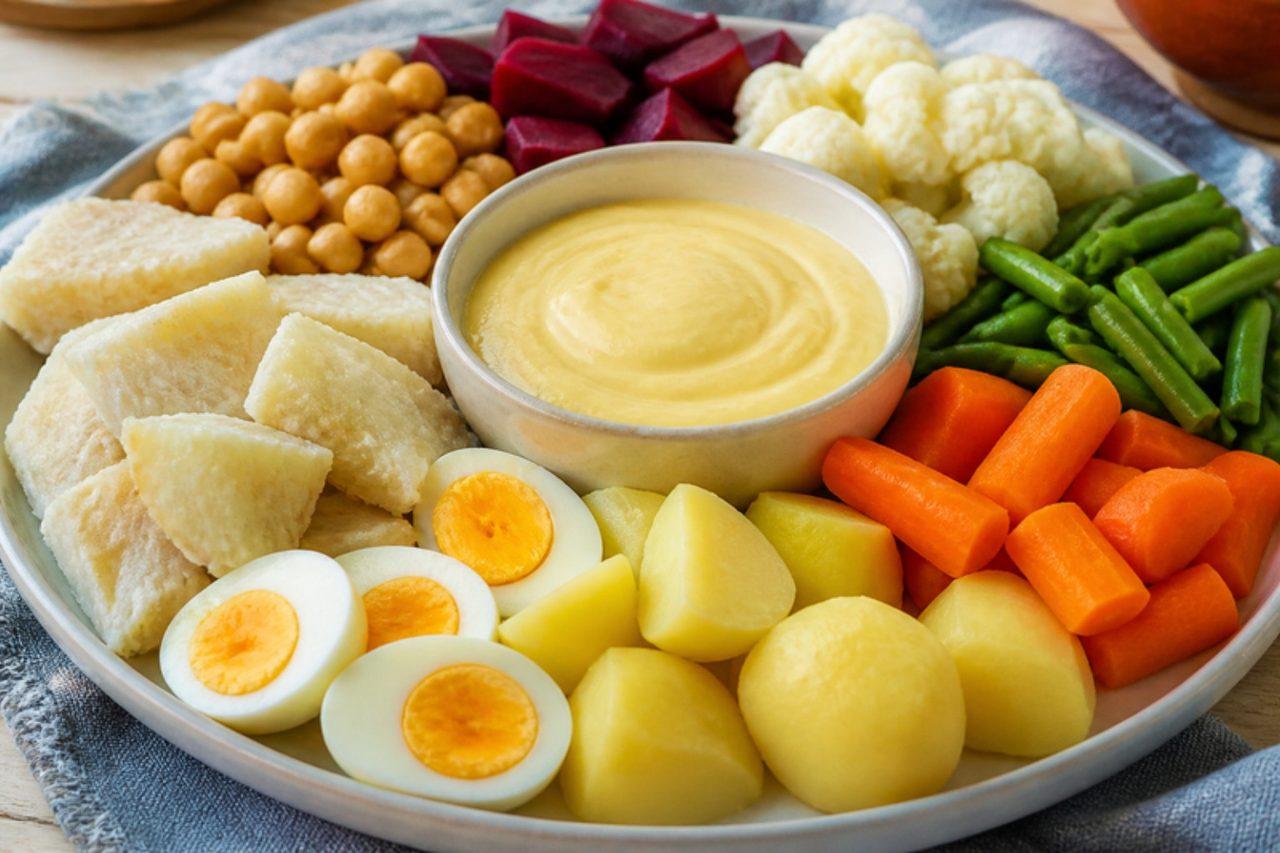
Across Provence, a grand aïoli is the lunch for Fridays, the meatless day, and for summer village fêtes, when long tables are laid under the plane trees and the platters go round. Poached salt cod, boiled potatoes, carrots, green beans, beetroot and hard-boiled eggs are piled up around a bowl of aïoli, the pungent, golden garlic mayonnaise that gives the meal its name. It is plain food made thrilling by that sauce, so use your best olive oil. The salt cod needs 24–36 hours soaking in the fridge, so start early. Because the aïoli is made with raw egg yolk, use pasteurised egg yolks if you are serving pregnant women, young children, older people or anyone with a weakened immune system. Chef's tip: start the aïoli with a pinch of salt and pounded garlic, and add the oil drop by drop until it thickens.

85 minFrenchFishGluten free
by KrazyBadal 0 views

Grüne SoßeSeven-herb green sauce with eggs

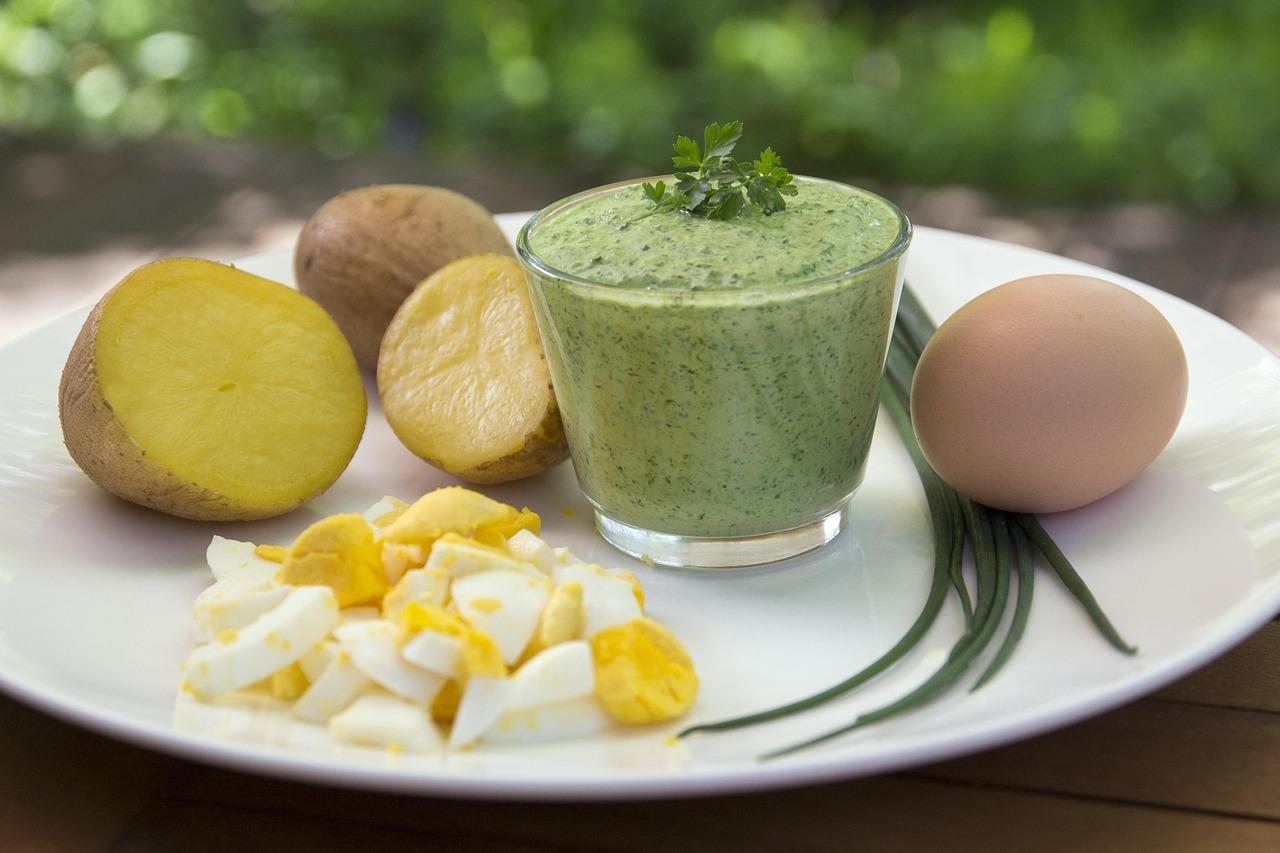
Grüne Soße, or Grie Soß in Frankfurt dialect, arrives in spring when market stalls in Hesse sell paper bundles of exactly seven herbs: borage, chervil, cress, parsley, burnet, sorrel and chives. Blended into sour cream and yoghurt, they make a cold, bright, grassy sauce that is eaten with halved boiled eggs and new potatoes, traditionally on Maundy Thursday. It is a whole meal, light but filling. If you can't find the herb bundle, any mix of soft herbs with some sorrel for sourness works. A common mistake is blending the herbs to a smooth purée in a hot blender, which turns them dull and bitter; chop or pulse briefly. Chef's tip: make the sauce an hour ahead and chill it so the herbs flavour the cream fully.

by KrazyBadal 0 views

Grumbeersupp mit QuetschekuchePotato soup with plum cake

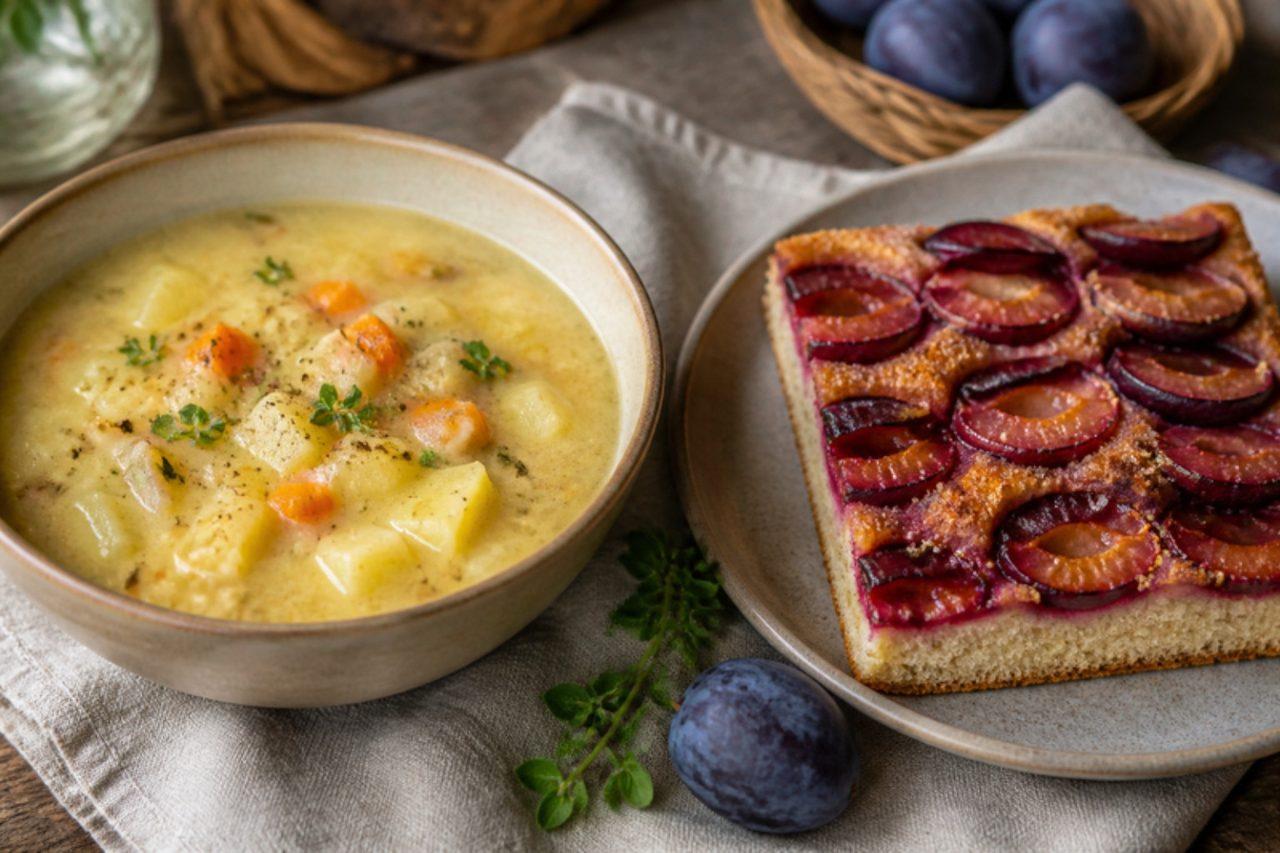
In the Palatinate, between the Rhine and the vineyards of the Weinstraße, September brings a pairing that puzzles outsiders: a bowl of creamy potato soup served with a slice of plum tray cake on the side, and you dip the cake as you go. It is a plain, cheap farmhouse supper for plum season, and the sweet-sour fruit against the soft, marjoram-scented soup is the whole joy. This version makes a small tray of yeasted plum cake while the soup simmers. A common mistake is sweetening the soup; it should stay savoury so the cake can do the sweet work. Chef's tip: use dark, oval Zwetschgen plums, which hold their shape; round dessert plums go watery.

by KrazyBadal 0 views

GuacamayasPork crackling and salsa rolls

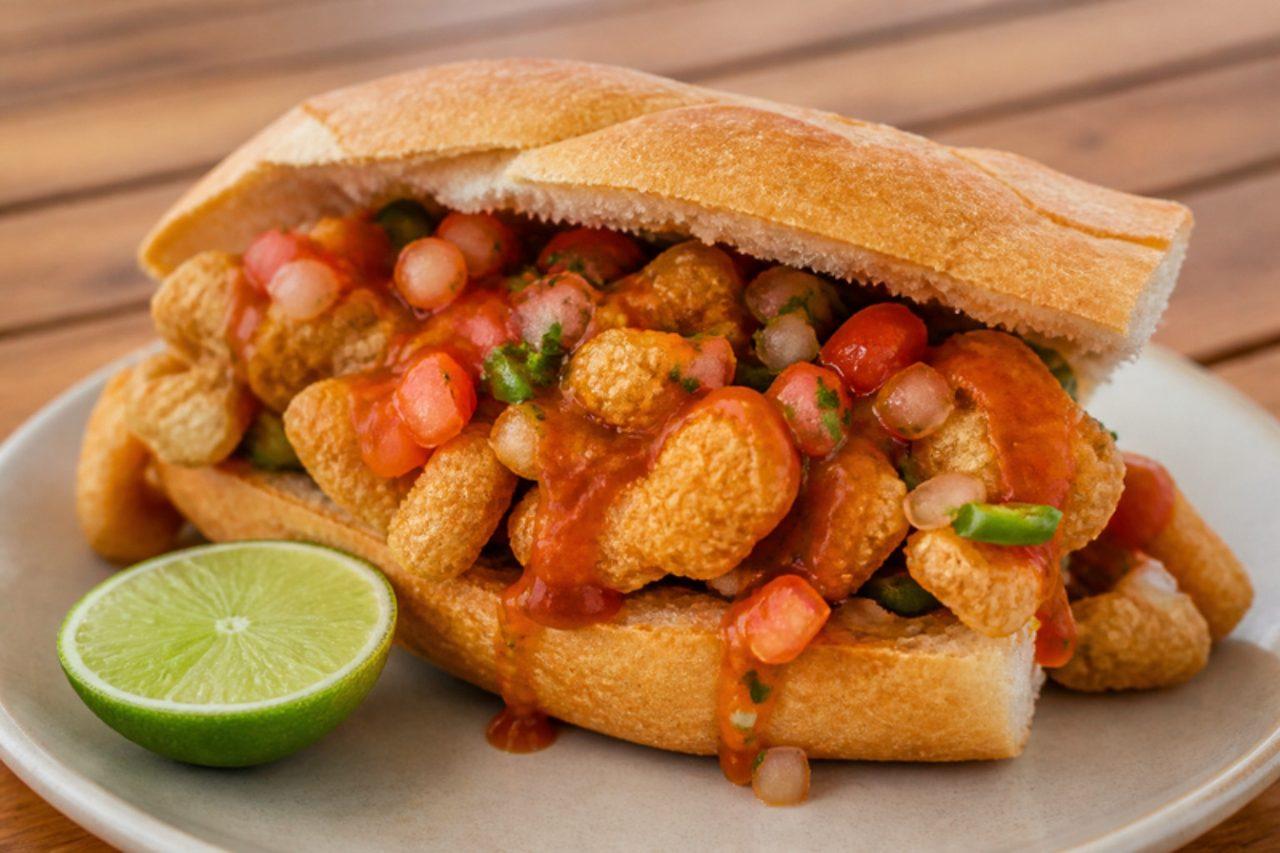
Guacamayas are León's street snack, sold from carts outside schools and in the city centre of this Guanajuato town from the afternoon on. A crusty bolillo is split and stuffed with crisp pork chicharrón, piled with a juicy pico de gallo of tomato, onion and chilli, and soaked with a hot red salsa and lime, so the crackling softens at the edges but stays crunchy in the middle. Some stands add avocado or a smear of beans. It is a quick, no-cook pork dish, best eaten standing up with a cold drink. Chef's tip: dress the chicharrón with salsa and lime only seconds before eating; left to sit, it turns soft and chewy.

by KrazyBadal 0 views

GuajolotaTamal in a bread roll

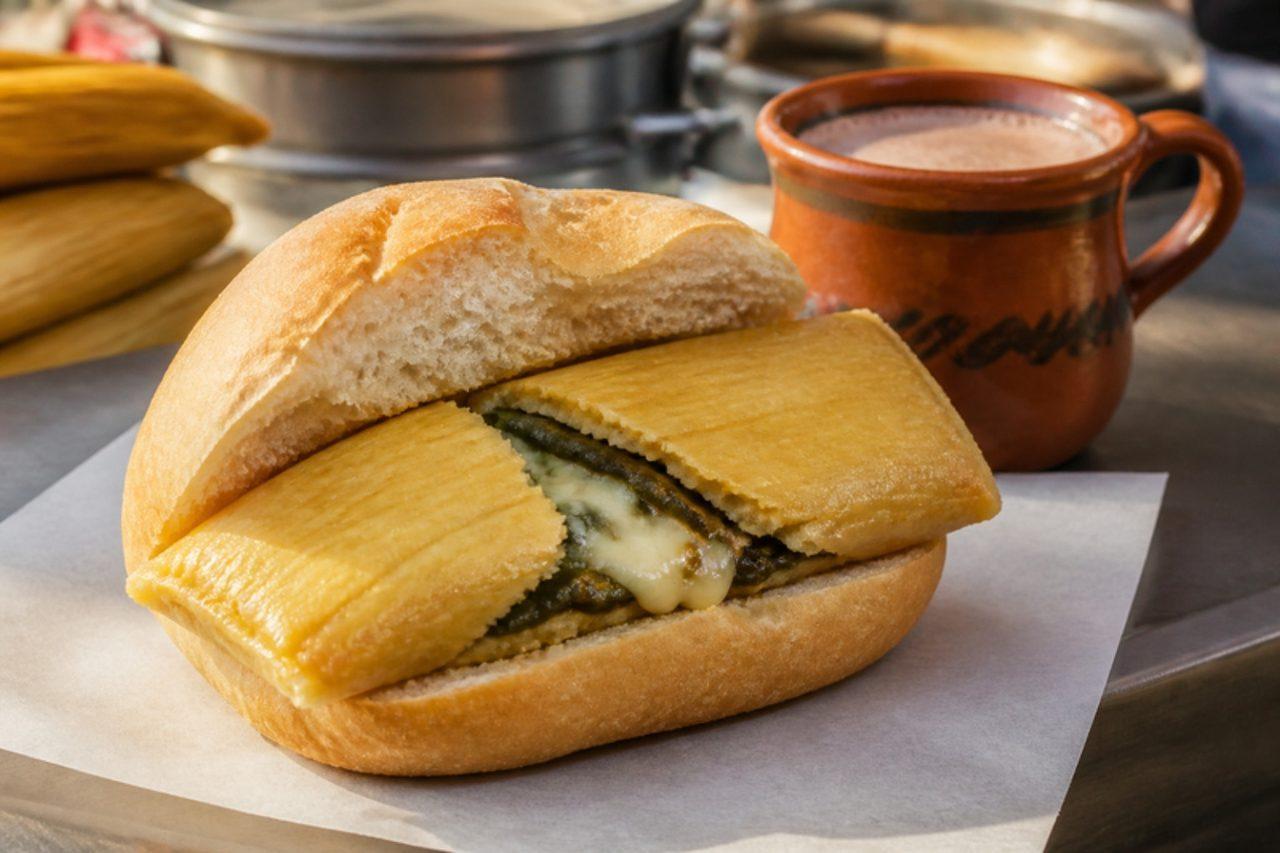
Commuters in Mexico City grab a guajolota at the tamal stand by the bus stop at seven in the morning: a crusty bolillo roll split open with a whole steaming tamal pushed inside, sometimes with a smear of green salsa, eaten with a cup of atole. It is starch in starch, cheap and filling enough to last until lunch. The name means 'turkey hen', a joke about how stuffed it is. This recipe makes eight vegetarian tamales of roasted poblano strips and melting cheese (rajas con queso); four go into rolls and the rest freeze well. Shop-bought vegetarian tamales work if you are short of time. Chef's tip: warm the bolillo on the comal while the tamal rests, so the crust crackles against the soft masa.

by KrazyBadal 0 views

Guaraná raladoGrated guaraná drink

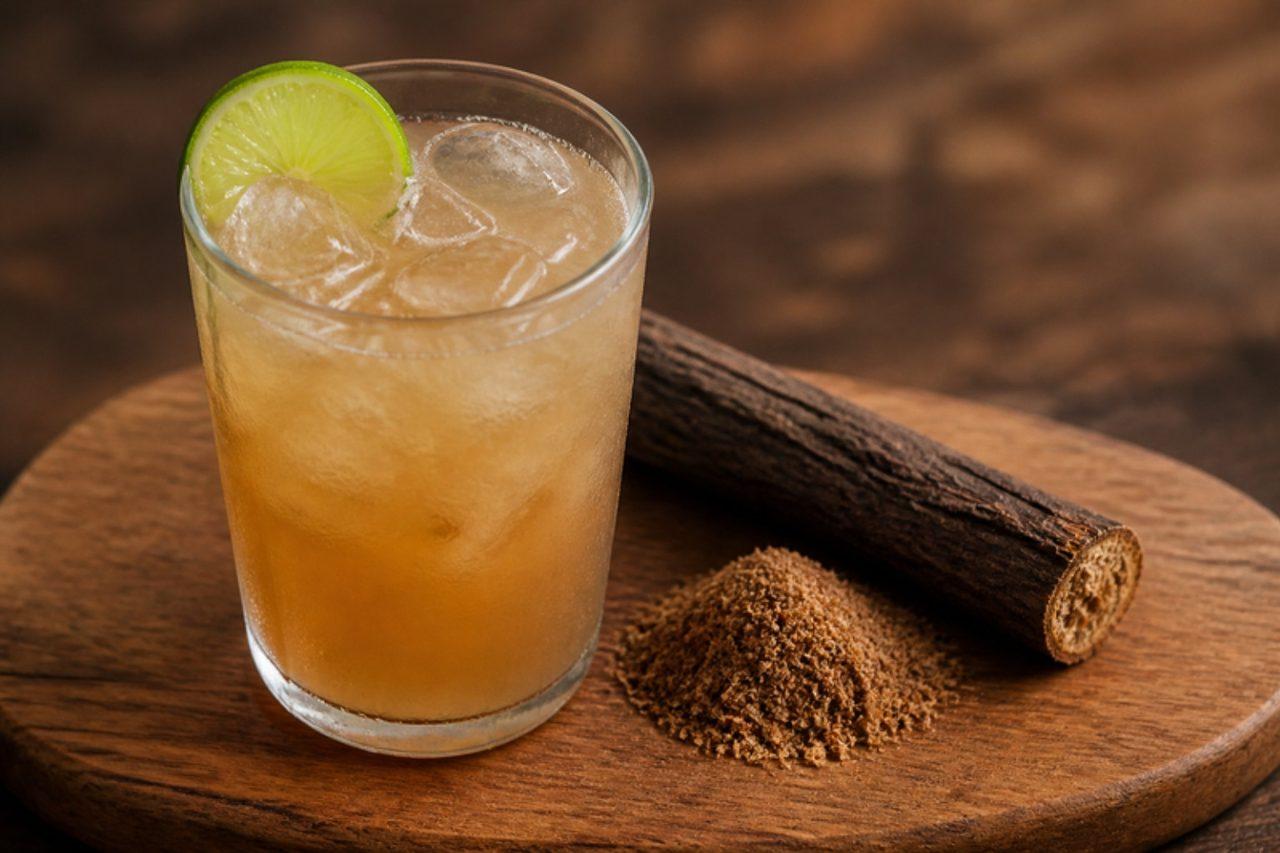
Long before fizzy guaraná, people in Mato Grosso started the day with this: a hard, dark stick of roasted guaraná seed paste grated into a glass of cold water with sugar and stirred well. Cuiabá's older generation still drink it at breakfast or in the heat of the afternoon, and market stalls sell the sticks along with the traditional grater, the dried tongue of the pirarucu fish (a fine microplane works just as well). It tastes bitter-earthy, a little like cocoa without the fat, and the caffeine is strong. Because guaraná contains more caffeine than coffee, keep to one glass a day, and avoid it for children, during pregnancy or if you are sensitive to caffeine. The usual error is grating far too much, which makes it bitter and overpowering; a level teaspoon per glass is plenty. Chef's tip: let it stand for a minute after stirring so the powder hydrates, then stir again before drinking.

by KrazyBadal 0 views

GuirlacheAlmond brittle

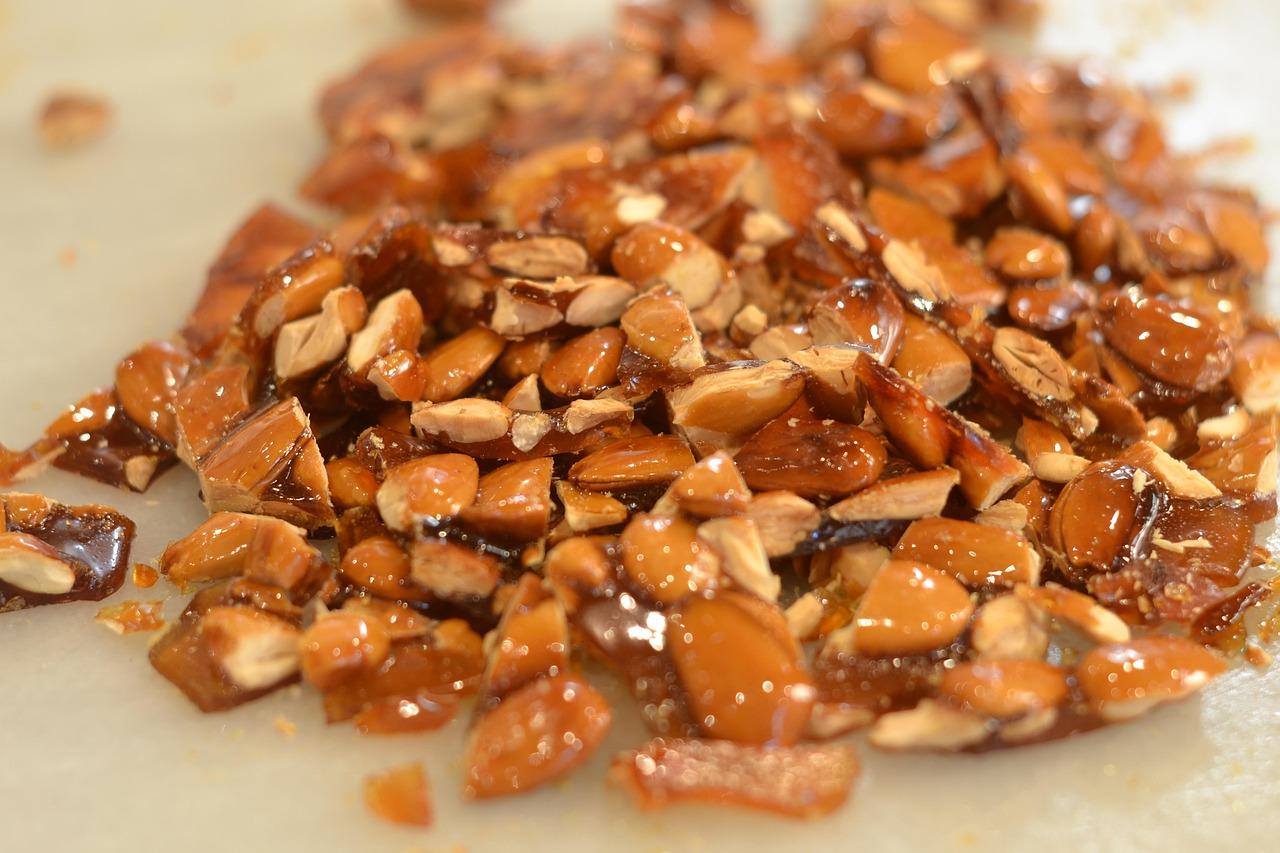
Every December, the old confectioners of Zaragoza stack trays of guirlache in their windows: snapped slabs of toasted almonds held in a dark, glassy caramel, sometimes speckled with tiny coloured sugar sprinkles on top. It is eaten after Christmas dinner alongside turrón and dried fruit, and it keeps for weeks in a tin. Made only from almonds, sugar and a few drops of lemon, it is vegan and gluten free. A common mistake is stirring the caramel while the sugar melts, which makes it crystallise into grainy lumps; swirl the pan instead. Chef's tip: warm the almonds in the oven before they go into the caramel; cold nuts make it seize and set before you can spread it.

by KrazyBadal 0 views

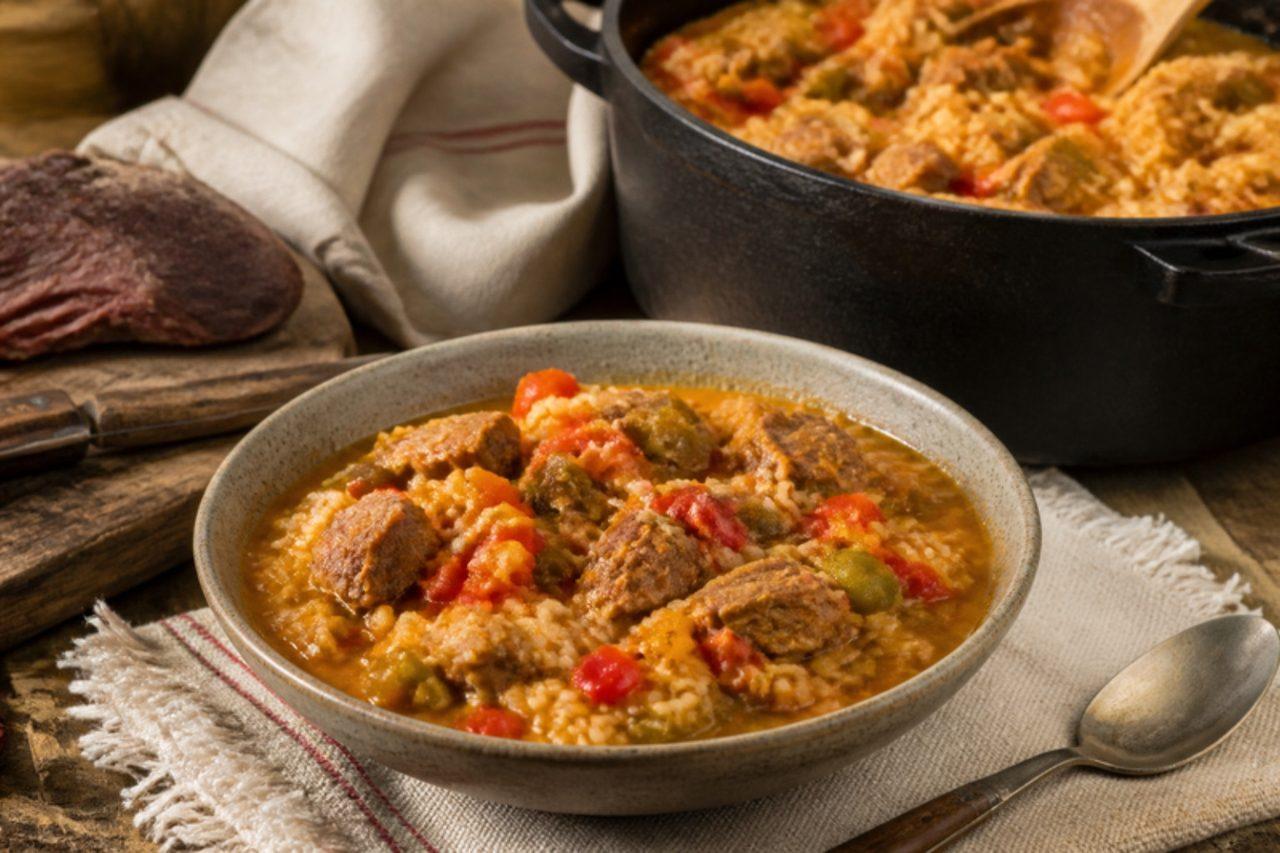
Guiso carreroRice and dried beef stew

The carreros who hauled goods across Corrientes in ox carts needed food that kept for weeks, so they cooked rice in a single pot with charqui, sun-dried salted beef, plus whatever onion and pepper they carried. The guiso is still made in Corrientes homes and at country gatherings: rice swollen in a paprika-tinted broth, stringy shreds of beef with a deep, cured flavour, and a texture somewhere between a soupy risotto and a pilaf. Eat it hot from the pot with bread or chipá. Charqui is sold in Latin American shops; Brazilian carne seca works the same way. Forgetting to soak the dried beef is the classic mistake: it stays leathery and turns the whole pot too salty. Chef's tip: fry the soaked, shredded charqui in the oil before the vegetables; the caramelised edges give the broth its smoky depth. Plan for an overnight soak.

by KrazyBadal 0 views

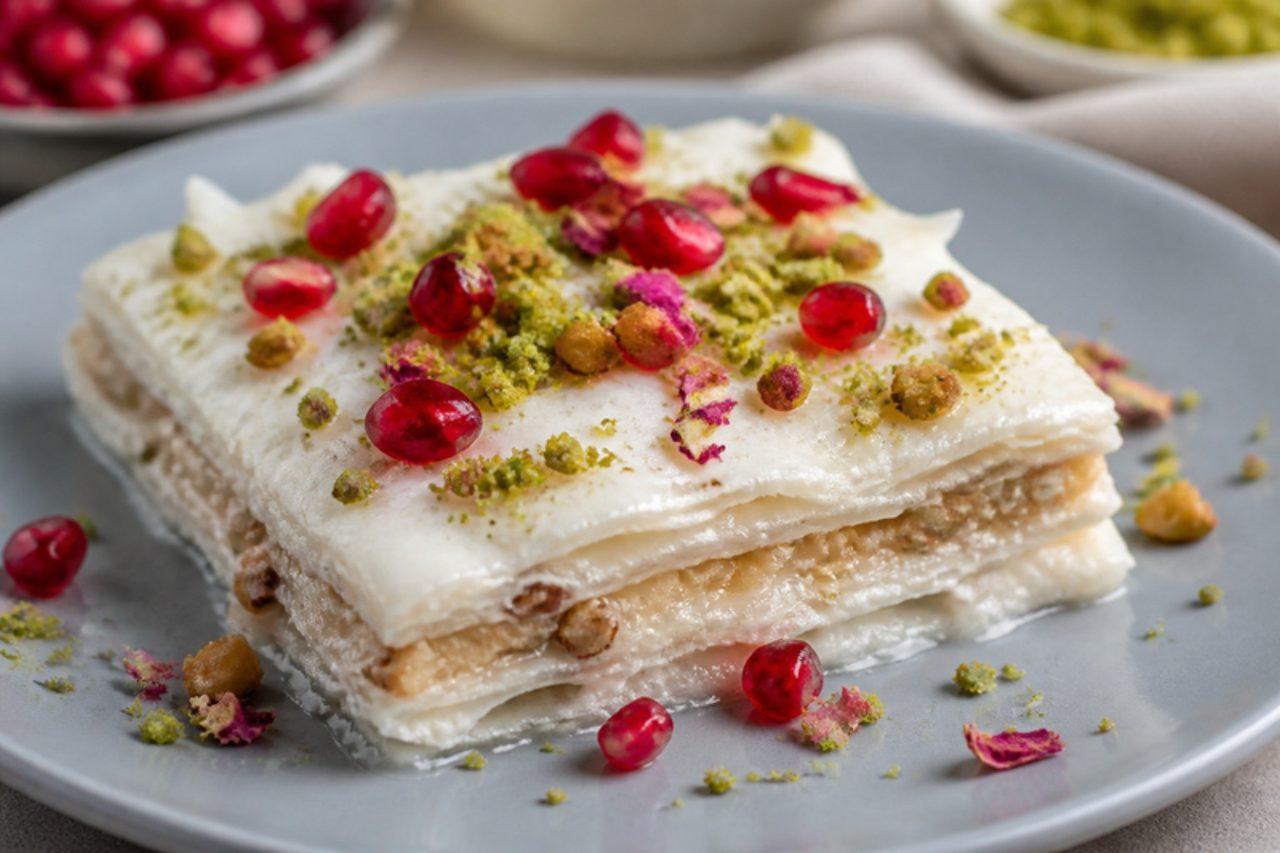
GüllaçRose milk wafer dessert

As soon as Ramadan begins, bakeries from Konya to Istanbul stack up packets of güllaç, the dried, almost transparent starch sheets that give this dessert its name. Soaked layer by layer in warm sweetened milk scented with rosewater, then filled with walnuts, the sheets turn soft and silky, and the dessert is served chilled after the iftar meal, often topped with pomegranate seeds. Common mistake: drenching the sheets in hot milk, which makes them dissolve into mush; the milk should be just warm. Chef's tip: make it at least 4 hours ahead, ideally overnight; it firms up enough to cut into clean slices.

by KrazyBadal 0 views

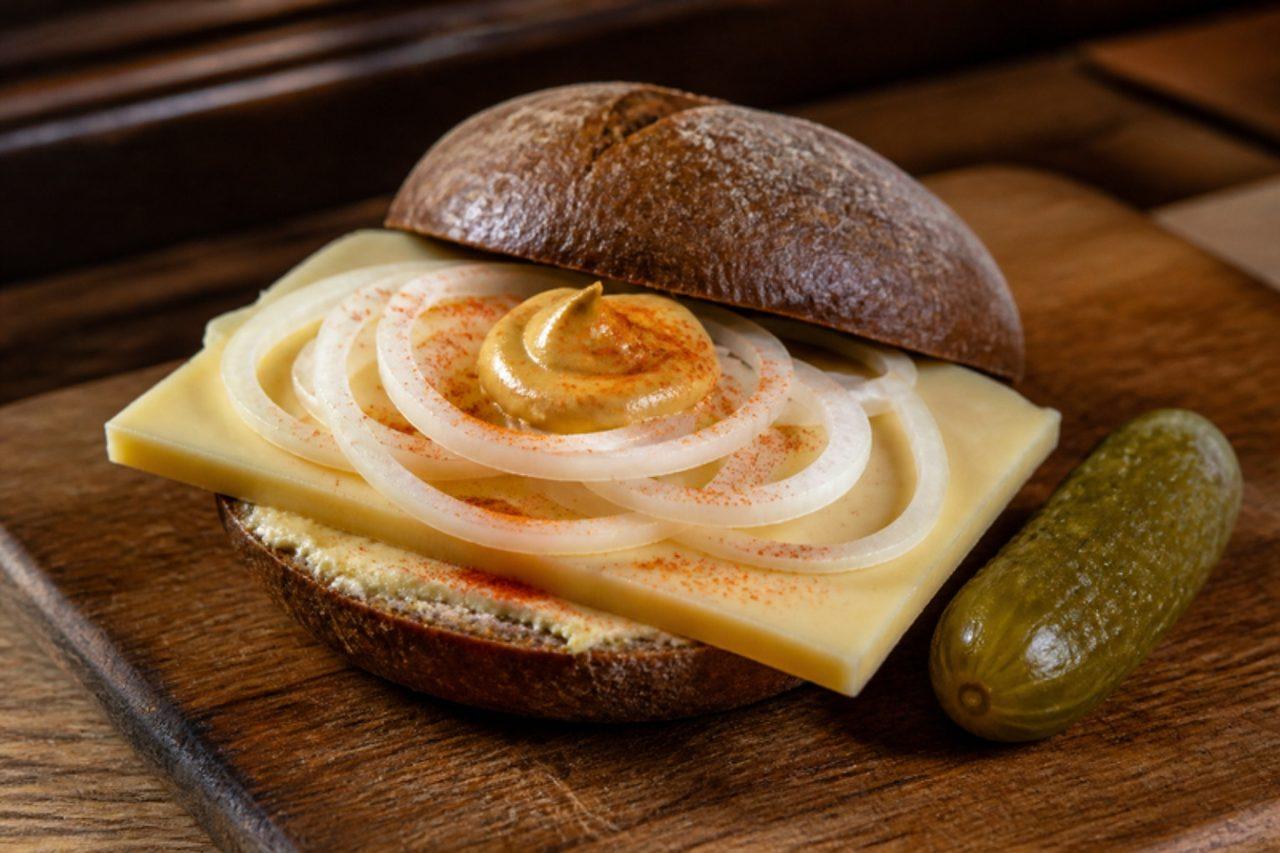
Halve HahnRye roll with Gouda and mustard

Order a Halve Hahn in a Cologne brewpub and you will not get half a chicken, whatever the name says: you get a buttered rye roll, a slab of aged Gouda, sharp mustard and raw onion rings. It is the standard snack on the long wooden tables of the Altstadt, eaten with a small glass of the local beer, though it is just as good with apple juice spritzer. The point is the contrast of crusty rye, nutty crystalline cheese and the bite of onion and mustard. Aged Gouda is usually made with animal rennet, so look for one labelled vegetarian or made with microbial rennet. A common mistake is slicing the cheese thin like a sandwich; the Cologne way is a slice as thick as your finger. Chef's tip: take the cheese out of the fridge 30 minutes ahead so its flavour opens up.

by KrazyBadal 0 views

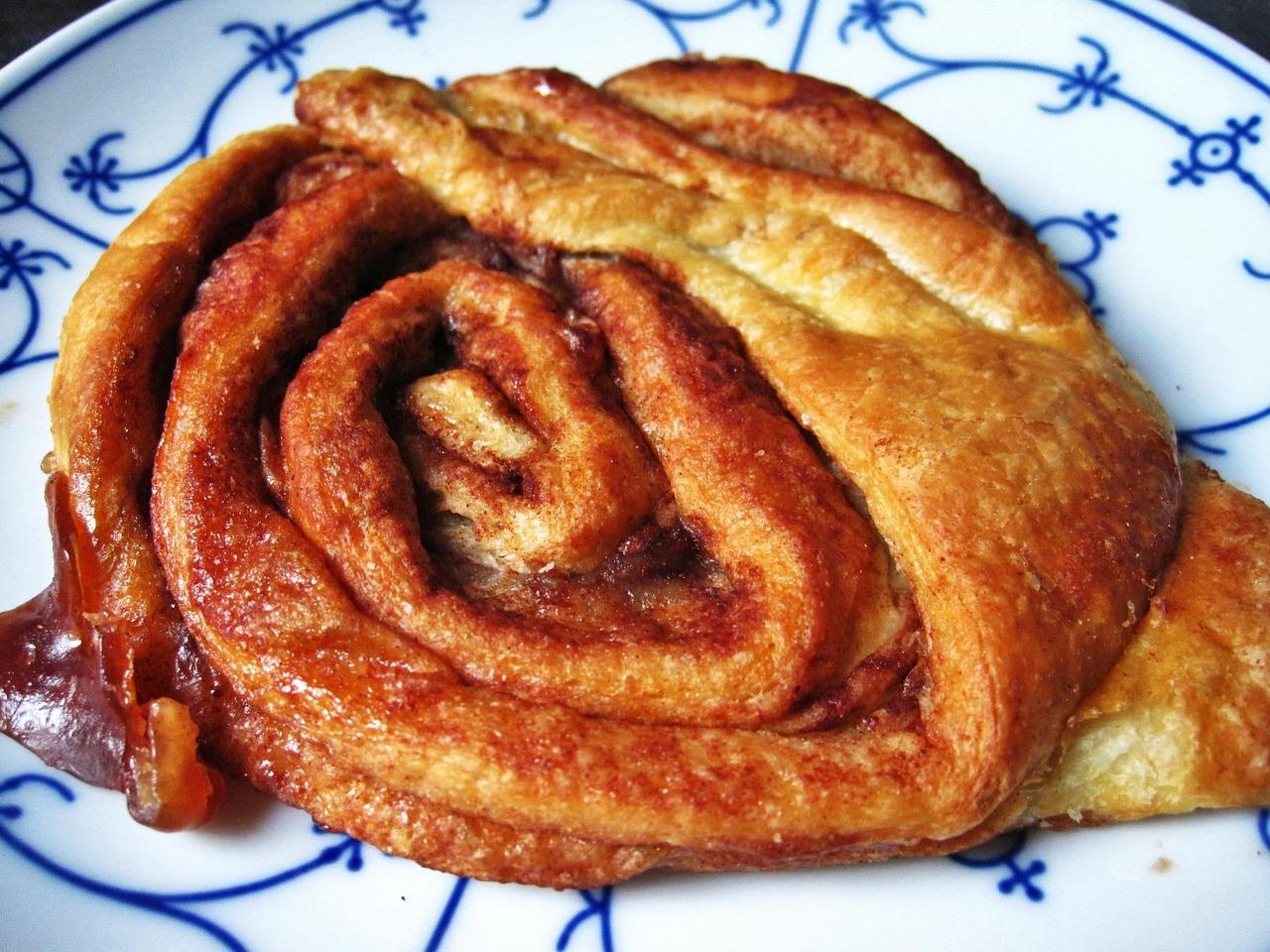
FranzbrötchenCinnamon butter pastries

No Hamburg bakery opens without a tray of Franzbrötchen: flaky, buttery yeast pastry rolled with cinnamon sugar, cut into pieces and pressed down hard in the middle with a wooden spoon handle so the spirals splay out into a squashed butterfly. The sugar caramelises underneath into a sticky, crunchy base. They are breakfast with coffee on the way to work and a Sunday treat at the harbour. The common mistake is letting the butter go soft while laminating: it oozes out and you get bread, not layers. Chef's tip: chill the dough between every fold, and press the shape down firmly before the final rise or it will spring back in the oven.

by KrazyBadal 0 views

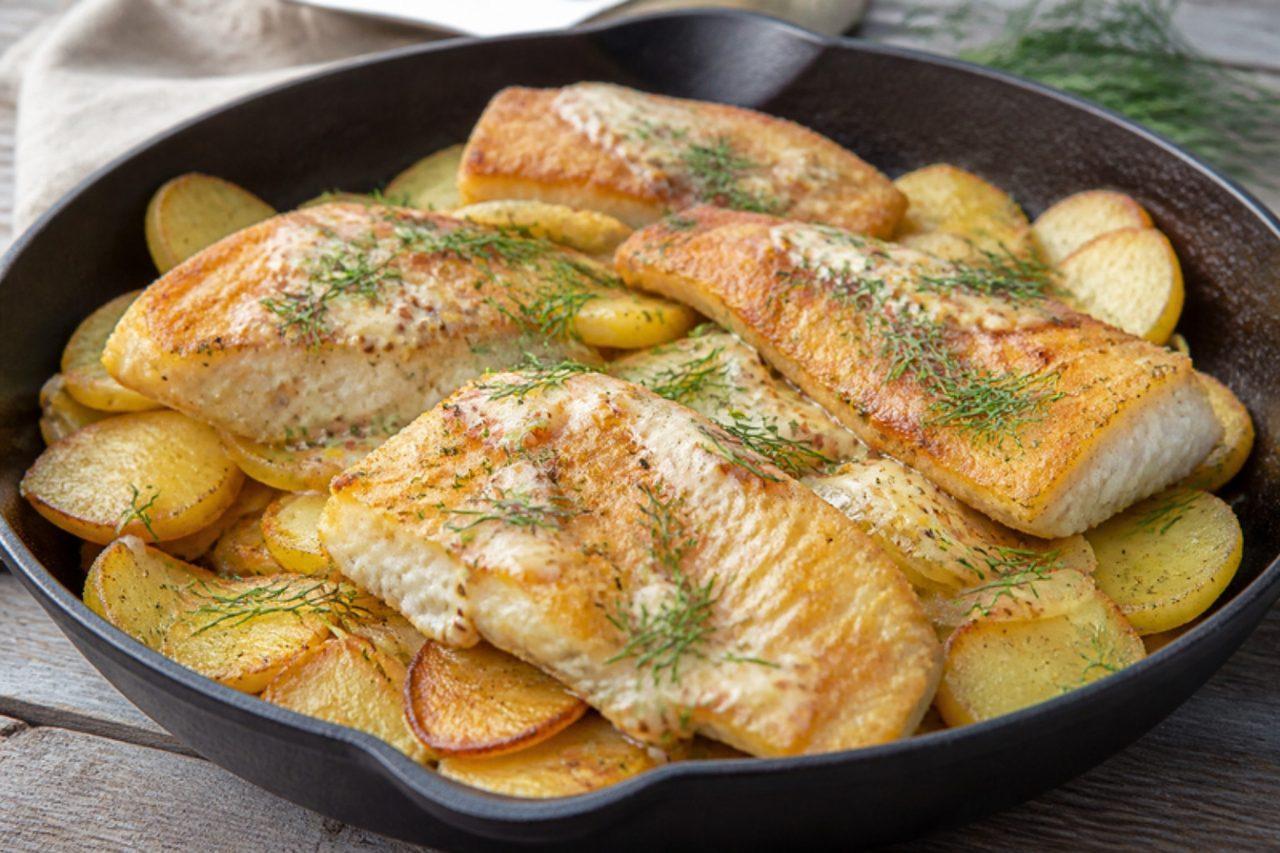
Hamburger PannfischFish and potatoes in mustard sauce

Pannfisch began as the thrifty Monday supper of Hamburg's harbour families, made from the odds and ends of the weekend's fish and the cold potatoes from Sunday. Chunks of white fish are fried golden and laid over crisp Bratkartoffeln, with a creamy mustard sauce poured round, and today it is a fixture of the fish restaurants along the Elbe. Use whatever firm white fish is good: cod, saithe, haddock or plaice. Chef's tip: boil the potatoes the day before and chill them; cold potatoes fry crisp instead of breaking up.

45 minGermanFish
by KrazyBadal 0 views

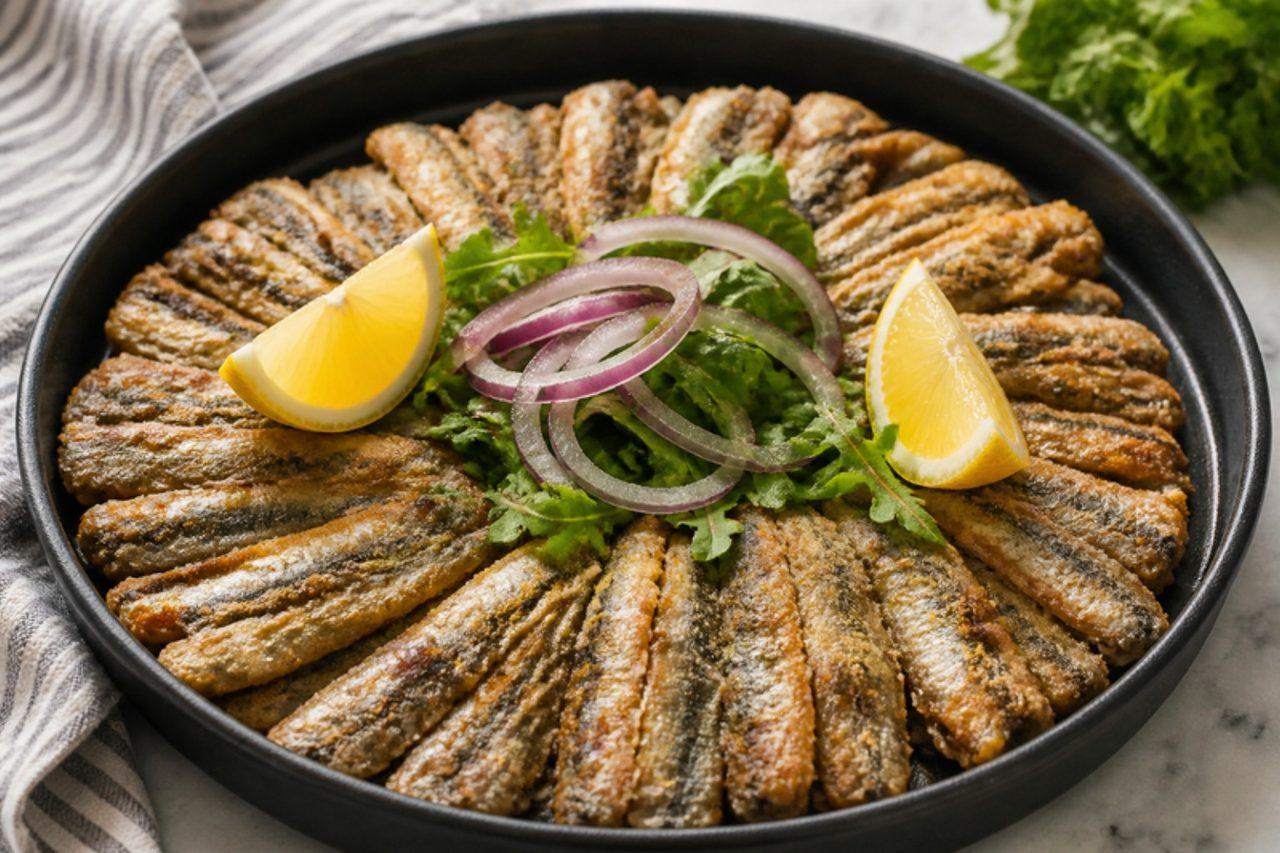
Hamsi tavaFried anchovies

When the first winter storms push shoals of anchovy along the coast, fish markets from Samsun to Hopa are heaped with silver hamsi and the whole region seems to smell of frying. Hamsi tava is the simplest way to eat them: heads off, butterflied, dusted in cornmeal and laid in a hot pan in a neat circle, then flipped like a cake. They come out crisp outside and soft and sweet within, with red onion, rocket, lemon and cornbread alongside. Common mistake: crowding the pan, which steams the fish and leaves the coating soggy. Cook until the flesh is opaque and flakes from the backbone. Chef's tip: shake off every bit of loose cornmeal; a thin coat is what stays crunchy.

by KrazyBadal 0 views

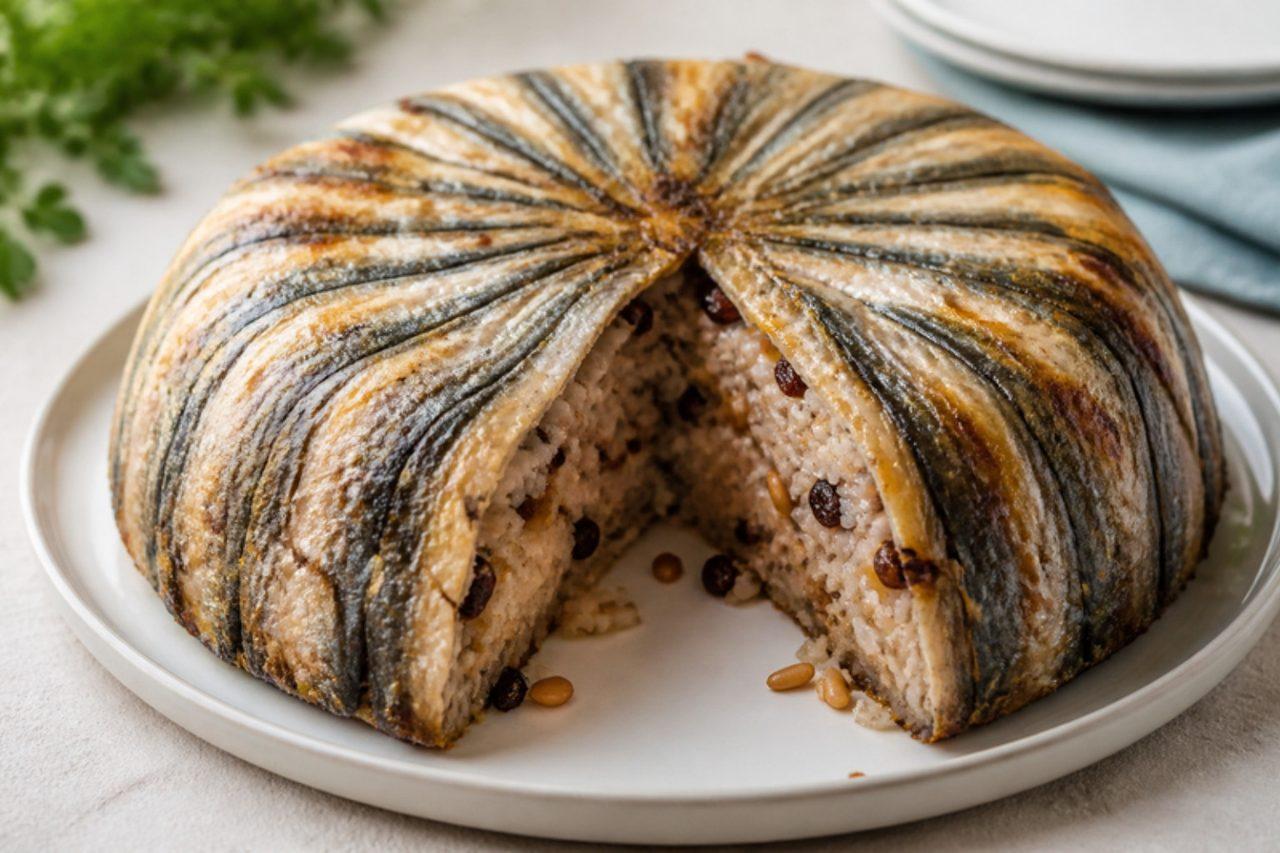
Hamsili pilavAnchovy-wrapped rice bake

Hamsili pilav is the showpiece of a Trabzon or Rize winter table: a dome of rice cooked with currants, pine nuts, allspice and dill, packed into a tin lined with butterflied anchovies, more fish laid over the top, and baked until the skins turn crisp. Turned out and cut like a cake, it shows silver fish outside and fragrant rice within, and families make it for guests and New Year gatherings. Serve with a sharp salad and lemon. Common mistake: fully cooking the rice before baking, which turns it mushy; it should still have a bite when it goes into the tin. Bake until the fish is opaque and flakes. Chef's tip: lay the anchovies skin side down against the tin, overlapping like roof tiles, so no rice escapes.

100 minTurkishFishGluten free
by KrazyBadal 0 views

Handkäs mit MusikMarinated sour-milk cheese

Handkäs mit Musik is the bar snack of Frankfurt's Sachsenhausen cider taverns, where it is served on a small plate beside a glass of apple wine; apple juice or a sour apple spritzer is the alcohol-free match. Handkäse is a small, firm, low-fat sour-milk cheese, ripened until it turns glassy and translucent at the edge, and the 'music' is the marinade of onion, vinegar, oil and caraway it soaks in. It is eaten with a knife and fork on buttered rye bread. Most Handkäse is made without rennet, using acid alone, but check the label if you are strict. A common mistake is serving it straight away: the cheese needs at least an hour in the marinade. Chef's tip: choose a cheese that is still chalky white in the very middle, which gives a mix of creamy and fresh textures.

by KrazyBadal 0 views

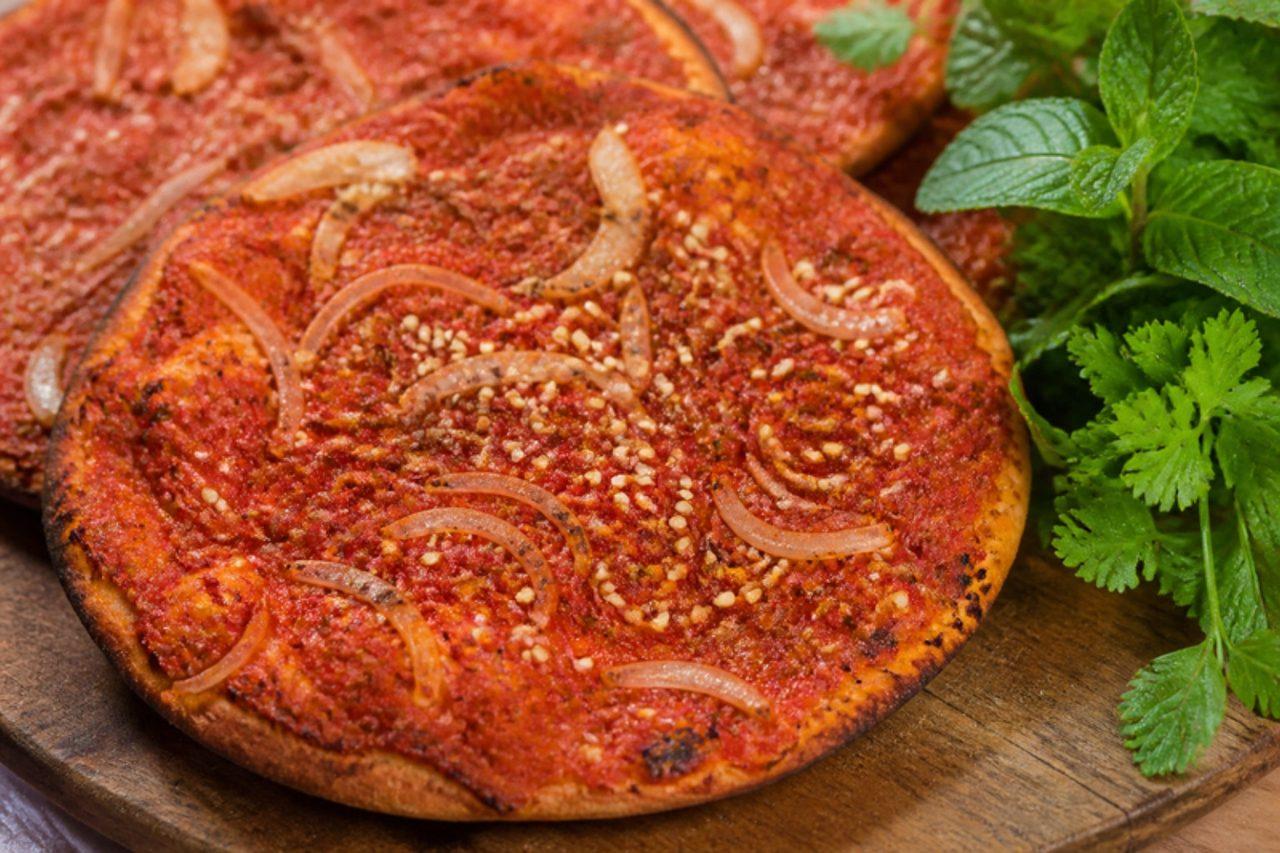
Biberli ekmekPepper paste flatbread

Antakya's neighbourhood bakeries take trays of topping from customers each morning and bake biberli ekmek in the wood oven to order: soft flatbreads smeared with a spiced paste of red pepper, onion, parsley, cumin and sesame. It is breakfast, a school snack and a picnic bread all in one, often eaten with a glass of tea and a few olives. Some families add a little crumbled cheese, but the classic is meat-free and dairy-free. Spread the topping thin; a thick layer stays raw and wet in the middle. Chef's tip: bake on the hottest preheated tray you have so the base blisters before the topping dries out.

by KrazyBadal 0 views

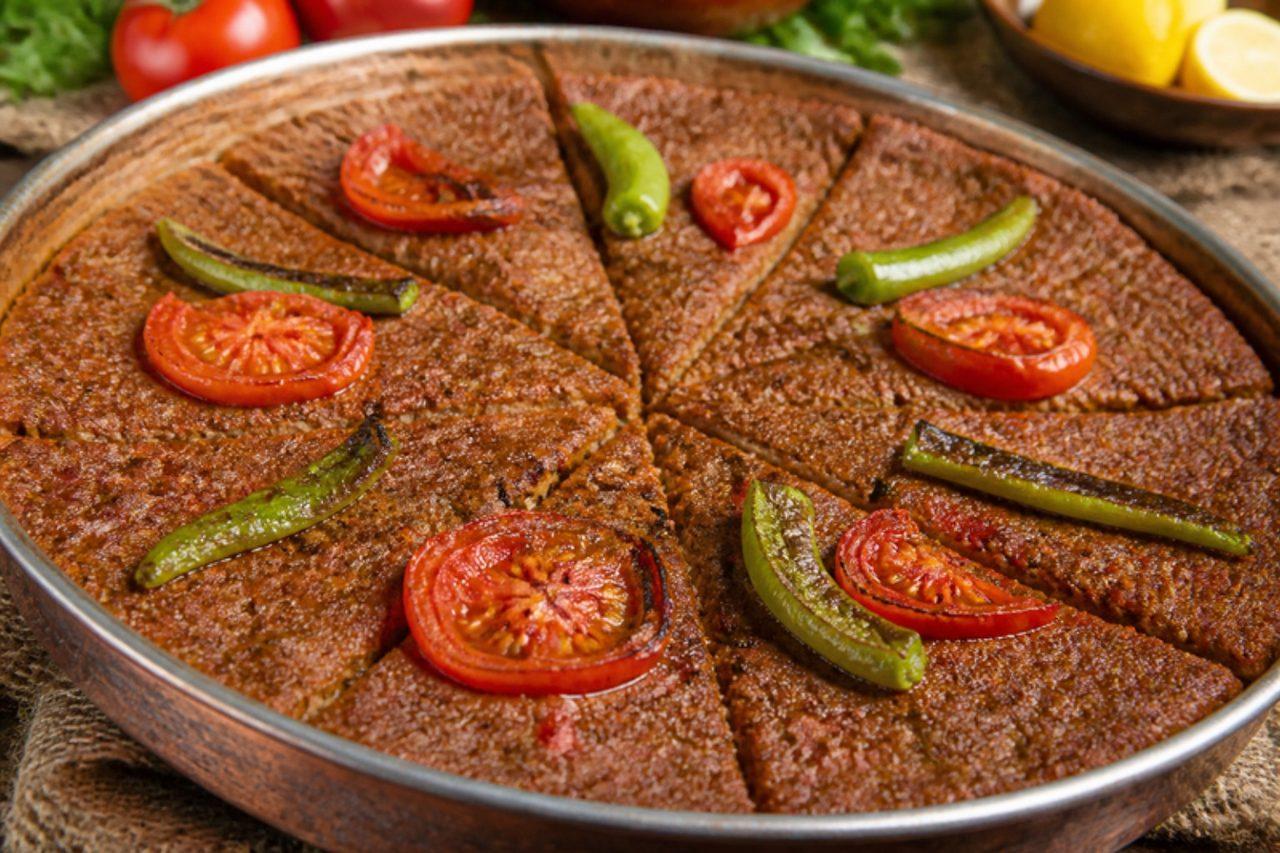
Tepsi kebabıBaked spiced lamb tray

In Antakya people still carry their tepsi kebabı to the neighbourhood bakery: a round copper tray of spiced lamb mince spread thin, scored into wedges and covered with sliced tomatoes, peppers and onions. The bread oven turns it juicy and crusty, and it comes home with a stack of hot flatbread. It is weekend lunch for the family, eaten with a parsley and onion salad and a bowl of yoghurt. Common mistake: pressing the meat more than 2 cm thick; it stews instead of roasting. Chef's tip: add a ladle of tomato water halfway through baking so the juices around the edges turn into a glossy sauce for dipping bread.

by KrazyBadal 0 views

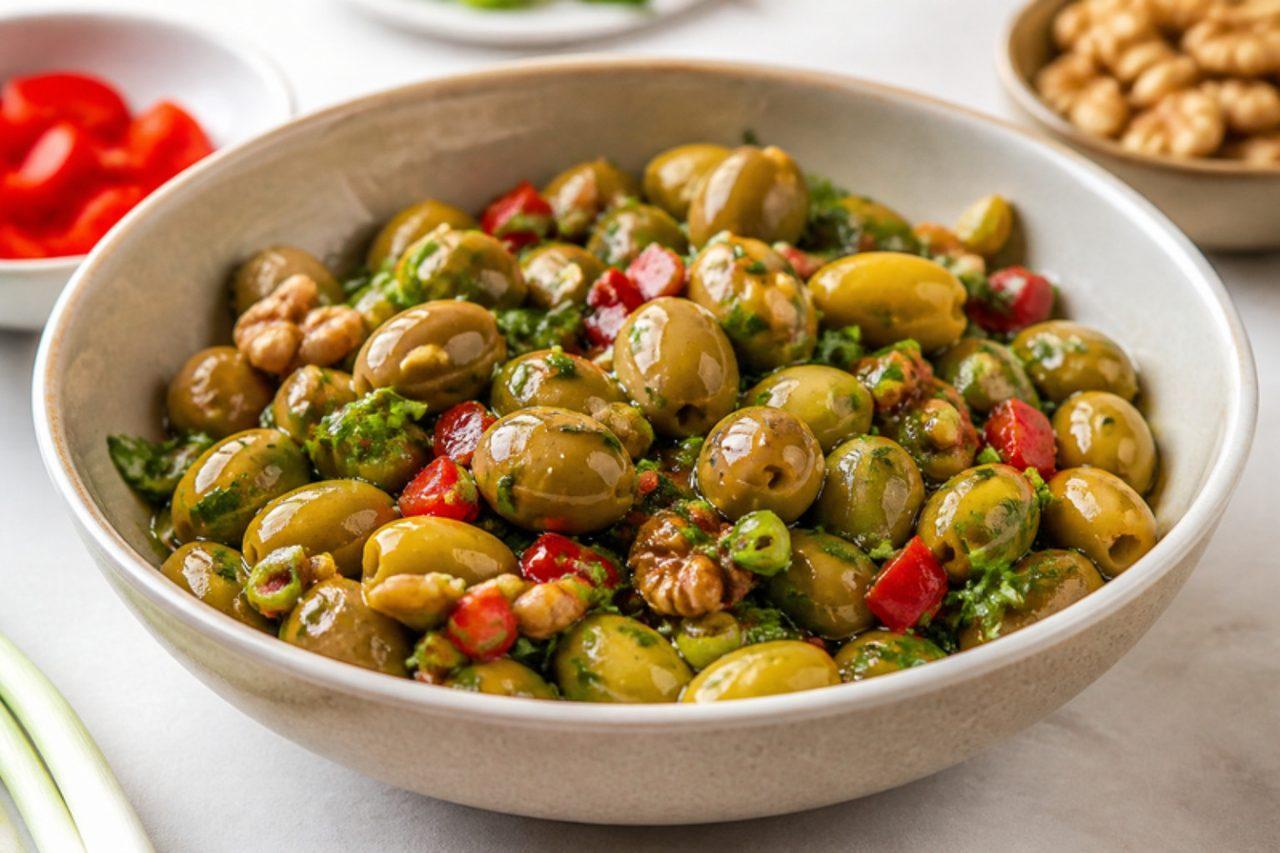
Hatay zeytin salatasıGreen olive and walnut salad

Hatay grows olives on every hillside towards the Syrian border, and its meyhanes and breakfast tables always have a bowl of this salad: green olives tossed with walnuts, spring onion, tomato, parsley, pepper paste and pomegranate molasses. It is salty, sour and sweet at once, and sits happily next to cheese, eggs and flatbread in the morning or as a meze in the evening. Pit and chop the olives yourself; jarred sliced olives are too soft. Rinse very salty olives first, or the salad is overwhelming. Chef's tip: dress it an hour ahead so the olives soak up the molasses, but add the tomatoes and herbs just before serving.

by KrazyBadal 0 views

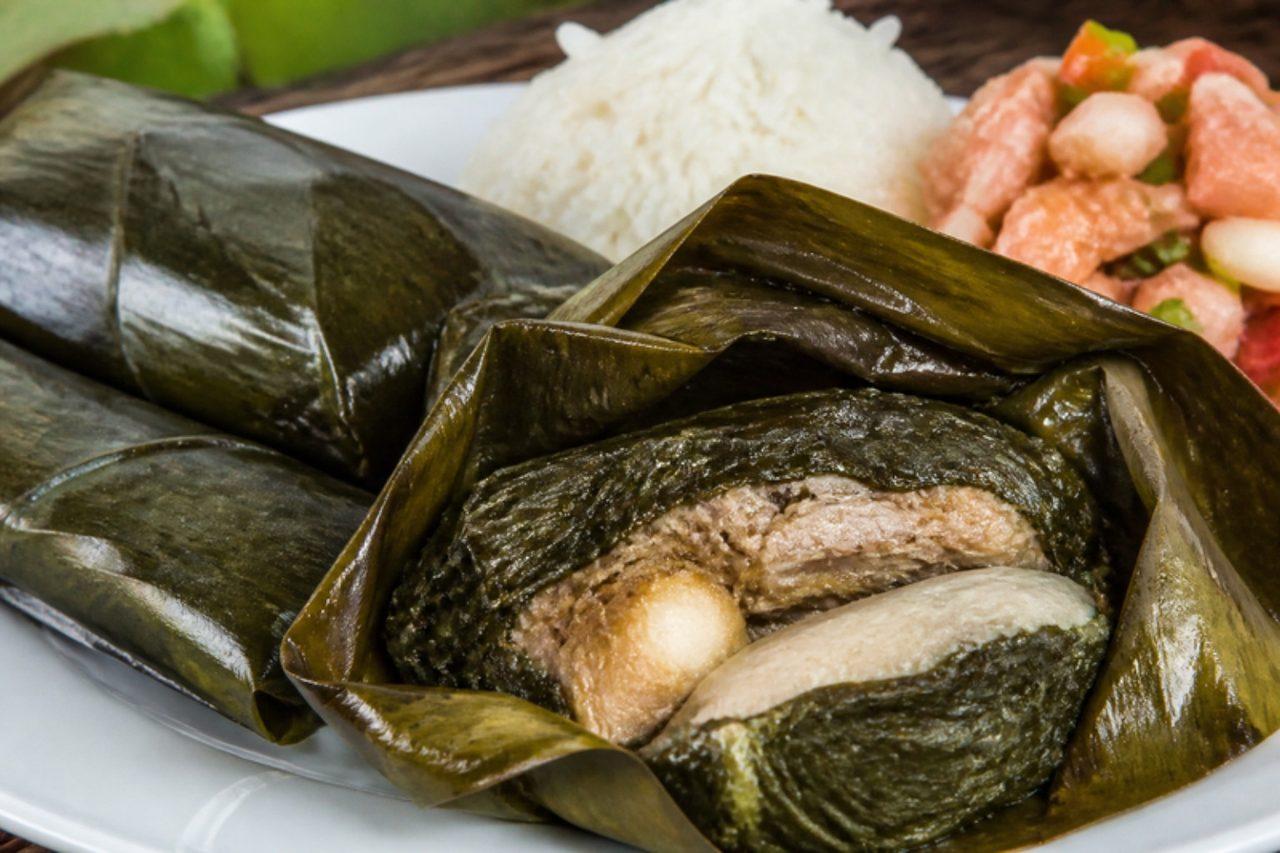
LaulauSteamed pork and fish bundles

Laulau is one of the oldest dishes of Native Hawaiian cooking: fatty pork and salted butterfish are wrapped in young taro (lūʻau) leaves, tied in a ti-leaf parcel and steamed for hours until the leaves turn soft as cooked spinach and the pork is meltingly tender. It is the centrepiece of a plate with poi, lomi lomi salmon and haupia at lūʻau and family celebrations. Taro leaves must be cooked a long time, as they irritate the throat when undercooked; if you can't find them, use large spinach leaves and wrap in banana leaves or foil. Chef's tip: steam the bundles for the full four hours; shortcutting leaves the taro leaves scratchy.

by KrazyBadal 0 views

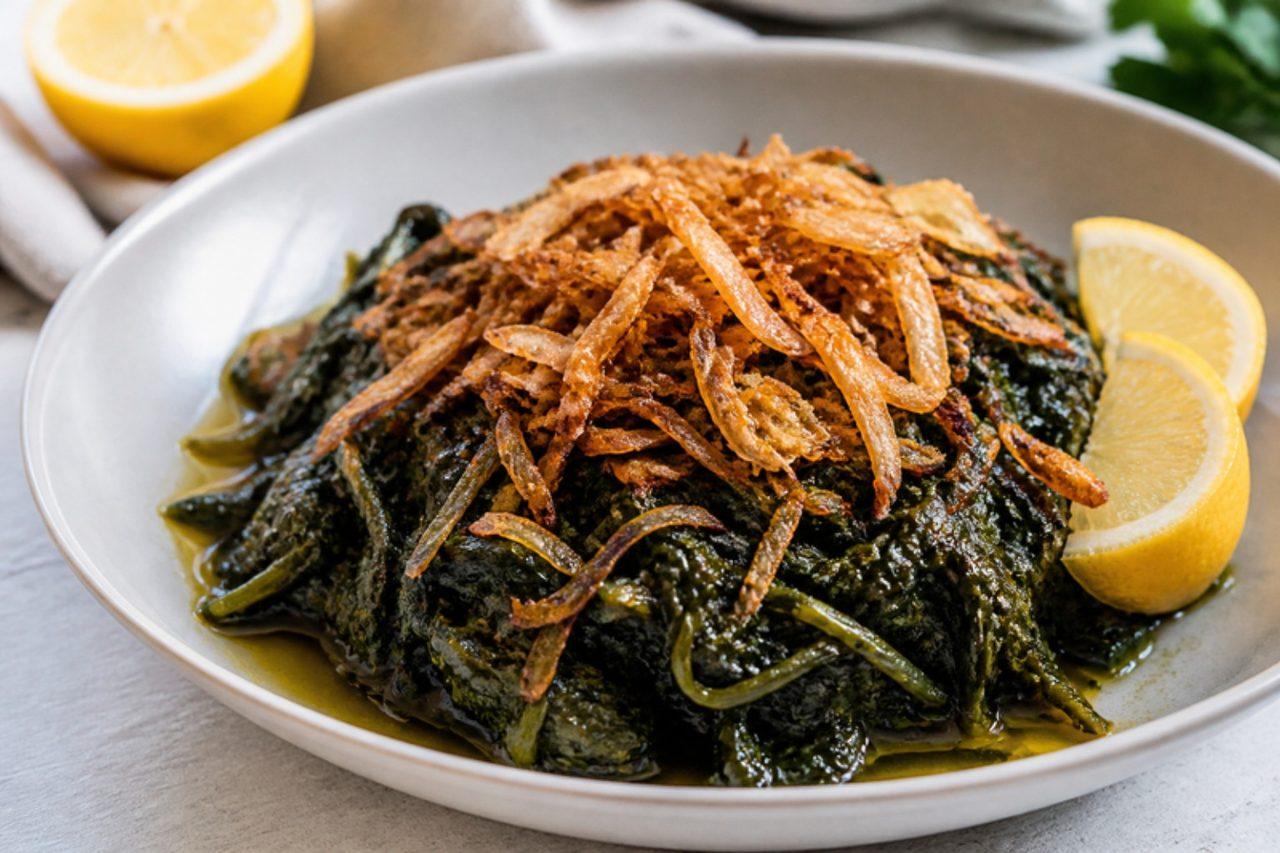
HindbehDandelion greens with fried onions

Each spring, people in the Lebanese hills go out with a knife and a bag to gather wild chicory and dandelion for hindbeh, a Lenten favourite in Christian homes and a regular on mezze tables all year. The bitter greens are blanched, squeezed and fried with garlic in olive oil, then piled with a tangle of deeply browned, crisp onions and served with lemon wedges. The bitterness, the sweetness of the onions and the sharp lemon balance each other, and it is eaten at room temperature with bread. Cultivated dandelion or curly endive from a greengrocer works well. Common mistake: not squeezing the greens dry; water stops them frying and dilutes the oil. Chef's tip: fry the onions slowly and pull them out a shade lighter than you want — they keep darkening on the paper.

by KrazyBadal 0 views

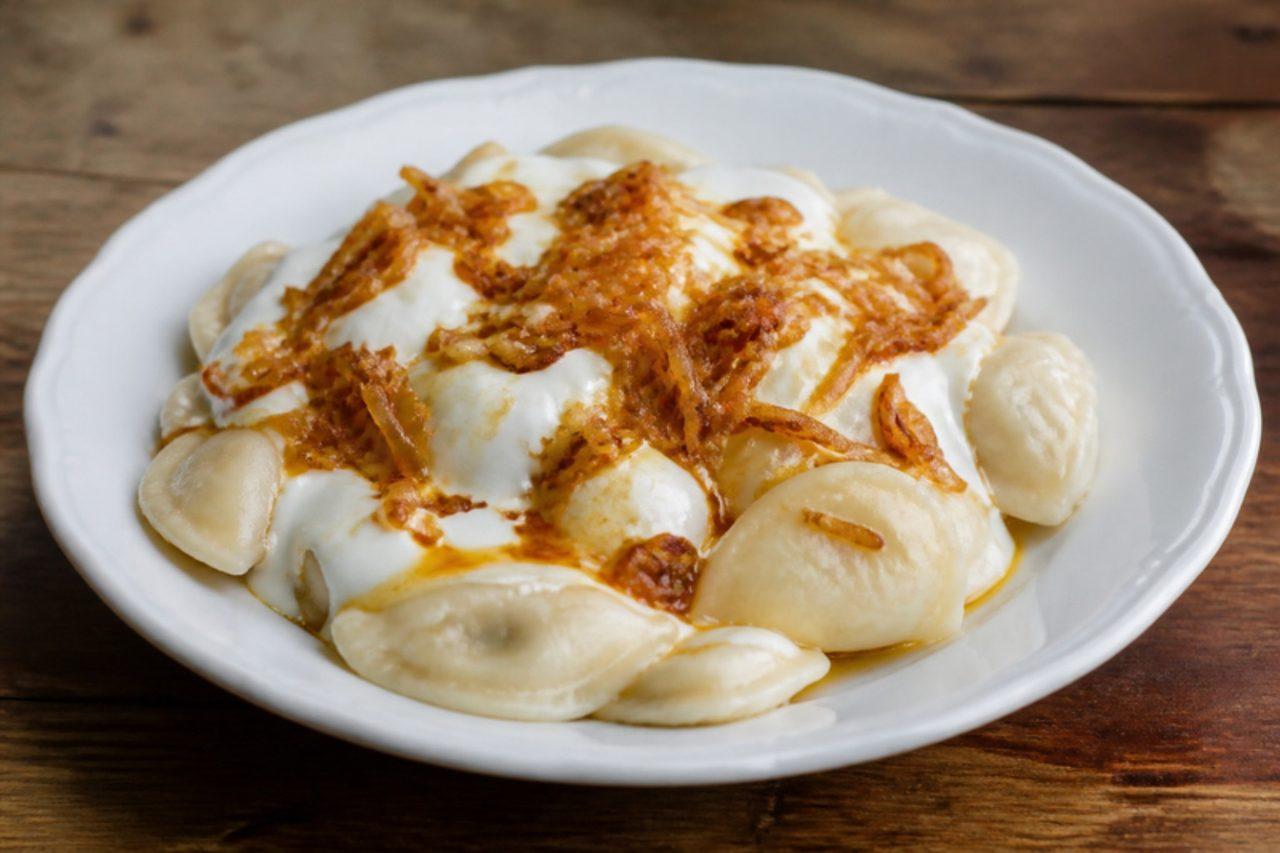
HingelPotato dumplings with browned butter

Hingel is the comfort food of Kars and Ardahan, on Turkey's high north-eastern border, where long winters made potatoes and butter everyday staples. Half-moon dumplings are filled with mashed potato and onion, boiled, then smothered in caramelised onions, garlic yoghurt and plenty of browned butter, much like manti but larger and softer. Common mistake: a wet potato filling that leaks through the seams; dry the boiled potatoes in the pan for a minute before mashing. Chef's tip: fry the onions slowly in the same butter you pour over at the end; it picks up their sweetness.

by KrazyBadal 0 views

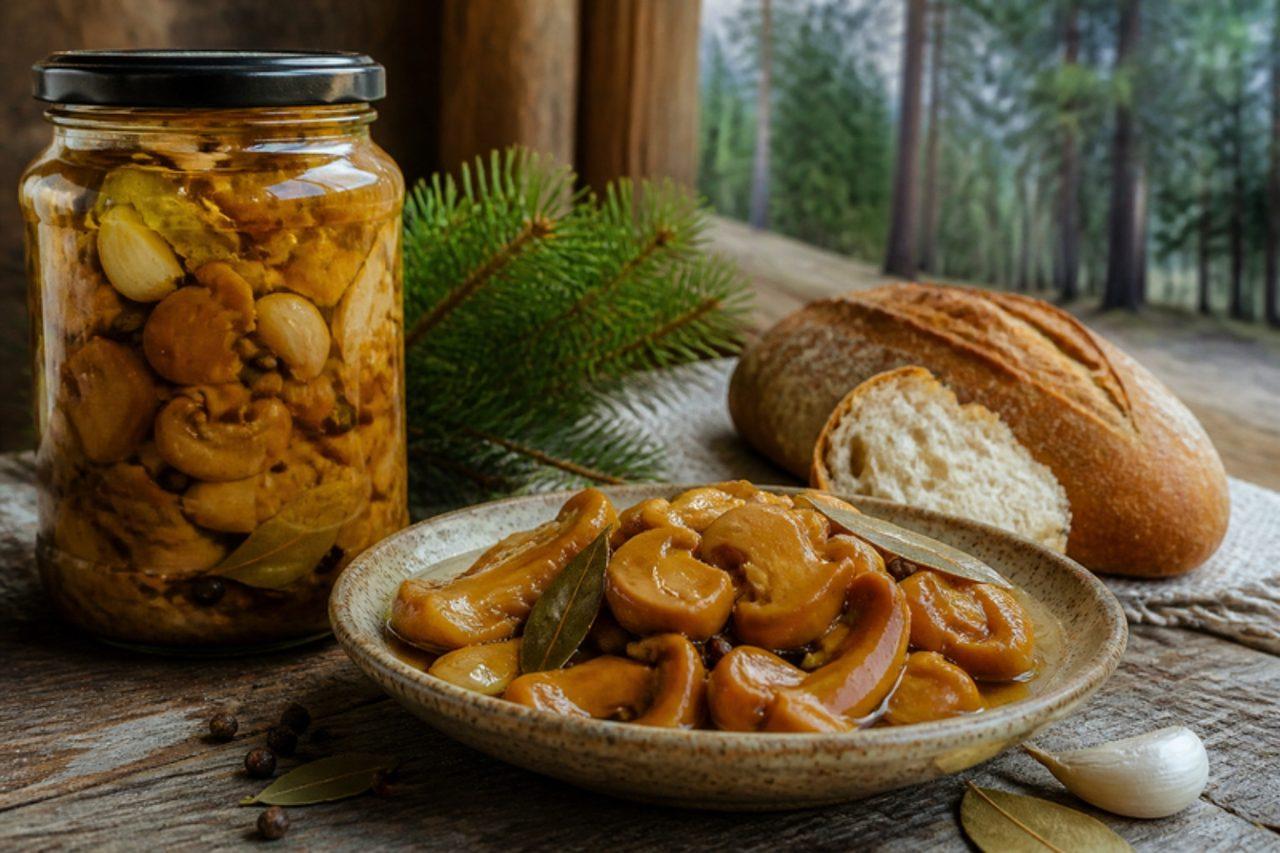
Hongos de pino en escabechePickled pine mushrooms

After the autumn rains in the pine plantations of Neuquén and Río Negro, slippery jacks (Suillus luteus) pop up by the thousand, and around San Martín de los Andes and Villa La Angostura they are sold fresh by the roadside, dried in bags, or bottled like this. The mushrooms are blanched in vinegar, then kept in oil with garlic, bay and peppercorns, ending up tender, tangy and slightly silky, a classic part of a picada with cheese and bread or beside grilled vegetables. Wild mushrooms must only be eaten if identified by an expert or bought from a trusted seller; if in doubt, use cultivated mushrooms such as chestnut or king oyster. The common mistake is skipping the peeling: the slimy skin on the cap turns the pickle gluey, so pull it off first. Garlic in oil can carry botulism, so the jar must live in the fridge and be eaten within two weeks. Chef's tip: let the jar rest for two days before opening; the vinegar mellows and the flavours come together.

by KrazyBadal 0 views

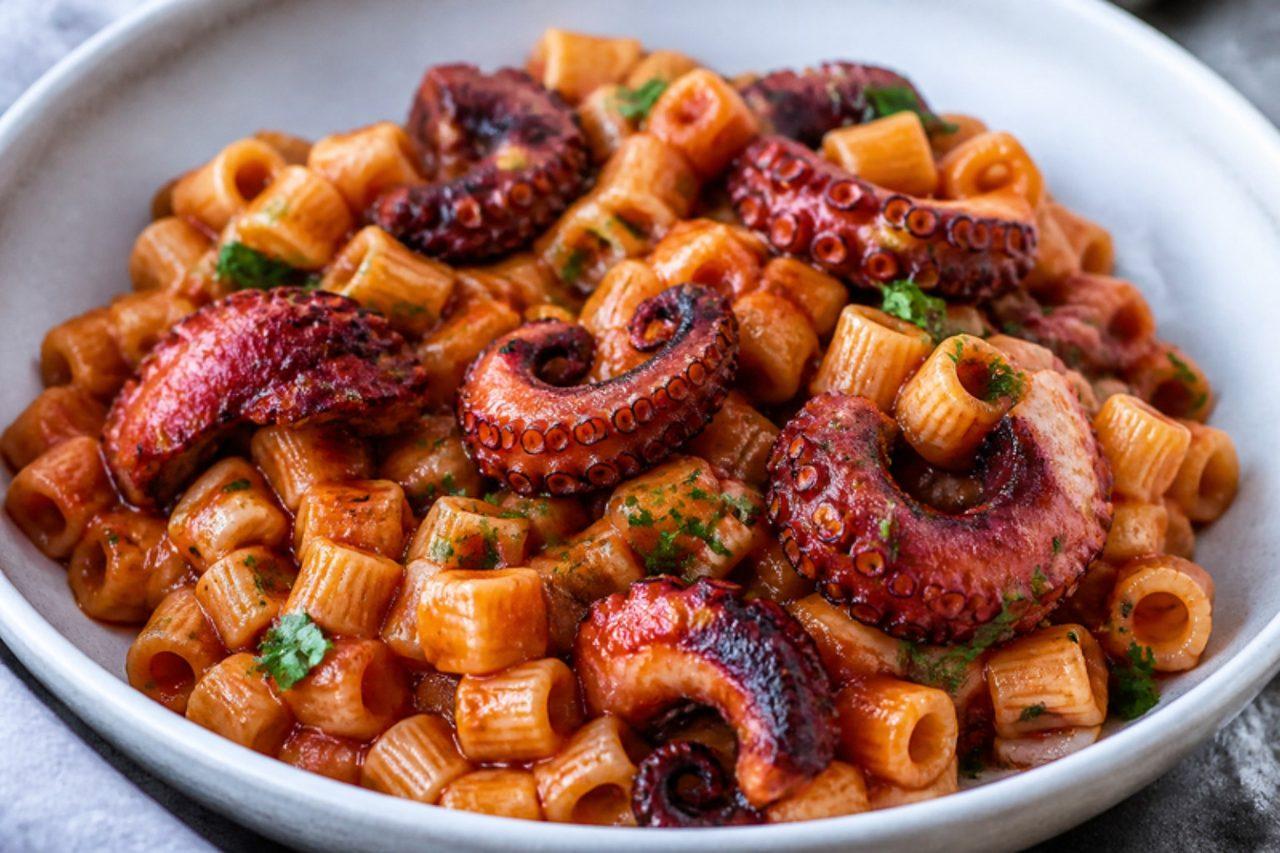
Htapodi me kofto makaronakiOctopus and pasta in tomato

During Lent and on fasting days, coastal families in Crete and the islands turn to octopus, which the church counts as fasting food. In this one-pot dish it is first stewed in its own juices until tender, then simmered in tomato with cinnamon and allspice, and finally the little cut pasta tubes cook right in the sauce, soaking up the deep red, faintly sweet liquid. It is served hot with a squeeze of lemon and a green salad. Common mistake: salting the octopus at the start, which tightens it; season only once it is tender. Chef's tip: buy frozen octopus or freeze fresh for a day; freezing breaks down the tough fibres and saves you the traditional beating on the rocks.

110 minGreekFish
by KrazyBadal 0 views

İçli köfteStuffed bulgur shells

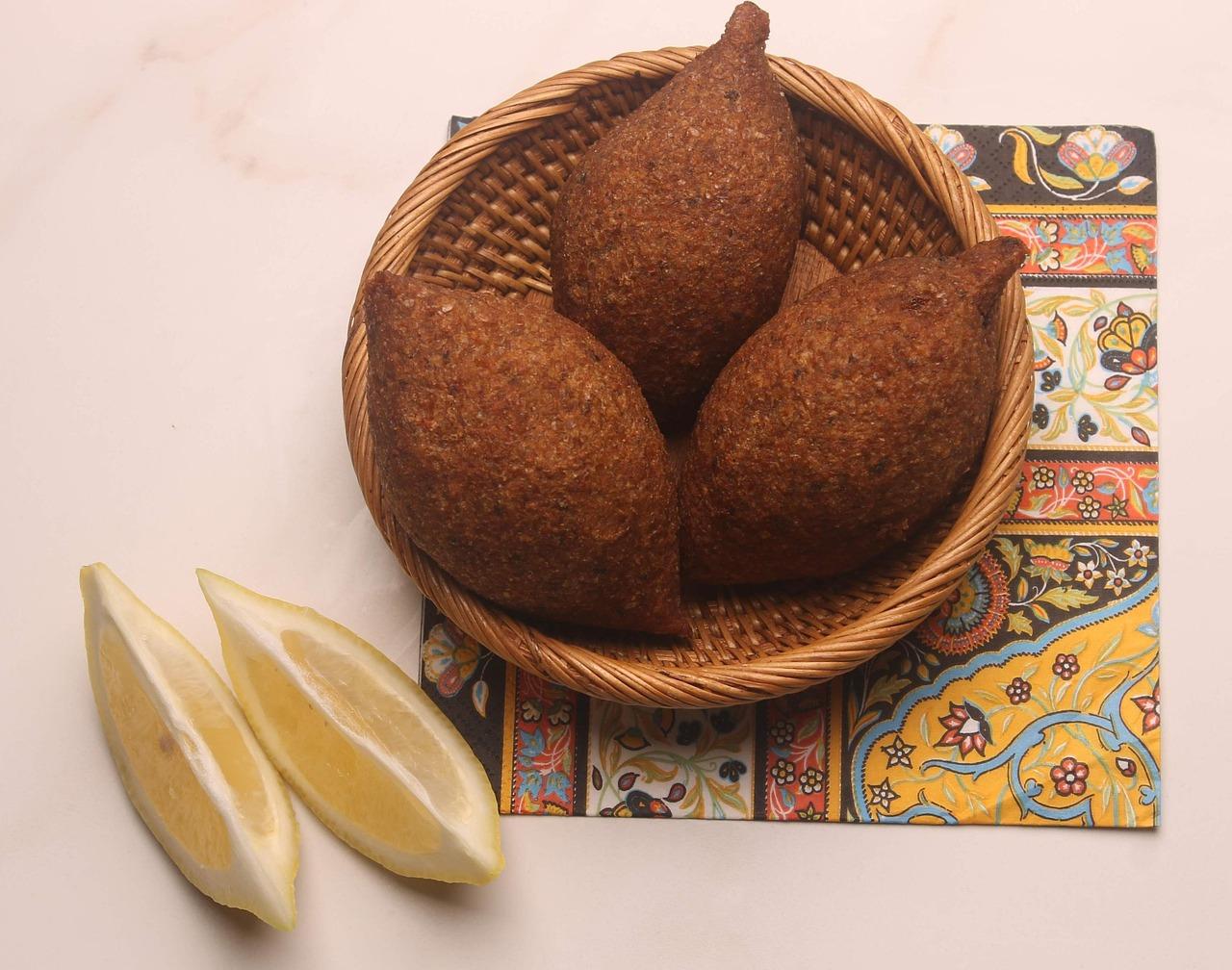
Making içli köfte is the test of a southeastern Turkish cook: a thin, even shell of bulgur dough is hollowed out on a finger and filled with mince fried with onion, walnuts and spices, then sealed into a pointed torpedo. Families in Mardin, Urfa and Diyarbakır make dozens before bayram, freezing them to fry for guests. Crisp outside, juicy inside, they are served hot with lemon. Common mistake: a thick shell; it cracks in the oil and tastes doughy. Chef's tip: keep a bowl of iced water by you and wet your fingers constantly; the dough becomes smooth and stretches thin without tearing.

115 minTurkishMeat
by KrazyBadal 0 views

InchicapiPeanut chicken soup

From the riverside kitchens of Iquitos and the Peruvian Amazon comes inchicapi, a festive chicken soup traditionally made with a free-range hen for birthdays and fiestas. Raw peanuts and a little maize flour are ground and stirred into the broth, which turns it creamy, pale and nutty, and pieces of cassava, garlic, ají dulce and sacha culantro (a long, serrated, strongly flavoured coriander) finish it. It is served with rice, boiled plantain or cassava. If you can't find sacha culantro in Asian or Latin shops (sold as culantro or ngo gai), use a big handful of coriander. The pitfall is adding the peanut paste dry: it clumps and catches on the bottom, so loosen it with broth first and stir often. Chef's tip: use raw, not roasted, peanuts; they keep the soup pale and give it the right fresh, milky taste.

by KrazyBadal 0 views

İncir tatlısıWalnut-stuffed figs in syrup

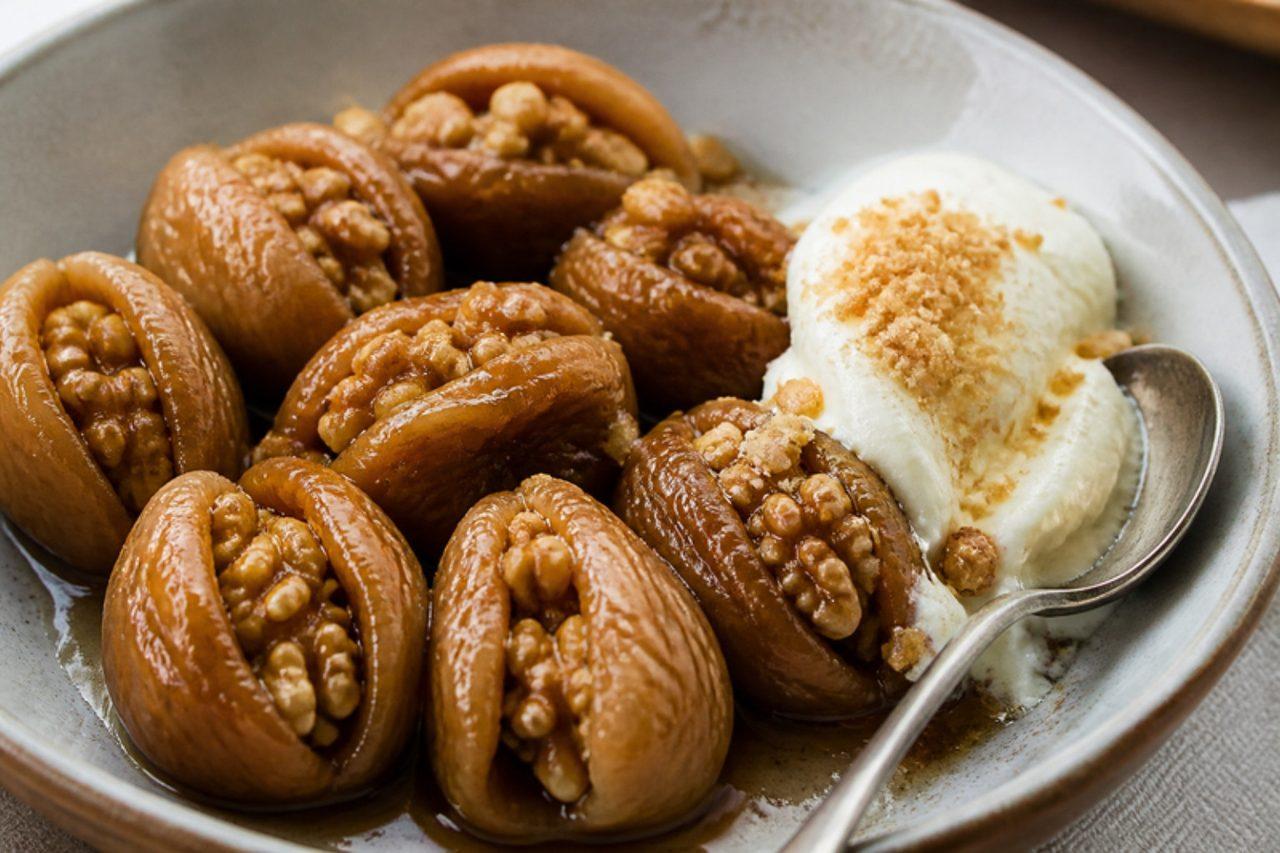
The plain around Aydın grows most of Turkey's figs, and in winter, when only the dried ones remain, local cooks soften them in water, tuck a walnut half inside each, and poach them in a light syrup until they plump up dark and glossy. A spoonful of milk in the pan, an old Aegean trick, gives the syrup a soft caramel note. Serve them cold with kaymak or thick yoghurt. Chef's tip: soak the figs first so they swell before cooking; added dry, they stay leathery in the middle however long they simmer.

by KrazyBadal 0 views

Showing 36 of 8,120 recipes

Show more recipes

Page 533 of 903