


Skip to content
Haneeneh
Featured recipe

Haneeneh

Warm dates with breadcrumbs and ghee

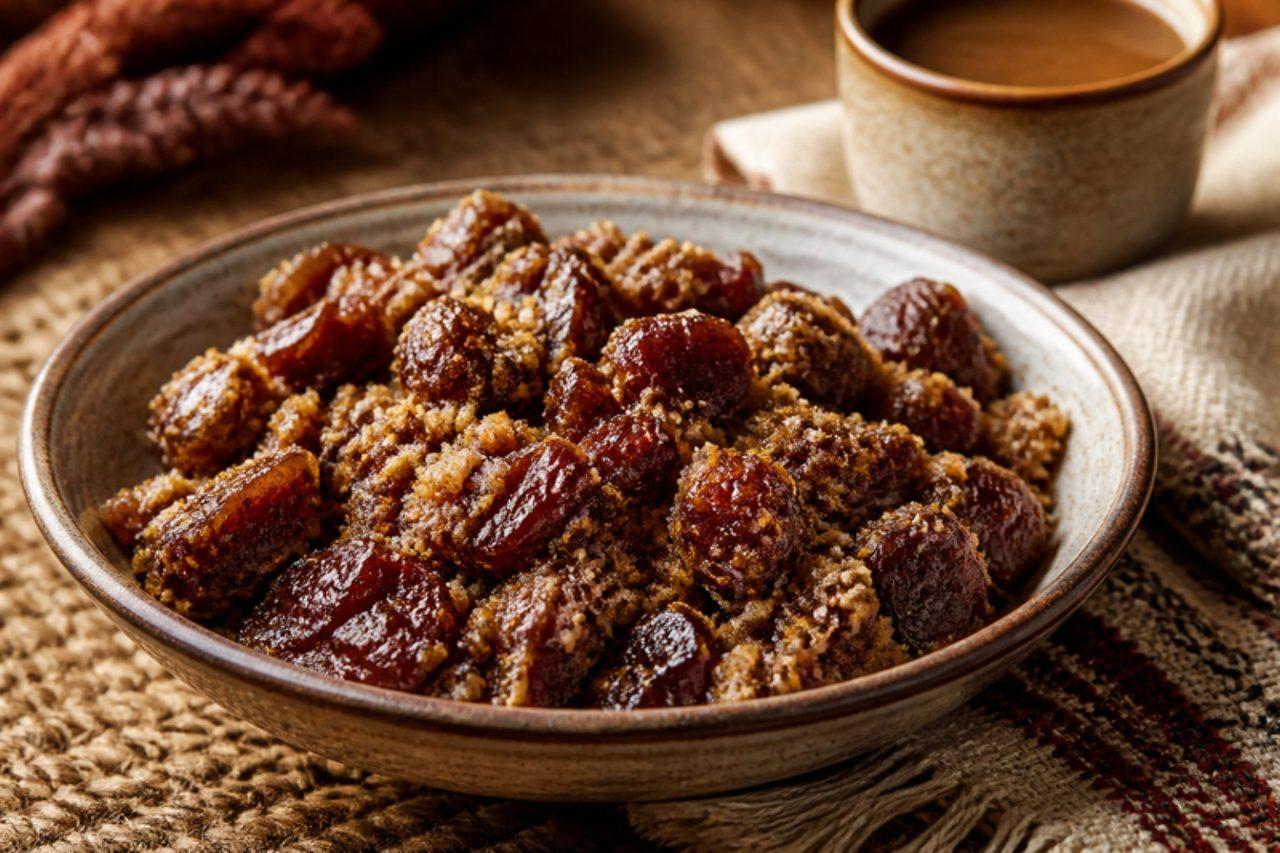
Haneeneh is desert comfort food from the Bedouin tents of the Jordanian Badia: soft dates mashed into hot samneh with crumbs of yesterday's flatbread, scented with cardamom and pressed into a rich, fudgy sweet. It is made for guests, for new mothers and for cold mornings before herding, eaten by hand with black tea or Arabic coffee. It takes ten minutes and uses only store-cupboard things. The mistake to avoid is cooking the dates too long once they meet the ghee; they turn stiff and chewy instead of jammy. Chef's tip: toast the crumbs in the ghee first until nutty, then add the dates off the heat so the mixture stays soft.

Read more 0 views

What to eat today?

Around the world

Today's trip: Paraguayan

A new country every day, from every cuisine on the site.

Paraguayan

Buñuelos de algas

Sea lettuce fritters 35 minMore from Paraguayan (27) →

This week's collection

Kid-friendly dinners
537 recipes · a new collection every Monday

Latest recipes

MelcochasPulled panela taffy

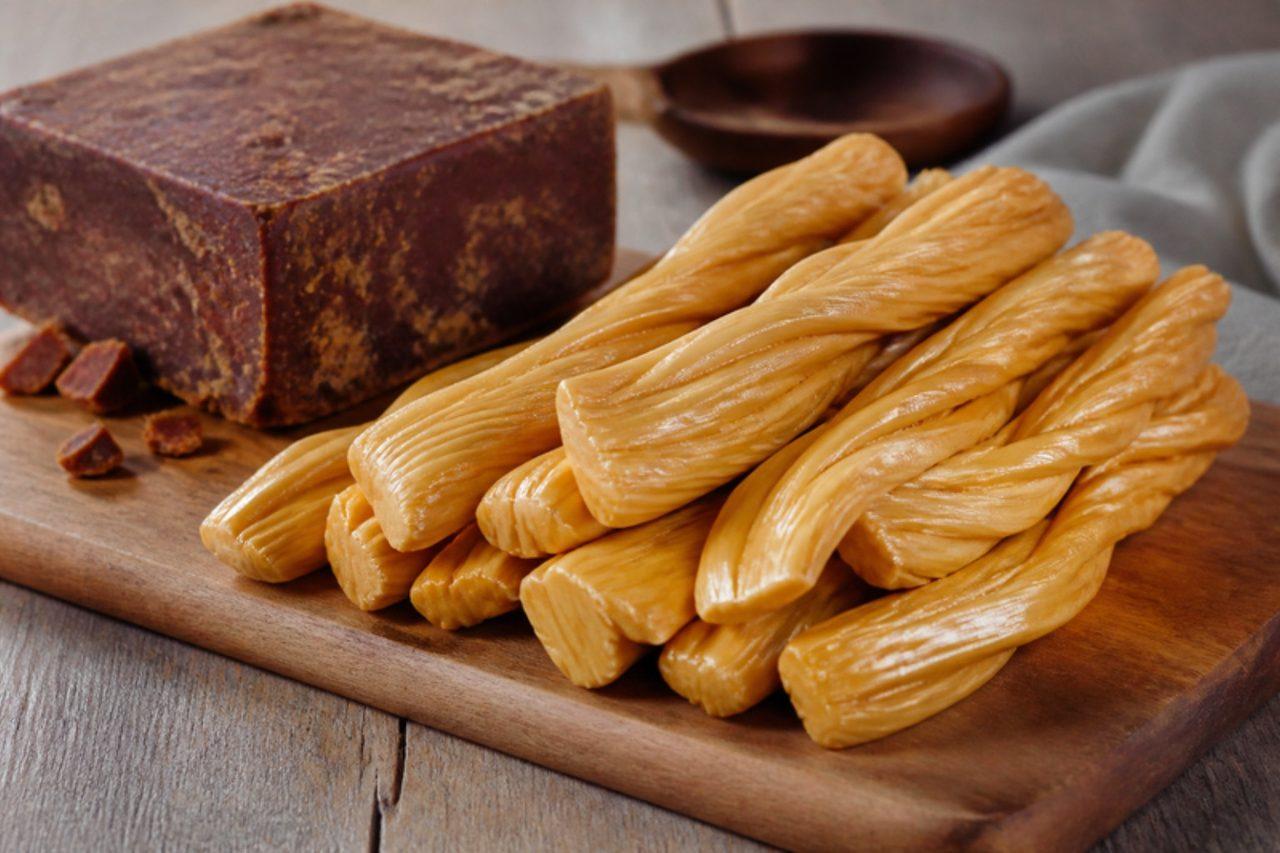
Pulling melcocha is a spectacle at roadside stalls in panela country, around Villeta in Cundinamarca and the Santander highlands. A syrup of panela is boiled until thick, cooled just enough to handle, then stretched, folded and stretched again until it turns from dark brown to a pale, satiny gold and becomes chewy. It is twisted into ropes and cut into pieces that taste of caramel and molasses. Kids and adults both buy it in little bags, and it makes a fun kitchen project for a group. Getting the timing wrong is the usual mistake: too hot and it burns your hands and sticks, too cold and it snaps instead of stretching. Work when it feels like warm putty. The syrup is dangerously hot, so keep children well back until it has cooled. Chef's tip: a sugar thermometer takes the guesswork out; take the syrup off at 125 °C for a chewy result.

by KrazyBadal 0 views

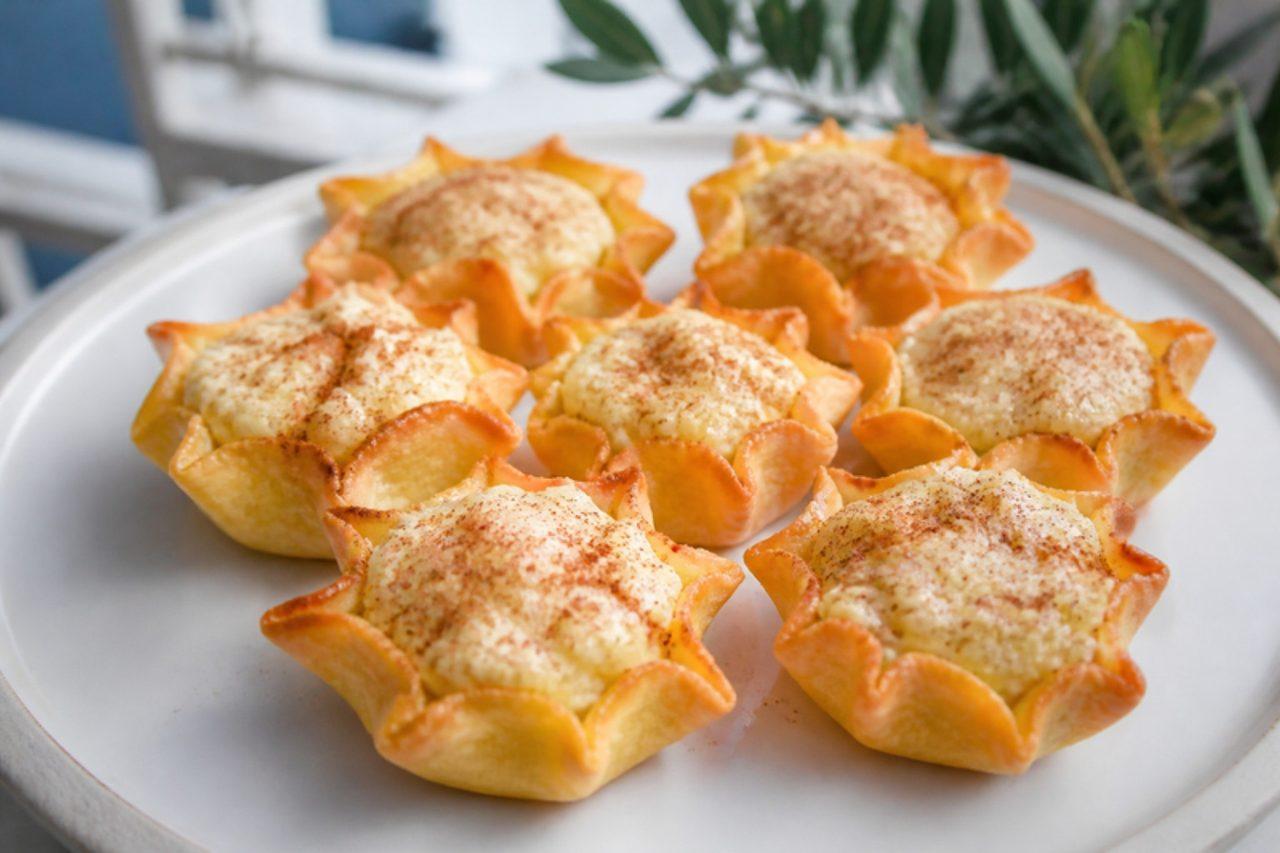
MelitiniaSweet cheese cups with mastic

Santorini's Easter sweet is melitinia: small, thin pastry cups pinched around a soft filling of fresh cheese, sugar and mastic, baked until the tops crack and turn golden. Islanders bake trays of them on Holy Saturday and offer them on Easter Sunday with coffee, and their resinous, piney mastic perfume sets them apart from cheese pastries elsewhere in Greece. Fresh mizithra is the island cheese; ricotta, usually rennet-free, is a good substitute. Common mistake: grinding mastic on its own, which makes it gum up; always crush it with a spoon of sugar. Chef's tip: roll the pastry very thin, about 2 mm, so it bakes crisp around the creamy filling.

by KrazyBadal 0 views

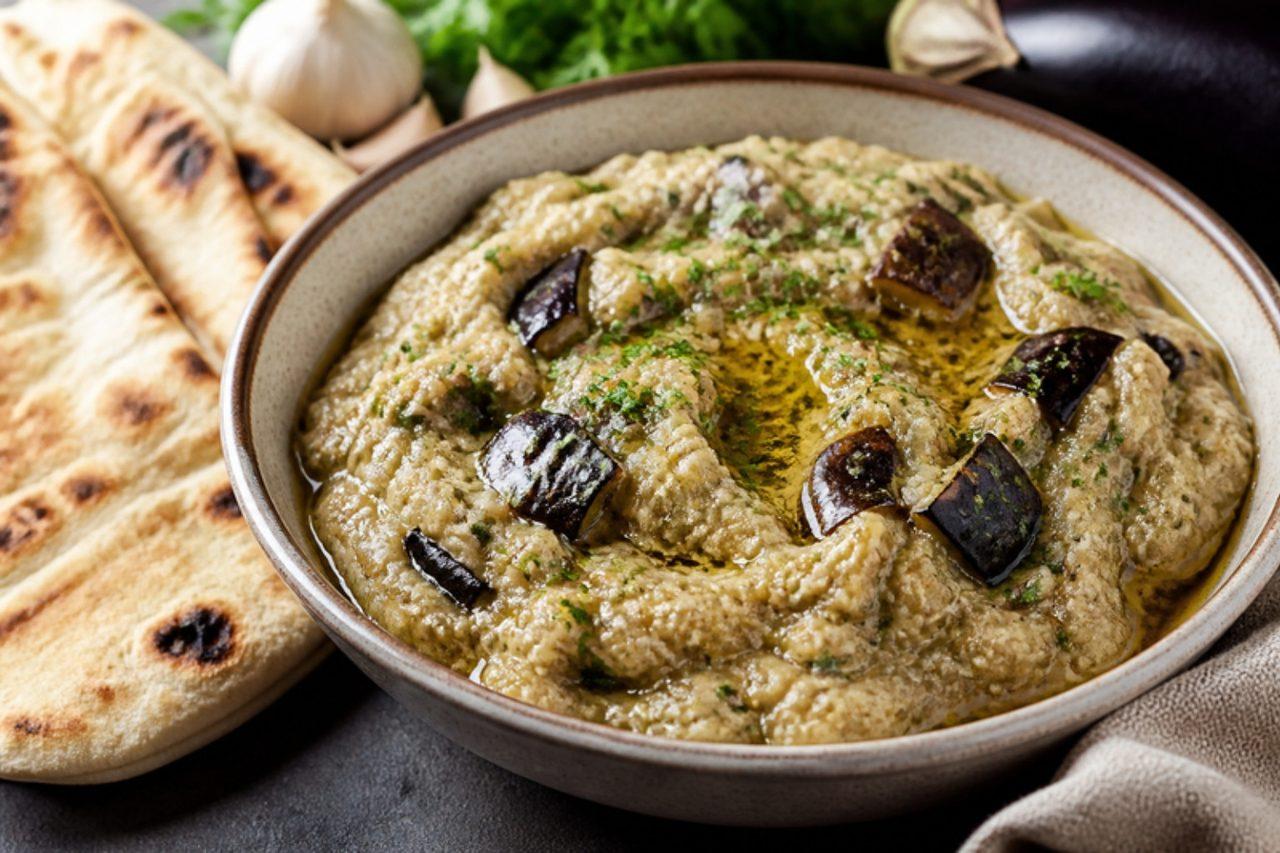
MelitzanosalataSmoky aubergine dip

Every Greek taverna puts melitzanosalata on the meze table, especially in summer when aubergines are charred over the same coals as the souvlaki. Unlike Levantine dips it has no tahini: the smoky flesh is chopped with a knife, not puréed, and sharpened with red wine vinegar, raw garlic, parsley and plenty of fruity olive oil, so it stays rough-textured and bright. Serve with warm pitta, grilled bread or alongside fried fish. Common mistake: leaving the bitter juices in; drain the cooked flesh in a sieve for 10 minutes. Chef's tip: char the aubergines directly on a gas flame or barbecue until they collapse; the oven alone will not give the smoky taste.

by KrazyBadal 0 views

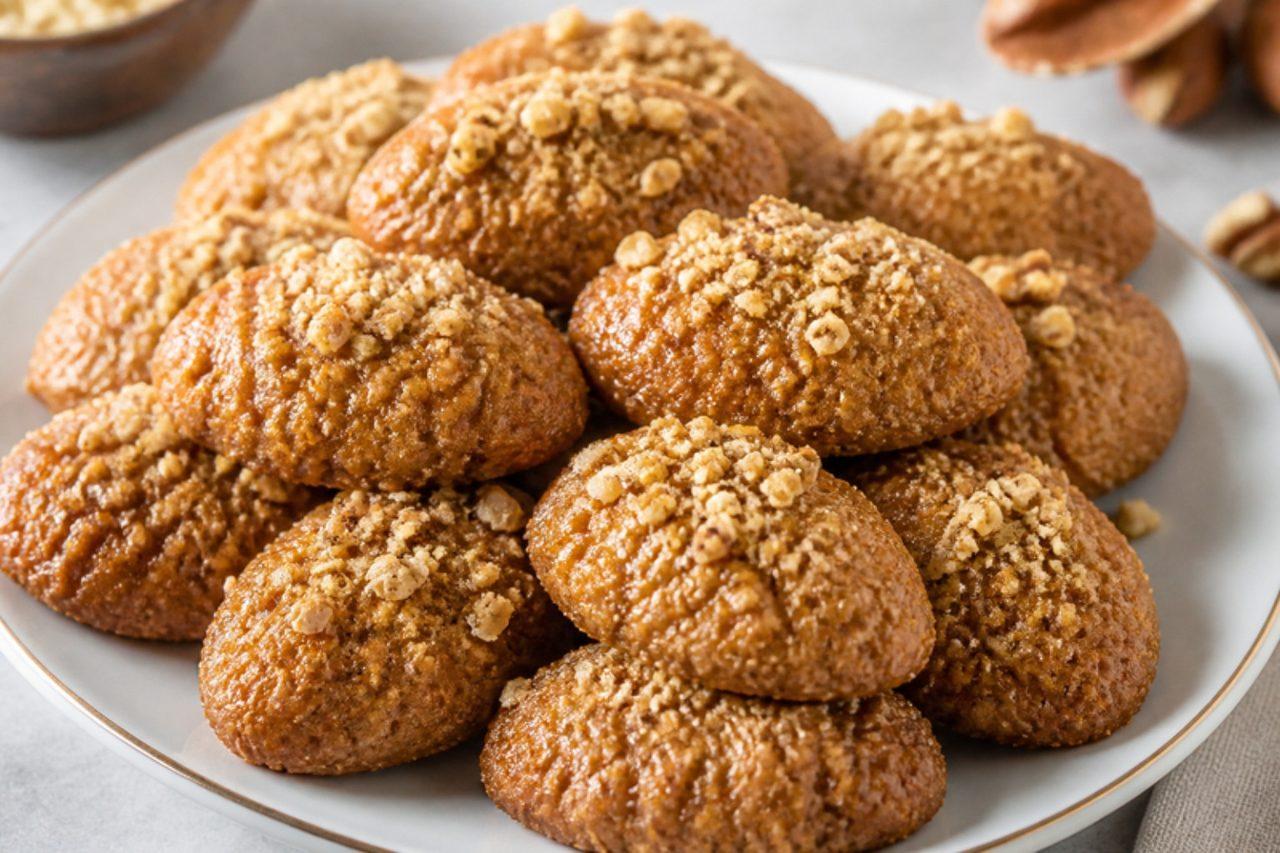
MelomakaronaHoney-dipped spice cookies

From early December, bakeries and kitchens all over Greece fill tins with melomakarona, the oval cookies that sit beside kourabiedes on every Christmas table and get handed to visitors with coffee. The dough is made with olive oil and orange juice rather than butter, scented with cinnamon and clove, then baked and plunged into warm honey syrup so the inside turns soft and sticky while the edges stay crisp. Common mistake: dipping hot cookies into hot syrup, which turns them to mush; one of the two must be cool. Chef's tip: mix the dough only until it comes together; overworking it squeezes out the oil and the cookies bake hard and greasy.

by KrazyBadal 0 views

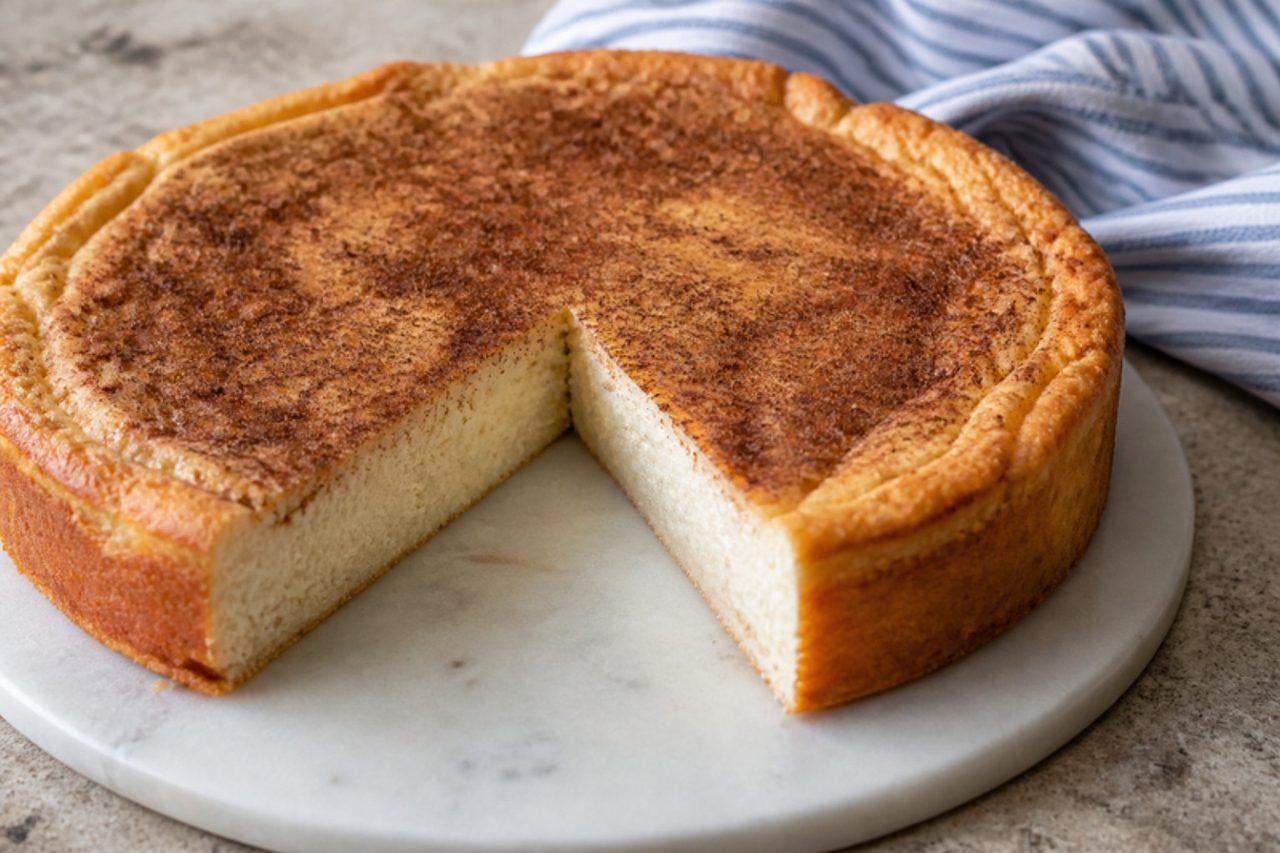
MelopitaHoney and fresh cheese pie

On Sifnos, the Easter table always has a melopita, a crustless pie of fresh cheese, eggs and thyme honey baked until just set and dusted heavily with cinnamon. It is lighter than a cheesecake, gently sweet and floral from the honey, and tastes best a day after baking, cut into squares with coffee. The island cheese is fresh mizithra; ricotta works well and is usually made without animal rennet. Common mistake: baking it too hot, which makes it puff up and crack, then sink and weep. Chef's tip: let it cool slowly in the switched-off oven with the door ajar for a smooth, silky set.

by KrazyBadal 0 views

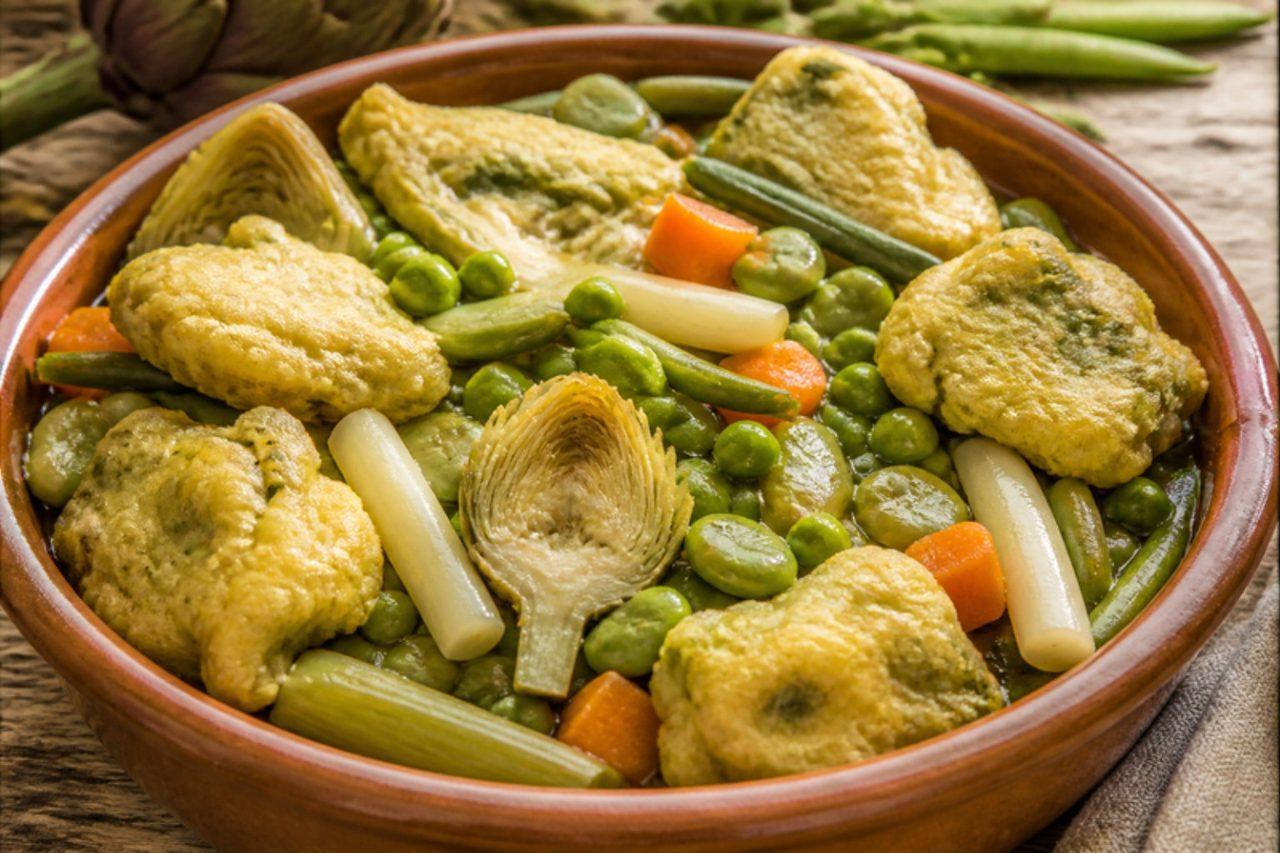
Menestra de TudelaSpring vegetable stew

In Tudela, at the southern tip of Navarre, the market gardens along the Ebro send out artichokes, peas, broad beans and asparagus all at once in April and May, and the town celebrates with its Jornadas de Exaltación de la Verdura. Menestra is how those vegetables reach the table: every one is cooked on its own, the artichokes and chard stalks are dipped in flour and egg and fried, and everything is brought together at the end in a little garlic and onion sauce. Local cooks often add cured ham; this version leaves it out and is fully vegetarian. Chef's tip: save a cupful of the water the vegetables were boiled in, because it gives the final sauce far more flavour than plain water or stock.

by KrazyBadal 0 views

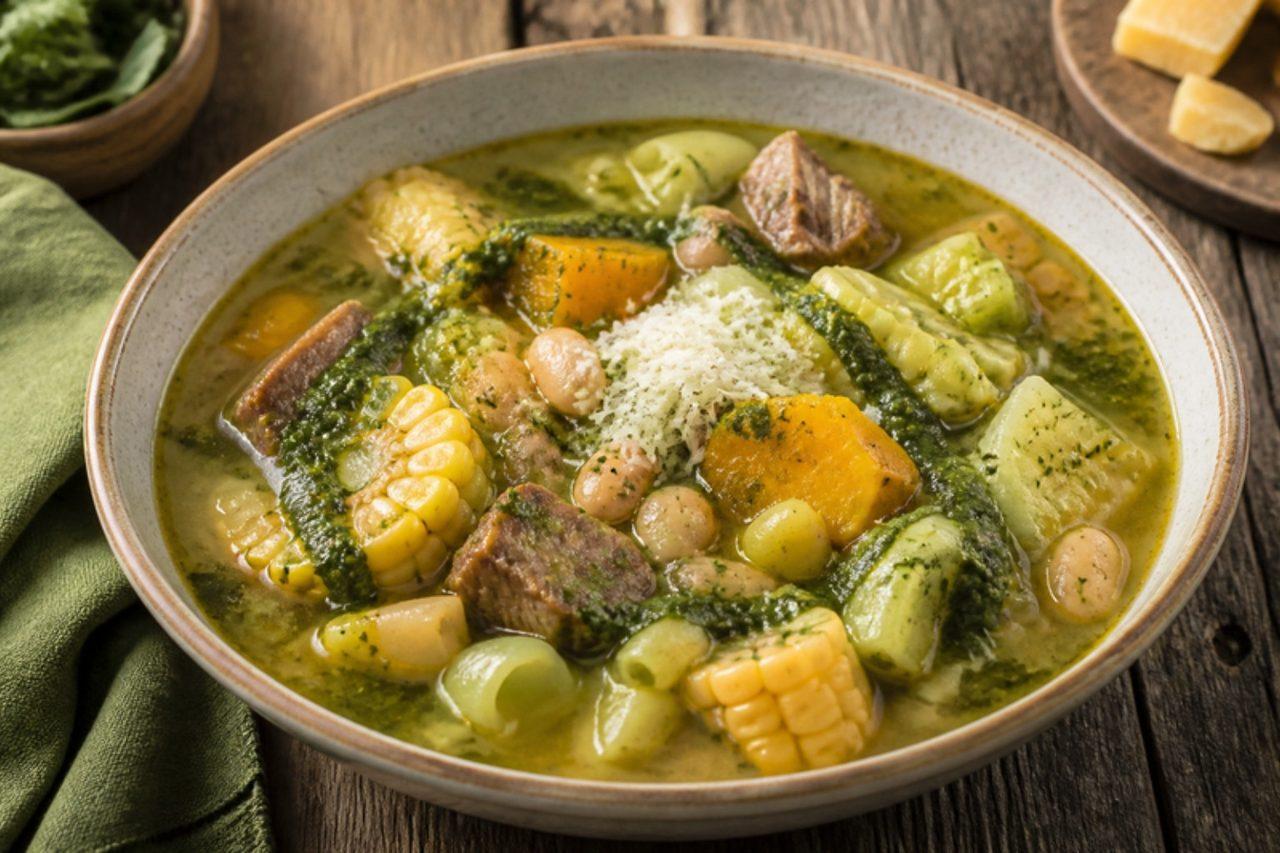
MenestrónBeef, bean and pasta soup

Think of the Italian minestrone after a century of Lima kitchens: menestrón is thicker, heartier and greener, a weekday soup that families and menú restaurants make in huge pots. Beef shin simmers into a rich broth with potatoes, squash, corn, cabbage, green beans and white beans, then short pasta goes in, and finally a purée of basil, spinach, garlic and fresh cheese turns the whole pot pale green and fragrant. It is a meal in a bowl, best with bread and a squeeze of lime or a spoon of ají. People tend to add the basil purée too early; boiled, it loses its colour and its scent, so stir it in off the heat. Chef's tip: for a vegetarian menestrón, skip the beef and use vegetable stock, with a cheese made with microbial (vegetarian) rennet.

by KrazyBadal 0 views

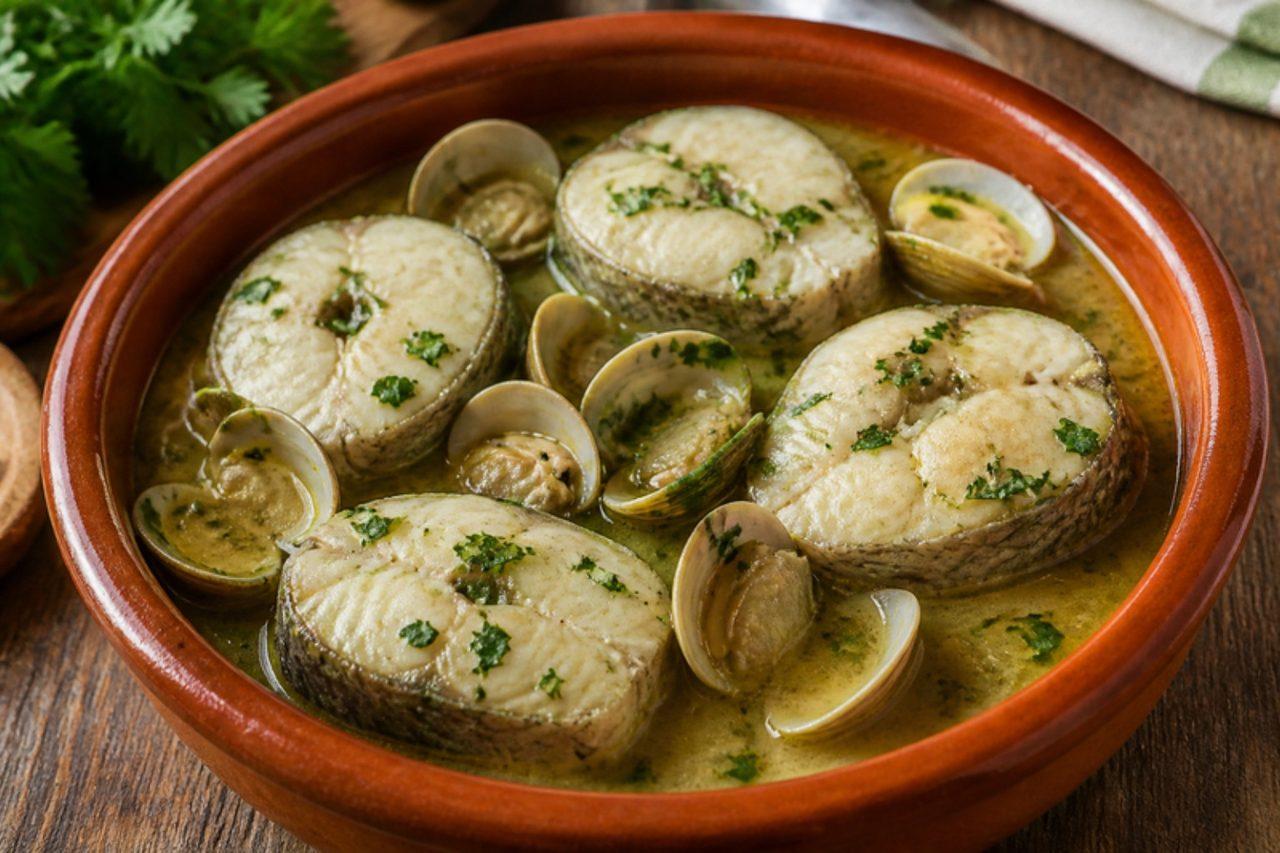
Merluza en salsa verdeHake and clams in parsley sauce

Bilbao families have cooked merluza en salsa verde in a shallow clay cazuela for generations, and it still turns up at Sunday lunch and on Christmas Eve. The sauce is just olive oil, garlic, parsley and the fish's own juices, thickened by gently shaking the dish so the gelatine from the hake binds it, much like a pil-pil. Clams open on top at the end. A common mistake is stirring with a spoon, which breaks the fish; swirl the dish instead. Chef's tip: keep the heat low once the hake goes in, because the sauce only comes together when it barely simmers.

by KrazyBadal 0 views

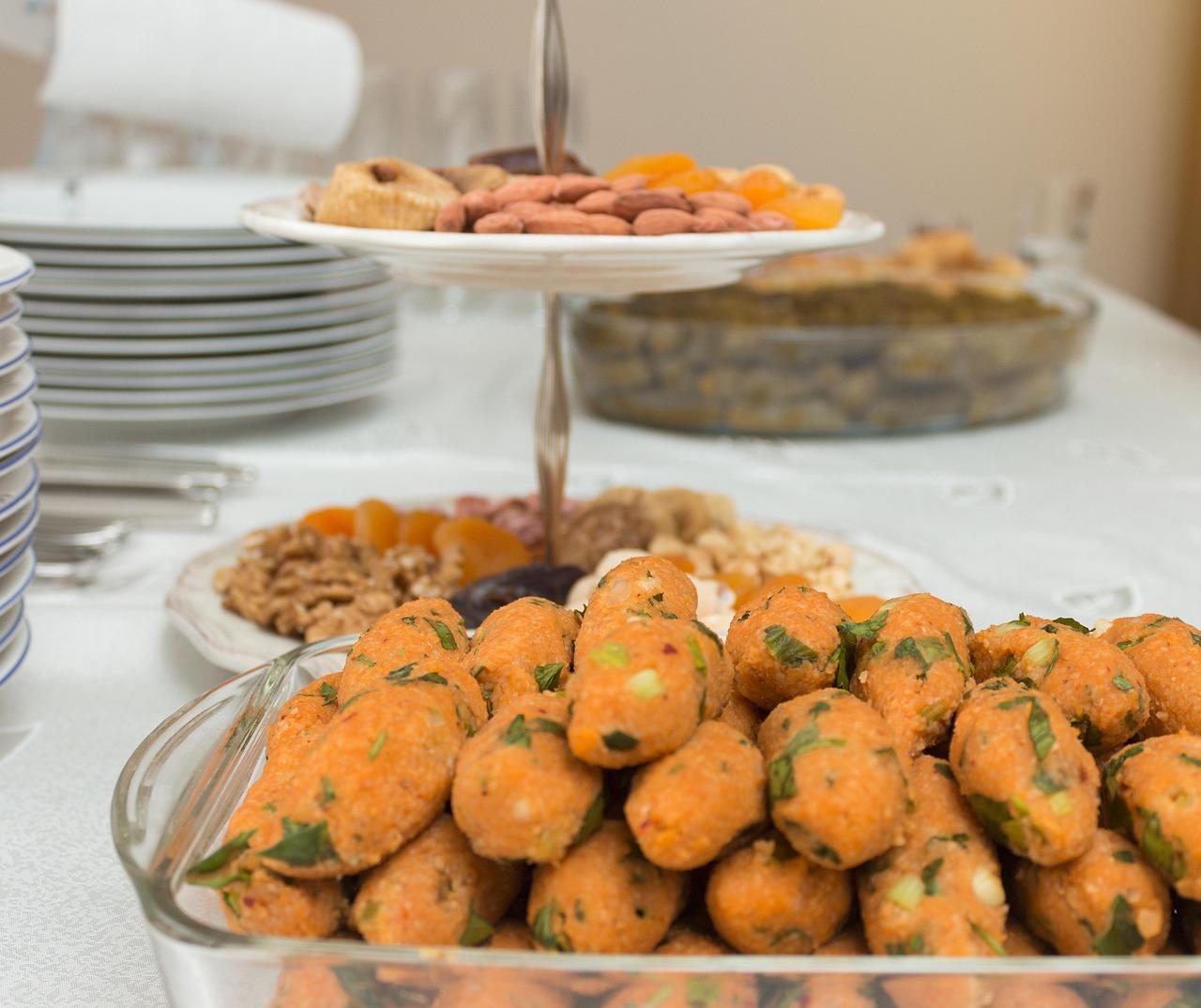
Mercimek köftesiRed lentil and bulgur patties

No women's afternoon gathering in Ankara or Kayseri is complete without a platter of mercimek köftesi: little finger-pressed ovals of red lentils and fine bulgur, rich with onion, pepper paste, cumin and a big handful of spring onion and parsley. They're eaten cold, tucked into lettuce leaves with a squeeze of lemon, and they keep well for picnics and lunch boxes. Common mistake: draining the lentils; the bulgur needs all that hot liquid to swell, so cook the lentils until the water is just absorbed. Chef's tip: knead the mixture with wet hands for a few minutes after the bulgur softens; the more you knead, the smoother and less crumbly the köfte.

by KrazyBadal 0 views

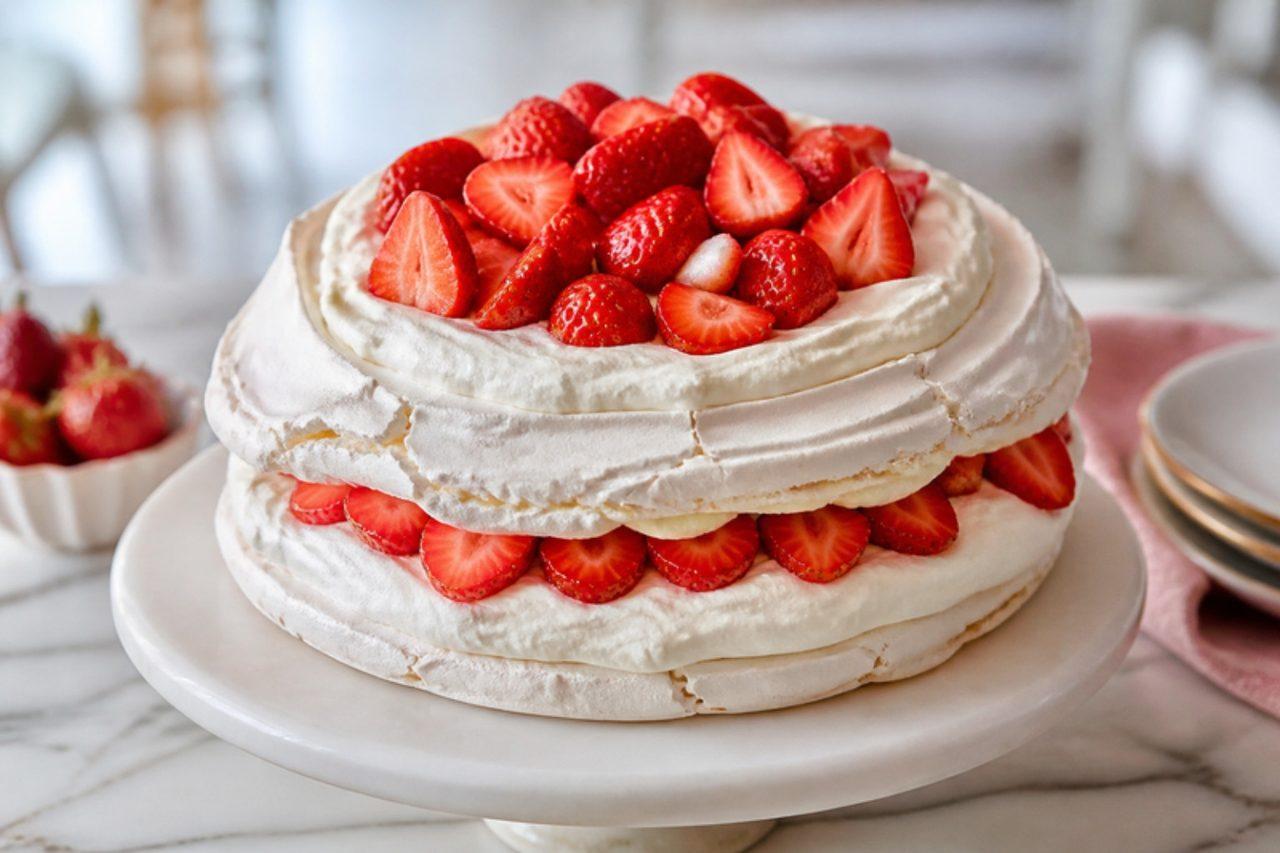
MerengónMeringue with cream and strawberries

Weekend drives out of Bogotá often end at a roadside sweet shop with a slice of merengón: two discs of crisp, chalky meringue sandwiched and piled with whipped cream and fruit. Strawberry is the classic in the highlands, while on the Caribbean coast soursop (guanábana) is just as popular. Think of it as Colombia's answer to pavlova, crunchier and sweeter, assembled shortly before eating so the meringue cracks under the spoon. The meringue needs a long, slow bake and a slow cool in the oven, so plan ahead. Humidity and undissolved sugar are the main enemies: if the sugar is not fully beaten in, the meringue weeps sticky syrup, so rub a little between your fingers and keep whisking until it feels smooth. For a soursop version, swap the strawberries for 300 g thawed soursop pulp, folded into half the cream. Chef's tip: assemble no more than an hour before serving, or the cream softens the meringue.

by KrazyBadal 0 views

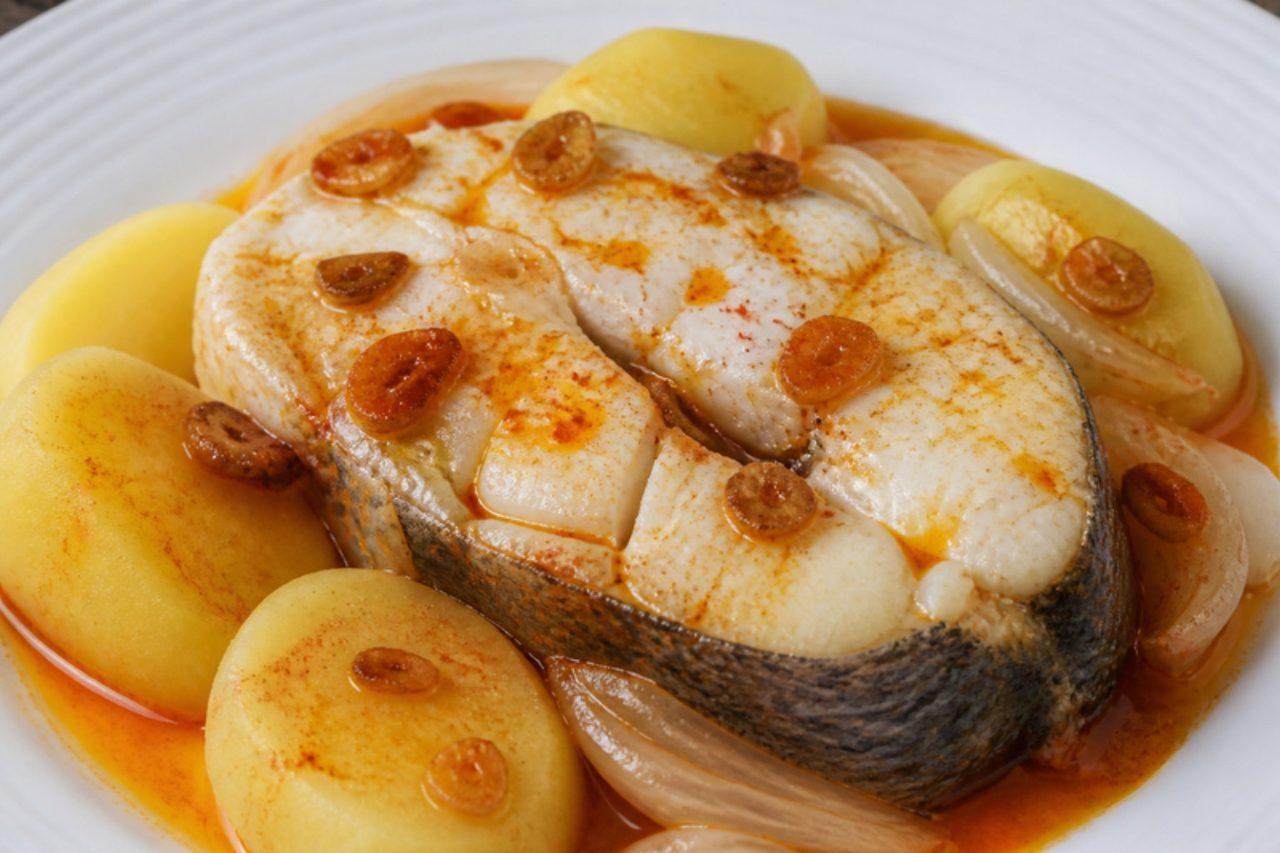
Merluza á galegaPoached hake with paprika garlic oil

This is the Friday supper of Galician homes and the plain, honest plate you find in harbour restaurants from A Coruña to Vigo: thick hake steaks poached with potatoes, onion and bay, then drizzled with ajada, hot olive oil with garlic and paprika. It relies on very fresh fish and good oil. A common mistake is boiling the hake hard, which breaks it apart; it should poach gently in water that barely shivers. Chef's tip: lift out the fish with a slotted spatula and let it drain well, so the ajada sits on top instead of sliding into a watery puddle.

by KrazyBadal 0 views

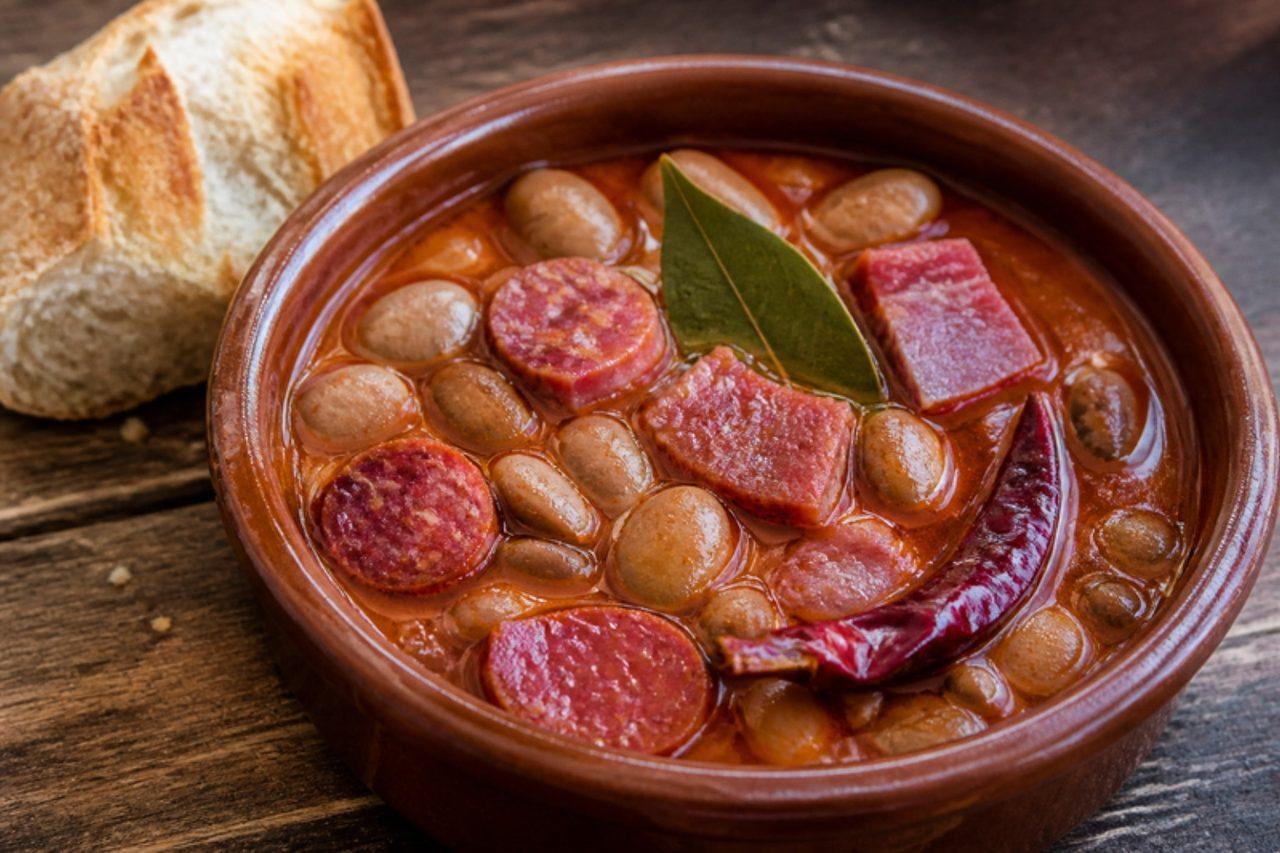
MichironesBroad beans with chorizo and ham

Michirones are dried broad beans slowly simmered with pork, bay and hot chilli until soft and spicy, and in Murcia they are the tapa of cold months, ladled into small bowls in the city's bars with a spoon stuck in. The beans need a long soak and a long cook, so bars make a big pot in the morning that lasts all day. This contains pork (chorizo, panceta and a cured ham bone). Chef's tip: wait until the end to add salt, because the ham bone and chorizo season the broth as they cook.

195 minSpanishMeatSpicy
by KrazyBadal 0 views

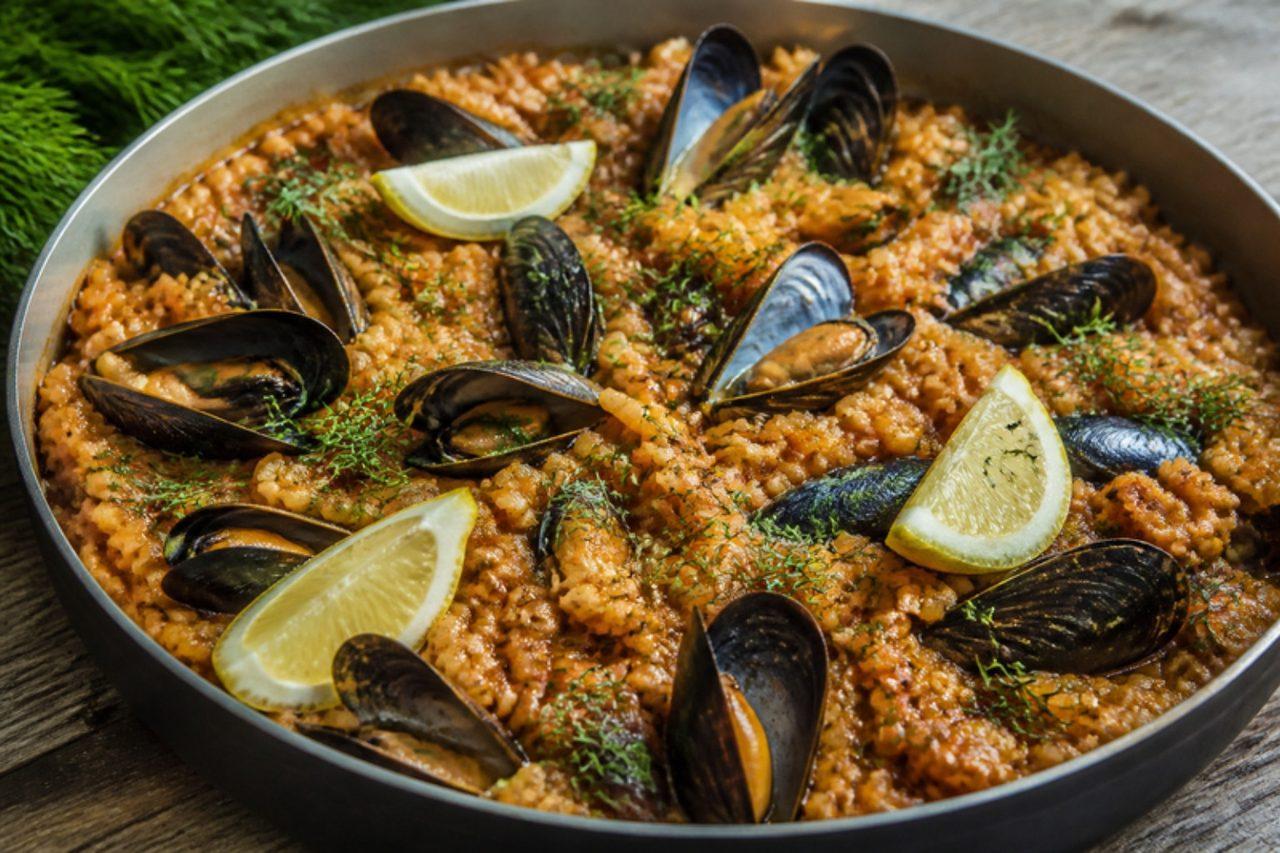
MidopilafoMussel pilaf

Midopilafo is what Thessaloniki fishermen's families make on a fasting Friday or a cheap midweek night, when a bag of mussels from the Thermaic Gulf can feed a crowd. The mussels are steamed first and their briny liquor becomes the stock for the rice, which simmers with onion, a little tomato and dill until tender and a touch soupy. The shelled mussels go back in at the end so they stay plump. Some cooks add white wine; this version uses lemon and the mussel juice only, so it is alcohol-free. Common mistake: cooking the shelled mussels with the rice the whole time — they shrink to rubber. Chef's tip: strain the mussel liquor through a fine sieve lined with kitchen paper to catch any grit.

60 minGreekFishGluten free
by KrazyBadal 0 views

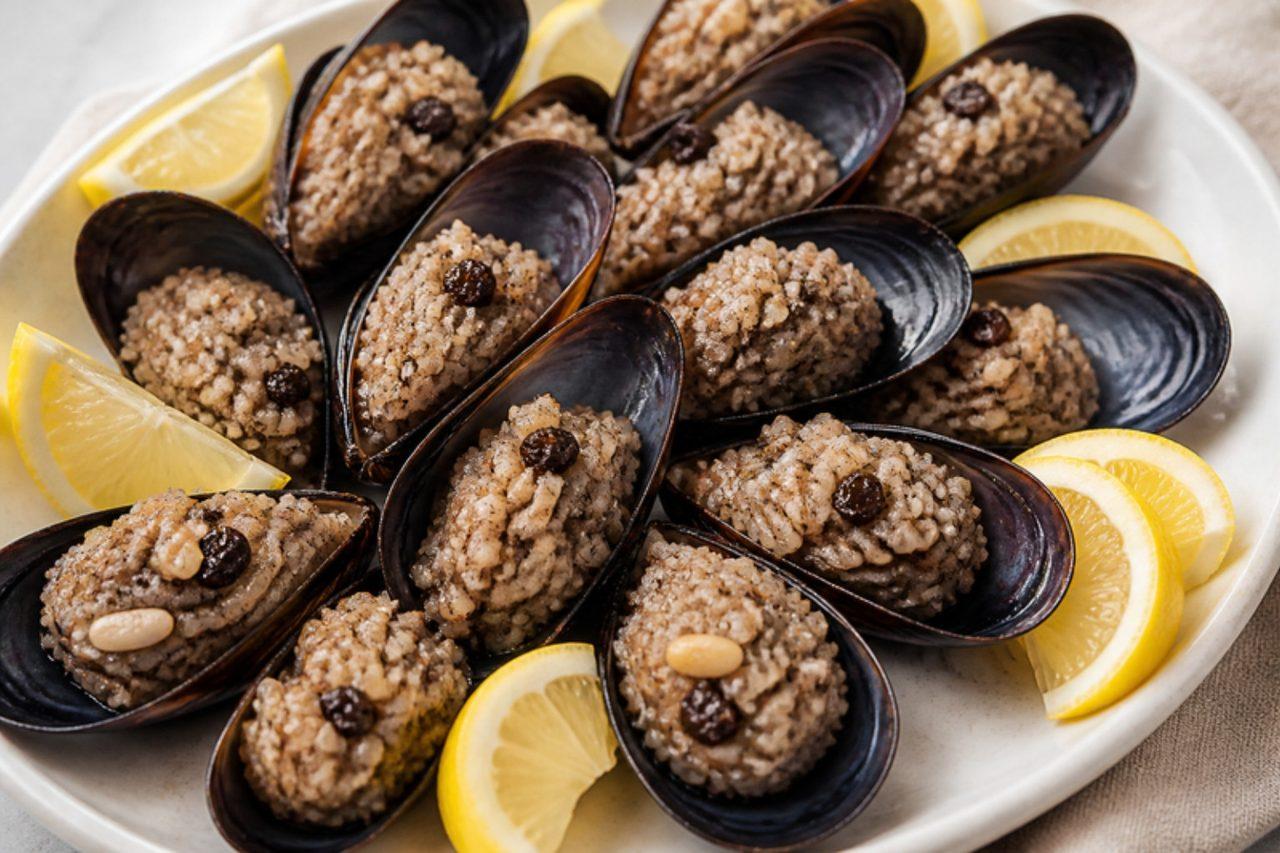
Midye dolmaRice-stuffed mussels

Late at night along Istanbul's Beşiktaş and Kadıköy streets, vendors walk with trays of shiny black mussels stuffed with fragrant rice, cracking one open, squeezing lemon on it and handing it over until you say stop. The rice is cooked with onion, tomato paste, cinnamon, allspice, currants and pine nuts, then steamed back inside the shells. Make them at home for a meze table and they are safer and fresher than any street tray. Chef's tip: soak the closed mussels in cold salted water first; the shells relax slightly and are much easier to prise open with a small knife.

105 minTurkishFish
by KrazyBadal 0 views

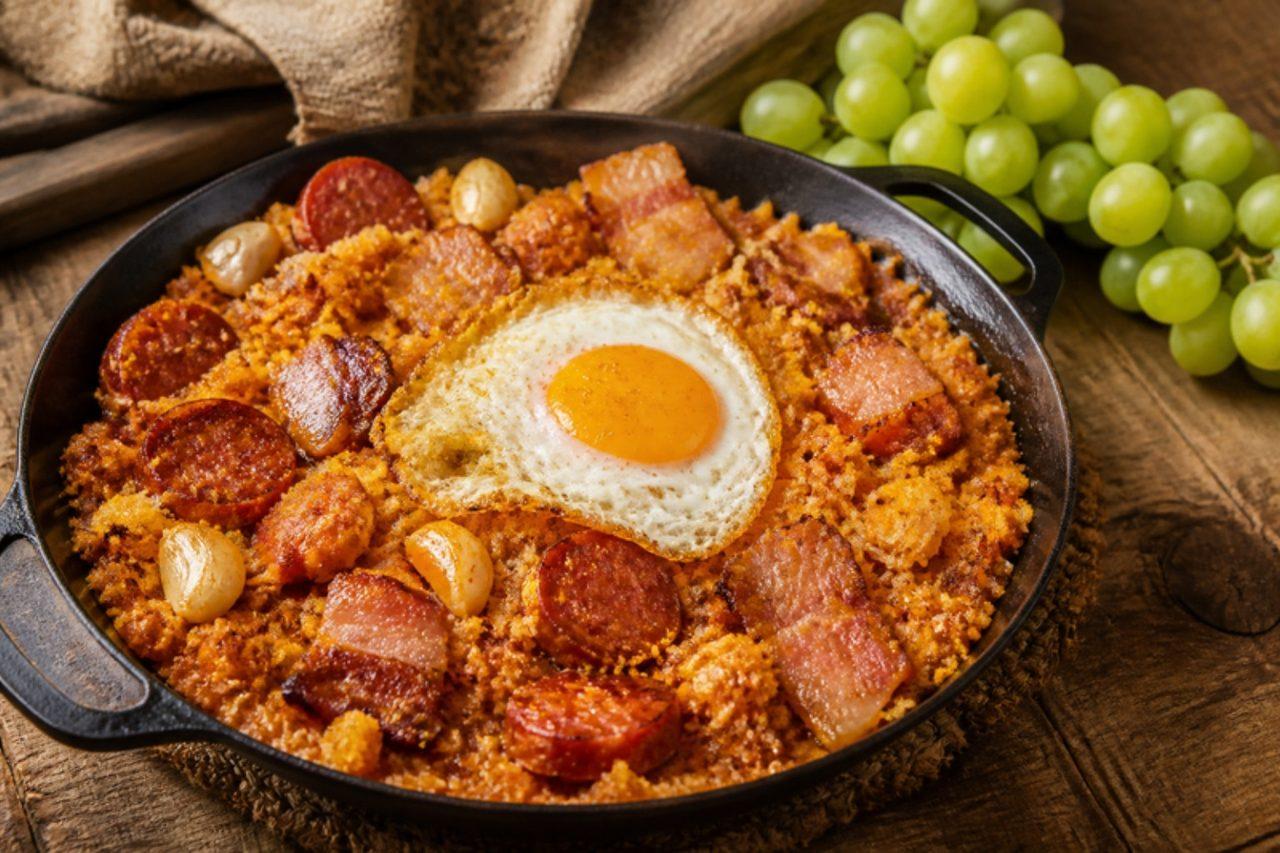
Migas a la aragonesaFried breadcrumbs with sausage and bacon

Shepherds in the Aragonese uplands made migas from yesterday's bread, a little water, garlic and whatever pork was hanging in the larder, and it is still a cold-weather breakfast, a hunters' lunch and a fiesta dish in villages from the Pyrenees to the Maestrazgo. Fried slowly in a wide pan, the dampened crumbs turn golden and crisp on the outside and stay soft inside, flecked with fried longaniza and bacon. Fresh green grapes or a fried egg on the side are the classic way to serve them. This contains pork (longaniza sausage and bacon). A common mistake is soaking the bread: sprinkle the water on and leave it overnight, or the migas turn to paste. Chef's tip: keep turning the crumbs with the edge of a spatula, chopping as you go; it is the long, patient stirring that makes them loose and crisp.

by KrazyBadal 0 views

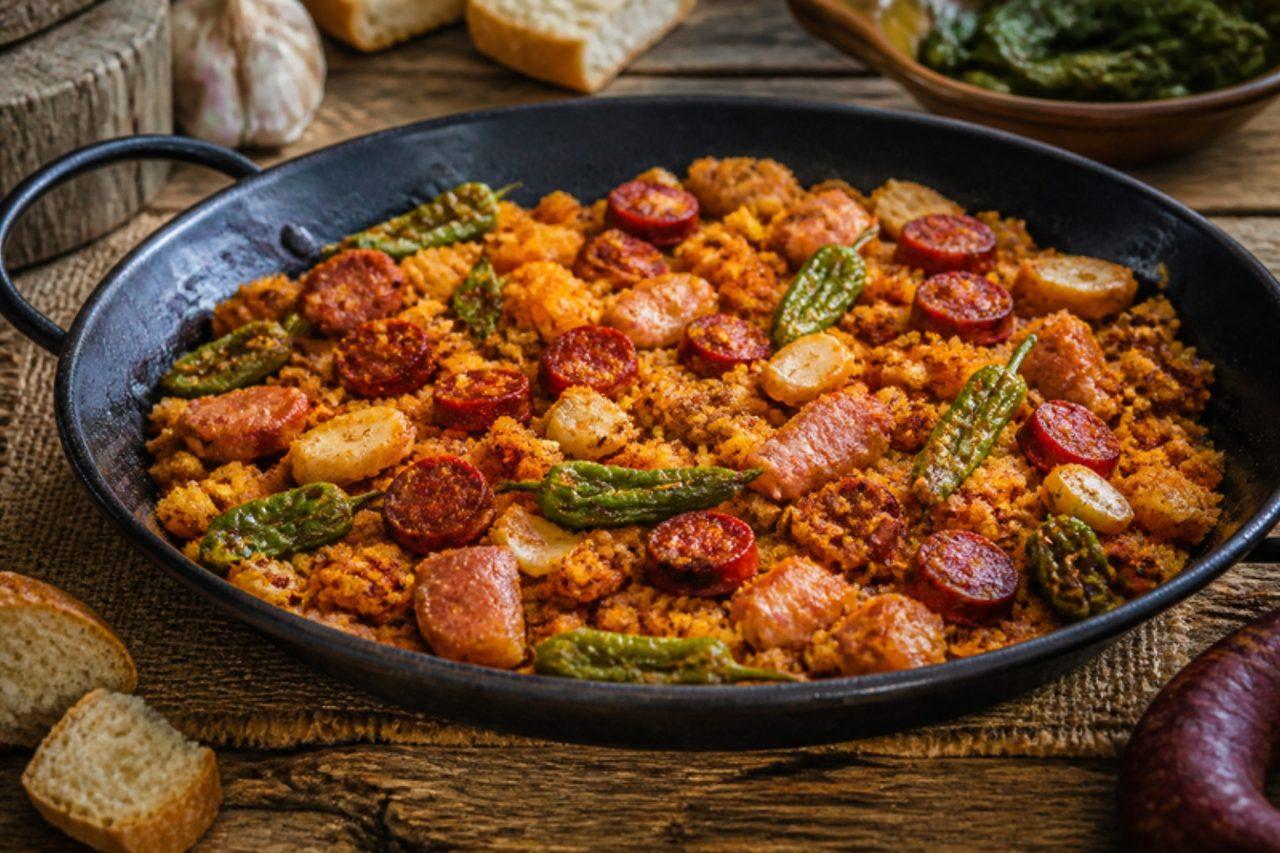
Migas extremeñasFried breadcrumbs with chorizo

Migas were the breakfast of Extremaduran shepherds, made from the hard bread they carried, and they are still what families cook on a rainy winter day or at a village fiesta, often in a huge pan stirred with a long spoon. The bread is cut tiny, dampened and left overnight, then fried slowly in garlicky oil with panceta and chorizo until loose, golden and crunchy at the edges. They are served with grapes or melon on the side, and sometimes a fried egg. This contains pork (panceta and chorizo). Chef's tip: keep turning the crumbs with a spatula the whole time; this constant movement is what makes them loose.

by KrazyBadal 0 views

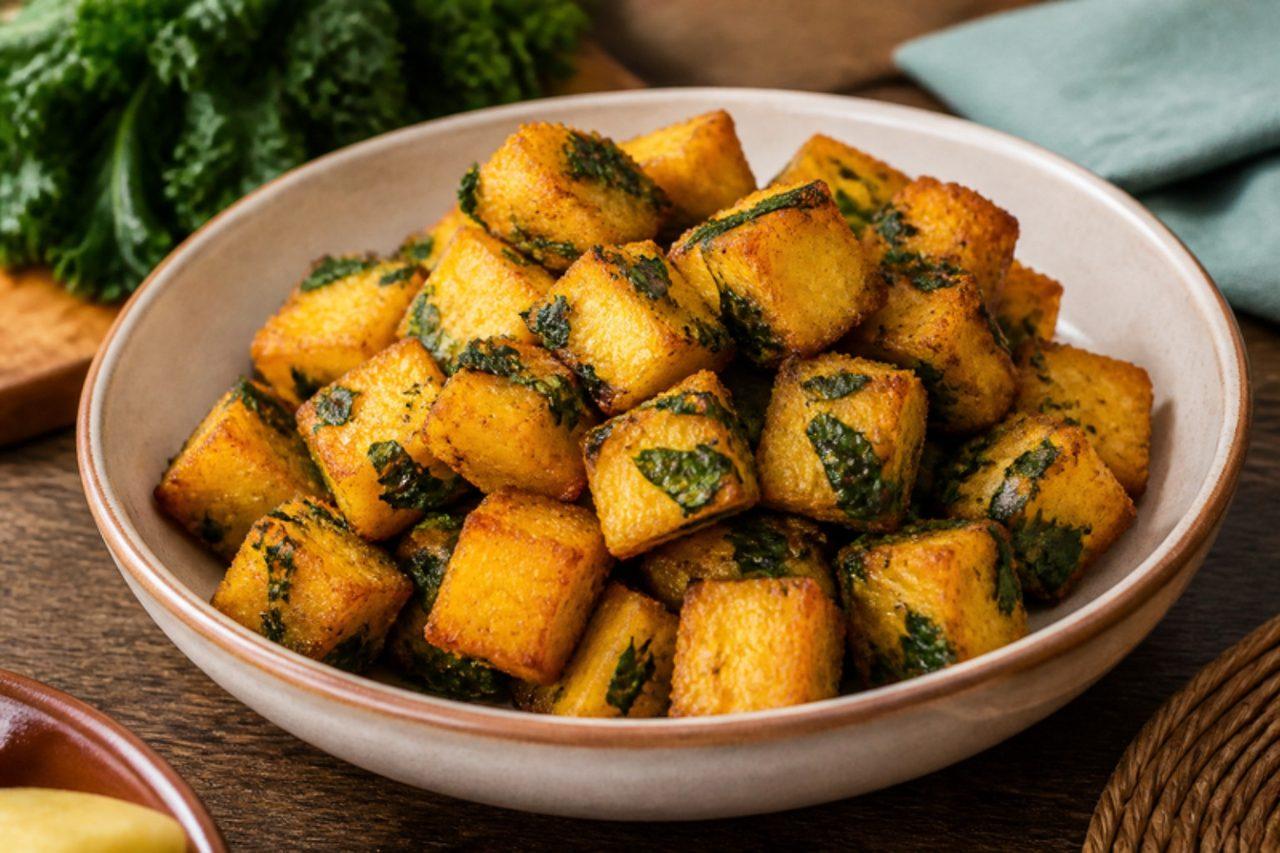
Milho fritoFried cornmeal cubes with kale

Order espetada in any Madeiran restaurant and a basket of these golden cubes comes with it: polenta-style cornmeal cooked with shredded kale and garlic, set in a tray, then cut and fried until crunchy outside and soft and creamy within. They are also cooked at home on Sundays alongside grilled fish. Chef's tip: make the cornmeal the day before, as a well-chilled block cuts cleanly and doesn't fall apart in the oil.

by KrazyBadal 0 views

Mingau de tapiocaTapioca and coconut porridge

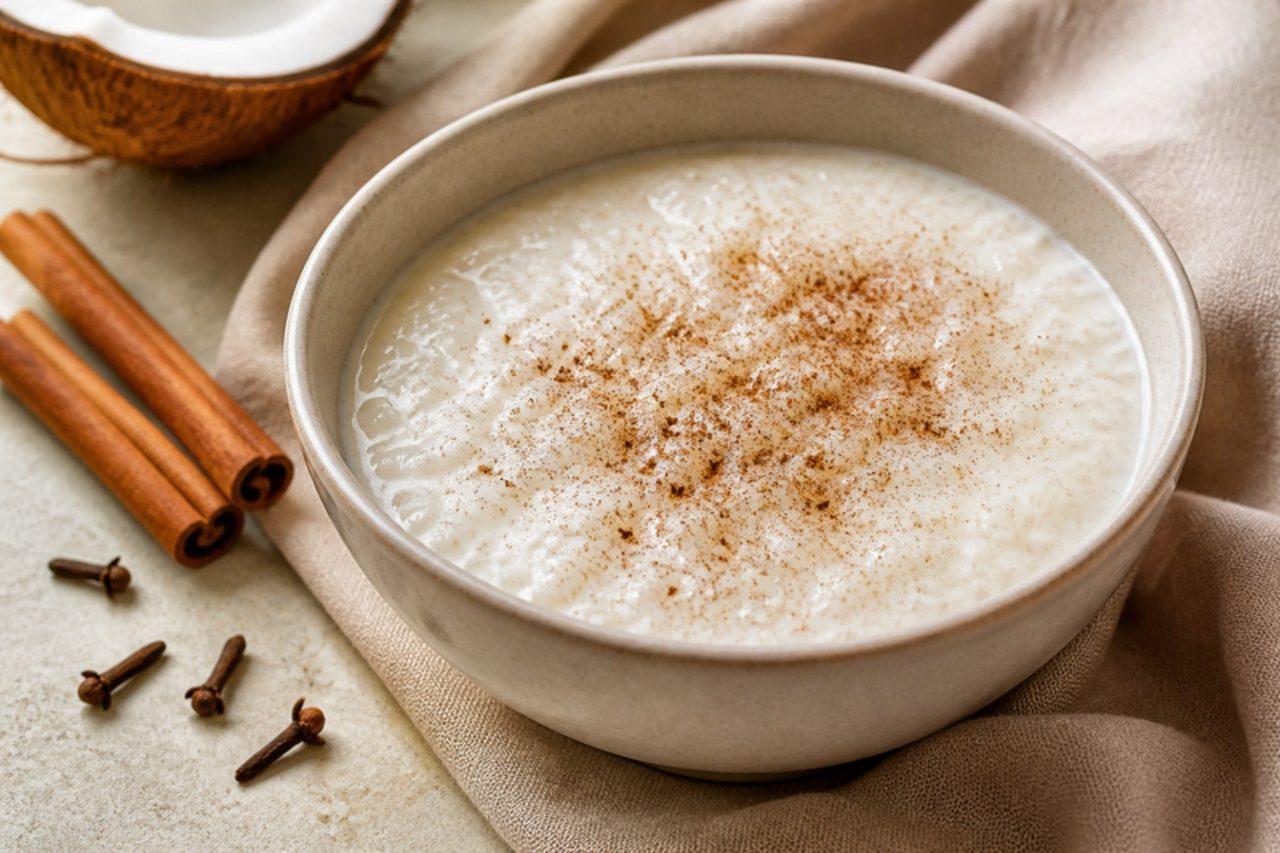
Before the buses fill up, mingau sellers set out tall aluminium pots on Salvador's street corners and ladle out tapioca porridge into plastic cups for workers on the way in. It is thick, spoon-coating and gently sweet, made with granulated tapioca or small pearls cooked in milk and coconut milk with cinnamon and clove, and finished with a dusting of cinnamon. At home it is a quick breakfast, a soothing supper for children and the classic thing to give someone who is unwell. Many vendors also sell mingau de milho and de puba from neighbouring pots. Where people go wrong is adding the tapioca to boiling milk without soaking it first; it clumps and stays chalky in the middle. Chef's tip: take the pan off the heat while it still looks a little loose, because the tapioca keeps drinking up liquid and the porridge sets thicker within minutes.

by KrazyBadal 0 views

Showing 18 of 7,762 recipes

Show more recipes

Page 533 of 863