


Skip to content
Torta sbrisolona
Featured recipe

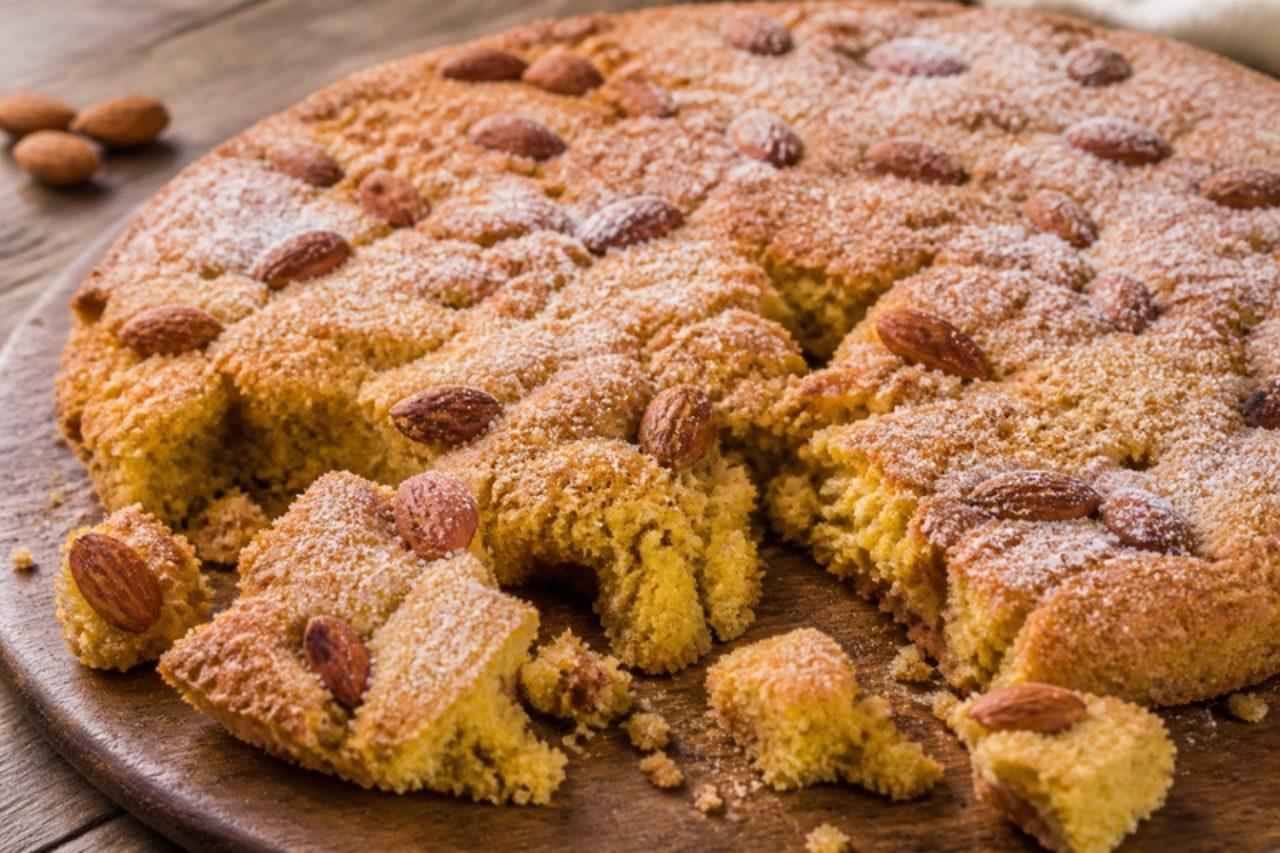
Torta sbrisolona

Crumbly almond cake

Nobody slices a sbrisolona. In Mantua, in the south-east of Lombardy, the round, golden cake is set whole in the middle of the table after dinner and cracked into rough pieces with a fist, and everyone grabs a shard. Coarse cornmeal and chopped almonds make it gritty, buttery and crunchy, closer to a giant biscuit than a sponge. It began as a farmhouse sweet made with lard; this version uses only butter. Chef's tip: keep your hands cool and stop rubbing in while the mixture still looks like coarse crumbs and small clumps.

Read more 0 views

What to eat today?

Around the world

Today's trip: Persian

A new country every day, from every cuisine on the site.

Persian

Homemade kashk

Fermented yogurt whey 90 minMore from Persian (131) →

This week's collection

Kid-friendly dinners
537 recipes · a new collection every Monday

Latest recipes

Harput köftesiBulgur meatballs in tomato broth

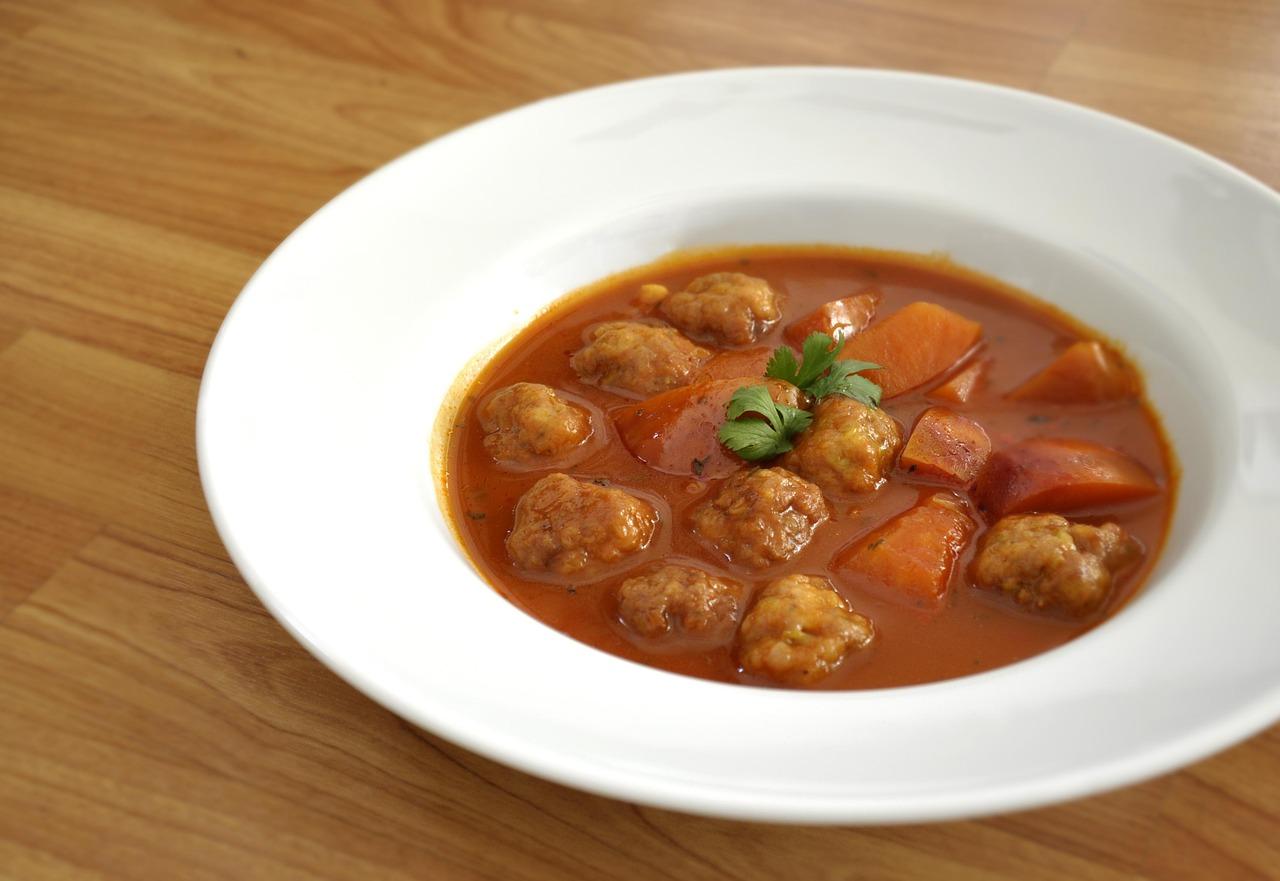
Harput is the old hilltop town above Elazığ, and its köfte are a soup and a main course at once: firm balls of fine bulgur kneaded with lean beef mince and spices, simmered in a tomato and pepper broth with chickpeas. They're eaten at home on winter evenings, the broth mopped up with bread. Common mistake: not kneading long enough; the bulgur and meat need to become a smooth, stretchy paste or the köfte fall apart in the broth. Simmer until the köfte are firm and cooked through to 71 °C. Chef's tip: add a few ice cubes while kneading; cold keeps the meat binding the bulgur together.

by KrazyBadal 0 views

Morrones con huevo a la parrillaGrilled peppers with egg and cheese

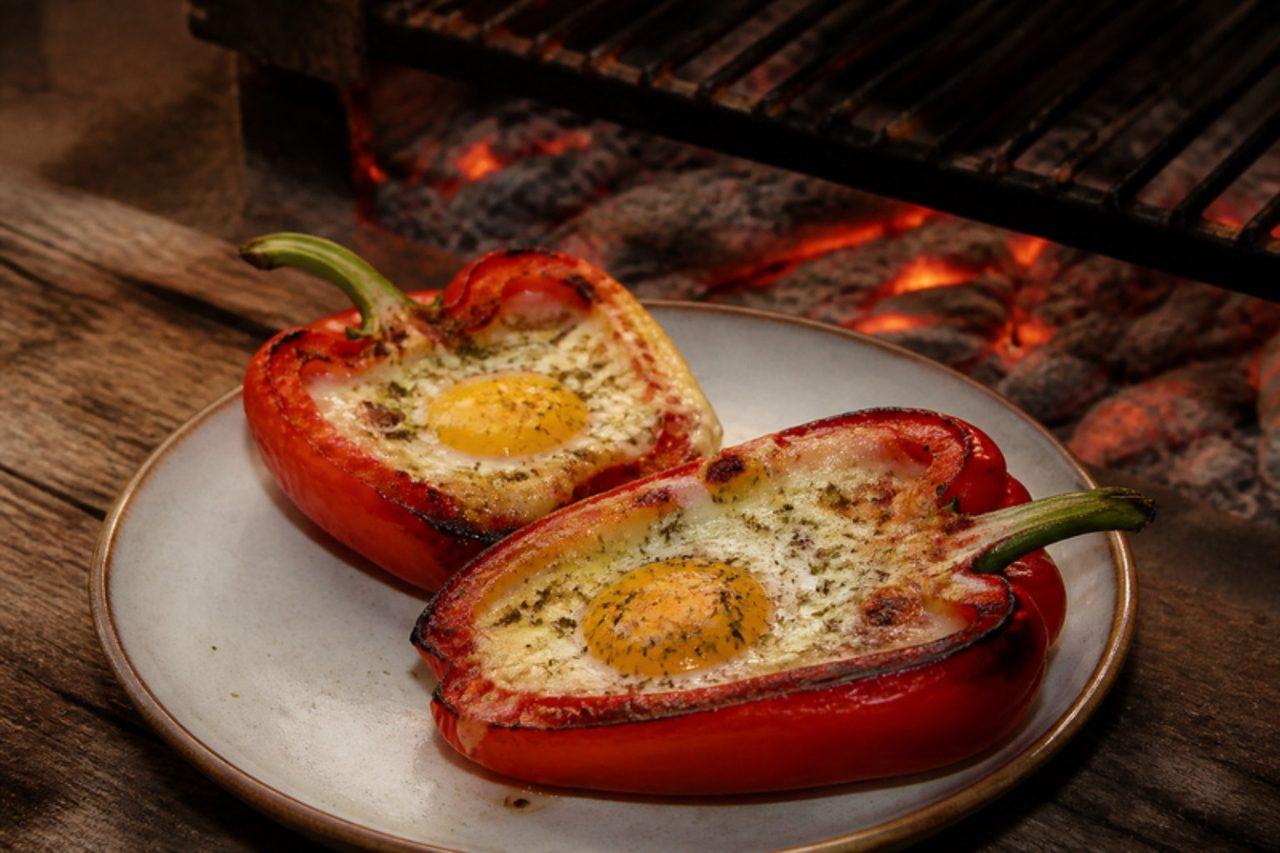
While the meat rests on the cooler side of the parrilla, many asadores put halved red peppers cut side up over the coals, let them soften and char, then crack an egg into each one with a piece of cheese and a pinch of oregano. The pepper becomes a little dish: sweet, smoky and juicy, with a just-set egg and molten cheese in the middle. It is one of the classic starters at an Argentine asado, eaten with bread before the steak arrives, and it makes a good vegetarian main for anyone who skips the meat. The mistake is cracking the egg into a raw pepper: the egg overcooks before the pepper softens, so grill the shells first. Cook until the white is completely set. Queso cremoso or mozzarella is usually made with animal rennet; pick a vegetarian one if needed. Chef's tip: cover the peppers with a foil tent or a lid once the egg goes in; the trapped heat sets the top of the egg without burning the base.

by KrazyBadal 0 views

Hongos de pino en escabechePickled pine mushrooms

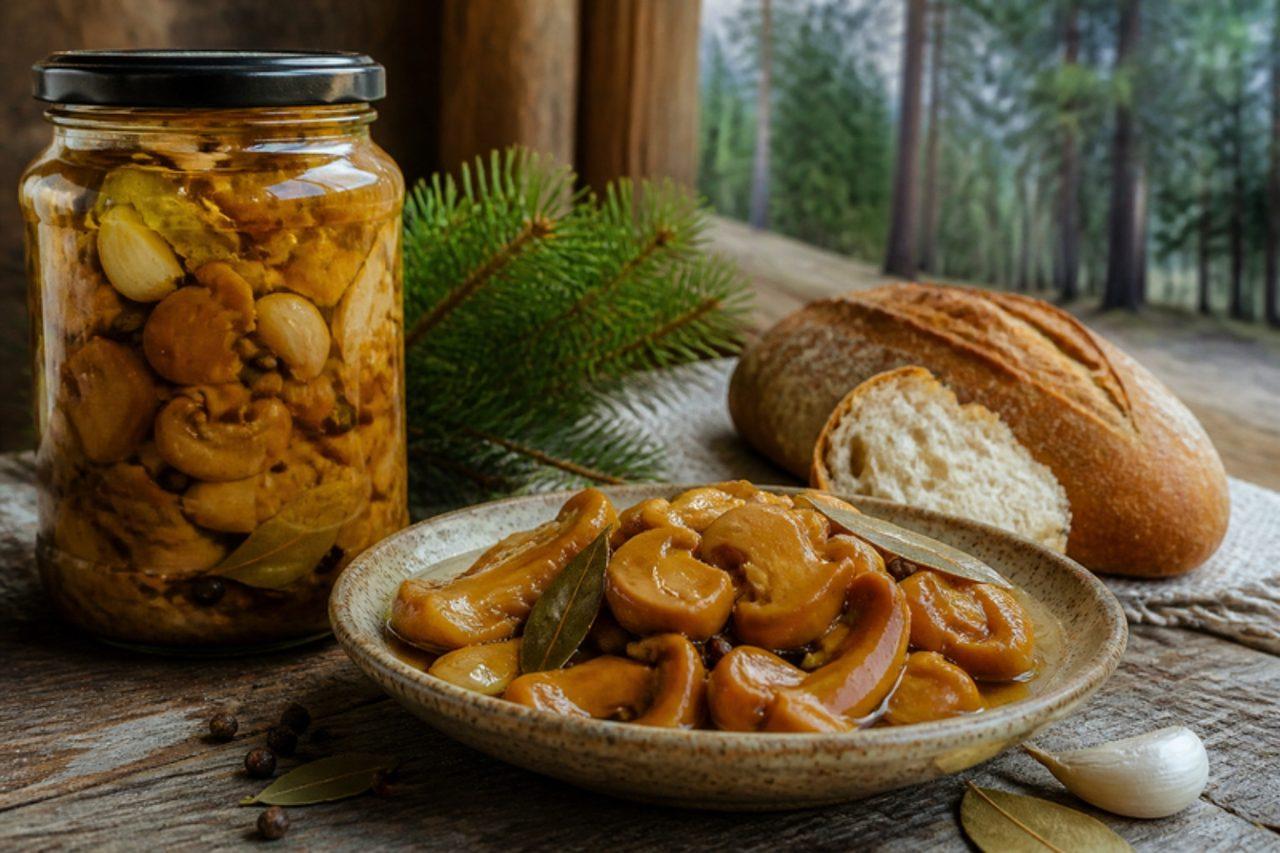
After the autumn rains in the pine plantations of Neuquén and Río Negro, slippery jacks (Suillus luteus) pop up by the thousand, and around San Martín de los Andes and Villa La Angostura they are sold fresh by the roadside, dried in bags, or bottled like this. The mushrooms are blanched in vinegar, then kept in oil with garlic, bay and peppercorns, ending up tender, tangy and slightly silky, a classic part of a picada with cheese and bread or beside grilled vegetables. Wild mushrooms must only be eaten if identified by an expert or bought from a trusted seller; if in doubt, use cultivated mushrooms such as chestnut or king oyster. The common mistake is skipping the peeling: the slimy skin on the cap turns the pickle gluey, so pull it off first. Garlic in oil can carry botulism, so the jar must live in the fridge and be eaten within two weeks. Chef's tip: let the jar rest for two days before opening; the vinegar mellows and the flavours come together.

by KrazyBadal 0 views

Harrak osbaoLentils with pasta and tamarind

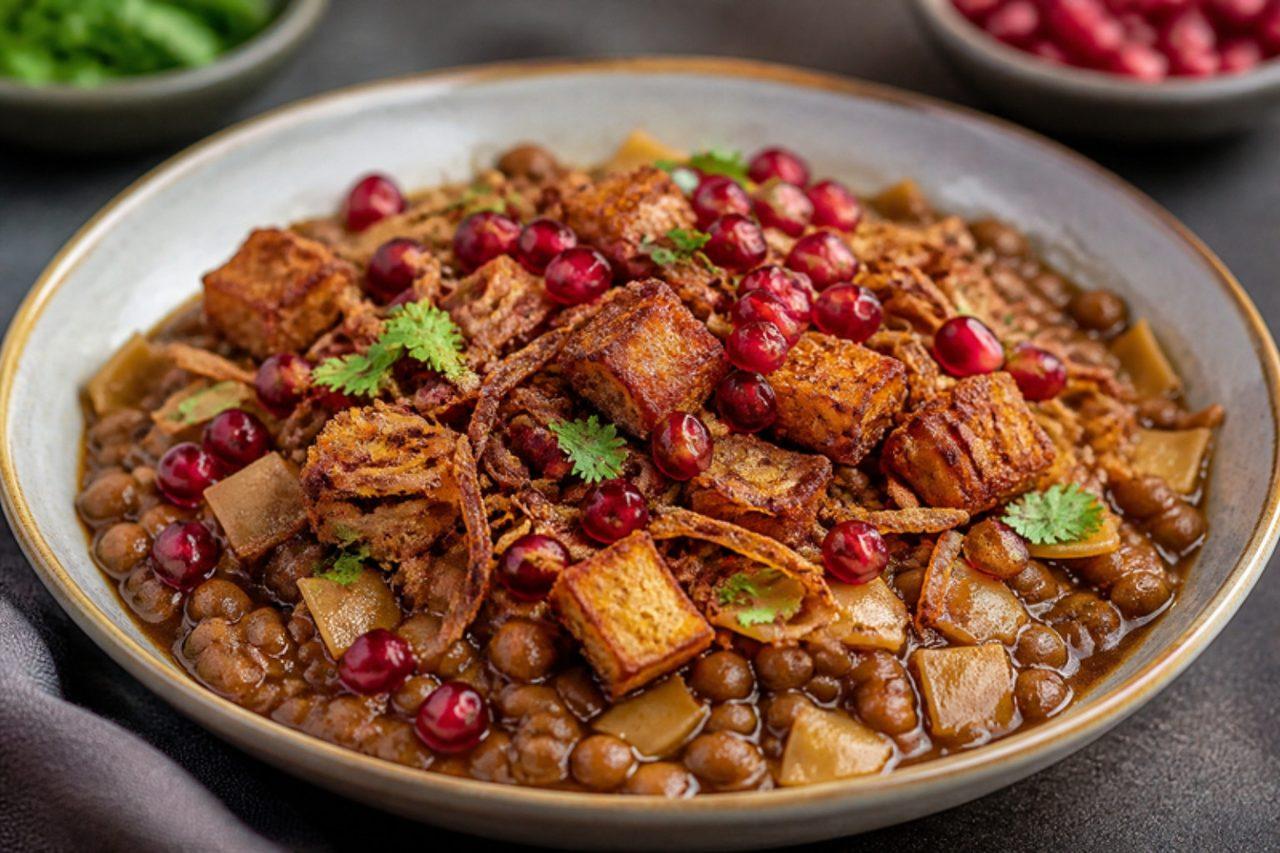
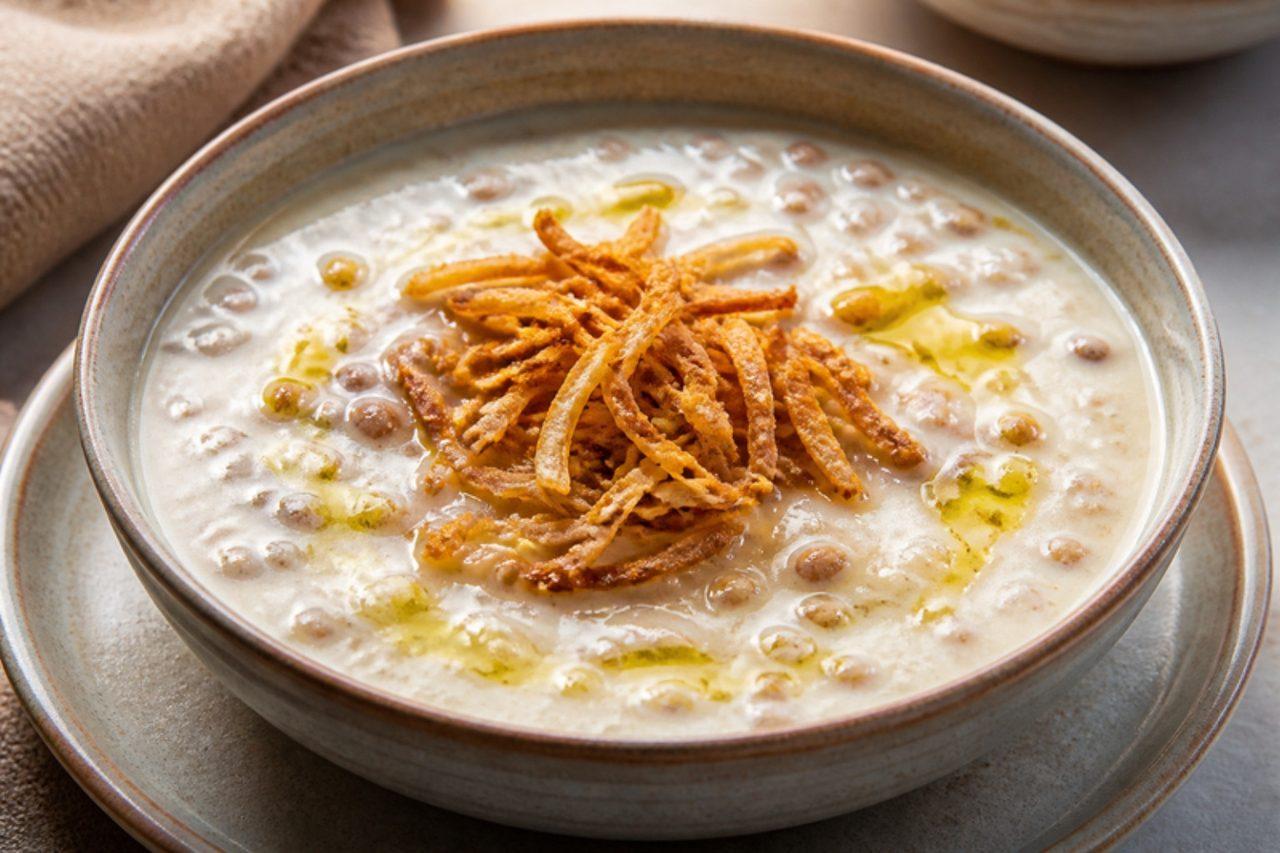
The name means 'he burnt his finger', and the Damascene story goes that it is so good people can't wait for it to cool. Brown lentils and fresh pasta are cooked together in a sour sauce of tamarind and pomegranate molasses, then topped with coriander, garlic, crisp fried onions and fried bread so every bite is soft, tangy and crunchy at once. It is a Lenten and summer favourite in Damascus, served at room temperature with flatbread. Common mistake: frying the croutons and onions too early; they go soft on top of the lentils, so add them just before serving. Chef's tip: use a mix of pomegranate molasses and tamarind for a rounder sourness than either alone.

by KrazyBadal 0 views

Biberli ekmekPepper paste flatbread

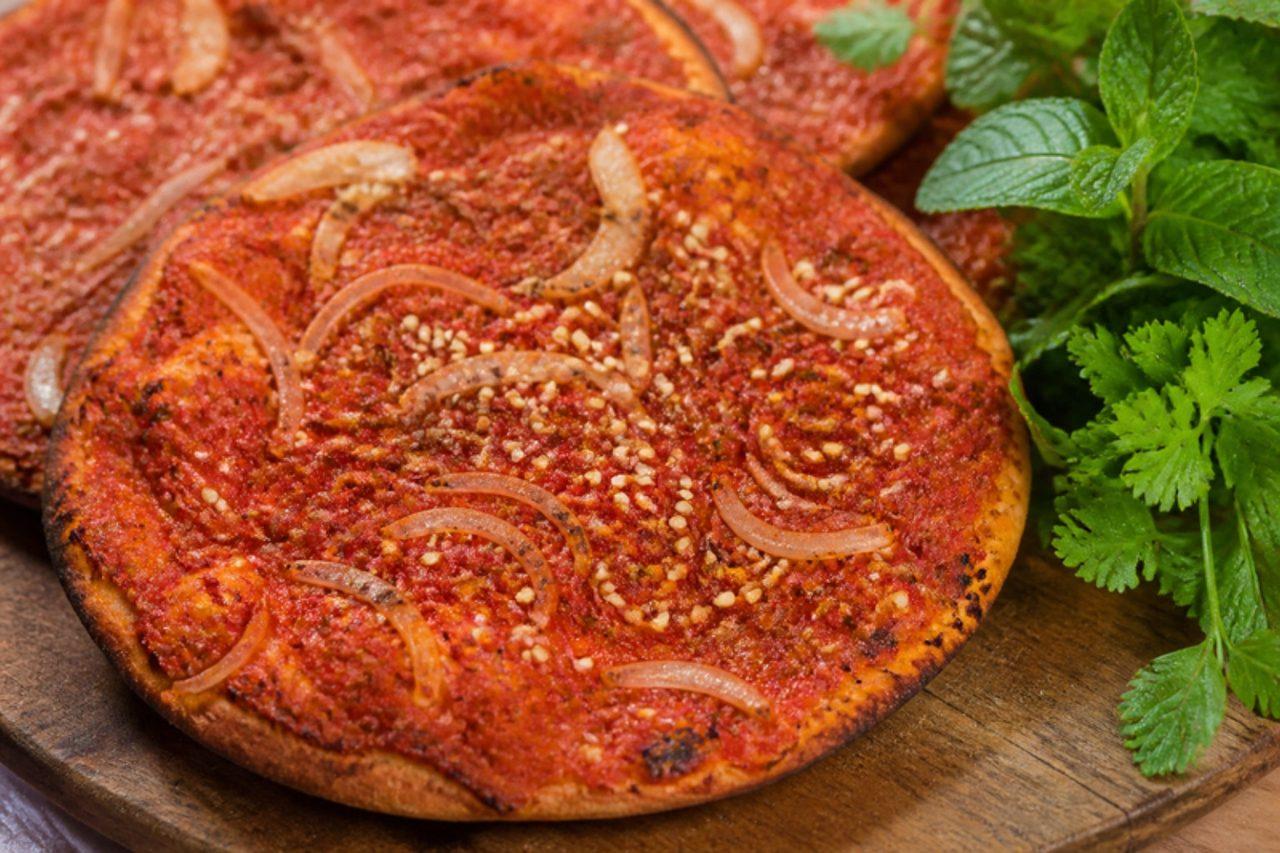
Antakya's neighbourhood bakeries take trays of topping from customers each morning and bake biberli ekmek in the wood oven to order: soft flatbreads smeared with a spiced paste of red pepper, onion, parsley, cumin and sesame. It is breakfast, a school snack and a picnic bread all in one, often eaten with a glass of tea and a few olives. Some families add a little crumbled cheese, but the classic is meat-free and dairy-free. Spread the topping thin; a thick layer stays raw and wet in the middle. Chef's tip: bake on the hottest preheated tray you have so the base blisters before the topping dries out.

by KrazyBadal 0 views

Pimenta da terraFermented red pepper paste

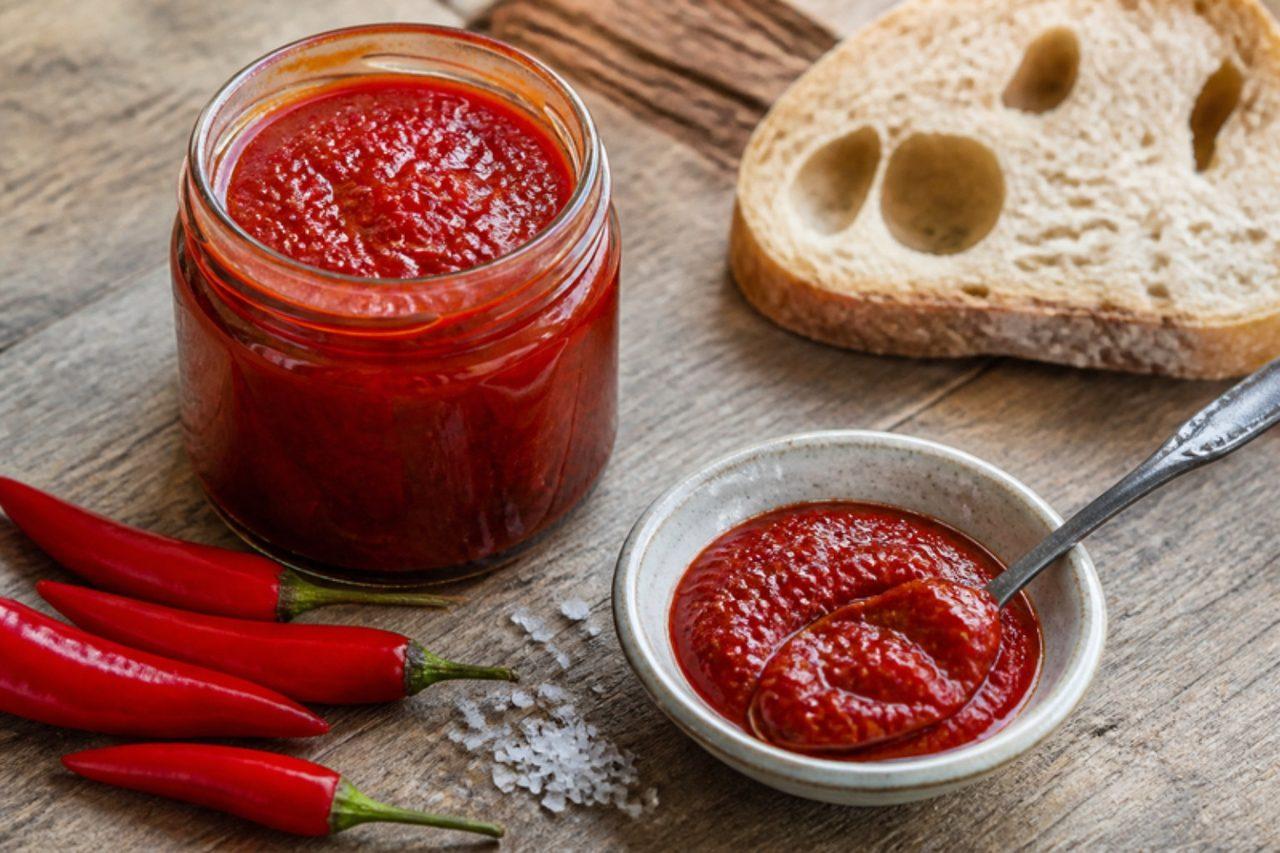
On São Miguel, nearly every kitchen has a jar of pimenta da terra, crushed red peppers salted and left to ferment for a few days until they turn tangy and deep red. It goes into stews, octopus, beans and sausages, onto grilled fish and into sandwiches of bolo lêvedo. It can be mild or fiery depending on the peppers. Make it in late summer when red peppers are cheap. Chef's tip: weigh the salt; too little lets the wrong bacteria take over, while the right amount keeps it safe and lets it ferment slowly.

by KrazyBadal 0 views

Tepsi kebabıBaked spiced lamb tray

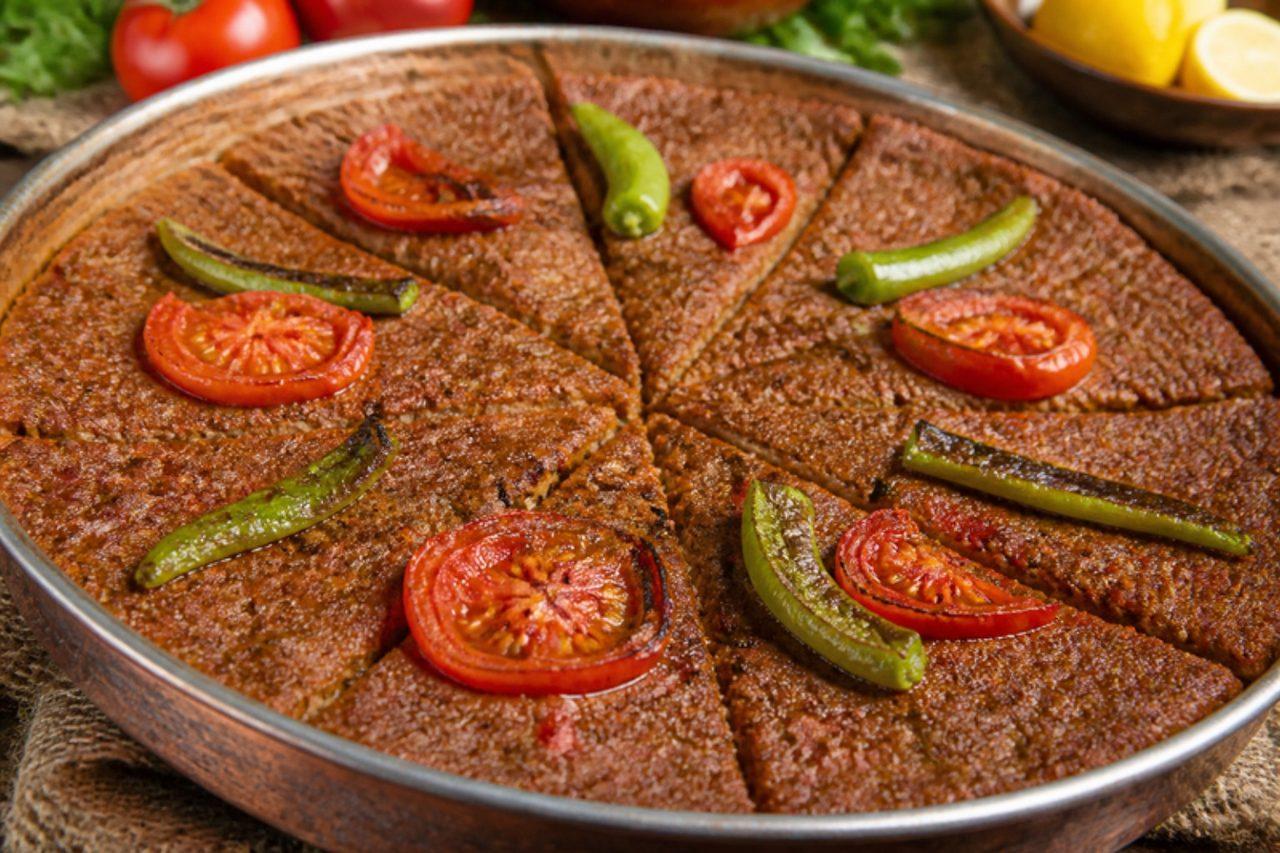
In Antakya people still carry their tepsi kebabı to the neighbourhood bakery: a round copper tray of spiced lamb mince spread thin, scored into wedges and covered with sliced tomatoes, peppers and onions. The bread oven turns it juicy and crusty, and it comes home with a stack of hot flatbread. It is weekend lunch for the family, eaten with a parsley and onion salad and a bowl of yoghurt. Common mistake: pressing the meat more than 2 cm thick; it stews instead of roasting. Chef's tip: add a ladle of tomato water halfway through baking so the juices around the edges turn into a glossy sauce for dipping bread.

by KrazyBadal 0 views

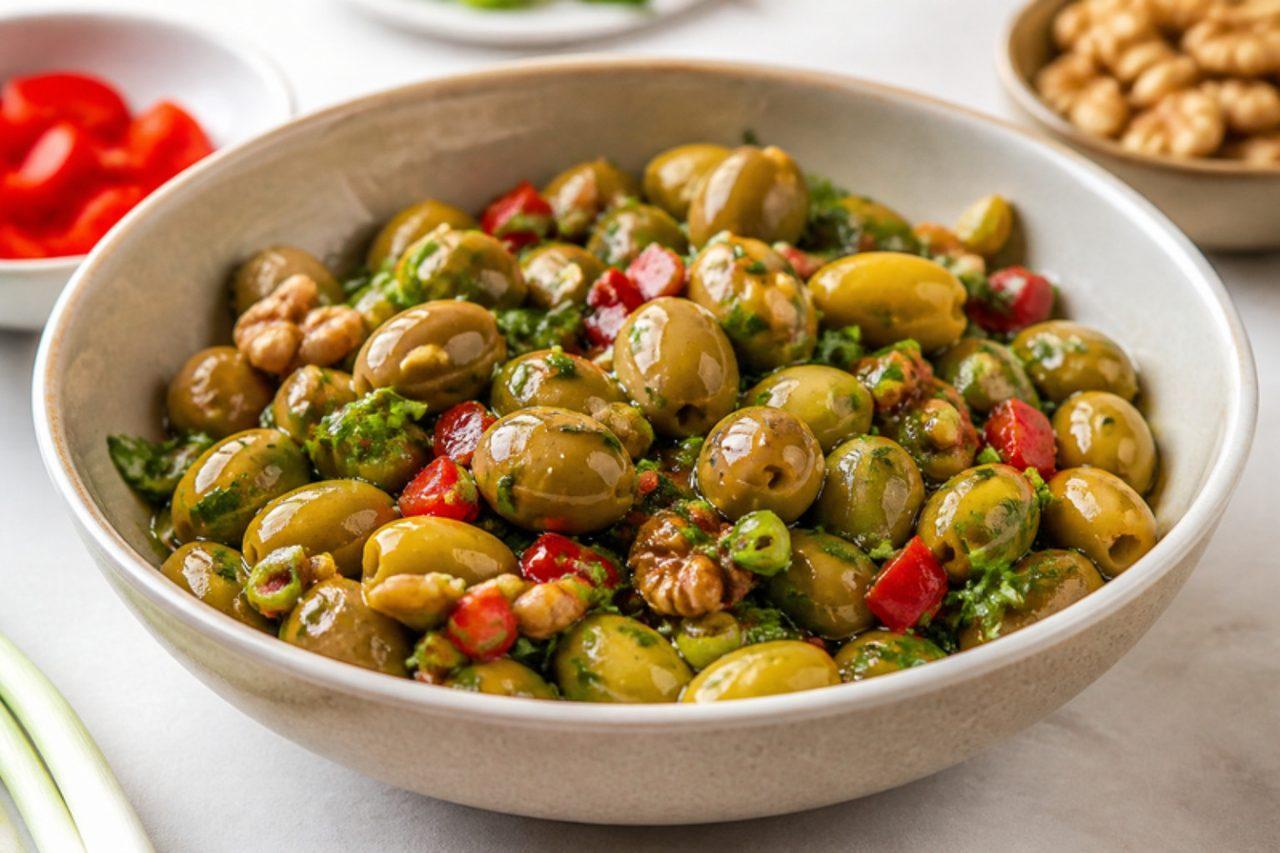
Hatay zeytin salatasıGreen olive and walnut salad

Hatay grows olives on every hillside towards the Syrian border, and its meyhanes and breakfast tables always have a bowl of this salad: green olives tossed with walnuts, spring onion, tomato, parsley, pepper paste and pomegranate molasses. It is salty, sour and sweet at once, and sits happily next to cheese, eggs and flatbread in the morning or as a meze in the evening. Pit and chop the olives yourself; jarred sliced olives are too soft. Rinse very salty olives first, or the salad is overwhelming. Chef's tip: dress it an hour ahead so the olives soak up the molasses, but add the tomatoes and herbs just before serving.

by KrazyBadal 0 views

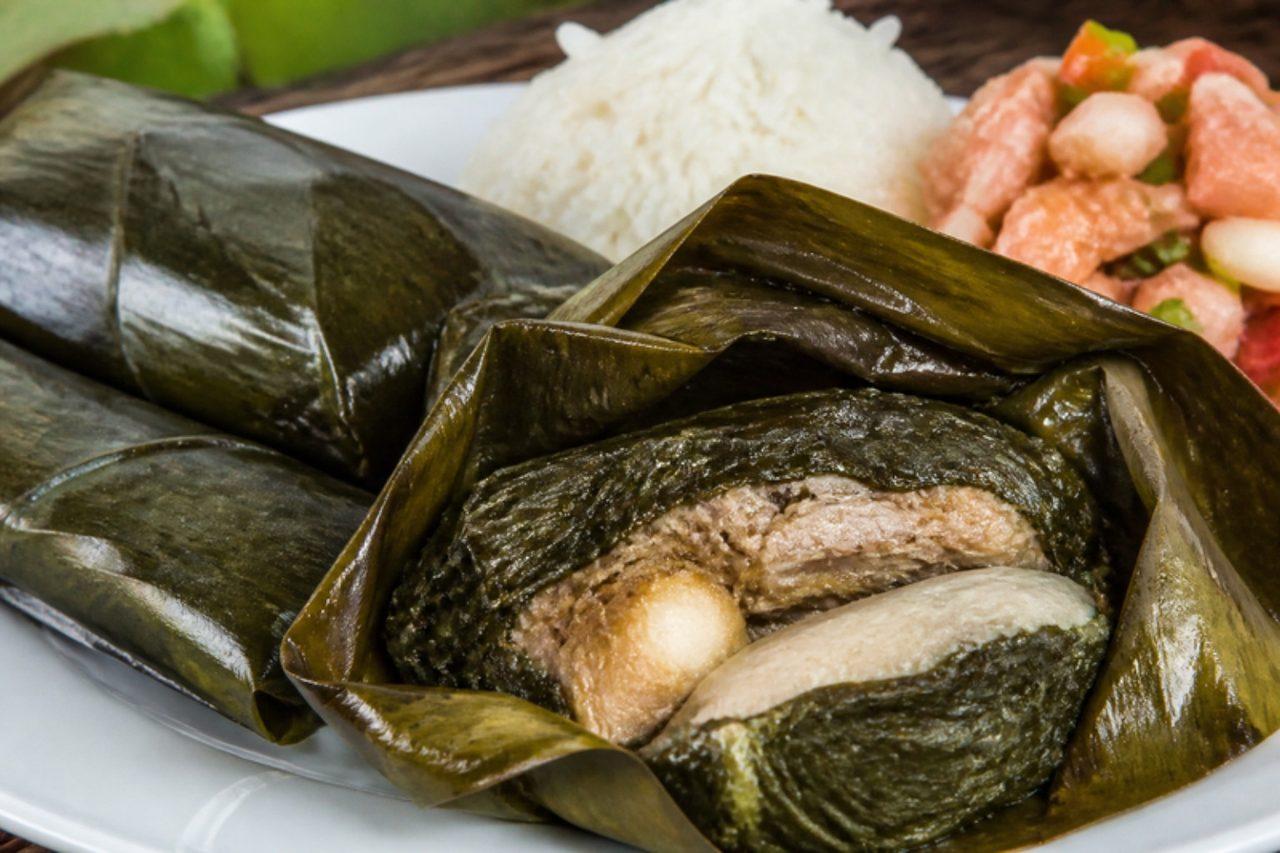
LaulauSteamed pork and fish bundles

Laulau is one of the oldest dishes of Native Hawaiian cooking: fatty pork and salted butterfish are wrapped in young taro (lūʻau) leaves, tied in a ti-leaf parcel and steamed for hours until the leaves turn soft as cooked spinach and the pork is meltingly tender. It is the centrepiece of a plate with poi, lomi lomi salmon and haupia at lūʻau and family celebrations. Taro leaves must be cooked a long time, as they irritate the throat when undercooked; if you can't find them, use large spinach leaves and wrap in banana leaves or foil. Chef's tip: steam the bundles for the full four hours; shortcutting leaves the taro leaves scratchy.

by KrazyBadal 0 views

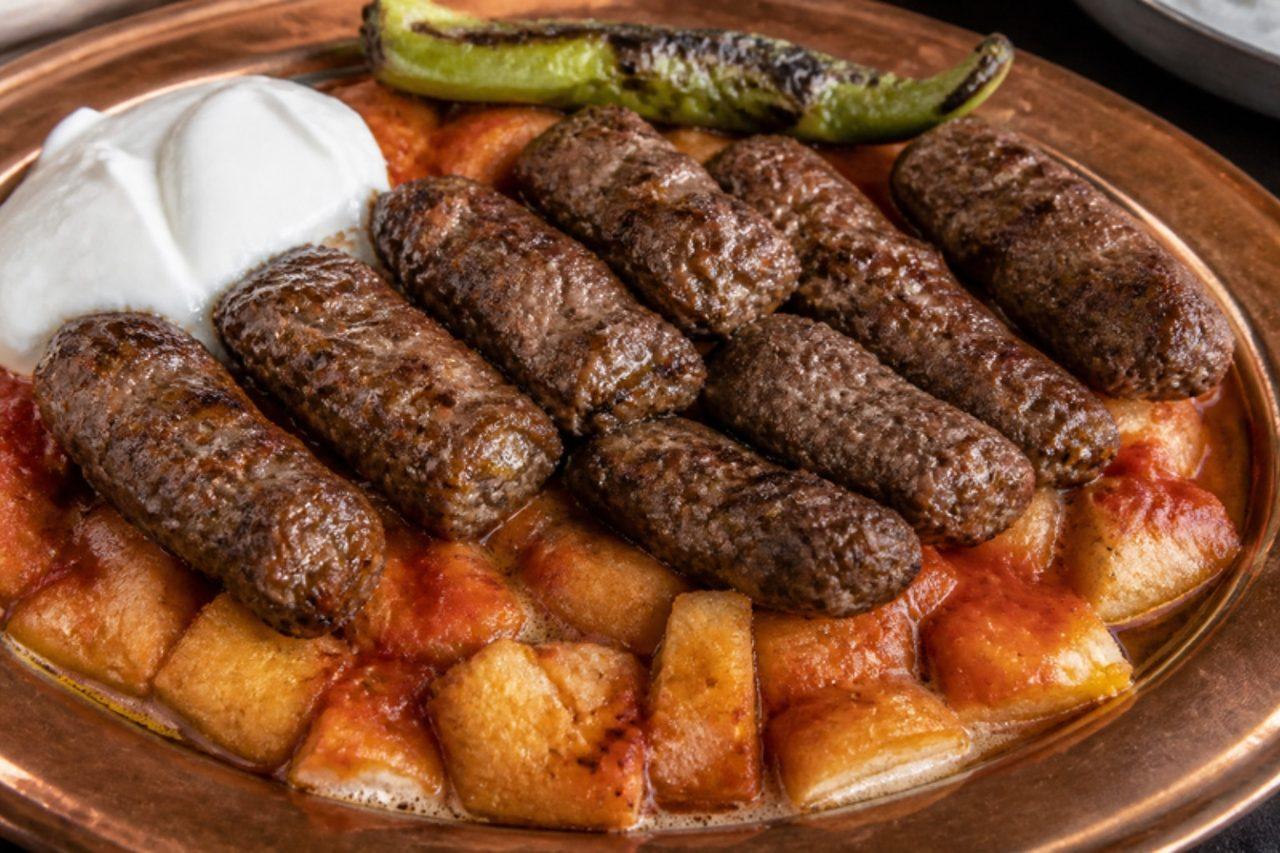
Pideli köfteGrilled meatballs on flatbread

Bursa, the city that gave the world İskender, has its own everyday answer for those who don't want doner: pideli köfte, served in workers' lokantas around the Ulu Cami. Small grilled köfte are laid over cubes of soft pide, drenched in a thin tomato sauce, then finished at the table with browned butter poured over so it hisses, with thick yoghurt on the side. It is rich, messy and very satisfying. Chef's tip: warm the pide in the oven before adding the sauce, so it soaks up the juices but keeps some chew.

by KrazyBadal 0 views

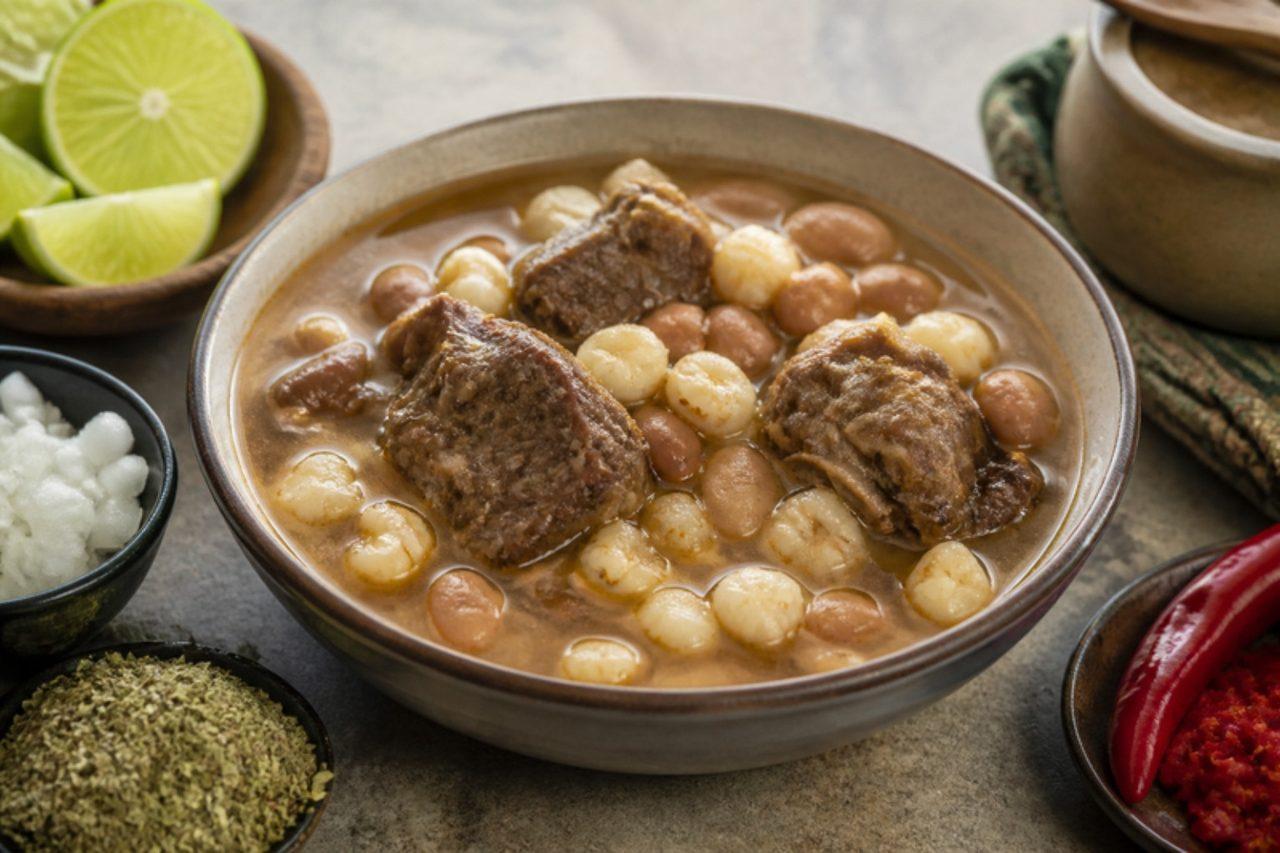
Gallina pintaBeef, pinto bean and hominy stew

Despite the name, there is no hen in gallina pinta: the 'speckled hen' of Sonora is a hearty soup of beef, pinto beans and hominy, the speckles being the beans among the white corn. It is cold-weather food across the state, ladled out at family gatherings and in Hermosillo diners, and every cook uses bony cuts such as oxtail or beef shank so the broth turns rich and silky. The beans need soaking overnight, so start the day before. Serve it in deep bowls with chopped onion, oregano, lime and a dried red chilli crumbled over, plus warm flour tortillas. Chef's tip: add the hominy only in the last half hour, so the kernels stay plump and chewy rather than splitting.

230 minMexicanSoupsGluten free
by KrazyBadal 0 views

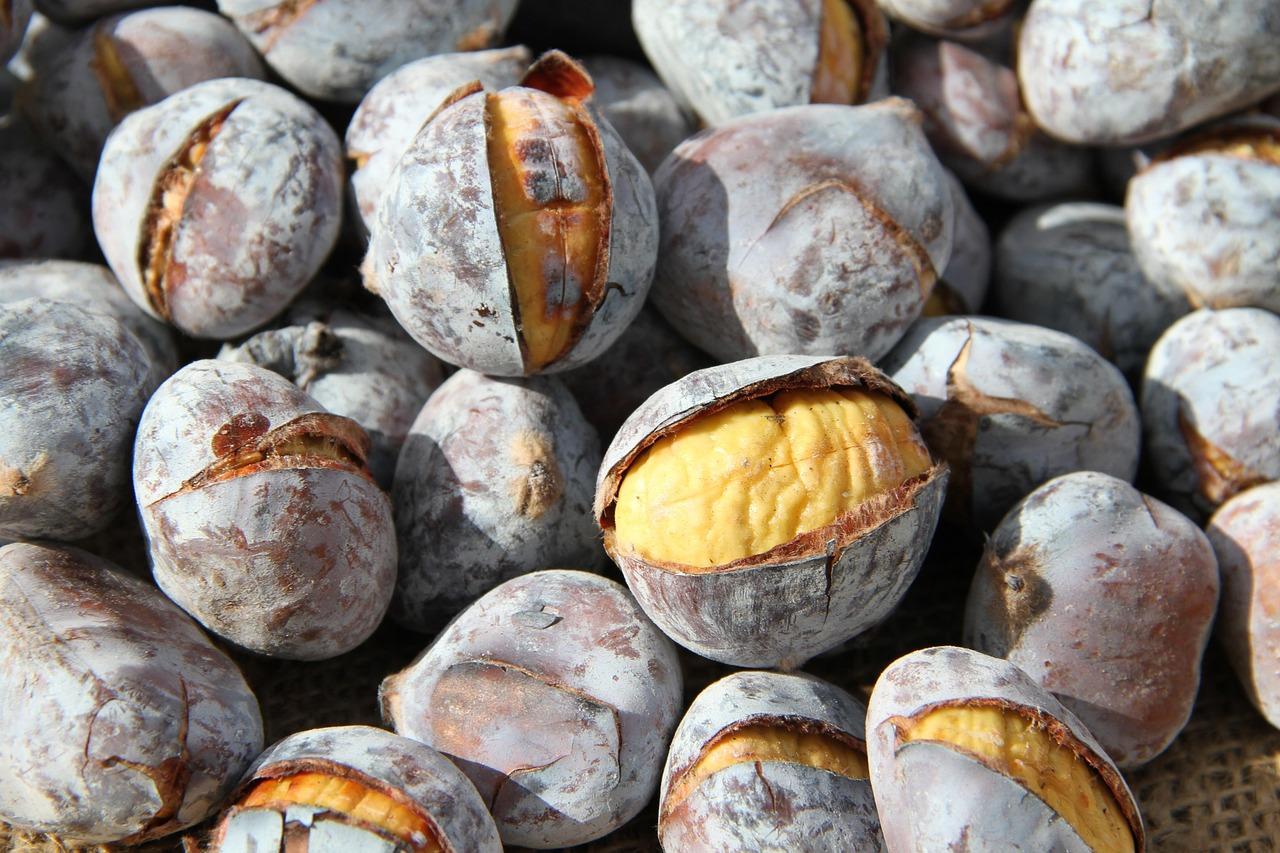
Heiße MaronenRoasted chestnuts

From late October the Maronibrater set up their black drum ovens on street corners in Vienna, Salzburg and every German Christmas market, and the smoky smell of roasting chestnuts means winter has properly begun. Hot chestnuts in a paper cone warm your hands first and your stomach second. At home a hot oven and a bowl of water give the same soft, sweet, slightly charred result. The commonest mistake is not scoring the shells deeply enough: steam builds up inside and the chestnuts can burst in the oven. Chef's tip: wrap the roasted chestnuts in a tea towel for 5 minutes before peeling; the steam loosens the bitter inner skin so it comes away with the shell.

by KrazyBadal 0 views

PickertFried yeasted potato loaf with raisins

Pickert is the bread of Lippe and the Teutoburg Forest in eastern Westphalia, made where wheat was scarce and potatoes plentiful: grated raw potato, flour, eggs and yeast baked into a dense, moist loaf, studded with raisins. Locals slice it the next day and fry the slices in butter until crisp, then eat them for breakfast or supper with plum butter, sugar beet syrup, jam or, for meat eaters, liver sausage. This vegetarian version serves it with jam and syrup. A common mistake is not squeezing the potatoes, which leaves the loaf soggy in the middle. Chef's tip: bake it a day ahead; cold Pickert slices cleanly and fries far better than warm.

by KrazyBadal 0 views

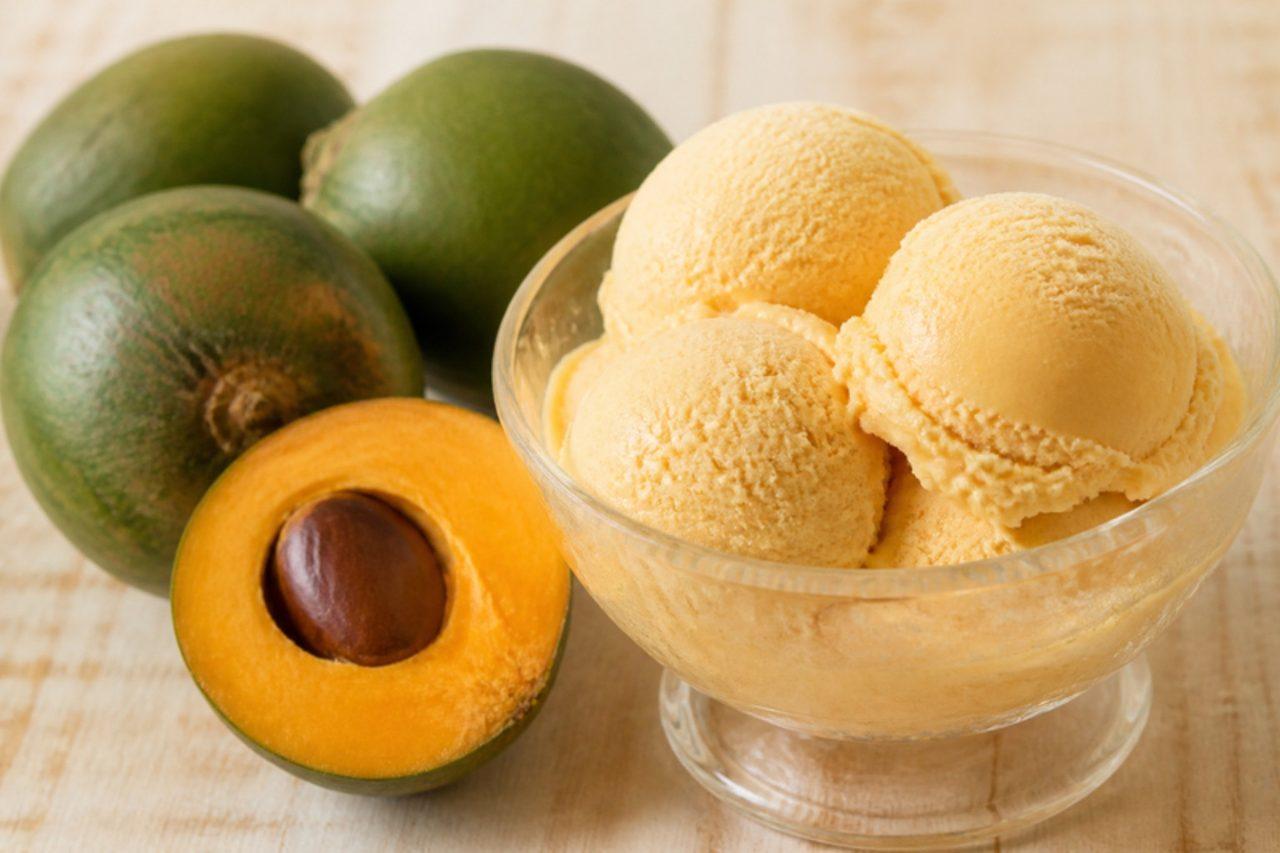
Helado de lúcumaLúcuma ice cream

Ask anyone in Lima, Cusco or Trujillo for the national ice-cream flavour and they will say lúcuma, the green-skinned Andean fruit with dry, golden-orange flesh that tastes of butterscotch, maple and sweet potato. Every ice-cream parlour, supermarket freezer and street cart sells it, and it's also folded into cakes and milkshakes. This no-churn version needs no machine: frozen lúcuma pulp (or lúcuma powder, both in Latin shops and health-food stores) is whisked into condensed milk, then folded into whipped cream and frozen. It comes out smooth, rich and naturally caramel-coloured. The mistake is over-whipping the cream to stiff peaks, which makes the ice cream grainy and buttery; stop at soft peaks. It needs at least 6 hours in the freezer, so make it the day before. Serve with a slice of chocolate cake or on its own. Chef's tip: a pinch of salt and a few drops of lime sharpen lúcuma's mellow flavour so it doesn't taste flat when frozen.

by KrazyBadal 0 views

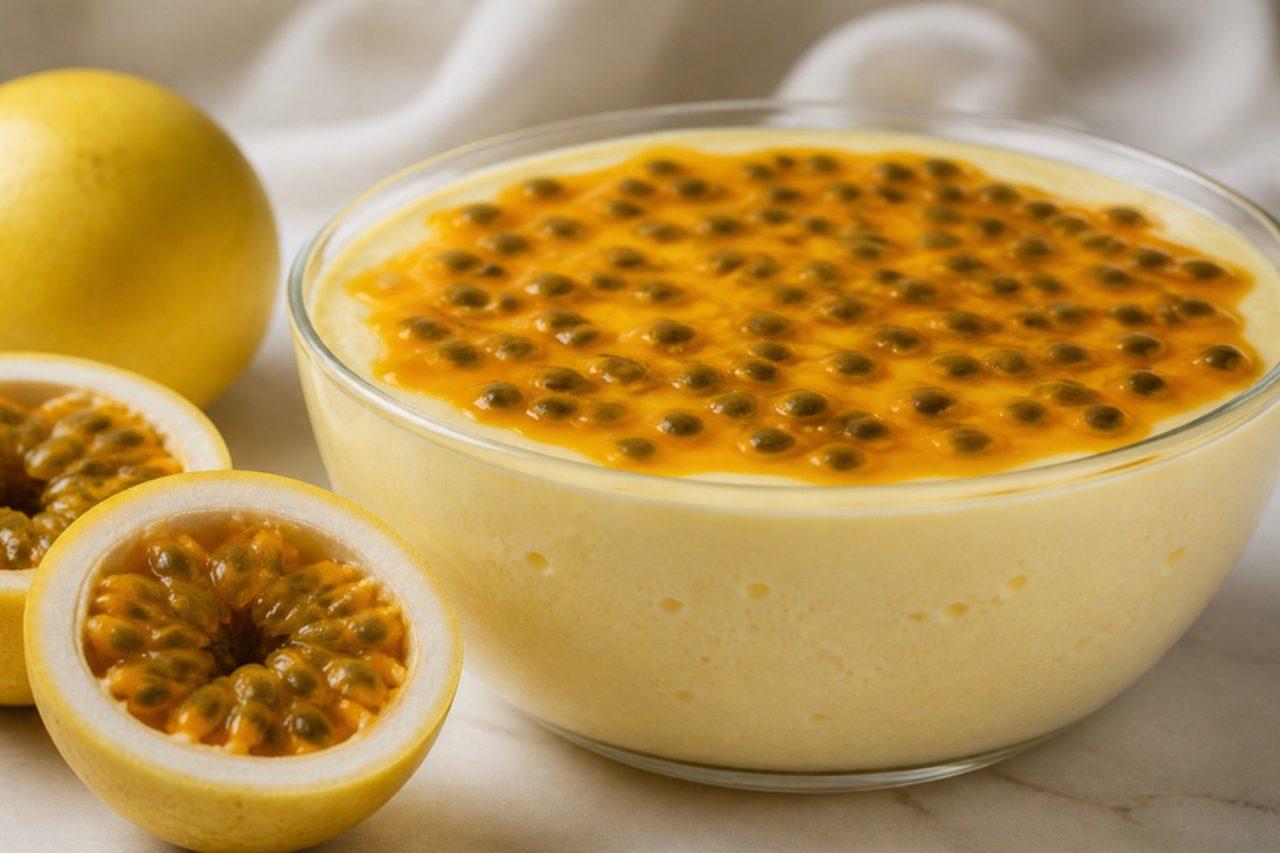
Mousse de maracujáPassion fruit mousse

Three ingredients, a blender and a fridge: Brazilian home cooks from Recife to Curitiba lean on mousse de maracujá for Sunday lunch dessert because it takes ten minutes and nobody ever refuses it. The acid in passion-fruit juice thickens condensed milk and cream almost instantly, so it sets into a light, tangy, pale yellow mousse without gelatin, topped with the glossy black seeds and pulp. Sharp and sweet at once, it is perfect after a feijoada or a barbecue. Buy wrinkly, heavy passion fruit, which are the ripest and juiciest; frozen unsweetened pulp works too. The trap is diluting the juice: any added water stops the mousse setting, so use pure strained juice. Chef's tip: keep back the pulp of one fruit, warm it for a minute with a spoonful of sugar, and pour it over the mousse just before serving for shine.

by KrazyBadal 0 views

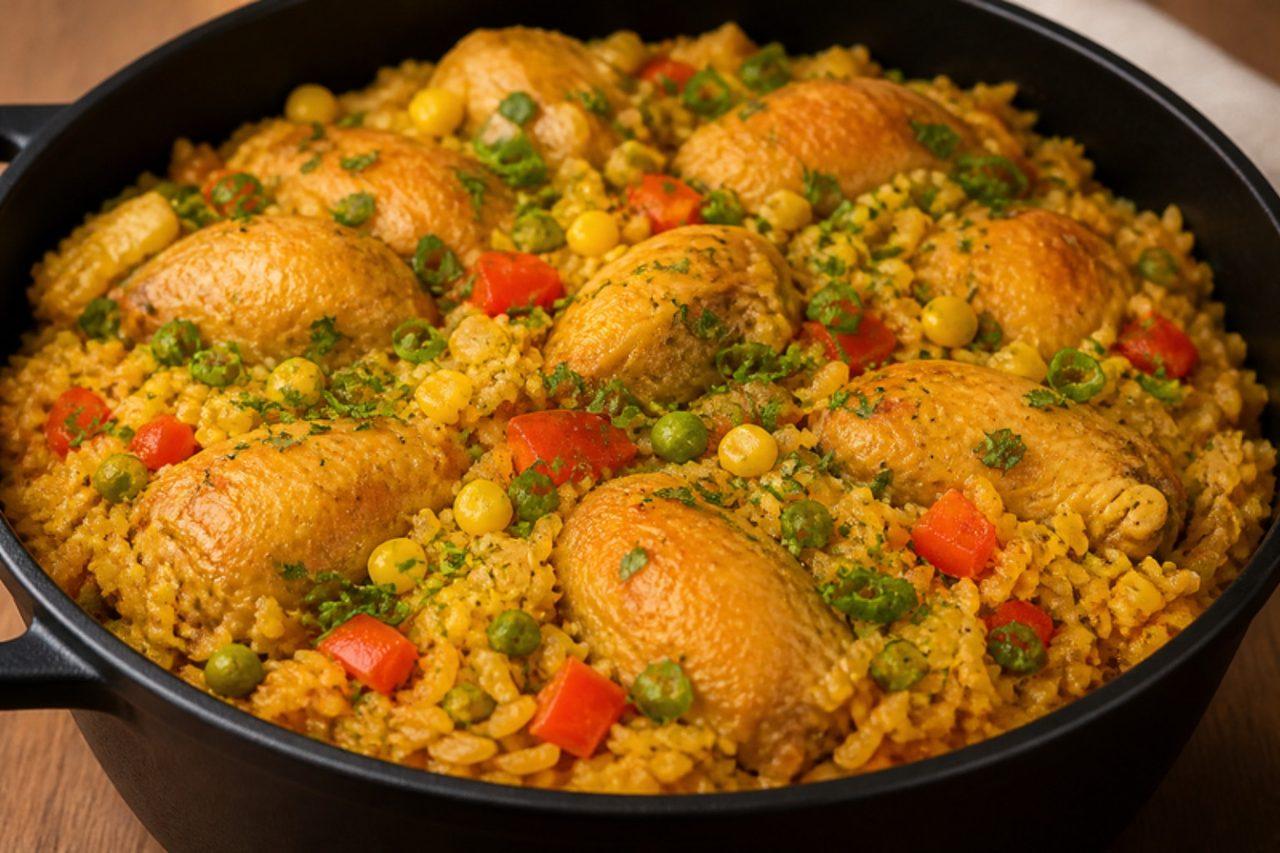
GalinhadaChicken and turmeric rice

Sunday lunches, church festas and roadside restaurants in Goiás all revolve around a big pot of galinhada: chicken browned with garlic and onion, then cooked with rice in its own stock until each grain is golden from açafrão-da-terra. In Brazil that word means turmeric, not true saffron, and it is turmeric that gives the dish its colour. Goianos add pequi, the cerrado fruit with a heady, cheesy-tropical scent; you can buy it in jars in Brazilian shops, but warn your guests: the stone is covered in fine spines under the flesh, so nibble gently and never bite into it. It comes out moist, fragrant and comforting, finished with plenty of cheiro-verde. The common mistake is adding too much water, which makes it mushy; the rice should be loose, like a paella that has just settled. Chef's tip: brown the chicken until it leaves a dark crust in the pot, then let the rice dissolve it.

by KrazyBadal 0 views

Galinha ao molho pardoChicken in dark blood sauce

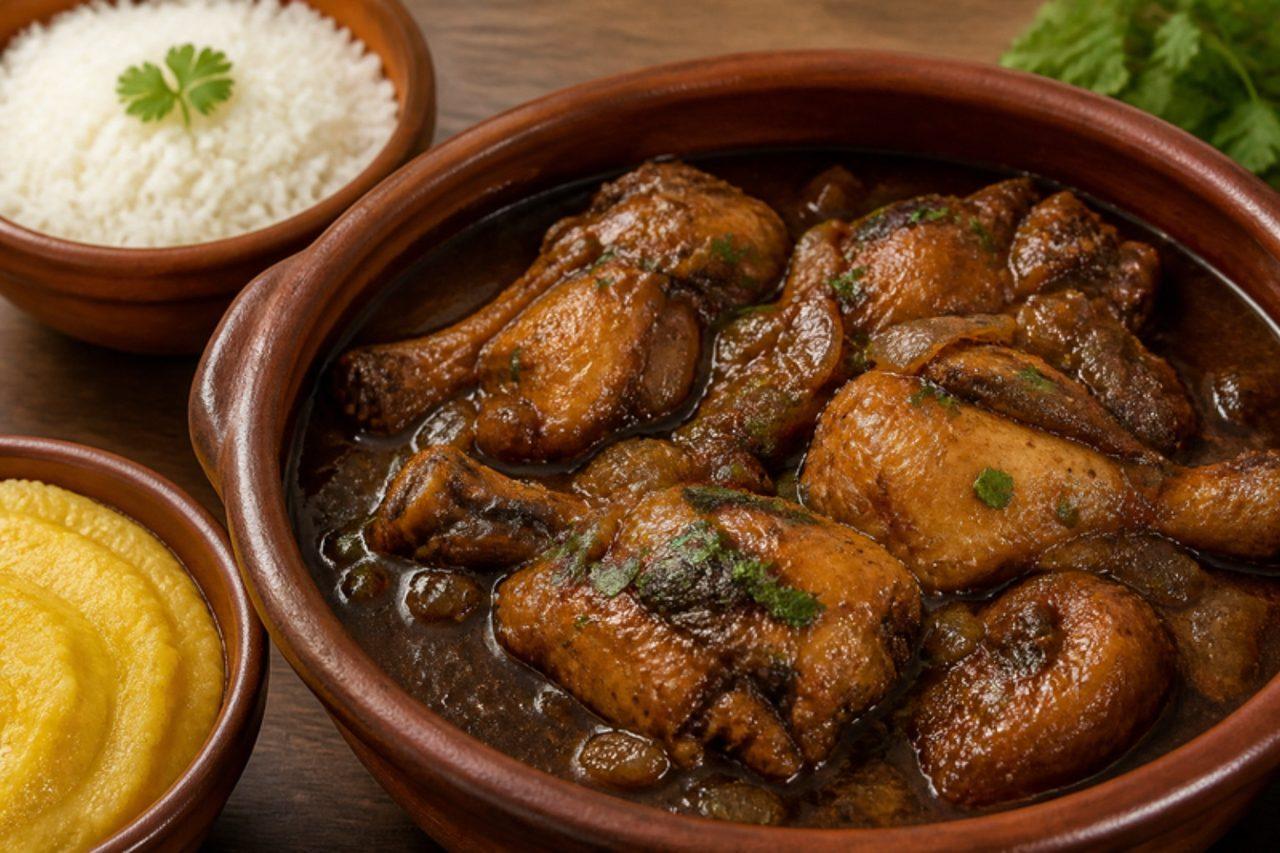
Country cooking from the state of Rio and southern Minas Gerais, galinha ao molho pardo (also called galinha de cabidela) is cooked at weekend gatherings with a free-range hen, and served with angu, white rice and okra. The chicken is braised with onion, garlic, tomato and herbs, then the sauce is finished with the bird's blood mixed with vinegar, which turns it dark brown, velvety and savoury, with a gentle sourness. It tastes richer and deeper than an ordinary stew. Buy fresh chicken blood from a licensed poultry butcher or halal butcher, ask for it mixed with vinegar so it does not clot, keep it in the fridge and use it within 24 hours. The usual mistake is boiling the sauce hard after the blood goes in, which makes it grainy; stir it at a gentle simmer instead. The blood must be cooked right through. Chef's tip: temper the blood with a ladle of hot sauce before adding it to the pot.

by KrazyBadal 0 views

HingelPotato dumplings with browned butter

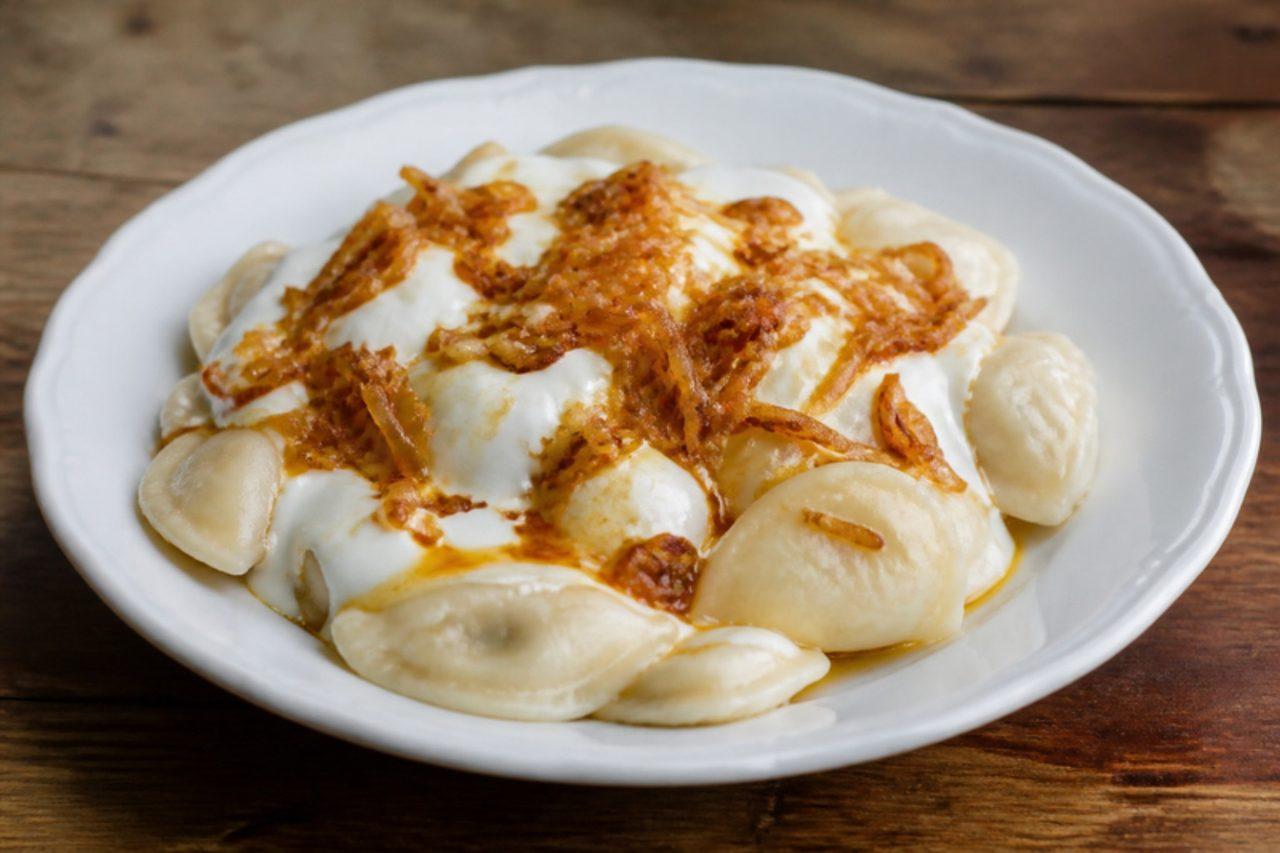
Hingel is the comfort food of Kars and Ardahan, on Turkey's high north-eastern border, where long winters made potatoes and butter everyday staples. Half-moon dumplings are filled with mashed potato and onion, boiled, then smothered in caramelised onions, garlic yoghurt and plenty of browned butter, much like manti but larger and softer. Common mistake: a wet potato filling that leaks through the seams; dry the boiled potatoes in the pan for a minute before mashing. Chef's tip: fry the onions slowly in the same butter you pour over at the end; it picks up their sweetness.

by KrazyBadal 0 views

HindbehDandelion greens with fried onions

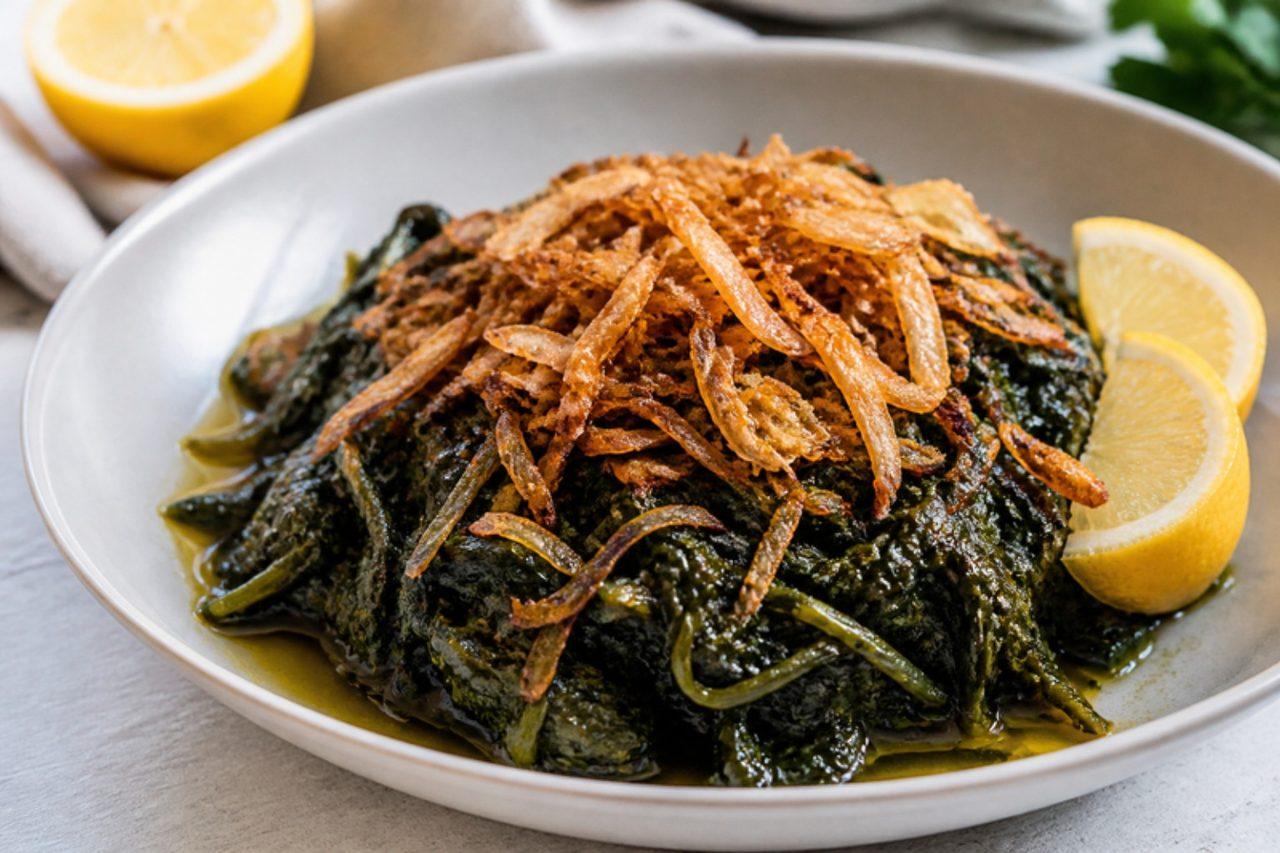
Each spring, people in the Lebanese hills go out with a knife and a bag to gather wild chicory and dandelion for hindbeh, a Lenten favourite in Christian homes and a regular on mezze tables all year. The bitter greens are blanched, squeezed and fried with garlic in olive oil, then piled with a tangle of deeply browned, crisp onions and served with lemon wedges. The bitterness, the sweetness of the onions and the sharp lemon balance each other, and it is eaten at room temperature with bread. Cultivated dandelion or curly endive from a greengrocer works well. Common mistake: not squeezing the greens dry; water stops them frying and dilutes the oil. Chef's tip: fry the onions slowly and pull them out a shade lighter than you want — they keep darkening on the paper.

by KrazyBadal 0 views

MsabbahaWhole chickpeas in tahini sauce

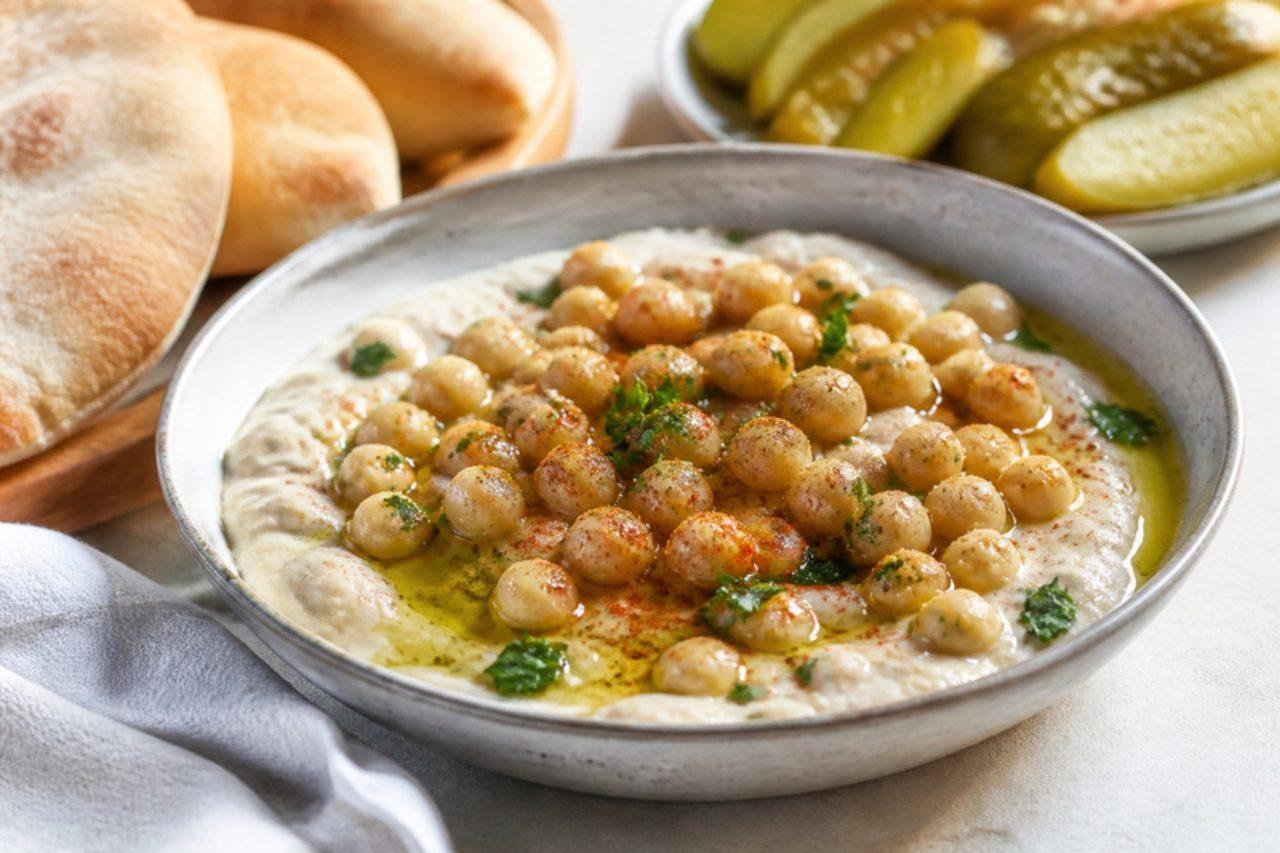
Hummus shops in Jerusalem's Old City and in Nablus open before dawn, and alongside the smooth hummus they ladle out msabbaha: whole, just-cooked chickpeas bathed in a loose, garlicky tahini and lemon sauce, still warm. It is a working breakfast, eaten with raw onion wedges, green chilli and plenty of bread, and it is just as popular in south Lebanon. The texture is the point, soft chickpeas in a creamy pool rather than a purée. The common mistake is making the tahini sauce too thick; it should pour like double cream so it seeps around every chickpea. Chef's tip: crush a handful of the hot chickpeas into the sauce before you spoon it over; it makes the msabbaha richer and creamier.

by KrazyBadal 0 views

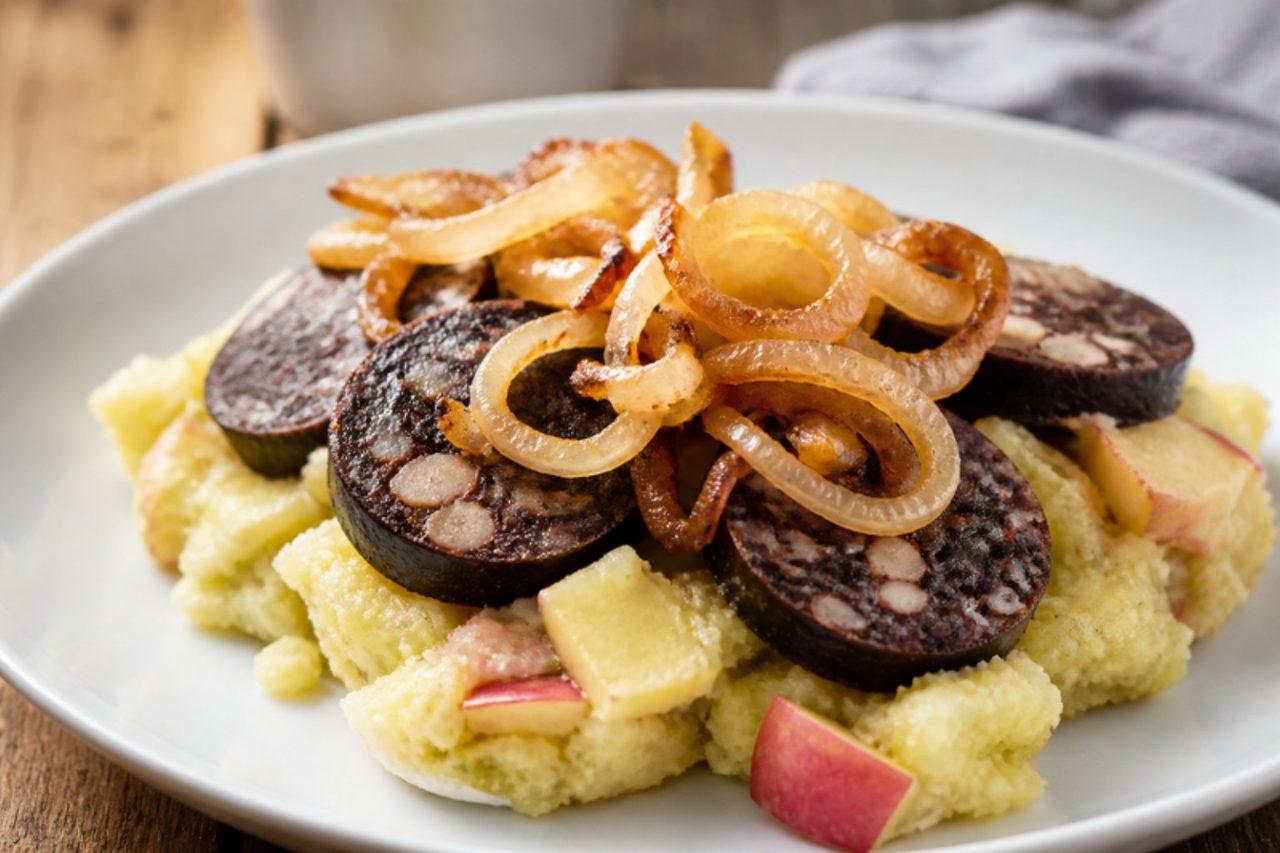
Himmel un ÄädApple potato mash with black pudding

Himmel un Ääd is Cologne dialect for "heaven and earth": apples from the trees above and potatoes from the ground below, mashed together and topped with slices of fried Flönz, the soft Rhineland black pudding, and crisp onions. It is a classic in Cologne's brewery taverns, especially around Carnival and in autumn when the apples are new. For a vegetarian plate, skip the blood sausage and add extra fried onions and a fried egg. Chef's tip: use a sharp apple like Boskop or Bramley, which balances the rich sausage much better than a sweet one.

45 minGermanMeatGluten free
by KrazyBadal 0 views

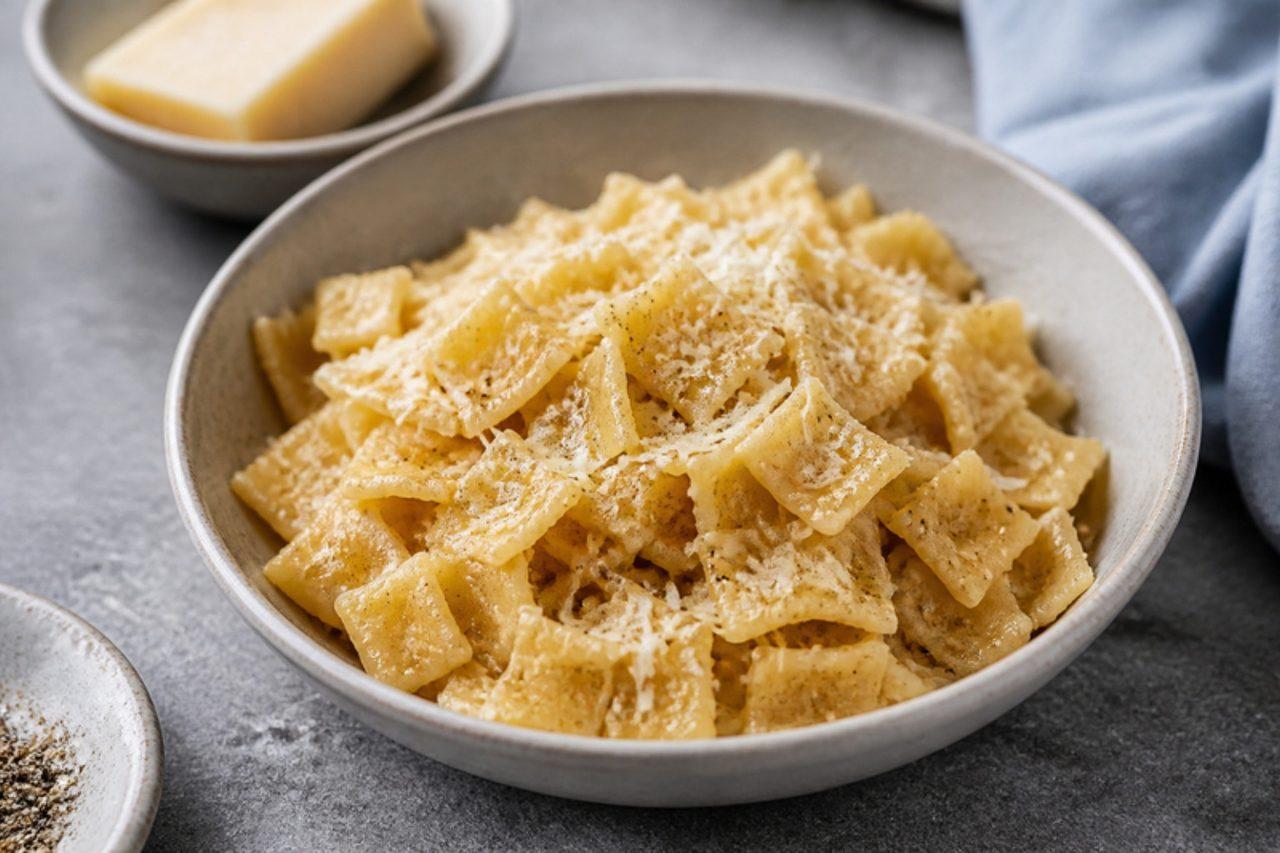
HilopitesEgg pasta with butter and cheese

In late summer, when sheep's milk and eggs are plentiful, the women of Epirus and Thessaly gather to make hilopites: a stiff egg-and-milk dough rolled thin, dried on cloths and cut into tiny squares, then stored in sacks for winter. They're cooked like any pasta, in stock with chicken or simply tossed with sizzling butter and grated cheese, which is how children in Ioannina eat them. This recipe makes a fresh batch and serves it the simple way. Kefalotyri and myzithra are often made with animal rennet; choose a vegetarian hard cheese if needed. Common mistake: cutting the sheets while still soft, so the squares stick — dry them until leathery first. Chef's tip: dried fully, they keep for months in a jar.

by KrazyBadal 0 views

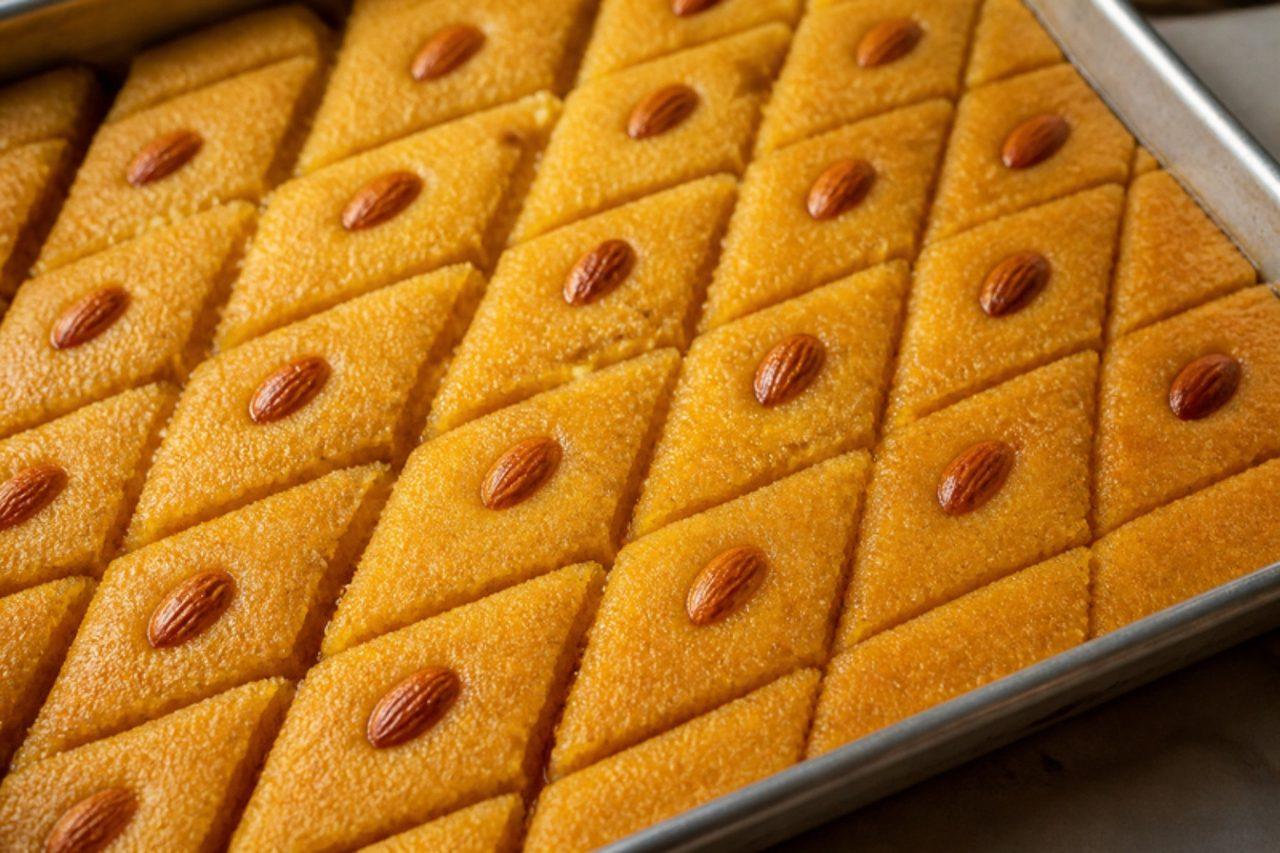
HilbehFenugreek semolina cake

Hilbeh is the tray cake Jordanian grandmothers bake in winter and for visits after childbirth, when fenugreek is believed to warm and strengthen. Soaked fenugreek seeds swell into soft, jelly-coated beads that dot a dense semolina crumb, giving a gently bitter, maple-like scent that the hot syrup softens. Cut into diamonds, each topped with an almond, it sits on the coffee table beside Arabic coffee from Irbid to Aqaba. The mistake people make is using the seeds dry: they stay hard and bitter, so boil and soak them first. Chef's tip: pour cold syrup over the cake the moment it leaves the oven; hot-on-cold soaks in evenly and keeps the top from going soggy.

by KrazyBadal 0 views

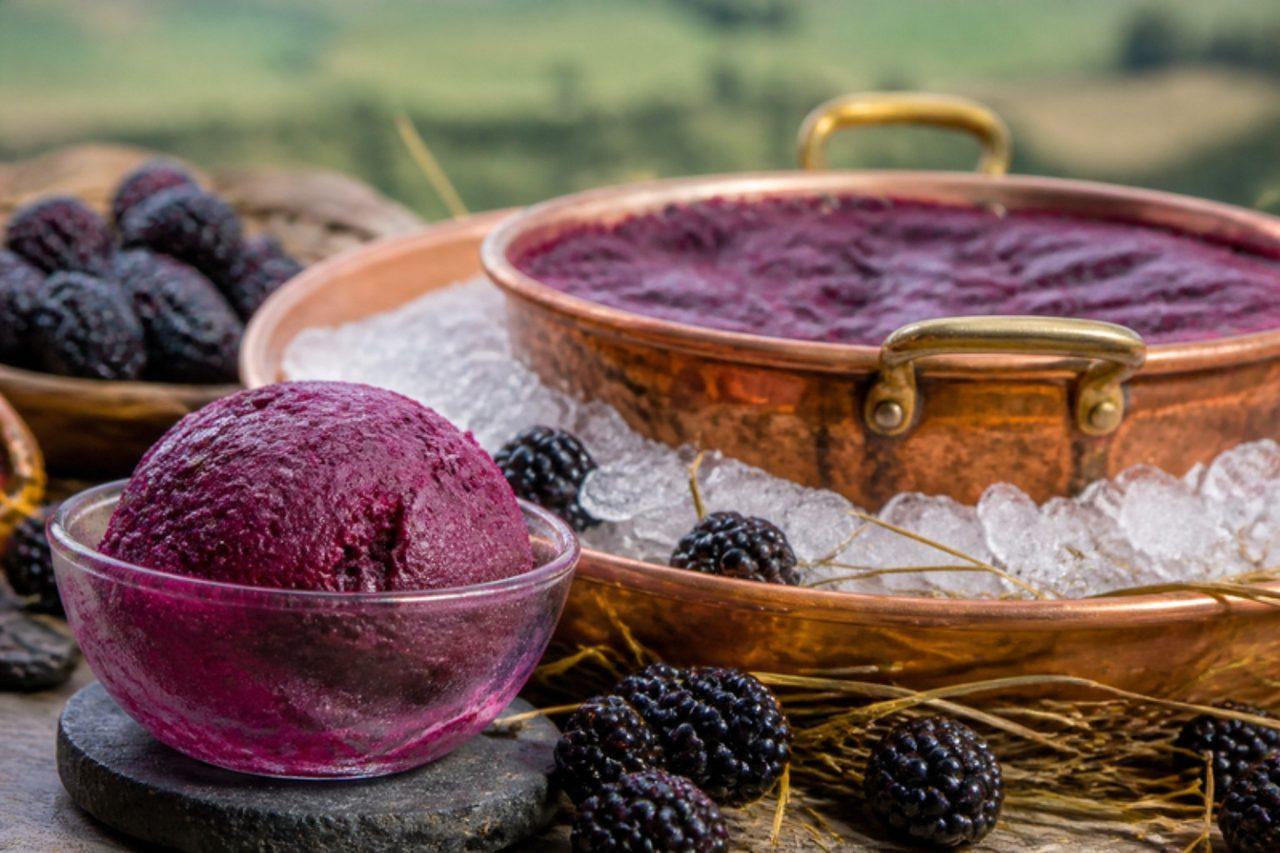
Helado de pailaHand-spun blackberry sorbet

Watching helado de paila being made is half the pleasure. In Pasto and Ipiales, and over the border in Ecuador, a wide copper or steel pan (the paila) spins on a bed of ice and salt in a straw-lined barrel, while the maker scrapes the fruit juice from the sides with a wooden paddle until it turns into a light, intensely fruity sorbet. Mora, lulo and naranjilla are the favourite flavours. At home a wide steel bowl sitting in a larger bowl of salted ice does the same job, and the hand-churning takes about 30 minutes, so get everyone to take turns. The base must be cold before it goes into the bowl; a warm base never freezes properly and turns into slush. Andean blackberries are tart and bright; ordinary blackberries with extra lime work. Chef's tip: keep scraping the frozen layer off the sides and folding it in, every 20–30 seconds; that motion is what makes the texture smooth.

by KrazyBadal 0 views

Mtabbal shamandarBeetroot and tahini dip

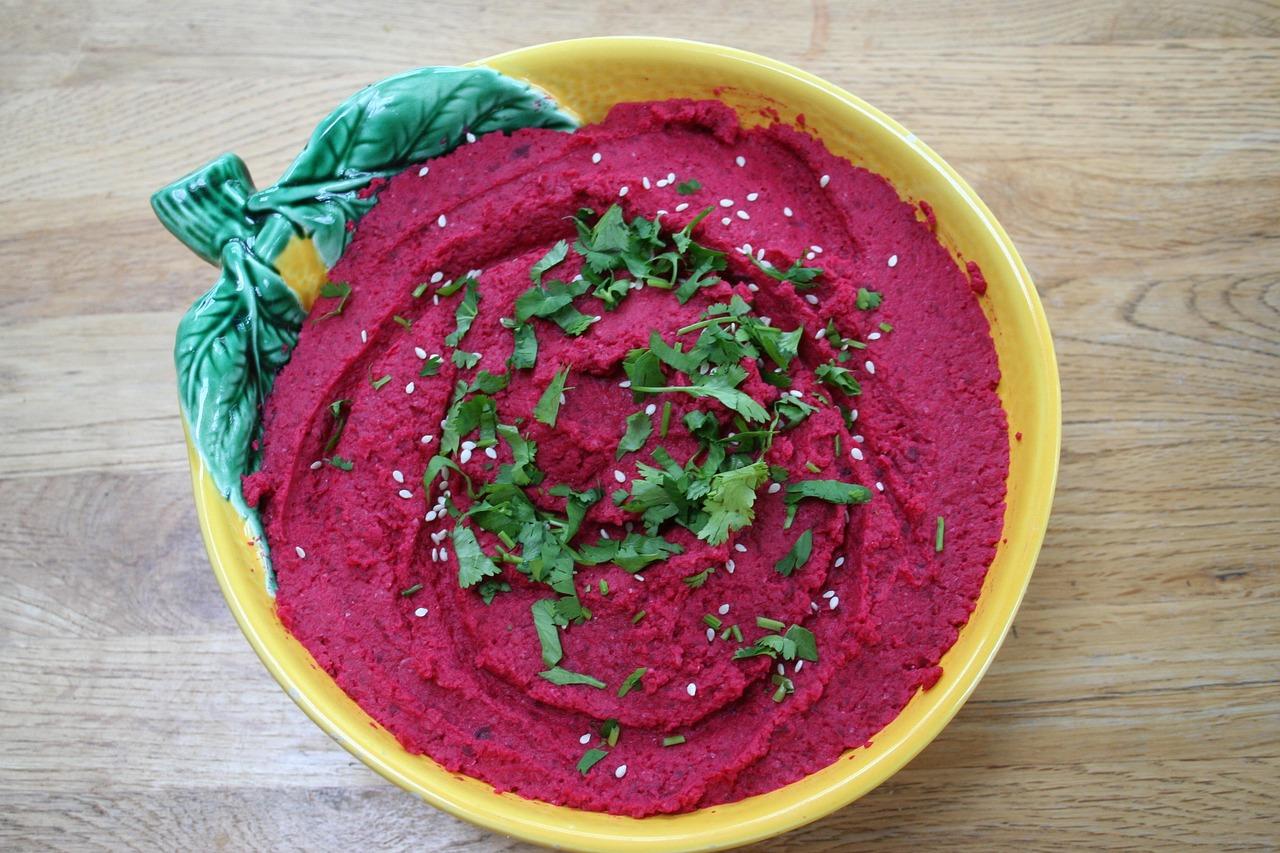
Beirut's modern mezze bars made mtabbal shamandar a fixture next to hummus and moutabal: roasted beetroot blended with tahini, garlic, lemon and a little yoghurt into a magenta dip that is earthy, nutty and bright. It is quick to make and keeps well, so it is good for a weekend spread with warm flatbread, crisp cucumbers and radishes. Common mistake: boiling the beetroot, which waters it down; roasting in foil concentrates the sweetness. Chef's tip: add the lemon a little at a time and taste — beetroot varies a lot in sweetness, and the dip should taste lively, not sugary. Use plant yoghurt to make it vegan.

by KrazyBadal 0 views

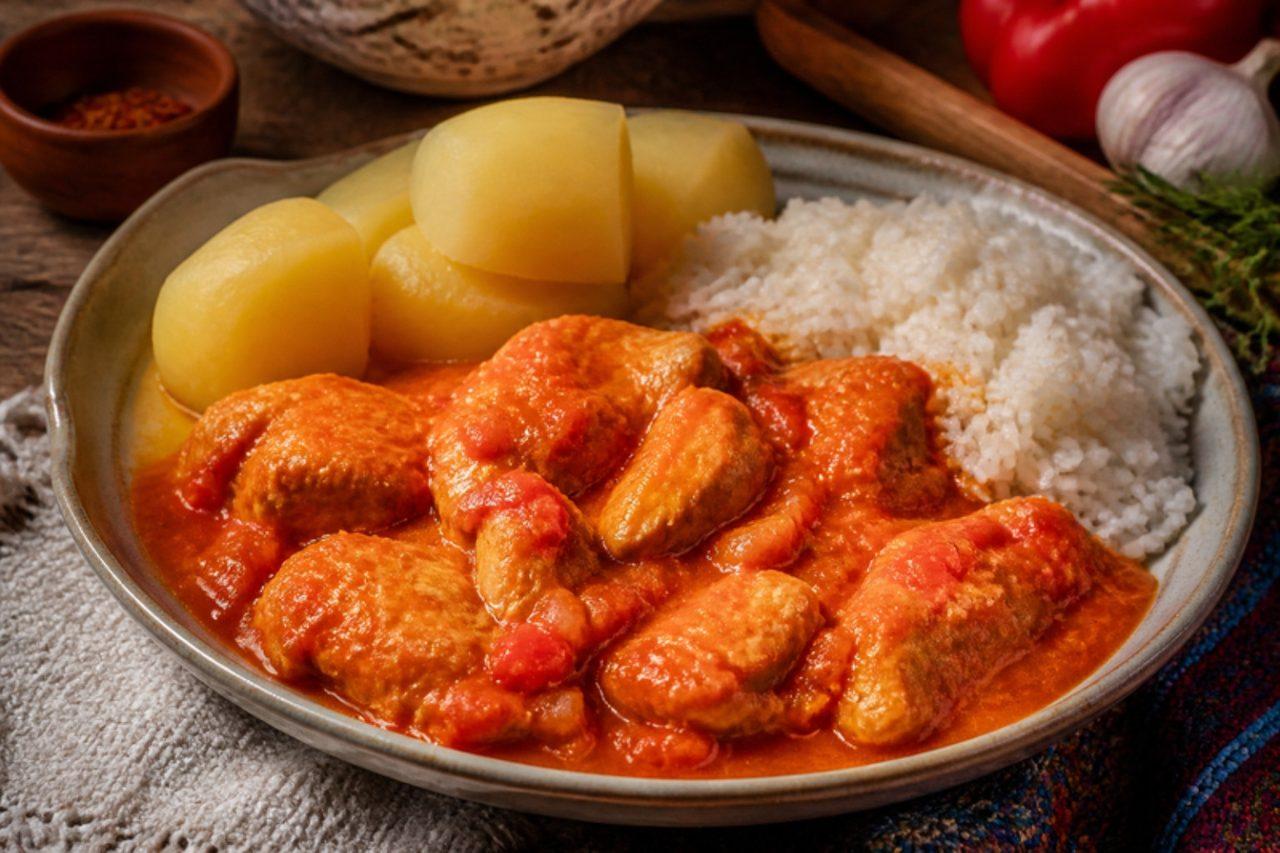
Picante de polloChicken in red chilli sauce

High up in Jujuy, picante de pollo is the dish cooks make for weddings, patronal feast days and Carnival in the Quebrada de Humahuaca, and the small comedores near the markets of San Salvador serve it every Sunday. Chicken pieces are first poached, then finished in a vivid red sauce of ají colorado (ground dried red chilli), lots of onion, tomato and garlic, thickened with the broth; on the plate it goes with white rice, boiled Andean potatoes and often a scattering of crunchy fried potato sticks (papas fritas en bastón) or chopped tomato and onion. It is warming rather than fiery, with a deep earthy chilli flavour. The chicken must reach 74 °C at the bone. Burning the ground chilli is the usual mistake: add it to the pan off the heat or over a gentle flame, or it turns bitter in seconds. Chef's tip: let the stew sit for 15 minutes before serving; the chicken absorbs the red sauce and the colour deepens.

by KrazyBadal 0 views

Picadinho cariocaDiced beef stew with rice

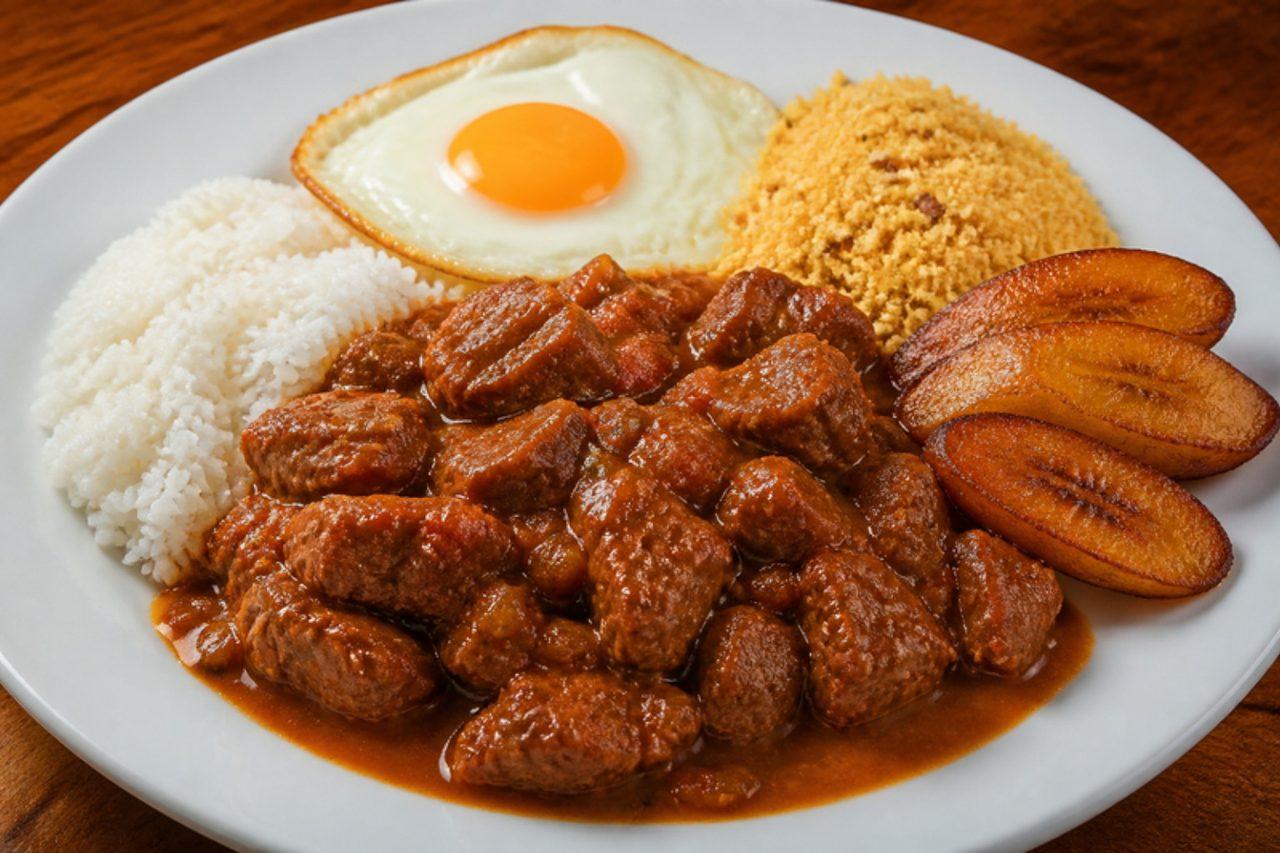
Diced small and simmered in a glossy tomato gravy, picadinho is the plate Rio de Janeiro orders at lunch counters and old bars in Centro, and the one cariocas cook at home when they want comfort. The tender cubes of beef come with white rice, a fried egg with a runny yolk, farofa and slices of banana, and every forkful mixes a bit of everything: savoury, sweet, crisp and soft. The everyday mistake is crowding the pan, so the beef boils grey instead of browning; fry it in batches. Cook the eggs until the whites are fully set; if you are serving pregnant women, young children or older people, cook the yolks firm too. Chef's tip: cut the beef into 1.5 cm cubes; any larger and it is a stew, any smaller and it dries out.

by KrazyBadal 0 views

Picadas veracruzanasMasa cakes with salsa

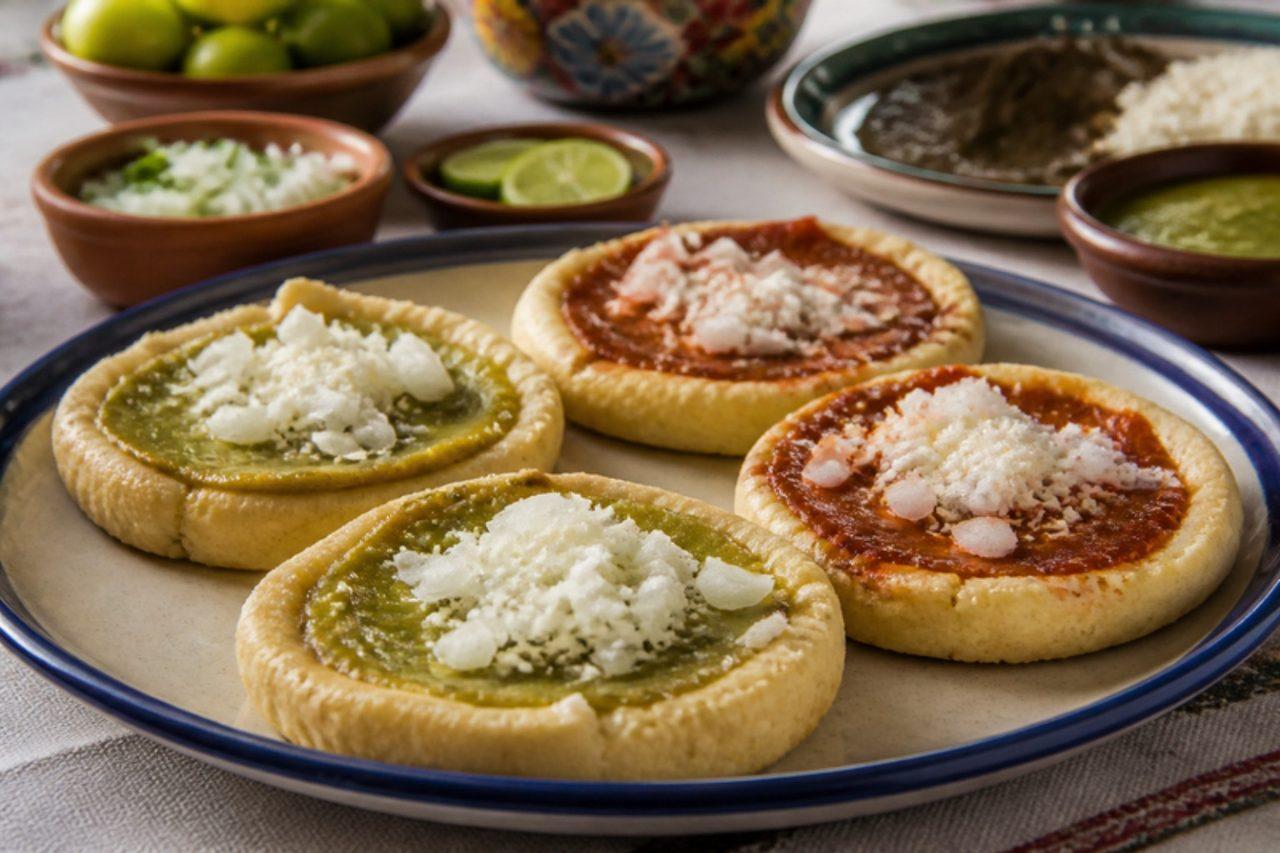
Breakfast in the port of Veracruz and in Xalapa often starts with picadas at a market fonda or a café by the harbour: palm-sized rounds of fresh masa, cooked on the comal, then pinched all around while hot (picar means to pinch) to make little ridges that catch the salsa. Half are spooned with red salsa and half with green, then scattered with onion and crumbled cheese, and eaten with black coffee. Cooks there drizzle them with hot pork lard; this recipe uses a little oil instead. Chef's tip: wet your fingertips in cold water before pinching, so you can work the hot masa without burning yourself.

by KrazyBadal 0 views

Pica-pauBeef in garlic mustard sauce

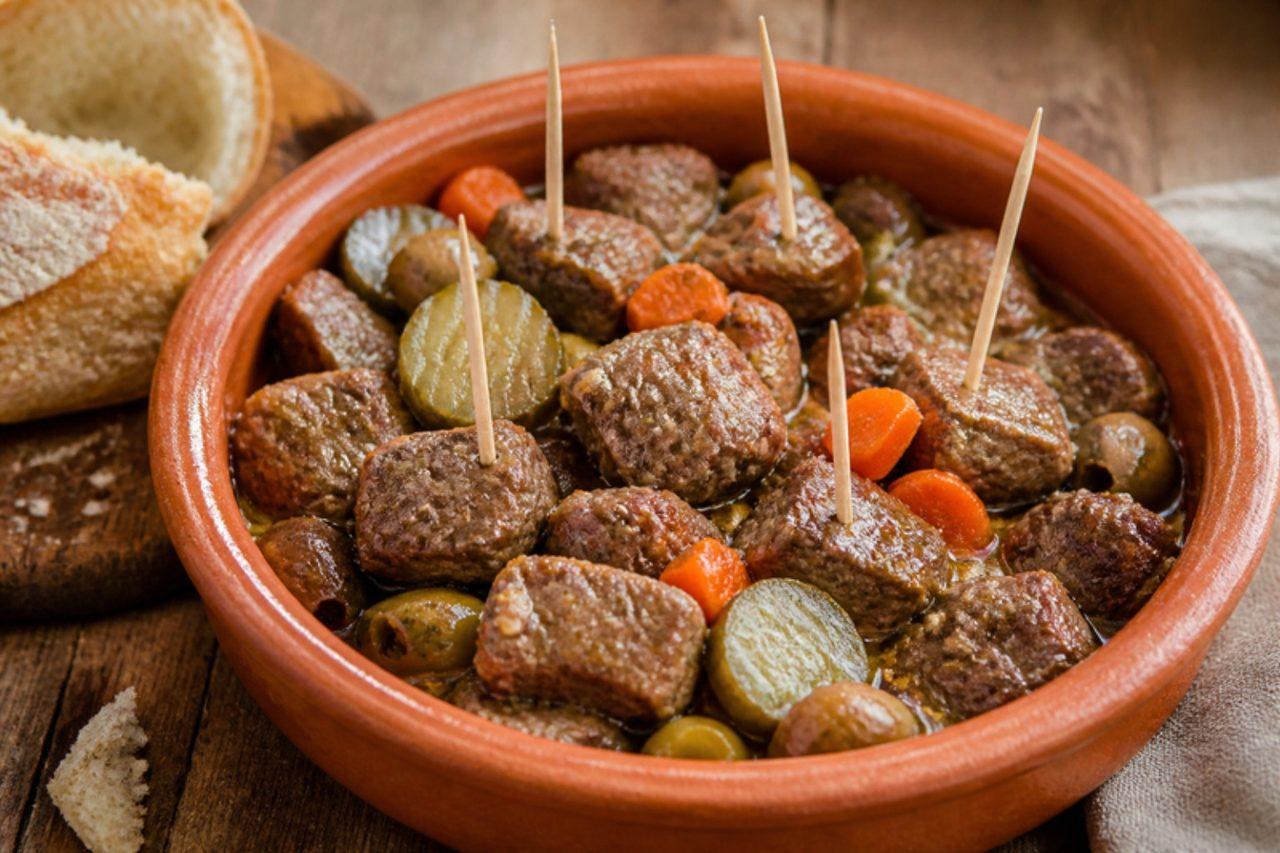
Pica-pau means woodpecker, and that is how you eat it: a crowd round a shared dish in a Lisbon cervejaria, pecking cubes of beef out of the sauce with toothpicks and dunking bread into the rest. The beef is seared quickly, then bathed in garlic, butter, mustard and a splash of white wine, and finished with tangy pickled vegetables. The wine contains alcohol; use stock with a teaspoon of vinegar instead. A common mistake is putting in all the meat at once: it stews grey instead of browning. Chef's tip: cut the beef into small, even 2 cm cubes so every piece browns fast and stays tender.

by KrazyBadal 0 views

Galeto al primo cantoRoast spring chicken

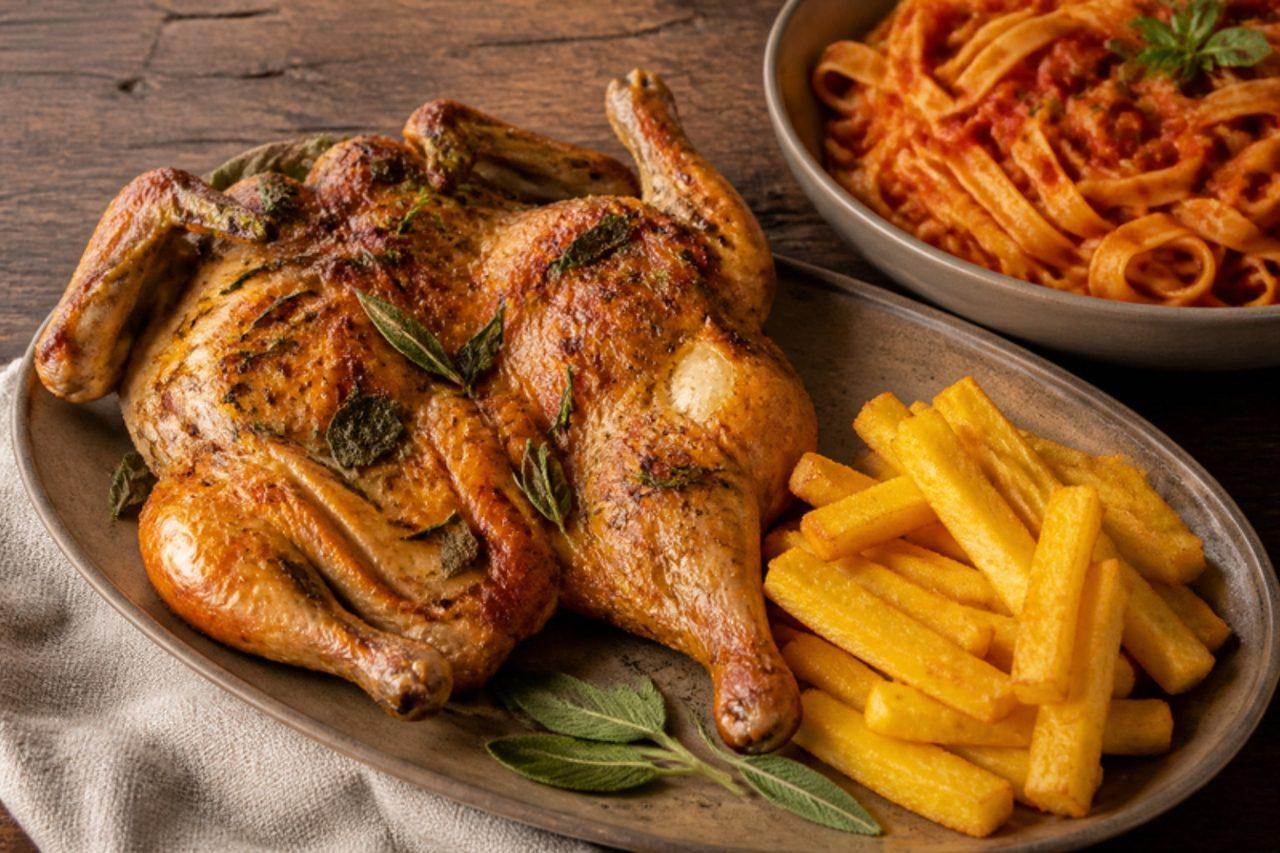
Caxias do Sul's galeterias serve galeto as an all-you-can-eat feast: young chicken, so small it is called al primo canto, at its first crow, marinated overnight in white wine, garlic, sage and rosemary, then roasted over embers and brought to the table with crisp fried polenta, pasta and salad. The habit came with the Italian immigrants of the Serra Gaúcha, and the meat is tender, juicy and fragrant with herbs. The marinade uses dry white wine; part of the alcohol cooks off during roasting but not all, so for an alcohol-free galeto use the same amount of chicken stock with 2 tbsp white wine vinegar. Marinate for at least 4 hours or overnight in the fridge. Many cooks baste with the raw marinade right to the end; stop 10 minutes before the chicken is done so no raw juices reach the plate. Chef's tip: set the polenta the day before so it slices cleanly and fries crisp.

by KrazyBadal 0 views

Galayet bandoraStewed tomatoes with garlic and chilli

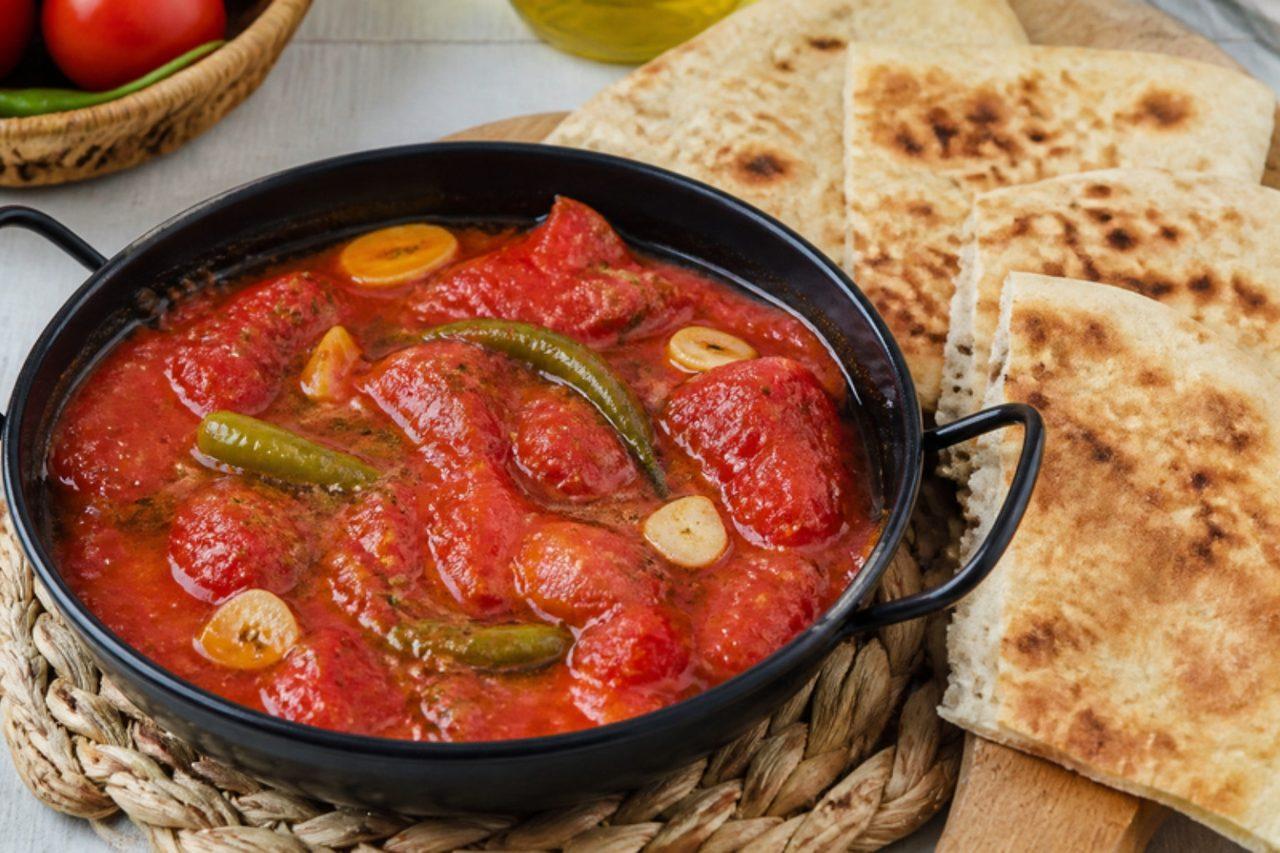
Ask anyone in Amman what they cook when the fridge is nearly empty and the answer is often galayet bandora: ripe tomatoes collapsed in a shallow pan with olive oil, garlic and hot green chilli until they turn jammy and sweet. It turns up at breakfast, as a quick supper, and over a camp fire on desert trips to Wadi Rum, always eaten straight from the pan with torn khubz or shrak. Some families add cubes of lamb; this meatless version is the one most homes make every week. The usual mistake is stirring too much and adding water, which gives you a thin sauce instead of glossy, slightly caramelised tomatoes. Chef's tip: let the tomatoes sit untouched for the first few minutes so their undersides catch and colour; that touch of browning is where the flavour comes from.

by KrazyBadal 0 views

Muéganos de HuamantlaFried dough in piloncillo syrup

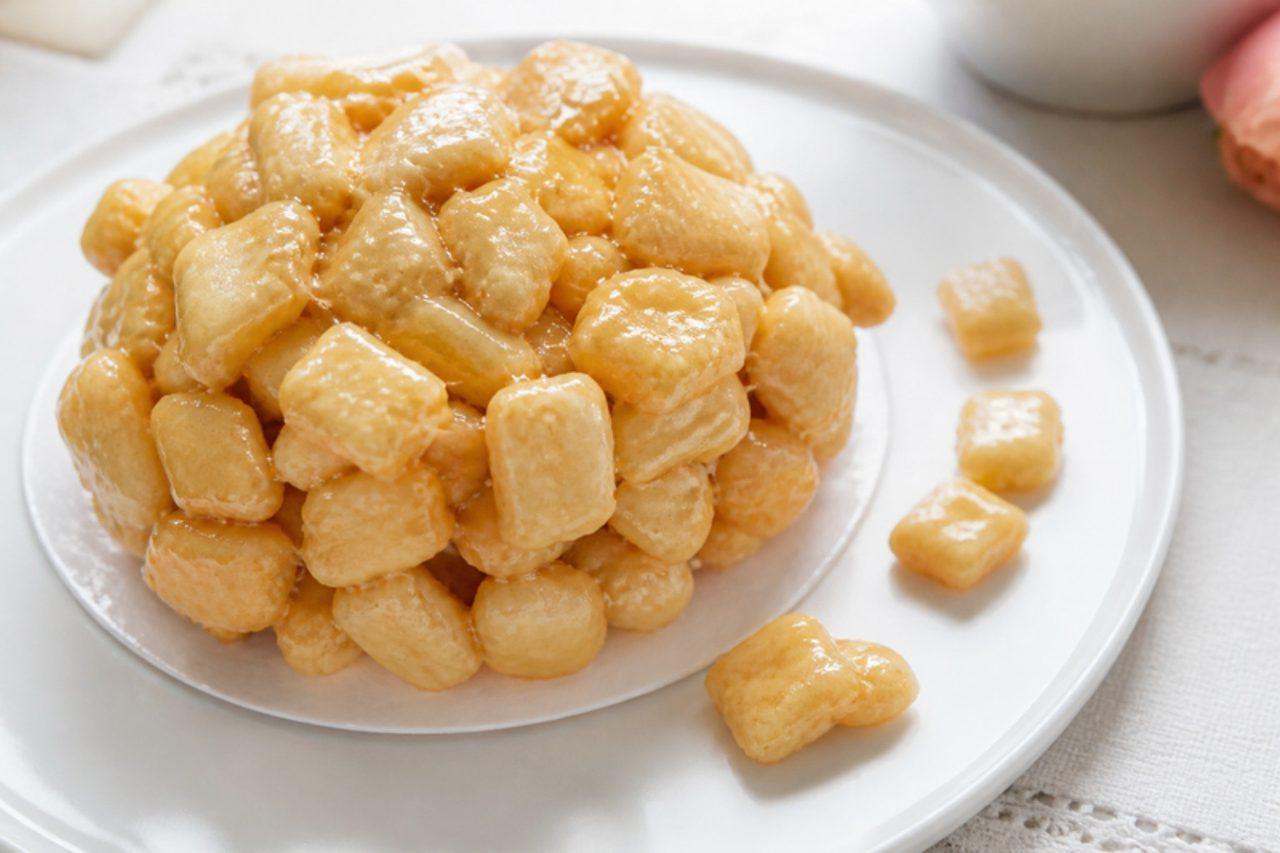
Huamantla, in Tlaxcala, is known for its August fair, when the streets are carpeted with coloured sawdust and flowers, and for muéganos: little cubes of fried dough glued together with dark piloncillo syrup into a sticky cluster, often pressed onto a round wafer. Visitors buy them in stacks from sweet shops around the main square. The dough is crisp and light, the syrup spiced with cinnamon and clove. Chef's tip: cut the dough into small, even cubes so they all fry golden at the same time.

by KrazyBadal 0 views

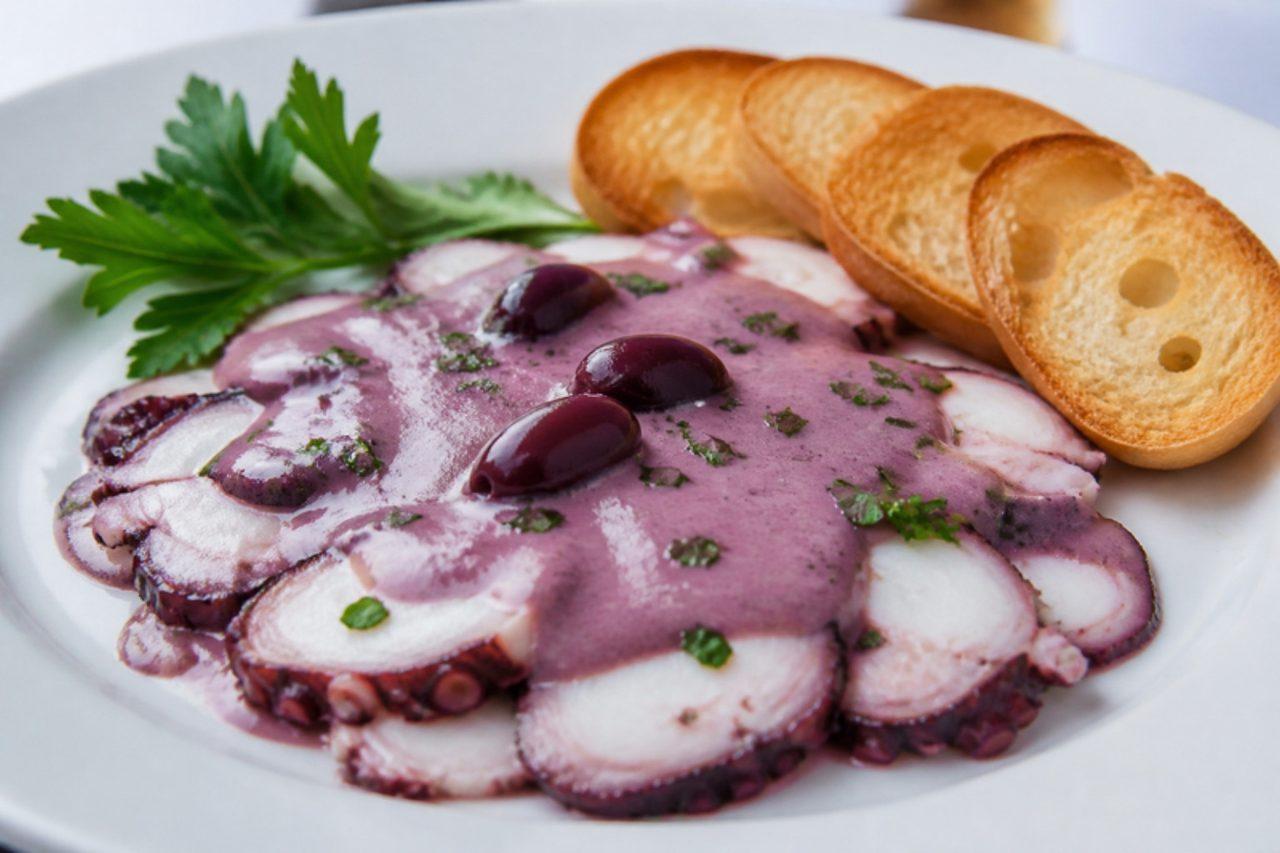
Pulpo al olivoOctopus with olive mayonnaise

Created in Lima in the 1950s by a Japanese-Peruvian chef, pulpo al olivo is now a fixture of Nikkei restaurants and smart cevicherías: paper-thin rounds of tender, cold octopus covered with a smooth violet mayonnaise of Botija olives, the big, dark, fruity olives of the southern coast. It is cool, rich and briny, eaten as a starter with lime and a drizzle of olive oil. Allow 1 hour for chilling after cooking. Tough octopus is the usual let-down, and the fix is simple: use frozen octopus (freezing tenderises it) and simmer gently, never at a rolling boil. Because the sauce is an egg emulsion, make it with a pasteurised egg, or use a good ready-made mayonnaise. Chef's tip: slice the octopus while it's cold and firm; warm octopus slices raggedly.

by KrazyBadal 0 views

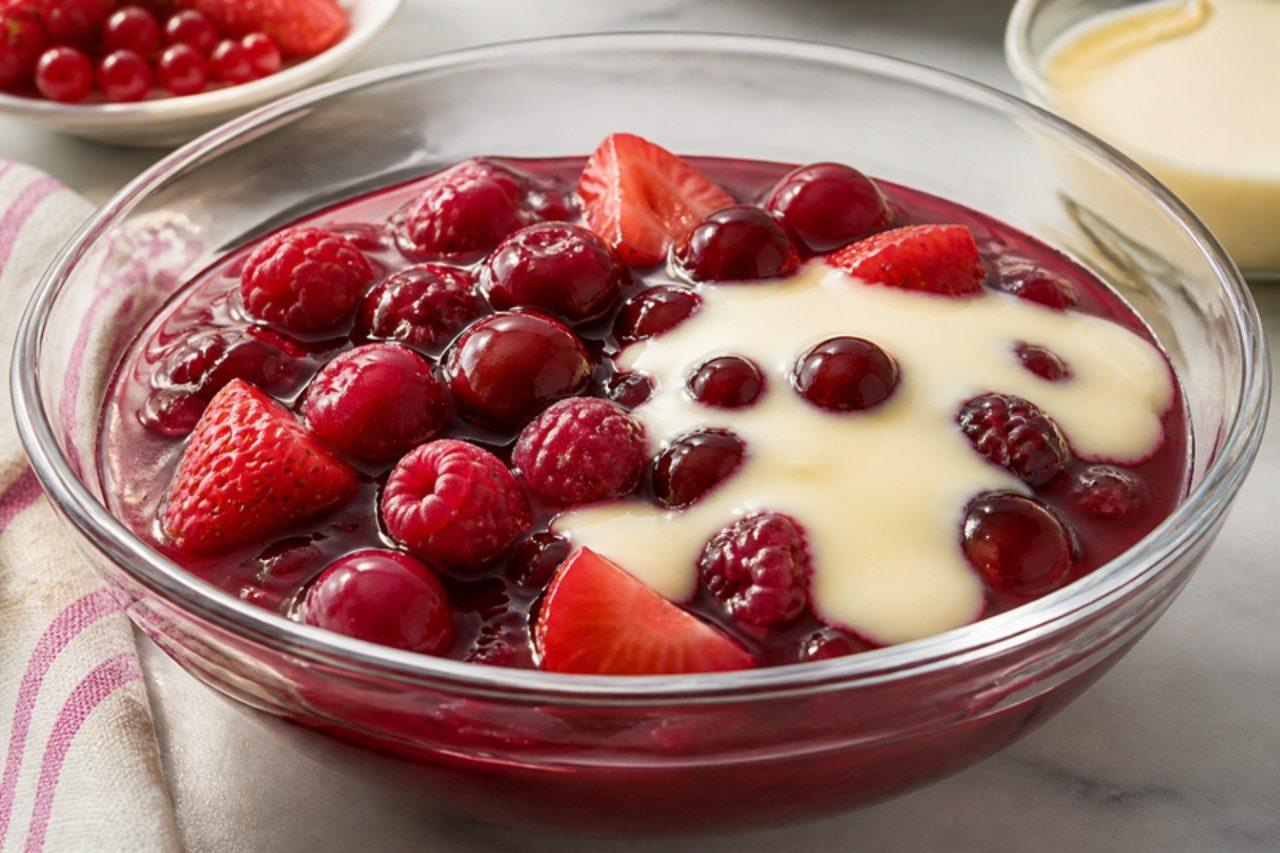
Rote GrützeRed berry pudding

Rote Grütze is the summer dessert of Hamburg, Schleswig-Holstein and Lower Saxony, made when the gardens are full of redcurrants, raspberries and sour cherries. The fruit is cooked briefly, thickened with a little cornflour and chilled until it sets to a glossy, spoonable jelly, tart and deep red, with whole berries still in it. Northerners pour cold vanilla sauce or plain cream over it; with a plant-based vanilla sauce it is fully vegan. A common mistake is boiling all the berries: add the soft raspberries last, off the heat, so they keep their shape. Chef's tip: frozen mixed berries work beautifully out of season, and their juice gives an even deeper colour.

by KrazyBadal 0 views

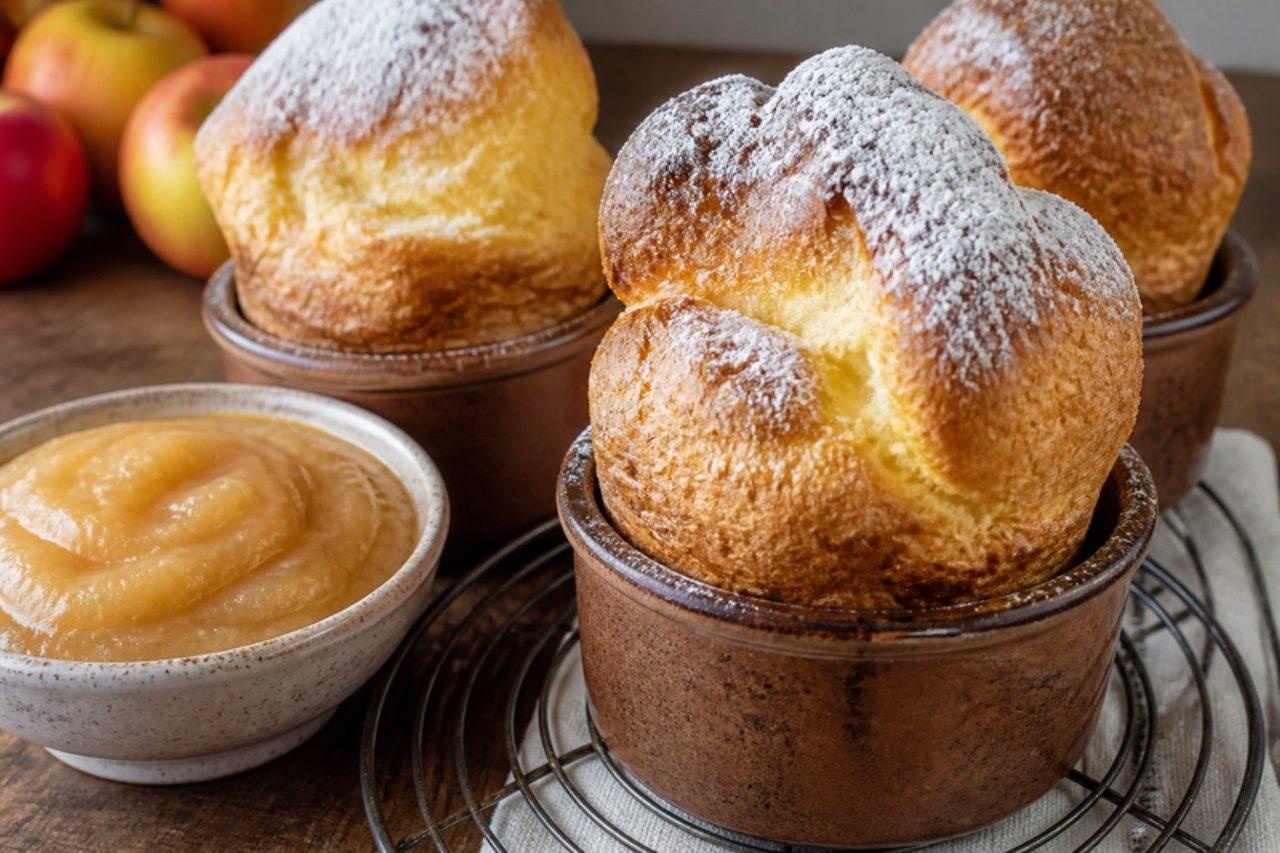
PfitzaufEgg-batter puffs with apple sauce

Pfitzauf is a Swabian Sunday-afternoon treat: a thin egg and milk batter poured into a heavy clay or tin mould with deep cups, which rises in the oven like a soufflé and 'pfitzt auf', pops up, far above the rim. Grandmothers on the Swabian Alb served it hot with apple sauce or vanilla sauce, sometimes with stewed cherries. A muffin tin or popover tin works too. The classic mistake is opening the oven during baking: the puffs collapse and never come back. Chef's tip: get the buttered tin really hot in the oven before pouring in the batter; the shock of heat is what makes them climb.

by KrazyBadal 0 views

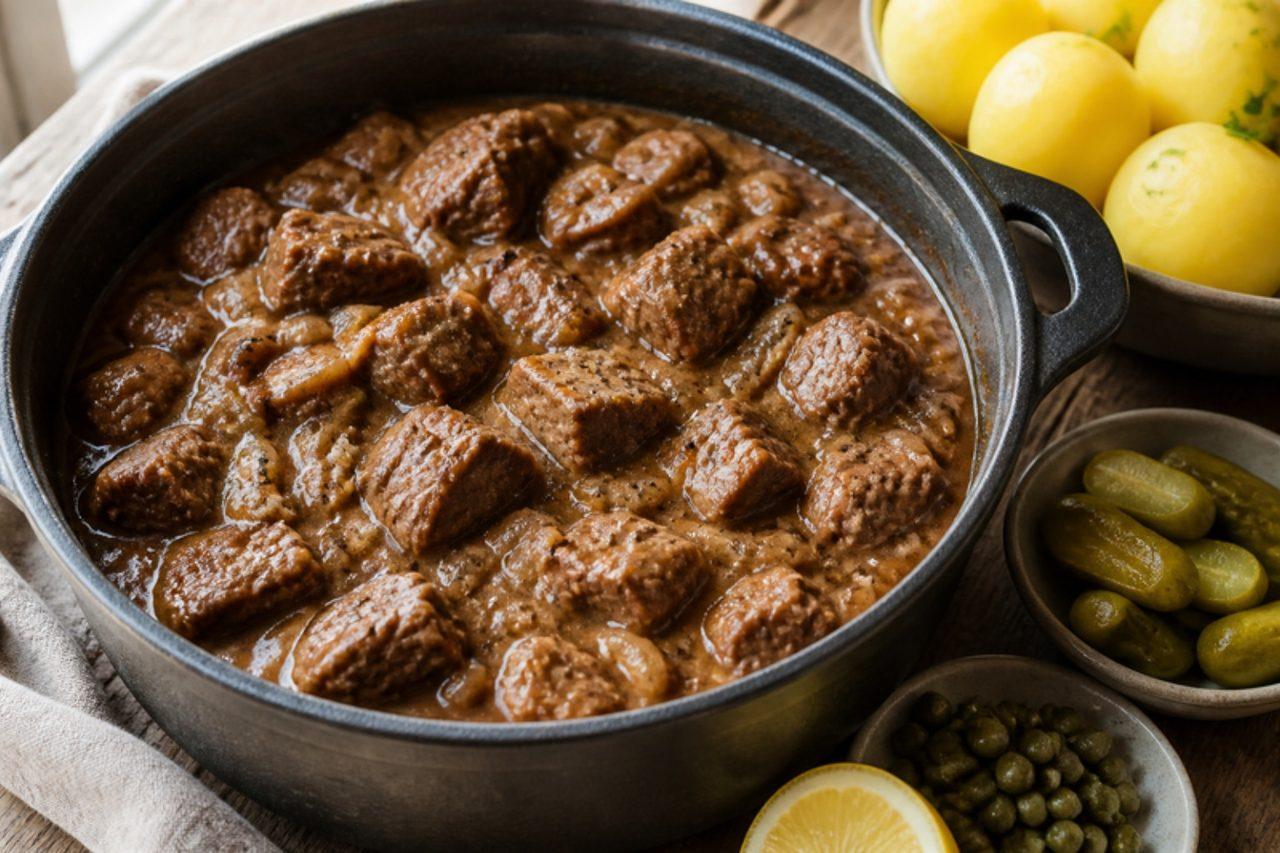
PfefferpotthastPeppery beef and onion stew

Pfefferpotthast is one of the oldest dishes of Westphalia, written about in Dortmund as far back as the 14th century and still cooked in the Münsterland and the Ruhr for big family meals. Beef is stewed with almost as much onion as meat, plenty of black pepper, cloves and bay, then thickened with breadcrumbs and sharpened with lemon and capers. Pickled gherkins and boiled potatoes go alongside. Chef's tip: grind the pepper coarsely and add half at the start and half at the end, so you get both deep warmth and a fresh bite.

by KrazyBadal 0 views

MuhlamaCornmeal, butter and melted cheese

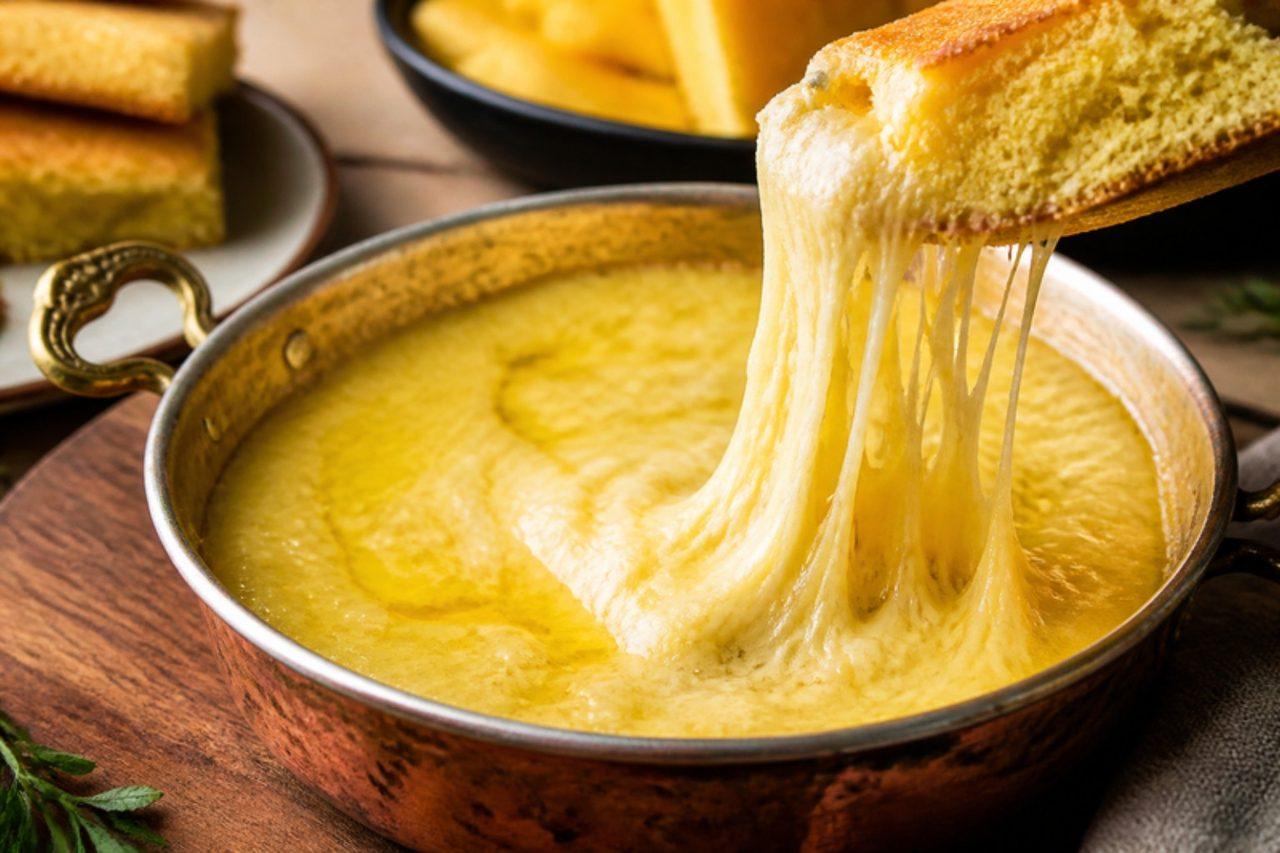
Up in the yayla summer pastures above Trabzon and Rize, breakfast often arrives as one blackened pan set in the middle of the table, with everyone tearing bread and dragging it through. Muhlama is butter, coarse cornmeal and a young stringy cheese stirred together until the cheese melts into long, glossy threads and a pool of golden butter rises to the top. Eat it straight from the pan with cornbread or crusty bread, black tea and a plate of tomatoes and cucumbers. Common mistake: adding the cheese before the cornmeal has toasted in the butter, which leaves a raw, gritty taste and stops the oil separating. The Black Sea cheese (Trabzon or Kolot) and kaşar are usually made with animal rennet; a vegetarian mozzarella-style cheese works well. Chef's tip: don't stir once the cheese has gone in until it has fully melted, then stir in one direction only; that is what gives the long, elastic strands.

by KrazyBadal 0 views

PfeffernüsseHoney spice biscuits

Pfeffernüsse are small domed biscuits baked in German homes through Advent, especially in the north and in Saxony, and sold in bags at Christmas markets everywhere. They are made with honey and a warm spice mix, and in old recipes the 'pepper' in the name meant exotic spices in general, though a pinch of real black pepper adds a lovely bite. A thin white glaze sets crisp over a chewy centre. The mistake many people make is eating them straight away; they are hard at first and need a few days in a tin with a slice of apple to soften. Chef's tip: warm the honey only until runny, never boiling, or the biscuits turn tough.

by KrazyBadal 0 views

Peynir helvasıCheese and semolina halva

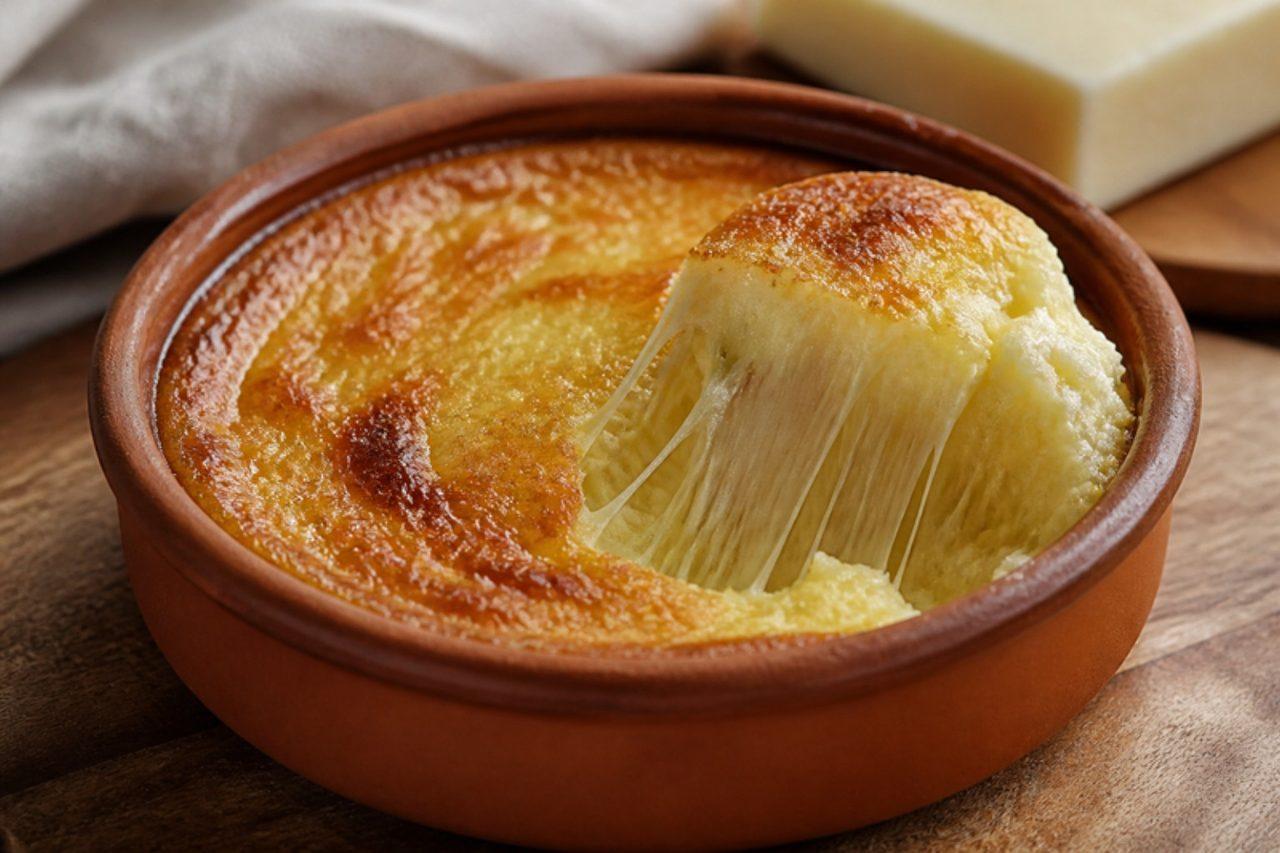
Around Çanakkale and the Dardanelles, peynir helvası is a soft, oven-browned halva made with fresh unsalted cheese, semolina, butter and sugar, sold warm in clay dishes at the market cafés. The top caramelises in spots, the inside stays creamy and stretchy, and the flavour sits somewhere between cheesecake and halva. Eat it warm on its own or with a glass of tea after a fish lunch. Chef's tip: use a mild, fresh, unsalted cheese and squeeze it well; salty or wet cheese gives a sour, runny halva.

by KrazyBadal 0 views

RaspaoShaved ice with blackberry syrup

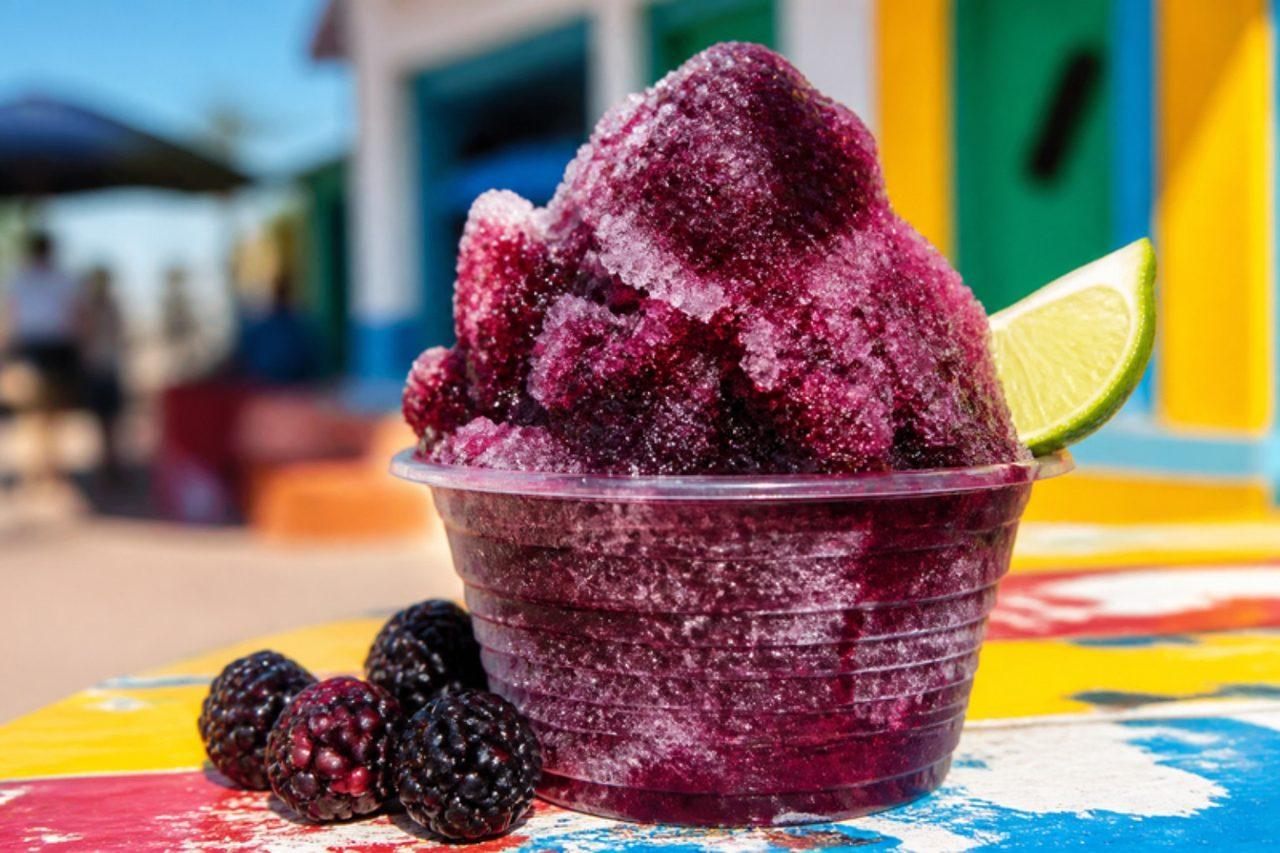
On a hot Barranquilla afternoon, the raspao cart is the fastest way to cool down. The vendor scrapes a block of ice with a metal plane, packs the snow into a cup and floods it with bright syrups: kola, tamarind, lime, blackberry. Many add a ribbon of condensed milk on top, but this version stays vegan and lets the fruit carry it. Children love it, and it is a fun one to make at home with a blender and a jug of syrup. The usual misstep is pouring warm syrup over the ice, which melts it to slush in seconds, so chill the syrup completely first. Make the syrup a day ahead if you like; it keeps a week in the fridge. Chef's tip: freeze water in a shallow tray, then blitz the slab in pieces with a few pulses for fluffier, snow-like ice than ice cubes give.

by KrazyBadal 0 views

Petits pâtés de PézenasSweet spiced lamb pies

Pézenas, the old Languedoc town of Molière, is famous for these little pies shaped like cotton reels, sold warm from its bakeries all winter and especially around Christmas. Local legend links them to the Indian cooks of Lord Clive, who stayed nearby in 1768, which would explain the unexpected sweet-savoury filling of minced lamb, brown sugar and lemon zest. They have a crisp, sturdy hot-water crust and a juicy, gently sweet centre with a hint of spice. Eat them warm as a starter, with a green salad, or as a mid-morning snack the way Piscénois do. Chef's tip: shape the pastry while it is still warm and supple; once it cools it cracks instead of folding.

by KrazyBadal 0 views

Petits farcis niçoisStuffed vegetables with rice and herbs

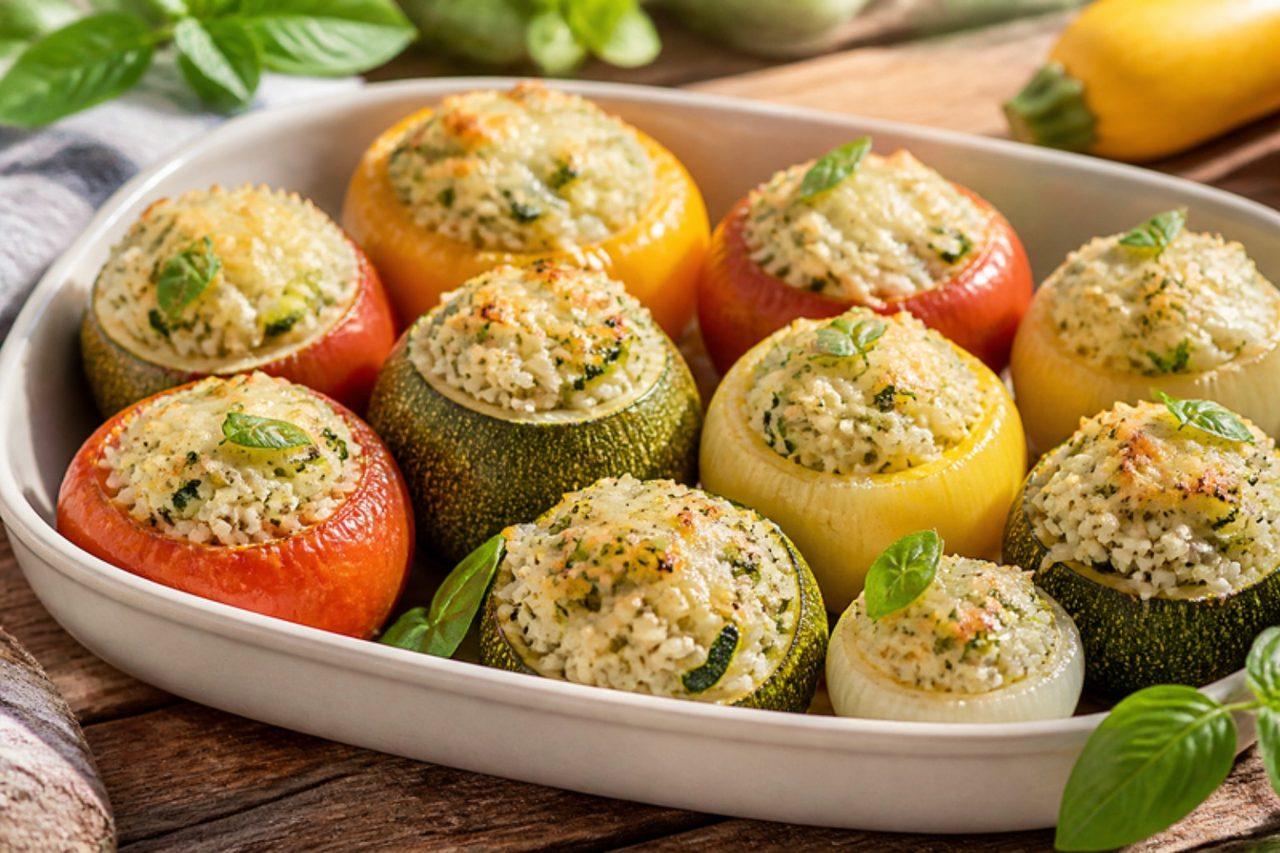
From June to September the traiteurs around the cours Saleya market in Nice sell trays of petits farcis: round courgettes, tomatoes and onions hollowed out, refilled and baked until wrinkled and caramelised at the edges. Niçois families often use up leftover daube in the stuffing; this meatless version, common on Fridays and at summer picnics, uses rice, herbs, the vegetables' own flesh and Parmesan. Parmesan is made with animal rennet, so use a vegetarian hard cheese if that matters to you. They are as good at room temperature the next day as hot from the oven. Chef's tip: choose vegetables of a similar size, so they all finish cooking at the same moment.

by KrazyBadal 0 views

RashoofLentil and cracked wheat yoghurt soup

In the stone villages around Karak and Tafileh, rashoof is what simmers on cold, wet evenings: brown lentils and coarse bulgur cooked soft, then enriched with jameed, the dried salted yoghurt that is also the soul of mansaf. The result is thick, sour and comforting, almost a porridge, finished with a heap of onions fried golden in samneh. Jameed is sold in hard balls or as a liquid in Middle Eastern shops; thick strained yoghurt with a little extra salt makes a fine stand-in. The classic mistake is letting the soup boil hard once the yoghurt goes in, which makes it split into grainy curds. Chef's tip: temper the yoghurt with a ladle of hot soup first and stir in one direction over a low heat; it stays silky.

by KrazyBadal 0 views

PestiñosAnise fritters in honey

When Holy Week and Christmas come round, convent turnstiles and village kitchens from Cádiz to Granada fill trays with pestiños: little folded parcels of dough flavoured with sesame, anise and orange, fried until crisp and blistered and then dipped in honey. The dough traditionally takes a splash of white wine, which makes it bubble and crunch; orange juice works too, and is the alcohol-free option in the list. A common mistake is frying them in oil that is too hot, which browns the outside before the folds of dough cook through and crisp. Chef's tip: roll the dough really thin; thick pestiños stay doughy in the middle and soak up oil.

by KrazyBadal 0 views

Pesque de quinuaCreamy quinoa with cheese

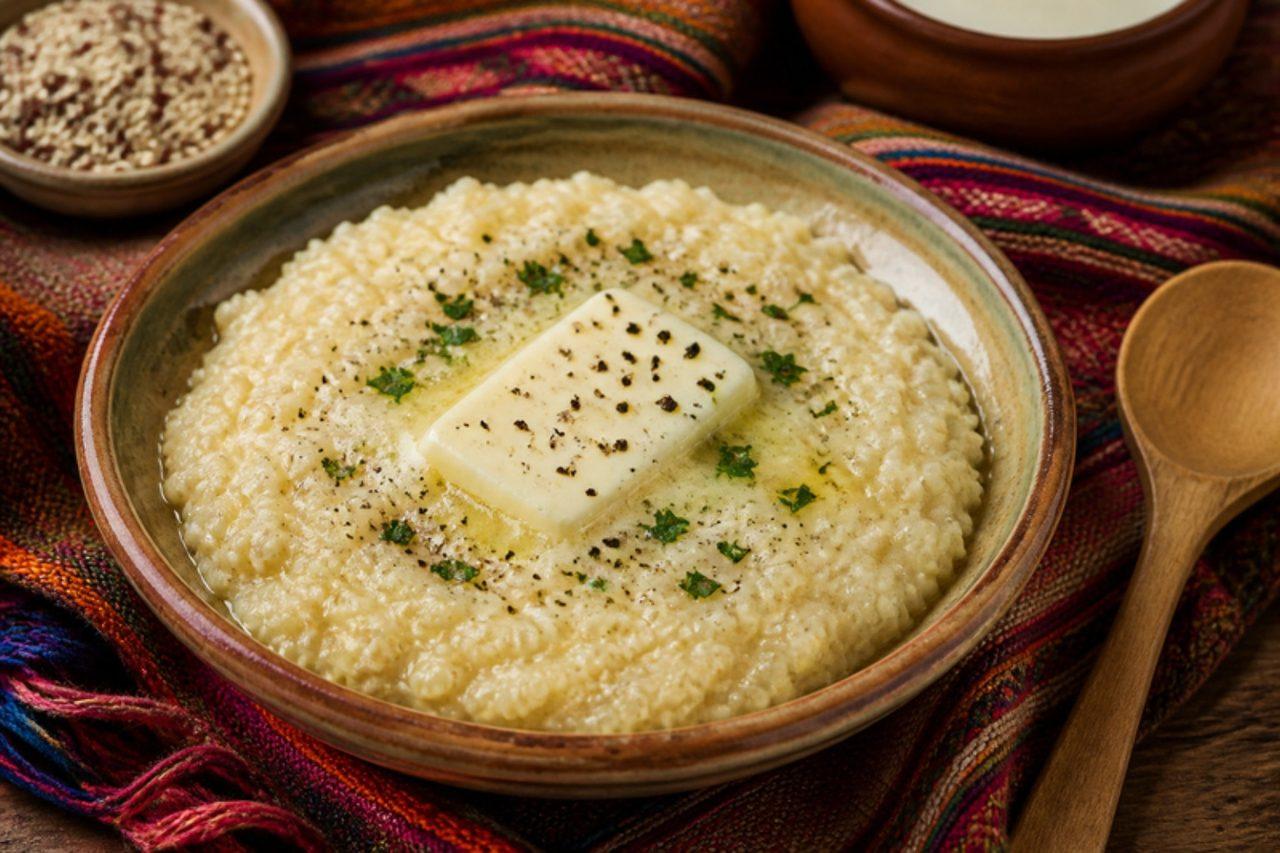
Up on the Altiplano around Lake Titicaca, where quinoa grows at almost 4,000 metres, pesque is everyday food: quinoa cooked until it collapses, then beaten with milk, a knob of butter and crumbled fresh cheese until it looks like a loose, savoury risotto. Puno families eat it for a warming lunch or supper, often with a glass of milk poured over or a fried egg on top, and in the cold dry air it is exactly what the body wants. It is soft, nutty and mildly salty. The step people skip is rinsing the quinoa, and the natural saponins then leave a soapy, bitter edge; rub it under running water until the foam stops. Serve with a tomato salad or a spoon of uchucuta for some heat. Andean fresh cheese is usually set with animal rennet, so choose a vegetarian fresh cheese if needed. Chef's tip: cook the quinoa in a little more water than usual and leave it a few minutes longer than for a salad, so it turns creamy and the grains burst.

by KrazyBadal 0 views

Pescaíto fritoMixed fried fish

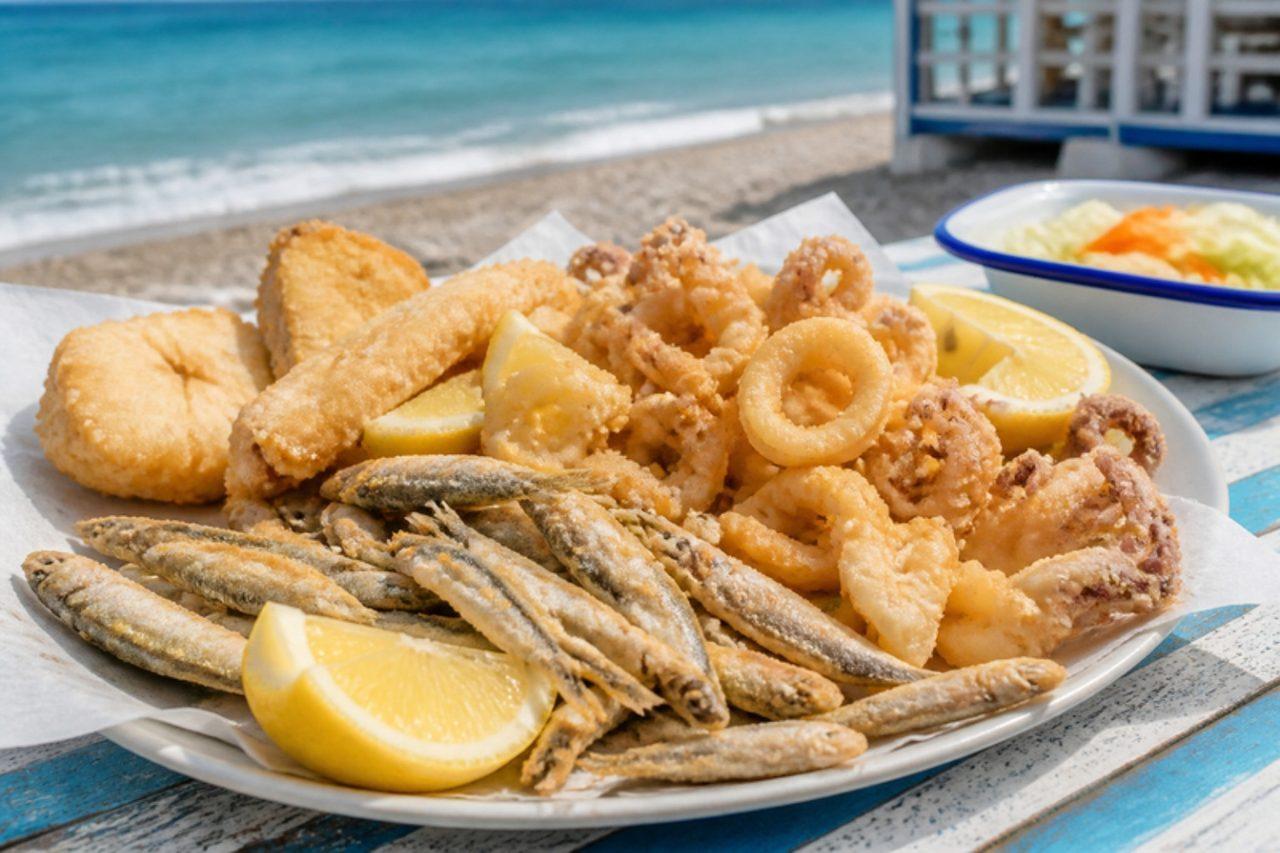
On the beaches of Pedregalejo and El Palo in Málaga, chiringuito cooks shake small fish in flour and fry them by the basketful: whole fresh anchovies (boquerones), rings of squid, strips of dogfish and little red mullet, served piled on paper with lemon. The secret is a coarse frying flour, partly durum semolina, and very clean, hot oil, so each piece comes out crisp and dry. Eat it at once, at the table, with a cold drink and a salad. Chef's tip: shake off every bit of loose flour in a sieve before frying; excess flour burns and makes the oil dark and bitter.

by KrazyBadal 0 views

PunschkrapfenPink-iced sponge cubes

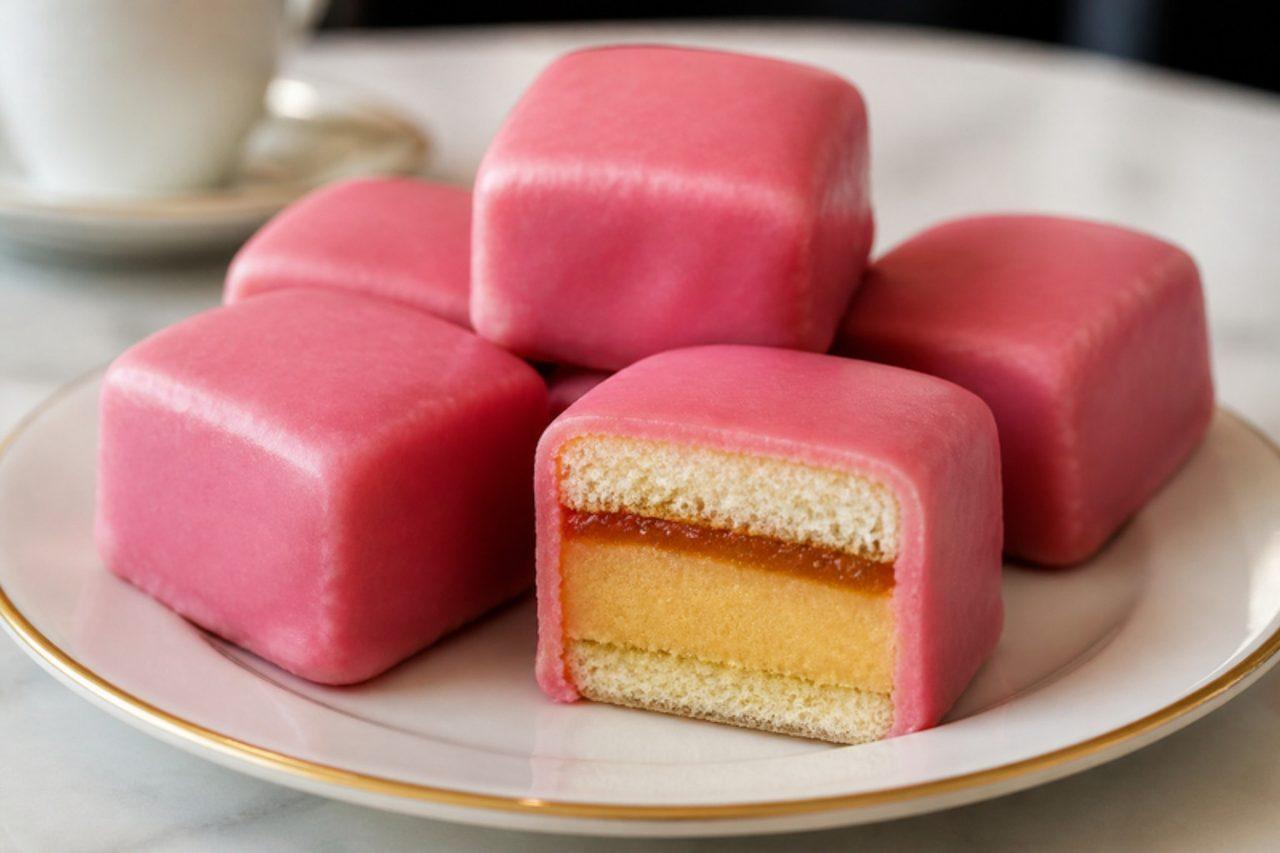
Punschkrapfen are the bright pink cubes that glow from every Viennese Konditorei counter, especially in winter. Traditionally the filling of sponge crumbs, jam and chocolate is soaked in rum punch, which gives the cake its name, so the classic version contains alcohol. This recipe makes the alcohol-free version with orange juice and strong black tea, which keeps the fruity, warming flavour that children can eat too; to make the traditional one, swap 40 ml of the orange juice for dark rum. The sponge is moist and dense, the icing sweet and crackly. A common mistake is skipping the overnight press; the cubes fall apart when cut. Many pink colourings use carmine, made from insects, so choose a plant-based one such as beetroot red. Chef's tip: cut with a knife dipped in hot water and wiped between each cut for clean edges.

by KrazyBadal 0 views

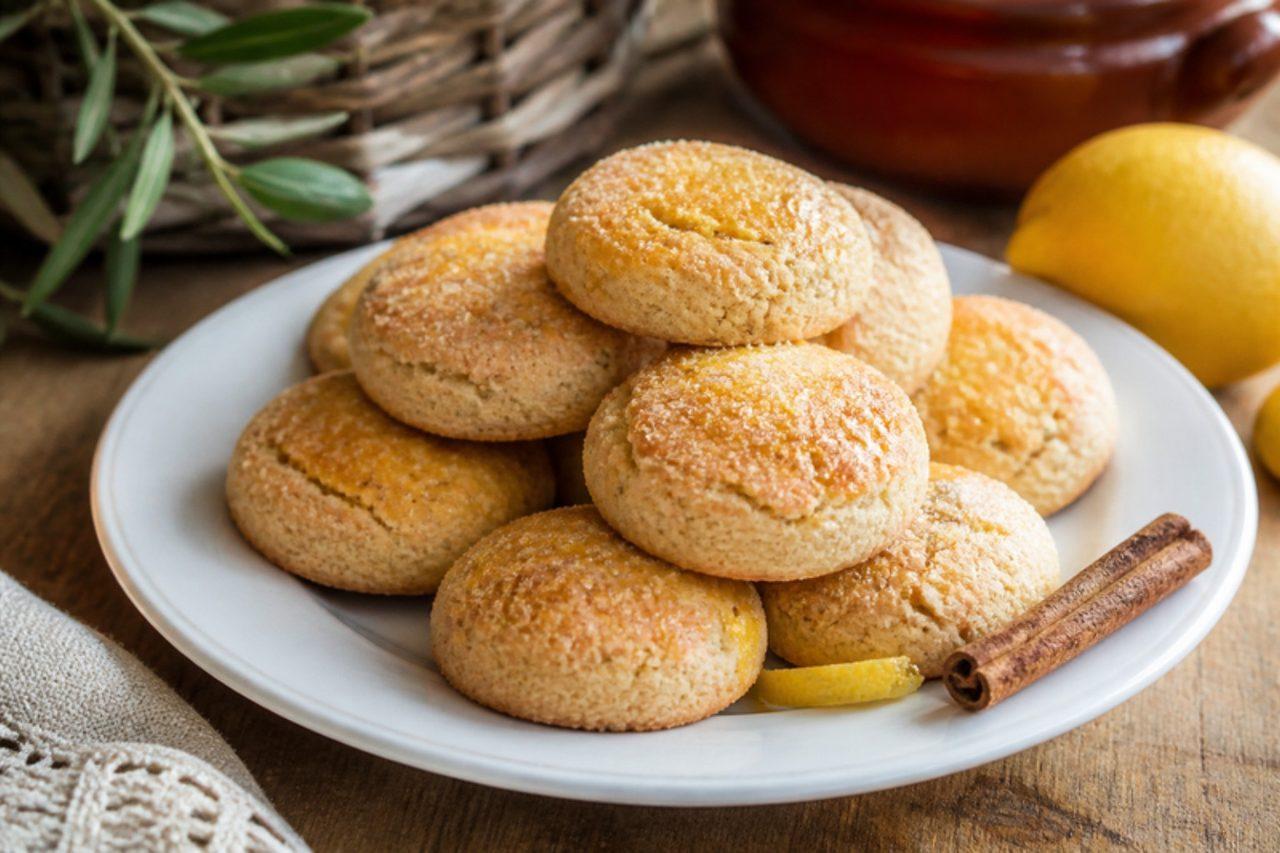
PerrunillasCinnamon and lemon lard cookies

Perrunillas are the cookies of Extremaduran grandmothers, baked in village ovens for Christmas, weddings and the days after the matanza, when fresh lard was plentiful. They are thick, pale and so short they crumble the moment you bite, with a crackly sugar top, and they are eaten with coffee or a glass of milk in the afternoon. This contains pork (pork lard), so they are not vegetarian. Chef's tip: beat the lard and sugar for a good few minutes until very pale and fluffy; that air is what makes them light.

by KrazyBadal 0 views

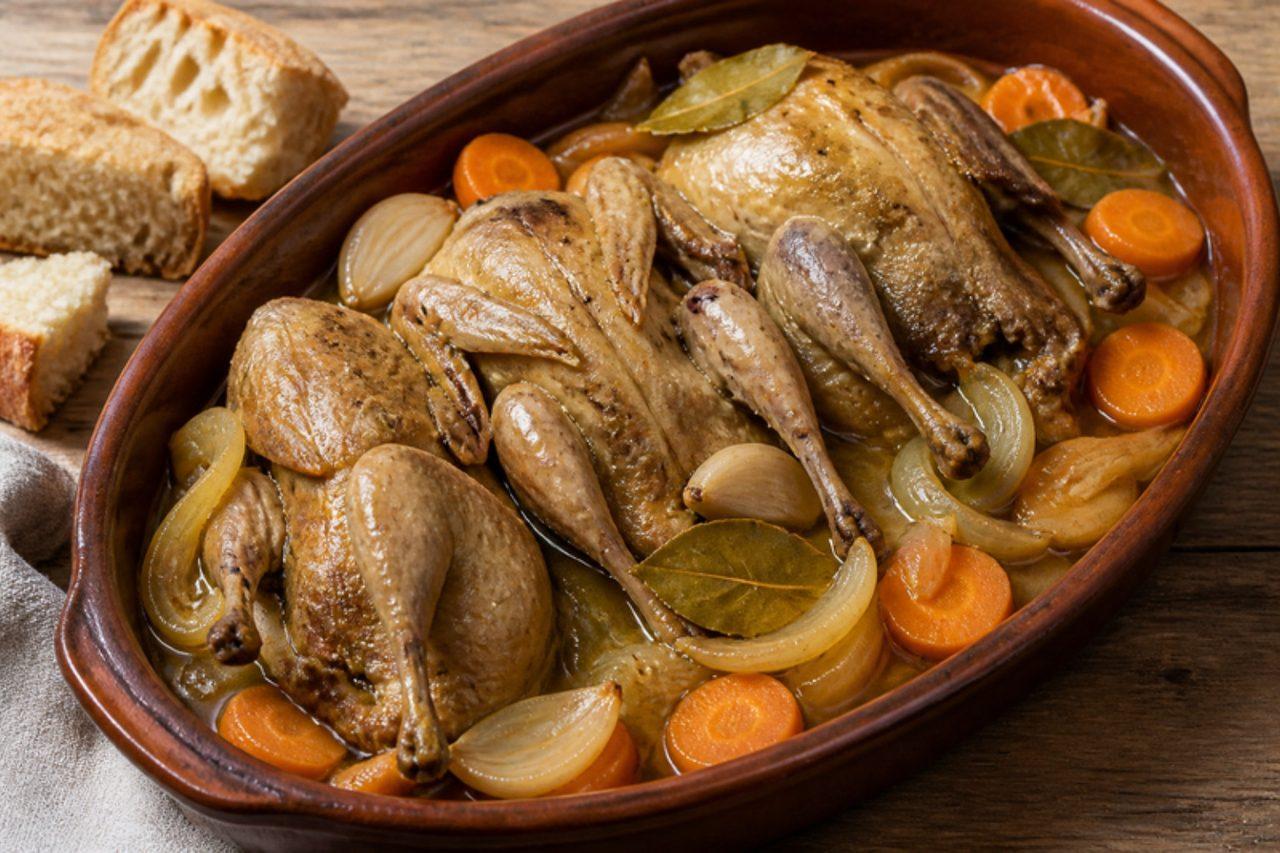
Perdiz de escabechePickled partridge

Partridge shooting season fills the cork-oak plains of the Alentejo with hunters in autumn and winter, and escabeche was how their families kept the birds: browned in olive oil, then cooked slowly in vinegar with onion, garlic, bay and peppercorns, and left in the cool larder for days. Today it is made in the fridge and served cold or at room temperature as a starter, with bread and a green salad. A common mistake is serving it straight away; it needs at least a day for the sour, garlicky flavour to soak in. Chef's tip: use good olive oil, since it sets around the birds and is served as part of the dish.

by KrazyBadal 0 views

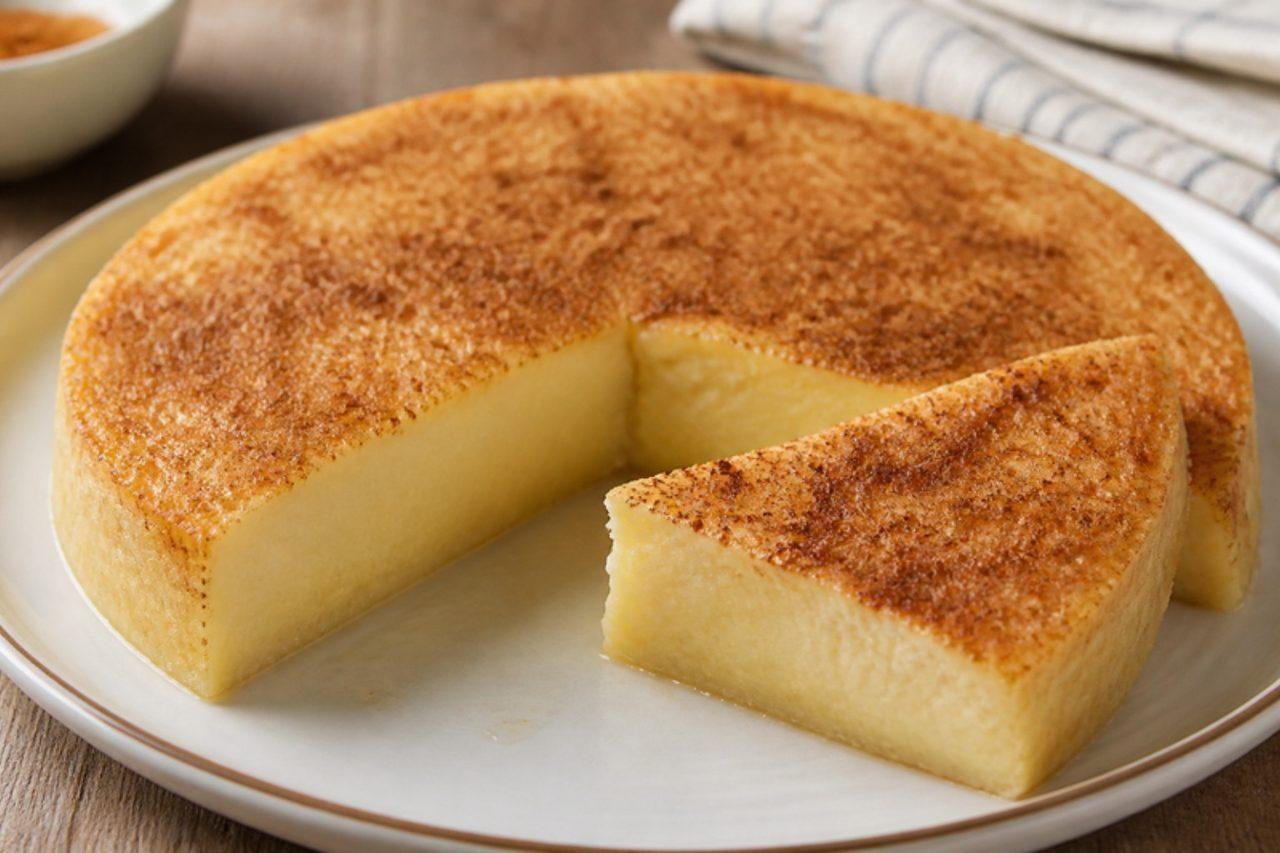
GalatopitaMilk and semolina custard pie

Galatopita is the pie that Epirus shepherds' wives baked when the ewes were in full milk in spring, and you still find it in bakeries in Ioannina and Metsovo, cut into wobbly golden squares. Milk, eggs and semolina are cooked to a thick cream, poured into a buttered tin and baked until the top browns and puffs like a soufflé, then settles into a soft, set custard. Eat it warm or chilled with a dusting of cinnamon. Common mistake: baking at too high a heat, which cracks and weeps the custard — keep it moderate. Chef's tip: a single sheet of filo in the base makes it easier to lift out, but the old village version needs none.

by KrazyBadal 0 views

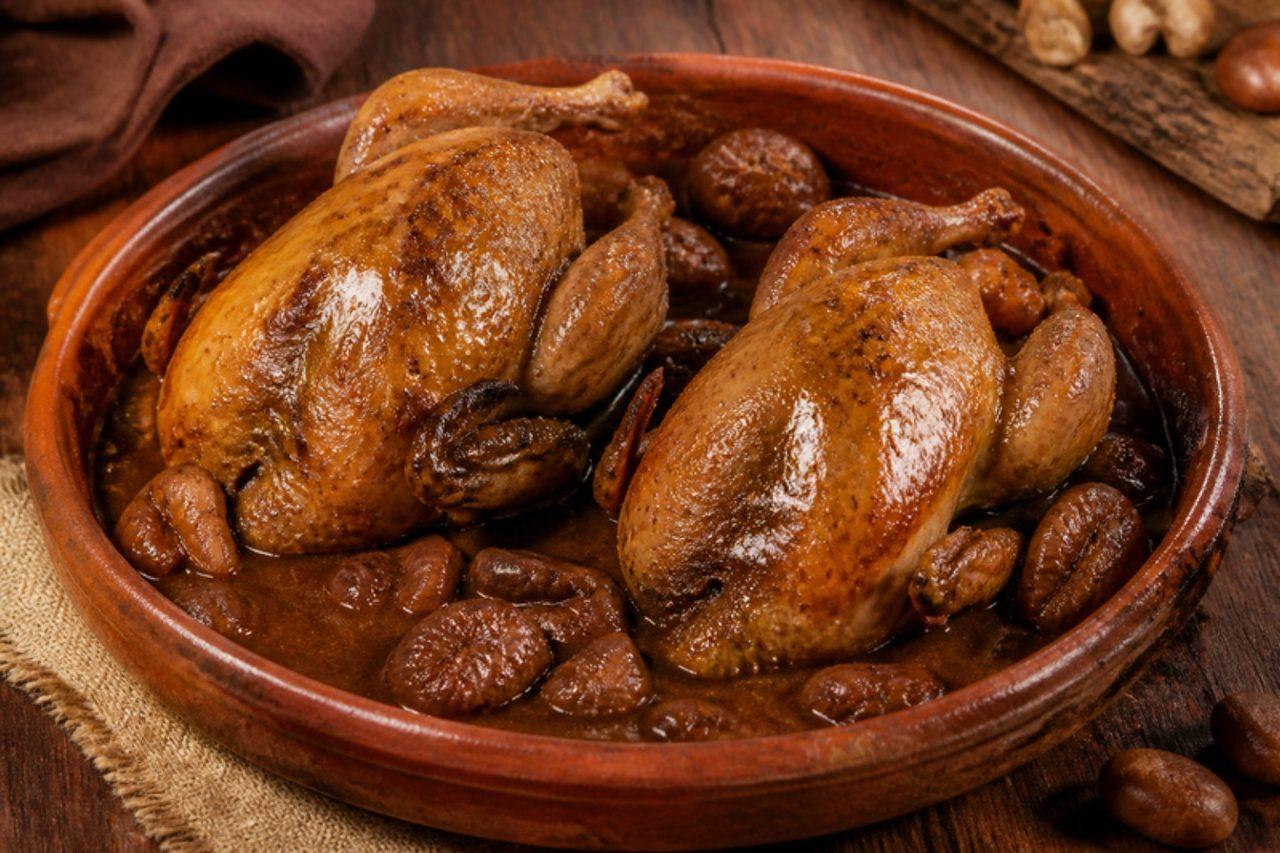
Perdiz al modo de AlcántaraStuffed partridge braised in port

This is the famous dish of the monastery of San Benito at Alcántara, near the Portuguese border. The story goes that French troops looted the library in 1807, and its recipe for partridges stuffed with liver and truffle, marinated for days in port, ended up in French cookbooks, which is why Escoffier listed it. Today it is a dish for autumn hunting-season dinners in Extremadura. Our home version uses chicken livers, mushrooms and an overnight marinade. The dish uses port; for an alcohol-free version, use red grape juice with 1 tbsp of red wine vinegar. Chef's tip: a few slices of black truffle in the stuffing make it truly special, but well-browned mushrooms are a fine everyday substitute.

110 minSpanishMeatGluten free
by KrazyBadal 0 views

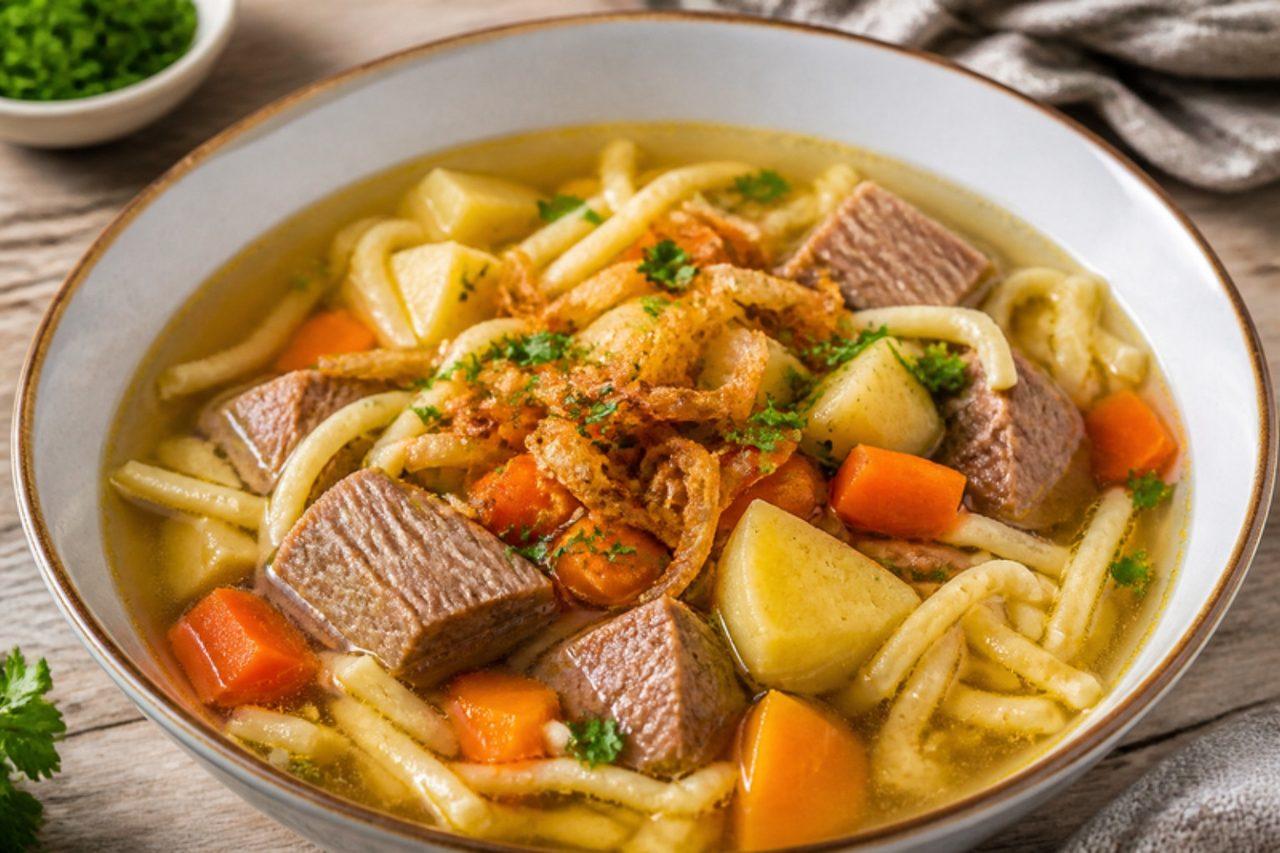
Gaisburger MarschBeef stew with potatoes and spätzle

Gaisburger Marsch is named after Gaisburg, a district of Stuttgart, and the story goes that officer cadets marched there from barracks for it. It is a hearty Swabian one-pot of beef broth, cubes of boiled beef, potatoes and spätzle, crowned with onions fried in butter until sweet and brown, and it is still a weekday lunch in Stuttgart pubs and canteens. Chef's tip: cook the potatoes in the strained broth rather than in water, so they soak up the beef flavour.

180 minGermanSoups
by KrazyBadal 0 views

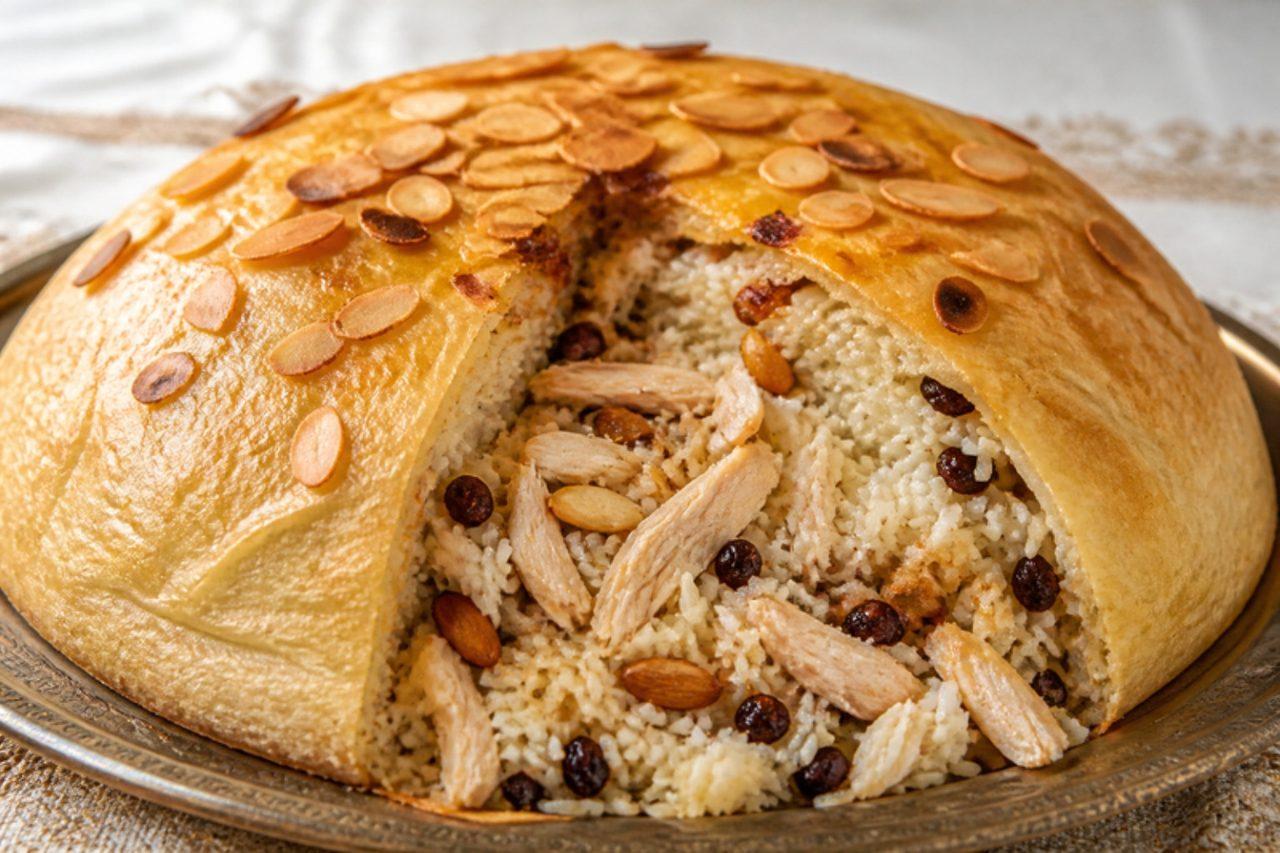
Perde pilavıChicken pilaf in pastry dome

At weddings in Siirt, perde pilavı is carried out whole and cut open at the table: a dome of buttery pastry 'curtain' (perde) hiding rice cooked with shredded chicken, toasted almonds, currants and black pepper. Each part carries a wish for the couple: the rice for plenty, the almonds for children, the pastry for a home that holds together. It makes a spectacular centrepiece for any celebration. Common mistake: a wet filling; the base of the pastry turns soggy, so cook the rice until just dry. Chef's tip: scatter almonds over the buttered tin before the pastry goes in; they become a jewelled top when you turn it out.

by KrazyBadal 0 views

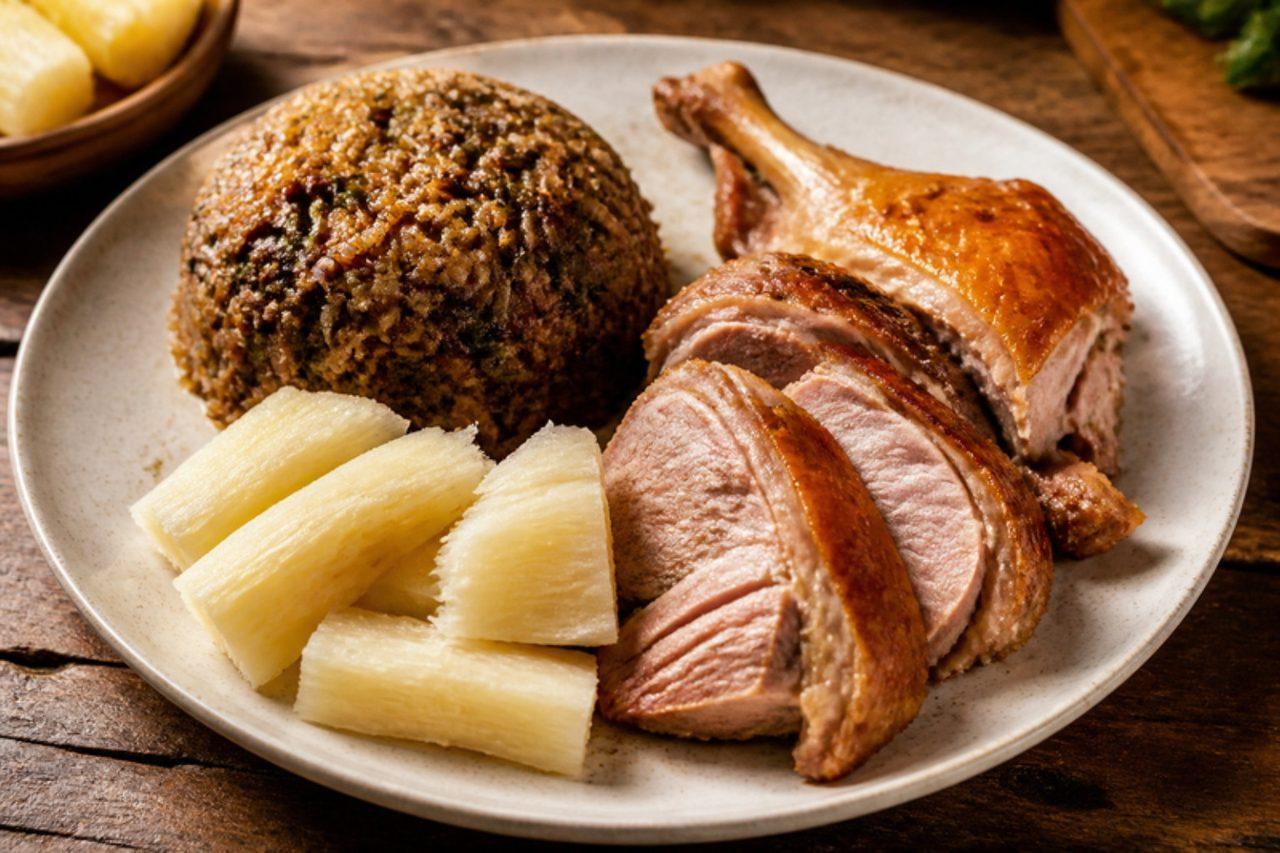
PepitoriaRice with goat offal

Santander's famous plate of cabrito (roast kid goat), sold in Bucaramanga, Barichara and the canyon towns, always comes with pepitoria next to it: rice cooked with the kid's chopped heart, liver and kidneys, a refrito of onion and tomato, and blood, which turns it a deep reddish-brown and gives it a rich, mineral flavour, a little like a soft black pudding. It's a dish that uses the whole animal, and it is worth trying if you like morcilla. Ask a halal, Caribbean or specialist butcher for very fresh goat offal and fresh blood (pig blood works if goat isn't available); keep both cold and cook them the same day. Offal must be cooked right through, and the blood until it has set and darkened with no liquid red left. The usual misstep is adding the blood too early, so that it scorches on the bottom; it goes in when the rice is nearly done. Chef's tip: if blood is impossible to find, double the offal and add 1 tsp extra achiote; you'll get a lighter but still very good rice.

by KrazyBadal 0 views

Showing 54 of 7,762 recipes

Show more recipes

Page 540 of 863