


Skip to content
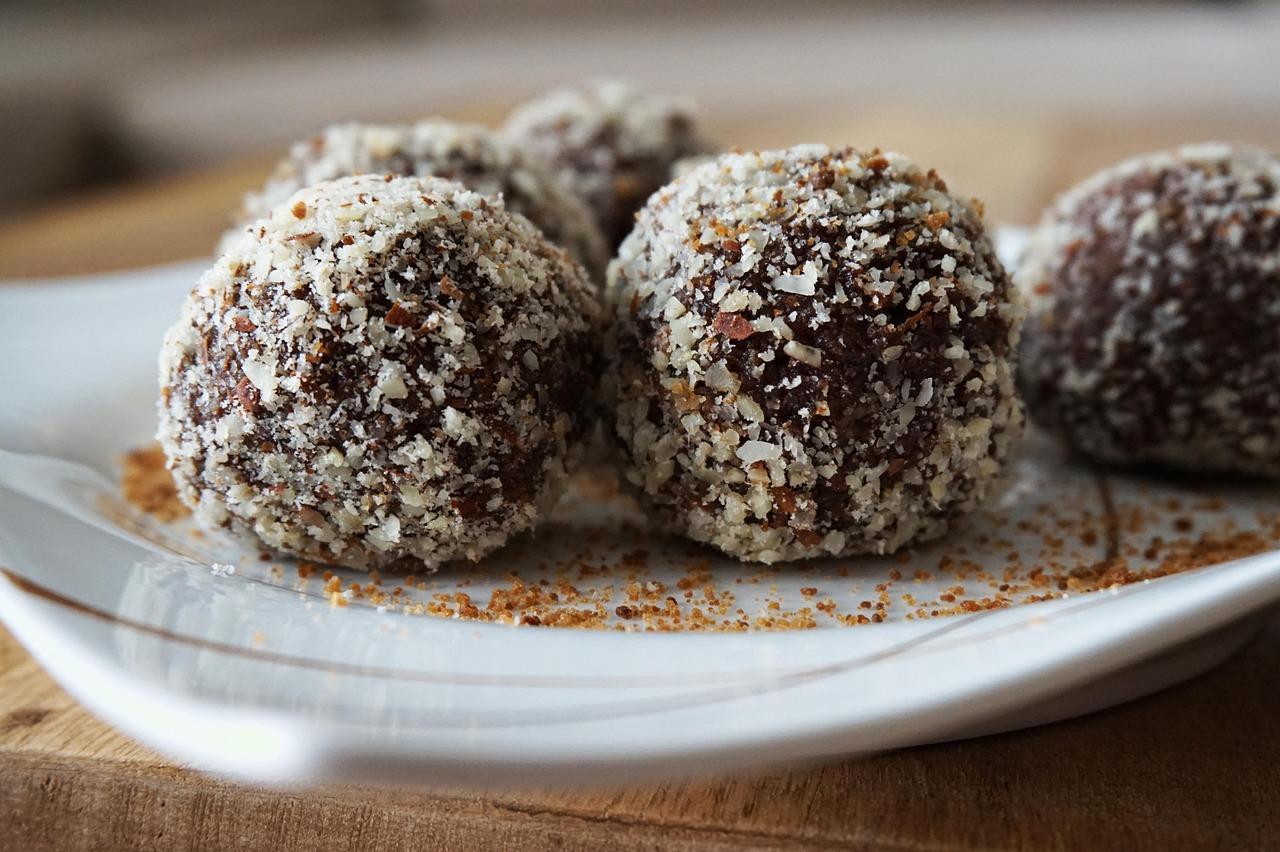
Lebanese date and coconut balls
Featured recipe

Lebanese date and coconut balls

Soft dates cooked briefly in butter with cardamom, shaped around a fried almond and rolled in desiccated coconut. A simple no-bake sweet that is rich, chewy and naturally sweet, perfect for festive trays and with coffee. Makes about 40.

Read more 0 views

What to eat today?

Around the world

Today's trip: Paraguayan

A new country every day, from every cuisine on the site.

Paraguayan

Chipa

Cheese bread rings 50 minMore from Paraguayan (27) →

This week's collection

Kid-friendly dinners
537 recipes · a new collection every Monday

Latest recipes

Kaburga dolmasıRice-stuffed lamb breast

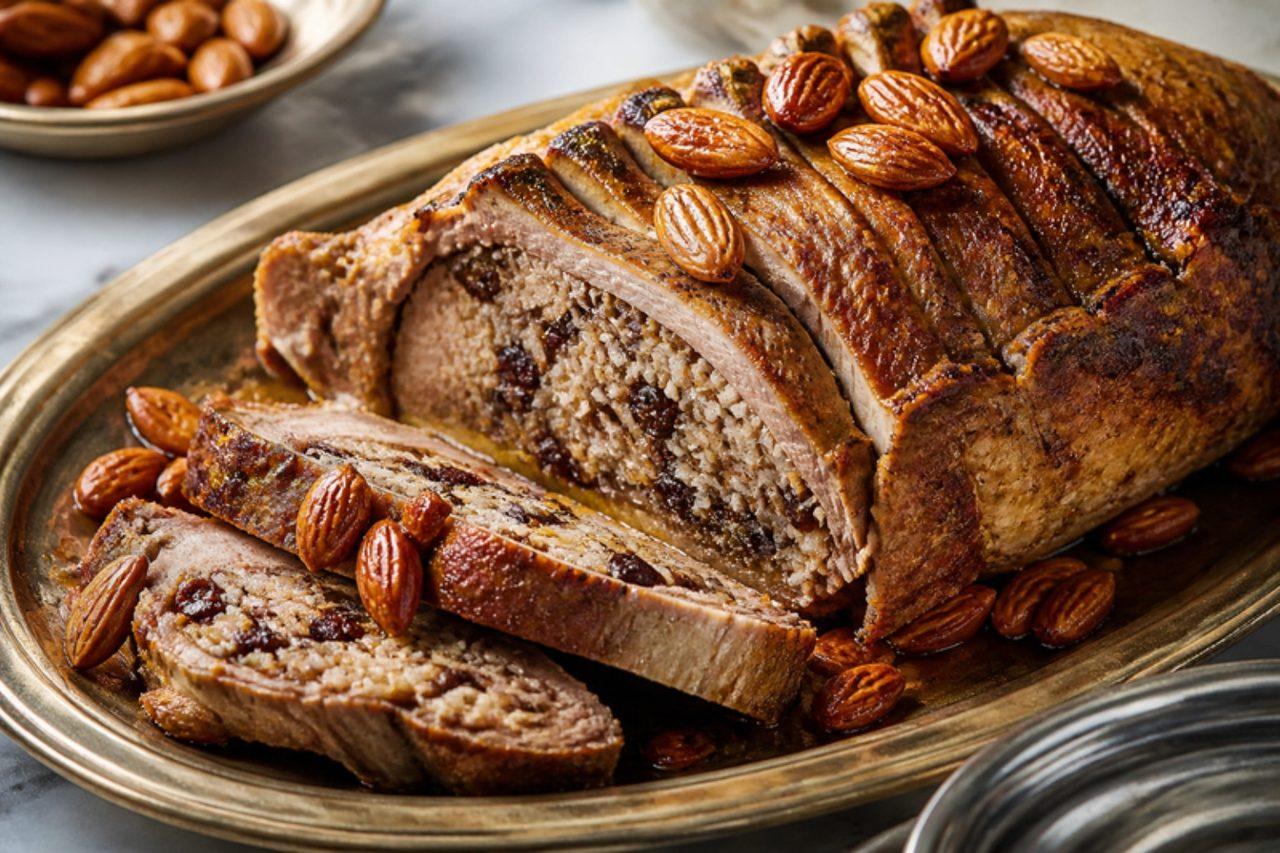
In Mardin and Diyarbakır, a stuffed lamb breast is the centrepiece of bayram and wedding tables: the butcher cuts a pocket between the ribs and the meat, which is filled with rice cooked with almonds, currants, allspice and cinnamon, sewn shut and baked slowly until the meat falls from the bones. The rice inside soaks up all the lamb juices. Ask the butcher to open the pocket for you. Common mistake: packing the rice tightly when it is raw; it needs room to swell or the pocket splits. Chef's tip: roast it covered for most of the time, then uncover and turn the heat up at the end for crackling-crisp fat.

250 minTurkishMeatGluten free
by KrazyBadal 0 views

Romeu e JulietaGuava paste with fresh cheese

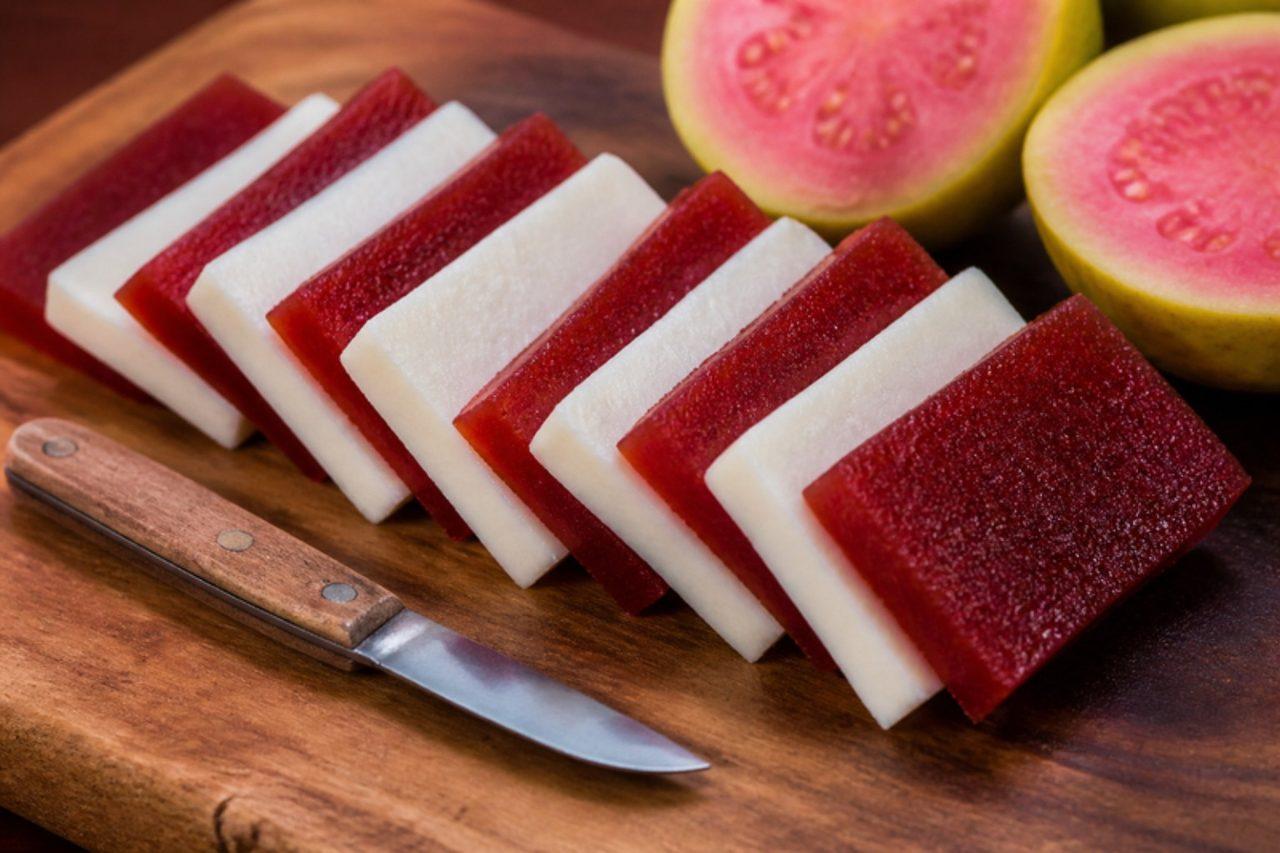
Two ingredients, no cooking, and a name every Brazilian knows: Romeo is the dark red goiabada, Juliet the mild white queijo Minas frescal, and they are always eaten together. Mineiros serve it after lunch on a saucer, at the end of a feast in a roadside restaurant, or as a mid-afternoon snack with coffee; the sweet, dense guava and the cool, milky, lightly salty cheese balance each other perfectly. Variations melt the guava into a warm sauce over the cheese, or bake both inside a pastry. Queijo Minas frescal is often made with animal rennet, so pick one labelled vegetarian, or use a young vegetarian farmer's cheese or paneer-style fresh cheese. The usual fault is cutting the guava thicker than the cheese, which buries Juliet; keep both slices the same size. Chef's tip: take the cheese out of the fridge 15 minutes ahead so it tastes of fresh milk rather than cold rubber.

by KrazyBadal 0 views

MarinerasRussian salad and anchovy bread rings

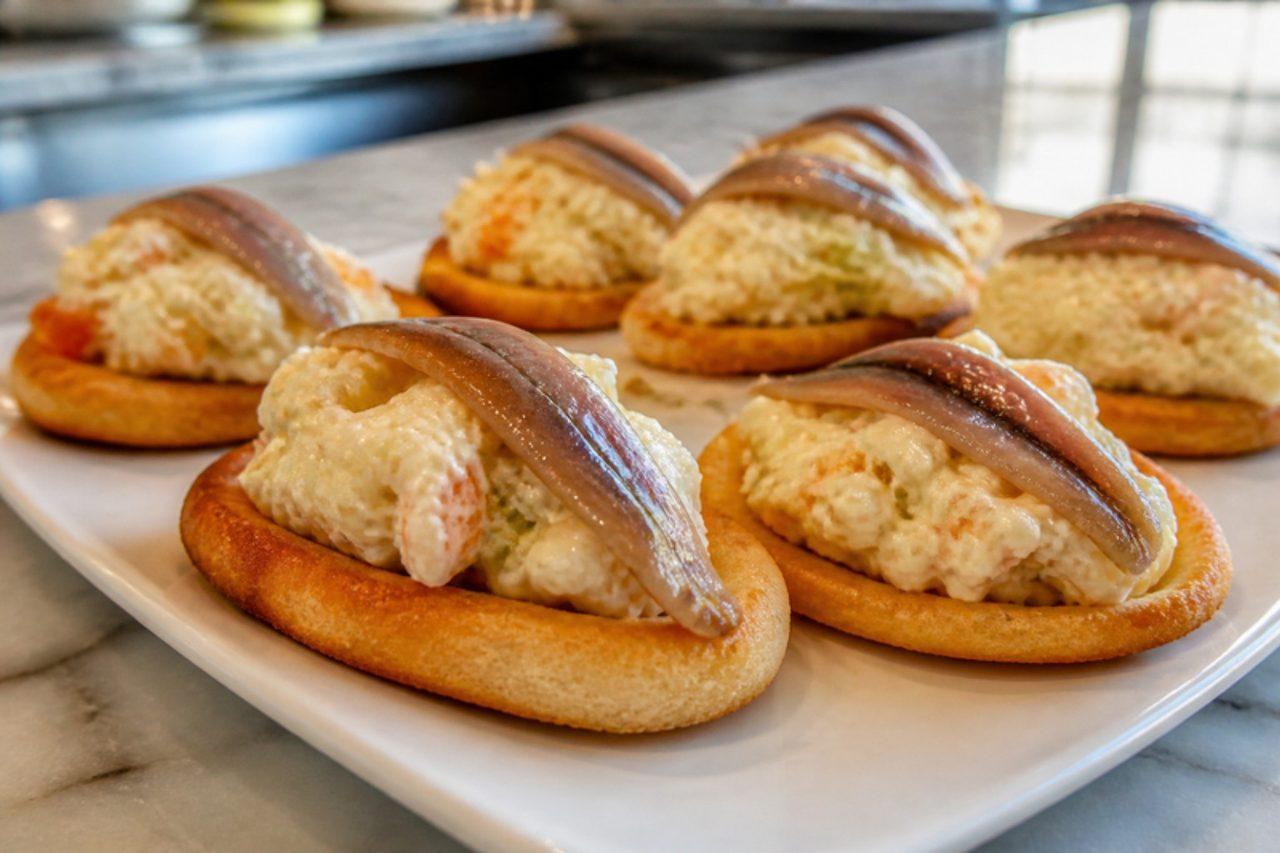
No pre-lunch drink in Murcia is complete without a marinera: a crunchy ring-shaped breadstick, the rosquilla, piled with ensaladilla rusa (potato, carrot and peas in mayonnaise) and crowned with an anchovy. Bar counters in the city line them up from midday, alongside the marinero, topped with a vinegar-cured fresh anchovy, and the bicicleta, which has no fish at all. This version uses salted anchovy fillets in oil and shop-bought mayonnaise, which is made with pasteurised egg. If you use vinegar-cured fresh anchovies instead, they are raw fish: buy them frozen first, and they are not for pregnant women, young children or anyone with a weakened immune system. Chef's tip: assemble them at the last moment so the rings stay crunchy.

by KrazyBadal 0 views

Piperies Florinis gemistesFeta-stuffed roasted peppers

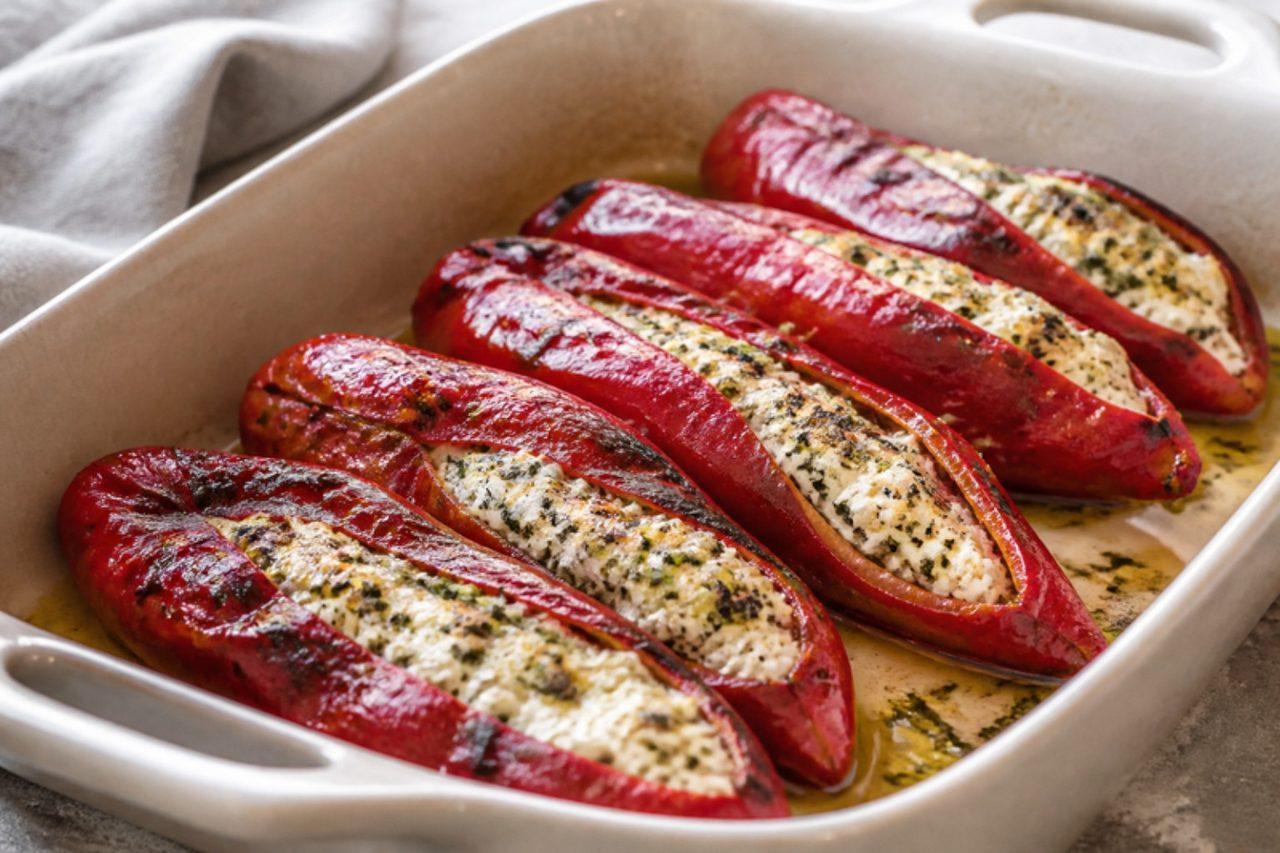
Every autumn the long crimson peppers of Florina, near the borders of north-west Macedonia, are roasted over wood in courtyards and either jarred for winter or stuffed and eaten straight away. Here they are charred, peeled and filled with soft feta beaten with herbs and a little chilli, then baked until the cheese just begins to melt. They're a meze for the ouzeri table, with bread for the juices, or a light supper with a salad. Feta is traditionally made with animal rennet, so pick a vegetarian feta-style cheese if that matters. Common mistake: tearing the peppers while peeling — let them steam under a lid first and the skins slip right off. Chef's tip: keep the stalks on; they hold the peppers together and make them easy to lift.

by KrazyBadal 0 views

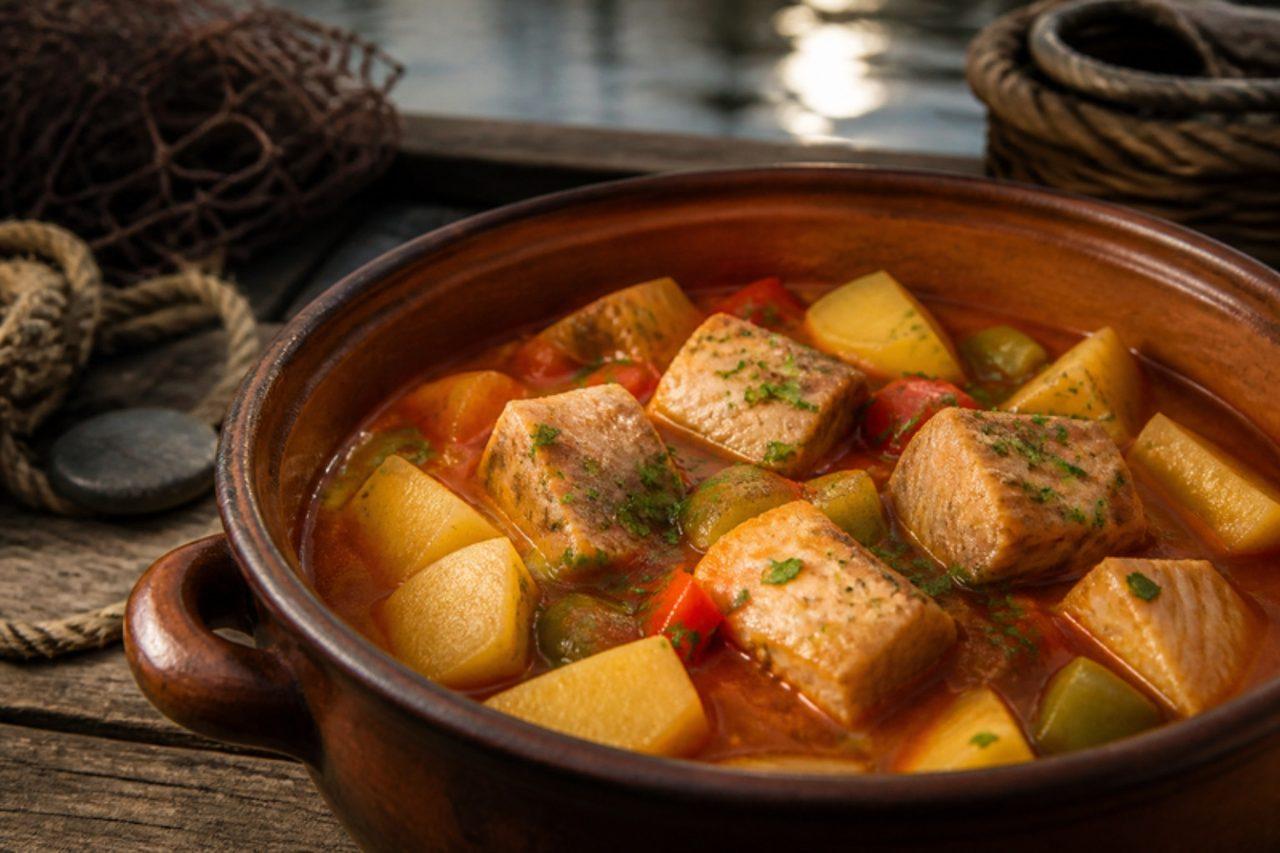
MarmitakoBonito and potato stew

Marmitako takes its name from the marmita, the iron pot that fishermen out of Bermeo and Ondarroa kept on board during the summer bonito season, from June to September. Potatoes simmer in a peppery broth made red with choricero pepper, and chunks of fresh bonito go in only at the very end. Along the coast it is still the summer lunch of fishing towns, eaten from deep plates. A common mistake is boiling the fish with the potatoes, which turns it dry and stringy; it needs just a few minutes of gentle heat. Chef's tip: snap the potatoes rather than cut them, so their starch thickens the broth.

by KrazyBadal 0 views

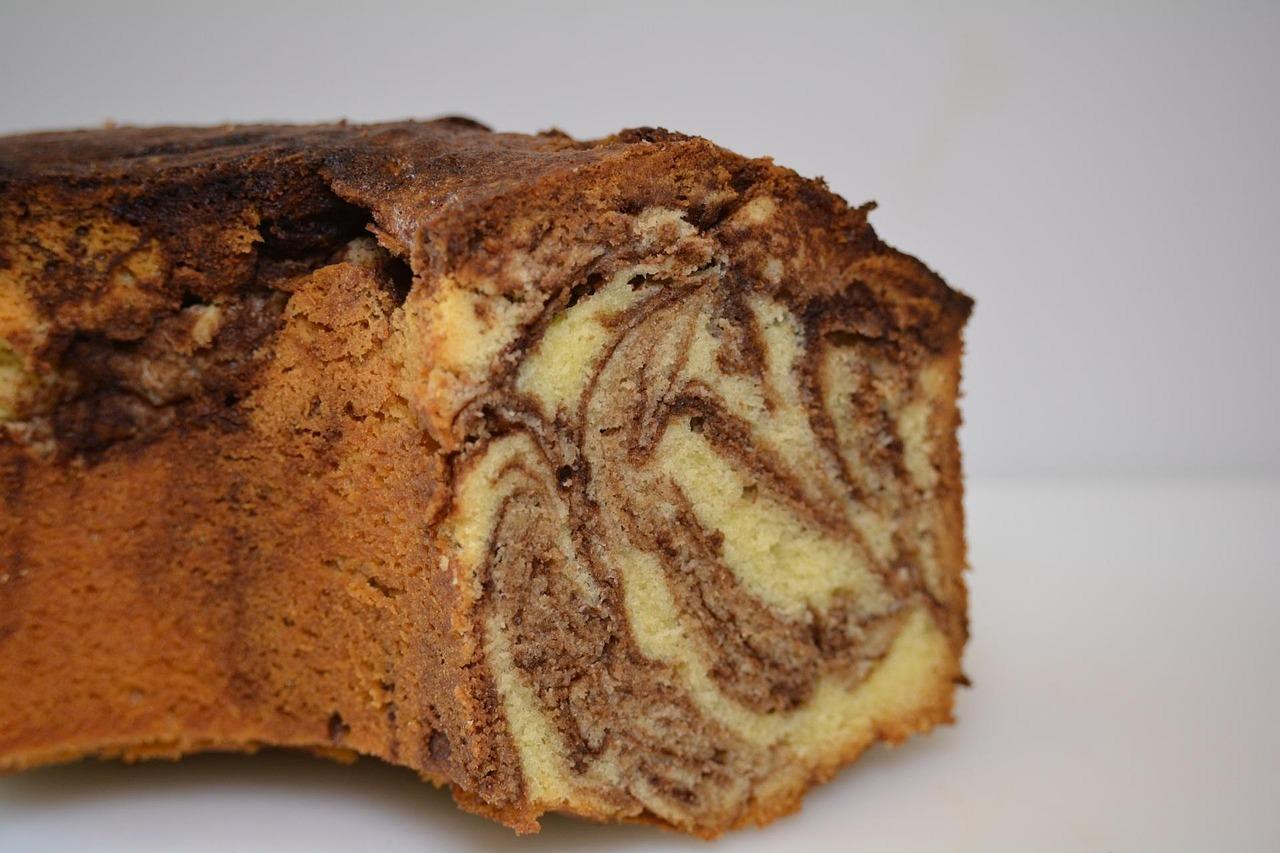
MarmorkuchenMarble cake

Marmorkuchen is the cake German children grow up with: a tall, buttery ring of vanilla sponge swirled with chocolate, baked for birthdays and kindergarten parties and kept under a glass dome for afternoon coffee all week. It needs nothing but a dusting of icing sugar, though many families pour over a thin chocolate glaze. A common mistake is over-stirring the two batters together, which turns the cake a muddy brown instead of showing clear marbling. Chef's tip: layer the batters in the tin, then pull a fork through just once in a spiral; less is more.

by KrazyBadal 0 views

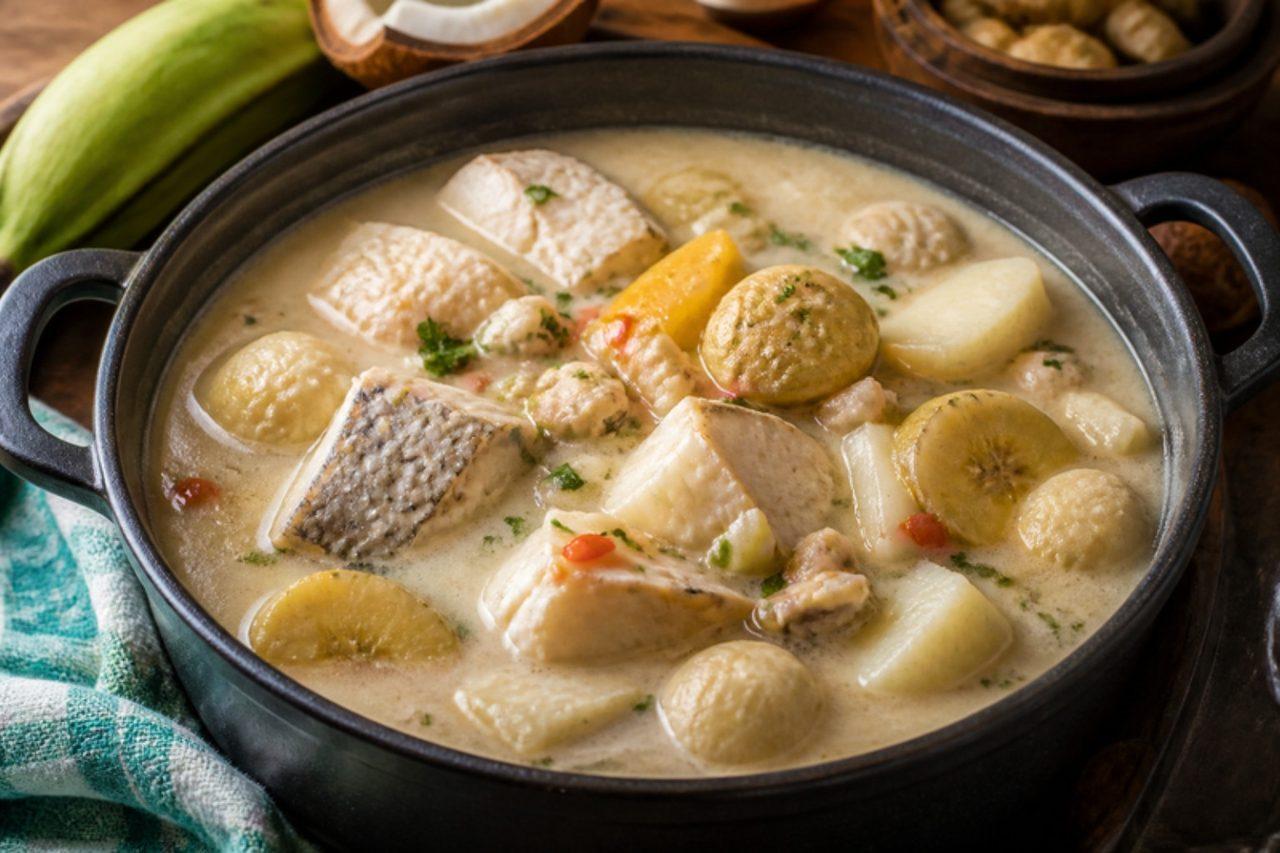
RondónCoconut fish and conch stew

The English-speaking Raizal islanders of San Andrés and Providencia call it rundown, and it is cooked for a crowd on weekends and at beach gatherings: coconut milk boiled down until it 'runs down' and starts to release its oil, with cassava, green plantain, breadfruit or sweet potato, flour dumplings, salted pig tail and, on top, fish and conch steamed in the creamy broth. Pork appears as the salted tail, which seasons the pot. The broth is rich, coconut-sweet and herby with thyme, with a perfume of whole Scotch bonnet that gives aroma rather than fire as long as it doesn't burst. Start the day before: the pig tail needs overnight soaking. A common mistake is stirring once the fish goes in, which breaks it up; layer it and let the steam do the work. Chef's tip: queen conch is protected in much of the Caribbean, so buy only legally sourced frozen conch, or swap in large raw prawns added with the fish.

by KrazyBadal 0 views

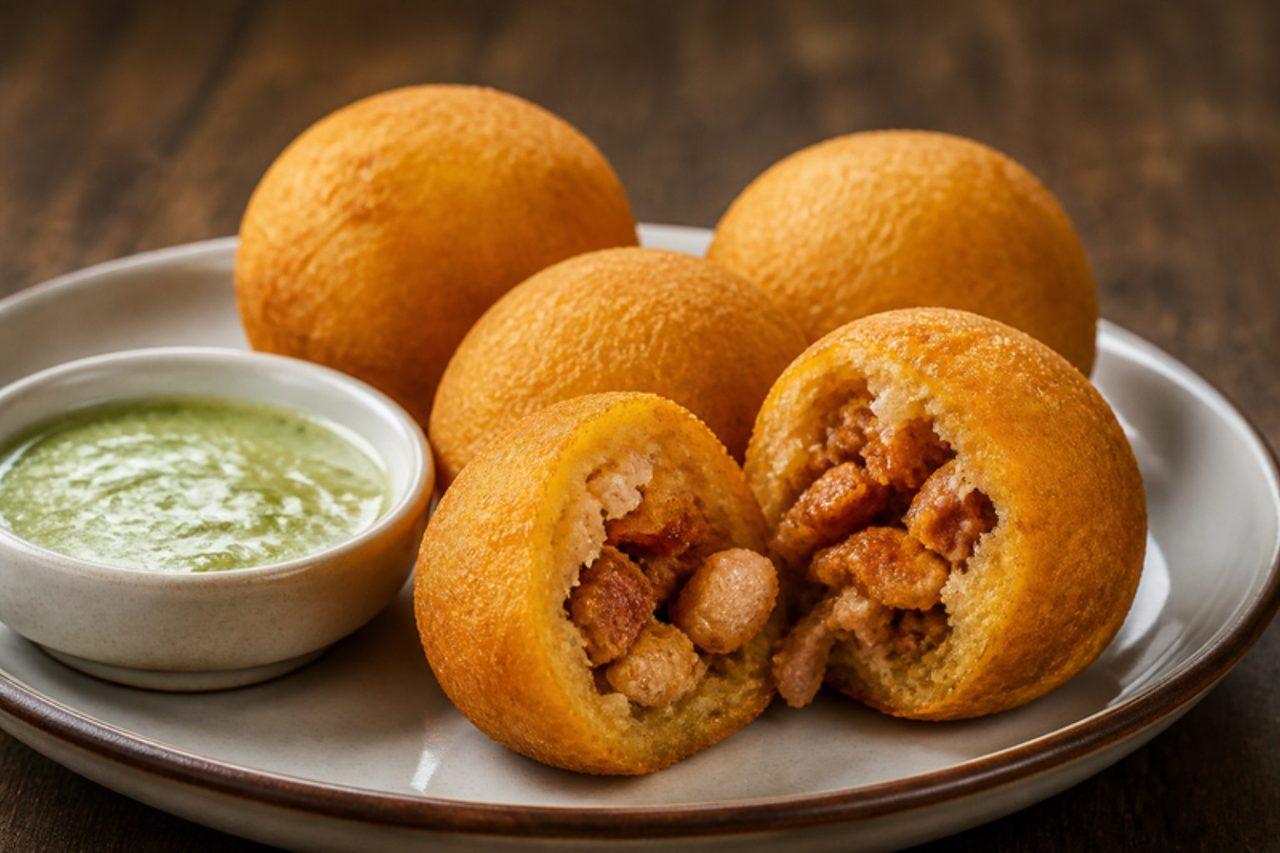
MarranitasPlantain balls with pork crackling

Breakfast stalls along Cali's busy streets and the bakeries of the Valle del Cauca fry marranitas all morning: green plantain, half-fried, pounded while hot and shaped around a nugget of crunchy pork chicharrón, then fried again until crisp and golden. The name means 'little piglets', after the pork inside. The outside shatters, the plantain layer is dense and starchy and the crackling gives a salty, porky crunch in the middle. Eat them hot with a mug of coffee or hot chocolate, or as a snack with ají and hogao for dipping. The plantains must be truly green and hard; yellowing ones turn sweet and sticky and won't hold a crisp shell. Chef's tip: pound the plantain the moment it comes out of the first fry, using a little warm salted water on your hands; once it cools it stiffens and cracks when you shape it.

by KrazyBadal 0 views

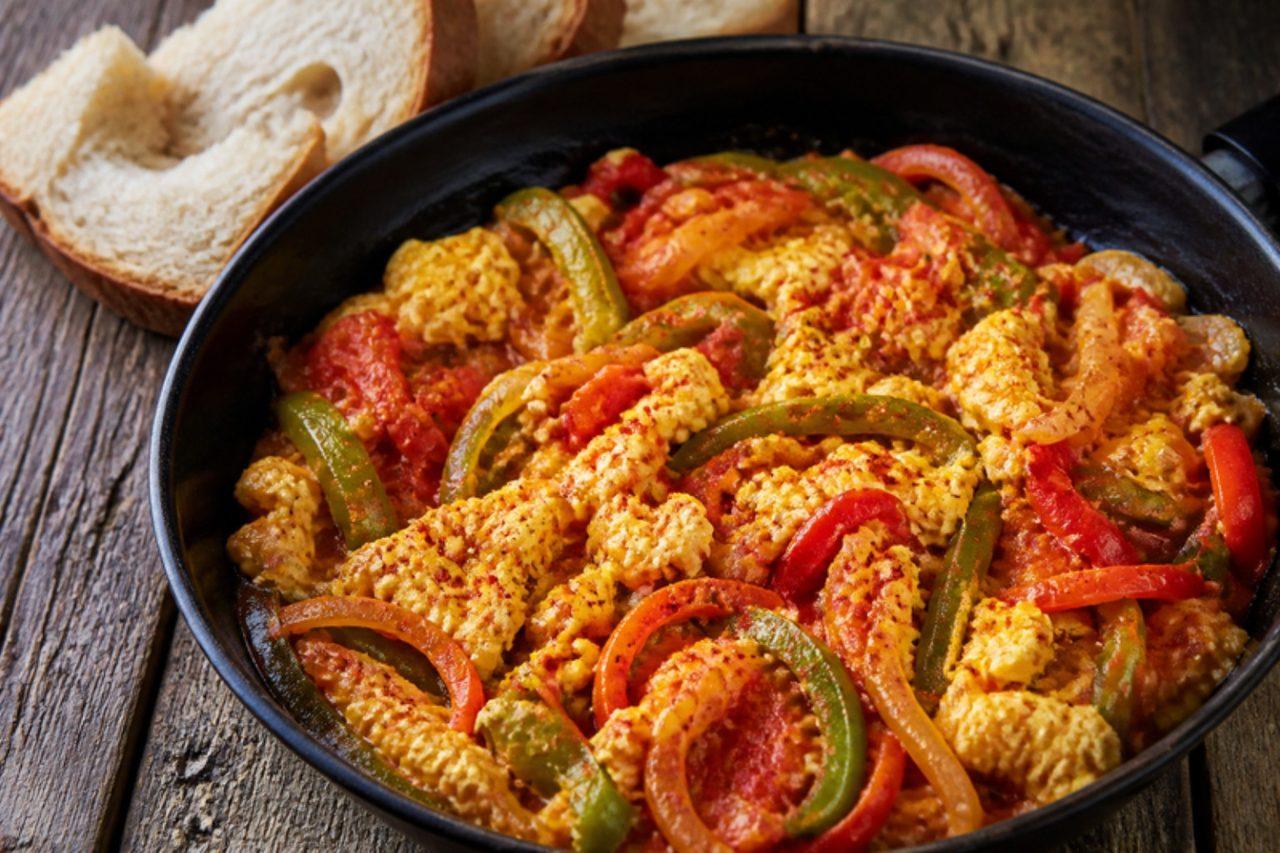
PiperradaPeppers and tomato with eggs

Piperrada belongs to late summer on both sides of the Pyrenees, when the market stalls of Bayonne, Gernika and Pamplona are piled with green and red peppers. The vegetables are stewed slowly in olive oil until sweet and jammy, and in many Basque homes beaten eggs are stirred in at the end for a light supper. It is often served with cured ham alongside; this version is vegetarian. A common mistake is rushing the peppers over a high heat: they should collapse slowly, or the dish tastes raw and sharp. Chef's tip: take the pan off the heat while the eggs still look slightly wet, because they keep cooking on the way to the table.

by KrazyBadal 0 views

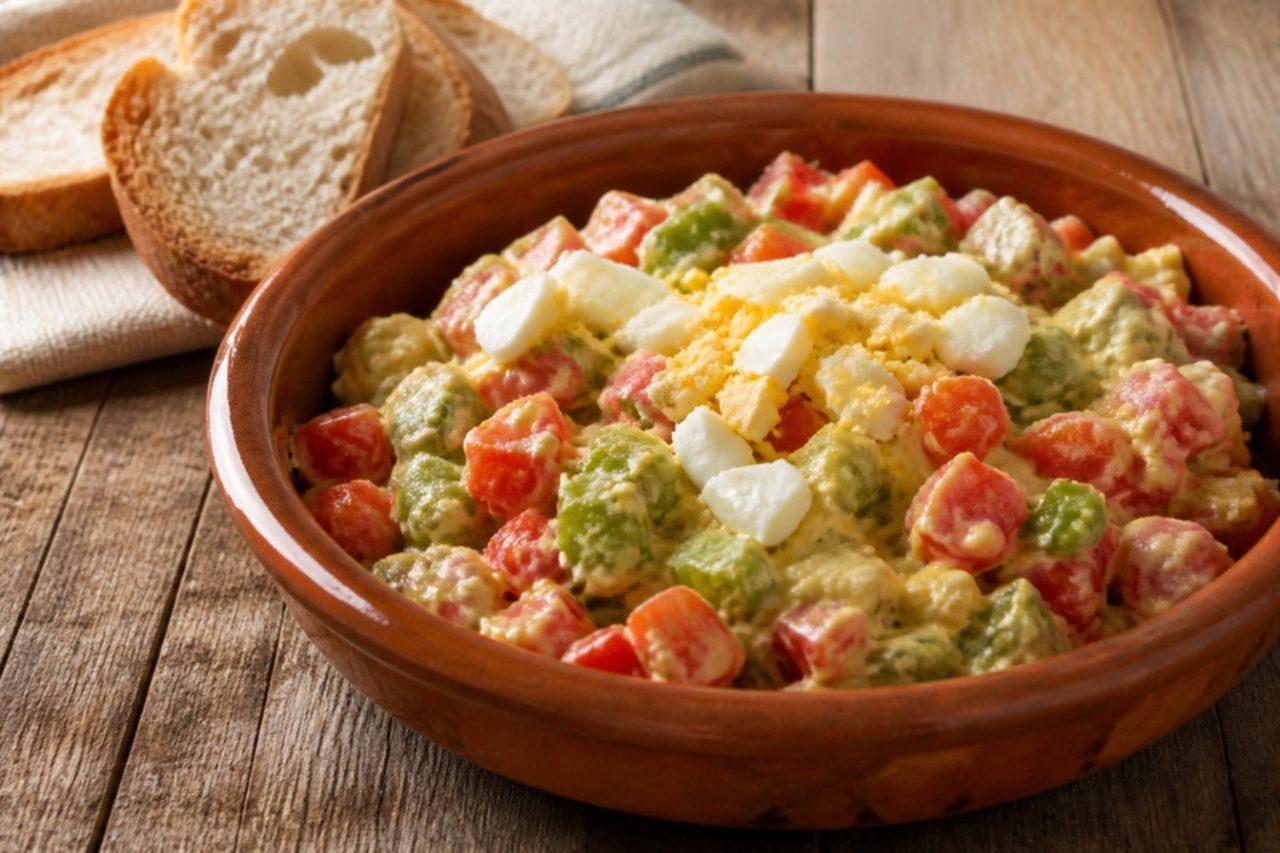
Pipirrana jaeneraTomato pepper salad with egg yolk

Olive pickers in the province of Jaén used to carry the makings of pipirrana into the groves, and in the city it is still the salad people set out on a hot July evening, with bread for the juices. What sets the Jaén version apart is the dressing: garlic, salt and boiled egg yolk are pounded together, then loosened with the province's own peppery oil until it turns creamy. Some cooks add tinned tuna; this one stays vegetarian. The usual mistake is chopping the vegetables in large chunks; everything should be cut small enough to fit a fork. Chef's tip: peel the tomatoes before dicing, so the dressing clings to soft flesh instead of slipping off tough skin.

by KrazyBadal 0 views

Pipoca doceCaramelised popcorn

Pink, sticky and crunchy, sweet popcorn is the smell of a São João fairground and of the pipoqueiro carts outside schools and squares all year. The popcorn pops directly in a sugar syrup, so every kernel gets a thin, glassy, crackly shell; a few drops of red colouring turn it the classic festival pink. It takes about 10 minutes, so it is a favourite to make with kids watching from a safe distance. Use a plant-based red colouring if you want it vegan, as some red colourings are made from insects. Many cooks add too much colouring or sugar, which makes a sticky clump that never goes crisp. Chef's tip: shake the pan constantly once the popping slows, then tip it out immediately onto a tray and separate the kernels with two forks while still hot.

by KrazyBadal 0 views

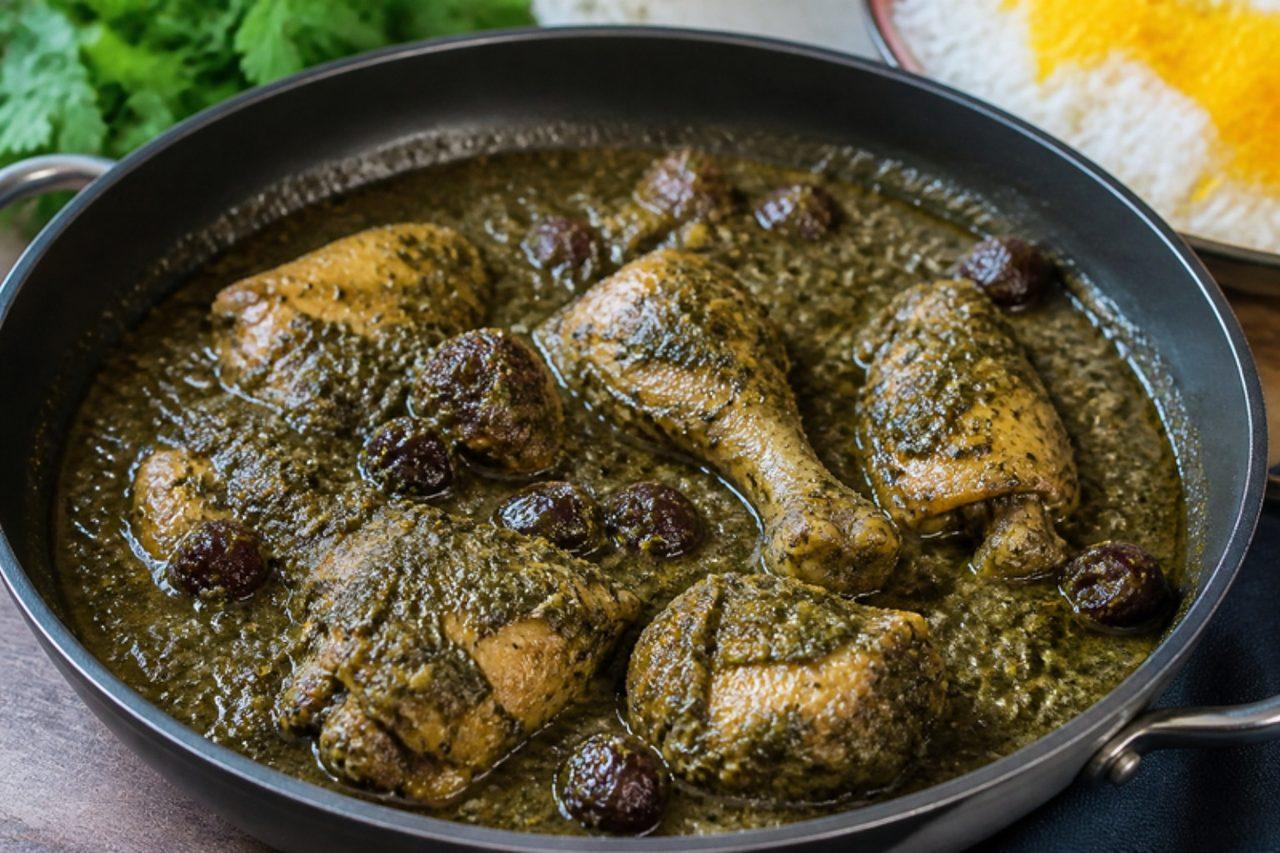
Morgh-e torshChicken with walnuts and sour plums

Morgh-e torsh is everyday Sunday cooking in Rasht and the villages of Gilan, where gardens overflow with herbs and the cooking leans sour rather than sweet. Chicken pieces are browned, then braised with a mountain of chopped coriander, parsley, mint and garlic chives, ground walnuts and sour plums, finished with verjuice or lemon until the sauce turns a deep olive green. It is eaten with kateh, the simple Caspian rice. A common mistake is adding the herbs raw to the pot; fry them first until dark and fragrant, or the sauce tastes grassy. Chef's tip: a beaten egg stirred in at the very end is how many Gilani grandmothers thicken and enrich the sauce.

by KrazyBadal 0 views

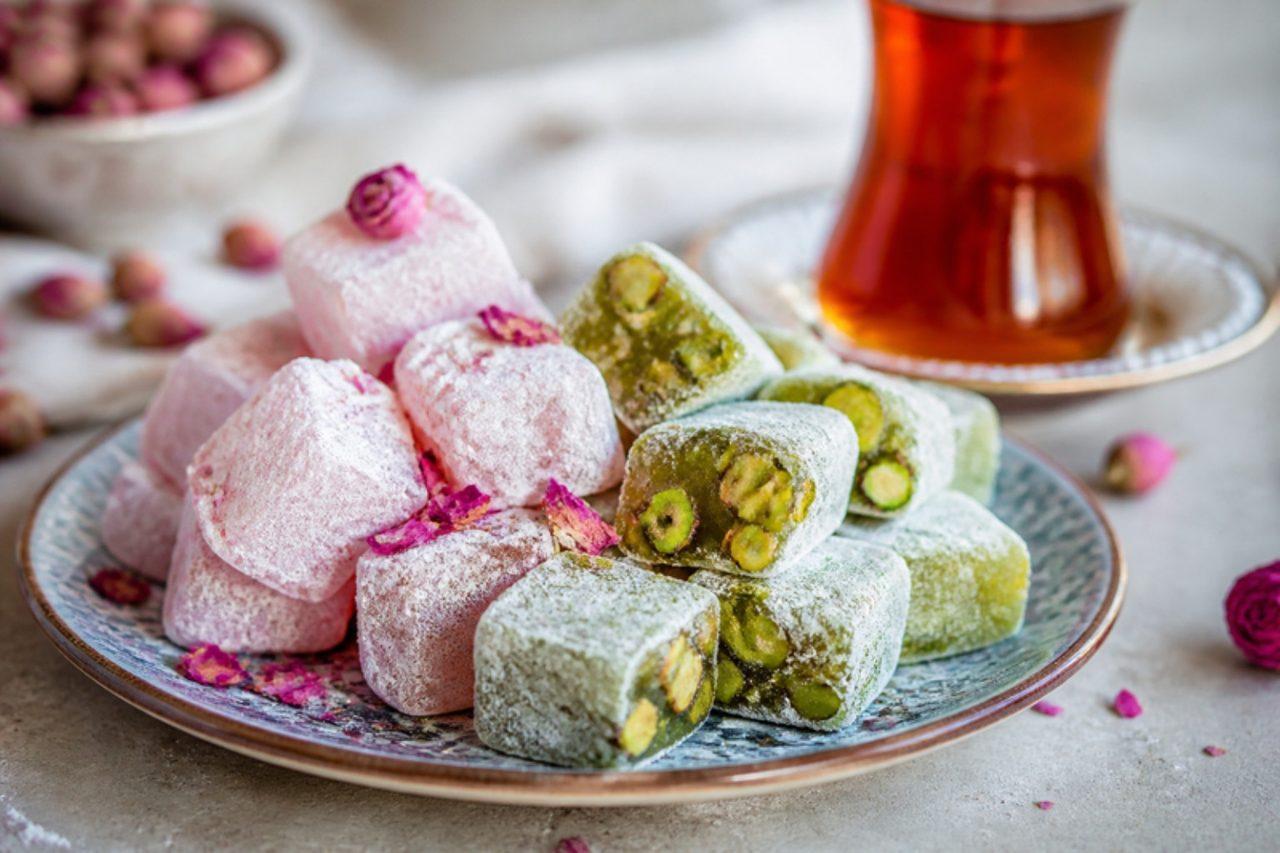
LokumTurkish delight

Istanbul's confectioners have been cooking lokum since the 18th century, and boxes of it still go to every host, office and family on holiday visits. Real lokum is nothing more than sugar syrup, lemon and cornflour, stirred for an hour until it turns translucent, firm and springy, then scented with rosewater and studded with pistachios. It is a test of patience, not skill. Common mistake: stopping too soon; undercooked lokum is sticky and never sets cleanly. Chef's tip: it is ready when a little dropped into cold water forms a soft, pliable ball and the mixture is the colour of pale honey.

by KrazyBadal 0 views

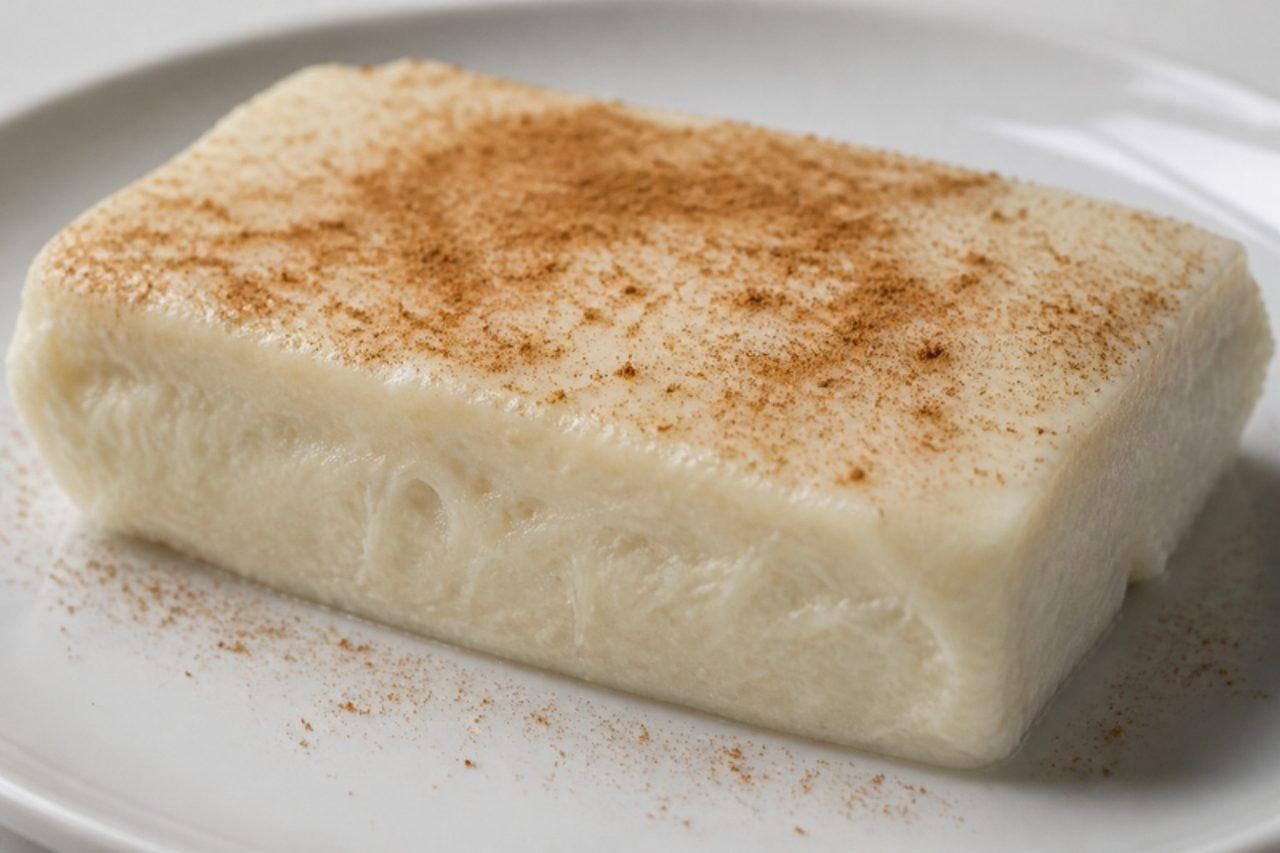
Tavuk göğsüShredded chicken milk pudding

It surprises everyone the first time, but Istanbul's old muhallebici shops still make this silky milk pudding with chicken breast pounded into fine threads, a recipe from the Ottoman palace kitchens. You cannot taste the chicken; it gives the pudding a stretchy, almost chewy body and a pearly look. Serve it cold with a heavy dusting of cinnamon. This dessert contains meat, so it is not vegetarian. Chef's tip: boil the chicken without salt and rinse the shreds several times in cold water; any savoury taste left behind will show in the finished pudding.

by KrazyBadal 0 views

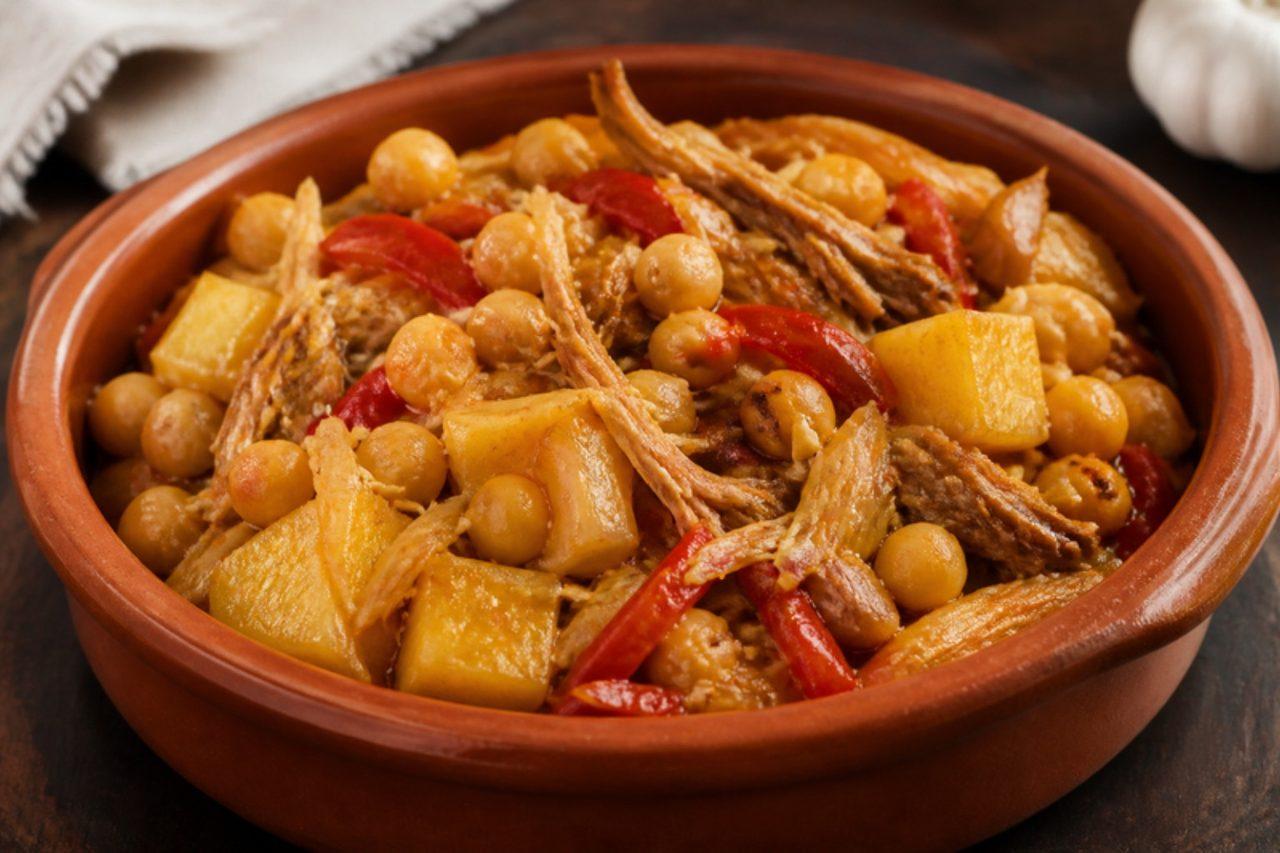
Ropa vieja canariaChickpea, beef and chicken fry-up

The 'old clothes' of the name are the leftover meats from Sunday's puchero, shredded and fried the next day with chickpeas, potatoes, peppers and tomato; it is a different dish from the Cuban ropa vieja, and on the islands it is Monday lunch and a fixture of bar menus in Las Palmas. Some versions include pork; this one uses beef and chicken, poached from scratch if you have no leftovers. A splash of white wine is common; it is optional and the dish is complete without it. Chef's tip: fry the chickpeas until a few catch and crisp, because those browned bits make the dish.

100 minSpanishMeatGluten free
by KrazyBadal 0 views

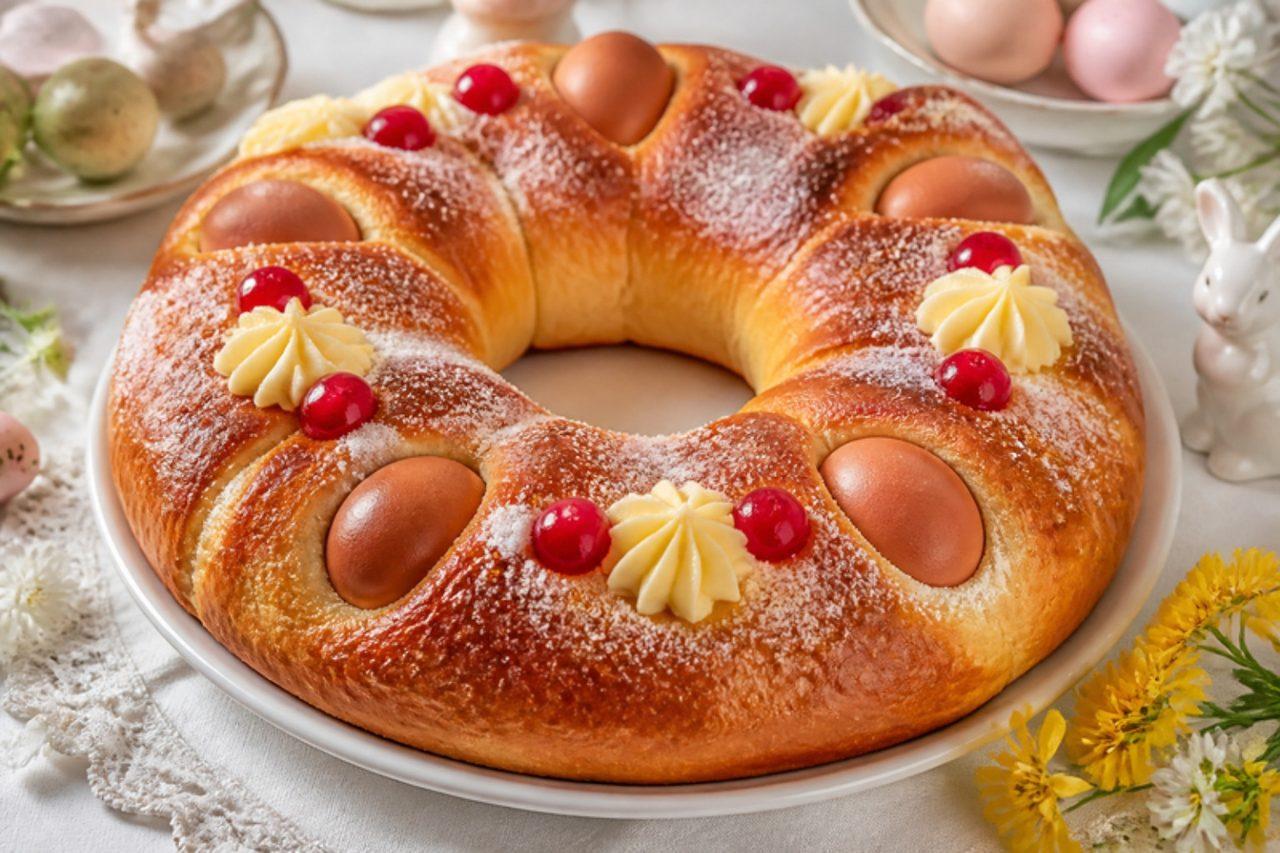
Rosca de PascuaEaster ring bread

Argentine Easter Sunday breakfast centres on the rosca de Pascua, a ring of soft, orange-scented brioche-like dough laid with stripes of pastry cream, candied cherries and pearl sugar, with whole boiled eggs pressed into the dough as a symbol of new life. Bakeries in every barrio stack them in the window from Holy Thursday, and families share it with coffee or mate after the Easter egg hunt. The crumb is fluffy and pale yellow, and the custard bakes into soft, golden ridges. Because the eggs bake for 30 minutes on top of their boiling, they are fully cooked; many people keep them for decoration and peel them later. The mistake to avoid is piping the pastry cream too thick, which slides off as the ring rises; thin lines give neat ridges. Chef's tip: cook the custard until it is very thick and chill it before piping, and brush the ring with egg before (not after) the cream goes on.

by KrazyBadal 0 views

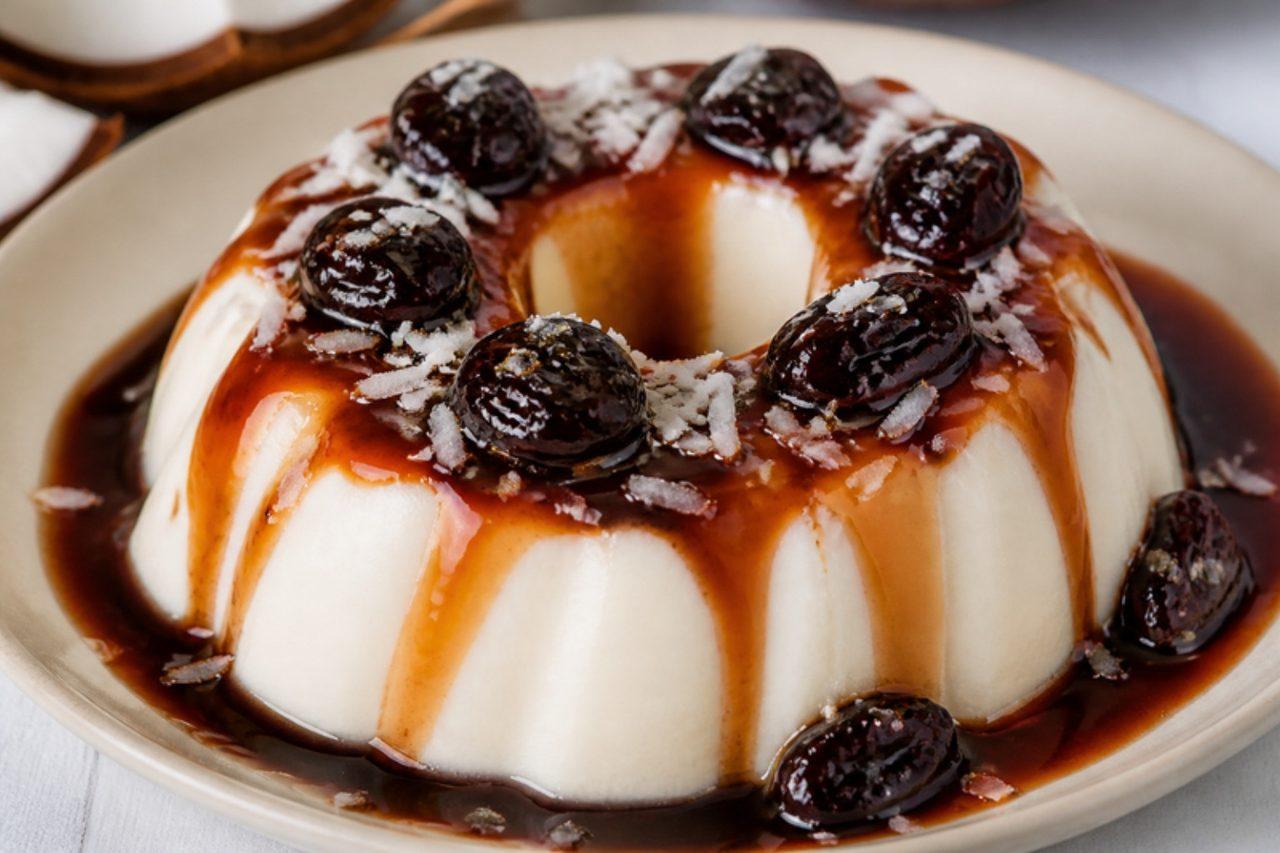
Manjar de cocoCoconut blancmange with prune syrup

Sunday lunch at a grandmother's in Rio, Minas or Pernambuco often ends with a manjar, a snowy ring of coconut blancmange turned out of its mould and drowned in glossy, nearly black prune syrup. It is smooth and cool, with a soft wobble, the mild sweet coconut cream set off by the deep, winey taste of the prunes. The dessert is set with cornflour alone, so it is gluten free, and it has to be made at least 4 hours ahead. Under-cooking the cornflour is what usually goes wrong: the manjar tastes chalky and breaks when turned out. Chef's tip: wet the mould with cold water instead of greasing it, then shake out the drops; the manjar slides out cleanly with a coconut taste unspoilt by oil.

by KrazyBadal 0 views

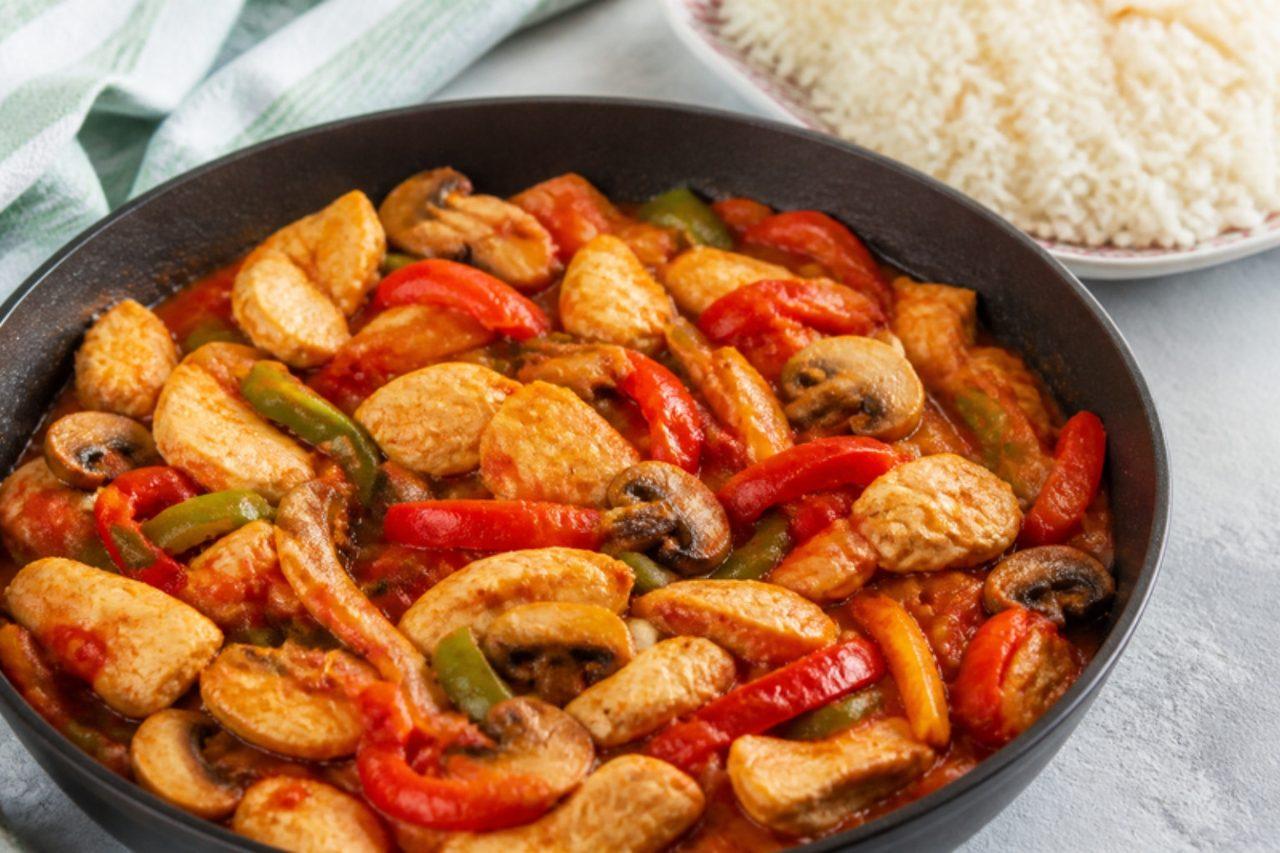
Tavuk soteSautéed chicken with peppers and mushrooms

Tavuk sote is what Turkish home cooks make on a busy weekday: strips of chicken thigh seared hard, then tossed with green and red peppers, mushrooms, onion, tomato and a spoonful of pepper paste until glossy. It cooks in the time the bulgur or rice takes, and lokantas serve it from the steam tray with a side of yoghurt. Thigh meat stays juicy; breast dries out quickly. Common mistake: adding all the chicken at once, which drops the pan temperature and leaves it pale and watery. Chef's tip: finish with a knob of butter and a pinch of dried thyme off the heat for a glossy, aromatic sauce.

by KrazyBadal 0 views

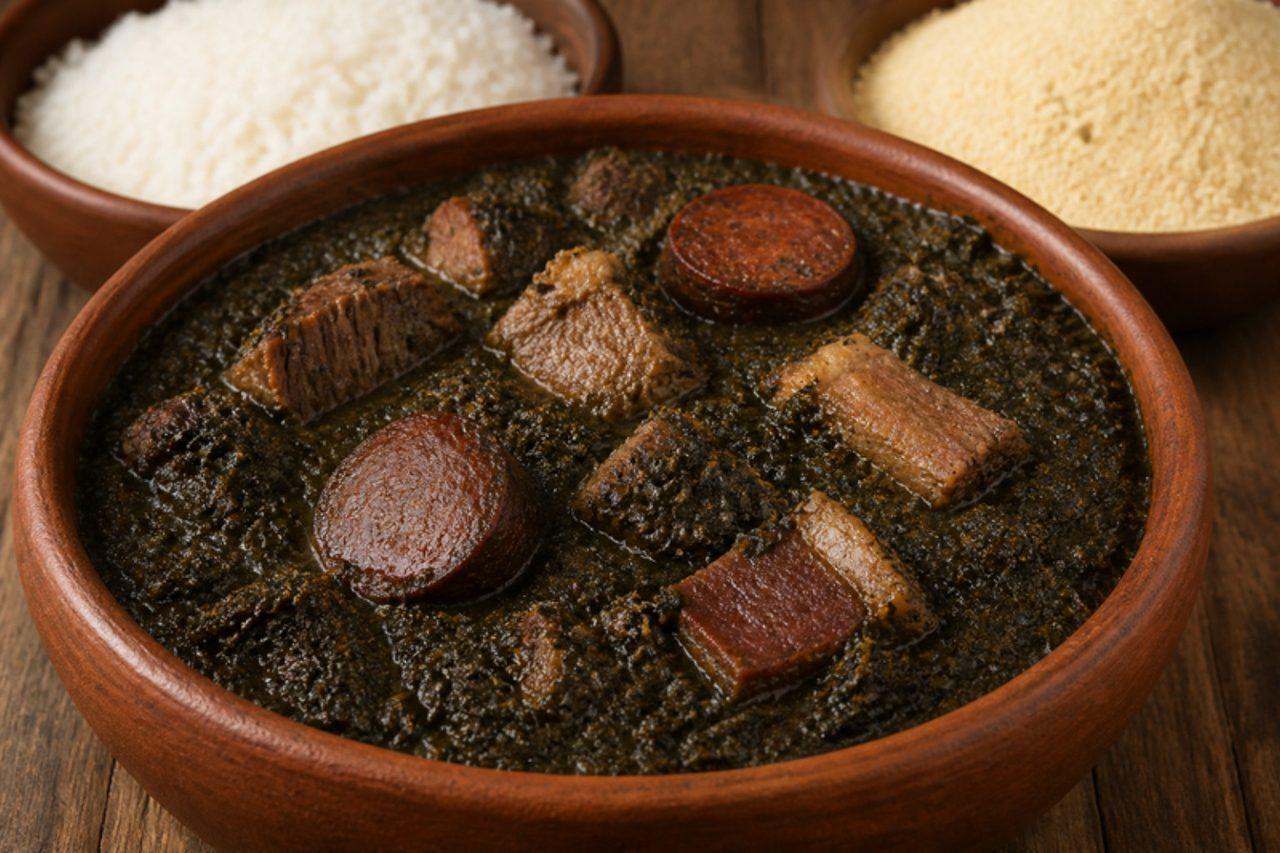
ManiçobaManioc leaf and smoked pork stew

Black-green, smoky and rich, maniçoba is the dish Belém cooks for the Círio de Nazaré in October, when families gather after the great procession, and it is sold all year at the Ver-o-Peso market. Its base is maniva, ground manioc leaves, which contain natural cyanide and must be cooked for days before they are safe; in Pará cooks simmer it for up to a week. Never use raw or home-ground manioc leaves for this dish. Buy only ready-cooked ground maniva (sold frozen in Brazilian shops and labelled pre-cooked), and follow the pack's further cooking time if it is longer than ours. The leaves are then simmered for hours with the cuts of a feijoada: salted pork ribs, smoked bacon, smoked pork sausage, beef jerky and pig's trotter, until the meat falls apart into a thick, smoky, faintly bitter stew. Serve it with white rice, farinha d'água and pimenta-de-cheiro. Plan ahead: the salted meats need soaking overnight. The usual mistake is adding the meat too early, so it disintegrates. Chef's tip: maniçoba tastes even better reheated the next day.

by KrazyBadal 0 views

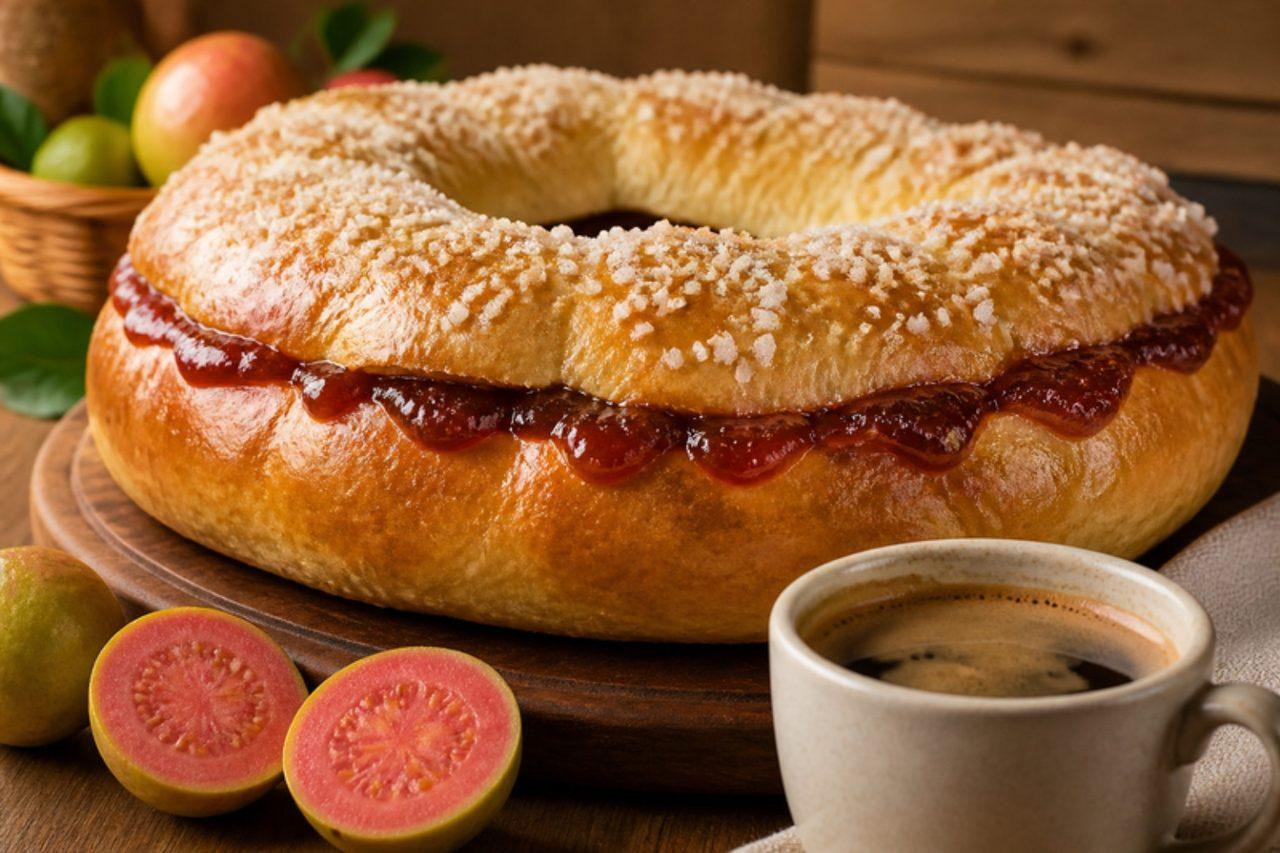
RoscónGuava-filled sweet bread ring

Every Bogotá bakery has a tray of roscones by the counter: soft, enriched bread rings glazed and sprinkled with sugar, hiding a seam of melted guava paste inside. They are eaten at onces, the afternoon coffee break, or for breakfast with hot chocolate, and they are a favourite thing to bring when visiting. The dough is a gently sweet milk-and-butter bread, close to a brioche but lighter. Chunks of guava paste that are too big are what normally goes wrong: they melt, burst the seam and burn on the tray, so cut it into thin batons and seal the dough firmly around them. Plan about 2 hours, most of it rising time. Look for guava paste (bocadillo or goiabada) in Latin shops; quince paste works in a pinch. Chef's tip: brush with the egg wash twice, once before the second rise and once before baking, for a deep, shiny crust that holds the sugar.

by KrazyBadal 0 views

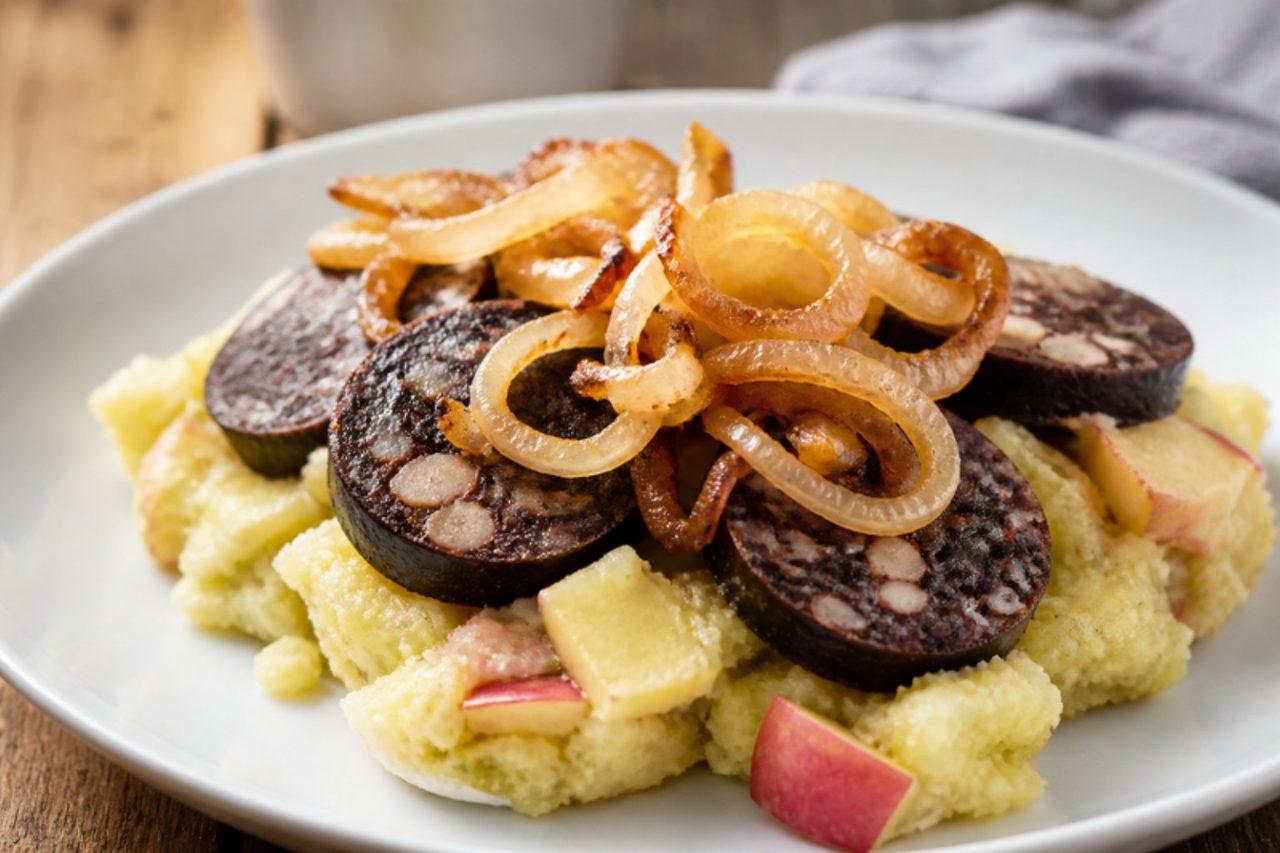
Himmel un ÄädApple potato mash with black pudding

Himmel un Ääd is Cologne dialect for "heaven and earth": apples from the trees above and potatoes from the ground below, mashed together and topped with slices of fried Flönz, the soft Rhineland black pudding, and crisp onions. It is a classic in Cologne's brewery taverns, especially around Carnival and in autumn when the apples are new. For a vegetarian plate, skip the blood sausage and add extra fried onions and a fried egg. Chef's tip: use a sharp apple like Boskop or Bramley, which balances the rich sausage much better than a sweet one.

45 minGermanMeatGluten free
by KrazyBadal 0 views

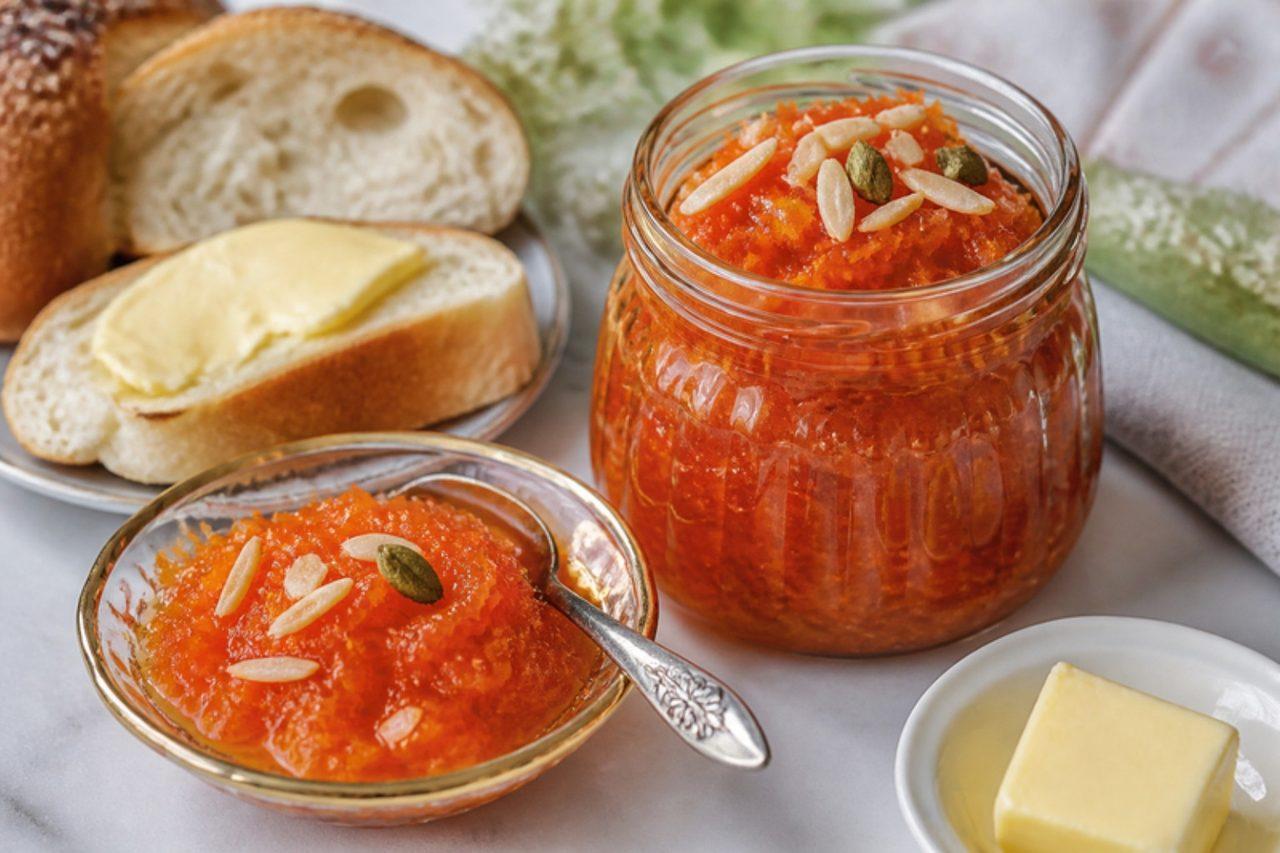
Moraba-ye haveejCarrot jam with cardamom and almonds

Moraba-ye havij is the bright orange jam on Iranian breakfast tables, spread on warm barbari or sangak with butter or a slice of white cheese, especially in winter when carrots are at their sweetest. Thin shreds of carrot are candied in a light syrup with cardamom and orange peel, then finished with rosewater and slivered almonds, so every spoonful is chewy, glossy and fragrant. It is made in every region, and families argue over how thick the syrup should be. Chef's tip: cut the carrots into fine matchsticks rather than grating them; grated carrot turns to mush and clouds the syrup.

by KrazyBadal 0 views

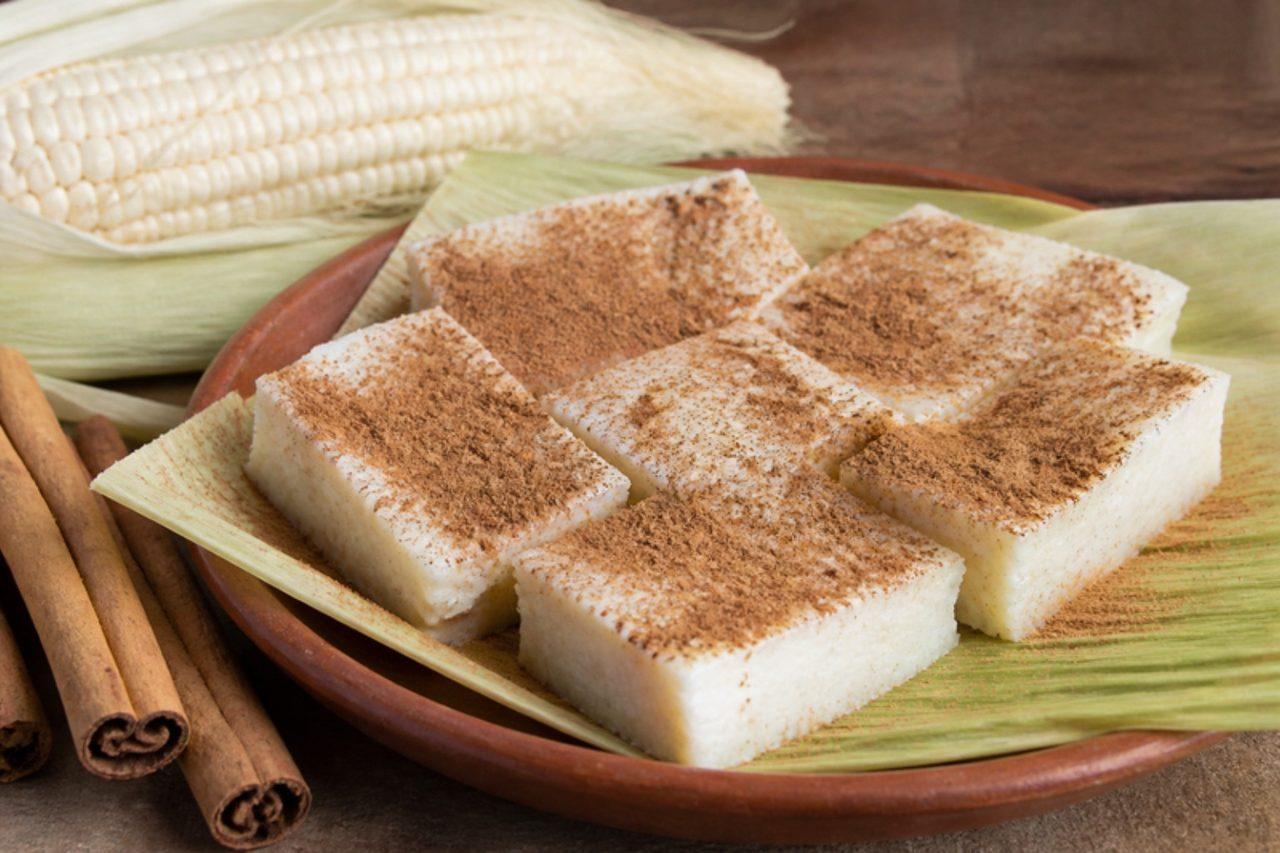
NicuatoleCorn and cinnamon pudding

Nicuatole is a Zapotec sweet sold in little squares from glass cases at Oaxacan markets and at village fiestas, often with a bright pink top coloured with cochineal. It is made from corn masa cooked with water, sugar and cinnamon until it thickens enough to set when cool, a cousin of atole you can cut with a knife. The texture is soft, slightly bouncy and cool, and it is eaten as an afternoon treat. We give a coconut-milk option and use beetroot juice or a natural red food colouring instead of cochineal (which comes from insects) for the red layer. Chef's tip: cook it until the spoon leaves a clear path across the pan base for a full second; undercooked nicuatole never sets.

by KrazyBadal 0 views

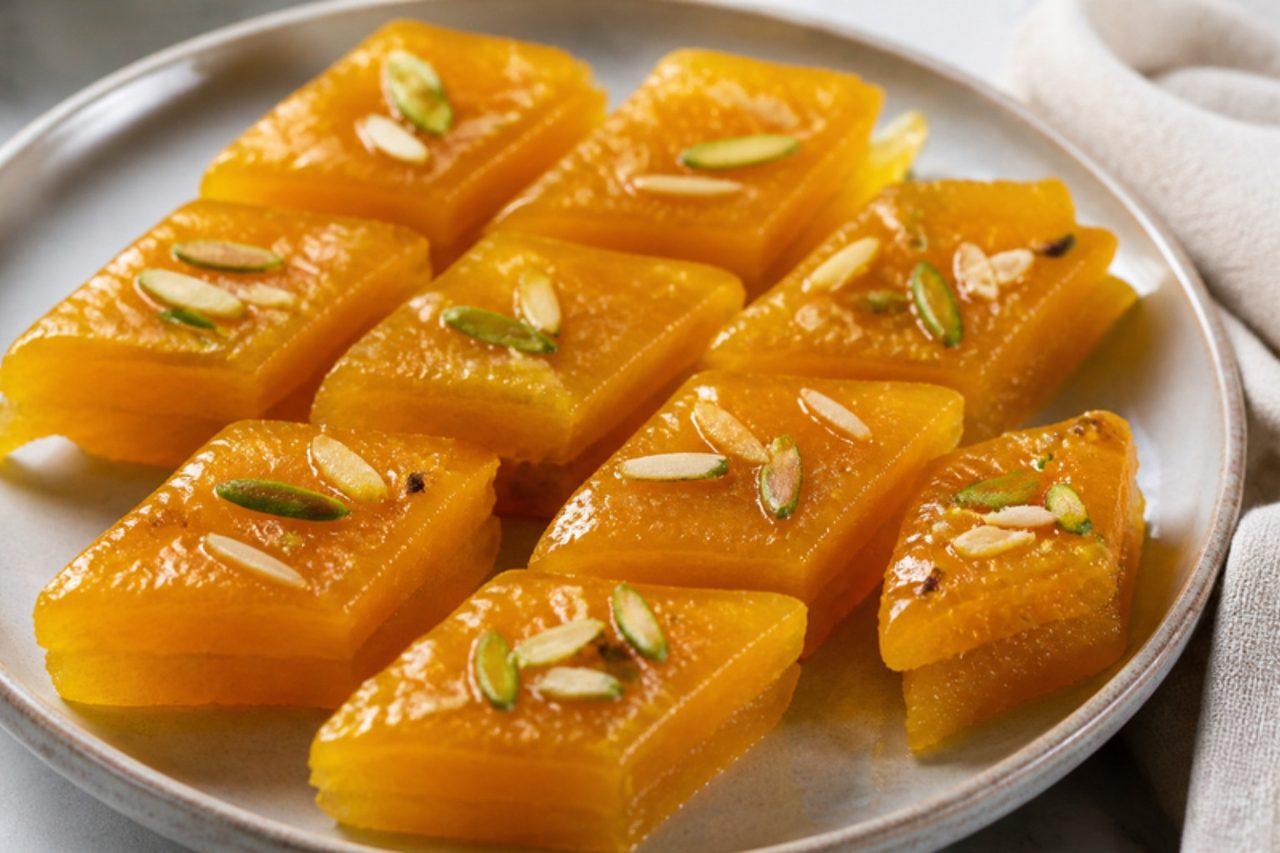
MasghatiRosewater and saffron starch sweet

Masghati takes its name from Muscat, from where traders brought the recipe to the port towns of the Persian Gulf, and today Lar and Shiraz are famous for it. It is a clear, firm, jelly-like sweet of starch, sugar and rosewater, tinted gold with saffron and studded with pistachios, made for Nowruz guests and for gifts. It sets enough to cut into neat diamonds but stays tender. A common mistake is not cooking the starch long enough: it must turn from milky to clear, or the masghati tastes floury and weeps. Chef's tip: stir with a flat wooden spatula and scrape the bottom constantly, because the paste catches suddenly in the last few minutes.

by KrazyBadal 0 views

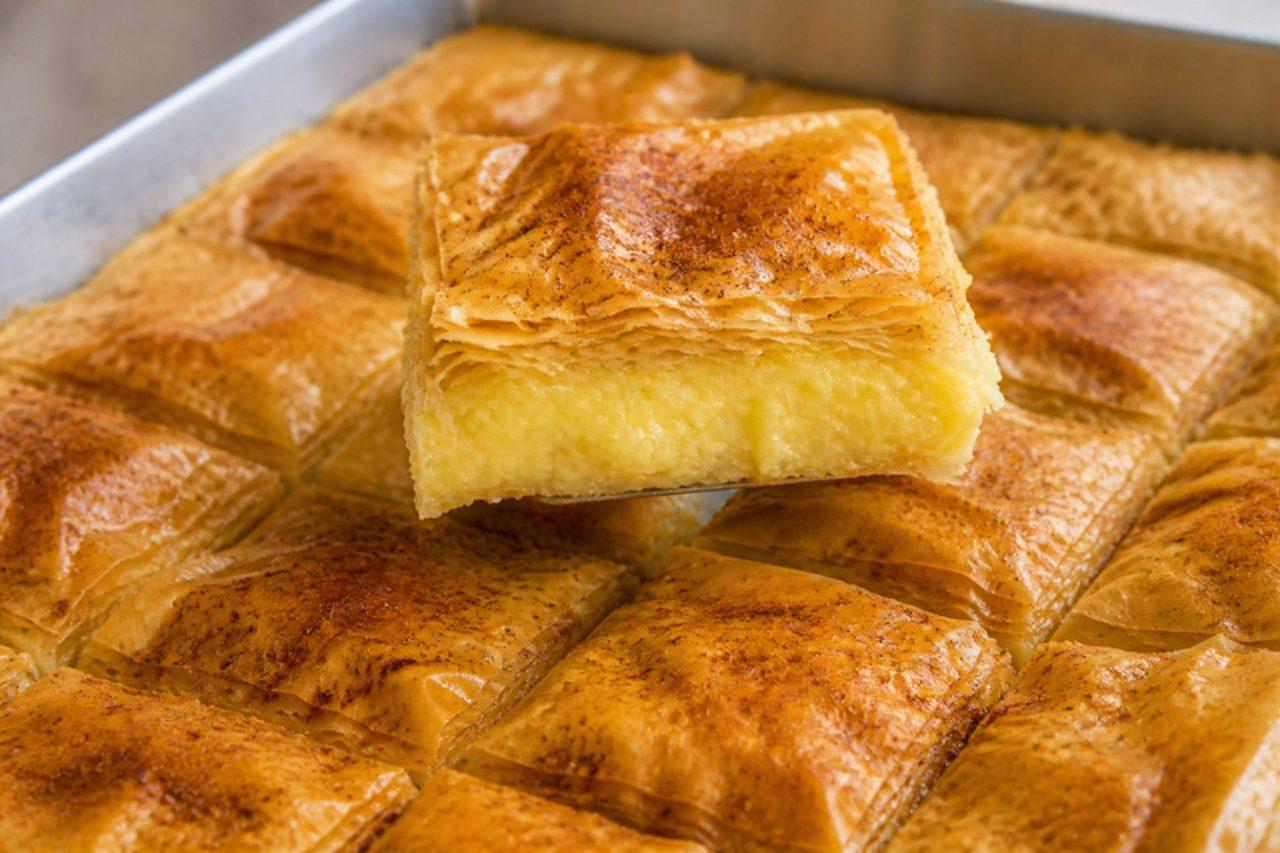
Laz böreğiCustard-filled filo pie in syrup

Ask for something sweet in a Rize pastry shop and you are likely to be handed a square of Laz böreği, a crisp filo pie layered with butter and filled with a thick, vanilla-scented milk custard, then drenched in cool syrup as it leaves the oven. It is a wedding and holiday dessert in Laz villages, and an everyday treat with tea in town. The top shatters, the middle is soft and creamy, and the syrup keeps it fresh for a couple of days. Common mistake: pouring hot syrup on a hot pie, which makes the pastry soggy; one of the two must be cool. Chef's tip: cook the custard until it holds a trail for a few seconds, then cover the surface with cling film so no skin forms before you layer it.

by KrazyBadal 0 views

New Mexico biscochitosAnise cinnamon cookies

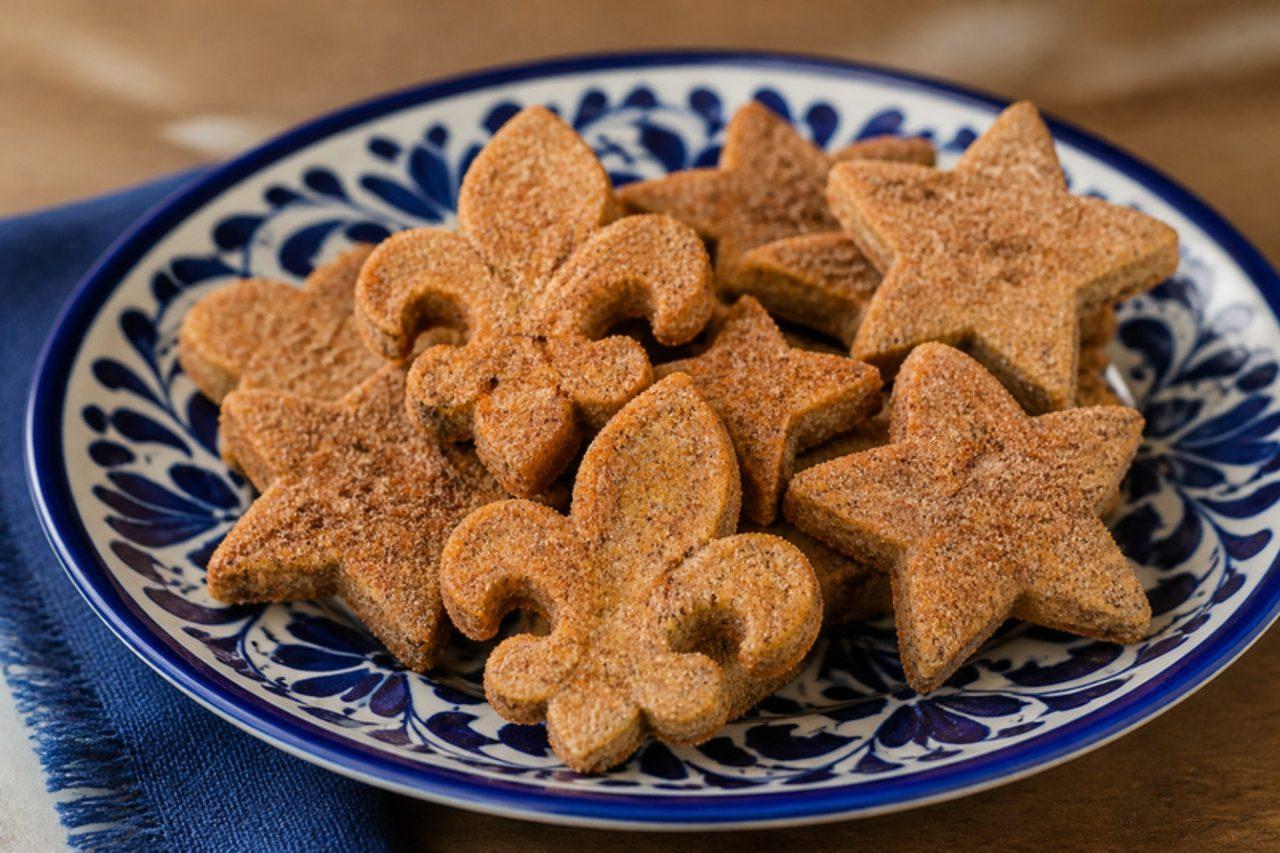
Biscochitos are New Mexico's official state cookie, baked by the thousand at Christmas, weddings and baptisms in Hispanic homes from Las Cruces to Taos. They are crumbly, short and scented with anise seed, cut into stars or fleurs-de-lis and dipped in cinnamon sugar. Grandmothers use lard, which gives the classic texture; this version uses butter so it stays vegetarian. Traditional recipes add a splash of brandy; here orange juice is used instead. Chef's tip: lightly crush the anise seeds to release the flavour.

by KrazyBadal 0 views

Pan dulceChristmas fruit bread

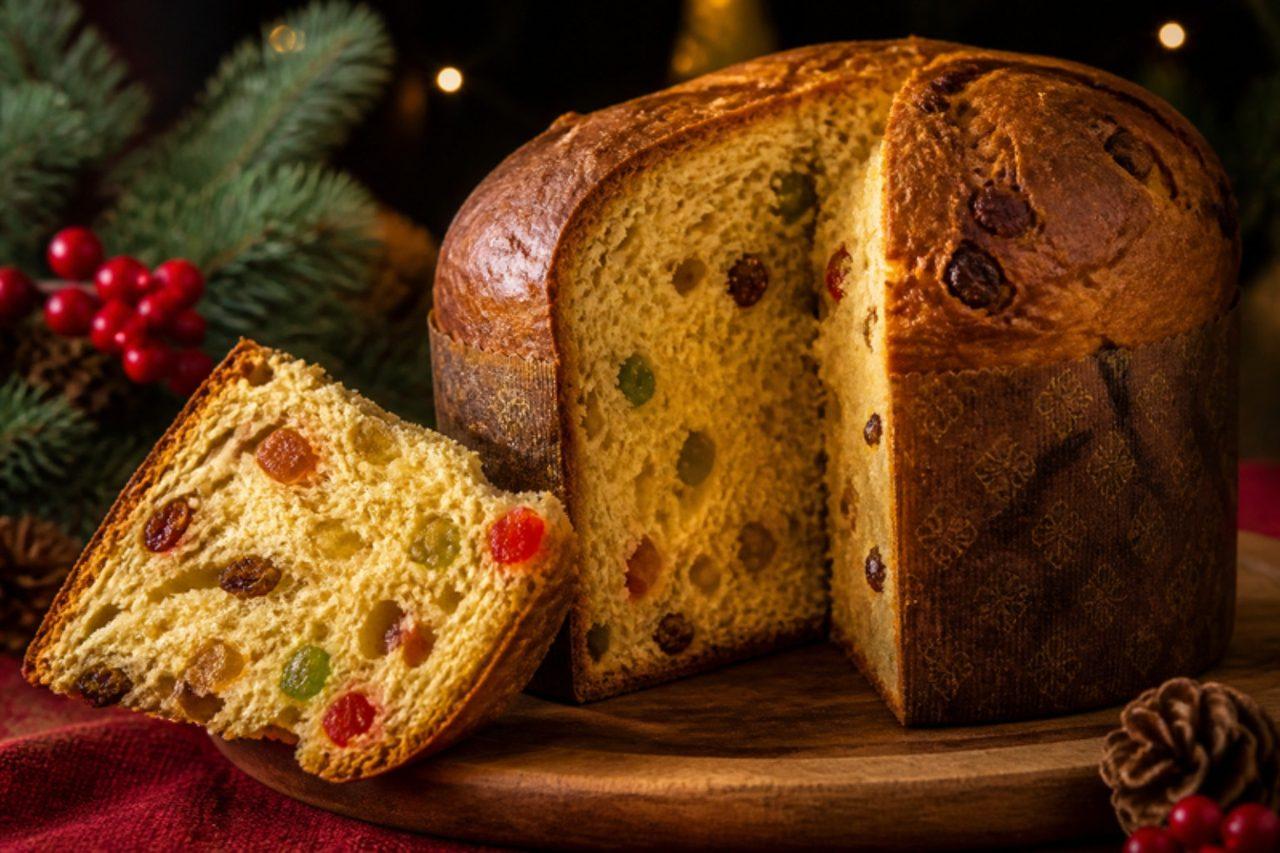
No Argentine Christmas Eve table is complete without a pan dulce, set out at midnight with turrón, nuts and a cold cider for the adults. The bread is the River Plate take on Genoese pandolce and Milanese panettone: a tall, buttery yeast dough scented with orange blossom and lemon, packed with candied fruit, raisins and walnuts. The crumb is closer and moister than panettone, and it keeps for a week wrapped in a cloth. Allow a long day, as the dough has a sponge and two rises. Some bakers soak the fruit in rum or sweet wine; here it is soaked in orange juice, so the bread is alcohol-free. People often add the fruit at the start of kneading, which shreds the gluten and gives a heavy, sunken loaf; work it in only once the dough is silky. Chef's tip: bake it in a tall paper mould or a 16 cm tin lined with a collar of baking paper, and turn it upside down onto a rack for the first 20 minutes of cooling so the top does not sink.

by KrazyBadal 0 views

Moraba-ye bahar narenjBitter orange blossom jam

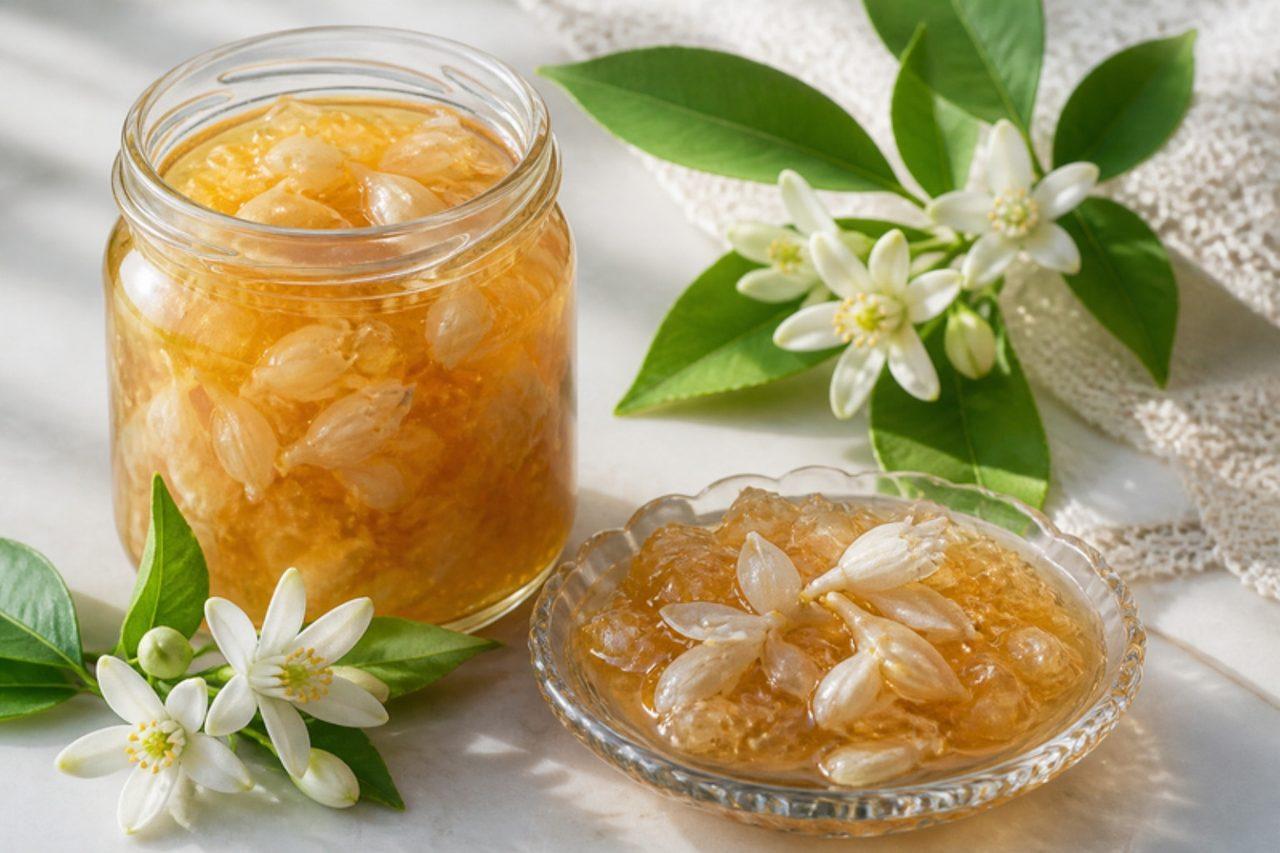
When the bitter orange trees lining Shiraz's streets bloom in April, the whole city smells of blossom, and households gather the fallen petals to make this pale golden jam for the year ahead. It is spooned onto bread with fresh cheese at breakfast, or stirred into tea. The petals are bitter, so they are blanched and soaked several times before they meet the syrup. A common mistake is cutting the soaking short, which leaves the jam harsh. Chef's tip: add the lemon juice only at the end; it keeps the petals bright and stops the syrup from crystallising.

by KrazyBadal 0 views

Moqueca de ovosEggs in coconut and tomato sauce

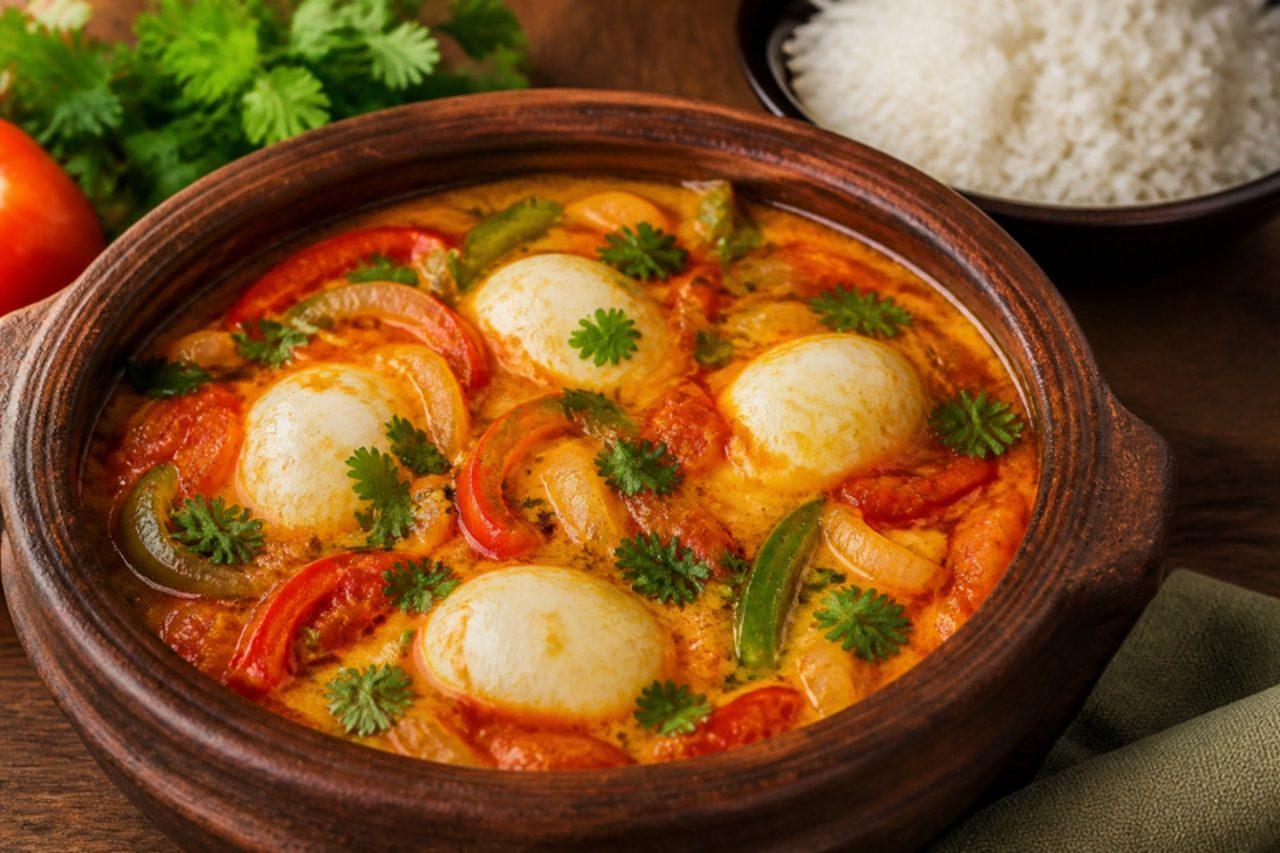
When fish money runs short or it is a meatless Friday, Bahian kitchens make moqueca with eggs instead: the same orange sauce of coconut milk, tomato, peppers, coriander and dendê palm oil, with whole eggs poached right in it until the whites set and the yolks stay soft. It is everyday food in Salvador and the Recôncavo, cooked in a clay pan and carried straight to the table with white rice, farofa de dendê and a spoon of pimenta sauce for those who want heat. The sauce is mellow, slightly sweet from the peppers and rich from the coconut, and the runny yolks thicken it on the plate. The usual mistake is stirring after the eggs go in; they break and turn the sauce cloudy, so cover the pan and leave it alone. Chef's tip: add half the dendê at the start and the rest just before the eggs; heated too long it loses its nutty, floral perfume and only the colour remains.

by KrazyBadal 0 views

Pasta frolaQuince tart

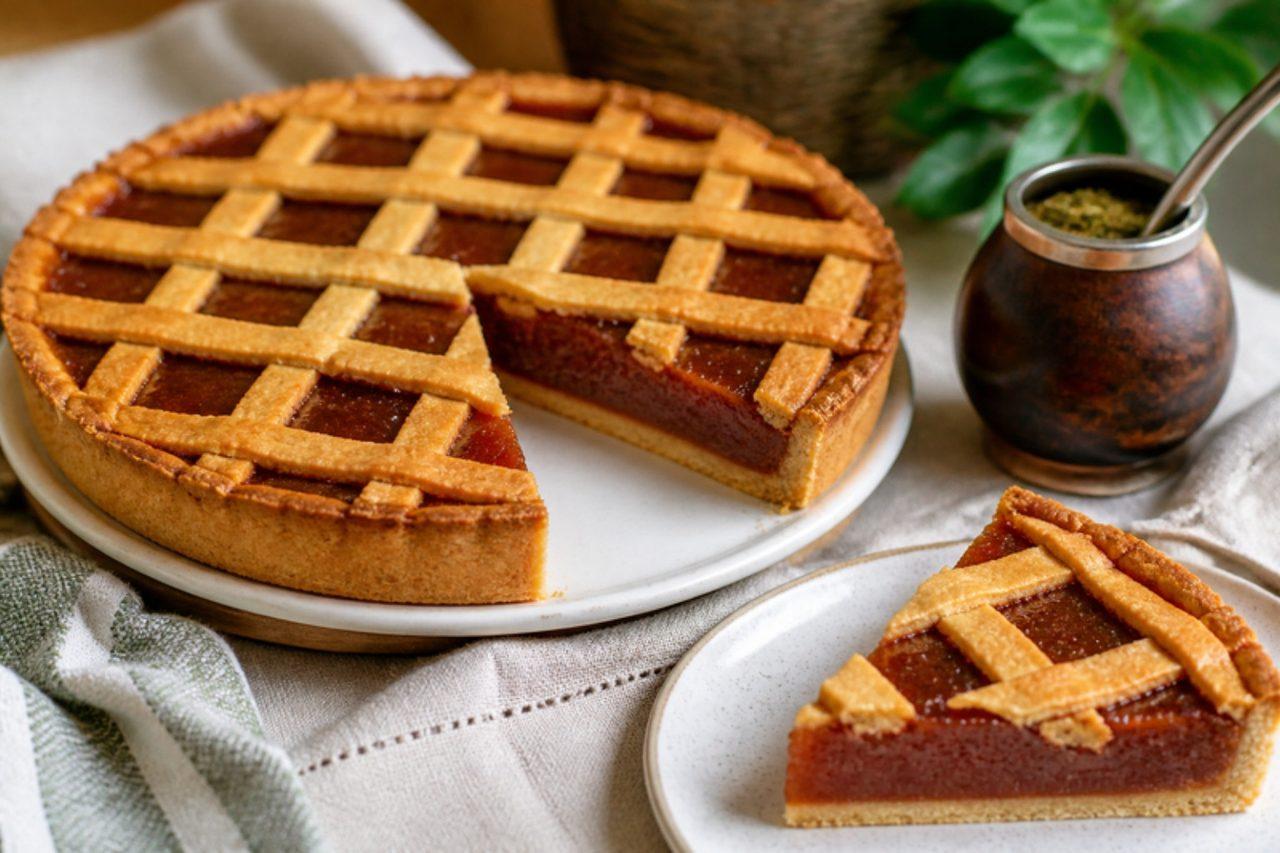
Pasta frola came to the River Plate with Italian immigrants (it is a cousin of the crostata), and it is now the tart every Argentine kitchen keeps on the counter for afternoon mate. The crust is short and cakey rather than crisp, scented with lemon zest and vanilla, and the filling is dulce de membrillo melted down into a spreadable jam; dulce de batata is the other classic. Bakeries in Buenos Aires sell it by the square and it keeps for days in a tin, getting better on the second day. The lattice strips should be thin and slightly wider apart than you think, so the dark filling shows through. A common slip is to spread the quince paste straight from the block: it will not spread, it tears the base and it turns leathery in the oven, so loosen it first with a little hot water. Chef's tip: chill the lined tin and the cut strips for 15 minutes before baking, so the lattice keeps its shape instead of slumping into the filling.

by KrazyBadal 0 views

Lomi lomi salmonSalmon, tomato and onion relish

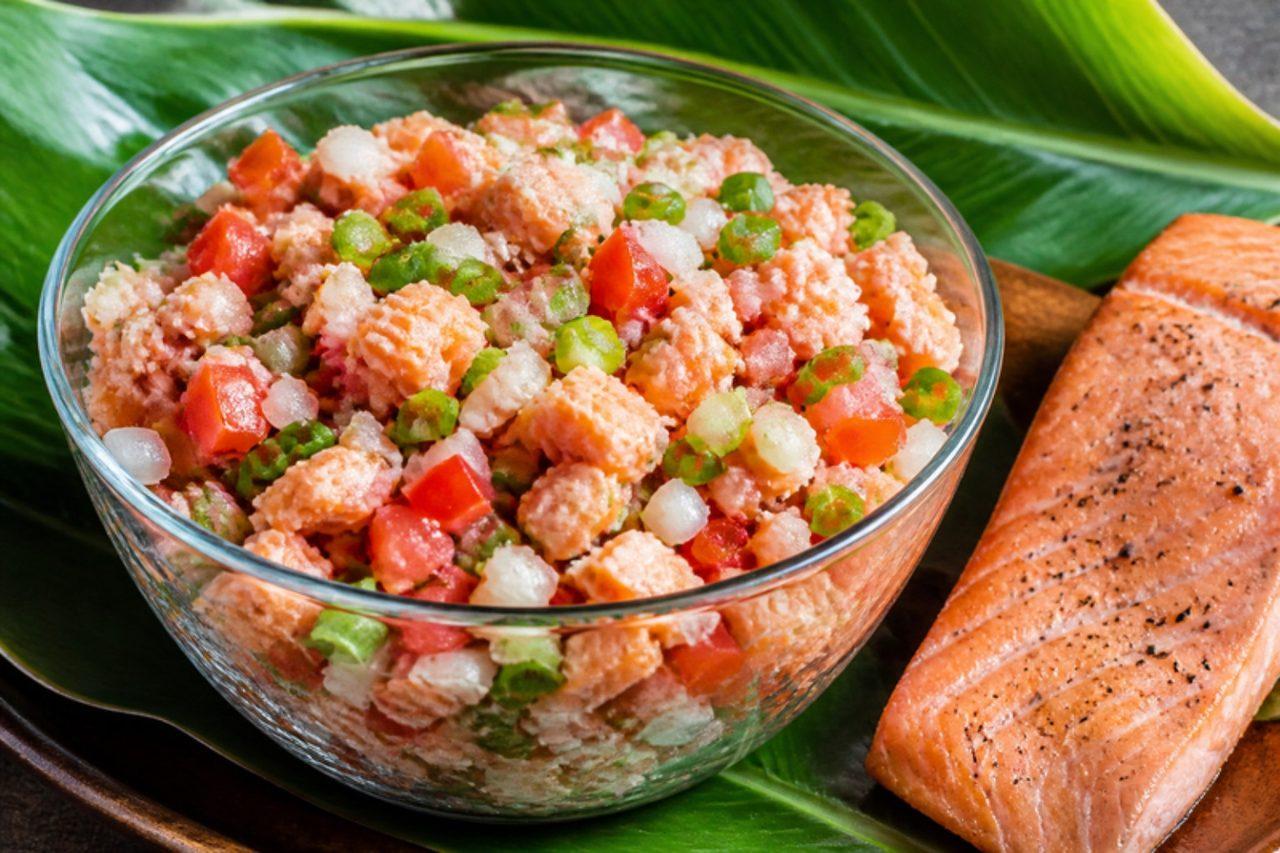
Lomi means to massage: at Hawaiian lūʻau and graduation parties, salted salmon is squeezed by hand with diced tomatoes, sweet onion and spring onions into a cold, juicy relish that cuts through rich kalua pig and poi. It arrived with salted salmon traded from the Pacific Northwest by nineteenth-century whalers. The traditional version uses raw salt-cured salmon, which is not for pregnant women, young children or anyone with a weakened immune system; this safer version gently poaches the salmon first. Chef's tip: chill everything well and drain the tomatoes, so the relish stays bright rather than watery.

by KrazyBadal 0 views

Mango bicheGreen mango with salt and lime

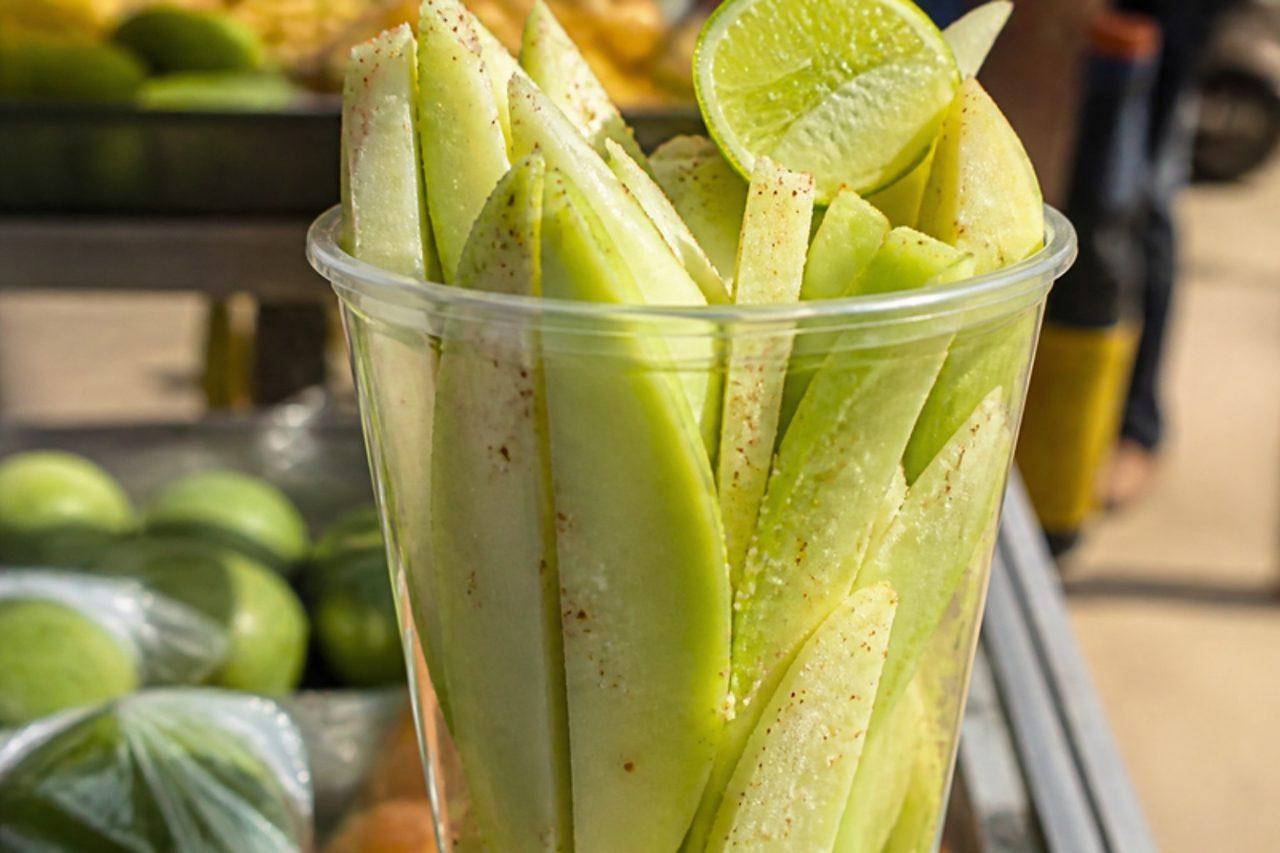
Paper and plastic cones of mango biche are sold from street carts in Cali, Barranquilla and Bogotá, especially around schools, parks and bus stops. Biche means unripe: the mango is still hard and pale green inside, so it is crunchy and mouth-puckeringly sour, and the vendor cuts it into long strips and shakes on salt, lime and black pepper, sometimes a pinch of chilli. It is a refreshing, almost savoury snack, eaten in the afternoon heat. Choosing a mango that has started to ripen is the slip that spoils it: the flesh should be firm and white-green with no yellow, or it turns soft and sweet. Look for green mangoes in Asian and Latin shops. Chef's tip: chill the mango for 30 minutes before cutting; the strips stay crisp and the salt and lime cling better.

by KrazyBadal 0 views

Piquillos rellenos de setasPeppers stuffed with mushrooms

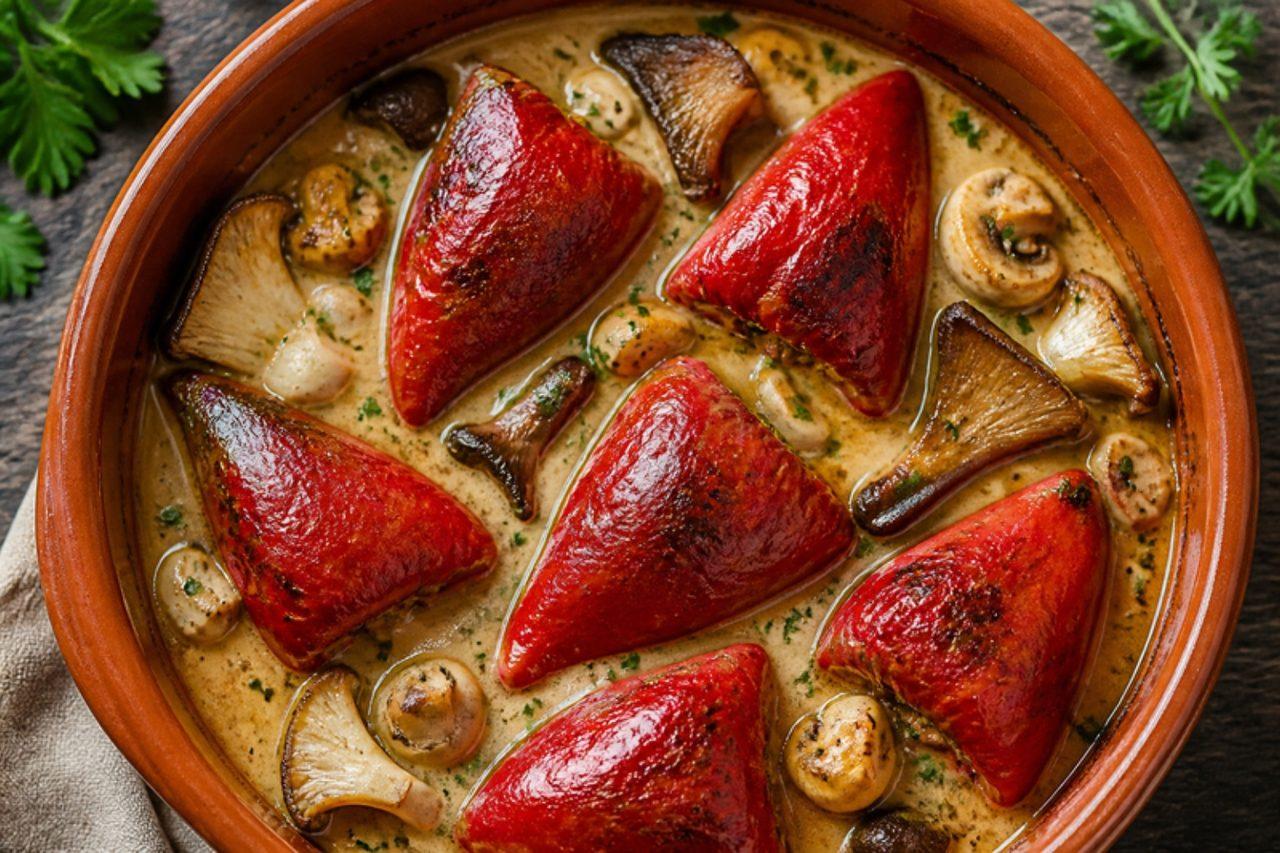
Lodosa, on the Ebro in southern Navarre, roasts its little pointed piquillo peppers over wood, peels them by hand and jars them under its own protected name. When the autumn rains bring mushrooms up in the Navarrese hills, the peppers get stuffed with a thick mushroom béchamel, coated and fried, and served as a starter at family lunches or as a pintxo in the old town of Pamplona. A smooth sauce made from a few extra peppers goes underneath. Chef's tip: chill the filling until it is firm enough to scoop, which makes filling the soft peppers far easier.

by KrazyBadal 0 views

Massa sovadaSweet lemon bread

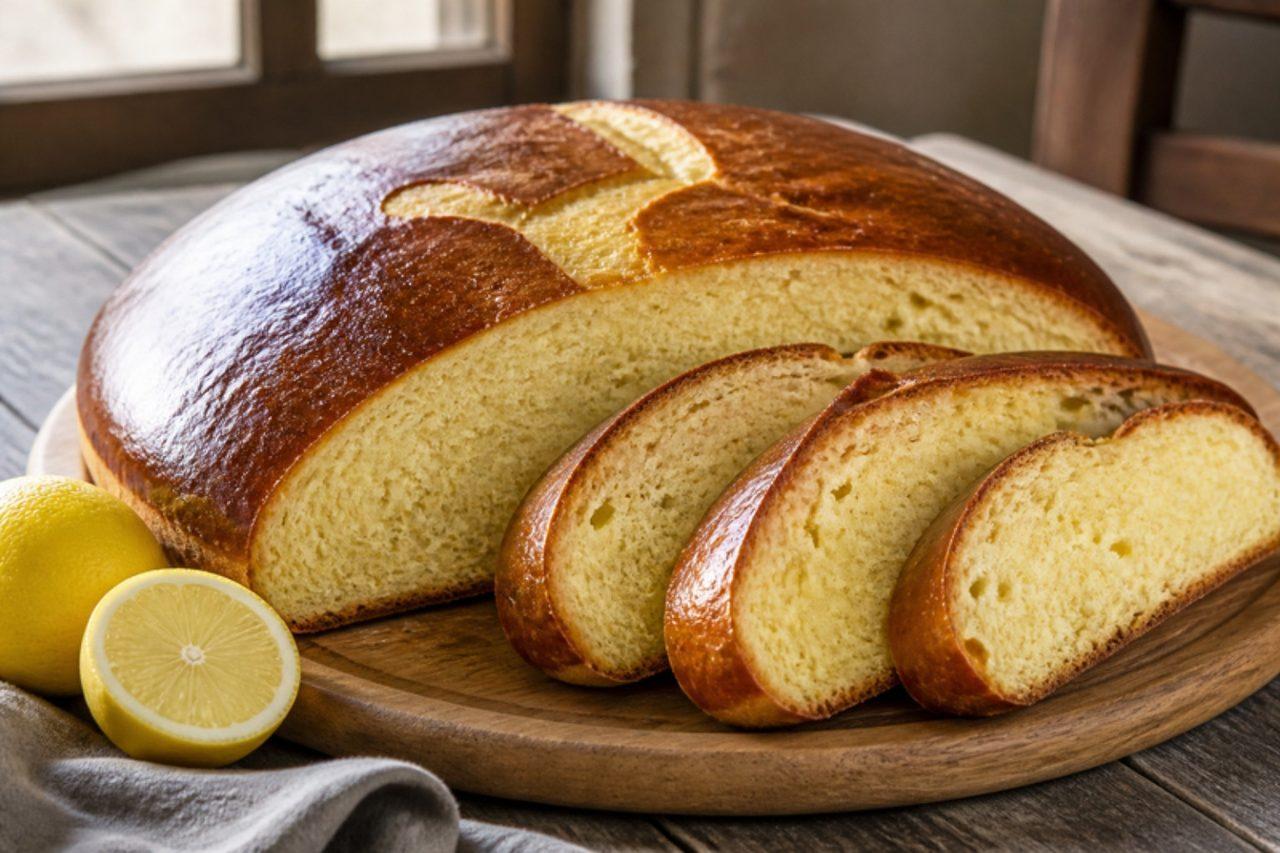
Sovar means to knead hard, and Azorean women once kneaded this rich bread dough for an hour by hand before Easter and the Holy Spirit feasts of early summer, when loaves are blessed and shared with the whole parish. The crumb is soft, golden and feathery, with a tight, dark shiny crust. Slices are eaten plain with coffee, toasted with butter, or used to soak up the juices of alcatra on Terceira. A common mistake is baking before the loaf has doubled, which gives a dense, cakey crumb. Chef's tip: give it a slow, full rise, which is what gives the bread its fine, cotton-soft crumb.

by KrazyBadal 0 views

Lomito completoLoaded tenderloin sandwich

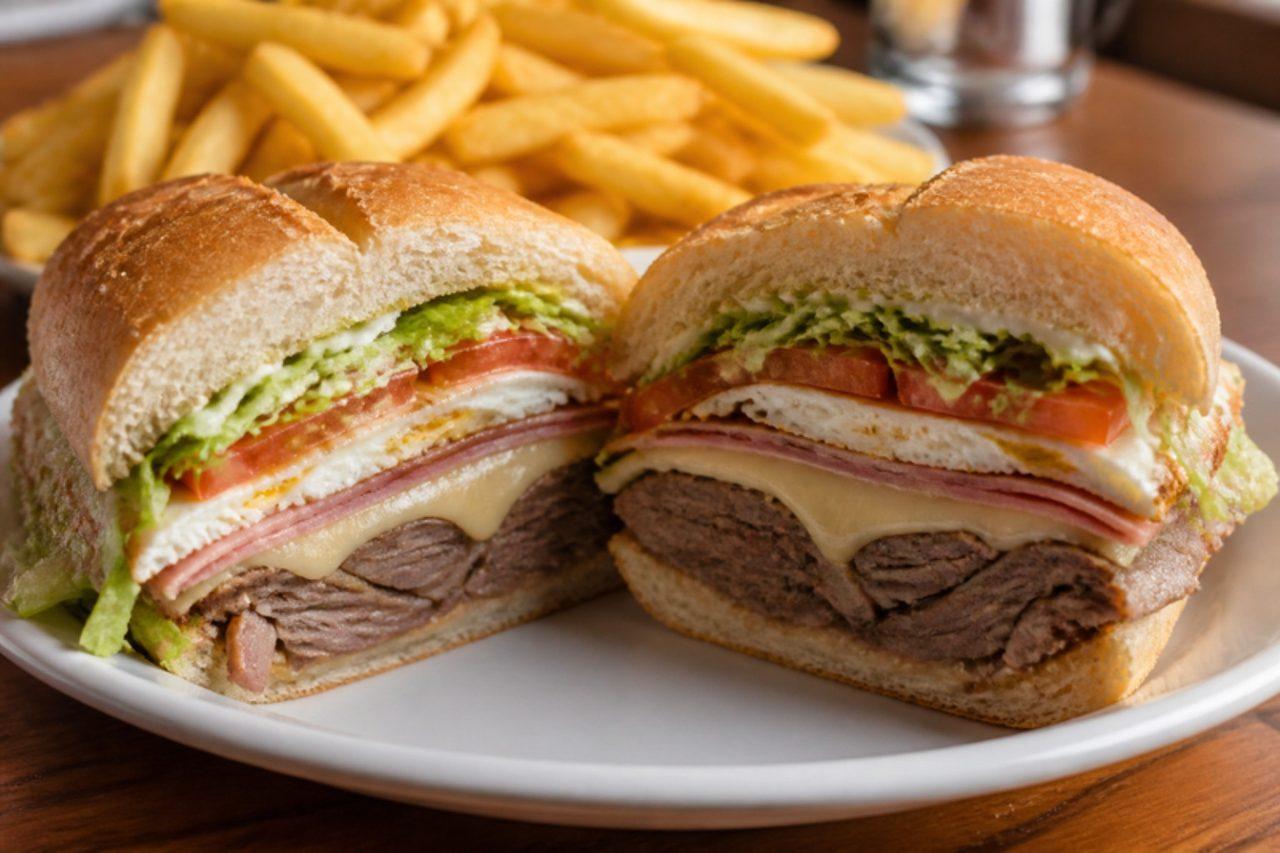
Córdoba claims the lomito as its own, and at lomiterías and late-night carts in the city it comes completo: thin, quick-seared slices of beef tenderloin piled into a big soft roll with cooked ham (pork), melting cheese, a fried egg, lettuce, tomato and mayonnaise. It is messy, juicy and filling, the classic end to a night out or a Saturday football match, usually with chips on the side. The meat is only a few millimetres thick, so it cooks in a minute; Córdoba grills cook it through, but as a whole steak you can leave it a little pink to taste. The big error is a lukewarm pan, which boils the thin beef grey instead of searing it. Chef's tip: lay the cheese on the ham in the hot pan to melt while the egg fries, so everything goes into the toasted roll hot at once.

by KrazyBadal 0 views

Rote GrützeRed berry pudding

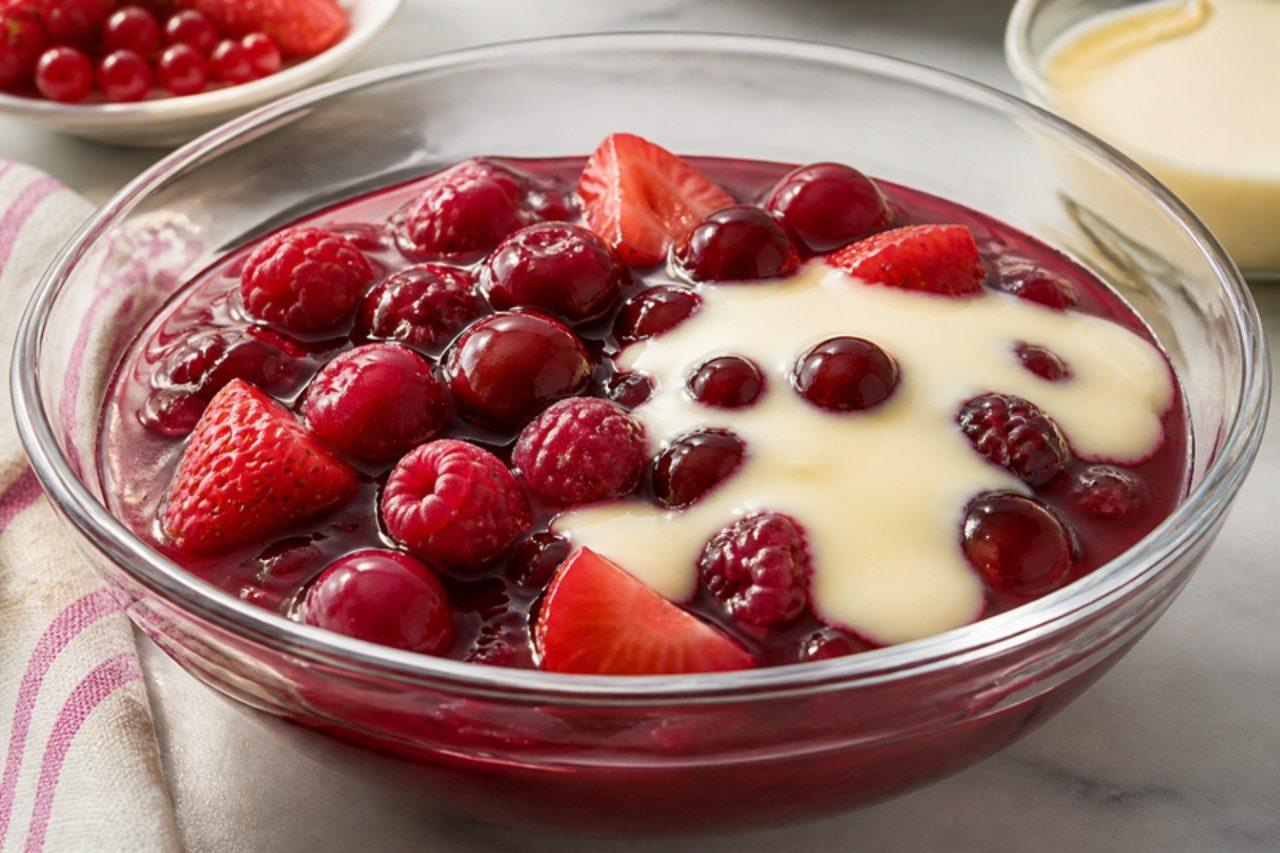
Rote Grütze is the summer dessert of Hamburg, Schleswig-Holstein and Lower Saxony, made when the gardens are full of redcurrants, raspberries and sour cherries. The fruit is cooked briefly, thickened with a little cornflour and chilled until it sets to a glossy, spoonable jelly, tart and deep red, with whole berries still in it. Northerners pour cold vanilla sauce or plain cream over it; with a plant-based vanilla sauce it is fully vegan. A common mistake is boiling all the berries: add the soft raspberries last, off the heat, so they keep their shape. Chef's tip: frozen mixed berries work beautifully out of season, and their juice gives an even deeper colour.

by KrazyBadal 0 views

Mast-o musirYoghurt with wild shallots

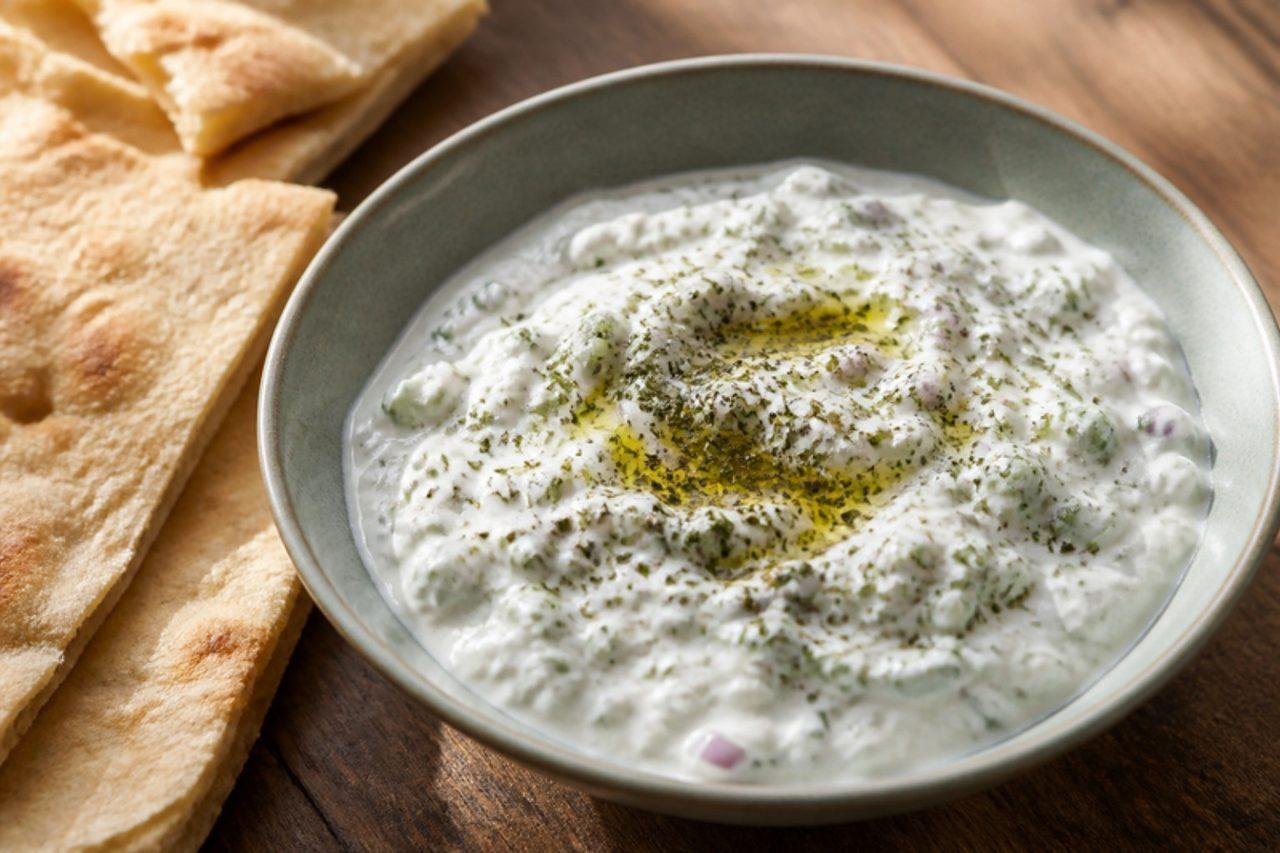
Every kebab house in Tehran puts a little bowl of mast-o musir on the table beside the chelow, and at home it sits next to Friday lunch the same way. Musir is a wild mountain shallot from the Zagros, sold dried in slices; once soaked it is mild, garlicky and faintly sweet, and it gives thick yogurt a sharp bite. The one mistake to avoid is skipping the long soak, which leaves the shallots tough and bitter. If you cannot find musir, see the swap in the steps. Chef's tip: make it a few hours ahead; the shallot flavour deepens as it sits in the fridge.

by KrazyBadal 0 views

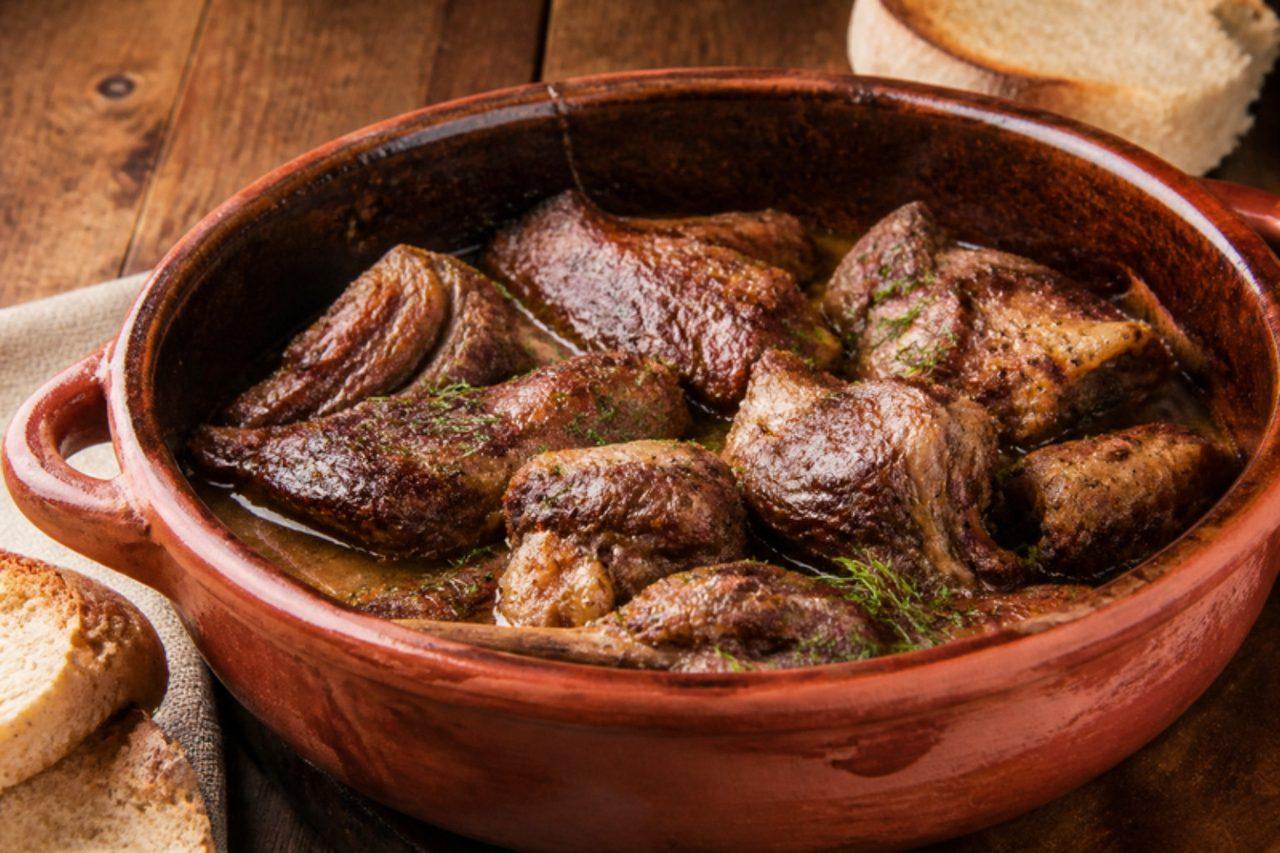
MasteloClay-pot Easter lamb with dill

Sifnos is an island of potters, and its Easter dish is named after the deep clay pot it is cooked in: lamb or kid laid on a bed of vine prunings, splashed with red wine, scattered with dill and sealed in the baker's oven overnight. The meat steams in the wine and its own juices until it falls from the bone, smelling of dill and woodsmoke, and is served on Easter Sunday with potatoes and bread. This recipe uses red wine; for an alcohol-free version use red grape juice with 2 tablespoons of red wine vinegar. Common mistake: opening the pot to check, which lets the steam escape and dries the lamb. Chef's tip: if you can't get vine twigs, a few thick slices of onion or a small rack under the meat stops it sitting in the liquid.

230 minGreekMeatGluten free
by KrazyBadal 0 views

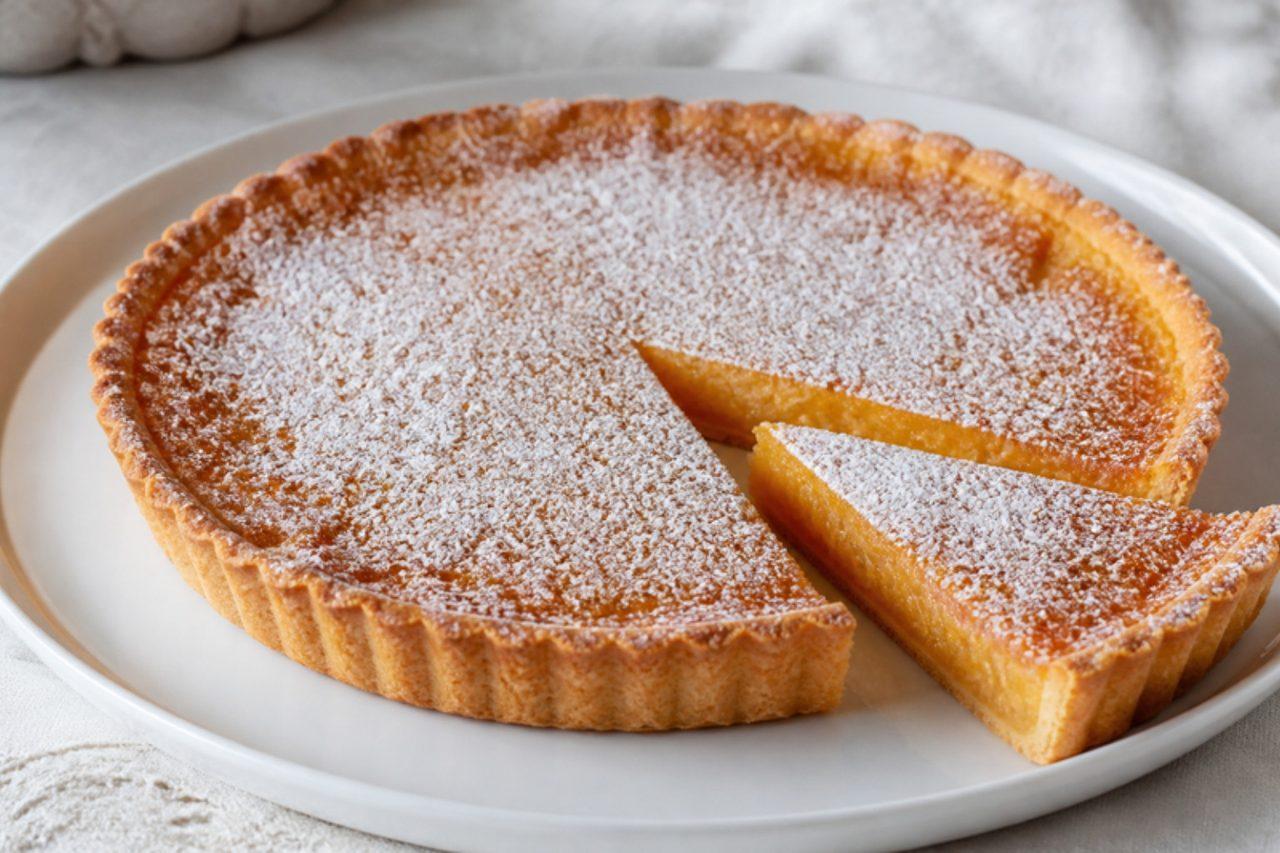
Técula méculaAlmond and egg-yolk tart

Olivenza, on the border with Portugal and Portuguese until 1801, kept a taste for the convent sweets of its neighbour, and técula mécula is the town's pride: a dense, golden tart of ground almonds, sugar syrup and egg yolks, sold whole or by the slice in its pastry shops and carried home as a gift. Its playful name is said to come from a Latin phrase meaning with you and with me, as if it were made to share. The traditional pastry uses pork lard; this version uses butter and is vegetarian. Chef's tip: a thin slice is plenty, as it is very rich; serve it with coffee.

by KrazyBadal 0 views

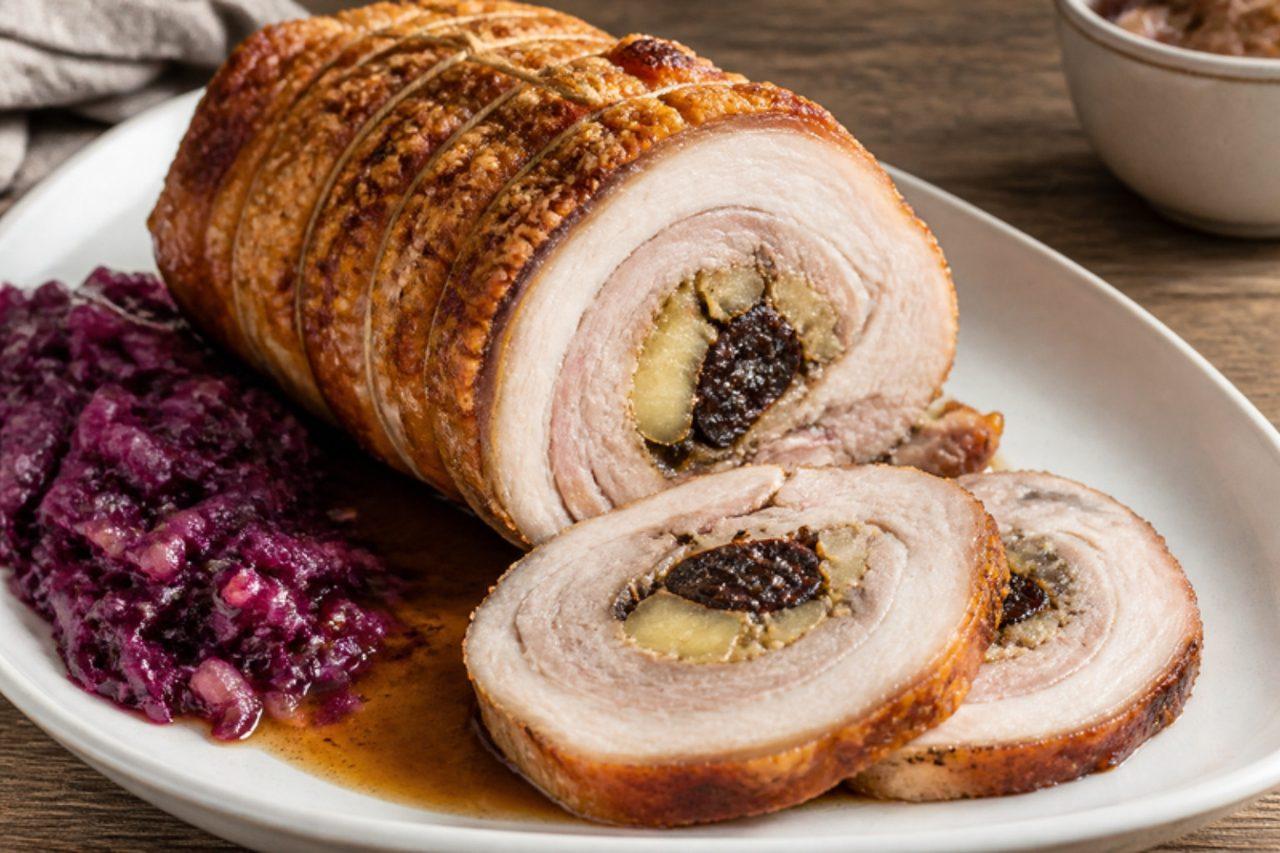
Mecklenburger RippenbratenApple and prune stuffed pork belly

Mecklenburger Rippenbraten is the Christmas and Sunday roast of Mecklenburg on the Baltic coast, a flat piece of pork belly spread with apple and prunes, rolled, tied and roasted until the skin crackles. The fruit melts into the meat and turns the pan juices into a sweet, dark gravy, served with red cabbage and boiled potatoes. The prunes are sometimes soaked in rum; here they are soaked in apple juice, so the dish is alcohol-free. Chef's tip: dry the scored skin uncovered in the fridge overnight; dry skin is what puffs into crackling.

180 minGermanMeatGluten free
by KrazyBadal 0 views

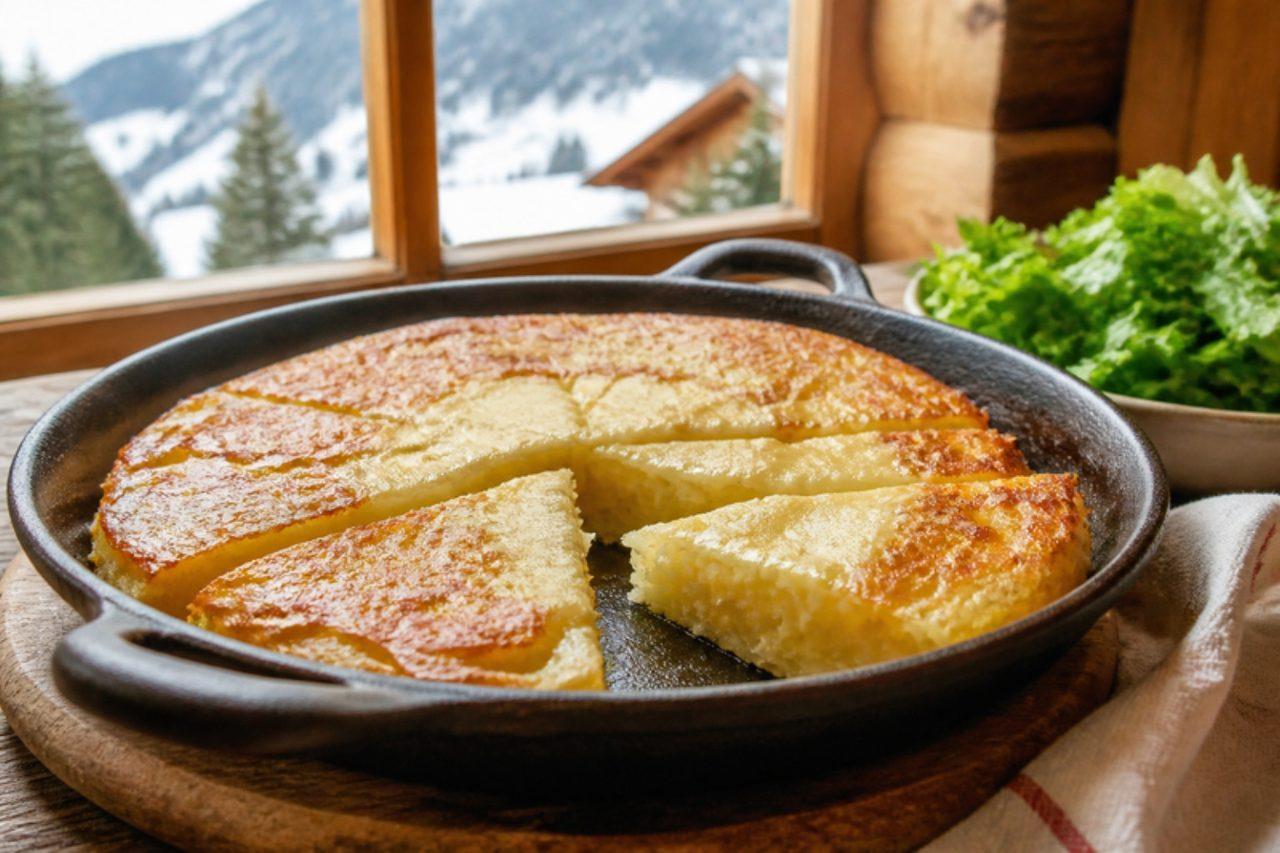
MatafanThick potato pancake

The name is said to come from 'mate faim', 'kills hunger', and that is what this thick pancake did for farmers in the Savoie and Bauges mountains, who ate it for breakfast before a day in the fields or the high pastures. Every valley makes it differently; this version is a golden cake of grated potato, egg and a little milk, cooked slowly in butter and finished with Beaufort, served cut into wedges with a green salad or a fried egg. Beaufort is made with animal rennet; a vegetarian mountain-style cheese works too, or leave it out and serve the matafan with jam for a sweet version. Chef's tip: squeeze the grated potato really hard in a tea towel; the drier it is, the crisper the crust.

by KrazyBadal 0 views

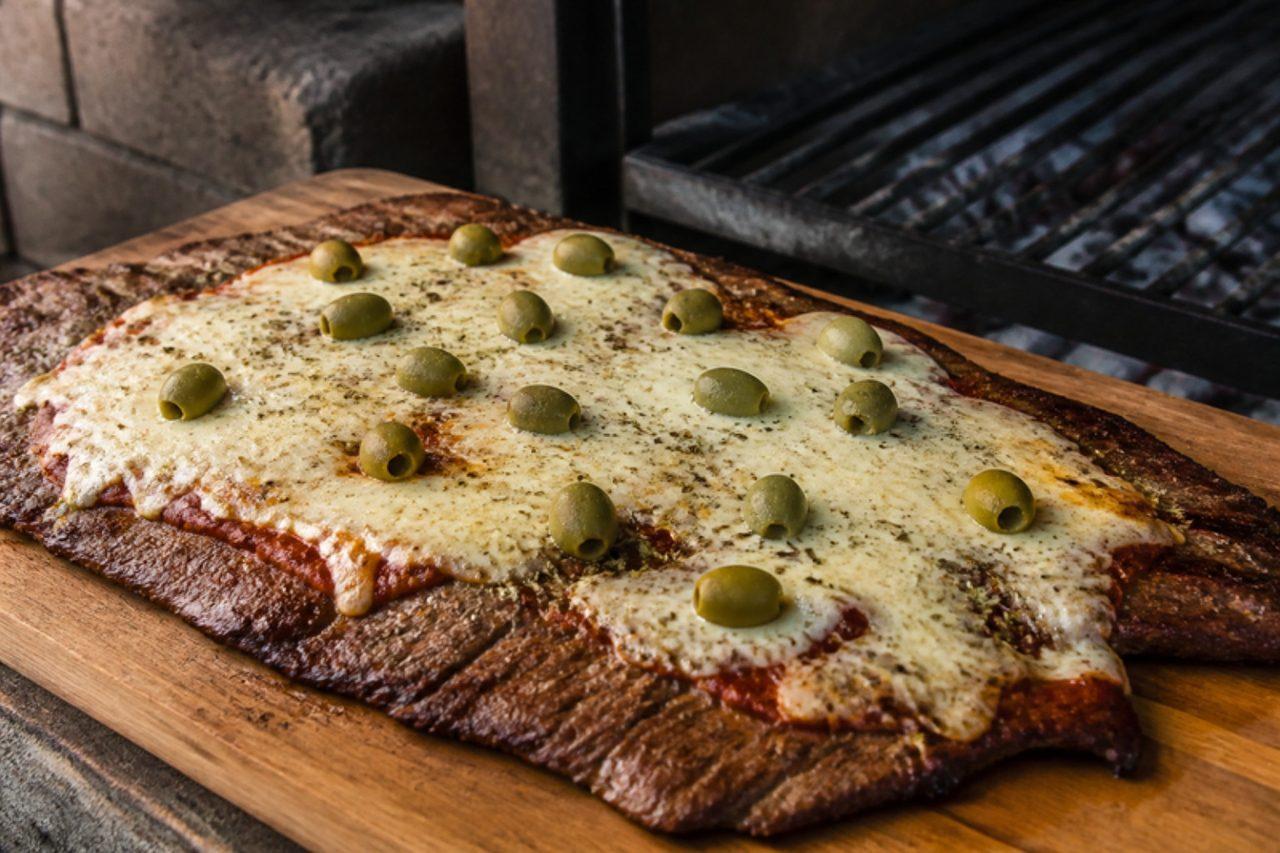
Matambre a la pizzaFlank steak with tomato and mozzarella

Weekend asados around Buenos Aires usually end with a show-off dish from the grill, and matambre a la pizza is the one that makes children cheer: a whole sheet of matambre (the thin flank cut that sits under the skin) cooked slowly until tender, flipped, then spread with tomato sauce, oregano and mozzarella and left on the grill until the cheese bubbles. Parrillas in the suburbs sell it cut into squares. Many cooks first simmer the meat in milk, which keeps the lean cut juicy and soft; that is the method here, finished under a hot grill or in the oven if you have no barbecue. Matambre is eaten well done and tender rather than pink. The usual mistake is grilling it straight away like a steak, which leaves it leathery: slow cooking first is what makes it tender. Chef's tip: score the membrane on the fatty side in a criss-cross before cooking, so the sheet stays flat instead of curling up when it hits the heat.

by KrazyBadal 0 views

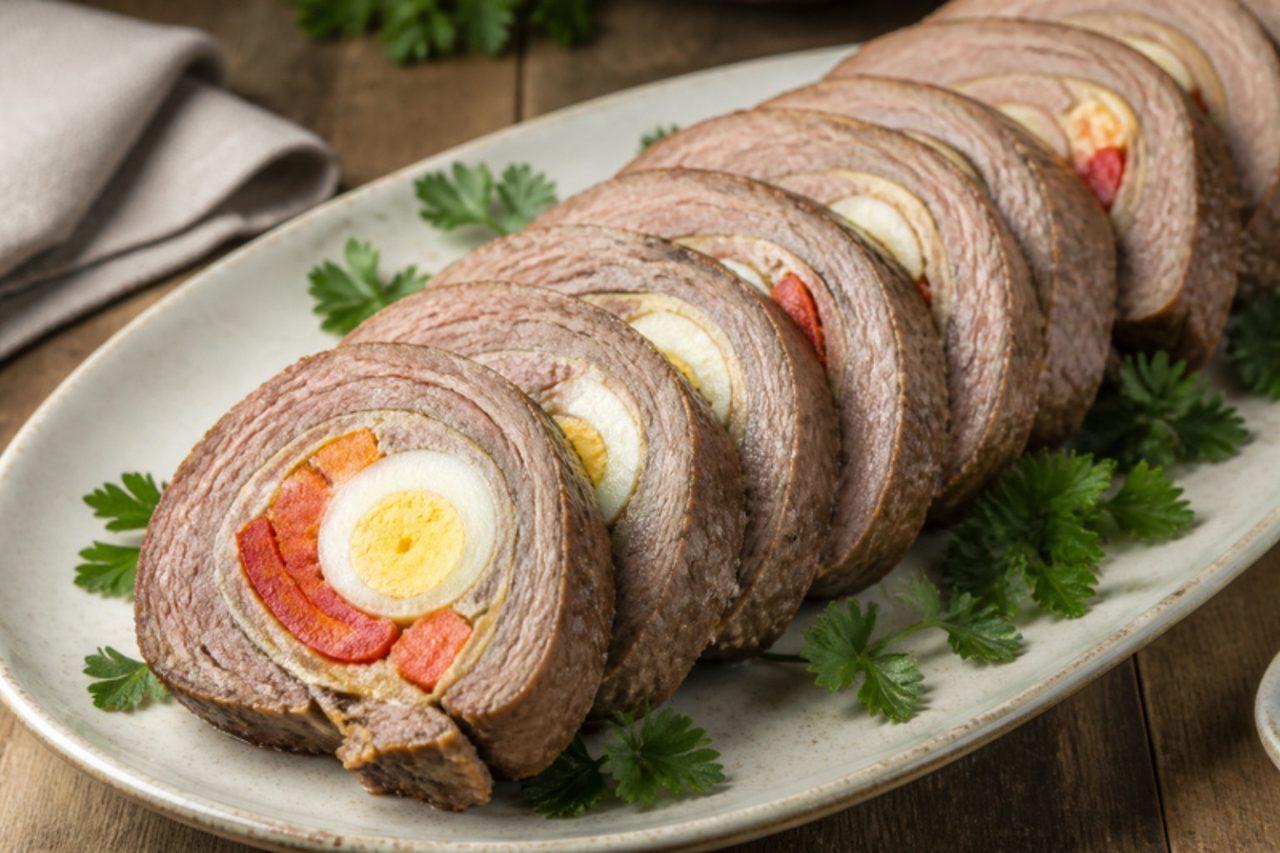
Matambre arrolladoRolled stuffed flank steak

Christmas and New Year in Argentina fall in high summer, so the festive table is crowded with cold dishes, and matambre arrollado is the one that draws a crowd: a thin sheet of beef from between the ribs and skin (matambre, the rose or flank cut), spread with garlic and parsley, layered with hard-boiled egg, carrot and red pepper, rolled into a fat sausage, poached and pressed. Rotiserías in the Buenos Aires suburbs sell it by the slice, and each round shows a mosaic of colours. Served cold with Russian salad and a sharp chimichurri, it is tender and savoury. Because the outside of the meat ends up rolled inside, cook it to a core temperature of 71 °C, as for minced meat. The usual mistake is slicing it warm: it falls apart, so press it under a weight in the fridge overnight. If you can't find matambre, ask the butcher for a thin flank steak butterflied to 1 cm. Chef's tip: lay the meat with the grain running along the roll, so each slice cuts across the fibres and stays tender.

by KrazyBadal 0 views

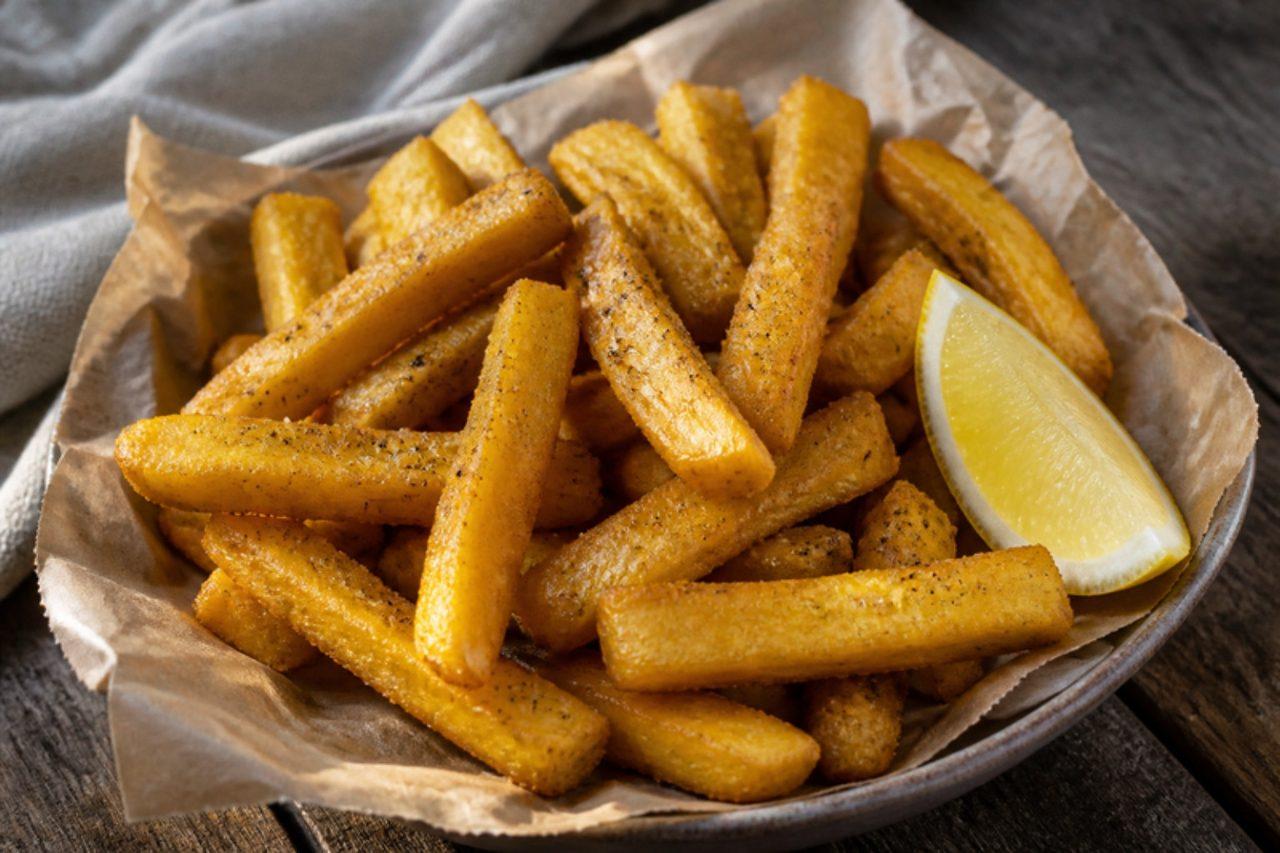
PanissesFried chickpea fingers

In L'Estaque, the old fishing quarter on the western edge of Marseille, panisses are sold hot in paper cones from seafront kiosks on summer evenings. They start as a thick chickpea-flour porridge, set in a tray, then cut into fingers and fried until the outside is crisp and the middle is soft and creamy, like a chickpea chip. Along the coast in Nice the same flour becomes socca, a thin baked pancake. Serve panisses with a squeeze of lemon and lots of pepper. Chef's tip: make the base the day before; a night in the fridge firms it up, and the fingers keep their shape in the oil.

by KrazyBadal 0 views

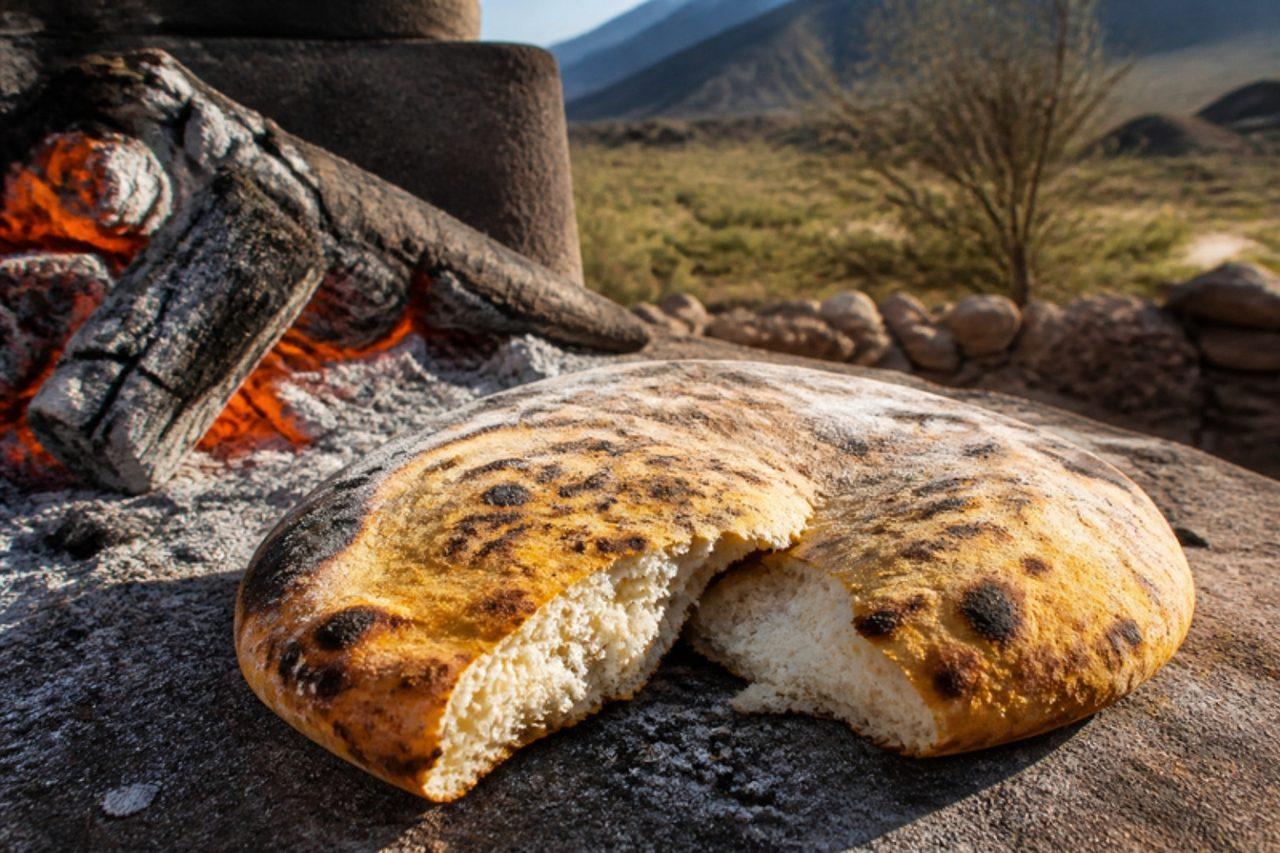
Tortilla al rescoldoAsh-baked flatbread

Puesteros in the hills of Salta and the Calchaquí valleys bake this bread the oldest way there is: a thick disc of plain dough laid straight onto the hot ash at the edge of the fire, covered with more embers and dug out 20 minutes later with a crust that is blistered and smoky and a crumb that is dense and soft. You brush off the ash, break it with your hands and eat it with goat's cheese, a mate or a bowl of locro. The traditional fat is lard (grasa); this version uses butter or vegetable shortening so it stays vegetarian. Laying the dough on flaming wood instead of a bed of settled grey embers is the mistake that burns the outside black before the middle cooks, so wait until the fire has died back. No fire? A dry cast-iron pan and a hot oven give you a close result. Chef's tip: knock the bread on its base when you lift it out; a hollow sound means it is cooked through.

by KrazyBadal 0 views

Showing 45 of 7,762 recipes

Show more recipes

Page 541 of 863