


Skip to content
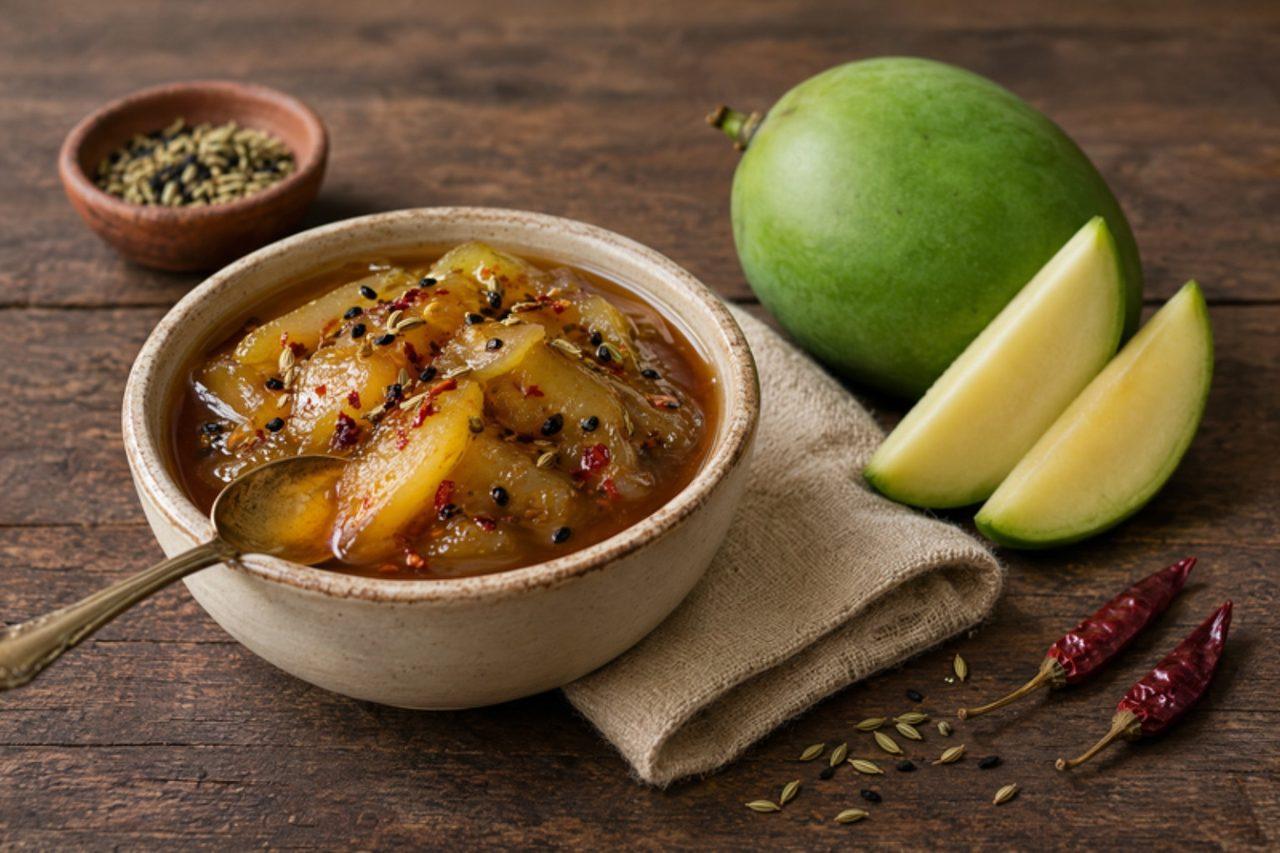
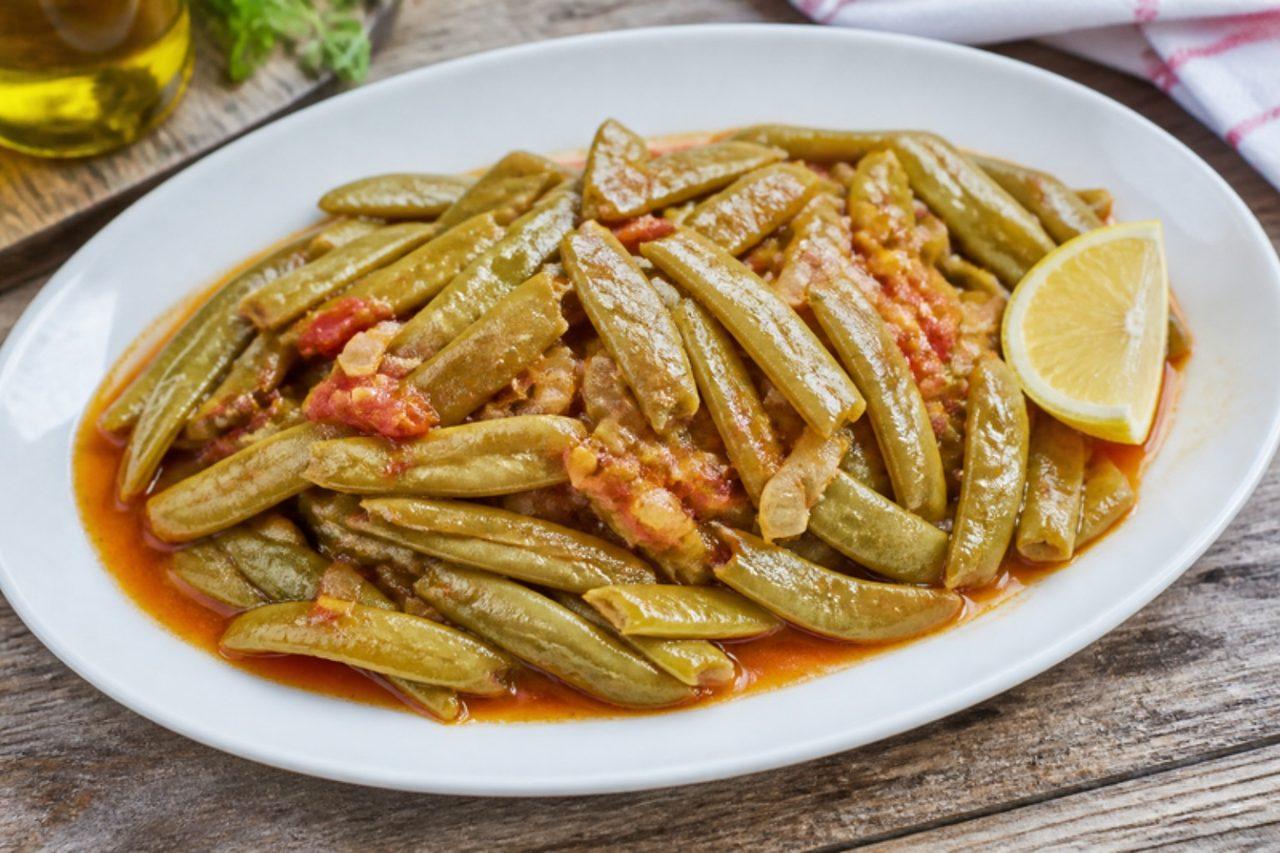
Zeytinyağlı taze fasulye
Featured recipe

Zeytinyağlı taze fasulye

Green beans braised in olive oil

Along the Aegean coast, from İzmir down to Bodrum, summer lunch often begins with a plate of flat green beans that have been stewed in olive oil and tomato until they are silky, then left to cool to room temperature. It belongs to the zeytinyağlı family: vegetables cooked in olive oil, with no meat, and eaten cold or barely warm with bread to mop up the orange-red juices. Home cooks make a big pan in the morning and serve it over two or three days, because it tastes better after a night in the fridge. The most common mistake is rushing it on a high flame: the beans stay squeaky and the oil never turns glossy. Chef's tip: lay the beans on top of the onions and tomatoes without stirring, cover tightly and let the steam do the work; stirring breaks the beans and turns the sauce muddy.

Read more 0 views

What to eat today?

Around the world

Today's trip: Paraguayan

A new country every day, from every cuisine on the site.

Paraguayan

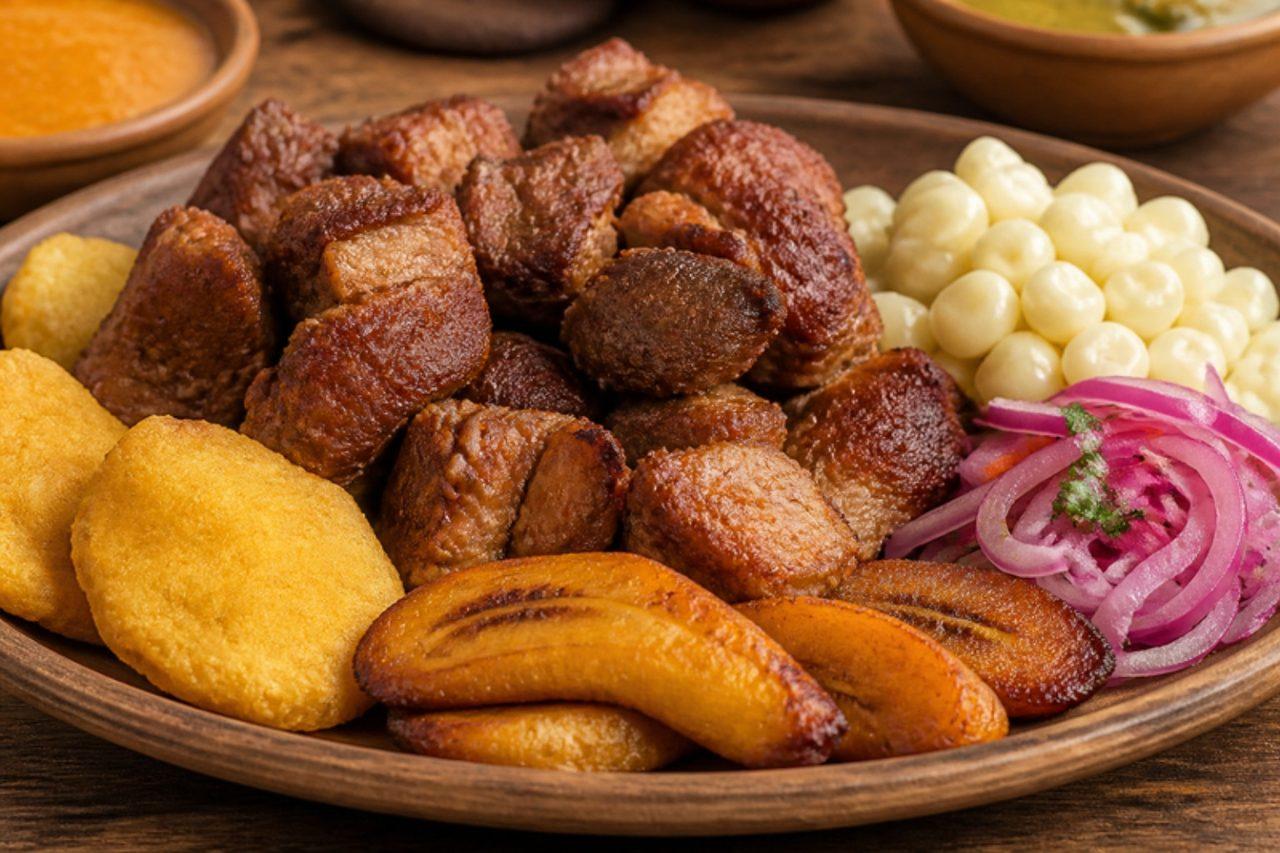
Chipa

Cheese bread rings 50 minMore from Paraguayan (27) →

This week's collection

Kid-friendly dinners
537 recipes · a new collection every Monday

Latest recipes

Tamales de chipilínChipilín leaf tamales

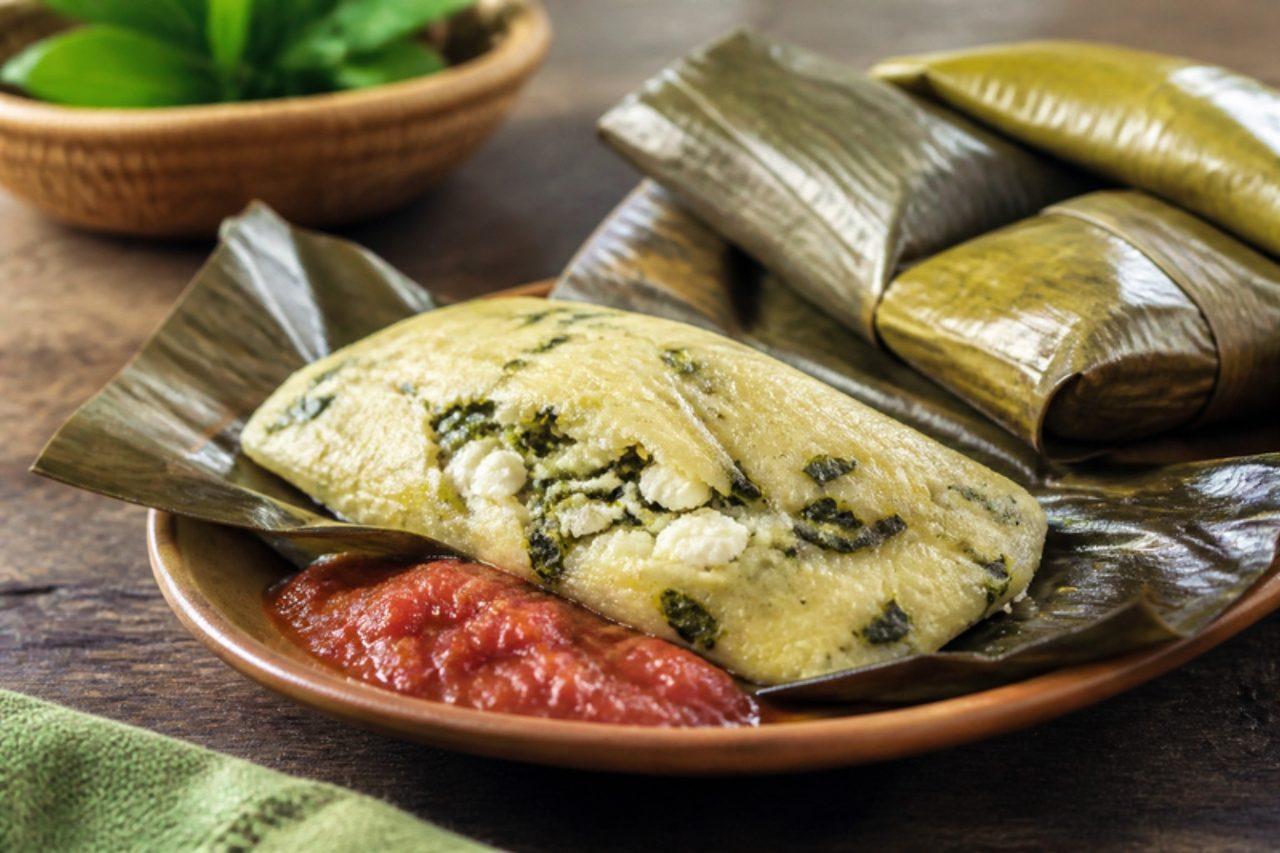
Chipilín is a small-leaved wild legume that grows along the fields of Chiapas and Tabasco, and its grassy, faintly bitter leaves turn up in soups, rice and, most of all, these tamales. In Tuxtla Gutiérrez and San Cristóbal they are sold from steaming pots in the early evening and taken home for supper with hot chocolate or atole: soft, pale green-speckled masa wrapped around a cube of fresh cheese, often with a spoon of tomato salsa. Cooks there beat the masa with lard; vegetable shortening gives the same light texture. Frozen chipilín is sold at Central American grocers; spinach with a few watercress leaves is a fair stand-in. Chef's tip: strip the leaves from the stems by pinching and pulling down; stems make the masa stringy.

by KrazyBadal 0 views

Tamales norteñosBeef corn tamales

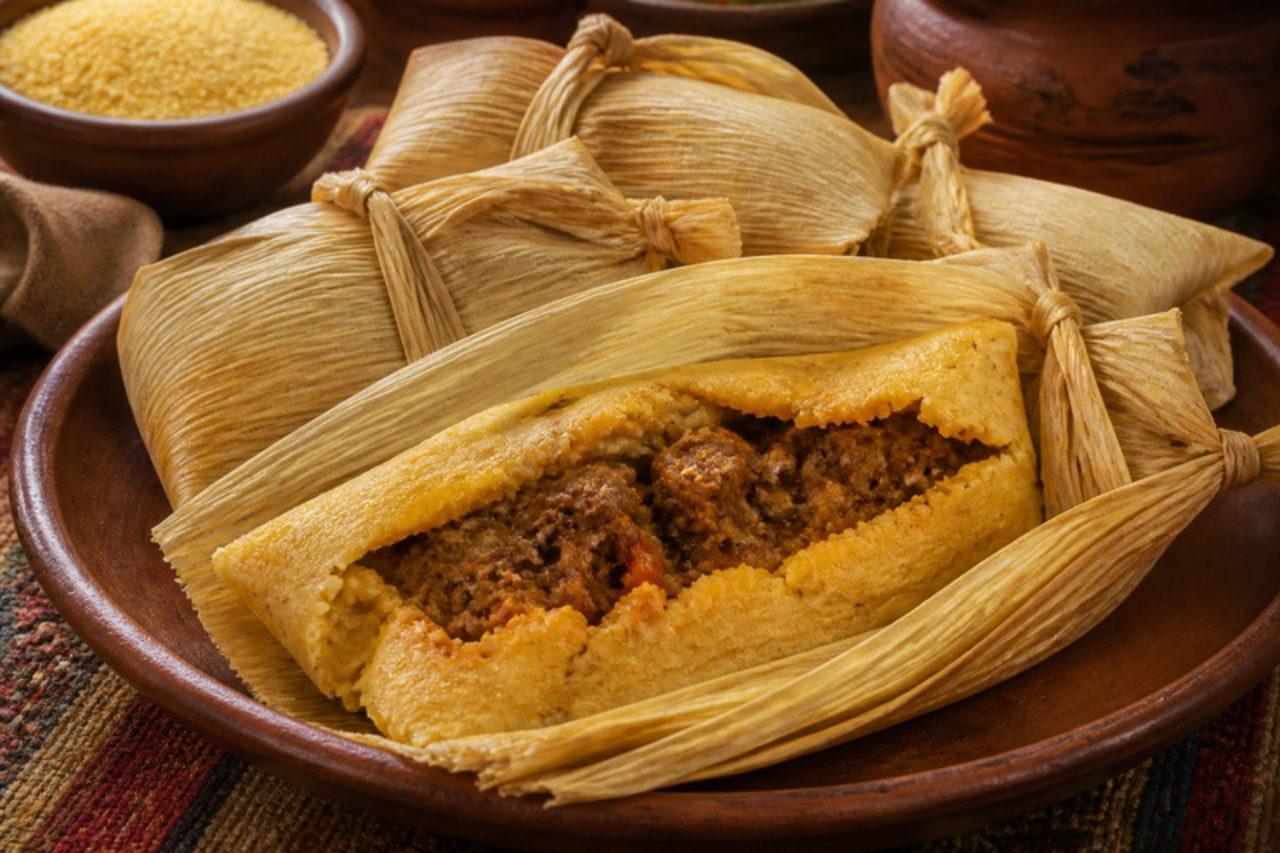
Families in Salta and Jujuy make tamales by the hundred, usually for the national holidays or for the winter fiestas in the Quebrada, with everyone at the table spreading dough onto husks, spooning in filling and tying parcels. The northern Argentine tamal is different from the Mexican one: the dough is made from finely ground white or yellow maize cooked with squash and beef fat, and the filling is a red, peppery mix of beef (traditionally from the head or charqui, dried beef) with onion, ají molido and cumin. Each parcel is folded and tied with a strip of husk into a little bundle, then boiled. Expect a long, hard afternoon, but they freeze well. Look for dried corn husks and fine maize flour in Latin American shops; masa harina also works. The filling must reach 71 °C, as for any mince, before it goes into the husks. Dough that is too dry is the usual mistake and cracks as it cooks; it should feel like soft polenta. Chef's tip: soak the husks in hot water for 30 minutes so they fold without splitting.

by KrazyBadal 0 views

Guaraná raladoGrated guaraná drink

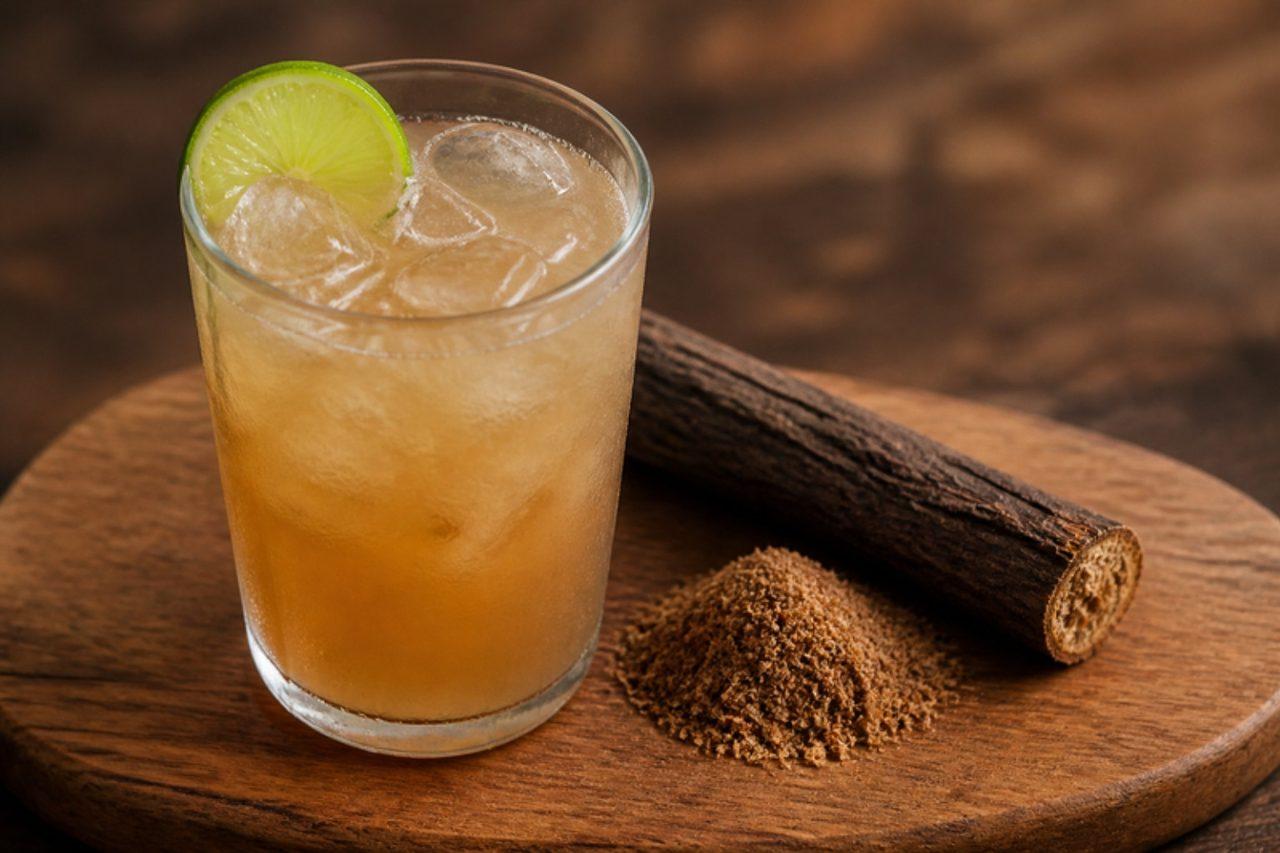
Long before fizzy guaraná, people in Mato Grosso started the day with this: a hard, dark stick of roasted guaraná seed paste grated into a glass of cold water with sugar and stirred well. Cuiabá's older generation still drink it at breakfast or in the heat of the afternoon, and market stalls sell the sticks along with the traditional grater, the dried tongue of the pirarucu fish (a fine microplane works just as well). It tastes bitter-earthy, a little like cocoa without the fat, and the caffeine is strong. Because guaraná contains more caffeine than coffee, keep to one glass a day, and avoid it for children, during pregnancy or if you are sensitive to caffeine. The usual error is grating far too much, which makes it bitter and overpowering; a level teaspoon per glass is plenty. Chef's tip: let it stand for a minute after stirring so the powder hydrates, then stir again before drinking.

by KrazyBadal 0 views

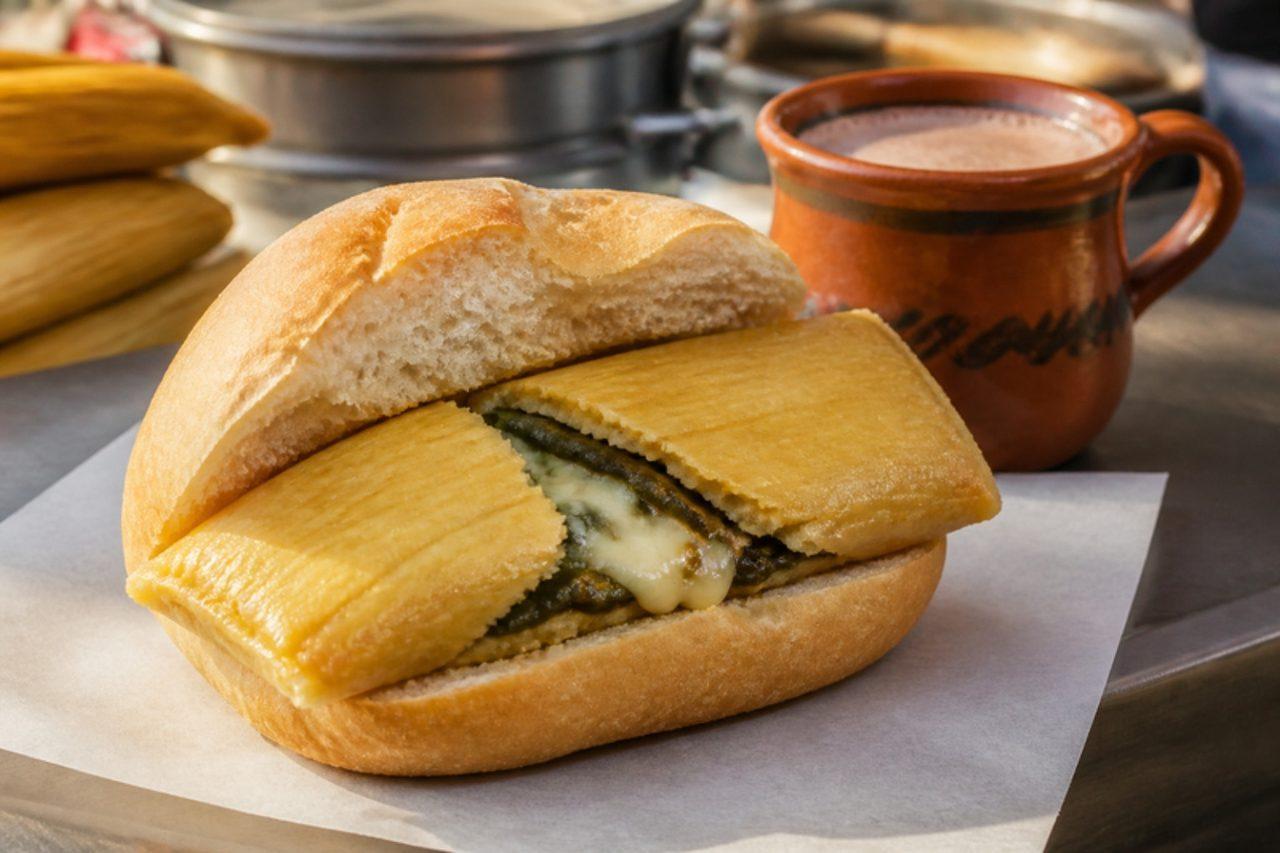
GuajolotaTamal in a bread roll

Commuters in Mexico City grab a guajolota at the tamal stand by the bus stop at seven in the morning: a crusty bolillo roll split open with a whole steaming tamal pushed inside, sometimes with a smear of green salsa, eaten with a cup of atole. It is starch in starch, cheap and filling enough to last until lunch. The name means 'turkey hen', a joke about how stuffed it is. This recipe makes eight vegetarian tamales of roasted poblano strips and melting cheese (rajas con queso); four go into rolls and the rest freeze well. Shop-bought vegetarian tamales work if you are short of time. Chef's tip: warm the bolillo on the comal while the tamal rests, so the crust crackles against the soft masa.

by KrazyBadal 0 views

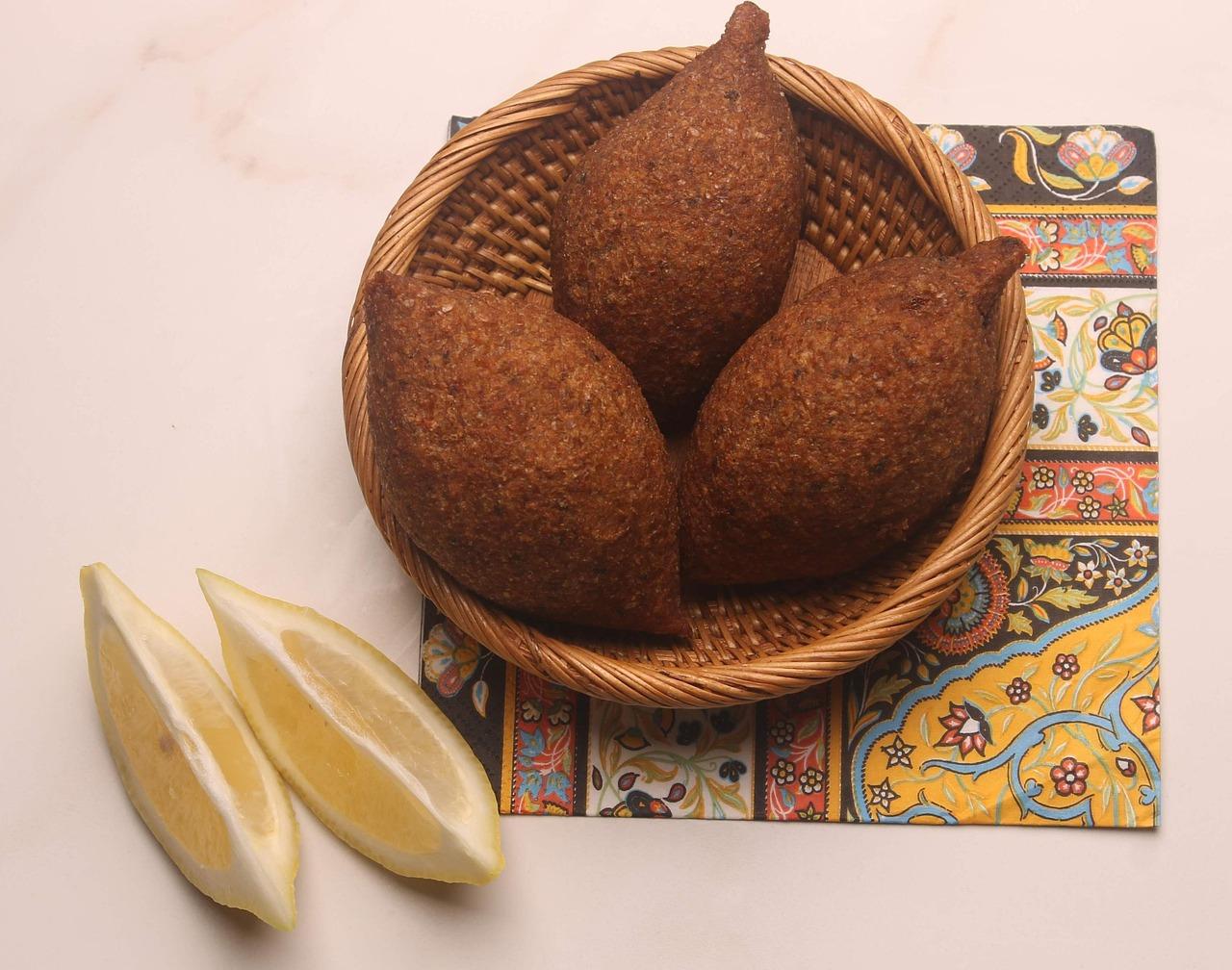
İçli köfteStuffed bulgur shells

Making içli köfte is the test of a southeastern Turkish cook: a thin, even shell of bulgur dough is hollowed out on a finger and filled with mince fried with onion, walnuts and spices, then sealed into a pointed torpedo. Families in Mardin, Urfa and Diyarbakır make dozens before bayram, freezing them to fry for guests. Crisp outside, juicy inside, they are served hot with lemon. Common mistake: a thick shell; it cracks in the oil and tastes doughy. Chef's tip: keep a bowl of iced water by you and wet your fingers constantly; the dough becomes smooth and stretches thin without tearing.

115 minTurkishMeat
by KrazyBadal 0 views

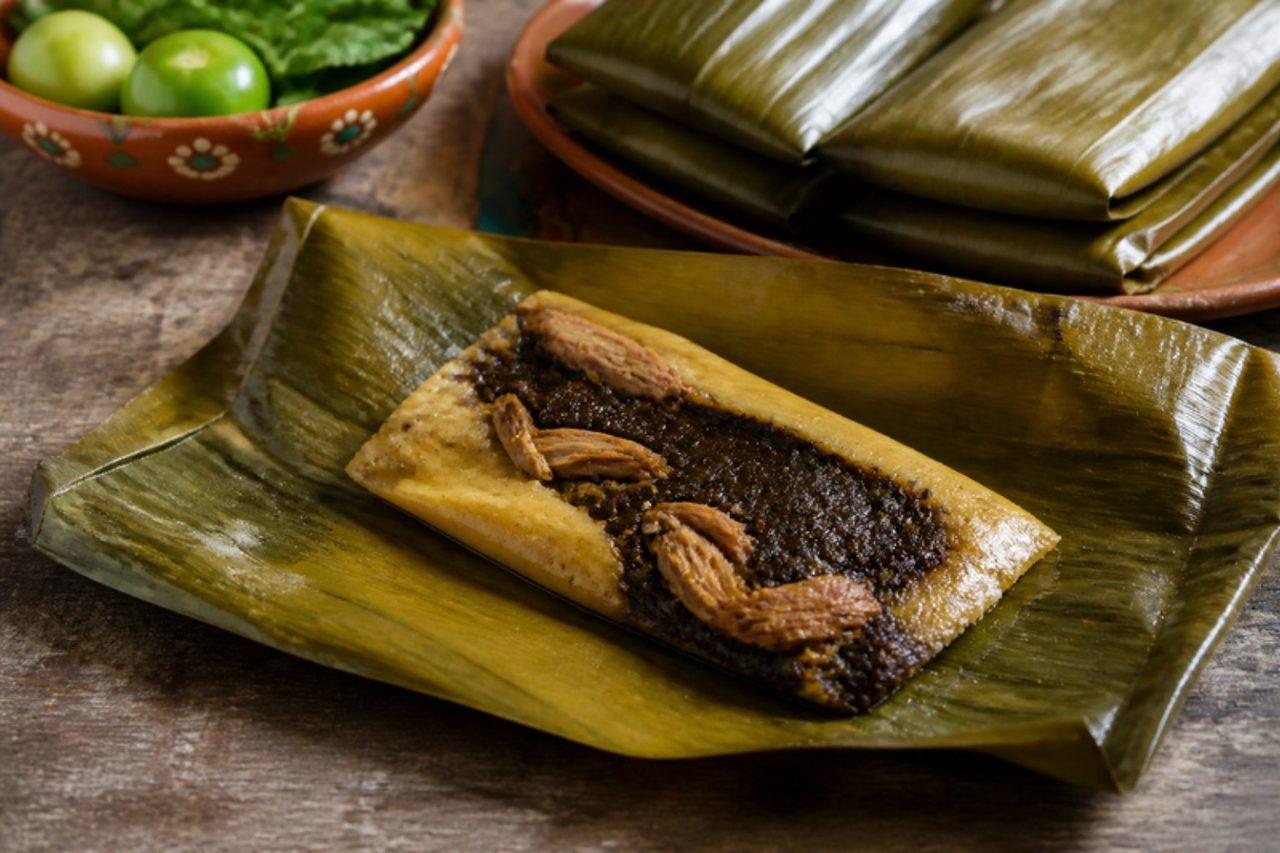
Tamales oaxaqueñosTamales with black mole and chicken

In Oaxaca, tamales are wrapped in banana leaves rather than corn husks, which makes them flat, square and very moist, with a faint grassy scent from the leaf. These are the classic version filled with mole negro and shredded chicken, sold from steaming pots at morning markets and made by the dozen for Christmas, Candlemas on 2 February and the Day of the Dead. The masa is beaten with pork lard, which gives the traditional light, rich texture; vegetable shortening works if you avoid pork. Use leftover mole negro, or a simplified mole made from good ready-made paste thinned with broth. Eat them with hot chocolate or atole. Chef's tip: keep a coin in the bottom of the steamer; when it stops rattling, the water has run low and needs topping up.

by KrazyBadal 0 views

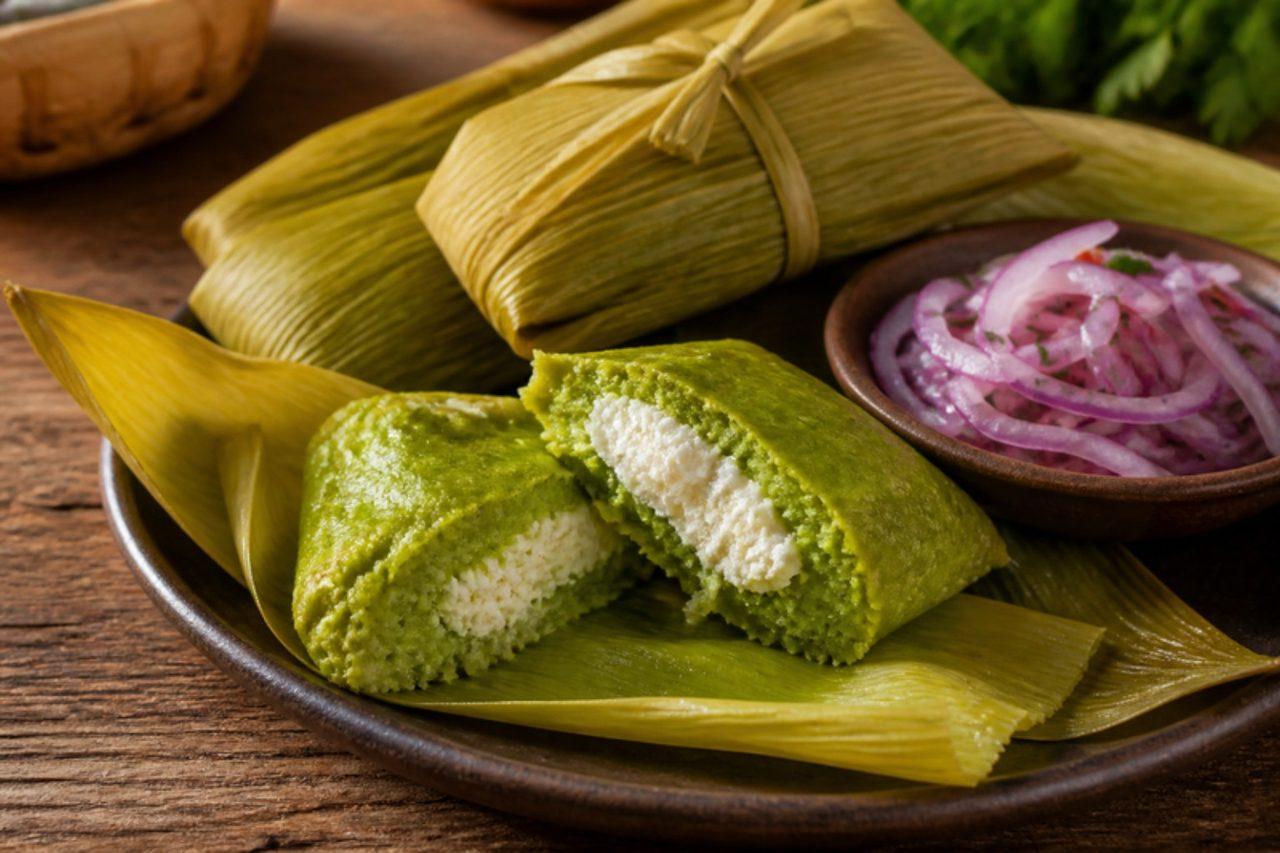
Tamalitos verdesGreen fresh corn tamales

Bright green from a whole bunch of coriander, tamalitos verdes are the morning snack of Chiclayo and Trujillo, sold warm at market stalls and bakeries and unwrapped at the table with a heap of salsa criolla on top. Fresh corn is ground with coriander, onion and ají amarillo into a soft dough, wrapped around a strip of fresh cheese in corn husks and steamed. They should be tender, moist and herby, with a slightly sweet corn flavour and a salty melting middle. Traditional ones are made with lard; this version uses vegetable oil to stay vegetarian. The classic problem is a dough that's too wet, which makes the tamales fall apart; the starchy Peruvian choclo is ideal, and if you use sweet corn, add the cornmeal to firm it up. Queso fresco is usually made with animal rennet, so look for a vegetarian fresh cheese. Chef's tip: keep the steamer water at a steady simmer and top it up with boiling water, never cold, so the steam never stops.

by KrazyBadal 0 views

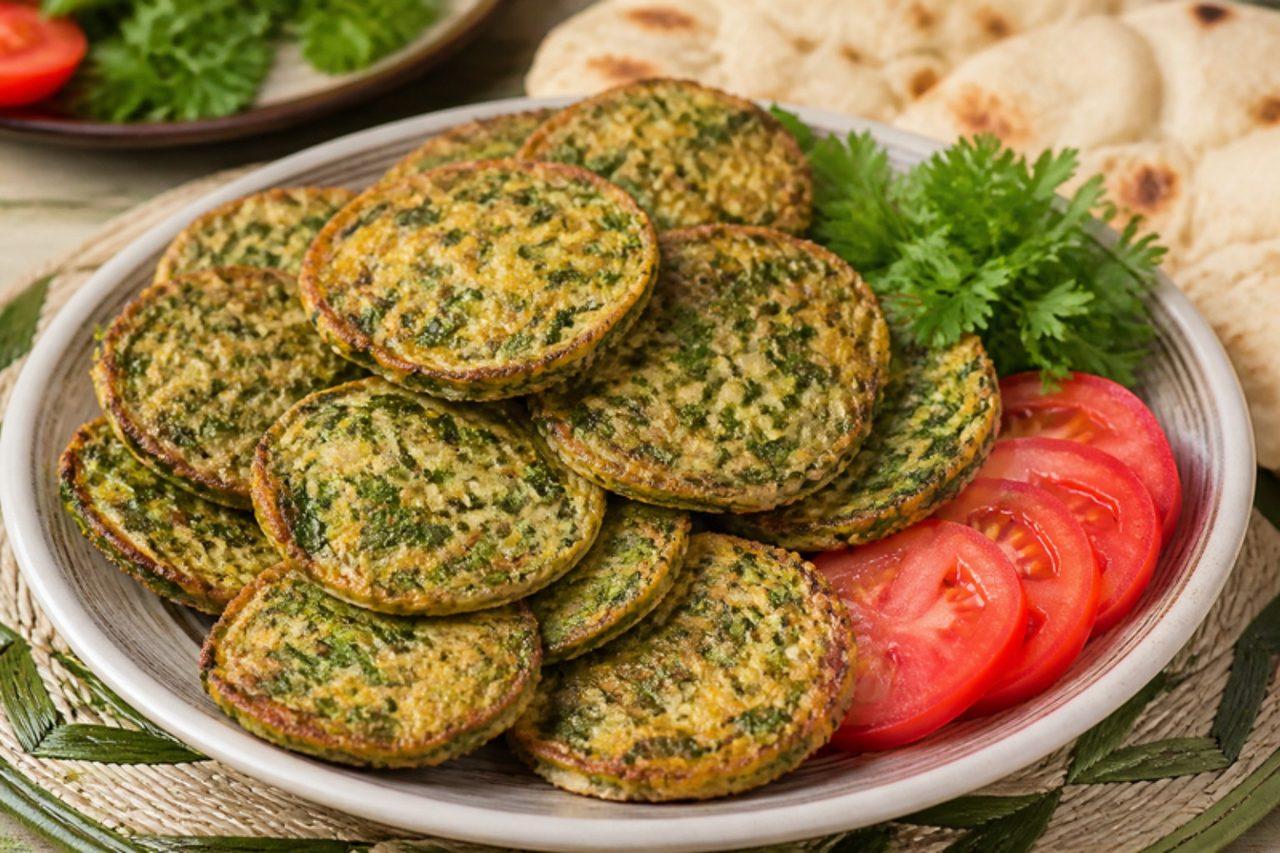
IjjehHerb omelette cakes

Ijjeh is the quick supper of Palestinian and Levantine homes: eggs beaten with so much parsley, mint and spring onion that they turn green, spiced with a little cinnamon and allspice, then fried as thick little patties. They are tucked into warm bread with tomatoes and pickles for school lunches, or served on a breakfast spread with olives and labneh. Common mistake: frying in too little oil over a high heat, so the outsides burn before the herbs inside cook. Chef's tip: a spoonful of flour and a pinch of baking powder make them puff and stay soft when eaten cold the next day.

by KrazyBadal 0 views

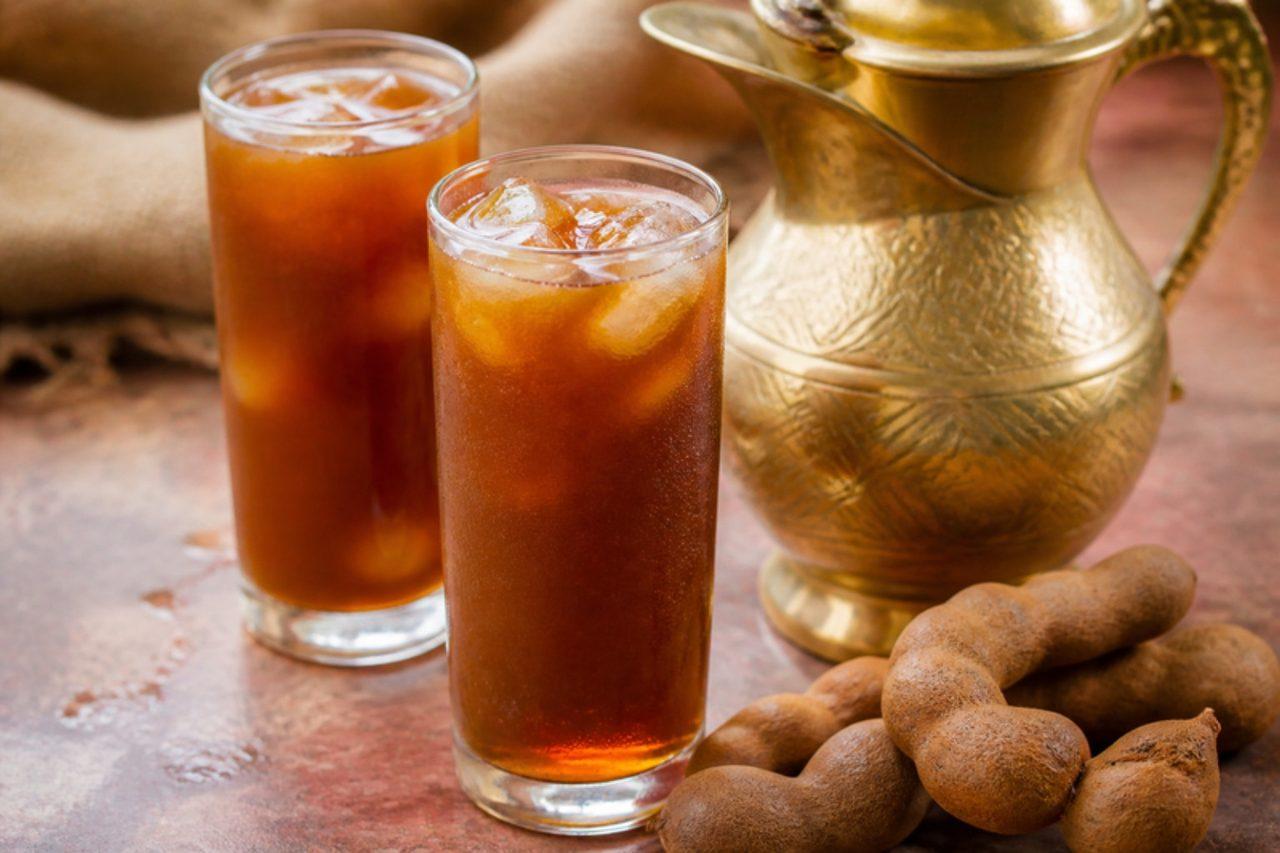
Tamar hindiTamarind drink

During Ramadan in Damascus, street sellers in bright waistcoats pour tamar hindi from tall brass jugs on their backs, clinking cups to call buyers before iftar. The drink is a deep brown infusion of tamarind, sweetened and sharpened with lemon and a touch of rose or orange blossom, served ice cold to quench a day's thirst. It is fruity, tangy and refreshing, and made in a big batch to keep in the fridge. Common mistake: boiling the tamarind hard — gentle soaking gives a clean taste, while boiling makes it muddy. Chef's tip: strain twice, the second time through a cloth, for a clear, glossy drink.

by KrazyBadal 0 views

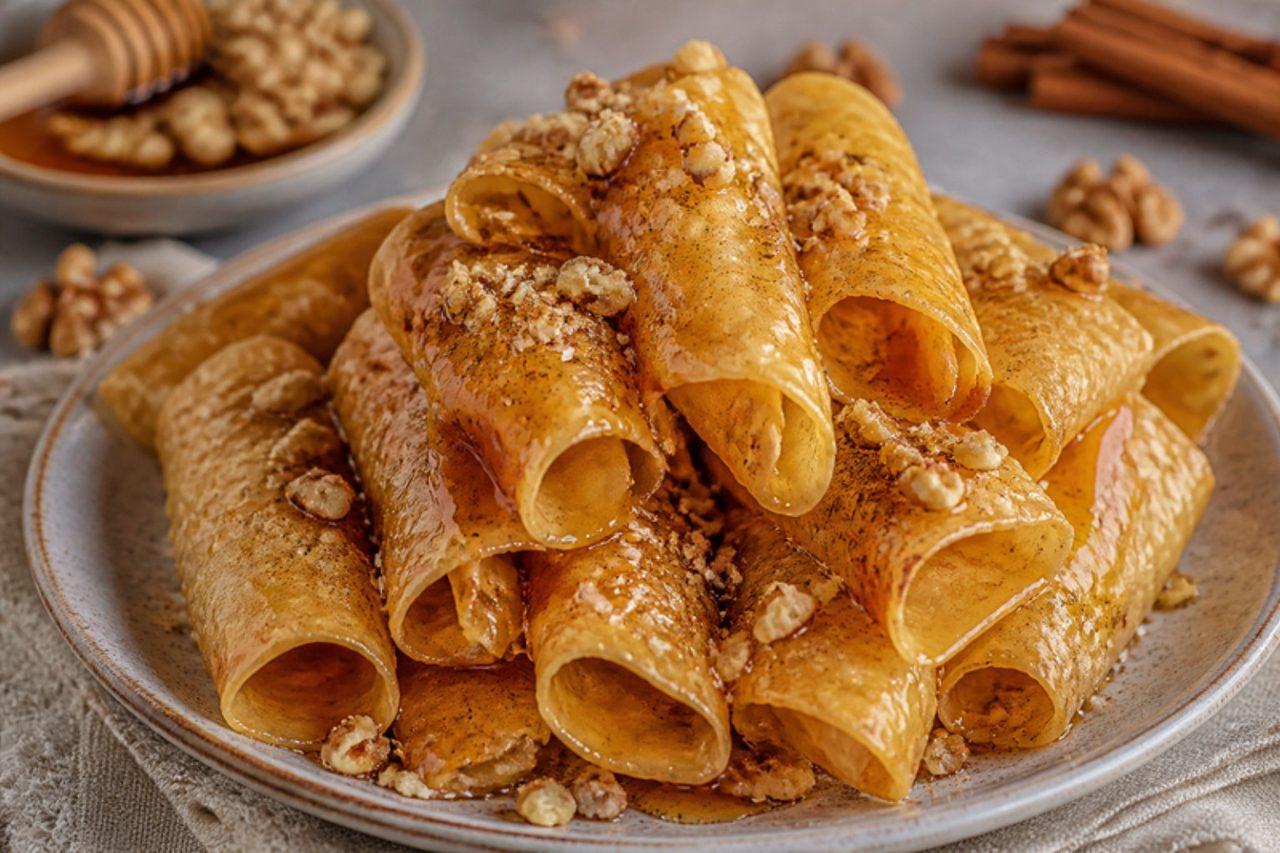
DiplesFried pastry rolls in honey

In the tower villages of the Mani, no wedding, christening or New Year passes without trays of diples: paper-thin egg dough fried in a rolling twist, so each strip curls into a crisp, bubbled scroll, then drenched in warm thyme honey and showered with walnuts and cinnamon. They shatter when you bite and stay crunchy for days in a tin. Common mistake: rolling the dough too thick, which gives chewy, oily diples — you should almost see your hand through it. Chef's tip: hold the end of each strip in the oil with two forks and roll it as it puffs; the first few are practice, so don't worry about shape.

by KrazyBadal 0 views

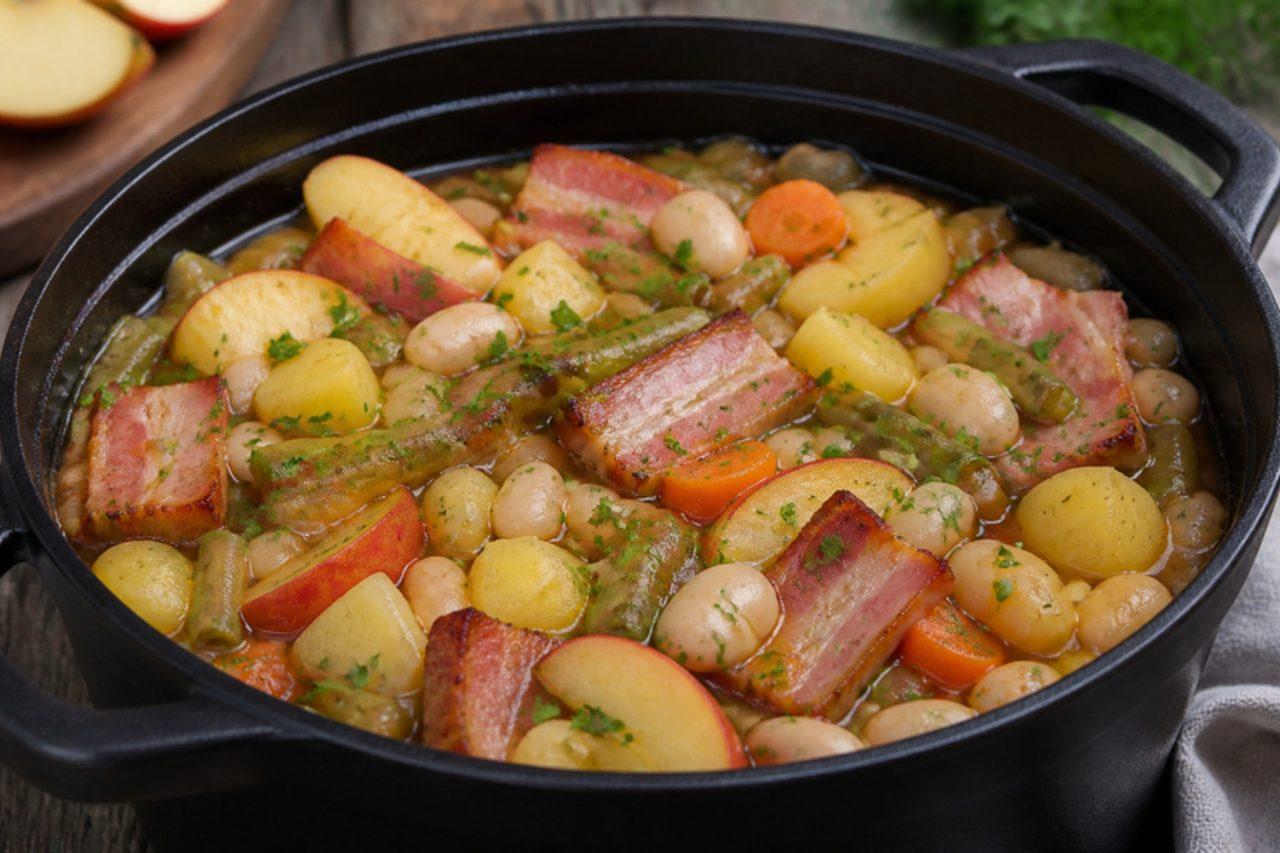
Westfälisches BlindhuhnBean, apple and bacon stew

Blindhuhn, "blind hen", is a late-summer pot from the farms of Westphalia and the Münsterland, made when the garden and orchard give green beans, carrots, apples and pears all at once. It is called blind hen because, as farmers joked, even a blind hen finds a grain in it: the pot holds a bit of everything. White beans, vegetables and fruit cook together with smoked streaky bacon into a sweet-savoury one-pot supper. Leave out the bacon and add a spoon of smoked paprika for a vegetarian pot. Chef's tip: add the apples and pears only for the last 15 minutes so they stay in soft pieces instead of melting away.

by KrazyBadal 0 views

InchicapiPeanut chicken soup

From the riverside kitchens of Iquitos and the Peruvian Amazon comes inchicapi, a festive chicken soup traditionally made with a free-range hen for birthdays and fiestas. Raw peanuts and a little maize flour are ground and stirred into the broth, which turns it creamy, pale and nutty, and pieces of cassava, garlic, ají dulce and sacha culantro (a long, serrated, strongly flavoured coriander) finish it. It is served with rice, boiled plantain or cassava. If you can't find sacha culantro in Asian or Latin shops (sold as culantro or ngo gai), use a big handful of coriander. The pitfall is adding the peanut paste dry: it clumps and catches on the bottom, so loosen it with broth first and stir often. Chef's tip: use raw, not roasted, peanuts; they keep the soup pale and give it the right fresh, milky taste.

by KrazyBadal 0 views

İncir tatlısıWalnut-stuffed figs in syrup

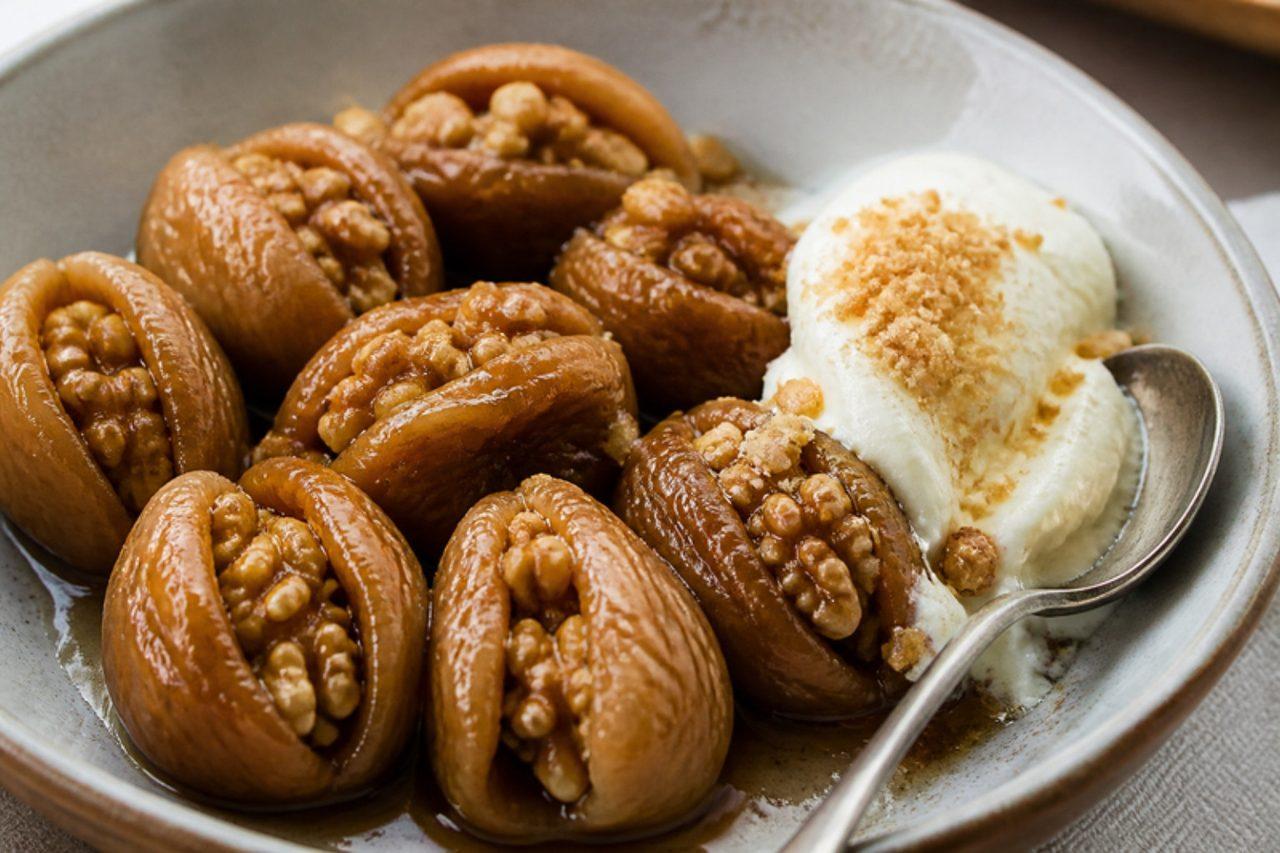
The plain around Aydın grows most of Turkey's figs, and in winter, when only the dried ones remain, local cooks soften them in water, tuck a walnut half inside each, and poach them in a light syrup until they plump up dark and glossy. A spoonful of milk in the pan, an old Aegean trick, gives the syrup a soft caramel note. Serve them cold with kaymak or thick yoghurt. Chef's tip: soak the figs first so they swell before cooking; added dry, they stay leathery in the middle however long they simmer.

by KrazyBadal 0 views

Diots au vin blancSausages braised in white wine

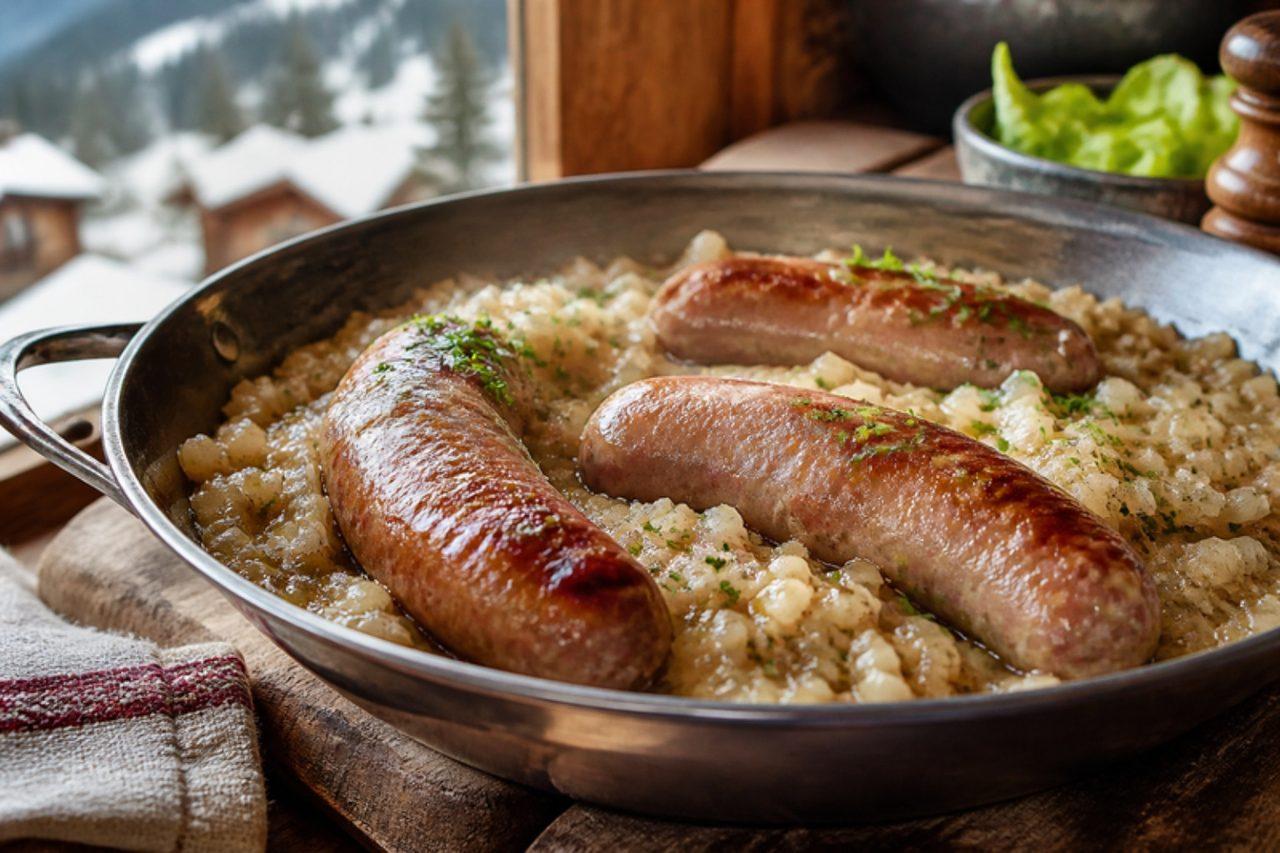
Diots are the small pork sausages of Savoie, sold in every butcher's from Chambéry to Annecy and eaten at ski-resort tables and village fêtes all winter. They are browned, then braised slowly with plenty of onions in dry Savoie white wine with a bay leaf, until the onions melt into a sweet, winey sauce around the plump sausages. The traditional partner is crozets, tiny square buckwheat or wheat pasta, or a soft polenta. The braise uses white wine; an alcohol-free version is in the notes. If you can't find diots, use any coarse, garlicky pork sausage. Chef's tip: brown the sausages slowly over a medium heat rather than fiercely, so the skins colour without bursting.

70 minFrenchMeat
by KrazyBadal 0 views

IntxaursaltsaWalnut cream with milk and cinnamon

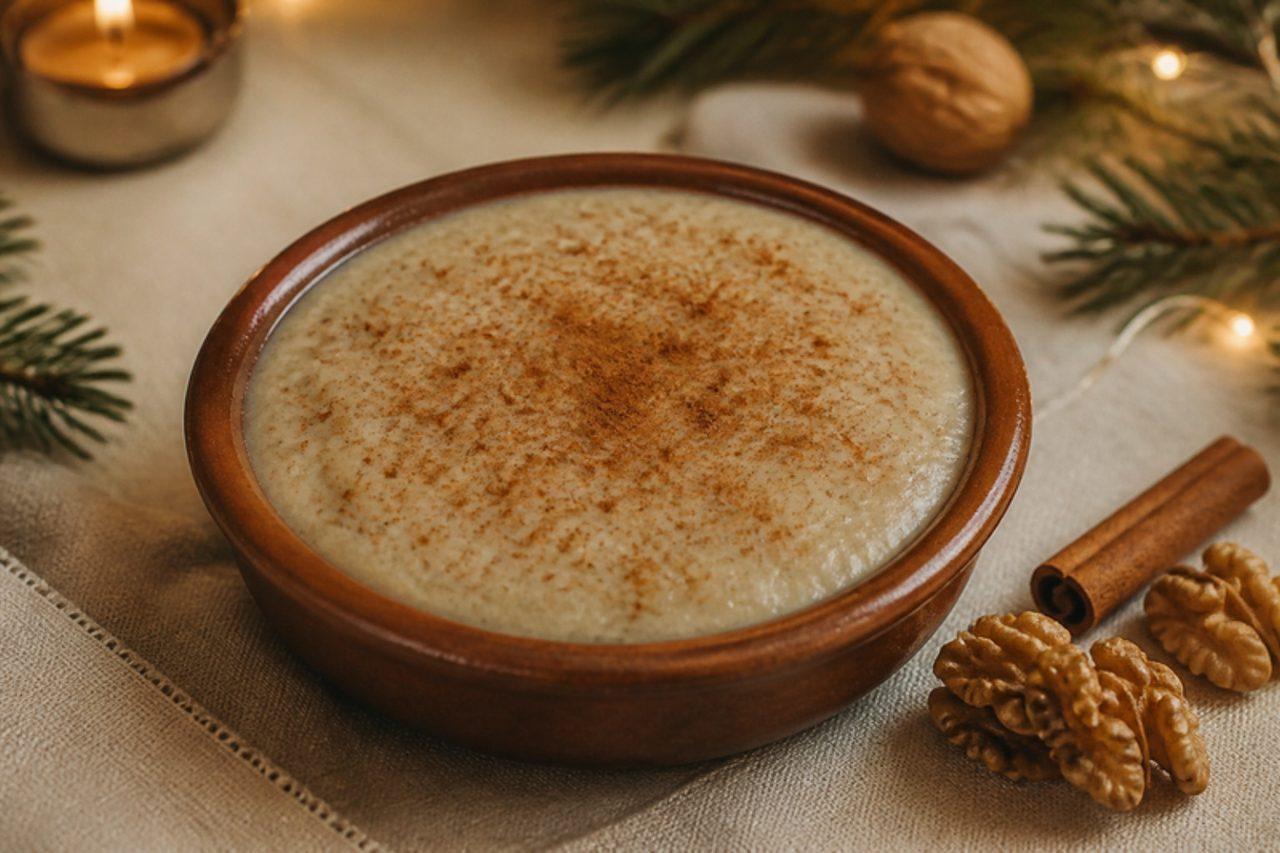
On Christmas Eve in Gipuzkoa farmhouses, after the sea bream and before midnight, a pot of intxaursaltsa appears: walnuts slowly simmered in milk with sugar and cinnamon until thick and creamy. It was the sweet of the caseríos, made with walnuts from the farm's own trees, and it is eaten warm or cold from small bowls. A common mistake is letting it boil hard, which makes the milk catch and taste scorched; it should only murmur. Chef's tip: grind the walnuts in short pulses so they stay like coarse sand and don't turn into an oily paste.

by KrazyBadal 0 views

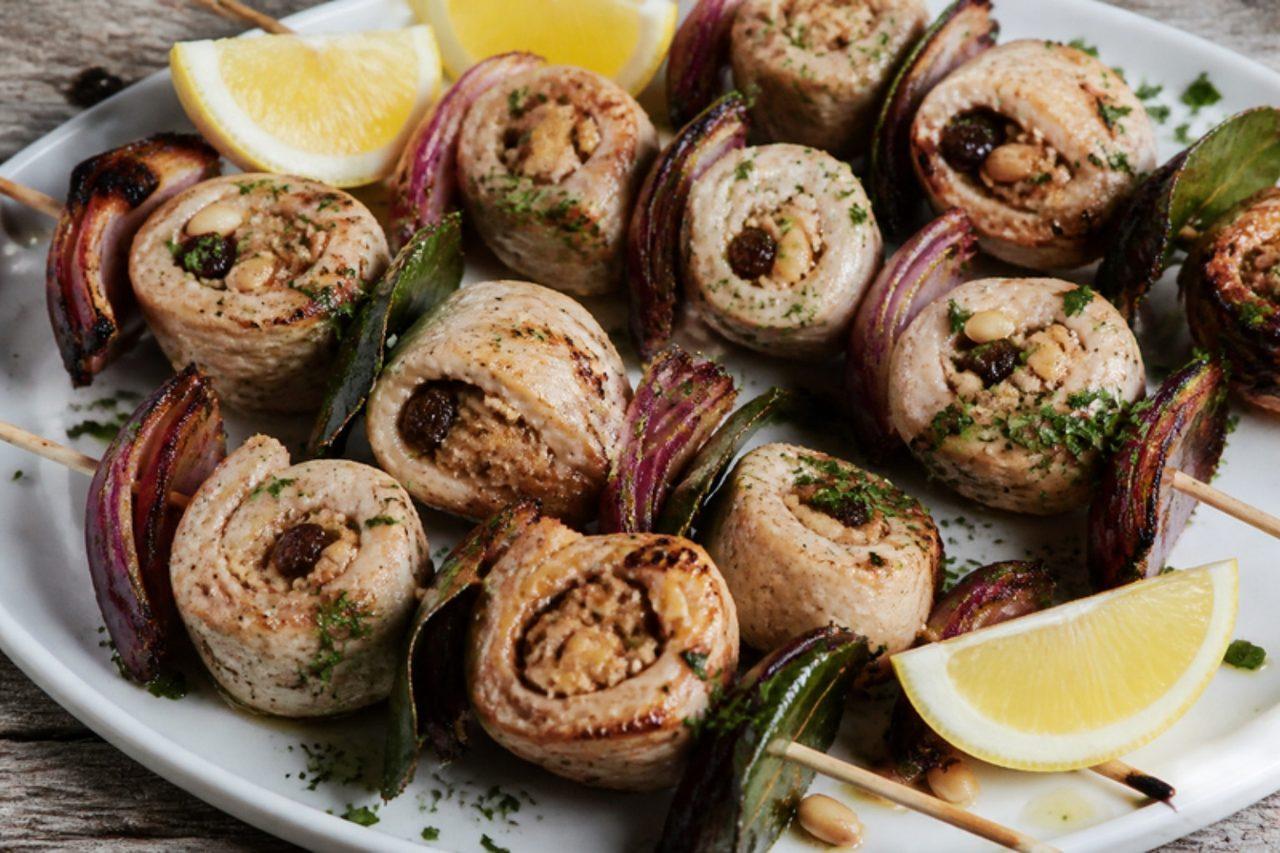
Involtini di pesce spadaSwordfish rolls

Swordfish has been hunted in the Strait of Messina for centuries, and in early summer, when the boats with their tall lookout towers are out, the city's cooks roll thin slices around a filling of toasted breadcrumbs, pine nuts, raisins, lemon and parsley. Threaded onto skewers with bay leaves and onion, they are grilled or baked until just opaque, sweet-salty and fragrant. Serve with lemon wedges and a fennel and orange salad. Swordfish is high in mercury, so pregnant women and young children should limit how often they eat it; thin slices of tuna loin work too. Chef's tip: ask the fishmonger to slice the swordfish as thinly as possible, then pound it gently between sheets of cling film to 3 mm.

by KrazyBadal 0 views

Iowa Dutch lettersAlmond pastry S-shapes

Every May the small town of Pella, Iowa, celebrates its Dutch settlers with the Tulip Time festival, and the bakeries on the square sell these flaky pastry 'letters', traditionally shaped as an S for Sinterklaas. A log of sweet almond paste is rolled in rough puff pastry, curved into an S, brushed with egg and sugar and baked until crackly. Chef's tip: seal the pastry seam well and bake seam-side down, or the almond filling bubbles out.

by KrazyBadal 0 views

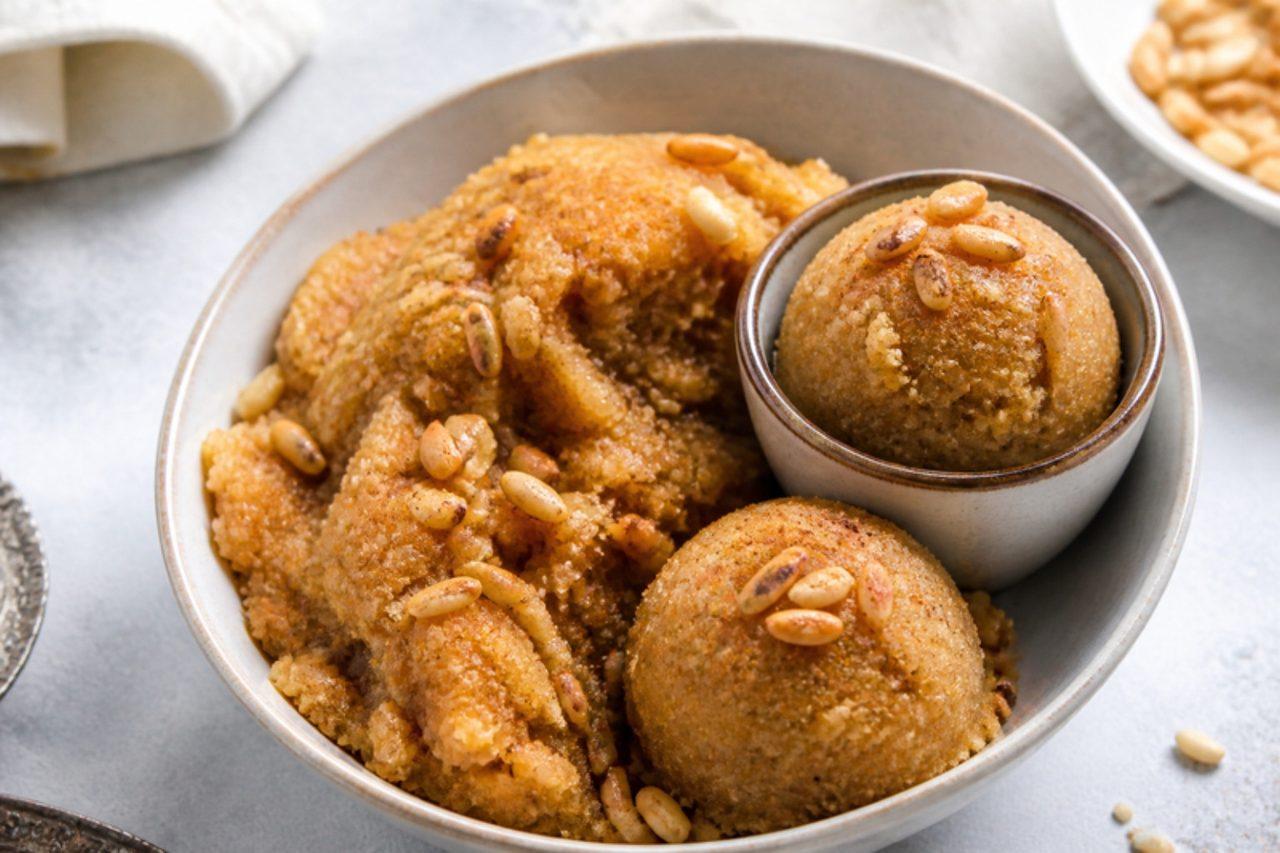
İrmik helvasıSemolina halva with pine nuts

Across Turkey, the smell of semolina toasting in butter means something is happening: a new baby, a mevlit prayer gathering, or the forty days after a funeral, when neighbours are sent plates of warm helva. It is also simply a Friday-night family sweet. The semolina is stirred with pine nuts in butter until it is the colour of hazelnuts, then hissing hot milk and sugar are poured in and the pan rests until every grain swells. Common mistake: rushing the roasting over a high heat; it browns unevenly and tastes raw inside. Chef's tip: press the warm helva into a small cup and turn it out for neat domes, then dust with cinnamon.

by KrazyBadal 0 views

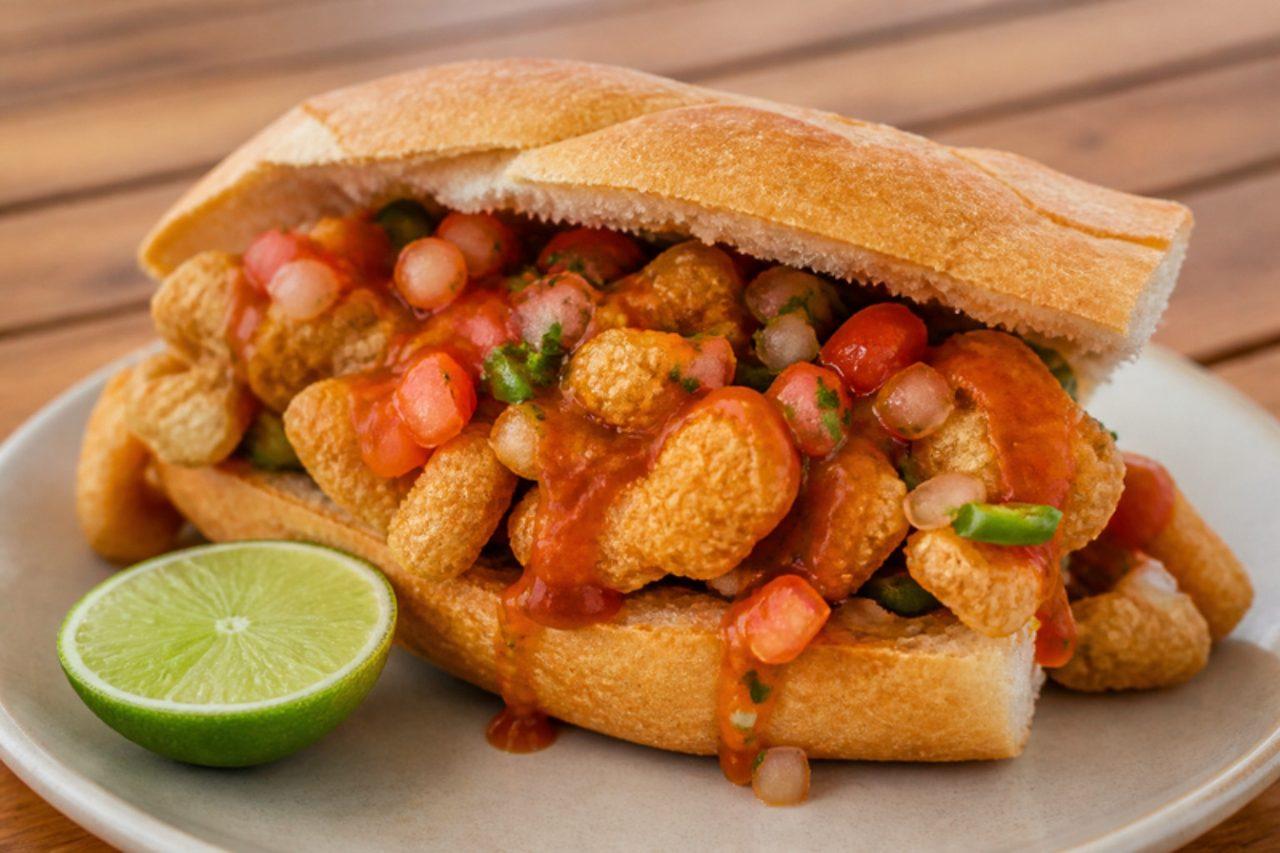
GuacamayasPork crackling and salsa rolls

Guacamayas are León's street snack, sold from carts outside schools and in the city centre of this Guanajuato town from the afternoon on. A crusty bolillo is split and stuffed with crisp pork chicharrón, piled with a juicy pico de gallo of tomato, onion and chilli, and soaked with a hot red salsa and lime, so the crackling softens at the edges but stays crunchy in the middle. Some stands add avocado or a smear of beans. It is a quick, no-cook pork dish, best eaten standing up with a cold drink. Chef's tip: dress the chicharrón with salsa and lime only seconds before eating; left to sit, it turns soft and chewy.

by KrazyBadal 0 views

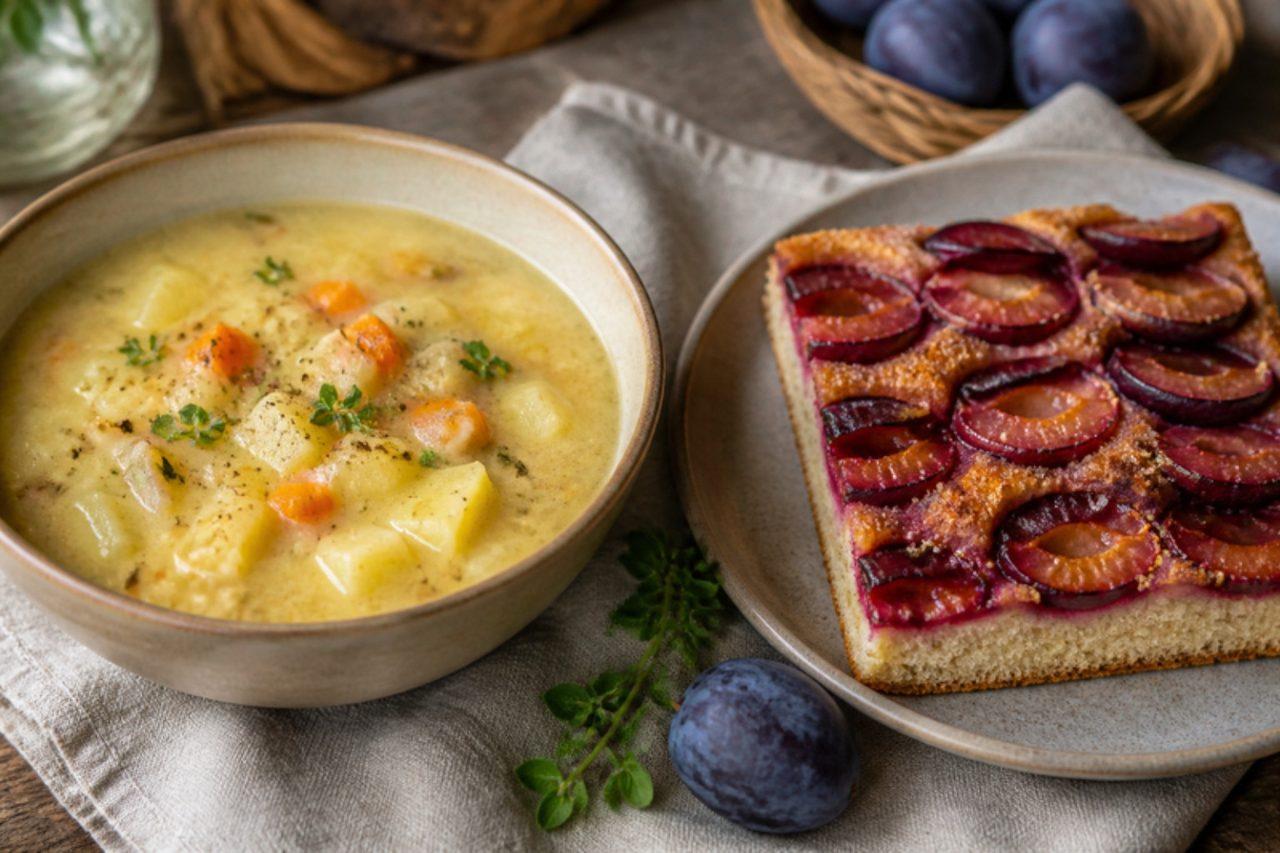
Grumbeersupp mit QuetschekuchePotato soup with plum cake

In the Palatinate, between the Rhine and the vineyards of the Weinstraße, September brings a pairing that puzzles outsiders: a bowl of creamy potato soup served with a slice of plum tray cake on the side, and you dip the cake as you go. It is a plain, cheap farmhouse supper for plum season, and the sweet-sour fruit against the soft, marjoram-scented soup is the whole joy. This version makes a small tray of yeasted plum cake while the soup simmers. A common mistake is sweetening the soup; it should stay savoury so the cake can do the sweet work. Chef's tip: use dark, oval Zwetschgen plums, which hold their shape; round dessert plums go watery.

by KrazyBadal 0 views

Iscas com elasFried marinated liver with potatoes

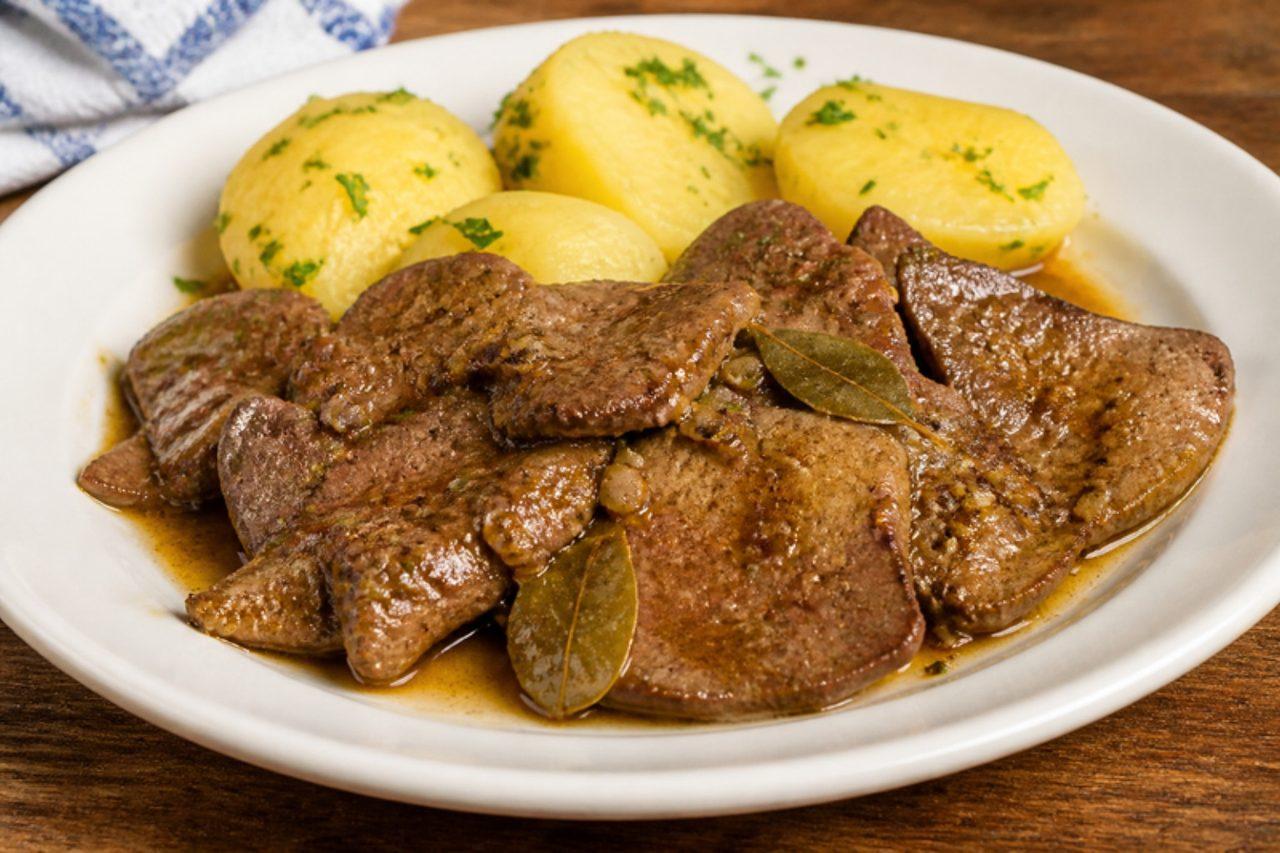
In the old tascas of Lisbon's Baixa and Alfama, iscas com elas was cheap, filling food for workers: thin slivers of liver marinated overnight in white wine, vinegar, garlic and bay, flash-fried and served 'with them', the boiled potatoes that soak up the sauce. This contains pork (pig's liver); calf's liver works too. The marinade uses white wine, which contains alcohol; stock with an extra spoon of vinegar is a good alcohol-free option. A common mistake is slicing the liver thick: it must be thin so it cooks through fast without turning hard. Chef's tip: dry the slices well before frying so they sear instead of boiling.

by KrazyBadal 0 views

Grüne SoßeSeven-herb green sauce with eggs

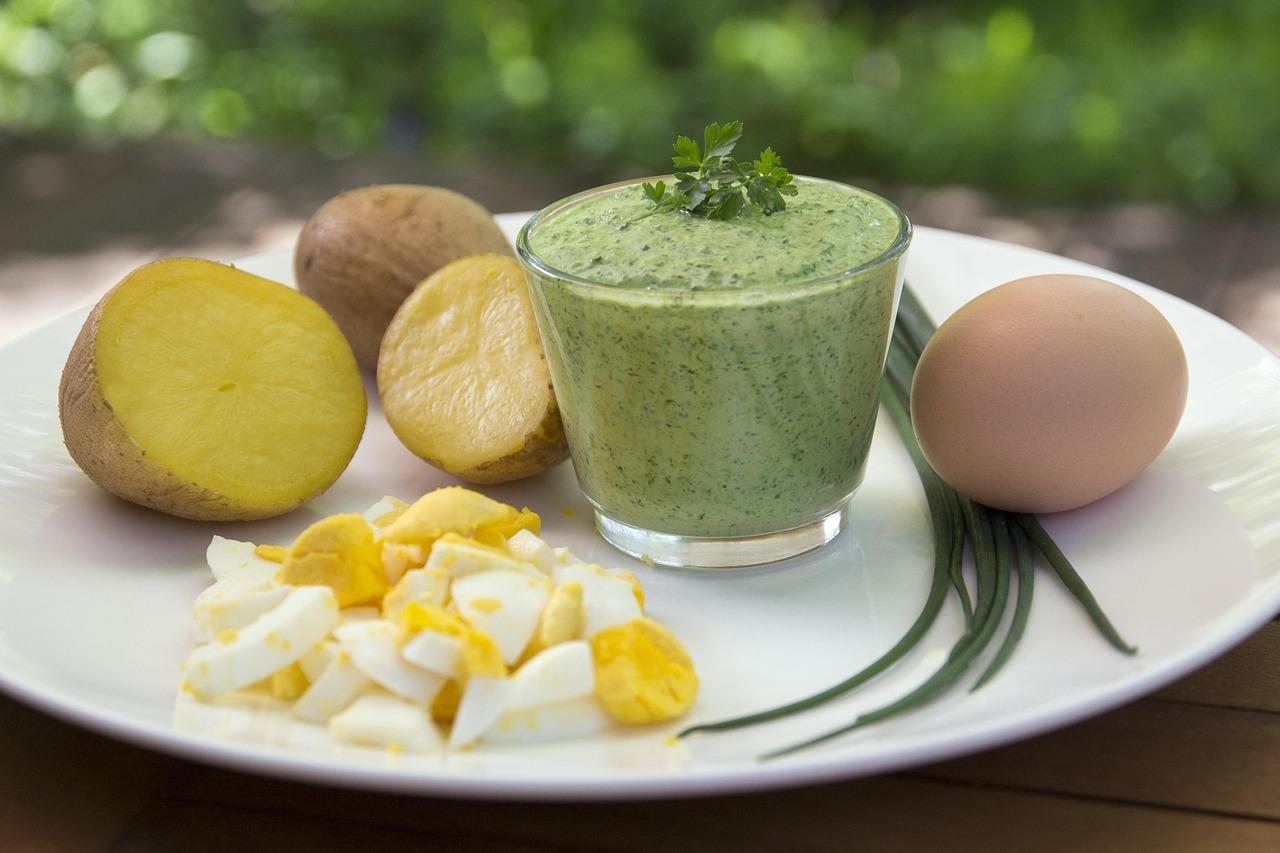
Grüne Soße, or Grie Soß in Frankfurt dialect, arrives in spring when market stalls in Hesse sell paper bundles of exactly seven herbs: borage, chervil, cress, parsley, burnet, sorrel and chives. Blended into sour cream and yoghurt, they make a cold, bright, grassy sauce that is eaten with halved boiled eggs and new potatoes, traditionally on Maundy Thursday. It is a whole meal, light but filling. If you can't find the herb bundle, any mix of soft herbs with some sorrel for sourness works. A common mistake is blending the herbs to a smooth purée in a hot blender, which turns them dull and bitter; chop or pulse briefly. Chef's tip: make the sauce an hour ahead and chill it so the herbs flavour the cream fully.

by KrazyBadal 0 views

Islak burgerSteamed garlic tomato burger

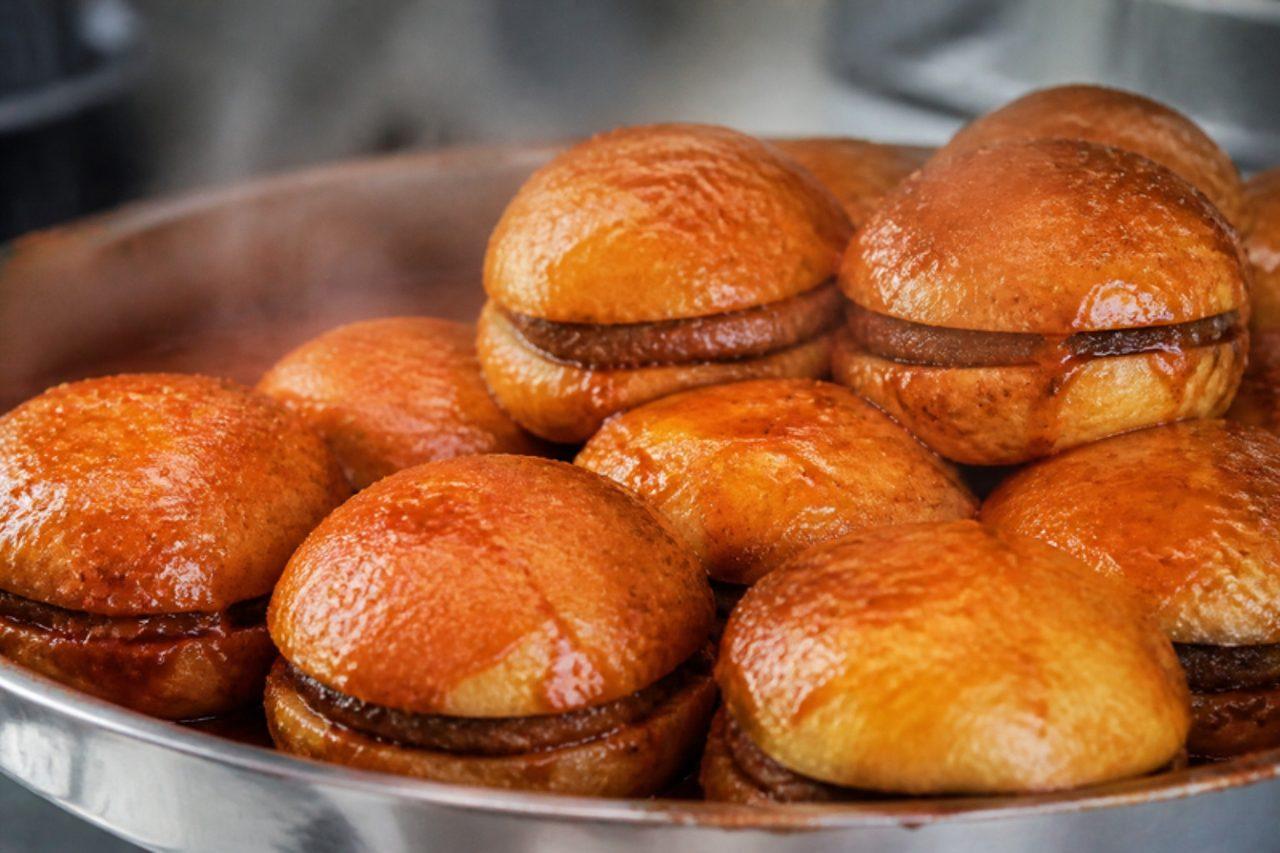
In the windows of the snack bars on Taksim Square, little burgers sit in a steaming glass box, their buns soaked in a garlic and tomato sauce: the ıslak, or 'wet', burger, eaten by the half-dozen at 3 a.m. after a night out on İstiklal. The beef patty is thin and spiced, the bun turns soft and juicy, and the whole thing is gone in four bites. At home a covered pan does the job of the steam box. Chef's tip: use a soft, slightly sweet bun; crusty rolls stay hard and just get soggy at the edges.

by KrazyBadal 0 views

GrießnockerlsuppeBeef broth with semolina dumplings

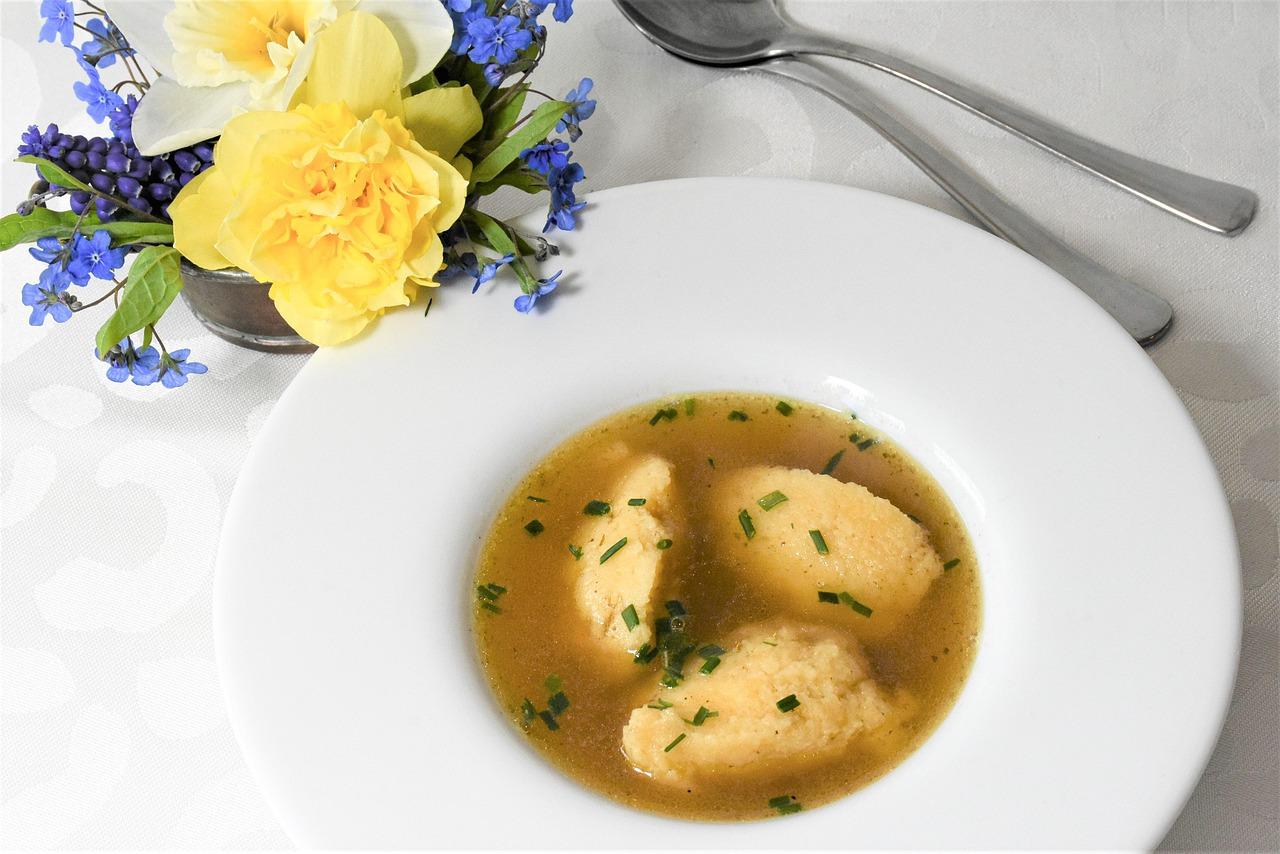
Grießnockerlsuppe is the soup that opens a proper Austrian Sunday lunch, from Viennese grandmothers' tables to village inns in Upper Austria: a clear, deeply savoury beef broth with three or four soft, oval semolina dumplings that should be fluffy enough to cut with a spoon. The broth is made from beef shin and bones, simmered slowly with charred onion; broth left over from Tafelspitz works perfectly too. Chef's tip: let the semolina mix rest for 15 minutes before shaping; the grains swell and the dumplings hold together without going heavy.

by KrazyBadal 0 views

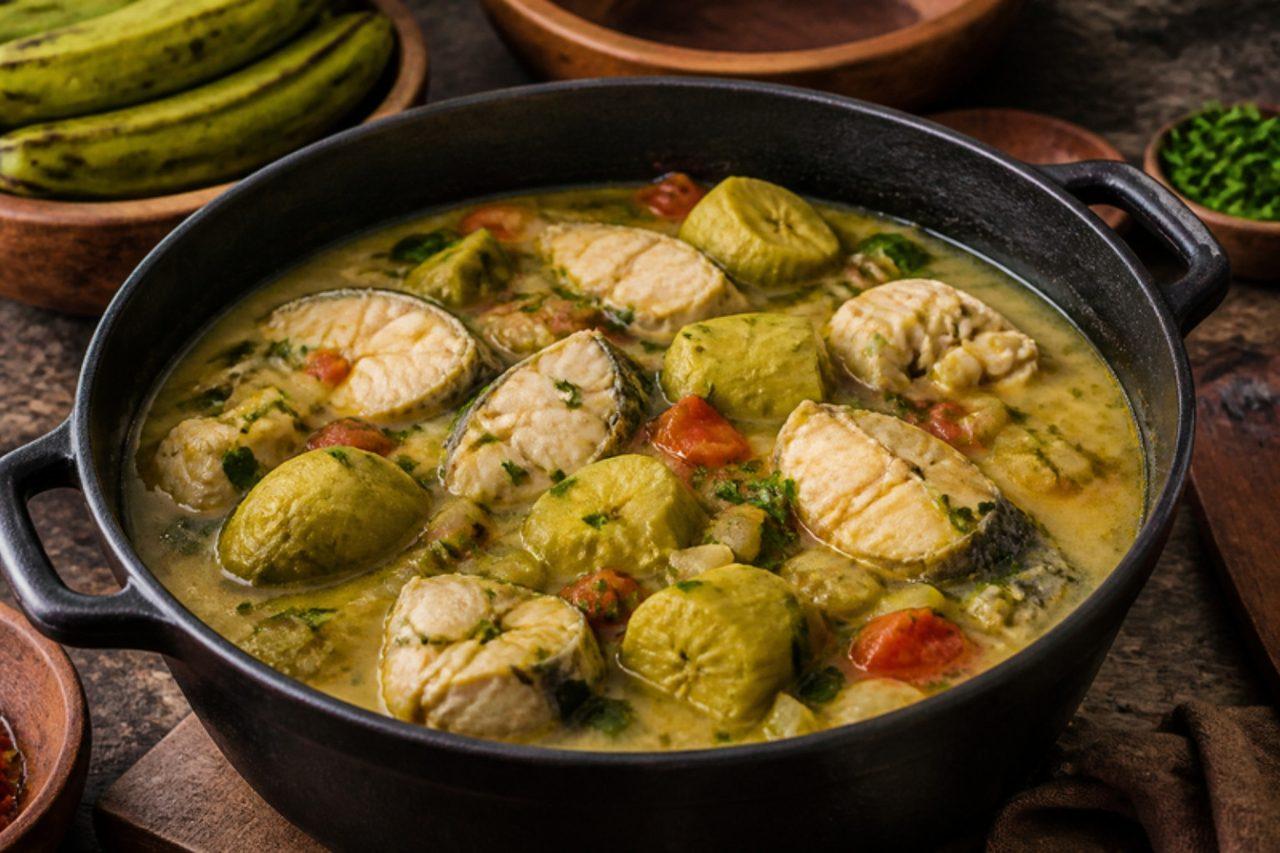
Tapao de pescadoFish and green plantain stew

Quibdó's riverside kitchens and the villages along the Atrato and Baudó rivers make tapao, which simply means 'covered': fish and chunks of green plantain cooked in a little water and a refrito of onion, tomato and herbs, with the pot sealed under a plantain leaf and a lid so it all cooks in its own steam. There's no coconut, unlike the Pacific's encocados, so it tastes clean and brothy, of fish and herbs, with the plantain soaking up the juices and thickening them slightly. It's a weekday dish, often made with bocachico or other river fish, and eaten from deep plates with a spoon and fingers. Adding the fish with the plantain from the start is a common slip; the plantain needs a head start or the fish falls apart before the plantain is tender. Chef's tip: if you can find bocachico or another river fish, use it; otherwise sea bream or tilapia steaks with the bone in give the broth the best flavour.

by KrazyBadal 0 views

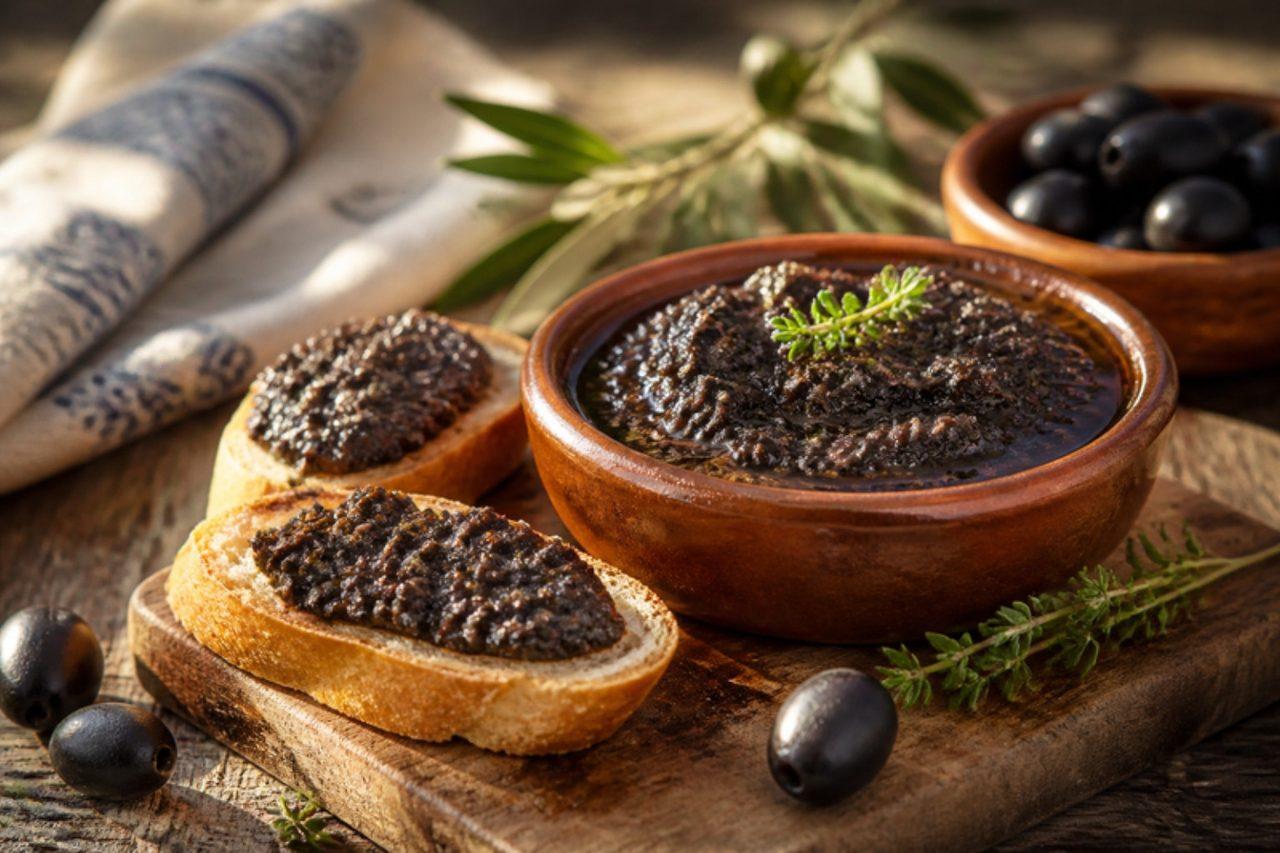
Tapenade provençaleBlack olive and caper spread

The name gives the game away: tapeno is the Provençal word for capers, and a Marseille chef is said to have first pounded them with black olives in the 1880s. Across Provence, from the markets of Nyons to the cafés of Aix, tapenade comes out with the apéritif before a long summer dinner, spread thickly on toasted baguette. The classic recipe adds a few anchovy fillets; this version leaves them out and leans on extra capers and lemon for the salty, savoury edge, so it is vegan. Chef's tip: buy olives with stones and pit them yourself; ready-pitted black olives are often the dyed, bland kind and give a flat, inky spread.

by KrazyBadal 0 views

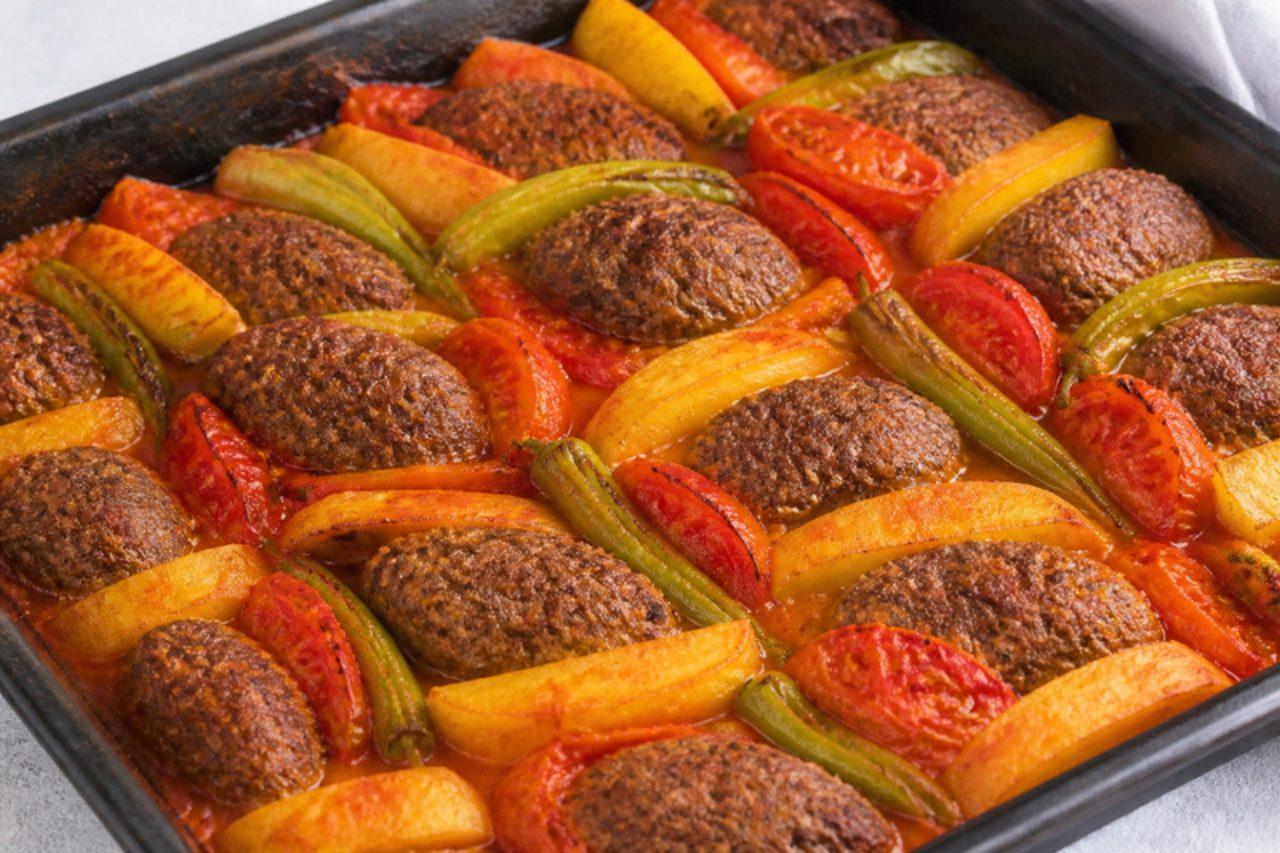
İzmir köfteMeatballs baked with potatoes and peppers

Ask anyone from İzmir what their mother cooked on weeknights and İzmir köfte comes up: fingers of cumin-scented köfte, wedges of potato and long green peppers, lined up in a tray and baked in a thin tomato sauce until everything is soft and the edges catch. It is a one-tray family supper served with rice pilaf, a bowl of cacık and plenty of bread for the sauce. Chef's tip: fry the köfte and potatoes briefly before baking; that quick browning gives depth the oven alone can't.

by KrazyBadal 0 views

Showing 27 of 7,762 recipes

Show more recipes

Page 541 of 863