


Skip to content
Nutmeg jelly
Featured recipe

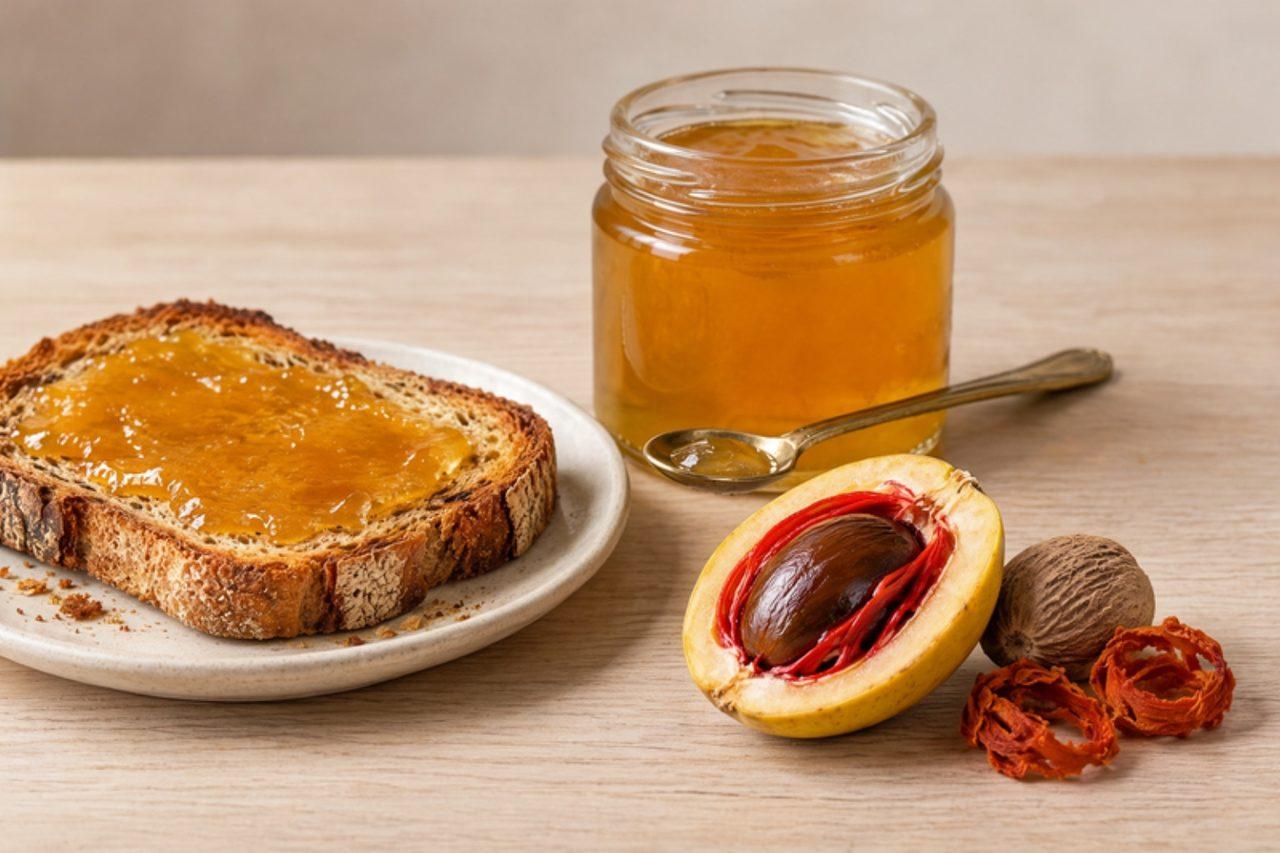
Nutmeg jelly

Grenada, the Spice Isle, grows nutmeg all over the green hills of St Andrew and St John, and the pale yellow, apricot-sized fruit that wraps the seed and its red lace of mace was long thrown away at the processing stations. Grenadian cooks turned that tart, slightly astringent flesh into nutmeg jelly, a clear amber spread that is eaten on hops bread or coconut bake at breakfast, sold in small jars in the St George's market and carried home by visitors at Christmas. The fruit is loaded with pectin, so it sets easily, and it tastes sweet-sharp and fragrant, faintly of apple, with a soft warm hint of the spice itself. Outside the Caribbean the fresh fruit is hard to get; tart cooking apples or quinces with a little freshly grated nutmeg make a close copy (see the notes). The common slip is boiling on long after the set point, which turns the jelly dark, gummy and dull, so start testing early. It is ready when a drop wrinkles on a cold saucer or the thermometer reads 104–105 °C. Chef's tip: drop a strand of the red mace into each jar for colour and a little extra perfume.

Read more 0 views

What to eat today?

Around the world

Today's trip: Paraguayan

A new country every day, from every cuisine on the site.

Paraguayan

Chipa

Cheese bread rings 50 minMore from Paraguayan (27) →

This week's collection

Kid-friendly dinners
537 recipes · a new collection every Monday

Latest recipes

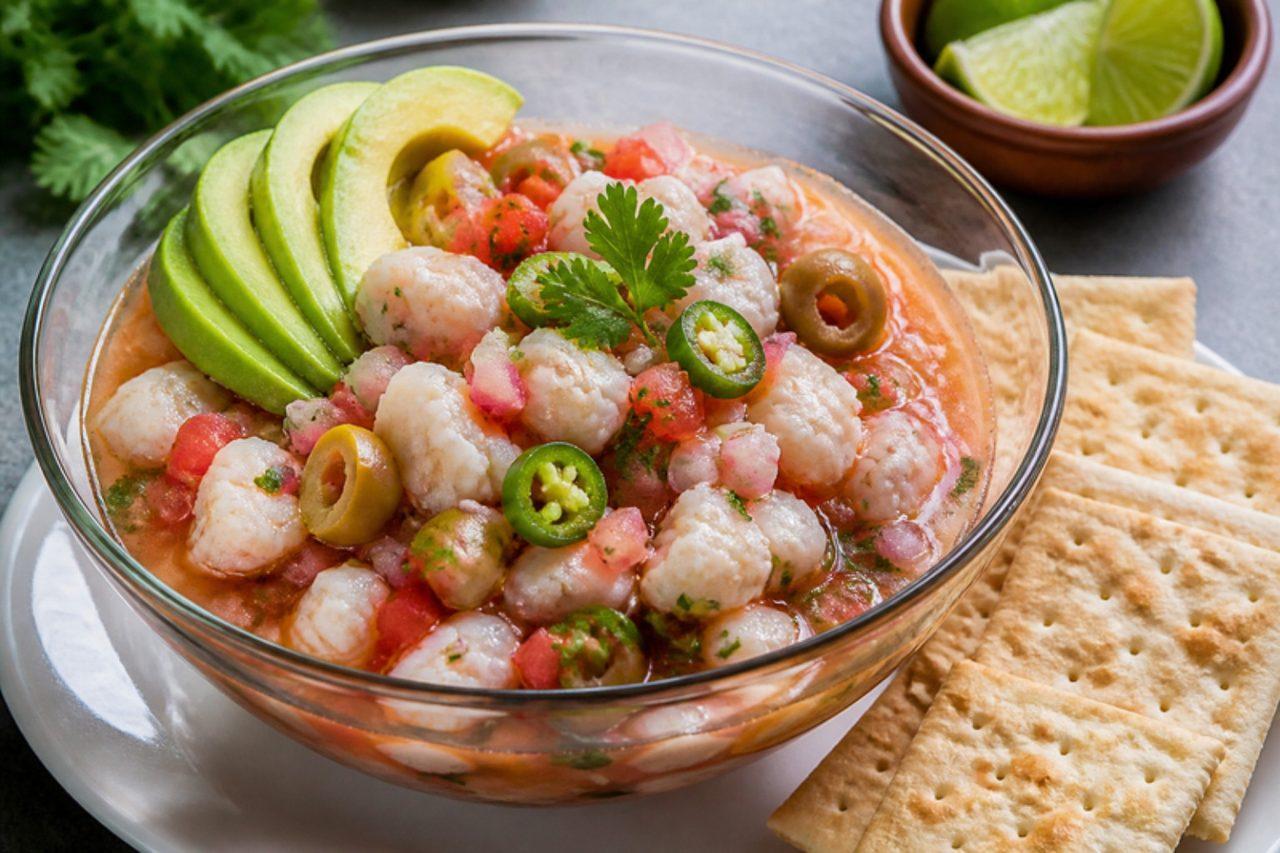
Ceviche acapulqueñoLime-marinated fish with tomato and orange

On the beaches of Acapulco, vendors sell ceviche in tall glasses with saltine crackers and tostadas: small cubes of white fish in lime with tomato, onion, green olives, chilli, a sweet streak of ketchup and fresh orange juice, eaten cold on a hot afternoon. The classic version is raw fish 'cooked' only by lime, which does not kill bacteria or parasites, so that version is not for pregnant women, young children or anyone with a weakened immune system. This safer recipe gently poaches the fish until just opaque, then chills it and dresses it in the same tangy, sweet-sharp mixture, so it keeps the firm, fresh texture. Serve with tostadas, crackers and slices of avocado. Chef's tip: dice the vegetables very small and the same size as the fish, so every spoonful has a bit of everything.

by KrazyBadal 0 views

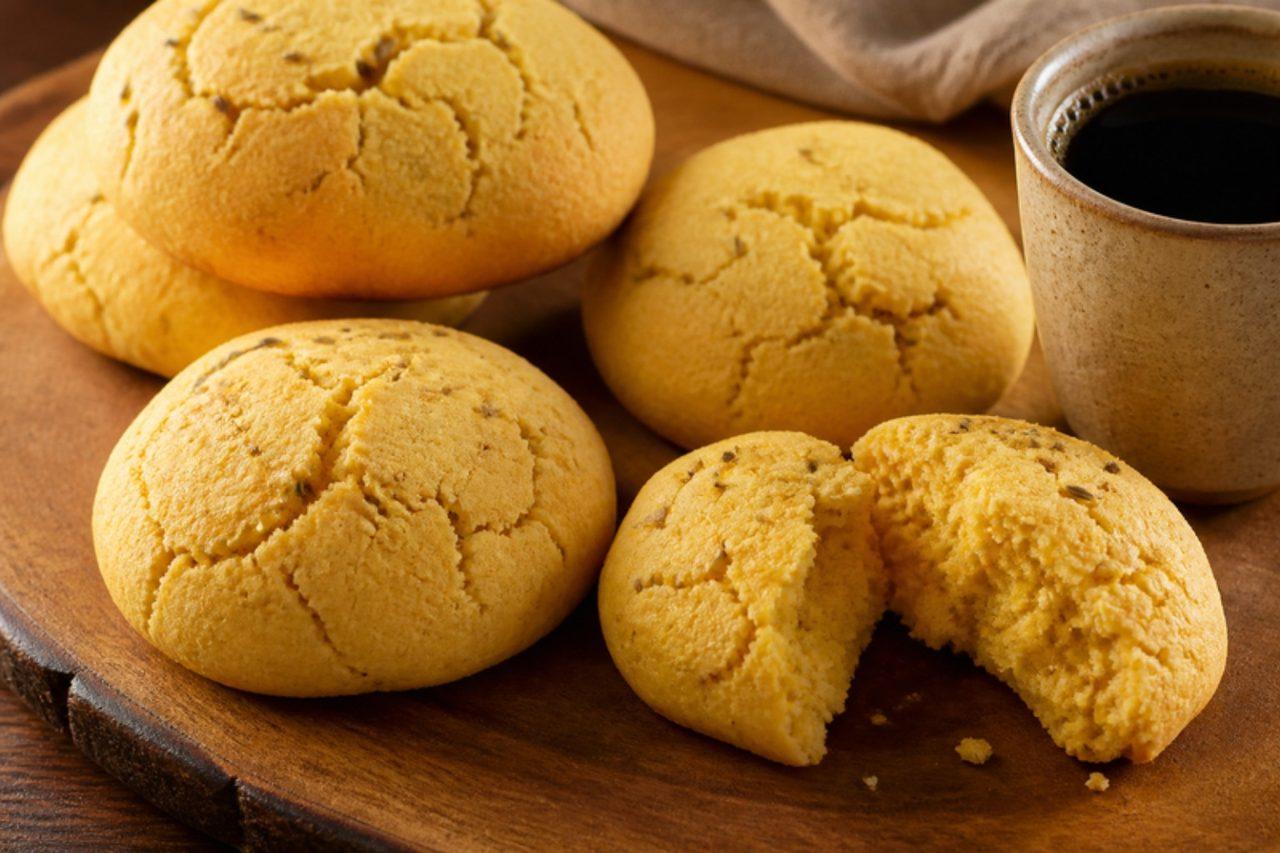
Broa de fubáFennel cornmeal buns

Afternoon coffee on a Minas Gerais farm almost always includes broa: craggy little cornmeal buns, golden and crusty outside, soft and slightly crumbly within, with the faint aniseed note of fennel seed. They are made by first cooking fubá with milk, butter and sugar into a thick porridge, then beating in eggs, flour and baking powder, so the crumb stays moist for days. Padarias in Belo Horizonte and the old mining towns sell them by the dozen. Serve them warm, split and buttered, with strong coffee or café com leite. Underbaking is where most batches fail; pale broas are gummy, so wait for a deep golden crust and a cracked top. Chef's tip: dip your hands in fubá rather than flour when shaping, so the buns get the rough, sandy crust they are known for.

by KrazyBadal 0 views

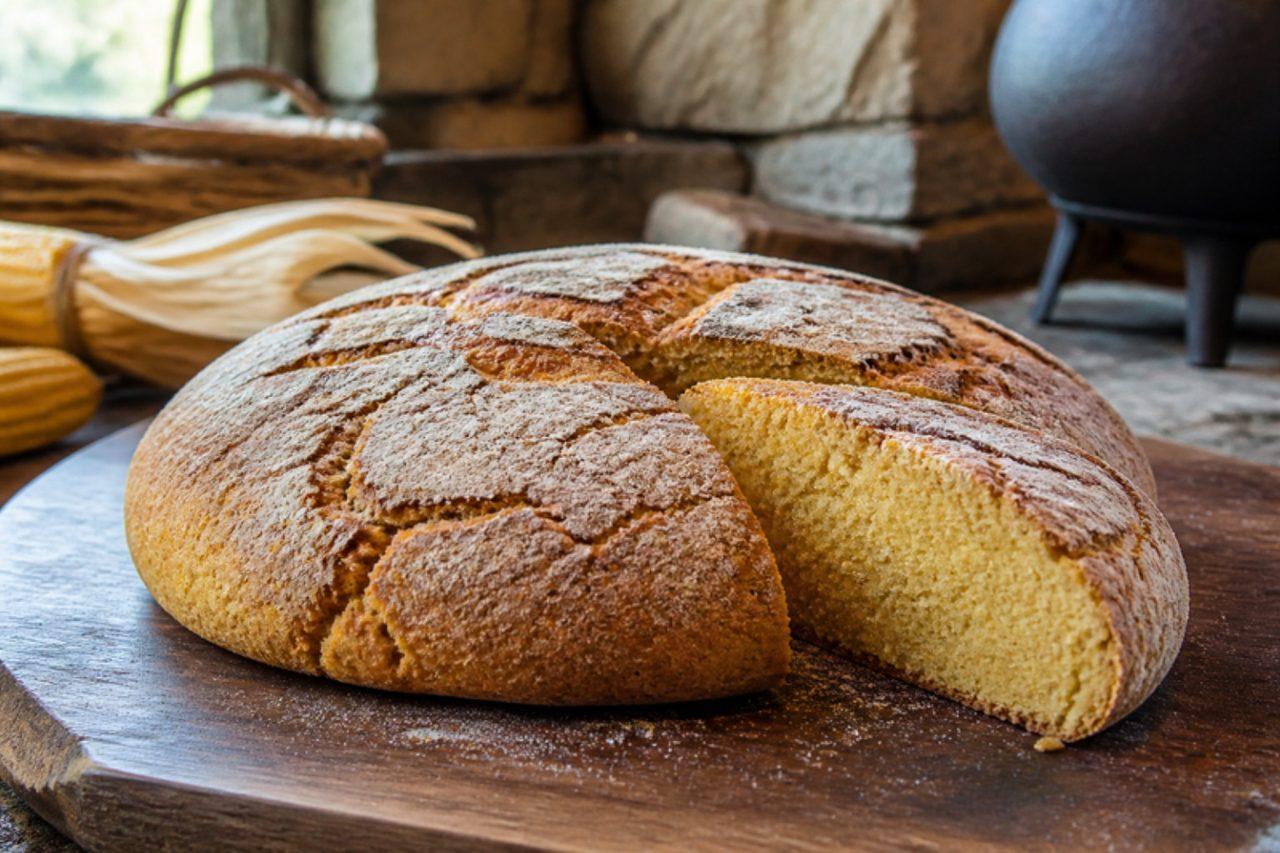
Broa de milhoCorn and rye bread

Across the green hills of the Minho, broa was once baked weekly in a wood oven shared by the village, and a wedge of it still sits beside every bowl of caldo verde and every plate of grilled sardines. The crumb is yellow, close and slightly sweet from the maize, with a thick crust that splits as it bakes. Scalding the cornmeal with boiling water first is what gives it that moist, almost cake-like bite. A common mistake is slicing the loaf hot, while the crumb is still gummy; let it cool for at least an hour. Chef's tip: leave the loaf on a rack for at least two hours before slicing, because cutting it hot leaves the inside gummy.

by KrazyBadal 0 views

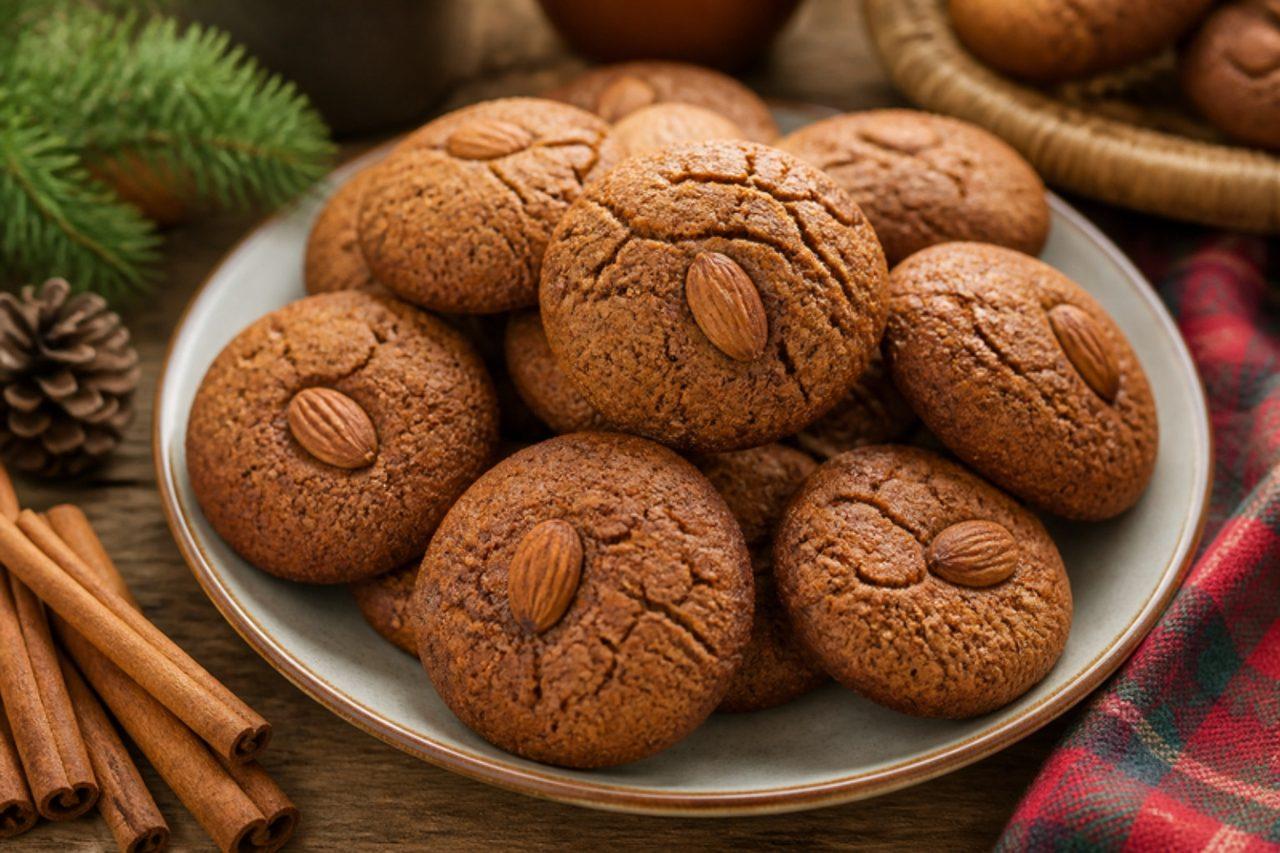
Broas de melSpiced molasses biscuits

Alongside bolo de mel, every Madeiran Christmas table has a tin of broas de mel: small, round, dark biscuits made with the same sugarcane molasses and spices, crisp at the edge and slightly chewy inside. Children are given them when they go door to door on the Missas do Parto mornings before Christmas, and they are good dunked in coffee or tea. Chef's tip: chill the dough for half an hour before shaping; molasses dough is sticky when warm.

by KrazyBadal 0 views

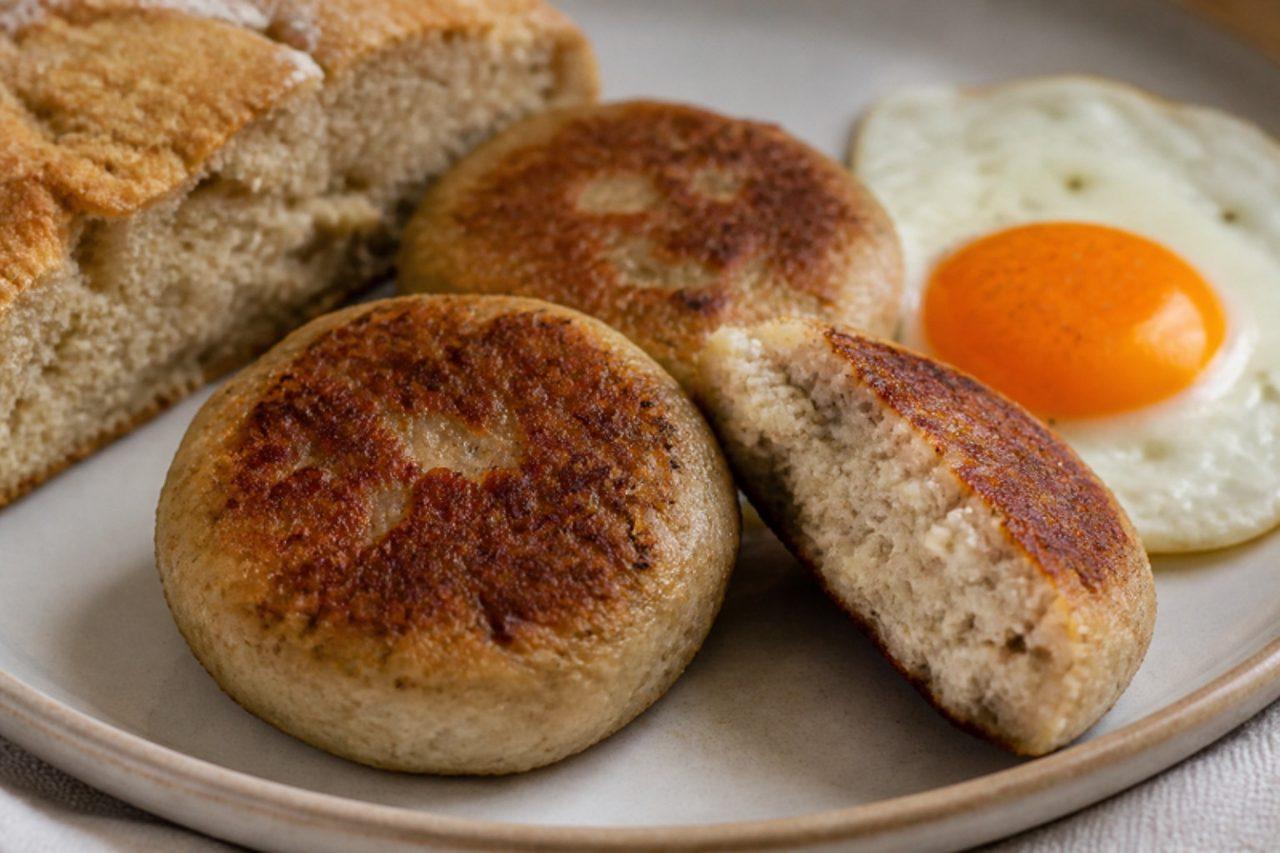
Irish white pudding patties

White pudding is the pale partner to black pudding on the Irish breakfast plate, made in butchers' shops from West Cork to Sligo with pork, pork fat, oatmeal, onion and a secret blend of spices. Making it at home in casings is fiddly, so this version shapes the same mix into patties to fry for the full Irish or a breakfast roll. Chef's tip: toast the oats in a dry pan first; it gives the nutty flavour that good shop-bought white pudding has.

by KrazyBadal 0 views

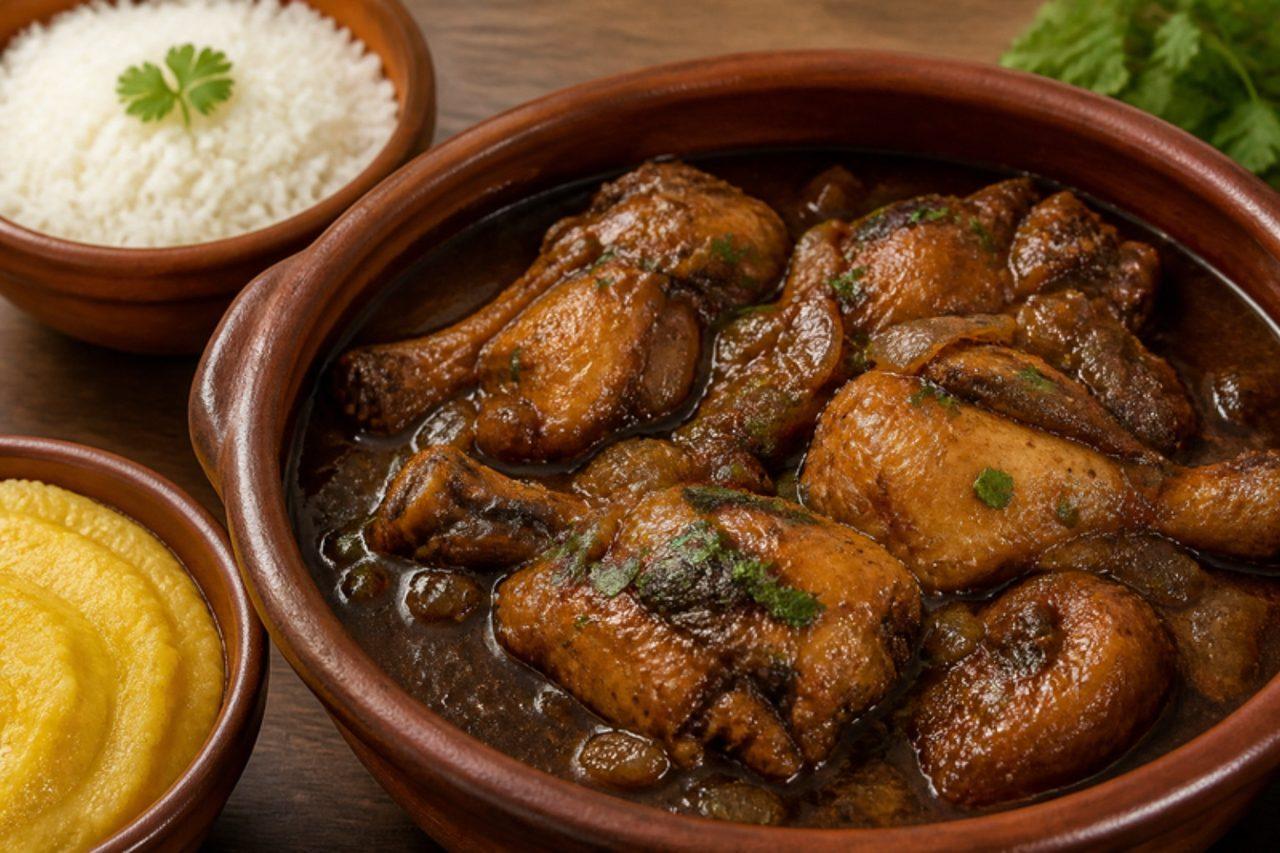
Galinha ao molho pardoChicken in dark blood sauce

Country cooking from the state of Rio and southern Minas Gerais, galinha ao molho pardo (also called galinha de cabidela) is cooked at weekend gatherings with a free-range hen, and served with angu, white rice and okra. The chicken is braised with onion, garlic, tomato and herbs, then the sauce is finished with the bird's blood mixed with vinegar, which turns it dark brown, velvety and savoury, with a gentle sourness. It tastes richer and deeper than an ordinary stew. Buy fresh chicken blood from a licensed poultry butcher or halal butcher, ask for it mixed with vinegar so it does not clot, keep it in the fridge and use it within 24 hours. The usual mistake is boiling the sauce hard after the blood goes in, which makes it grainy; stir it at a gentle simmer instead. The blood must be cooked right through. Chef's tip: temper the blood with a ladle of hot sauce before adding it to the pot.

by KrazyBadal 0 views

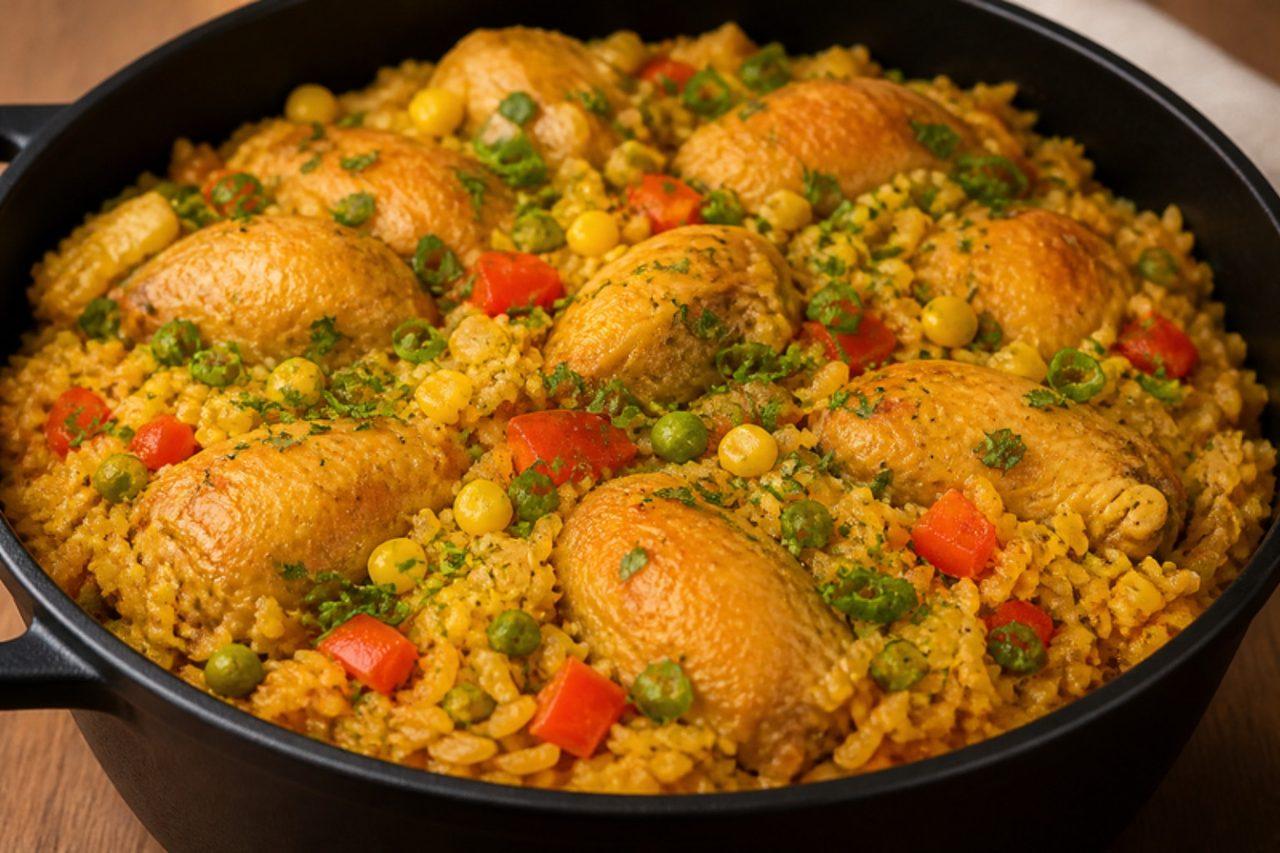
GalinhadaChicken and turmeric rice

Sunday lunches, church festas and roadside restaurants in Goiás all revolve around a big pot of galinhada: chicken browned with garlic and onion, then cooked with rice in its own stock until each grain is golden from açafrão-da-terra. In Brazil that word means turmeric, not true saffron, and it is turmeric that gives the dish its colour. Goianos add pequi, the cerrado fruit with a heady, cheesy-tropical scent; you can buy it in jars in Brazilian shops, but warn your guests: the stone is covered in fine spines under the flesh, so nibble gently and never bite into it. It comes out moist, fragrant and comforting, finished with plenty of cheiro-verde. The common mistake is adding too much water, which makes it mushy; the rice should be loose, like a paella that has just settled. Chef's tip: brown the chicken until it leaves a dark crust in the pot, then let the rice dissolve it.

by KrazyBadal 0 views

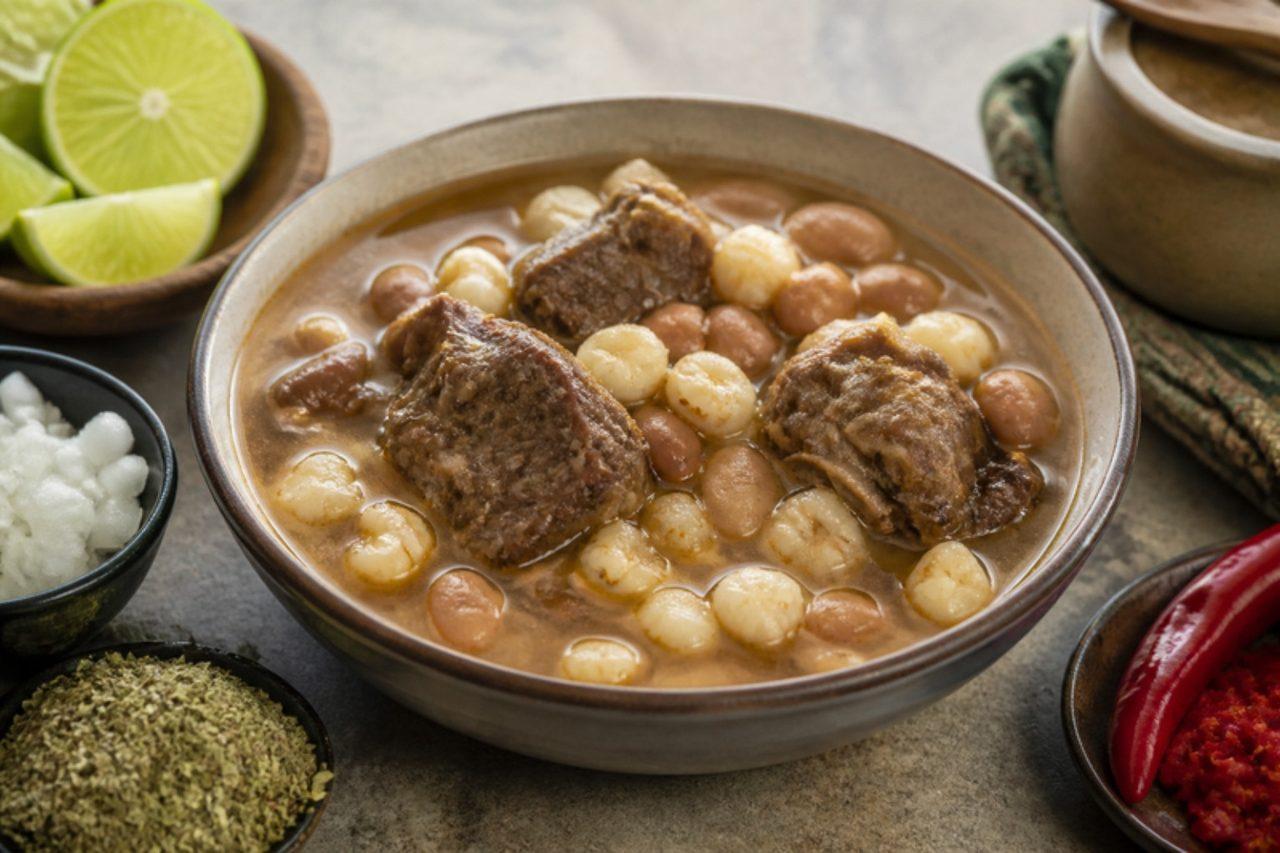
Gallina pintaBeef, pinto bean and hominy stew

Despite the name, there is no hen in gallina pinta: the 'speckled hen' of Sonora is a hearty soup of beef, pinto beans and hominy, the speckles being the beans among the white corn. It is cold-weather food across the state, ladled out at family gatherings and in Hermosillo diners, and every cook uses bony cuts such as oxtail or beef shank so the broth turns rich and silky. The beans need soaking overnight, so start the day before. Serve it in deep bowls with chopped onion, oregano, lime and a dried red chilli crumbled over, plus warm flour tortillas. Chef's tip: add the hominy only in the last half hour, so the kernels stay plump and chewy rather than splitting.

230 minMexicanSoupsGluten free
by KrazyBadal 0 views

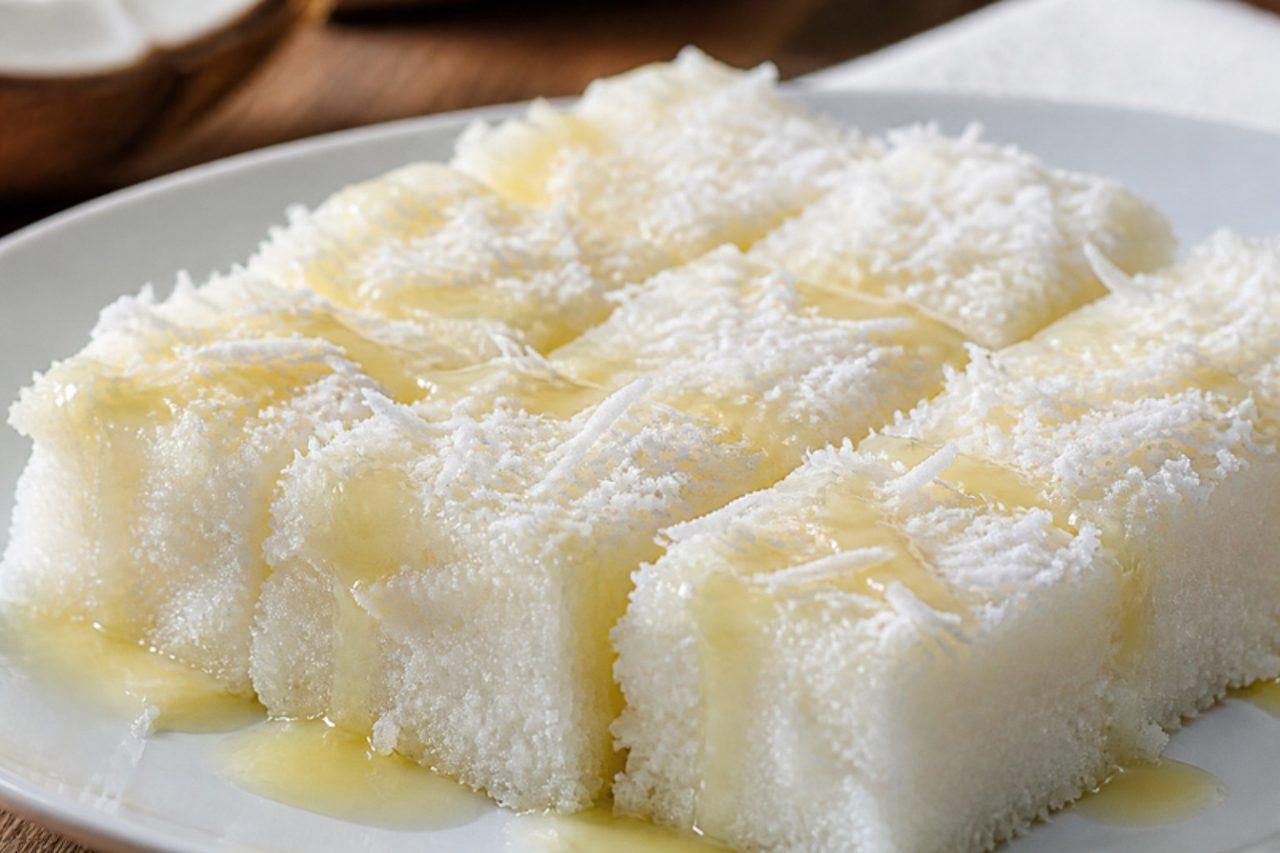
Cuscuz de tapiocaTapioca and coconut cake

Breakfast stalls in Salvador and the street markets of Recife and Fortaleza sell cuscuz de tapioca by the slice from a big round tray, often with a drizzle of condensed milk on top. It needs no cooking at all: granulated tapioca (tapioca granulada) soaks up hot sweetened milk and coconut milk and swells into a firm, white, bouncy cake with a chewy, pearly texture and a gentle coconut taste. It is eaten cold, at breakfast or as an afternoon sweet with coffee. Granulated tapioca is a Brazilian product made of small irregular crumbs, not pearls; Brazilian shops sell it in bags. Cutting it too early is the usual mistake, and the slices crumble because the granules are still dry at the centre. Chef's tip: pour the liquid in while it is steaming hot and cover the dish straight away; the trapped steam swells the granules evenly.

by KrazyBadal 0 views

CaruruOkra and dried shrimp stew

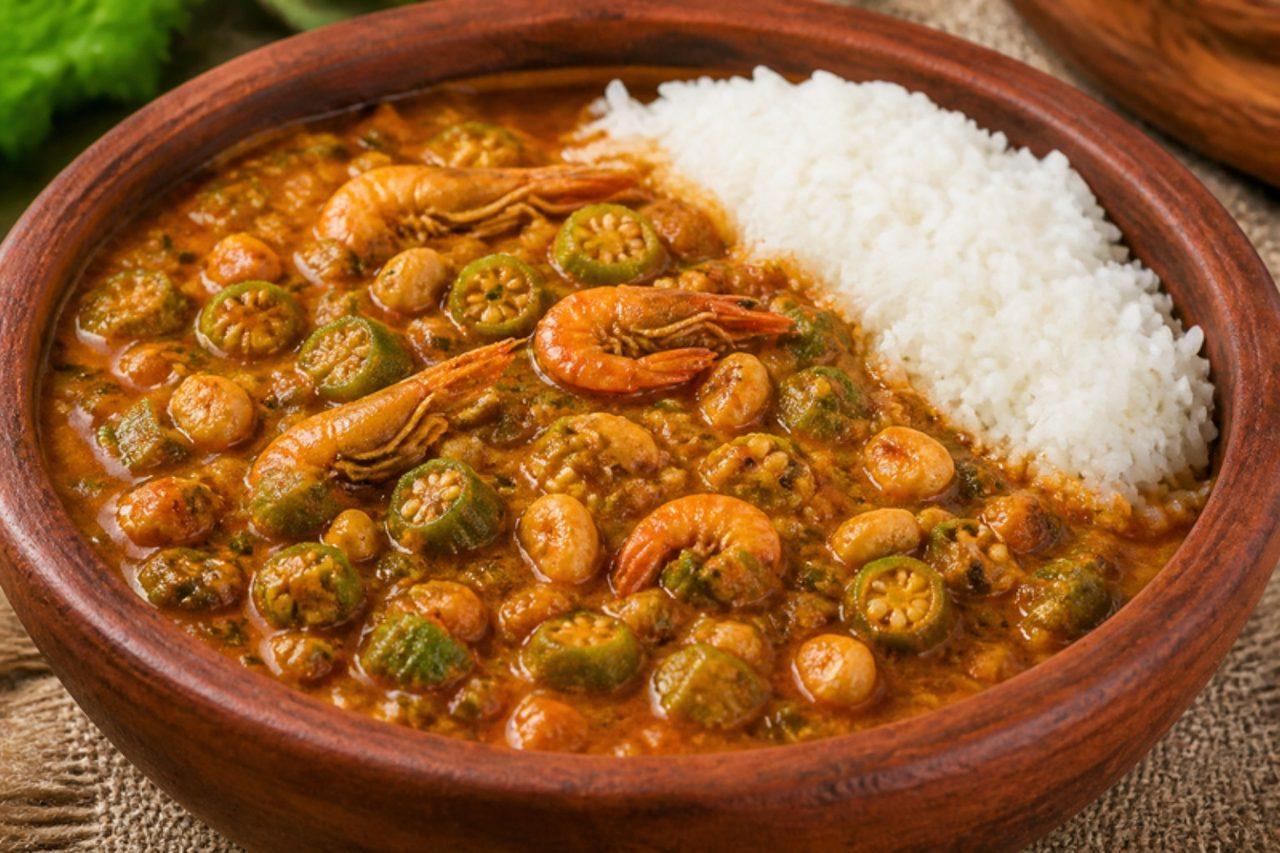
Every 27 September, homes across Salvador and the Recôncavo cook huge pots of caruru for the feast of Saints Cosmas and Damian, and children are fed first; the rest of the year it turns up at acarajé stalls and on Bahian Sunday tables next to vatapá, rice and xinxim. Okra is chopped very small and cooked down with a paste of dried shrimp, toasted cashews and peanuts, ginger and onion, then finished with dendê oil until it is thick, glossy and gently sticky, nutty and faintly of the sea. Serve it with white rice, farofa de dendê and acarajé or abará. Most people make the mistake of slicing the okra into big rounds; cut tiny it melts into the sauce instead of sitting in slimy chunks. For a vegetarian caruru, skip the shrimp and use 40 g more of each nut. Chef's tip: toast the cashews and peanuts in a dry pan until they smell of popcorn before grinding them; it makes the stew taste deeper and less green.

by KrazyBadal 0 views

Cuscuz paulistaCornmeal with palm heart and sardines

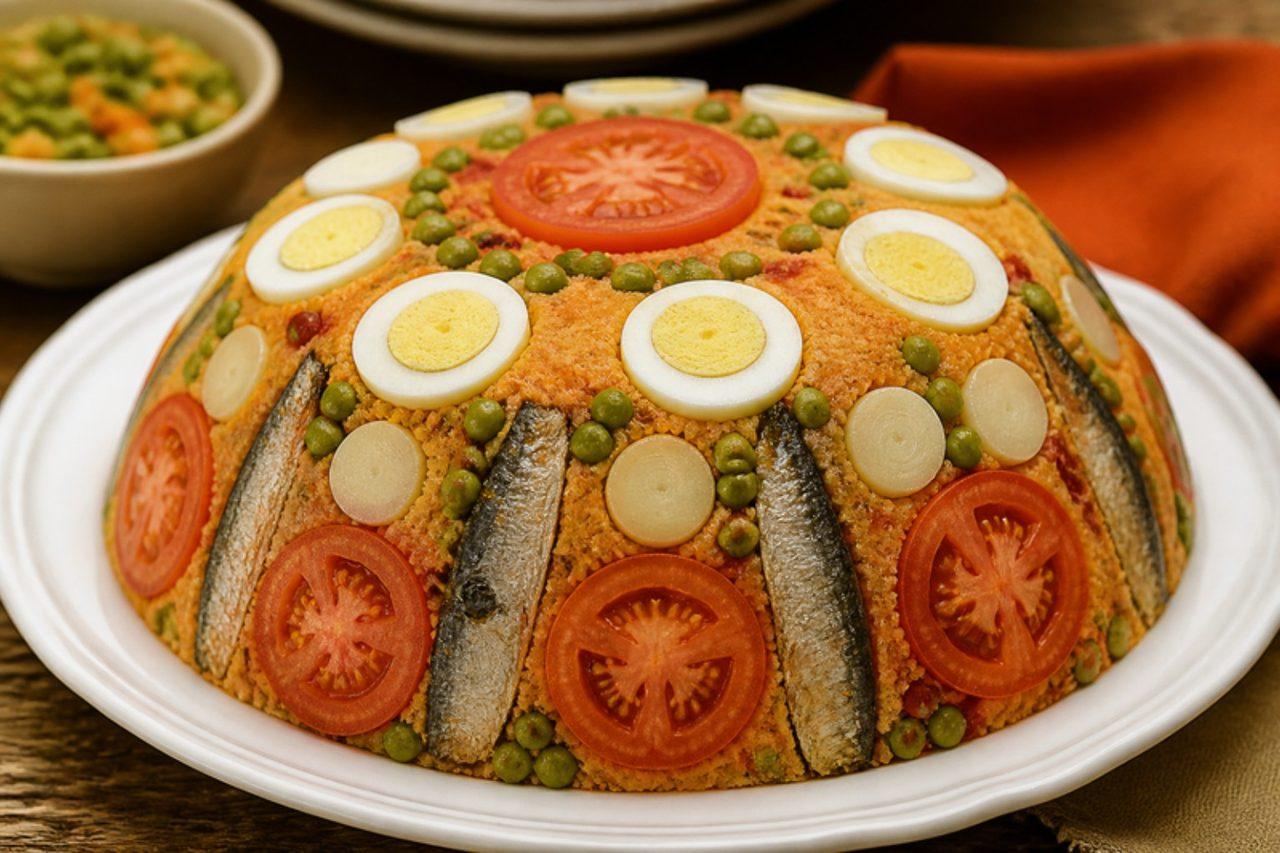
Nothing like North African couscous, cuscuz paulista is a moulded cake of corn flakes cooked in a rich tomato sauce, packed into a ring mould decorated with sardines, sliced egg, tomato, palm hearts and peas, then turned out so the pattern shows. São Paulo bakeries and family lunches serve it cold or at room temperature, in slices, for birthdays, Easter and Sunday tables. It is moist, savoury and tangy, with bursts of olive and fish. It needs at least an hour to set in the fridge, so it is perfect to make the day before. The thing that most often goes wrong is a mixture that is too dry, which crumbles when turned out; it should look like soft, wet polenta before it goes into the mould. For a vegetarian version, skip the sardines and add extra palm hearts. Chef's tip: oil the mould generously and press the decoration against the sides firmly, so it sticks to the cuscuz and not the tin.

by KrazyBadal 0 views

Bacalao al ajoarrieroSalt cod with garlic and pepper

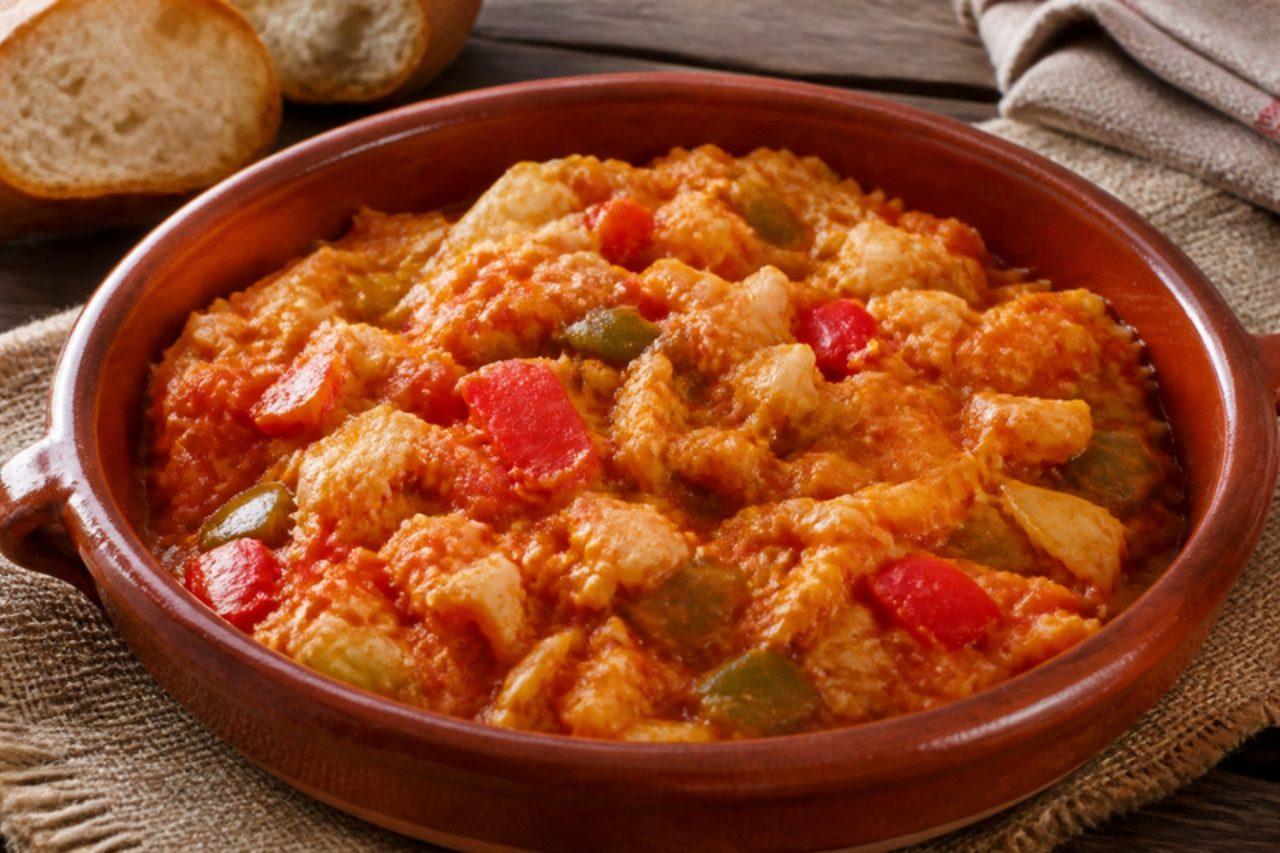
The muleteers who carried goods over the mountain roads into Pamplona, the arrieros, lived on salt cod because it kept for weeks, and the garlicky way they cooked it took their name. Today ajoarriero is ordered in the bars around Pamplona's Plaza del Castillo, especially during San Fermín, and served in small earthenware dishes with bread. The Navarrese version is red with peppers, tomato and dried choricero pepper, and many cooks stir in egg at the end. Chef's tip: taste the cod after soaking and only salt the dish at the very end, if at all.

by KrazyBadal 0 views

English fish pie

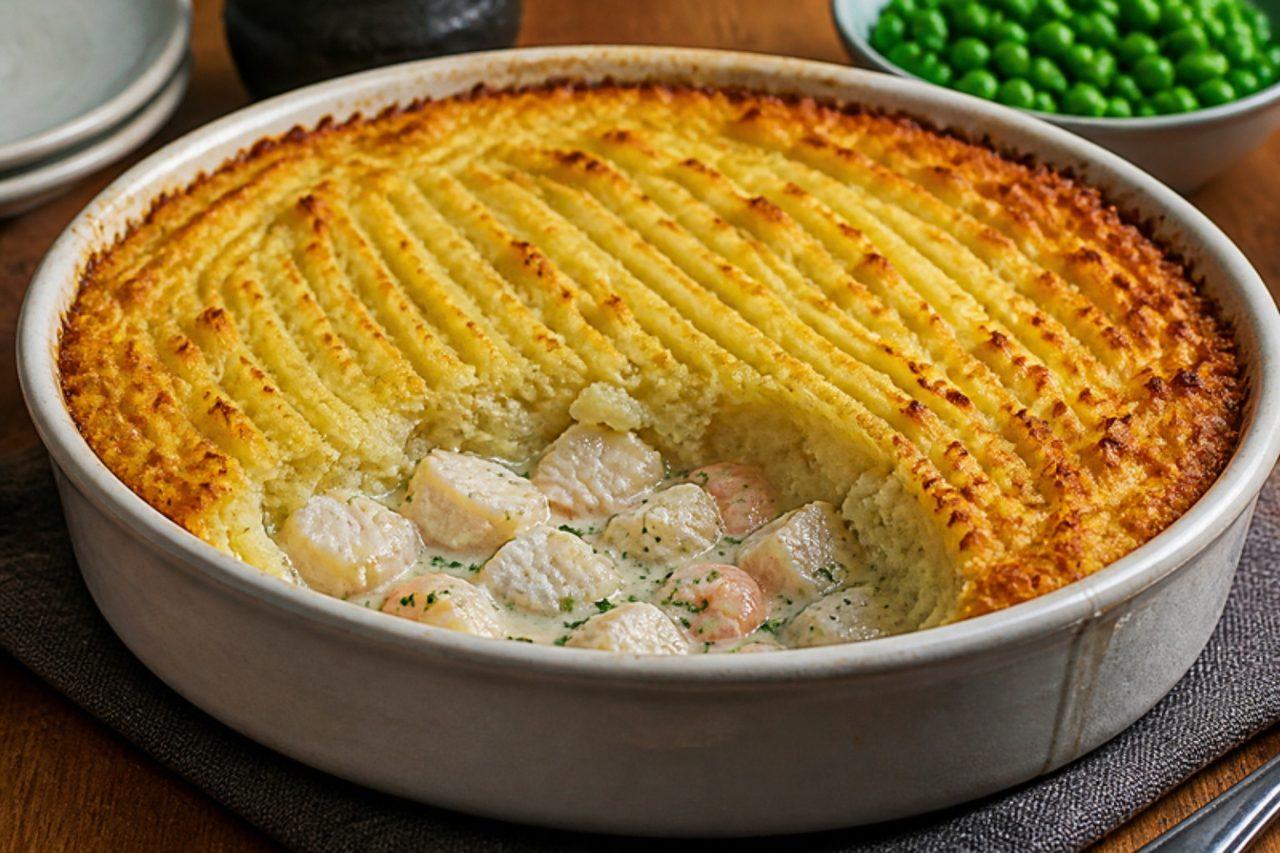
Fish pie is a Friday supper and a family favourite from the Kent coast to Devon, where fishmongers sell a ready-cut 'fish pie mix' for it. Chunks of white fish, smoked haddock and prawns are baked in a creamy parsley sauce under a thick crust of buttery mash, so it is mild, comforting and very filling. Chef's tip: don't pre-cook the fish; it finishes in the oven and stays in big, juicy flakes.

by KrazyBadal 0 views

San Antonio puffy tacos

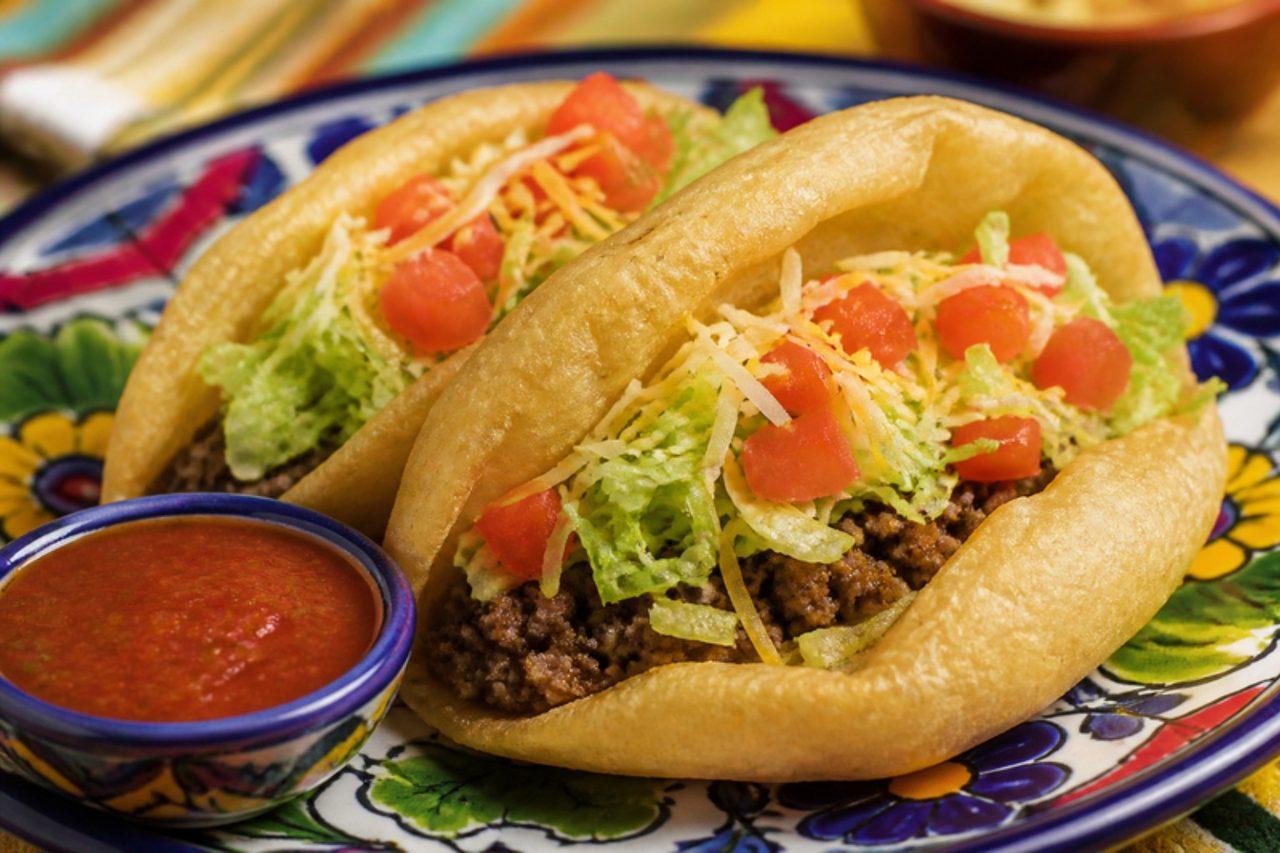
The puffy taco is San Antonio's own: a ball of fresh corn masa pressed flat and dropped into hot oil, where it puffs into a light, crisp, hollow shell, then shaped into a U and filled with seasoned beef mince, lettuce and tomato. Family-run Tex-Mex restaurants on the West Side have served them since the 1950s, and the city's baseball team even has a puffy taco mascot. Chef's tip: as soon as the dough puffs, press a spatula into the middle to make the fold, before it sets.

by KrazyBadal 0 views

Limerick ham with cider glaze

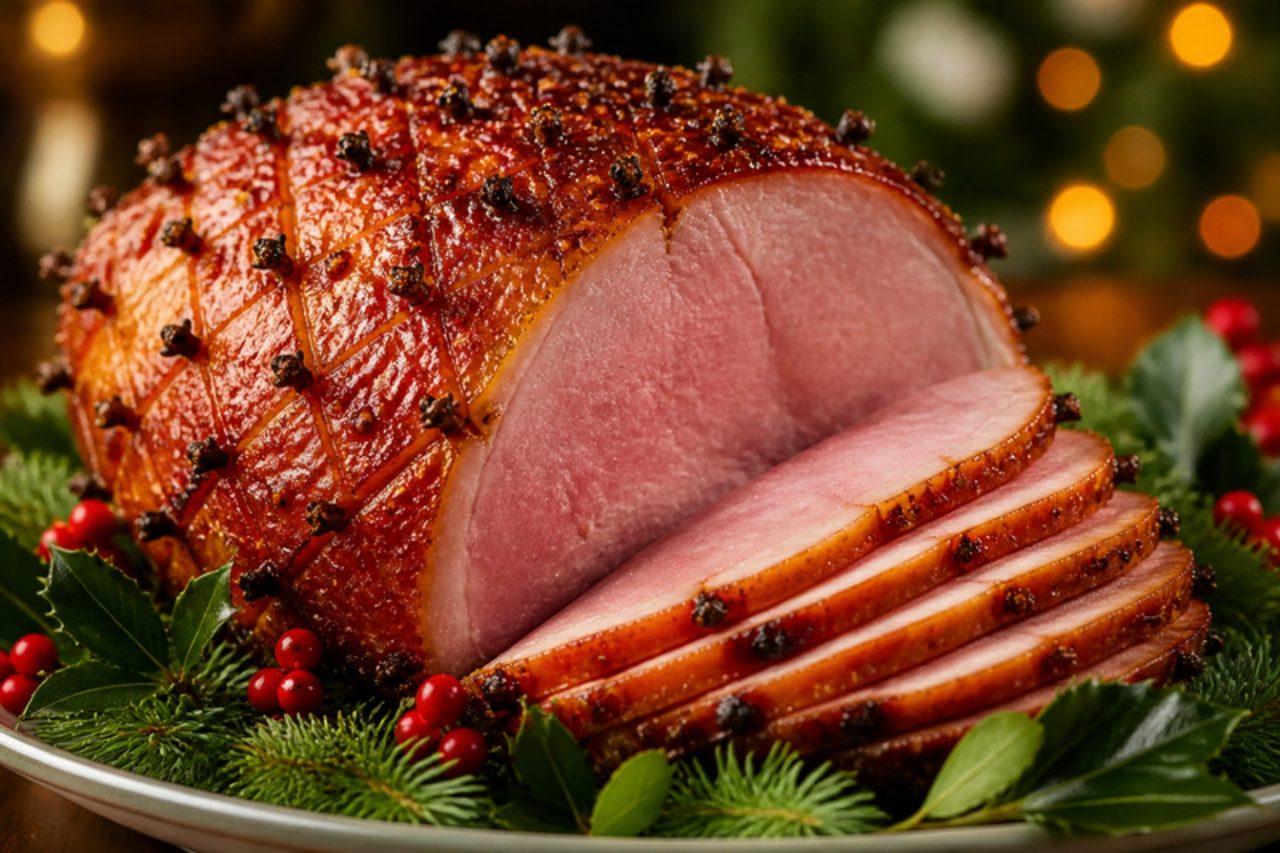
Limerick was once famous across Europe for its hams, cured in the city's bacon factories, and a glazed ham is still the centrepiece of the Irish Christmas table next to the turkey. This is a gammon joint, which is pork: simmered gently in cider with an onion and spices, then studded with cloves and glazed in a hot oven until sticky and dark. Serve hot with mash and parsley sauce, or cold for St Stephen's Day sandwiches. The cider contains alcohol, which mostly cooks off; for an alcohol-free version use cloudy apple juice. Chef's tip: score the fat in a neat diamond pattern only through the fat, not the meat, so the glaze grips without the meat drying.

200 minIrishMeatGluten free
by KrazyBadal 0 views

GamopilafoRice cooked in lamb broth

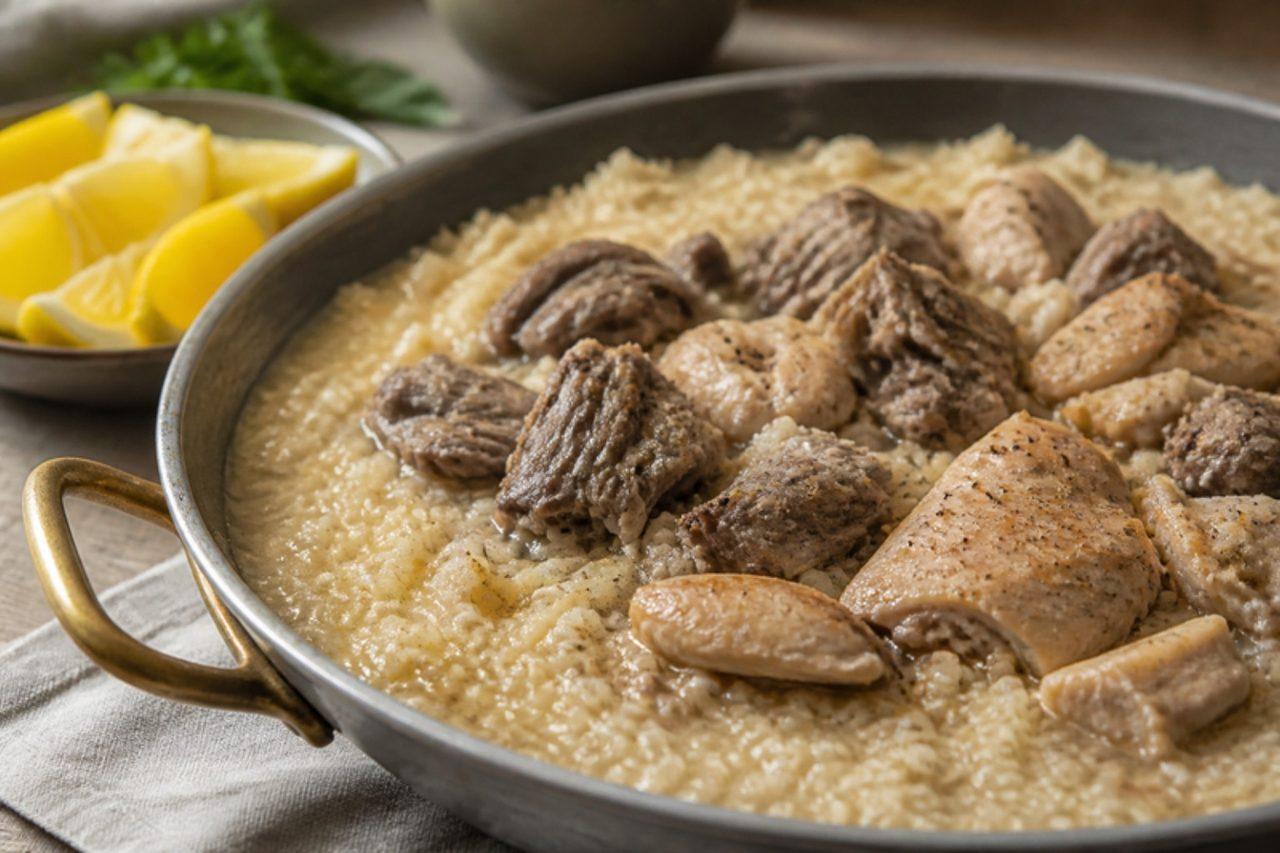
No Cretan wedding is complete without gamopilafo, stirred by the men of the village in huge cauldrons over wood fires from early morning. The meat is simmered for hours to make a deep, golden broth, the rice is cooked in it until creamy and almost soupy, and the whole pot is finished with butter and lemon; the boiled meat is served on the side. At home it makes a generous Sunday lunch for a crowd. Common mistake: cooking the rice to a dry, fluffy pilaf; it should be loose and spoonable, like a thick risotto. Chef's tip: skim the broth carefully in the first 20 minutes and never let it boil hard, so it stays clear and sweet instead of cloudy.

170 minGreekMeatGluten free
by KrazyBadal 0 views

Maçã do amorToffee apples

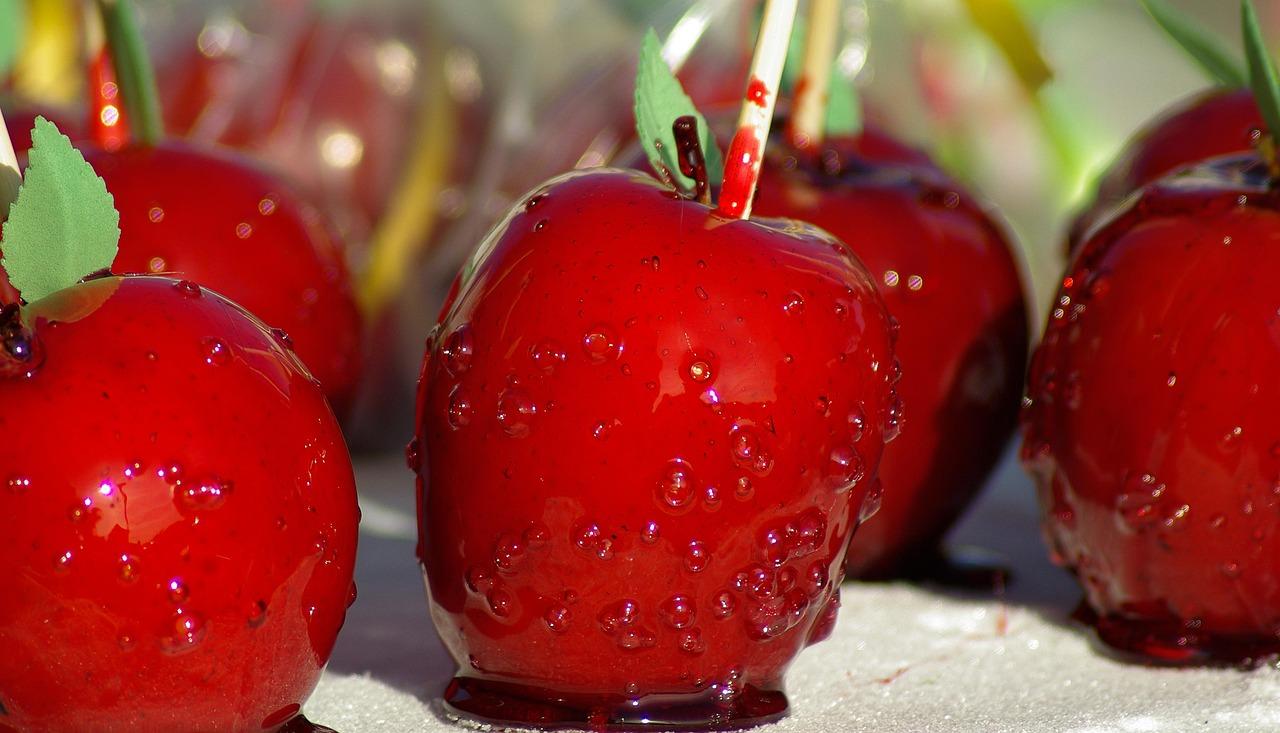
A shiny red apple on a stick is the picture of a Brazilian festa junina stall, lined up in rows beside the quentão and pipoca. The 'love apple' is a small, tart apple dipped in hot sugar syrup that hardens into a thin, crackling, ruby-red shell; you bite through glass and hit crisp fruit. It is a good one to make at home for a June party because the syrup takes 15 minutes and the apples are ready as soon as the shell cools. Choose a plant-based red colouring to keep it vegan. Where it tends to fail: any water or wax on the apple skin stops the syrup sticking, so it slides off in a puddle. Chef's tip: dip the apples in boiling water for 10 seconds and dry them thoroughly to remove the wax before you start.

by KrazyBadal 0 views

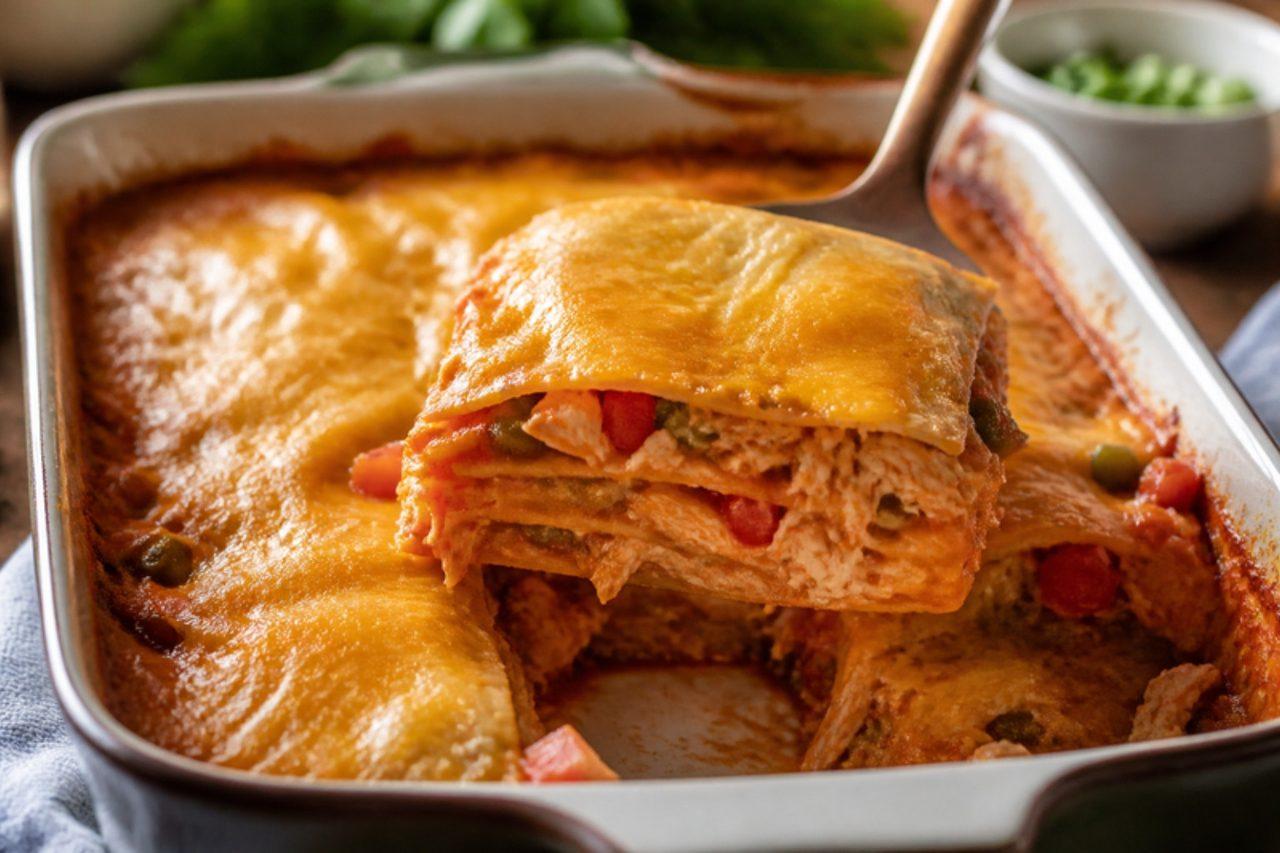
King Ranch chicken

King Ranch chicken is the layered casserole every Texan has eaten at a potluck, baby shower or after a funeral, named, without any proof, after the famous ranch in South Texas. Corn tortillas are layered like lasagne with shredded chicken, peppers, tinned tomatoes with green chiles, a creamy sauce and lots of cheese. This version makes the sauce from scratch instead of tinned soup. Chef's tip: lightly fry or toast the tortillas first so the layers hold up instead of turning to mush.

by KrazyBadal 0 views

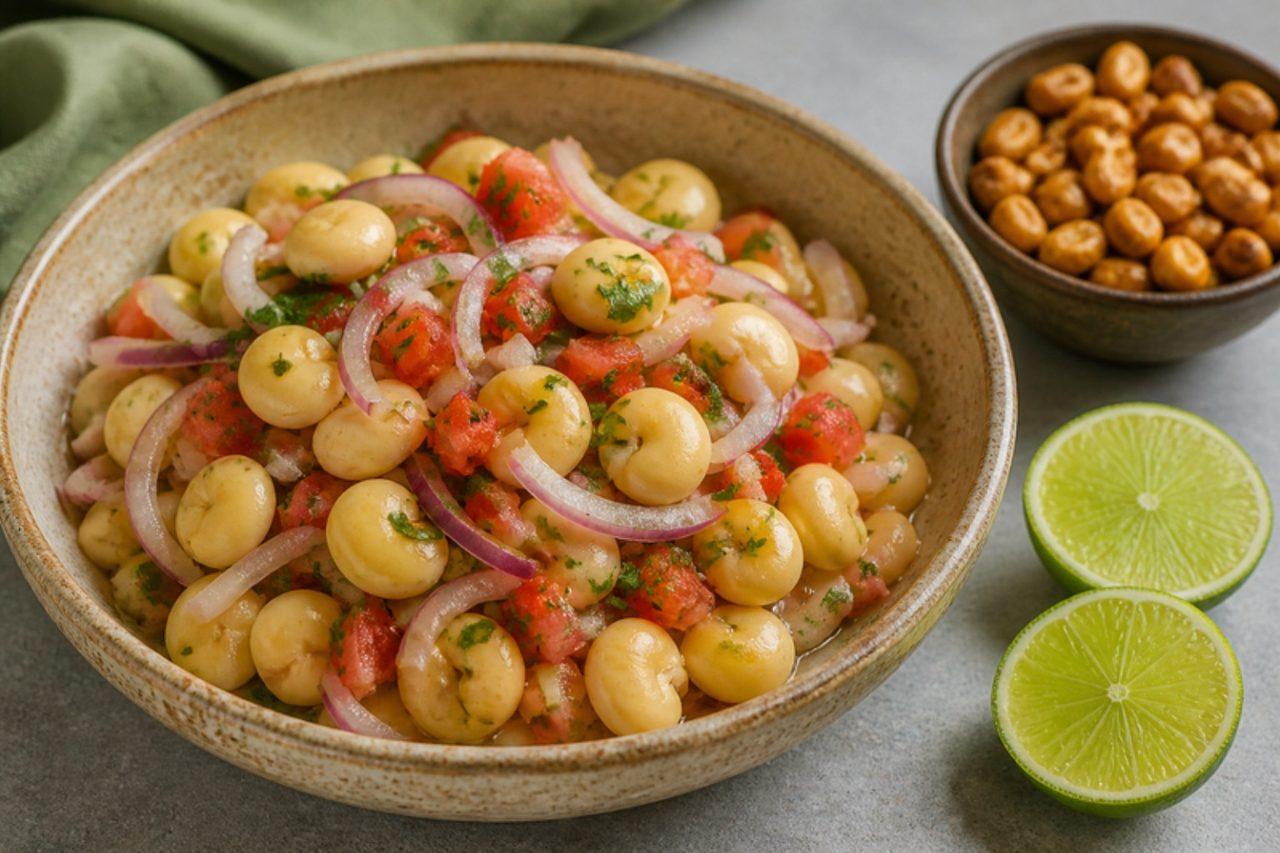
Ceviche de chochoLupin bean ceviche

Chocho, or tarwi, is the Andean lupin bean, a protein-packed legume grown high around Huaraz, Cajamarca and Puno, and street carts in the highlands sell it in plastic cups dressed like a ceviche: lime, red onion, tomato, coriander and a little ají, sometimes with toasted corn for crunch. It is fresh, sour and pleasantly firm, a vegan stand-in for fish ceviche that works as a starter or a light lunch. Food safety matters here: raw or bitter lupins contain toxic alkaloids and must never be eaten as they are. Use only ready-debittered, cooked chochos, sold in jars, vacuum packs or chilled tubs in Latin shops; if they taste bitter, rinse and soak them longer or throw them away. Lupin is also a common allergen and may affect people allergic to peanuts. The usual mistake is to drown everything in lime and leave it, which makes the onion limp; mix the dressing just before serving. Chef's tip: squeeze the limes gently by hand rather than with a press, so the juice doesn't turn bitter.

by KrazyBadal 0 views

Palm Springs date shake

The Coachella Valley around Palm Springs and Indio grows most of America's dates, and roadside date farms along the desert highway have sold this shake to thirsty drivers since the 1930s. Soft Medjool dates are blended with vanilla ice cream and milk into a thick, caramel-flavoured shake. Chef's tip: soak the chopped dates in a little warm milk for 10 minutes first, so they blend completely smooth instead of leaving chewy bits in the straw.

by KrazyBadal 0 views

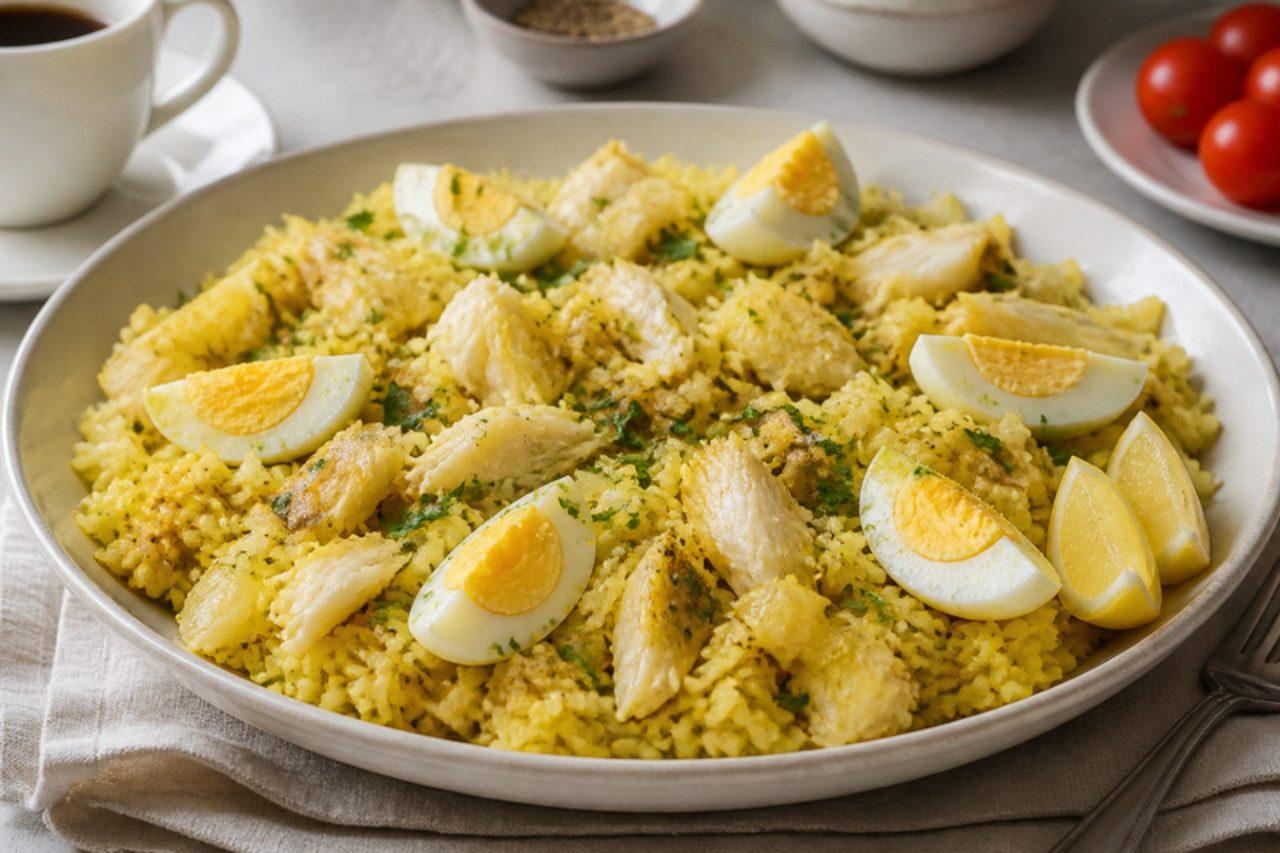
Kedgeree

Kedgeree came to Britain with families returning from colonial India, who adapted khichri into a breakfast of buttery curried rice, flaked smoked haddock and boiled eggs; it was served from silver dishes at Victorian country house breakfasts and is now a weekend brunch. It is gently spiced, smoky and soft. Chef's tip: poach the haddock in the milk you then use for nothing else, and cook the rice in the poaching water for more smoky flavour.

by KrazyBadal 0 views

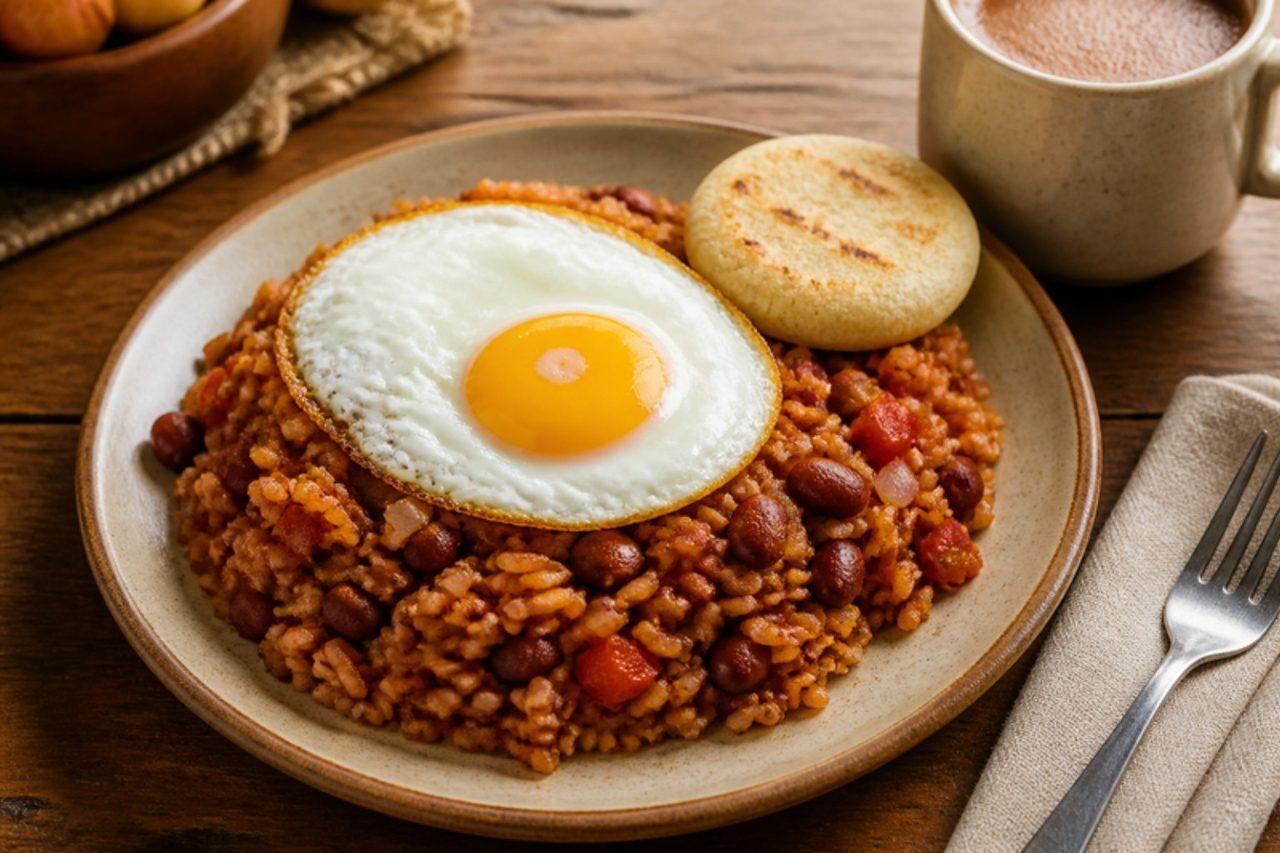
CalentadoFried leftover rice and beans

Calentado literally means reheated, and that is the whole idea: the rice and beans left from yesterday's lunch are fried together in a hot pan with hogao until they catch and crisp at the edges. In Antioquia it is the breakfast of champions, topped with a runny fried egg and served with a corn arepa, a slice of white cheese and hot chocolate, and city cafés across Colombia now put it on weekend menus. This version is meat-free, using beans cooked without pork. Leftover rice needs care: it must have been cooled within an hour or two of cooking and kept in the fridge no more than a day, and it should be reheated until piping hot all through. Stirring constantly is what turns it to mush, so press it into the pan and let a crust form before turning. Chef's tip: add a few spoonfuls of the bean broth; it binds the rice and helps the crispy bits form.

by KrazyBadal 0 views

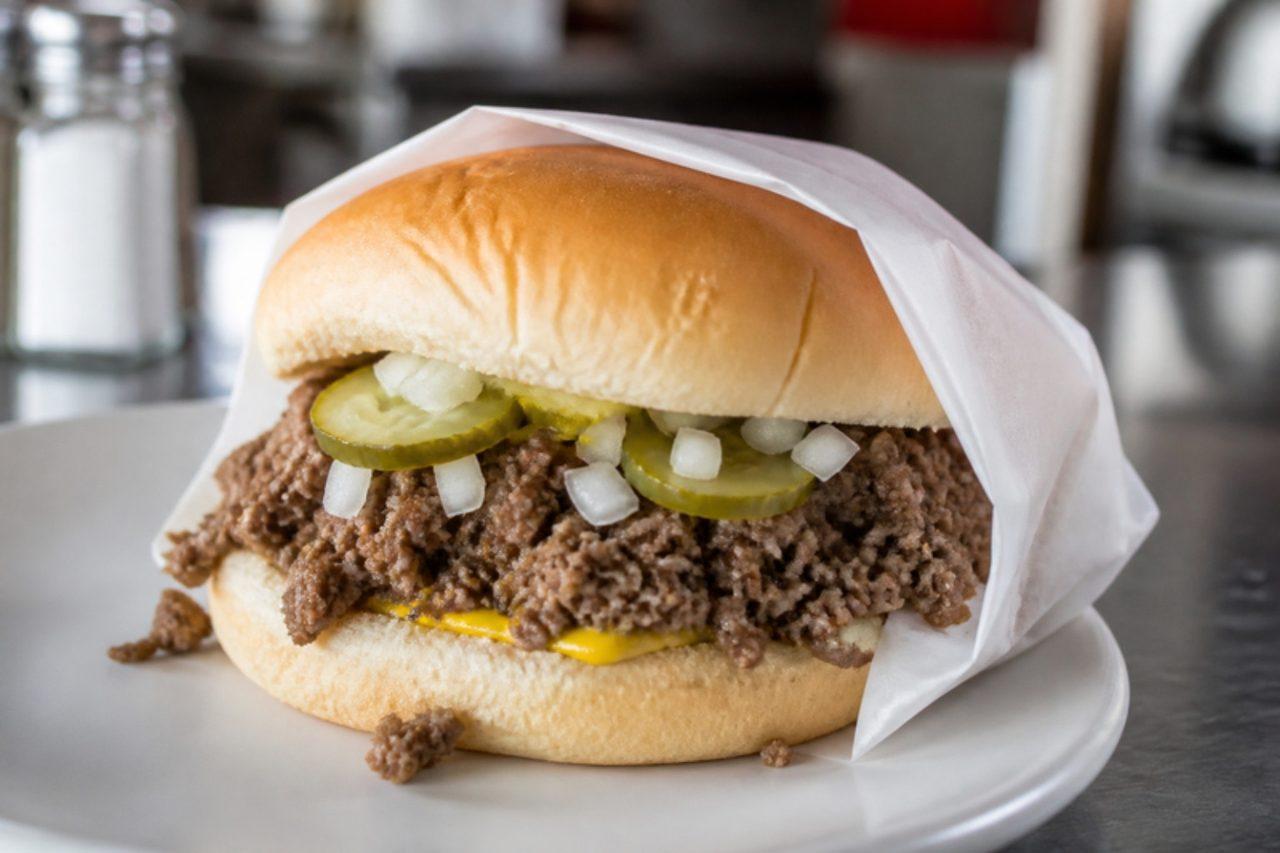
Iowa loose meat sandwich

The loose meat sandwich, sometimes called a Maid-Rite after the Iowa chain that started it in Muscatine in 1926, is beef mince simmered until finely crumbled and tender, then piled loose on a soft bun with mustard, pickles and onion. It falls apart as you eat it, so it comes with a spoon. Small-town Iowa cafés have served it at lunch counters for generations. Chef's tip: break the meat up constantly with a potato masher as it cooks; you want fine, even crumbs, not lumps.

by KrazyBadal 0 views

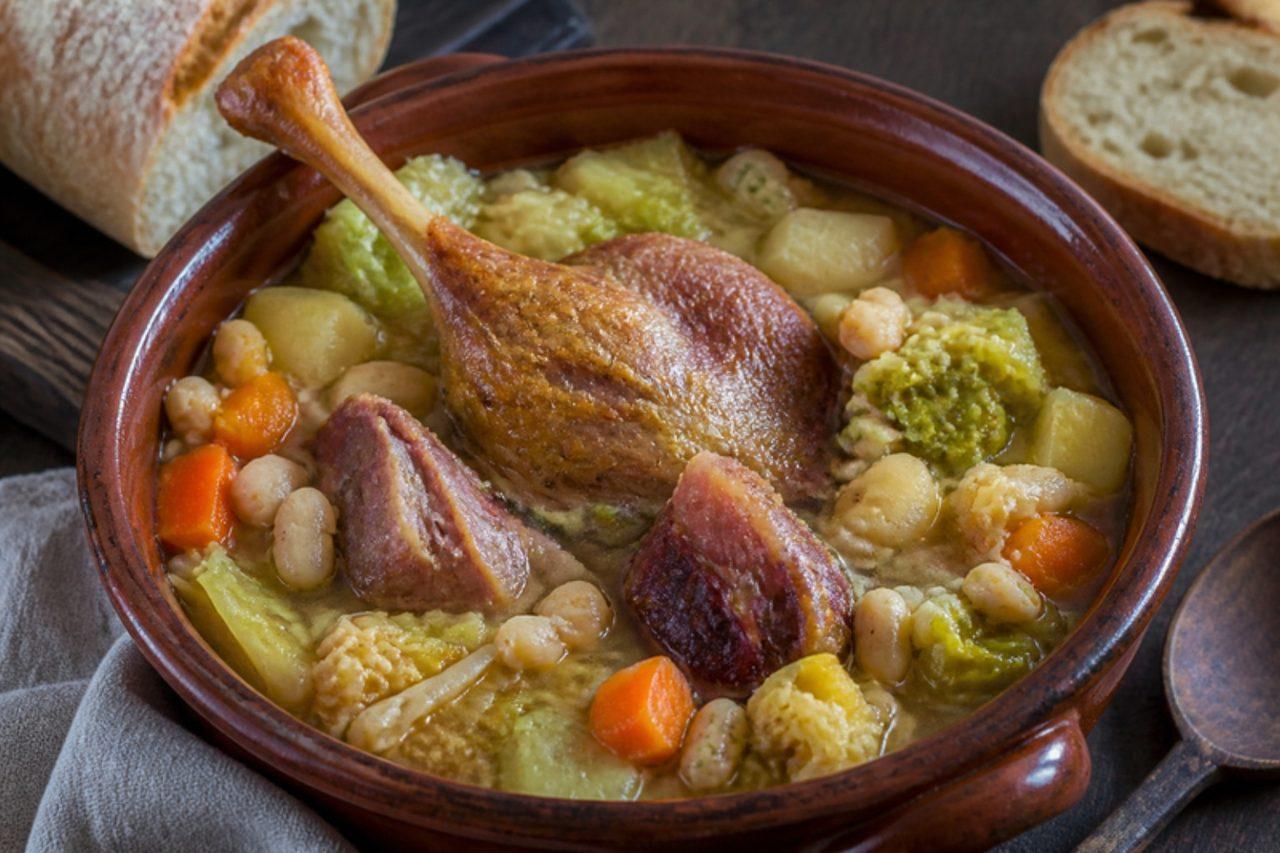
GarbureCabbage and bean duck soup

Shepherds in the Béarn valleys and farmers across Gascony have eaten garbure through the cold months for centuries, and it is still the centrepiece of village rugby-club suppers and winter fêtes. It is a soup so thick that, as people in Pau like to say, the ladle should almost stand up in it: white beans, cabbage, potatoes, leeks and turnips cooked down slowly, finished with pieces of duck confit warmed through in the pot. A ham hock is often added too; that version is a pork dish as well as a duck one, so leave it out if you need to. Serve it in deep bowls with thick slices of country bread. Chef's tip: hold back the salt until the very end, because confit duck and ham hock both season the soup as they warm.

180 minFrenchSoupsGluten free
by KrazyBadal 0 views

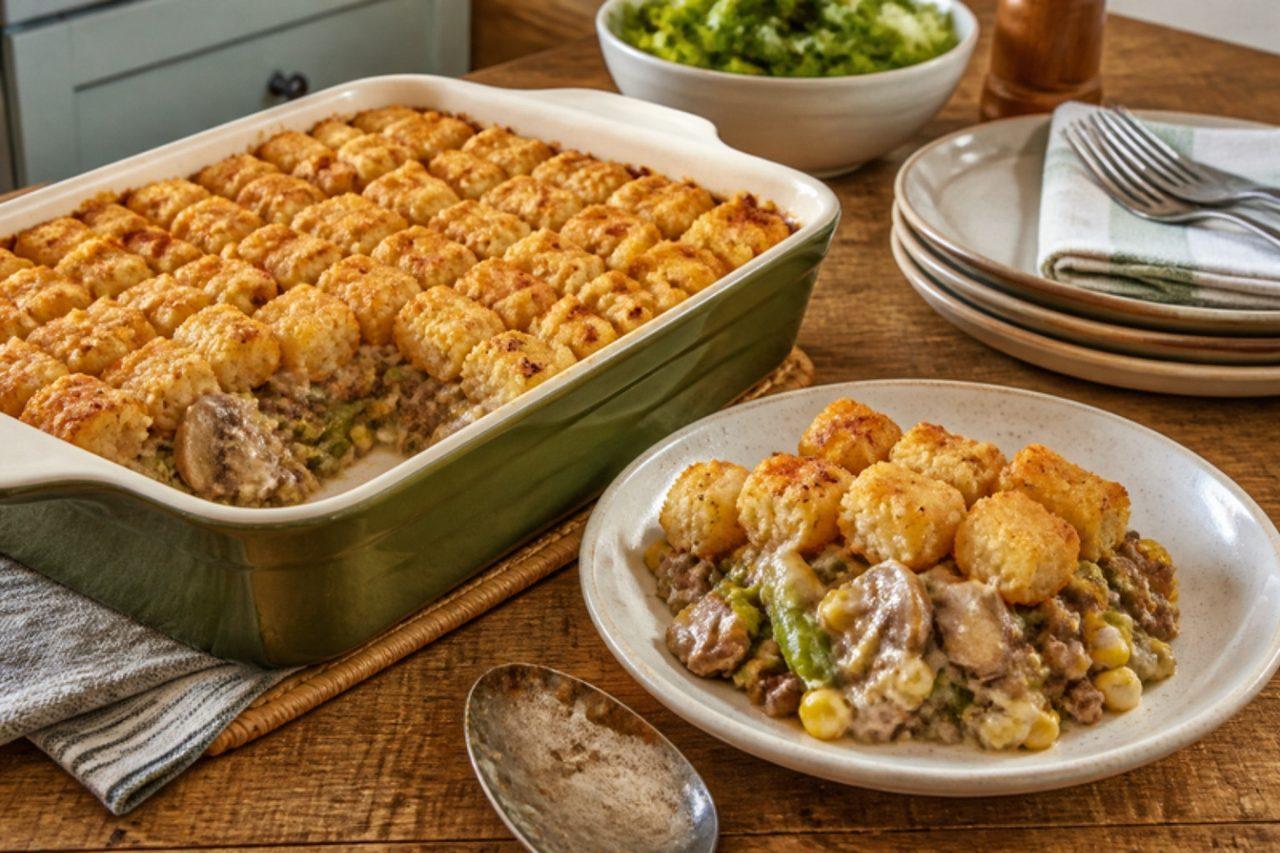
Minnesota tater tot hotdish

In Minnesota, any one-dish bake is a hotdish, and the tater tot version is what turns up at church basement suppers, Lutheran funerals and family reunions all over the state. Seasoned beef mince and vegetables go into a creamy mushroom sauce, the top is covered in neat rows of crisp potato tots, and everything bakes until golden. This version makes the sauce from scratch. Chef's tip: lay the tots in tight, even rows; gaps let steam escape and the tots crisp instead of going soggy.

by KrazyBadal 0 views

St. Louis toasted ravioli

Toasted ravioli was invented on the Hill, St. Louis's old Italian neighbourhood, when, as the story goes, a cook dropped ravioli into hot oil by accident; now 'T-ravs' are on nearly every bar and restaurant menu in the city. Beef-filled ravioli are breaded and fried, not toasted, until crisp, then dusted with grated cheese and dipped in marinara. Chef's tip: chill the breaded ravioli for 20 minutes before frying so the crumb sticks and doesn't fall off in the oil.

by KrazyBadal 0 views

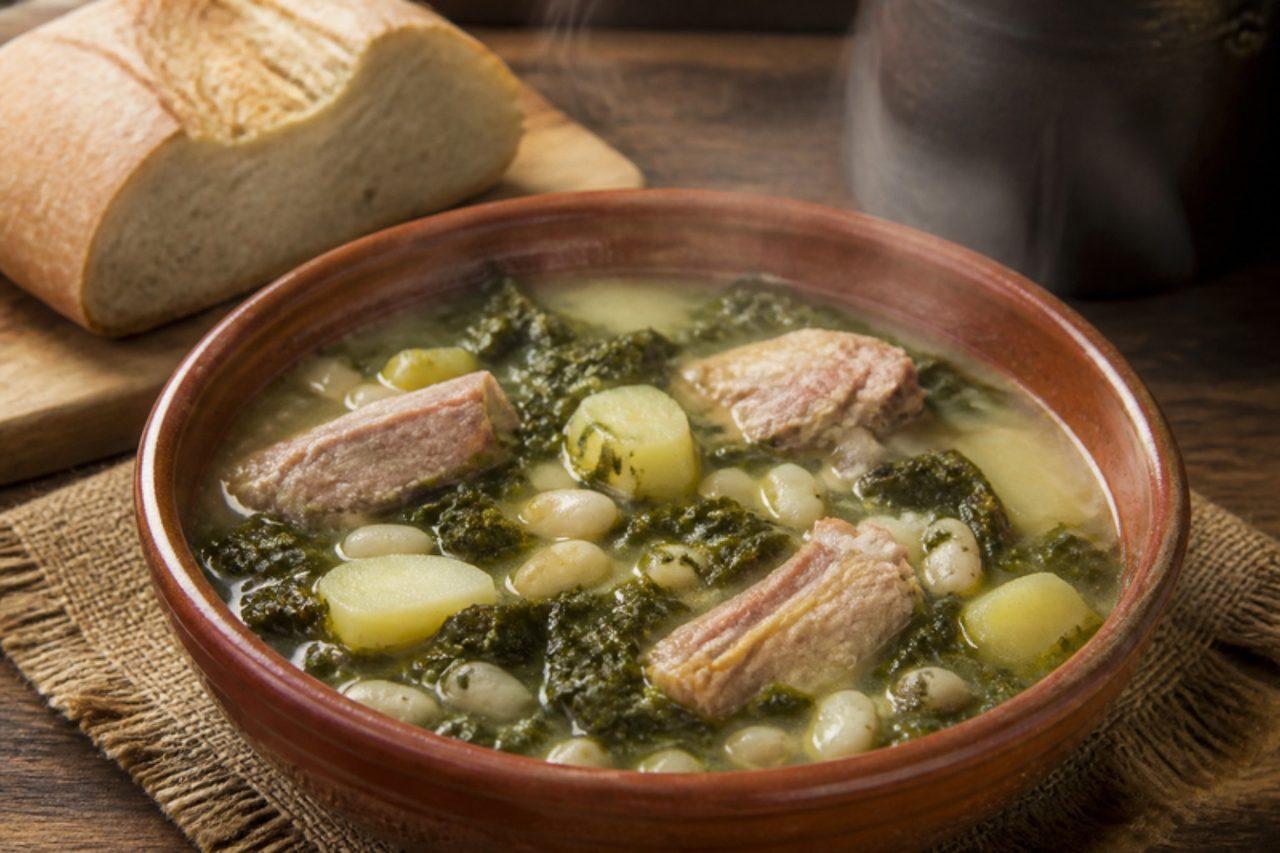
Caldo gallegoGreens, white bean and pork soup

On cold, rainy days in Santiago, Lugo or any village in between, a bowl of caldo starts lunch: a light broth with white beans, potatoes and turnip greens (grelos) or cabbage, flavoured with pork. This contains pork (cured rib and unto, Galician cured pork fat; bacon fat works in its place). The pork is cooked with the beans first, then the potatoes and greens go in. A common mistake is adding the greens too early, so they turn grey; they need only the last 15–20 minutes. Chef's tip: caldo tastes better reheated the next day, so make a big pot.

140 minSpanishSoupsGluten free
by KrazyBadal 0 views

Garides saganakiPrawns with tomato and feta

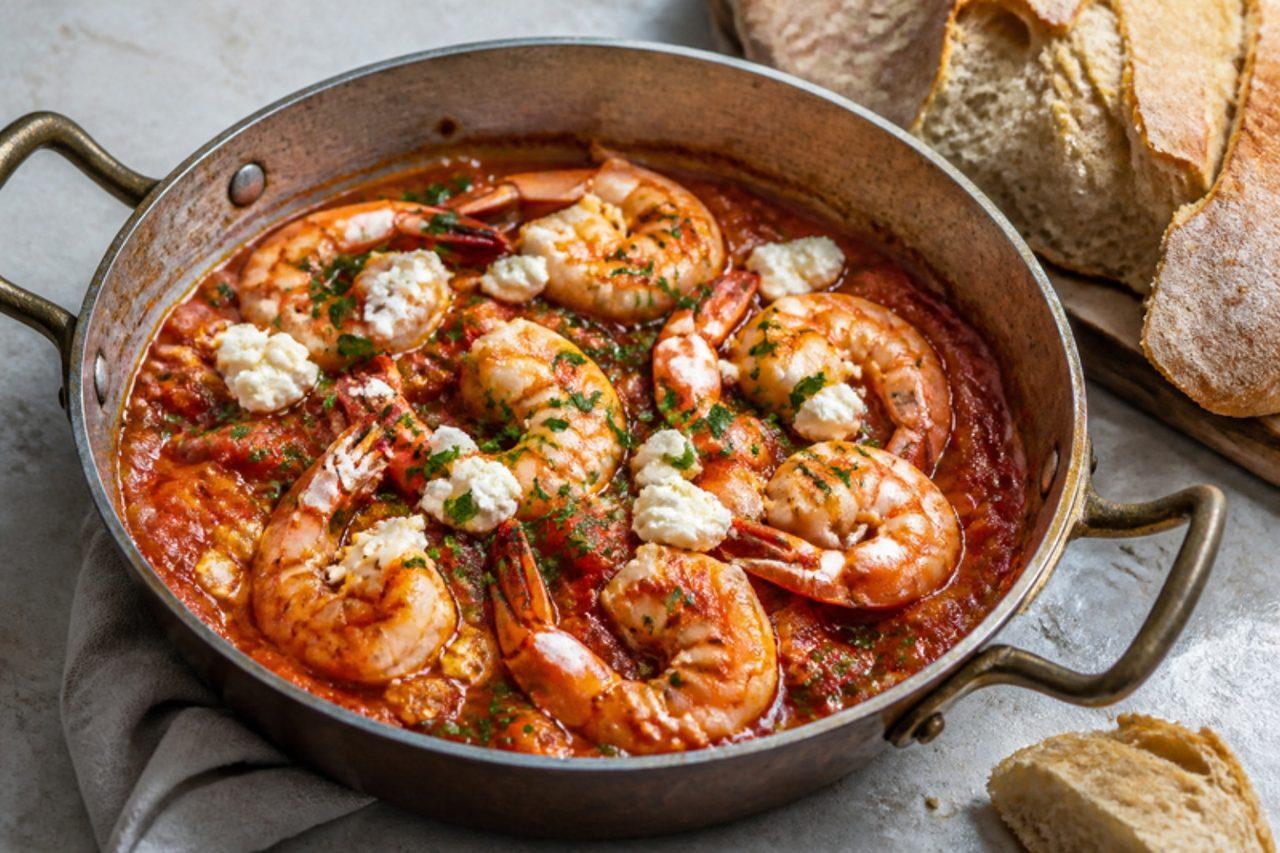
Order garides saganaki at a seaside taverna on Mykonos or Syros and it arrives bubbling in the small two-handled pan it is named after: whole prawns in a quick sauce of tomato, garlic, chilli and oregano, scattered with feta that softens into the sauce. You eat it with bread for mopping, as a shared starter or a main with rice. Many tavernas add a splash of ouzo; this version leaves it out, so it is alcohol-free. Common mistake: cooking the prawns in the sauce for too long, which makes them tough; they need only a few minutes. Chef's tip: simmer the prawn heads and shells in a little water for 10 minutes and use that stock in the sauce for a deeper sea flavour.

30 minGreekFishGluten freeSpicy
by KrazyBadal 0 views

Limonada de cocoCoconut lime cooler

Cartagena's heat makes limonada de coco almost compulsory: beach kiosks and restaurants in the old walled city blend it to order, and it arrives as a pale, frosty slush, sharp with lime and rich with coconut. It is a drink to sip slowly with fried fish, coconut rice and patacones, or on its own on a hot afternoon. Coconut cream gives the body, sugar balances the lime, and a full load of ice gives the frozen texture. The common slip is blending lime pieces with their peel for too long, which turns it bitter within minutes; use juice plus a little zest instead. Shake the tin of coconut cream before measuring, since it separates. Serve it straight away, before it melts and separates. Chef's tip: freeze some of the coconut cream in an ice-cube tray beforehand and use it in place of half the ice for a thicker, creamier result.

by KrazyBadal 0 views

Chicago-style hot dog

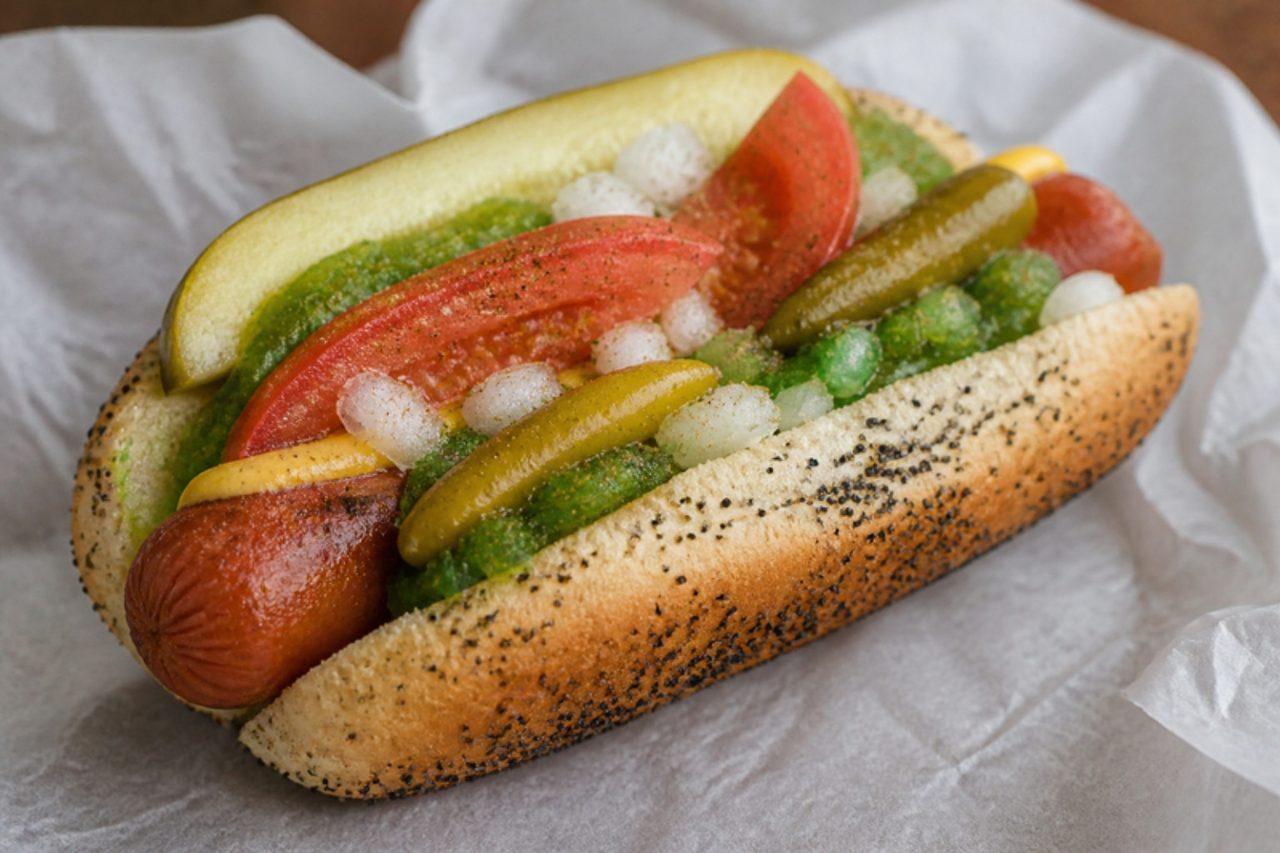
A Chicago dog is one of the city's proudest foods, sold from hot dog stands across the city and outside Wrigley Field: an all-beef frankfurter in a steamed poppy seed bun, 'dragged through the garden' with yellow mustard, bright green relish, onion, tomato, a pickle spear, pickled sport peppers and celery salt. Chicagoans have one firm rule: never ketchup. Chef's tip: steam the buns instead of toasting them, so they are soft and warm and hold everything together.

by KrazyBadal 0 views

GarrapiñadaCaramelised peanuts

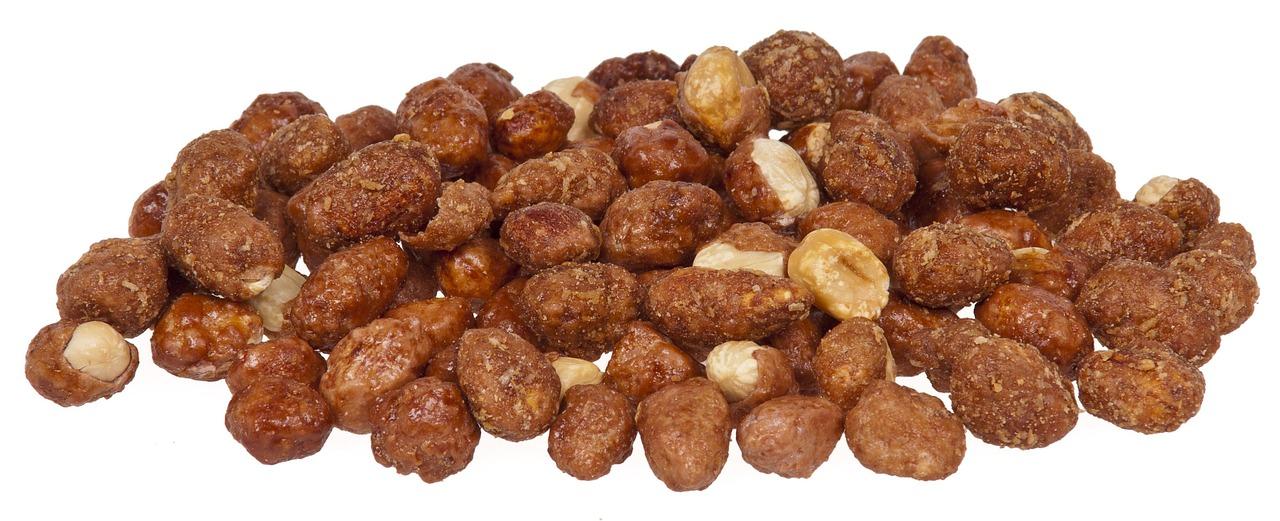
On Florida street, in the plazas of San Telmo and outside every football ground in Buenos Aires, vendors stir copper pans of peanuts over little burners, and the smell of hot caramel reaches you half a block away. Garrapiñada comes in a paper cone, still warm, each peanut wrapped in a rough, sandy, crunchy sugar shell. It takes 20 minutes and three ingredients at home, and it is vegan. The process looks wrong halfway: the syrup turns cloudy and grainy, and that is exactly what you want, because the crystallised sugar is what gives the crunchy coating. The mistake is to stop stirring once it turns sandy; keep going until some of the sugar melts again and glazes the nuts. Chef's tip: use raw, skinned peanuts and a heavy pan, and add a pinch of salt at the end; it lifts the sweetness the way the street carts' slightly smoky pans do.

by KrazyBadal 0 views

Garroticos de TudelaChocolate puff pastry sticks

Walk past any bakery in Tudela on a weekend morning and the window will be full of garroticos, puff pastry rolls with a bar of dark chocolate baked inside and a crackly sugar top. The name means little sticks, after their shape, and they are eaten warm with coffee or bought by the half-dozen for an afternoon snack. Some bakers add a line of pastry cream next to the chocolate; this home version keeps it simple. Chef's tip: work with the pastry straight from the fridge, because cold butter layers are what make the pastry puff into flaky leaves.

by KrazyBadal 0 views

GarullasSweet cheese bread rings

Sugamuxi province, around Sogamoso and Tibasosa in Boyacá, is garulla country: bakeries and home ovens turn out these rings and rolls of rich, buttery dough kneaded with fresh curd cheese. They are slightly sweet, dense and crumbly, with a golden top, and they keep well for a few days, which is why they travel in bags back to Bogotá after weekend trips. Have them with a hot black coffee or hot chocolate at onces time. Cuajada is curd set with rennet, usually animal; a vegetarian ricotta or curd works. Overworking the dough is the usual error and gives tough, chewy garullas; knead only until it comes together. Chef's tip: squeeze the cuajada in a cloth to remove as much whey as you can before you start; wet curd makes the dough sticky and the rings spread flat.

by KrazyBadal 0 views

Green goddess dressing

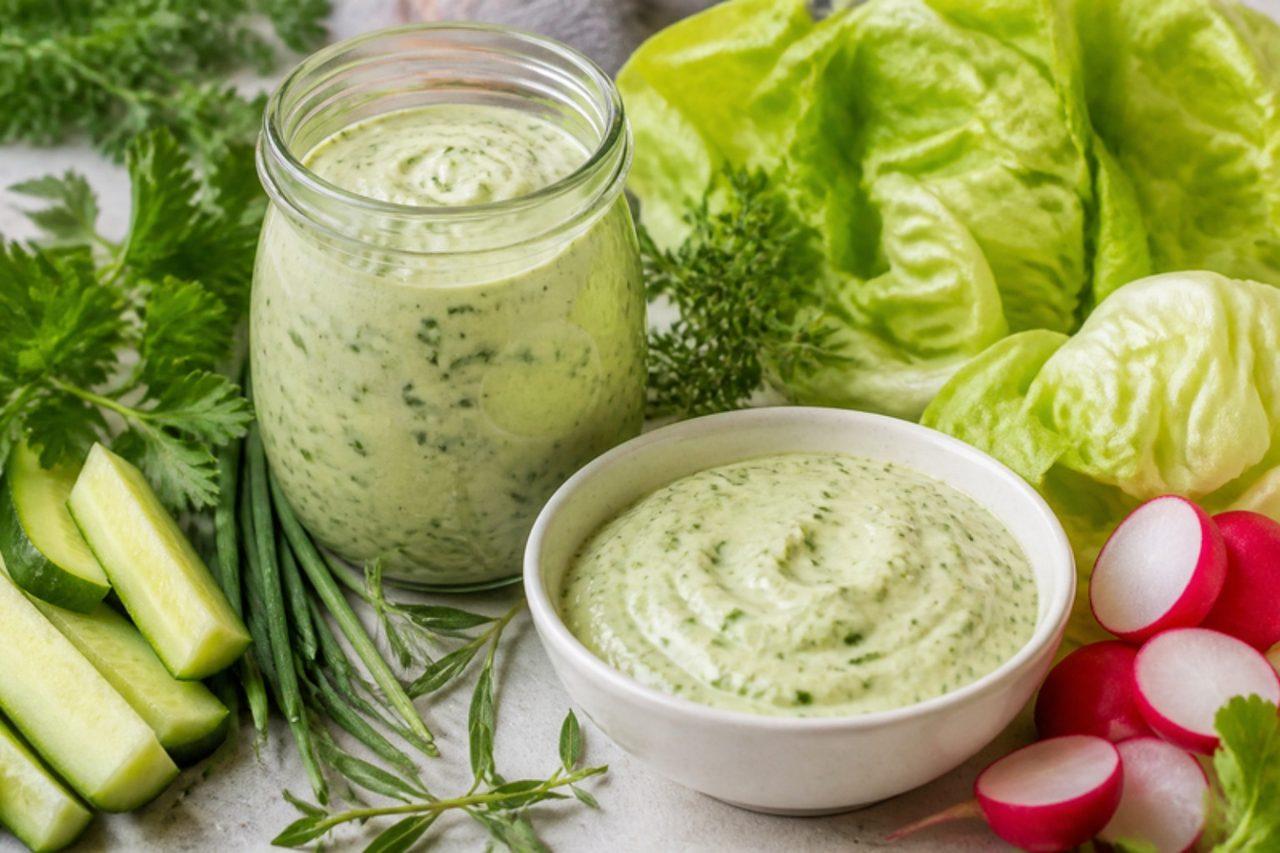
Green goddess dressing was created at the Palace Hotel in San Francisco in the 1920s, named after a popular play, and it came back as the herb-packed dressing of California salad bars and grain bowls. It is pale green and creamy, full of tarragon, parsley and chives. The hotel's original used anchovies; this vegetarian version gets its savoury punch from capers. Use it on salads, as a dip for crudités or on roast vegetables. Chef's tip: blend the herbs with the lemon first, before the creamy ingredients, so they break down fully and turn the dressing bright green.

by KrazyBadal 0 views

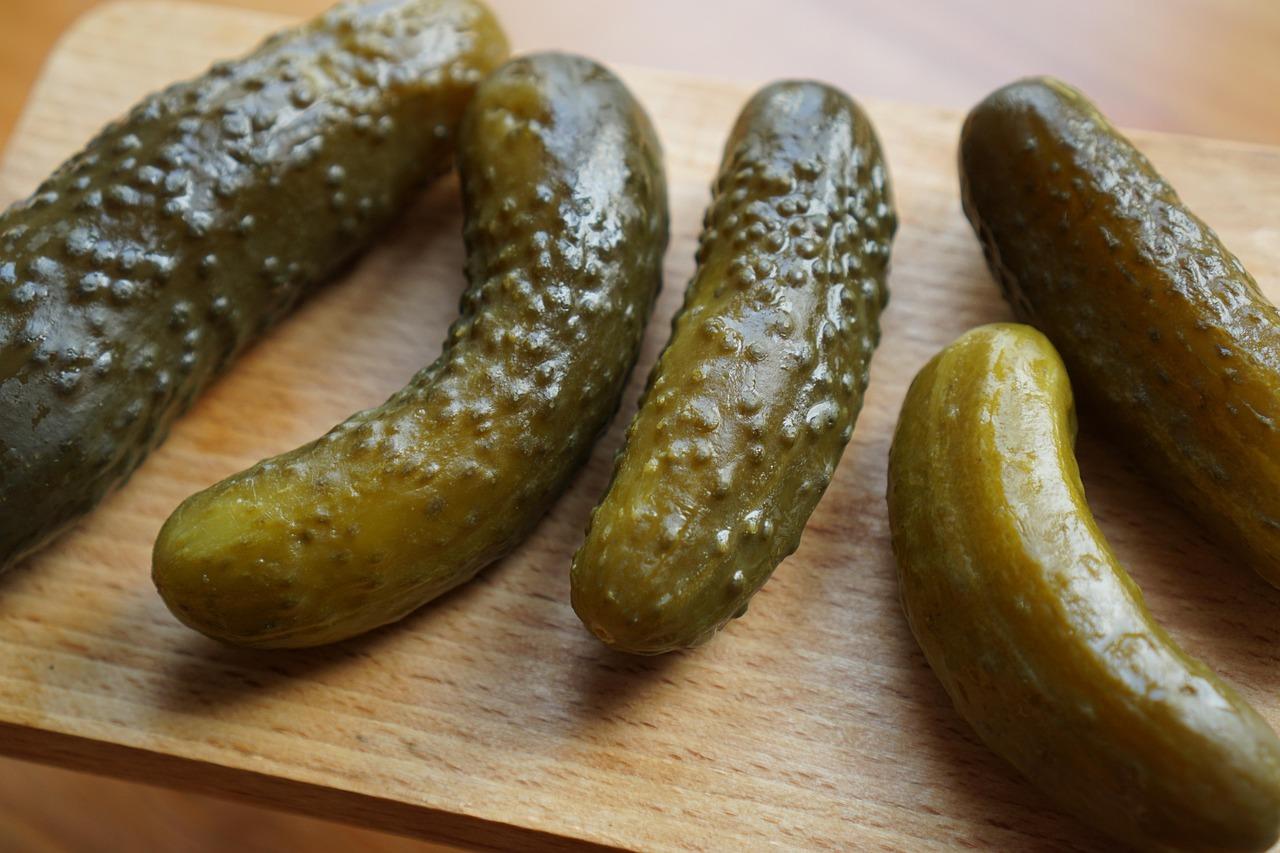
Khiar shoorBrined cucumber pickles

Khiar shoor, salty cucumber, is the pickle that turns up in every Iranian sandwich shop: sliced into olivieh and kalbas rolls in Tehran, eaten whole beside a plate of polo, or offered from a jar with bread and cheese. Small, firm Persian cucumbers are packed upright with garlic, dill, tarragon and chilli, then covered with a vinegar-sharpened brine. They are ready in about ten days and stay snappy for months. Chef's tip: pickle the cucumbers within a day of buying them; even a few days in the fridge makes them hollow inside.

by KrazyBadal 0 views

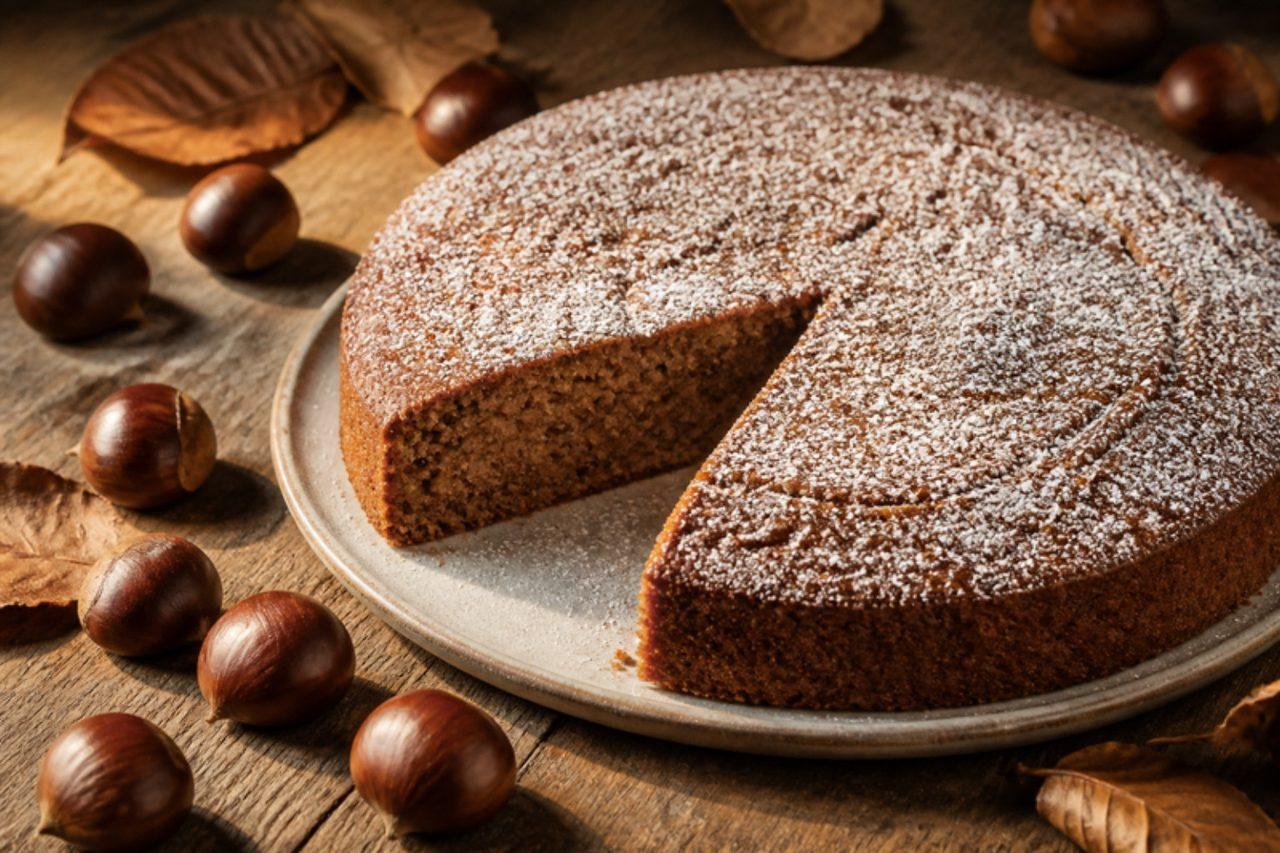
Gâteau à la farine de châtaigneChestnut flour cake

In the Castagniccia, the chestnut forests of north-east Corsica, the chestnut was called the bread tree, and its sweet, smoky flour went into polenta, fritters and cakes. Every December the village of Bocognano holds a chestnut fair where this simple cake is sold by the slice. Made only with chestnut flour, it is dense and moist, with no wheat at all (check the flour packet if you avoid gluten), and has a flavour somewhere between cocoa and toasted nuts. Serve it with fresh cheese, a spoon of jam or a cup of coffee. Chef's tip: sift chestnut flour twice; it clumps in the bag, and lumps stay as dry pockets in the cake.

by KrazyBadal 0 views

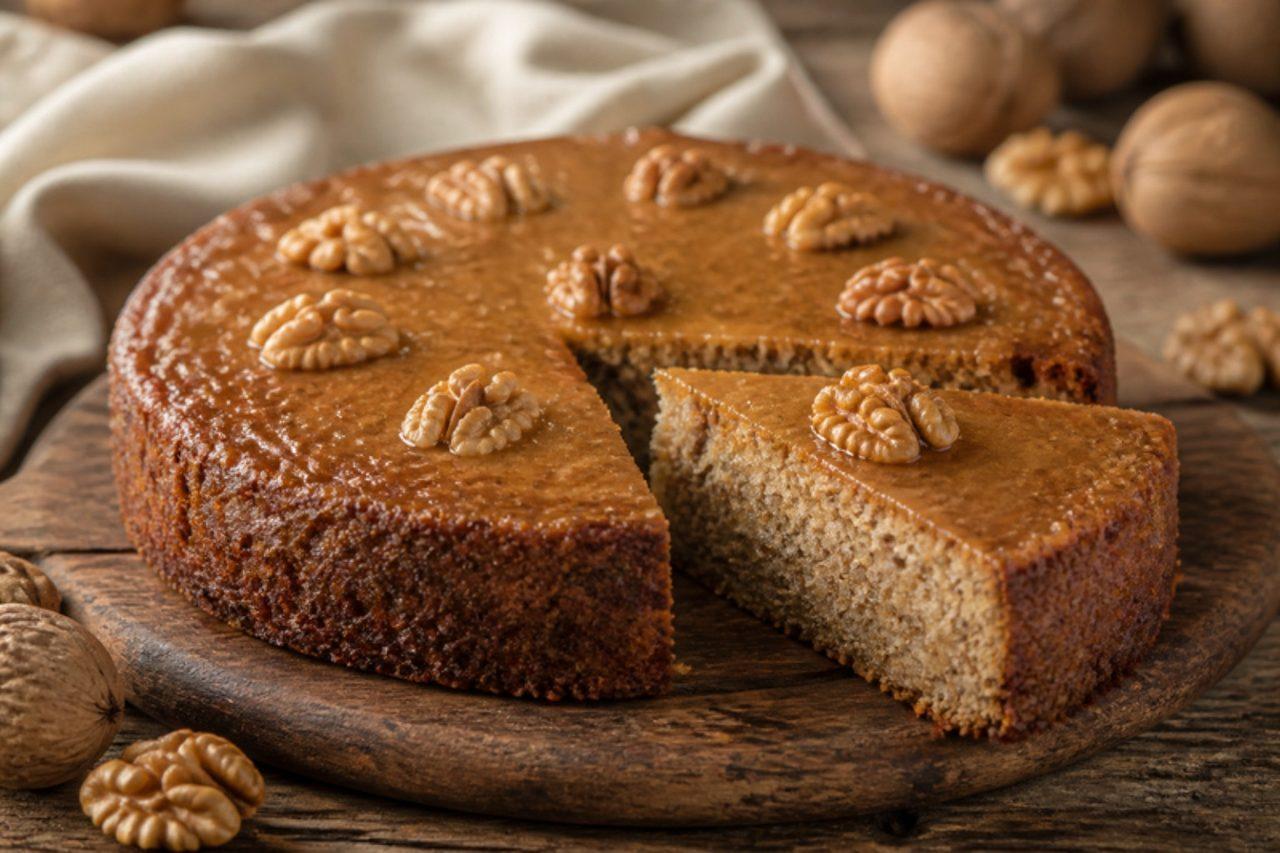
Gâteau aux noix du PérigordWalnut cake

Walnut orchards line the Dordogne valley around Sarlat and Périgueux, and after the autumn harvest every farmhouse and market bakery turns the new nuts into this dense, moist cake. It is sold by the slice at Sarlat's Saturday market and eaten in the afternoon with coffee or a glass of walnut-leaf syrup and water, or after Sunday lunch with a spoon of crème fraîche. Ground walnuts replace most of the flour, so it is nutty, slightly bitter and very tender. Chef's tip: toast the walnuts first for 6 minutes; it softens the bitterness of the skins and deepens the flavour.

by KrazyBadal 0 views

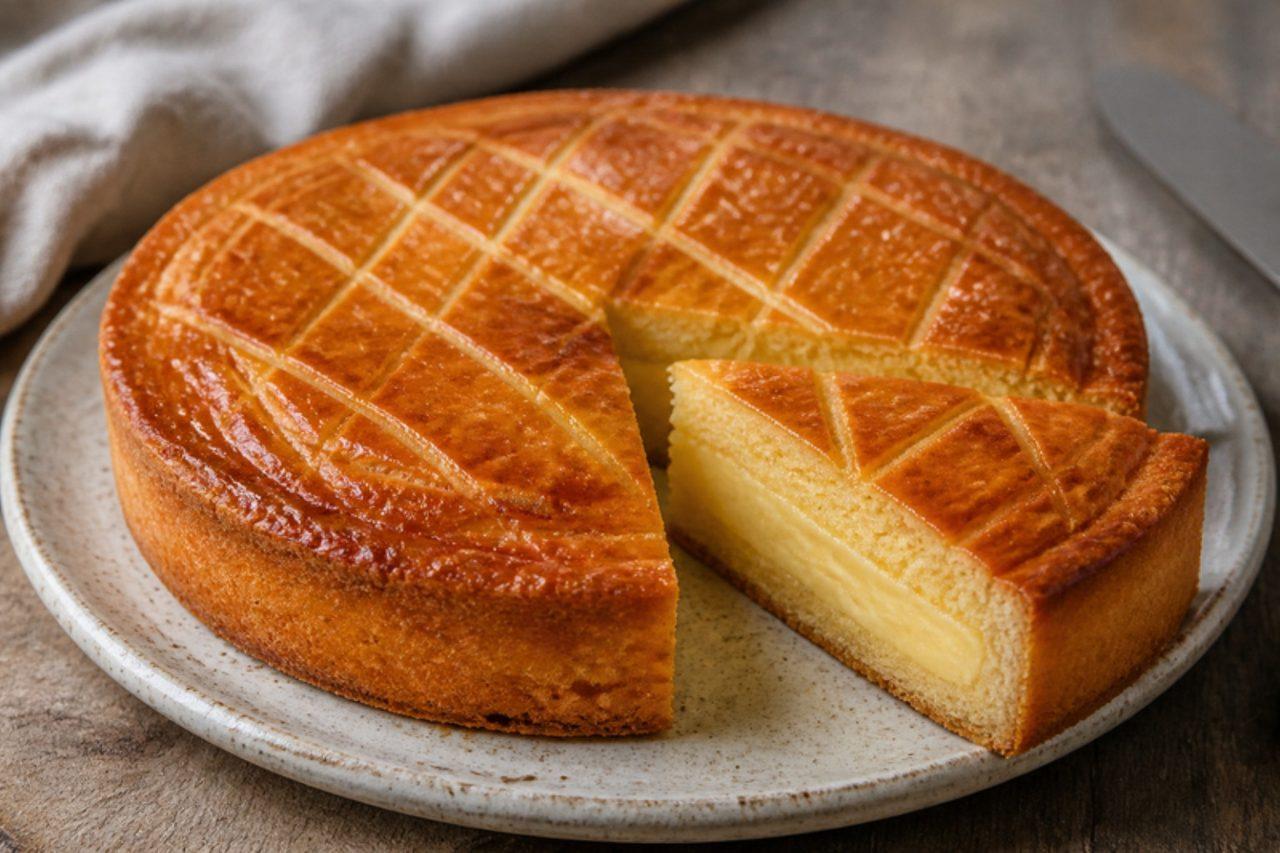
Gâteau basqueCream-filled butter cake

Cambo-les-Bains and the inland villages of the Labourd claim the gâteau basque, and bakeries across the Basque Country sell it in two versions, filled with black cherry jam from Itxassou or with thick pastry cream, marked with a criss-cross or a Basque cross on top. Families buy one for Sunday lunch and cut it at room temperature with coffee. Its crust is halfway between shortbread and cake, golden and crumbly, wrapped round a soft vanilla centre. Some bakers flavour the cream with rum; this one uses vanilla and almond extract and is alcohol-free. For the cherry version, swap the cream for 300 g thick black cherry jam. Chef's tip: chill the dough well before rolling; it is soft and buttery and tears when warm.

105 minFrenchBaking
by KrazyBadal 0 views

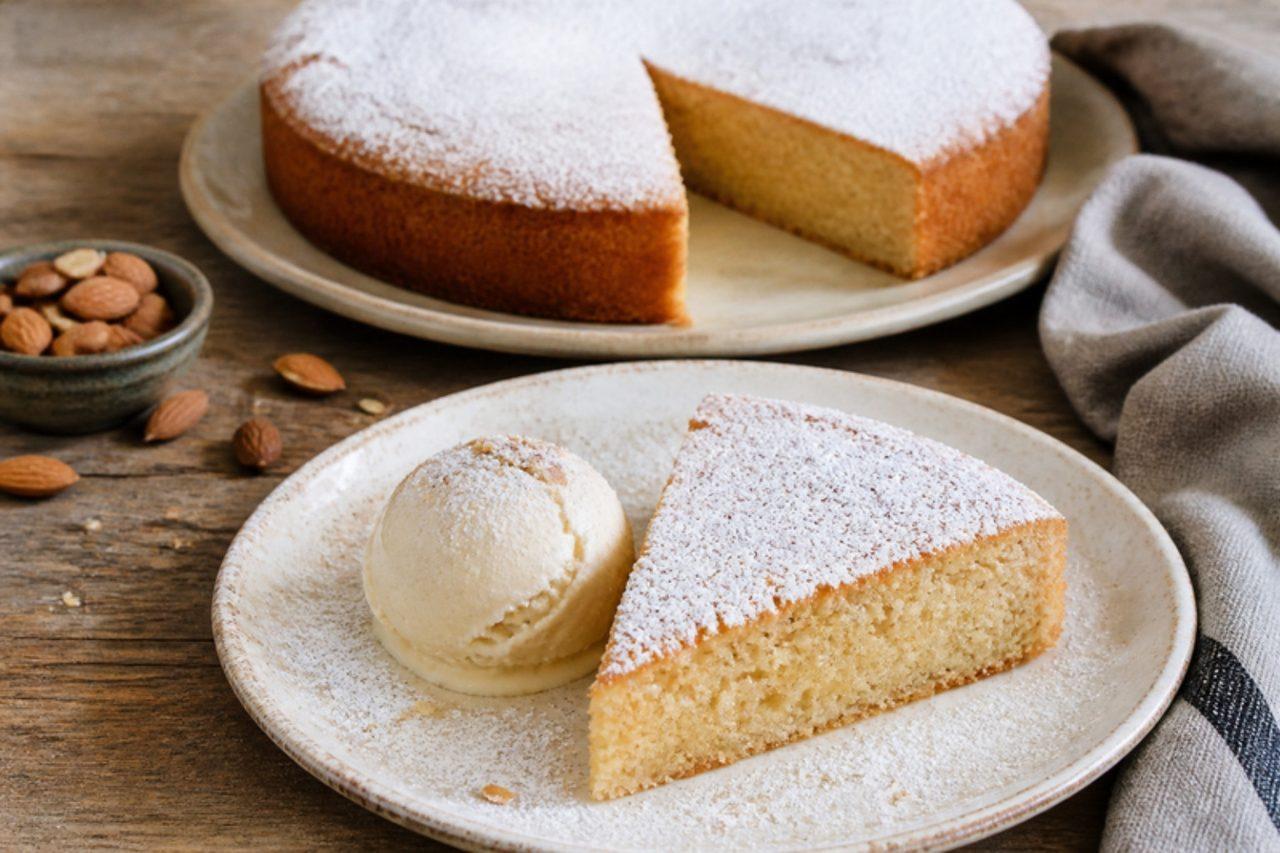
Gató d'ametllaFlourless almond sponge cake

Every Mallorcan pastry shop sells gató, a light, moist sponge made with ground almonds instead of flour, and the classic way to eat it is a wedge beside a scoop of gelat d'ametlla, the island's almond ice. The almond groves that bloom white across the island in February give both. It is the cake for saint's days and Sunday visits, and it happens to be gluten free. The ice here is made the old way, with almonds, sugar, water and lemon peel, no cream. Chef's tip: fold the whipped egg whites in with a big metal spoon and stop as soon as no white streaks remain, because the air is all that lifts the cake.

by KrazyBadal 0 views

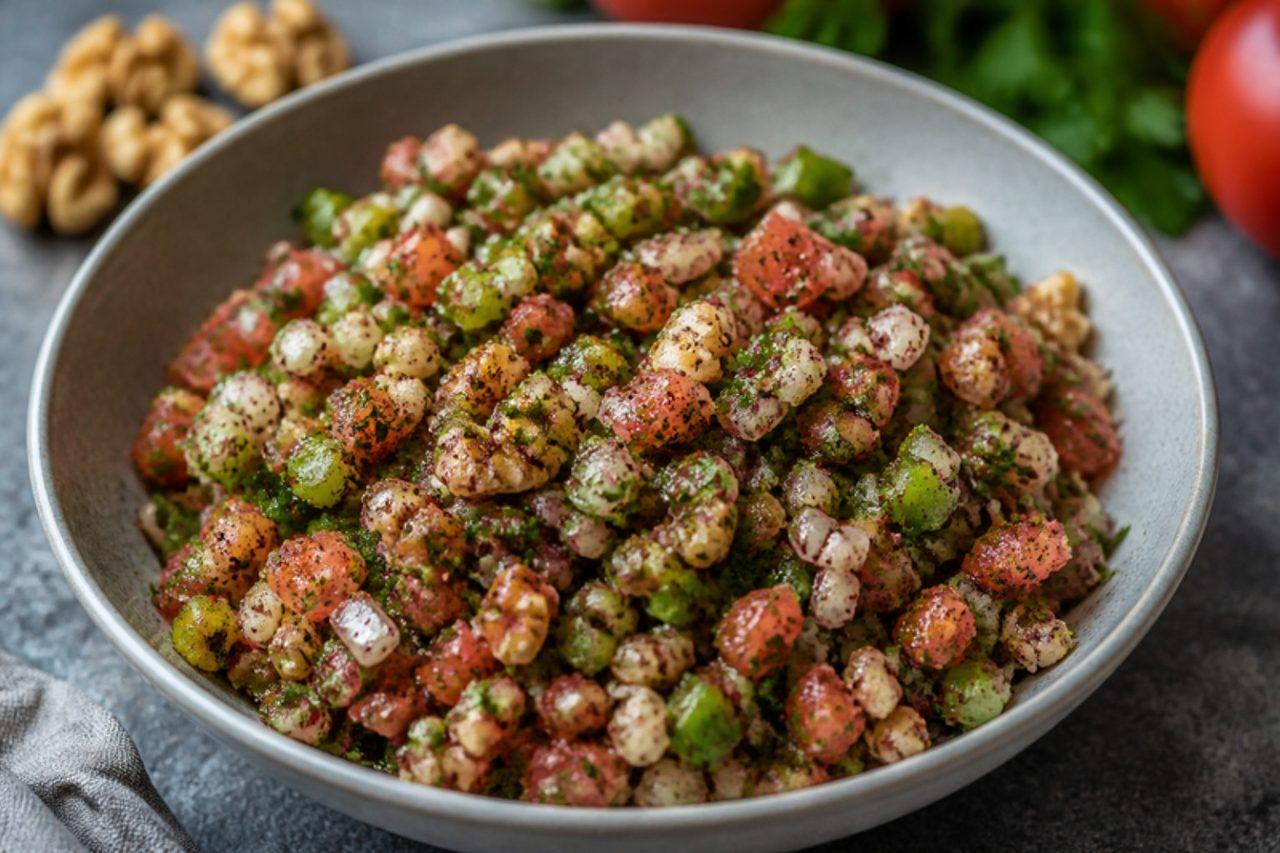
Gavurdağı salatasıTomato, pepper and walnut salad

Named after the mountains east of Gaziantep, this is the salad that lands on every kebab-house table in the city, chopped so fine it is almost a relish. Tomatoes, onion, green pepper and parsley meet toasted walnuts, sumac and a sour-sweet dressing of pomegranate molasses and olive oil. It cuts through rich grilled meat or bulgur, and is just as good scooped up with flatbread as a meze. Dress it just before serving; if it sits, the salt pulls water from the tomatoes and it swims. Chef's tip: deseed the tomatoes and dice everything to the size of a lentil so each spoonful has a bit of all of it.

by KrazyBadal 0 views

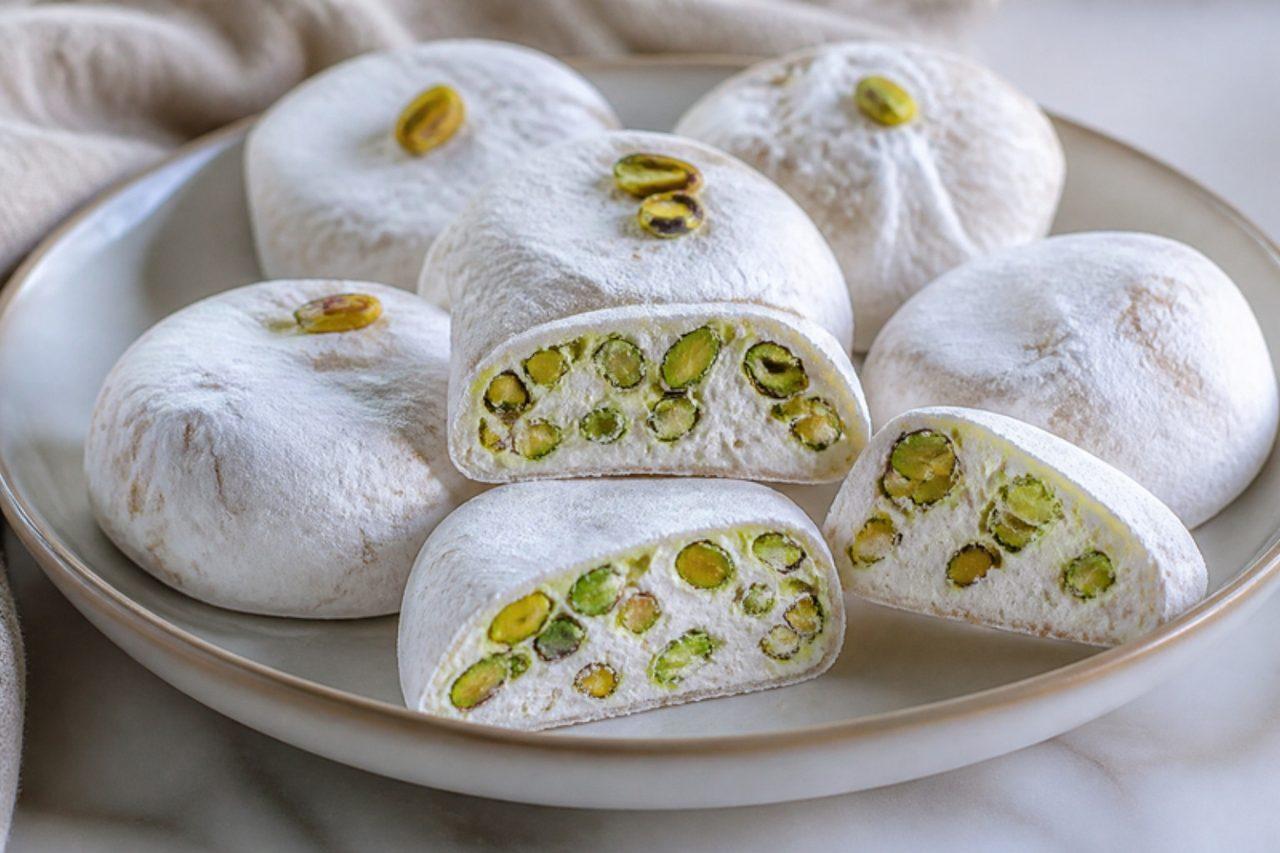
GazPistachio nougat

Gaz is the sweet every visitor carries home from Isfahan, sold in round tins of floury, pistachio-studded pieces at the bazaar near Naqsh-e Jahan square and handed round with tea at Nowruz. Isfahan's confectioners make it with angebin, a sap gathered from tamarisk shrubs, which is hard to find abroad; this home version whips egg white into a hot sugar and glucose syrup to get the same soft, chewy, white nougat, scented with rosewater. A common mistake is pulling the syrup off the heat too soon: below 140 °C the gaz stays sticky and never sets. Chef's tip: cut it with a knife dipped in hot water and toss the pieces straight into flour so they don't stick to each other.

by KrazyBadal 0 views

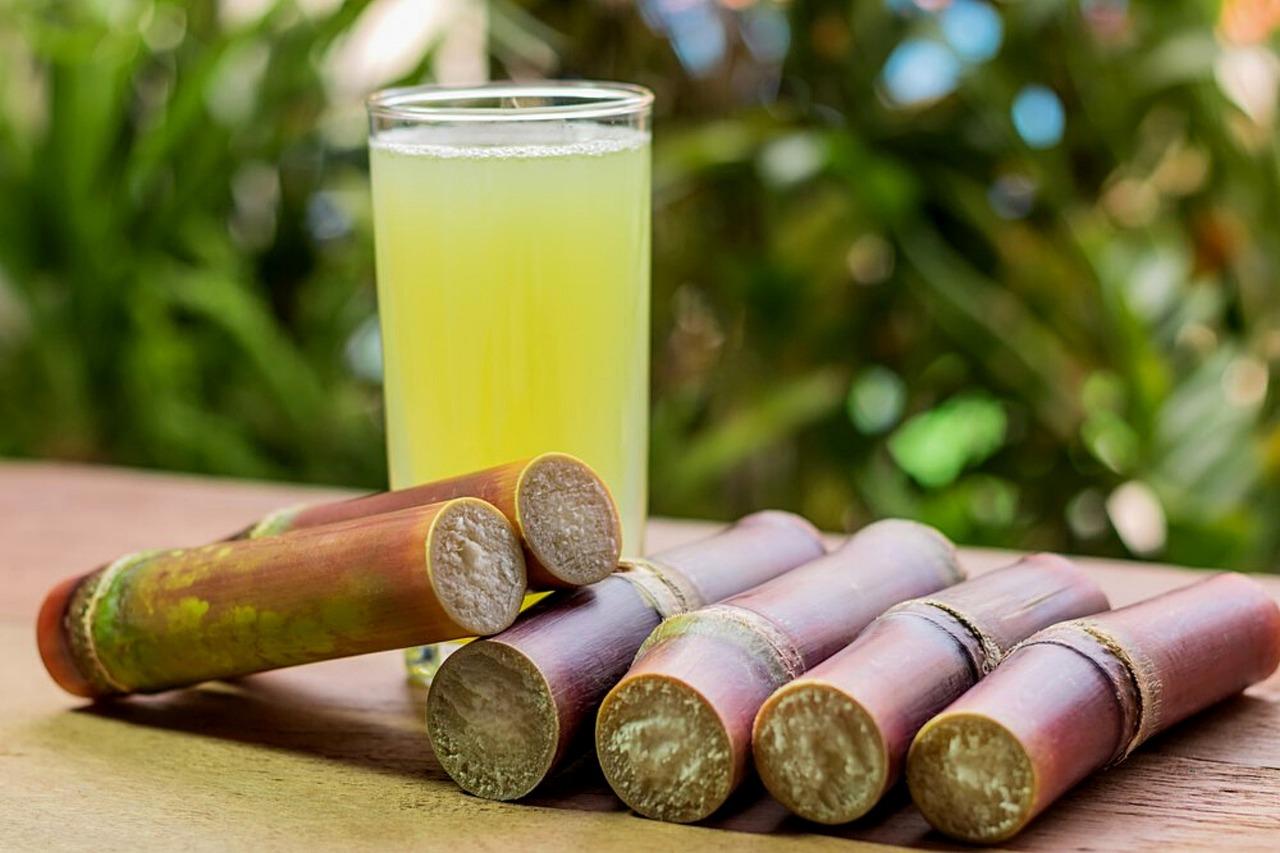
Caldo de canaSugarcane juice

Ice-cold sugarcane juice pressed while you wait is the drink of Brazilian street fairs, poured into tall glasses at the pastel stall so you can wash down a hot, crisp pastel. São Paulo's feiras livres made the pairing famous, and in the Northeast the same juice is called garapa. It is pale green, very sweet, grassy and refreshing, sharpened with lime. Without a cane press, you can make it at home by blending peeled cane with a little water and straining it; buy fresh sugarcane sticks in Asian, Caribbean or Latin shops. It oxidises and darkens fast, so drink it immediately. Using cane that is not fully peeled is a common error, and the woody green rind makes the juice bitter. Chef's tip: chill the cane before peeling and blend it with ice cubes as well as water, so the juice comes out cold without being diluted later.

by KrazyBadal 0 views

Gebrannte MandelnCinnamon-sugar roasted almonds

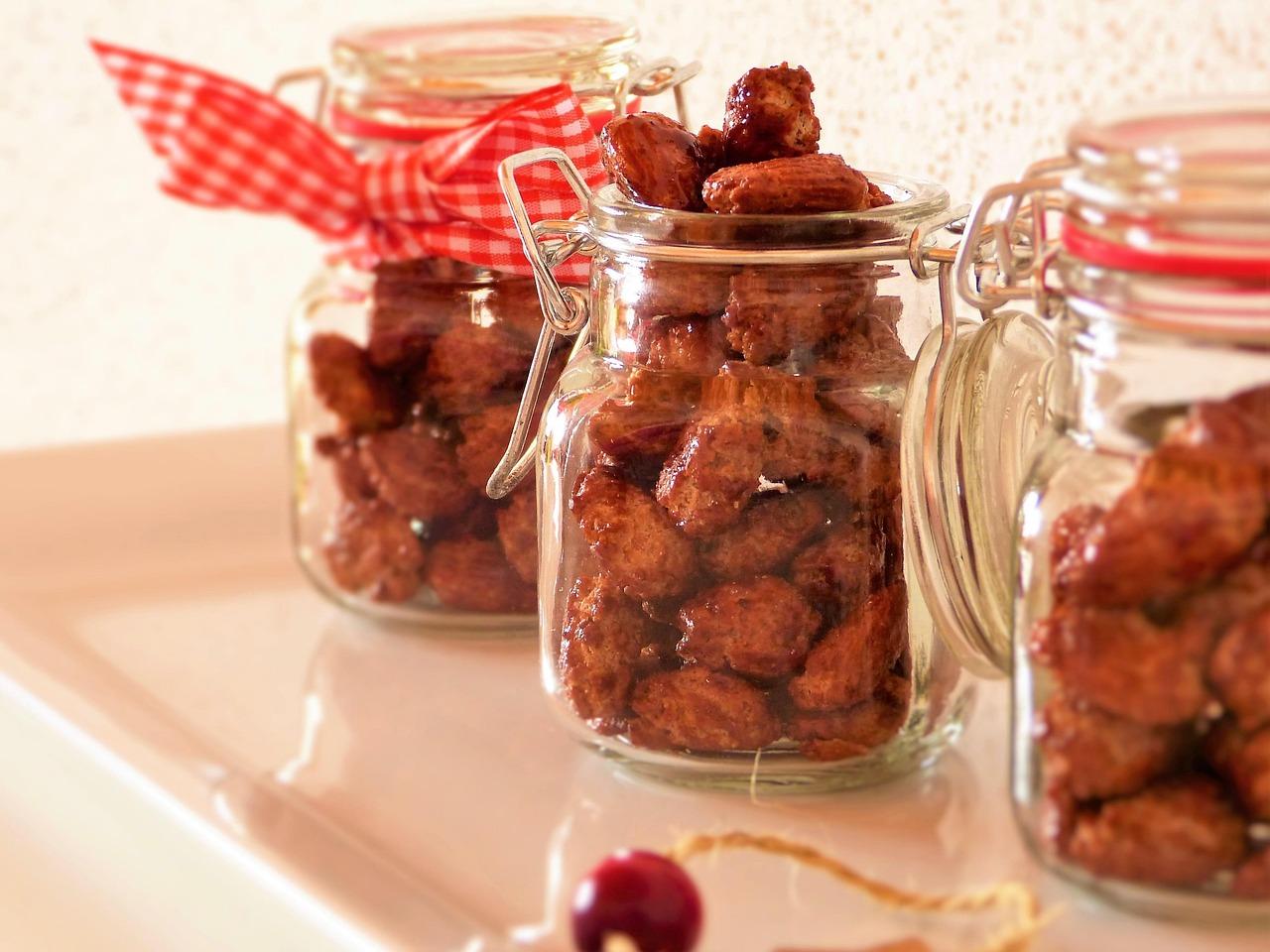
Gebrannte Mandeln are the warm paper cone you carry round a German Christmas market, from Munich's Marienplatz to the Striezelmarkt in Dresden, the stalls stirring copper kettles of almonds until the sugar crackles. At home they take one pan and twenty minutes, and a jar makes a good December gift. The sugar goes through three stages: syrup, then dry and sandy, then melted again into a shiny crust. The mistake most people make is giving up at the sandy stage, when it looks ruined; keep stirring and it melts back into a coating. Chef's tip: spread the almonds out on baking paper the second they are done and separate them with two forks, or they cool into one big brittle.

by KrazyBadal 0 views

DaggaPounded tomato, dill and chilli salad

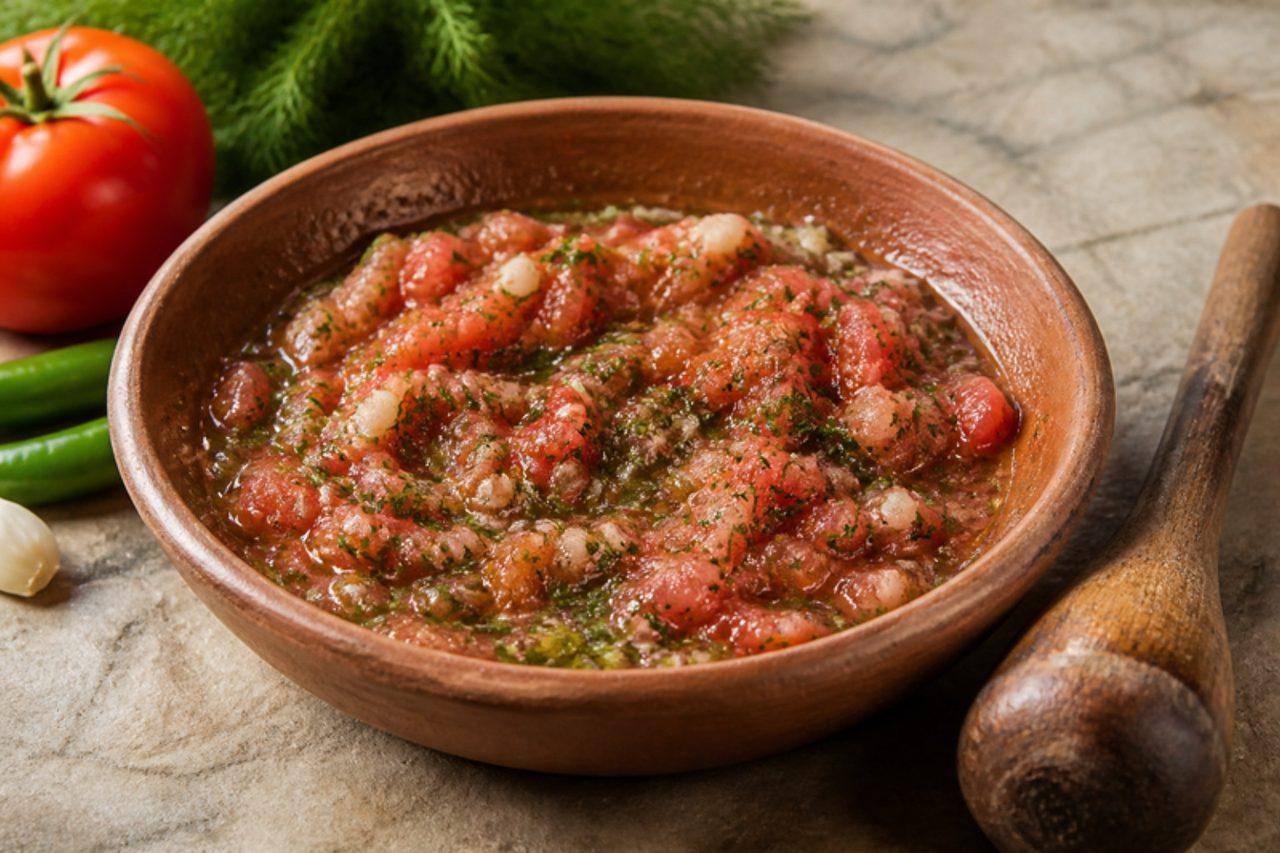
Dagga, sometimes called salata ghazawiyya, is the salad that sits on every table in Gaza, pounded in a clay bowl (zibdiya) with a wooden pestle until the tomatoes collapse into a juicy, chunky relish. Fresh dill, green chilli, garlic and lemon make it sharper and hotter than any salad in the north, and it is spooned over fish, rice and grilled meat or scooped up with bread. Common mistake: using a blender, which turns it into a smooth sauce; you want broken pieces in their own juice. Chef's tip: pound the garlic, chilli and salt to a paste first, then add the dill, so its oils bloom before the tomatoes go in.

by KrazyBadal 0 views

KontosouvliRoast marinated pork chunks

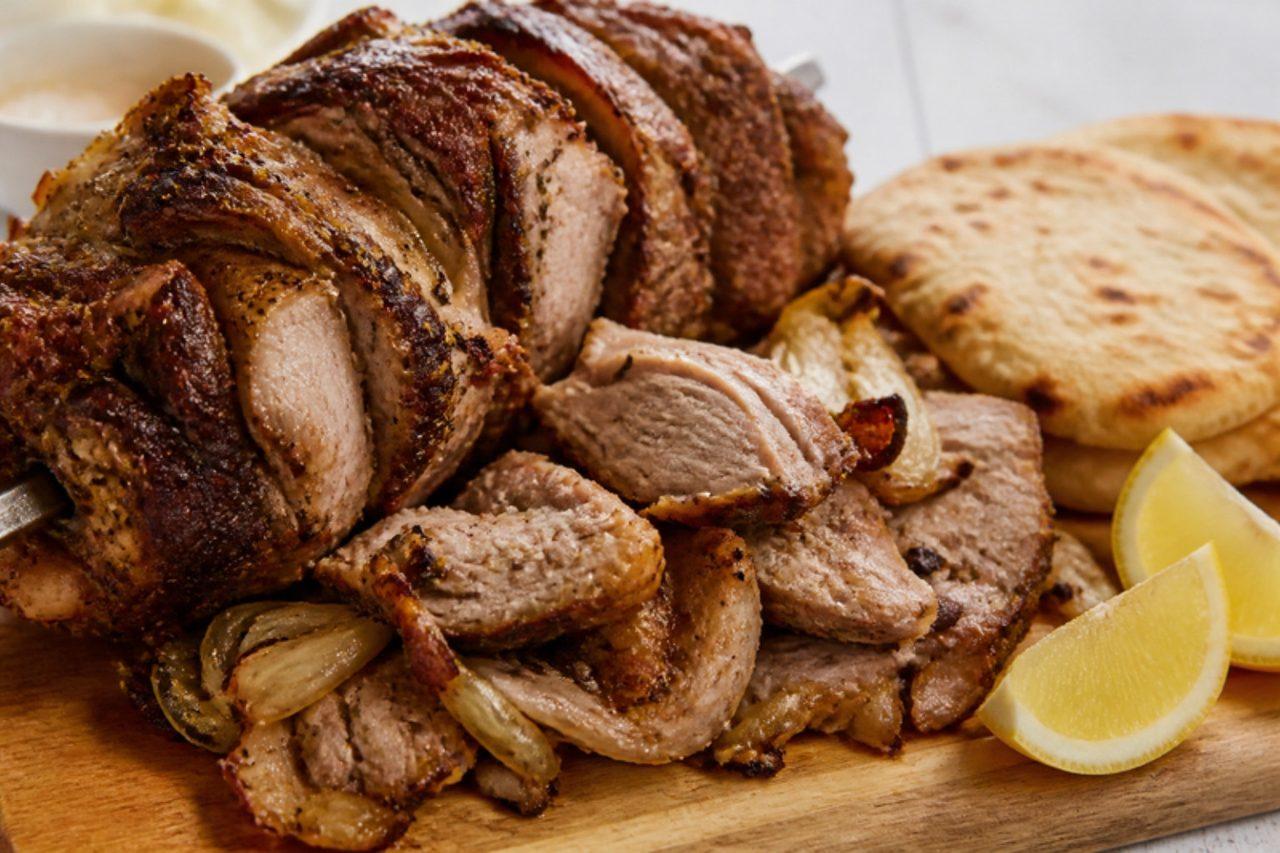
On Easter Sunday and at village saints'-day fairs across Epirus, a long spit of fat pork chunks threaded with onion and peppers turns for hours over embers, and slices are handed out with bread and salad. This oven version gives the same smoky-edged, juicy pork shoulder: chunks marinated overnight in the fridge with lemon, garlic, oregano and paprika, then threaded on skewers and roasted low before a fierce finish. Serve with pitta, tzatziki and roast potatoes. Common mistake: using lean pork loin, which dries out — shoulder or neck with its fat is essential. Chef's tip: sit the skewers across a deep tin so the fat drips away and the meat browns all round.

145 minGreekMeatGluten free
by KrazyBadal 0 views

Chicago Italian beef

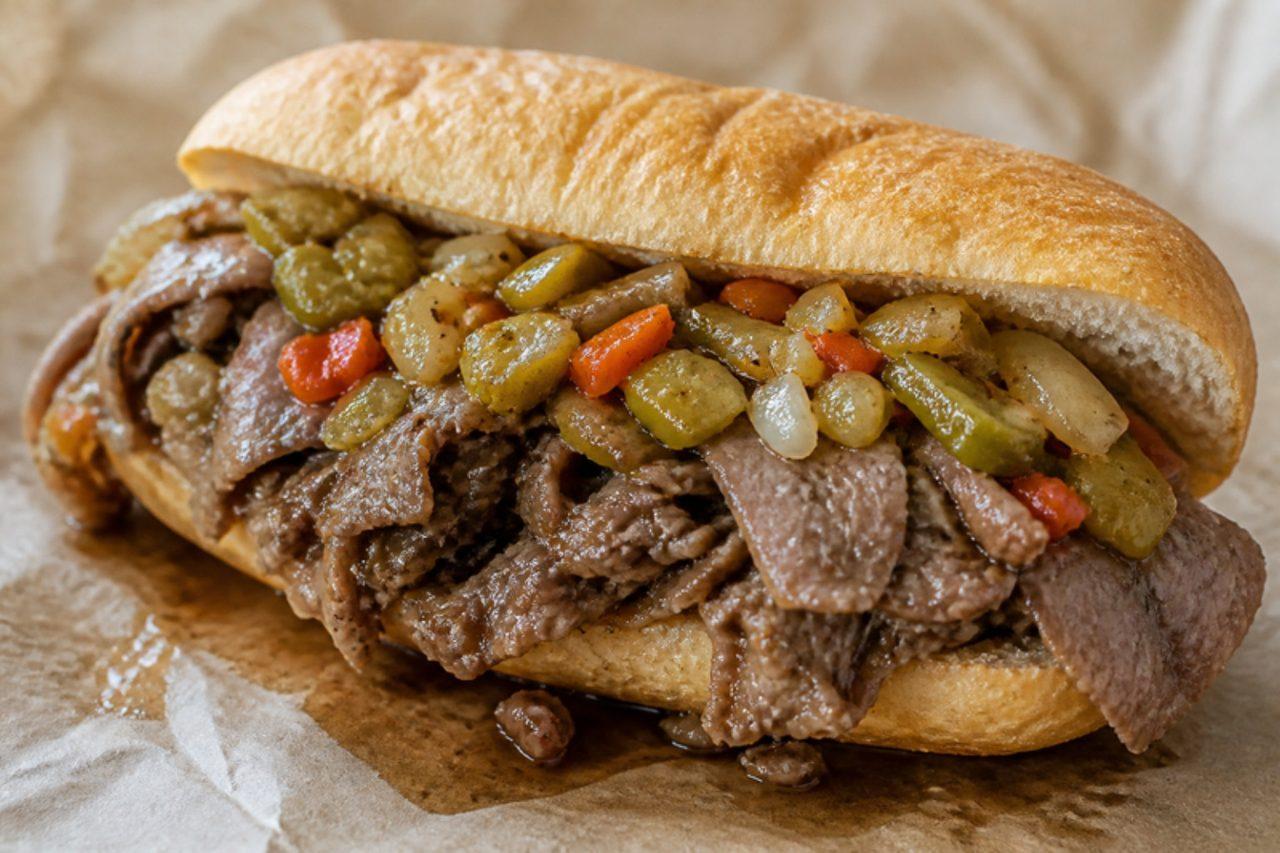
Italian beef was born at Italian-American weddings and family stands on Chicago's West Side in the 1930s, when cooks sliced roast beef paper-thin so a little meat could feed a crowd. The slices are soaked in a garlicky, oregano-spiced jus and piled into a crusty roll with hot giardiniera or sweet peppers; order it 'dipped' and the whole sandwich gets a dunk in the jus. Chef's tip: chill the roast overnight before slicing; cold beef slices far thinner, and thinness is everything here.

175 minAmericanMeat
by KrazyBadal 0 views

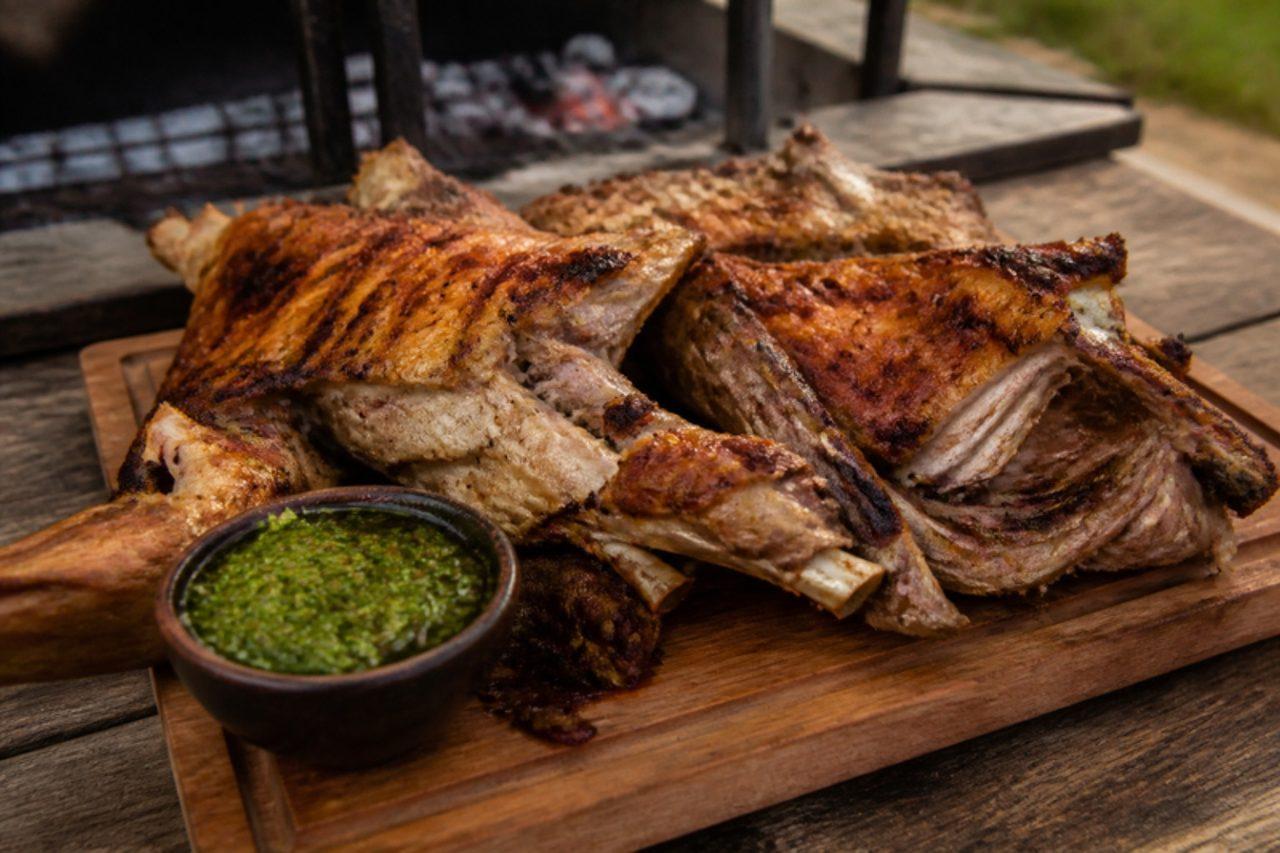
Chivito al asadorSpit-roasted whole goat

Malargüe, in the dry south of Mendoza, holds a goat festival every summer, and the star is the chivito: a milk-fed kid opened flat, wired to an iron cross and planted at an angle beside a fire of jarilla or other hardwood. It cooks from the side, never over the flames, basted with a garlicky salmuera until the skin turns glassy and crackling and the meat pulls apart. Serve it straight from the cross with salad, bread and chimichurri. Order a whole kid of 5–7 kg dressed weight from a specialist or halal butcher, and check the cross fits it before the day. Most failures come from setting it too close to the fire, which burns the outside while the thick legs stay raw. Kid is lean, so cook it right through, as in Mendoza: the thickest part of the leg should reach at least 70 °C. Chef's tip: cook bone side to the fire for two-thirds of the time; the ribs protect the meat, and the skin goes on last so it crisps instead of scorching.

by KrazyBadal 0 views

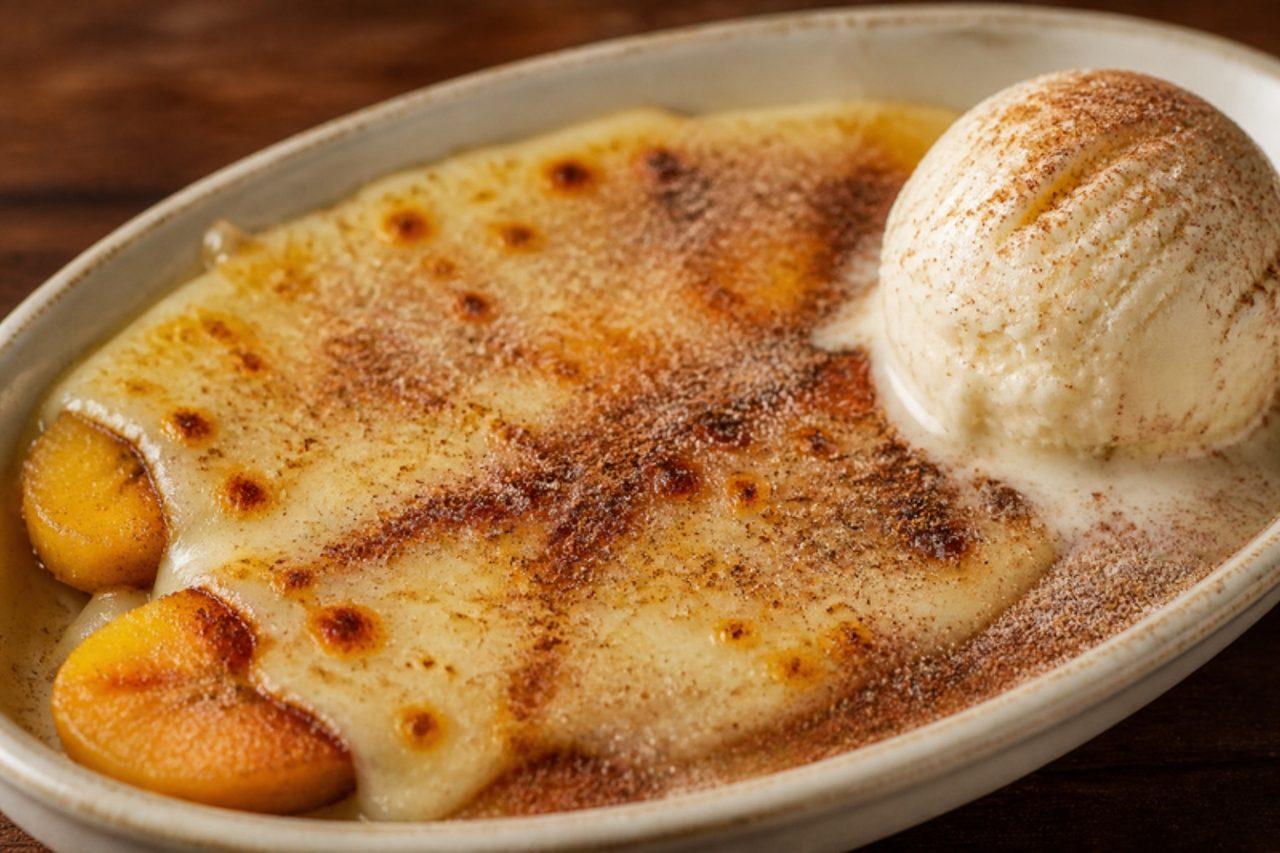
CartolaFried banana with cheese and cinnamon

Sweet, salty and hot all at once, cartola ('top hat') is a Pernambuco dessert that sounds odd and tastes like it was always meant to be. Bananas are fried in butter until caramel-edged, covered with slices of coalho or queijo manteiga that melt into a blanket, then showered with cinnamon sugar. It turns up on Recife lunch menus, in hotel buffets and in home kitchens after Sunday lunch, and needs nothing else, though a scoop of vanilla ice cream is welcome. Bananas-prata or ripe plantains are used locally; firm, just-ripe bananas are the nearest swap. Coalho is often made with animal rennet, so choose a vegetarian version or a vegetarian halloumi. Avoid overripe fruit; it collapses in the pan and the cheese slides off. Chef's tip: finish under a hot grill for a minute so the cinnamon sugar bubbles into a thin, crackly crust.

by KrazyBadal 0 views

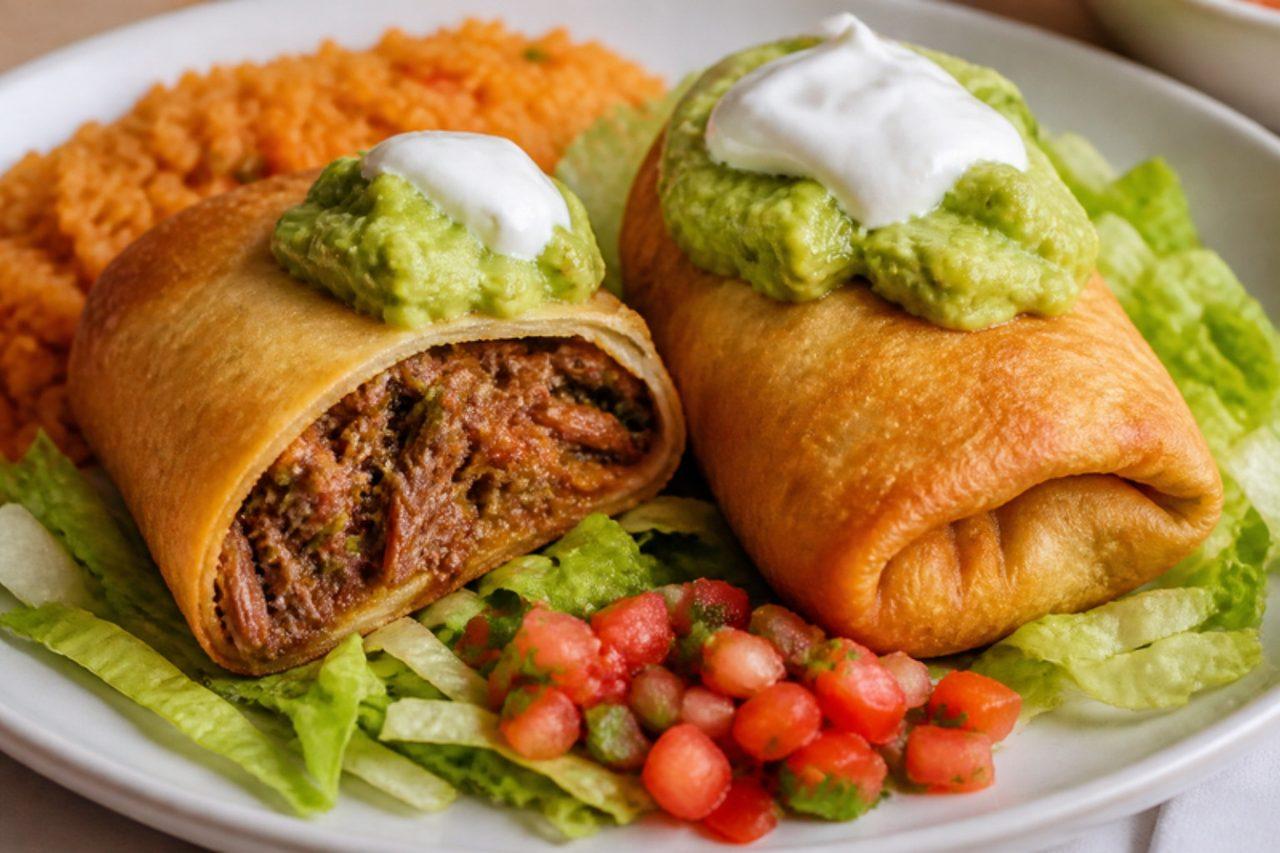
Arizona chimichangas

Tucson and Phoenix both claim to have invented the chimichanga, and the story told in Tucson is of a cook who dropped a burrito into the fryer by accident and swore in Spanish. It is now a staple of Arizona Mexican diners: a flour tortilla wrapped around shredded beef and beans, fried golden and crisp, then topped with guacamole and soured cream. Chef's tip: roll the burrito tightly and fry it seam-side down first so it seals and doesn't open in the oil.

170 minAmericanMeat
by KrazyBadal 0 views

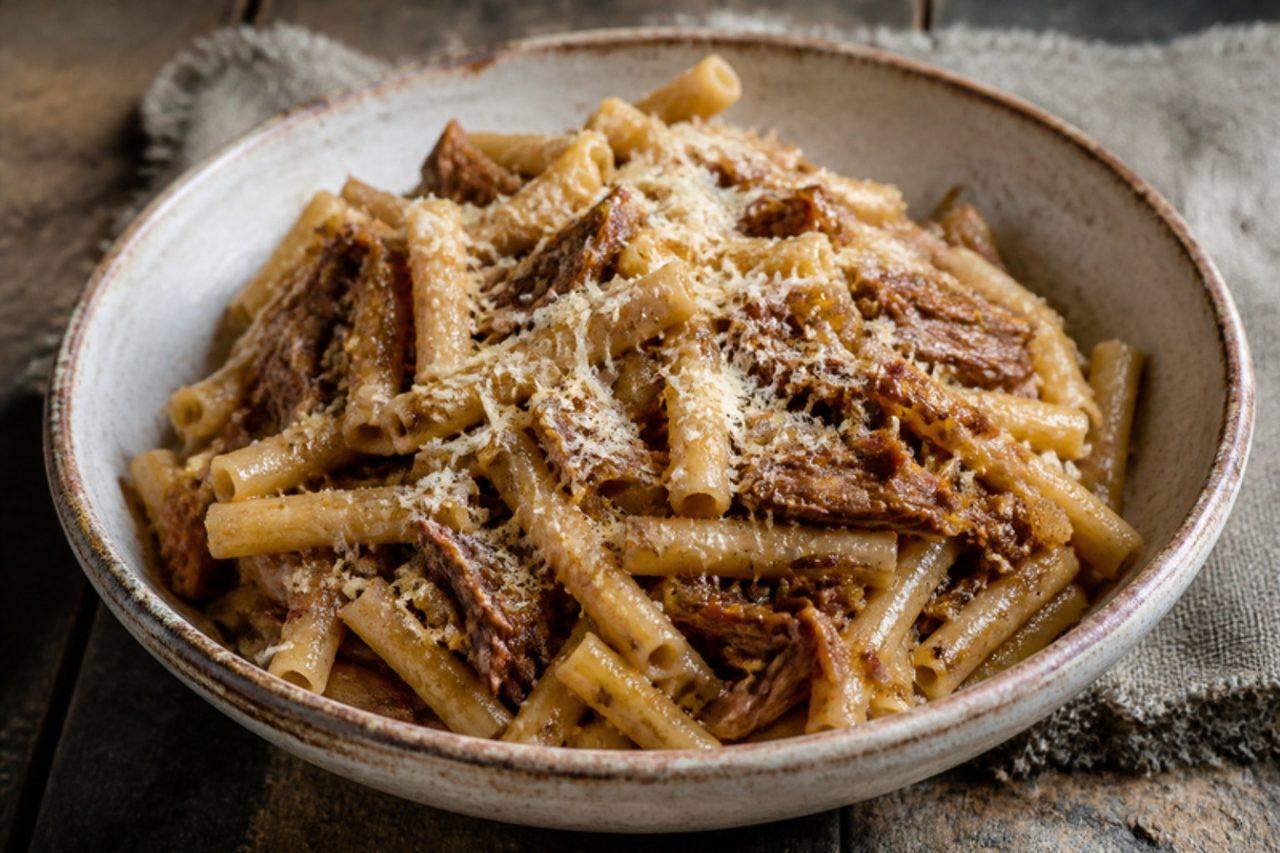
Genovese napoletanaSlow-cooked beef and onion sauce

Despite its name, the genovese is pure Naples, a Sunday lunch dish as treasured there as ragù. Kilos of onions are cooked very slowly with a piece of beef until they melt into a sweet, amber, almost jammy sauce that is tossed with long ziti broken by hand; the beef is then sliced and eaten as the second course. White wine goes in once the onions have collapsed (an alcohol-free swap is in the ingredients). A grating of parmigiano or pecorino is all it needs. Some Neapolitan cooks start it with a little pancetta (cured pork), which is optional here. Chef's tip: slice the onions thinly and evenly, and keep the heat so low that they never fry; they should stew in their own juices and the fat of the meat for hours.

by KrazyBadal 0 views

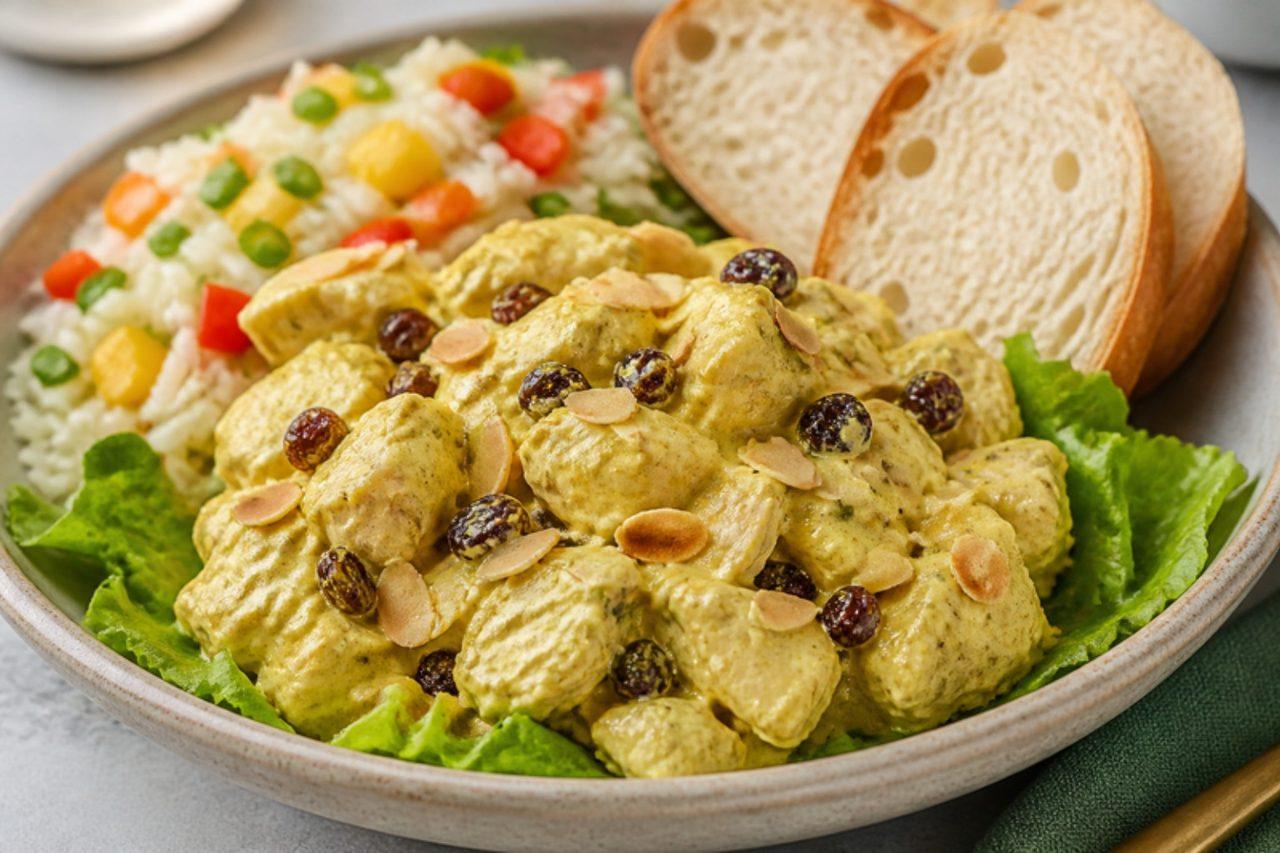
Coronation chicken

Coronation chicken was invented for the banquet of Queen Elizabeth II's coronation in 1953 by the Cordon Bleu school in London, and it became the filling of choice for jacket potatoes, wedding buffets and garden party sandwiches across England. Poached chicken is folded through a creamy, mildly spiced sauce of mayonnaise, curry paste, apricot and yoghurt. Chef's tip: poach the chicken very gently and cool it in its liquid so it stays juicy.

by KrazyBadal 0 views

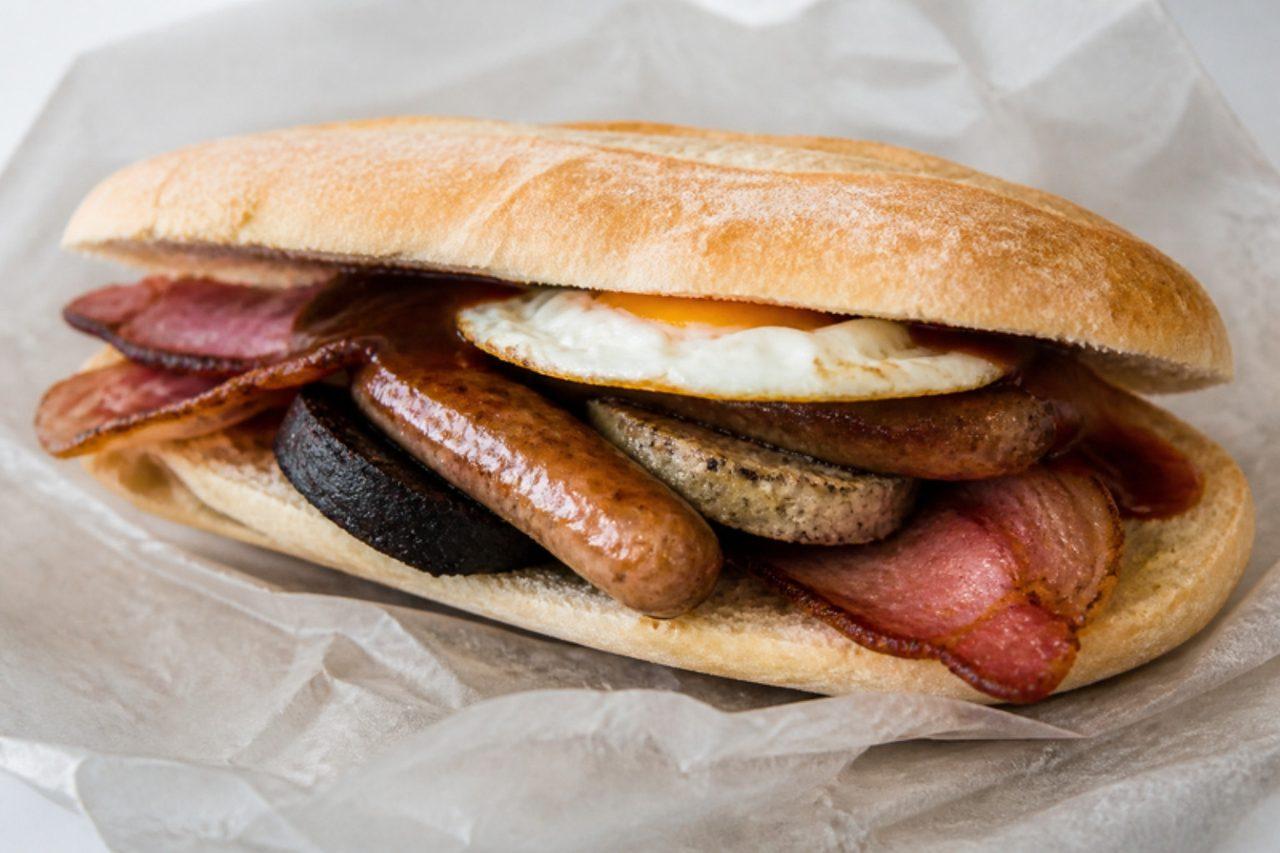
Irish breakfast roll

The breakfast roll is the hot deli sandwich of Irish petrol stations and corner shops, eaten from its paper bag by builders, commuters and students all over the country from early morning. A long, crusty baguette-style roll is packed with what is in a fry: pork sausages, rashers, black and white pudding and a fried egg, with butter and brown sauce or ketchup. Chef's tip: warm the roll in the oven so it is crisp outside and soft within before you load it.

by KrazyBadal 0 views

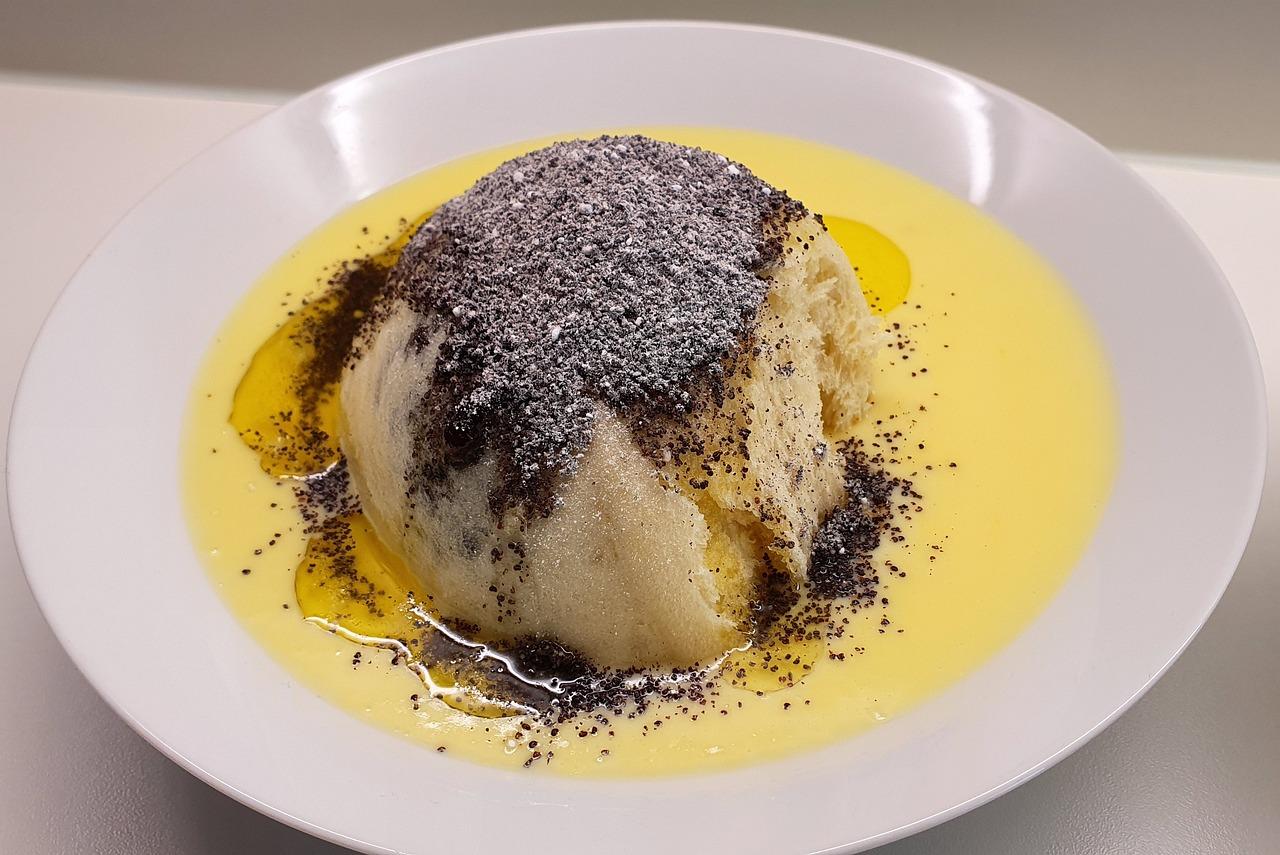
GermknödelSteamed plum jam dumpling

After a morning on the slopes, Austrians head into the mountain huts of Tyrol, Salzburg and Styria for one thing: a Germknödel the size of a fist, steamed until pillowy and split open to reveal dark plum butter. It comes drowned in melted butter, or in vanilla sauce, under a thick snow of ground poppy seeds and icing sugar, and it is eaten as a whole meal. The dough is soft and slightly sweet, and the powidl inside is tart and jammy. A common mistake is lifting the lid while they steam; the dumplings deflate and turn heavy. Chef's tip: seal each dumpling with the seam underneath and let them prove a second time on squares of baking paper, so you can move them without denting them.

by KrazyBadal 0 views

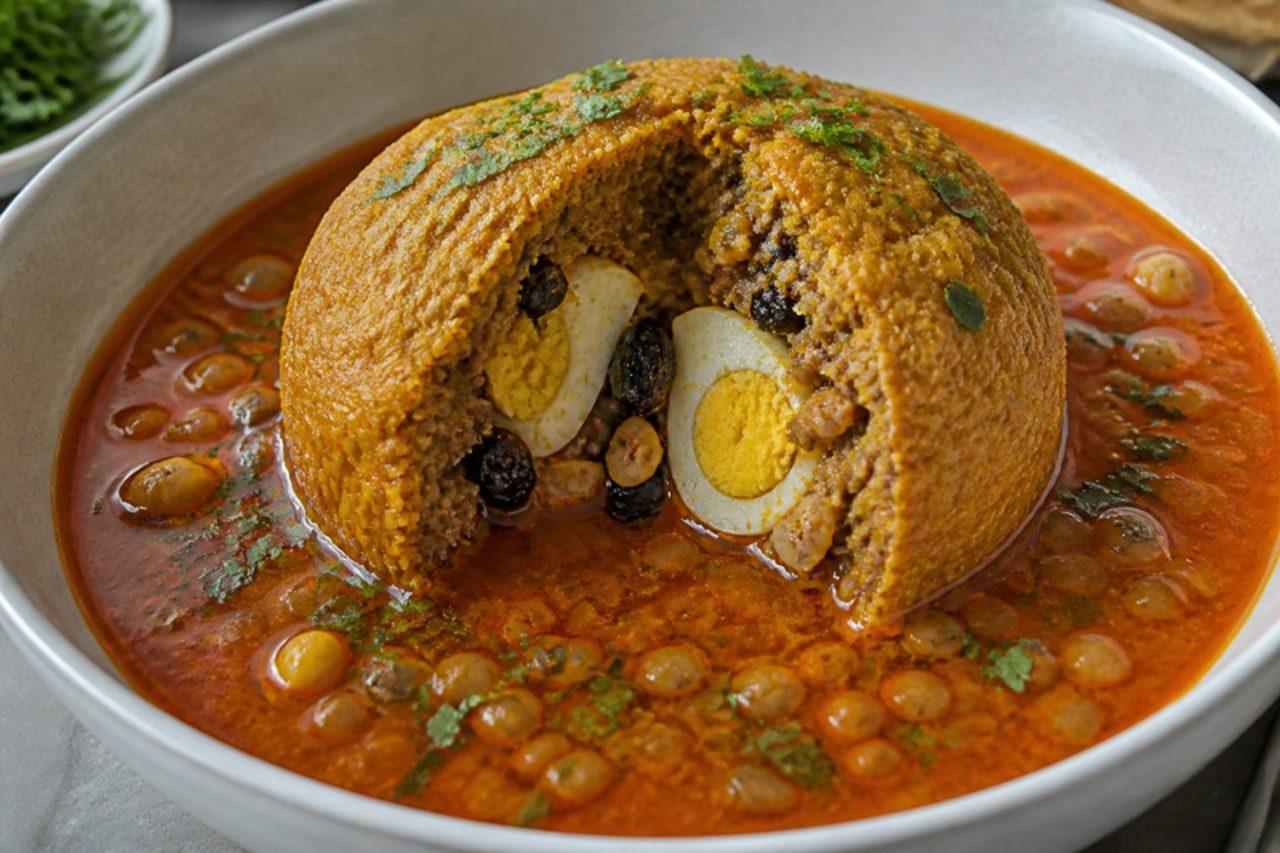
Koofteh TabriziGiant stuffed meatballs in tomato broth

Koofteh Tabrizi is the pride of Tabriz in Iranian Azerbaijan, a meatball so big that one feeds a person, made for guests and for cold winter evenings in the north-west. Lamb or beef mince is kneaded with rice, yellow split peas and lots of herbs, then wrapped around a hidden heart of hard-boiled egg, prunes, walnuts and barberries and simmered in a tomato-saffron broth. At the table the broth is ladled over bread first, then the koofteh is cut open. A common mistake is under-kneading: the mixture must be worked until sticky, or the ball splits in the pot. Chef's tip: lower the meatballs into broth that is barely trembling, not boiling, and don't touch them for the first 20 minutes while they firm up.

150 minPersianMeatGluten free
by KrazyBadal 0 views

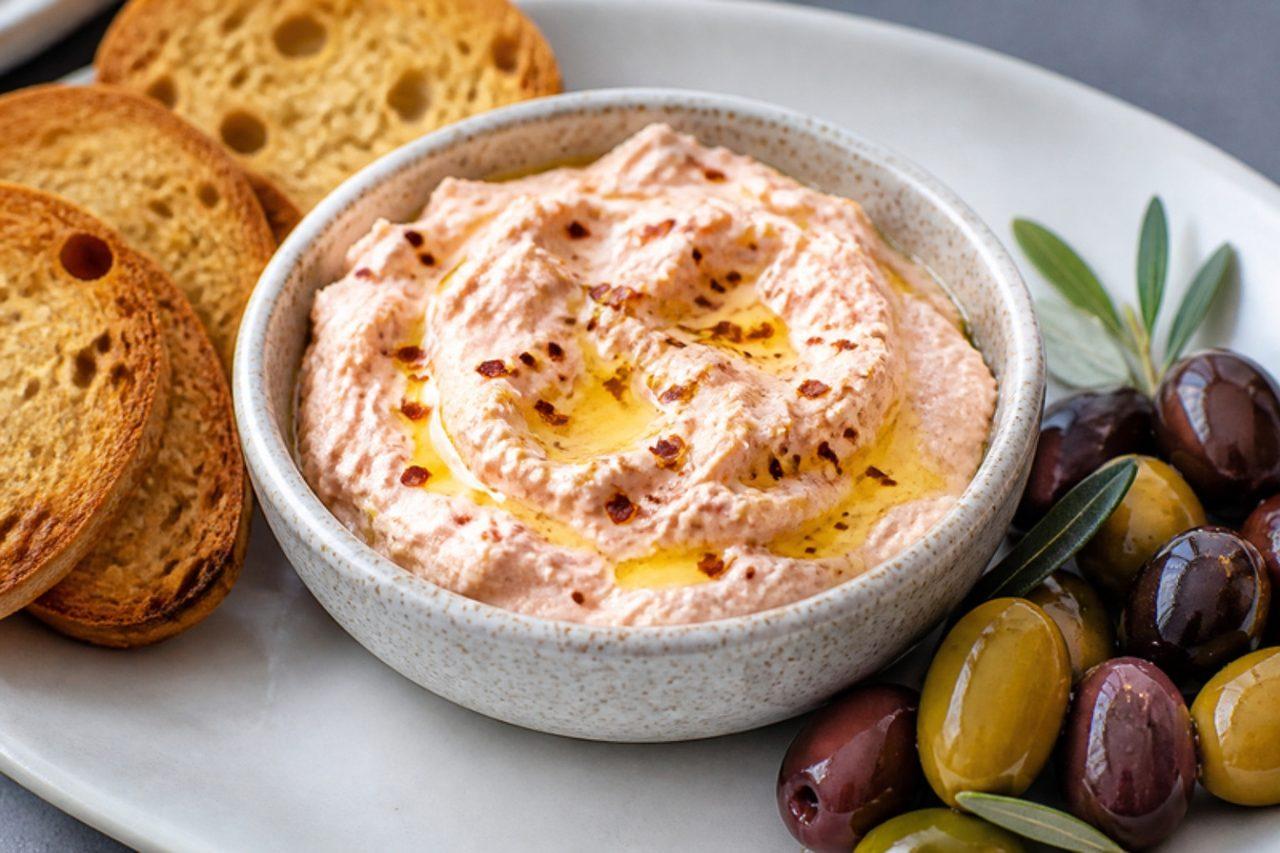
KopanistiPeppery whipped cheese spread

On Mykonos and its neighbouring islands, cheesemakers once worked soft cheese by hand for weeks until it ripened into kopanisti, sharp, salty and peppery enough to prickle the tongue. On the island it is spread on barley rusks with a drizzle of oil as a meze with drinks before dinner. This home version beats feta with a little soft cheese, chilli and pepper, then leaves it in the fridge for two days to mellow and sharpen. Feta is traditionally made with animal rennet; choose a vegetarian feta if you need to. Common mistake: blending it to a smooth purée; it should stay a little rough. Chef's tip: cover the surface with a thin layer of olive oil while it rests, so it doesn't dry out or pick up fridge flavours.

by KrazyBadal 0 views

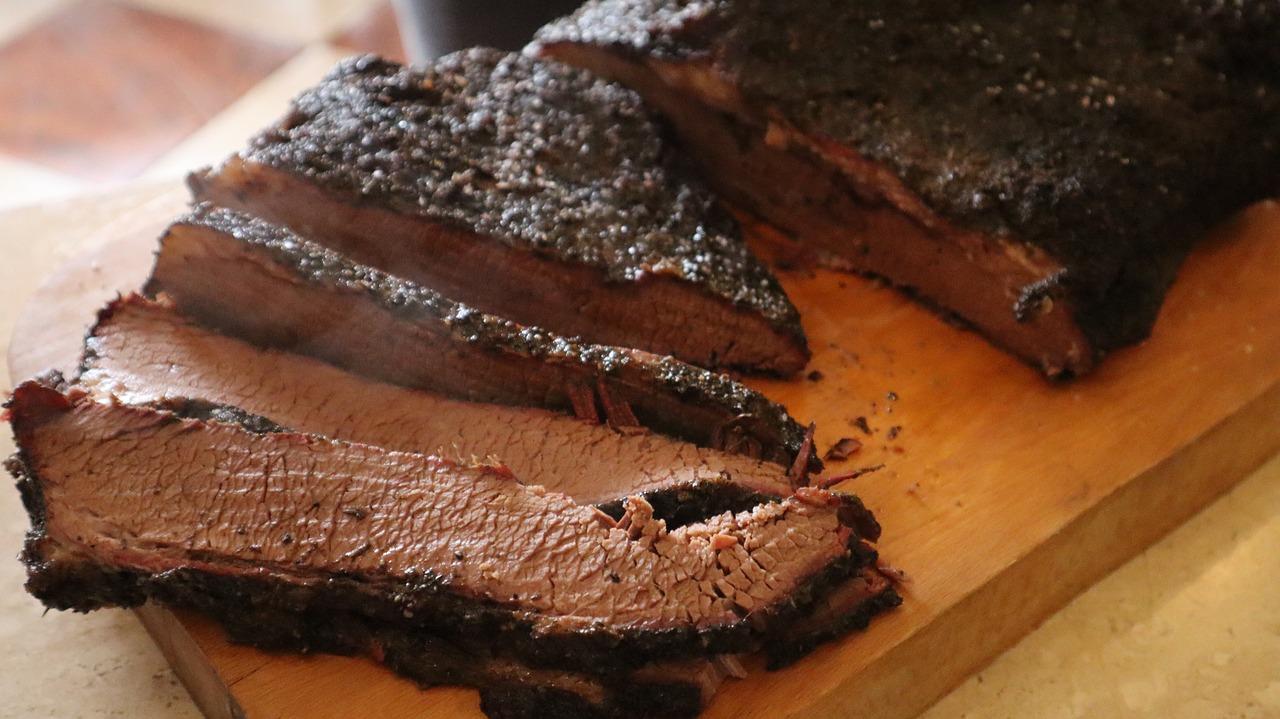
Texas smoked brisket

In the barbecue towns of central Texas, Lockhart, Luling and Taylor, brisket is smoked over post oak for half a day with nothing on it but coarse salt and black pepper, then sliced on butcher paper and sold by the pound with white bread, pickles and onion. The fatty point and the leaner flat both turn meltingly tender under a black, peppery bark. Chef's tip: cook to feel, not just time: it is ready when a probe slides into the thickest part like going into soft butter, usually around 95 °C inside.

750 minAmericanMeat
by KrazyBadal 0 views

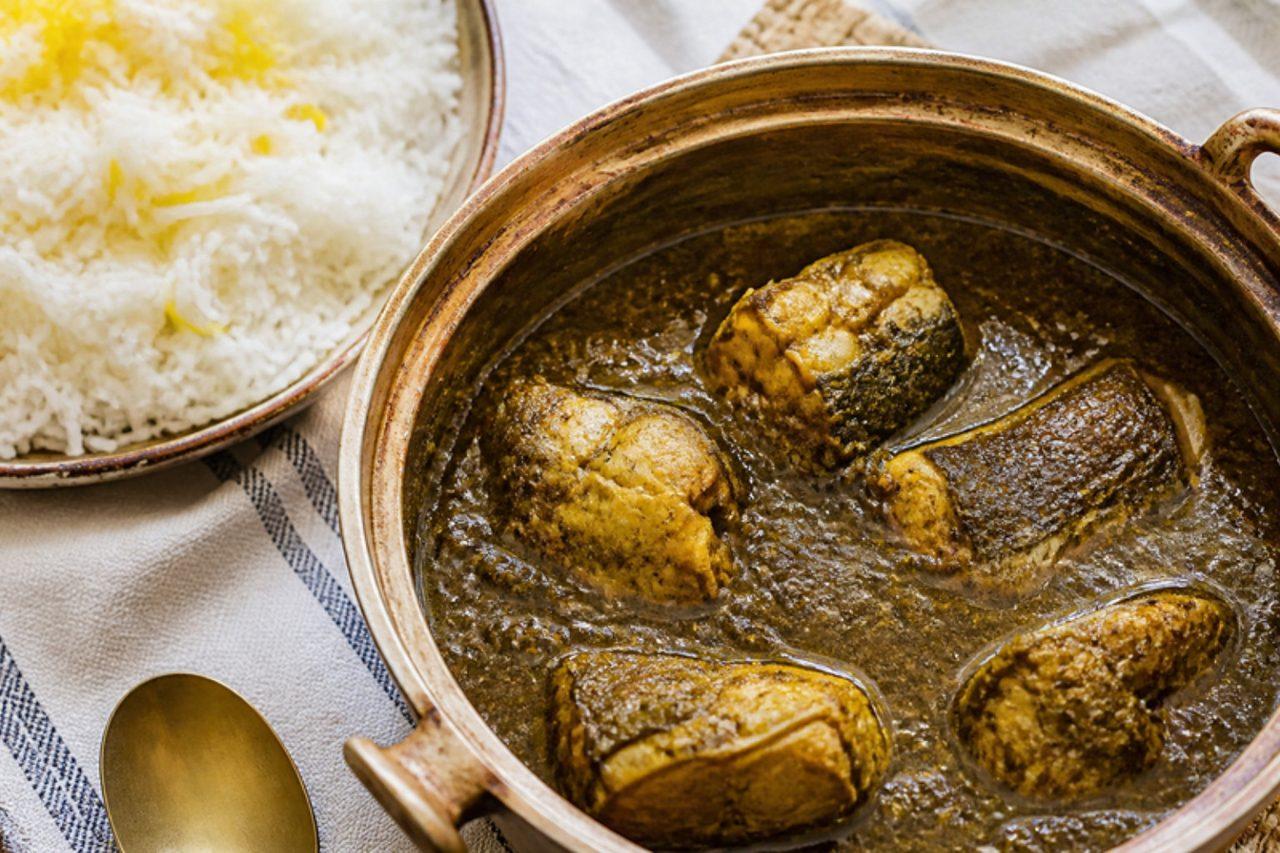
Ghalieh mahiFish stew with coriander and tamarind

Ghalieh mahi is the signature stew of the Persian Gulf ports of Bushehr and Abadan, cooked for Friday lunches and big family gatherings. It starts with a mountain of coriander and a little fenugreek fried slowly in oil with garlic until almost black-green, then sharpened with tamarind and warmed with chilli and turmeric before chunks of firm fish are poached in it. The result is dark, sour, fragrant and properly hot, eaten over plain white rice. A common mistake is rushing the herbs: they need a full 20 minutes of frying or the stew tastes grassy instead of deep. Chef's tip: brown the fish pieces quickly before they go into the sauce; they hold together better and add a little roasted flavour.

by KrazyBadal 0 views

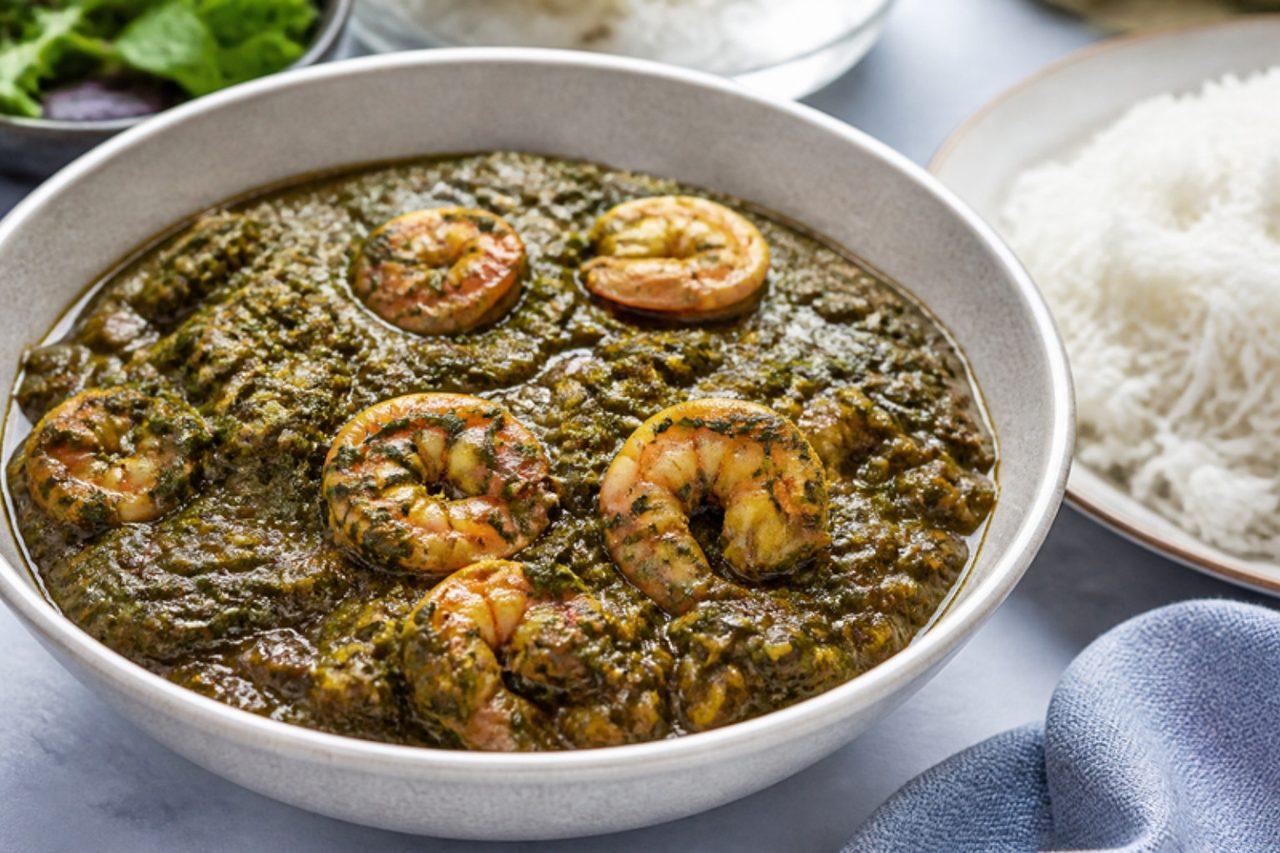
Ghalieh meygooSpicy prawn and tamarind stew

In Bushehr, where the fishing boats bring in Gulf prawns every morning, ghalieh meygoo is the dish cooks make when they want something quicker and a little more festive than the fish version. The same base of slow-fried coriander, fenugreek and garlic is soured with tamarind and fired up with chilli, then the prawns go in for just a few minutes so they stay sweet and juicy. It is eaten with plain chelow rice and a raw onion on the side. A common mistake is simmering the prawns with the sauce from the start, which leaves them rubbery and small. Chef's tip: simmer the prawn shells in the water for 10 minutes first and use that stock; it gives the sauce a real taste of the sea.

by KrazyBadal 0 views

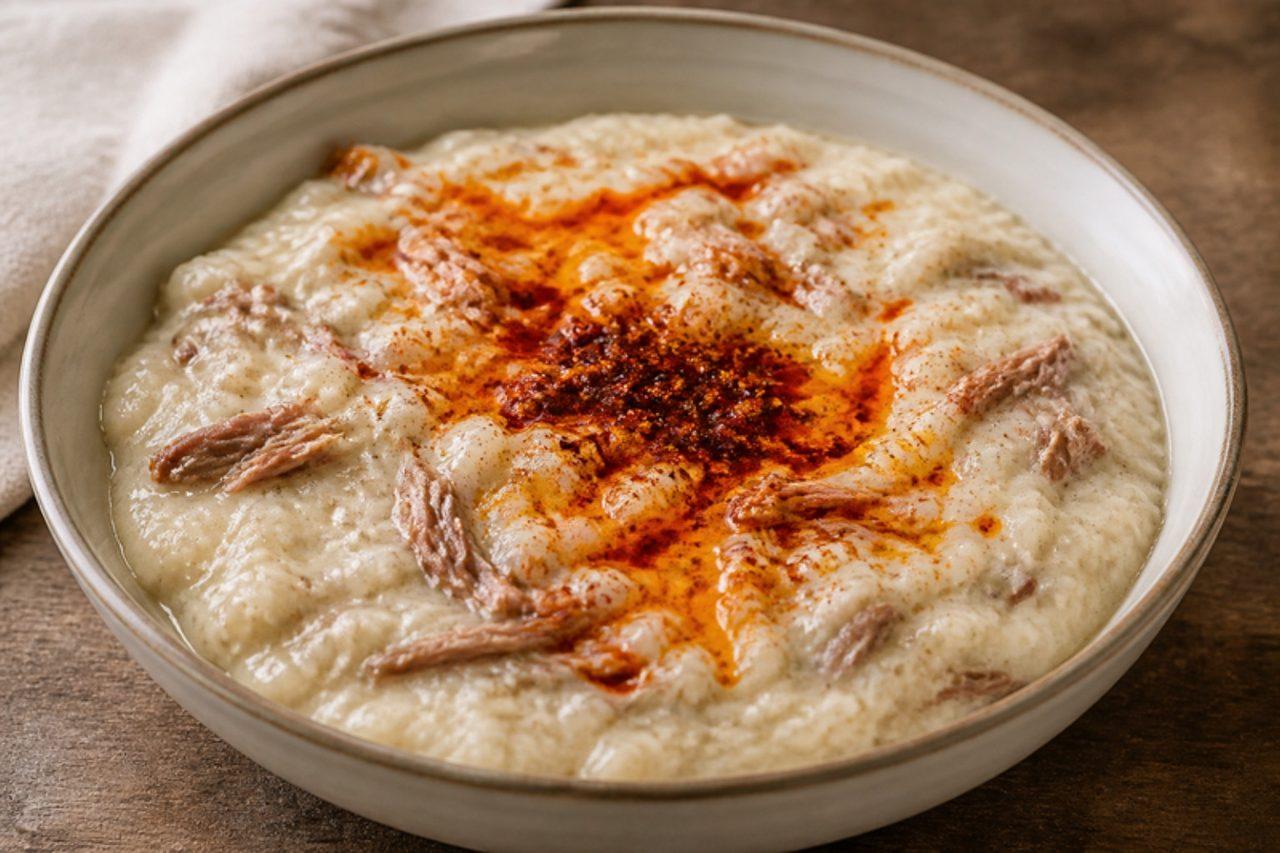
KeşkekWheat and lamb porridge

Keşkek is cooked in huge cauldrons for weddings, circumcision feasts and religious holidays across Central Anatolia, from Çorum to Sivas, while villagers take turns beating it with long wooden paddles. Whole wheat and lamb on the bone simmer together for hours until the meat falls apart, then everything is beaten into a thick, stretchy porridge and topped with sizzling butter and chilli. Its tradition is listed by UNESCO as intangible heritage. Common mistake: skimping on the beating; vigorous mashing is what turns it from grainy stew into a smooth, elastic keşkek. Chef's tip: a potato masher followed by a wooden spoon does the job at home; beat in hot broth a ladle at a time if it gets stiff.

200 minTurkishMeat
by KrazyBadal 0 views

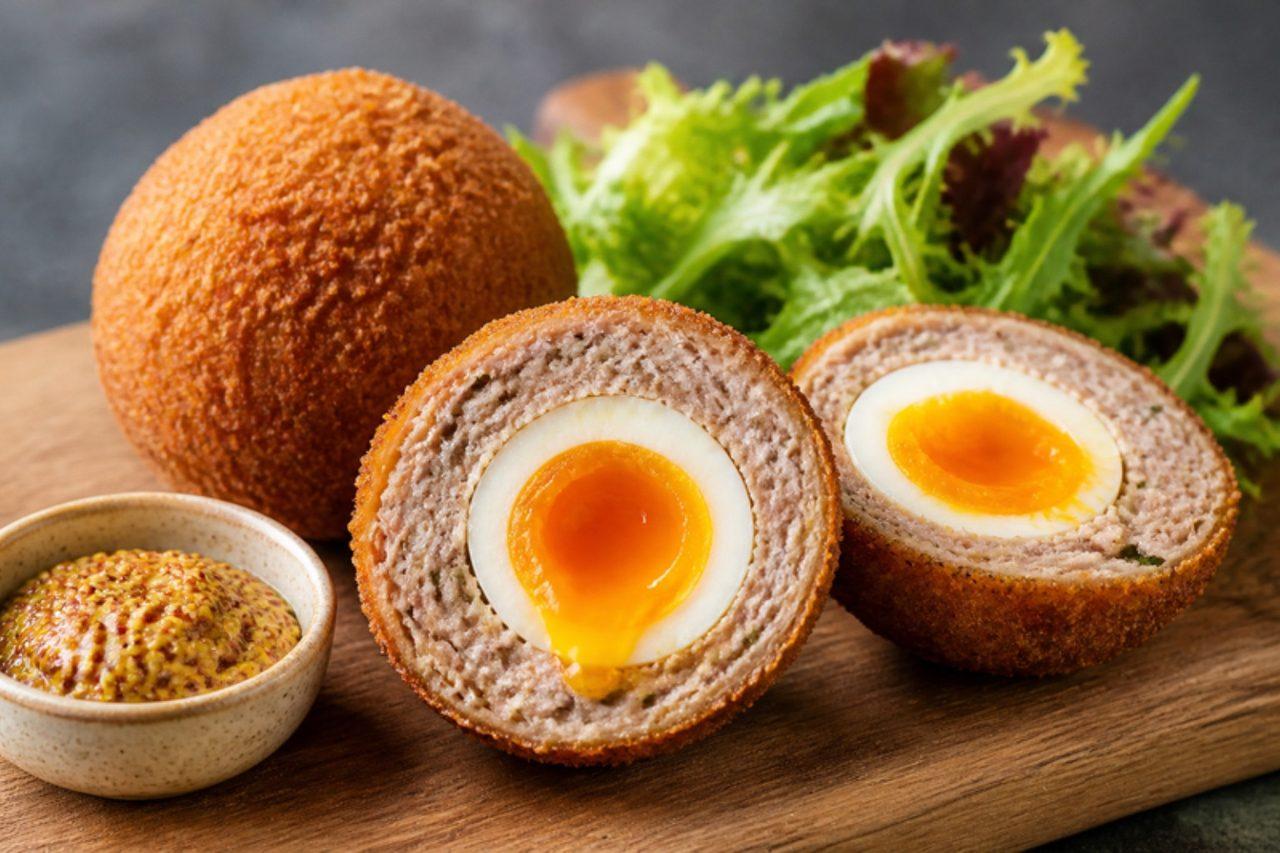
Scotch eggs

The Scotch egg was sold as a travelling snack by the London grocer Fortnum & Mason in the 1700s, and it is still the picnic and pub-counter favourite of England: a boiled egg wrapped in pork sausage meat, crumbed and fried. Modern pubs serve them with a runny yolk and a dollop of piccalilli or mustard. Chef's tip: boil the eggs for exactly 6½ minutes and plunge into iced water; that sets the white enough to peel but leaves the yolk soft.

by KrazyBadal 0 views

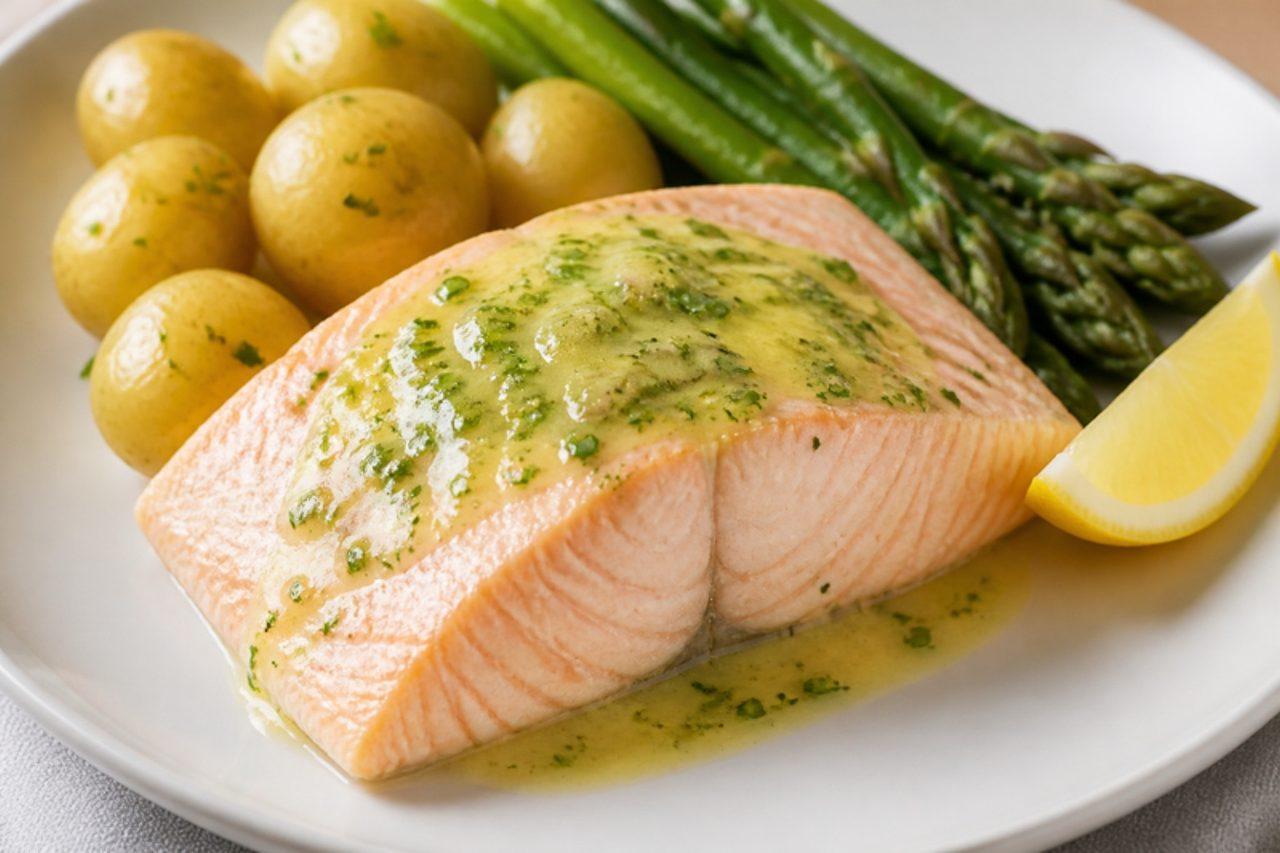
Poached Irish salmon with herb butter

A side of poached salmon is the centrepiece of Irish wedding buffets, First Communion lunches and summer gatherings along the Moy and the Blackwater, where wild salmon once ran thick. Poached gently in a court bouillon, it stays silky and moist, and here it is served warm with a simple chive and lemon butter sauce, new potatoes and peas. Chef's tip: never let the poaching liquid boil; it should barely shiver, or the salmon tightens and leaks white curds.

30 minIrishFishGluten free
by KrazyBadal 0 views

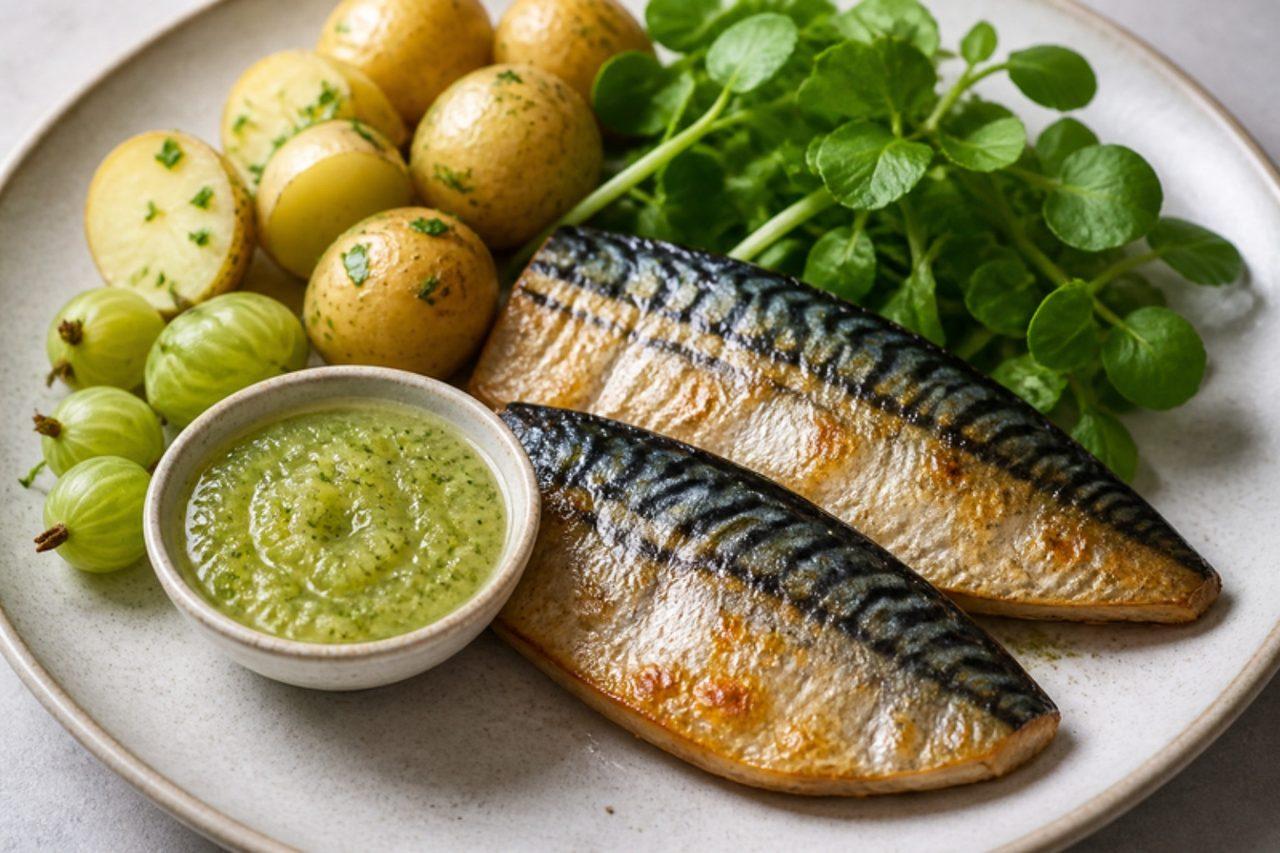
Mackerel with gooseberry sauce

In July and August shoals of mackerel come close to the piers from Kilmore Quay to Killybegs, and children catch them on hand lines for the evening pan. The old Irish partner for the oily fish is a sharp sauce of the gooseberries ripening in the garden at the same time, which cuts through the richness. Serve with new potatoes. Chef's tip: cook the fillets skin-side down almost all the way, so the skin crisps and the delicate flesh stays moist.

25 minIrishFishGluten free
by KrazyBadal 0 views

Irish chicken and ham pie

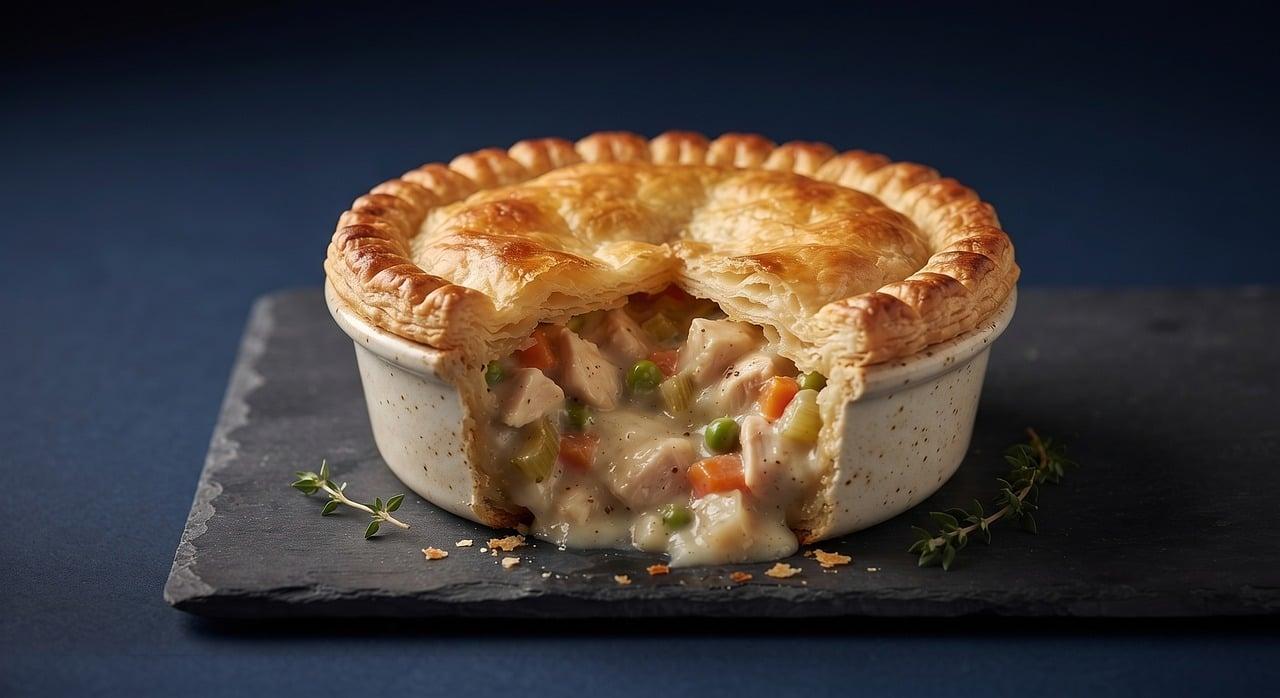
Chicken and ham pie is the family supper of Irish homes from Westmeath to Wicklow, the way to stretch a roast chicken and a piece of cooked ham into another meal, and a staple of hotel carveries. The ham is pork. Both meats sit in a creamy leek and mushroom sauce under a puff pastry lid. Chef's tip: let the filling cool before putting on the pastry, or the butter in the puff melts and it won't rise.

by KrazyBadal 0 views

Beef Wellington

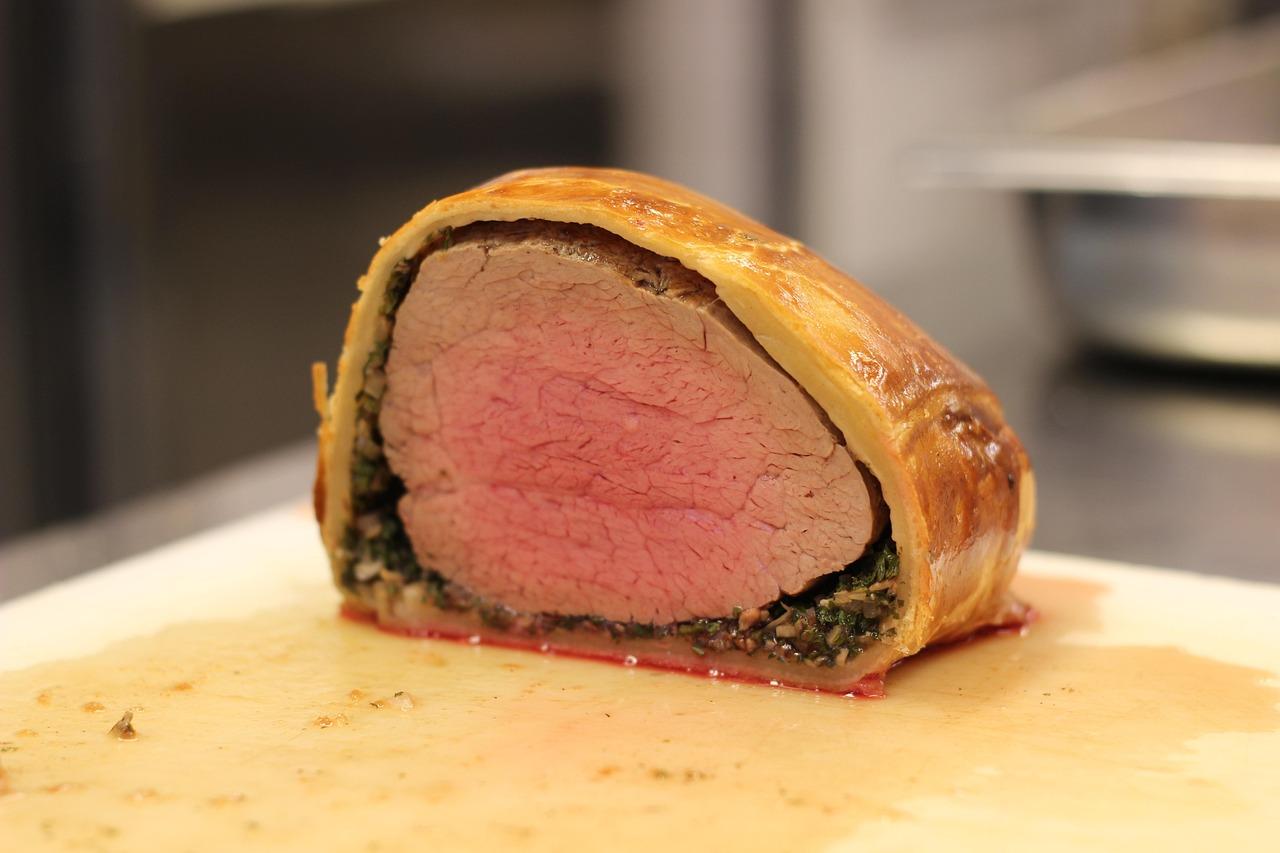
Beef Wellington is the grand centrepiece of British Christmas and celebration dinners, a whole beef fillet coated in finely chopped mushroom duxelles, wrapped in thin pancakes or ham and golden puff pastry, then sliced at the table to show a pink middle. It is linked, without much proof, to the Duke of Wellington. This version wraps the fillet in crêpes instead of the usual Parma ham. The duxelles is deglazed with a splash of white wine, which contains alcohol; use a little stock for an alcohol-free version. Chef's tip: chill the wrapped fillet before it goes in the pastry so everything stays tight and the base doesn't go soggy.

105 minBritishMeat
by KrazyBadal 0 views

Shrimp rémoulade

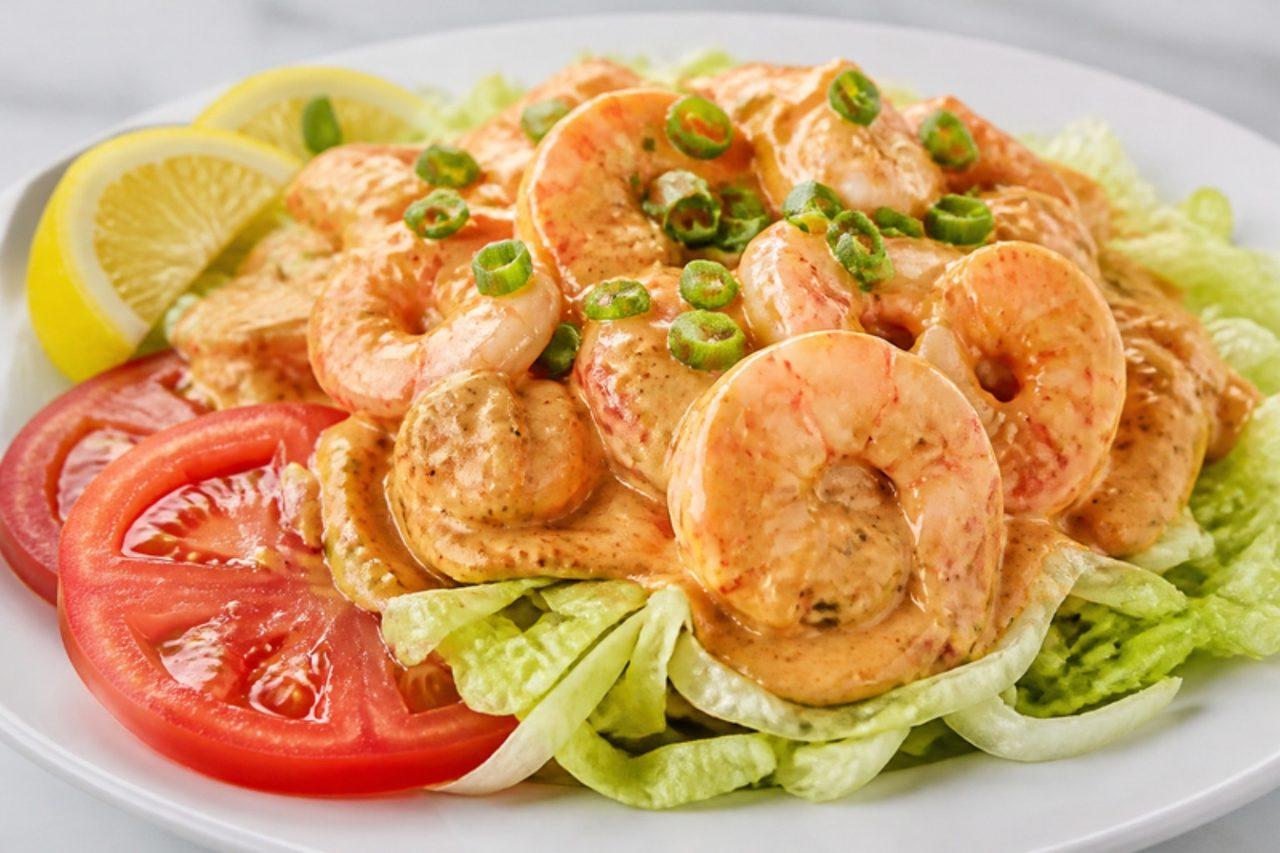
New Orleans rémoulade is not the pale French sauce but a brick-red, punchy mix of Creole mustard, paprika, horseradish and the trinity, and in the grand old Creole restaurants it is served as a cold starter over boiled Gulf prawns and shredded lettuce, especially in the summer heat. Chef's tip: make the sauce the day before so the flavours marry; it tastes raw and harsh straight after mixing.

by KrazyBadal 0 views

Caldinho de feijãoBlack bean soup cups

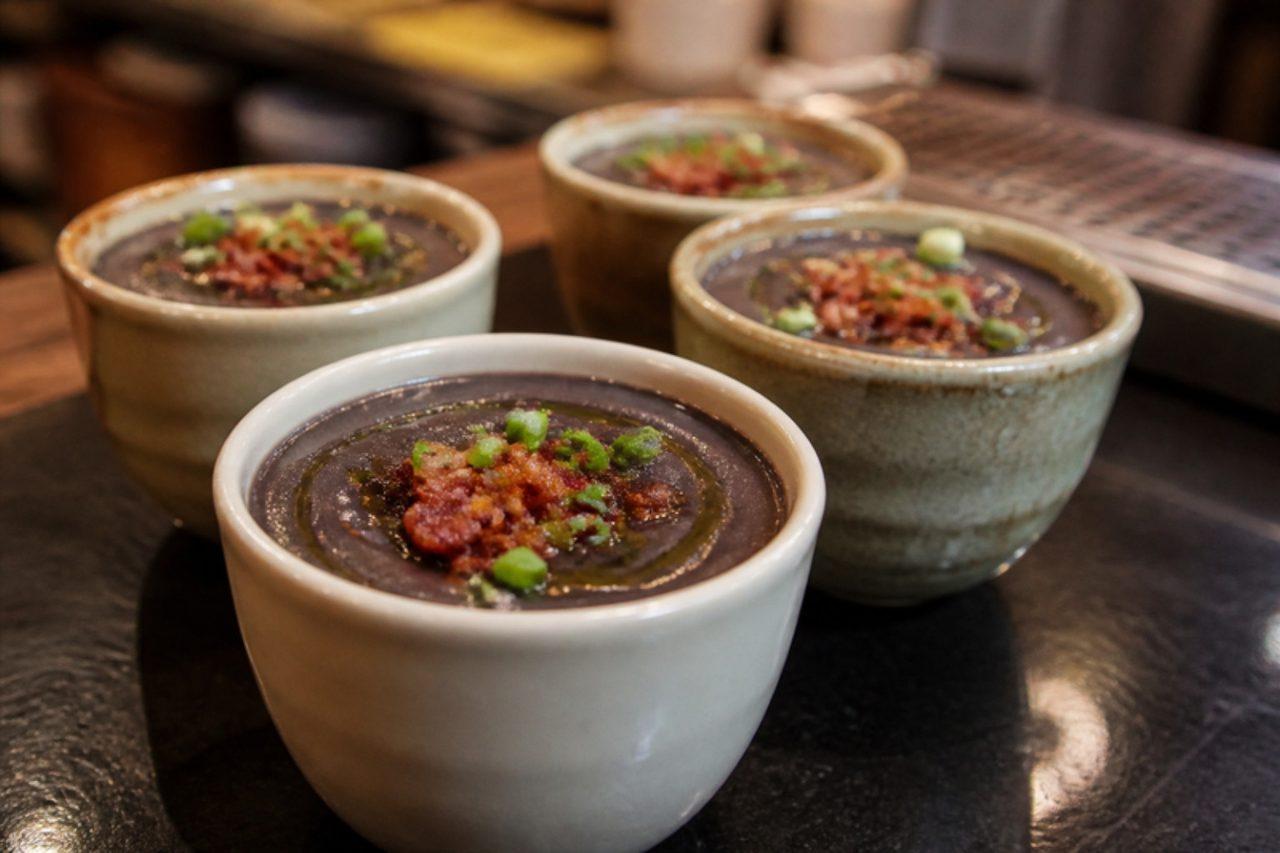
Order a round at a Rio de Janeiro boteco on a cool evening and a tray of caldinho de feijão is likely to follow: small glasses of smooth, thick black-bean soup, sipped hot, topped with crisp bacon, spring onion and a few drops of pepper sauce. It is earthy, smoky and silky, halfway between a soup and a dip, and often comes with a hard-boiled quail egg or cubes of fried cassava on a cocktail stick. This version is made with pork: smoked bacon cooked into the beans and crisped on top. Leftover feijoada beans make the best caldinho; tinned black beans work fine. People often fail to blend it long enough, leaving it grainy; it should pour like thick cream. For a vegetarian caldinho, leave out the bacon, fry the onion in olive oil and add 1 tsp smoked paprika. Chef's tip: pass the blended soup through a sieve if you want the glossy finish botecos serve.

by KrazyBadal 0 views

Brown bread ice cream

Brown bread ice cream has been a country-house dessert in Ireland since Victorian times and still turns up on menus in Kenmare, Kinsale and Dublin restaurants. Crumbs of brown soda bread are toasted with brown sugar until crisp and toffee-like, then folded through a rich vanilla ice cream, so it tastes of caramel and malty, nutty bread. This no-churn version needs no machine. Chef's tip: let the caramelised crumbs cool and break up completely before folding them in, or they sink and clump.

by KrazyBadal 0 views

Macaxeira fritaFried cassava sticks

Northeastern Brazilians call cassava macaxeira, and fried sticks of it come out with carne de sol, with grilled cheese at beach shacks, and in a bowl beside a cold drink at any bar from Natal to Maceió. Boiling first makes the inside soft and floury; frying afterwards gives a thick, blistered crust that stays crunchy far longer than potato chips. They need only coarse salt, though a dip of vinagrete or garlic mayonnaise is common. Buy sweet cassava, cook it fully, and never eat it raw. The frequent mistake is boiling until the cassava falls apart, which makes sticks that break up in the oil; stop as soon as a knife slides in. Chef's tip: let the boiled sticks steam dry and cool completely, even chill them for an hour, before frying; the drier surface is what makes them crackle.

by KrazyBadal 0 views

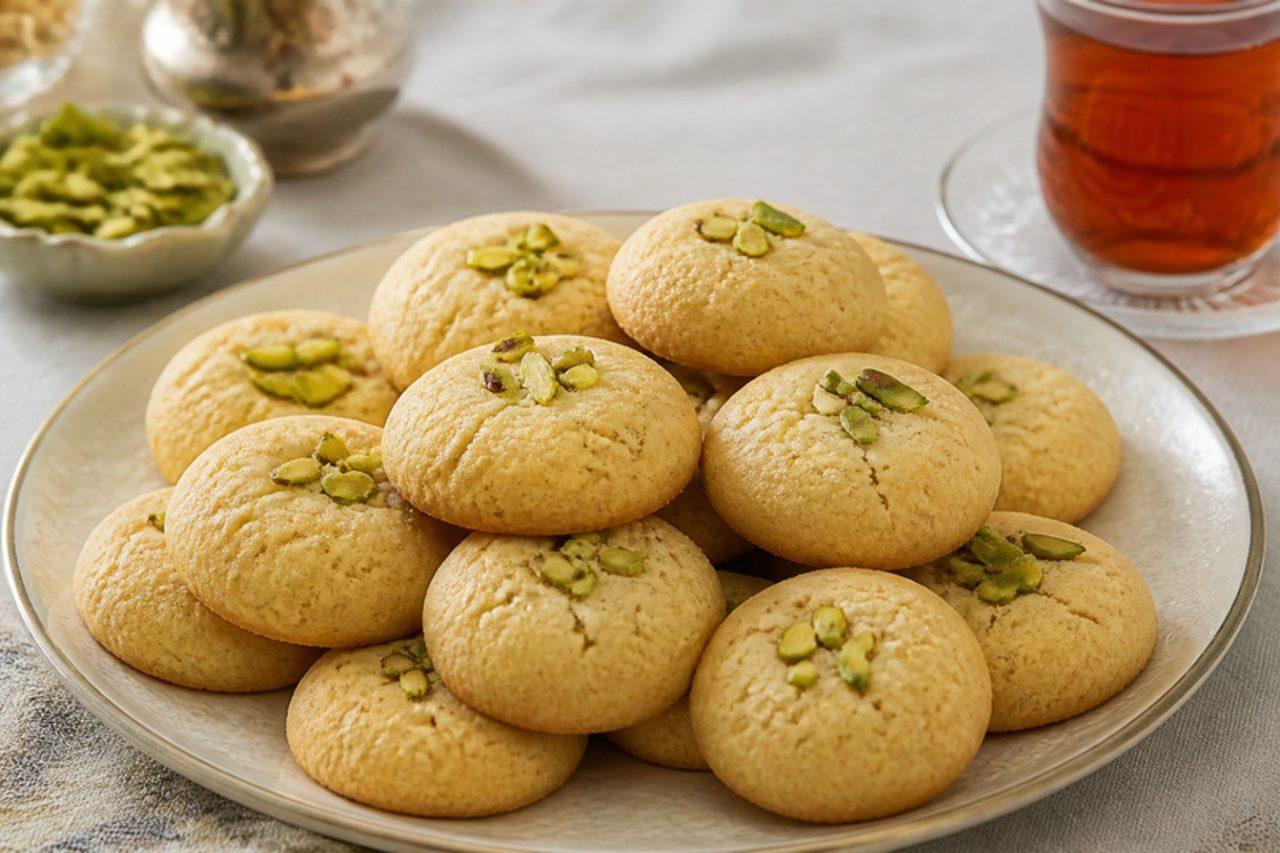
Ghorabieh TabriziAlmond and egg-white cookies

Every traveller to Tabriz is expected to bring back a box of ghorabieh from the bazaar confectioners: pale, domed almond cookies with a thin crackled shell and a soft, chewy middle, scented with vanilla and sometimes topped with a sliver of pistachio. They are a Nowruz favourite in Azerbaijan province and keep well, so families bake them a week ahead. A common mistake is baking them too hot, which browns the outside before the inside sets and leaves them hollow. Chef's tip: let the piped cookies sit for 20 minutes before baking so a skin forms; that skin gives the classic crackled top.

by KrazyBadal 0 views

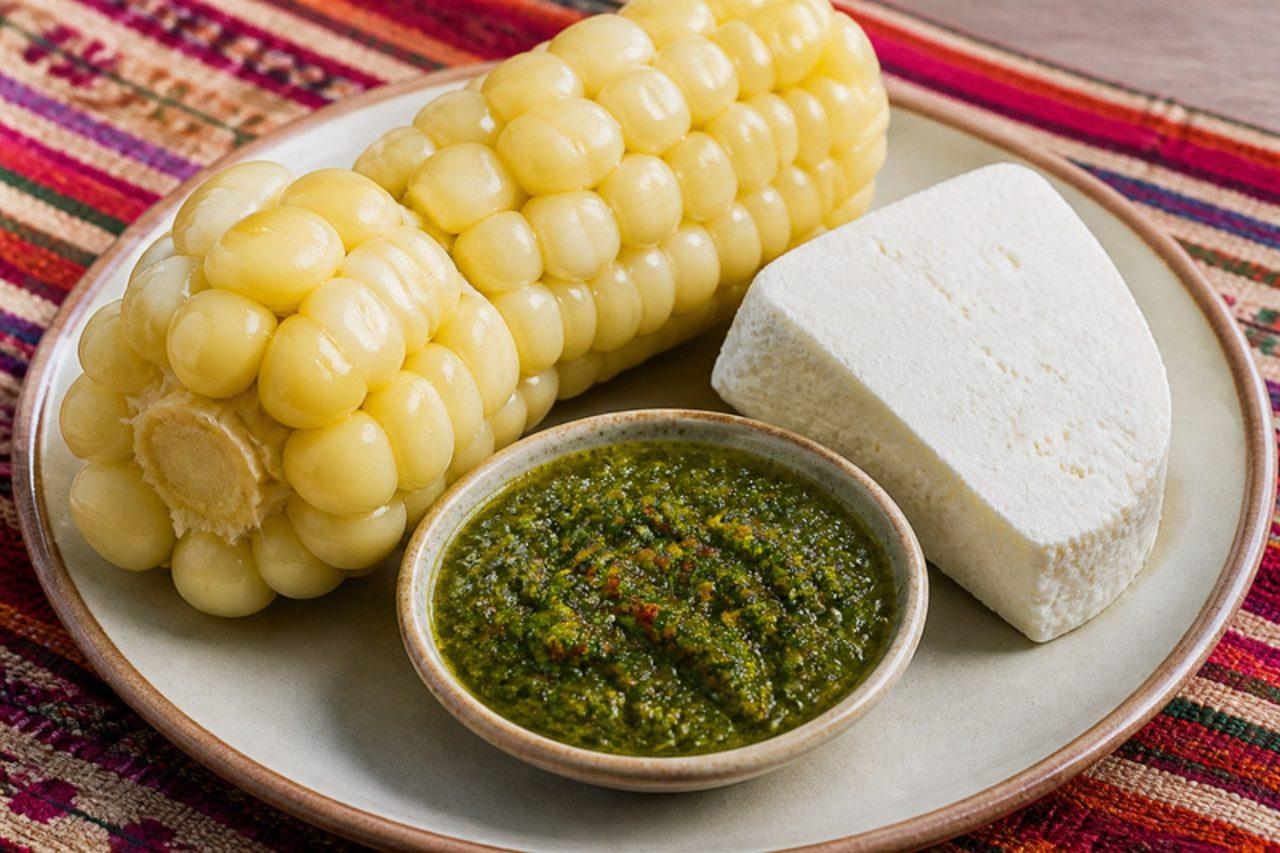
Choclo con quesoCorn on the cob with cheese

Ride the train or the bus through the Sacred Valley of Cusco and at every stop someone will hold up choclo con queso: a steaming cob of Urubamba's huge white-kernelled corn with a slab of fresh cheese tucked into a corn husk. The kernels are big, chewy and starchy rather than sweet, and the salty, milky cheese is eaten in alternating bites, sometimes with a dab of uchucuta or ají. It's snack food, a market lunch and something to keep children going on a long day. Fresh choclo is sold frozen in Latin American shops; sweet corn works but is sweeter and softer. Adding salt to the cooking water is the usual misstep, as it can toughen the kernels: season the cheese, not the corn. Andean fresh cheese is generally made with animal rennet, so use a vegetarian fresh cheese if needed. Chef's tip: drop a few of the inner husks and a small spoon of sugar into the pot; it brings back some of the sweetness lost after picking.

by KrazyBadal 0 views

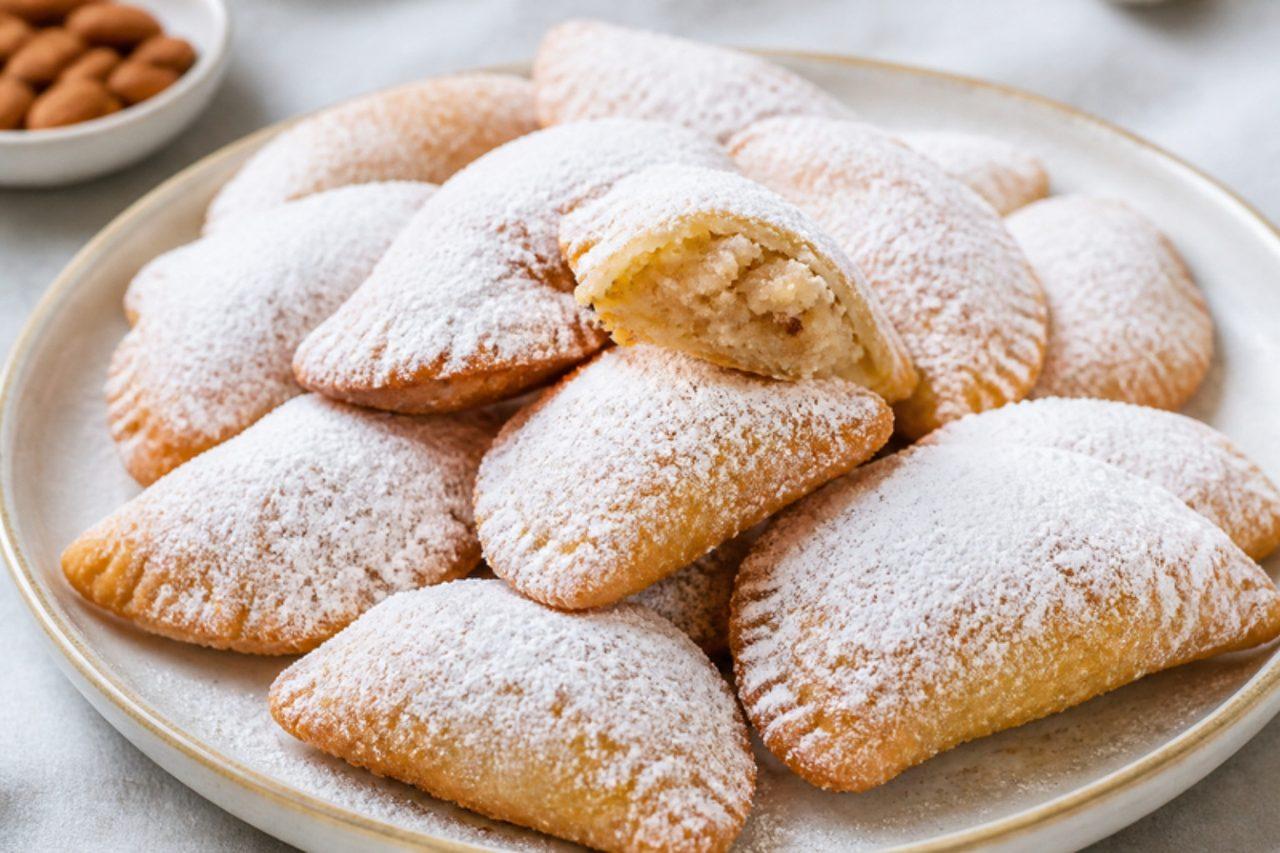
GhotabFried almond crescents

Ghotab are the little fried crescents that Yazd's confectioners have been making for generations, packed into boxes for Nowruz and carried as gifts by anyone travelling from the city. A tender yogurt dough is wrapped around ground almonds, sugar and plenty of cardamom, fried until blond and crisp, then buried in icing sugar. A common mistake is frying too hot, which browns the outside before the dough inside the fold cooks through, leaving it doughy. Chef's tip: roll the ghotab in icing sugar while still warm, then again once cold, for a thick snowy coat.

by KrazyBadal 0 views

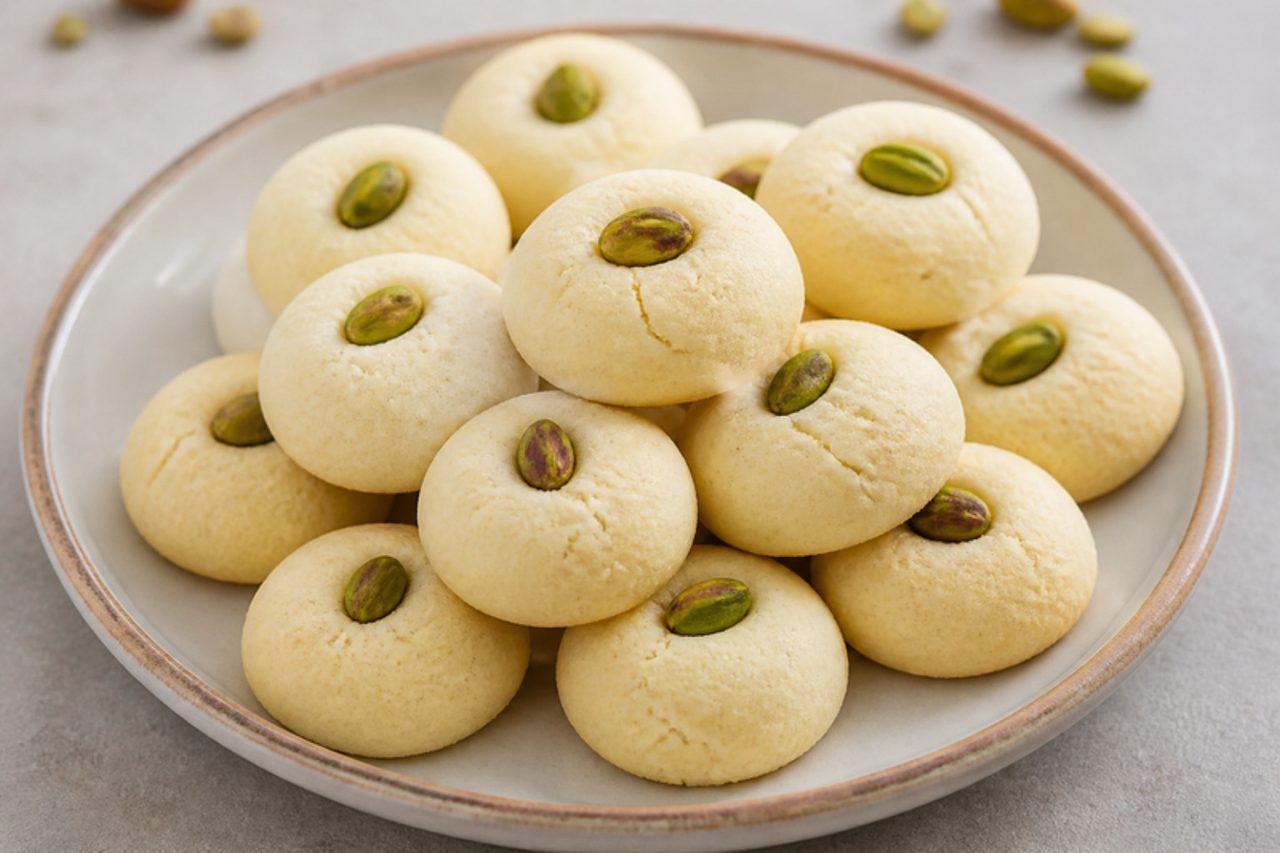
GhraybehPistachio shortbread

Across Syria, Lebanon and Palestine, trays of ghraybeh appear for Eid and weddings next to ma'amoul; in Aleppo they are often shaped into little bracelets with a pistachio at the join. Made from just ghee, icing sugar and flour, they are so tender they crumble as soon as you bite, and they should stay ivory-white, never brown. Serve with strong coffee or mint tea. Common mistake: baking until golden — they should come out pale and still soft, and firm up as they cool. Chef's tip: whip the ghee and sugar for a full 10 minutes until white and fluffy; that is what gives the melting texture.

by KrazyBadal 0 views

Showing 72 of 7,762 recipes

Show more recipes

Page 546 of 863