


Skip to content
Jini dosa
Featured recipe

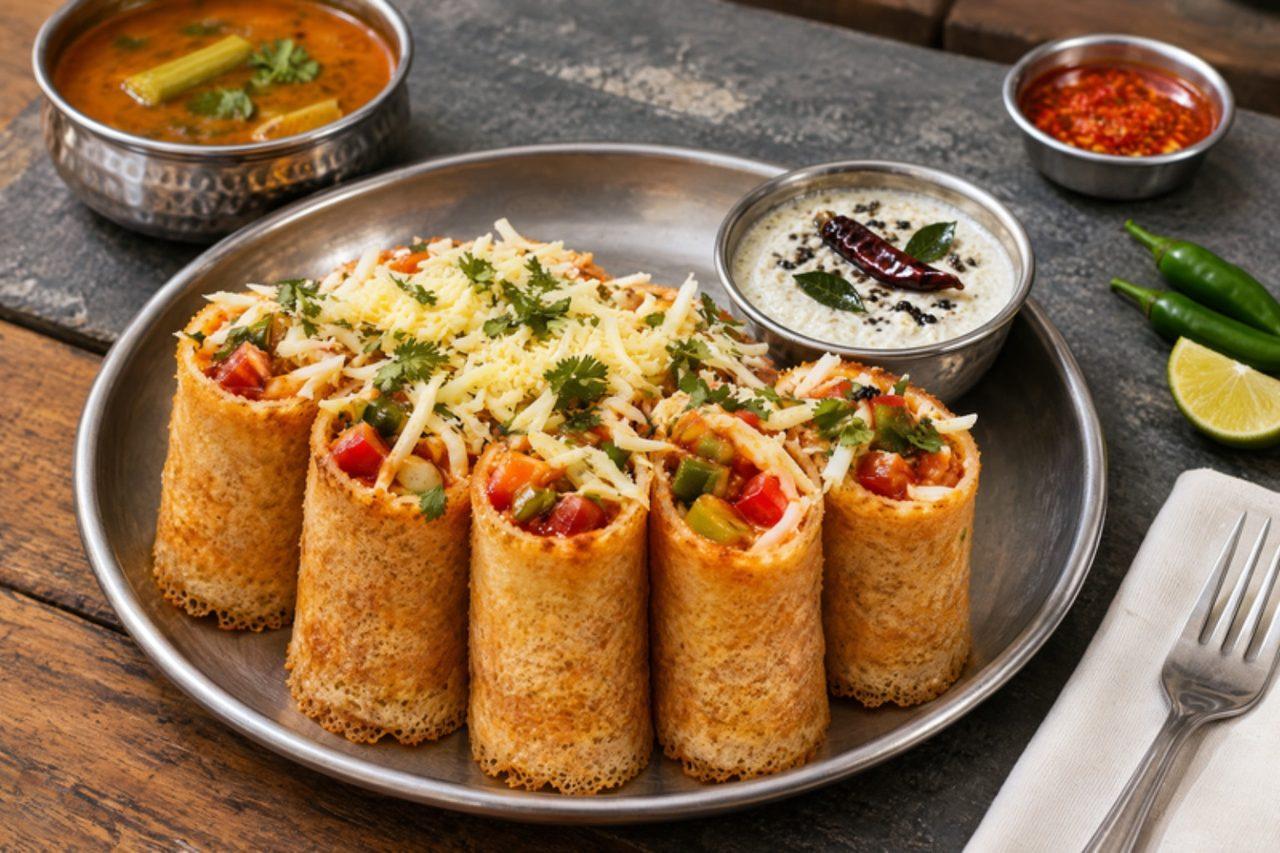
Jini dosa

Crisp dosa with Schezwan vegetables

Jini dosa was born in the late-night food lane of Ghatkopar, Mumbai's Khau Galli, where dosa men turned the South Indian pancake into a Mumbai-Chinese hybrid. A thin dosa goes on the griddle, then cabbage, onion, capsicum and Schezwan sauce are chopped and spread right on top with the edge of a spatula, cheese melts in, and the whole thing is cut into strips and rolled into little upright cylinders. It is crunchy, spicy, buttery and messy, a favourite after evening college classes. Many cheeses are set with animal rennet, so choose one labelled vegetarian. Chef's tip: get the griddle properly hot before each dosa; a lukewarm tawa makes the batter stick and tear.

Read more 0 views

What to eat today?

Around the world

Today's trip: Paraguayan

A new country every day, from every cuisine on the site.

Paraguayan

Chipa

Cheese bread rings 50 minMore from Paraguayan (27) →

This week's collection

Kid-friendly dinners
537 recipes · a new collection every Monday

Latest recipes

Machaca de pescadoShredded fish with tomato and pepper

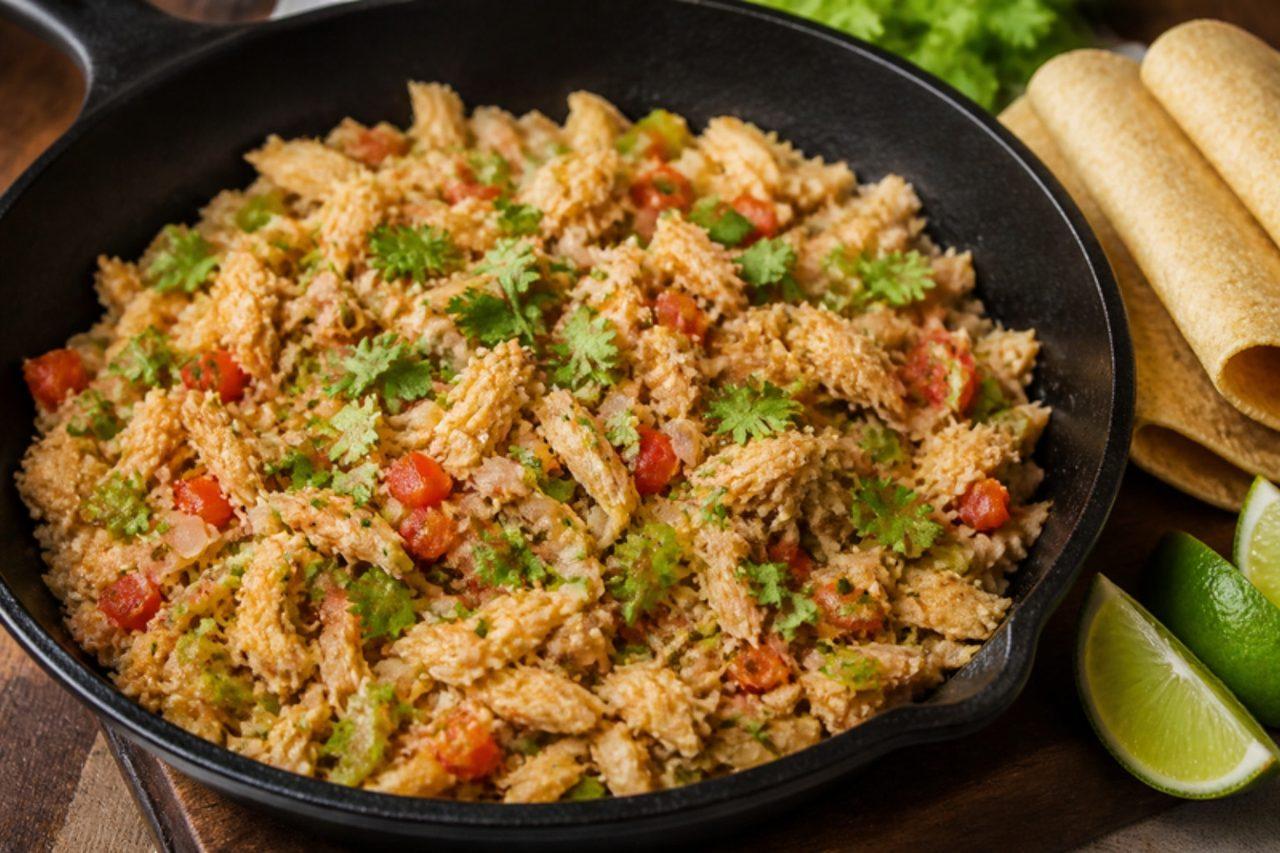
On the waterfront in La Paz, Baja California Sur, machaca de pescado is the sea's answer to beef machaca: firm fish is poached, shredded and fried with onion, pepper, tomato and chilli until almost dry and full of flavour. Fishermen's families once made it with shark or smoked marlin, and today it fills breakfast burritos, tacos and tostadas in cafés along the malecón. Any firm white fish such as cod, hake or mahi-mahi works well. It is savoury, lightly spicy and tender. Serve it with corn tortillas, rice or refried beans. Chef's tip: squeeze the shredded fish in your hands to get rid of excess water before it hits the pan, so it fries rather than stews.

by KrazyBadal 0 views
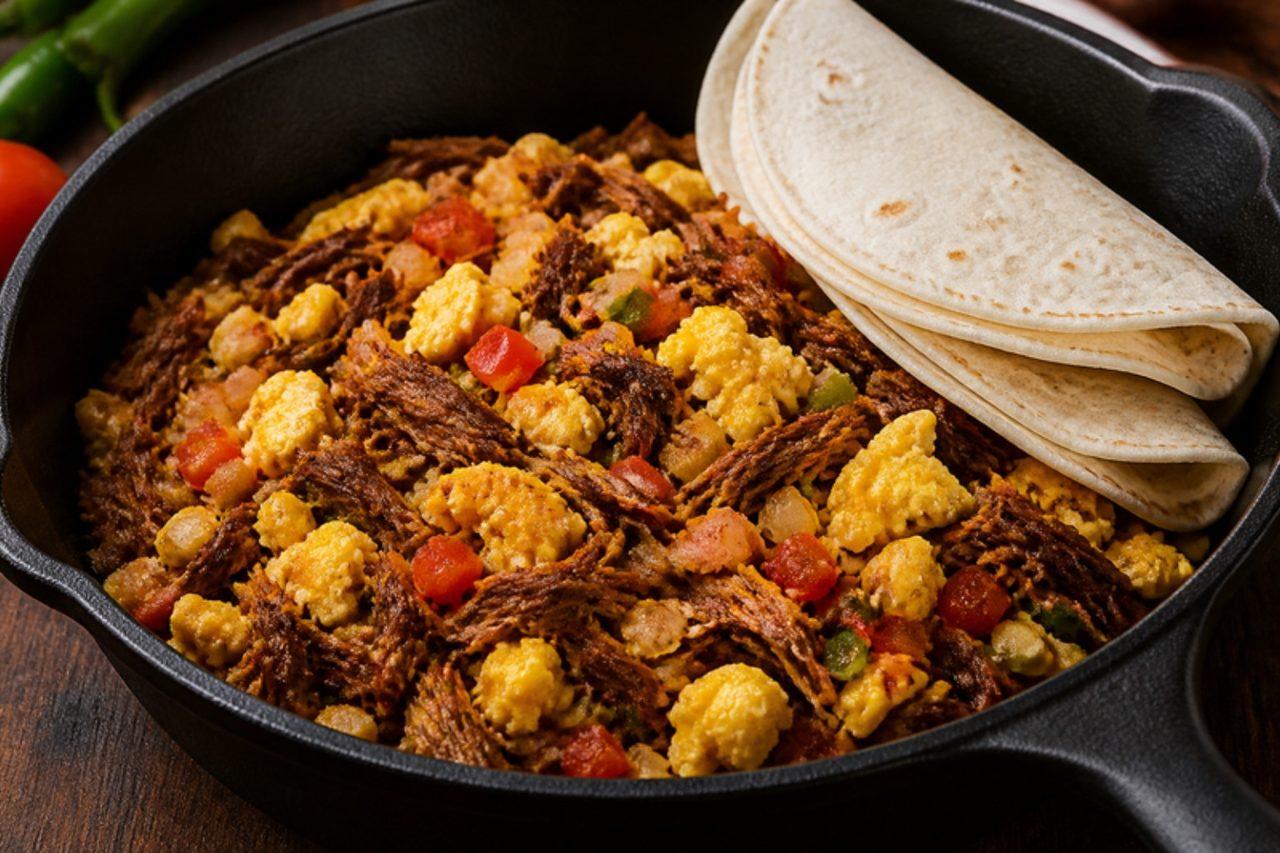

Machaca con huevoDried beef scrambled with egg

Monterrey and Sonora both claim machaca, the dried, pounded beef that once let ranchers carry meat across the desert. At breakfast it is fried with onion, tomato and green chilli, then scrambled with eggs and rolled into soft flour tortillas, and it turns up in every lonchería and roadside café in the north. The beef is savoury, salty and chewy against the soft egg. Proper machaca is hard to find outside Mexico; shredded leftover roast beef or brisket, dried out in the pan until crisp, makes a good substitute, as does unsweetened beef jerky pounded into shreds. Chef's tip: fry the machaca on its own first until the edges crackle, which brings back the toasty flavour before anything wet goes in.

by KrazyBadal 0 views

Macaxeira fritaFried cassava sticks

Northeastern Brazilians call cassava macaxeira, and fried sticks of it come out with carne de sol, with grilled cheese at beach shacks, and in a bowl beside a cold drink at any bar from Natal to Maceió. Boiling first makes the inside soft and floury; frying afterwards gives a thick, blistered crust that stays crunchy far longer than potato chips. They need only coarse salt, though a dip of vinagrete or garlic mayonnaise is common. Buy sweet cassava, cook it fully, and never eat it raw. The frequent mistake is boiling until the cassava falls apart, which makes sticks that break up in the oil; stop as soon as a knife slides in. Chef's tip: let the boiled sticks steam dry and cool completely, even chill them for an hour, before frying; the drier surface is what makes them crackle.

by KrazyBadal 0 views

Maçã do amorToffee apples

A shiny red apple on a stick is the picture of a Brazilian festa junina stall, lined up in rows beside the quentão and pipoca. The 'love apple' is a small, tart apple dipped in hot sugar syrup that hardens into a thin, crackling, ruby-red shell; you bite through glass and hit crisp fruit. It is a good one to make at home for a June party because the syrup takes 15 minutes and the apples are ready as soon as the shell cools. Choose a plant-based red colouring to keep it vegan. Where it tends to fail: any water or wax on the apple skin stops the syrup sticking, so it slides off in a puddle. Chef's tip: dip the apples in boiling water for 10 seconds and dry them thoroughly to remove the wax before you start.

by KrazyBadal 0 views

Guariroba refogadaSautéed bitter palm heart

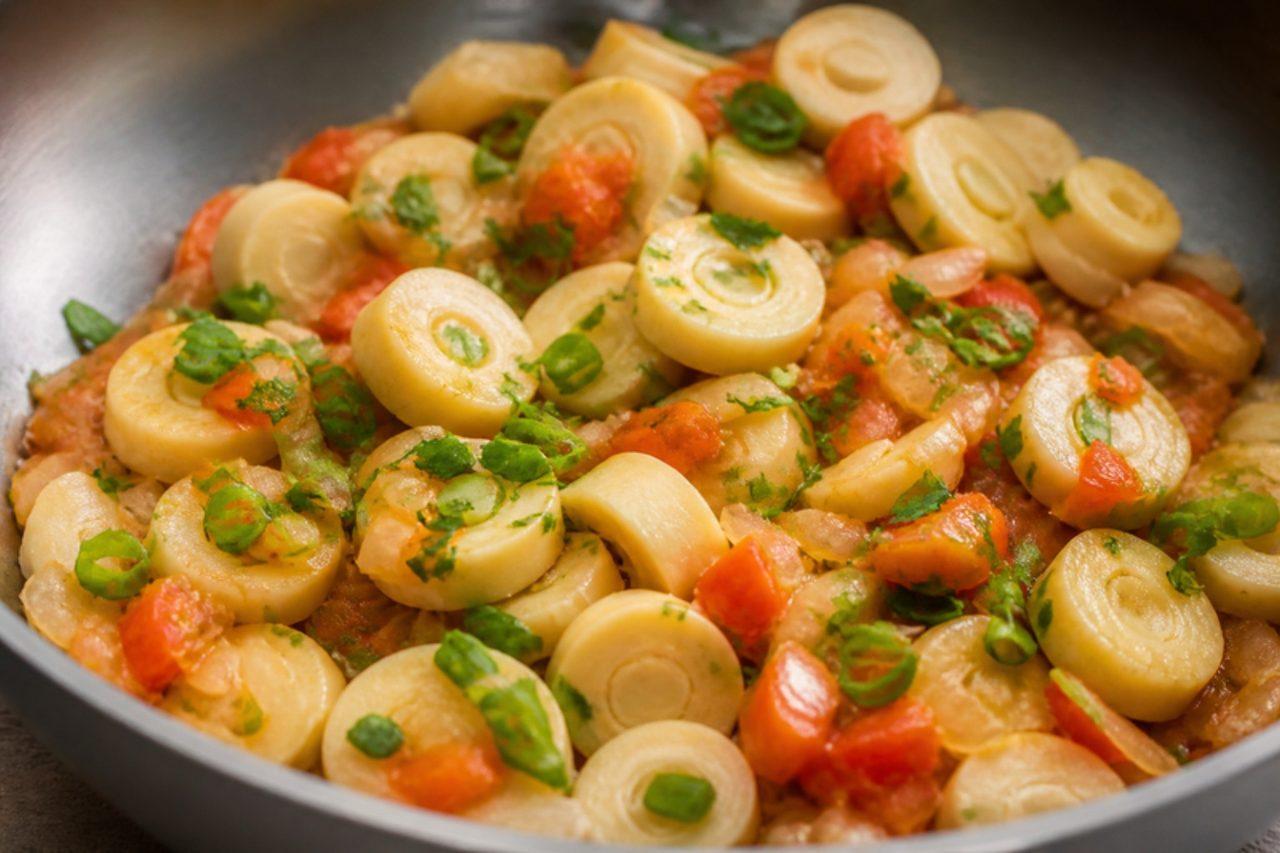
Goiás is the one place in Brazil where people seek out bitterness in a palm heart: guariroba, from a cerrado palm, tastes like a cross between artichoke, chicory and jiló, and Goiânia's lunch counters serve it braised with tomato and onion beside rice, beans and pequi. The pale slices turn tender and silky, and the sharp, clean bitterness is softened by the sweet tomato base. Fresh guariroba is sold in Goiás markets, and jars or frozen packs in some Brazilian shops; elsewhere use ordinary palm heart with a handful of sliced chicory or radicchio for the bitterness. Cooks unfamiliar with it often boil it first to tame the bitterness, but that washes out the flavour that makes the dish; sauté it directly instead. Chef's tip: slice it thinly across the grain, because thick pieces stay fibrous however long you cook them.

by KrazyBadal 0 views

Ma'aroukMahlab-scented sweet bread

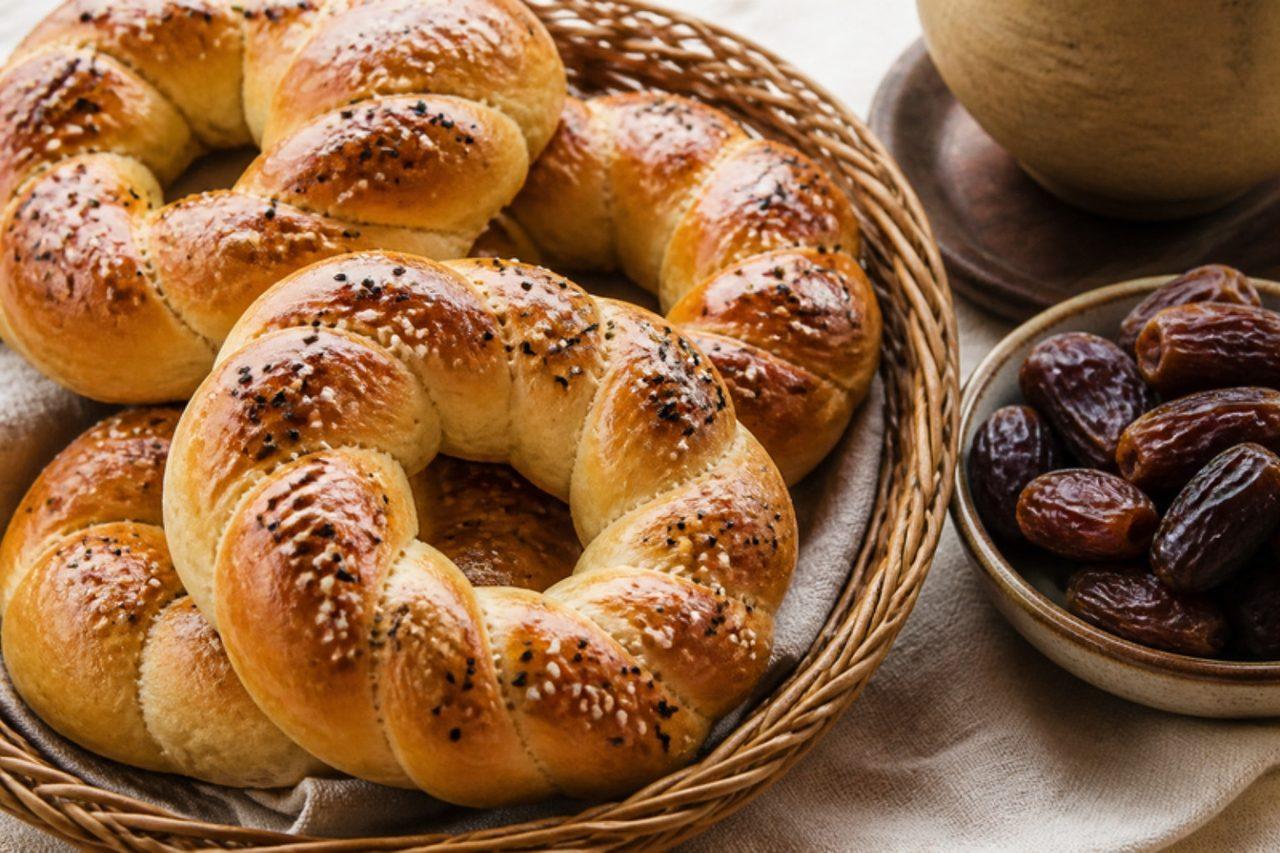
As soon as Ramadan begins, bakeries in Damascus and Aleppo stack up golden loaves of ma'arouk, a soft, slightly sweet brioche-like bread that people buy on the way home to break the fast. The dough is perfumed with mahlab (ground cherry stones), topped with nigella and sesame seeds, and is often braided or filled with date paste. Eat it warm with tea, or toasted the next morning with white cheese. Common mistake: adding too much flour while kneading; the dough should stay soft and a little tacky for a tender crumb. Chef's tip: brush with sugar syrup as soon as the loaves leave the oven — it gives the classic shine and keeps the crust soft.

by KrazyBadal 0 views

PowidltascherlPlum butter potato dough pockets

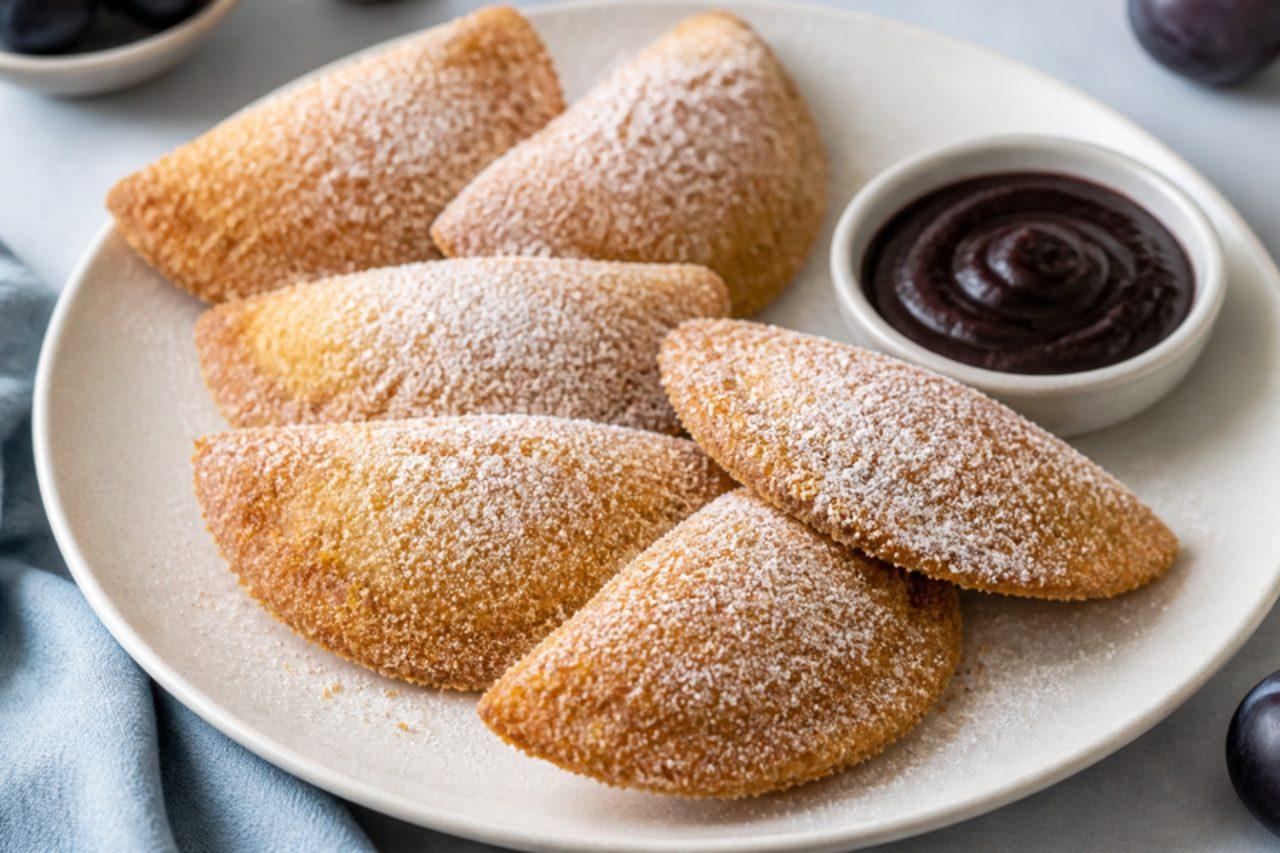
Powidl, a thick, dark plum butter cooked for hours without added sugar, came to Vienna from Bohemia, and these little pockets are one of its best uses. In Austrian homes they are a sweet lunch in late summer, when the new season's plums arrive, or a pudding after a bowl of soup. A tender potato dough is cut into squares, folded around a spoonful of spiced powidl, simmered, then tossed in golden butter crumbs and dusted with icing sugar. A common mistake is overworking the dough, which makes it tough and sticky; mix the potato and flour only until it comes together. Chef's tip: rice the potatoes while hot and spread them out to steam dry, so you need less flour and the dough stays light.

by KrazyBadal 0 views

Kadayıf dolmasıWalnut pancakes in syrup

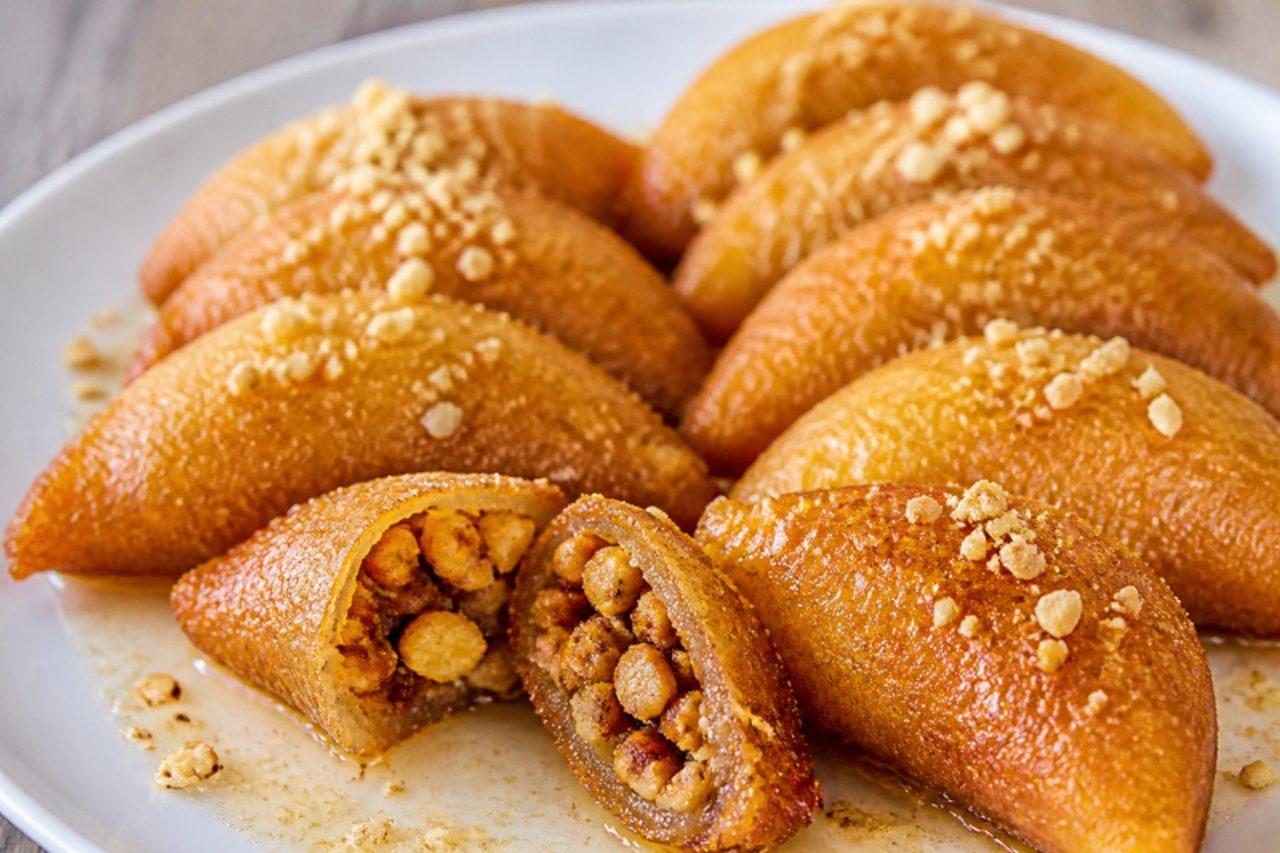
In Erzurum, kadayıf means not shredded pastry but small, spongy pancakes cooked on one side only. For kadayıf dolması they're filled with walnuts, folded into half-moons, fried golden and plunged into syrup, and they are the city's pride on festival days and at weddings. The outside is crisp and syrupy, the inside soft and nutty. Common mistake: cooking the pancakes on both sides; the uncooked, bubbly top is what sticks the edges together. Chef's tip: the syrup must be cold and the dolma hot straight from the oil, so they absorb syrup without going soggy.

by KrazyBadal 0 views

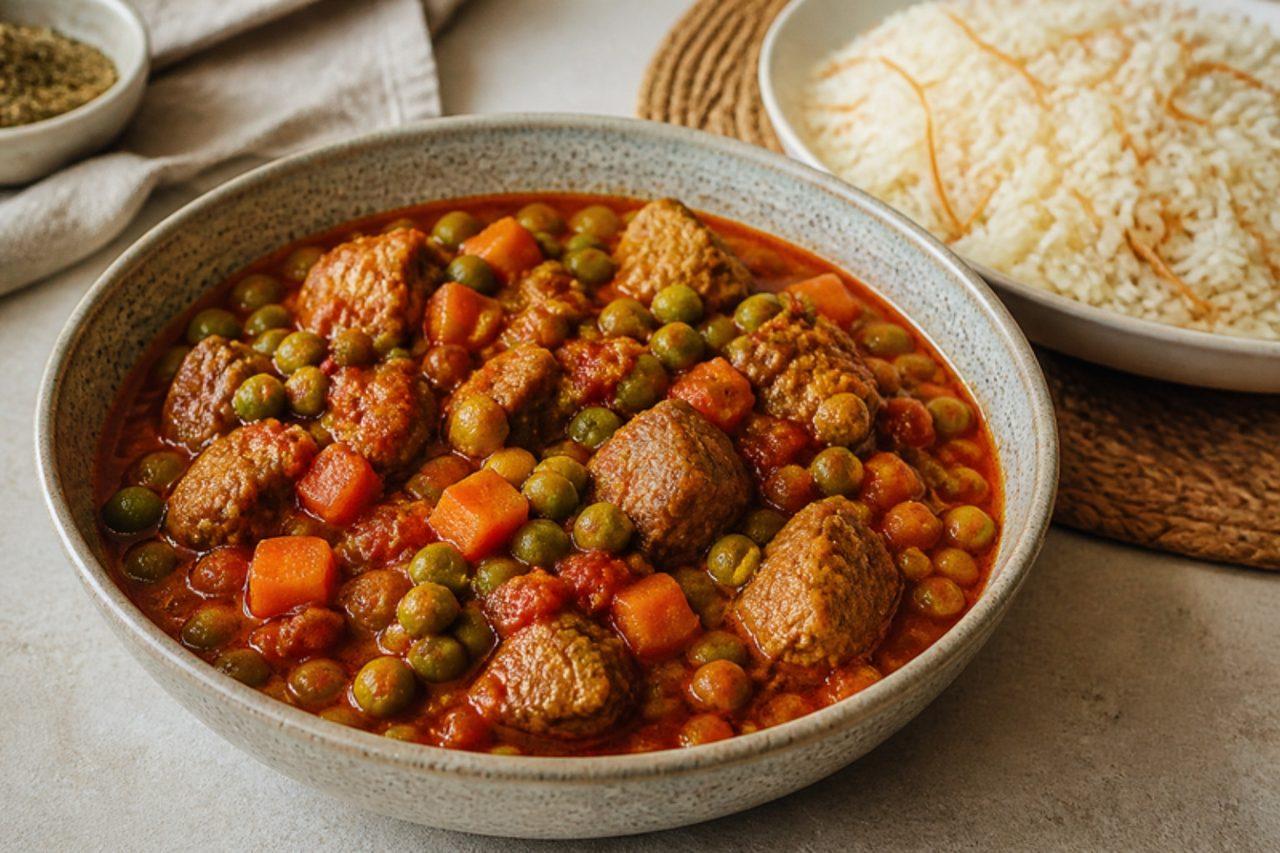
Yakhnet bazellaLamb and pea stew with rice

Yakhnet bazella is weekday food in almost every Lebanese household: cubes of lamb (or beef) simmered until tender with peas, carrots and tomato, with a last-minute hit of garlic and coriander, ladled over buttery vermicelli rice. Mothers in Beirut make it with frozen peas in winter and fresh ones in spring; children love its sweetness. Common mistake: adding the peas with the meat — they turn grey and mushy; put them in for the last 10 minutes. Chef's tip: brown the meat in small batches so it really sears; that browned base is where the stew's flavour comes from.

100 minLebaneseMeatGluten free
by KrazyBadal 0 views

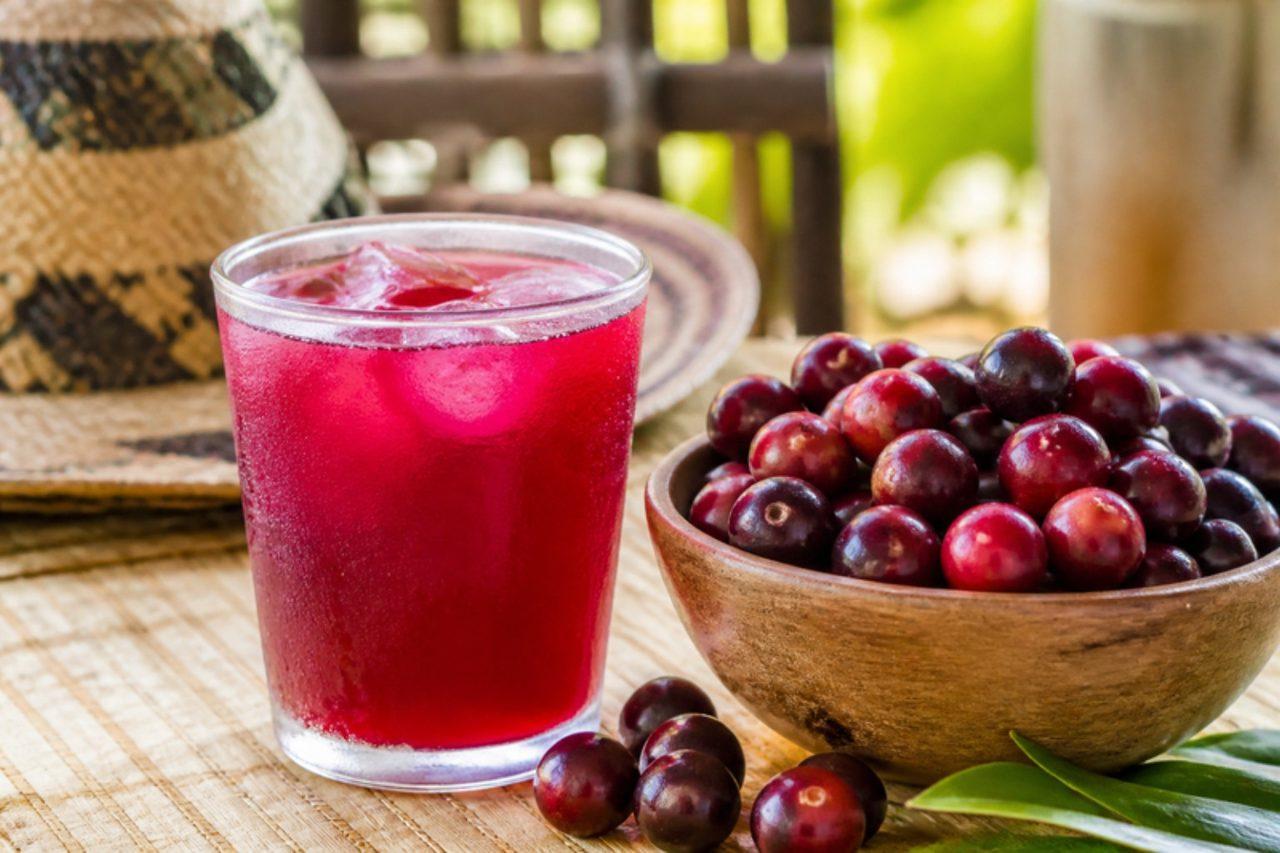
Jugo de corozoCorozo palm fruit juice

Corozo is a tiny, glossy red-black palm fruit that grows wild across Colombia's Caribbean lowlands, and in Sincelejo, Montería and Cartagena it is boiled into a deep wine-red juice that is tart, slightly bitter and very refreshing. It is sold in bags from street coolers and served with lunch at home, especially in the dry season when the fruit is plentiful. The fruit is mostly stone and skin, so it is boiled to release the colour and flavour, then mashed and strained. Blending the whole fruit is the trap here: the hard stones can break a blender and add bitterness, so only mash them. Frozen corozo pulp is sold in some Latin shops; there is no true substitute, but tart cherry juice with a squeeze of lime gives a similar colour and sourness. Chef's tip: dissolve the sugar while the juice is still warm, then chill well; it tastes sharper and brighter cold.

by KrazyBadal 0 views

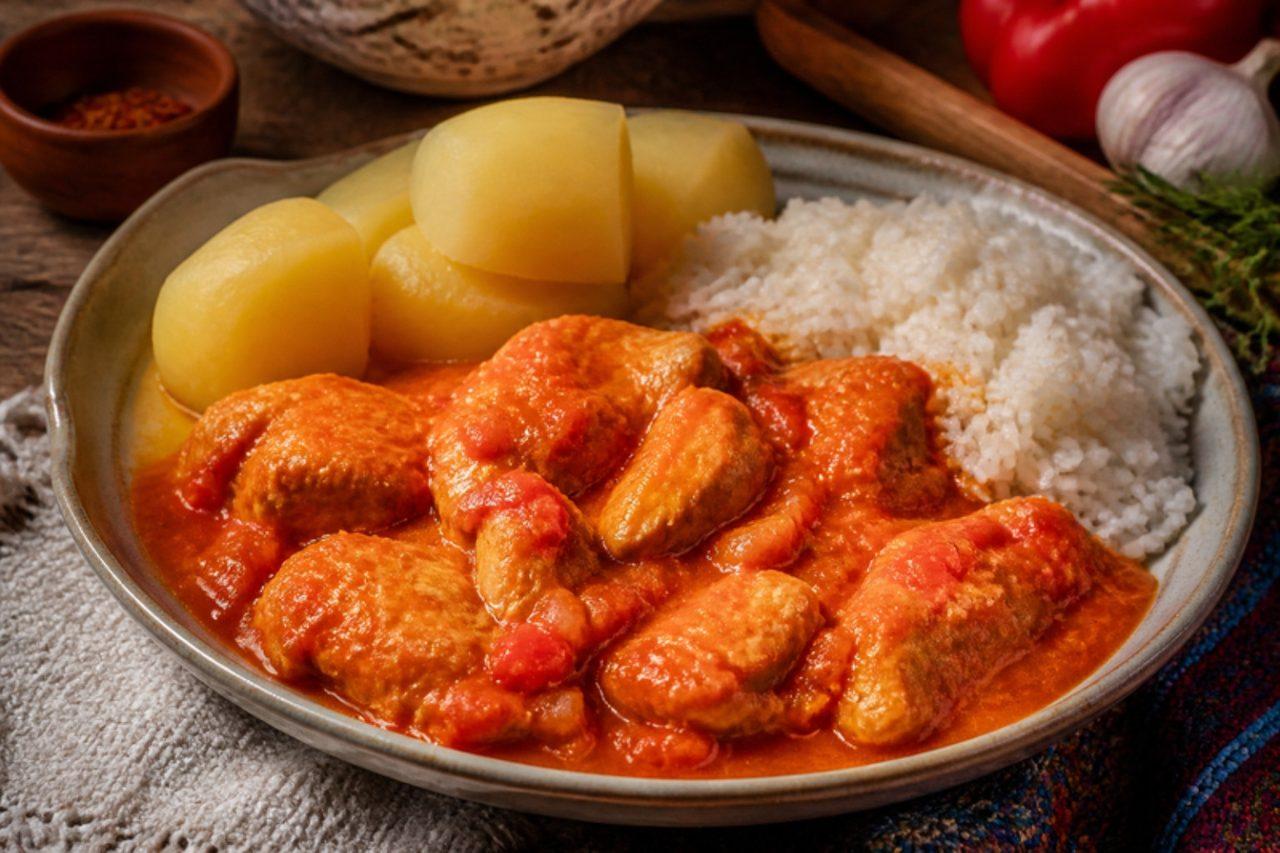
Picante de polloChicken in red chilli sauce

High up in Jujuy, picante de pollo is the dish cooks make for weddings, patronal feast days and Carnival in the Quebrada de Humahuaca, and the small comedores near the markets of San Salvador serve it every Sunday. Chicken pieces are first poached, then finished in a vivid red sauce of ají colorado (ground dried red chilli), lots of onion, tomato and garlic, thickened with the broth; on the plate it goes with white rice, boiled Andean potatoes and often a scattering of crunchy fried potato sticks (papas fritas en bastón) or chopped tomato and onion. It is warming rather than fiery, with a deep earthy chilli flavour. The chicken must reach 74 °C at the bone. Burning the ground chilli is the usual mistake: add it to the pan off the heat or over a gentle flame, or it turns bitter in seconds. Chef's tip: let the stew sit for 15 minutes before serving; the chicken absorbs the red sauce and the colour deepens.

by KrazyBadal 0 views

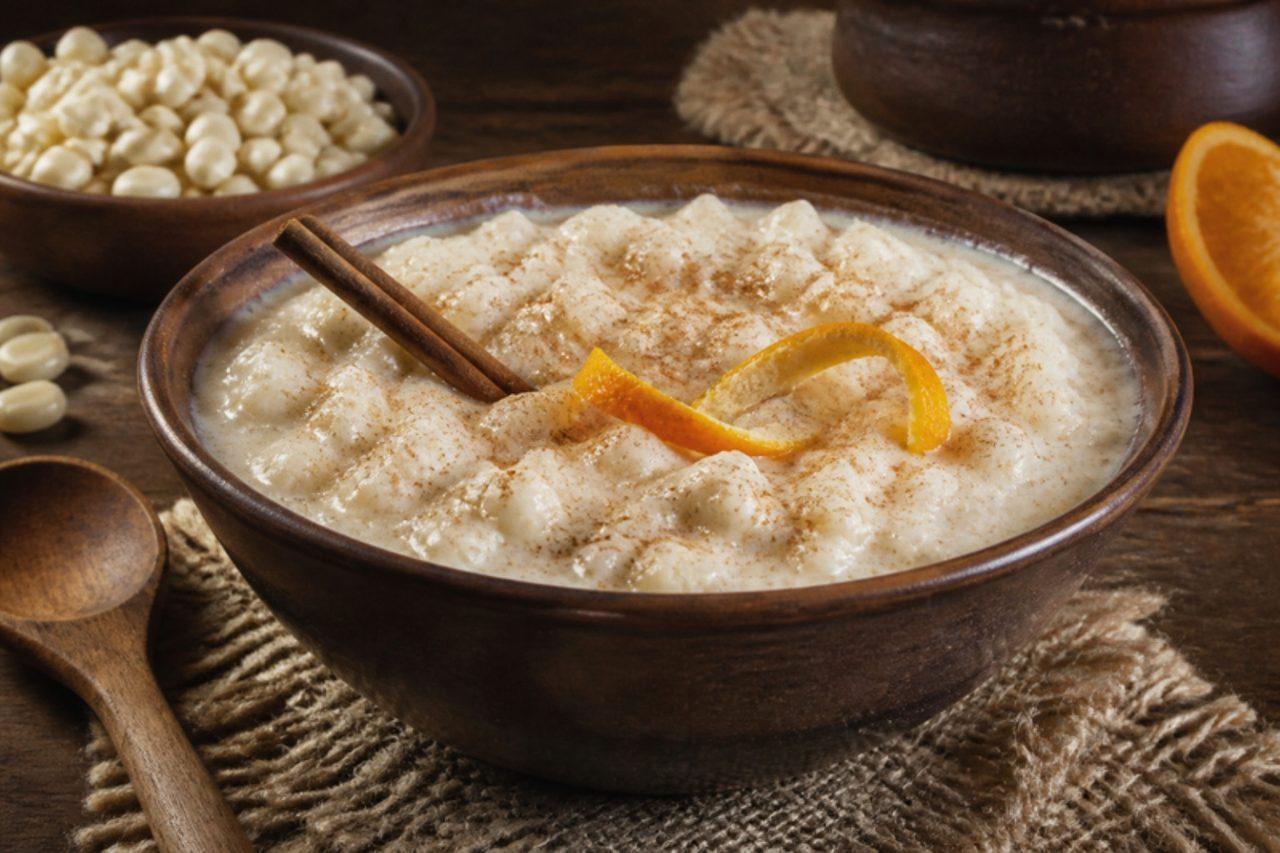
MazamorraHominy milk pudding

Long before cake, there was mazamorra: dried white maize, soaked and simmered with water until the kernels burst, then finished with milk, sugar and cinnamon. In colonial Buenos Aires mazamorreras sold it from clay pots on the street, and it still turns up at school and town-hall celebrations every 25 May and on cold evenings in the interior, eaten warm or cold from a bowl. The kernels stay pleasantly chewy in a creamy, gently sweet milk, a bit like rice pudding with more bite. Look for maíz blanco pisado (cracked white hominy) in Latin American shops; dried white pozole corn is the closest substitute. Plan ahead: the corn needs soaking overnight. Adding the milk too early is the main mistake, because the corn will not soften in milk and the pot catches on the bottom, so cook it in water first. Chef's tip: stir in a little of the hot liquid with the sugar before you add the rest of the milk, and serve it with a dusting of cinnamon or a spoonful of honey.

by KrazyBadal 0 views

RaxoMarinated pork loin cubes

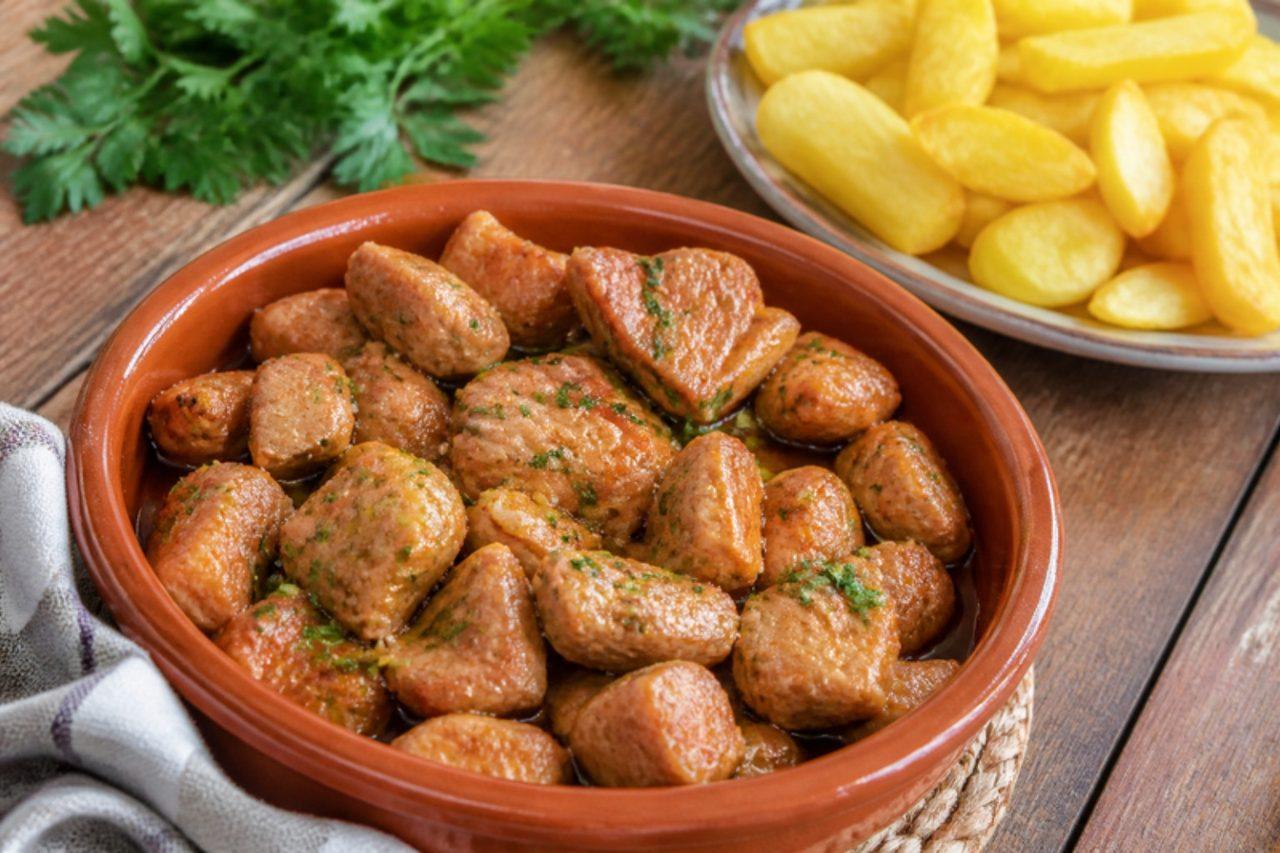
Order a ración of raxo in a tavern in Santiago or A Coruña and it comes sizzling on a metal plate: little cubes of pork loin marinated with garlic, paprika and oregano, fried until browned, with chips and sometimes Padrón peppers alongside. This contains pork. Unlike zorza, which is chopped like chorizo filling, raxo keeps its meat in neat cubes and is gentler on the paprika. Marinate the pork in the fridge, covered. A common mistake is crowding the pan, which stews the meat instead of browning it, so fry in two batches. Chef's tip: let the cubes sit for a minute without stirring when they first hit the pan, so they form a golden crust.

by KrazyBadal 0 views

Mazorca desgranadaSweetcorn with chicken and cheese

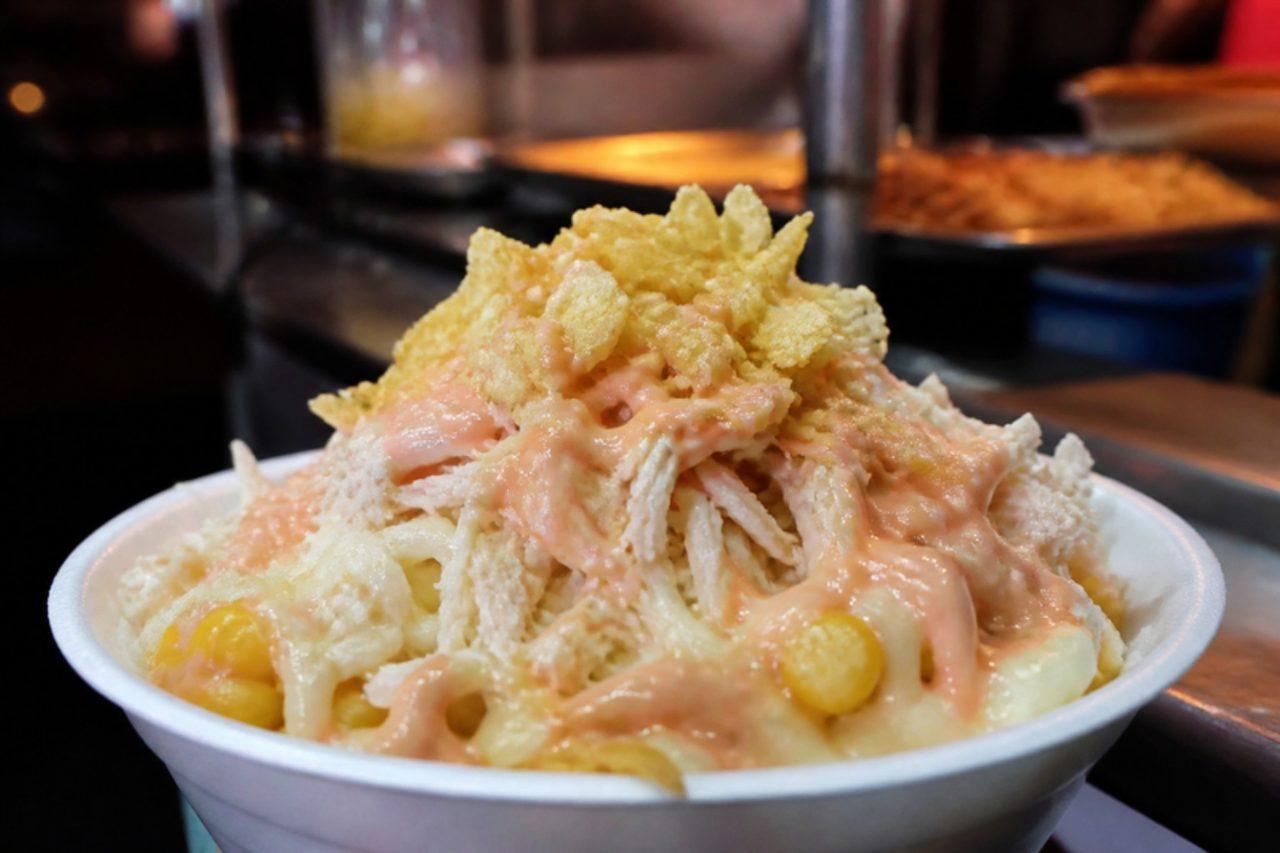
Food trucks and street corners in Bogotá and Medellín sell mazorca desgranada in plastic tubs, late into the evening: sweet corn kernels cut off the cob, fried in butter and layered with shredded chicken, melted cheese, crunchy potato sticks, pineapple sauce and salsa rosada. Some stands add bacon, beef or quail eggs; this version keeps to chicken. It is sweet, salty and gooey, and a hit with teenagers. Using tinned corn without draining it well is a common error: the water dilutes the sauces and the tub gets soggy. Chef's tip: fry the corn until a few kernels brown and pop; that caramelised edge stands up to all the sweet sauces. For a vegetarian tub, skip the chicken and use a cheese made with microbial rennet.

by KrazyBadal 0 views

UchucutaRocoto and peanut chilli sauce

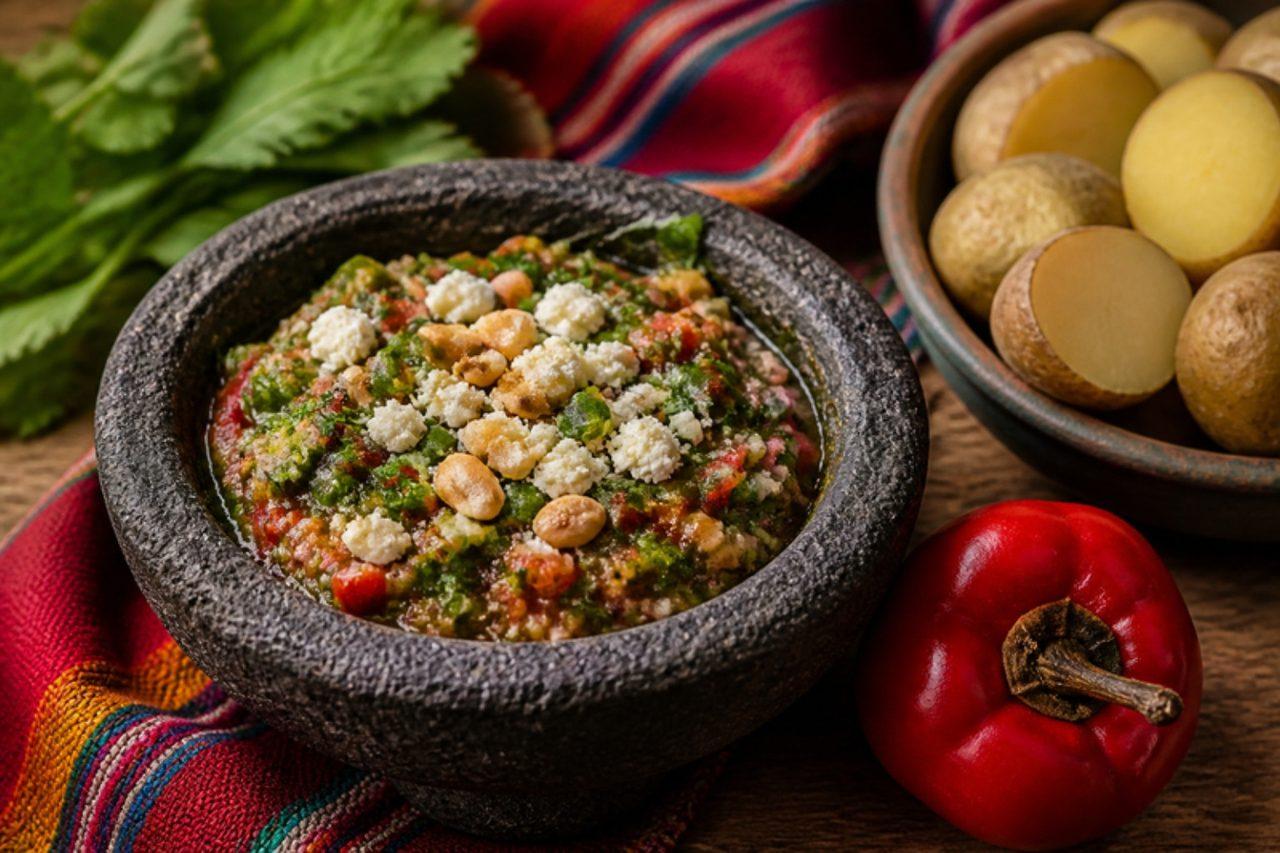
Ground on a batán, the flat grinding stone found in Andean kitchens, uchucuta is the table sauce of Ayacucho and Cusco: rocoto or yellow chilli crushed with huacatay, toasted peanuts and a little fresh cheese into a thick, speckled green-red paste. It goes on boiled potatoes, choclo, broad beans and huatia, and on festival days it sits next to every plate. The flavour is hot, herby and nutty, with a salty creaminess from the cheese. The name comes from the Quechua uchu, chilli, and it is meant to be spicy, but people often add all the rocoto at once and end up with something inedible; blend in half, taste and build up. A food processor or blender will do the work of the stone, though pulse it so the sauce keeps some texture. Queso fresco is usually made with animal rennet, so choose a vegetarian fresh cheese if you prefer. Chef's tip: toast the peanuts yourself until just golden; their warmth softens the raw sharpness of the chilli.

by KrazyBadal 0 views

Jugo de borojóBorojó fruit milk shake

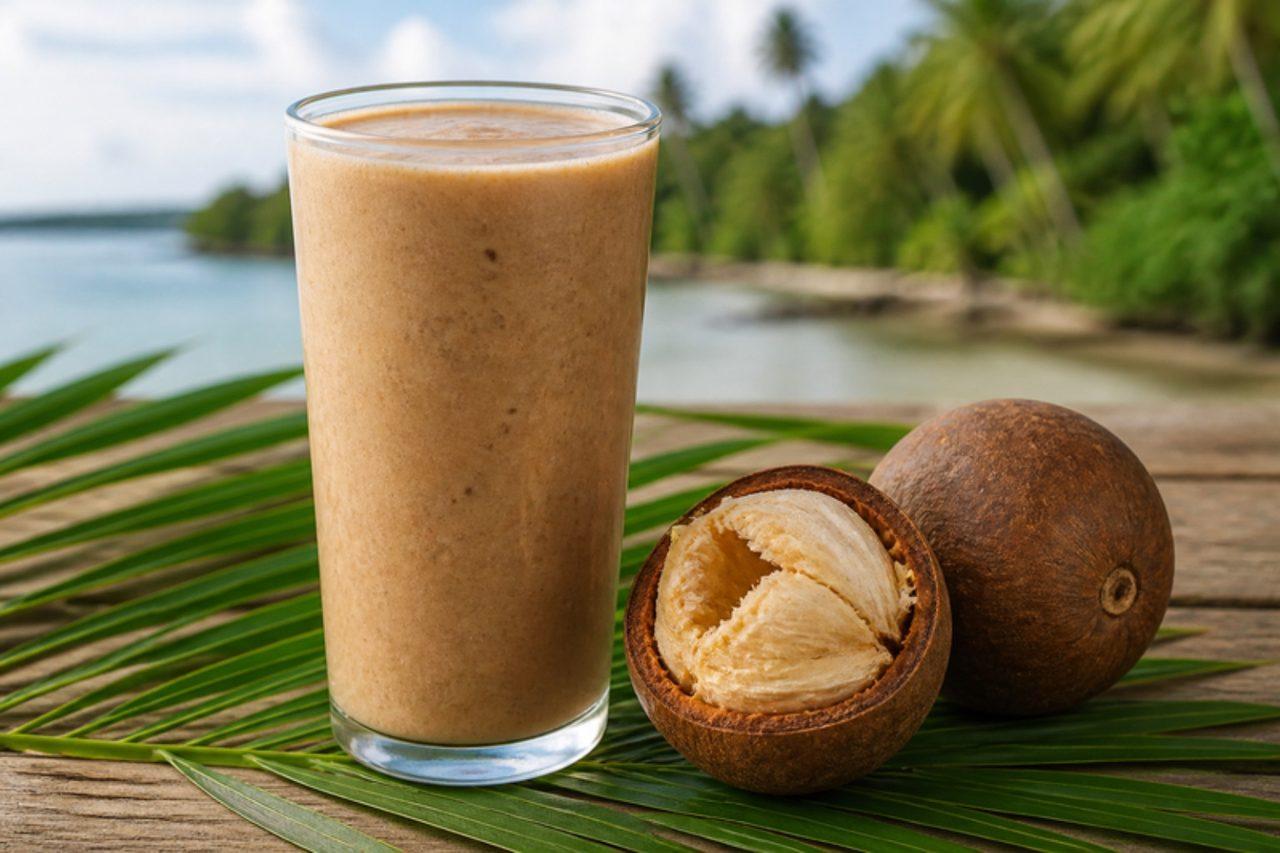
Borojó is the pride of the Chocó: a heavy brown fruit with a dense, sticky pulp and a sour, almost tamarind-like flavour. In Quibdó it is sold as pulp at the market and blended into thick shakes at juice stalls, and it carries a folk reputation as a restorative, sometimes jokingly called juice of love. Blended with cold milk and sugar it becomes creamy, tangy and filling, more a small meal than a drink. Outside Colombia, look for frozen borojó pulp in Latin American shops; there is no real substitute, though a mix of tamarind paste and banana gives a rough idea. Using too much pulp is easy to do, and the shake turns into a paste that will not go through a straw, so start with the amount below and thicken to taste. Chef's tip: blend the pulp with a little milk first to loosen it, then add the rest; borojó is so dense it can stall a blender.

by KrazyBadal 0 views

Kadınbudu köfteFried rice and mince patties

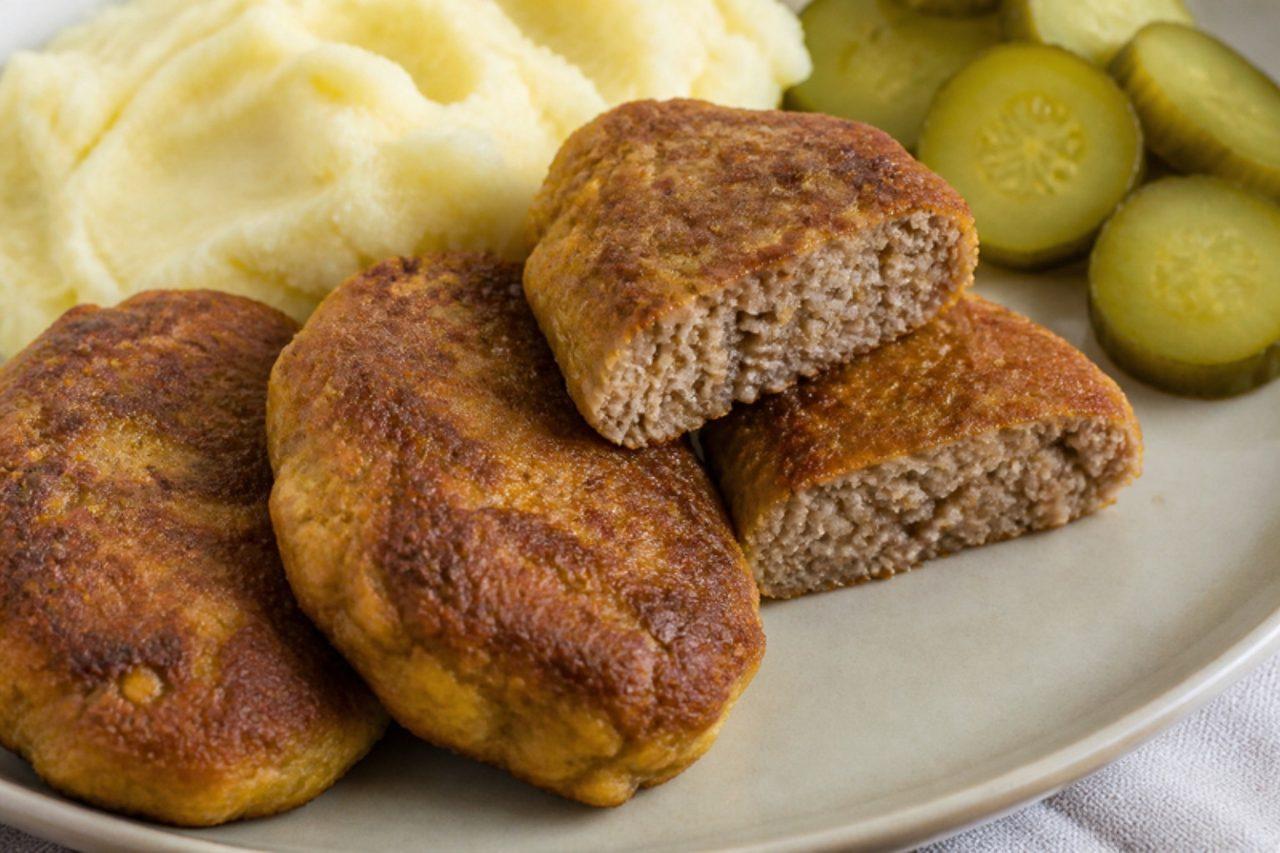
The name means 'lady's thigh', a playful Ottoman-era compliment to their plump, tender shape, and these köfte still appear in Istanbul home kitchens and old lokantas for Friday lunch. Half the meat is cooked with onion first, then mixed with raw mince, rice and herbs, so the köfte are unusually soft and moist. They are dipped in egg and fried golden, and served with a simple tomato salad and pilaf or mashed potato. Chef's tip: the rice must be fully cooked and cooled before mixing, or the köfte crack and fall apart in the pan.

by KrazyBadal 0 views

Lulas recheadasSquid stuffed with chouriço and rice

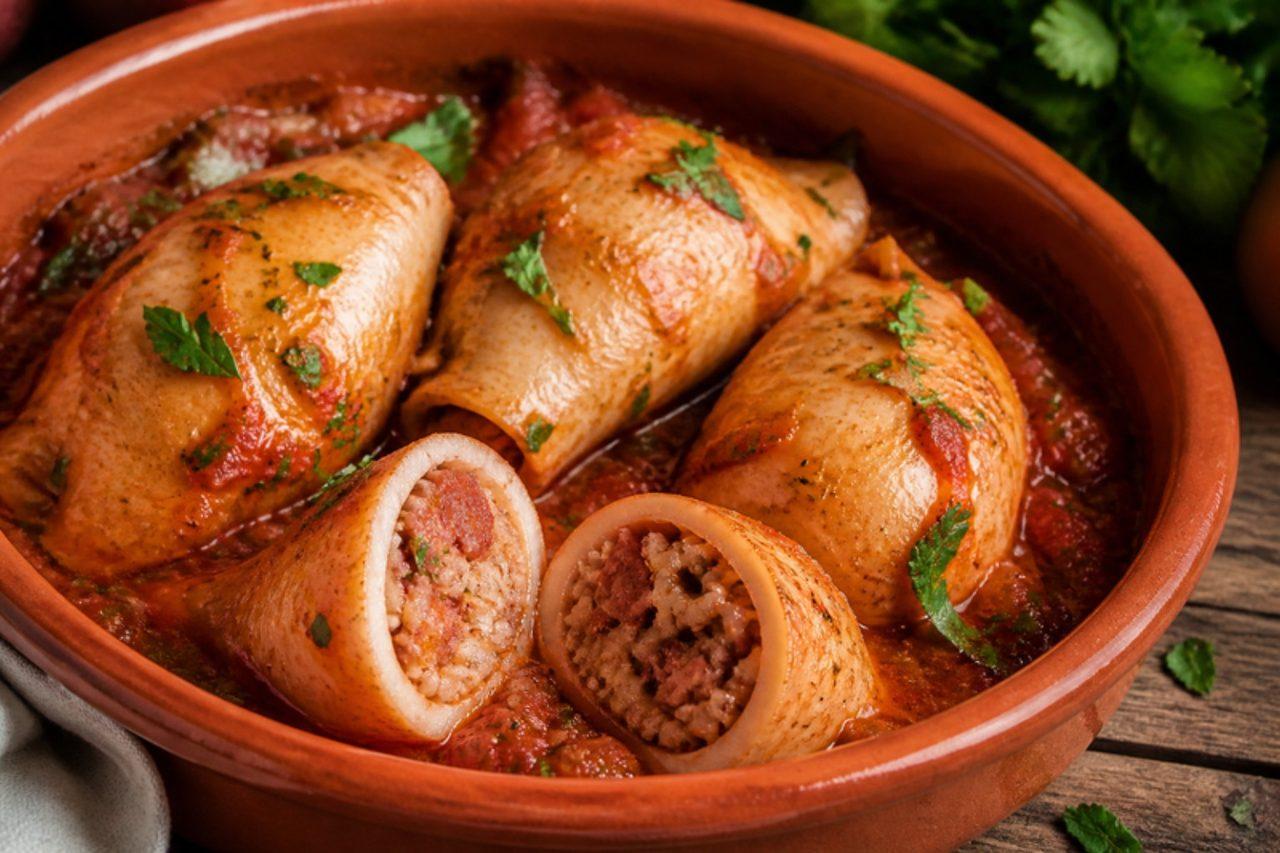
Fishermen's wives in Portimão stretched a modest catch of squid by filling the bodies with chopped tentacles, rice and a little chouriço, then simmering them slowly in tomato sauce until meltingly tender. It is a Sunday dish in the western Algarve, served sliced into rounds with boiled potatoes or more rice. This contains pork (chouriço), and the sauce uses white wine; replace it with the same amount of fish or vegetable stock for an alcohol-free version. Chef's tip: fill the squid only two-thirds full, because the rice swells and can split them.

by KrazyBadal 0 views

Lorne sausageSquare beef and pork sausage

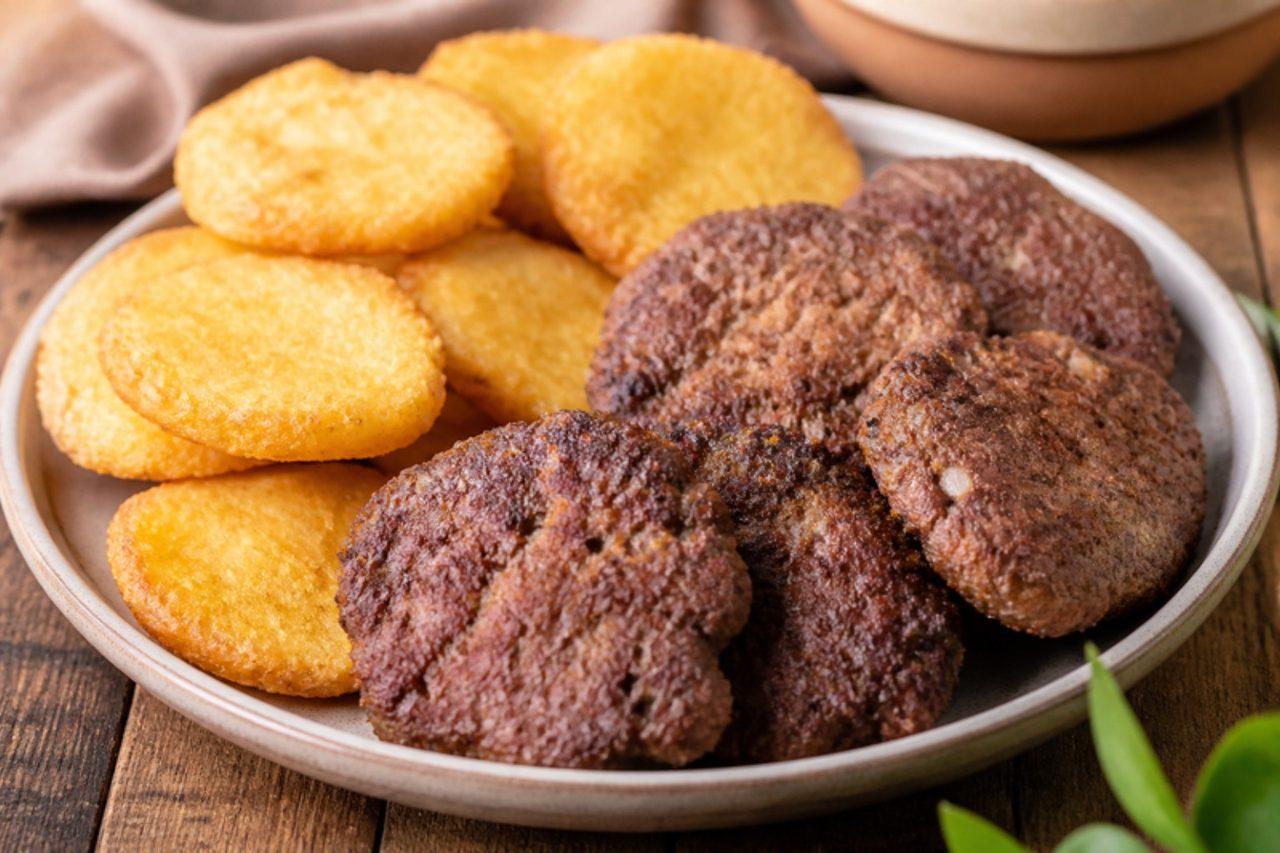
Lorne sausage, better known in Scotland simply as square sausage or slice, is a skinless loaf of seasoned beef and pork mince that is cut into squares and fried for the full Scottish breakfast, or slapped in a morning roll with brown sauce. It is easy to make at home and freezes well. Chef's tip: freeze the shaped block for an hour before slicing; it cuts into neat, thin squares.

by KrazyBadal 0 views

Loobia poloGreen bean rice with spiced lamb

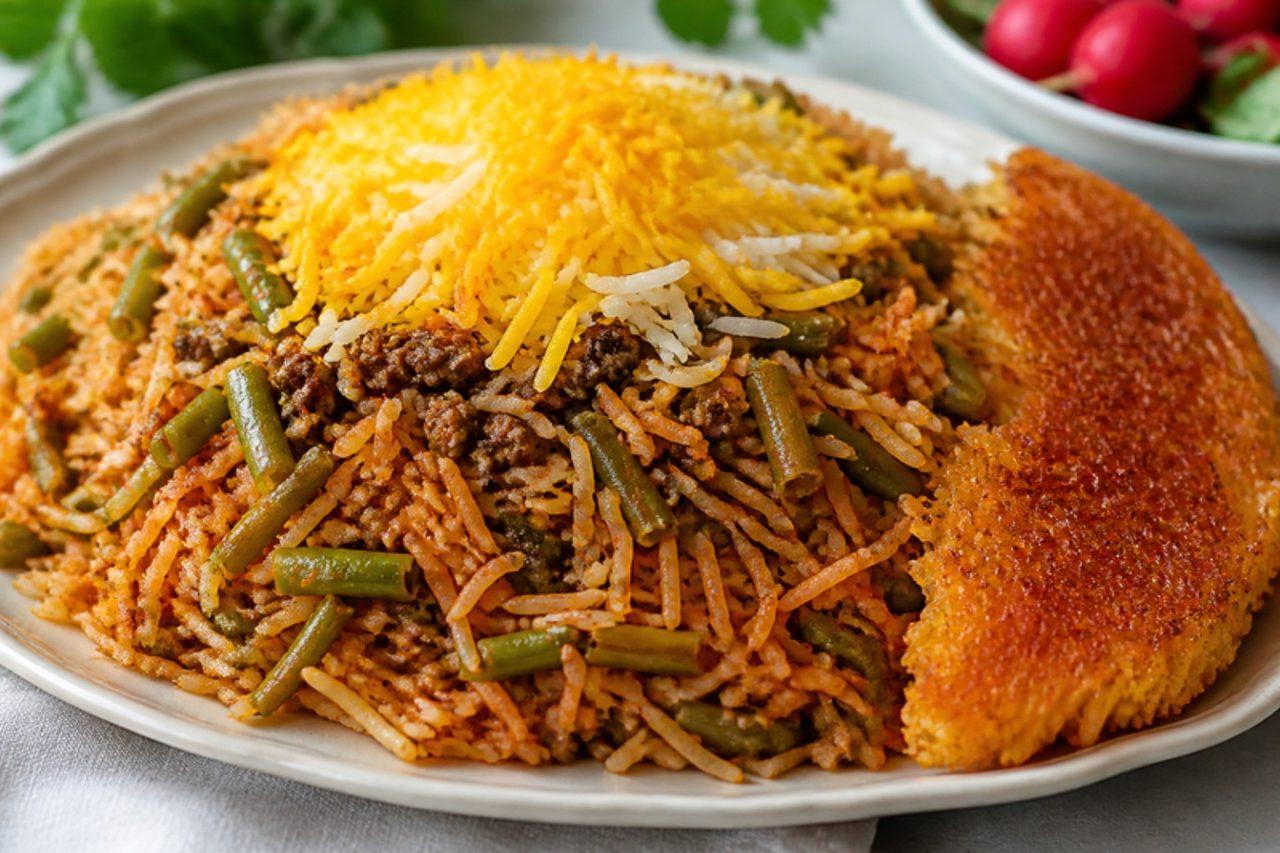
Loobia polo is a weeknight favourite in Tehran homes, the rice dish children ask for when they come home from school and the one packed for picnics on the slopes of Darband. Parboiled basmati is layered with a sauce of minced lamb or beef, short pieces of green bean, tomato paste and a warm hint of cinnamon, then steamed slowly until every grain is stained a soft orange and a crisp tahdig forms underneath. For a meat-free pot, swap the mince for diced potato and keep everything else the same. Serve with mast-o khiar, salad shirazi and torshi. A common mistake is adding the beans raw to the rice layers: brown them in the sauce first or they stay squeaky and pale. Chef's tip: let the tomato paste fry in the oil until it turns brick red before adding water; that is where the deep, sweet flavour comes from.

by KrazyBadal 0 views

Kärntner KasnudelnCurd cheese filled pasta half-moons

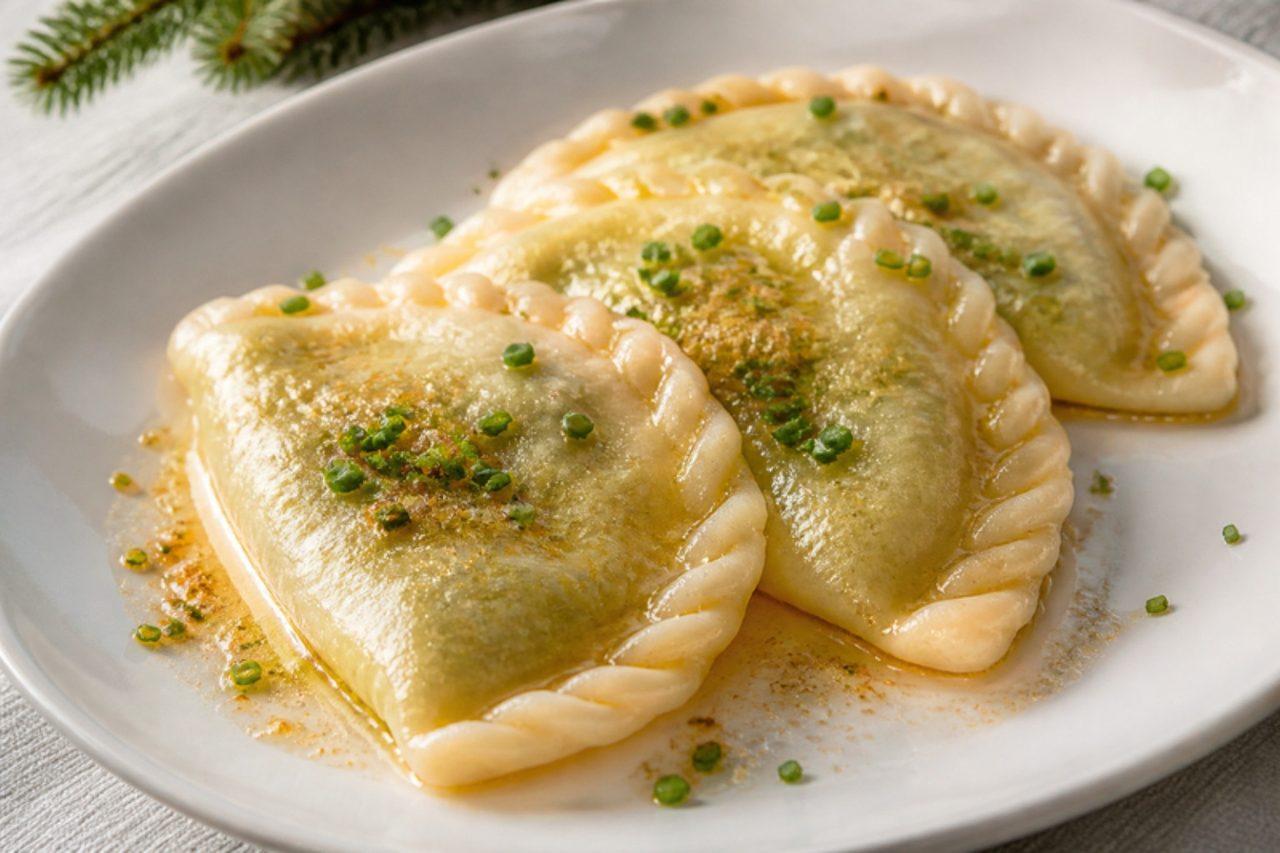
Kasnudeln are the pride of Carinthia in Austria's south, where every village claims the best filling and where they are eaten on Fridays and at church fairs. Big half-moons of thin noodle dough are stuffed with crumbly curd cheese, floury potato, onion and fresh mint, then sealed with a braided edge called 'krendeln' that keeps the filling in as they simmer. They are served with a generous pour of brown butter and chives, often with a green salad. A common mistake is rolling the dough too thick: it should be thin enough to see your hand through, or the folded edges turn stodgy. Carinthian Topfen is usually made without animal rennet, but check the label and pick a vegetarian quark. Chef's tip: if crimping feels tricky, press the edges with a fork first, then practise the braid on the last few.

by KrazyBadal 0 views

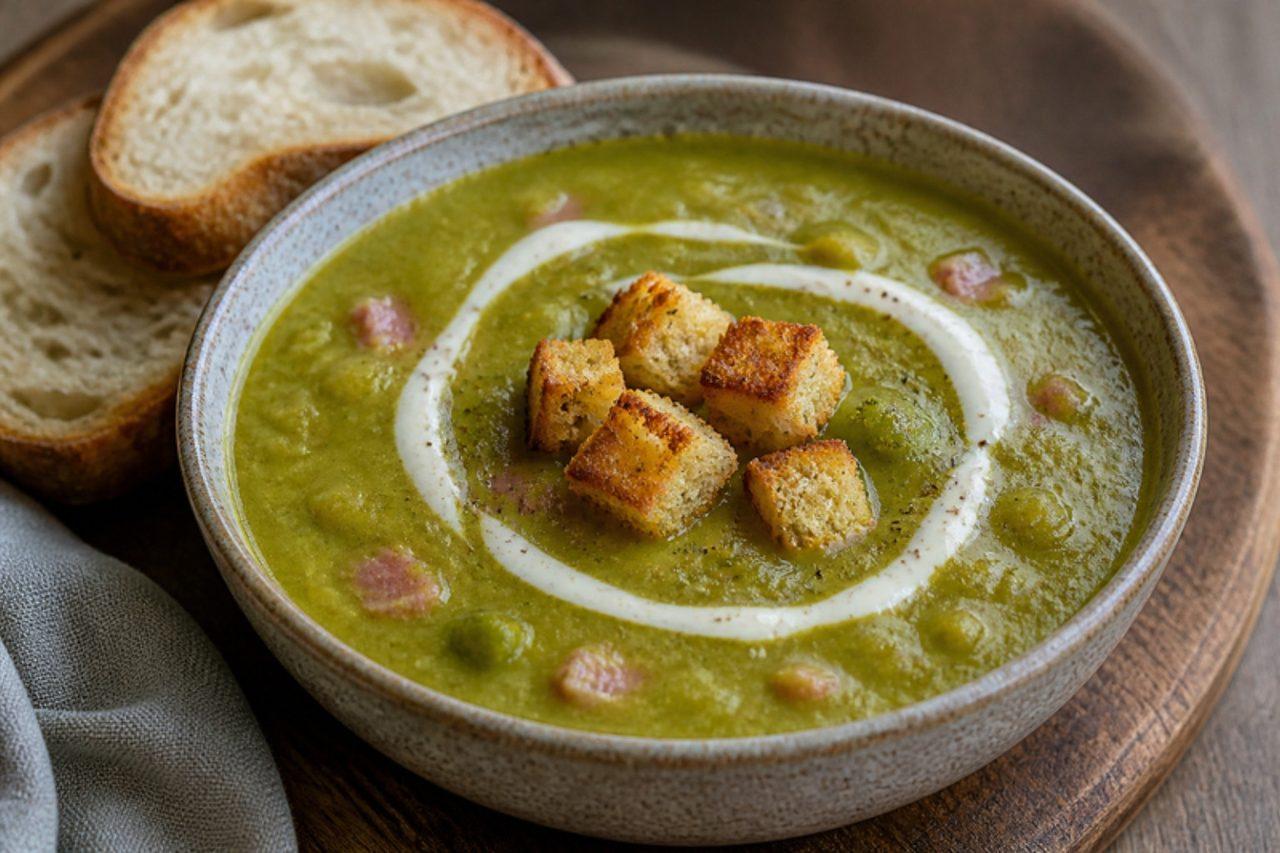
London particularSplit pea and ham soup

London particular is a thick, yellow-green soup of split peas and smoked pork ham hock, named after the pea-souper smogs that once smothered the city. It was a cheap winter warmer in Victorian London eating houses and is still on menus in pubs and cafés when the weather turns. The hock gives a deep smoky saltiness and shreds of soft meat. Chef's tip: skim the grey foam off as the water first boils, for a cleaner taste.

135 minBritishSoupsGluten free
by KrazyBadal 0 views

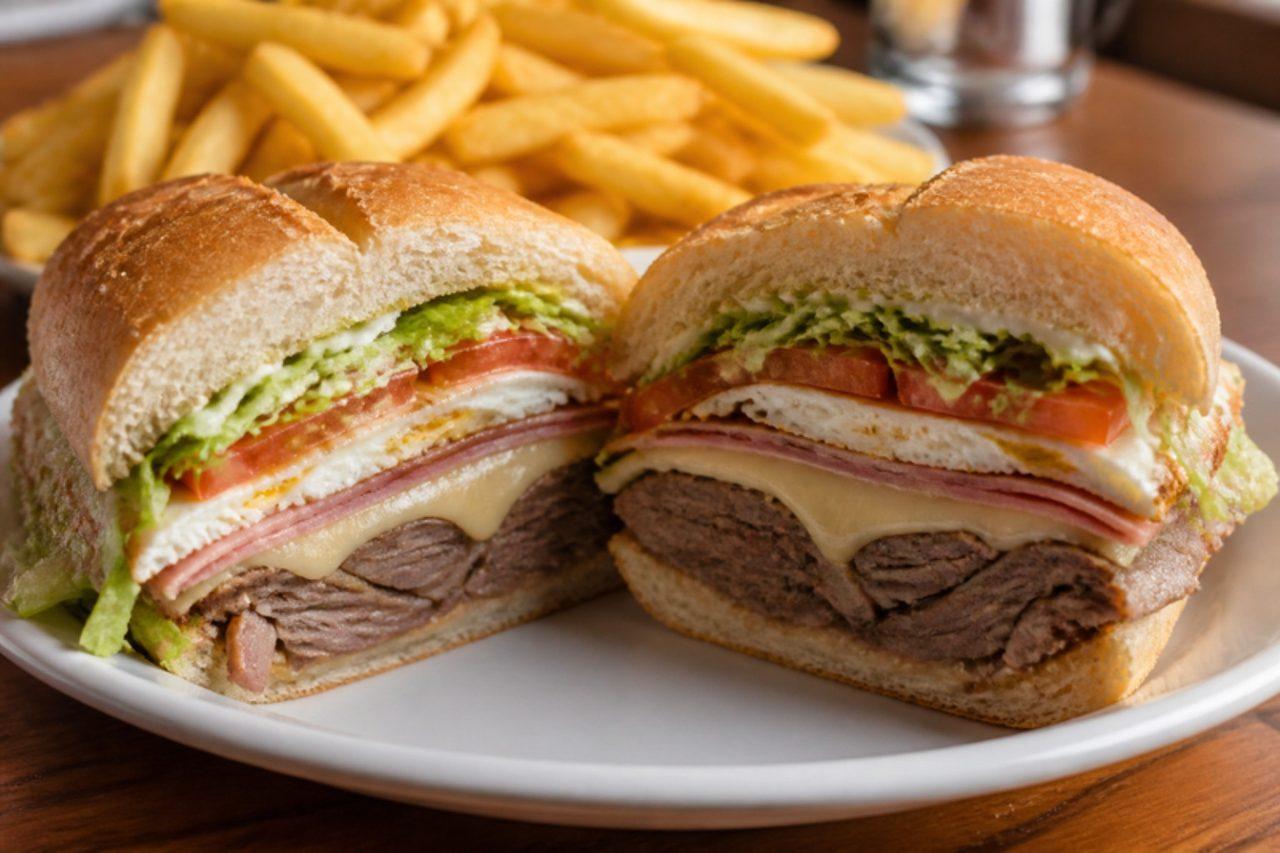
Lomito completoLoaded tenderloin sandwich

Córdoba claims the lomito as its own, and at lomiterías and late-night carts in the city it comes completo: thin, quick-seared slices of beef tenderloin piled into a big soft roll with cooked ham (pork), melting cheese, a fried egg, lettuce, tomato and mayonnaise. It is messy, juicy and filling, the classic end to a night out or a Saturday football match, usually with chips on the side. The meat is only a few millimetres thick, so it cooks in a minute; Córdoba grills cook it through, but as a whole steak you can leave it a little pink to taste. The big error is a lukewarm pan, which boils the thin beef grey instead of searing it. Chef's tip: lay the cheese on the ham in the hot pan to melt while the egg fries, so everything goes into the toasted roll hot at once.

by KrazyBadal 0 views

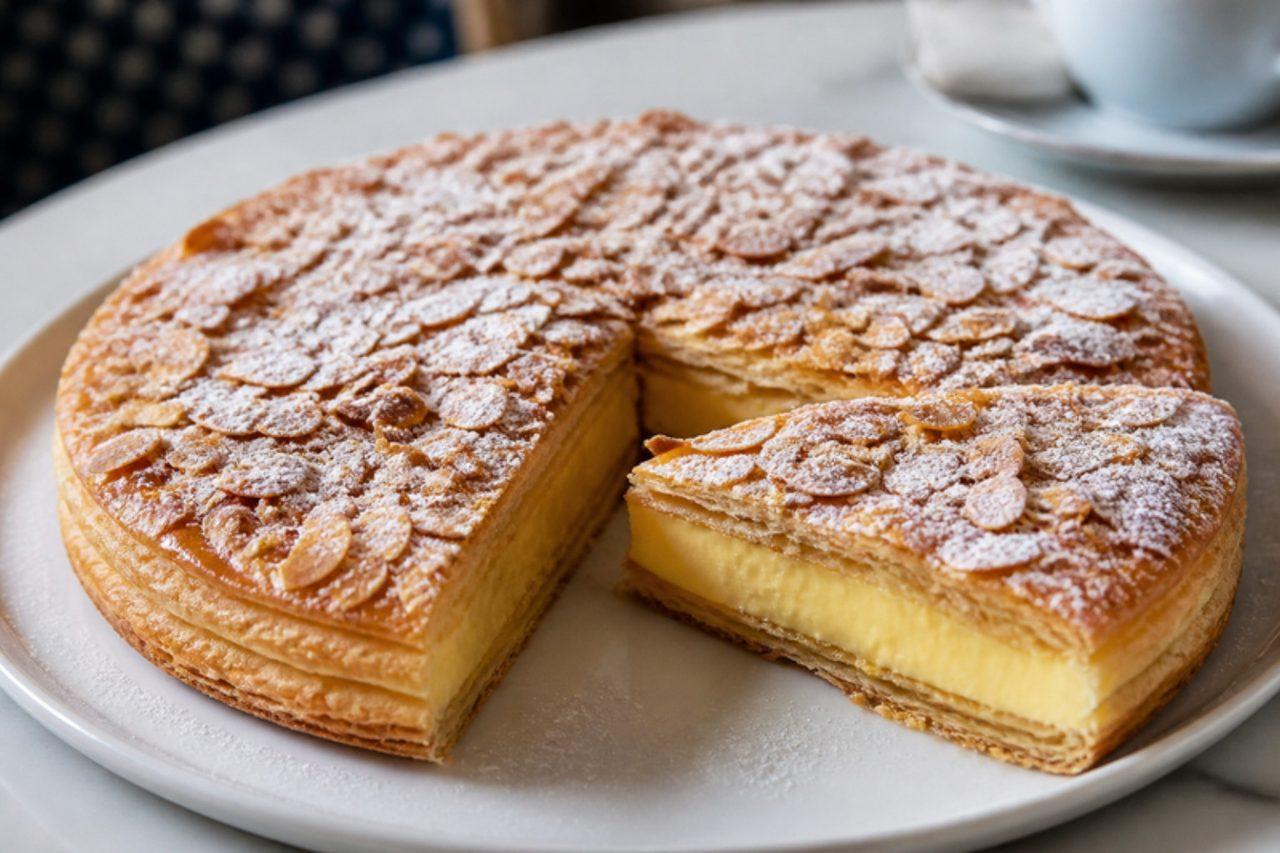
PantxinetaCustard and almond puff pastry tart

Pantxineta was first baked in a pastry shop in San Sebastián's old town in the early twentieth century, and Donostiarras still buy it on Sunday mornings to take to family lunch. Two layers of buttery puff pastry enclose vanilla pastry cream, and the top is covered with flaked almonds and icing sugar. It is best eaten warm on the day it is made, while the pastry shatters. A common mistake is filling the pastry with warm custard, which melts the butter layers and stops them rising. Chef's tip: chill the assembled tart for 20 minutes before baking so the pastry keeps sharp edges.

by KrazyBadal 0 views

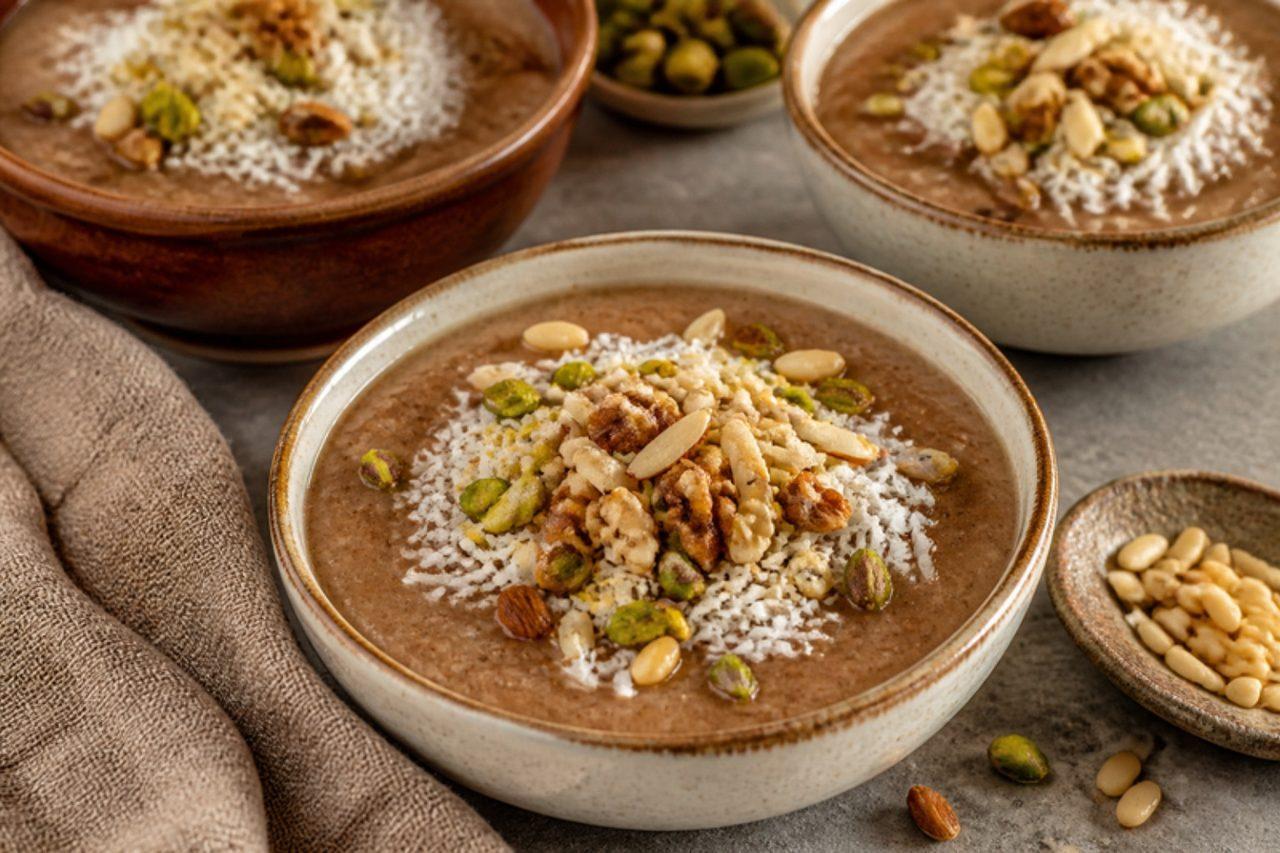
MeghliSpiced rice pudding

When a baby is born in Lebanon, the family cooks a big pot of meghli and hands out bowls to every visitor who comes to congratulate them; it also appears at Christmas in Christian homes. Ground rice is simmered with sugar and warm spices — caraway, cinnamon and anise — until it sets into a smooth, cocoa-brown pudding with no milk or eggs at all. Each bowl is topped with desiccated coconut and a generous pile of soaked walnuts, almonds, pistachios and pine nuts. Common mistake: walking away from the pot; ground rice catches and lumps fast, so it needs steady stirring. Chef's tip: soak the nuts in cold water overnight and peel the almonds; they turn plump and crisp, which is the hallmark of a good meghli.

by KrazyBadal 0 views

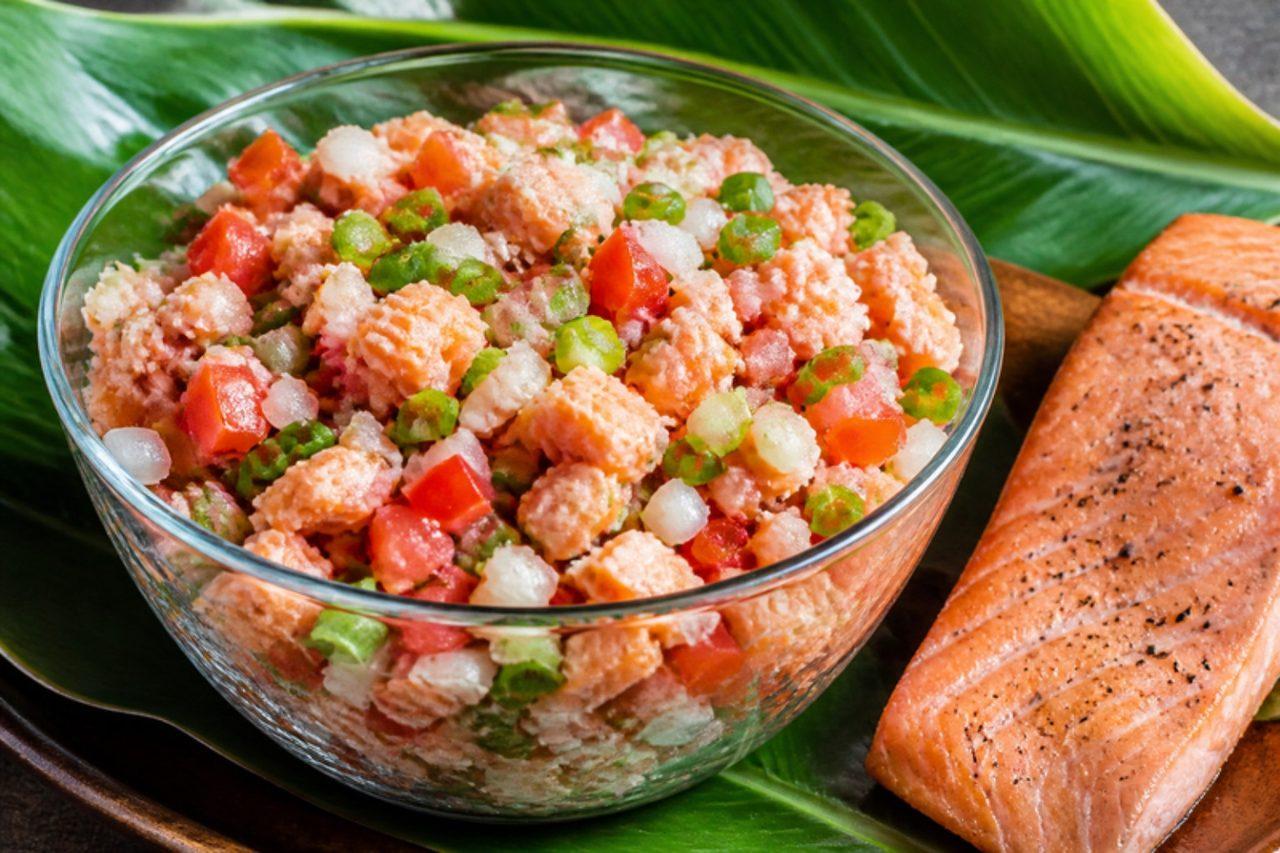
Lomi lomi salmonSalmon, tomato and onion relish

Lomi means to massage: at Hawaiian lūʻau and graduation parties, salted salmon is squeezed by hand with diced tomatoes, sweet onion and spring onions into a cold, juicy relish that cuts through rich kalua pig and poi. It arrived with salted salmon traded from the Pacific Northwest by nineteenth-century whalers. The traditional version uses raw salt-cured salmon, which is not for pregnant women, young children or anyone with a weakened immune system; this safer version gently poaches the salmon first. Chef's tip: chill everything well and drain the tomatoes, so the relish stays bright rather than watery.

by KrazyBadal 0 views

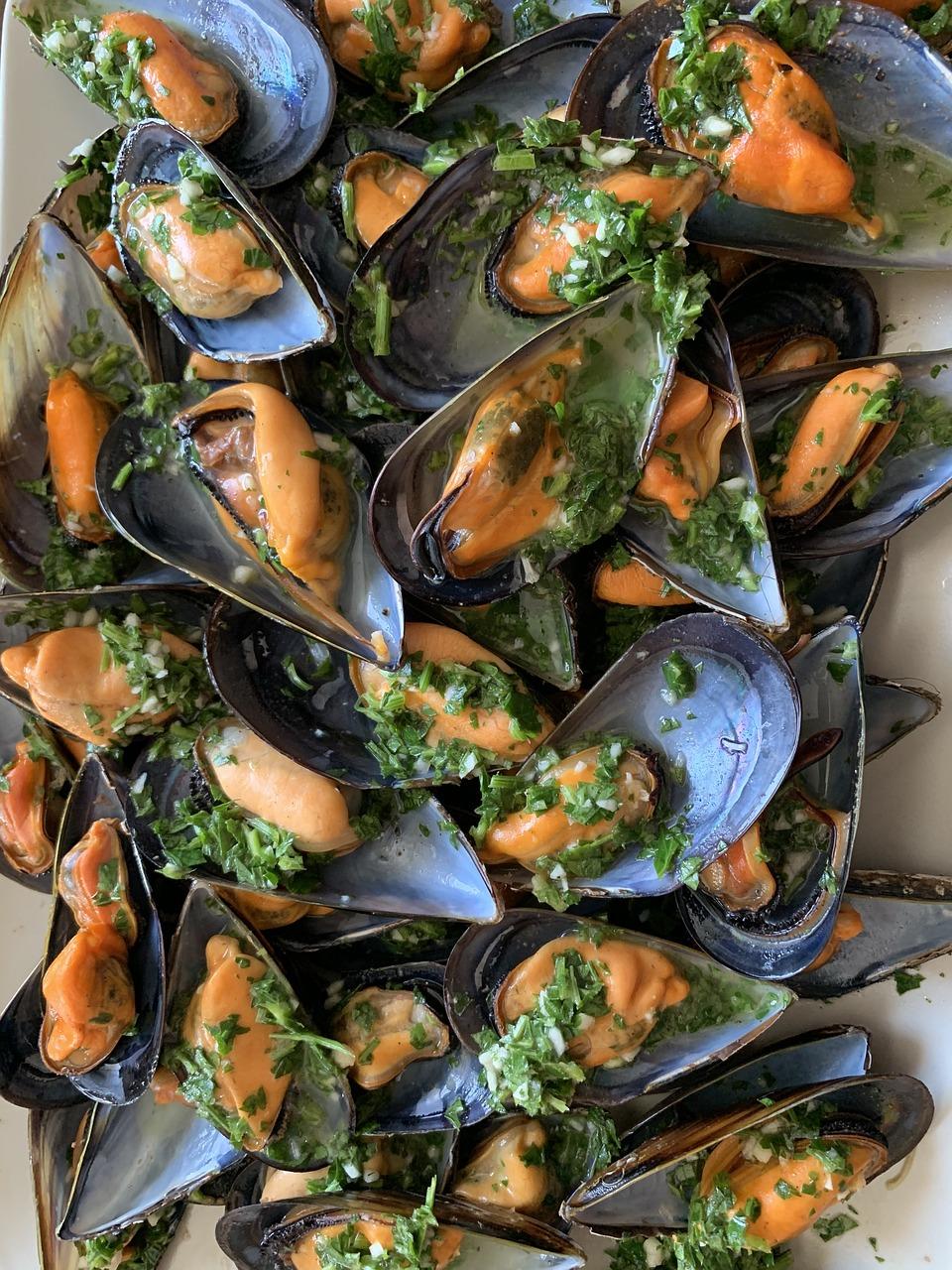
Mejillones a la provenzalMussels with garlic and parsley

On the Atlantic coast around Puerto Madryn and the Golfo Nuevo, mussels from cold Patagonian waters are farmed and gathered in quantity, and seafood places along the rambla steam them a la provenzal, which in Argentina means lots of garlic and parsley. A splash of dry white wine goes into the pot; the alcohol mostly cooks off, but you can swap it for fish stock with a little lemon for an alcohol-free pot that tastes just as good. Serve with bread or chips to mop up the briny juices. Cooking mussels too long is the usual slip: they shrink and turn rubbery, so lift the lid as soon as most have opened. Before cooking, throw away any mussel with a broken shell or one that stays open when tapped; after cooking, discard any that stay shut. Chef's tip: keep the garlic in gently warm oil until it just smells sweet; brown garlic turns bitter and dominates the mussels.

by KrazyBadal 0 views

Showing 27 of 7,762 recipes

Show more recipes

Page 542 of 863