


Skip to content
Mofongo
Featured recipe

Mofongo

Mashed fried plantain

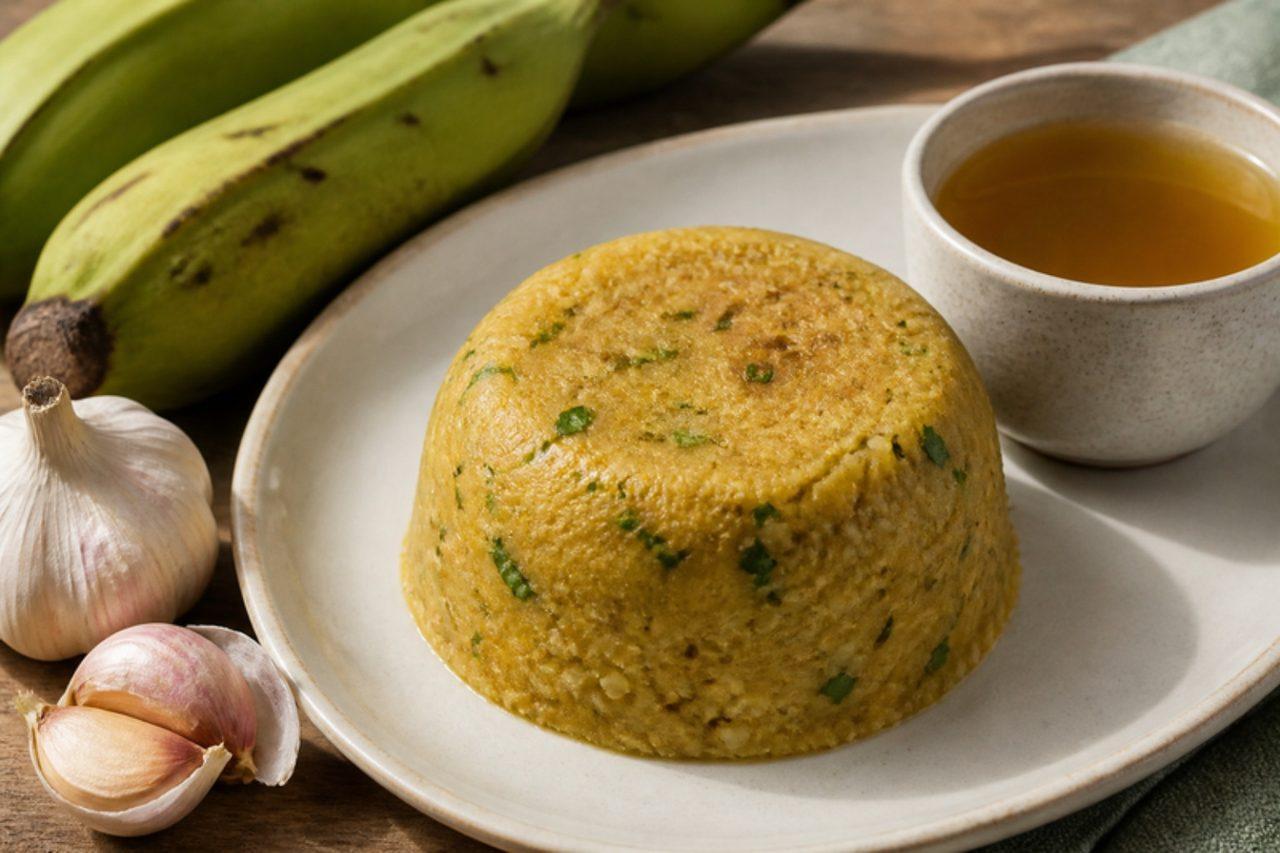
In Puerto Rico mofongo is the dish people drive out to the kioskos of Piñones and the roadside fondas of Arecibo for: green plantain fried in chunks, then pounded while hot in a wooden pilón with raw garlic and good olive oil until it holds together in a rough, crusty dome. The outside stays a little crisp, the inside is soft, starchy and fiercely garlicky. Most places pound in chicharrón (pork crackling); this garlic-oil version is the main one here, and the crackling is a note at the end for meat eaters. Serve it with a small bowl of hot caldo to spoon over, or with stewed beans or a tomato sofrito sauce. Chef's tip: warm the garlic in the olive oil only until it smells sweet, never until it browns, so the mofongo tastes of fresh garlic rather than bitter toast.

Read more 0 views

What to eat today?

Around the world

Today's trip: Paraguayan

A new country every day, from every cuisine on the site.

Paraguayan

Chipa

Cheese bread rings 50 minMore from Paraguayan (27) →

This week's collection

Kid-friendly dinners
537 recipes · a new collection every Monday

Latest recipes

Arrufadas de CoimbraCinnamon sweet rolls

Coimbra's bakeries have sold arrufadas since convent times, and generations of university students have taken them to class wrapped in paper. They are small, pillowy sweet breads enriched with eggs and butter, flavoured with lemon and cinnamon and shaped into neat rounds with a sugary top. They are best on the day, torn open with coffee or a glass of milk. A common mistake is adding too much flour to a sticky dough, which gives dry, tight rolls instead of soft ones. Chef's tip: the dough should feel very soft and tacky; resist adding extra flour, or the rolls turn dense.

by KrazyBadal 0 views

VanillekipferlVanilla almond crescents

No Austrian Christmas cookie tin is complete without Vanillekipferl, the pale little crescents that melt on the tongue; Viennese grandmothers bake them by the hundred in early December, and they are just as loved over the border in Bavaria. The dough is short and rich with butter and ground almonds, and the crescents are rolled in vanilla sugar while still warm so it sticks. The common mistake is overbaking: they should stay pale with only the tips turning golden, or they lose their tender, sandy texture. Chef's tip: chill the dough well and shape it with cool hands; warm dough cracks and the crescents spread in the oven.

by KrazyBadal 0 views

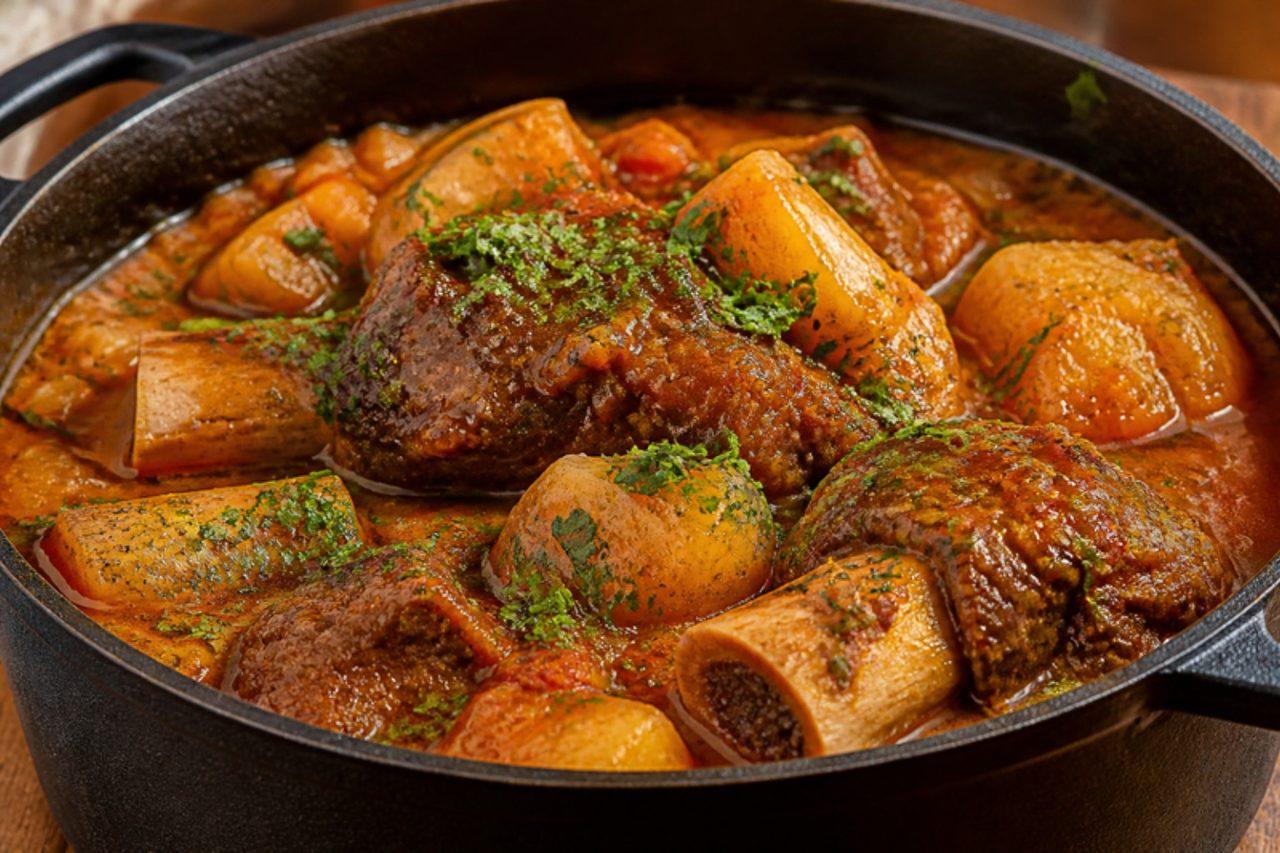
Vaca atoladaBeef ribs with cassava

The name means cow stuck in the mud, and the picture is right: meaty beef ribs sunk in a thick stew of cassava that has half collapsed into the sauce. Vaca atolada comes from the cattle country of Minas Gerais and is a cold-night favourite at fazenda kitchens and comida mineira restaurants, served on its own or with white rice and a sharp pepper sauce. The ribs are browned, then braised slowly with onion, tomato, garlic and bay until the meat slips off the bone, and the cassava goes in for the last hour to thicken everything. People most often go wrong by adding the cassava at the start, so it dissolves completely; it should be soft but still in chunks. Cassava must be cooked right through and never eaten raw. Chef's tip: brown the ribs hard and deglaze the pan well; that dark crust is where most of the flavour comes from.

by KrazyBadal 0 views

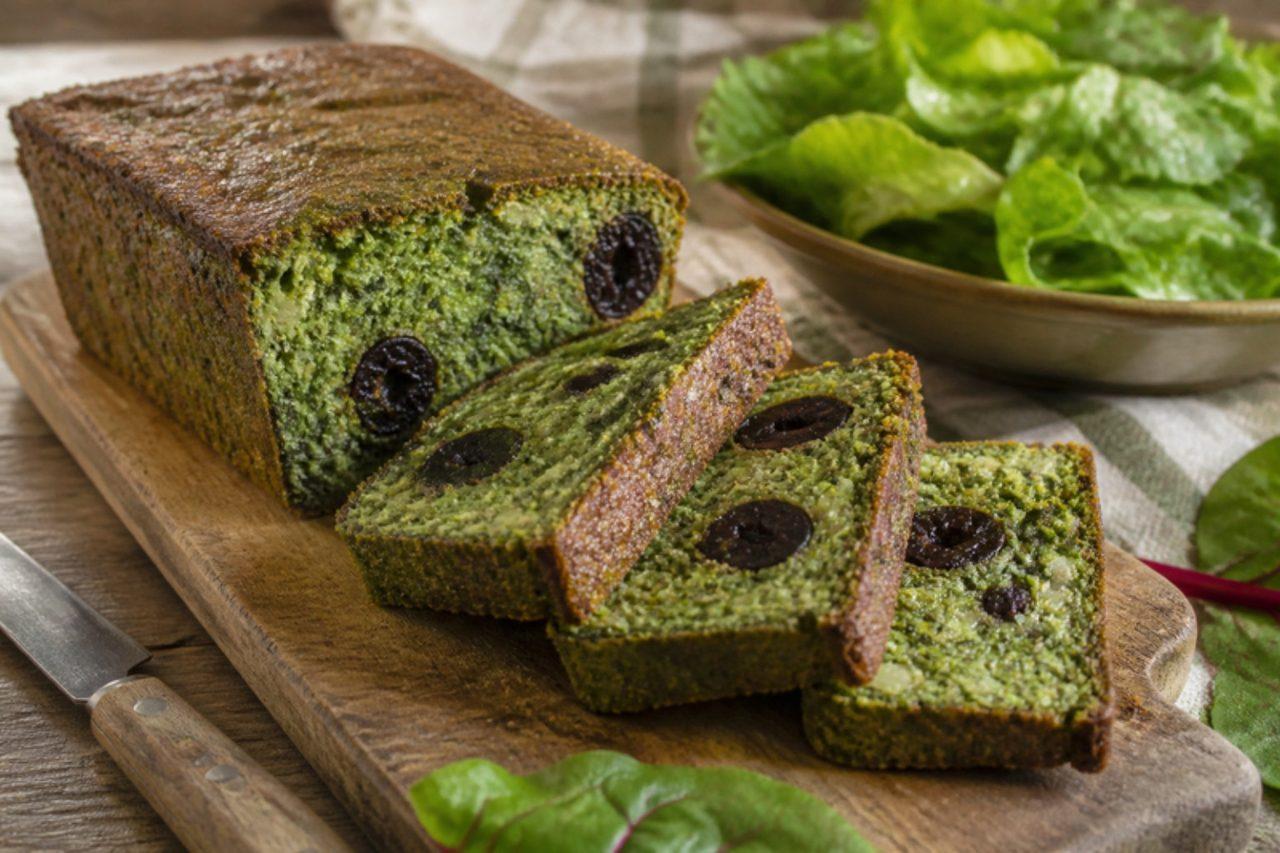
PountiChard and prune loaf

Farm kitchens in the Cantal and the Aveyron uplands bake pounti as a way to use the garden's chard and a few prunes from the cupboard: a soft savoury loaf, green-flecked and studded with dark sweet fruit, served warm with a salad for supper or cold in slices for a picnic. It is traditionally made with bacon or ham; this version leaves the meat out and adds a little smoked paprika for the same savoury edge. Chef's tip: wring the blanched chard really dry, or the loaf will be soggy in the middle.

by KrazyBadal 0 views

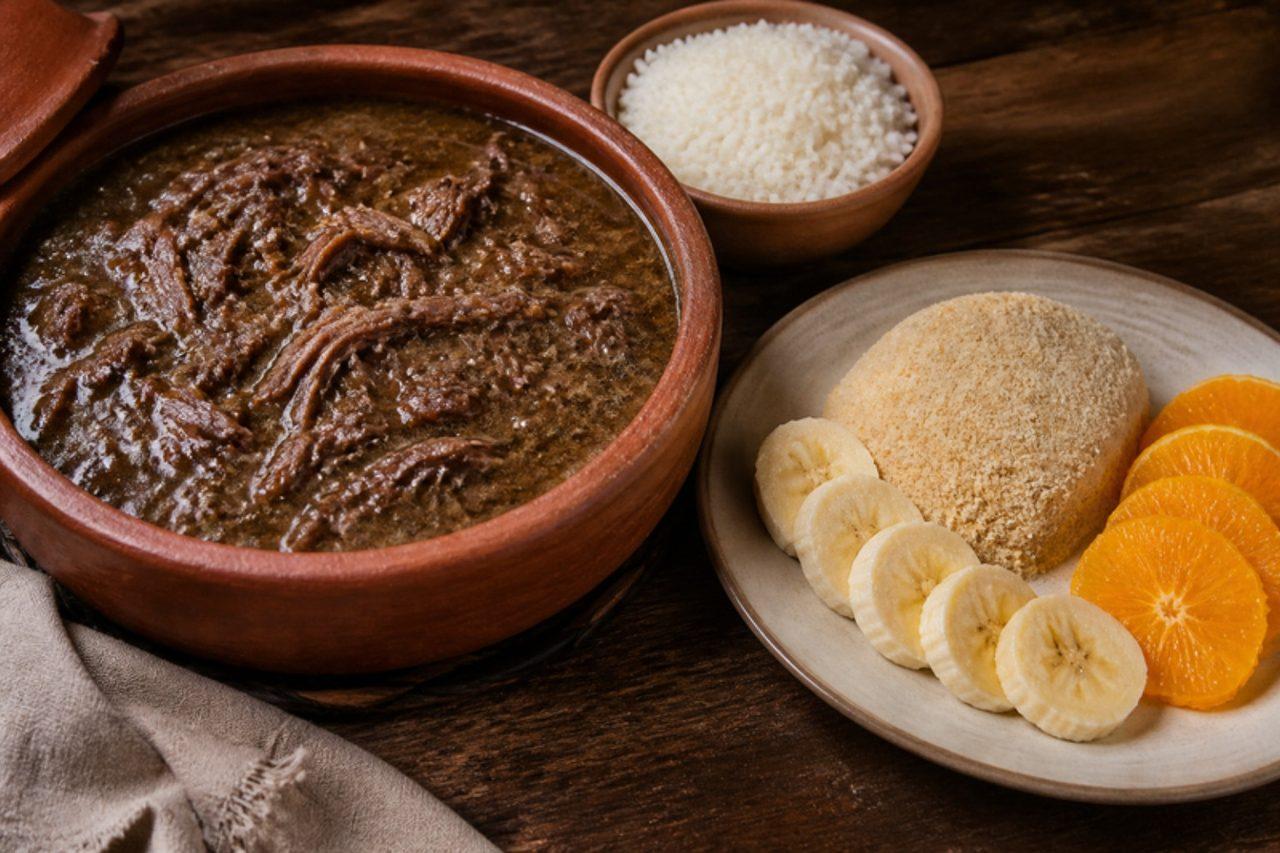
BarreadoSlow-cooked beef in clay pot

Morretes and Antonina, the little colonial towns at the foot of Paraná's Serra do Mar, are famous for barreado: beef layered with smoked bacon, onion, garlic, cumin and bay in a clay pot, sealed with a paste of cassava flour and water, and cooked for many hours until it falls into soft, dark strands in a rich broth. It was a Carnival dish, left on the fire so revellers could eat without cooking, and today the restaurants along the Rio Nhundiaquara serve it every day. This recipe contains pork, in the bacon that gives the broth its smokiness. At the table you put cassava flour on your plate, ladle over hot broth and stir it into a soft pirão, then add the meat and slices of banana. The common mistake is opening the pot to check, which lets the steam out and toughens the meat; trust the seal and the oven. A heavy cast-iron casserole works if you have no clay pot. Chef's tip: use two cuts, a lean one and a gelatinous one like shin, for broth with real body.

by KrazyBadal 0 views

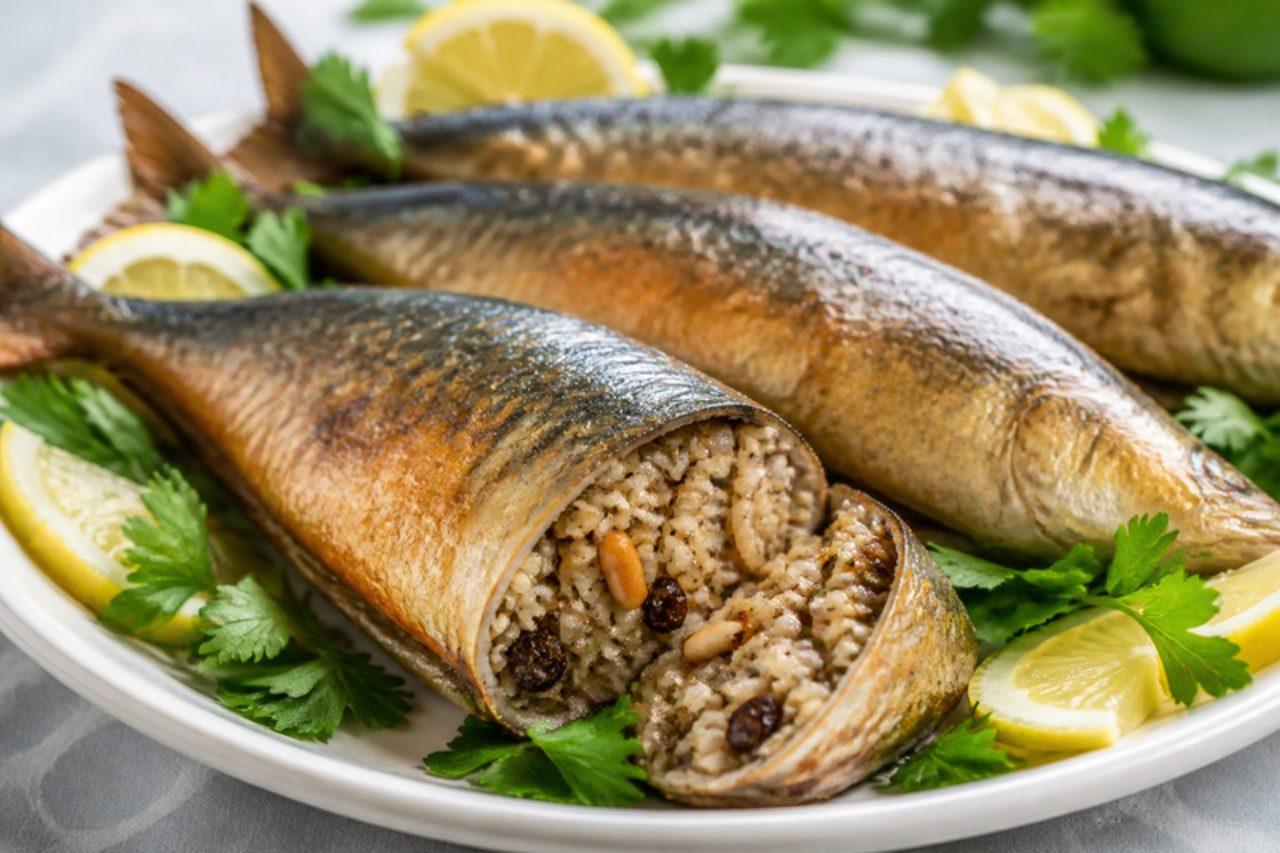
Uskumru dolmasıStuffed mackerel

Uskumru dolması is a showpiece of Istanbul's old Armenian and Greek meyhane kitchens, made in autumn when Bosphorus mackerel are fat: the skin is eased off whole, the flesh mixed with spiced rice, walnuts, currants and herbs, then stuffed back in so the fish looks untouched. It is dipped in egg and flour, fried and served at room temperature in slices as a cold meze. It takes time but impresses every guest. Chef's tip: roll and massage the fish firmly before you start; the spine snaps at the head and the skin loosens so you can push the flesh out without tearing it.

105 minTurkishFish
by KrazyBadal 0 views

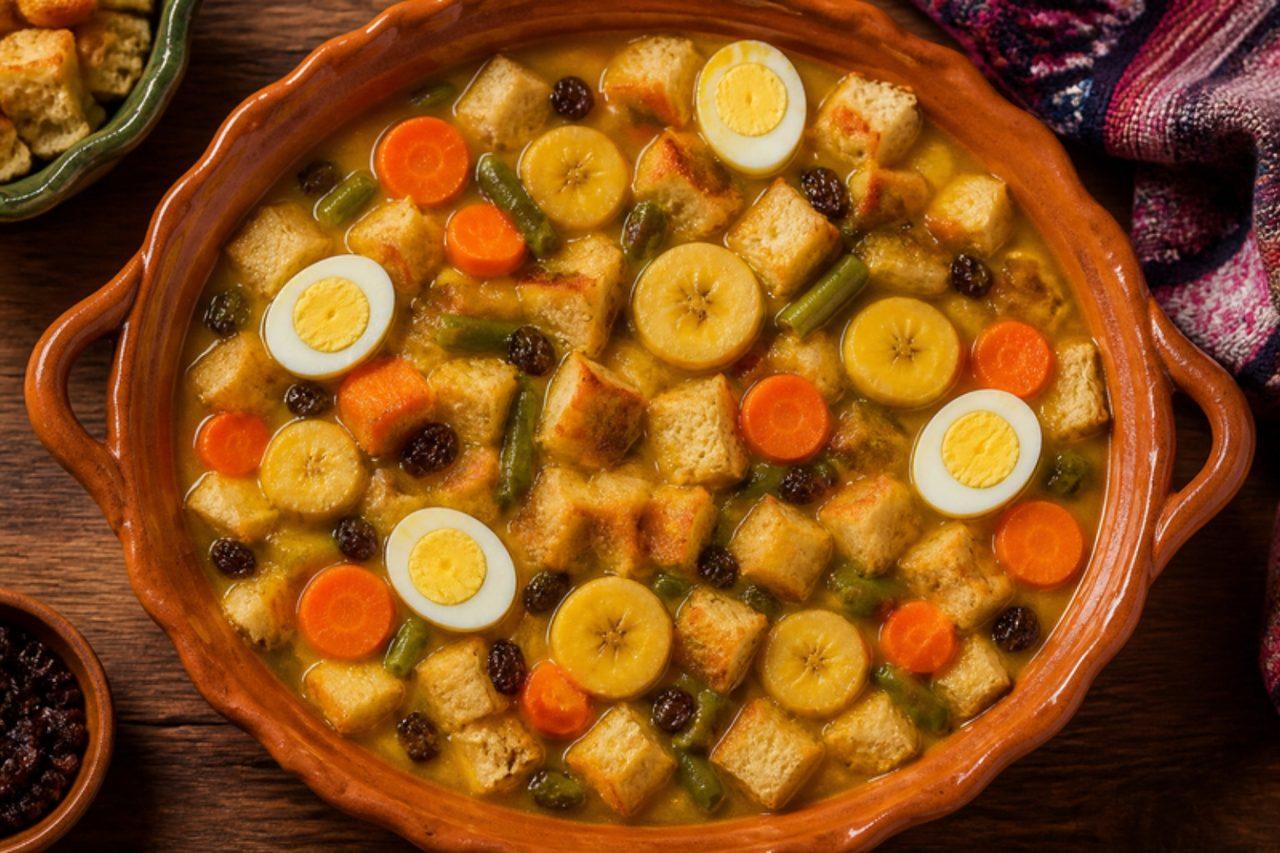
Sopa de panLayered bread soup

This is not a thin soup but a 'dry' one, baked in layers in a deep dish, and in San Cristóbal de las Casas it belongs to fiestas, weddings and the meatless days of Holy Week. Toasted bread is stacked with fried ripe plantain, green beans, carrot, potato, boiled egg and a tomato sauce, then soaked with a saffron and thyme broth until the bread swells into something like a savoury bread pudding. It is served in deep plates with a spoon. Families in the highlands use chicken stock; a good vegetable stock keeps it vegetarian. Chef's tip: dry the bread hard in the oven first; fresh bread dissolves into mush when the broth goes in.

by KrazyBadal 0 views

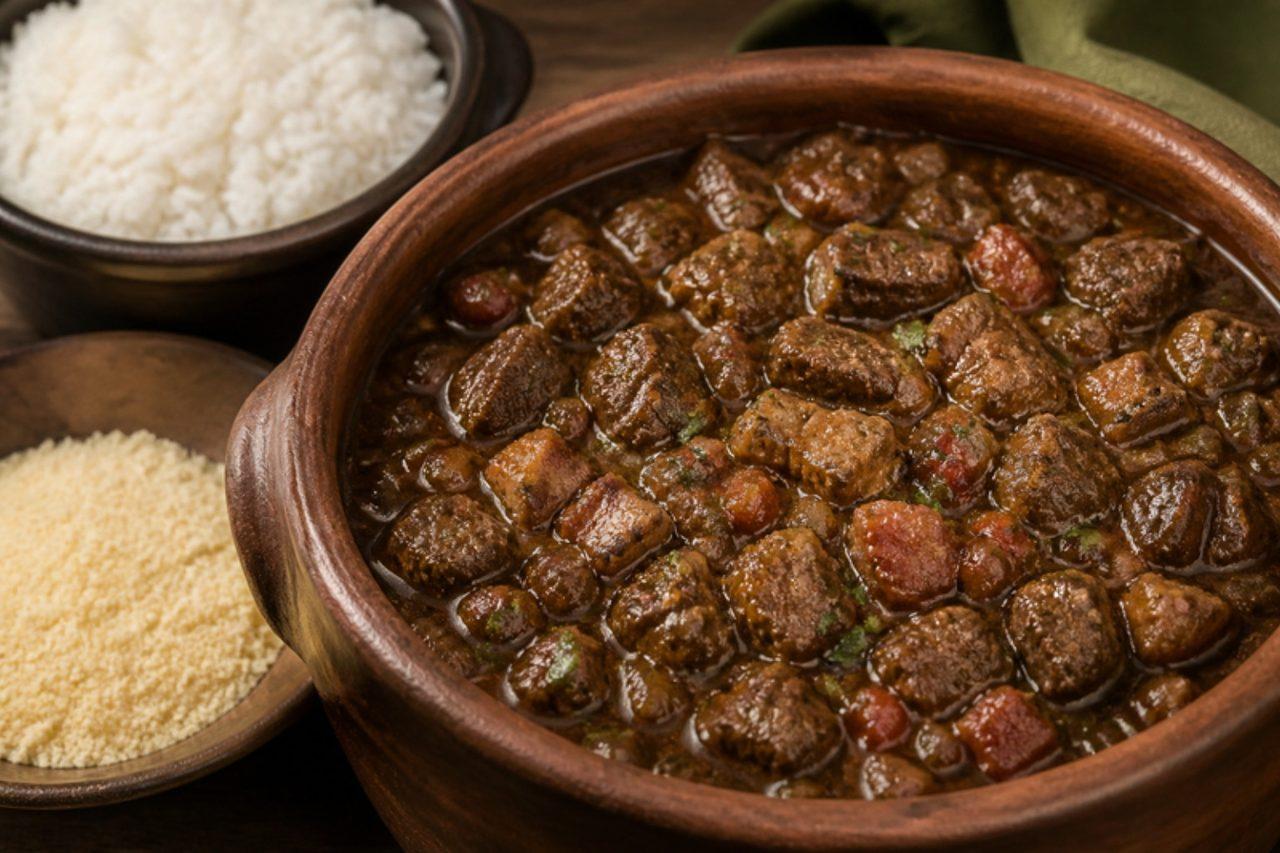
SarapatelSpiced pork offal stew

A pork dish with Portuguese roots, sarapatel is cooked in Recife and the Pernambuco interior for big gatherings and Saturday lunches, and bars in Olinda serve it by the bowl with rice, farinha and lime. Pork liver, heart and kidneys are cleaned, diced small and simmered with onion, tomato, cumin, bay and vinegar, then the stew is thickened with cooked pork blood until it turns dark, glossy and intensely savoury, sharp from the vinegar and fragrant with mint and coriander. Buy the offal and the blood from a butcher you trust, very fresh and kept cold; blood should be used the day you buy it or frozen at once. The classic error is skipping the cleaning and parboiling, which leaves the stew with a strong, livery taste. All offal must be cooked through. Chef's tip: dice everything into neat 1 cm pieces; the small size is what lets the sauce coat every bite.

by KrazyBadal 0 views

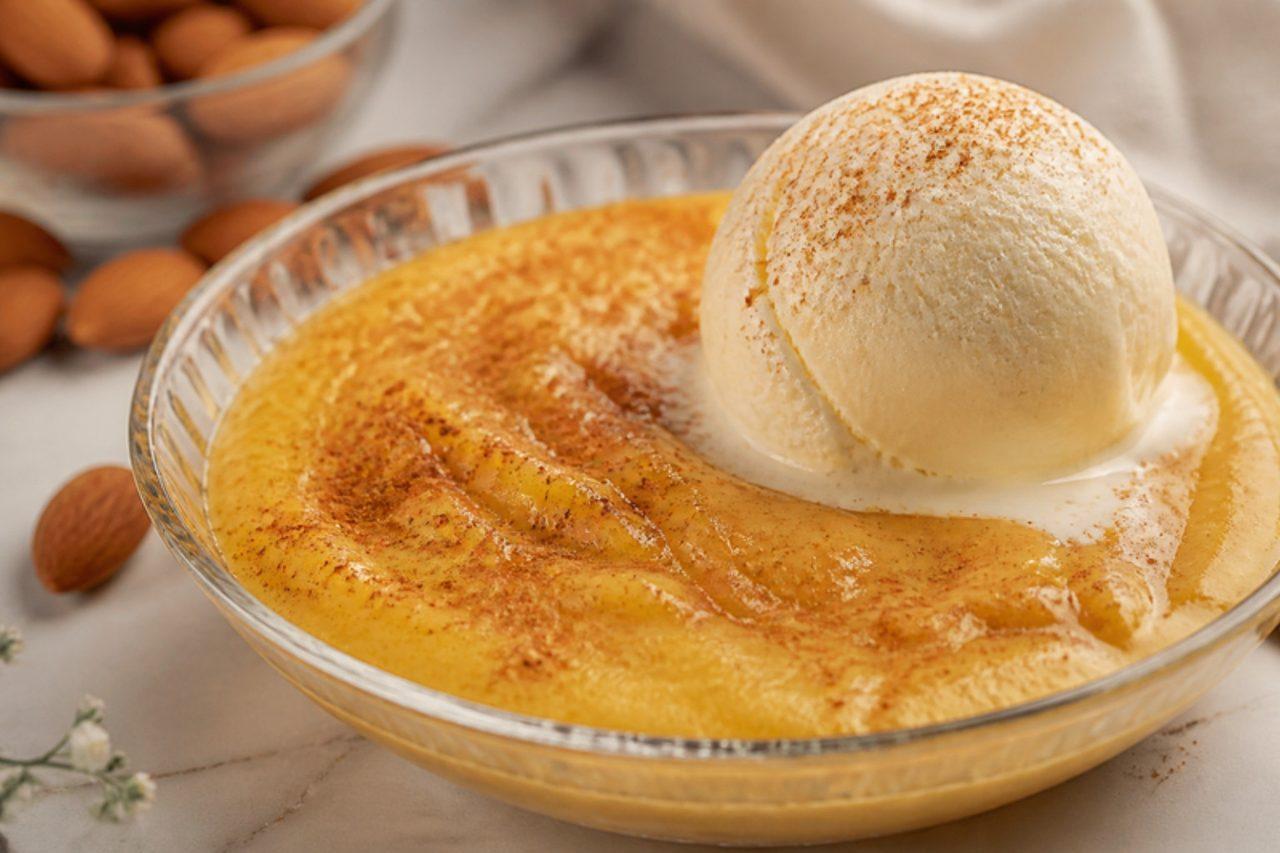
Bienmesabe canarioAlmond and egg-yolk cream

High in the mountains of Gran Canaria, the village of Tejeda is ringed by almond trees, and its pastry shops are famous for bienmesabe, 'it tastes good to me'. Finely ground almonds are cooked in a sugar syrup with lemon zest and cinnamon, then enriched with egg yolks into a thick, golden cream. Islanders eat it by the spoonful, over vanilla ice cream or layered on sponge; it is the dessert brought out in late January and February, when the Almond Blossom Festival fills the village. Chef's tip: temper the yolks with a little hot syrup before adding them, so they thicken the cream smoothly instead of scrambling.

by KrazyBadal 0 views

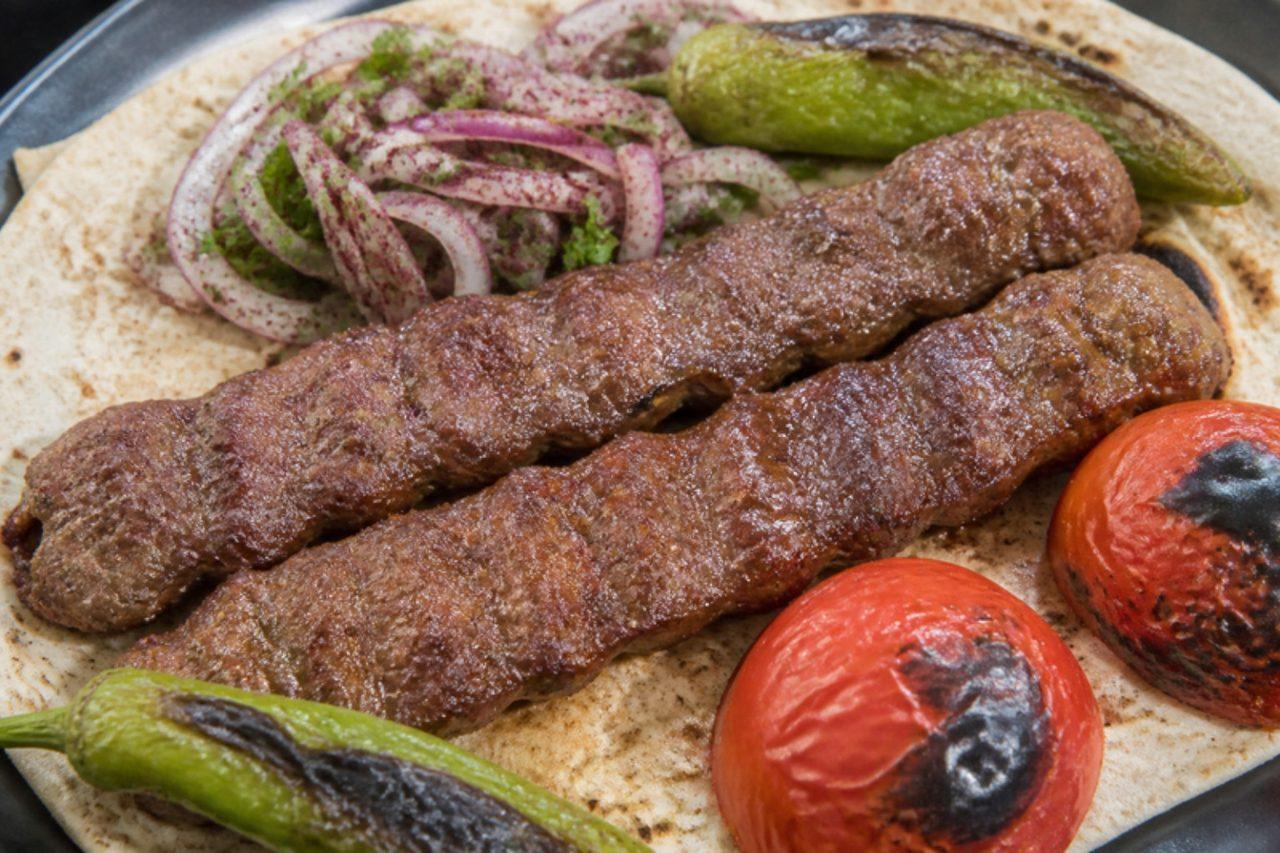
Urfa kebabıMinced lamb kebab

Where Adana's kebab is hot, Şanlıurfa's is gentle: lamb and tail fat chopped by hand with a curved zırh blade, seasoned with salt and a little isot and pressed onto wide skewers. Grill houses around Balıklıgöl serve it on thin lavaş with charred tomatoes, peppers, sumac onions and a bostana salad, and the sweet smoke of the meat is the whole point. Without tail fat, ask your butcher for fatty lamb shoulder mince, around 25% fat, or the kebab will be dry and fall off the skewer. Chef's tip: wet your hands with cold water while shaping; the fat stays firm and the meat clings to the skewer.

by KrazyBadal 0 views

AuszogneStretched doughnuts

Auszogne are the doughnuts of the Bavarian countryside, fried for Kirchweih, the village church fair in autumn, and for Carnival. Each ball of rich yeast dough is pulled over the knees or the backs of the hands so the middle goes almost see-through while a thick, puffy ring stays round the edge; the centre fries crisp, the rim soft and fluffy. They are eaten warm with icing sugar and a cup of coffee. A common mistake is pulling the dough cold: it tears. Let the stretched rounds rest, and keep the oil at a steady 170 °C so the rims cook through before they brown. Chef's tip: stretch them on lightly buttered fingertips, not floured ones, so the dough slides without sticking.

by KrazyBadal 0 views

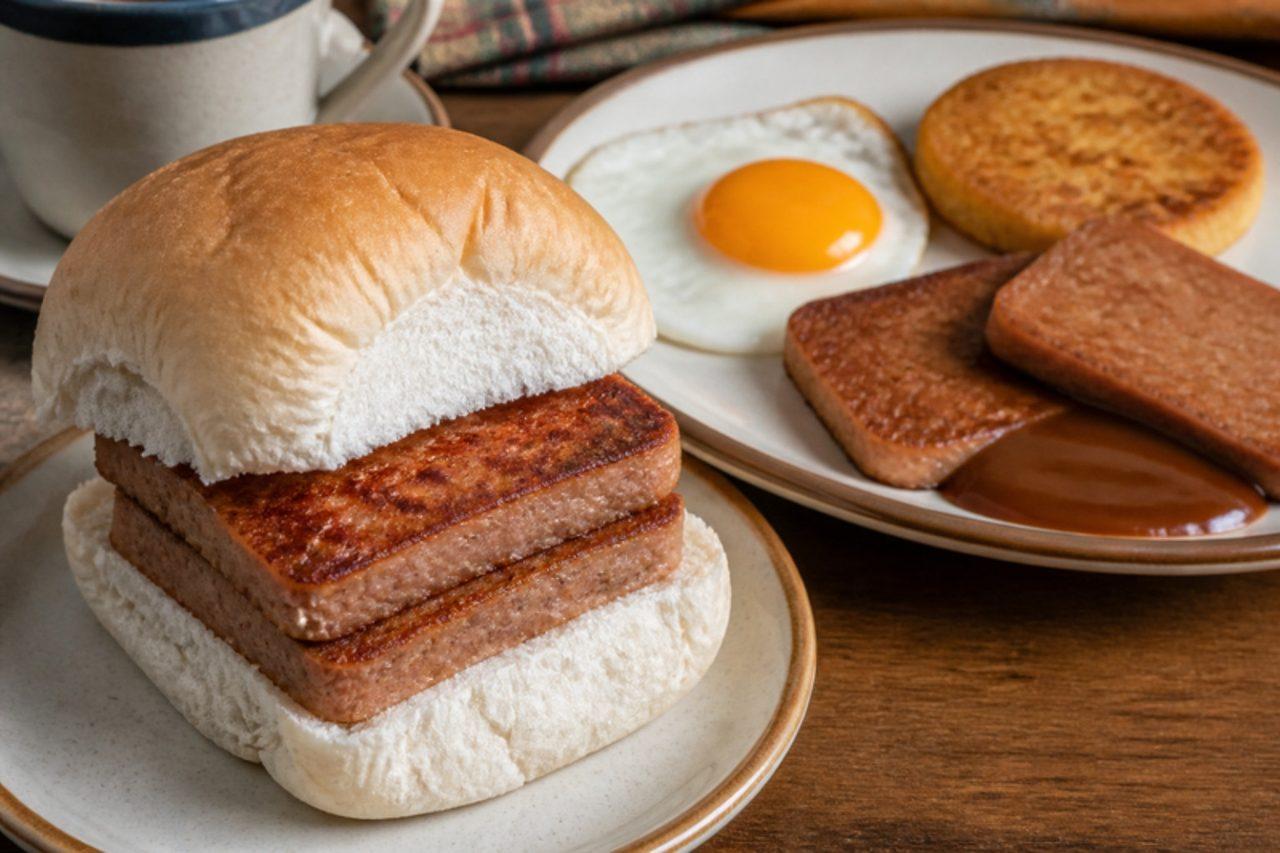
Lorne sausageSquare beef and pork sausage

Lorne sausage, better known in Scotland simply as square sausage or slice, is a skinless loaf of seasoned beef and pork mince that is cut into squares and fried for the full Scottish breakfast, or slapped in a morning roll with brown sauce. It is easy to make at home and freezes well. Chef's tip: freeze the shaped block for an hour before slicing; it cuts into neat, thin squares.

by KrazyBadal 0 views

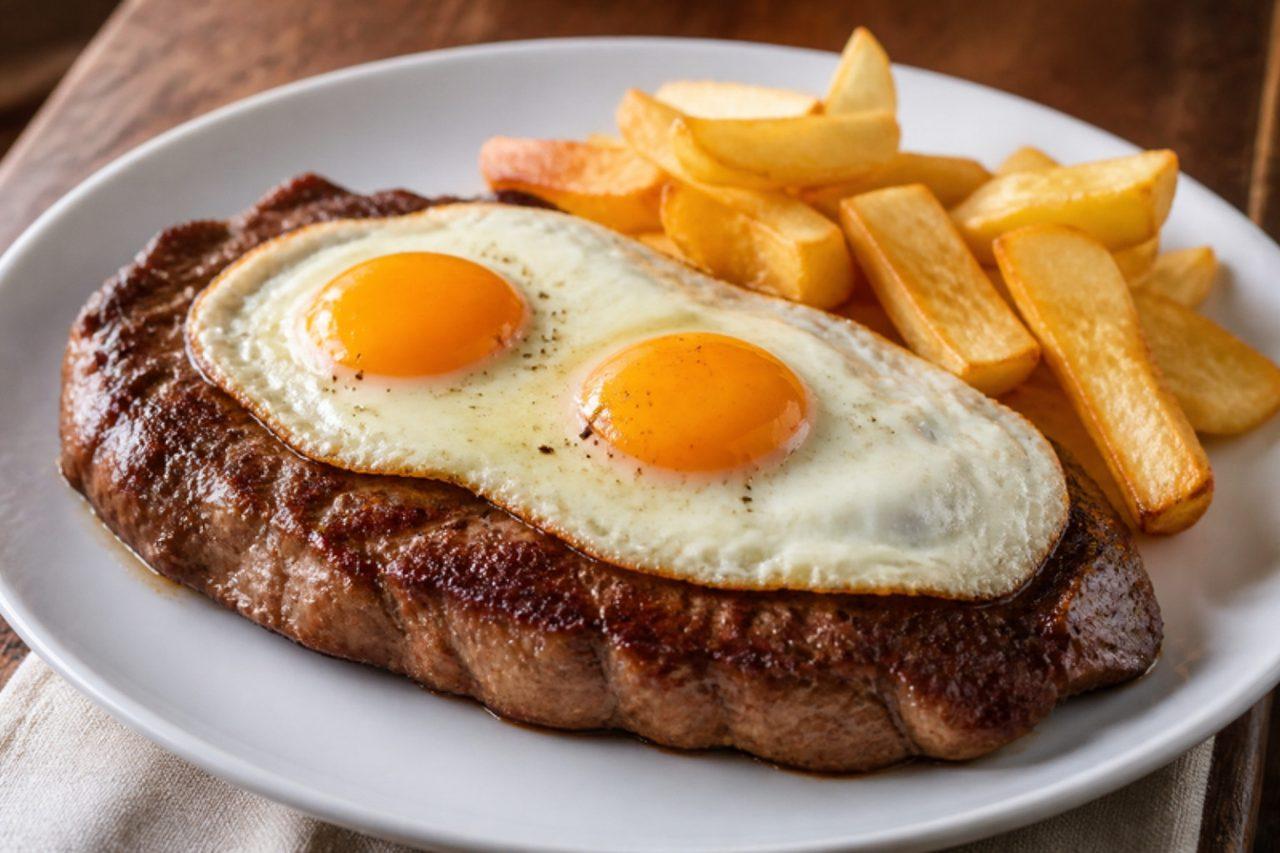
Bife a caballoSteak with fried eggs

On the chalkboard of any neighbourhood bodegón in Buenos Aires you will find bife a caballo, steak "on horseback": a thick bife de chorizo (sirloin) or rump seared hard in a hot pan, crowned with two fried eggs whose yolks run into the meat juices, and served with a pile of chips. It is the plate for hungry taxi drivers at lunch and for anyone recovering from a long night. Cook the steak to your taste; Argentines usually ask for it jugoso (medium rare, about 55 °C in the centre) or a punto (medium, about 60 °C). Use eggs fried until the whites are fully set, and cook the yolks firm for anyone vulnerable. Crowding a pan that isn't hot enough is the classic mistake, which stews the steak grey, so let the pan smoke first. Chef's tip: rest the steak while you fry the eggs in the same pan; the beef juices in the fat give the whites crisp, savoury edges.

by KrazyBadal 0 views

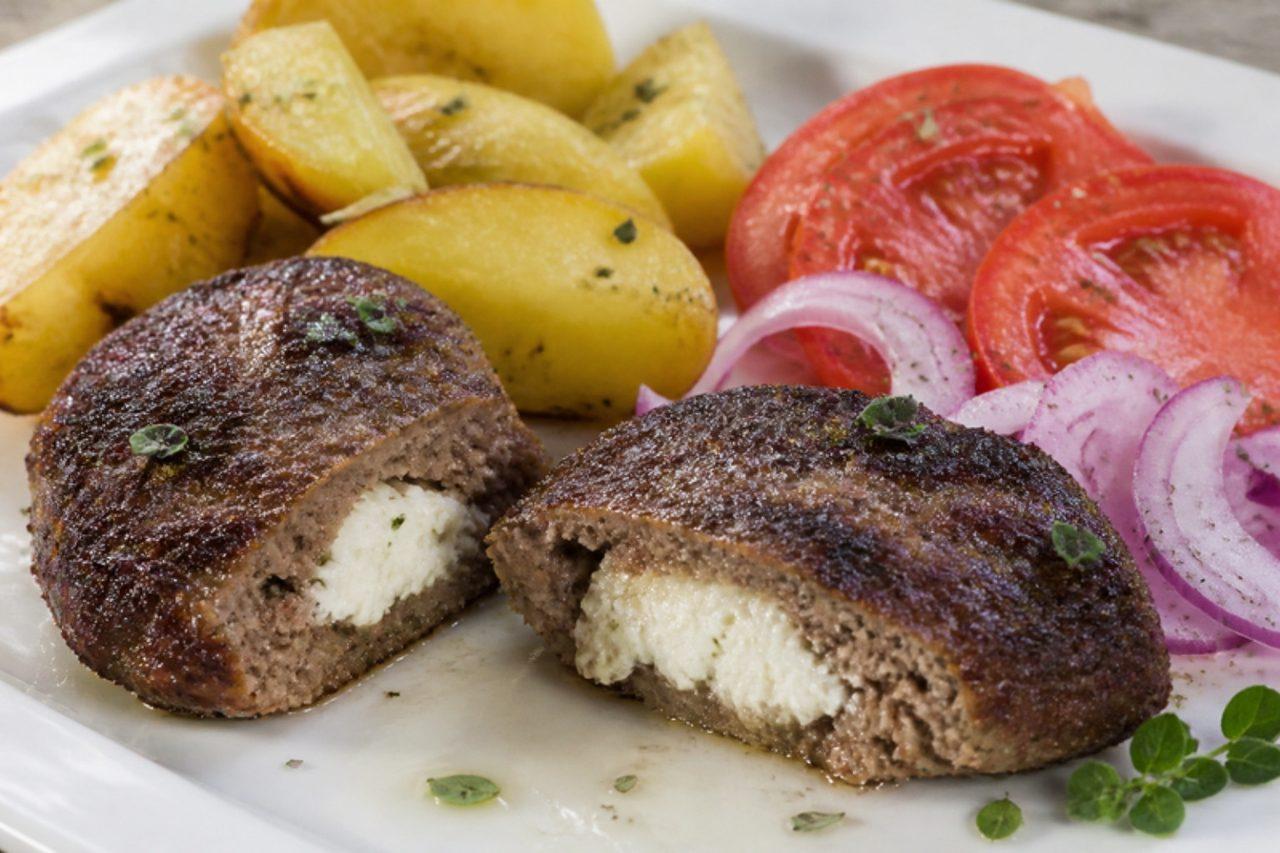
Bifteki gemistoFeta-stuffed beef patties

In Greek grill houses (psistaries) and in summer back gardens, bifteki are big, flattened patties of minced beef with grated onion, mint and oregano, and the stuffed version hides a slab of feta that melts as they cook. Serve with chips fried in olive oil, a village salad and tzatziki. Common mistake: using lean mince, which makes dry patties; 15–20 % fat keeps them juicy. Chef's tip: grate the onion and squeeze out its juice before mixing; you keep the flavour without making the mixture too wet to seal around the cheese.

35 minGreekMeat
by KrazyBadal 0 views

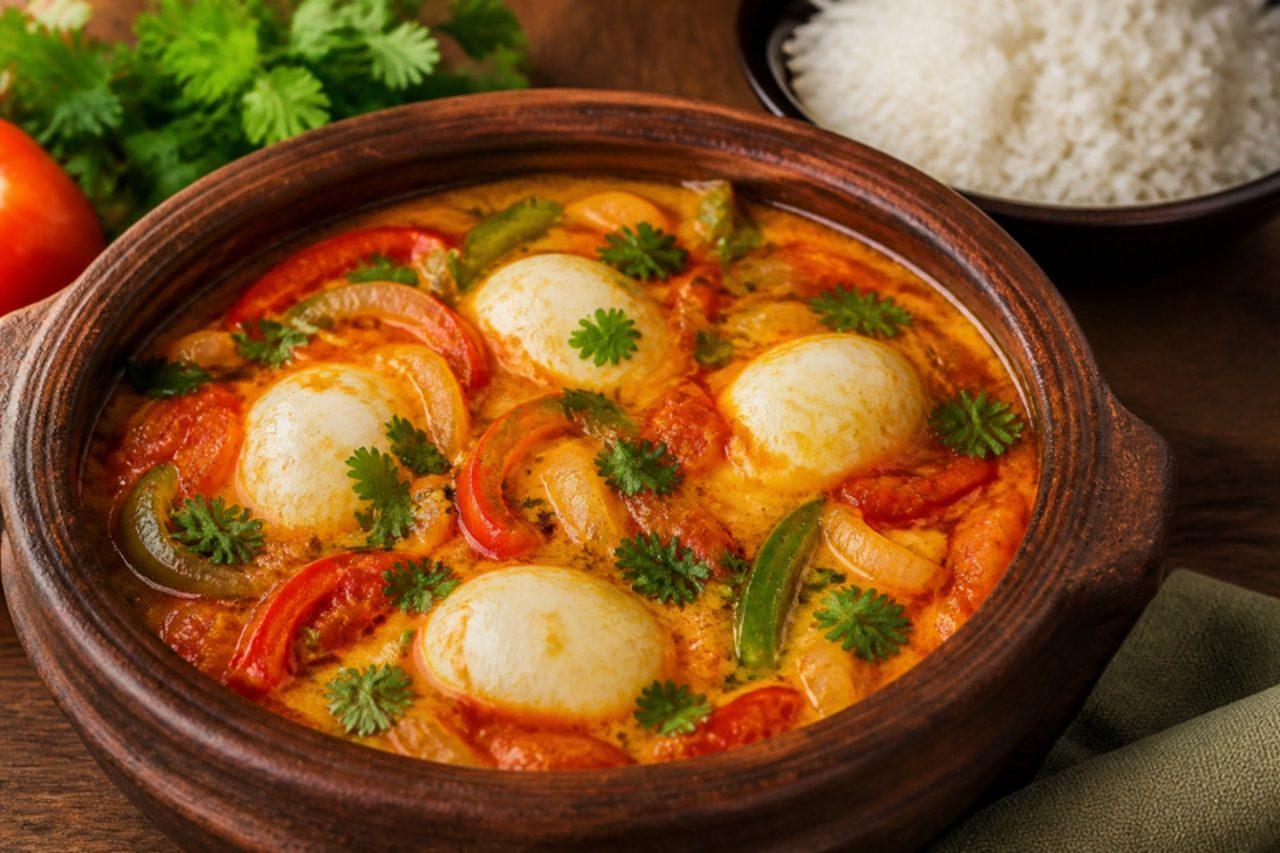
Moqueca de ovosEggs in coconut and tomato sauce

When fish money runs short or it is a meatless Friday, Bahian kitchens make moqueca with eggs instead: the same orange sauce of coconut milk, tomato, peppers, coriander and dendê palm oil, with whole eggs poached right in it until the whites set and the yolks stay soft. It is everyday food in Salvador and the Recôncavo, cooked in a clay pan and carried straight to the table with white rice, farofa de dendê and a spoon of pimenta sauce for those who want heat. The sauce is mellow, slightly sweet from the peppers and rich from the coconut, and the runny yolks thicken it on the plate. The usual mistake is stirring after the eggs go in; they break and turn the sauce cloudy, so cover the pan and leave it alone. Chef's tip: add half the dendê at the start and the rest just before the eggs; heated too long it loses its nutty, floral perfume and only the colour remains.

by KrazyBadal 0 views

Moraba-ye bahar narenjBitter orange blossom jam

When the bitter orange trees lining Shiraz's streets bloom in April, the whole city smells of blossom, and households gather the fallen petals to make this pale golden jam for the year ahead. It is spooned onto bread with fresh cheese at breakfast, or stirred into tea. The petals are bitter, so they are blanched and soaked several times before they meet the syrup. A common mistake is cutting the soaking short, which leaves the jam harsh. Chef's tip: add the lemon juice only at the end; it keeps the petals bright and stops the syrup from crystallising.

by KrazyBadal 0 views

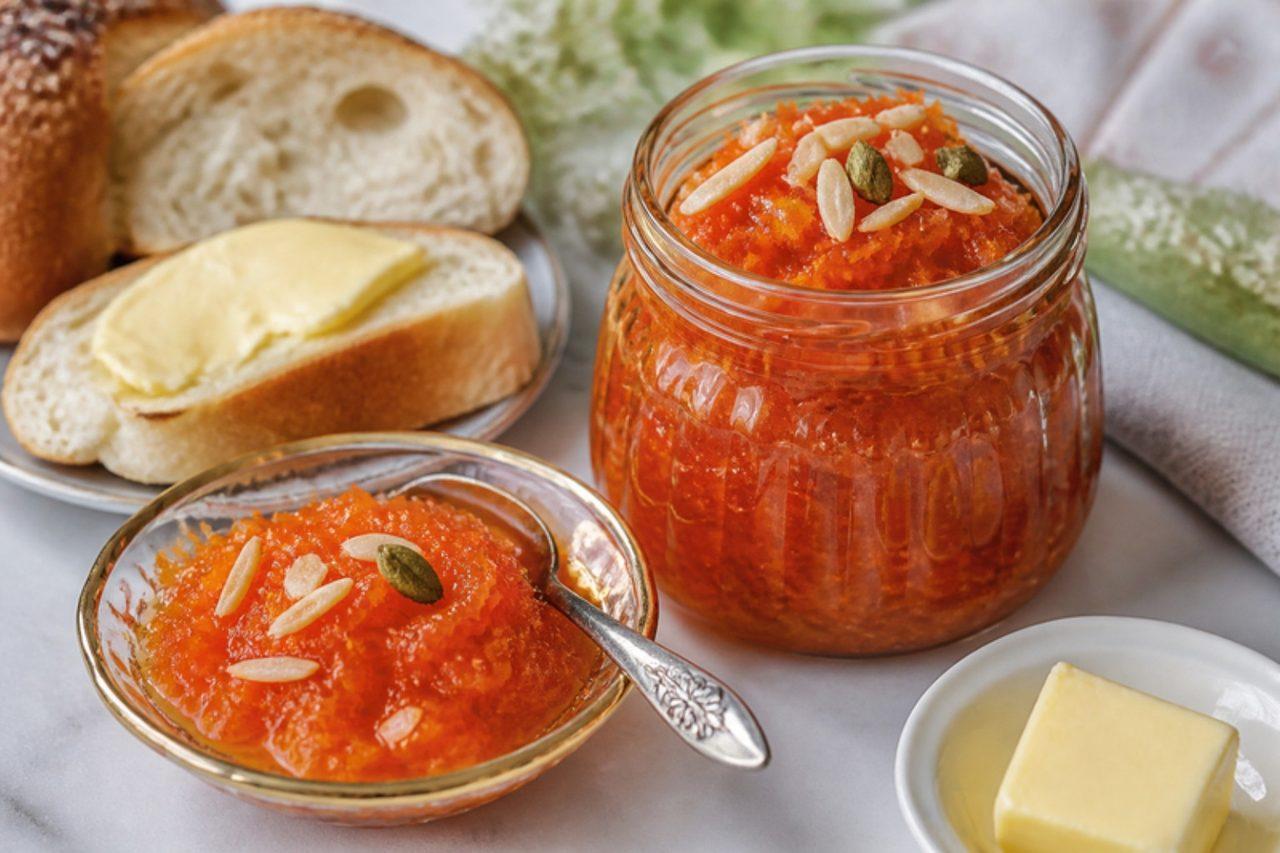
Moraba-ye haveejCarrot jam with cardamom and almonds

Moraba-ye havij is the bright orange jam on Iranian breakfast tables, spread on warm barbari or sangak with butter or a slice of white cheese, especially in winter when carrots are at their sweetest. Thin shreds of carrot are candied in a light syrup with cardamom and orange peel, then finished with rosewater and slivered almonds, so every spoonful is chewy, glossy and fragrant. It is made in every region, and families argue over how thick the syrup should be. Chef's tip: cut the carrots into fine matchsticks rather than grating them; grated carrot turns to mush and clouds the syrup.

by KrazyBadal 0 views

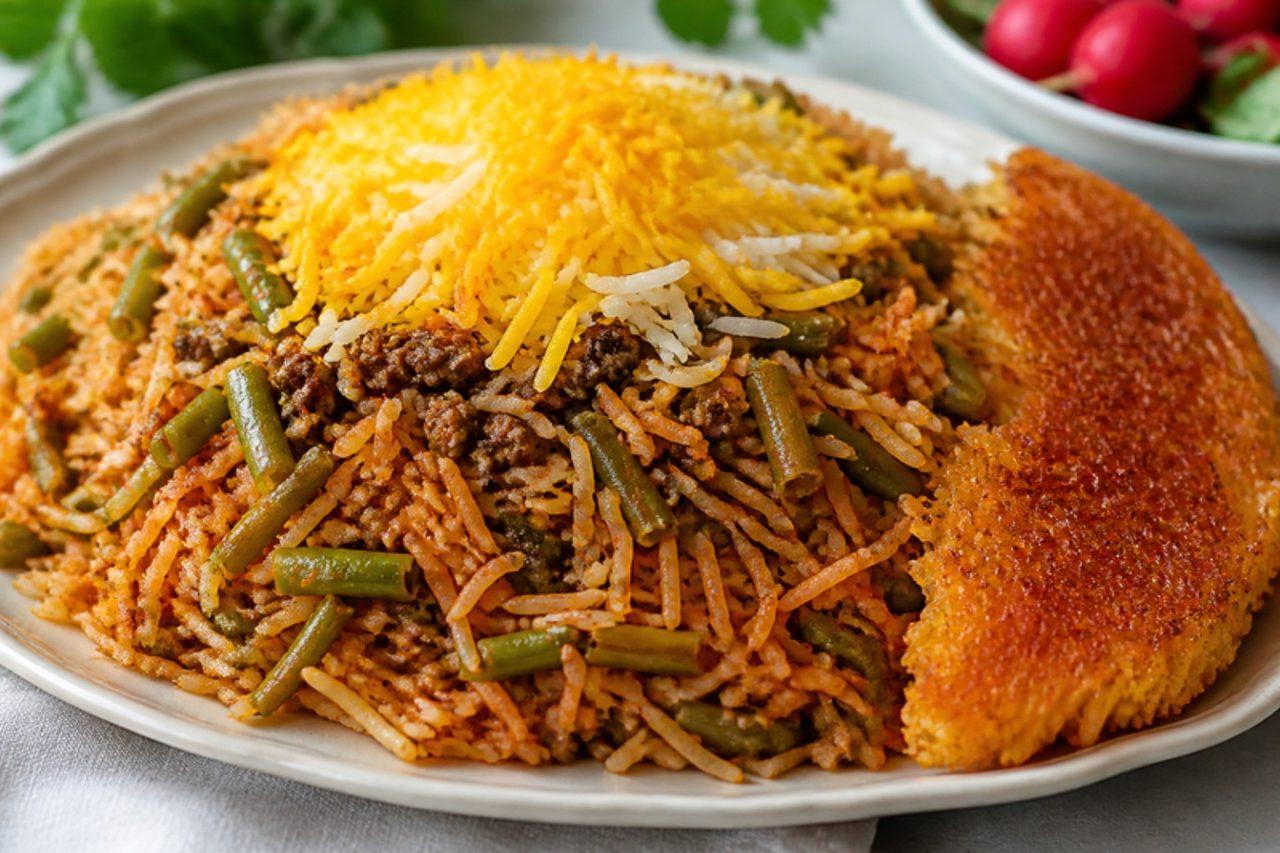
Loobia poloGreen bean rice with spiced lamb

Loobia polo is a weeknight favourite in Tehran homes, the rice dish children ask for when they come home from school and the one packed for picnics on the slopes of Darband. Parboiled basmati is layered with a sauce of minced lamb or beef, short pieces of green bean, tomato paste and a warm hint of cinnamon, then steamed slowly until every grain is stained a soft orange and a crisp tahdig forms underneath. For a meat-free pot, swap the mince for diced potato and keep everything else the same. Serve with mast-o khiar, salad shirazi and torshi. A common mistake is adding the beans raw to the rice layers: brown them in the sauce first or they stay squeaky and pale. Chef's tip: let the tomato paste fry in the oil until it turns brick red before adding water; that is where the deep, sweet flavour comes from.

by KrazyBadal 0 views

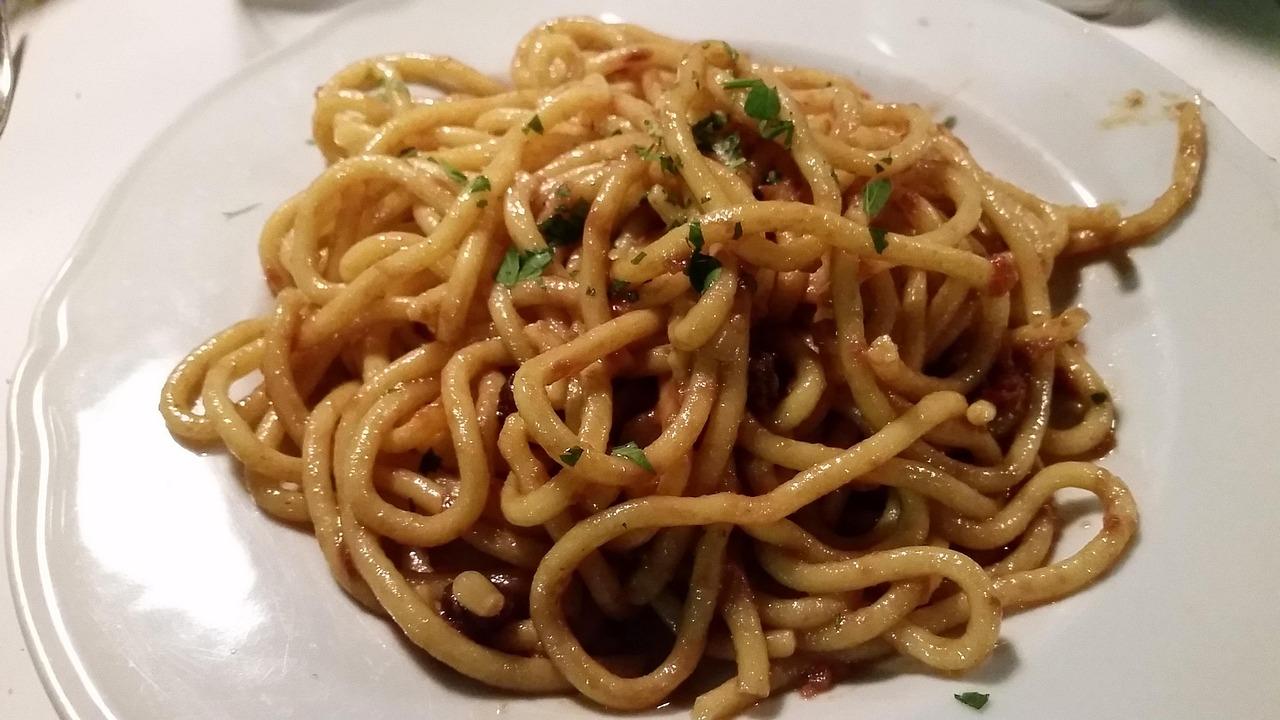
Bigoli in salsaWholewheat pasta with onion and anchovy

Bigoli in salsa is the dish of Venice's lean days, once eaten on Fridays, Christmas Eve and Ash Wednesday, and still served in the city's bacari and osterie today. Thick, rough wholewheat strands are tossed in a sauce of onions cooked slowly in olive oil until sweet and almost creamy, with salted anchovies melted through. It is salty, sweet and deeply savoury, with no cheese. If you can't find bigoli, thick wholewheat spaghetti or bucatini work well. Serve with a bitter leaf salad such as radicchio. Chef's tip: add the anchovies off the heat and let them dissolve in the warm oil; fried hard, they turn bitter.

by KrazyBadal 0 views

PowidltascherlPlum butter potato dough pockets

Powidl, a thick, dark plum butter cooked for hours without added sugar, came to Vienna from Bohemia, and these little pockets are one of its best uses. In Austrian homes they are a sweet lunch in late summer, when the new season's plums arrive, or a pudding after a bowl of soup. A tender potato dough is cut into squares, folded around a spoonful of spiced powidl, simmered, then tossed in golden butter crumbs and dusted with icing sugar. A common mistake is overworking the dough, which makes it tough and sticky; mix the potato and flour only until it comes together. Chef's tip: rice the potatoes while hot and spread them out to steam dry, so you need less flour and the dough stays light.

by KrazyBadal 0 views

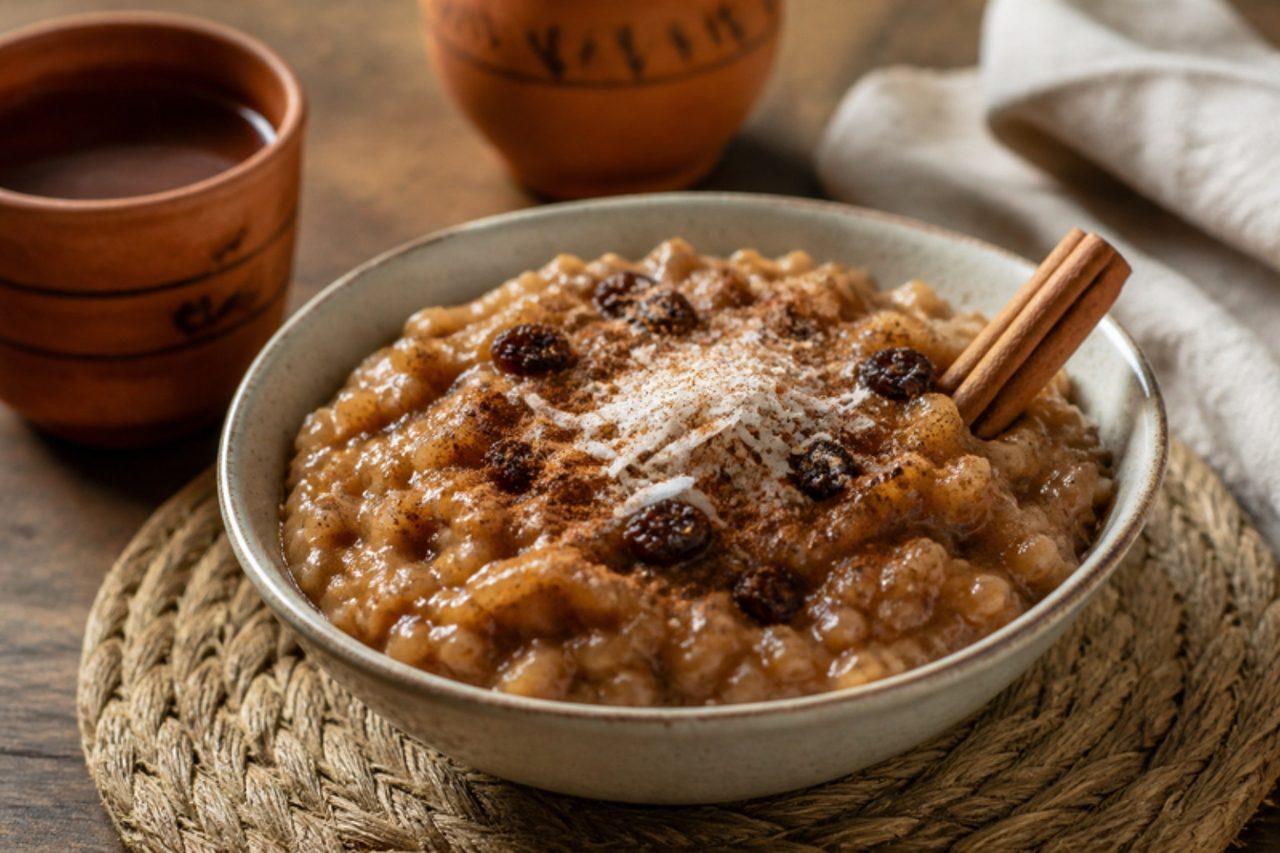
Arroz zambitoRice pudding with chancaca and raisins

Lima's Afro-Peruvian kitchens gave the city arroz zambito, the dark cousin of arroz con leche: rice simmered with cloves and cinnamon, sweetened with chancaca instead of white sugar, and enriched with milk, coconut and raisins. The name refers to its deep brown colour, and it is sold in cups at markets and from carts alongside mazamorra morada, often half and half in the same cup. It tastes of molasses and spice, soft and creamy with chewy raisins and nuggets of coconut. The way it usually goes wrong is adding the chancaca too soon, before the rice is tender; the sugar firms the grains and they never soften. Serve warm or at room temperature, dusted with cinnamon. Chancaca can be swapped for panela or dark muscovado. Chef's tip: melt the chancaca in a little water first and strain it, as the blocks often contain bits of cane fibre.

by KrazyBadal 0 views

Morgh-e torshChicken with walnuts and sour plums

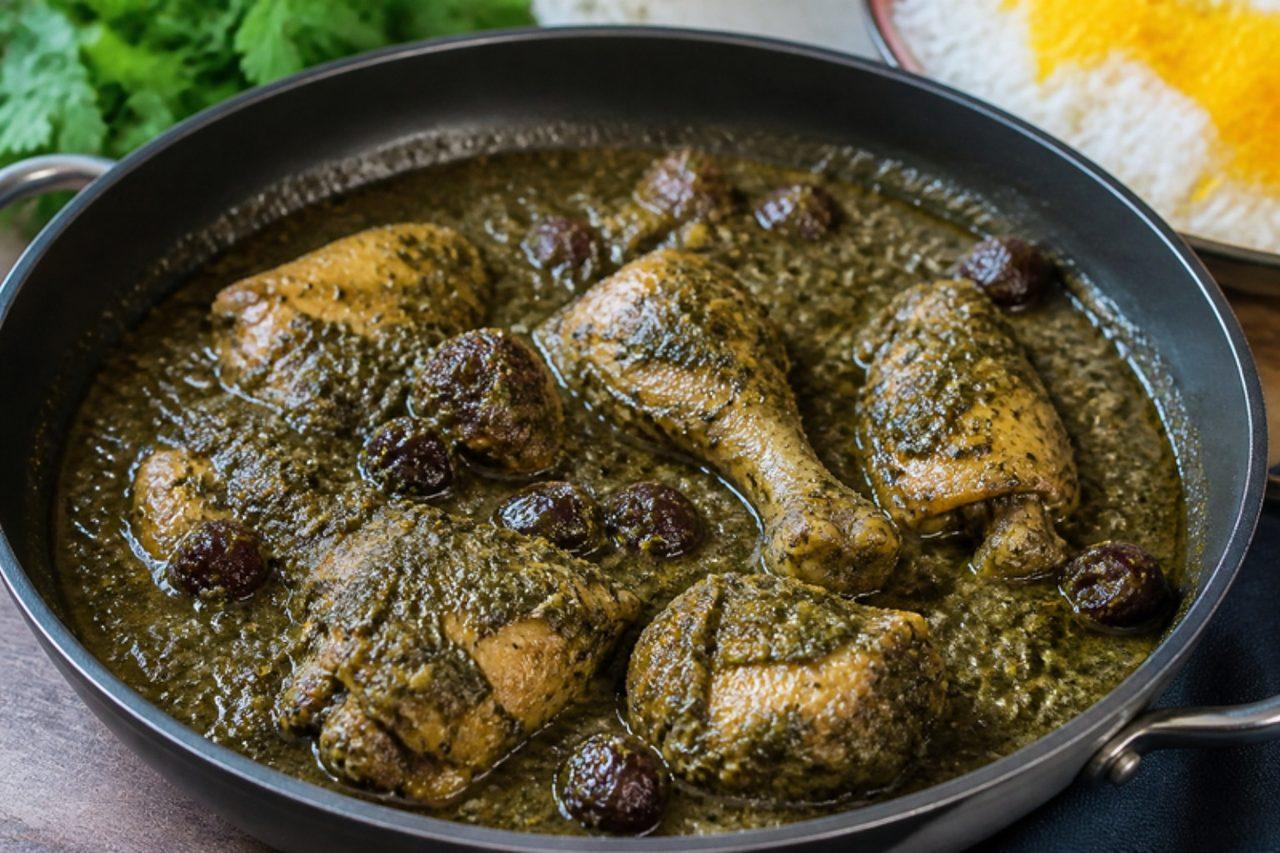
Morgh-e torsh is everyday Sunday cooking in Rasht and the villages of Gilan, where gardens overflow with herbs and the cooking leans sour rather than sweet. Chicken pieces are browned, then braised with a mountain of chopped coriander, parsley, mint and garlic chives, ground walnuts and sour plums, finished with verjuice or lemon until the sauce turns a deep olive green. It is eaten with kateh, the simple Caspian rice. A common mistake is adding the herbs raw to the pot; fry them first until dark and fragrant, or the sauce tastes grassy. Chef's tip: a beaten egg stirred in at the very end is how many Gilani grandmothers thicken and enrich the sauce.

by KrazyBadal 0 views

Sambousek bi jibnehCheese half-moon pastries

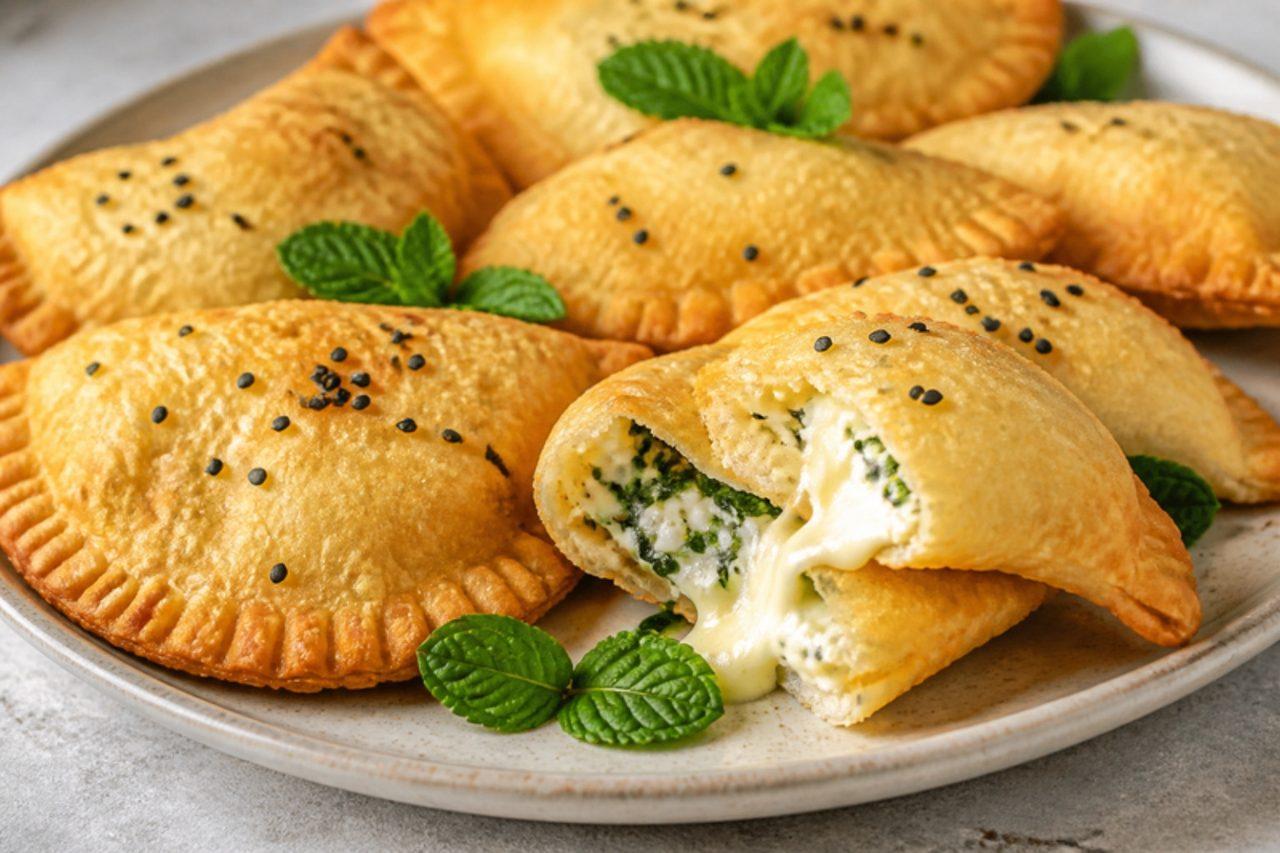
Hot sambousek bi jibneh are the first thing to vanish from a Syrian mezze spread or a Ramadan iftar table, where Damascene and Aleppan cooks fry dozens at a time. A tender olive-oil pastry is folded around white cheese, parsley and nigella seeds, then crimped with a fork or twisted into a rope edge and fried or baked until blistered and golden. Eat them warm, when the cheese is soft and stringy. Common mistake: using a salty cheese straight from the brine — soak akkawi or halloumi for an hour first. Chef's tip: mix a little mozzarella into the filling for that stretchy pull. Akkawi, halloumi and mozzarella are often made with animal rennet; use vegetarian-rennet versions if needed.

by KrazyBadal 0 views

Pozol de cacaoCold corn and cacao drink

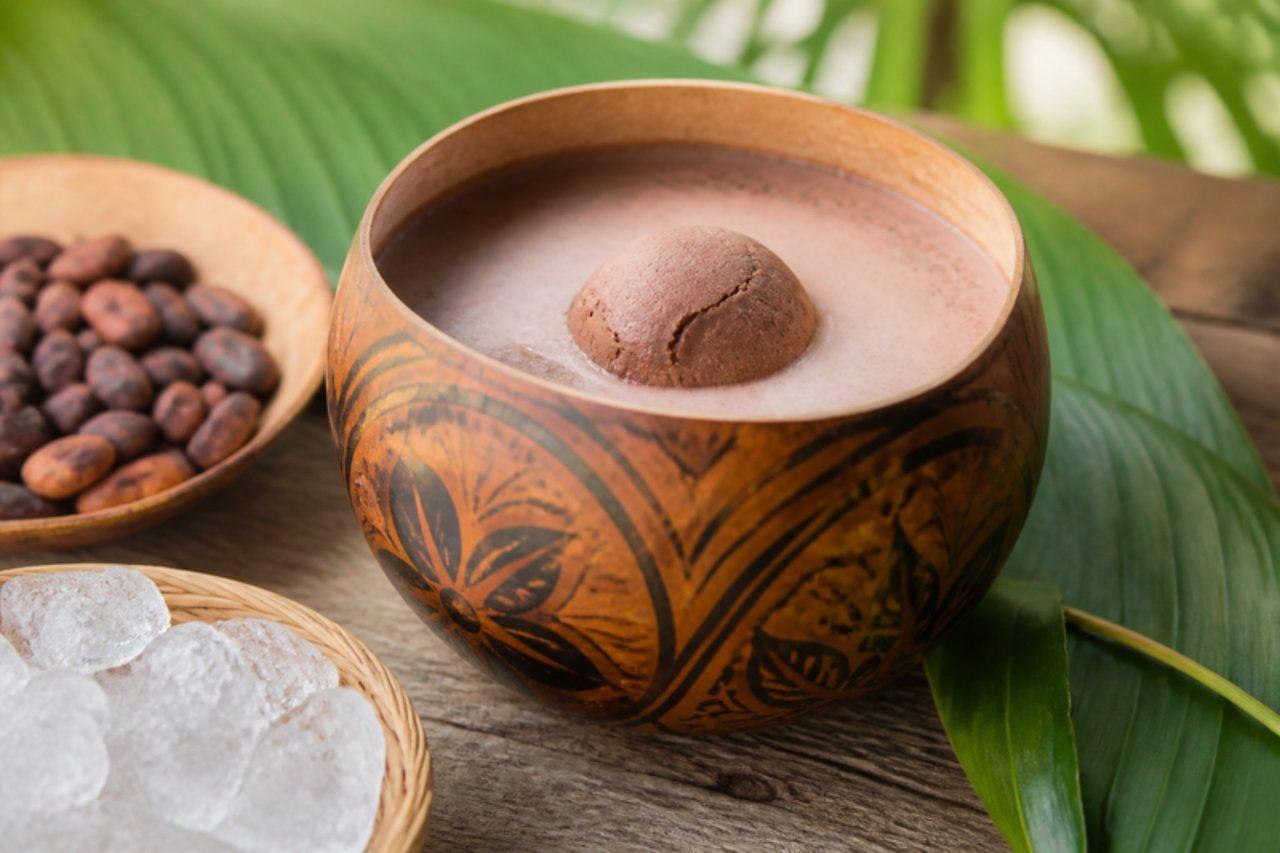
In the heat of Villahermosa and the Chiapas lowlands, farmers carry a ball of corn dough in a banana leaf and mix it with water in a jícara (a gourd bowl) at midday: that is pozol, a cold, thick, filling drink that has been made since Maya times. The cacao version is the favourite, sold from big clay pots at market stalls with ice, sometimes slightly fermented so it turns pleasantly sour. This home version uses masa harina and cocoa nibs, so it is ready in minutes; leave it to ferment if you want the tang. Chef's tip: stir it every time before pouring, as the corn settles to the bottom fast.

by KrazyBadal 0 views

Pozole blancoPork and hominy soup

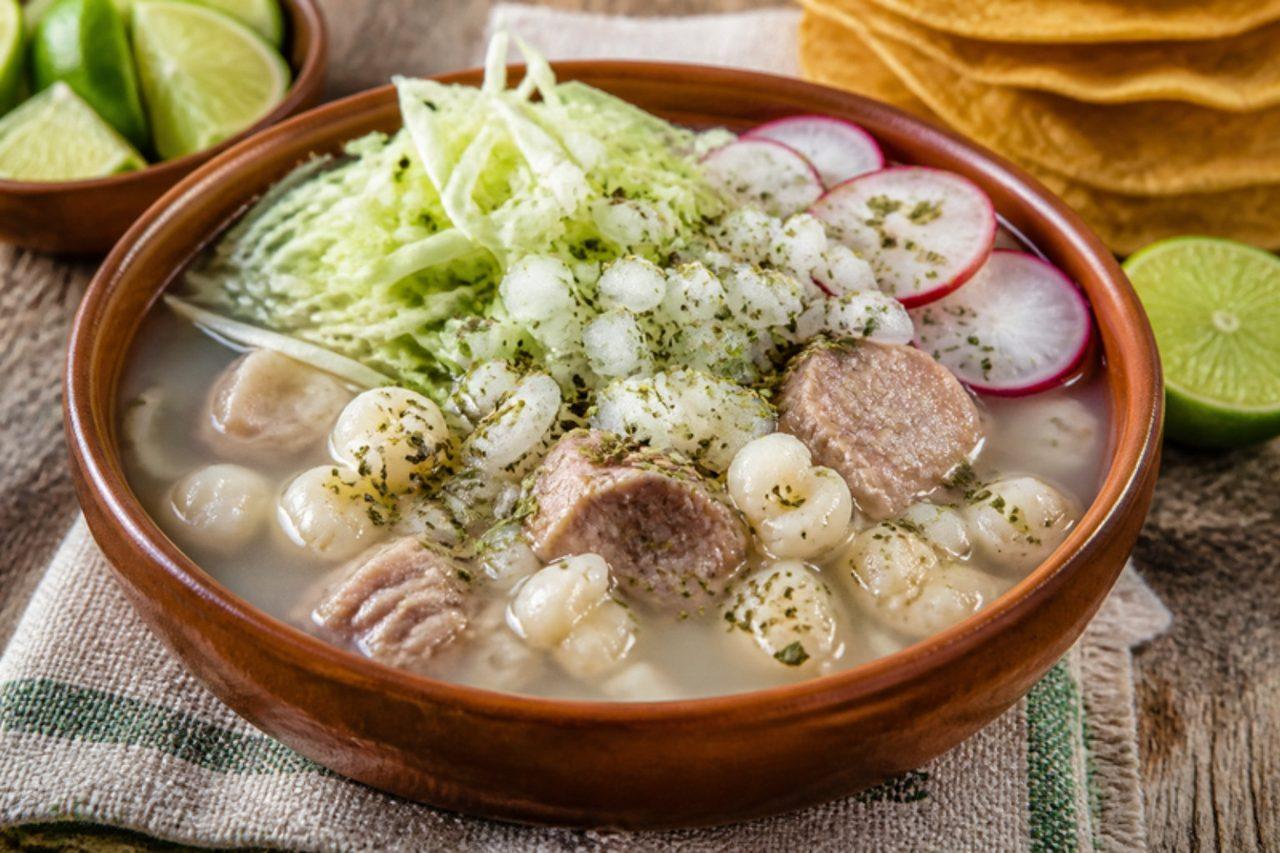
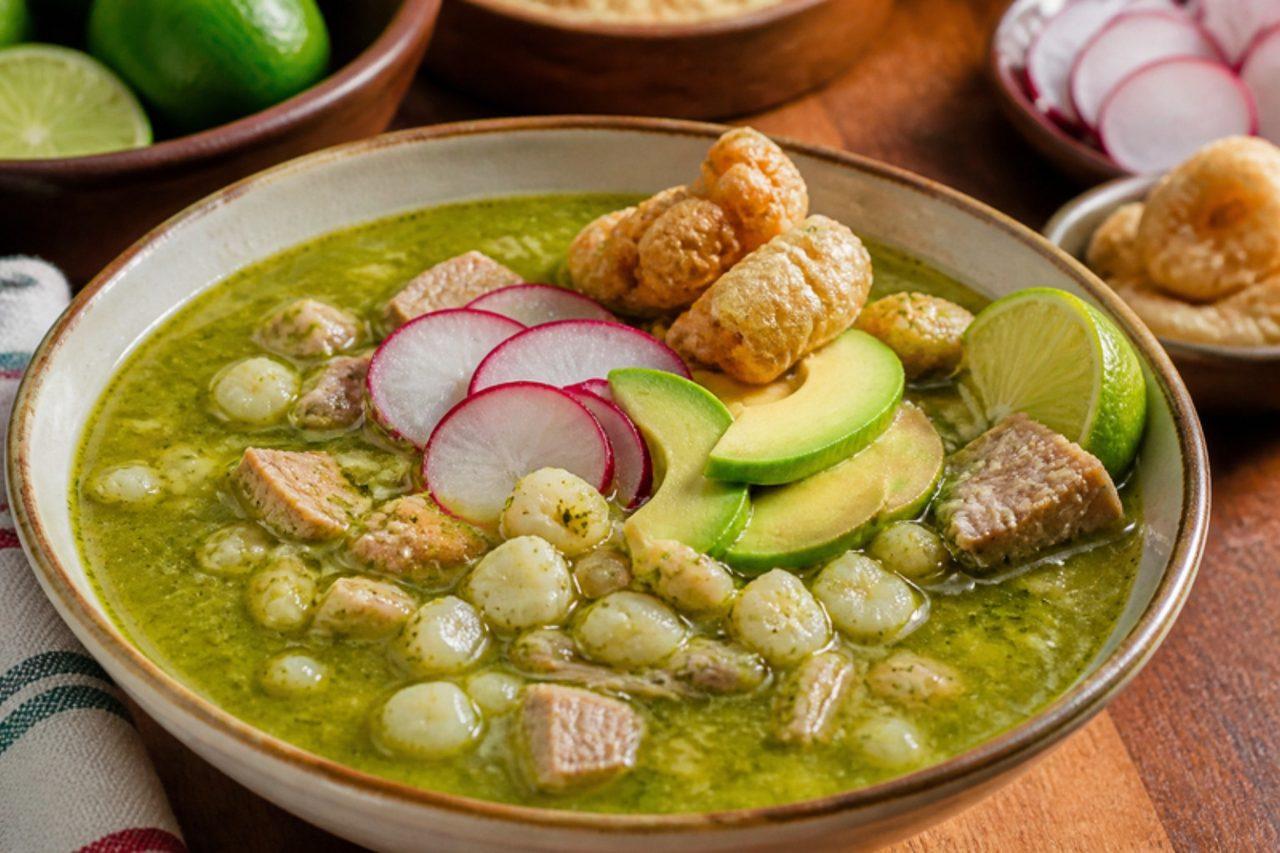
Before any chilli goes in, this is what pozole tastes like: the white version eaten across Jalisco and in Guadalajara's pozolerías, especially on Independence night and at family gatherings. It is a pork dish, made with pork shoulder and a pig's trotter that gives the clear broth a silky body, simmered with big, chewy kernels of hominy until everything is tender. All the colour and fire are added at the table, where each person piles on shredded cabbage, radish, onion, crumbled oregano, ground dried chilli and a good squeeze of lime. Tostadas spread with crema are the usual side. Chef's tip: cook the meat a day ahead and chill the broth; the fat sets on top and lifts off in one sheet, leaving the broth beautifully clean.

205 minMexicanSoupsGluten free
by KrazyBadal 0 views

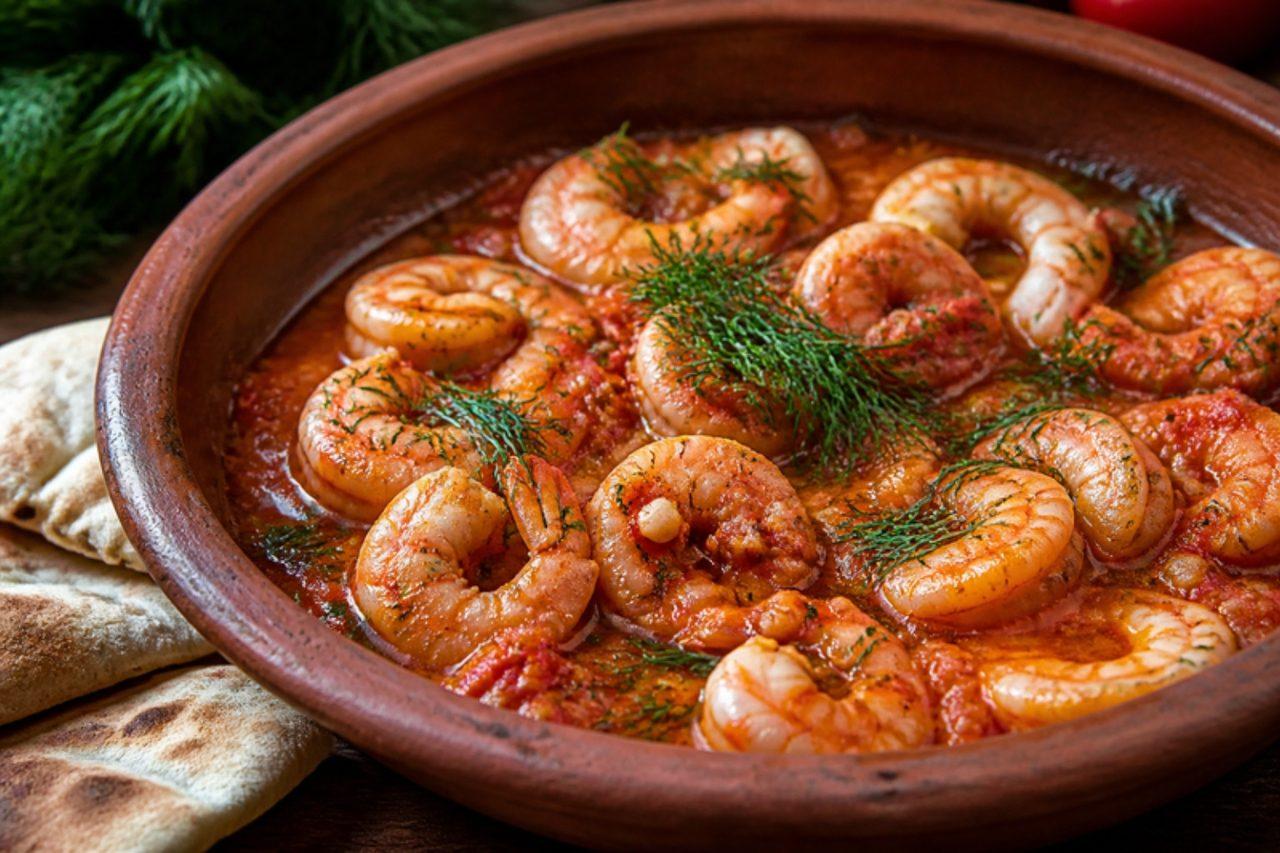
Zibdiyit gambariBaked prawns with tomato and garlic

In Gaza's seafront restaurants zibdiyit gambari arrives bubbling in the same clay bowl (zibdiya) in which the sauce was pounded: prawns baked in a fierce tomato sauce full of garlic, green chilli and dill seed, with olive oil pooling at the edges for dipping bread. Families make it at home for special Friday lunches when the catch is good. Common mistake: cooking the prawns as long as the sauce, which makes them tough; they need only a few minutes at the end. Chef's tip: pound the garlic, chilli and dill seed by hand; the rough paste fries into the oil and gives the sauce its punch.

by KrazyBadal 0 views

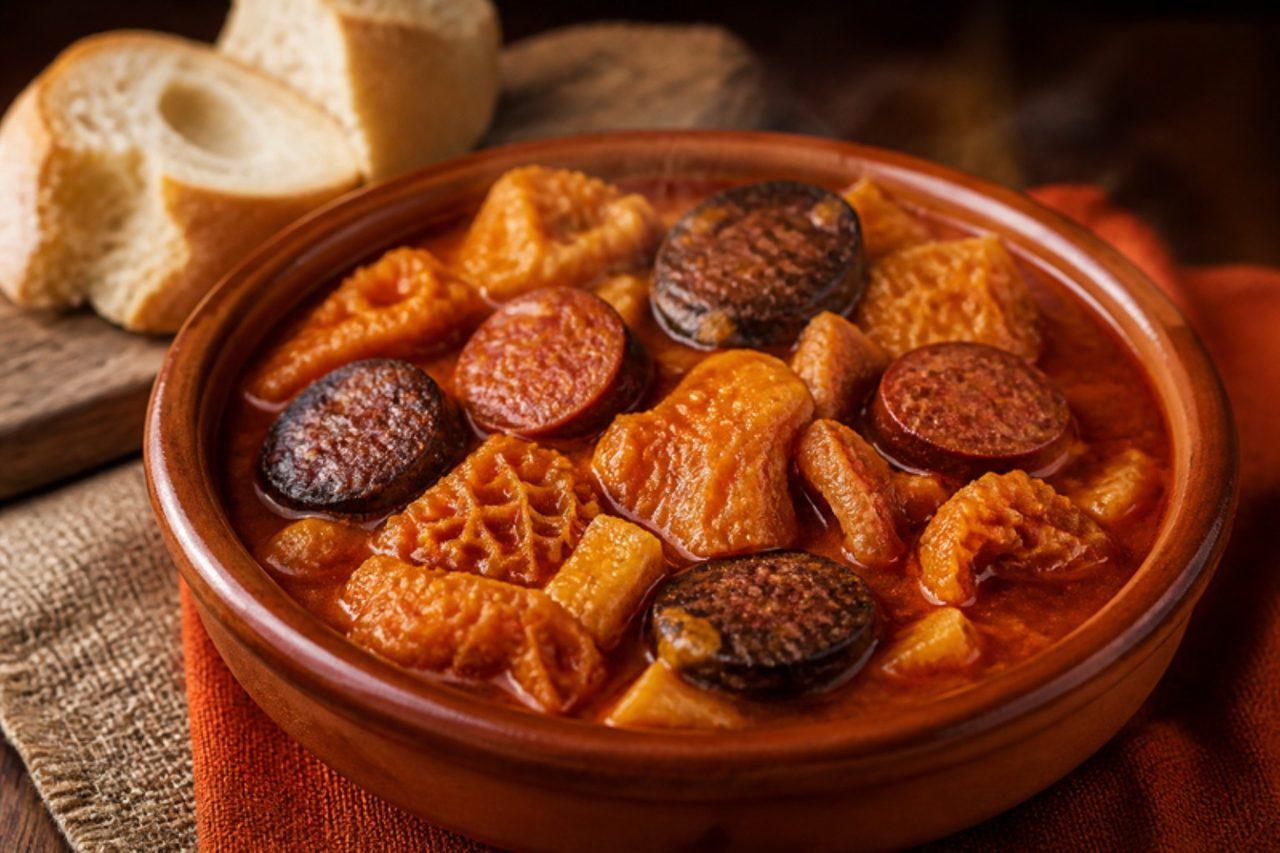
Callos a la madrileñaTripe stew with chorizo and morcilla

In old Madrid taverns around La Latina and Lavapiés, callos come in little clay dishes, sticky and brick-red, on winter Sundays and as a weekday tapa with bread. The tripe is cooked for hours with a pig's trotter until the sauce sets like gelatin when cold, then finished with chorizo, morcilla and paprika. This contains pork (chorizo, morcilla, ham and pig's trotter). Buy beef tripe that the butcher has already cleaned and blanched. Chef's tip: make it a day ahead; callos taste better reheated and the sauce thickens beautifully overnight.

270 minSpanishMeat
by KrazyBadal 0 views

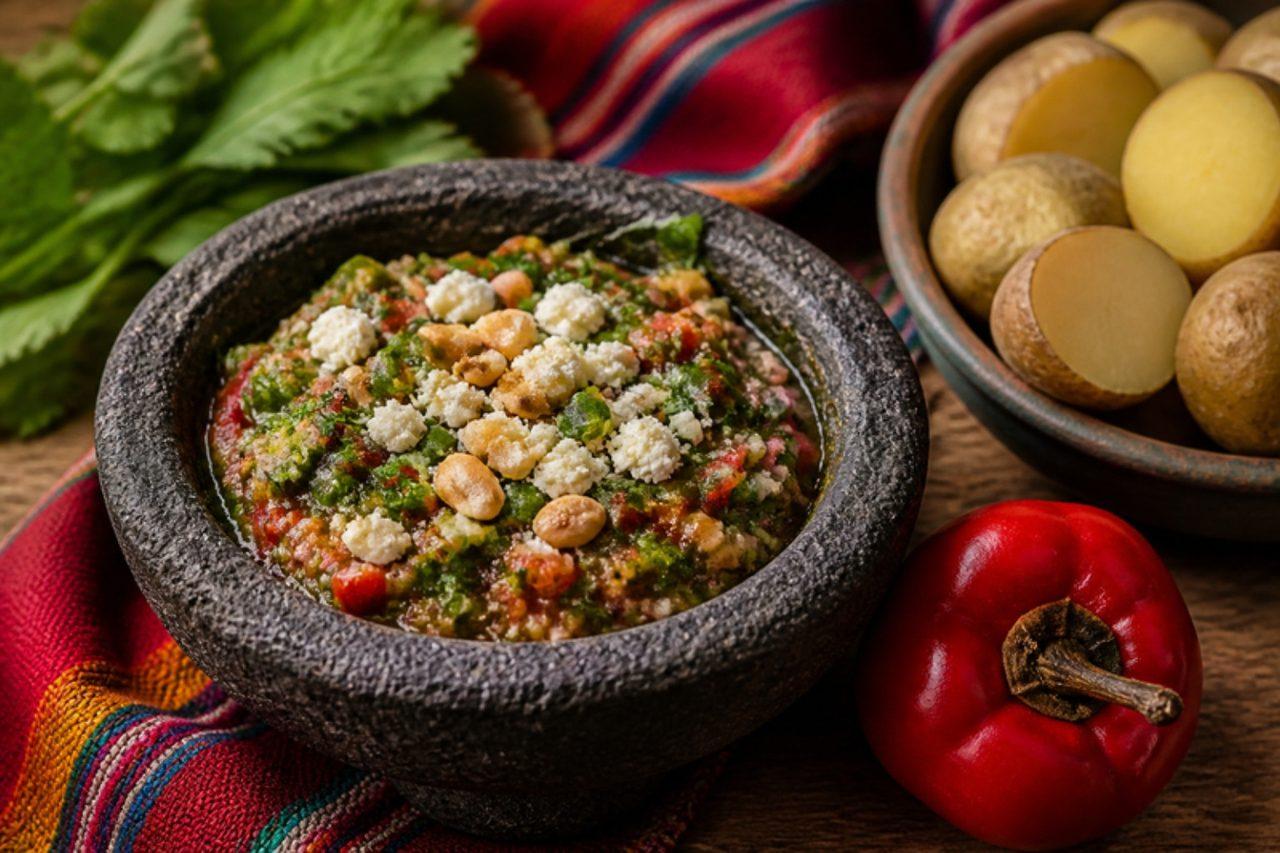
UchucutaRocoto and peanut chilli sauce

Ground on a batán, the flat grinding stone found in Andean kitchens, uchucuta is the table sauce of Ayacucho and Cusco: rocoto or yellow chilli crushed with huacatay, toasted peanuts and a little fresh cheese into a thick, speckled green-red paste. It goes on boiled potatoes, choclo, broad beans and huatia, and on festival days it sits next to every plate. The flavour is hot, herby and nutty, with a salty creaminess from the cheese. The name comes from the Quechua uchu, chilli, and it is meant to be spicy, but people often add all the rocoto at once and end up with something inedible; blend in half, taste and build up. A food processor or blender will do the work of the stone, though pulse it so the sauce keeps some texture. Queso fresco is usually made with animal rennet, so choose a vegetarian fresh cheese if you prefer. Chef's tip: toast the peanuts yourself until just golden; their warmth softens the raw sharpness of the chilli.

by KrazyBadal 0 views

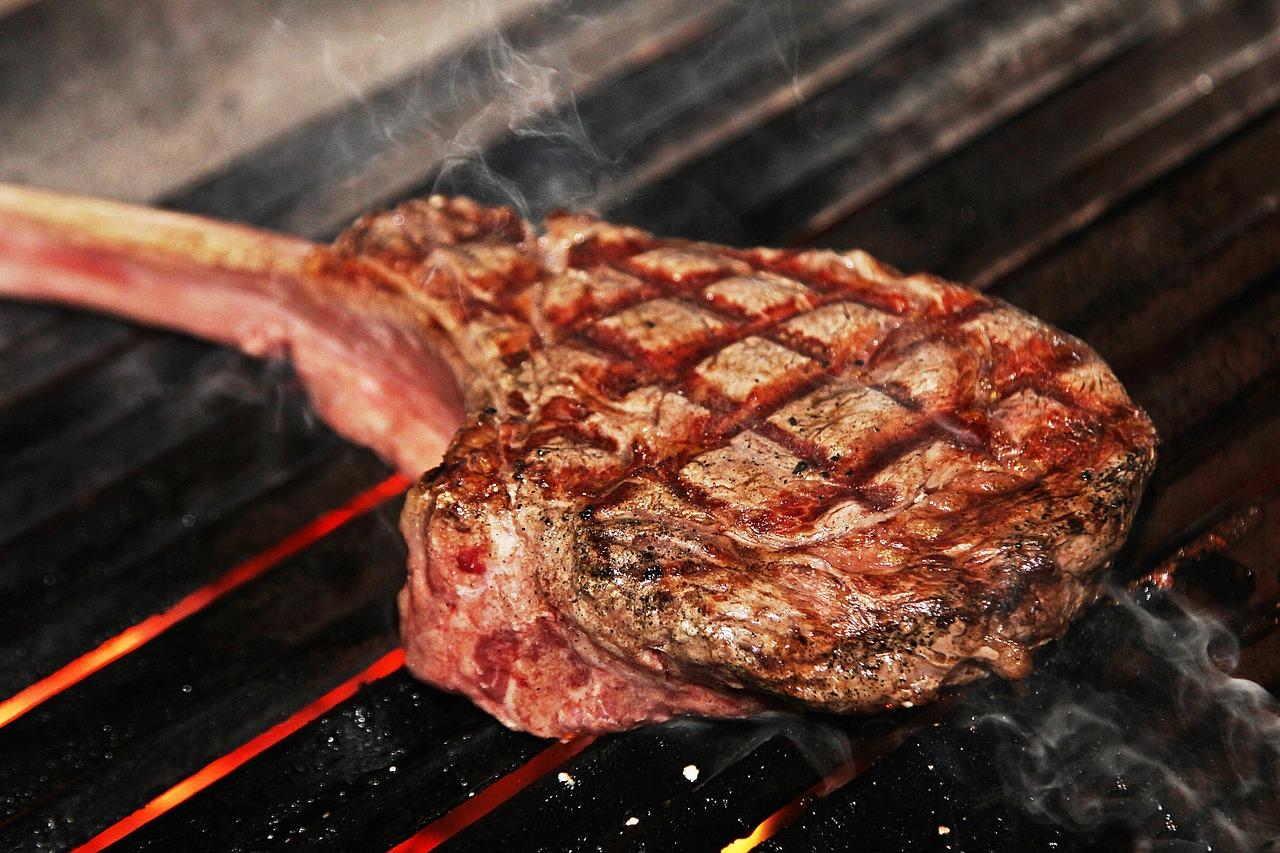
TxuletaGrilled aged rib steak

In the cider houses of Astigarraga and Hernani, the January-to-April season ends every meal with a txuleta: a huge bone-in rib steak from an older cow, aged for weeks, seared over oak coals and sliced at the table. It is eaten very pink inside with plenty of coarse salt and a plate of fried green peppers. A rare whole steak is generally safe when the outside is well seared, because bacteria sit on the surface, but for pregnant women, young children or anyone with a weakened immune system, cook it to at least 63 °C in the centre. A common mistake is cooking a fridge-cold steak, which burns outside before the middle warms. Chef's tip: salt only once the first side is seared, so the surface stays dry and crusts well.

by KrazyBadal 0 views

Sopa de limaLime and chicken soup

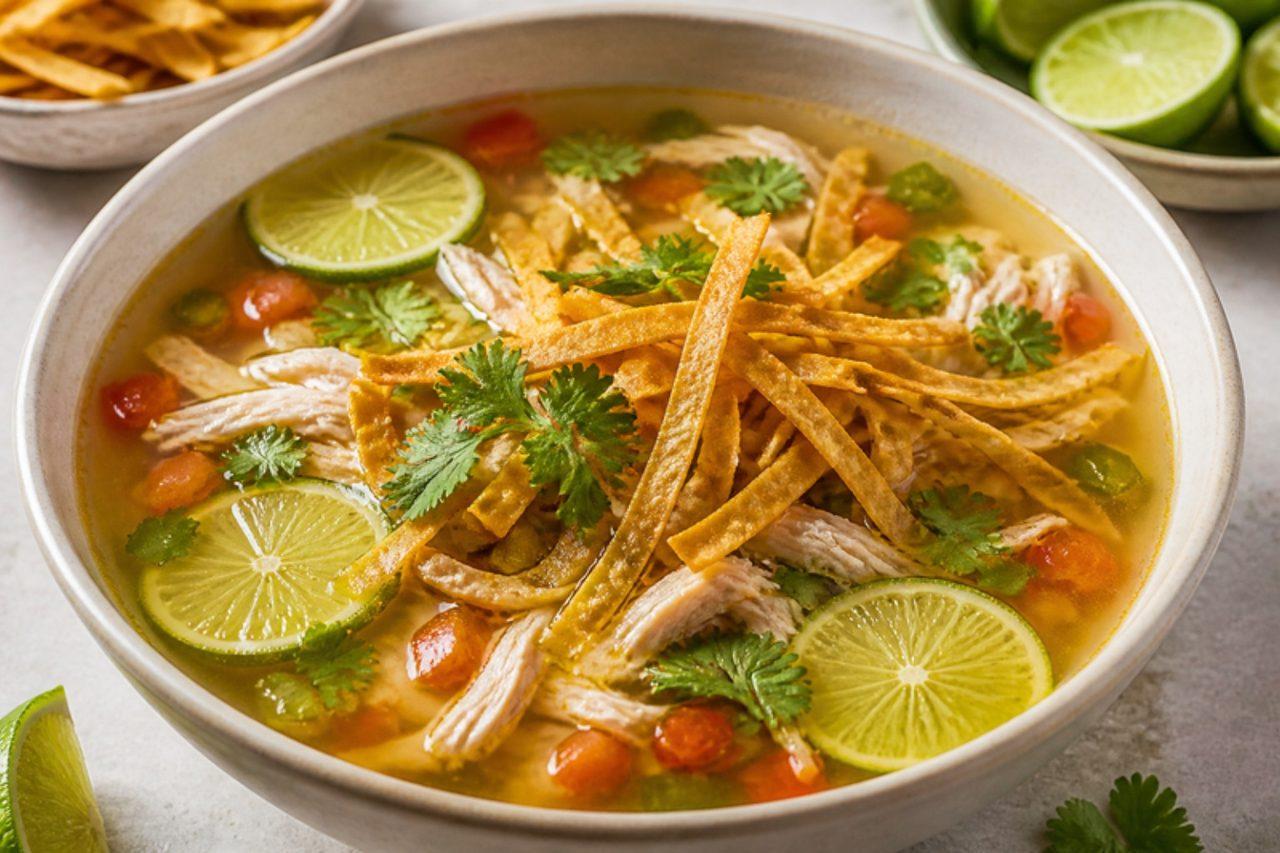
Sopa de lima is the soup Mérida is proud of: a clear, golden chicken broth lightly spiced with oregano, allspice and clove, sharpened with a sofrito of tomato and green pepper and perfumed by the lima, a fragrant, mild Yucatán citrus. Restaurants around the main square serve it at lunch with a heap of crisp fried tortilla strips that soften as you eat. Lima is almost impossible to buy elsewhere, so this version uses ordinary lime plus a little orange or grapefruit juice to mimic its floral, less sour taste. Serve with extra lime slices and a fiery habanero salsa on the side. Chef's tip: fry the tortilla strips just before serving and add them at the table, so they still crunch.

by KrazyBadal 0 views

Txistorra con huevos fritos y patatasSausage with chips and fried eggs

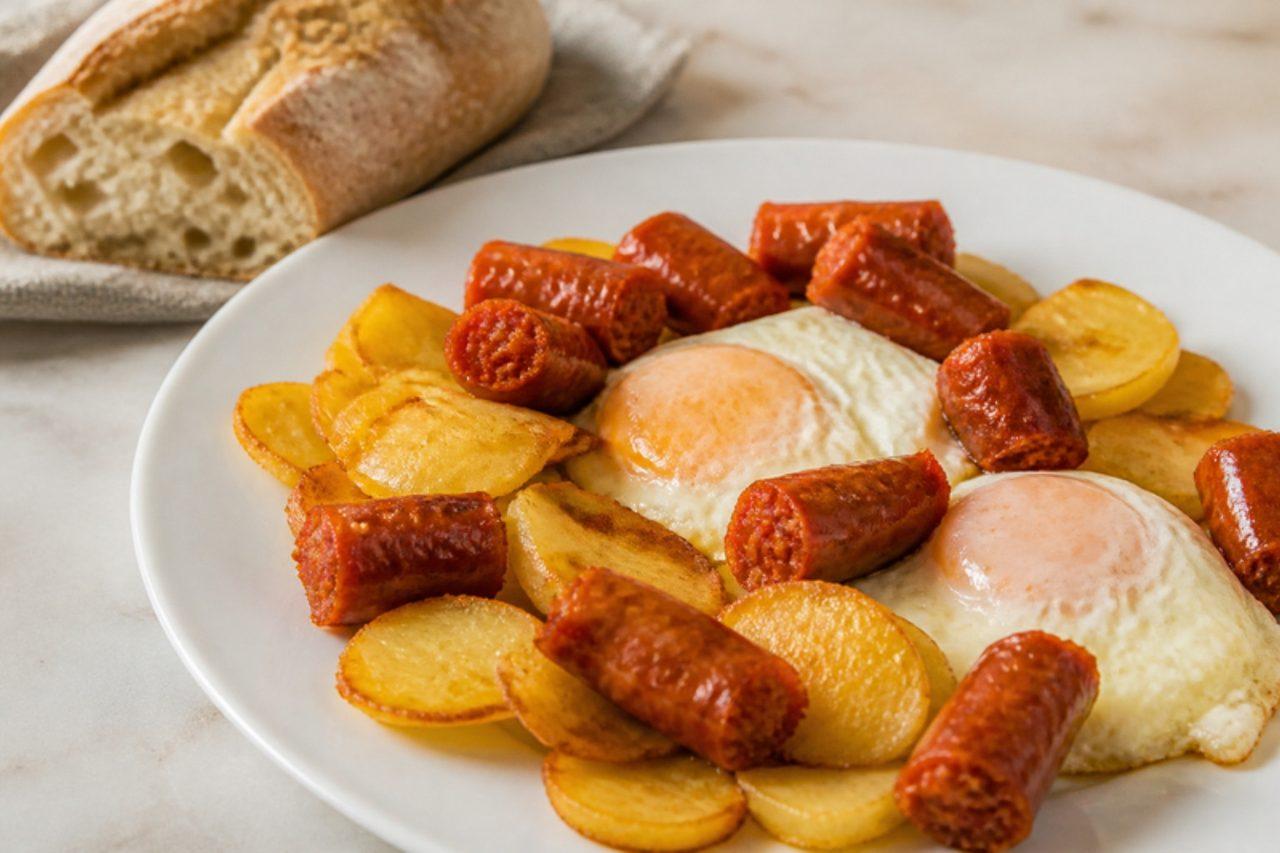
Txistorra is a long, thin, bright red fresh sausage from Navarre and the Basque Country, made from pork seasoned with garlic and sweet paprika. During San Fermín in July, Pamplona eats it at all hours: after the morning bull run it turns up on a plate with fried eggs and chips, a breakfast that could feed a farmhand. This contains pork (txistorra). Chef's tip: fry the txistorra without extra oil, since it gives up its own orange fat, and use that fat to baste the eggs.

by KrazyBadal 0 views

Pozole verde de GuerreroGreen pumpkin-seed pozole

In Chilpancingo and Chilapa, Thursday is jueves pozolero, and families and office crowds fill the pozolerías for this green version. Unlike our vegetarian pozole verde, this is a pork dish with chicken too: pork shoulder and chicken thighs simmer with hominy, then the broth is thickened with a sauce of toasted pumpkin seeds, tomatillos, chilli and epazote, so it turns creamy, nutty and bright green. Bowls go to the table with avocado, crisp pork chicharrón, onion, oregano, lime and tostadas. Epazote can be hard to find: use fresh oregano plus a few coriander stalks instead. Chef's tip: toast the pumpkin seeds only until they puff and start to pop; darker seeds make the broth brown and bitter.

185 minMexicanSoupsGluten free
by KrazyBadal 0 views

Txipirones en su tintaBaby squid in ink sauce

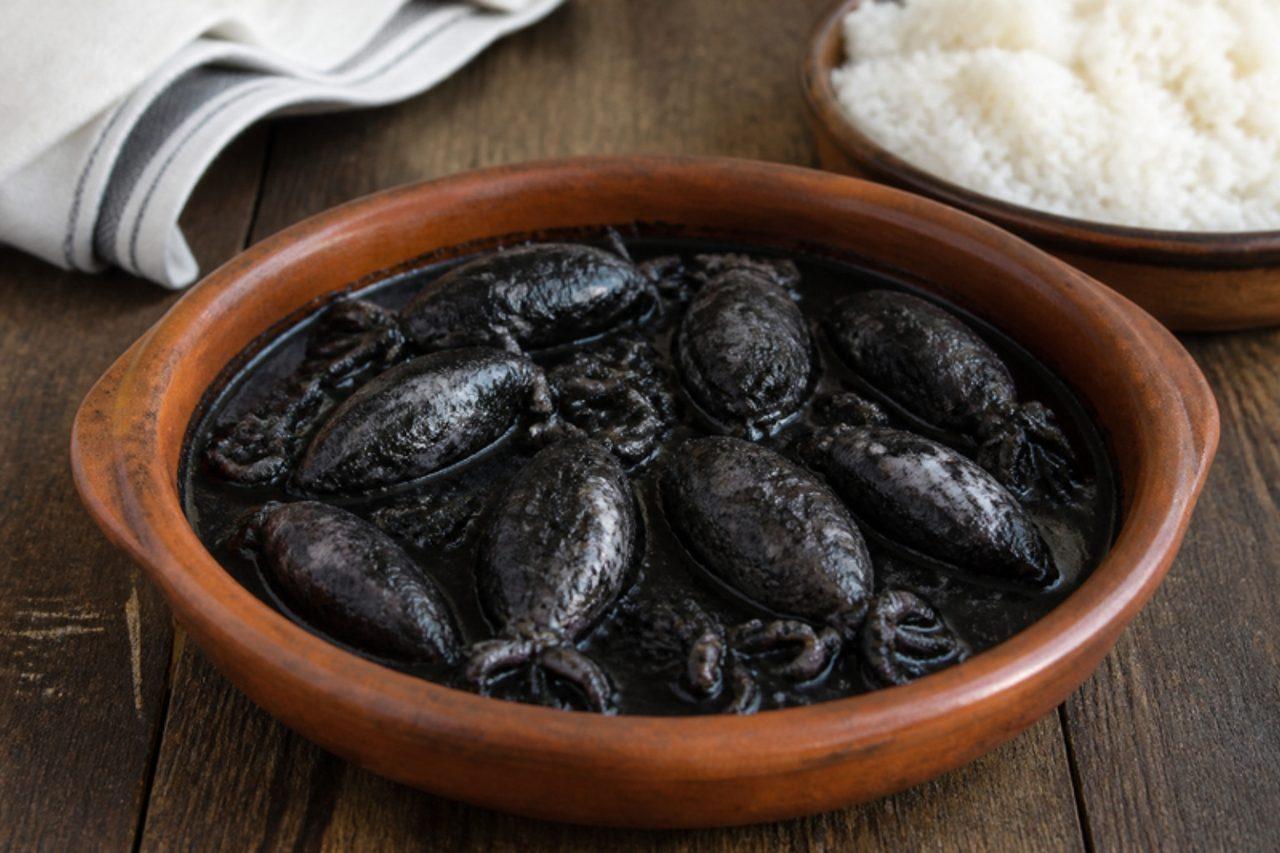
Along the Basque coast from Getaria to Hondarribia, little squid caught on hand lines in late summer are stuffed with their own tentacles and stewed in a sauce made inky black with their ink. In bars and homes it is served with plain white rice or fried bread to soak up the sauce. Cleaning the squid takes a little patience, but the stew itself is simple. A common mistake is browning the onions: they should stay soft and sweet, or the sauce tastes harsh. Chef's tip: buy extra ink sachets from the fishmonger, as the ink in small squid is rarely enough for a deep colour.

by KrazyBadal 0 views

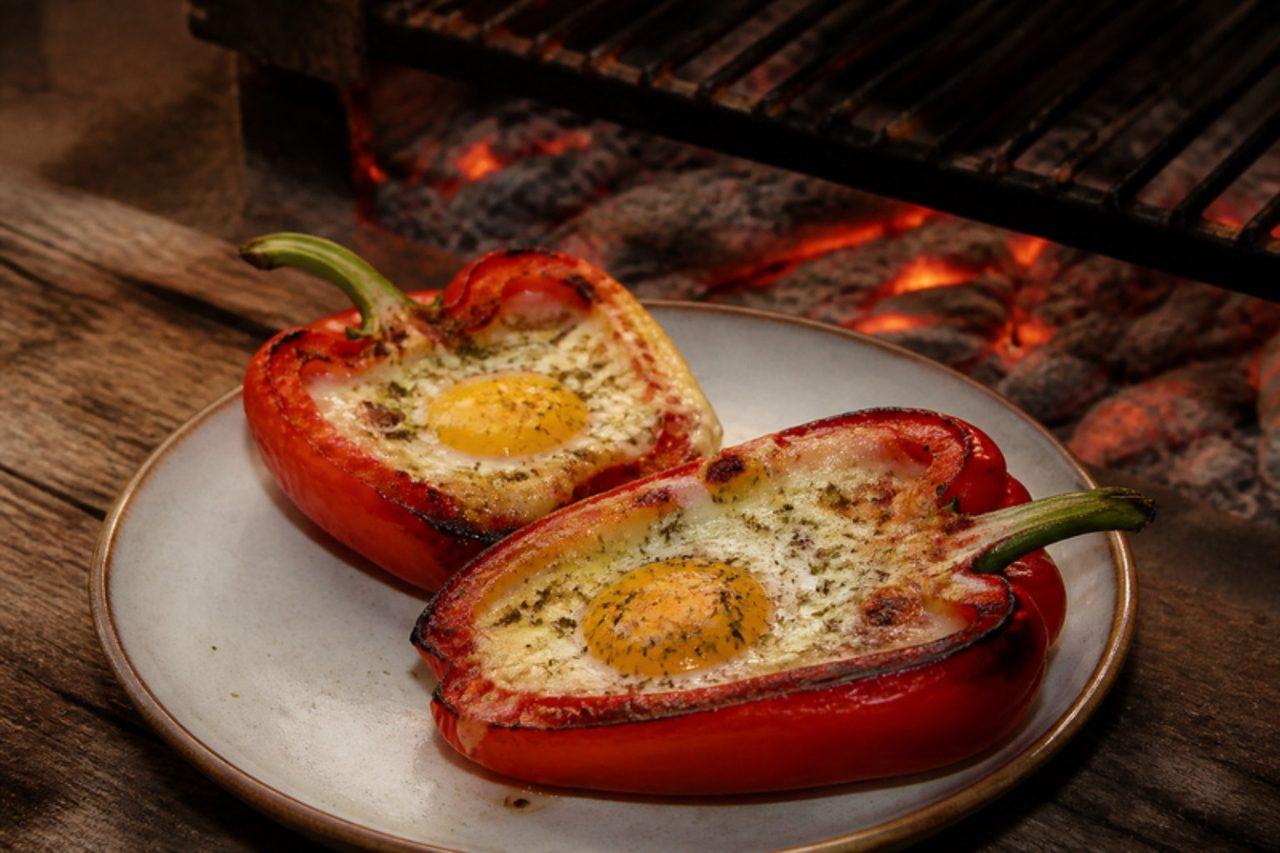
Morrones con huevo a la parrillaGrilled peppers with egg and cheese

While the meat rests on the cooler side of the parrilla, many asadores put halved red peppers cut side up over the coals, let them soften and char, then crack an egg into each one with a piece of cheese and a pinch of oregano. The pepper becomes a little dish: sweet, smoky and juicy, with a just-set egg and molten cheese in the middle. It is one of the classic starters at an Argentine asado, eaten with bread before the steak arrives, and it makes a good vegetarian main for anyone who skips the meat. The mistake is cracking the egg into a raw pepper: the egg overcooks before the pepper softens, so grill the shells first. Cook until the white is completely set. Queso cremoso or mozzarella is usually made with animal rennet; pick a vegetarian one if needed. Chef's tip: cover the peppers with a foil tent or a lid once the egg goes in; the trapped heat sets the top of the egg without burning the base.

by KrazyBadal 0 views

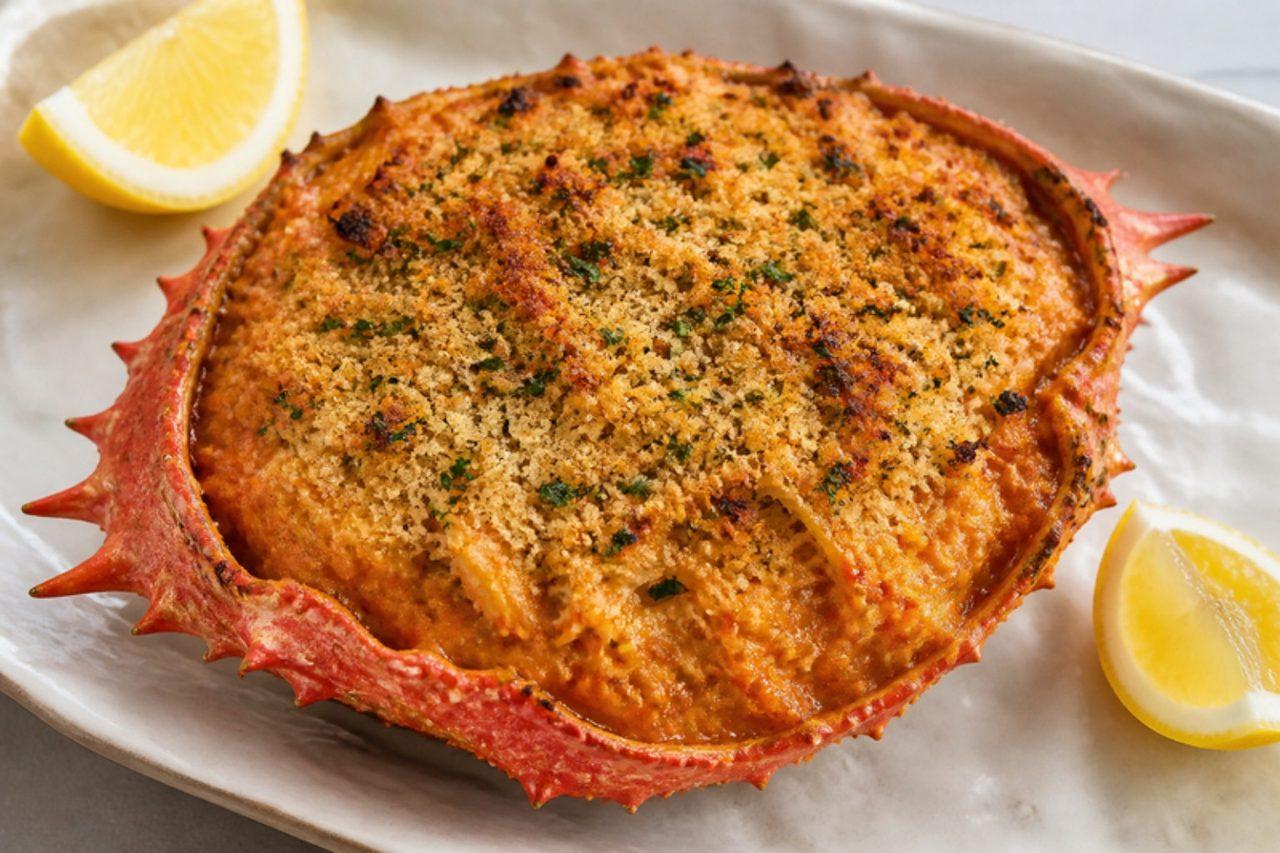
Txangurro a la donostiarraBaked spider crab

In San Sebastián the spider crab (txangurro) is a winter treat, at its best from November to April, and the old bars of the Parte Vieja serve it bubbling hot in the shell. The picked crab meat is mixed with a slow sofrito of onion, leek, carrot and tomato, often splashed with brandy, then topped with breadcrumbs and butter and browned. This recipe uses brandy; leave it out or use the same amount of crab cooking water for an alcohol-free version. A common mistake is a wet filling that boils under the crumbs; cook the sofrito down until thick. Chef's tip: use a cooked crab from the fishmonger on the day you buy it, and scrub the shell well if you plan to serve in it.

by KrazyBadal 0 views

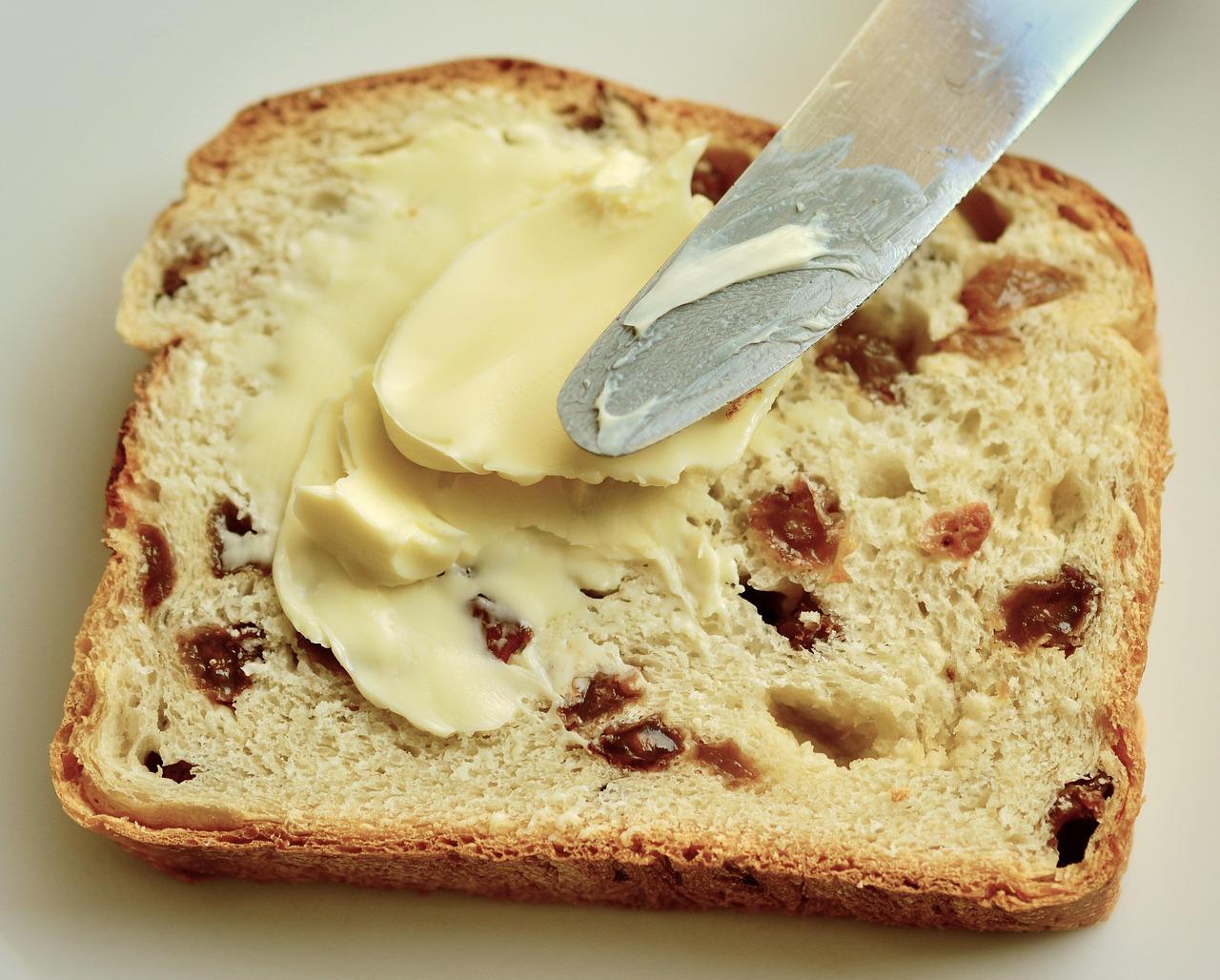
RosinenstutenRaisin milk loaf

Rosinenstuten is the soft, slightly sweet raisin loaf that Westphalian and Rhineland families buy for Sunday breakfast and for christenings, where a giant one was once the traditional gift. It is baked in a long tin, sliced thick and spread with good butter, sometimes with a layer of cheese on top, which sounds odd and works beautifully. The crumb is fine and fluffy and the crust soft and shiny. A common mistake is adding dry raisins straight to the dough; they burn on the crust and steal moisture. Chef's tip: soak the raisins in hot water for 15 minutes, pat them dry and knead them in only at the very end, gently, so the dough stays light.

190 minGermanBaking
by KrazyBadal 0 views

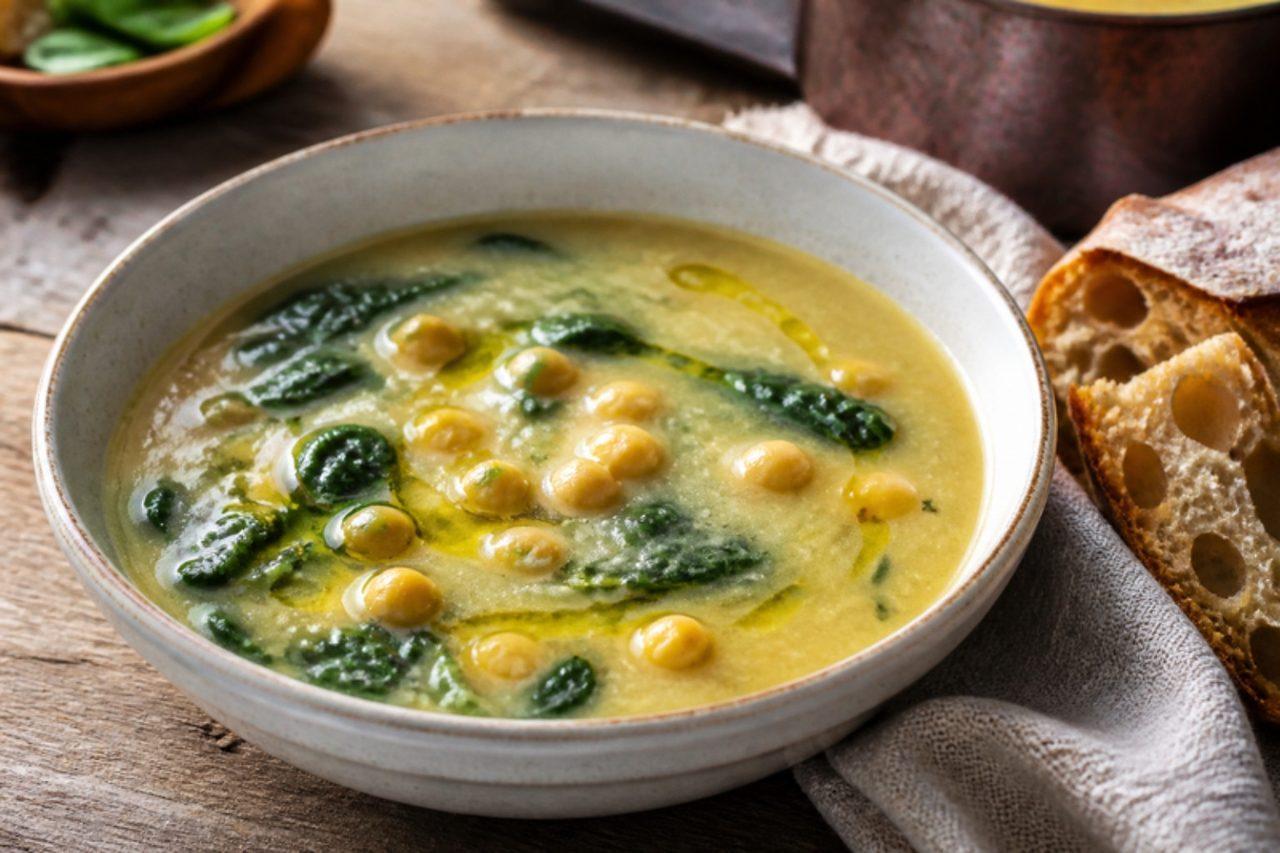
Sopa de grão com espinafresChickpea and spinach soup

This is everyday food in the villages of the Beira interior, where chickpeas are a winter store-cupboard standby and a big pot of soup starts most lunches and suppers. Part of the chickpeas are blended with potato and onion for a creamy base, the rest left whole, and fresh spinach is stirred in at the end. It is filling, cheap and ready in under an hour. A common mistake is boiling the spinach in the soup for too long; add it at the end and cook it only until it wilts. Chef's tip: add the spinach only at the last minute, as long cooking turns it grey and bitter.

by KrazyBadal 0 views

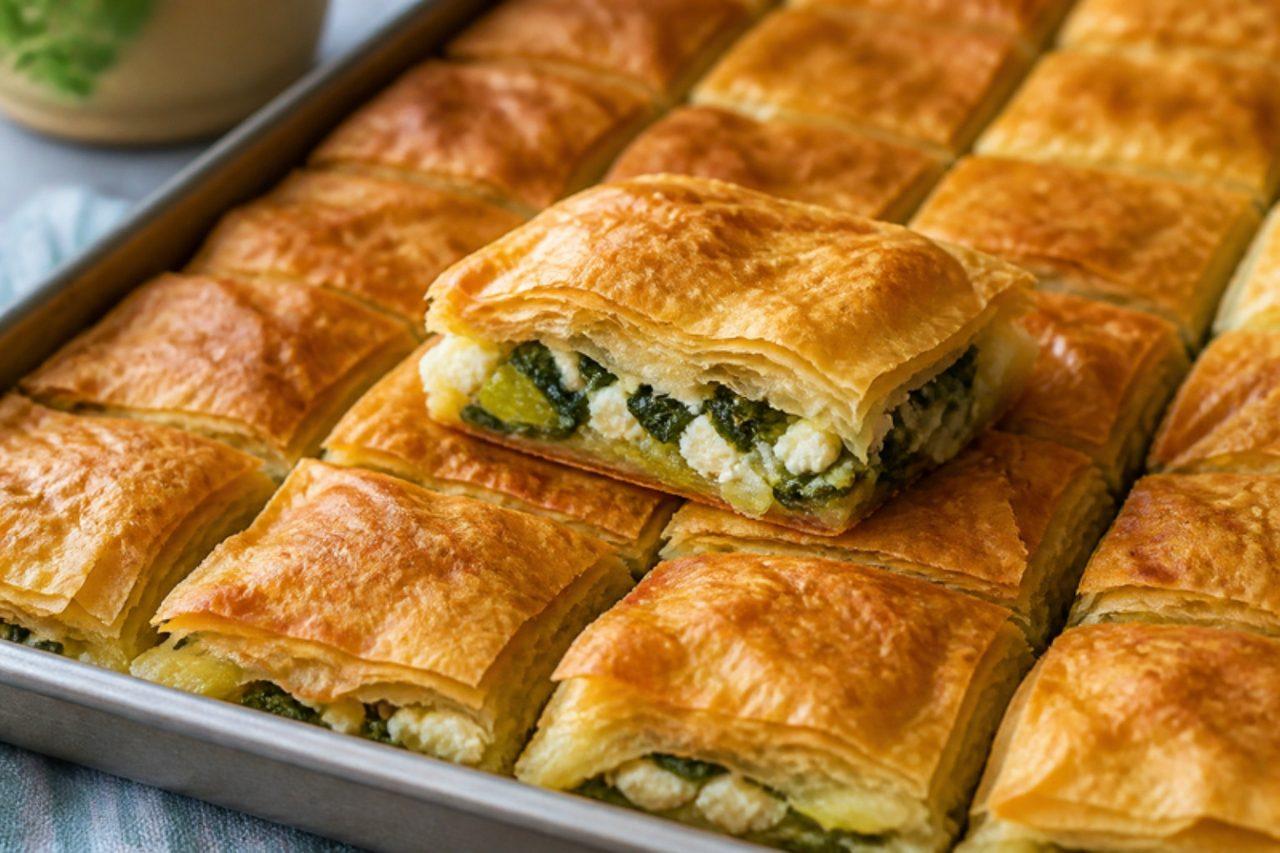
PrasopitaLeek and feta pie

In the villages around Kozani and Kastoria, winter leeks pulled from frozen ground go into this pie, made on Sundays and taken to the fields in slabs wrapped in paper. The leeks are sweated slowly in butter and olive oil until silky and sweet, bound with eggs, feta and a little semolina, then baked between buttery sheets of filo. It is softer and gentler than spinach pie, and just as good cold the next day. Feta and kefalotyri usually use animal rennet; choose vegetarian versions if needed. Common mistake: leaving grit in the leeks — split and wash them under the tap before slicing. Chef's tip: cook the leeks until all their liquid has gone, or the bottom pastry turns soggy.

by KrazyBadal 0 views

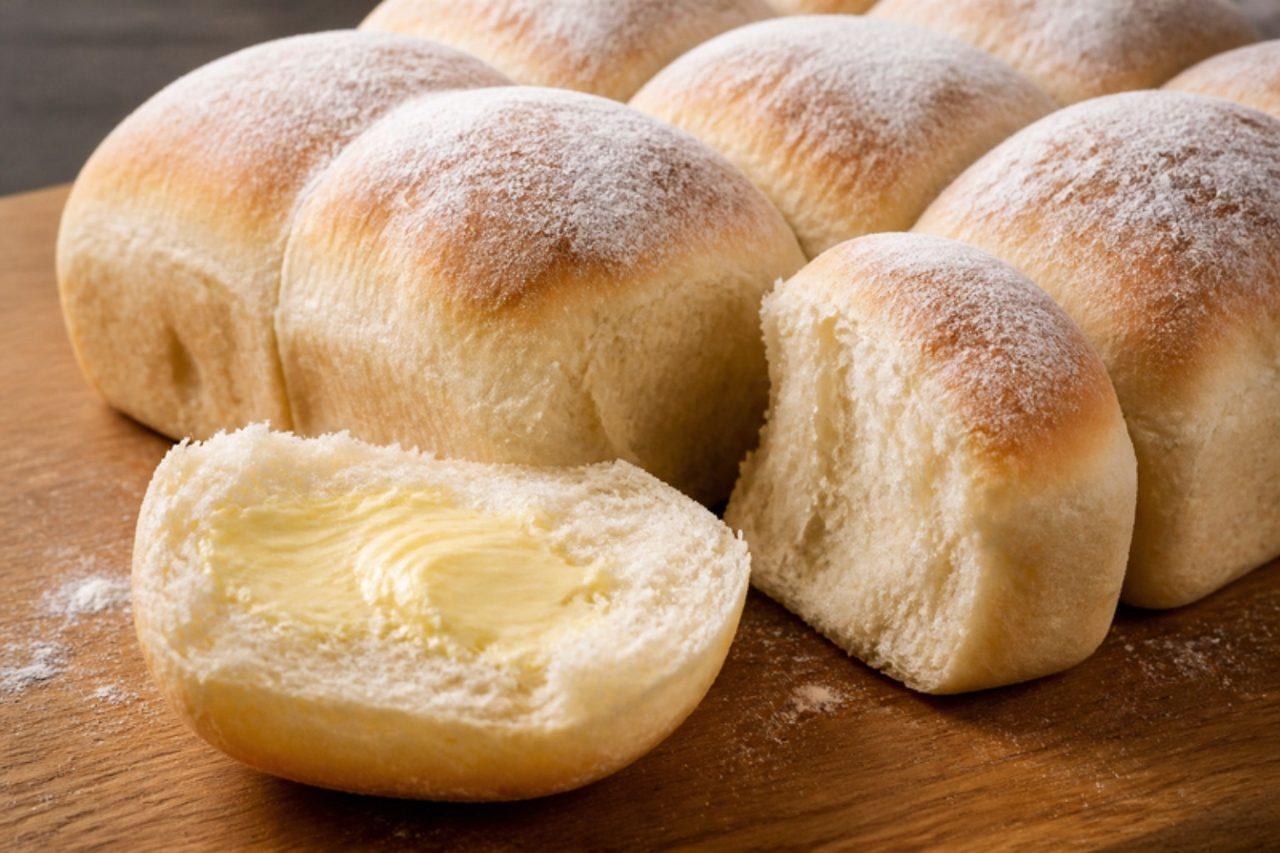
Waterford blaaSoft white bread rolls

The blaa is the soft white roll of Waterford city, said to have been brought by French Huguenot bakers in the 1700s, and it carries protected status in Europe. The rolls are proofed close together and dusted thickly in flour, so they have pale, tender sides and a fine, white floury crust. Waterford people eat them for breakfast with butter, or split and filled with crisps or a 'rasher blaa'. Chef's tip: bake them touching each other in a hot oven for only a short time; they should stay pale and soft, never crusty.

by KrazyBadal 0 views

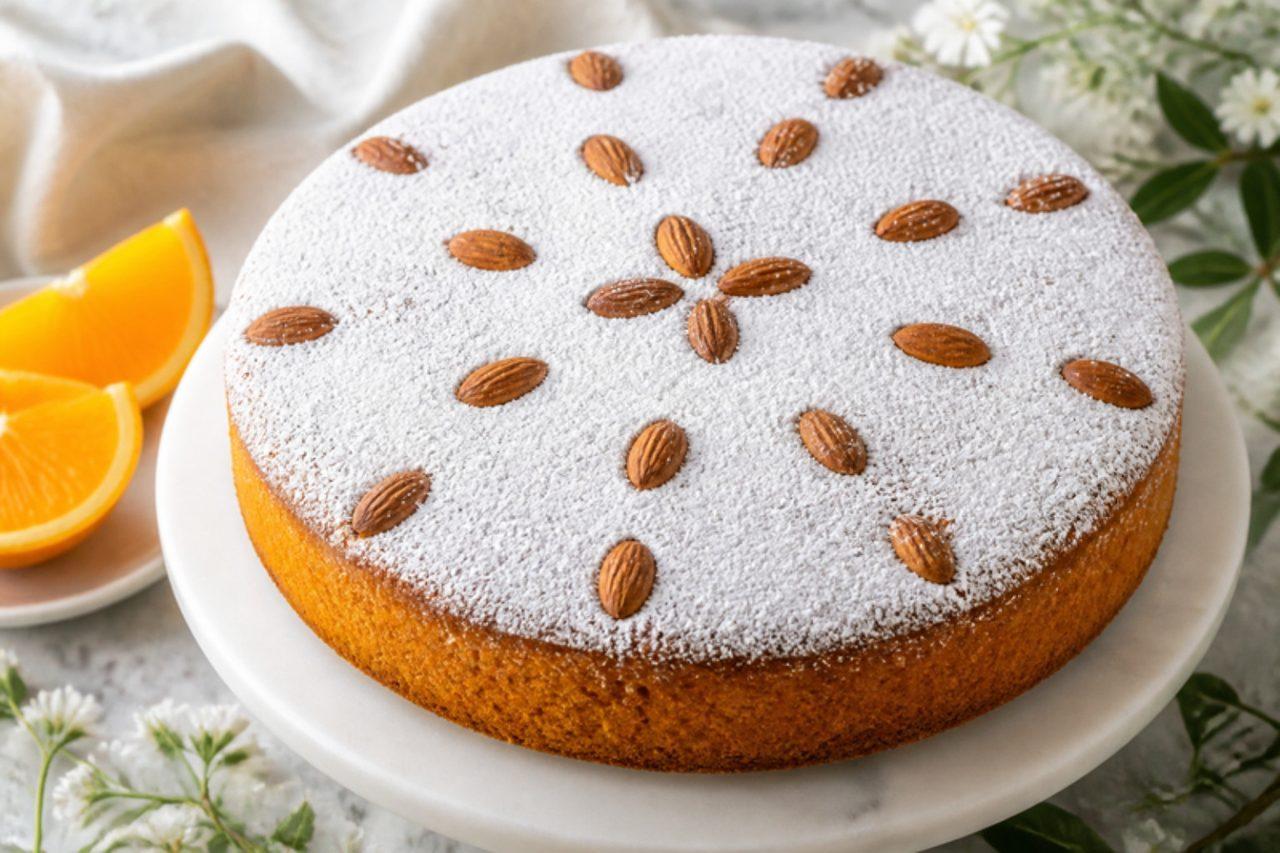
VasilopitaNew Year orange cake

Just after midnight on New Year's Eve, or at lunch on 1 January, the head of a Greek household crosses the vasilopita with a knife and cuts slices in strict order: for Christ, for the house, then for each person from oldest to youngest. Whoever finds the foil-wrapped coin has luck for the year. This Athenian-style version is a tall, fluffy orange cake, dusted with icing sugar with the new year's numbers stencilled on top. Common mistake: slicing it warm, which makes the crumb gummy and drags the coin around. Chef's tip: beat the butter and sugar until almost white and fold the whipped whites in by hand; that is where the light, cottony crumb comes from.

by KrazyBadal 0 views

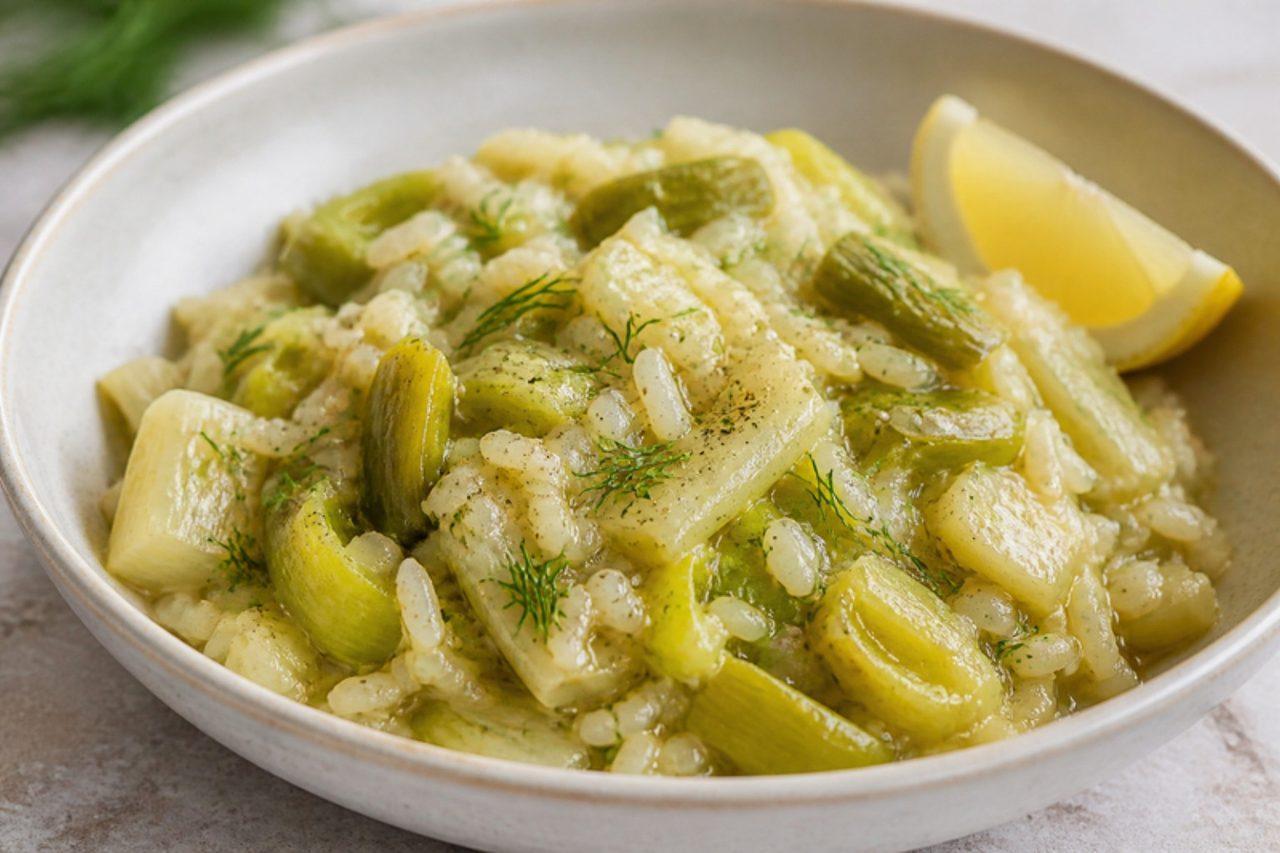
PrasorizoLeek and rice with lemon

Prasorizo is the cheap, comforting pot that northern Greek kitchens turn to through the Lenten weeks and the cold months, when leeks are at their best and meat is off the table. Leeks are stewed in plenty of olive oil until meltingly soft, then rice simmers in the same pot until creamy and loose, finished with dill and a sharp squeeze of lemon. It is eaten warm, never piping hot, with feta (or a vegan alternative) and olives on the side. Common mistake: stirring like risotto, which turns it gluey — stir once or twice and let it bubble. Chef's tip: be generous with the oil; in a ladera dish the olive oil is the sauce.

by KrazyBadal 0 views

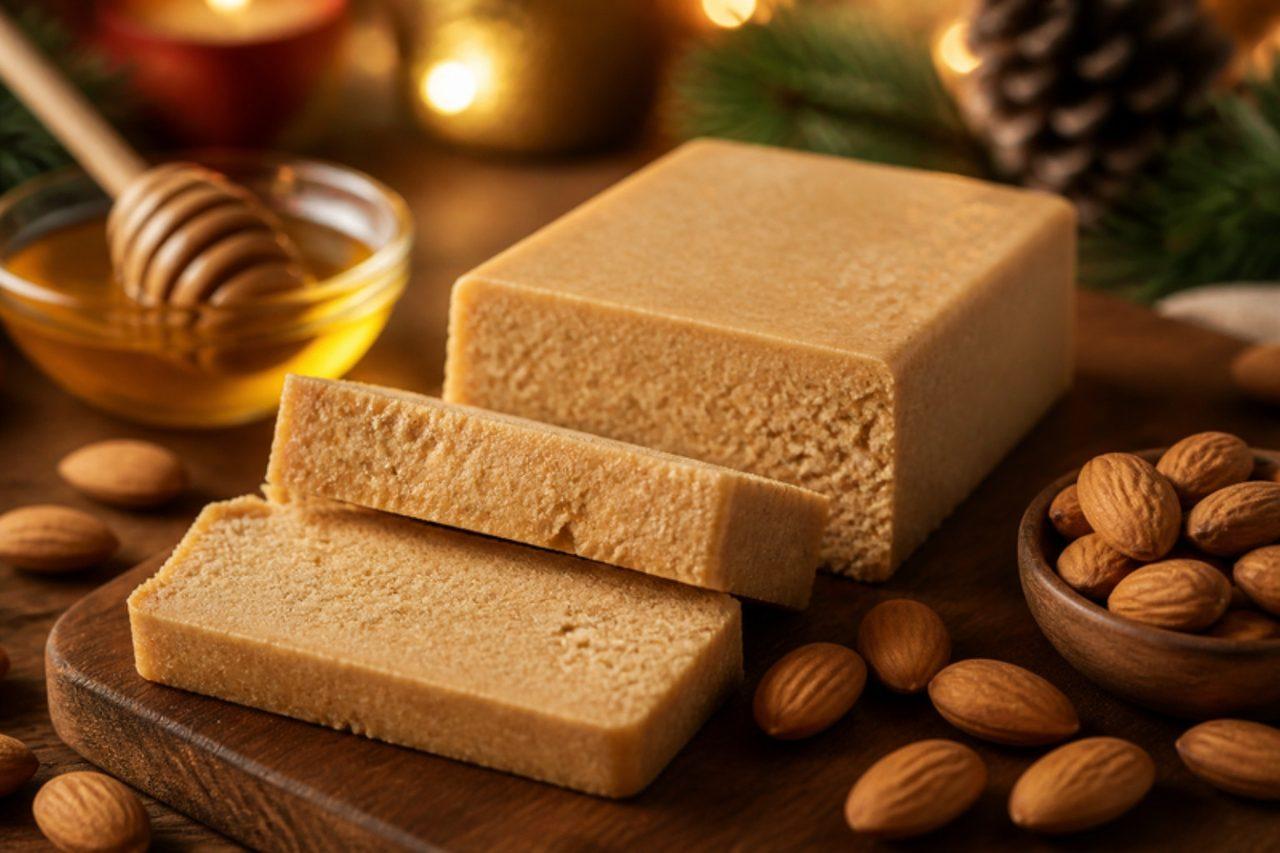
Turrón de JijonaSoft almond and honey nougat

The hill town of Jijona (Xixona) in Alicante has been grinding almonds and honey into turrón for centuries, and its soft, beige, slightly oily bars are on almost every Spanish table between Christmas Eve and Twelfth Night. Unlike hard Alicante turrón, Jijona turrón is a smooth almond paste that crumbles and melts in the mouth, deeply nutty with a floral sweetness from the honey. A common mistake is under-toasting the almonds; pale almonds give a bland, grey paste, so take them to a light, even gold. This version uses honey and egg white, so it is vegetarian but not vegan. Chef's tip: press the warm paste into its mould under a weight and leave it a full two days before slicing; it firms up and the oil settles evenly through it.

by KrazyBadal 0 views

Turrón de Doña PepaAnise biscuit sticks in spiced syrup

Every October, the month of the Señor de los Milagros processions in Lima, bakeries and street sellers pile their trays with turrón de Doña Pepa: layers of crumbly anise-flavoured sticks drenched in a dark syrup of chancaca cooked with fruit and spices, topped with a storm of coloured sprinkles. Popular lore credits it to Josefa Marmanillo, a woman from the Cañete valley who is said to have made it in thanks after the procession. It is sticky, crunchy and soft at once, with orange and clove in the syrup. Its downfall is usually runny syrup that soaks the sticks into mush; it needs to reach a thick, threading stage before it goes on. Chancaca is sold as cones or blocks in Latin shops; panela or dark muscovado also work. Some coloured sprinkles contain gelatin, so check the label. Chef's tip: make it a day ahead; the syrup sets and the sticks soften just enough to slice neatly.

by KrazyBadal 0 views

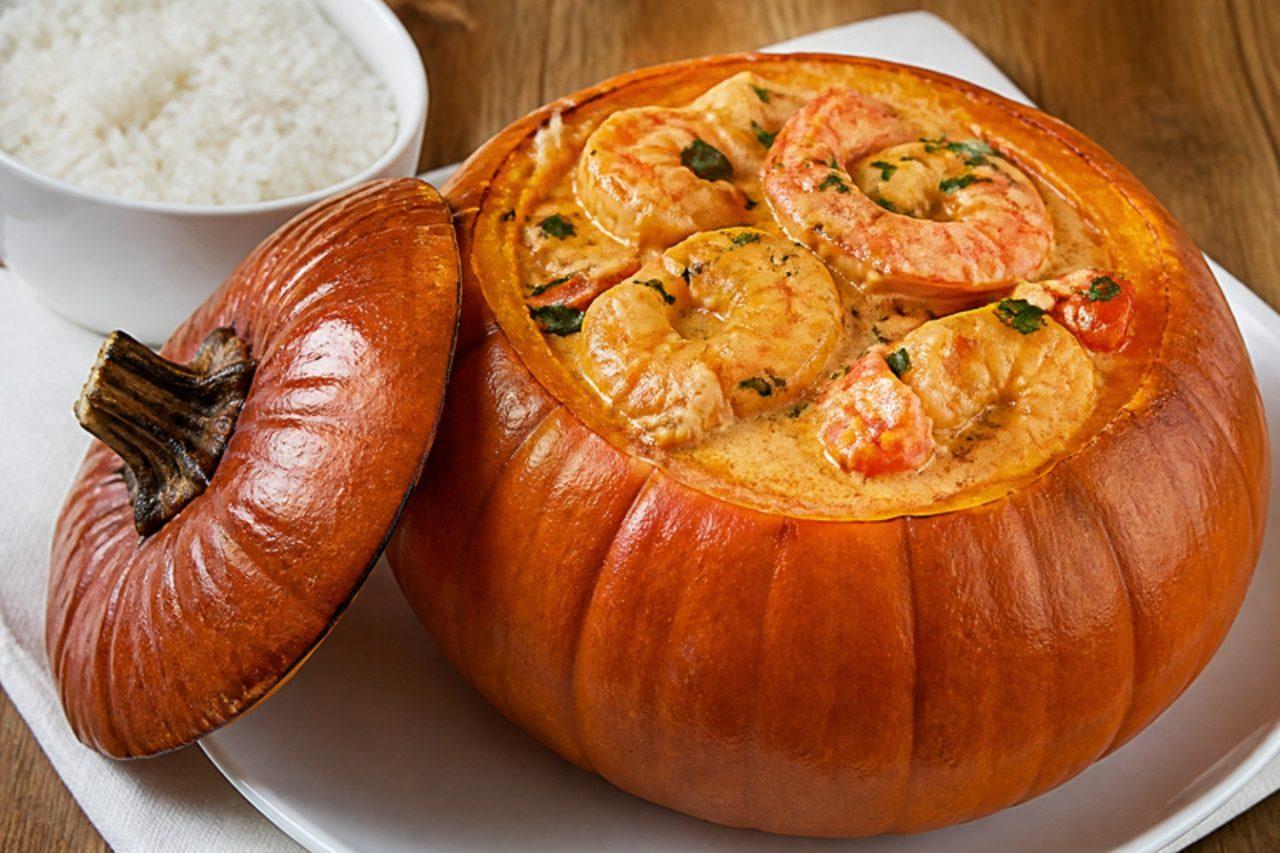
Camarão na morangaPrawn stew in roasted pumpkin

Beach restaurants along São Paulo's north coast, from Ubatuba to Ilhabela, bring camarão na moranga to the table as a showpiece: a whole roasted pumpkin, its lid lifted to reveal prawns in a creamy tomato sauce. You scoop the soft, sweet pumpkin flesh from the walls along with each serving, so it melts into the sauce. It is rich, gentle and celebratory, served with white rice and a green salad. The usual slip is roasting the pumpkin until it is too soft, so it slumps and splits; it should be tender but still standing. Use a kabocha or other dense, small pumpkin of about 2.5 kg. Cook the prawns only until they are pink and opaque all the way through. Chef's tip: brush the inside of the roasted pumpkin with a spoonful of cream cheese before you fill it; it seals the walls and makes every scoop creamier.

by KrazyBadal 0 views

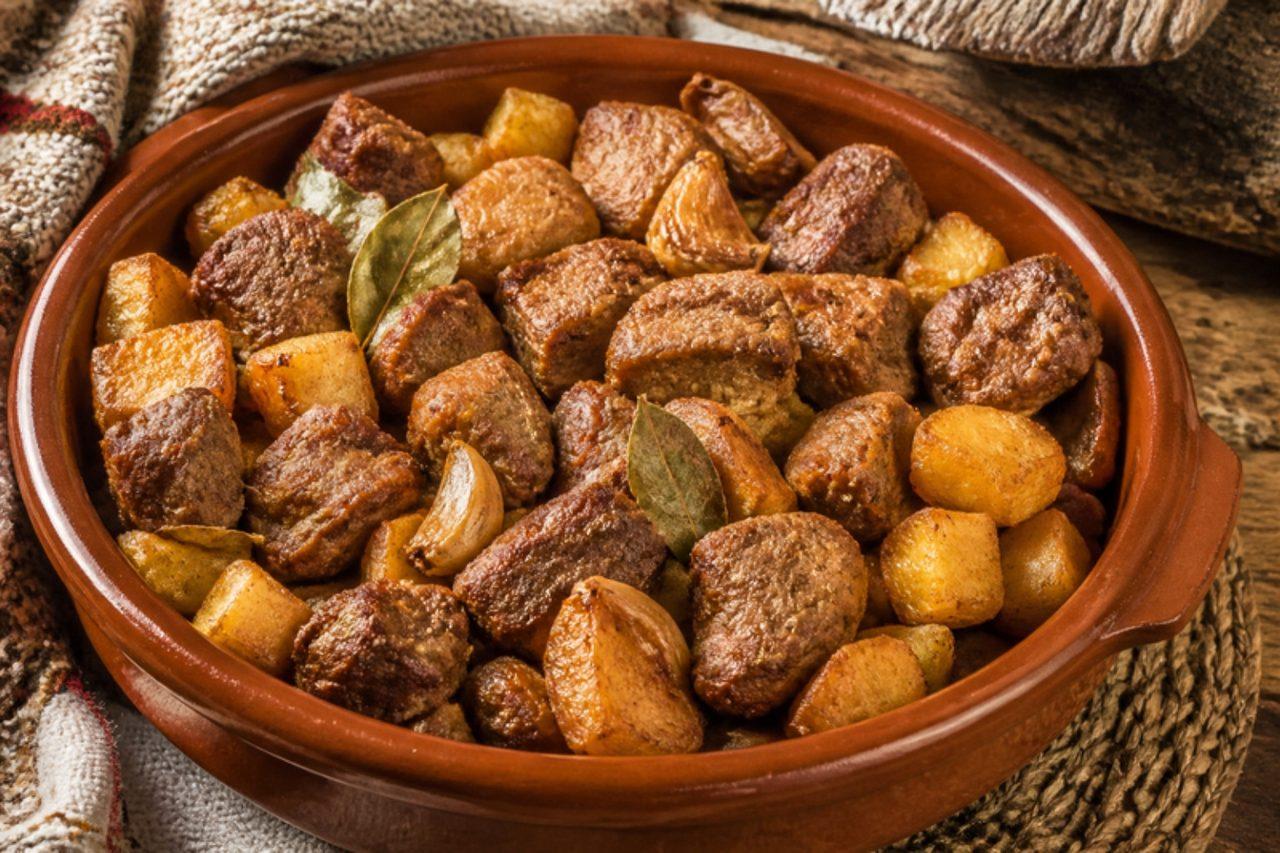
Rojões à minhotaMarinated fried pork with potatoes

Rojões are the centrepiece of a Minho winter feast, traditionally cooked in the weeks after the family pig was killed and still served in Braga and Ponte de Lima restaurants with arroz de sarrabulho alongside. This contains pork (pork shoulder and lard). Chunks of pork shoulder spend a night in white wine, garlic, paprika and bay, then cook slowly in their own fat until the outsides are crusty and the insides tender. The dish uses wine; an alcohol-free option is given in the ingredient list. A common mistake is crowding the pan, so the pork stews in its juices instead of browning in its own fat. Chef's tip: dry the pork well after marinating, or it will stew rather than brown.

by KrazyBadal 0 views

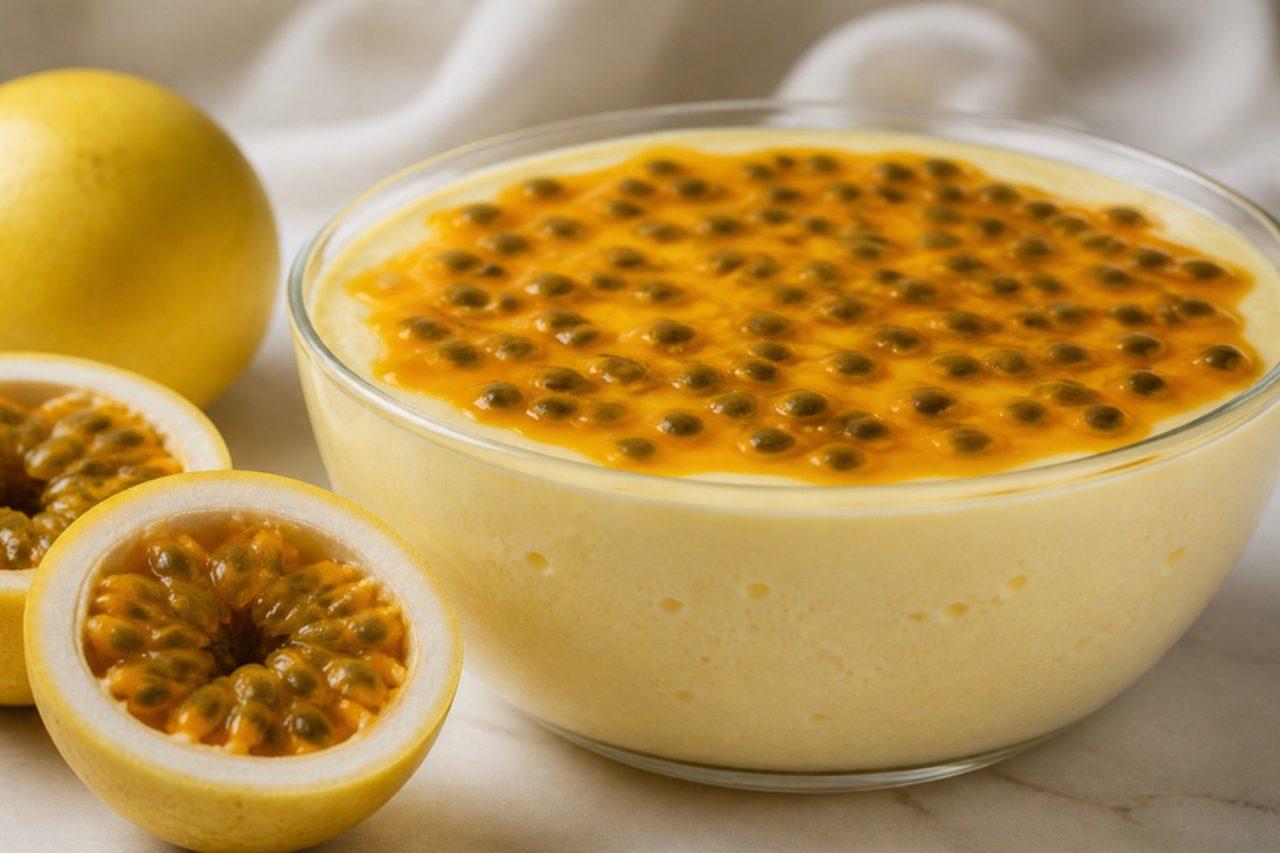
Mousse de maracujáPassion fruit mousse

Three ingredients, a blender and a fridge: Brazilian home cooks from Recife to Curitiba lean on mousse de maracujá for Sunday lunch dessert because it takes ten minutes and nobody ever refuses it. The acid in passion-fruit juice thickens condensed milk and cream almost instantly, so it sets into a light, tangy, pale yellow mousse without gelatin, topped with the glossy black seeds and pulp. Sharp and sweet at once, it is perfect after a feijoada or a barbecue. Buy wrinkly, heavy passion fruit, which are the ripest and juiciest; frozen unsweetened pulp works too. The trap is diluting the juice: any added water stops the mousse setting, so use pure strained juice. Chef's tip: keep back the pulp of one fruit, warm it for a minute with a spoonful of sugar, and pour it over the mousse just before serving for shine.

by KrazyBadal 0 views

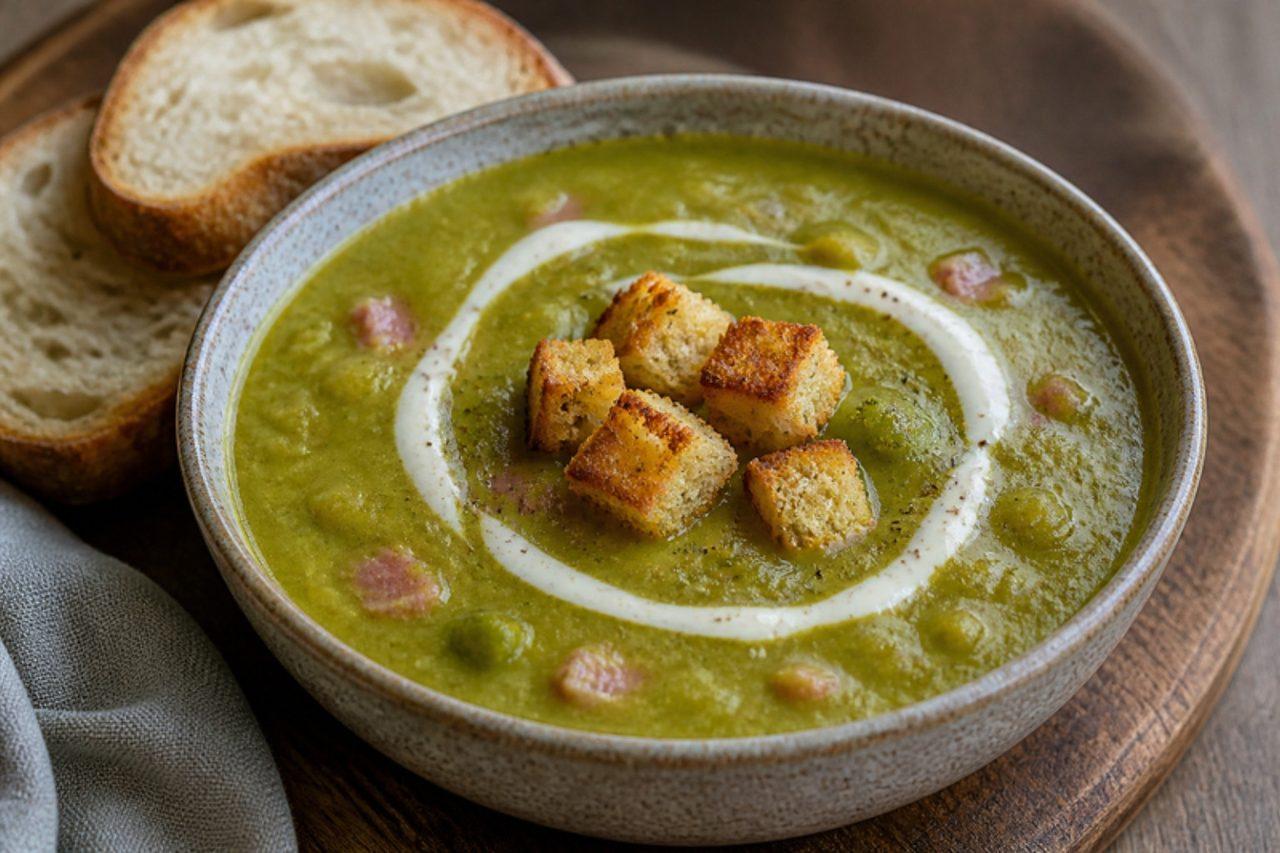
London particularSplit pea and ham soup

London particular is a thick, yellow-green soup of split peas and smoked pork ham hock, named after the pea-souper smogs that once smothered the city. It was a cheap winter warmer in Victorian London eating houses and is still on menus in pubs and cafés when the weather turns. The hock gives a deep smoky saltiness and shreds of soft meat. Chef's tip: skim the grey foam off as the water first boils, for a cleaner taste.

135 minBritishSoupsGluten free
by KrazyBadal 0 views

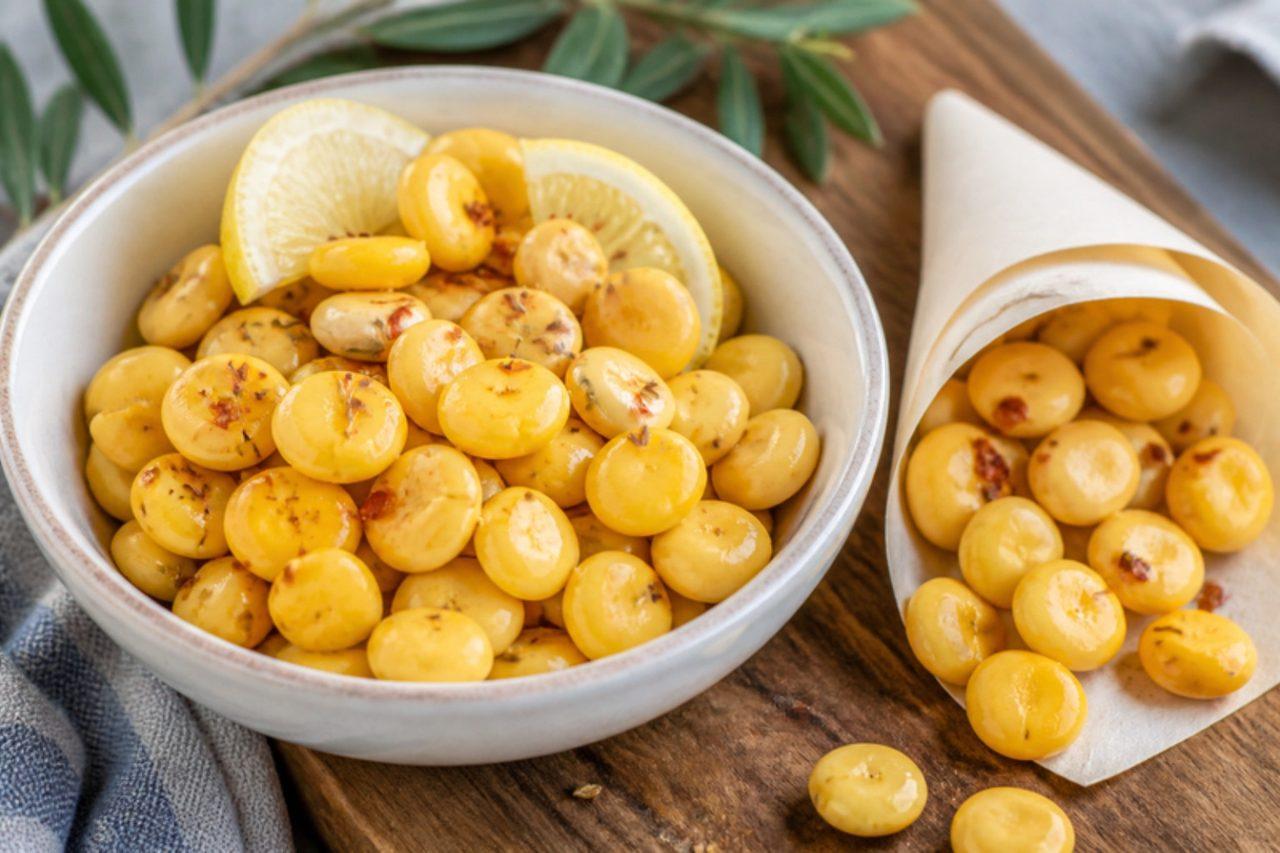
TurmusBrined lupini beans

Strolling the Beirut Corniche or a Sunday market in Amman, you will pass carts selling turmus: plump golden lupini beans kept in salted water, scooped into paper cones and eaten by nicking the skin with your teeth and popping out the bean. They are also a fixture on mezze tables and a fasting snack for Lent. Dried lupins are naturally very bitter and must be soaked for days to wash those compounds out; never eat them while they still taste bitter, and if you are allergic to peanuts, check with a doctor first as lupin allergy is linked. A jar of ready-debittered lupini, drained and seasoned, is a quick shortcut. The common mistake is salting the beans before they are fully sweet, which seals the bitterness in. Chef's tip: finish with lemon, cumin and a little chilli just before serving; the salty brine keeps them, the dressing makes them moreish.

by KrazyBadal 0 views

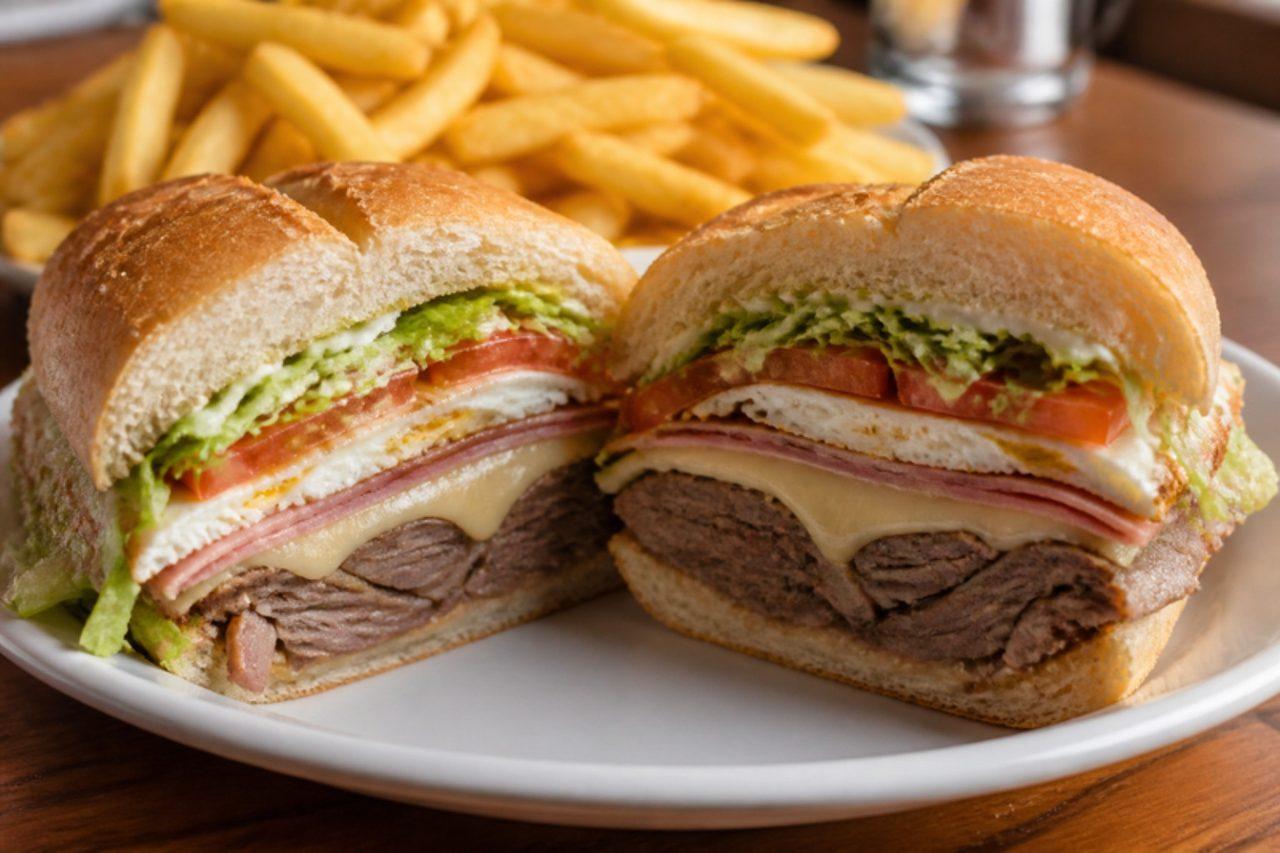
Lomito completoLoaded tenderloin sandwich

Córdoba claims the lomito as its own, and at lomiterías and late-night carts in the city it comes completo: thin, quick-seared slices of beef tenderloin piled into a big soft roll with cooked ham (pork), melting cheese, a fried egg, lettuce, tomato and mayonnaise. It is messy, juicy and filling, the classic end to a night out or a Saturday football match, usually with chips on the side. The meat is only a few millimetres thick, so it cooks in a minute; Córdoba grills cook it through, but as a whole steak you can leave it a little pink to taste. The big error is a lukewarm pan, which boils the thin beef grey instead of searing it. Chef's tip: lay the cheese on the ham in the hot pan to melt while the egg fries, so everything goes into the toasted roll hot at once.

by KrazyBadal 0 views

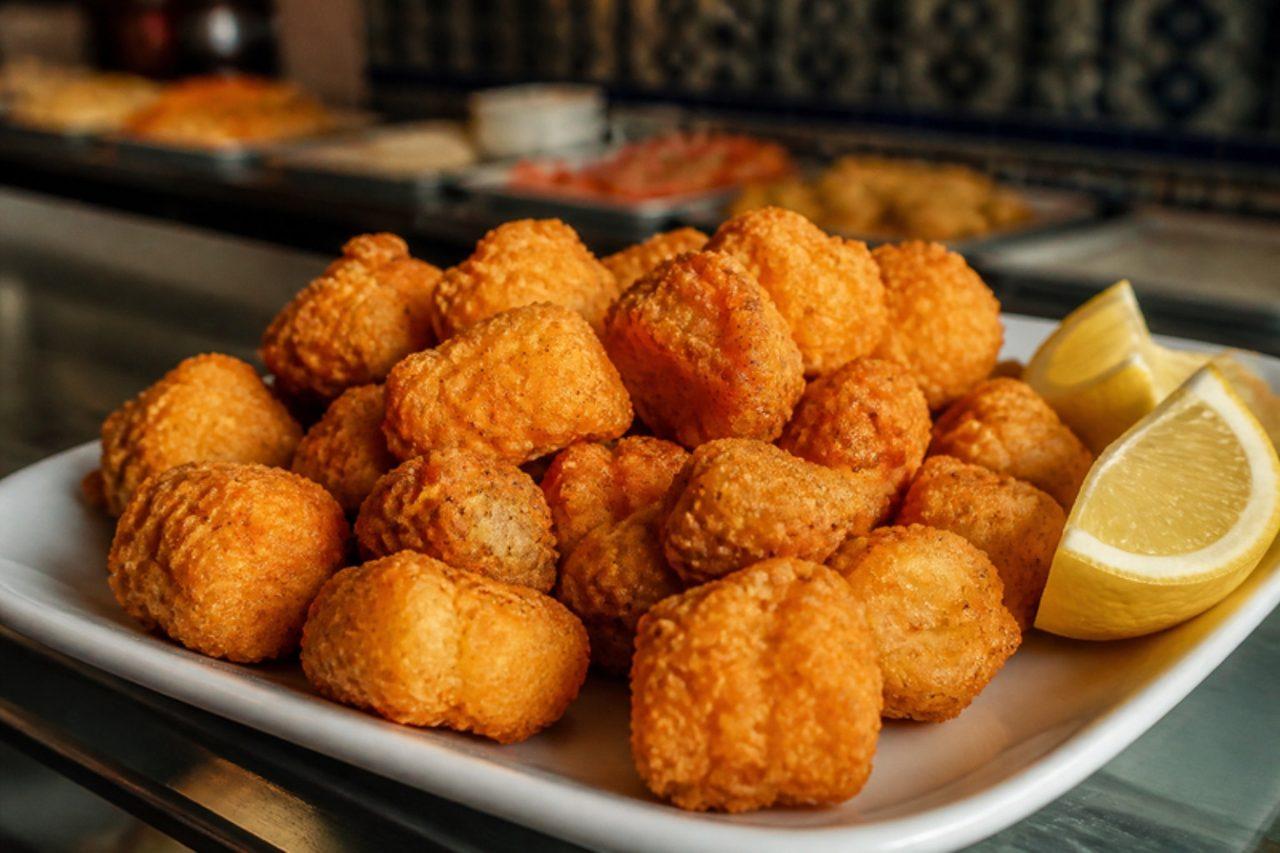
Cazón en adoboMarinated fried dogfish

In Cádiz, the tapa that sells out first in the fried-fish shops around La Viña is cazón en adobo: bite-sized cubes of dogfish soaked overnight in a sharp marinade of vinegar, garlic, cumin, oregano and paprika, then floured and fried. The marinade seasons the fish right through and gives it a tang that needs no sauce. If you cannot find dogfish, monkfish or any firm white fish works. A common mistake is a short marinade; the fish needs at least 8 hours in the fridge, for the vinegar and cumin to soak in. Chef's tip: marinate for at least 8 hours but no more than 24; past that, the vinegar starts to firm and 'cook' the fish and it goes dry.

by KrazyBadal 0 views

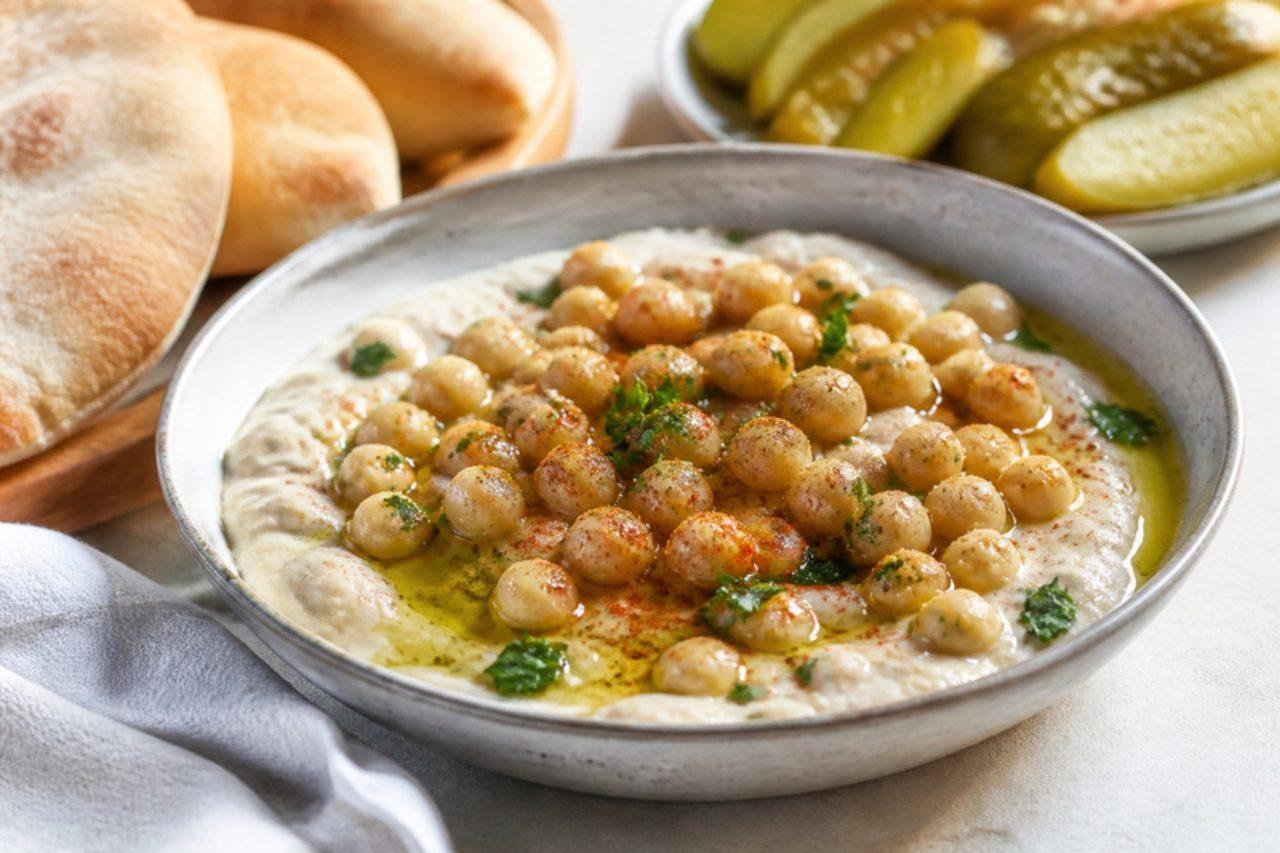
MsabbahaWhole chickpeas in tahini sauce

Hummus shops in Jerusalem's Old City and in Nablus open before dawn, and alongside the smooth hummus they ladle out msabbaha: whole, just-cooked chickpeas bathed in a loose, garlicky tahini and lemon sauce, still warm. It is a working breakfast, eaten with raw onion wedges, green chilli and plenty of bread, and it is just as popular in south Lebanon. The texture is the point, soft chickpeas in a creamy pool rather than a purée. The common mistake is making the tahini sauce too thick; it should pour like double cream so it seeps around every chickpea. Chef's tip: crush a handful of the hot chickpeas into the sauce before you spoon it over; it makes the msabbaha richer and creamier.

by KrazyBadal 0 views

Avena colombianaChilled oat drink

Bakeries all over Colombia keep a fridge of avena in plastic cups, ready to pair with a warm pandebono, buñuelo or almojábana. It is a thick, sweet oat drink cooked in milk with cinnamon and cloves, then blended smooth and chilled until it is creamy and spoonable, somewhere between a milkshake and rice pudding. Children drink it after school, and it is a common mid-morning snack with something baked. Home versions are less sweet and more spiced than shop ones. The thing to watch is texture: if you skip blending or straining, you end up with slimy flecks of oats, so blend thoroughly once it is cooked. It thickens a lot as it chills, so loosen it with cold milk before serving. Chef's tip: toast the oats in the dry pan for 2 minutes first; it gives a nutty, biscuity flavour.

by KrazyBadal 0 views

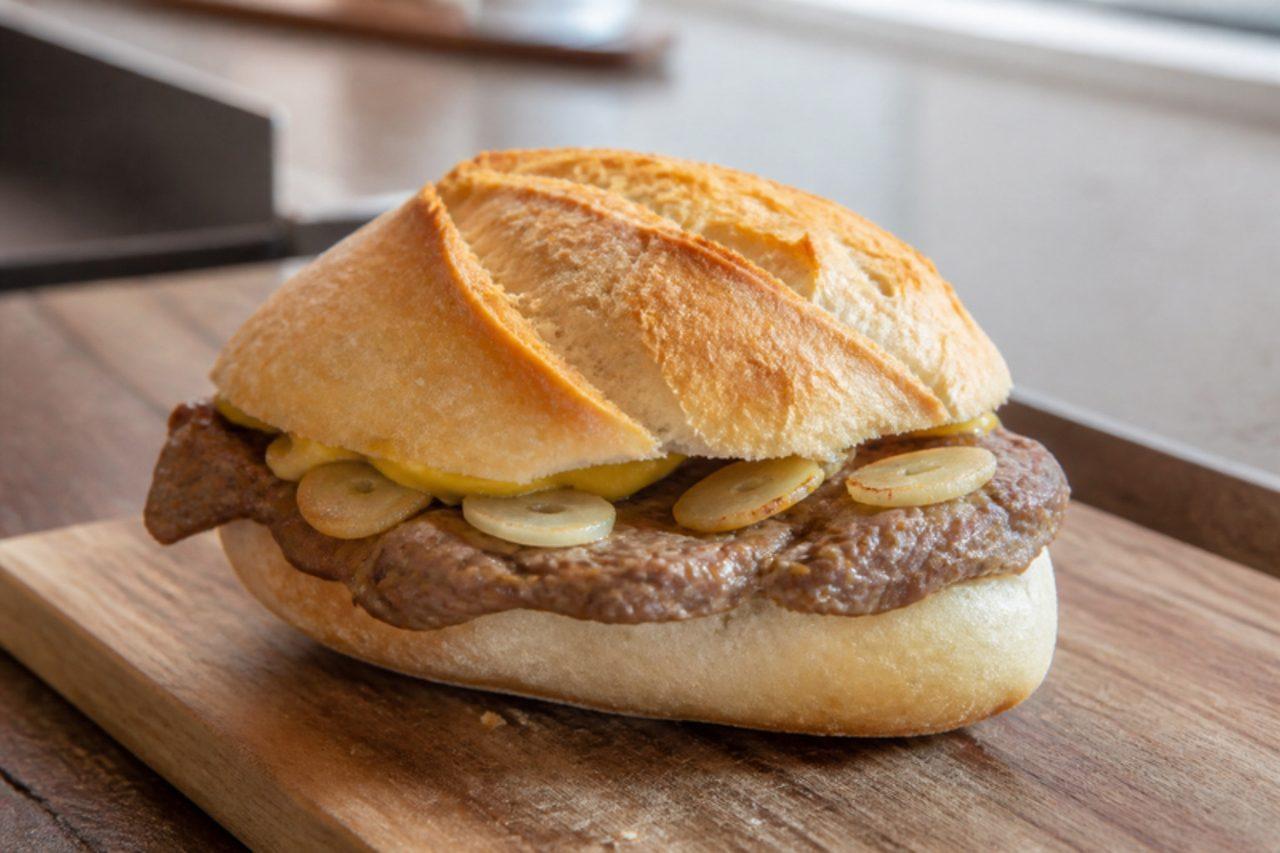
Prego no pãoGarlic steak roll

Lisbon diners order a prego at the end of a long seafood lunch, at football matches and after midnight from a beach-bar hatch: a thin slice of beef, beaten flat, fried hard in garlic and bay and stuffed into a crusty papo-seco roll. The name means 'nail', perhaps for the garlic that is hammered into the meat. Mustard or a dash of piri-piri is all it needs. A common mistake is a thick steak; it must be thin enough to cook in a minute a side or it steams and turns grey. Chef's tip: dip the cut side of the roll in the hot pan juices just before you close it.

by KrazyBadal 0 views

PrinzregententorteSeven-layer chocolate buttercream torte

Prinzregententorte was created in Munich for Prince Regent Luitpold, who ruled Bavaria from 1886, and it is still the cake Munich cafés and families bring out for name days and big birthdays. Seven very thin sponge layers, one for each of the old Bavarian districts, are stacked with chocolate buttercream, brushed with apricot jam and sealed under a shiny dark chocolate glaze. The slices show neat stripes and taste rich but not heavy. A common mistake is baking the sponge as one thick cake and slicing it; it is far easier and neater to spread each layer thinly on a tin base and bake it for a few minutes. Chef's tip: trace a 26 cm circle on seven sheets of baking paper before you start, then bake two layers at once on separate trays.

150 minGermanBaking
by KrazyBadal 0 views

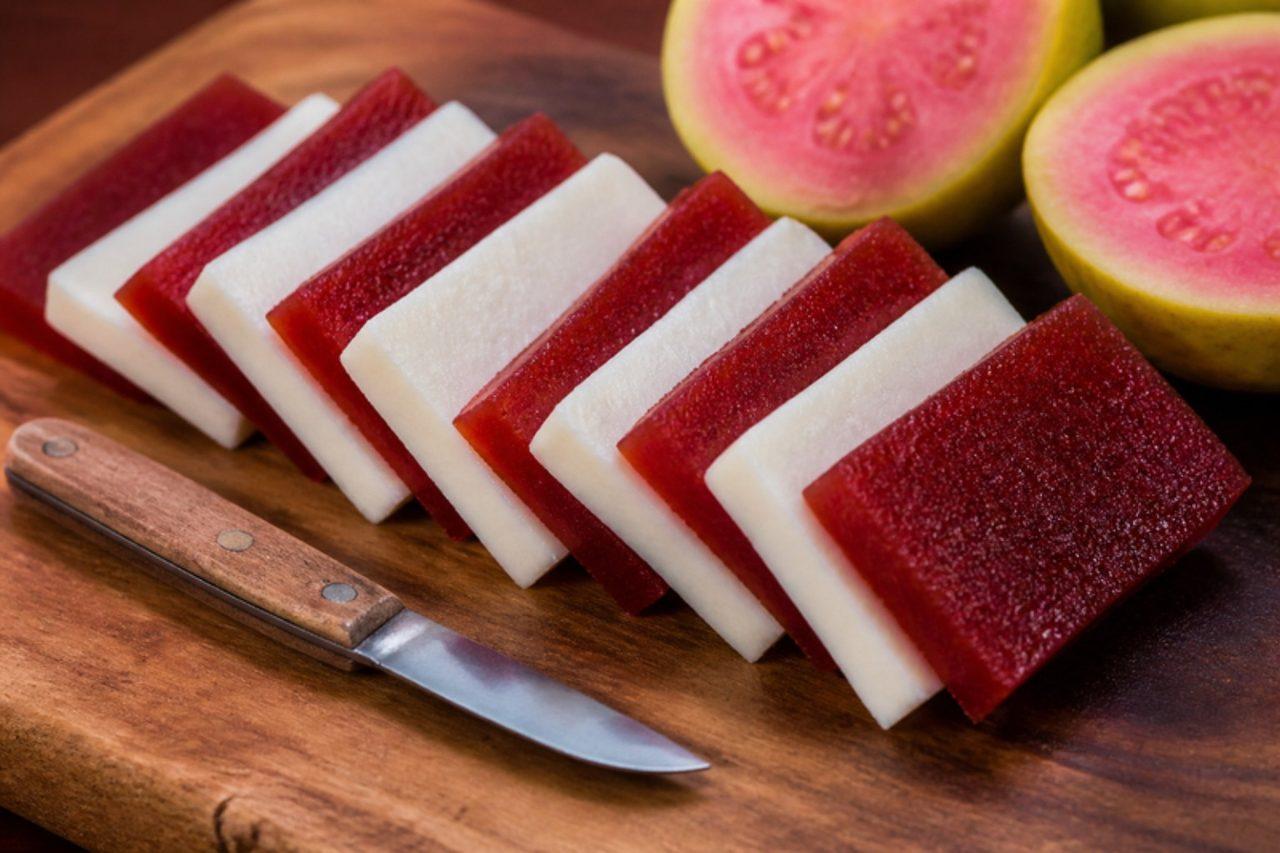
Romeu e JulietaGuava paste with fresh cheese

Two ingredients, no cooking, and a name every Brazilian knows: Romeo is the dark red goiabada, Juliet the mild white queijo Minas frescal, and they are always eaten together. Mineiros serve it after lunch on a saucer, at the end of a feast in a roadside restaurant, or as a mid-afternoon snack with coffee; the sweet, dense guava and the cool, milky, lightly salty cheese balance each other perfectly. Variations melt the guava into a warm sauce over the cheese, or bake both inside a pastry. Queijo Minas frescal is often made with animal rennet, so pick one labelled vegetarian, or use a young vegetarian farmer's cheese or paneer-style fresh cheese. The usual fault is cutting the guava thicker than the cheese, which buries Juliet; keep both slices the same size. Chef's tip: take the cheese out of the fridge 15 minutes ahead so it tastes of fresh milk rather than cold rubber.

by KrazyBadal 0 views

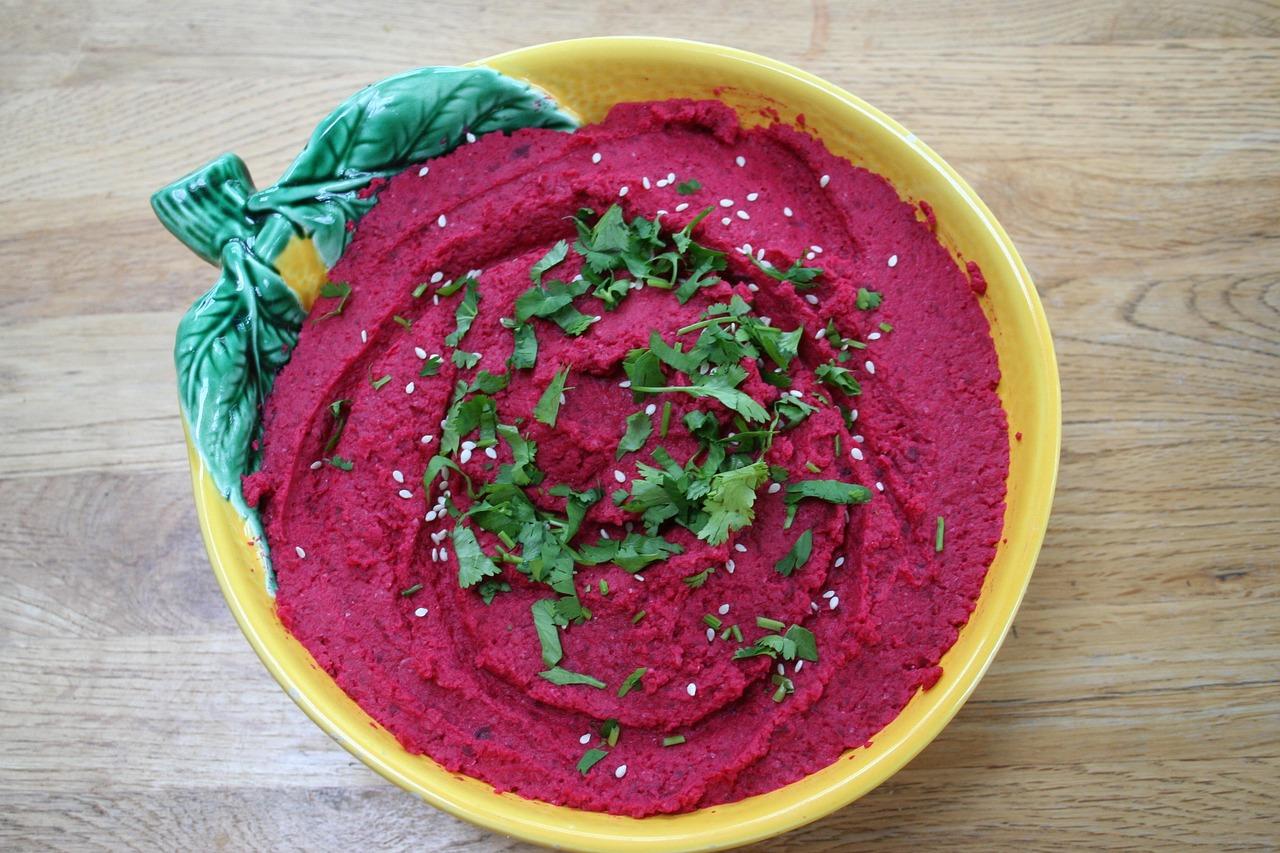
Mtabbal shamandarBeetroot and tahini dip

Beirut's modern mezze bars made mtabbal shamandar a fixture next to hummus and moutabal: roasted beetroot blended with tahini, garlic, lemon and a little yoghurt into a magenta dip that is earthy, nutty and bright. It is quick to make and keeps well, so it is good for a weekend spread with warm flatbread, crisp cucumbers and radishes. Common mistake: boiling the beetroot, which waters it down; roasting in foil concentrates the sweetness. Chef's tip: add the lemon a little at a time and taste — beetroot varies a lot in sweetness, and the dip should taste lively, not sugary. Use plant yoghurt to make it vegan.

by KrazyBadal 0 views

Türk kahvesiTurkish coffee

A cup of Türk kahvesi is how Turks welcome guests, end a long meal and, in the old custom, test a suitor: the prospective bride makes his cup and may slip salt into it. Powder-fine coffee is brewed slowly with cold water and sugar to taste in a small long-handled pot (cezve), until a thick foam rises, then poured unfiltered so the grounds settle in the cup. Serve with a glass of water first and a piece of lokum. Order it sade (plain), orta (medium) or şekerli (sweet) and add the sugar before brewing, never after. The usual mistake is letting it boil, which collapses the foam and makes it bitter. Chef's tip: use cold water and a low heat; the slower it rises, the thicker the foam.

by KrazyBadal 0 views

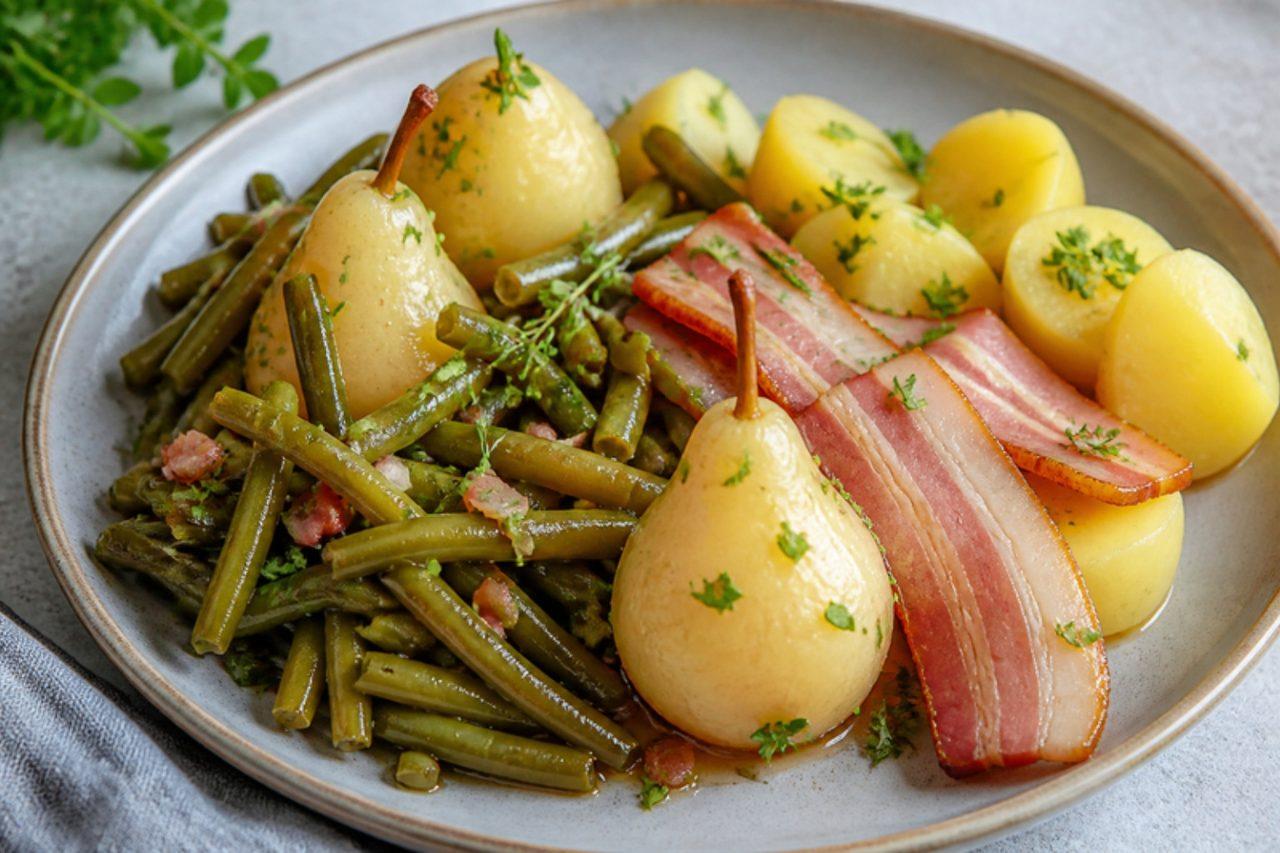
Birnen, Bohnen und SpeckGreen beans, pears and smoked bacon

Birnen, Bohnen und Speck is late-summer cooking from Hamburg and Schleswig-Holstein, made in August when green beans and small, firm cooking pears ripen at the same time in the Vierlande market gardens. A piece of smoked pork belly bacon is simmered until tender, and its smoky broth then cooks the beans, whole pears and potatoes, with summer savory to tie the sweet and salty together. It is one pot, served straight from the stove with the bacon sliced on top. Chef's tip: choose pears that are still hard; ripe dessert pears collapse into the beans.

90 minGermanMeatGluten free
by KrazyBadal 0 views

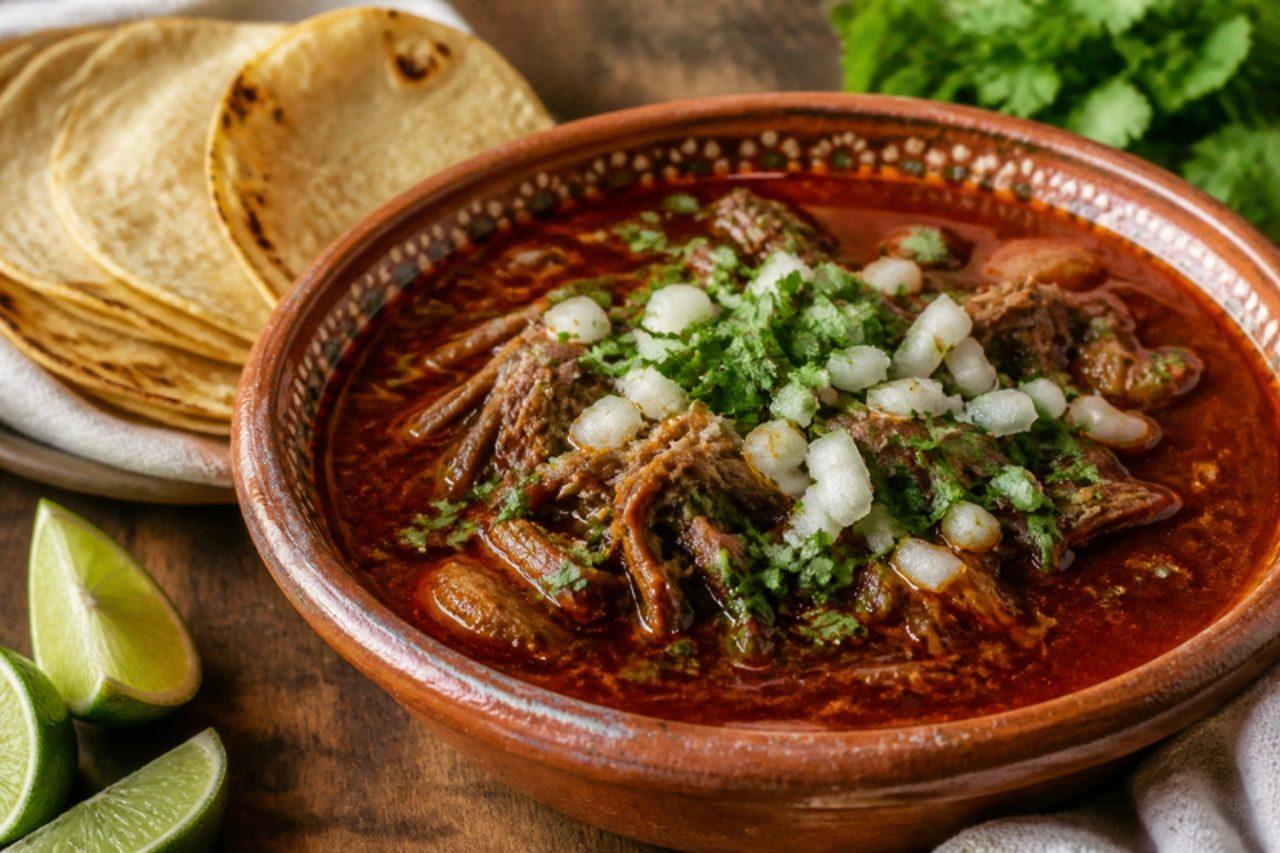
Birria de resChilli-braised beef

Birria comes from Jalisco, where it is the dish of weddings, baptisms and Sunday mornings after a long night, ladled out at market stalls in Guadalajara from dawn. Beef on the bone is rubbed with a paste of guajillo and ancho chillies, vinegar, garlic and warm spices, left overnight in the fridge, then braised for hours until it falls into soft, glossy strands. The cooking liquid becomes the consommé: sip it from a cup, spoon it over the meat in a bowl, or dip tortillas in its red fat and fry them with the beef and a little cheese for crisp-edged tacos. Serve with chopped onion, coriander, lime and a fiery chile de árbol salsa. Chef's tip: skim the red fat off the top of the finished consommé and keep it for frying the tortillas; it gives the tacos their colour and crunch.

285 minMexicanMeatGluten freeSpicy
by KrazyBadal 0 views

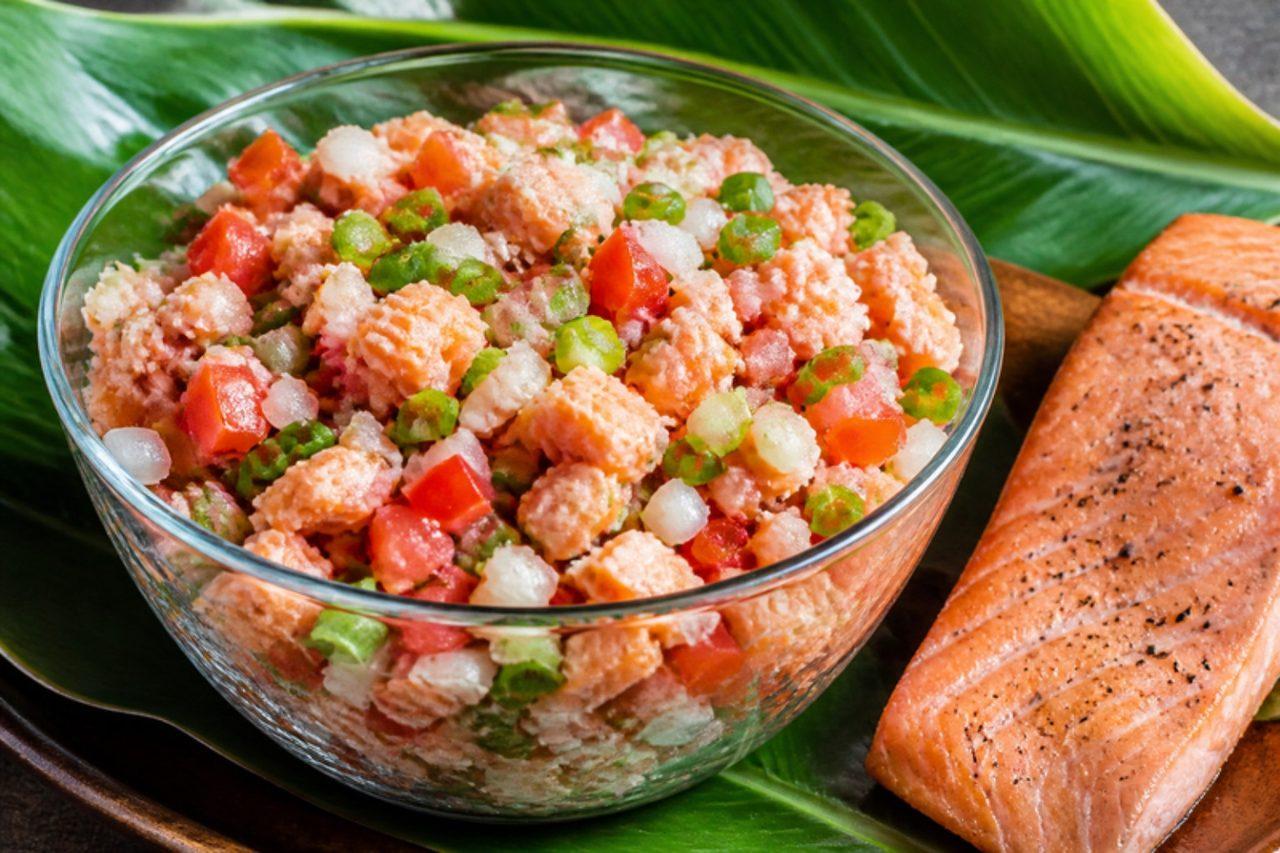
Lomi lomi salmonSalmon, tomato and onion relish

Lomi means to massage: at Hawaiian lūʻau and graduation parties, salted salmon is squeezed by hand with diced tomatoes, sweet onion and spring onions into a cold, juicy relish that cuts through rich kalua pig and poi. It arrived with salted salmon traded from the Pacific Northwest by nineteenth-century whalers. The traditional version uses raw salt-cured salmon, which is not for pregnant women, young children or anyone with a weakened immune system; this safer version gently poaches the salmon first. Chef's tip: chill everything well and drain the tomatoes, so the relish stays bright rather than watery.

by KrazyBadal 0 views

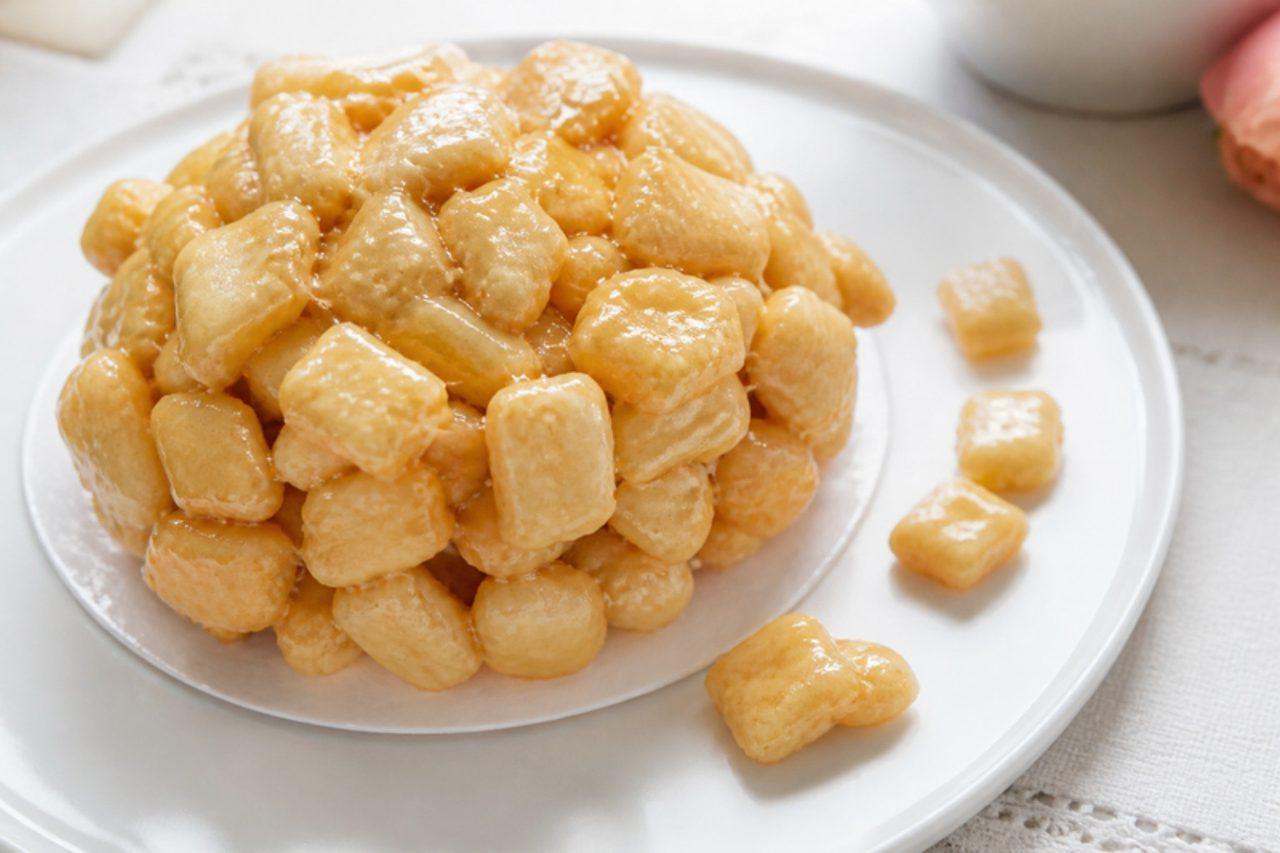
Muéganos de HuamantlaFried dough in piloncillo syrup

Huamantla, in Tlaxcala, is known for its August fair, when the streets are carpeted with coloured sawdust and flowers, and for muéganos: little cubes of fried dough glued together with dark piloncillo syrup into a sticky cluster, often pressed onto a round wafer. Visitors buy them in stacks from sweet shops around the main square. The dough is crisp and light, the syrup spiced with cinnamon and clove. Chef's tip: cut the dough into small, even cubes so they all fry golden at the same time.

by KrazyBadal 0 views

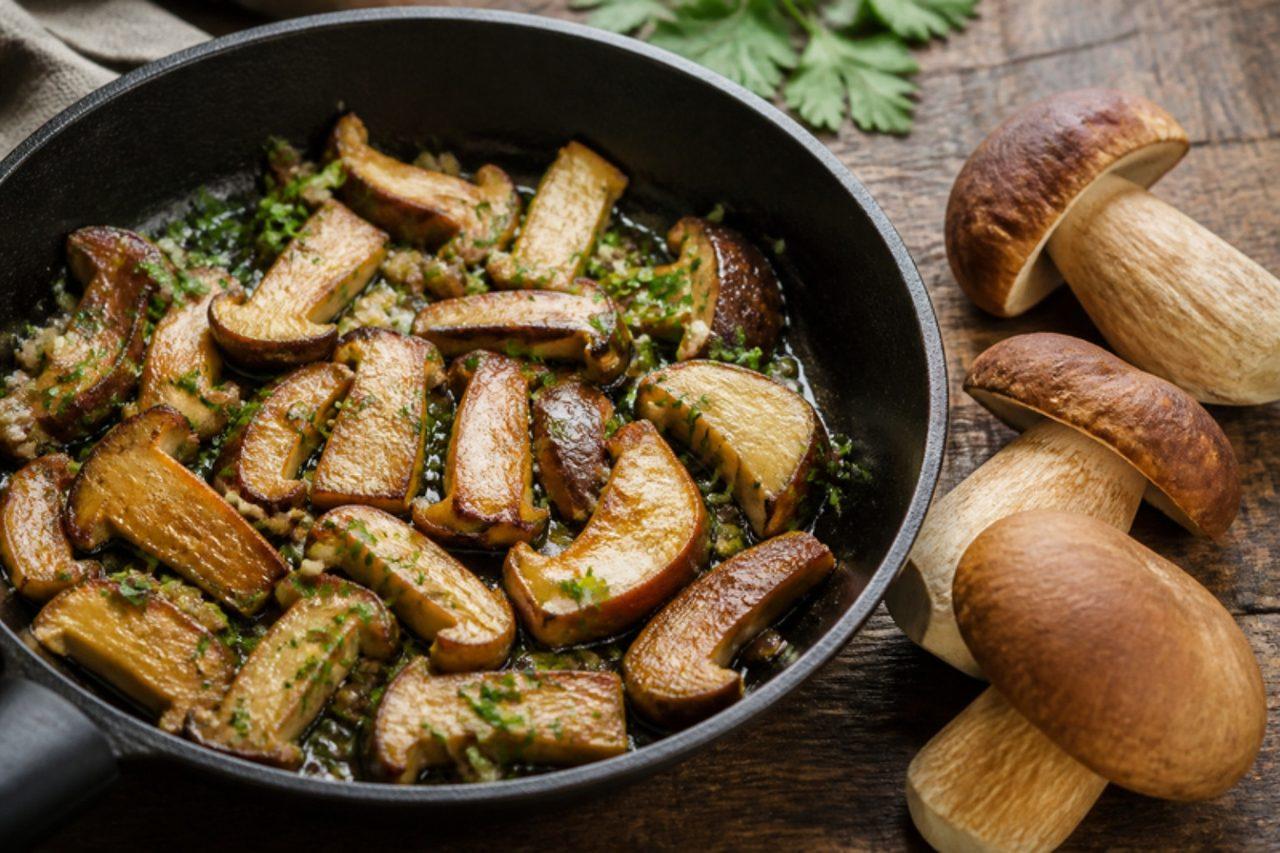
Cèpes à la bordelaisePorcini with garlic and parsley

In autumn, when cèpes push up through the pine forests of the Landes and the oak woods of the Gironde, Bordeaux families fry them the local way: thick slices browned hard in a hot pan, then tossed with shallot, garlic and plenty of parsley. They come to the table as a side for Sunday lunch, piled on toast for a starter, or beside an omelette for supper. Many cooks use duck fat; this version uses olive oil, so it is vegan. Out of season, use chestnut mushrooms with a few soaked dried porcini for flavour. Chef's tip: wipe the cèpes with a damp cloth instead of washing them; wet mushrooms steam instead of browning.

by KrazyBadal 0 views

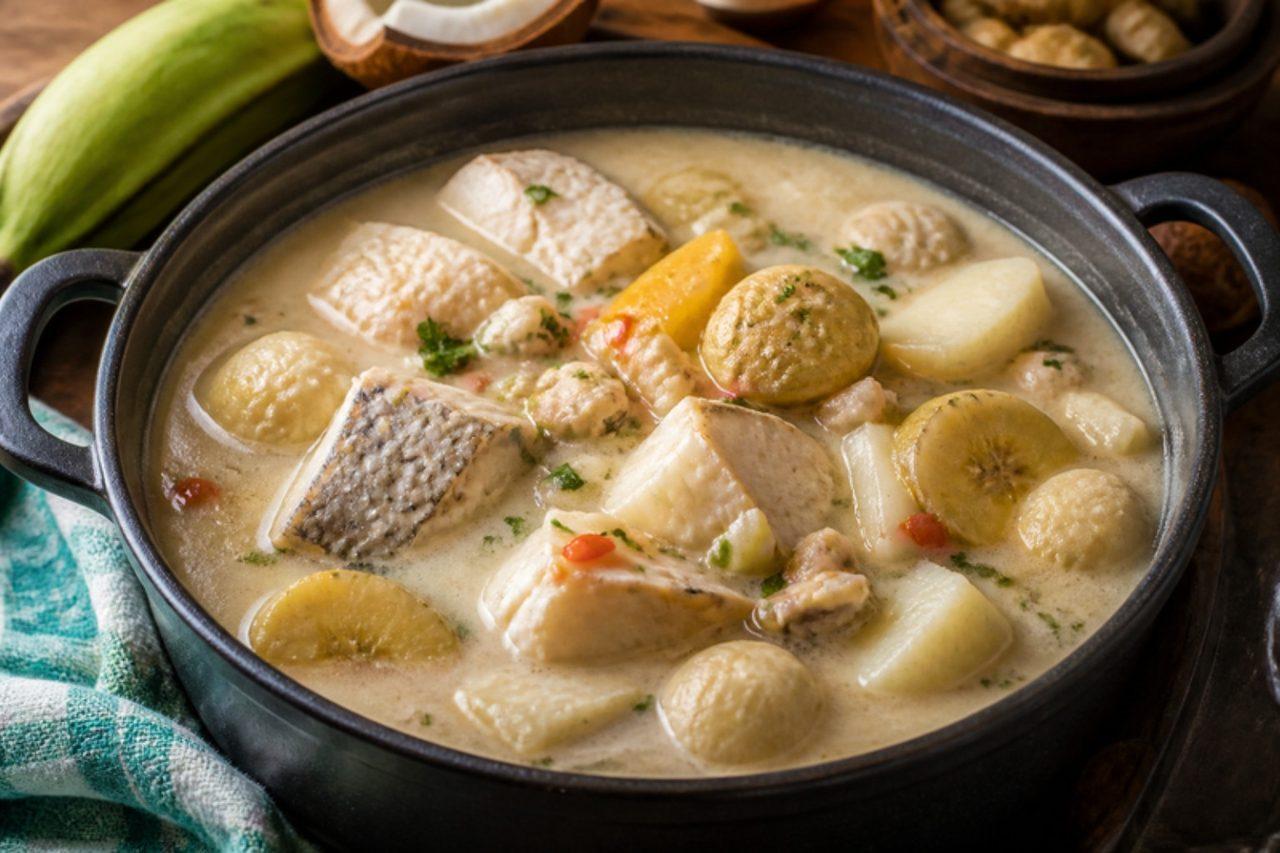
RondónCoconut fish and conch stew

The English-speaking Raizal islanders of San Andrés and Providencia call it rundown, and it is cooked for a crowd on weekends and at beach gatherings: coconut milk boiled down until it 'runs down' and starts to release its oil, with cassava, green plantain, breadfruit or sweet potato, flour dumplings, salted pig tail and, on top, fish and conch steamed in the creamy broth. Pork appears as the salted tail, which seasons the pot. The broth is rich, coconut-sweet and herby with thyme, with a perfume of whole Scotch bonnet that gives aroma rather than fire as long as it doesn't burst. Start the day before: the pig tail needs overnight soaking. A common mistake is stirring once the fish goes in, which breaks it up; layer it and let the steam do the work. Chef's tip: queen conch is protected in much of the Caribbean, so buy only legally sourced frozen conch, or swap in large raw prawns added with the fish.

by KrazyBadal 0 views

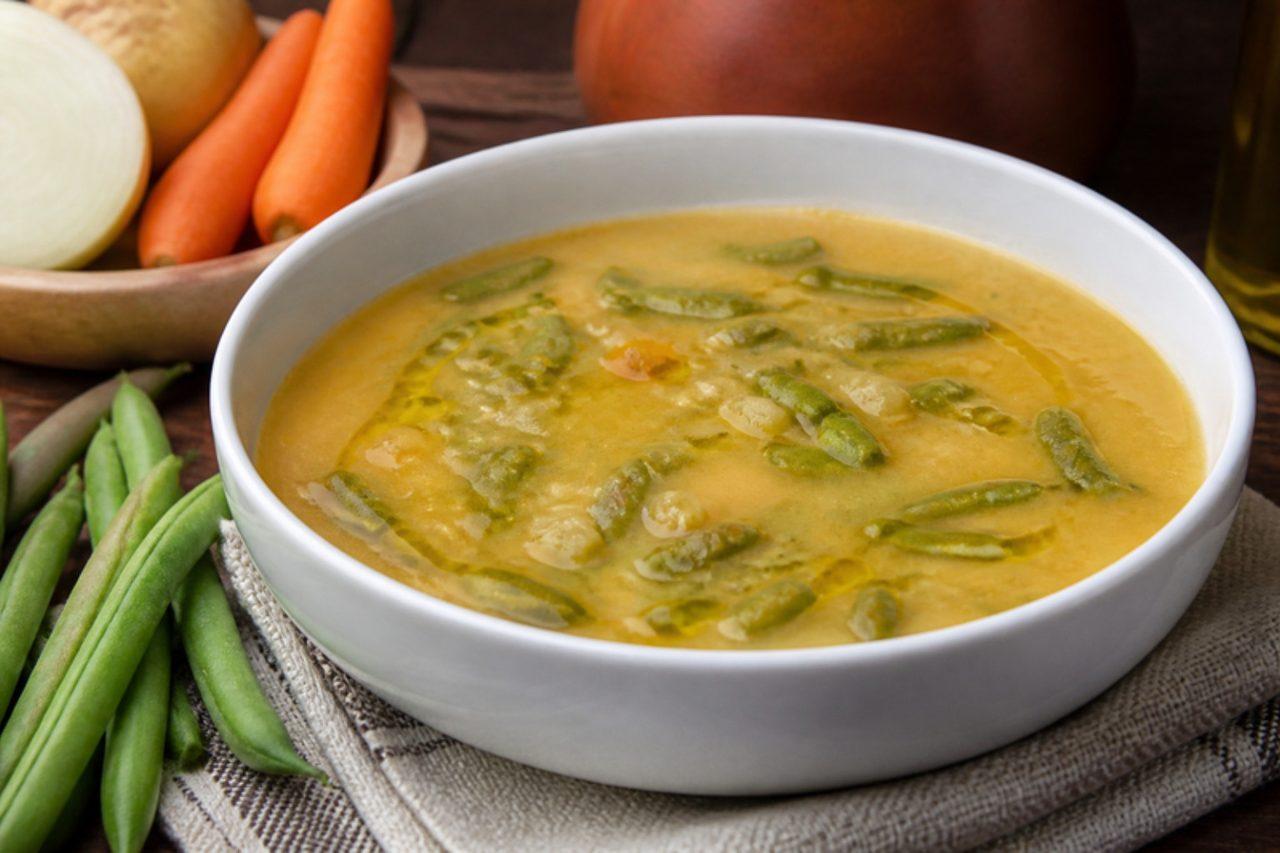
Sopa de feijão verdeGreen bean and potato soup

From June to September, Minho kitchen gardens are heavy with runner and flat beans, and this soup is what most families make with them, served as the first course of an ordinary weekday lunch. A smooth base of potato, onion and carrot is puréed, then the beans, cut into thin diagonal slivers, are simmered in it until just tender. It is thick, mild and comforting, finished with a thread of olive oil. A common mistake is adding the green beans with the potatoes; they turn grey and soft, so add them only for the last few minutes. Chef's tip: slice the beans very thinly on a slant, as Minho cooks do, so they cook evenly and every spoonful gets some.

by KrazyBadal 0 views

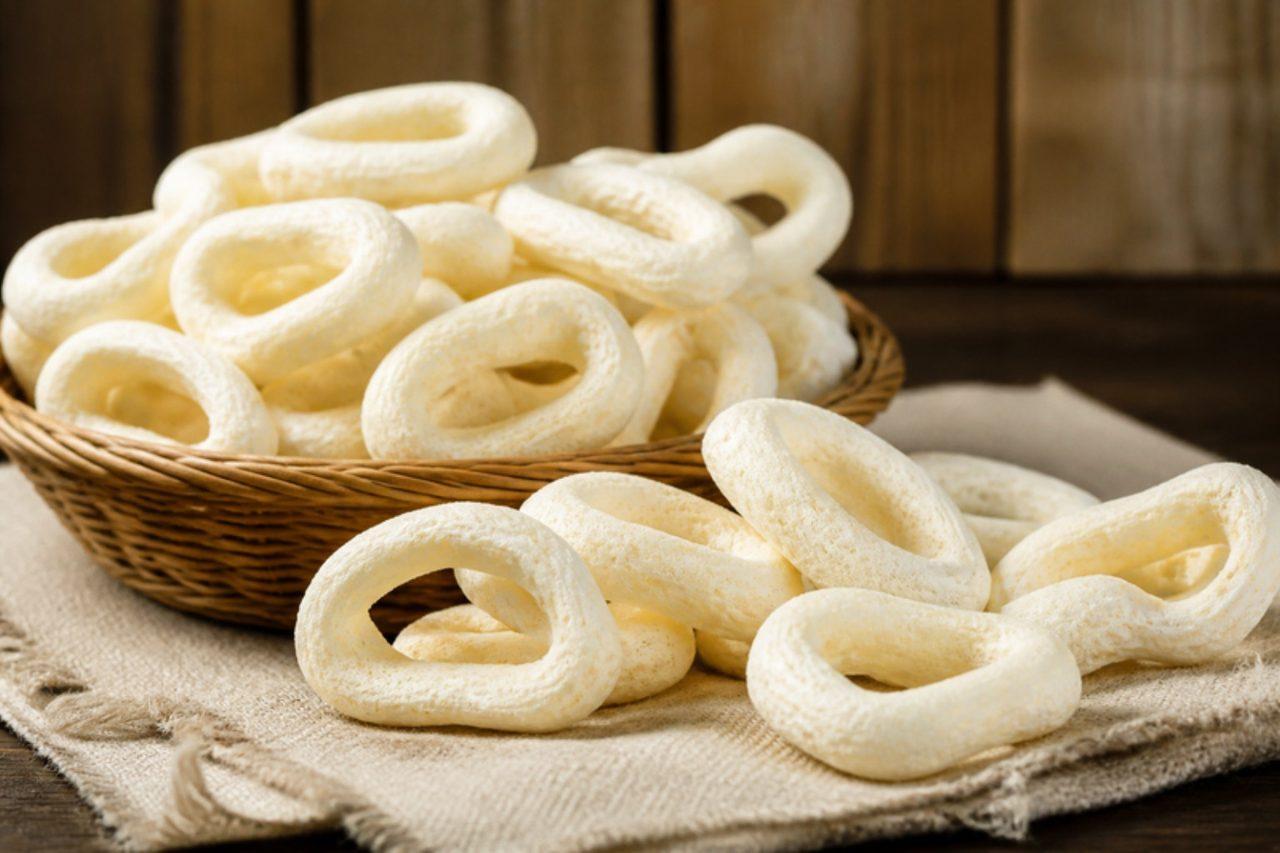
Biscoito de polvilhoCrunchy cassava starch rings

Light enough to float off the plate, these rings are sold by the bagful at bus stations, beaches and football grounds all over Brazil, but they belong to Minas Gerais, where sour cassava starch (polvilho azedo) has been made for centuries. Scalding the starch with hot milk, water and oil and then beating in eggs gives a sticky paste that puffs in a hot oven into crisp, airy, slightly tangy shells. Mineiros eat them with coffee in the afternoon or nibble them all day. Bake them in a hot oven and do not open the door: the rings collapse into flat, hard discs if the heat drops in the first 20 minutes. Chef's tip: the paste should pipe like thick mayonnaise; add a spoon of water if it is too stiff, because a soft dough is what makes the biscuits hollow.

by KrazyBadal 0 views

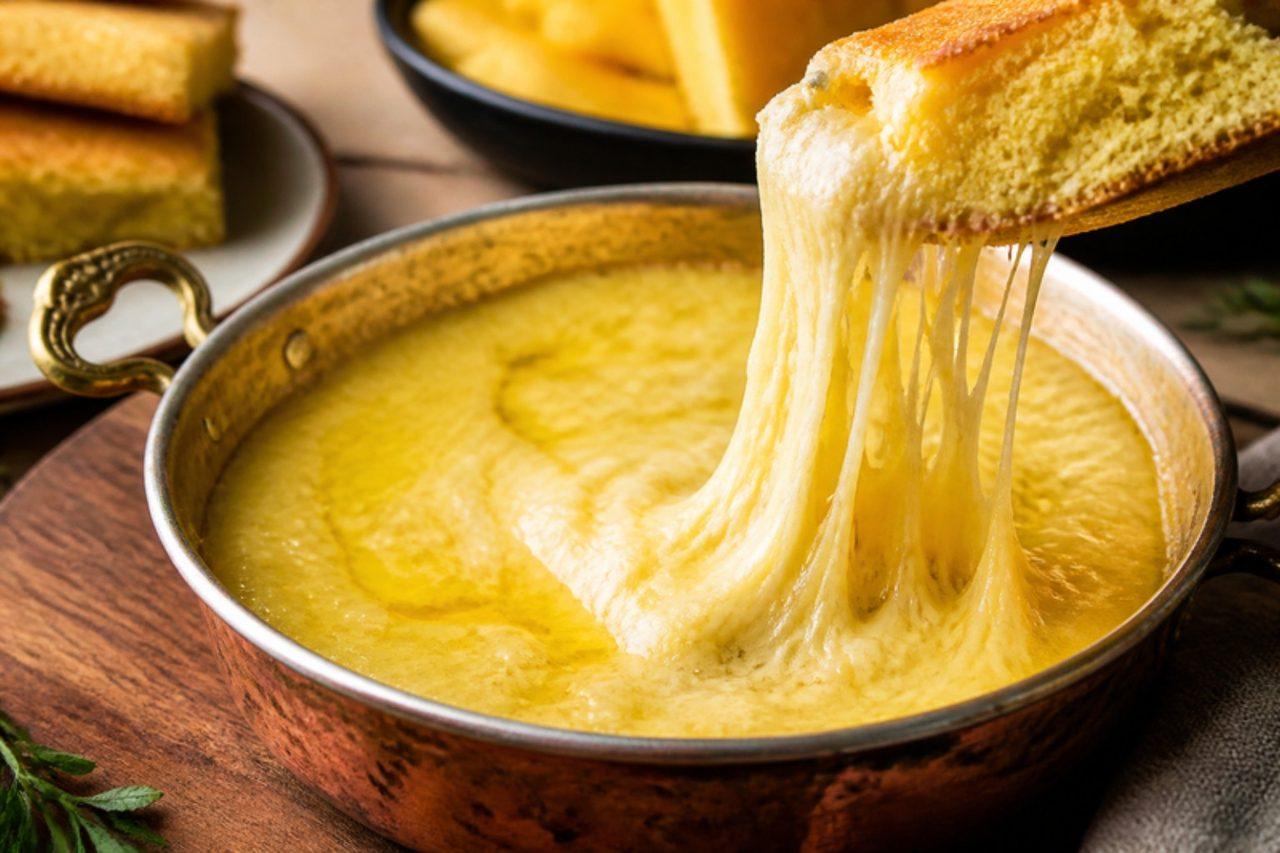
MuhlamaCornmeal, butter and melted cheese

Up in the yayla summer pastures above Trabzon and Rize, breakfast often arrives as one blackened pan set in the middle of the table, with everyone tearing bread and dragging it through. Muhlama is butter, coarse cornmeal and a young stringy cheese stirred together until the cheese melts into long, glossy threads and a pool of golden butter rises to the top. Eat it straight from the pan with cornbread or crusty bread, black tea and a plate of tomatoes and cucumbers. Common mistake: adding the cheese before the cornmeal has toasted in the butter, which leaves a raw, gritty taste and stops the oil separating. The Black Sea cheese (Trabzon or Kolot) and kaşar are usually made with animal rennet; a vegetarian mozzarella-style cheese works well. Chef's tip: don't stir once the cheese has gone in until it has fully melted, then stir in one direction only; that is what gives the long, elastic strands.

by KrazyBadal 0 views

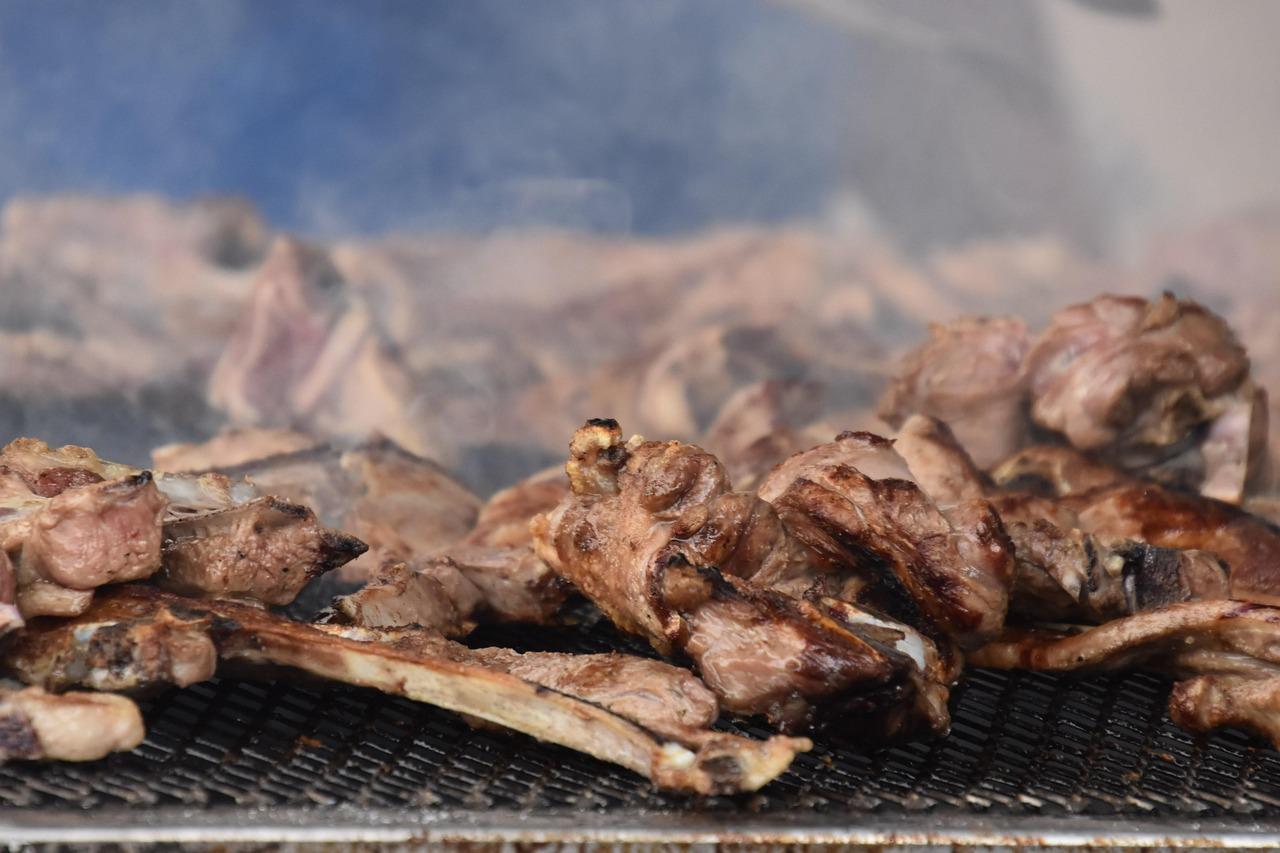
AntikristoSlow-roasted lamb

Antikristo means 'facing each other', and in the Psiloritis mountain villages above Anogeia it describes big pieces of lamb on long skewers set upright round a wood fire, turned now and then for four or five hours until the fat has dripped away and the meat is smoky and crisp. At village feasts and saint's-day fairs it is carved straight from the skewer onto paper with nothing more than salt and a squeeze of lemon. This home version roasts salted lamb shoulder and ribs slowly in the oven, then finishes them hot for crackling edges. Common mistake: adding herbs and marinades; the Cretan way is only coarse salt, so the lamb's own flavour comes through. Chef's tip: salt the meat the night before and leave it uncovered in the fridge so the surface dries and crisps.

255 minGreekMeatGluten free
by KrazyBadal 0 views

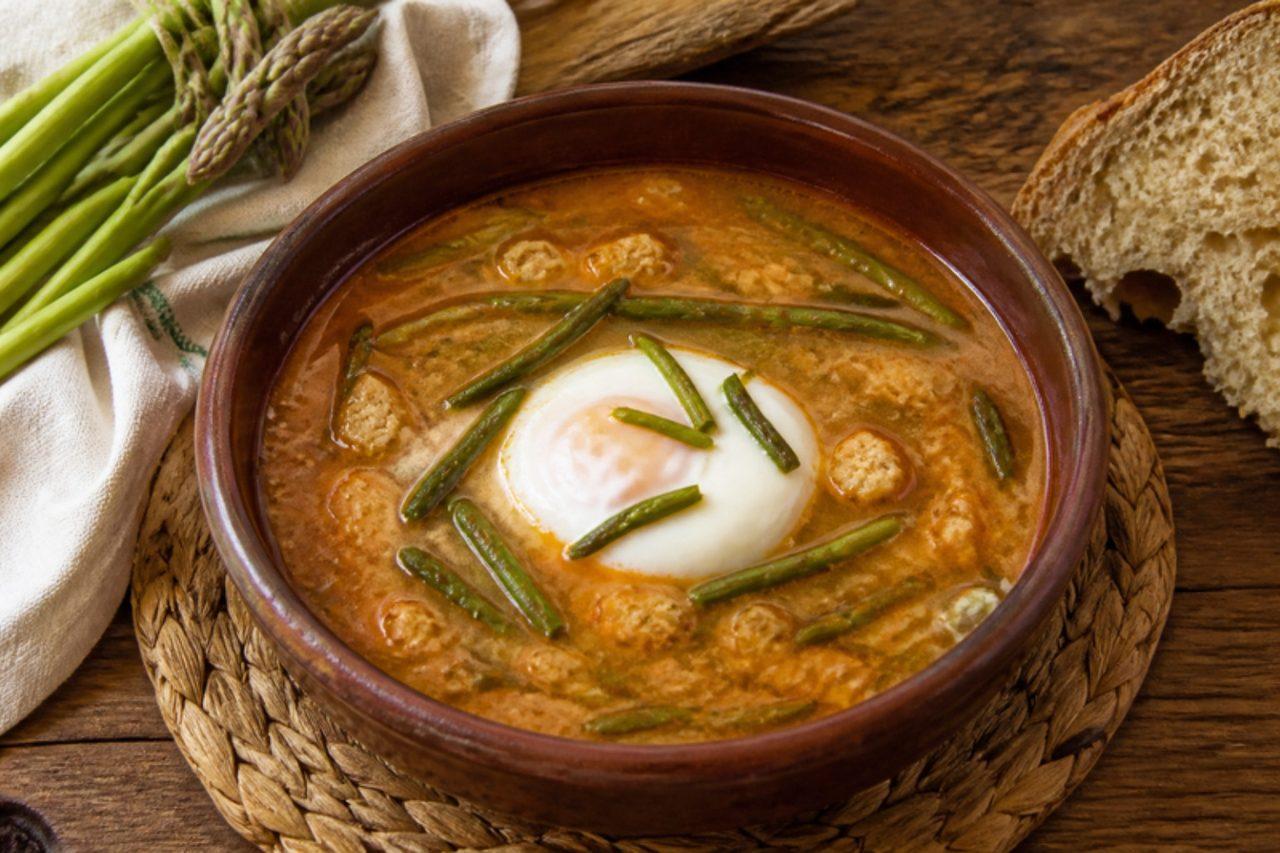
Sopa de espárragos triguerosWild asparagus and bread soup

In March and April people across Extremadura walk the field margins and olive groves picking thin, bitter wild asparagus, and much of the haul goes into this soup. The spears are fried with garlic and smoky pimentón de la Vera, simmered with water, thickened with thin slices of stale bread, and an egg is poached in the pot for each person. It is a country supper for chilly spring evenings. Thin green asparagus from the shops works well. Chef's tip: take the pan off the heat before adding the paprika, so it doesn't scorch.

by KrazyBadal 0 views

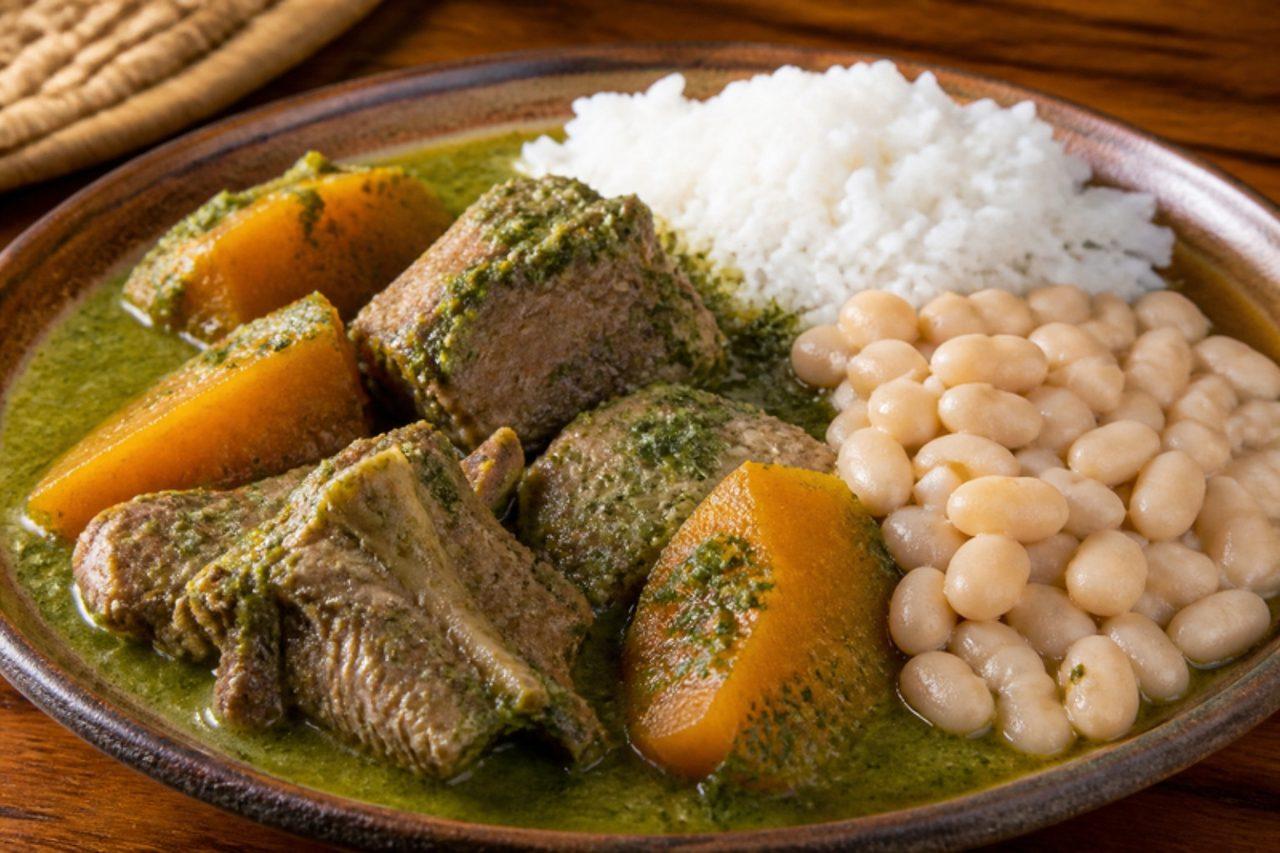
Seco de cabritoBraised kid goat with coriander

Ask anyone in Chiclayo or Lambayeque for the north's great Sunday dish and seco de cabrito comes up first: young goat, marinated in garlic and vinegar, then braised slowly in a deep green sauce of blended coriander, ají amarillo and chicha de jora, with grated loche, the local aromatic squash. The meat turns tender and the sauce is herby, sour and warm. It comes to the table with white rice and frejoles (stewed canary beans) and a sharp salsa criolla. Chicha de jora is a fermented maize beer and contains alcohol; the alcohol-free swap in the ingredients keeps the tang. Lamb shoulder stands in well for kid. People often blend the coriander with the stems discarded, but the stems carry the most flavour, so use the whole bunch. Chef's tip: add half the coriander at the start and half 10 minutes before the end, so the sauce stays bright green.

by KrazyBadal 0 views

Scottish tabletButter fudge

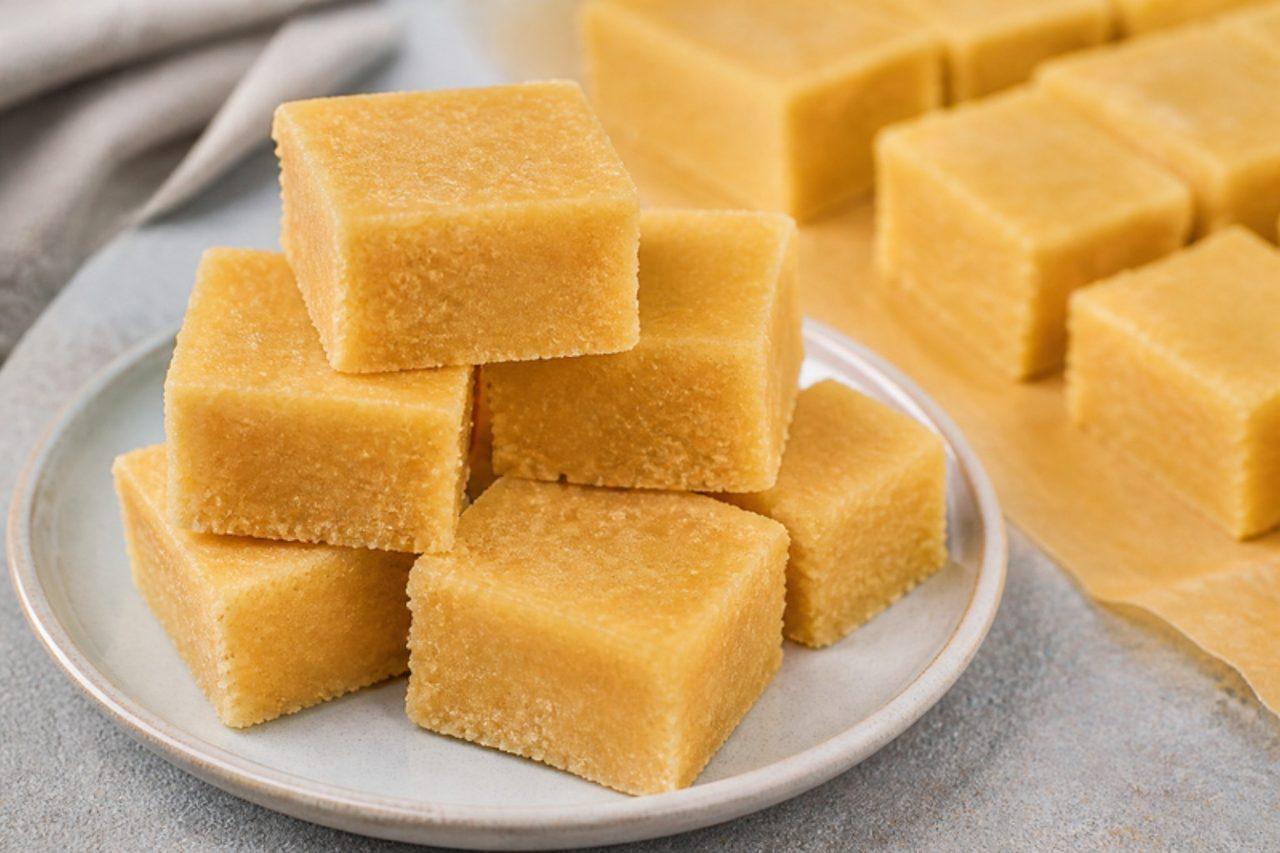
Tablet is harder and grainier than fudge, a sugary square sold at every church fête, Highland games and corner shop in Scotland and taken home in paper bags by visitors. Sugar, butter, milk and condensed milk are boiled to the soft-ball stage and beaten until they crystallise, giving that crumbly, melting snap. Chef's tip: beat it hard off the heat until it loses its gloss and drags on the spoon; stop too early and you have soft fudge.

by KrazyBadal 0 views

Sopa de castanhasChestnut and bean soup

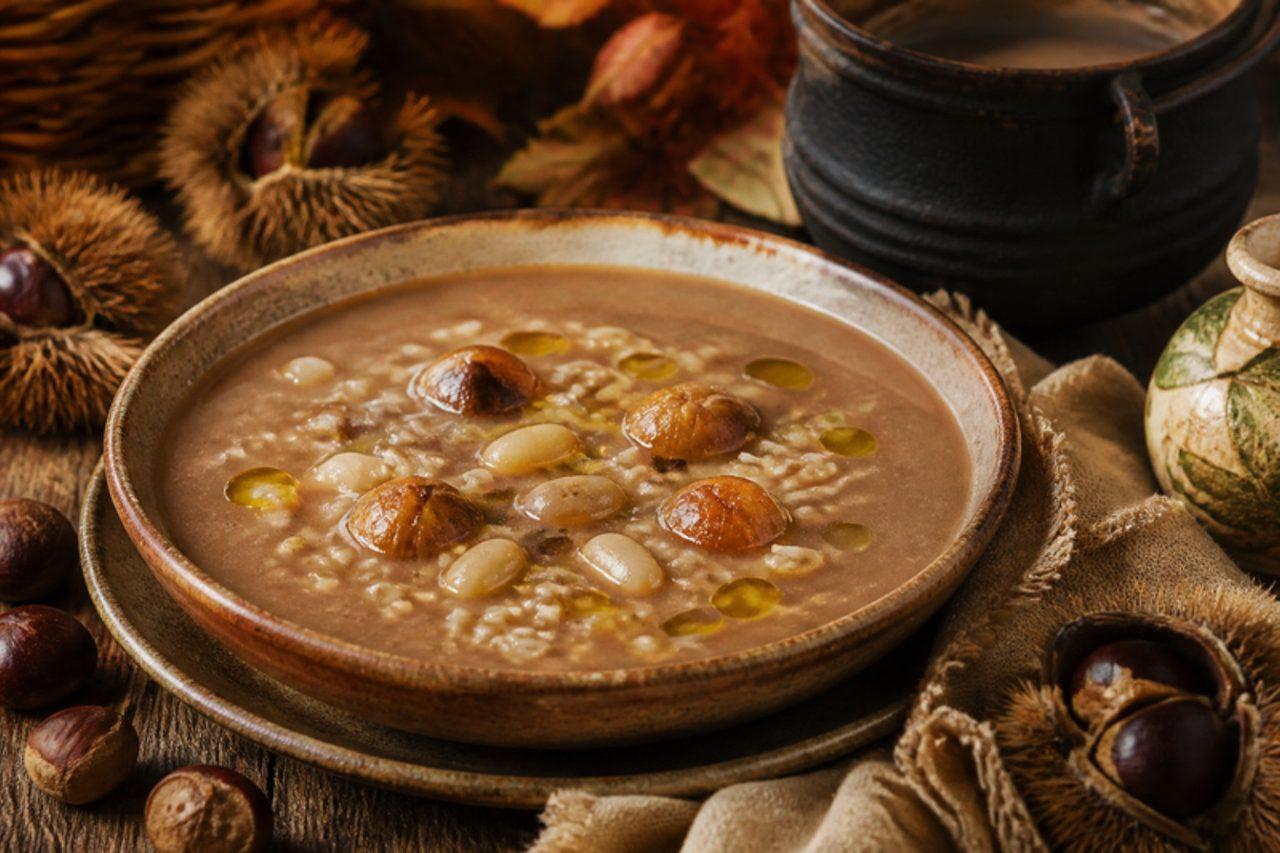
Before potatoes reached the high plateaus of Trás-os-Montes, chestnuts were the staple, and in villages around Bragança and Vinhais this thick soup is still made in November, when the magusto festivals roast the new crop. Farm versions are cooked with a piece of cured pork; this one is meat-free, built on dried or cooked chestnuts, white beans, onion and a little rice, finished with olive oil. It is sweet, nutty and filling enough for supper. Chef's tip: mash a third of the chestnuts into the broth to thicken it and leave the rest in pieces.

by KrazyBadal 0 views

Cardo con almendrasCardoon in almond sauce

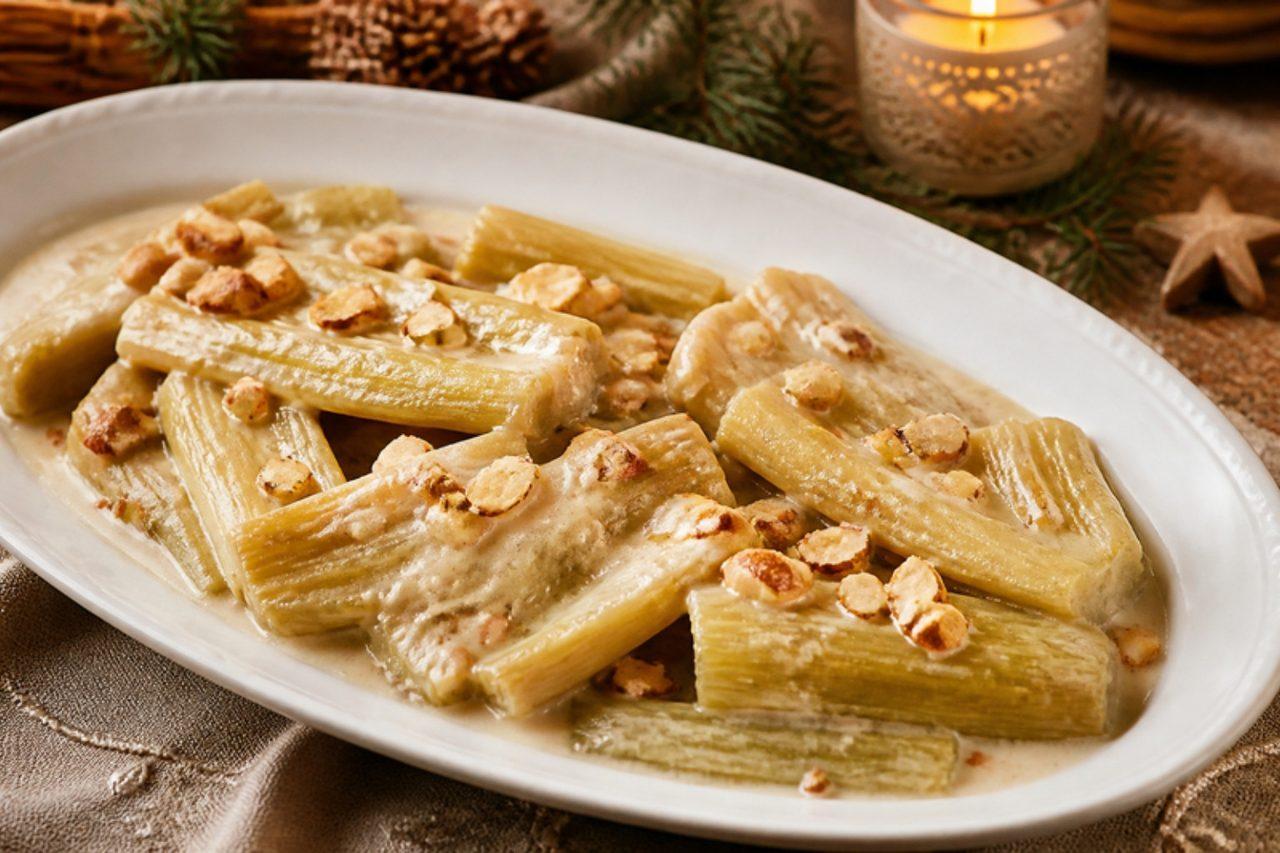
On Christmas Eve in Aragon and neighbouring Navarre, a dish of cardoon is as certain as turrón: the long, pale stalks are boiled until tender and served in a velvety sauce of ground almonds, garlic and the cooking water, often as the first course before fish or lamb. The flavour is like artichoke, gentle and slightly bitter, softened by the nutty sauce. It contains no animal products. A common mistake is leaving cut cardoon in the air; it blackens within minutes, so drop each piece into lemon water as you go. Ready-cleaned jars of cardoon are sold in Spain and work well if you skip the first two steps. Chef's tip: whisk a spoonful of flour into the cooking water; it keeps the stalks white and gives you a ready-thickened broth for the sauce.

by KrazyBadal 0 views

Showing 72 of 7,762 recipes

Show more recipes

Page 547 of 863