


Skip to content
Pique macho
Featured recipe

Pique macho

Beef and sausage platter with chips

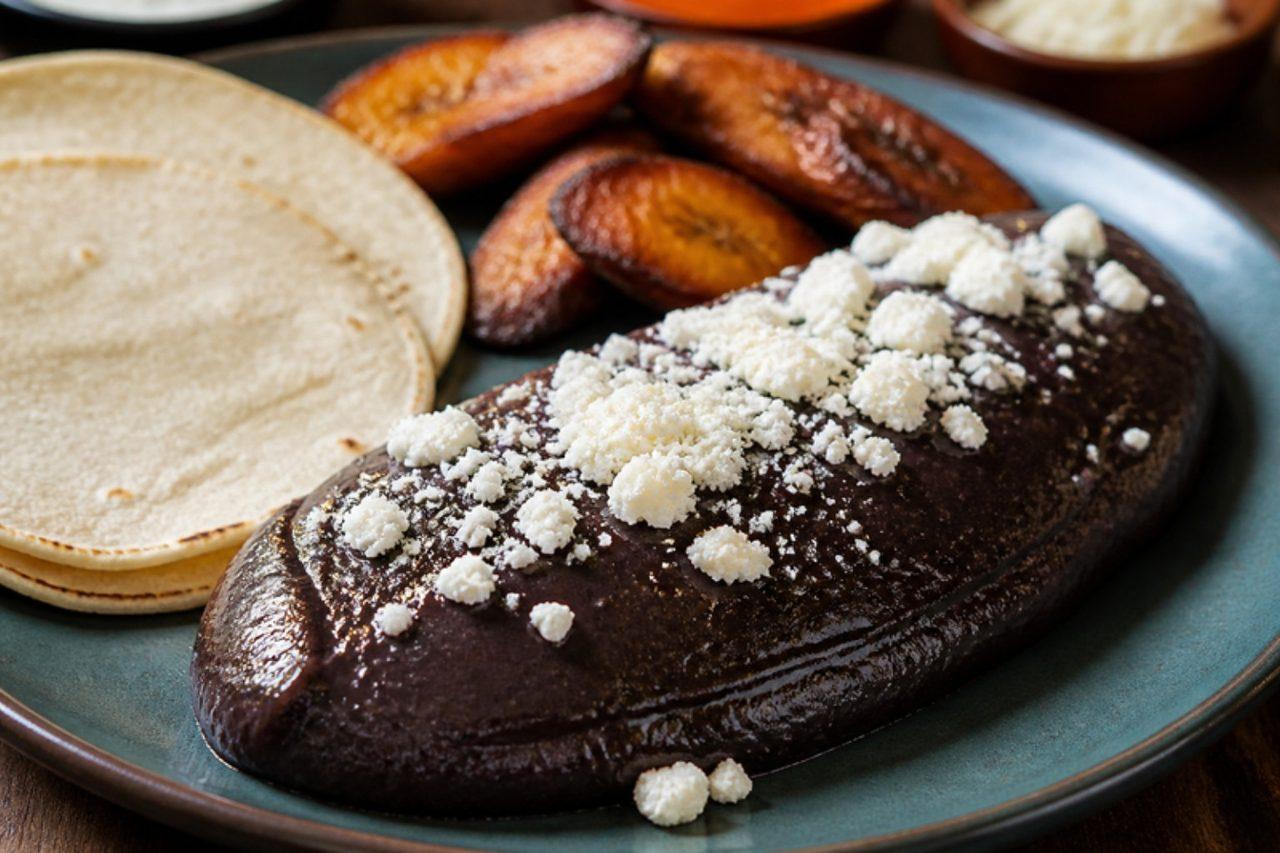
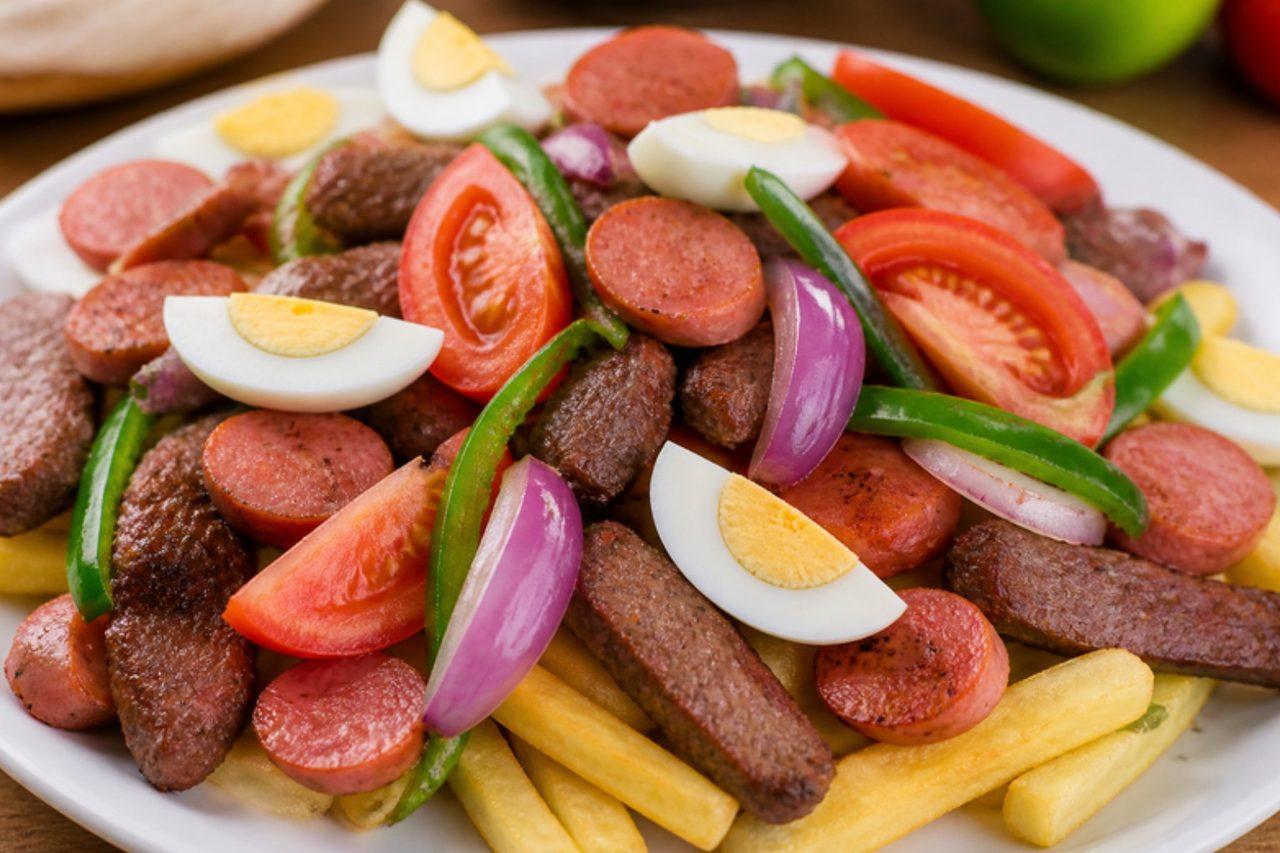
Pique macho was invented in Cochabamba, legend says late one night when hungry customers asked for whatever was left, and it remains the sharing plate Bolivians order with friends: a pile of chips topped with beef strips and sausage cooked in a peppery sauce, with onion, tomato, locoto chillies and boiled eggs on top. The name roughly means "if it stings, you're a man", for the hot locoto. This recipe can include beer in the sauce; for an alcohol-free version use beef stock. The mistake is letting the chips sit under the sauce, so they go soggy; assemble right before serving. Chef's tip: oven chips work fine and leave the hob free for the meat.

Read more 0 views

What to eat today?

Around the world

Today's trip: Paraguayan

A new country every day, from every cuisine on the site.

Paraguayan

Chipa

Cheese bread rings 50 minMore from Paraguayan (27) →

This week's collection

Kid-friendly dinners
537 recipes · a new collection every Monday

Latest recipes

ShanklishAged yoghurt cheese balls

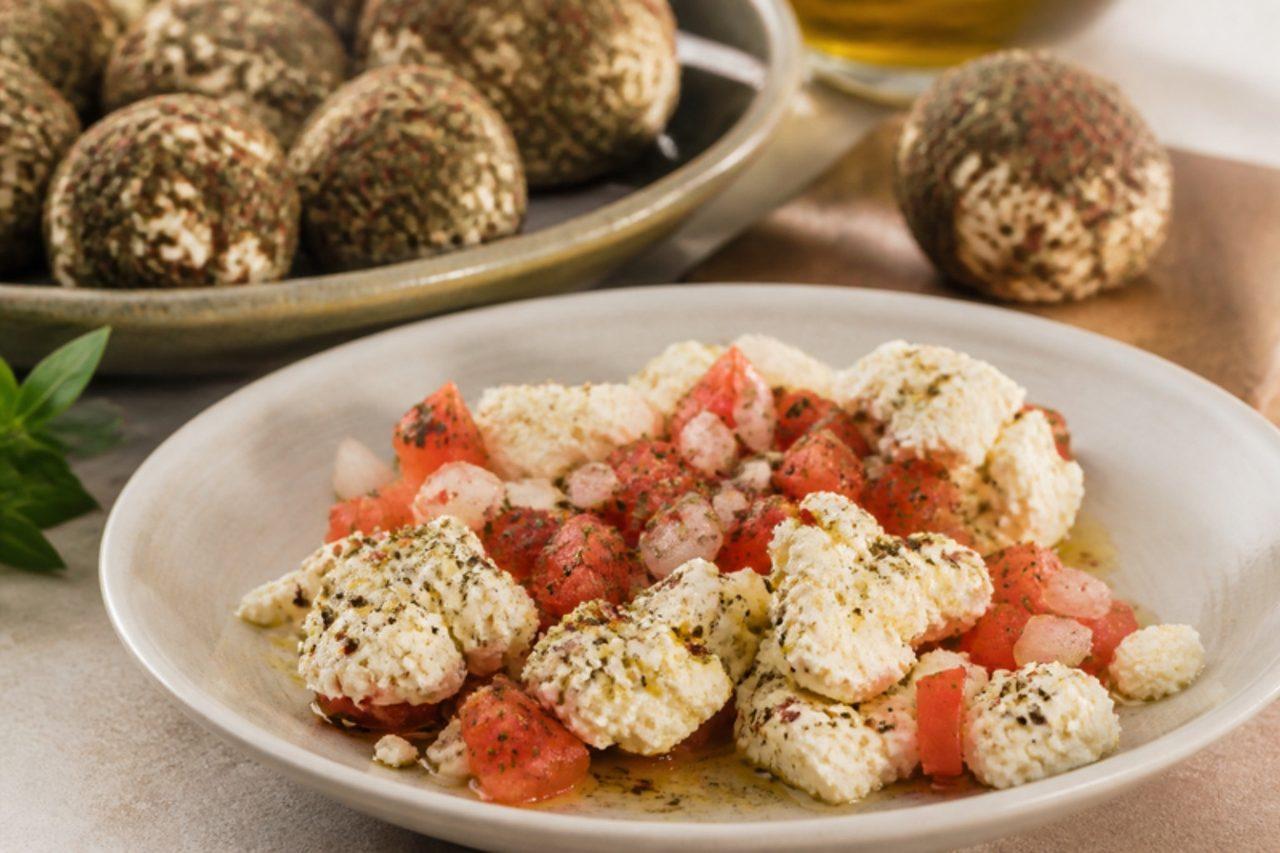
Up in the mountain villages of northern Lebanon and around Tartus on the Syrian coast, families once made shanklish at the end of summer to keep milk through the winter. This home version starts from strained yoghurt (labneh), seasoned and dried into firm balls, then coated in za'atar and Aleppo pepper for a tangy, crumbly cheese with a herby crust. Crumble it over chopped tomato and onion, drown it in olive oil and eat it with bread for breakfast or as mezze. Because it is made from labneh rather than rennet cheese, it is fully vegetarian. Common mistake: rolling the balls while the labneh is still soft; it must be firm enough to hold a thumbprint. Chef's tip: dry the balls uncovered in the fridge for two extra days if you like a sharper, more crumbly cheese.

by KrazyBadal 0 views

Sharbat-e albalooSour cherry syrup drink

In early summer, when sour cherries arrive from the orchards around Karaj and Mashhad, families make a big batch of sharbat-e albaloo, the deep ruby syrup that is mixed with iced water for guests through the hot months. It is sweet, sharp and very refreshing, and the cooked cherries left over are not wasted: they go into albaloo polo, the cherry rice. A splash of the syrup also goes over shaved ice or yogurt. Chef's tip: stop cooking as soon as the syrup coats a spoon thinly; overcooked syrup loses its fresh cherry flavour and tastes of jam.

by KrazyBadal 0 views

Sharbat-e beh limooQuince and lime syrup drink

Quince and lime syrup is an old-fashioned Persian cooler, the drink grandmothers in Isfahan and Tehran bring out on hot afternoons, said to settle the stomach and cool the body. Grated quince simmered in syrup turns from cream to a soft rosy amber and gives a floral, almost honeyed scent; fresh lime juice cuts through the sweetness. Diluted with iced water, it is lovely after a heavy meal of rice and stew. Chef's tip: cook the grated quince gently for the full time; the colour only turns pink after long, slow simmering.

by KrazyBadal 0 views

Sharbat-e khakshirIced rosewater drink with seeds

Khakshir are the tiny reddish seeds of flixweed, and in Yazd, Kashan and across the hot centre of Iran a glass of khakshir sharbat is what people drink on scorching summer afternoons and to break the fast on long Ramadan days. The seeds swell slightly and float through sweet iced water perfumed with rosewater, giving a gentle crunch; some add a squeeze of lime or a little sour cherry syrup. Find khakshir at Iranian grocers. Chef's tip: rinse the seeds in several changes of water and pour off anything that floats; dust and grit come away with it.

by KrazyBadal 0 views

Shirini-ye zabanCaramelised puff pastry tongues

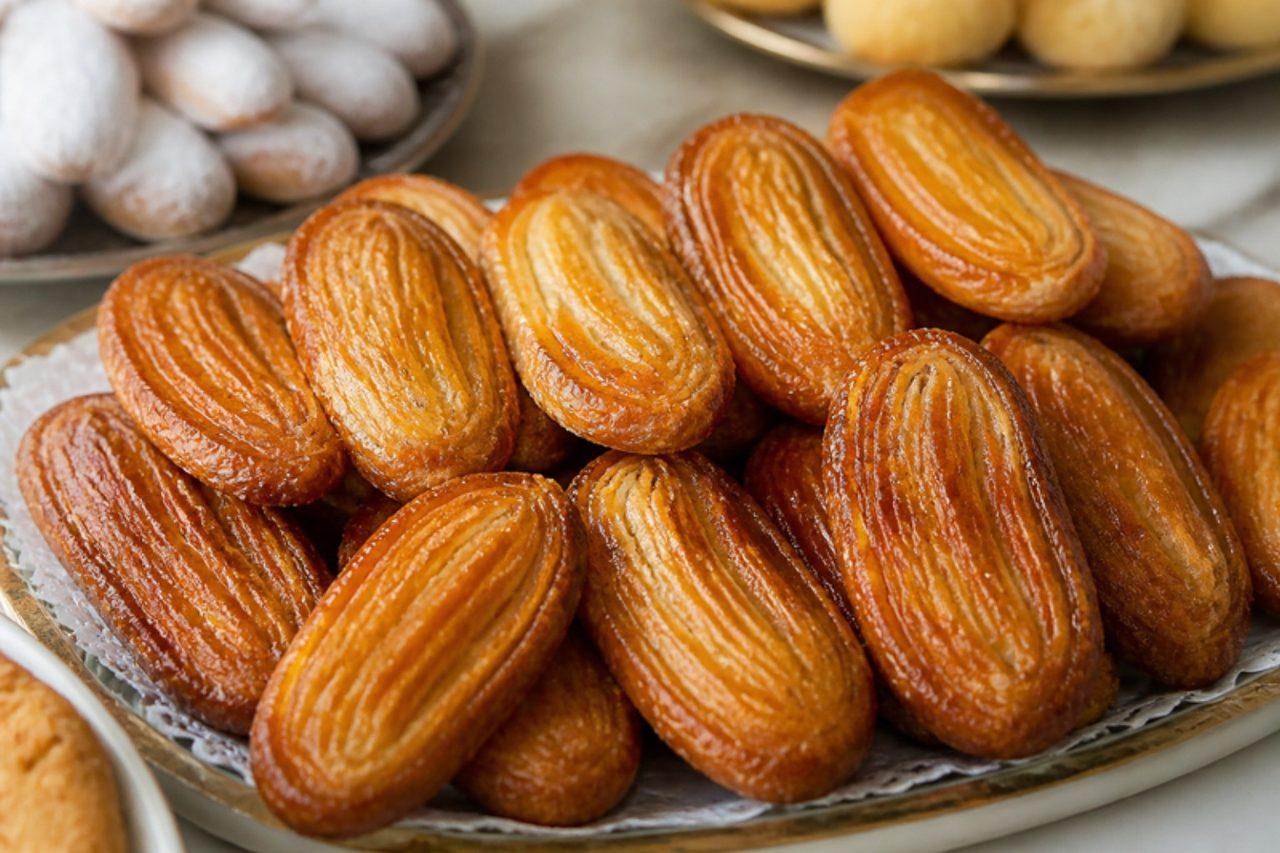
Shirini-ye zaban, tongue pastries, are the long, glossy puff-pastry ovals in every Iranian confectioner's window, from Tabriz to Kerman, and a fixture on the tray of sweets served to Nowruz visitors. The pastry is rolled out on sugar so it caramelises into a crisp, shiny, flaky finger. This version uses good bought all-butter puff pastry, as many home bakers do; check the label for butter rather than lard to keep it vegetarian. Chef's tip: chill the shaped tongues for 15 minutes before baking so the layers rise high instead of melting flat.

by KrazyBadal 0 views

Shish barakLamb dumplings in garlic yoghurt

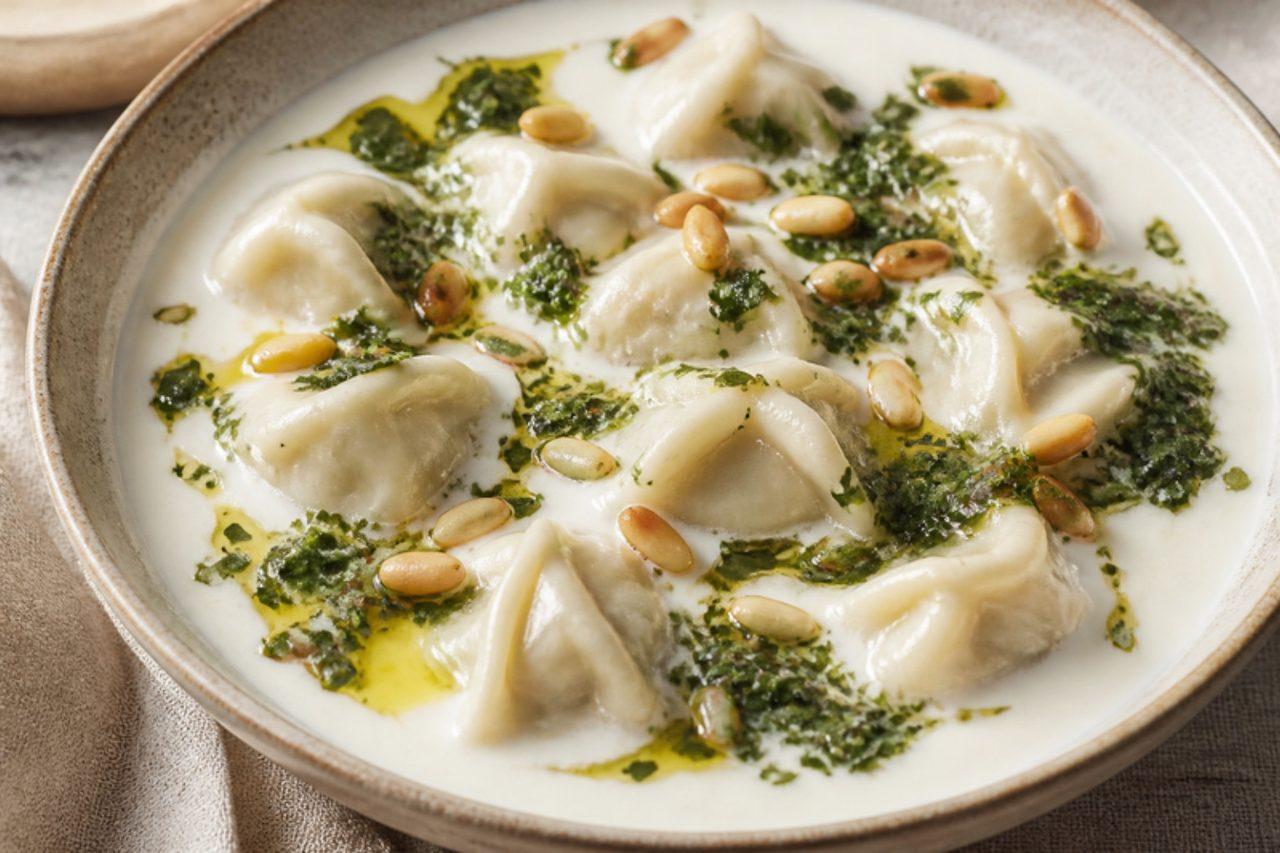
Shish barak is a labour of love that Lebanese grandmothers turn into a family afternoon: everyone sits round the table pinching hundreds of tiny dumplings filled with spiced lamb and onion. The dumplings are baked until lightly golden, then dropped into hot yoghurt sauce, and the bowl is finished with garlic and coriander fried in butter. It is rich, tangy and deeply comforting, served on its own or with plain rice. Common mistake: rolling the dough thick — it should be thin enough to see the board through, or the dumplings turn stodgy. Chef's tip: baking the dumplings before they go into the sauce sets their shape and adds a toasty flavour; you can freeze them at this stage.

115 minLebaneseMeat
by KrazyBadal 0 views

Sholeh MashhadiWheat, bean and lamb porridge

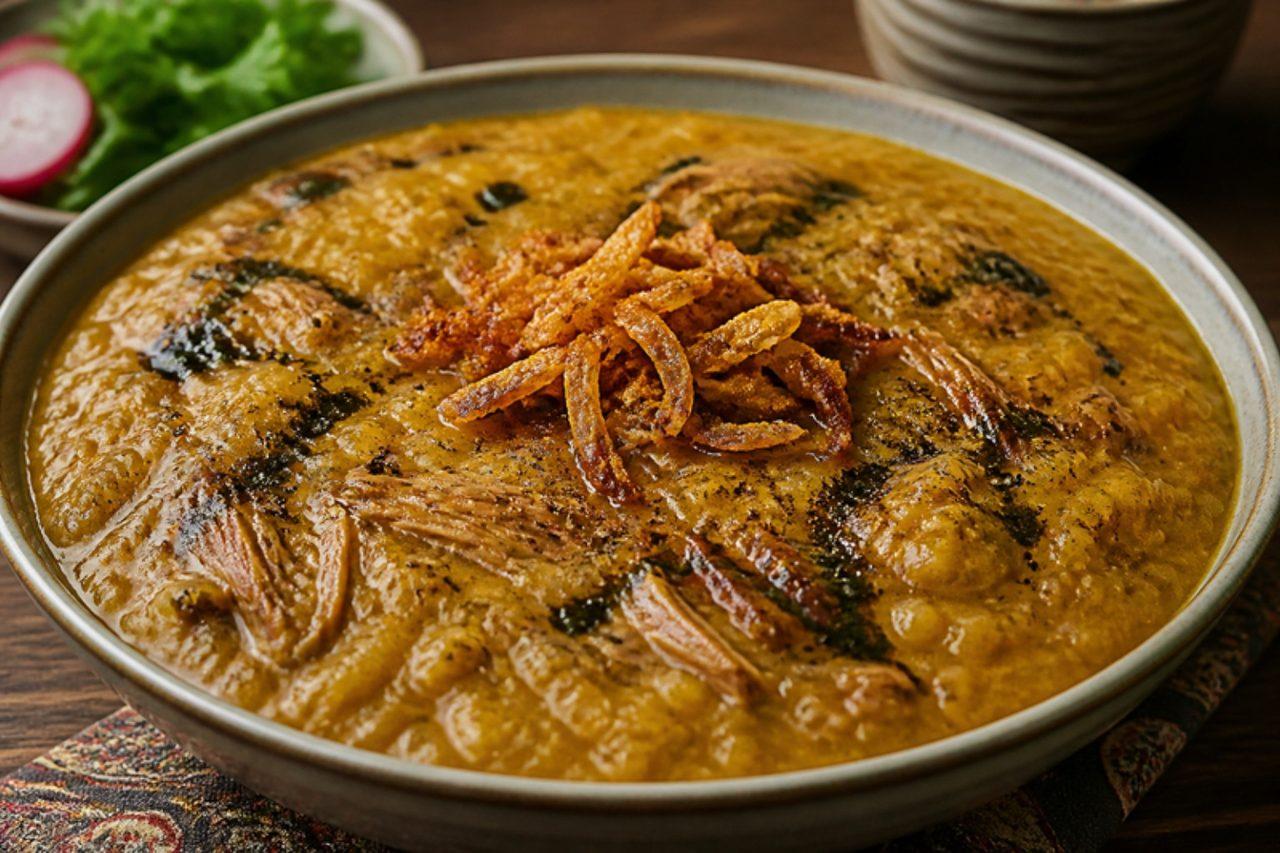
Sholeh Mashhadi is cooked in huge pots in Mashhad, the shrine city of Khorasan, and handed out to pilgrims and neighbours as nazri (a votive offering), especially during the month of Muharram. Wheat, rice, lentils, mung beans, chickpeas and lamb are cooked for hours with onion and spices, then beaten with a wooden paddle until everything melts into one thick, stretchy porridge, topped with fried onion, mint oil and a dusting of cinnamon. A home pot is smaller but follows the same rhythm. A common mistake is leaving it unstirred towards the end; the grains catch and burn, so stir and scrape the base every 10 minutes once it thickens. Chef's tip: cook the lamb on the bone first and shred it; the broth from the bones gives the porridge its body.

by KrazyBadal 0 views

Shorbat freekehSmoked green wheat soup

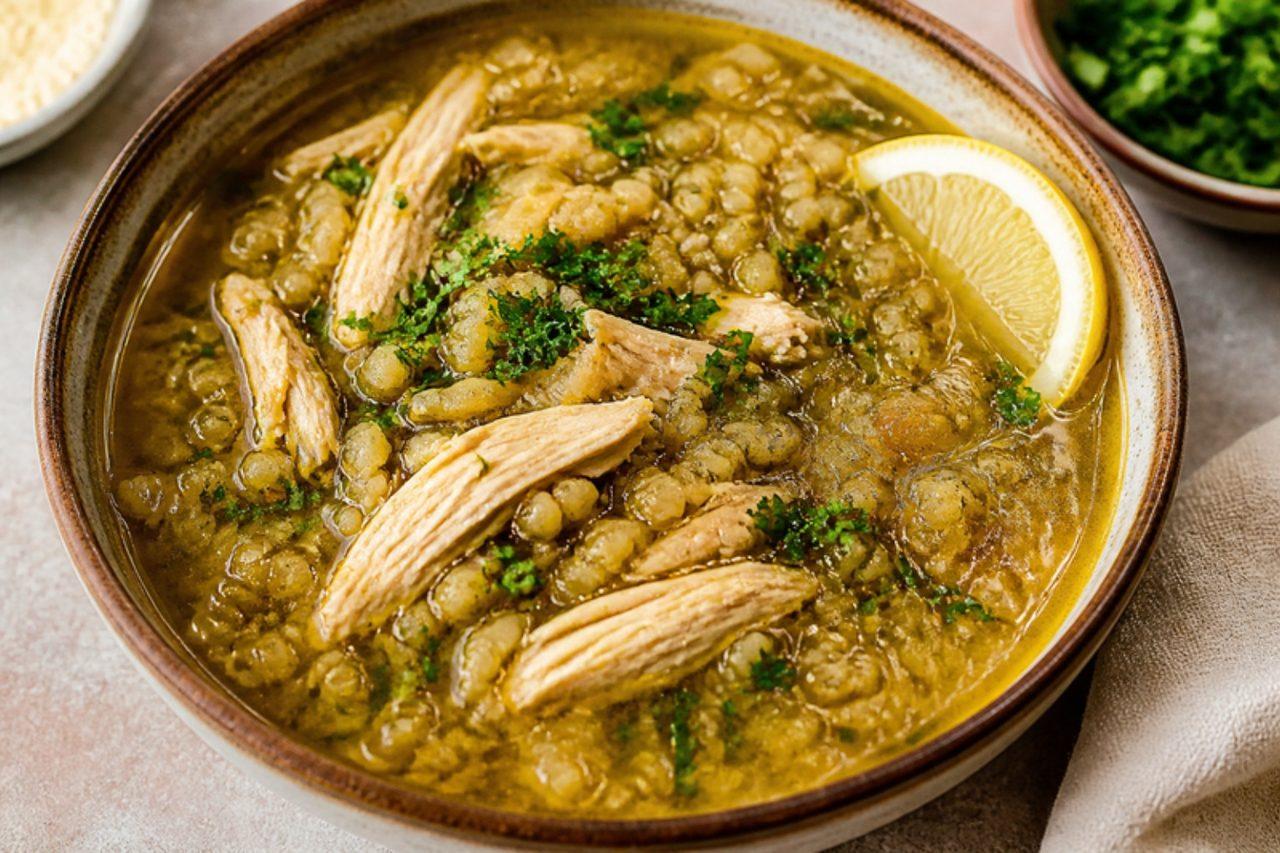
When the sunset call to prayer ends the Ramadan fast in Amman, the first spoonfuls are very often shorbat freekeh, a nourishing broth thickened with cracked green wheat that was roasted in the field while still young. The smoke from that roasting gives the soup its distinctive, almost barbecue-like depth, while chicken, cinnamon and cardamom keep it gentle on an empty stomach. It is followed by dates, salad and the main dish. The usual mistake is not picking over and rinsing the freekeh, which can hold tiny stones and chaff. Chef's tip: toast the rinsed freekeh in butter for a couple of minutes before adding the broth; it brings out the smokiness.

by KrazyBadal 0 views

ShrakPaper-thin saj flatbread

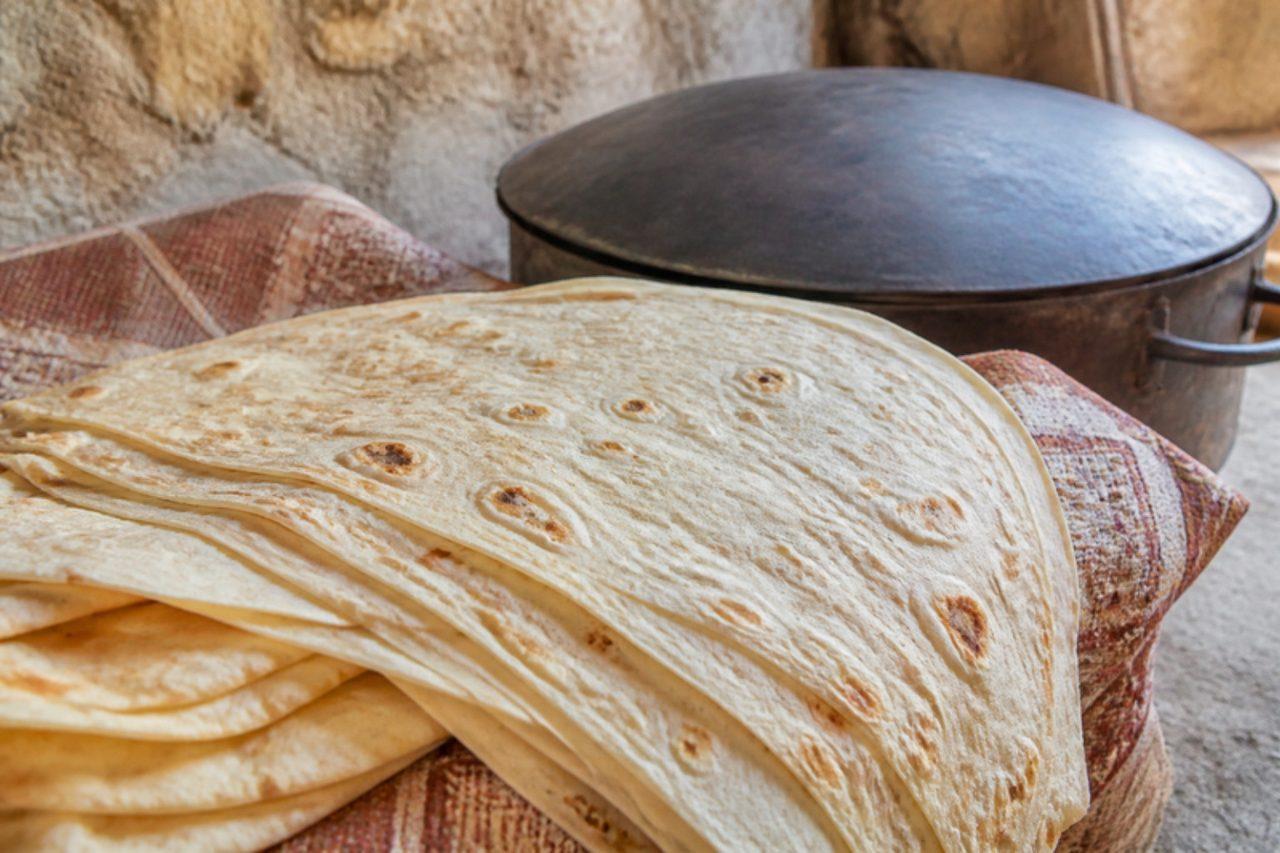
In Bedouin camps around Wadi Rum and Ma'an, shrak is baked fresh for every meal: dough stretched thinner than a handkerchief, flung over a domed iron saj above the fire and lifted off seconds later, soft and blistered. It is the bread that lines the mansaf platter and wraps grilled meat, and it is torn for galayet and labneh at breakfast. At home an upturned wok over a gas flame stands in for the saj. The common mistake is rolling the dough on a dry surface; it tears, so oil your hands and worktop instead and stretch the dough over the backs of your hands like a pizza maker. Chef's tip: rest the dough balls a full 30 minutes, well oiled and covered; relaxed gluten stretches to near see-through without fighting back.

by KrazyBadal 0 views

ShulbatoBulgur with aubergine and courgette

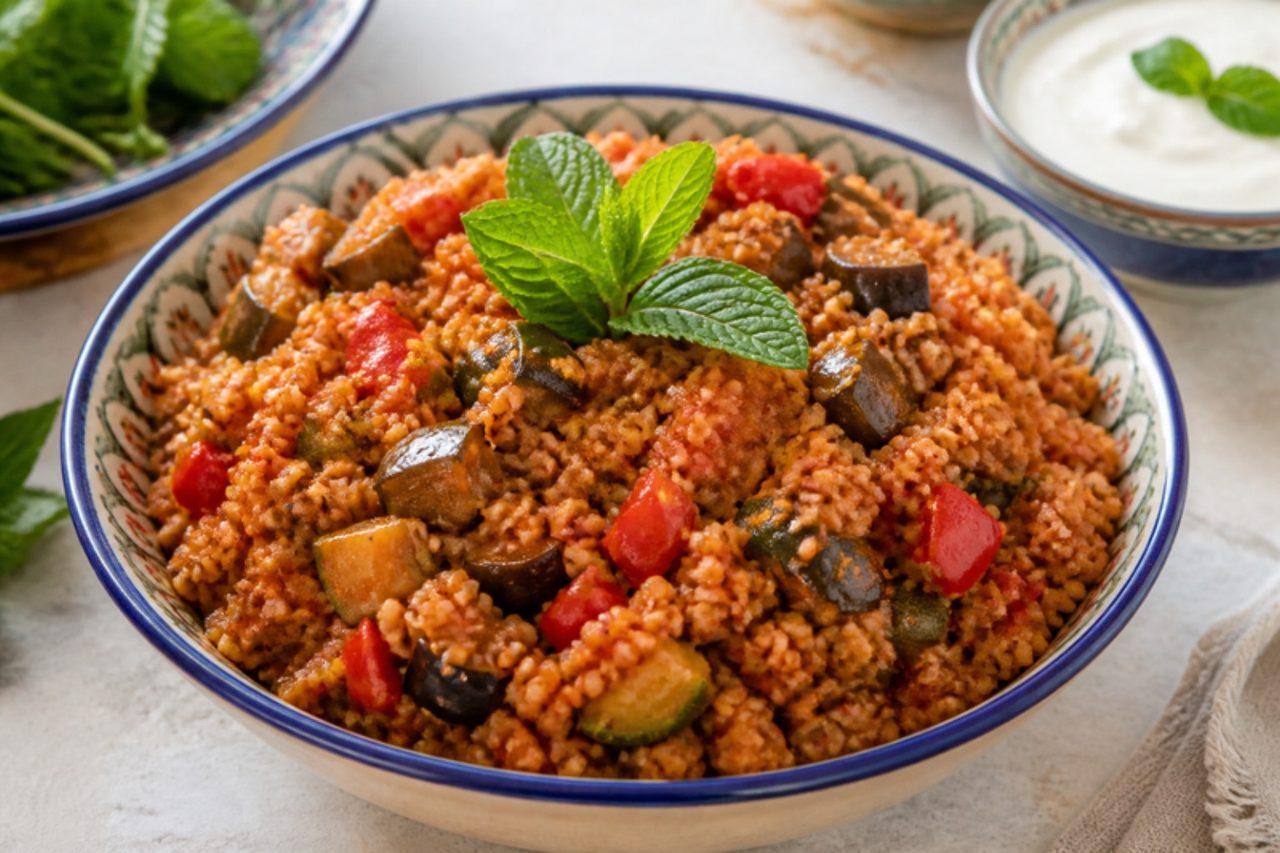
Shulbato is a summer pot from the villages of the West Bank and Galilee, made when the garden overflows: coarse bulgur cooked with aubergine, courgette, peppers, tomato and plenty of onion until the wheat is fluffy and stained red. It is eaten warm or cool on hot days with a bowl of yoghurt or a cucumber salad, and it is also a fasting dish for Christian families. Common mistake: using fine bulgur, which turns mushy; it needs the coarse grade. Chef's tip: let the vegetables catch and brown a little before adding the wheat; that slight char is the flavour of the dish.

by KrazyBadal 0 views

BüryanSlow-roasted lamb

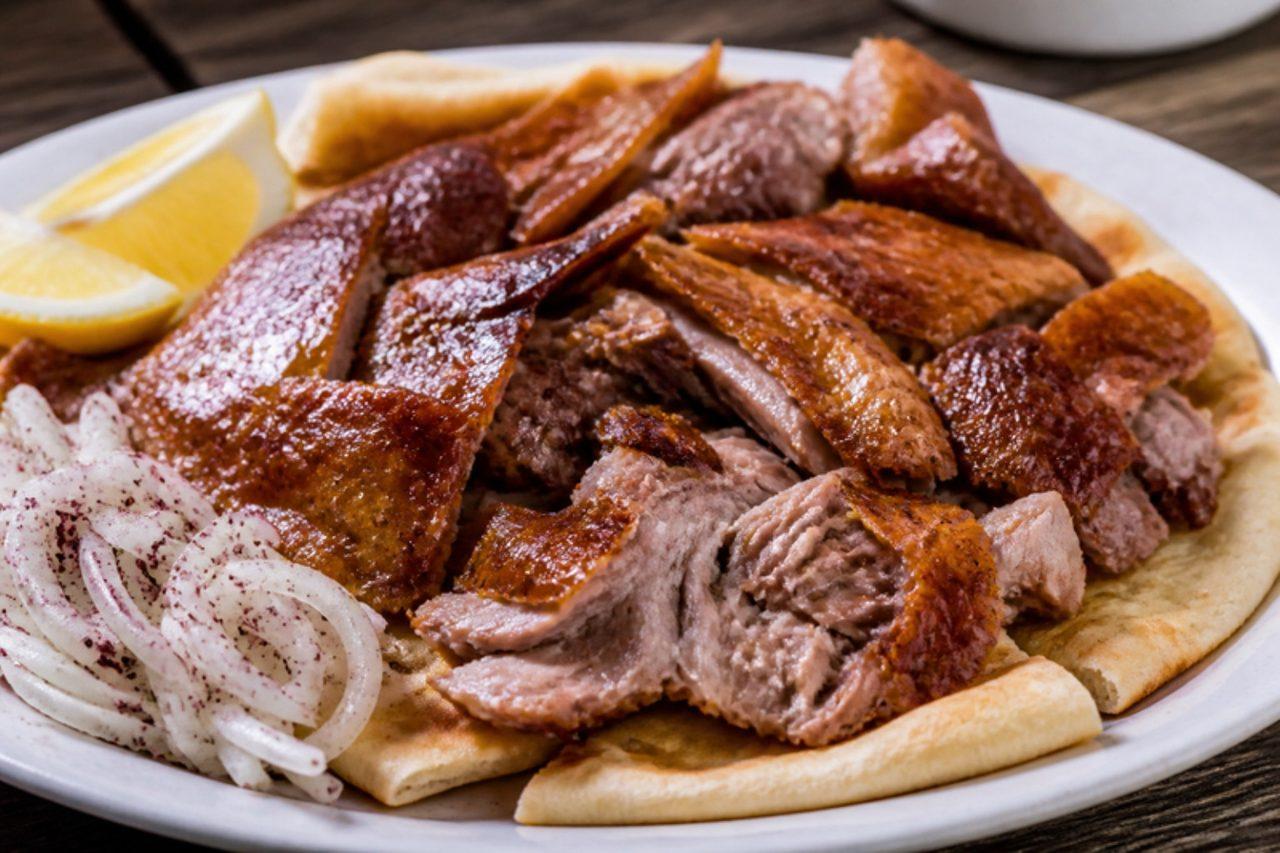
In Siirt, büryan is eaten for breakfast: whole sides of young lamb hang for hours in a deep clay pit oven sealed with mud, and by early morning the meat is falling apart with crackling skin, served on thin bread with nothing but salt. This home version uses a bone-in shoulder roasted low and slow, sealed under foil to trap the steam as the pit does, then blasted at the end for the crisp outside. It needs no marinade beyond salt; the flavour is all lamb. Common mistake: lifting the foil to check; every peek lets the steam out and dries the meat. Chef's tip: pull it apart with two forks at the table and pile it straight onto warm lavaş to catch the juices.

280 minTurkishMeat
by KrazyBadal 0 views

SıkmaCheese and herb rolled flatbread

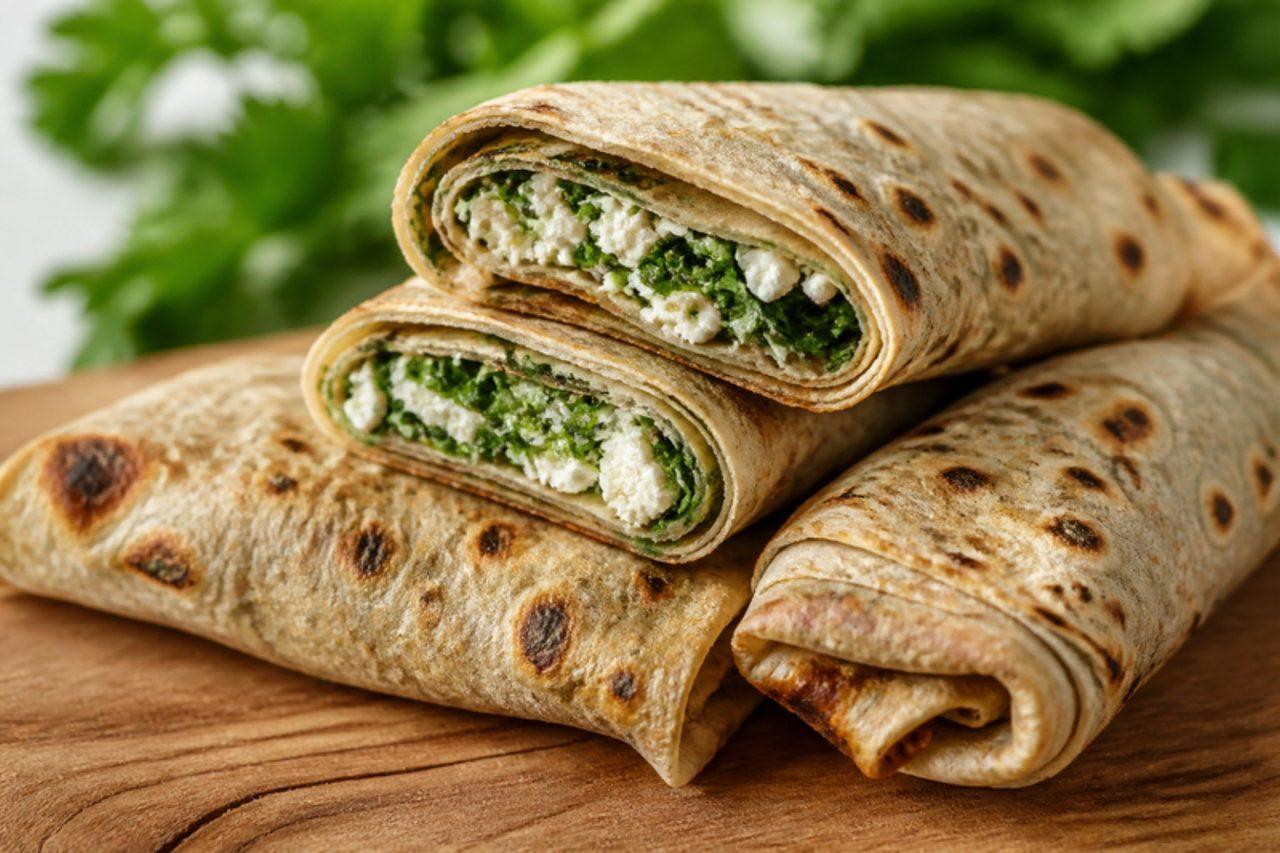
At village markets in the hills behind the Aegean and Mediterranean coasts, women sit at a convex sac griddle rolling out paper-thin dough, cooking it in seconds and 'squeezing' (sıkmak) it around a filling of white cheese and herbs. You eat it rolled up and still hot, with ayran. It is the simplest snack there is and easily done in a large frying pan. Beyaz peynir is often made with animal rennet; choose a vegetarian one if needed. Chef's tip: roll the dough as thin as you can and cook it fast on a very hot, dry pan; slow cooking makes it brittle instead of soft and foldable.

by KrazyBadal 0 views

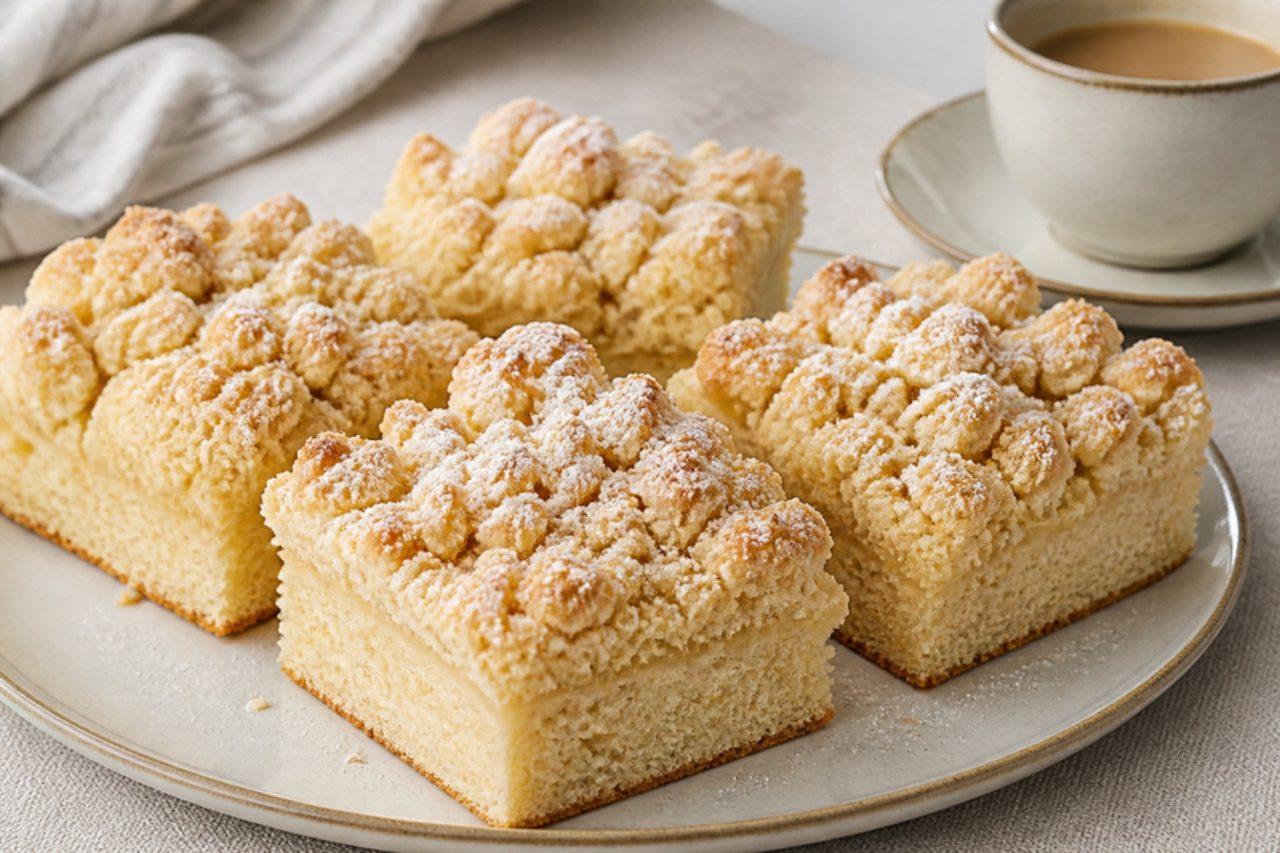
Silesian StreuselkuchenCrumble-topped yeast cake

Streuselkuchen came west with families from Silesia, where a tray of it was baked for every wedding and church fair, and it is now sold in every German bakery. The point is the crumble: big, buttery, vanilla-scented lumps sitting almost as thick as the soft yeast base underneath. It is served plain with coffee in the afternoon, often a day old, when the streusel has gone crisp and the base slightly chewy. A common mistake is rubbing the streusel to fine sand; it should be squeezed into clumps the size of hazelnuts. Chef's tip: use cold, cubed butter and chill the finished streusel for 20 minutes before scattering it, so the lumps keep their shape in the oven.

120 minGermanBaking
by KrazyBadal 0 views

ŞıllıkWalnut crepes in lemon syrup

Şıllık is a home sweet of Şanlıurfa, made for guests and special Fridays: lacy crepes cooked on a hot sac or flat pan, filled with sugared walnuts, rolled up and doused in syrup until soft and sticky. Rich with butter and cut into short logs, it is eaten warm with a tiny cup of bitter mırra coffee to balance the sweetness. The batter should be as thin as single cream; thick batter gives rubbery pancakes. Chef's tip: syrup and crepes should be at different temperatures, so pour cooled syrup over the warm rolls, which drink it up without falling apart.

by KrazyBadal 0 views

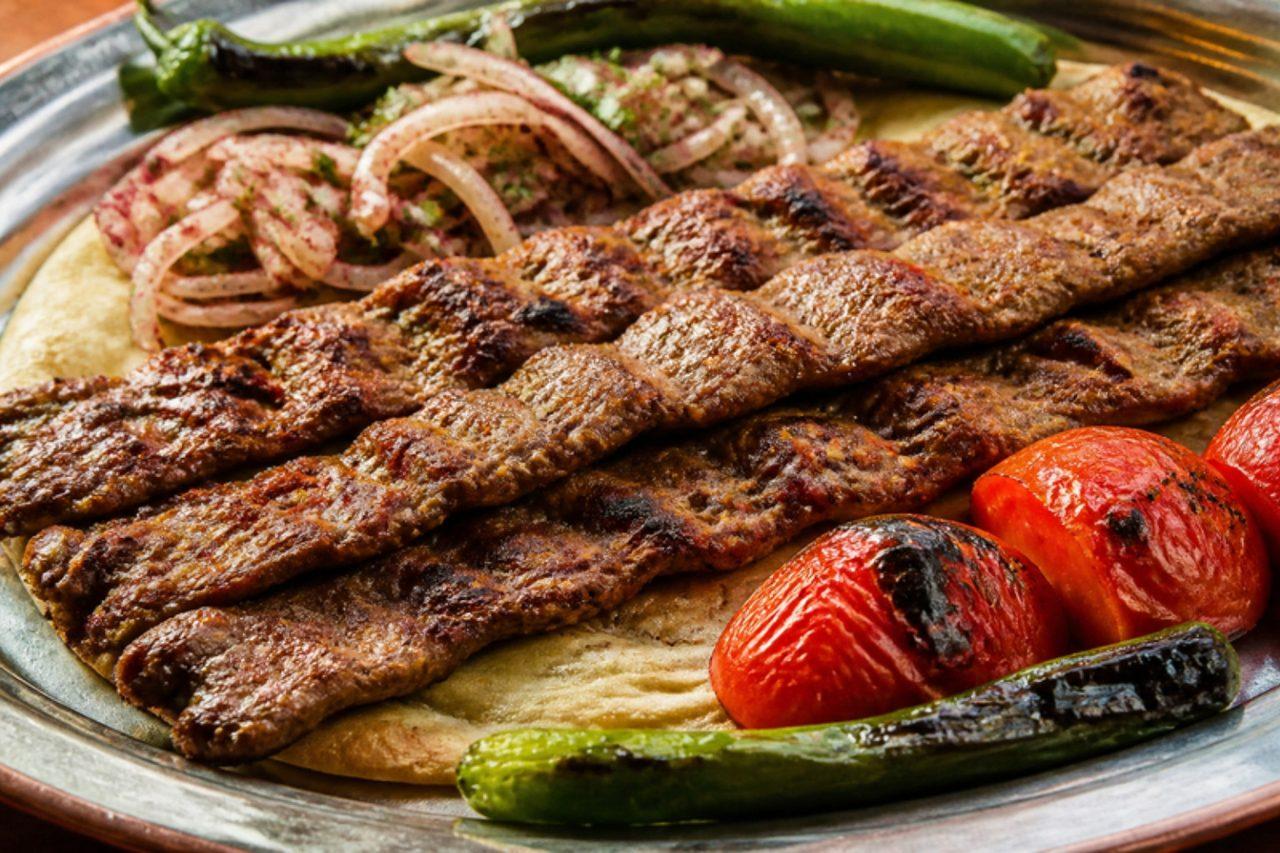
Simit kebabıBulgur and lamb mince skewers

In Gaziantep 'simit' means fine bulgur, not the sesame ring, and the city's kebab grills knead it into spicy lamb mince before shaping long flat skewers over charcoal. The bulgur soaks up the juices, so the kebab is tender inside with a crisp, charred crust. Serve on lavaş or thin flatbread with grilled tomatoes, peppers and a heap of sumac onions. Knead the mixture for a full ten minutes; under-kneaded meat falls off the skewer. Chef's tip: chill the shaped skewers for 30 minutes before grilling so they keep their shape over the heat.

by KrazyBadal 0 views

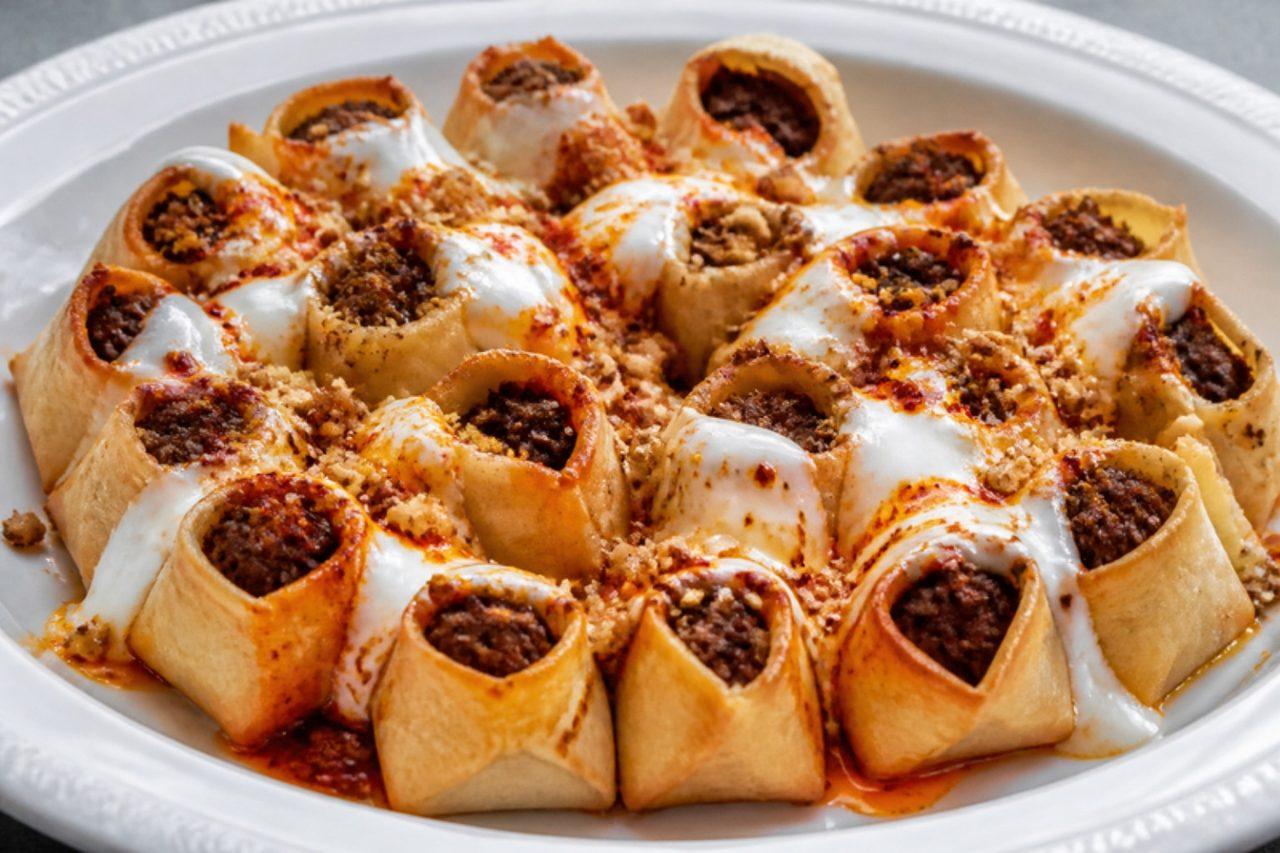
Sinop mantısıOpen beef dumplings with yoghurt

Sinop's mantı are not the tiny sealed parcels of Kayseri but larger squares pinched at the corners, filled with spiced beef mince and served in a deep plate with garlic yoghurt, crushed walnuts and a sizzling spoon of chilli butter. In the port town they are a cold-weather lunch, and the walnuts are what make them Sinop's own. Common mistake: boiling them too hard so they burst; keep the water at a lively simmer and cook until the filling is firm and reaches 71 °C. Chef's tip: let the dough rest a full 30 minutes; a relaxed dough rolls thin without springing back and the dumplings cook evenly.

by KrazyBadal 0 views

Sir ghelyehFried green garlic with eggs

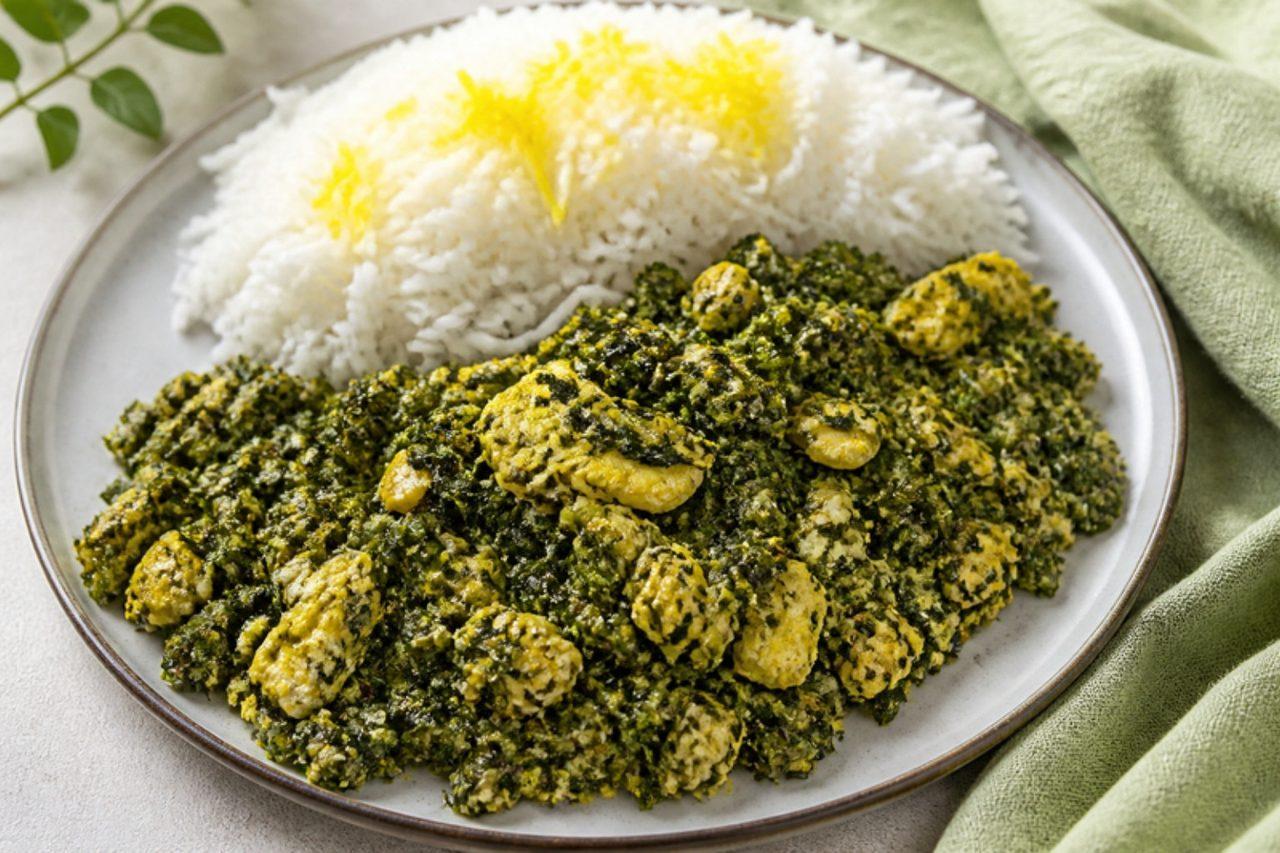
In early spring, when the rice fields of Gilan are still wet and the markets of Rasht fill with bundles of green garlic, families make sir ghelyeh: young garlic stems and leaves fried slowly with herbs and turmeric, then set with eggs. It is a quick lunch with kateh rice, eaten with a pickle on the side, and it smells of the whole season. The common mistake is frying the green garlic on a high heat, which burns the edges and leaves it bitter instead of sweet. Out of season, use the swap in the ingredients. Chef's tip: a small splash of verjuice or lemon juice just before the eggs go in lifts the whole pan.

by KrazyBadal 0 views

Sir torshiGarlic pickled in vinegar

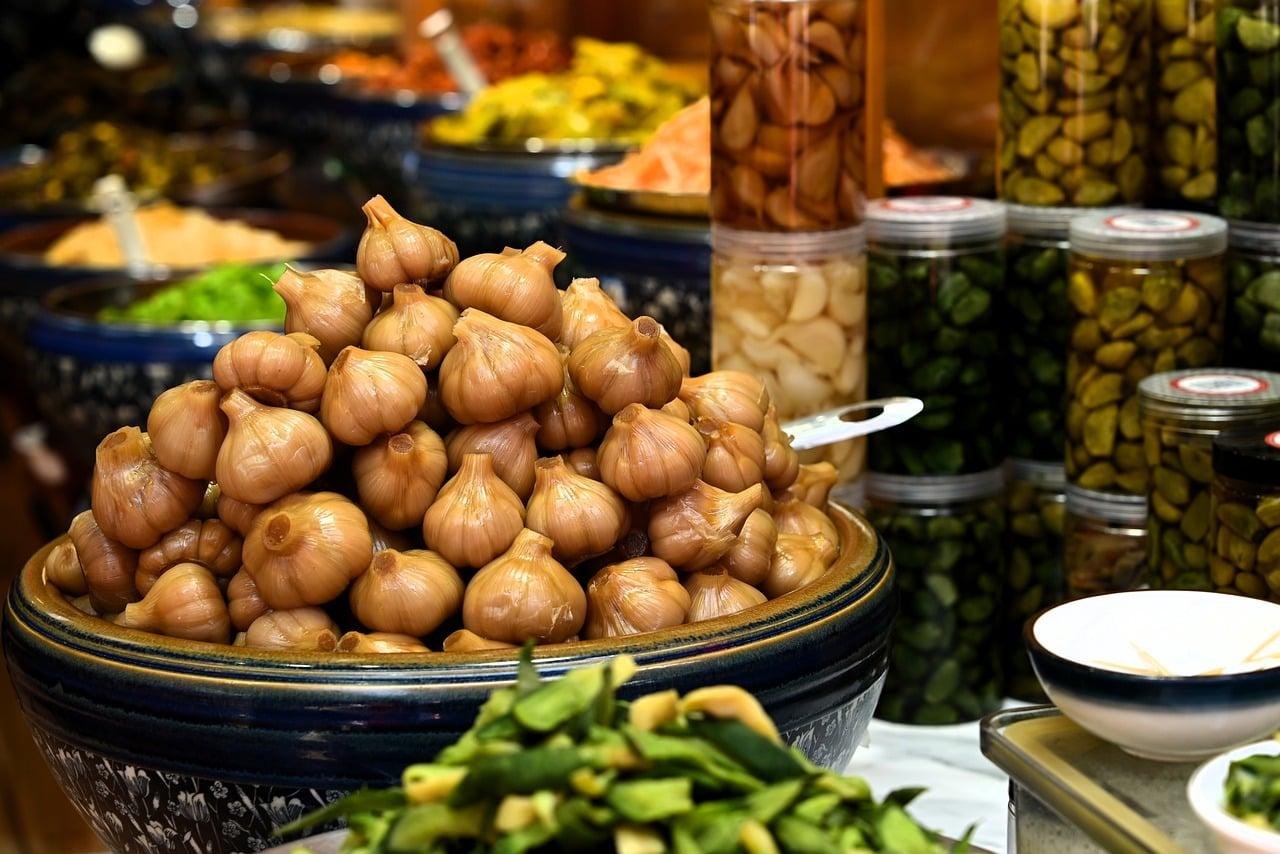
Along the Caspian coast in Gilan and Mazandaran, almost every larder has a jar of sir torshi tucked at the back, and the older it is the prouder the cook. Whole heads of garlic sit in vinegar for months, sometimes seven years, until the cloves turn amber, then nearly black, and lose all their harshness; they become soft, sweet-sour and almost jammy. A clove or two goes on the side of a plate of rice and khoresh, mirza ghasemi or a bowl of ash. Chef's tip: use firm, dry, mature garlic with tight skins; fresh green garlic goes slimy instead of mellow.

by KrazyBadal 0 views

Showing 18 of 7,762 recipes

Show more recipes

Page 542 of 863