


Skip to content
Kochu shak
Featured recipe

Kochu shak

Taro greens with coconut

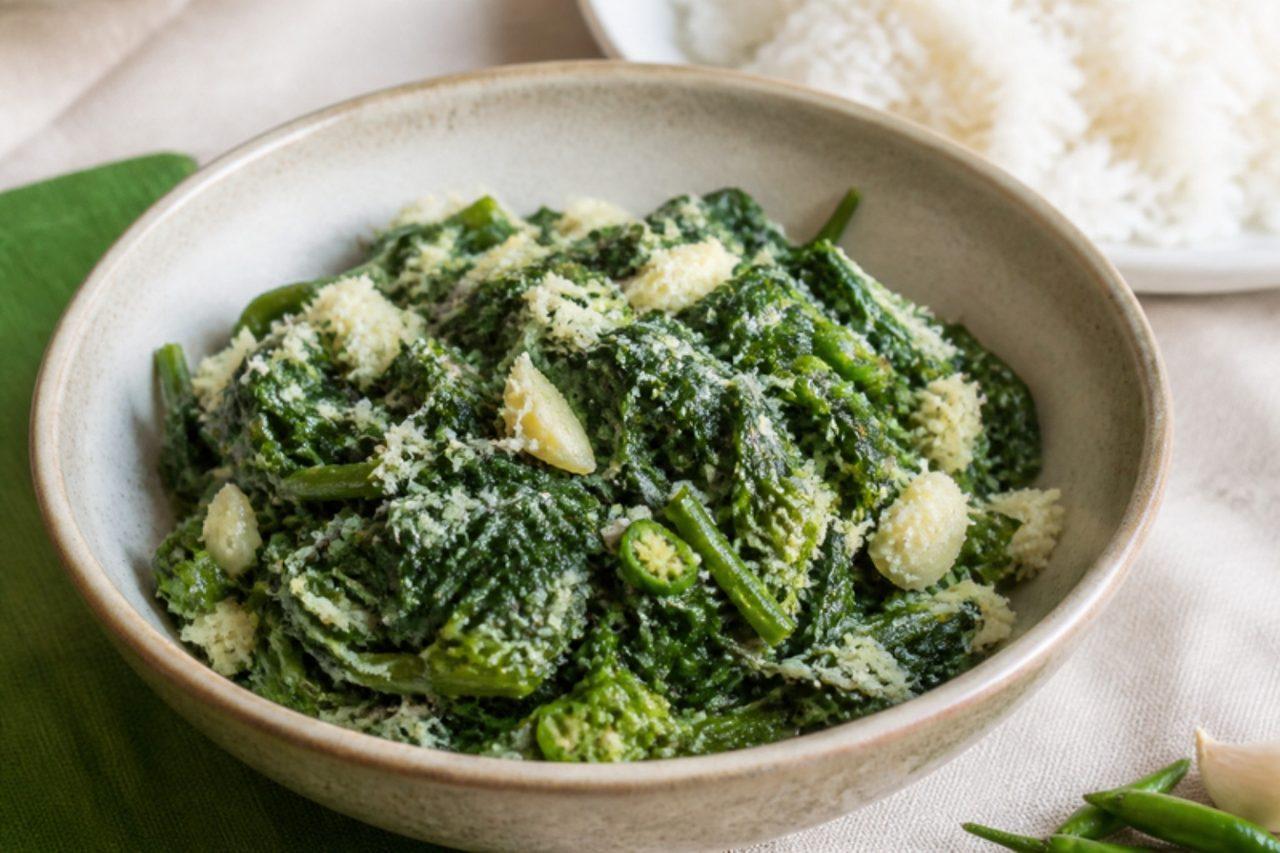
In the wet villages of Khulna and Bagerhat, near the edge of the Sundarbans, taro grows wild along every pond, and its dark leaves and tender stems are cut, chopped fine and simmered into a soft, creamy green dish with grated coconut. At home it is often cooked with small shrimp or the head of a hilsa for richness; this version keeps it vegetarian and leans on coconut and mustard oil instead. Cooked well, it is soft and silky, coconut-sweet and earthy, and is eaten with rice and a squeeze of lime. Taro leaves contain calcium oxalate crystals that make the mouth itch if they are undercooked, so the classic error is pulling it off the heat too soon; it needs a full 25 minutes and a sour element at the end. Chef's tip: use young leaves from edible taro and wear gloves or oil your hands while cutting the stems.

Read more 0 views

What to eat today?

Around the world

Today's trip: Paraguayan

A new country every day, from every cuisine on the site.

Paraguayan

Chipa

Cheese bread rings 50 minMore from Paraguayan (27) →

This week's collection

Kid-friendly dinners
537 recipes · a new collection every Monday

Latest recipes

SoumadaAlmond syrup drink

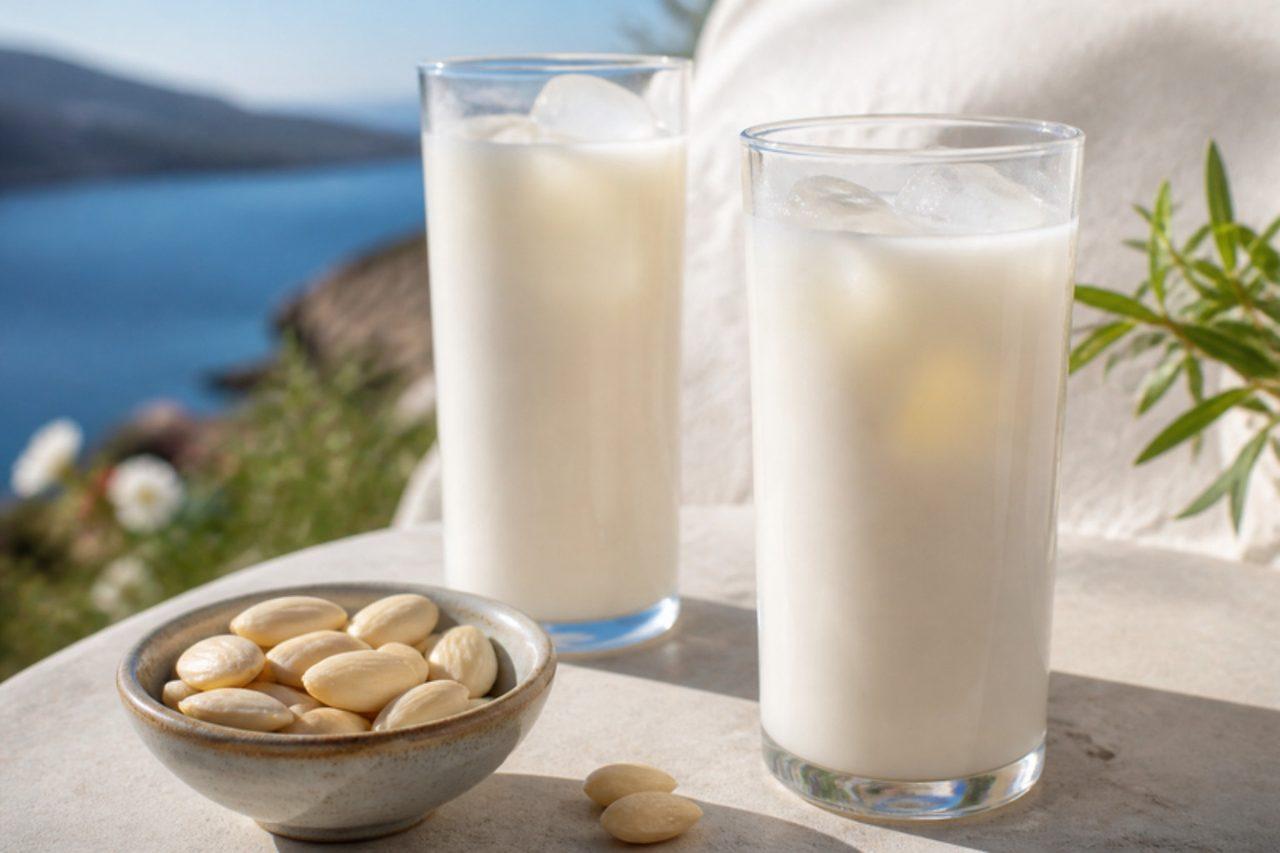
On Crete and several Aegean islands, a glass of cloudy-white soumada is offered to guests at weddings and on hot summer afternoons. It begins as a thick almond syrup kept in the fridge, which is stirred into iced water to make a cool, gently sweet drink that tastes of marzipan and orange blossom. Some islanders add a few bitter almonds for an edge; they are not safe to eat in quantity, so this version uses a drop of almond extract instead. Common mistake: boiling the syrup hard after the almond milk goes in, which makes it cloudy and grainy rather than smooth. Chef's tip: squeeze the almond pulp in a muslin bag with real force; the last drops are the richest.

by KrazyBadal 0 views

Soupe de poissons with rouilleFish soup with rouille

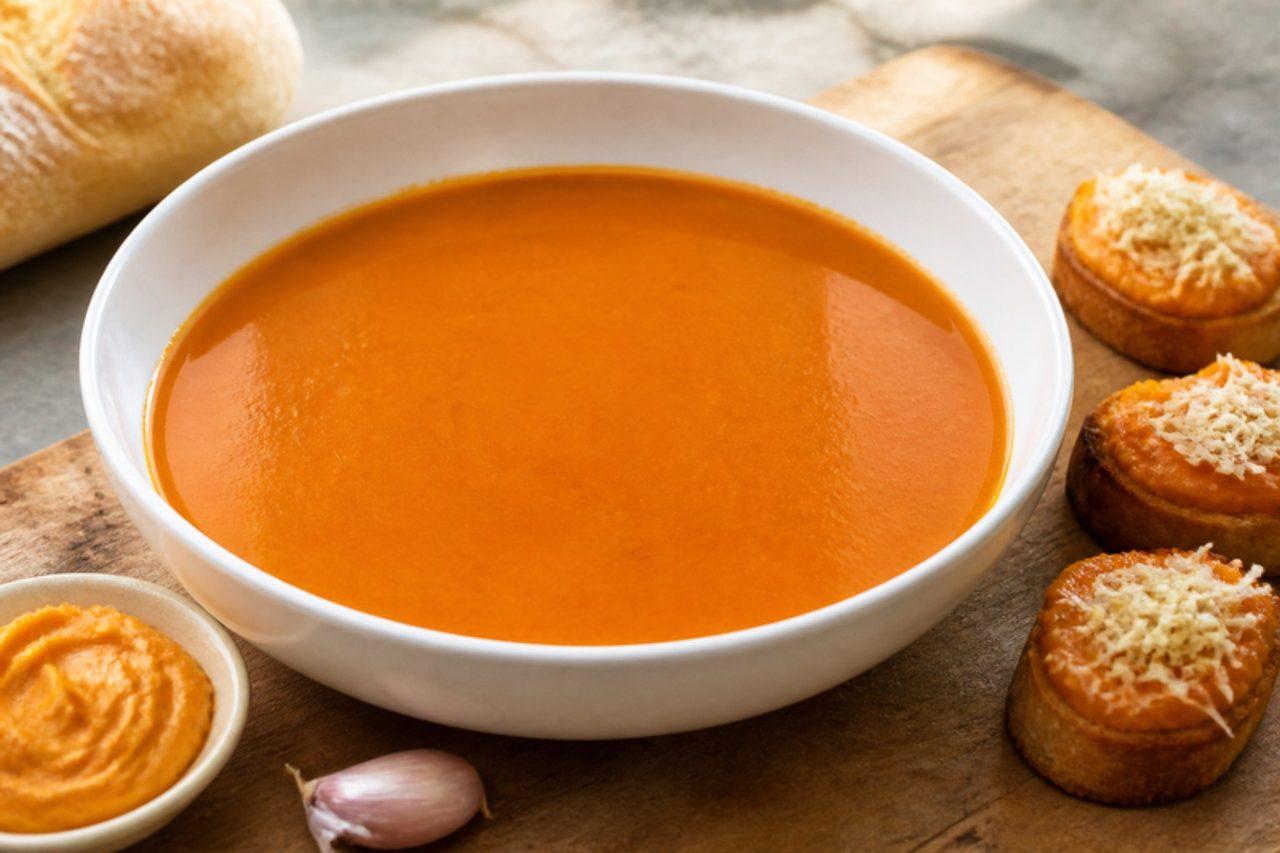
Not to be confused with bouillabaisse, where whole pieces of fish are served, soupe de poissons is the smooth, rust-coloured soup made all along the coast from Marseille to Sète from small rockfish too bony to eat any other way. The fish are fried with fennel, tomato, garlic and saffron, simmered and then pressed through a food mill, giving a velvety soup tasting deeply of the sea. In harbourside restaurants it arrives with a tray of toasted croutons, a pot of fiery garlic rouille and grated cheese, and everyone builds their own bowl. This rouille is thickened with potato and bread, with no raw egg. Chef's tip: press the cooked fish hard through the mill or sieve; the flavour is in the pulp, not just the liquid.

100 minFrenchSoups
by KrazyBadal 0 views

South Dakota chislicFried lamb cubes

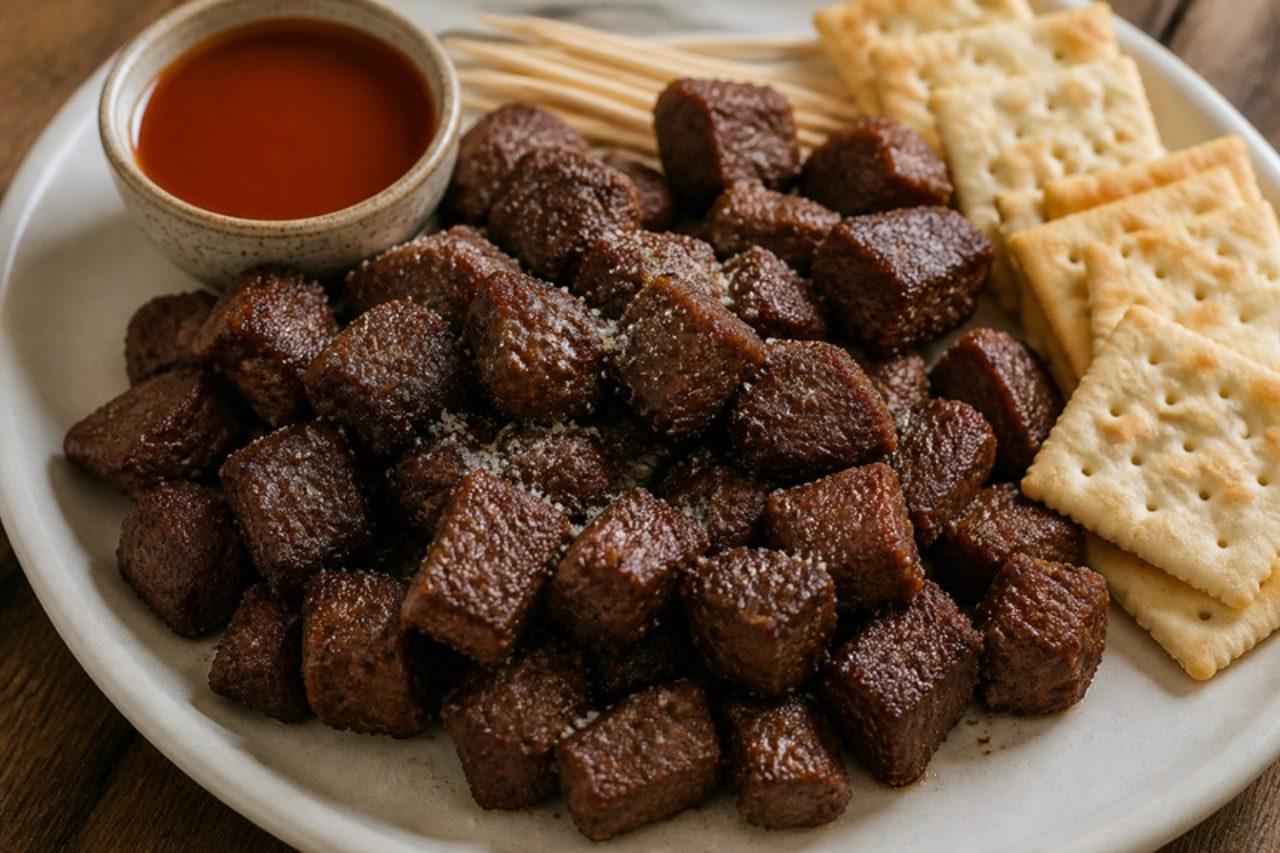
Chislic is the official nosh of South Dakota, brought to the prairie by Germans from Russia and served at taverns and county fairs around Freeman and Sioux Falls. Bite-size cubes of lamb or mutton are deep-fried or grilled on skewers, tossed in garlic salt and eaten with cocktail sticks, with saltine crackers and hot sauce on the side. Chef's tip: cut the cubes all the same size, about 2 cm, so they cook evenly in the short time in the oil.

by KrazyBadal 0 views

Soutzoukakia SmyrneikaCumin meatballs in tomato sauce

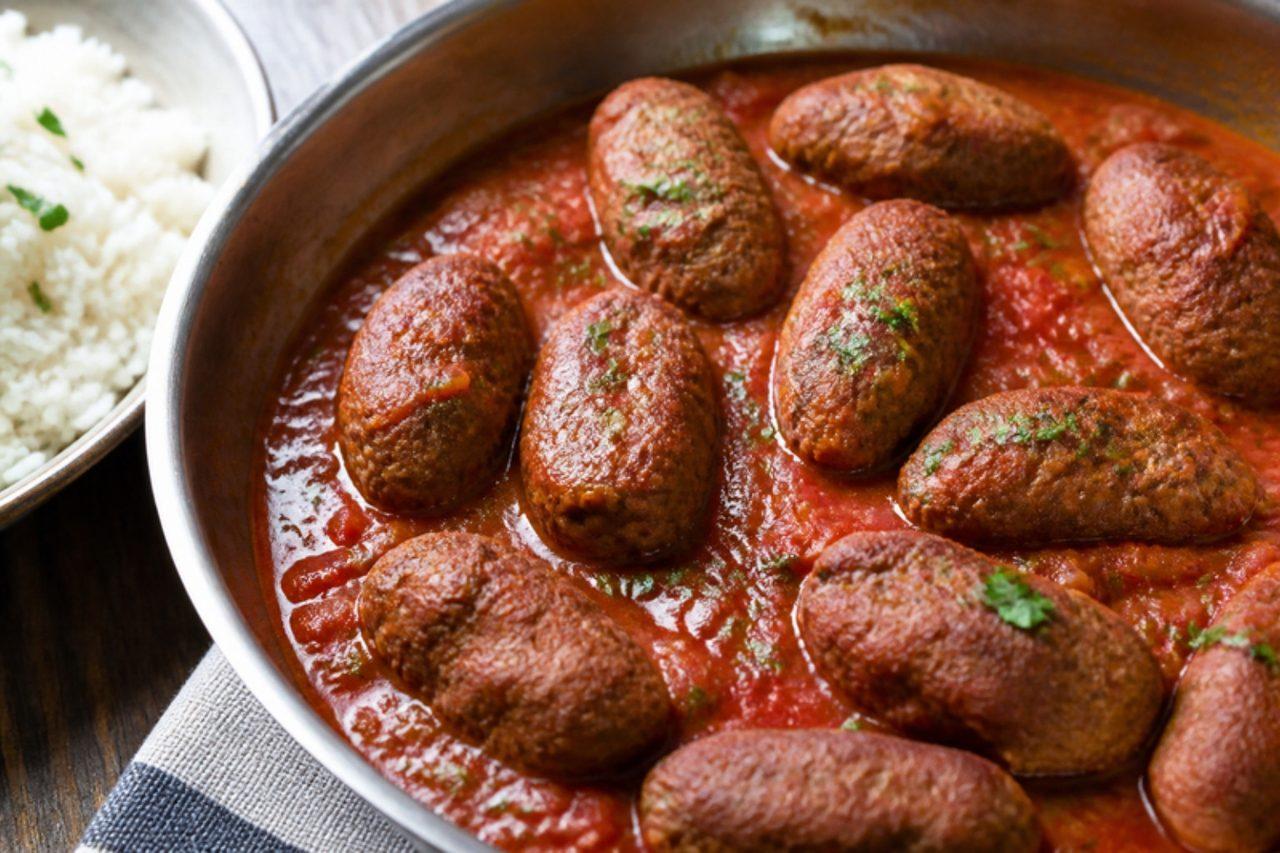
Refugee families from Smyrna brought these long, cumin-heavy meatballs to Thessaloniki and Kalamaria in the 1920s, and they're still a weekday favourite in northern Greek homes. The mince is mixed with soaked bread, garlic and plenty of cumin, shaped into fat little logs, browned and then simmered in a cinnamon-tinged tomato sauce until tender. Serve over rice pilaf or with chips and a spoon of yoghurt. Many cooks add a splash of red wine to the sauce; this version uses red wine vinegar instead, so it's alcohol-free. Common mistake: squeezing the bread dry — it should stay damp, which keeps the meatballs juicy. Chef's tip: chill the shaped soutzoukakia for 20 minutes so they hold their shape in the pan.

70 minGreekMeat
by KrazyBadal 0 views

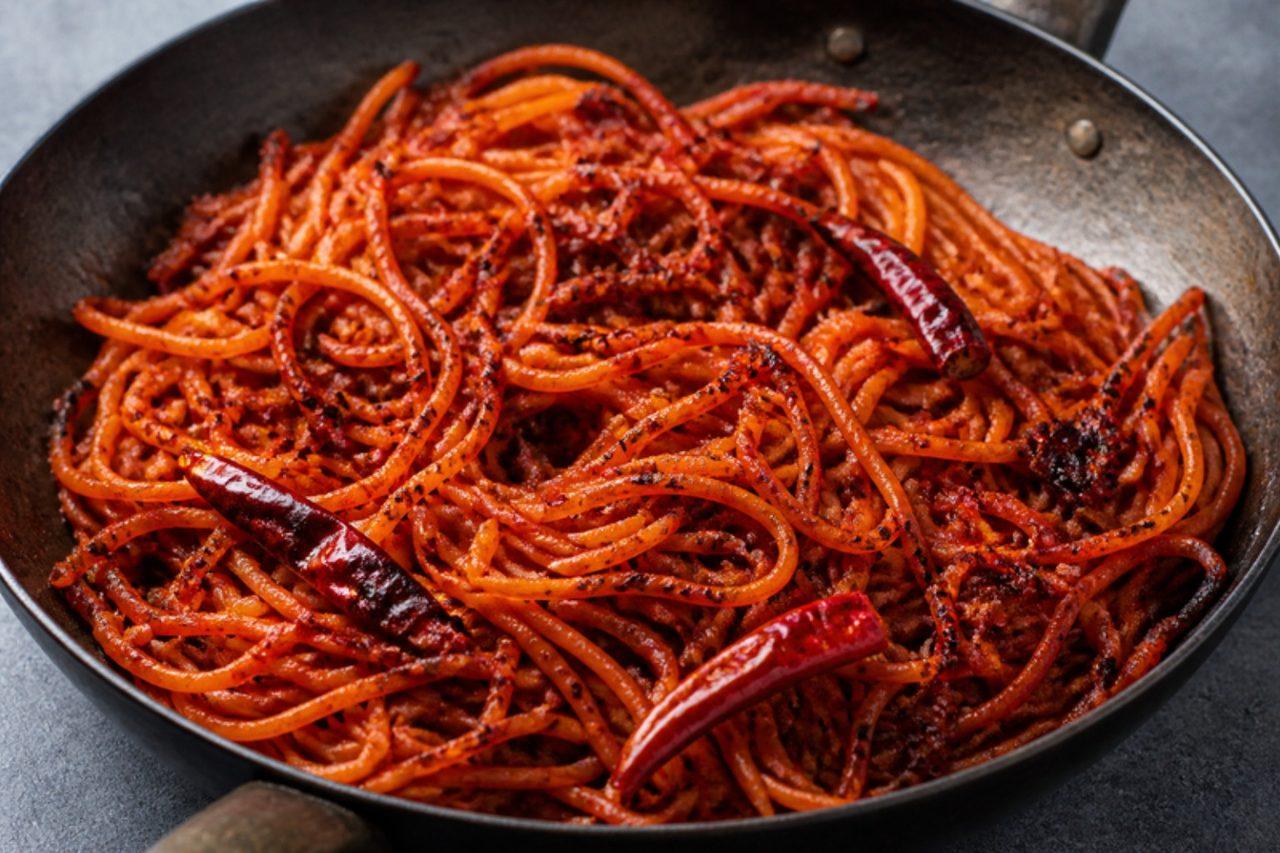
Spaghetti all'assassinaCharred spicy spaghetti

Spaghetti all'assassina was born in a Bari restaurant in the late 1960s and has become the city's cult late-night pasta. The raw spaghetti go straight into a hot iron pan with garlic, chilli and tomato, and are cooked like a risotto, a ladle of tomato broth at a time, until some strands blacken and turn crunchy while others stay chewy. It is smoky, sweet and properly hot, and Baresi argue about how burnt it should be. Chef's tip: use a wide iron or steel frying pan, never non-stick; you want the pasta to stick a little and scorch.

by KrazyBadal 0 views

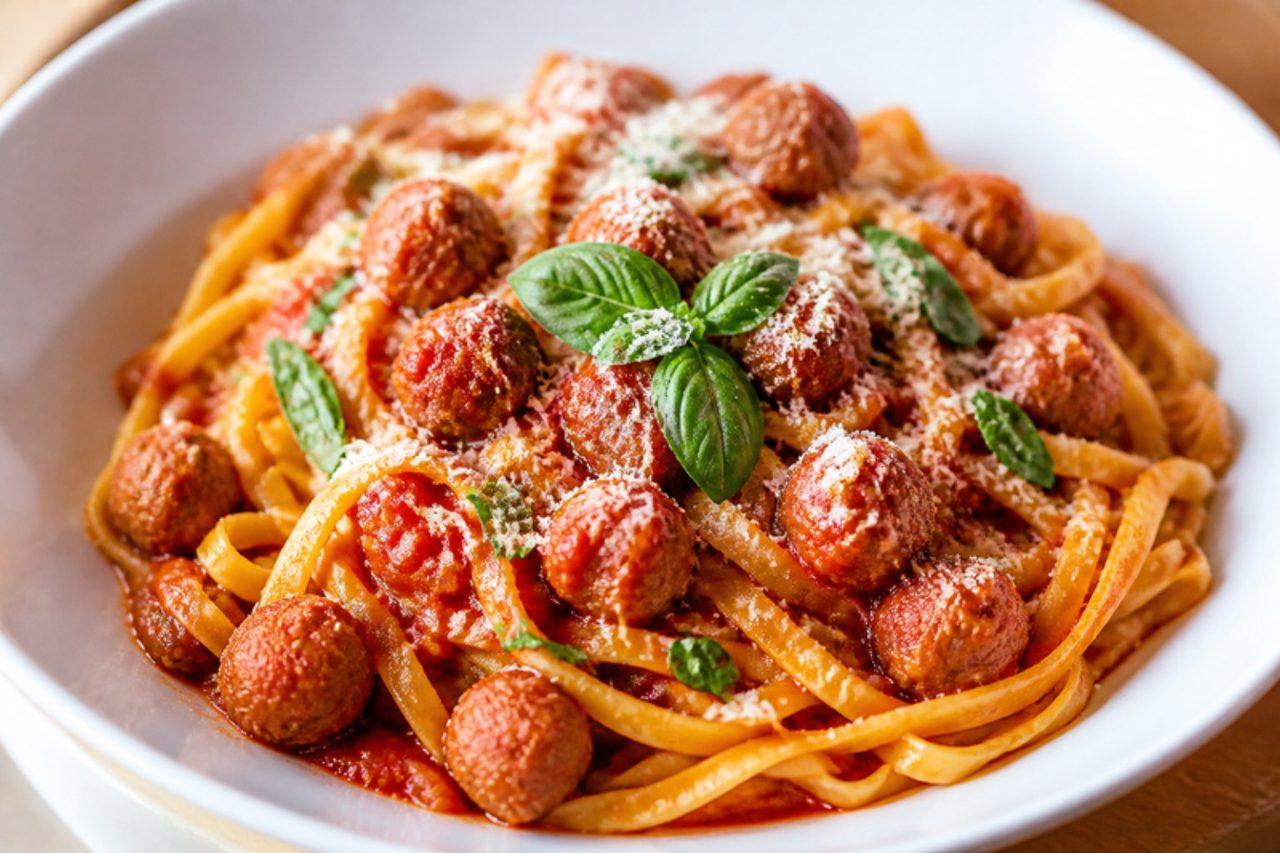
Spaghetti alla chitarra con le pallottineSpaghetti with tiny meatballs

In Teramo, in northern Abruzzo, Sunday lunch and village festivals often start with chitarra pasta and pallottine, meatballs no bigger than a chickpea. The pasta is cut on a chitarra, a wooden frame strung with wires, which gives square-edged strands with a rough surface that grips the sauce. The tiny beef meatballs are simmered right in a light tomato sauce, so every forkful has a few. Serve with grated pecorino and nothing else; this is a dish of patience rather than complication. Chef's tip: roll the meatballs with damp hands on a tray; at this size you'll make well over a hundred, so put the radio on.

by KrazyBadal 0 views

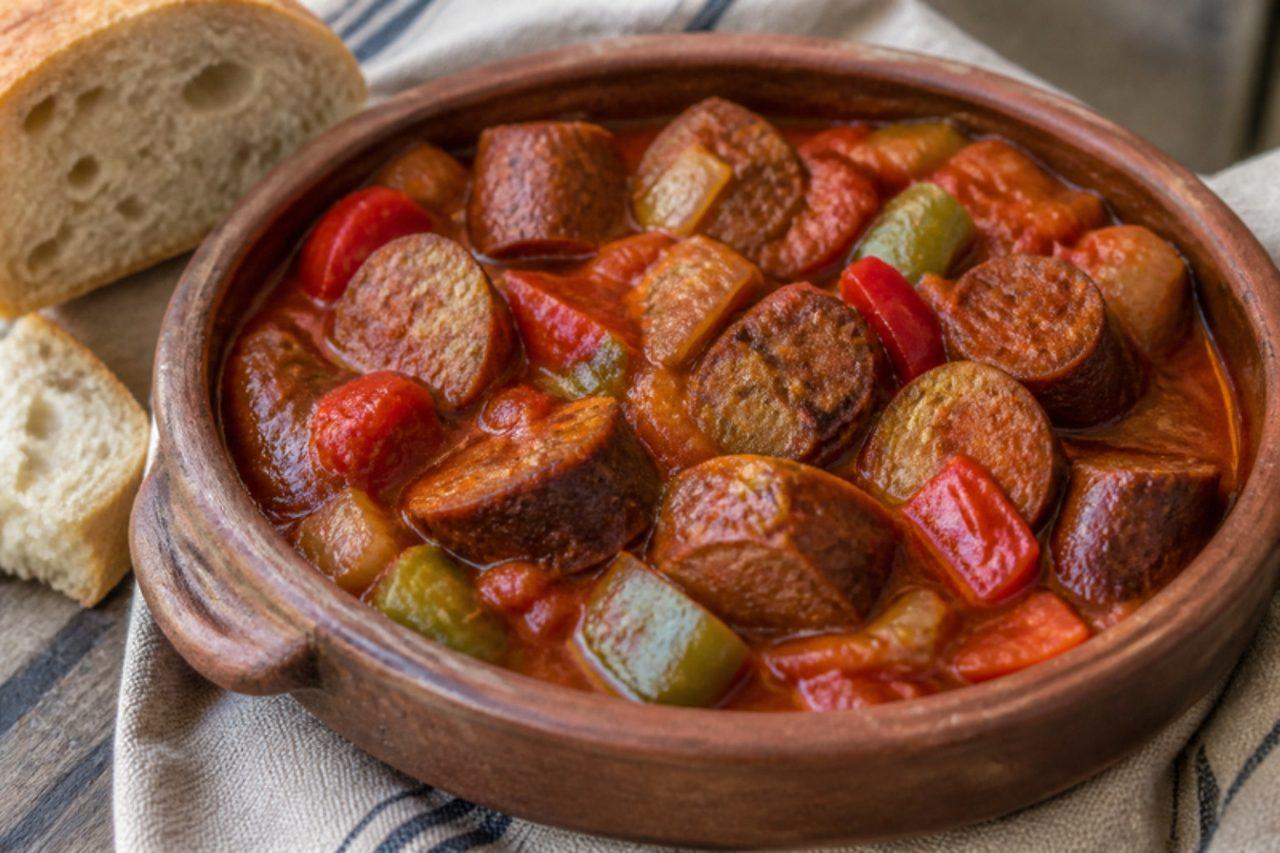
SpetzofaiSausage and pepper stew

Spetzofai is the dish shepherds in the Pelion mountains near Volos cooked over the fire: spicy village pork sausages sliced and stewed with long green and red peppers in a thick tomato sauce. Now it's on every tsipouro-bar menu in Volos, served sizzling in a clay dish with bread and feta. Use coarse pork sausages with leek or orange peel if you can find them. Common mistake: cooking the peppers to mush — they should be soft but still hold their shape. Chef's tip: brown the sausage slices hard first; the fat they leave flavours the peppers.

55 minGreekMeatGluten freeSpicy
by KrazyBadal 0 views

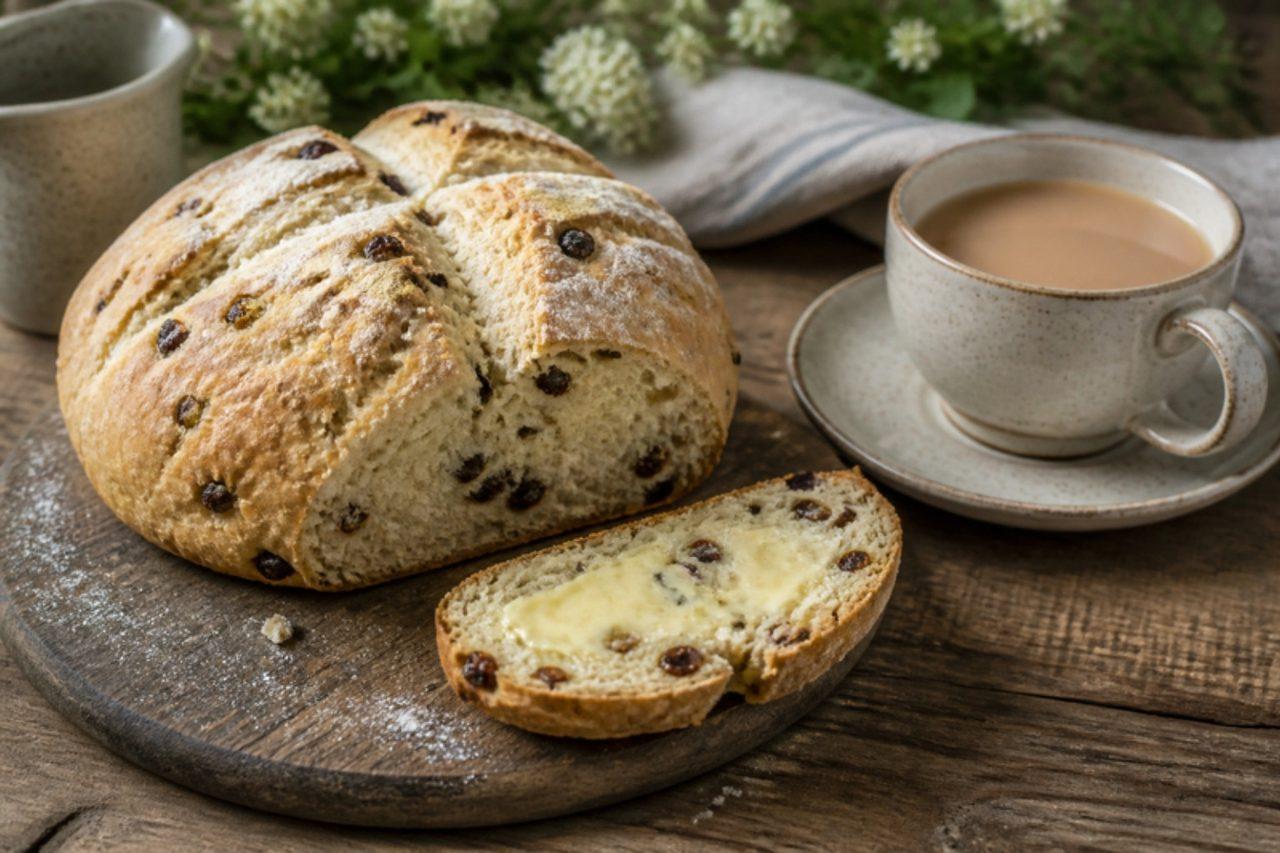
Spotted dogRaisin soda bread

Spotted dog, or 'spotted dick' and 'railway cake' in parts of Leinster, is white soda bread with a handful of raisins and a little sugar, the sweet loaf Irish grandmothers bake for the afternoon tea or Sunday visitors. It is soft, slightly cakey and best warm, split and buttered. Chef's tip: toss the dried fruit in the flour first so it stays spread through the loaf instead of sinking.

by KrazyBadal 0 views

Spreewälder GurkenDill-fermented gherkins

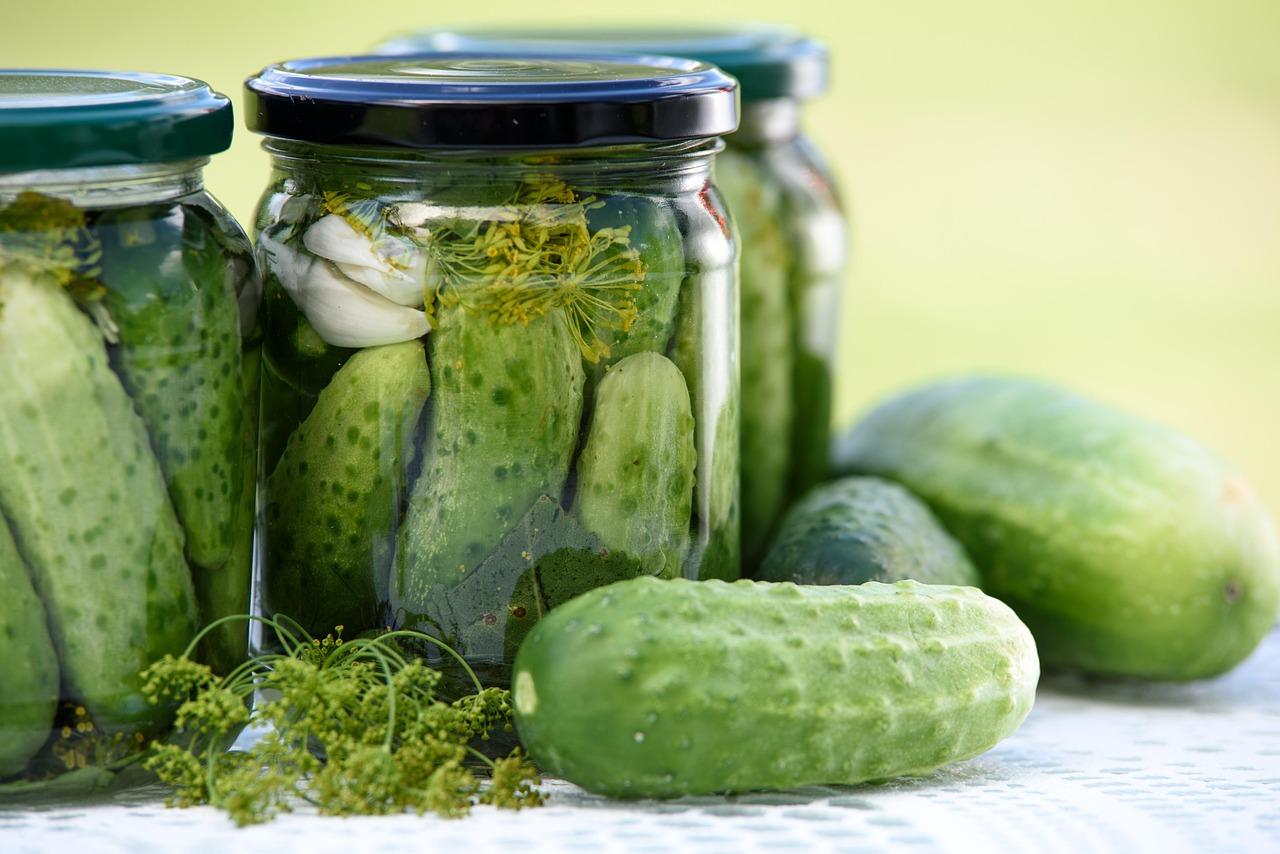
In the Spreewald, the forest and canal country south-east of Berlin, cucumbers have been fermented in barrels of dill brine for centuries, and in late summer the riverbanks are lined with stalls selling them by the jar. These salt-fermented gherkins are sour, garlicky and crunchy, eaten as a snack, alongside sandwiches or with jacket potatoes and quark. No vinegar is used: lactic fermentation does the souring. The most common mistake is letting cucumbers poke above the brine, where mould can start. Chef's tip: choose small, firm, freshly picked cucumbers and add a few vine or oak leaves; their tannins keep the gherkins crisp.

by KrazyBadal 0 views

SpundekäsWhipped quark and cream cheese dip

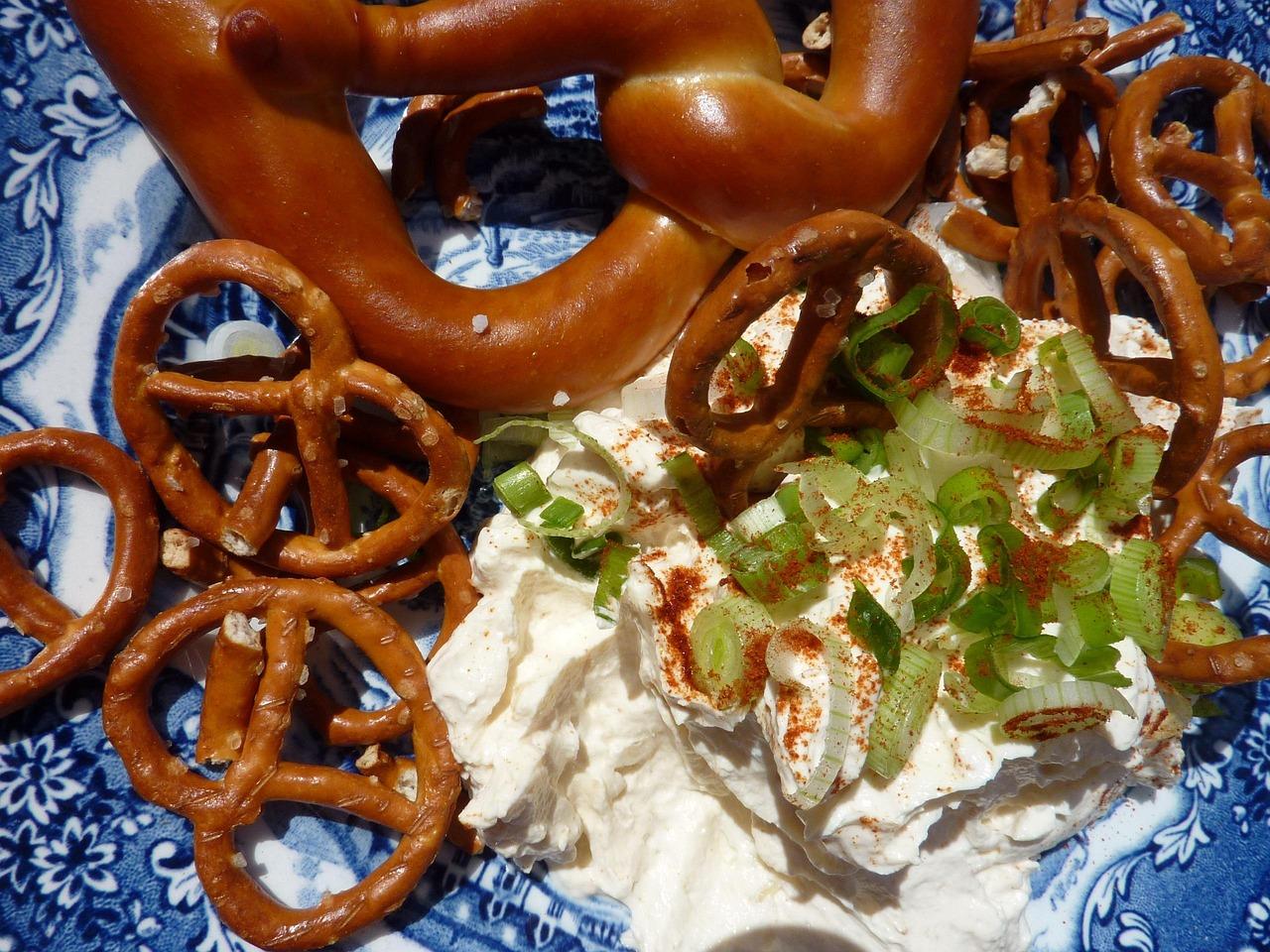
In Mainz and the wine villages of Rhine-Hesse, Spundekäs is what lands on the table at a wine festival or in a Straußwirtschaft, the pop-up taverns winemakers open in their courtyards in late summer. It is a light, airy whip of quark and cream cheese, sharpened with onion, garlic and plenty of sweet paprika, and it is scooped up with soft pretzels or Laugenbrezel. The name comes from the cone-shaped wooden 'Spund' it was once pressed into. A common mistake is using watery quark straight from the tub, which makes a runny dip; drain it first. Chef's tip: make it a couple of hours ahead so the onion softens into the cheese, then dust with fresh paprika just before serving.

by KrazyBadal 0 views

SteckerlfischMackerel grilled on a stick

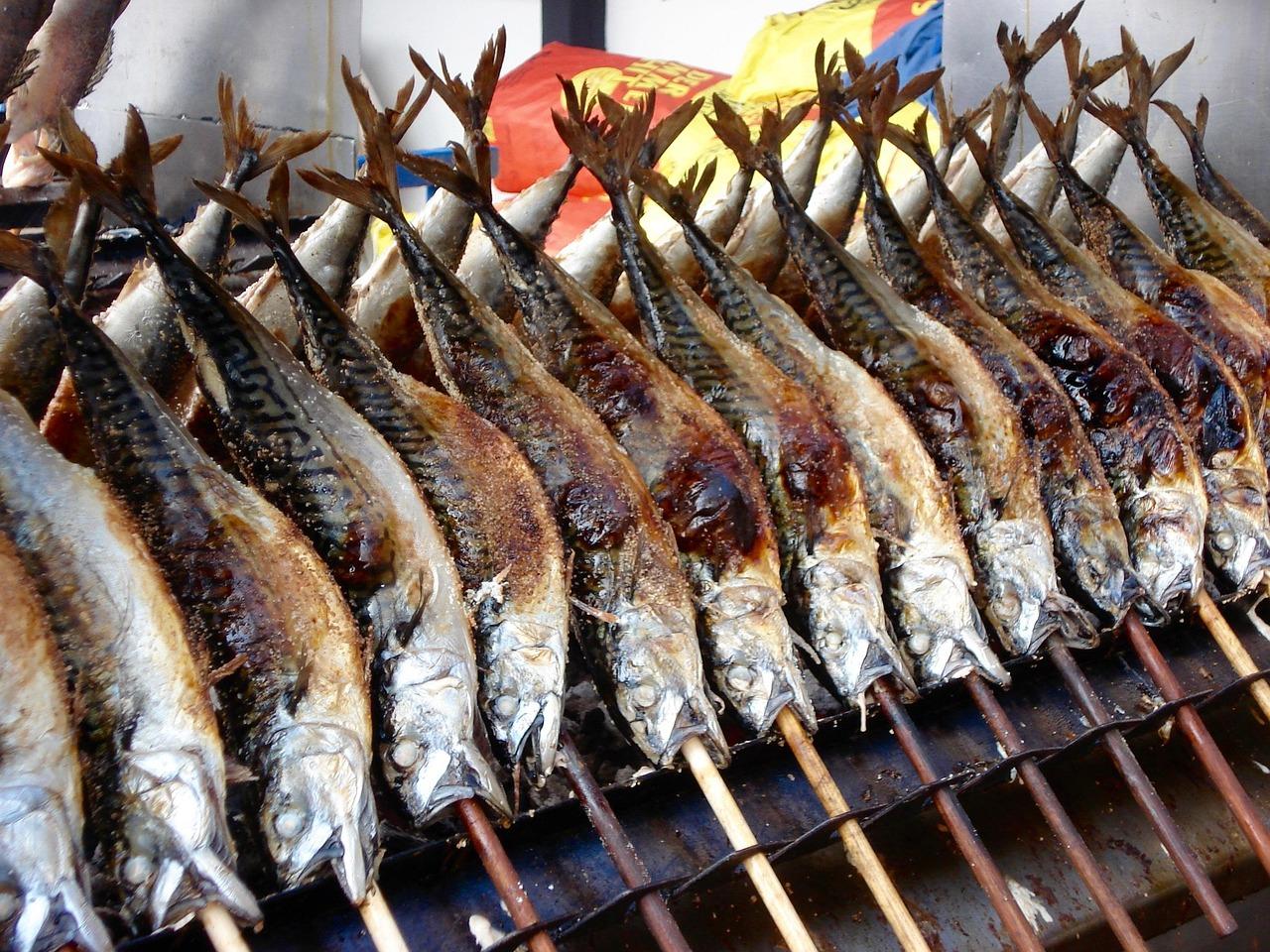
Steckerlfisch, fish on a stick, is the smell of a Munich beer garden on a summer evening and of the Oktoberfest stalls: whole mackerel or lake whitefish threaded lengthways onto long wooden sticks, brushed with spiced oil and turned slowly in front of glowing charcoal. The skin turns crisp and golden and the flesh stays moist; it is eaten with fingers, a pretzel and a wedge of lemon. On a home barbecue the sticks are laid across the grill instead of stood around the fire. Chef's tip: grill over medium, not fierce, heat and be patient; the skin should blister slowly or it sticks and tears.

40 minGermanFishGluten free
by KrazyBadal 0 views

Steirische Kernöl-EierspeisScrambled eggs with pumpkin seed oil

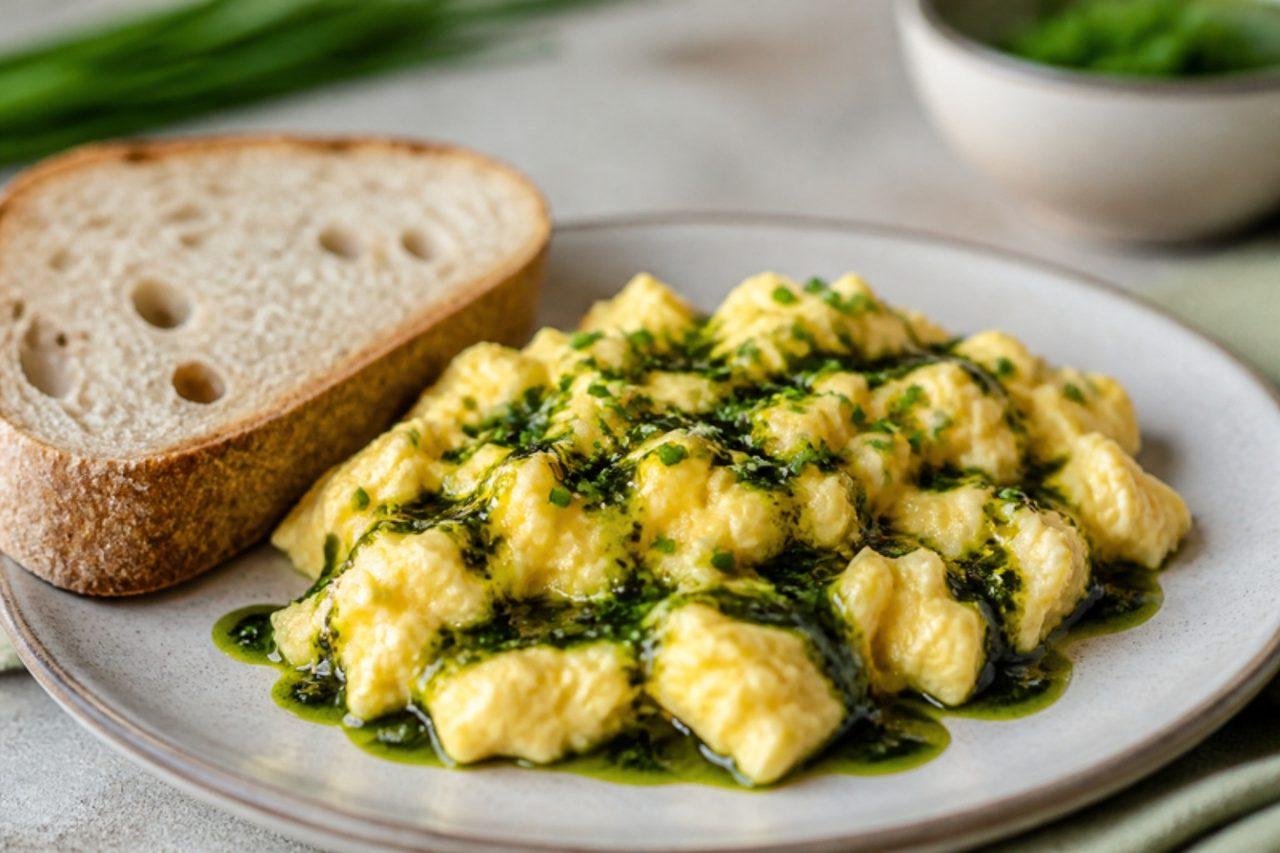
Eierspeis is the Austrian word for scrambled eggs, and in Styria they get a final drizzle of the region's dark green pumpkin seed oil. It is a farmhouse breakfast or a late-night snack after a long evening in a Graz wine bar, eaten straight from the small pan it was cooked in with a slice of rye bread. The eggs are soft and creamy in big folds, and the oil adds a toasted, nutty depth that tastes almost like brown butter. A common mistake is stirring too fast on a high heat, which gives small dry crumbs instead of soft curds. Chef's tip: salt the eggs a few minutes before cooking; it helps them set more tenderly.

by KrazyBadal 0 views

Steirische KürbiscremesuppeCreamy pumpkin soup

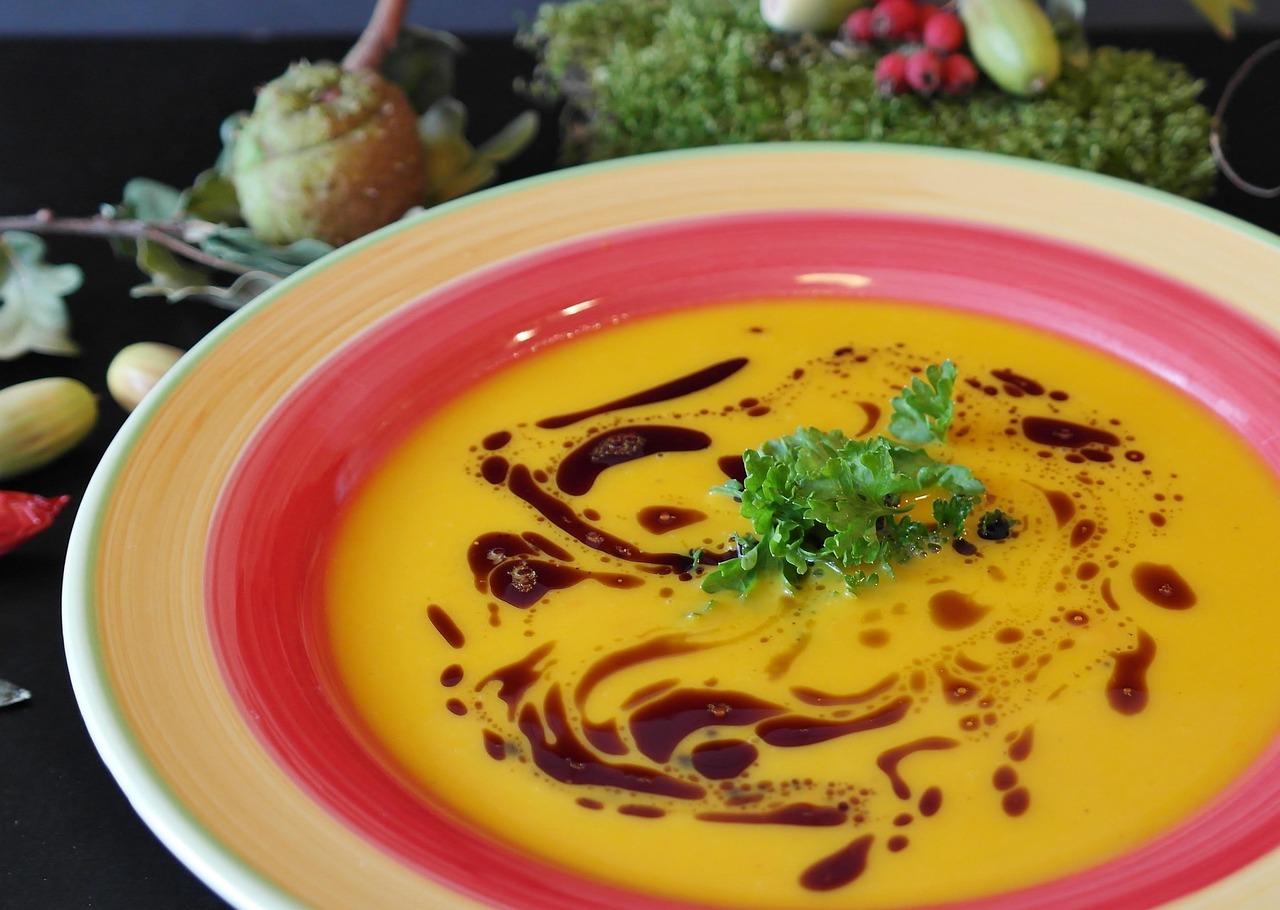
When the pumpkin fields of Styria turn orange in October, every inn from Graz to the Slovenian border puts this soup on the board. It is velvety and gently sweet, with a little nutmeg and a dash of vinegar for lift, and comes to the table with a swirl of almost black pumpkin seed oil and a scattering of toasted seeds. Serve it as a starter before a Sunday roast or with crusty bread for supper. A common mistake is boiling the soup hard after the cream goes in, which can split it and dull the colour. Check the stock if you need it gluten free. Chef's tip: toast the seeds dry in a pan until they puff and pop; it takes 3 minutes and doubles the nutty flavour.

by KrazyBadal 0 views

Steirischer KäferbohnensalatRunner bean pumpkin oil salad

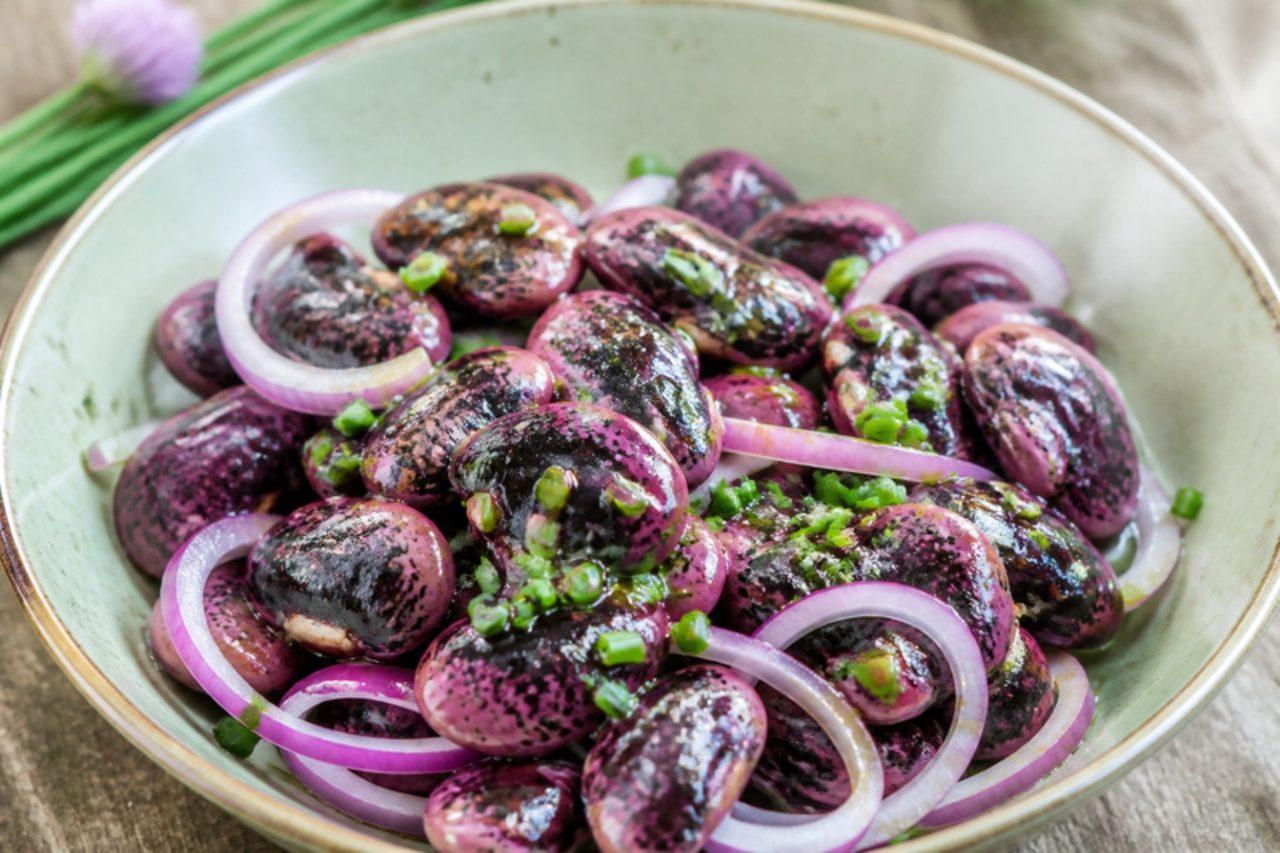
In the hills of south-east Styria, fat purple-speckled runner beans called Käferbohnen, 'beetle beans', are dried every autumn and turned into this simple salad. It is a fixture of the Buschenschank, the farm wine taverns where you sit outdoors with a board of bread, cheese and spreads. The beans are soft and creamy, the red onion and cider vinegar sharp, and the dark green pumpkin seed oil gives a deep, toasty, nutty flavour. A common mistake is dressing cold beans straight from the fridge; dress them lukewarm so they soak up the vinegar. Chef's tip: add the pumpkin seed oil last and do not heat it; it turns bitter when warm.

by KrazyBadal 0 views

Steirisches WurzelfleischPork simmered with root vegetables

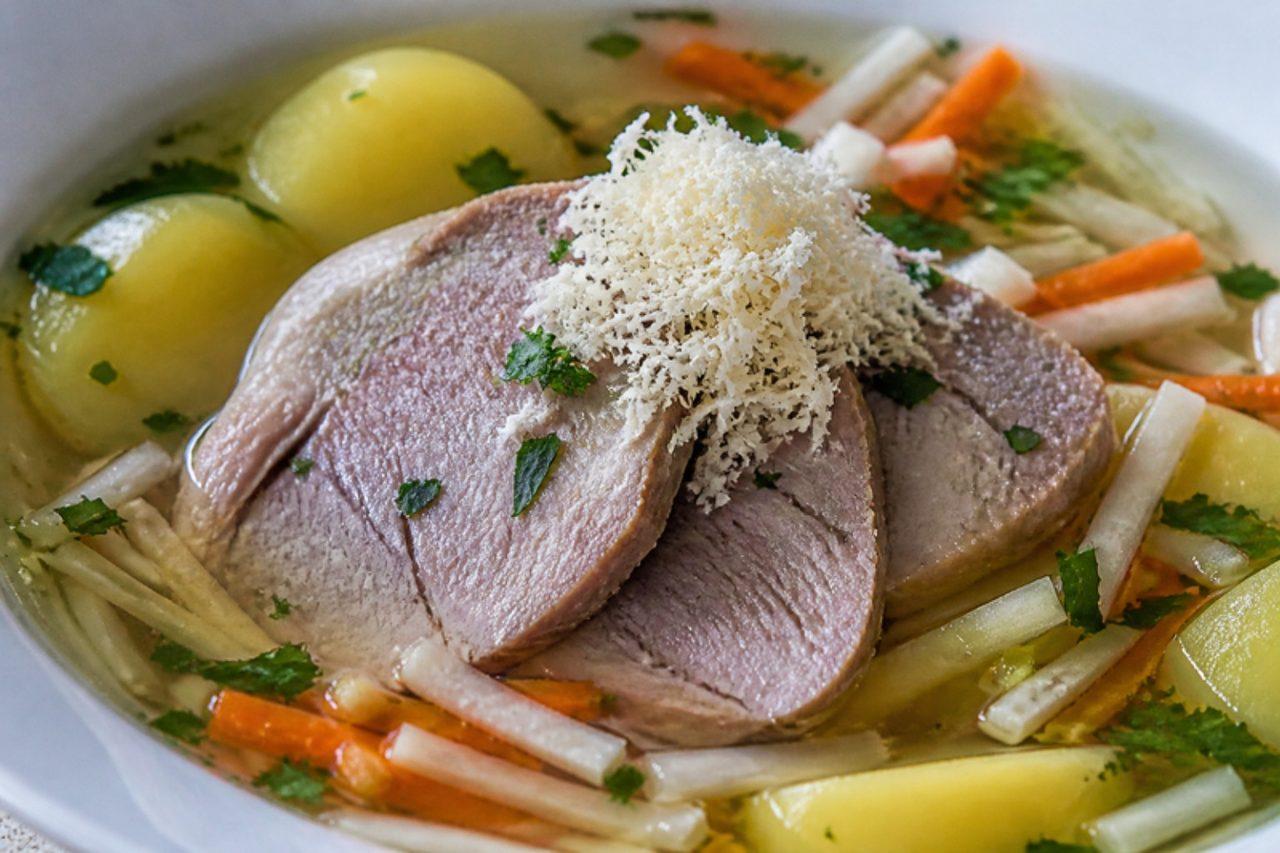
Wurzelfleisch, 'root meat', is a winter dish from the farms of Styria in south-east Austria, cooked in November and December when pigs were killed and the cellar was full of carrots, celeriac and parsley root. Pork shoulder is simmered in a lightly sour broth, then served in deep plates with thin strips of root vegetables, boiled potatoes and a snowfall of freshly grated horseradish. It is a gentle, clean-tasting dish, quite unlike a roast. Chef's tip: grate the horseradish at the table; it loses its bite within minutes.

130 minAustrianMeatGluten free
by KrazyBadal 0 views

Strascinati con mollica e peperoni cruschiPasta with breadcrumbs and crisp peppers

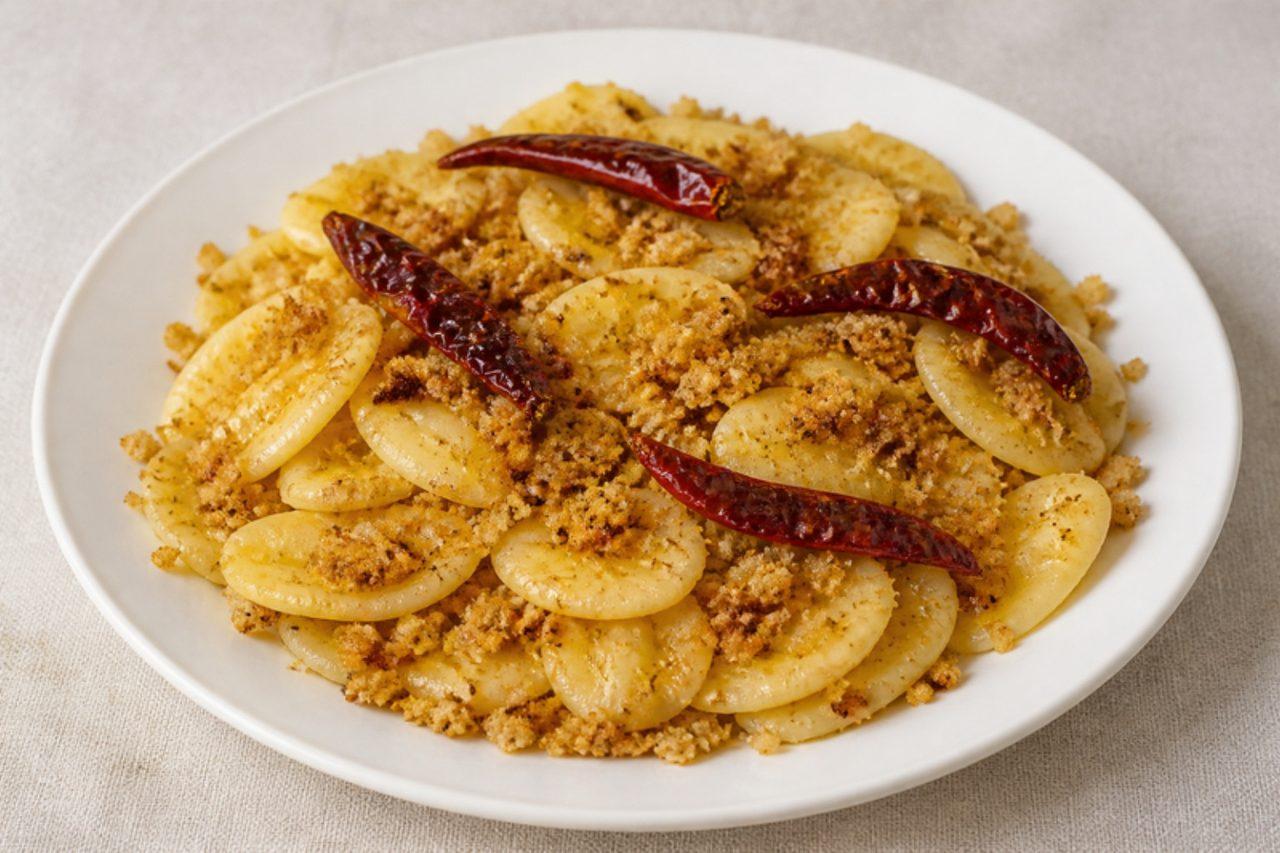
Strascinati get their name from the way they are made: a piece of semolina dough is dragged (strascinato) across a wooden board under two or three fingers, so it curls into a wide, ridged shell. In the hill towns of Basilicata they are rolled on Sunday mornings and tossed with the simplest dressing of the poor kitchen, olive oil, garlic, breadcrumbs fried until crunchy and crushed peperoni cruschi, the sweet dried peppers of Senise. The crumbs stand in for cheese, which once was a luxury. Chef's tip: fry the breadcrumbs separately and add them at the table, so they are still crackling when you eat.

by KrazyBadal 0 views

Styrian KürbiskernbrotPumpkin seed rye loaf

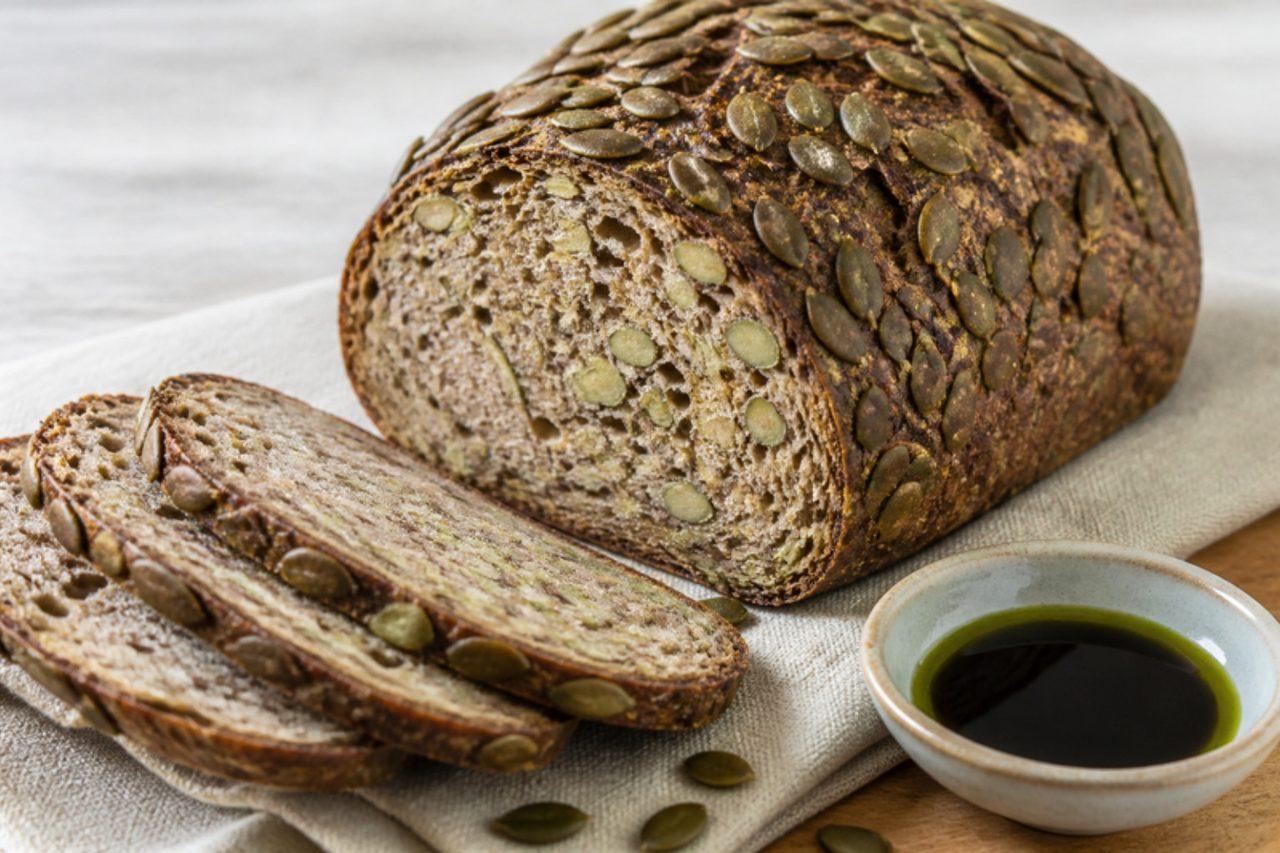
In Styria, the south-eastern corner of Austria where the hulless Styrian pumpkin is grown for its dark green seeds and oil, every bakery sells a loaf crowded with those seeds. Kürbiskernbrot is a light rye-wheat bread, nutty and slightly sweet, with toasted seeds through the crumb and pressed all over the crust. Locals eat it at a Buschenschank, the farmhouse wine tavern, with Liptauer, cured meats or a drizzle of pumpkin seed oil. A common mistake is adding the seeds raw: toasting them first gives the bread its deep, roasted flavour. Chef's tip: soak half the toasted seeds in hot water while you make the dough, so they stay tender inside the bread and don't pull moisture from the crumb.

by KrazyBadal 0 views

SubmarinoHot milk with chocolate bar

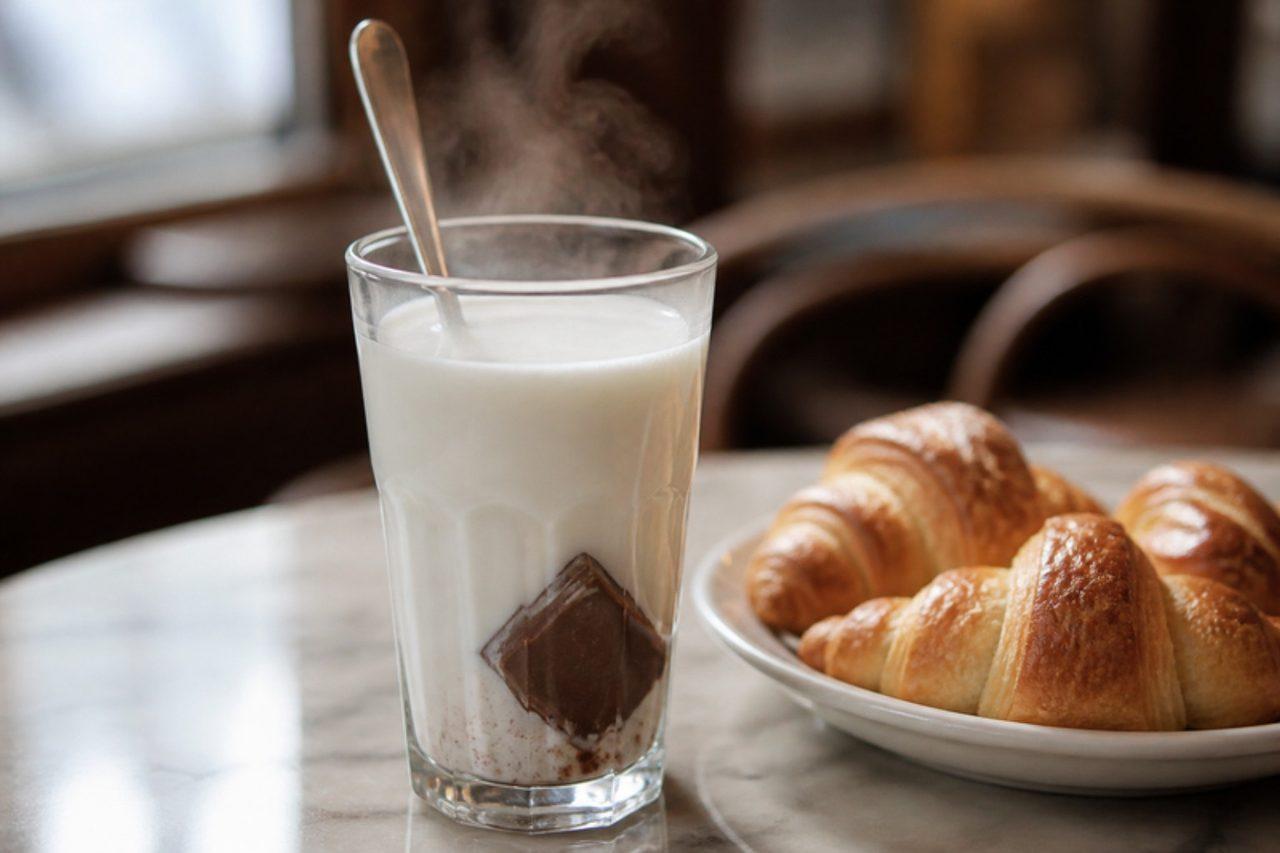
Café tables in Buenos Aires have their own way with hot chocolate: the waiter brings a tall glass of frothy, steaming milk on a saucer with a slim bar of dark chocolate, and you drop the bar in yourself and watch it sink like a submarine. Stirred with a long spoon, it melts into a rich, not-too-sweet drink, and it is the classic order with medialunas on a cold winter afternoon or after school. At home it takes five minutes, and children love the moment of dropping the bar in. The common letdown is milk that is only warm: the chocolate sits in a lump at the bottom. Heat it until it is steaming and just starting to rise, but not boiling. Chef's tip: froth the hot milk with a whisk or milk frother before pouring; the foam on top is part of the café ritual and keeps the drink hot while the chocolate melts.

by KrazyBadal 0 views

Showing 18 of 7,762 recipes

Show more recipes

Page 543 of 863