


Skip to content
Aaruul
Featured recipe

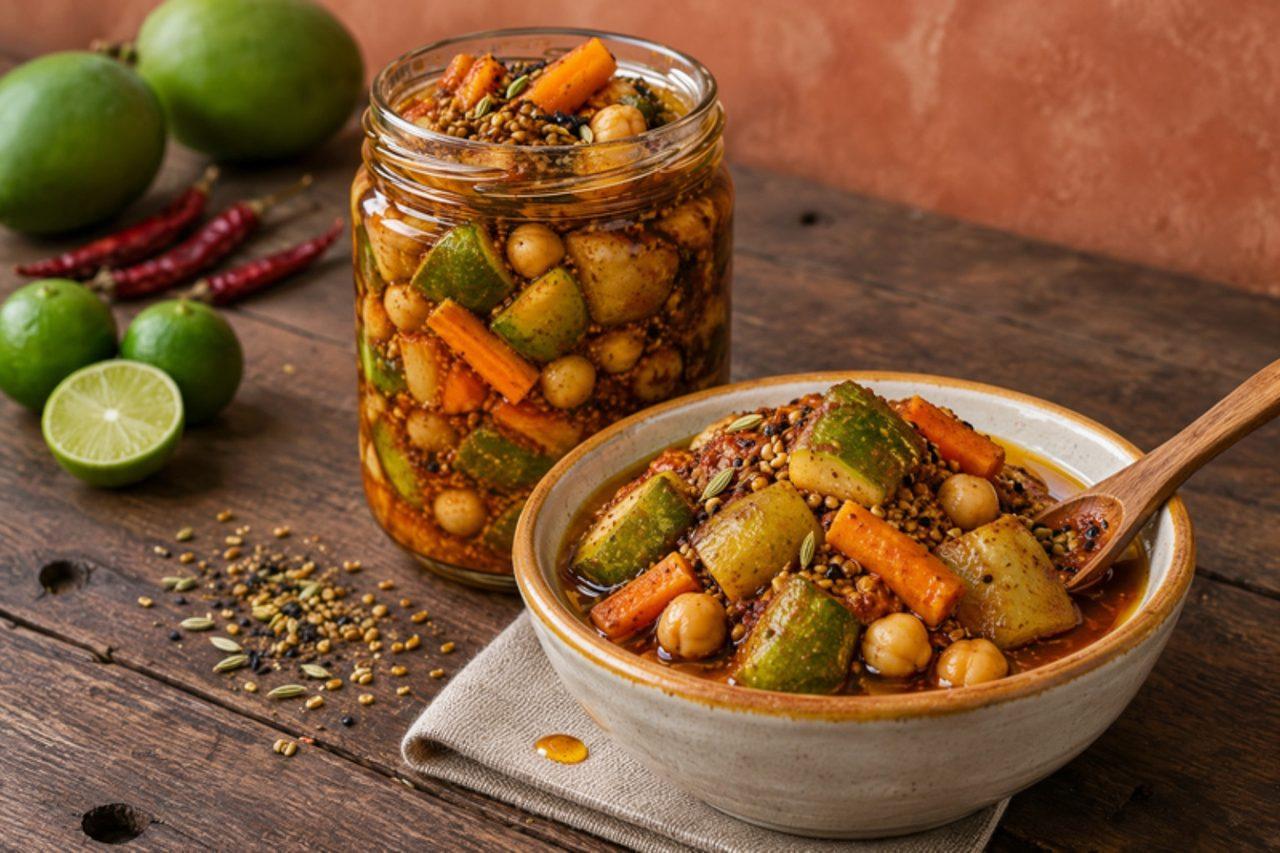
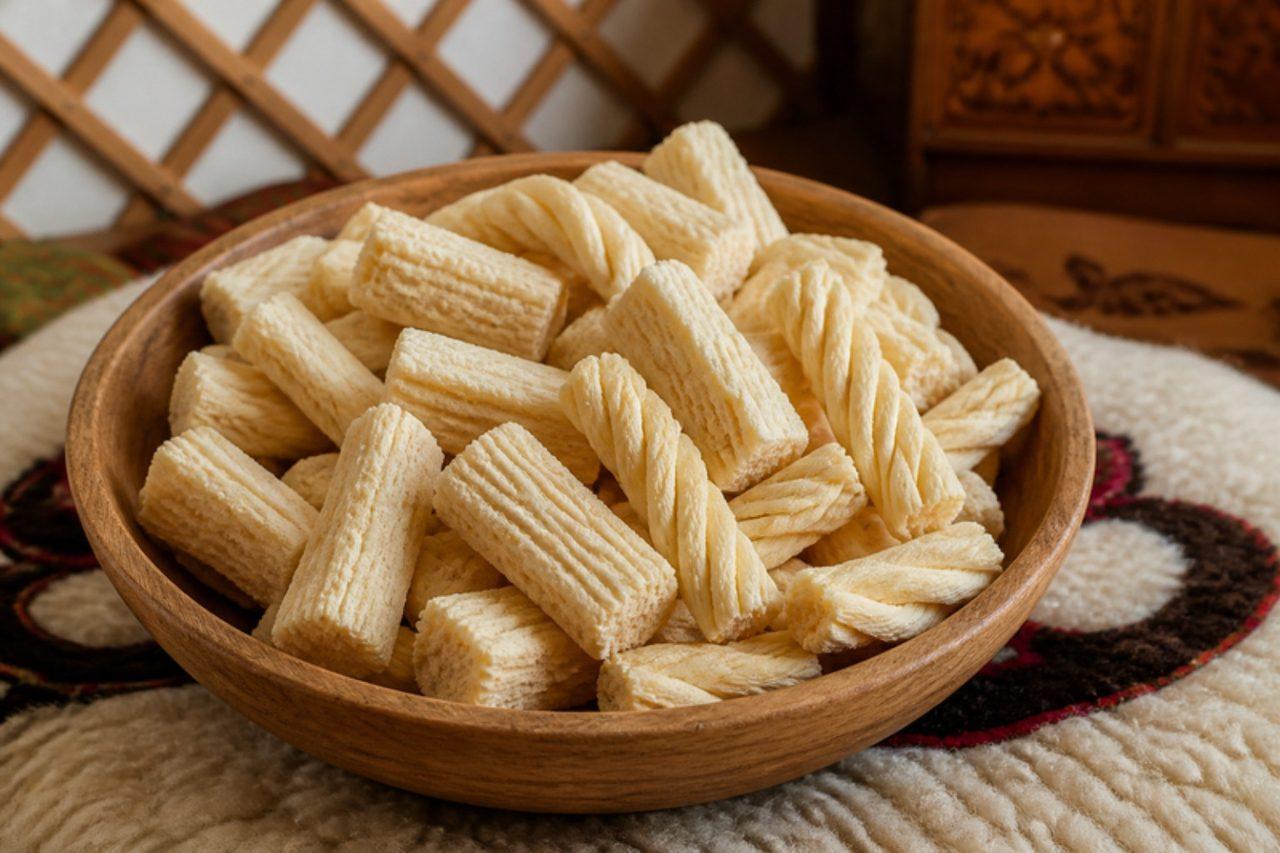
Aaruul

Dried milk curds

Aaruul are the hard, sour little curds that dry on the roofs of gers all over Mongolia in summer, when the herds give the most milk, and they are carried in pockets as a snack through the long winter. Milk is soured and boiled until the curds separate, then strained, pressed, cut into pieces and dried in the sun and wind for days. They are chewed slowly, almost like a sweet, and offered to guests. This home method dries them in a very low oven. A common mistake is under-drying; any moisture left lets mould grow. Chef's tip: stir a little sugar into the curd if you want the softer, sweeter style sold in Ulaanbaatar markets.

Read more 0 views

What to eat today?

Around the world

Today's trip: Paraguayan

A new country every day, from every cuisine on the site.

Paraguayan

Chipa

Cheese bread rings 50 minMore from Paraguayan (27) →

This week's collection

Kid-friendly dinners
537 recipes · a new collection every Monday

Latest recipes

Pastel de anguFried cornmeal cheese pastries

Itabirito, an iron-mining town south of Belo Horizonte, holds a whole festival for this pastry, and its stalls fry thousands of them in a weekend. The dough is angu, cornmeal cooked thick and kneaded with sweet cassava starch, which fries up blistered, crisp and gently corny. Fillings vary from chicken to minced beef, but cheese is the meatless favourite: semi-cured Minas cheese that melts and stretches. Eat them hot from the pan with a cold drink and a dash of chilli sauce. Minas cheese is usually made with animal rennet; use a vegetarian semi-hard cheese or mozzarella with microbial rennet. Pastéis that burst while frying are almost always overfilled or not sealed; leave a clean 1 cm border and press it shut with a fork. Chef's tip: roll the dough between two sheets of plastic, because it is too soft and sticky to roll on a floured board.

by KrazyBadal 0 views

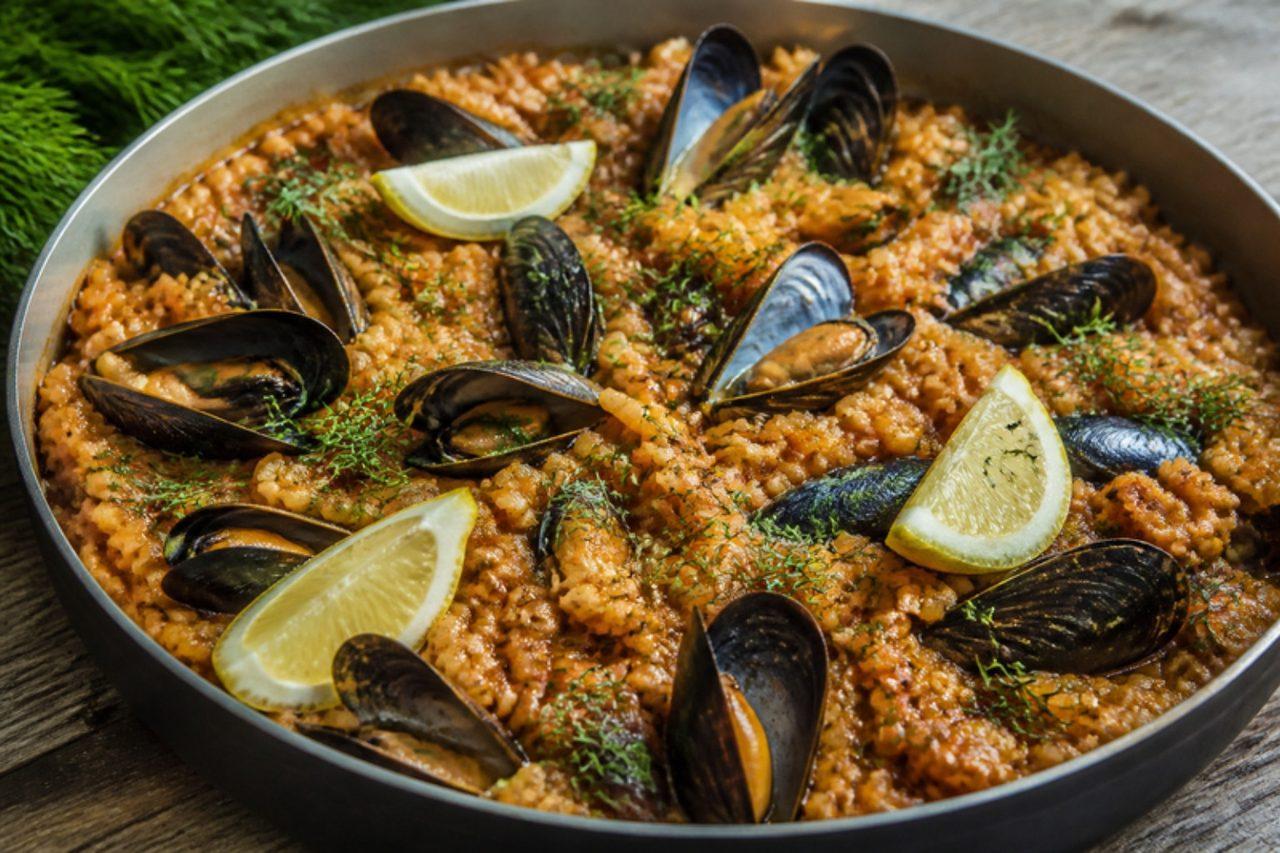
MidopilafoMussel pilaf

Midopilafo is what Thessaloniki fishermen's families make on a fasting Friday or a cheap midweek night, when a bag of mussels from the Thermaic Gulf can feed a crowd. The mussels are steamed first and their briny liquor becomes the stock for the rice, which simmers with onion, a little tomato and dill until tender and a touch soupy. The shelled mussels go back in at the end so they stay plump. Some cooks add white wine; this version uses lemon and the mussel juice only, so it is alcohol-free. Common mistake: cooking the shelled mussels with the rice the whole time — they shrink to rubber. Chef's tip: strain the mussel liquor through a fine sieve lined with kitchen paper to catch any grit.

60 minGreekFishGluten free
by KrazyBadal 0 views

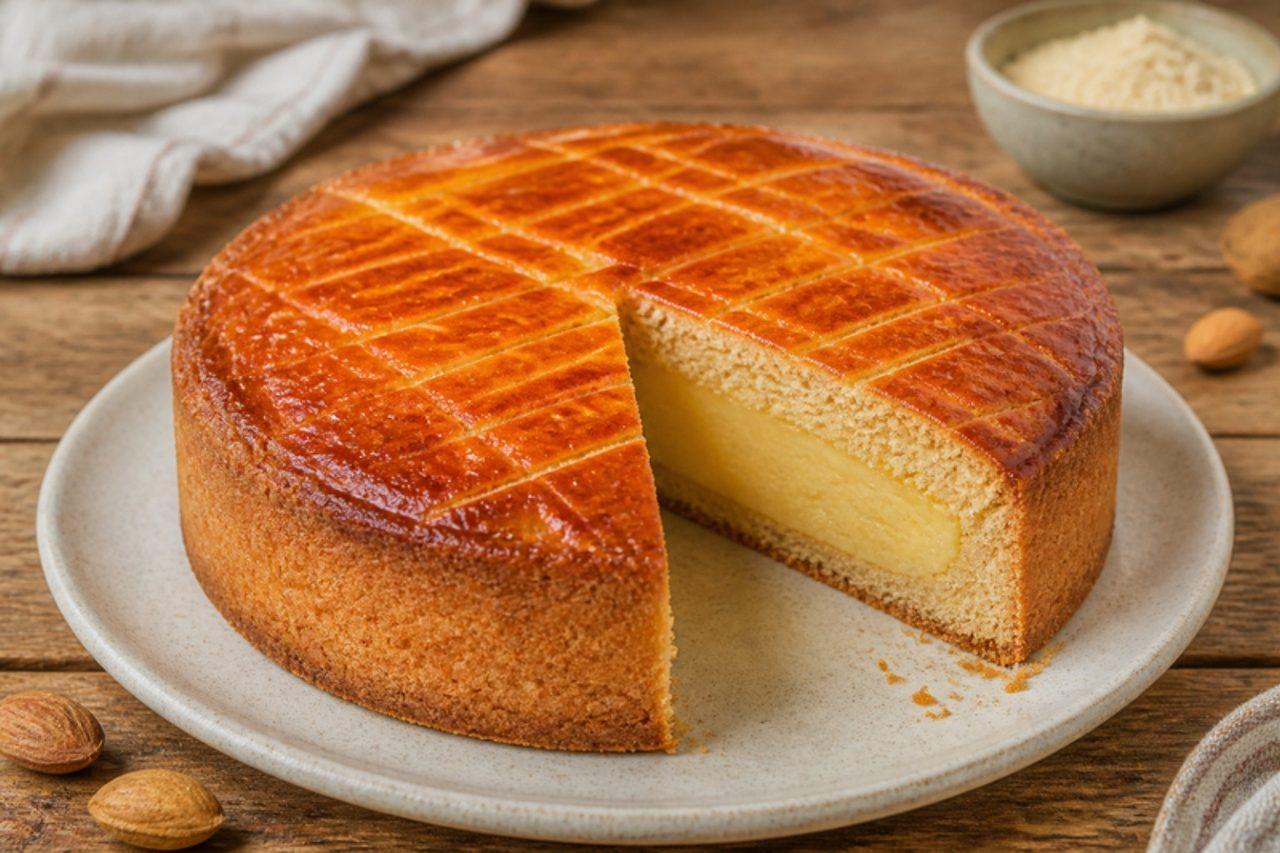
Pastel vascoAlmond cake with pastry cream

Bakeries across the French Basque province of Labourd, from Cambo-les-Bains to Saint-Jean-de-Luz, sell this round cake by the slice, and the village of Itxassou has long filled it with black cherry jam instead of cream. The dough sits between a biscuit and a shortcake, rich with butter and ground almonds, and it hides a thick layer of vanilla pastry cream. Some bakers add a spoon of rum to the cream; this one leaves it out. A common mistake is baking it too pale, so the crust stays soft: wait for a deep golden top. Chef's tip: chill the dough well, as it is very soft and much easier to roll when cold.

by KrazyBadal 0 views

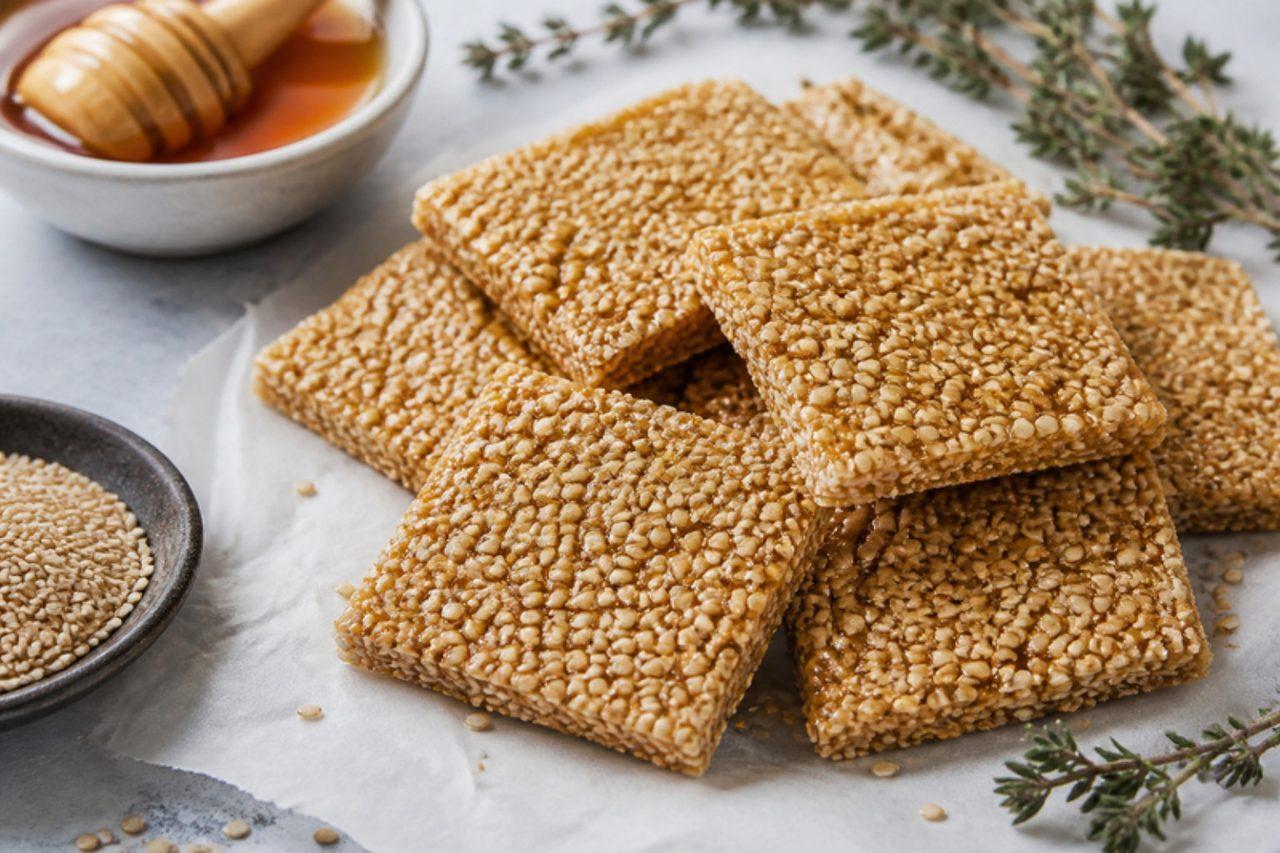
PasteliSesame honey bars

Pasteli is one of the oldest sweets in Greece, and on islands like Sifnos and Andros it is still made in the home kitchen for weddings and feast days, sometimes cut into diamonds and served on lemon leaves. Toasted sesame seeds are bound in hot honey and set into a thin sheet that snaps cleanly but softens slightly as you chew, tasting of nuts and wild thyme. Common mistake: taking the honey off the heat too early, which leaves bars that stay sticky and bend instead of snapping. Chef's tip: test a drop of the honey in cold water; when it sets into a firm ball you can press without it flattening, it's ready.

by KrazyBadal 0 views

Pastelitos criollosFried quince pastries

Every 25 May, when Argentina marks the 1810 revolution, bakeries and school kitchens from Buenos Aires to Tucumán turn out trays of pastelitos: two squares of flaky dough stacked into a star, filled with dulce de membrillo or dulce de batata, fried until the layers fan open and then dipped in syrup. They are eaten warm with mate or hot chocolate, shattering crisp outside and sticky in the middle. Lard is the traditional fat in both the dough and the frying pan; this version uses butter or vegetable shortening for laminating and sunflower oil for frying, so it stays vegetarian. Expect a hard but rewarding job: the dough is folded like a quick puff pastry. Oil that is too hot is the classic error, browning the outside before the inner layers have opened, so keep it around 160 °C. Chef's tip: pinch the four corners of the top square down onto the gaps of the bottom one and press with a wet fingertip, or the star unfolds in the oil and the filling leaks.

by KrazyBadal 0 views

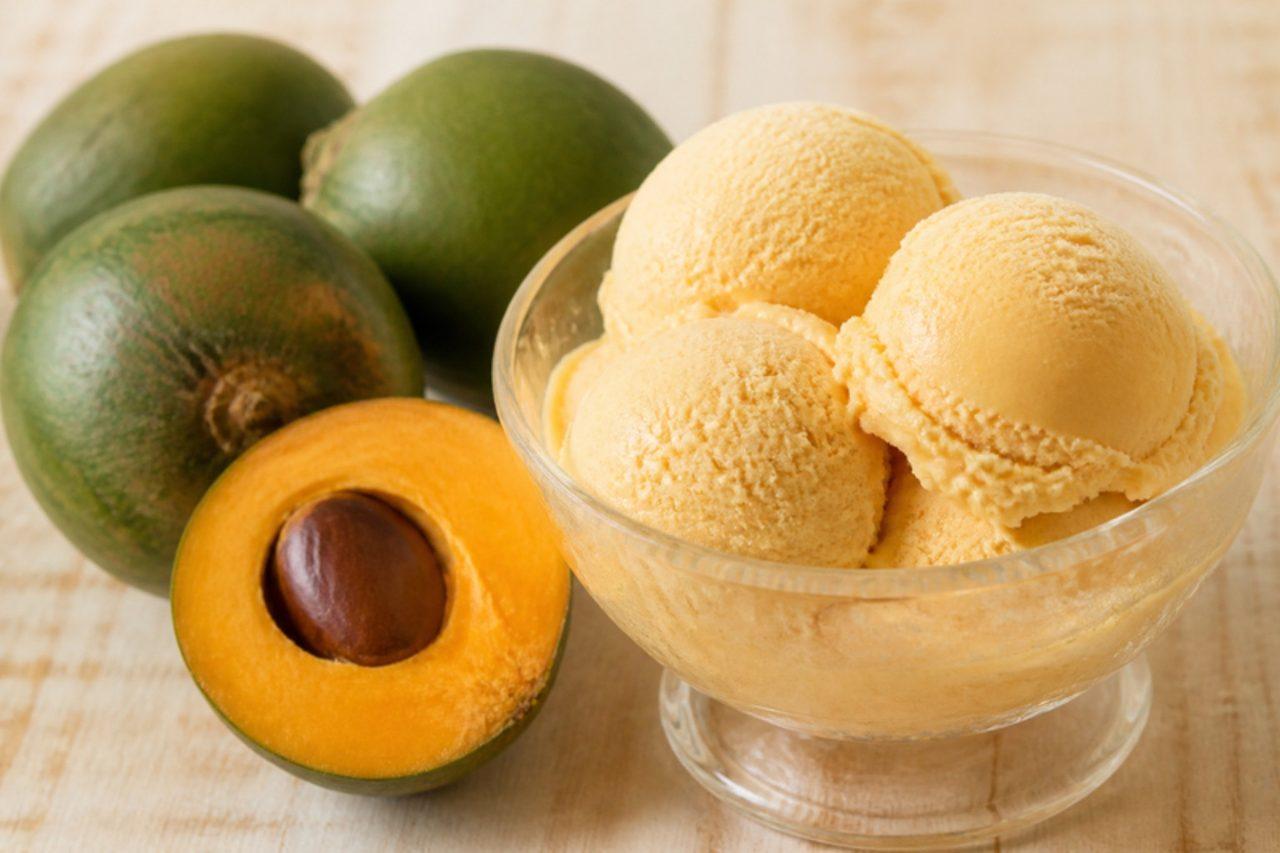
Helado de lúcumaLúcuma ice cream

Ask anyone in Lima, Cusco or Trujillo for the national ice-cream flavour and they will say lúcuma, the green-skinned Andean fruit with dry, golden-orange flesh that tastes of butterscotch, maple and sweet potato. Every ice-cream parlour, supermarket freezer and street cart sells it, and it's also folded into cakes and milkshakes. This no-churn version needs no machine: frozen lúcuma pulp (or lúcuma powder, both in Latin shops and health-food stores) is whisked into condensed milk, then folded into whipped cream and frozen. It comes out smooth, rich and naturally caramel-coloured. The mistake is over-whipping the cream to stiff peaks, which makes the ice cream grainy and buttery; stop at soft peaks. It needs at least 6 hours in the freezer, so make it the day before. Serve with a slice of chocolate cake or on its own. Chef's tip: a pinch of salt and a few drops of lime sharpen lúcuma's mellow flavour so it doesn't taste flat when frozen.

by KrazyBadal 0 views

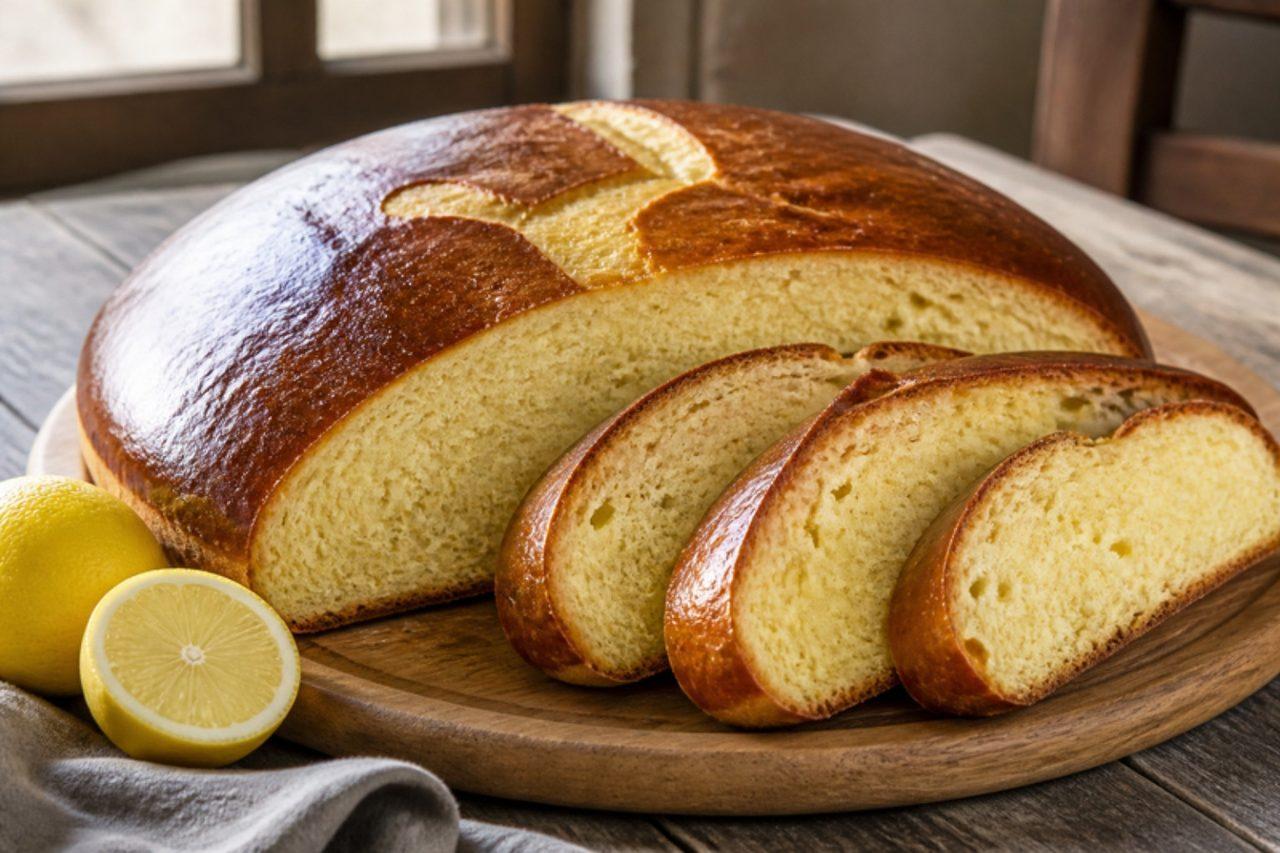
Massa sovadaSweet lemon bread

Sovar means to knead hard, and Azorean women once kneaded this rich bread dough for an hour by hand before Easter and the Holy Spirit feasts of early summer, when loaves are blessed and shared with the whole parish. The crumb is soft, golden and feathery, with a tight, dark shiny crust. Slices are eaten plain with coffee, toasted with butter, or used to soak up the juices of alcatra on Terceira. A common mistake is baking before the loaf has doubled, which gives a dense, cakey crumb. Chef's tip: give it a slow, full rise, which is what gives the bread its fine, cotton-soft crumb.

by KrazyBadal 0 views

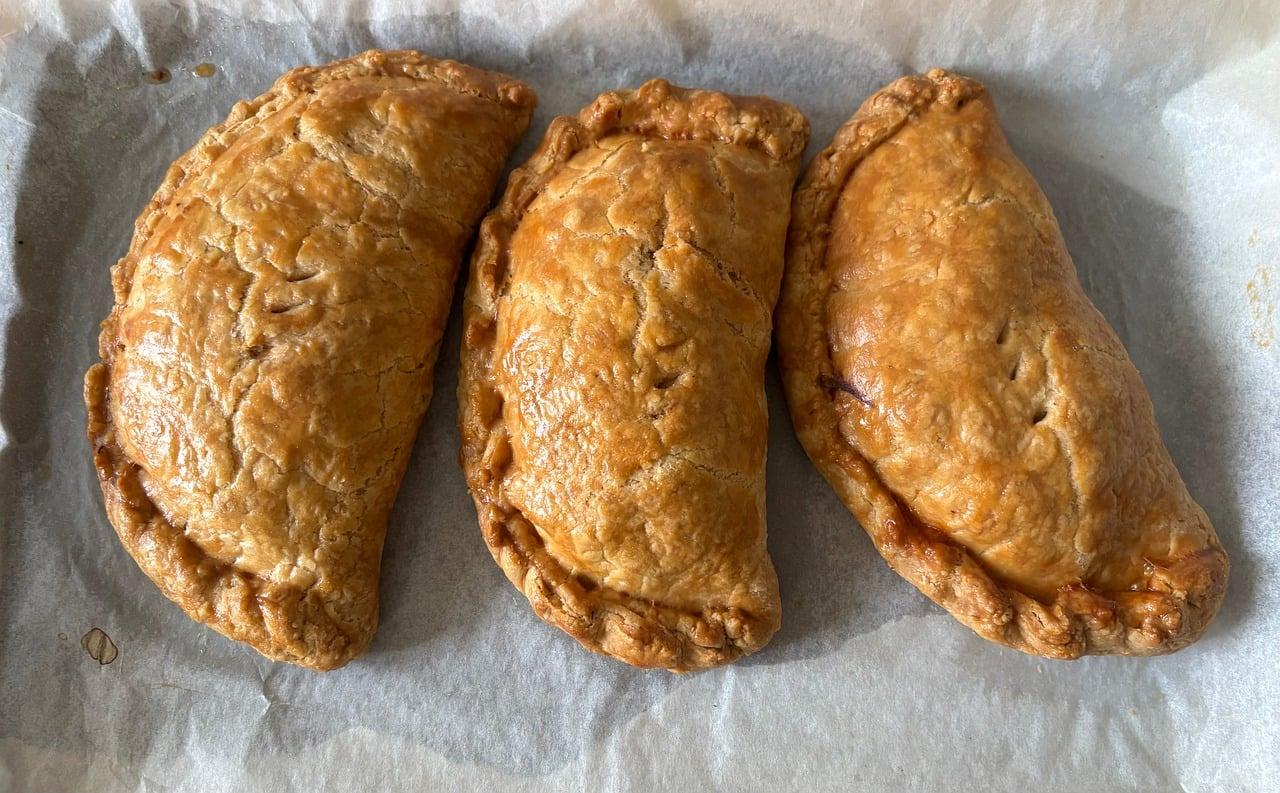
Pastes de Real del MonteBeef and potato pasties

Cornish miners arrived in the silver mines around Real del Monte and Pachuca in the 1820s, and their pasties stayed: today the hilltop town in Hidalgo has paste shops on every street, selling them warm from the oven to visitors and locals all day. The classic filling is close to the original, diced beef, potato, onion and parsley seasoned with plenty of pepper, sealed in a short, buttery crust and baked until the juices turn to gravy inside; Mexican kitchens added a little chilli and many other fillings, including chicken in mole, which you can use instead of the beef. Eat them with a hot salsa or alone, with coffee. Chef's tip: cut the beef and potato small and evenly, about 1 cm; it all cooks raw inside the pastry, so even pieces are what make it tender.

by KrazyBadal 0 views

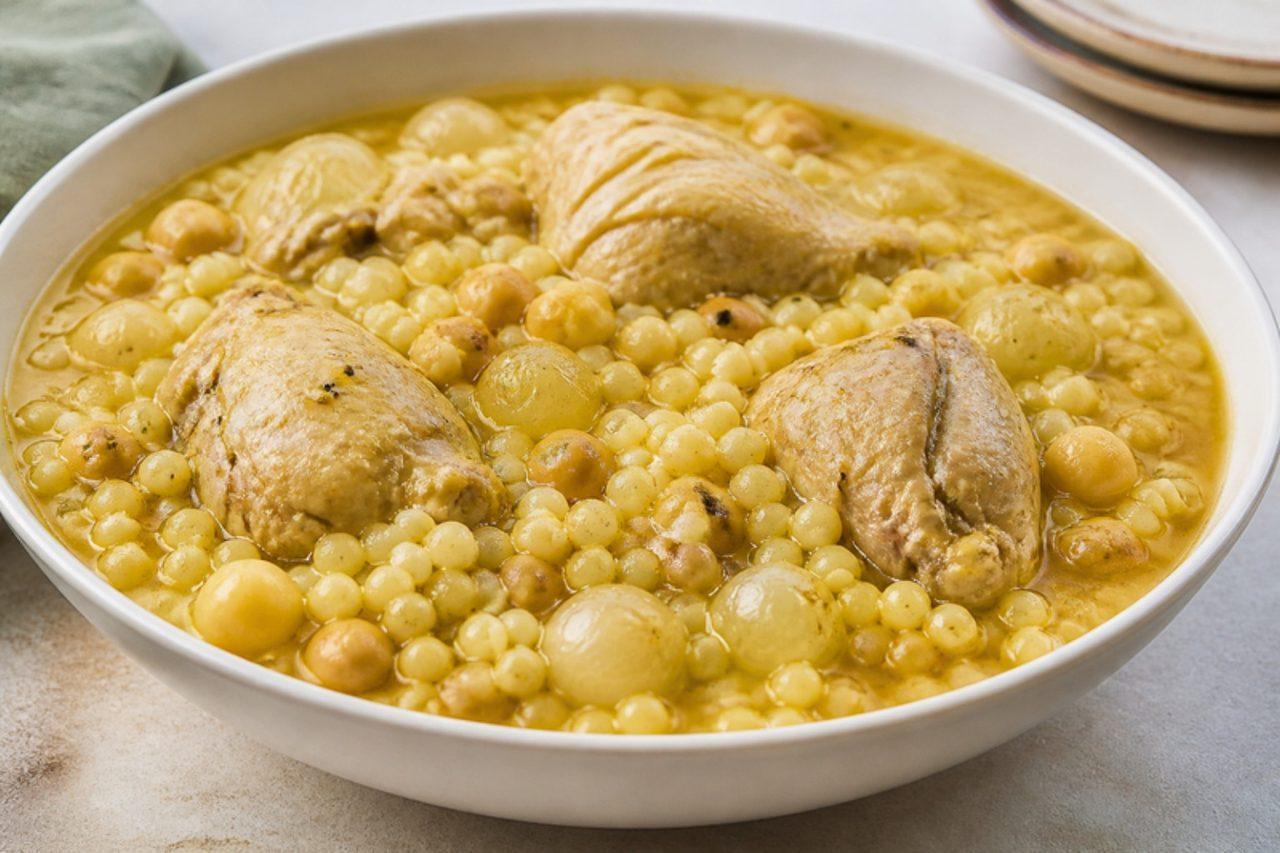
MoghrabiehPearl couscous with chicken and chickpeas

Despite its name, which nods to North Africa, moghrabieh is thoroughly Lebanese: big, chewy pearls of hand-rolled semolina cooked with chicken, baby onions and chickpeas in a broth scented with caraway and cinnamon. Families in Beirut and the mountains make it for Sunday lunch and especially on Christmas Eve in some villages. The pearls are served in a mound with the chicken and onions on top and a jug of broth to moisten each plate. Common mistake: boiling the pearls in the broth from the start; they turn gluey, so parboil them in water first. Chef's tip: toss the drained pearls in a little butter and caraway before mixing them with the onions — they stay separate and glossy.

by KrazyBadal 0 views

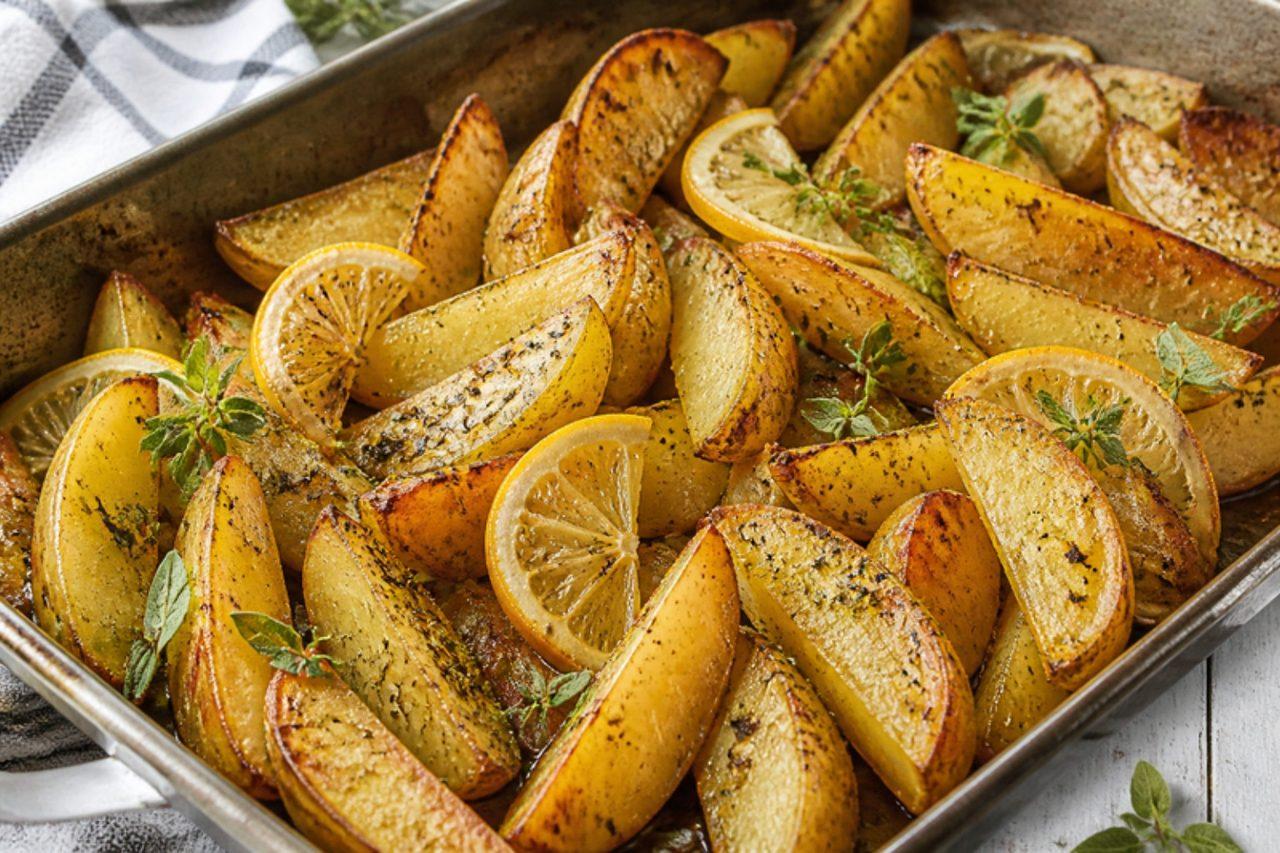
Patates lemonatesLemon-oregano roast potatoes

These are the potatoes that come out of Peloponnese bakers' ovens alongside Sunday roasts, and that every Greek grandmother has a firm opinion on. Wedges roast in a bath of lemon juice, olive oil, garlic and oregano; the liquid soaks into the potatoes, then evaporates, leaving them sticky, golden and tangy, with fluffy middles. Serve with roast chicken or lamb, or with feta, a salad and bread for a meatless lunch. Common mistake: crowding the tin, so the potatoes steam instead of browning. Chef's tip: add a final squeeze of fresh lemon as they come out of the oven; the cooked juice loses its brightness.

90 minGreekSidesVeganGluten free
by KrazyBadal 0 views

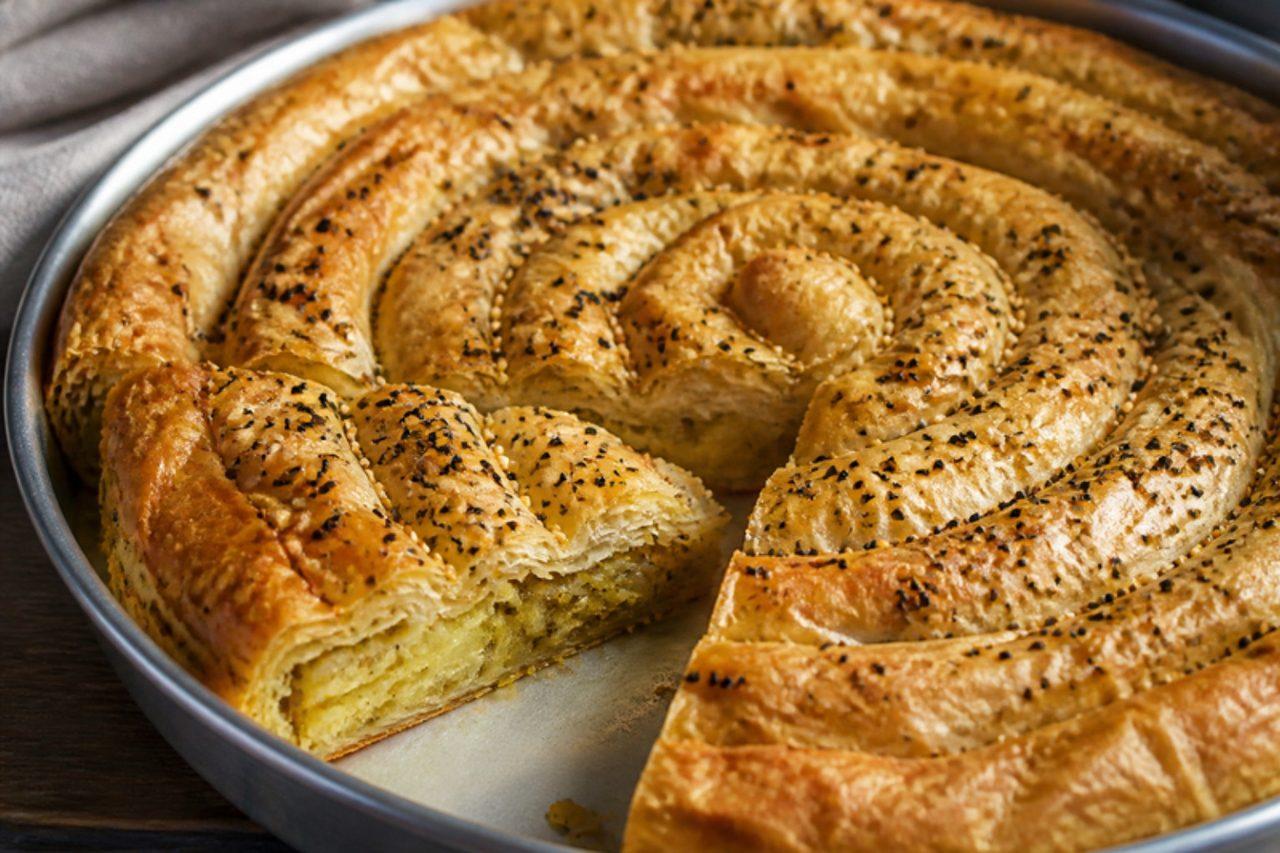
Patatesli kol böreğiPotato and onion filo coil

Kol böreği is the long 'arm' börek that Istanbul neighbourhood bakeries coil into round trays and sell by weight in the morning, and the potato version is the one home cooks make for guests at five o'clock tea. Thin sheets of yufka are brushed with a milk and oil wash, rolled around a peppery potato and onion filling, then coiled and baked until shatteringly crisp outside and soft within. Serve it warm with tea or ayran. Chef's tip: let the filling cool completely before rolling; warm potato steams the pastry from inside and makes it soggy.

by KrazyBadal 0 views

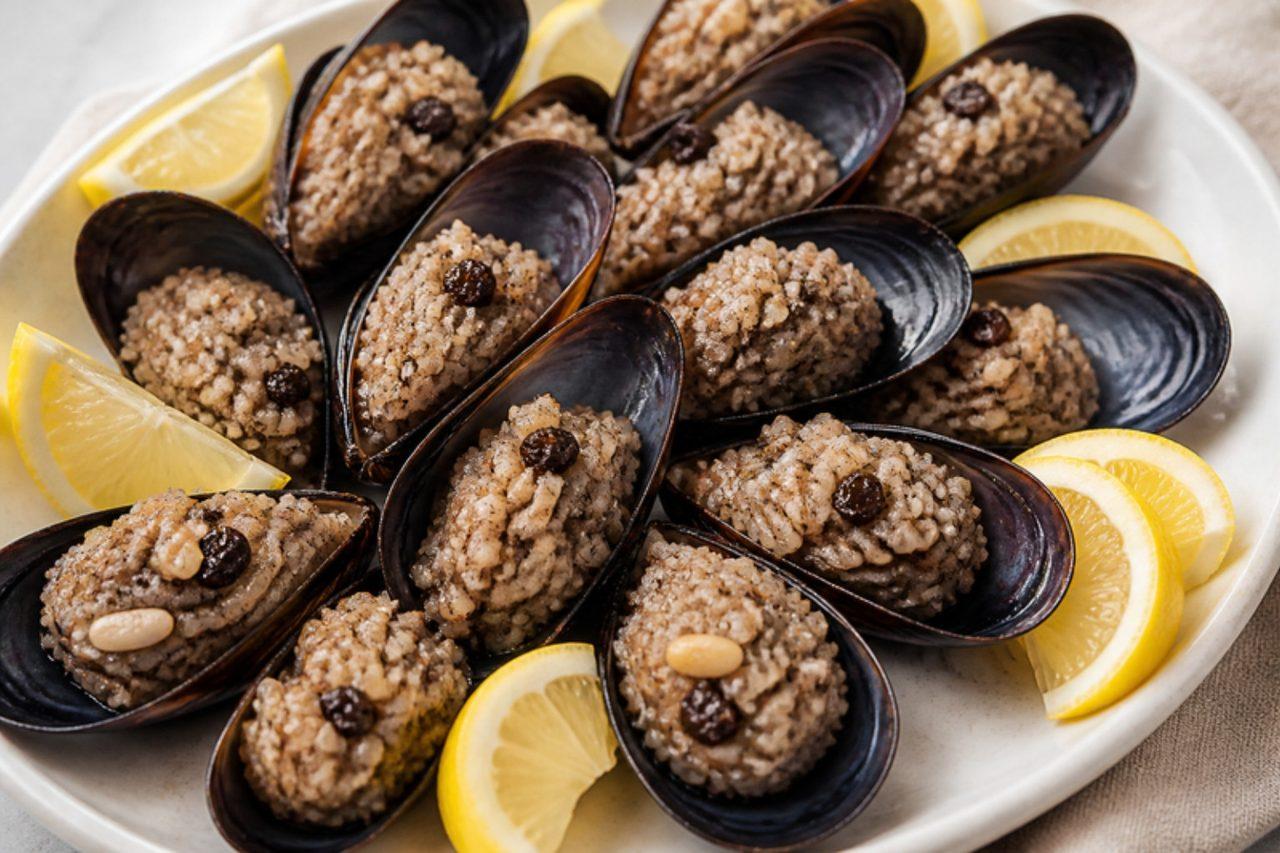
Midye dolmaRice-stuffed mussels

Late at night along Istanbul's Beşiktaş and Kadıköy streets, vendors walk with trays of shiny black mussels stuffed with fragrant rice, cracking one open, squeezing lemon on it and handing it over until you say stop. The rice is cooked with onion, tomato paste, cinnamon, allspice, currants and pine nuts, then steamed back inside the shells. Make them at home for a meze table and they are safer and fresher than any street tray. Chef's tip: soak the closed mussels in cold salted water first; the shells relax slightly and are much easier to prise open with a small knife.

105 minTurkishFish
by KrazyBadal 0 views

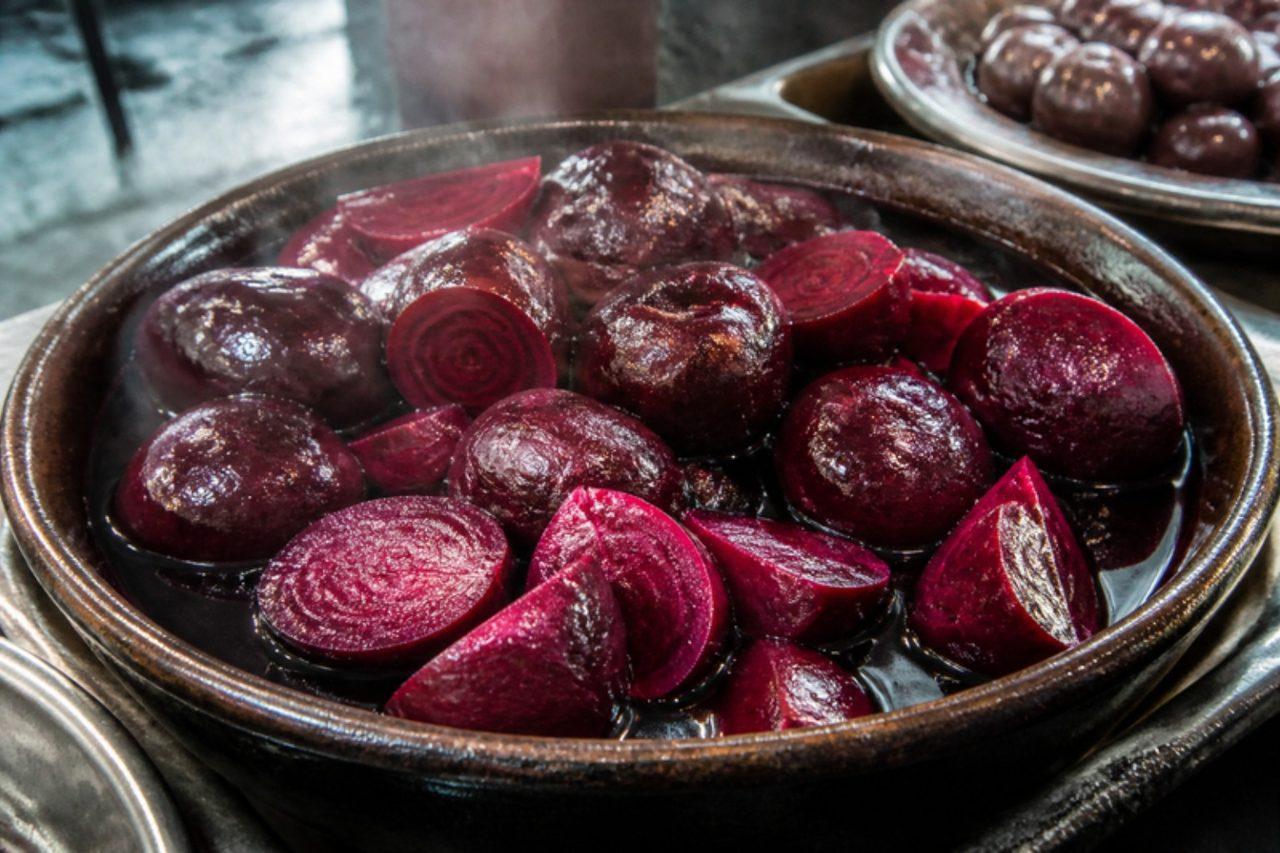
LabooHot slow-cooked beetroot

On cold Tehran evenings, vendors push carts piled with steaming beetroot through the bazaars and past school gates, and a paper cup of laboo is what people reach for when the first snow falls. Whole beets are simmered for well over an hour with a little sugar until the cooking water reduces to a glossy, almost purple syrup that clings to every slice. You eat it hot, cut into chunks and spooned with the syrup, sometimes with a pinch of salt to wake up the sweetness. The common mistake is peeling or cutting the beets before cooking, which bleeds out the colour and leaves them pale and watery. Chef's tip: choose beets of the same size so they finish together, and keep the skins on until the very end.

by KrazyBadal 0 views

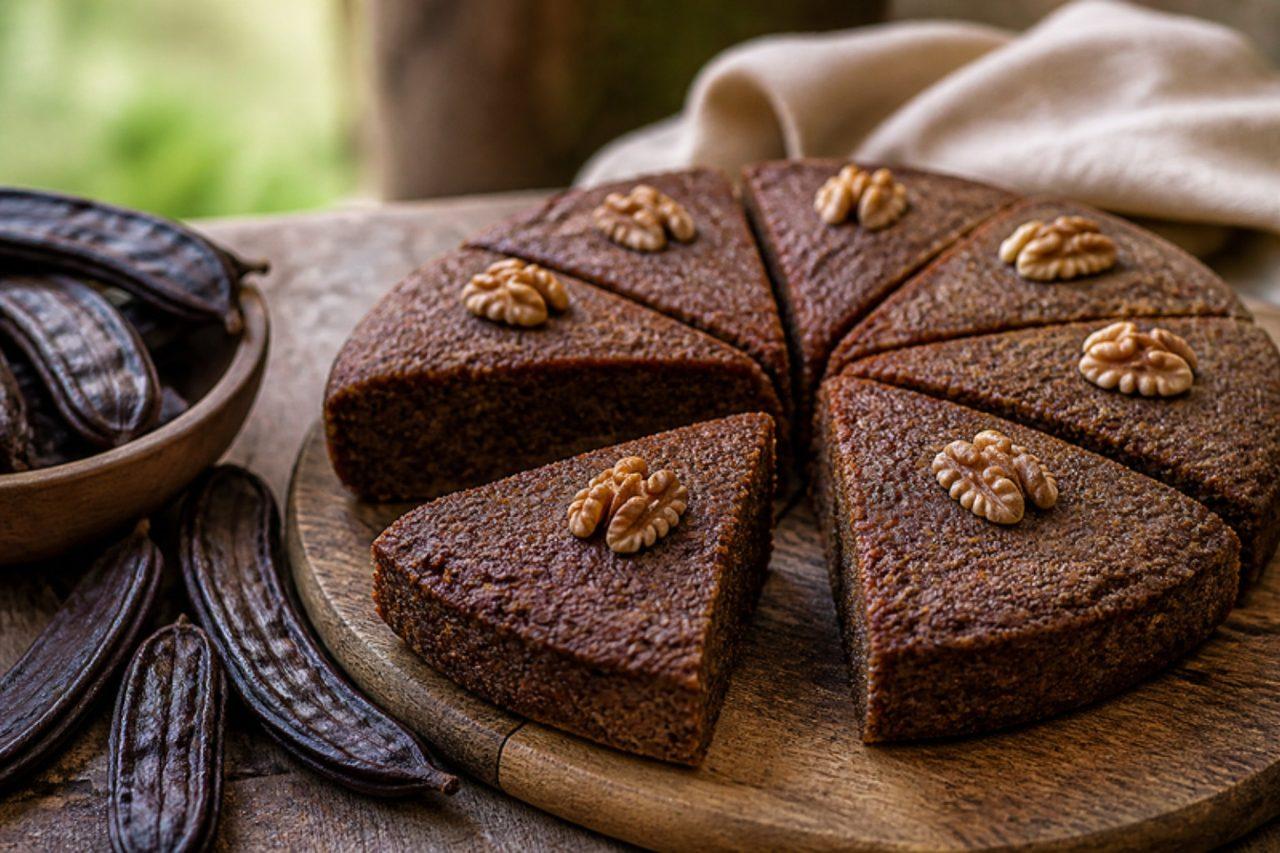
PatayAlgarroba pod cake

Long before sugar reached the dry northwest, the pods of the algarrobo tree were the region's sweetness, and patay is the oldest way of keeping them: the pods are ground, the flour is moistened and pressed into a cake that dries into something dense, fudgy and naturally sweet, with notes of cocoa, coffee and caramel. In Santiago del Estero you still buy it in round slabs at markets and roadside stalls, to eat with mate or to crumble into milk. Harina de algarroba comes from the South American Prosopis tree; look for it in health-food shops or online, and mesquite flour is the same family and works well. Mediterranean carob flour is different and tastes more bitter. Too much water is the way most first attempts go wrong: the cake should be pressed from a damp, crumbly mix, not a batter, or it bakes up gummy. Chef's tip: sieve the flour twice; algarroba flour clumps, and lumps stay as hard grains.

by KrazyBadal 0 views

MelopitaHoney and fresh cheese pie

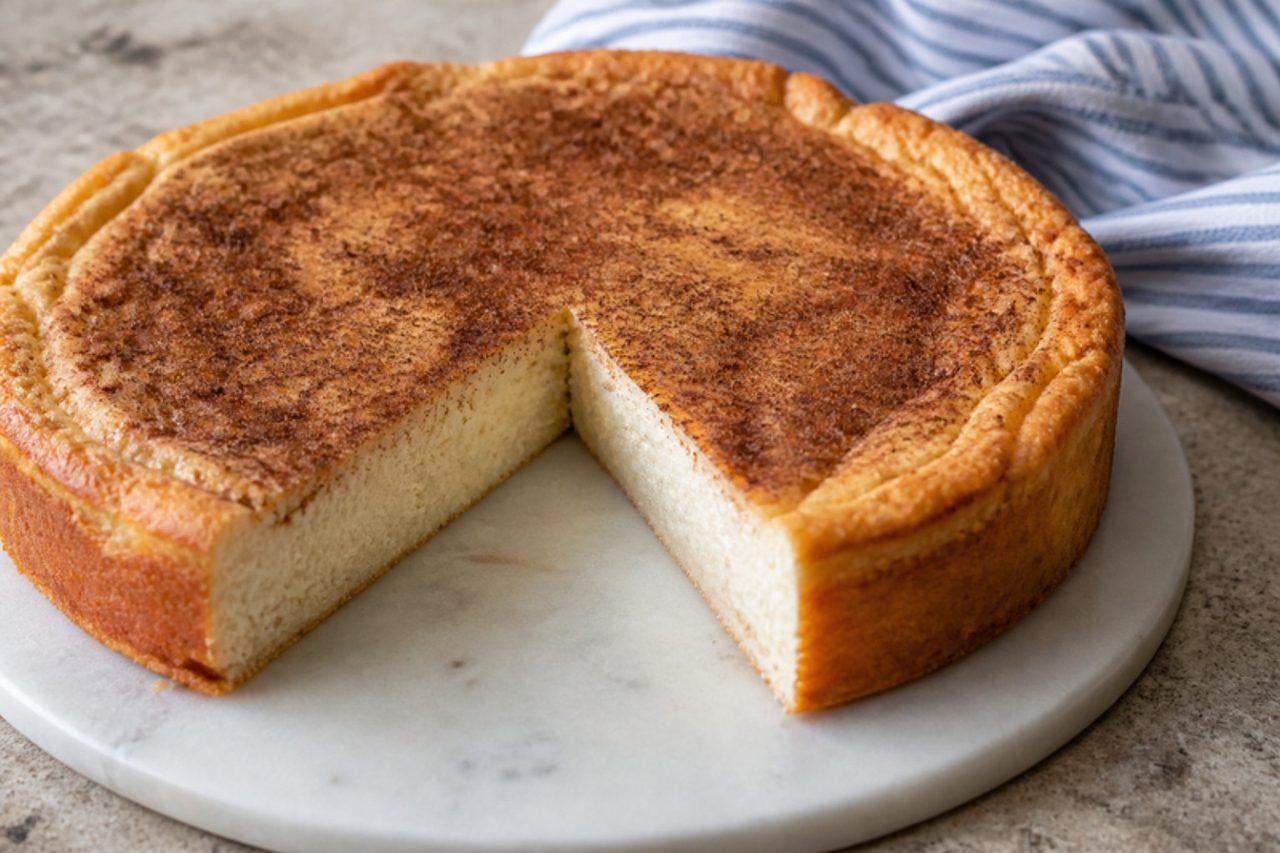
On Sifnos, the Easter table always has a melopita, a crustless pie of fresh cheese, eggs and thyme honey baked until just set and dusted heavily with cinnamon. It is lighter than a cheesecake, gently sweet and floral from the honey, and tastes best a day after baking, cut into squares with coffee. The island cheese is fresh mizithra; ricotta works well and is usually made without animal rennet. Common mistake: baking it too hot, which makes it puff up and crack, then sink and weep. Chef's tip: let it cool slowly in the switched-off oven with the door ajar for a smooth, silky set.

by KrazyBadal 0 views

LabskausCorned beef, potato and beetroot hash

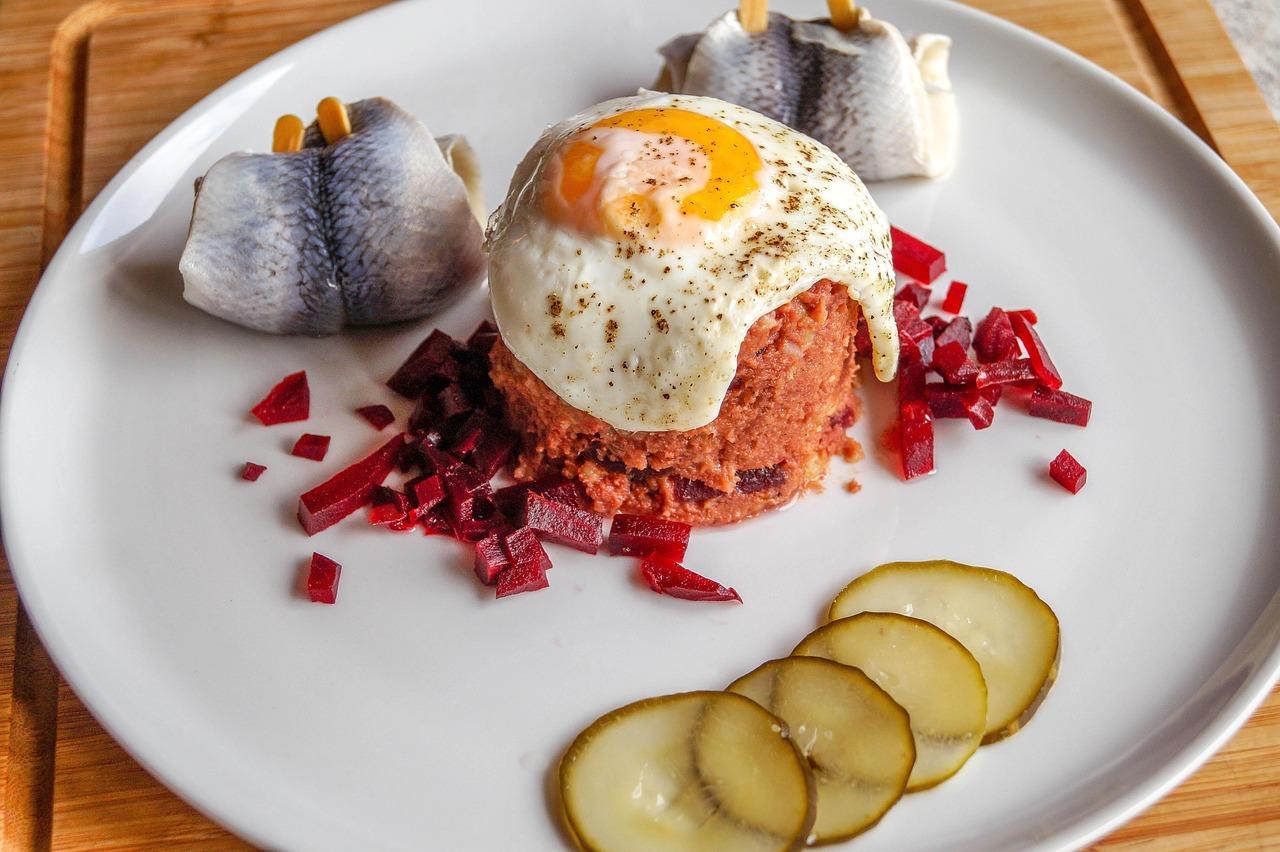
Labskaus is the pink, rough-textured hash that ships' cooks made from salted beef and potatoes, and it is still on the menu in harbour pubs from Hamburg to Bremen, often as a hearty lunch after a cold walk along the Elbe. Salt beef is fried with onion, then pounded into mashed potato with pickled beetroot and a splash of its juice, so the whole plate turns magenta. A fried egg goes on top, with gherkins and, for those who like it, a rolled pickled herring on the side. Chef's tip: keep back some of the beetroot liquid and add it at the end, a spoon at a time; it is the sharpness that stops the hash tasting heavy.

60 minGermanMeatGluten free
by KrazyBadal 0 views

Sopes mallorquinesCabbage broth with brown bread

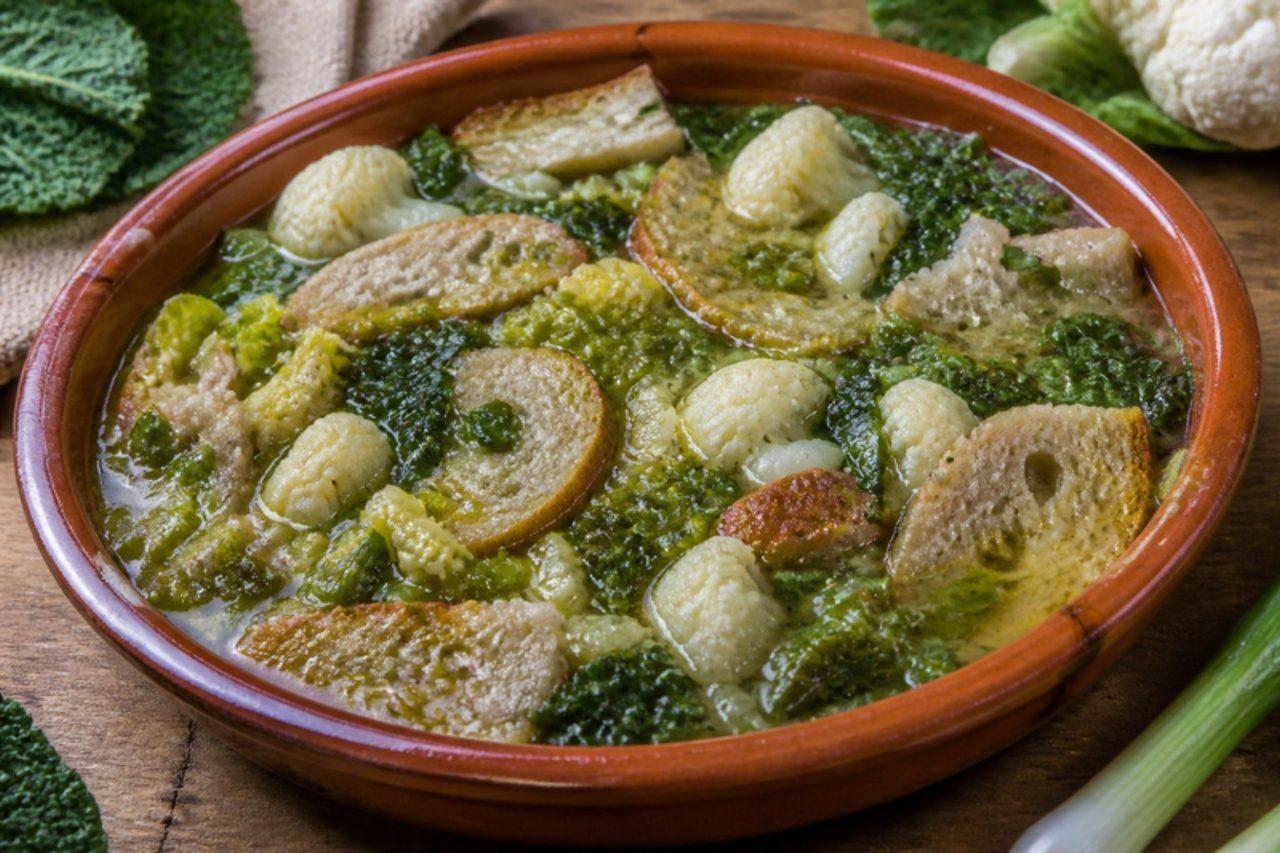
Sopes are a winter ritual in Mallorca, simmered in a wide clay greixonera and eaten for breakfast by country people and for Sunday lunch by everyone else. Cabbage, chard, cauliflower, artichoke and mushrooms cook in a garlicky, paprika-tinted broth, which is then poured over wafer-thin slices of dry brown bread until it soaks it all up into a spoonable mass, more stew than soup. Pork ribs often go in; this version is all vegetables. Serve with pickled chillies and black olives on the side. Chef's tip: buy the bread sliced for sopes at a bakery or slice a hard loaf on a mandolin, as thin bread is the whole texture of the dish.

by KrazyBadal 0 views

Lacón con grelosCured pork shoulder with turnip tops

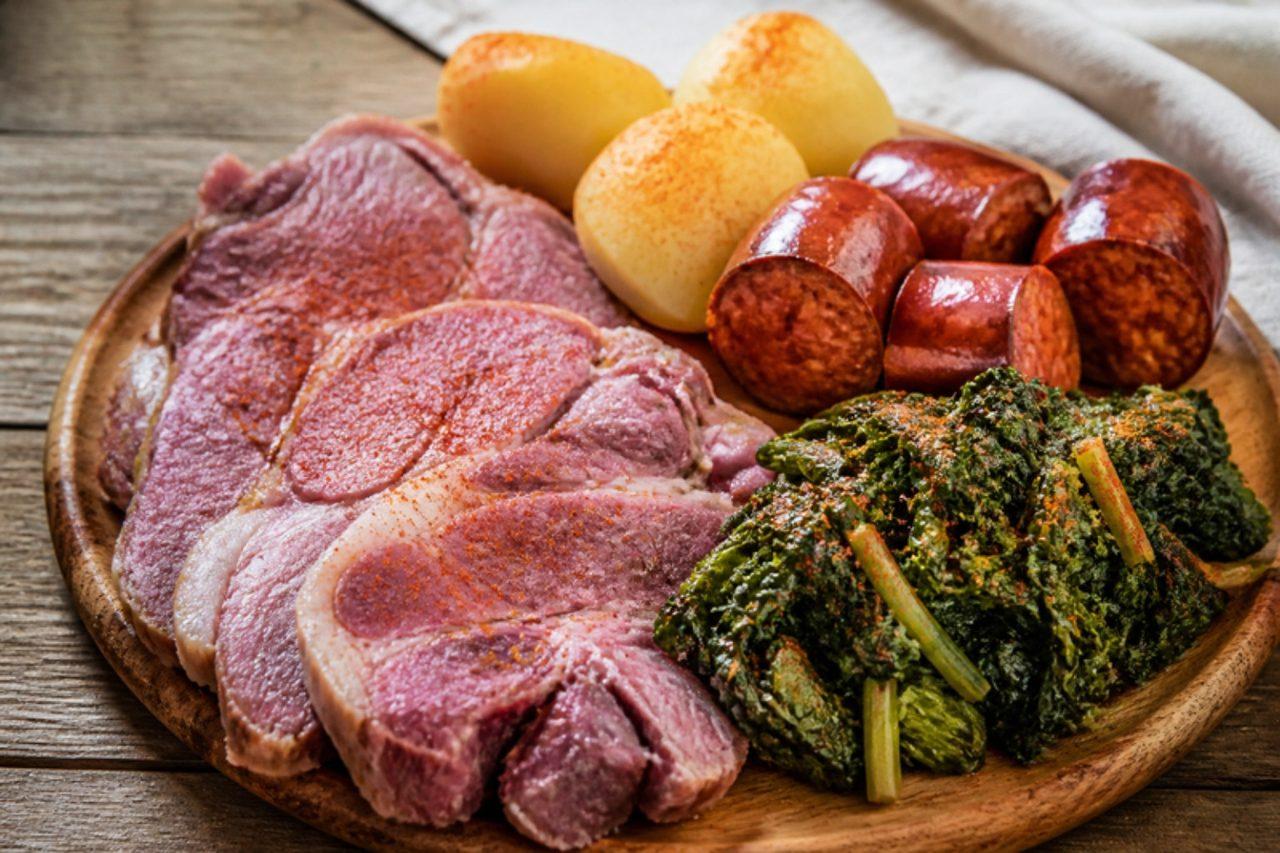
Lacón con grelos is the great dish of Entroido, the Galician carnival, when restaurants in Lugo and A Coruña serve platters of it to tables of friends. This contains pork (cured pork shoulder and chorizo). The lacón is soaked, then simmered with chorizo, and turnip tops and potatoes are cooked in the same rich broth. It's served with olive oil and a sprinkle of paprika. A common mistake is skipping the soaking, which leaves the meat far too salty to eat. Chef's tip: save the cooking liquid, as it makes the base for a caldo the next day.

170 minSpanishMeatGluten free
by KrazyBadal 0 views

Showing 18 of 7,762 recipes

Show more recipes

Page 546 of 863