


Skip to content
Tabakh roho
Featured recipe

Tabakh roho

Lamb and summer vegetable stew

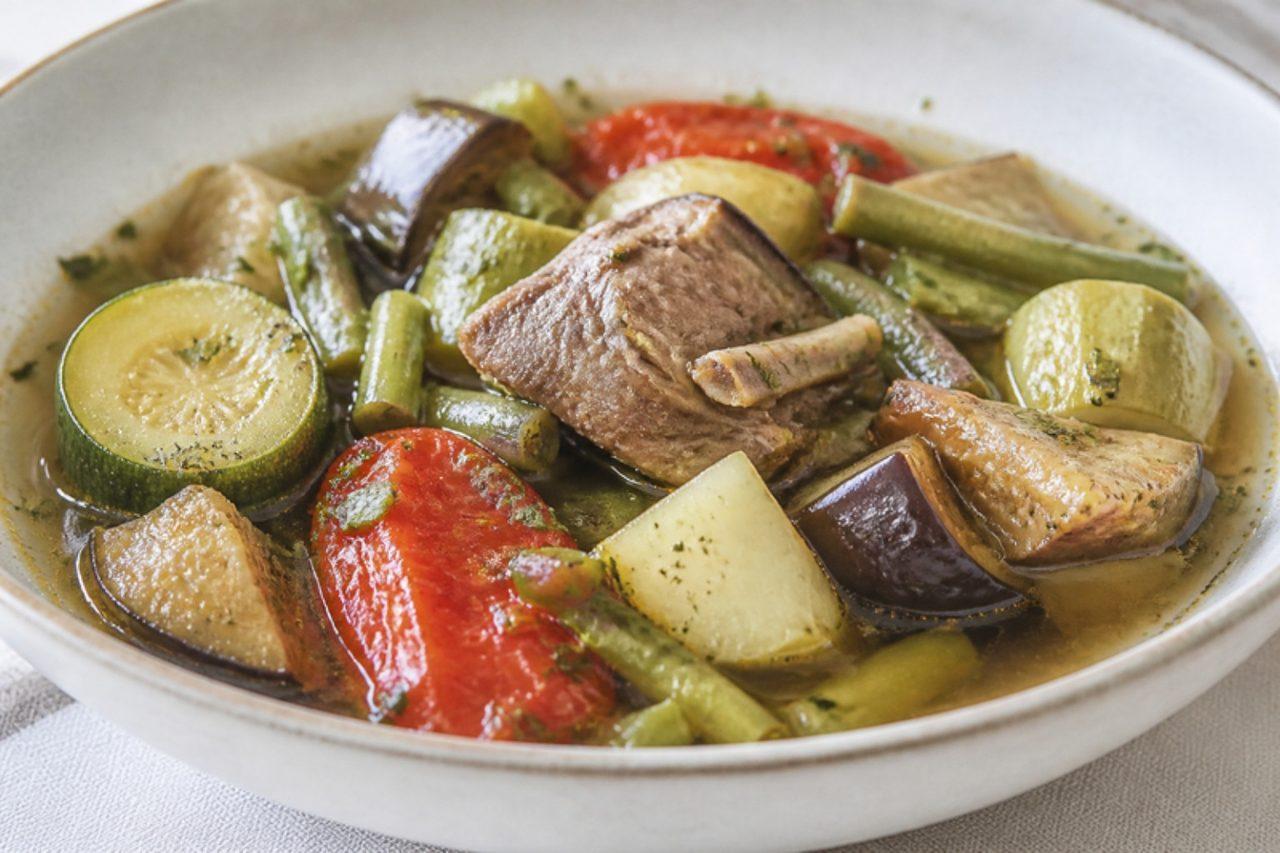
Tabakh roho means 'it cooks itself', and this Damascus summer stew does just that: chunks of lamb, aubergine, courgette, potatoes, peppers and tomatoes are layered in a pot with garlic and dried mint and left to simmer quietly until everything is soft and the juices have mingled. Home cooks make it in July and August when the vegetables are cheapest, and it is eaten with rice or bread. Common mistake: stirring it — the layers should stay intact so each vegetable keeps its shape. Chef's tip: put the potatoes at the bottom where the heat is strongest and the tomatoes on top so their juices baste everything below.

Read more 0 views

What to eat today?

Around the world

Today's trip: Paraguayan

A new country every day, from every cuisine on the site.

Paraguayan

Chipa

Cheese bread rings 50 minMore from Paraguayan (27) →

This week's collection

Kid-friendly dinners
537 recipes · a new collection every Monday

Latest recipes

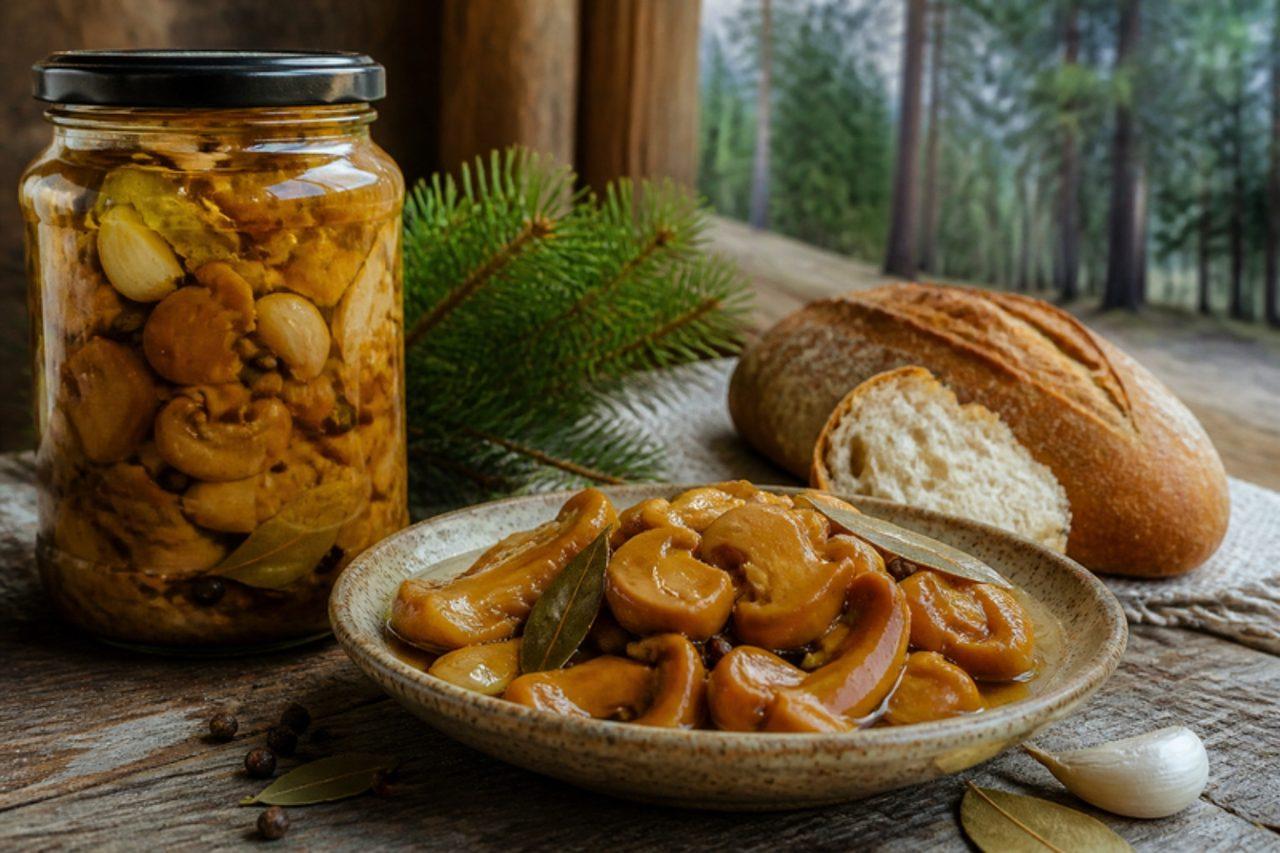
Hongos de pino en escabechePickled pine mushrooms

After the autumn rains in the pine plantations of Neuquén and Río Negro, slippery jacks (Suillus luteus) pop up by the thousand, and around San Martín de los Andes and Villa La Angostura they are sold fresh by the roadside, dried in bags, or bottled like this. The mushrooms are blanched in vinegar, then kept in oil with garlic, bay and peppercorns, ending up tender, tangy and slightly silky, a classic part of a picada with cheese and bread or beside grilled vegetables. Wild mushrooms must only be eaten if identified by an expert or bought from a trusted seller; if in doubt, use cultivated mushrooms such as chestnut or king oyster. The common mistake is skipping the peeling: the slimy skin on the cap turns the pickle gluey, so pull it off first. Garlic in oil can carry botulism, so the jar must live in the fridge and be eaten within two weeks. Chef's tip: let the jar rest for two days before opening; the vinegar mellows and the flavours come together.

by KrazyBadal 0 views

Hornazo de SalamancaPork, chorizo and egg pie

Salamanca's students and families picnic by the river Tormes on Lunes de Aguas, the Monday after Easter Monday, and the hornazo is what they unwrap: a golden pie with a bread-like crust, packed with layers of marinated pork loin, chorizo, cured ham and hard-boiled egg. It is eaten cold, in thick slices, and bakeries sell it all through spring. This contains pork (loin, chorizo and ham). The dough traditionally includes white wine; use water with a little lemon juice to keep it alcohol-free. Chef's tip: fry the loin slices first so they are cooked through before they go into the pie.

100 minSpanishMeat
by KrazyBadal 0 views

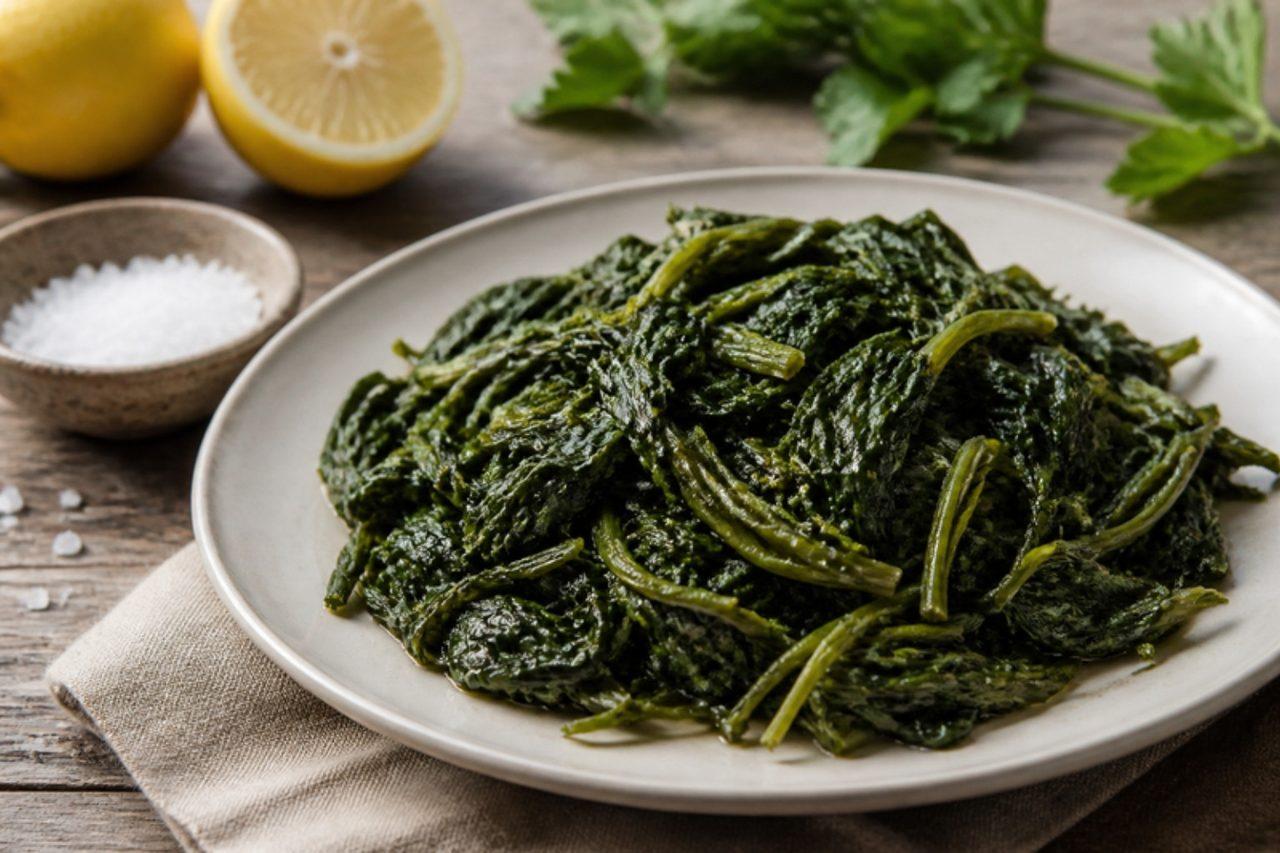
Horta vrastaBoiled greens with lemon and oil

In Greek villages women still go out with a knife and a bag after the first autumn rains to gather horta: dandelion, wild chicory, amaranth, mustard greens. Boiled and dressed with the best olive oil and lemon, they are served warm or cool with almost every meal, from fried fish in a seaside taverna to a fasting-day plate of beans. The taste is pleasantly bitter and grassy. Common mistake: boiling them to khaki; cook only until the stems are tender and the leaves still deep green. Chef's tip: salt the cooking water generously like pasta water and dress the greens while warm, so they drink up the oil and lemon.

25 minGreekSidesVeganGluten free
by KrazyBadal 0 views

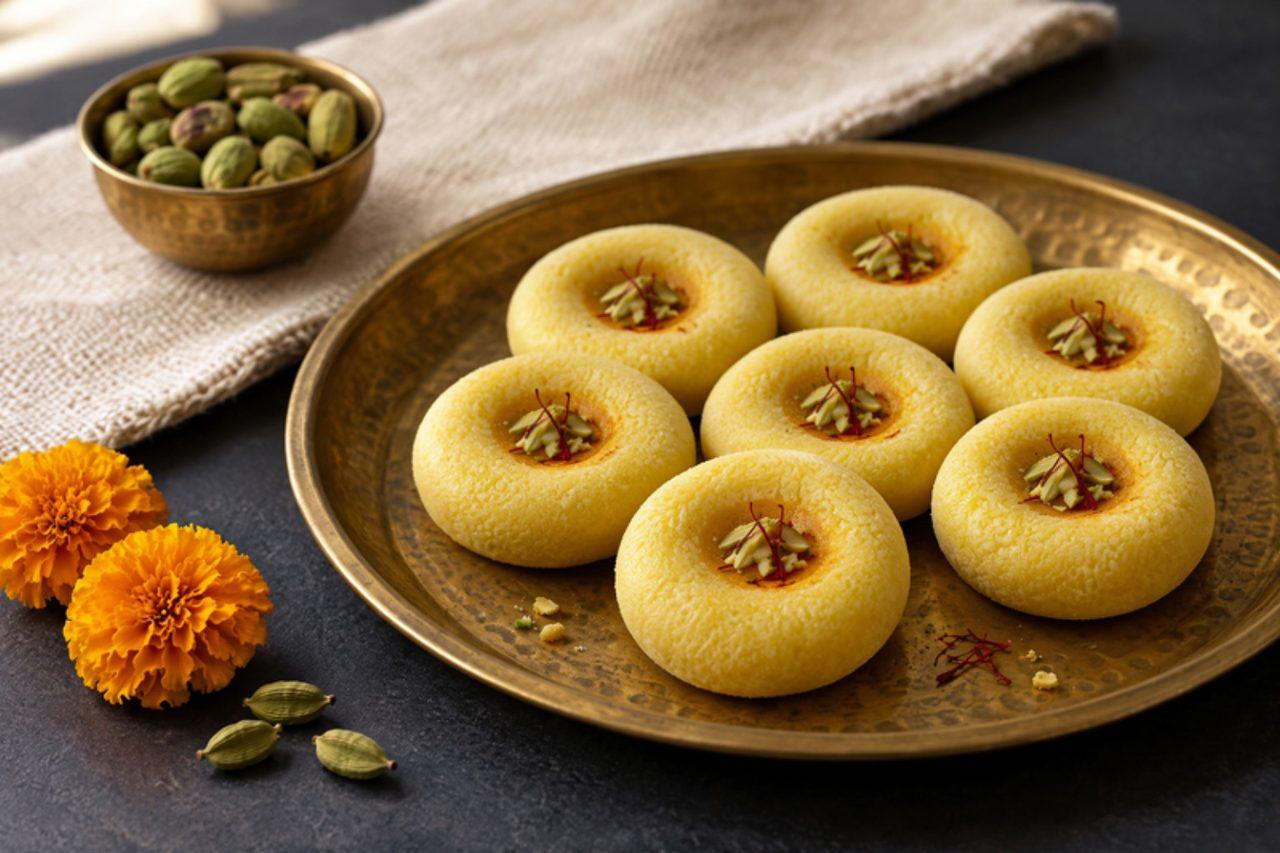
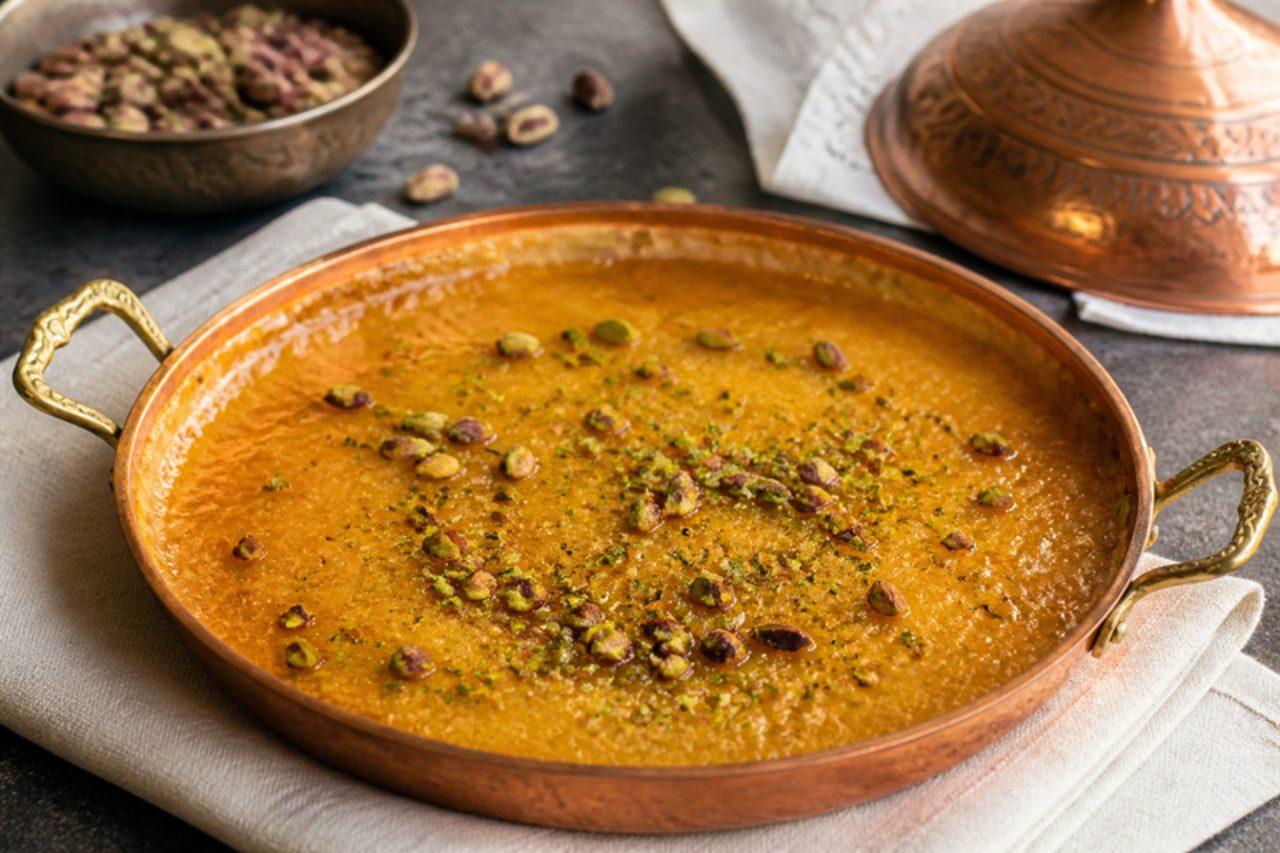
HöşmerimCheese and semolina halva

Höşmerim is a winter dessert of the Erzurum plateau and the Bolu highlands, made from unsalted fresh cheese melted with butter and semolina until it turns golden and gives off its own butter, then soaked with syrup. It's eaten warm in small bowls, chewy and rich, topped with crushed walnuts or pistachios, often after a long cold day. Common mistake: using salty or aged cheese, which turns oily and bitter; you need a soft, unsalted fresh cheese such as lor or ricotta. Chef's tip: keep cooking until the fat starts seeping out at the edges and the mixture is the colour of light toffee; that's where the flavour comes from.

by KrazyBadal 0 views

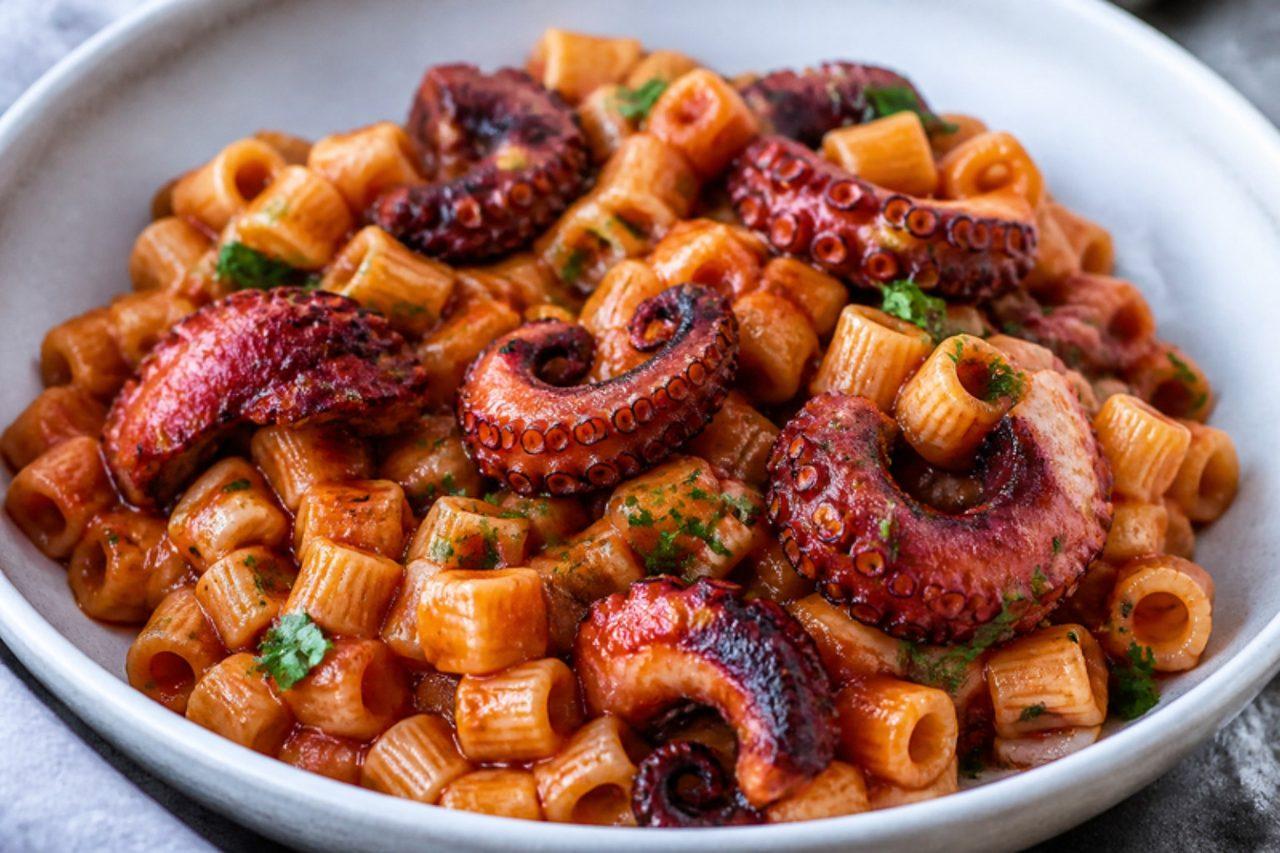
Htapodi me kofto makaronakiOctopus and pasta in tomato

During Lent and on fasting days, coastal families in Crete and the islands turn to octopus, which the church counts as fasting food. In this one-pot dish it is first stewed in its own juices until tender, then simmered in tomato with cinnamon and allspice, and finally the little cut pasta tubes cook right in the sauce, soaking up the deep red, faintly sweet liquid. It is served hot with a squeeze of lemon and a green salad. Common mistake: salting the octopus at the start, which tightens it; season only once it is tender. Chef's tip: buy frozen octopus or freeze fresh for a day; freezing breaks down the tough fibres and saves you the traditional beating on the rocks.

110 minGreekFish
by KrazyBadal 0 views

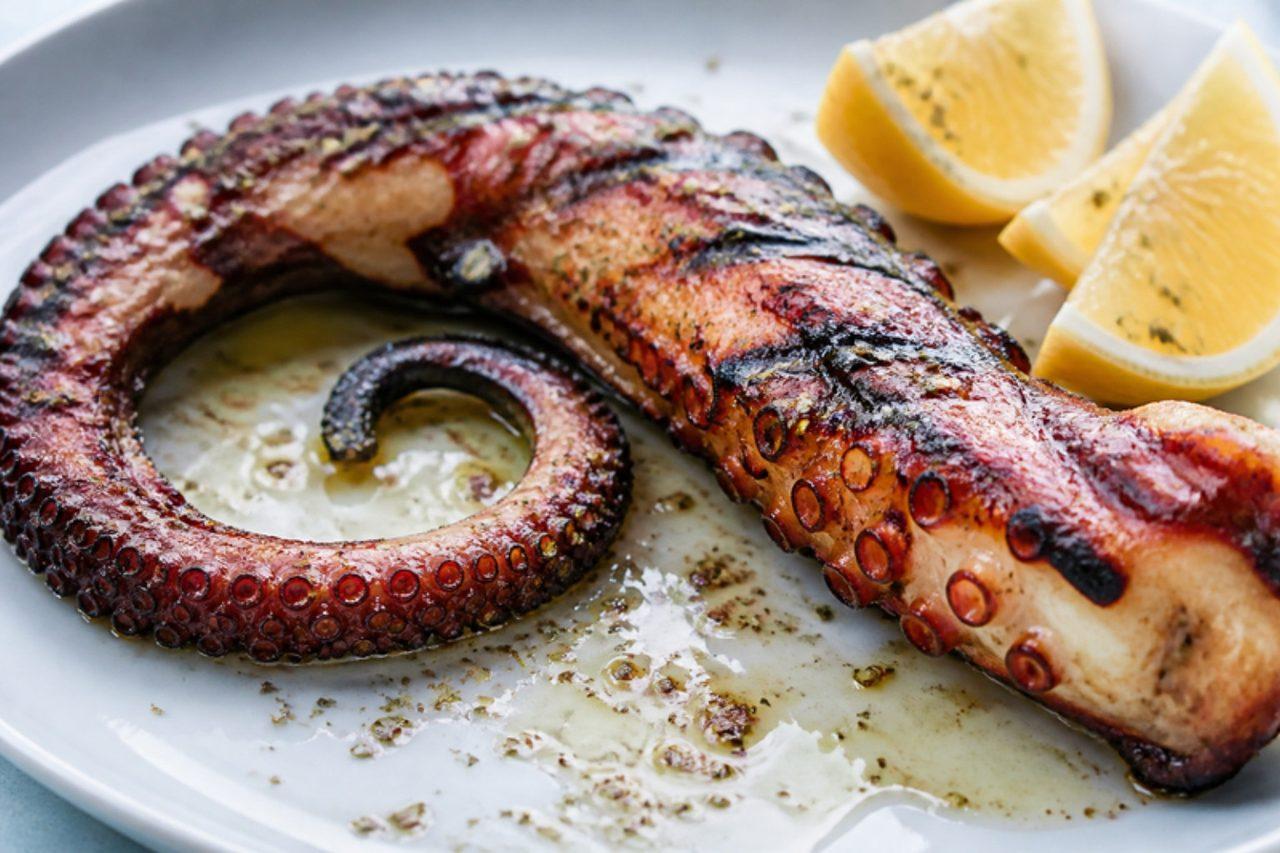
Htapodi sti skaraCharcoal-grilled octopus

Octopus tentacles hanging to dry on a line outside a harbour taverna are a summer sight across the Greek islands, and they end up on the grill as one of the great ouzo mezedes, though they are just as good with a cold lemonade. Simmering first makes the octopus tender; the grill adds smoky, crisp tips. It is also a favourite Lenten dish, since shellfish and octopus are allowed on fasting days. Common mistake: grilling raw octopus straight away, which leaves it rubbery. Chef's tip: cook it in its own juices without added water; it gives off plenty of liquid and stays more flavourful.

90 minGreekFishGluten free
by KrazyBadal 0 views

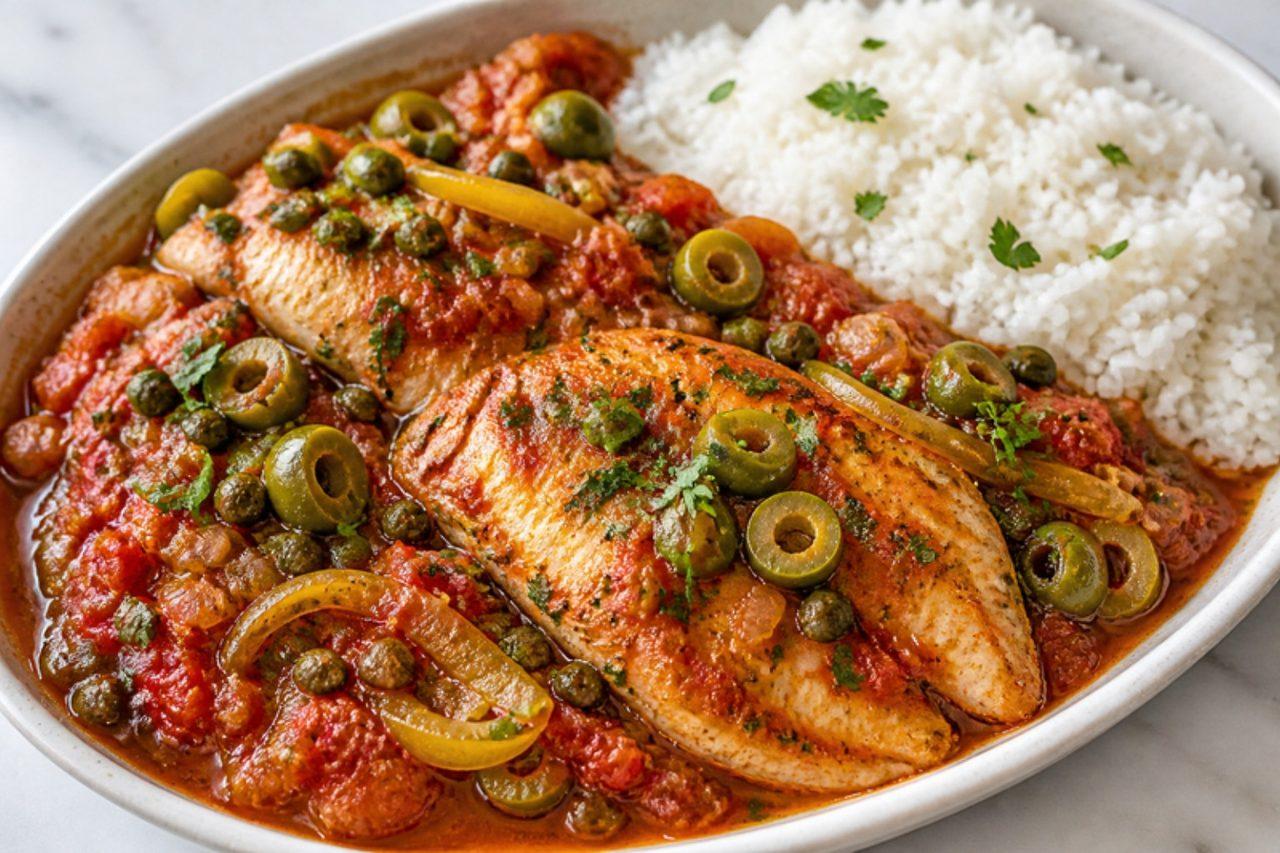
Huachinango a la veracruzanaRed snapper in tomato sauce

In the port of Veracruz, fish a la veracruzana shows the city's centuries of trade with Spain: red snapper baked in a sauce of tomato, onion and garlic with green olives, capers, bay and herbs, sharpened with pickled yellow chillies. It is served at seafront restaurants on Sundays and is a favourite on Christmas Eve, when many families eat fish. The sauce is tangy, briny and gently hot, and the fish stays moist under it. Serve it with plain white rice to soak up the sauce. Chef's tip: cook the sauce down until thick before the fish goes in; the fish releases juices as it bakes and will thin it out.

by KrazyBadal 0 views

HuatiaEarth-baked potatoes

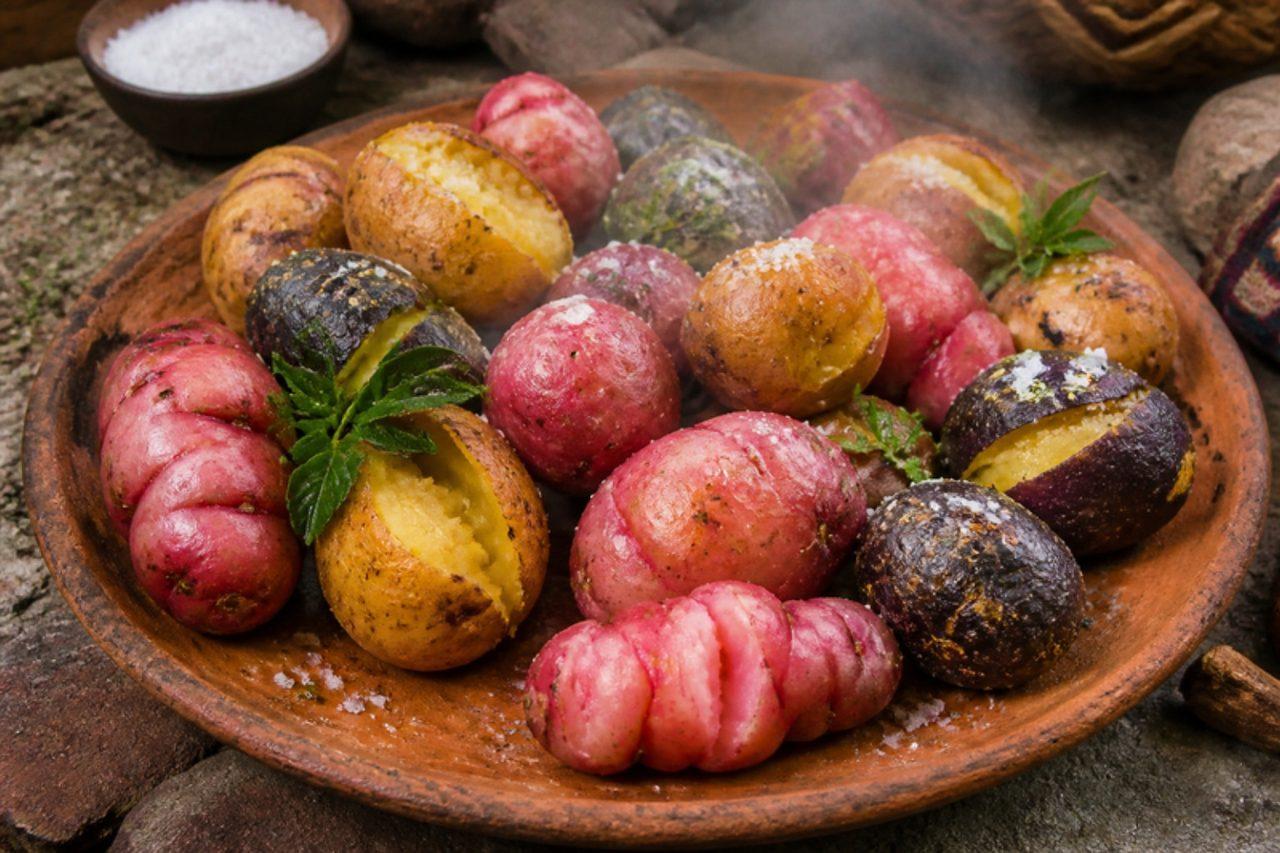
After the potato harvest in May and June, families in Puno, Cusco and across the highlands build a huatia in the field: a little dome of dry earth clods heated with dried brush until the clods glow, then knocked down over freshly dug potatoes and oca so they bake slowly underground. Opened an hour later, the potatoes are smoky, floury and so soft their skins split, and the oca turns sweet and tangy. Everyone eats them with their hands, with salt, chilli sauce and fresh cheese. This recipe gives an oven method for home cooks: a lidded pot bedded with coarse salt and herbs, which traps heat and steam much like the earth. If you do try a real huatia outdoors, use a clear patch of ground away from anything that can catch fire and keep water nearby. Don't uncover the pot early to check: the steam escapes and the potatoes turn leathery. Fresh oca is sold in some markets as New Zealand yam; small sweet potatoes will do. Chef's tip: choose potatoes of a similar size so they all finish together, and serve with uchucuta.

by KrazyBadal 0 views

Huevos a la flamencaBaked eggs with chorizo and peas

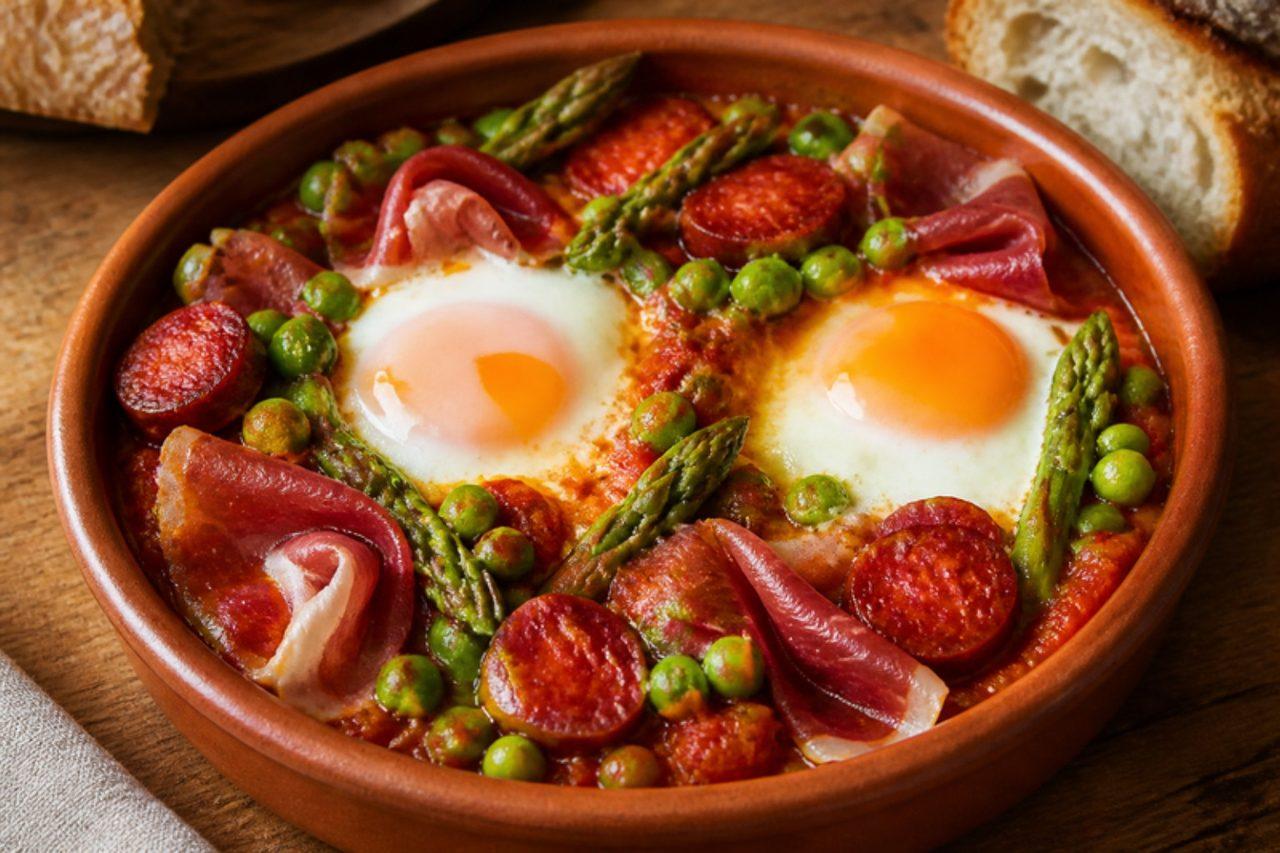
This contains pork (chorizo and serrano ham). Seville has served huevos a la flamenca since at least the nineteenth century, and its old taverns still bring it to the table in individual clay dishes: eggs baked on a tomato sofrito, ringed with peas, asparagus tips, slices of chorizo and ham and strips of red pepper, as colourful as a flamenco dress. It makes a fine lunch with crusty bread. Chef's tip: warm the dishes with the sofrito before adding the eggs, so the whites set quickly from below while the yolks stay soft.

by KrazyBadal 0 views

Showing 9 of 7,762 recipes

Show more recipes

Page 549 of 863