


Skip to content
Beetroot curry
Featured recipe

Beetroot curry

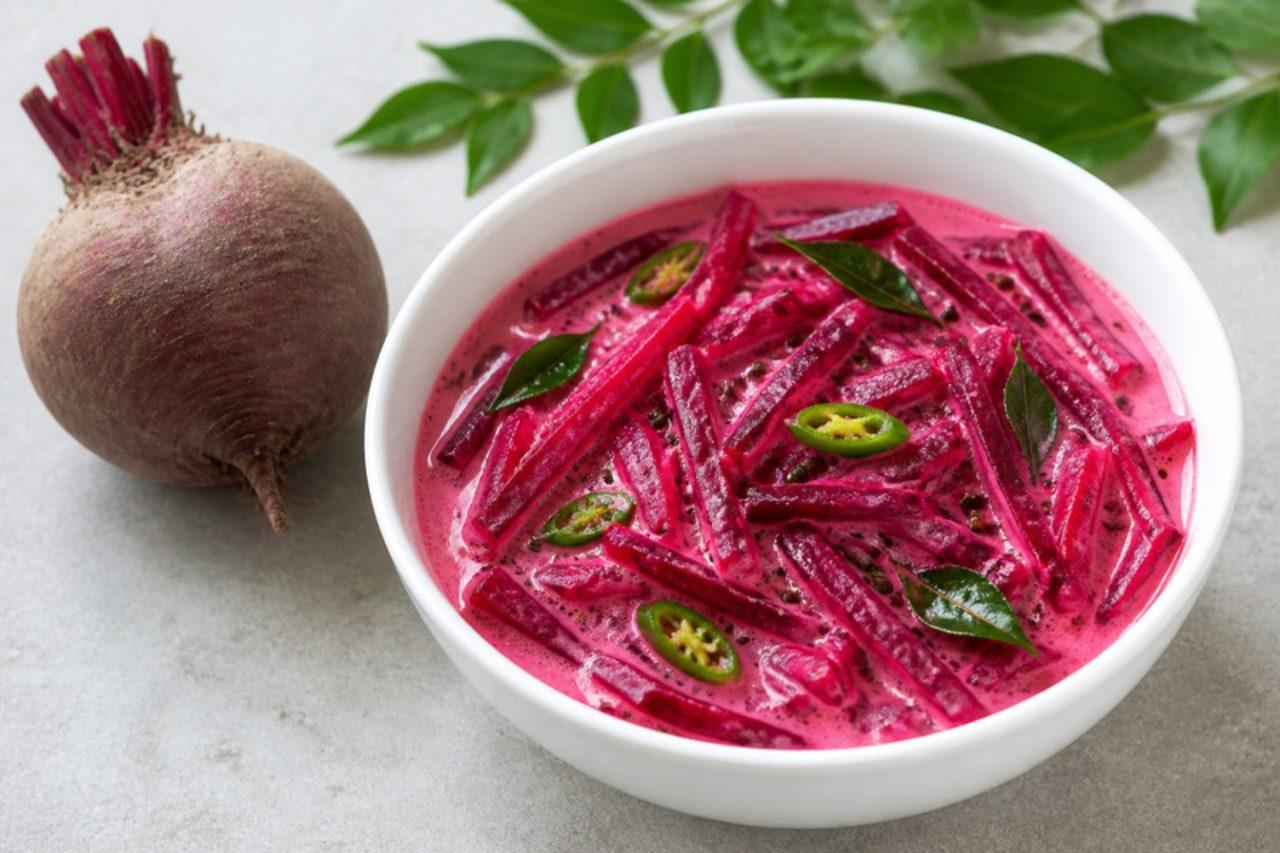
Beetroot grows well in the cool hills around Nuwara Eliya and Welimada, and its curry is a jewel-pink regular on lunch packets and home rice-and-curry tables across the island. The beetroot is cut into thin matchsticks and cooked with onion, green chilli, curry leaves and a light, unroasted curry powder, then finished with coconut milk, so it's sweet, mildly spiced and brilliantly coloured. It's a good way to win over people who think they don't like beetroot. One frequent mistake is grating the beetroot, which turns the curry into a wet purée; matchsticks keep a pleasing bite. Chef's tip: add a squeeze of lime at the very end; it brightens the colour and cuts the earthy sweetness.

Read more 0 views

What to eat today?

Around the world

Today's trip: Persian

A new country every day, from every cuisine on the site.

This week's collection

Kid-friendly dinners
537 recipes · a new collection every Monday

Latest recipes

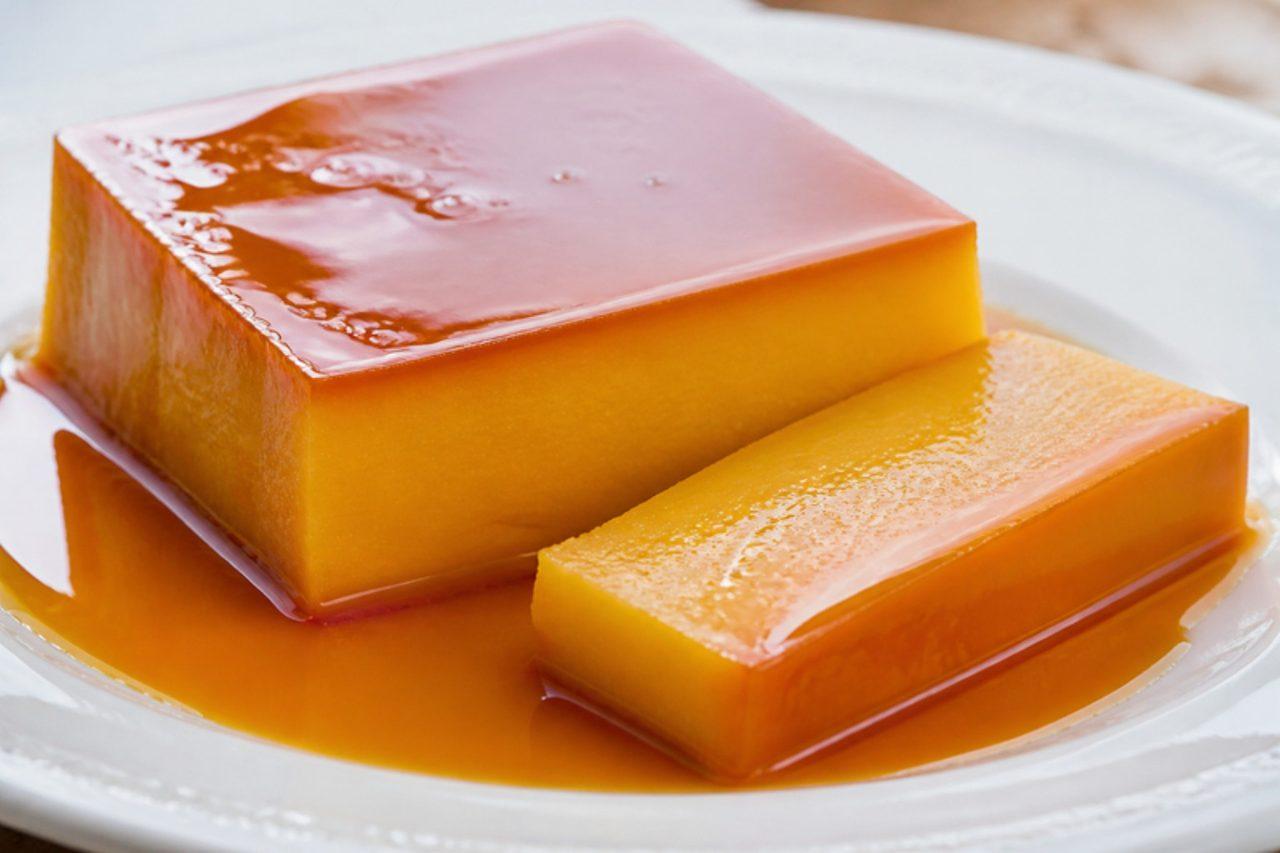
Tocino de cieloEgg-yolk and syrup custard

Tocino de cielo means 'bacon from heaven', but there is no pork in it at all: the name refers only to its rich, deep-yellow colour. The story told in Jerez de la Frontera is that the sherry bodegas used egg whites to clarify their wine and gave the leftover yolks to the convents, whose nuns turned them into this. It is denser and silkier than flan, with no milk, and a small square goes a long way after Sunday lunch. Chef's tip: strain the yolk mixture twice and skim off every bubble; that is what gives the glassy, pore-free finish.

by KrazyBadal 0 views

Ayran aşıChilled yoghurt and wheat soup

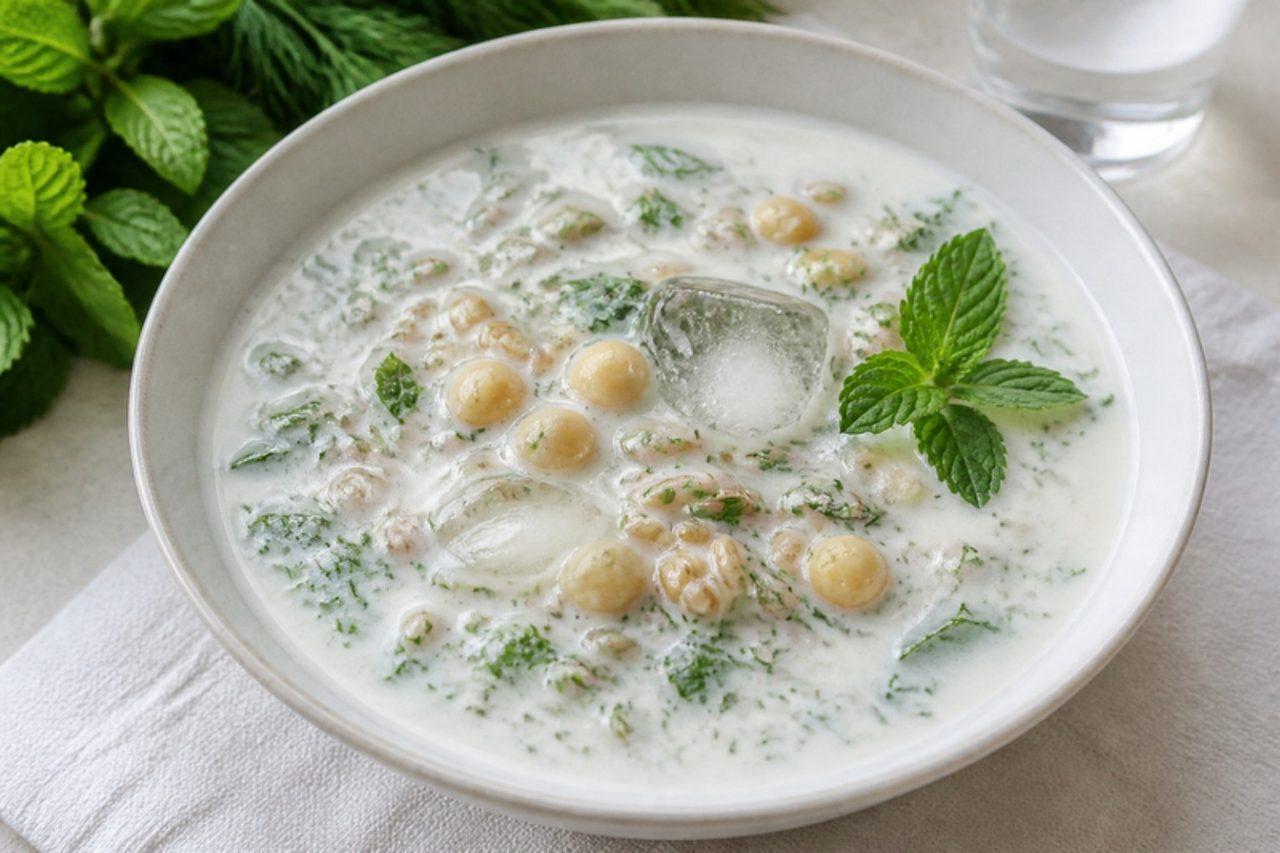
When the summer heat hits the eastern plateau around Erzurum, Erzincan and Sivas, families switch from hot soups to ayran aşı, a cold soup of thinned yoghurt with cooked whole wheat, chickpeas and handfuls of mint, dill and purslane or cucumber. It's ladled from a big bowl at lunch with flatbread, and it's as refreshing as a drink but filling as a meal. Common mistake: adding the grains while still hot, which makes the yoghurt split and turn sour-tasting; cool them completely first. Chef's tip: make it a few hours before serving and chill; the wheat soaks up the yoghurt and the herbs perfume the whole bowl.

by KrazyBadal 0 views

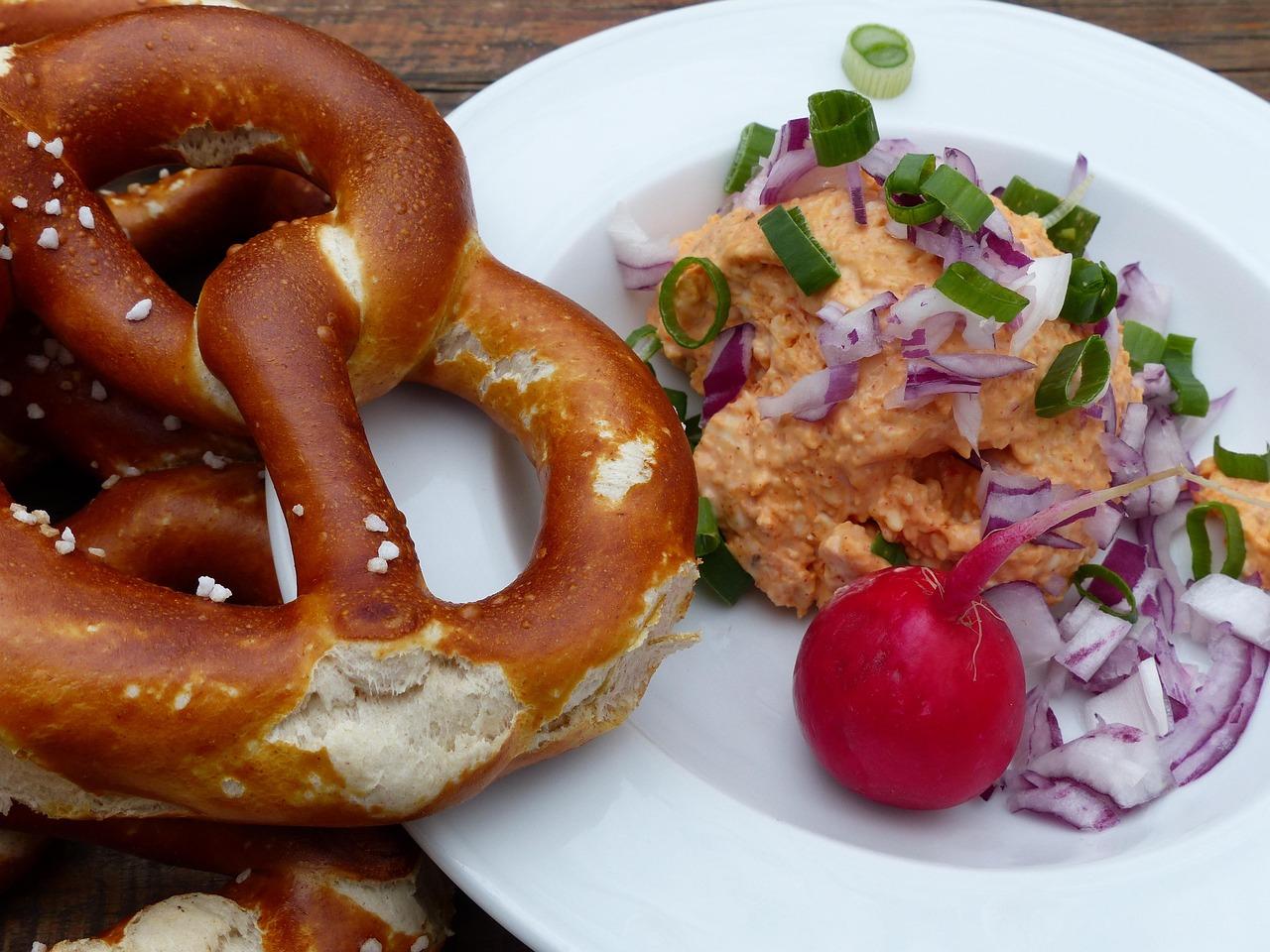
ObatzdaBeer-garden cheese spread

Obatzda is what a Munich beer garden puts beside a giant soft pretzel: overripe Camembert mashed with soft butter, sweet paprika, caraway and raw onion until it turns a creamy, rusty orange. It is a thrifty spread that grew up in Bavarian taverns as a way to use cheese that had gone a little too far, and it is still eaten in the afternoon sun with radishes and dark bread. Camembert is usually made with animal rennet, so pick one labelled vegetarian if that matters to you. A common mistake is blitzing it in a processor, which makes it gluey; mash with a fork so a few soft lumps stay. Chef's tip: make it an hour ahead and chill it, then let it stand 15 minutes before serving, so the paprika flavour blooms and it spreads easily.

by KrazyBadal 0 views

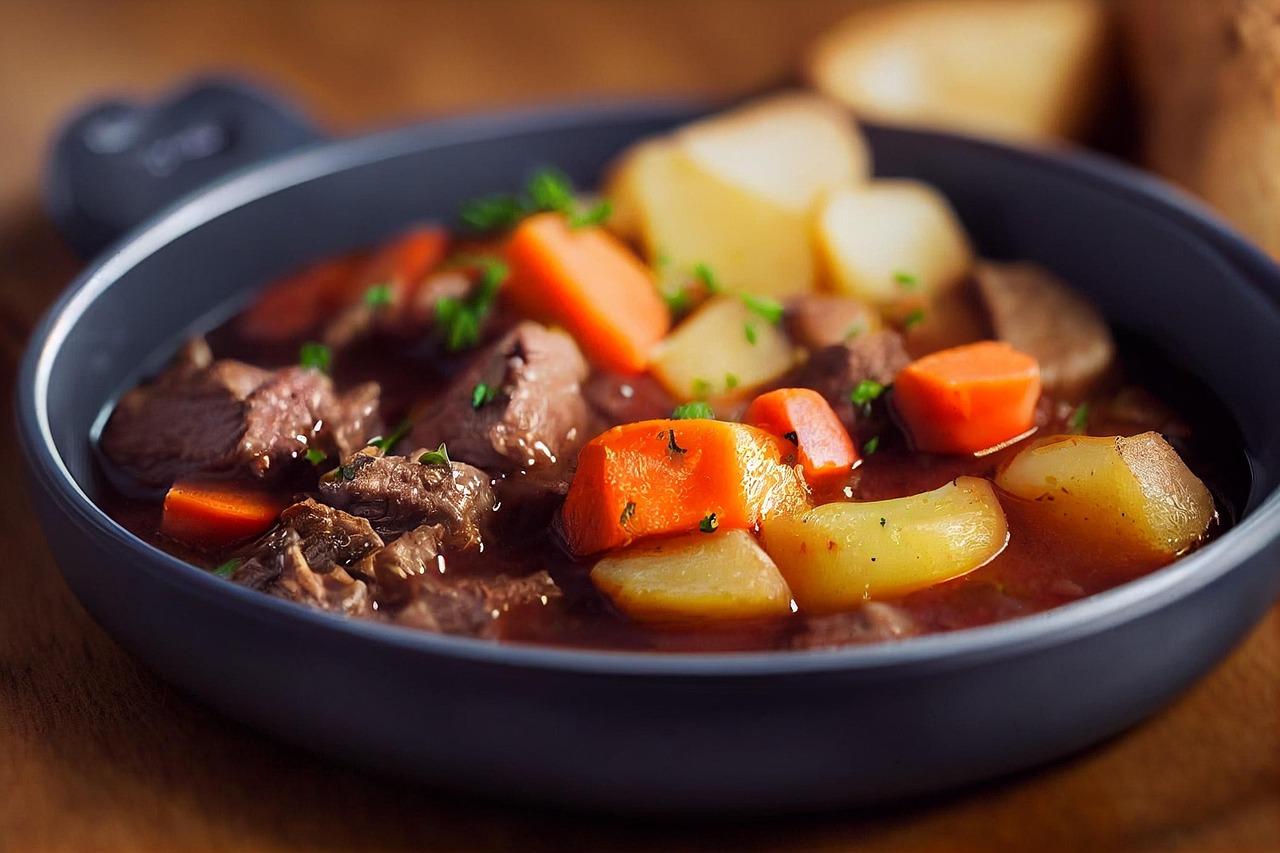
Liverpool scouseBeef and lamb stew

Scouse is so central to Liverpool that its people are named after it; the thick stew of meat, potatoes and onions was carried from the Baltic by sailors and cooked for dockers' families, and city restaurants still celebrate Global Scouse Day each February. Some of the potatoes cook down into the gravy, making it thick and hearty. Serve it with pickled red cabbage or beetroot and crusty bread. Chef's tip: cut half the potatoes small so they collapse and thicken the stew, and leave the rest in chunks.

170 minBritishMeat
by KrazyBadal 0 views

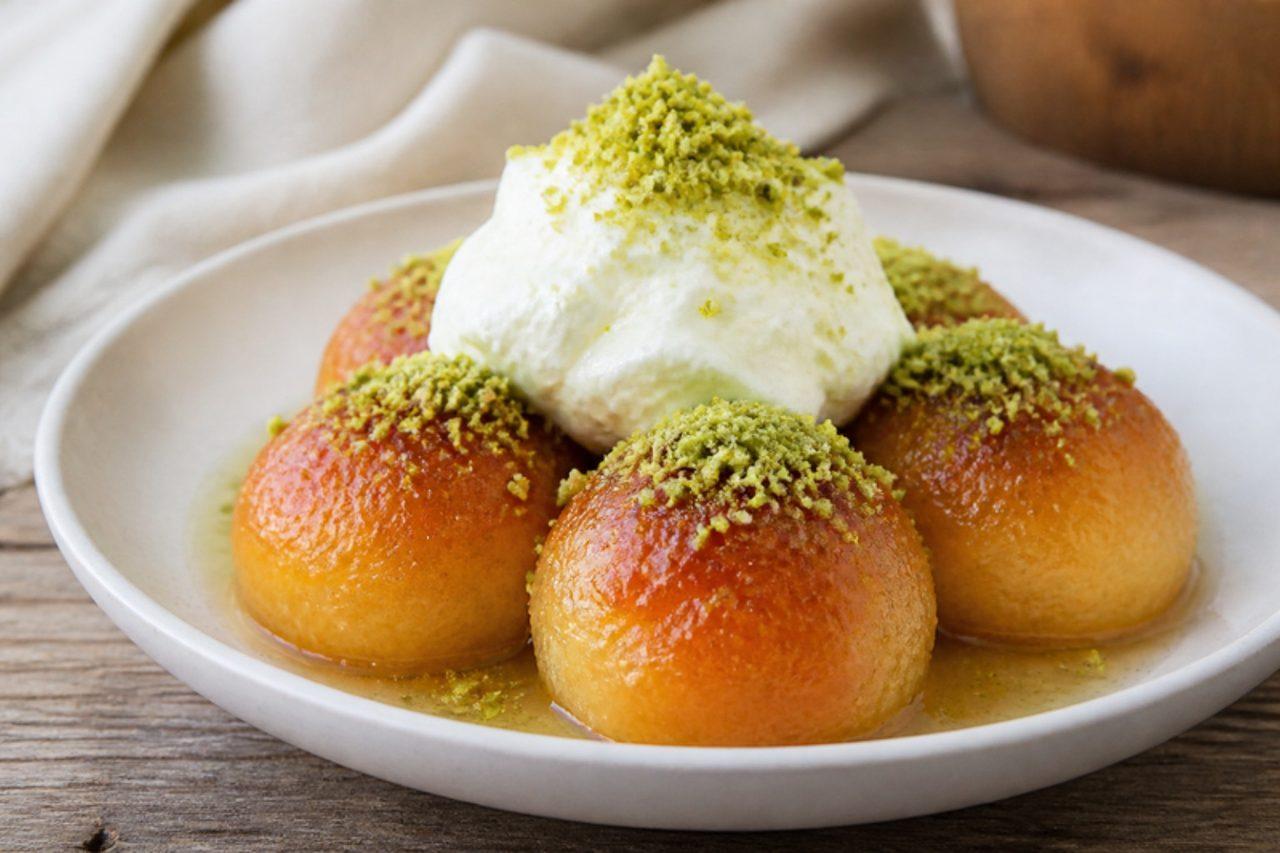
Kemalpaşa tatlısıCheese dumplings in syrup

Named after the town of Mustafakemalpaşa near Bursa, these small golden rounds are made from a soft unsalted cheese, semolina and flour, baked dry and then simmered in syrup until they swell and soak it up like sponges. In Bursa they are eaten after a plate of İskender, warm with a spoon of clotted cream or a scattering of pistachio. They are lighter than they look, with a faint cheesy tang under the sweetness. Chef's tip: let the syrup cool to lukewarm and the dumplings be at room temperature; if both are hot the dumplings collapse into mush.

by KrazyBadal 0 views

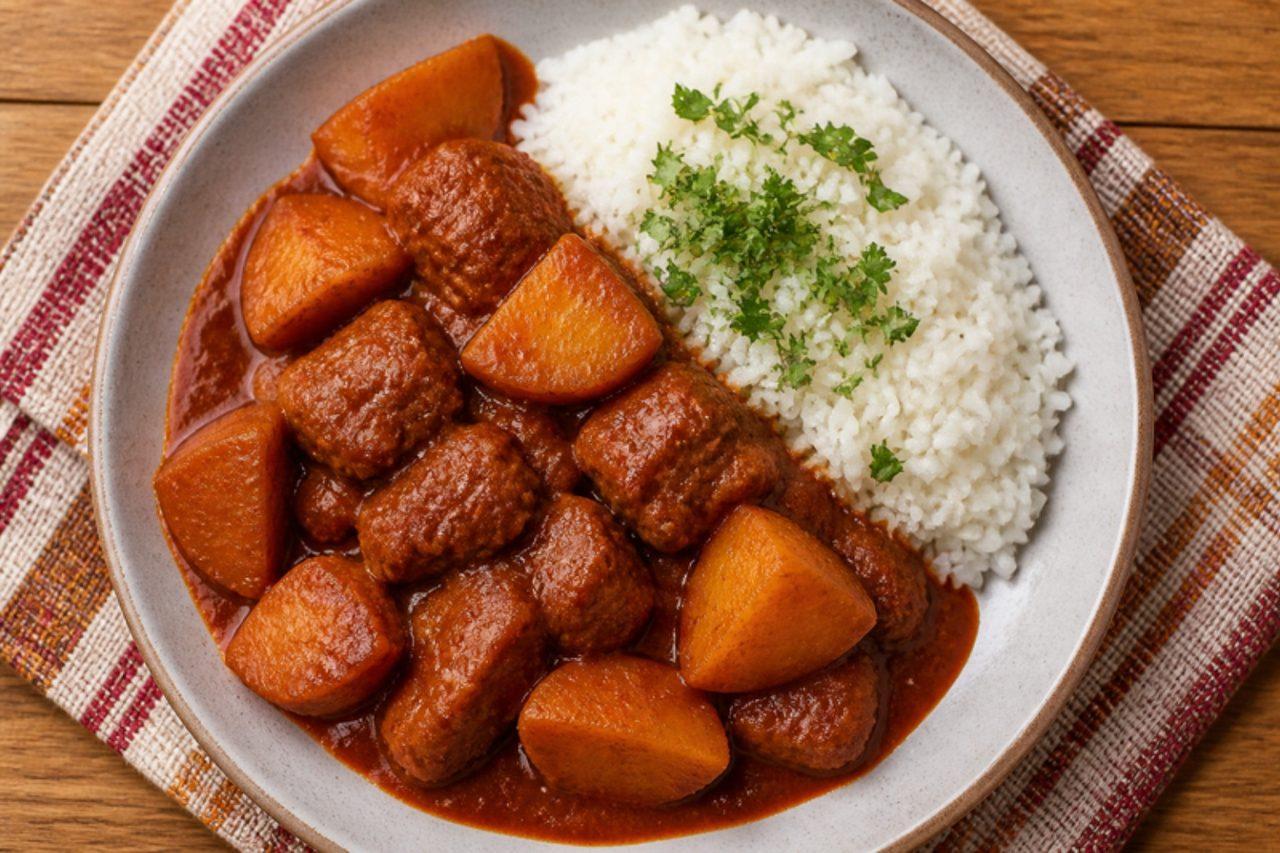
Puca picantePork and potato peanut stew

Puca means red in Quechua, and Ayacucho's puca picante is as red as a stew gets, thanks to ají panca and a little beetroot. Cubes of pork and potato simmer in a sauce thickened with ground toasted peanuts until creamy, nutty and mildly hot; it is served at Ayacucho's Sunday lunches and during Semana Santa with white rice, a fried pork chunk on top and a sharp salsa criolla. A frequent error is too much beetroot, which makes it earthy and sweet; you only need enough for the colour. Chef's tip: toast the peanuts in a dry pan before grinding them, and the sauce tastes twice as deep.

by KrazyBadal 0 views

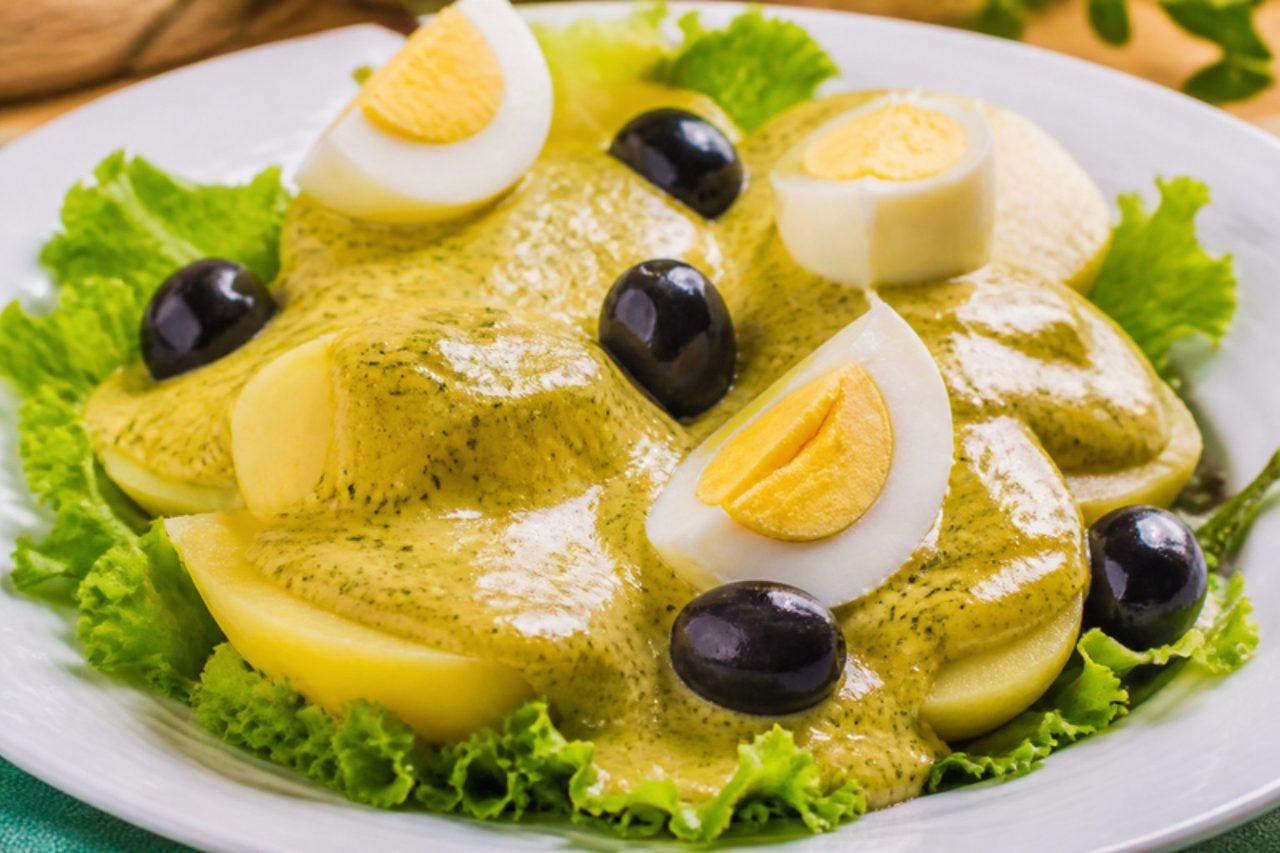
OcopaPeanut, huacatay and cheese sauce

Arequipa's picanterías put ocopa on the table as a starter, a pale olive sauce spooned thickly over sliced boiled potatoes, and the smell of toasted chillies and huacatay (black mint) is what sets it apart from Lima's huancaína. The chillies are dried ají mirasol, charred in a dry pan, which gives a smoky, raisin-like warmth rather than sharp heat, and toasted peanuts make the sauce nutty and almost velvety. Many cooks thicken it with crackers; this version uses only peanuts and cheese, so it stays gluten free. Serve it at room temperature with yellow potatoes, a black olive and a few lettuce leaves, plus a halved boiled egg for anyone who eats eggs. The mistake people make is toasting the onion and chillies black, which turns the sauce bitter; they should be blistered in spots only. Queso fresco is often made with animal rennet, so look for a vegetarian fresh cheese. Chef's tip: huacatay paste comes in jars from Latin shops; without it, use a small handful of mint plus a few tarragon leaves.

by KrazyBadal 0 views

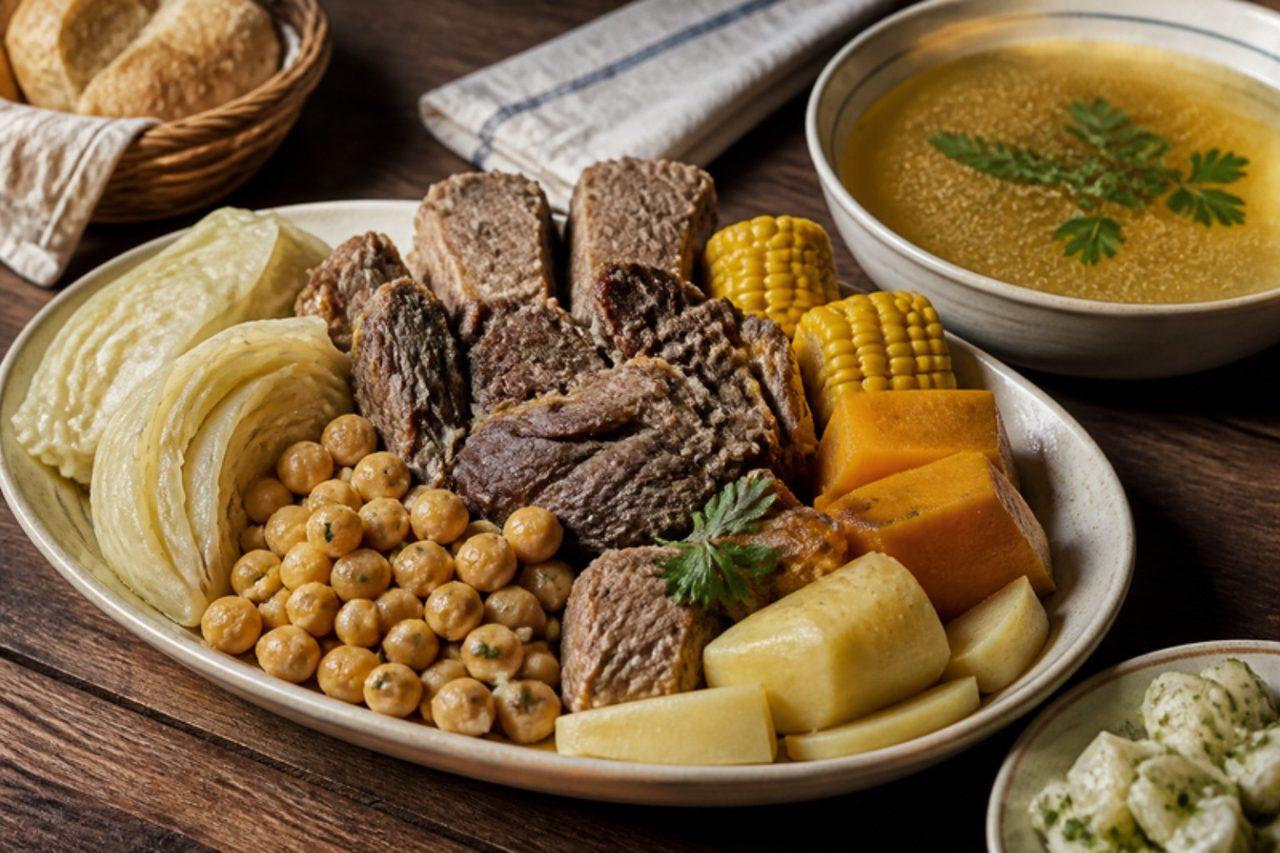
PucheroBoiled beef and vegetable stew

Winter Sundays in the towns of Buenos Aires Province mean a big pot of puchero bubbling from mid-morning: beef shin and brisket on the bone, a marrow bone, chickpeas, corn on the cob, squash, sweet potato, potato, carrots and cabbage, all simmered together. The meal comes in two courses, as in the Spanish cocido it descends from: first the golden broth, often with fine noodles or rice, then a platter of meat and vegetables doused with olive oil, salt and a spoon of salsa criolla. It is gentle and clean-tasting rather than rich. Many families add chorizo colorado or pancetta (pork); this version keeps to beef. Plan for the chickpeas to soak overnight. Boiling it hard is the classic mistake, which clouds the broth and toughens the meat; it should barely shiver. Chef's tip: add the vegetables in stages, longest-cooking first, so the cabbage and squash hold their shape instead of dissolving.

by KrazyBadal 0 views

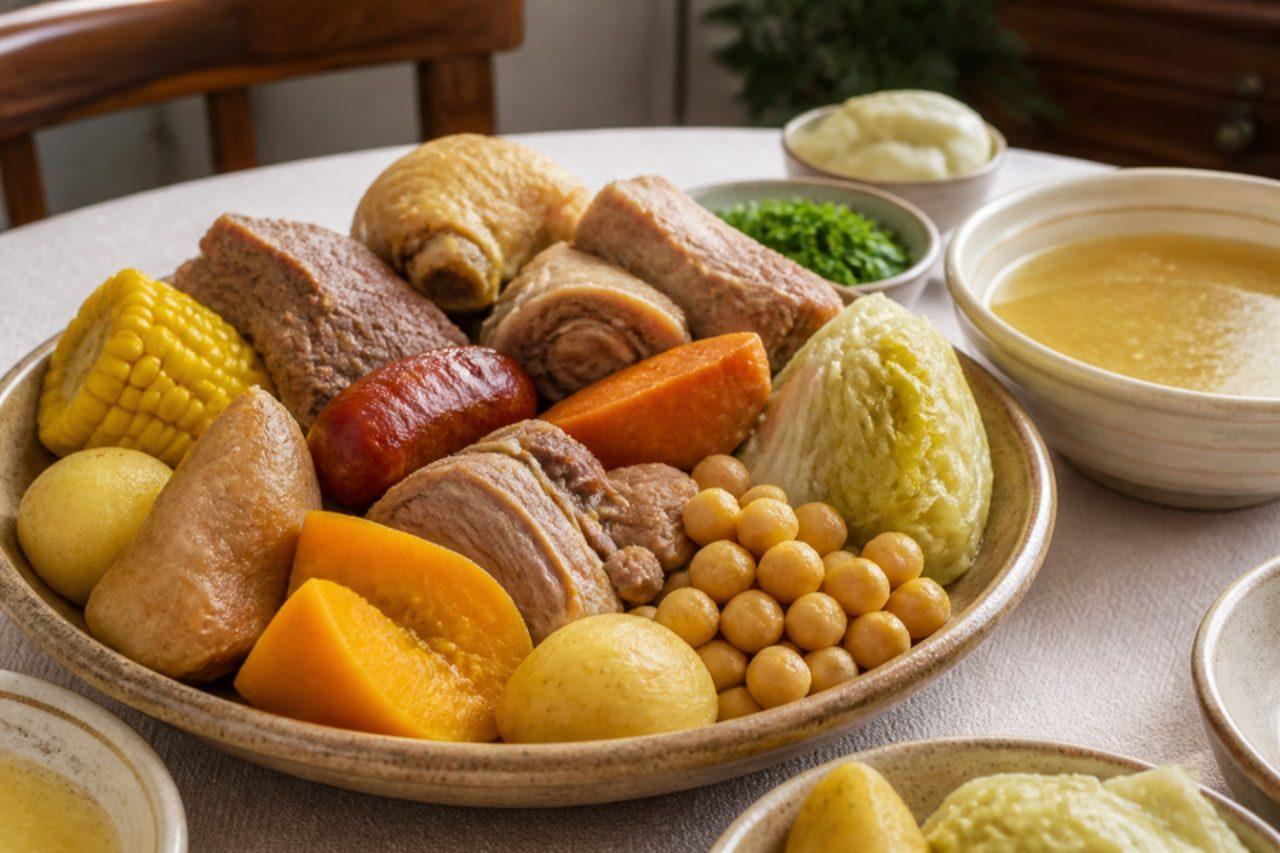
Puchero canarioMeat, chickpea and pumpkin stew

Puchero is the feast-day pot of the Canary Islands, simmered for hours on Sundays and at Christmas and on the night after pig-killing in the old days, big enough to feed a whole family twice. Beef, chicken and pork go in with chickpeas, then a long list of vegetables: pumpkin, sweet potato, corn, cabbage, carrots, green beans, chayote and even pears. This contains pork (pork ribs and chorizo). The broth is served first, sometimes thickened with gofio, then the meats and vegetables on a platter with mojo. Chef's tip: add the vegetables in stages by how long they take, so the pumpkin and pears hold their shape.

190 minSpanishMeatGluten free
by KrazyBadal 0 views

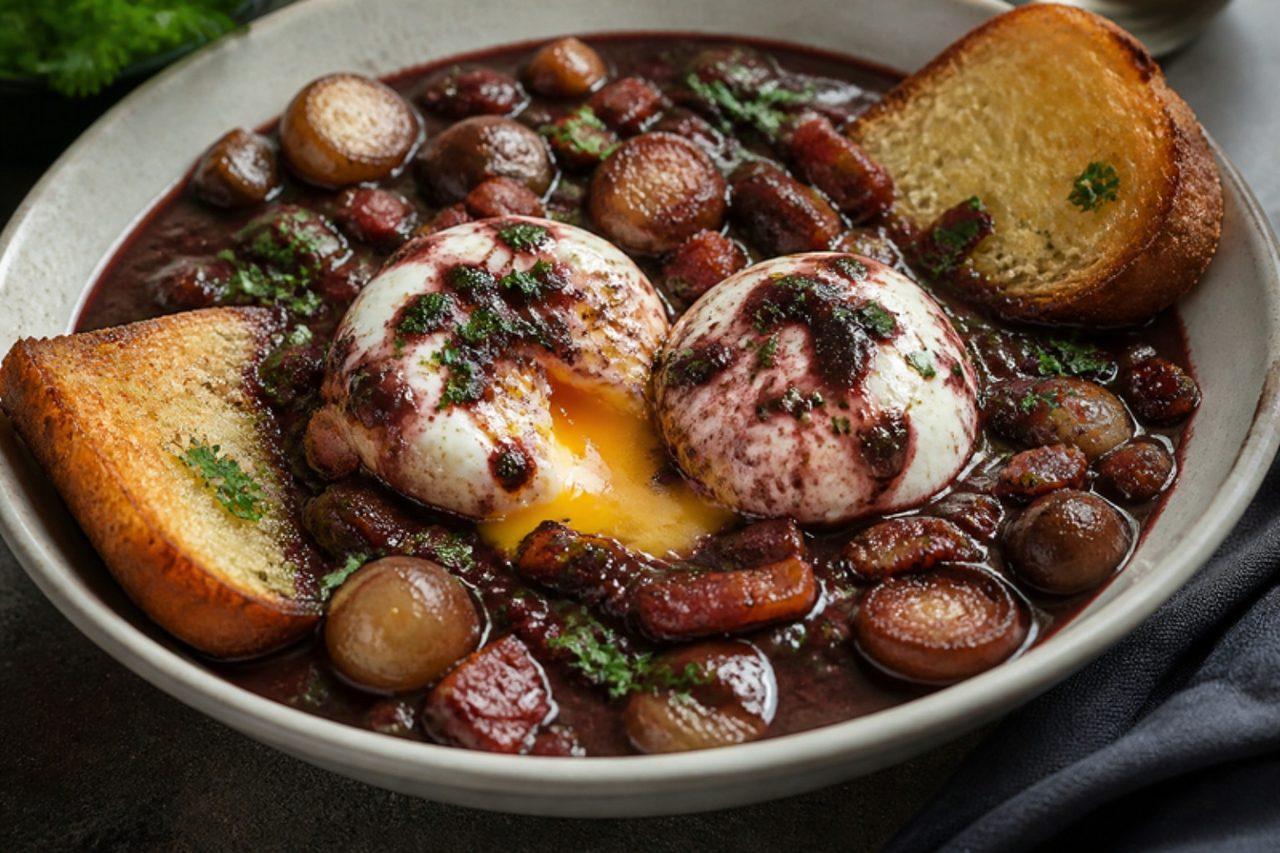
Oeufs en meurettePoached eggs in red wine sauce

In Burgundy, between Dijon and Beaune, a meurette is any dish cooked in red wine sauce, and oeufs en meurette is the one served as a starter in village restaurants and at weekend lunches. Eggs are poached in a reduced, glossy sauce of red wine, shallots and stock, then served with crisp smoked pork lardons, button mushrooms and garlic-rubbed croutons to dip into the yolks. The sauce is deep, winey and savoury; the eggs make it rich. The dish uses red wine, and an alcohol-free version is in the notes. The yolks stay runny, so use pasteurised eggs for pregnant women, young children, older people or anyone with a weakened immune system, or poach the eggs until the yolks are set. Chef's tip: poach the eggs in water with a dash of vinegar rather than in the wine itself, so the whites stay white.

by KrazyBadal 0 views

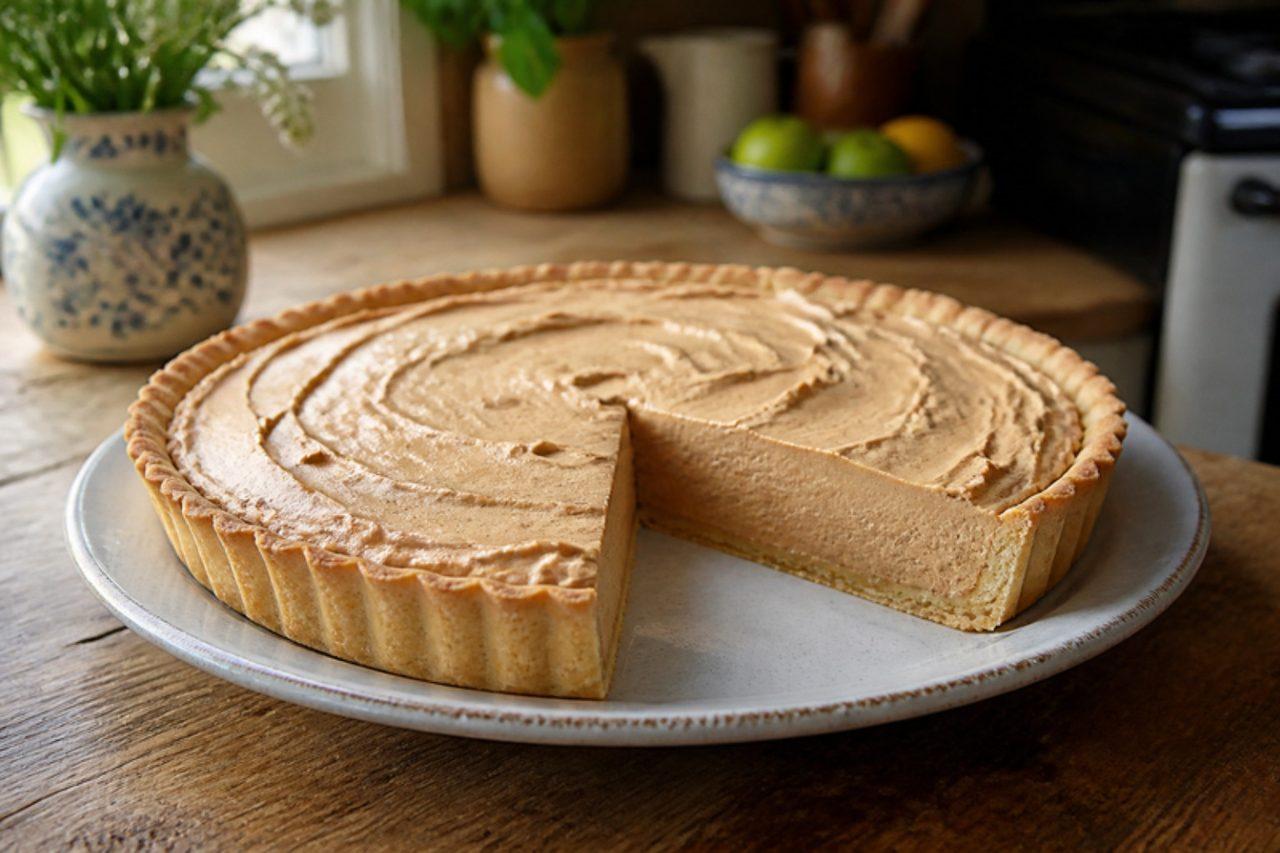
Kentish gypsy tartEvaporated milk and muscovado tart

Gypsy tart is the school-dinner pudding of Kent, remembered fondly by anyone who grew up in Margate, Maidstone or the Medway towns. Evaporated milk is whisked with dark muscovado sugar until it doubles into a toffee-coloured mousse, poured into a pastry case and baked just long enough to set into a fluffy, sticky, intensely sweet filling. Chef's tip: chill the evaporated milk overnight; cold milk whips up much more volume.

by KrazyBadal 0 views

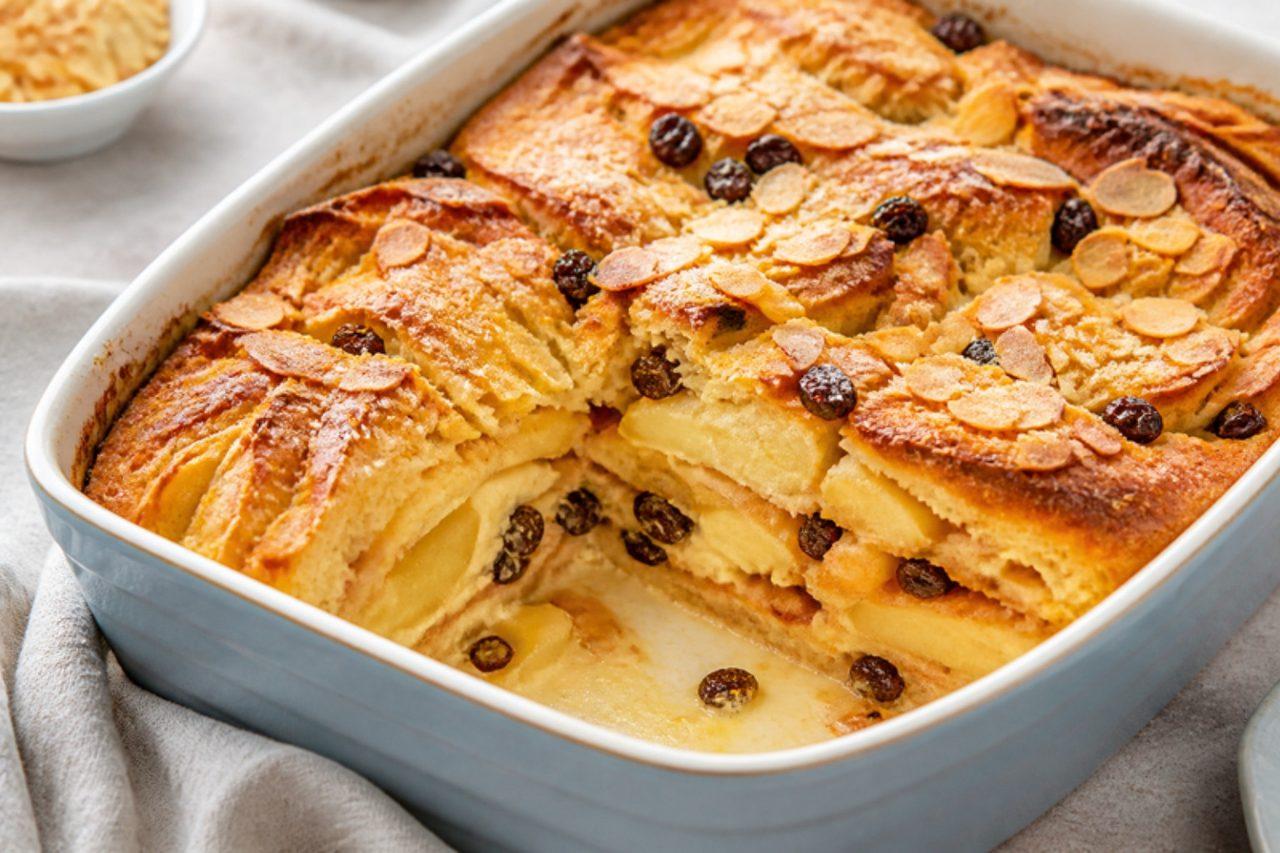
OfenschlupferBaked bread pudding with apples

Ofenschlupfer, literally 'oven-crawler', is how Swabian farmhouse kitchens used up stale rolls on a Friday: slices of bread layered with apples, raisins and a little cinnamon in a deep dish, soaked in vanilla egg milk and baked until puffed and golden. Some families pour in a splash of rum; this version doesn't. It was once eaten as a sweet main course after a bowl of soup and is still served warm with vanilla sauce in Stuttgart cafés. A common mistake is baking it straight after pouring in the custard, which leaves dry patches on top; let it soak for 20 minutes. Chef's tip: dot the top with butter and a spoon of sugar for a crackly, caramelised crust.

by KrazyBadal 0 views

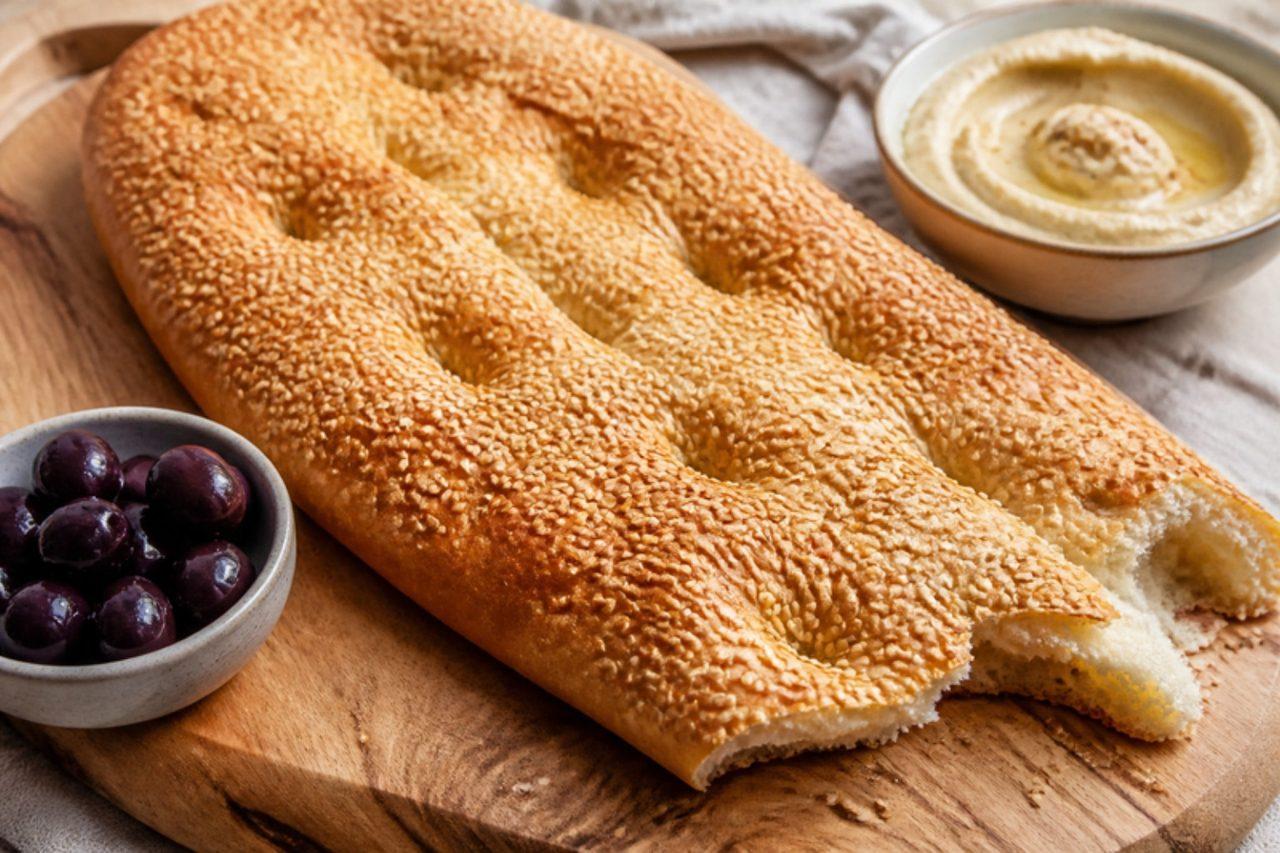
LaganaSesame flatbread

Lagana appears in Greek bakeries for a single day, Kathara Deftera (Clean Monday), when families head outdoors to fly kites and spread out a Lenten picnic of taramosalata, olives, pickles and halva. It is a long, oval, dimpled flatbread, chewy inside with a crust covered in toasted sesame, and since it is eaten on a fasting day it has no eggs, milk or butter. Common mistake: baking it on a cold tray, which gives a pale, bready base. Chef's tip: press deep dimples with oiled fingertips just before baking so the loaf stays flat instead of puffing up like a pitta.

by KrazyBadal 0 views

LadeniaTomato and onion olive-oil flatbread

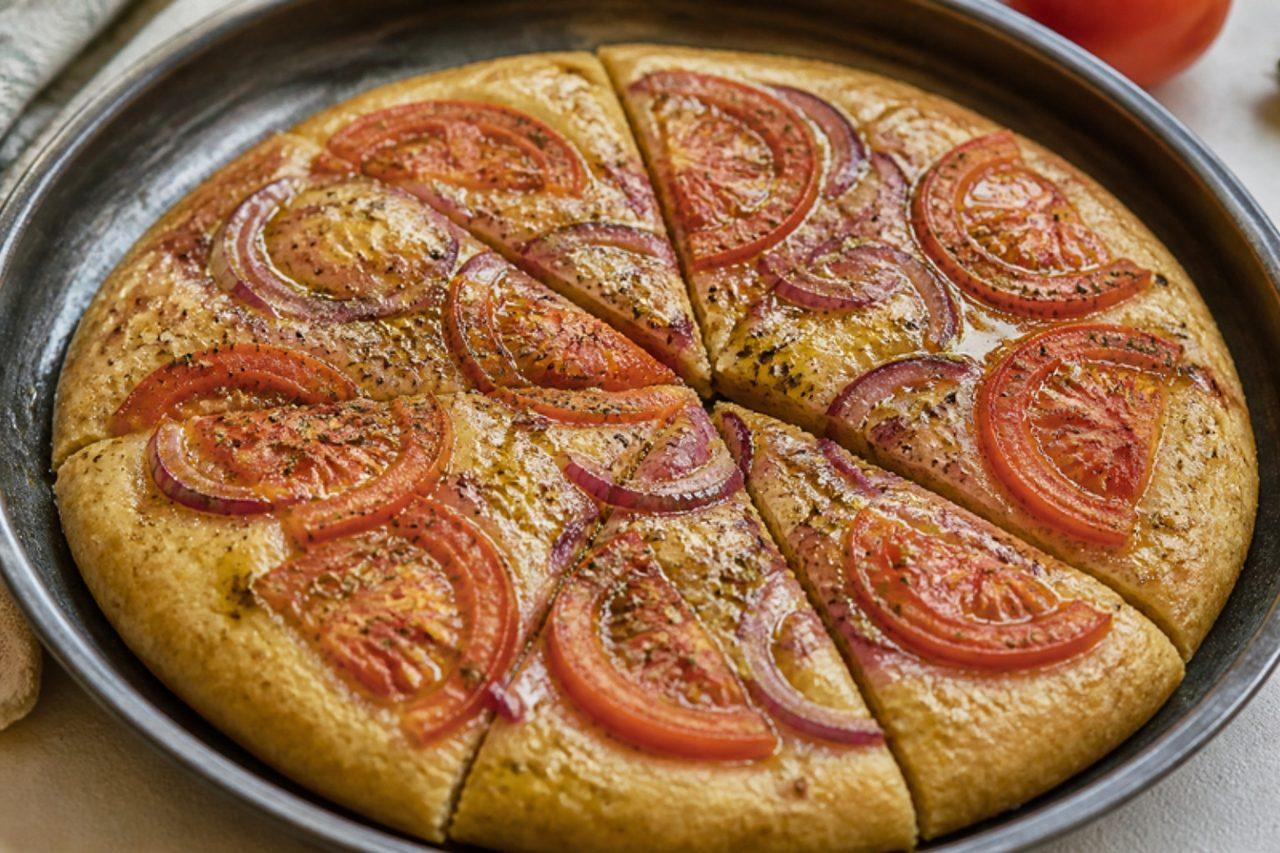
On tiny Kimolos, a short boat ride from Milos, ladenia was the bread women baked in the village oven on bread-making day, pressing dough into a tray, covering it with tomato and onion and soaking it in olive oil. It is soft and airy inside with a crisp, oily base, a little like a focaccia, and is eaten warm or cold, cut into squares, with olives and cheese. Common mistake: piling on wet tomato, which sinks the dough; slice it thin and salt it first. Chef's tip: use your fingertips to press deep dimples into the risen dough so the oil and tomato juices pool and soak in.

by KrazyBadal 0 views

TlatlapasBean, fava and pea soup

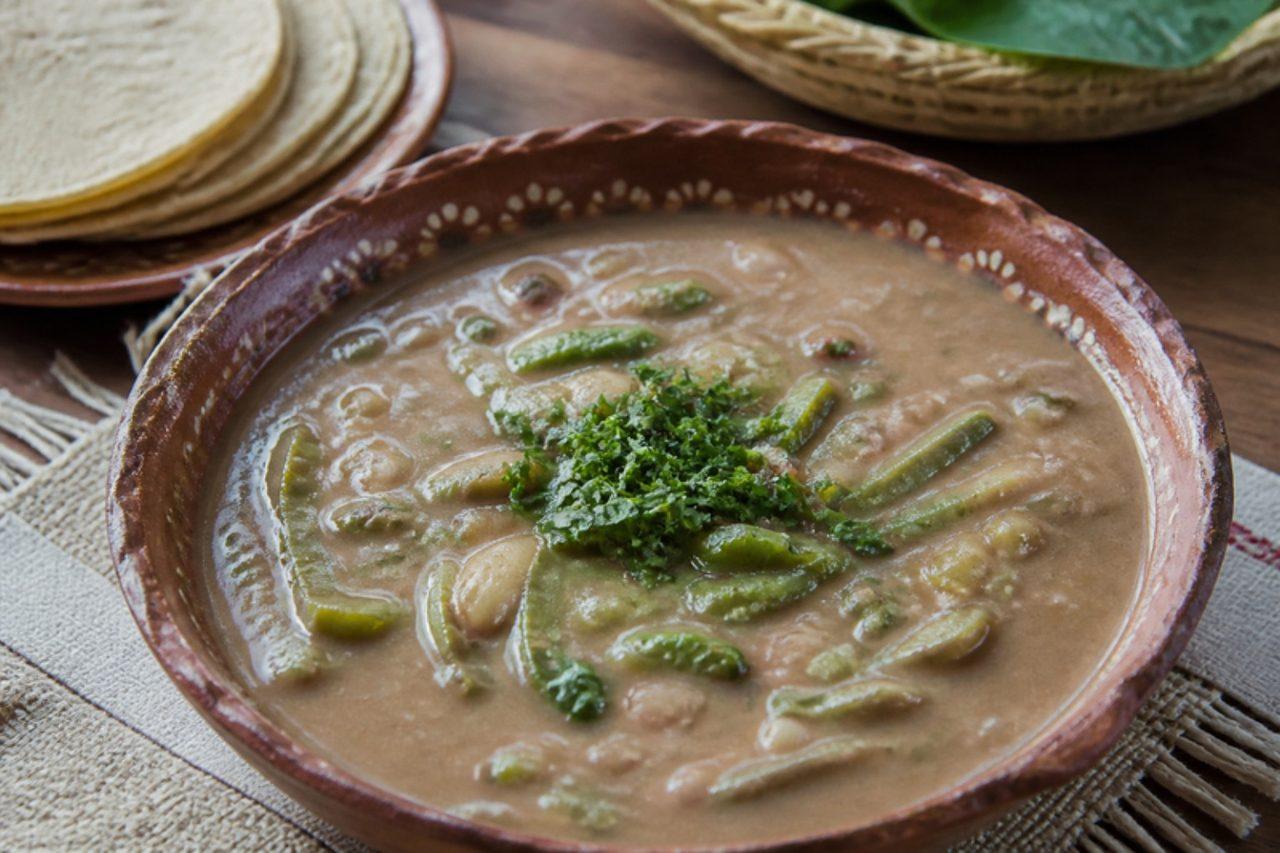
In the villages of Tlaxcala, tlatlapas is the Lenten and rainy-season soup: dried beans, fava and peas are toasted on a comal, ground to a coarse flour and simmered into a thick, earthy purée seasoned with dried chilli, epazote and strips of cactus. It is a peasant dish with pre-Hispanic roots, cheap, filling and full of protein, eaten with corn tortillas and a squeeze of lime. Using split beans keeps the cooking under an hour. Chef's tip: toast the pulses until golden and nutty, not dark; burnt ones turn the whole pot bitter.

by KrazyBadal 0 views

Puchero santafereñoBoiled chicken, beef and pork dinner

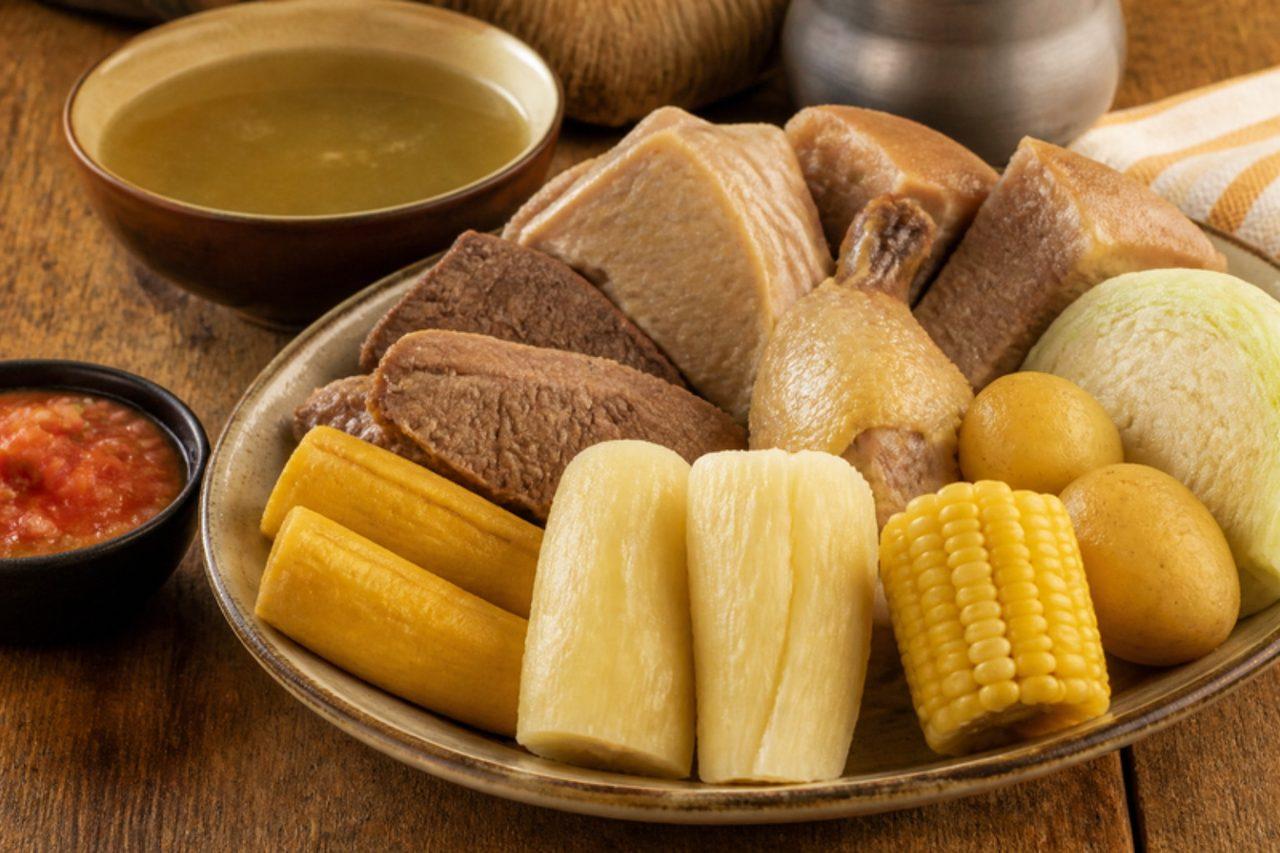
Old Santa Fe de Bogotá kept puchero for big family lunches and holidays: a broad pot of beef, pork and chicken boiled with cassava, corn, potatoes, cabbage and, unusually, ripe plantain cooked in its skin, which turns soft and sweet against the savoury meat. It comes to the table in two acts. First the clear, golden broth in cups or small bowls; then a platter of the meats and vegetables, with a pan of warm hogao (tomato and spring onion sauce) spooned over everything, plus rice and avocado on the side. People confuse it with cocido or sancocho, but the plantain and the hogao make it its own thing. Most disappointing pucheros come from boiling hard: the broth goes cloudy and the cassava breaks up, so keep it at a lazy simmer. Chef's tip: add the vegetables in order of how long they take, and lift each batch out onto a warm tray as it becomes tender, so nothing turns to mush while the beef finishes.

by KrazyBadal 0 views

LechonaRoast pork with rice and peas

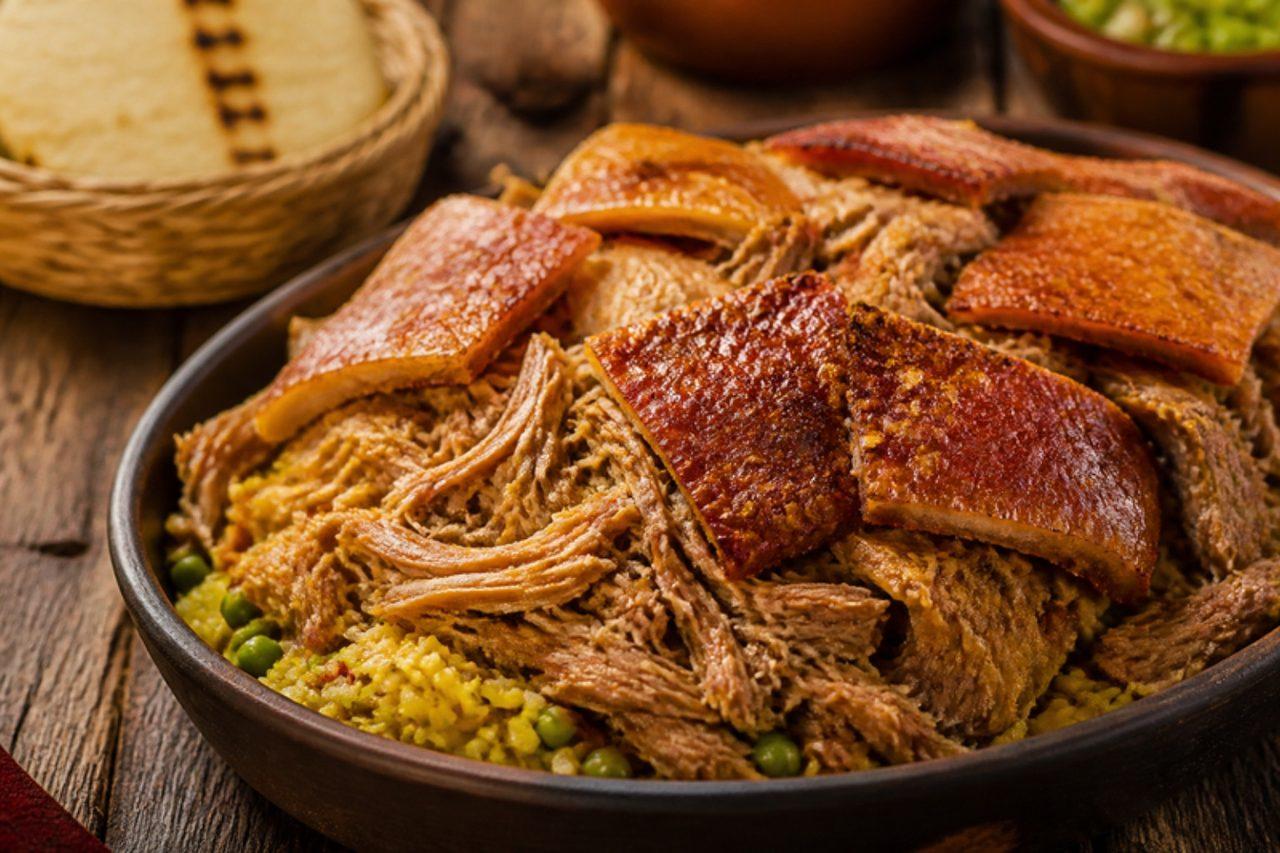
Christmas, birthdays and town fiestas across Tolima and Bogotá call for lechona: a whole pig, boned, stuffed with its own meat, yellow peas and, in the Bogotá style, rice, then roasted for hours in a wood or brick oven until the skin turns to a glassy crackling. Purists in Ibagué leave the rice out. Few home kitchens fit a pig, so this oven version builds the same thing in a deep roasting tin: cubes of pork shoulder seasoned with spring onion, garlic and cumin, mixed with peas and part-cooked rice, under a blanket of skin-on pork belly. The filling soaks up the dripping pork fat; the top crackles. Serve with insulsos (plain sweet corn tamales) or arepas and lime. Start a day ahead to marinate the meat and dry the skin, plus overnight soaking for the peas. Most failed crackling comes from wet skin, so dry it uncovered in the fridge and salt it well. Chef's tip: score the belly skin closely with a very sharp blade but don't cut into the meat, or the juices bubble up and soften the crust.

by KrazyBadal 0 views

Cocido boyacenseSteamed meats and tubers feast

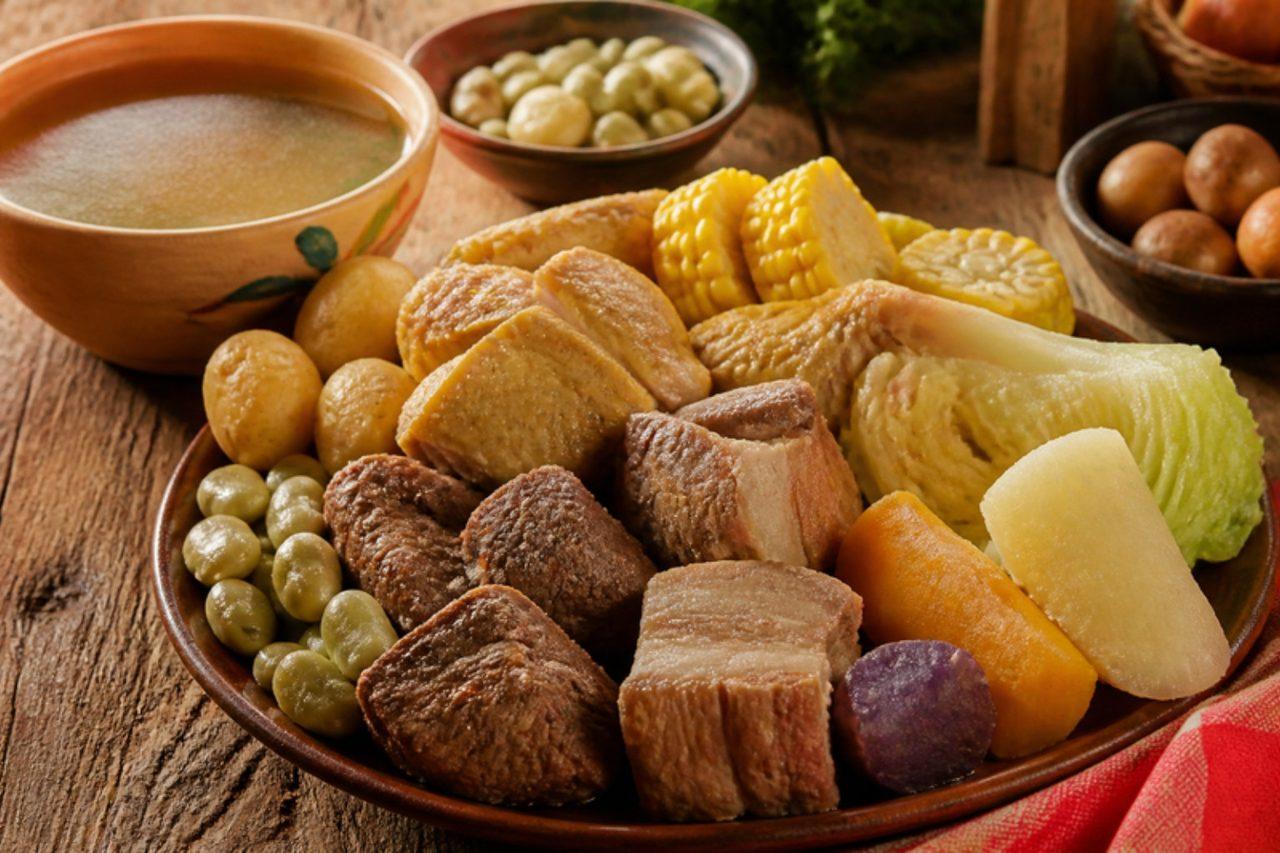
Sunday markets in Villa de Leyva, Paipa and Sogamoso still have families sitting down to cocido boyacense, a pot in which chicken, pork ribs and beef steam slowly on a bed of cabbage leaves above the tubers of the high Andes: potatoes, cubios, ibias and chuguas, with cobs of corn and broad beans still in their pods. There is very little water; the meat juices drip down and flavour everything. It is tipped onto one big platter in the middle of the table, and the concentrated broth left in the pot is drunk from cups alongside. Expect clean, earthy flavours rather than spice: cumin, garlic and spring onion, and a bowl of ají or hogao for anyone who wants heat. The classic slip is too much liquid, which turns it into a boiled stew; keep the water to a few centimetres and the lid tight. Chef's tip: if you can't find ibias or cubios, use oca from a Latin or Andean grocer or a mix of small new potatoes and parsnip, which bring a similar sweet, earthy note.

by KrazyBadal 0 views

FritangaMixed fried pork and sausage platter

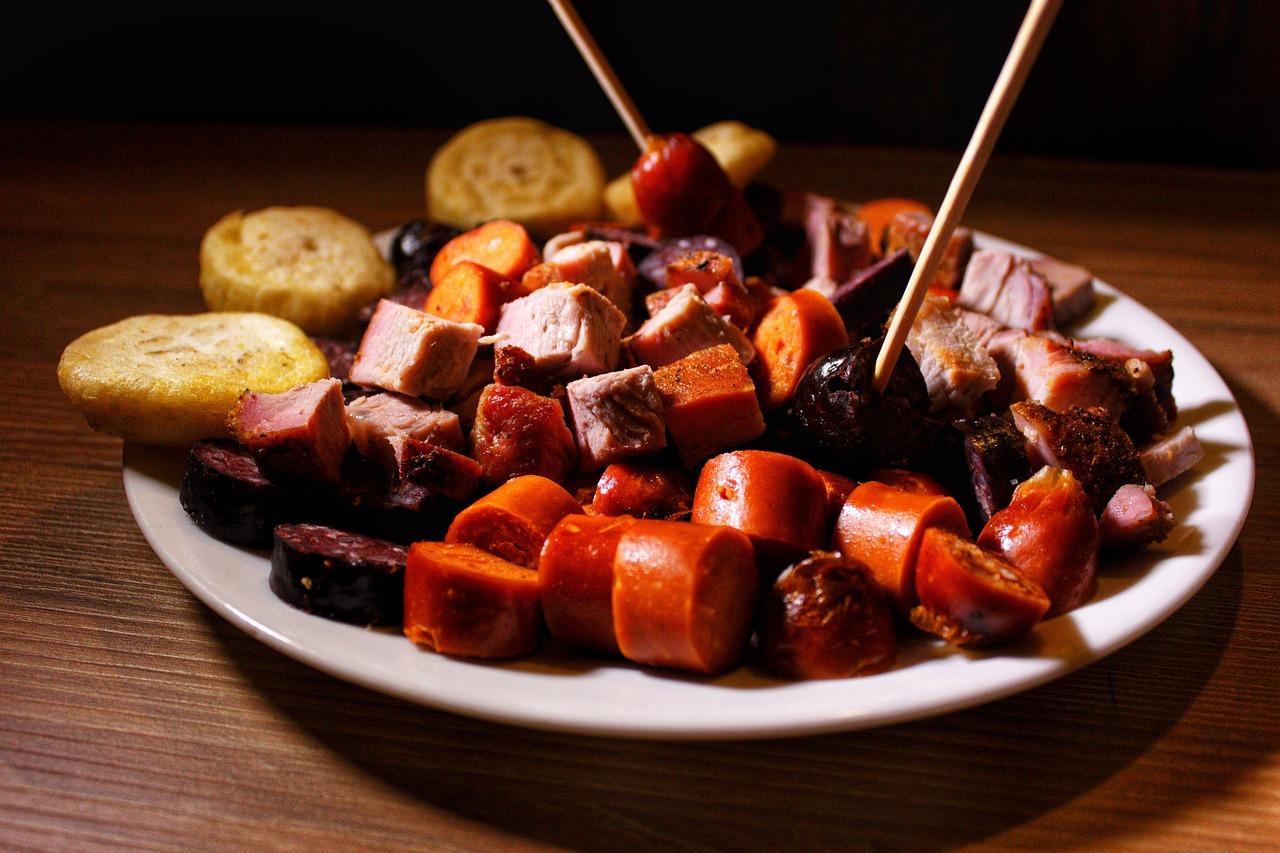
Weekend fritanga is Bogotá's answer to a mixed grill, eaten standing at counters in the Siete de Agosto and Restrepo neighbourhoods or brought home on a big tray to share. Everything is pork or fried: chicharrón of pork belly with a blistered, crunchy skin, juicy pork chorizos, slices of rice-filled morcilla (blood sausage), little papa criolla potatoes, sweet plantain and griddled arepas, all eaten with fingers or toothpicks and dipped in sharp, watery ají. A fritanga is about contrast, so don't drown it in sauces: the lime and ají cut the richness. The common error is frying the belly straight from raw; it needs to cook gently in water first, which renders the fat and tenderises the meat before the skin crisps in its own drippings. Chef's tip: buy morcilla and chorizo from a Latin butcher and check the labels if you need the platter gluten free, as some sausages contain wheat.

by KrazyBadal 0 views

Cuchuco de trigoCracked wheat and pork rib soup

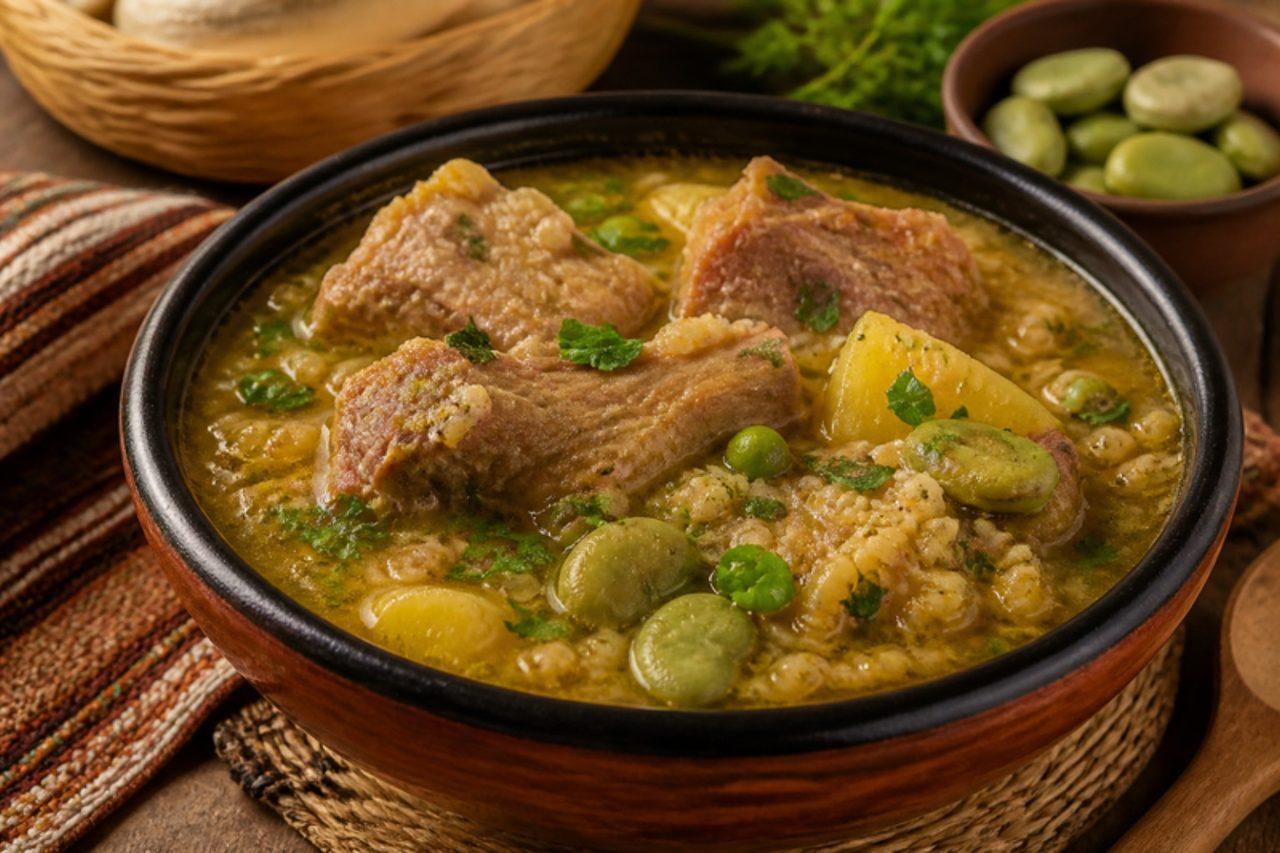
Up on the cold Boyacá plateau, around Tunja and Duitama, cuchuco de trigo is the soup that roadside restaurants ladle out at midday to farm workers and truck drivers. It is made with pork ribs (espinazo or costilla de cerdo), simmered until the meat slips off the bone, then thickened with cracked wheat, broad beans, peas, cabbage and two kinds of potato. The result is closer to a porridge-soup than a broth: nutty from the wheat, porky, a little smoky from the cumin and achiote, with the small yellow potatoes melting into the liquid. Serve it in deep bowls with avocado slices, a spoon of ají and a piece of arepa. The usual mistake is adding the wheat too early and walking away: it settles and catches on the bottom of the pot, so it needs stirring from the base every few minutes. Chef's tip: rinse the cracked wheat until the water runs nearly clear; washing off the loose flour keeps the soup creamy rather than gluey. For a meat-free pot, leave out the ribs, use vegetable stock and double the broad beans.

by KrazyBadal 0 views

Tamal tolimenseBanana-leaf pork and chicken tamal

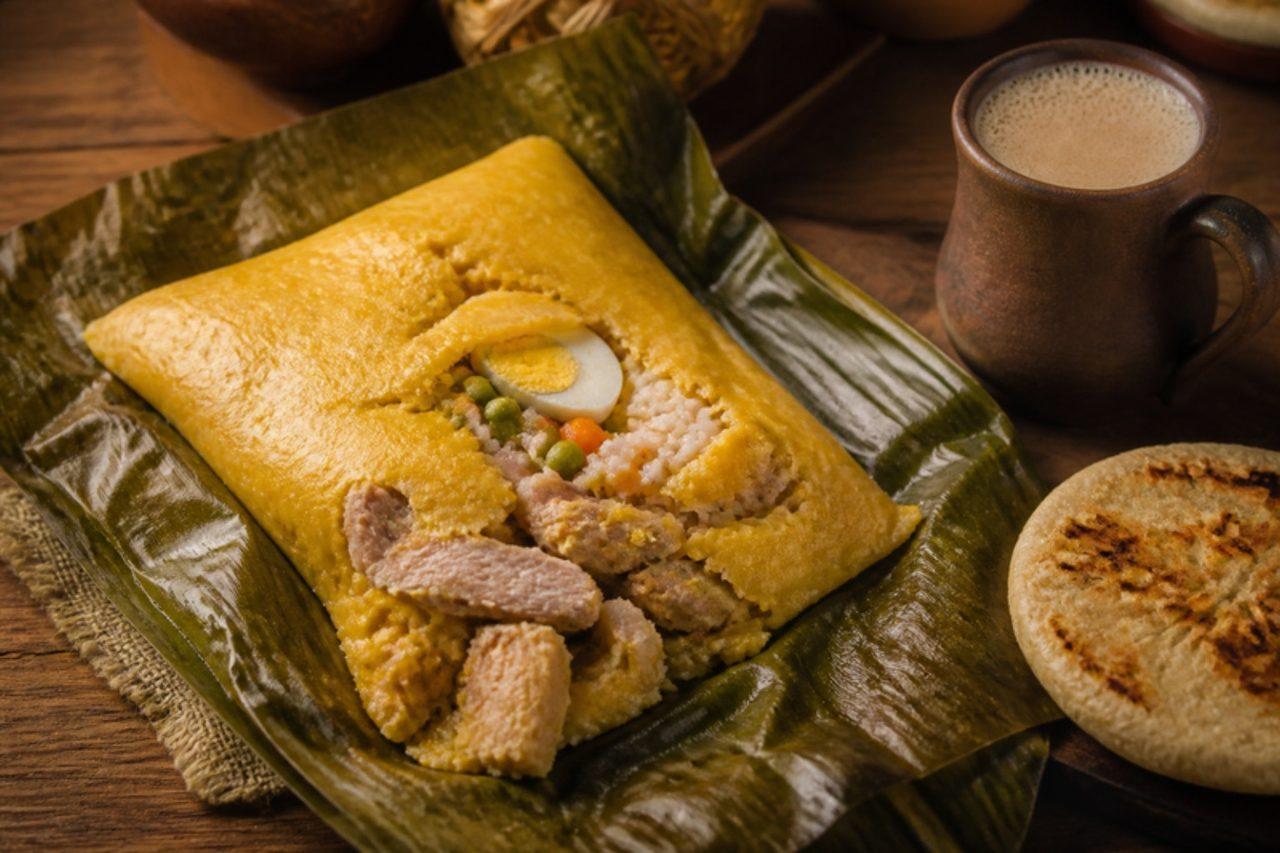
Ibagué and the towns of Tolima make the most generous tamal in Colombia, and on Sunday mornings it is unwrapped at the table with hot chocolate, a slab of bread or arepa and a cup of black coffee. Inside the double banana-leaf wrapping sits a soft, achiote-tinted corn dough layered with rice, yellow peas, carrot, potato, a hard-boiled egg and chunks of pork rib, pork belly and chicken that cook through during the long steam. Expect a savoury, moist parcel that smells of the leaves; plus overnight soaking for the dried peas and marinating the meat. It is weekend project food, best made with friends on a production line. A frequent failure is a loose wrap: water gets in and the dough turns soggy, so fold tightly and tie firmly in a cross. Chef's tip: steam a test tamal first or check one after 3 hours; the meat inside must be cooked through, and if the dough still sticks to the leaf, give the batch 20 minutes more.

by KrazyBadal 0 views

Babà al rumRum-soaked yeast cakes

Naples took the babà from French and Polish pastry cooks in the nineteenth century and made it its own: small mushroom-shaped yeast cakes so light and airy that they drink up a warm, rum-laced syrup and still hold their shape. Neapolitans pick them up from the pastry counter after Sunday mass, and they are often served with whipped cream or custard. The traditional syrup contains rum; for an alcohol-free version, use the orange and vanilla syrup given in the ingredient notes, which is just as soaking and fragrant. Chef's tip: let the baked babà dry out for a few hours, or overnight; a slightly stale cake soaks up syrup evenly without collapsing.

by KrazyBadal 0 views

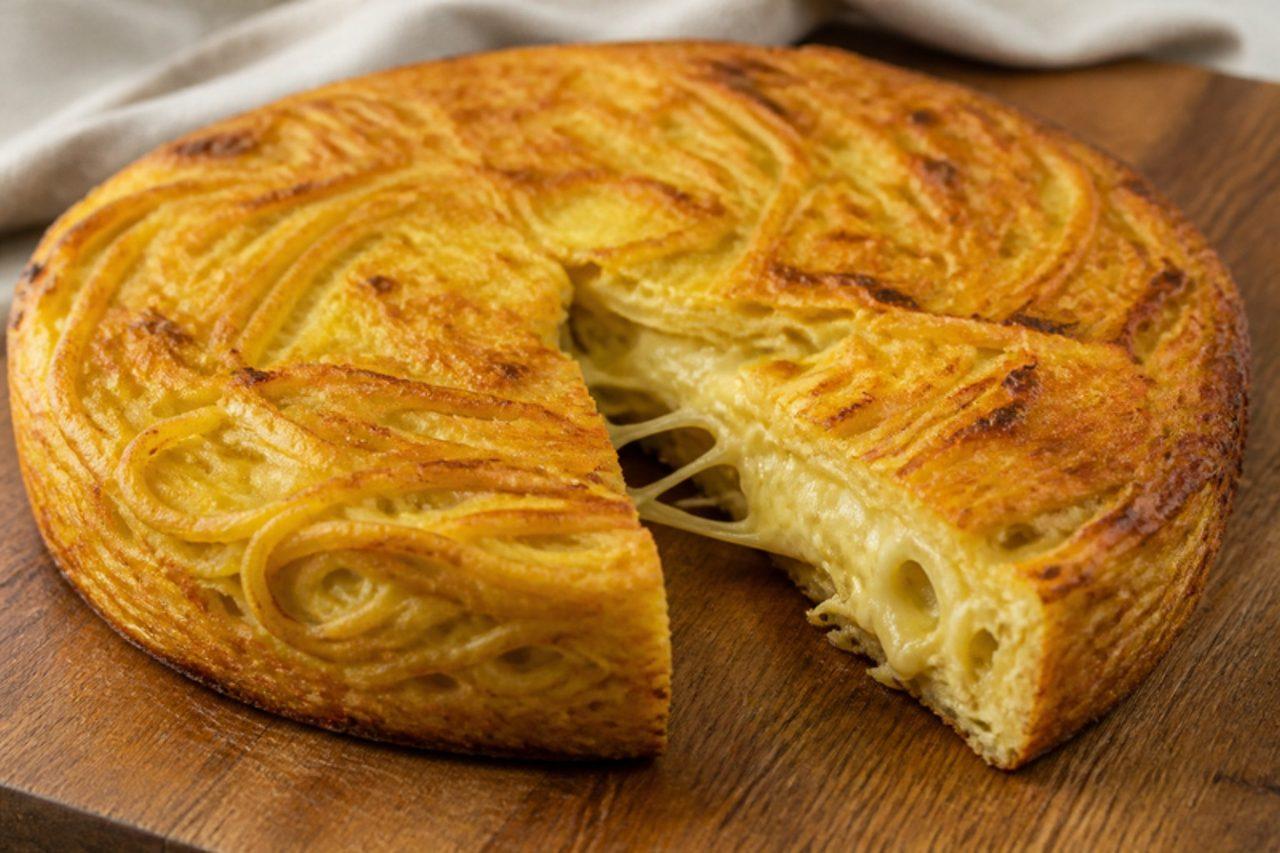
Frittata di maccheroniPasta frittata

Neapolitans turn yesterday's spaghetti into frittata di maccheroni, a thick, golden pasta cake bound with egg and lots of grated cheese, with pockets of melting provola inside. It travels everywhere: cut into wedges for the beach at Mergellina, packed for the Easter Monday picnic (Pasquetta) or eaten cold from the fridge. The outside is crisp, the middle soft and cheesy. Most families add cubes of salami; this version leaves them out and uses smoked provola for a savoury depth. Chef's tip: use a plate the size of the pan to flip it, and slide it back in confidently in one move.

by KrazyBadal 0 views

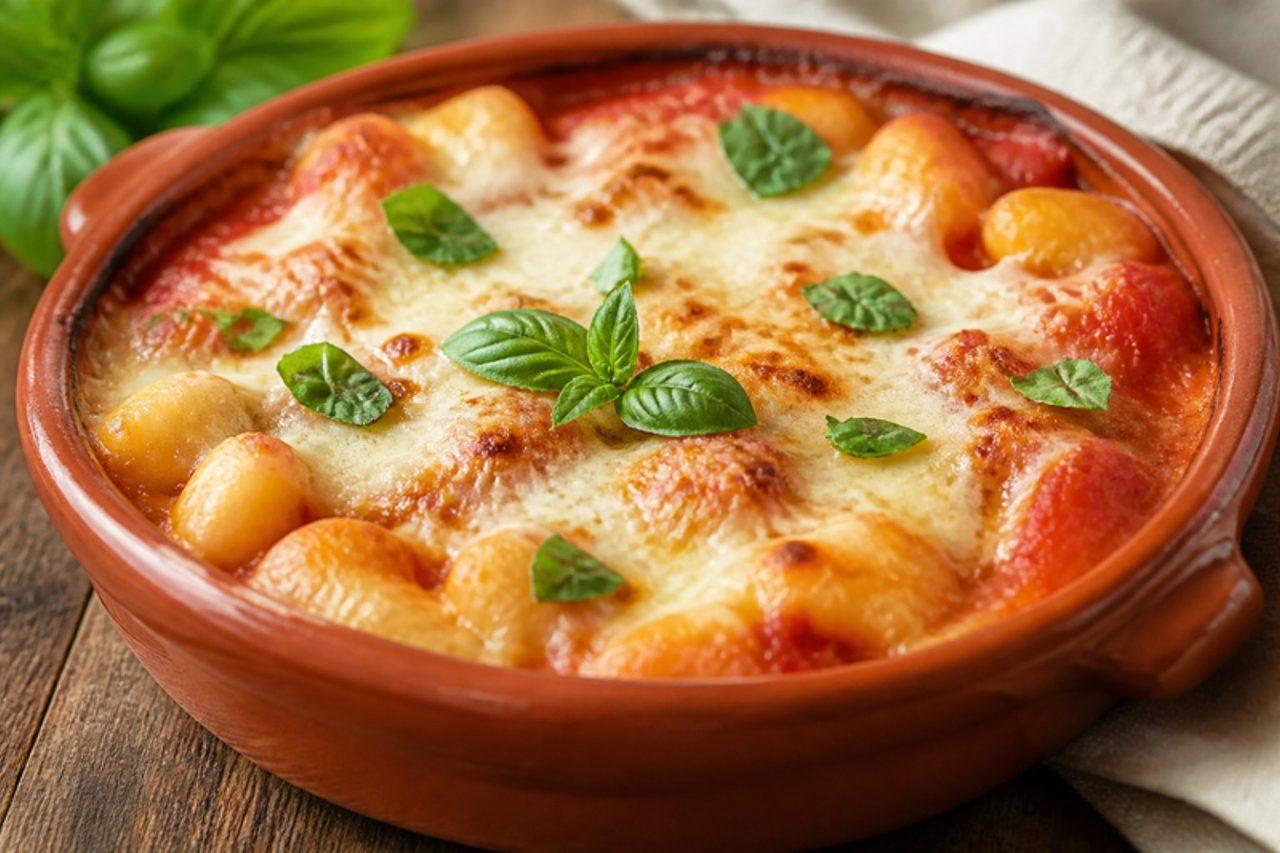
Gnocchi alla sorrentinaGnocchi baked with tomato and mozzarella

Sorrento families make gnocchi alla sorrentina for Sunday lunch: soft potato gnocchi folded into a basil-scented tomato sauce, layered with cubes of fior di latte mozzarella and baked in individual terracotta dishes until the cheese bubbles and stretches. It is comfort food, pillowy and creamy with a golden, slightly crisp top, and children love pulling the strings of cheese. This recipe takes you from the potatoes to the oven. Chef's tip: bake the potatoes in their skins rather than boiling them; drier potatoes need less flour and make lighter gnocchi.

by KrazyBadal 0 views

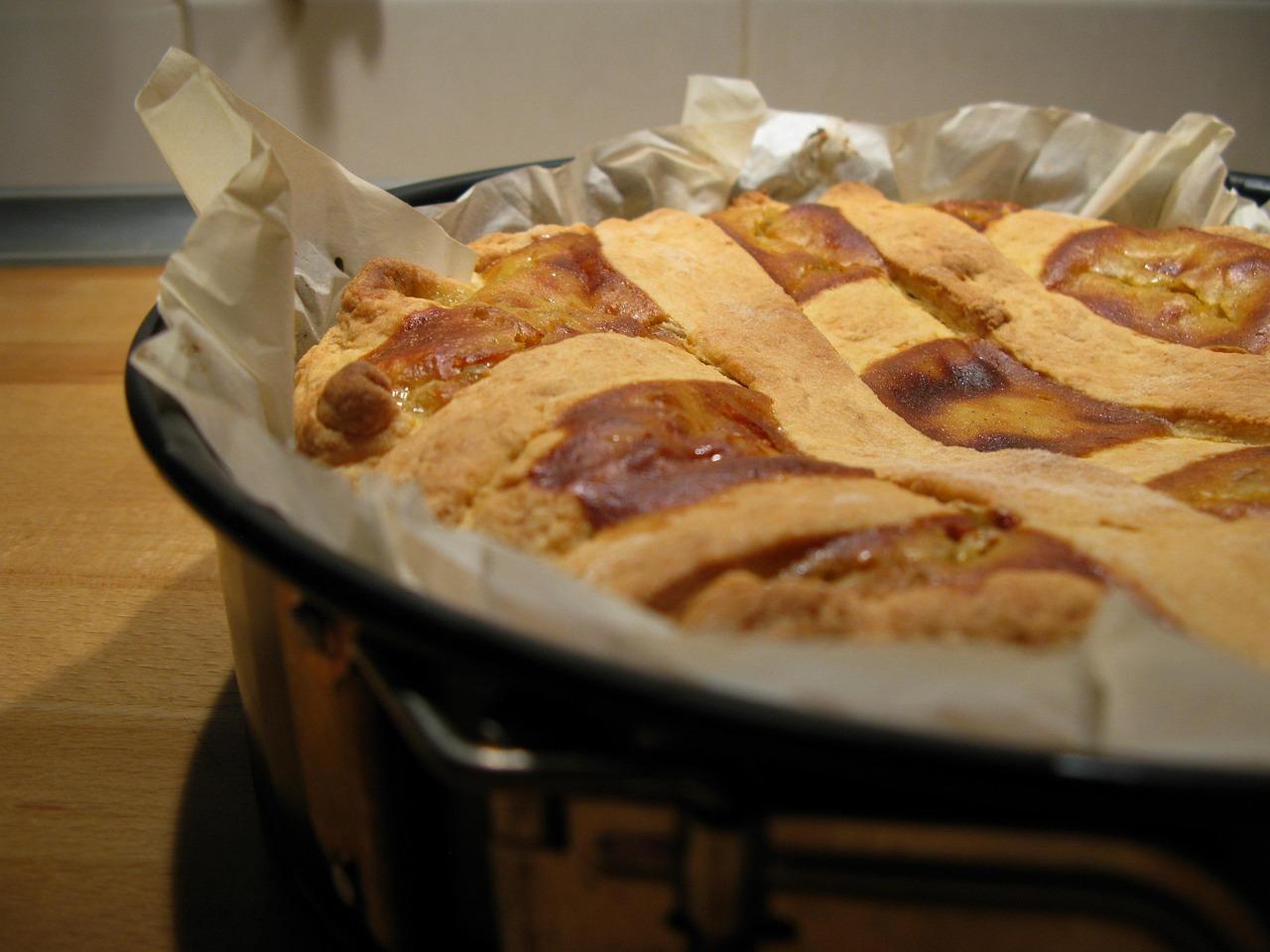
Pastiera napoletanaWheat berry and ricotta tart

Every Neapolitan kitchen fills with the scent of orange blossom water in Holy Week, when families bake the pastiera on Maundy Thursday or Good Friday so it can rest until Easter Sunday. Inside a lattice-topped shortcrust case is a creamy, slightly grainy filling of ricotta, cooked wheat berries, eggs, candied citrus and cinnamon, and the flavour improves for two or three days. Traditional pastry is made with lard; this one uses butter. Chef's tip: bake it a day or two ahead and keep it covered at cool room temperature; a freshly baked pastiera tastes flat by comparison.

by KrazyBadal 0 views

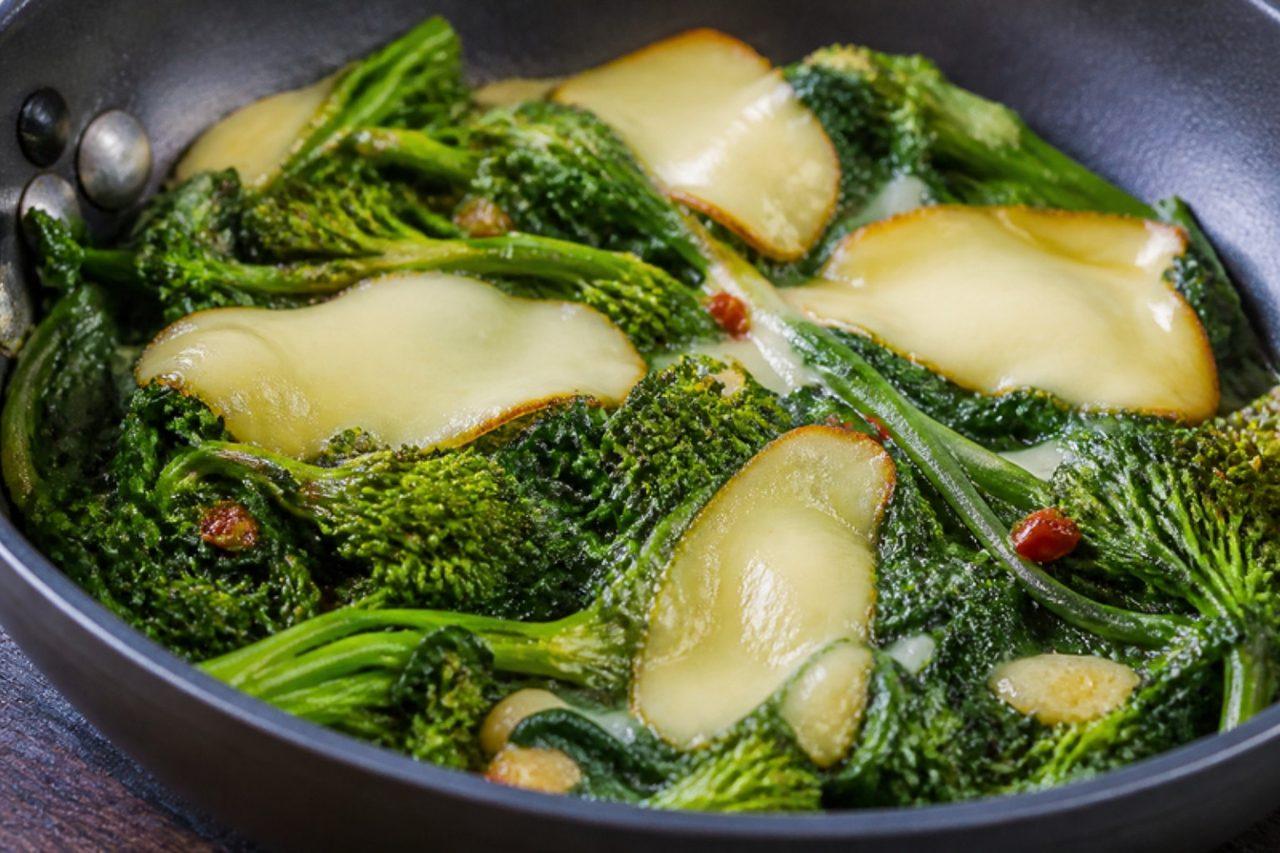
Friarielli con provolaBroccoli rabe with smoked provola

Friarielli are the Neapolitan name for the tender leafy tops of broccoli rabe, piled high on market stalls in Naples from late autumn to early spring. Sautéed with garlic and chilli in olive oil, they turn soft, dark green and pleasantly bitter, and in Naples they are a side dish, a pizza topping and, above all, the filling of a crusty panino. Here slices of smoked provola melt over the hot greens, so they work as a side or straight into a roll. Chef's tip: do not blanch them; Neapolitans cook friarielli raw in the pan with the lid on so they keep their bite and flavour.

by KrazyBadal 0 views

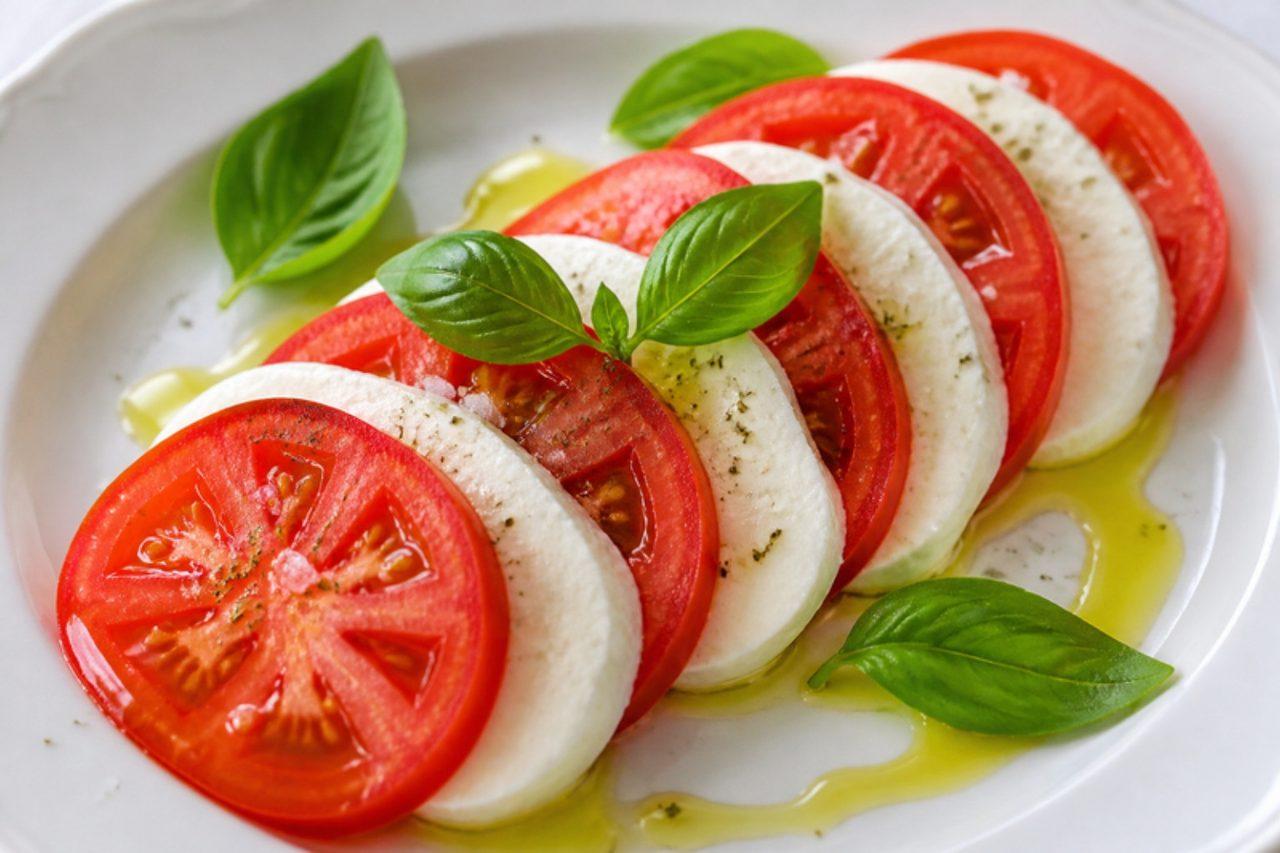
Insalata capreseTomato and mozzarella salad

On the island of Capri this simple plate of red tomatoes, white buffalo mozzarella and green basil is the lunch of hot afternoons, served in beach clubs and piazza cafés. With so few ingredients, everything rests on quality: tomatoes ripe enough to smell sweet, mozzarella made that day so it weeps milk when cut, and fruity olive oil. It needs no vinegar; a pinch of salt and oregano is enough. Chef's tip: take the mozzarella out of the fridge 30 minutes ahead; cold mozzarella tastes of very little and feels rubbery.

by KrazyBadal 0 views

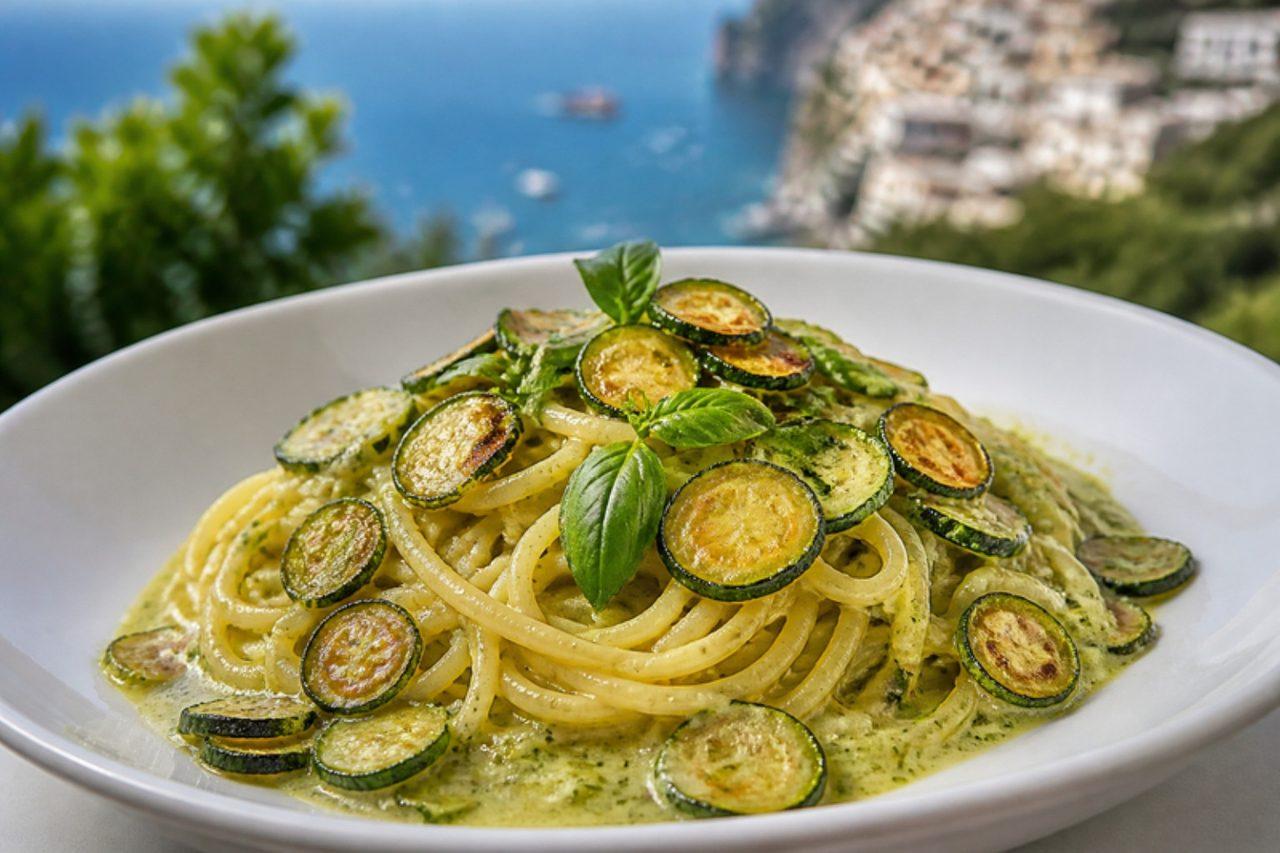
Spaghetti alla NeranoSpaghetti with courgettes and provolone

Nerano is a tiny fishing bay on the Sorrento peninsula, and its seaside trattorias have served this pasta since the 1950s to summer visitors arriving by boat. Courgette rounds are fried slowly in olive oil until golden and soft, then tossed with spaghetti, basil and grated provolone del Monaco, a semi-hard cow's milk cheese from the hills above, until everything melts into a creamy, sweet and savoury sauce. It is a dish for July and August, when courgettes are cheap and full of flavour. Chef's tip: fry the courgettes ahead and let them sit for an hour if you can; they soften further and give the sauce a deeper flavour.

by KrazyBadal 0 views

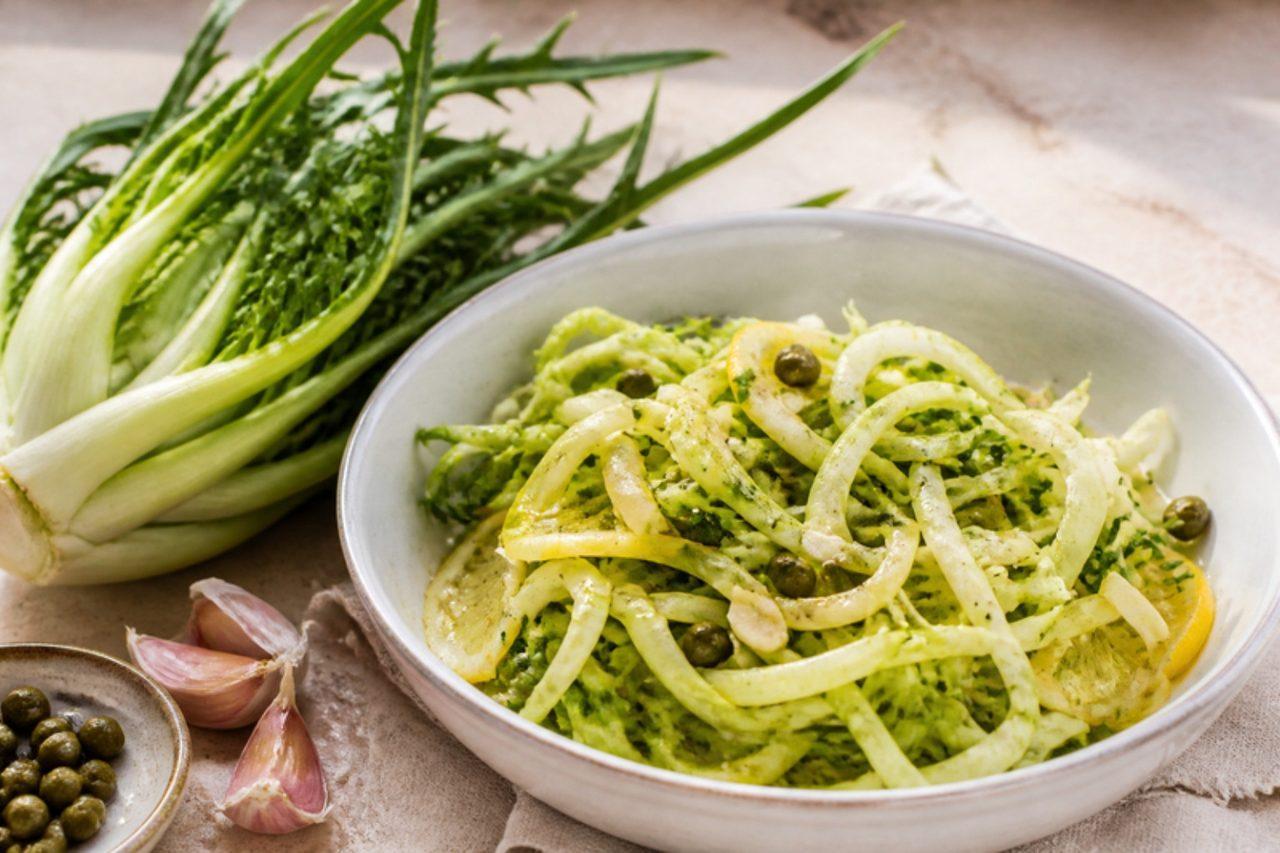
Puntarelle alla romanaChicory shoots with garlic dressing

From November to February, Rome's markets at Campo de' Fiori and Testaccio sell puntarelle: the pale, hollow shoots from the heart of a Catalogna chicory, sold already split into curls by the stallholders. Soaked in iced water, they turn crunchy and curl up, and they are dressed with crushed garlic, oil and something sharp. The Roman dressing is pounded with anchovy; this vegetarian version uses capers and lemon for the same salty, tangy punch. Serve it as a side next to cacio e pepe or a plate of artichokes. Chef's tip: slice the shoots as thinly as you can, lengthways; thin strips curl tighter in the ice water and hold the dressing better.

by KrazyBadal 0 views

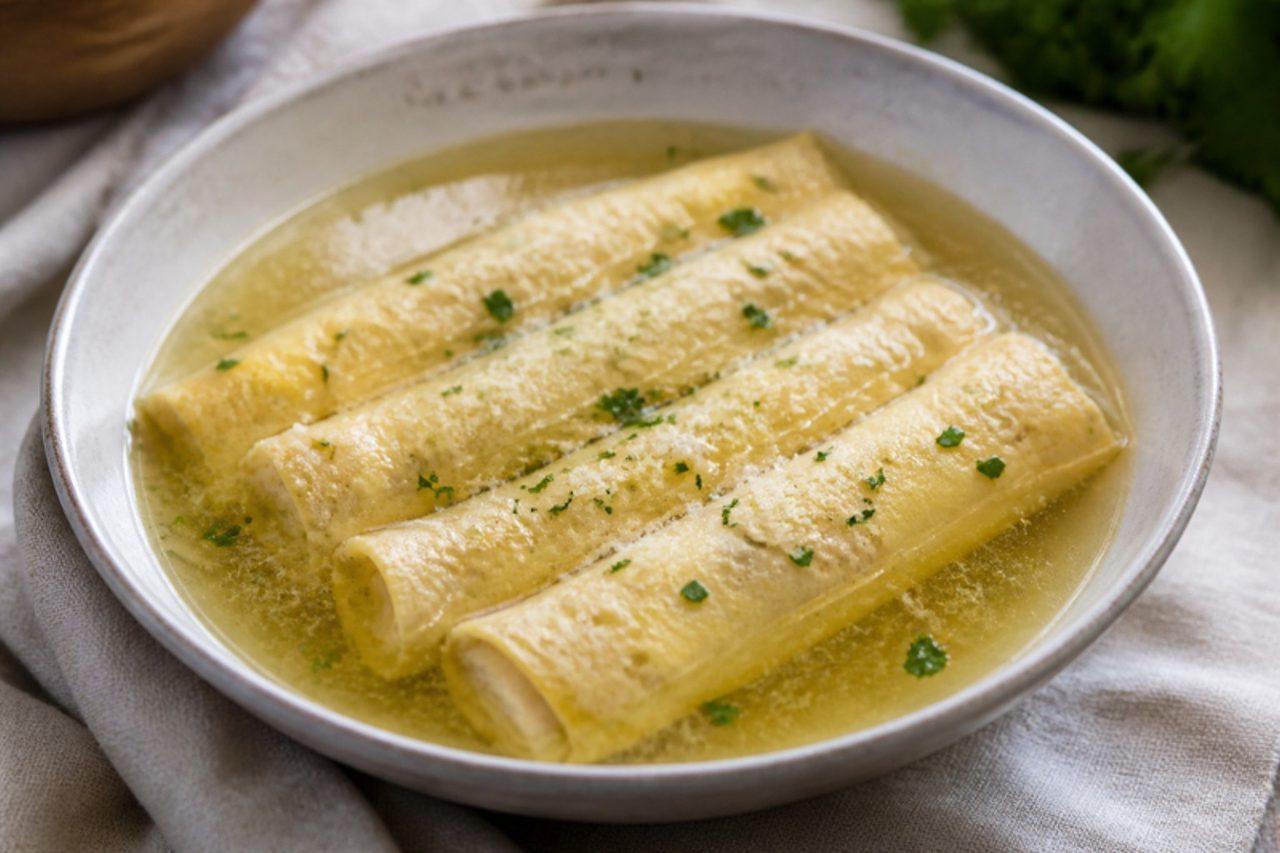
Scrippelle 'mbussePecorino crêpes in broth

In Teramo, in northern Abruzzo, scrippelle 'mbusse ("wet crêpes") open the meal on cold winter evenings and at Christmas. Thin, eggy crêpes are sprinkled with grated pecorino and parmesan, rolled into tight cigars and drowned in boiling broth at the table, so they soften into silky, cheesy spirals. Families normally pour over a clear chicken or capon broth; this recipe uses a well-flavoured vegetable stock instead. Chef's tip: let the batter rest for half an hour before cooking, so the crêpes come out thin and supple enough to roll without cracking.

by KrazyBadal 0 views

Bocconotti abruzzesiChocolate almond tartlets

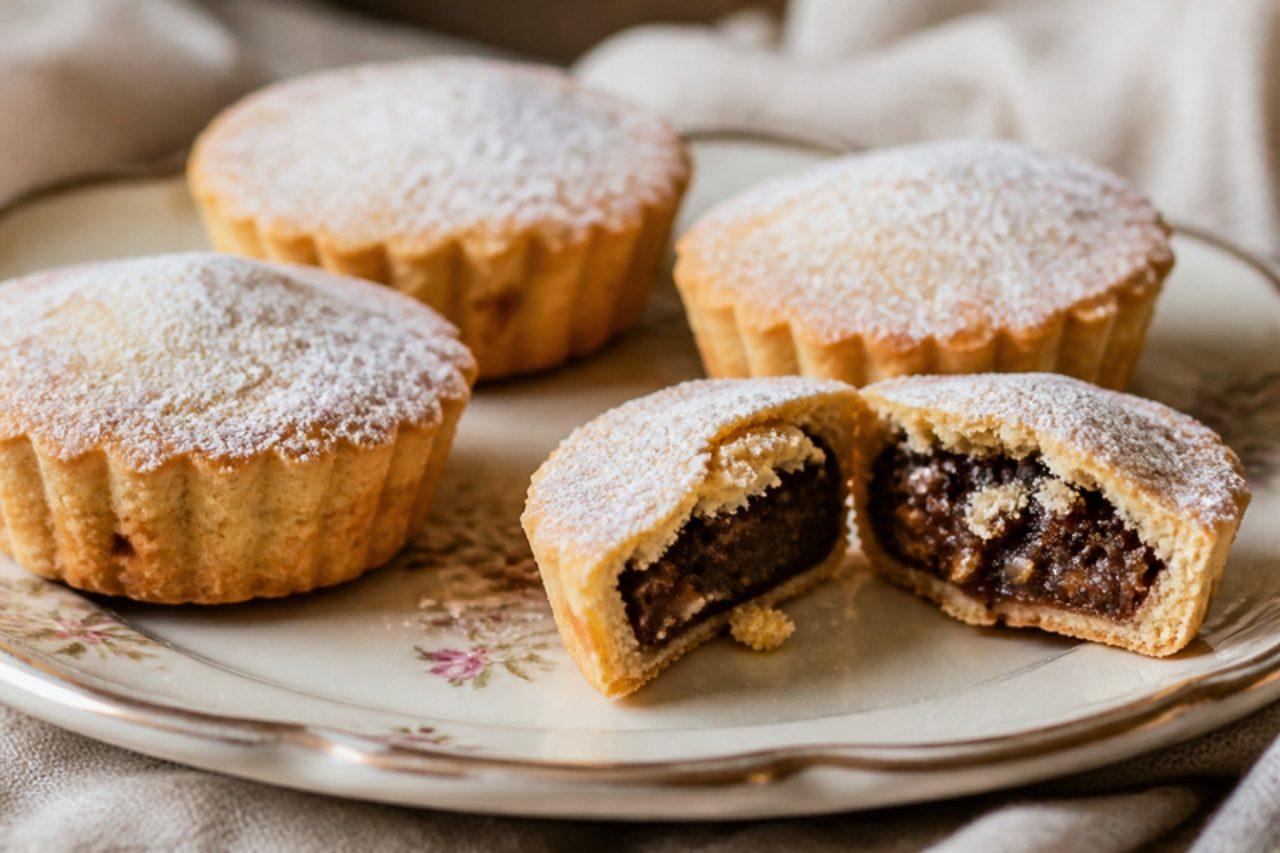
Bocconotti are the small, domed pastries that Abruzzo bakers pile up for Christmas, weddings and christenings, especially along the coast around Chieti and Lanciano. Crumbly lemon-scented shortcrust hides a dense, fudgy filling of toasted almonds, dark chocolate and cinnamon, and the tops are dusted thick with icing sugar. Many families stir a spoonful of sweet liqueur into the filling; it is optional here, with orange juice as the alcohol-free swap. They keep for days in a tin and taste even better on the second. Chef's tip: chill the dough before rolling; warm shortcrust tears in the small moulds and shrinks in the oven.

by KrazyBadal 0 views

Cavatelli molisani con broccoliCavatelli with broccoli

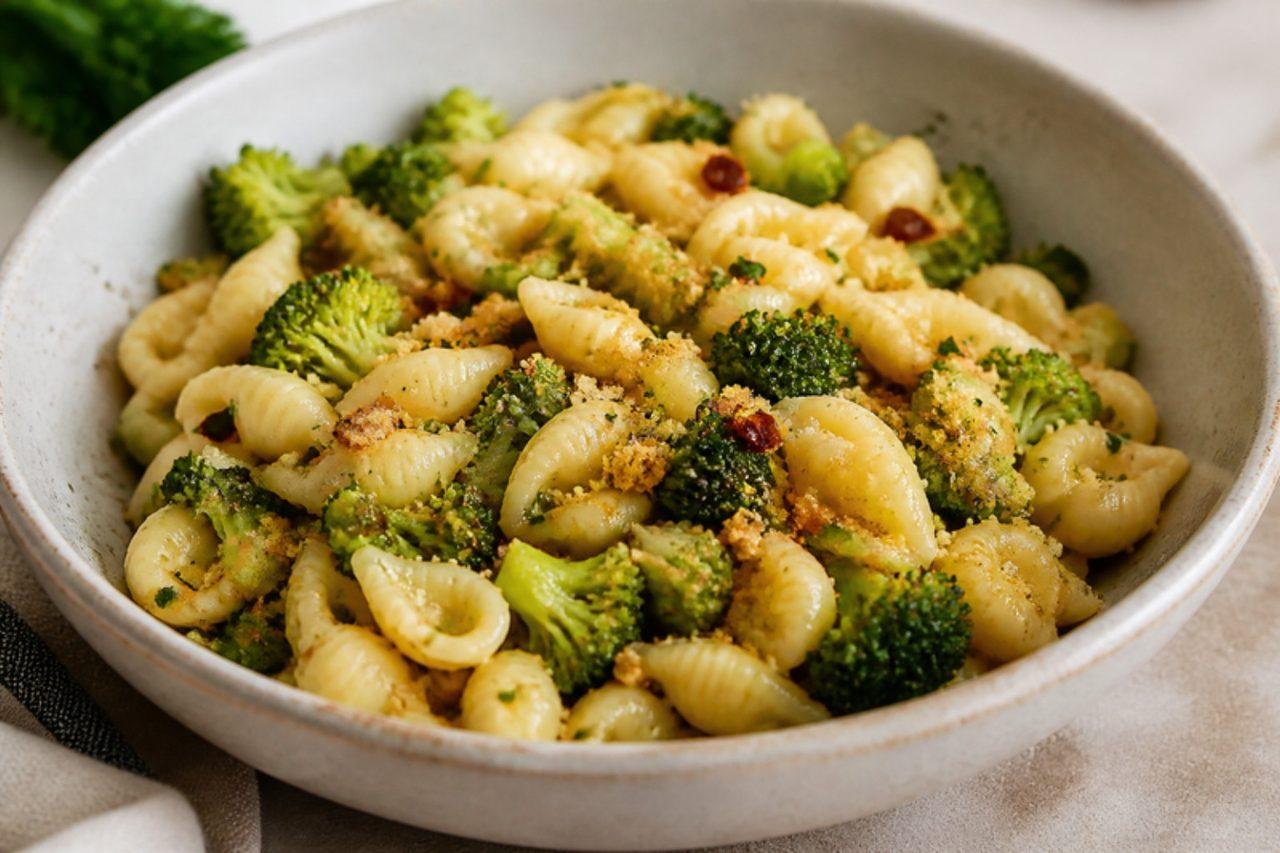
In the hill villages around Campobasso, cavatelli are still made by hand on Sunday mornings: a plain dough of durum wheat semolina and water, cut into little nuggets and dragged under two fingers so each one curls into a hollow shell. In winter they are cooked in the same pot as broccoli until the florets collapse into a green, garlicky sauce flecked with chilli; in summer the same pasta gets a simple tomato sauce. The pasta is chewy and rustic, the sauce soft and peppery. Chef's tip: keep the dough firm and a touch dry, so the cavatelli curl neatly instead of sticking to the board.

by KrazyBadal 0 views

Pallotte cace e oveCheese and egg tomato balls

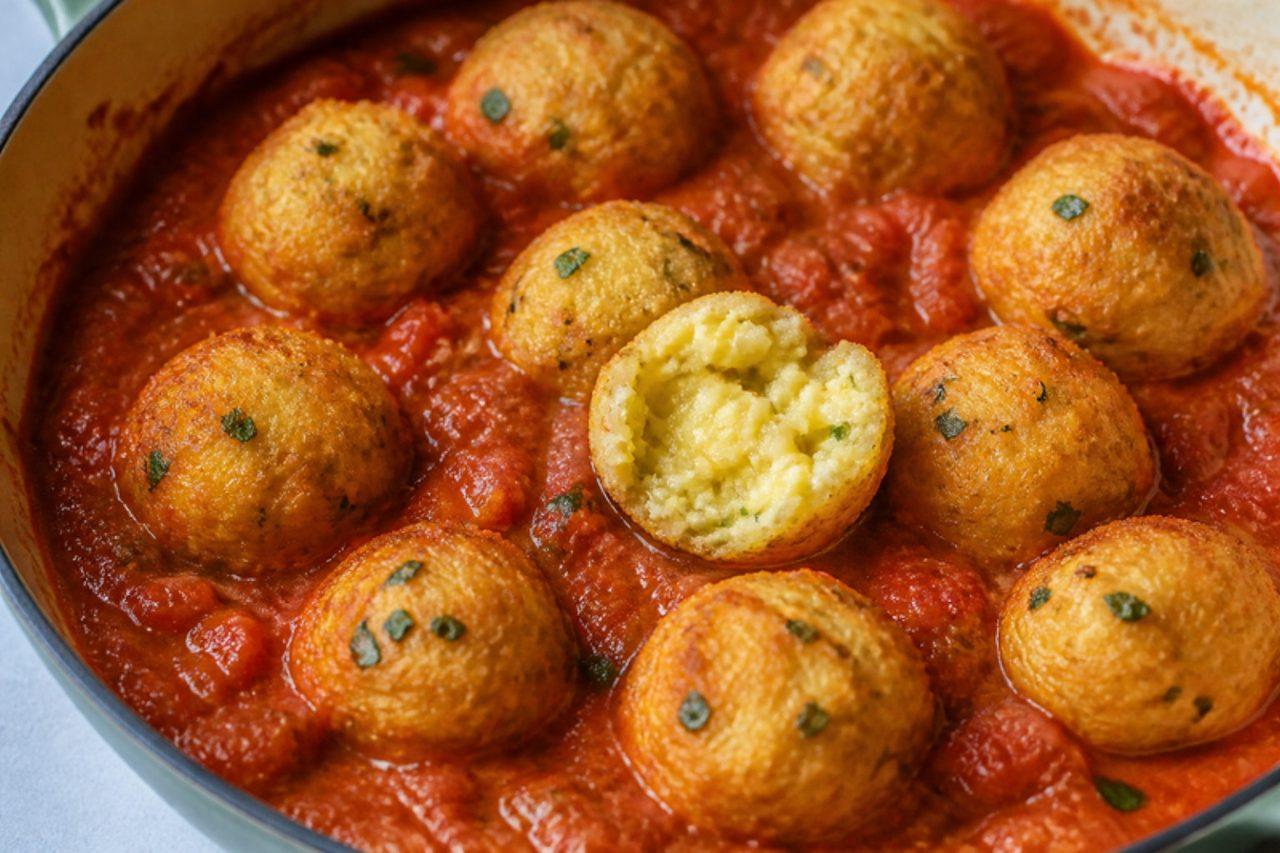
Abruzzo's shepherds and farm families invented pallotte cace e ove as "meatballs" with no meat: stale bread, eggs and plenty of sharp local cheese, shaped into balls, fried golden and then simmered in tomato sauce until soft and fluffy inside. They turn up at village festivals (sagre) in the mountains around L'Aquila and Chieti, and at home as a Friday or Sunday second course with crusty bread to mop the sauce. Chef's tip: wet your hands before shaping; the mixture is soft and the balls stay round and smooth without extra breadcrumbs.

by KrazyBadal 0 views

Fettuccine al burro (original Alfredo)Fettuccine with butter and Parmesan

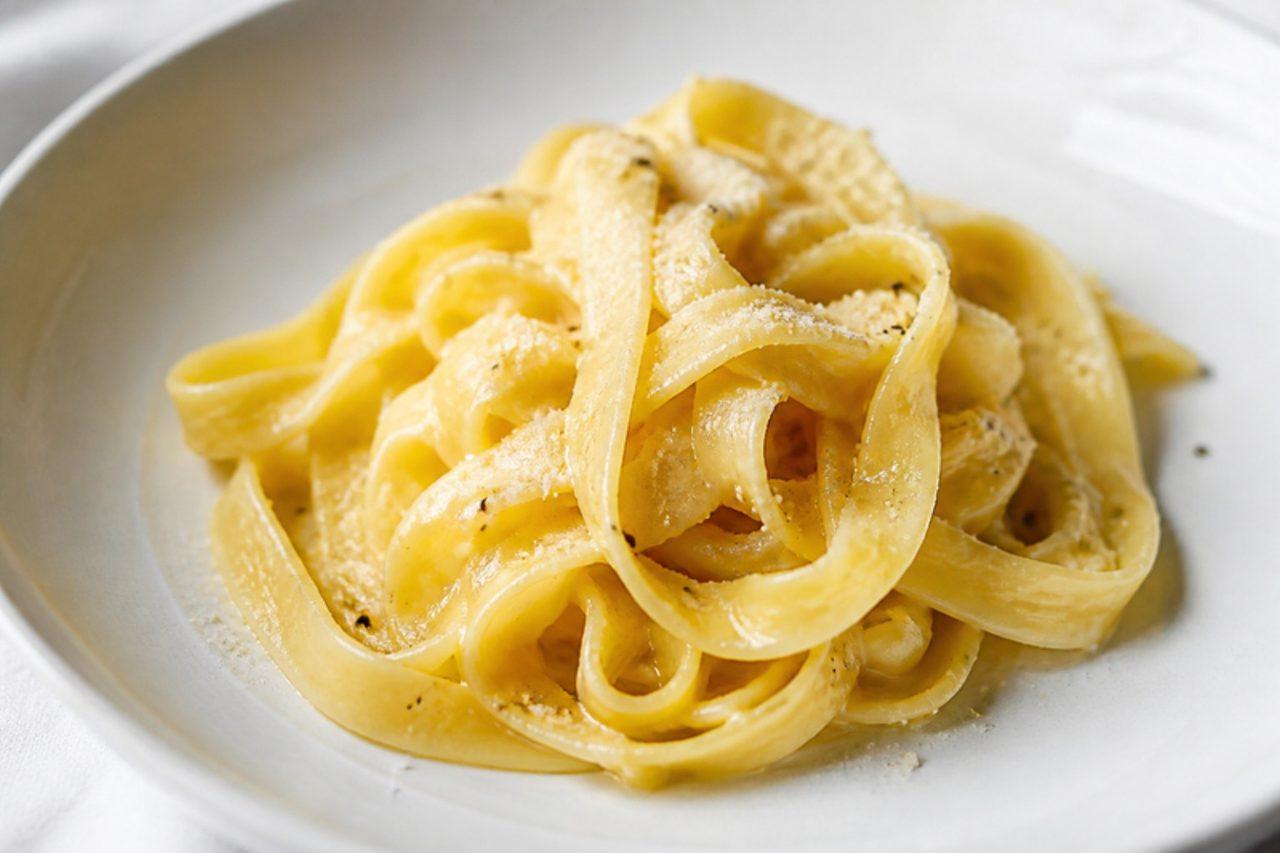
Long before cream-heavy versions spread abroad, Roman cooks made fettuccine al burro with nothing but fresh egg ribbons, sweet butter and young Parmigiano, beaten together into a soft, pale sauce. A restaurateur on Via della Scrofa made it famous in the early twentieth century by tossing it at the table for visitors, and in Roman homes it is still the dish for a child home from school or anyone feeling under the weather. The result is mild, silky and nutty with cheese. Chef's tip: soften the butter to room temperature and grate the cheese like snow; cold butter and coarse cheese will not melt into a cream in the short tossing time.

by KrazyBadal 0 views

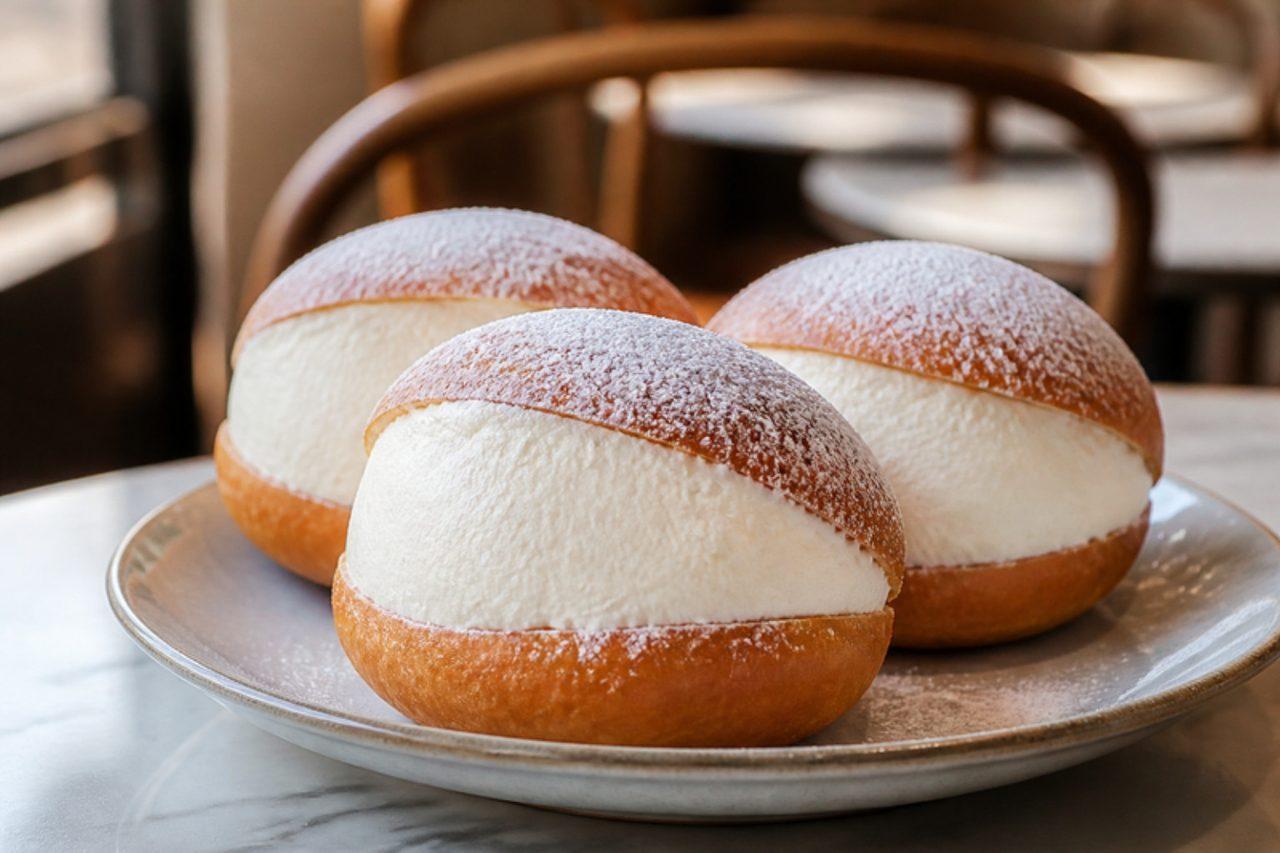
Maritozzi con la pannaCream-filled sweet buns

In Roman bars the maritozzo is breakfast: a glossy, oval brioche bun scented with orange zest, slit open and packed with so much lightly sweetened whipped cream that it bulges past the crust. Once a Lenten treat that young men gave to their future wives (the name comes from marito, husband), it is now eaten all year with a cappuccino, especially on Sunday mornings. The bun is feathery and light, the cream cold and barely sweet. Chef's tip: give the shaped buns their full second rise until they look puffy and wobble when you nudge the tray; underproved buns bake tight and dense.

by KrazyBadal 0 views

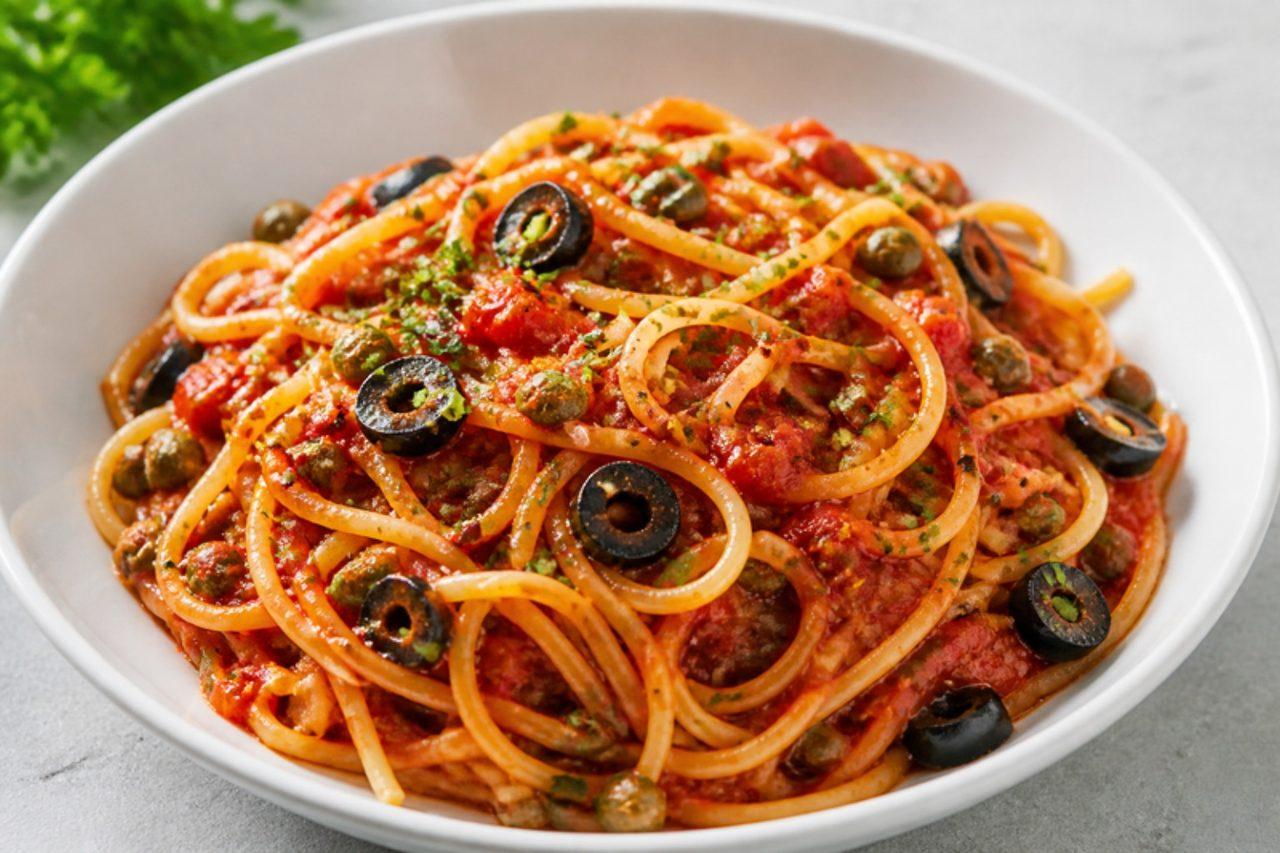
Spaghetti alla puttanesca

Few pastas come together so fast from a cupboard: tomatoes, black olives, capers, garlic and chilli simmered for ten minutes into a sauce that is briny, sharp and a little fiery. Naples claims the olive-and-caper version, often made with Gaeta olives, while in Rome cooks melt a few anchovy fillets into the oil first; this recipe follows the Neapolitan line and leaves the fish out, so it is fully vegan. Romans and Neapolitans alike treat it as a late-night or end-of-the-week plate, made when the fridge is bare. Chef's tip: rinse the capers well and add the olives only at the end, so the sauce stays bright and salty rather than bitter.

by KrazyBadal 0 views

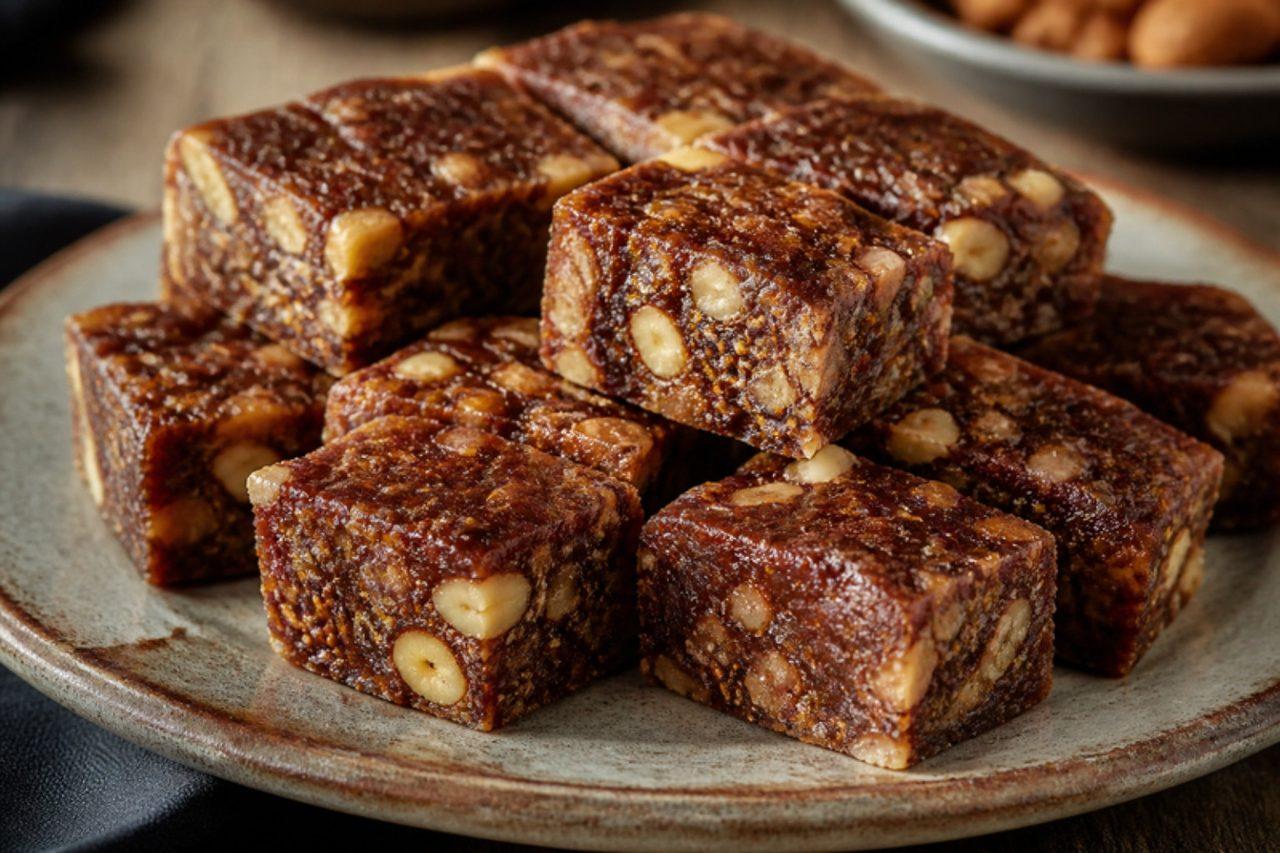
FrustingoFig, nut and cocoa cake

In the Marche, from Ancona down to Ascoli Piceno, frustingo is the dark, dense Christmas cake every family makes its own way, born as a thrifty sweet of dried figs, nuts and stale bread. Chopped figs are soaked and simmered, then mixed with walnuts, almonds, raisins, candied peel, cocoa and coffee, and bound with sapa, the thick cooked grape must of the region. Many recipes also add mistrà, a local aniseed liqueur; this one uses ground anise seed for an alcohol-free cake. It bakes into a fudgy, almost black slab, rich with spice and not too sweet. Chef's tip: let it mature for two days in foil before cutting; it slices cleanly and the flavours come together.

by KrazyBadal 0 views

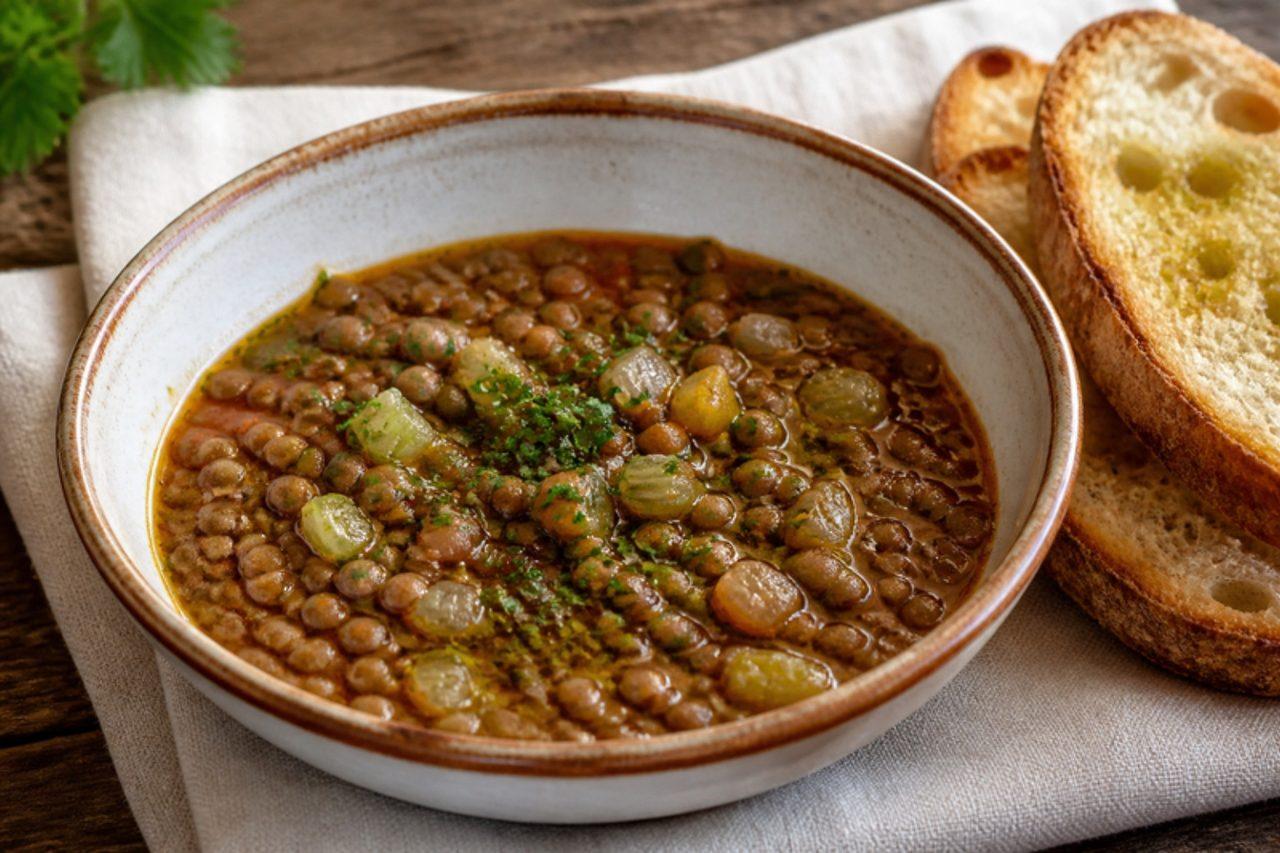
Zuppa di lenticchie di CastelluccioMountain lentil soup

High on the Piano Grande above Norcia, the plateau around Castelluccio turns into a carpet of flowers each June, and among them grow the tiny, speckled lentils the village is known for. They are so small and thin-skinned that they cook in under half an hour without soaking and hold their shape, which is why Umbrian cooks keep this soup simple: a soffritto of garlic, celery and onion, a little tomato, the lentils and good olive oil poured on at the end. It is a cold-weather supper, brothy and earthy, often served with toasted bread. Chef's tip: salt only at the end; salting early can toughen the skins of mountain lentils.

by KrazyBadal 0 views

Torta al testo con verdureGriddle bread stuffed with greens

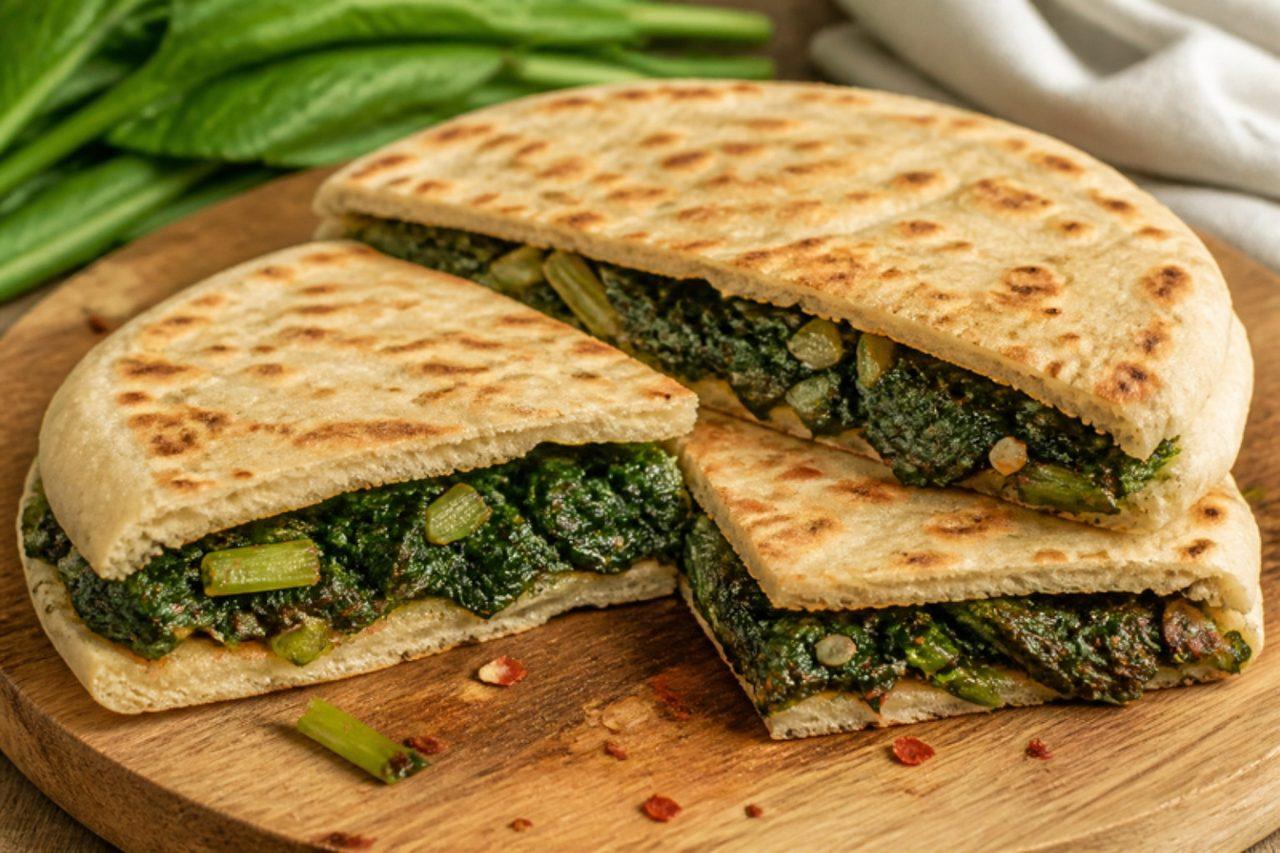
Torta al testo takes its name from the testo, a heavy round of stone or cast iron that Umbrian families heat over the fire; around Perugia, Gubbio and Foligno it's cooked for village festivals and quick weekday dinners alike. Unlike the thin, pliable piadina of Romagna, it is a thick disc, around 2 cm, raised with a little bicarbonate, with a crisp, freckled crust and a soft, bready middle that is split open like a pitta and stuffed. The favourite filling is wilted greens with garlic and chilli; sausage is common at sagre but has no place here. Chef's tip: prick the disc all over with a fork before cooking, so it rises evenly and doesn't balloon.

by KrazyBadal 0 views

CastagnaccioChestnut flour cake

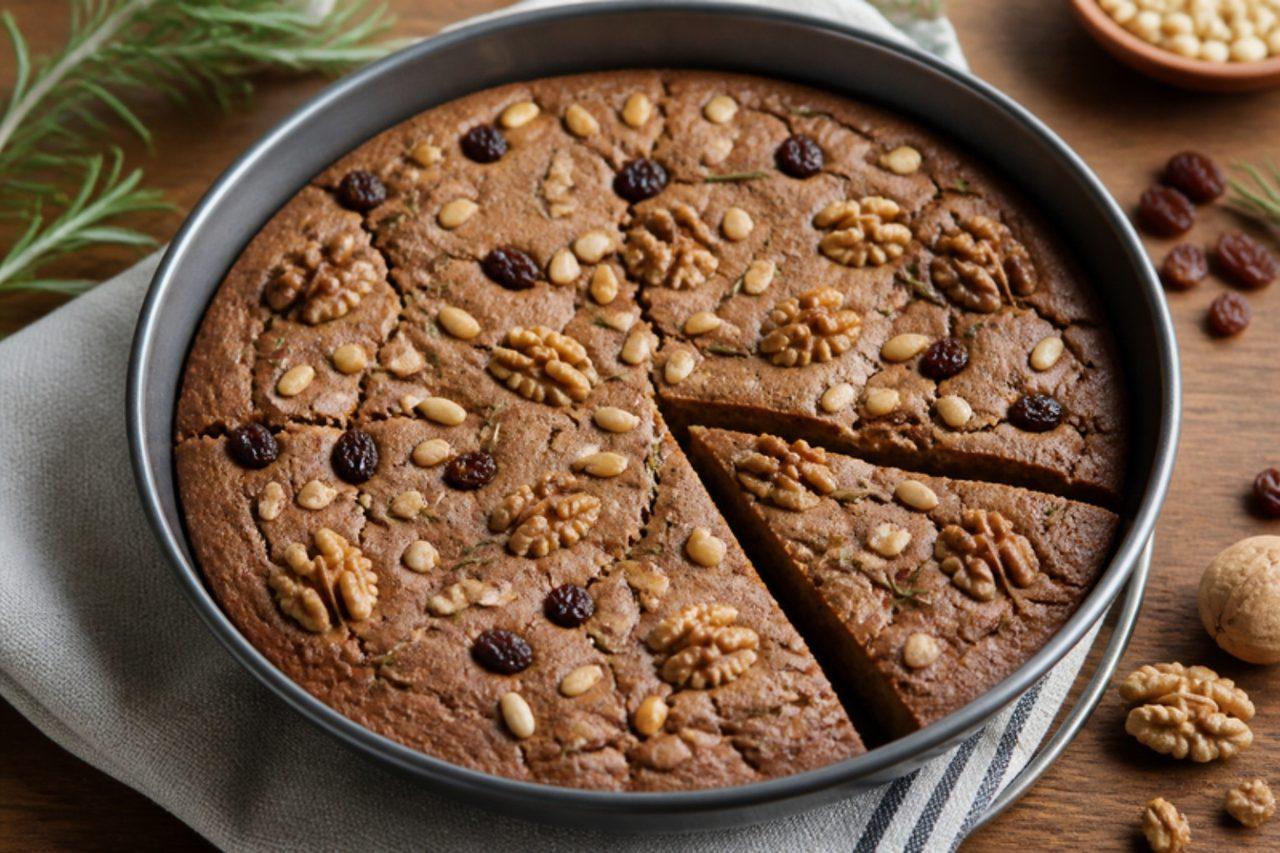
When the new season's chestnut flour comes down from the Garfagnana, the Casentino and Monte Amiata in late October, Tuscan kitchens bake castagnaccio. It is a thin, dense, unleavened cake with no eggs, butter or sugar: just sweet chestnut flour, water and olive oil, studded with raisins, pine nuts and walnuts and scented with rosemary needles. The top cracks as it bakes, the middle stays moist and fudgy, and the flavour is earthy and gently sweet. Older Tuscans eat it with a glass of something; a spoon of ricotta alongside is lovely too. Chef's tip: sift the chestnut flour; it clumps easily, and lumps stay floury after baking.

by KrazyBadal 0 views

Acquacotta maremmanaVegetable soup with poached egg

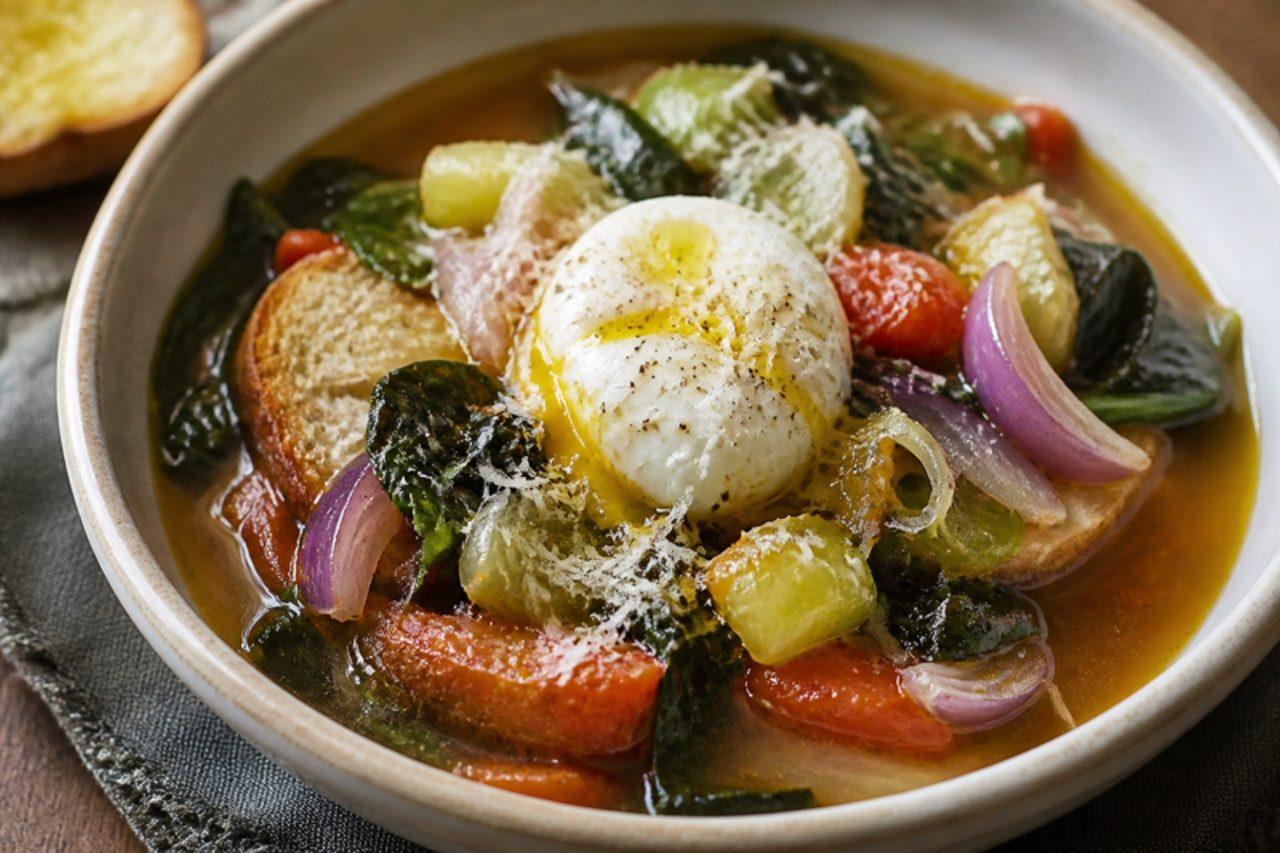
Acquacotta, literally 'cooked water', is what the butteri, the cattle herders of the Tuscan Maremma, and charcoal burners made from whatever they carried: onions, a few vegetables, stale bread and, on a good day, an egg. Around Grosseto and the hills of Monte Amiata it is still a family supper in autumn and spring, ladled over toasted bread with an egg poached right in the soup. Slow-cooked onion makes it sweet and deep, the egg yolk runs into the broth and the bread turns soft and spoonable. Chef's tip: give the onions a full 20 minutes; the soup is only as good as their sweetness.

by KrazyBadal 0 views

Torciglione umbroAlmond paste serpent cake

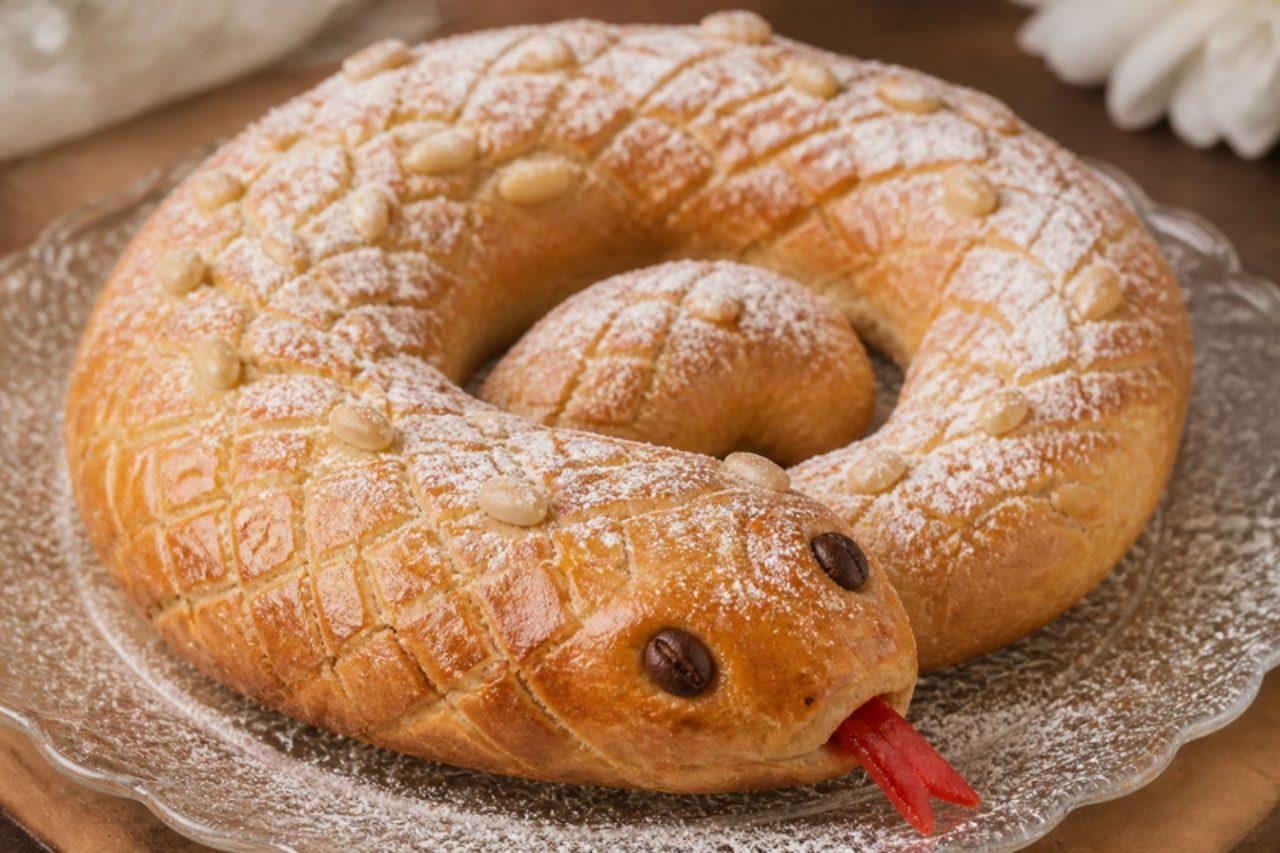
Around Lake Trasimeno and in Perugia, the Christmas sweet table is watched over by a coiled serpent made of almond paste, its back armoured with pine-nut scales, two coffee beans for eyes and a sliver of candied cherry for a tongue. Torciglione is said to recall the eels of the lake, or the snake as a symbol of renewal, and it is eaten in thin slices through the holidays. Inside it is soft and chewy like a marzipan biscuit, with a crisp, golden shell, and it is naturally free of flour. Chef's tip: wet your hands to roll the paste into the rope; it shapes smoothly and won't crack as it bakes.

by KrazyBadal 0 views

Crescia sfogliata di UrbinoLayered spiral flatbread

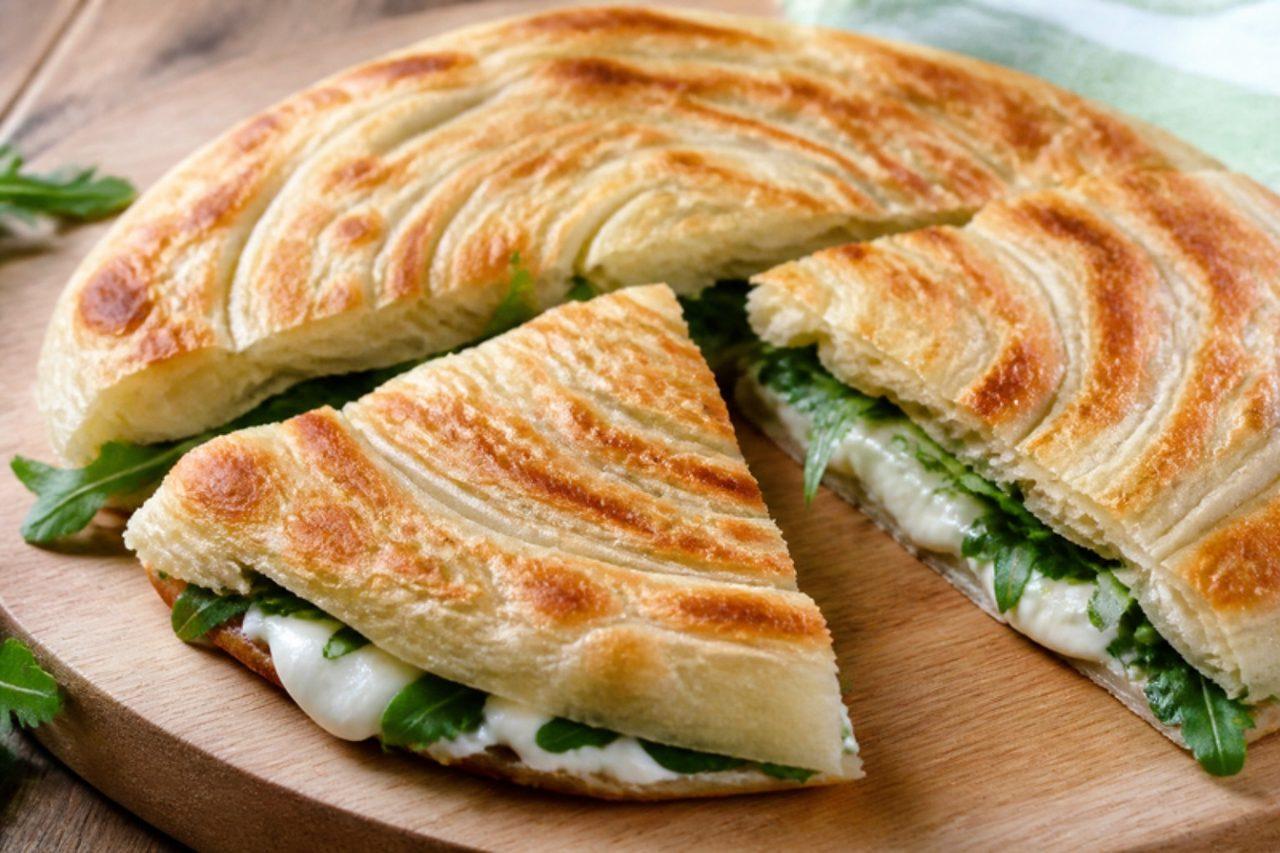
In Urbino and the hills of the Montefeltro, crescia sfogliata is the street food sold from small kiosks and served in every trattoria, folded round fillings like a sandwich. What sets it apart from Romagna's piadina is the lamination: an egg and pepper dough is rolled paper-thin, spread with fat, rolled up into a cord and coiled into a snail, then flattened again, so it cooks into crisp, buttery, flaking layers. Lard is traditional; this version uses butter. Fill it with rocket and soft cheese, sautéed greens or grilled vegetables. Chef's tip: rest the coiled snails for 20 minutes before the final rolling; relaxed dough rolls out without the layers fusing.

by KrazyBadal 0 views

Fagioli all'uccellettoCannellini beans with sage and tomato

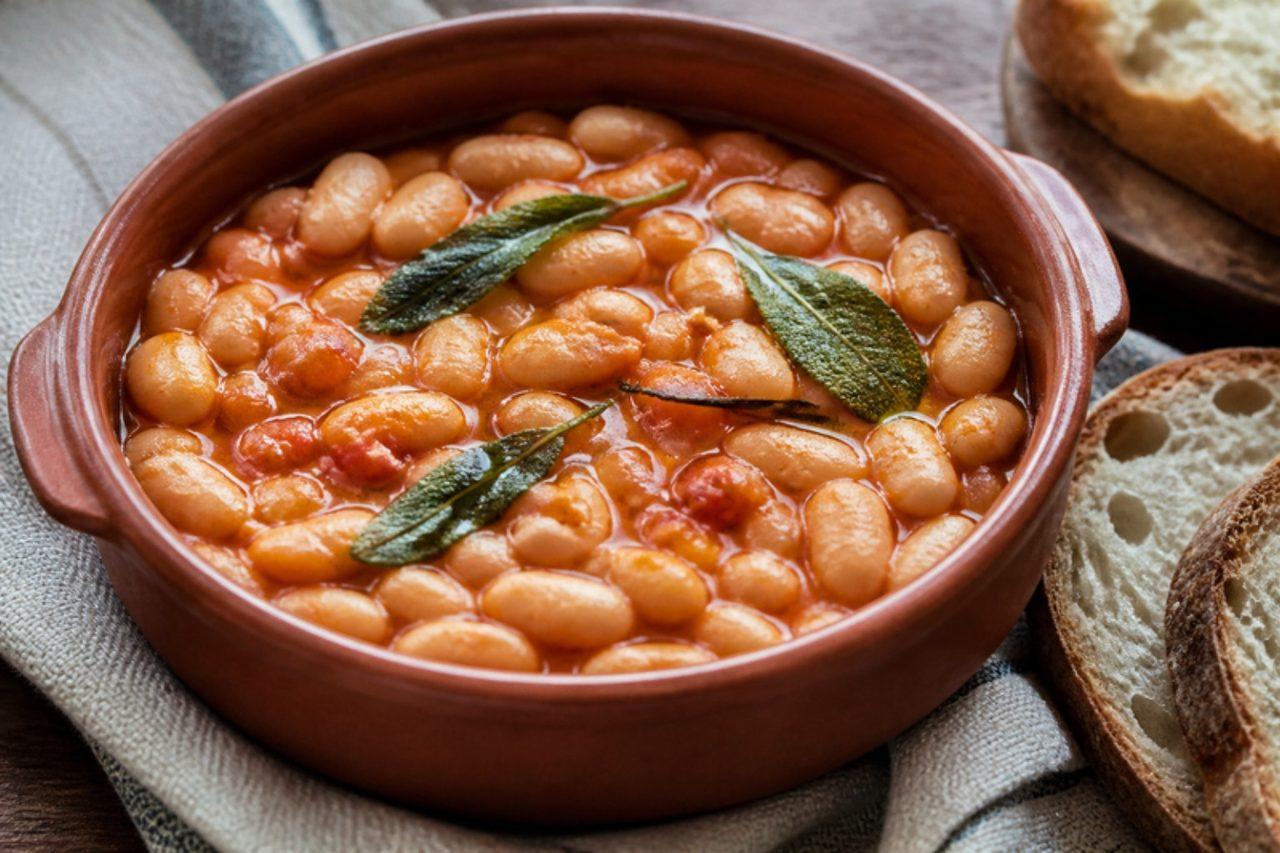
Florentines are nicknamed mangiafagioli, bean-eaters, and this is the dish that earned it: creamy cannellini simmered in olive oil with whole sage leaves, crushed garlic and a little tomato. The name, 'little-bird style', comes from the sage and garlic once used to cook small game birds, though there has never been a bird in the pot. In trattorie it sits next to grilled meat as a side; served with crusty bread and greens it makes a full vegetarian supper. The beans should be soft and glossy in a thick, rust-coloured sauce. Chef's tip: let the sage and garlic sizzle gently in the oil before the tomato goes in; that scented oil is the whole flavour of the dish.

by KrazyBadal 0 views

Strangozzi al tartufo neroEggless pasta with black truffle

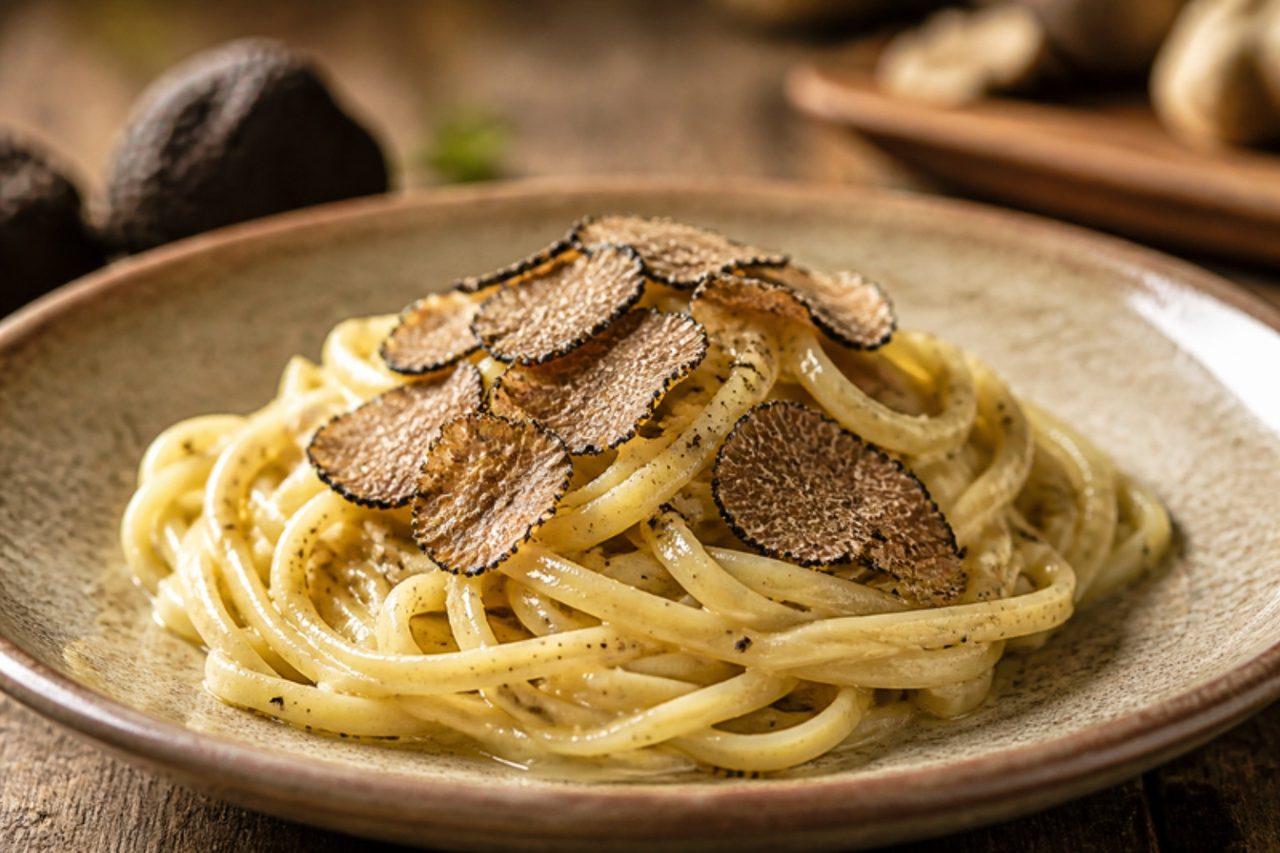
Strangozzi are the rough-cut strips of flour-and-water pasta made around Spoleto and Norcia, in Umbria; the name is said to echo the leather laces once used to tie shoes, or, in a darker story, to strangle papal tax collectors. Norcia is famous for its black winter truffles, and here the dressing is nothing more than olive oil gently warmed with garlic and plenty of grated truffle, a dish served from December to March. The pasta is chewy and square-edged, and the sauce earthy and perfumed. Chef's tip: grate the truffle into warm, not hot, oil; truffle aroma fades fast with heat.

by KrazyBadal 0 views

Showing 45 of 7,762 recipes

Show more recipes

Page 565 of 863