


Skip to content
Ovos moles de Aveiro
Featured recipe

Ovos moles de Aveiro

Egg-yolk and sugar cream

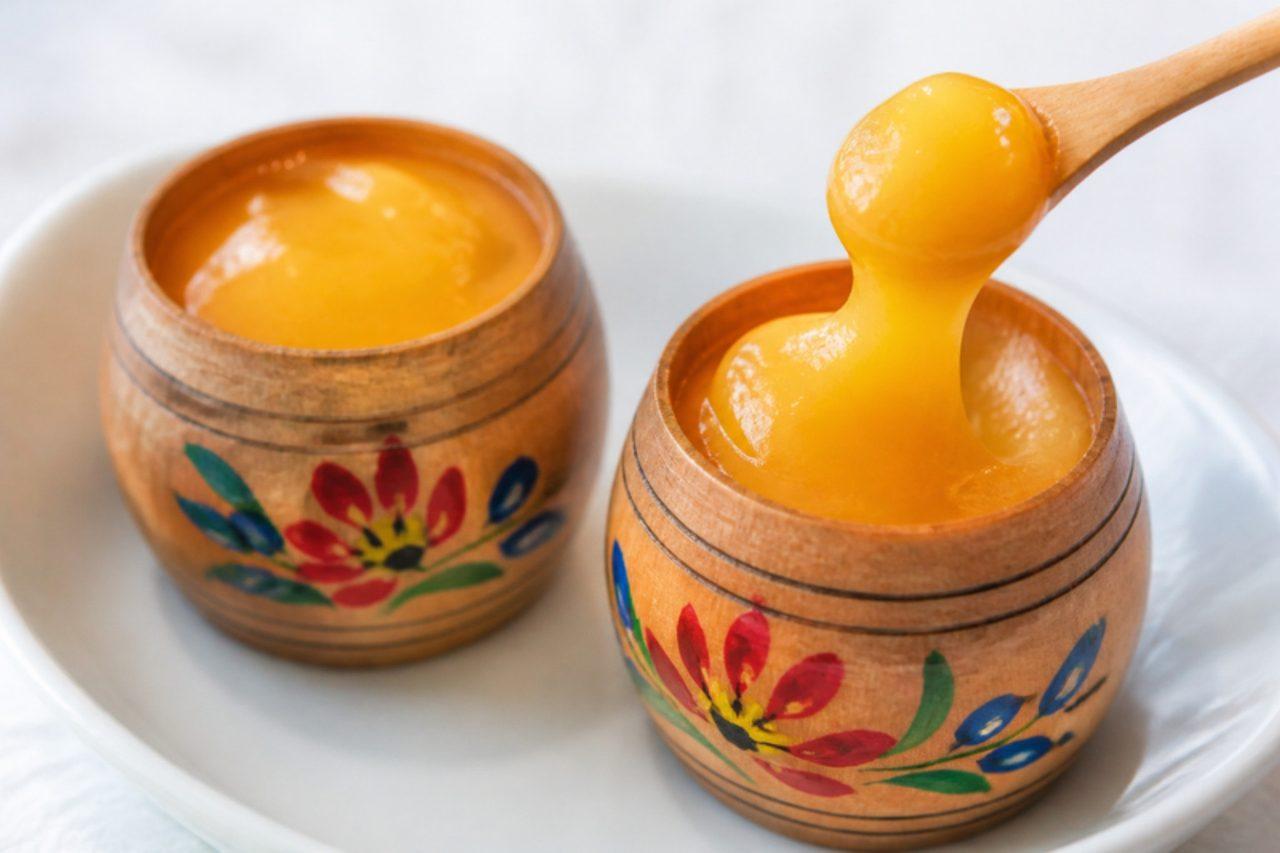
Nuns in Aveiro's convents used leftover yolks, after the whites had starched their habits, to make this soft, intensely sweet cream, and the town's shops now sell it in painted wooden barrels or wrapped in thin wafer shaped like shells and fish. Visitors buy boxes at the railway station and along the canals where the moliceiro boats run. Only yolks, sugar and water go in, cooked slowly until thick and shiny. Chef's tip: cool the syrup slightly before adding the yolks and cook over the lowest heat, as a common mistake is hurrying it and ending up with sweet scrambled egg.

Read more 0 views

What to eat today?

Around the world

Today's trip: Persian

A new country every day, from every cuisine on the site.

This week's collection

Kid-friendly dinners
537 recipes · a new collection every Monday

Latest recipes

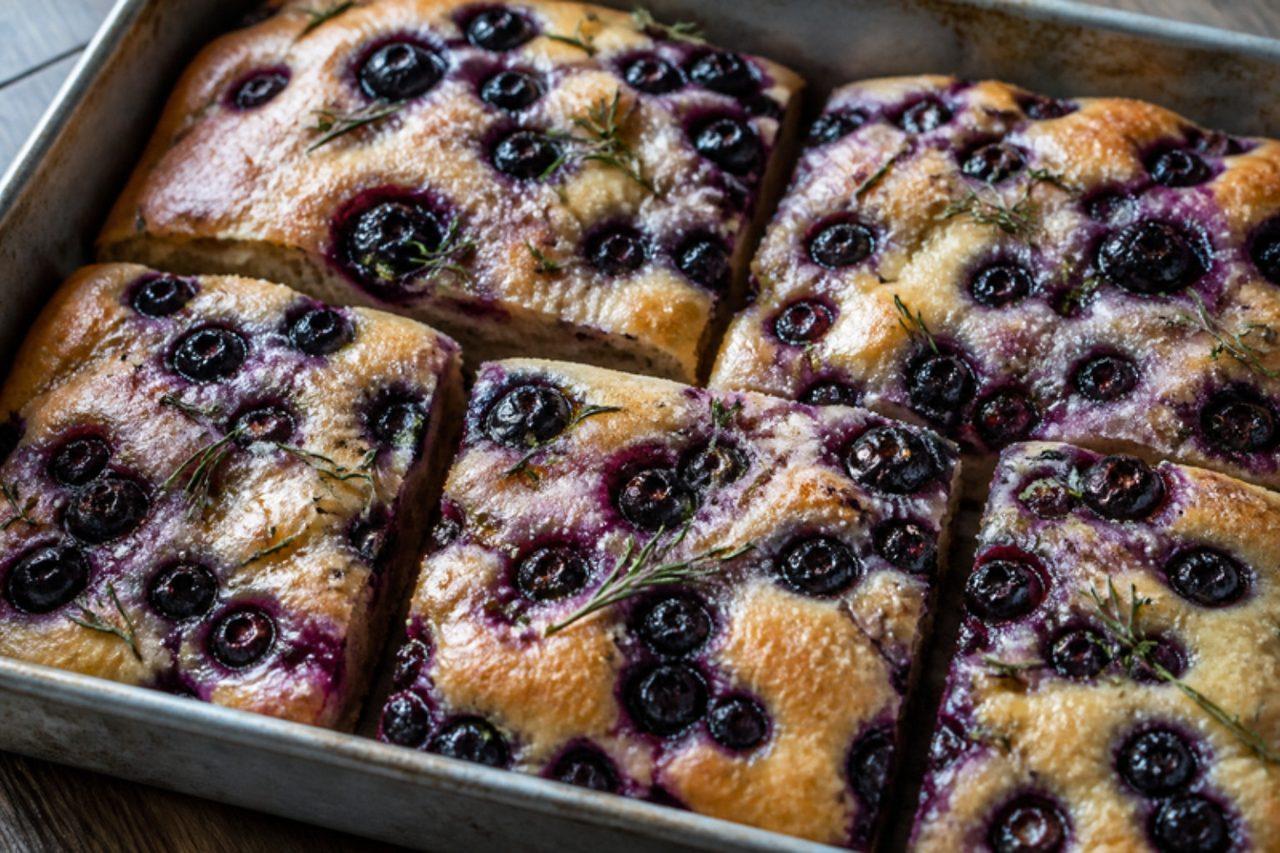
Schiacciata all'uvaGrape flatbread

Each September, when the grape harvest comes in, Florentine bakeries fill their windows with schiacciata all'uva, a thin, oily bread dough layered and topped with small black wine grapes and baked until the juice bubbles purple. It is sold by the slice from big trays and eaten at breakfast or as a mid-afternoon snack for just a few weeks. The traditional Canaiolo grapes have crunchy seeds, which are part of the texture; seedless black grapes work at home. The result is sticky, jammy, crisp at the edges and not too sweet. Chef's tip: squash the grapes slightly as you press them in so the juice runs into the dough and caramelises with the sugar.

by KrazyBadal 0 views
Strangozzi al tartufo neroEggless pasta with black truffle

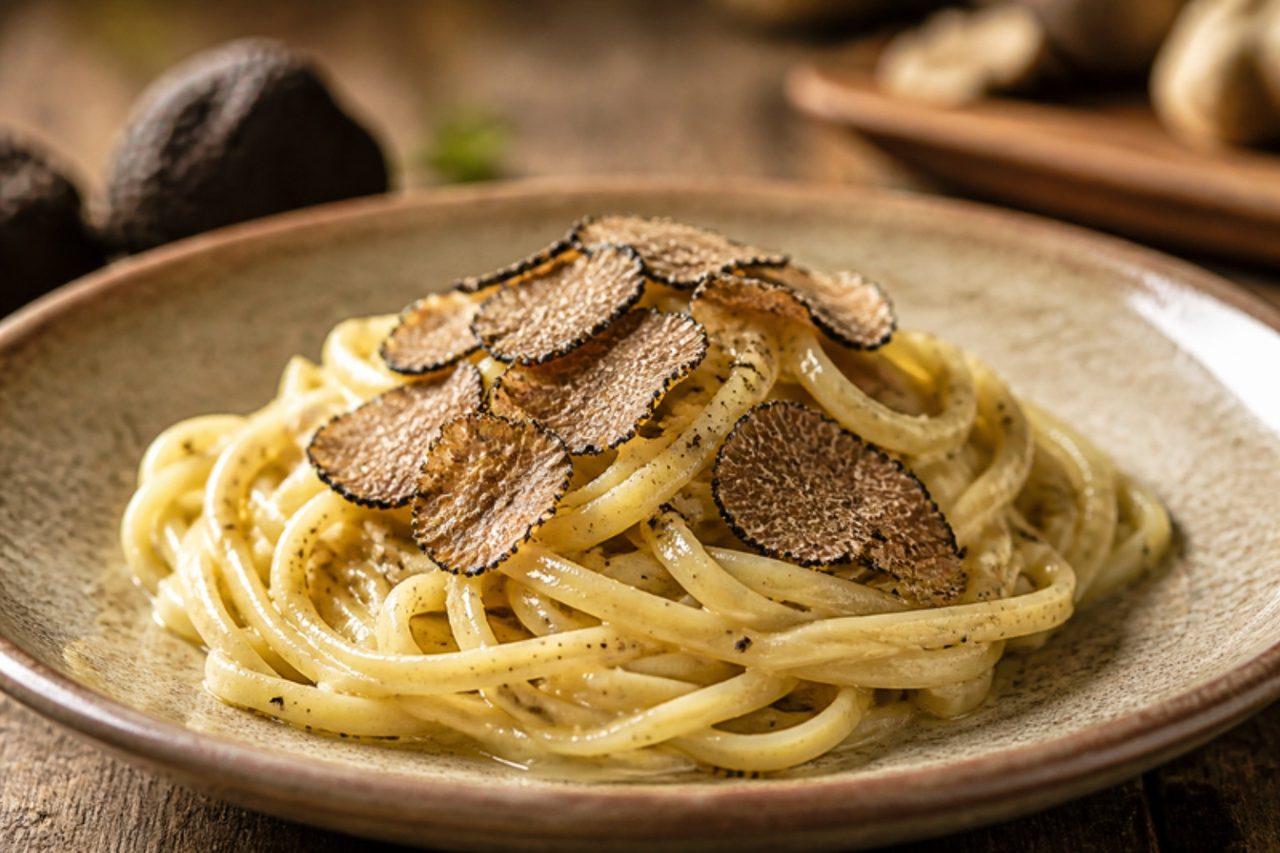
Strangozzi are the rough-cut strips of flour-and-water pasta made around Spoleto and Norcia, in Umbria; the name is said to echo the leather laces once used to tie shoes, or, in a darker story, to strangle papal tax collectors. Norcia is famous for its black winter truffles, and here the dressing is nothing more than olive oil gently warmed with garlic and plenty of grated truffle, a dish served from December to March. The pasta is chewy and square-edged, and the sauce earthy and perfumed. Chef's tip: grate the truffle into warm, not hot, oil; truffle aroma fades fast with heat.

by KrazyBadal 0 views

Torta pasqualinaChard and ricotta egg pie

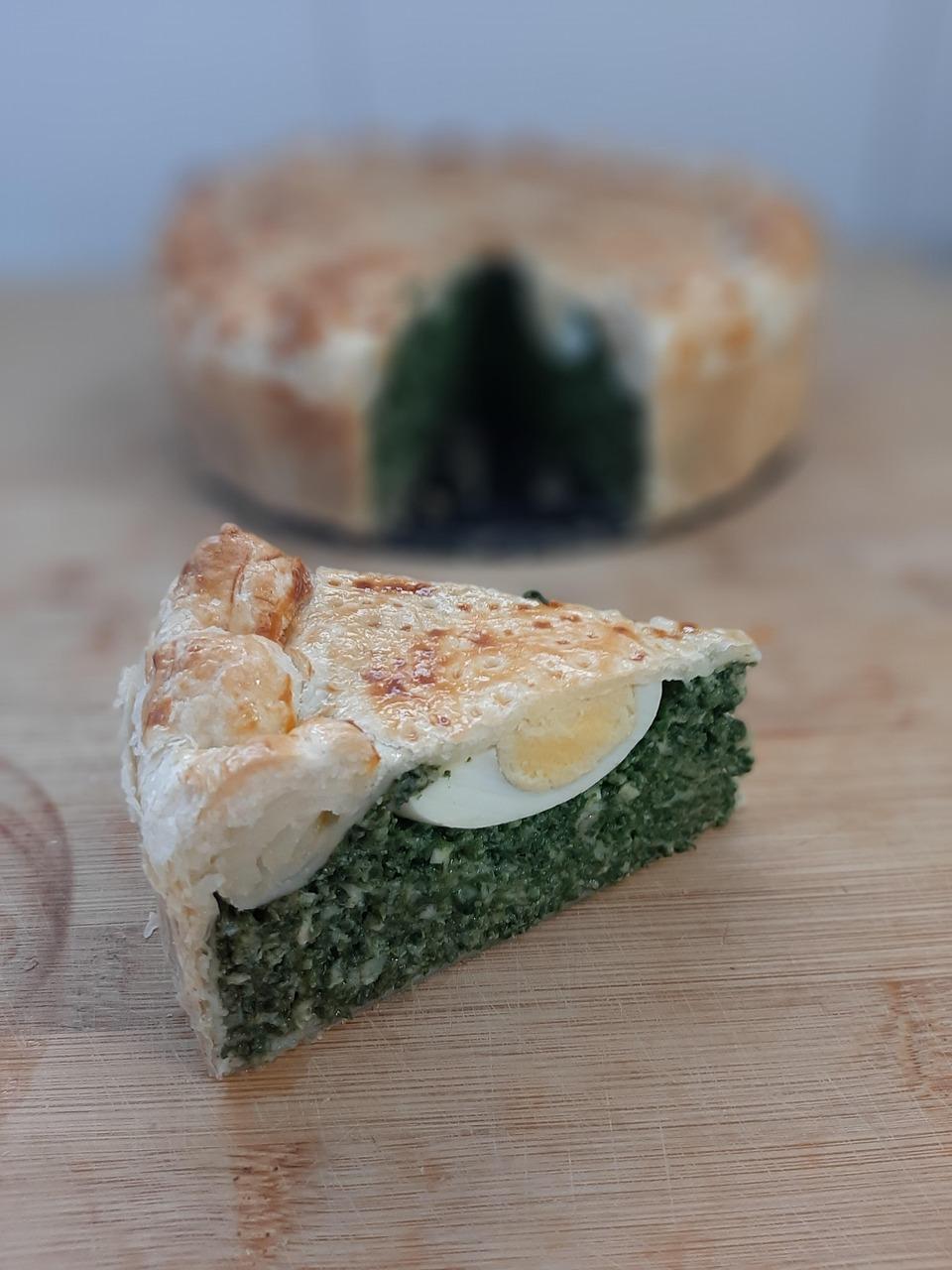
Genoese families bake torta pasqualina for Easter Monday picnics, and it is just as good cold the next day as warm from the oven. Paper-thin sheets of olive-oil pastry enclose a deep layer of chard and ricotta, and whole eggs are cracked into hollows in the filling so that every slice shows a neat yellow and white circle. Old recipes boasted 33 pastry layers, one for each year of Christ's life; four sheets top and bottom give a crisp, flaky crust at home. The taste is mild and green, lifted with marjoram and hard cheese. Chef's tip: stretch the dough on the backs of your hands like strudel rather than only rolling it, and brush every sheet with oil, so the layers separate in the oven.

by KrazyBadal 0 views

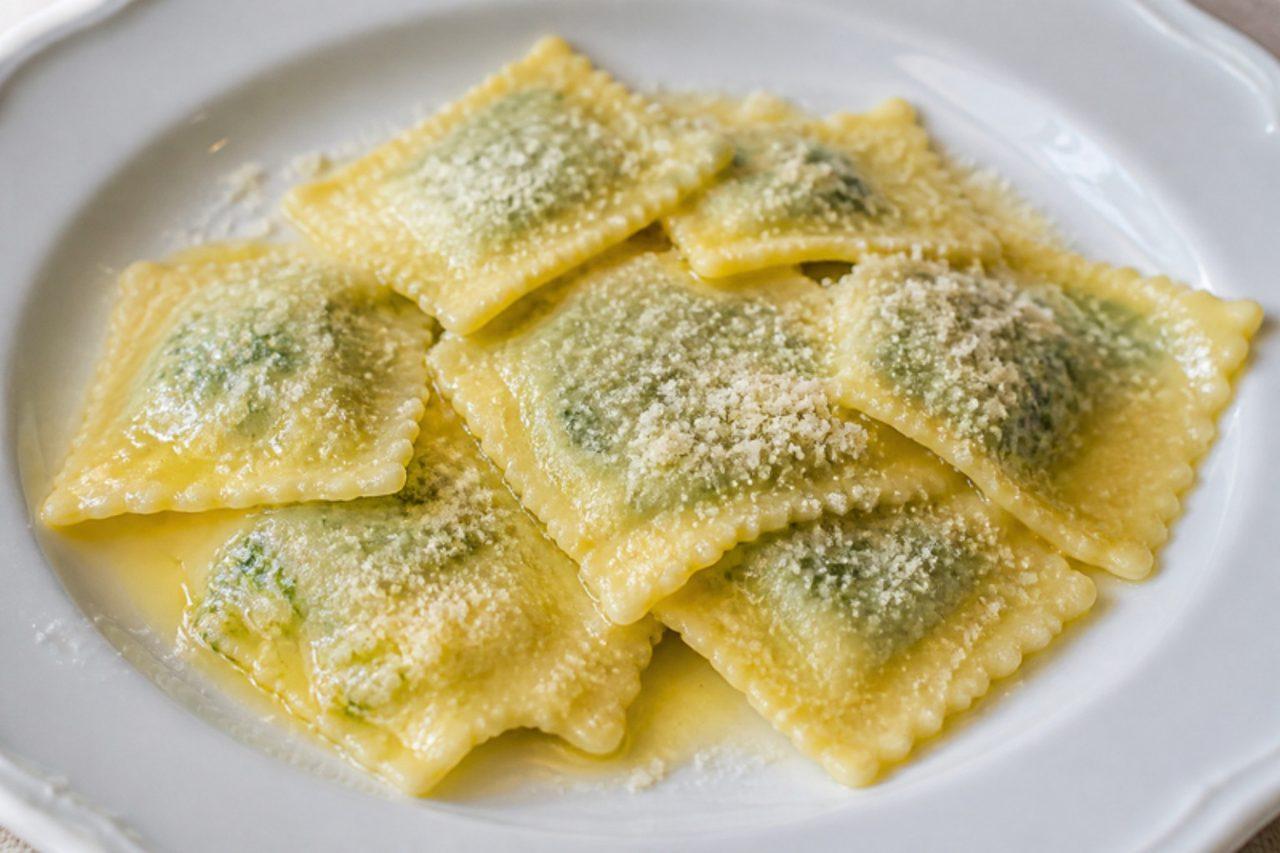
Tortelli di erbettaRicotta and chard tortelli

On the night of 23 June, the feast of San Giovanni, Parma eats tortelli d'erbetta outdoors, at long tables in courtyards and on terraces, and the custom says the evening dew blesses the meal. The filling is the young chard the city calls erbetta, mixed with ricotta and a lot of Parmigiano; the pasta is egg-rich and thin, and the only sauce is melted butter and more cheese. Each one is soft, creamy and gently green. Chef's tip: cut the tortelli as large rectangles, about 6 × 8 cm, as they do in Parma; bigger parcels hold more filling and cook evenly.

by KrazyBadal 0 views

TigelleSmall griddle breads

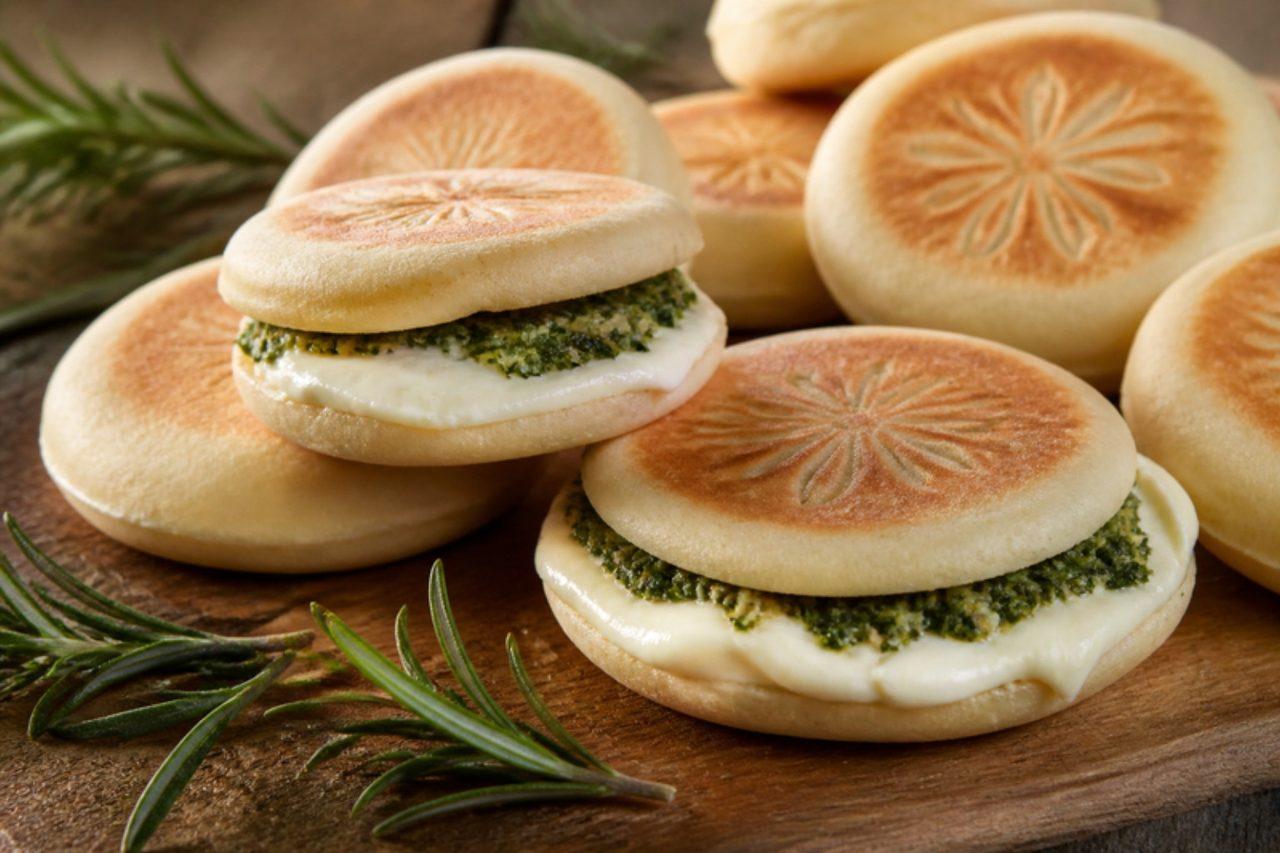
In the Apennine hills above Modena these small, round breads were once baked between hot terracotta discs called tigelle, which gave them their common name; locals often insist the bread itself is the crescentina. Today a cast-iron tigelliera or a heavy frying pan does the work, giving each one a toasted, speckled face and a soft, steamy inside. They are split while hot and filled at the table, a lively Saturday-night supper with friends. The filling was classically lard pounded with rosemary and garlic; this vegetarian spread uses butter, rosemary and Parmigiano, alongside soft cheeses and grilled vegetables. Chef's tip: cut them with a 7 cm cutter and keep them 1 cm thick; any thinner and there's nothing to split.

by KrazyBadal 0 views

Zuppa ingleseCustard and sponge trifle

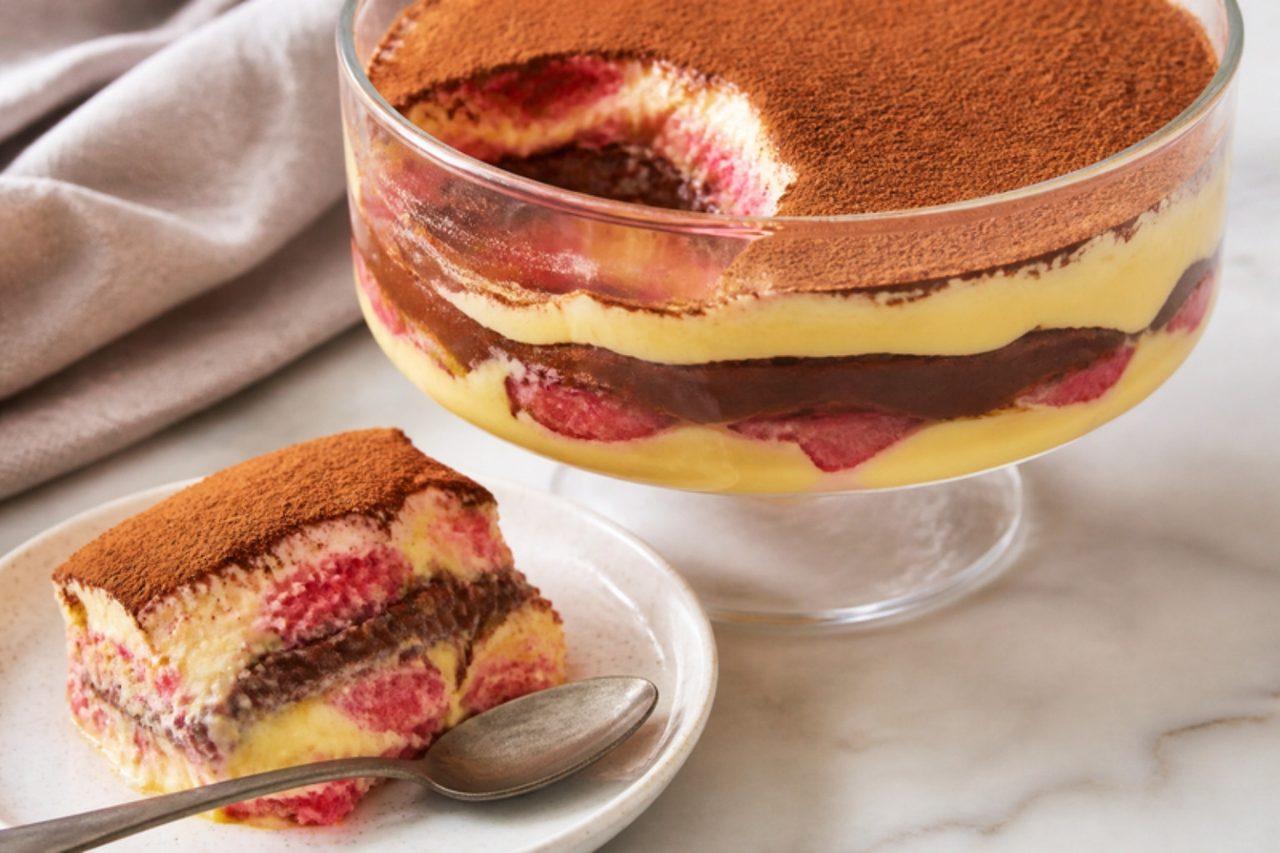
Zuppa inglese is a spoon dessert from Emilia, served at Sunday lunches and family parties in Bologna, Modena and Ferrara: sponge fingers dipped in a crimson liqueur, layered with yellow lemon custard and dark chocolate custard. Despite the name, no soup and nothing English; one story links it to the trifles brought home by Italian diplomats. The red comes from alchermes, a spiced liqueur that is alcoholic and coloured with cochineal, an insect dye, so this version soaks the biscuits in a vegetarian, alcohol-free hibiscus and spice syrup that keeps the colour and the clove-cinnamon perfume. It sets into soft, creamy, striped slices. Chef's tip: dip the biscuits for a second only; they keep softening in the custard overnight.

by KrazyBadal 0 views

Erbazzone reggianoChard and Parmesan pie

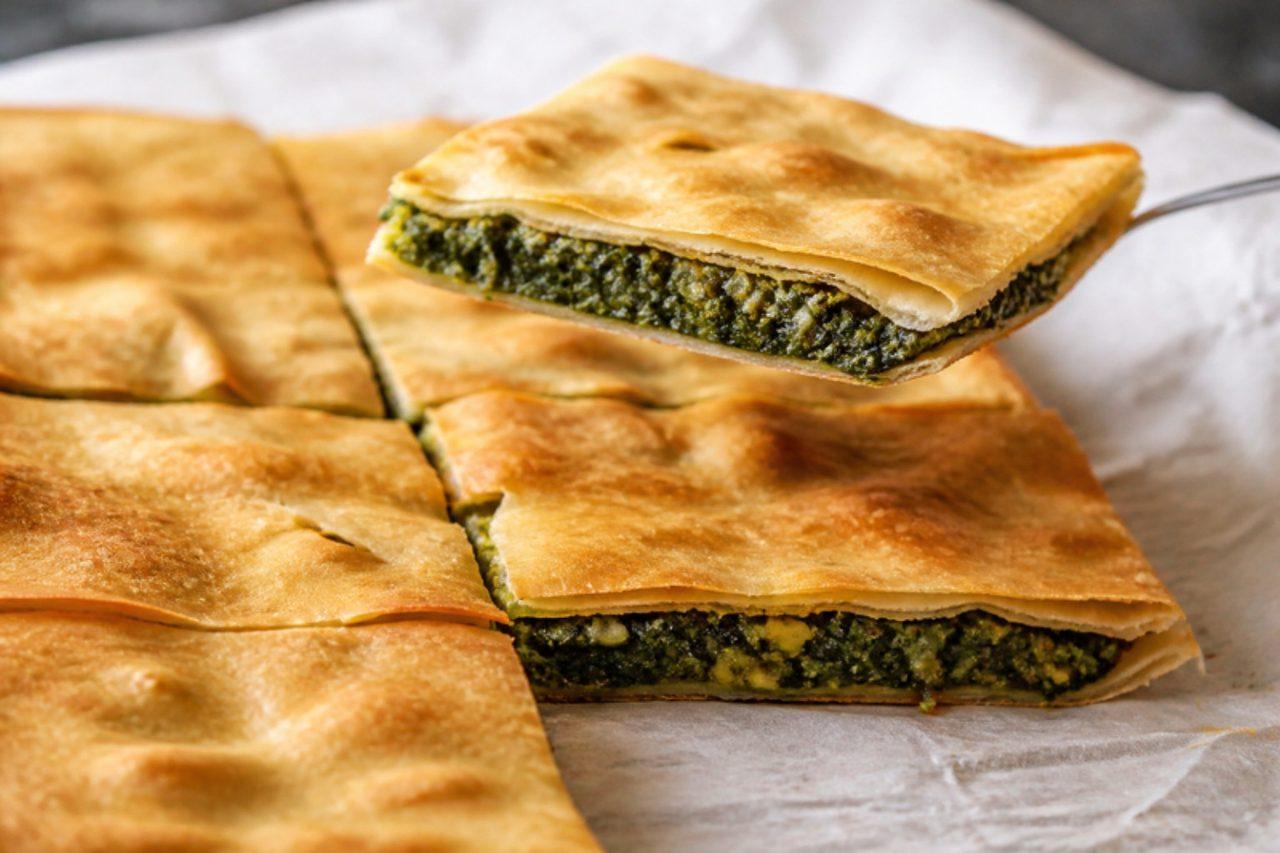
Bakeries in Reggio Emilia sell erbazzone in squares from big trays, and people eat it standing at the counter mid-morning or wrapped in paper for the walk home. It is a farmhouse pie of chard and spinach, sharp with spring onion and garlic and generous with Parmigiano, sealed in a very thin, crackly crust. The classic recipe uses lard in the pastry and often pancetta in the filling; both are left out here, and butter and olive oil make the crust. Serve it warm or at room temperature. Chef's tip: dry the greens thoroughly in the pan after blanching; erbazzone should be dense and green, never wet.

by KrazyBadal 0 views

Passatelli in brodoBreadcrumb and cheese strands in broth

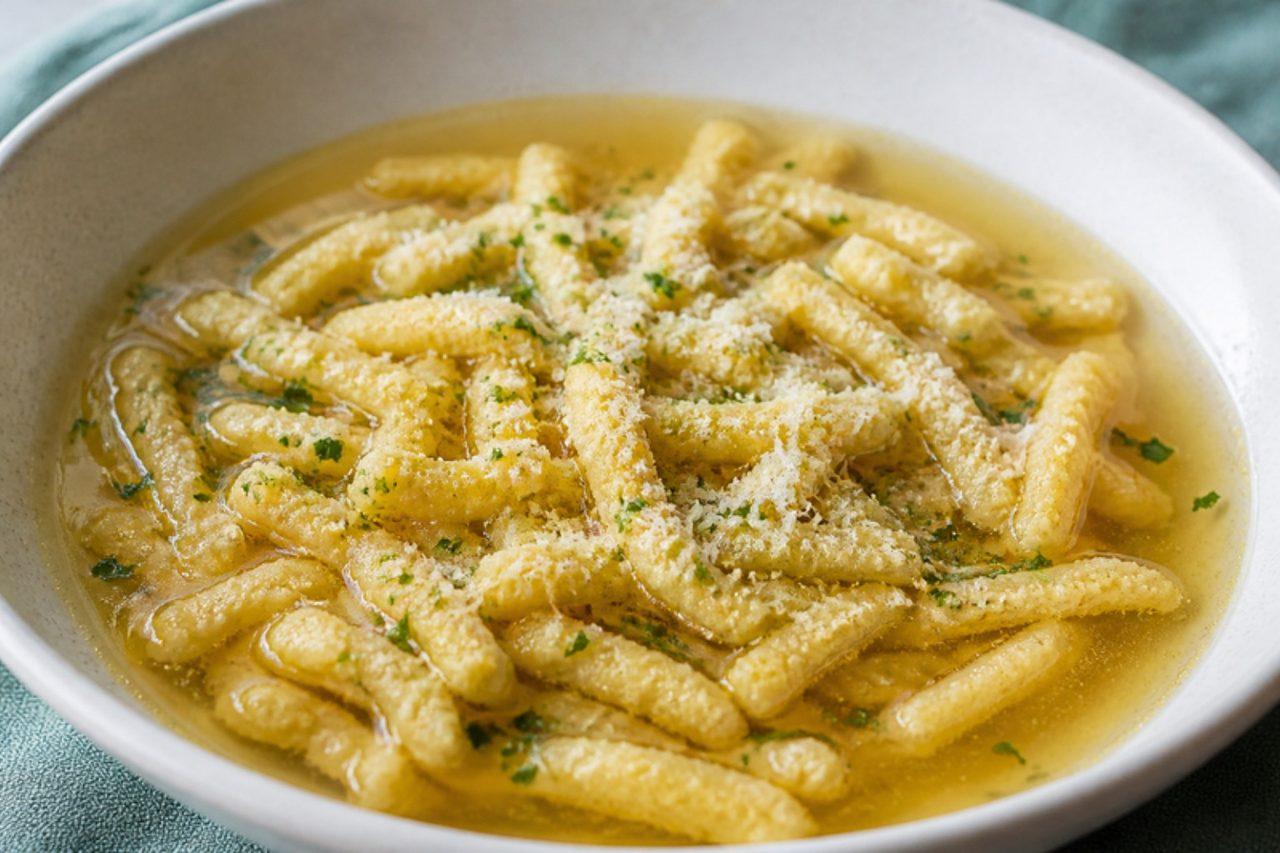
Passatelli were born in Romagna kitchens as a way to turn stale bread into a feast: breadcrumbs, eggs and plenty of hard cheese, scented with lemon and nutmeg, pressed through a special perforated iron straight into simmering broth. Around Rimini, Cesena and Forlì they are Christmas and Sunday food, served steaming in deep plates. The strands are soft, slightly rough and full of cheese flavour. Traditionally the broth is made with capon or beef; here a rich vegetable broth keeps it vegetarian. Chef's tip: no passatelli iron? A potato ricer with large holes does the job; just cut the strands to 4 cm with a knife as they come out.

by KrazyBadal 0 views

Gnocco frittoPuffed fried dough

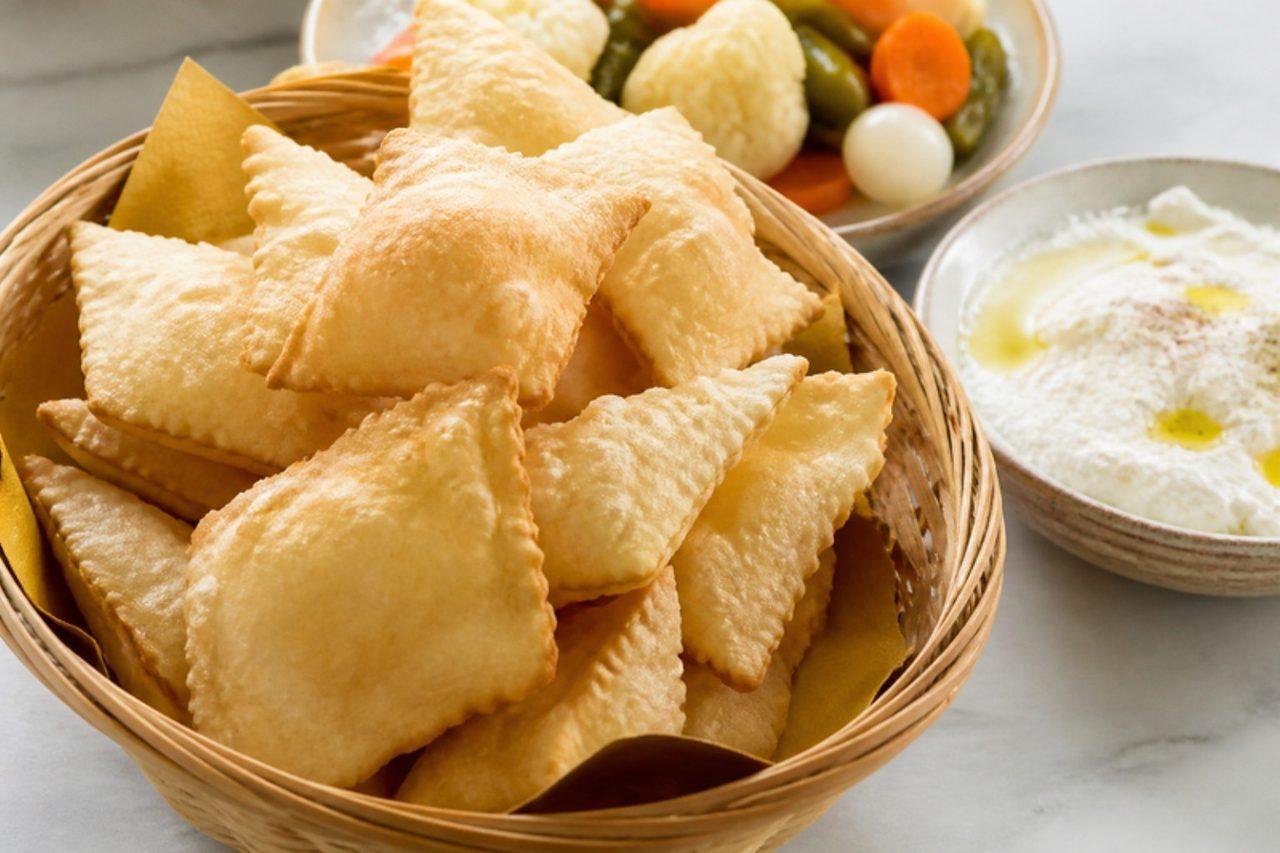
Walk into a trattoria around Modena or Reggio Emilia and a basket of gnocco fritto lands on the table before you have ordered: diamonds of dough that balloon in hot fat into hollow, blistered pillows. They are torn open and filled with whatever comes with them, traditionally cured meats; here they go with soft cheeses, Parmigiano shards, grilled vegetables and pickles. The dough was always made with lard; this version uses butter, which keeps the crust tender and golden. Children adore them for breakfast dipped in milky coffee too. Chef's tip: roll the dough really thin, about 3 mm; thick gnocco stays bready and won't puff.

by KrazyBadal 0 views

Showing 9 of 7,762 recipes

Show more recipes

Page 566 of 863