


Skip to content
Miso nikomi udon
Featured recipe

Miso nikomi udon

Udon in miso broth

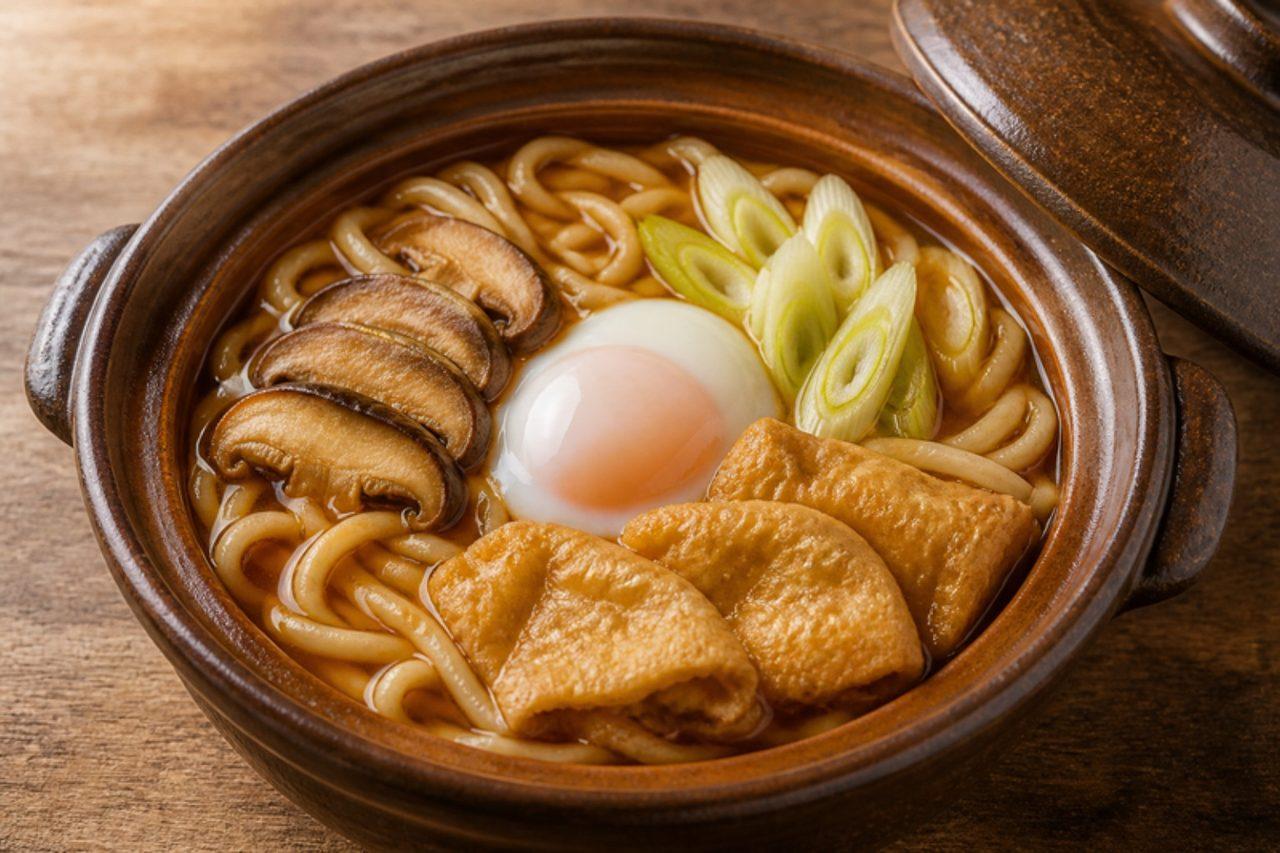
In Nagoya, udon is cooked in its broth rather than boiled separately, in a small clay pot called a donabe that comes to the table still bubbling. The broth is made with Aichi's famous dark soybean miso, hatcho miso, which is aged for years and tastes deep, slightly bitter and chocolatey. Nagoya's noodles are deliberately firm, almost chewy at the centre, and locals use the pot's lid as a plate to cool each mouthful. It is a cold-weather lunch, and the egg poached on top is part of the ritual. Our version uses kombu-shiitake dashi and fried tofu instead of chicken. Chef's tip: dissolve the miso in a ladle of broth before adding it. Hatcho miso is dense and stays in lumps if it goes straight in.

Read more 1 views

What to eat today?

Around the world

Today's trip: Persian

A new country every day, from every cuisine on the site.

This week's collection

Kid-friendly dinners
537 recipes · a new collection every Monday

Latest recipes

CastagnaccioChestnut flour cake

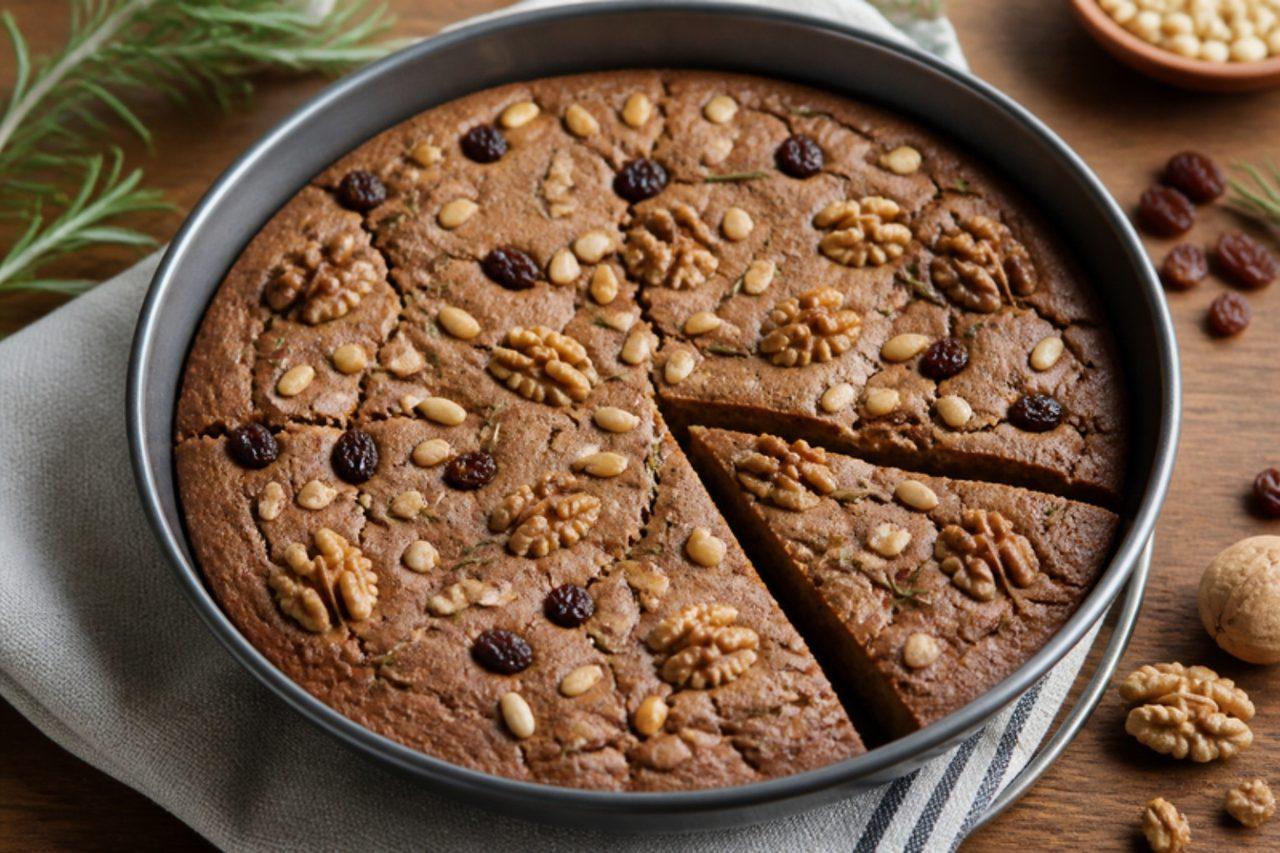
When the new season's chestnut flour comes down from the Garfagnana, the Casentino and Monte Amiata in late October, Tuscan kitchens bake castagnaccio. It is a thin, dense, unleavened cake with no eggs, butter or sugar: just sweet chestnut flour, water and olive oil, studded with raisins, pine nuts and walnuts and scented with rosemary needles. The top cracks as it bakes, the middle stays moist and fudgy, and the flavour is earthy and gently sweet. Older Tuscans eat it with a glass of something; a spoon of ricotta alongside is lovely too. Chef's tip: sift the chestnut flour; it clumps easily, and lumps stay floury after baking.

by KrazyBadal 0 views
Fagioli all'uccellettoCannellini beans with sage and tomato

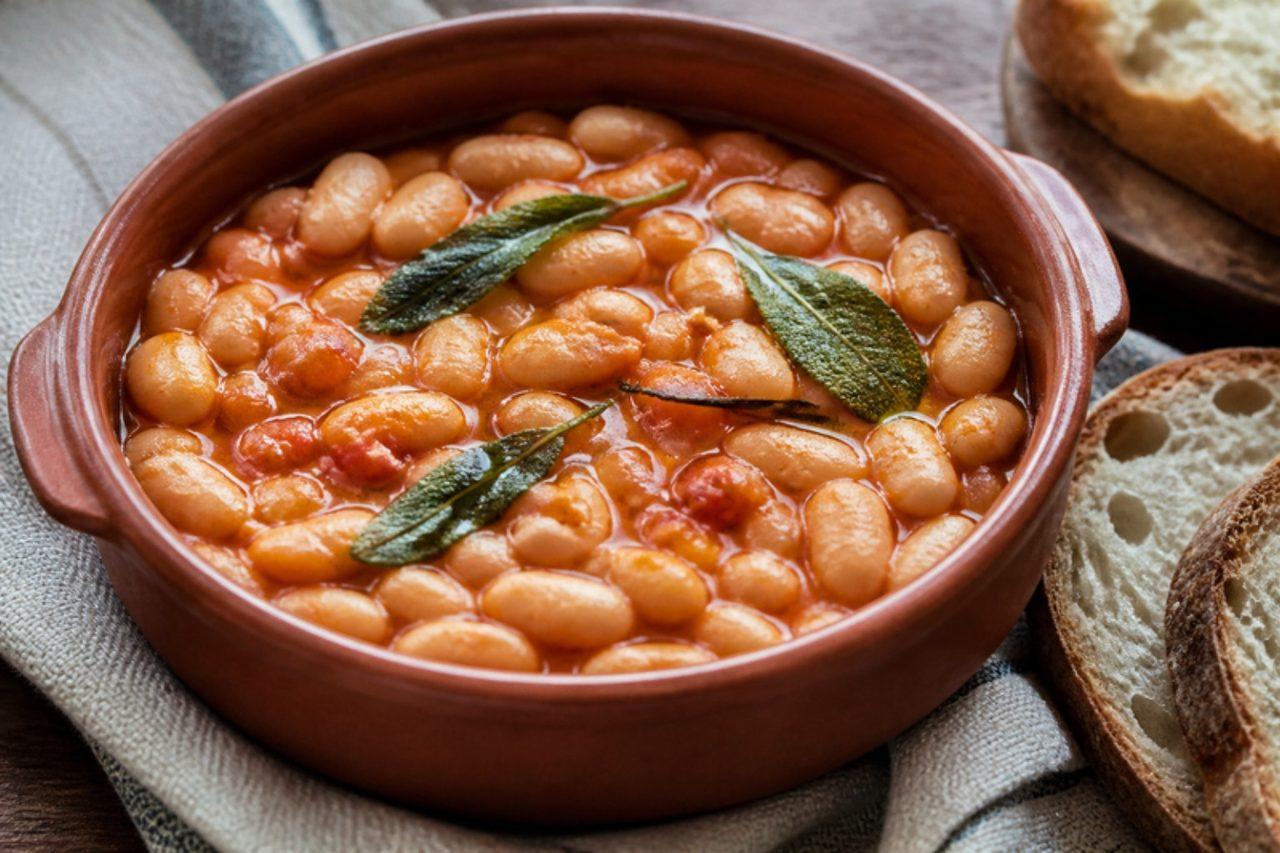
Florentines are nicknamed mangiafagioli, bean-eaters, and this is the dish that earned it: creamy cannellini simmered in olive oil with whole sage leaves, crushed garlic and a little tomato. The name, 'little-bird style', comes from the sage and garlic once used to cook small game birds, though there has never been a bird in the pot. In trattorie it sits next to grilled meat as a side; served with crusty bread and greens it makes a full vegetarian supper. The beans should be soft and glossy in a thick, rust-coloured sauce. Chef's tip: let the sage and garlic sizzle gently in the oil before the tomato goes in; that scented oil is the whole flavour of the dish.

by KrazyBadal 0 views

Torta al testo con verdureGriddle bread stuffed with greens

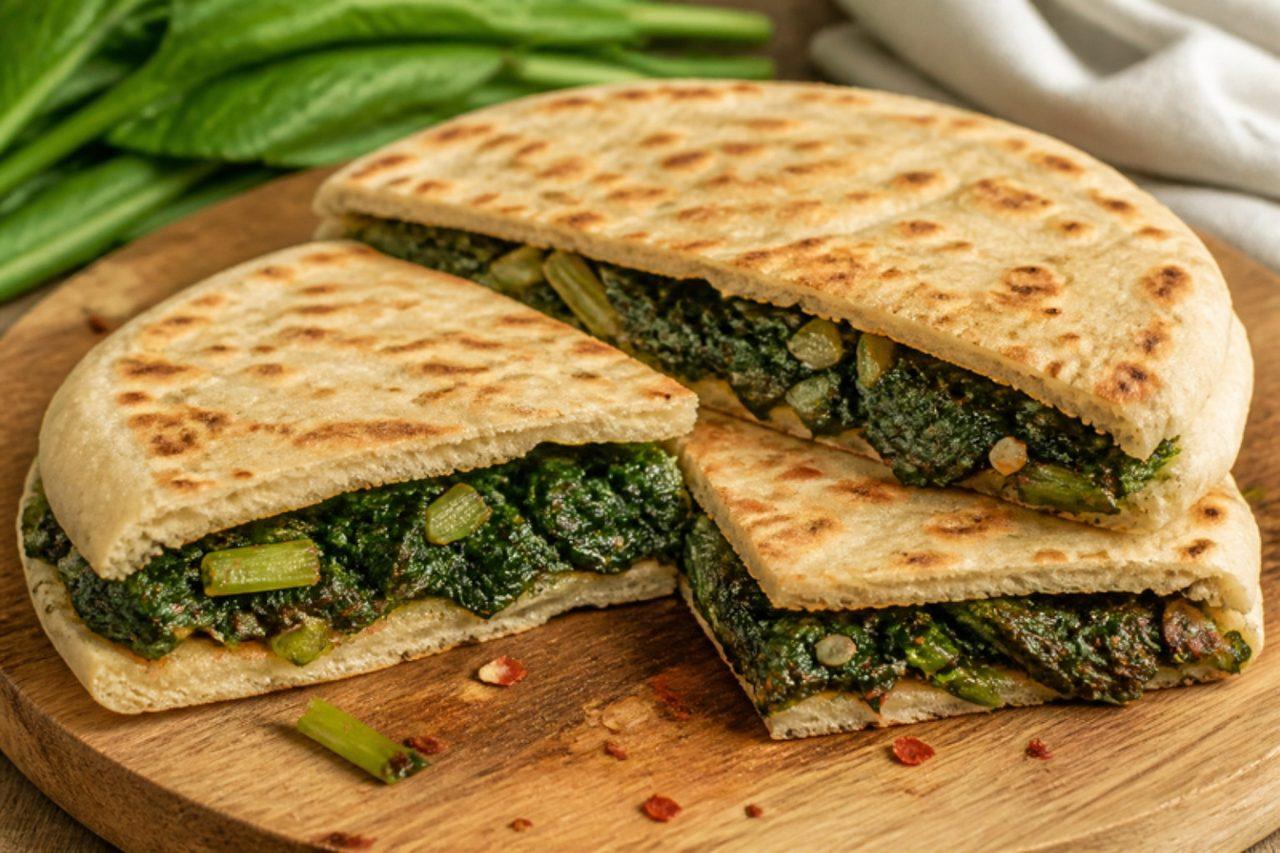
Torta al testo takes its name from the testo, a heavy round of stone or cast iron that Umbrian families heat over the fire; around Perugia, Gubbio and Foligno it's cooked for village festivals and quick weekday dinners alike. Unlike the thin, pliable piadina of Romagna, it is a thick disc, around 2 cm, raised with a little bicarbonate, with a crisp, freckled crust and a soft, bready middle that is split open like a pitta and stuffed. The favourite filling is wilted greens with garlic and chilli; sausage is common at sagre but has no place here. Chef's tip: prick the disc all over with a fork before cooking, so it rises evenly and doesn't balloon.

by KrazyBadal 0 views

Torciglione umbroAlmond paste serpent cake

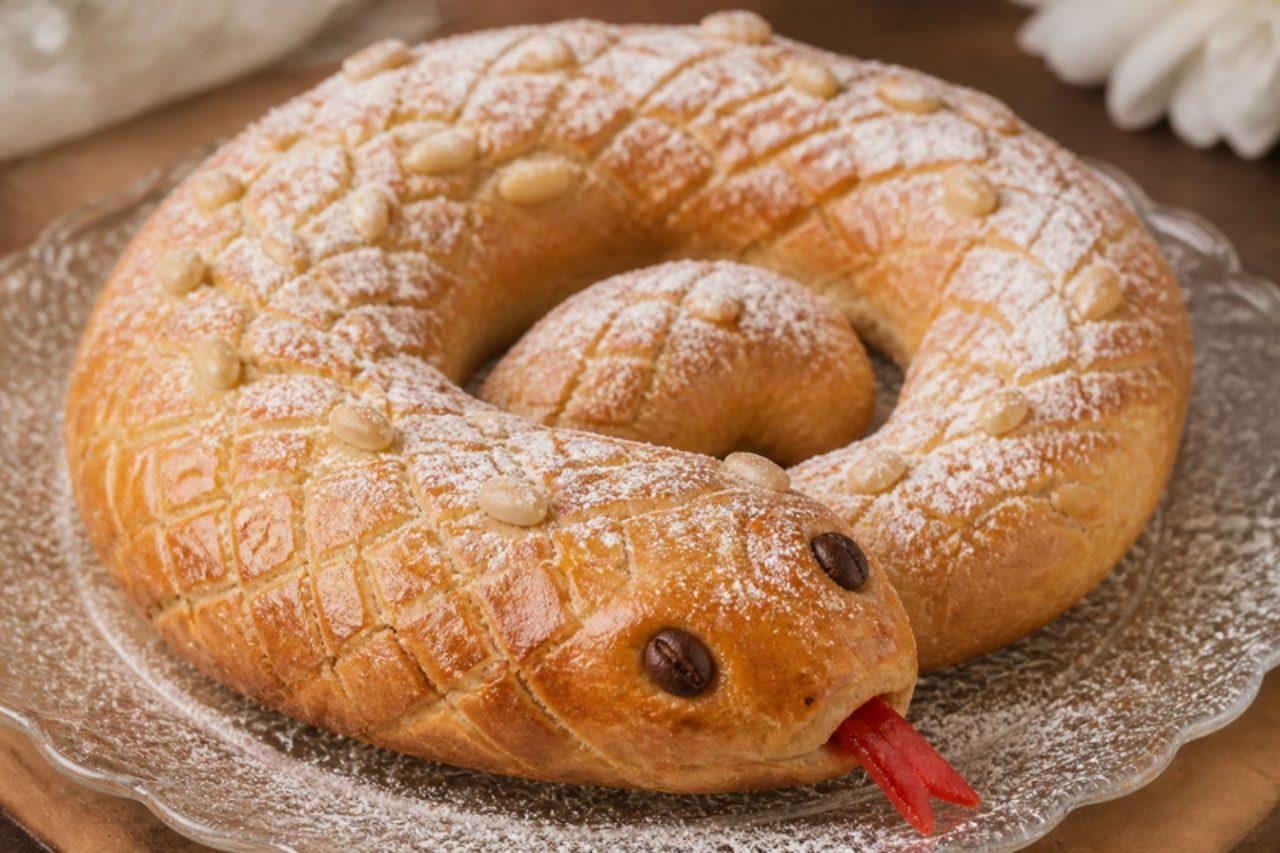
Around Lake Trasimeno and in Perugia, the Christmas sweet table is watched over by a coiled serpent made of almond paste, its back armoured with pine-nut scales, two coffee beans for eyes and a sliver of candied cherry for a tongue. Torciglione is said to recall the eels of the lake, or the snake as a symbol of renewal, and it is eaten in thin slices through the holidays. Inside it is soft and chewy like a marzipan biscuit, with a crisp, golden shell, and it is naturally free of flour. Chef's tip: wet your hands to roll the paste into the rope; it shapes smoothly and won't crack as it bakes.

by KrazyBadal 0 views

Crescia sfogliata di UrbinoLayered spiral flatbread

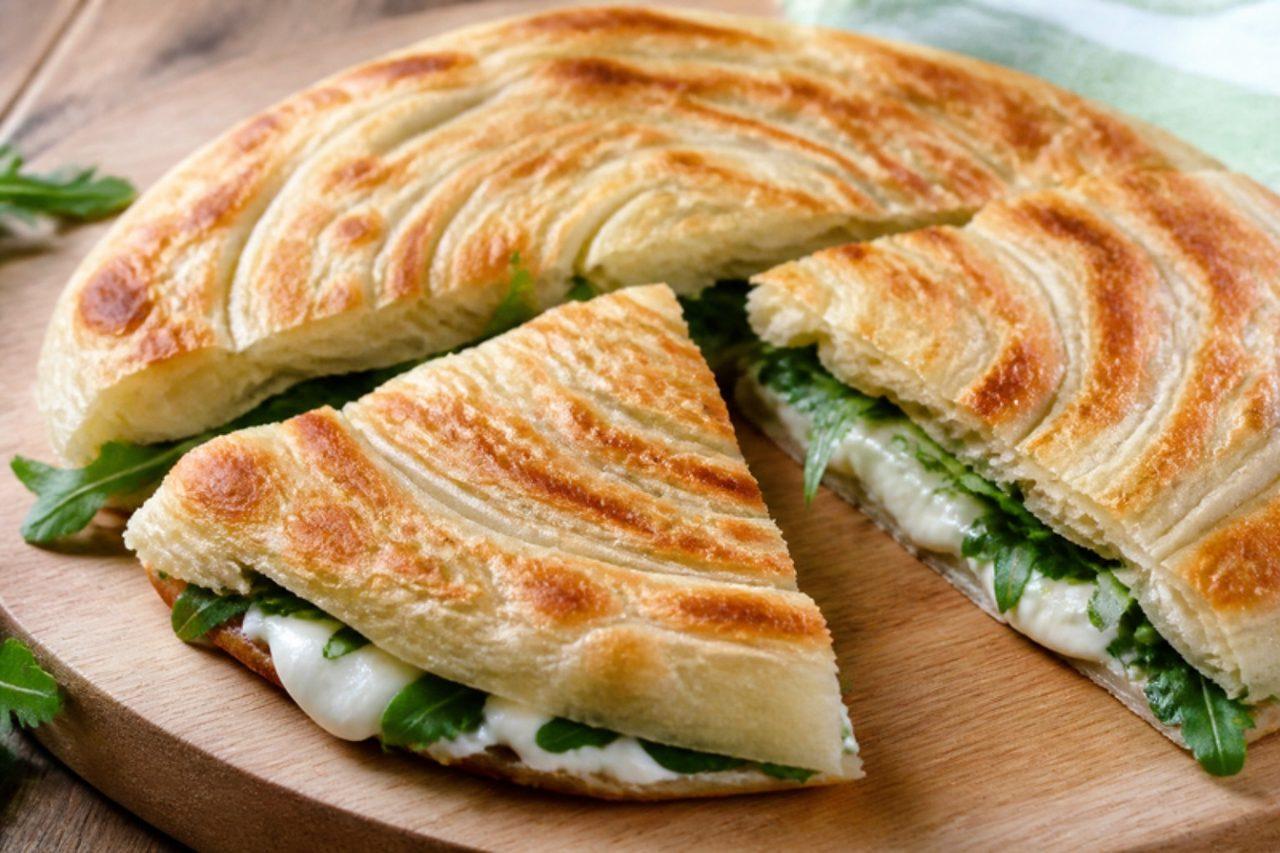
In Urbino and the hills of the Montefeltro, crescia sfogliata is the street food sold from small kiosks and served in every trattoria, folded round fillings like a sandwich. What sets it apart from Romagna's piadina is the lamination: an egg and pepper dough is rolled paper-thin, spread with fat, rolled up into a cord and coiled into a snail, then flattened again, so it cooks into crisp, buttery, flaking layers. Lard is traditional; this version uses butter. Fill it with rocket and soft cheese, sautéed greens or grilled vegetables. Chef's tip: rest the coiled snails for 20 minutes before the final rolling; relaxed dough rolls out without the layers fusing.

by KrazyBadal 0 views
Zuppa di lenticchie di CastelluccioMountain lentil soup

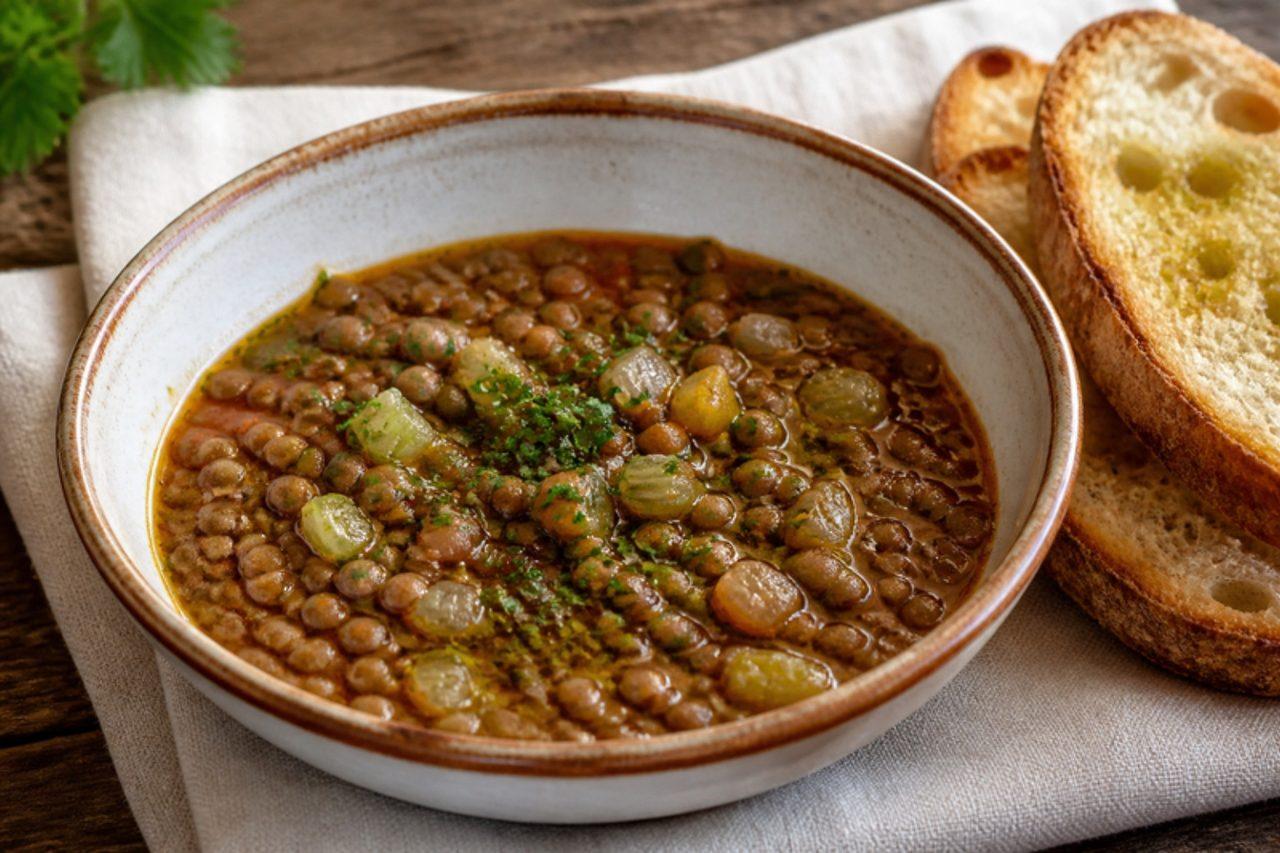
High on the Piano Grande above Norcia, the plateau around Castelluccio turns into a carpet of flowers each June, and among them grow the tiny, speckled lentils the village is known for. They are so small and thin-skinned that they cook in under half an hour without soaking and hold their shape, which is why Umbrian cooks keep this soup simple: a soffritto of garlic, celery and onion, a little tomato, the lentils and good olive oil poured on at the end. It is a cold-weather supper, brothy and earthy, often served with toasted bread. Chef's tip: salt only at the end; salting early can toughen the skins of mountain lentils.

by KrazyBadal 0 views
FrustingoFig, nut and cocoa cake

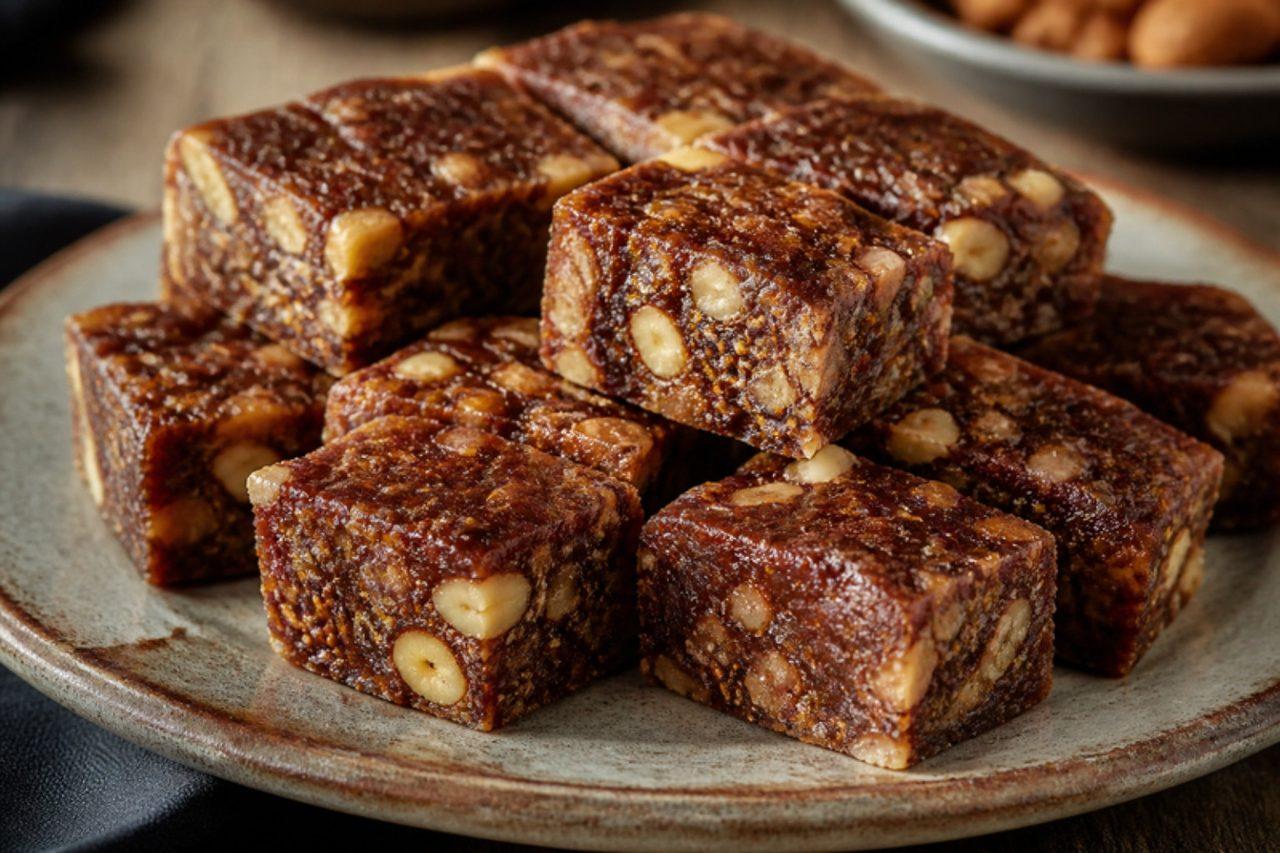
In the Marche, from Ancona down to Ascoli Piceno, frustingo is the dark, dense Christmas cake every family makes its own way, born as a thrifty sweet of dried figs, nuts and stale bread. Chopped figs are soaked and simmered, then mixed with walnuts, almonds, raisins, candied peel, cocoa and coffee, and bound with sapa, the thick cooked grape must of the region. Many recipes also add mistrà, a local aniseed liqueur; this one uses ground anise seed for an alcohol-free cake. It bakes into a fudgy, almost black slab, rich with spice and not too sweet. Chef's tip: let it mature for two days in foil before cutting; it slices cleanly and the flavours come together.

by KrazyBadal 0 views
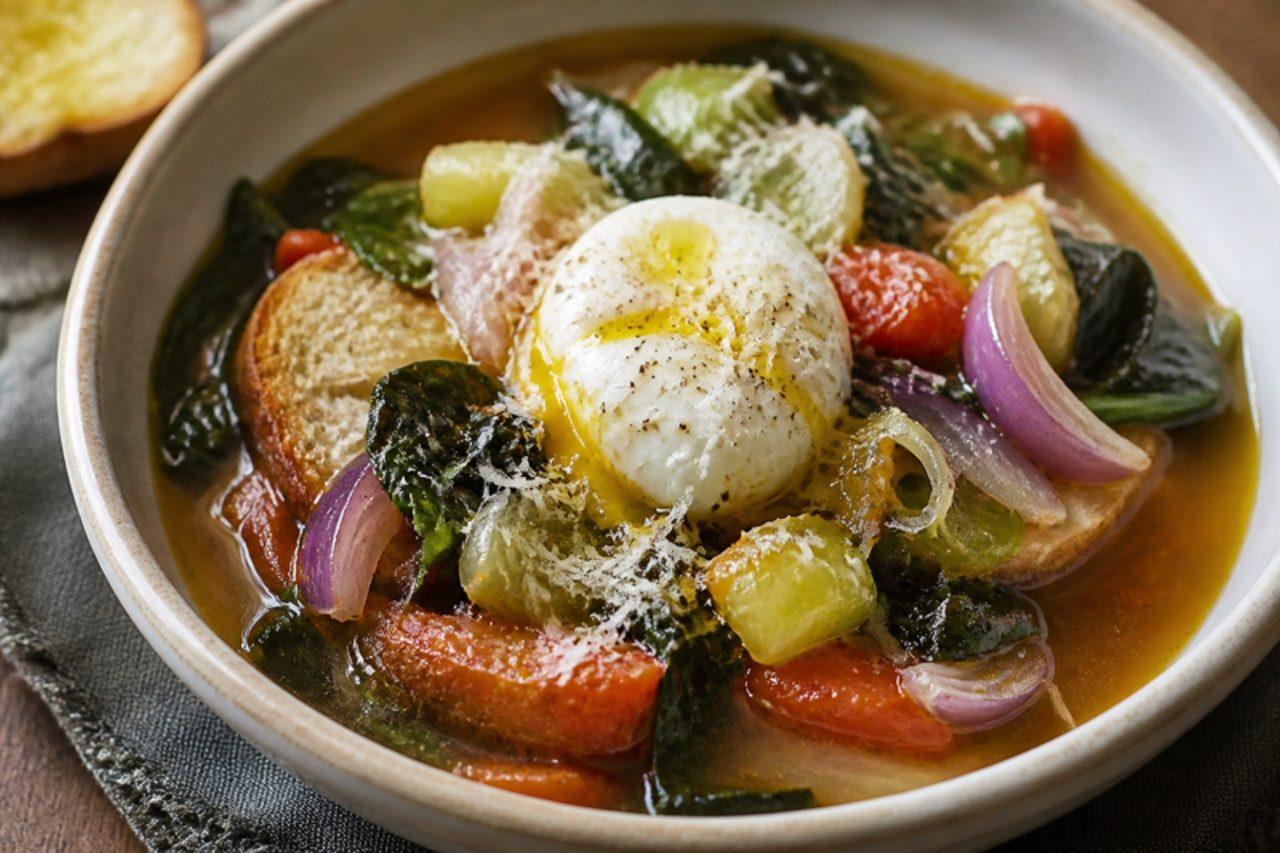
Acquacotta maremmanaVegetable soup with poached egg

Acquacotta, literally 'cooked water', is what the butteri, the cattle herders of the Tuscan Maremma, and charcoal burners made from whatever they carried: onions, a few vegetables, stale bread and, on a good day, an egg. Around Grosseto and the hills of Monte Amiata it is still a family supper in autumn and spring, ladled over toasted bread with an egg poached right in the soup. Slow-cooked onion makes it sweet and deep, the egg yolk runs into the broth and the bread turns soft and spoonable. Chef's tip: give the onions a full 20 minutes; the soup is only as good as their sweetness.

by KrazyBadal 0 views
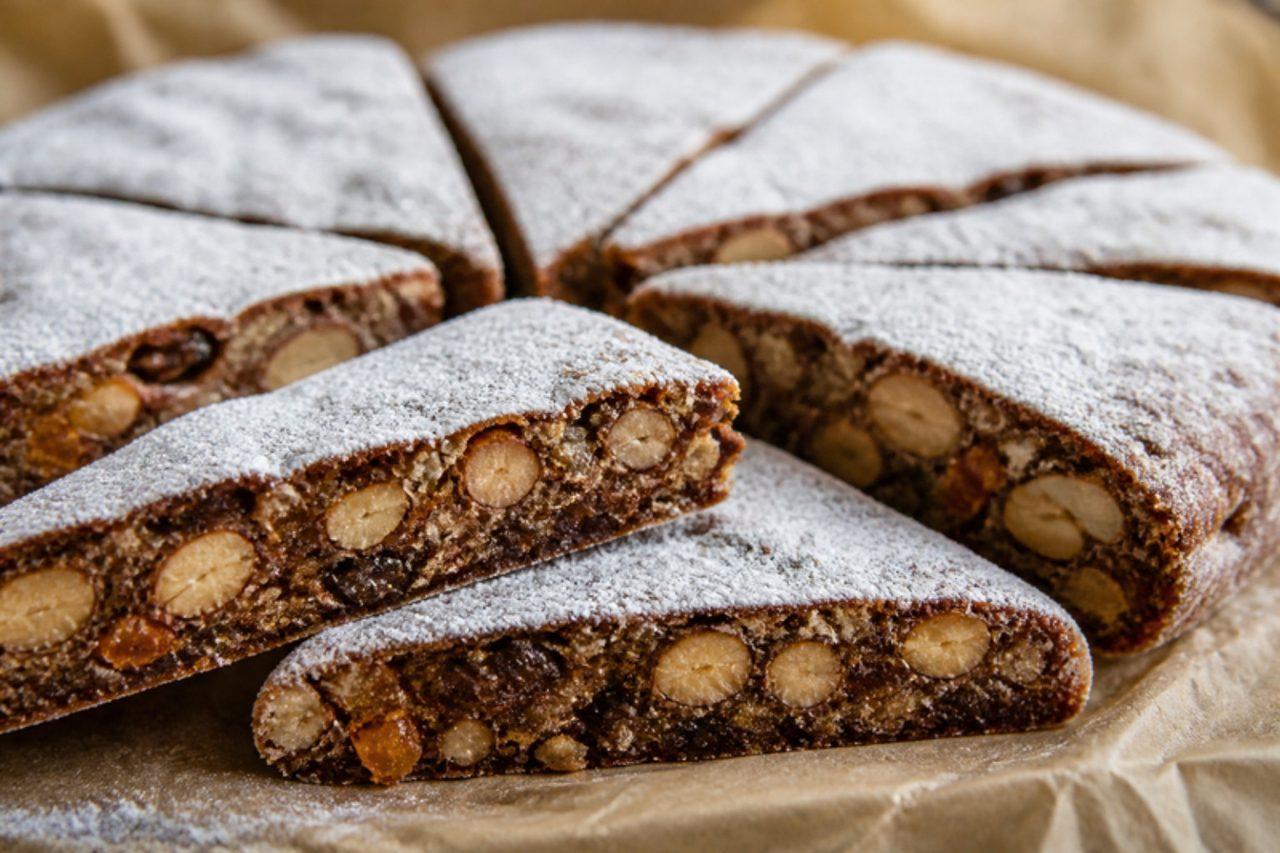
Panforte di SienaSpiced honey and nut cake

Siena has been making panforte since the Middle Ages, when spices arriving along the pilgrim road made it a luxury of apothecaries and convents; today the city's pastry shops stack it in paper-wrapped discs, especially for Christmas. It is more confection than cake: toasted almonds and hazelnuts, candied orange and citron, a little flour and cocoa, all bound with hot honey and sugar syrup and fragrant with cinnamon, coriander, clove and pepper. The texture is chewy and nutty, cut in thin wedges with coffee. Chef's tip: work fast once the syrup is in; the mixture stiffens in a minute or two, so have the tin lined and your hands wet.

by KrazyBadal 0 views

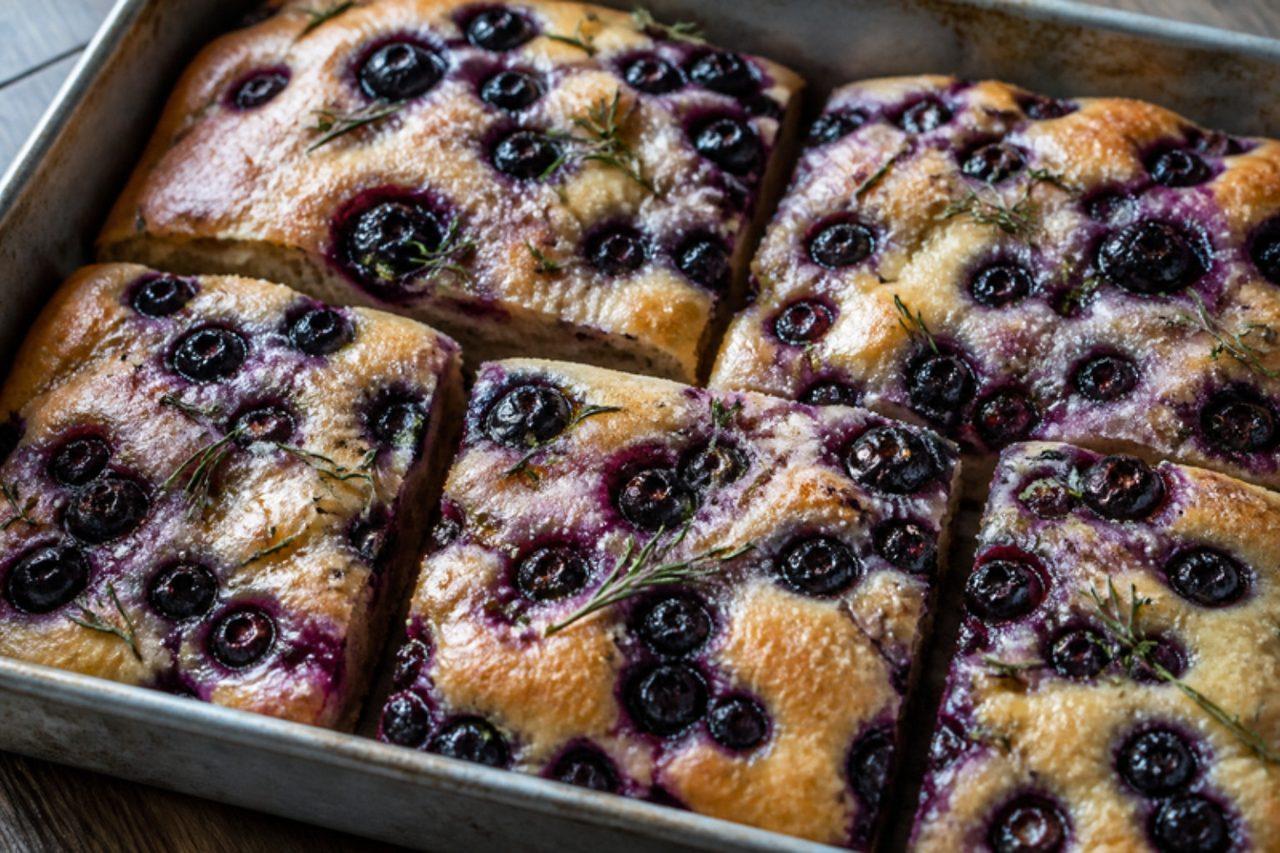
Schiacciata all'uvaGrape flatbread

Each September, when the grape harvest comes in, Florentine bakeries fill their windows with schiacciata all'uva, a thin, oily bread dough layered and topped with small black wine grapes and baked until the juice bubbles purple. It is sold by the slice from big trays and eaten at breakfast or as a mid-afternoon snack for just a few weeks. The traditional Canaiolo grapes have crunchy seeds, which are part of the texture; seedless black grapes work at home. The result is sticky, jammy, crisp at the edges and not too sweet. Chef's tip: squash the grapes slightly as you press them in so the juice runs into the dough and caramelises with the sugar.

by KrazyBadal 0 views

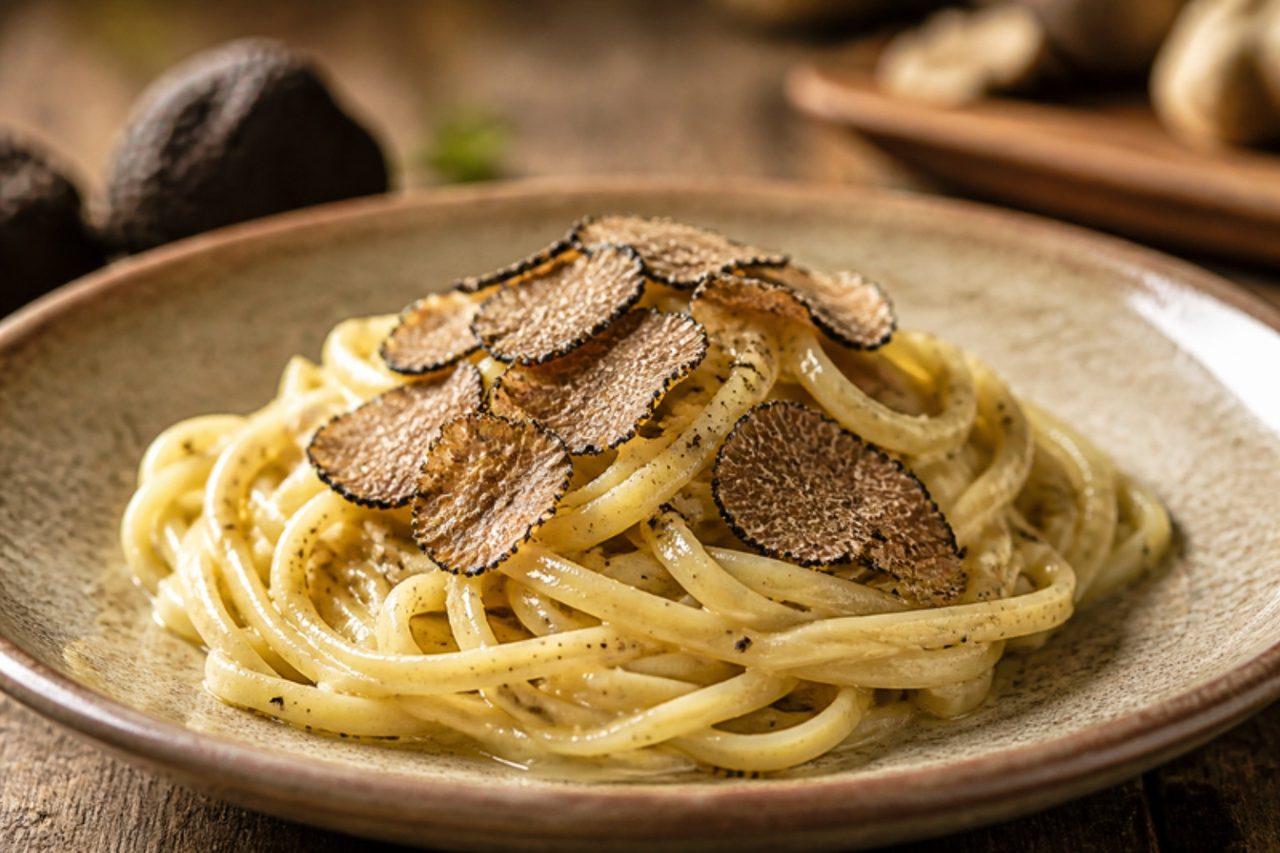
Strangozzi al tartufo neroEggless pasta with black truffle

Strangozzi are the rough-cut strips of flour-and-water pasta made around Spoleto and Norcia, in Umbria; the name is said to echo the leather laces once used to tie shoes, or, in a darker story, to strangle papal tax collectors. Norcia is famous for its black winter truffles, and here the dressing is nothing more than olive oil gently warmed with garlic and plenty of grated truffle, a dish served from December to March. The pasta is chewy and square-edged, and the sauce earthy and perfumed. Chef's tip: grate the truffle into warm, not hot, oil; truffle aroma fades fast with heat.

by KrazyBadal 0 views

Zuppa ingleseCustard and sponge trifle

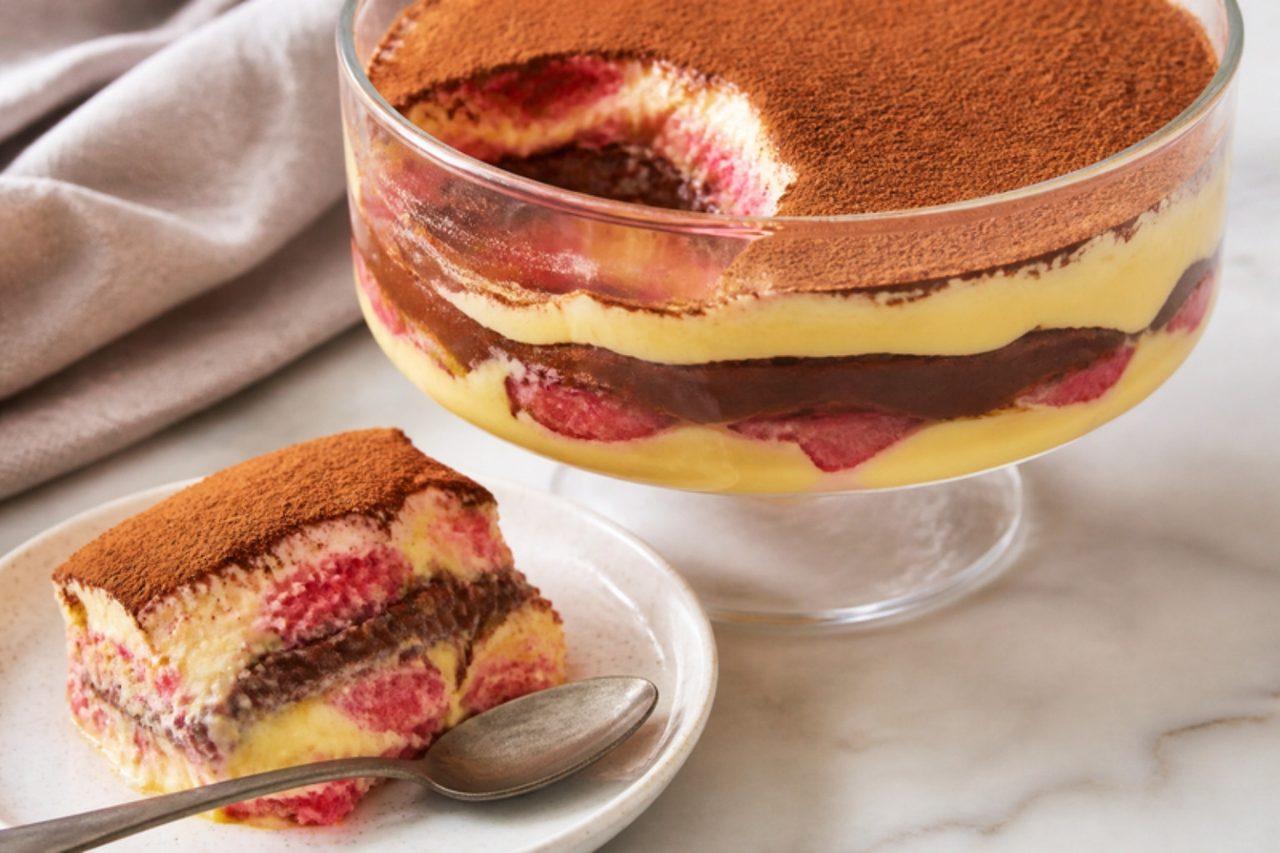
Zuppa inglese is a spoon dessert from Emilia, served at Sunday lunches and family parties in Bologna, Modena and Ferrara: sponge fingers dipped in a crimson liqueur, layered with yellow lemon custard and dark chocolate custard. Despite the name, no soup and nothing English; one story links it to the trifles brought home by Italian diplomats. The red comes from alchermes, a spiced liqueur that is alcoholic and coloured with cochineal, an insect dye, so this version soaks the biscuits in a vegetarian, alcohol-free hibiscus and spice syrup that keeps the colour and the clove-cinnamon perfume. It sets into soft, creamy, striped slices. Chef's tip: dip the biscuits for a second only; they keep softening in the custard overnight.

by KrazyBadal 0 views

TigelleSmall griddle breads

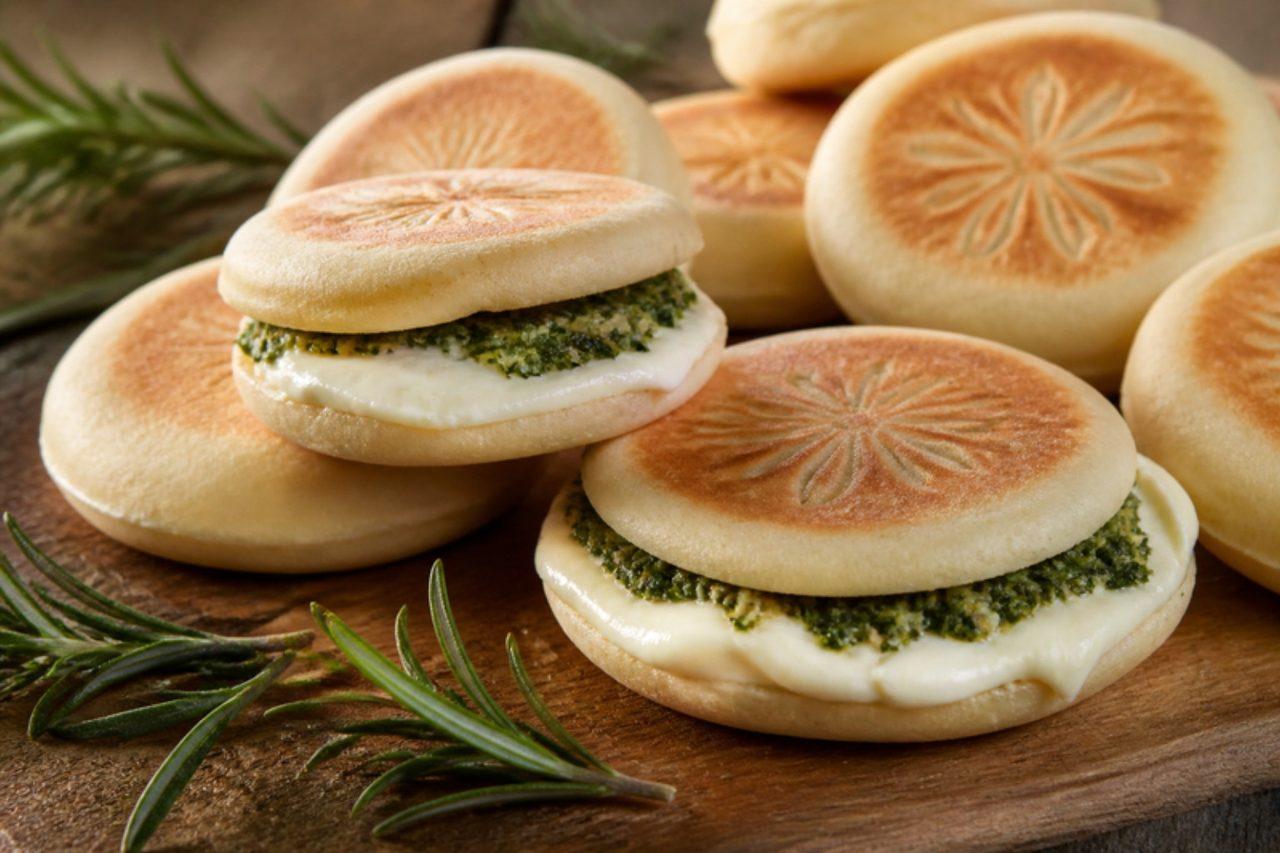
In the Apennine hills above Modena these small, round breads were once baked between hot terracotta discs called tigelle, which gave them their common name; locals often insist the bread itself is the crescentina. Today a cast-iron tigelliera or a heavy frying pan does the work, giving each one a toasted, speckled face and a soft, steamy inside. They are split while hot and filled at the table, a lively Saturday-night supper with friends. The filling was classically lard pounded with rosemary and garlic; this vegetarian spread uses butter, rosemary and Parmigiano, alongside soft cheeses and grilled vegetables. Chef's tip: cut them with a 7 cm cutter and keep them 1 cm thick; any thinner and there's nothing to split.

by KrazyBadal 0 views

Tortelli di erbettaRicotta and chard tortelli

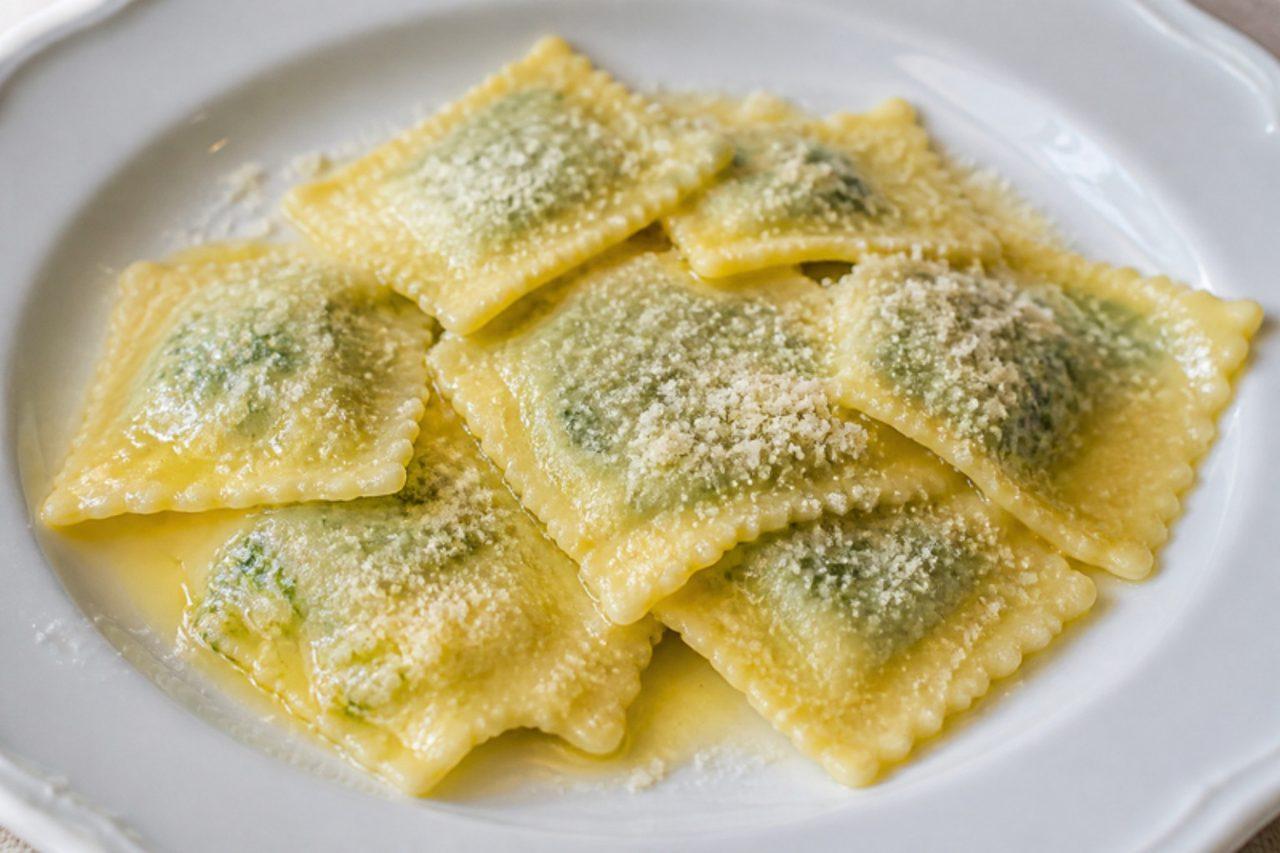
On the night of 23 June, the feast of San Giovanni, Parma eats tortelli d'erbetta outdoors, at long tables in courtyards and on terraces, and the custom says the evening dew blesses the meal. The filling is the young chard the city calls erbetta, mixed with ricotta and a lot of Parmigiano; the pasta is egg-rich and thin, and the only sauce is melted butter and more cheese. Each one is soft, creamy and gently green. Chef's tip: cut the tortelli as large rectangles, about 6 × 8 cm, as they do in Parma; bigger parcels hold more filling and cook evenly.

by KrazyBadal 0 views

Pansoti con salsa di nociHerb ravioli in walnut sauce

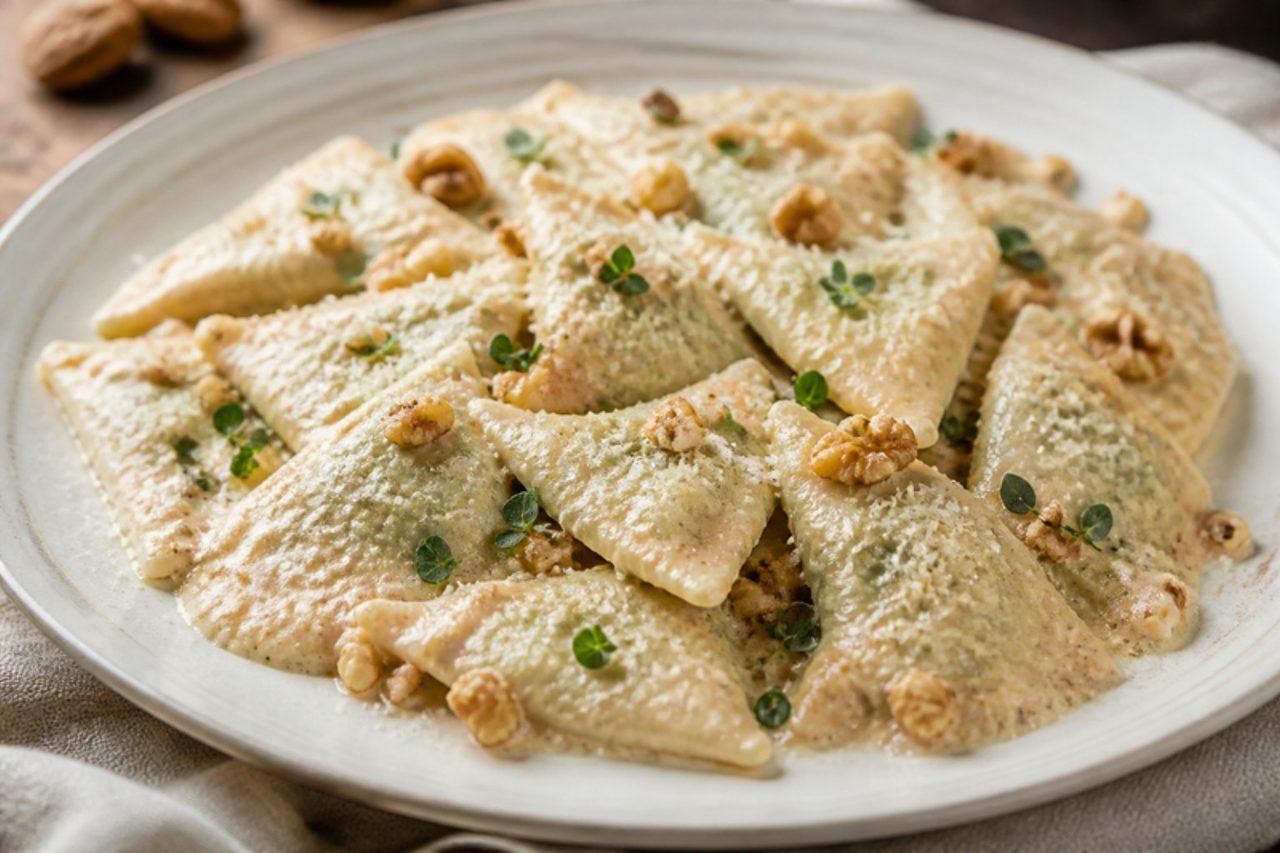
In Genoa and the hills behind it, pansoti are the pasta of the spring greens: plump triangles stuffed with a bundle of wild and garden leaves the Ligurians call preboggion, bound with soft cheese. Instead of pesto they wear salsa di noci, a pale, nutty sauce pounded from walnuts, garlic and milk-soaked bread. The dough is lean, just flour and water, often with a splash of white wine; this version gives a water-only option for an alcohol-free plate. Expect a soft bite, a grassy filling and a sauce that tastes of autumn. Chef's tip: blanch the walnuts for a minute and rub off the papery skins; the sauce turns sweeter and stays cream-coloured instead of grey.

by KrazyBadal 0 views

Torta pasqualinaChard and ricotta egg pie

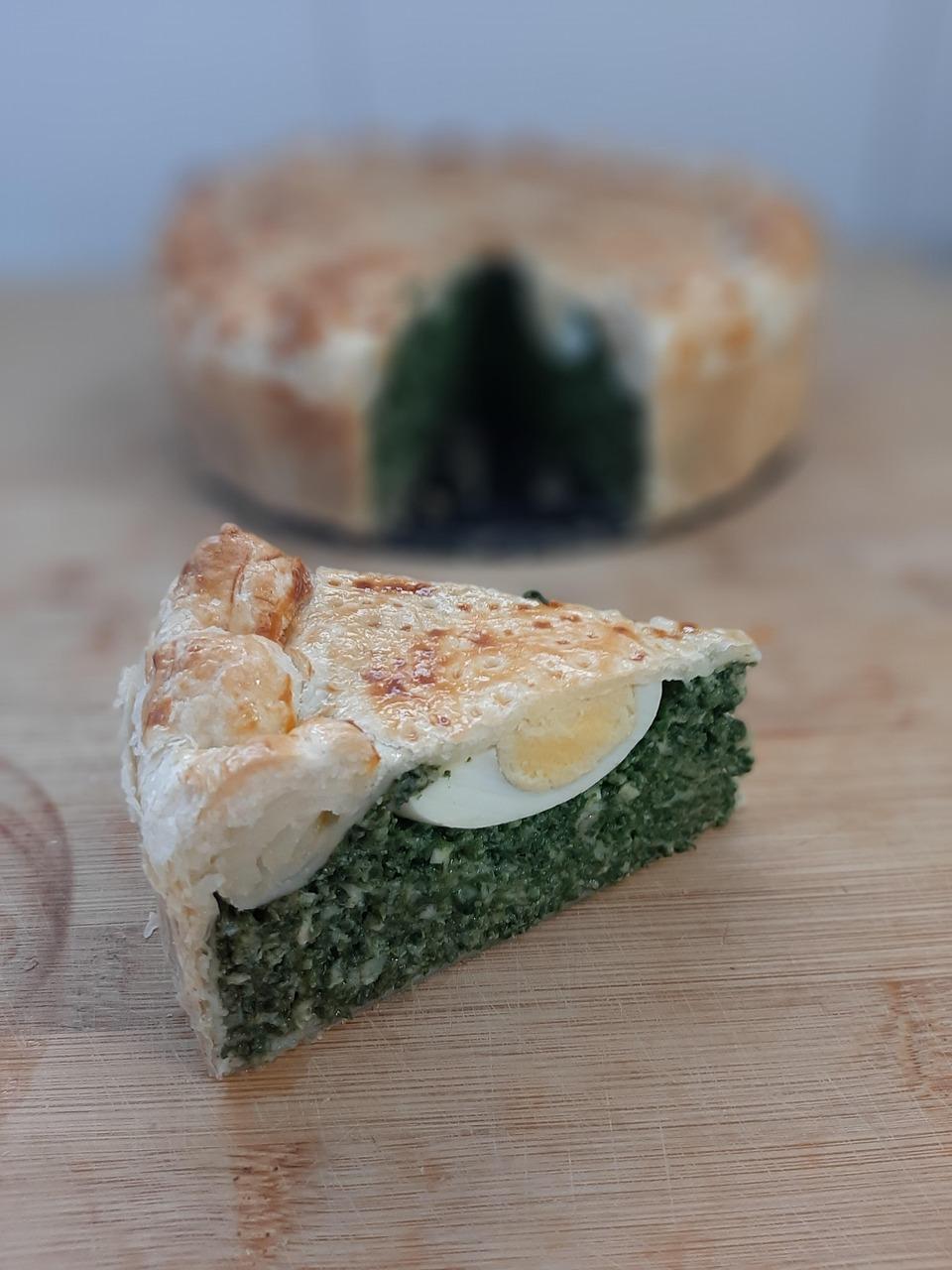
Genoese families bake torta pasqualina for Easter Monday picnics, and it is just as good cold the next day as warm from the oven. Paper-thin sheets of olive-oil pastry enclose a deep layer of chard and ricotta, and whole eggs are cracked into hollows in the filling so that every slice shows a neat yellow and white circle. Old recipes boasted 33 pastry layers, one for each year of Christ's life; four sheets top and bottom give a crisp, flaky crust at home. The taste is mild and green, lifted with marjoram and hard cheese. Chef's tip: stretch the dough on the backs of your hands like strudel rather than only rolling it, and brush every sheet with oil, so the layers separate in the oven.

by KrazyBadal 0 views

Garganelli con piselli e pannaEgg pasta with peas and cream

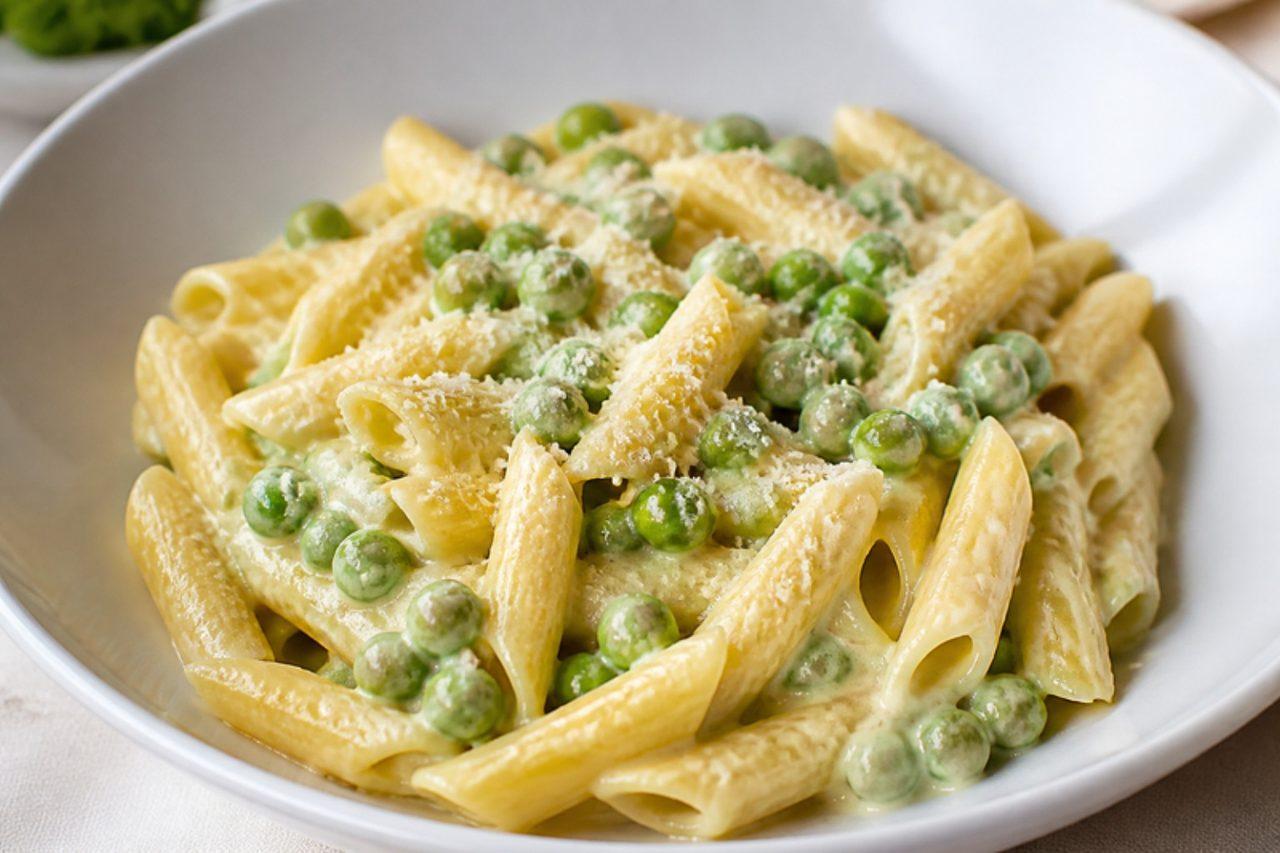
Garganelli come from the farmhouses between Imola and Lugo in Romagna, where egg-pasta squares are rolled around a thin stick on a little comb called a pettine, leaving ridged quills with a seam down one side. Their ridges grip sauce well, and the classic spring dressing is sweet peas in cream; the trattoria version adds prosciutto, which this one leaves out, with a little shallot and Parmigiano instead. The dish is silky and mild, a Sunday-lunch first course. Chef's tip: a clean gnocchi board and a pencil-thin wooden dowel make perfectly good garganelli if you don't own a pettine.

by KrazyBadal 0 views

Gnocco frittoPuffed fried dough

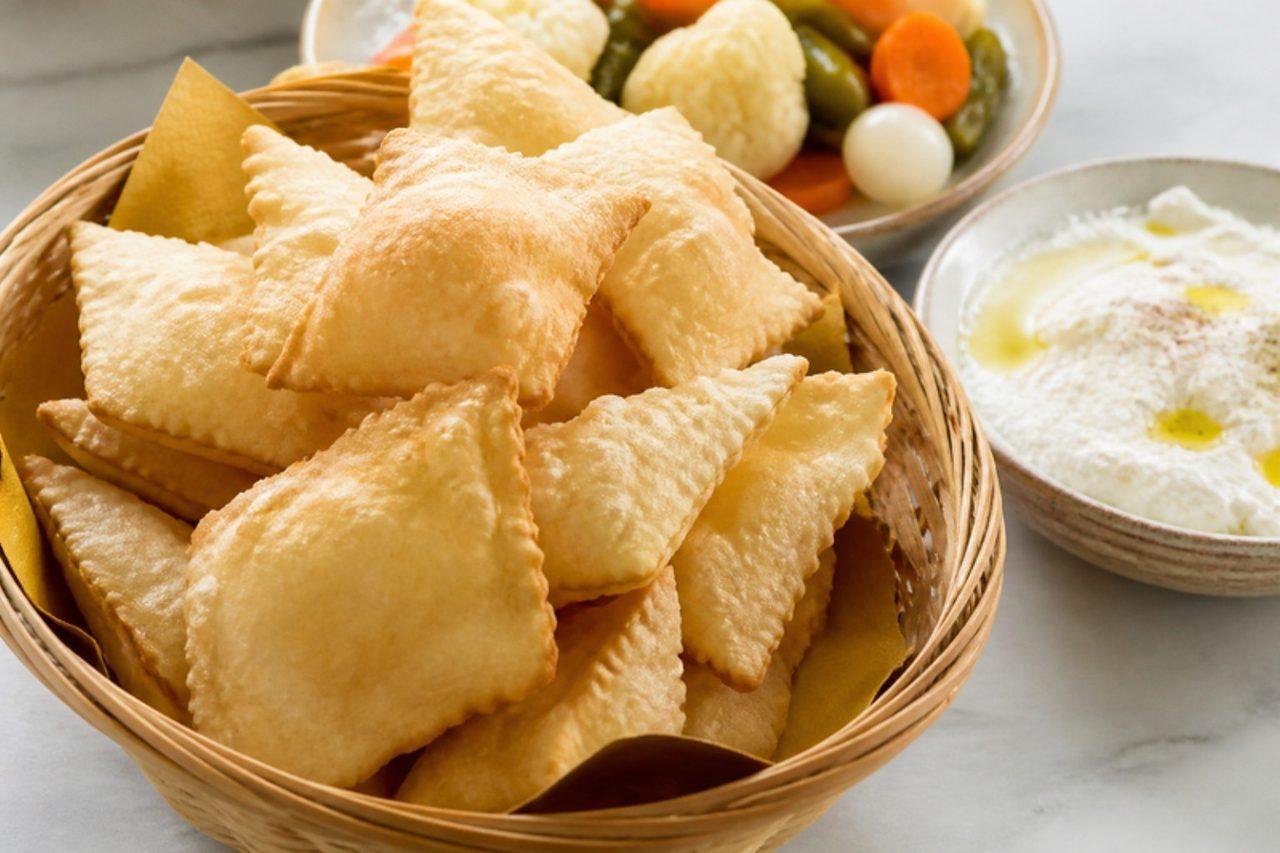
Walk into a trattoria around Modena or Reggio Emilia and a basket of gnocco fritto lands on the table before you have ordered: diamonds of dough that balloon in hot fat into hollow, blistered pillows. They are torn open and filled with whatever comes with them, traditionally cured meats; here they go with soft cheeses, Parmigiano shards, grilled vegetables and pickles. The dough was always made with lard; this version uses butter, which keeps the crust tender and golden. Children adore them for breakfast dipped in milky coffee too. Chef's tip: roll the dough really thin, about 3 mm; thick gnocco stays bready and won't puff.

by KrazyBadal 0 views

Showing 18 of 7,762 recipes

Show more recipes

Page 566 of 863