


Skip to content
Chibwabwa
Featured recipe

Chibwabwa

Pumpkin leaves with groundnuts

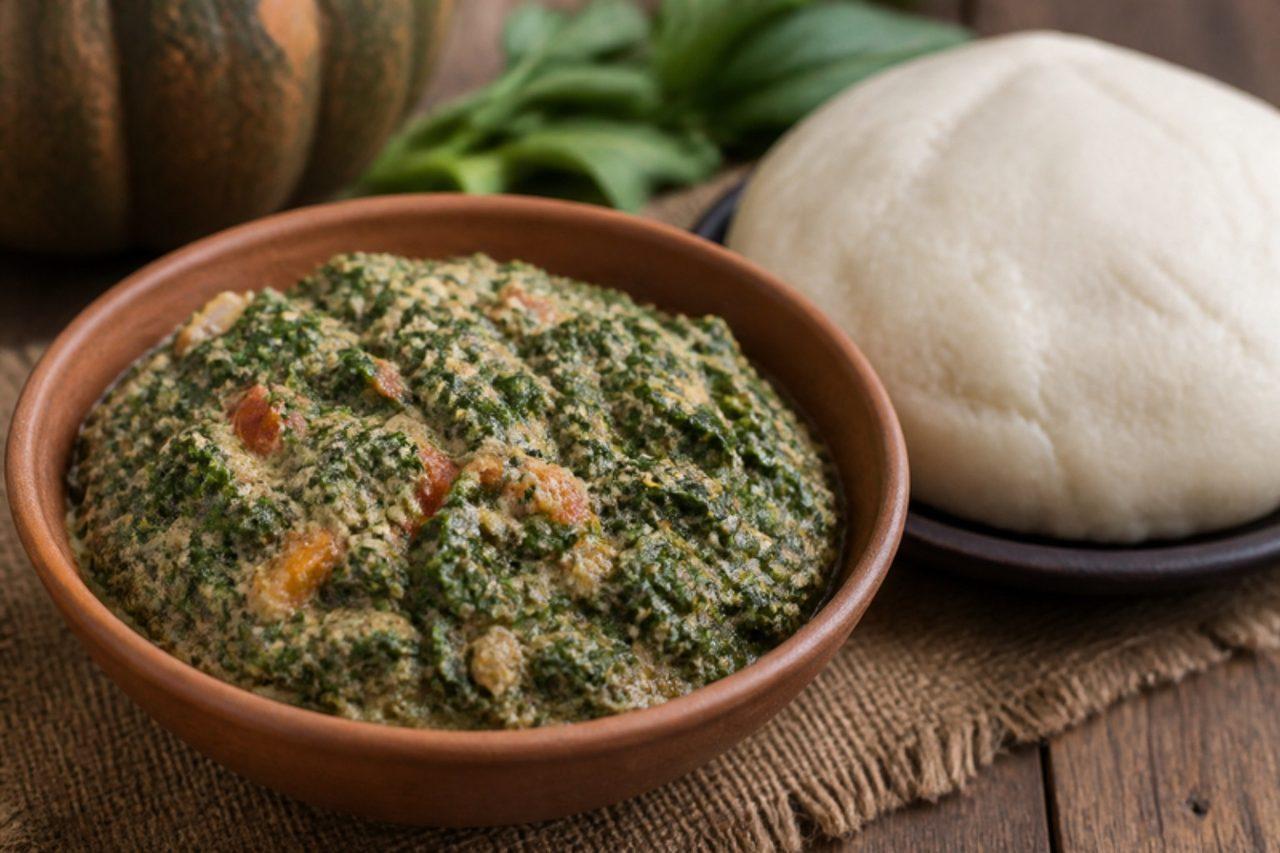
From December to March, when pumpkin vines sprawl over every compound fence in Lusaka and the Copperbelt, chibwabwa is on the table almost daily as a relish for nshima. The tender leaves and shoots are stripped of their hairy outer fibres, cooked down until silky and finished with tomato, onion and freshly pounded groundnuts, which thicken the juices into a creamy, nutty sauce. The taste is green and mildly sweet, closer to young spinach than to pumpkin itself. Look for pumpkin leaves at African or South Asian grocers; spinach mixed with a little chard is a fair stand-in. Skipping the peeling is the mistake people make, and it leaves the stems stringy and prickly. Chef's tip: add the groundnut powder only at the end and simmer it gently, or it sinks and scorches.

Read more 0 views

What to eat today?

Around the world

Today's trip: Persian

A new country every day, from every cuisine on the site.

Persian

Ash-e doogh

Yogurt soup with rice and chickpeas 60 minMore from Persian (131) →

This week's collection

Kid-friendly dinners
537 recipes · a new collection every Monday

Latest recipes

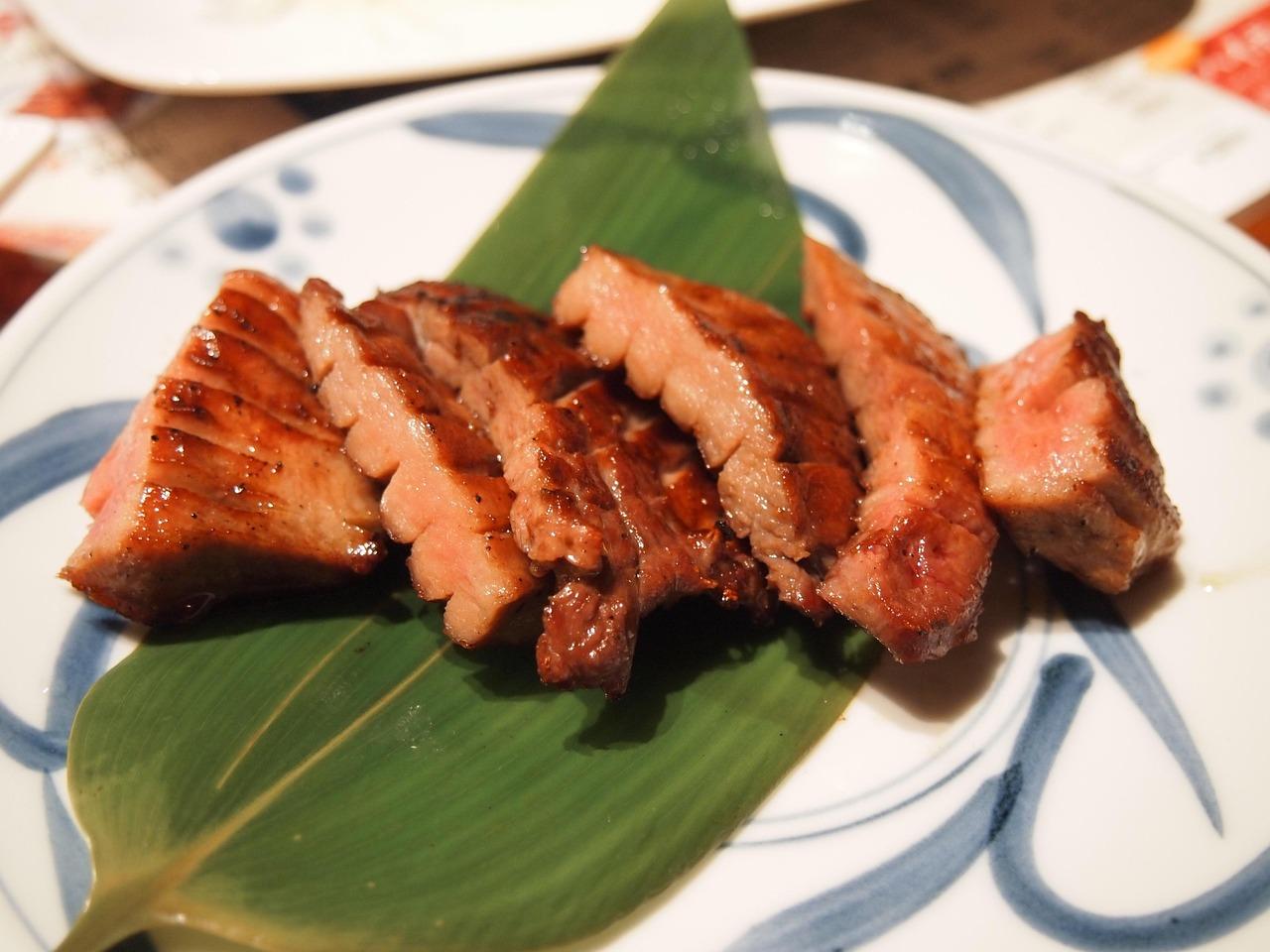
Gyutan (Sendai grilled beef tongue)

Sendai, the biggest city in Miyagi prefecture, turned beef tongue into its signature dish in the years after the Second World War. Specialist gyutan restaurants line the streets around Sendai Station, and the classic set is always the same: grilled tongue, a bowl of rice cooked with barley, a clear oxtail soup and a few pickles with a green chilli miso. This home version uses tongue sliced by a butcher, a short salt cure and a very hot pan, with a quick clear beef soup in place of the long-simmered oxtail. The meat should be chewy in a pleasant, bouncy way, with a smoky crust. Chef's tip: ask the butcher to peel the tongue and cut it into 1 cm slices; thick slices with shallow cuts on both sides stay juicy, while thin ones dry out in seconds.

by KrazyBadal 0 views

Beyaynetu (fasting platter)Fasting platter of vegan stews

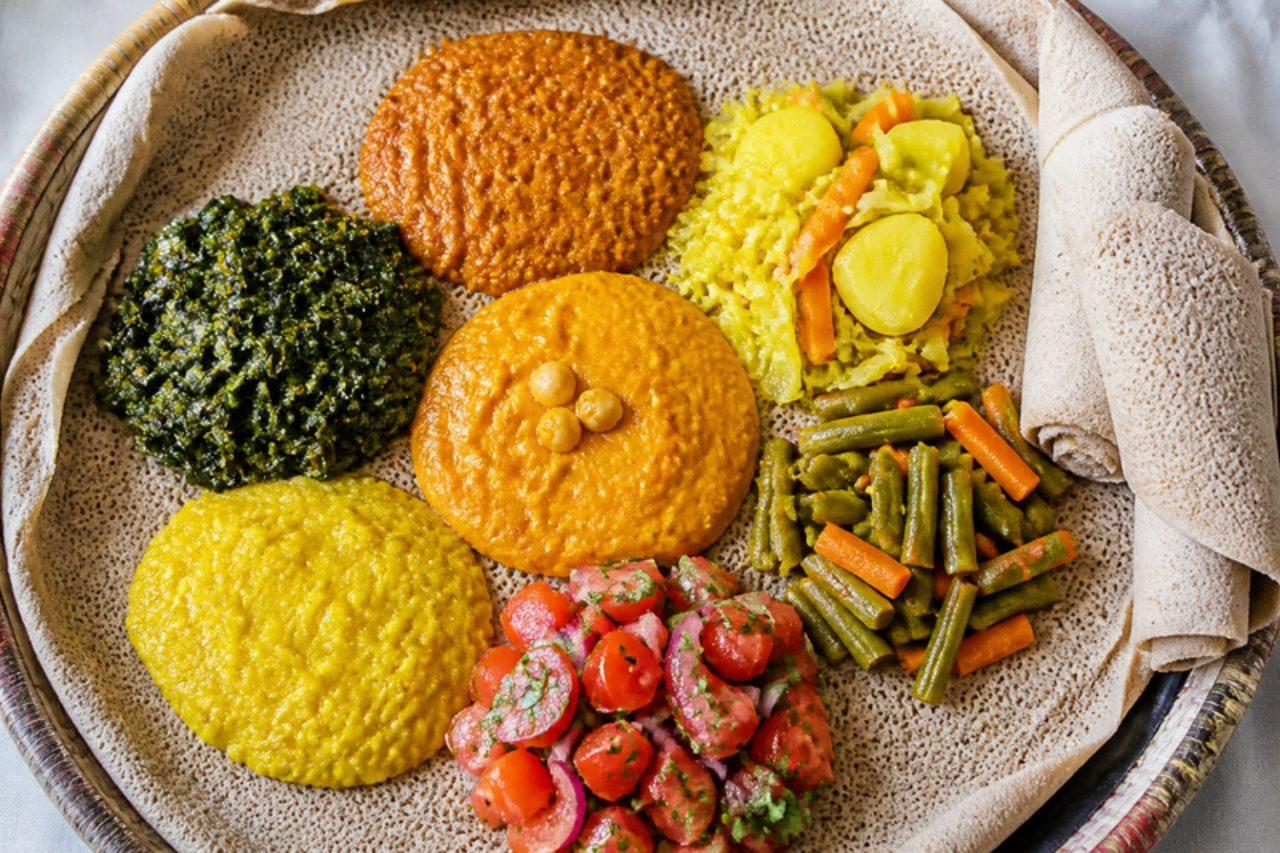
Beyaynetu means 'a bit of every kind', and on Wednesdays, Fridays and through the long Lenten fast it is what most of Addis Ababa orders for lunch: a round of injera covered with small heaps of different vegan stews and salads, each a different colour and spice level, with extra rolled injera on the side. At home it is a feast for sharing, built from dishes you can make ahead. This page shows you how to plan and assemble it, and gives the red lentil misir wat that sits at its centre; for the other dishes use our Shiro wat, Kik alicha, Gomen, Tikil gomen, Fosolia and Timatim salata recipes, and of course Injera. Chef's tip: balance the platter with two spicy red dishes, two mild yellow ones and two green or fresh ones, so every mouthful can be cooled or warmed.

by KrazyBadal 0 views

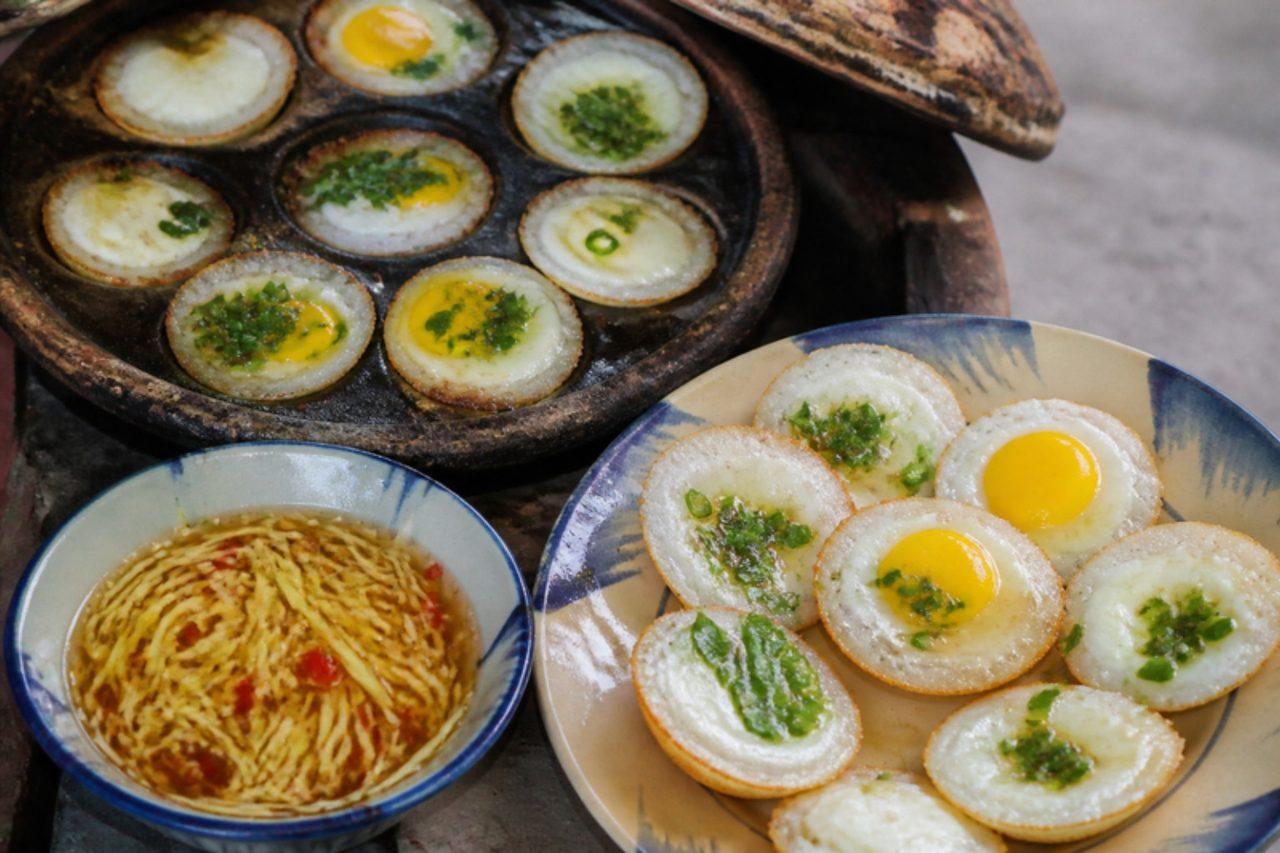
Banh canMini rice flour cakes with egg

Bánh căn comes from Phan Rang on the south-central coast and is now a favourite of chilly evenings in Da Lat, where sellers crouch over charcoal and rows of small clay moulds, cracking a quail egg into each little cup of rice batter. The cakes come out crisp and browned underneath and soft and steamy on top, and are eaten in pairs, dunked in a sweet-sour dipping sauce with shredded green mango and herbs. Most stalls use a fish sauce dip and sometimes add squid or shrimp; this version keeps it vegetarian with a tamari sauce and spring onion oil. Chef's tip: let a little of the cooked rice in the batter go into the blender; it gives the cakes their soft, slightly chewy middle.

by KrazyBadal 0 views

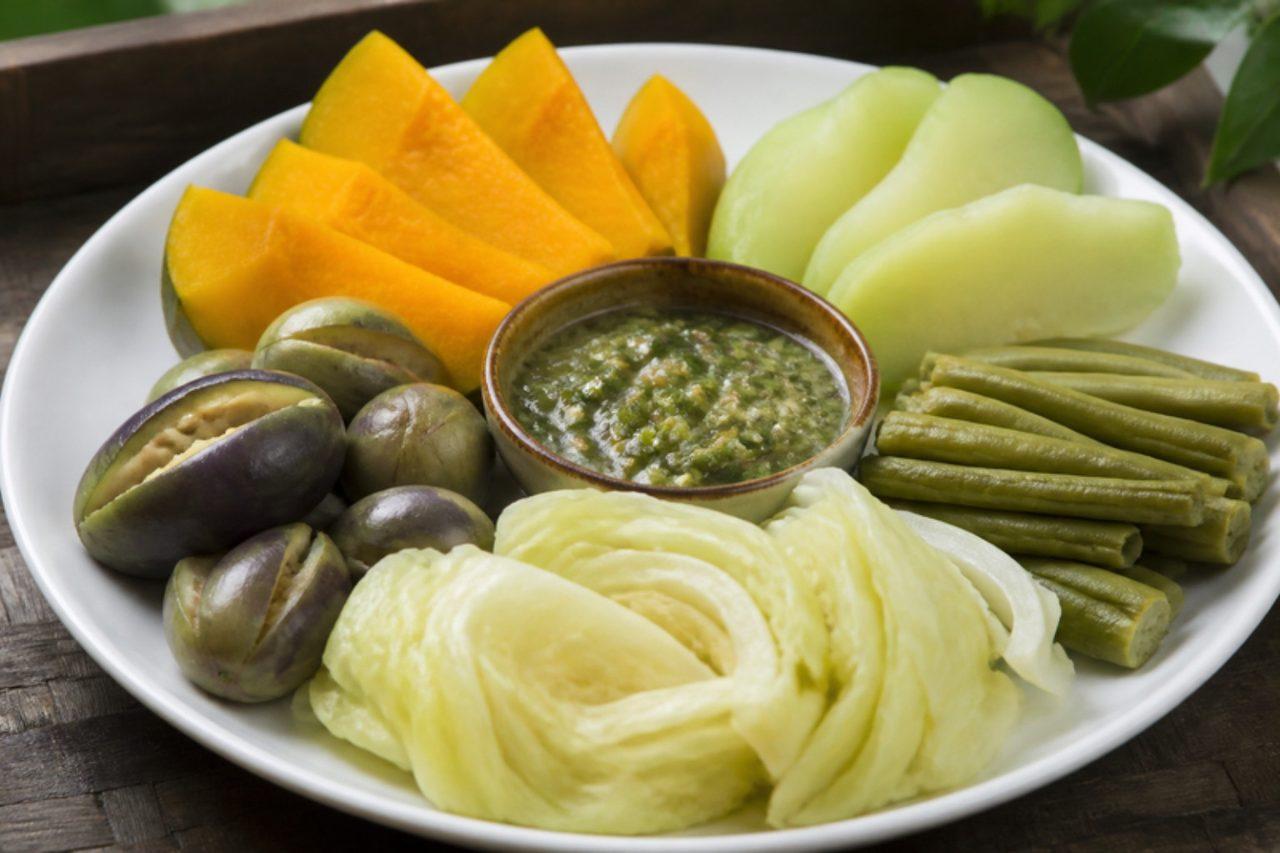
Chhum hanSteamed vegetables with chilli dip

Chhum han is how Mizo families eat vegetables at their simplest: whatever is in the garden (pumpkin, chayote, beans, aubergine, cabbage, potato) steamed or boiled until just tender and served on a plate with a sharp dip of crushed chilli, garlic, salt and herbs. In Aizawl it is part of almost every home meal, eaten with rice and bai. The vegetables taste of themselves, and the dip does the work. Chef's tip: steam each vegetable for its own time and take it off when a knife slides in; overcooked chhum han is watery and dull.

by KrazyBadal 0 views

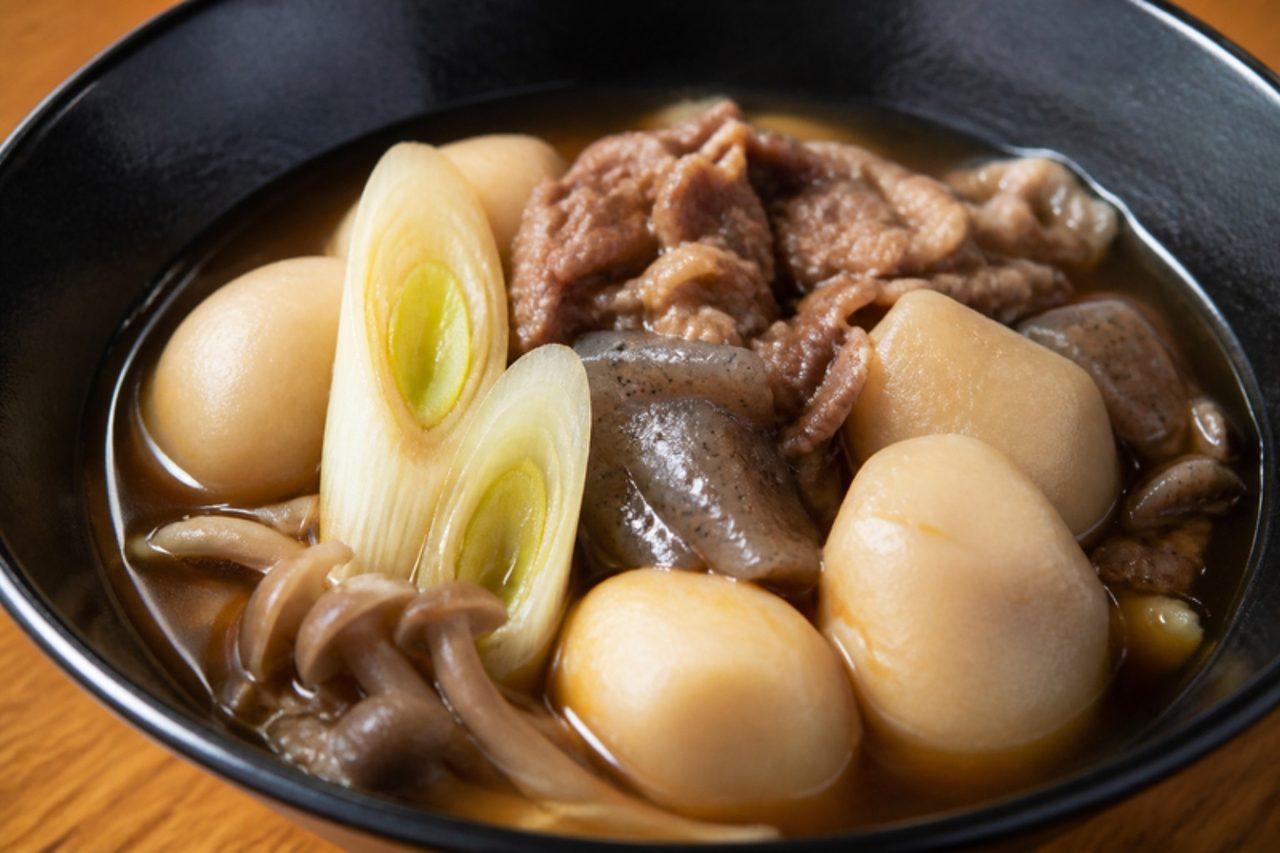
Imoni (Yamagata taro and beef stew)

On autumn weekends in Yamagata, friends, families and workmates carry big pots, firewood and bags of taro down to the riverbanks and cook imoni outdoors; the gathering is called an imoni-kai. Yamagata city even holds a festival on the Mamigasaki River where the stew is made in a giant pot and ladled out with a mechanical digger. The Yamagata version uses beef and a soy broth, while neighbouring Miyagi makes it with pork and miso. Taro gives the soup a soft, slightly thick body, konjac adds bite and the leeks go in last so they stay sweet. Chef's tip: rub the peeled taro with salt and rinse it before cooking; this removes most of the slippery coating, so the broth stays clean rather than gluey.

by KrazyBadal 0 views

Darjeeling first flush tea

Darjeeling's first flush is picked in March and April on estates clinging to the hills above the town, and in Darjeeling's tea rooms it is served plain: pale gold, flowery and slightly astringent, with a 'muscatel' note in the later second flush. It is the opposite of a strong breakfast tea, so it is never boiled, stewed or given milk. Hill families drink it from morning till dusk, and it is a souvenir every visitor buys from Chowrasta. Chef's tip: use water just off the boil (about 90°C) and time the brew; overheated or overbrewed first flush turns bitter and loses its scent.

by KrazyBadal 0 views

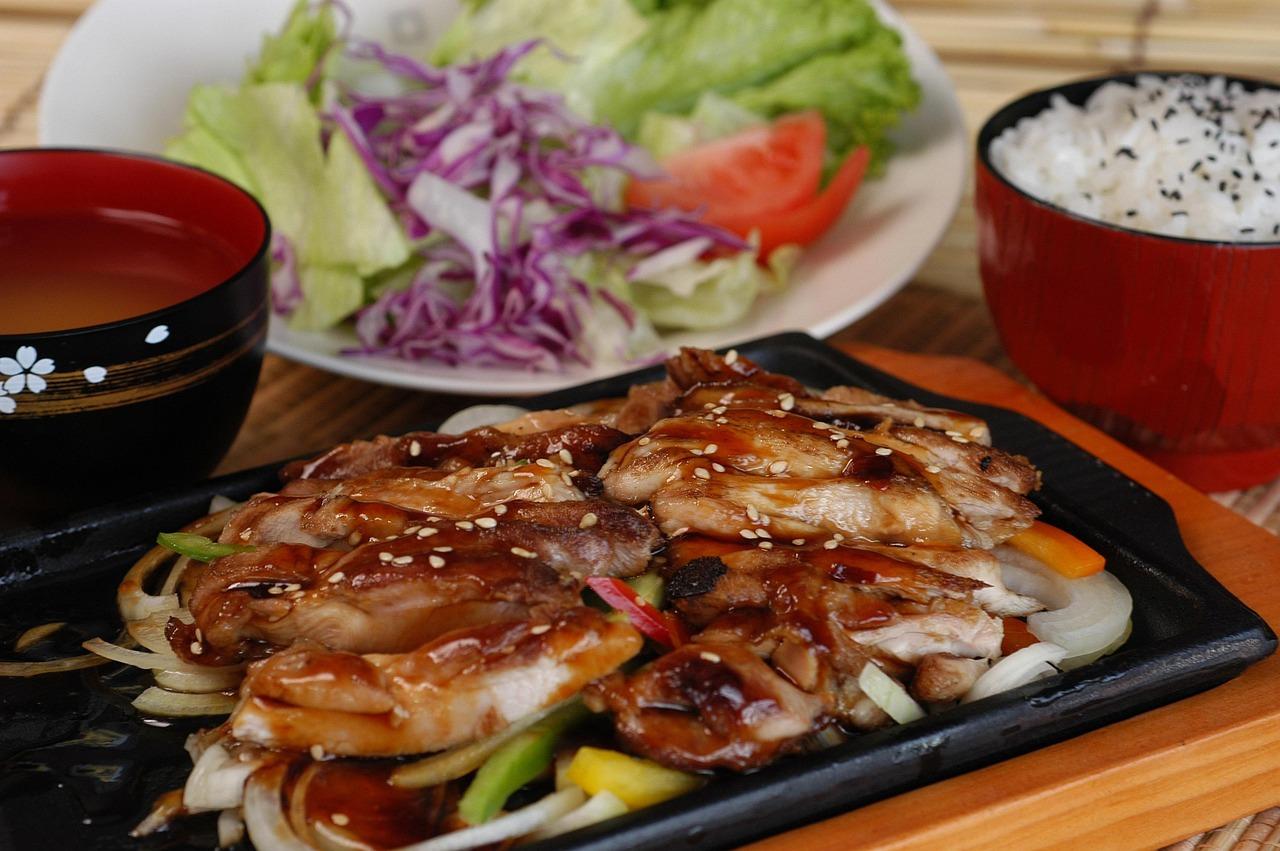
Chicken teriyaki

Teri means shine and yaki means grilled, which sums up the glossy, lacquered finish of this weeknight favourite. Japanese restaurants often save the teriyaki treatment for yellowtail in winter, but at home it is usually chicken thighs, cooked in one frying pan and sliced over rice or packed into a lunchbox. The sauce is just soy sauce, mirin, sake and sugar, bubbled down in the pan until it clings. Serve it with shredded cabbage and a bowl of miso soup. Chef's tip: wipe the fat out of the pan with kitchen paper before the sauce goes in, so the glaze thickens and shines instead of sitting in a greasy pool.

by KrazyBadal 0 views

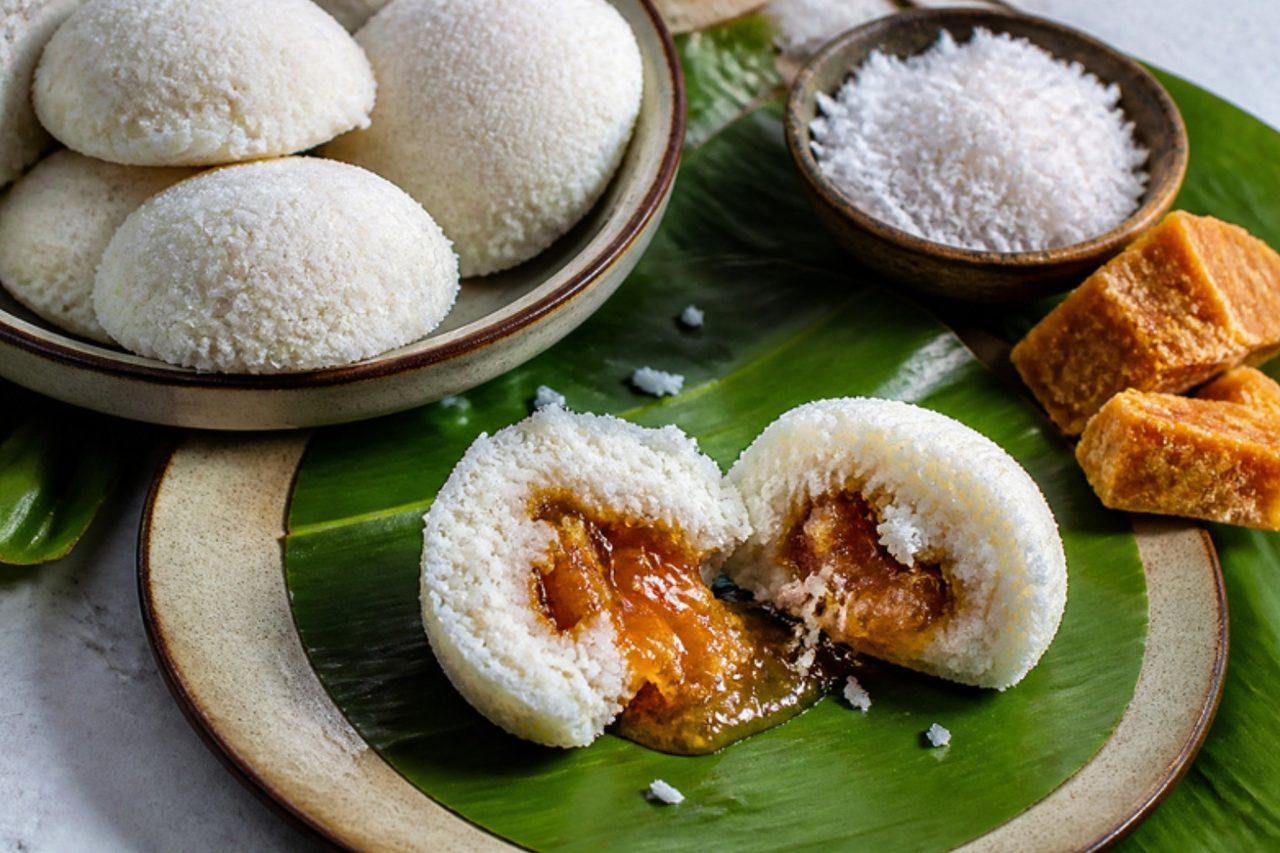
Bhapa pithaSteamed rice flour cakes

When the date palm sap starts flowing in early winter, small steaming pots appear on street corners all over Bangladesh, from Rajshahi to Dhaka's Karwan Bazar, selling bhapa pitha in the dark mornings. Damp, lightly salted rice flour is packed into a small bowl around a layer of grated coconut and khejur gur (date jaggery), wrapped in cloth and steamed over a narrow-necked pot until soft, fluffy and fragrant. Eat them warm, straight from the cloth. Chef's tip: the rice flour should feel like damp sand that just holds when squeezed; too wet and the cake turns gummy, too dry and it crumbles.

by KrazyBadal 0 views

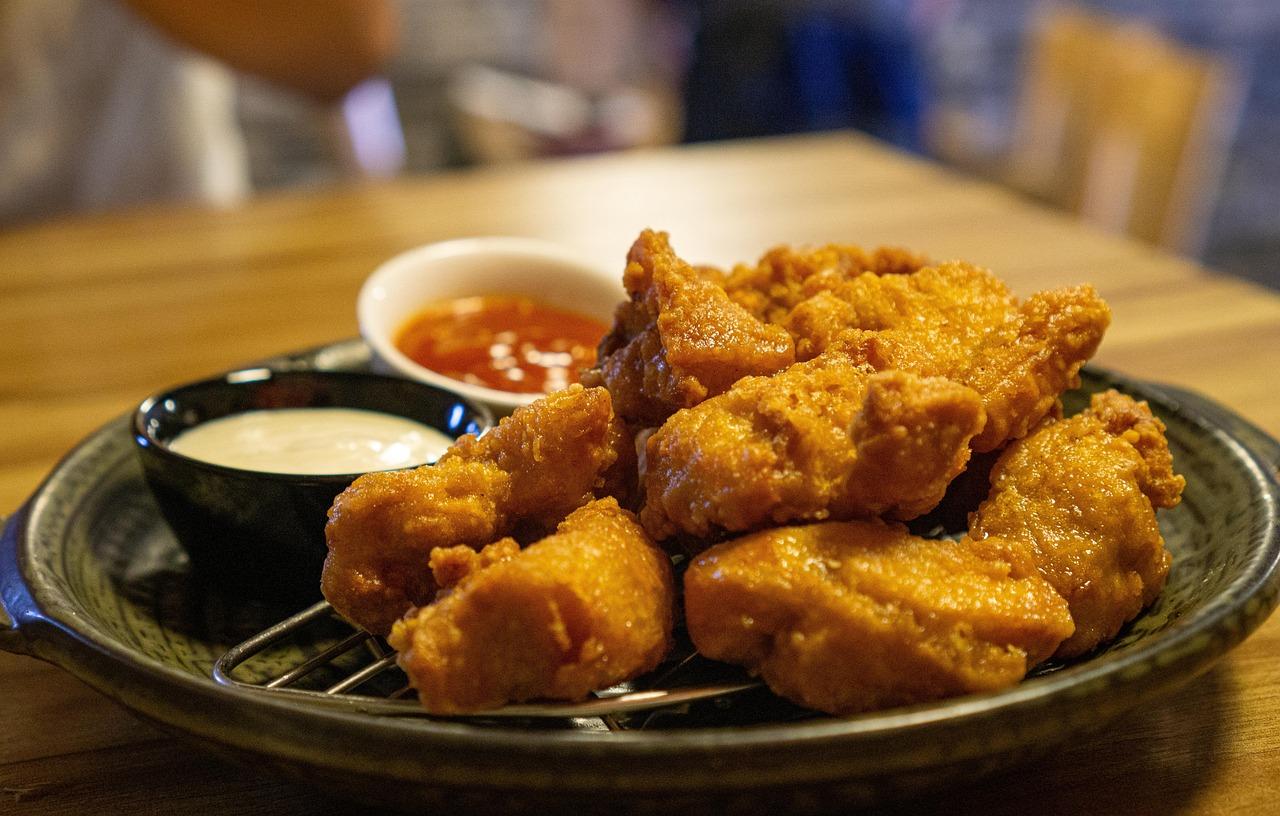
Chicken karaage

Nakatsu, a city in Oita prefecture on Kyushu, calls itself the capital of karaage and has dozens of takeaway shops selling it by weight. Across Japan, these bite-size nuggets fill school bento boxes, sit in the hot cabinet of every convenience store and arrive with a squeeze of lemon at izakaya bars. Boneless thigh soaks briefly in soy, ginger and garlic, then a dusting of potato starch fries into a thin, glassy crust. Frying twice keeps the meat juicy and the outside crisp for longer. Chef's tip: once you have tossed the chicken in starch, wait 5 minutes until the coating looks damp in patches, which is what gives that craggy, crunchy finish.

by KrazyBadal 0 views

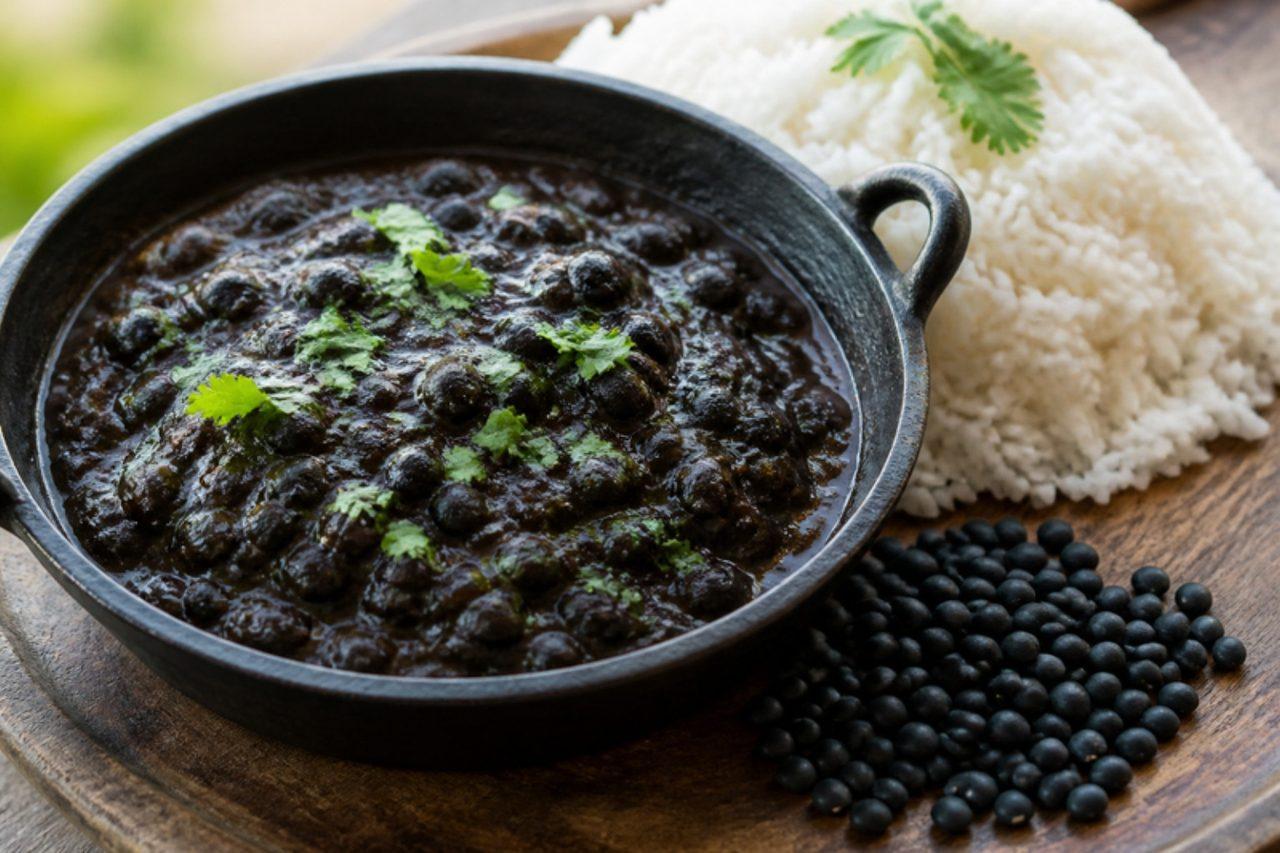
Bhatt ki churkaniBlack soybean curry

Black soybeans, called bhatt, grow on the slopes around Almora and Pithoragarh, and churkani is the everyday Kumaoni way of eating them: roasted in a dry iron pan until they crack, then simmered with garlic, ginger and a little rice flour into a thick, nearly black gravy. It's the kind of food that keeps people warm through a hill winter, eaten with steamed rice, a spoonful of ghee and a sharp radish raita. The roasting gives a nutty, almost smoky taste you won't get from boiling the beans. Chef's tip: cook it in an iron kadhai if you have one; the metal reacts with the beans and gives churkani its traditional dark colour.

by KrazyBadal 0 views

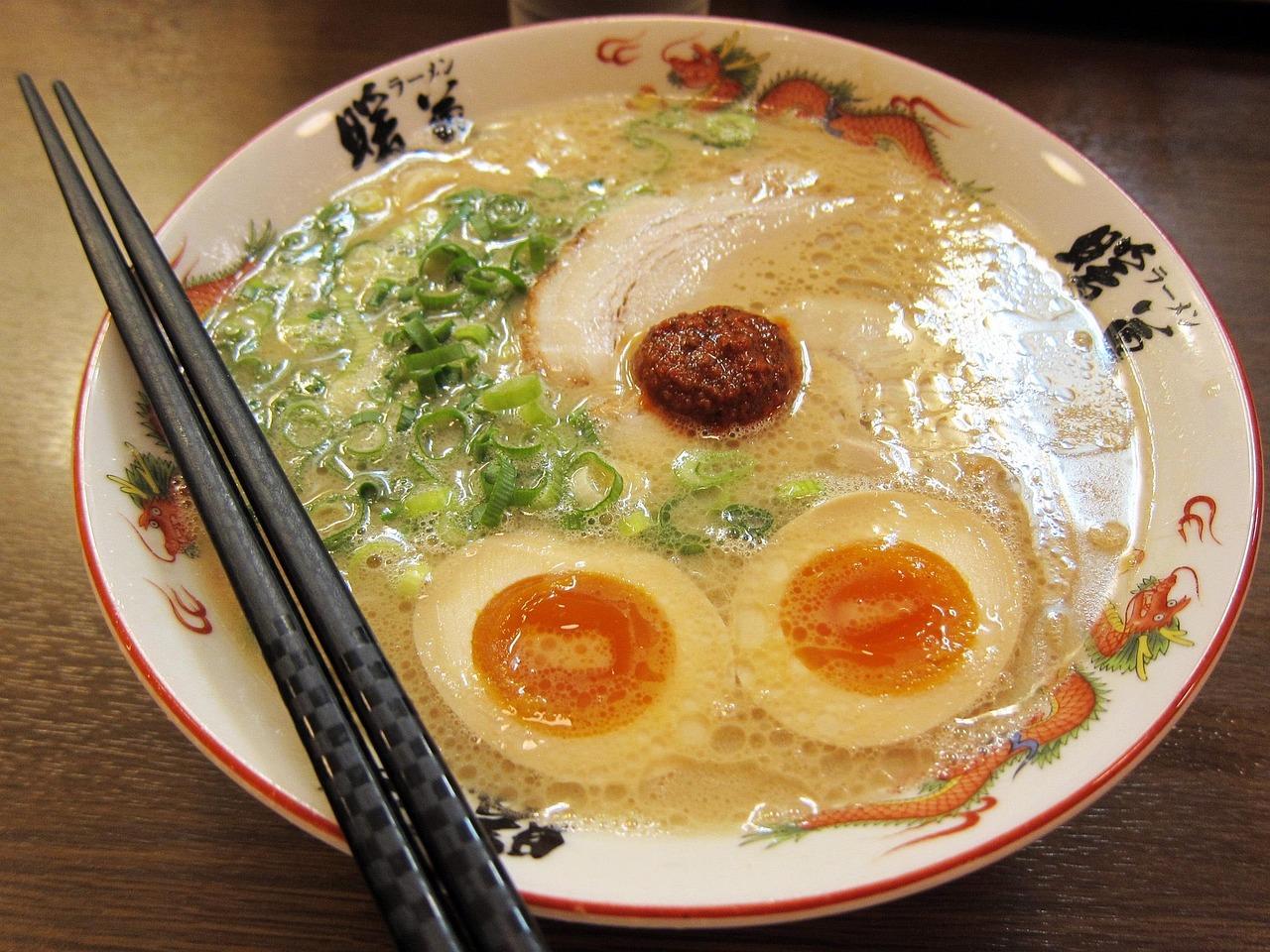
Tonkotsu ramen

Late at night along the river in Nakasu, Fukuoka, the yatai street stalls ladle out bowls of creamy, opaque pork-bone soup to people heading home. Hakata noodles are thin and straight and cooked very firm, and regulars order a second ball of noodles, called kaedama, into the same soup. Making it at home is a weekend project: the bones need about 10 hours at a fierce boil to break down into that milky broth, while rolled pork belly braises on the side. Red pickled ginger, sesame and spring onion cut through the richness. Chef's tip: ask your butcher to split the trotters and saw the bones in half, as the exposed marrow and collagen are what make the soup turn white and silky.

by KrazyBadal 0 views

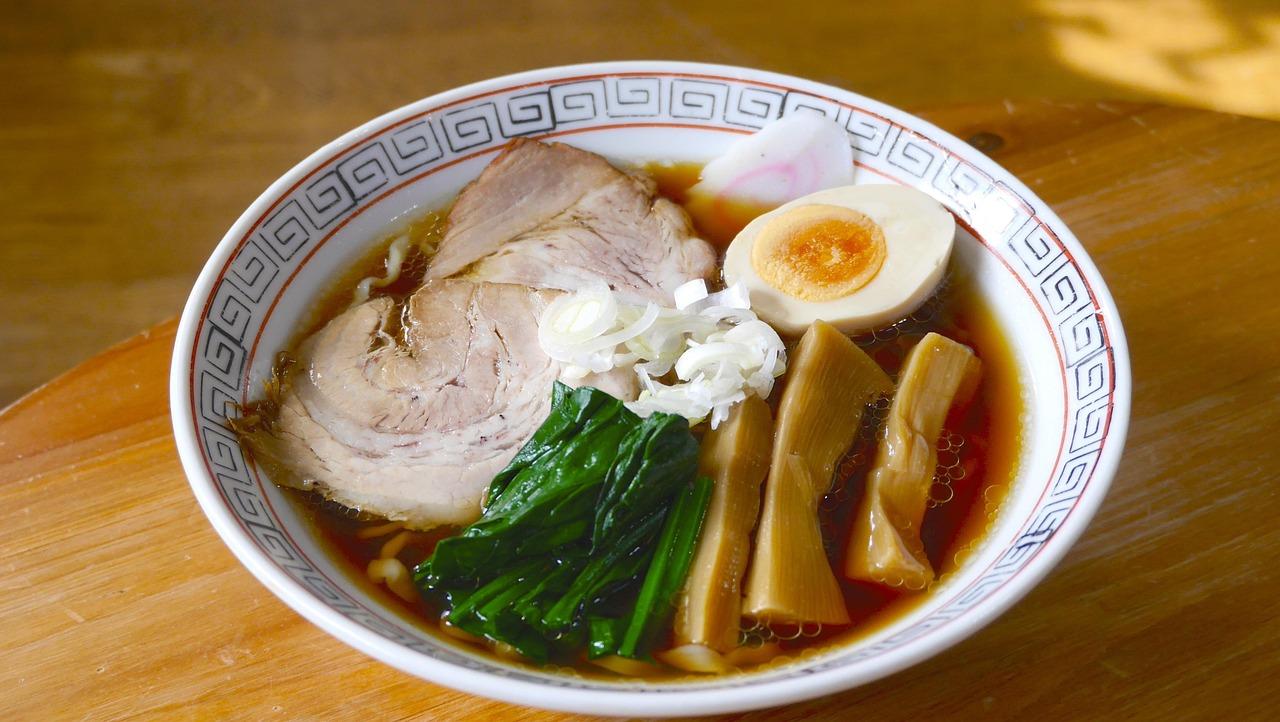
Shoyu ramen

Tokyo's earliest ramen counters, starting with one in Asakusa in 1910, served a clear brown soup seasoned with soy sauce, and that style still defines a Tokyo bowl. You'll find it in old-fashioned shops with a ticket machine by the door and a short lunchtime queue outside. This home version simmers chicken wings for under an hour, so the broth tastes clean and light, a world away from the milky pork soup of Kyushu. Wavy noodles catch the soup, and poached chicken, a jammy egg, nori and spring onion go on top. Chef's tip: float a spoonful of the yellow chicken fat you skim off the broth on each bowl, as it carries the aroma of the soy to your nose with every slurp.

by KrazyBadal 0 views

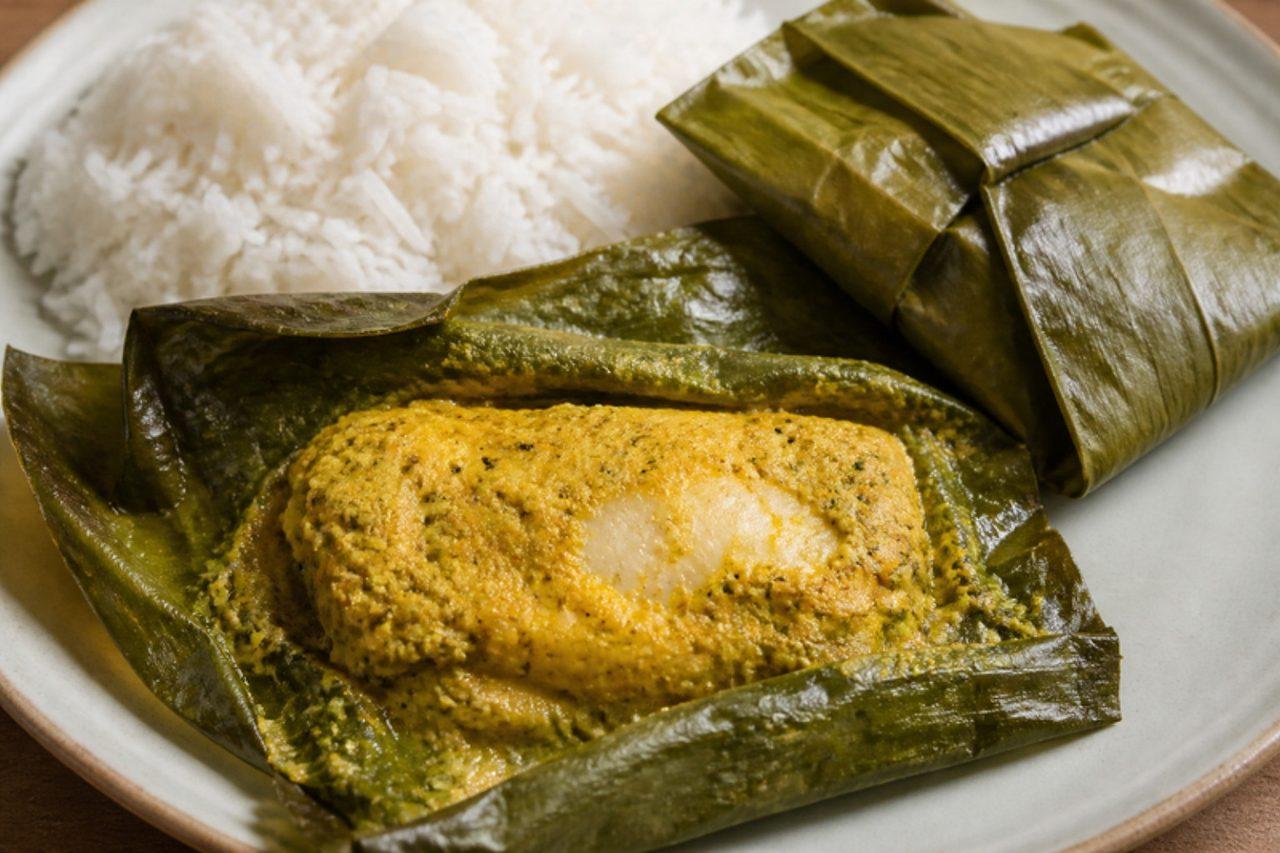
Bhetki paturiFish steamed in banana leaf

Paturi means 'wrapped in a leaf', and in Bengal the favourite fish for it is bhetki, the meaty barramundi of the Sundarbans estuaries. Fillets are coated in a sharp paste of mustard, coconut and green chilli, tied up in banana leaf and steamed or cooked on a griddle, so they come out moist and fragrant. It is a dish for celebration lunches in Kolkata and is unwrapped at the table over hot rice. Chef's tip: no banana leaves? Use baking paper inside foil; you lose a little aroma but none of the texture.

55 minIndianFishGluten free
by KrazyBadal 0 views

Saskatoon berry pie

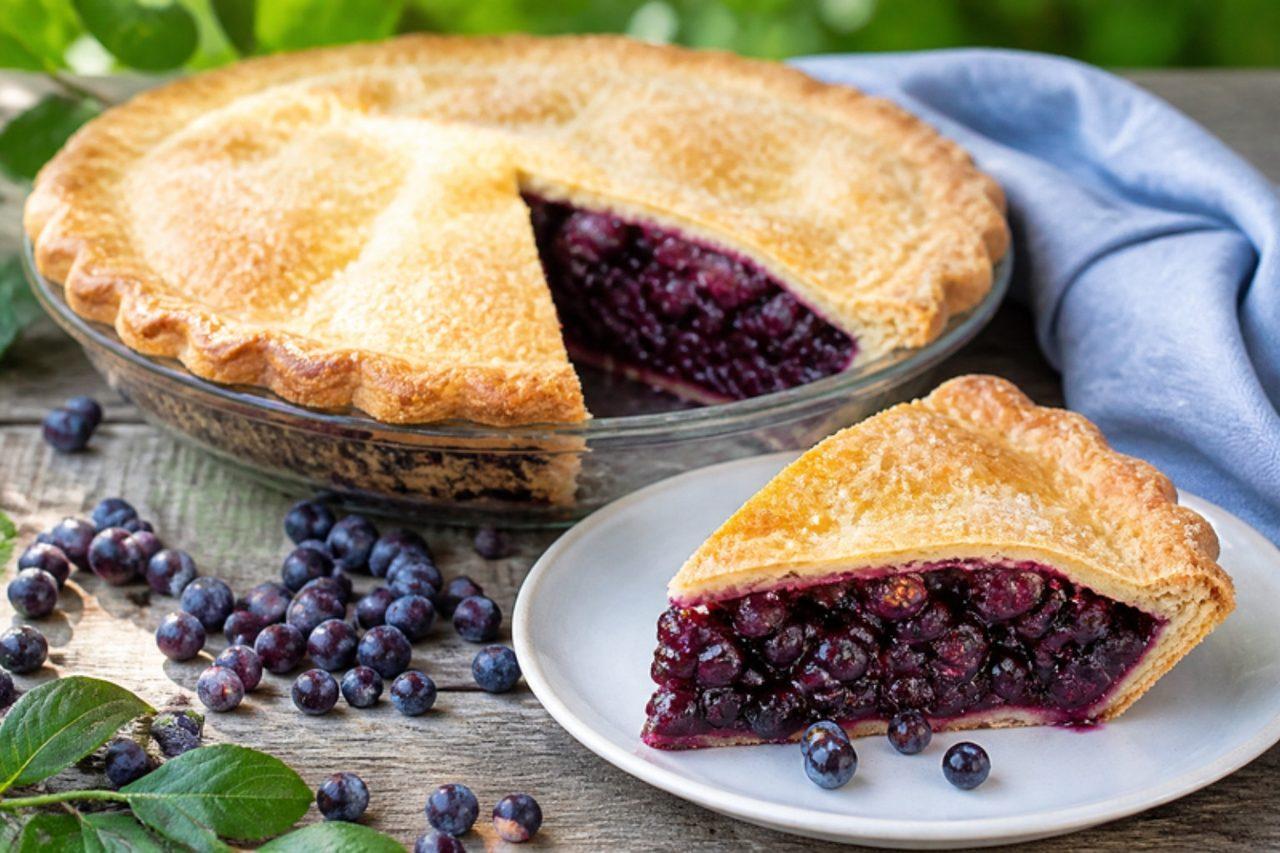
Saskatoon berries grow wild across the Canadian prairies, and in July families in Saskatchewan, Alberta and Manitoba pick them by the pail for pie. They look like blueberries but taste sweeter and nuttier, almost like a cross with cherry and almond, with soft seeds. The city of Saskatoon takes its name from the Cree word for the berry, misâskwatômina. A double-crust saskatoon pie with ice cream is classic prairie summer dessert. Chef's tip: saskatoons are low in acid, so lemon juice is essential to wake up the flavour; outside Canada, use blueberries with a few drops of almond extract.

by KrazyBadal 0 views

Butter tarts

Butter tarts are fiercely loved in Ontario, where towns along the 'Butter Tart Trail' near Midland and Wellington County hold contests, and where Canadians argue about whether raisins belong in them. Small, flaky pastry cups hold a filling of brown sugar, butter, egg and syrup that bakes into a gooey, caramel-like centre with a crackled top. This version adds a little maple syrup and leaves raisins optional. Chef's tip: bake only until the filling bubbles and the edges are set but the centre still jiggles; runny is the goal, but overbaked tarts turn sugary and hard.

by KrazyBadal 0 views

Nanaimo bars

Named after the city of Nanaimo on Vancouver Island, these three-layer bars have been Canada's favourite tray bake since the 1950s, when the recipe appeared in local community cookbooks. A crumbly base of biscuit crumbs, cocoa, coconut and nuts is topped with a thick yellow custard-flavoured buttercream and a snap of dark chocolate. They're made for church sales, Christmas cookie tins and coffee breaks, and need no oven. Chef's tip: dip the knife in hot water and wipe it between cuts; it slices through the chocolate cleanly without cracking it.

by KrazyBadal 0 views

Bhuna khichuriFried rice and moong dal

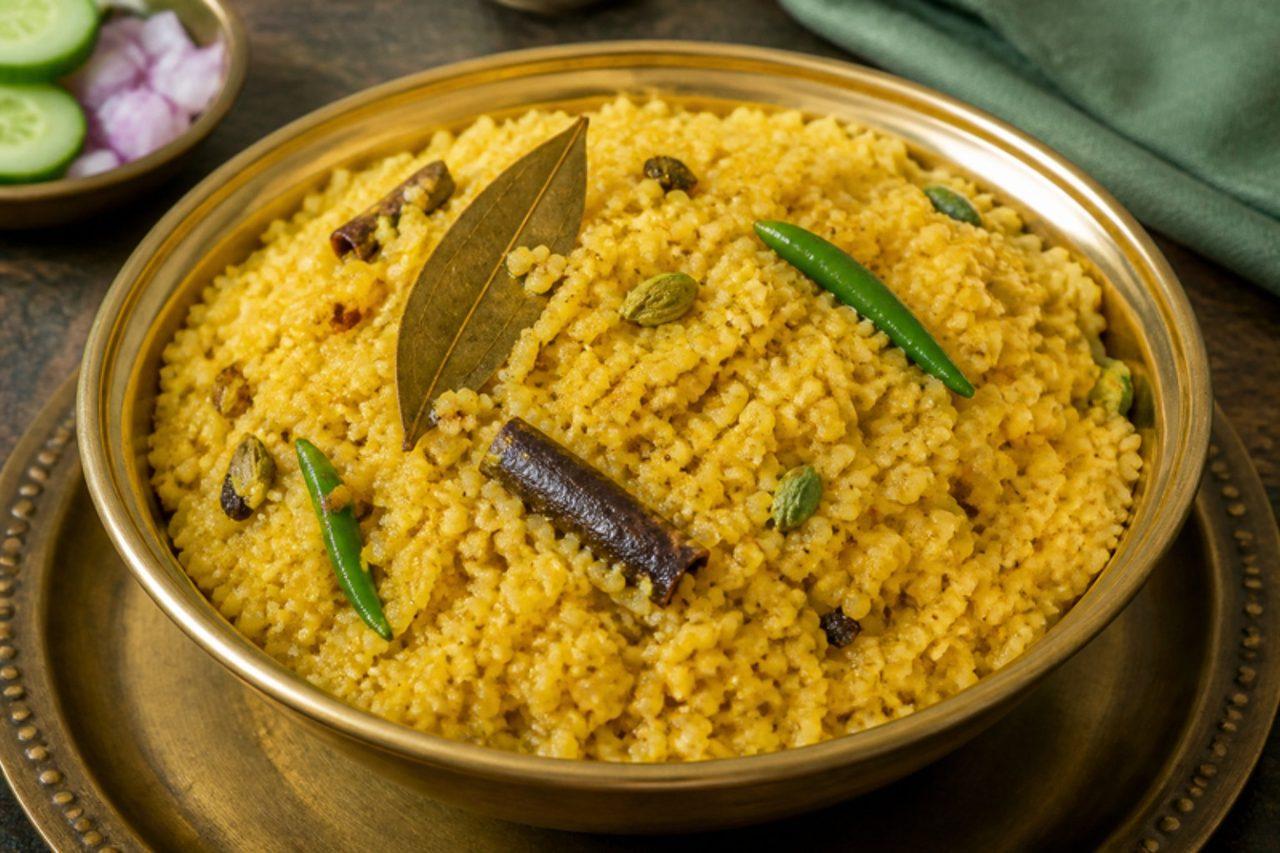
In Dhaka, the first heavy monsoon downpour sends people home craving bhuna khichuri, and Eid mornings in old Dhaka often start with a pot of it too. Unlike the loose, porridge-like khichdi of north India, the Bangladeshi bhuna version is dry and fluffy: dry-roasted moong dal and short-grain rice are fried in ghee with onions and whole spices until fragrant, then cooked with just enough water so the grains stay separate. Serve it hot with begun bhaja, a bhorta or two and a spoon of pickle. Chef's tip: roast the moong dal in a dry pan until it smells like toasted nuts before you wash it; that roasted note is what makes this khichuri taste of Bangladesh.

by KrazyBadal 0 views

Fiddleheads with garlic butter

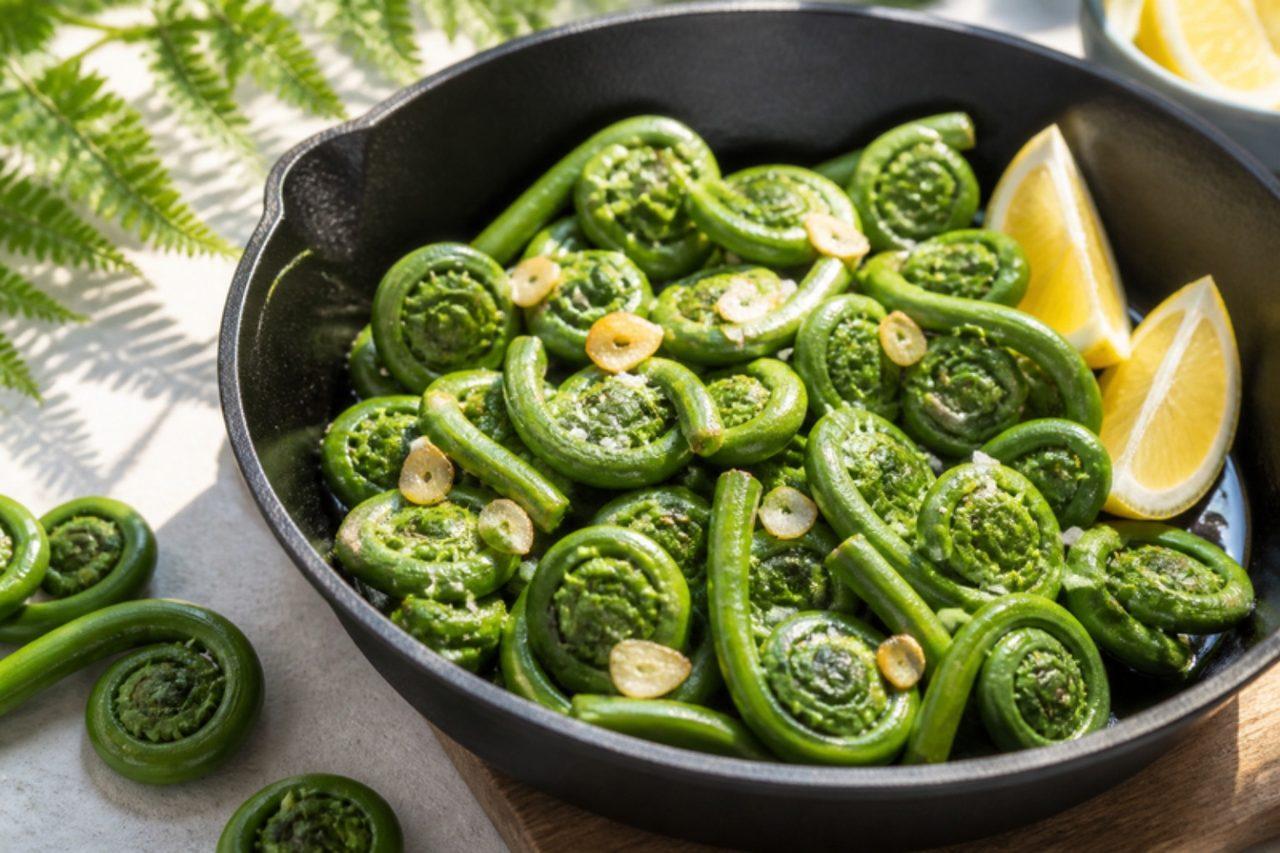
For a few weeks in May, the riverbanks of New Brunswick, along the Saint John River, and parts of Maine and Québec sprout fiddleheads: the tightly coiled young shoots of the ostrich fern. Locals forage them or buy them by the bag at roadside stands and farmers' markets, and eat them simply, with butter, garlic and lemon, tasting somewhere between asparagus and green beans with a grassy snap. They're a true taste of Atlantic Canadian spring. Chef's tip: fiddleheads must be boiled for a full 15 minutes before sautéing; undercooked fiddleheads can cause stomach upset, so this step is not optional.

by KrazyBadal 0 views

Showing 18 of 7,762 recipes

Show more recipes

Page 575 of 863