


Skip to content
Paneer biryani
Featured recipe

Paneer biryani

Rice and moong dal in coconut milk

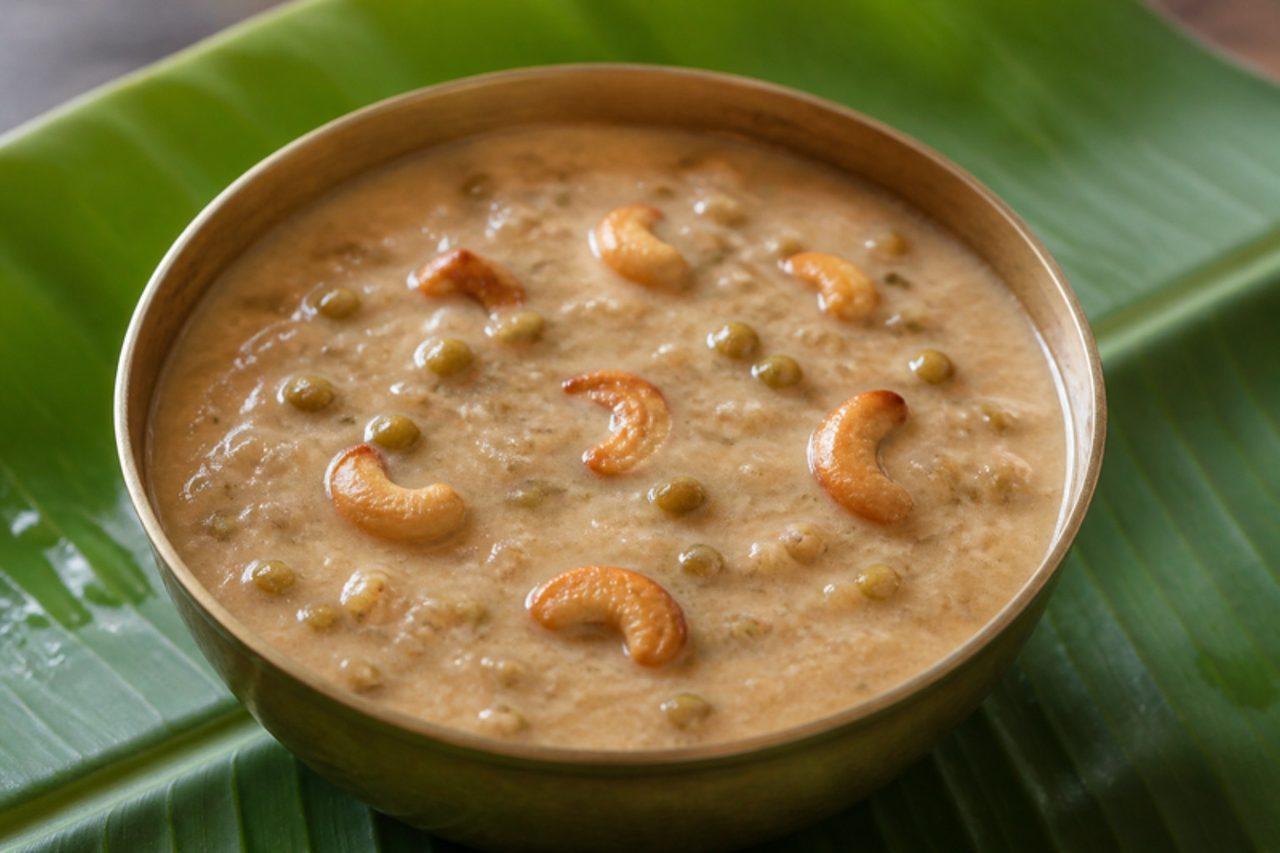
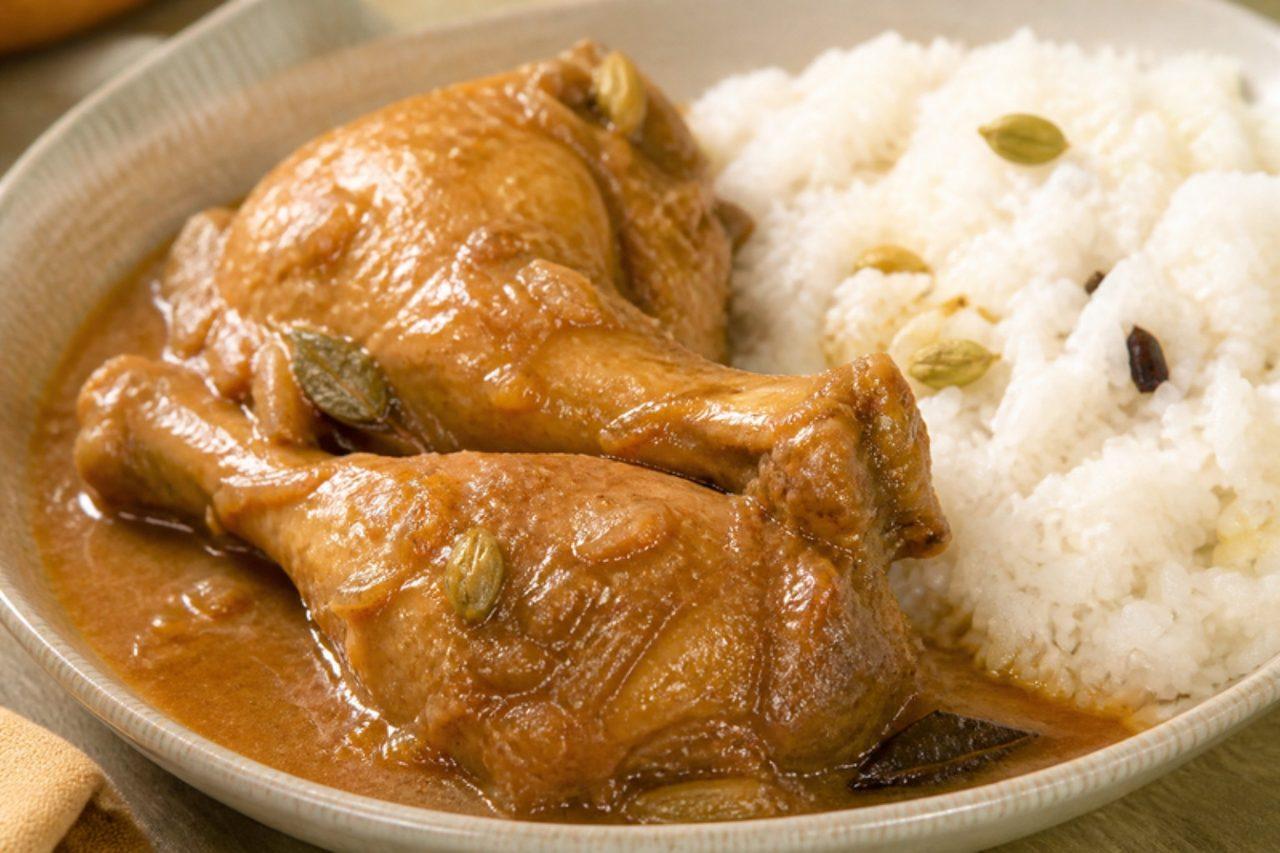
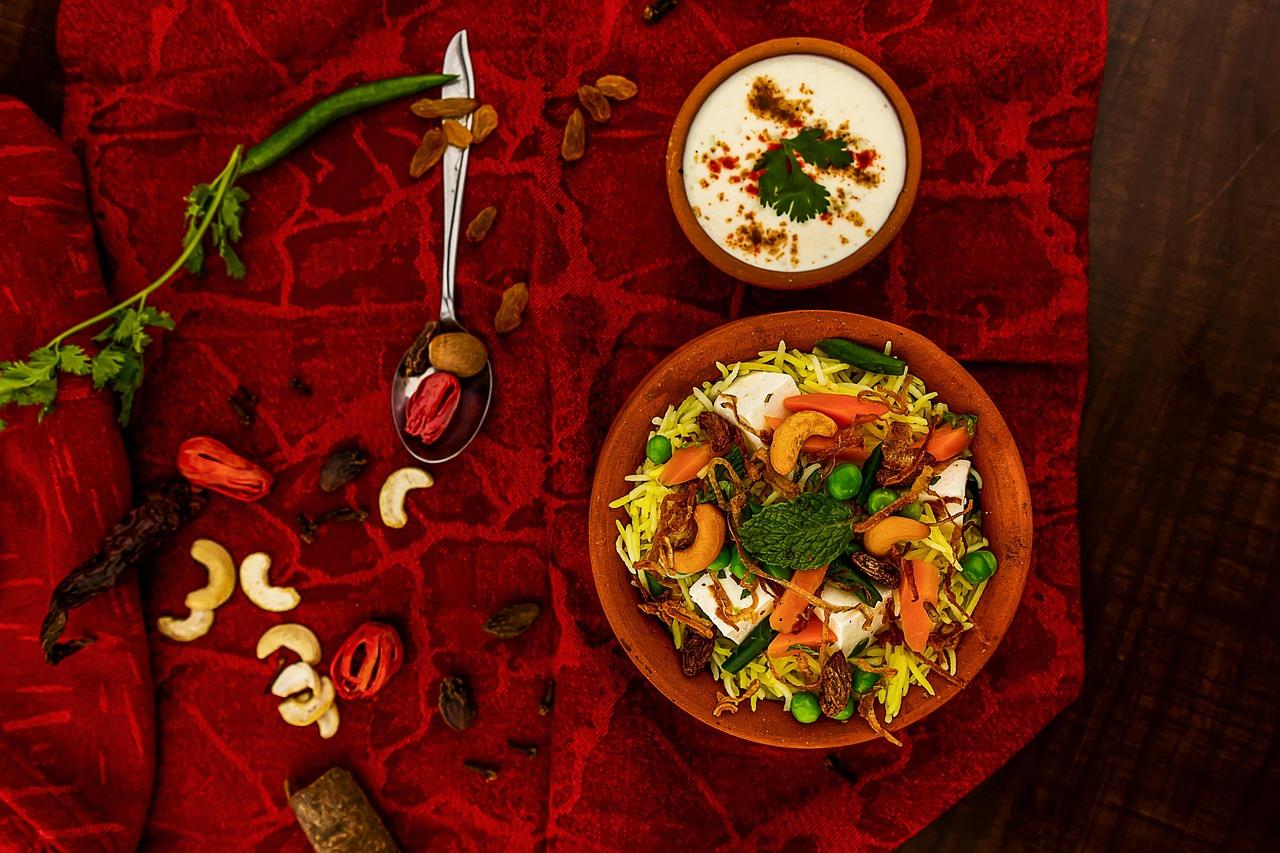
A mild, creamy biryani: rice and husked green gram roasted in ghee, then cooked in coconut milk with peas, carrots, potatoes, peanuts and cashews, and finished with soft fried paneer and a fresh coriander yogurt. Serve hot, garnished with more fried cashews and paneer.

Read more 2 views

What to eat today?

Around the world

Today's trip: Persian

A new country every day, from every cuisine on the site.

Persian

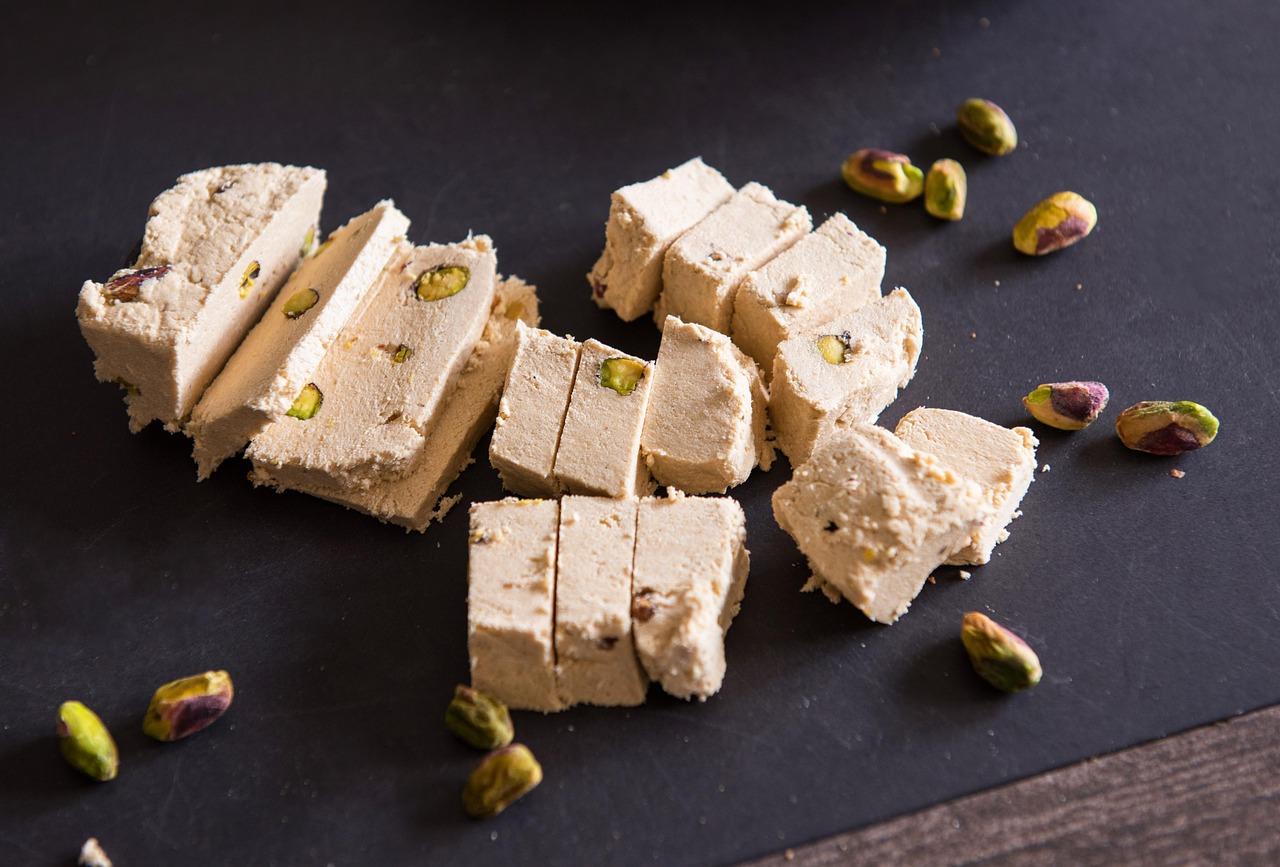
Persian halva

Saffron rose flour halva 40 minMore from Persian (181) →

This week's collection

Kid-friendly dinners
739 recipes · a new collection every Monday

Coming up

All occasions →

Latest recipes

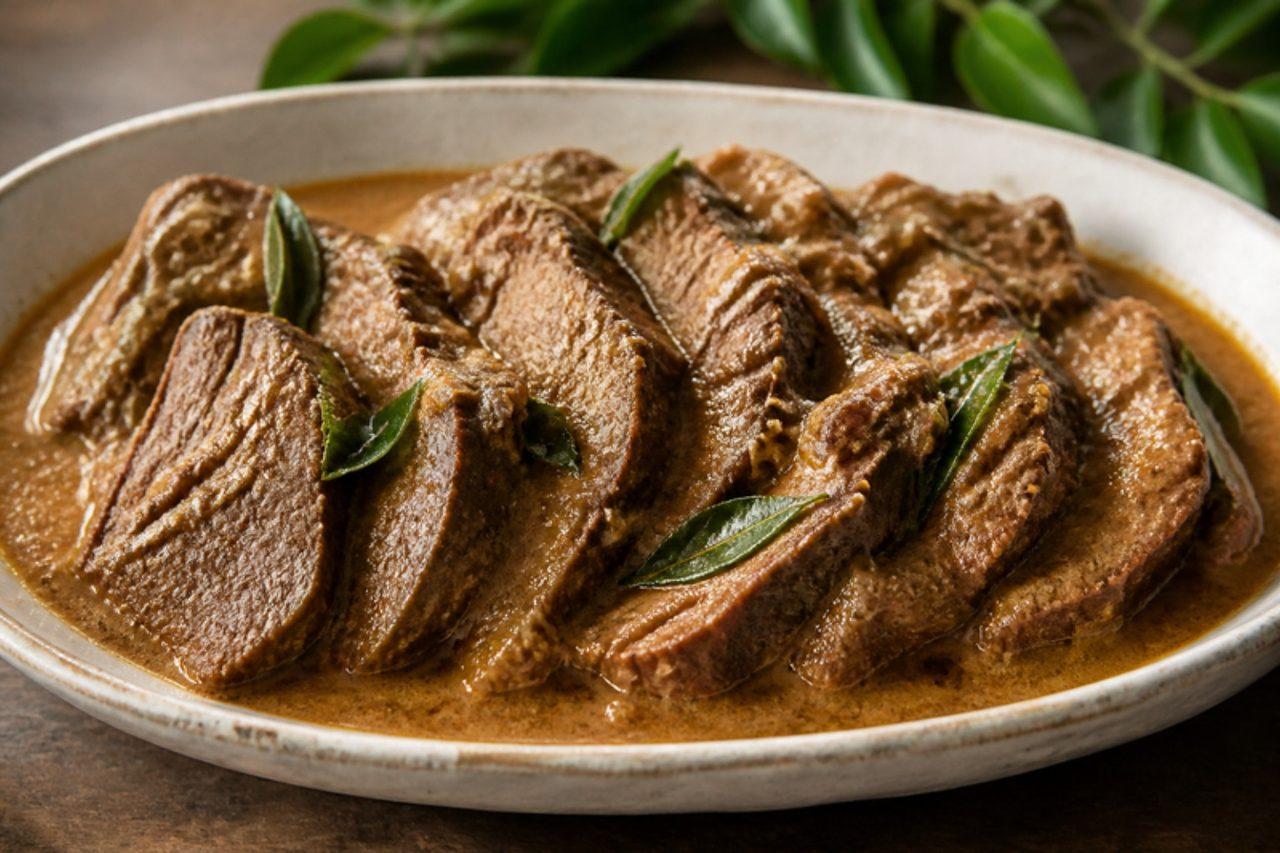
Babath curryBeef tripe curry

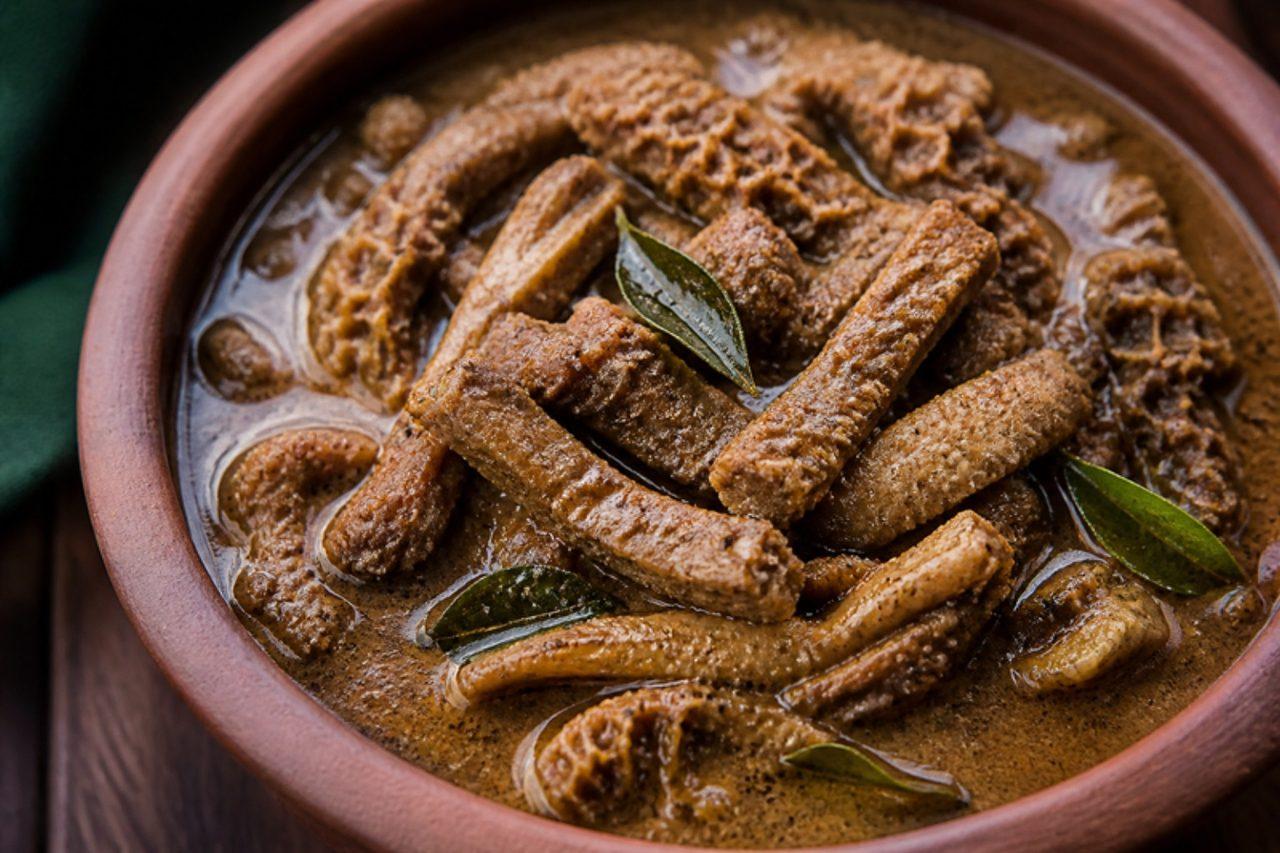
Babath curry belongs to the Muslim and Malay kitchens of Colombo and Slave Island, a frugal, rich dish of beef tripe that turns up at family lunches and in small rice-and-curry cafés where regulars ask for it by name. The tripe is cleaned, boiled with turmeric and vinegar until soft, then sliced into ribbons and simmered in a dark roasted curry with black pepper, cinnamon and a little coconut milk until it soaks up all the spice. The texture is pleasantly chewy and the gravy deep, hot and slightly sour, and it is eaten with rice, roti or bread to mop up the sauce. Many first attempts fail because the tripe is not boiled long enough first, so it stays rubbery however long it spends in the curry. Chef's tip: buy cleaned, bleached honeycomb tripe from a halal butcher, and boil it until a knife slides through with no resistance before you start the curry.

by KrazyBadal 0 views

Babi pangangCrispy pork in sweet-sour sauce

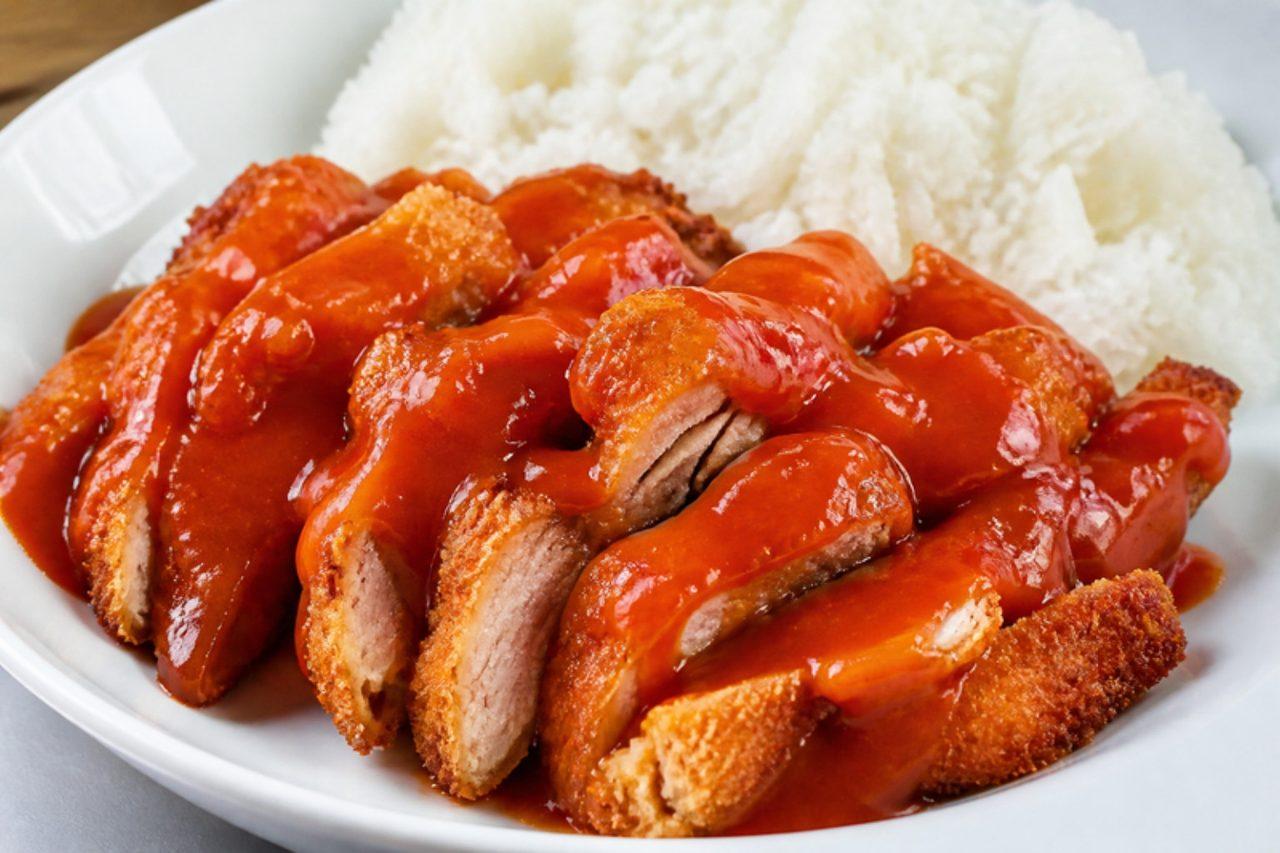
Babi pangang is one of the most ordered dishes in the 'Chinees-Indisch' restaurants found in every Dutch town: crisp-skinned roast pork belly, sliced and smothered in a bright red, sweet-sour sauce with tomato, ginger and pickled vegetables, served with rice or nasi goreng. This is a pork dish. A common mistake is pouring the sauce over too early, which turns the crackling soft. Chef's tip: dry the skin overnight in the fridge and roast it hot at the end, then pour the sauce around, not over, the pork at the table. Whole pork joints are safe at 63 °C plus a rest; belly is best cooked longer, until tender.

105 minDutchMeat
by KrazyBadal 0 views

Babka wielkanocnaEaster yeast cake

A golden babka standing tall in the Easter basket used to be a matter of family pride, and old cooks whispered while it baked, convinced a slammed door would make it sink. The dough is soft and rich with egg yolks and butter, beaten until it is elastic, then baked in a fluted ring tin into a cake with a fine, feathery, saffron-yellow crumb. Raisins are often soaked in rum; this version uses orange juice, but a couple of spoons of rum work if you prefer. The usual slip is adding too much flour to a sticky dough, which makes the babka dry; it should stay soft and almost batter-like. Chef's tip: cool the babka on its side, turning it now and then, so the delicate crumb doesn't collapse.

185 minPolishBaking
by KrazyBadal 0 views

BacánPlantain and pork parcels

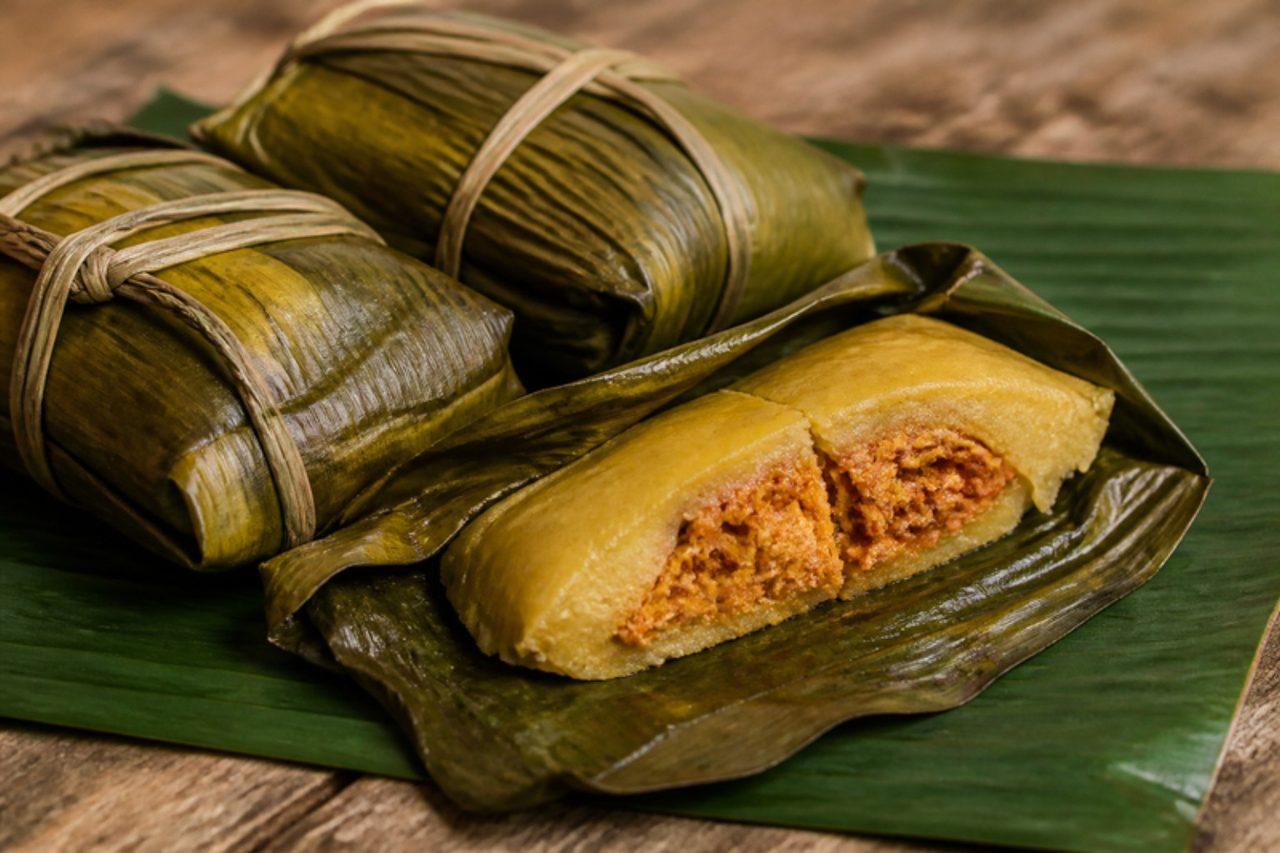
Bacán belongs to Baracoa, the coconut-growing corner of eastern Cuba, where it is made for family gatherings and sold wrapped at weekend markets. Grated green plantain is mixed with fresh coconut milk into a soft dough, wrapped around a filling of seasoned pork in a banana leaf and steamed until set, a little like a tamal but sweeter and silkier. The pork is shoulder, cooked in a sofrito before wrapping. The common mistake is using ripe plantain, which won't set; it must be hard and green. Chef's tip: pass the banana leaves briefly over a flame or hot pan until they turn glossy and supple, and they will fold without splitting.

120 minCubanMeatGluten free
by KrazyBadal 0 views

BagiyaSesame jaggery rice dumplings

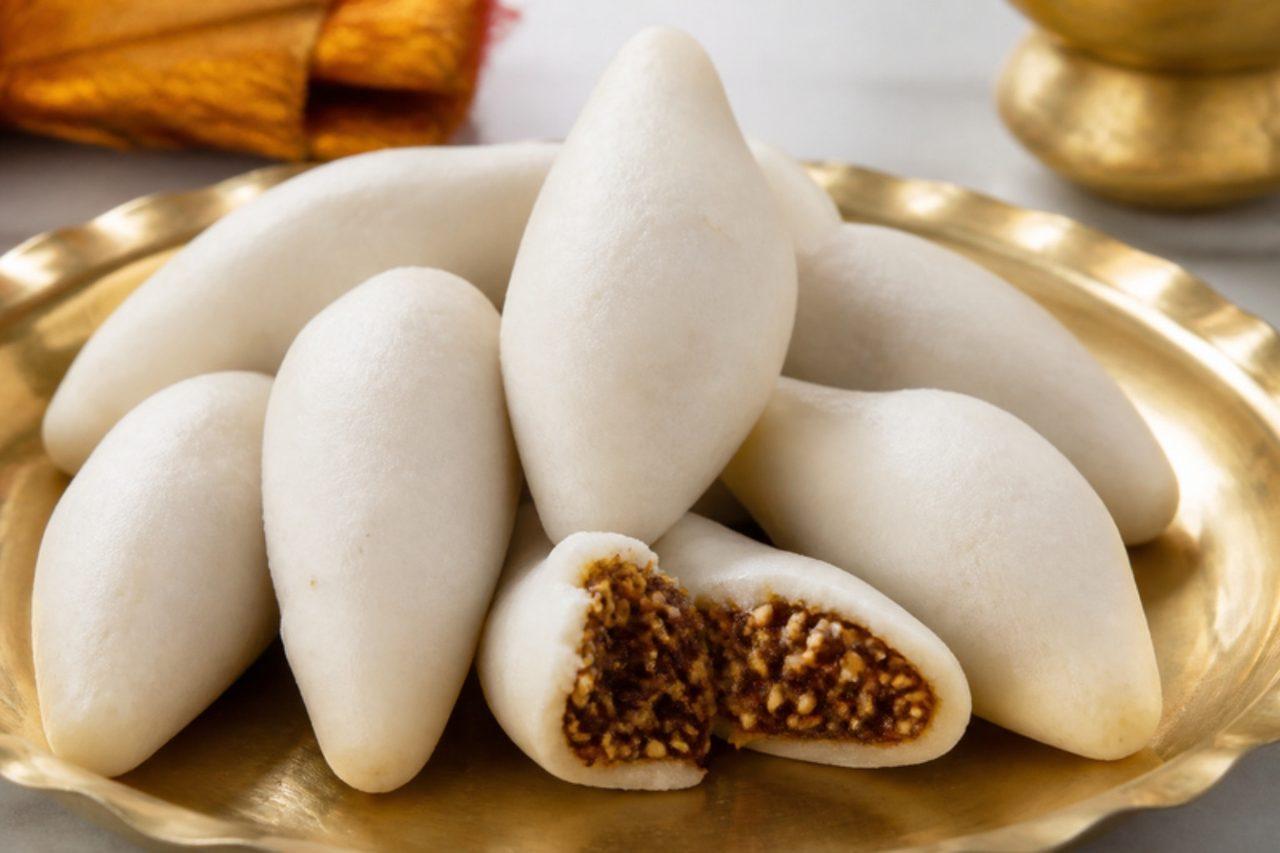
When the new rice is harvested in late autumn, Maithil households in Janakpur, Siraha and Saptari steam bagiya, plump spindle-shaped dumplings of rice-flour dough that are offered to the gods, given to married daughters visiting home and eaten warm on cold winter mornings. The smooth, chewy shell hides a sweet centre, here toasted sesame bound with melted jaggery and a pinch of cardamom, though some families use molasses toffee (chaku), grated coconut or sweetened milk solids instead. Plain bagiya are also made and eaten with chutney. A common slip is using cold water for the dough, which makes it crumble and split; it must be made with boiling water. Chef's tip: knead the dough while it is still as hot as your hands can bear, with a little oil on your palms, until it is as smooth as play dough.

by KrazyBadal 0 views

Bahamian cracked conchBattered fried conch

Cracked conch is the Bahamas' answer to fish and chips, served at Potter's Cay dock stalls in Nassau and family restaurants across the Out Islands: conch steaks pounded ("cracked") thin, soaked in lime, dipped in a peppery batter and fried crisp, with chips, peas 'n' rice or coleslaw. Done properly the inside is tender and sweet like calamari. The common mistake is not pounding enough, which leaves the conch chewy; it should be thin and almost lacy. Buy cleaned conch from a trusted fishmonger and discard any that smells strongly. Chef's tip: let the battered pieces rest on a rack for 5 minutes before frying so the coating sticks and stays crisp.

by KrazyBadal 0 views

Bahamian guava duffSteamed guava roll

Guava duff is the Bahamas' best-loved dessert, served at Junkanoo season, Sunday dinners and Nassau restaurants alike: a soft dough spread with sweet stewed guava, rolled up, wrapped in cloth or foil and steamed until tender, then sliced and drowned in a warm butter sauce. Traditionally the sauce has rum in it, which is only lightly cooked, so the rum version is for adults only; the vanilla sauce below makes it alcohol-free for everyone. The most common mistake is rolling the duff too tight, which stops it rising; leave room in the wrapping for it to swell. Chef's tip: sieve the guava pulp to remove the hard seeds, and keep the thick paste for the filling.

by KrazyBadal 0 views

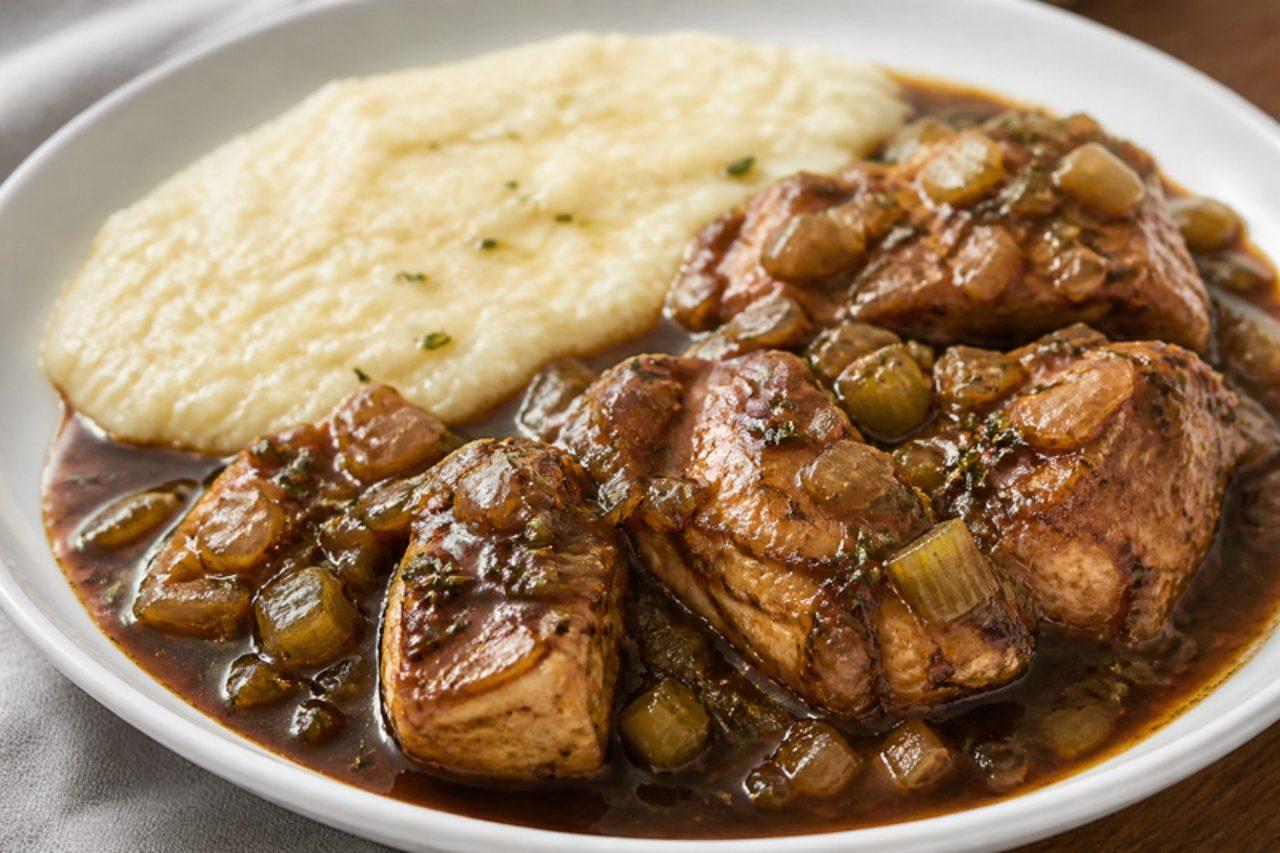
Bahamian stew fishGrouper in roux gravy

Bahamian stew fish is old-fashioned Sunday breakfast in Nassau and the Family Islands: firm fish such as grouper or snapper simmered in a dark brown gravy built on a flour-and-oil roux, with onion, celery, tomato and thyme, served over grits or with johnnycake. The flavour is deep, savoury and a little smoky from the browned flour. The usual mistake is a pale roux; cook the flour slowly until it is the colour of milk chocolate, but don't let it burn. Ask for thick fish steaks or fillets. Chef's tip: stir the roux with a flat wooden spatula so you can scrape every corner and keep it browning evenly.

by KrazyBadal 0 views

Bahamian switchaKey lime drink

On Bahamian porches and at Fish Fry stalls in Nassau, switcha is the everyday cooler: fresh key limes squeezed with sugar and cold water, stirred up in a big jug with plenty of ice. It's sharper and more fragrant than lemonade, and you'll see the lime halves floating in the jug. The usual mistake is putting sugar straight into cold water, where it sinks undissolved: make a quick syrup first. Chef's tip: drop a few squeezed lime halves into the jug for 10 minutes for extra aroma, then take them out before the pith turns it bitter.

by KrazyBadal 0 views

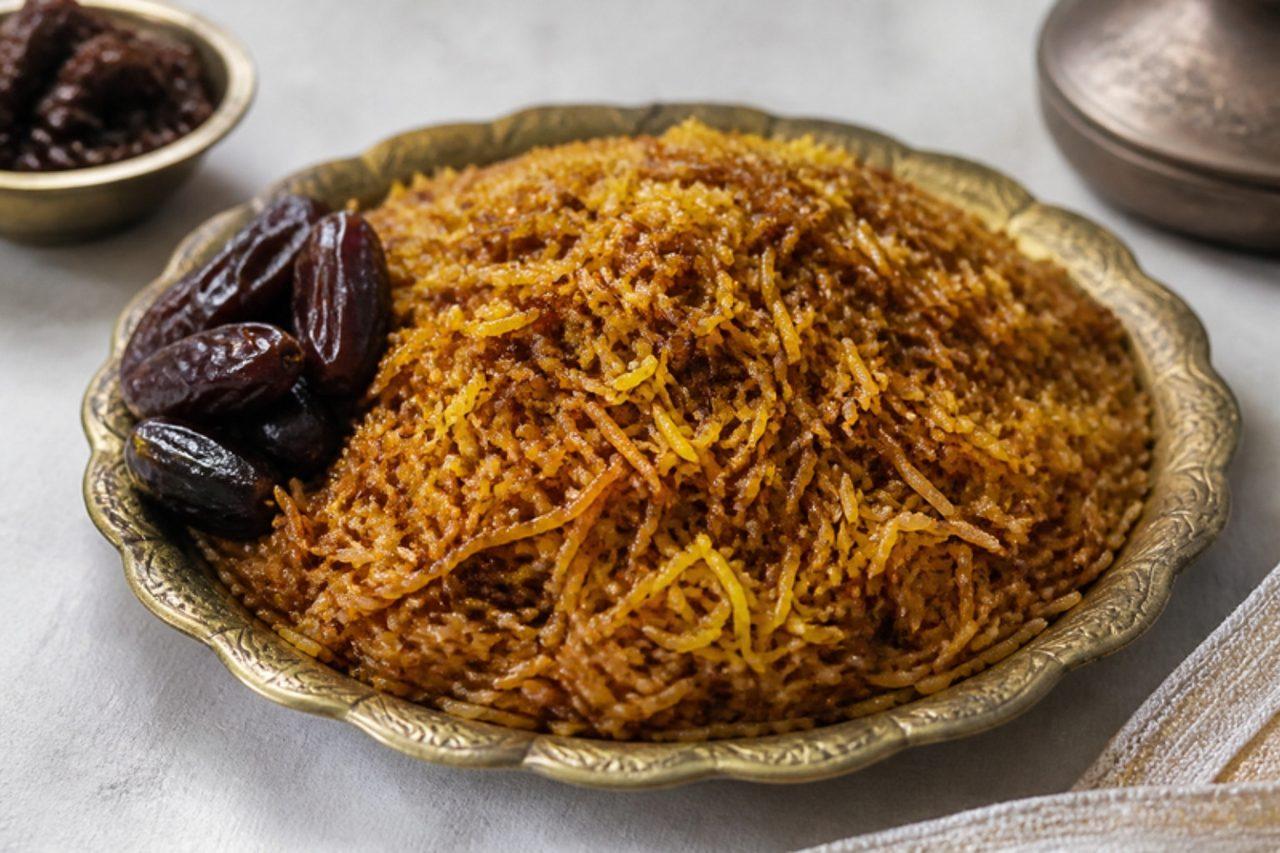
MuhammarSweet saffron rice

Muhammar is a golden, gently sweet rice from Bahrain, cooked with date syrup or sugar, saffron and rosewater, and its natural partner is fried or grilled fish, especially safi or hamour, so that the sweet rice and the salty, crisp fish balance on the same plate. It is a Friday lunch and Ramadan dish in Manama and Muharraq, and each family argues for its own ratio of sweetness. The grains should be separate and glossy with a faint caramel colour, not sticky. The most common error is boiling the rice too long before steaming, which turns it mushy once the sugar goes in. Chef's tip: let a thin crust form on the base during the steam; Bahrainis prize those crunchy sweet bits.

by KrazyBadal 0 views

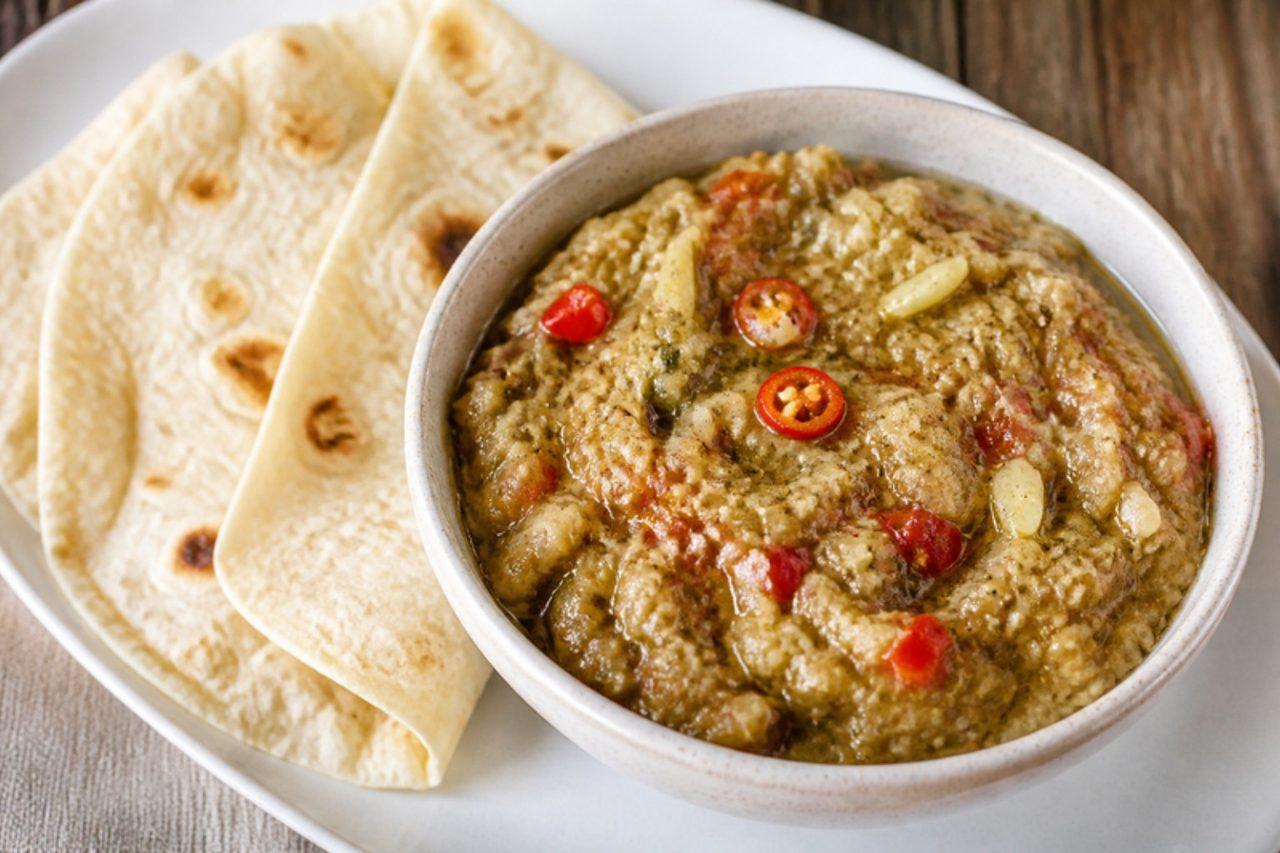
Baigan chokaRoasted aubergine mash

In south Trinidad, from Penal to Siparia, baigan choka is the breakfast or dinner you make when there is an aubergine, a fire and some sada roti on the tawa. The skin is charred right over the flame until the flesh inside collapses, smoky and silky, then it is mashed with raw garlic and hot pepper and "chunkayed" with a spoonful of sizzling oil. The usual mistake is pulling the aubergine off the flame too early; any firm part in the middle tastes raw and spongy. Eat it with roti or rice and dhal. Chef's tip: push slivers of garlic into slits in the aubergine before roasting, then mash them in; you get mellow roasted garlic and a sharp raw note together.

by KrazyBadal 0 views

Bajan fish cutterFried flying fish sandwich

Around Barbados a "cutter" is any sandwich in a salt bread roll, and the fish cutter is the lunch people queue for at beach bars from Oistins to Bathsheba: a piece of flying fish (or mahi-mahi, called dolphin locally) seasoned with Bajan seasoning, crumbed, fried crisp and stuffed into a split roll with lettuce, tomato and a dab of fiery yellow pepper sauce. The fish should be juicy and the crust shattering. The usual mistake is frying too cool, which makes the coating greasy; keep the oil hot and fry in small batches. Use flying fish fillets if you can find them frozen, or any thin white fish. Chef's tip: rub a little of the frying oil over the cut sides of the rolls and toast them in a dry pan, so the bread doesn't go soggy under the fish.

by KrazyBadal 0 views

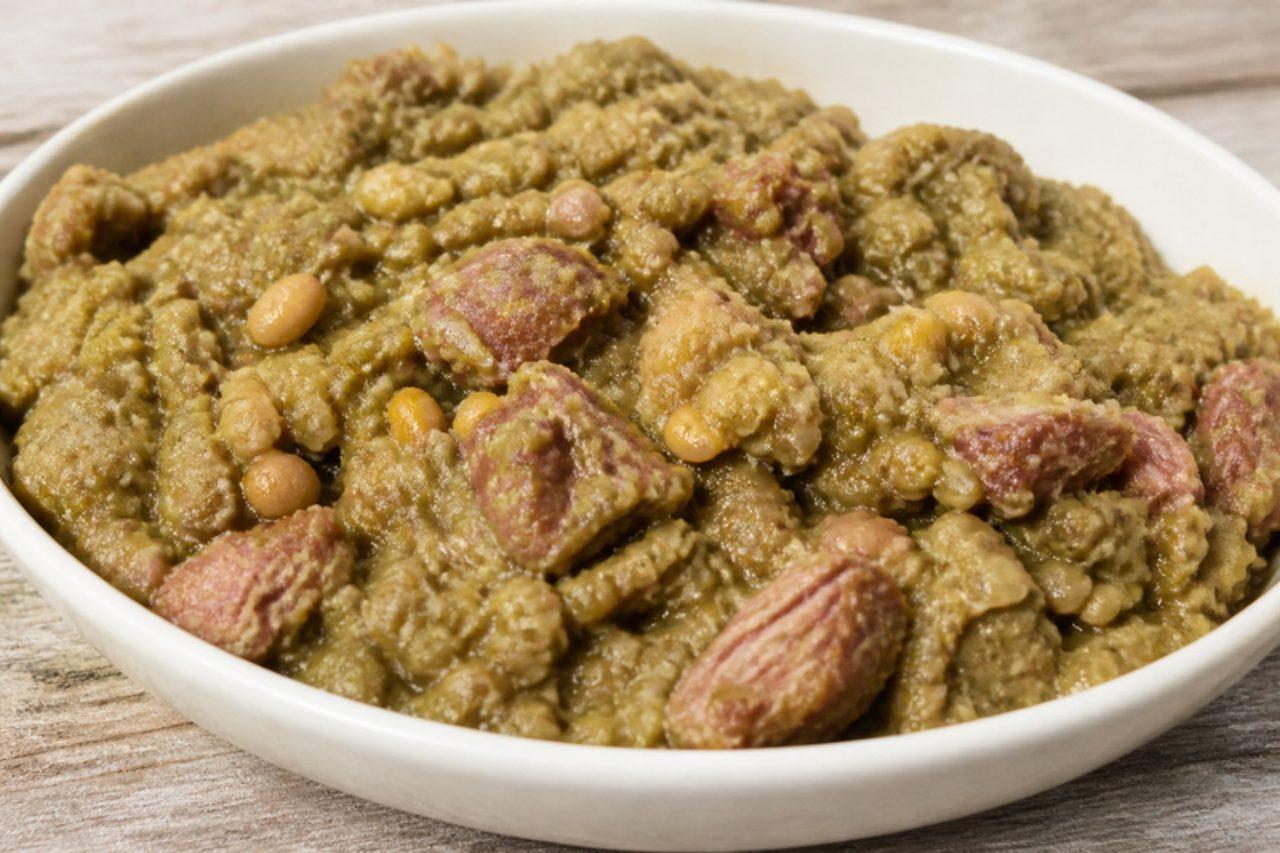
Bajan jug jugPigeon peas and salt meat mash

Jug jug belongs to Christmas in Barbados, served alongside baked ham and roast pork on the big lunch table: green pigeon peas and salted beef and salted pork, cooked tender and minced, then stirred with guinea corn (sorghum) flour, herbs and onion into a thick, savoury, mouldable mash. Its roots are often traced to Scottish settlers' haggis and West African grain cookery, and it tastes rich, salty and herby. The common mistake is not soaking the salt meats long enough, which makes the whole pot too salty to eat; soak them overnight in plenty of water. Cook until the minced meat mixture is piping hot (71 °C) throughout. Chef's tip: stir in the sorghum flour a spoonful at a time while the pot bubbles, like making polenta, so it never turns lumpy.

180 minBajanMeat
by KrazyBadal 0 views

Bajre di rotiPearl millet flatbread

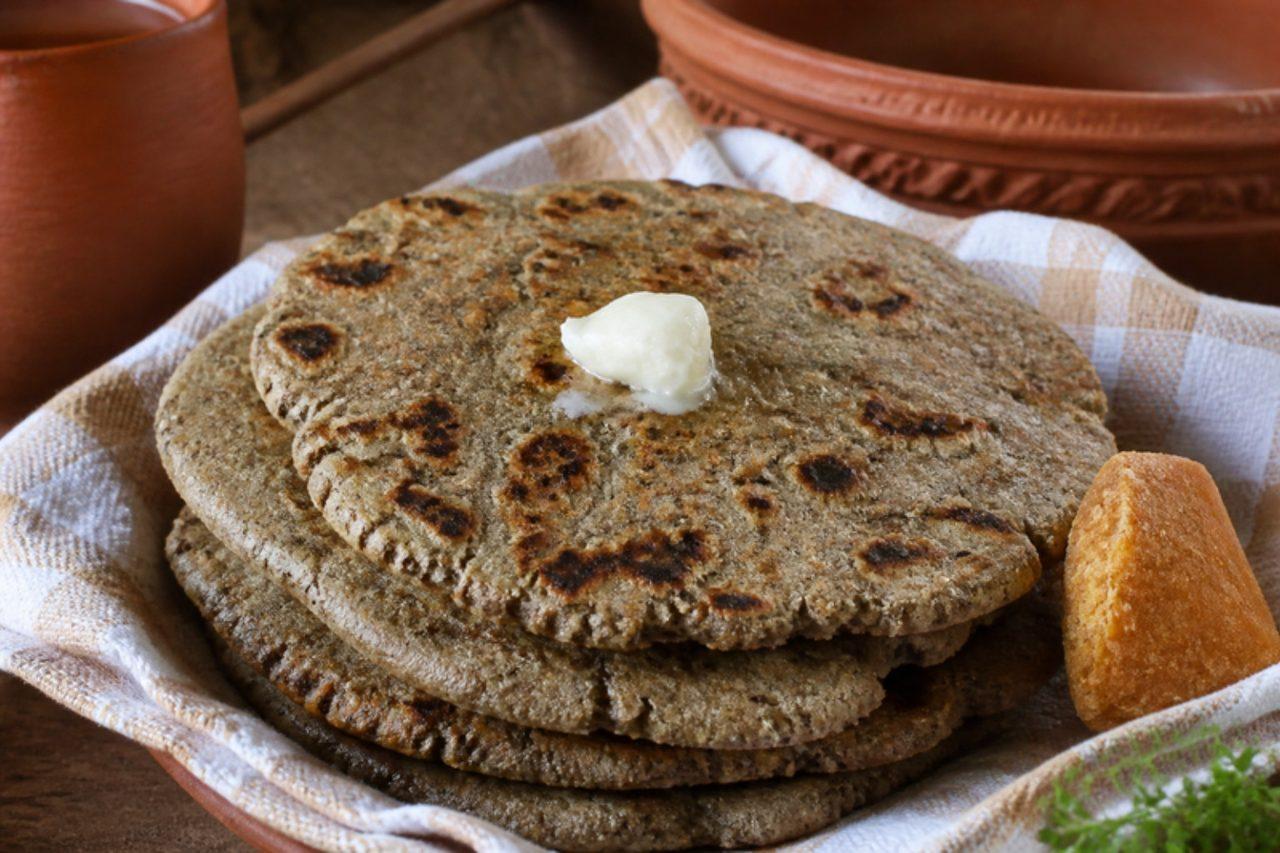
Pearl millet grows where wheat gives up, in the sandy fields on the edge of the Cholistan desert around Bahawalpur, and there bajre di roti is the bread of winter, thick, grey-green and earthy with a slightly sweet, nutty taste. Because millet has no gluten, the dough is kneaded one roti at a time and patted out between wet palms rather than rolled, which takes a little practice but no special equipment. In village homes it is eaten hot with a lump of white butter or ghee and a piece of jaggery, or with sarson ka saag and a bowl of lassi; for a vegan meal, serve it with saag cooked in oil. Making all the dough at once is the classic error: millet dough dries and cracks within minutes. Chef's tip: knead each portion fresh with warm water and the heel of your hand until it feels smooth and slightly sticky, like soft clay.

by KrazyBadal 0 views

BakarkhaniLayered ghee bread

Before dawn in Lalbagh and Nazira Bazar, bakers slap rounds of dough onto the inside walls of clay tandoors, and by sunrise stacks of bakarkhani are wrapped in newspaper for the first cup of milky tea. The Old Dhaka kind is small, about the size of a palm, with dozens of paper-thin layers that shatter at the edges and stay a little tender in the middle; the faintly sweet, buttery taste is what makes it so good dipped in cha or crumbled over a bowl of firni. Local legend ties the name to a Mughal-era romance, but the technique is pure bakery craft: the dough is spread with a ghee paste, rolled up, coiled and rolled again. Most failed batches come from soft, warm ghee paste, which soaks into the dough instead of sitting between the layers. Chef's tip: chill the rolled coils for 15 minutes before the final rolling so the fat sets and the layers stay separate in the oven.

by KrazyBadal 0 views

Bakeapple jamCloudberry jam

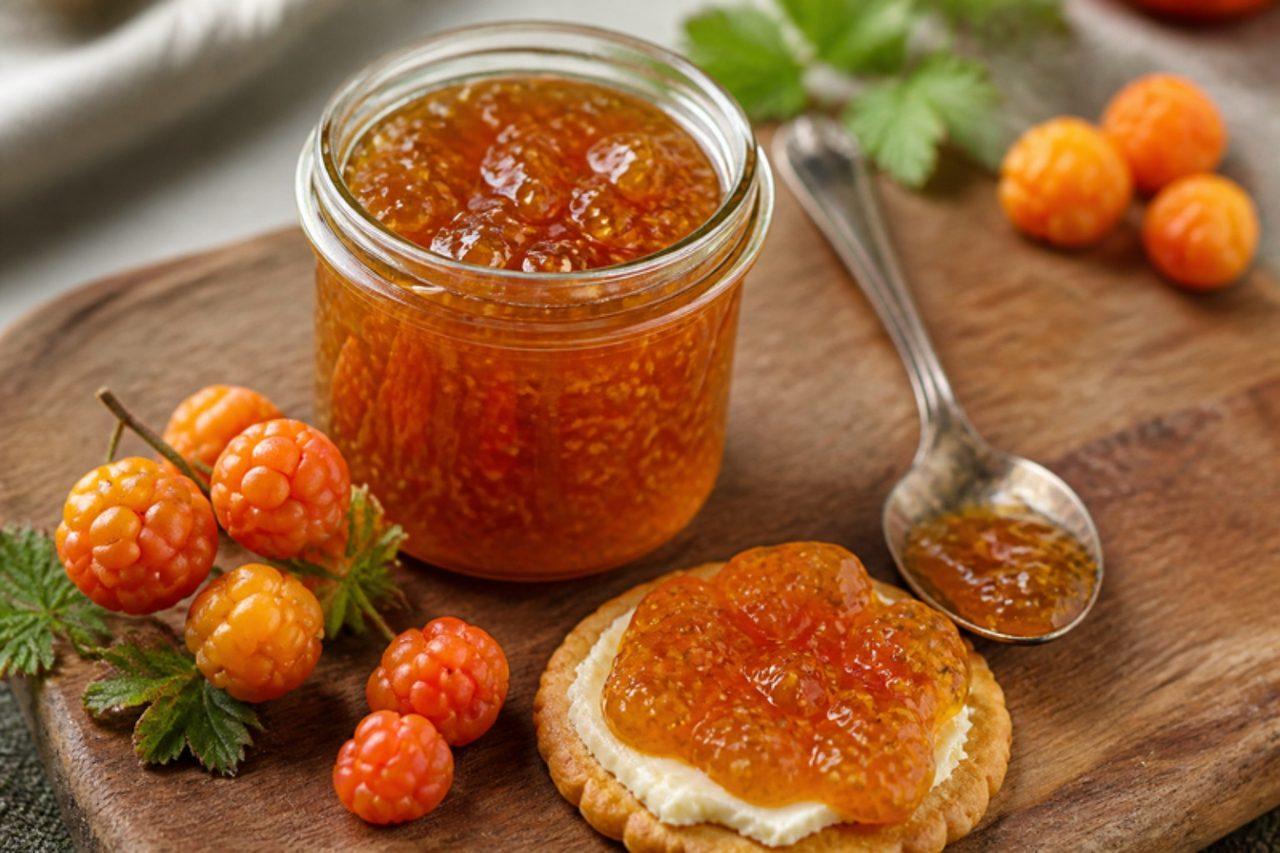
Bakeapples, the amber cloudberries of the Labrador and Newfoundland bogs, ripen for a few weeks in late July and August, and families on the Northern Peninsula and the Labrador coast pick them by the bucket. Turned into jam, they taste of apricot, honey and wild herbs, and the soft seeds give it texture. It is spread on toast, tea biscuits and toutons, or stirred through cream. Frozen cloudberries work if you can't get fresh. A common mistake is boiling too long, which darkens the colour and dulls the flavour. Chef's tip: test the set early, on a cold saucer.

by KrazyBadal 0 views

BakhshGreen rice with beef and liver

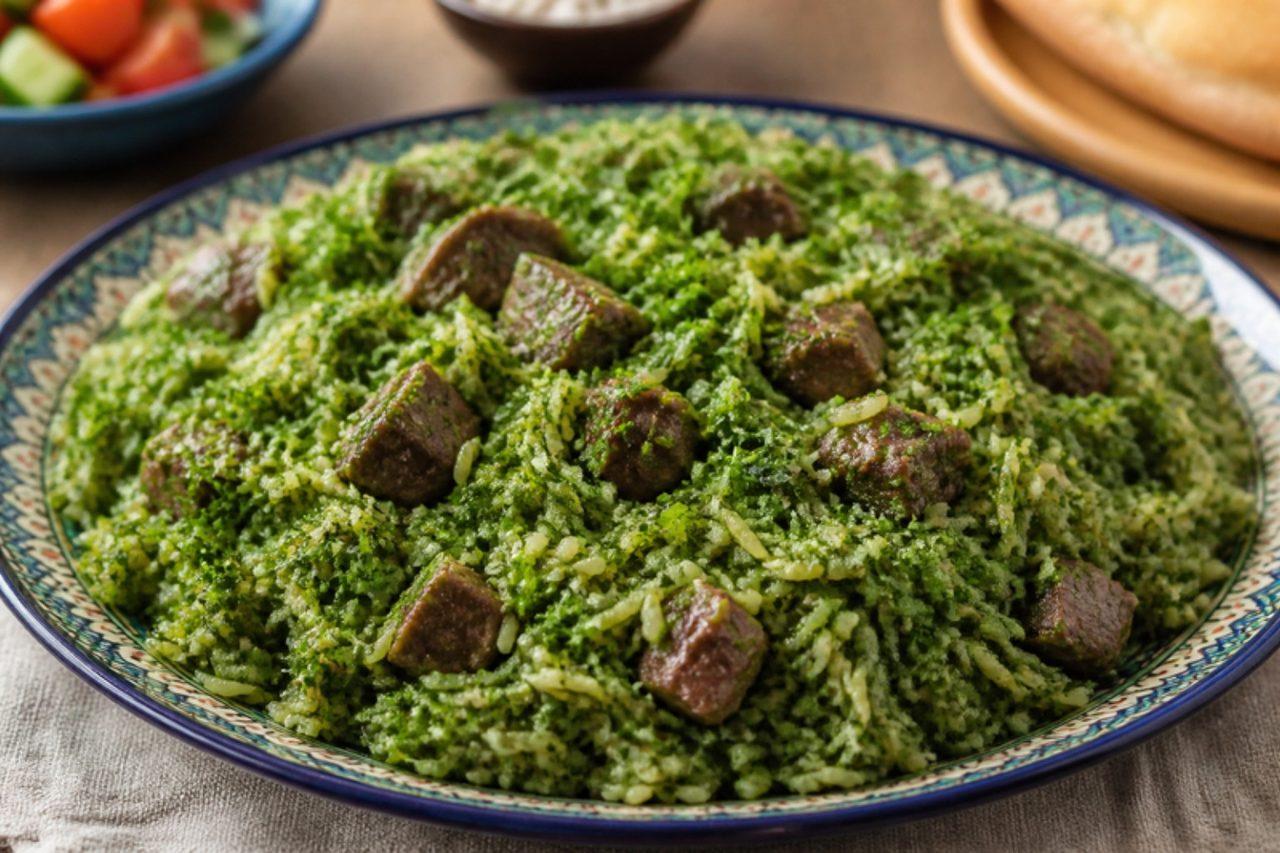
Bakhsh is the Shabbat and holiday rice of the Bukharan Jews, who lived in Bukhara and Samarkand for centuries before most emigrated to Israel and New York: rice mixed with small cubes of beef and liver and so much chopped coriander that it turns deep green, then cooked slowly in a cloth bag inside a pot of broth (bakhsh khalta) or in a pot sealed on the stove. It is fragrant, rich and moist. This version uses beef and calves' liver and the pot method. A common mistake is chopping the coriander roughly; it should be very fine so the rice turns evenly green. Chef's tip: cut the meat into rice-grain-sized pieces so it cooks in the same time as the rice. The liver and meat should be cooked through, 71 °C.

by KrazyBadal 0 views

Baku kurabiyePiped butter cookies with jam

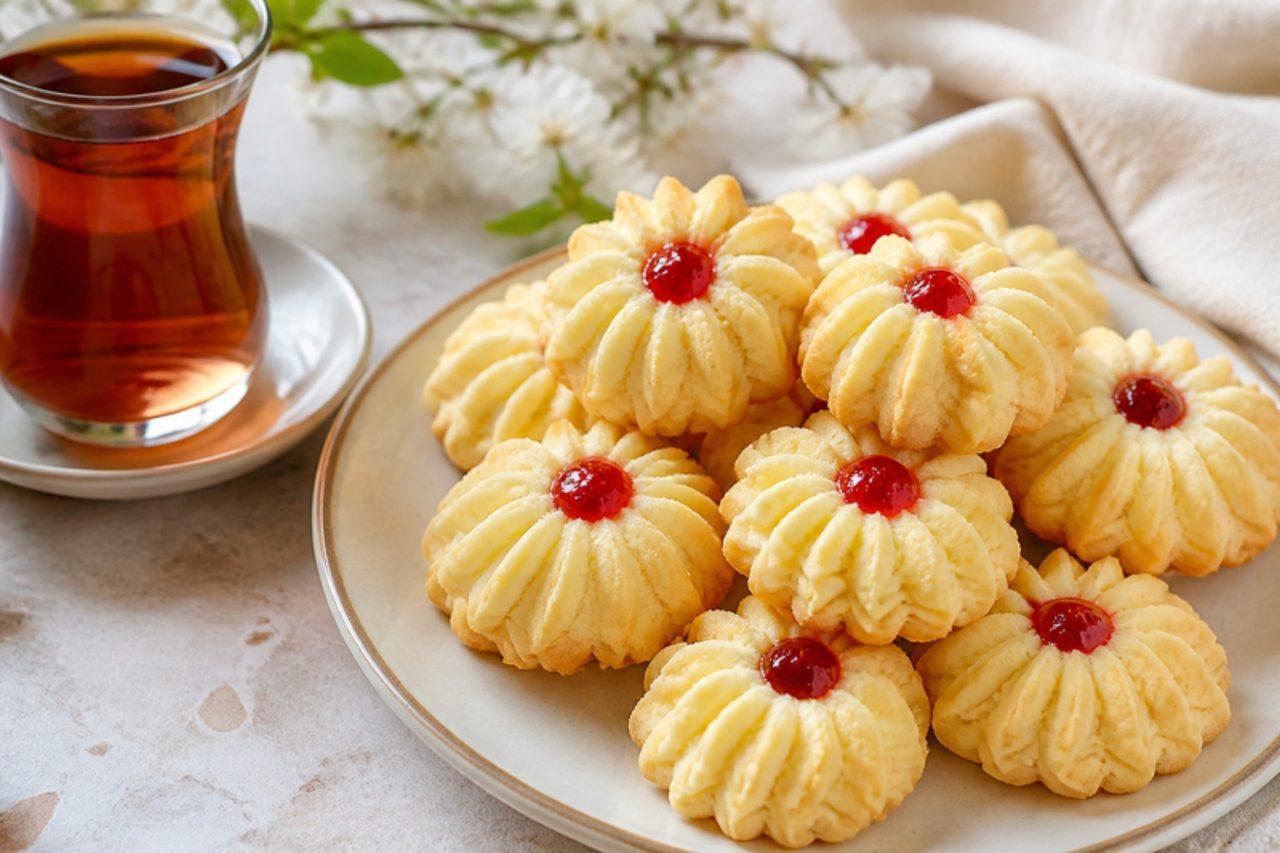
Every Baku bakery sells these: short, crumbly butter cookies piped into flowers with a star nozzle and finished with a bright dot of jam in the centre, sold by the kilo for name days and served with tea in Azerbaijani homes. The dough must be soft enough to pipe but rich enough to hold the ridges in the oven. A common mistake is overbeating the egg whites into the butter, which makes the cookies spread and lose their pattern. Chef's tip: chill the piped cookies on the tray for 15 minutes before baking; the ridges stay sharp.

by KrazyBadal 0 views

Bakonyi sertésszeletPork in mushroom paprika sauce

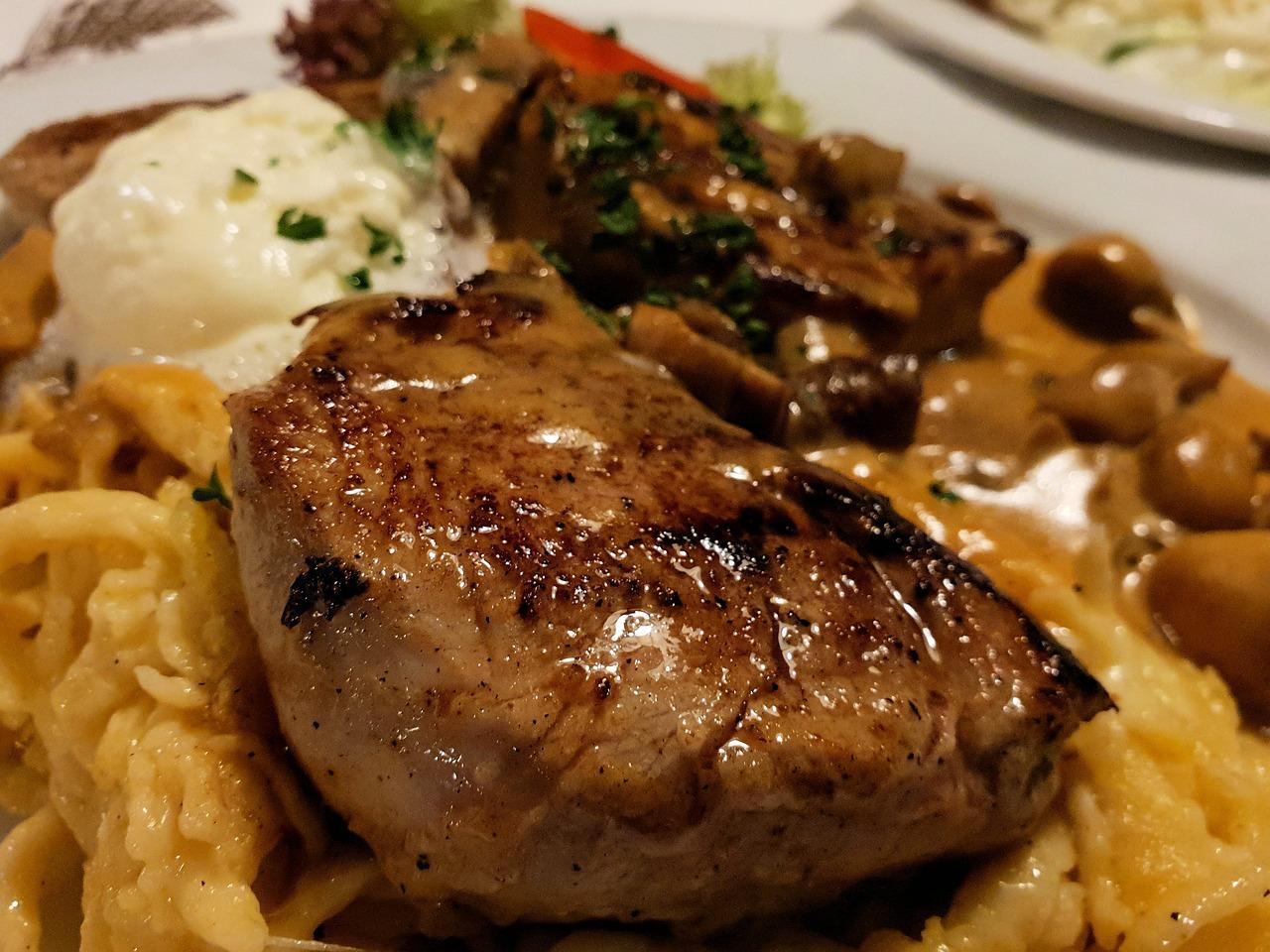
The Bakony hills north of Lake Balaton are known for their beech forests and mushrooms, and any Hungarian dish called bakonyi comes with a creamy paprika and mushroom sauce. Here it covers seared pork loin steaks, a favourite of roadside inns and Sunday lunches across Transdanubia. The sauce starts like a pörkölt with onion, paprika, pepper and tomato, then takes on sliced mushrooms and is finished with sour cream, so it is earthy, tangy and rich. Serve it with nokedli or rice to soak it up. Where most people go wrong is boiling the sauce after the sour cream goes in, which makes it split; keep it just below a simmer. Chef's tip: use a mix of wild and chestnut mushrooms if you can, and fry them hard first so they brown instead of stewing.

by KrazyBadal 0 views

Bakra Eid kalejiStir-fried goat liver

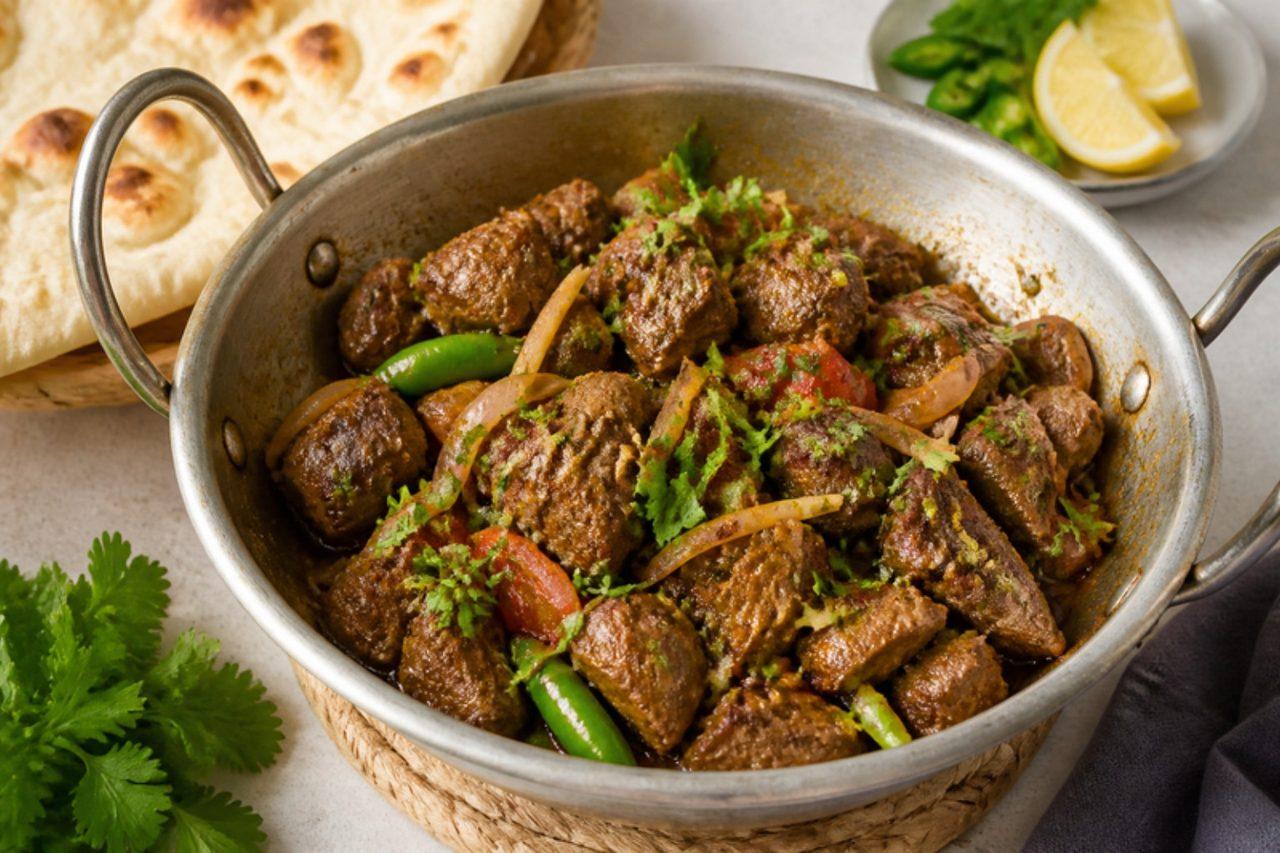
The first thing cooked in countless Pakistani homes on the morning of Eid-ul-Adha, just after the sacrifice, is kaleji: the goat's liver, still very fresh, sliced and stir-fried in a karahi with onion, tomato, ginger and green chilli, then eaten at once with hot paratha or naan while the rest of the meat is being divided. The dish is quick and fierce, tender in the middle, sharp with chilli and lemon. Outside Eid, butchers in every city sell goat or lamb liver for the same breakfast. Overcooking makes liver rubbery, but undercooking is not safe, so cut it into even pieces and cook until it reaches 71 °C with no pink left; it will still be tender. Chef's tip: add the salt only at the very end, as salting liver early draws out moisture and toughens it.

by KrazyBadal 0 views

BalachaungDried shrimp relish

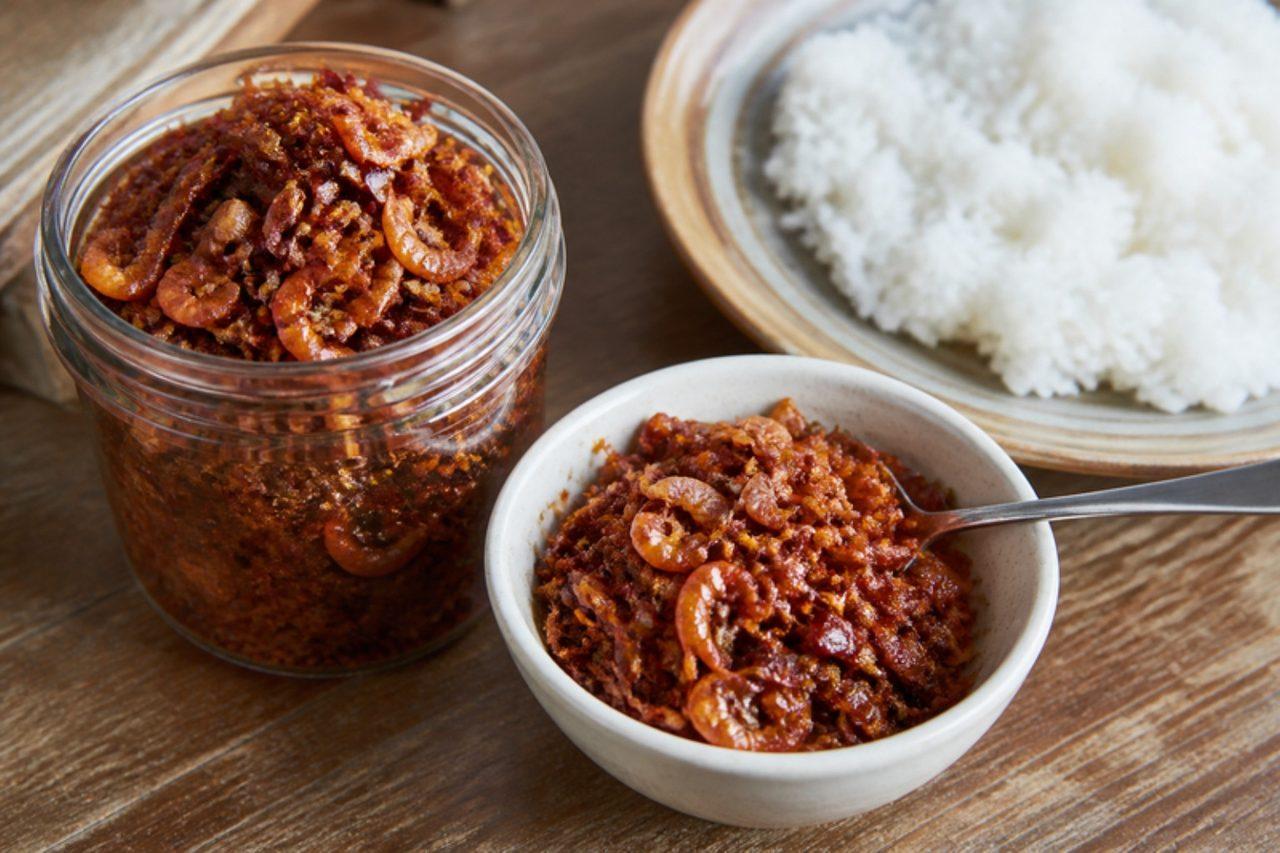
Every Burmese pantry keeps a jar of balachaung, and along the Rakhine coast, where the dried shrimp come from, families fry it in big batches after the dry-season catch. Pounded dried shrimp are fried slowly with crisp shallots, garlic, chilli and a dab of shrimp paste until the whole lot turns into a dry, golden, crackling floss that is salty, smoky, a little sweet and quite hot. A spoonful lifts plain rice, a fried egg, rice porridge or a bowl of noodles, and it travels well, so students and travellers pack a jar to take away from home. Rushing it over a high heat is where most batches go wrong: the shrimp scorch and turn bitter before they are crisp, so keep the heat at medium-low and stir patiently. Chef's tip: fry the shallots and garlic separately and stir them back in only when the shrimp are done, so they stay crunchy for weeks.

by KrazyBadal 0 views

BalanguGrilled spiced mutton

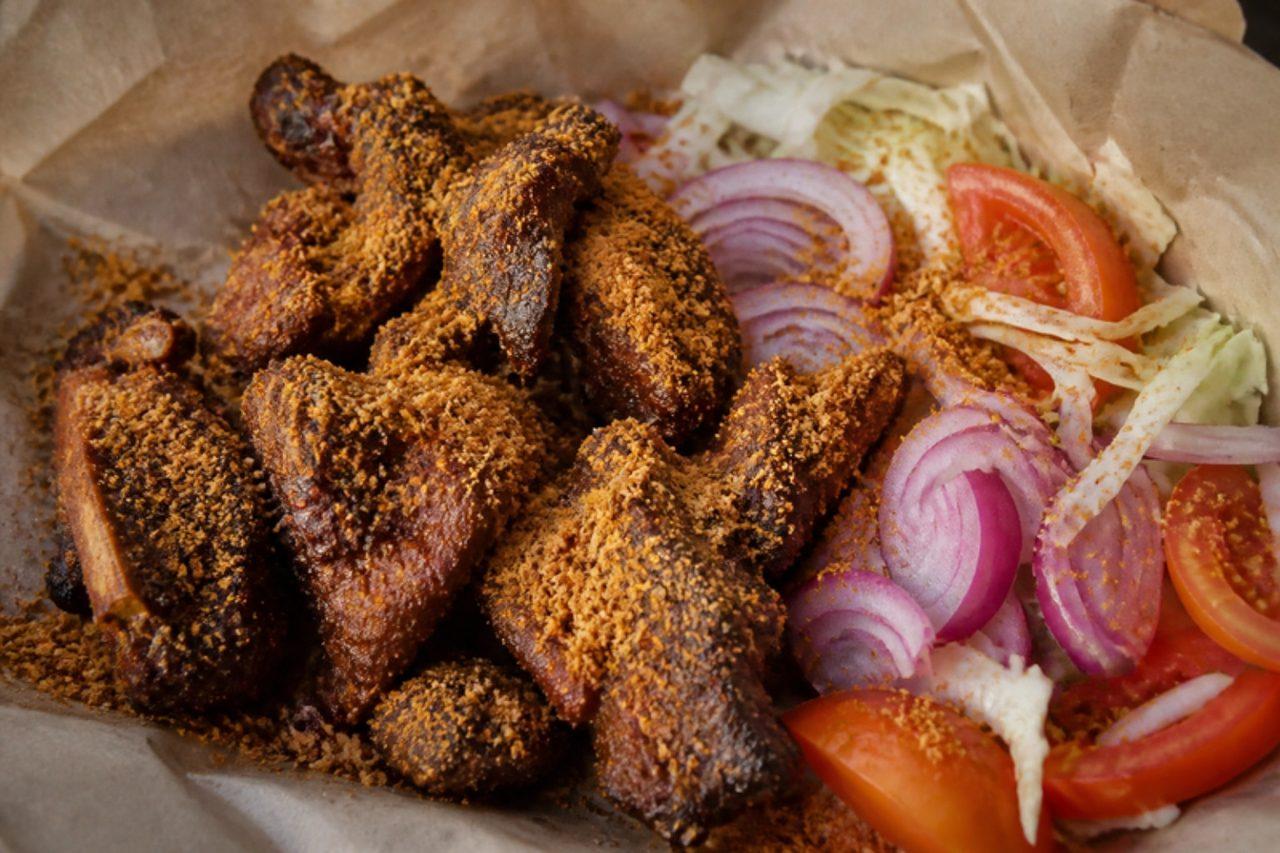
At balangu spots around Kano and the northern cities, the meat is cooked on flat stones heated by fire underneath, so it sears in its own fat rather than over flames. Mutton is the classic, with bone and a little fat left on; beef works too. It comes off crusty and smoky, then is tossed with yaji, the northern peanut-chilli spice, and served on paper with raw onion, tomato and cabbage, eaten with the fingers in the evening. A heavy cast-iron pan or griddle gives the same effect at home. Marinate in the fridge, not on the counter, and cook the pieces until no pink remains and they reach 71 °C. Chef's tip: get the iron smoking hot before the meat goes on and do not crowd it; overcrowding is the classic mistake that leaves the meat grey and stewed.

by KrazyBadal 0 views

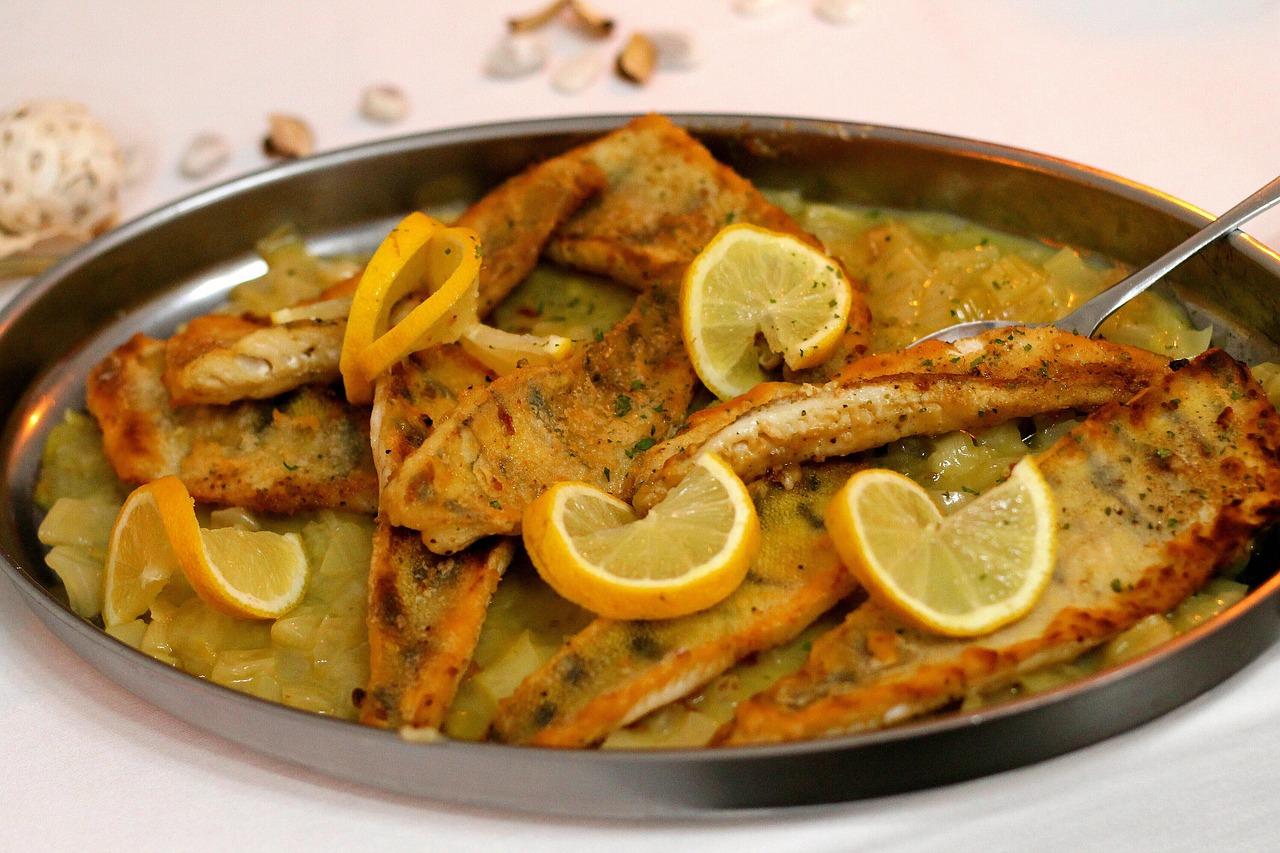
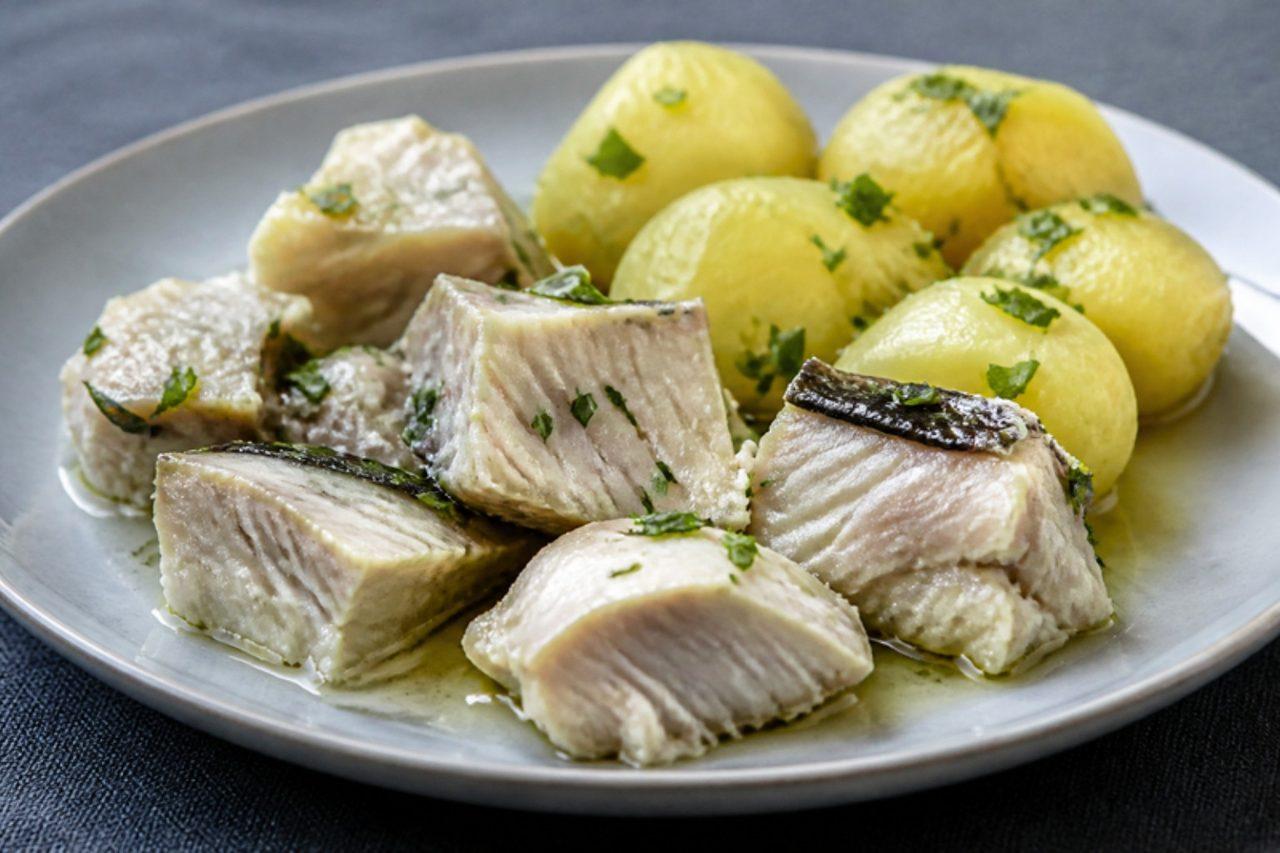
Balatoni fogasButter-fried pikeperch

Fogas, the pikeperch of Lake Balaton, has been the pride of the lakeside restaurants of Tihany, Keszthely and Balatonfüred for over a century, and a fillet on a plate with parsley potatoes is the classic order on a summer evening with a view of the water. The flesh is white, lean and delicate, with a clean, slightly sweet flavour, and the simplest treatment is best: skin side down in foaming butter until the skin turns crisp, with lemon at the end. Zander from any good fishmonger works the same way. Where most people go wrong is moving the fillets too soon, which tears the skin; leave them until they release by themselves. Chef's tip: score the skin lightly twice so the fillets stay flat in the pan.

by KrazyBadal 0 views

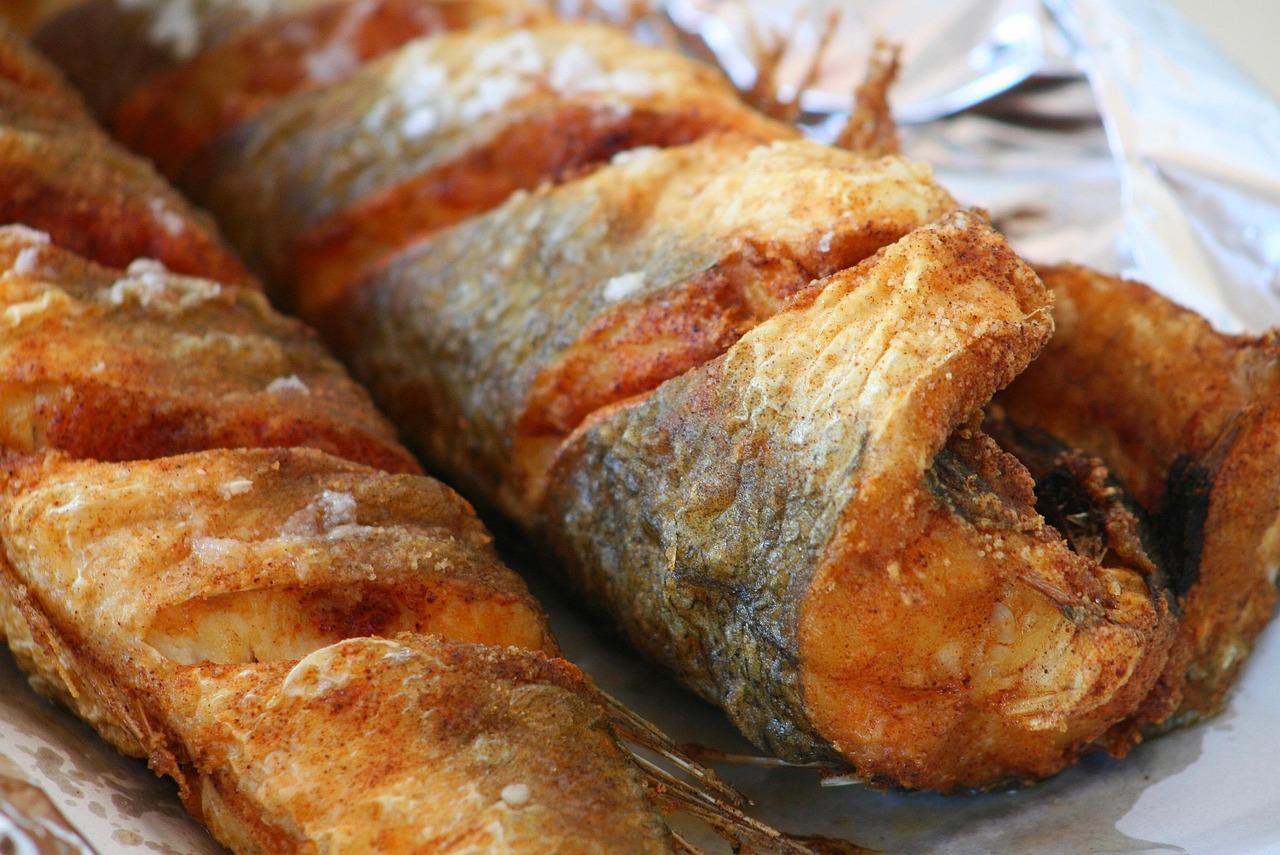
Balatoni hekkFried hake

Hake never swam in Lake Balaton, yet fried hekk is the taste of a Hungarian summer at the lake: a paper tray of hot, crisp fish bought from a beach kiosk in Siófok or Balatonboglár, eaten in a swimsuit with lemon squeezed over and a slice of white bread. Cleaned, headless hake pieces are rolled in seasoned flour with a little paprika and fried until the outside crackles and the white flesh inside is soft and juicy. Serve with lemon, bread and a sharp cucumber salad. The usual slip is not drying the fish, so the flour turns pasty; pat it well with paper first. If the fish is frozen, thaw it in the fridge overnight, never on the counter. Chef's tip: flour the fish only at the last moment, just before it goes into the oil, so the coating stays dry and crisp.

by KrazyBadal 0 views

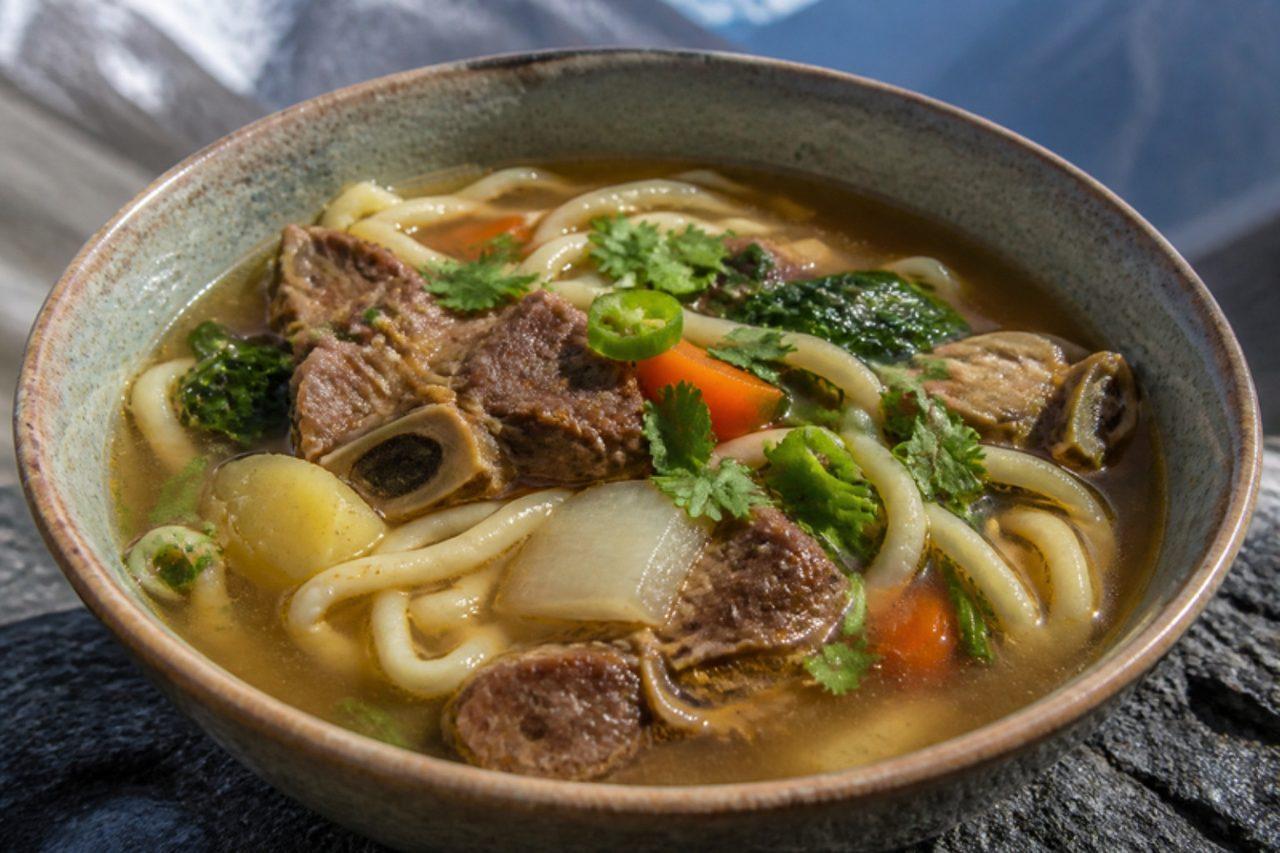
BalayHand-pulled noodles in mutton broth

Skardu sits at almost 2,500 metres, and through its long, dry winters Balti households lean on balay, a sturdy soup of thick wheat noodles pinched and pulled by hand into a mutton broth with turnip, potato, carrot and greens. It is the Balti cousin of Tibetan thukpa, eaten for supper in deep bowls, often with a hot green chilli on the side and salty butter tea to follow. The noodles are fat, chewy and irregular, and they thicken the broth slightly as they cook, which is exactly right. Rolling the dough too thin is a common slip; balay noodles should be the thickness of a pencil so they stay springy. Chef's tip: let the dough rest a full 20 minutes before pulling it, because a rested dough stretches without tearing and gives silkier noodles.

by KrazyBadal 0 views

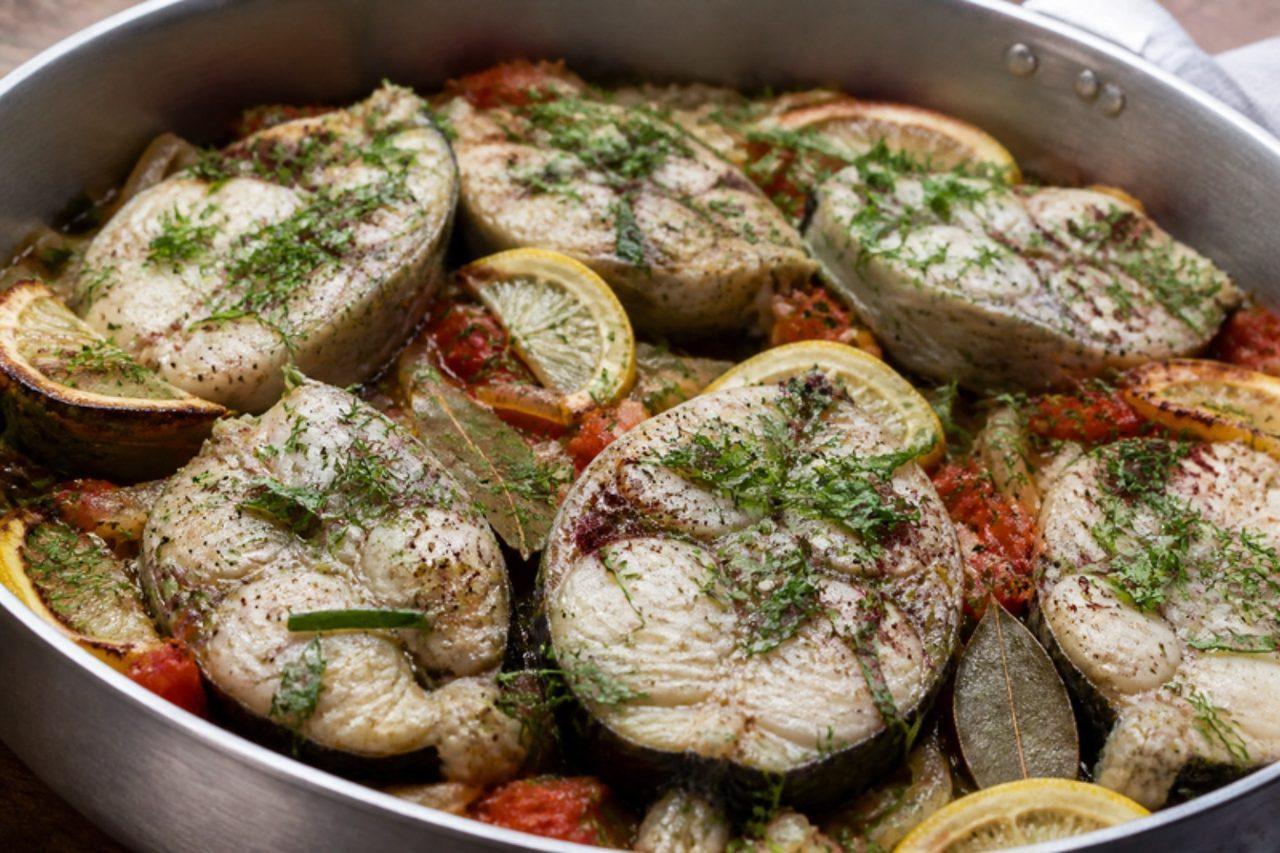
Fish buglamaSteamed fish with onion and tomato

In Baku and the fishing villages of the Absheron peninsula, buglama is the gentlest way to cook Caspian fish such as sturgeon, kutum or mullet: thick steaks laid on a bed of onions, tomatoes and herbs in a covered pan and left to steam in their own juices, with no water added. The result is soft, moist fish in a light, fragrant broth, served with bread and a spoon of narsharab. Any firm white fish works. A common mistake is lifting the lid too often, which lets the steam out and leaves the fish half-cooked. Chef's tip: lay the onion thickly enough that the fish never touches the pan; it should cook in steam, not fry. It is done when the flesh is opaque and flakes when pressed.

by KrazyBadal 0 views

Balish mishtiGiant pillow-shaped chhana sweet

Balish means pillow, and in Netrokona, in the north of Mymensingh division, this sweet is sold in sizes up to the length of a hand: a huge, soft, oblong chhana sweet cooked in syrup until golden and spongy, then smothered with a layer of thick, creamy reduced milk. A sweet-maker in the town created it in the early twentieth century and it is now the gift people bring to weddings and family visits in the region, sliced at the table and shared. The inside is soft and syrupy, the topping rich like clotted cream. Large chhana shapes crack open in the boiling syrup if the dough isn't kneaded long enough, which is the main thing that goes wrong, so take the full 10 minutes. Chef's tip: a spoon of plain flour in the chhana helps the big pillows hold their shape as they swell.

by KrazyBadal 0 views

BalkaimakHoney cream

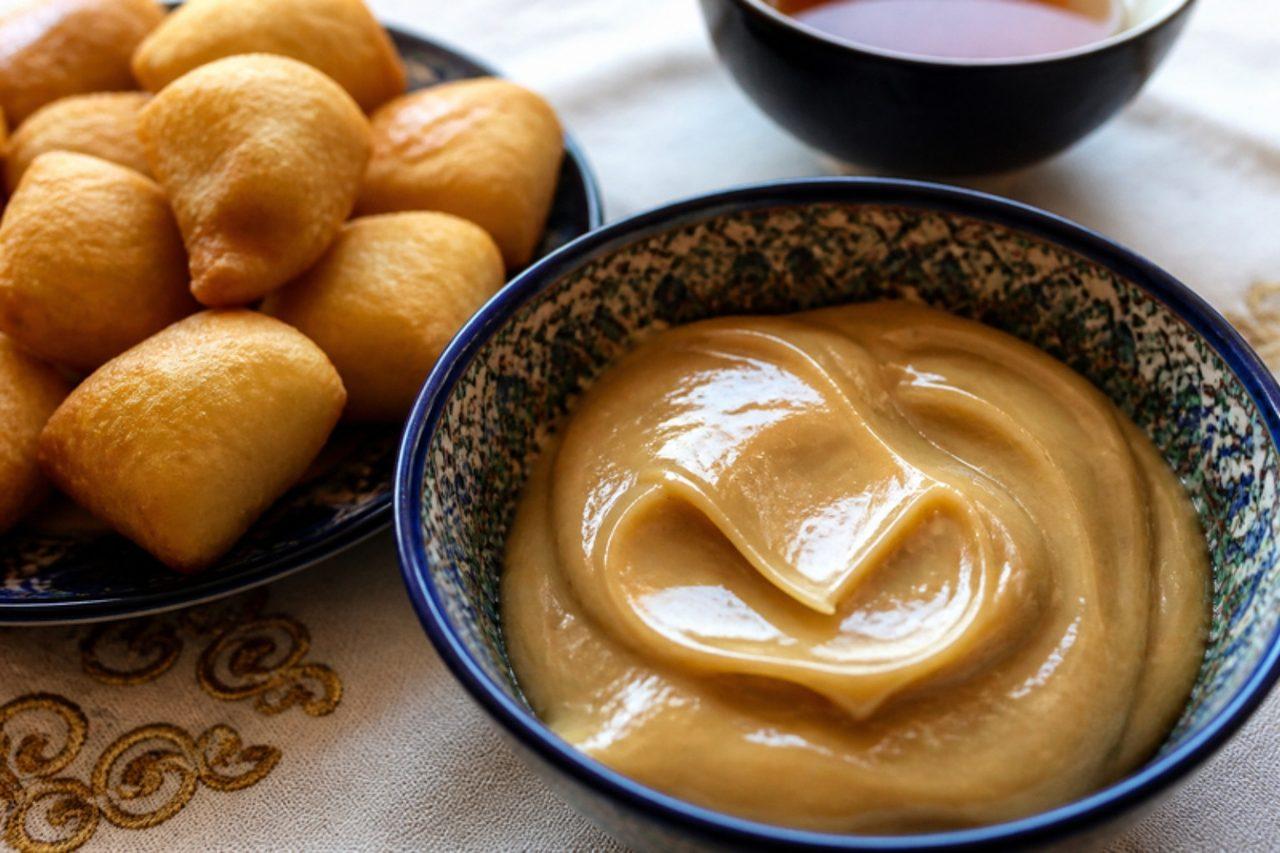
Balkaimak, 'honey cream', is the dessert Kazakh hosts put out for guests with a mountain of baursak dough puffs: thick cream simmered with honey and a little sugar until it turns into a glossy, caramel-flavoured sauce that sets as it cools. It belongs to celebrations like Nauryz and weddings across Kazakhstan, from Almaty to Shymkent. A common mistake is boiling it too hard, which makes the cream split and turn greasy. Chef's tip: thicken it with a teaspoon of flour or cornflour only if your cream is thin; good double cream thickens by itself.

by KrazyBadal 0 views

BallokumeCornmeal butter cookies

Every 14 March, Elbasan in central Albania celebrates Dita e Verës, Summer Day, an old spring festival that is now a national holiday, and the whole town smells of ballokume. These pale golden cookies are made from cornmeal, lots of butter, sugar and eggs, beaten until almost fluffy, then baked into little domes that crack on top and melt into sandy, buttery crumbs. Families give plates of them to neighbours and children nibble them alongside the red-and-white spring bracelets called verore; they are lovely with tea or Turkish-style coffee. This version is gluten free, made with fine cornmeal and cornflour, so check both packets carry a gluten-free label. Under-beating is the classic error: the butter and sugar need a full ten minutes until almost white, or the cookies bake dense and greasy. Chef's tip: chill the shaped cookies for 15 minutes before baking so they keep their dome.

by KrazyBadal 0 views

BalmoșCornmeal in sheep's milk and butter

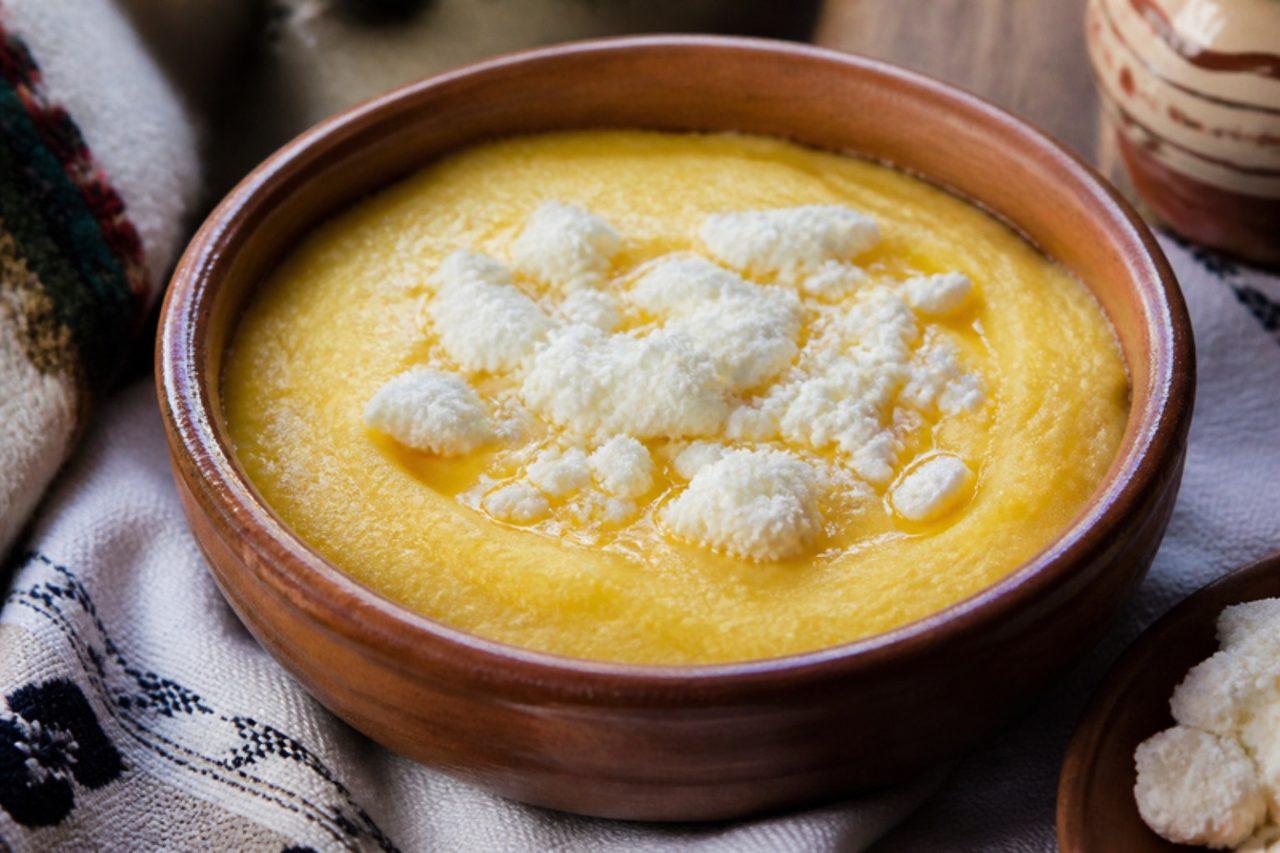
Up at the summer sheepfolds of Maramureș and the Rodna mountains, the shepherds make balmoș in a cauldron over the fire: cornmeal cooked slowly in sheep's milk and sour cream with plenty of butter and fresh sheep's cheese, until it is rich, golden and glistening. It is far creamier than ordinary mămăligă, eaten hot from the pot with a wooden spoon, perhaps with a glass of buttermilk. Use pasteurised milk; if you cannot find sheep's milk, whole cow's milk works. Caș and brânză de burduf are usually made with animal rennet, so use a fresh cheese labelled vegetarian, such as a mild ricotta-style or vegetarian feta. A common mistake is stopping too soon: keep stirring until the butter starts to separate and shine on the surface, which is the shepherds' sign that it is done. Chef's tip: serve it with a few spring onions and a glass of buttermilk.

by KrazyBadal 0 views

Balochi kaakSmoky wholewheat bread

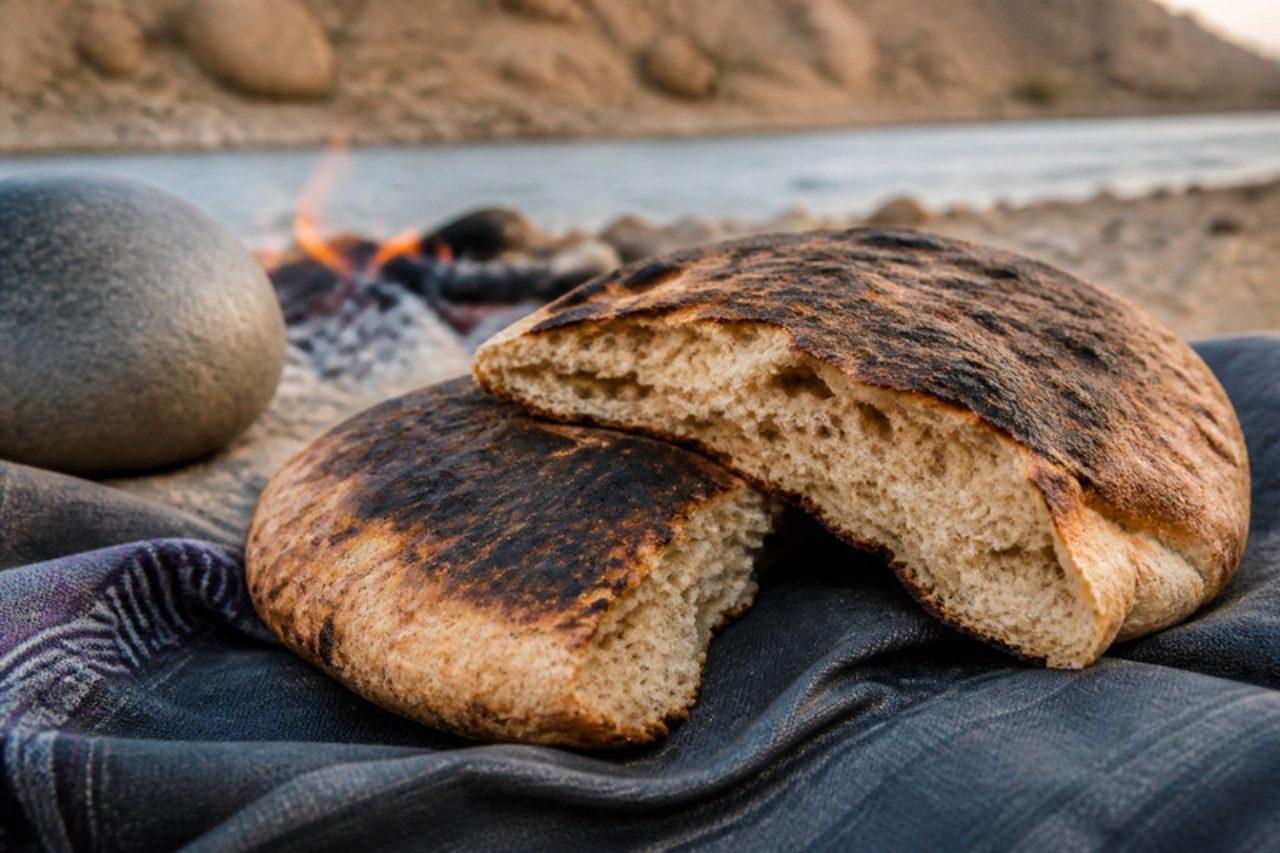
Out in the hills of Balochistan, from Kalat to the passes above Quetta, kaak is shepherds' and travellers' bread: dough wrapped around a smooth river stone that has been heated in the fire, then propped among the embers until a thick, smoky crust forms and the stone cooks it from inside too. It is served torn into chunks alongside sajji, the slow-roasted lamb of Balochi feasts, or with yogurt and tea on the road. This version is for a home oven: the dough is shaped into a thick round and baked on a very hot tray or stone, then finished over a flame for that charred, campfire taste. Under-heating is the main pitfall, giving a pale, heavy loaf. Chef's tip: preheat the tray in the oven for a full 30 minutes. If you try the stone method outdoors, use only dense, dry stones never taken from water, as wet or porous stones can crack violently when heated.

by KrazyBadal 0 views

BalushahiFried pastry in cardamom syrup

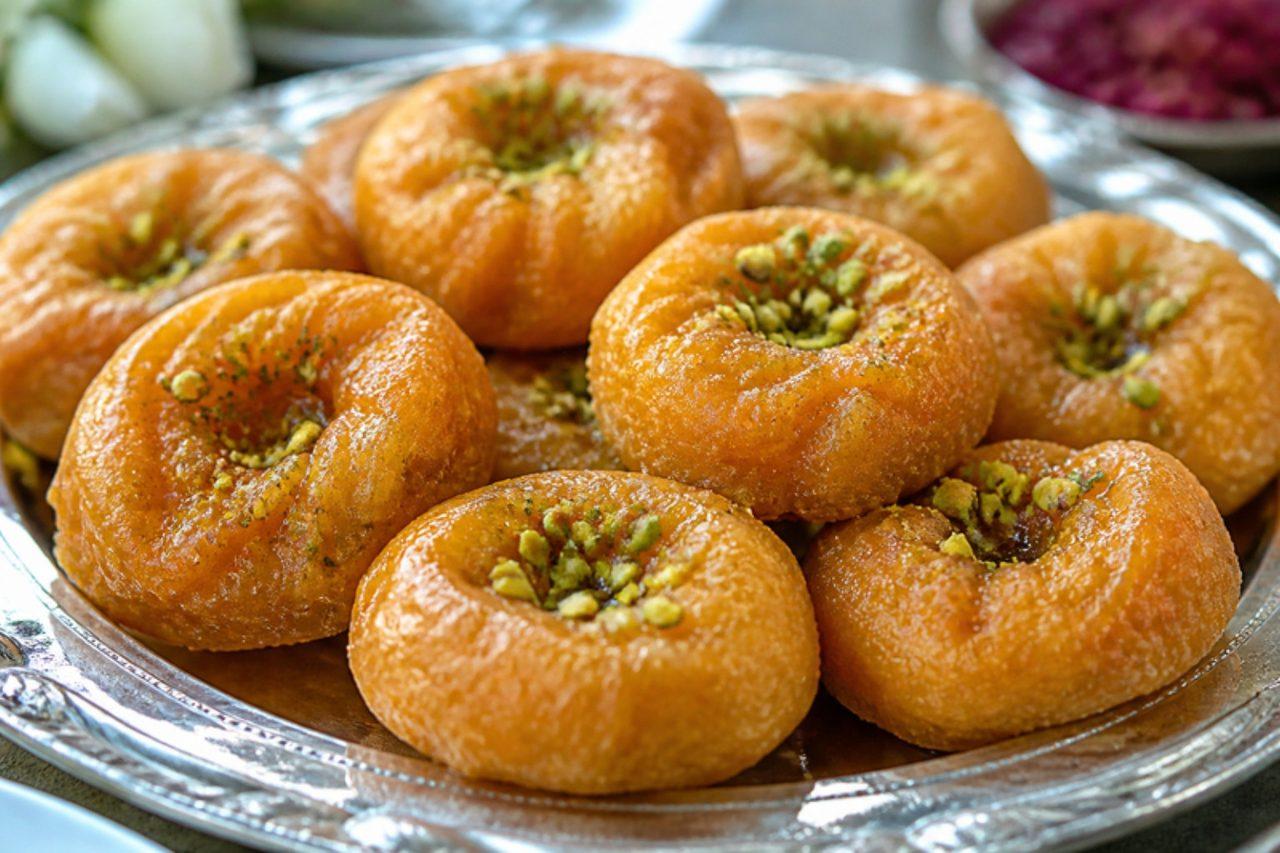
Look in any mithai box carried to a Pakistani engagement or handed round when exam results come out, and balushahi will be there: a squat, doughnut-like round with a dimple in the centre, layered and flaky inside, glazed with a thin, crackly coat of syrup. It is made from a short dough of flour, ghee and yogurt that is barely kneaded, fried very slowly so it cooks through and turns crisp in tiny layers, then dipped in a thick cardamom syrup. Shops in Lahore's Walled City and in Rawalpindi's Raja Bazaar sell it by the kilo, and at home it is a sweet for Eid and winter tea. A common mistake is kneading the dough smooth like a chapati, which develops gluten and makes the balushahi hard instead of flaky. Chef's tip: fry them in ghee that is only just warm, so they float up slowly over several minutes; that slow start is what opens the layers.

by KrazyBadal 0 views

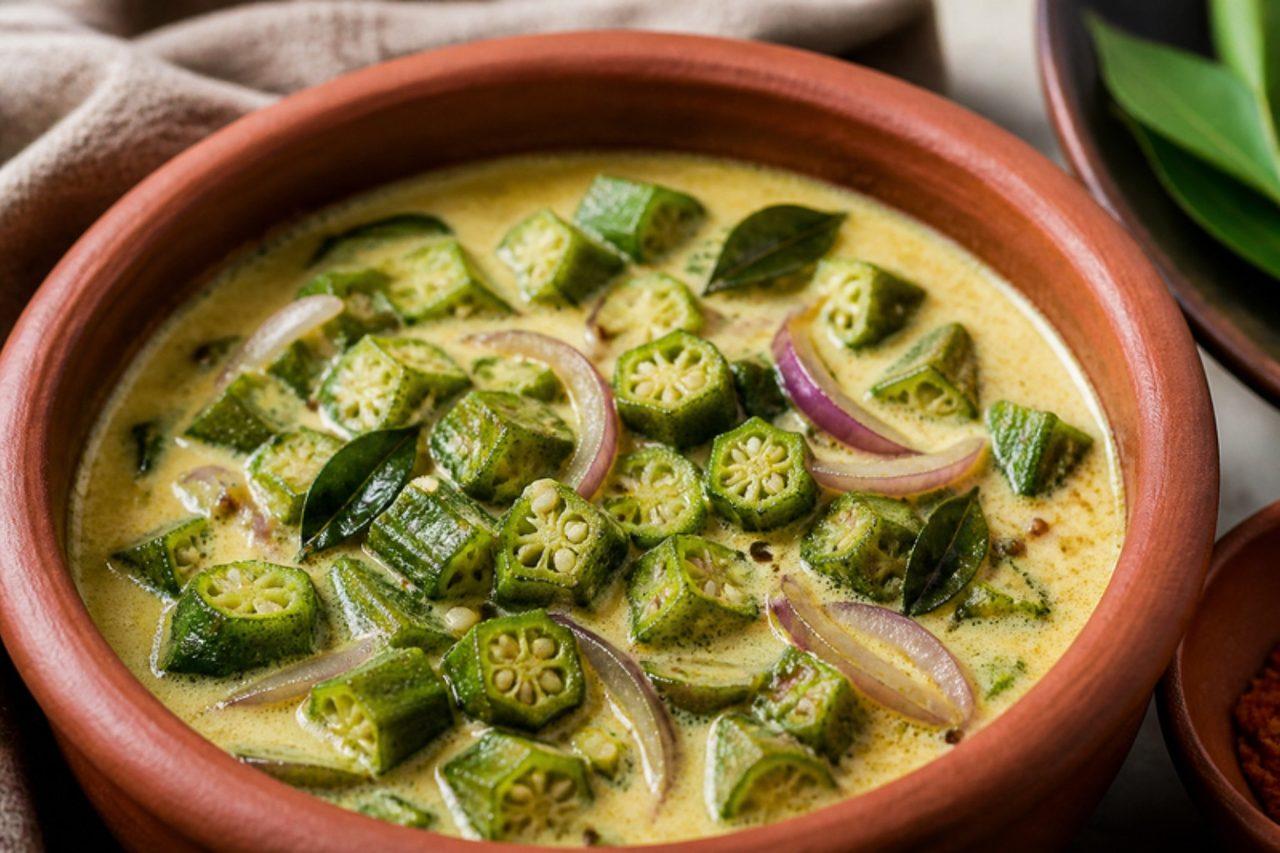
Bandakka curryOkra coconut milk curry

Ladies' fingers, as okra is still called in Colombo markets, are cheap, plentiful and quick, which is why bandakka curry is one of the most common weekday vegetables on a Sri Lankan lunch plate. The pods are cut on the diagonal, fried briefly in coconut oil, then simmered in a mild, yellow gravy of coconut milk with fenugreek, onion and green chilli, so they stay bright green and just tender. It goes with red or white rice, a spoon of dhal and something crisp, such as fried papadam or a sambol. Slime puts many people off okra, and it is almost always caused by moisture: washing the pods and cutting them while they are still wet. Dry them completely first and fry them before any liquid goes in. Chef's tip: a few drops of lime stirred in at the very end lifts the flavour and also helps the gravy stay clean and silky.

by KrazyBadal 0 views

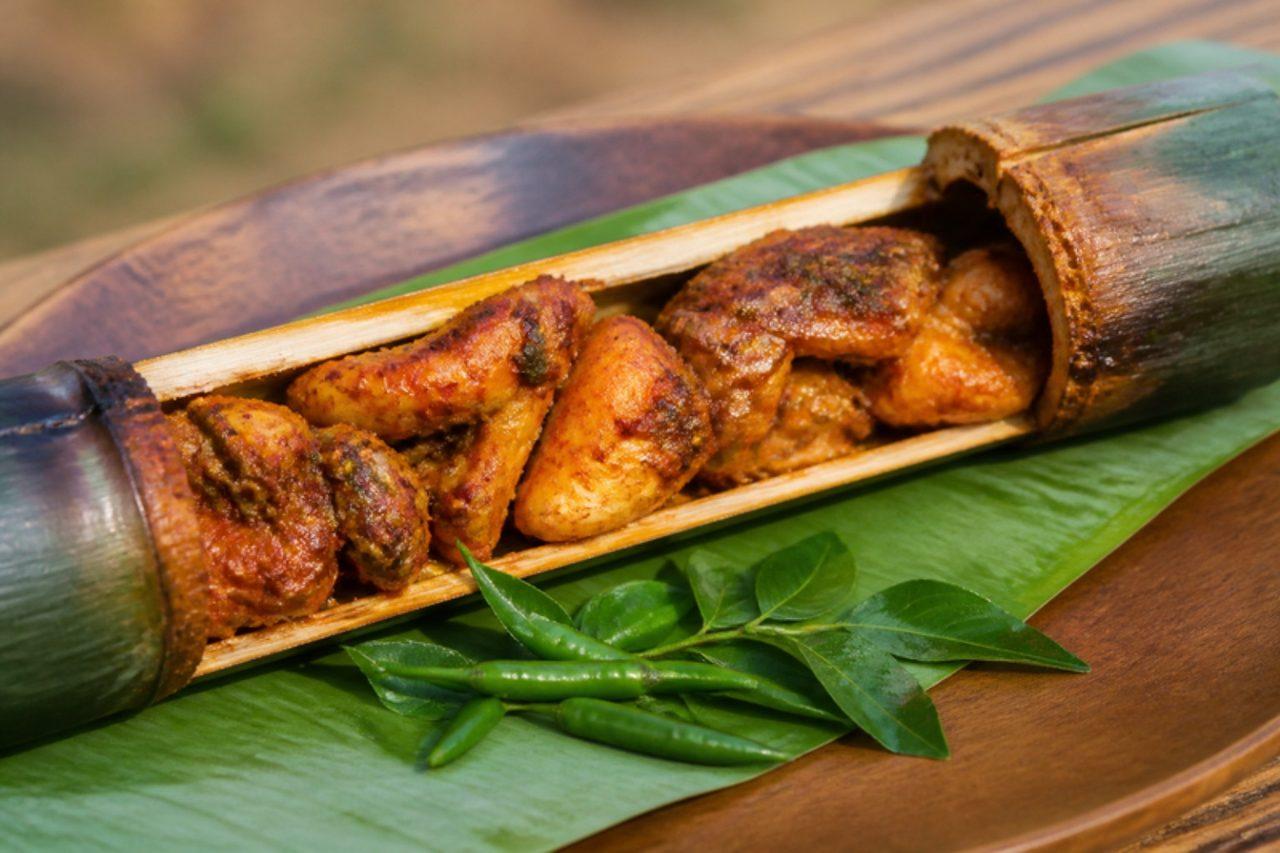
Bamboo chickenBamboo-roasted spiced chicken

Trekkers heading up to Nilgiri and Boga Lake in the Chittagong Hill Tracts look forward to one meal in particular: chicken that Marma and Bawm cooks pack into a freshly cut length of green bamboo, plug with leaves and lean against the embers until the tube blackens and hisses. Inside, the meat steams in its own juices with ginger, garlic, lemongrass, turmeric and bird's-eye chilli, and picks up a faint grassy sweetness from the bamboo. It is eaten with plain rice and a sharp chilli chutney, often at a jungle campfire. At home a heavy lidded casserole or a tight foil-and-banana-leaf parcel in the oven gives a very close result. The trap is packing in too much liquid, which boils the chicken instead of steaming it; the meat makes its own juice. Chef's tip: use small bone-in pieces, because large joints stay undercooked in the middle of a tube.

by KrazyBadal 0 views

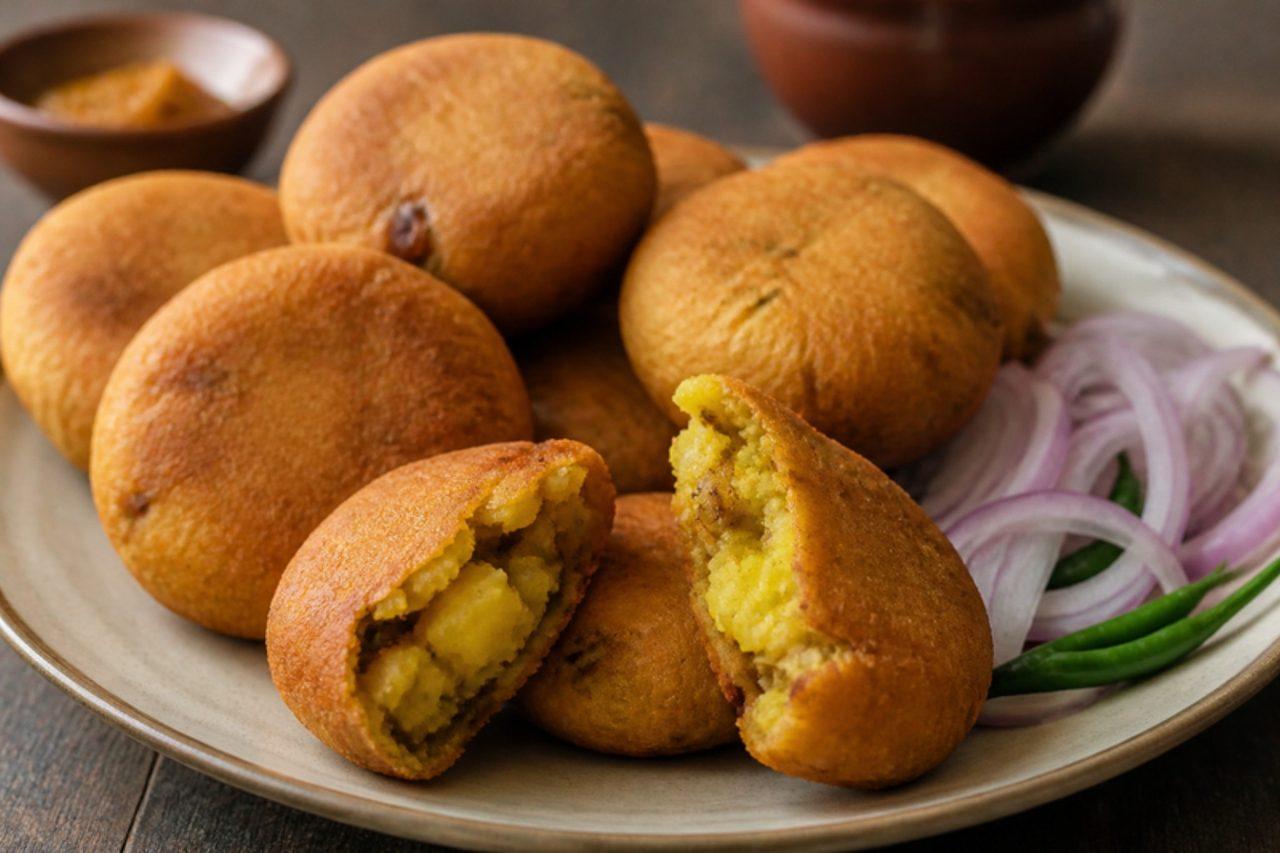
Bangladeshi aloo chopSpiced potato patties

Every chop-shop on a Dhaka street corner, and every iftar spread in the evening during Ramadan, has a tray of aloo chop: flattened ovals of mashed potato fried with onion, ginger and green chilli, dipped in a gram-flour batter and fried until puffed and golden. The inside is soft and fragrant with roasted cumin and coriander leaves, the coat thin and crunchy, and they are eaten hot, with a sprinkle of bit lobon (black salt), a squeeze of lime, kasundi mustard sauce or a dab of tamarind chutney, often tucked into a paper cone with muri. Watery potatoes are the commonest problem, as they make the patties split in the oil, so steam-dry them well after boiling. Chef's tip: add a pinch of rice flour to the gram-flour batter for a crisper coat that stays crunchy as it cools.

by KrazyBadal 0 views

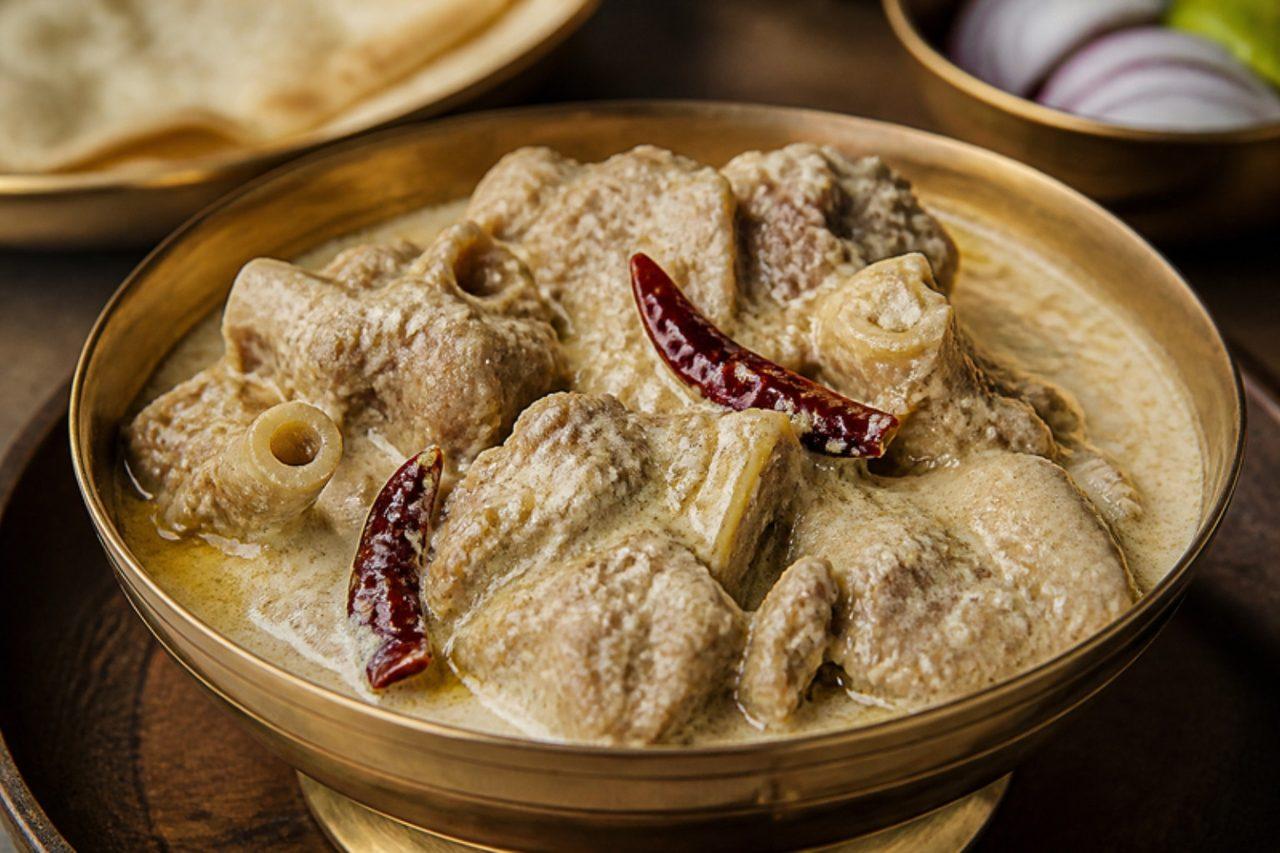
Bangladeshi mutton rezalaYoghurt mutton curry

Rezala is the elegant one on a Dhaka dawat table, a creamy, ivory-coloured mutton curry that looks mild and then surprises you with the slow heat of whole dried chillies swimming on top. Its roots are in the Mughal kitchens that reached Bengal through Murshidabad and Old Dhaka, and today it turns up at Eid lunches and wedding receptions beside polao or soft naan. There is no turmeric and no red chilli powder in the gravy; the body comes from yoghurt, a paste of white poppy seeds and cashews, and onions cooked gently so they never brown. The classic mistake is frying the onion paste too hot, which turns the gravy beige and bitter instead of pale. Chef's tip: grind the poppy seeds and cashews after soaking them in warm milk or water for 20 minutes, so the paste is completely smooth.

by KrazyBadal 0 views

Bannu pulaoBeef pulao in bone marrow stock

Bannu, a town in southern Khyber Pakhtunkhwa, has given its name to one of Pakistan's richest rice dishes, now sold by pulao houses across Peshawar, Islamabad and Karachi with the town's name painted proudly over the door. Its secret is the stock: beef and marrow bones simmered for hours until the liquid turns cloudy and gelatinous, then used to cook long-grain rice so every grain is glossy with beef fat. The rice is served piled up with fist-sized pieces of boiled beef on top, alongside raita and a fresh chilli-tomato salad, at weddings and Friday lunches. Watery rice is the common failure, because the stock is not reduced enough; it must be concentrated, almost like gravy. Chef's tip: let the stock cool and lift off some of the fat, then fry the onions in that fat, so nothing is wasted and the rice tastes of beef throughout.

by KrazyBadal 0 views

Barbadine punchGranadilla milk drink

Barbadine, the giant granadilla, grows on vines over backyard fences across Trinidad and turns up at Sunday lunch blended into a pale, creamy punch. The fruit's soft white flesh and the perfumed seed pulp inside are both used, giving a gentle passion-fruit flavour that milk, nutmeg and a little sugar round out. It is alcohol-free and made for the whole family. A frequent mistake is blending the seeds hard, which cracks them and turns the drink gritty and bitter: pulse the pulp briefly and strain it. Chef's tip: if you can't find barbadine, use the pulp of 6 passion fruit plus 200 g peeled honeydew melon for a similar taste.

by KrazyBadal 0 views

BrunsliChocolate almond biscuits

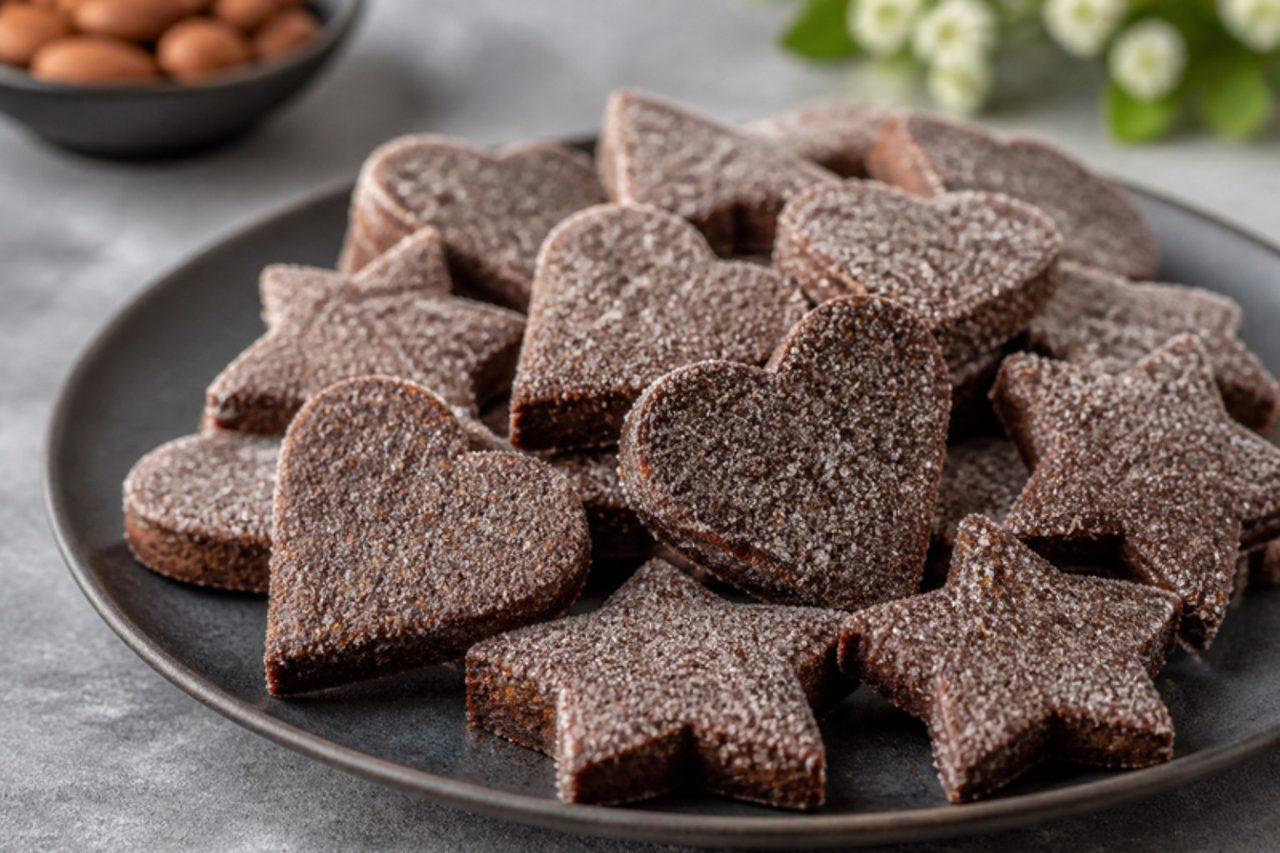
Brunsli are the dark, chewy Christmas biscuits of Basel, one of the 'Basler Weihnachtsguetzli' along with Läckerli and Zimtsterne: ground almonds, sugar, dark chocolate, cinnamon and cloves bound with egg white, rolled out on sugar and cut into hearts, stars and clovers, then dried overnight and baked briefly so they stay soft inside. They are flourless. A common mistake is baking them too long, which turns them hard. Chef's tip: leave the cut shapes to dry overnight at room temperature; they form a thin crust and keep their sharp shape in the oven. Use a dairy-free chocolate to keep them dairy-free.

by KrazyBadal 0 views

BataSoft sticky rice

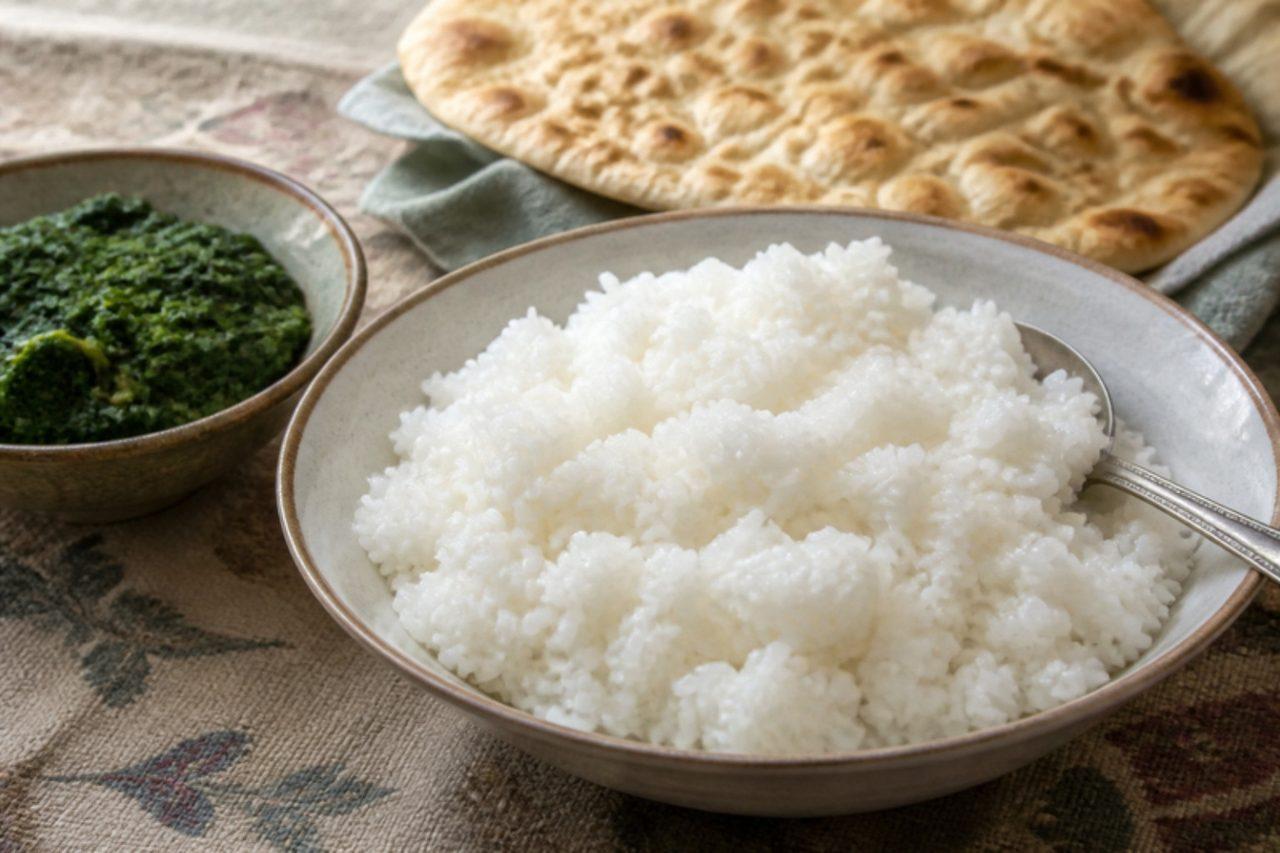
Long-grain palaw gets the glory at weddings, but on ordinary days in Herat and Kabul it is often bata that comes to the table: short-grain rice cooked until the grains burst and cling together in a glossy, gently salted mass. Its job is to sit beside something saucy, typically a qorma or sabzi, the dark, garlicky spinach, and to soak up every bit of it; children often eat it with just a spoonful of yogurt. It needs no spices at all. Rice that is drained or rinsed until the water runs clear will never go properly sticky, so rinse it once and cook it in a measured amount of water. Chef's tip: finish it under a lid wrapped in a tea towel on the lowest heat, which catches the drips of steam and keeps the top soft instead of wet.

by KrazyBadal 0 views

BazheWalnut sauce

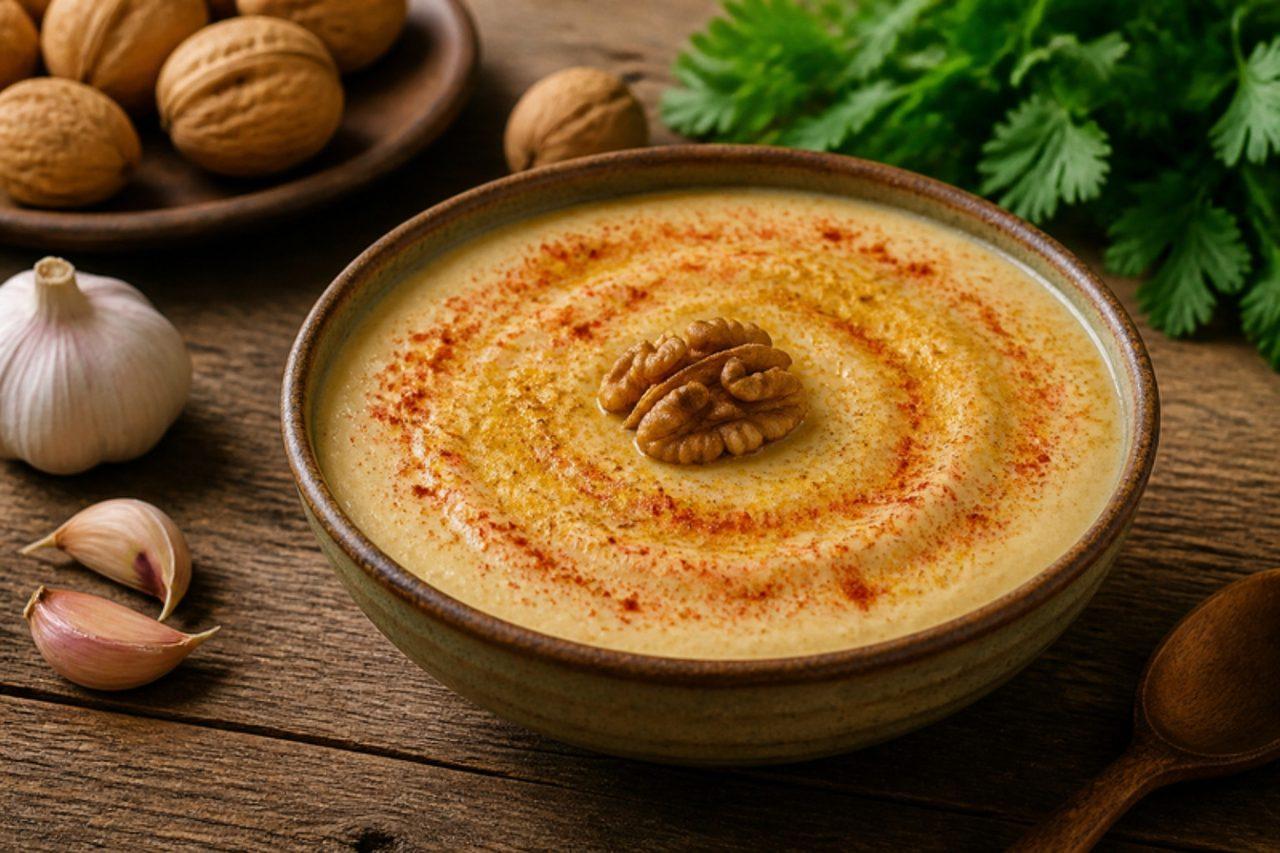
Bazhe is the creamy walnut sauce of Guria, Samegrelo and Imereti, served cold with fried fish, roast chicken, boiled vegetables or a bowl of ghomi; families in Ozurgeti make it in large bowls for New Year. Walnuts are ground until they give up their oil, then let down with water and seasoned with garlic, blue fenugreek, coriander and a sour note until the sauce is pale, smooth and pourable. A common mistake is adding all the water at once; the sauce separates and turns thin and grey. Chef's tip: squeeze out a little walnut oil by kneading the paste with your hand, then drizzle it back over the finished sauce for a glossy, golden finish.

by KrazyBadal 0 views

Beef smooreSpiced coconut milk beef roast

Smoore takes its name from the Dutch smoren, to braise, and in Burgher homes from Colombo to Galle it is the centrepiece for Christmas lunch or a big family Sunday: a whole joint of beef pierced, marinated in vinegar and spice, then simmered for hours in coconut milk with lemongrass, pandan and a spoonful of lime pickle. The pickle is the signature, adding a salty, bitter-sour sparkle that keeps the rich gravy lively. The joint is sliced at the table and served with yellow rice, a cucumber salad and plenty of the sauce. The biggest risk is letting the coconut milk boil fiercely for hours, which makes it split and greasy. Chef's tip: once the joint is browned, keep the pot at the barest shiver of a simmer, and turn the meat every half-hour so it cooks evenly.

by KrazyBadal 0 views

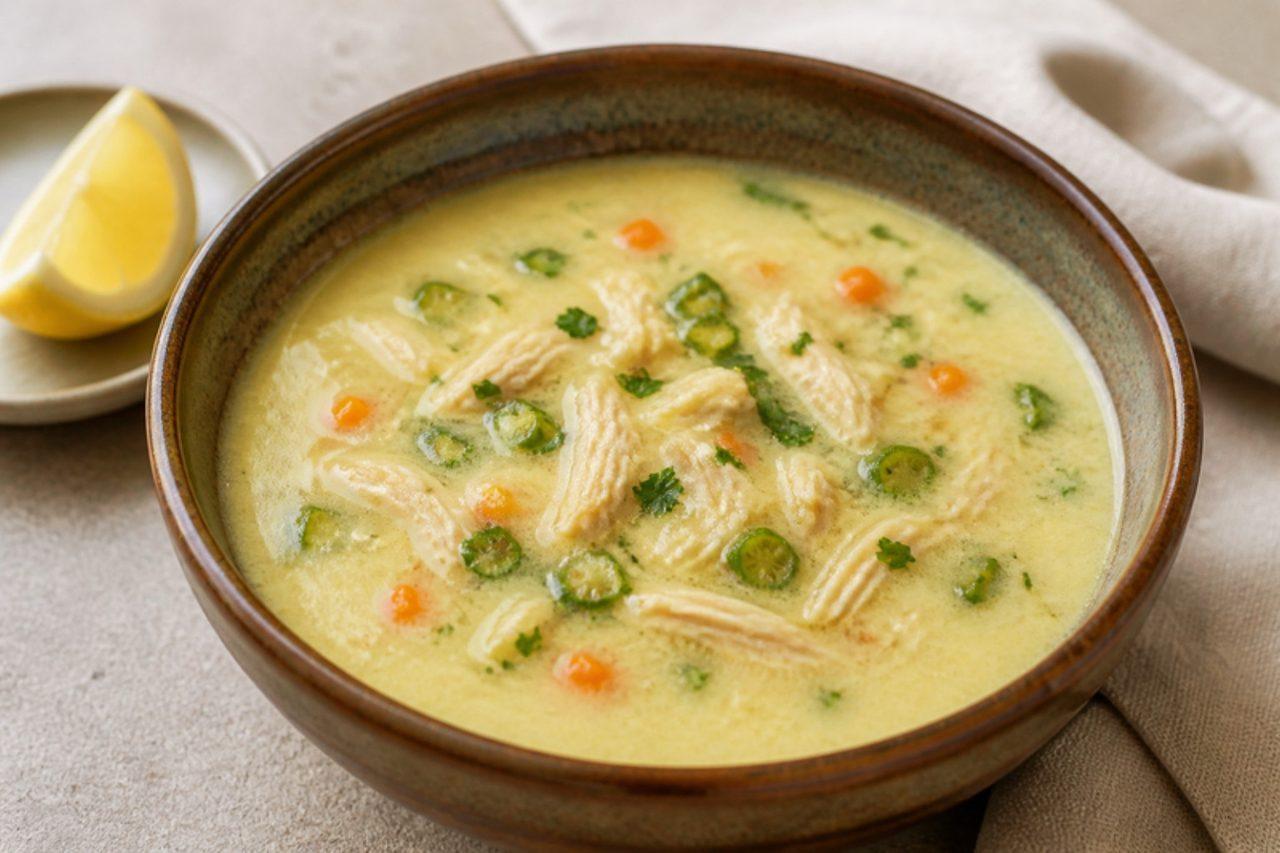
Begova čorbaChicken and okra soup

Fit for an Ottoman bey, this velvety soup is the opening course of special dinners in Sarajevo and across Bosnia and Herzegovina, ladled out at weddings, Bajram tables and in the old aščinice, the canteens of the Baščaršija bazaar. Chicken simmers with carrot, celeriac and parsley root, and small okra pods go in to give a gentle, silky body; at the end, egg yolks and sour cream turn it creamy and pale gold, with a sharp lift from lemon. A common mistake is pouring the yolks straight into boiling soup, where they scramble: warm them with a little broth first. Chef's tip: dried okra, if you can find it in a Turkish shop, is traditional and less slimy; soak it in water with a splash of vinegar.

by KrazyBadal 0 views

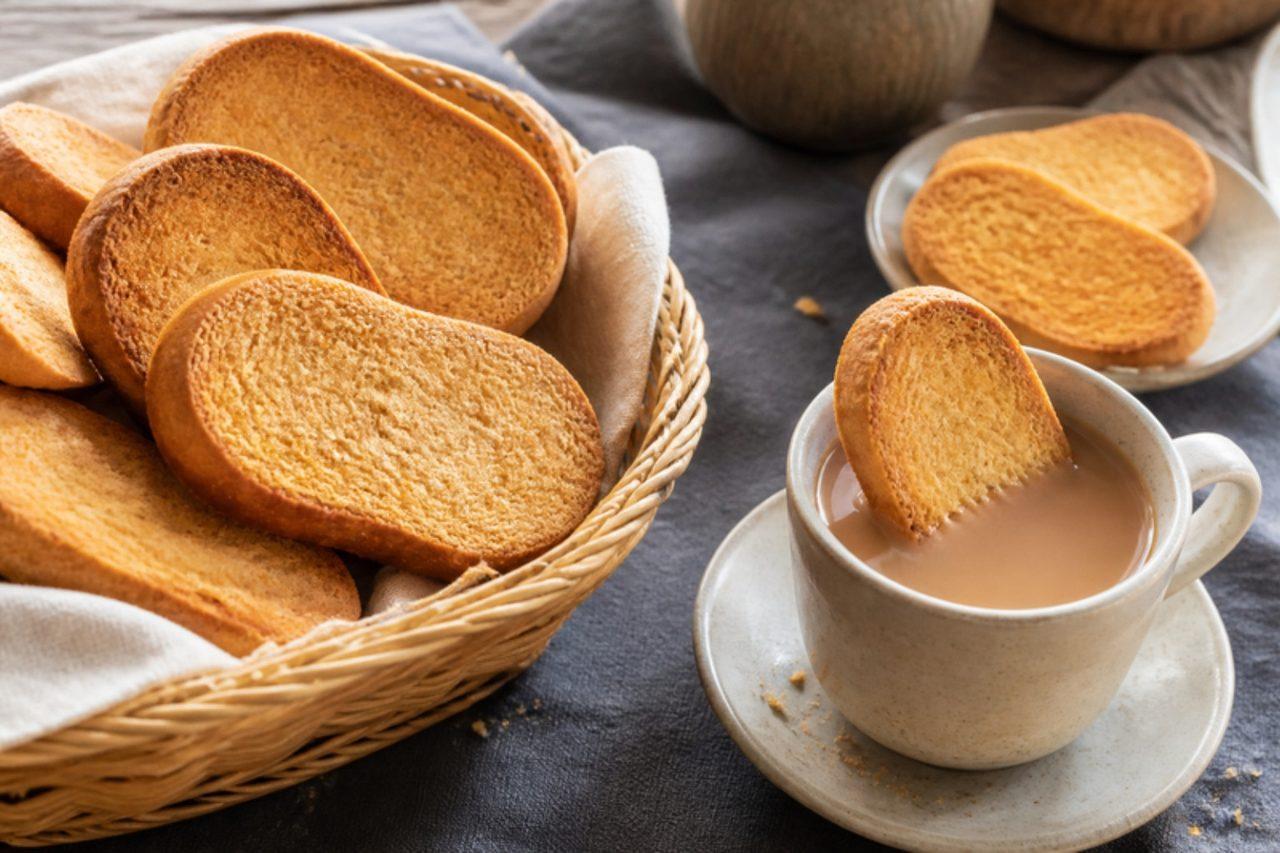
Bela biscuitTwice-baked tea biscuit

Old Chittagong bakeries, some of them in the Chandanpura area for well over a century, still fire their wood ovens for bela biscuit, a pale oval rusk so hard it cracks rather than snaps. It starts as a lightly sweet, enriched yeast dough that is baked once like a bun and then dried for a long time in a cooling oven until crisp right through. In Chittagong homes it comes out at teatime and when guests arrive, and the whole point is the dunk: a few seconds in hot milky tea and it softens into something like buttery bread. The classic slip is pulling the biscuits from the second bake too soon; they feel firm while warm but go chewy overnight if the centre is still damp. Chef's tip: break one open after drying; if the middle is pale and soft, give the tray another 20 minutes.

by KrazyBadal 0 views

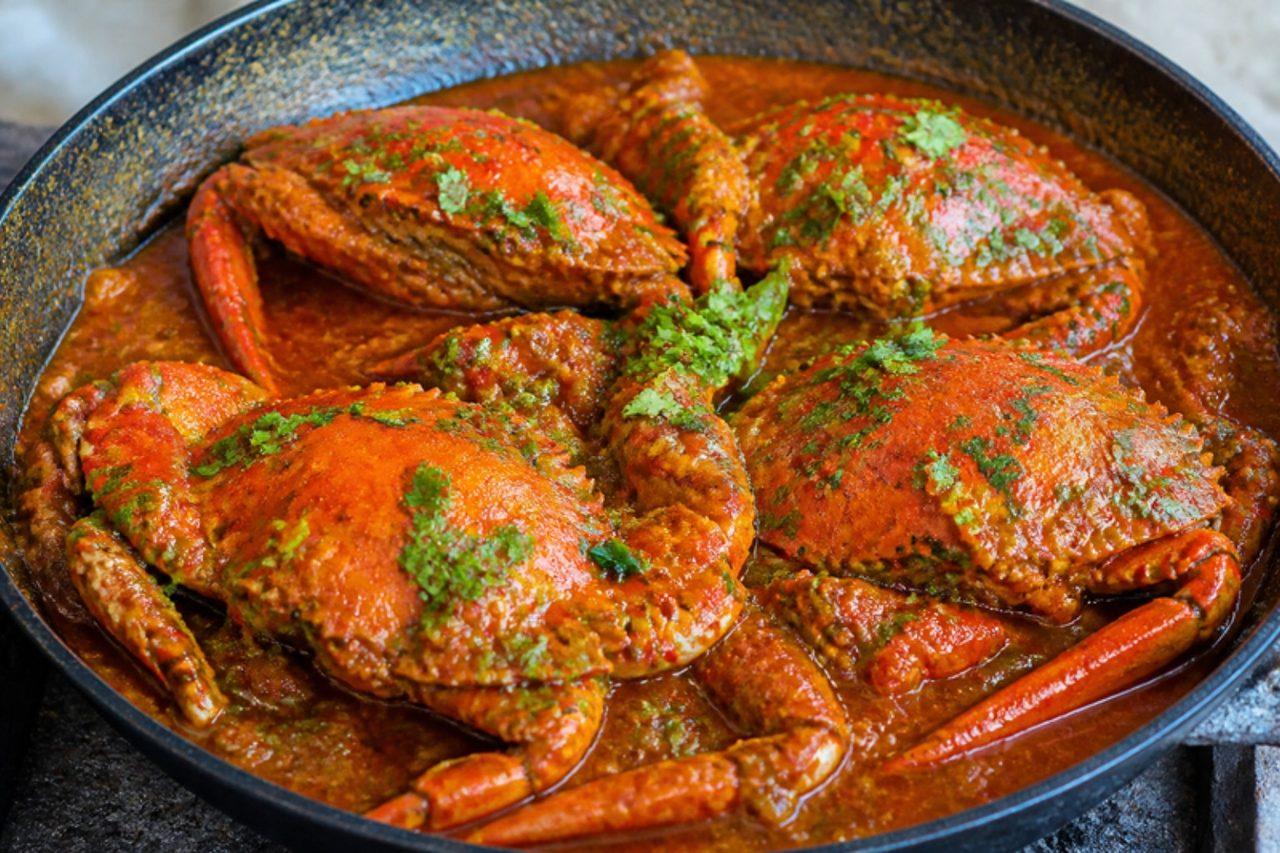
Ago glainCrab in tomato pepper sauce

Cotonou sits between the sea and the Nokoué lagoon, and its crabs, ago in Fon, are cooked whole in a thick tomato, onion and pepper sauce for weekend lunches and family gatherings. Ago glain is gloriously messy: you crack the shells with your fingers and teeth, suck out the sweet meat and mop up the sauce with amiwo, akassa or white rice. The sauce is bright, gingery and hot, and the shells give it a deep seafood flavour. Live crabs need careful handling, so buy them from a fishmonger you trust, cook them the same day and keep them chilled until then; ready-cleaned or ready-cooked crab is fine too. The usual mistake is overcooking the crab once it is in the sauce, which makes the meat dry and stringy. Chef's tip: crack the claws before they go into the pot so the sauce seeps in and they cook evenly.

by KrazyBadal 0 views

AkpanFermented corn drink

Street sellers in Cotonou and Porto-Novo keep akpan in cool boxes, ladled into cups or tied plastic bags as a mid-afternoon pick-me-up. The base is fermented maize starch cooked into a thick pap, then left to sour further until it tastes like a mild, slightly yeasty yoghurt; cold milk and sugar loosen it into a creamy drink you can sip or eat with a spoon. It is refreshing, tangy and filling, and many people treat it as a light meal on hot days. Budget a day for the second souring, though the hands-on time is under half an hour, and always use pasteurised milk and keep the finished drink in the fridge. Don't let the fermented base sit at room temperature for longer than stated; past that it sours too far. Chef's tip: sieve the slurry before cooking; any maize husk left in makes the drink gritty.

by KrazyBadal 0 views

AmiwoRed tomato cornmeal

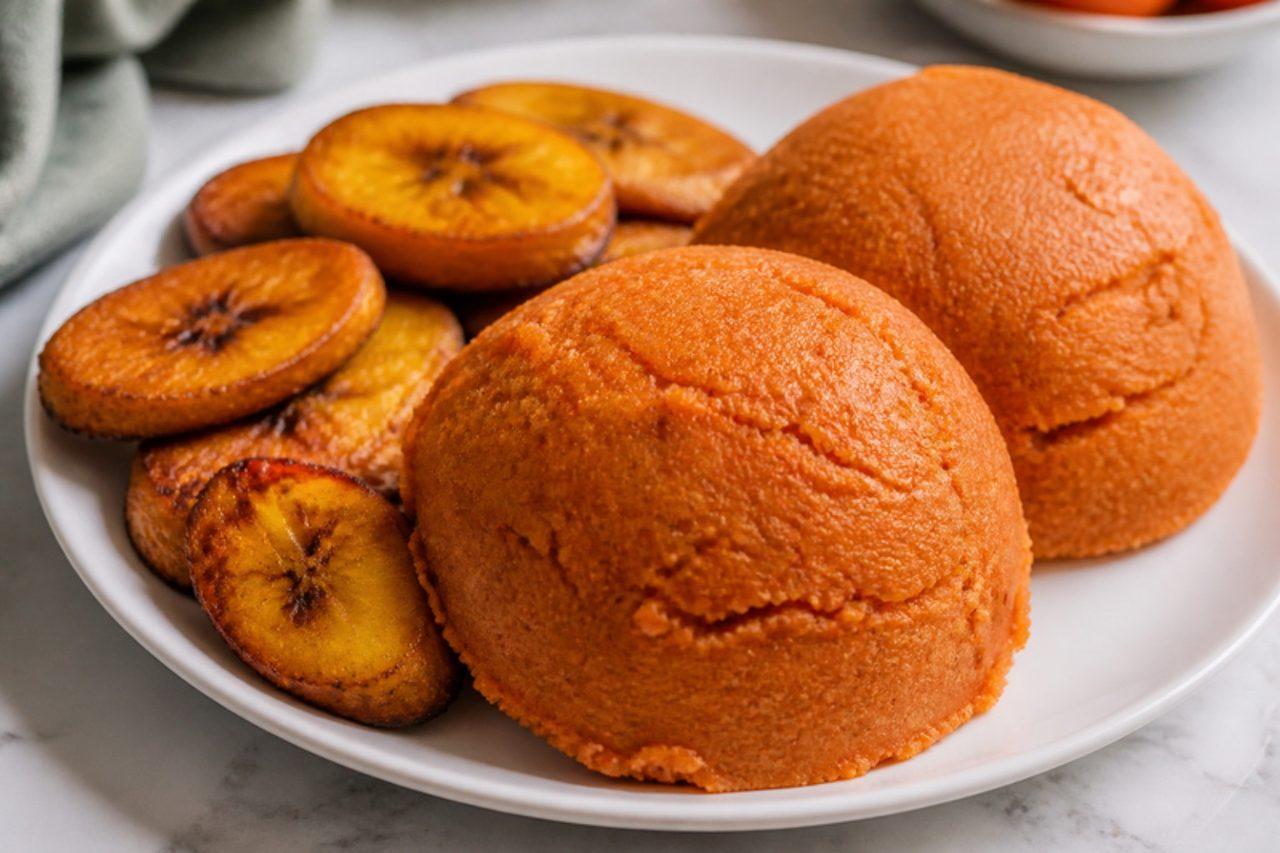
Fon cooks in southern Benin make amiwo for weddings, christenings and big Sunday tables, and you will find it at celebrations across the border in Lomé too. Maize meal is cooked straight into a well-fried tomato, onion and pepper base until it becomes a thick, brick-red paste that is savoury, slightly sweet and full of tomato. Most often it arrives with fried chicken; this meat-free version uses vegetable stock and comes with fried ripe plantain and an extra spoonful of tomato sauce. Chef's tip: hold back a ladle of the tomato base before adding the cornmeal and spoon it over each portion to serve.

by KrazyBadal 0 views

PinonGari in tomato and onion sauce

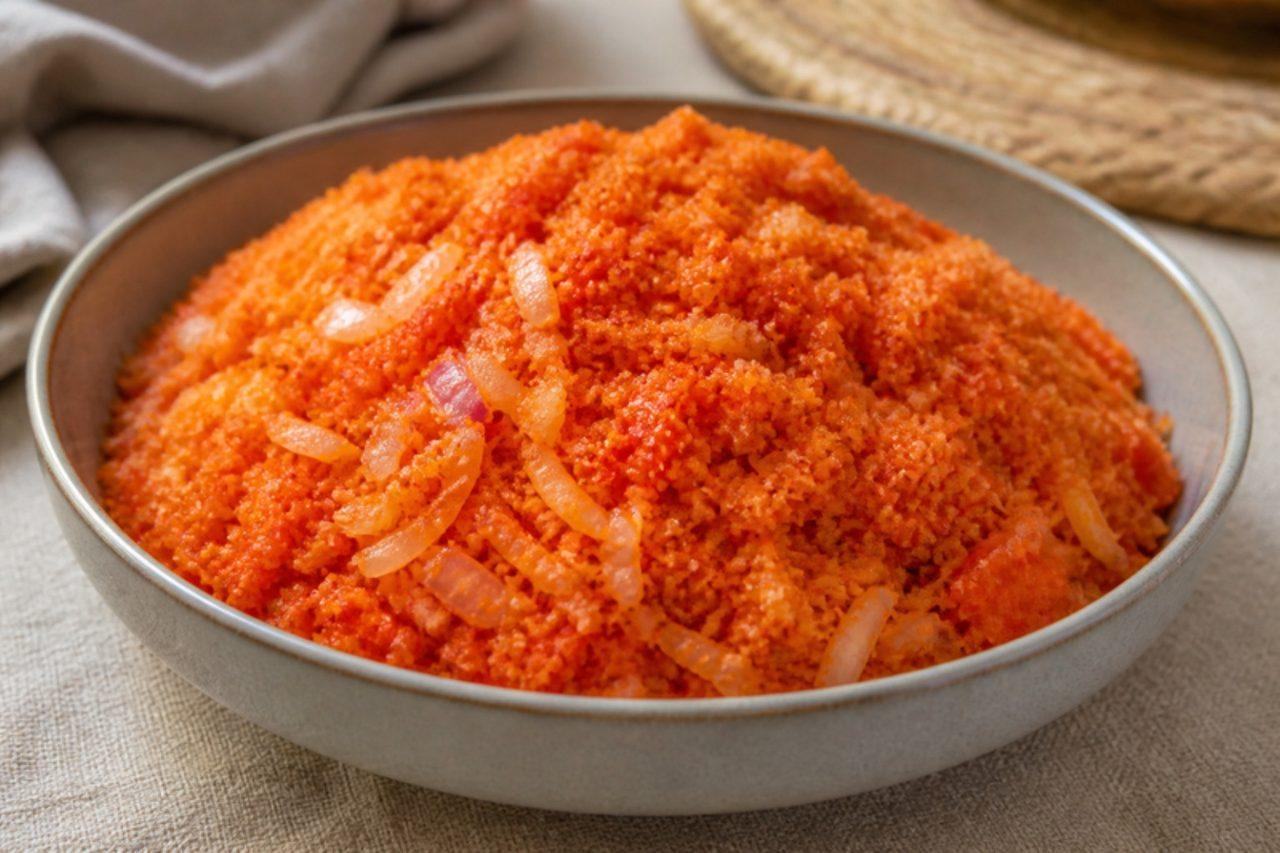
On a busy weeknight in Cotonou or Porto-Novo, pinon (also spelled piron) is the answer: gari, the toasted cassava granules every Beninese kitchen keeps on hand, stirred into a hot tomato and onion sauce until it swells into a soft, fluffy, orange mound. Ready in about twenty minutes, it is savoury and tangy from the fermented cassava, with a kick of pepper. People eat it with fried fish or grilled chicken; this meat-free plate pairs it with a pot of beans in red oil or fried plantain. Chef's tip: lower the heat before adding the gari and sprinkle it in gradually, stirring all the time, so every grain absorbs the sauce evenly.

by KrazyBadal 0 views

BereketeFenugreek and cumin Shabbat bread

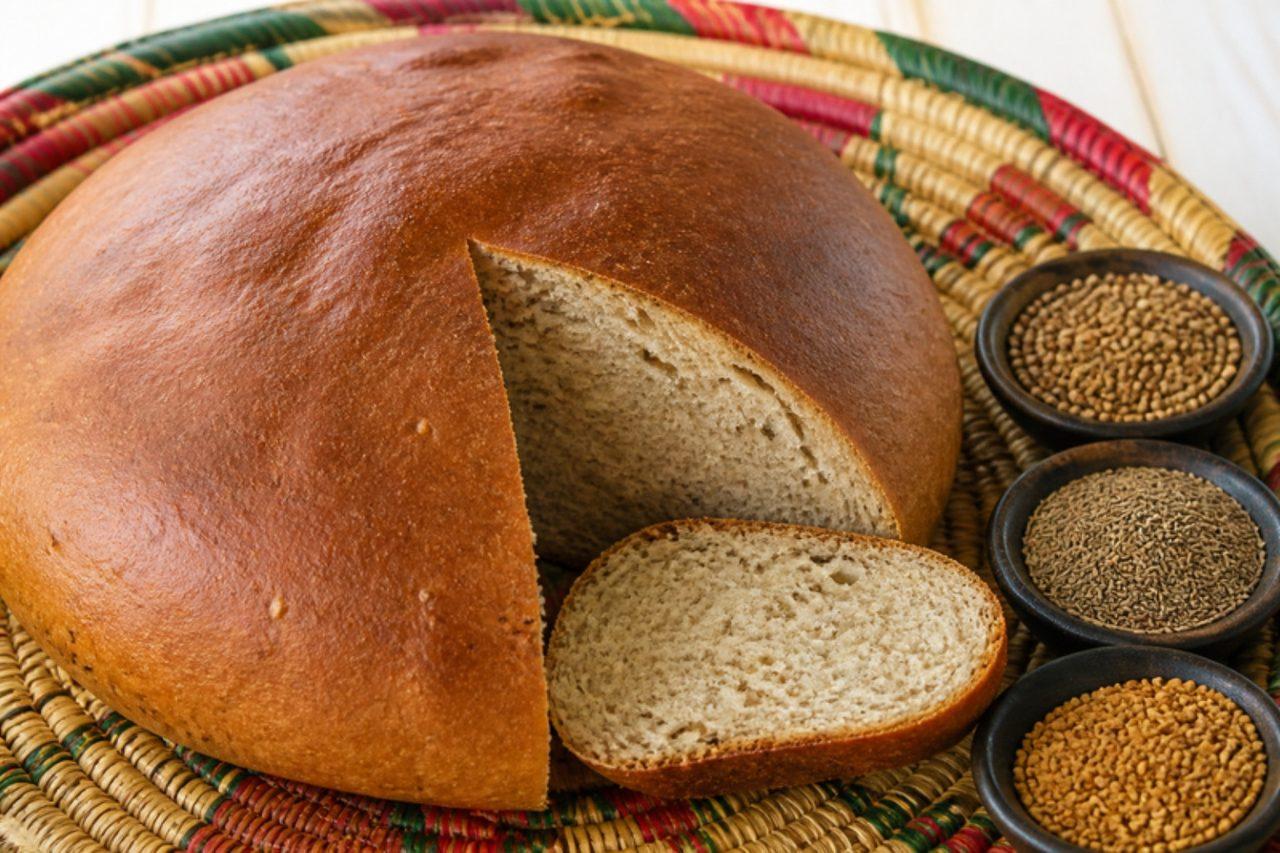
Among Ethiopian Israelis in Kiryat Malakhi, Netanya and Ashkelon, the Friday meal begins when the eldest at the table blesses a round loaf of berekete and breaks it for everyone. The bread is plain, dense and wheaty, with a soft crumb and the warm, faintly bitter scent of fenugreek, cumin and coriander baked in. It is eaten with spiced lentils, cabbage and potatoes or with a little honey on Shabbat morning. The usual mistake is baking it in a hot oven like a white loaf, which burns the bottom before the thick centre cooks. Chef's tip: bake it in a covered heavy pan at a moderate heat, as it would be on a mitad, so it steams through before browning.

by KrazyBadal 0 views

Bermuda cassava pieCassava pie with chicken and pork

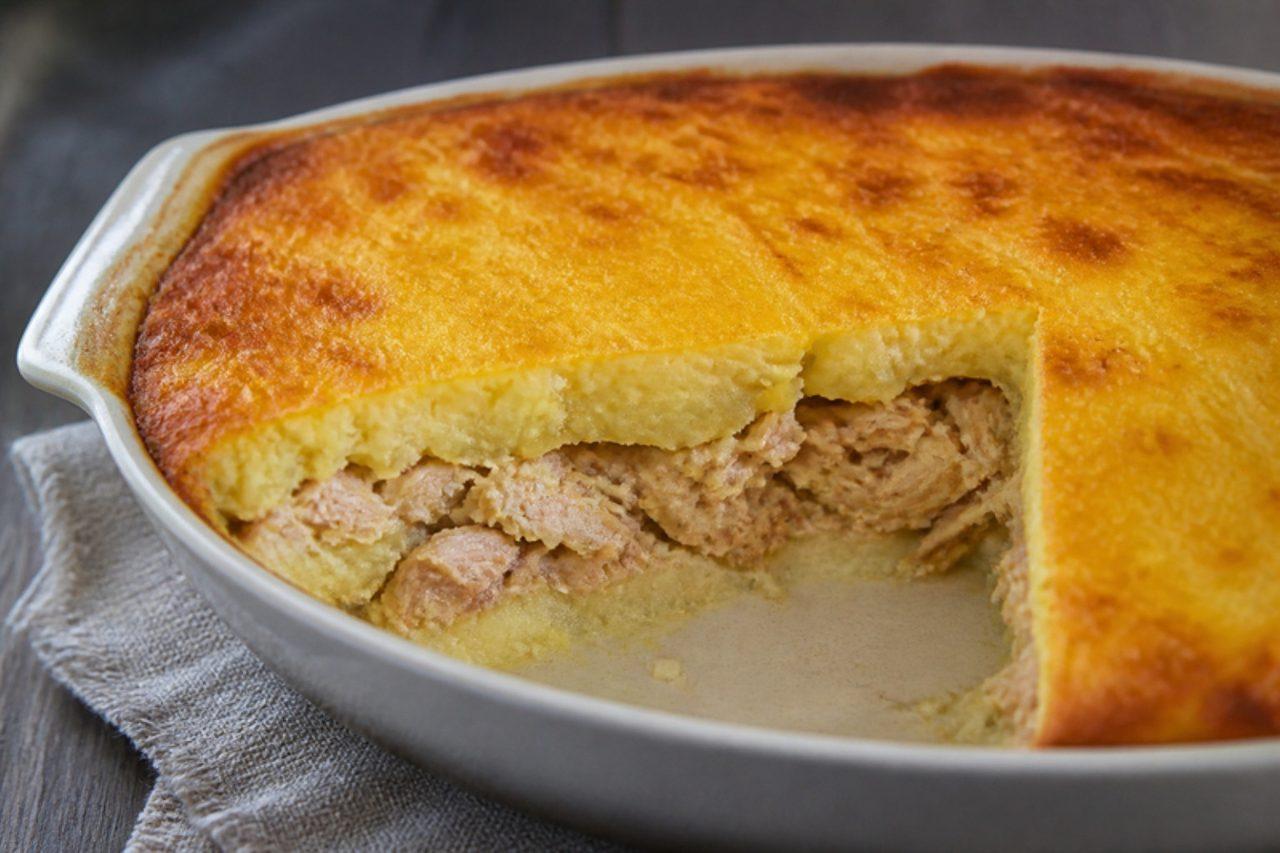
No Bermudian Christmas table is complete without cassava pie, a dense, golden, faintly sweet bake of grated cassava, eggs, butter, sugar and nutmeg layered around a filling of stewed chicken and pork. Families compare recipes and argue over sweetness; it is served in slices with the turkey on Christmas Day and eaten cold for days after. The pork here is boneless pork shoulder, stewed with the chicken until tender. The common mistake is underbaking: the cassava must set firm and brown deeply, or it is gluey in the middle. Use frozen grated cassava, squeezed dry. Chef's tip: make the filling the day before; cold meat is easier to layer and the stock gels into a juicy middle.

by KrazyBadal 0 views

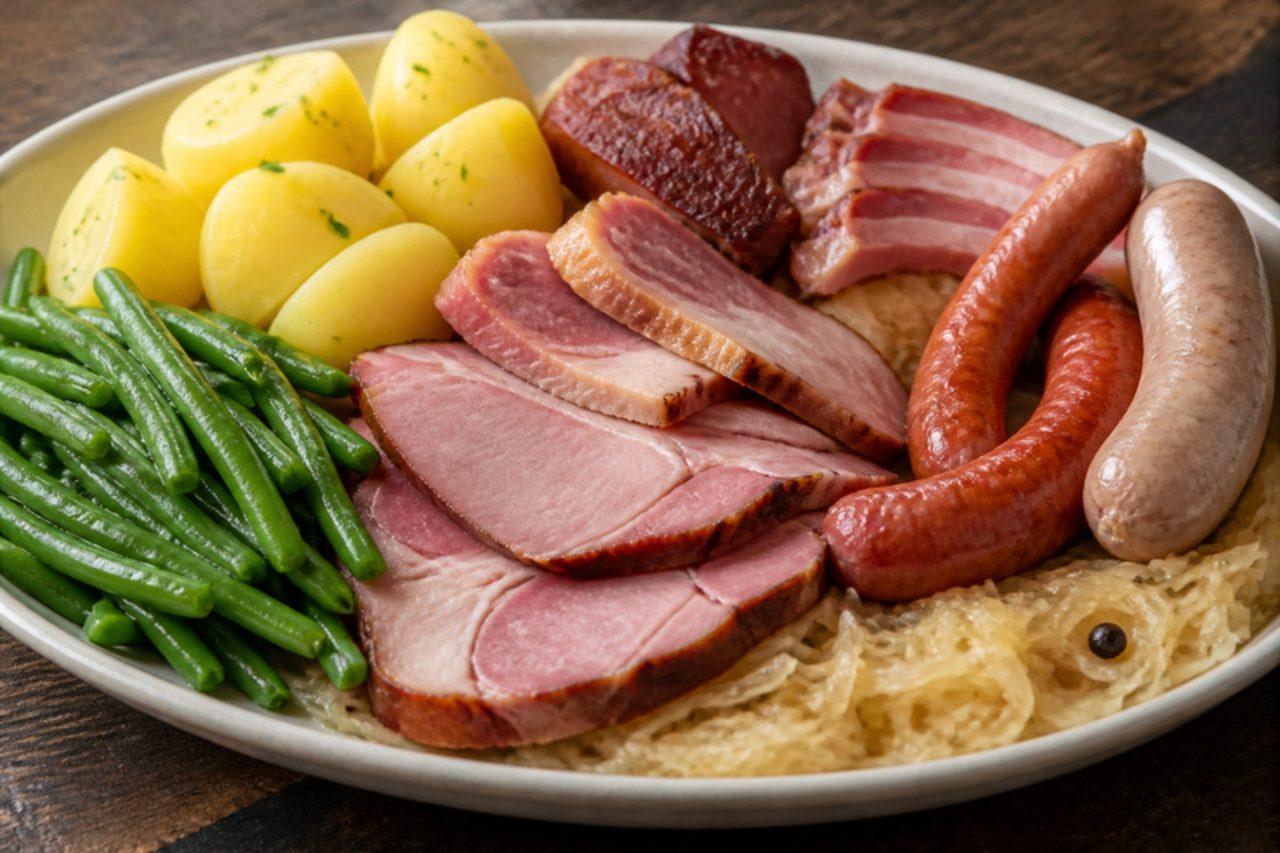
Berner PlatteSmoked meats and sauerkraut platter

The Berner Platte is Bern's great feast platter, said to celebrate the victory over the French at Neuenegg in 1798, and it is still served in the old taverns under the arcades of Bern's old town, especially in autumn and winter: a heap of smoked pork belly, smoked pork shoulder, tongue, beef, Bernese sausages and marrow bones, laid over sauerkraut, dried green beans and boiled potatoes. This dish contains pork. A common mistake is boiling everything together for the same time; the sausages split and the beef is still tough. Chef's tip: cook each meat for its own time in the same pot, adding the sausages only for the last 20 minutes at a gentle simmer. Whole pork cuts must reach 63 °C and sausages 71 °C.

180 minSwissMeatGluten free
by KrazyBadal 0 views

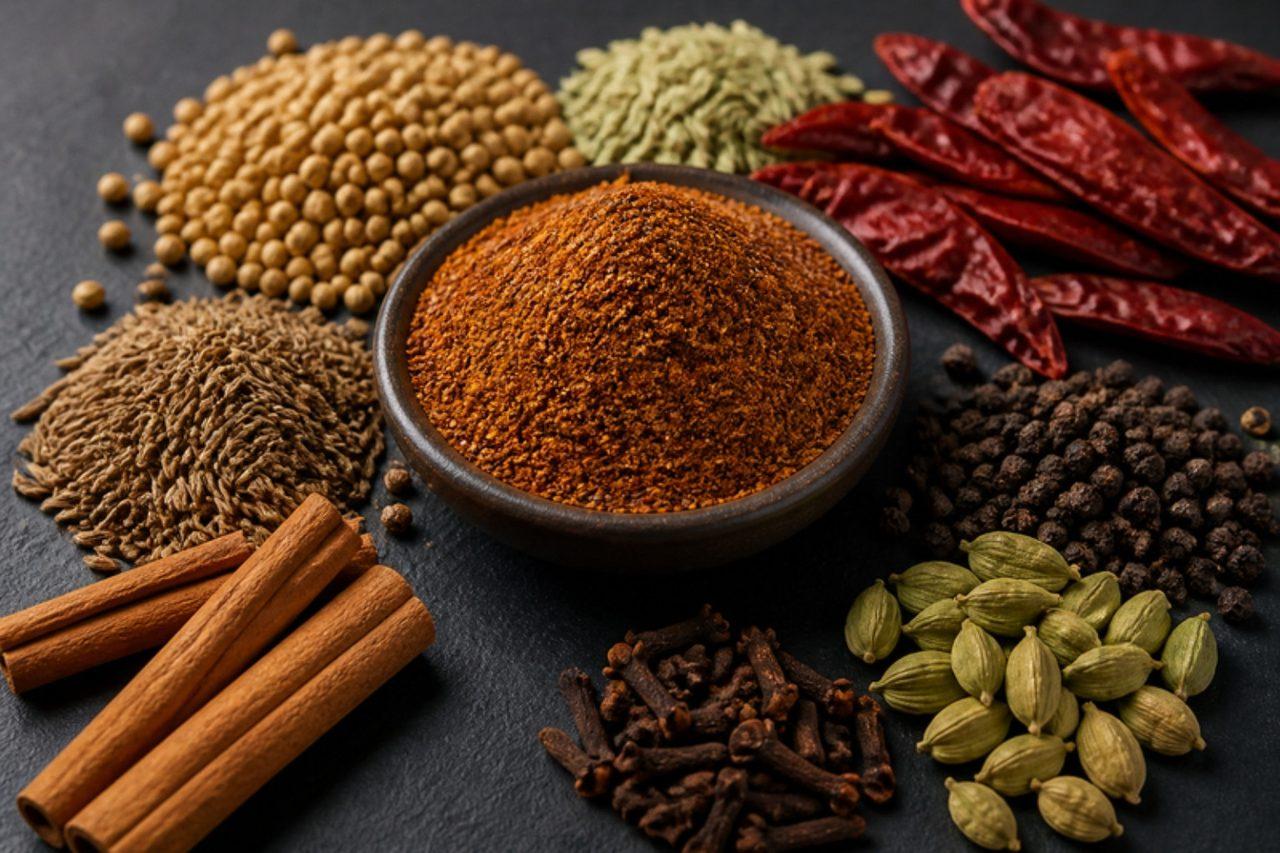
BezarSpice blend

Every Emirati kitchen keeps a jar of bezar, and many families in Dubai and Al Ain still roast and grind their own each winter to last the year. It is the warm, earthy backbone of machboos, saloona, harees and grilled fish, built mainly on coriander and cumin with fennel, a little chilli heat, cinnamon and plenty of turmeric for colour. Toasting the whole spices first gives it a deeper, nuttier taste than any ready-mixed powder. The common slip is toasting everything together on a high heat, so the small seeds burn while the coriander is still raw. Chef's tip: stir the turmeric and ground ginger in after grinding, never into the hot pan, or they turn bitter.

by KrazyBadal 0 views

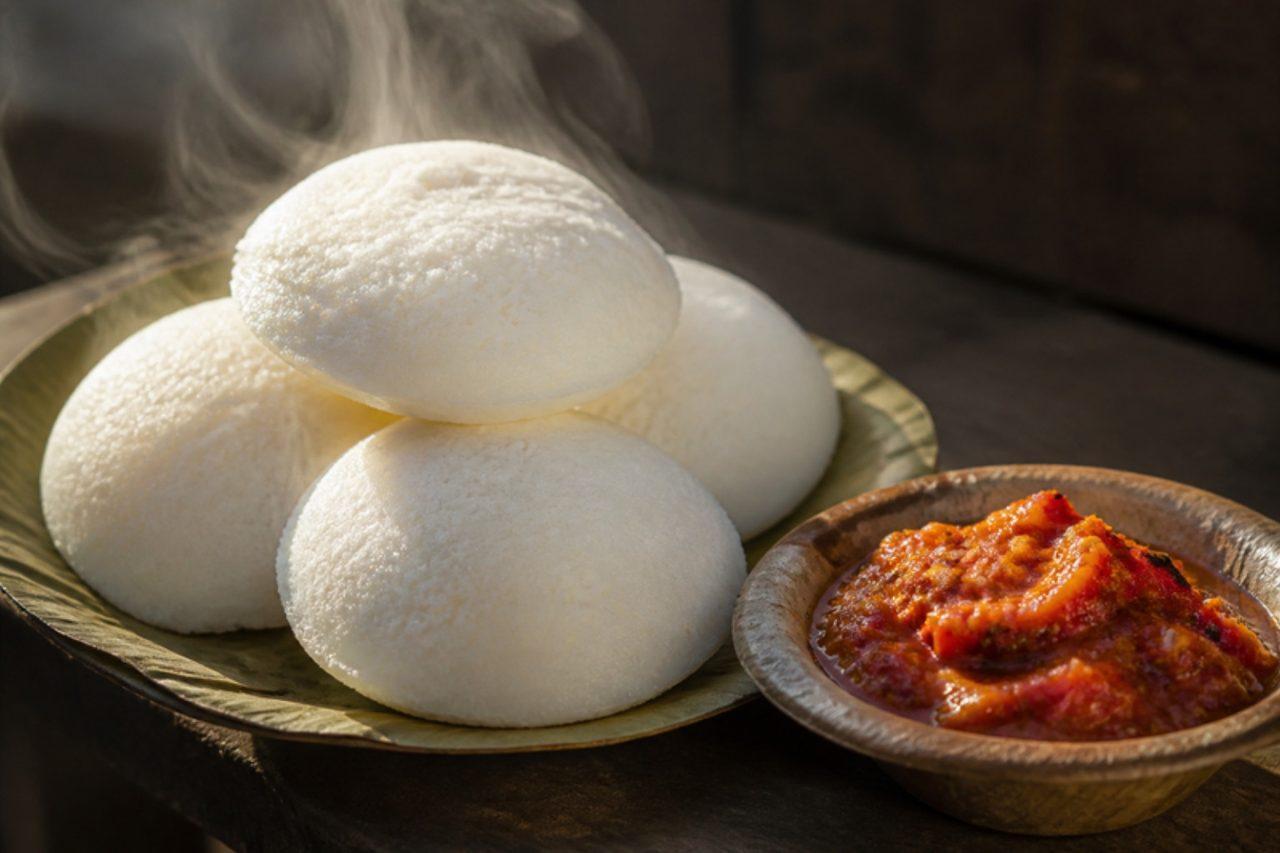
BhakkaSteamed rice cakes

On foggy December mornings in Biratnagar, Itahari and the bazaars of Jhapa and Morang, street sellers sit behind a smoking clay pot turning out bhakka one at a time, little round cakes of damp, freshly ground rice flour steamed in a cloth-covered bowl over boiling water. Each one is light and crumbly, almost like a soft rice sponge, and slightly sweet, and it is eaten straight away, broken up and dipped into a hot, garlicky tomato achar. It is a Tharu and Madhesi winter favourite that has become everyone's breakfast in the eastern Terai. Many first attempts fail because the flour is too fine and dry, so it packs into a hard puck. Chef's tip: grind soaked rice coarsely at home and keep it just damp enough to clump when squeezed, then sprinkle it loosely into the bowl without pressing.

by KrazyBadal 0 views

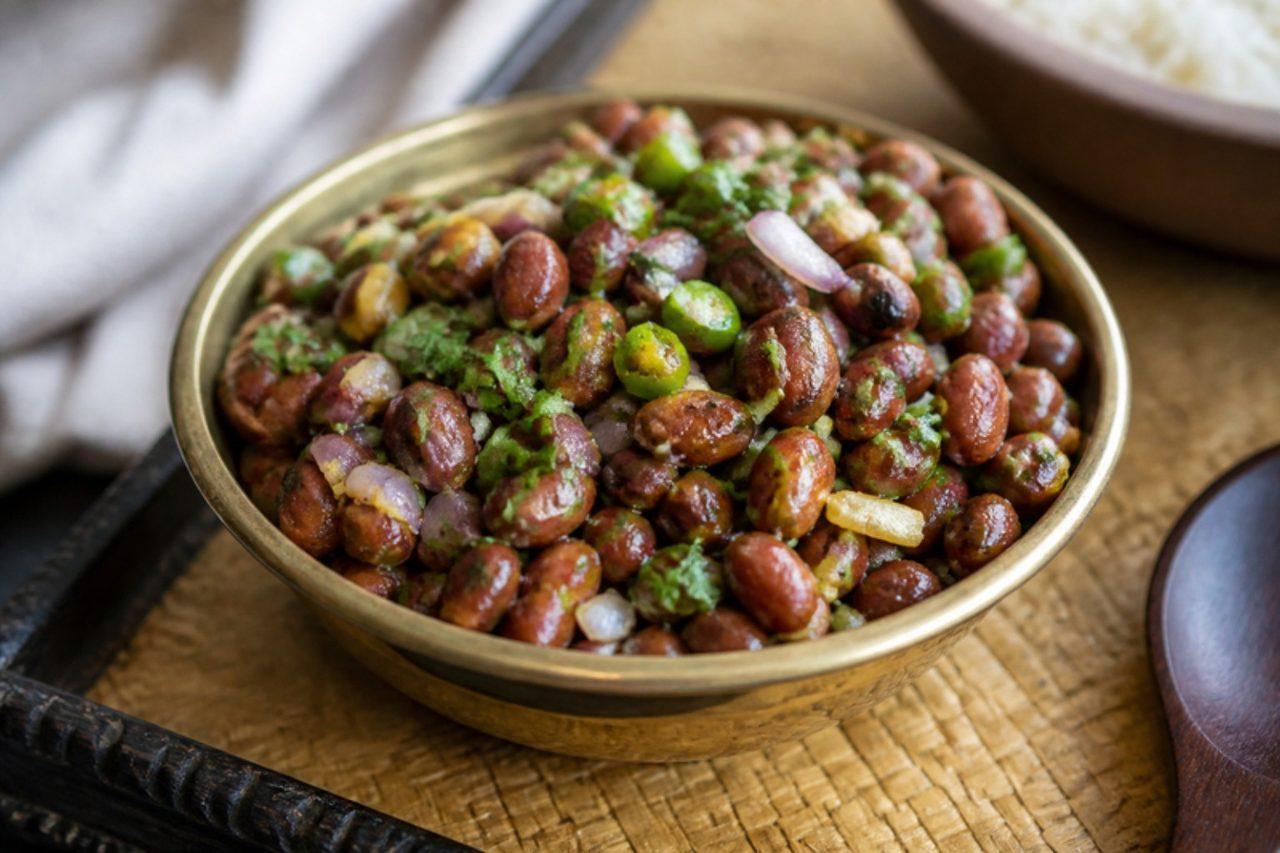
Bhatmas sadekoRoasted soybean salad

Sadeko means marinated, and in Kathmandu it is the word for the punchy little salads served in khaja ghar snack houses and at family gatherings during Dashain and Tihar card games. The soybean version is the cheapest and one of the best: dried soybeans roasted in a dry pan until they crack and turn nutty, then tossed while warm with red onion, green chilli, ginger, garlic, coriander, lemon and a spoonful of pungent raw mustard oil. It is crunchy, sharp and hot, eaten by the handful with beaten rice (chiura) or as a side to a dal bhat plate. The pitfall here is under-roasting the beans, which leaves them hard and grassy rather than crisp. Chef's tip: roast the beans until they split their skins and smell like popcorn, then rub off and blow away the loose skins before dressing them.

by KrazyBadal 0 views

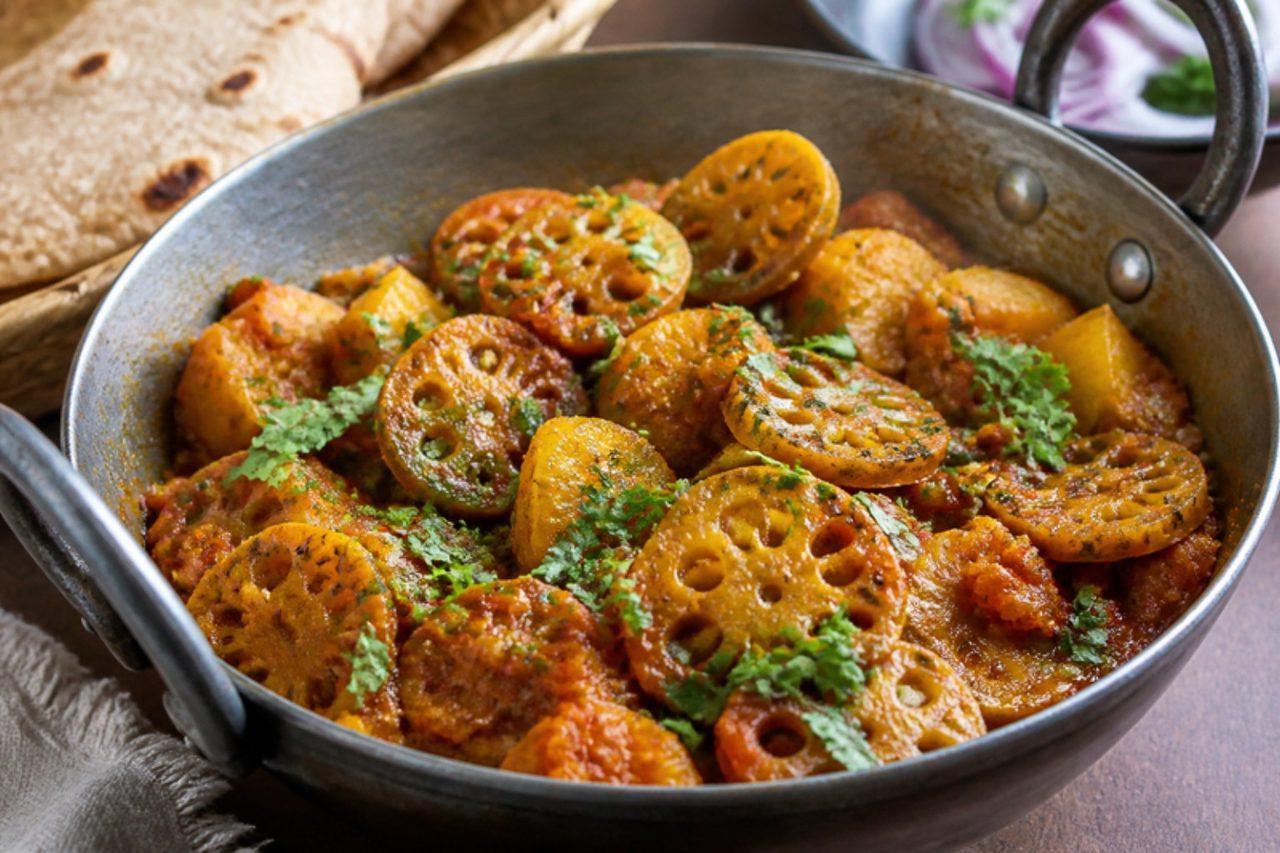
Bhee patataLotus stem and potato curry

Sindhis have a particular love of bhee, the lotus stems that come up from the lakes and canals around Manchhar and Keenjhar, and bhee patata is the most loved way of cooking them at home in Karachi and Hyderabad. Cut on the slant, the stems show their lacy, many-holed cross-section and keep a pleasing crunch even after a long simmer, while the potato pieces go soft and soak up a thick masala of browned onion, tomato and coriander. It is a Sunday lunch dish served with phulka or with plain rice and a bowl of yogurt. Mud trapped in the hollow channels is the usual problem and it makes the curry gritty. Chef's tip: slice the stems first and then wash every piece under running water, poking out any dark patches with a skewer, before you par-boil them.

by KrazyBadal 0 views

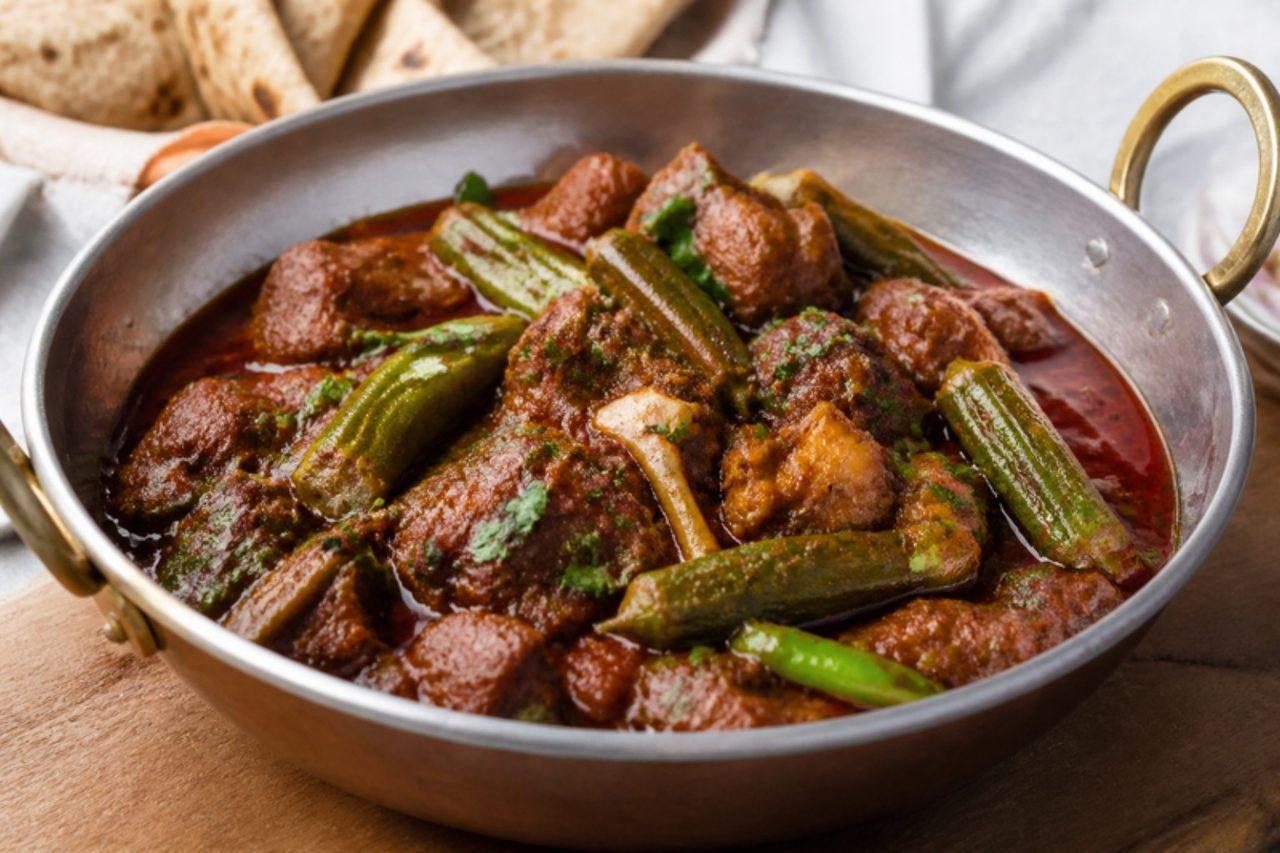
Bhindi goshtMutton and okra curry

Summer in Punjab means okra in every bazaar, and the moment small, tender pods appear, households start making bhindi gosht for lunch: a dry-ish mutton curry with whole fried okra folded through at the end, tasting of tomato, green chilli and a little dried mango. It is eaten with chapati and a bowl of plain yogurt or raita on the side, and leftovers are even better packed in a tiffin the next day. The okra should be tender and bright, not slimy. That stringy texture comes from washing the okra and cutting it while wet, so wash and dry it completely before you trim it. Chef's tip: fry the okra separately until its edges blister, then add it to the meat only in the last ten minutes; it keeps its shape and the gravy stays clean.

by KrazyBadal 0 views

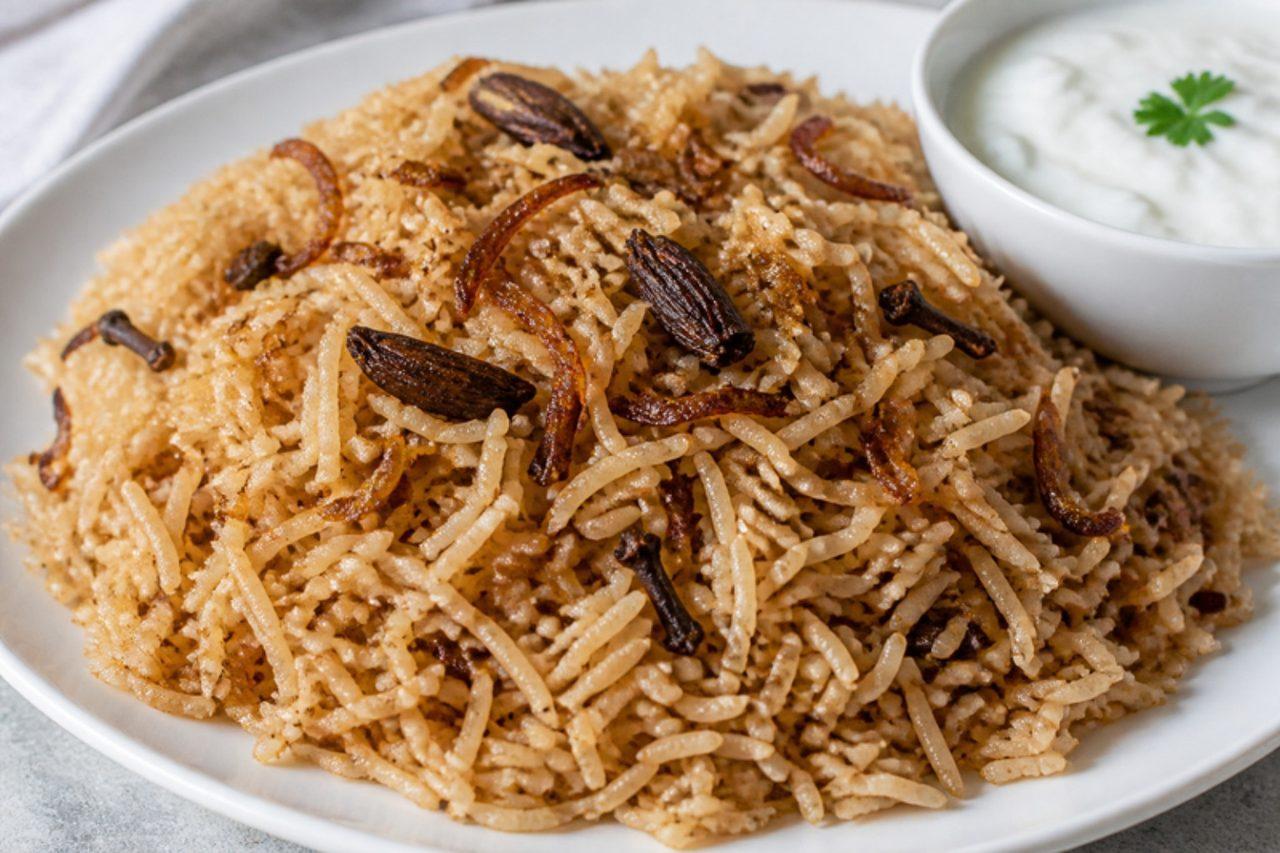
Bhuga chawalBrown onion rice

Bhuga means fried, and in this everyday Sindhi rice it is the onions that are fried, slowly and patiently, until they are a deep mahogany brown, so the cooking water and then every grain turn a warm tan colour with a sweet, almost smoky flavour. In Karachi and Sukkur homes it is the rice that goes with Sindhi kadhi on a Friday, or with sai bhaji, the green dal and spinach stew, and a crisp aloo tuk or papad on the side. It is simple enough for a weeknight and good enough for guests. Burnt onions are the trap: there is only a short moment between dark brown and bitter black. Chef's tip: once the onions start to colour, lower the heat and stir constantly, and add the water the moment they reach the shade of strong tea.

by KrazyBadal 0 views

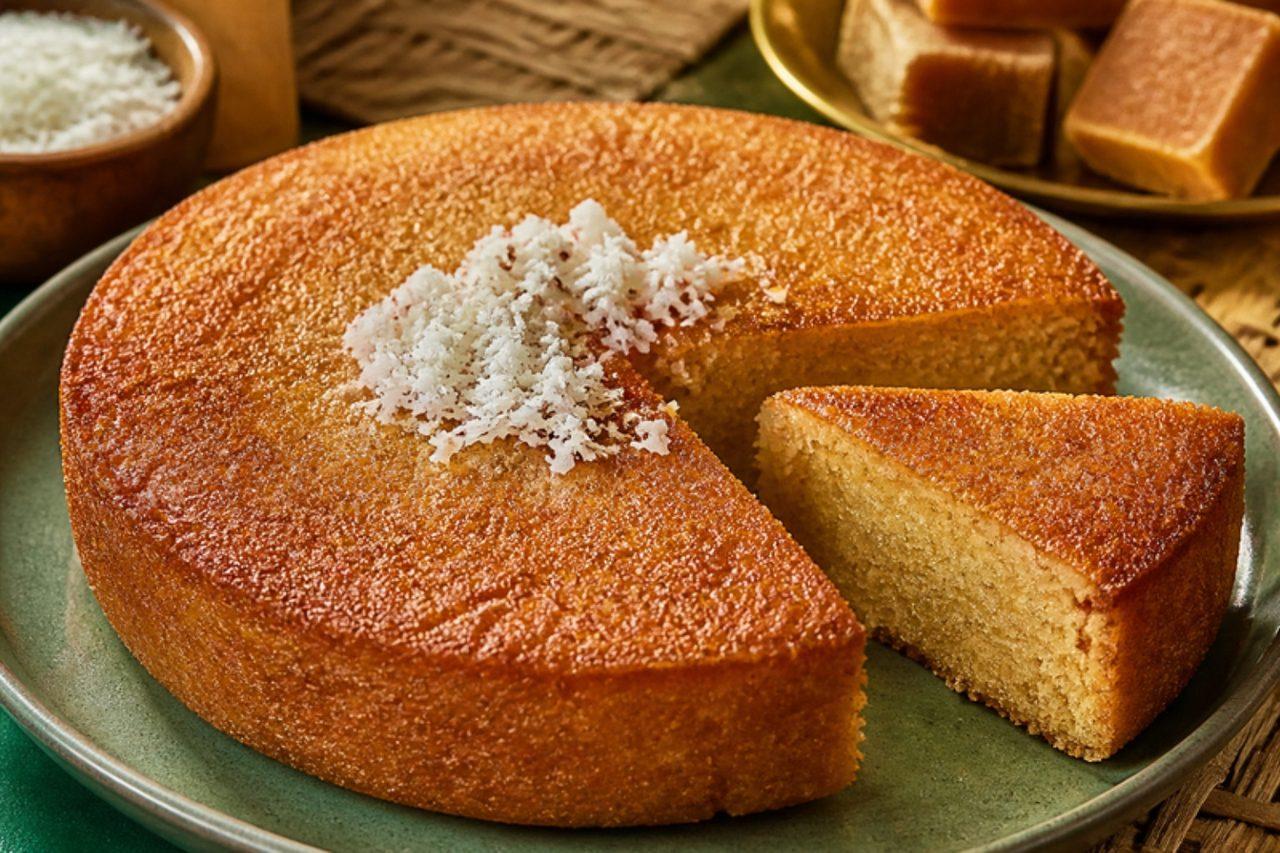
Bibikhana pithaBaked rice flour and coconut cake

The name means something like a lady's dish, and bibikhana pitha has long been the grand, special-occasion pitha of well-off households in Dhaka, Comilla and Noakhali, made in winter when a son-in-law or important guest is expected. It is closer to a cake than most pithas: rice flour, eggs, milk, grated coconut and date-palm jaggery are beaten together and baked slowly, traditionally in a heavy pan over charcoal with more coals heaped on the lid, until it sets into a dense, moist, caramel-brown cake. It is cut into wedges and served with tea in the afternoon. Baking too hot is the typical slip, so the jaggery burns before the middle sets; a moderate oven and patience give an even colour. Chef's tip: let it cool completely before cutting, as it firms up and slices cleanly only once cold.

by KrazyBadal 0 views

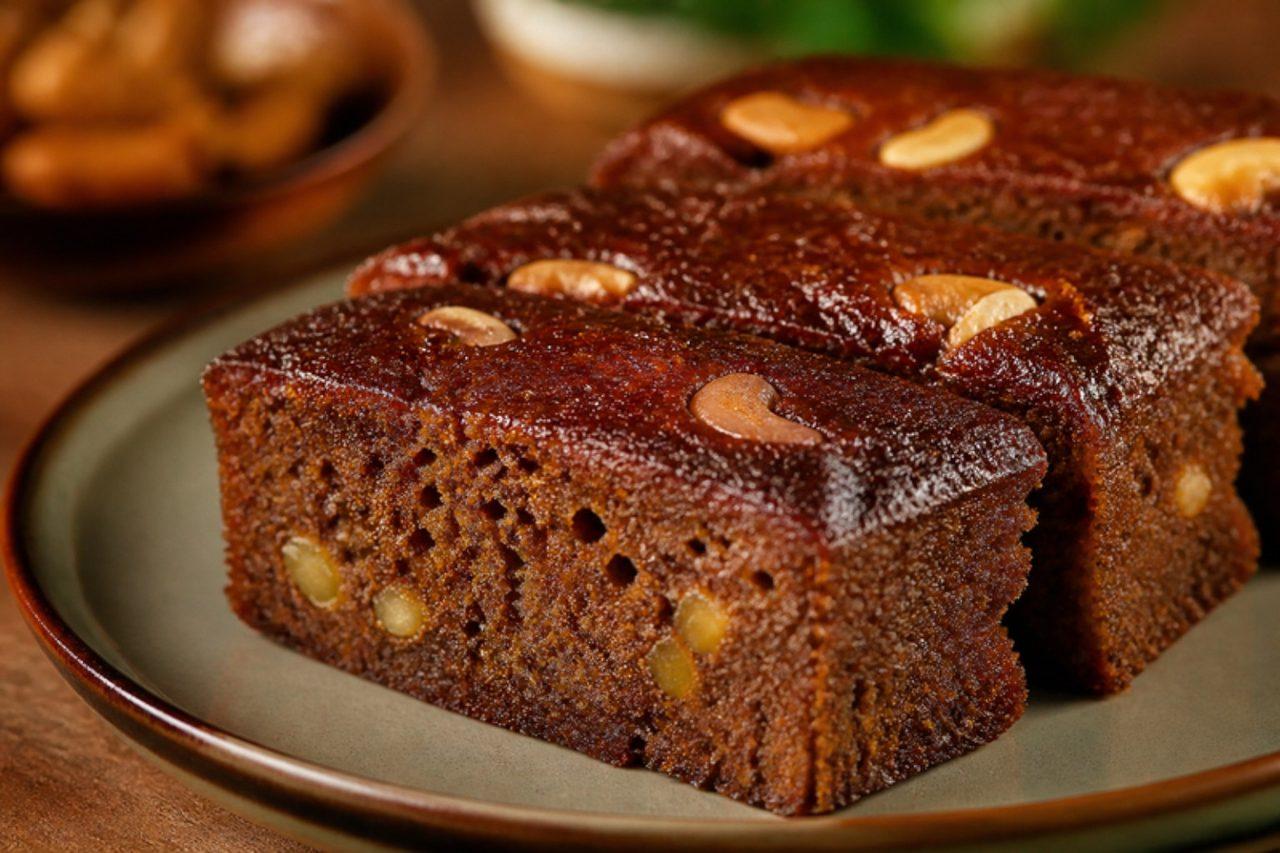
BibikkanCoconut jaggery cake

Bibikkan is the darkest, stickiest cake in the Sri Lankan repertoire, baked by Burgher families for Christmas and by Sinhala households for the New Year table, and nobody quite agrees whether its roots lie in Portuguese or local kitchens. Freshly grated coconut is first cooked in melted kithul jaggery, then mixed with roasted semolina, flour, eggs, cashews, raisins, chopped ginger preserve and a mix of cinnamon, cardamom, nutmeg and cloves, and baked until almost black on the outside. The crumb is moist, heavy and chewy with coconut, with a deep treacle sweetness and a warm, spiced finish, and slices are served with tea. Baking it too hot is where it often goes wrong, as the jaggery burns before the middle sets, so keep the oven moderate and cover it if the top darkens early. Chef's tip: cook the coconut in the jaggery until it looks thick and sticky before mixing; that is what gives bibikkan its fudgy texture.

by KrazyBadal 0 views

BichakPumpkin-filled half-moon pastries

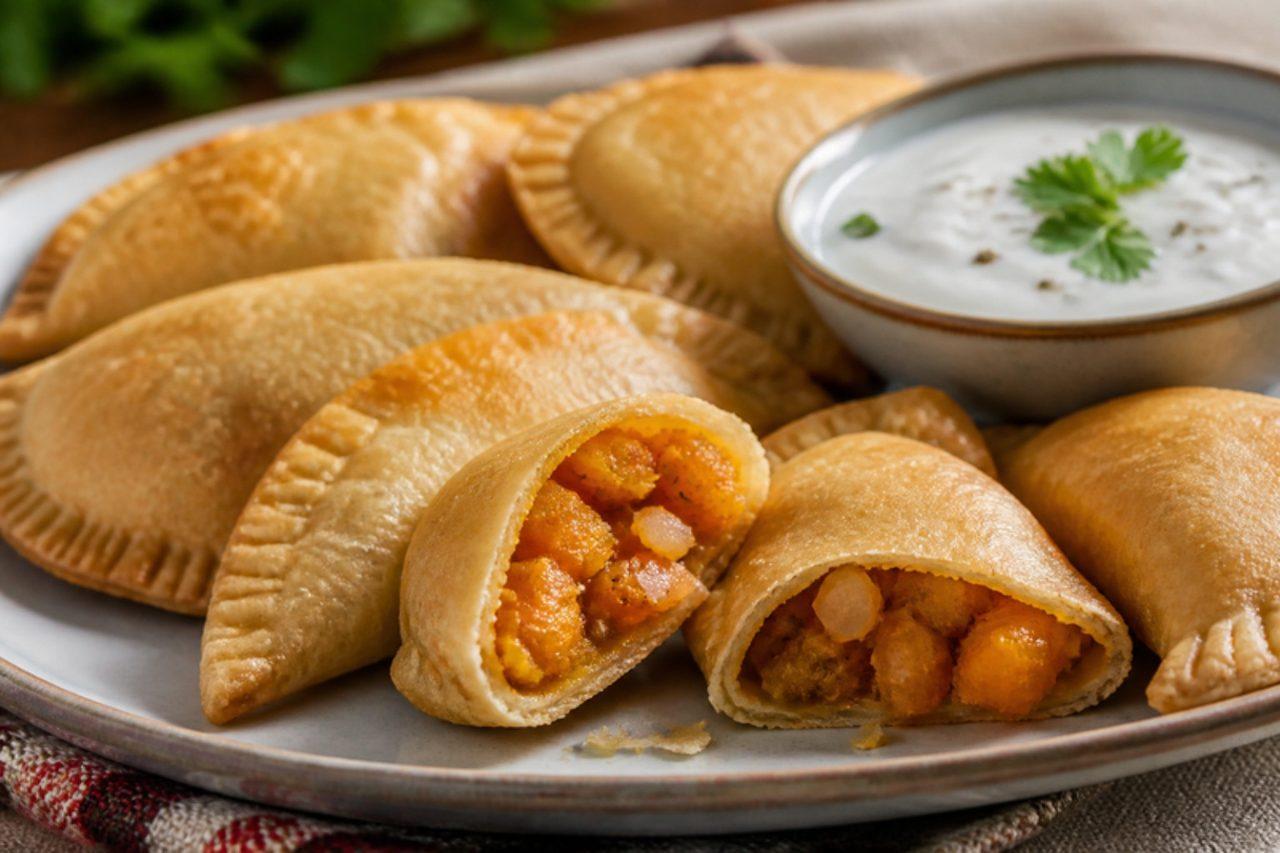
Across northern Afghanistan, around Mazar, Kunduz and Shibirghan, the autumn pumpkin harvest is turned into bichak, plump half-moon pastries that show the region's Uzbek and Turkmen neighbours in their name and shape. A soft, thin wheat dough wraps a filling of grated pumpkin and onion seasoned only with salt, black pepper and a little chilli, which bakes into something sweet, savoury and juicy, best eaten warm with a glass of tea or alongside a bowl of yogurt. Some families bake them, others fry them in a wok of oil; this version bakes them. The filling must not be wet, or the bottoms go soggy and the seams burst, so squeeze the grated pumpkin hard before mixing. Chef's tip: grate the onion finely too, so it melts into the pumpkin instead of staying in crunchy pieces.

by KrazyBadal 0 views

BidosReindeer stew

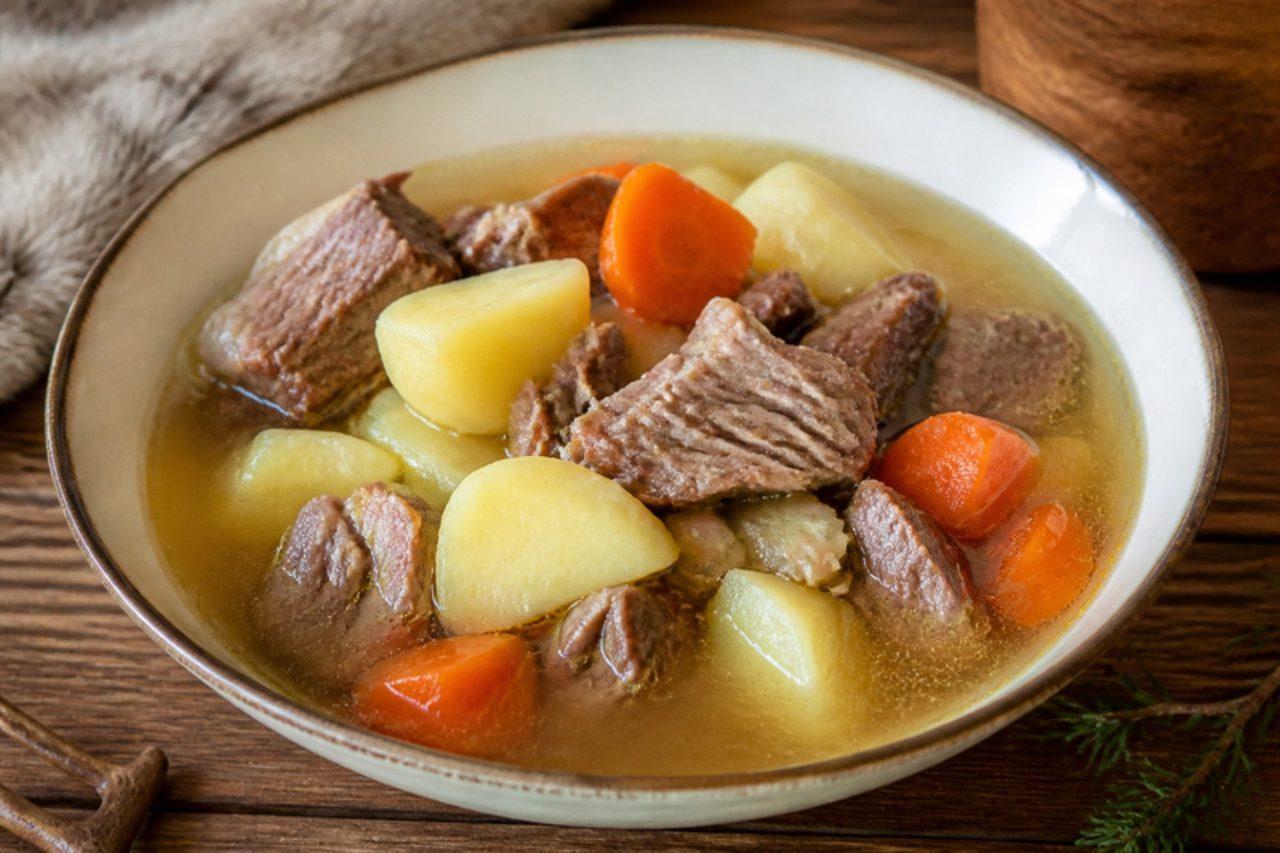
Bidos is the festive stew of the Sámi, the reindeer-herding people of the far north of Norway, Sweden and Finland: reindeer meat simmered slowly in a clear broth with potatoes and carrots, seasoned only with salt and pepper so the gamey meat shines. It is served at Sámi weddings and confirmations, and at Easter festivals in Kautokeino and Karasjok. Reindeer is sold frozen in Nordic shops; beef chuck or venison works too. A common mistake is adding the potatoes at the start, so they fall apart before the meat is tender. Chef's tip: thicken the broth only lightly with a spoon of flour if you like; traditionally it is clear and thin.

by KrazyBadal 0 views

Bihari kebabPapaya-marinated beef strips

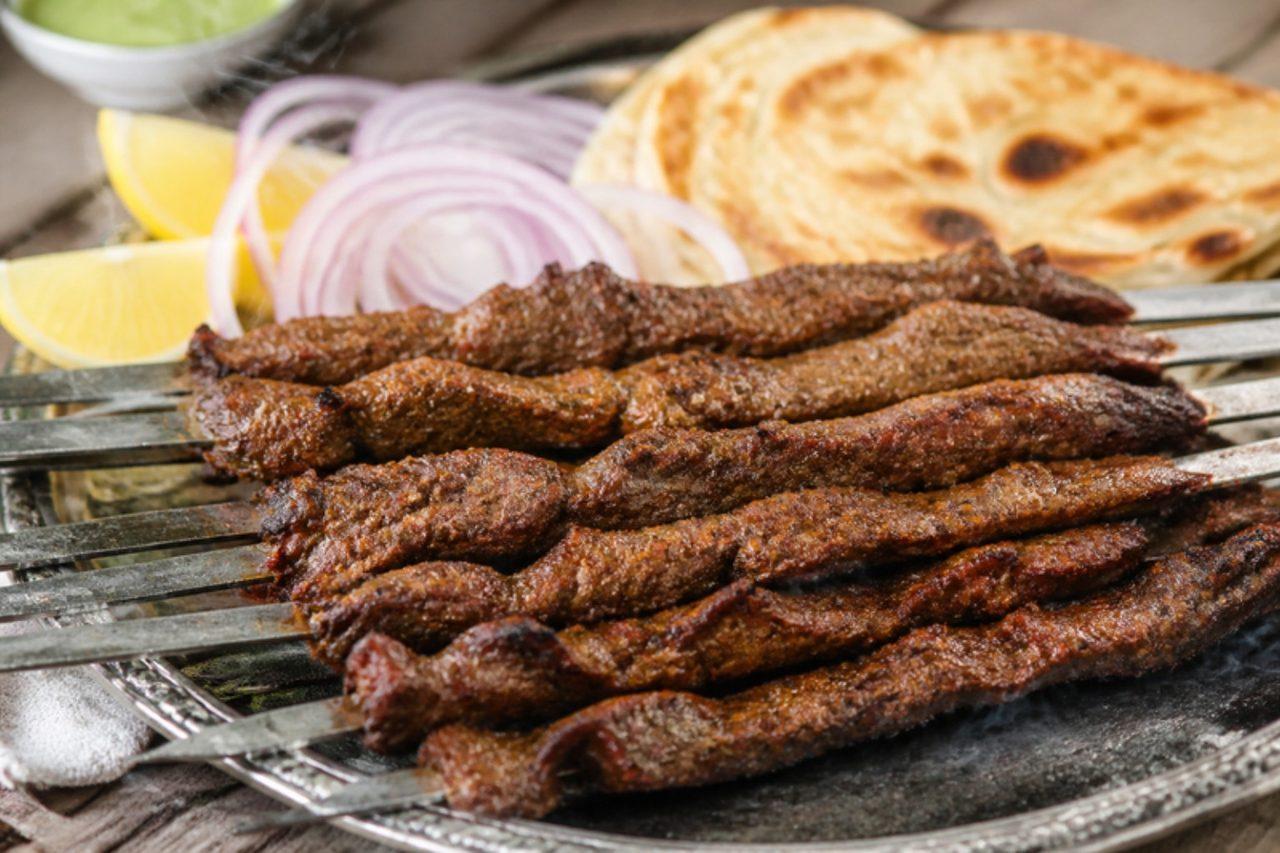
Migrants from Bihar who settled in Karachi after 1947 brought this kebab with them, and it has become one of the city's signature grills, served from the smoky stalls of Burns Road, Hussainabad and Boat Basin. Thin ribbons of beef are beaten flat, marinated with raw papaya paste to tenderise them, mustard oil, browned onion and a heady spice mix, then threaded onto skewers and grilled fast over coals, finished with a puff of charcoal smoke. They are soft enough to pull apart with your fingers and are eaten with paratha, sliced onion and mint chutney. Leaving the papaya on too long is the risk, because it keeps working and turns the meat mushy; four to six hours in the fridge is plenty. Chef's tip: slice the beef while it is half-frozen, across the grain, and you will get even, paper-thin strips with ease.

by KrazyBadal 0 views

Bingka ubiBaked cassava cake

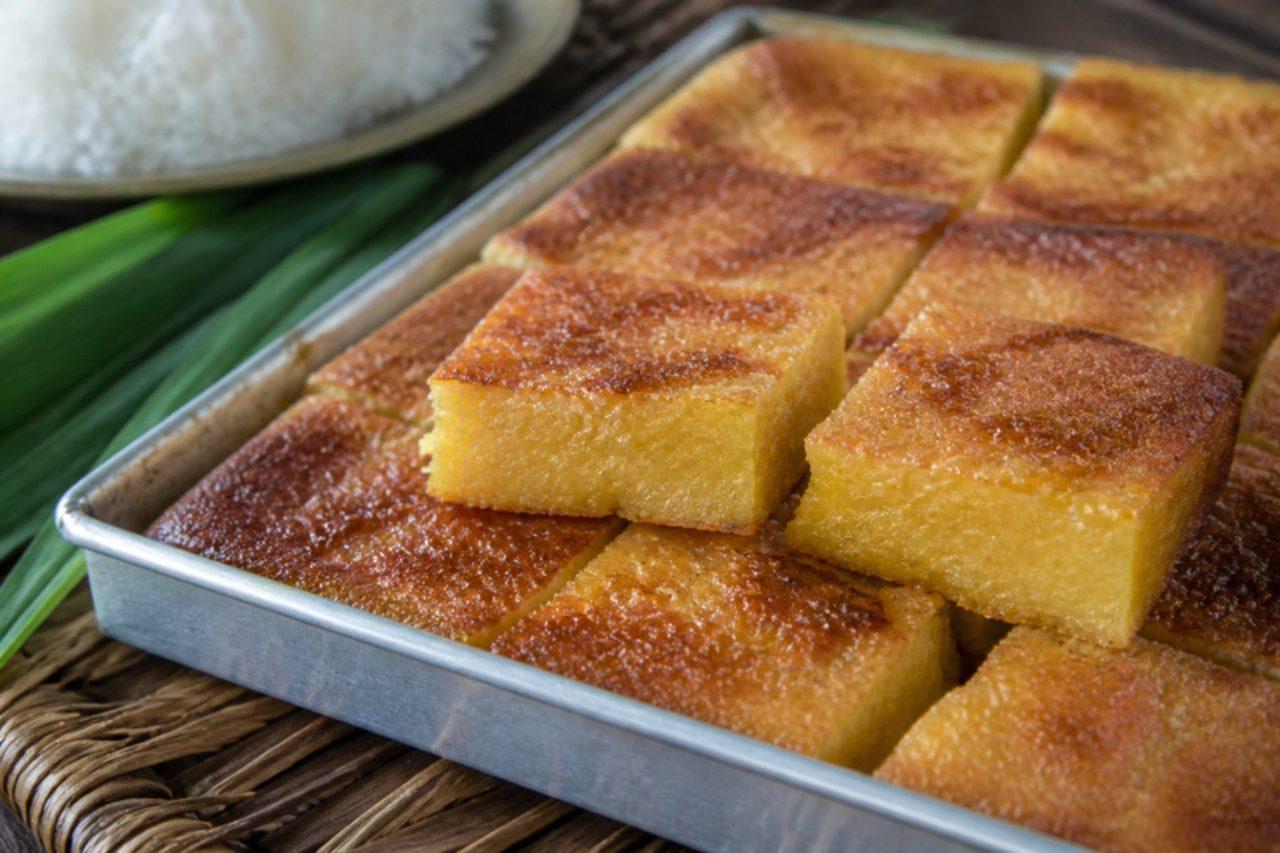
Golden-brown slabs of bingka ubi are cut from big trays at Malay and Peranakan kueh stalls in Singapore and taken home for tea, or baked at home for Hari Raya when there is a crowd to feed. Freshly grated cassava, coconut milk, eggs and sugar bake into a dense, chewy, slightly sticky cake with a custardy centre and a caramelised, almost leathery top, scented with pandan. It needs nothing with it but a cup of strong tea or kopi. Cassava must always be fully cooked and never eaten raw; buy it fresh from a trusted greengrocer, peel off every bit of the thick skin and pink layer, or use frozen grated cassava, which is already prepared. The usual mistake is pressing out all the cassava's liquid and adding too little coconut milk, which bakes it dry and rubbery. Chef's tip: finish under the grill for the last few minutes for the dark, blistered top, then cool fully before cutting so the slices hold.

by KrazyBadal 0 views

Bint al sahnLayered honey bread

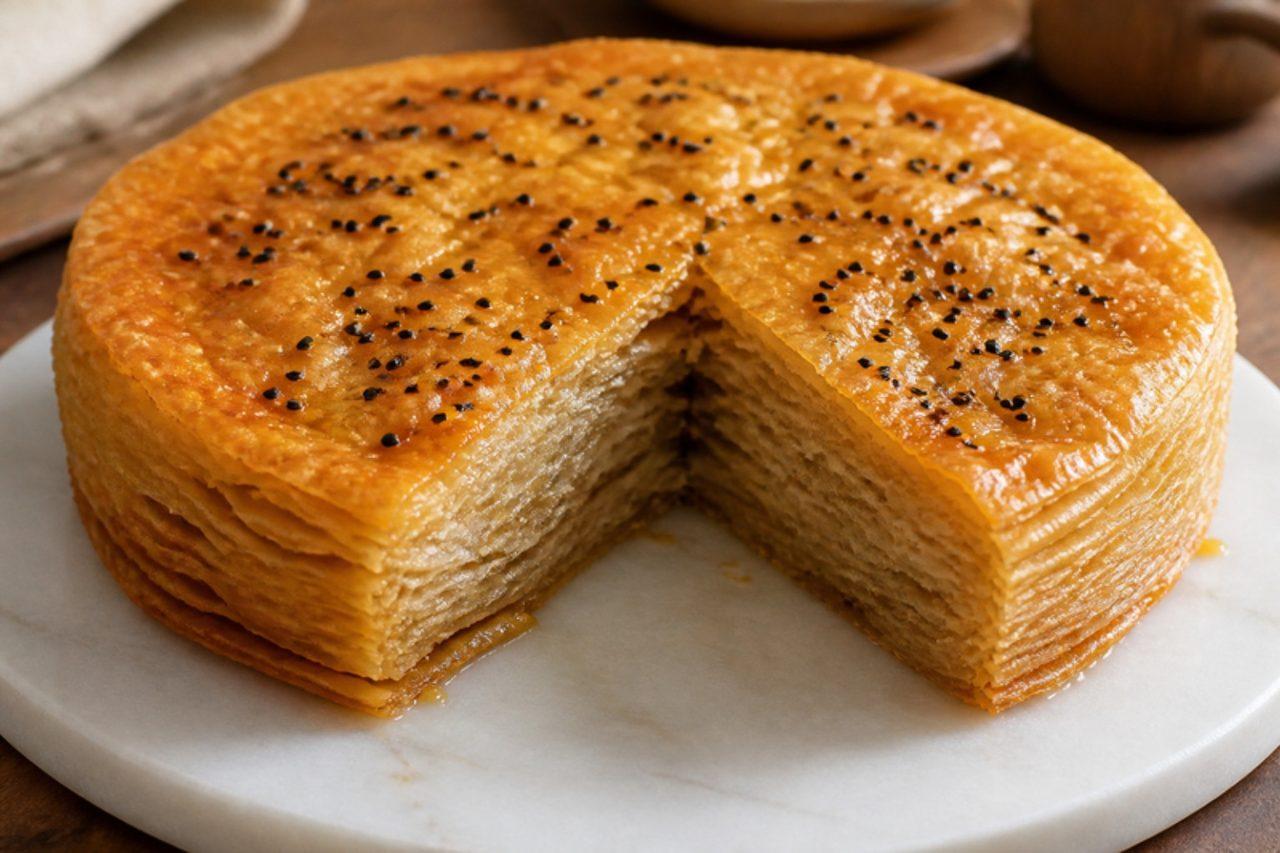
Bint al sahn, 'daughter of the plate', is the grand bread of Sana'a, set in the centre of the table for guests, weddings and Eid and pulled apart with the fingers while it is still warm. Many paper-thin sheets of egg-rich dough are stacked with melted ghee, baked until the top is deep gold and the inside is flaky and soft, then soaked with warm honey and sprinkled with nigella seeds. It is eaten with Yemeni coffee or tea, often as the sweet that opens a big meal. The mistake that ruins it is skimping on the ghee between the layers; without it the sheets fuse into a dense loaf. Chef's tip: roll the first sheets slightly bigger than the rest, so the bottom layers wrap up around the sides and hold the stack together.

by KrazyBadal 0 views

BirzFresh honey water

In Gojjam and Gondar, where honey is plentiful, birz is poured for children, for guests who do not drink, and at church feasts and weddings beside the tej. It starts the same way as honey wine, with honey stirred into water, but it is drunk fresh within hours, so it stays sweet, mild and completely alcohol-free. Good, flowery honey is everything here; it should taste like a cool, floral lemonade without the lemon. Because birz is honey and water, it will start to ferment by itself if left warm, so drink it the same day and keep it in the fridge until you pour it. Honey is not suitable for babies under 12 months. Chef's tip: dissolve the honey in a little warm water first; stirred straight into cold water, it sinks to the bottom in a sticky lump.

by KrazyBadal 0 views

Bistec de palomillaThin steak with lime onion

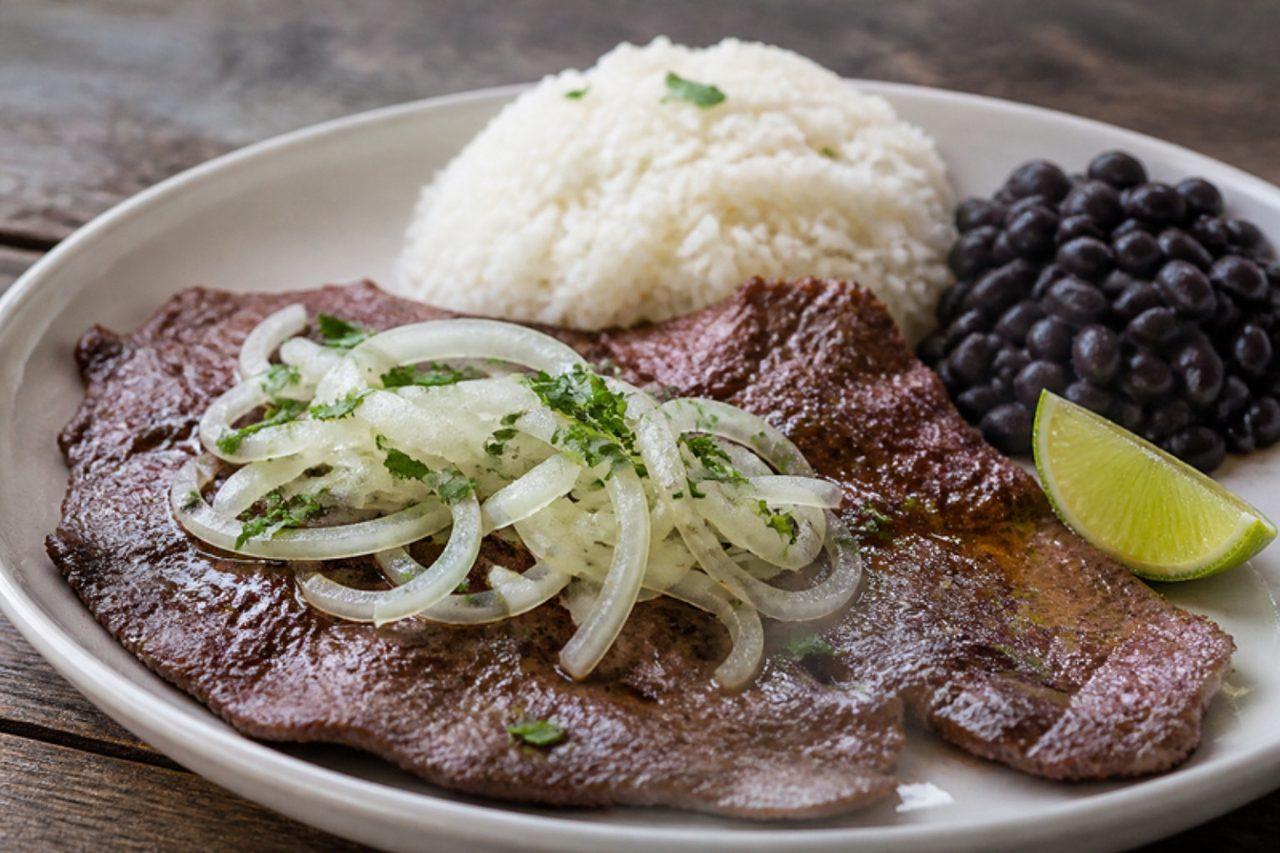
Palomilla is the everyday steak of Havana lunch counters and Miami's Cuban cafés alike: top sirloin pounded very thin, marinated briefly in lime and garlic, seared in seconds and buried under a pile of raw chopped onion and parsley. It comes with white rice, black beans and fried plantain. The most common mistake is leaving the steak in the lime for hours, which turns the surface grey and mushy; 20 minutes to an hour in the fridge is enough. Beef steak can be cooked to your liking, but it is so thin it is usually cooked through. Chef's tip: get the pan smoking hot and cook one or two steaks at a time, or they stew instead of browning.

25 minCubanMeatGluten free
by KrazyBadal 0 views

Bistec encebolladoSteak with vinegar onions

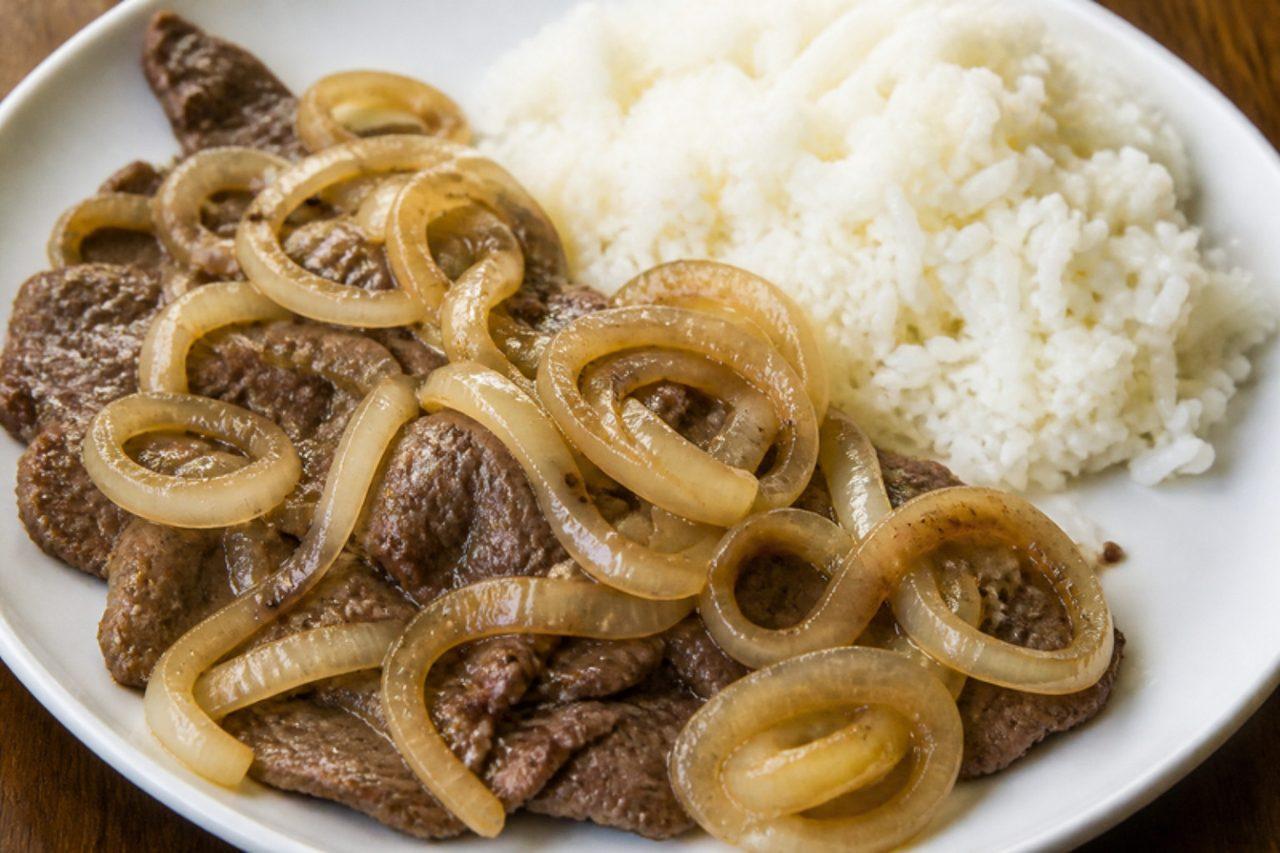
Order bistec encebollado at a lunch counter in Santurce or a comedor in Santiago de los Caballeros and it comes the same way: thin steaks swimming in a heap of soft, sharp onions and a garlicky, vinegar-bright gravy, with white rice, beans and tostones alongside. Thin cuts are marinated in vinegar, garlic and oregano, seared, then braised gently with the onions until tender. The common mistake is boiling the meat hard, which makes thin steak tough; a gentle simmer under a lid keeps it soft. Chef's tip: give the steaks a few gentle pounds with a mallet before marinating so the vinegar can work into them.

by KrazyBadal 0 views

Biye barir roastSweet wedding-style chicken roast

Ask anyone who grew up in Bangladesh what they look forward to at a biye bari, a wedding house, and the chicken roast is near the top, a single fried leg or breast lounging in a thick, sweet-spiced, ghee-glossed gravy beside a mound of polao. The word roast is a bit of a misnomer: the chicken is fried until golden and then simmered in a gravy of onion paste, yoghurt, milk and a little sugar, perfumed with cardamom, mace and kewra, so it tastes rich rather than charred. Children love it because it is mild and gently sweet, with only whole green chillies for warmth. A common error is skipping the frying, which leaves the chicken pale and lets it fall apart in the sauce. Chef's tip: use bone-in thighs and drumsticks with deep slashes, so the gravy gets into the meat during the short simmer.

by KrazyBadal 0 views

Bizcocho dominicanoOrange sponge with pineapple filling

Every Dominican birthday in Santo Domingo or Santiago has one: a tall, buttery, orange-scented sponge split and filled with sticky pineapple, then swirled all over with glossy white meringue frosting called suspiro. Traditional suspiro whips hot syrup into raw whites; this version uses a Swiss meringue, heating the whites with sugar to 70 °C so it is safe for everyone, including pregnant women and small children. The common mistake is overbeating the batter after the flour goes in, which makes the famously moist crumb tough. Chef's tip: beat the butter and sugar for a full 8 minutes until almost white; that air is what gives bizcocho its tender, springy texture.

by KrazyBadal 0 views

BlitvaSwiss chard and potatoes

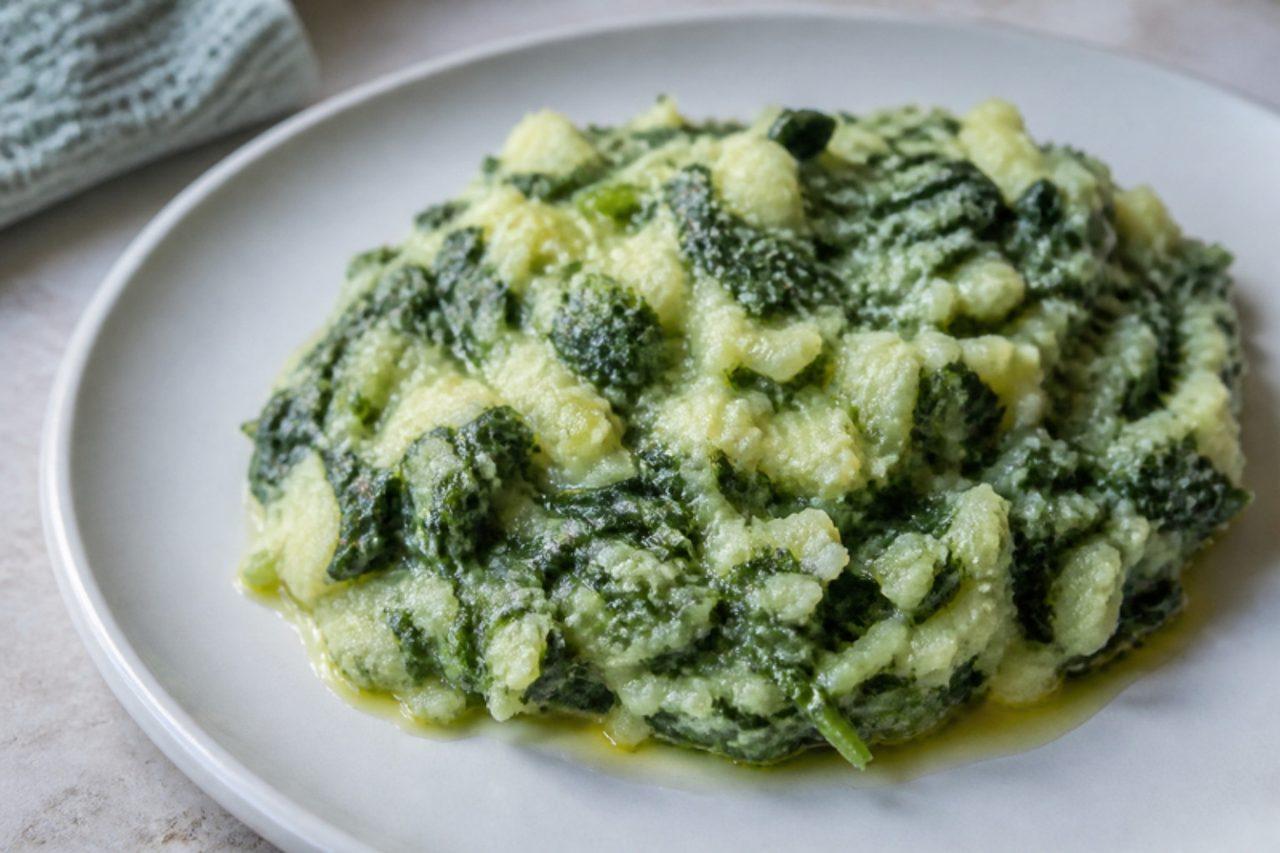
Order grilled fish in any konoba along the Dalmatian coast of Croatia, from Zadar down to Dubrovnik, and a heap of blitva usually comes with it. Swiss chard and potatoes are boiled together until soft, then crushed roughly with lots of good olive oil and a little garlic, so the potatoes turn creamy and the chard stays silky and green. It is humble, quick and very good, also with grilled vegetables, eggs or a simple bean dish. The usual slip is not draining well enough, which leaves a watery, grey mush; let everything steam dry in the colander for a minute. Chef's tip: use the best olive oil you have and add a final drizzle at the table, as Dalmatians do, so its peppery taste stays bright.

by KrazyBadal 0 views

BolicheChorizo-stuffed beef pot roast

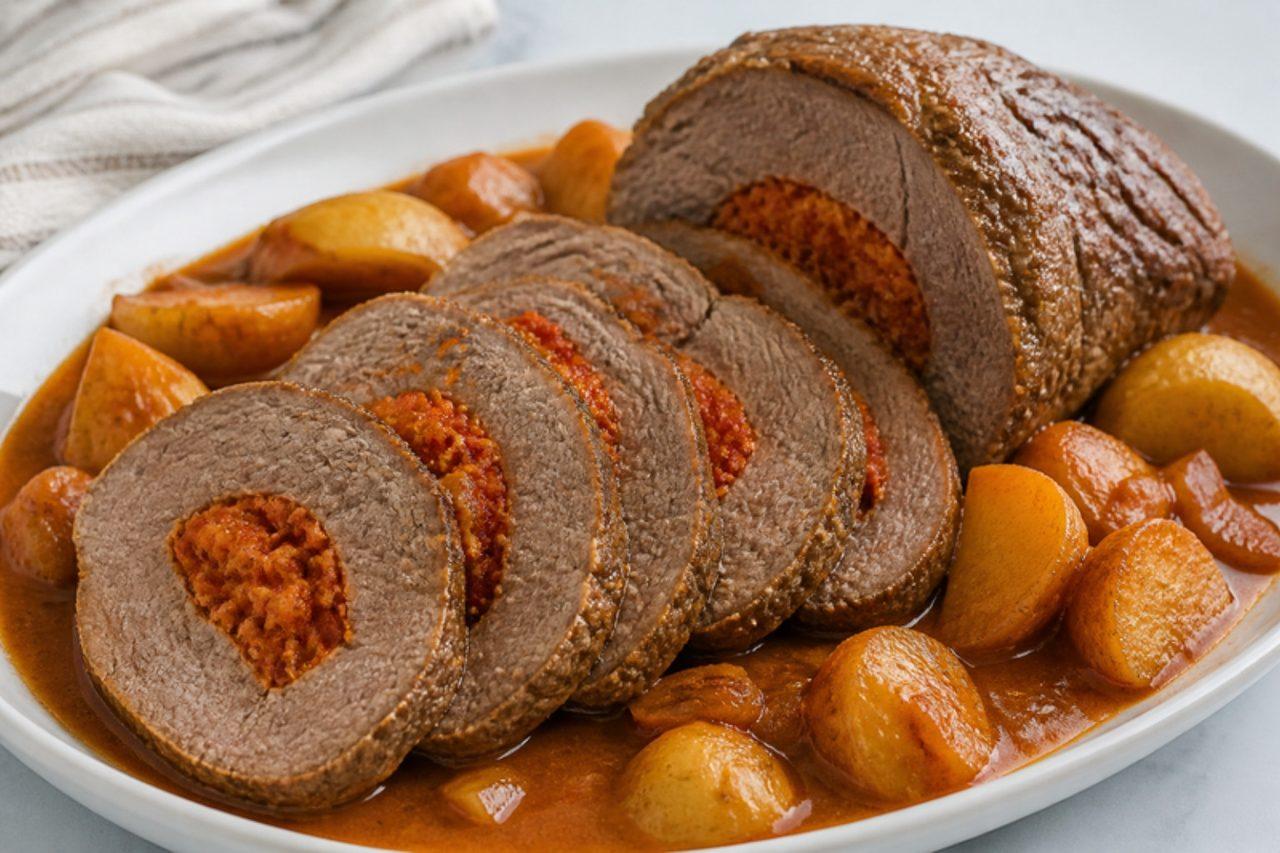
Boliche is a Sunday and holiday centrepiece in Havana: an eye-of-round beef joint with a tunnel cut through the middle, stuffed with pork chorizo, then browned and braised slowly in tomato, onion, pepper, sour orange and dry white or red wine until it slices like butter. Potatoes go into the pot for the last hour to soak up the sauce. The wine is simmered for hours, though a little alcohol may remain; use extra stock with a spoon of vinegar for an alcohol-free version. The common mistake is rushing the braise, which leaves this lean cut tough, so keep the pot at a bare simmer. Chef's tip: chill the cooked roast in its sauce, then slice it cold and reheat the slices in the sauce; you get neat rounds with the chorizo in the centre.

210 minCubanMeatGluten free
by KrazyBadal 0 views

Bolo fiadoLayered pastry and cashew cake

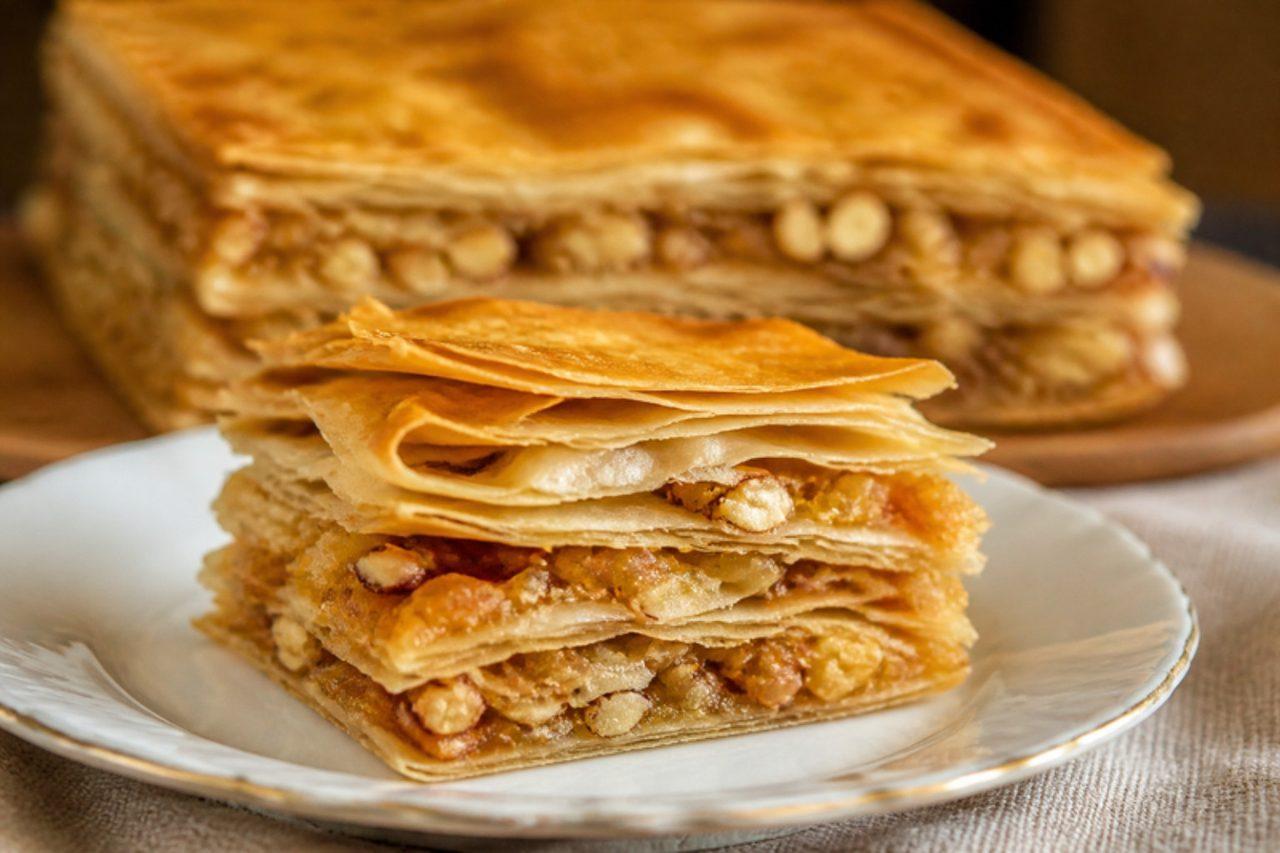
The name comes from Portuguese and means something like spun cake, and among the Burgher families of Colombo and Batticaloa it is the showpiece of the Christmas sweet table, harder work than love cake and saved for special years. Paper-thin sheets of egg-rich dough are stacked in a tin, each brushed with melted butter and scattered with a sweet mixture of cashews, pumpkin preserve, sugar, cardamom and rosewater, then baked until the layers puff and turn crisp and golden. Cut into squares, it flakes at the top and stays tender and sticky inside. Where it usually goes wrong is the dough: sheets rolled too thick bake up bready instead of flaky, so roll until you can almost see the board through them. Pumpkin preserve (puhul dosi) is sold in Sri Lankan grocers; candied winter melon works too. Chef's tip: rest the dough properly, a full 30 minutes, because relaxed gluten lets you roll it far thinner without tearing.

by KrazyBadal 0 views

BombolinoSugared doughnuts

A legacy of the Italian years, bombolino is still part of the morning ritual in Asmara: a warm doughnut rolled in sugar, eaten at a café counter on Harnet Avenue with a small, strong macchiato. Eritrean bombolini are unfilled, either round or ring-shaped, with a pale band around the middle, a feather-light crumb and a hint of lemon in the dough. Bakeries fry them in the early morning and they sell out quickly. At home they make a lovely weekend treat; allow about 1½ hours for the dough to rise and prove. The most common mistake is frying in oil that is too hot, so the outside goes dark while the centre stays doughy; keep it at 170 °C and test the first one. Chef's tip: roll them in sugar while they are still warm, not hot, so the sugar clings without melting.

by KrazyBadal 0 views

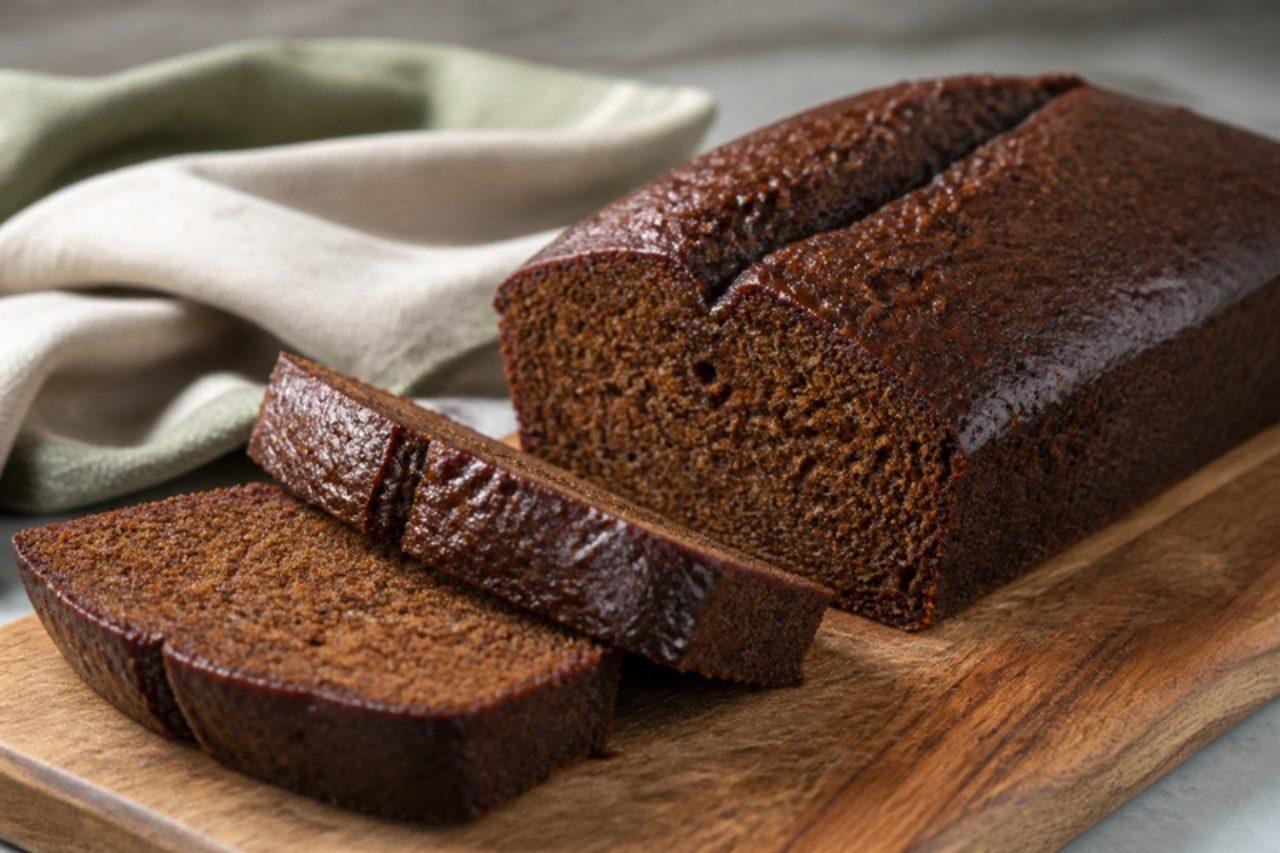
Bonbon siwoMolasses gingerbread cake

Bonbon siwo, "syrup cake", is the moist, dark gingerbread that Haitian families bake for birthdays, church sales and an ordinary Sunday, sliced into squares and eaten with a cup of sweet coffee. The siwo is molasses or cane syrup, which gives it a slightly bitter, smoky sweetness alongside ginger, cinnamon and nutmeg. The common mistake is overbaking: take it out as soon as a skewer comes out clean, or the edges dry and turn crusty. It contains egg, wheat and dairy. Chef's tip: mix the bicarbonate of soda into the hot water before adding it to the batter so it fizzes and lifts the cake evenly.

by KrazyBadal 0 views

BoniatilloSweet potato pudding

Boniatillo comes from the sweet tooth of old Havana, where white-fleshed boniato is boiled, puréed and cooked in a cinnamon and lime-peel syrup until it turns into a thick, glossy pudding. It is served at room temperature in small bowls, often dusted with cinnamon, at birthdays or simply after Sunday lunch. The mistake to avoid is using orange sweet potato alone, which makes it wet and very sweet; Cuban boniato or a white sweet potato gives the right dry, chestnutty texture. Chef's tip: beat in the egg yolks off the heat with a little of the hot purée first, so they thicken the pudding without scrambling.

by KrazyBadal 0 views

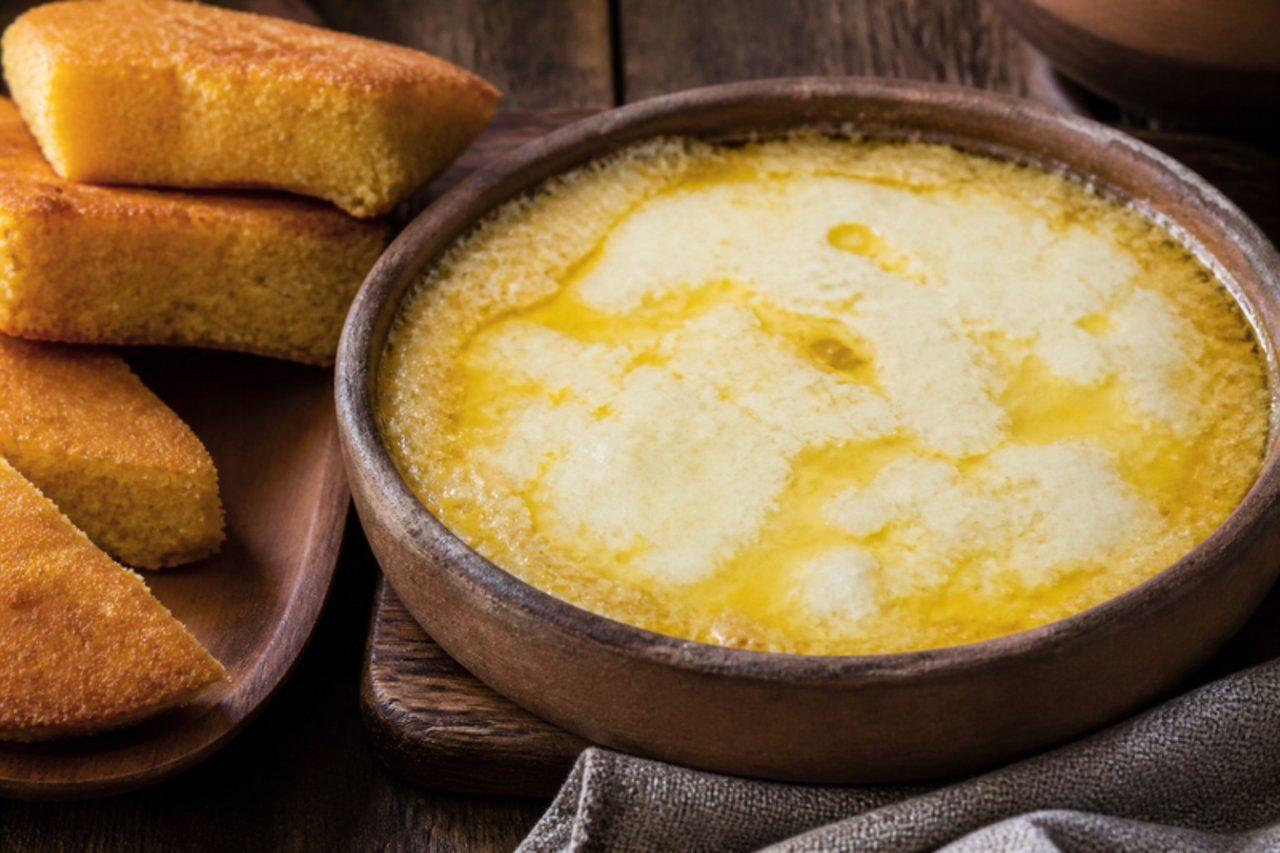
BoranoMelted cheese in hot butter

In the hill villages behind Batumi, where cows graze the Adjarian mountains in summer, borano is what a shepherd's family makes when someone drops in: a pan of golden butter, a heap of young cheese melted into it until it turns stretchy and oily, and squares of hot mchadi cornbread to drag through it. It is rich, salty and meant to be shared straight from the pan at the table. A common mistake is using a very hard, dry cheese, which turns grainy and oily instead of stretching. Chef's tip: use clarified butter or ghee so the butter can get really hot without burning, and add the cheese in one layer so it melts evenly. Sulguni and imeruli are often made with animal rennet, so choose a vegetarian cheese.

by KrazyBadal 0 views

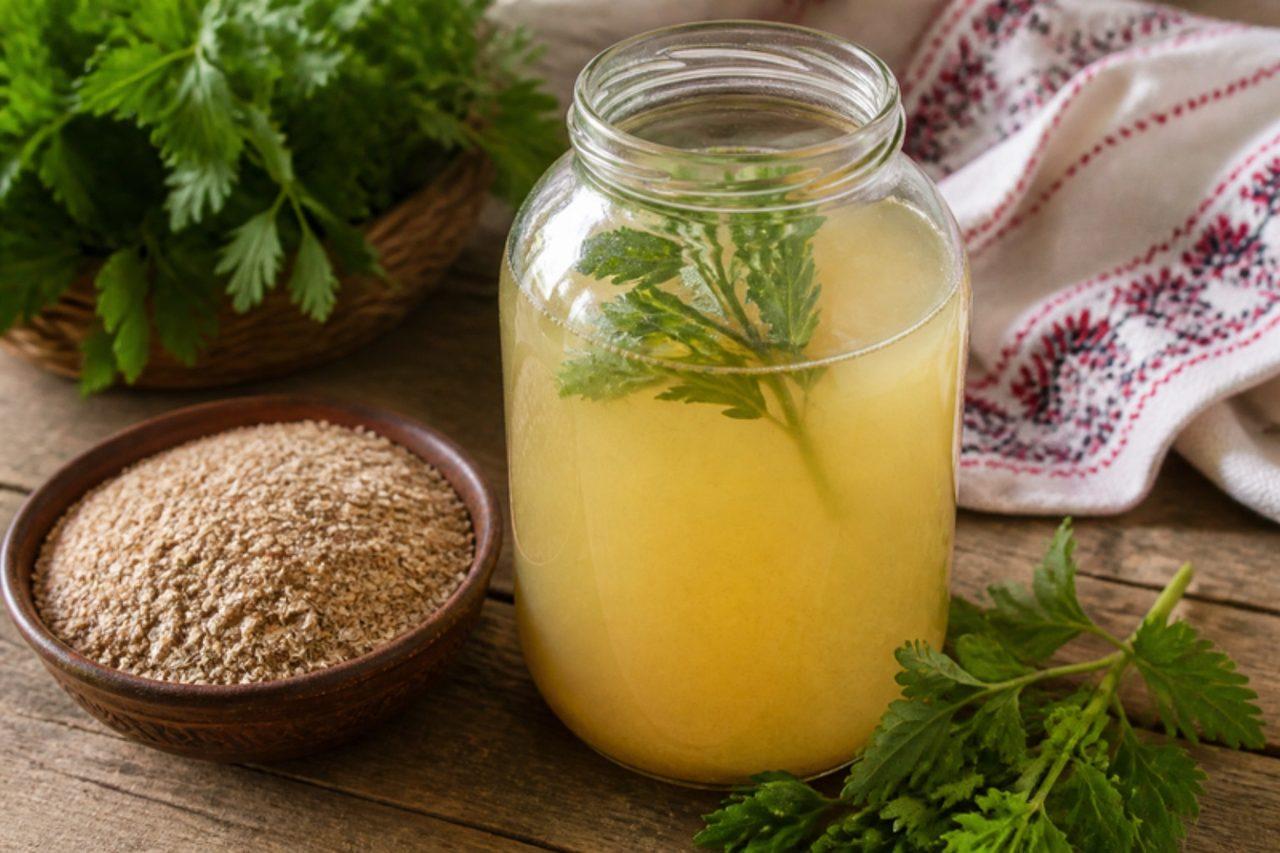
BorșFermented wheat bran sour liquid

Before lemons were common in Moldavian and Wallachian villages, every household kept a crock of borș, the cloudy, tangy liquid that turns a plain soup into a ciorbă. Wheat bran and a little cornmeal are steeped in hot water, seeded with a starter and left to ferment for 3–4 days in total, so although the hands-on work is short, plan a long weekend: the timings shown cover only the first two days of waiting. It is naturally vegan and a staple of the fasting (post) kitchen, where it sours nettle, bean and vegetable ciorbe. Where people go wrong is using a jar that is not properly clean, which lets the wrong microbes win and turns the borș slimy or mouldy. Chef's tip: keep a few spoonfuls of the drained bran, dried, as the starter (huște) for your next batch.

by KrazyBadal 0 views

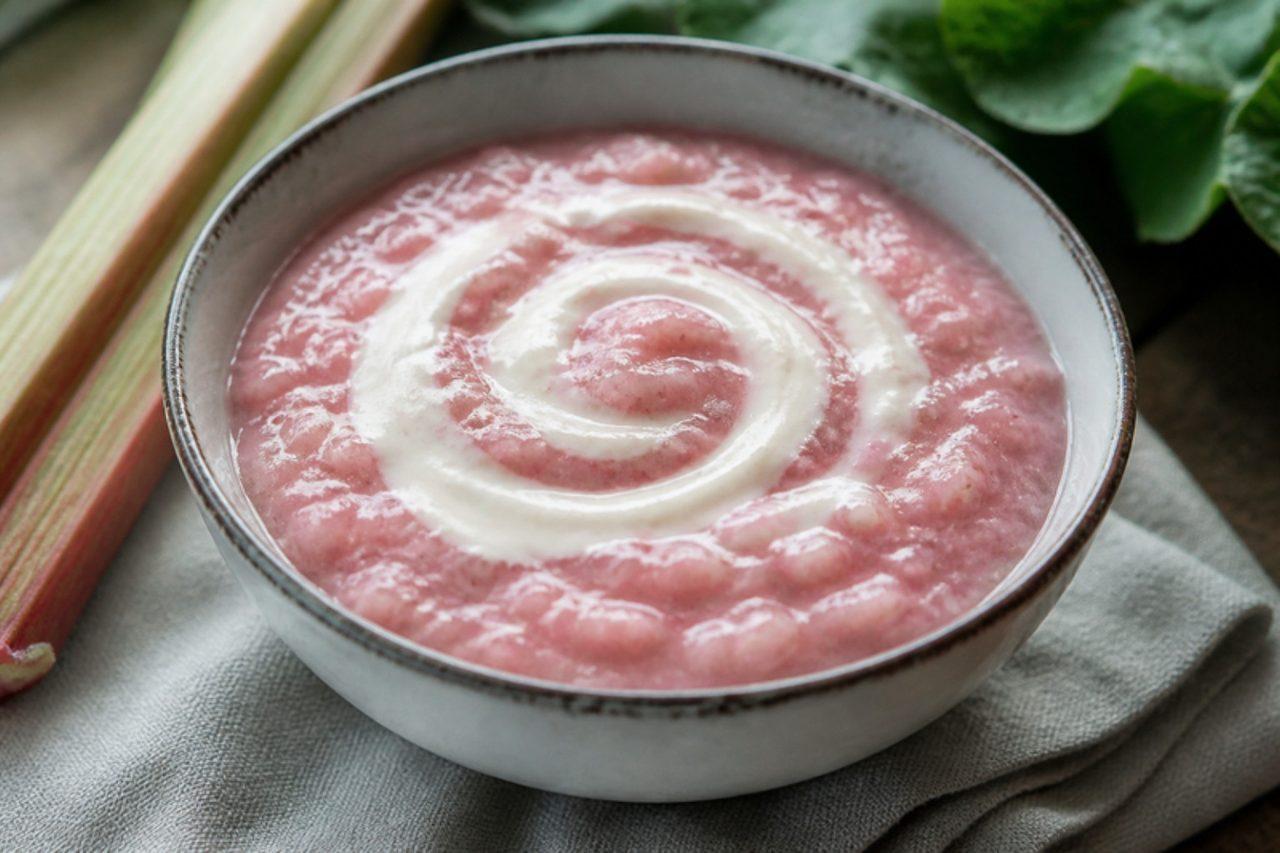
RabarbugrauturRhubarb pudding

Rhubarb is one of the few fruits that thrive in the windswept Faroe Islands, and rabarbugrautur, 'rhubarb porridge', is the summer pudding of Tórshavn and village kitchens alike: rhubarb stewed with sugar and thickened with potato starch into a glossy, tart, ruby-coloured pudding, served warm or chilled with cold cream or milk. A common mistake is boiling it after the starch goes in, which makes it thin and stringy. Chef's tip: take the pan off the heat before stirring in the starch slurry, then return it just until the first bubble, and stop.

by KrazyBadal 0 views

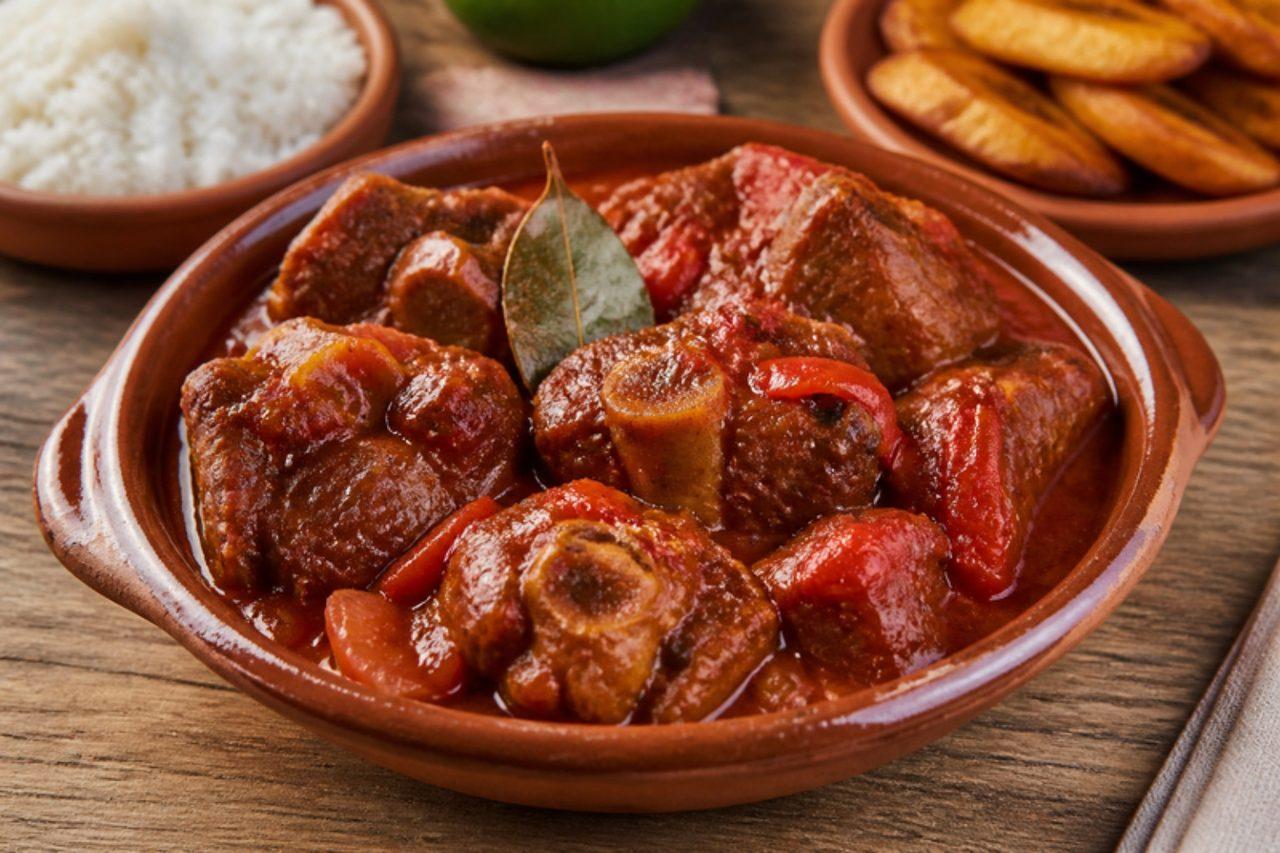
Rabo encendidoSpicy braised oxtail

Rabo encendido, "oxtail on fire", is the slow Saturday braise of central Cuba, cooked until the meat slips off the bones into a dark, glossy sauce of tomato, sweet pepper, red wine and a kick of hot chilli. It is eaten with white rice and fried ripe plantain to cool the heat. The wine cooks for hours, but if you want no alcohol at all, use extra beef stock with a tablespoon of red wine vinegar. The common mistake is serving it straight away with a layer of fat on top; skim it well, or chill overnight and lift the fat off. Chef's tip: dust the oxtail lightly in cornflour and brown it hard; the coating gives a better crust and thickens the sauce while keeping it gluten free.

235 minCubanMeatGluten freeSpicy
by KrazyBadal 0 views

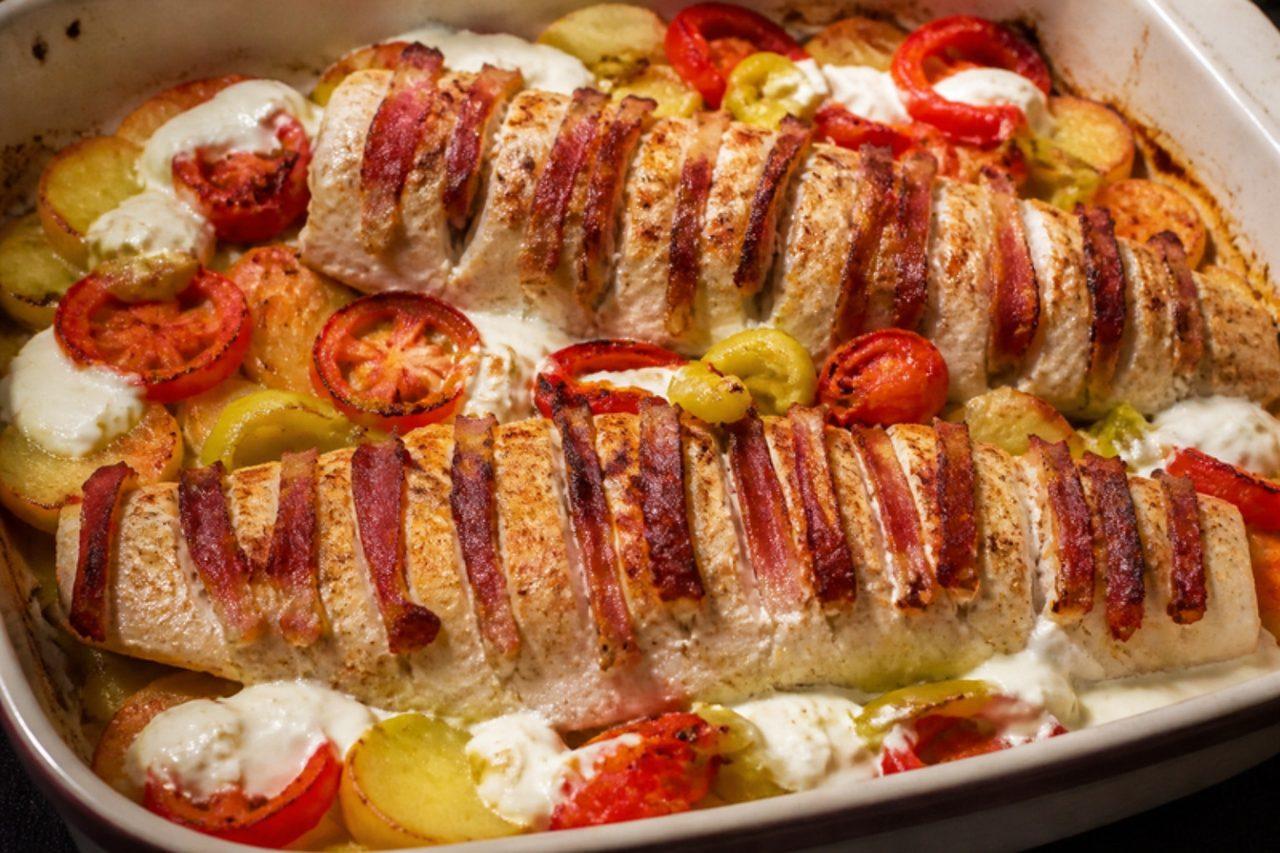
Rác pontyCarp baked with potatoes and peppers

Rác is the old Hungarian name for the Serbs who settled along the Danube in southern Transdanubia, and in towns like Mohács and Baja their style of baked carp became a Friday and holiday favourite. Scored carp fillets are laid over sliced potatoes, pale green peppers, onion and tomato, sprinkled with paprika and baked, then finished with sour cream so the vegetables underneath soak up the juices. Traditionally thin strips of smoked pork bacon are tucked into the cuts of the fish; they are optional here, so leave them out for a pork-free dish. It is a whole meal in one dish, best with fresh bread. A common mistake is putting raw potato under the fish, which is still hard when the carp is done; parboil it first. Chef's tip: score the carp finely every 4 mm so the oven heat softens its small bones.

by KrazyBadal 0 views

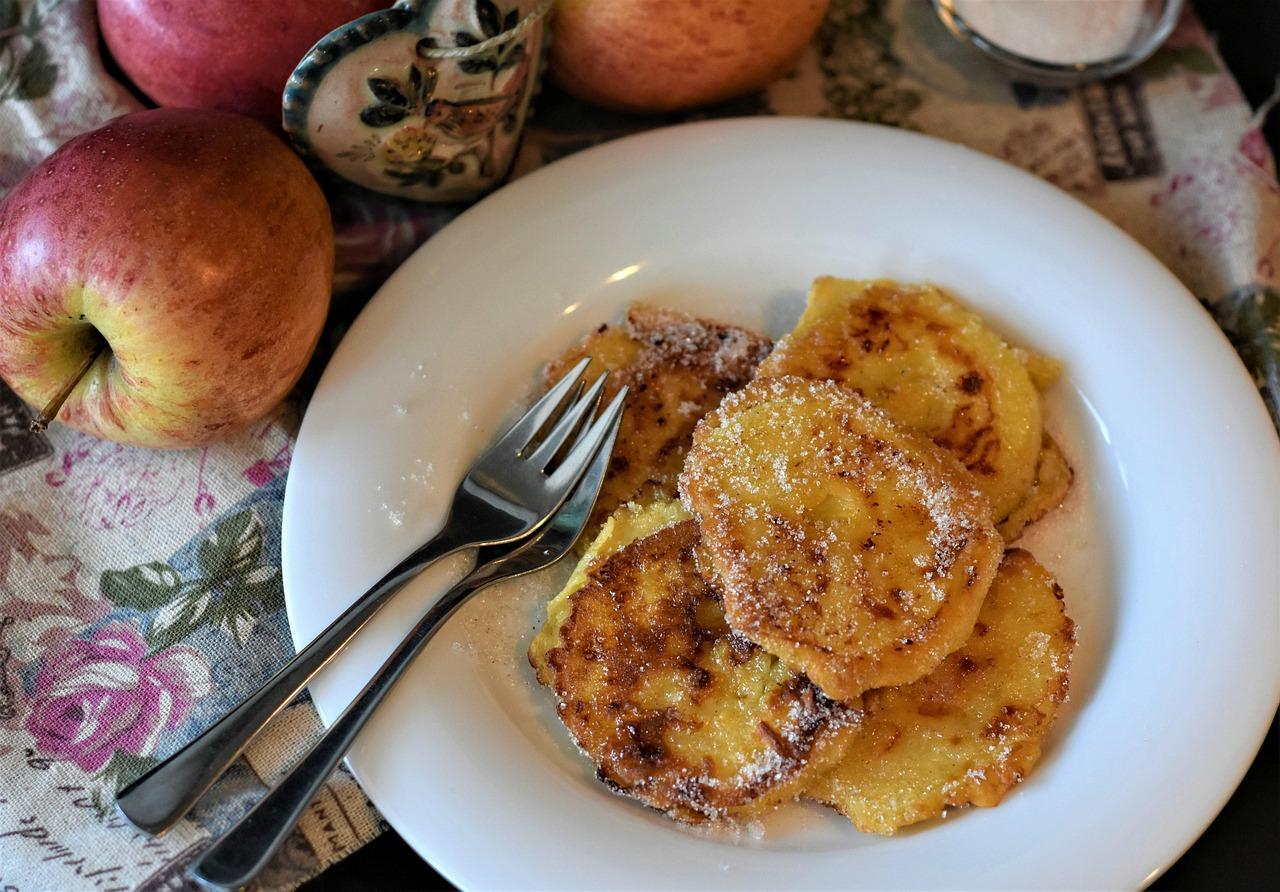
Racuchy z jabłkamiApple fritters

Autumn in the orchard villages around Łącko and Nowy Sącz means apples everywhere, and racuchy are how grandmothers use the windfalls on a Sunday afternoon. A thick yeast batter is folded with thin apple slices and spooned into hot oil, where it puffs into golden, airy fritters with soft, tart fruit inside. Shower them with icing sugar and eat them warm, perhaps with a glass of cold milk or kefir. Where most people go wrong is frying too hot: the outside darkens before the thick middle cooks, leaving a raw, gummy centre. Chef's tip: keep the oil at a steady medium, about 170 °C, and flatten each spoonful slightly so it cooks through evenly.

by KrazyBadal 0 views

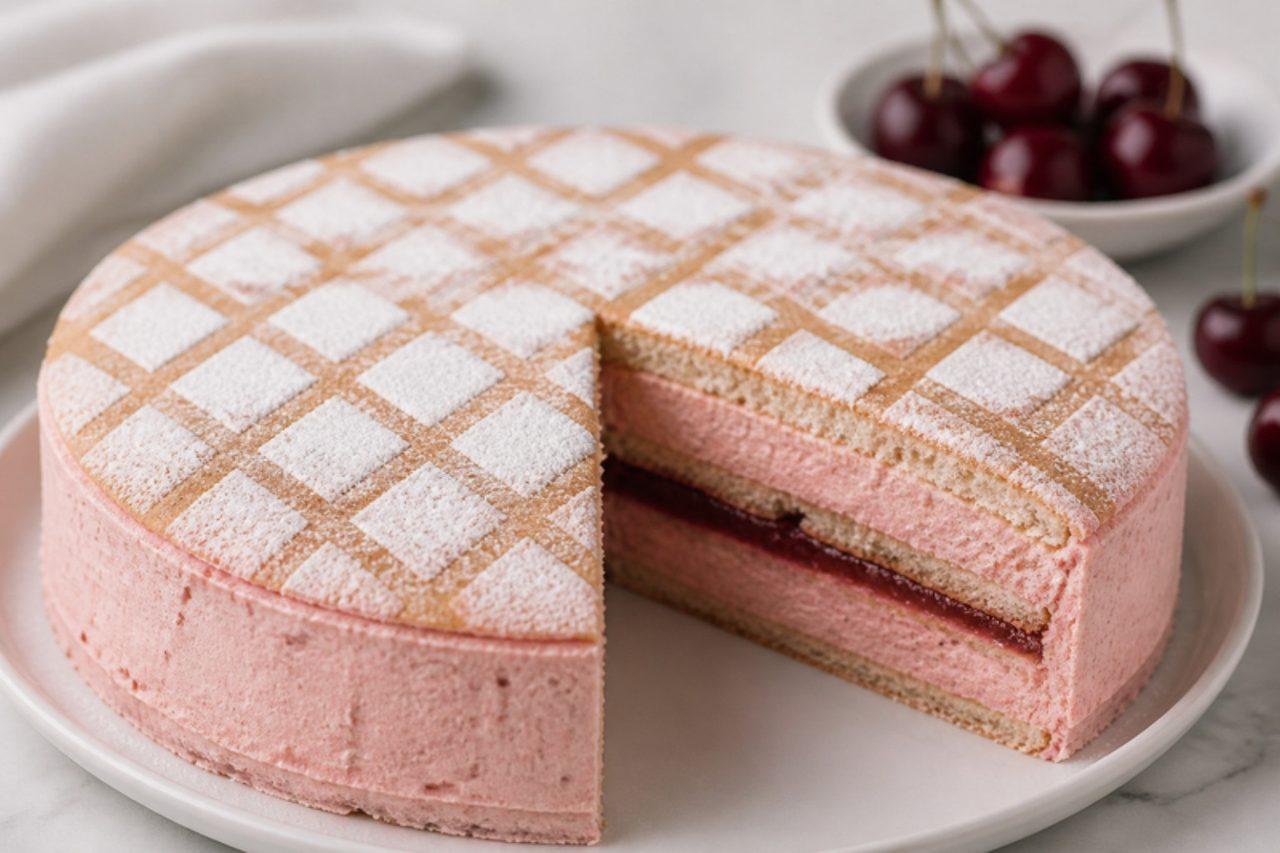
Zuger KirschtorteKirsch meringue sponge cake

The Zuger Kirschtorte was created in 1915 by the confectioner Heinrich Höhn in Zug, a lakeside town at the heart of Swiss cherry country, and it is still sold in the town's cake shops: two crisp almond meringue discs sandwiching a light sponge soaked in kirsch syrup, all held together with pink-tinted buttercream and coated in toasted almonds and icing sugar. This cake contains alcohol (kirsch, a cherry brandy); for an alcohol-free version, use the cherry juice swap in the ingredient note. A common mistake is soaking the sponge until soggy; it should be moist but hold its shape. Chef's tip: bake the meringue discs until dry and crisp, so they stay crunchy against the soft buttercream.

100 minSwissBaking
by KrazyBadal 0 views

Ræstur fiskurFermented dried fish

Ræstur fiskur is cod or other white fish that Faroese families hang in the wind-swept hjallur for weeks until it ferments and develops a strong, cheesy taste; it is then boiled and eaten with boiled potatoes and melted tallow or butter, a Sunday and winter dish across the islands. It needs the Faroese wind and is bought ready-hung, never made at home. A common mistake is boiling it hard, which makes it tough and stringy. Chef's tip: soak the fish in cold water for an hour before cooking to tame its saltiness, then simmer gently until it flakes. It is cooked when opaque right through.

by KrazyBadal 0 views

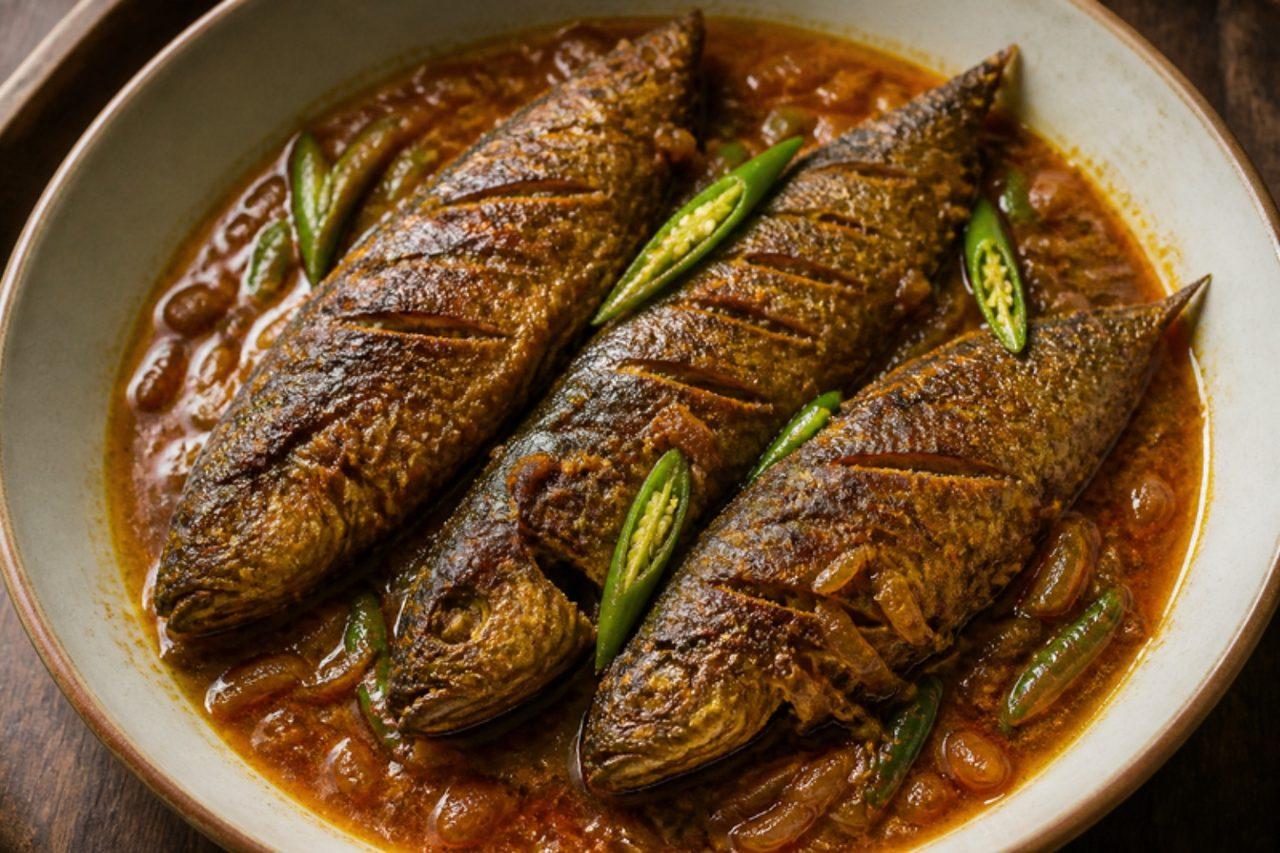
Tel koiFried climbing perch in gravy

Koi, the climbing perch, is a small, tough-scaled fish of ponds and rice fields with a sweet flesh that Bengalis prize above much bigger fish, and tel koi, koi in oil, is how Khulna households celebrate a good catch, especially when a son-in-law visits. The fish are fried whole until crisp and then slipped into a glossy gravy of onion, cumin, turmeric and whole green chillies that is meant to have a visible layer of mustard oil on top. They are eaten with plain rice, picking the soft flesh away from the many fine bones. You will find koi fresh or frozen in Bangladeshi grocers. The usual pitfall is a timid frying, which leaves the skin soft and the bones chewy; fry until the fins crisp. Chef's tip: score each fish twice on both sides so the spices get in and the thick back cooks as quickly as the belly.

by KrazyBadal 0 views

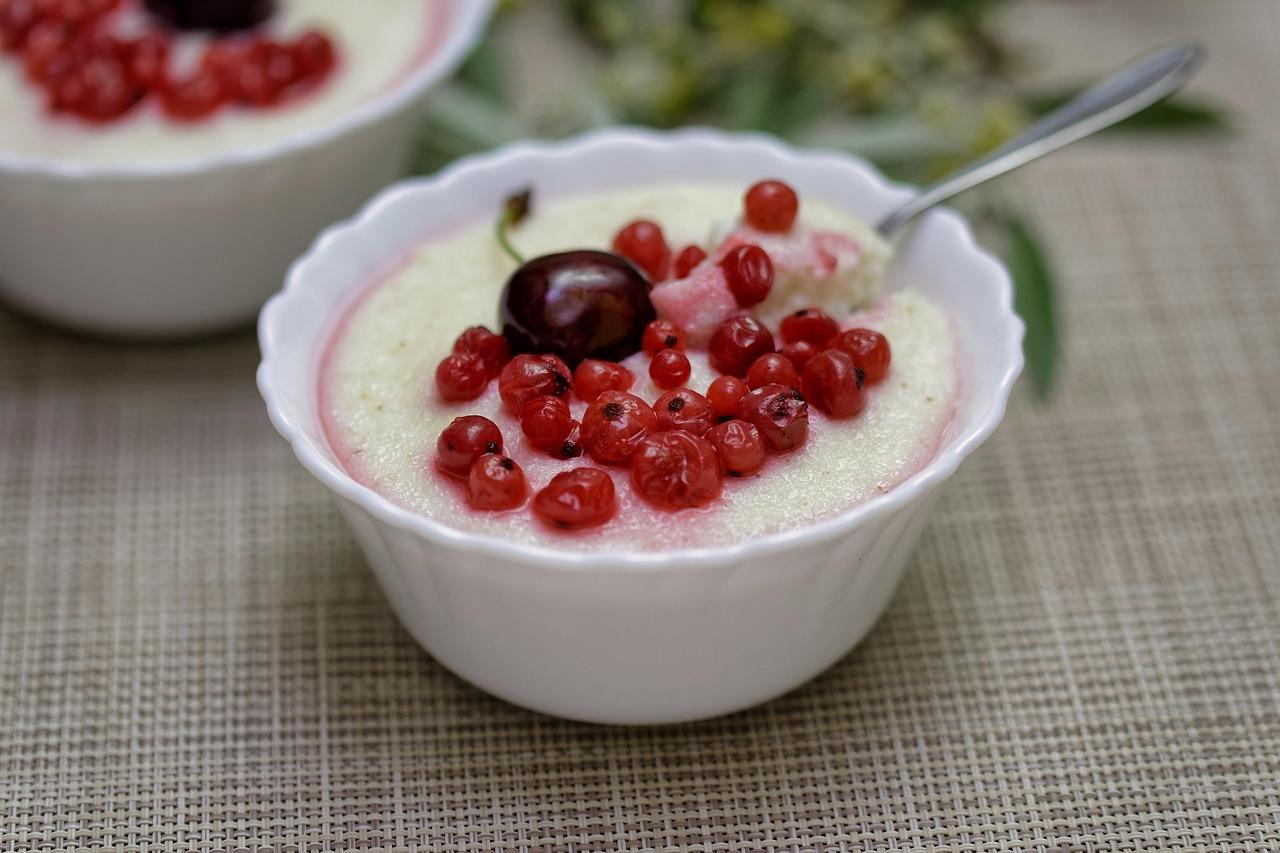
TejbegrízMilk semolina pudding

Ask Hungarians what they ate in the nursery or at the school canteen and tejbegríz comes up again and again: semolina cooked slowly in sweet milk until it is thick, smooth and comforting, then dusted with cocoa sugar or cinnamon sugar while it is still steaming. It is a supper for small children, a quick breakfast on a cold morning and the thing grown-ups make when they feel unwell. Some families add a spoon of jam or a knob of butter on top. Where most people go wrong is tipping the semolina in all at once, which makes lumps; rain it in slowly while you whisk. Chef's tip: take it off the heat when it is still slightly looser than you want, because it keeps thickening as it cools in the bowl.

by KrazyBadal 0 views

RahashTahini and sugar slab sweet

In the souks of Kuwait City and Manama, slabs of rahash appear on the sweet stalls as Ramadan approaches, cut into squares to nibble with tea after iftar or handed round at Eid. It is close to halva: tahini beaten with hot sugar syrup until it sets into a firm, crumbly, fudgy block that melts on the tongue, with a gentle cardamom perfume and pistachios on top. The trick is the syrup temperature. Undercooked syrup leaves a soft, oily paste that never sets; cook it to the soft-ball stage. Stir the tahini well in its jar first, as the oil separates. Chef's tip: stop stirring as soon as the mixture loses its gloss and starts to pull away from the bowl; keep going and it turns sandy.

by KrazyBadal 0 views

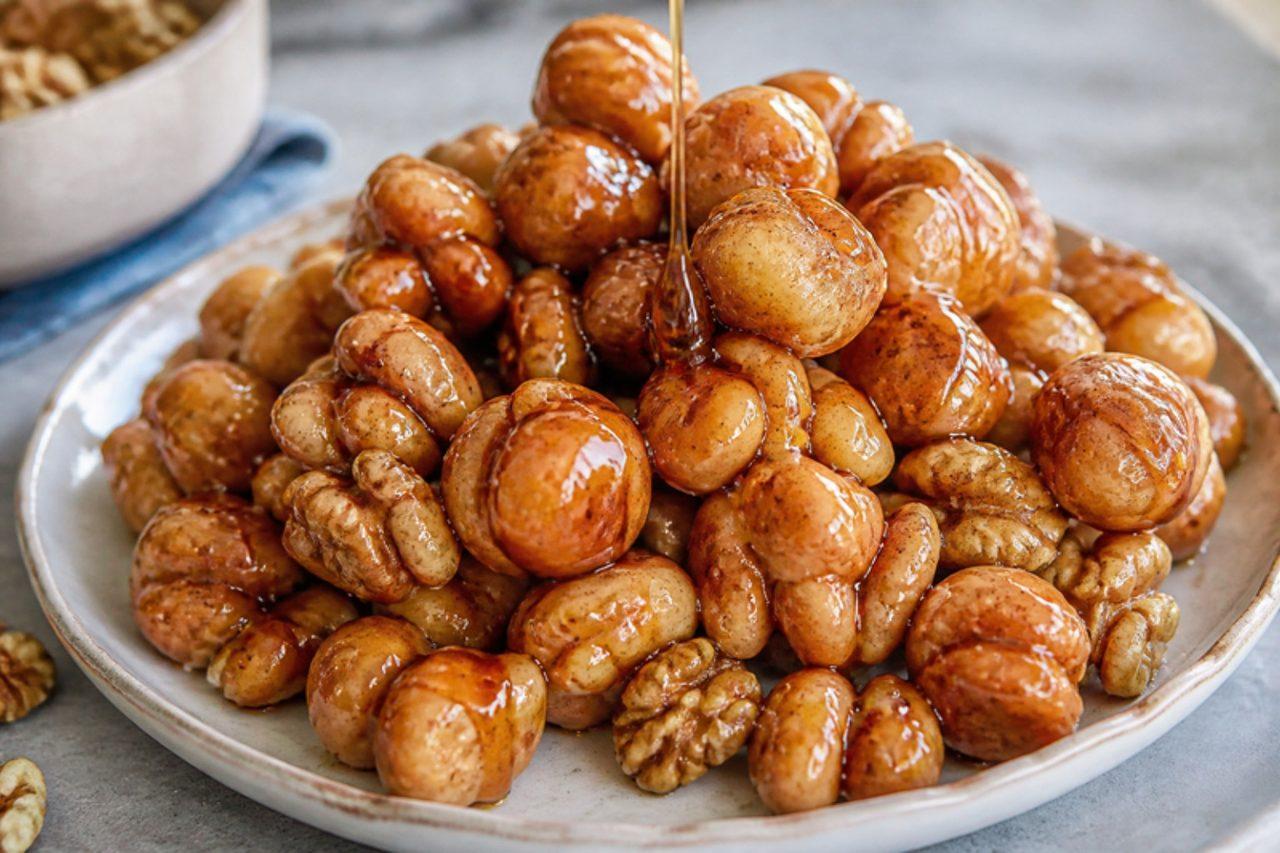
TeiglachHoney-boiled dough knots

Teiglach were a Lithuanian-Jewish festive sweet that travelled to Israel, and a few bakeries in Jerusalem and Bnei Brak still pile them into glistening pyramids before Rosh Hashanah. Small knots of egg dough are dropped into boiling honey with ginger and cooked until they swell, harden and turn deep golden, then tossed with walnuts and sometimes candied cherries. The result is crunchy-chewy and very sweet, eaten in small pieces with tea. The usual mistake is lifting the lid during the first 10 minutes, which lets the honey cool so the knots stay doughy. Chef's tip: shake the covered pot instead of stirring, so the knots move without collapsing.

by KrazyBadal 0 views

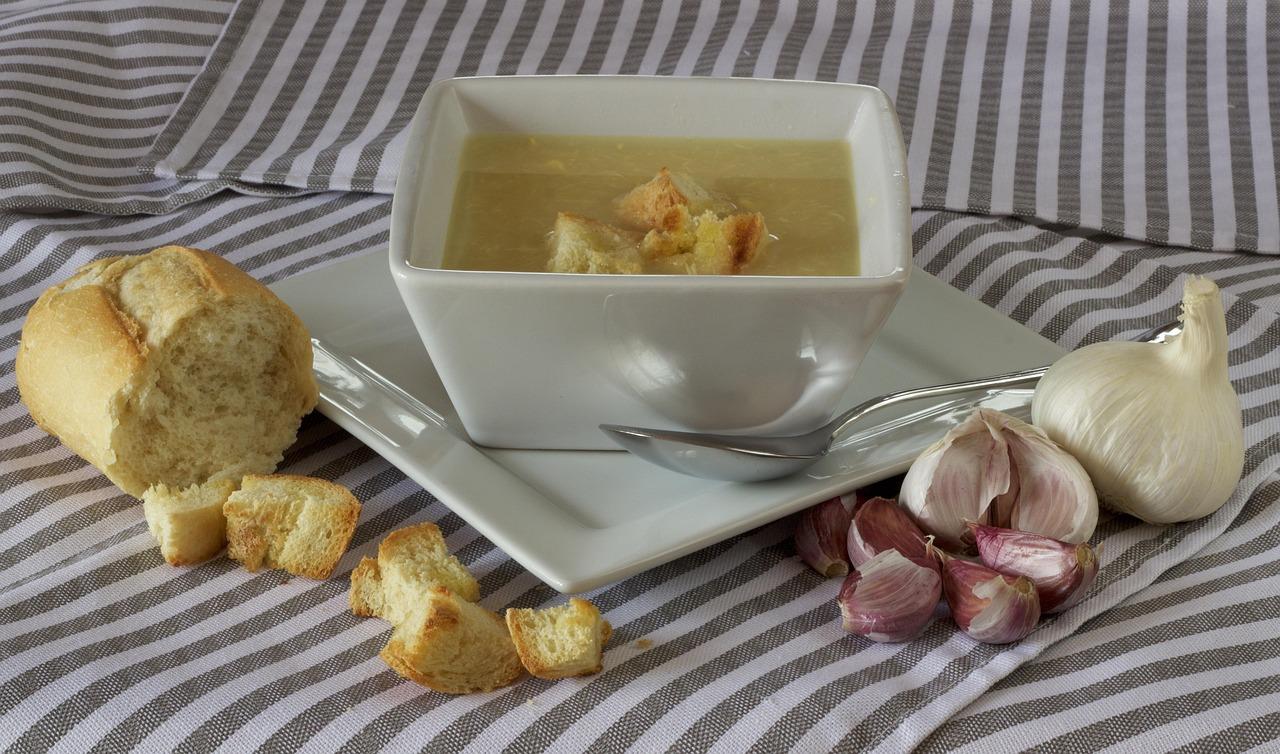
WodzionkaGarlic and rye bread soup

Miners' families in Upper Silesia made this from almost nothing: a few slices of yesterday's rye bread, a garlic clove, a knob of butter and boiling water poured straight into the bowl. Called brotzupa by some older Silesians, it still turns up in Zabrze and Ruda Śląska homes as a cheap, soothing supper, and newer versions use vegetable stock and add caraway or a fried onion. The bread softens into a rich, garlicky porridge with crisp-edged croutons on top. The usual slip is using fresh bread, which turns to slime; it has to be properly dry. Chef's tip: toast the cubes in butter first for a nuttier flavour and a little crunch.

by KrazyBadal 0 views

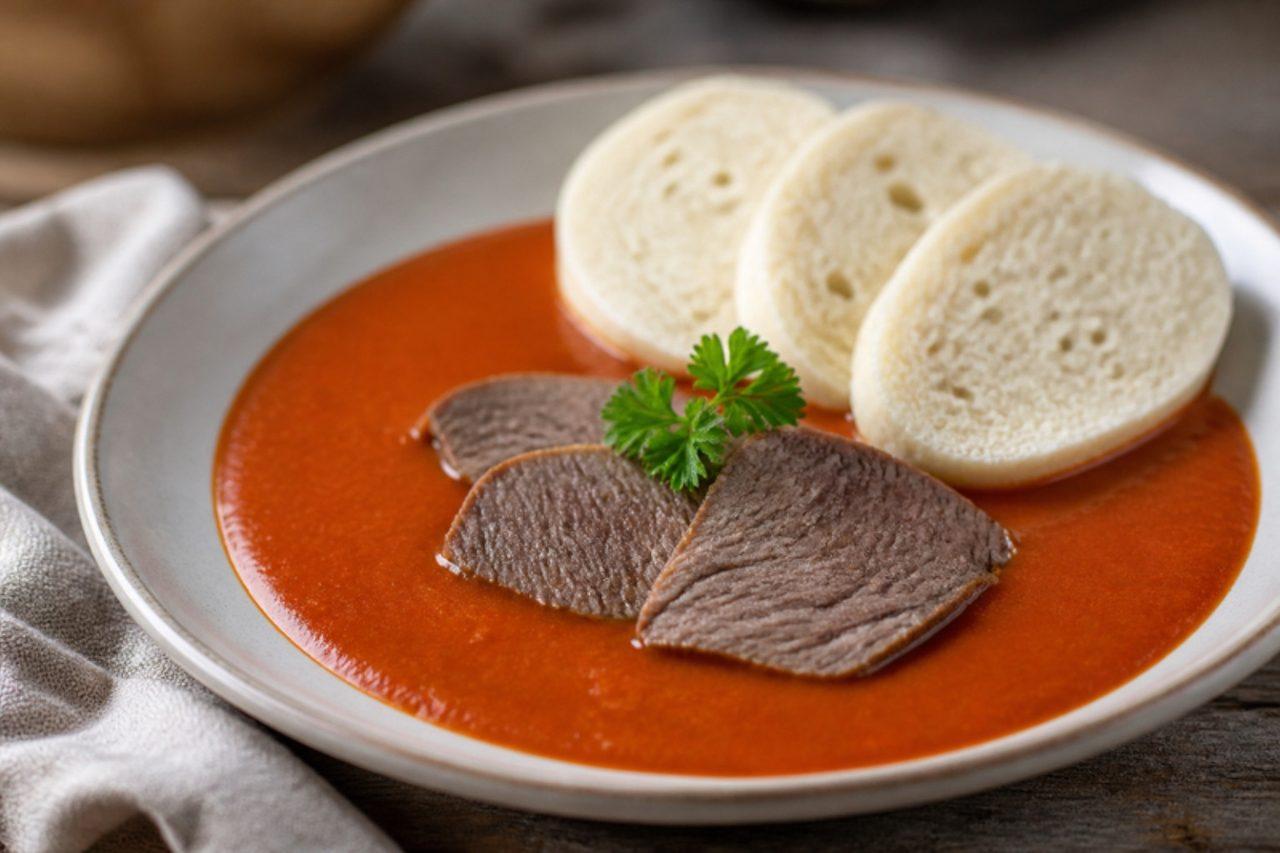
Rajská omáčkaSweet-sour tomato sauce with beef

Every Czech school canteen has served rajská at some point, and many adults still crave this glossy, sweet and tangy tomato sauce poured over slices of tender boiled beef with bread dumplings. Bohemian cooks make it from the broth of the beef itself, thickened with a light roux and perfumed with clove, allspice, bay and a hint of cinnamon, so it tastes warmly spiced rather than like a pasta sauce. The usual slip is under-seasoning the sweet-sour balance: keep tasting and adjust sugar and vinegar until it is clearly both. Simmer the beef until a fork slides in easily. Pasta or rice work too if you are not making dumplings. Chef's tip: strain the sauce through a sieve at the end for the velvety restaurant texture.

120 minCzechMeat
by KrazyBadal 0 views

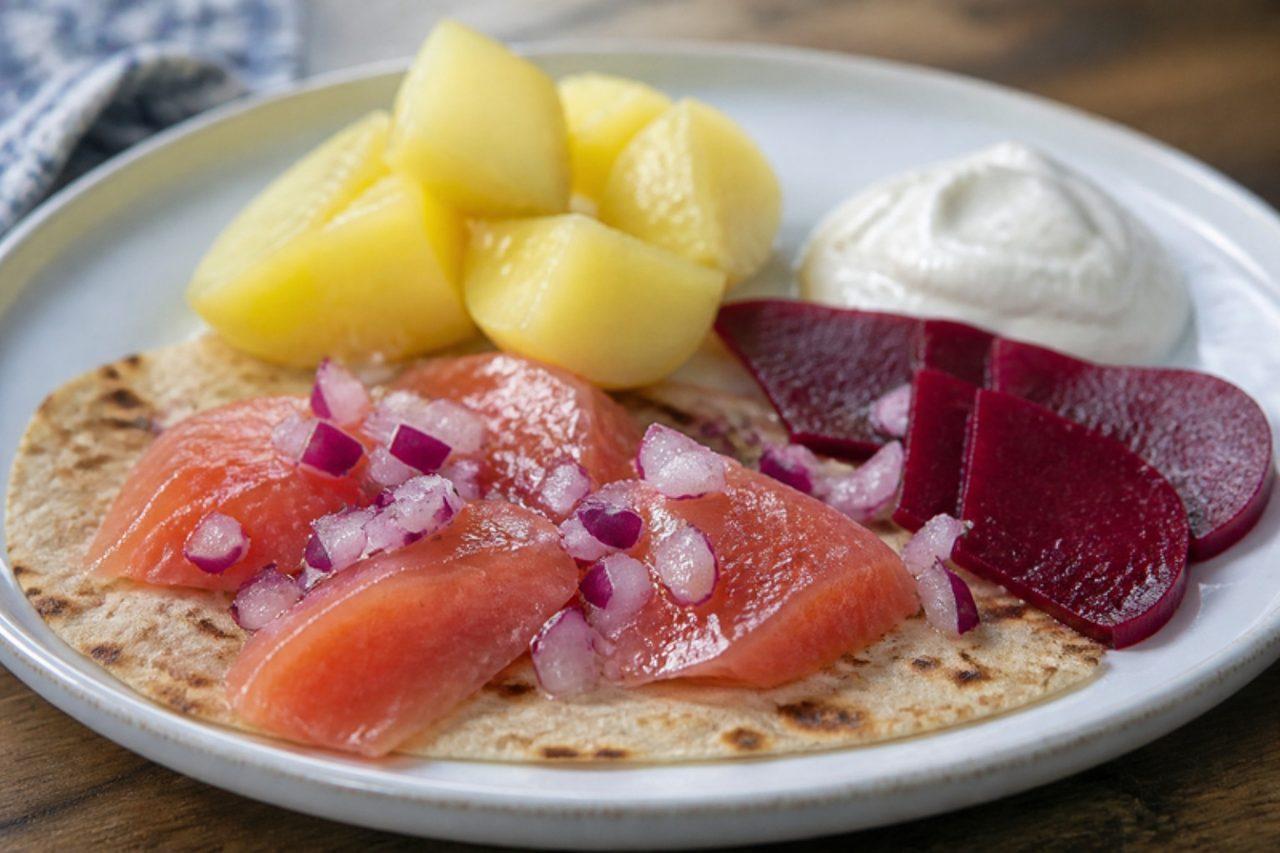
RakfiskFermented trout

Rakfisk is the autumn feast of Valdres in the Norwegian mountains, where trout and char from the lakes are salted and left to ferment for two to three months, until the fish is soft, pungent and buttery. Every November the town of Fagernes holds a rakfisk festival, and families serve it in slices on lefse or flatbread with red onion, sour cream and boiled potatoes. Home fermentation of fish carries a risk of botulism, so buy rakfisk only from licensed producers, never make it yourself. It is eaten raw, so it is not for pregnant women, young children or anyone with a weakened immune system. A common mistake is serving it too warm, which makes the smell overpowering. Chef's tip: serve it well chilled and sliced thin.

by KrazyBadal 0 views

Showing 90 of 10,268 recipes

Page 587 of 1,141