


Skip to content
Zalai dödölle
Featured recipe

Zalai dödölle

Fried potato dumplings

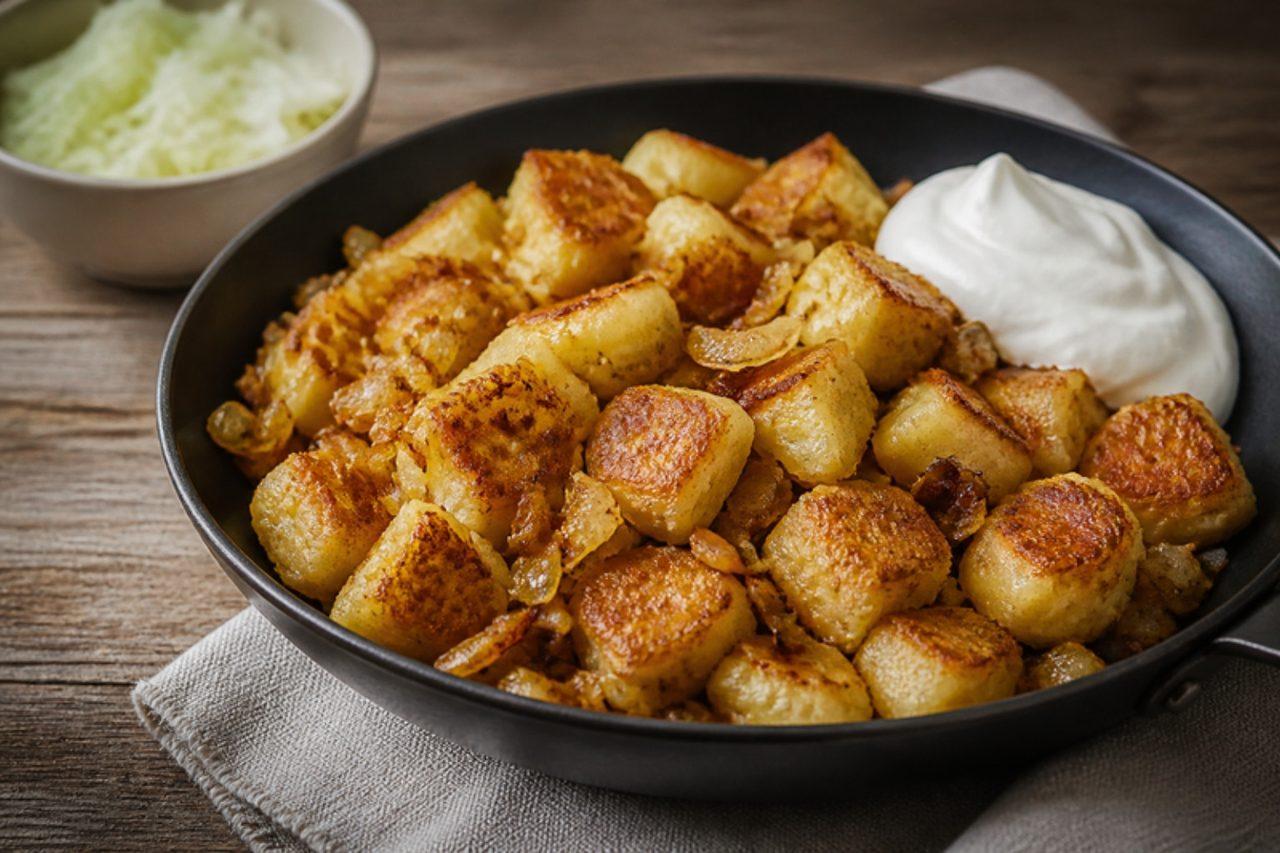
Zala county, in the green hills of south-west Hungary, is so proud of dödölle that villages hold festivals for it. Potatoes are boiled, mashed with flour into a stiff dough right in their pot, then scooped into little lumps with a spoon dipped in hot fat and fried with plenty of onion until crisp and brown on the outside and soft inside. The old way is to fry them in lard; this version uses oil, so it is vegan, though a knob of butter is lovely if you eat dairy. Eat them as a side, or as a main with sauerkraut, cucumber salad or a mushroom stew. A common mistake is drying the dough out with too much flour, which makes heavy, gluey lumps; it should be thick but still a little sticky. Chef's tip: dip the spoon in the hot oil before every scoop, and the dödölle slide off smooth.

Read more 0 views

What to eat today?

Around the world

Today's trip: Paraguayan

A new country every day, from every cuisine on the site.

Paraguayan

Chipa

Cheese bread rings 50 minMore from Paraguayan (27) →

This week's collection

Kid-friendly dinners
537 recipes · a new collection every Monday

Latest recipes

Rogan josh

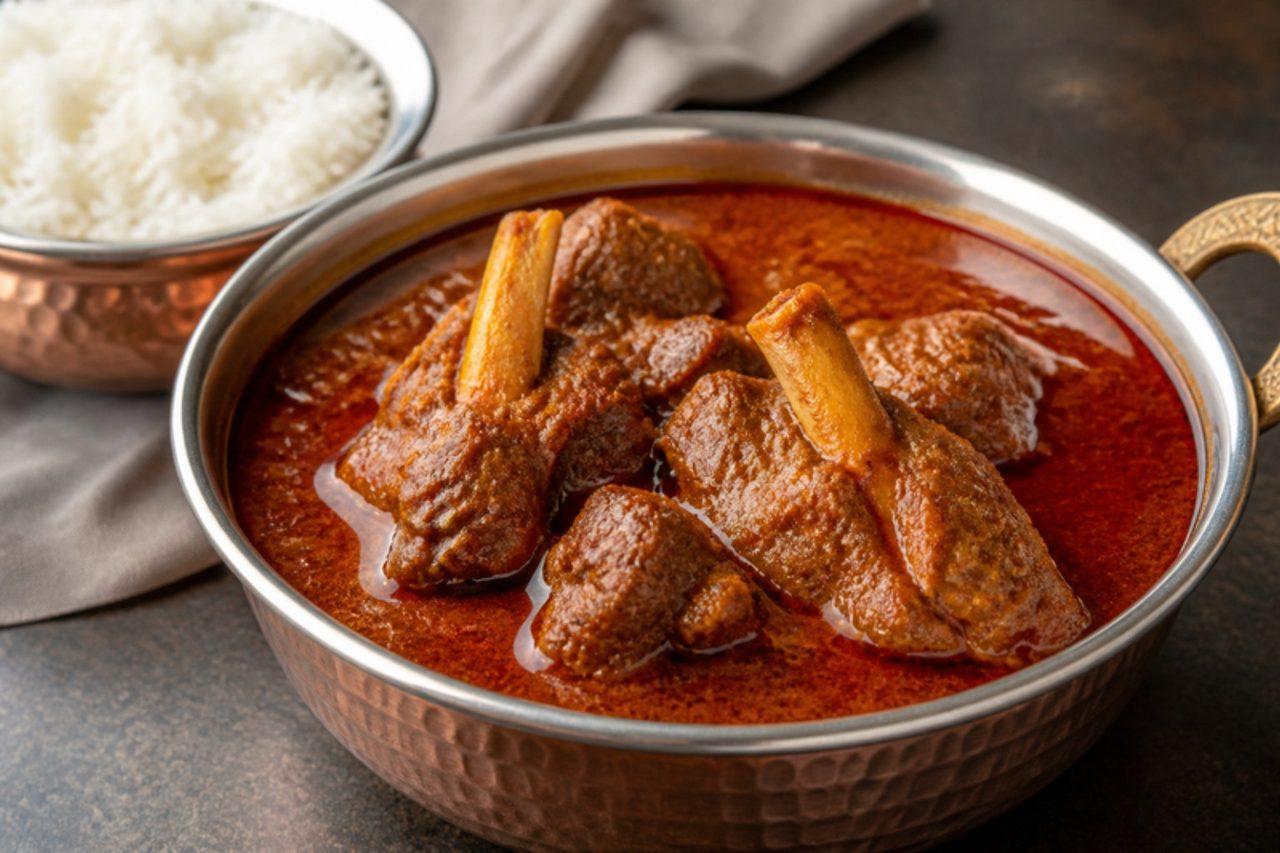
In the Kashmir Valley this deep-red lamb braise turns up at every wazwan, the multi-course wedding feast cooked by hereditary chefs, and on Sunday tables in Srinagar through the cold months. The Kashmiri Pandit version cooked here uses no onion, garlic or tomato: the colour comes from mild Kashmiri chillies, the warmth from ground fennel and dry ginger, and the body from yogurt cooked down until the fat rises red to the top (that red oil is the 'rogan'). Eat it with plain steamed rice, the Kashmiri way. Chef's tip: use bone-in shoulder or leg and give it time; the bones and slow simmer make the thick, glossy gravy, and boneless meat turns stringy before the sauce is ready.

120 minIndianMeatGluten freeSpicy
by KrazyBadal 0 views

Tocăniță de ciuperciMushroom stew

Tocăniță is the everyday stew of Romanian home cooking, and the mushroom version is a fixture of the Orthodox fasting days, when Transylvanian cooks use forest mushrooms gathered in the Apuseni hills and city cooks use button mushrooms from the market. Onions, garlic, tomato, white wine and thyme cook down into a thick, glossy sauce, without the sour cream and paprika of a Hungarian paprikás. It is always eaten with hot mămăligă and a spoon of the sauce over the top. Chef's tip: brown the mushrooms in batches in a hot pan; crowding them is the usual mistake, and they then stew grey in their own water instead of turning golden.

by KrazyBadal 0 views

Chocolat chaudThick hot chocolate

Paris's grand tearooms have served chocolat chaud since the 1800s, and it is nothing like a powdered cocoa drink: dark chocolate is melted into hot milk and cream until it is thick, glossy and rich enough to coat the cup. Parisians drink it in small cups on cold afternoons, often with a pot of whipped cream on the side and a pastry. It is also a winter treat at home after a walk. Use chocolate you'd enjoy eating. Chef's tip: keep the heat low and whisk; letting it boil is the common mistake and the chocolate can turn grainy and catch on the bottom.

by KrazyBadal 0 views

Chocolate babkaChocolate swirl loaf

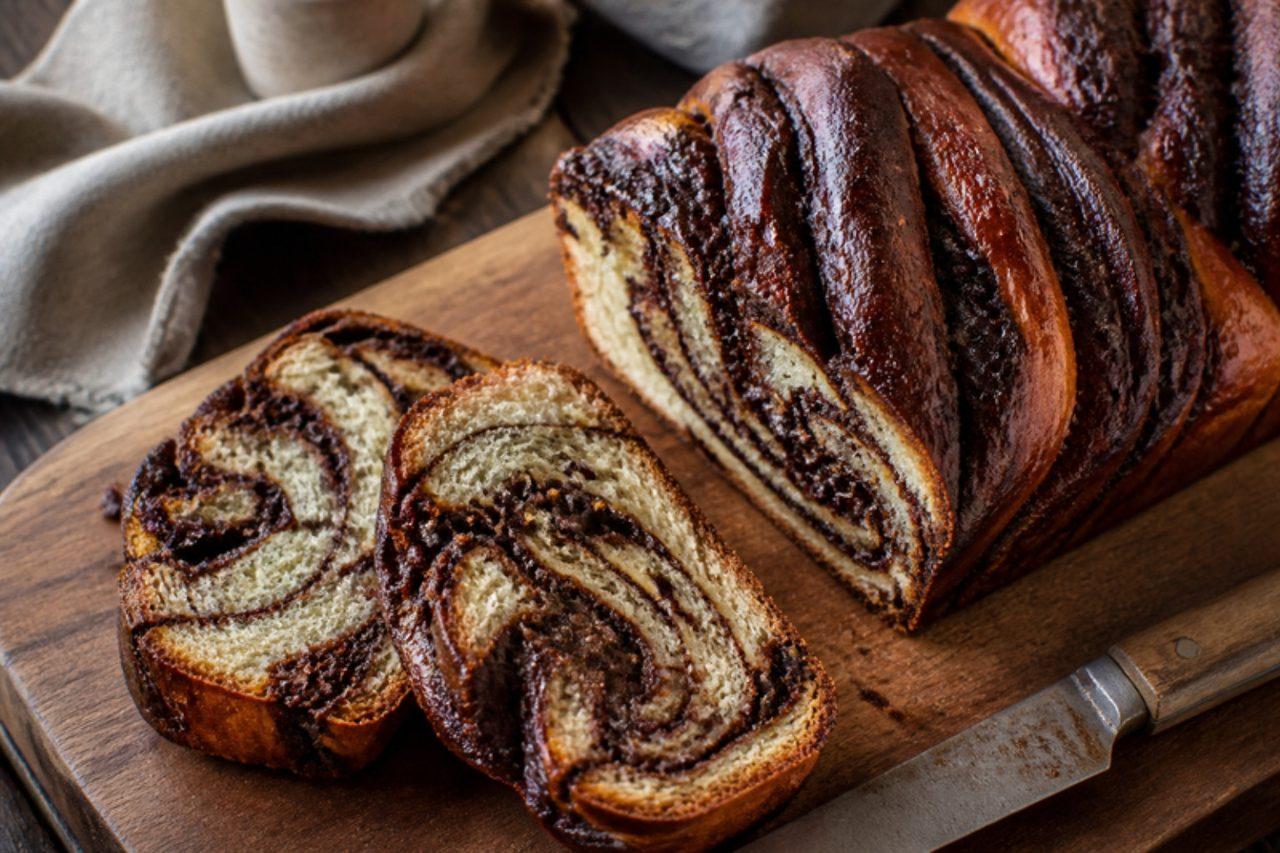
Babka grew from the sweet yeasted breads of Polish and Ukrainian Jewish kitchens, and Tel Aviv and New York bakeries turned it into today's showpiece: a rich, buttery dough rolled around dark chocolate, cut open lengthways and twisted so the layers show, then soaked in syrup as it leaves the oven. Israelis buy it for Shabbat afternoon coffee, and a slice keeps its gooey layers for days. It takes time but little skill: an overnight chill makes the soft dough easy to roll. Chef's tip: chill the dough overnight; cold, firm dough rolls thin and twists cleanly instead of smearing the chocolate.

by KrazyBadal 0 views

Tobago curry crab and dumpling

On Tobago, curry crab and dumpling is the dish people travel for, eaten with fingers on Sunday afternoons and sold at the Store Bay food huts near Crown Point, where a plate is half the reason to visit. Blue crabs are cleaned, rubbed with green seasoning, 'burnt' in curry and simmered in coconut milk until the shells turn red and the sauce goes rich, spicy and sweet with crab. Long, flat flour dumplings cook right in the gravy and soak it all up. It's messy, so have bowls for shells and plenty of napkins. Chef's tip: crack the claws lightly before they go in the pot, so the curry can get inside and the meat is easy to pull out at the table.

by KrazyBadal 0 views

Miso katsu (Nagoya pork cutlet with red miso sauce)

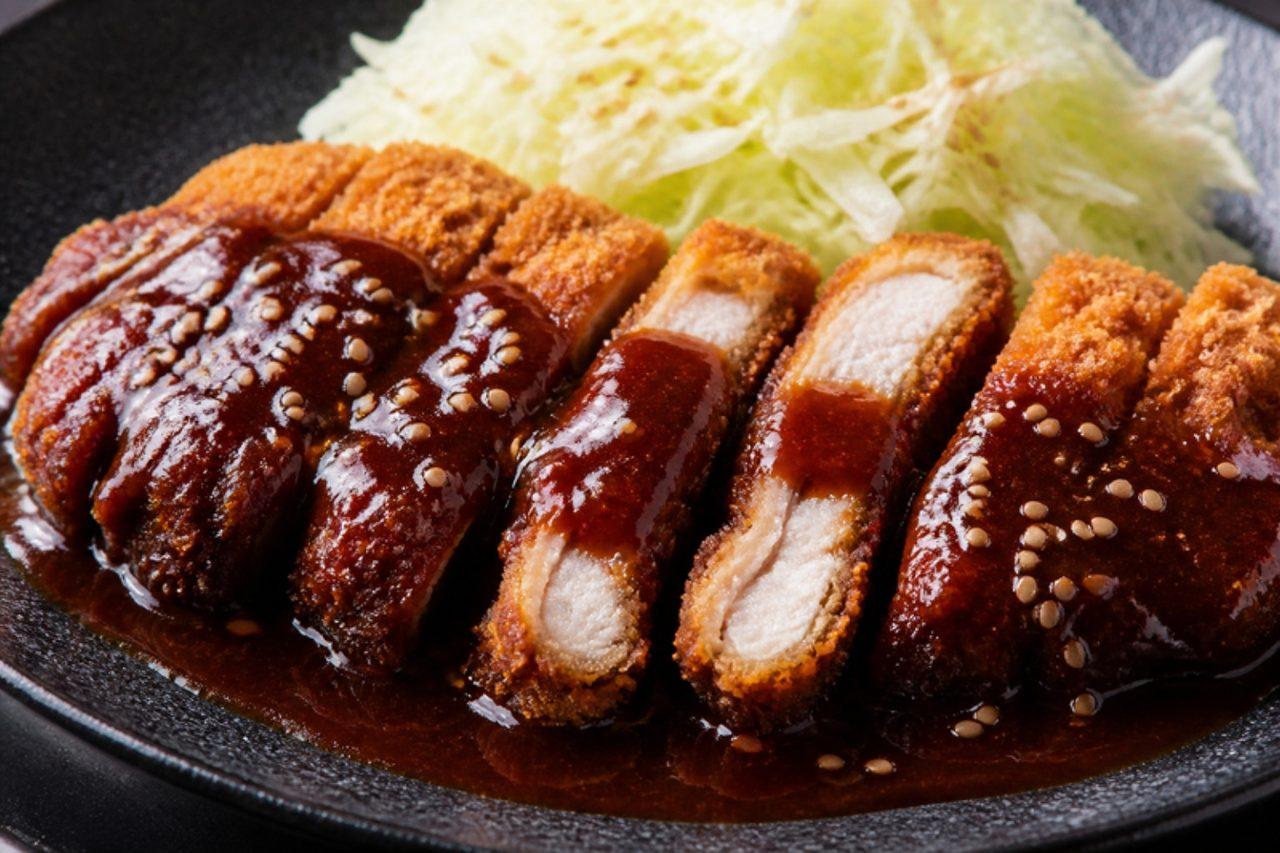
Dark soybean miso, such as the hatcho miso made in nearby Okazaki, gives Nagoya food its deep brown colour and rich, slightly bitter flavour. Miso katsu is the city's best-known way to use it: a fried pork cutlet covered in a thick, sweet miso sauce. It is served in lunch restaurants on a bed of shredded cabbage with rice and miso soup, or sliced over rice as a bowl. The sauce is glossy and savoury, a little like a darker, sweeter barbecue sauce. Chef's tip: snip through the strip of fat and sinew along the edge of each chop every 2 cm before coating it, so the cutlet stays flat in the oil and cooks evenly.

by KrazyBadal 0 views

Cape Malay koesistersSpiced syrup doughnuts

Koesisters are Cape Town's Sunday-morning ritual: in the Bo-Kaap and on the Cape Flats, families buy or make a batch to eat with tea after the week's work is done. They are nothing like the plaited, crunchy Afrikaner koeksister. These are soft, cake-like, oval dumplings flavoured with cinnamon, cardamom, ginger, aniseed and naartjie (tangerine) zest, fried, briefly boiled in a thin syrup and rolled in desiccated coconut. Chef's tip: fry them over a moderate heat so they cook through to a fluffy centre before the outside turns dark; they should be a rich brown, not black.

by KrazyBadal 0 views

Ghanaian light soup with goat

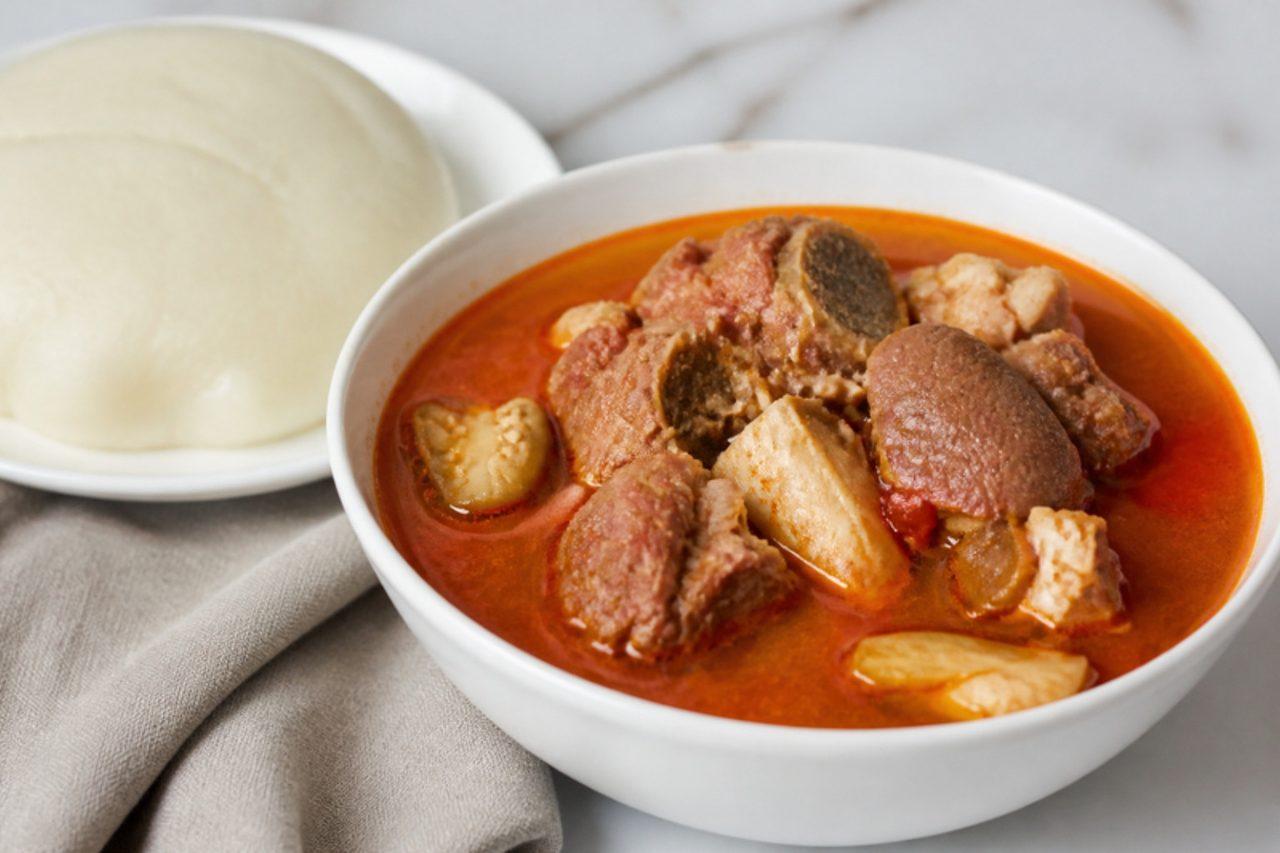
Light soup is the everyday soup of southern Ghana, cooked in Accra and Kumasi homes several times a week and served alongside fufu, omo tuo (rice balls) or banku, with each bite dipped in the hot broth. Goat meat is the favourite, though chicken light soup is just as common: use 1.2 kg of bone-in chicken pieces and cut the simmering time to 35 minutes. Tomatoes, onion, ginger and pepper are boiled whole with the meat, then blended and strained back in, so the soup is clear, bright orange and very peppery but never heavy. The usual mistake is skipping the straining step, which leaves the soup gritty with seeds and skins. Chef's tip: steam the goat in its seasoning with no water for the first 15 minutes; the meat flavours the whole soup from the inside.

by KrazyBadal 0 views

Nigerian meat pie

No Nigerian party, from a Lagos wedding to a child's birthday in Abuja, is complete without a tray of meat pies. Rich, crumbly short pastry is folded around a filling of minced beef, diced potato and carrot cooked with thyme and curry powder, crimped with a fork and baked golden. They are just as popular as a bakery snack with a cold drink. A common mistake is filling the pastry with hot or runny filling, which melts the butter and makes soggy pies; cool it and thicken it first. Chef's tip: keep the dough cold, and rest it in the fridge for 30 minutes before rolling so the pies stay short and flaky.

by KrazyBadal 0 views

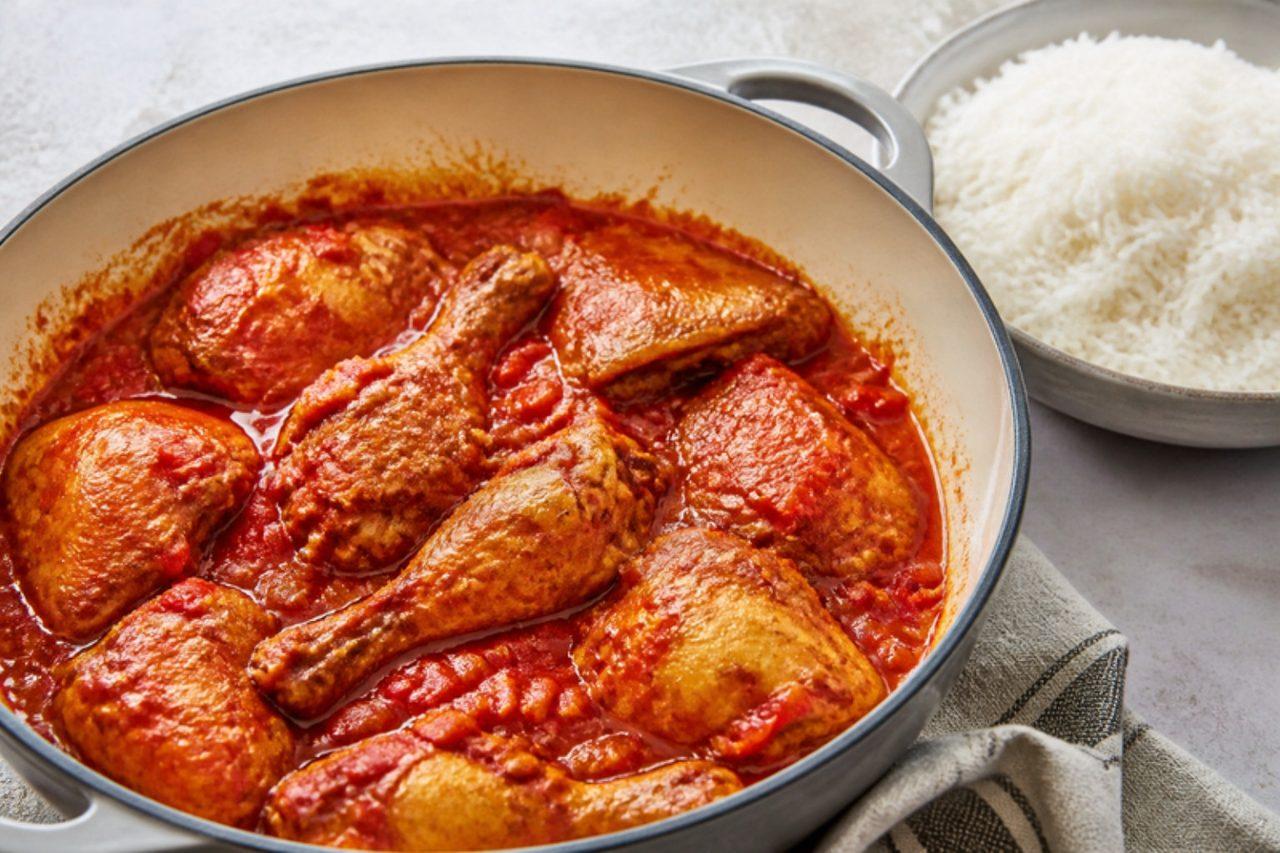
Nigerian chicken stew

Almost every Nigerian kitchen has a pot of this red stew in the fridge. Lagos households cook a big batch on Saturday and eat it all week over white rice, boiled yam, plantain or beans. Red bell peppers, tomatoes, scotch bonnet and onion are blended and fried in oil for a long time until the raw taste is gone and the oil rises to the top, then browned chicken goes in. The classic mistake is not frying the pepper base long enough; the stew tastes sour and raw if you rush it. Chef's tip: boil the chicken first with seasoning, then fry it before it goes into the stew, and use that seasoned stock in the sauce.

by KrazyBadal 0 views

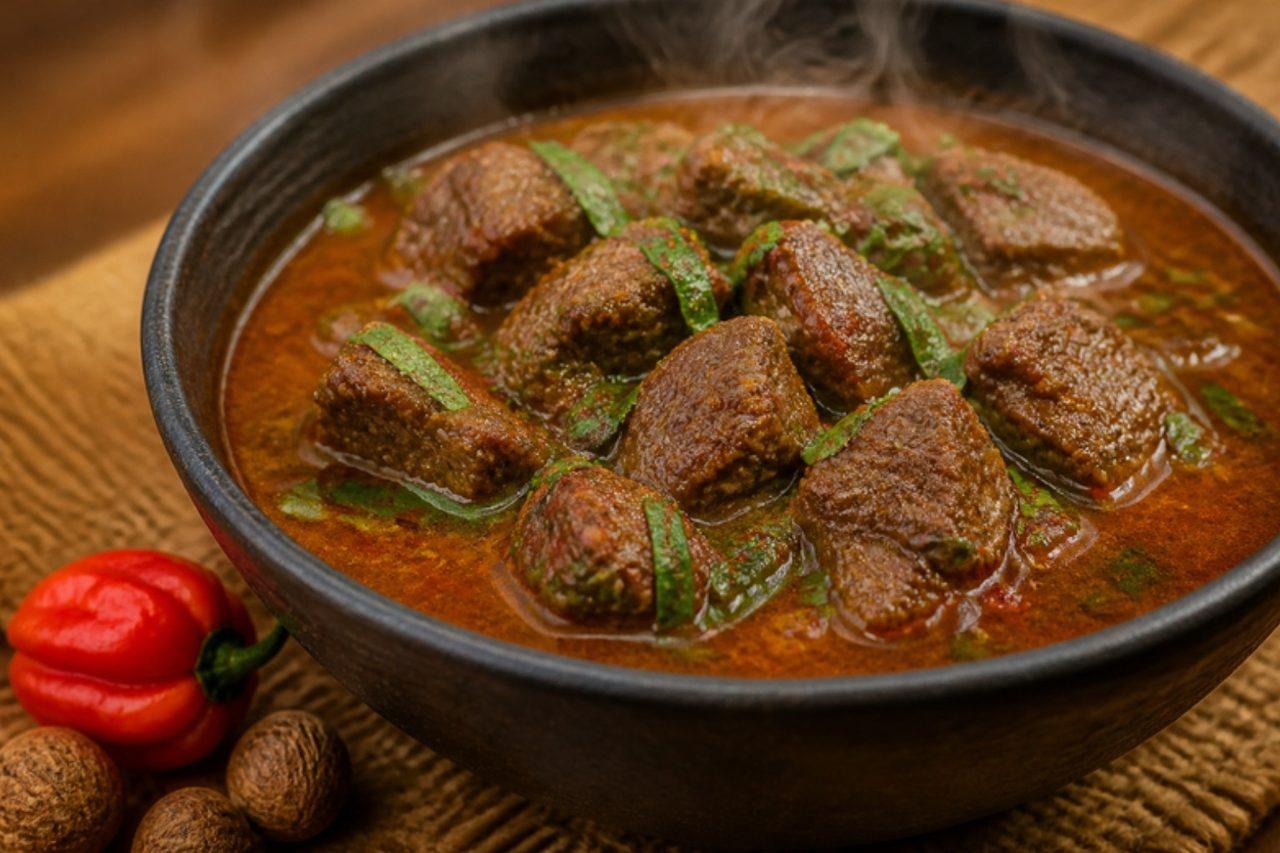
Goat meat pepper soup

Pepper soup is what Nigerians order at a bar on a Friday night, what a mother cooks for someone with a cold, and what a host puts out at every naming ceremony. Goat meat on the bone is simmered with pepper soup spice, a blend that usually includes calabash nutmeg (ehuru), alligator pepper and uda pods, plus scotch bonnet and scent leaf, into a thin, fiery, deeply aromatic broth. Catfish pepper soup is the other favourite: add 800 g of catfish steaks for the last 15 minutes instead of the goat. The usual mistake is boiling the goat hard, which makes it tough; it needs a gentle simmer. Chef's tip: toast the whole spices in a dry pan for a minute before grinding, and the broth smells twice as strong.

by KrazyBadal 0 views

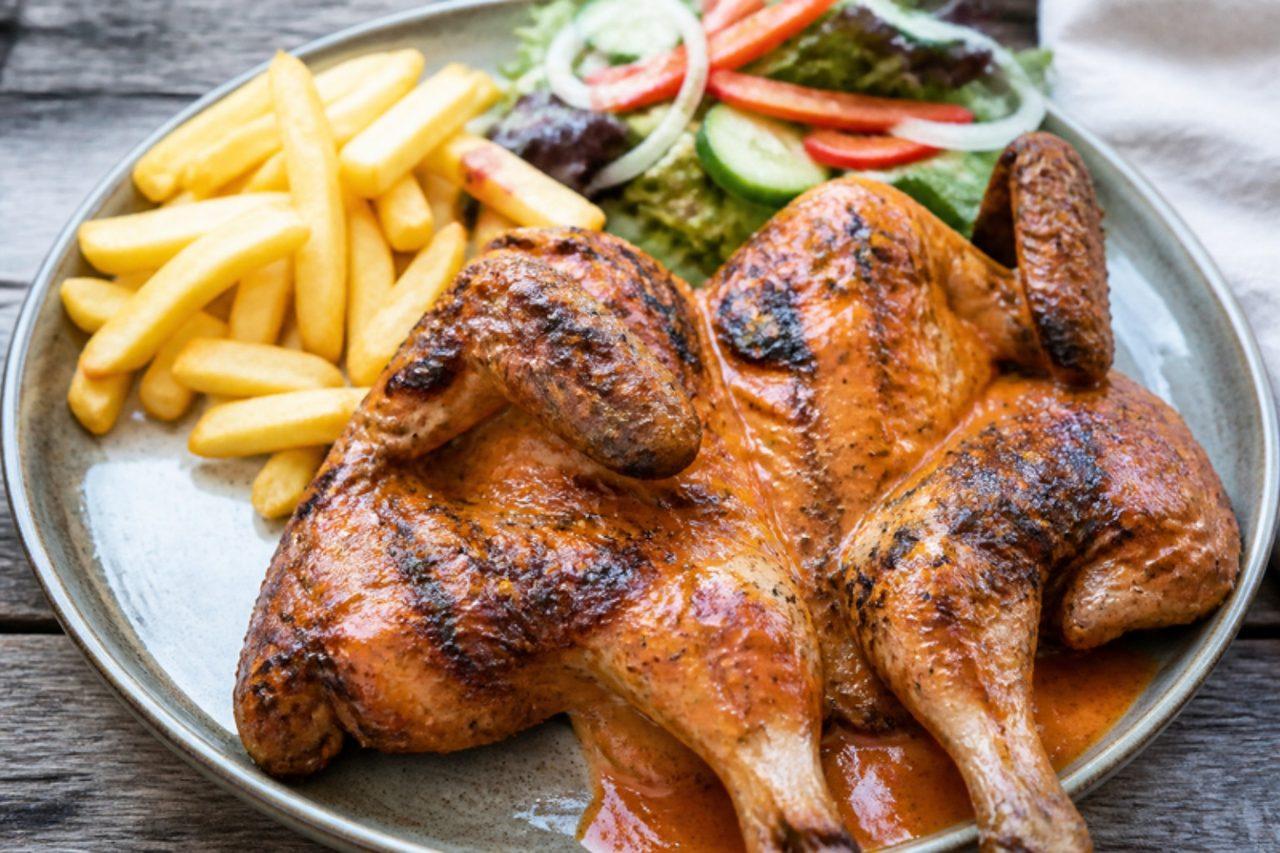
Frango piri-piri

Guia, a small inland village in the Algarve, is famous across Portugal for its churrasqueiras, where flattened chickens are grilled over charcoal and painted with fiery piri-piri sauce; families drive out on summer evenings just to eat it. The bird marinates in a blend of small hot chillies, garlic, lemon, paprika and olive oil, then grills until the skin is blistered and the meat juicy. Serve with chips, rice or a tomato salad, and extra sauce for brave diners. Chef's tip: keep back some of the sauce before it touches the chicken; that fresh portion is for basting and the table.

by KrazyBadal 0 views

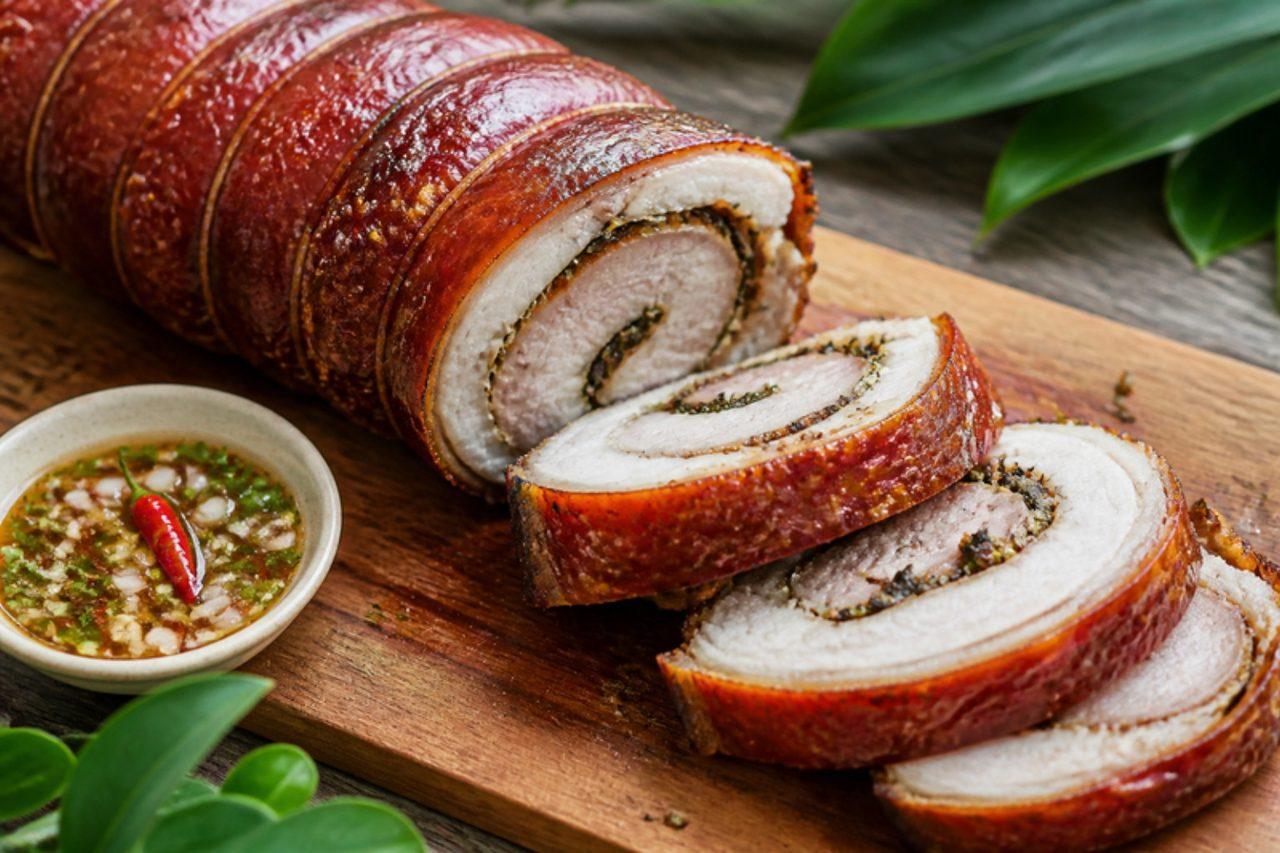
Cebu-style lechon belly

Cebu claims the best lechon in the Philippines, and its whole roast pigs are stuffed with lemongrass, garlic and spring onion so the meat needs no sauce. Lechon belly (lechon belyo) brings that flavour to a home oven: a slab of pork belly is rolled around the same herbs, tied, and roasted slowly, then blasted with heat until the rind turns to crackling. It is the centrepiece for Cebuano fiestas, Christmas and big birthdays, carved at the table and eaten with rice and a little spiced vinegar. Chef's tip: score only the meat side, never the skin, and dry the rind in the fridge overnight; an unbroken, dry skin crackles evenly.

250 minFilipinoMeatGluten free
by KrazyBadal 0 views

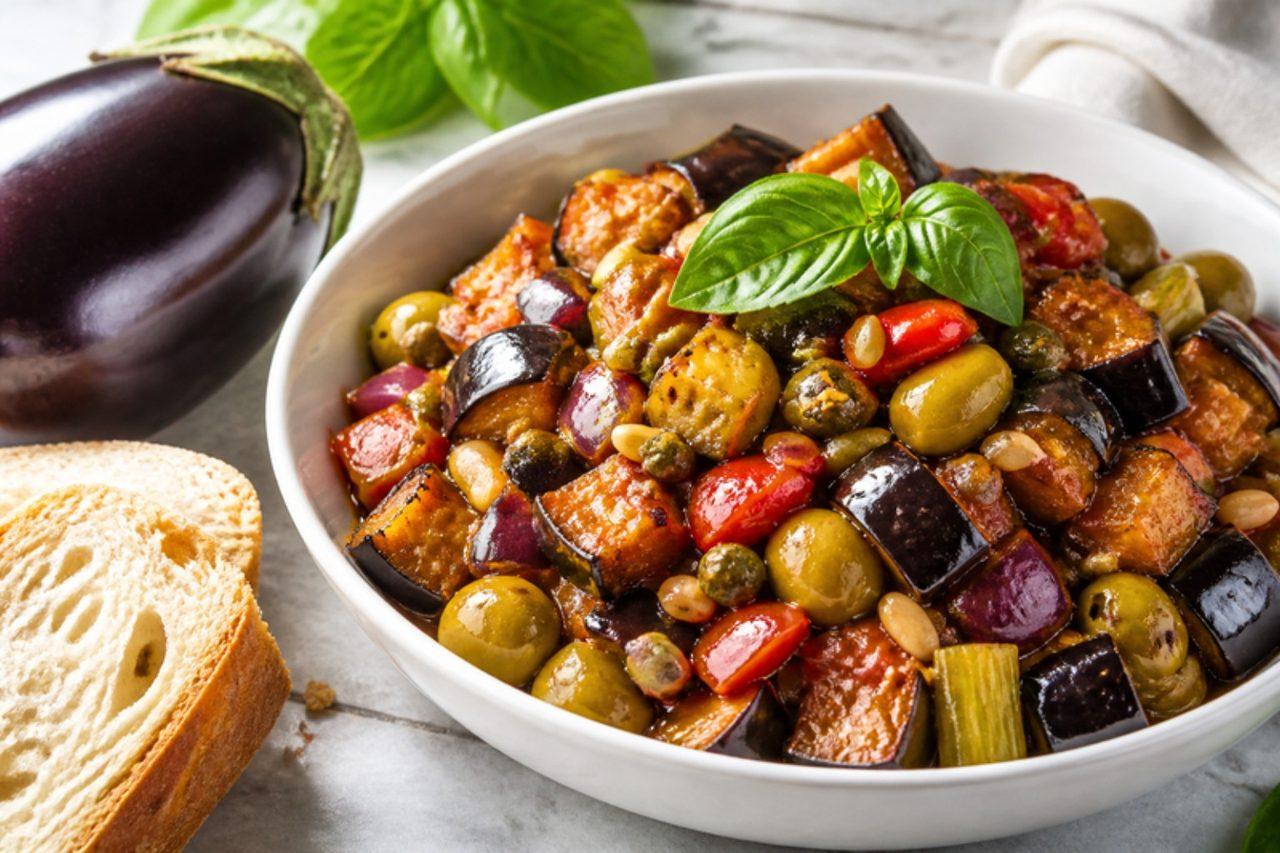
CaponataSweet and sour aubergine stew

Caponata is the agrodolce dish of Sicily: cubes of fried aubergine, crisp celery, green olives and capers in a glossy tomato sauce sharpened with vinegar and softened with a little sugar. Palermo families keep a bowl in the fridge through late summer and eat it at room temperature as an antipasto, a side or on bread, and many say it is best on the second day. The sweet-sour balance shows the Arab influence on Sicilian cooking. Chef's tip: blanch the celery for 2 minutes before frying; it keeps a pleasant crunch without tasting raw.

by KrazyBadal 0 views

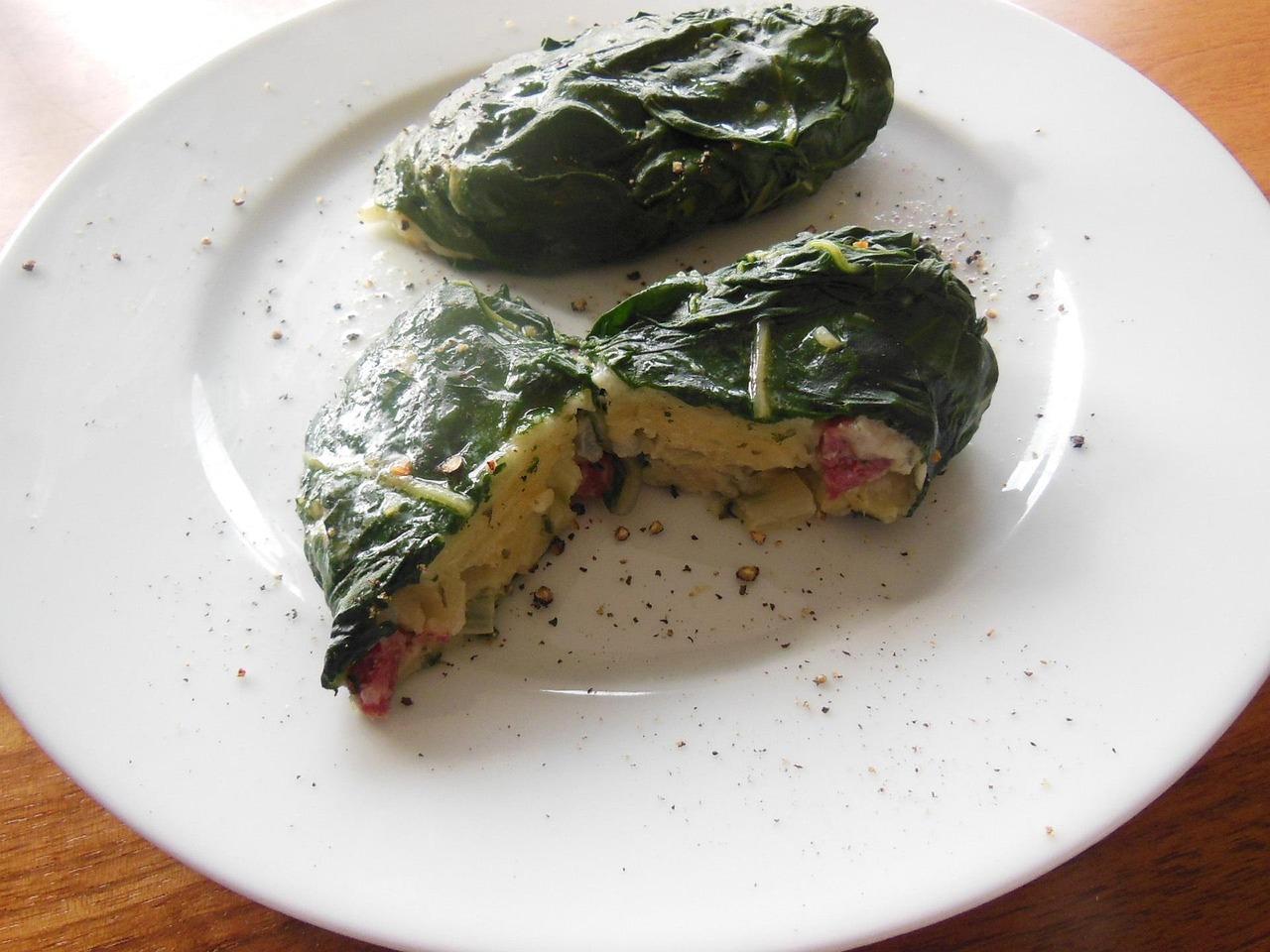
CapunsChard parcels of herby dough

Capuns come from the valleys of Graubünden, where every village in the Surselva and Engadin has its own way of making them, and they are cooked on cold evenings and for festivals in mountain inns. A soft spätzle batter flavoured with herbs and little cubes of air-dried salsiz sausage and bacon is wrapped in chard leaves, then the parcels are poached in a mixture of milk and stock and finished with butter and grated mountain cheese. The salsiz and bacon are pork. Most first attempts fail because the dough is too runny to wrap; it should drop slowly off a spoon, like very thick porridge. Chef's tip: dip the chard leaves into boiling water for just 10 seconds so they turn supple enough to roll without tearing.

80 minSwissMeat
by KrazyBadal 0 views

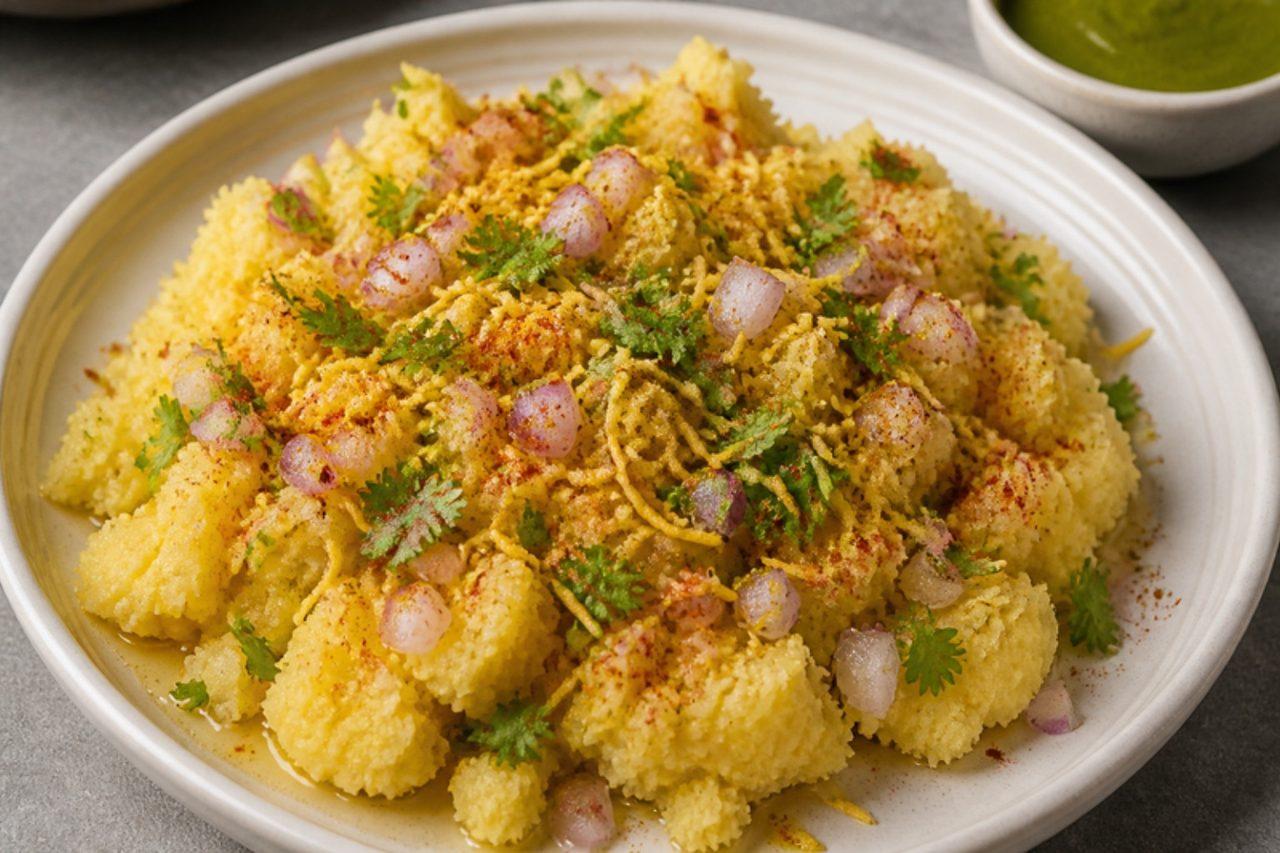
Surti lochoSteamed chana dal batter snack

Locho is a breakfast street snack from Surat in Gujarat. The story goes that a batch of khaman went wrong and came out soft and mushy, and people liked it so much it became a dish of its own; 'locho' means a muddle. A fermented batter of chana dal is steamed until just set and scooped out in soft, spoonable heaps, then drizzled with oil and showered with a spicy locho masala, raw onion, coriander and sev. It's eaten hot with green chutney and a sweet-sour tamarind sauce. Chef's tip: steam it in a shallow layer and take it off as soon as a knife comes out sticky but not wet; locho should be just set and wobbly, and over-steamed it turns into a dull khaman.

by KrazyBadal 0 views

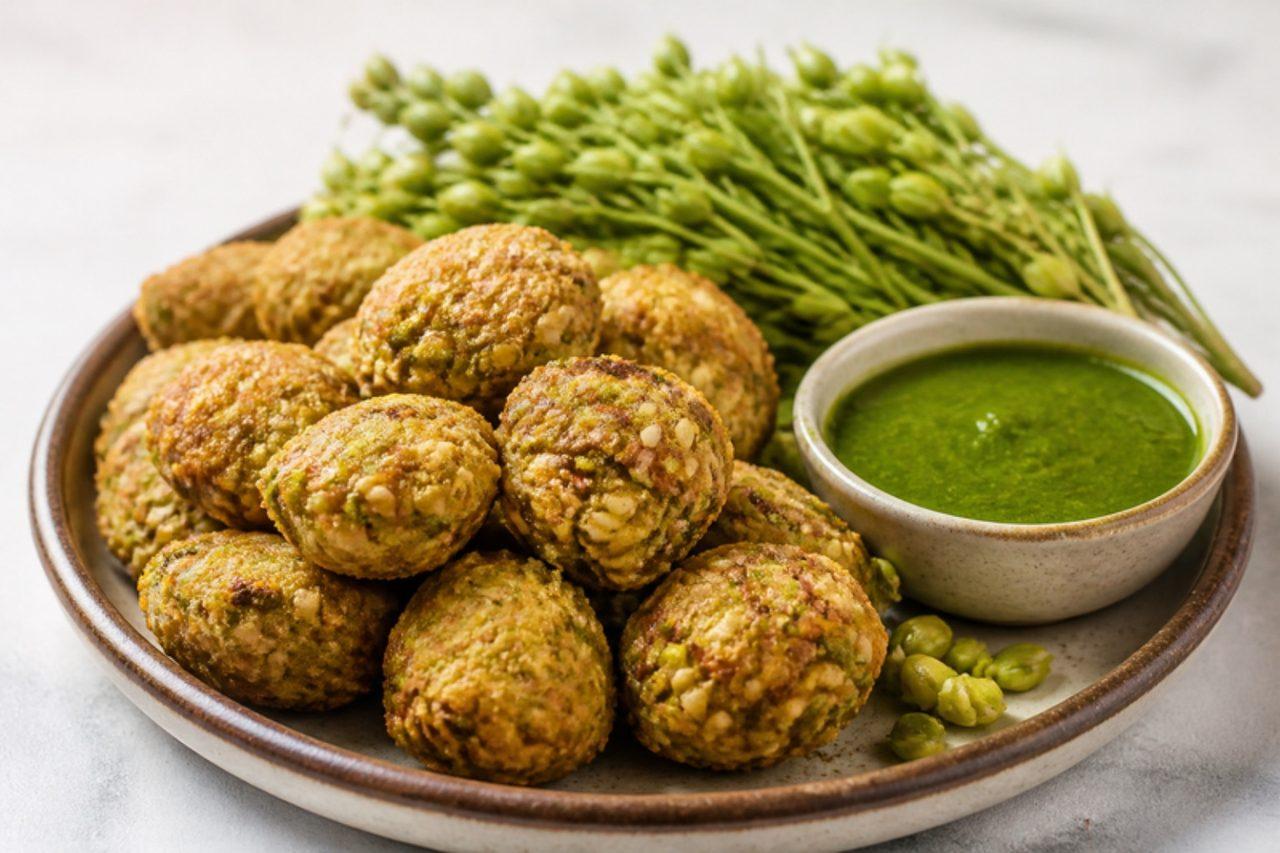
Surti ponk vadaGreen sorghum fritters

Every December and January, farms around Surat roast bundles of young green jowar heads over embers and thresh out ponk, soft, sweet, pale-green grains that last only a few weeks. Surtis turn the trip into a picnic, eating ponk by the handful with lemon-pepper sev and garlic chutney, then frying the leftovers into these crunchy vada. The grains are crushed coarsely with chilli and ginger, bound with a little gram and rice flour, and fried until the outside is lacy and crisp while the inside stays tender and grassy-sweet. Look for frozen ponk in Gujarati grocers outside the season. Chef's tip: crush the ponk only roughly; whole grains popping through the crust is what makes these vada special.

by KrazyBadal 0 views

Carciofi alla romanaBraised artichokes with mint

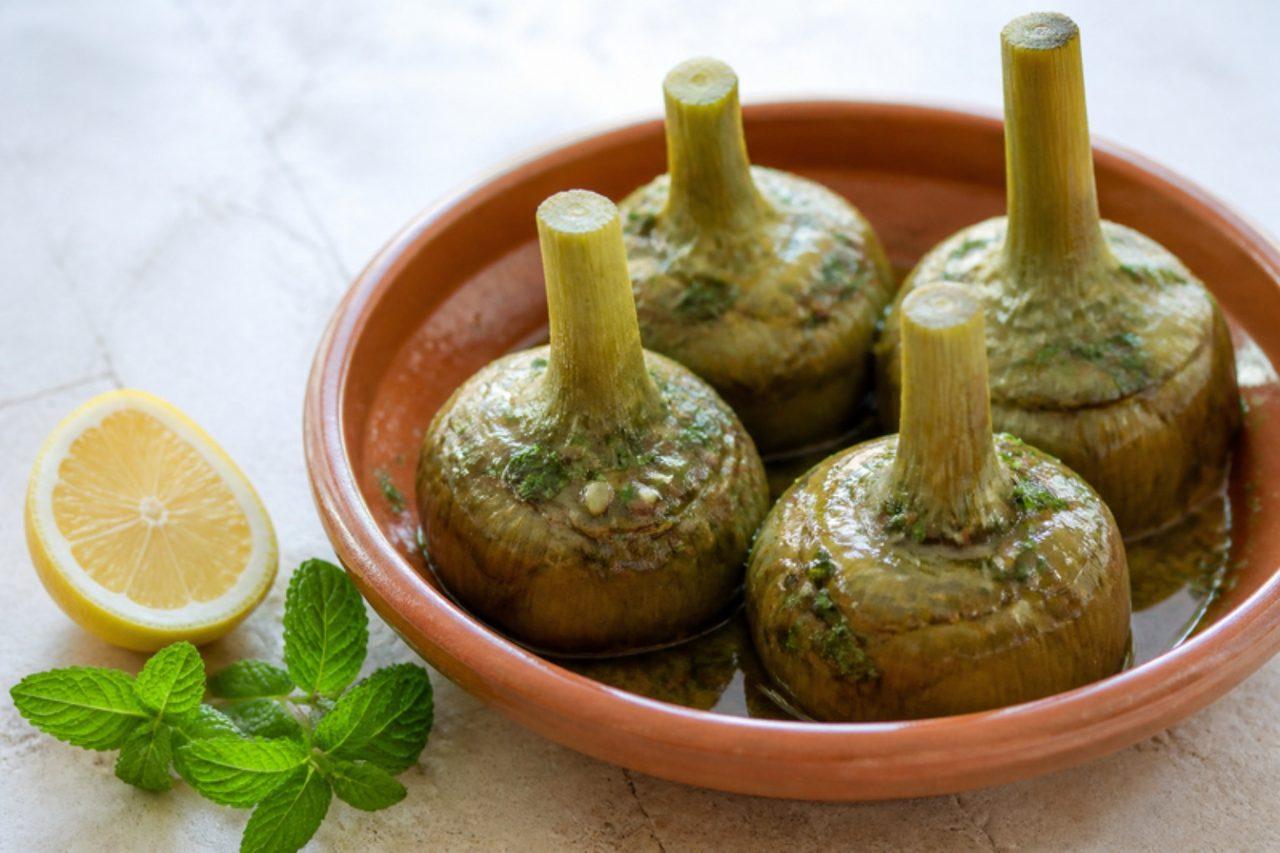
Every spring, from February to April, Roman market stalls pile up round, thornless romanesco artichokes (cimaroli), and trattorie serve them alla romana: stuffed with wild mint, parsley and garlic and braised stem-up in oil and water until meltingly soft. They are eaten warm or at room temperature as a contorno, often next to their crisp cousins, carciofi alla giudia. Any large globe artichoke works at home. Chef's tip: braise them upside down, stems in the air and tightly packed, so the hearts sit in the liquid and the stems steam to the same tenderness.

by KrazyBadal 0 views

Showing 18 of 7,762 recipes

Show more recipes

Page 587 of 863