


Skip to content
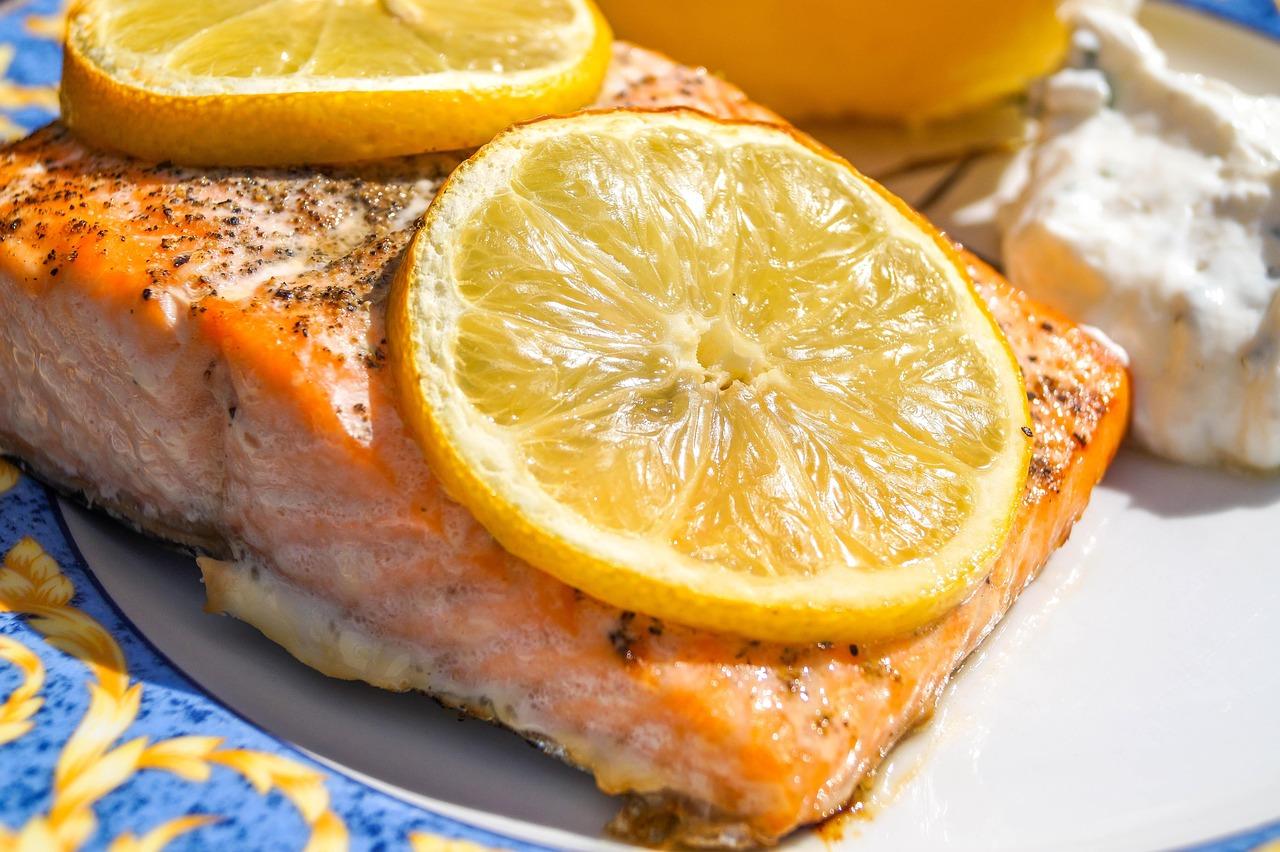
Lemon garlic baked salmon
Featured recipe

Lemon garlic baked salmon

The easiest way to cook salmon perfectly: a hot oven, a quick lemon-garlic butter and 12 minutes. Serve with new potatoes and greens, or flake it over rice.

Read more 0 views

What to eat today?

Around the world

Today's trip: Paraguayan

A new country every day, from every cuisine on the site.

Paraguayan

Buseca

Tripe and white bean stew 185 minMore from Paraguayan (27) →

This week's collection

Kid-friendly dinners
537 recipes · a new collection every Monday

Latest recipes

Nem ran (Hanoi fried spring rolls)

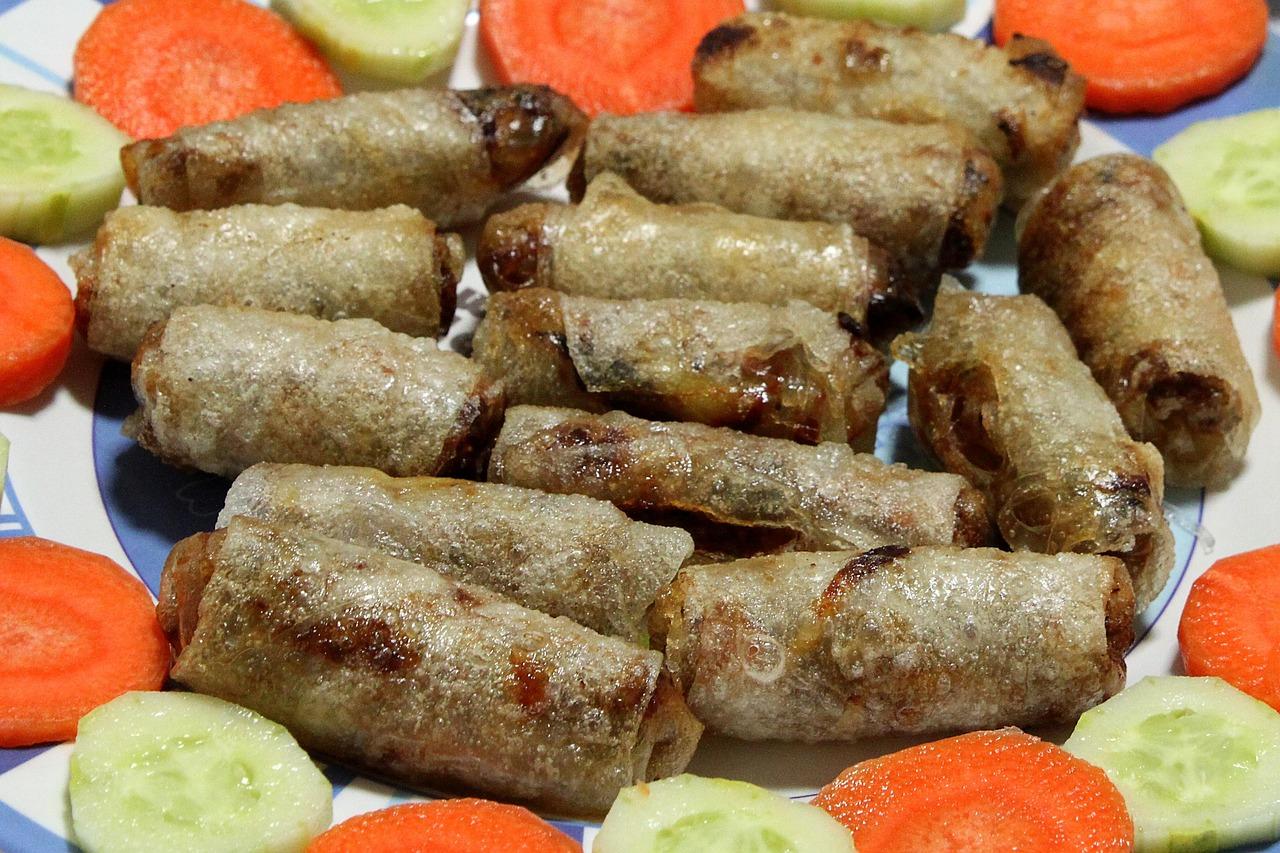
At Tết, the lunar new year, a plate of nem rán sits on almost every family feast tray in Hanoi and the north, and the same rolls turn up at weddings, death anniversaries and Sunday lunches all year. Northern cooks wrap a filling of minced pork, crab or prawn, glass noodles and wood ear mushroom in thin rice paper, which fries into a pale golden, bubbly shell quite different from wheat-wrapped spring rolls. Southerners call the same idea chả giò. Serve them cut in pieces with rice vermicelli, lettuce, herbs and a warm sweet-sour fish sauce. Chef's tip: fry them twice, first gently to cook the filling through, then briefly in hotter oil to crisp; they stay crunchy far longer.

by KrazyBadal 0 views

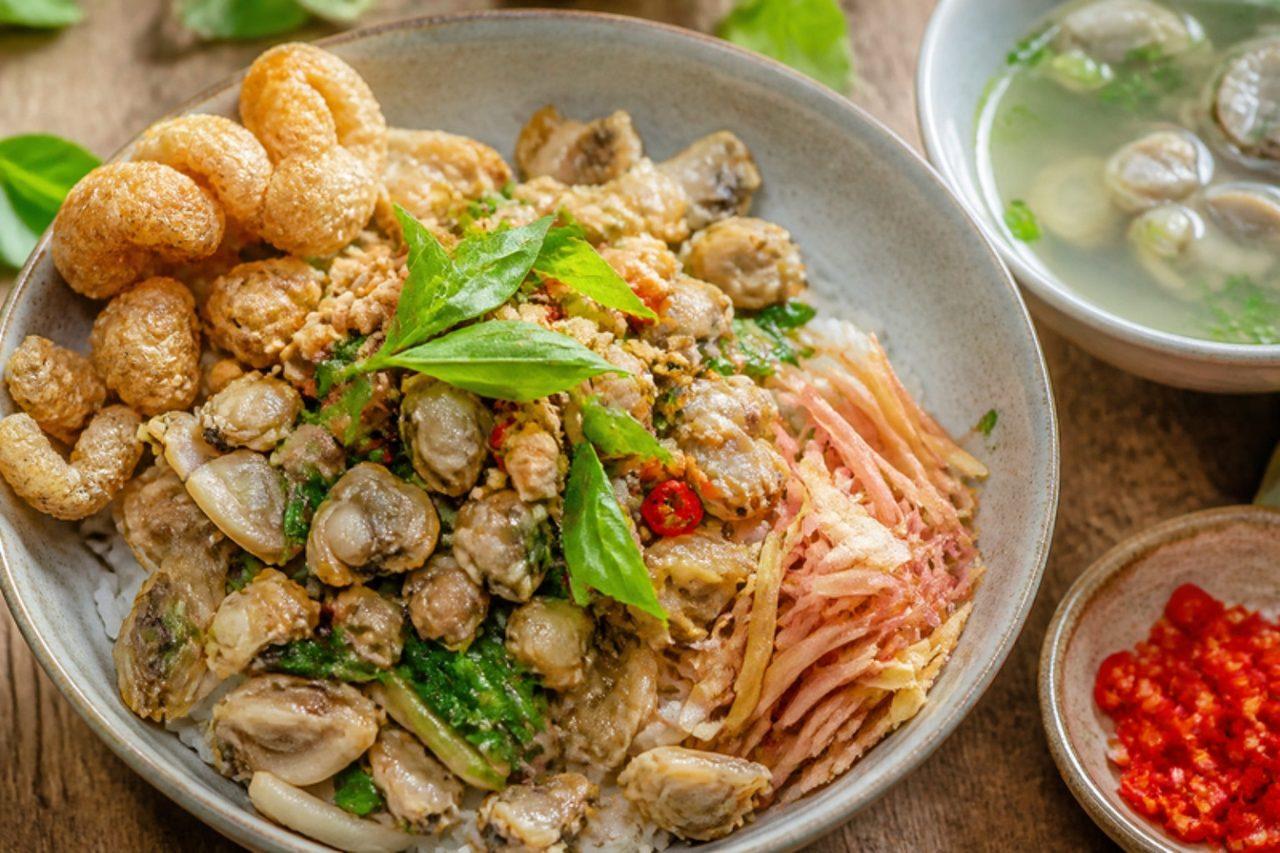
Com hen (Hue baby clam rice)

Cơm hến began as a cheap meal of the boat people around Cồn Hến, an islet in the Perfume River in Huế, and it is still sold for breakfast and as an afternoon snack from tiny stalls across the city. Room-temperature rice is topped with stir-fried baby clams, crunchy pork crackling, roasted peanuts, toasted rice cracker and a heap of raw herbs and greens, then splashed with hot clam broth and plenty of chilli. Huế cooks use tiny river clams; at home, choose the smallest clams you can find, such as baby or Manila clams. The mix of cool and hot, crisp and soft, is the whole point. Chef's tip: keep the rice cool and the broth boiling hot right up to the moment you pour it.

by KrazyBadal 0 views

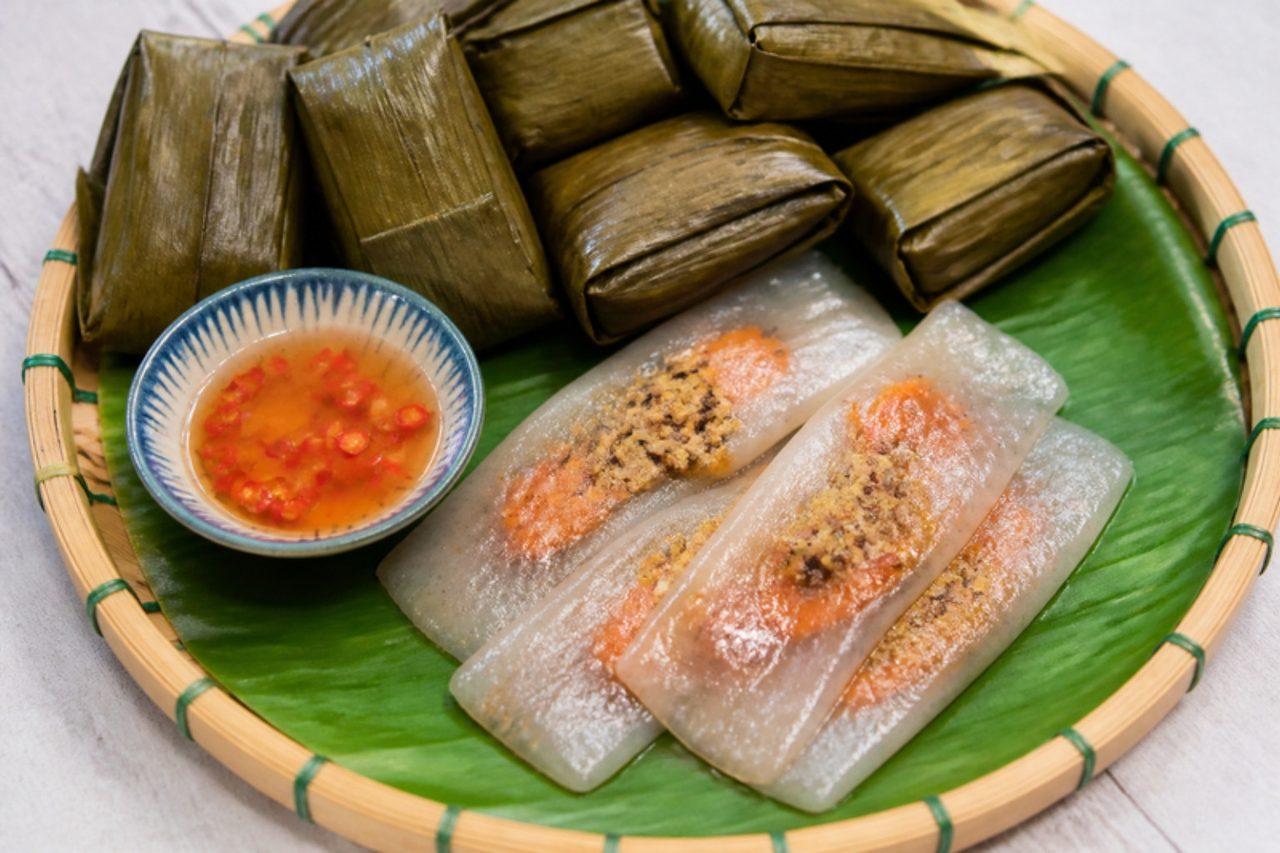
Banh nam (Hue rice cakes in banana leaf)

Market women at Đông Ba in Huế sell bánh nậm by the stack, still warm in their banana-leaf wrappers, as one of the city's many little afternoon cakes. A soft rice-flour paste is spread thin on a leaf, sprinkled with a savoury filling of prawn and pork, folded flat into a neat parcel and steamed. Unwrapped, the cake is silky, almost translucent, and you eat it straight off the leaf with a spoonful of sweet chilli fish sauce. It is often served on the same plate as bánh bột lọc and bánh ít for a mixed snack. Chef's tip: soften the banana leaves in hot water or over a flame first and brush them with oil; dry leaves split and the paste sticks.

by KrazyBadal 0 views

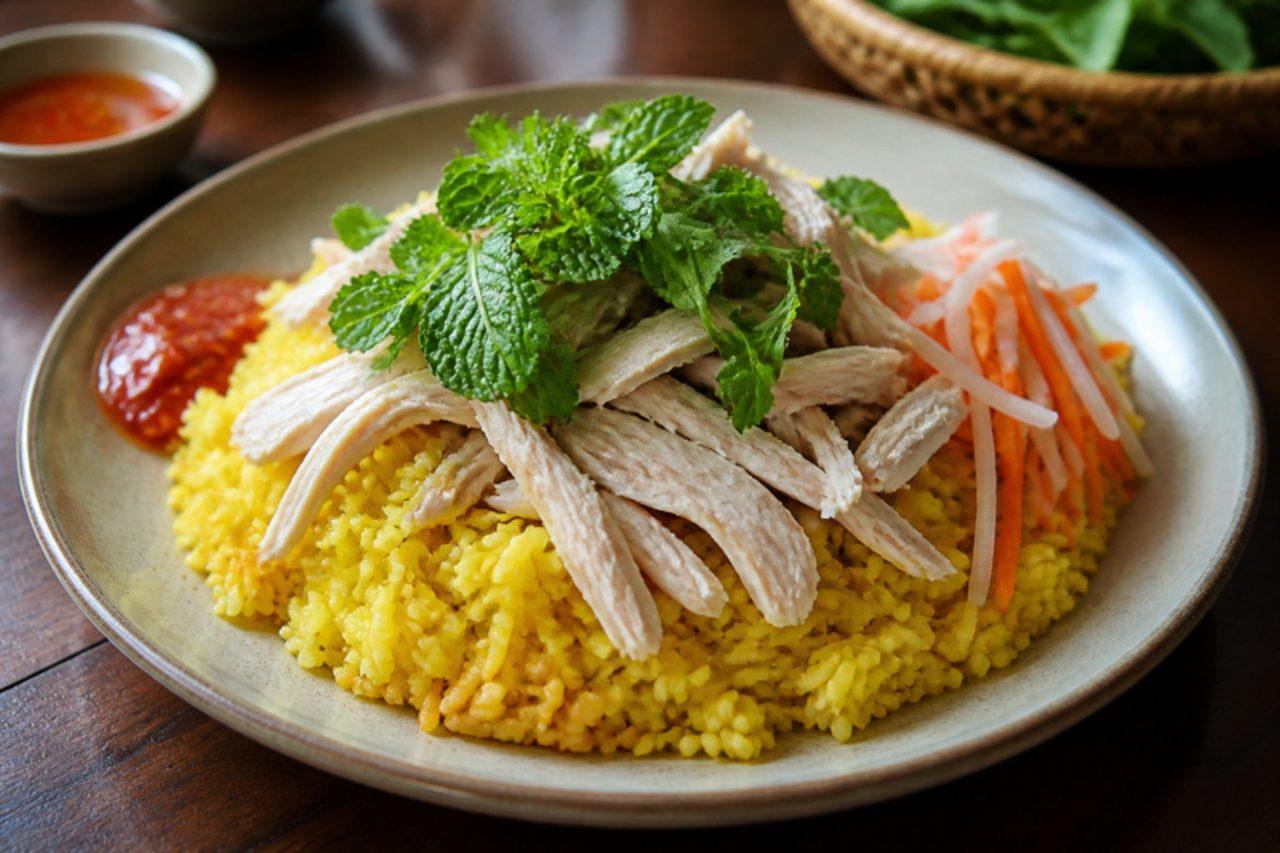
Com ga Hoi An (turmeric chicken rice)

Lunchtime in the old town of Hội An means cơm gà: small eateries near the river pile plates high with yellow rice and shredded chicken from late morning until it runs out. The rice is fried with garlic and chicken fat, coloured with turmeric and cooked in the poaching stock, so every grain tastes of chicken. On top goes chicken pulled into strips and tossed with sliced onion, Vietnamese coriander, lime and pepper, plus a spoon of chilli sauce and a little pickled papaya. A small bowl of the clear broth comes alongside. Chef's tip: plunge the poached chicken into iced water for 5 minutes; it stops the cooking and keeps the meat juicy and the skin firm.

by KrazyBadal 0 views

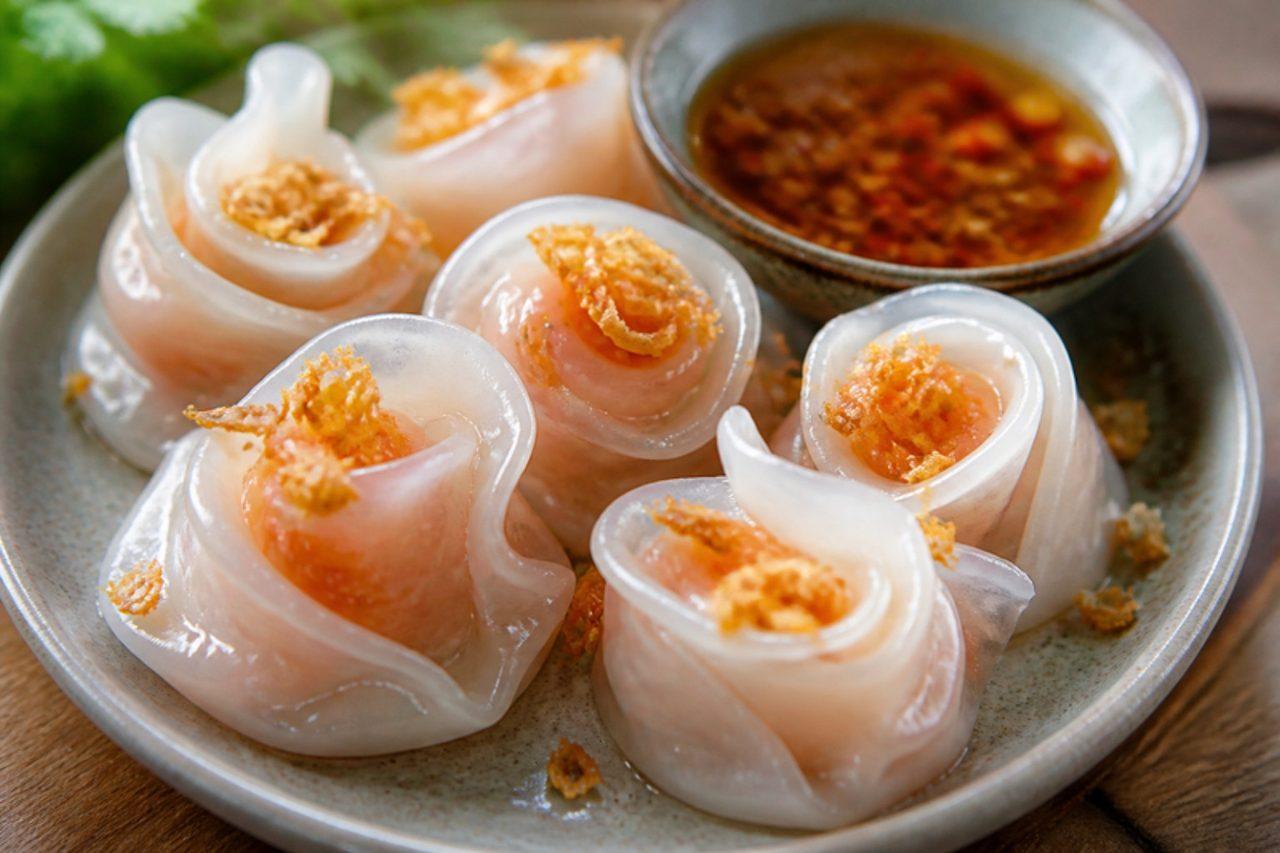
White rose dumplings (banh bao banh vac)

Restaurants all over Hội An serve 'white rose' dumplings as a starter, and much of the town's supply is said to come from a single family workshop that has made them for decades. The wrapper is a thin, glassy rice-flour dough, pinched up around a pounded prawn filling so that each dumpling looks like an open flower, and the plate is finished with crisp fried shallots and a light, sweet chilli-fish-sauce dip. They are delicate and fiddly, but shaping becomes quick after the first dozen. This home version adds a little pork to the prawn for juiciness. Chef's tip: keep the dough under a damp cloth the whole time; even a few minutes in the air makes it crack when you pinch it.

by KrazyBadal 0 views

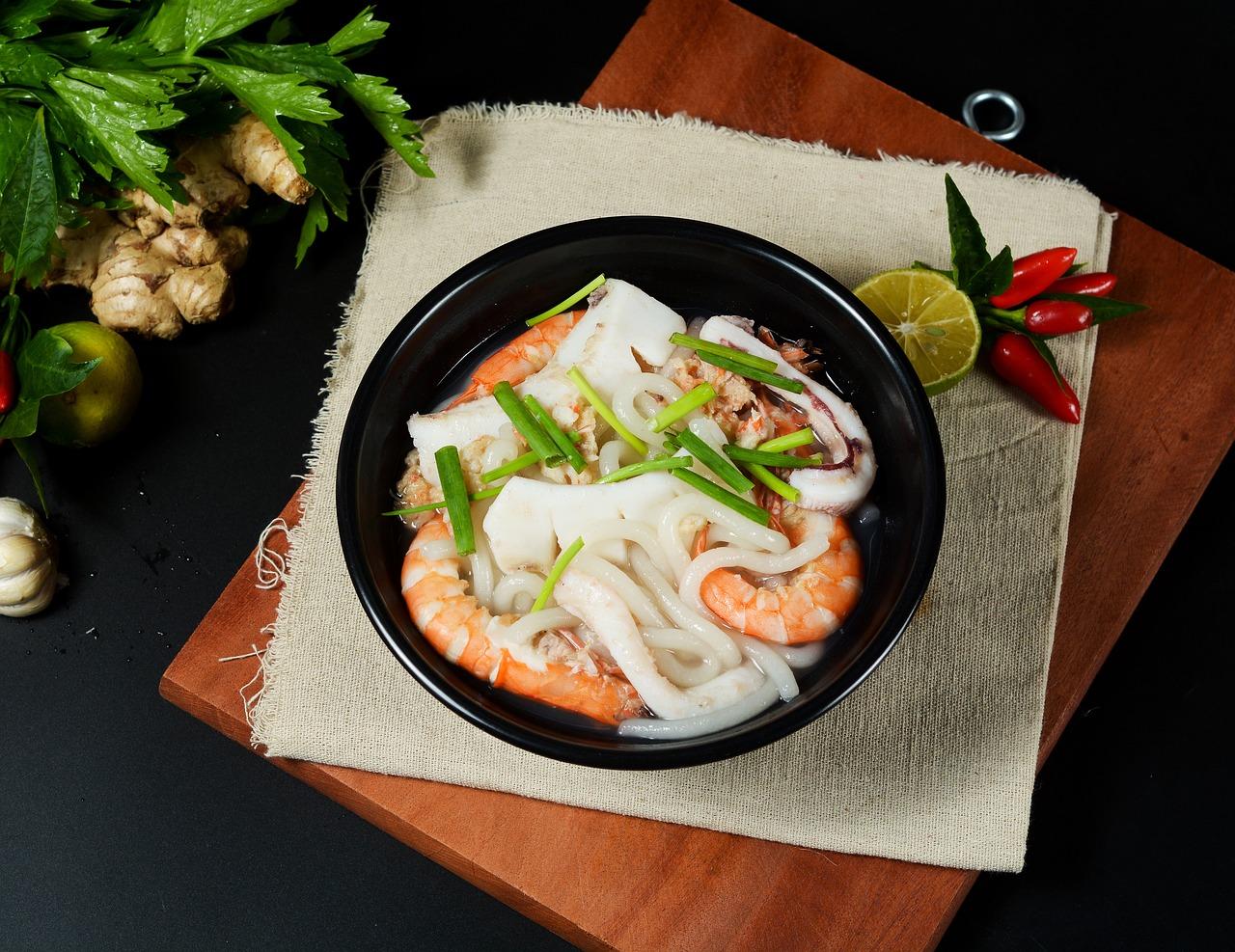
Banh canh cua (crab noodle soup)

Saigon's bánh canh cua is a late-afternoon and evening soup, sold from street stalls and small shops where the pots of red-orange broth sit beside trays of crab claws, prawns and quail eggs. The noodles are thick, round and bouncy, made with tapioca or a mix of tapioca and rice flour, and the broth is thickened slightly so it clings to them. Crab meat sautéed with shallots and annatto colours the soup and gives it its sweet, rich taste. Fresh bánh canh noodles are sold chilled in Asian shops; thick udon is a fair stand-in. Chef's tip: stir the crab meat in the annatto oil for only a minute so it stays in big, sweet lumps.

by KrazyBadal 0 views

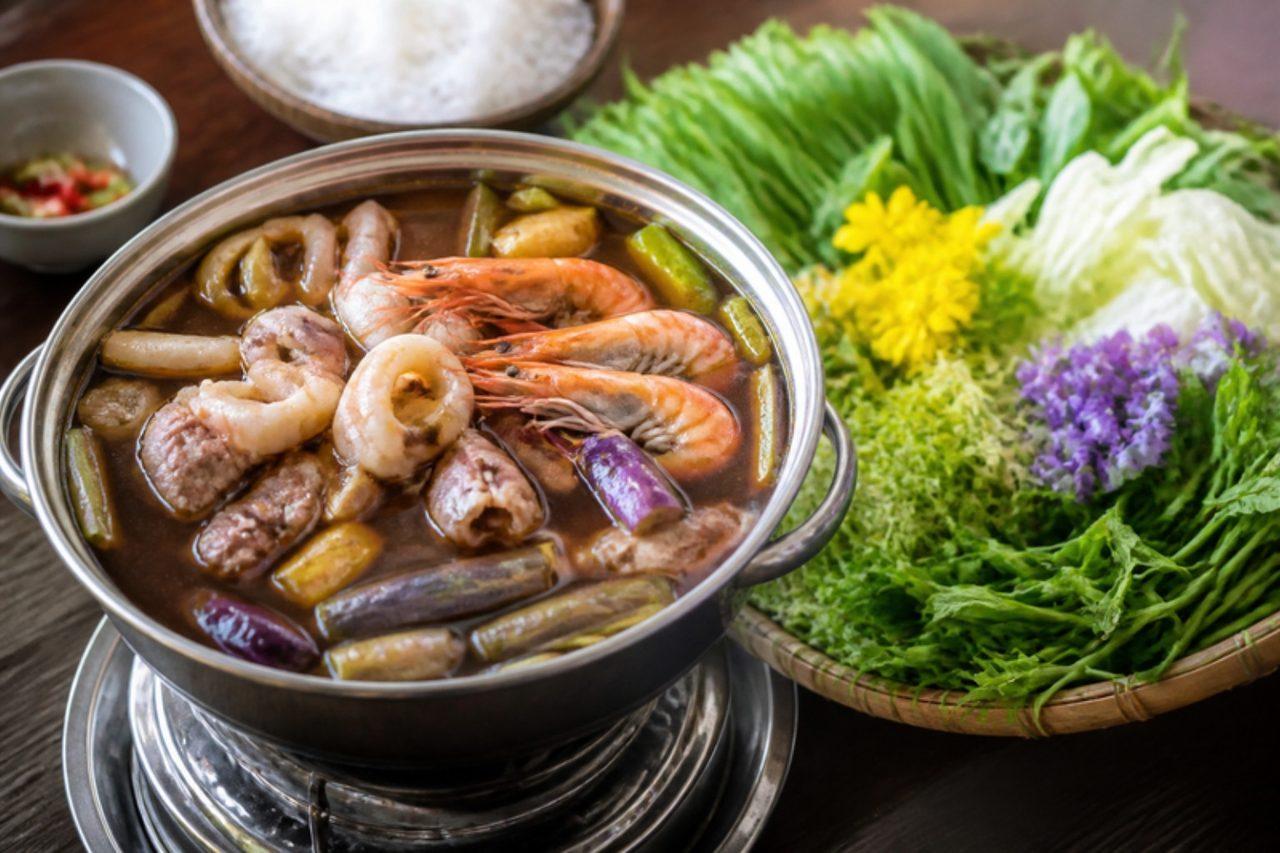
Lau mam (Mekong fermented fish hotpot)

In Cần Thơ and Sóc Trăng, lẩu mắm is the hotpot friends gather round at weekends, and it is at its best in the flood season, when wild greens, water lily stems and yellow sesbania flowers fill the markets. The broth starts from mắm, fish fermented with salt and roasted rice, which is simmered and strained, then softened with coconut water, lemongrass and a little sugar. Everyone cooks their own slices of pork belly, fish, prawns and squid at the table and eats them with rice noodles and whatever vegetables are piled beside the pot. Buy mắm cá linh or mắm cá sặc in jars from a Vietnamese grocer. Chef's tip: add the strained mắm gradually and taste as you go, because jars vary a lot in saltiness.

by KrazyBadal 0 views

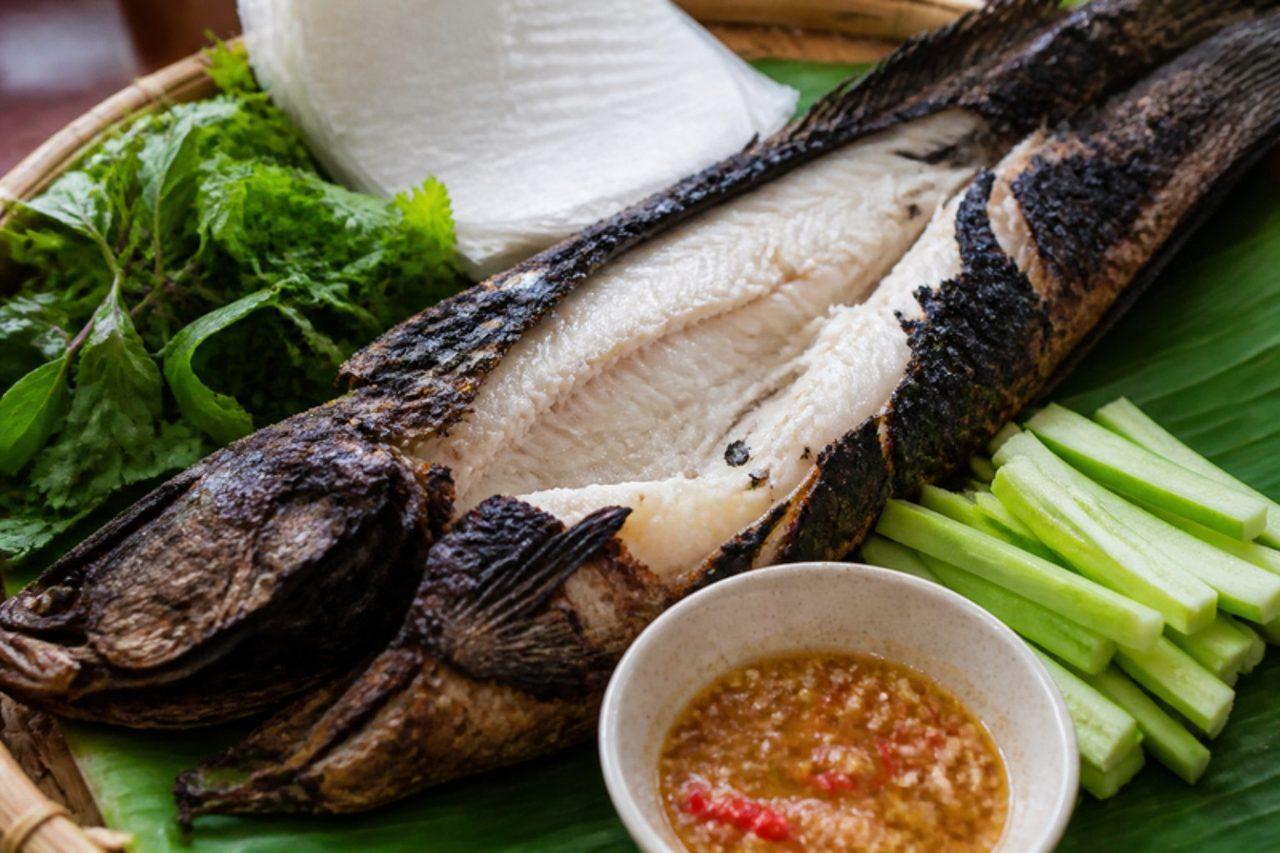
Ca loc nuong trui (straw-grilled whole fish)

After the rice harvest in the Mekong Delta, farmers would catch snakehead from the flooded fields, skewer each fish on a stick, stand it in the ground and pile dry rice straw over it before setting it alight. When the straw burns away the blackened skin peels off to reveal steaming, sweet white flesh, which is rolled in rice paper with herbs, cucumber and rice noodles. Countryside restaurants around Cần Thơ still serve it this way. Snakehead is hard to buy outside Asia, so use sea bass, barramundi or tilapia and a barbecue or a hot oven. Chef's tip: push a long metal skewer from mouth to tail so you can turn the fish over without it breaking.

by KrazyBadal 0 views

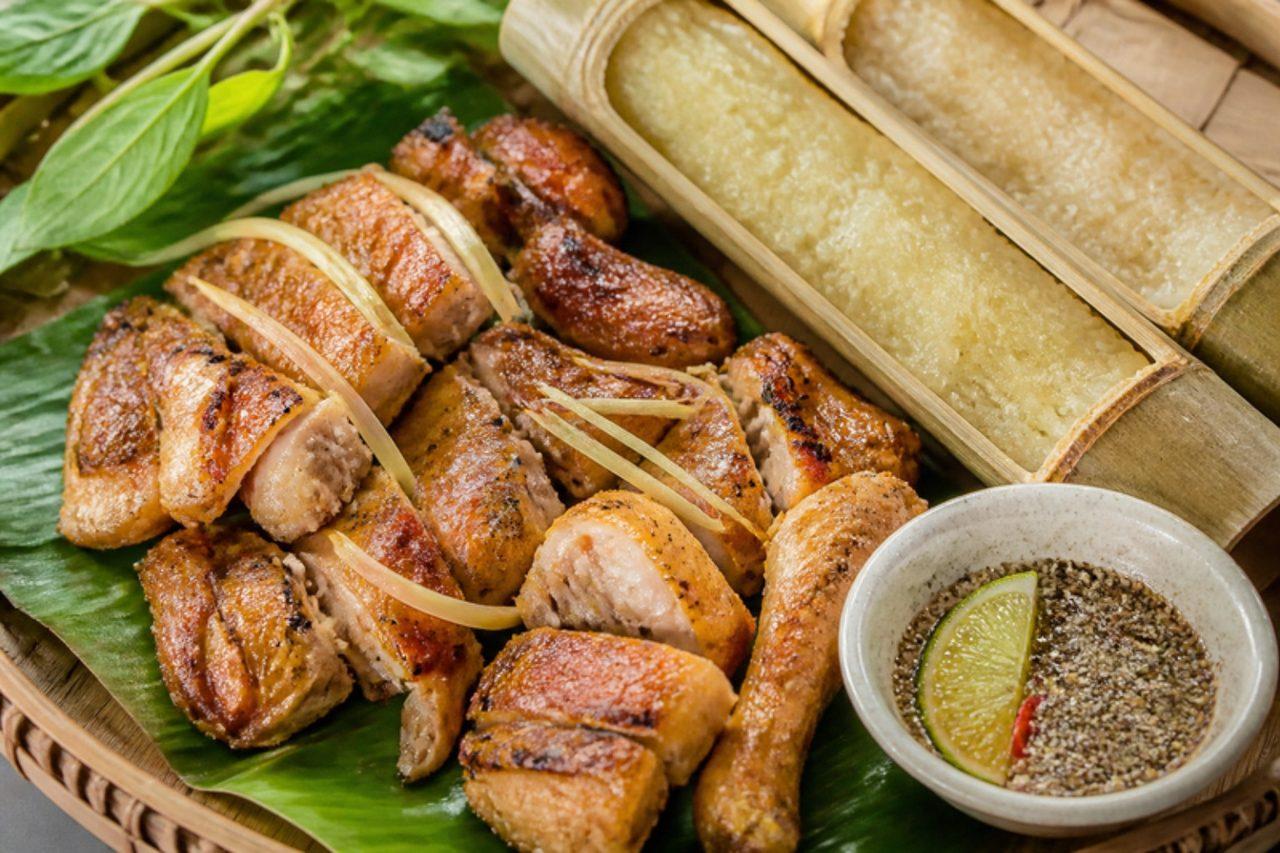
Ga nuong com lam (lemongrass chicken with bamboo rice)

Up in the Central Highlands, around Kon Tum, Pleiku and Buôn Ma Thuột, roadside grills and village homestays serve this pair: chicken marinated in lemongrass and chilli, grilled slowly over charcoal, and cơm lam, sticky rice cooked inside green bamboo tubes laid in the fire. Splitting the charred bamboo reveals a cylinder of rice wrapped in a thin, fragrant skin of bamboo membrane. Both are eaten with the hands and dipped in salt, pepper and lime or a crushed peanut and sesame salt. Without fresh bamboo, rolling the rice in banana-leaf parcels gives a very similar result. Highland rice wine (rượu cần) is the usual drink, but cold jasmine tea goes just as well and is alcohol-free. Chef's tip: brush on the honey only in the last few minutes of grilling so it glazes without burning.

by KrazyBadal 0 views

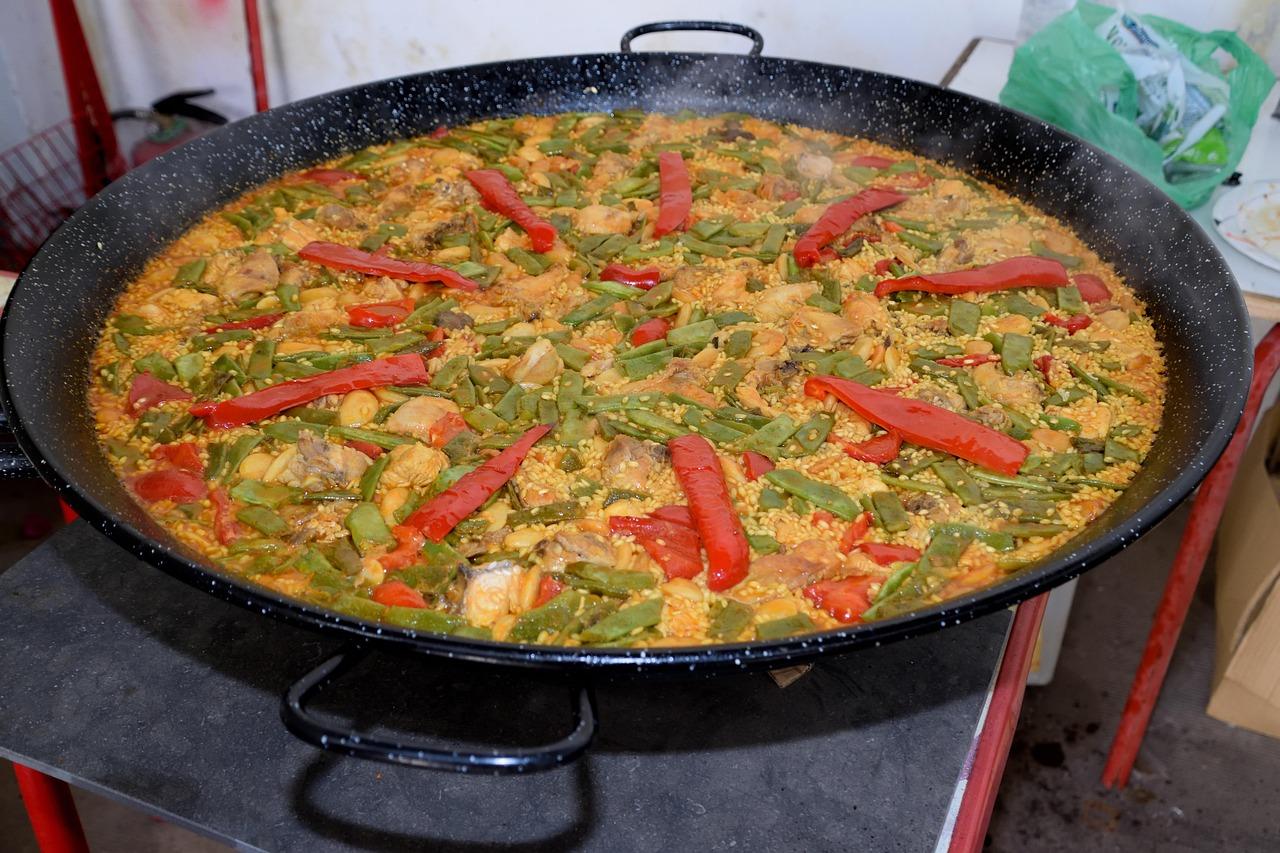
Paella valenciana

In the villages around Valencia, paella is a Sunday lunch dish, never a dinner one, cooked in the open air by whoever in the family has the steadiest hand and eaten straight from the pan with spoons. The Valencian original has no seafood, no chorizo and no peas: just chicken, rabbit, wide flat green beans (ferraura), big white garrofó beans, tomato, sweet pimentón, saffron and short round rice. If you can't get rabbit, use all chicken; it is still very good. This version is sized for a 38–40 cm paella pan on a large hob ring or a barbecue. Chef's tip: once the rice goes in, smooth it flat and then leave it alone; stirring releases starch and turns paella into risotto.

by KrazyBadal 0 views

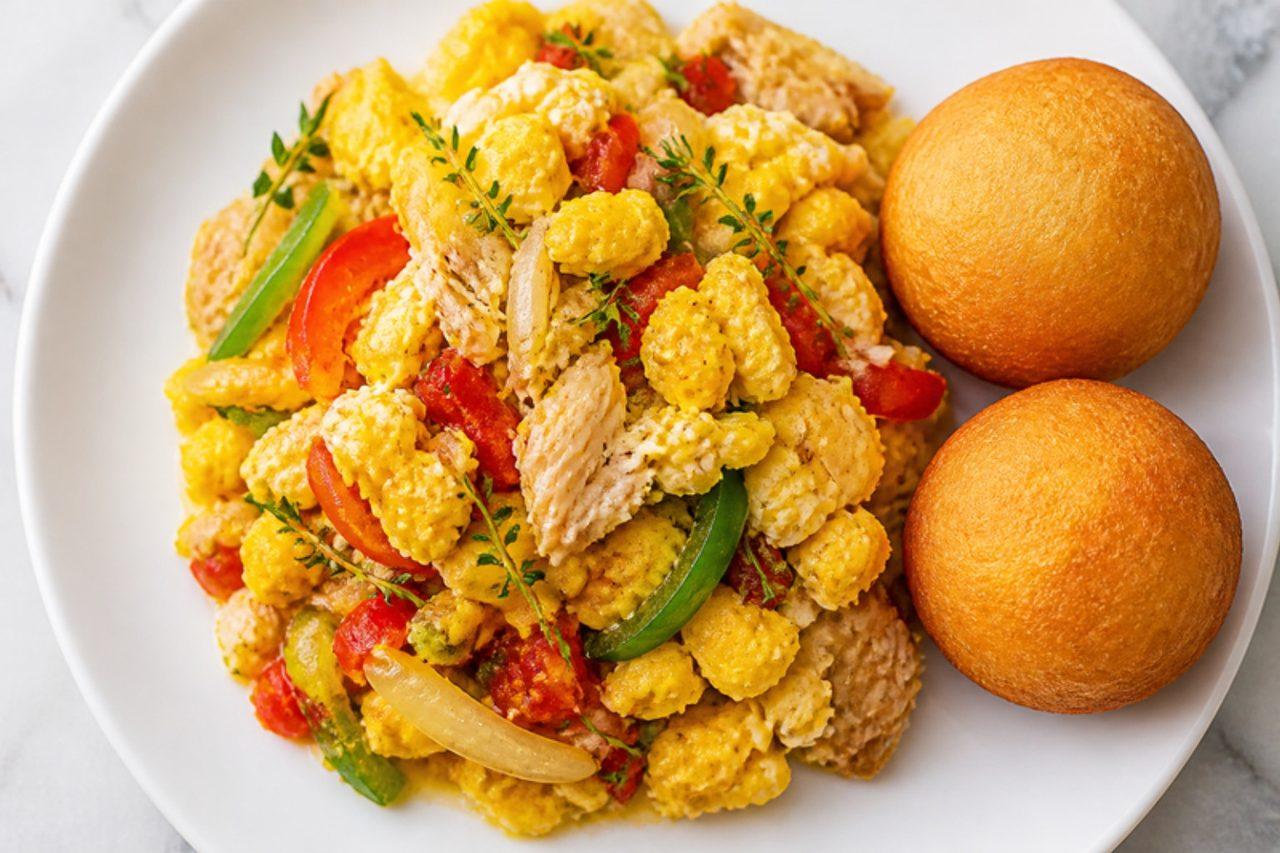
Ackee and saltfish

On a Jamaican Sunday morning, from Kingston yards to country kitchens in St Mary, the smell of salt cod frying with onion, thyme and scotch bonnet means breakfast is nearly ready. The ackee itself is a red tree fruit whose cream-coloured flesh cooks up soft and mild, a lot like scrambled egg, and it soaks up the salty fish and peppery oil around it. It is eaten with fried dumplings, boiled green banana, roast breadfruit or hard dough bread, and is just as welcome at lunch. A note on safety: ackee is only safe when the pod has ripened on the tree and opened by itself, and the black seeds and pink membrane are removed. Outside Jamaica, tinned ackee is the safe, easy choice and is what this recipe uses. Chef's tip: soak the saltfish overnight and then boil it once; taste a flake before it goes in the pan, because you can always add salt but you can't take it out.

by KrazyBadal 0 views

Jamaican curry goat
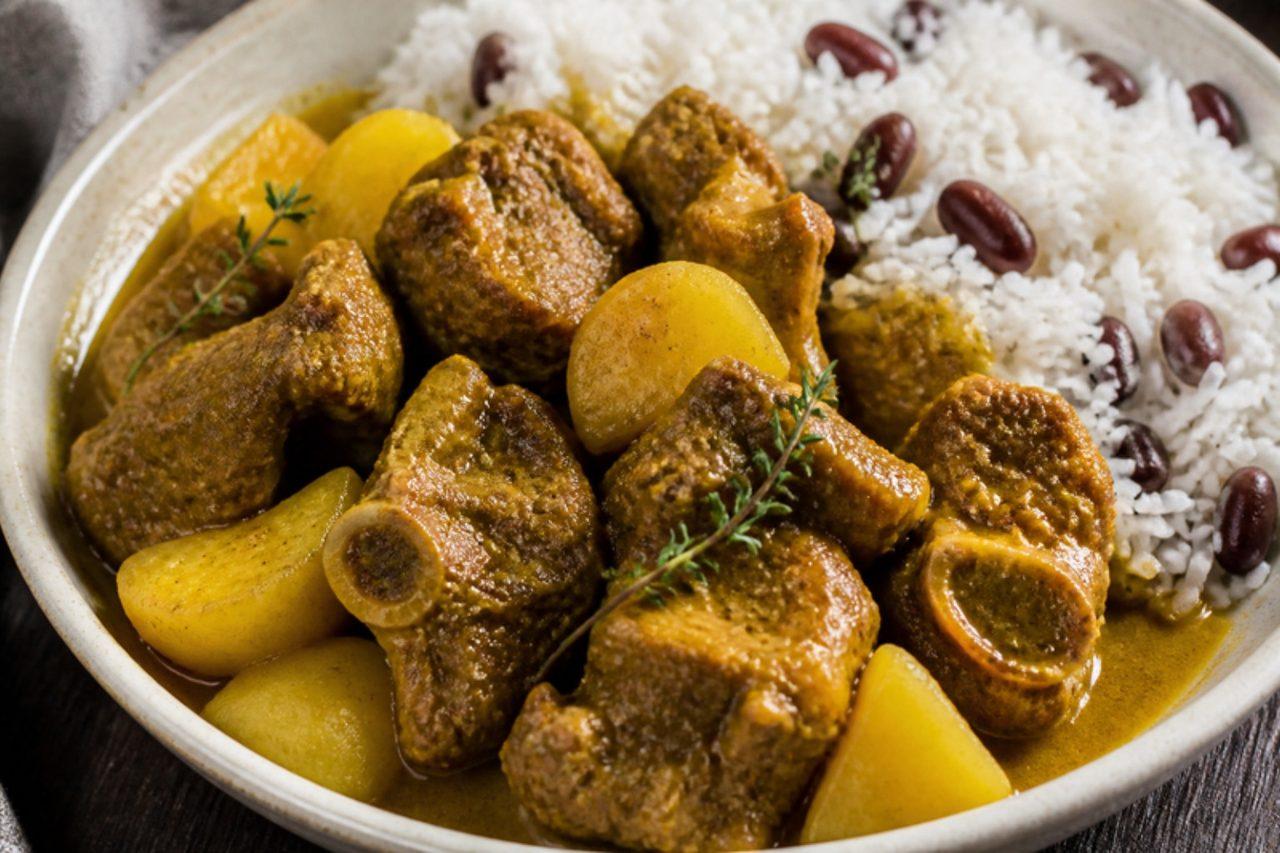
No Jamaican wedding, nine-night or big Sunday family lunch is complete without a pot of curry goat, often cooked outdoors in a huge pot by whoever has the steadiest hand with the seasoning. It came to the island with Indian indentured workers in the 1800s and became fully Jamaican with scotch bonnet, pimento and thyme. The bone-in pieces are seasoned overnight, browned with the curry powder until it darkens, then simmered for a couple of hours into a rich, brick-yellow gravy with soft potatoes that thicken it. Serve with white rice or rice and peas and a little fried plantain. If you can't find goat, bone-in mutton or lamb shoulder works the same way. Chef's tip: 'burn' the curry first; fry the curry powder in hot oil for a minute until it darkens and smells toasty before the meat goes in, and the gravy will never taste raw or chalky.

by KrazyBadal 0 views

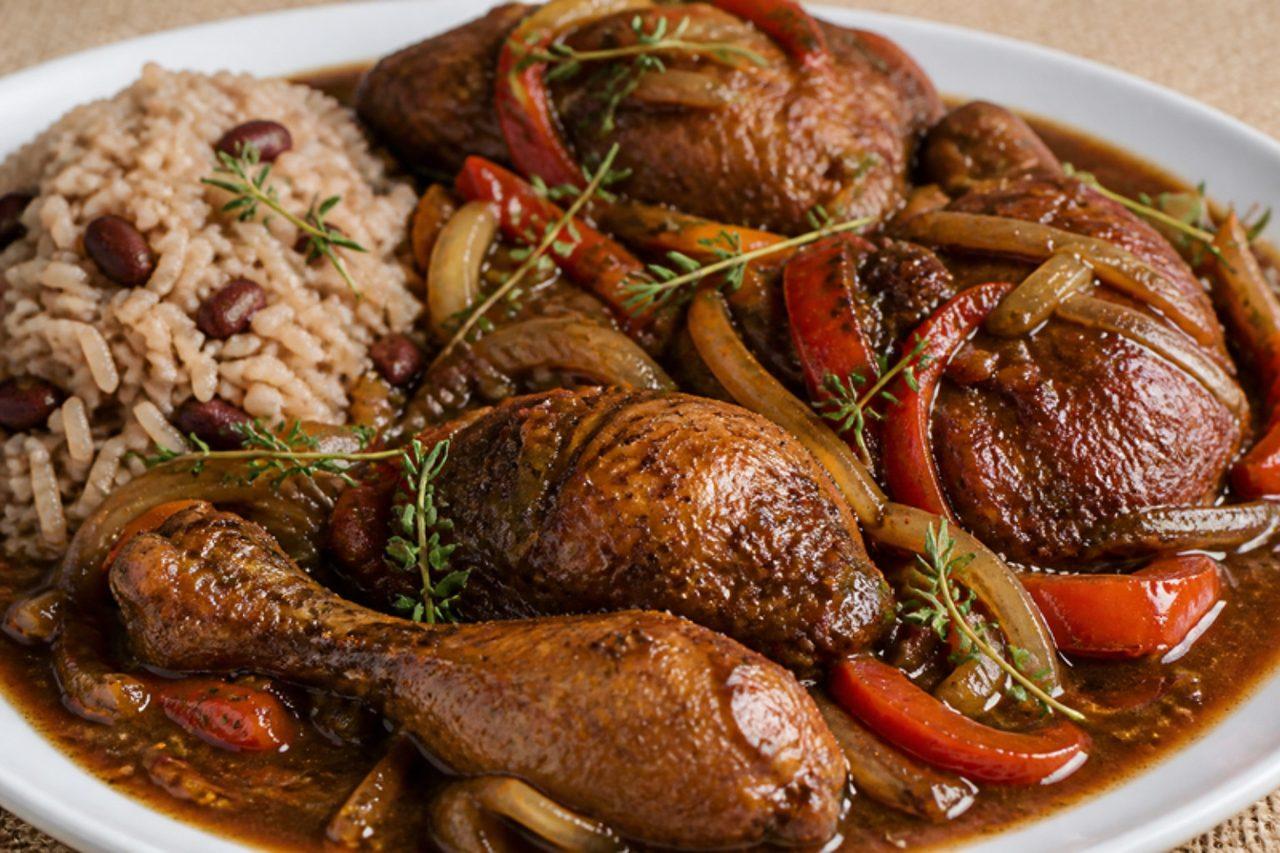
Brown stew chicken

Ask a Jamaican what was on the table for weekday dinner growing up and brown stew chicken will be near the top of the list, served at home and at every cookshop from Montego Bay to Spanish Town. The deep colour comes from 'browning': sugar caramelised in hot oil until it is dark, then the seasoned chicken is turned in it so every piece takes on a mahogany coat. Peppers, onion, tomato and thyme simmer down into a sticky, savoury gravy that begs for a pile of white rice, rice and peas or boiled dumplings. Chef's tip: season the chicken the night before and dry each piece well before it goes into the caramel; wet chicken spits violently and won't take on that deep brown colour.

by KrazyBadal 0 views

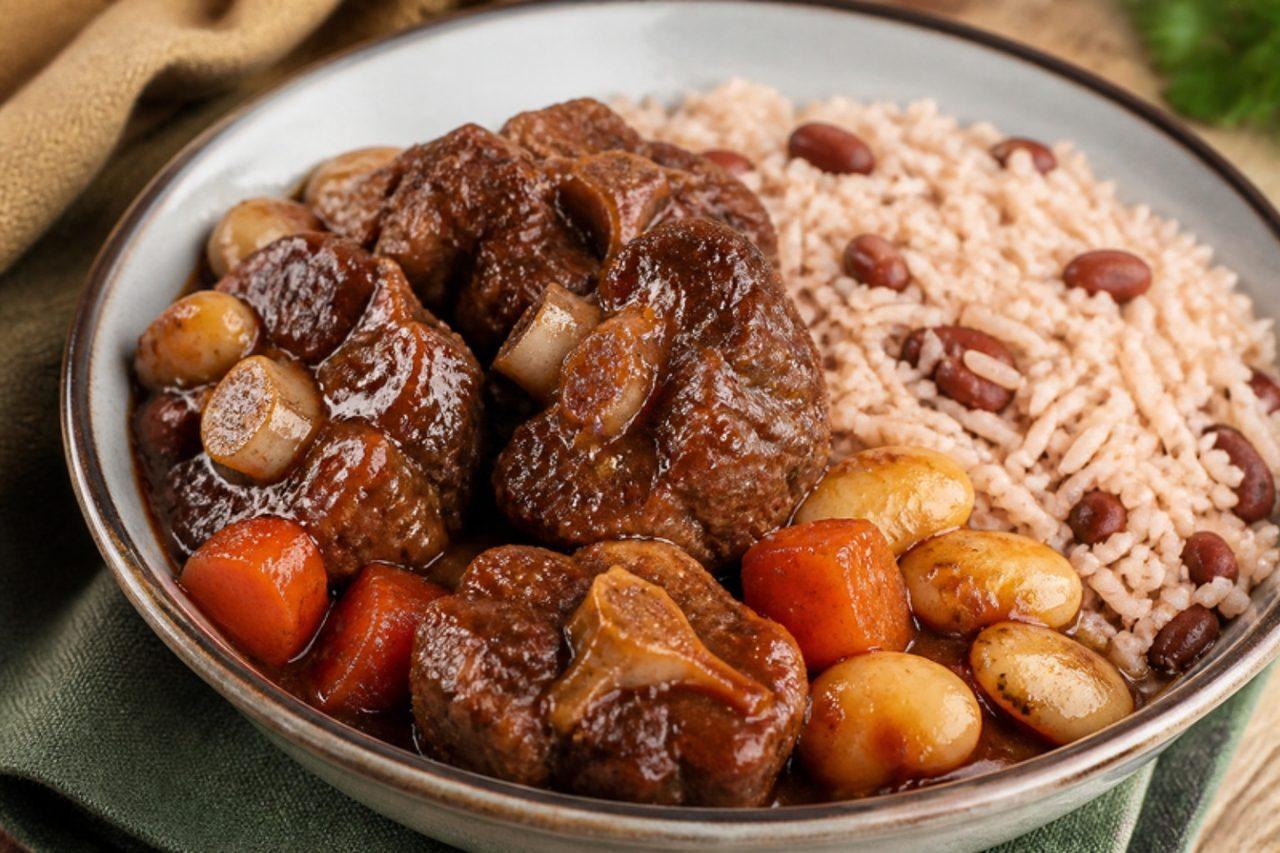
Oxtail with butter beans

Oxtail started out as a cheap cut in Jamaica and is now the Sunday-best dish that cookshops in Kingston sell out of first, and that people across the diaspora queue for on Saturdays. The bony pieces are seasoned overnight, browned hard, then braised slowly for hours with pimento, thyme and whole scotch bonnet until the meat slides off the bone and the gravy turns glossy with gelatine. Butter beans go in near the end to soak up the gravy. Serve with rice and peas, steamed cabbage and fried plantain. Chef's tip: cook it a day ahead, chill, and lift off the hard layer of fat before reheating; the gravy is cleaner and the flavour deeper.

235 minJamaicanMeat
by KrazyBadal 0 views

Tobago curry crab and dumpling

On Tobago, curry crab and dumpling is the dish people travel for, eaten with fingers on Sunday afternoons and sold at the Store Bay food huts near Crown Point, where a plate is half the reason to visit. Blue crabs are cleaned, rubbed with green seasoning, 'burnt' in curry and simmered in coconut milk until the shells turn red and the sauce goes rich, spicy and sweet with crab. Long, flat flour dumplings cook right in the gravy and soak it all up. It's messy, so have bowls for shells and plenty of napkins. Chef's tip: crack the claws lightly before they go in the pot, so the curry can get inside and the meat is easy to pull out at the table.

by KrazyBadal 0 views

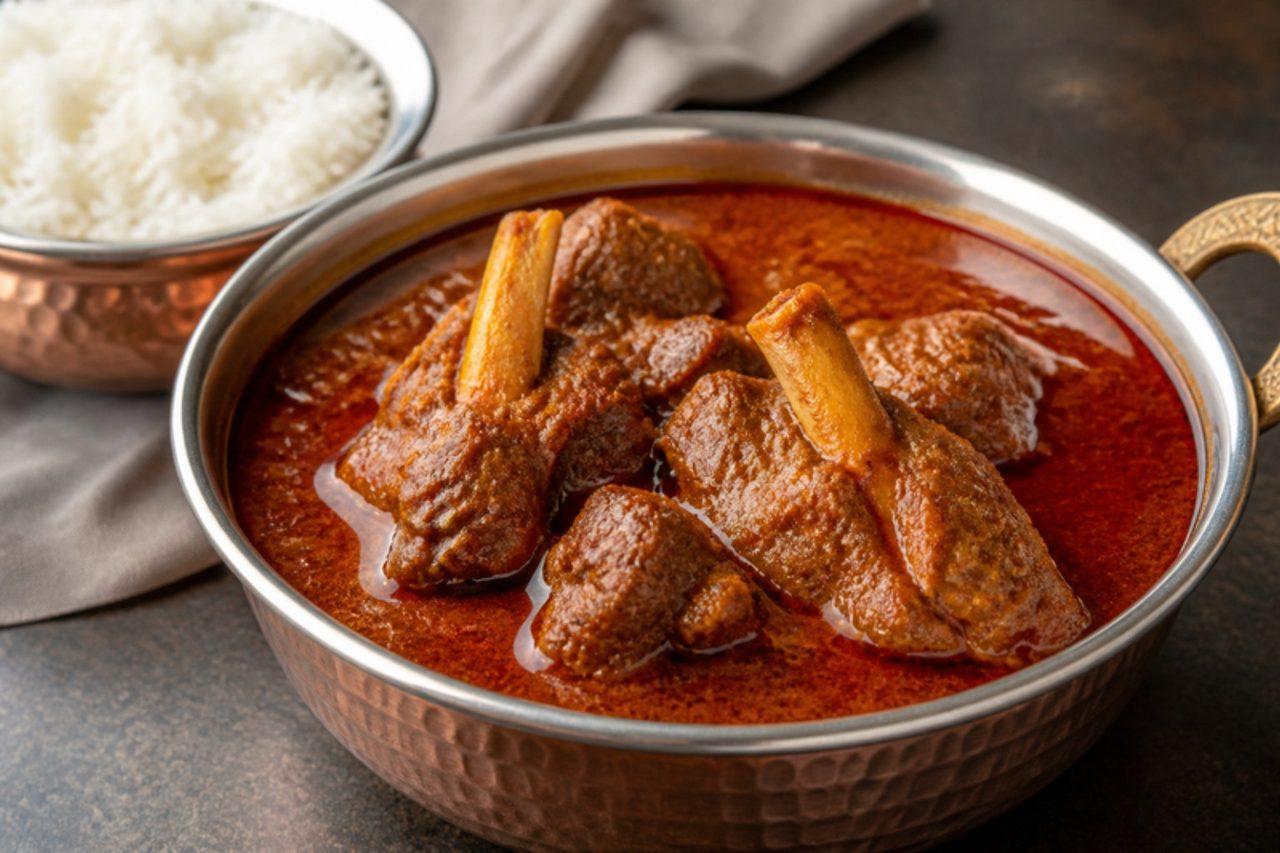
Rogan josh

In the Kashmir Valley this deep-red lamb braise turns up at every wazwan, the multi-course wedding feast cooked by hereditary chefs, and on Sunday tables in Srinagar through the cold months. The Kashmiri Pandit version cooked here uses no onion, garlic or tomato: the colour comes from mild Kashmiri chillies, the warmth from ground fennel and dry ginger, and the body from yogurt cooked down until the fat rises red to the top (that red oil is the 'rogan'). Eat it with plain steamed rice, the Kashmiri way. Chef's tip: use bone-in shoulder or leg and give it time; the bones and slow simmer make the thick, glossy gravy, and boneless meat turns stringy before the sauce is ready.

120 minIndianMeatGluten freeSpicy
by KrazyBadal 0 views

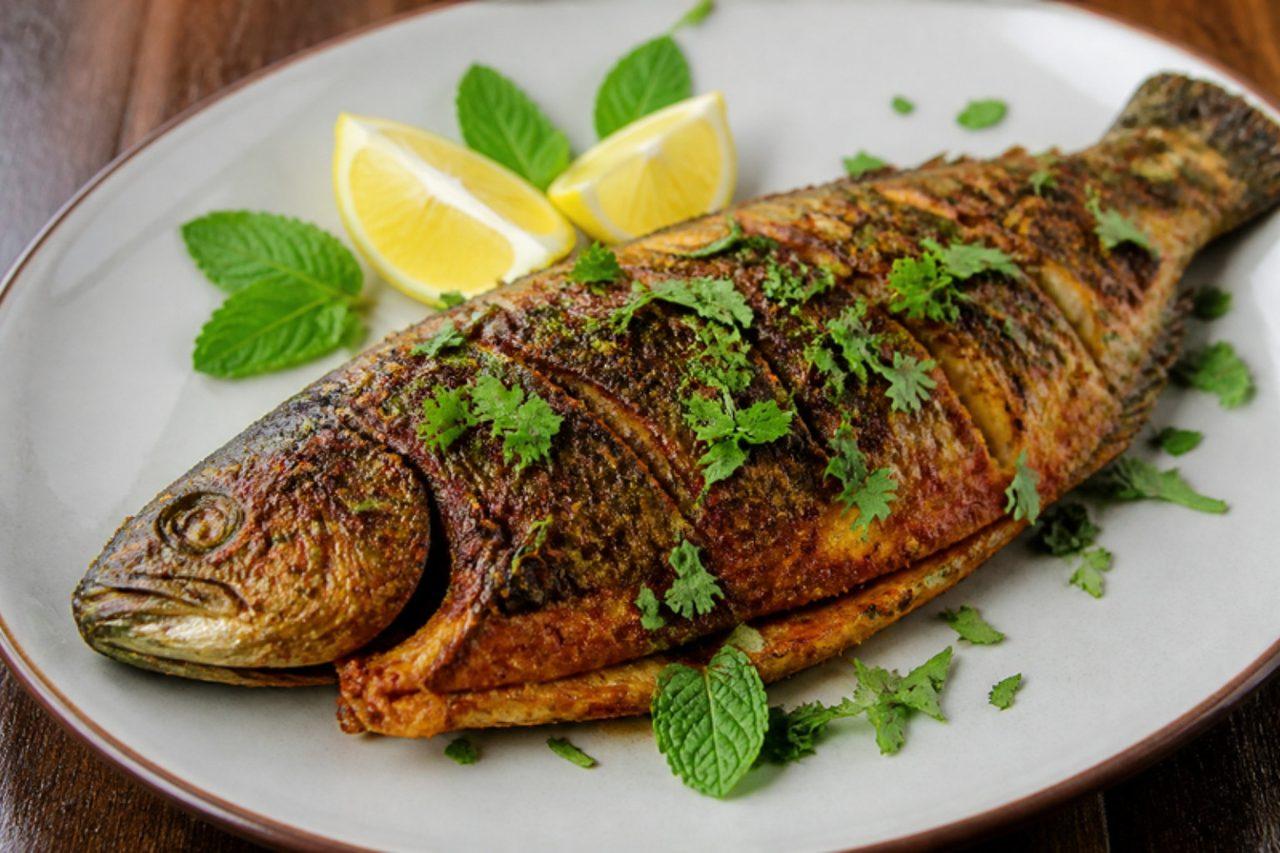
Kullu trout

Rainbow trout were introduced to the cold, fast Beas river over a century ago, and today the farms and roadside dhabas between Kullu and Manali serve it simply: rubbed with lemon and a light masala, then fried whole in a hot pan. It is what travellers stop for on the drive up to the snow, eaten with rice, a green salad and a squeeze of lemon. The spicing is gentle so the clean, sweet flavour of the fish stays in front. Chef's tip: dry the fish very well and leave it alone in the pan for the first few minutes; moving it too early tears the skin, which should come out crisp.

25 minIndianFishGluten free
by KrazyBadal 0 views

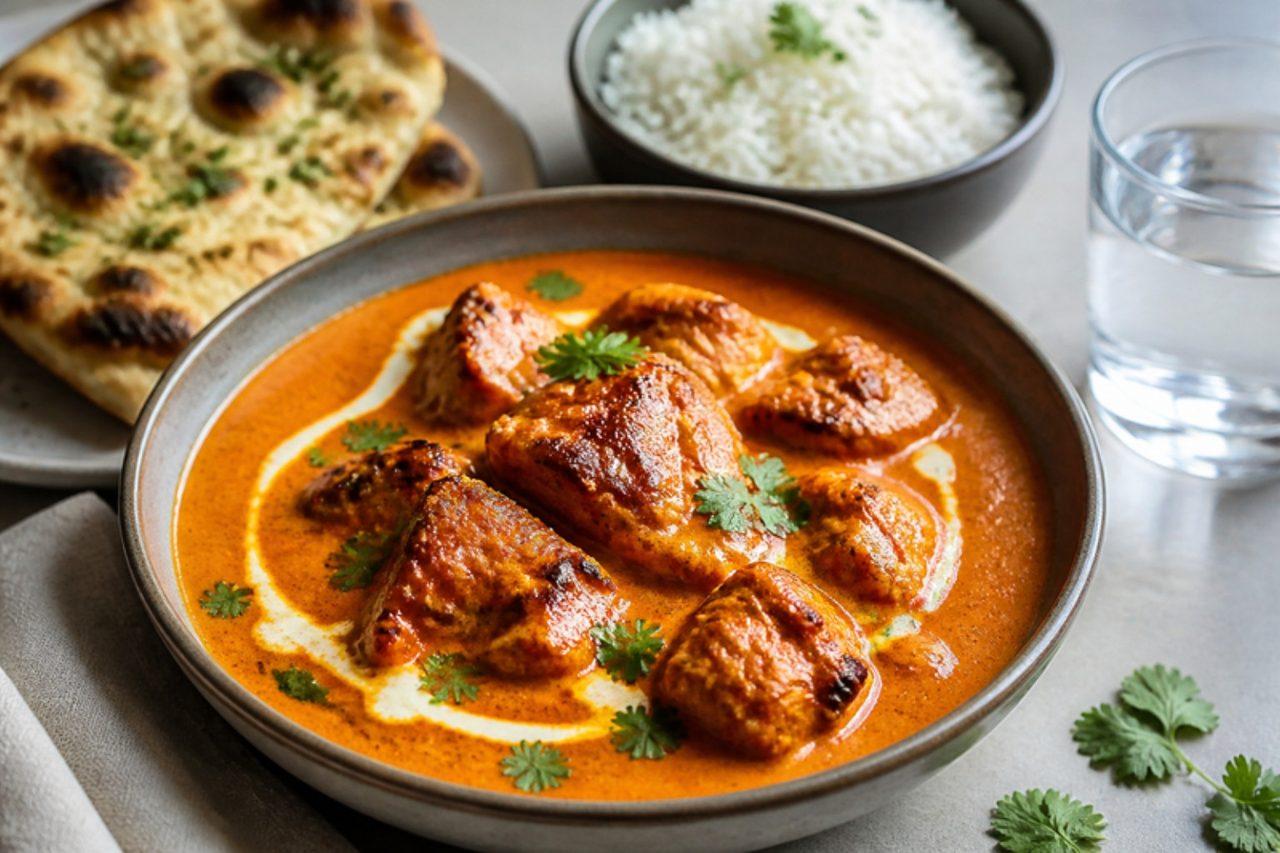
Butter chicken

Butter chicken was born in the Punjabi restaurants of Old Delhi after Partition, when cooks found a way to use up tandoori chicken by simmering it in tomatoes, butter and cream. It is not the same as chicken tikka masala: tikka masala builds its sauce on fried onions and is chunkier and spicier, while makhani gravy has no onion at all, is strained silky-smooth, and gets its gentle sweetness and smoky-savoury note from butter, cashews and dried fenugreek leaves. It is the dish families order for celebrations across Delhi and Punjab, mopped up with butter naan or eaten with jeera rice, and it's mild enough for children. Chef's tip: crush the kasuri methi between your palms right over the pot; that one step is what makes it taste like the restaurant version.

by KrazyBadal 0 views

Showing 18 of 7,762 recipes

Show more recipes

Page 597 of 863