


Skip to content
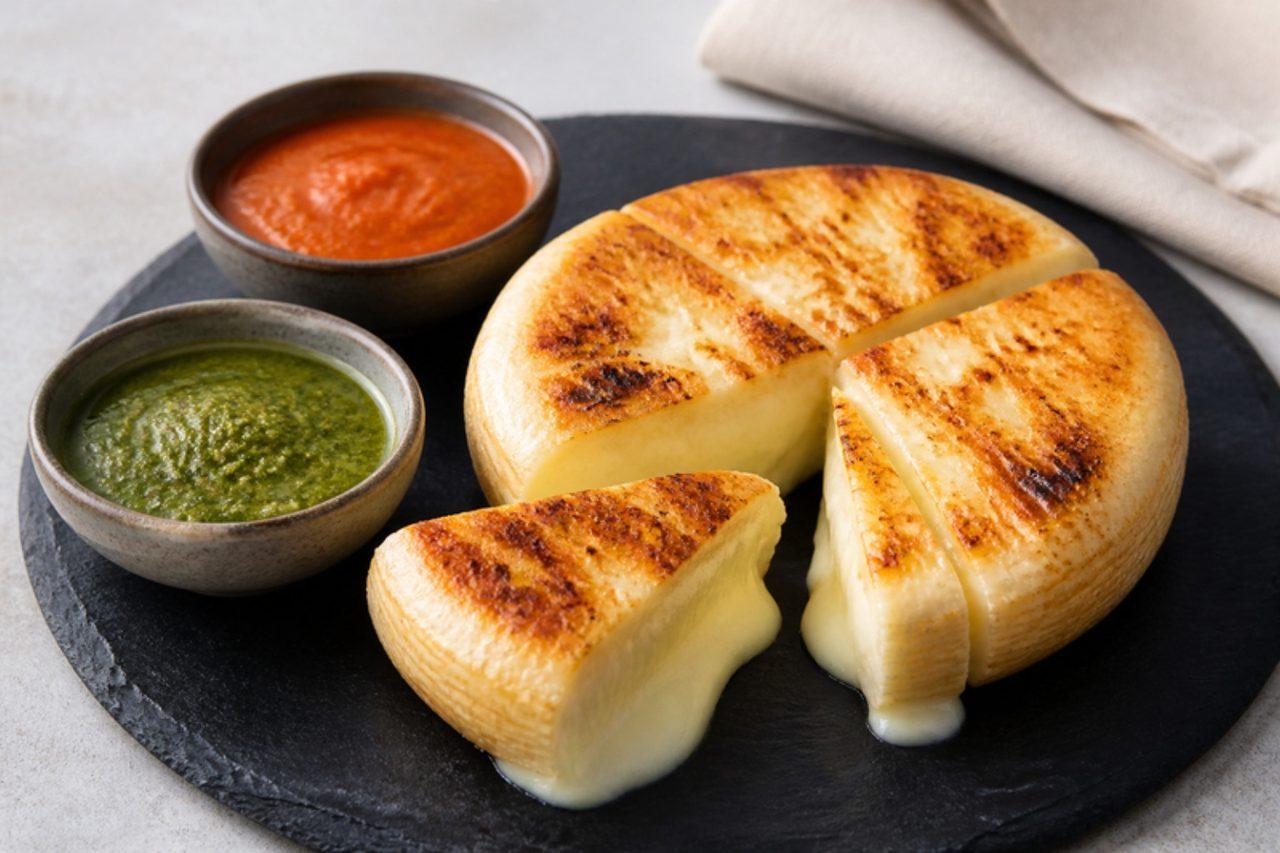
Queso asado con mojo
Featured recipe

Queso asado con mojo

Griddled goat's cheese with red sauce

Thick slabs of semi-cured goat's cheese, seared on a hot griddle until golden outside and soft within, then splashed with red mojo: it is the starter that opens lunch at country restaurants across Fuerteventura and Gran Canaria, the islands of Majorero and Flor de Guía cheeses. Some places serve it with palm honey instead, for a sweet-salty version. Traditional Canarian cheeses use animal rennet; choose a vegetarian semi-cured goat's cheese if that matters to you. Eat it with bread while it is still soft. Chef's tip: use a firm, semi-cured cheese at least 1.5 cm thick, as fresh cheese melts flat and runs off the pan.

Read more 0 views

What to eat today?

Around the world

Today's trip: Paraguayan

A new country every day, from every cuisine on the site.

Paraguayan

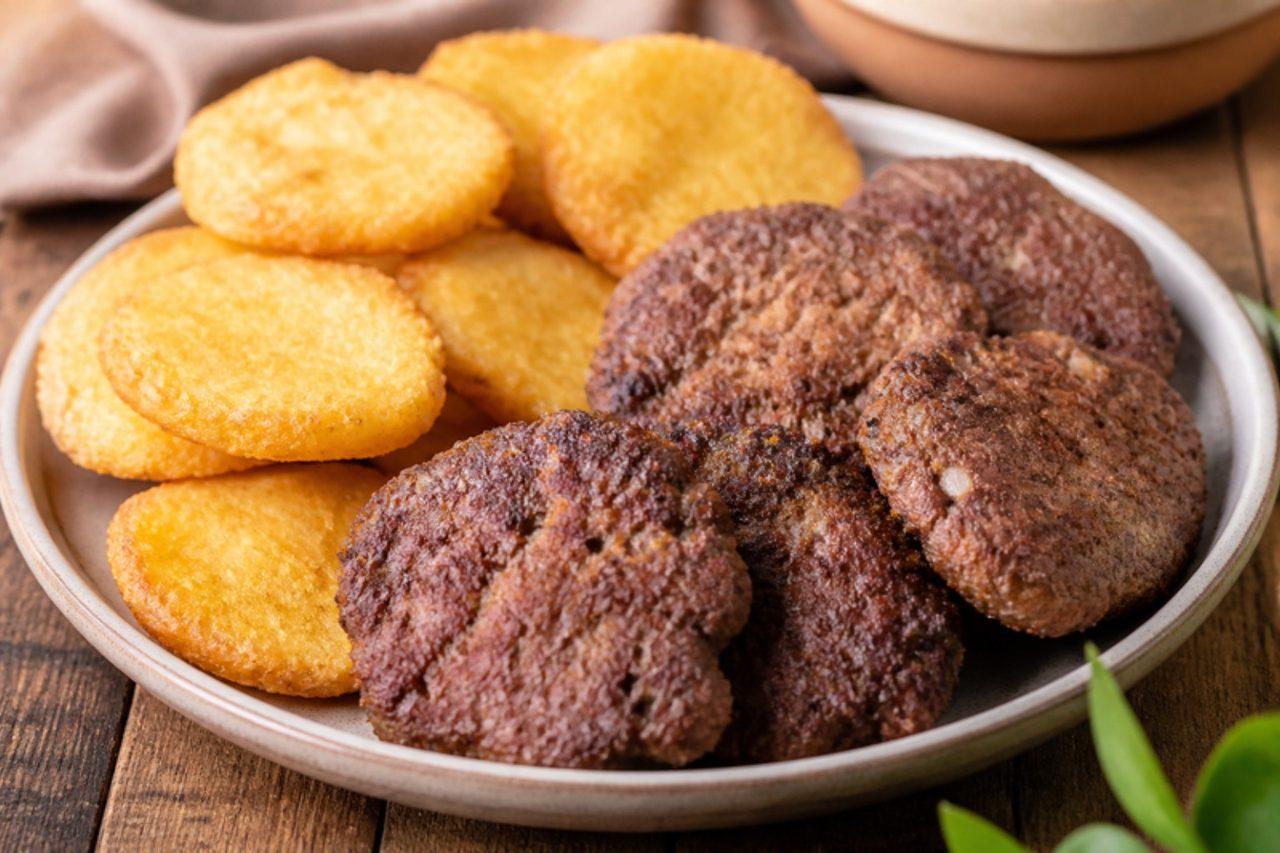
Payaguá mascada

Cassava and beef patties 55 minMore from Paraguayan (27) →

This week's collection

Kid-friendly dinners
537 recipes · a new collection every Monday

Latest recipes

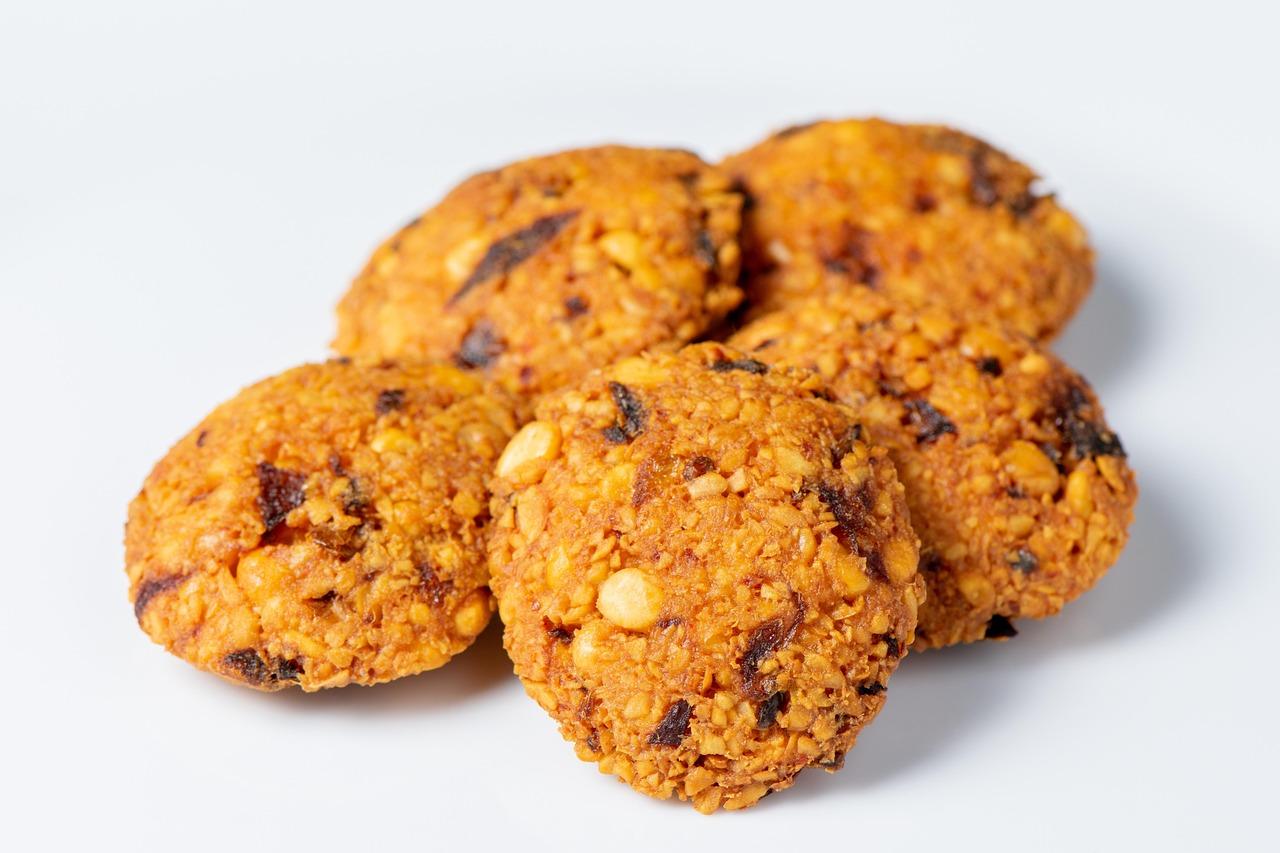
Parippu vadaiCrunchy split pea fritters

Parippu vadai are the crunchy, lumpy fritters sold from glass boxes on Sri Lankan trains and from carts along Colombo's Galle Face Green at sunset, often with a couple of fried prawns pressed on top; ours are the plain vegetarian kind, which are just as common. Soaked yellow split peas (kadala parippu) are coarsely ground with green chilli, onion, curry leaves and fennel, shaped into flat discs and deep-fried until craggy and golden, crisp outside and nubbly within. Eat them hot with a cup of plain tea or a spoonful of seeni sambol. They're different from South Indian medu vada, which are made with smooth black lentil batter. The common mistake is grinding the lentils to a smooth paste; leave plenty of whole and half peas for the crunch. Chef's tip: hold back about a quarter of the soaked peas and stir them in whole after grinding.

by KrazyBadal 0 views

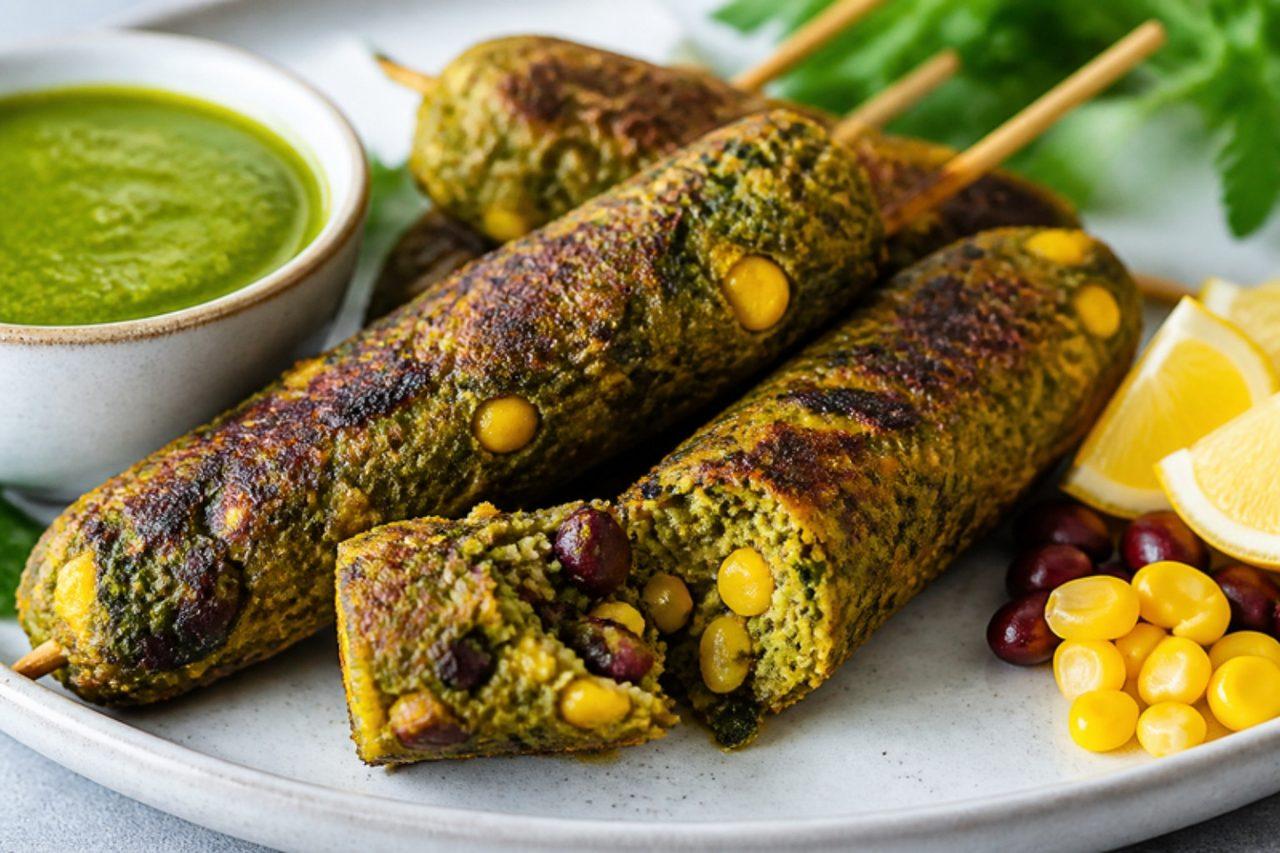
Corn & beans kebabs

Soft vegetarian seekh-style kebabs of sweetcorn, kidney beans and potato with fenugreek, spinach, ginger and green chilli, pressed onto skewers and browned over charcoal. They're crisp outside and soft inside. Serve hot with green chutney and mint and yogurt chutney.

by KrazyBadal 0 views

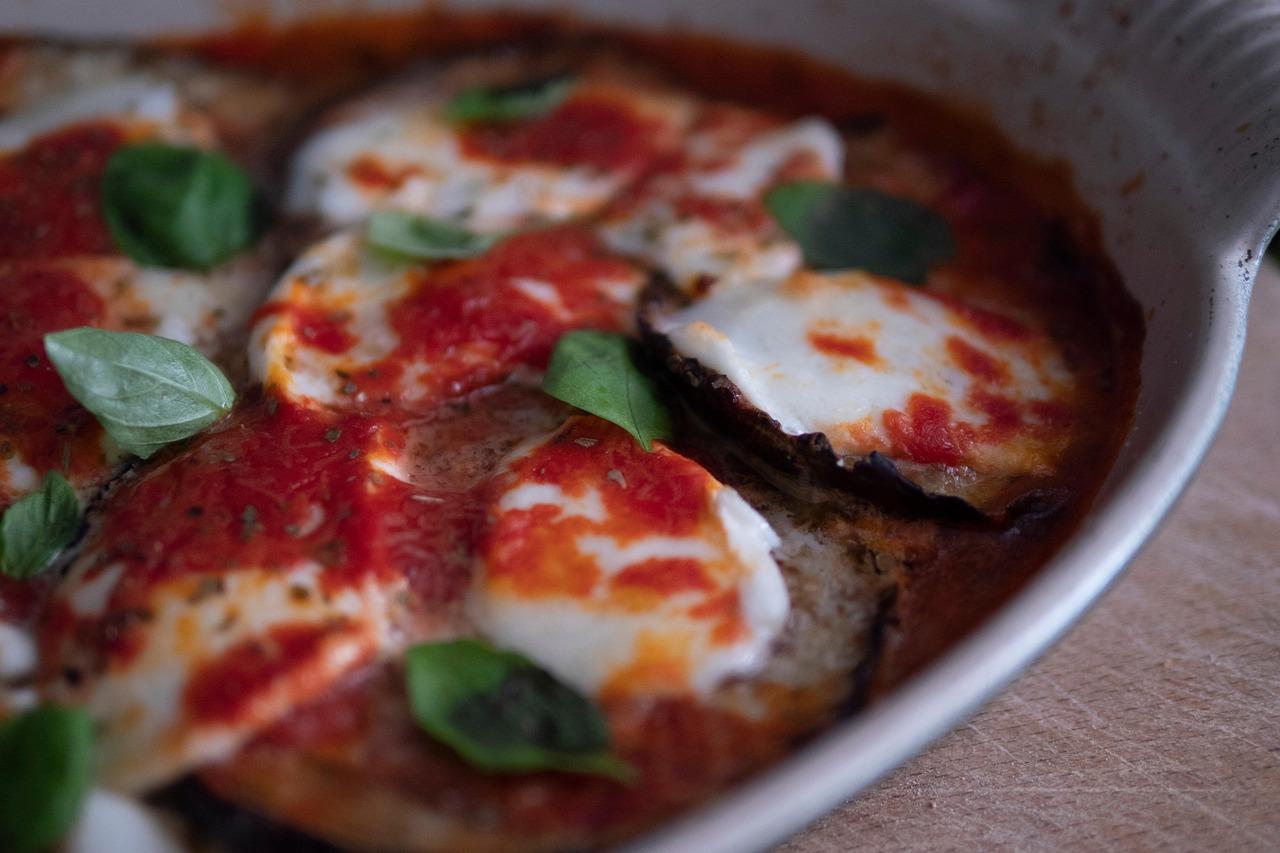
Parmigiana di melanzaneBaked aubergine with tomato and mozzarella

Parmigiana di melanzane is Campania's big summer bake, made when aubergines are cheap and glossy and served for Sunday lunch or carried in a tin to the beach. Fried slices of aubergine are layered with a quick basil tomato sauce, fior di latte and grated hard cheese, then baked until the edges bubble and darken. It is better warm than piping hot, and better still the next day, cut into neat squares. Chef's tip: salt the slices and press them for 30 minutes before frying; they drink less oil and the layers stay distinct instead of watery.

by KrazyBadal 0 views

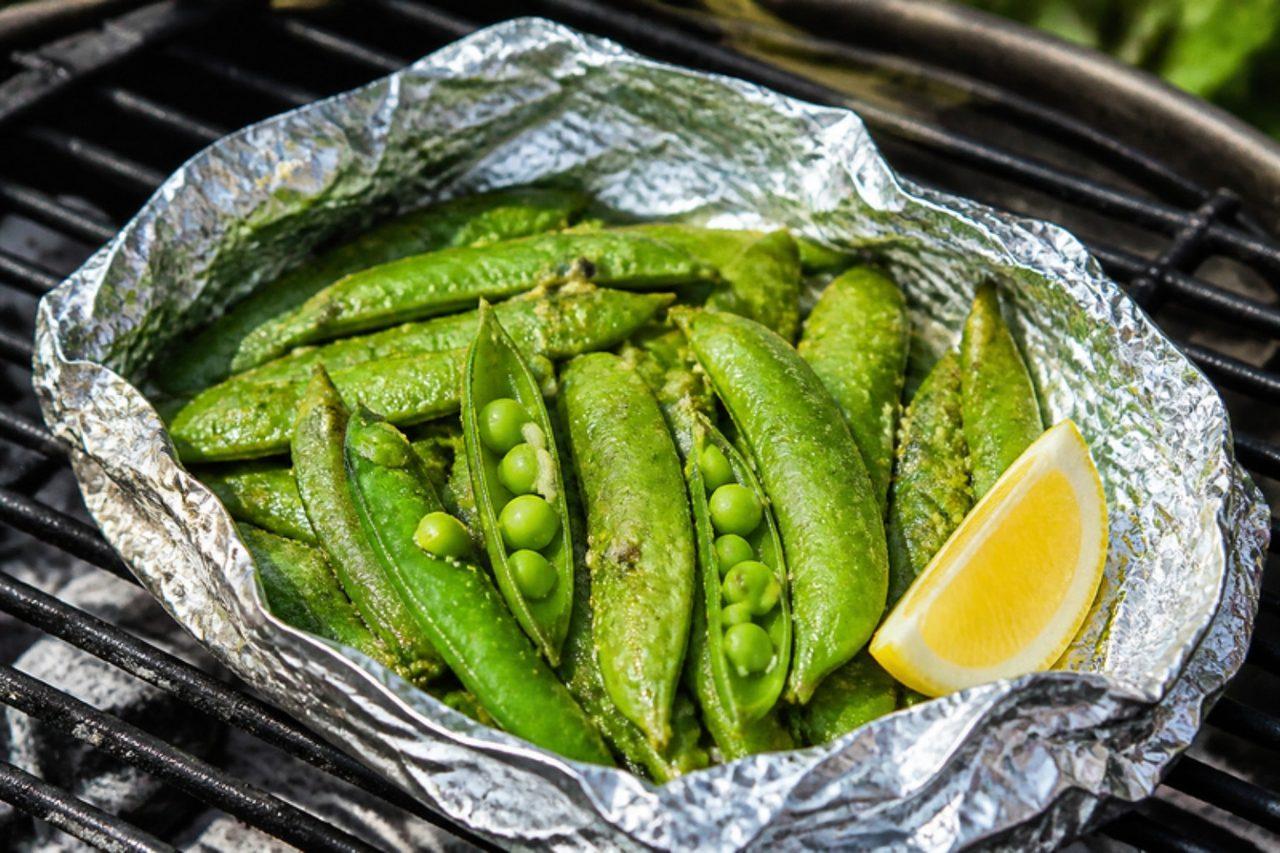
Barbequed peas

Tender peas in their pods tossed with chilli, ginger, garlic and lemon, sealed in foil and steamed on the barbecue. Everyone shells their own at the table and gets the spice on their fingers. Use the youngest, sweetest pods you can find.

by KrazyBadal 0 views

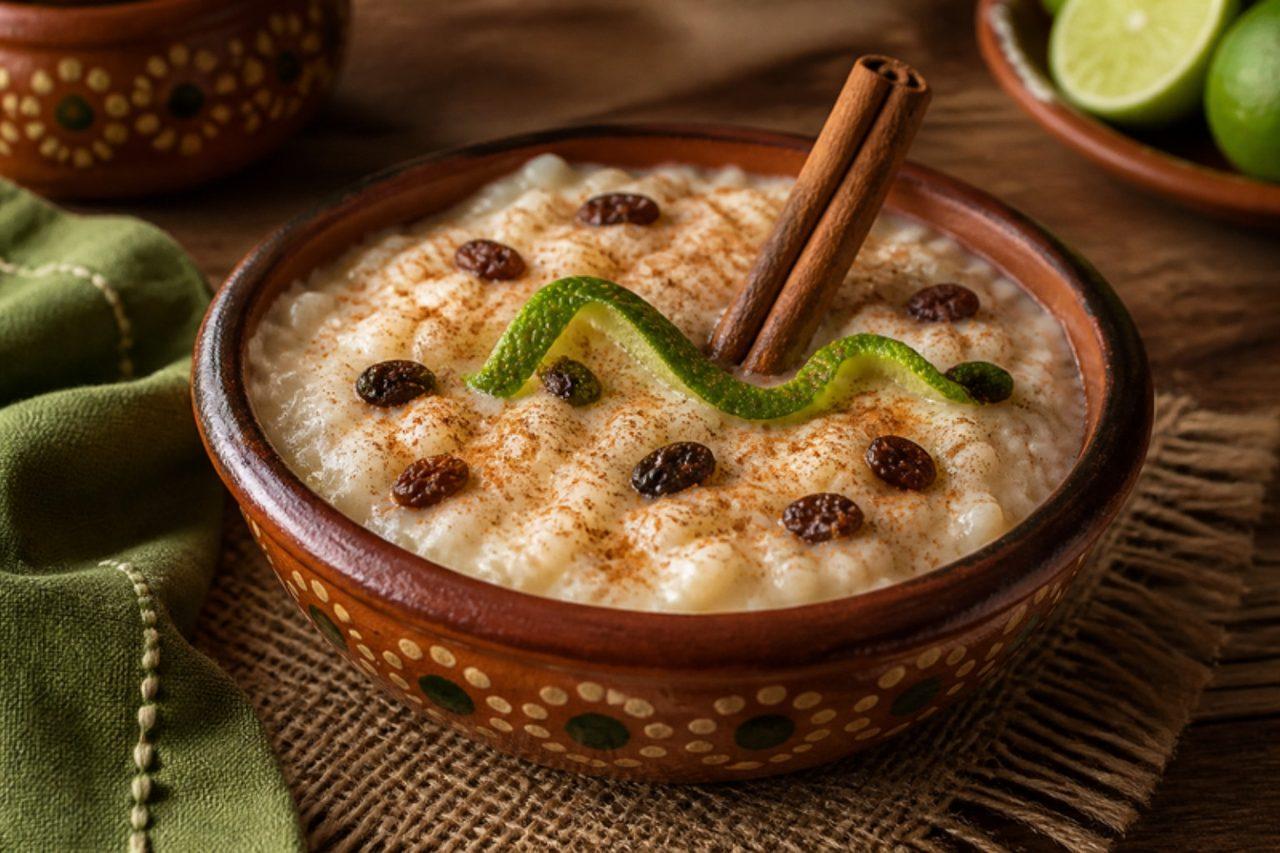
Arroz con lecheRice pudding

Arroz con leche is Mexico's comfort pudding, sold in little cups at markets and made in every grandmother's kitchen: rice cooked first in water with a cinnamon stick (canela) and lime peel, then slowly in milk until it turns thick and creamy. Mexicans often add sweetened condensed milk for a richer, caramel-tinged finish, and raisins for those who like them. It is eaten warm in winter and cold from the fridge in summer, dusted with ground cinnamon. Chef's tip: use soft Ceylon cinnamon (canela) if you can find it; its gentle, floral flavour is what makes it taste Mexican rather than like a spiced pudding.

by KrazyBadal 0 views

PasemburVegetable and fritter salad

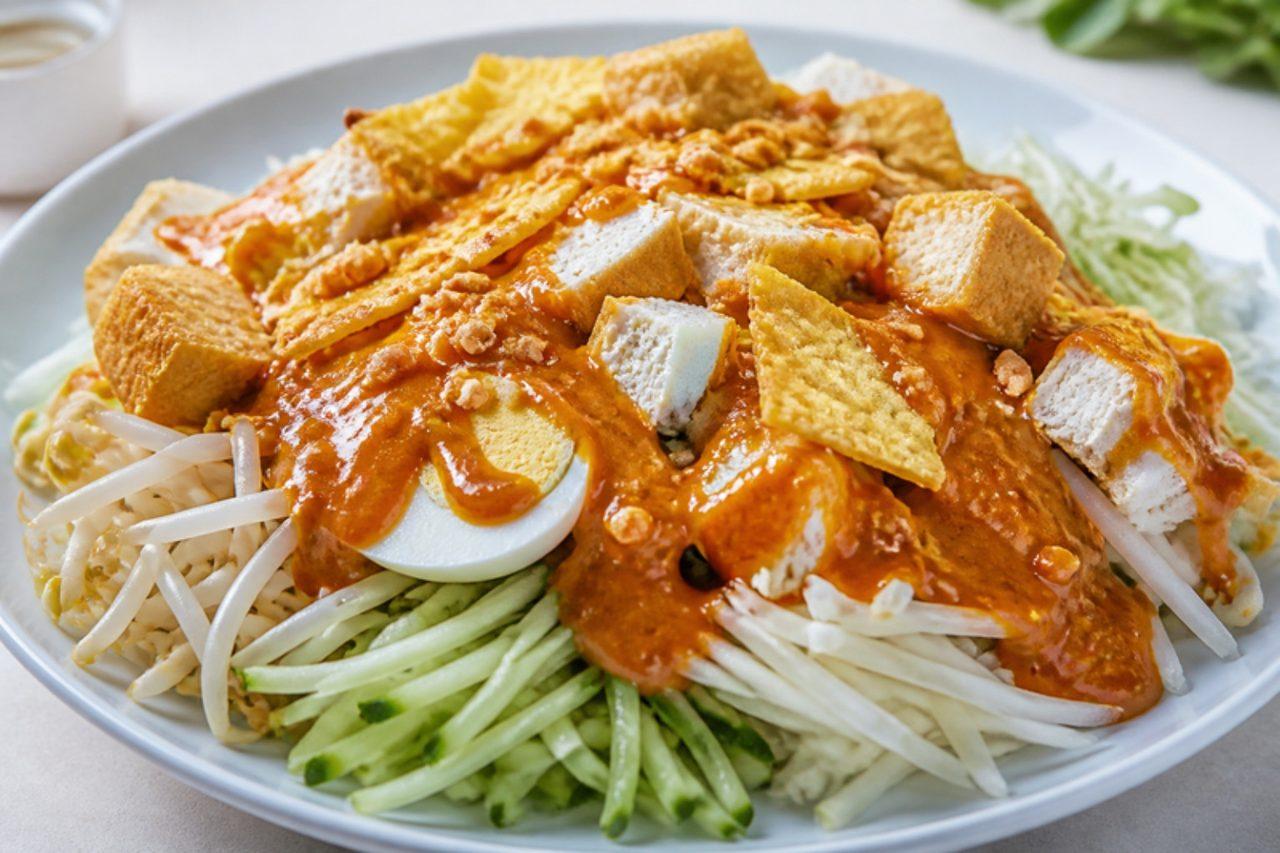
Pasembur is sold from Indian-Muslim (mamak) stalls along Penang's Gurney Drive and Esplanade: shredded cucumber, jicama and bean sprouts piled with sliced fried tofu, boiled egg and crisp fritters, all buried under a thick, sweet, gently spicy sauce made from sweet potato, chilli and peanuts. You pick your fritters at the stall; prawn fritters are common, but here they are crunchy cabbage and onion ones. Chef's tip: dress it at the very last moment and eat at once, so the fritters stay crisp under the sauce.

by KrazyBadal 0 views

Arroz con gandulesRice with pigeon peas

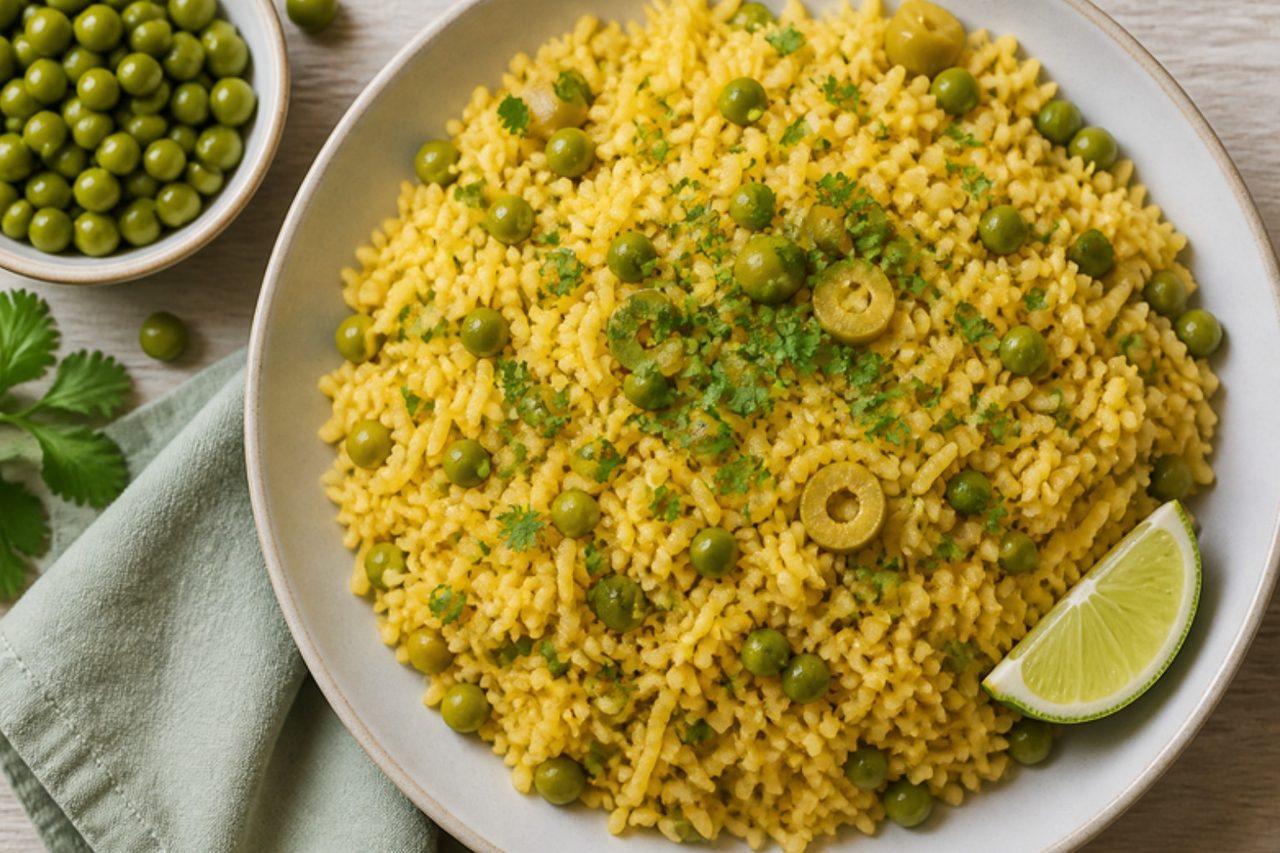
No Nochebuena table from San Juan to Mayagüez is complete without a big caldero of arroz con gandules, and in December every grandmother's pot is judged on it. Medium-grain rice is cooked with pigeon peas (gandules), fresh sofrito, achiote oil, tomato sauce and a scoop of alcaparrado (olives and capers), until each grain is tender and golden-orange. Island cooks usually add pork; this version gets its depth from a generous spoon of sofrito and good stock, and loses nothing. The best part is the pegao, the crisp golden crust left on the bottom of the pot. Chef's tip: once the lid goes on, leave the rice alone; stirring breaks the grains and releases starch, and you will lose both the fluffy texture and the pegao.

by KrazyBadal 0 views

Pasta alla griciaPasta with guanciale and pecorino

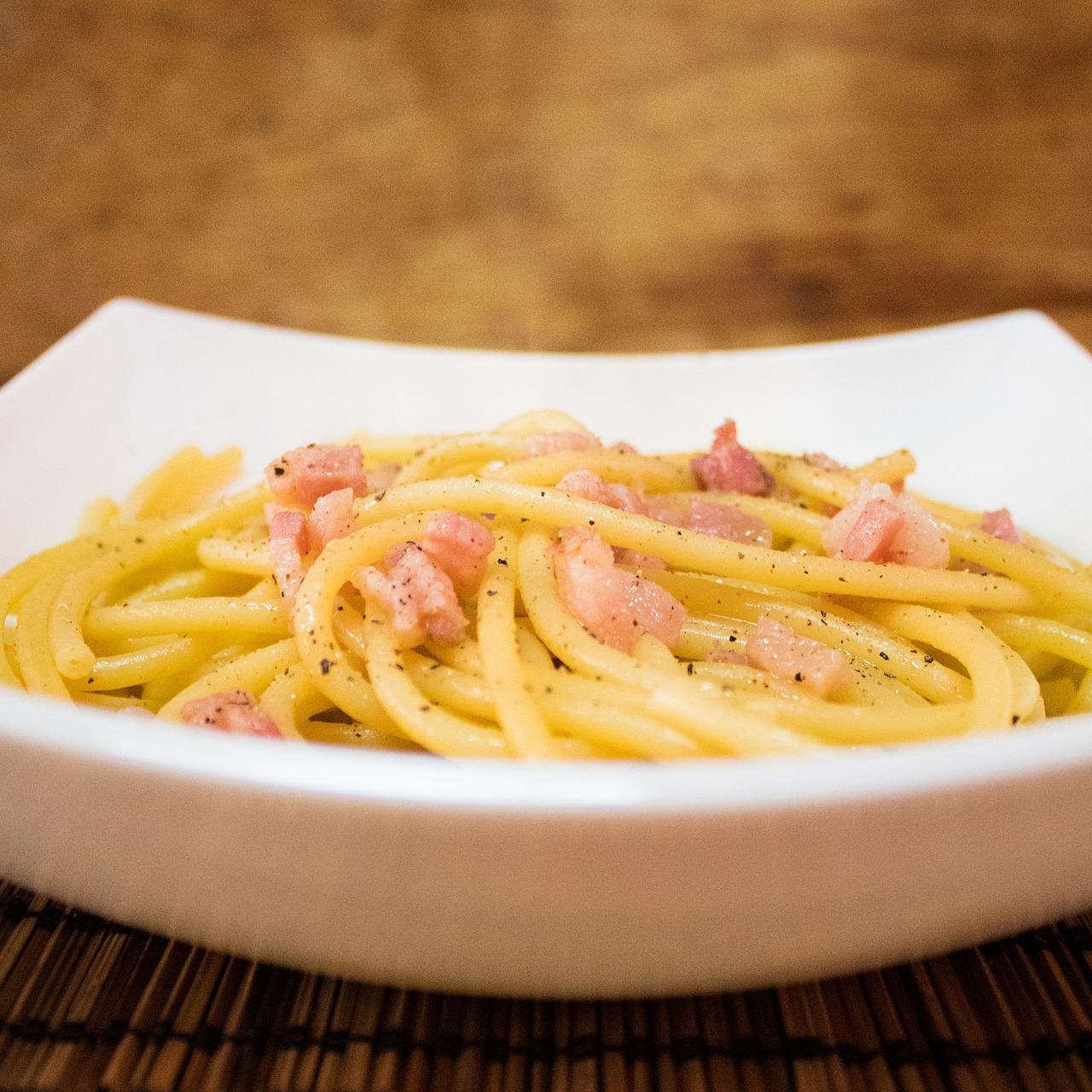
Older than both carbonara and amatriciana, gricia is the white pasta of the Roman hills: no egg, no tomato, nothing but guanciale, pecorino and pepper brought together with starchy cooking water. On a Roman menu it often sits with its siblings under the heading of the four great Roman pastas, and it is many locals' quiet favourite for a weekday lunch. Short rigatoni catch the creamy, salty sauce in their ridges and tubes, and the guanciale is cooked until amber and crisp-edged so its fat flavours everything. Follow it with something light, such as sautéed chicory with garlic. Chef's tip: before you finish the pasta, mash the pecorino in a bowl with a few spoonfuls of cooled pasta water into a smooth cream; it melts into the sauce instead of seizing into strings.

by KrazyBadal 0 views

Pasta alla NormaPasta with fried aubergine and tomato

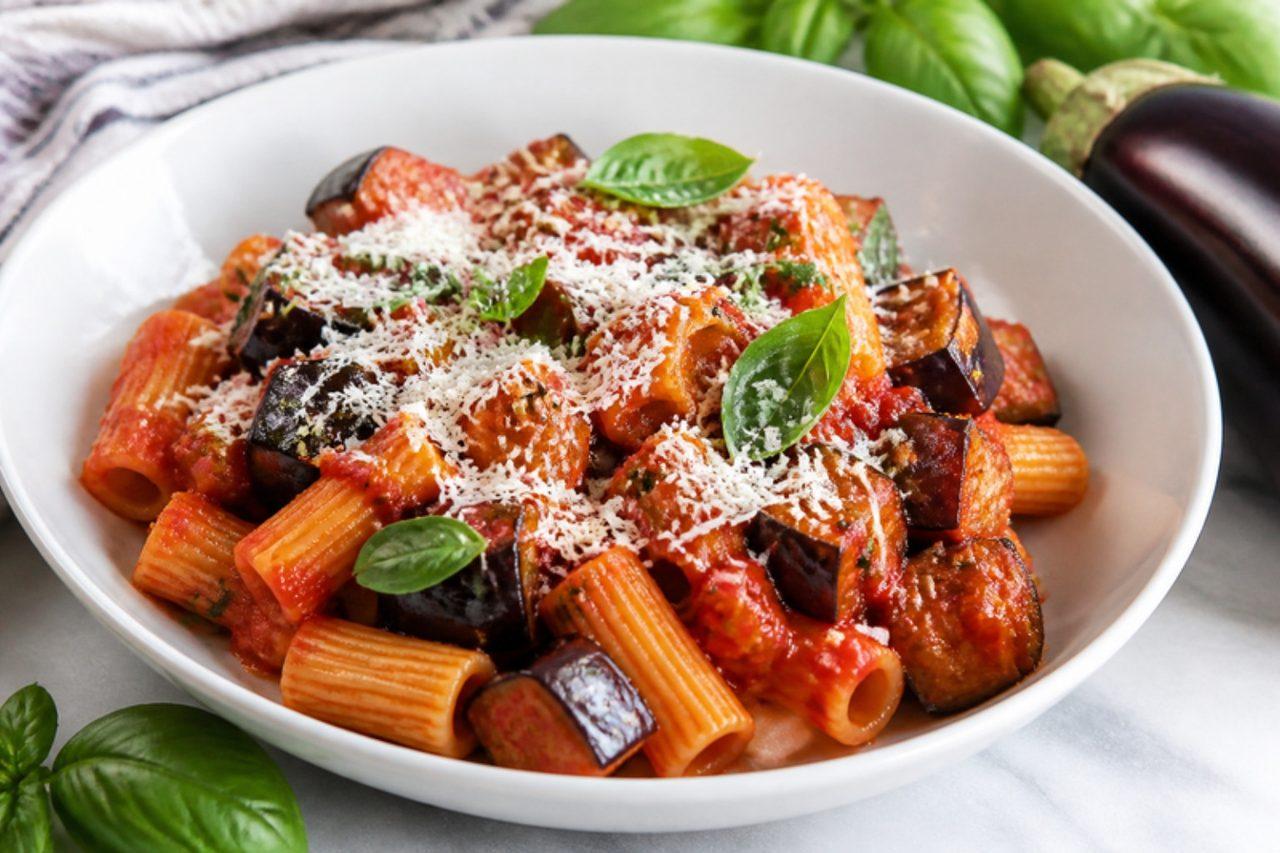
Pasta alla Norma comes from Catania, in the shadow of Mount Etna, and is named after Norma, the opera by the city's own composer Vincenzo Bellini; a local writer is said to have called the dish 'a real Norma', meaning a masterpiece. Fried aubergine, a simple garlic and basil tomato sauce and a snowfall of salty ricotta salata make one of Sicily's best summer lunches. Chef's tip: keep a few of the best fried aubergine slices aside and lay them on top at the end; the rest melt into the sauce and the top ones stay silky.

by KrazyBadal 0 views

Showing 9 of 7,762 recipes

Show more recipes

Page 599 of 863