


Skip to content
Toutons
Featured recipe

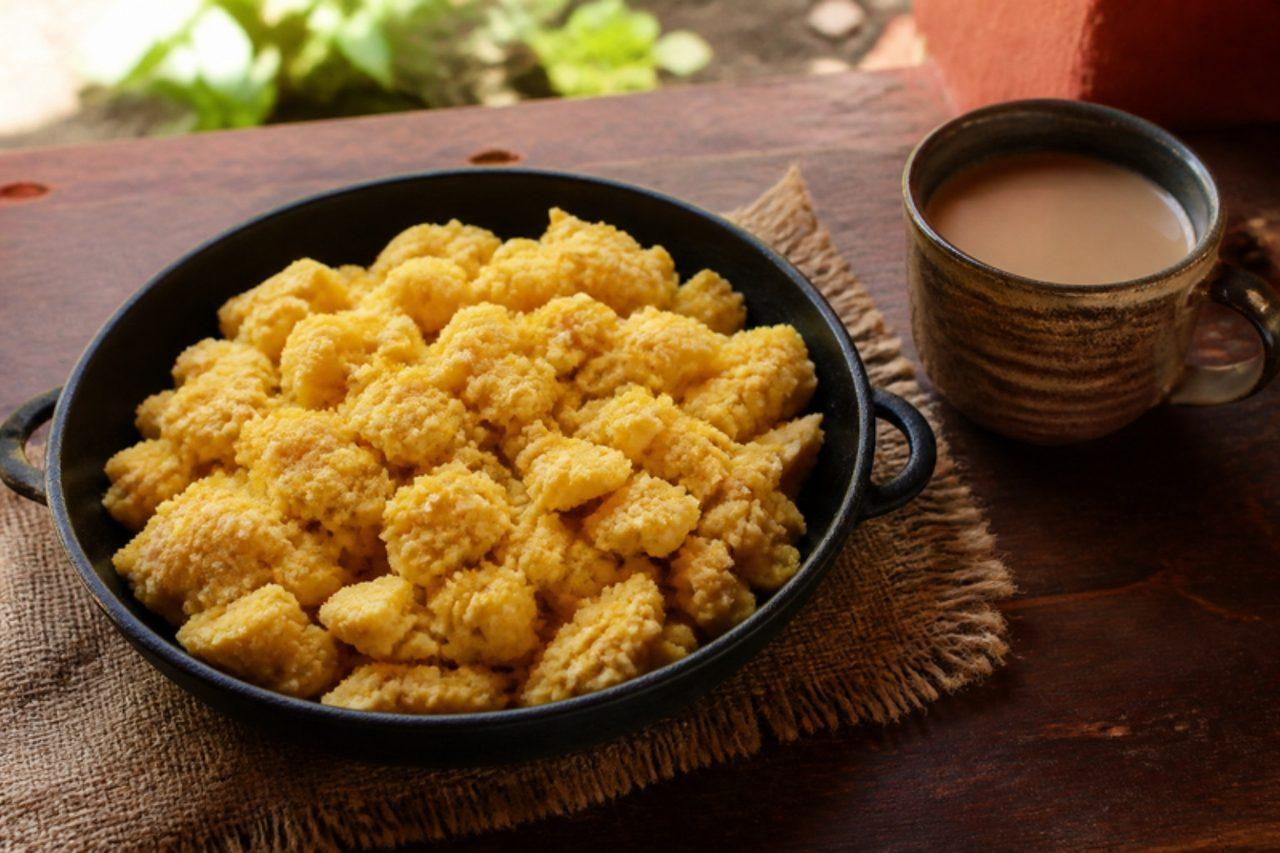
Toutons

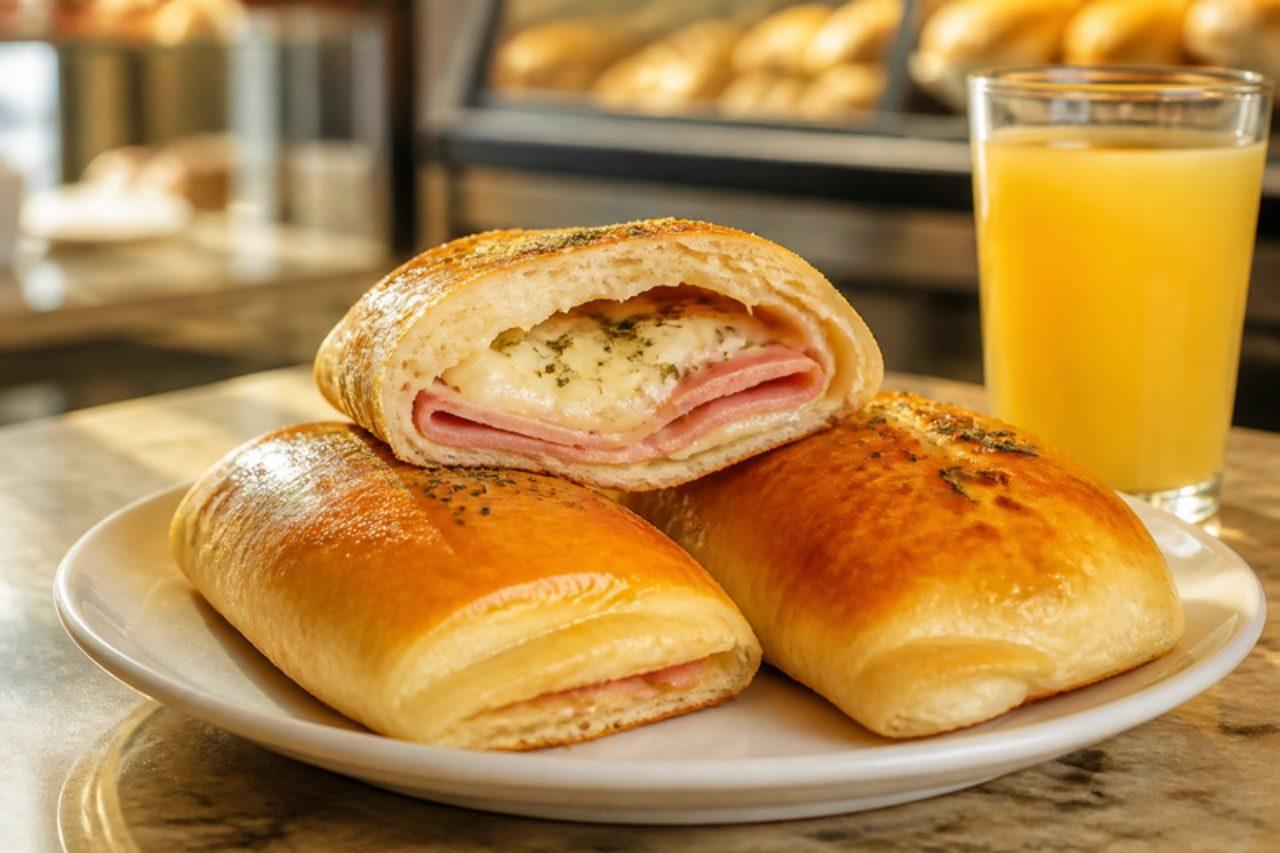
Fried bread dough with molasses

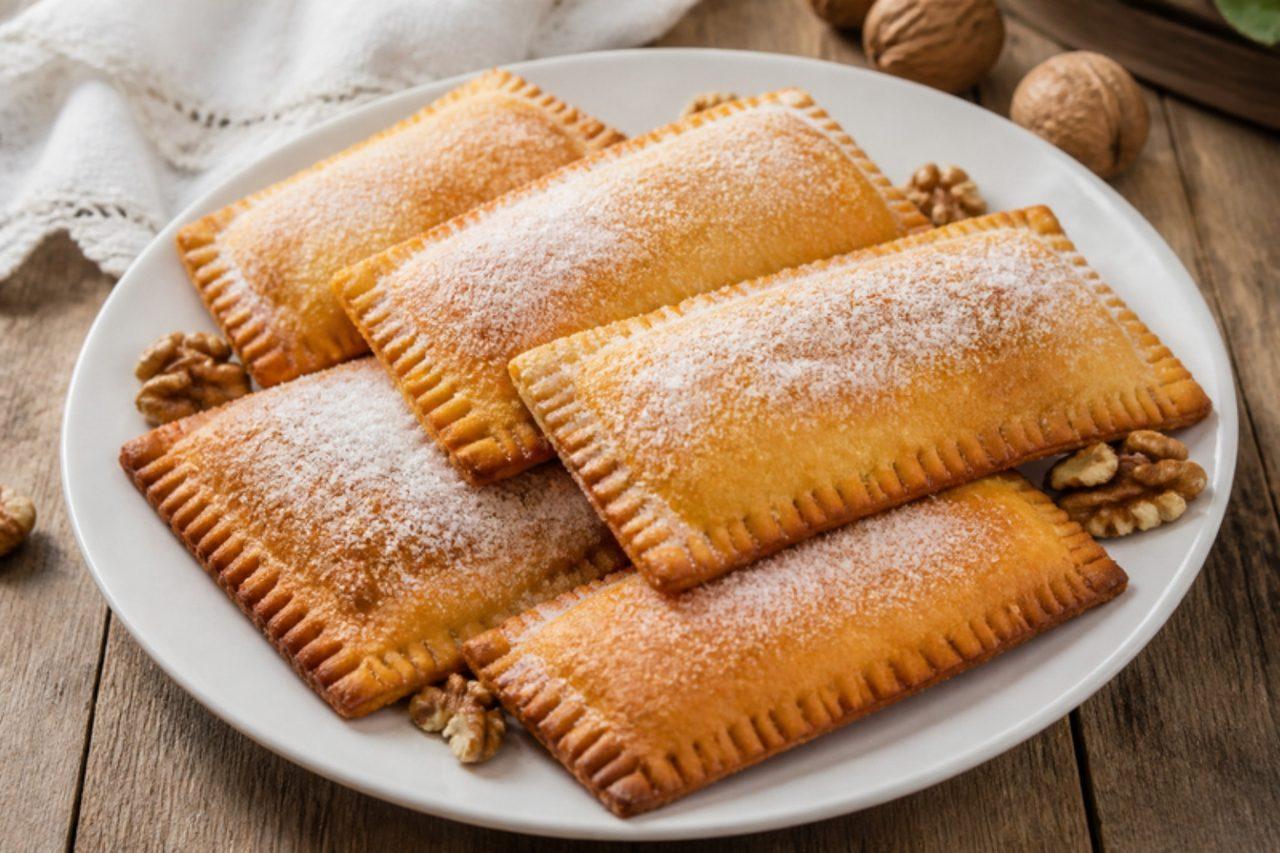
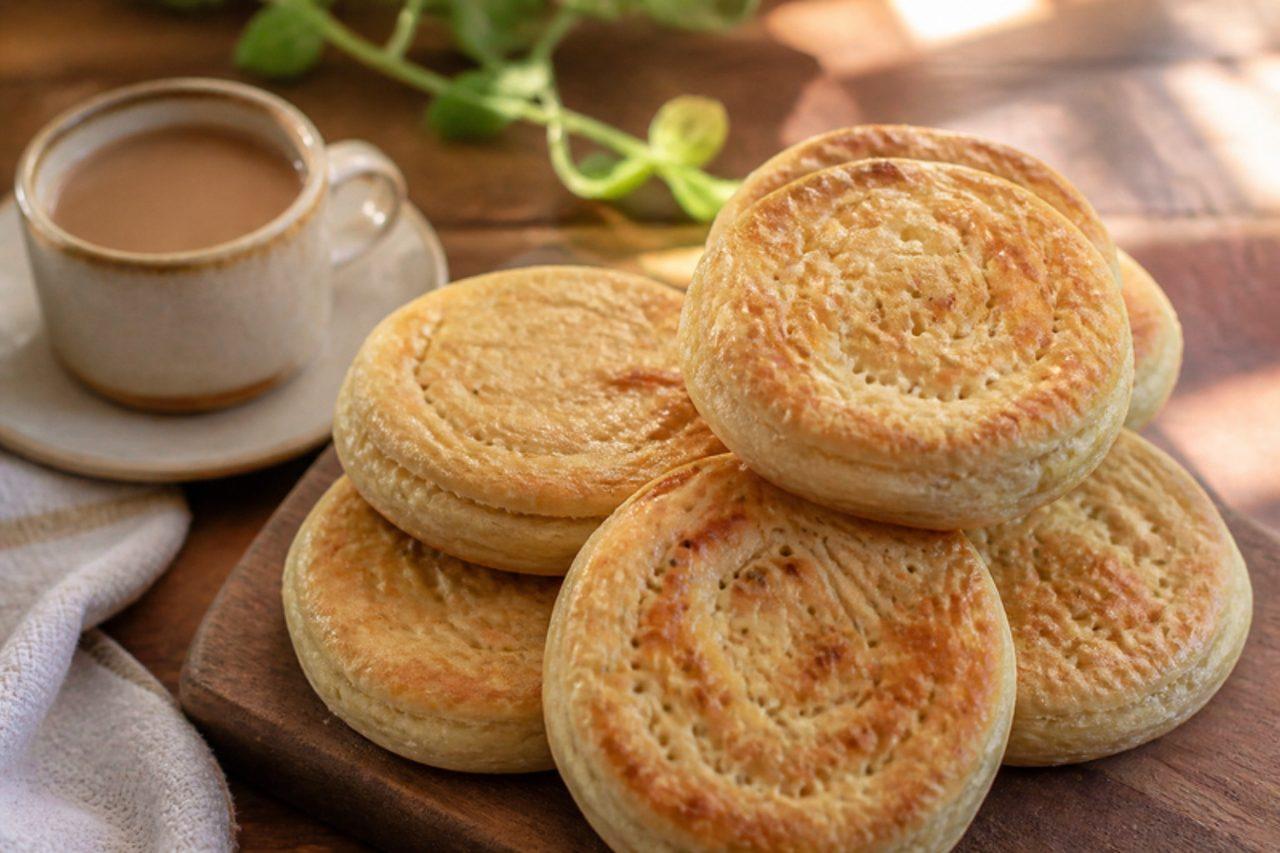
Toutons are the Sunday breakfast of Newfoundland outports, born when a piece of the week's bread dough was pinched off and fried in the pan while the loaves rose. In St John's diners today they still come with a jug of dark molasses or a spoon of butter. They are crisp and golden outside and soft as a bun inside. A common mistake is frying them too hot, which browns the outside before the middle cooks through. Chef's tip: flatten the pieces to about 1.5 cm so they cook evenly.

Read more 0 views

What to eat today?

Around the world

Today's trip: Persian

A new country every day, from every cuisine on the site.

Persian

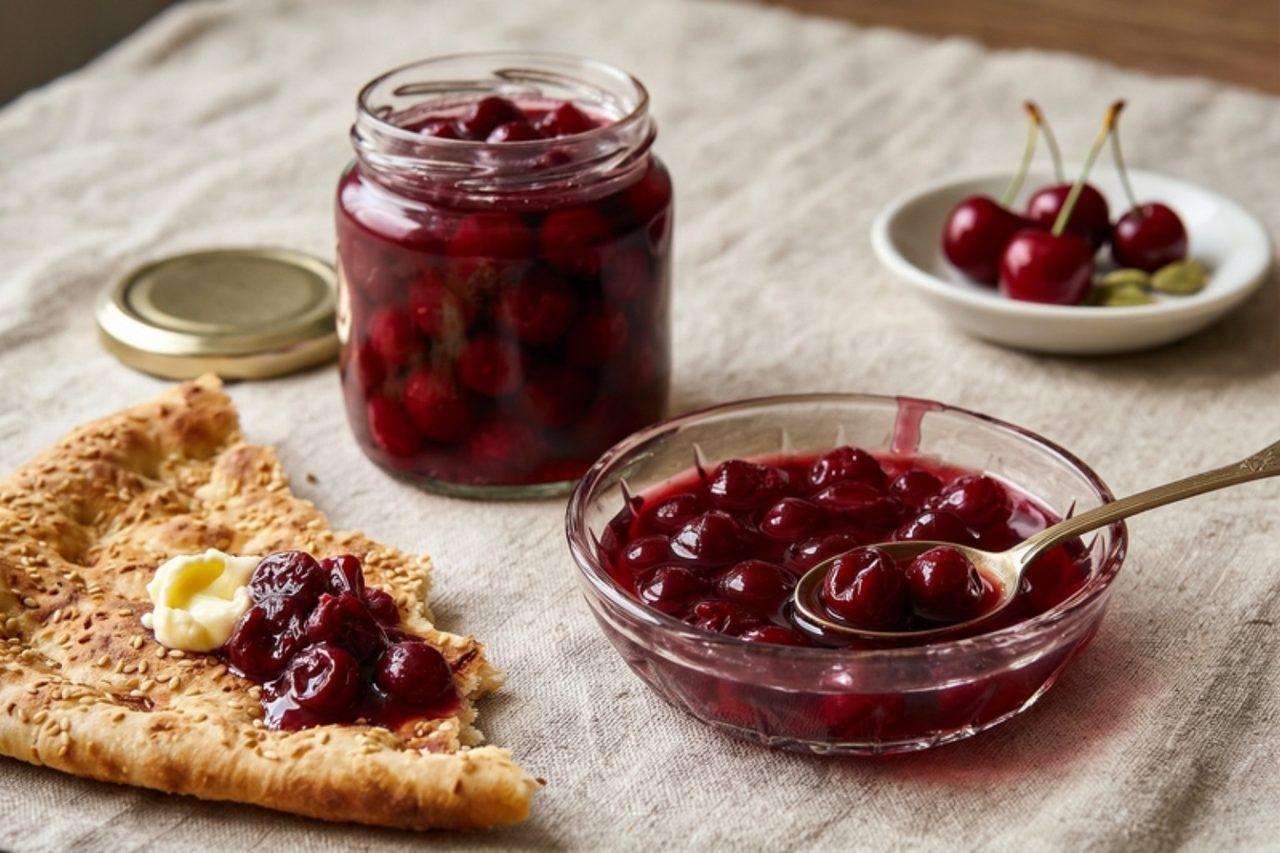
Morabba-ye albaloo

Sour cherry preserve 65 minMore from Persian (131) →

This week's collection

Kid-friendly dinners
601 recipes · a new collection every Monday

Coming up

All occasions →

Latest recipes

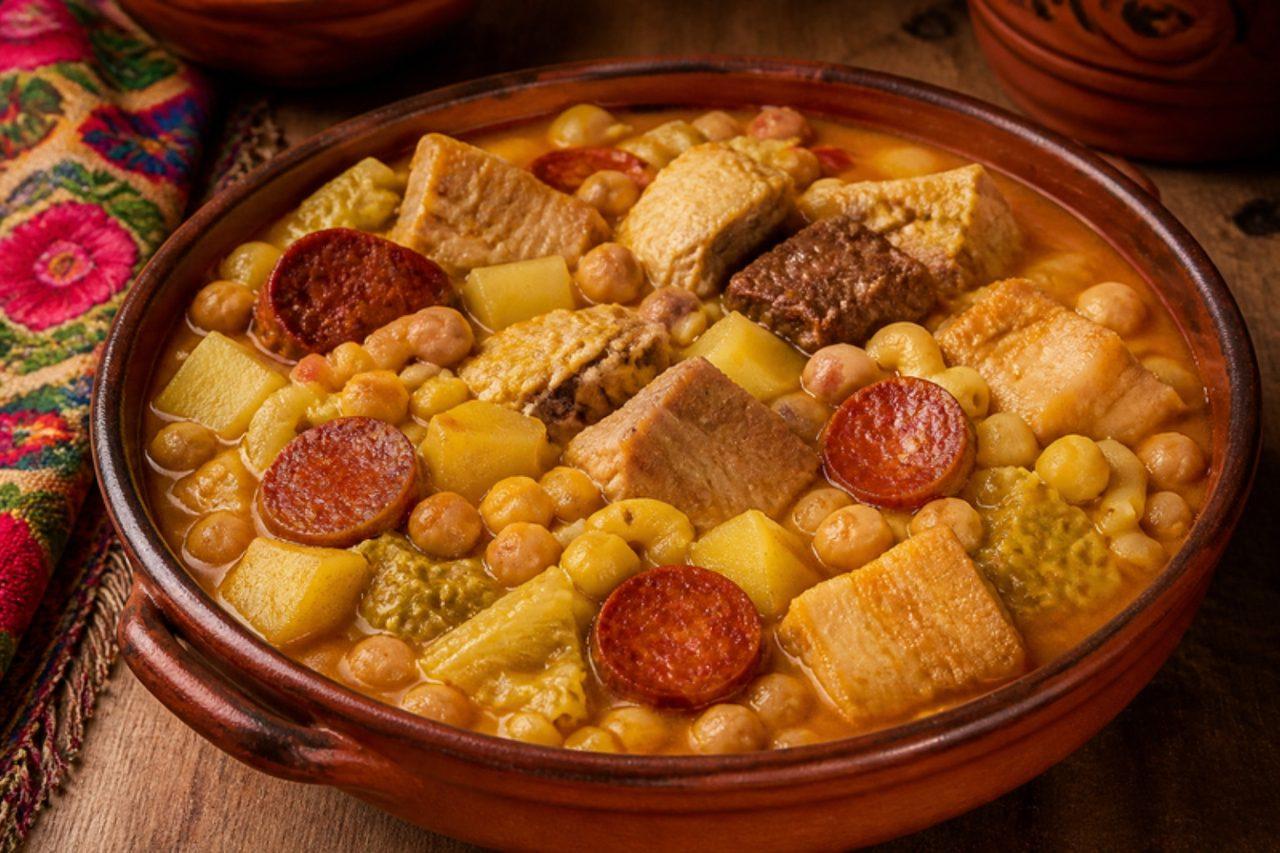
Rancho à minhotaChickpea, meat and macaroni stew

Rancho was the food of farmhands at harvest time around Viana do Castelo: one huge pot of chickpeas, beef, pork, chicken and chouriço, with cabbage, potatoes and short macaroni cooked in the broth to stretch it further. It is now a winter favourite in family restaurants, eaten from deep plates with plenty of the cooking liquid. This contains pork (pork belly and chouriço). Chef's tip: add the pasta only ten minutes before serving and keep the stew loose, as the macaroni soaks up broth fast.

by KrazyBadal 0 views

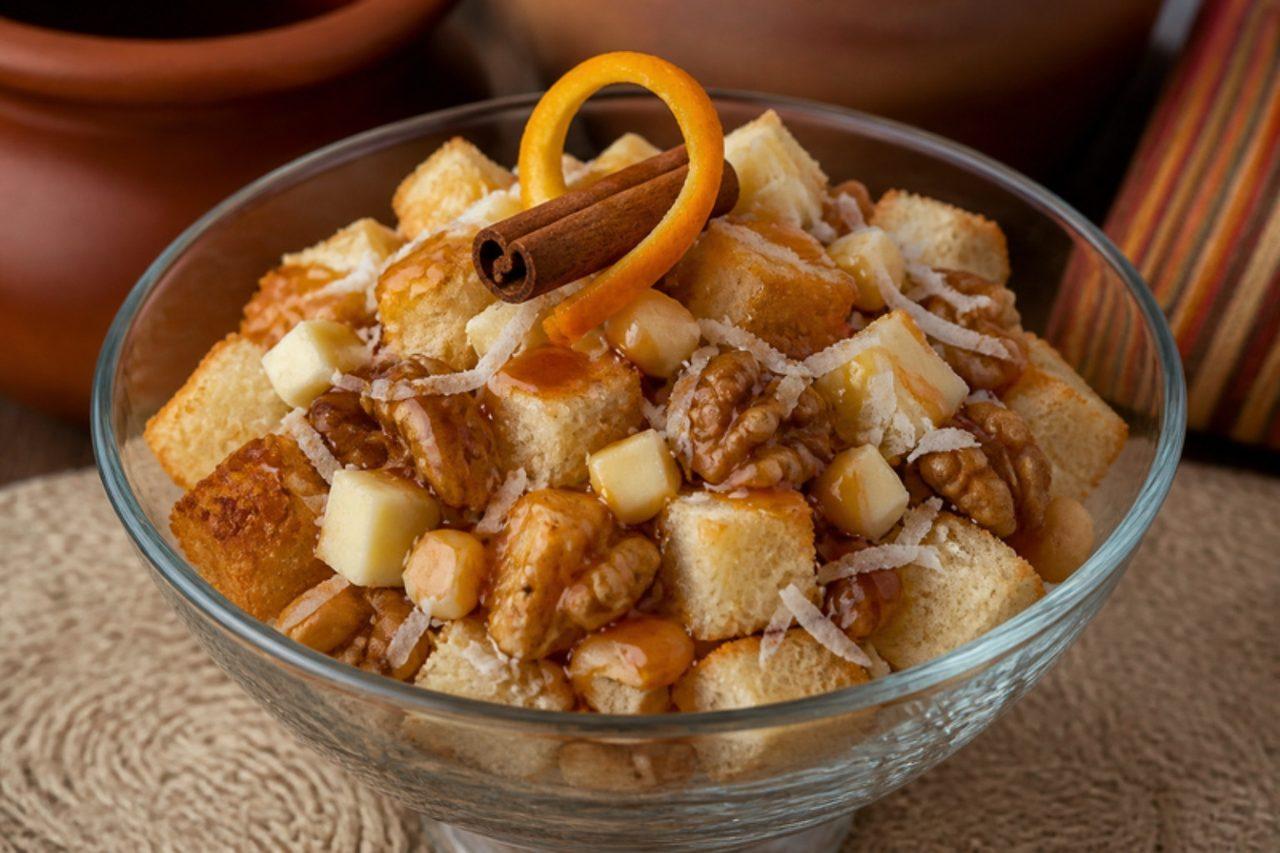
RanfañoteToasted bread dessert in spiced syrup

Made from leftovers in colonial Lima by Afro-Peruvian cooks, ranfañote is one of the city's oldest sweets and turns up today at criollo food fairs and at old-style dessert stalls in Barrios Altos. Cubes of day-old bread are toasted crisp, then layered with walnuts, coconut, raisins and little cubes of fresh cheese and drenched in a thick chancaca syrup scented with cinnamon, clove and orange peel. The cheese is not a typo: its saltiness cuts the syrup, and the contrast of crunchy bread, chewy fruit and soft cheese is the point. It is eaten warm or at room temperature on its own. The common error is pouring thin syrup over the bread, which drowns it; the syrup should be thick like honey. Queso fresco is generally made with animal rennet, so choose a vegetarian fresh cheese if you need to. Chef's tip: toast the bread in the oven rather than frying it; it stays crisp longer under the syrup and is less greasy.

by KrazyBadal 0 views

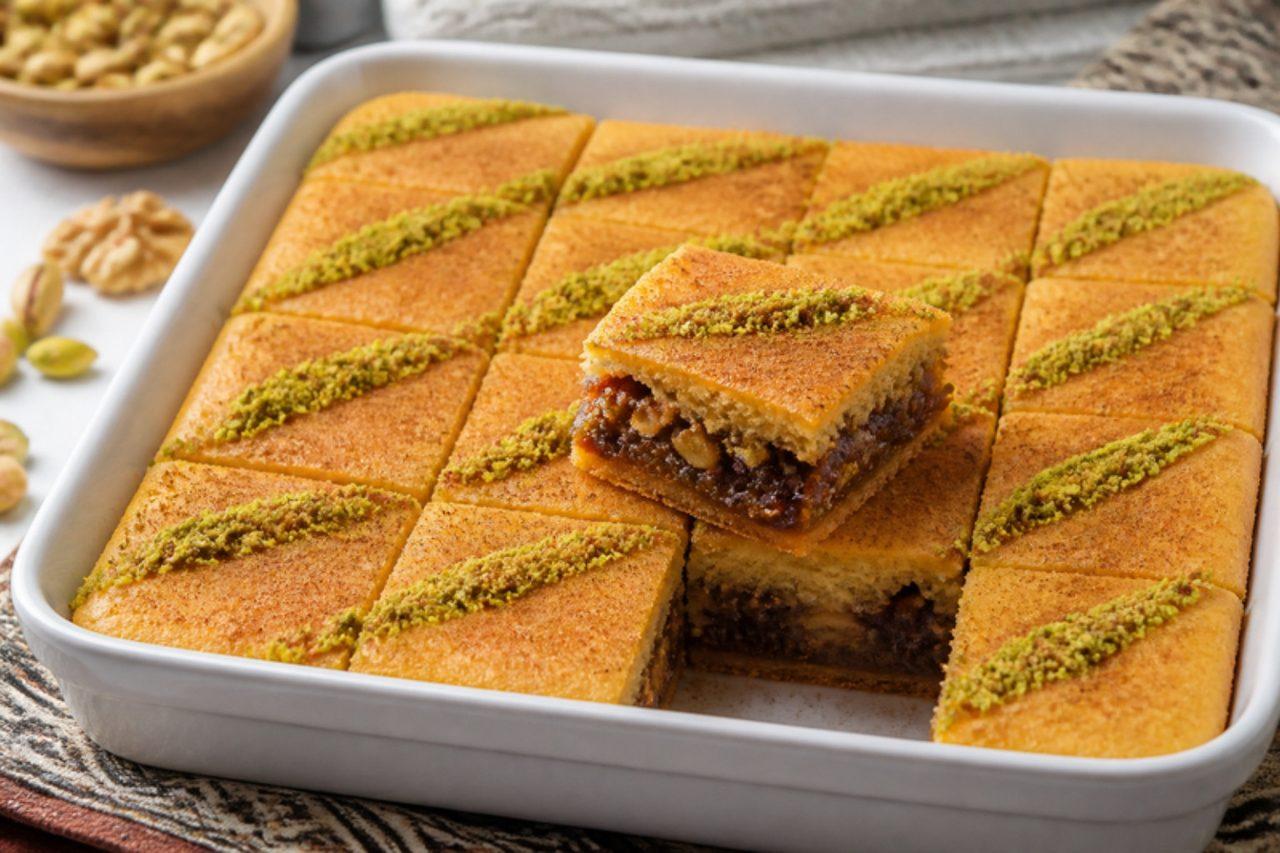
RanginakWalnut-stuffed dates with butter flour

Ranginak is the date sweet of the south, made in Shiraz, Bushehr and Kerman in late summer when the new dates arrive and served in squares with bitter tea, and also at mourning gatherings and Ramadan iftar. Soft dates are stuffed with walnuts, packed into a dish and covered with flour slowly toasted in butter until it smells of biscuits, then dusted with cinnamon and pistachio. A common mistake is toasting the flour on too high a heat: it scorches before it turns nutty, so stir it patiently over a low flame. Chef's tip: use soft, moist dates such as Kabkab or Medjool; dry dates go hard once the butter sets.

by KrazyBadal 0 views

Torta holandesaChilled biscuit and ganache tart

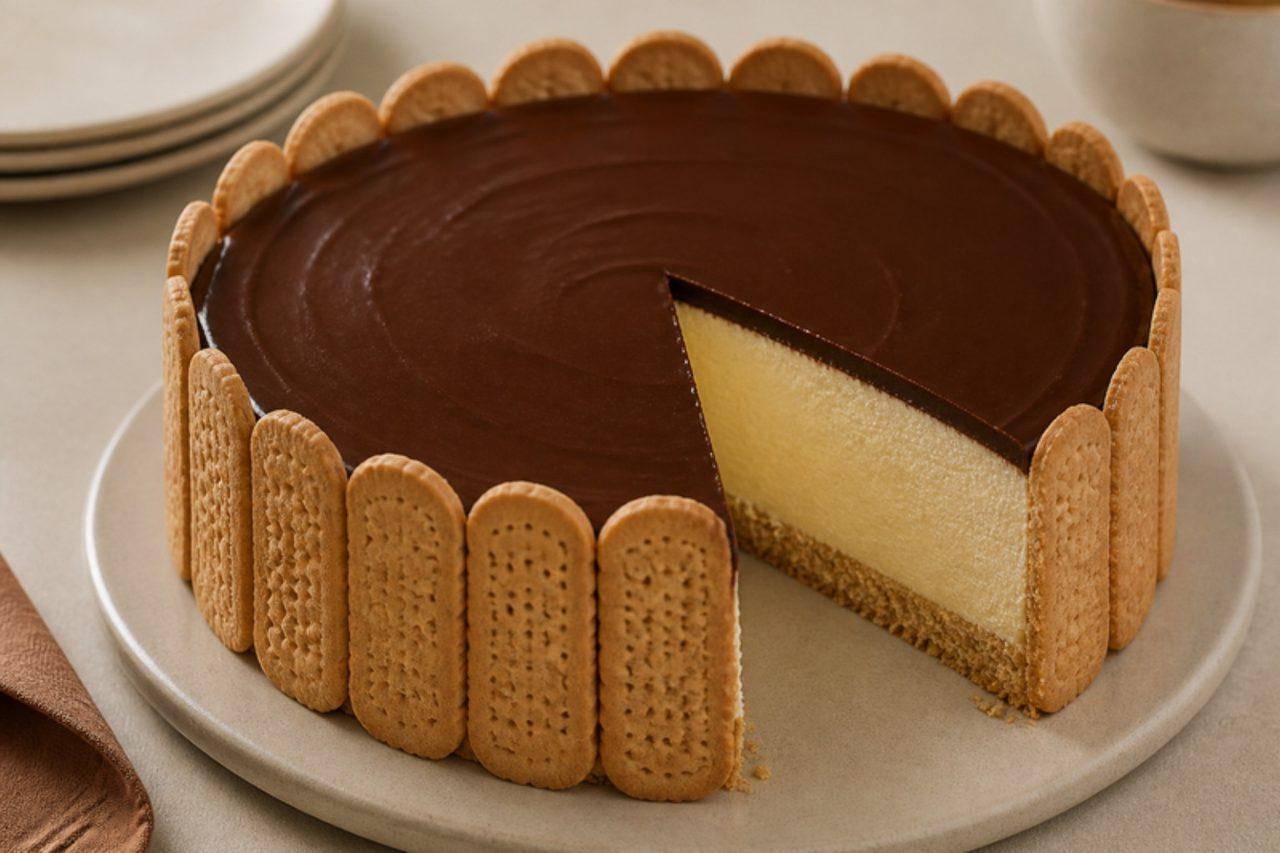
Despite the name, the 'Dutch tart' is a Brazilian invention, created in a confeitaria in Campinas, São Paulo state, in the 1990s and now sold in bakeries and churrascarias all over the country. A crunchy biscuit base holds a tall layer of light vanilla buttercream, sealed with dark chocolate ganache, and the sides are fenced with chocolate-dipped biscuits stood on their edges. Served cold, it is rich, creamy and crunchy at once, cut in thin slices with coffee. Some versions set the cream with gelatin; this one gets its body from butter and whipped cream only. Warm ganache poured straight on is the commonest mistake, since it melts the cream underneath into streaks. Chef's tip: let the ganache cool until it is just pourable and barely warm to a fingertip, about 30 °C, before pouring it over the chilled tart.

by KrazyBadal 0 views

Torta rogelLayered pastry dulce de leche cake

Birthdays in Buenos Aires are where the rogel shows off: eight or more wafer-thin, crackling discs of egg-yolk pastry, each spread with thick dulce de leche, stacked high and finished with a cloud of glossy Italian meringue browned with a blowtorch. Confiterías sell it by the slice, and it is a cake of contrasts, crisp and chewy, very sweet against the faintly salty pastry. It is laborious rather than difficult, and it slices best after a few hours' rest, when the dulce de leche has softened the layers just slightly. Use thick dulce de leche repostero (bakers' style); the runny kind for spreading on toast makes the tower slide. Rolling the discs too thick is the classic mistake: they should be so thin you can almost see the worktop through them, or the cake becomes heavy and hard to cut. Chef's tip: prick every disc all over with a fork before baking, or it puffs into a dome and won't stack flat.

by KrazyBadal 0 views

RashoofLentil and cracked wheat yoghurt soup

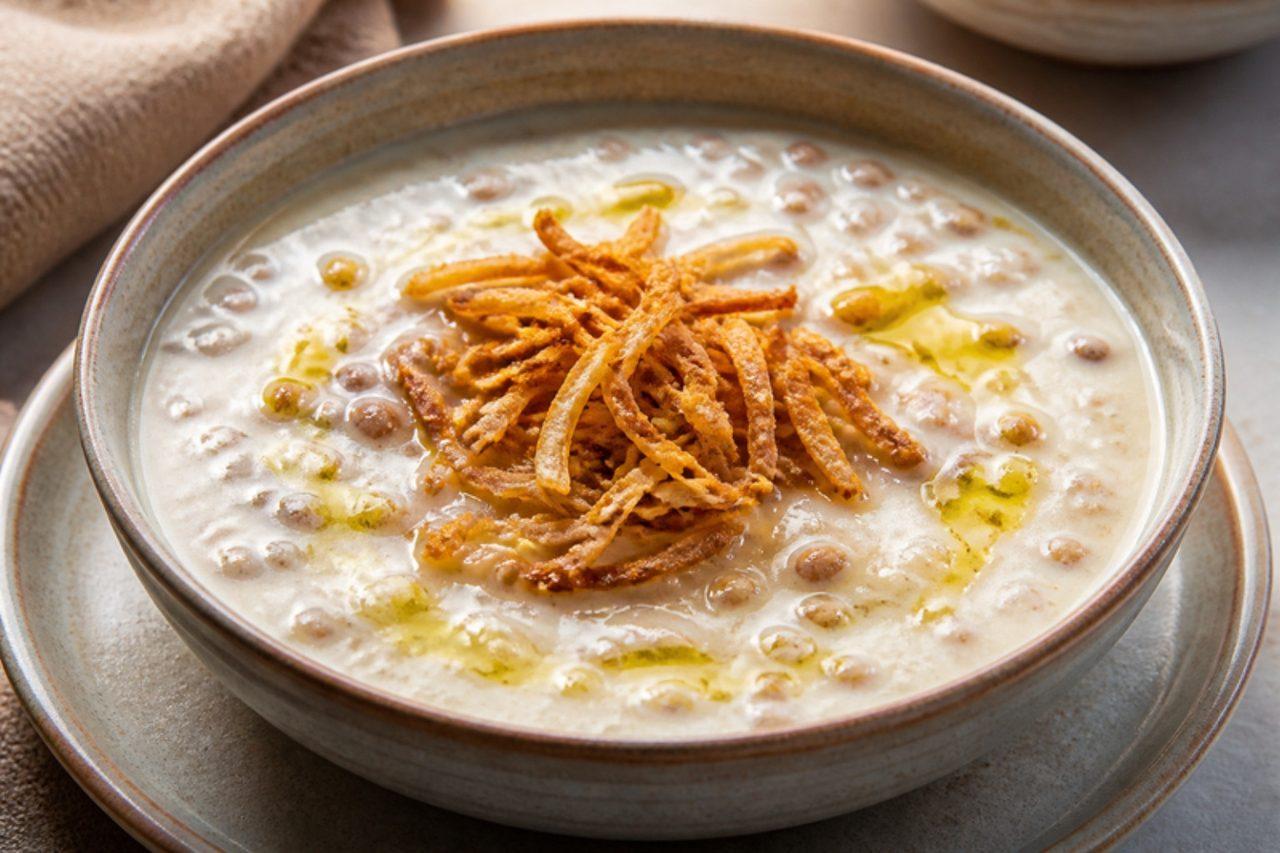
In the stone villages around Karak and Tafileh, rashoof is what simmers on cold, wet evenings: brown lentils and coarse bulgur cooked soft, then enriched with jameed, the dried salted yoghurt that is also the soul of mansaf. The result is thick, sour and comforting, almost a porridge, finished with a heap of onions fried golden in samneh. Jameed is sold in hard balls or as a liquid in Middle Eastern shops; thick strained yoghurt with a little extra salt makes a fine stand-in. The classic mistake is letting the soup boil hard once the yoghurt goes in, which makes it split into grainy curds. Chef's tip: temper the yoghurt with a ladle of hot soup first and stir in one direction over a low heat; it stays silky.

by KrazyBadal 0 views

RaspaoShaved ice with blackberry syrup

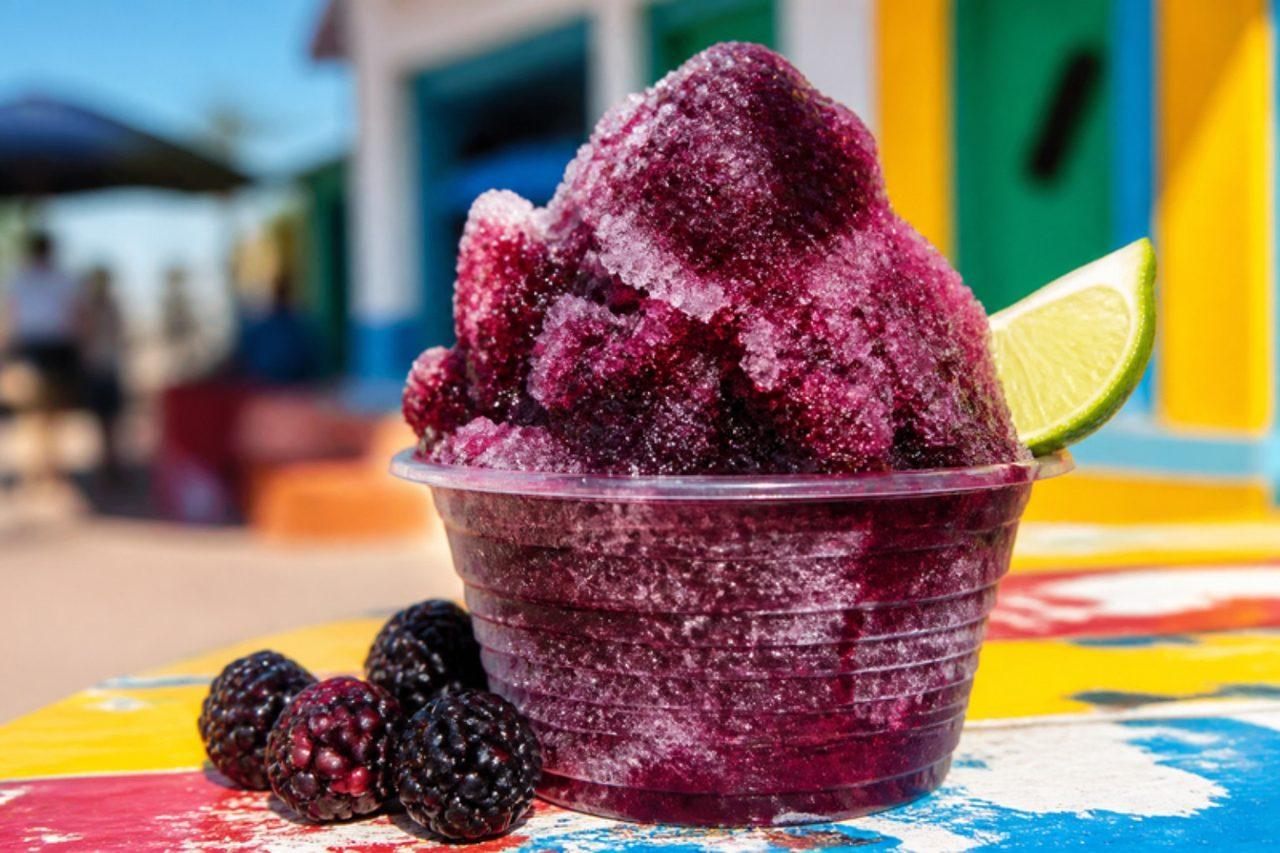
On a hot Barranquilla afternoon, the raspao cart is the fastest way to cool down. The vendor scrapes a block of ice with a metal plane, packs the snow into a cup and floods it with bright syrups: kola, tamarind, lime, blackberry. Many add a ribbon of condensed milk on top, but this version stays vegan and lets the fruit carry it. Children love it, and it is a fun one to make at home with a blender and a jug of syrup. The usual misstep is pouring warm syrup over the ice, which melts it to slush in seconds, so chill the syrup completely first. Make the syrup a day ahead if you like; it keeps a week in the fridge. Chef's tip: freeze water in a shallow tray, then blitz the slab in pieces with a few pulses for fluffier, snow-like ice than ice cubes give.

by KrazyBadal 0 views

Tortas ahogadasPork rolls in tomato sauce

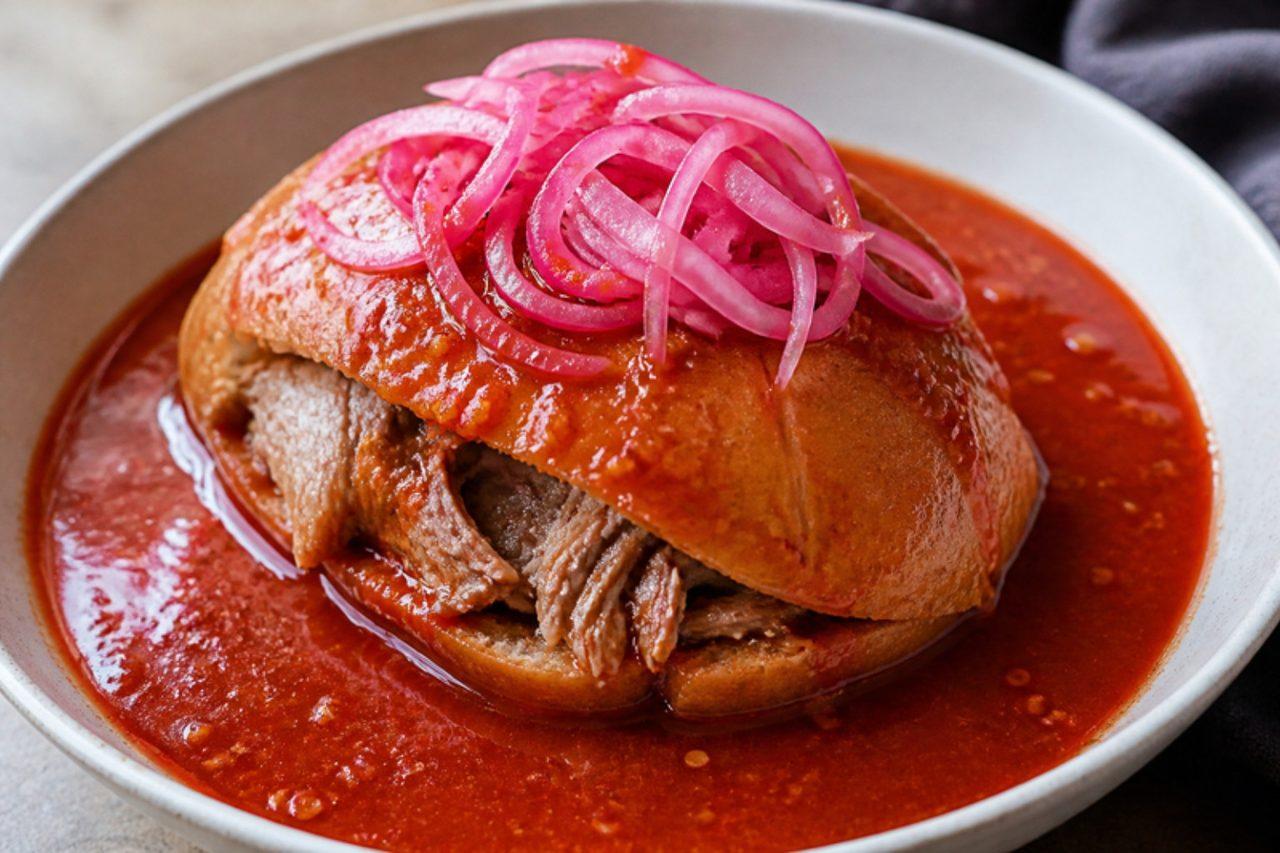
Guadalajara's great hangover cure, the torta ahogada is sold from street stands and small fondas all over the city from mid-morning. A crusty roll is split, packed with pork carnitas, then 'drowned' in a thin, mild tomato sauce and splashed with a ferociously hot chile de árbol salsa; you can order it half-drowned or fully submerged, and eat it with a plastic bag over your hand or with a knife and fork. The local birote salado, a sourdough roll with a hard crust, rarely exists outside Jalisco, so use the crustiest small baguettes or sourdough rolls you can find. Pickled red onions and a few radishes are the classic side. Chef's tip: let the rolls go a day stale and toast the cut sides; a firm, dry crumb soaks up sauce without turning to mush.

by KrazyBadal 0 views

Tortas de aceite sevillanasCrisp olive-oil flatbreads with anise

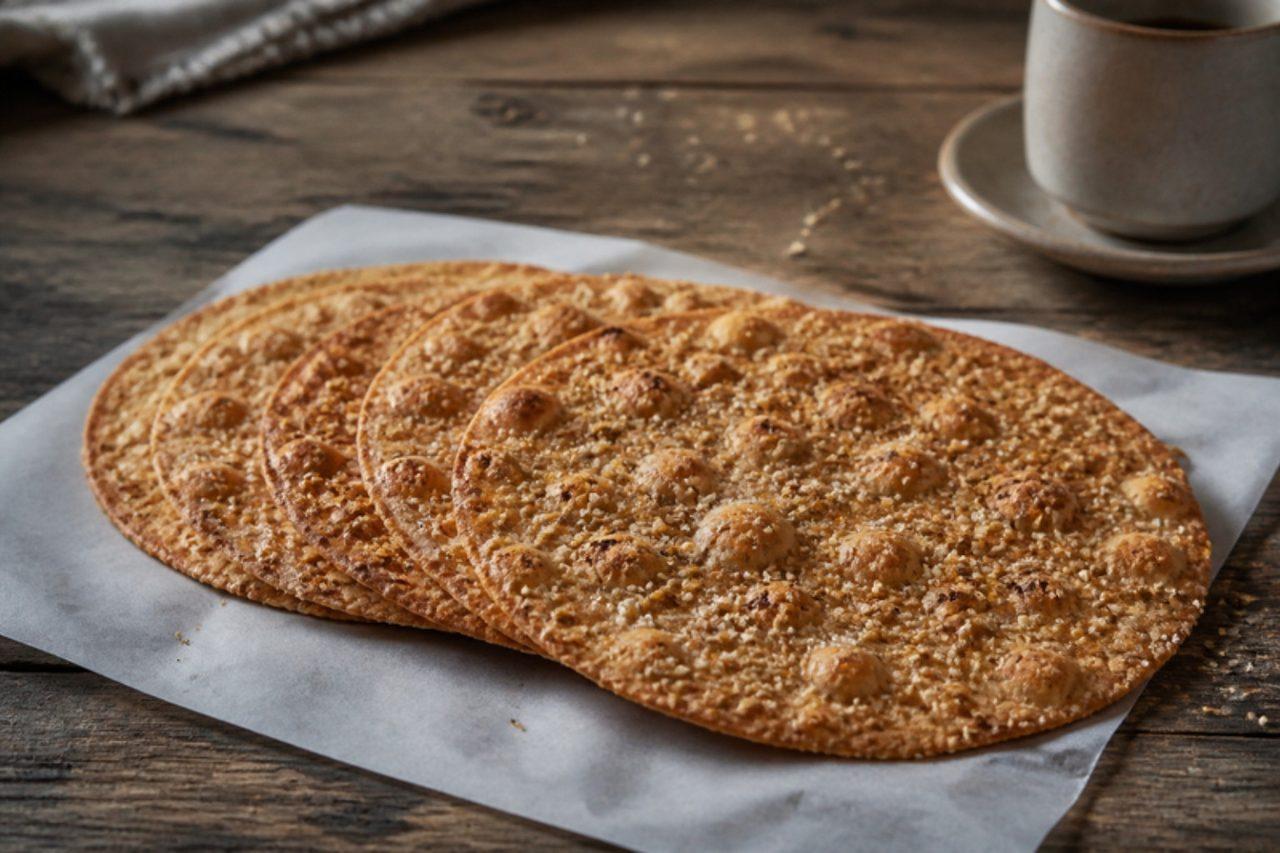
Castilleja de la Cuesta, just west of Seville, has made these hand-pressed tortas for well over a century, and across Andalusia they are dunked into morning coffee or eaten as an afternoon snack. The dough is little more than flour, olive oil infused with anise and sesame, and a pinch of yeast, rolled until you can almost see through it and baked with a crust of sugar. Chef's tip: roll each torta directly on the baking paper you will bake it on; the dough is too thin to lift without tearing.

by KrazyBadal 0 views

Tortas de almaPumpkin and almond pastries

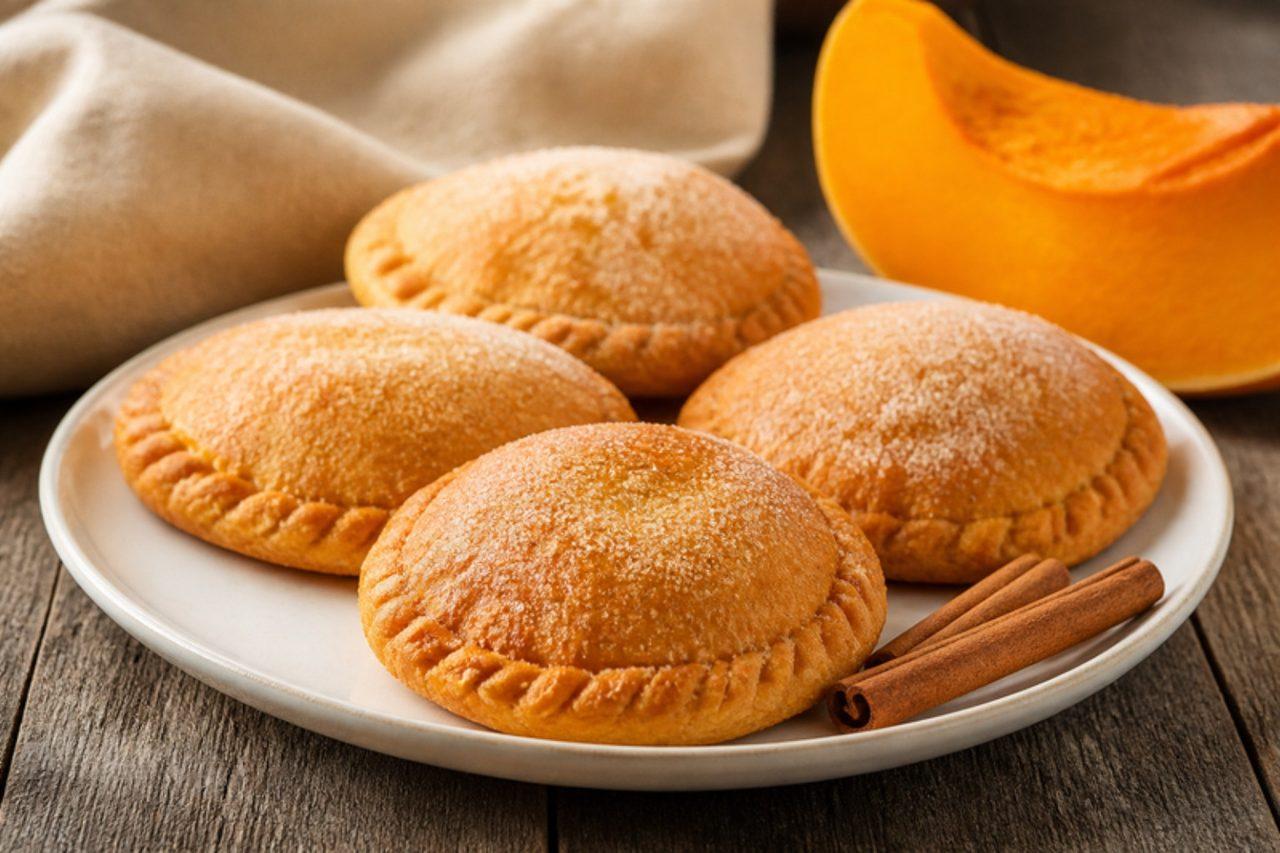
In the province of Teruel, especially around Calamocha and the Jiloca valley, tortas de alma are made at the end of autumn when the pumpkins come in: crisp, flaky olive-oil pastry folded over "alma", a sweet filling of pumpkin cooked down with sugar, almond and cinnamon. They are eaten with coffee at the village festivals and given away by the dozen at All Saints and Christmas. Recipes vary from house to house; this one keeps to the simple, widely made version. A common mistake is a runny filling, which leaks and burns on the tray; cook it until it is thick enough to hold a clean line. Chef's tip: make the filling a day ahead and chill it; cold alma is far easier to spoon onto the pastry.

by KrazyBadal 0 views

Cau cauTripe and potato stew

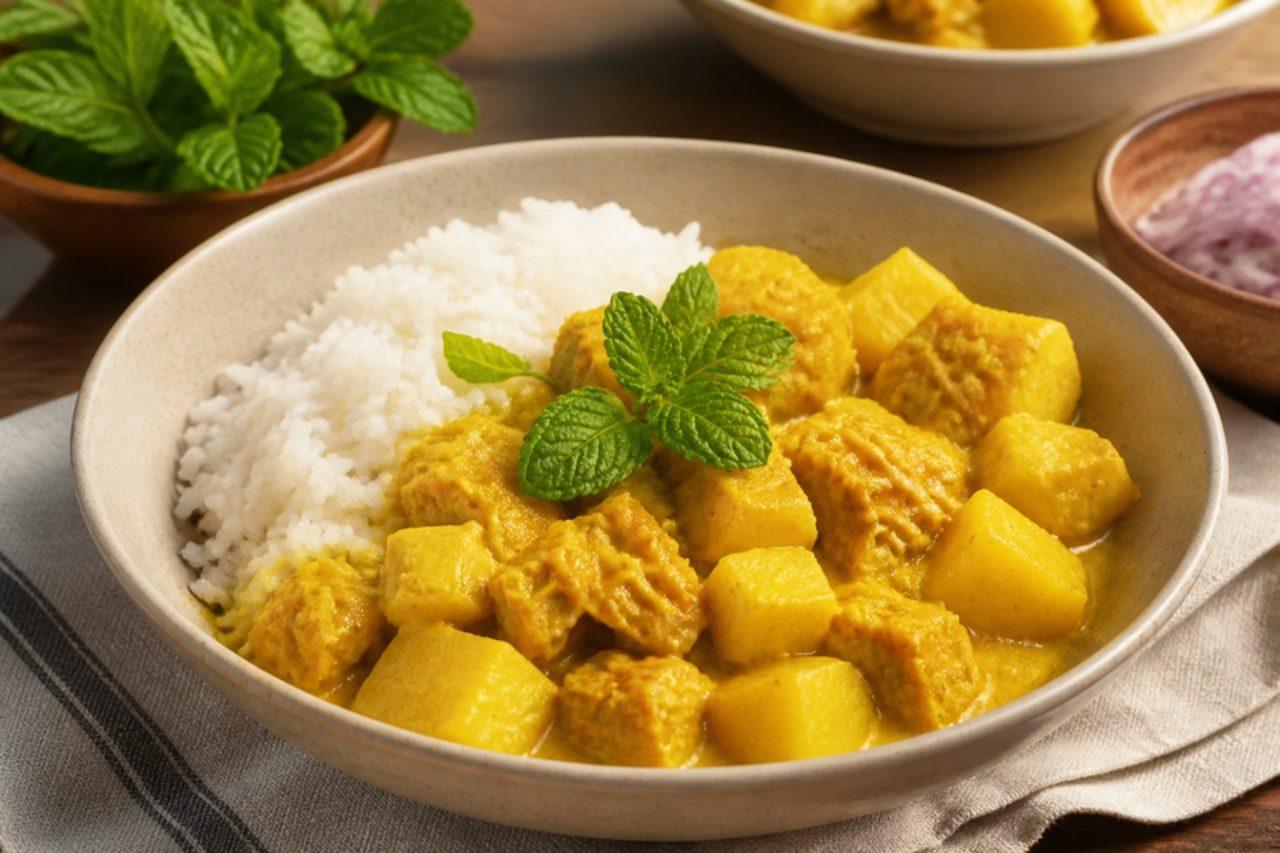
Cheap, filling and deeply loved, cau cau is a lunchtime staple at Lima's menú restaurants and market comedores, served with white rice. Pieces of honeycomb tripe are simmered until soft, then stewed with diced potato in a golden sauce of ají amarillo, garlic and turmeric, finished with a fistful of mint (hierbabuena) that freshens the richness. The texture is soft and slightly springy, the sauce mild, warm and herby. Buy tripe from a butcher or Latin, Asian or halal shop already cleaned and blanched (white honeycomb); it must be simmered until fully tender and cooked through. The common mistake is undercooking the tripe: if it squeaks between your teeth it needs longer. Chef's tip: cut the potatoes small and let some of them break up at the end; they thicken the sauce naturally.

by KrazyBadal 0 views

Tortas de VianaSponge roll with egg-yolk cream

In the pastry shops along Viana do Castelo's old streets, tortas are sold rolled and sliced, a feather-light sponge wrapped around a glossy egg-yolk cream. They turn up on festival weekends in August, when the town fills for the Romaria d'Agonia, and as an afternoon treat with coffee the rest of the year. The sponge contains only eggs, sugar and a little flour, so it bends without cracking if you roll it warm. Chef's tip: roll the sponge in sugared paper straight from the oven and let it cool in that shape, then unroll and fill.

by KrazyBadal 0 views

RaxoMarinated pork loin cubes

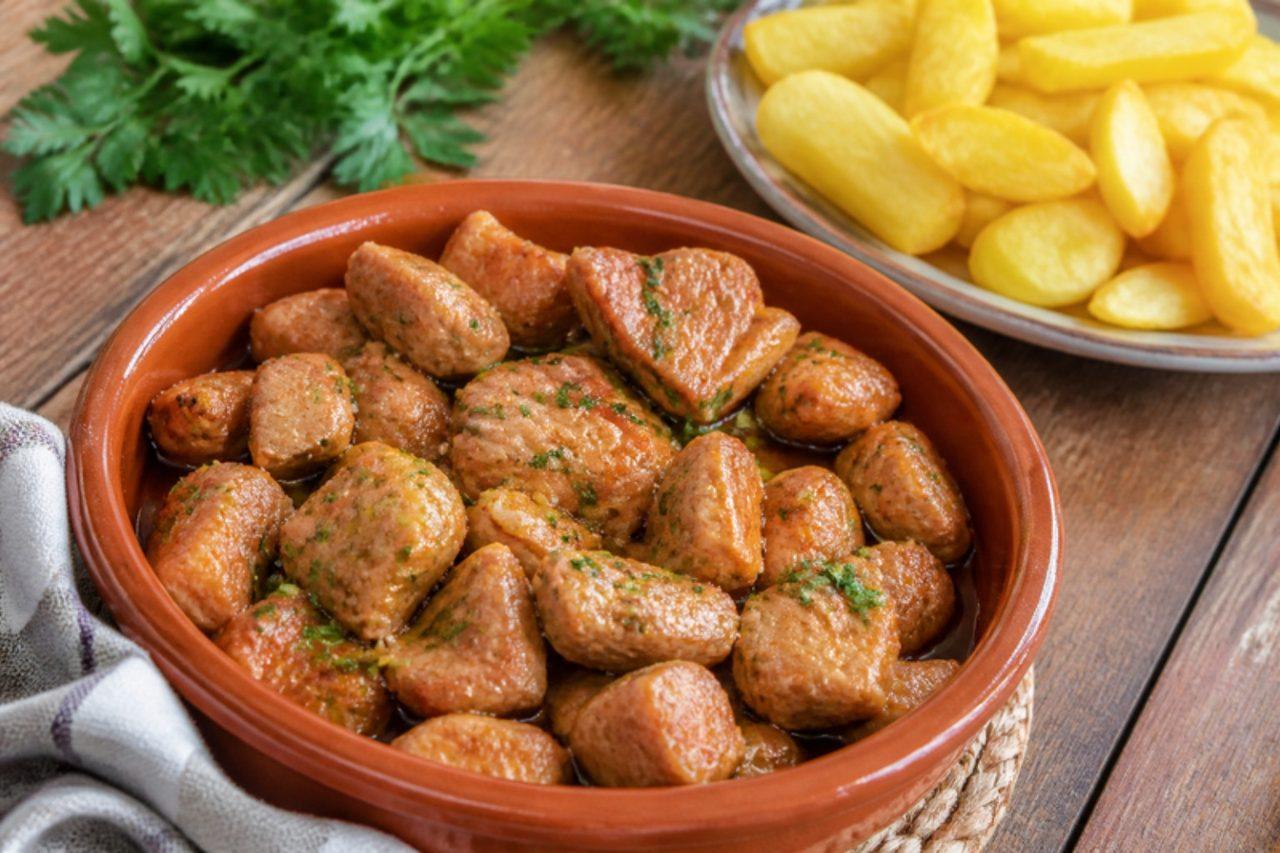
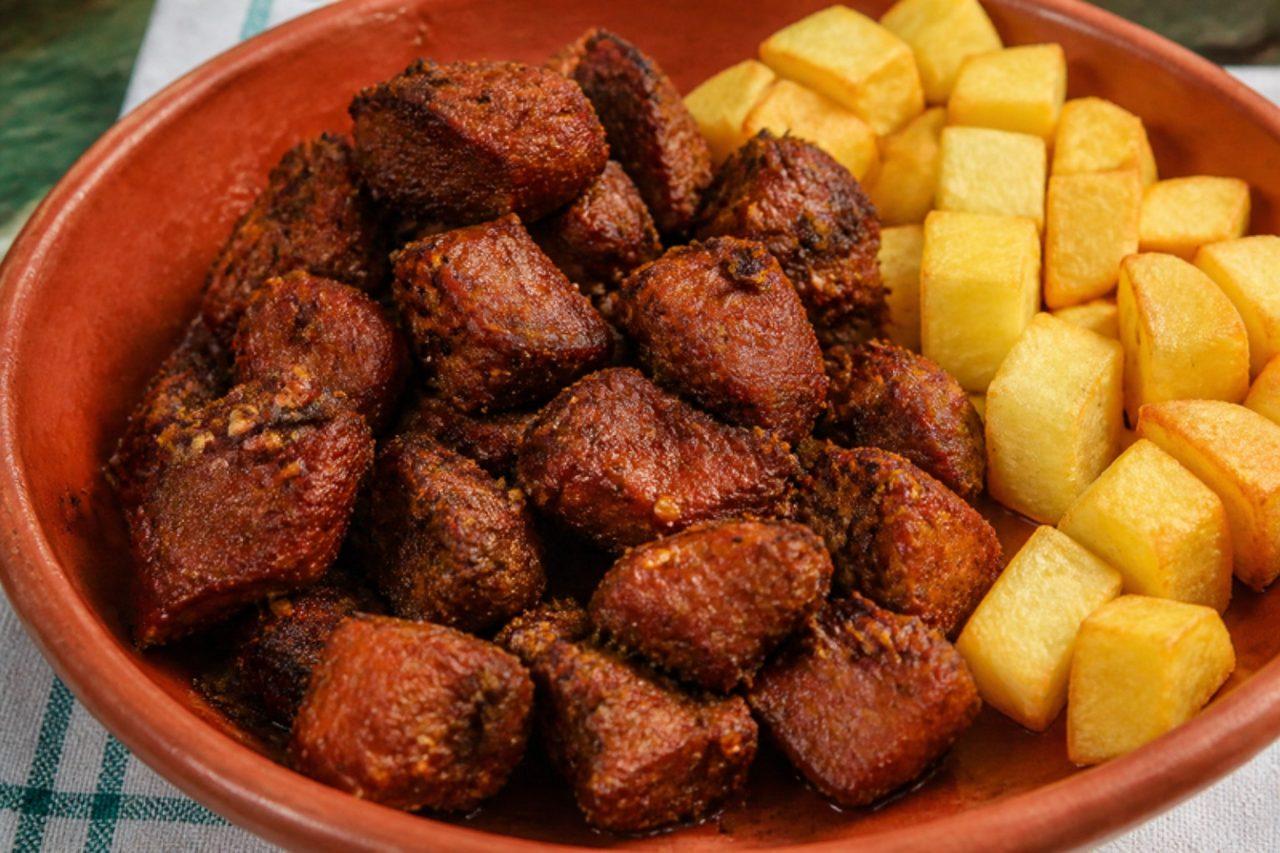
Order a ración of raxo in a tavern in Santiago or A Coruña and it comes sizzling on a metal plate: little cubes of pork loin marinated with garlic, paprika and oregano, fried until browned, with chips and sometimes Padrón peppers alongside. This contains pork. Unlike zorza, which is chopped like chorizo filling, raxo keeps its meat in neat cubes and is gentler on the paprika. Marinate the pork in the fridge, covered. A common mistake is crowding the pan, which stews the meat instead of browning it, so fry in two batches. Chef's tip: let the cubes sit for a minute without stirring when they first hit the pan, so they form a golden crust.

by KrazyBadal 0 views

Camu camuCamu camu berry juice

Camu camu are small purple-red berries that grow on bushes along the flooded riverbanks of the Peruvian Amazon, and in Iquitos and Pucallpa they are sold as frozen pulp and blended into a sharp, pink refresco at juice bars and lunch places. The flavour is intensely sour, more than lime, with a faint cherry note, and the berries are famous for containing far more vitamin C than oranges. It is the drink people order with a heavy plate of tacacho or rice. Never boil camu camu or make the juice hours ahead: heat and air quickly fade its colour and much of the vitamin C, so blend it cold and drink it soon. Frozen pulp or freeze-dried powder from health-food and Latin shops are the forms you'll find abroad. Chef's tip: start with half the pulp and add more to taste; it's strong enough that a little goes a long way.

by KrazyBadal 0 views

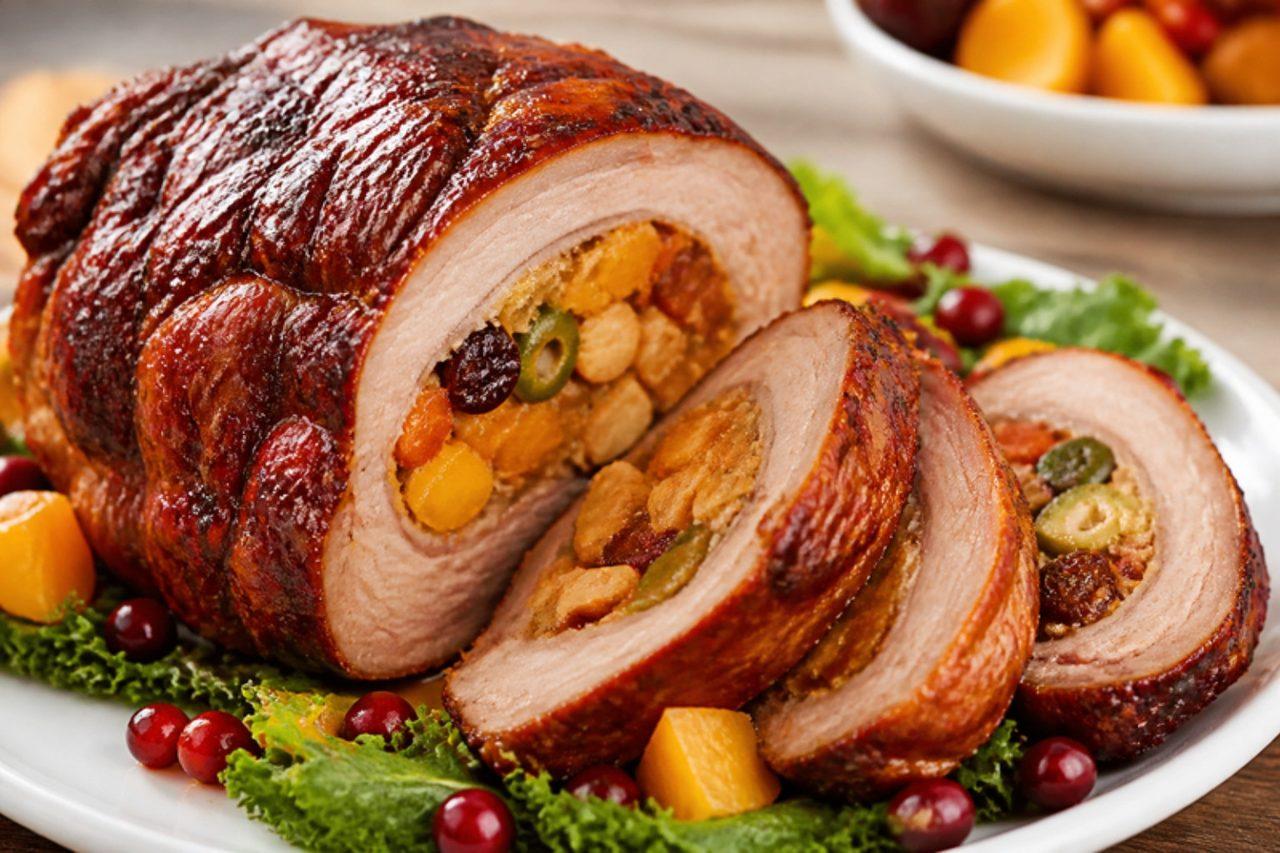
Relleno de cerdoStuffed pork shoulder with plantain

In Guerrero's Tierra Caliente, around Ciudad Altamirano, relleno de cerdo is the centrepiece of weddings and saints' days: a whole pig is stuffed with fruit, vegetables and its own chopped meat, rubbed with chilli and roasted for hours, then served in tortas or tacos. This home version is a pork dish for an ordinary oven, using a boned pork shoulder rubbed with a guajillo adobo and rolled around a stuffing of ripe plantain, potato, carrot, olives, raisins and almonds, so you get the same sweet, salty and spicy mix. Slice it thickly with its juices, warm tortillas, rice and pickled jalapeños. Chef's tip: ask the butcher to butterfly the shoulder evenly to about 3 cm thick; an even slab rolls neatly and cooks at the same rate all through.

300 minMexicanMeatGluten free
by KrazyBadal 0 views

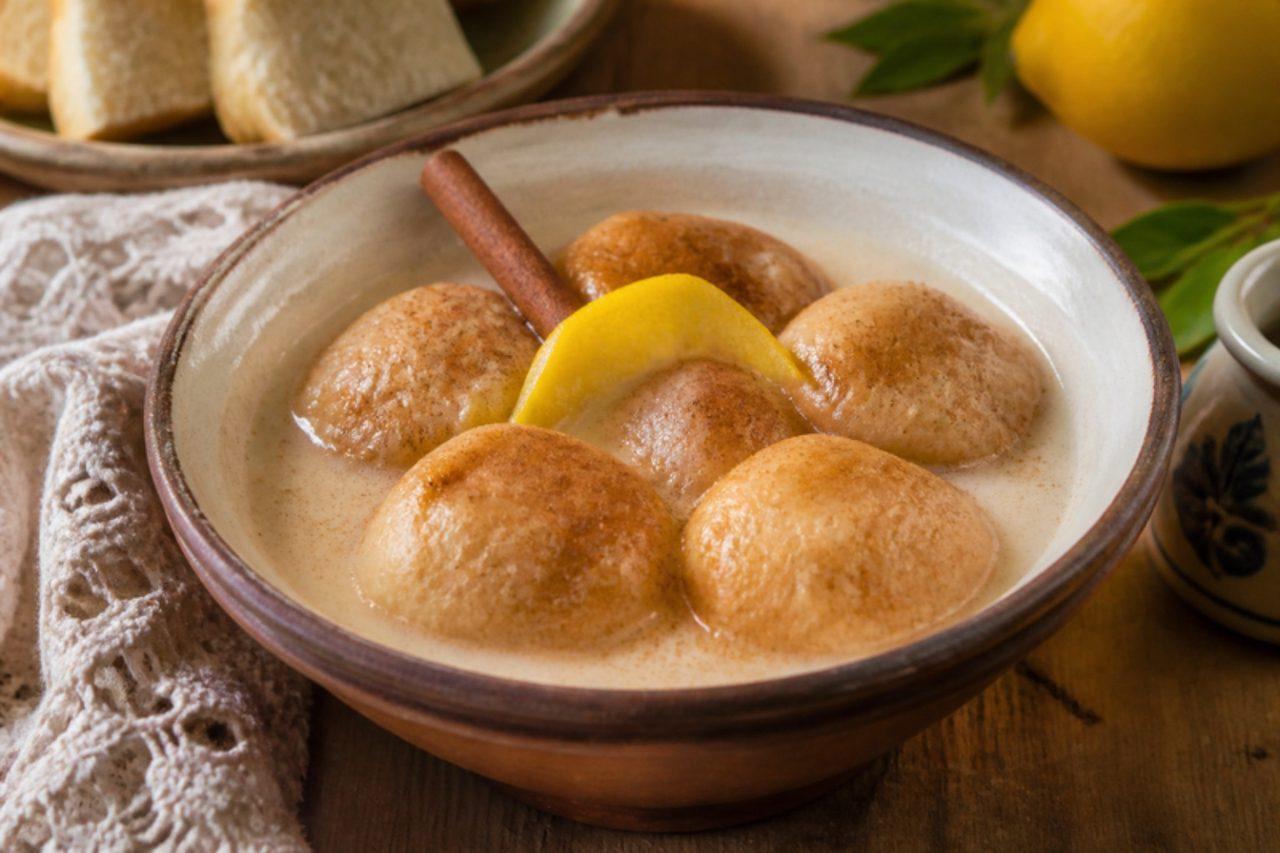
RepápalosBread fritters in sweet milk

Repápalos belong to the kitchens of Extremaduran villages, where nothing was wasted: stale bread crumbs are mixed with egg into small dumplings, fried until golden, then simmered in milk scented with cinnamon and lemon until they swell and soften. They turn up at Easter and in Lent, and on winter afternoons when there was bread to use up, and they are eaten warm or cold from a deep dish with plenty of the sweet milk. Chef's tip: use bread that is at least two days old; fresh bread makes heavy, doughy fritters.

by KrazyBadal 0 views

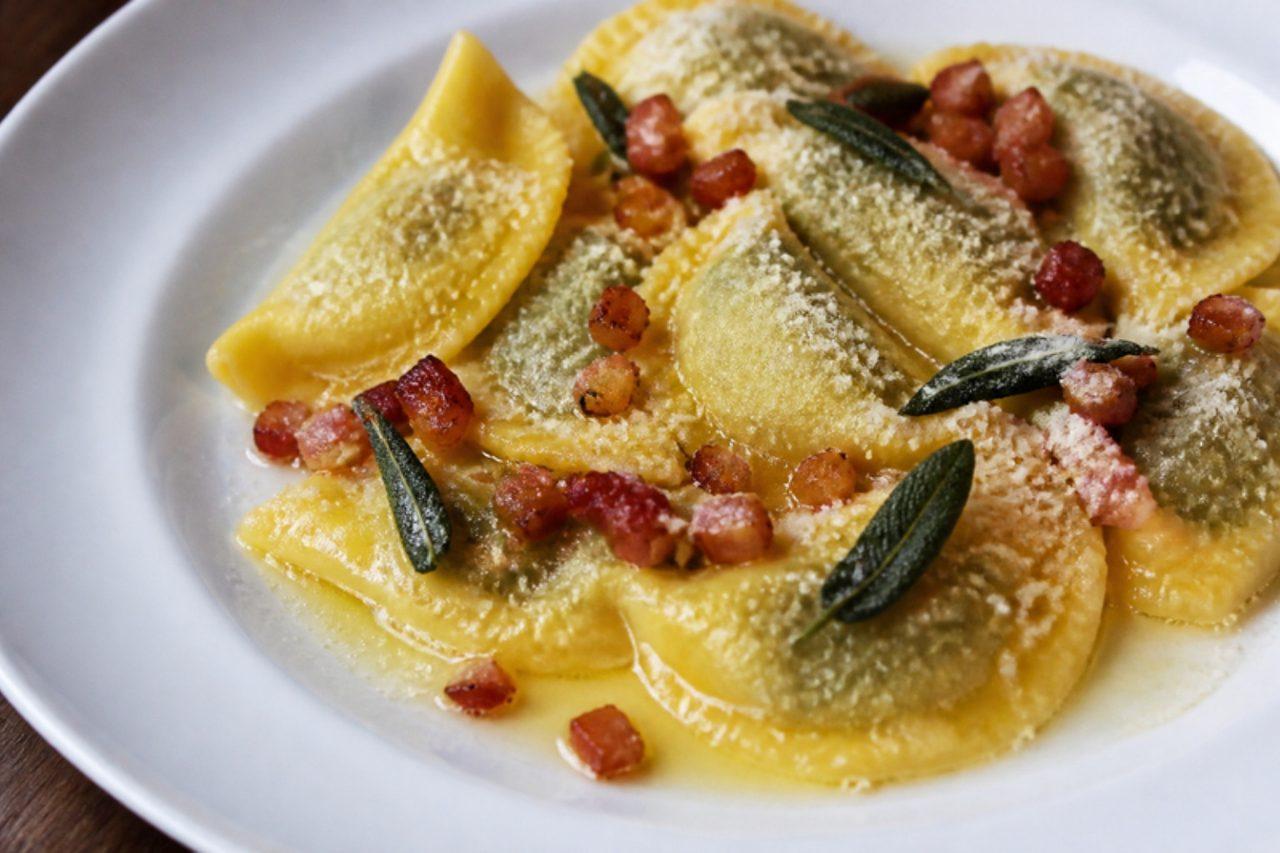
Casoncelli alla bergamascaFilled pasta in sage butter

Casoncelli (casonsei in Bergamo dialect) are the pride of the old upper town of Bergamo and of nearby Brescia, eaten at weddings, village festivals and Sunday lunch. The filling is a thrifty mix of pork sausage, leftover beef, breadcrumbs and grana, perfumed with a crushed amaretto biscuit, a few raisins and a little pear, so it tastes faintly sweet and savoury at once. The folded half-moons are pressed into a little saddle shape and served in plenty of butter with sage and crisp cubes of pancetta, which makes this a pork dish twice over. A green salad is all they need afterwards. Chef's tip: cook the sausage filling first and let it cool completely; warm filling makes the pasta soggy and hard to seal.

by KrazyBadal 0 views

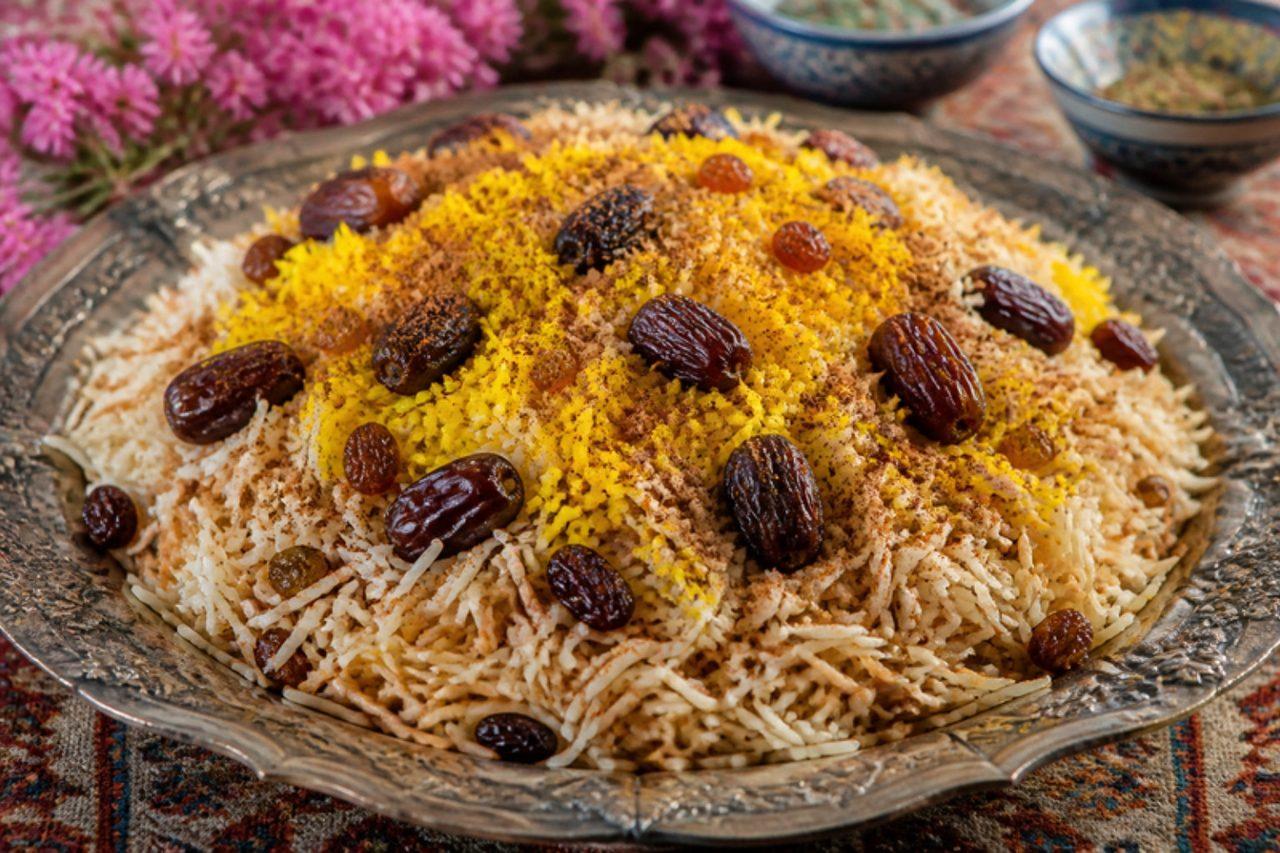
Reshteh poloRice with toasted noodles and dates

On the last evening before Nowruz, and on the first night of the new year in many Tehran households, a platter of reshteh polo is set out so the family can 'take hold of the reins' of their luck for the year ahead; the noodles are the reins. Long-grain rice is par-boiled with toasted reshteh (thin, salty Persian noodles), layered with buttery dates, raisins and cinnamon and steamed until each grain separates, with a golden tahdig crust underneath. Meat is often served alongside, but the polo itself is meat-free. A common mistake is skipping the noodle toasting, which leaves them pale and gummy. Chef's tip: wrap the lid in a clean tea towel while the rice steams so condensation doesn't drip back and make the rice wet.

by KrazyBadal 0 views

ReviroFried flour and egg scramble

For field workers in the yerba-mate plantations of Misiones, the morning starts with reviro: a simple dough of flour, egg, water and salt fried in plenty of fat and then broken up with a spatula as it cooks, until it becomes a pile of crisp, golden, irregular crumbs with soft centres. It is filling, cheap and very good dunked in a mug of mate cocido or milky coffee, and it shares its roots with the Guaraní and Paraguayan kitchen across the river. Traditionally it is fried in lard or beef fat; this version uses butter and oil so it is vegetarian. Turning it too early is the classic blunder: the batter needs to fry undisturbed until a crust forms, or it turns into a pale, doughy mash. Chef's tip: keep chopping and turning with the edge of a metal spatula for the last 10 minutes; the more edges you make, the more crunch you get.

by KrazyBadal 0 views

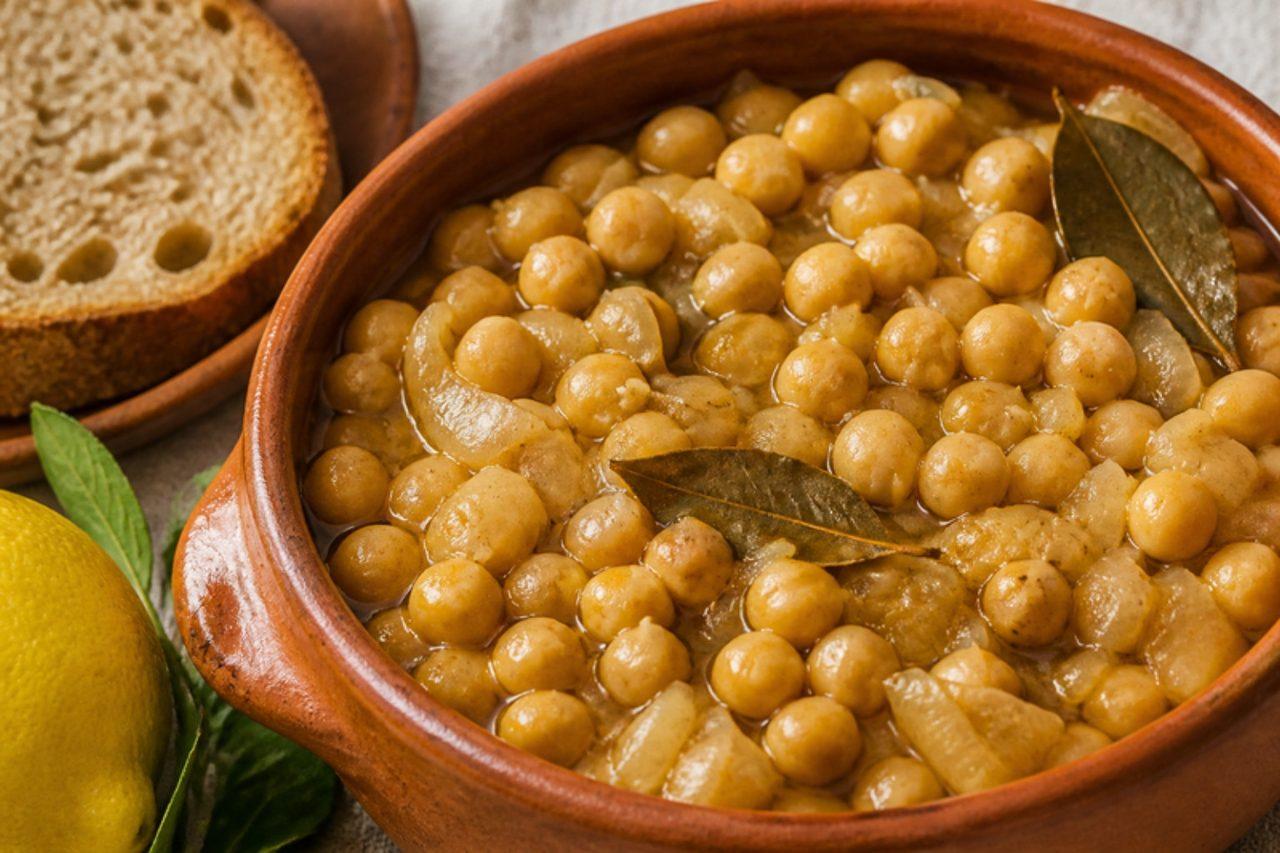
RevithadaClay-pot baked chickpeas

On Sifnos, Saturday night means taking a clay pot of chickpeas, onions, olive oil and bay to the village baker, who leaves it in the cooling wood oven overnight; on Sunday morning, after church, families collect it and eat it for lunch. The chickpeas turn creamy and almost melting in a thick, sweet, onion-rich broth. A home oven at low heat does the same job in about five hours. Common mistake: adding salt at the start, which can keep the chickpeas firm; add it in the last hour. Chef's tip: rub the soaked chickpeas with a little bicarbonate of soda and rinse well; it helps them soften to that silky texture.

by KrazyBadal 0 views

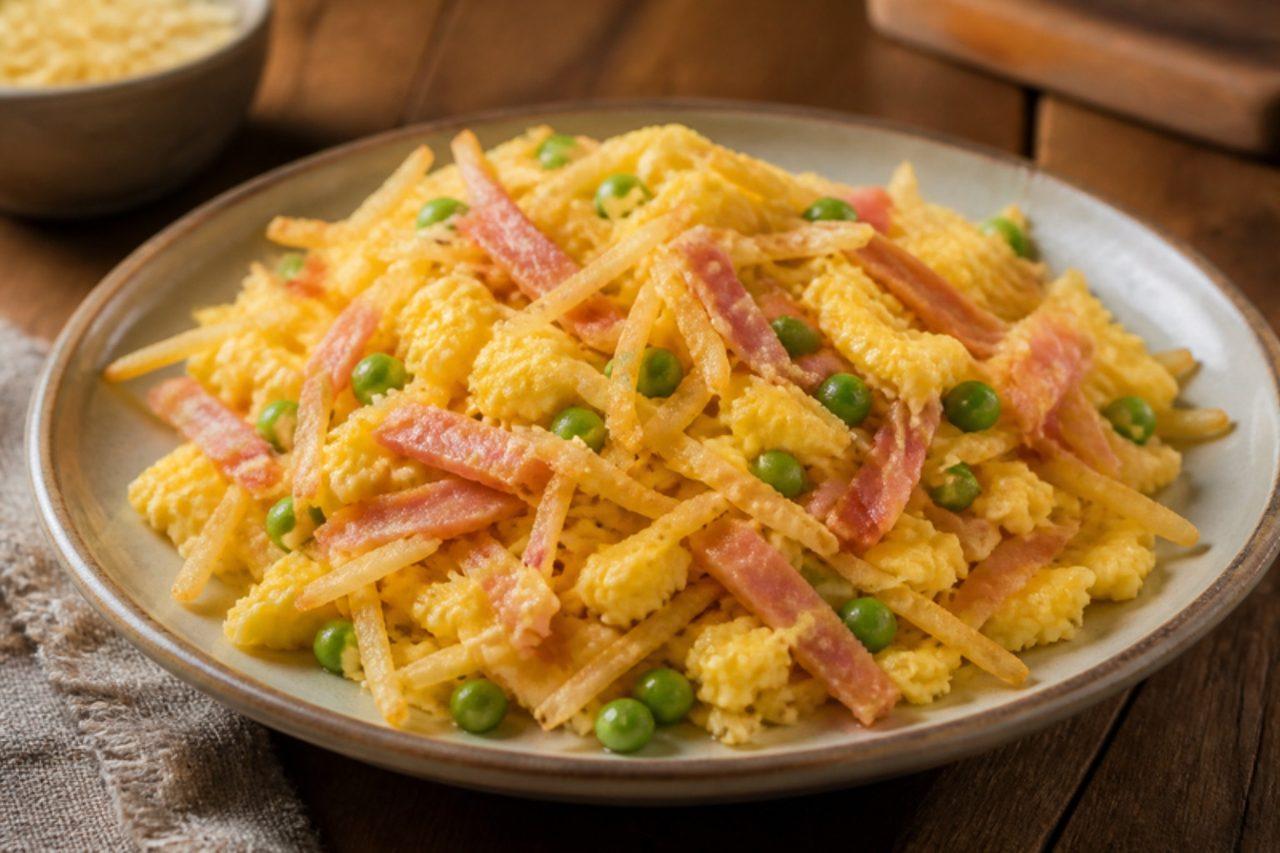
Revuelto GramajoScrambled eggs with potatoes and ham

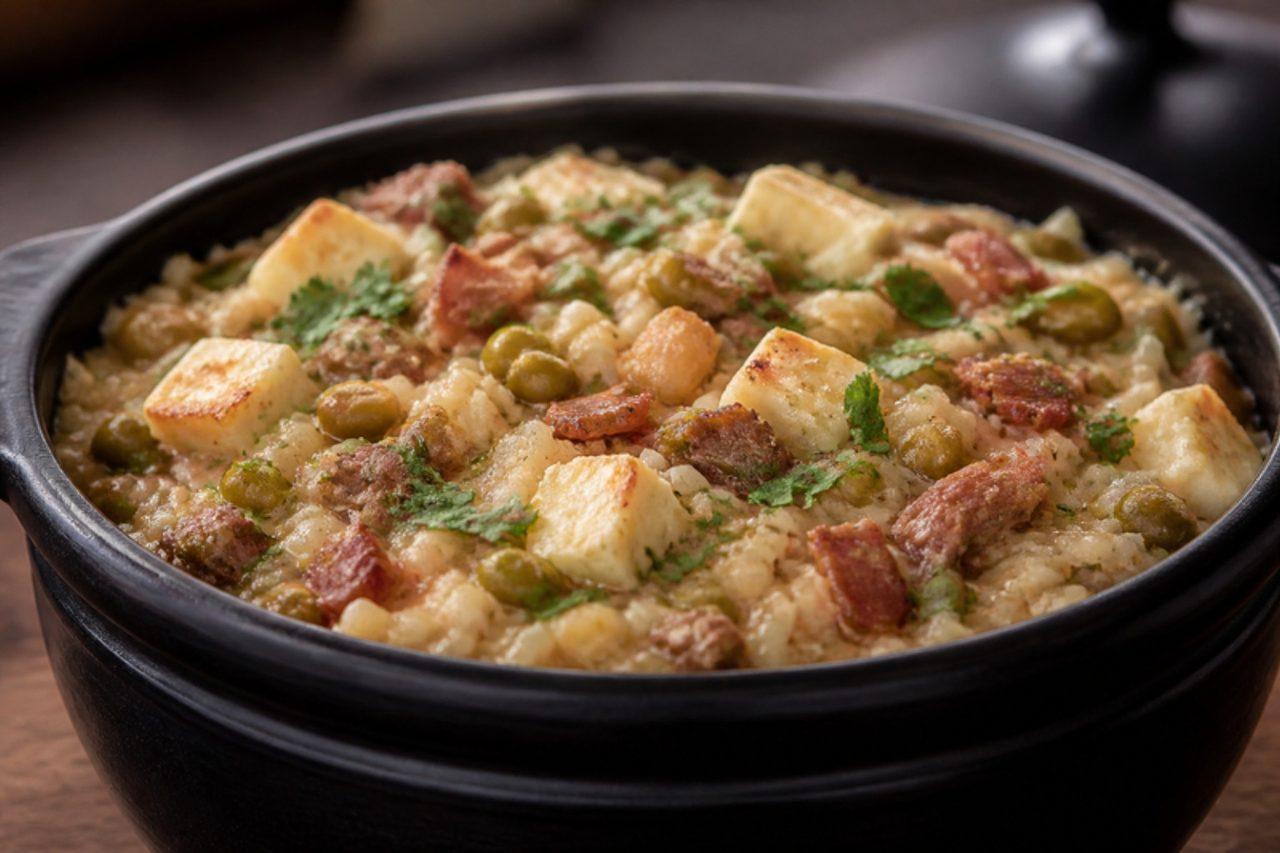
Late at night in the bodegones of Buenos Aires, when the kitchen has been busy for hours, revuelto Gramajo is what regulars order with a glass of something cold: a pile of crisp shoestring potatoes tossed in the pan with cooked ham (pork), onion, peas and eggs scrambled just until creamy. Legend credits a colonel's aide called Gramajo with inventing it, and every porteño has an opinion about how soft the eggs should be. Done right, some potato threads stay crunchy and others soak up the egg. The mistake to avoid is adding the potatoes too early, which turns them to mush; they go in at the very end, with the pan off the heat. Cook the eggs until no liquid egg remains if you are feeding anyone pregnant, very young or elderly. For a vegetarian version, leave out the ham and double the peas and onion. Chef's tip: fry the potato matchsticks twice, first pale and then golden, so they stay crisp even after meeting the eggs.

by KrazyBadal 0 views

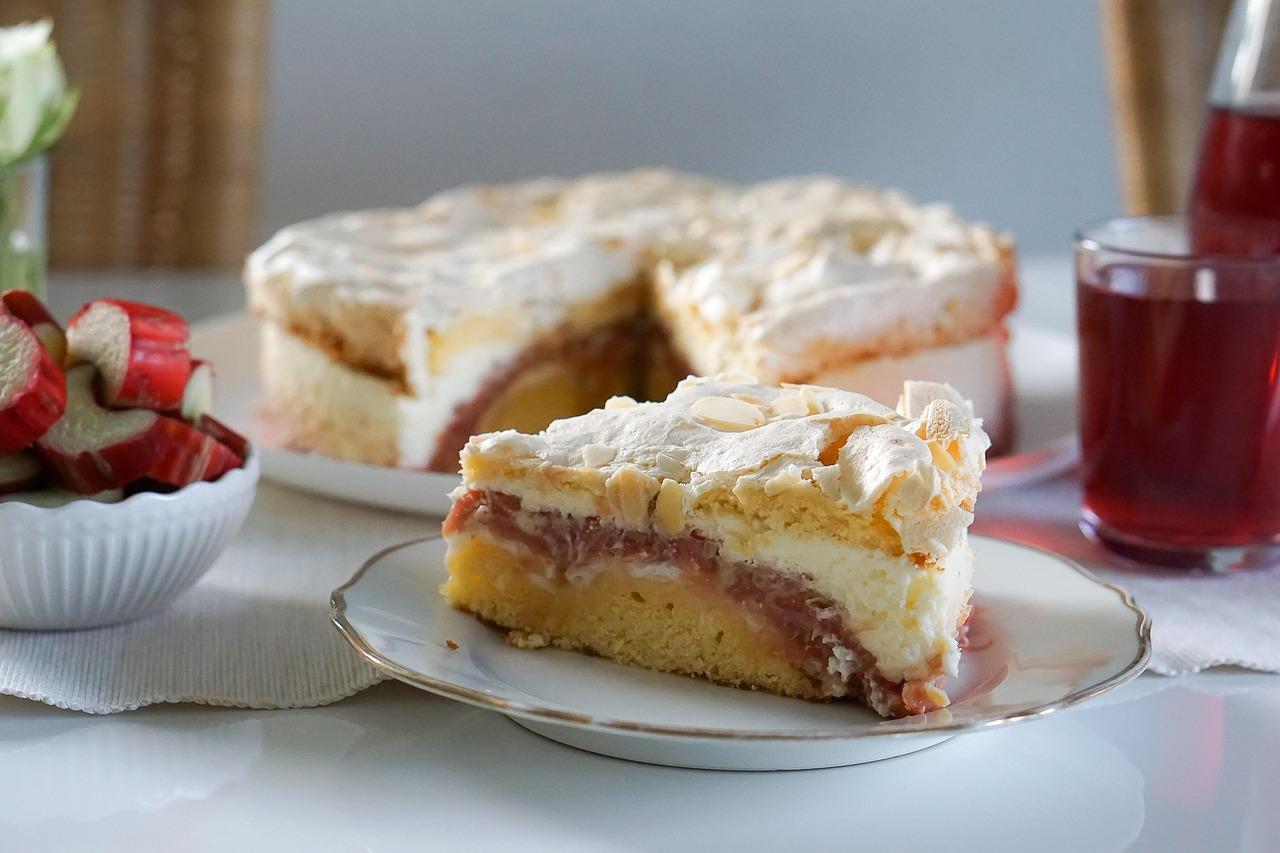
Rhabarberkuchen mit BaiserRhubarb meringue cake

From late April until the traditional end of the season on St John's Day in June, German bakeries and garden tables everywhere have rhubarb cake, and the most loved version is crowned with meringue. A buttery sponge is covered with sour pink rhubarb, baked, then piled with a cloud of sweet meringue and returned to the oven until golden and crisp outside, marshmallow-soft within. The sweet topping balances the sharp fruit perfectly. A common mistake is not draining the rhubarb, so its juice pools under the sponge and the base stays wet. Chef's tip: toss the cut rhubarb with a little sugar an hour ahead, then drain it well; it softens slightly and stops weeping into the cake.

120 minGermanBaking
by KrazyBadal 0 views

StuffiesStuffed clams with chouriço

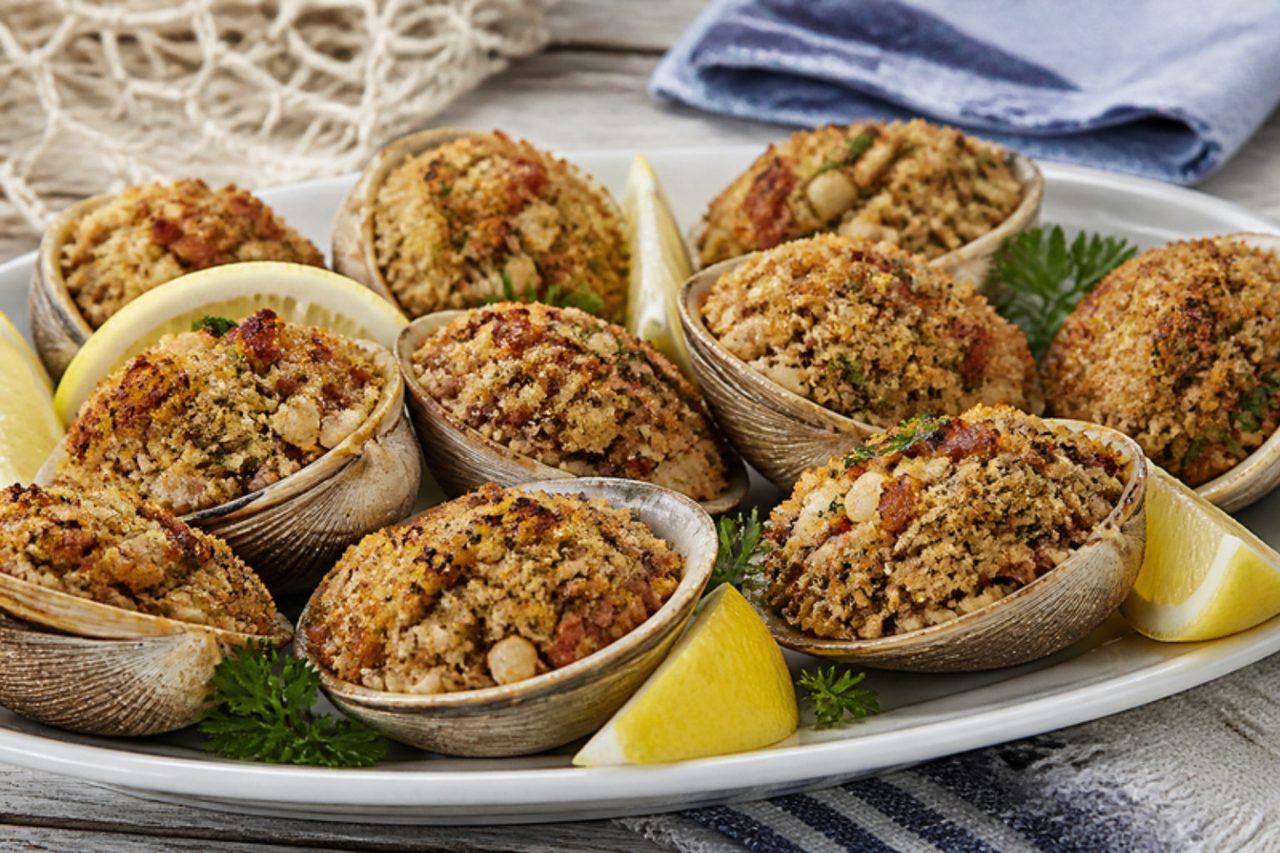
Stuffies are Rhode Island's summer starter, sold at clam shacks in Warwick and Bristol and made at home for Fourth of July cookouts: big hard-shell quahog clams are steamed, the meat chopped and mixed with buttery breadcrumbs, peppers and spicy Portuguese chouriço (pork sausage), then baked back in the shells. Chef's tip: save the steaming liquid and use it to moisten the stuffing; plain water makes it bland.

by KrazyBadal 0 views

Viennese KaisersemmelCrisp star-topped rolls

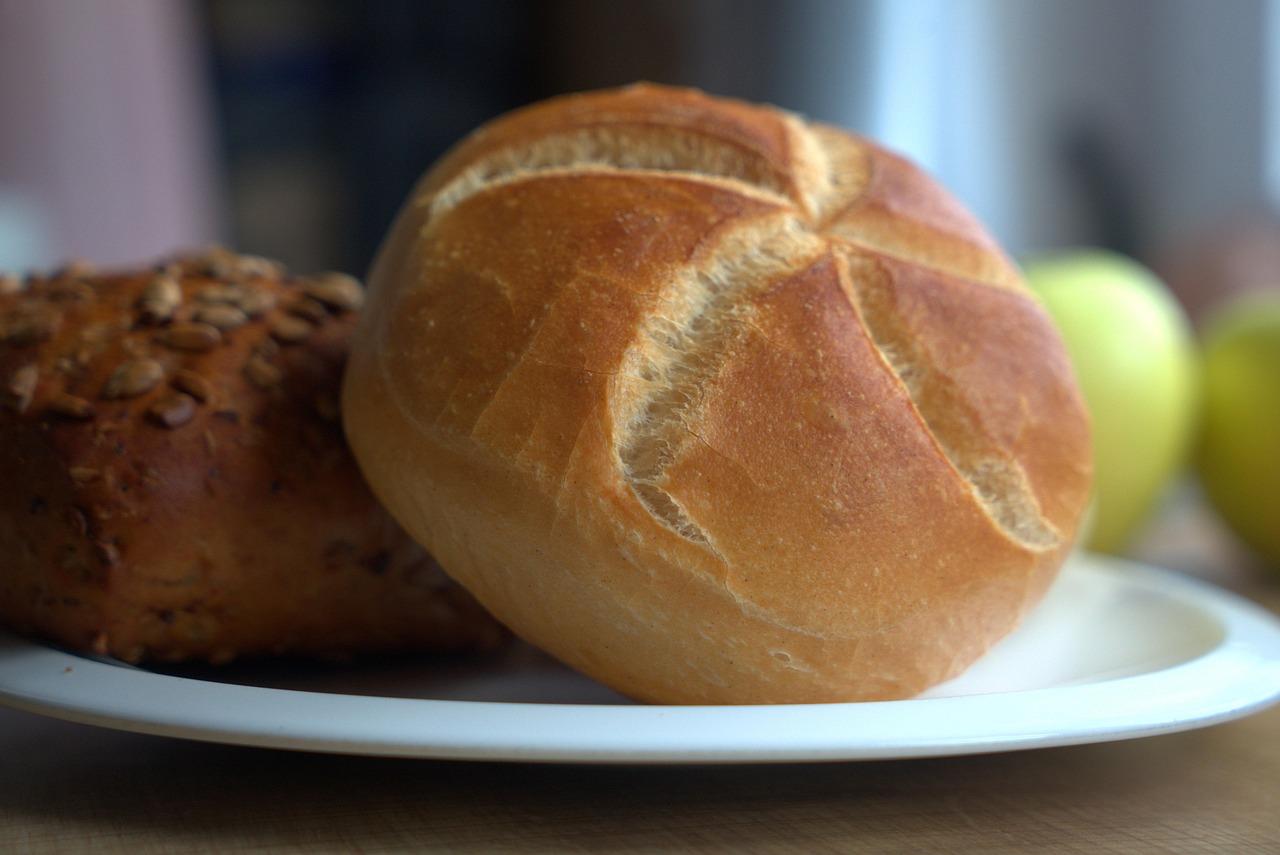
No Viennese breakfast is complete without a Kaisersemmel: a light, hollow-crusted white roll with a pinwheel of five curved segments on top, split and spread with butter and apricot jam or filled with Leberkäse at a market stand. The crust should shatter and the inside be soft and airy. The star is traditionally knotted by hand, though a stamp works too. A common mistake is skipping the overnight cold dough, which leaves the rolls bland and pale. Chef's tip: prove the shaped rolls upside down, star side down, on a floured cloth, then flip them just before baking; the pattern stays sharp instead of puffing shut.

by KrazyBadal 0 views

Tortilla al rescoldoAsh-baked flatbread

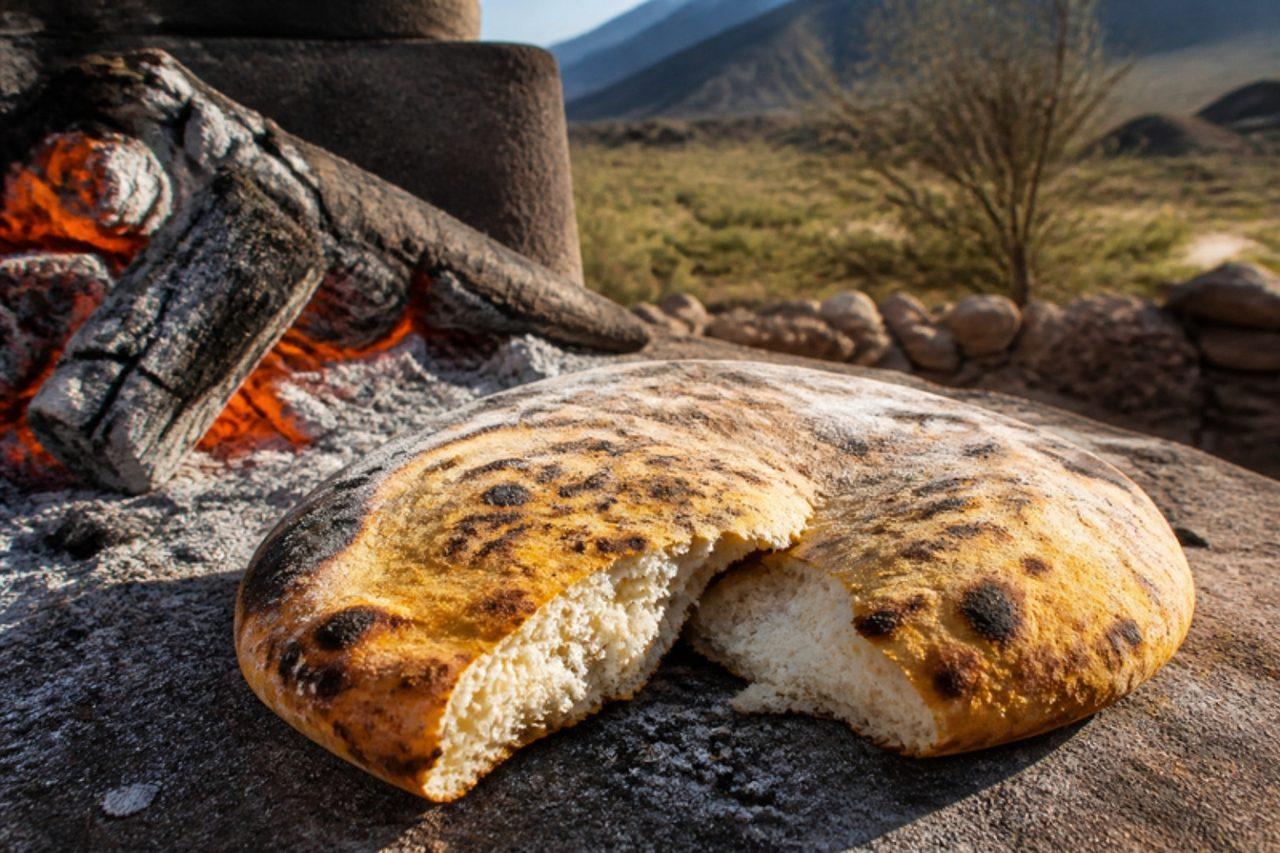
Puesteros in the hills of Salta and the Calchaquí valleys bake this bread the oldest way there is: a thick disc of plain dough laid straight onto the hot ash at the edge of the fire, covered with more embers and dug out 20 minutes later with a crust that is blistered and smoky and a crumb that is dense and soft. You brush off the ash, break it with your hands and eat it with goat's cheese, a mate or a bowl of locro. The traditional fat is lard (grasa); this version uses butter or vegetable shortening so it stays vegetarian. Laying the dough on flaming wood instead of a bed of settled grey embers is the mistake that burns the outside black before the middle cooks, so wait until the fire has died back. No fire? A dry cast-iron pan and a hot oven give you a close result. Chef's tip: knock the bread on its base when you lift it out; a hollow sound means it is cooked through.

by KrazyBadal 0 views

Bicho-de-péStrawberry brigadeiro balls

Pink balls of fudge in a paper cup, sitting in a row between the chocolate brigadeiros: that is bicho-de-pé, a fixture of children's parties in São Paulo and Rio. The odd name comes from a tiny burrowing flea, which the speckled pink sweet supposedly resembles, but it tastes nothing but fruity and creamy. Brazilian cooks usually flavour it with strawberry gelatin powder, which is not vegetarian; this version uses freeze-dried strawberry powder, which gives a brighter, real-fruit flavour and a natural pink. Find freeze-dried strawberries in supermarket baking aisles and crush them yourself. Over-thickening is the commonest mistake: cooked too long, the brigadeiro turns hard and sugary once cold. Chef's tip: take the pan off the heat as soon as the mixture slides away from the base as one piece; it firms more as it cools.

by KrazyBadal 0 views

CasadiellesWalnut-filled fried pastries

Look in the window of any confitería in Oviedo or Gijón and you will find casadielles, plump little pastry rolls stuffed with ground walnuts and sugar, fried until blistered and rolled in more sugar. Village bakers turn out trays of them for patron-saint fiestas and for Antroxu, and they keep for days in a tin. The traditional dough is moistened with dry white wine and the filling scented with anise liqueur; both are given alcohol-free swaps below. Chef's tip: roll the dough very thin, about 2 mm, because thick dough stays doughy inside before the outside browns.

by KrazyBadal 0 views

Rillettes de ToursPotted shredded pork

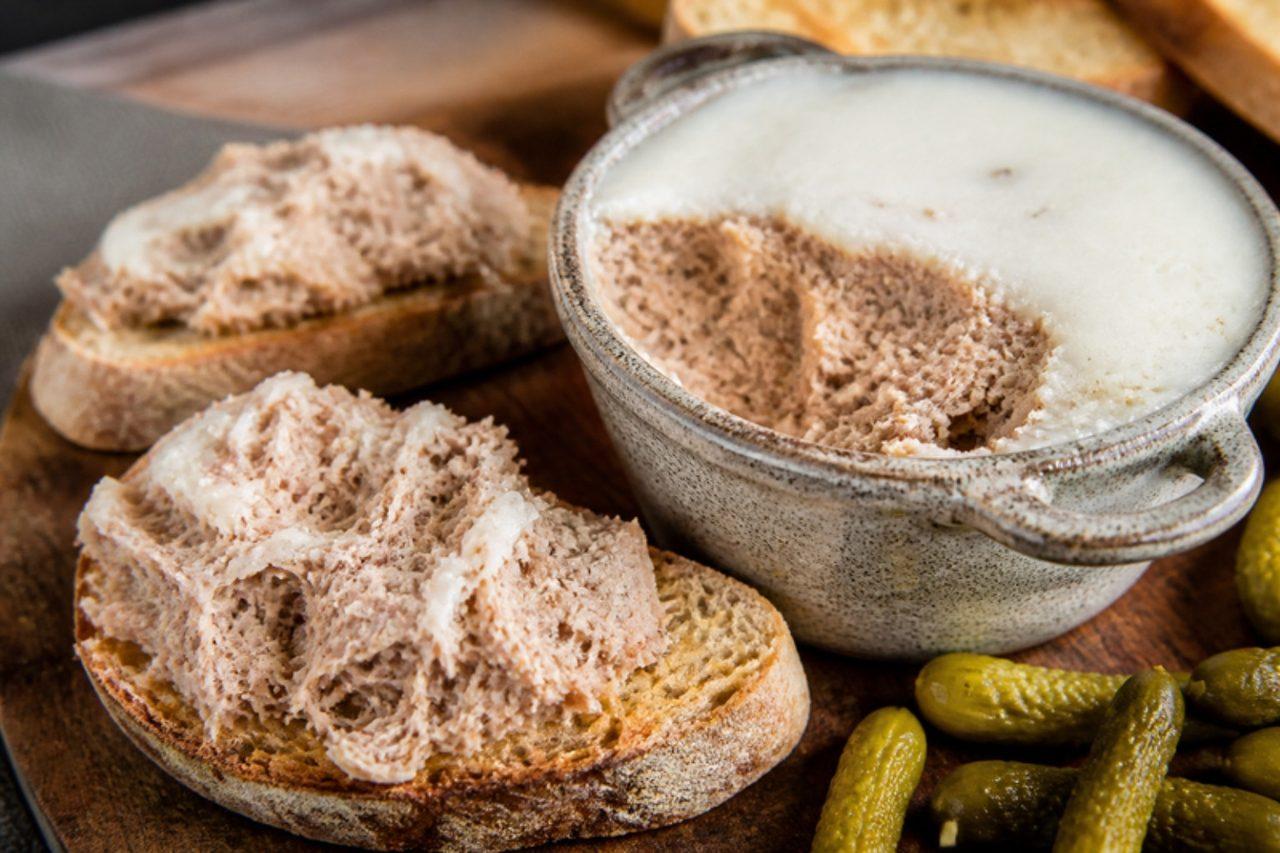
Touraine, the stretch of the Loire Valley around Tours, has made rillettes since the Middle Ages, and every charcuterie counter in the region sells them alongside rillons, their chunky cousins. This is pork through and through: pork shoulder and belly cooked very slowly in their own fat with a little water until they collapse, then shredded with forks into a soft, rich spread that is brown at the edges and deeply savoury. Pots of it go on the table at apéritif time with crusty bread, cornichons and a glass of something cold. Kept sealed under a layer of fat, they last a week in the fridge. Chef's tip: cook it long enough that the meat colours lightly in the fat at the end; that browning is what gives Tours rillettes their deeper taste.

by KrazyBadal 0 views

Tortillas de harina sobaquerasGiant flour tortillas

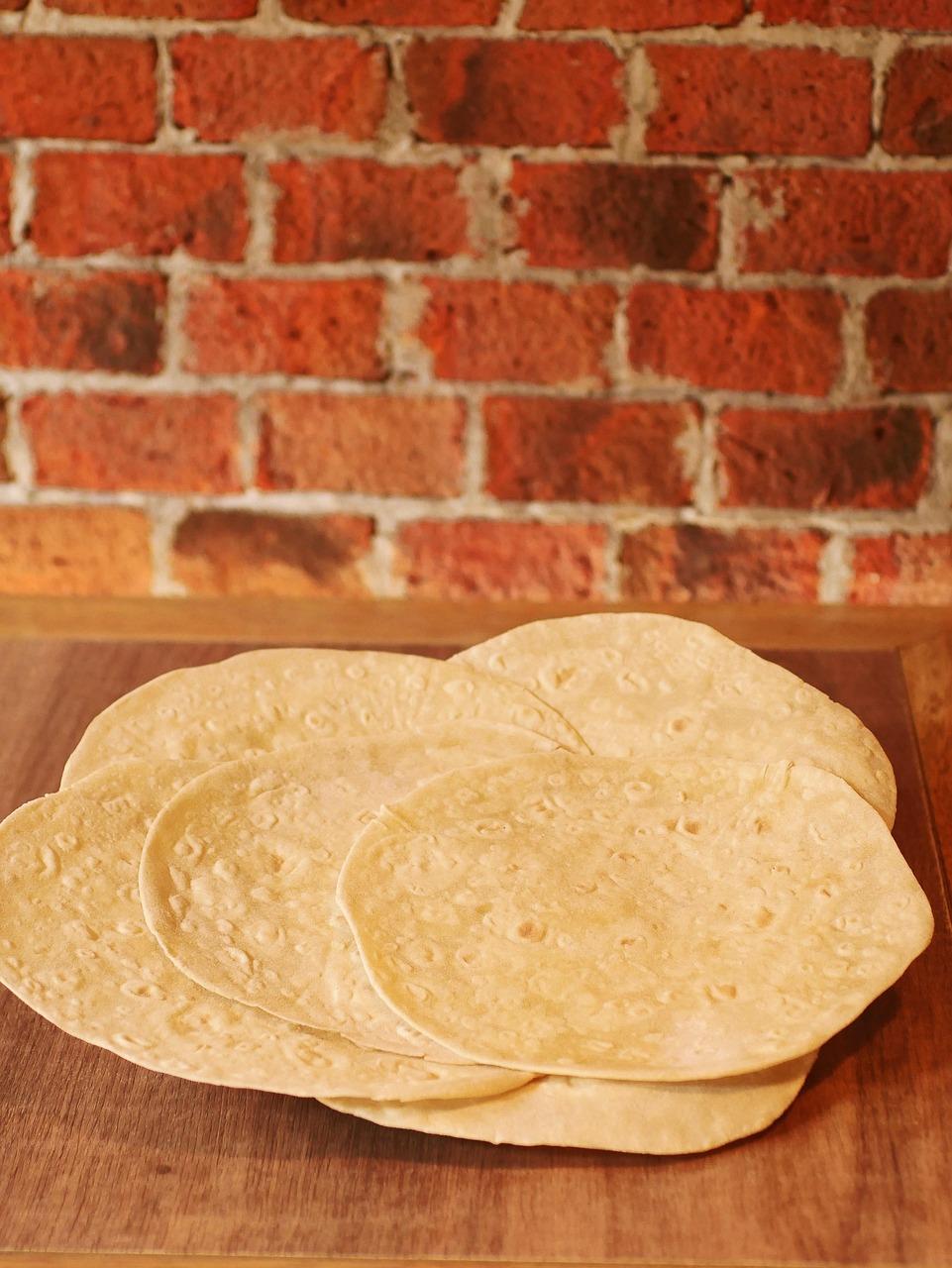
In Sonora, wheat is the grain, and the pride of Hermosillo kitchens is the sobaquera: a flour tortilla stretched over the backs of the hands and arms until it is almost see-through and as wide as a serving tray (the name comes from sobaco, armpit, because it reaches that far). It cooks in seconds on a big comal and is folded around beans, cheese or machaca, or torn and eaten with caldo de queso. Sonoran cooks use lard; vegetable shortening works the same. A 30–35 cm tortilla is a realistic home size. Chef's tip: the long rest is what makes the dough stretch; do not cut it short.

by KrazyBadal 0 views

Riz a djejChicken and spiced rice with nuts

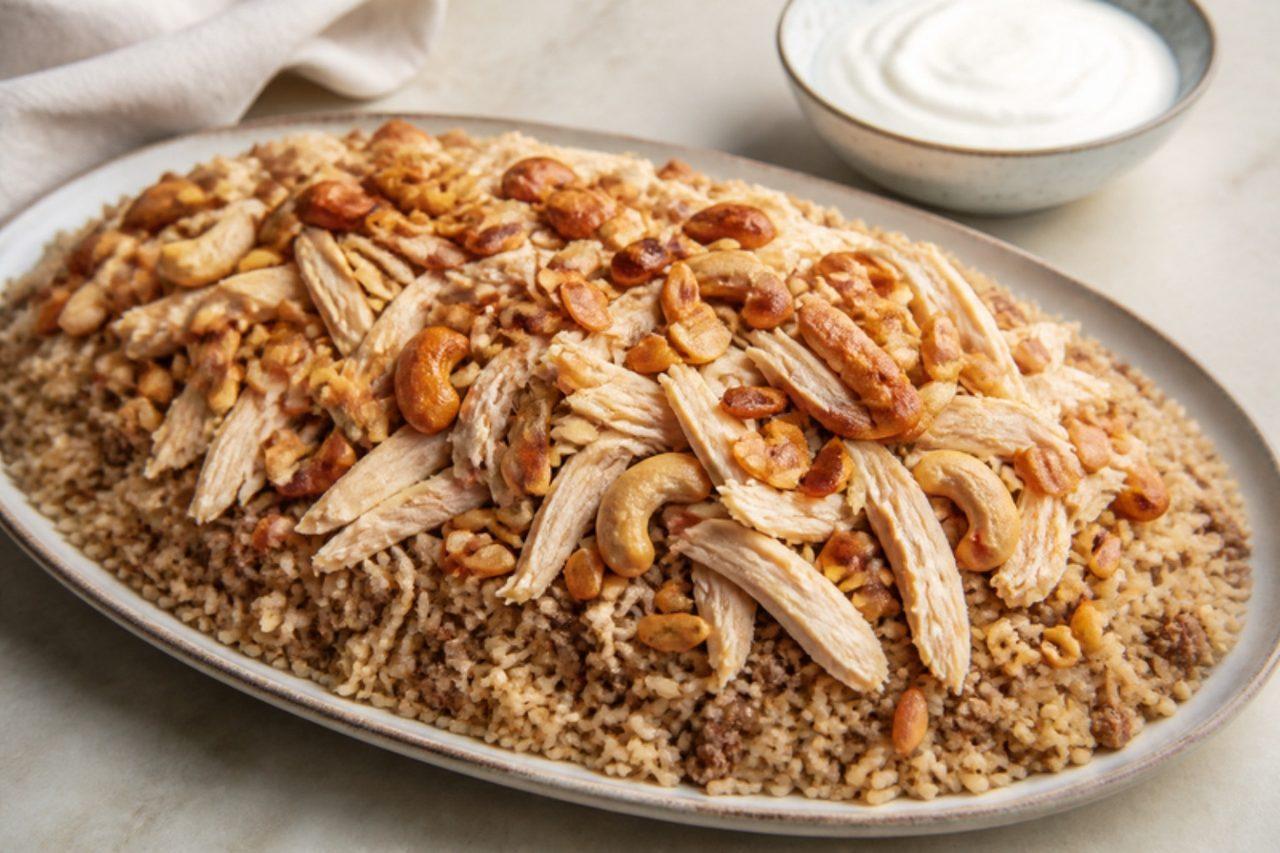
Riz a djej is the centrepiece of Lebanese celebrations and Eid lunches, carried to the table on a huge platter: rice cooked in chicken broth with a little spiced minced beef, crowned with pulled poached chicken and a heavy scattering of fried almonds, pine nuts and cashews. The flavours are gentle and warm — cinnamon, allspice, nutmeg — so it is a favourite with children too. Plain yoghurt and a crisp salad go alongside. Common mistake: skipping the rinse; unrinsed rice turns sticky in the rich broth. Chef's tip: poach the chicken the day before and chill the broth so you can lift off the fat; you get a cleaner, more savoury rice.
by KrazyBadal 0 views

CaruruOkra and dried shrimp stew

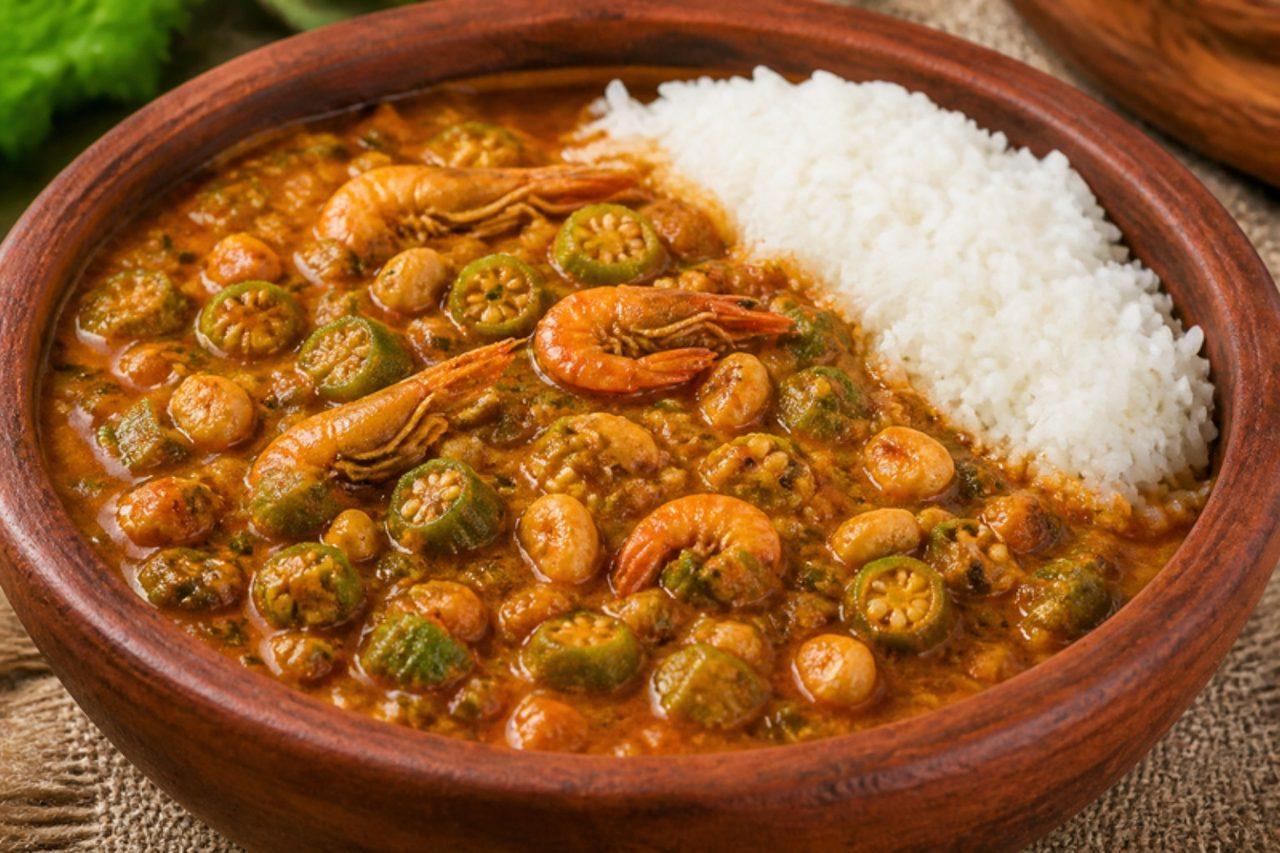
Every 27 September, homes across Salvador and the Recôncavo cook huge pots of caruru for the feast of Saints Cosmas and Damian, and children are fed first; the rest of the year it turns up at acarajé stalls and on Bahian Sunday tables next to vatapá, rice and xinxim. Okra is chopped very small and cooked down with a paste of dried shrimp, toasted cashews and peanuts, ginger and onion, then finished with dendê oil until it is thick, glossy and gently sticky, nutty and faintly of the sea. Serve it with white rice, farofa de dendê and acarajé or abará. Most people make the mistake of slicing the okra into big rounds; cut tiny it melts into the sauce instead of sitting in slimy chunks. For a vegetarian caruru, skip the shrimp and use 40 g more of each nut. Chef's tip: toast the cashews and peanuts in a dry pan until they smell of popcorn before grinding them; it makes the stew taste deeper and less green.

by KrazyBadal 0 views

RobiolsCurd cheese or jam half-moon pastries

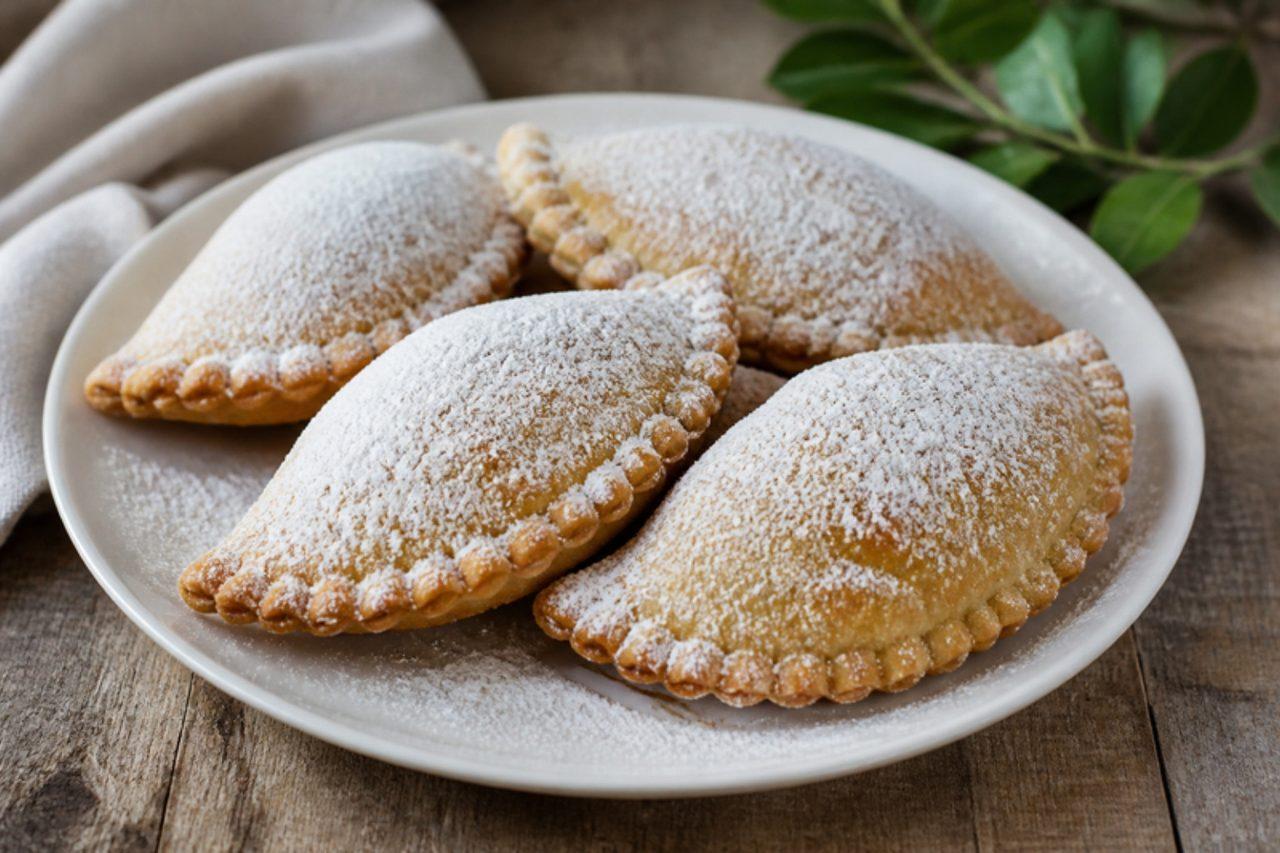
Robiols belong to Easter week in Mallorca, when grandmothers and grandchildren shape them by the trayful alongside crespells and panades. They are soft, crumbly half-moons of pastry with a frilled edge, filled with brossat (a fresh curd cheese like ricotta), cabell d'àngel pumpkin jam or apricot jam, and showered with sugar. Traditional dough uses pork lard; this vegetarian version uses butter and olive oil. Ricotta can be made with or without animal rennet, so check the label if that matters. Chef's tip: keep the dough cool and handle it as little as possible, because a short, tender crumb is what makes a robiol.

by KrazyBadal 0 views

Tortillitas de camaronesShrimp and chickpea-flour fritters

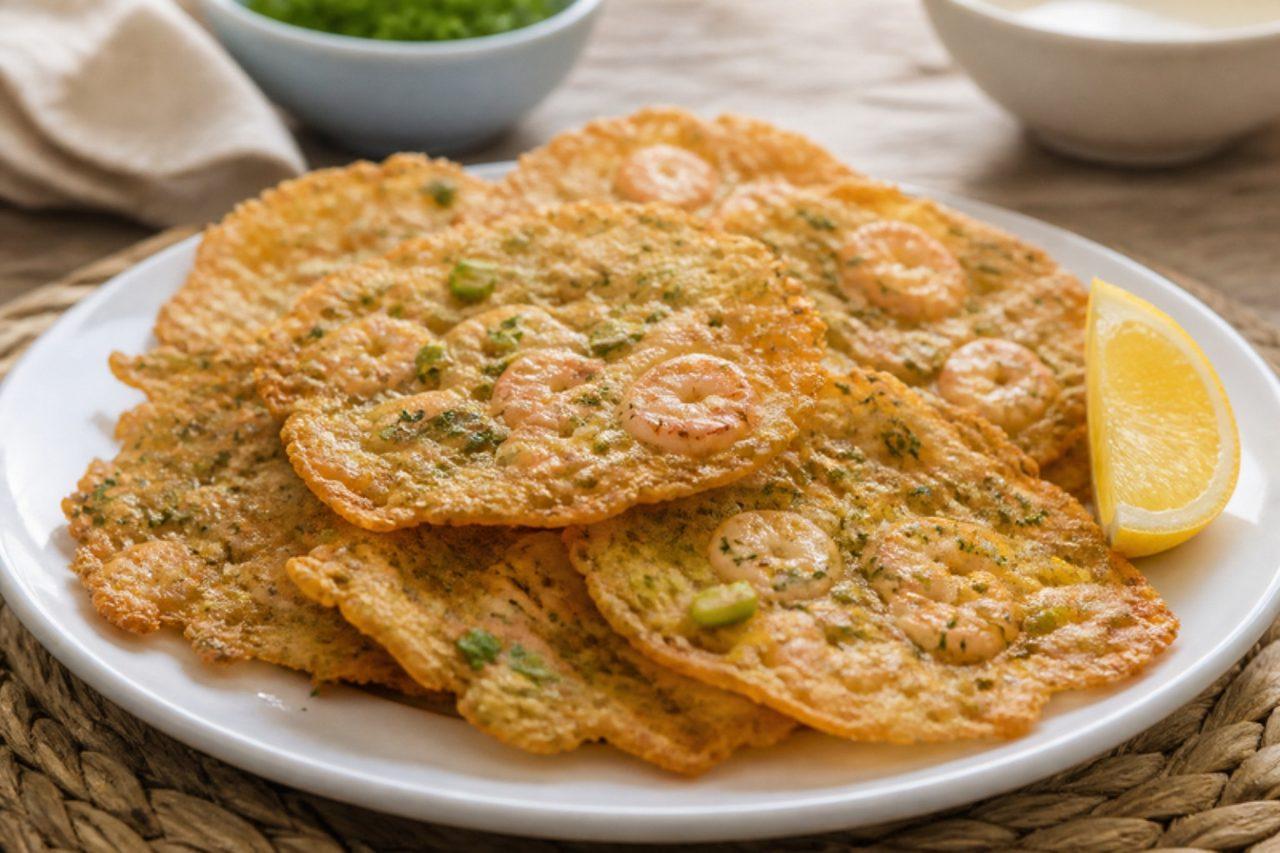
Around the Bay of Cádiz, especially in San Fernando and Sanlúcar de Barrameda, tortillitas de camarones are fried to order in bars and eaten with fingers: thin, lacy fritters of chickpea flour, spring onion and parsley studded with tiny whole shrimp. The local camarones are eaten shell and all; outside the bay, small raw peeled prawns, roughly chopped, work well. The batter must be as thin as single cream, so it spreads into a crisp lace in the oil. Chef's tip: keep the batter in the fridge until the last moment; cold batter hitting hot oil gives the most delicate lace.

by KrazyBadal 0 views

Tortitas de Santa ClaraShortbread with pumpkin seed cream

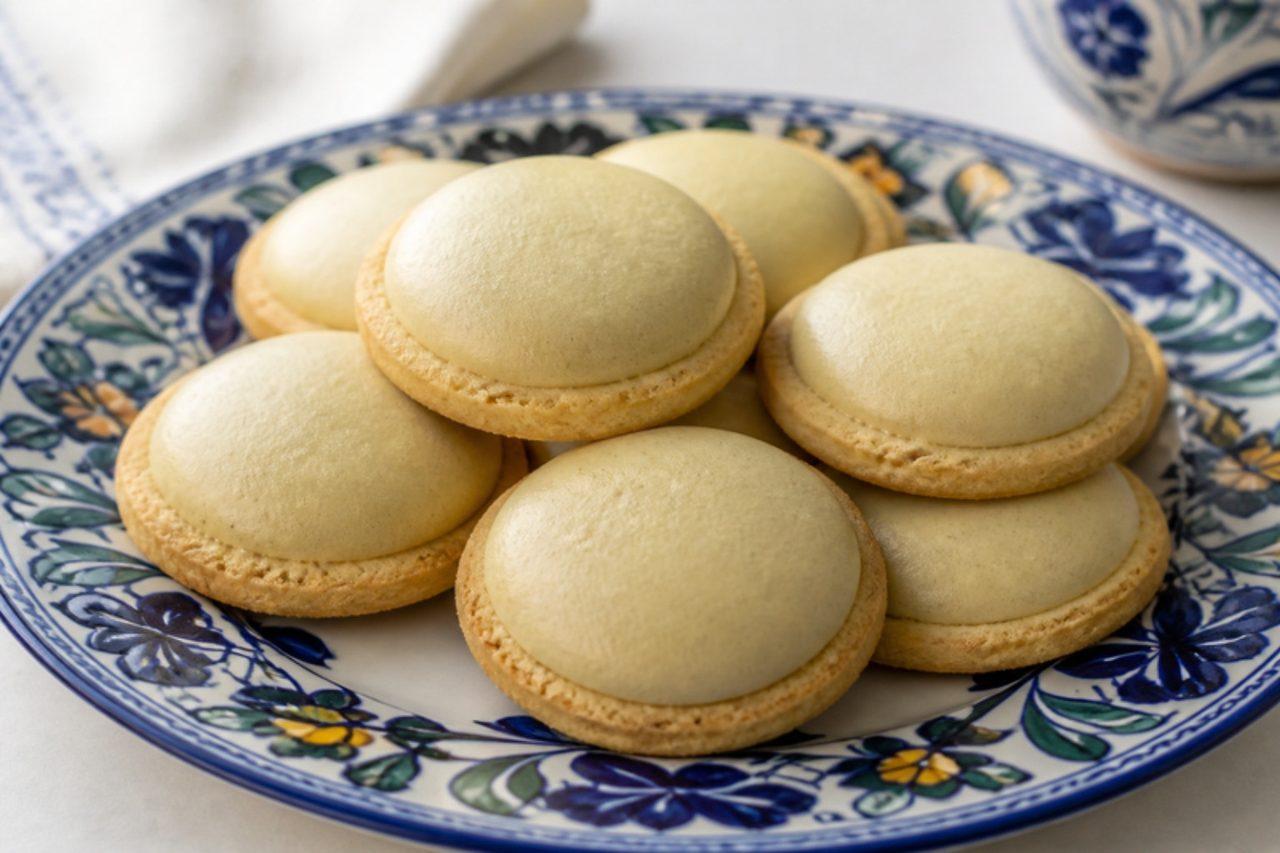
The nuns of the Santa Clara convent in Puebla are credited with this biscuit, and the city's Calle de los Dulces still sells it in boxes stacked beside camotes and jamoncillos. It is a crumbly, lightly sweet shortbread round, covered with a thick, pale cream made from ground pumpkin seeds, sugar and milk, which sets to a soft fudge-like layer. They are eaten with coffee in the afternoon and taken home as a gift from Puebla. Chef's tip: grind the peeled pumpkin seeds as fine as you can before cooking; any coarse bits make the topping gritty.

by KrazyBadal 0 views

Tortitas mendocinasFlaky round breakfast breads

Every panadería in Mendoza fills a tray with tortitas in the early morning, and they go out in paper bags to be eaten warm with mate, split and spread with butter, quince paste or a slice of cheese. They are flat, round, slightly salty breads, soft and layered in the middle and crisp at the edges, with the fork marks that give them away. The traditional fat is beef lard (grasa), which makes them very short; here butter or vegetable shortening takes its place to keep them vegetarian, and both give a good flaky result. The mistake to avoid is rolling them thin like crackers: they should be a generous centimetre thick, or they bake hard and dry. Chef's tip: fold the dough in three twice before the final roll, like a quick puff pastry; those folds give tortitas their layers.

by KrazyBadal 0 views

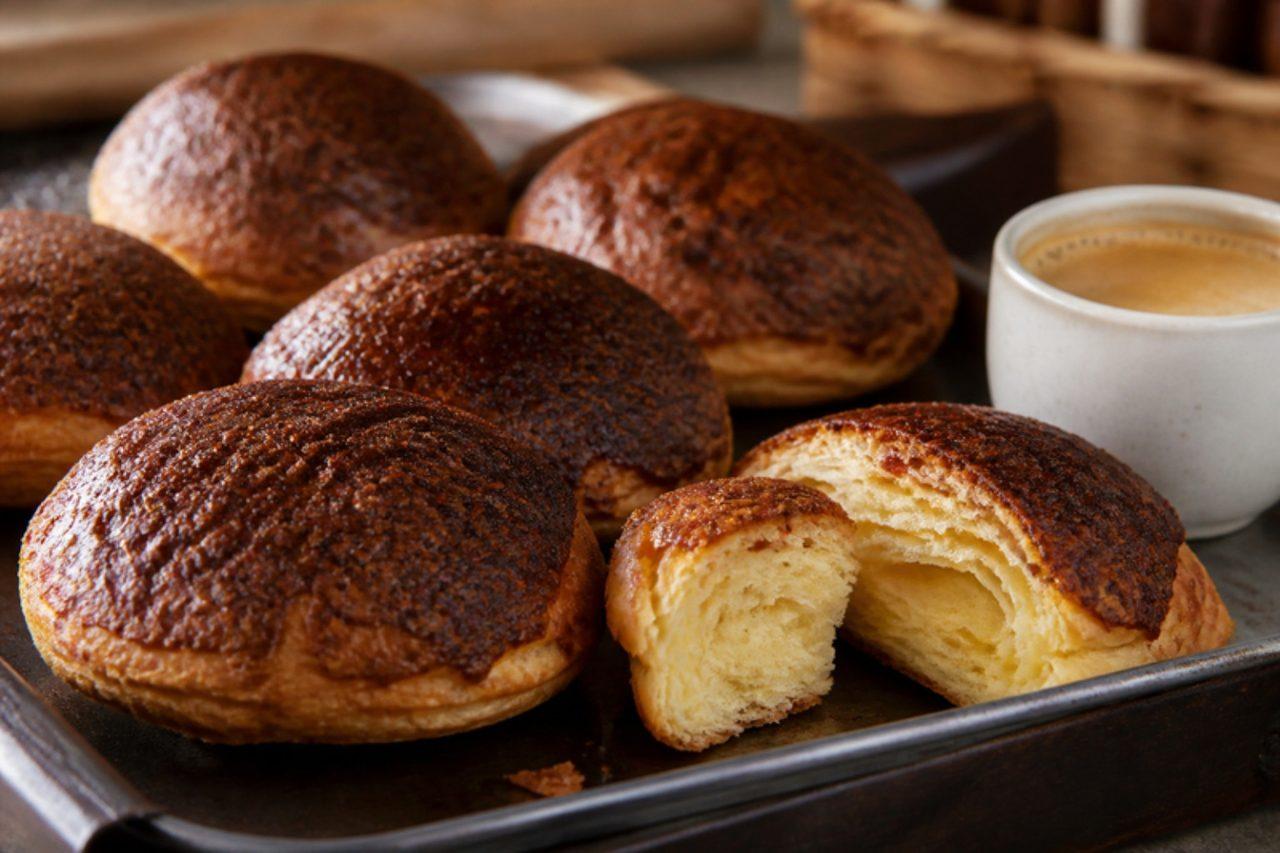
Tortitas negrasBrown sugar-topped buns

Black cakes, the name means, though only their tops are dark: tortitas negras are flat, round, flaky buns covered with a thick crust of dark brown sugar that melts in the oven and sets crunchy and toffee-like. They are among the cheapest and most popular facturas in Buenos Aires bakeries, eaten from a paper bag at breakfast or as a merienda with mate, and everyone fights over the sugary edges. The dough is a lightly laminated yeast dough, between bread and puff pastry. Bakeries often use lard or margarine; this version uses butter and stays vegetarian. Being stingy with the sugar is the classic misstep: a thin layer just melts into the dough and disappears, so pile it on thickly and press it down. Chef's tip: brush the rounds with water, not egg, before adding the sugar; the water melts the sugar into a crisp, crackling shell.

by KrazyBadal 0 views

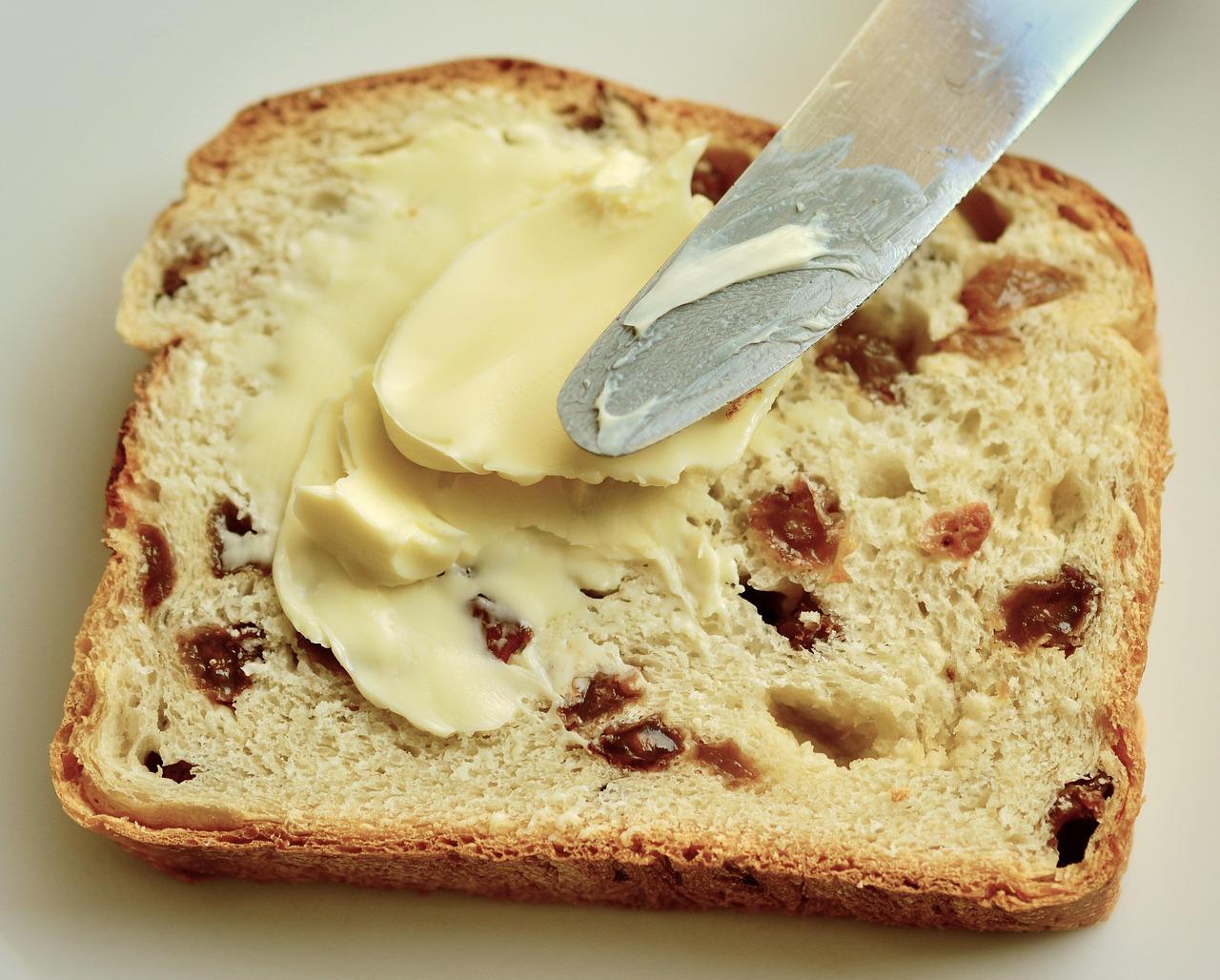
RosinenstutenRaisin milk loaf

Rosinenstuten is the soft, slightly sweet raisin loaf that Westphalian and Rhineland families buy for Sunday breakfast and for christenings, where a giant one was once the traditional gift. It is baked in a long tin, sliced thick and spread with good butter, sometimes with a layer of cheese on top, which sounds odd and works beautifully. The crumb is fine and fluffy and the crust soft and shiny. A common mistake is adding dry raisins straight to the dough; they burn on the crust and steal moisture. Chef's tip: soak the raisins in hot water for 15 minutes, pat them dry and knead them in only at the very end, gently, so the dough stays light.

190 minGermanBaking
by KrazyBadal 0 views

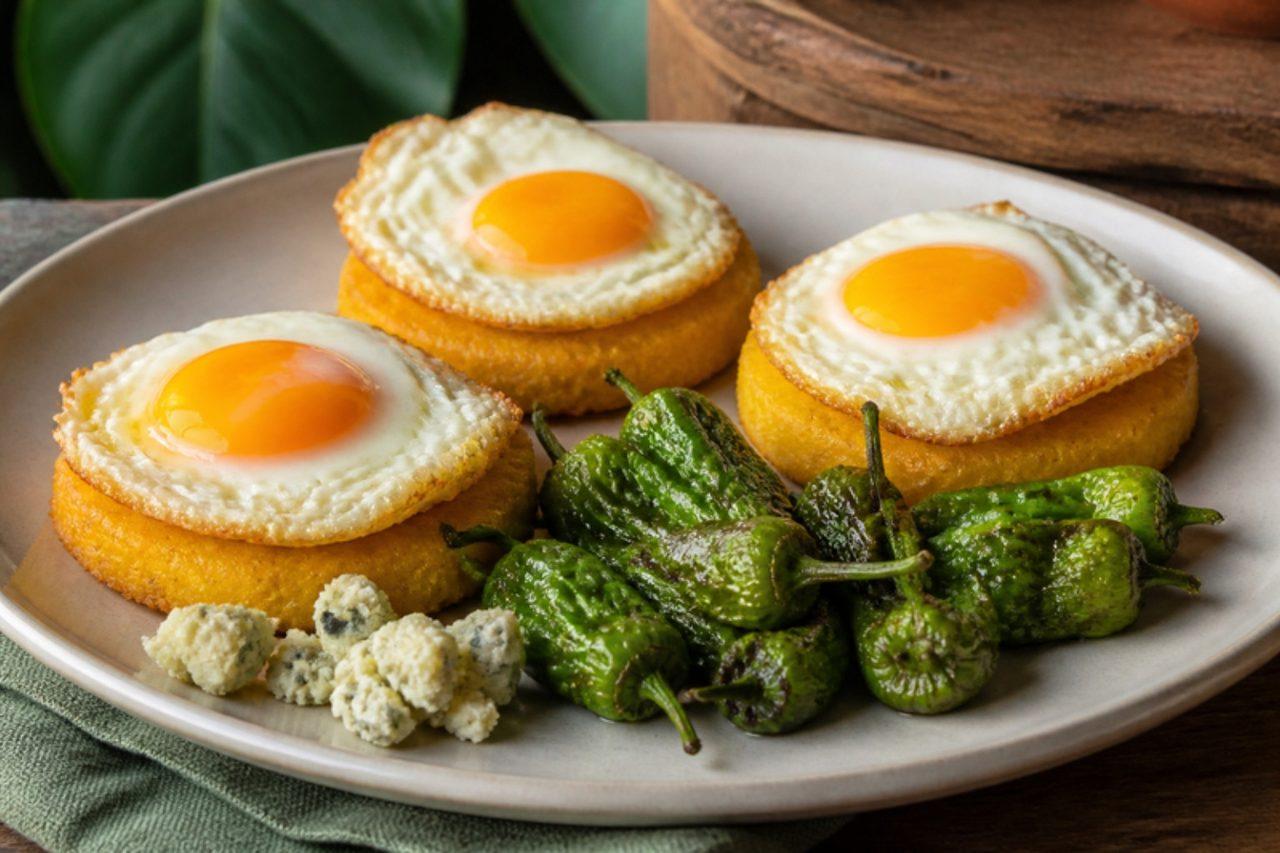
Tortos de maízCorn cakes with fried eggs

In the cider houses of Asturias, tortos arrive as a starter: small discs of corn dough fried until crisp outside and soft within, usually piled with something rich on top. Inland farms once ate them in place of bread, since maize grew far better than wheat in the damp valleys. This meat-free version tops each torto with a fried egg and blistered green peppers, with a little crumbled cabrales for those who want it; cabrales is usually made with animal rennet, so use a vegetarian blue cheese if that matters to you. Chef's tip: knead the dough with hot water and let it rest; cold water gives a crumbly dough that cracks in the pan.

by KrazyBadal 0 views

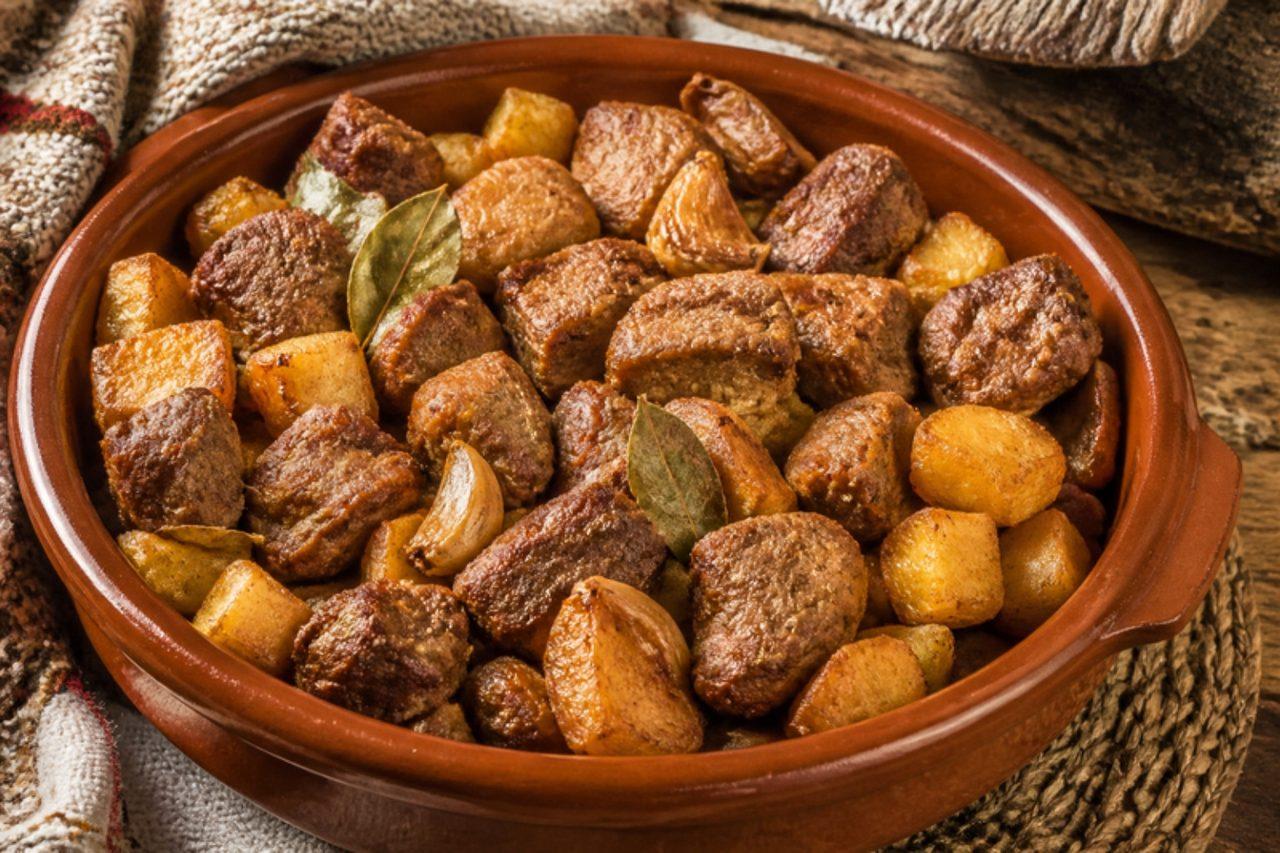
Rojões à minhotaMarinated fried pork with potatoes

Rojões are the centrepiece of a Minho winter feast, traditionally cooked in the weeks after the family pig was killed and still served in Braga and Ponte de Lima restaurants with arroz de sarrabulho alongside. This contains pork (pork shoulder and lard). Chunks of pork shoulder spend a night in white wine, garlic, paprika and bay, then cook slowly in their own fat until the outsides are crusty and the insides tender. The dish uses wine; an alcohol-free option is given in the ingredient list. A common mistake is crowding the pan, so the pork stews in its juices instead of browning in its own fat. Chef's tip: dry the pork well after marinating, or it will stew rather than brown.

by KrazyBadal 0 views

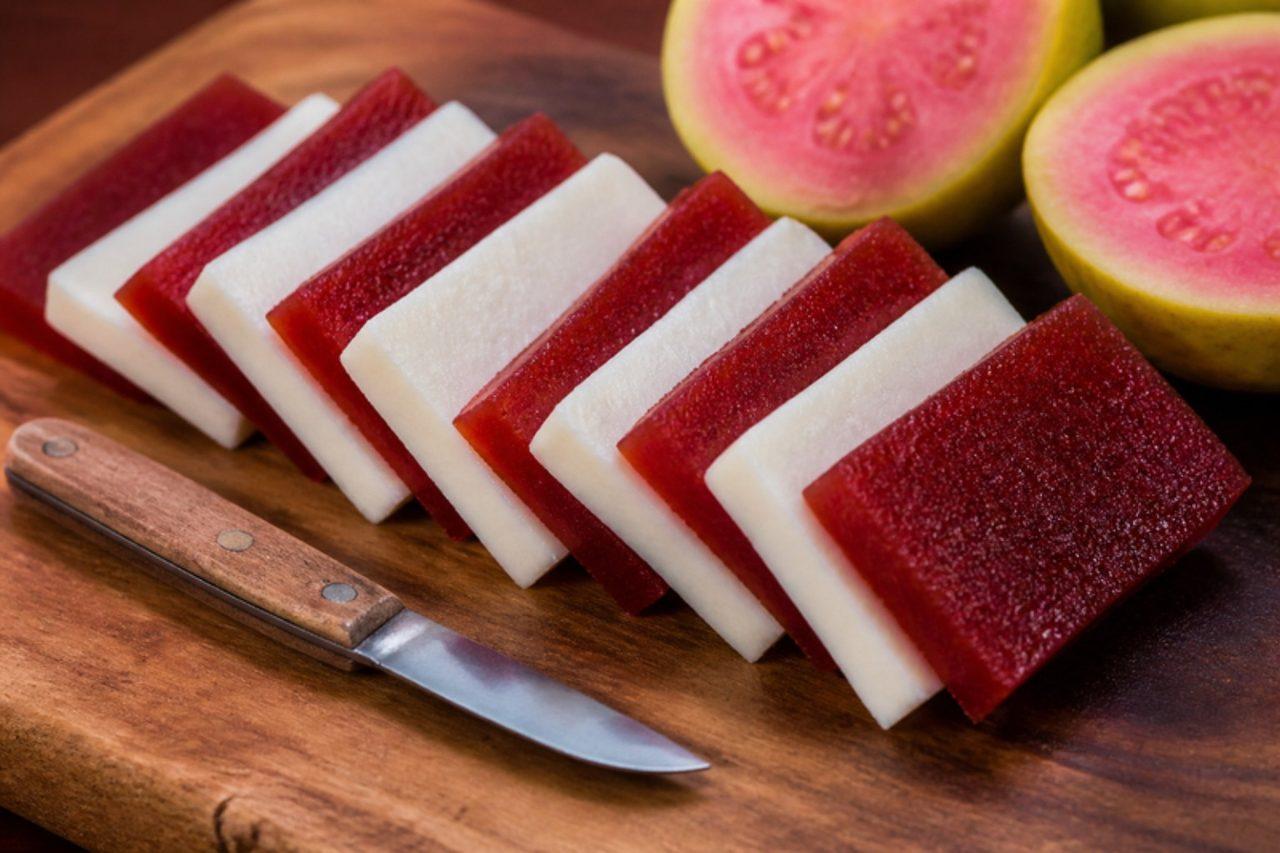
Romeu e JulietaGuava paste with fresh cheese

Two ingredients, no cooking, and a name every Brazilian knows: Romeo is the dark red goiabada, Juliet the mild white queijo Minas frescal, and they are always eaten together. Mineiros serve it after lunch on a saucer, at the end of a feast in a roadside restaurant, or as a mid-afternoon snack with coffee; the sweet, dense guava and the cool, milky, lightly salty cheese balance each other perfectly. Variations melt the guava into a warm sauce over the cheese, or bake both inside a pastry. Queijo Minas frescal is often made with animal rennet, so pick one labelled vegetarian, or use a young vegetarian farmer's cheese or paneer-style fresh cheese. The usual fault is cutting the guava thicker than the cheese, which buries Juliet; keep both slices the same size. Chef's tip: take the cheese out of the fridge 15 minutes ahead so it tastes of fresh milk rather than cold rubber.

by KrazyBadal 0 views

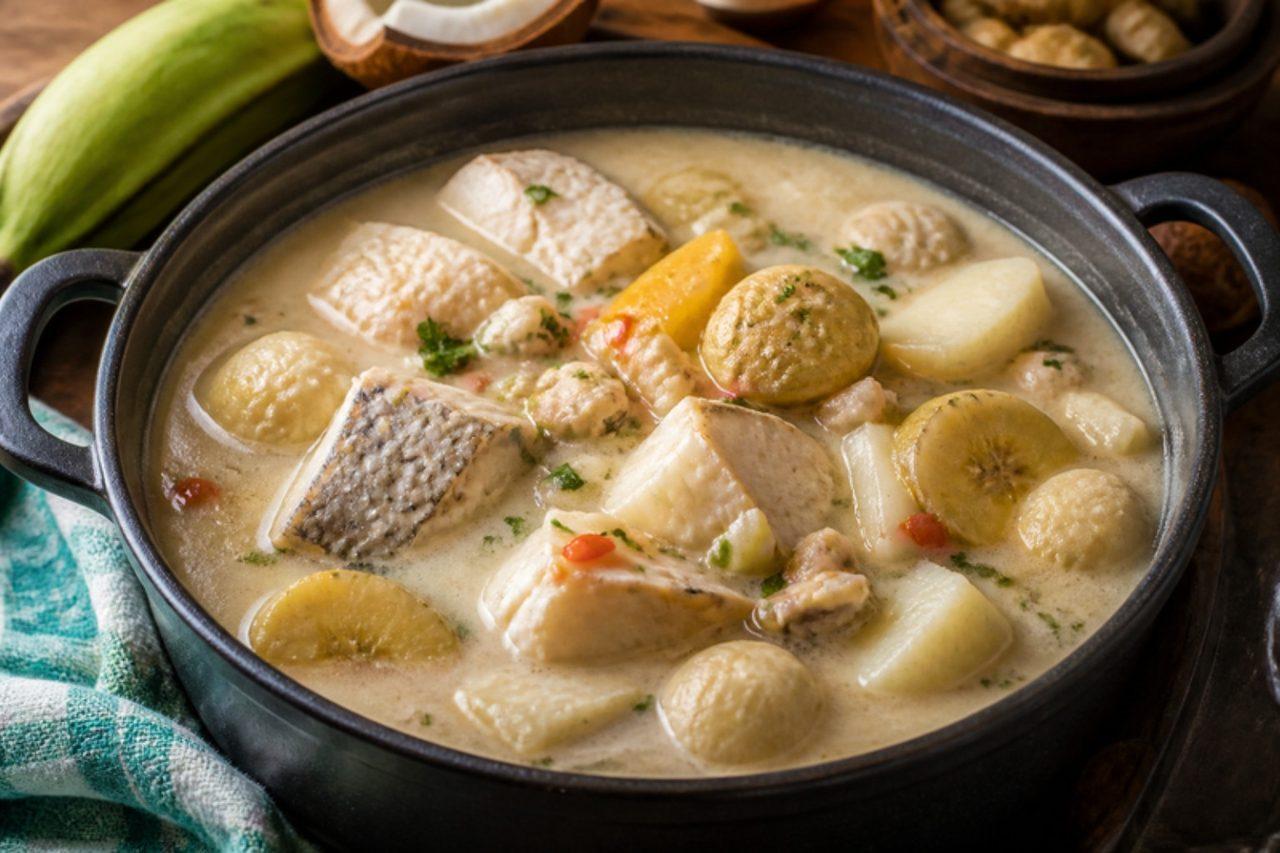
RondónCoconut fish and conch stew

The English-speaking Raizal islanders of San Andrés and Providencia call it rundown, and it is cooked for a crowd on weekends and at beach gatherings: coconut milk boiled down until it 'runs down' and starts to release its oil, with cassava, green plantain, breadfruit or sweet potato, flour dumplings, salted pig tail and, on top, fish and conch steamed in the creamy broth. Pork appears as the salted tail, which seasons the pot. The broth is rich, coconut-sweet and herby with thyme, with a perfume of whole Scotch bonnet that gives aroma rather than fire as long as it doesn't burst. Start the day before: the pig tail needs overnight soaking. A common mistake is stirring once the fish goes in, which breaks it up; layer it and let the steam do the work. Chef's tip: queen conch is protected in much of the Caribbean, so buy only legally sourced frozen conch, or swap in large raw prawns added with the fish.

by KrazyBadal 0 views

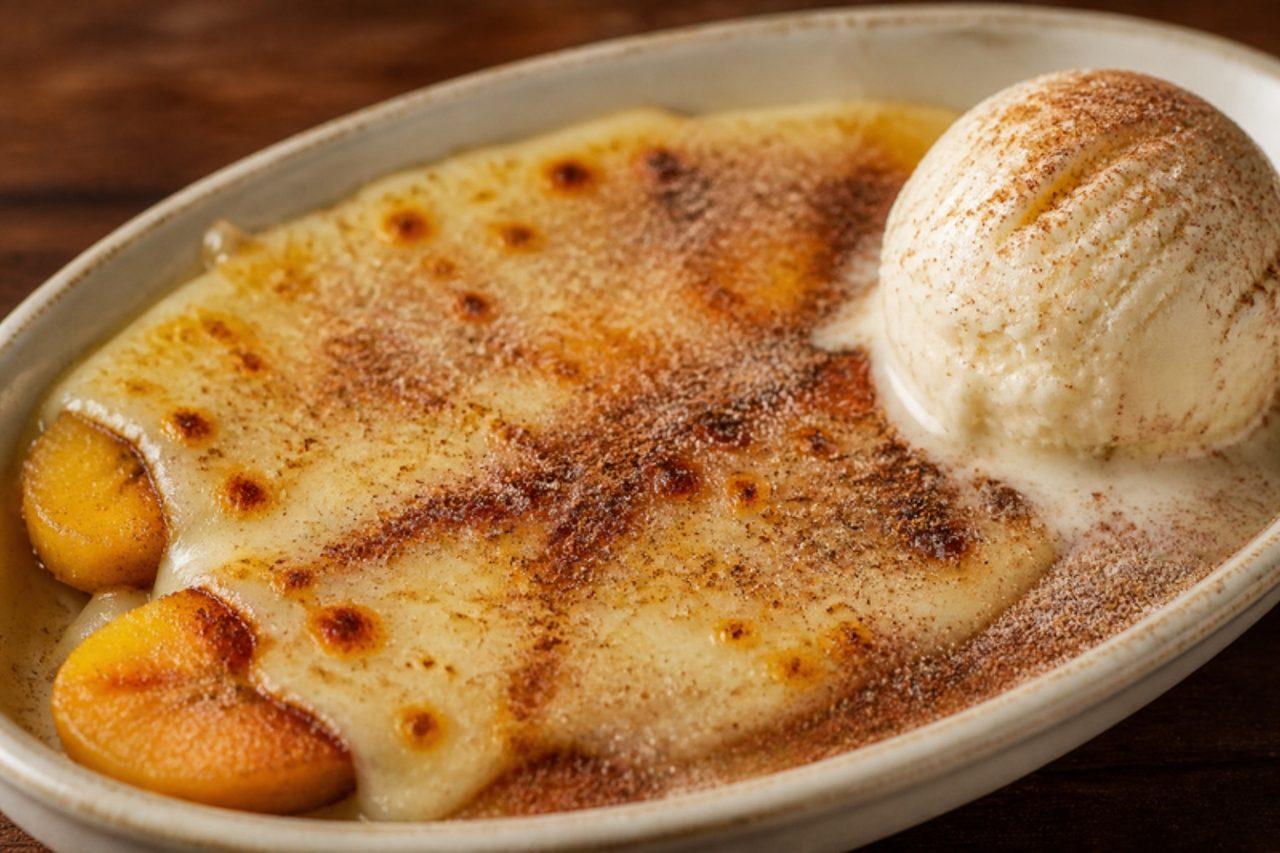
CartolaFried banana with cheese and cinnamon

Sweet, salty and hot all at once, cartola ('top hat') is a Pernambuco dessert that sounds odd and tastes like it was always meant to be. Bananas are fried in butter until caramel-edged, covered with slices of coalho or queijo manteiga that melt into a blanket, then showered with cinnamon sugar. It turns up on Recife lunch menus, in hotel buffets and in home kitchens after Sunday lunch, and needs nothing else, though a scoop of vanilla ice cream is welcome. Bananas-prata or ripe plantains are used locally; firm, just-ripe bananas are the nearest swap. Coalho is often made with animal rennet, so choose a vegetarian version or a vegetarian halloumi. Avoid overripe fruit; it collapses in the pan and the cheese slides off. Chef's tip: finish under a hot grill for a minute so the cinnamon sugar bubbles into a thin, crackly crust.

by KrazyBadal 0 views

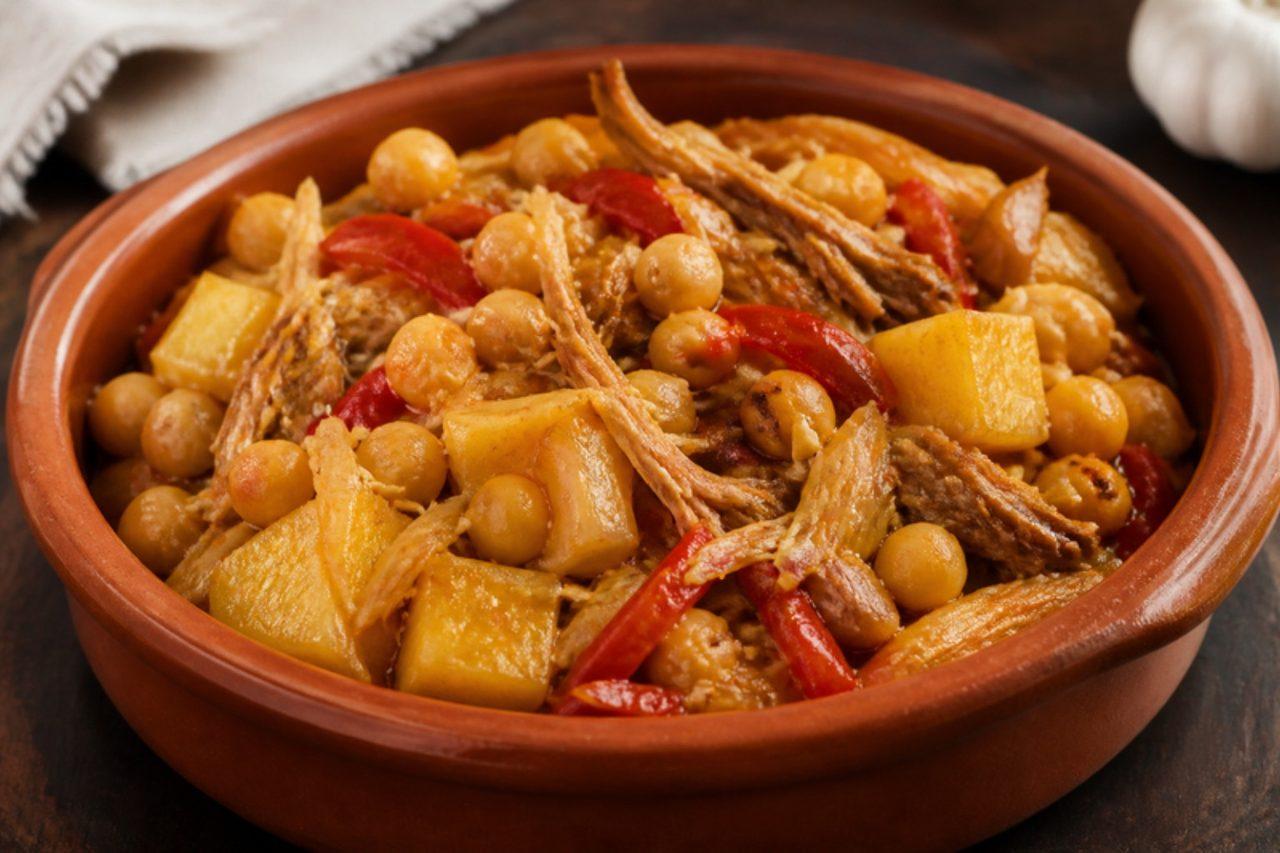
Ropa vieja canariaChickpea, beef and chicken fry-up

The 'old clothes' of the name are the leftover meats from Sunday's puchero, shredded and fried the next day with chickpeas, potatoes, peppers and tomato; it is a different dish from the Cuban ropa vieja, and on the islands it is Monday lunch and a fixture of bar menus in Las Palmas. Some versions include pork; this one uses beef and chicken, poached from scratch if you have no leftovers. A splash of white wine is common; it is optional and the dish is complete without it. Chef's tip: fry the chickpeas until a few catch and crisp, because those browned bits make the dish.

100 minSpanishMeatGluten free
by KrazyBadal 0 views

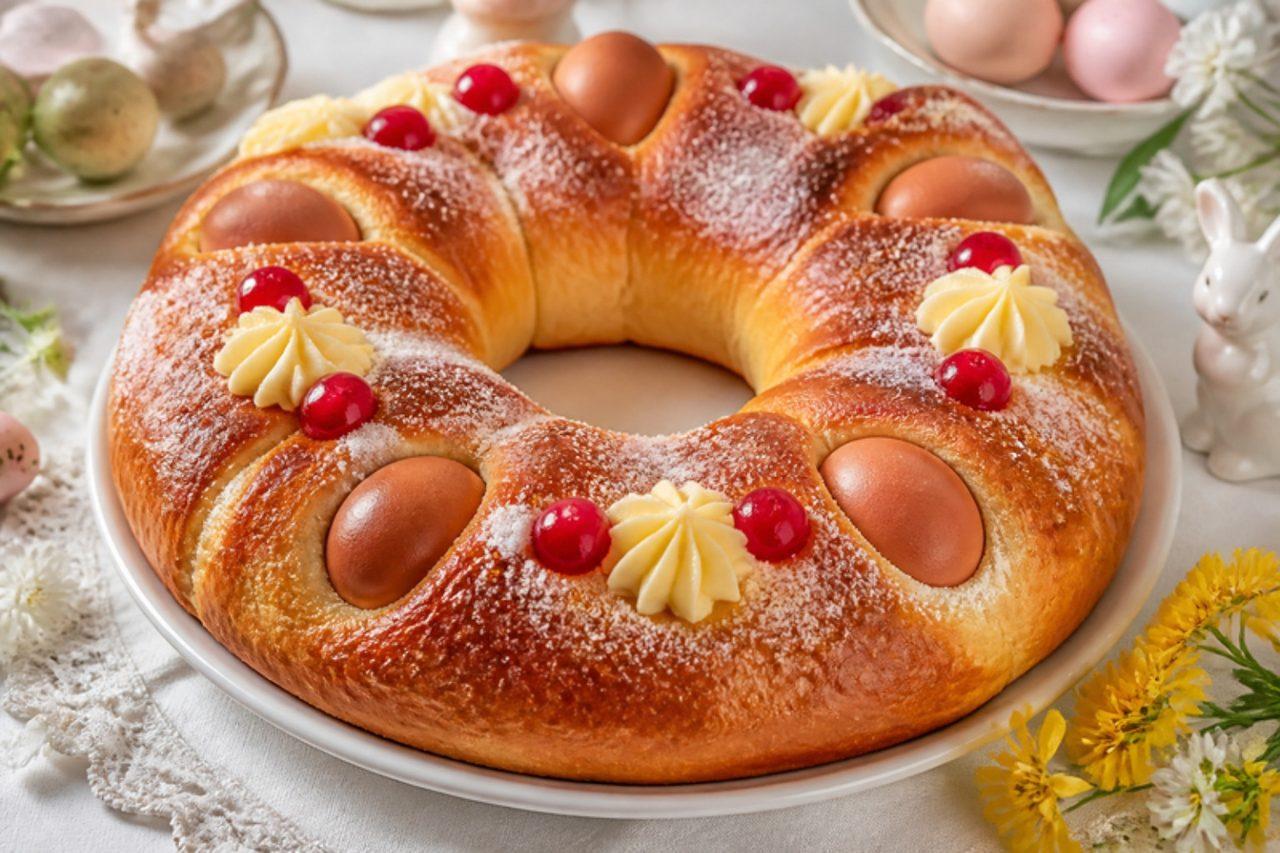
Rosca de PascuaEaster ring bread

Argentine Easter Sunday breakfast centres on the rosca de Pascua, a ring of soft, orange-scented brioche-like dough laid with stripes of pastry cream, candied cherries and pearl sugar, with whole boiled eggs pressed into the dough as a symbol of new life. Bakeries in every barrio stack them in the window from Holy Thursday, and families share it with coffee or mate after the Easter egg hunt. The crumb is fluffy and pale yellow, and the custard bakes into soft, golden ridges. Because the eggs bake for 30 minutes on top of their boiling, they are fully cooked; many people keep them for decoration and peel them later. The mistake to avoid is piping the pastry cream too thick, which slides off as the ring rises; thin lines give neat ridges. Chef's tip: cook the custard until it is very thick and chill it before piping, and brush the ring with egg before (not after) the cream goes on.

by KrazyBadal 0 views

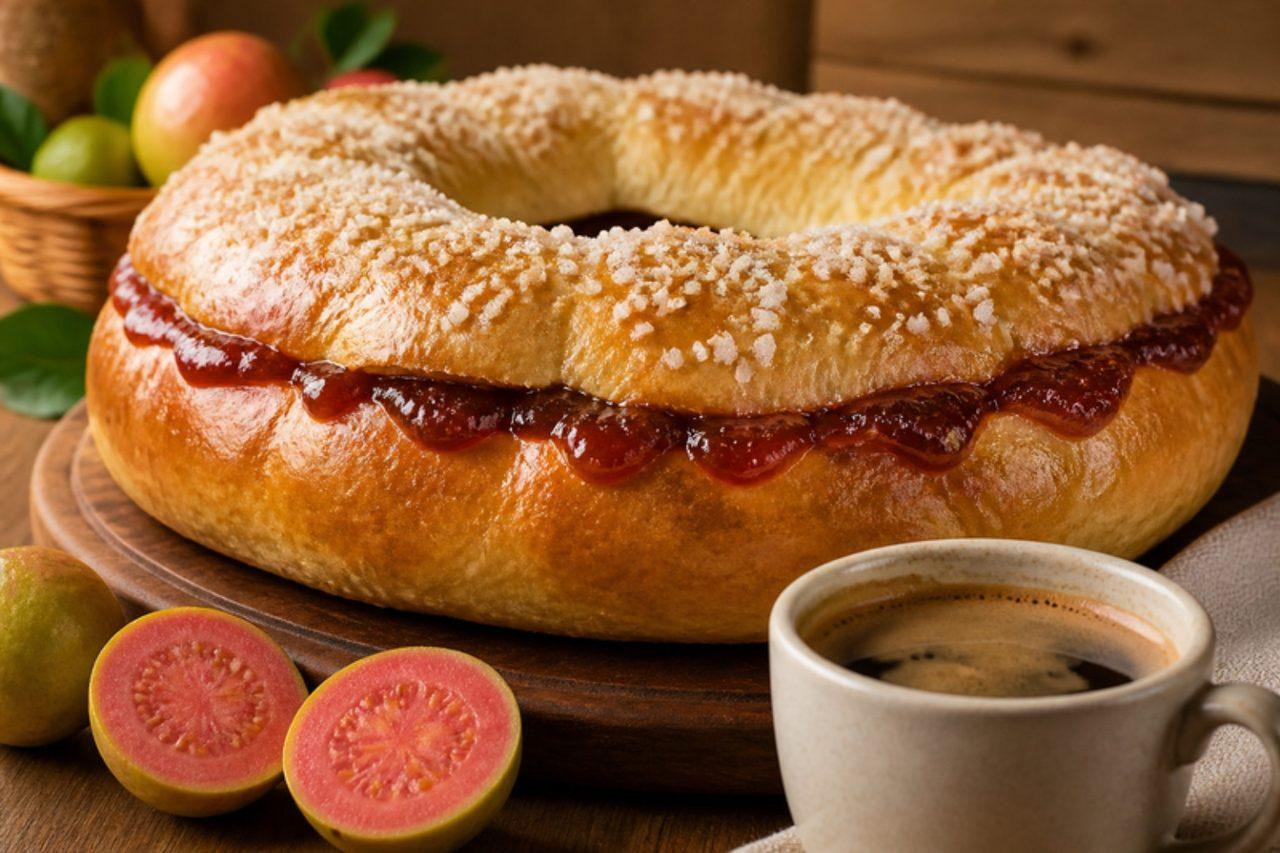
RoscónGuava-filled sweet bread ring

Every Bogotá bakery has a tray of roscones by the counter: soft, enriched bread rings glazed and sprinkled with sugar, hiding a seam of melted guava paste inside. They are eaten at onces, the afternoon coffee break, or for breakfast with hot chocolate, and they are a favourite thing to bring when visiting. The dough is a gently sweet milk-and-butter bread, close to a brioche but lighter. Chunks of guava paste that are too big are what normally goes wrong: they melt, burst the seam and burn on the tray, so cut it into thin batons and seal the dough firmly around them. Plan about 2 hours, most of it rising time. Look for guava paste (bocadillo or goiabada) in Latin shops; quince paste works in a pinch. Chef's tip: brush with the egg wash twice, once before the second rise and once before baking, for a deep, shiny crust that holds the sugar.

by KrazyBadal 0 views

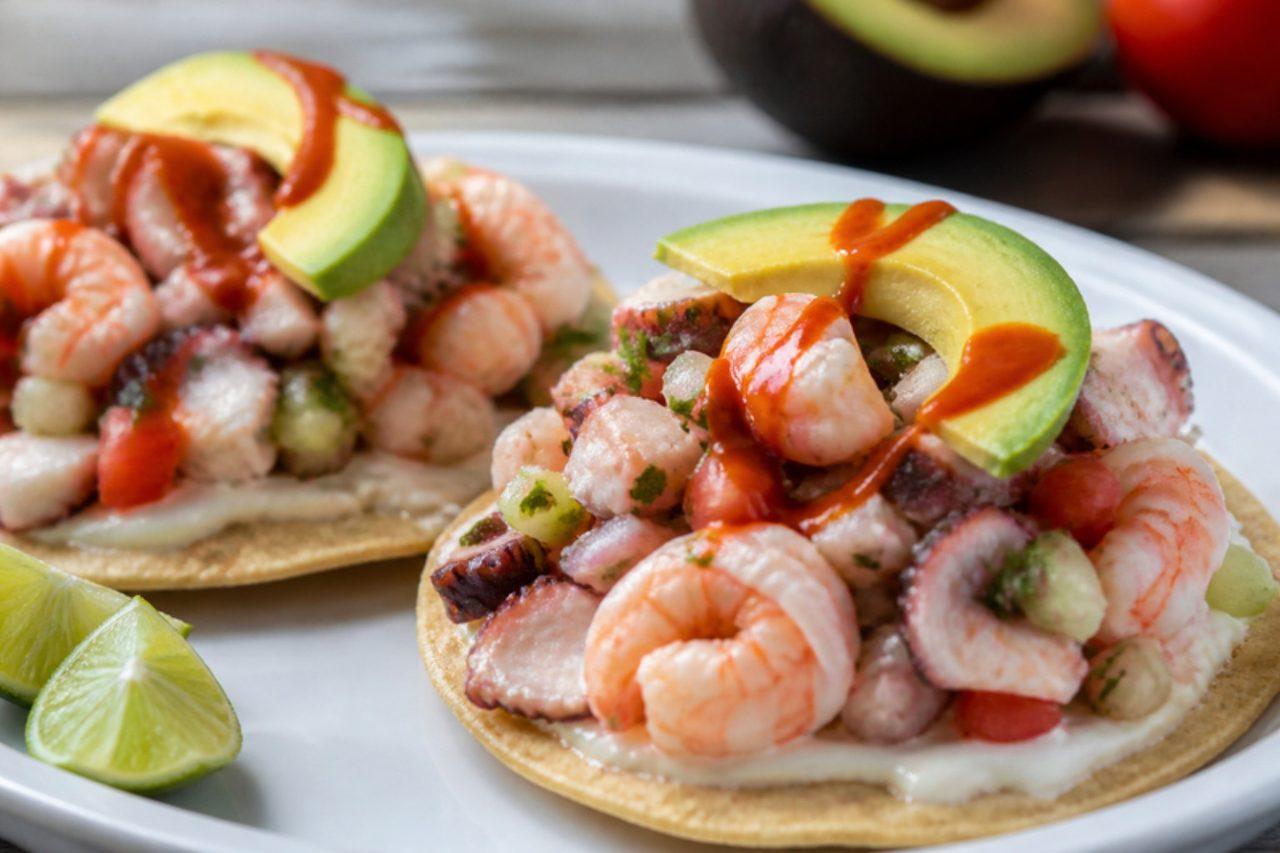
Tostadas de mariscosPrawn and octopus tostadas

Walk past the fish market in Ensenada and the seafood carts are already busy by mid-morning, piling crisp corn tostadas high with a lime-bright mix of prawns, octopus, tomato, onion and coriander. They are eaten standing up with a squeeze of lime and a few drops of hot sauce, often as the first stop of a weekend in Baja. This version uses only cooked seafood: prawns poached until pink and opaque, and octopus bought ready-cooked from a fishmonger or deli counter. The mix is cold, juicy and crunchy, with creamy avocado on top. Chef's tip: assemble each tostada right before it is eaten, as even five minutes of waiting softens the shell.

by KrazyBadal 0 views

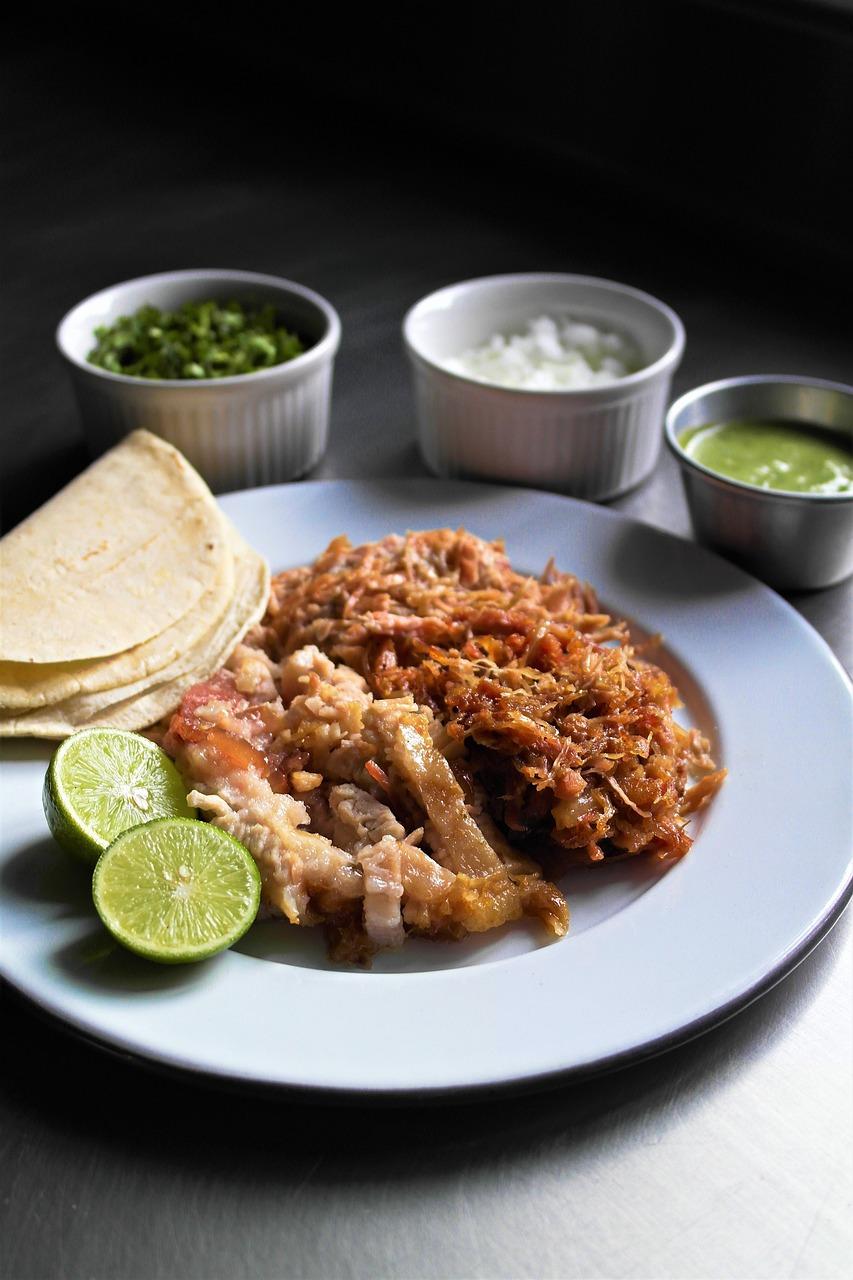
CarnitasSlow-cooked pork

Quiroga, a lakeside town in Michoacán, is the capital of carnitas: on weekends the plaza fills with stalls simmering huge copper pots of pork, sold by the kilo with warm tortillas, salsa verde and lime. This pork dish uses shoulder cooked gently in its own fat and lard with orange and garlic, so it turns soft inside and then browns into crisp, golden edges at the end. Pile it into tacos with onion, coriander and salsa, or keep it for tortas ahogadas. Chef's tip: when the meat is tender, turn the heat up for the last 10–15 minutes and stir; this final fry in hot lard is what gives carnitas their crackly edges.

195 minMexicanMeatGluten free
by KrazyBadal 0 views

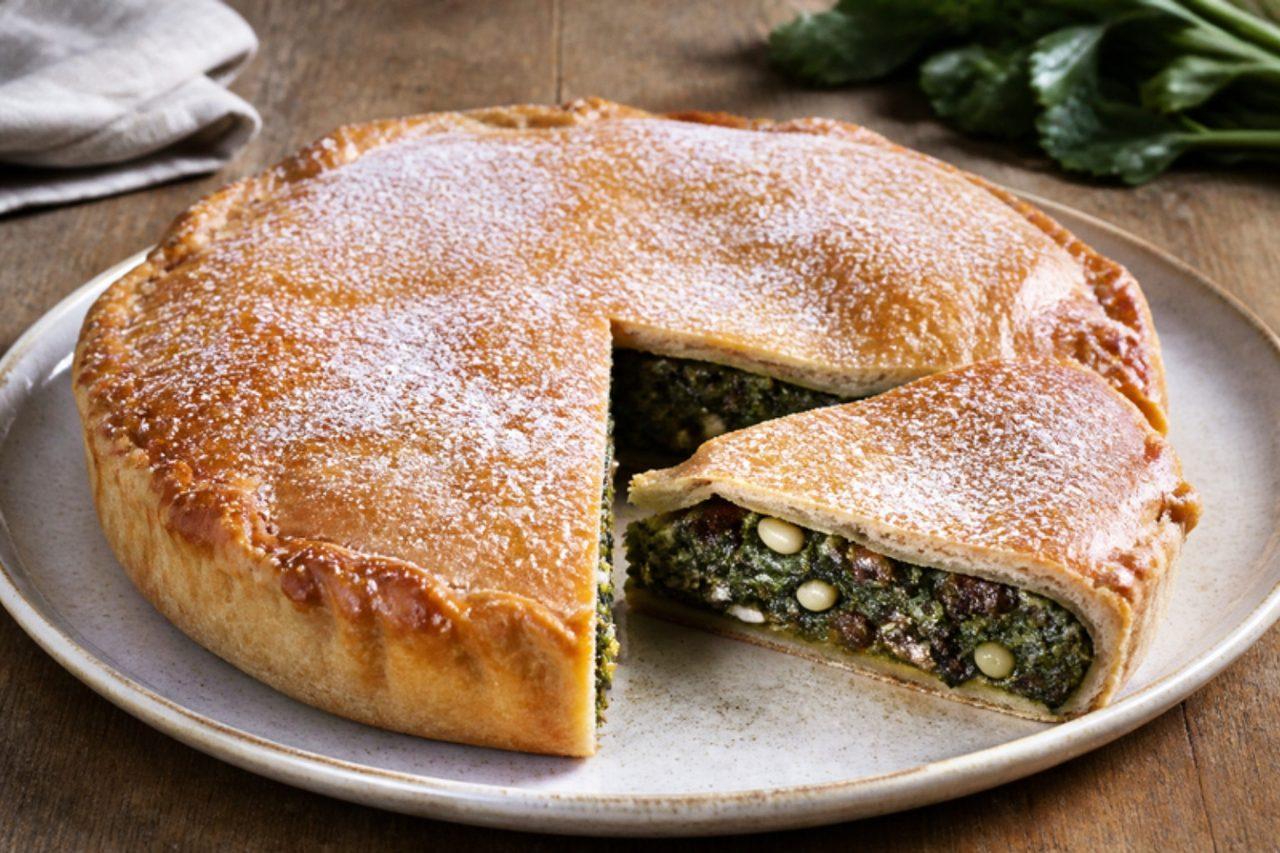
Tourte de blettesSweet Swiss chard pie

Visitors to Vieux-Nice are often surprised to find a pie of green chard leaves sold as a dessert, by the slice, in the old-town bakeries. The sweet tourte de blettes mixes chard with raisins, pine nuts, apple and a little cheese inside a sugared pastry, and Niçois families set it out on Christmas Eve as one of the thirteen desserts. The raisins are traditionally plumped in rum or marc; warm orange juice is used here, so it is alcohol-free. Parmesan is made with animal rennet, so pick a vegetarian hard cheese if you need to. Chef's tip: use only the green leaves; the white ribs make the filling watery, but keep them for a gratin.

100 minFrenchBaking
by KrazyBadal 0 views

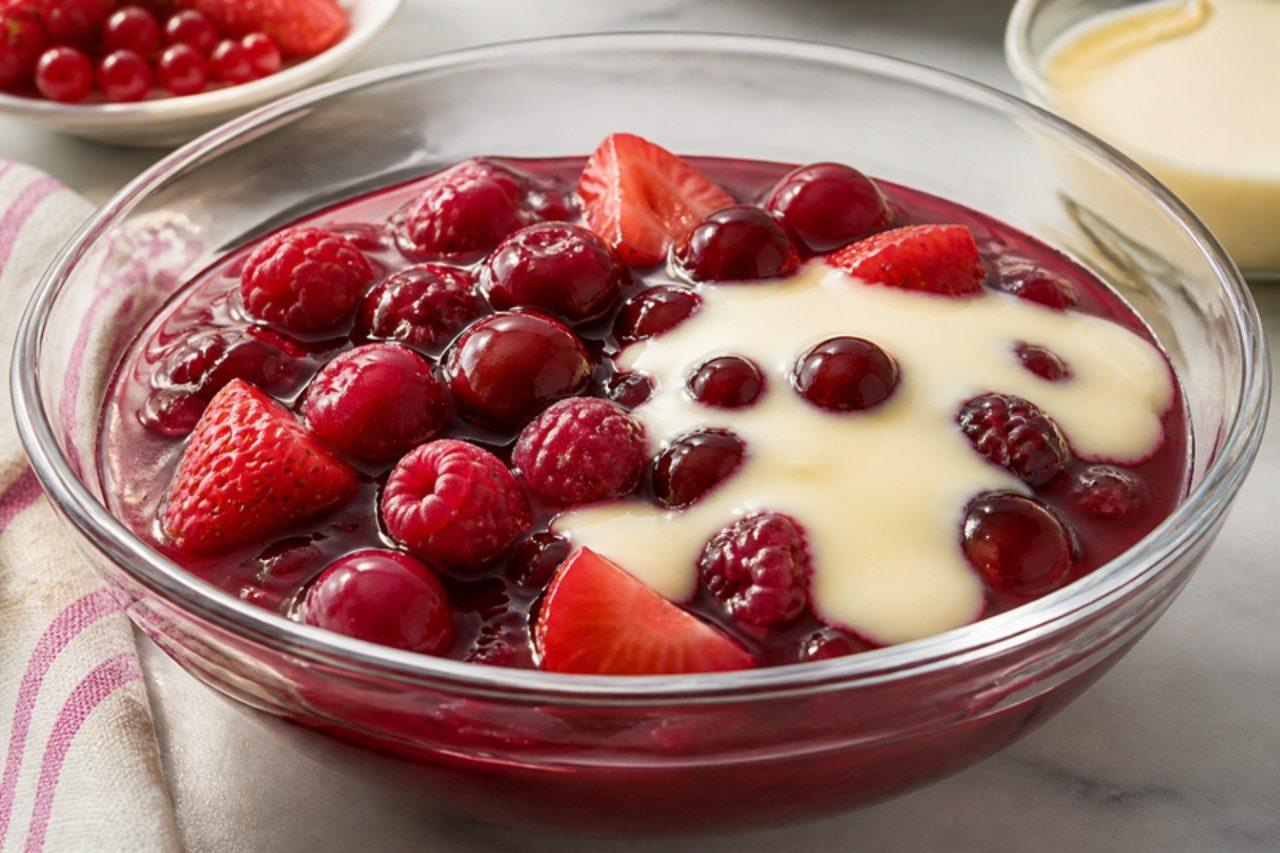
Rote GrützeRed berry pudding

Rote Grütze is the summer dessert of Hamburg, Schleswig-Holstein and Lower Saxony, made when the gardens are full of redcurrants, raspberries and sour cherries. The fruit is cooked briefly, thickened with a little cornflour and chilled until it sets to a glossy, spoonable jelly, tart and deep red, with whole berries still in it. Northerners pour cold vanilla sauce or plain cream over it; with a plant-based vanilla sauce it is fully vegan. A common mistake is boiling all the berries: add the soft raspberries last, off the heat, so they keep their shape. Chef's tip: frozen mixed berries work beautifully out of season, and their juice gives an even deeper colour.

by KrazyBadal 0 views

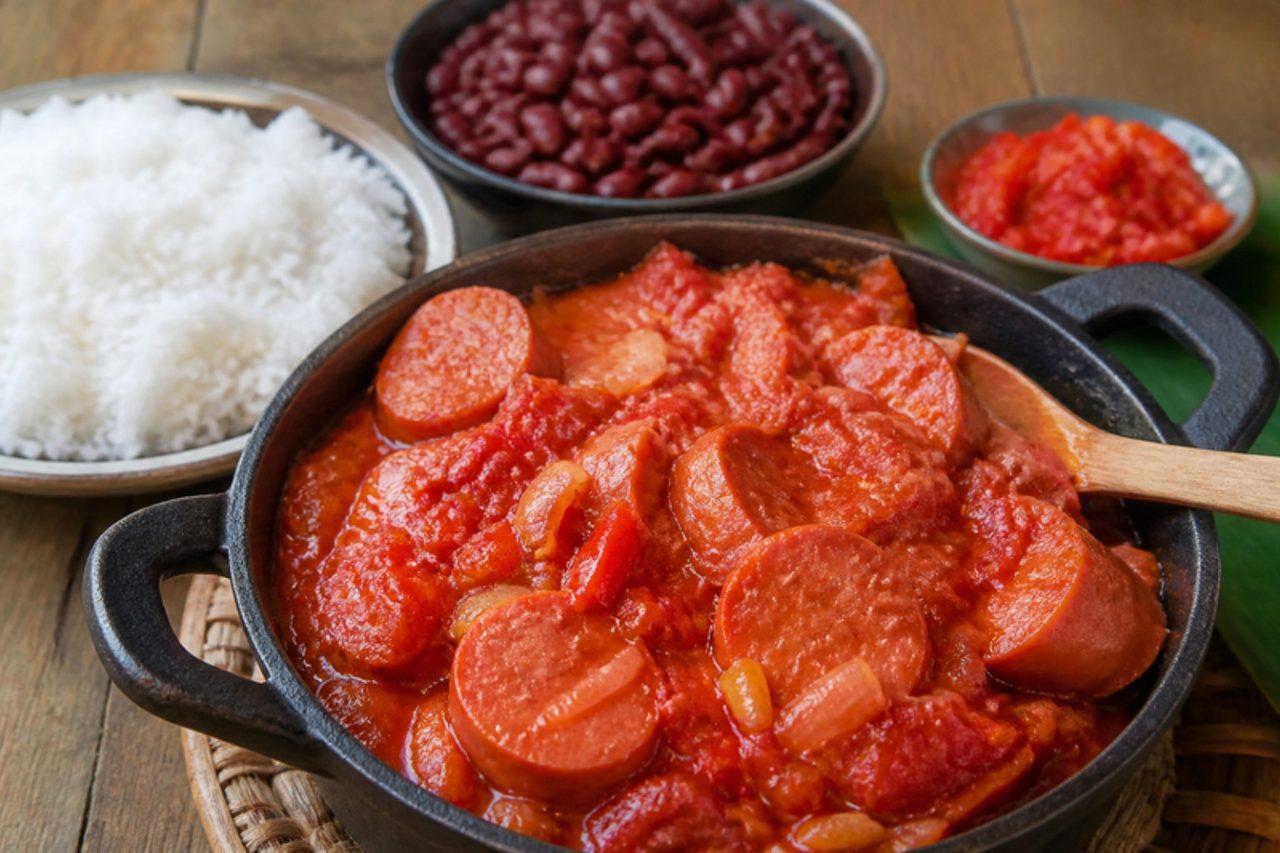
Rougail saucissesSmoked sausages in spicy tomato sauce

On Réunion Island, rougail saucisses is the everyday favourite cooked in a big cast-iron pot for family lunches, beach picnics and Sunday gatherings, and it is a pork dish built on smoked pork sausages. The sausages are blanched, browned, then simmered in a thick sauce of onions, ripe tomatoes, garlic, ginger, turmeric and fresh chilli until everything turns rich and slightly smoky. It is always served Creole-style with white rice and grains (red beans stewed with garlic and thyme) and, for those who like heat, a spoonful of fresh tomato-chilli rougail on the side. Chef's tip: blanch the sausages first; it removes excess salt and fat so the sauce tastes clean and bright.

85 minFrenchMeatSpicy
by KrazyBadal 0 views

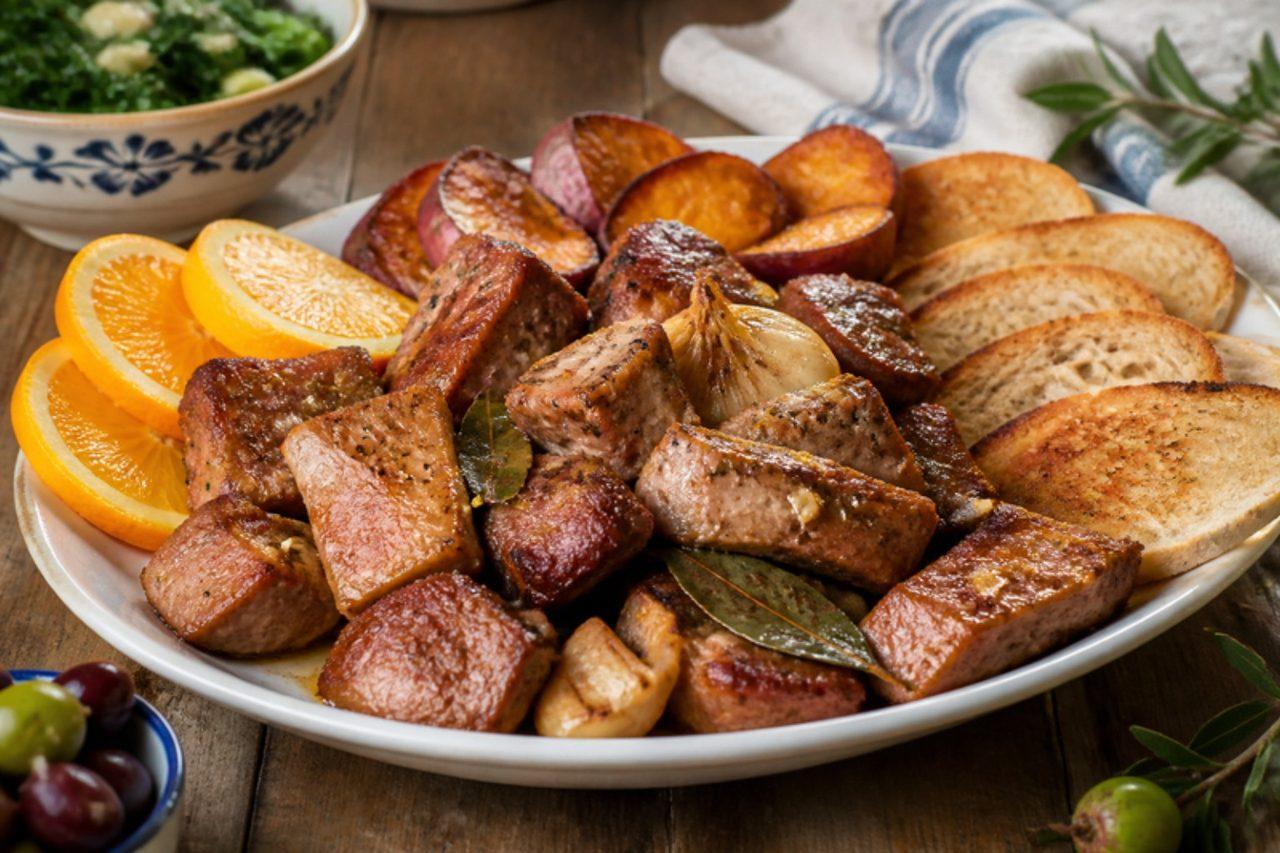
Carne de vinha d'alhosPork marinated in wine and garlic

No Madeiran Christmas is complete without carne de vinha d'alhos: chunks of pork soaked for days in wine, vinegar, garlic and bay, then simmered and fried until browned and tangy. Families start it after the December pig-killing, and the leftovers fill bread rolls for days. Portuguese sailors carried the idea to Goa, where it became vindaloo. This contains pork and uses white wine; for an alcohol-free version use 250 ml water instead of the wine, as many Madeiran households do. Chef's tip: fry thick slices of bread in the pan juices at the end; they are the cook's reward.

by KrazyBadal 0 views

RubacãoRice with cowpeas and dried beef

Paraíba's cousin of baião de dois, rubacão (also spelt rubação) is cooked for long family lunches in João Pessoa and Campina Grande, and it is a fixture of the São João season in June. Rice and freshly shelled green cowpeas (feijão verde) cook together with dried beef and smoky bacon, then coalho cheese and cream are folded through so the pot turns soft, creamy and stretchy, salty from the meat and sweet from the beans. Serve it on its own with a tomato salad and pepper sauce; it is a meal in one pot. If you use charque or carne seca, it needs soaking overnight in the fridge. The pitfall to avoid is adding the cheese while the pot is on the flame, which turns it rubbery; fold it in off the heat and let the steam soften it. Chef's tip: save the bean cooking water and use it to cook the rice; it gives the dish its earthy colour and flavour.

by KrazyBadal 0 views

Carne en su jugoBeef in tomatillo broth

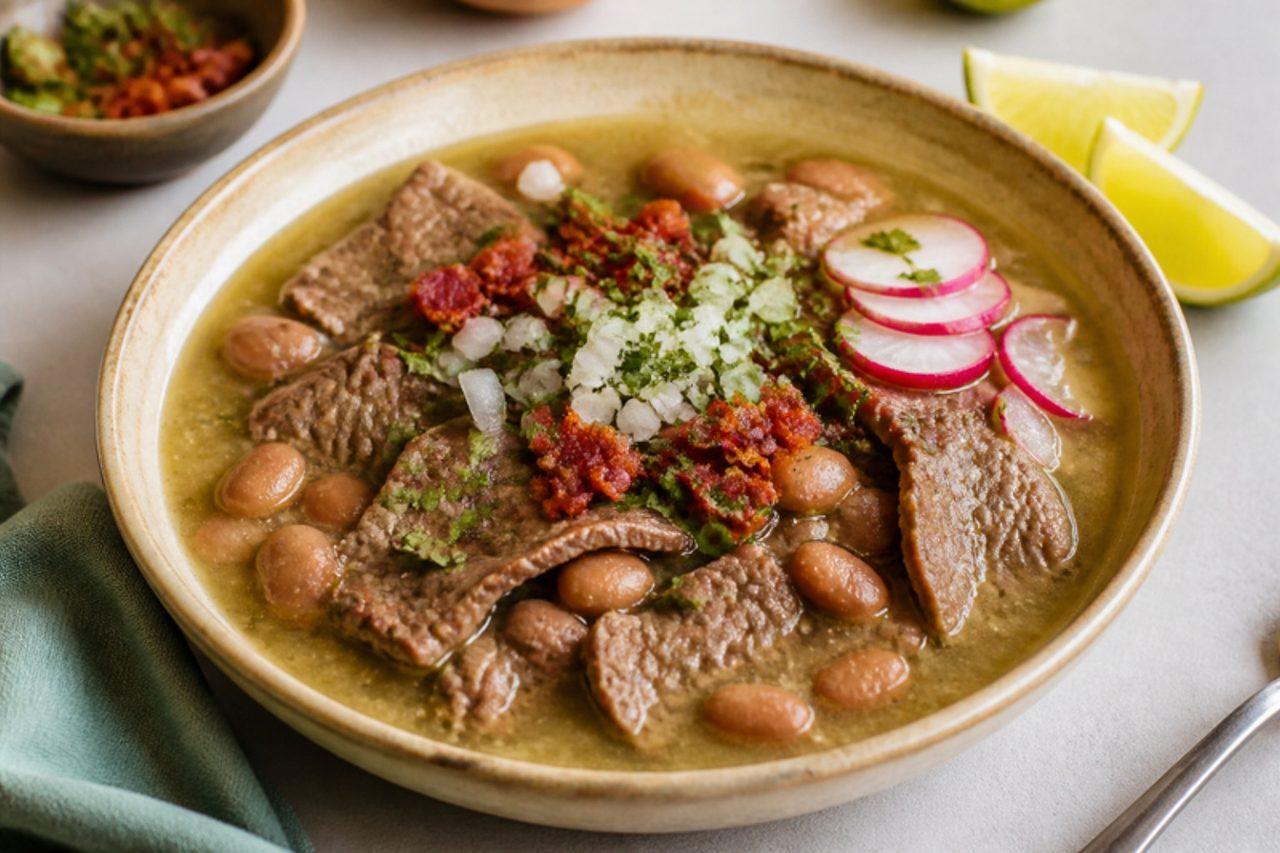
Carne en su jugo, 'meat in its juice', belongs to Guadalajara, where whole restaurants are devoted to it and families go for a big bowl at weekend lunchtime. Paper-thin slices of beef cook in a sharp, green broth of tomatillo, chilli and coriander, with soft pinto beans spooned in and crisp bacon scattered over, so it is also a pork dish. Each bowl is finished at the table with chopped onion, coriander, radishes and plenty of lime, and eaten with warm corn tortillas. Chef's tip: put the steak in the freezer for 30 minutes before slicing; firm meat is far easier to cut into the thin pieces the dish needs.

by KrazyBadal 0 views

RumbledethumpsPotato, cabbage and onion bake

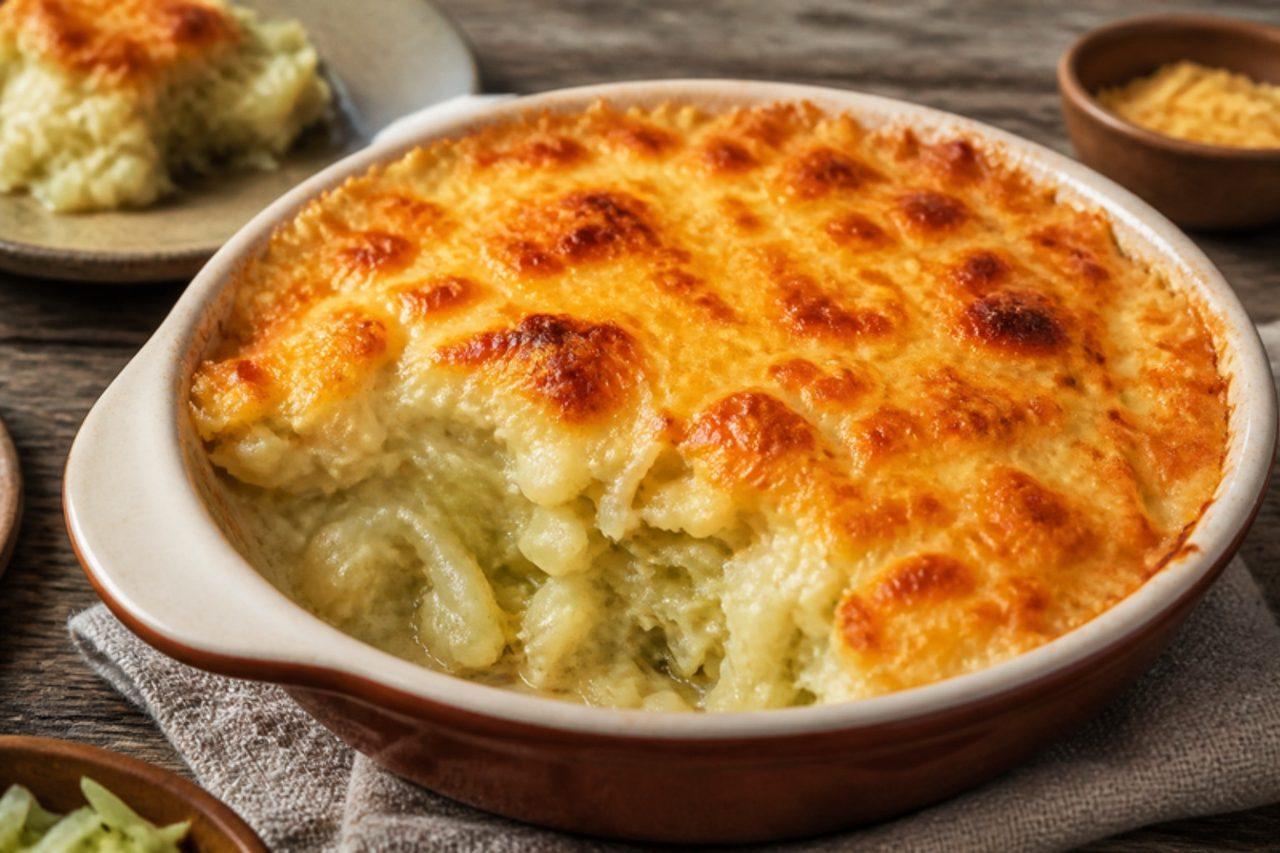
Rumbledethumps comes from the Scottish Borders, a thrifty supper of mashed potato, buttery cabbage and onion baked under a crust of cheddar, usually made with the Sunday roast leftovers on a Monday night. The name is said to come from the rumbling and thumping of the pans. Traditional cheddar is often made with animal rennet, so use a vegetarian cheddar if that matters to you. Chef's tip: cook the cabbage only until bright and just tender so it keeps some bite in the bake.

by KrazyBadal 0 views

RummaniyehLentil and aubergine stew with pomegranate

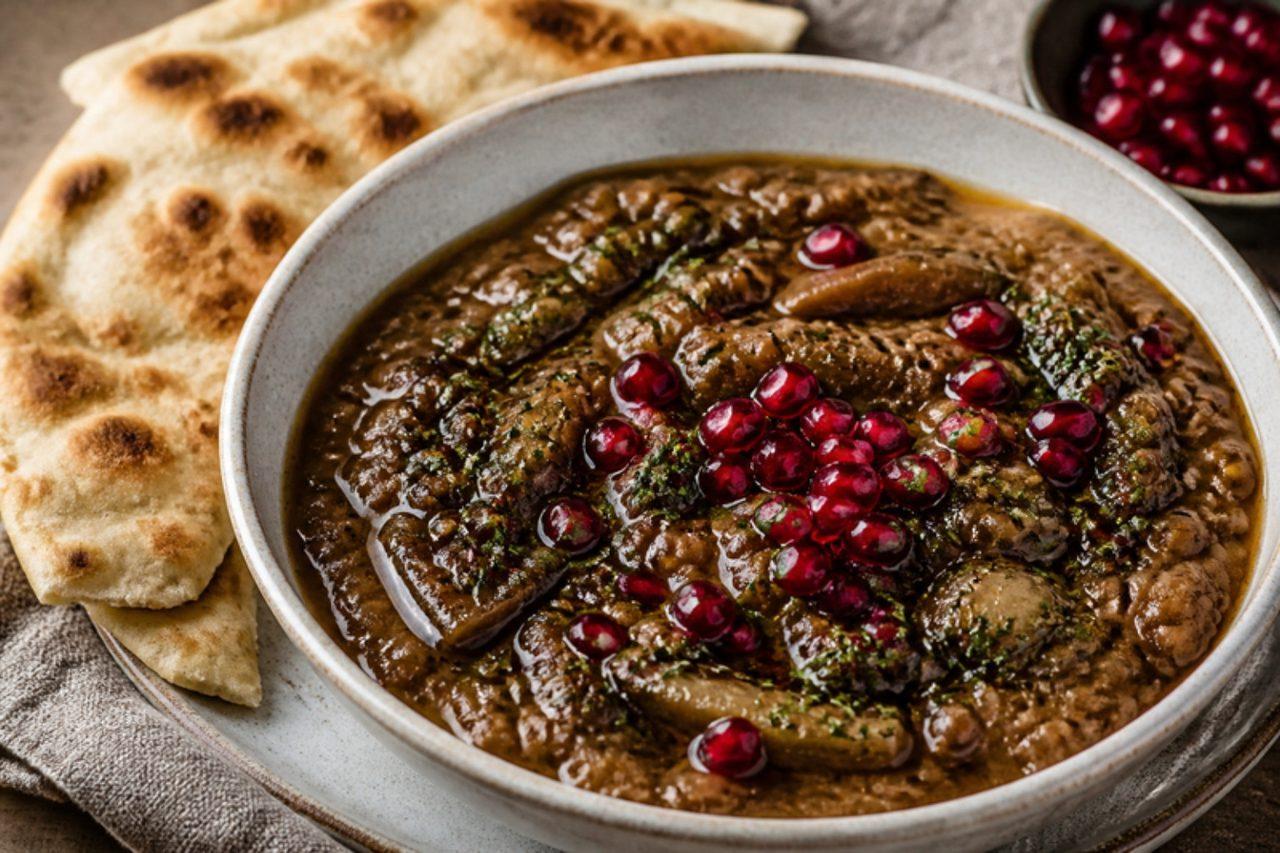
Rummaniyeh, from rumman (pomegranate), is a Gazan autumn dish made when the pomegranates ripen: brown lentils and cubes of aubergine cooked to a thick, earthy stew, soured with pomegranate juice and molasses, enriched with tahini and finished with a sizzling oil of garlic, dill and chilli. It is eaten warm or at room temperature, scooped up with bread, and keeps well for days. Common mistake: adding the tahini over a high heat, where it seizes and turns grainy; stir it in off the boil. Chef's tip: fry the garlic and dill only until the garlic is pale gold; brown garlic tastes bitter against the sour fruit.

by KrazyBadal 0 views

Carne de sol com macaxeiraSalted beef with cassava

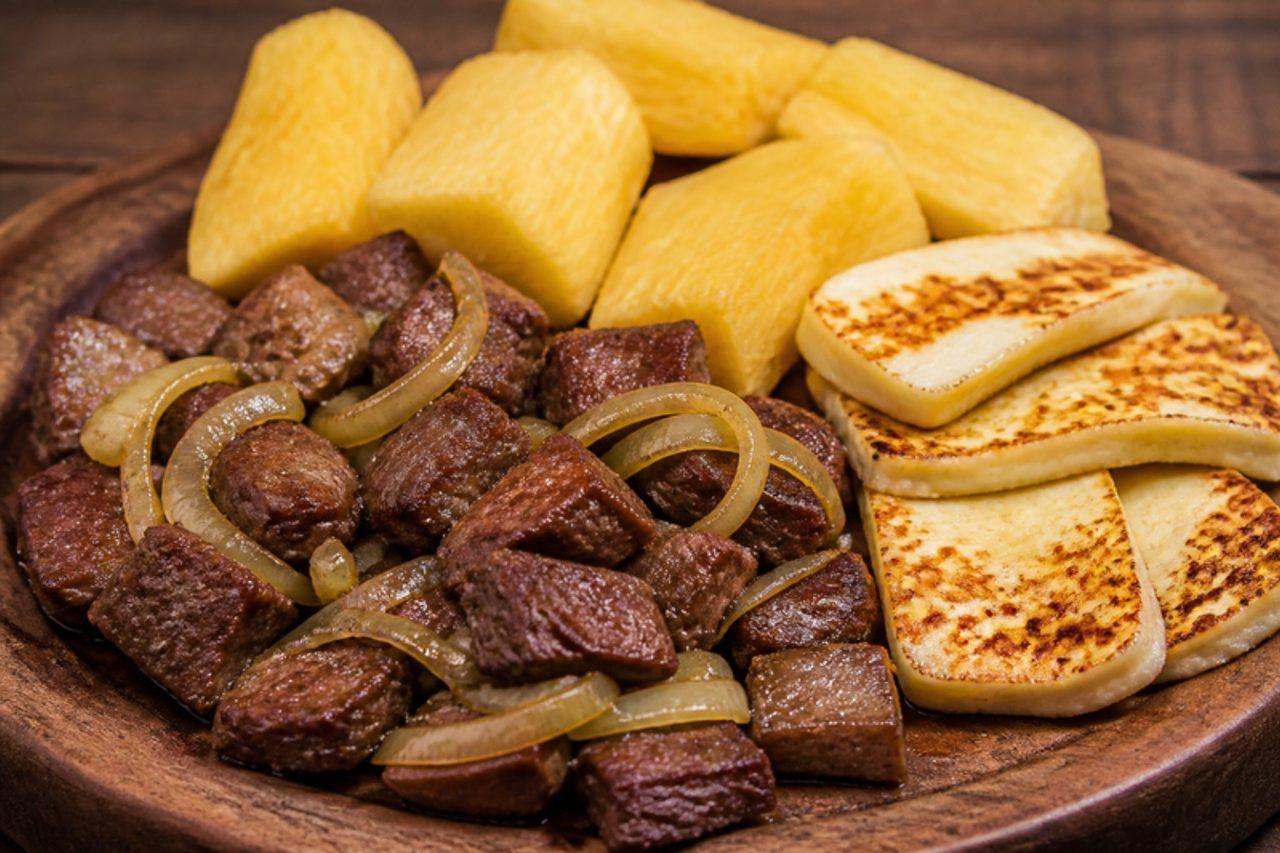
Out in the sertão, beef was salted and hung in airy shade to cure, and the result, carne de sol, is now the pride of restaurants from Natal to Caruaru, where it arrives sizzling on an iron plate with boiled macaxeira (cassava) glossed in clarified butter, grilled squares of coalho cheese and a dish of feijão verde. The meat is firm, faintly salty and deeply beefy, the cassava soft and buttery, the cheese squeaky and browned. If you can't buy carne de sol from a Brazilian butcher, salt the beef yourself in the fridge for 24 hours (step 1), so allow an extra day. The mistake people make is frying the beef straight from the salt; a 30-minute soak in cold water keeps it pleasantly seasoned rather than harsh. The beef is cut into chunks and fried, so cook it to your taste: pink in the middle or well done are both fine for whole-muscle beef. Chef's tip: fry the beef in small batches in a really hot pan so it browns rather than stews in its own juice.

by KrazyBadal 0 views

Biber salçasıRed pepper paste

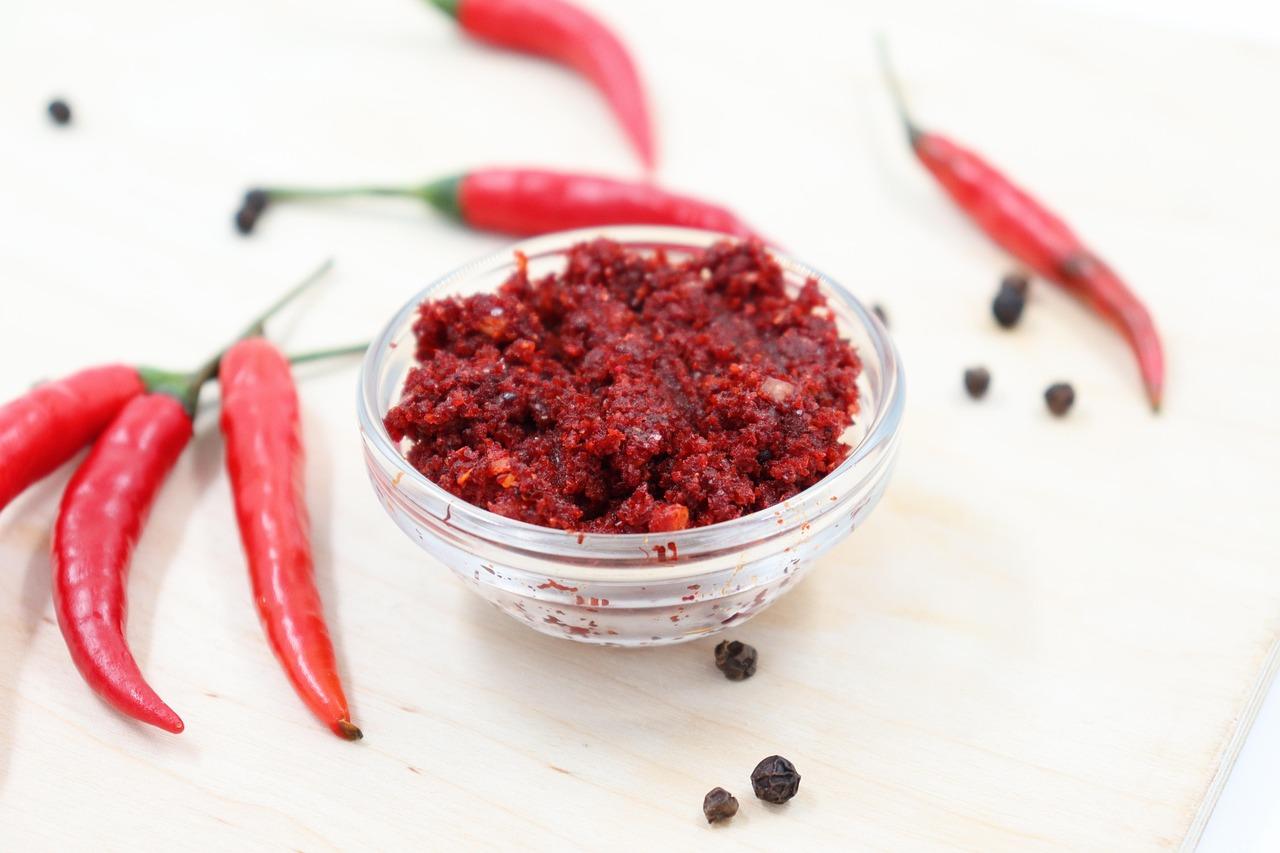
Late every summer, rooftops in Gaziantep, Kilis and Hatay turn red with trays of puréed peppers drying in the sun, and families fill jars that will season soups, köfte, bulgur and lahmacun through the winter. This oven method makes a smaller batch with the same deep, sweet and slightly smoky flavour; use some hot peppers if you like it acı (spicy). Store it under a film of oil in the fridge. The common mistake is a too-hot oven: the edges scorch and turn bitter before the middle thickens. Chef's tip: stir every 20 minutes and scrape the dried rim back in; the paste is ready when a spoon drawn through it leaves a clean trench.

by KrazyBadal 0 views

Carne de fiestaMarinated fried pork

The smell of carne de fiesta, cubes of pork sizzling in a huge pan, drifts over every romería and village saint's day in Tenerife and Gran Canaria, where it is sold piled into bread rolls or with chips. This contains pork. The meat sits for a day in a deep red marinade of garlic, paprika, thyme, oregano, vinegar and white wine before it is fried until crusty. The wine can be swapped for water with an extra spoon of vinegar for an alcohol-free version. Chef's tip: fry in batches with plenty of space, so the meat sizzles and caramelises instead of boiling in its own juices.

by KrazyBadal 0 views

Travesseiros de SintraAlmond cream puff pastries

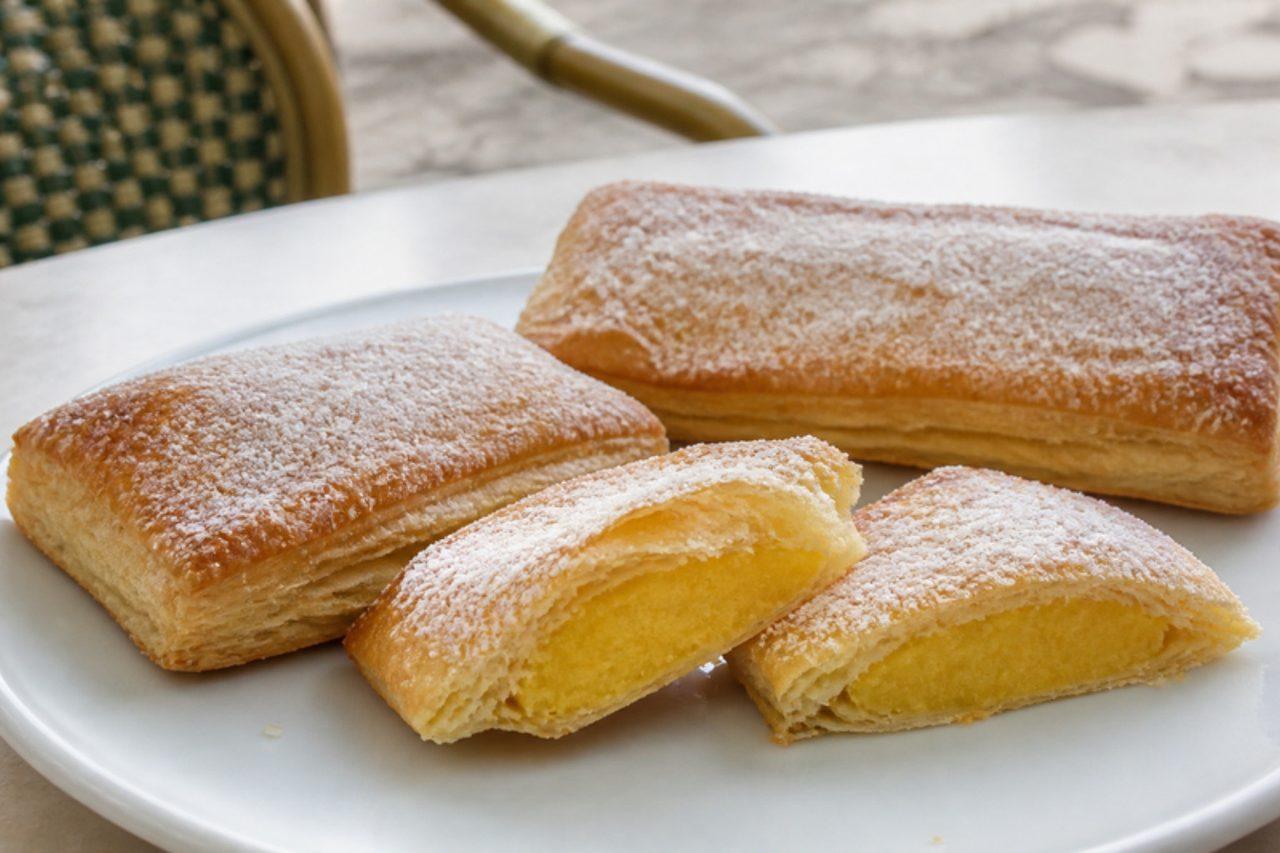
Travesseiro means pillow, and these long, sugar-dusted pastries from Sintra look just like one, plump with a soft almond cream. They were first sold at a café in the town in the mid-twentieth century and are now the second pastry, after queijadas, that every visitor carries home. Eat them warm, when the pastry shatters and the filling is still loose. Using shop-bought all-butter puff pastry makes them a fair home project. Chef's tip: cook the almond cream until it is thick enough to hold a trail from the spoon, then chill it; warm filling melts the butter in the pastry and stops it puffing.

by KrazyBadal 0 views

Trenza de AlmudévarNut and raisin braided bread

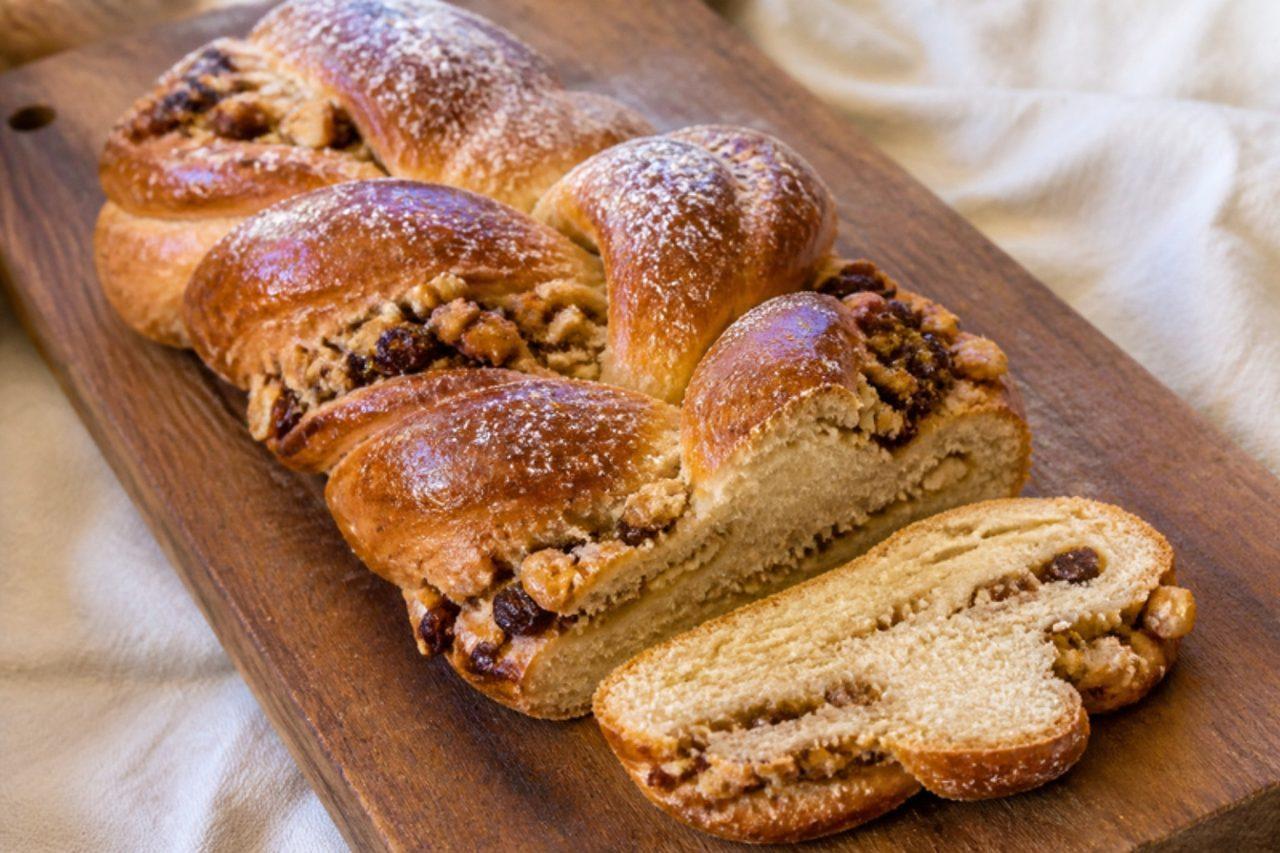
Almudévar, a small town between Zaragoza and Huesca, gave its name to a braid that is now sold all over Aragon and given as a present at Christmas: a golden plaited loaf, layered with chopped nuts and liqueur-soaked raisins and brushed with syrup until it shines. The town's bakeries use a laminated, puff-like dough that takes a day; this home version uses a buttery brioche rolled around the filling and cut and braided so the layers show. The raisins are traditionally soaked in rum or brandy; use warm orange juice for an alcohol-free loaf. A common mistake is braiding too tightly, which squeezes out the filling and stops the dough rising. Chef's tip: chill the filled roll for 15 minutes before cutting it lengthways; the butter firms and the cut is much cleaner.

by KrazyBadal 0 views

Trigona PanoramatosCustard-filled filo cones in syrup

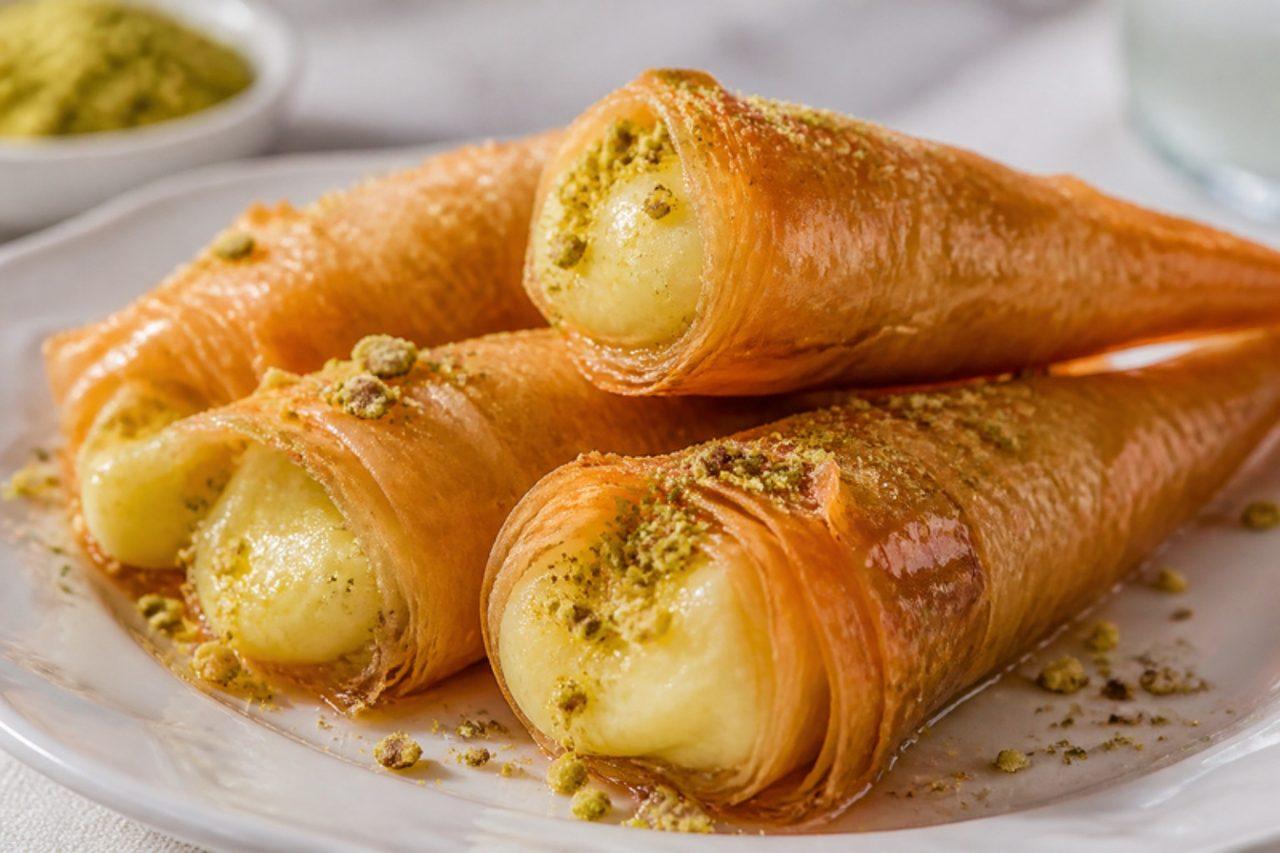
Up in Panorama, the hillside suburb above Thessaloniki, pastry shops fill crisp filo triangles to order, and people carry boxes of them down to the city for Sunday visits and name days. Each cone is baked until it shatters, dunked for a second in lemony syrup, then piped full of a cold, light custard cream. The contrast is the point: brittle, buttery shell against soft, barely sweet filling, best within a couple of hours. Common mistake: filling the cones while the syrup is still warm, which melts the cream and turns the pastry limp. Chef's tip: roll each cone around a cone-shaped metal mould or a twist of foil so it keeps a wide, open mouth for piping.

by KrazyBadal 0 views

Cari de légumesVegetable curry

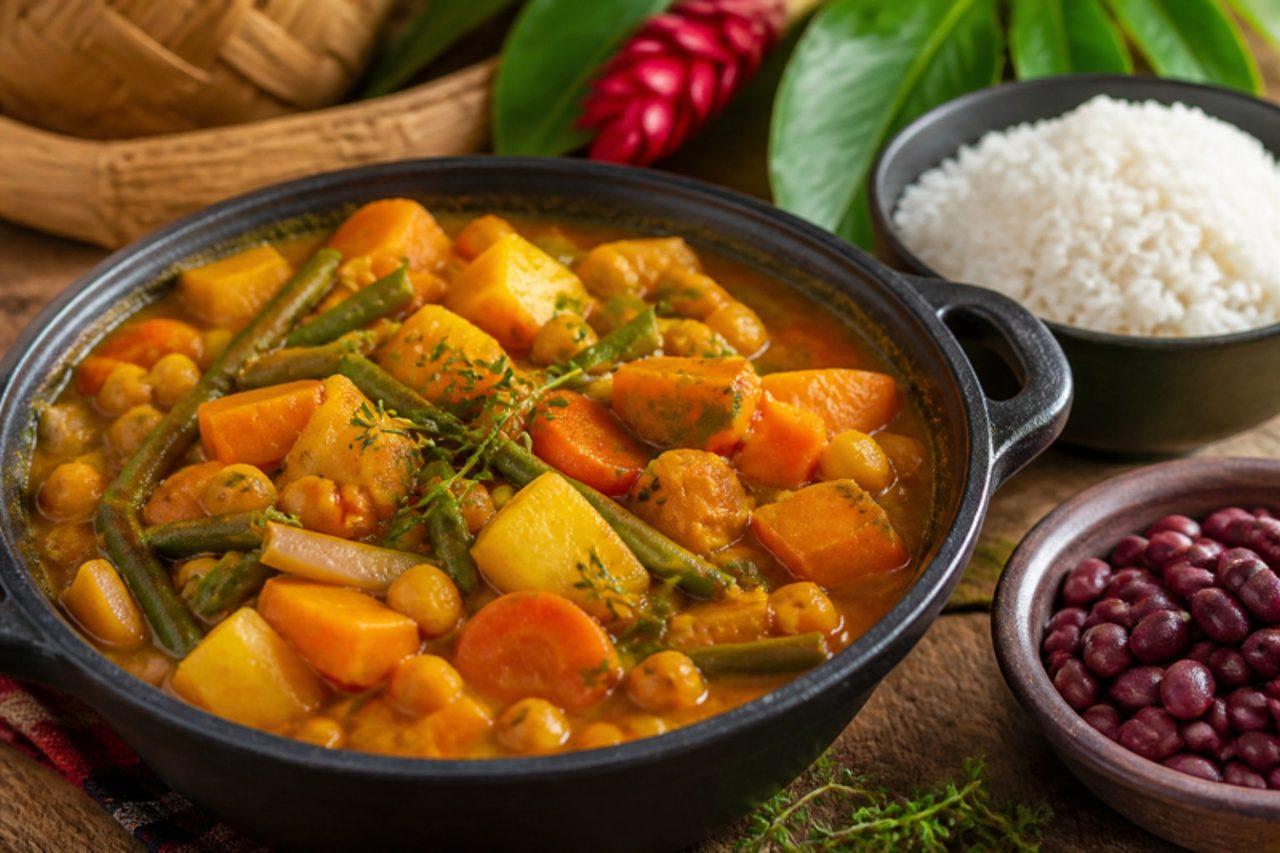
On Réunion, the French island in the Indian Ocean, cari is simply lunch: a pot of something gently spiced with onion, garlic, ginger, thyme and the island's turmeric, which locals call safran péi. It arrives at the table with white rice, a bowl of lentils from Cilaos or red beans, and a sharp tomato rougail, and this vegetable version uses chayote (chouchou) from the green Salazie valley, potatoes, carrots and green beans. The heat comes from the chilli in the rougail, not the cari itself, so it suits children too. Chef's tip: let the onions take real colour before the spices go in; that golden base gives a cari its depth.

by KrazyBadal 0 views

Sabzi khordanFresh herb and cheese platter

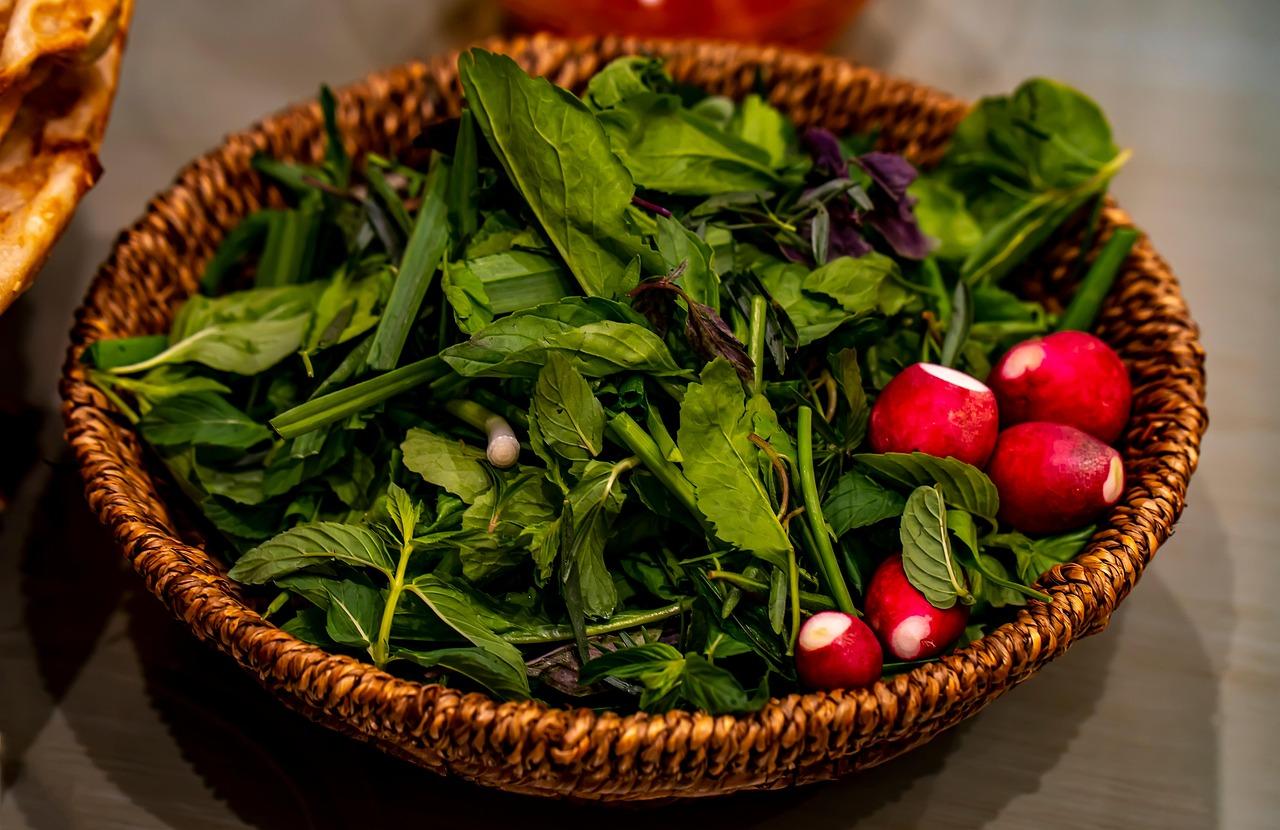
No Tehran dinner table is complete without sabzi khordan, literally 'herbs for eating': a basket or plate of whole sprigs of basil, mint, tarragon, chives and coriander with radishes, spring onions, walnuts and a block of white cheese. People tear off bread, add a little cheese and a walnut, then stuff in a few leaves, eating between mouthfuls of stew or rice. The mistake most people make is serving the herbs wet or limp; they should be crisp, dry and cold. Traditional Iranian white cheese is set with animal rennet, so choose a feta labelled vegetarian (microbial rennet) if that matters to you. Chef's tip: wash the herbs an hour ahead, spin them dry and chill them wrapped in a damp tea towel so they stay perky on the table.

by KrazyBadal 0 views

Xis gaúchoLoaded pressed burger

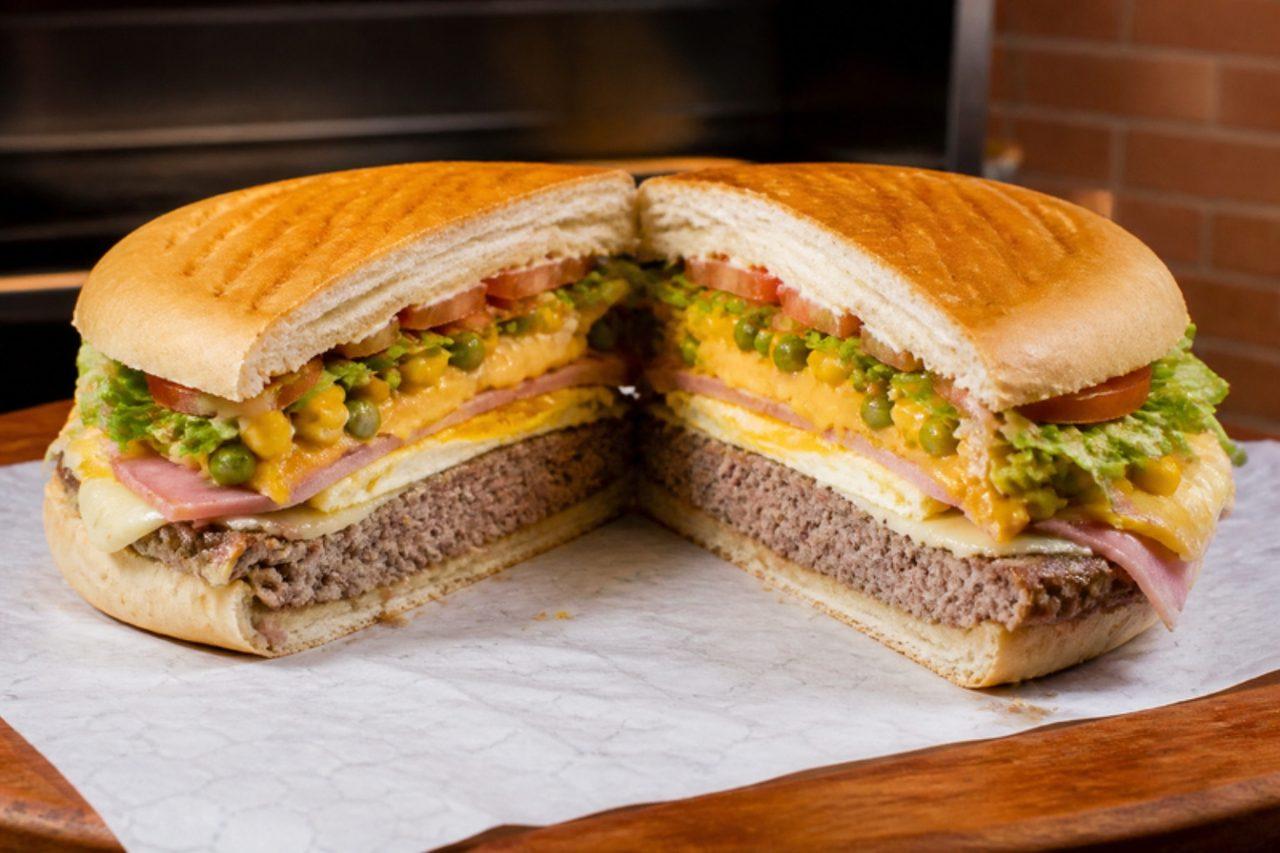
Porto Alegre's lancherias and late-night food trucks press the xis (the Portuguese name for the letter X, which sounds like 'cheese', as in X-burger) on a hot griddle with a heavy lid until a giant round bun is flat, crisp and holding everything together: a beef patty, a fried egg, ham, melted cheese, sweetcorn, peas, lettuce, tomato and lots of mayonnaise. It is huge, messy and much loved after a night out or a football match, usually cut in half and shared. Its pork element is the ham. The common mistake is stacking it too high before pressing, so the fillings slide out; spread them in flat even layers right to the edges. Minced beef must be cooked through to 71 °C with no pink in the middle. Chef's tip: press the assembled sandwich under a heavy pan with a weight on top if you have no sandwich press, and turn it once.

by KrazyBadal 0 views

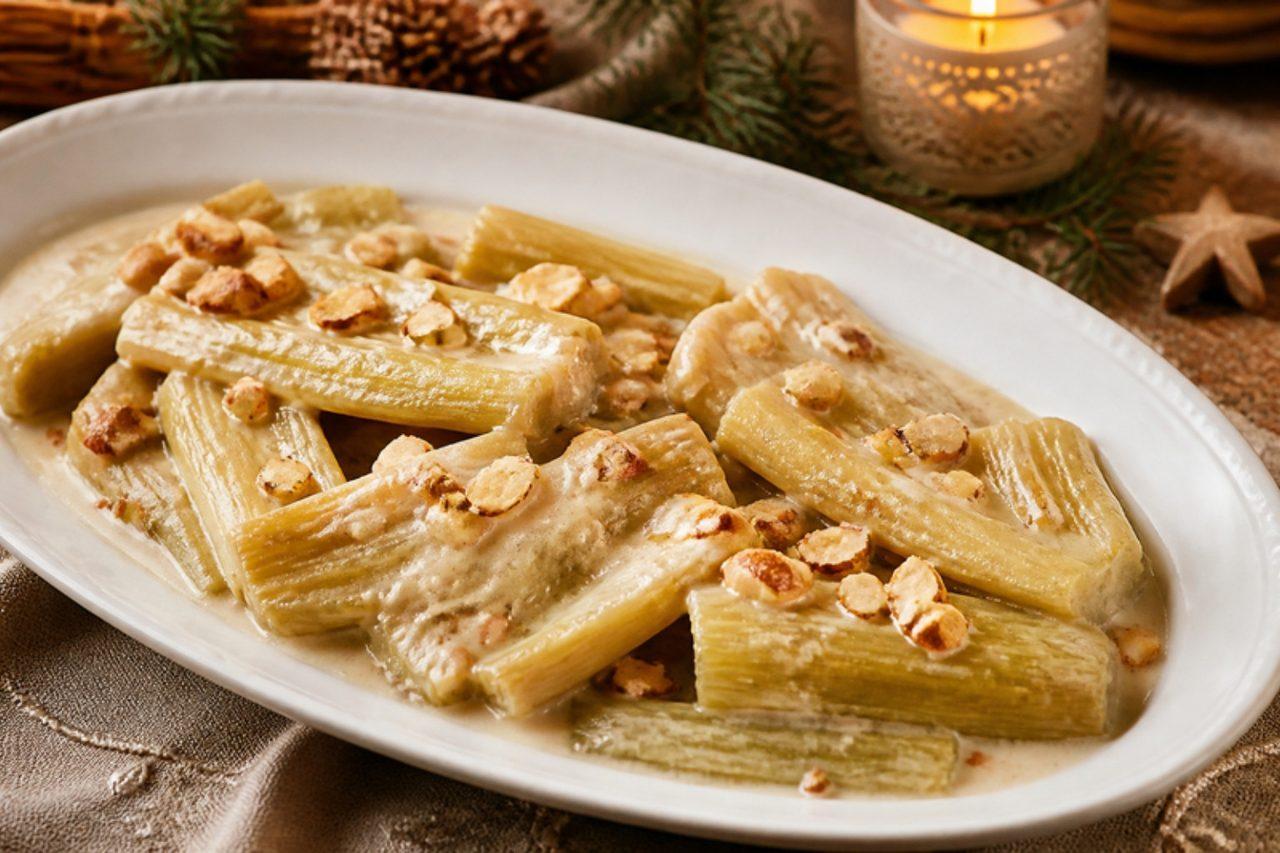
Cardo con almendrasCardoon in almond sauce

On Christmas Eve in Aragon and neighbouring Navarre, a dish of cardoon is as certain as turrón: the long, pale stalks are boiled until tender and served in a velvety sauce of ground almonds, garlic and the cooking water, often as the first course before fish or lamb. The flavour is like artichoke, gentle and slightly bitter, softened by the nutty sauce. It contains no animal products. A common mistake is leaving cut cardoon in the air; it blackens within minutes, so drop each piece into lemon water as you go. Ready-cleaned jars of cardoon are sold in Spain and work well if you skip the first two steps. Chef's tip: whisk a spoonful of flour into the cooking water; it keeps the stalks white and gives you a ready-thickened broth for the sauce.

by KrazyBadal 0 views

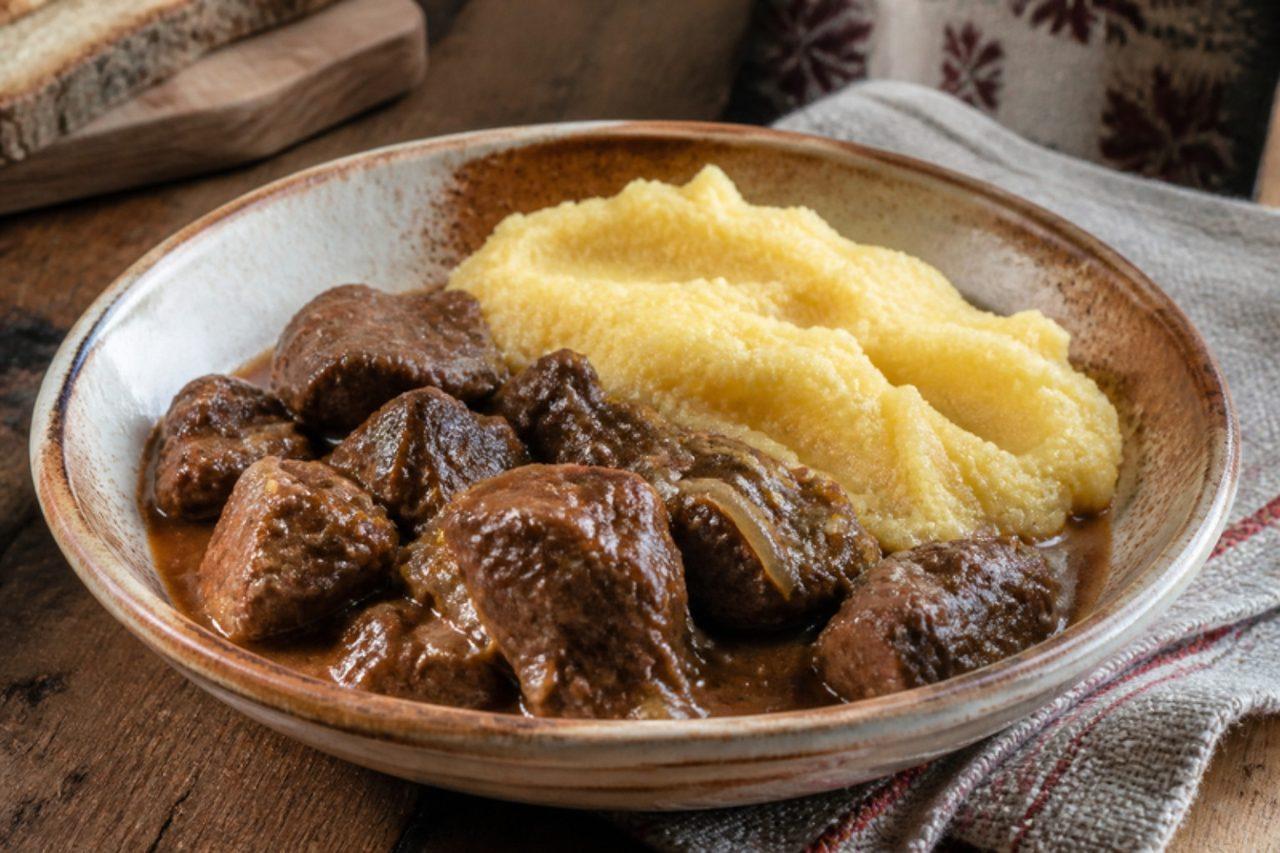
Carbonade valdostanaBeef stewed in red wine

High in the Alps of the Aosta Valley, carbonade was once made from beef preserved in salt over the winter; today mountain restaurants make it with fresh stewing beef and serve it in winter to skiers coming down from the slopes. Thin pieces of beef are browned, then simmered slowly with masses of onions, a whole bottle of red wine and cinnamon, cloves and nutmeg until the sauce turns dark, sweet and spicy and the meat falls apart. It is always spooned over soft polenta, ideally made with a little fontina stirred through. The dish uses red wine; for an alcohol-free version see the ingredient note. Chef's tip: slice the onions thin and give them the full time; they melt into the sauce and thicken it without any flour.

170 minItalianMeatGluten free
by KrazyBadal 0 views

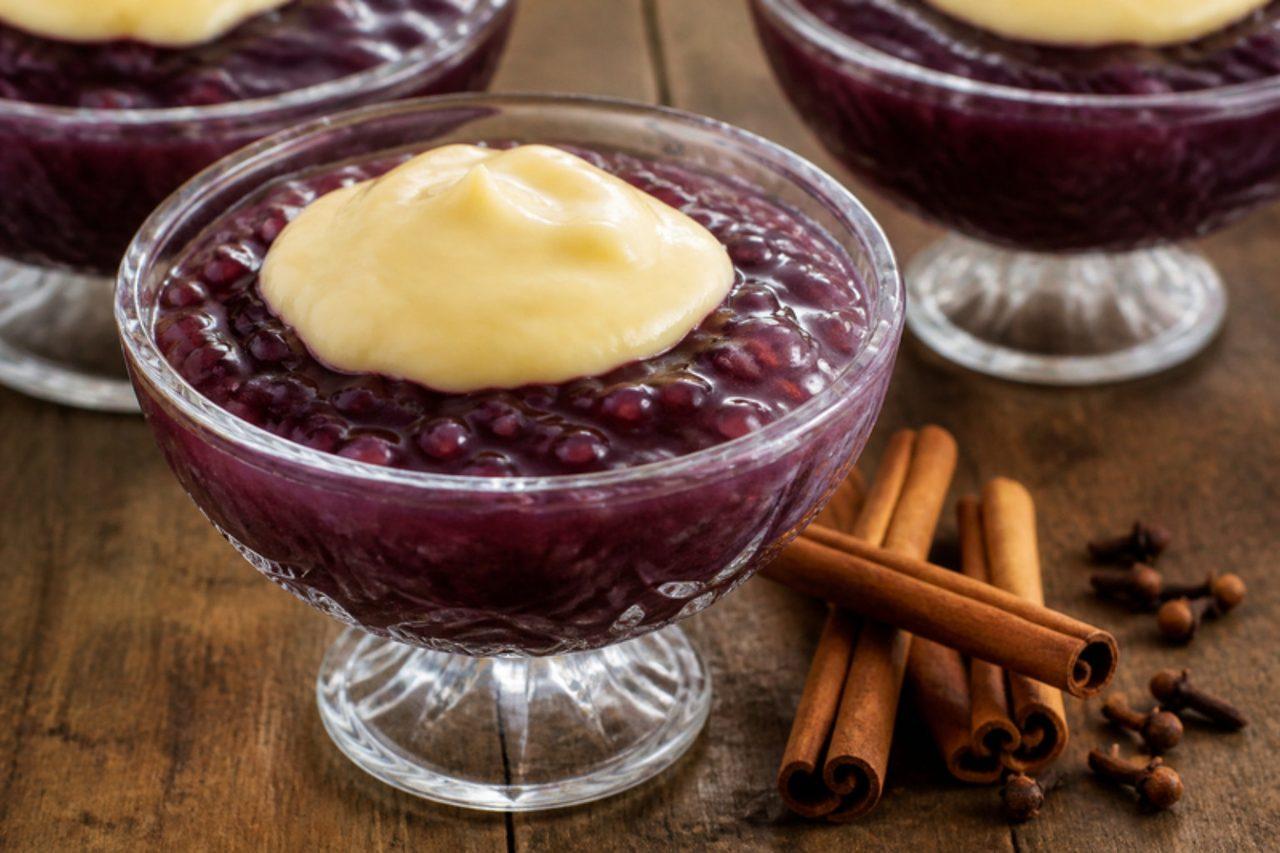
Sagu de vinhoTapioca pearls in red wine

Glossy, wine-dark and wobbling with little translucent pearls, sagu is the dessert of the serra gaúcha, the Italian-settled wine country around Caxias do Sul and Bento Gonçalves, where it ends Sunday lunch at family tables and galeteria buffets. Tapioca pearls are cooked until clear, then simmered in red wine with sugar, cloves and cinnamon so they soak up the colour and spice. Locally it comes with a spoon of vanilla custard on top. The dish contains red wine, and simmering does not remove all the alcohol; for an alcohol-free version, use red grape juice and cut the sugar by half. Choose a vegan wine if that matters to you, as some are fined with egg or fish products. The common mistake is adding the wine before the pearls are clear, which leaves white chalky centres. Chef's tip: rinse the cooked pearls under cold water before they go into the wine, so the starch washes off and the dessert stays glossy.

by KrazyBadal 0 views

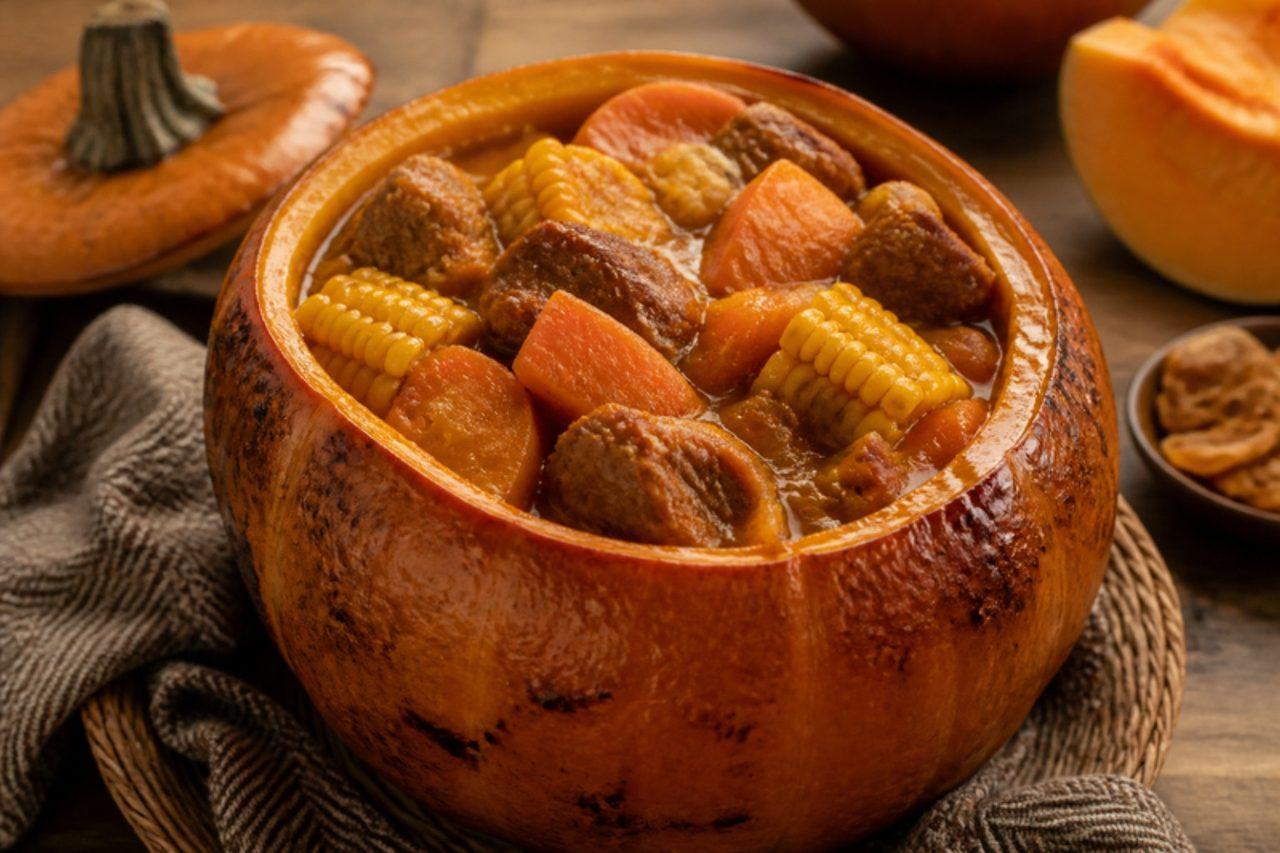
Carbonada en zapalloBeef stew in a pumpkin

Of all the dishes served for the 25 May and 9 July national holidays, carbonada criolla is the most theatrical when it arrives inside a whole roasted pumpkin, the lid lifted at the table to let out a cloud of steam. The stew comes from the Spanish-colonial interior and is beloved across Buenos Aires Province: cubes of beef braised with onion, tomato and pepper, then joined by corn, sweet potato, squash and dried peaches (or pears) that melt into a sweet-savoury sauce. Pieces of the pumpkin wall are scooped out with each serving. Beef stew cubes are cooked until tender, well past any pinkness. Overcooking the pumpkin is the common trap: it collapses when you pour in the stew, so roast it only until a knife meets slight resistance. Chef's tip: soak the dried peaches in a little hot water and add both the fruit and the soaking liquid; it gives the sauce its rounded sweetness without extra sugar.

by KrazyBadal 0 views

CarapulcraDried potato and pork stew

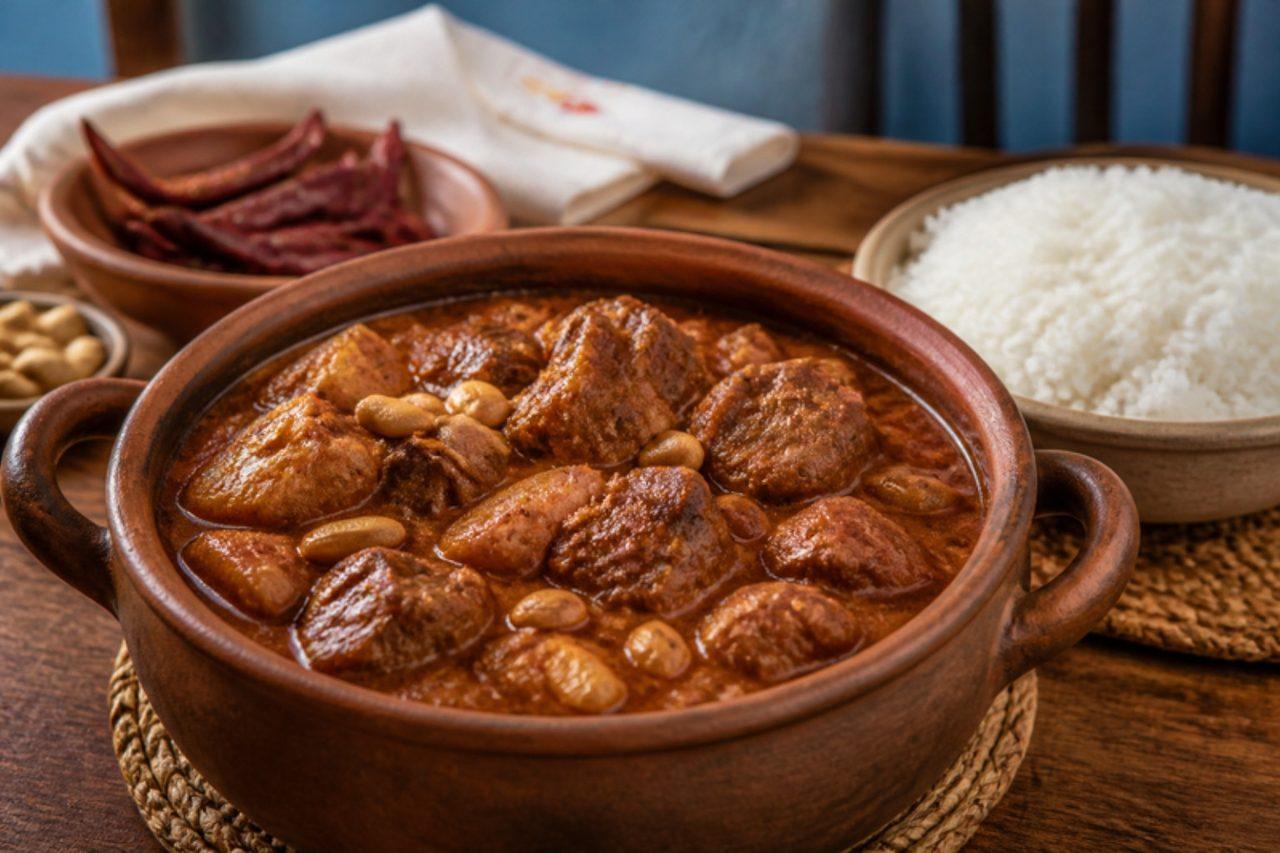
Older than Peru itself, carapulcra comes from the Afro-Peruvian kitchens of Chincha, south of Lima, where it is cooked in big pots for saints' days and family lunches and served next to a mound of sopa seca, a pairing locals call the 'matrimonio'. Pieces of papa seca, potato that has been boiled, sun-dried and broken into nuggets, are toasted and simmered with pork shoulder in a brick-red sauce of ají panca, garlic, cumin and ground peanuts, until the potato swells into chewy, savoury lumps and the sauce turns thick and nutty. Most people skip toasting the papa seca, and the stew tastes flat; the dry pan is where the flavour comes from. Chef's tip: stir often in the last half hour and add hot stock a ladle at a time; papa seca drinks liquid and catches on the base without warning.

by KrazyBadal 0 views

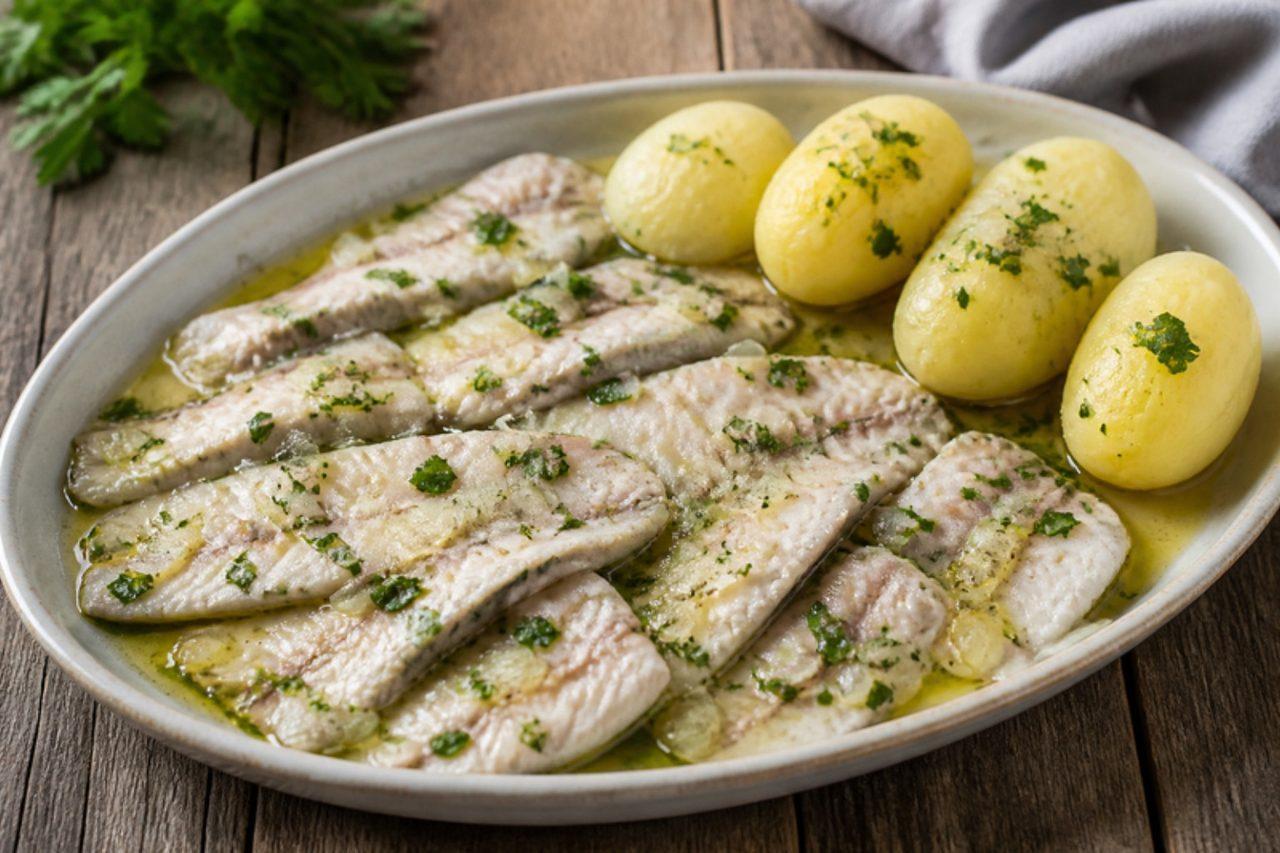
Carapaus alimadosPoached mackerel in garlic dressing

In Portimão and Olhão, when the boats came in loaded with small carapaus, cooks poached them, peeled away skin and bones, and soaked the fillets in olive oil, vinegar, garlic and onion. The dish is served cold, on summer days, with boiled potatoes or just bread, and it tastes better the day after. Mackerel or large sardines work if you can't find horse mackerel. Chef's tip: poach the fish gently, at a shiver rather than a boil, so the fillets stay whole when you lift them off the bone.

by KrazyBadal 0 views

CarantantasCrisp fried corn crusts

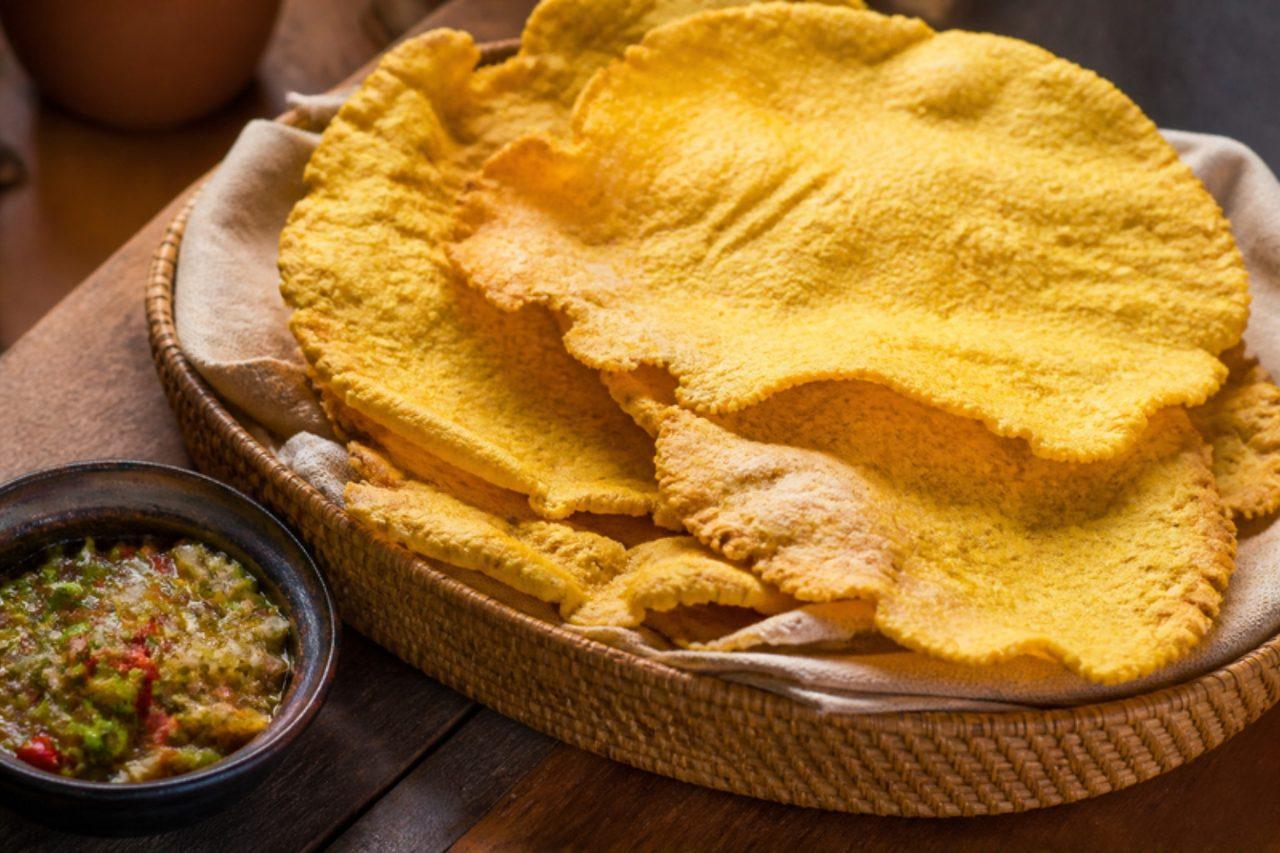
Carantantas started as a thrifty by-product: the thin layer of corn dough that stuck to the bottom of the big pans in Popayán's masa kitchens, scraped off, dried and sold as golden shards. Today they are a cheap, crunchy snack sold in bags at Cauca markets, eaten with ají or broken into a sopa de carantantas. At home you can make them by spreading a thin layer of corn dough on a hot, dry pan, letting it toast into a crust, then frying or crisping the pieces. They taste of toasted corn, nutty and lightly salty, a little like the crunchy bits of a tortilla. Spreading the dough too thickly is where it goes wrong, giving leathery, chewy pieces instead of crisp ones; aim for a layer no thicker than a coin. Chef's tip: a non-stick or well-seasoned cast-iron pan lets the crust lift in large sheets; wait until the edges curl before scraping.

by KrazyBadal 0 views

Sakızlı muhallebiMastic milk pudding

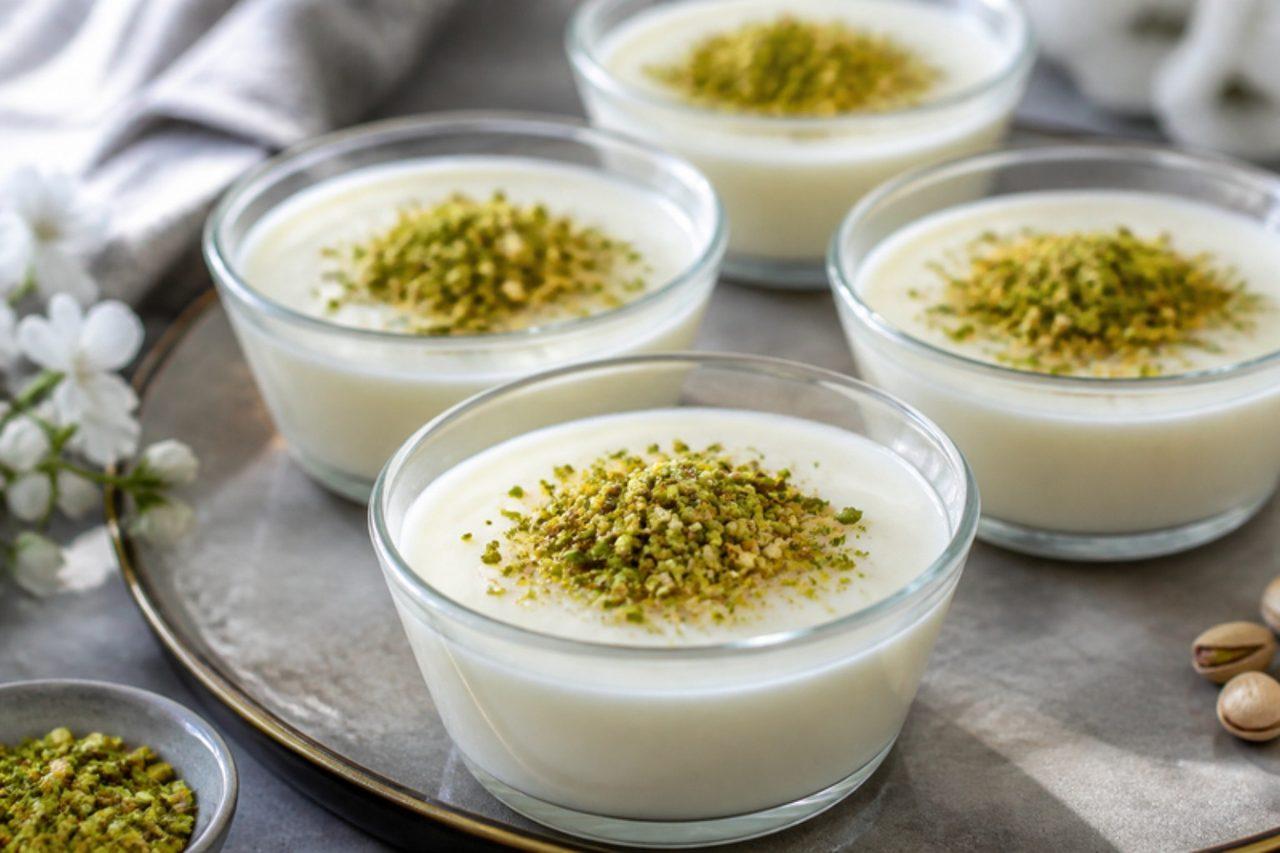
Çeşme looks across the water to Chios, the island where mastic trees weep their resin, and the town's pudding shops have long used it to perfume a simple, wobbly milk pudding. The flavour is hard to describe: piney, a little floral, very fresh against cold creamy milk. It is the dessert to order after a long fish lunch in Alaçatı. Chef's tip: grind the mastic with a teaspoon of sugar in a mortar; on its own it gums up into sticky lumps.

by KrazyBadal 0 views

VincisgrassiBaked lasagne with meat ragù

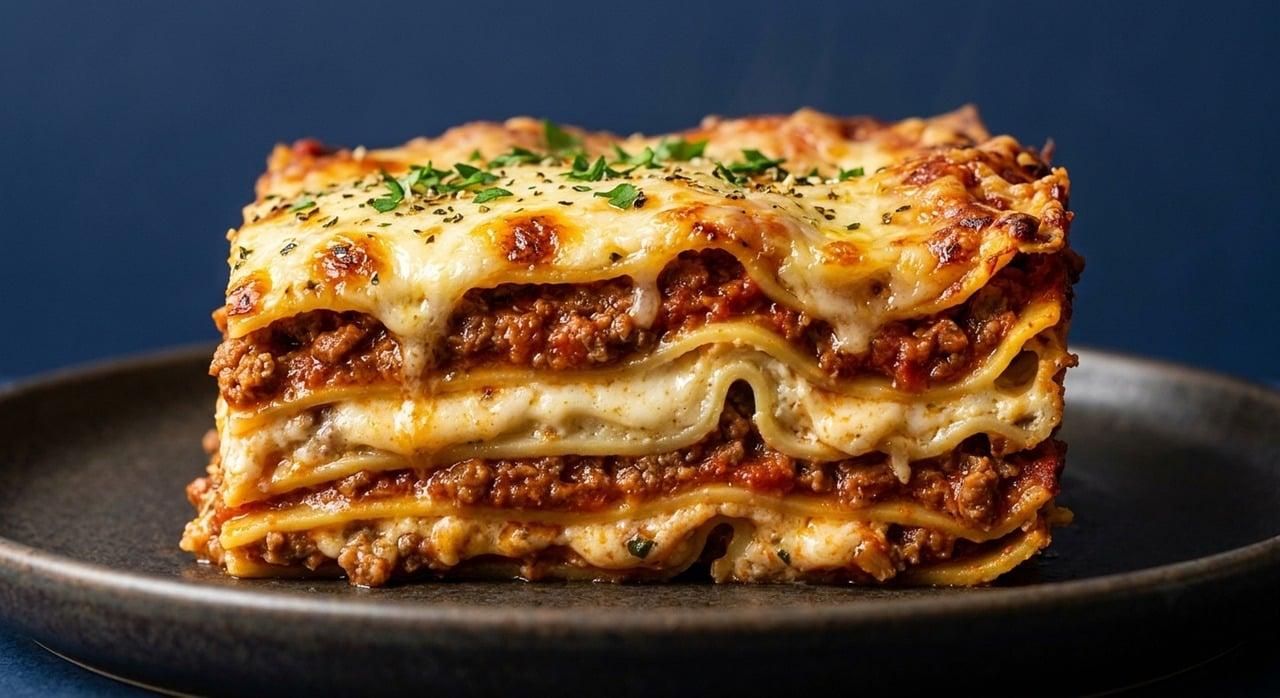
Macerata, in the hills of the Marche, claims vincisgrassi as its own, and families still bake a tray for Sunday lunch, Christmas and Carnival. It is richer than the lasagne most people know: thin egg pasta sheets layered with a slow ragù of pork, veal and chicken livers, a nutmeg-scented béchamel and plenty of parmigiano, baked until the top is crusted and golden. Many cooks splash in white wine and a little Marsala; this version uses dry white wine, with an alcohol-free swap in the ingredient list, and the chicken livers are optional if you'd rather leave them out. Serve it in modest squares, followed by a crisp green salad. Chef's tip: make the ragù the day before and assemble cold, so the layers set firmly and slice cleanly.

by KrazyBadal 0 views

CaranguejadaBoiled crabs in spiced coconut broth

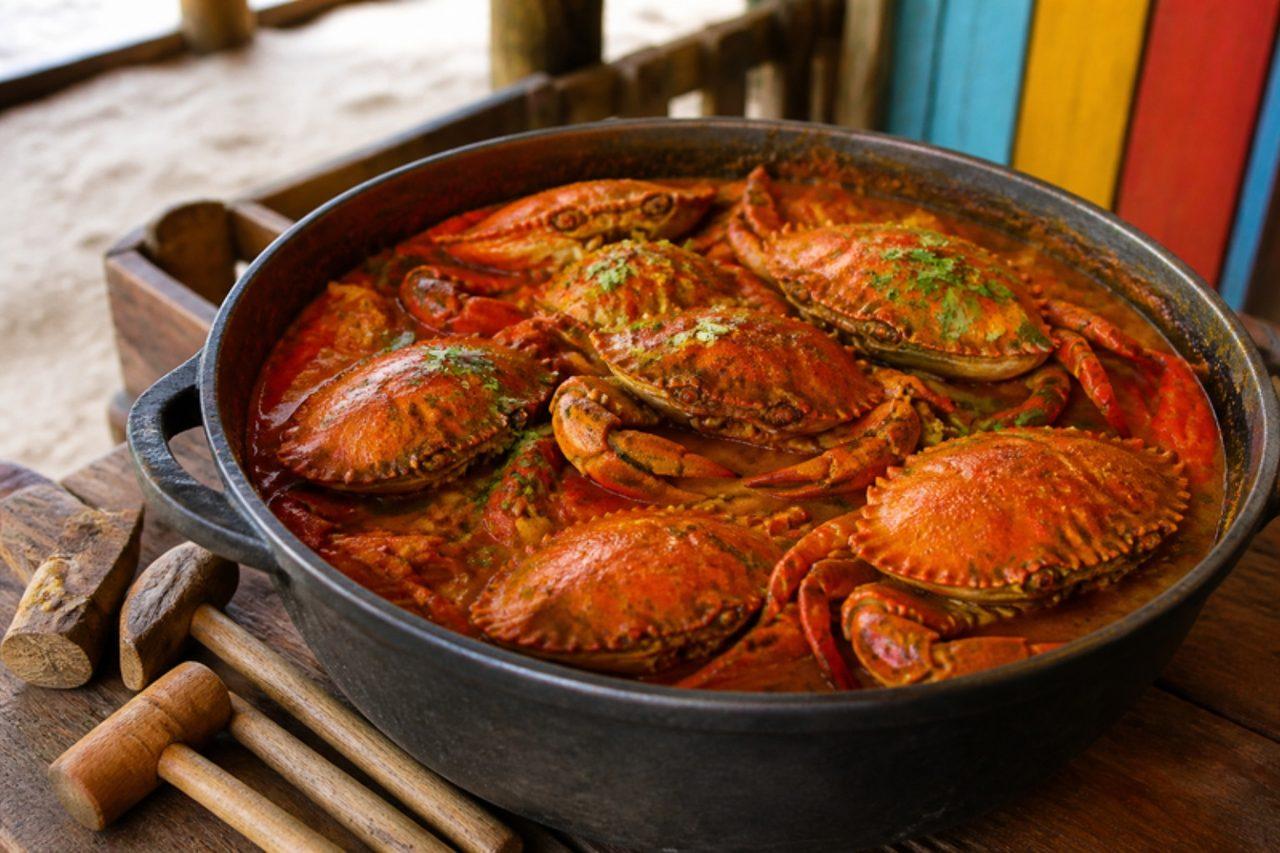
Thursday night is crab night in Fortaleza: the beach shacks along Praia do Futuro fill up for the quinta do caranguejo, and tables are covered in whole crabs, wooden mallets and bowls of broth. The crabs are boiled in a spiced broth of tomato, onion, peppers, coconut milk and plenty of coriander, then cracked open by hand, the sweet meat dipped back into the broth and eaten with pirão and lime. Mangrove crabs are used in Ceará; blue crabs or brown crabs work well elsewhere. Crabs must be alive and lively when you buy them, or bought frozen raw or ready-cooked from a fishmonger; never cook a raw crab that has died. The big mistake is under-salting the broth, which leaves the meat bland; it should taste like well-seasoned soup. Chef's tip: chill live crabs in the freezer for about an hour before cooking so they are completely still and insensible, then scrub them well.

by KrazyBadal 0 views

Carajitos del profesorCrisp hazelnut biscuits

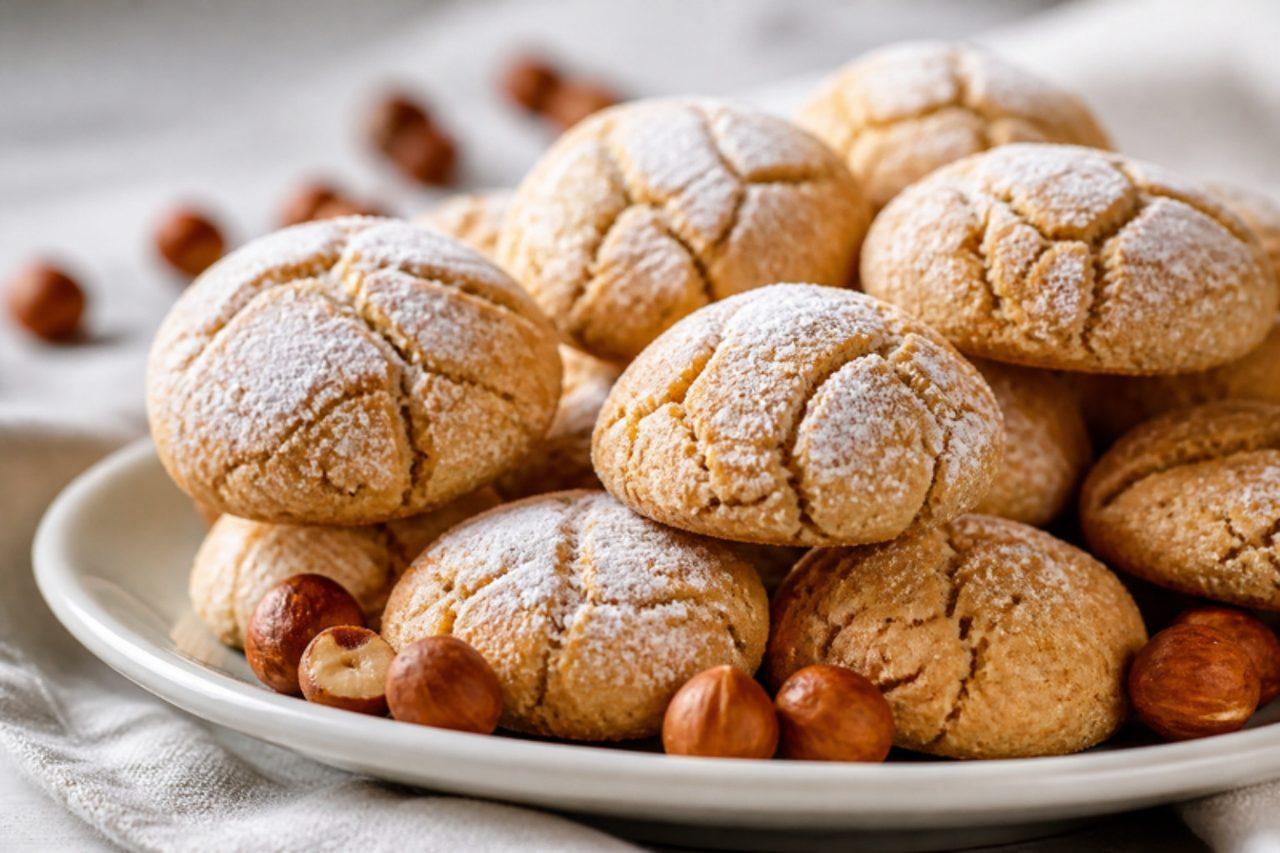
Salas, a small town on the old pilgrim road through western Asturias, is known for these cracked, chewy mounds of toasted hazelnut and sugar. Local lore says they were first baked for a teacher at the town's school, and the pastry shops still sell them by the bag to travellers and to families heading home from Sunday market. They need only three ingredients and no flour, so they suit anyone avoiding gluten. Chef's tip: toast the hazelnuts until they smell like praline before grinding them; it is what gives the biscuits their deep flavour.

by KrazyBadal 0 views

Salame de chocolateNo-bake chocolate biscuit log

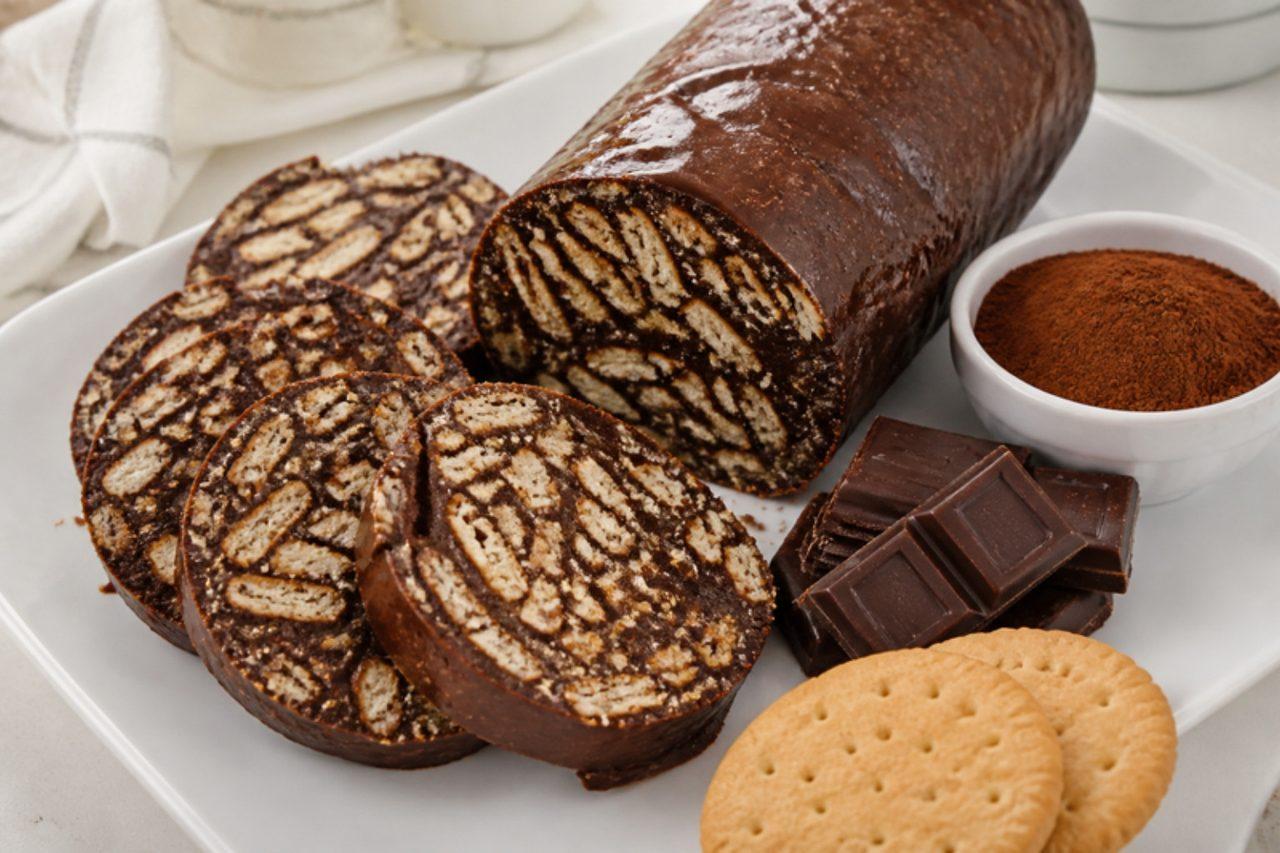
Every Portuguese child seems to have helped make one: crushed Maria-style tea biscuits folded through rich chocolate, rolled into a log, chilled and dusted with icing sugar until each slice looks like salami. It turns up at birthday parties, in café display cases around Lisbon and on Christmas dessert tables. The traditional mix uses raw eggs; this version leaves them out and sets with melted chocolate and butter instead, so there is nothing raw in it. A splash of port is often added, which contains alcohol; leave it out or use milk. A common mistake is crushing the biscuits to crumbs; leave some larger pieces, or the slices lose their marbled look. Chef's tip: break the biscuits by hand into pieces the size of a fingernail; crumbs turn it into fudge and you lose the salami look.

by KrazyBadal 0 views

Virado à paulistaBeans, pork chop and sausage plate

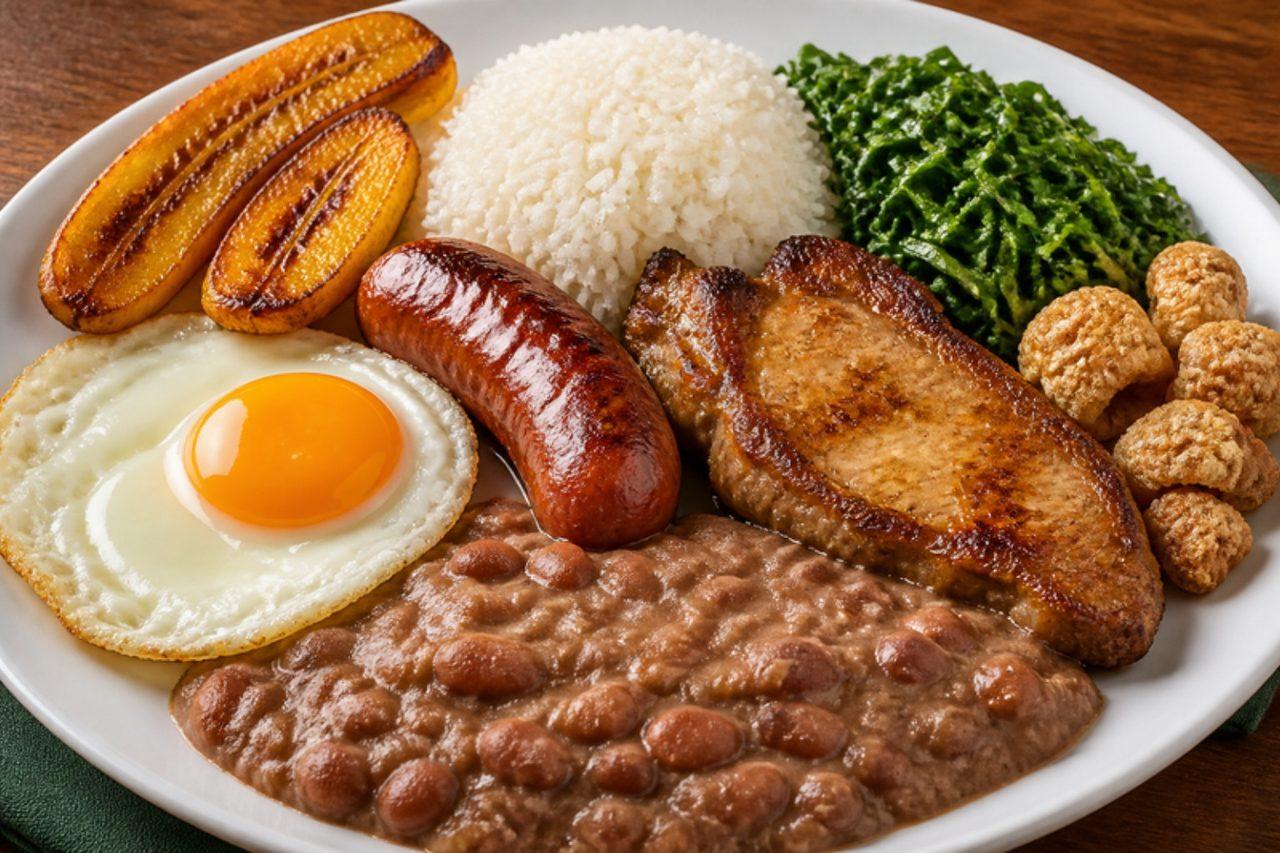
Monday in São Paulo means virado à paulista: the city's lunch counters and botequins have served it as the prato do dia at the start of the week for generations. The plate goes back to the bandeirantes' travel food, and today it is a feast of pork: beans cooked down and thickened with cassava flour into a soft tutu, a pork chop, a grilled pork sausage, a crackling of torresmo if you like, a fried egg, garlicky collard greens, rice and fried banana. It is hearty, salty and sweet in turns. A common mistake is serving the pork chop well past done and dry; a whole pork chop is safe at 63 °C with a 3-minute rest, and juicy at that point. Some restaurants bread the banana; frying it plain keeps the plate gluten free. Chef's tip: cook the beans with a little bacon and let them sit for a few minutes after adding the farinha; it keeps thickening as it stands.

by KrazyBadal 0 views

Salatet el rahebSmoky aubergine salad

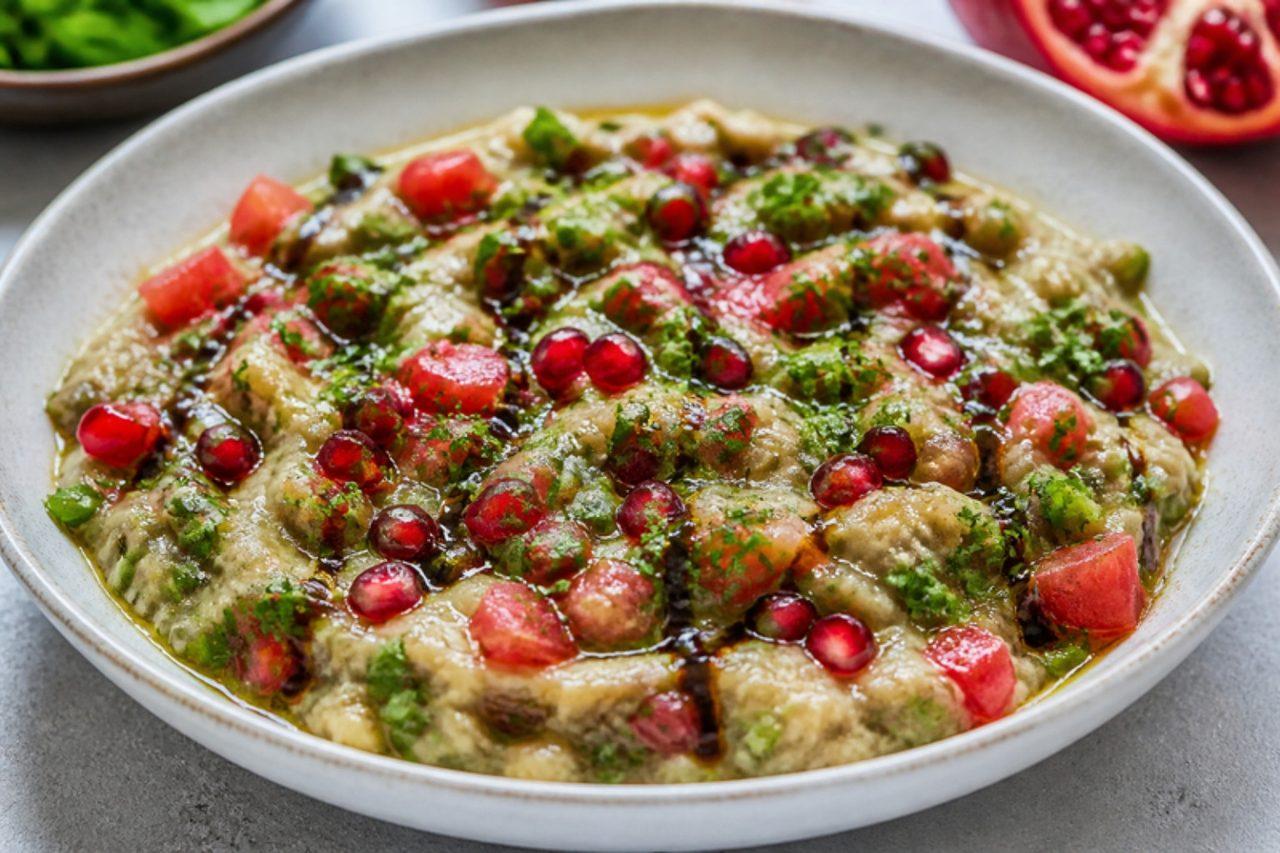
Mezze restaurants along the Lebanese coast serve salatet el raheb as the fresh, chunky cousin of baba ghanoush: the aubergine is charred until smoky, then chopped rather than puréed and tossed with tomato, peppers, spring onion, parsley and a sharp dressing of lemon and pomegranate molasses. There is no tahini, so it is light and summery and sits well next to grilled halloumi or kebabs. Common mistake: leaving the aubergine juices in; drain the flesh in a sieve or the salad turns watery. Chef's tip: char the aubergines directly over a gas flame or on a barbecue rather than in the oven — the smoky flavour is the soul of the dish.

by KrazyBadal 0 views

Salatet za'atar akhdarFresh thyme leaf salad

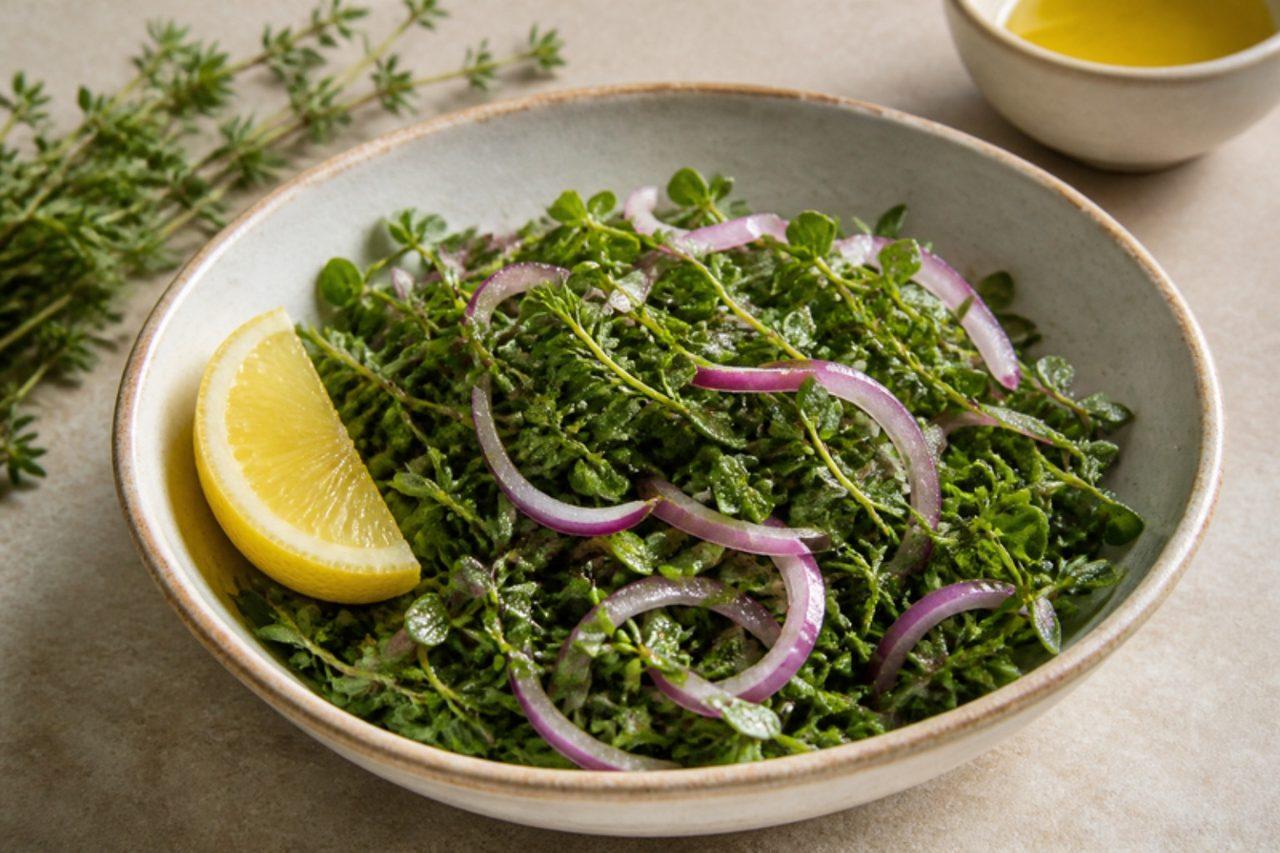
In spring, Palestinian families pick young za'atar (wild hyssop-thyme) from the hills of the West Bank and the Galilee, and the tender leaves are tossed raw with onion, lemon and the year's new olive oil. The salad is sharp, piney and peppery, eaten as part of breakfast with labneh, olives and warm taboon bread, or beside grilled meat. If you can't find fresh za'atar, a mix of fresh oregano, thyme and a little marjoram comes close. Common mistake: chopping the leaves; keep them whole so they stay perky and don't turn dark. Chef's tip: rub the sliced onion with sumac and salt for 5 minutes first; it softens its bite and turns it a pretty pink.

by KrazyBadal 0 views

SalchipapaFries with sliced sausage

Late at night outside the bars and football stadiums of Bogotá and Medellín, carts and fast-food counters sell salchipapa by the plastic tray: hot chips topped with fried slices of hot dog sausage, drowned in salsa rosada (ketchup mixed with mayonnaise), mustard and grated cheese, sometimes with a squirt of pineapple sauce. Kids love it, and it's an easy Friday-night dinner at home: salty, crisp and soft at once, with the sweet-tangy pink sauce tying everything together. The way it goes wrong is soggy fries; double frying keeps them crisp under all that sauce. Chef's tip: slice the sausages on the diagonal and fry them until they curl and blister at the edges; the crisp bits make the dish.

by KrazyBadal 0 views

Sally Lunn bunsBrioche-style bun

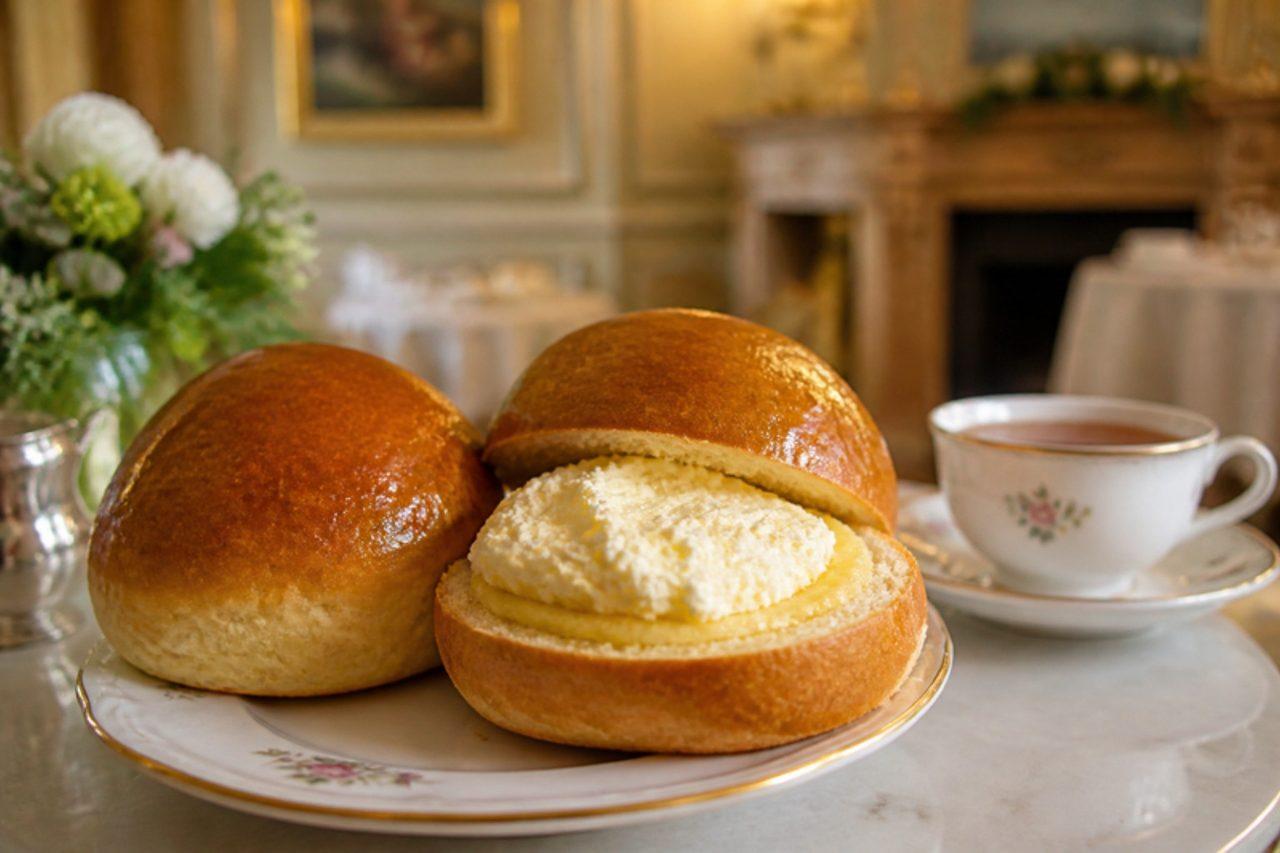
The Sally Lunn is a huge, airy, enriched bun from the Georgian city of Bath, where an old house by the Abbey still serves it split and toasted, sweet with cinnamon butter or savoury with cheese. The dough is soft, with plenty of egg, butter and cream, so it bakes up light like brioche. Chef's tip: the dough is very soft; use a cake tin to hold its shape rather than shaping it freehand.

by KrazyBadal 0 views

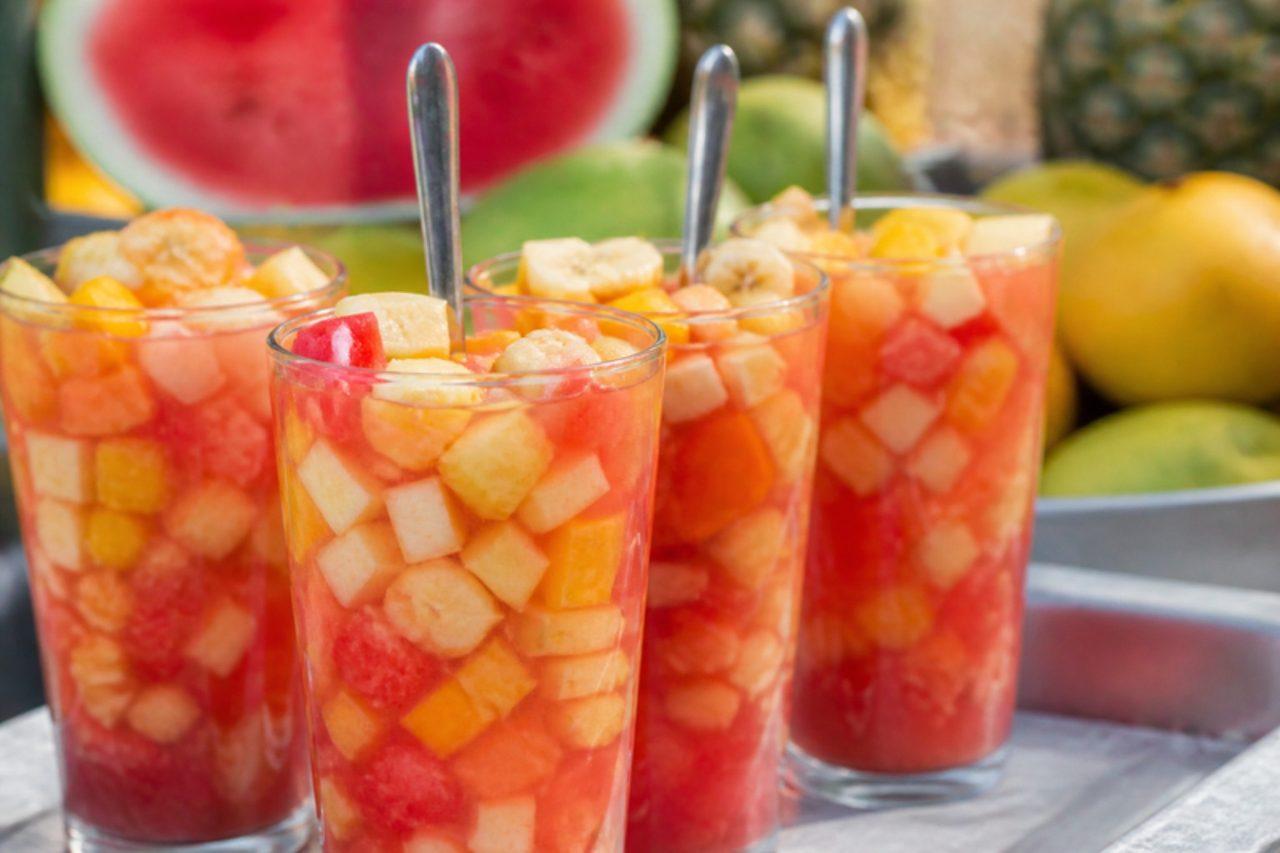
Salpicón de frutasDiced fruit in watermelon juice

Salpicón is what Caleños grab at fruit stands and in the parks of San Antonio when the afternoon heat sets in: a tall cup of tiny, jewel-like cubes of papaya, pineapple, mango, banana and apple, swimming in freshly blended watermelon juice, eaten with a spoon and drunk to the last drop. Some stalls top it up with a fizzy orange or lemon soda; this version keeps it to fresh juice. It is sweet, cool and very refreshing. The mistake people make is cutting the fruit too big; the joy is in tiny cubes you can drink through the juice. Chef's tip: blend and strain the watermelon just before serving and keep everything ice cold; watermelon juice loses its fresh taste within an hour.

by KrazyBadal 0 views

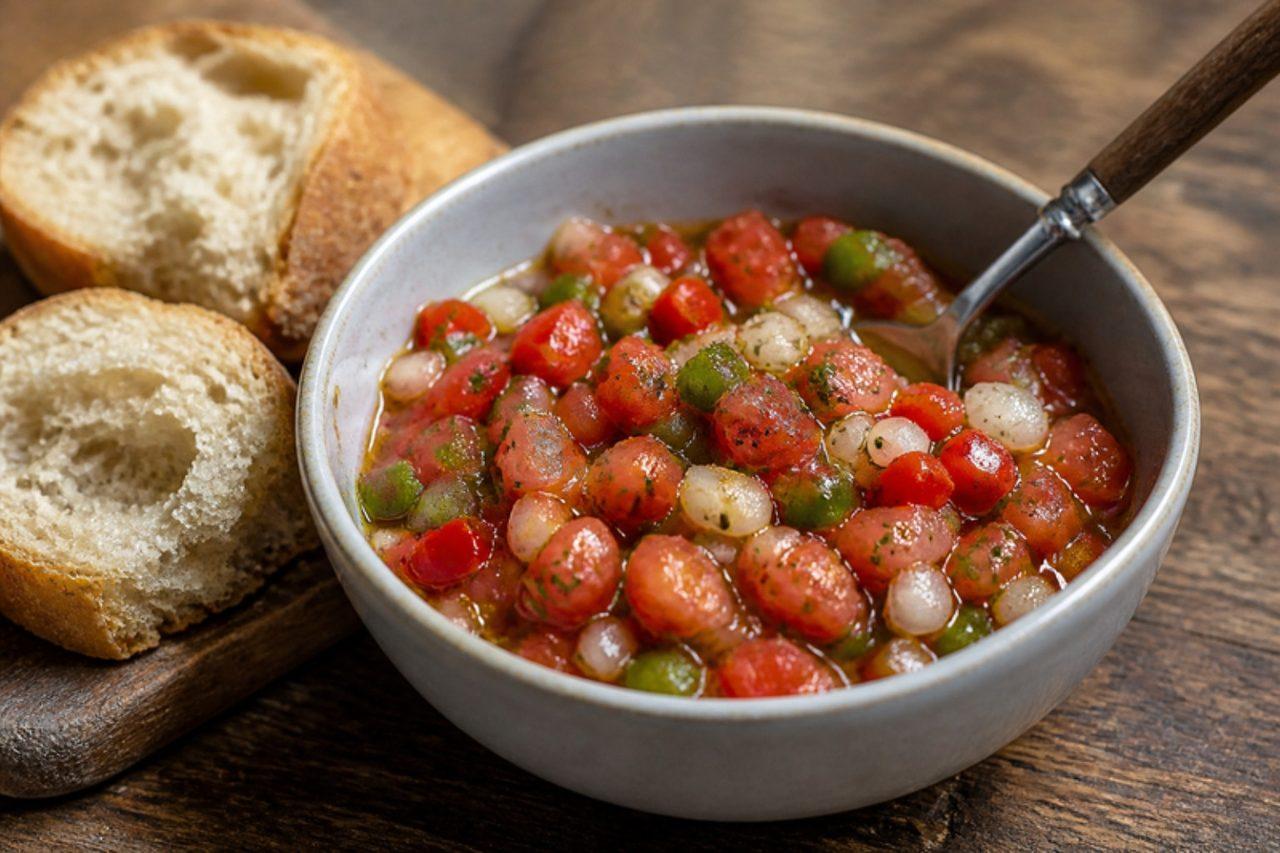
Salsa criollaTomato, onion and pepper relish

Chimichurri gets the fame, but at a Sunday asado anywhere from Buenos Aires to Salta the other bowl on the table is salsa criolla: tomato, onion and red and green pepper cut into small, even dice, dressed with vinegar, oil, oregano and salt, and left to sit until the juices pool. It is spooned over steak, chorizo and provoleta, piled into choripán, and eaten with grilled vegetables, and it brings freshness and acid to rich, smoky food. Expect crunch, a clean sour note and a mild sweetness from the peppers. Chopping it all in a food processor is the mistake: it turns watery and pulpy, so take the time to dice by hand. Some cooks use only red onion, others add spring onion or a pinch of chilli; adjust to taste. Chef's tip: dress the onion with the vinegar and salt first for 10 minutes before adding the rest; it softens the raw bite without losing the crunch.

by KrazyBadal 0 views

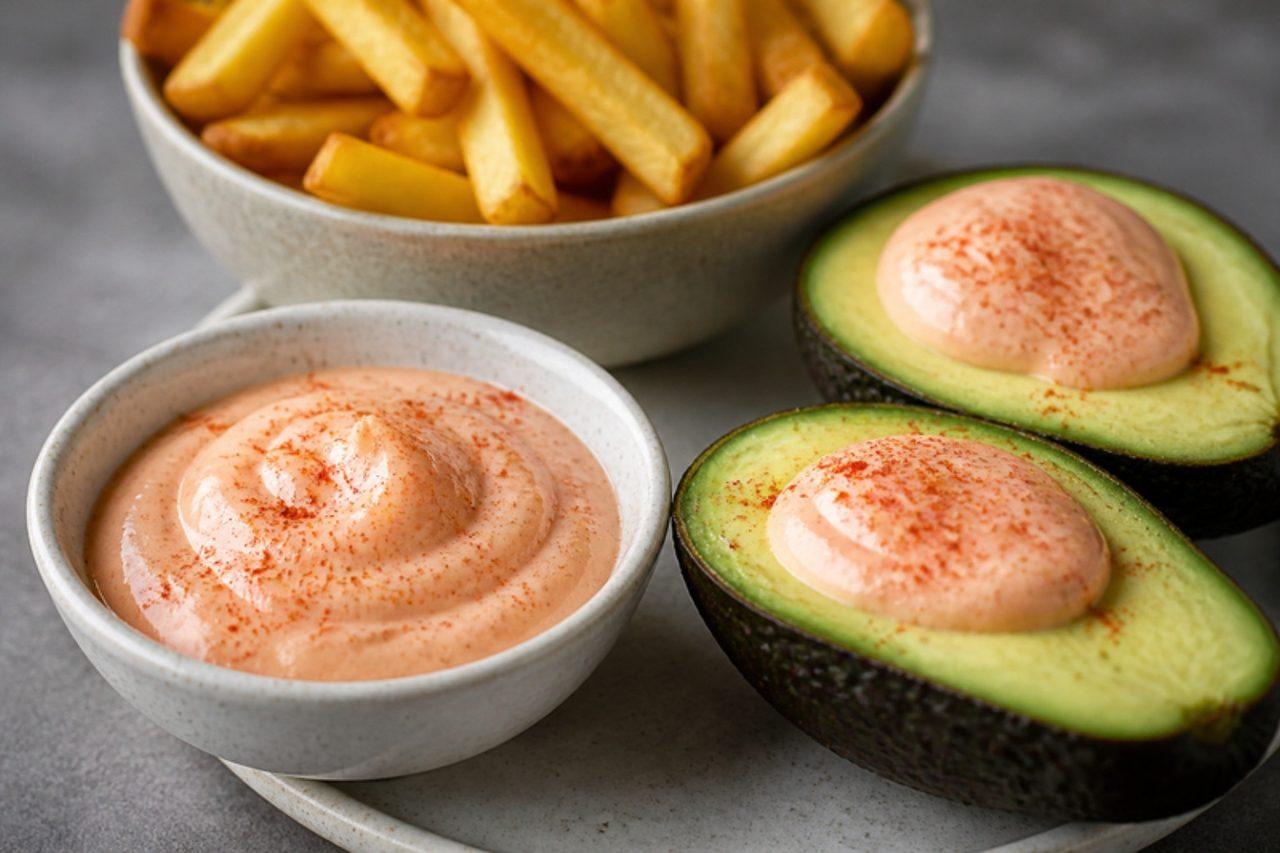
Salsa golfMayonnaise and ketchup sauce

Mar del Plata's golf club gave its name to this sauce in the 1920s, so the story goes, and Argentines have been mixing mayonnaise and ketchup ever since. It is the pink sauce of the 1970s cocktail party and the seaside: spooned into half avocados (palta a la golf), over hearts of palm, onto a cold hard-boiled egg, beside fries or into a prawn cocktail, and every family has its own ratio. A drop of lemon and a dash of mustard lift it from a simple mix to something tangy and creamy. Too much ketchup is the misstep that turns it sweet and orange; it should be a soft salmon pink. Use shop-bought mayonnaise, which is made with pasteurised egg; if you make your own, use pasteurised eggs. Check the labels of the mayonnaise, ketchup and mustard if you need it gluten free. Chef's tip: let it sit in the fridge for 15 minutes before serving; the flavours blend and it thickens slightly.

by KrazyBadal 0 views

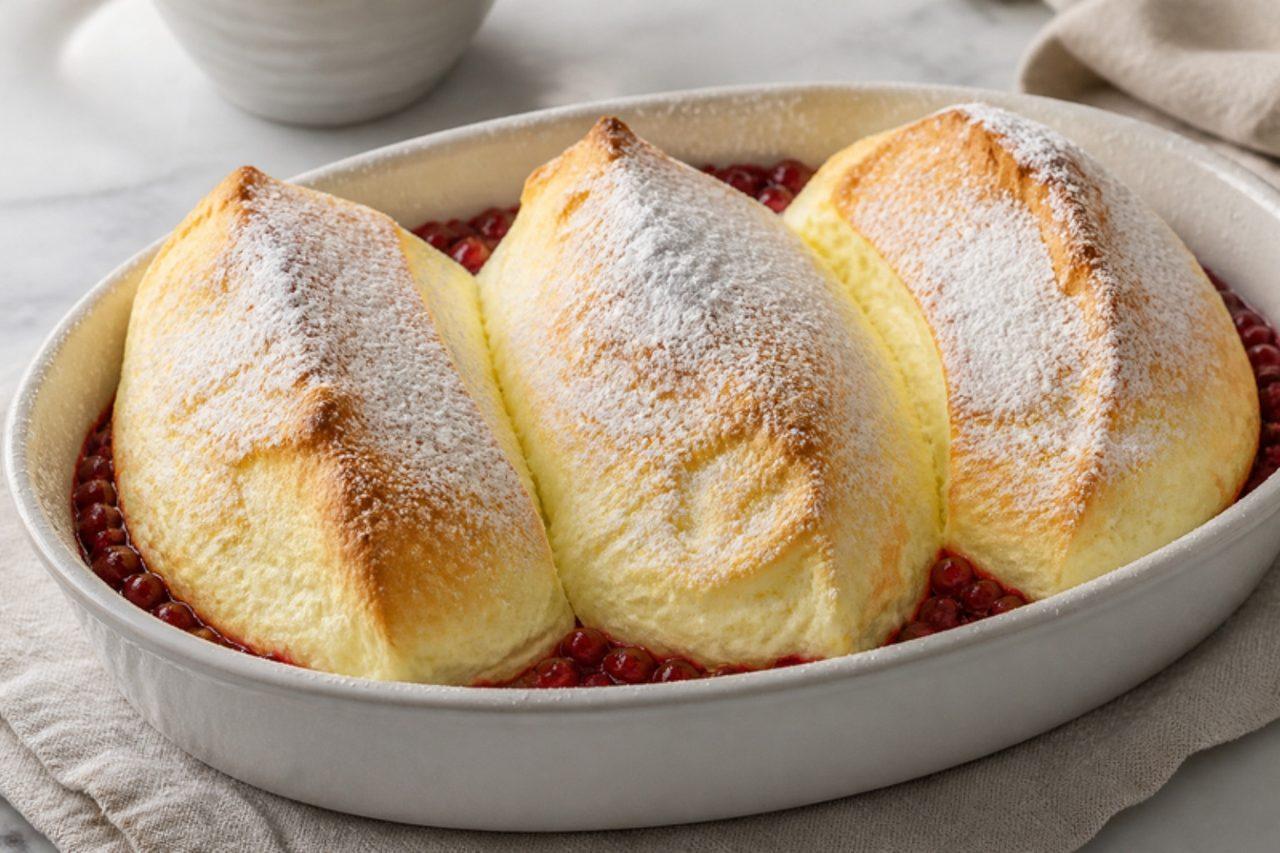
Salzburger NockerlSweet soufflé peaks

Salzburger Nockerl is the dessert Salzburg serves to visitors after a concert or a walk through the old town: three golden, sugar-dusted peaks said to stand for the hills around the city. Under the airy egg-white soufflé is a layer of tart lingonberries or redcurrants, warmed with vanilla milk in the baking dish. It is meant to be shared from the dish and eaten the moment it leaves the oven, before it sinks. This version uses cornflour instead of wheat flour, so it is gluten free. A common mistake is over-folding the yolks into the whites; streaks are fine, and too much stirring makes it collapse. Chef's tip: keep the oven door shut until the end; the peaks are ready when they are golden outside but still creamy inside.

by KrazyBadal 0 views

Canutillos de BergaraCustard-filled puff pastry horns

In Bergara, a market town in the Deba valley of Gipuzkoa, pastry shops have sold canutillos since the nineteenth century, and locals buy them by the tray for saints' days and family visits. Puff pastry is wound around metal cones, baked until crisp and caramelised, then piped full of custard scented with lemon and cinnamon. A common mistake is filling them too early: the pastry softens within a few hours, so fill them close to serving. Chef's tip: overlap the pastry strip by a third as you wind it, so the horns don't unravel in the oven.

by KrazyBadal 0 views

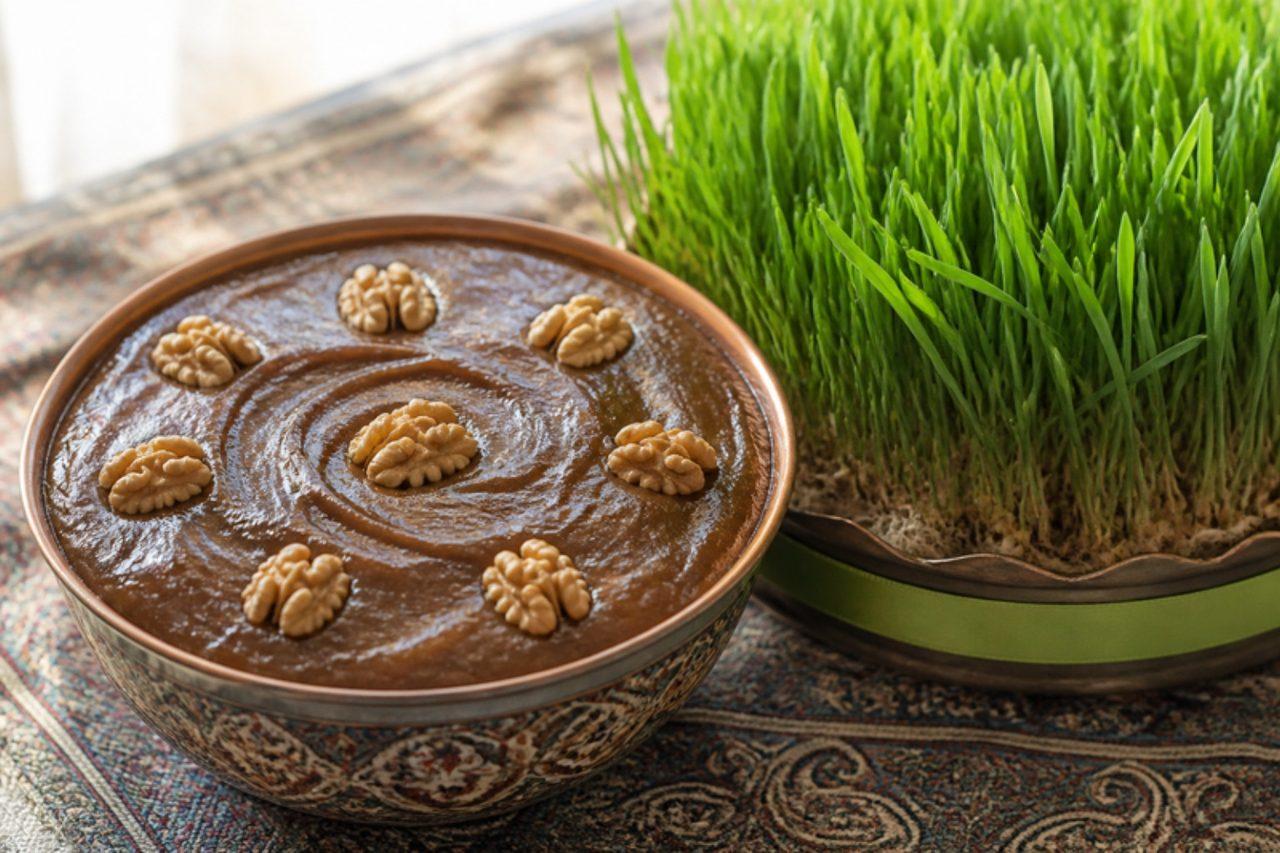
SamanuSprouted wheat pudding

Samanu is one of the seven 's' items on the Nowruz haft-sin table, standing for strength and abundance, and in many neighbourhoods of Tehran and Shiraz women still gather to stir the great pot through the night, singing and taking turns. It is made from nothing but sprouted wheat juice and flour, cooked very slowly for many hours until the natural malt sugars caramelise into a thick, toffee-brown, gently sweet pudding. This home version uses a smaller batch, but it still takes days of sprouting and a long, patient simmer. The common mistake is turning the heat up to rush it, which scorches the base and makes the samanu bitter. Chef's tip: drop a few clean walnut halves into the pot near the end; tradition says whoever finds one in their bowl will have a lucky year.

by KrazyBadal 0 views

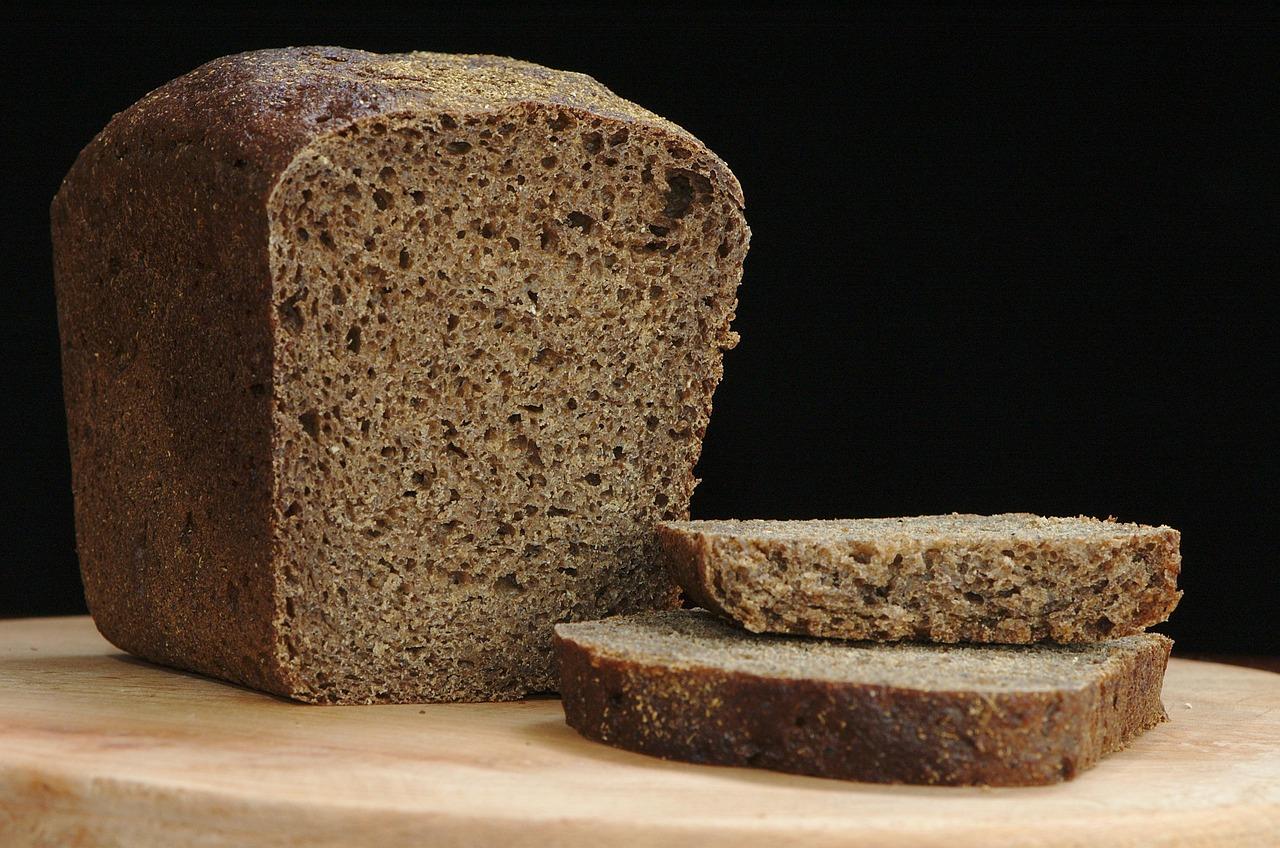
VollkornbrotSeeded whole-rye loaf

Vollkornbrot is the dense, seedy tin loaf of northern Germany, from Hamburg to Bremen, sliced thin and eaten for breakfast or packed for work in a lunchbox with cheese, cucumber or a smear of quark. It is almost all whole rye: cracked grains, rye meal and a mix of sunflower seeds, linseed and sesame, all soaked overnight so the bread stays moist for a week. There is no shaping and no kneading, which makes it easier than it looks. A common mistake is cutting it warm, which leaves the knife and the slices gummy. Chef's tip: let the loaf cool in the tin for 10 minutes, then turn it out and wrap it in a tea towel overnight; the crust softens slightly and the crumb sets evenly.

by KrazyBadal 0 views

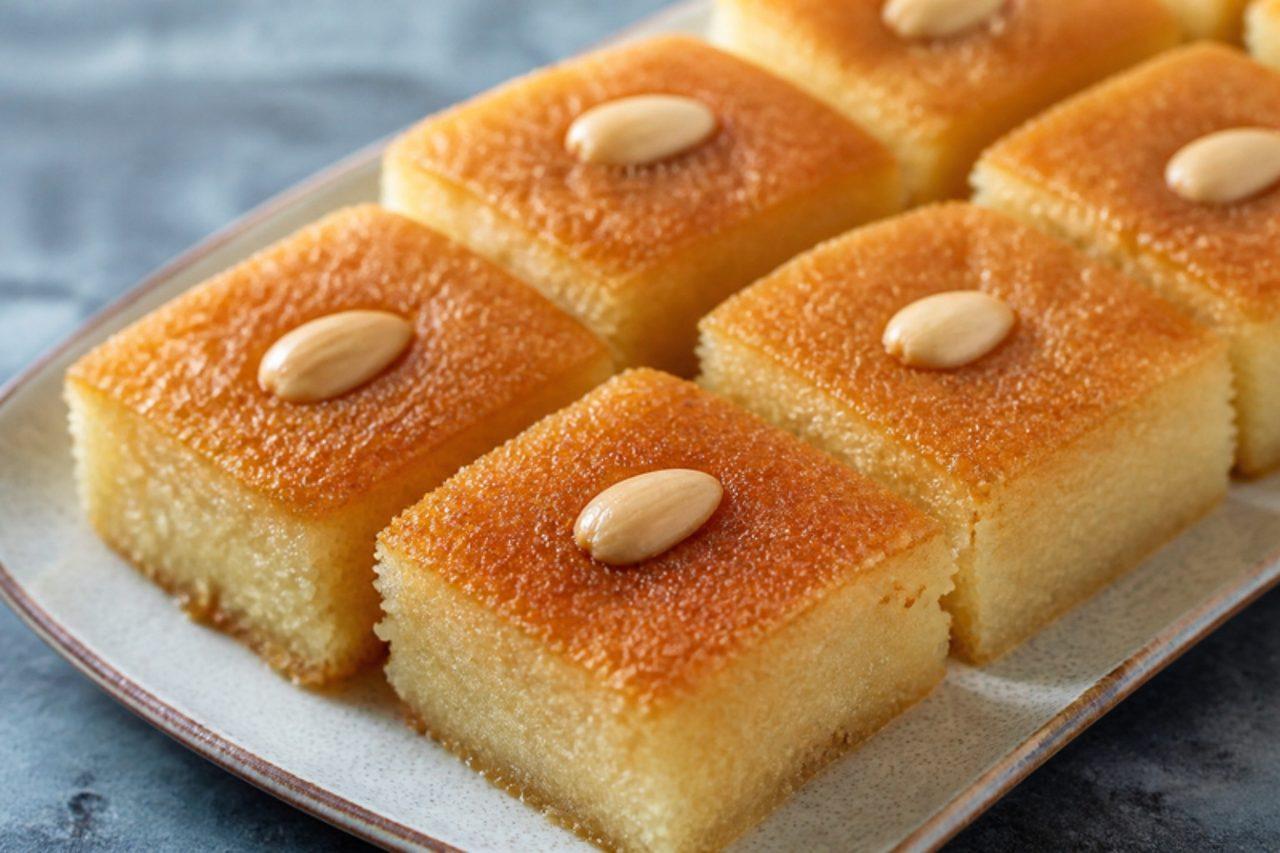
ŞambaliSemolina yoghurt cake in syrup

Walk through İzmir's Kemeraltı bazaar and you'll see huge copper trays of şambali, cut into diamonds, each topped with a blanched almond and glistening with syrup. It is a dense, moist semolina cake made with yoghurt, sold by street vendors and old pastry shops, sometimes with a spoon of kaymak on top. Plainer than it looks and dangerously easy to eat. Chef's tip: rest the batter for a few hours, or overnight, so the semolina softens fully; otherwise the cake is gritty.

by KrazyBadal 0 views

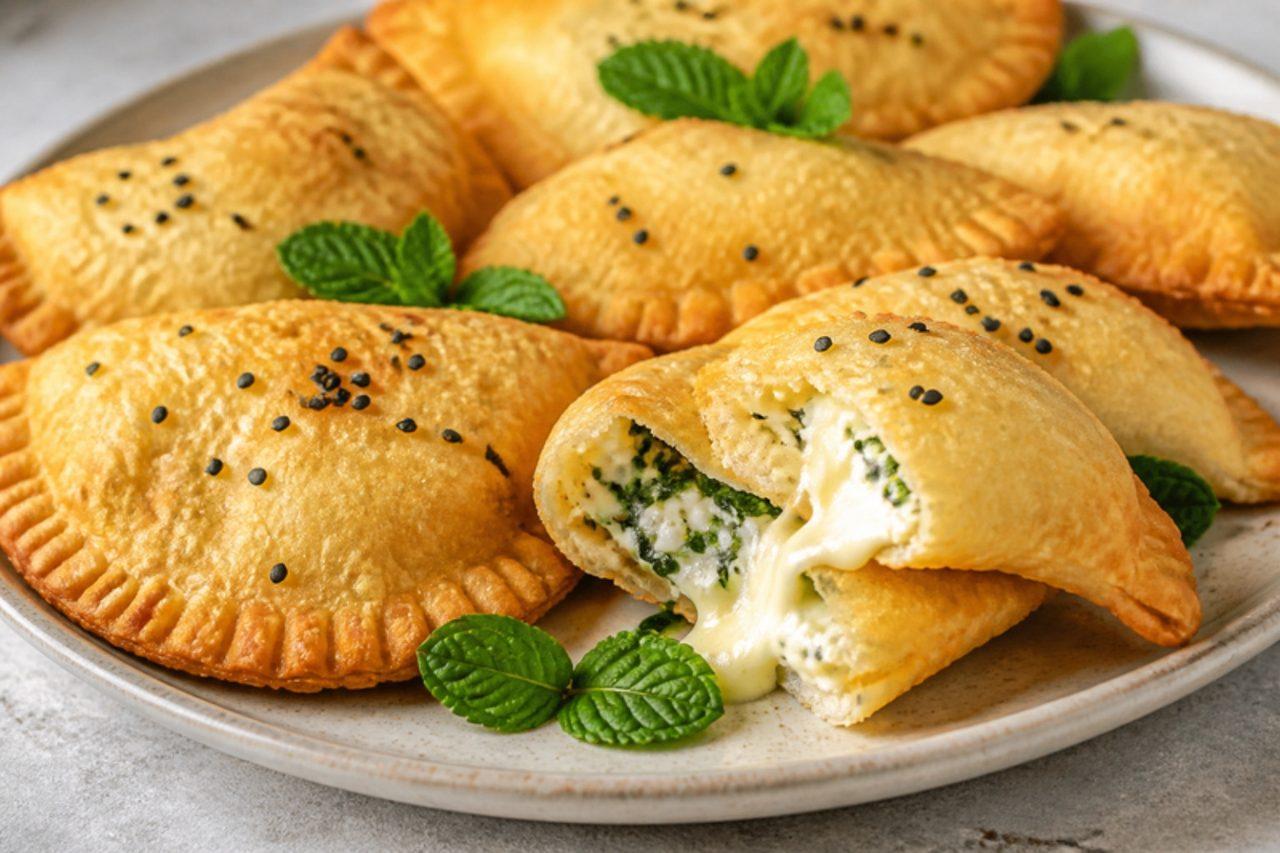
Sambousek bi jibnehCheese half-moon pastries

Hot sambousek bi jibneh are the first thing to vanish from a Syrian mezze spread or a Ramadan iftar table, where Damascene and Aleppan cooks fry dozens at a time. A tender olive-oil pastry is folded around white cheese, parsley and nigella seeds, then crimped with a fork or twisted into a rope edge and fried or baked until blistered and golden. Eat them warm, when the cheese is soft and stringy. Common mistake: using a salty cheese straight from the brine — soak akkawi or halloumi for an hour first. Chef's tip: mix a little mozzarella into the filling for that stretchy pull. Akkawi, halloumi and mozzarella are often made with animal rennet; use vegetarian-rennet versions if needed.

by KrazyBadal 0 views

Showing 90 of 8,687 recipes

Page 614 of 966