


Skip to content
Njama njama and fufu corn
Featured recipe

Njama njama and fufu corn

Huckleberry leaves with corn fufu

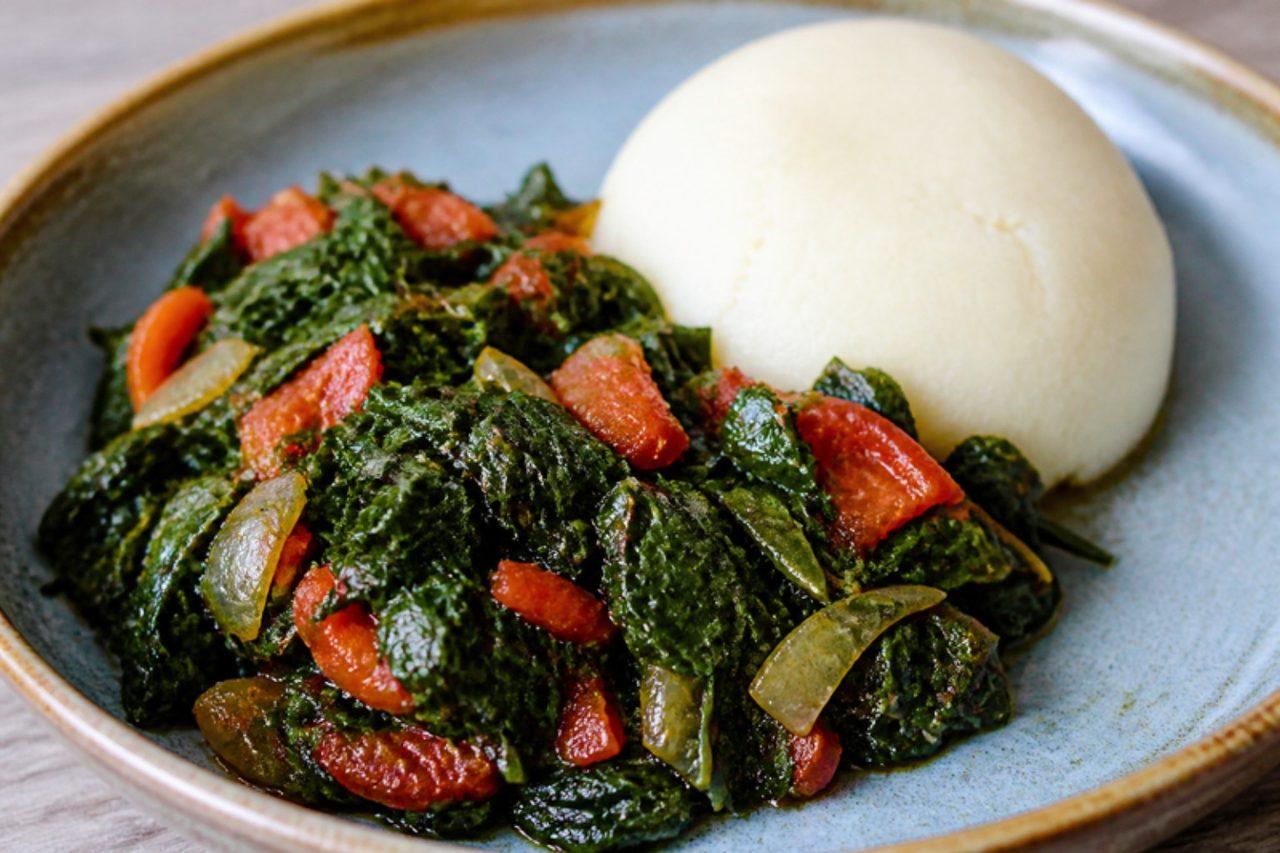
Every chop house in Bamenda has its own pot of njama njama, the bitter-sweet huckleberry leaf that grows in Grassfields gardens, served next to a smooth white dome of fufu corn. The leaves are boiled briefly to tame their bitterness, squeezed and then stir-fried with onion, tomato and pepper until tender and glossy. Pinch off some fufu, press a dent into it with your thumb and use it to scoop up the greens; at home, grilled chicken or kati kati often joins the plate. Frozen huckleberry leaves are sold in African grocers, and spinach with a little kale is a fair stand-in. Avoid skipping the blanching of the huckleberry leaves; unblanched they stay bitter. Chef's tip: squeeze the blanched leaves hard by the handful; leftover water dilutes the tomato base and makes the greens soggy.

Read more 0 views

What to eat today?

Around the world

Today's trip: Paraguayan

A new country every day, from every cuisine on the site.

Paraguayan

Chipa

Cheese bread rings 50 minMore from Paraguayan (27) →

This week's collection

Kid-friendly dinners
537 recipes · a new collection every Monday

Latest recipes

FrappéShaken iced coffee

The frappé was invented by accident at the Thessaloniki International Fair in 1957, when a coffee rep shook instant coffee with cold water because there was no hot water to hand. Within a few years it was the drink of every Greek café and beach bar, sipped slowly through a straw for an hour or more. Instant coffee, sugar and a little water are shaken or frothed into a thick, light-brown foam, then topped up with cold water, ice and, if you like, milk. Order it sketos (no sugar), metrios (medium) or glykos (sweet). Chef's tip: use only a splash of water for the first shake; adding all the water at once is the common mistake and you get thin coffee with no foam.

by KrazyBadal 0 views

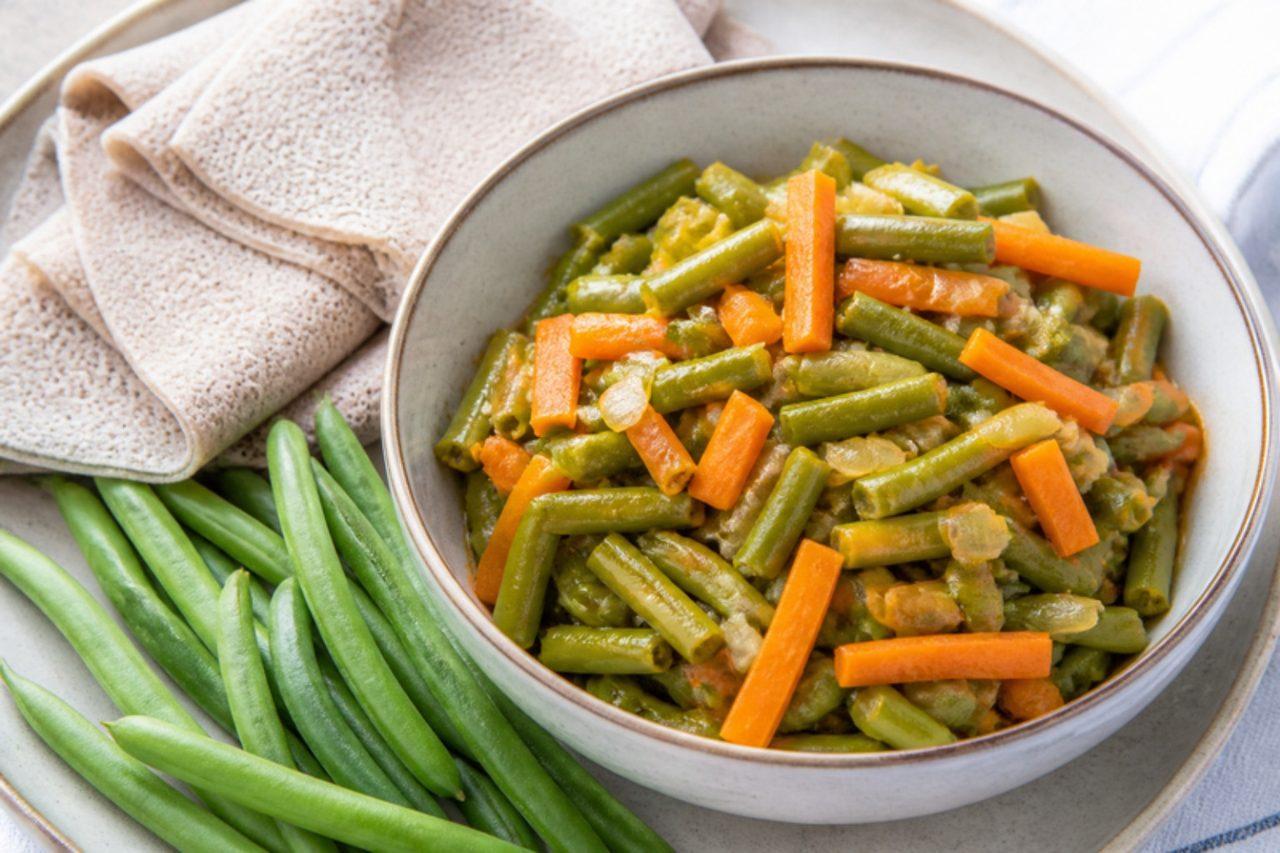
FosoliaGreen beans and carrots

Fosolia takes its name from the Italian fagioli, a reminder of the Italian occupation of the 1930s, but it is now completely Ethiopian and a regular on fasting platters in Addis Ababa and Dire Dawa. Green beans and carrot batons are cooked with lots of onion, garlic and ginger until tender but still bright, then served warm with injera or rice. It is quick, mild and colourful. Chef's tip: cut the beans and carrots to the same length and thickness so they cook evenly.

by KrazyBadal 0 views

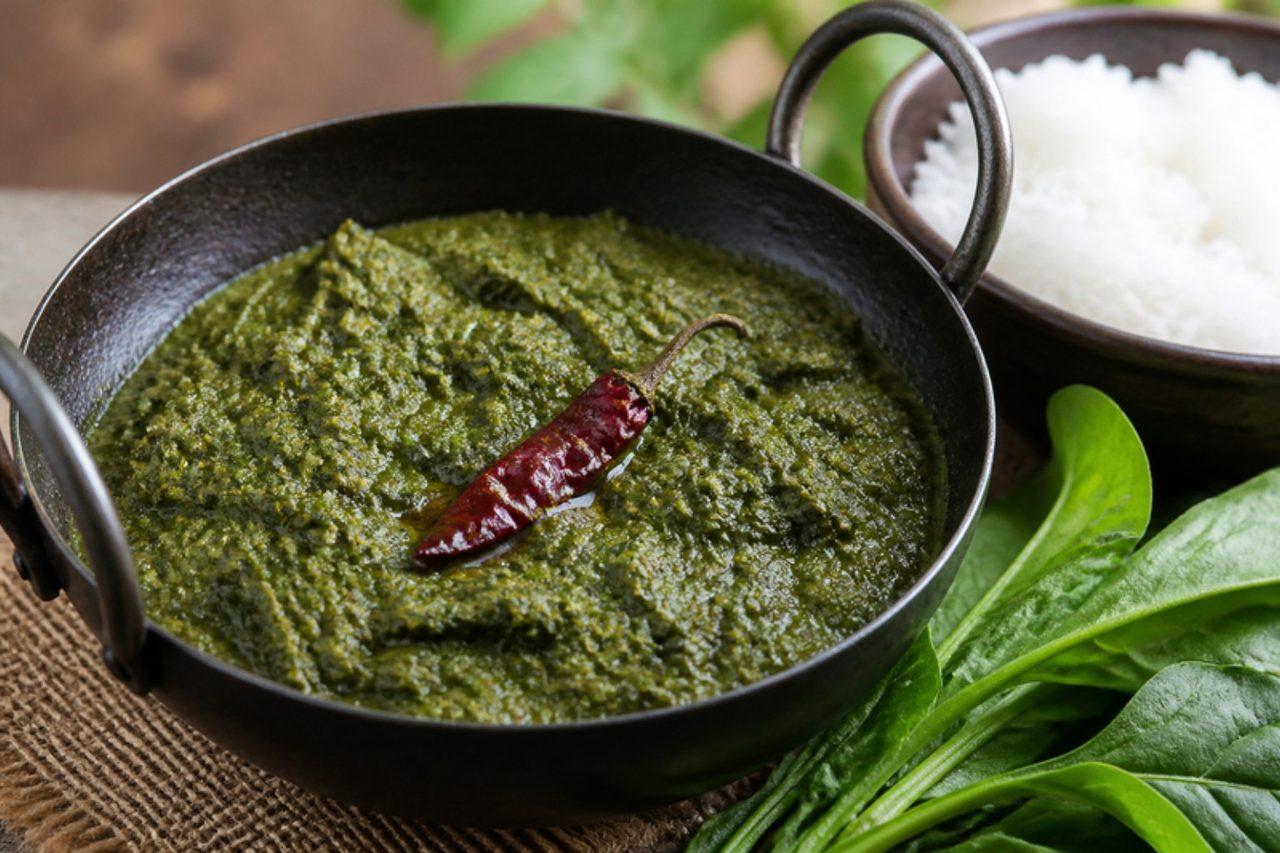
KafuliSpinach and fenugreek curry

In the villages of Garhwal, kafuli is what goes into the iron kadhai when the terraces are full of palak and methi in late winter. The greens are blanched, ground roughly on a stone and simmered with a spoonful of soaked rice paste, which turns the curry silky without any cream. Mustard oil and a few dried chillies give it a sharp, warm edge, and the iron pan darkens it to a deep forest green. Eat it with mandua ki roti or plain rice and a dab of ghee for those who want it. Chef's tip: grind the greens in short pulses so you can still see flecks of leaf; kafuli should have texture, not look like a smooth soup.

by KrazyBadal 0 views

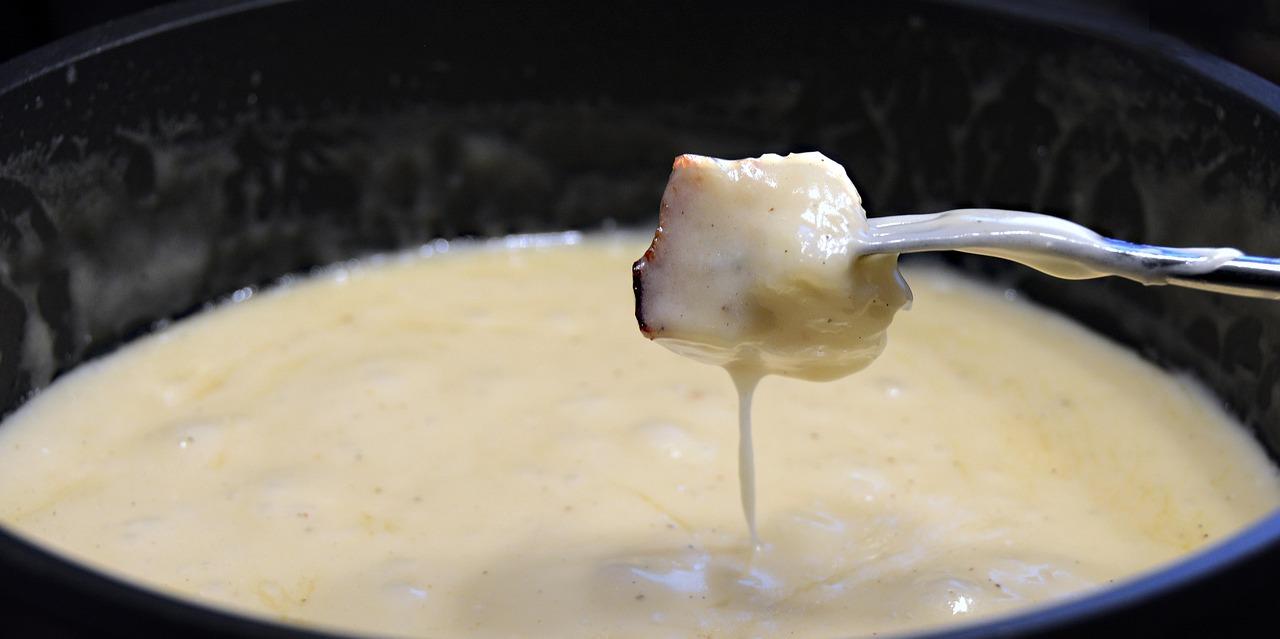
Fondue moitié-moitiéGruyère and Vacherin fondue

Moitié-moitié means half and half, and in Fribourg it names the canton's own fondue: equal weights of nutty Gruyère and soft, buttery Vacherin fribourgeois melted with dry white wine in a glazed earthenware caquelon. Families light the burner in the middle of the table on cold evenings from October to March, and ski huts above Gruyères serve it after a day on the slopes. The Vacherin makes it silkier and milder than a Gruyère-only fondue, so it clings to the bread in a thick, glossy coat. Serve with day-old bread, a plate of cornichons and small boiled potatoes, and drink white wine or warm black tea with it; locals say cold water sits badly with all that cheese. Traditional Gruyère and Vacherin are made with animal rennet, so for a vegetarian table look for wheels labelled with microbial or vegetarian rennet, or ask a cheesemonger for a similar Alpine cheese that uses it. Chef's tip: grate the cheese rather than cubing it and let it come to room temperature for 30 minutes; it melts evenly and the fondue stays smooth.

by KrazyBadal 0 views

Focaccia di ReccoThin cheese-filled flatbread

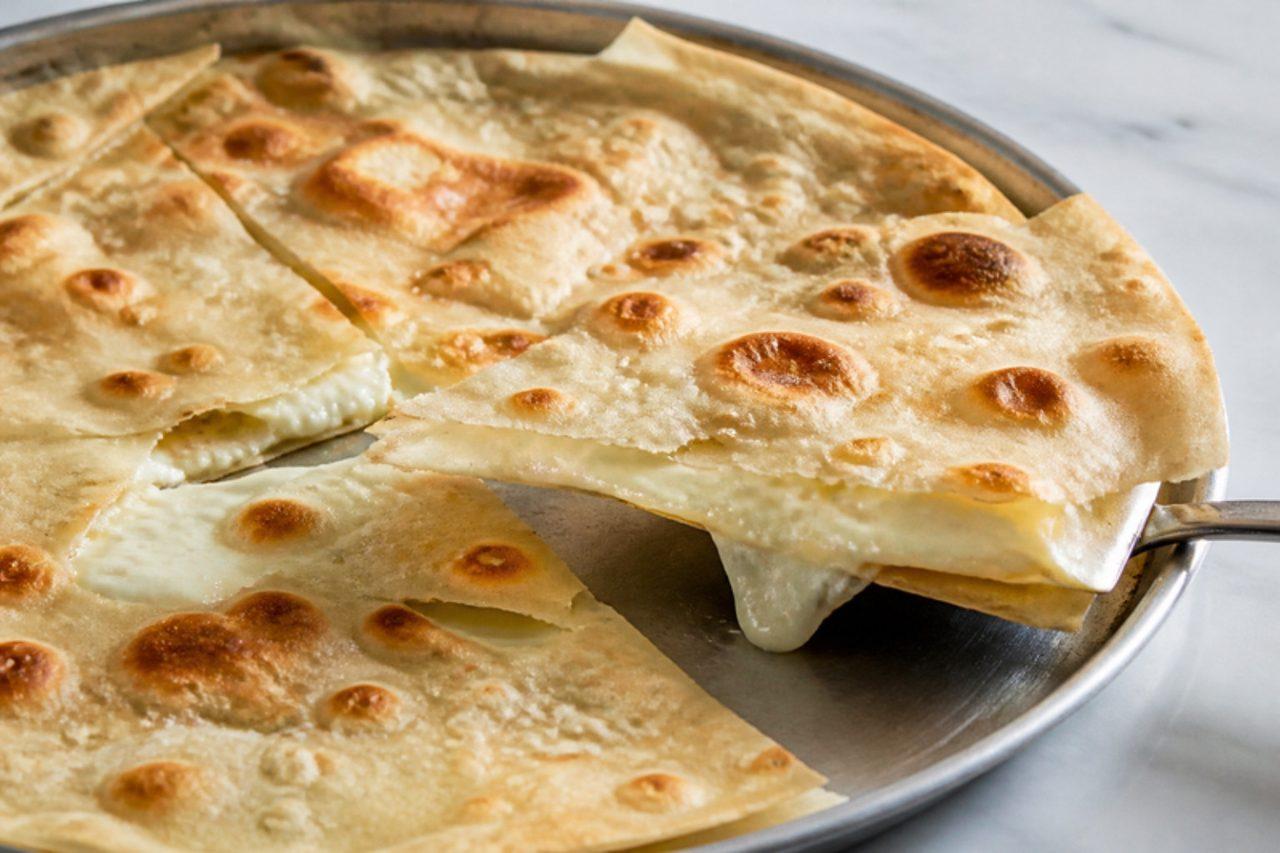
Focaccia di Recco has nothing to do with the thick, bubbly focaccia most people know: it is two sheets of unleavened dough stretched almost transparent, with blobs of soft, tangy cheese in between, baked in a blisteringly hot oven for a few minutes. It comes from the seaside town of Recco, east of Genoa, where bakeries sell it in the morning and families eat it as a first course. At home, use stracchino or crescenza, the creamy fresh cheeses closest to Ligurian prescinseua. Chef's tip: stretch the dough over the backs of your hands like a pizzaiolo; rolling alone never gets it thin enough.

by KrazyBadal 0 views

Sayur lodehVegetables in coconut milk

Sayur lodeh is everyday cooking in Central Java, made in big pots in Solo and Semarang kitchens and ladled over rice, with lontong rice cakes at Lebaran, or alongside opor and sambal goreng on festive tables. It's soupy rather than thick: a fragrant broth of coconut milk, galangal, lemongrass and lime leaf that carries chunks of aubergine, long beans, chayote and sweetcorn, plus tempeh and tofu to make it a meal. The flavour is mellow and slightly sweet, so the heat comes from sambal on the side. Chef's tip: keep the pot at a gentle simmer once the coconut milk goes in and stir now and then — a rolling boil splits the coconut milk into oily curds.

by KrazyBadal 3 views

KachumbariTomato and onion salad

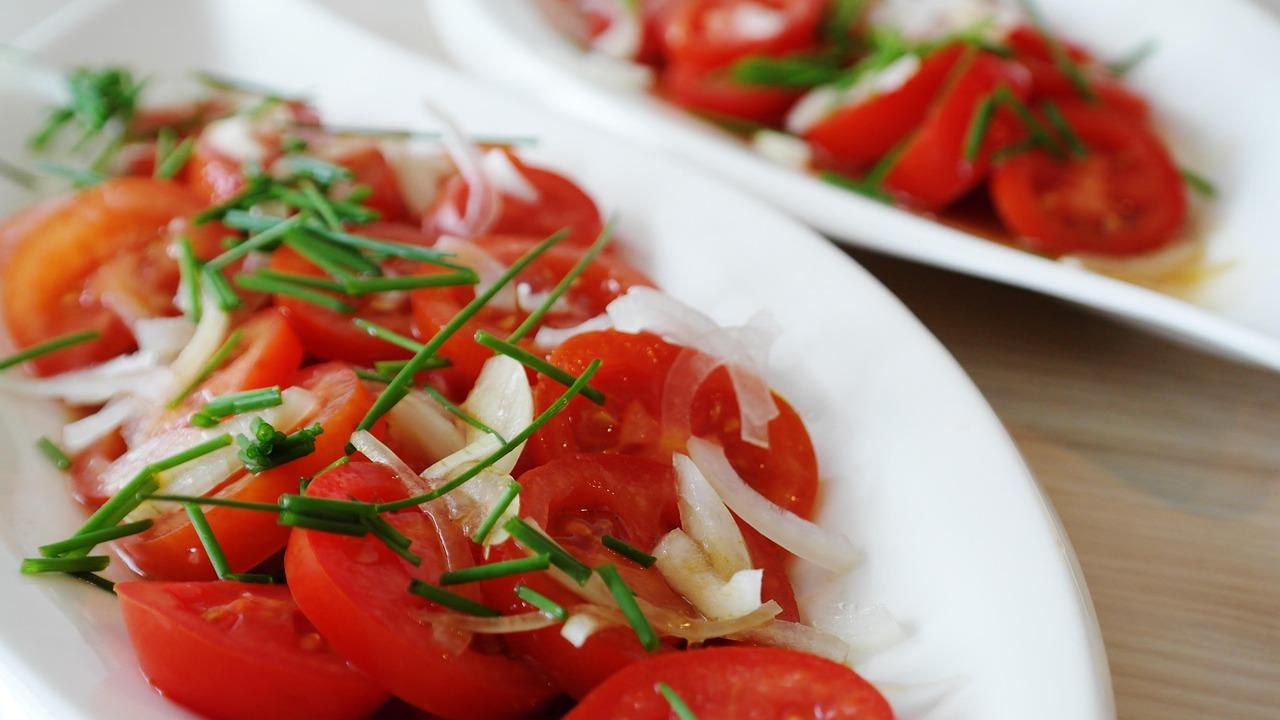
Kachumbari is the raw salad that goes with nearly everything in Kenya and Tanzania: nyama choma grills in Nairobi, pilau on the Swahili coast, chips mayai at roadside stalls and ugali at home. It is simply ripe tomato and red onion cut small, with coriander, chilli and lime, and sometimes cucumber or avocado. Chef's tip: soak the sliced onion in salted water for ten minutes; it takes away the harsh bite without losing the crunch.

by KrazyBadal 0 views

Kol posolaBanana stem stir-fry

Kol posola is the pale inner core of the banana plant, chopped and cooked down with mustard oil, ginger and green chilli until it is soft, juicy and faintly sweet. In Assamese villages, where banana plants grow in every yard, it is cheap everyday food, and it is also a favourite on Bihu tables and in Assamese thalis in Guwahati restaurants. It has a mild, cucumber-like flavour and is prized as a cooling, cleansing food. Chef's tip: as you chop the stem, twirl a finger or a skewer through the slices to catch and pull away the fine fibres; otherwise they stay stringy.

by KrazyBadal 0 views

Fish ambul thiyalSour tuna curry

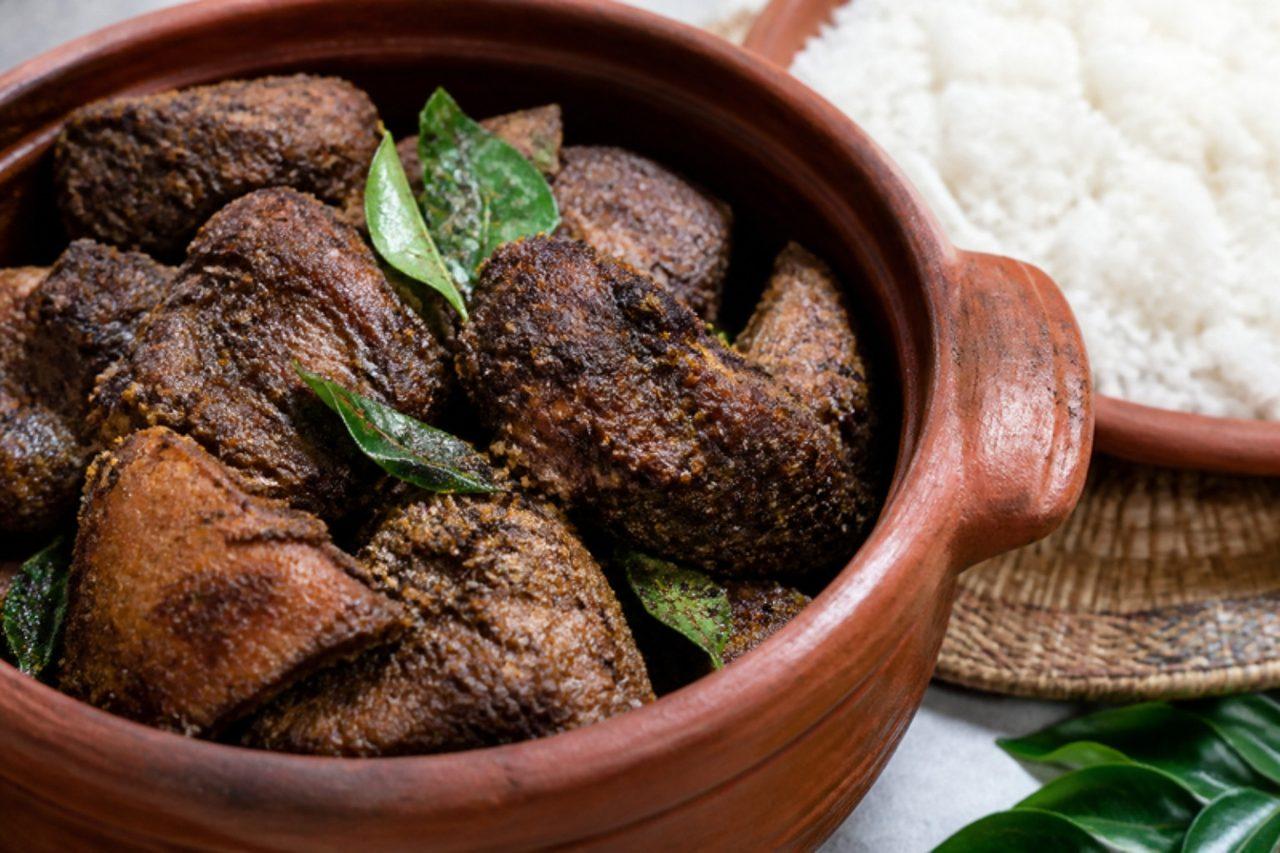
Ambul thiyal means 'sour stew', and it comes from the fishing towns of the south coast, around Matara, Galle and Tangalle. Fishermen once cooked it so the tuna would keep for days without a fridge: almost no liquid, plenty of goraka and black pepper, slowly reduced in a clay pot until each chunk is dark and coated. Today it is a favourite rice-and-curry dish on Sundays and holidays, and people often pack it for long journeys. It is sharp, peppery and firm, so a little goes a long way with rice and a coconut sambol. Chef's tip: cut the tuna into big 4 cm chunks; small pieces fall apart during the long, slow reduction.

by KrazyBadal 0 views

Khao kluk kapiShrimp paste rice

Everything on this central Thai plate is arranged in little heaps around a mound of rice tossed with garlic and fermented shrimp paste: sticky caramelised pork (moo wan), threads of sour green mango, shallots, chillies, sliced long beans, crisp dried shrimp and ribbons of thin omelette. You mix a bit of each into every spoonful, so salty, sweet, sour and hot arrive together. It's a favourite at Bangkok's curry-and-rice shops and a clever way to use up yesterday's rice at home; lime wedges and cucumber cool it down. Chef's tip: use day-old jasmine rice straight from the fridge, because freshly cooked rice clumps and smears the shrimp paste instead of coating each grain.

by KrazyBadal 1 views

Fırın sütlaçBaked rice pudding

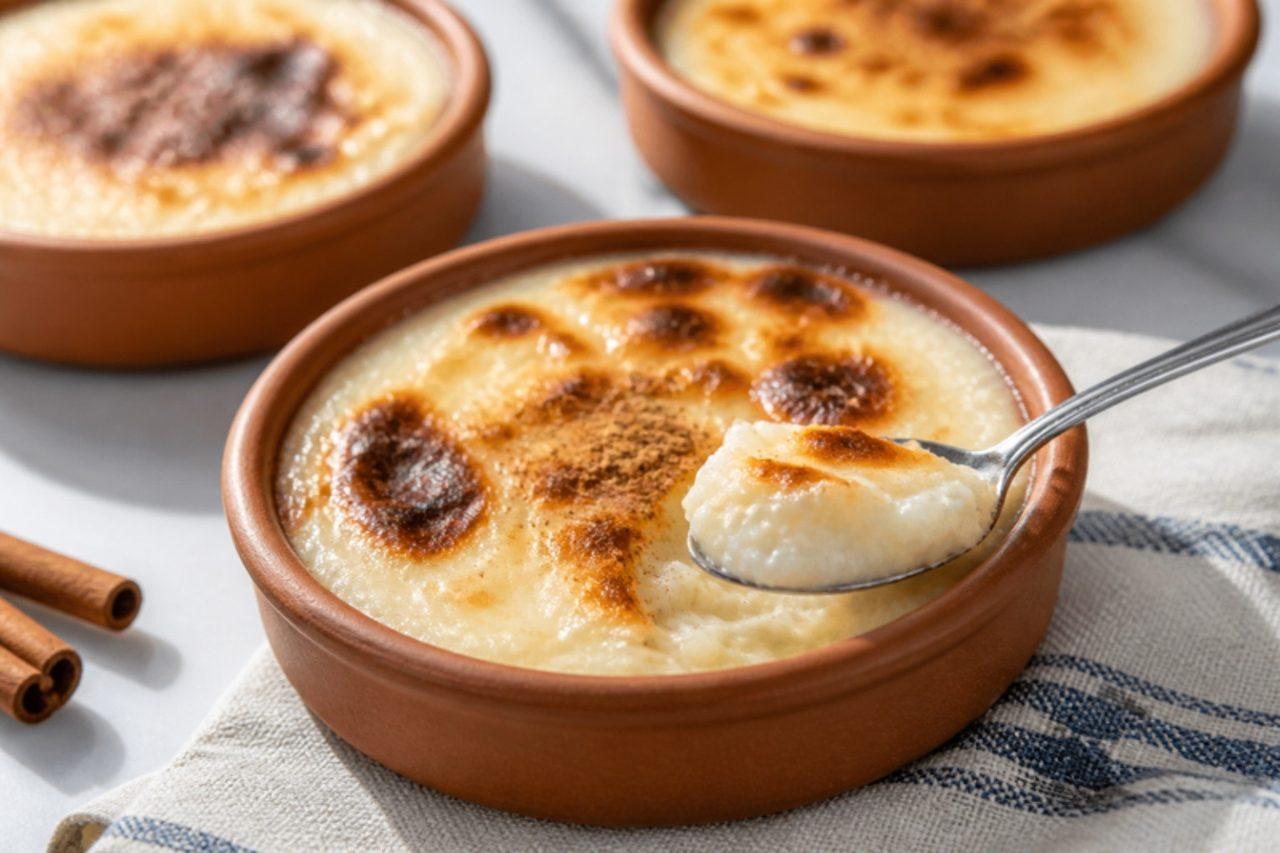
In Turkish pudding shops (muhallebici) from Istanbul to Ankara, fırın sütlaç is served chilled in little clay bowls, its surface blistered dark brown under the grill while the rice pudding beneath stays creamy and cool. It is a dessert families make on Sunday or for guests, since it has to set in the fridge for a few hours, and it travels well to neighbours during Ramadan evenings. The flavour is clean milk and vanilla, thickened with rice flour rather than eggs, so it is light compared with Western rice puddings. Eat it cold, plain or dusted with cinnamon or ground hazelnuts. Chef's tip: stand the filled bowls in a tray of cold water before they go under the grill; the water keeps the pudding from boiling up while the top browns.

by KrazyBadal 0 views

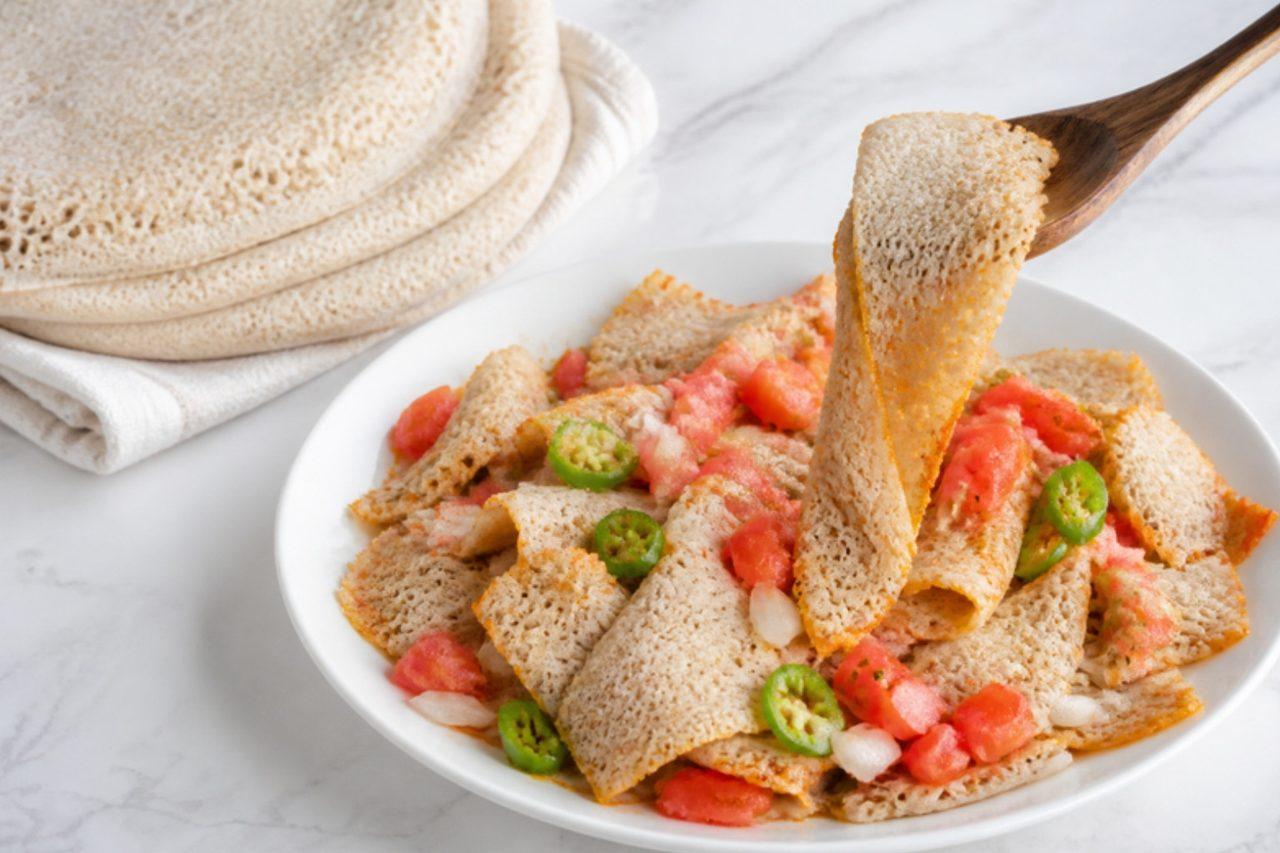
FirfirTorn injera in spicy sauce

Firfir (or fitfit) is what Ethiopian households do with yesterday's injera: torn into pieces and tossed in a hot, oniony berbere sauce until it soaks up all the flavour. It is breakfast in Addis Ababa cafés and homes alike, eaten with a spoon or, more often, scooped up with fresh injera. This version uses oil, making it suitable for fasting days; on other days a spoon of niter kibbeh adds richness. Chef's tip: use day-old injera; fresh injera is too soft and turns to mush in the sauce.

by KrazyBadal 0 views

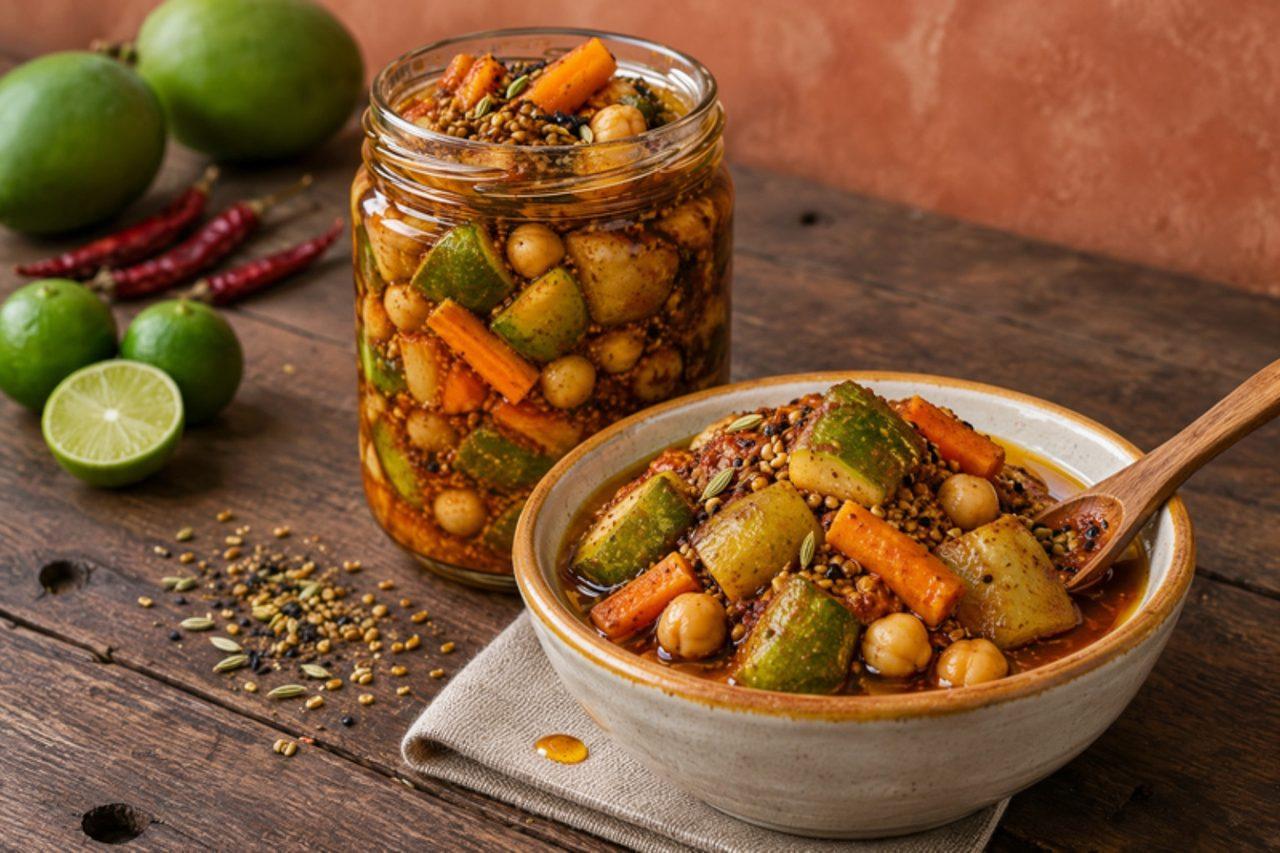
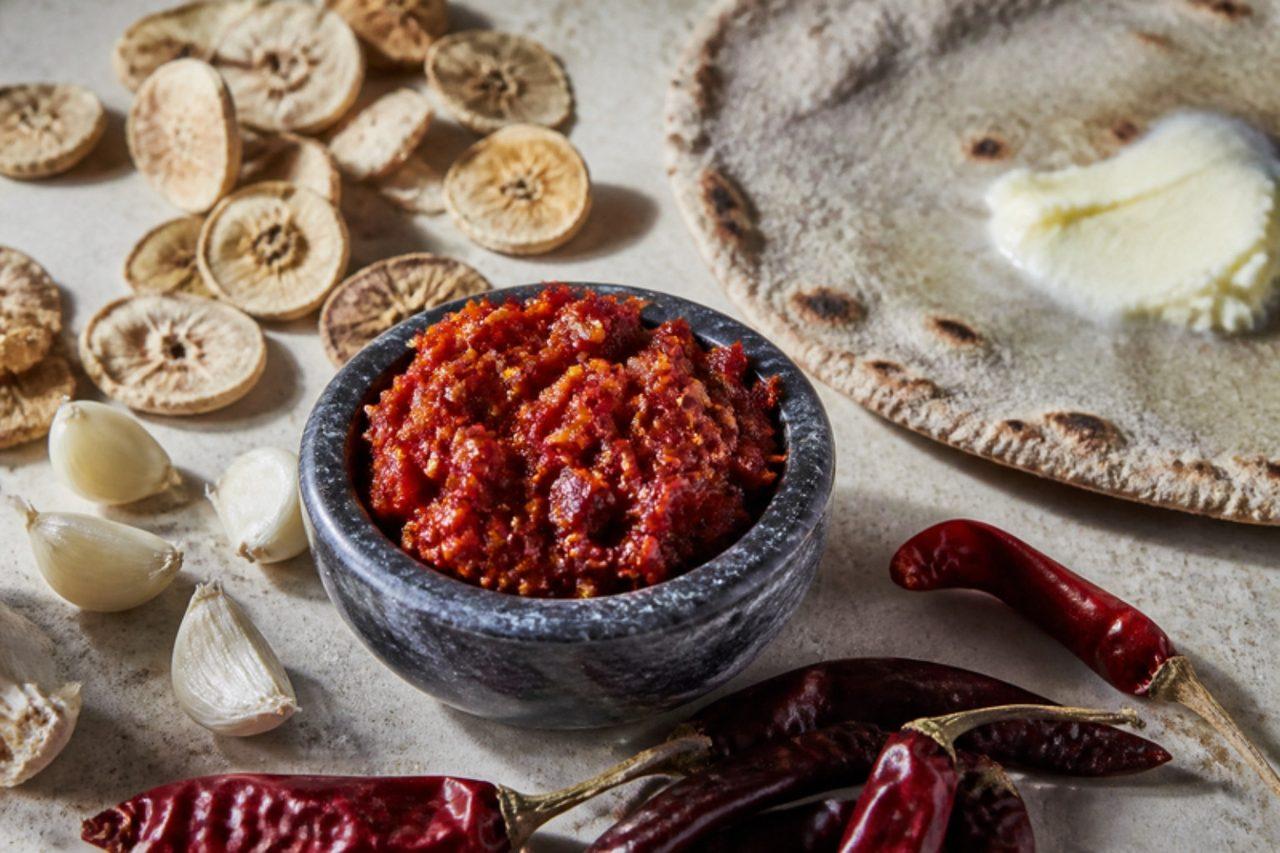
Kachri ki chutneyWild melon and chilli chutney

Kachri is a small wild melon that grows on its own in the sandy fields of southern Haryana and western Rajasthan. Sliced and sun-dried, it keeps for a year and has a sharp, sour taste that farmers' families grind with garlic and red chilli into this fiery chutney. A spoonful goes with bajra roti and white butter on a winter afternoon, or with dal and rice when there is nothing else in the house. Dried kachri and kachri powder are sold in Indian grocers. Chef's tip: taste a piece of dried kachri first; occasionally one batch is bitter, and that bitterness will ruin the whole jar.

by KrazyBadal 0 views

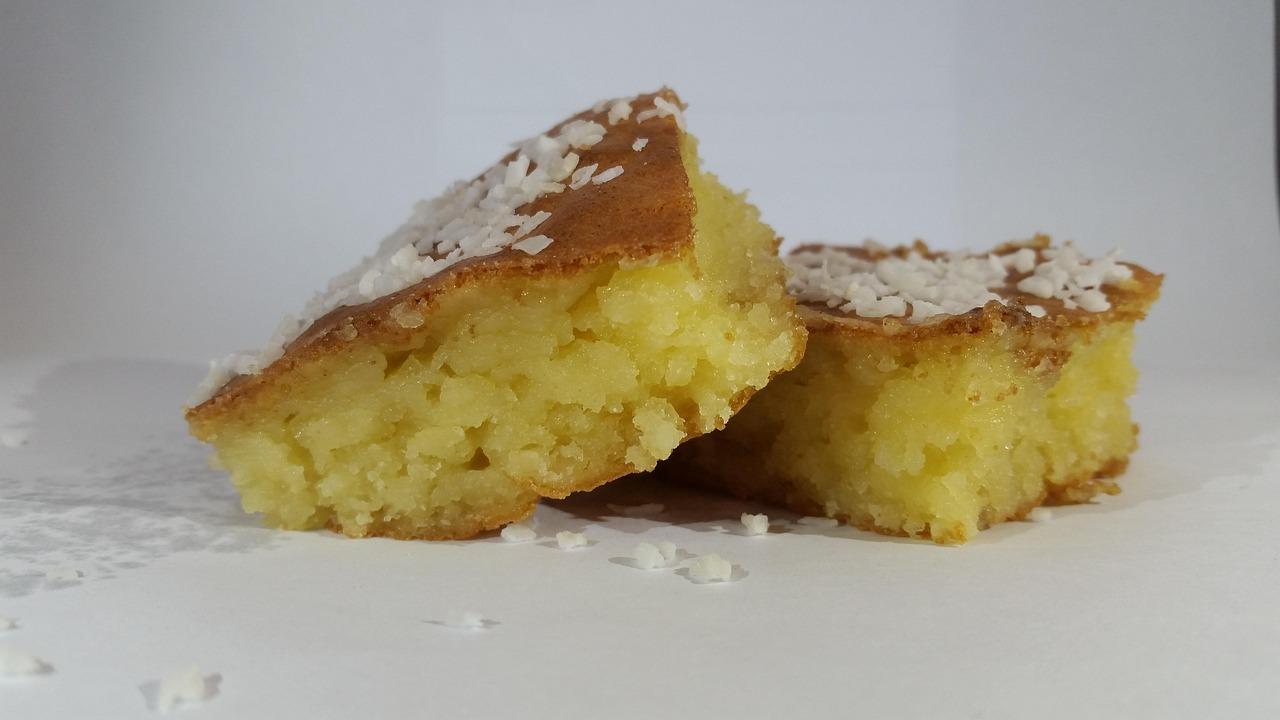
Fijian cassava cakeCassava and coconut cake

In Fiji, cassava (tavioka) is everyday food, and grated sweet cassava cake turns up at village feasts, church bazaars and morning tea across Viti Levu. Fresh cassava is finely grated and baked with coconut milk, sugar, butter and a little vanilla into a heavy, chewy, golden cake that's cut into squares. It's naturally gluten free and keeps well for a couple of days. Chef's tip: squeeze some of the liquid out of freshly grated cassava; too wet and the cake stays gluey in the middle.

by KrazyBadal 0 views

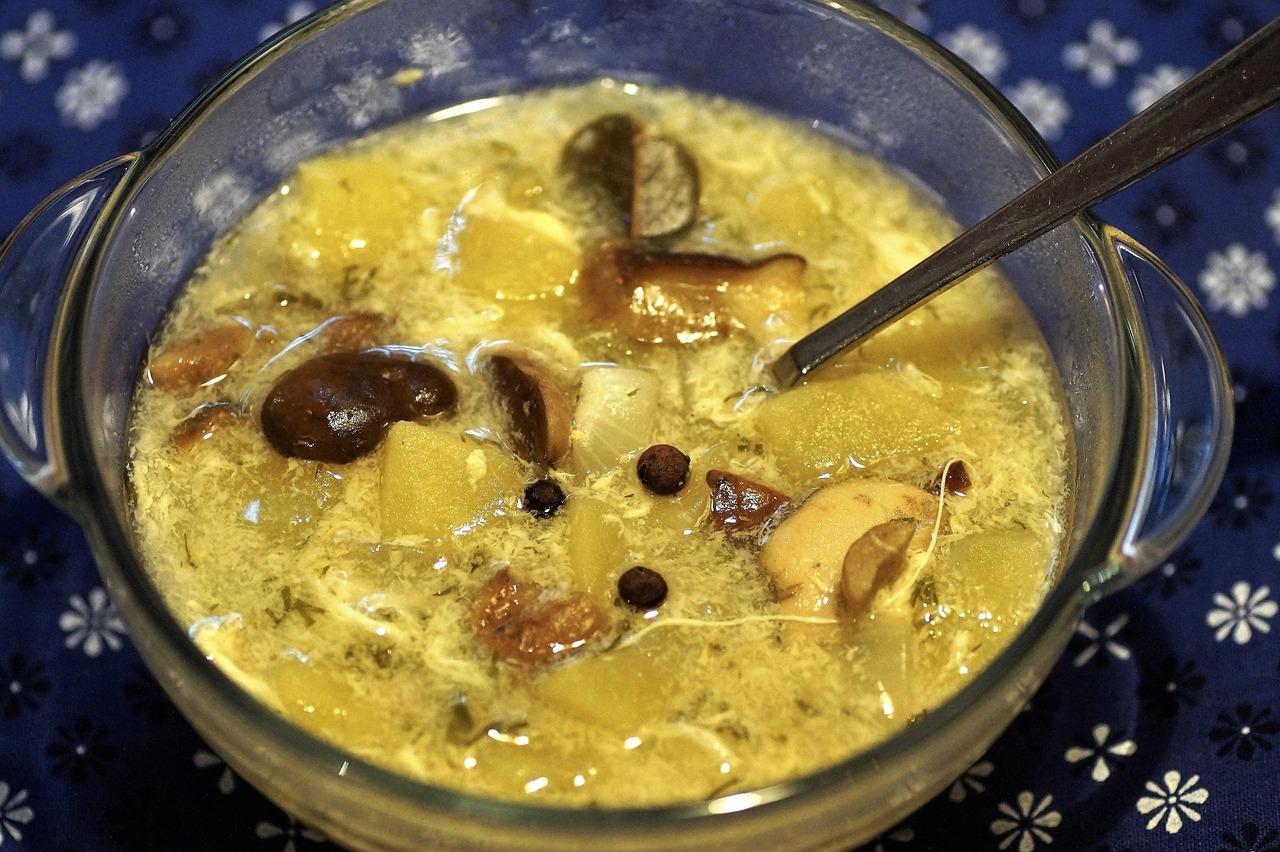
KulajdaDill and mushroom cream soup

Kulajda comes from South Bohemia, the land of carp ponds and pine forests around České Budějovice and Český Krumlov, where families come home from the woods in late summer with baskets of porcini. It is a thick, pale, gently sour soup of potatoes, mushrooms, cream and plenty of dill, finished with vinegar and served with a soft poached egg floating in each bowl. It is eaten as a filling lunch on its own with a slice of rye bread. Chef's tip: add the vinegar off the heat and taste as you go; the soup should be clearly tangy but never sharp, like a good pickle brine softened by cream.

50 minCzechSoups
by KrazyBadal 0 views

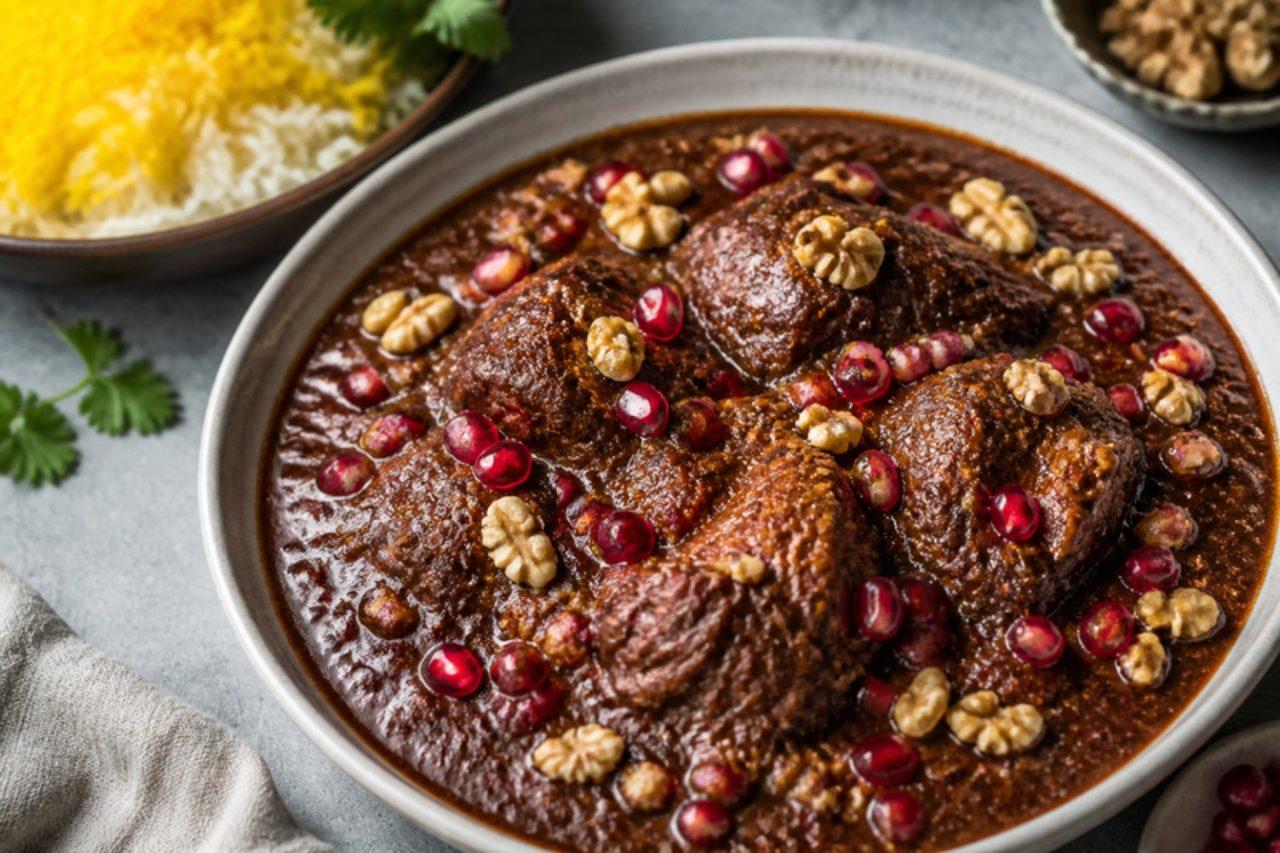
FesenjanChicken in pomegranate walnut sauce

In the rice paddies and forests of Gilan on the Caspian coast, fesenjan is cooked with duck or chicken in autumn, when walnuts are freshly cracked and pomegranates ripen; across Iran it now marks Yalda night in December and big family dinners. Ground walnuts are toasted, then simmered slowly with pomegranate molasses until their oil rises and the sauce turns almost chocolate-brown, thick and glossy, tangy first and gently sweet after. Chicken thighs braise in it until they are spoon-tender. Serve it over saffron chelow rice with a crisp tahdig. Chef's tip: stir the walnut paste over a low heat for a full hour; the longer, slower cook is what darkens the sauce and brings the walnut oil to the surface.

by KrazyBadal 0 views

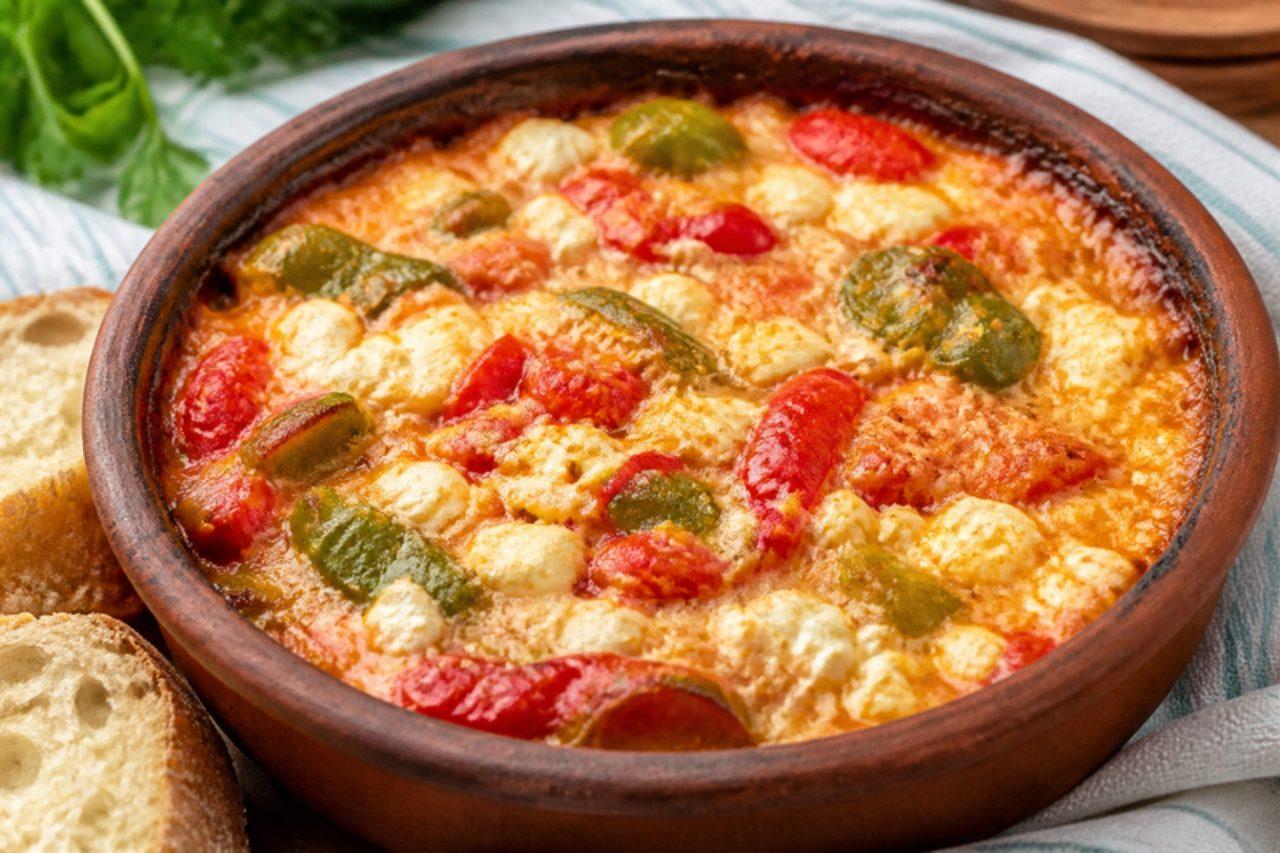
FërgesëBaked peppers and tomatoes with cheese

Fërgesë is the dish people in Tirana order at lunchtime in a small clay pot, still bubbling, with a basket of bread for dipping. Soft fried peppers and tomatoes are folded through gjizë, Albania's fresh salted curd cheese, then baked until the top spots golden. The meatless version with peppers is the everyday one across central Albania; it is rich, tangy and gently spicy. Ricotta mixed with a little feta is a good stand-in for gjizë outside Albania. Chef's tip: cook the tomatoes down until thick before the cheese goes in; a watery fërgesë that splits in the oven is the usual mistake.

by KrazyBadal 0 views

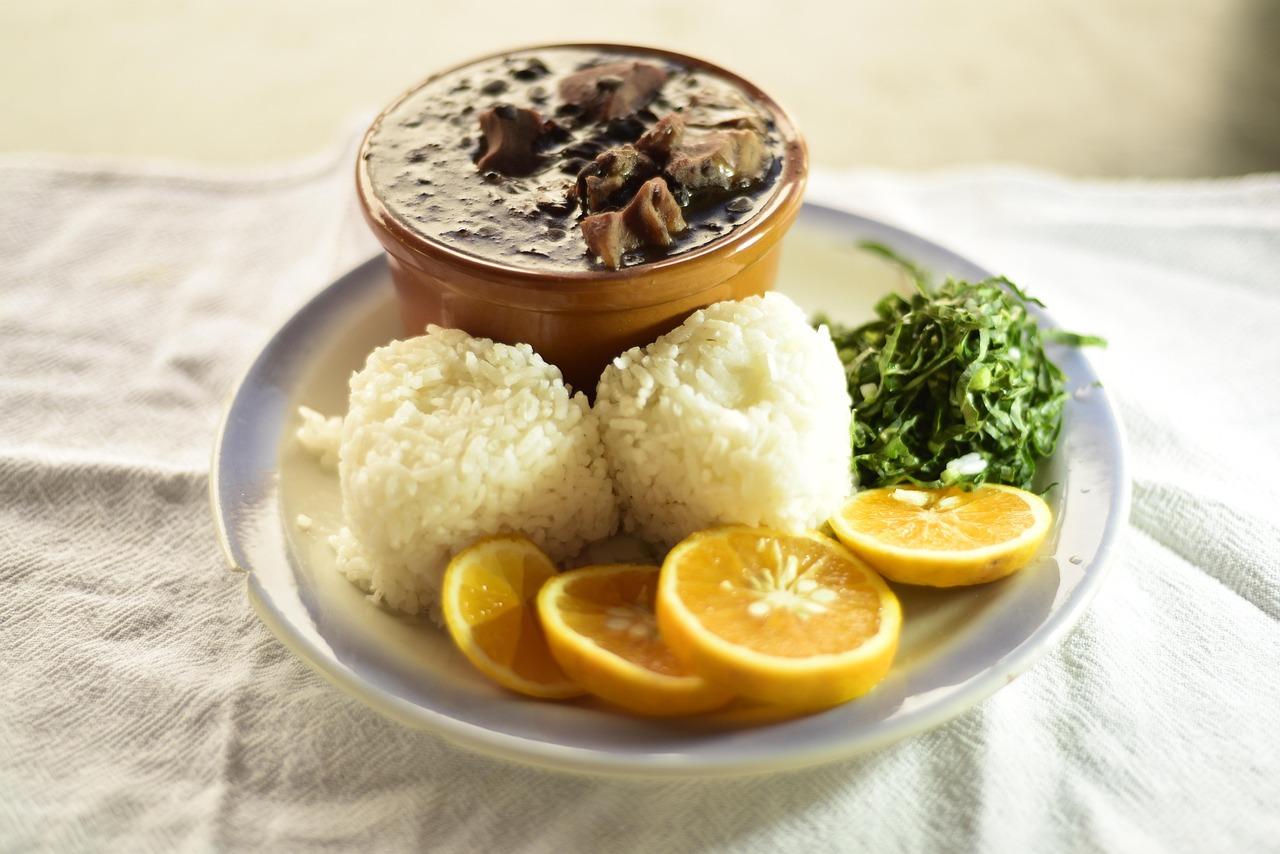
FeijoadaBlack bean and pork stew

In Rio de Janeiro, feijoada has its own days: Wednesdays and Saturdays, when botecos and restaurants put the big pots on and lunch stretches into the afternoon. Black beans simmer slowly with carne seca (salt-dried beef), salted pork ribs, smoky sausages and bacon until the broth is thick, dark and glossy. The full spread, feijoada completa, comes with white rice, garlicky shredded couve, crunchy farofa and slices of orange to freshen the palate. Our vegetarian feijoada covers the meat-free version; this is the classic. Start a day ahead, because the salted meats must soak. Chef's tip: mash a ladleful of cooked beans with the fried onion and garlic and stir it back in; it thickens the broth naturally.

by KrazyBadal 0 views

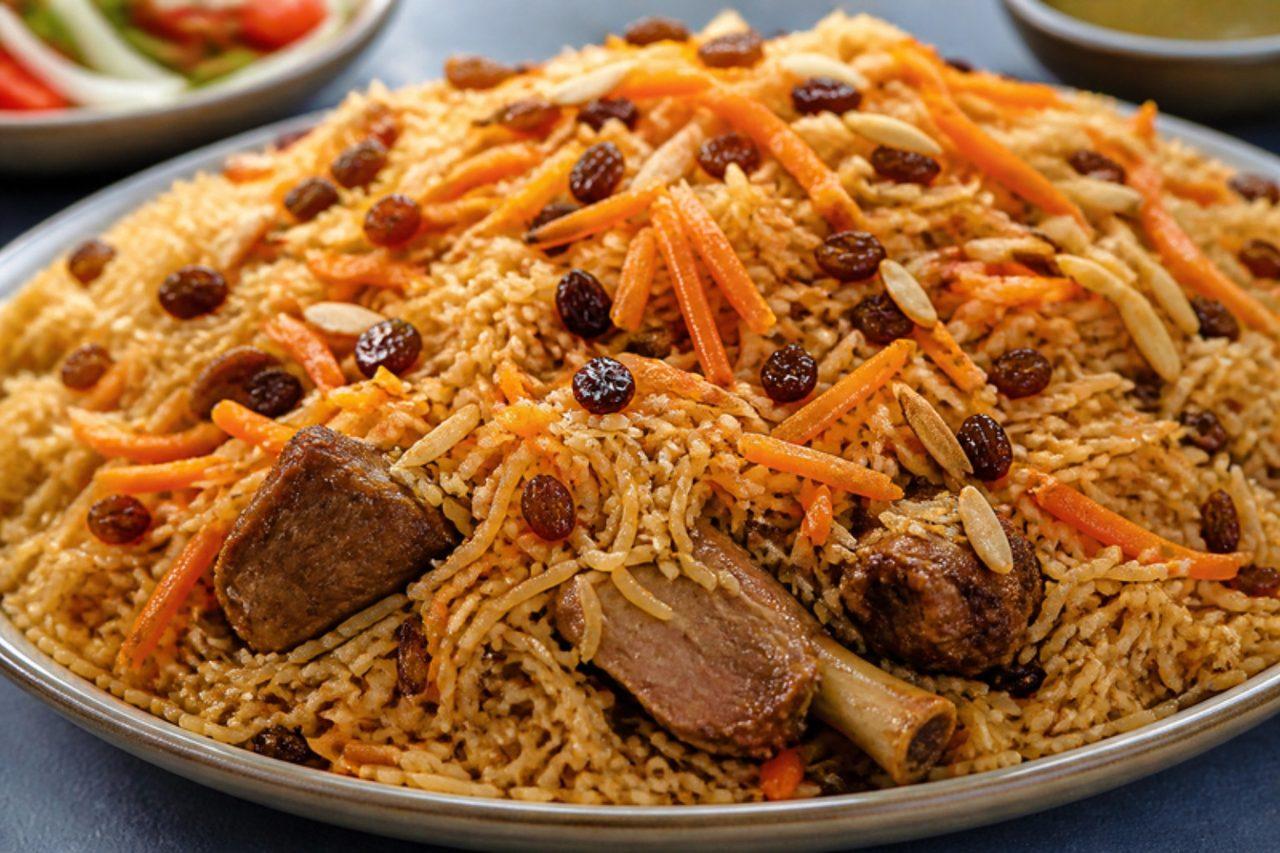
Kabuli pulaoLamb pilaf with carrots and raisins

Kabuli pulao crossed the Khyber Pass from Afghanistan and is now part of everyday cooking in Peshawar and across Khyber Pakhtunkhwa, where it is the dish of honour for guests and the centre of Eid tables. Lamb on the bone is simmered into a rich stock, then rice is cooked in that stock and the meat is buried in the middle so it stays soft. On top go strips of carrot and raisins, glazed in a little sugar, and toasted almonds. It isn't spicy, just warm with cumin and cardamom. Chef's tip: caramelise a spoon of sugar in the oil before adding the stock; it gives the rice its traditional golden-brown colour.

by KrazyBadal 0 views

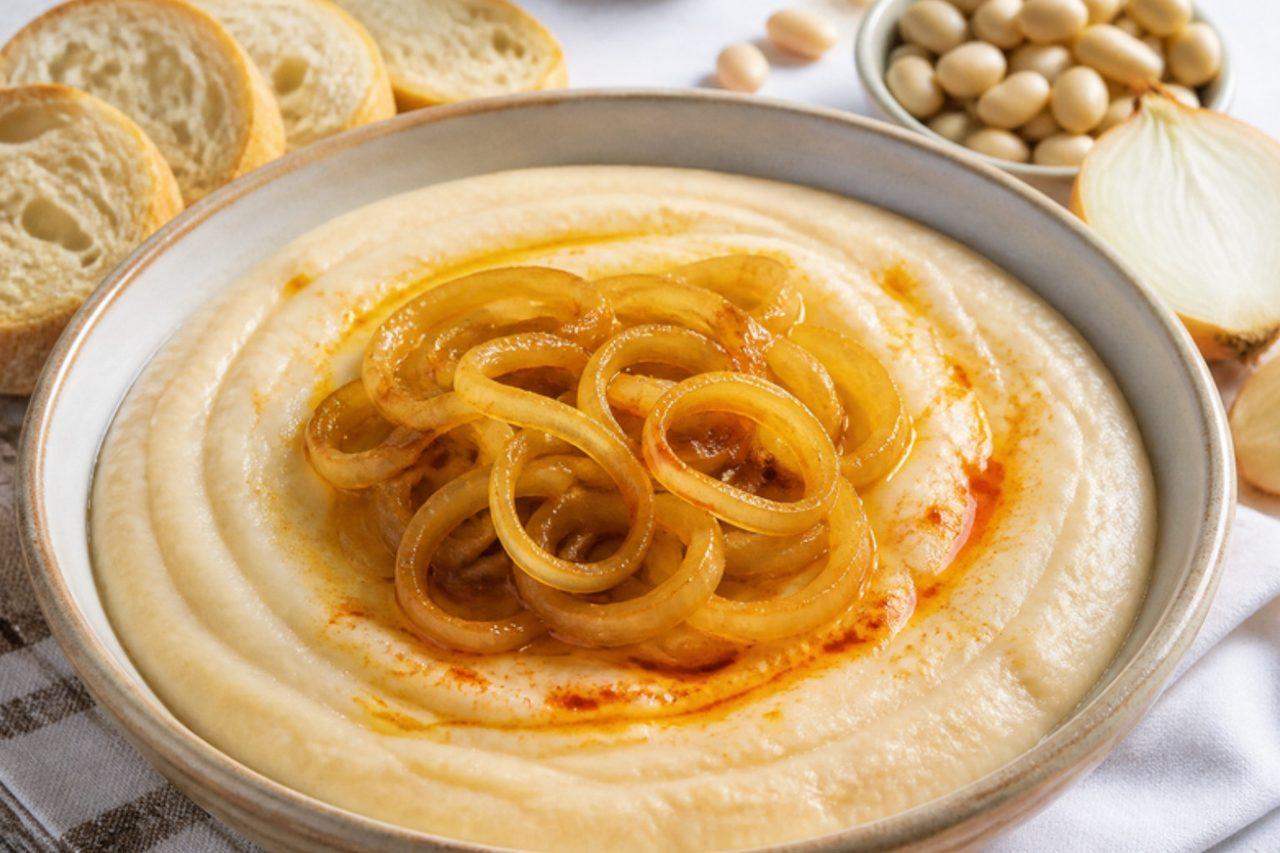
Fasole bătutăWhipped white bean dip

Fasole bătută, 'beaten beans', is the fasting-day spread of Romania: on Christmas Eve and through Lent, plates of it appear in homes from Bucharest to the monasteries of Bucovina. Soft white beans are mashed smooth with garlic and oil, then crowned with a tangle of slow-fried onions stained red with paprika. It is spread thickly on bread, or served beside pickles and mămăligă. Chef's tip: beat the beans while they are still warm; cold beans turn stiff and pasty, and a common mistake is adding too little liquid, so loosen with a splash of cooking water until the purée is light and fluffy.

by KrazyBadal 0 views

Medialunas de mantecaButter crescents

Medialunas, 'half moons', are what Argentines order with a café con leche at every confitería in Buenos Aires: smaller, sweeter and softer than a French croissant, with a sticky shine from a sugar syrup brushed on as they leave the oven. The dough is enriched with egg, sugar and a little honey and laminated with butter, so it's a weekend project. Chef's tip: keep the butter and dough at the same cool temperature; if the butter is too hard it breaks into pieces, too soft and it melts into the dough and the layers disappear.

by KrazyBadal 0 views

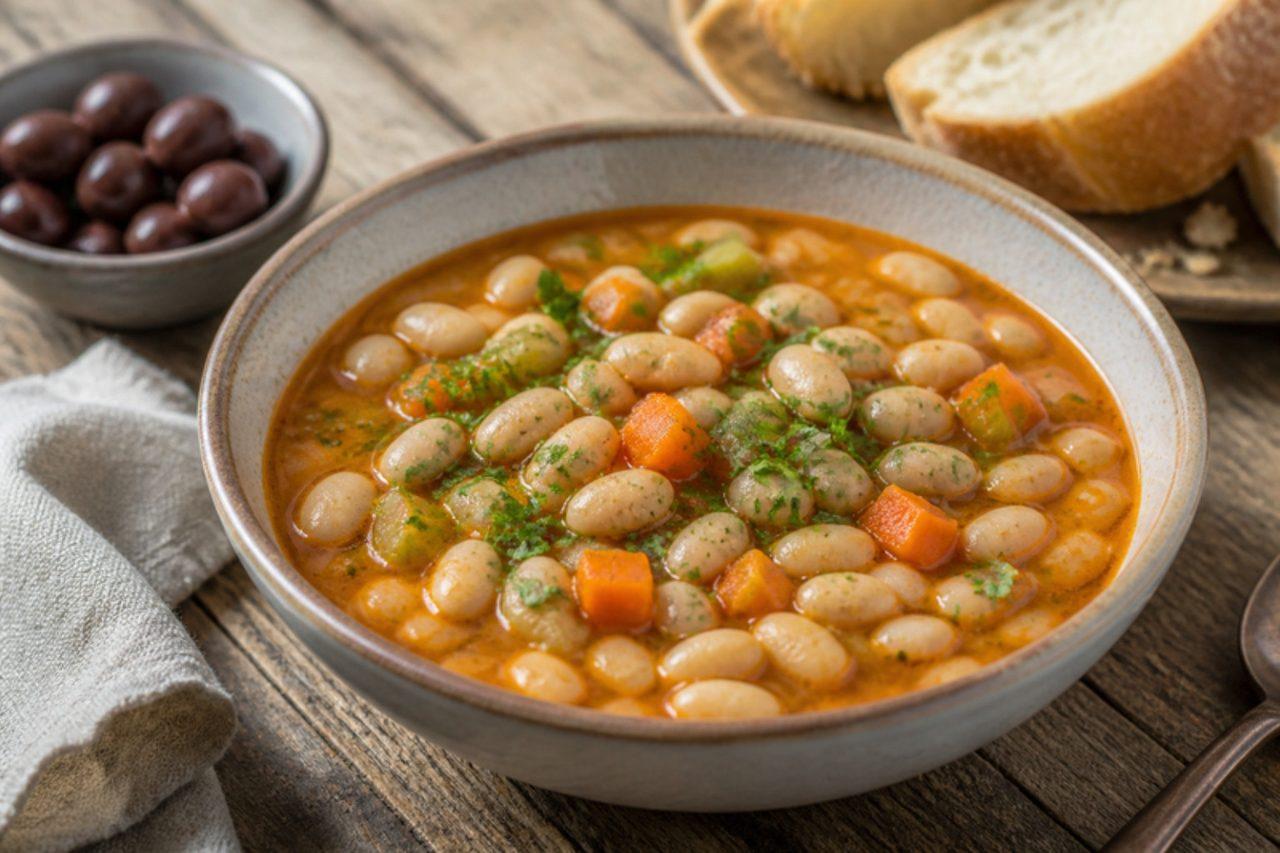
FasoladaWhite bean soup

Fasolada is sometimes called the national dish of Greece, and it is the soup that fed families through winters and long Lenten fasts. It is humble and filling: small white beans simmered slowly with carrot, celery, onion and tomato until the broth turns thick and creamy, then finished with a generous pour of raw olive oil. On a cold weekday it is dinner on its own, eaten with olives, pickled peppers, raw onion and bread. Soak the beans the night before. Chef's tip: let it simmer gently with the lid ajar and stir now and then so some beans break and thicken the broth; boiling it hard is the common mistake that splits the beans and leaves the soup thin.

105 minGreekSoupsVeganGluten free
by KrazyBadal 0 views

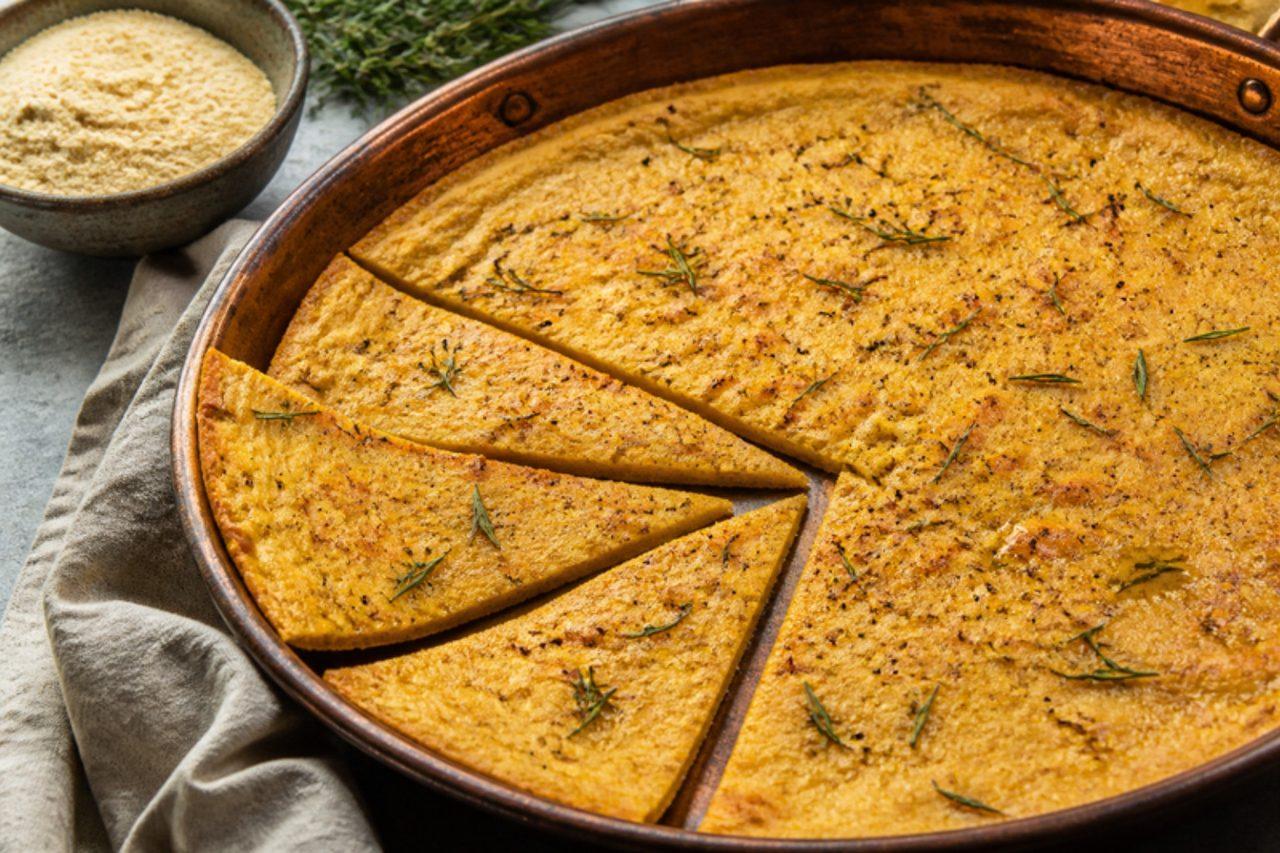
FarinataChickpea flour pancake

Farinata is a thin, golden chickpea-flour pancake sold by the slice from wood-fired ovens in the sciamadde (old bakeries) of Genoa's port district, where people eat it hot, on paper, with black pepper. It is just chickpea flour, water, olive oil and salt, with a crisp top and edges and a soft, custardy middle. In Nice it is called socca, in Livorno cecina. Start the batter 4 hours ahead (or the night before): resting is essential. Chef's tip: heat the oiled tin in the oven before pouring in the batter; the sizzle sets the base at once and gives crisp, lacy edges.

by KrazyBadal 0 views

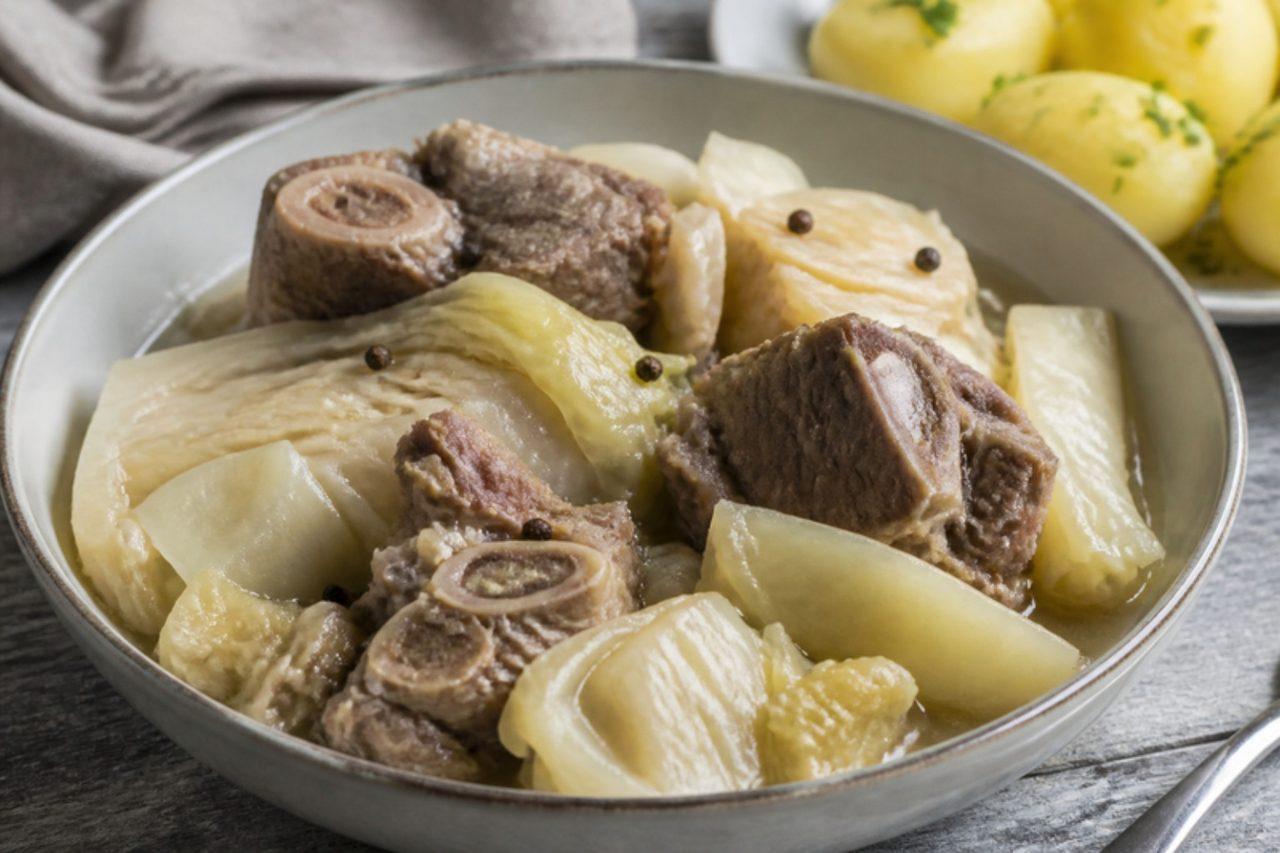
FårikålLamb and cabbage stew

Fårikål has been voted Norway's national dish, and on the last Thursday of September families from Bergen to Tromsø hold Fårikålens festdag, when the new season's lamb meets the autumn cabbage harvest. There are only a handful of ingredients: bone-in lamb, wedges of white cabbage and a generous pouch of whole black peppercorns, layered in a heavy pot and left to simmer until the meat slides off the bone and the cabbage turns sweet and silky. It is eaten with plain boiled potatoes and, in many homes, lingonberry jam. The thing that ruins it is drowning the pot: add only a little water, because the cabbage releases plenty of its own juice. Chef's tip: tie the peppercorns in a muslin bag so you get their warmth without crunching on them, and make it a day ahead; it tastes even better reheated.

by KrazyBadal 0 views

KokodaLime-cured fish in coconut cream

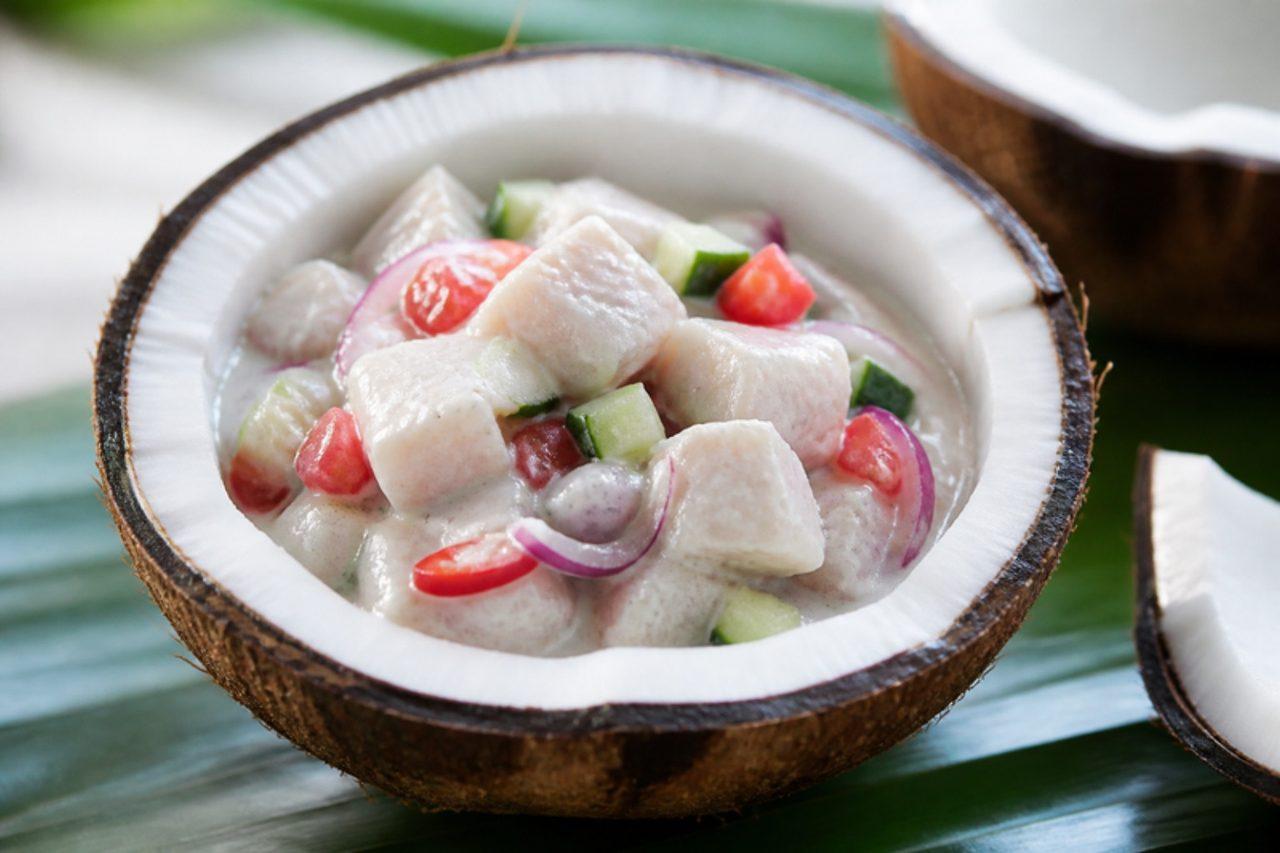
Kokoda (said "ko-kon-da") is Fiji's answer to ceviche, made in villages on Viti Levu and served at Suva's restaurants and family feasts in a half coconut shell: cubes of white fish soaked in lime juice until they turn white, then mixed with fresh coconut cream, onion, tomato, chilli and a little cucumber. Lime "cooks" the look of the fish but does not kill bacteria or parasites like heat does, so this is written as a safer version: use only very fresh fish that has been frozen first (sold as sashimi or sushi grade), keep everything cold and eat it within 2 hours. Raw or lime-cured fish is not for pregnant women, young children or anyone with a weakened immune system; for them, use the lightly poached option in the steps. The mistake is leaving the fish in lime too long, which turns it chalky; 15–20 minutes is enough. Chef's tip: drain off the lime juice before adding the coconut cream so the dish stays creamy, not sour.

by KrazyBadal 0 views

FaloodehFrozen rice noodle sorbet

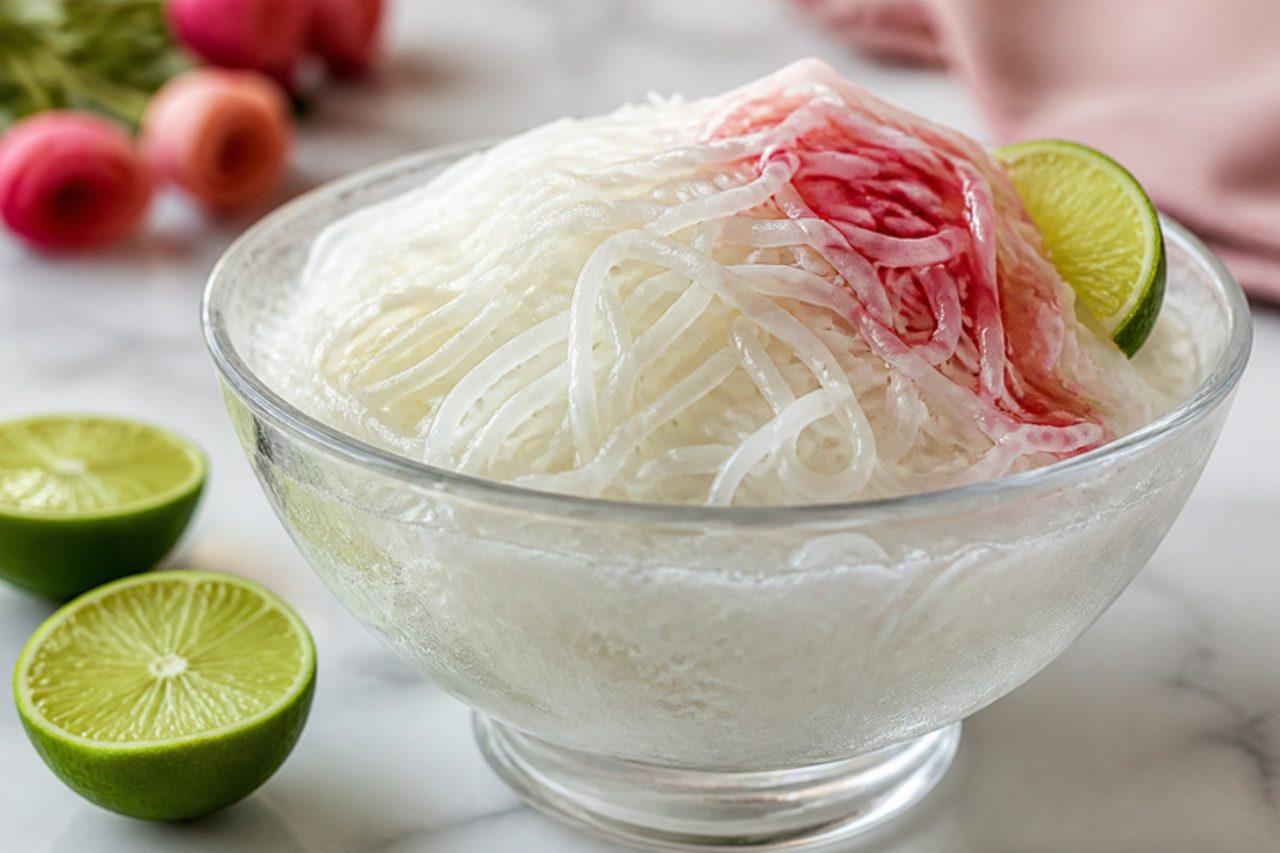
Faloodeh is the summer treat of Shiraz: thin rice noodles frozen in a rosewater syrup to make an icy, crunchy, chewy sorbet, sold in ice-cream shops across the city and in Tehran on hot evenings. Each glass is finished at the counter with a squeeze of fresh lime and, for many, a spoon of sour cherry syrup. It is very different from Indian falooda, which is a creamy milk drink; this one is dairy-free, sharp, floral and refreshing. Chef's tip: scrape the mixture with a fork every 30 minutes while it freezes, so you get snowy crystals rather than a solid block.

by KrazyBadal 0 views

FakesLentil soup

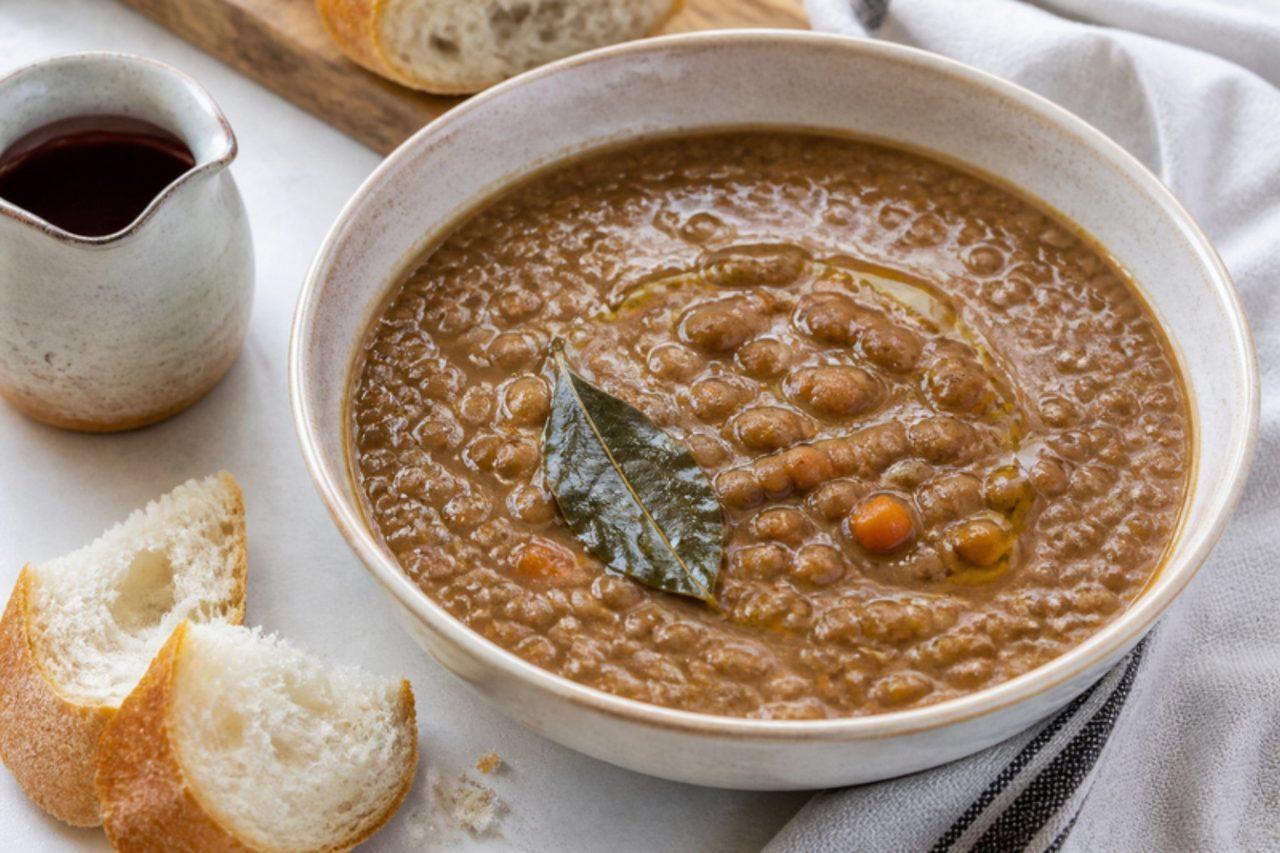
Fakes (say 'fah-KES') is the weekday soup of Greek homes, often made on a Wednesday or Friday, the traditional fasting days. Small brown lentils are simmered with onion, garlic, carrot, tomato and bay until thick and soft, then brightened at the table with red wine vinegar. It is cheap, filling and ready in well under an hour. Greeks eat it with olives, a wedge of feta for those who eat dairy, raw onion and bread. Chef's tip: add the vinegar off the heat just before eating, not while it cooks; boiling it is the usual mistake and flattens the sharp lift it is meant to give.

45 minGreekSoupsVeganGluten free
by KrazyBadal 0 views

Showing 27 of 7,762 recipes

Show more recipes

Page 619 of 863