


Skip to content
Sutarfeni
Featured recipe

Sutarfeni

Spun sugar thread sweet

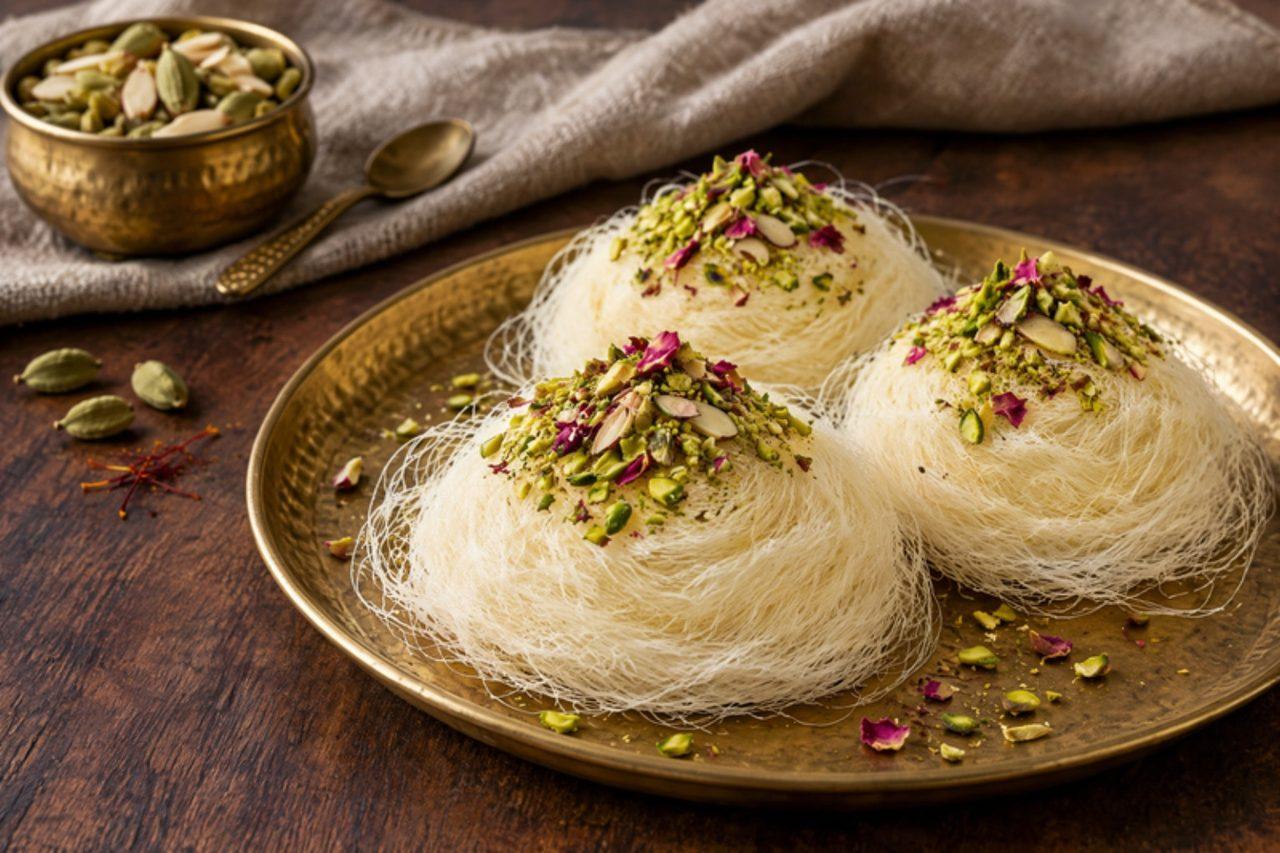
Sutarfeni, cotton-thread sweet, is made by Khambhat and Ahmedabad halwais for Diwali: a hot sugar caramel is pulled into a ring, dragged again and again through ghee-roasted flour until it separates into hundreds of silky threads, then loosely nested with pistachio and cardamom. It is a two-person job at home and needs patience, but the melt-in-the-mouth result is worth one afternoon a year. The usual mistake is letting the sugar cool too far before pulling, so it snaps into brittle shards instead of stretching. Chef's tip: wear clean, well-greased food-safe gloves, work in a warm kitchen, and keep a tray in a barely warm oven to soften the sugar again if it stiffens.

Read more 0 views

What to eat today?

Around the world

Today's trip: Paraguayan

A new country every day, from every cuisine on the site.

Paraguayan

Buñuelos de algas

Sea lettuce fritters 35 minMore from Paraguayan (27) →

This week's collection

Kid-friendly dinners
537 recipes · a new collection every Monday

Latest recipes

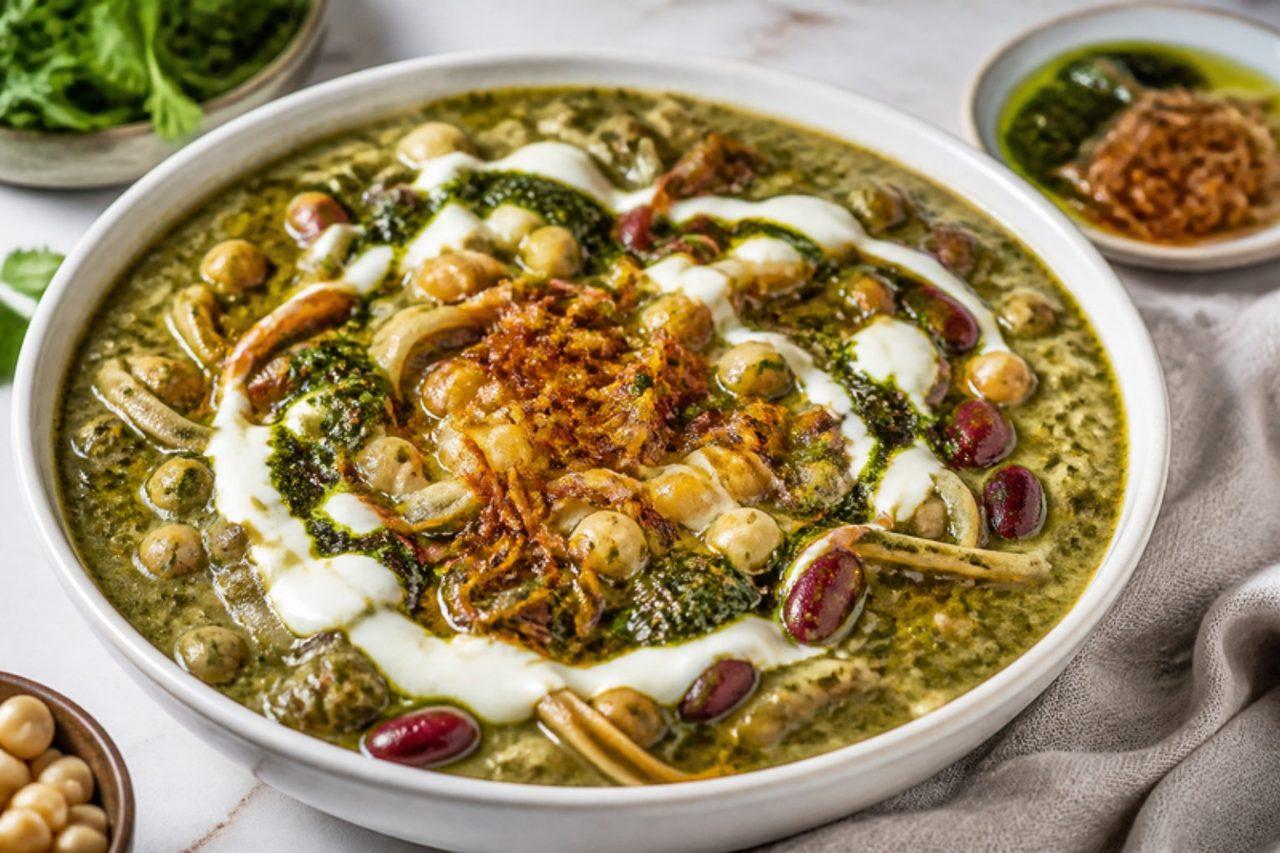
Ash reshtehNoodle, bean and herb soup

Ash reshteh is the thick soup Iranians cook in big pots in the days before Nowruz and for Sizdah Bedar, the spring picnic day, when the noodles (reshteh) are said to help you grasp the threads of good luck for the coming year. Chickpeas, beans and lentils are simmered with a mountain of green herbs and spinach, thickened with flat noodles and finished at the table with tangy kashk, crisp onions and a sizzling swirl of mint oil. It is a meal in a bowl, hearty and herby. Kashk is usually made without rennet, but check the label; strained yogurt is a good substitute. Chef's tip: add the noodles only once the beans are soft, and stir often after that, because they thicken the pot and it can catch on the bottom.

120 minPersianSoups
by KrazyBadal 0 views

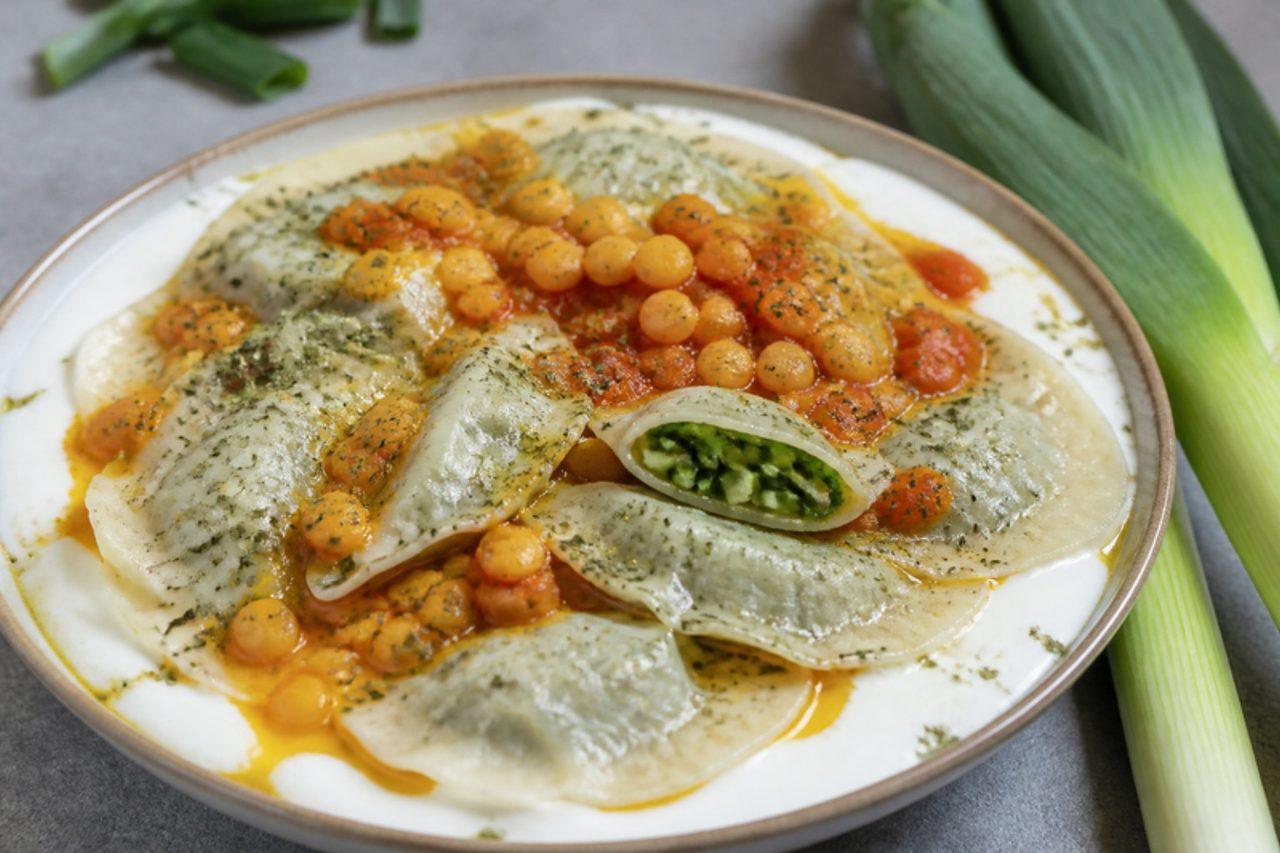
AshakLeek-filled dumplings

Ashak are the dumplings Kabul families fold together for Eid, Nowruz and weddings: thin wheat wrappers stuffed with gandana (Afghan garlic chives, here replaced with leeks and spring onions), boiled, then laid on a bed of garlicky strained yoghurt and topped with a tomato sauce and dried mint. Ashak usually come with a minced-meat sauce; this vegetarian version uses yellow split peas in a spiced tomato base, as many Afghan cooks do on meatless days. Making them is a sociable afternoon job, so rope in helpers. Chef's tip: squeeze the salted leeks hard in a cloth before filling; any water left in them soaks the wrappers and they split in the pot.

by KrazyBadal 0 views

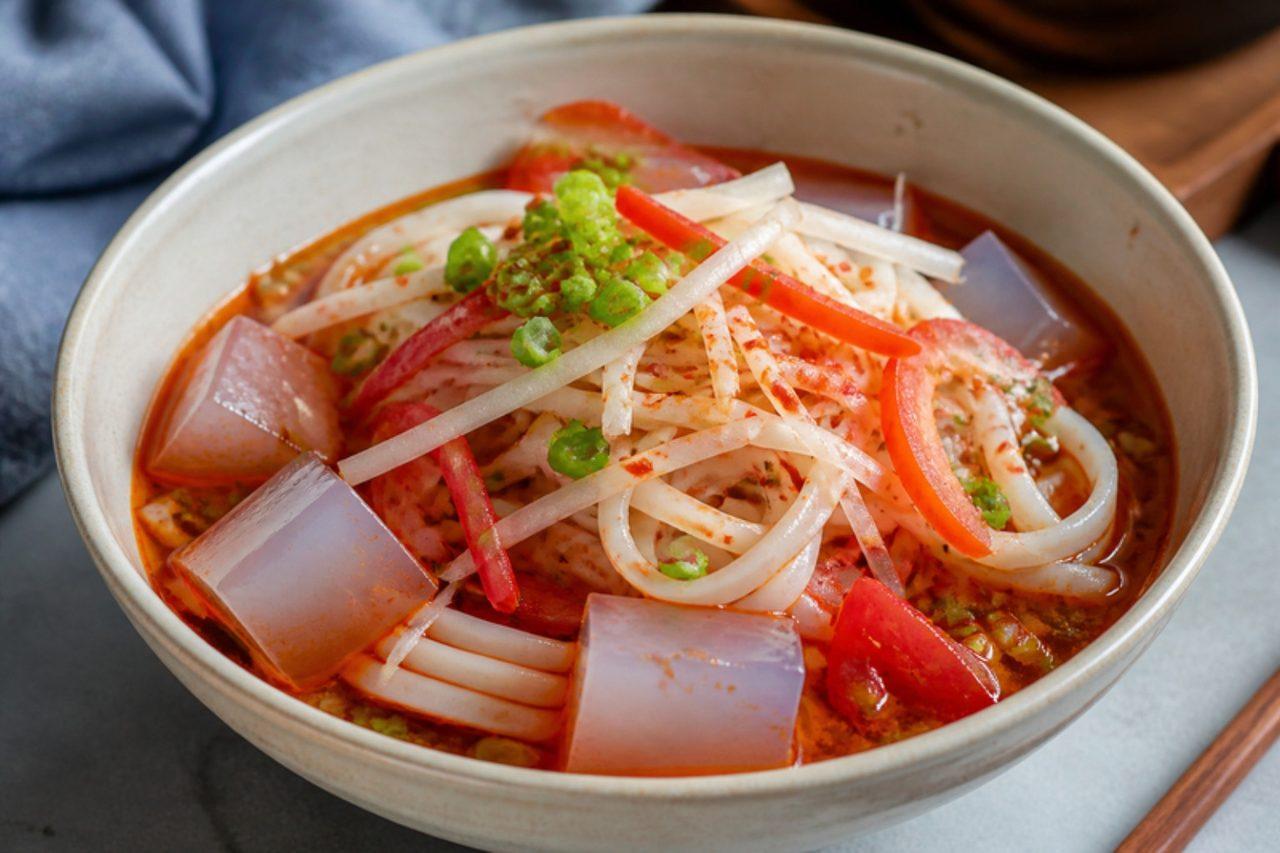
Ashlyan-fuCold noodle soup with starch jelly

Ashlyan-fu is the street food of Karakol, the town on the eastern shore of Kyrgyzstan's Lake Issyk-Kul, brought by Dungan (Hui) families more than a century ago. Locals eat it for lunch on hot days at the 'ashlyan-fu row' near the bazaar: thick wheat noodles and cubes of wobbly starch jelly in a chilled, sour and fiery broth, with a strip of thin omelette, often alongside a fried potato pirozhok. It's eaten all over Kyrgyzstan and southern Kazakhstan now. This version uses a vegetable sauce rather than meat. Chef's tip: everything must be cold; chill the broth and the jelly properly, as lukewarm ashlyan-fu tastes flat.

by KrazyBadal 0 views

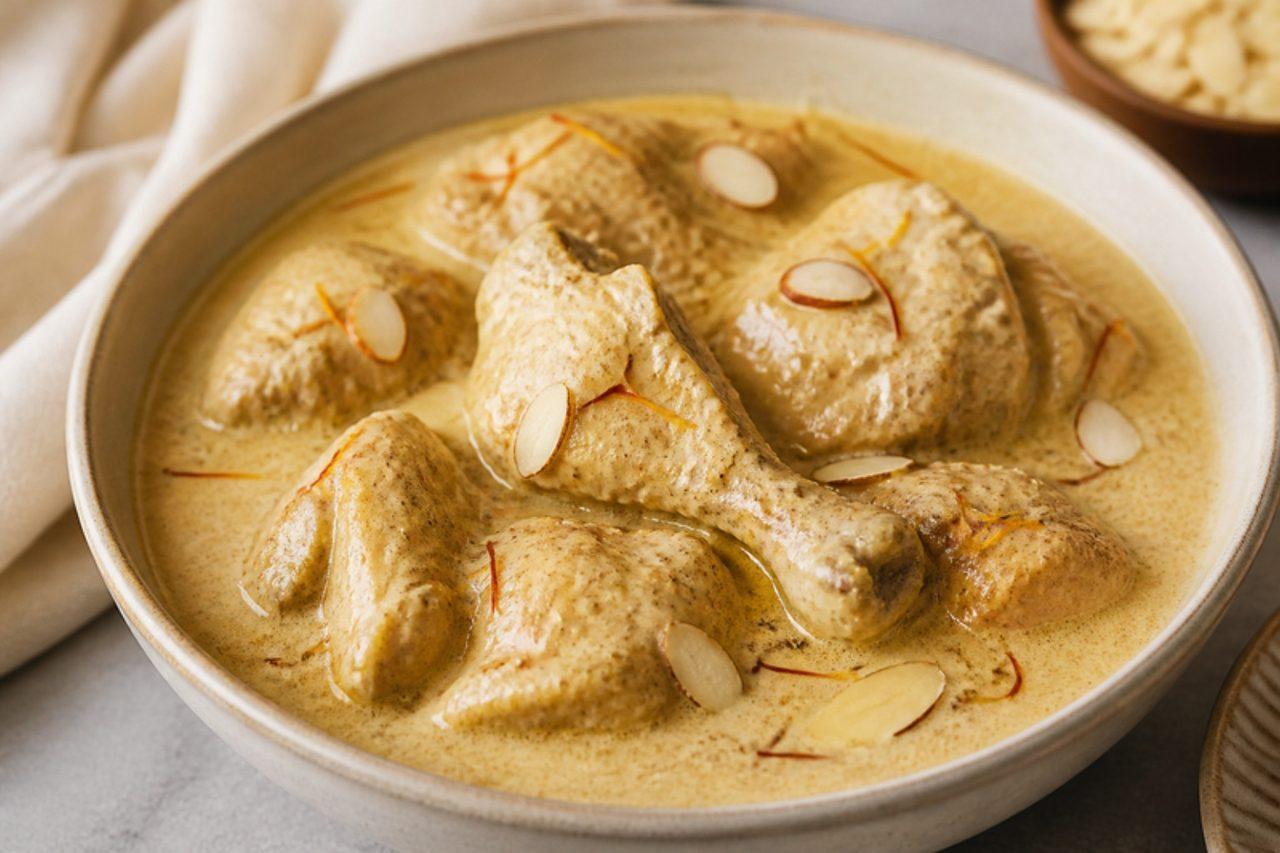
Mughlai chicken korma

In the lanes around the Jama Masjid in Old Delhi, korma is cooked in huge copper degs for Eid and wedding feasts and sold from dawn with khamiri roti and sheermal. It descends from the Mughal court kitchens, where 'korma' meant meat braised slowly in yogurt and its own juices rather than in water. This one is not the mild, pale, coconut-sweet korma of British curry houses: it is golden-brown, fragrant with cardamom and mace, enriched with almond paste and fried onions, and medium-hot. Chef's tip: fry the onions slowly to an even golden-brown and grind them with the yogurt; the browned onion paste is both the colour and the backbone of the sauce.

by KrazyBadal 0 views

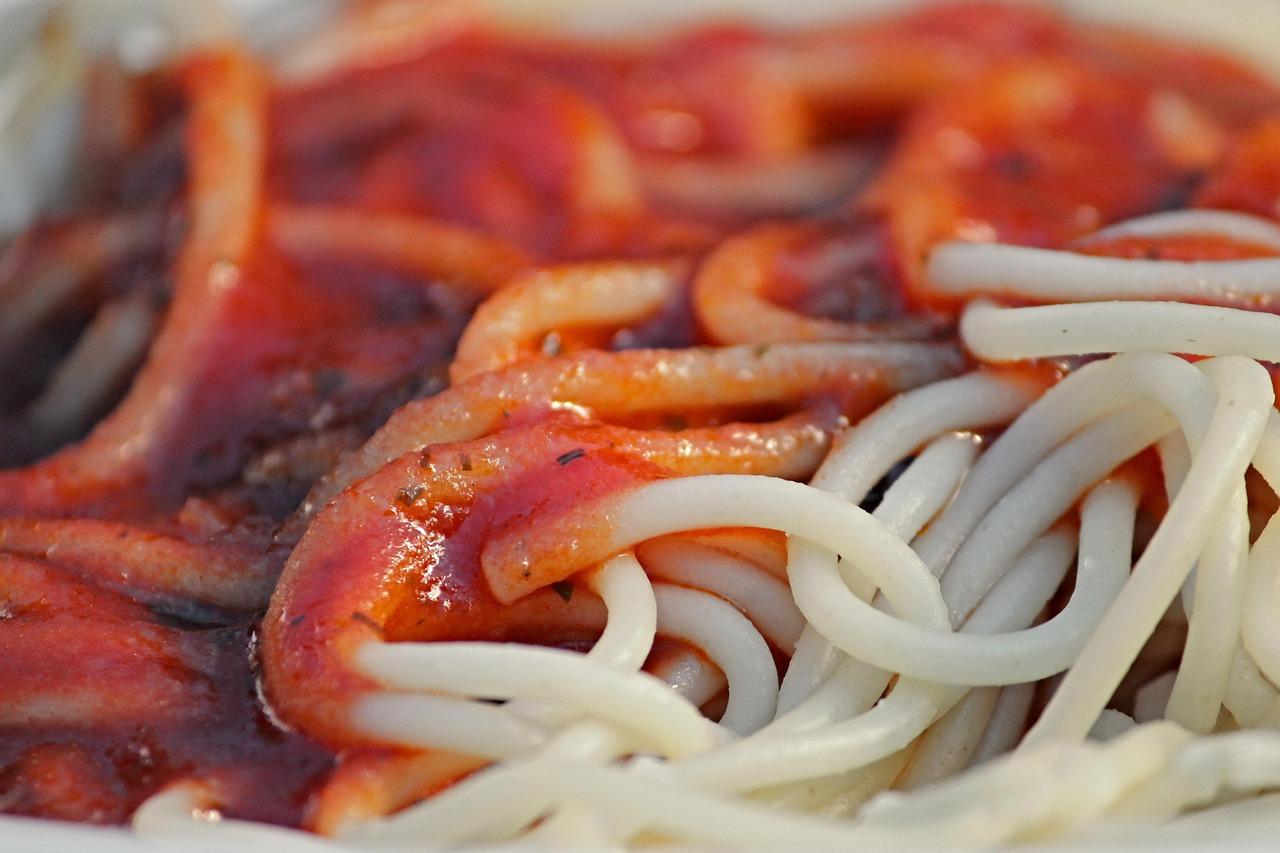
Asmara pasta al sugoSpaghetti in berbere tomato sauce

Pasta is part of everyday life in Asmara, a legacy of the Italian years, and in Eritrean homes and cafés 'pasta al sugo' means spaghetti in a slow tomato sauce warmed with berbere, garlic and plenty of onion. It is eaten on weekdays and after church on Sundays, often with a banana or a green chilli on the side. The usual sauce has minced beef; this one uses finely chopped mushrooms and carrot for the same body. Chef's tip: cook the onions and berbere slowly before the tomato goes in; raw berbere tastes dusty.

by KrazyBadal 0 views

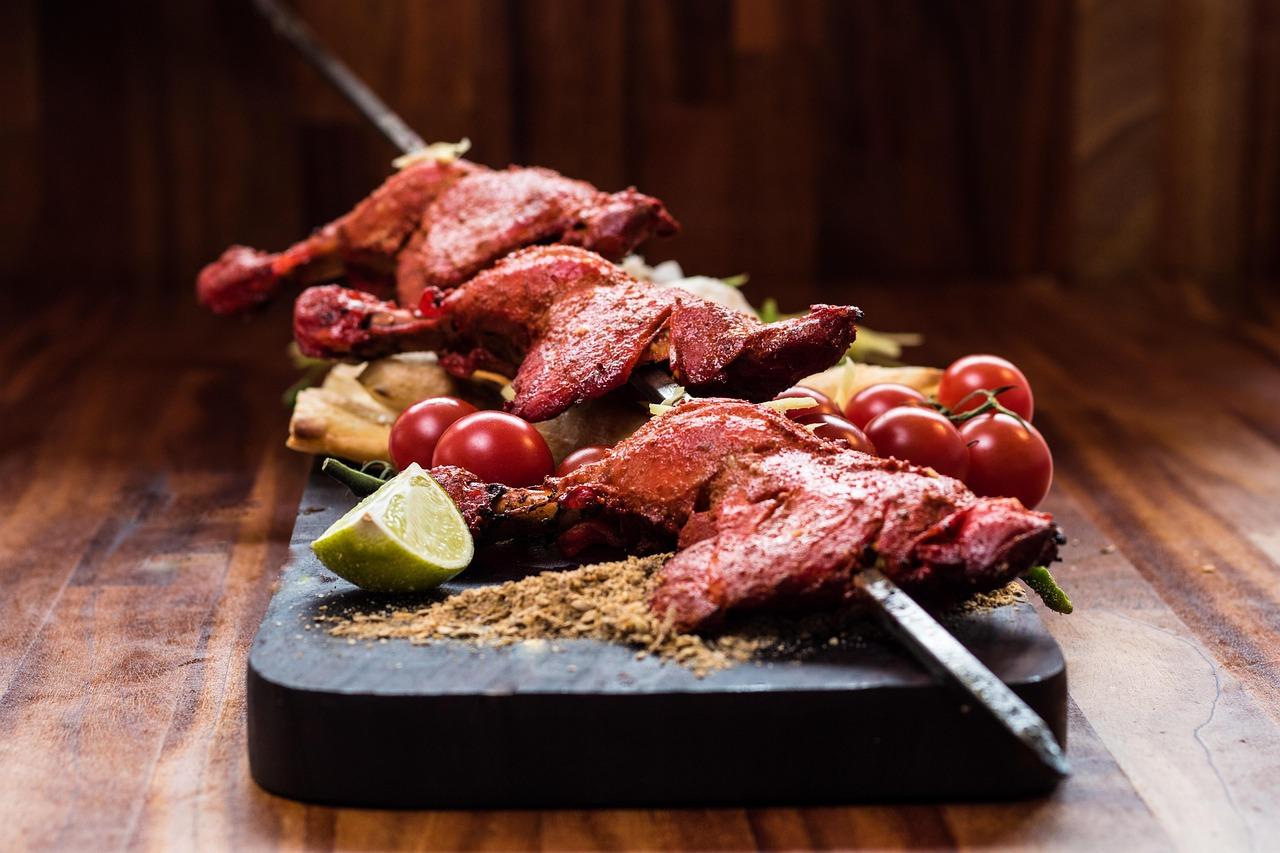
Tandoori chicken

Tandoori chicken comes from Punjab, where clay tandoor ovens fired with wood or charcoal reach well over 400 °C and roast marinated chicken in minutes. In Punjabi dhabas and wedding buffets it arrives on a sizzling plate with raw onion rings, lemon and mint chutney, and it's the starting point for butter chicken. A home oven can't match a tandoor, but a very hot oven plus a final blast under the grill gets you charred edges and juicy meat. The two-step marinade (lemon and salt first, then spiced yogurt) is the key. Chef's tip: cut deep slashes right down to the bone; the marinade gets inside and the thick legs cook through at the same time as the thinner parts.

by KrazyBadal 0 views

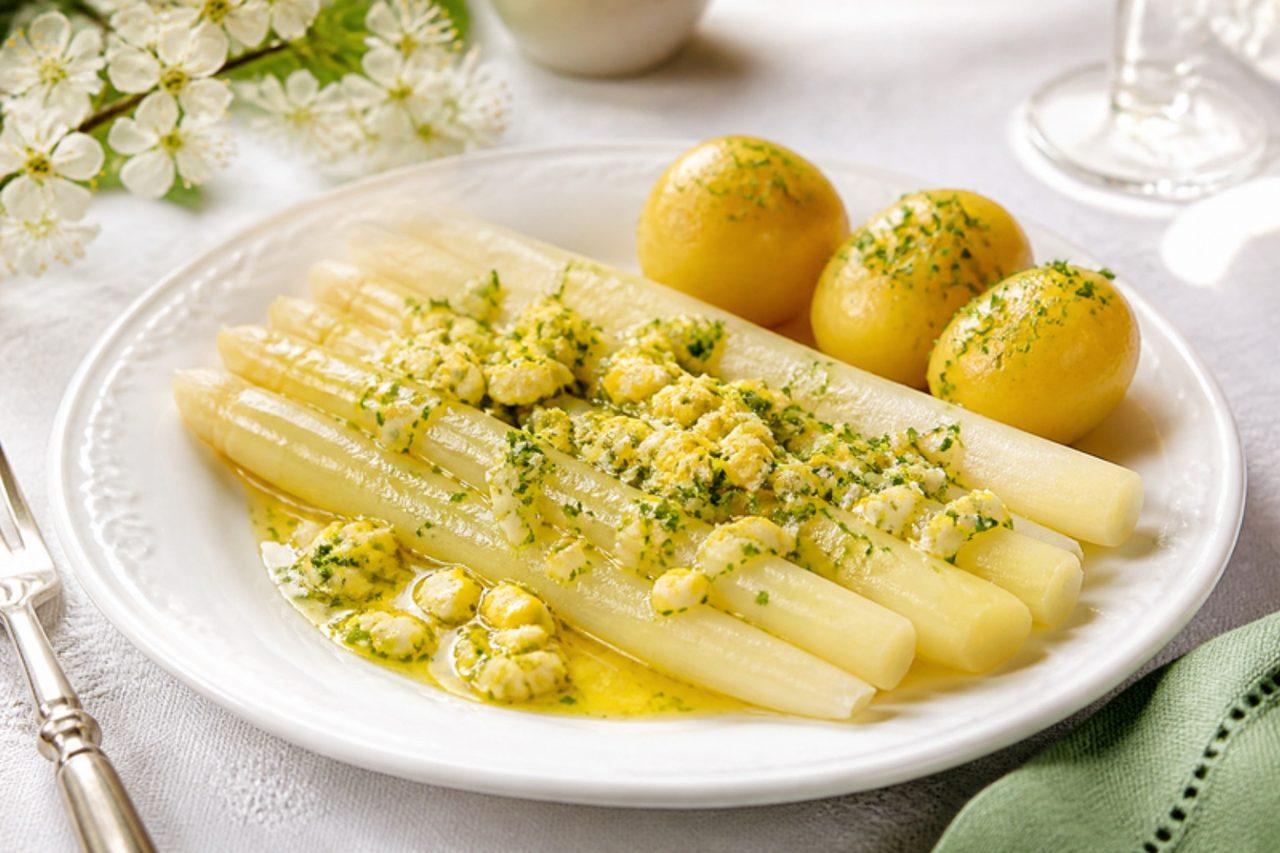
Asperges à la flamandeWhite asparagus with egg and butter

In May and June, white asparagus from Mechelen and the sandy fields around Limburg arrive in Belgian markets, and asperges à la flamande (asperges op Vlaamse wijze) is the way to eat them. The pale spears are peeled and cooked until tender, then covered with a warm sauce of melted butter, chopped hard-boiled egg, parsley and nutmeg that is half sauce and half garnish. It is served as a starter in Flemish restaurants all through the short asparagus season, sometimes with a slice of ham alongside; here it stays meat-free. Chef's tip: peel the spears from just below the tip all the way down with a swivel peeler; white asparagus has a thick, bitter skin, and missing even a strip leaves woody threads.

by KrazyBadal 0 views

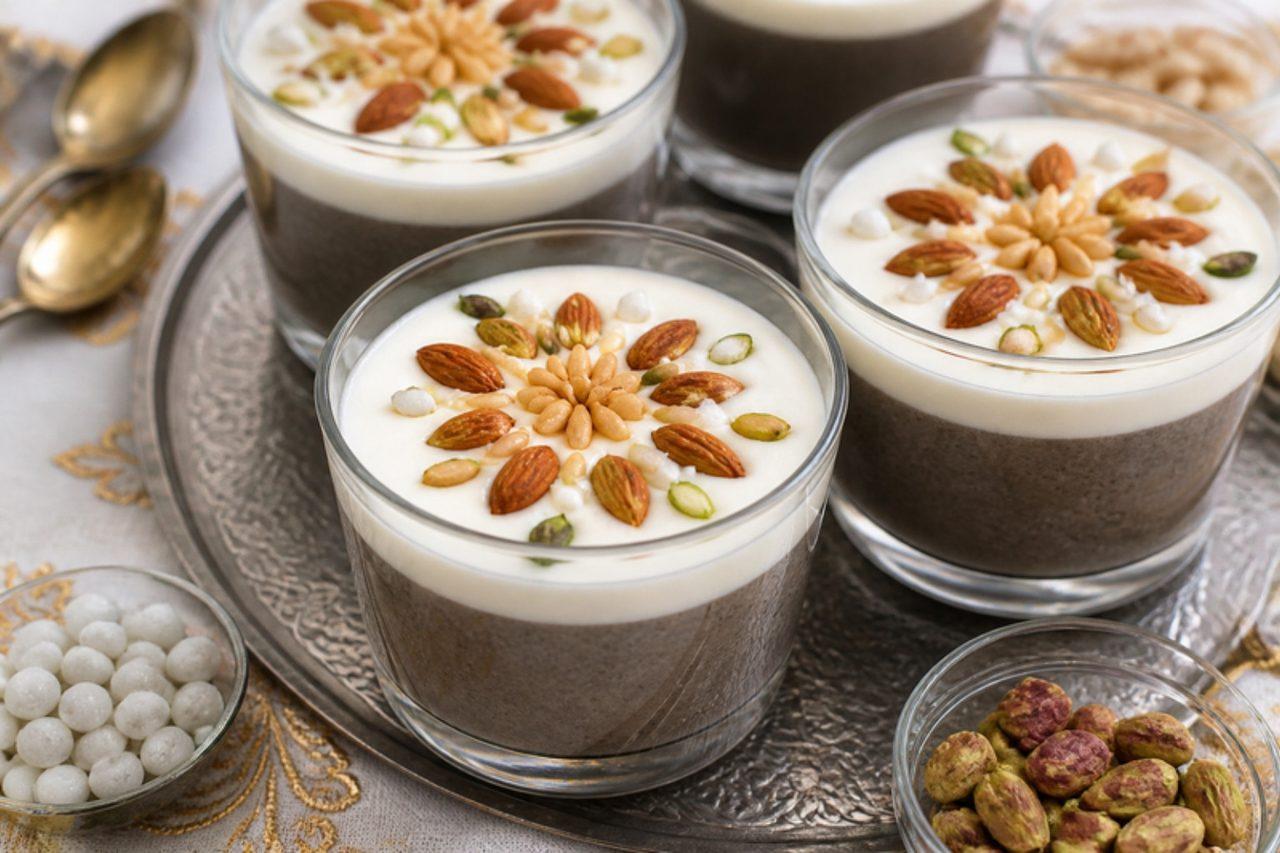
Assida zgougouAleppo pine seed pudding

Assida zgougou is made in Tunisian homes once a year, for the Mouled (the Prophet's birthday): a dark, nutty pudding of Aleppo pine seeds (zgougou) cooked with flour and sugar, topped with a pale vanilla custard and decorated with almonds, pistachios, pine nuts and sugared almonds. Families make dozens of glasses to share with neighbours. Zgougou is sold in Tunisian and North African grocers; ground hazelnuts are a stand-in, though the taste is different. Chef's tip: strain the zgougou liquid through muslin twice; any grit ruins the smooth texture.

by KrazyBadal 0 views

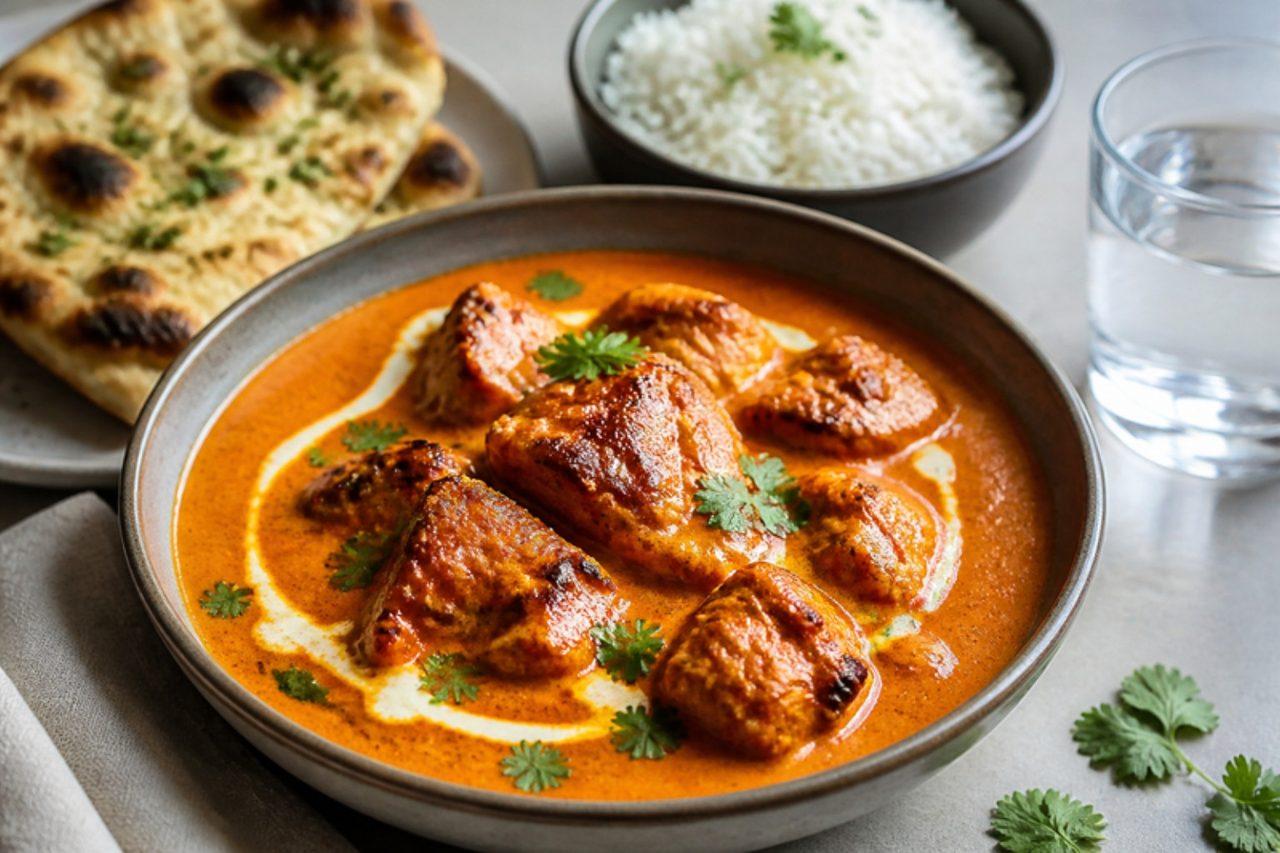
Butter chicken

Butter chicken was born in the Punjabi restaurants of Old Delhi after Partition, when cooks found a way to use up tandoori chicken by simmering it in tomatoes, butter and cream. It is not the same as chicken tikka masala: tikka masala builds its sauce on fried onions and is chunkier and spicier, while makhani gravy has no onion at all, is strained silky-smooth, and gets its gentle sweetness and smoky-savoury note from butter, cashews and dried fenugreek leaves. It is the dish families order for celebrations across Delhi and Punjab, mopped up with butter naan or eaten with jeera rice, and it's mild enough for children. Chef's tip: crush the kasuri methi between your palms right over the pot; that one step is what makes it taste like the restaurant version.

by KrazyBadal 0 views

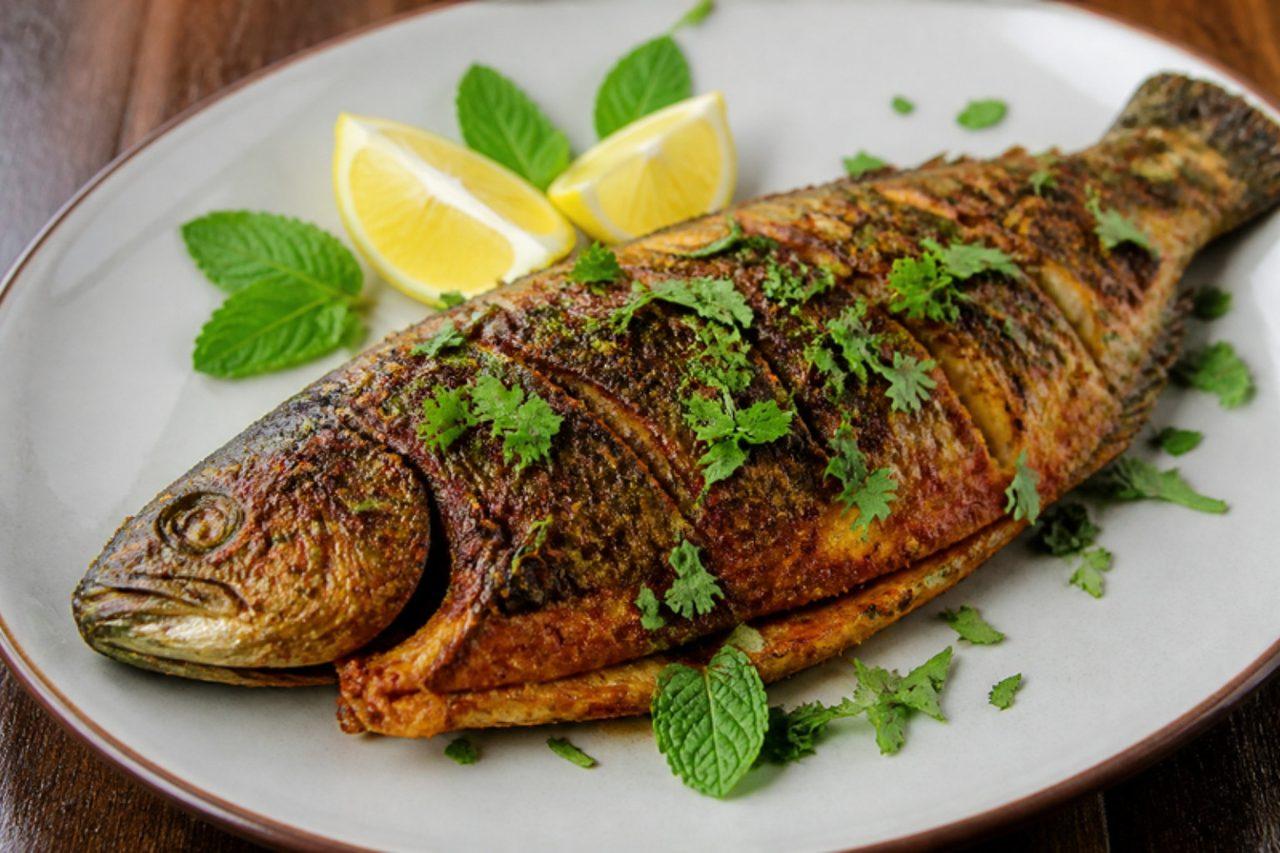
Kullu trout

Rainbow trout were introduced to the cold, fast Beas river over a century ago, and today the farms and roadside dhabas between Kullu and Manali serve it simply: rubbed with lemon and a light masala, then fried whole in a hot pan. It is what travellers stop for on the drive up to the snow, eaten with rice, a green salad and a squeeze of lemon. The spicing is gentle so the clean, sweet flavour of the fish stays in front. Chef's tip: dry the fish very well and leave it alone in the pan for the first few minutes; moving it too early tears the skin, which should come out crisp.

25 minIndianFishGluten free
by KrazyBadal 0 views

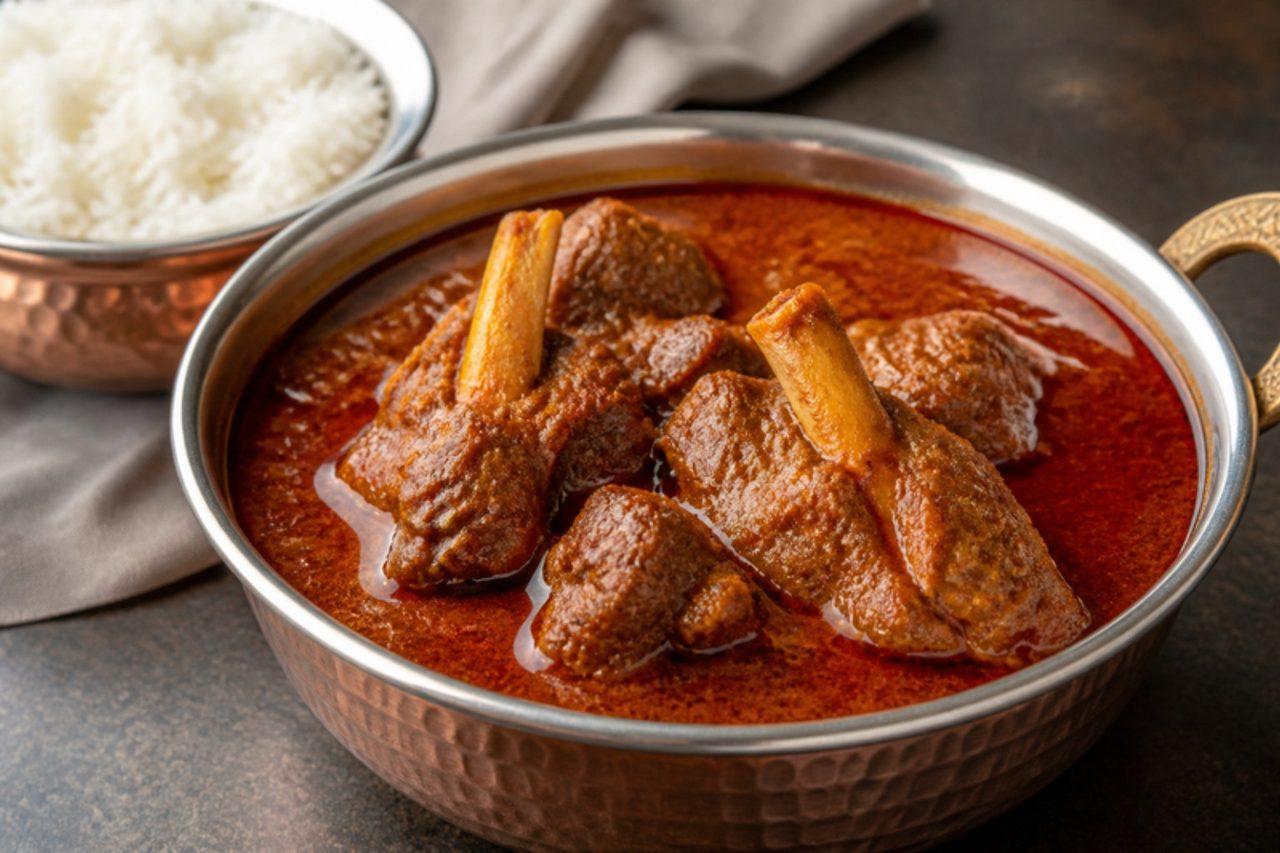
Rogan josh

In the Kashmir Valley this deep-red lamb braise turns up at every wazwan, the multi-course wedding feast cooked by hereditary chefs, and on Sunday tables in Srinagar through the cold months. The Kashmiri Pandit version cooked here uses no onion, garlic or tomato: the colour comes from mild Kashmiri chillies, the warmth from ground fennel and dry ginger, and the body from yogurt cooked down until the fat rises red to the top (that red oil is the 'rogan'). Eat it with plain steamed rice, the Kashmiri way. Chef's tip: use bone-in shoulder or leg and give it time; the bones and slow simmer make the thick, glossy gravy, and boneless meat turns stringy before the sauce is ready.

120 minIndianMeatGluten freeSpicy
by KrazyBadal 0 views

Tobago curry crab and dumpling

On Tobago, curry crab and dumpling is the dish people travel for, eaten with fingers on Sunday afternoons and sold at the Store Bay food huts near Crown Point, where a plate is half the reason to visit. Blue crabs are cleaned, rubbed with green seasoning, 'burnt' in curry and simmered in coconut milk until the shells turn red and the sauce goes rich, spicy and sweet with crab. Long, flat flour dumplings cook right in the gravy and soak it all up. It's messy, so have bowls for shells and plenty of napkins. Chef's tip: crack the claws lightly before they go in the pot, so the curry can get inside and the meat is easy to pull out at the table.

by KrazyBadal 0 views

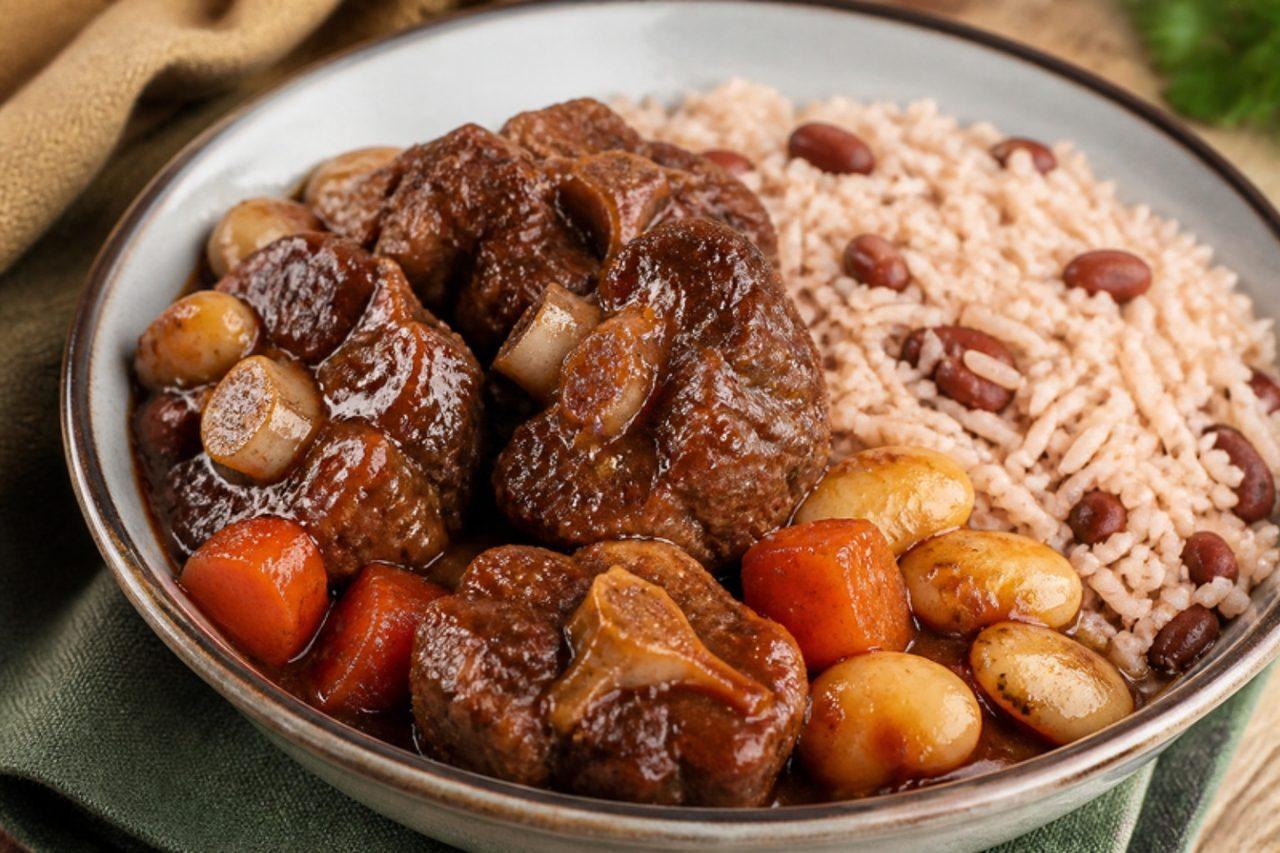
Oxtail with butter beans

Oxtail started out as a cheap cut in Jamaica and is now the Sunday-best dish that cookshops in Kingston sell out of first, and that people across the diaspora queue for on Saturdays. The bony pieces are seasoned overnight, browned hard, then braised slowly for hours with pimento, thyme and whole scotch bonnet until the meat slides off the bone and the gravy turns glossy with gelatine. Butter beans go in near the end to soak up the gravy. Serve with rice and peas, steamed cabbage and fried plantain. Chef's tip: cook it a day ahead, chill, and lift off the hard layer of fat before reheating; the gravy is cleaner and the flavour deeper.

235 minJamaicanMeat
by KrazyBadal 0 views

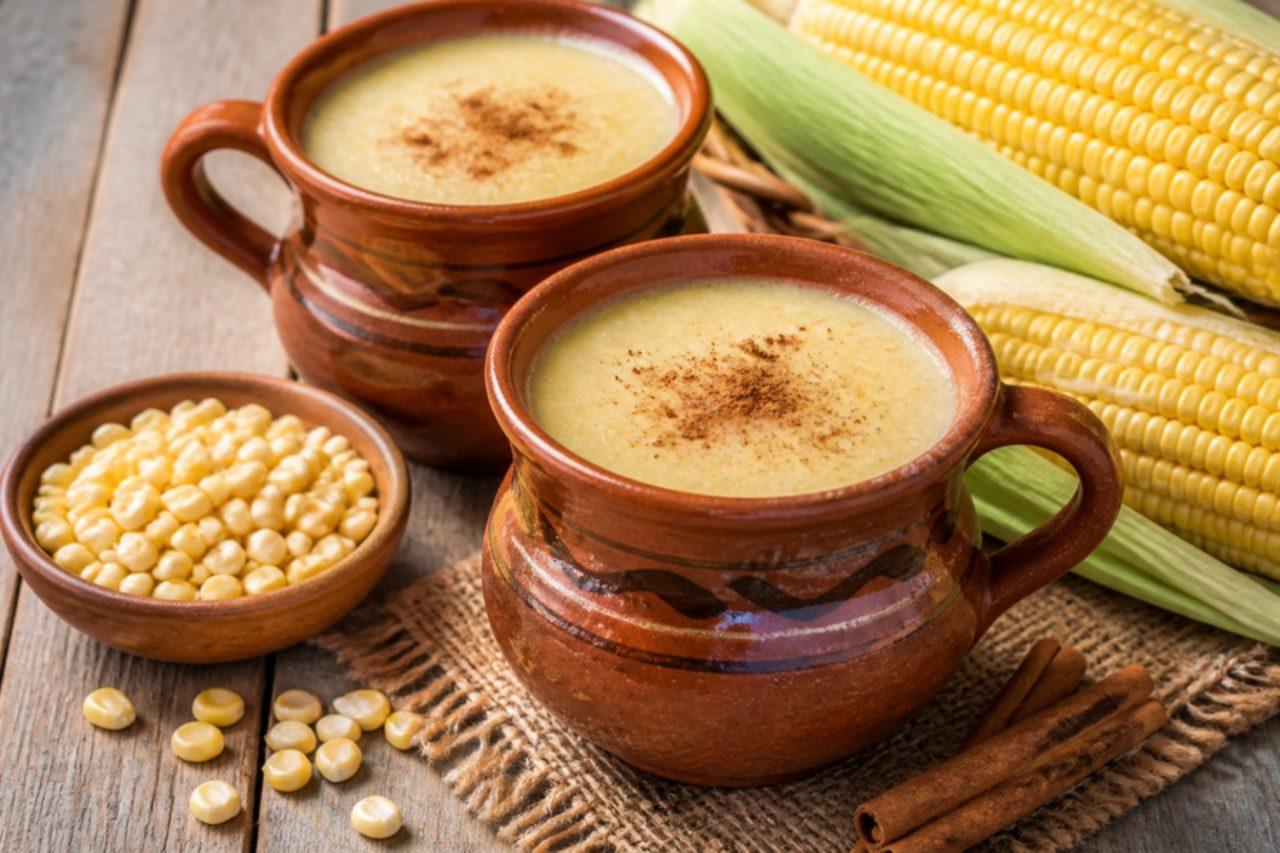
Atol de eloteWarm fresh corn drink

When the new maize comes in, Central Americans drink their corn: atol de elote is fresh sweetcorn blended, strained and cooked with milk and cinnamon into a thick, pale-yellow drink, sipped from a cup or a gourd. In El Salvador it's sold at roadside stands with tamales de elote; in Guatemala it warms chilly highland evenings. Taste is like sweet corn custard you can drink. Chef's tip: strain the blended corn through a fine sieve and press hard; the skins make the drink gritty.

by KrazyBadal 0 views

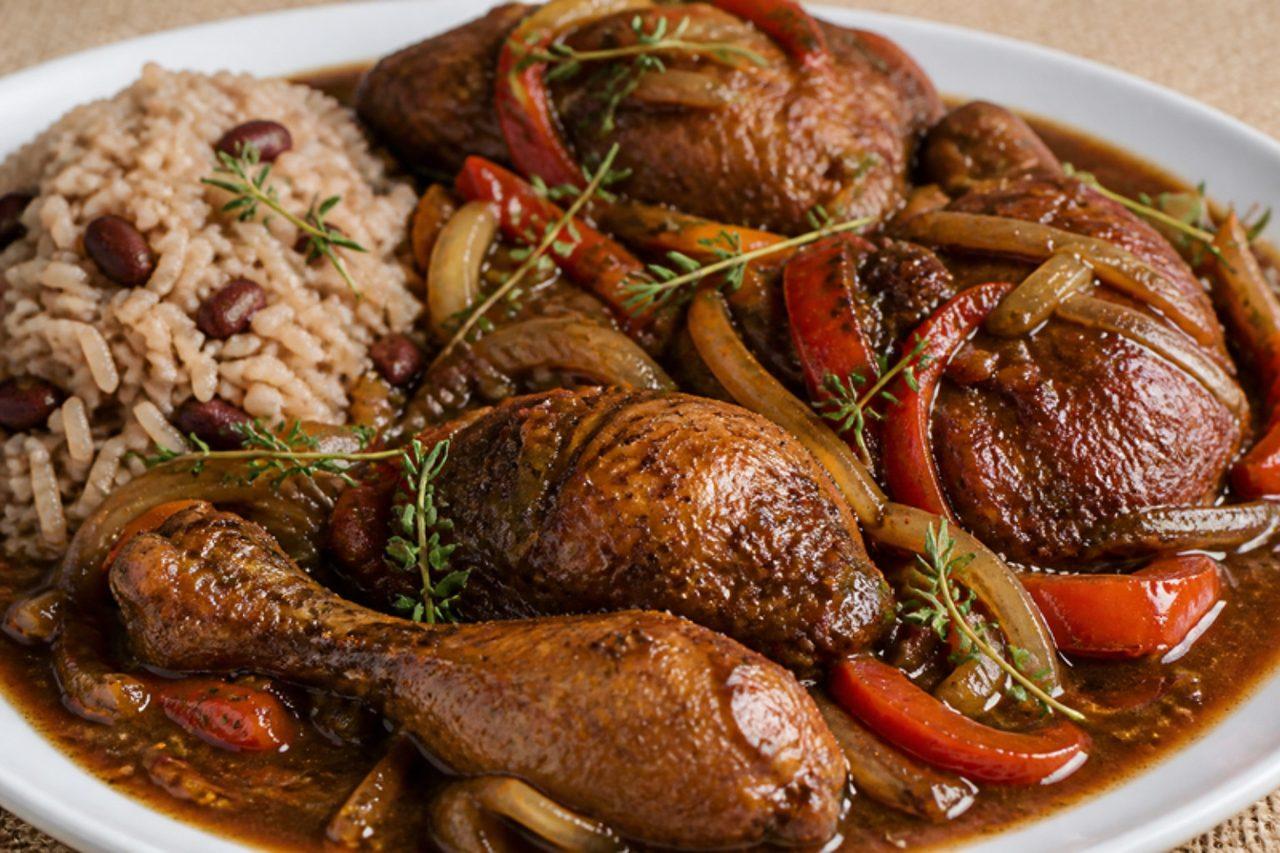
Brown stew chicken

Ask a Jamaican what was on the table for weekday dinner growing up and brown stew chicken will be near the top of the list, served at home and at every cookshop from Montego Bay to Spanish Town. The deep colour comes from 'browning': sugar caramelised in hot oil until it is dark, then the seasoned chicken is turned in it so every piece takes on a mahogany coat. Peppers, onion, tomato and thyme simmer down into a sticky, savoury gravy that begs for a pile of white rice, rice and peas or boiled dumplings. Chef's tip: season the chicken the night before and dry each piece well before it goes into the caramel; wet chicken spits violently and won't take on that deep brown colour.

by KrazyBadal 0 views

Attiéké with tomato and onionCassava couscous with tomato salad

Attiéké is the light, slightly sour cassava 'couscous' of the Ébrié and Adjoukrou peoples around Abidjan's lagoons, and it is eaten across Côte d'Ivoire every day of the week. In maquis (open-air restaurants) it comes heaped beside grilled fish with a raw salad of tomato, onion and chilli; at home many people eat it simply with that salad, fried plantain and a fried egg, which is how it is served here. Buy it frozen or dried in African shops. Chef's tip: steam attiéké rather than boiling it; water turns it to paste, while steam keeps the grains fluffy and separate.

by KrazyBadal 0 views

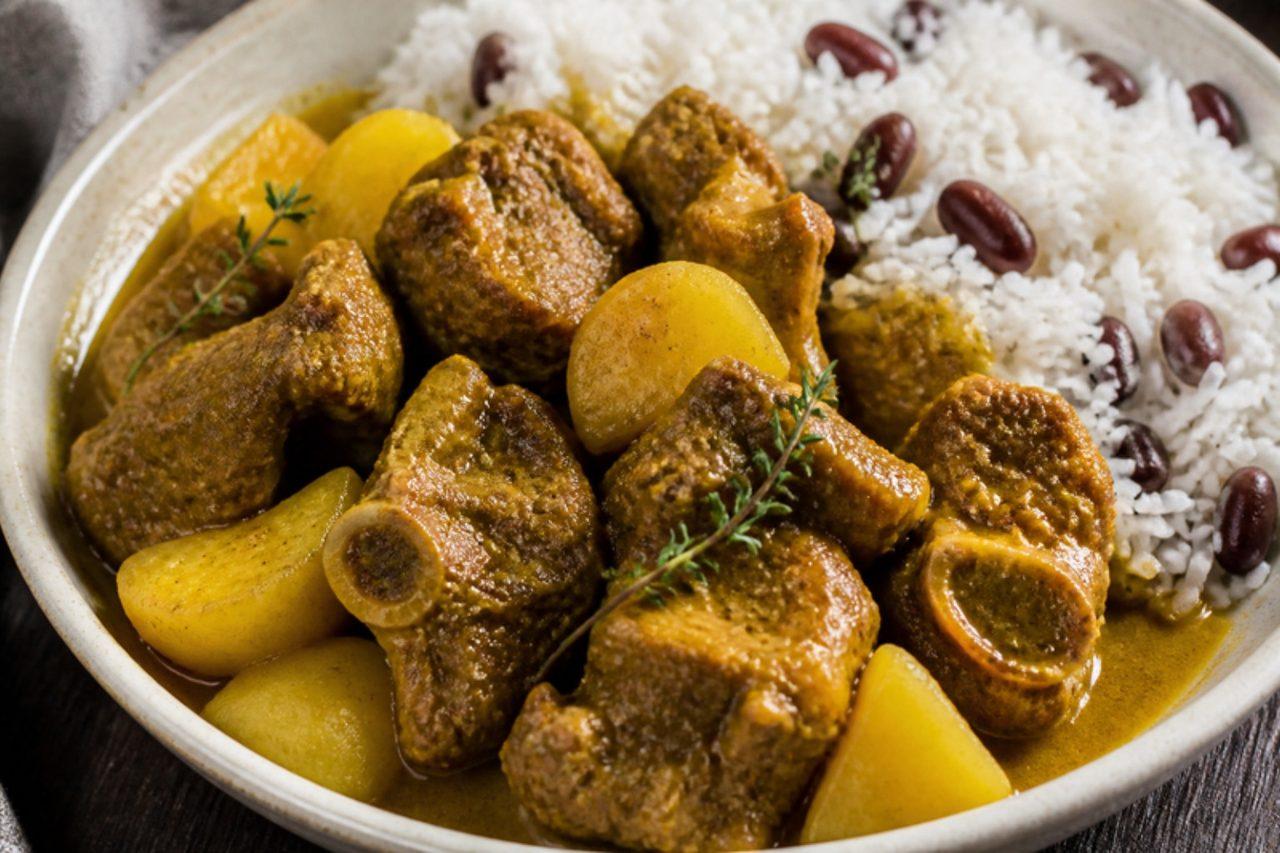
Jamaican curry goat

No Jamaican wedding, nine-night or big Sunday family lunch is complete without a pot of curry goat, often cooked outdoors in a huge pot by whoever has the steadiest hand with the seasoning. It came to the island with Indian indentured workers in the 1800s and became fully Jamaican with scotch bonnet, pimento and thyme. The bone-in pieces are seasoned overnight, browned with the curry powder until it darkens, then simmered for a couple of hours into a rich, brick-yellow gravy with soft potatoes that thicken it. Serve with white rice or rice and peas and a little fried plantain. If you can't find goat, bone-in mutton or lamb shoulder works the same way. Chef's tip: 'burn' the curry first; fry the curry powder in hot oil for a minute until it darkens and smells toasty before the meat goes in, and the gravy will never taste raw or chalky.

by KrazyBadal 0 views

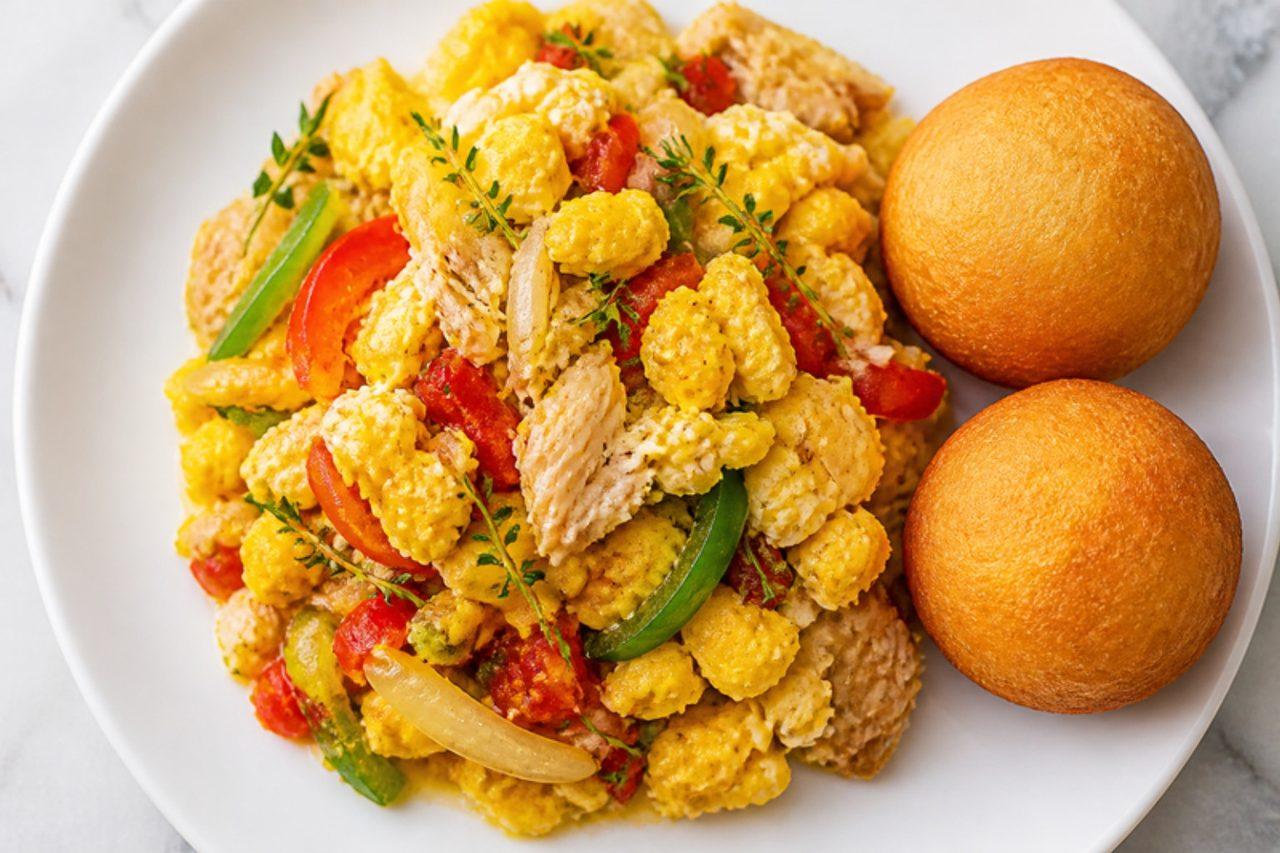
Ackee and saltfish

On a Jamaican Sunday morning, from Kingston yards to country kitchens in St Mary, the smell of salt cod frying with onion, thyme and scotch bonnet means breakfast is nearly ready. The ackee itself is a red tree fruit whose cream-coloured flesh cooks up soft and mild, a lot like scrambled egg, and it soaks up the salty fish and peppery oil around it. It is eaten with fried dumplings, boiled green banana, roast breadfruit or hard dough bread, and is just as welcome at lunch. A note on safety: ackee is only safe when the pod has ripened on the tree and opened by itself, and the black seeds and pink membrane are removed. Outside Jamaica, tinned ackee is the safe, easy choice and is what this recipe uses. Chef's tip: soak the saltfish overnight and then boil it once; taste a flake before it goes in the pan, because you can always add salt but you can't take it out.

by KrazyBadal 0 views

Showing 18 of 7,762 recipes

Show more recipes

Page 633 of 863