


Skip to content
Tequeños
Featured recipe

Tequeños

Fried cheese sticks

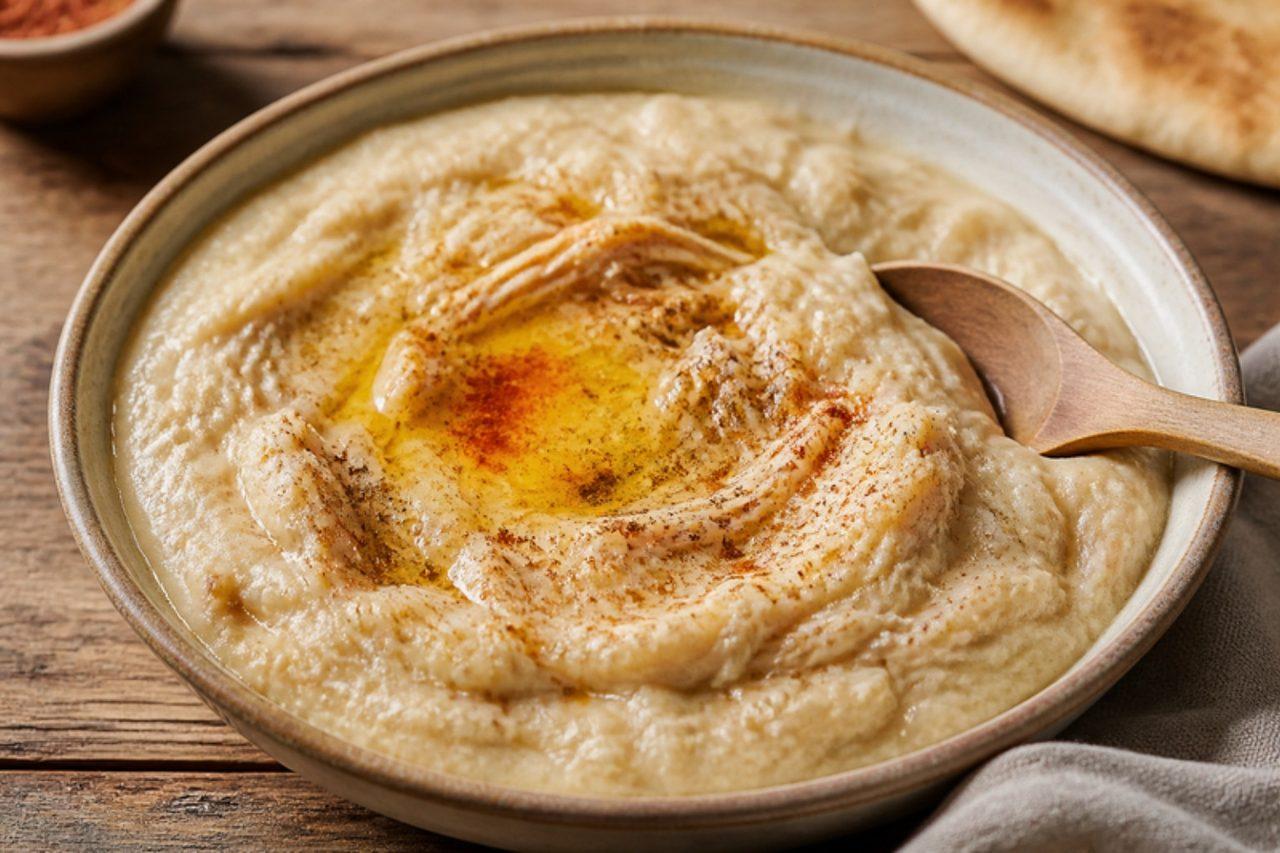
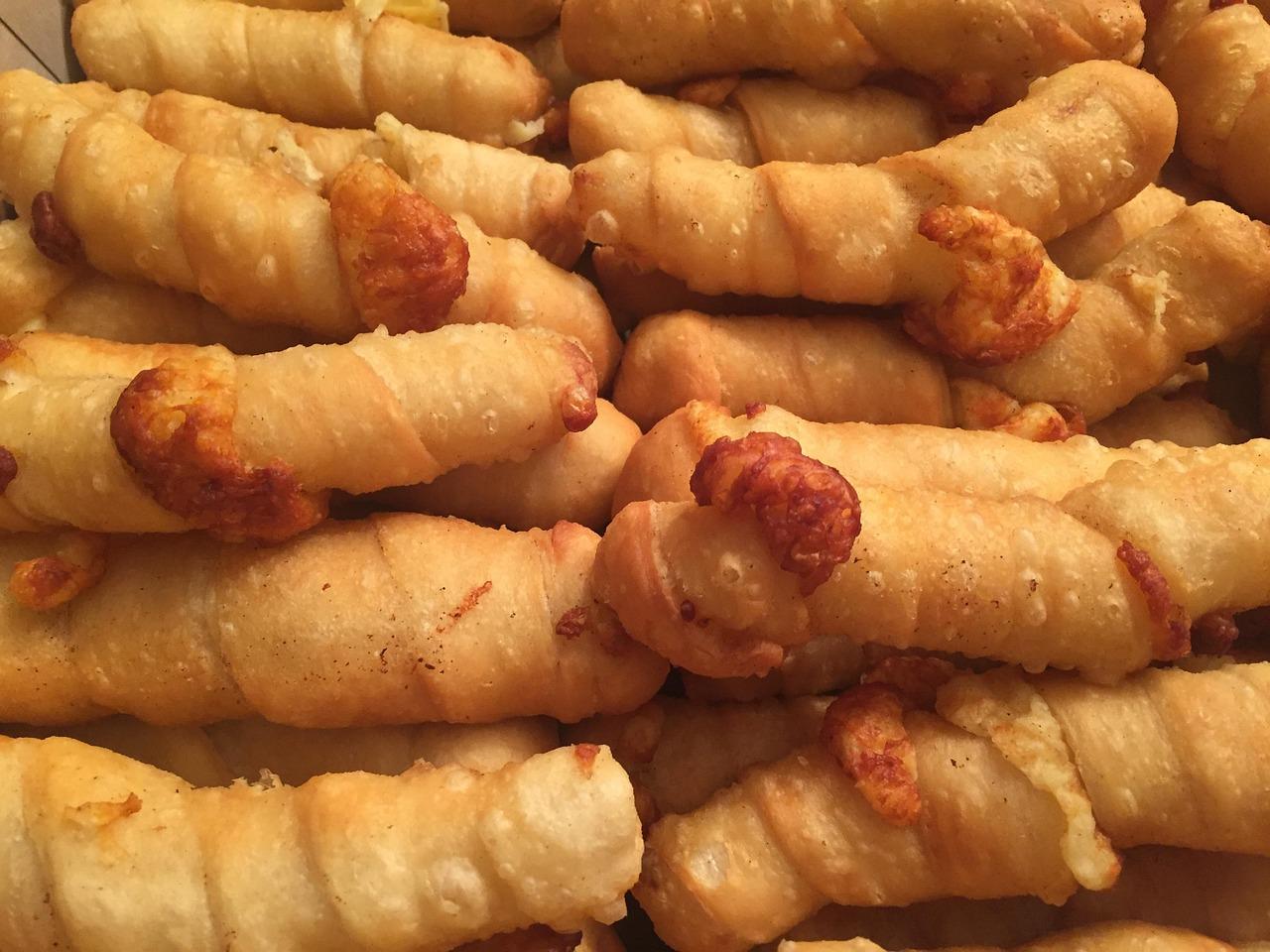
Tequeños are said to come from Los Teques, the town in the hills outside Caracas, and they are the party food of Venezuela: no birthday, wedding or office celebration is without a tray of these crisp pastry fingers wrapped around salty white cheese. The dough is spiralled around the cheese, then fried so the pastry is crunchy and the cheese just starts to melt. Serve with guasacaca (avocado sauce) or a sweet chilli dip. Use a cheese made with vegetarian rennet. Chef's tip: overlap each spiral of dough slightly and seal the ends well, or the cheese escapes into the oil.

Read more 0 views

What to eat today?

Around the world

Today's trip: Paraguayan

A new country every day, from every cuisine on the site.

Paraguayan

Buñuelos de algas

Sea lettuce fritters 35 minMore from Paraguayan (27) →

This week's collection

Kid-friendly dinners
537 recipes · a new collection every Monday

Latest recipes

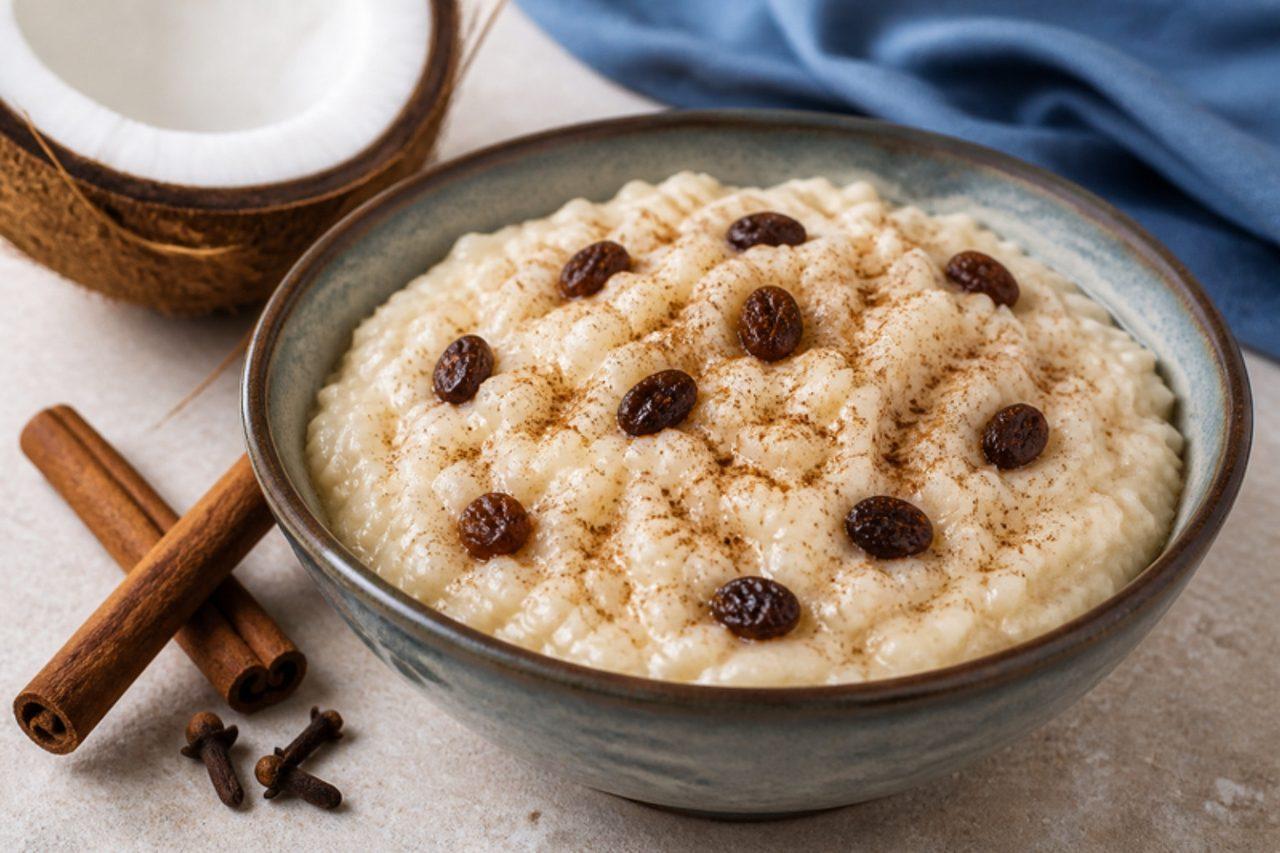
Nicaraguan arroz con cocoCoconut rice pudding

On Nicaragua's Caribbean coast, around Bluefields and the Corn Islands, coconut is in almost everything, and arroz con coco is a sweet spoon dessert rather than a side dish. Rice is simmered in fresh coconut milk with cinnamon, a clove or two and raisins until creamy and thick, then served warm or chilled, often after lunch or at Christmas. It's lighter and more fragrant than a milk rice pudding and naturally dairy free. Chef's tip: stir the coconut milk in two stages; adding it all at once at the start makes the fat split and the rice greasy.

by KrazyBadal 0 views
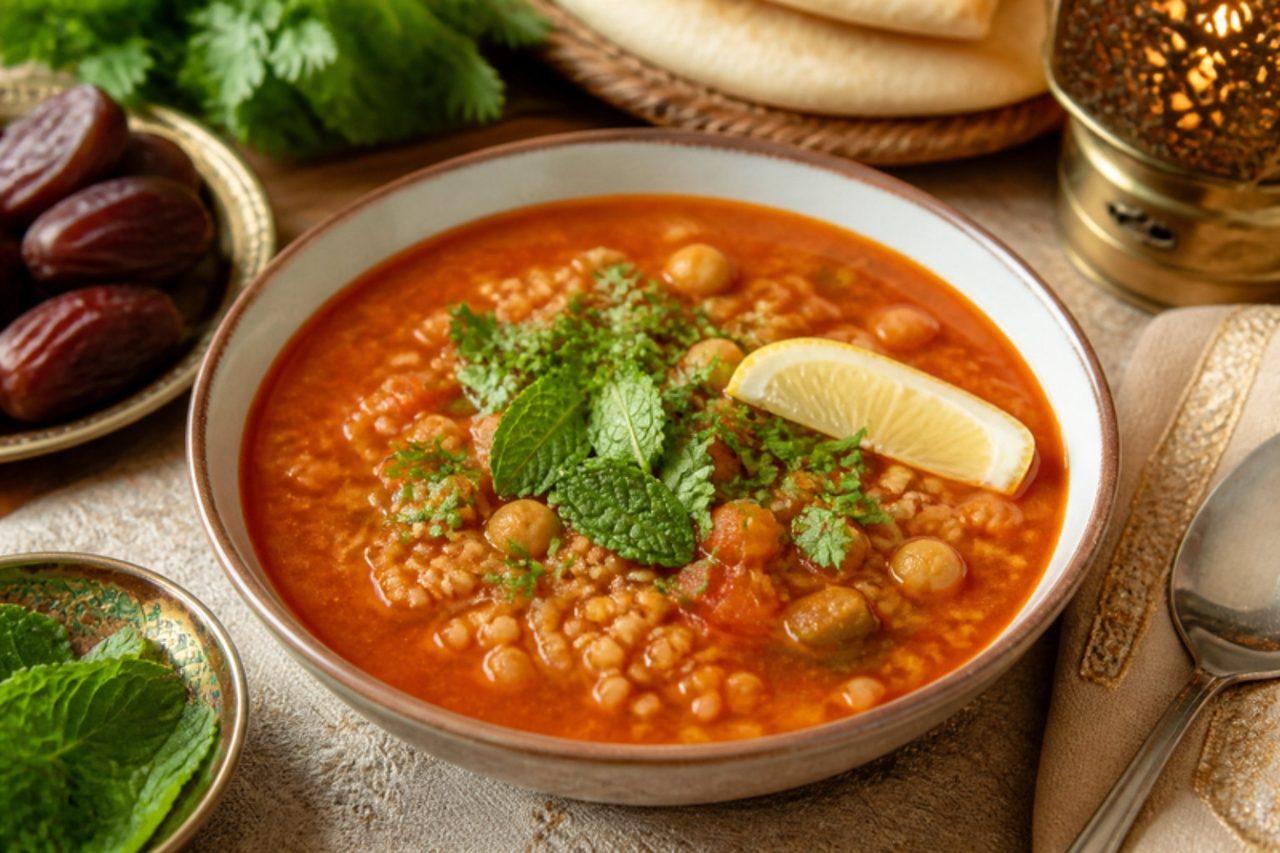
Vegetable chorba frikTomato soup with green wheat

Chorba frik is the soup that breaks the fast in Algerian homes every evening of Ramadan, from Algiers to Constantine, and it is just as common in Libya as shorba. Frik is young green wheat, roasted and cracked, which gives the tomato broth a smoky, nutty depth. It usually cooks with lamb; here chickpeas, celery and courgette carry it. Serve with lemon wedges and bread. Chef's tip: add the frik only once the broth is boiling and stir for the first minute, or it sinks and sticks.

by KrazyBadal 0 views

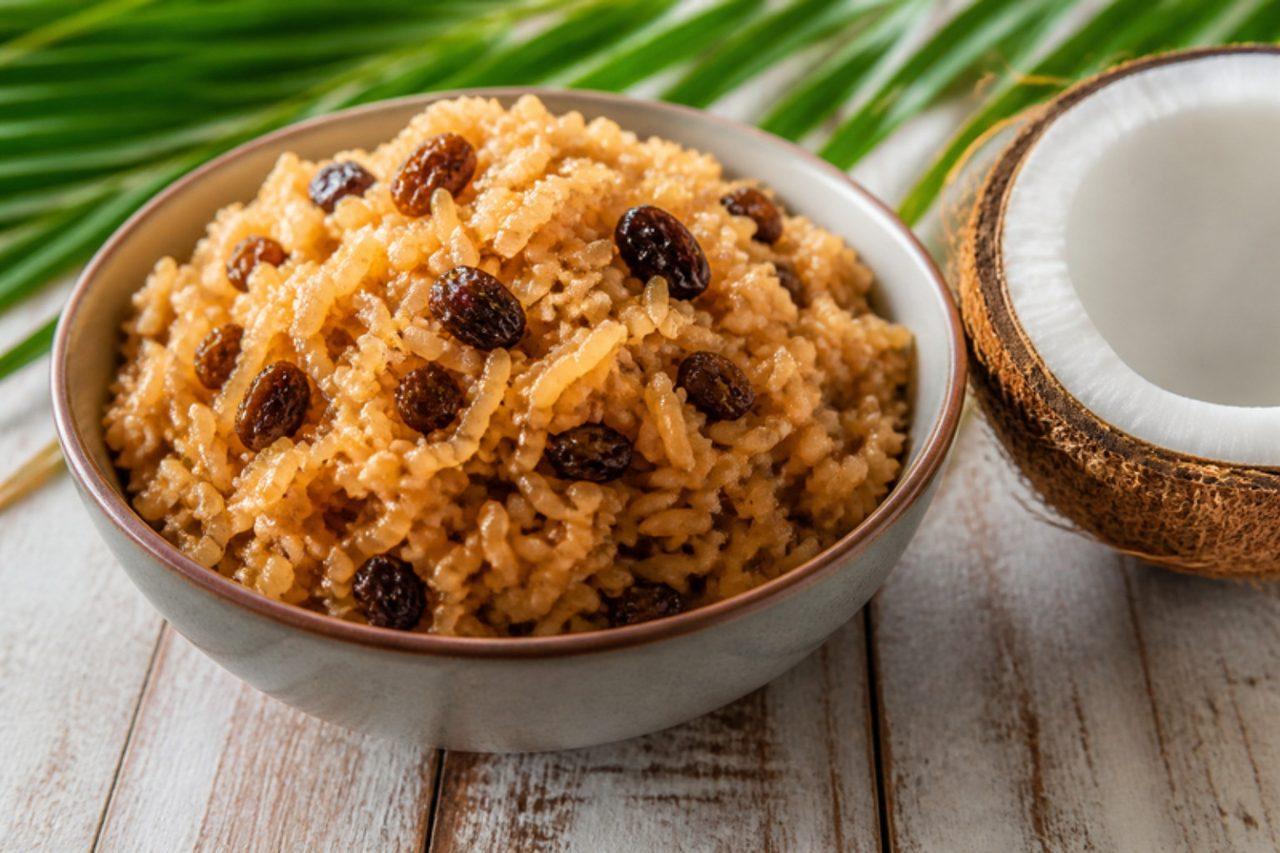
Arroz con cocoCaramelised coconut rice

Along Colombia's Caribbean coast, in Cartagena and Santa Marta, arroz con coco is the rice served with fried fish and patacones; it pairs just as well with beans, fried plantain and salad. The dark version, arroz con coco titoté, comes from cooking coconut milk down until the oil separates and the solids fry into brown, toasty flecks (titoté), then adding the rice with a little sugar and raisins. The result is nutty, sweet-savoury and light brown. Chef's tip: be patient with the titoté; it only tastes right once the bits are deep brown, but take it off the moment they turn the colour of coffee or it will be bitter.

by KrazyBadal 0 views

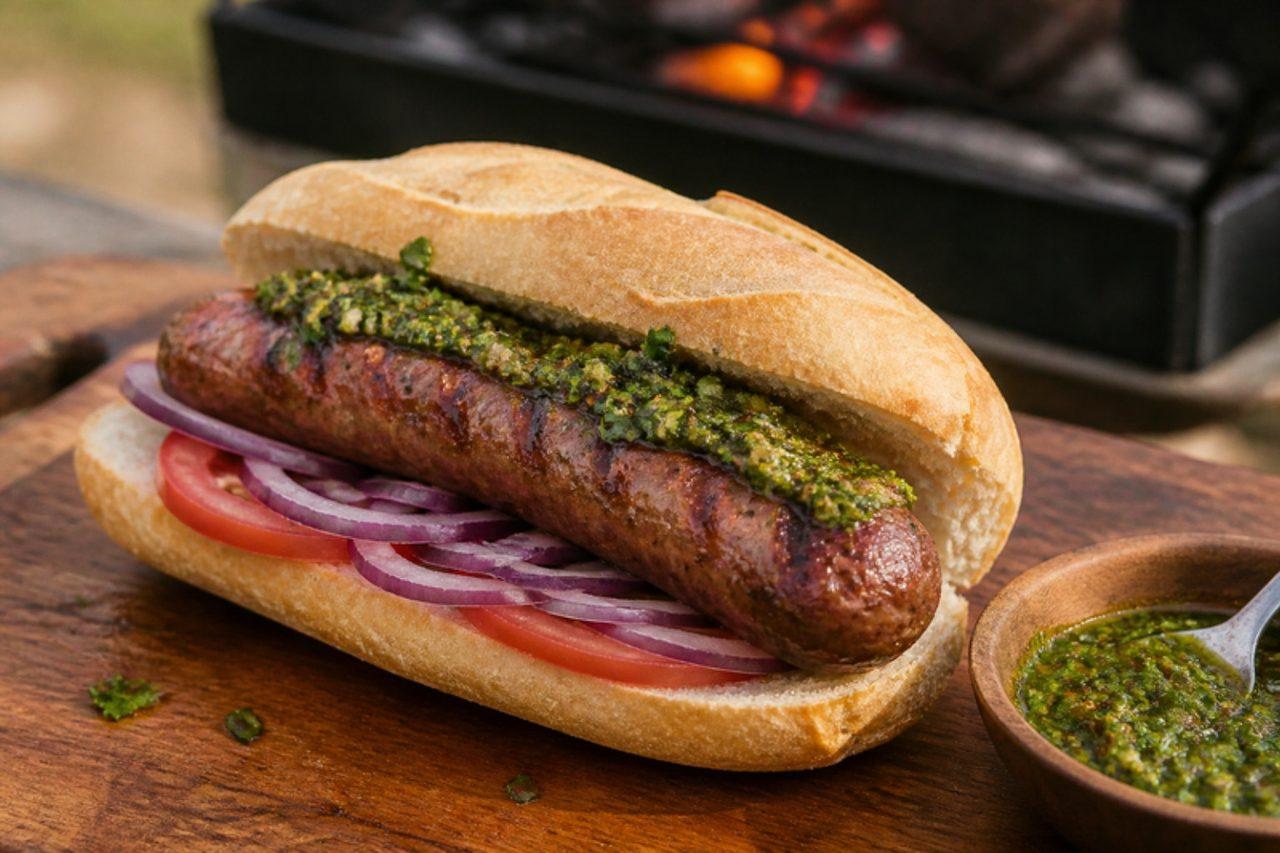
ChoripánChorizo sandwich

Choripán is what fans buy outside football stadiums in Buenos Aires, what the asador hands round while the beef is still cooking, and what stalls sell along Costanera Sur on a Sunday afternoon. This is a pork dish: a fat Argentine-style fresh chorizo (pork, sometimes mixed with beef) is grilled slowly, split open (a mariposa) and tucked into a crusty roll with chimichurri or salsa criolla. That's it, and it doesn't need more. The common mistake is grilling the chorizos too hot, so the skins burst and the centre stays raw; low and slow is the rule. Chef's tip: once cooked, split each chorizo lengthways and give the cut sides 1 minute on the grill so they char a little.

by KrazyBadal 0 views

Ohn no khao swe with tofuCoconut noodle soup with tofu

Ohn no khao swe is the comforting coconut noodle soup that Burmese families serve for weekend lunches and for crowds at donation feasts, especially around Mandalay and Yangon. Wheat noodles sit in a rich, mildly spiced coconut broth thickened with chickpea flour, and everyone adds their own toppings: lime, sliced raw onion, chilli flakes, coriander and crispy fried noodles. It's normally made with chicken; tofu and chickpeas take its place here. Chef's tip: stir the coconut milk in at the end and keep it at a gentle simmer; a hard boil makes the coconut split and turn oily.

by KrazyBadal 0 views

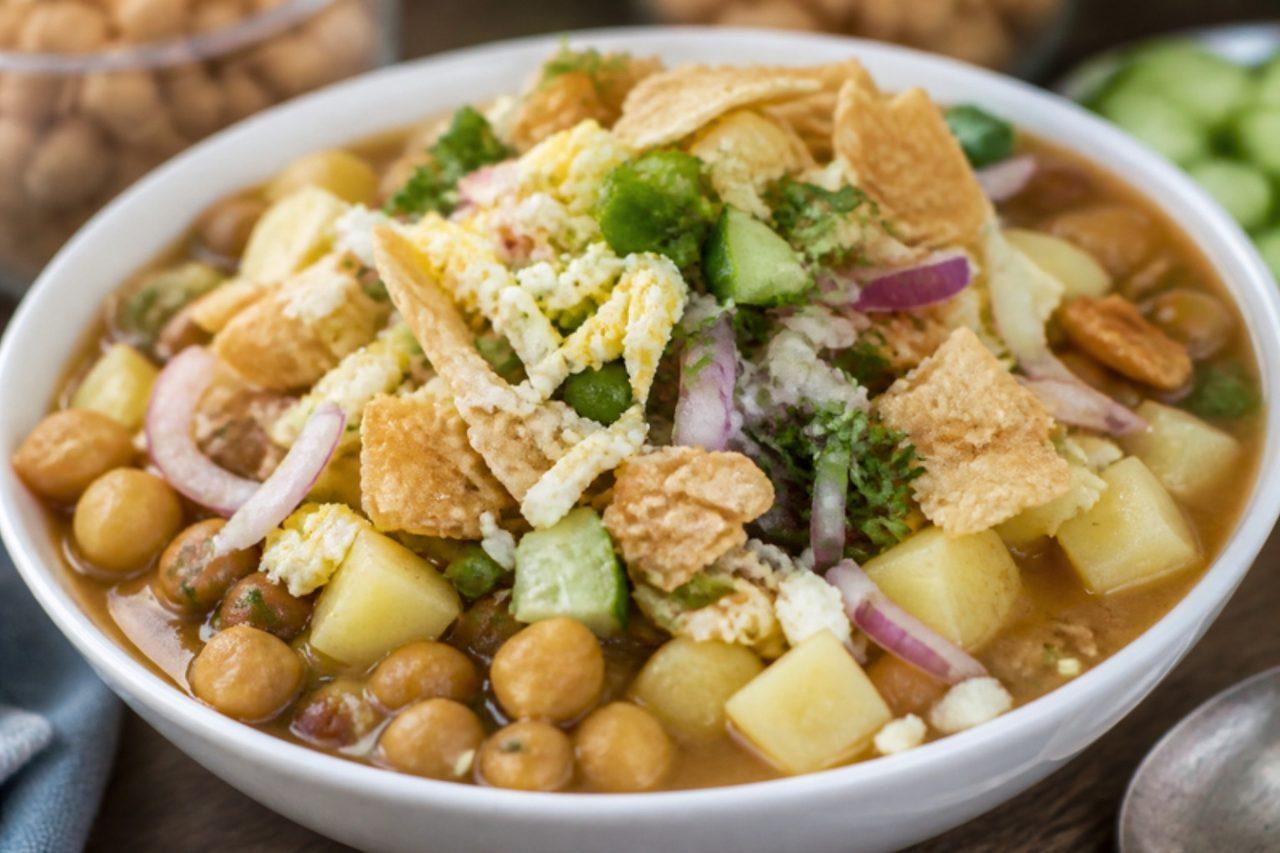
ChotpotiSpiced yellow pea snack

Chotpoti is what Dhaka eats at dusk: vendors ladle it from great brass pots at Dhanmondi Lake and outside every university gate, and during Ramadan it is a fixture of the iftar spread. Dried yellow peas (motor) are simmered with potato until soft and slightly soupy, then served warm under a shower of raw onion, green chilli, grated boiled egg, crushed fuchka shells, roasted cumin and plenty of sour tamarind water. Chef's tip: soak the peas overnight and cook them until some burst and thicken the liquid; chotpoti should be spoonable, halfway between a stew and a salad.

by KrazyBadal 0 views

Hawaiian tofu pokeMarinated tofu bowl

Poke (say 'POH-keh', meaning 'to cut into pieces') is Hawaii's everyday snack: in local markets and at the deli counters of Honolulu, raw cubed fish is tossed with soy, sesame oil, sweet Maui onion, seaweed and inamona (roasted candlenut). Tofu poke has become a standard option at those same counters, and it's how this recipe is written; the original uses raw tuna (ahi) instead of tofu. Serve it as a pūpū (snack) or over rice. Chef's tip: press the tofu well and dry it; firm, dry cubes soak up the dressing instead of watering it down.

by KrazyBadal 0 views

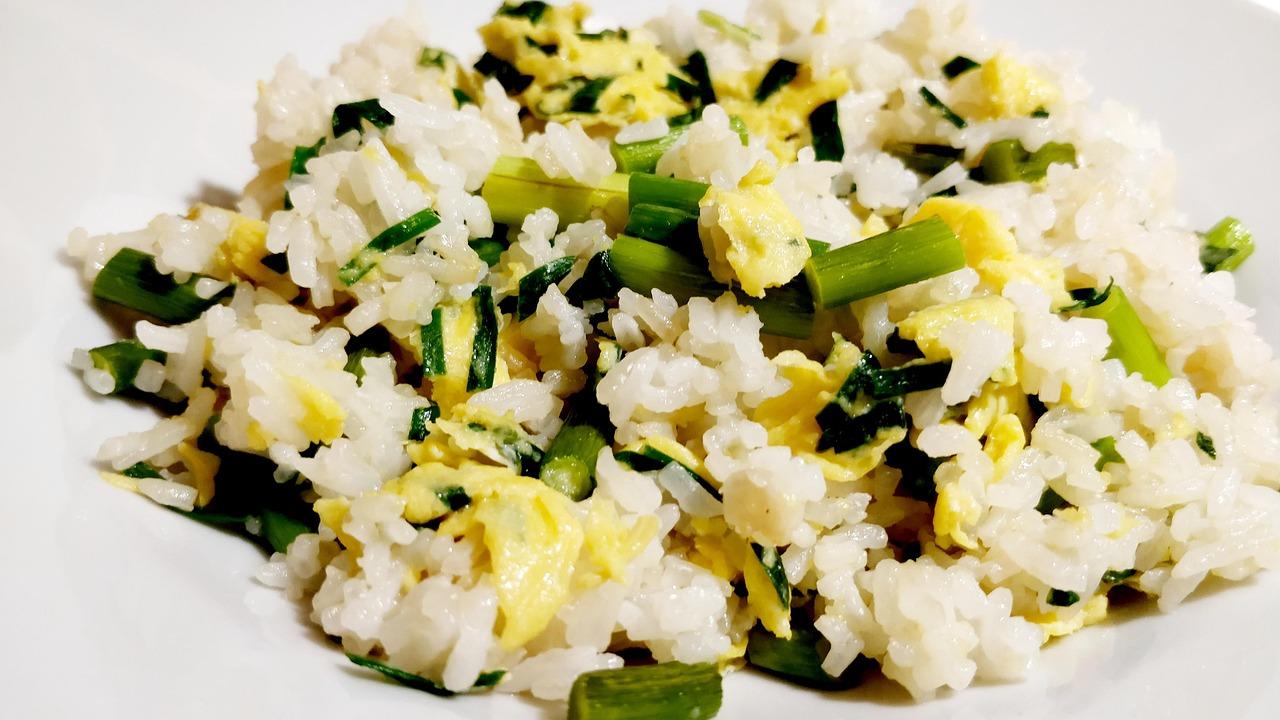
Arroz chaufaPeruvian fried rice

Arroz chaufa is the fried rice of Lima's chifas, the Chinese-Peruvian restaurants found on almost every street corner in Peru. It is close to Cantonese fried rice but has its own accent: plenty of spring onion and ginger, a dark soy colour, a thin omelette cut into strips and a whisper of sesame oil, all tossed in a smoking wok. This egg and vegetable version is a quick dinner on its own, or the side for a saltado. Chef's tip: use rice cooked the day before and broken up with your fingers; fresh rice is too wet and goes mushy and sticky in the wok.

by KrazyBadal 0 views

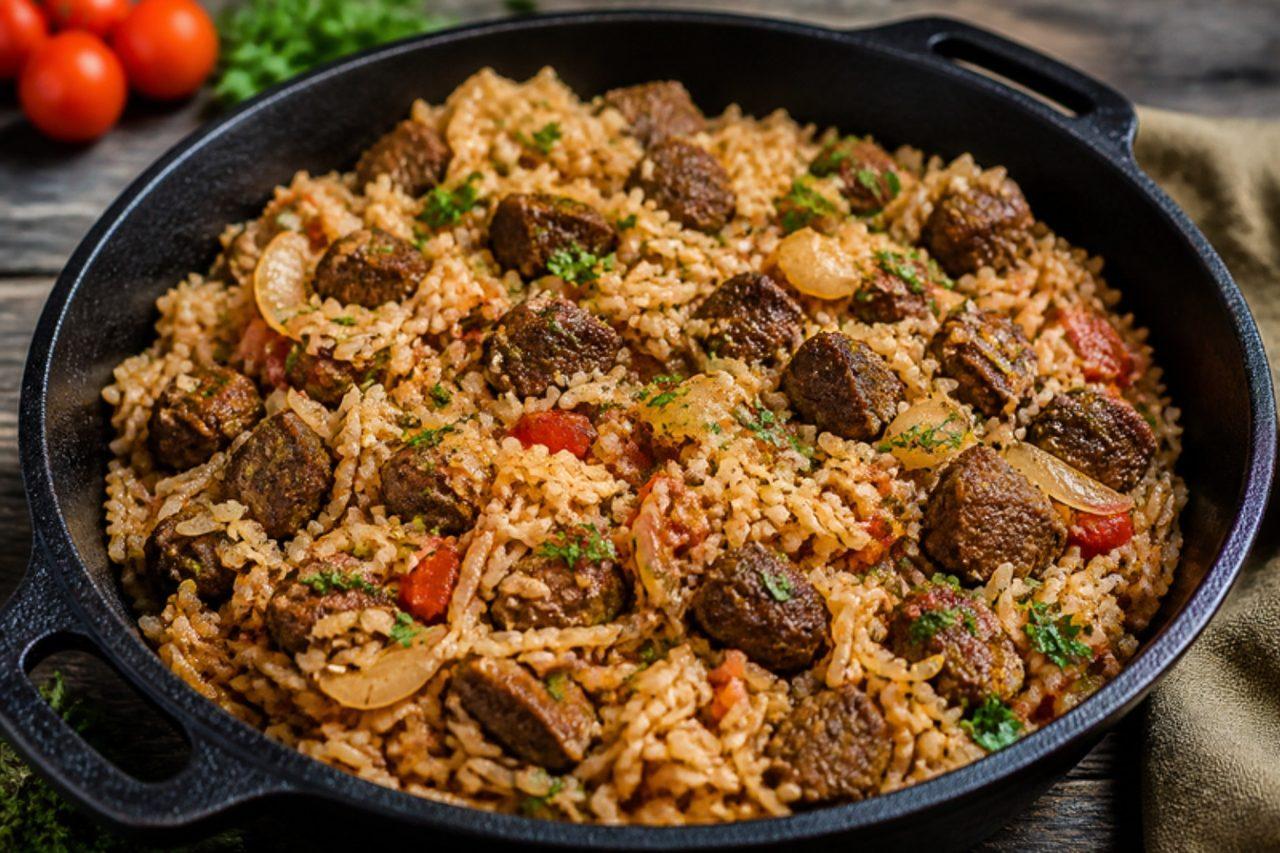
Arroz carreteiroRice with dried beef

Arroz carreteiro is named after the carreteiros, the ox-cart drivers who crossed the pampas of Rio Grande do Sul with charque (dried salted beef) that kept for weeks, cooking it with rice in one iron pot at camp. In southern homes today it is often the Monday dish, made with whatever is left from Sunday's churrasco, though some cooks still use carne seca. It's quick, filling and savoury, with tomato, onion, garlic and plenty of fresh herbs. Chef's tip: dice the leftover beef small, about 1 cm, and brown it hard before the rice goes in; those crispy edges flavour the whole pot.

by KrazyBadal 0 views

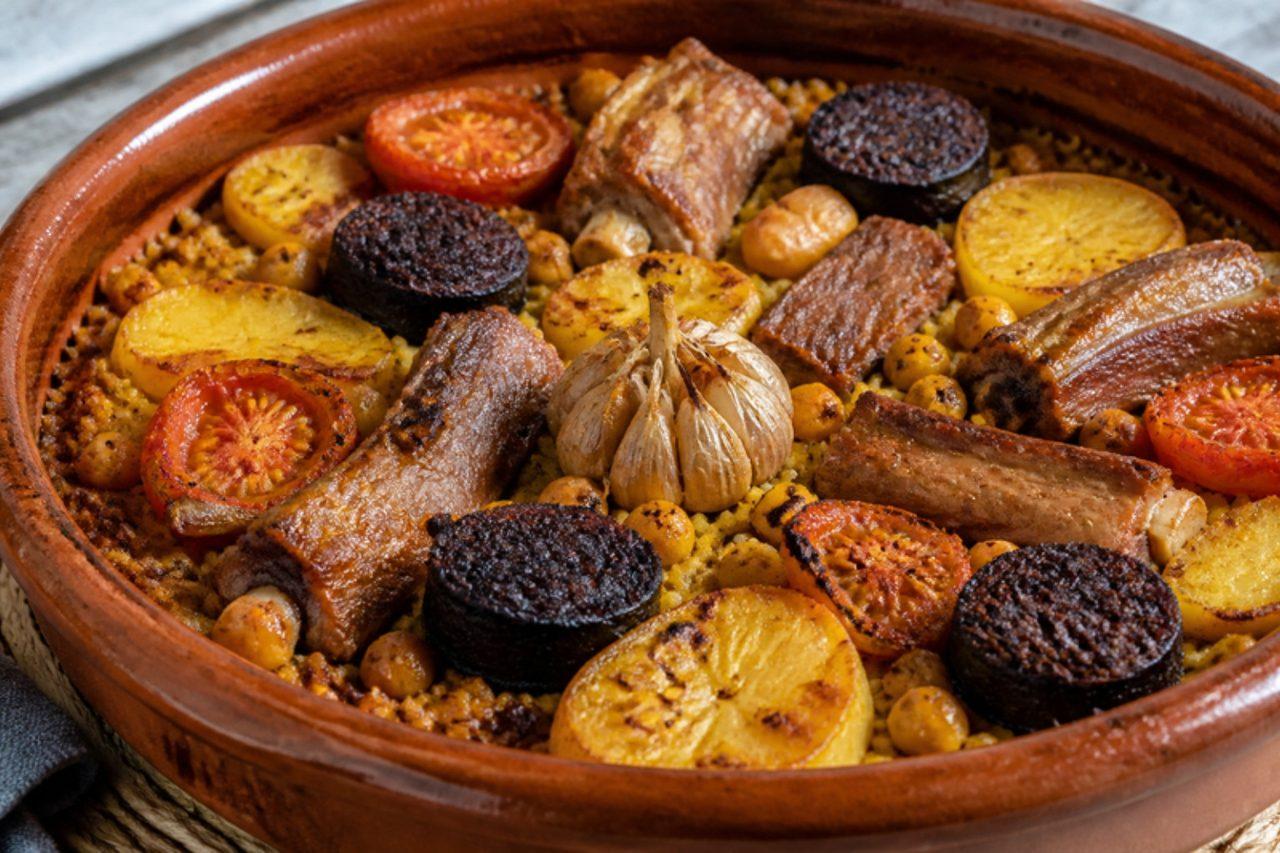
Arroz al hornoBaked rice with chickpeas and pork

Arroz al horno (arròs al forn in Valencian) is the oven rice of Valencia and Xàtiva, traditionally made the day after a big pot of cocido, using its leftover chickpeas and broth. Families once carried the clay dish to the village baker's oven; today it is baked at home in a wide, shallow earthenware cazuela. Pork ribs, morcilla (Spanish onion blood sausage), slices of potato, chickpeas and a whole head of garlic sit on top of the rice, which bakes into a dry, tender layer full of flavour. Use any ovenproof dish about 30 cm across and 5 cm deep if you don't have a cazuela. Chef's tip: have the stock at a rolling boil when you pour it in, then get the dish into the hot oven within seconds; a lukewarm start leaves the rice chalky in the middle.

by KrazyBadal 0 views

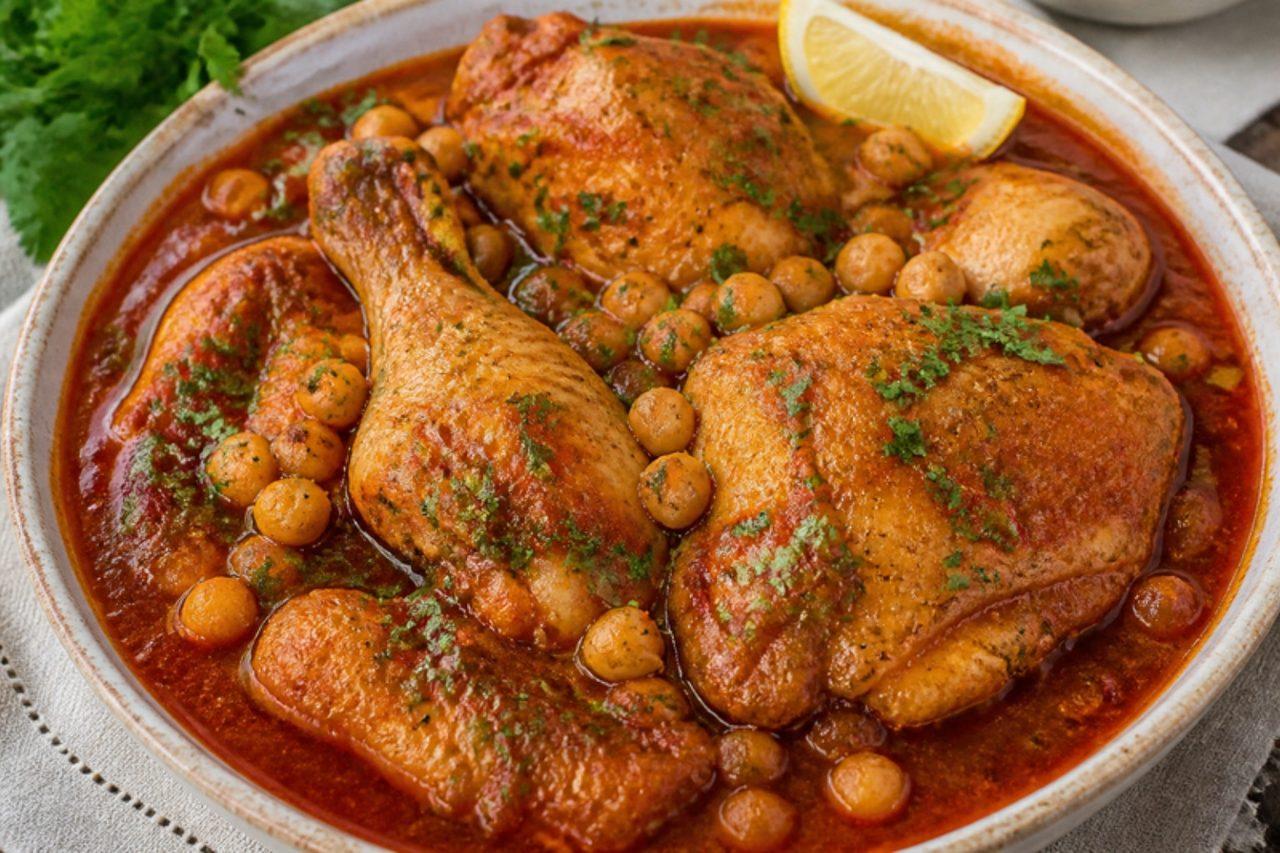
Chtitha djejChicken in paprika sauce with chickpeas

Chtitha djej is the everyday chicken of Algerian homes from Algiers to Constantine: chicken pieces simmered in a red sauce of paprika, cayenne, garlic and caraway with chickpeas, reduced until thick and clinging. It is mopped up with khobz or matlouh flatbread. The mistake is burning the garlic and paprika when they go into the oil, which turns the sauce bitter; keep the heat moderate and add water as soon as they smell toasted. Chef's tip: add a squeeze of lemon right at the end to brighten the spices.

by KrazyBadal 0 views

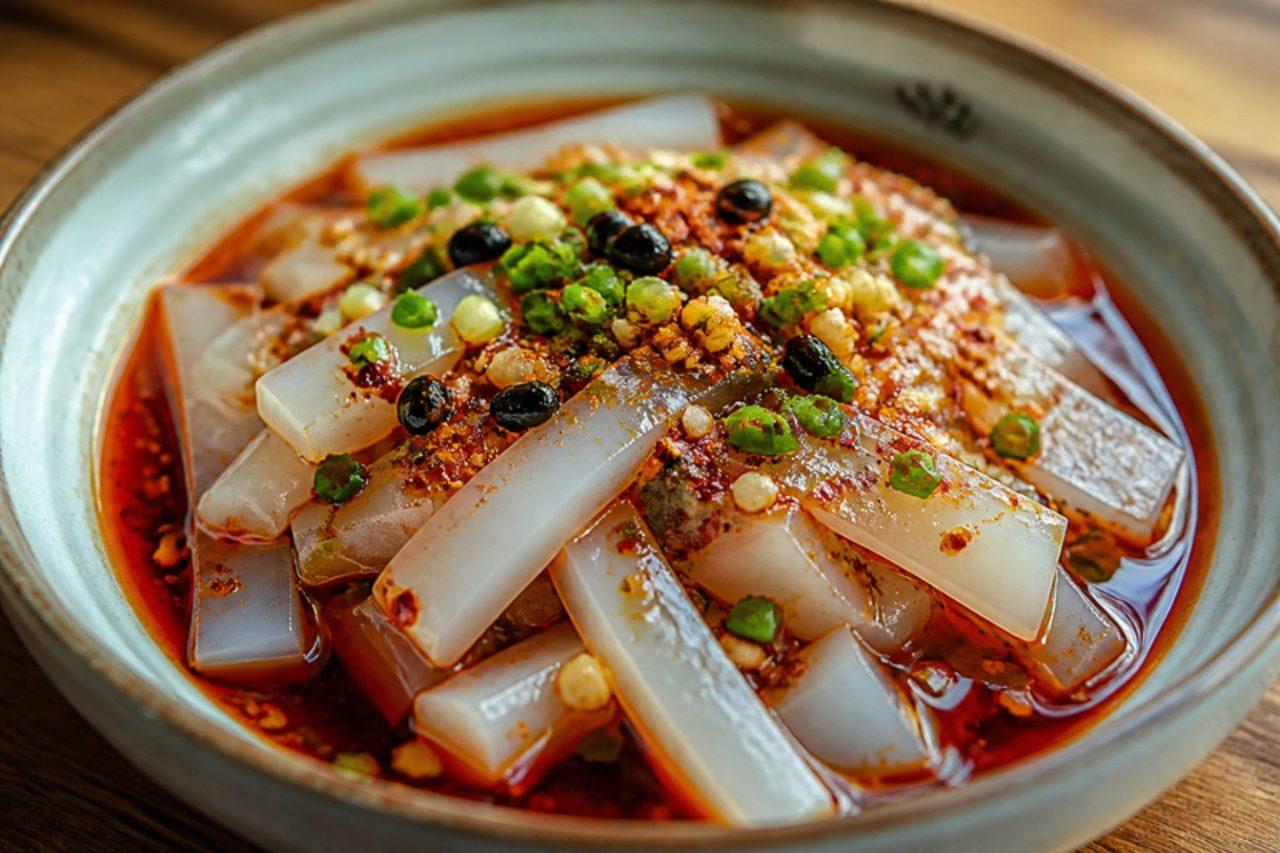
Chuanbei liangfenMung bean jelly in chilli oil

Nanchong, in the hills of north Sichuan, is famous for this snack: a soft, wobbly jelly set from bean starch, cut into thick ribbons and drowned in a red, glossy dressing. Street sellers keep it in big blocks and slice it to order, and people eat it as a mid-afternoon snack or a cold starter on hot days. The jelly itself tastes of almost nothing; the slippery texture and the punchy dressing are the point. Chef's tip: let the jelly set fully in the fridge, ideally overnight, so it is firm enough to cut cleanly but still trembles.

by KrazyBadal 0 views

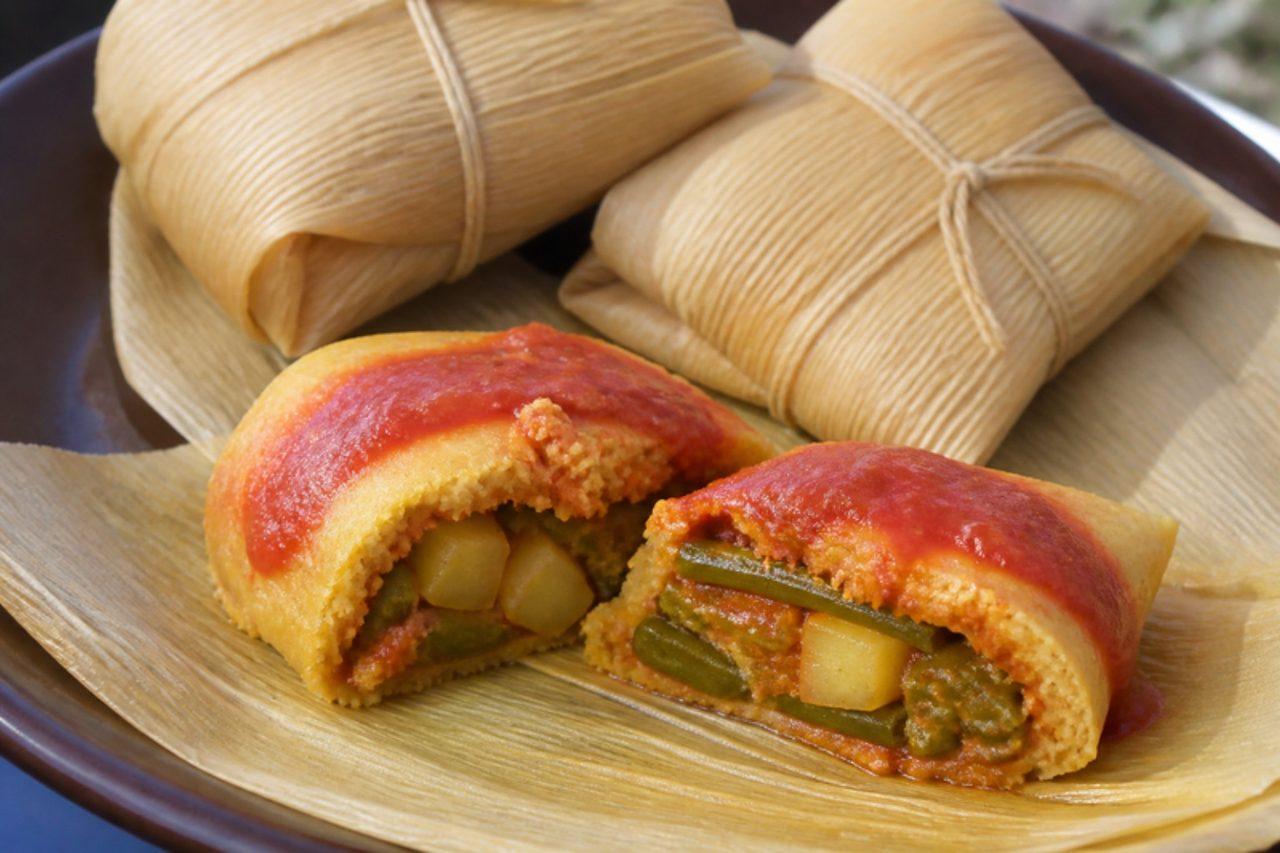
Chuchitos de verdurasSmall vegetable tamales

Chuchitos are Guatemala's everyday tamal: small, firm parcels of masa tied in corn husks, sold from steaming pots at markets in Antigua and Guatemala City and eaten on Saturdays with a spoon of tomato sauce and crumbled dry cheese. They're denser than Mexican tamales, with the masa itself tinted by the red recado. Here they're filled with potato, green beans and sweet pepper instead of chicken. Chef's tip: beat the masa until a pinch floats in a glass of water; that air makes them tender rather than stodgy.

by KrazyBadal 0 views

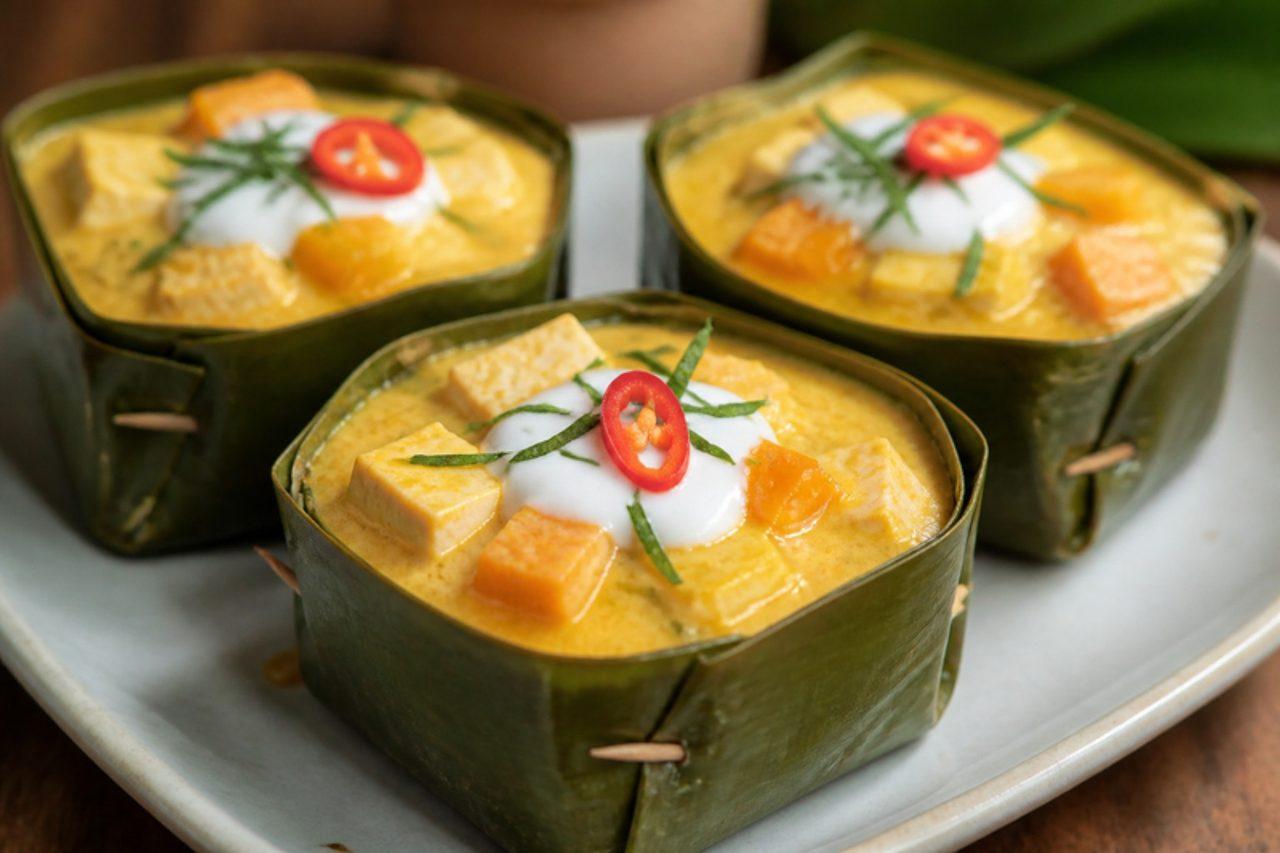
Tofu and pumpkin amokSteamed tofu and pumpkin custard

Amok is the dish Cambodians proudly serve to visitors, especially around Siem Reap and the Tonlé Sap, where it is traditionally made with freshwater fish. This home version keeps everything that makes it amok, the fragrant kroeung, thick coconut cream and a beaten egg that sets it into a soft, spoonable custard, but fills the banana-leaf cups with firm tofu and sweet pumpkin instead. Noni leaves (slok ngor) usually line the cups; young spinach gives the same green layer. Serve it with plain jasmine rice for a special dinner. Chef's tip: stir the custard in one direction only while you mix the coconut cream and egg; Cambodian cooks say this keeps it silky, and it also stops air bubbles that leave holes once steamed.

by KrazyBadal 0 views

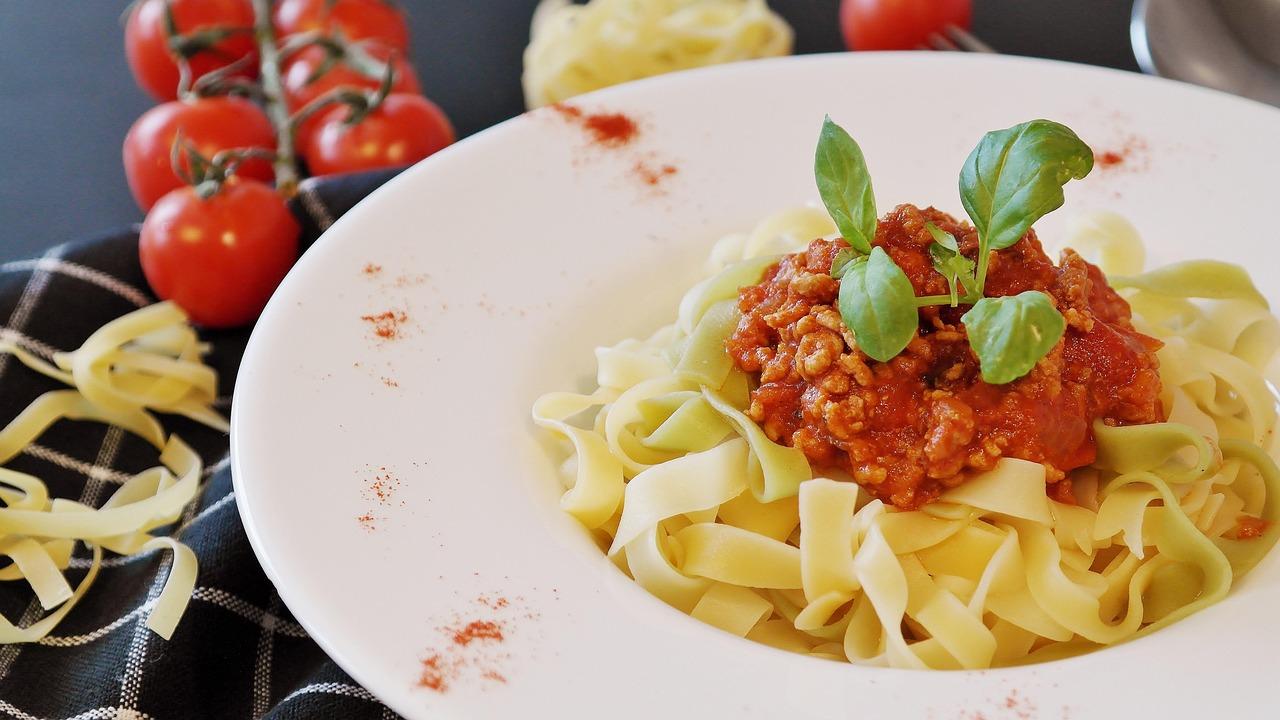
Tagliatelle al ragùTagliatelle with meat sauce

Ask for spaghetti bolognese in Bologna and you will get a polite smile: at home the ragù goes on wide ribbons of fresh egg tagliatelle, or into lasagne, never on thin spaghetti. It is a Sunday-lunch sauce, made with beef and pork mince, a little pancetta, a soffritto of onion, carrot and celery, white wine, milk and only a spoonful or two of tomato, then left to murmur for three hours until it turns deep, savoury and almost creamy. Freshly made tagliatelle are traditional, but good bought fresh or dried egg tagliatelle are absolutely fine. Grated parmigiano goes on at the table, and the ragù keeps for three days in the fridge or three months in the freezer. Chef's tip: make the ragù a day ahead; it thickens and tastes rounder after a night in the fridge, and reheating it gently with a splash of water brings it back to life.

by KrazyBadal 0 views

Tobago curry crab and dumpling

On Tobago, curry crab and dumpling is the dish people travel for, eaten with fingers on Sunday afternoons and sold at the Store Bay food huts near Crown Point, where a plate is half the reason to visit. Blue crabs are cleaned, rubbed with green seasoning, 'burnt' in curry and simmered in coconut milk until the shells turn red and the sauce goes rich, spicy and sweet with crab. Long, flat flour dumplings cook right in the gravy and soak it all up. It's messy, so have bowls for shells and plenty of napkins. Chef's tip: crack the claws lightly before they go in the pot, so the curry can get inside and the meat is easy to pull out at the table.

by KrazyBadal 0 views

Tacu tacuPan-fried beans and rice cake

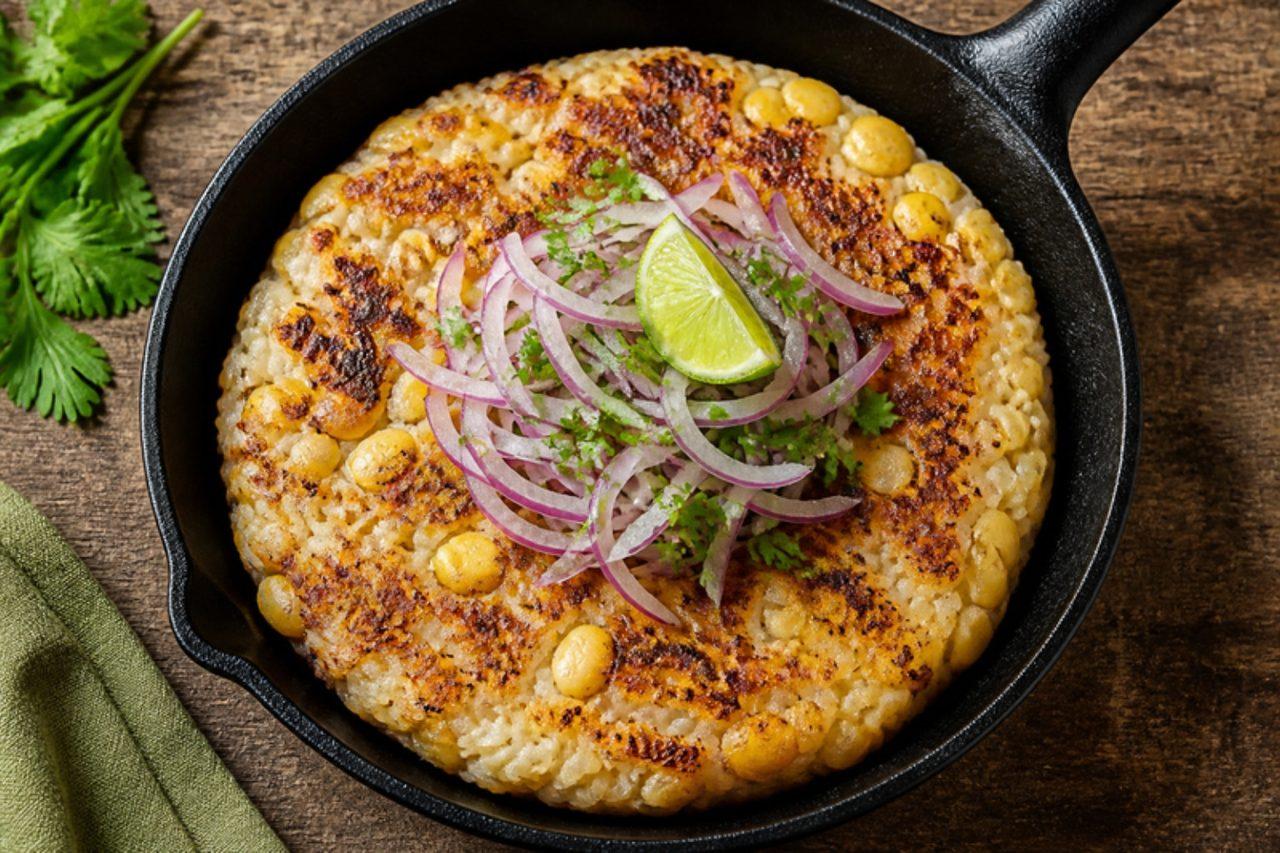
Tacu tacu was born in the Afro-Peruvian kitchens of Lima, as a thrifty way to turn yesterday's beans and rice into something new; today it appears on the menus of smart criollo restaurants too. Mashed canario beans and rice are fried with garlic, onion and ají amarillo, then shaped in the pan into a long, crisp-edged cake, soft inside and golden outside. It is a hearty lunch for two with a sharp salsa criolla of onion and lime, and often a fried ripe plantain on the side. Canario beans are pale yellow and creamy; pinto or cannellini beans work well. Chef's tip: use cold, day-old rice and beans; warm, freshly cooked ones are too soft to hold their shape and the tacu tacu falls apart.

by KrazyBadal 0 views

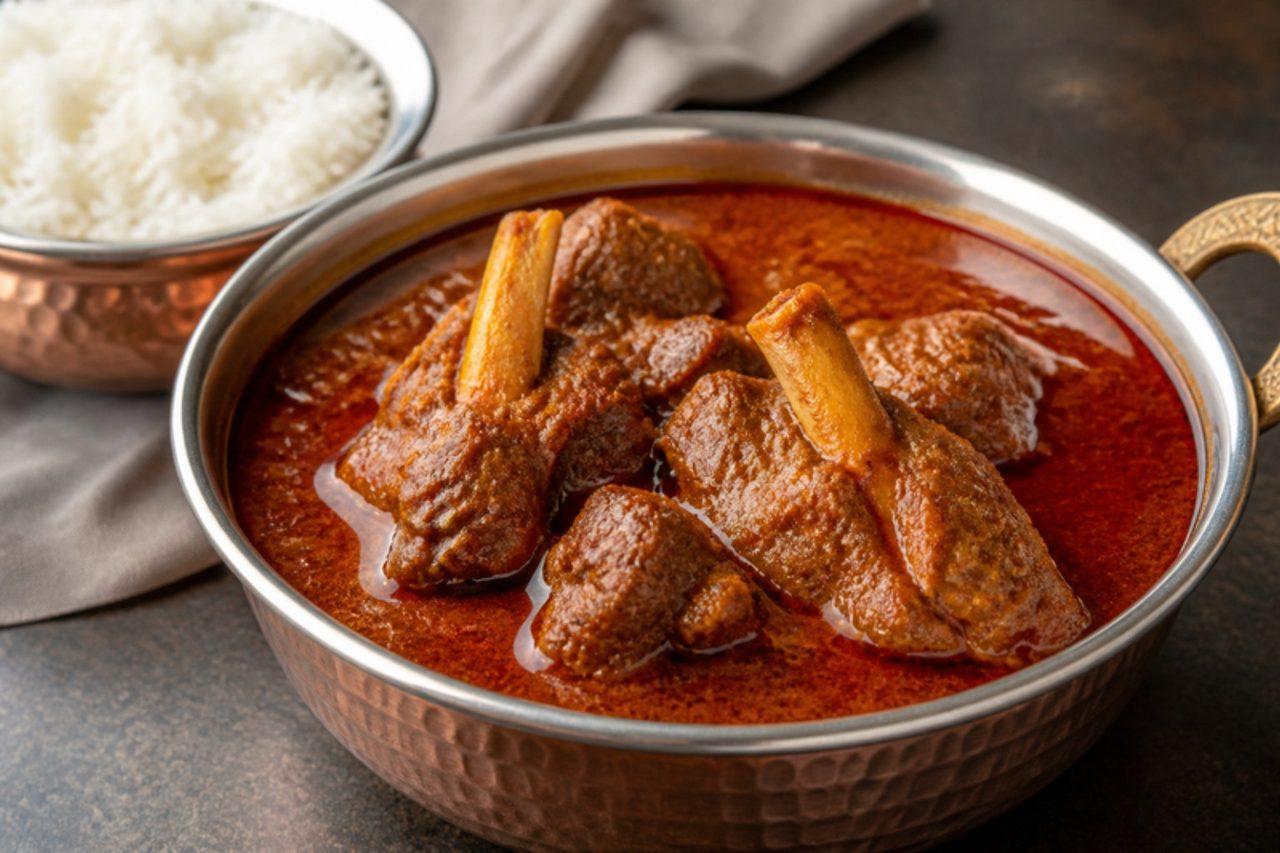
Rogan josh

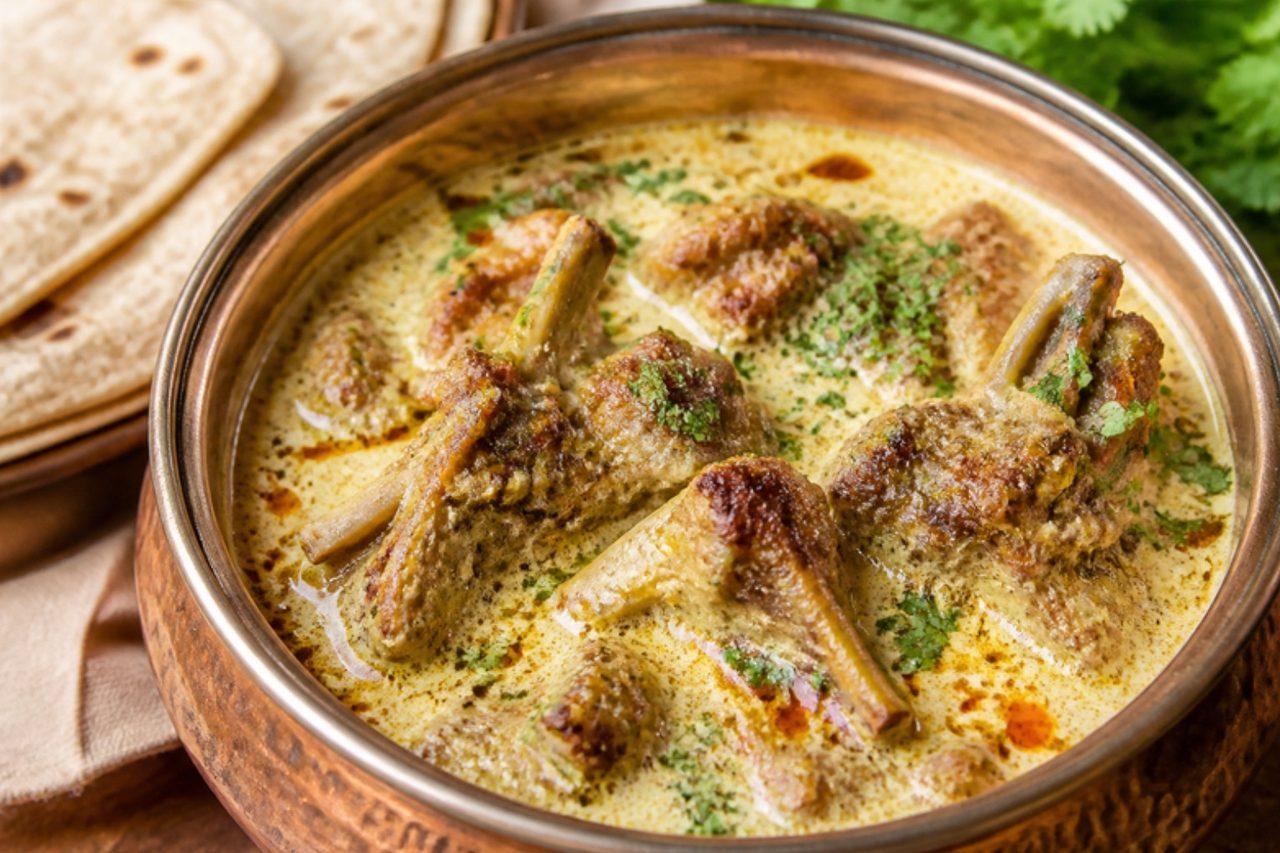
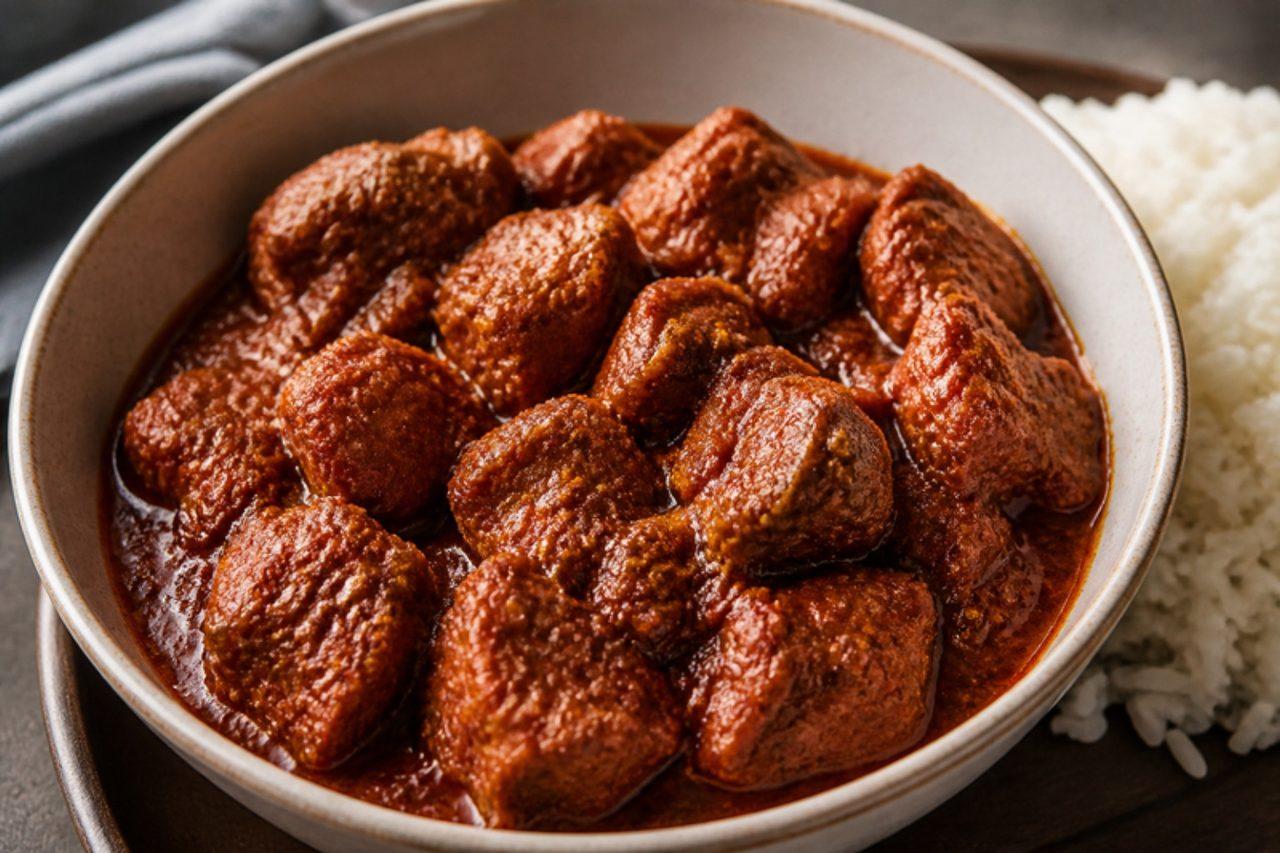
In the Kashmir Valley this deep-red lamb braise turns up at every wazwan, the multi-course wedding feast cooked by hereditary chefs, and on Sunday tables in Srinagar through the cold months. The Kashmiri Pandit version cooked here uses no onion, garlic or tomato: the colour comes from mild Kashmiri chillies, the warmth from ground fennel and dry ginger, and the body from yogurt cooked down until the fat rises red to the top (that red oil is the 'rogan'). Eat it with plain steamed rice, the Kashmiri way. Chef's tip: use bone-in shoulder or leg and give it time; the bones and slow simmer make the thick, glossy gravy, and boneless meat turns stringy before the sauce is ready.

120 minIndianMeatGluten freeSpicy
by KrazyBadal 0 views

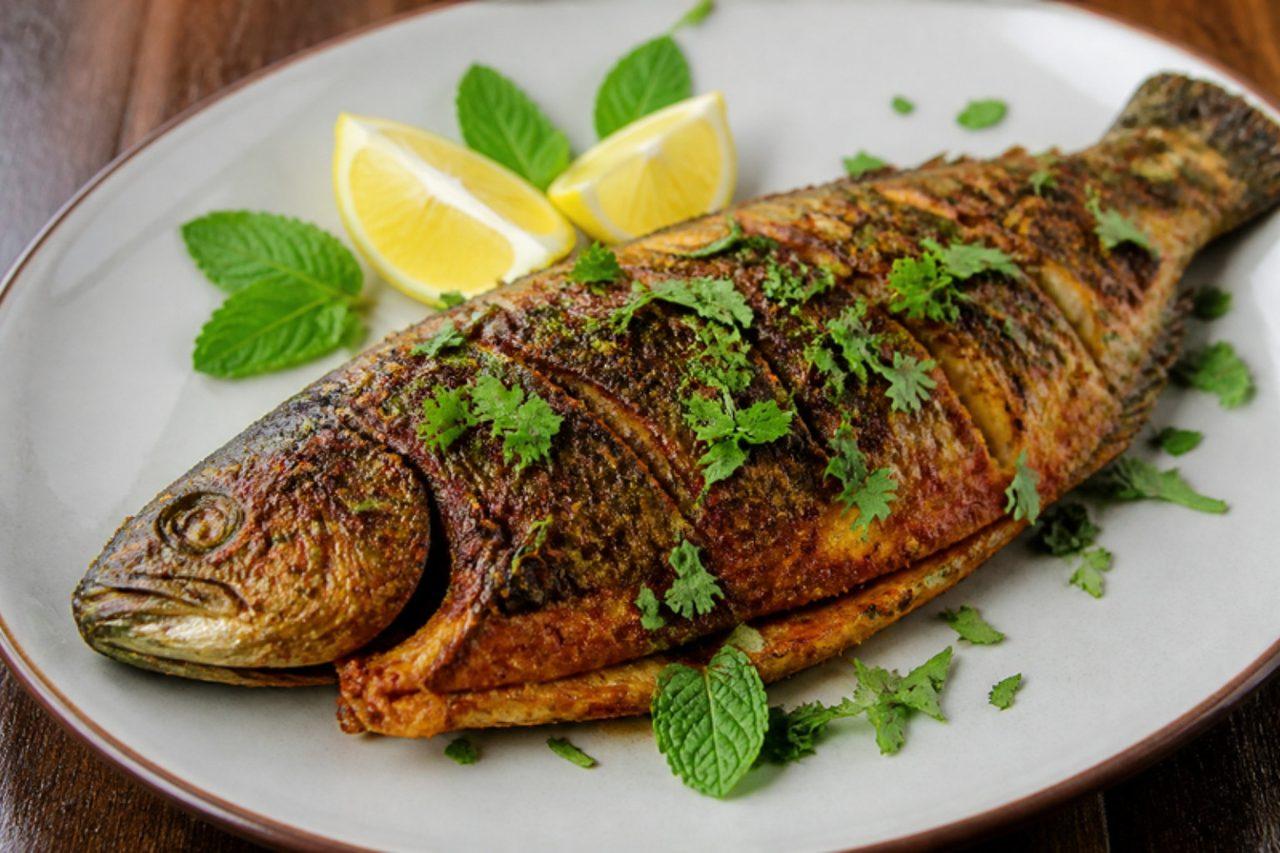
Kullu trout

Rainbow trout were introduced to the cold, fast Beas river over a century ago, and today the farms and roadside dhabas between Kullu and Manali serve it simply: rubbed with lemon and a light masala, then fried whole in a hot pan. It is what travellers stop for on the drive up to the snow, eaten with rice, a green salad and a squeeze of lemon. The spicing is gentle so the clean, sweet flavour of the fish stays in front. Chef's tip: dry the fish very well and leave it alone in the pan for the first few minutes; moving it too early tears the skin, which should come out crisp.

25 minIndianFishGluten free
by KrazyBadal 0 views

TacachoMashed roasted green plantain balls

Tacacho is the breakfast of the Peruvian Amazon, from Tarapoto to Iquitos: green plantains roasted over coals, mashed with fat and salt and shaped into balls. There it comes with cecina (smoked pork) and is mashed with lard and crackling; this vegan tacacho uses good oil and a pinch of smoked paprika for the same savoury, smoky depth. The balls are dense, chewy and starchy, crisp at the edges where the plantain charred, and they are eaten hot with a fiery chilli sauce or alongside stews. Use plantains that are fully green and firm. Chef's tip: mash the plantains while they are still very hot; as green plantain cools its starch sets and it won't bind into a smooth ball.

by KrazyBadal 1 views

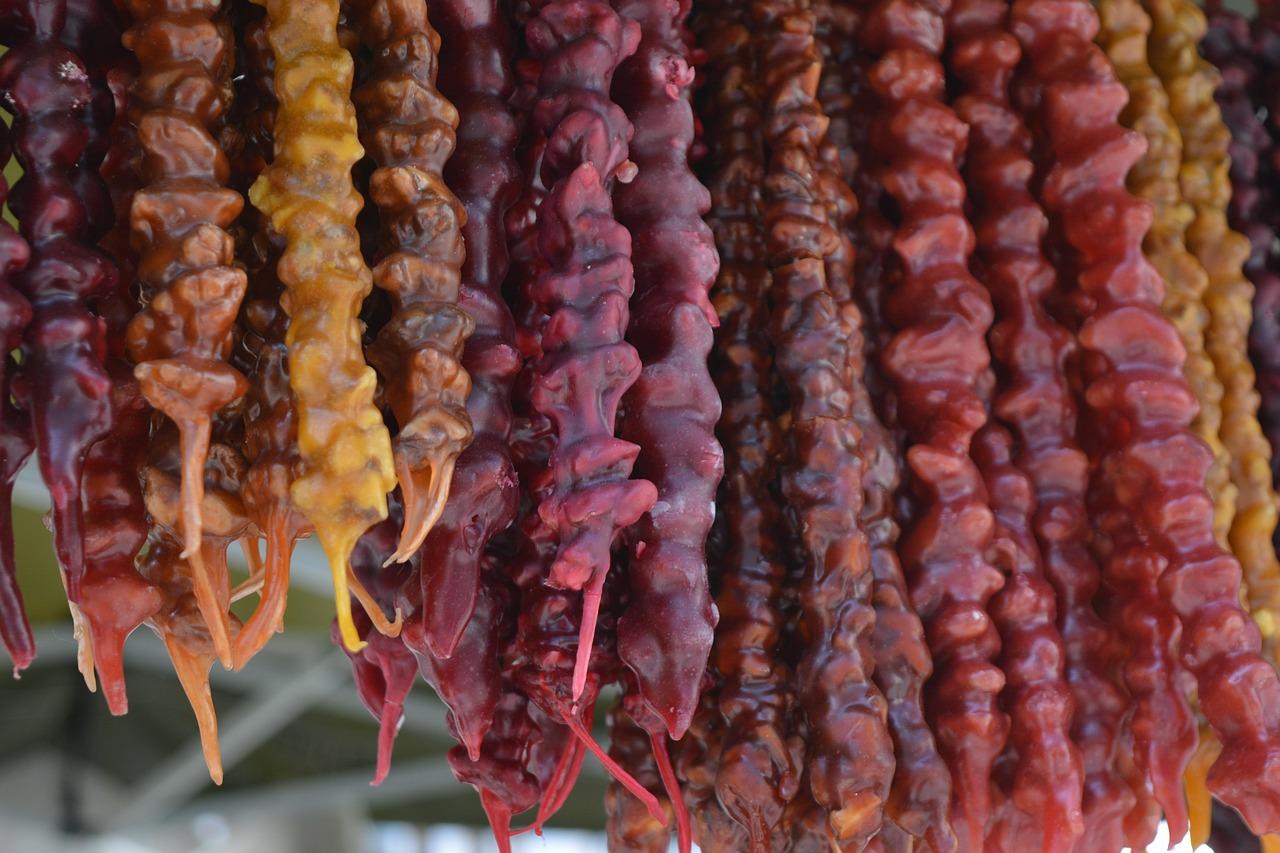
ChurchkhelaWalnuts in grape juice coating

Churchkhela are the candle-shaped sweets you see hanging in bunches at every Georgian market, but they are made at home during rtveli, the grape harvest in Kakheti in September and October. Walnuts are threaded on a string and dipped again and again in tatara, fresh grape must thickened with flour, then hung up to dry for a week, until firm and chewy outside and tender within. They are eaten at New Year and kept for months. A common mistake is a tatara that is too thin, which slides off the nuts; it should coat the back of a spoon thickly and fall in ribbons. Chef's tip: let each coat set for 10–15 minutes before the next dip; three or four thin coats look and keep better than one thick one.

by KrazyBadal 0 views

TacacáHot tucupi broth with shrimp

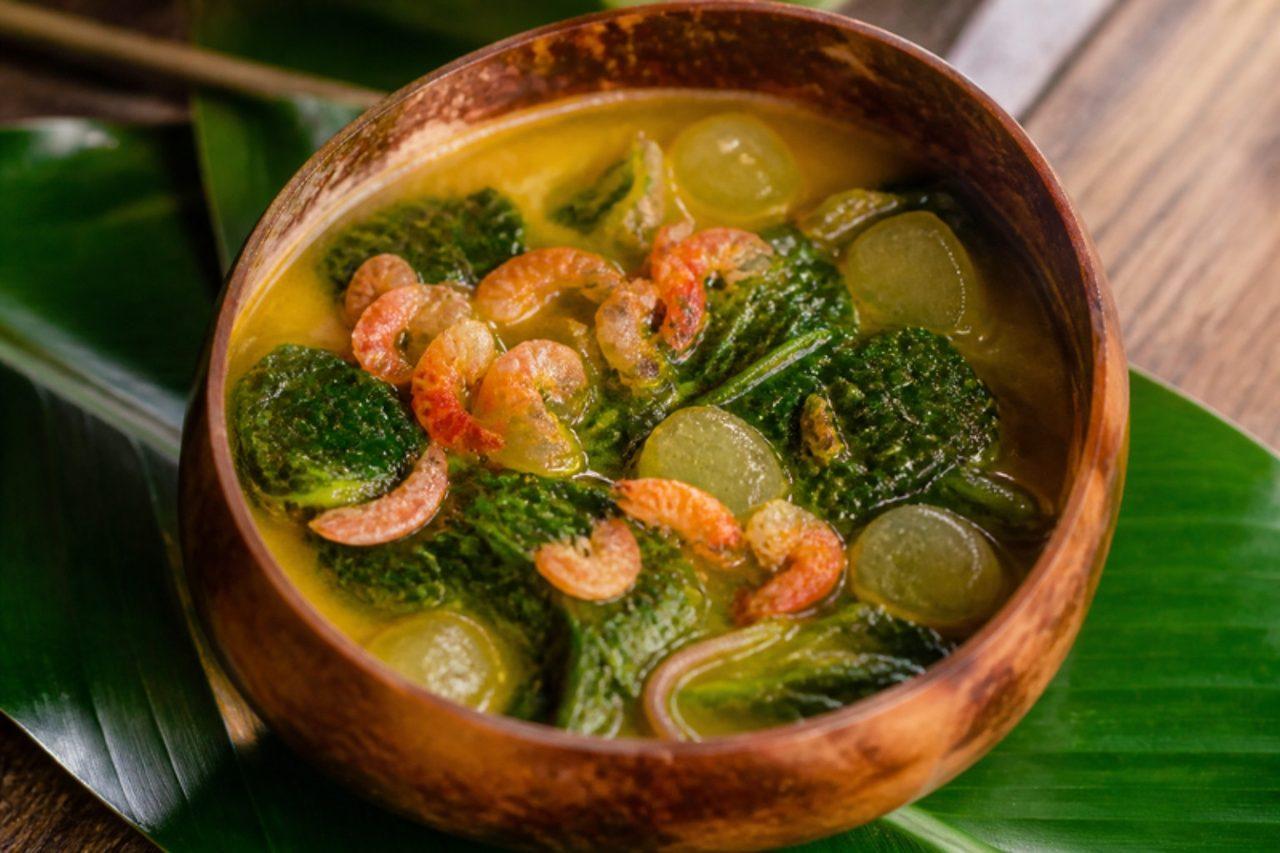
Around four in the afternoon in Belém, capital of Pará, the tacacazeiras open their street stalls and people queue for tacacá, served scalding hot in a cuia, a bowl made from a dried gourd. The broth is tucupi, the sour yellow juice of wild manioc, with a spoonful of tapioca gum, dried shrimp and jambu, an Amazon herb whose leaves make your lips and tongue tingle and go pleasantly numb. You drink the broth straight from the bowl and pick out the rest. Tucupi is sold cooked and bottled (or frozen) in Brazilian shops; it must be properly boiled before eating, which is explained in the steps. Chef's tip: soak and briefly boil the dried shrimp before they go in; straight from the bag they make the broth far too salty.

by KrazyBadal 0 views

Churpi ningroFiddlehead fern curry

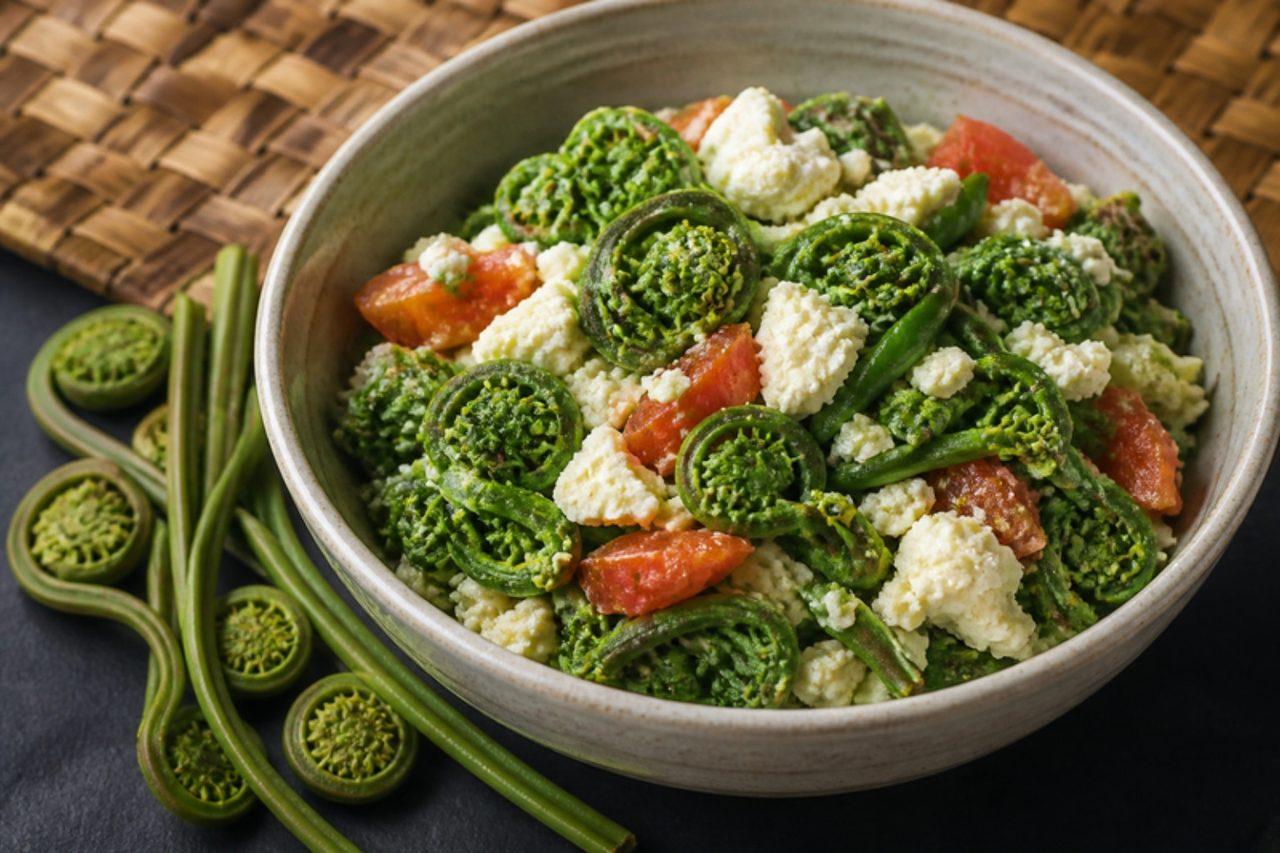
In the monsoon, ningro (fiddlehead fern) shoots appear in the hill markets of Gangtok, Namchi and Darjeeling, curled like violin scrolls. Sikkimese homes cook them quickly with onion, tomato and green chilli, then stir in crumbled soft churpi, a fresh, tangy cheese made from yak or cow's milk, which melts into a creamy, slightly sour sauce. It is a side dish for rice and dal, and tastes green and grassy, a little like asparagus. Chef's tip: always boil ferns for a few minutes and drain before cooking; it removes bitterness. Ricotta or crumbled feta is a fair stand-in for churpi.

by KrazyBadal 0 views

Chushki byurekFried cheese-stuffed peppers

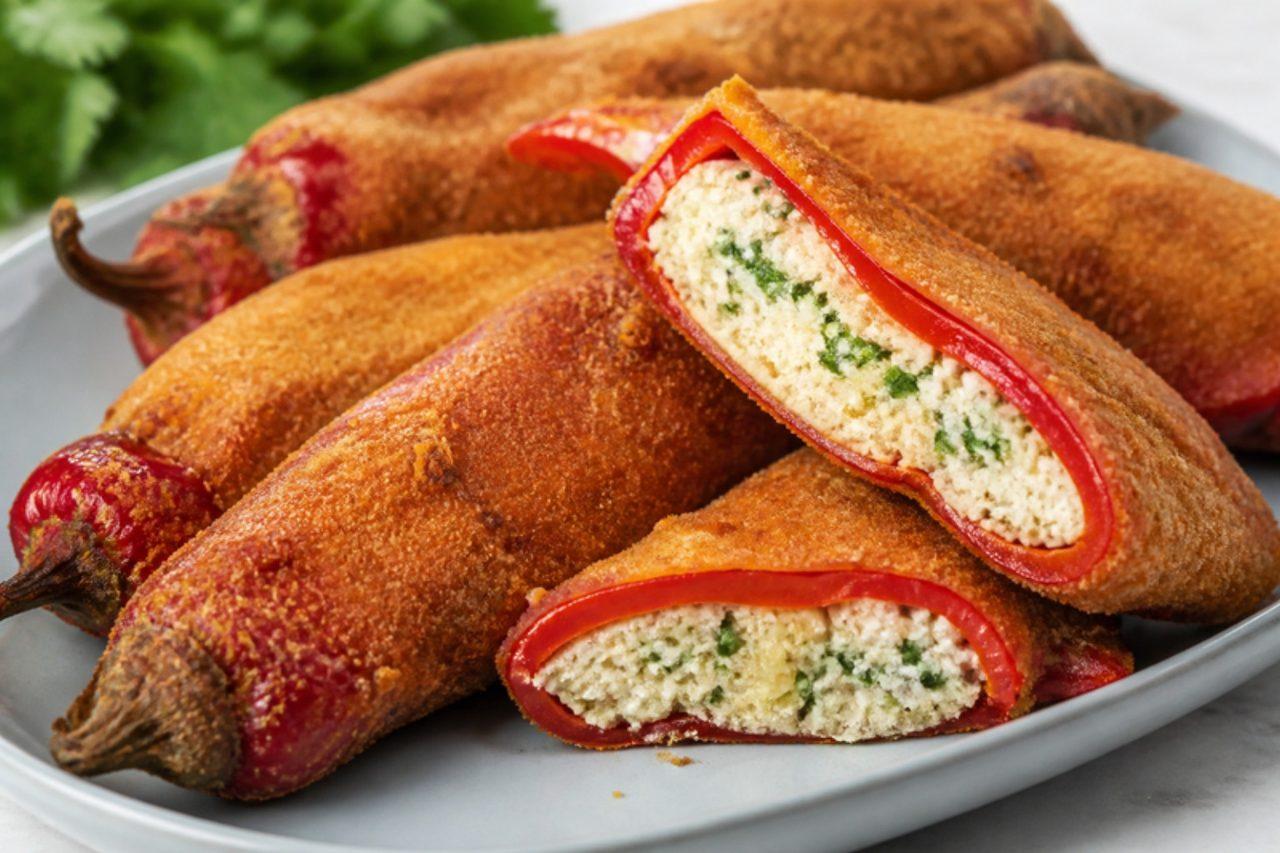
Chushki byurek are one of the great autumn dishes of Bulgaria: in September, when the long red peppers ripen around Plovdiv and Pazardzhik, they are roasted, peeled, filled with sirene and egg, then dipped in flour, egg and breadcrumbs and fried. The outside crunches, the pepper is silky and sweet, and the salty cheese melts inside. They are served hot as a main course with a tomato salad, or cold the next day. Chef's tip: dry the peeled peppers well before filling; a wet pepper is the usual mistake, and the batter slides off and the oil spits.

by KrazyBadal 0 views

LavashThin flatbread

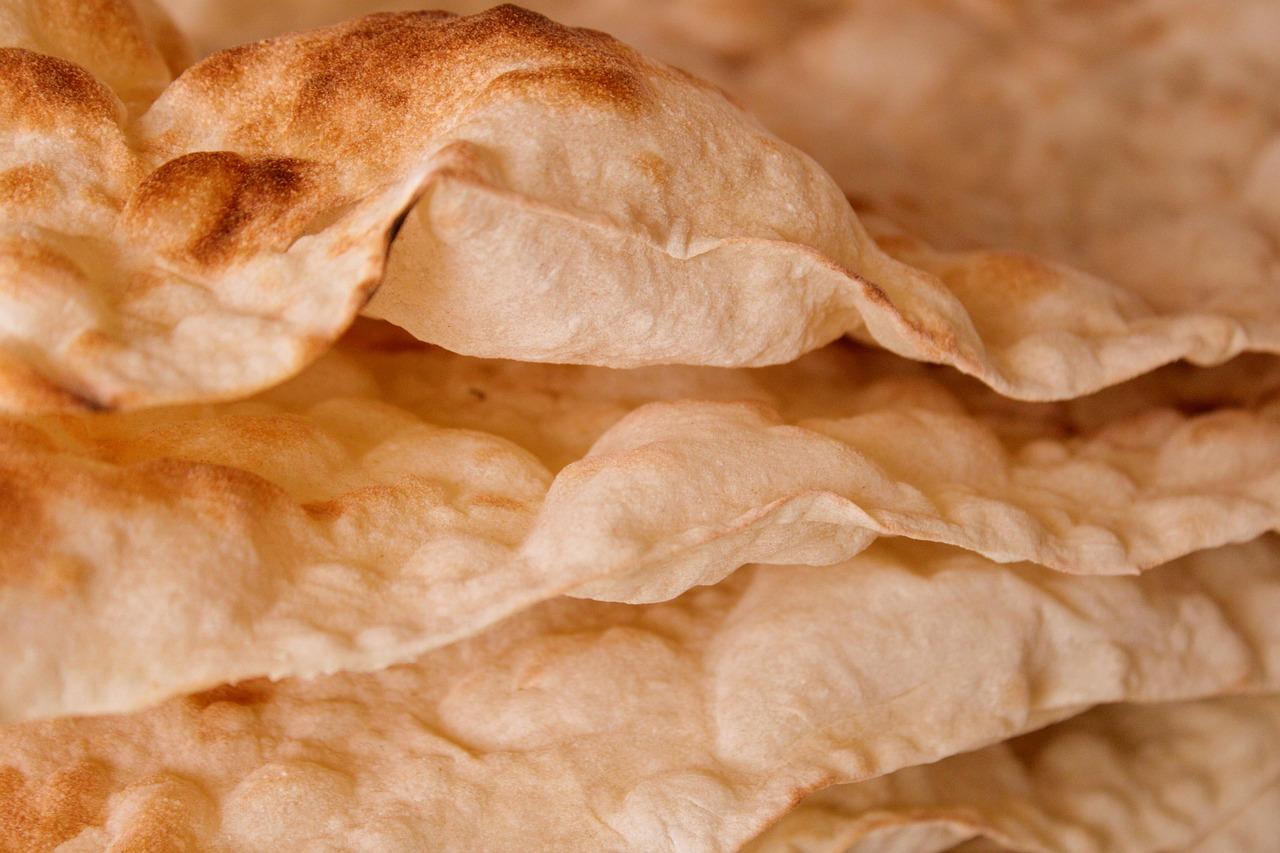
In Armenian villages lavash is still slapped onto the hot clay wall of a tonir by women working in pairs, one rolling and one stretching, and the craft is on UNESCO's list of intangible heritage. The sheets come out blistered and soft, then dry to a cracker that keeps for months; a sprinkle of water brings them back to life. Lavash wraps grilled vegetables and herbs, carries cheese to the mouth, lines the pot for a crusty plov and is laid on the table at every meal and wedding. This version is unleavened and cooked in a heavy frying pan, the easiest way to get close to the tonir at home. Chef's tip: roll on a lightly oiled worktop rather than a floured one; the dough clings a little, so it stretches thinner without tearing.

by KrazyBadal 0 views

Armenian harissaChicken and wheat porridge

Armenian harissa has nothing to do with the North African chilli paste. It is a thick, smooth porridge of whole wheat and chicken, cooked for hours until both break down, then beaten hard with a wooden spoon. It is tied to Musa Dagh and the village of Anjar, where it is cooked in huge cauldrons for the September feast, and many families also make it for Easter and cold winter Sundays. The taste is gentle and comforting, lifted by browned butter and cumin poured on top. Cooks often stop stirring once the wheat has softened, but the long beating at the end is what gives harissa its creamy, stretchy texture. Chef's tip: soak the wheat the night before; it halves the cooking time.

by KrazyBadal 0 views

Butter chicken

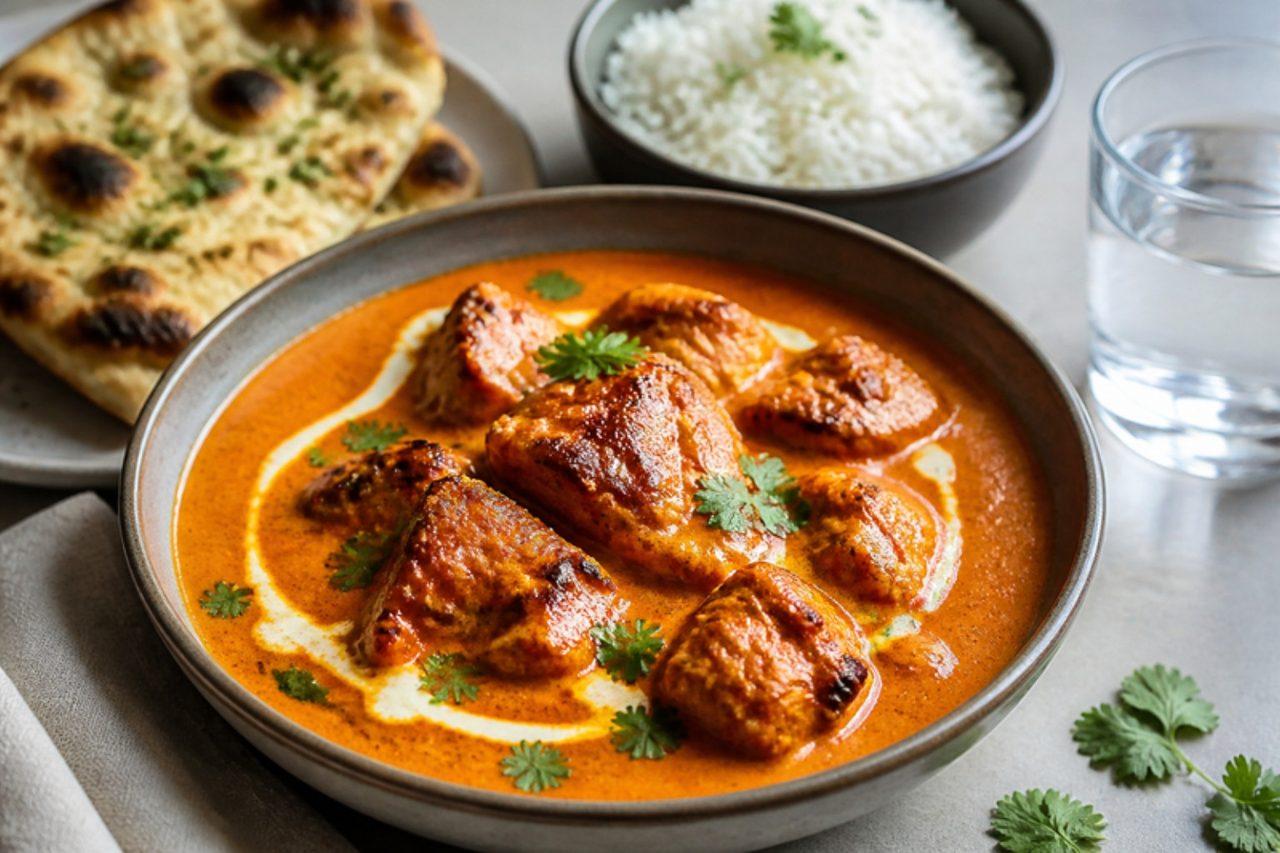
Butter chicken was born in the Punjabi restaurants of Old Delhi after Partition, when cooks found a way to use up tandoori chicken by simmering it in tomatoes, butter and cream. It is not the same as chicken tikka masala: tikka masala builds its sauce on fried onions and is chunkier and spicier, while makhani gravy has no onion at all, is strained silky-smooth, and gets its gentle sweetness and smoky-savoury note from butter, cashews and dried fenugreek leaves. It is the dish families order for celebrations across Delhi and Punjab, mopped up with butter naan or eaten with jeera rice, and it's mild enough for children. Chef's tip: crush the kasuri methi between your palms right over the pot; that one step is what makes it taste like the restaurant version.

by KrazyBadal 0 views

AriseluRice flour and jaggery sweets

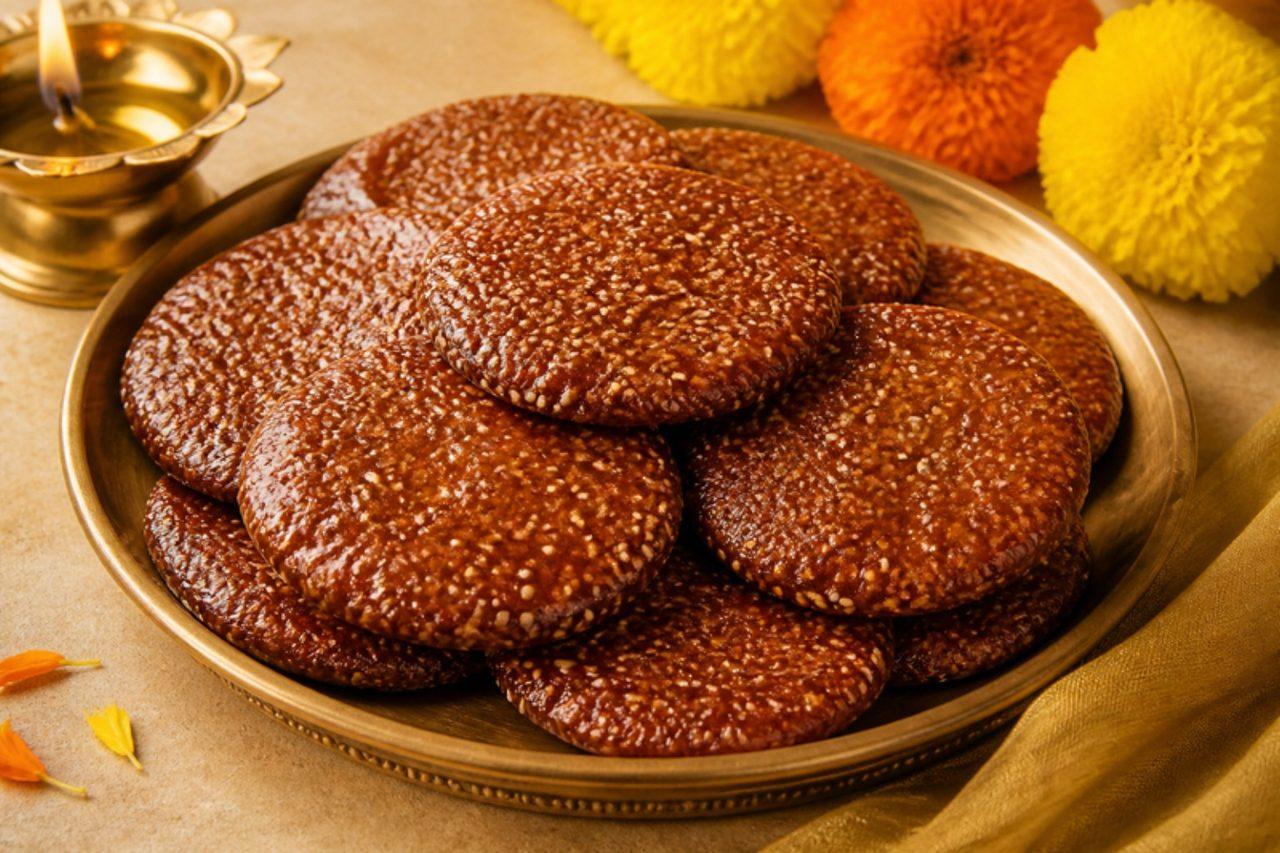
No Sankranti in coastal Andhra Pradesh is complete without ariselu. In the days before the January harvest festival, women gather to pound soaked rice into damp flour, cook it into a thick jaggery syrup, and press the dough into rounds on sesame seeds before frying. Each ariselu is chewy, dense and caramel-sweet, with a crisp sesame coat; after frying they are squeezed between two wooden spatulas to push out the excess oil. They keep for two weeks and are shared with every neighbour. Chef's tip: use home-made flour from soaked rice that is still slightly damp; dry shop flour gives hard, cracking ariselu.

by KrazyBadal 0 views

Tandoori chicken

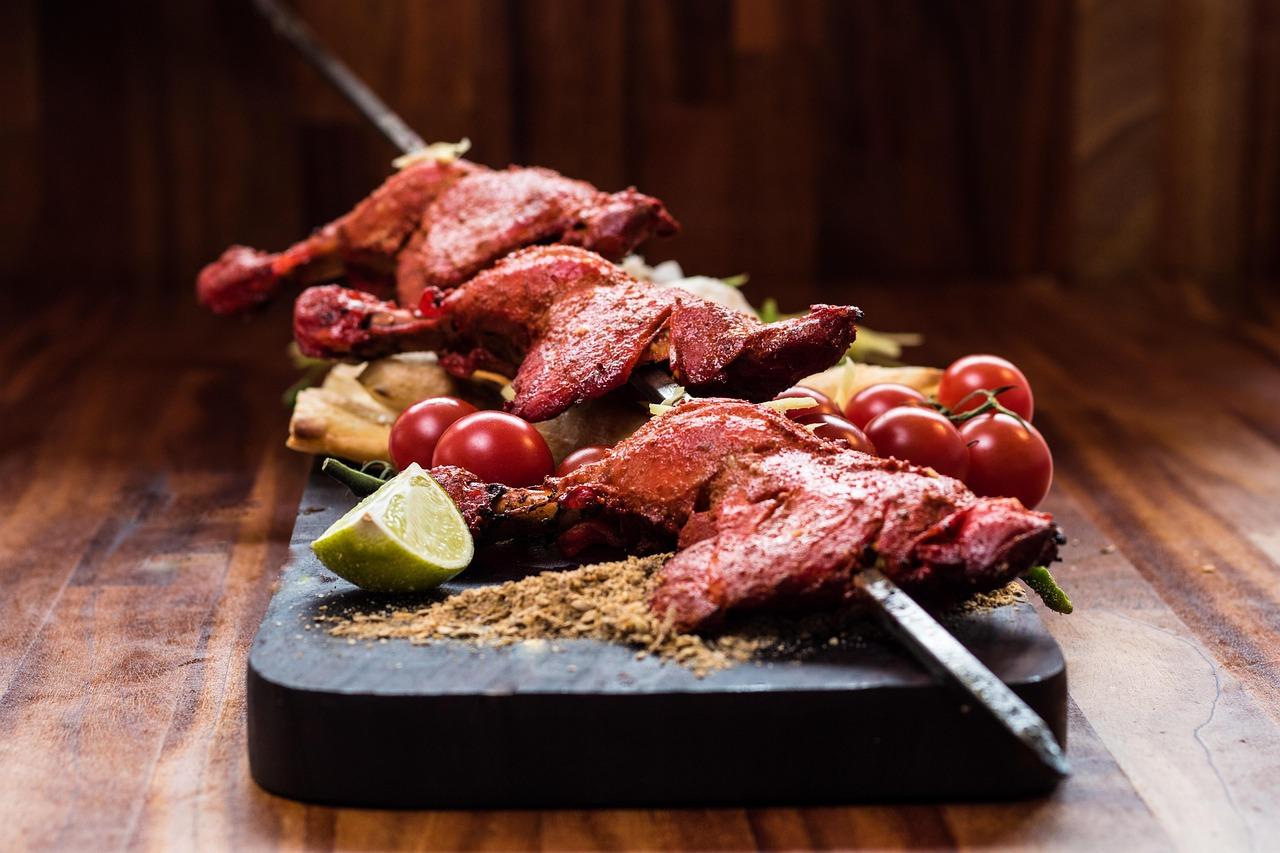
Tandoori chicken comes from Punjab, where clay tandoor ovens fired with wood or charcoal reach well over 400 °C and roast marinated chicken in minutes. In Punjabi dhabas and wedding buffets it arrives on a sizzling plate with raw onion rings, lemon and mint chutney, and it's the starting point for butter chicken. A home oven can't match a tandoor, but a very hot oven plus a final blast under the grill gets you charred edges and juicy meat. The two-step marinade (lemon and salt first, then spiced yogurt) is the key. Chef's tip: cut deep slashes right down to the bone; the marinade gets inside and the thick legs cook through at the same time as the thinner parts.

by KrazyBadal 0 views

Chha goshtLamb in buttermilk gravy

Up in the hill villages of Himachal Pradesh, where flocks are walked to summer pastures, lamb is often cooked in chhaachh, the thin buttermilk left after churning butter. Thickened with a spoonful of gram flour, it makes a pale, gently sour gravy that is milder and lighter than the red curries of the plains, and it is a favourite at dhams, the festive meals of the Kangra and Chamba valleys. Serve it with steamed rice or makki ki roti. Chef's tip: whisk the gram flour into the buttermilk until there are no lumps before it goes near the pot; once it hits the heat, any lumps stay lumps.

105 minIndianMeatGluten free
by KrazyBadal 1 views

Mughlai chicken korma

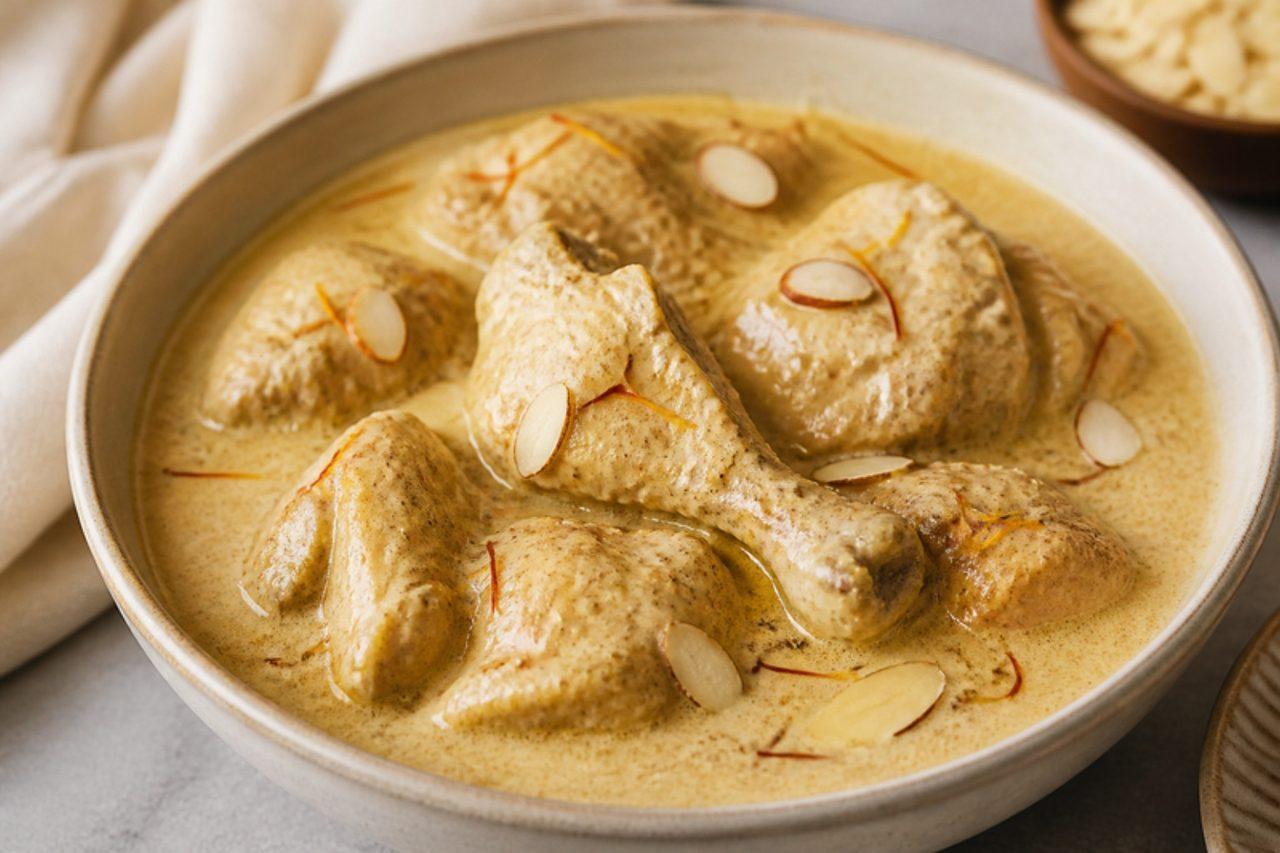
In the lanes around the Jama Masjid in Old Delhi, korma is cooked in huge copper degs for Eid and wedding feasts and sold from dawn with khamiri roti and sheermal. It descends from the Mughal court kitchens, where 'korma' meant meat braised slowly in yogurt and its own juices rather than in water. This one is not the mild, pale, coconut-sweet korma of British curry houses: it is golden-brown, fragrant with cardamom and mace, enriched with almond paste and fried onions, and medium-hot. Chef's tip: fry the onions slowly to an even golden-brown and grind them with the yogurt; the browned onion paste is both the colour and the backbone of the sauce.

by KrazyBadal 0 views

Arepa reina pepiadaChicken and avocado arepas

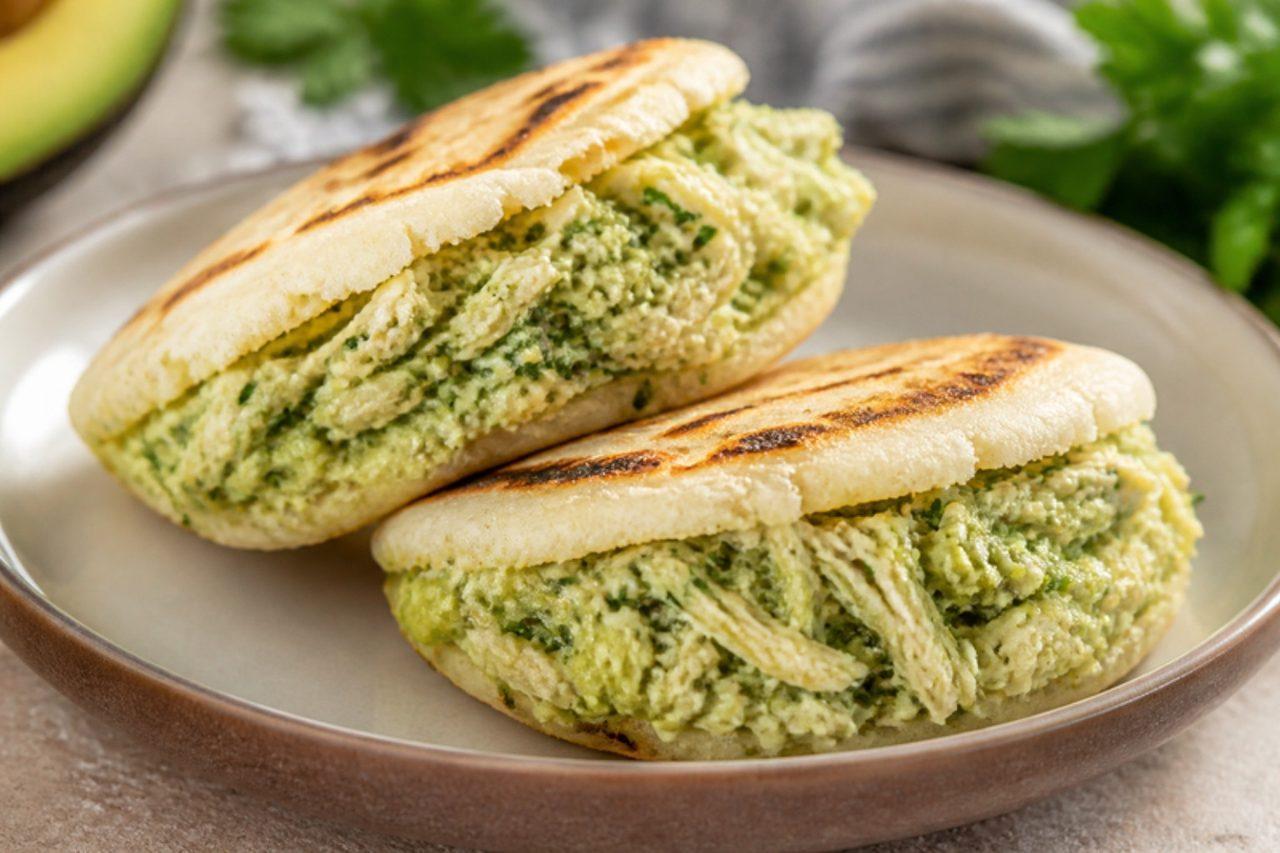
Caracas named this filling after a beauty queen: in 1955 a family running an arepera in the city made it for Susana Duijm, Venezuela's first Miss World, and called it 'the curvy queen'. Shredded chicken is mashed with ripe avocado, a little mayonnaise, lime and coriander, then stuffed into a hot, crisp-skinned arepa split down the side. Venezuelans eat it for breakfast, at lunch from areperas and late at night after a party. The usual mistake is cooking arepas over too high a heat: the outside blackens while the middle stays raw and doughy. Chef's tip: an arepa is done when it sounds hollow when you tap it; if it doesn't, give it a few more minutes in the oven.

by KrazyBadal 0 views

Bhopali gosht korma

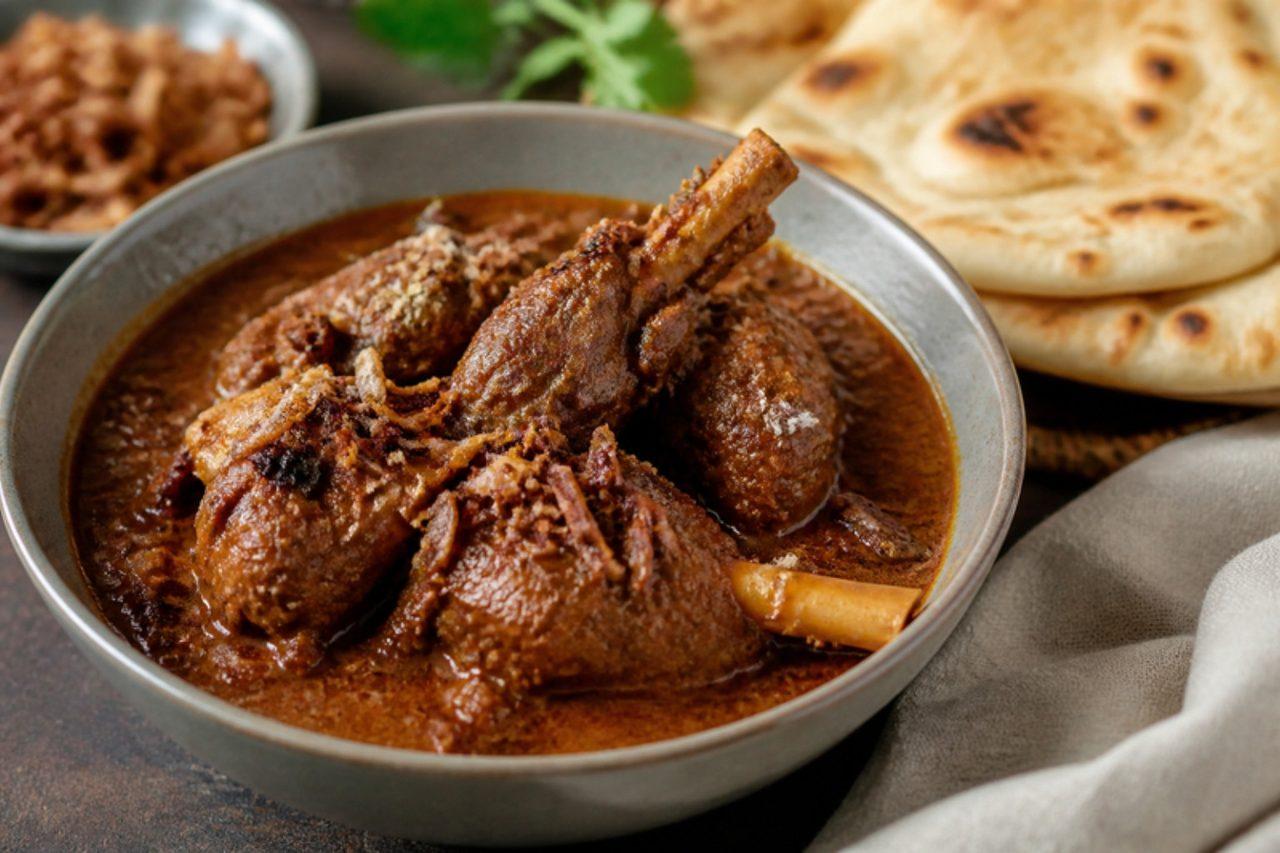
Bhopal was ruled for over a century by the Begums, and its Muslim kitchens developed their own style: earthier and more robust than the delicate cooking of Lucknow, with a liking for red chilli, roasted coriander and a thickening paste of dried coconut and poppy seeds. This mutton korma is the centrepiece of Eid lunches and nikah dinners in the old city around Chowk Bazaar, eaten with sheermal or khamiri roti. Compared with an Old Delhi chicken korma, it is darker, hotter and nuttier, and it's made with goat on the bone. Chef's tip: crush the fried onions roughly with your hands instead of blending them smooth; the little flecks of onion are part of the Bhopali texture.

140 minIndianMeatGluten freeSpicy
by KrazyBadal 0 views

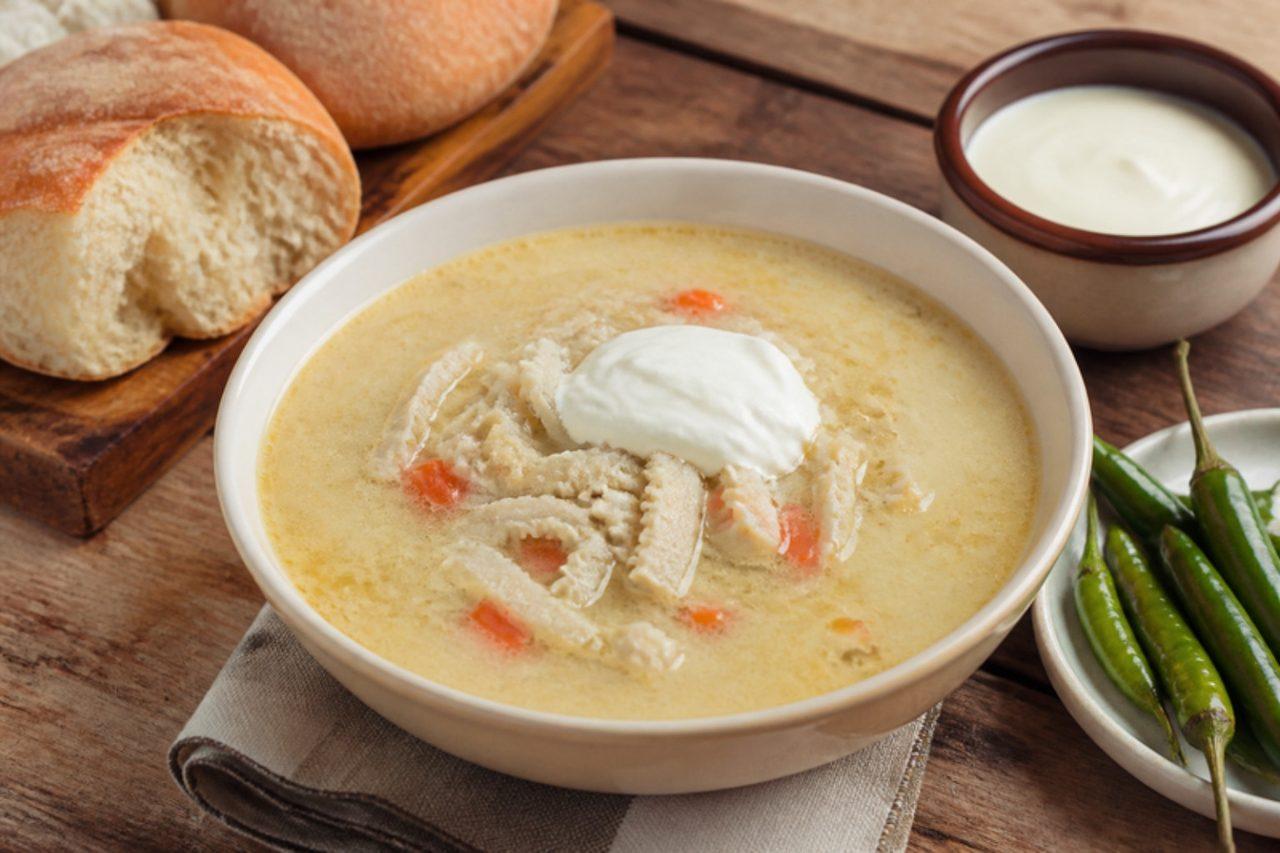
Ciorbă de burtăCreamy sour tripe soup

Romanians swear by ciorbă de burtă the morning after a wedding or a long night out, and in Bucharest there are restaurants that serve little else from breakfast onwards. Strips of beef tripe sit in a silky broth thickened with egg yolk and sour cream, sharpened with vinegar and served with mujdei, a raw garlic sauce, and a hot pepper on the side. It takes time, because tripe only turns tender after a long, slow simmer. The mistake most people make is boiling the soup after the yolks go in, which scrambles them into flecks. Chef's tip: buy cleaned, blanched (white, 'dressed') tripe from the butcher; it saves an hour of scrubbing and is much milder.

by KrazyBadal 0 views

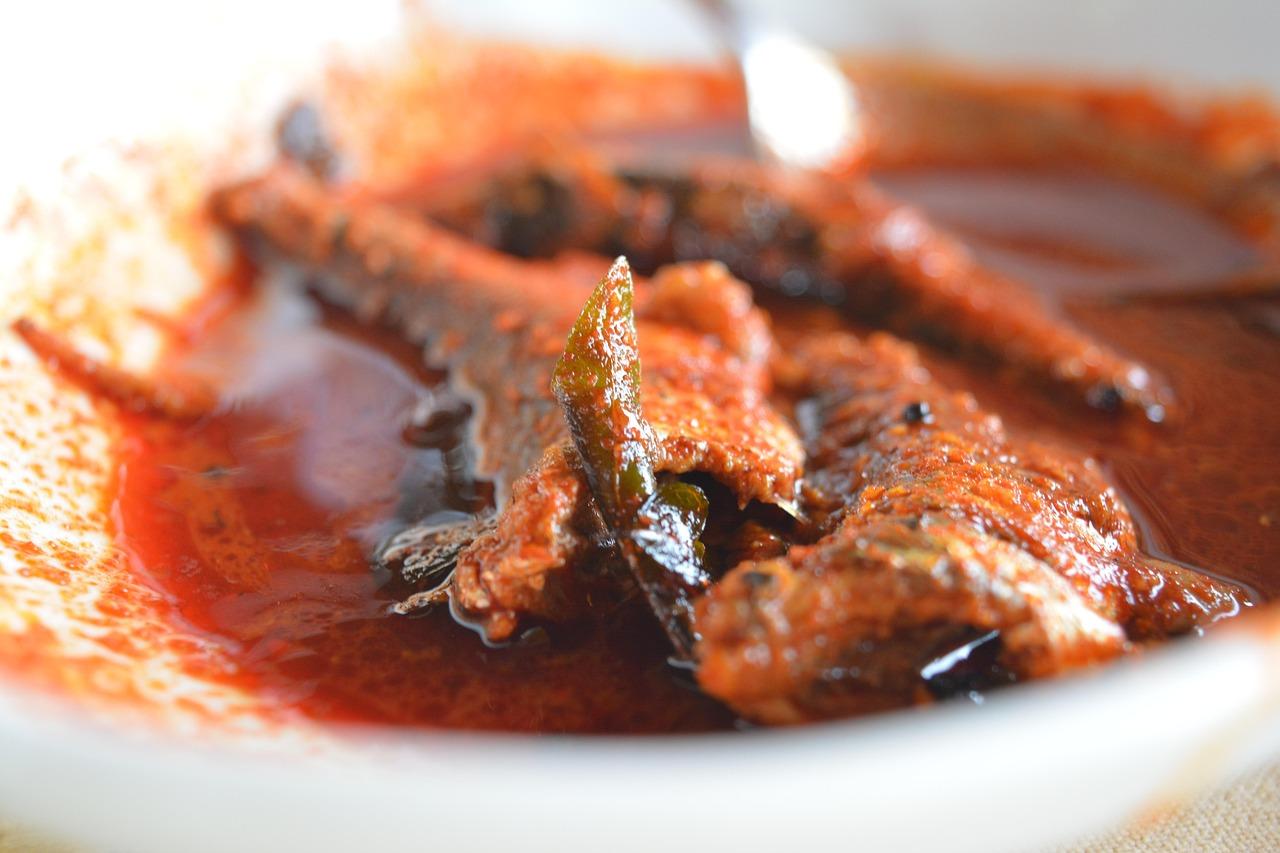
Goan fish curry (xitt codi)

Ask anyone from Salcete or Bardez what they eat for lunch and the answer is xitt codi: rice (xitt) and curry (codi), almost always fish curry. The gravy is ground from fresh coconut and Kashmiri chillies, soured with kokum and tamarind, and cooked with whatever the boats brought in, from kingfish and pomfret to mackerel. It is a weekday dish, ladled over red Goan rice with a fried fish or a pickle on the side. Chef's tip: grind the coconut masala for a full 2–3 minutes until it is completely smooth; a grainy paste gives a thin, separated curry.

50 minIndianFishGluten freeSpicy
by KrazyBadal 0 views

Arepa dominóArepas with black beans and cheese

In Caracas the arepa is not a topped flatbread but a pocket: a thinner, crisp-skinned white-corn round that is split open while hot and stuffed, sold from areperas that stay open late into the night. The dominó is the classic vegetarian filling, named for its black and white look: warm black beans (caraotas) and crumbly salty white cheese. It is a filling meal for breakfast or dinner. Chef's tip: once the arepas have a crust, finish them in a hot oven or let them stand on the griddle until they sound hollow when tapped; that dry, steamy middle is what makes them easy to split and stuff.

by KrazyBadal 0 views

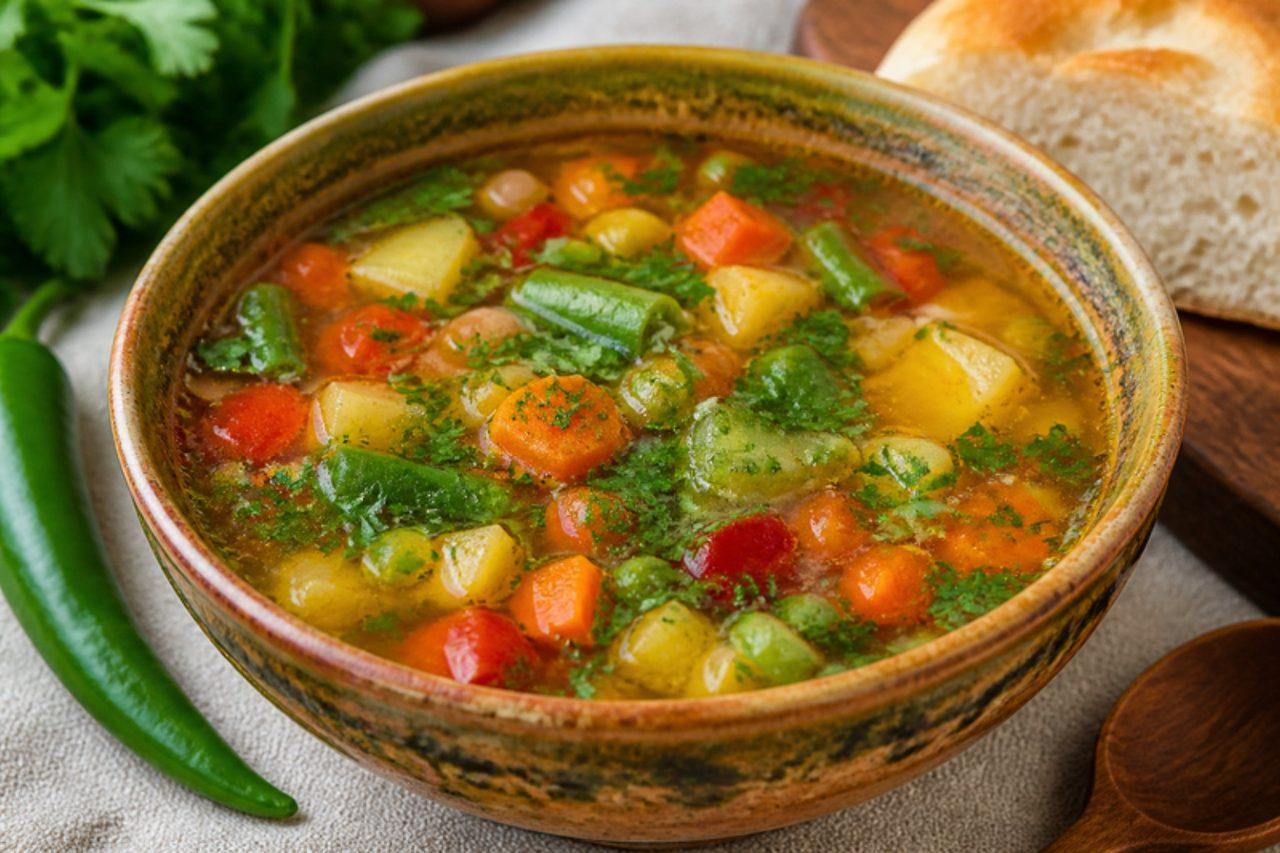
Ciorbă de legumeSoured vegetable soup

Ciorbă is the sour soup that opens a Romanian lunch, from canteens in Cluj to Sunday tables in Moldavia, and the vegetable version is cooked all through the fasting weeks before Easter and Christmas. Root vegetables, beans and peppers simmer in a light broth that is soured at the end with borș, the fermented wheat-bran liquid sold in bottles at Romanian shops, or with lemon juice. Fresh lovage (leuștean) gives its unmistakable celery-like perfume. It is eaten piping hot with bread and a fresh green chilli on the side. Chef's tip: add the borș only at the end and let it come back just to a simmer; boiling it hard dulls the sour tang.

by KrazyBadal 0 views

Ciorbă de perișoareSour soup with meatballs

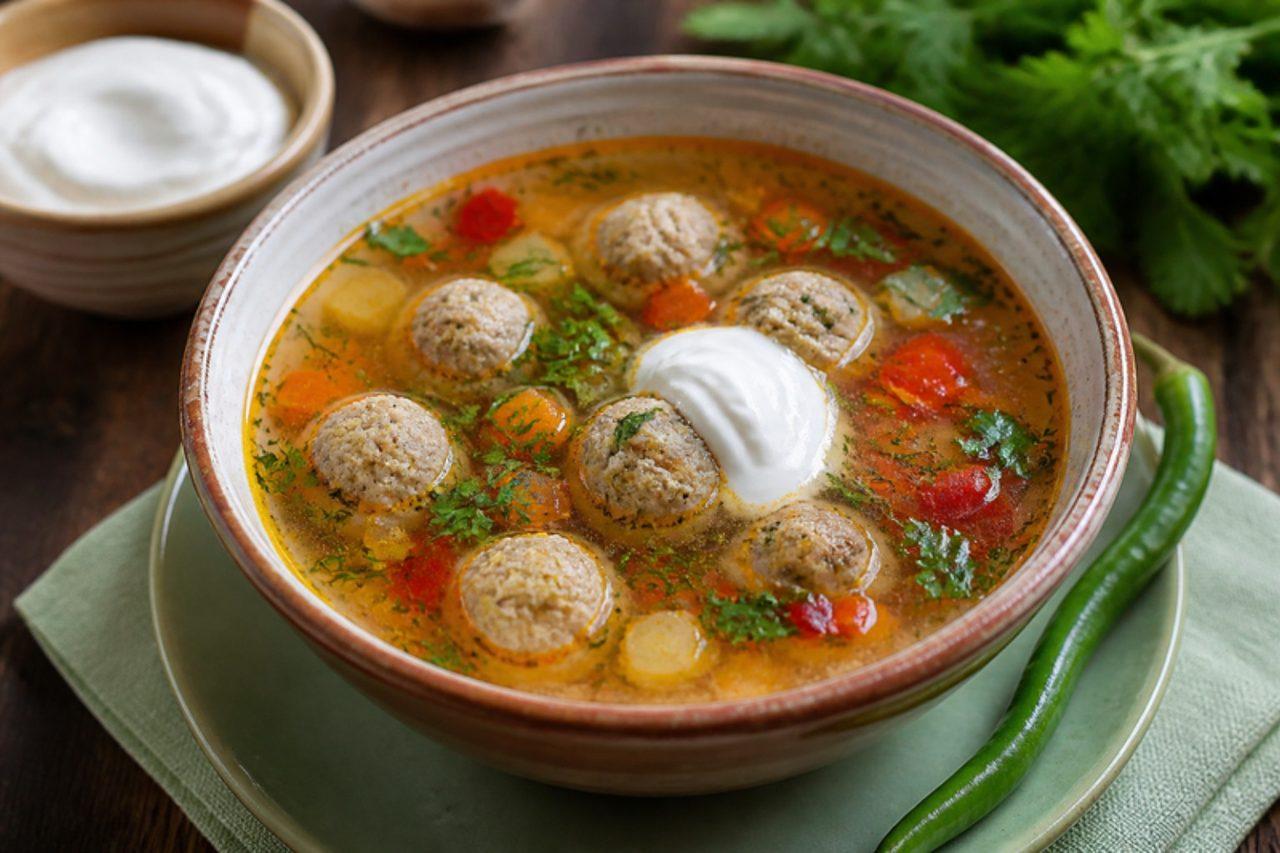
Across Romania, from Bucharest canteens to Moldavian grandmothers' kitchens, a pot of ciorbă de perișoare turns up on the Sunday table and again on Monday, when it tastes even better. This version contains pork: soft meatballs of minced pork and rice simmer in a clear vegetable broth that is soured at the end with borș (fermented wheat-bran liquid) or lemon juice, then finished with a handful of lovage. It is eaten very hot with a spoon of sour cream and a fresh green chilli to bite between spoonfuls. A frequent slip is boiling the soup hard once the meatballs are in, which breaks them apart and clouds the broth. Chef's tip: wet your hands in cold water before rolling each meatball; the mixture will not stick and the balls stay smooth and round.

by KrazyBadal 0 views

Pork vindaloo (vindalho)

Vindalho grew out of the Portuguese vinha d'alhos, meat kept in wine and garlic, which Goan Catholic cooks remade with palm vinegar, Kashmiri chillies and spices. In Goa it is a feast dish for Christmas, weddings and the big family lunch after a church feast, made a day or two ahead because it improves as it sits. Despite its fame, the real thing is more sour and garlicky than blisteringly hot, and it has no potatoes. This recipe contains no alcohol. Chef's tip: let the pork marinate overnight in the fridge so the vinegar and chilli go right through the meat.

125 minIndianMeatGluten freeSpicy
by KrazyBadal 0 views

Thalassery chicken biryani

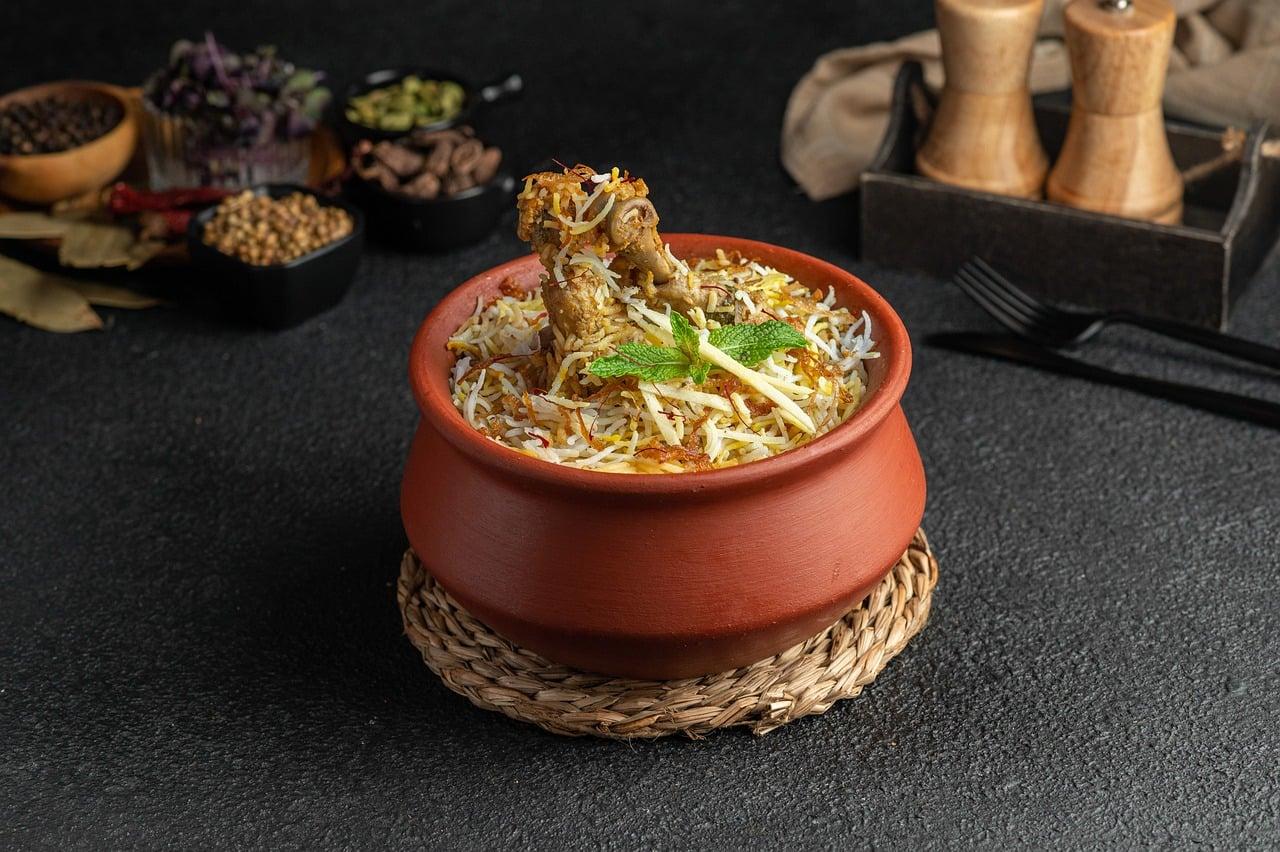
On the Malabar coast of northern Kerala, the port town of Thalassery makes its biryani with kaima (jeerakasala), a tiny fragrant rice that stays separate and buttery instead of long and dry. Mappila Muslim families serve it at weddings, at Eid and at Friday lunches, the chicken cooked first in a green-chilli and tomato masala, then buried under ghee rice and sealed for dum. There is no red chilli powder in it; the heat comes from fresh green chillies, and the sweetness from cashews, raisins and deeply fried onions. Serve it with a sharp date-and-onion pickle or a simple raita. Chef's tip: toast the washed, drained rice in ghee until it smells nutty before the water goes in; it keeps every grain whole.

by KrazyBadal 0 views

Arepa de huevoFried corn cake with egg

Arepa de huevo is the famous fried snack of Colombia's Caribbean coast, sold from the hot oil drums of street cooks in Cartagena, Barranquilla and especially the beach town of Luruaco. A thin yellow-corn arepa is fried until it puffs like a pillow, then slit open, a raw egg is slipped inside, and it goes back into the oil to seal and cook the egg. It is crisp, a little chewy and rich. Street versions often add minced beef; this one keeps it simply egg and salt. Chef's tip: fry the arepas the first time just until they puff, not until golden, or they will burn during the second fry.

by KrazyBadal 0 views

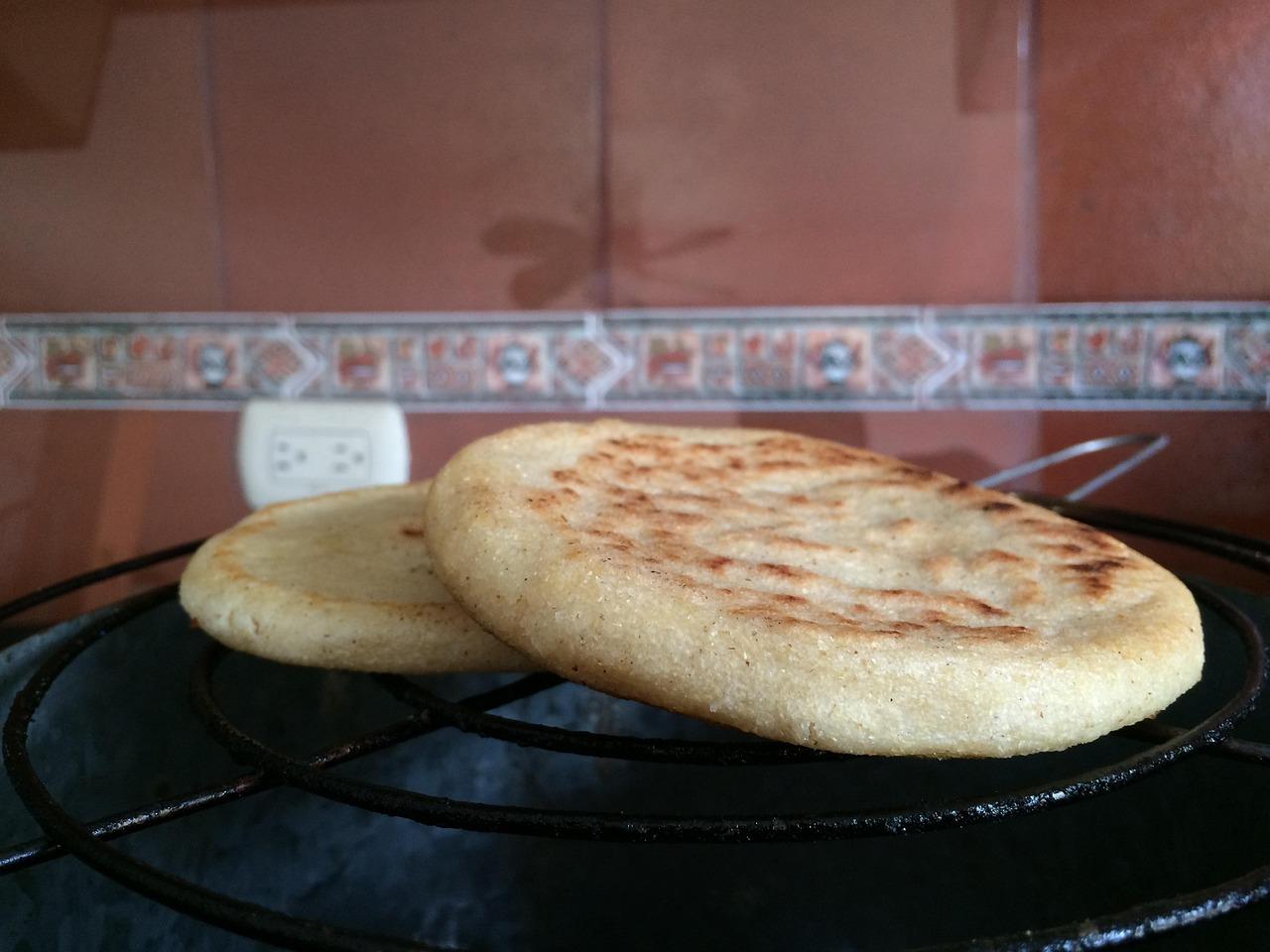
Arepa con quesoCorn cakes with cheese

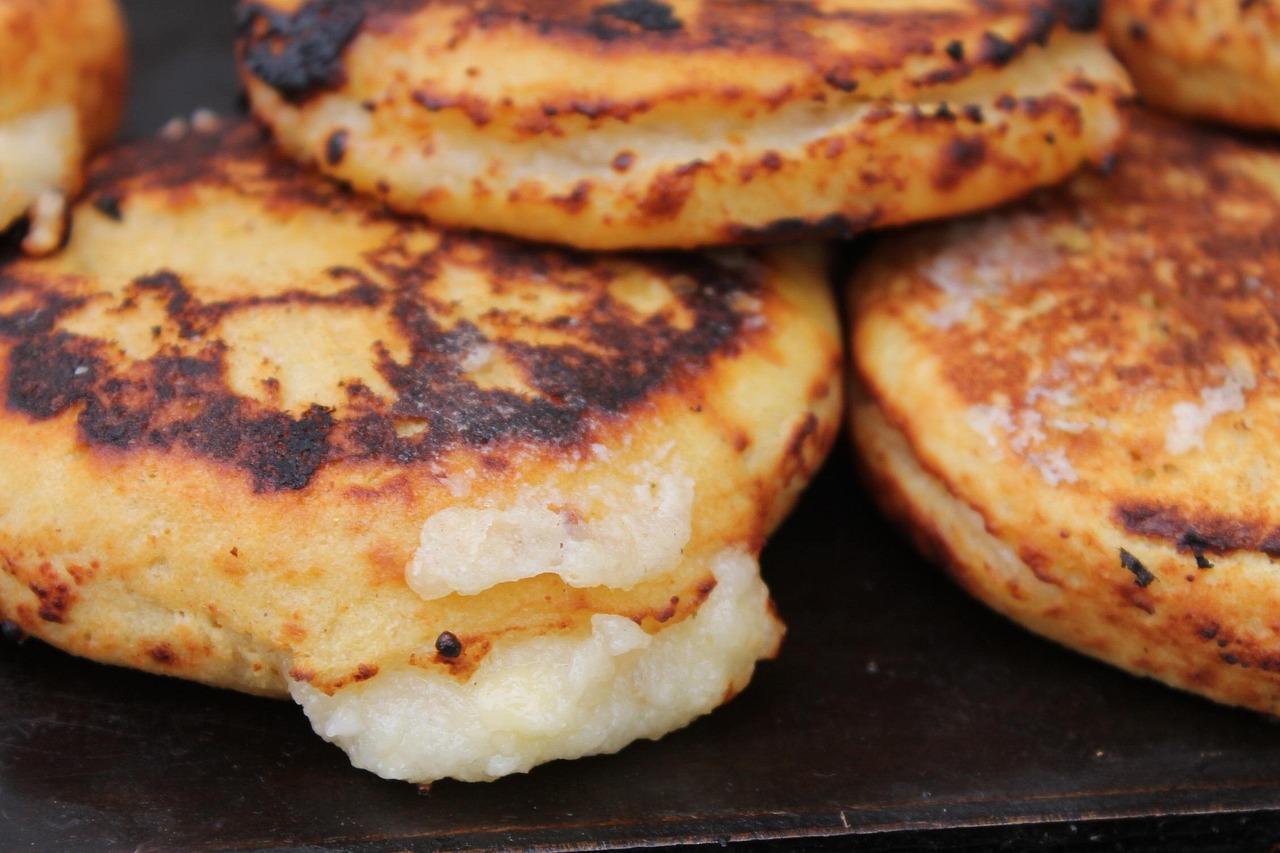
In the Andean cities of Bogotá, Medellín and the coffee region, breakfast very often means an arepa: a thick, griddled round of white corn dough, split or topped with butter and melting fresh cheese. This Colombian arepa con queso has cheese kneaded into the dough as well as on top, so it comes out soft and steamy inside with a crisp, freckled crust. Serve it with hot chocolate, aguapanela or eggs scrambled with tomato and spring onion (huevos pericos). Chef's tip: the dough should feel like soft play dough; if the edges crack when you flatten a ball, it needs a splash more warm water.

by KrazyBadal 0 views

Chettinad chicken

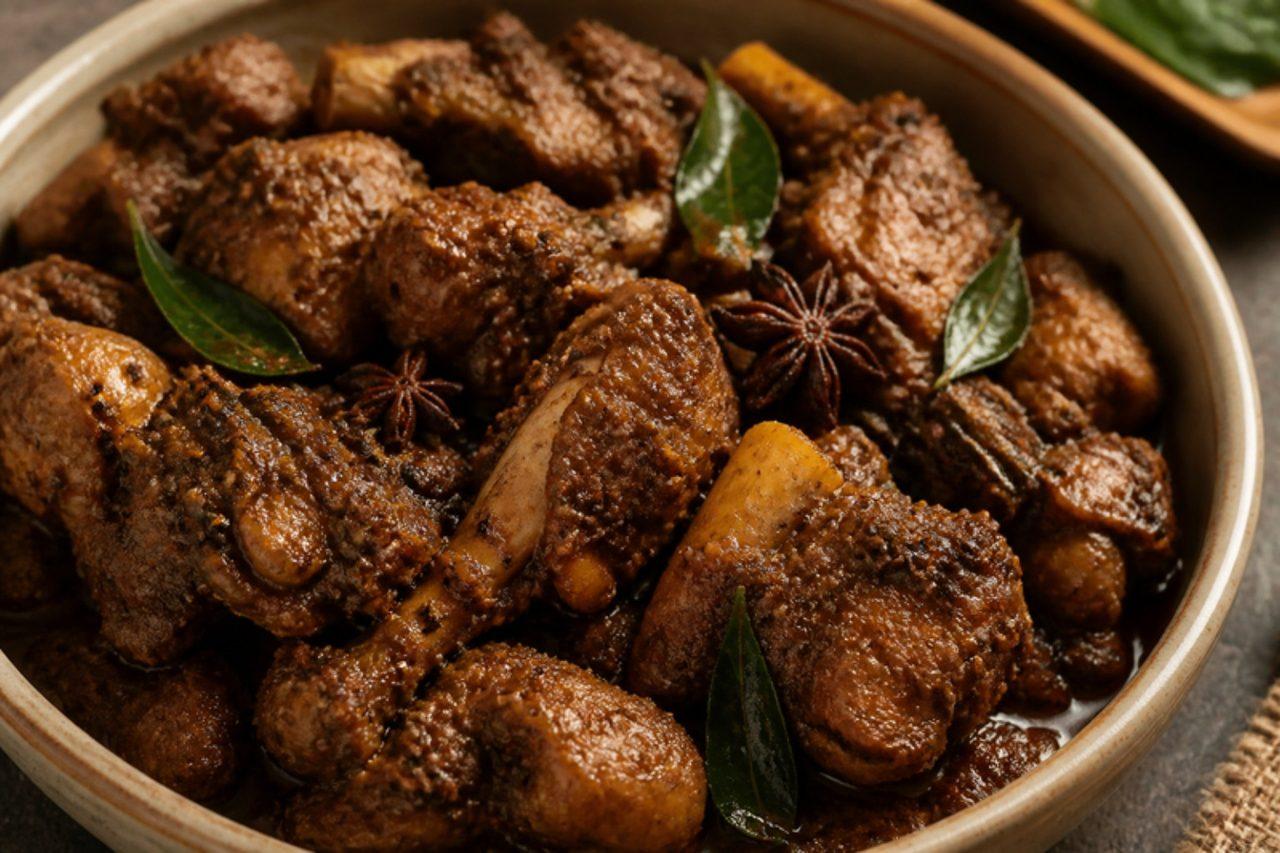
The Nattukottai Chettiar merchants of Karaikudi and the villages around it in southern Tamil Nadu built grand mansions on the spice trade, and their kitchens show it. Their chicken curry is built on a masala roasted and ground at home: dried red chillies, black pepper, fennel, star anise, coconut and the earthy lichen called kalpasi. It is hot, aromatic and deep brown, and in Chettinad it is eaten at Sunday lunch and festivals with rice, idiyappam or flaky parotta. Chef's tip: grind the roasted masala while it is still warm with a splash of water; the oils release and the paste comes out smooth.

by KrazyBadal 0 views

Andhra kodi kuraSpicy chicken curry

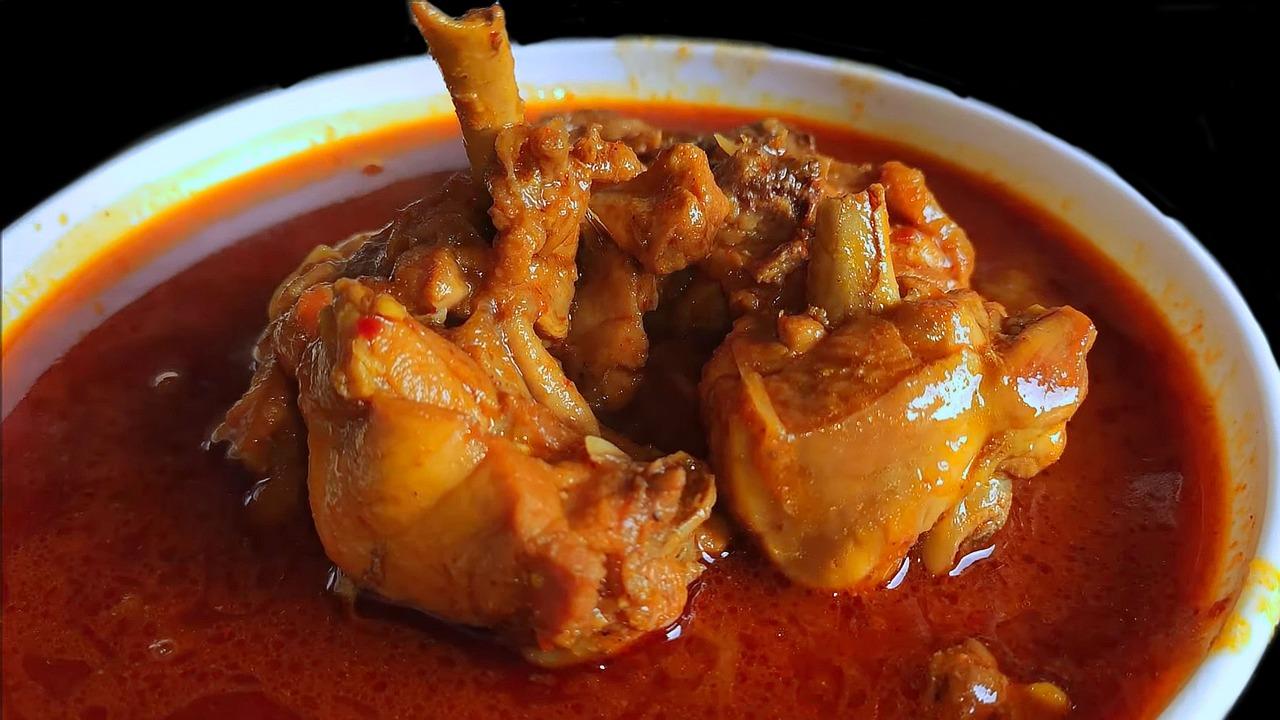
Guntur district grows more red chilli than almost anywhere on earth, and Andhra home cooking wears that proudly. Kodi kura is the Sunday chicken curry of Andhra homes, from Vijayawada to the Rayalaseema villages: thick, red and properly hot, with a little ground poppy seed and coconut to round out the sauce. It is eaten with heaps of plain rice, a spoon of ghee and a bowl of rasam on the side, or with jowar rotis. Chef's tip: fry the masala until oil pools at the sides before adding any water; that is where the colour and flavour come from.

by KrazyBadal 0 views

Clafoutis aux cerisesCherry batter pudding

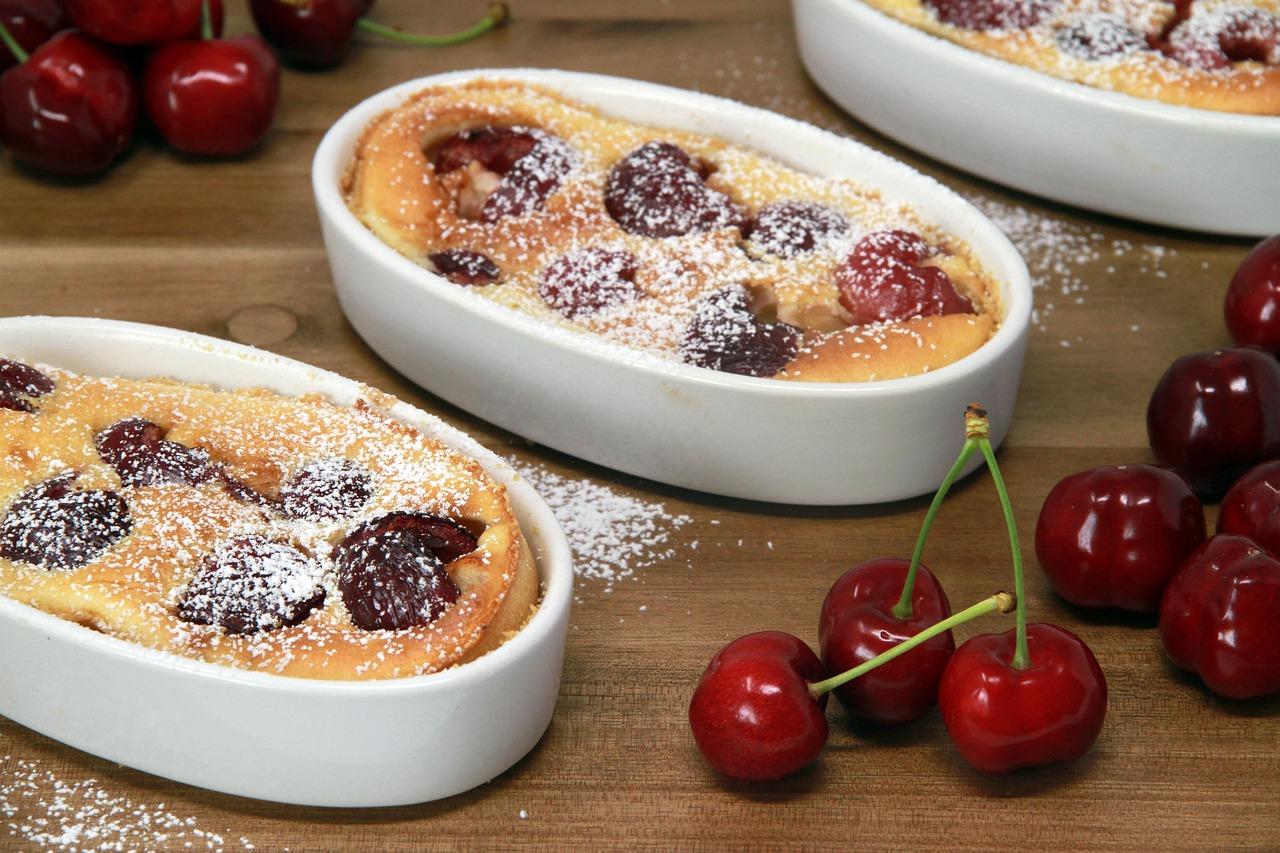
Clafoutis comes from the Limousin in central France, where black cherries ripen in early summer and families make this simple pudding for Sunday lunch. Whole cherries are scattered in a buttered dish and covered with a sweet, eggy batter, like a cross between a pancake and a custard, then baked until puffed and golden. In the Limousin the cherries are left unstoned, which cooks say gives a faint almond flavour; stone them if you are serving children. It's best warm, dusted with icing sugar. Chef's tip: don't overmix the batter once the flour is in; beating it hard is the common mistake and makes the clafoutis tough and rubbery.

by KrazyBadal 0 views

Showing 45 of 7,762 recipes

Show more recipes

Page 645 of 863