


Skip to content
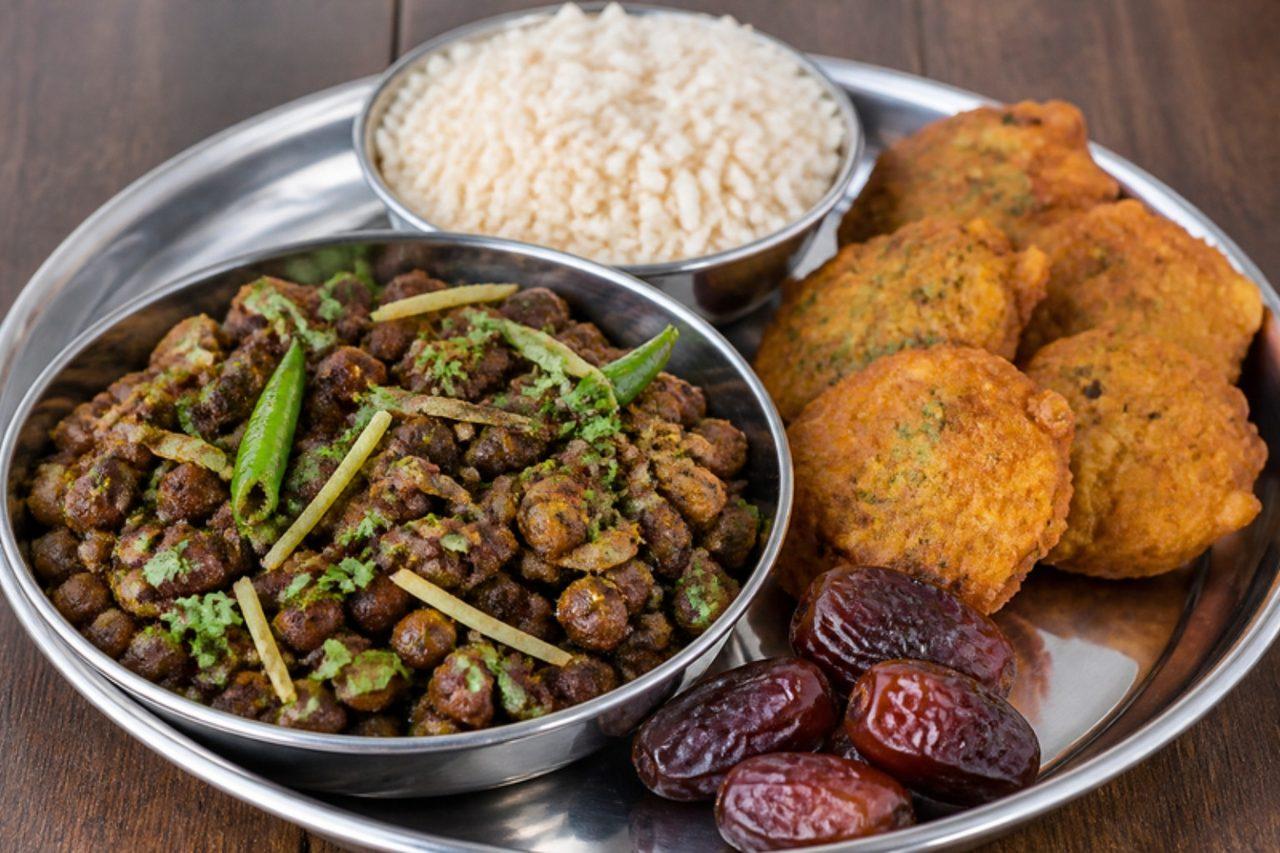
Iftari chhola bhuna
Featured recipe

Iftari chhola bhuna

Dry-fried spiced chickpeas

An hour before sunset during Ramadan, the pavement of Chawkbazar disappears under trays of iftar food, and the one thing every family buys or makes is a bowl of chhola bhuna. It is chickpeas fried down with onion, ginger, garlic and cumin until almost dry, so each one is coated in a thick, dark masala rather than swimming in gravy. On the iftar plate it sits beside piyaju, beguni, muri and dates, and many people toss it with puffed rice, chopped onion and mustard oil into a quick muri makha. A frequent error is adding the chickpeas while the onions are still pale, which leaves the dish flat and sweet instead of deep and savoury. Chef's tip: finish with a pinch of bhaja moshla, dry-roasted cumin, coriander and chilli ground together, for the smoky taste of the street version.

Read more 0 views

What to eat today?

Around the world

Today's trip: Paraguayan

A new country every day, from every cuisine on the site.

Paraguayan

Buseca

Tripe and white bean stew 185 minMore from Paraguayan (27) →

This week's collection

Kid-friendly dinners
537 recipes · a new collection every Monday

Latest recipes

Carciofi alla romanaBraised artichokes with mint

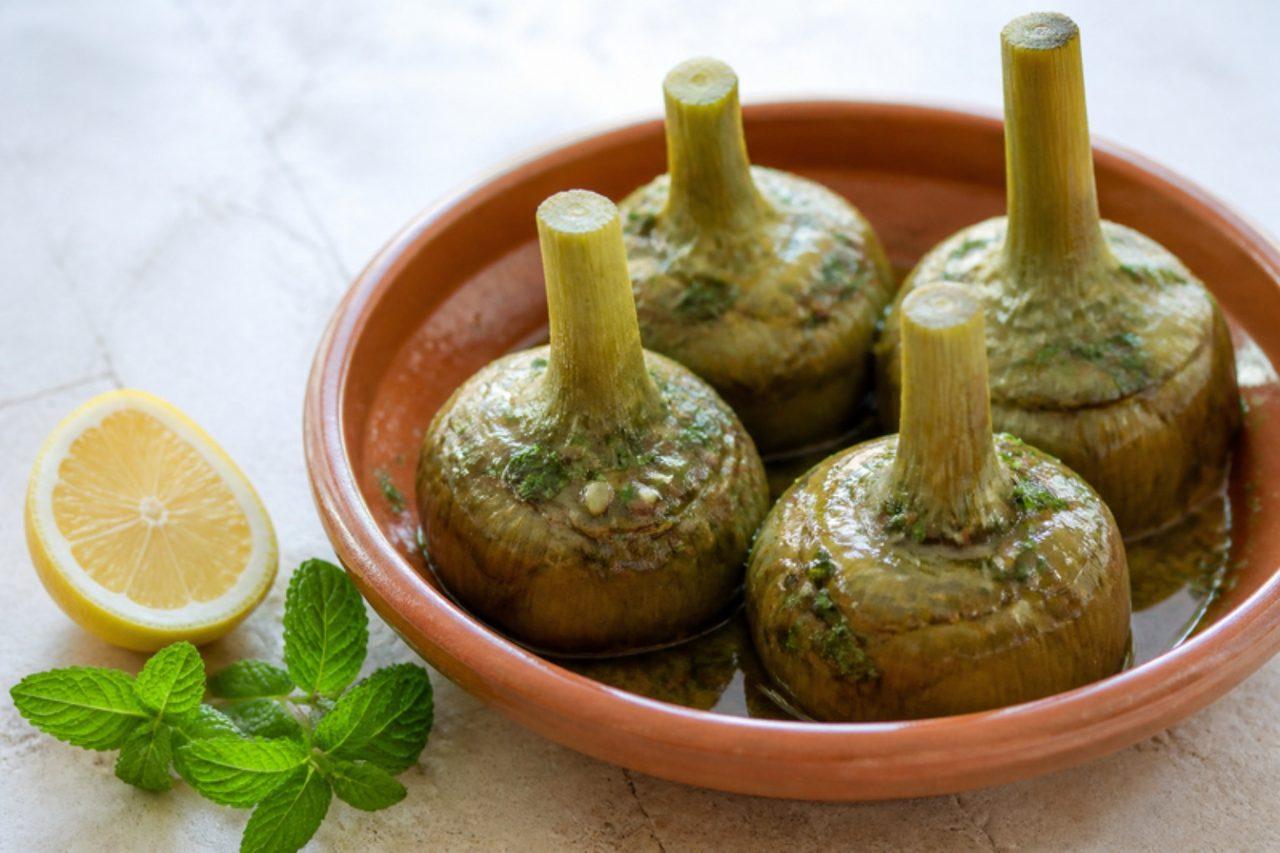
Every spring, from February to April, Roman market stalls pile up round, thornless romanesco artichokes (cimaroli), and trattorie serve them alla romana: stuffed with wild mint, parsley and garlic and braised stem-up in oil and water until meltingly soft. They are eaten warm or at room temperature as a contorno, often next to their crisp cousins, carciofi alla giudia. Any large globe artichoke works at home. Chef's tip: braise them upside down, stems in the air and tightly packed, so the hearts sit in the liquid and the stems steam to the same tenderness.

by KrazyBadal 0 views
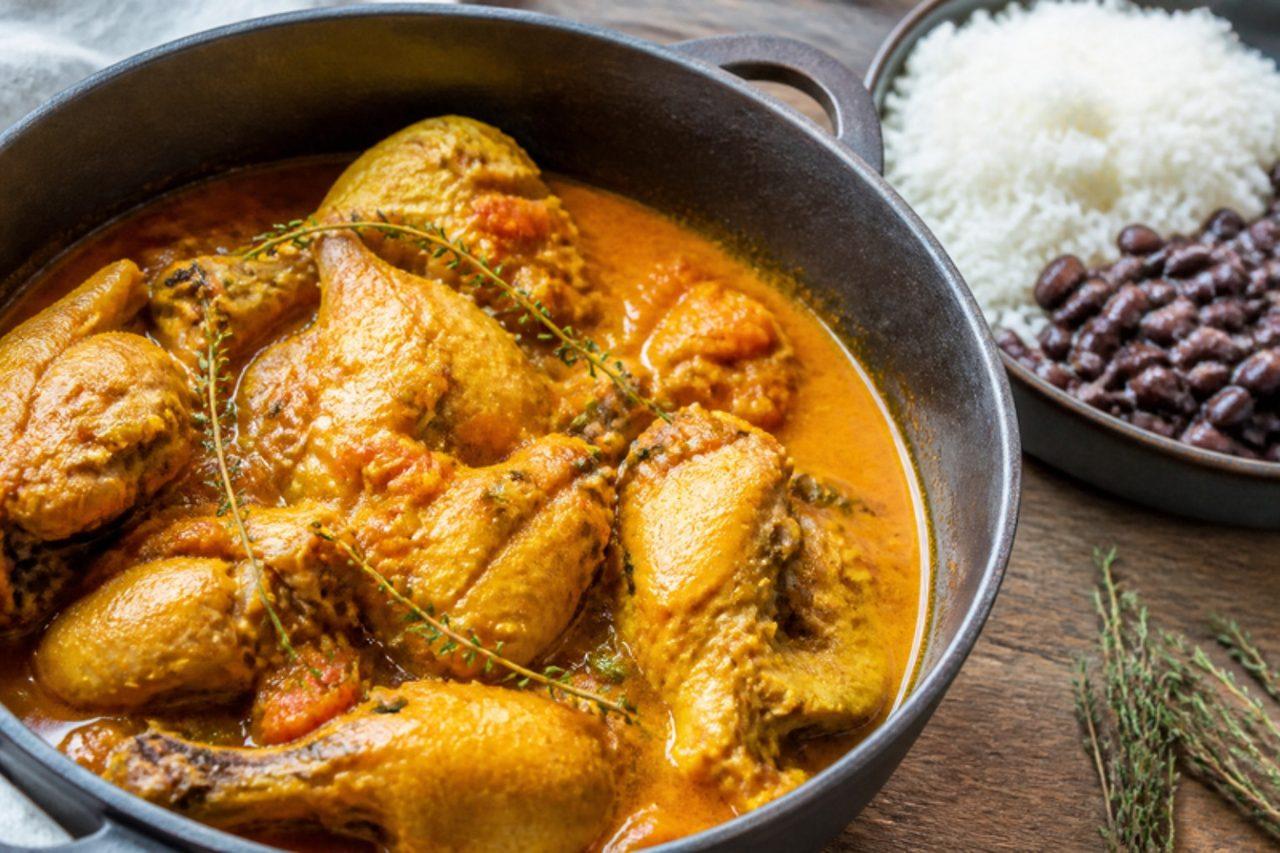
Cari pouletChicken curry

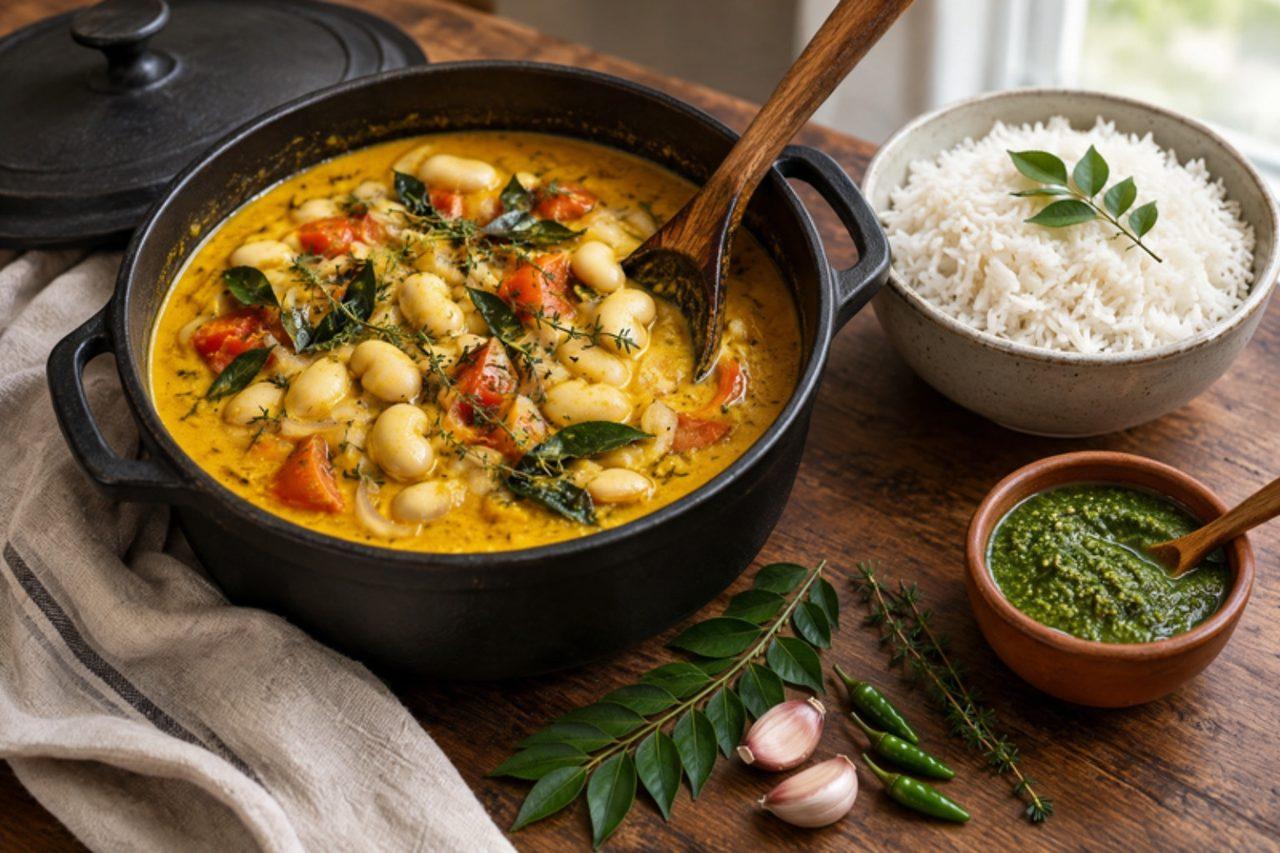
In Réunion a cari is any stew cooked with turmeric (called "safran" on the island), garlic, ginger, onion, tomato and thyme, and cari poulet is the dish families cook on Sundays in Saint-Denis and the mountain villages, often in a big cast-iron pot over a wood fire. It is served with white rice, red beans or lentils, and a fiery rougail on the side. The mistake is adding water too early: let the chicken brown and the tomatoes melt first, then add only a little. Chef's tip: thyme is essential in Réunionnais cooking; add it whole and fish it out before serving.

by KrazyBadal 0 views

Azerbaijani black tea

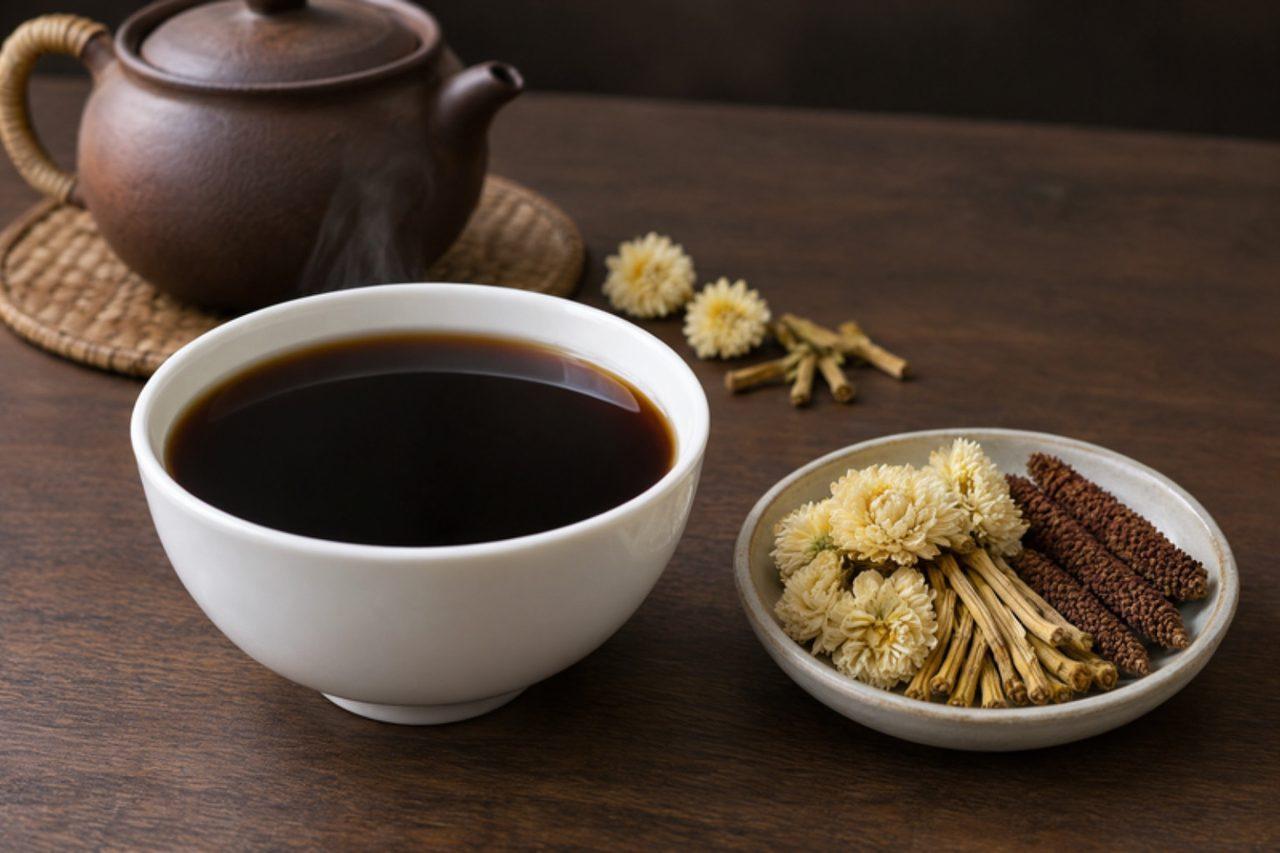
In Azerbaijan tea comes before, during and after everything, served in small pear-shaped armudu glasses in teahouses (çayxana) from Baku's boulevard to the hill towns of Lankaran, where most of the country's tea is grown. It is strong, clear and red-brown, often brewed with a sprig of mountain thyme (kəklikotu) or a crushed cardamom pod, and served with lemon, sugar cubes and little dishes of jam: cherry, quince, white cherry or even walnut. People sip the tea through a sugar cube held in the mouth or with a spoonful of jam, never stirring jam into the glass. It is also the drink that settles a match: tea served sweet at a matchmaking visit means yes. Chef's tip: warm the pot and glasses with boiling water first; tea brewed in a cold pot never reaches full colour.

by KrazyBadal 0 views

CarimañolasYuca fritters stuffed with beef

Carimañolas are torpedo-shaped fritters of mashed yuca filled with savoury minced beef, a breakfast and party snack in Panama City and along the Caribbean coast in Colón, often eaten with a cup of coffee or a spoon of hot sauce. The yuca dough is soft and smooth, the outside crisp after frying. The mistake is working the yuca dough while it is cold; mash and shape it while still warm, when it is smooth and pliable. Chef's tip: wet your hands with a little oil or water as you shape them so the dough doesn't stick.

by KrazyBadal 0 views

Milk tart (melktert)Cinnamon custard tart

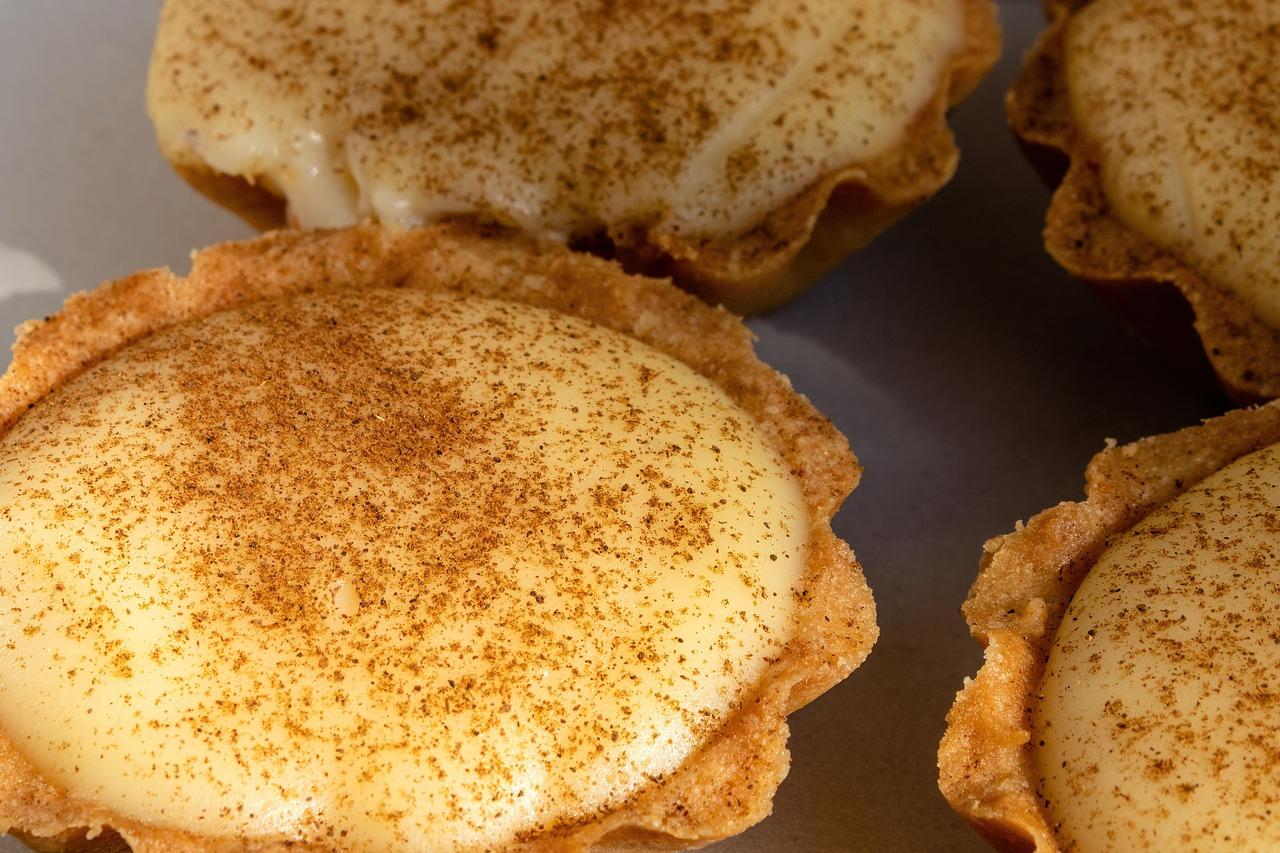
Melktert is South Africa's coffee-time tart, made by Afrikaner and Cape Malay families alike, sold at church bazaars and in farm stalls along the Garden Route, and even celebrated with its own National Milk Tart Day on 27 February. A crisp sweet pastry case holds a thick, wobbly custard made with milk and flavoured with a cinnamon stick, then finished with a heavy dusting of ground cinnamon. It is lighter and more milky than a baked egg custard tart. Chef's tip: stir the custard constantly as it thickens and keep cooking for 2 minutes after it bubbles so the flour loses its raw taste.

by KrazyBadal 0 views

MilmyeonCold wheat noodles

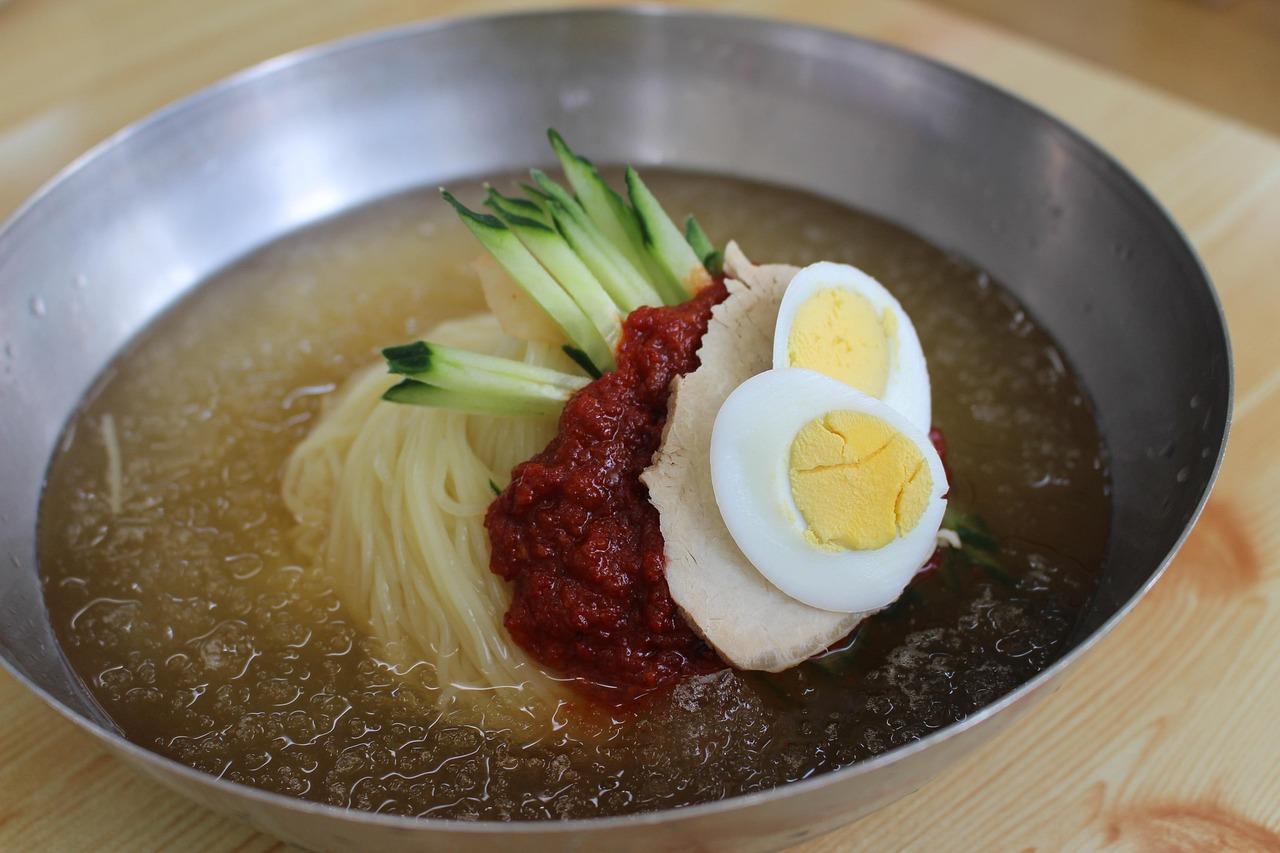
Busan's milmyeon was born in the refugee years of the Korean War, when people from the north who had fled to the port city wanted the cold buckwheat noodles of home but could only get wheat flour, much of it from food aid. The noodles that resulted are chewier and paler than naengmyeon, and the broth is flavoured with beef bones, vegetables and sometimes medicinal herbs, then served icy cold. A spoonful of spicy red sauce sits on top, and diners add vinegar and mustard to taste. In summer, long queues form outside milmyeon shops across Busan. Making the broth the day before is easiest, though an ice bath and the freezer get it cold in about an hour. Chef's tip: serve the broth so cold that a slushy layer of ice floats on top, as Busan shops do; a wide container in the freezer gets it there.

by KrazyBadal 0 views

Casado vegetarianoRice, beans and plantain plate

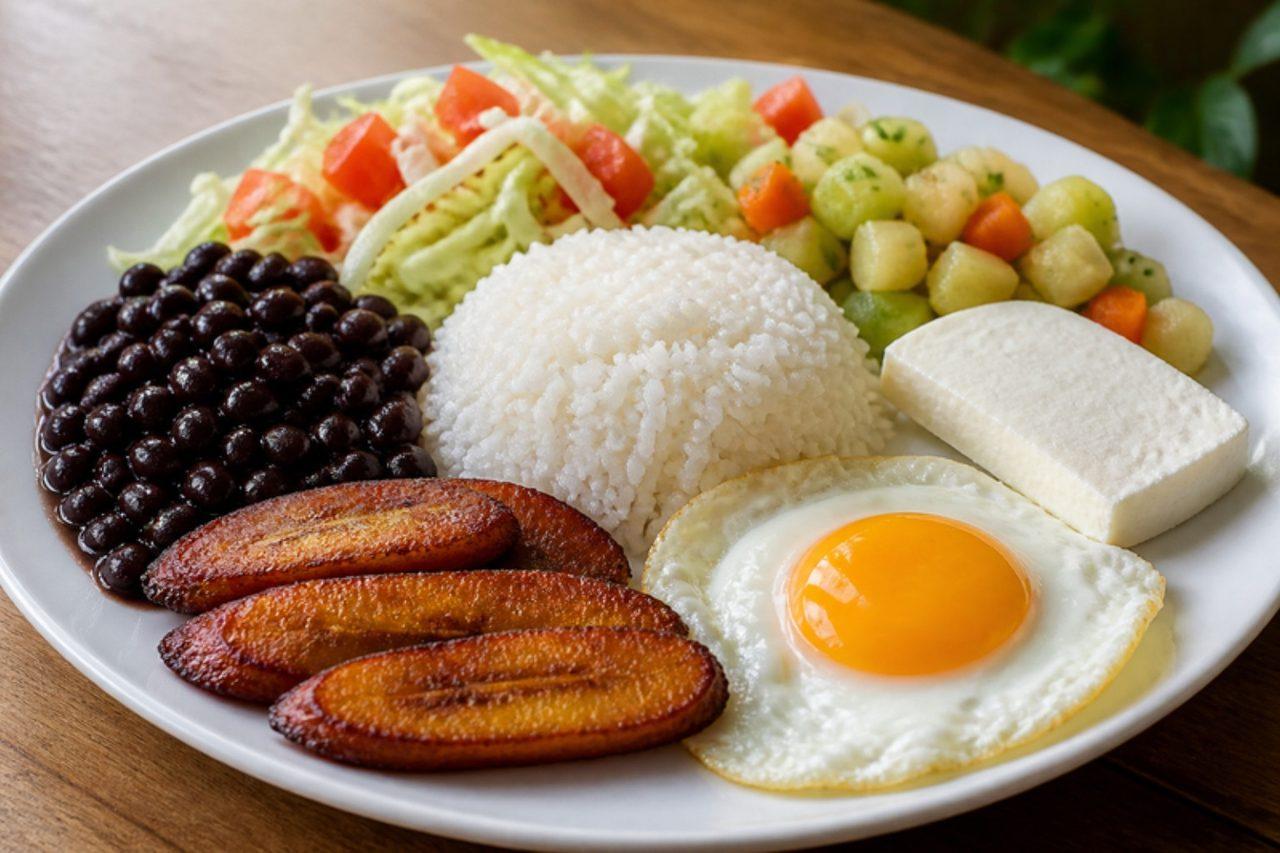
Walk into any soda (small family diner) in San José at lunchtime and the board will offer a casado: one plate where rice and beans are 'married' to salad, sweet plantain and a main. The meatless version is just as common, with a fried egg and a slice of fresh white cheese, plus a little picadillo of chopped vegetables. It's a full, balanced lunch, and every element is simple. Chef's tip: cook the plantain only when it's deeply black-skinned and soft; ripe plantain caramelises to sticky dark edges, green plantain just goes dry.

by KrazyBadal 0 views

BadamburaLayered almond rolls

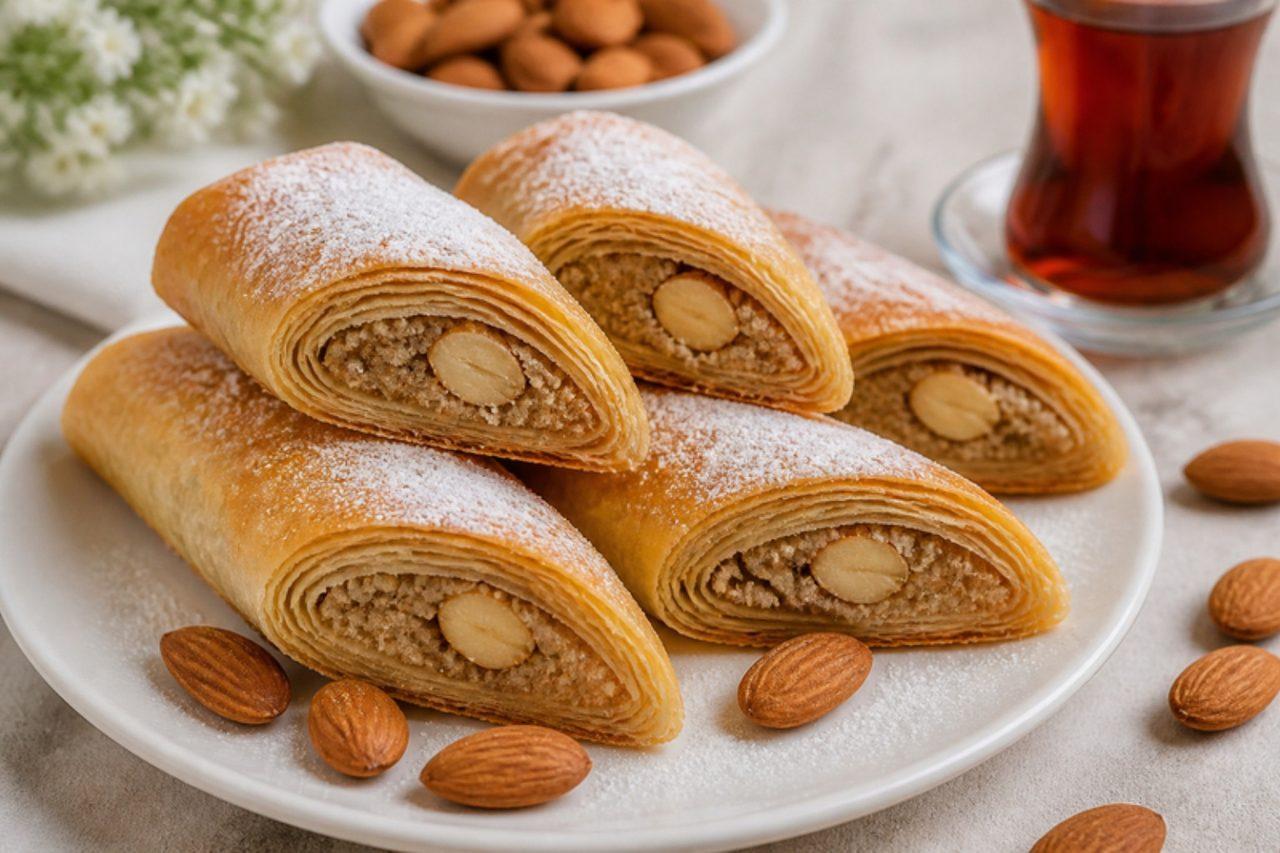
Badambura means "almond twist", and in Baku it is the cousin of shekerbura that takes more patience: the dough is rolled thin, brushed with butter and rolled up in a long spiral, so it bakes into crisp, flaky layers around a moist almond filling. It is made for Novruz and weddings and sold year-round in the old-city bakeries of Icherisheher, wrapped in paper with a dusting of icing sugar. The flavour is pure almond and cardamom with a hint of vanilla. Serve with black tea in pear-shaped glasses. Chef's tip: keep the rolled spiral cold in the fridge for 20 minutes before cutting; firm dough keeps its layers.

by KrazyBadal 0 views

Lentil and apricot soup

Red lentil soup with dried apricots is a Lenten favourite of Armenian kitchens, from Yerevan flats to diaspora homes in Beirut and Los Angeles, made in the weeks before Easter when meat and dairy are set aside. The apricots, Armenia's national fruit, melt into the lentils and give a soft sweet-sour note that sits behind cumin, thyme and a squeeze of lemon. It is thick but not stodgy, a bright orange bowl that is filling enough for supper with lavash and a plate of fresh herbs. Chef's tip: chop half the apricots fine and let them dissolve, and add the rest in strips near the end, so you get both background sweetness and juicy bites.

by KrazyBadal 0 views

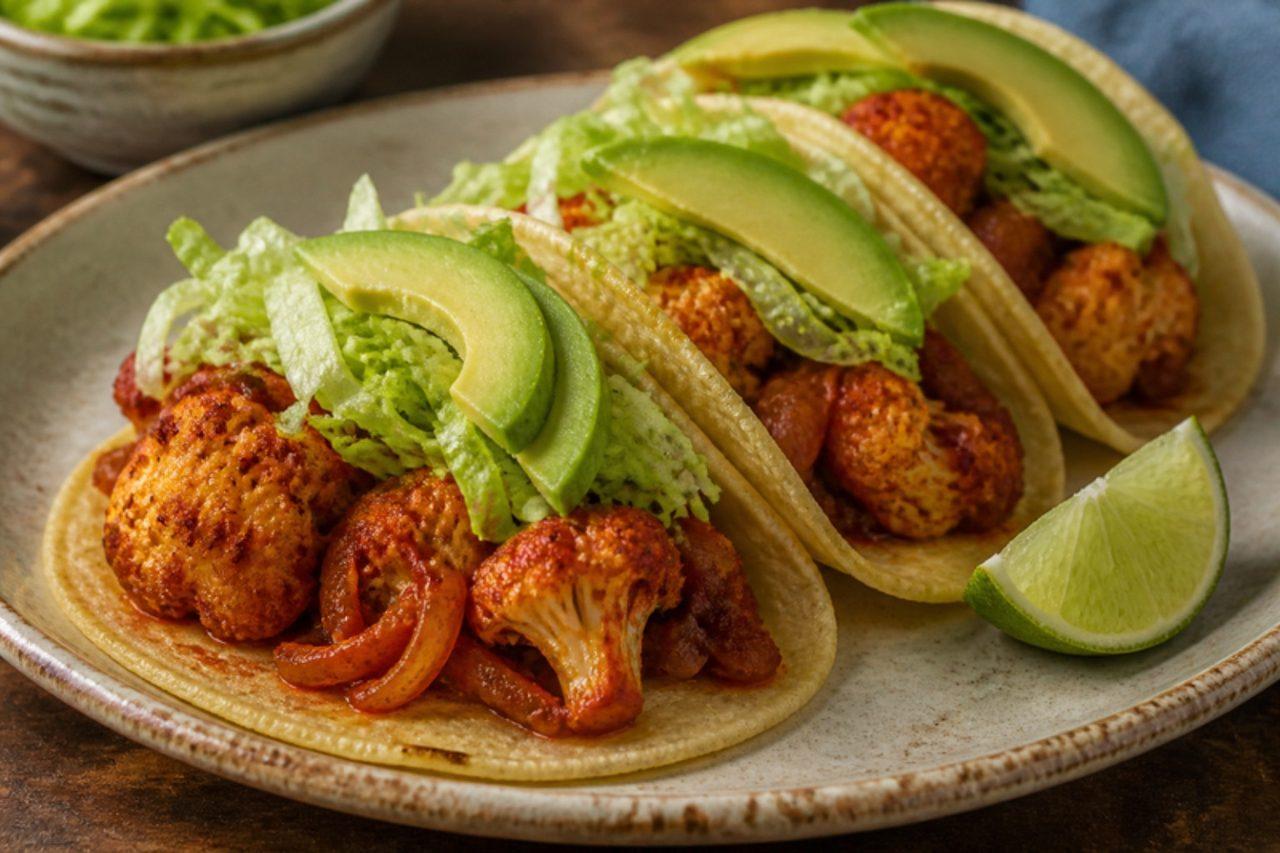
Cauliflower tinga tacosChipotle cauliflower tacos

Tinga comes from Puebla, where shredded meat is simmered in a sauce of sweet sliced onion, tomato and smoky chipotle chillies and piled onto tostadas or tacos. Here roasted cauliflower takes the place of the chicken: browned in a hot oven so it turns nutty and holds its shape, then folded through the brick-red sauce so every floret is glossy and smoky. The result, tinga de coliflor, is sweet, tangy and properly spicy; serve it in warm corn tortillas or on crisp tostadas with avocado, shredded lettuce and lime. Chef's tip: cook the onions slowly until soft and sweet before the tomatoes go in; the sweetness is what balances the heat of the chipotle.

by KrazyBadal 0 views

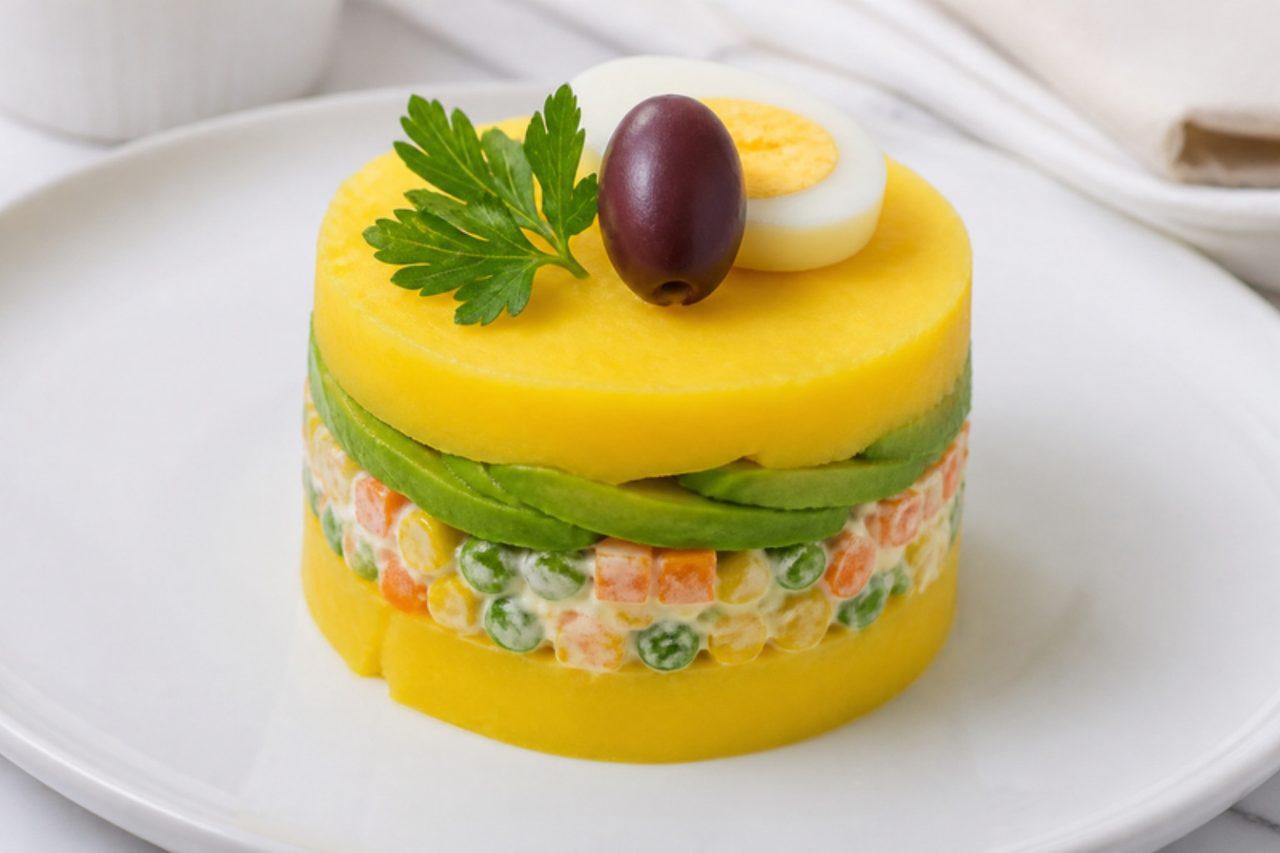
Causa limeñaLayered potato terrine

Causa limeña is Lima's cold potato terrine: yellow potatoes mashed with lime, oil and ají amarillo, pressed into layers and filled. In Lima it is a lunchtime starter sold in every menú and at every family party, often with tuna or chicken; this vegetarian causa is filled with ripe avocado and a creamy salad of corn, peas and carrot. The potato should be smooth, sunny yellow, tangy and gently hot, and the whole thing is served cold in neat slices. Make it in the morning for dinner, or the day before for a party. Chef's tip: mash the potatoes while warm but add the lime only once they have cooled; lime on hot potato turns the mash grey and gluey.

by KrazyBadal 0 views

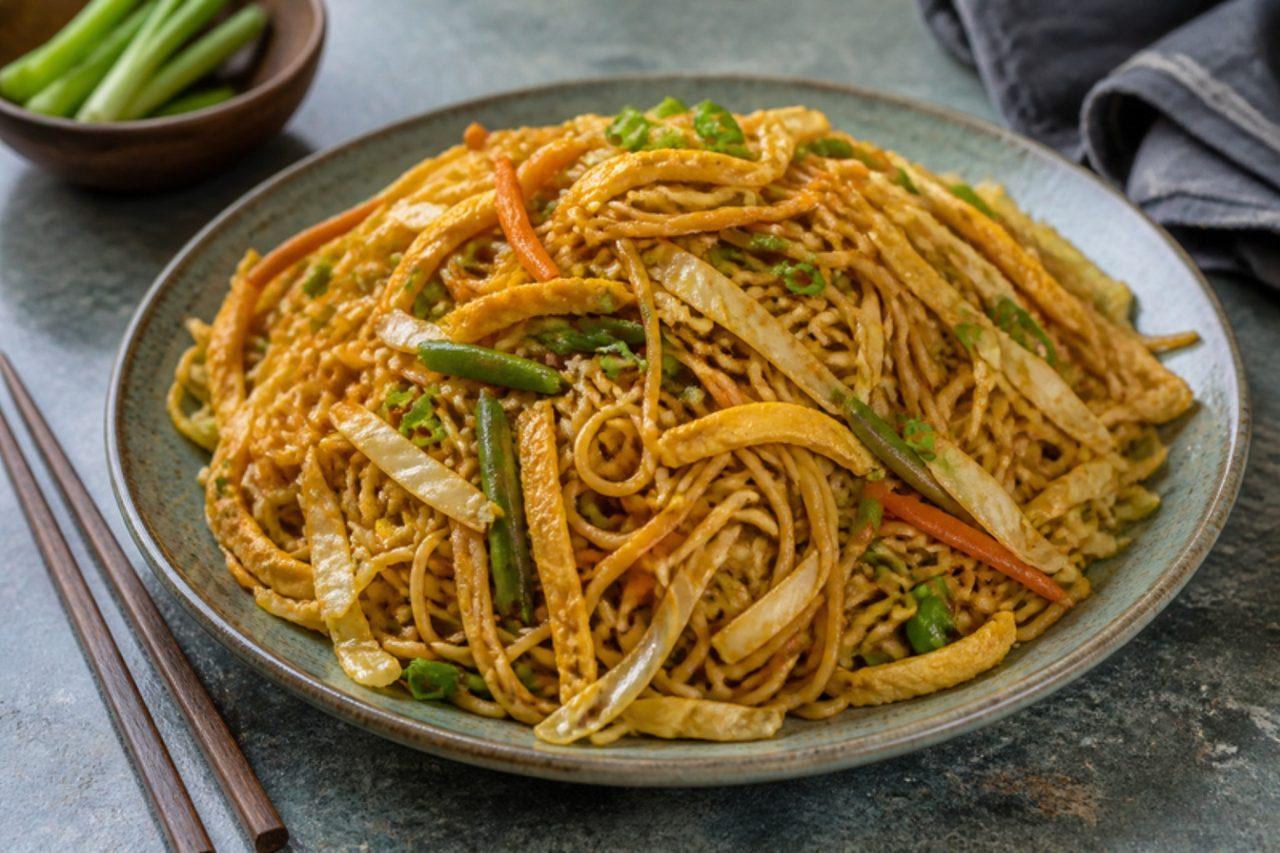
Mine friteFried noodles with vegetables and egg

Mine frite (fried noodles) arrived with the Hakka Chinese community of Port Louis and is now everyone's favourite, sold from food vans and stalls all over Mauritius and made at home for weekend lunches. Egg noodles are tossed in a very hot wok with garlic, cabbage, carrot, spring onion and soy sauce, then topped with an omelette in strips. It is usually eaten with a spoon of chilli paste and a pickled chilli. Chef's tip: dry the noodles well after boiling; wet noodles steam instead of frying and clump.

by KrazyBadal 0 views

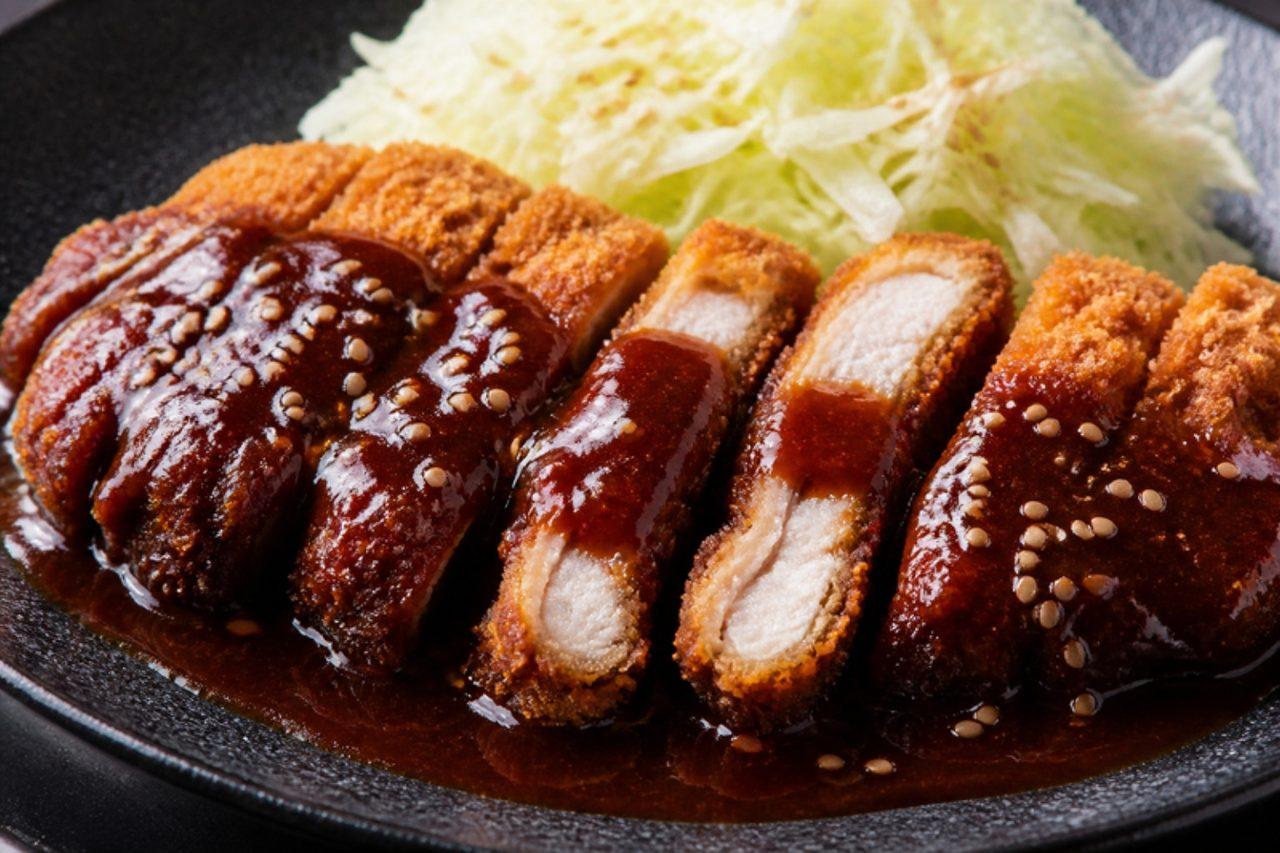
Miso katsu (Nagoya pork cutlet with red miso sauce)

Dark soybean miso, such as the hatcho miso made in nearby Okazaki, gives Nagoya food its deep brown colour and rich, slightly bitter flavour. Miso katsu is the city's best-known way to use it: a fried pork cutlet covered in a thick, sweet miso sauce. It is served in lunch restaurants on a bed of shredded cabbage with rice and miso soup, or sliced over rice as a bowl. The sauce is glossy and savoury, a little like a darker, sweeter barbecue sauce. Chef's tip: snip through the strip of fat and sinew along the edge of each chop every 2 cm before coating it, so the cutlet stays flat in the oil and cooks evenly.

by KrazyBadal 0 views

Vegetarian sausage rolls

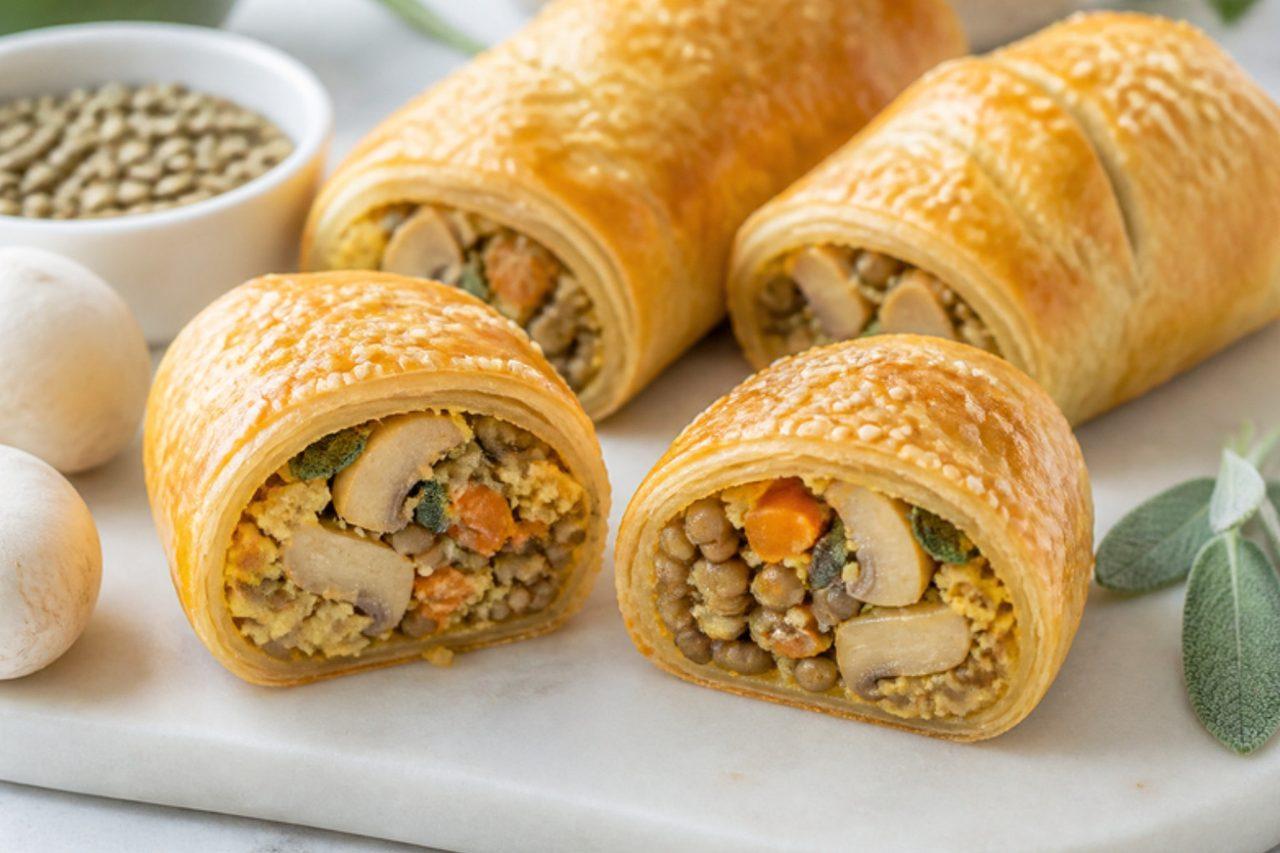
Sausage rolls are the snack of Australian bakeries, school canteens and footy grounds, eaten from a paper bag with a squeeze of tomato sauce, and they're on the table at every kids' party from Perth to Hobart, and across the Tasman too. This vegetarian version wraps crisp, buttery puff pastry around a savoury filling of browned mushrooms, lentils, carrot, cheddar and sage, firm enough to slice and with the peppery, herby taste of a good bakery roll. The meat original uses raw seasoned pork or beef mince in place of the filling, as noted in the steps. Chef's tip: cook the mushrooms until they are dry and browned; any leftover liquid will turn the pastry soggy from the inside.

by KrazyBadal 0 views

Blueberry pierogi

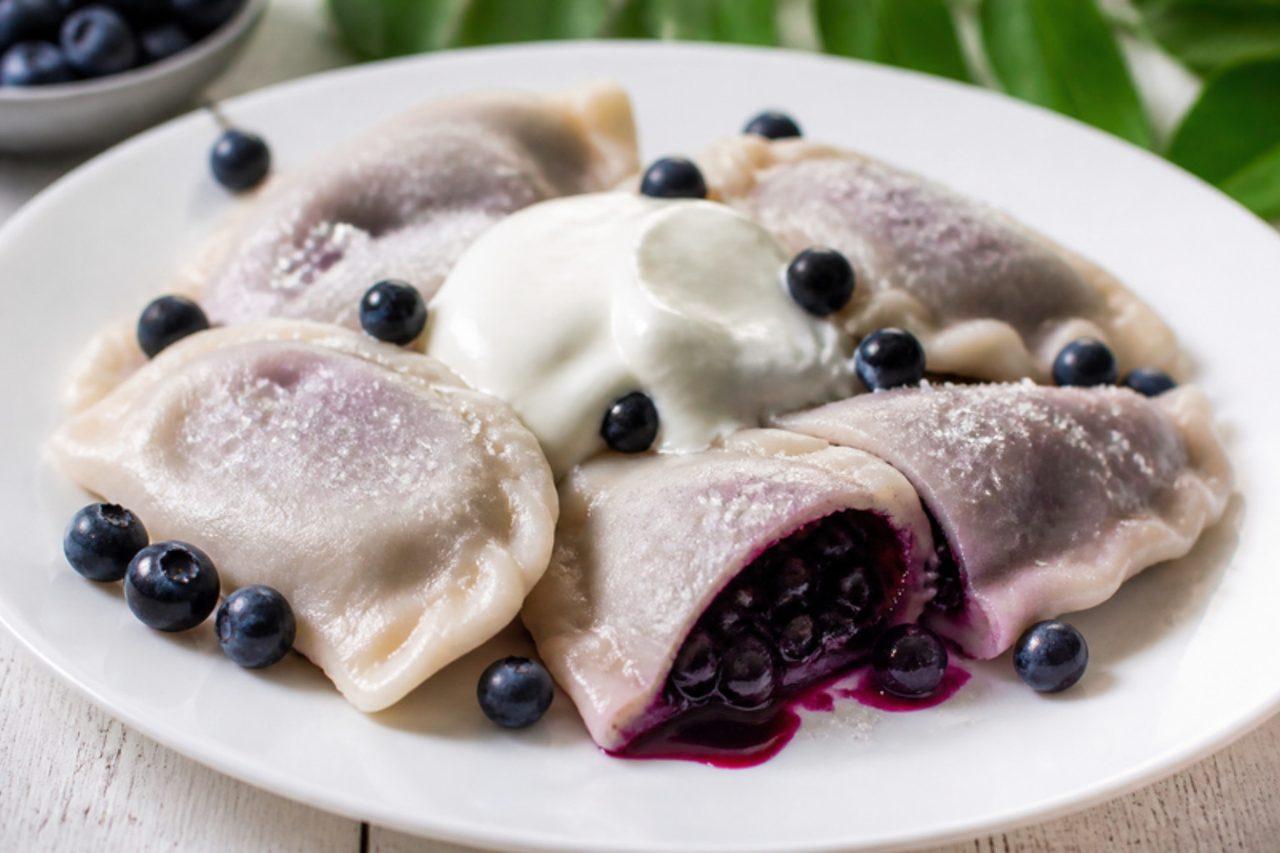
When wild bilberries ripen in the pine forests of Podlasie and Masuria in July, roadside sellers appear with jars of them and half of Poland makes pierogi z jagodami for lunch. The dumplings are boiled, so the berries burst into a hot, purple, jammy filling inside a soft dough, and they are eaten with cold sweetened soured cream and a dusting of sugar. Cultivated blueberries work well; frozen wild bilberries are closer to the original. Chef's tip: toss the berries with potato starch, but add the sugar only on top when you serve; sugared berries weep juice, and that juice is what makes the pierogi burst.

by KrazyBadal 0 views

Papelón con limónIced panela and lime drink

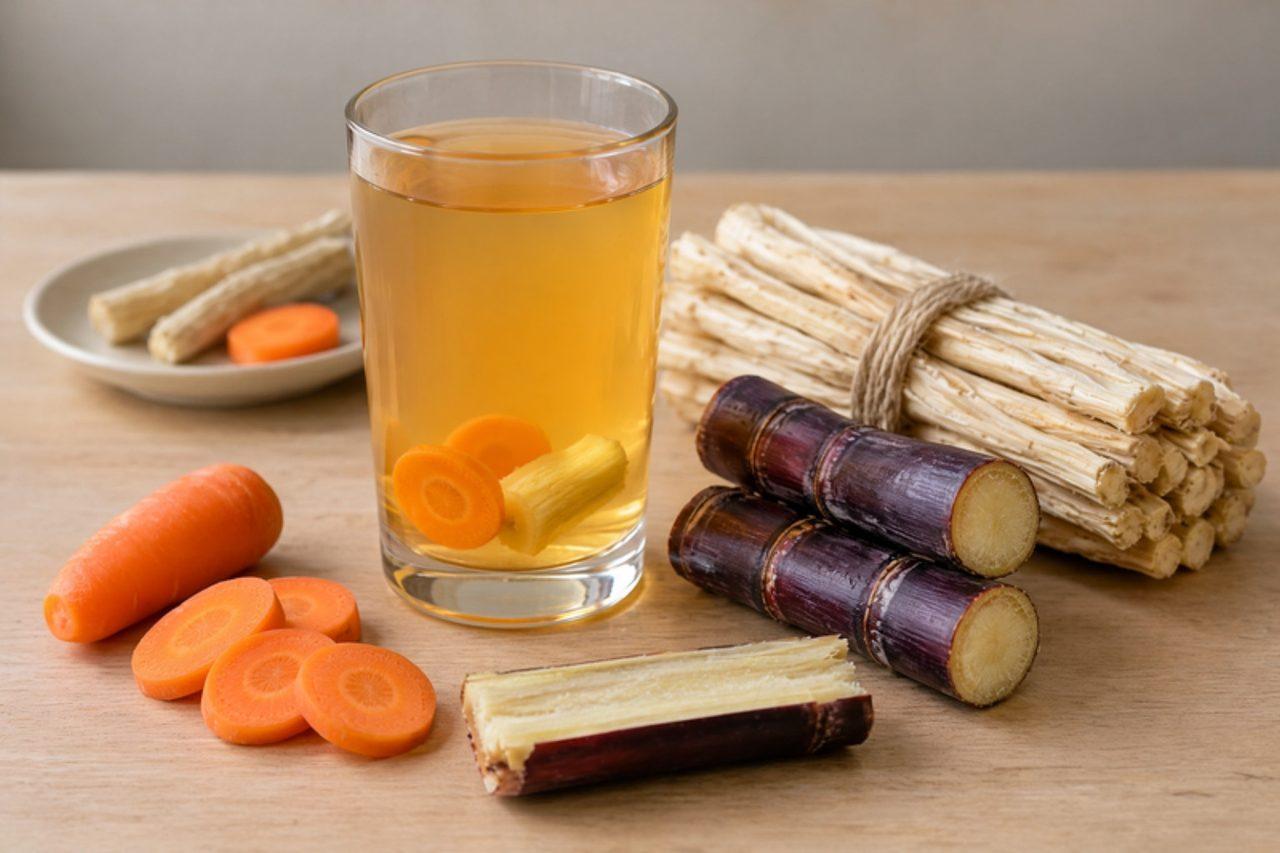
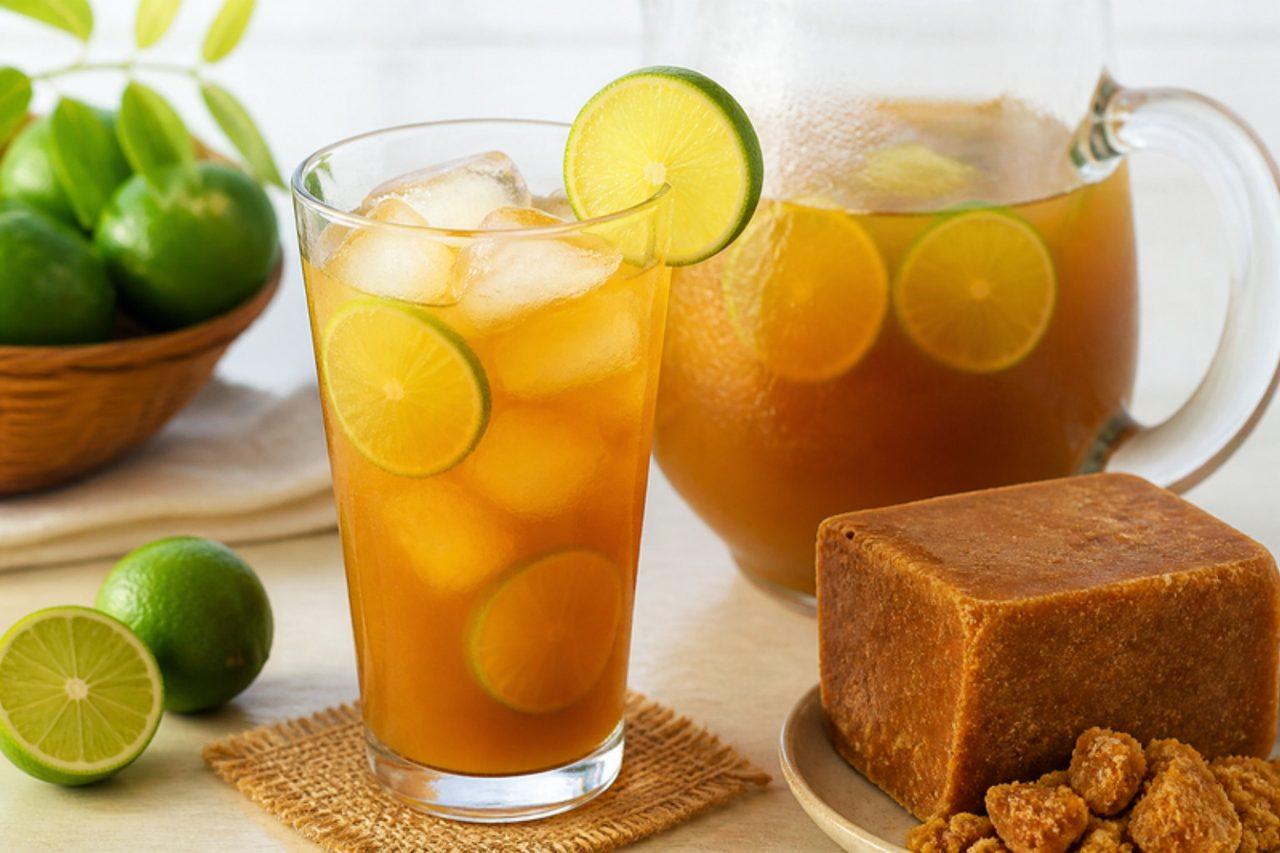
Papelón con limón is the cold drink of Venezuela, served in jugs alongside arepas, empanadas and every Sunday lunch, and sold by the glass from street stalls in the heat of Maracaibo and the plains. Papelón is the Venezuelan name for panela, the dark block of unrefined cane sugar; melted into water and mixed with lots of fresh lime, it tastes like a caramel-scented lemonade. The hot Colombian cousin is aguapanela. Chef's tip: dissolve the papelón in warm water first, then chill; it never fully dissolves in cold water and leaves grains at the bottom.

by KrazyBadal 0 views

DomodaBeef and peanut stew

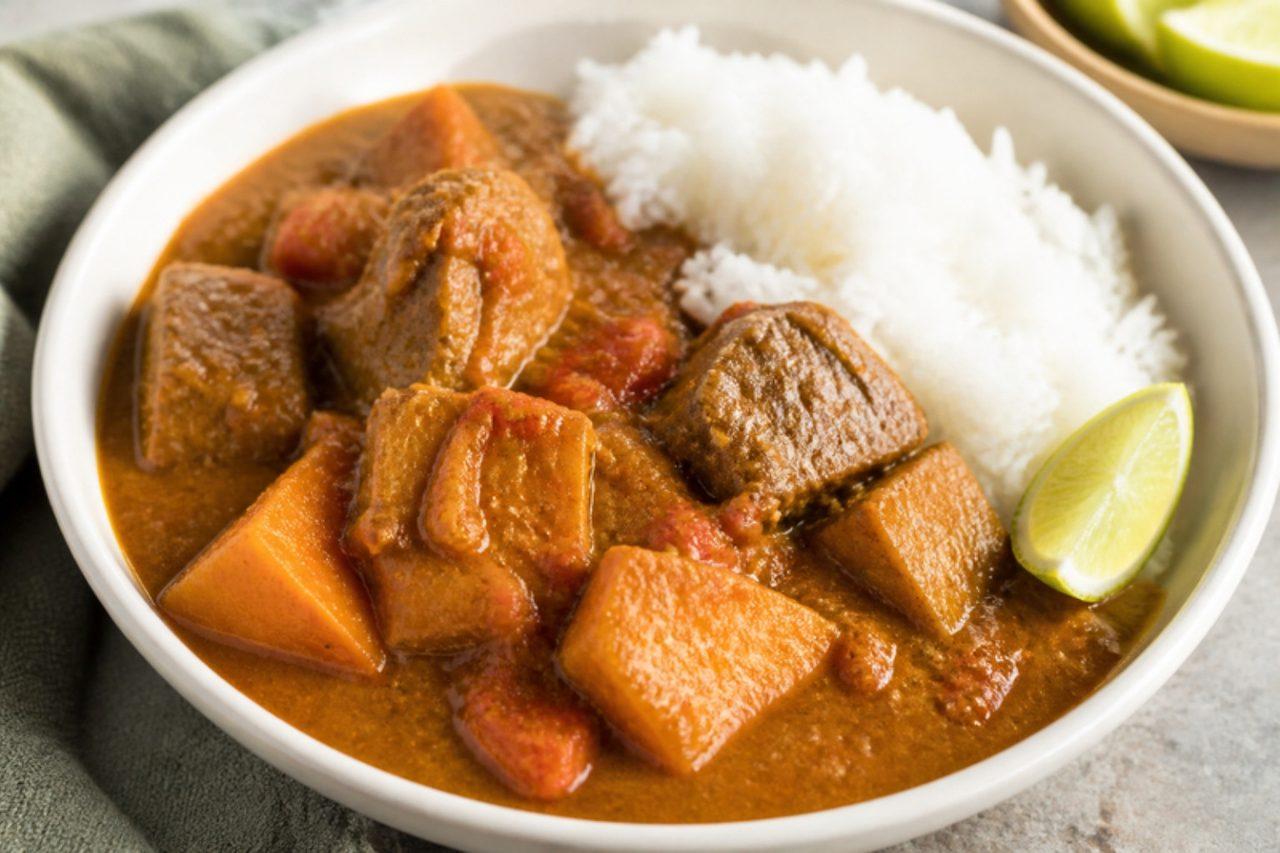
Domoda is the stew that most families in the Gambia, from Banjul to the riverside villages upcountry, cook several times a week. Beef is browned and simmered with tomato and onion, then smooth peanut butter is stirred in until the sauce turns thick, glossy and rich, with pumpkin and sweet potato melting into it. It is spooned over white rice with a squeeze of lime, and a scotch bonnet floats in the pot for whoever likes it hot. The mistake to avoid is adding the peanut butter too early and leaving it unstirred, as it catches and burns on the bottom; add it once the beef is nearly tender and stir often. Chef's tip: whisk the peanut butter with a ladle of hot broth before it goes in, so it melts smoothly instead of forming lumps.

by KrazyBadal 0 views

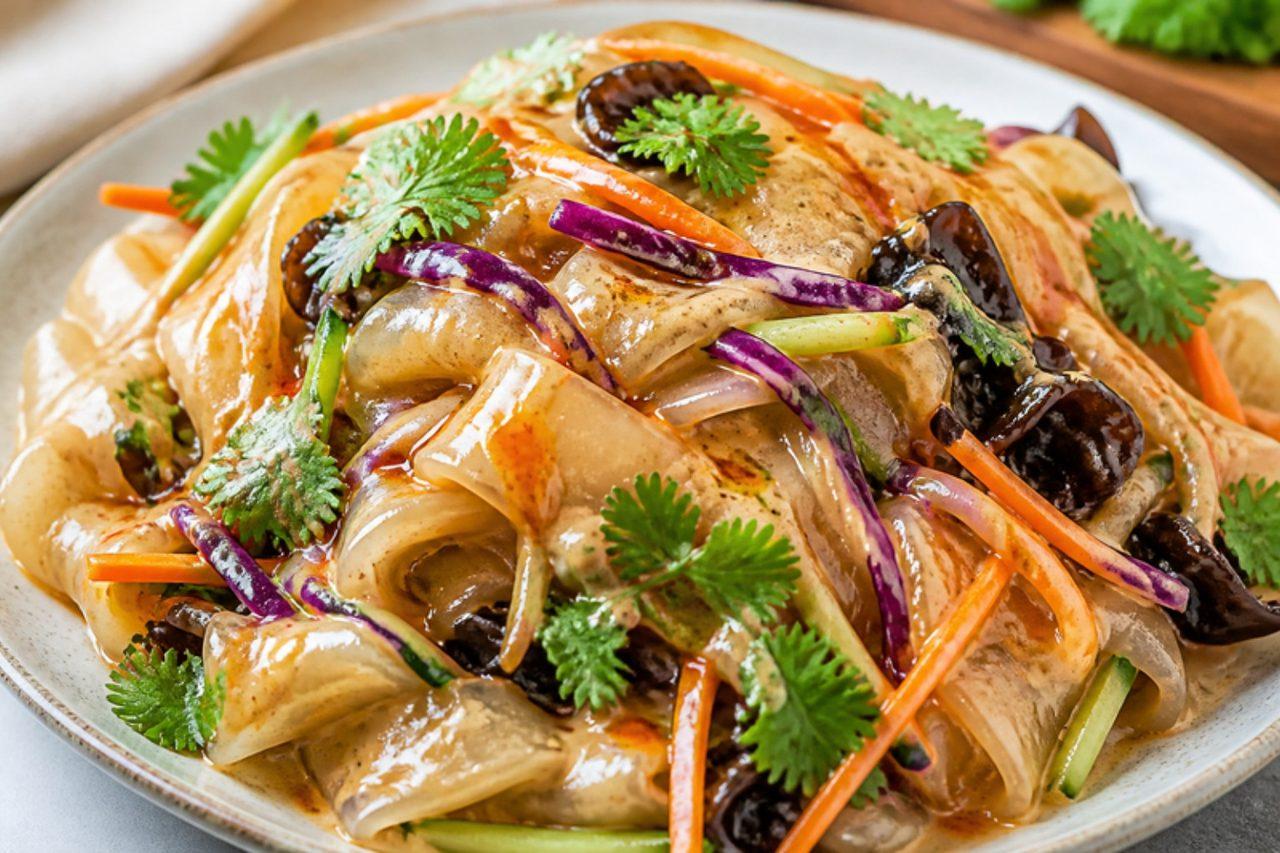
Dongbei da la piMung bean sheet salad

In north-east China, a big platter of this arrives at almost every family dinner and restaurant table, often next to the stews and dumplings. Wide, glassy sheets of mung-bean starch sit on a bed of shredded cucumber, carrot and cabbage, with a sesame, garlic and vinegar sauce and a dab of mustard poured over at the table. It's cool, slippery and crunchy. Look for dried la pi sheets or wide mung-bean noodles in Chinese supermarkets. Chef's tip: the sheet noodles must be fully cold before mixing, or they go soft and sticky.

by KrazyBadal 0 views

Showing 18 of 7,762 recipes

Show more recipes

Page 649 of 863