Skip to content
Rellenitos de plátano
Featured recipe

Rellenitos de plátano

Plantain dumplings with sweet beans

Rellenitos surprise everyone who hasn't grown up in Guatemala: soft, sweet plantain dough wrapped around a filling of black beans cooked down with chocolate, cinnamon and sugar, then fried and rolled in sugar. They're sold in panaderías and at fairs, and made at home for afternoon coffee and Christmas. The beans taste nothing like a savoury dish; think of a fudgy chocolate paste. Chef's tip: mash the plantains while hot and chill the dough for 20 minutes; cold dough wraps cleanly without sticking to your hands.

Read more 0 views

What to eat today?

Around the world

Today's trip: Paraguayan

A new country every day, from every cuisine on the site.

Paraguayan

Kosereva

Candied bitter orange peel 180 minMore from Paraguayan (27) →

This week's collection

Kid-friendly dinners
537 recipes · a new collection every Monday

Latest recipes

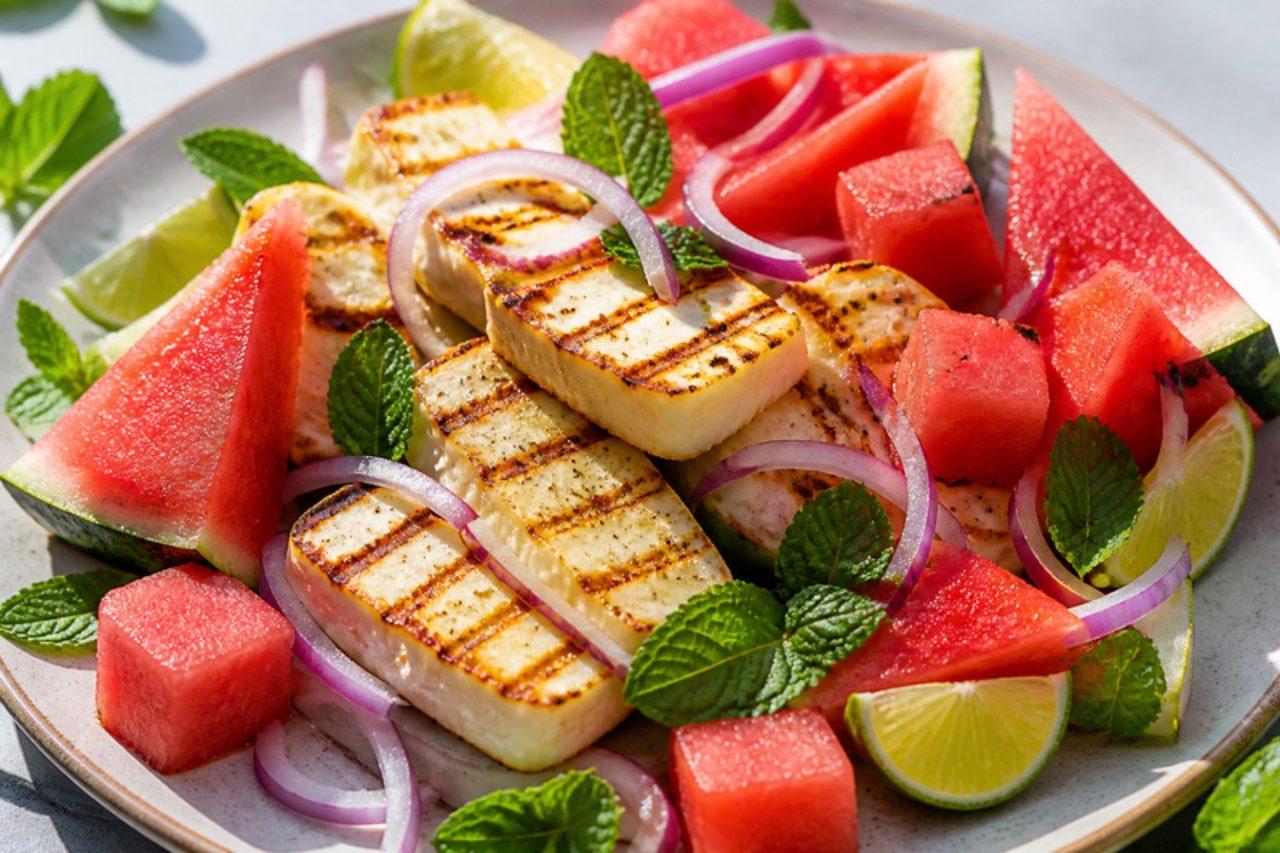
Halloumi with watermelon

In Cyprus, halloumi and watermelon is the taste of an August afternoon: icy wedges of watermelon eaten alongside salty halloumi, either fresh and squeaky or grilled until golden. Cypriots have eaten the two together for generations, on beaches, village verandas and after a long lunch. Here the halloumi is seared, then tossed with chunks of cold watermelon, mint, red onion and lime. It is a starter, a light lunch or a side for any barbecue. Some halloumi is made with animal rennet, so look for one labelled vegetarian. Chef's tip: don't cook the halloumi until everyone is ready to eat; it turns rubbery as it cools, which is the most common halloumi mistake.

by KrazyBadal 0 views

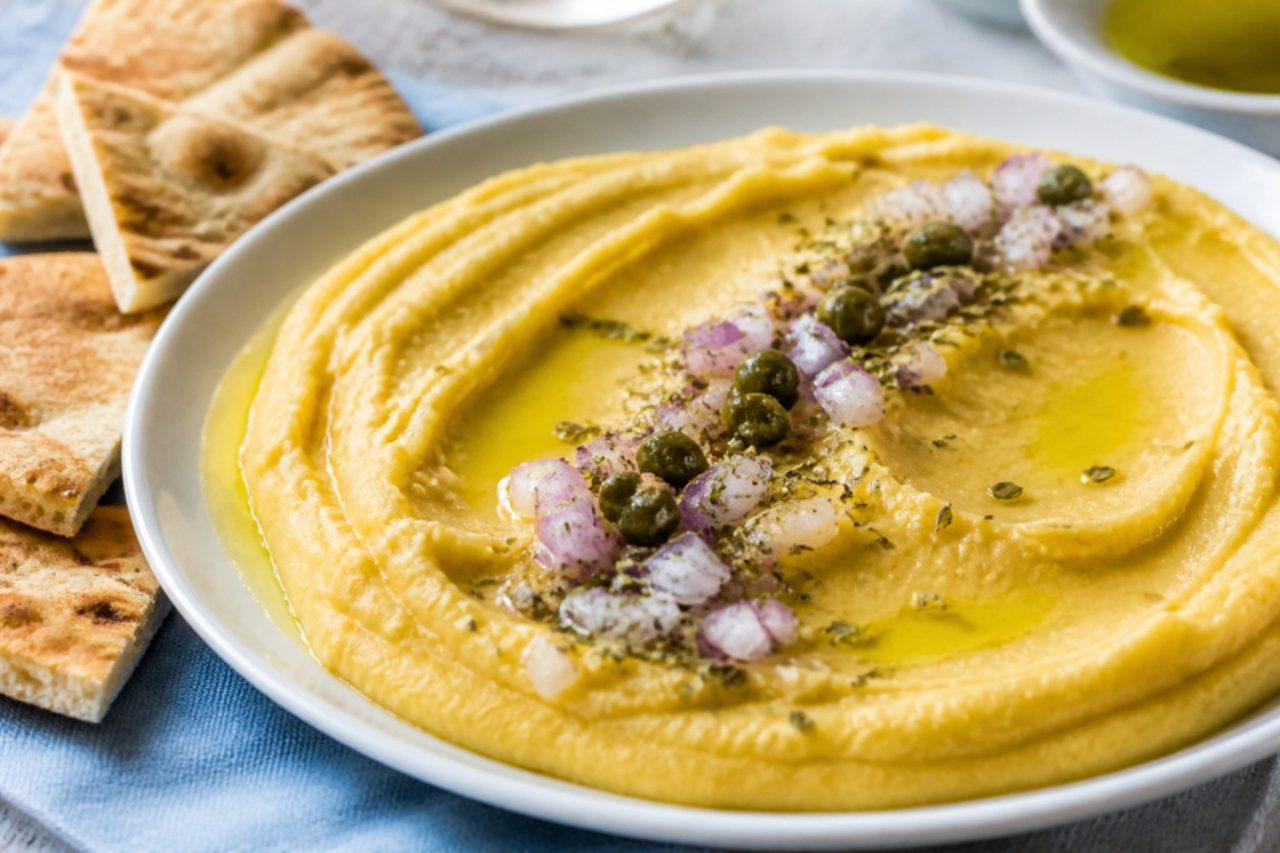
Fava (Santorini split pea purée)

On Santorini, fava is made from a tiny yellow split pea that has grown in the island's volcanic soil for thousands of years. Cooked slowly with onion until it collapses, it is whipped with olive oil and lemon into a purée as smooth as hummus but lighter and sweeter. In island tavernas it comes warm, with raw red onion, capers and a puddle of green olive oil, and you scoop it up with bread. Ordinary yellow split peas work well at home. Serve it as a meze or a light meal with salad. Chef's tip: skim off the white foam that rises in the first 10 minutes; leaving it is the common mistake that gives the purée a bitter, grey edge.

by KrazyBadal 0 views

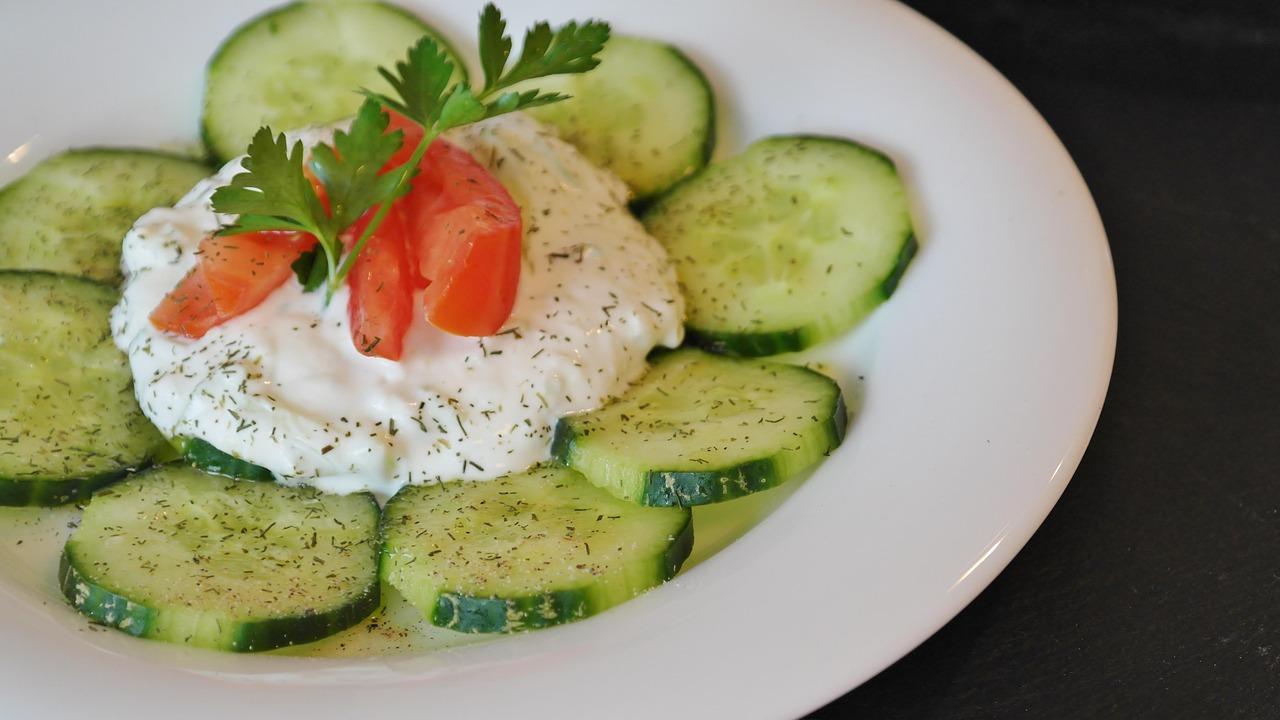
Tzatziki

Tzatziki is on every Greek table in summer: scooped up with bread at the start of a taverna meal, spooned over fried courgettes and chips, and tucked into pitta wraps. It is cool, thick and sharp with raw garlic, made with strained yogurt so it holds its shape on a spoon. Grated cucumber gives it crunch, a little vinegar lifts it, and olive oil makes it rich. It also goes well with gemista, fritters and grilled halloumi. Chef's tip: salt the grated cucumber and squeeze it dry; leaving the water in is the common mistake that turns tzatziki runny within an hour.

by KrazyBadal 0 views

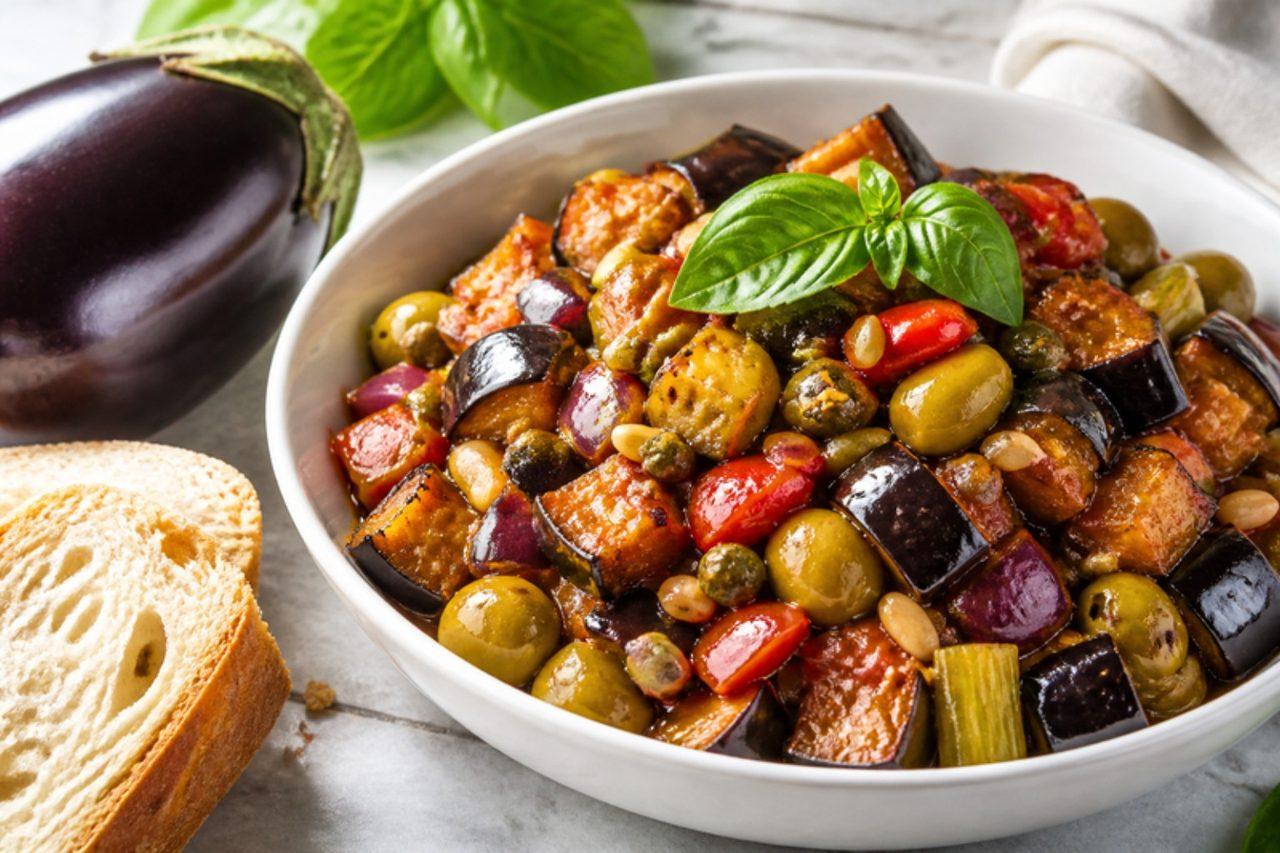
CaponataSweet and sour aubergine stew

Caponata is the agrodolce dish of Sicily: cubes of fried aubergine, crisp celery, green olives and capers in a glossy tomato sauce sharpened with vinegar and softened with a little sugar. Palermo families keep a bowl in the fridge through late summer and eat it at room temperature as an antipasto, a side or on bread, and many say it is best on the second day. The sweet-sour balance shows the Arab influence on Sicilian cooking. Chef's tip: blanch the celery for 2 minutes before frying; it keeps a pleasant crunch without tasting raw.

by KrazyBadal 0 views

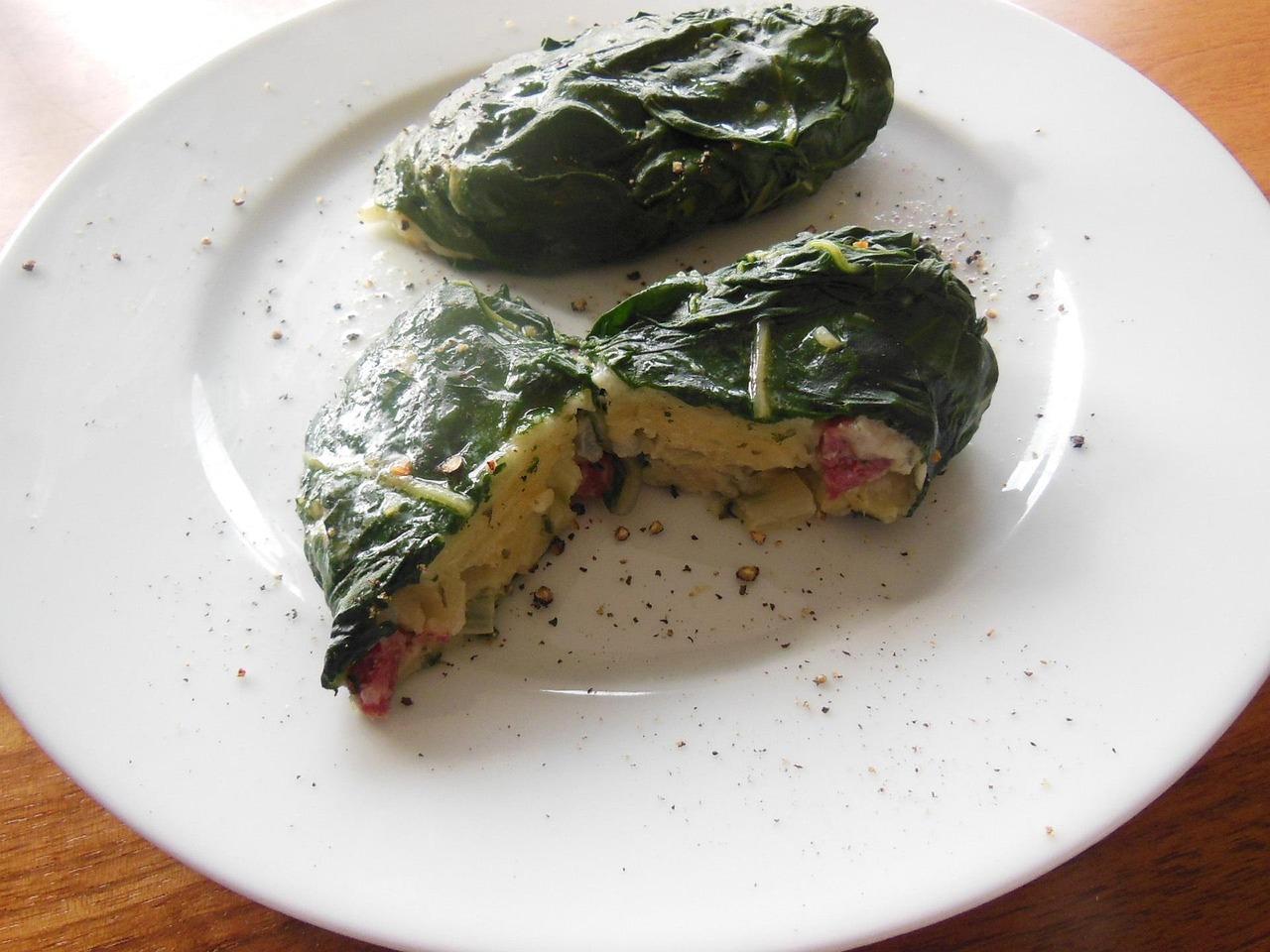
CapunsChard parcels of herby dough

Capuns come from the valleys of Graubünden, where every village in the Surselva and Engadin has its own way of making them, and they are cooked on cold evenings and for festivals in mountain inns. A soft spätzle batter flavoured with herbs and little cubes of air-dried salsiz sausage and bacon is wrapped in chard leaves, then the parcels are poached in a mixture of milk and stock and finished with butter and grated mountain cheese. The salsiz and bacon are pork. Most first attempts fail because the dough is too runny to wrap; it should drop slowly off a spoon, like very thick porridge. Chef's tip: dip the chard leaves into boiling water for just 10 seconds so they turn supple enough to roll without tearing.

80 minSwissMeat
by KrazyBadal 0 views

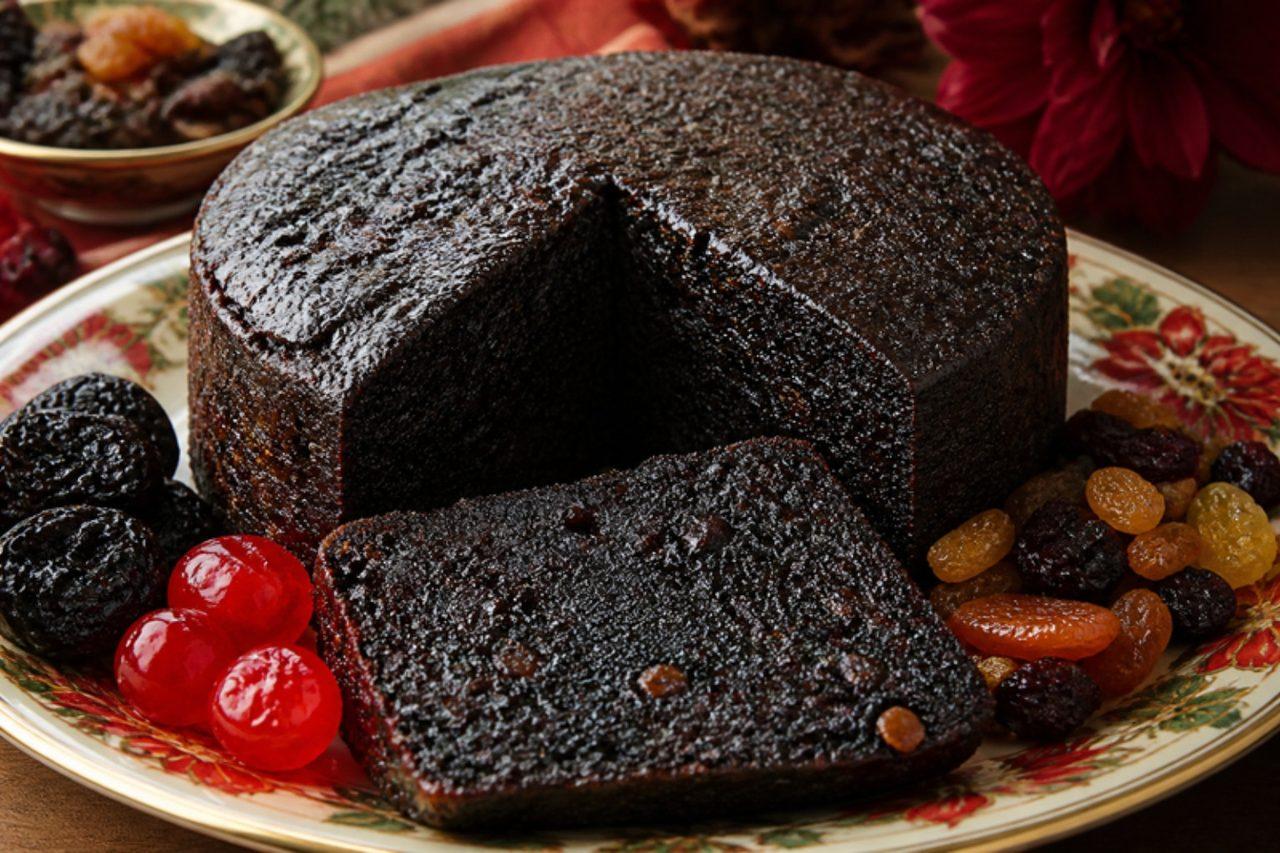
Guyanese black cakeRum fruit cake

Every Guyanese Christmas has a black cake, and many families start soaking the fruit months ahead, often the year before. Prunes, raisins, currants and cherries are minced and steeped in rum and cherry brandy, then folded into a buttery batter darkened with homemade burnt-sugar syrup, giving a moist, almost black, intensely fruity cake. This version makes the alcohol optional: grape juice soaks the fruit just as well, though the cake keeps for less time. Chef's tip: take the burnt sugar until it's very dark and smoking lightly; stop too early and the cake turns brown and sweet instead of black and bittersweet.

by KrazyBadal 0 views

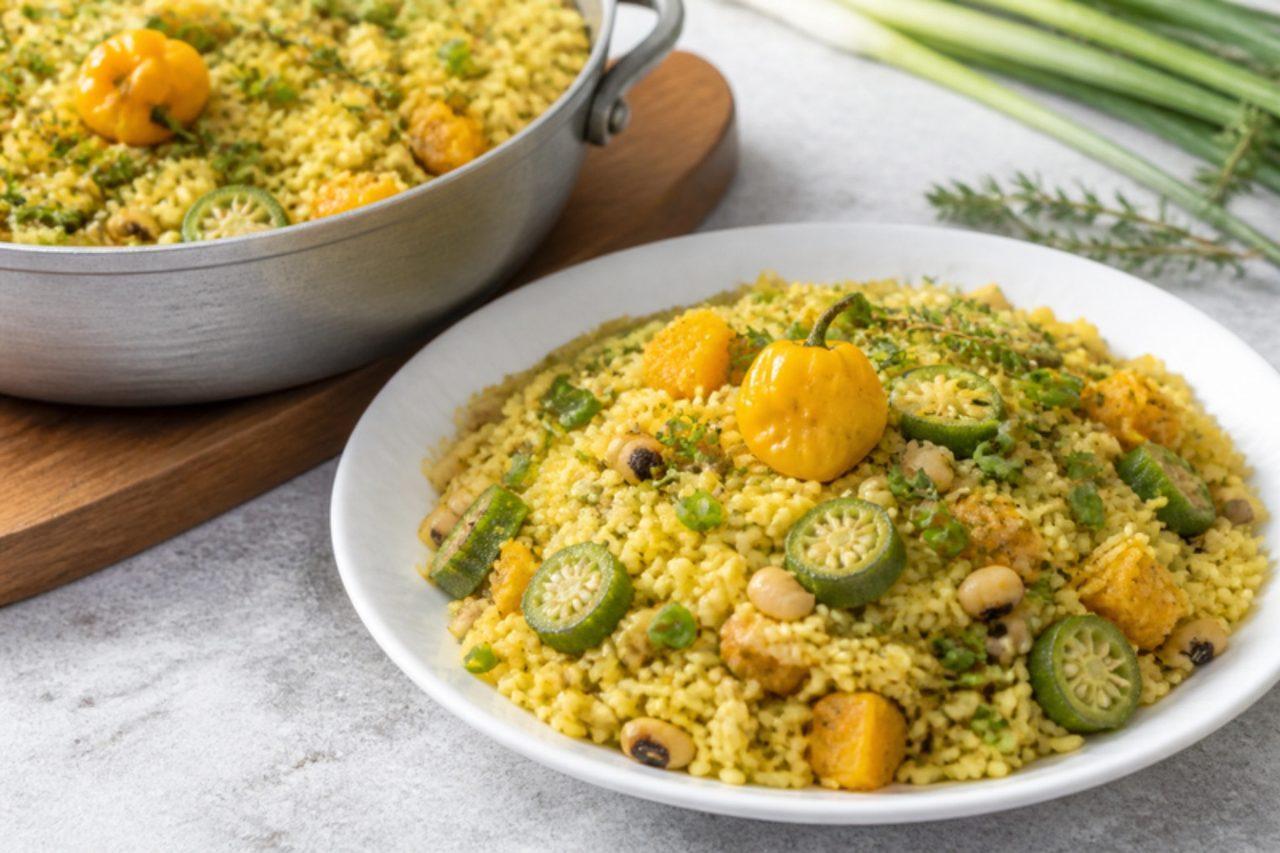
Guyanese cook-up riceCoconut rice with black-eyed peas

Cook-up rice is the dish Guyanese families make to see in the New Year, and on any Saturday when the week's odds and ends go into one pot. Rice, black-eyed peas and vegetables simmer in fresh coconut milk with fresh thyme, spring onion and a whole wiri wiri pepper (small, round and fiery) until every grain is soft and glossy. It's richer and wetter than Jamaican rice and peas, with the vegetables cooked right in. Chef's tip: let the pot sit covered off the heat for 10 minutes at the end; the rice finishes in the steam and a little crust forms on the bottom that people fight over.

by KrazyBadal 0 views

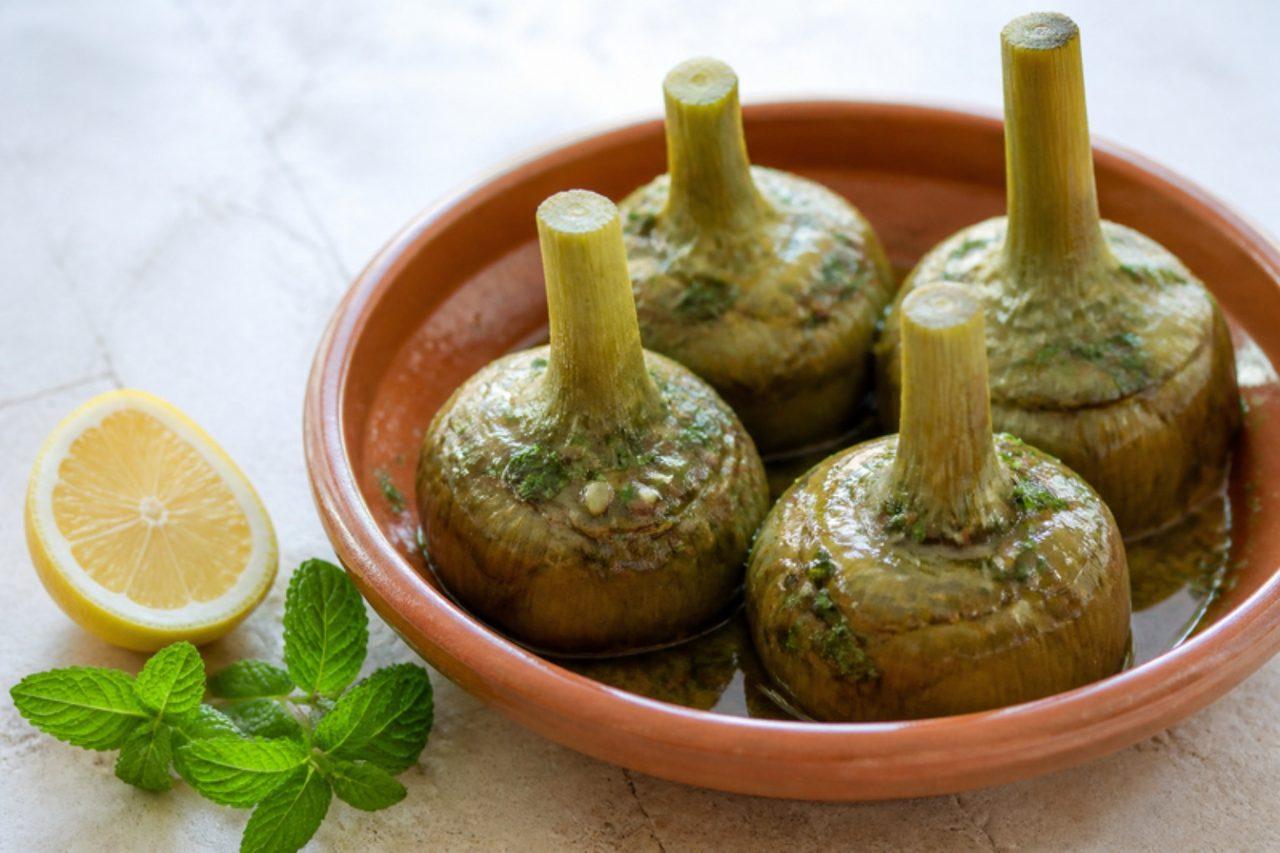
Carciofi alla romanaBraised artichokes with mint

Every spring, from February to April, Roman market stalls pile up round, thornless romanesco artichokes (cimaroli), and trattorie serve them alla romana: stuffed with wild mint, parsley and garlic and braised stem-up in oil and water until meltingly soft. They are eaten warm or at room temperature as a contorno, often next to their crisp cousins, carciofi alla giudia. Any large globe artichoke works at home. Chef's tip: braise them upside down, stems in the air and tightly packed, so the hearts sit in the liquid and the stems steam to the same tenderness.

by KrazyBadal 0 views

Guyanese garlic porkGarlic pickled pork

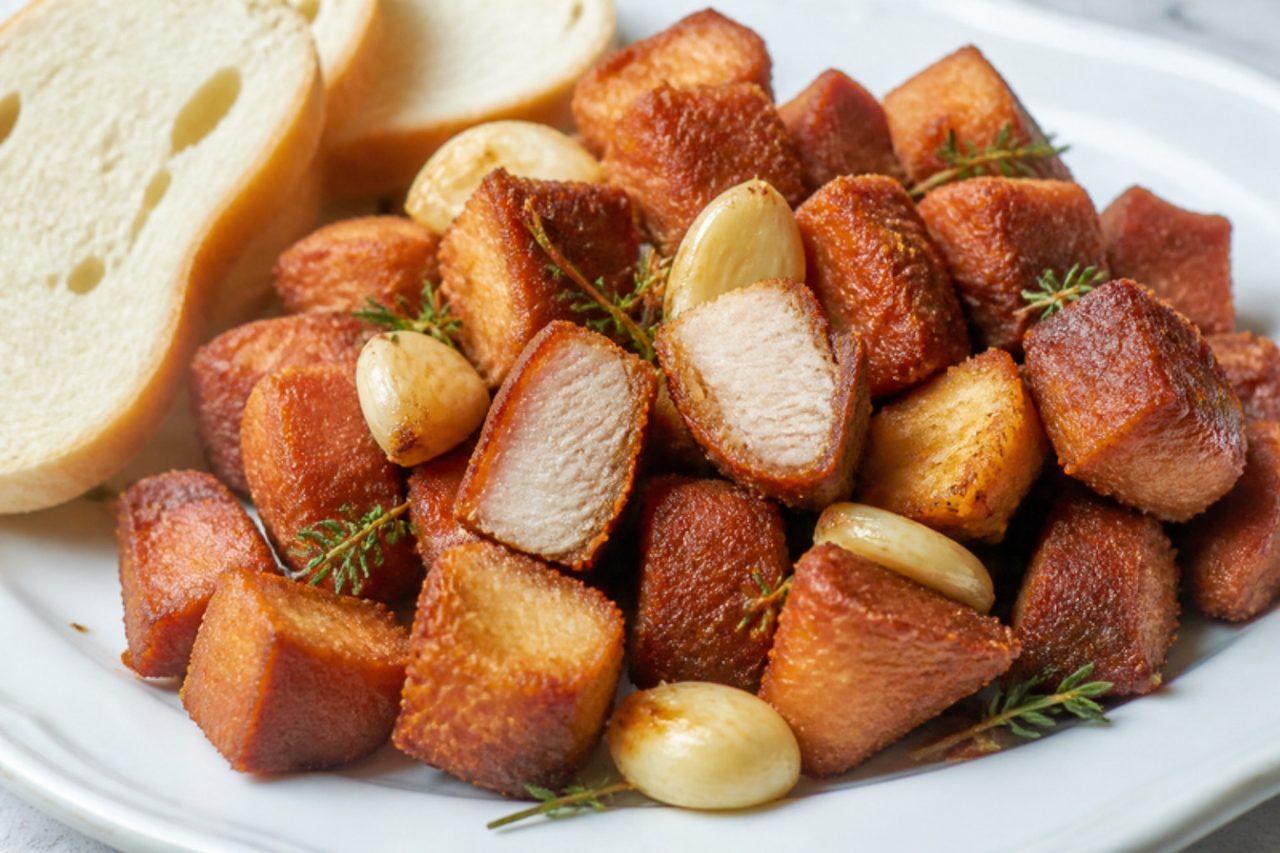
Garlic pork came to Guyana with Madeiran Portuguese settlers in the 1800s and is still made for Christmas breakfast in Georgetown, alongside pepperpot and bread. This dish contains pork. Pieces of pork are packed into a jar with a pickle of vinegar, lots of garlic, thyme and wiri wiri pepper and left in the fridge for at least three days, then fried until browned and slightly crisp. The mistake is leaving the jar on the counter, as was once done: always keep it in the fridge. Chef's tip: pat the pork very dry before frying, or the vinegar makes the oil spit.

by KrazyBadal 0 views

Cari pouletChicken curry

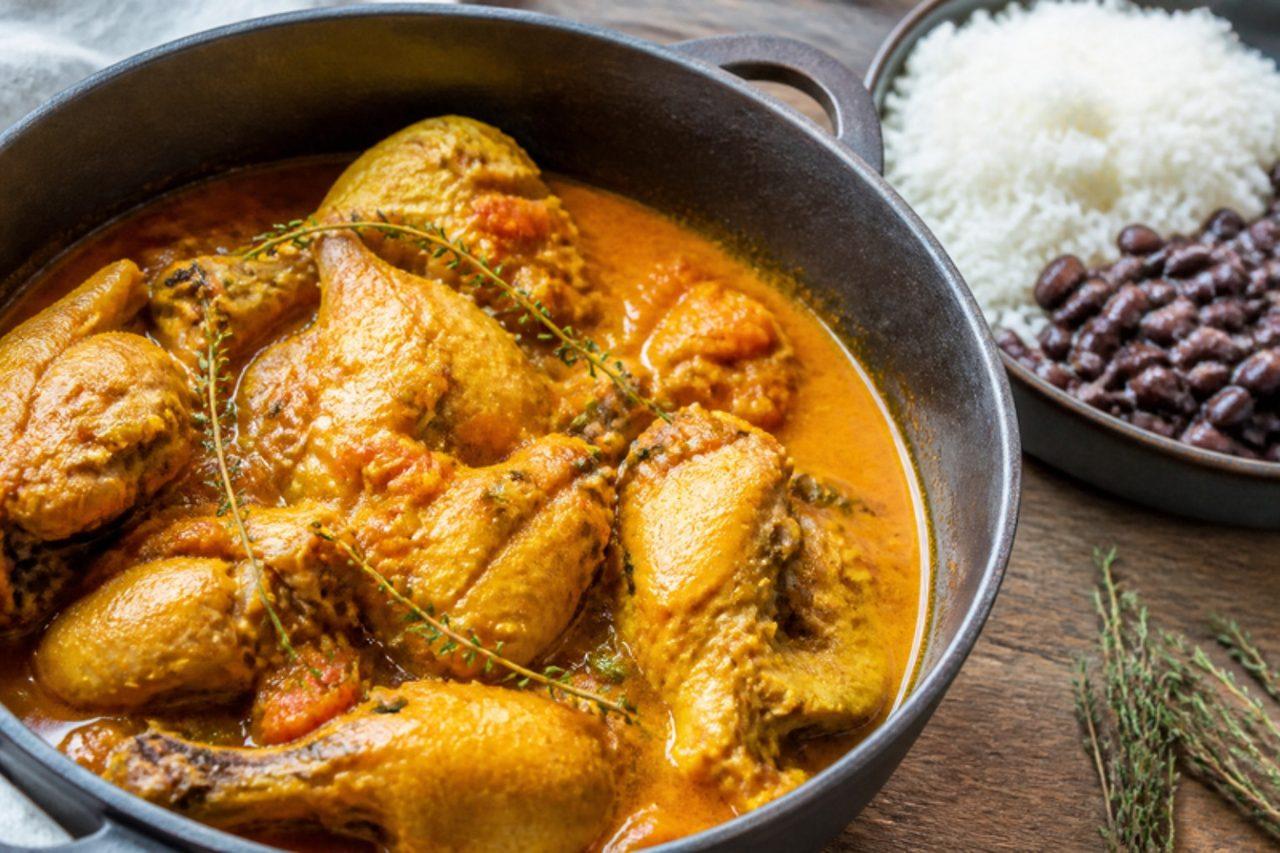
In Réunion a cari is any stew cooked with turmeric (called "safran" on the island), garlic, ginger, onion, tomato and thyme, and cari poulet is the dish families cook on Sundays in Saint-Denis and the mountain villages, often in a big cast-iron pot over a wood fire. It is served with white rice, red beans or lentils, and a fiery rougail on the side. The mistake is adding water too early: let the chicken brown and the tomatoes melt first, then add only a little. Chef's tip: thyme is essential in Réunionnais cooking; add it whole and fish it out before serving.

by KrazyBadal 0 views

Kouign-amann

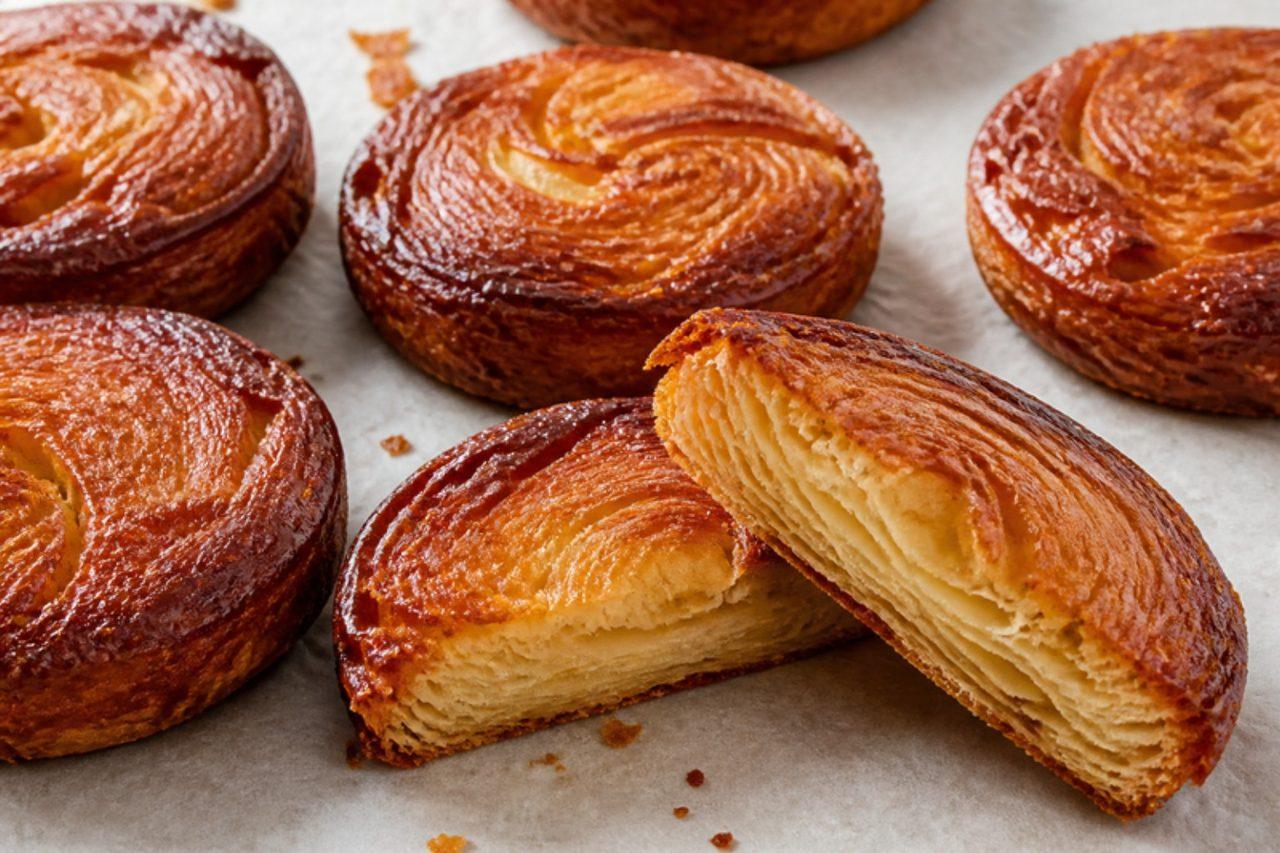
Kouign-amann (say 'kween-ah-MAHN', Breton for 'butter cake') was created in the fishing port of Douarnenez in the 1860s, reportedly by a baker who folded butter and sugar into bread dough when flour was short. Today Breton bakeries sell it as a rich treat for afternoon coffee: flaky layers of bread dough with butter and sugar folded through, baked until the sugar melts into a dark, crunchy caramel. This home version makes individual ones in a muffin tin. It takes an afternoon, mostly waiting time. Chef's tip: keep the dough and butter cold between every fold; warm butter is the common mistake and it oozes out, so you lose the layers.

235 minFrenchBaking
by KrazyBadal 0 views

CarimañolasYuca fritters stuffed with beef

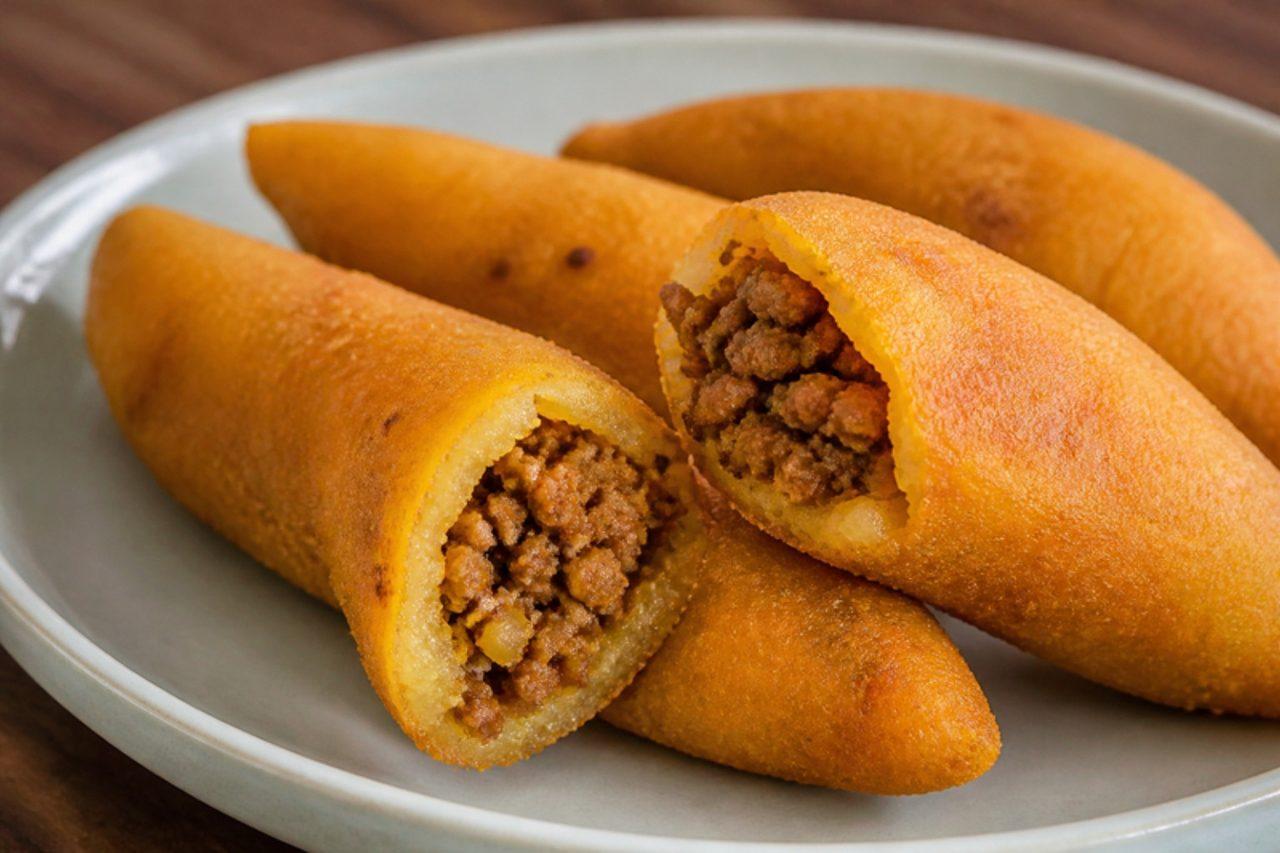
Carimañolas are torpedo-shaped fritters of mashed yuca filled with savoury minced beef, a breakfast and party snack in Panama City and along the Caribbean coast in Colón, often eaten with a cup of coffee or a spoon of hot sauce. The yuca dough is soft and smooth, the outside crisp after frying. The mistake is working the yuca dough while it is cold; mash and shape it while still warm, when it is smooth and pliable. Chef's tip: wet your hands with a little oil or water as you shape them so the dough doesn't stick.

by KrazyBadal 0 views

Crêpes

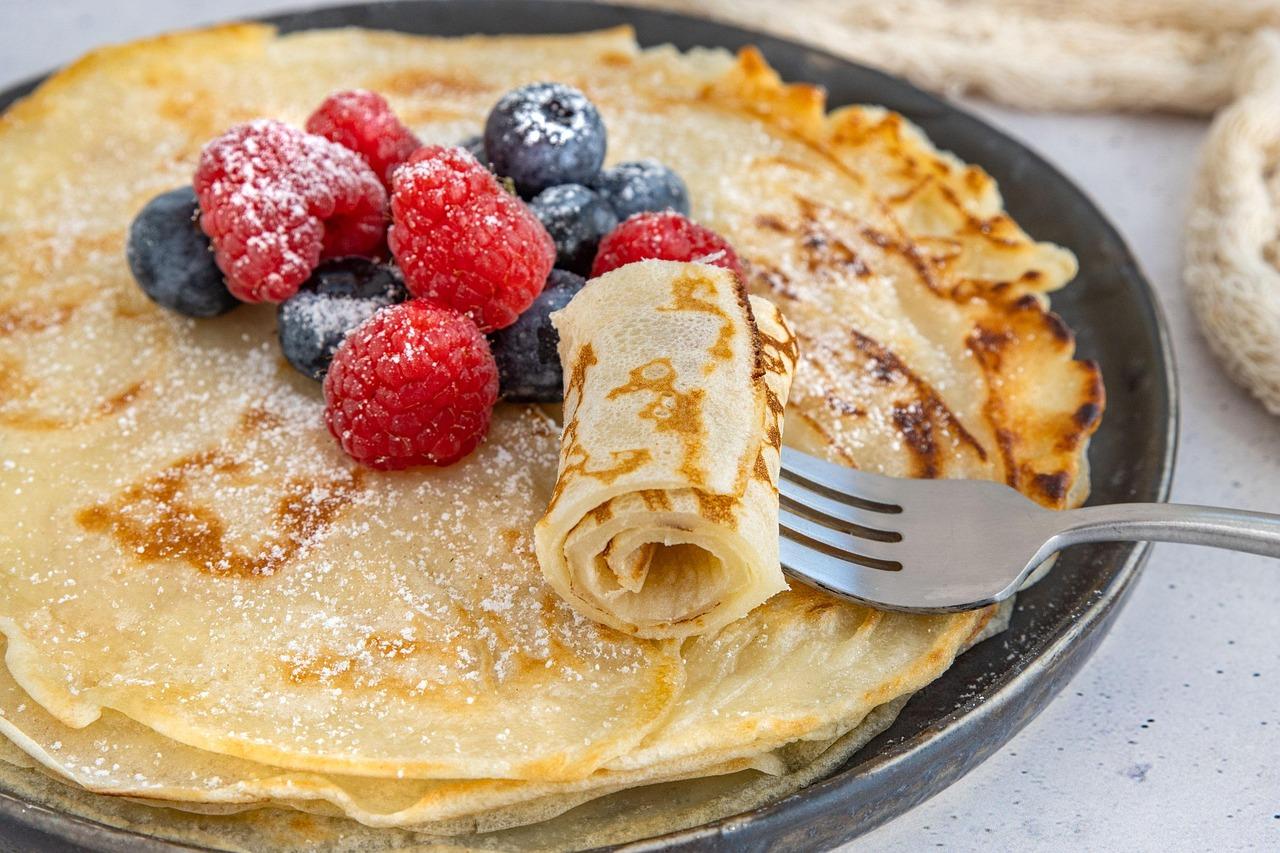
Sweet crêpes made from wheat flour, milk and eggs are Brittany's gift to the rest of France, and on 2 February, Chandeleur, French families make piles of them at home, flipping the first with a coin in hand for luck. They are thin and tender with golden, lacy spots, and the classic filling is simplest: a smear of salted butter and a sprinkle of sugar, or sugar and lemon. Children love them with chocolate spread, jam or sliced banana. Chef's tip: make the batter thinner than you expect, like single cream; thick batter is the common mistake and gives heavy pancakes, not crêpes.

by KrazyBadal 0 views

Ka'ak (sesame bread)

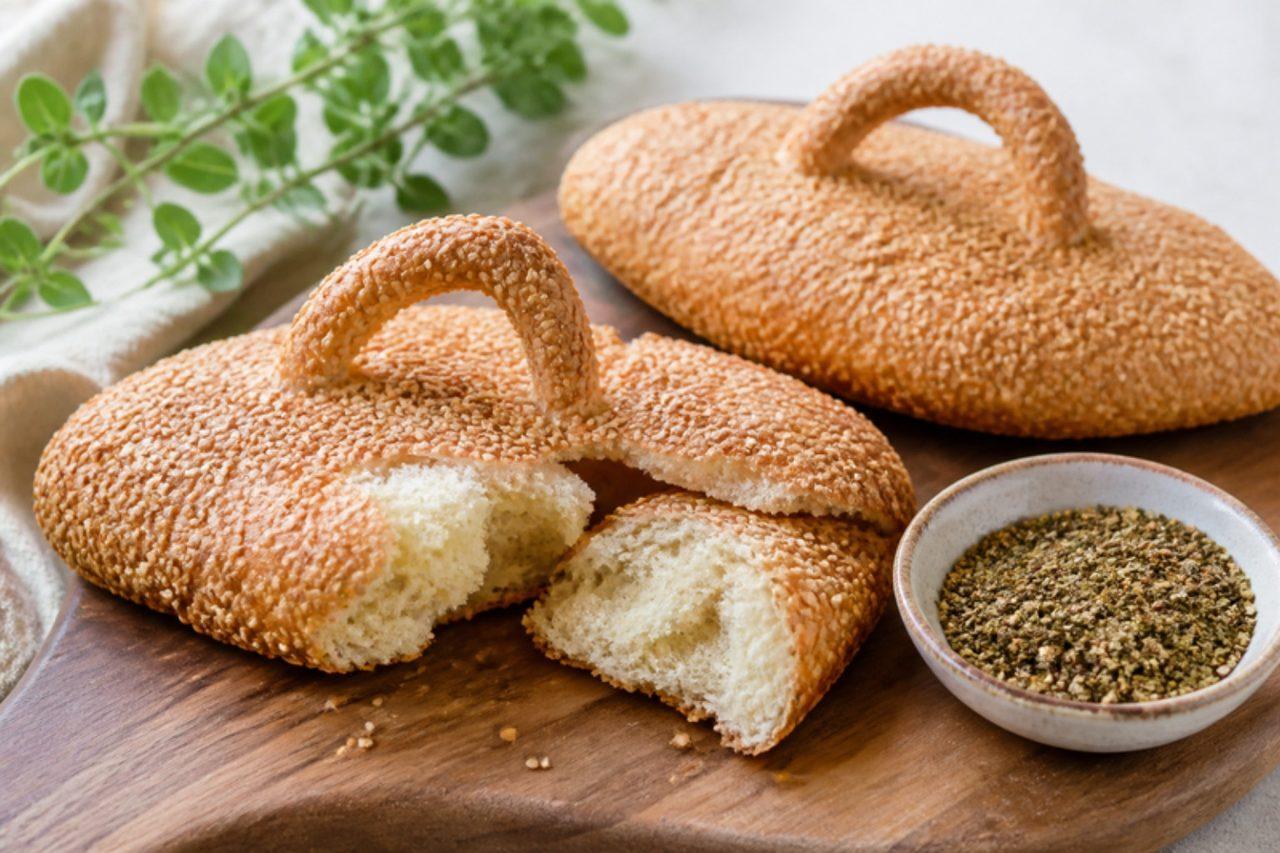
On the streets of Beirut, vendors push wooden carts stacked with ka'ak, a chewy, sesame-crusted bread shaped like a handbag with a hole for a handle; in Jerusalem's Old City the same bread comes as long oval rings sold by the gate. Buyers ask for it split open and filled with a pinch of za'atar or a wedge of soft white cheese, and eat it on the way to work or school. The crust gets its deep amber colour from a quick dip in sweetened water before the sesame goes on, and the crumb inside stays soft and slightly sweet. Chef's tip: toast the sesame seeds lightly in a dry pan before coating; they stick better once cool and taste nutty rather than raw.

by KrazyBadal 0 views

Guyanese pepperpotBeef stew with cassareep

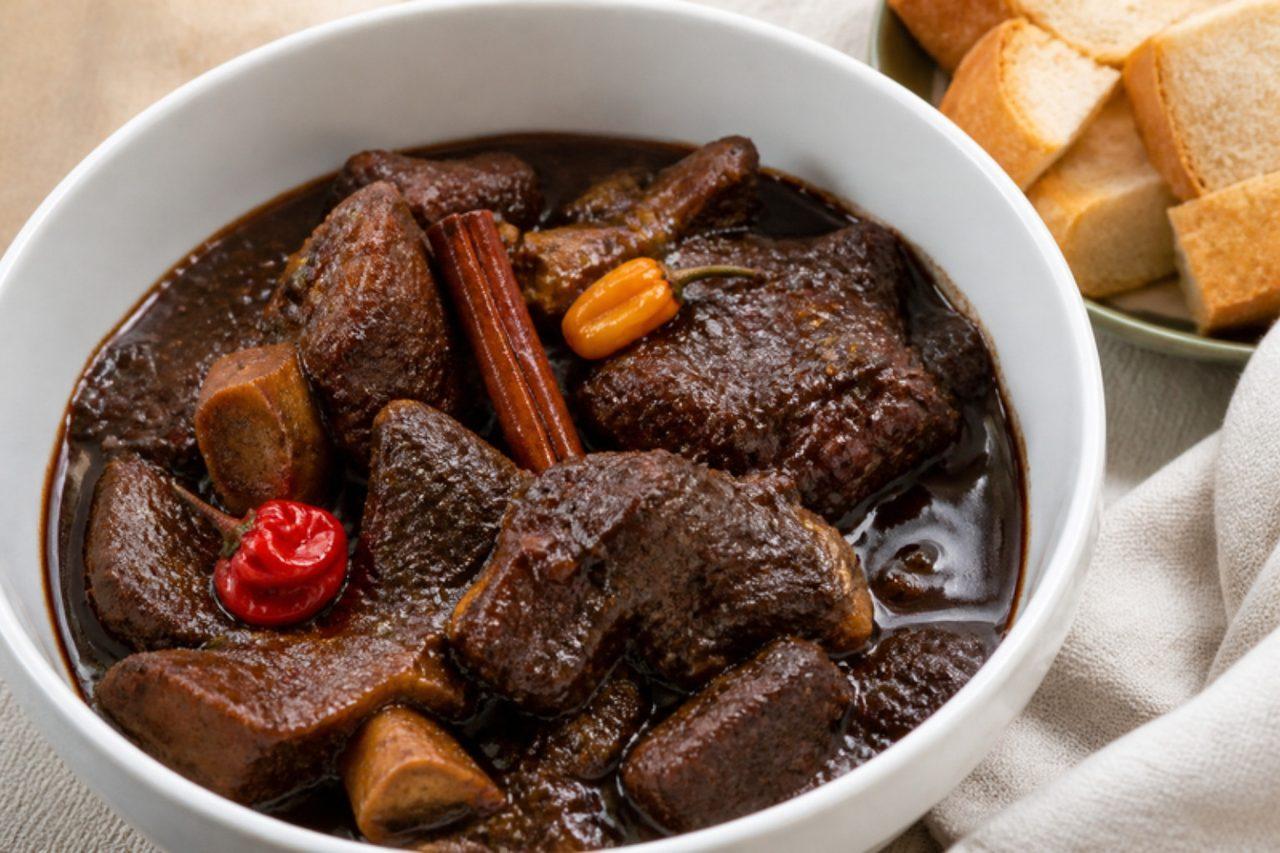
Pepperpot is Guyana's national dish and the centre of Christmas morning, when families in Georgetown and the countryside eat it with thick slices of plait bread. It comes from the Amerindian peoples, who used cassareep, a black syrup boiled from cassava juice, to flavour and preserve meat. Beef (often with cow foot or oxtail) simmers for hours with cassareep, cinnamon, cloves, orange peel, sugar and hot wiri wiri pepper into a glossy, dark, sweet-savoury stew. The mistake is serving it the day it is made; it is much better after a day or two. Chef's tip: bring it back to a full boil every day you keep it, as Guyanese families do, and always keep it in the fridge.

200 minGuyaneseMeatGluten free
by KrazyBadal 0 views

Carne de porco à alentejanaPork and clams

Despite the name, this surf-and-turf dish of pork and clams is most often linked with the Algarve coast, where Alentejo pork met local shellfish; today it is served in tascas all over Portugal, especially for Sunday lunch. It is a pork dish: cubes of pork shoulder marinate in massa de pimentão (sweet red pepper paste), garlic and traditionally white wine, then are fried and tossed with steamed clams, crisp potato cubes, pickles and lots of coriander. For an alcohol-free version, swap the wine for chicken stock with a tablespoon of white wine vinegar. Chef's tip: buy the pork with a little fat on; lean loin turns dry and tough when fried.

by KrazyBadal 0 views

Guyanese pine tartsPineapple jam tarts

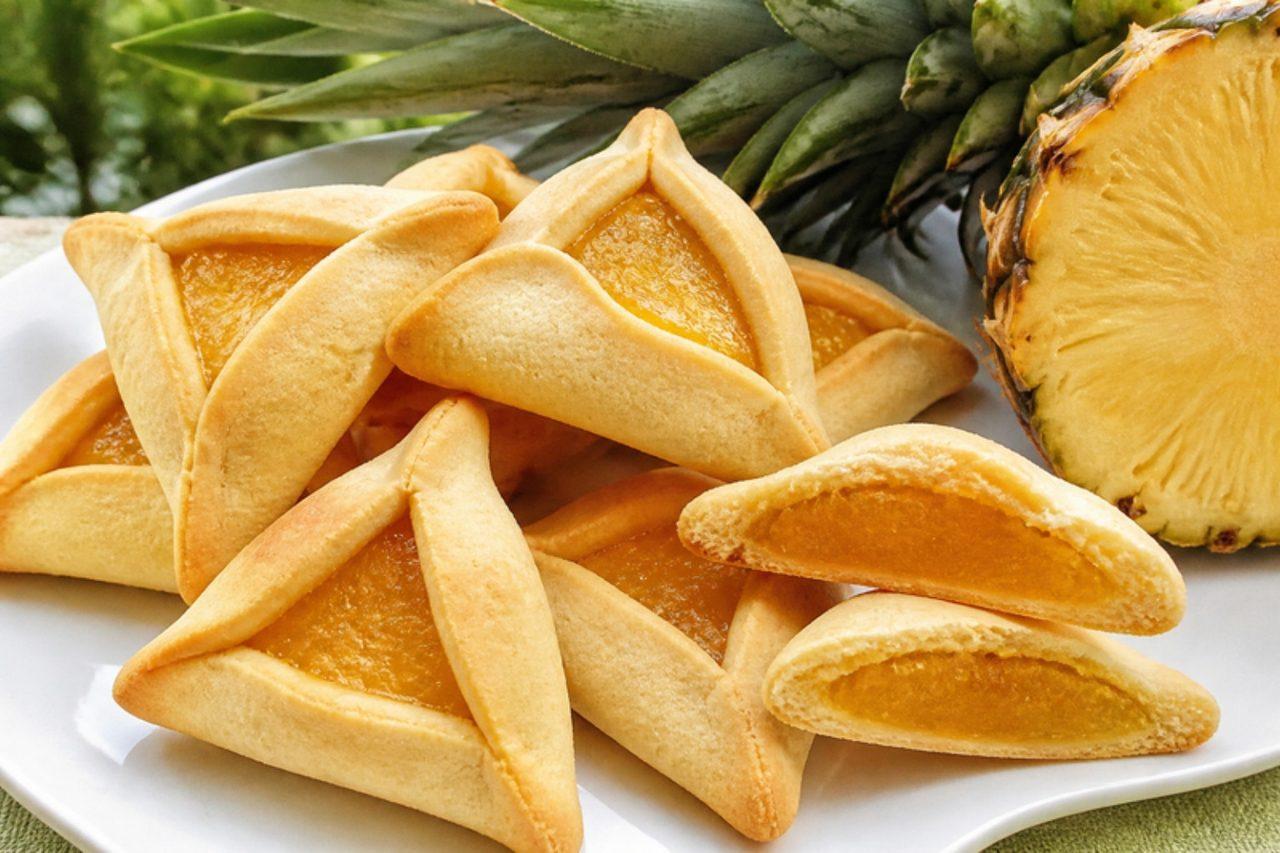
Pine tarts (short for pineapple tarts) are Guyana's favourite bakery treat: a flaky triangle of pastry folded over a thick, sticky pineapple jam spiced with cinnamon and nutmeg, with the filling peeking out of the middle. They're sold in every Georgetown bakery and carried abroad in suitcases by visiting family. Their triangle shape sets them apart from the open pineapple cookies of Southeast Asia. Chef's tip: cook the jam until it's thick enough that a spoon dragged across the pan leaves a clean path; runny jam leaks and burns in the oven.

by KrazyBadal 0 views

Roasted red pepper & fennel

Big pieces of sweet red pepper and fennel tossed with lemon, black pepper and olive oil and roasted until soft and just starting to brown, then topped with black olives, toasted pine nuts and fresh herbs. It works as a side or a light starter, warm or cold. The vegetables can also be roasted on the barbecue jiko.

by KrazyBadal 0 views

Showing 18 of 7,762 recipes

Show more recipes

Page 654 of 863