


Skip to content
Jamaican coconut drops
Featured recipe

Jamaican coconut drops

Ginger coconut clusters

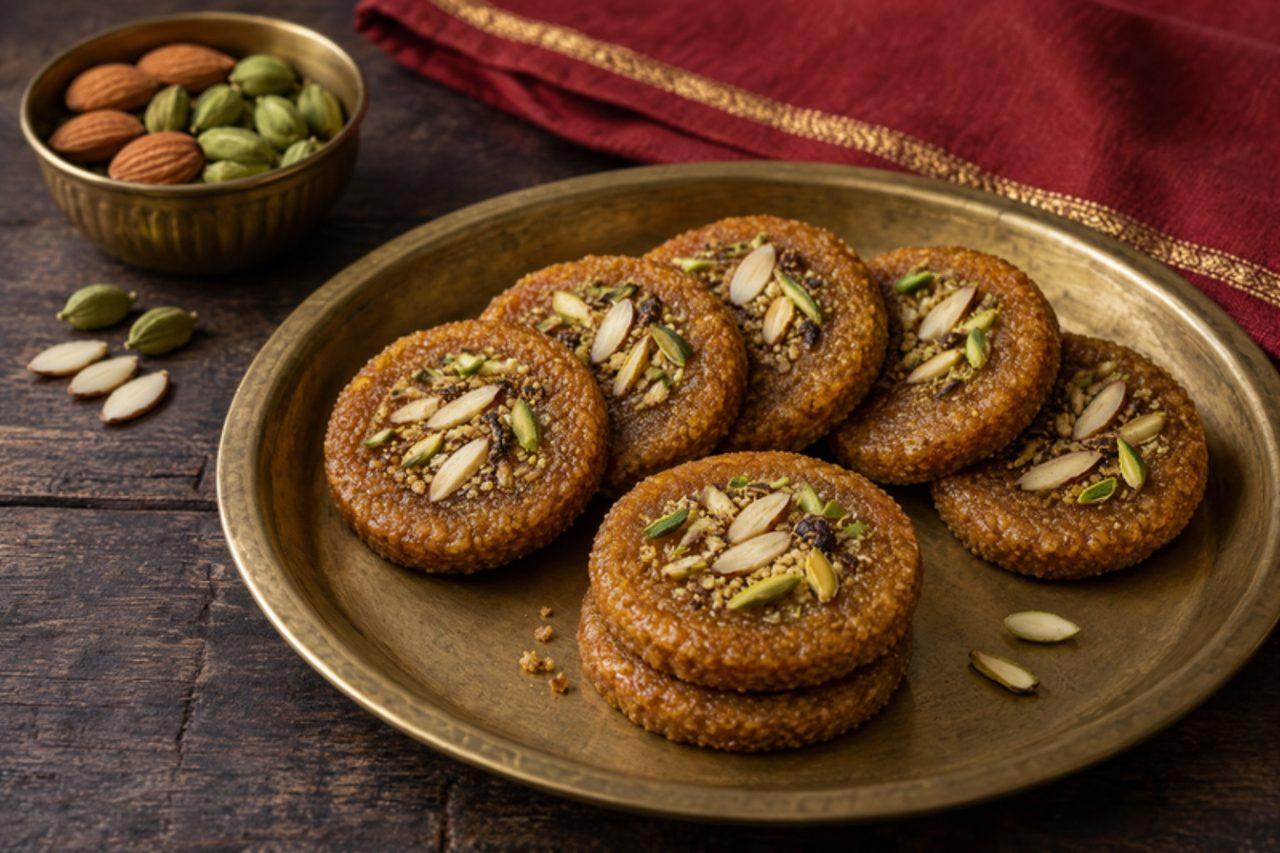
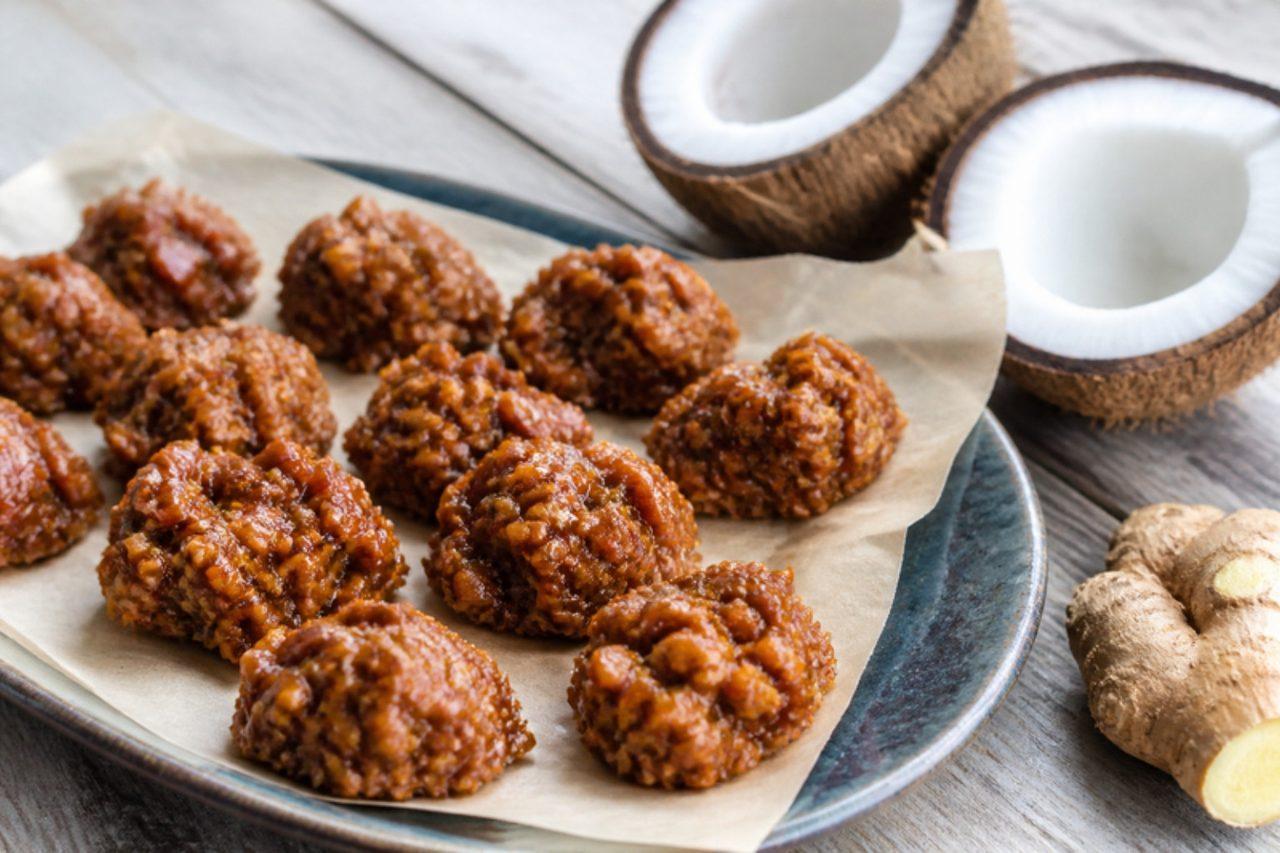
Coconut drops are the lumpy brown clusters sold beside grater cake at Jamaican roadside stalls and markets from Ocho Rios to Mandeville, made with coconut cut into small dice rather than grated, so every bite is chewy. Brown sugar and fresh ginger boil down around the coconut into a sticky, toffee-like glaze. The most common mistake is stopping before the syrup is thick enough, which leaves the drops wet and runny; it must coat the spoon heavily. Chef's tip: dice the coconut very small and even, about 5 mm, so the drops hold together.

Read more 0 views

What to eat today?

Around the world

Today's trip: Paraguayan

A new country every day, from every cuisine on the site.

Paraguayan

Buñuelos de algas

Sea lettuce fritters 35 minMore from Paraguayan (27) →

This week's collection

Kid-friendly dinners
537 recipes · a new collection every Monday

Latest recipes

Kaeng tai pla jay (southern vegetable curry)

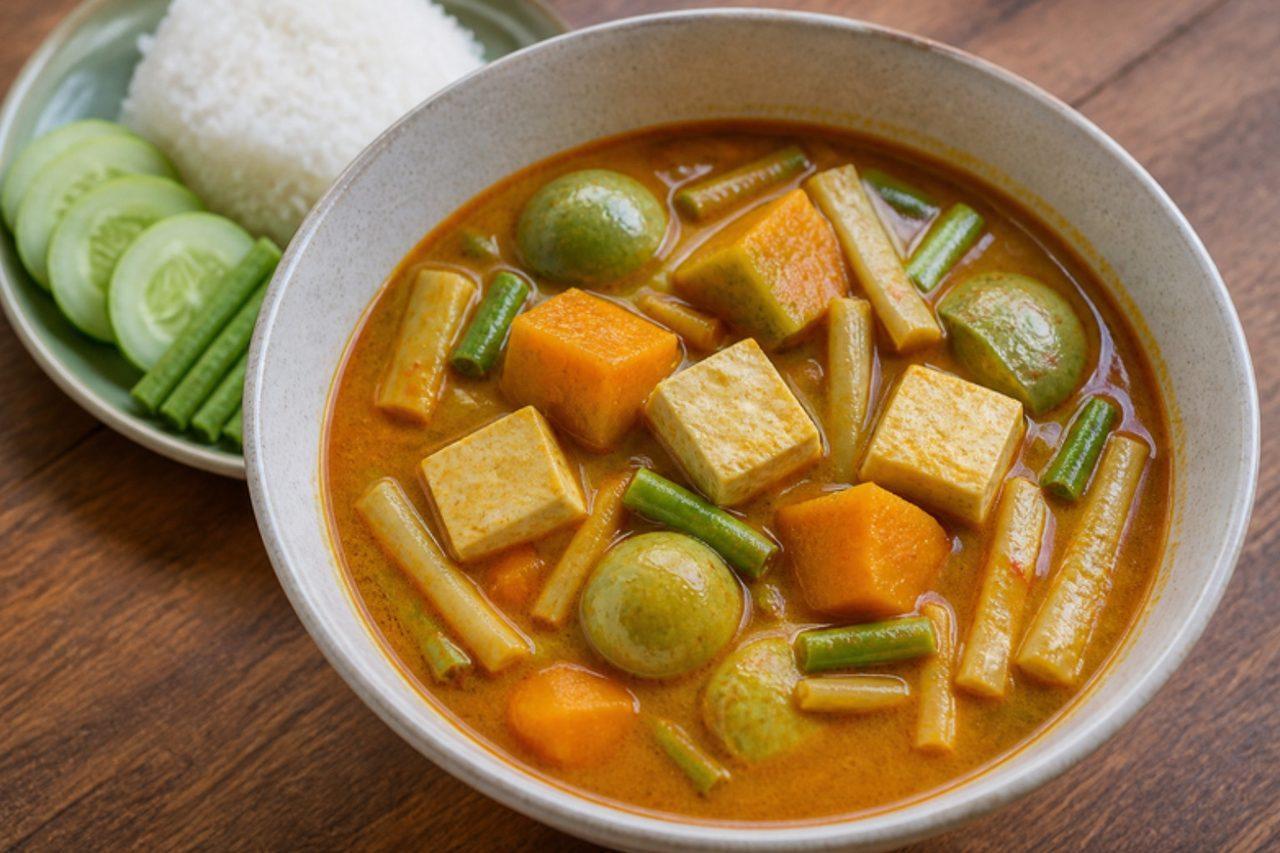
Kaeng tai pla is the boldest curry of southern Thailand, eaten from Surat Thani down to Hat Yai: a dark, pungent, fiercely hot broth of turmeric-heavy southern curry paste, pumpkin, bamboo shoots, aubergine and long beans, normally flavoured with fermented fish innards. During the Vegetarian Festival (thetsakan kin jay), held every autumn in Phuket and Trang, cooks make a 'jay' version with fermented soybean paste and roasted peanut, and that is the curry here. It is thinner than a coconut curry and served with rice and plenty of raw vegetables to cool the heat. Chef's tip: this curry is meant to be very hot. If you want less heat, add fewer bird's eye chillies to the paste but keep the black pepper and turmeric, which give it its character.

by KrazyBadal 0 views

Roti mataba (potato-stuffed roti)

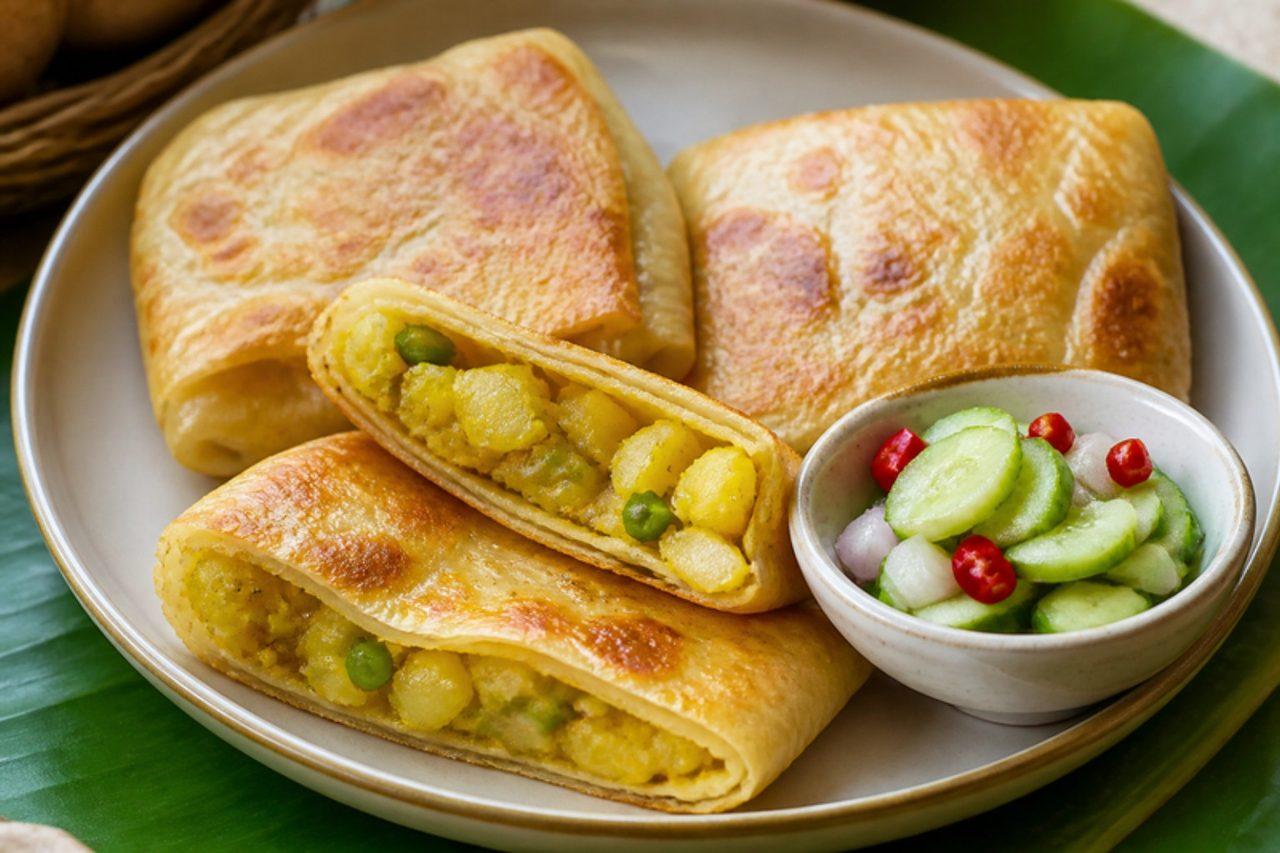
Roti mataba came to southern Thailand with Indian-Muslim traders, and today the roti stalls of Hat Yai, Satun and Pattani, and the old Muslim quarter around Bangkok's Phra Athit Road, serve it from morning till late. A thin stretched roti is wrapped around a spiced filling, folded into a square and fried until crisp and blistered. Chicken or beef is the usual filling; the potato and onion version made here is also common and is the one sold to vegetarian customers. It comes cut into squares with a sweet-sour cucumber relish (ajad) on the side. Chef's tip: oil the dough balls and leave them to rest for at least two hours; rested dough stretches paper-thin without tearing.

by KrazyBadal 0 views

Fresh hot soy milk

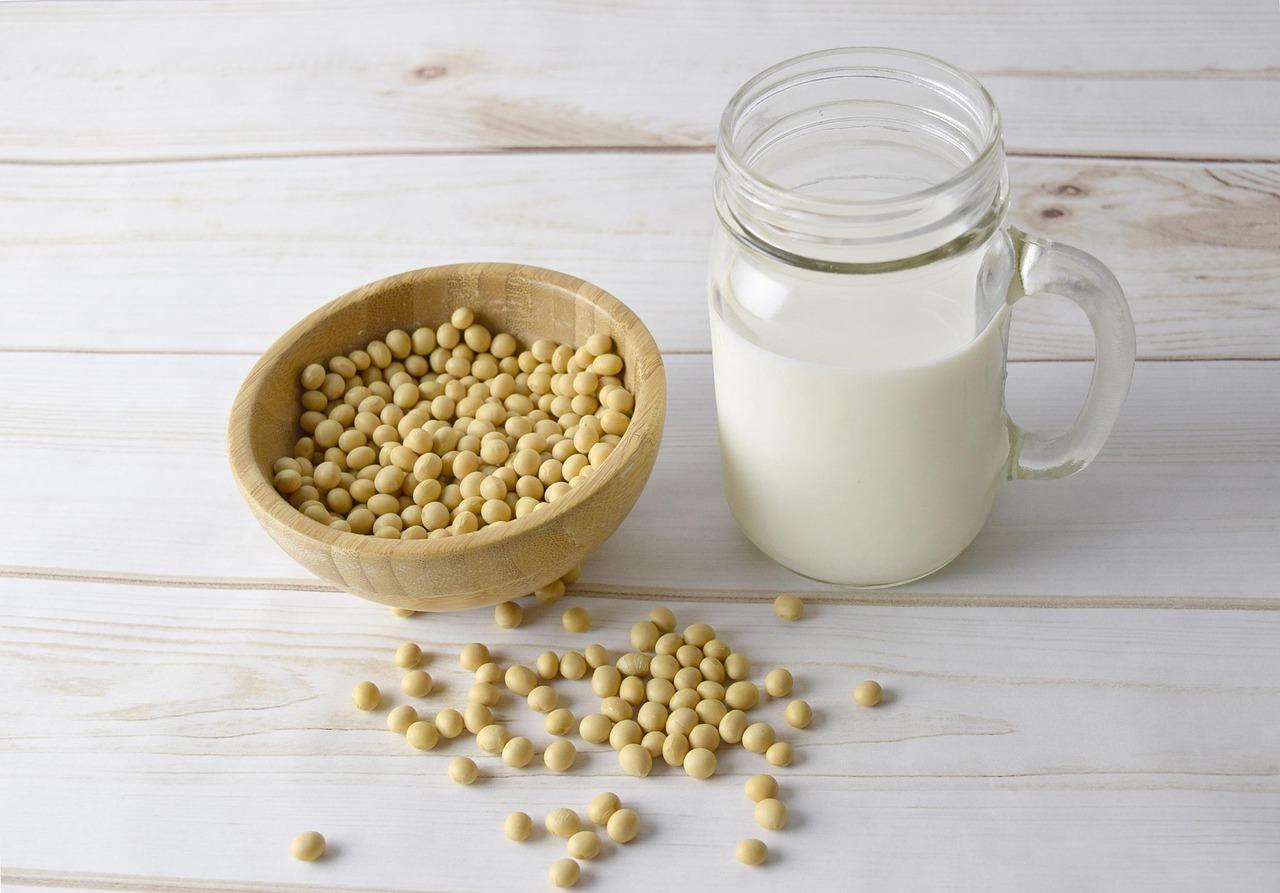
On cold Da Lat nights, the steam rising from soy milk stalls is part of the scenery around the central market: big pots of freshly made sữa đậu nành, ladled hot into glasses and sipped with grilled rice paper or a warm bánh bao. Made at home, it tastes nutty and clean, nothing like the cartons, and a knot of pandan leaf gives it the gentle vanilla-like scent that Vietnamese sellers favour. Chef's tip: rub the soaked beans between your palms and float off the skins; peeled beans give a smoother, sweeter milk.

by KrazyBadal 0 views

Sukiyaki (Kanto style)

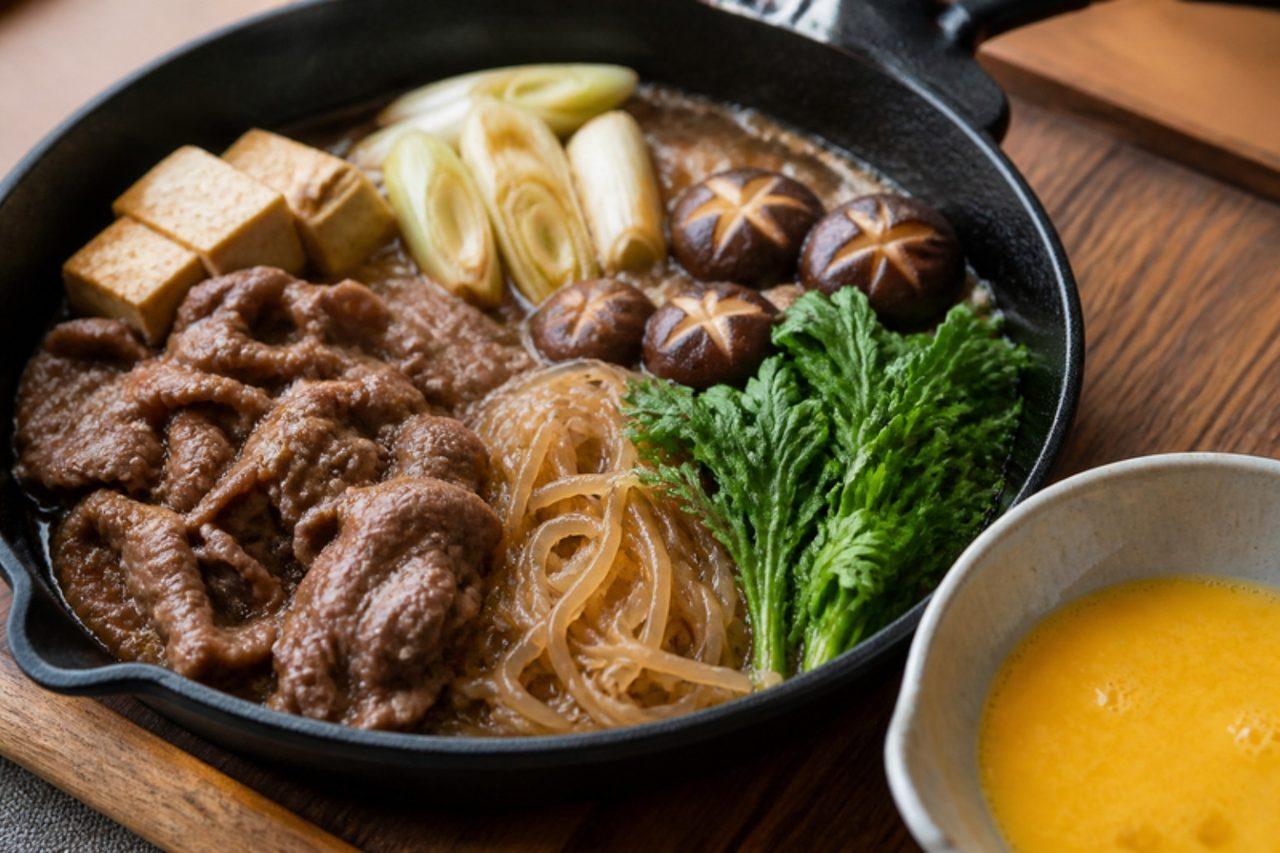
Beef was rarely eaten in Japan until the Meiji era, when Tokyo's new beef-pot restaurants made it fashionable, and sukiyaki grew out of those pots. Today it is a dish for New Year, birthdays and family gatherings, cooked in a shallow iron pan on a burner in the middle of the table. In the Kanto style of Tokyo, the cook pours in a ready-mixed sauce called warishita, whereas Kansai cooks sear the beef with sugar and add soy sauce afterwards. Each piece is dipped in beaten raw egg, which cools it and softens the sweet, salty sauce. Use very fresh eggs, ideally pasteurised; not for pregnant women, young children or anyone with a weakened immune system. If you prefer, skip the egg or poach it in the pan. Chef's tip: keep the shirataki noodles away from the beef in the pan; they can make the meat firm up and toughen where they touch.

by KrazyBadal 0 views

Kishimen (Nagoya flat noodle soup)

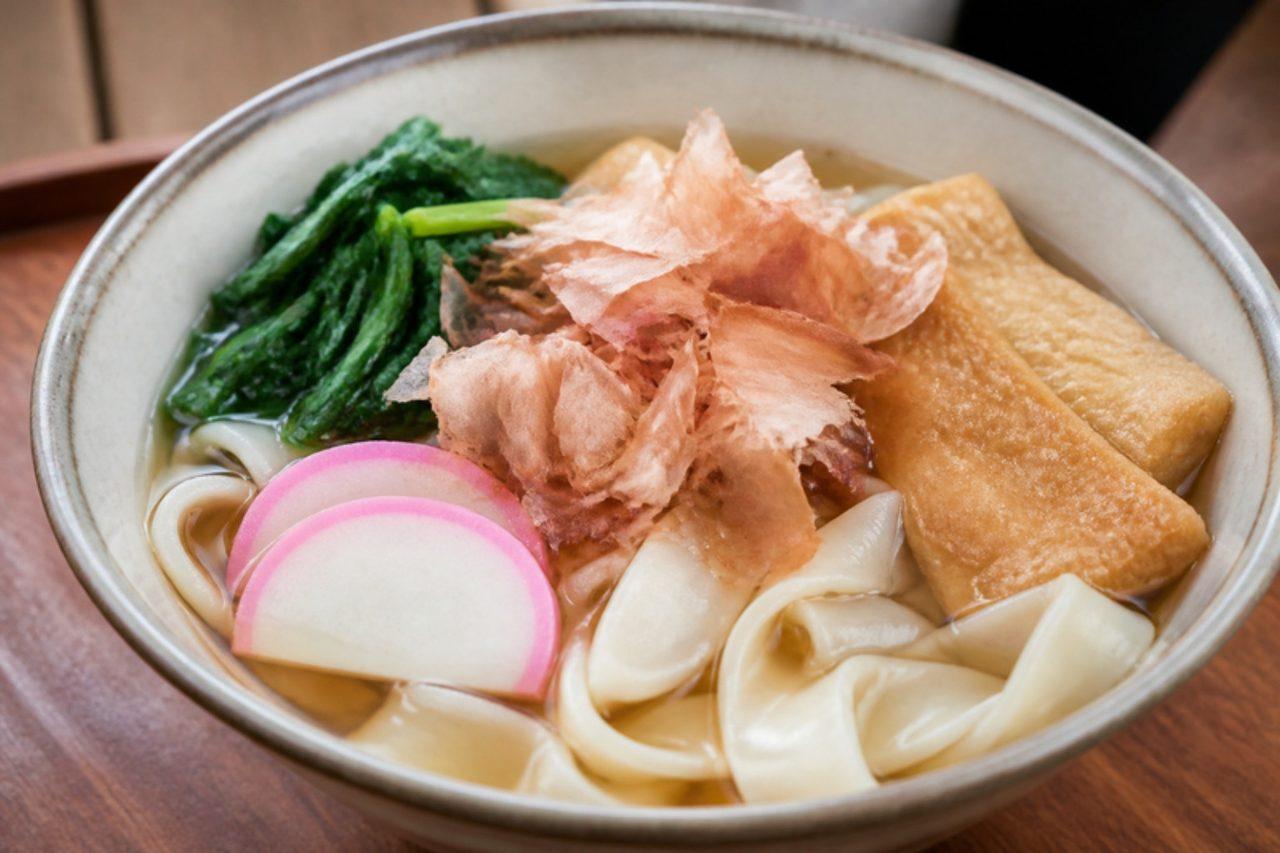
Travellers changing trains at Nagoya Station often grab a bowl of kishimen standing up at one of the platform noodle counters, and the dish is eaten all year in noodle shops across the city. The noodles are wide, thin and slippery, so they pick up a lot of broth with every mouthful. A typical bowl has a light, golden dashi, sweet fried tofu, a little green vegetable, a slice of fish cake and a big pile of bonito flakes that wave in the steam. It takes about 20 minutes from start to finish. Chef's tip: add the bonito topping right at the table, not in the kitchen; it softens and sinks within a minute, and the fresh smoky smell is half the pleasure.

by KrazyBadal 0 views

Hitsumabushi (Nagoya grilled eel rice)

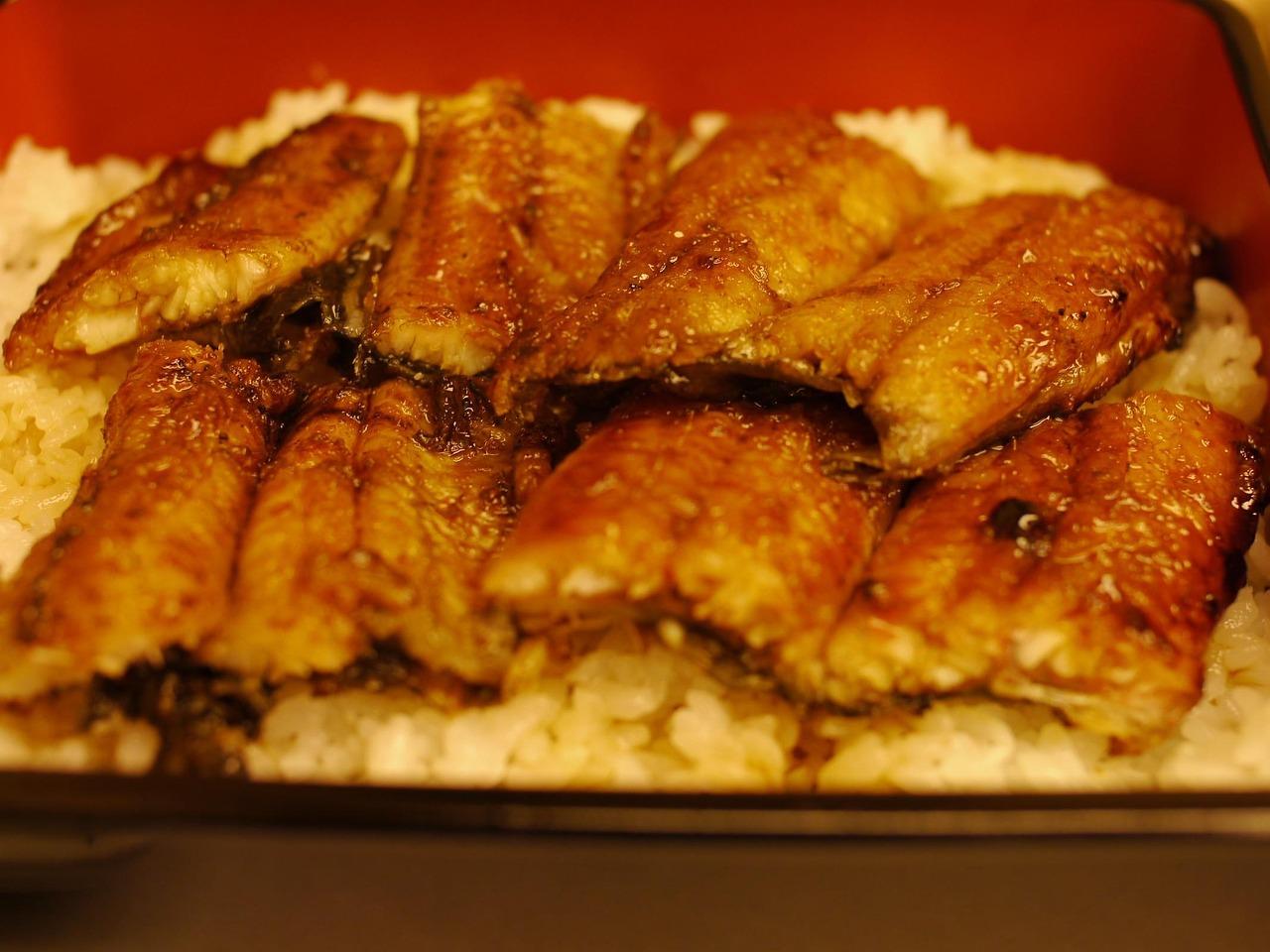
Order hitsumabushi in a Nagoya eel restaurant and it arrives in a round wooden tub, often with a small card explaining how to eat it. You divide the rice into quarters: eat the first plain, the second with spring onion, wasabi and nori, the third drowned in hot dashi or green tea, and the last whichever way you liked best. Nagoya cooks grill the eel until the skin is crisp, then chop it into strips. At home, ready-grilled eel fillets (unagi kabayaki, sold frozen in Japanese shops) work very well once reheated properly. Chef's tip: spoon a little of the sweet sauce through the rice before the eel goes on, so every mouthful is seasoned, not just the top layer.

by KrazyBadal 0 views

Vegetarian bun rieu

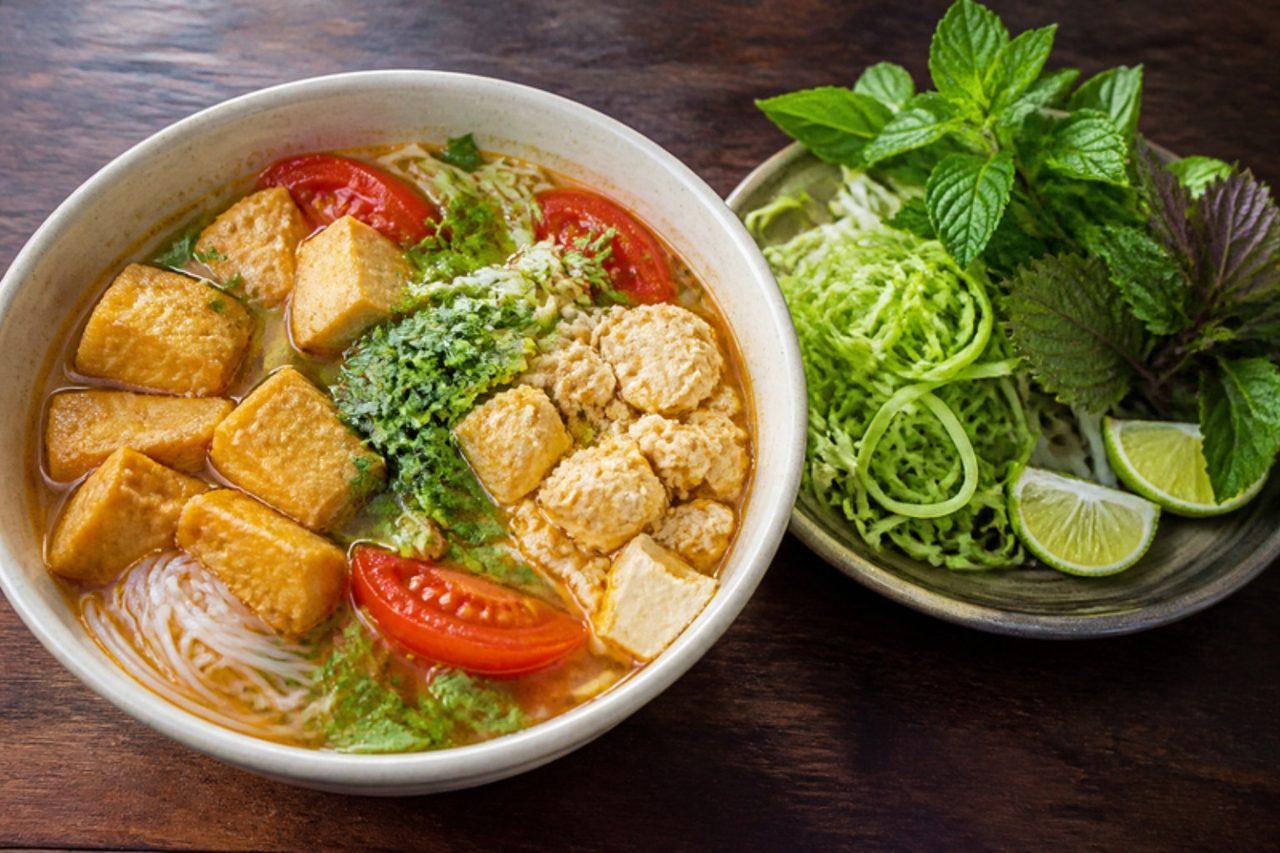
In Hanoi, bún riêu is a mid-morning bowl bought from street sellers who set up on low plastic stools: a tangy red tomato broth with rice vermicelli and soft, floating curds that are normally made from pounded paddy crab. Vegetarian cooks and Buddhist temple kitchens make bún riêu chay instead, folding crumbled tofu, egg and chopped shiitake into the same loose, spongy curds, and seasoning the broth with fermented tofu rather than shrimp paste. It arrives with fried tofu, lime, chilli, shredded water spinach and perilla, so each spoonful is sour, savoury and fresh at once. Chef's tip: let the tomatoes fry in the annatto oil until they collapse into a jammy paste before any stock goes in; that is where the broth gets its colour and depth.

by KrazyBadal 0 views

Vietnamese baked banana cake

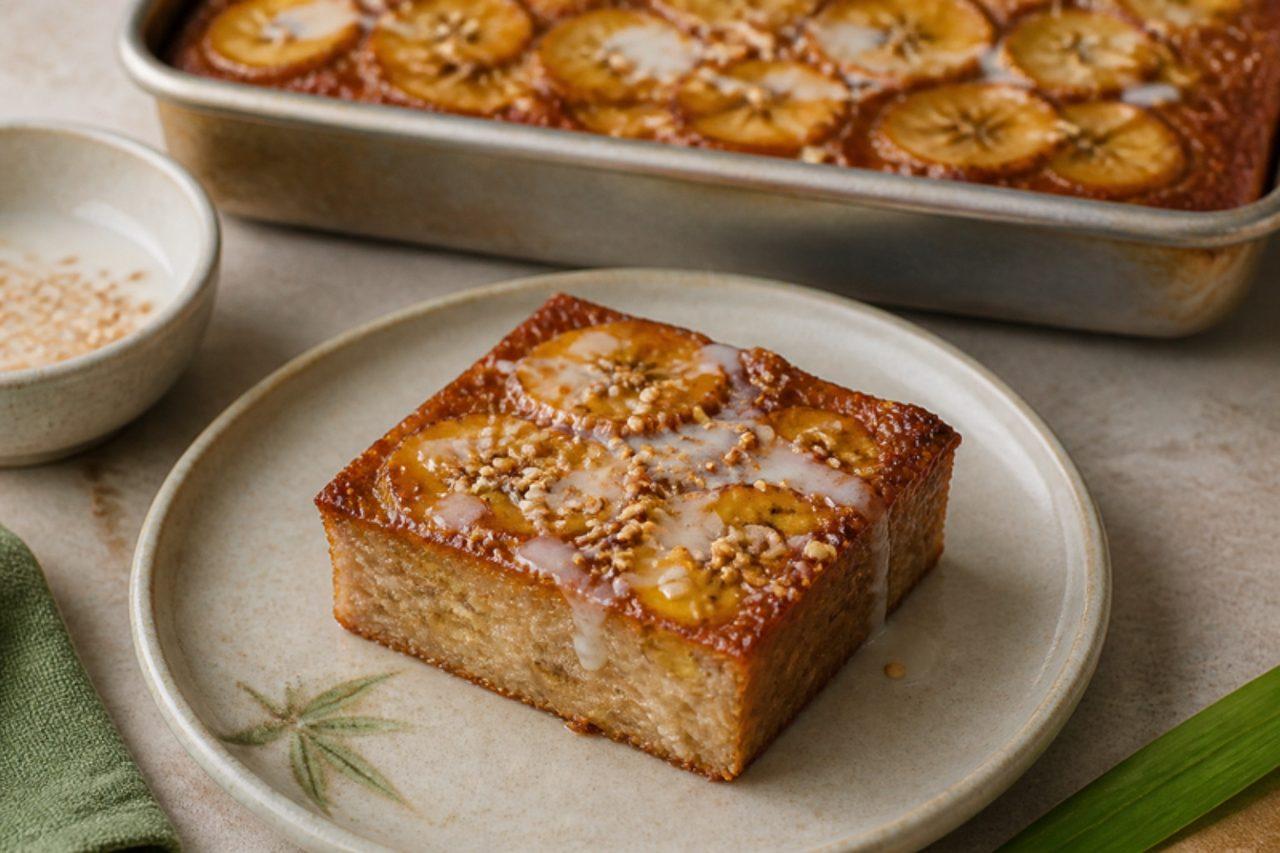
Bánh chuối nướng is sold by the slab from glass-fronted carts and bakeries in Saigon, a soft, heavy cake made from overripe bananas, day-old bread and coconut milk, baked until the top turns deep amber and the bananas go sticky and jammy. It sits somewhere between a bread pudding and a custard cake, and Saigon people eat it as an afternoon snack, often with a little warm coconut sauce poured over. Home cooks make it to use up blackened bananas and stale baguette. Chef's tip: use the ripest bananas you can find, with brown-spotted skins; they give the cake its colour and sweetness.

by KrazyBadal 0 views

Hong Kong milk tea

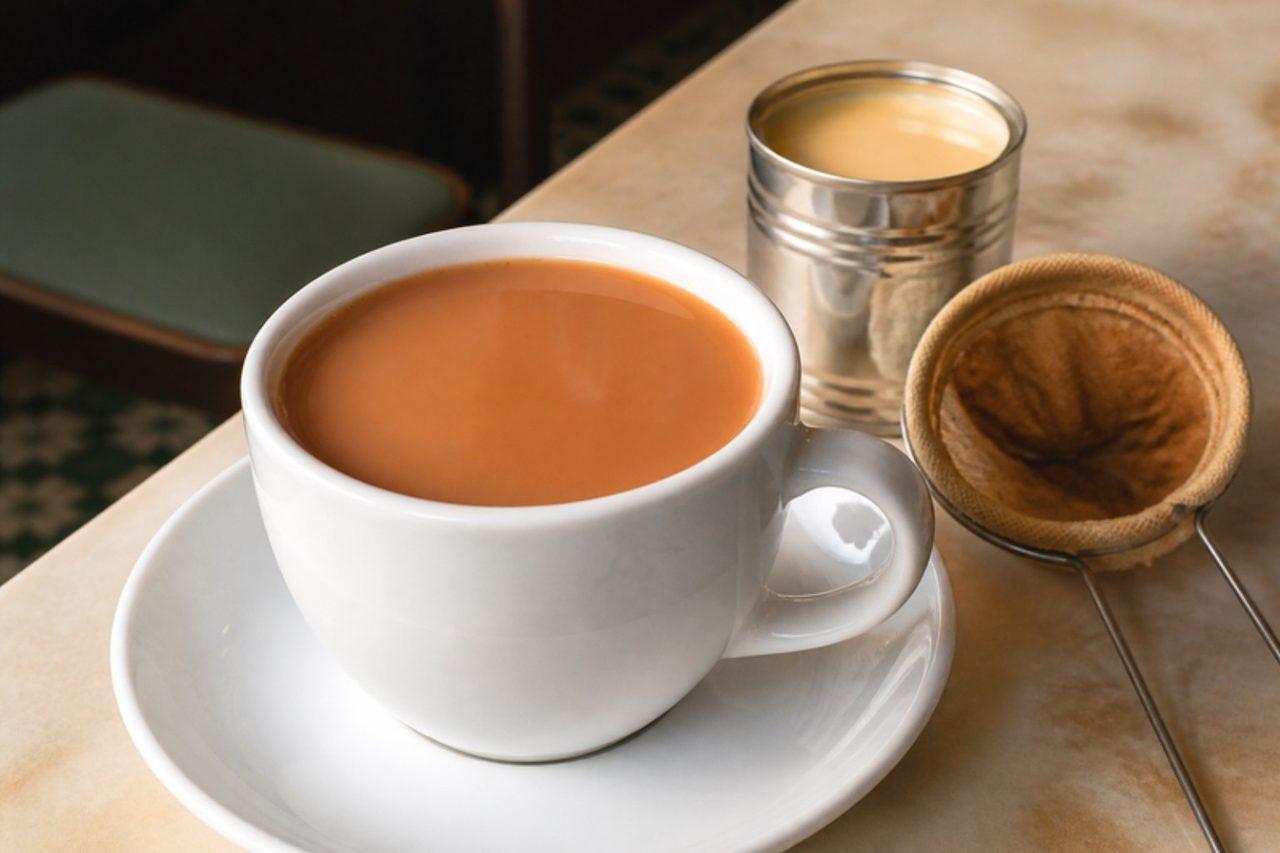
Hong Kong milk tea is the daily fuel of the city's cha chaan teng, poured hot in thick cups at breakfast and over ice in the humid afternoons. Tea masters brew a blend of strong black teas, strain it again and again through a long cotton bag (the stained 'silk stocking'), and mix it with evaporated milk for a smooth, almost velvety drink. Chef's tip: let the tea simmer for a few minutes rather than just steeping it; Hong Kong milk tea is meant to be strong and slightly astringent, or the milk drowns it.

by KrazyBadal 0 views

Showing 9 of 7,762 recipes

Show more recipes

Page 654 of 863