


Skip to content
Pique
Featured recipe

Pique

Chilli vinegar

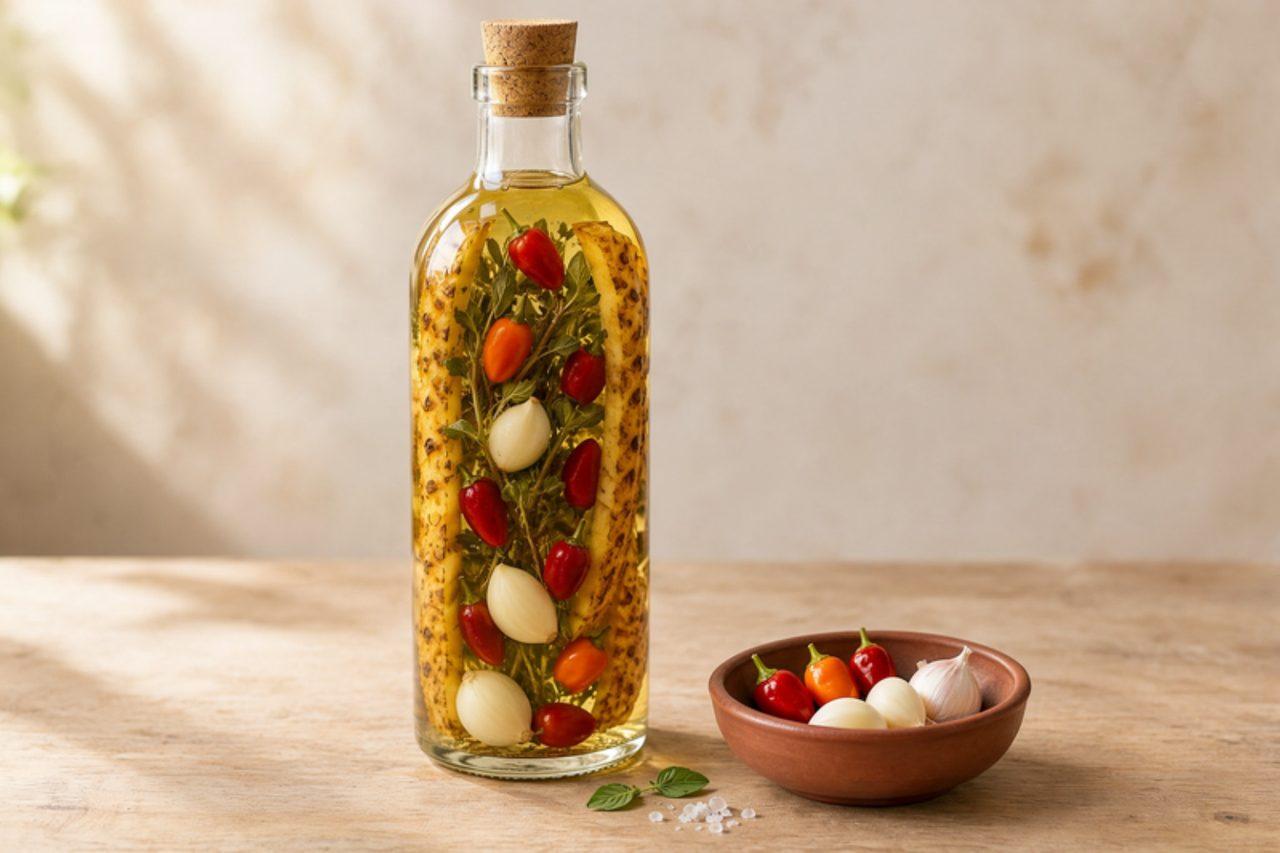
Every Puerto Rican kitchen, and every roadside kiosko along the beach at Luquillo or Piñones, has a bottle of pique on the counter: an old bottle stuffed with tiny ají caballero or bird's-eye chillies, garlic, oregano, peppercorns and often strips of pineapple peel, topped up with vinegar. A few shakes go over arroz con habichuelas, alcapurrias and bacalaítos, mofongo, sancocho and the Christmas pernil, and the bottle is refilled with fresh vinegar over and over. It is thin and sharp rather than thick like a sauce, fiercely hot, garlicky and herbal, and the pineapple gives a fruity, faintly sweet note. The mistake to avoid is loading the bottle with garlic and fresh herbs, watering down the vinegar and leaving it in a hot kitchen for months: garlic and herbs need full-strength vinegar and a cold fridge to stay safe. It is ready after about five days, when the vinegar has turned pale orange, smells of chilli and a single drop on your tongue is hot. Chef's tip: slit a few chillies and leave the rest whole, so the heat keeps building as you top up the bottle.

Read more 0 views

What to eat today?

Around the world

Today's trip: Paraguayan

A new country every day, from every cuisine on the site.

Paraguayan

Buñuelos de algas

Sea lettuce fritters 35 minMore from Paraguayan (27) →

This week's collection

Kid-friendly dinners
537 recipes · a new collection every Monday

Latest recipes

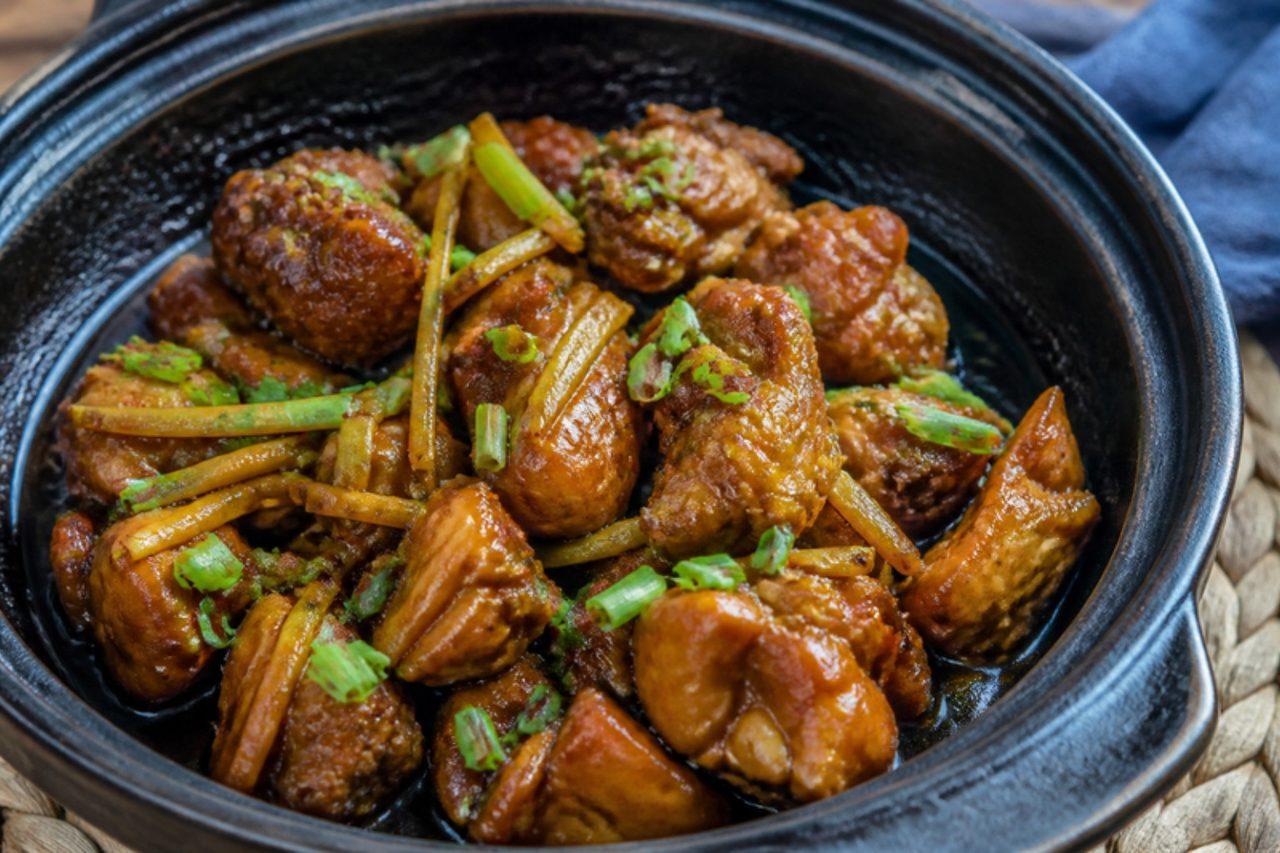
Ga kho gungGinger caramel chicken

Across Vietnam, from Hanoi apartments to Mekong Delta farmhouses, a small pot of something braised in caramel and fish sauce sits on the family table at dinner with rice, a plate of boiled greens and a clear soup. This chicken version leans on ginger, cut into fine matchsticks so it turns soft and warming in the glossy, salty-sweet sauce. It's a favourite when the weather cools, traditionally cooked in a clay pot, though any heavy pan will do. It reheats well, so it's a good one for the next day's lunch. Chef's tip: take the caramel to the colour of strong tea, deep amber, before the chicken goes in; that slight bitterness is what keeps the dish from tasting sugary.

by KrazyBadal 0 views

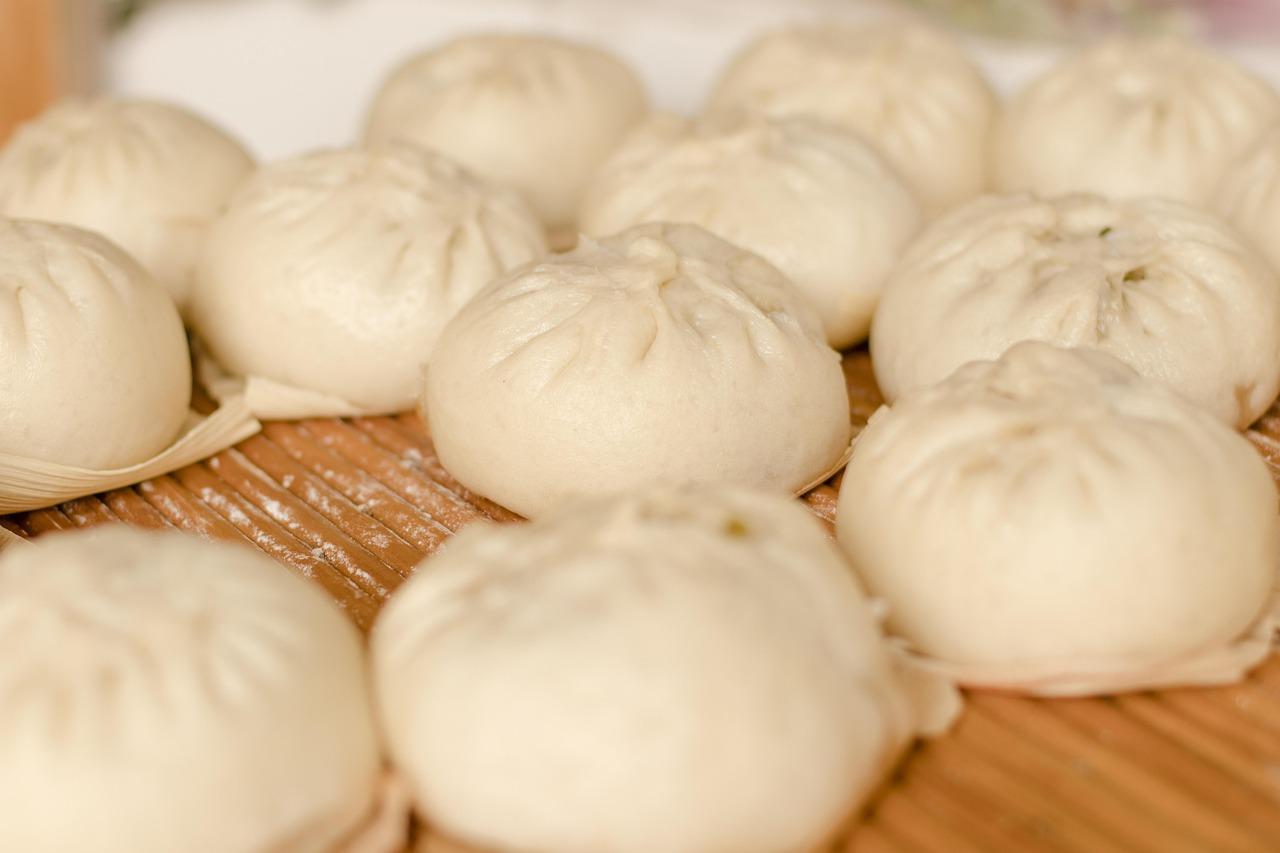
Vegetable steamed bao buns (baozi)

Baozi are breakfast across China: commuters in Shanghai, Beijing and small towns alike queue at steaming stalls for a couple of buns and a cup of soya milk. Vegetable baozi (su cai bao) are a standard on every counter, usually filled with greens, mushroom, tofu and glass noodles. Making them is a weekend job, but they freeze beautifully and reheat in 10 minutes. Chef's tip: let the shaped buns rise until they look puffy and feel light before steaming; under-proved buns come out dense and wrinkled.

by KrazyBadal 0 views

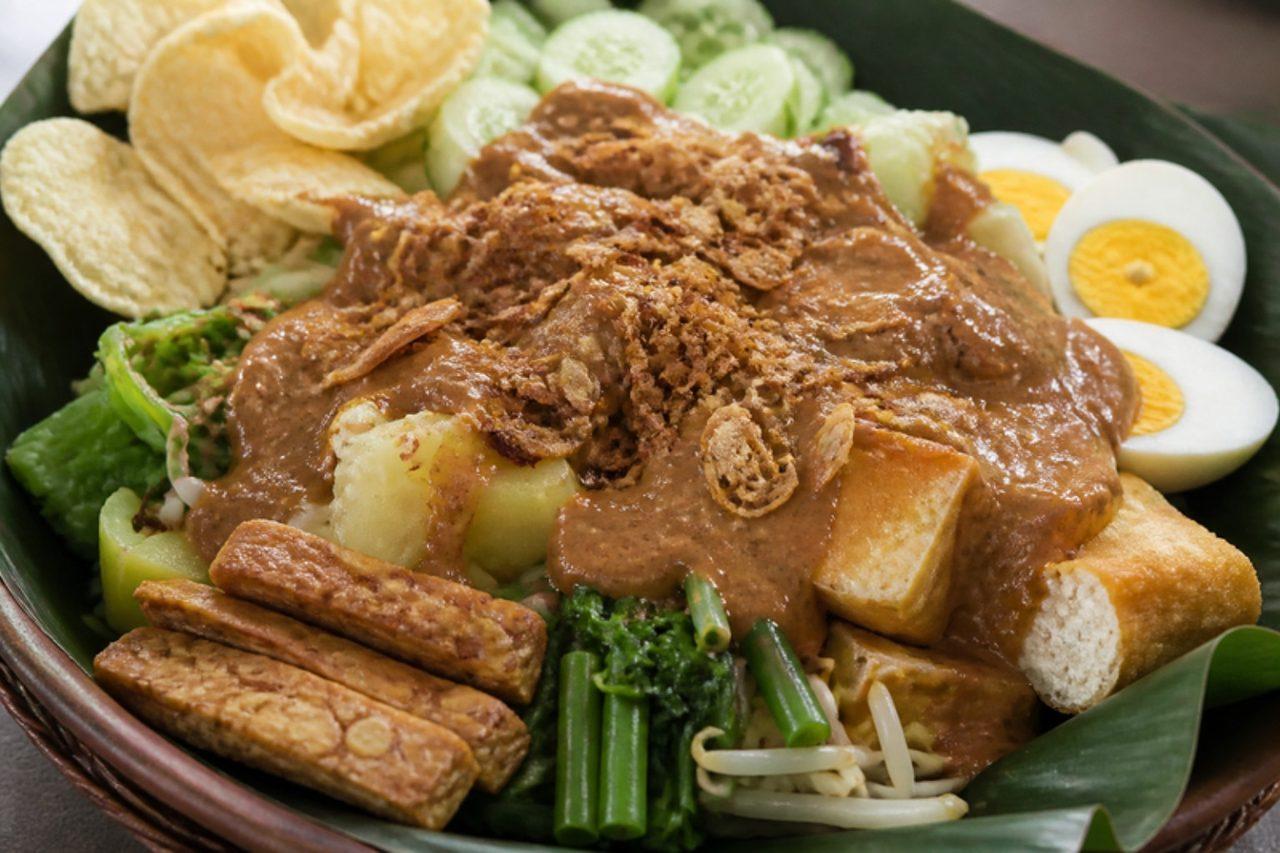
Gado-gadoVegetable salad with peanut sauce

In Jakarta, gado-gado is lunch from a pushcart: the Betawi seller grinds the peanut sauce to order on a stone ulekan, then tips blanched greens, potato, tofu, tempeh and egg into it and mixes everything by hand. The name roughly means "mix-mix", and that is how it's eaten, with every vegetable coated in a sauce that's nutty, sweet from palm sugar, sour from tamarind and as hot as you ask for. It's a full meal on its own, crunchy with emping or rice crackers on top. Chef's tip: loosen the peanut sauce with warm water only at the end and stop when it coats a spoon like custard; too thin and it slides off the vegetables and pools on the plate.

by KrazyBadal 0 views

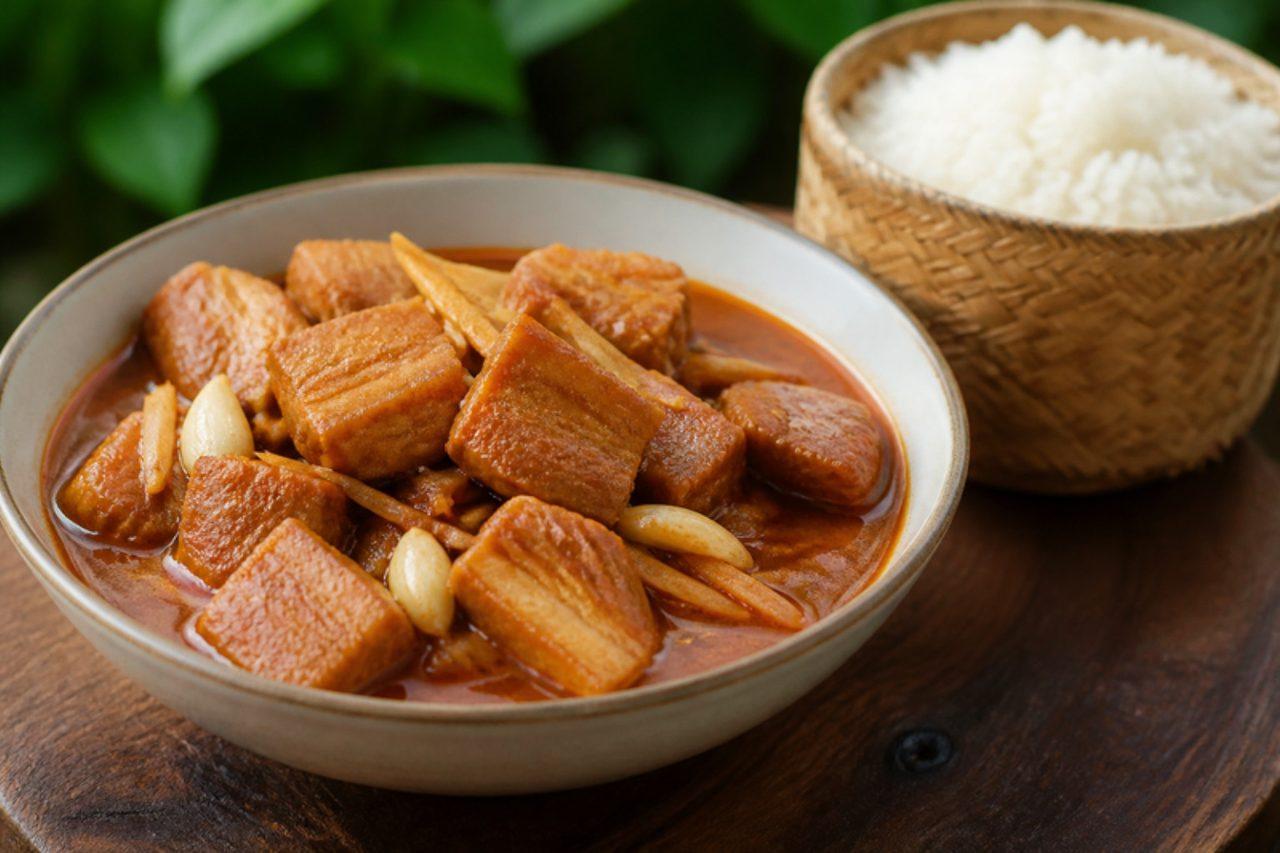
Gaeng hang layPork belly curry

Brought to Lampang and Chiang Mai by Burmese teak traders in the 1800s, this coconut-free curry is now the dish Northern families cook for temple fairs, weddings and Songkran, often a day ahead in a big pot. Chunks of pork belly and shoulder braise slowly until they almost fall apart in a dark, glossy sauce that tastes of ginger, garlic and warm spices, sharpened with tamarind and rounded with palm sugar. It should be thick enough to cling to the meat rather than soupy. Serve it with steamed jasmine or sticky rice and a crisp cucumber salad. Chef's tip: make it the day before; overnight in the fridge the flavours settle and the fat sets on top so you can lift some off before reheating.

120 minThaiCurriesGluten free
by KrazyBadal 0 views

Orange salad with cinnamon

After a heavy tagine or couscous, Moroccan families in the orange-growing Souss valley and around Marrakech often skip pastries and bring out a plate of sliced oranges instead, splashed with orange blossom water and dusted with cinnamon. It is the simplest dessert there is, but when the oranges are cold and juicy it tastes like a perfume of spice and flowers. Scatter over toasted almonds or chopped dates to make it more filling. Chef's tip: cut off every bit of white pith; even a thin ring of it makes the slices bitter.

by KrazyBadal 0 views

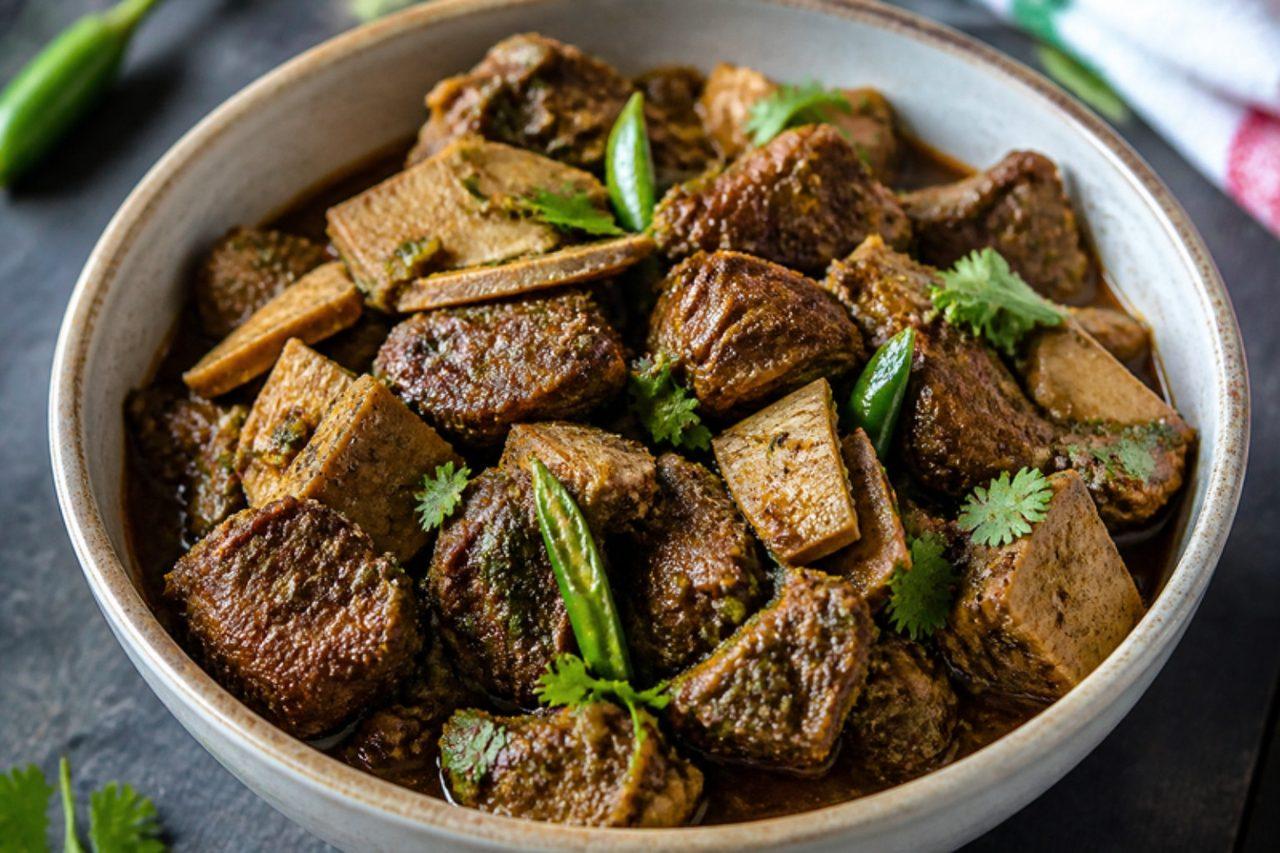
Gahori aru bahgajPork curry

Across upper Assam, among the Tai Ahom, Mising and many tea-garden families, pork with fermented bamboo shoot is the dish that turns any gathering into a feast. The bamboo shoot gives a sour, almost cheesy tang that cuts through the rich pork, and a little bhut jolokia (ghost pepper) brings slow heat. It is cooked with very little oil because the pork fat does the work, and is served with rice and a leafy side. Chef's tip: choose shoulder or belly with some fat on; lean loin turns dry and stringy here.

90 minIndianMeatGluten freeSpicy
by KrazyBadal 0 views

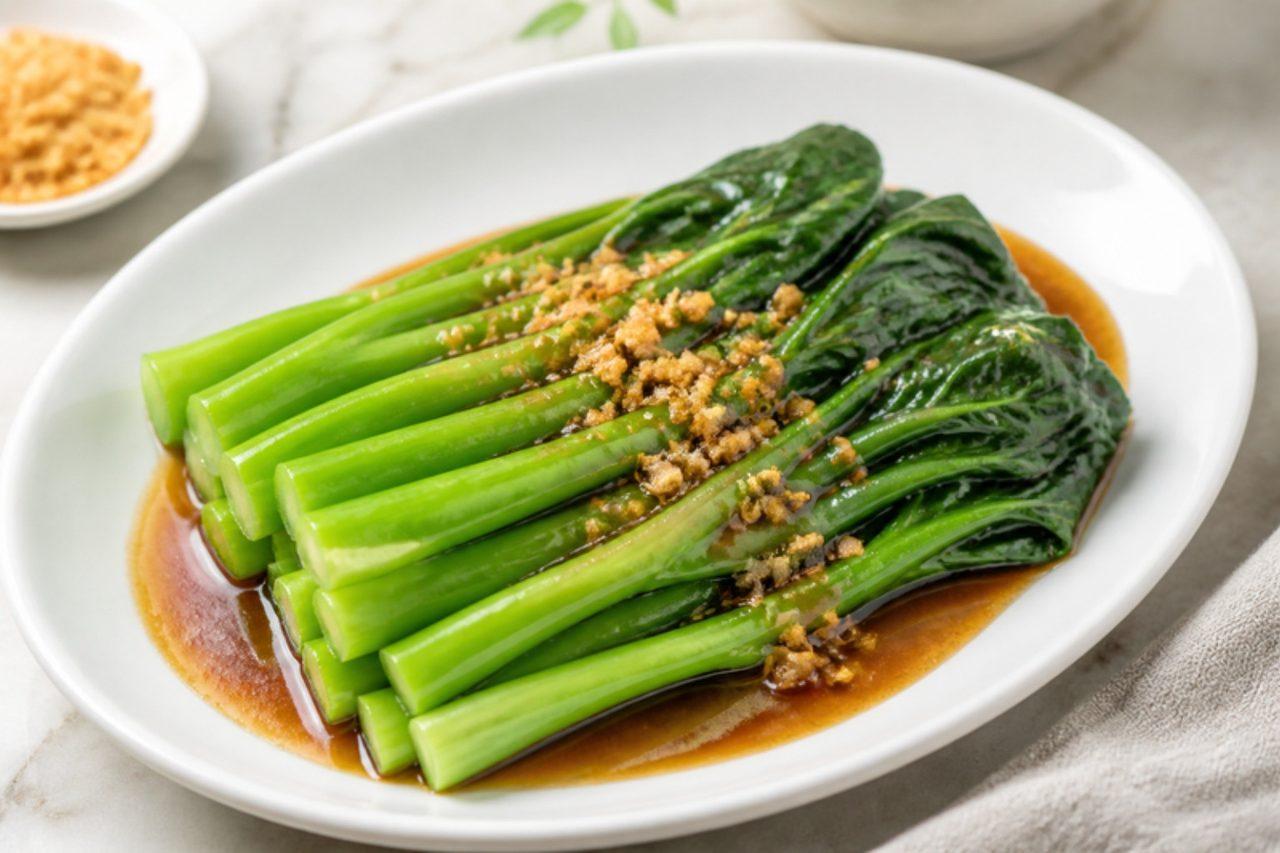
Gai lan with vegetarian oyster sauceChinese broccoli with mushroom sauce

Every Cantonese table needs a plate of greens, and gai lan (Chinese broccoli) is the favourite in Guangdong homes and Hong Kong cha chaan teng. The stems are thick, sweet and slightly bitter, the leaves soft. Restaurants blanch it and pour oyster sauce on top; here a mushroom-based vegetarian oyster sauce gives the same dark gloss and savouriness. Chef's tip: add a spoon of oil and a pinch of sugar to the blanching water; the oil keeps the greens bright and shiny, and the sugar softens the bitterness.

by KrazyBadal 0 views

Buna (Ethiopian coffee ceremony)Roasted and brewed Ethiopian coffee

Coffee was born in Ethiopia's south-western forests around Kaffa and Jimma, and buna is still a ceremony as much as a drink: in homes from Jimma to Addis Ababa, a woman of the house roasts green beans in a pan over charcoal, carries the smoking pan around so guests can breathe in the aroma, grinds them, and brews the coffee in a clay pot called a jebena. It is served in small handleless cups with sugar (or salt or butter in the countryside), alongside popcorn or dabo kolo, and poured three times: abol, tona and baraka. The ceremony takes the best part of an hour and is about conversation. Chef's tip: let the jebena stand for a few minutes before pouring so the grounds settle, and pour in one steady stream without stopping.

by KrazyBadal 0 views

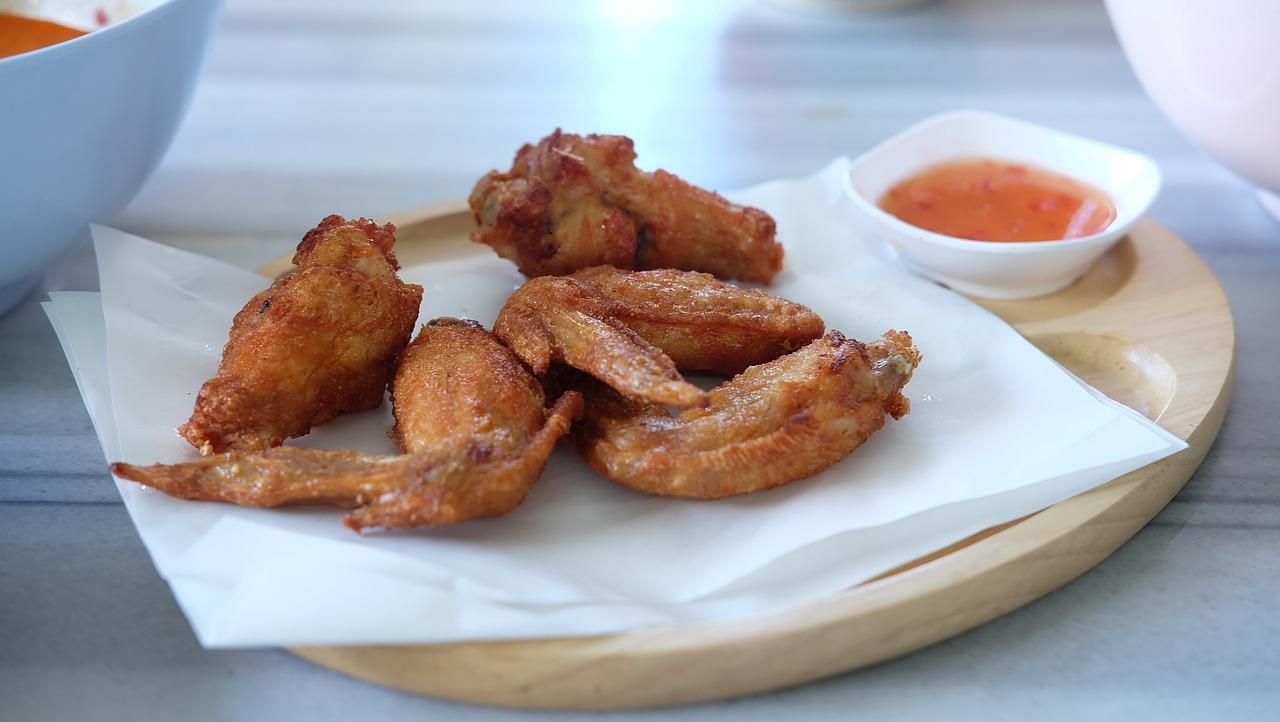
Gai tod Hat YaiSouthern fried chicken

Hat Yai, the busy trading city in Songkhla province near the Malaysian border, gave its name to Thailand's best-loved fried chicken: pieces marinated with coriander root, garlic and white pepper, fried in a thin rice-flour coat until deep bronze, then buried under a drift of crisp fried shallots. Stalls there sell it from early morning with sticky rice and sweet chilli sauce, and Bangkok vendors copy it on every soi. The skin is light and crackly rather than bready, the meat aromatic and well seasoned, and the shallots add sweetness and crunch. Children love it with the sauce on the side. Chef's tip: marinate overnight in the fridge so the coriander root and pepper reach right to the bone.

by KrazyBadal 0 views

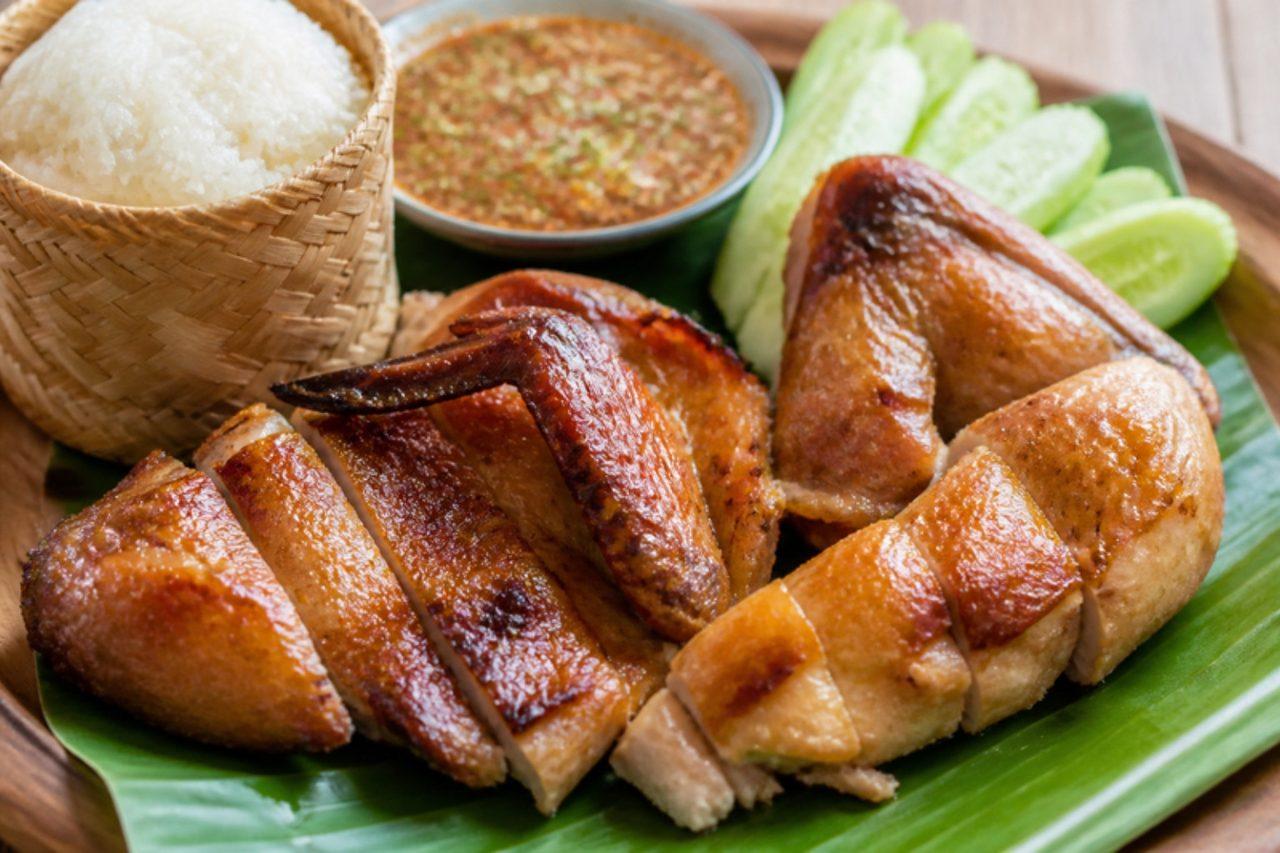
Gai yangGrilled lemongrass chicken

Bus stations and football matches across Isan have the same soundtrack: the crackle of chicken pieces clamped in split bamboo over glowing coals, and the thump of a pestle making som tam beside them. Gai yang is marinated in garlic, coriander root, white pepper and lemongrass, then grilled slowly so the skin turns lacquered and smoky while the meat stays juicy. Tear it apart with your hands and eat it with sticky rice, green papaya salad and a sour-hot jaew dipping sauce. Chef's tip: leave it in the marinade overnight in the fridge; the lemongrass and garlic need hours to get past the skin.

by KrazyBadal 0 views

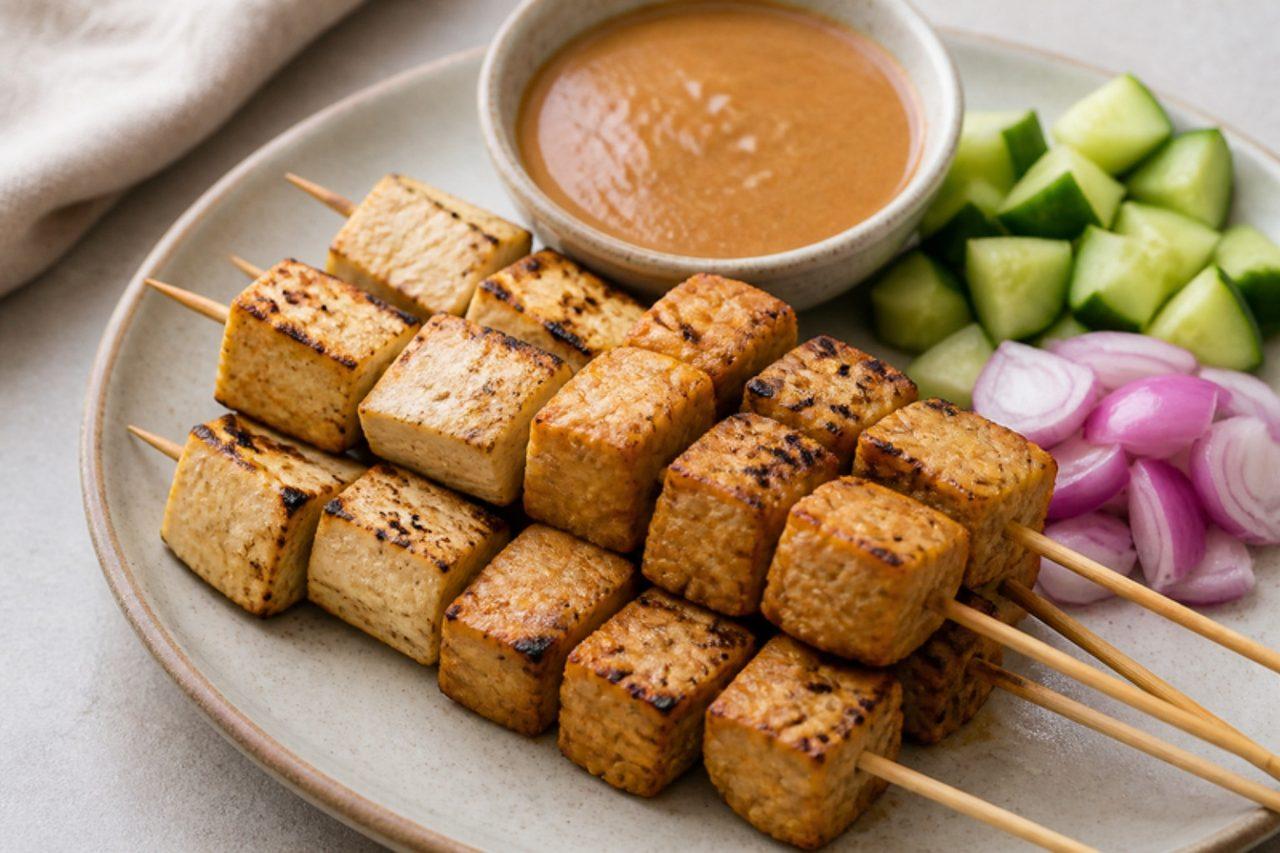
Tofu & tempeh satay with peanut sauce

Satay smoke drifts along Javanese streets every evening, where sellers fan charcoal grills set up on the pavement and serve skewers with peanut sauce, rice cakes and sliced shallot. Tofu and tempeh are naturals for it: they drink up a sweet-savoury marinade of palm sugar, tamari, coriander and garlic and pick up dark, sticky char at the edges. The sauce here is cooked until smooth and glossy, sweeter and milder than the grainy dressing on gado-gado, made for dipping. Chef's tip: soak the bamboo skewers for 30 minutes and brush the satay with marinade as it grills — the sugar caramelises into the dark, slightly burnt edges that make satay taste like satay.

by KrazyBadal 1 views

Chickpea & sweet potato tagine

Sweet potato is not old Moroccan tradition, but today it is sold in every souk from Agadir to Meknes and turns up in modern home tagines alongside the classic chickpeas, dried apricots and ras el hanout. This version leans on the sweet-and-spiced style of Fez and Marrakech cooking: the sweet potato melts slightly into the sauce, the chickpeas keep their bite and a handful of apricots adds little pockets of tang. It is filling enough for a weekend lunch with couscous or bread, and it reheats beautifully the next day. Chef's tip: bloom the ras el hanout in the oil for 30 seconds before the liquid goes in; raw spice blends taste dusty, cooked ones taste round.

by KrazyBadal 0 views

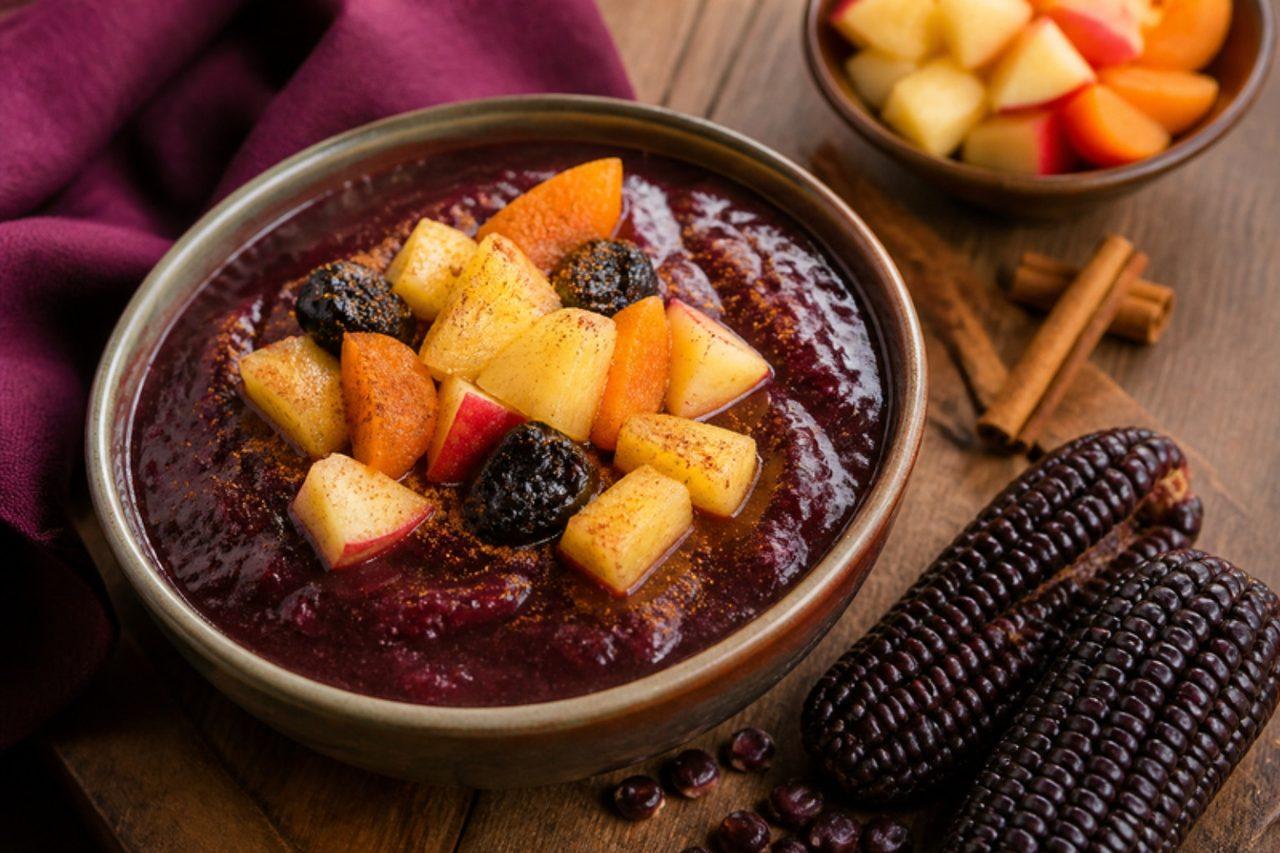
Mazamorra moradaPurple corn pudding

Mazamorra morada is a deep purple pudding from Lima, made by boiling Andean purple corn with pineapple peel and spices and then thickening the dark juice with sweet potato starch and fruit. It is sold in little cups at markets and street carts, and in Lima it is eaten all year but above all in October, often spooned into the same bowl as rice pudding, a combination called el clásico. It is fruity, gently spiced and wobbly, like a thick jam pudding. Dried purple corn (maíz morado) is sold in Latin shops and online; purple corn powder works too. Chef's tip: dissolve the starch in cold water and stir it in off the boil; tipping it into a bubbling pan makes lumps that never smooth out.

by KrazyBadal 0 views

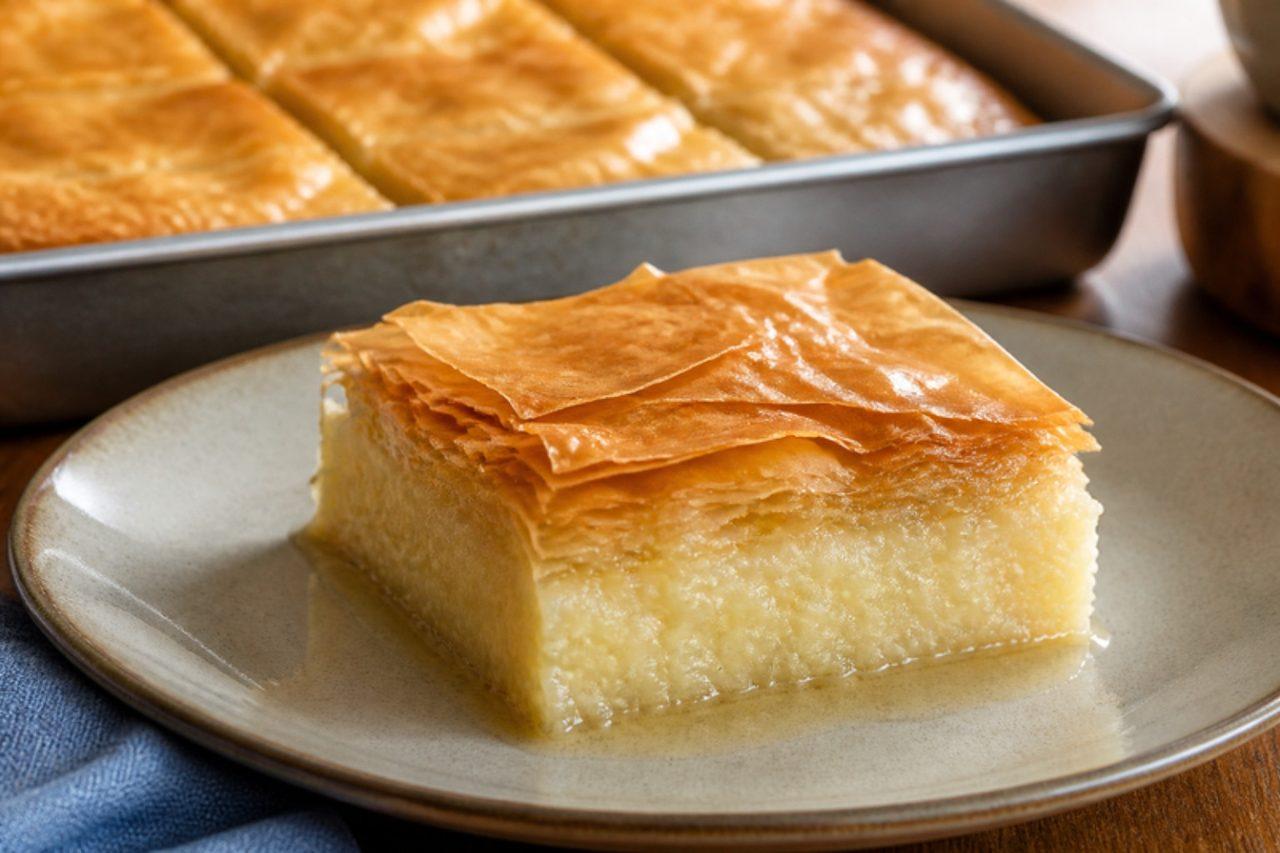
GalaktobourekoSemolina custard in fillo

Galaktoboureko is the grand dessert of Greek pastry shops: a thick layer of silky semolina custard baked between sheets of buttered fillo, then soaked with cold lemon and cinnamon syrup the moment it leaves the oven. It's bought by the tray for Sunday lunches, name days and Easter, and eaten slightly warm or at room temperature with coffee. The top shatters, the syrup pools at the edges and the custard stays creamy. It takes patience but no special skill. Chef's tip: pour cold syrup over the hot pie (or hot over cold), never hot on hot; that common mistake leaves the pastry soggy instead of crisp.

by KrazyBadal 0 views

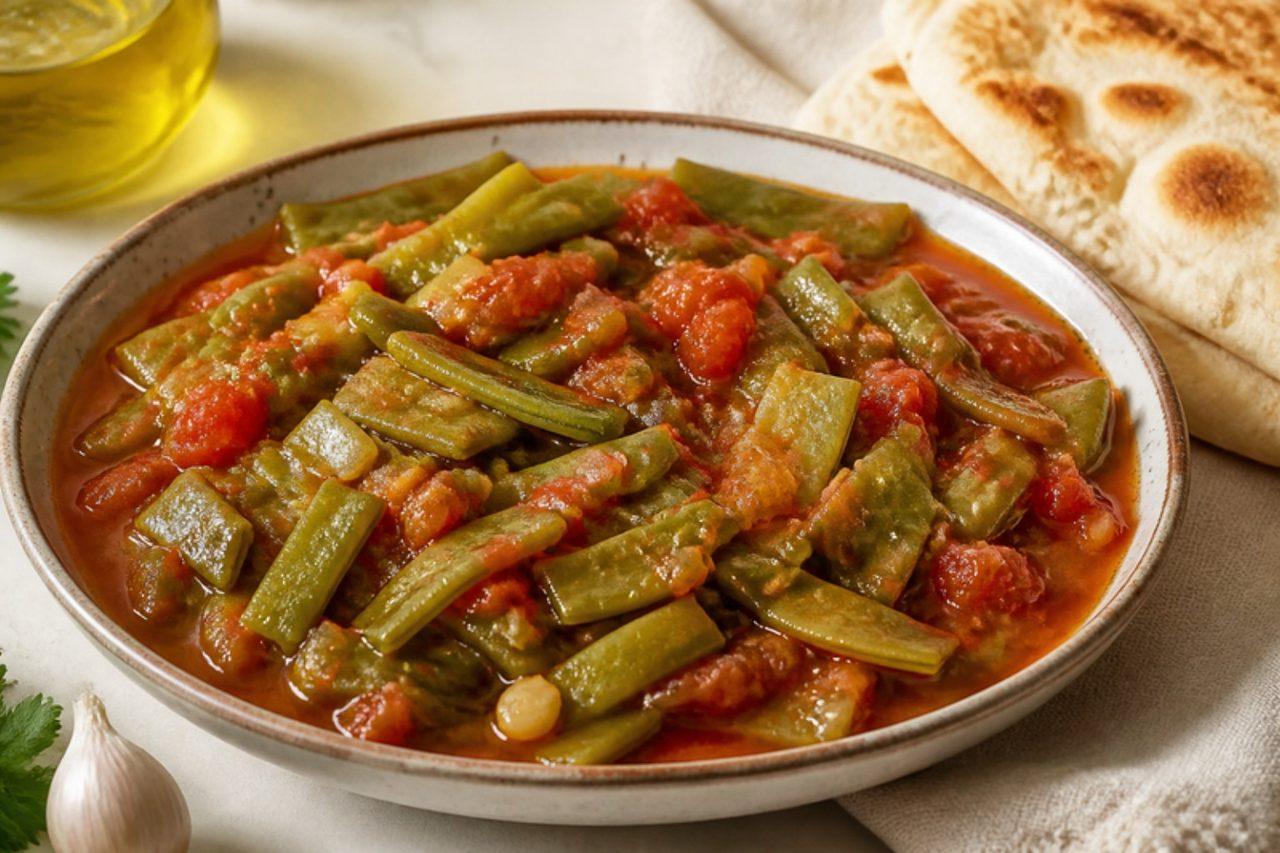
Loubieh bi zeitGreen beans braised in olive oil

In Lebanese homes loubieh bi zeit belongs to the 'bi zeit' family, vegetables cooked in olive oil and served cool, which turn up on the mezze table in summer and fill lunchboxes the next day. Flat runner beans or wide Romano beans are best: they soak up the garlicky tomato sauce and turn silky. It is eaten at room temperature with Arabic bread to mop the oil, and often with a few spring onions and radishes alongside. Chef's tip: cook the garlic only until it smells sweet before adding the beans; browned garlic turns the whole dish bitter.

by KrazyBadal 0 views

Pork souvlaki

This is a pork recipe. Walk through any Greek town after dark, from Athens to Thessaloniki, and the smell of souvlaki stands drifts down the street; cubes of pork shoulder grilled on thin skewers are the country's favourite cheap supper, eaten standing up or at a plastic-table taverna. At home you marinate the meat in lemon, olive oil, garlic and dried oregano, grill it hard and fast, and pile it on warm pitta with tzatziki, tomato and red onion. Chef's tip: cut the pork into even 2.5 cm cubes and leave a little fat on; lean loin dries out, shoulder stays juicy over high heat.

32 minGreekMeat
by KrazyBadal 1 views

Galette complèteBuckwheat crêpe with ham and egg

In every crêperie in Brittany, from Rennes to Quimper, the first thing most people order is the complète: a lacy buckwheat galette folded square around ham, melted cheese and an egg, eaten for lunch or a casual dinner with a bowl of dry cider. Contains pork (ham). The batter is just buckwheat flour, water, salt and an egg, so the galette has no wheat; some buckwheat flour is milled alongside wheat, so check the packet if you avoid gluten. A cup of apple juice is a good alcohol-free partner. Chef's tip: rest the batter for at least 2 hours, or overnight in the fridge; it thickens and the galettes cook up thinner and crisper.

by KrazyBadal 0 views

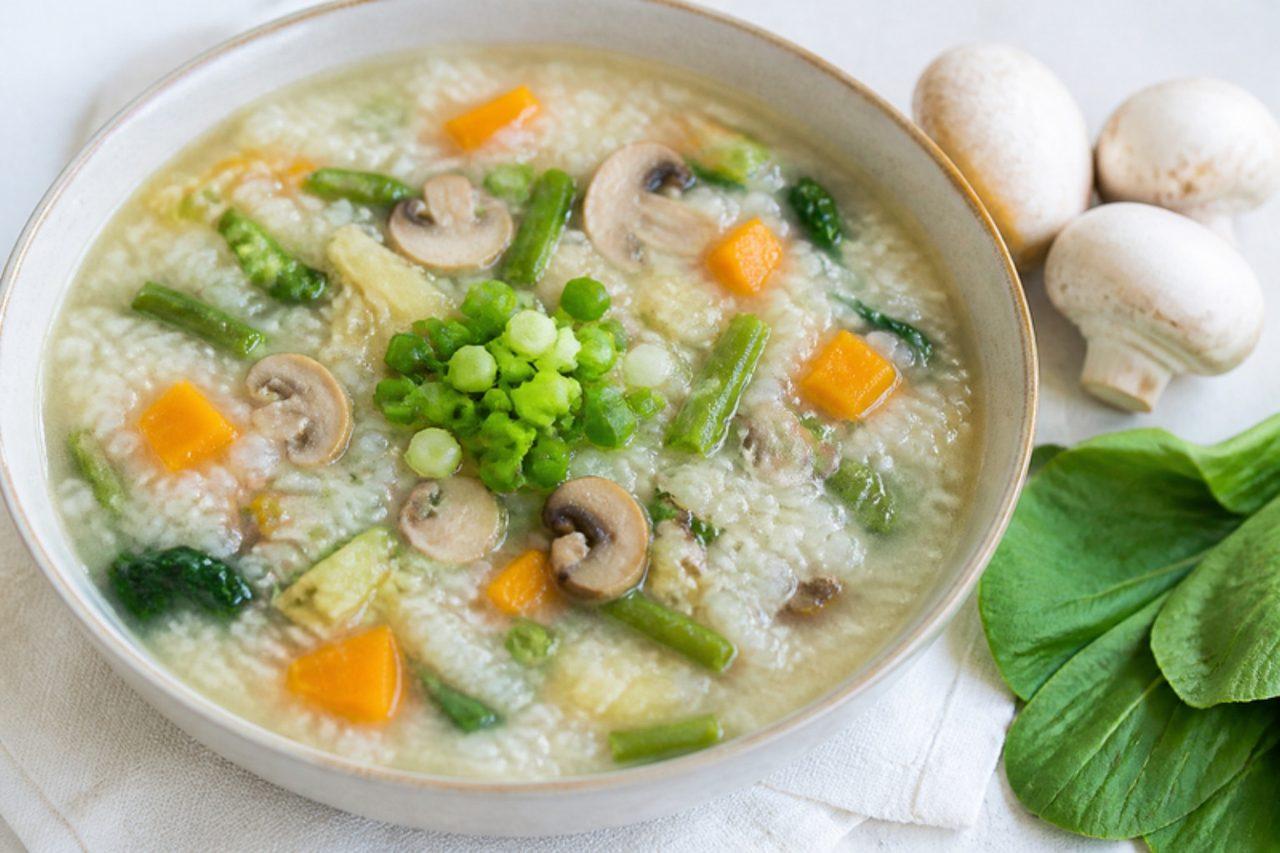
GalhoRice and vegetable porridge

Galho is Nagaland's comfort food, a soft, loose rice porridge cooked with seasonal vegetables, greens, ginger and chilli, sometimes thickened with a spoon of fermented soybean (axone). In Kohima homes it is the dish for cold evenings and for anyone unwell, and in restaurants it is often made with pork; this vegetarian version uses mushrooms and axone for savour. It sits somewhere between khichdi and congee, thick but spoonable. Chef's tip: stir only occasionally; galho should be soupy with distinct grains, not a smooth paste.

by KrazyBadal 0 views

Showing 18 of 7,762 recipes

Show more recipes

Page 661 of 863