


Skip to content
Khai kata
Featured recipe

Khai kata

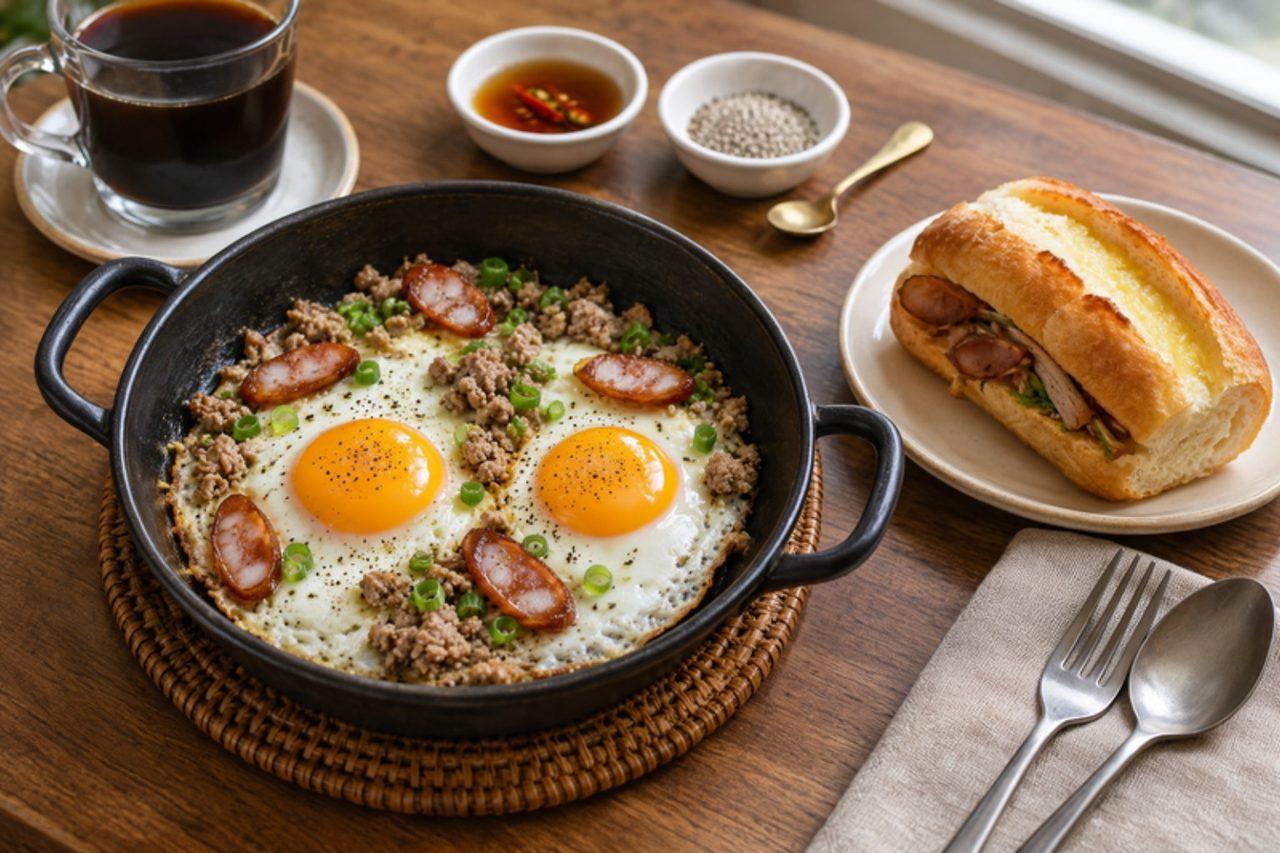
Pan eggs with pork and sausage

Khai kata, "pan eggs", came to Thailand through the Vietnamese communities of Isan, and in Udon Thani and Nong Khai, and now in Bangkok cafés too, it arrives sizzling in its own little metal pan with toppings of pork mince and sweet Chinese sausage, plus a crusty roll and a strong coffee. The eggs are cooked just until the whites set. The common mistake is cracking the eggs onto raw mince; cook the pork through first, then add the eggs. Chef's tip: heat the pan before the eggs go in, so the whites set at the edges with lacy, crisp frills.

Read more 0 views

What to eat today?

Around the world

Today's trip: Paraguayan

A new country every day, from every cuisine on the site.

Paraguayan

Cocido quemado

Burnt sugar mate drink 14 minMore from Paraguayan (27) →

This week's collection

Kid-friendly dinners
537 recipes · a new collection every Monday

Latest recipes

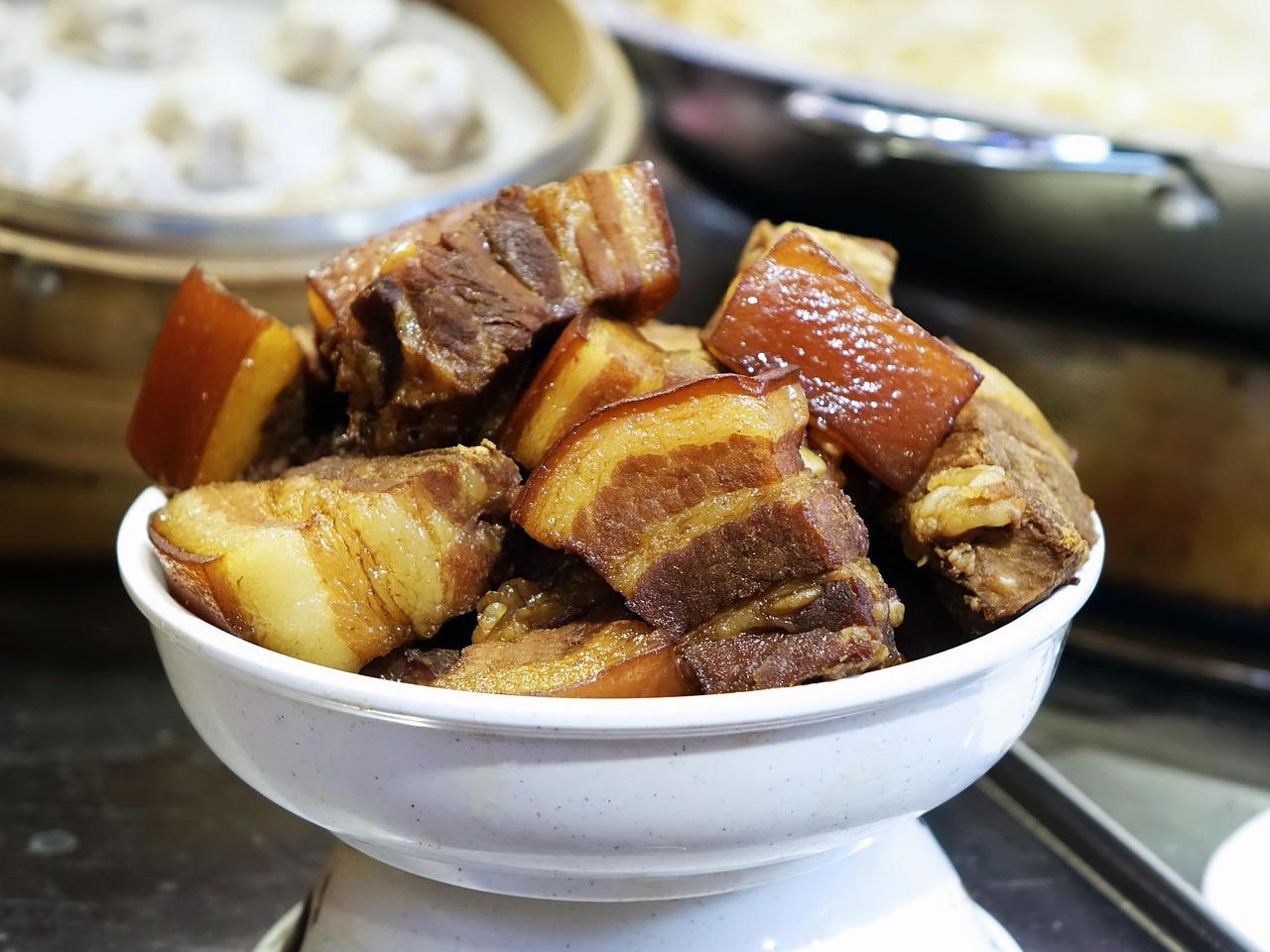
Shanghai red-braised pork

Every Shanghai family has its own hong shao rou, the dark, sticky pork belly at the heart of benbang (local) home cooking. Unlike the Hunan version linked to Chairman Mao, there is no chilli here; the colour and gloss come from rock sugar, soy sauce and a long, quiet braise, and the flavour is unmistakably sweet and savoury. The cubes should hold their shape but give way under chopsticks, with soft fat and a sauce that clings like syrup. It is weekend and festival food, served with plenty of rice and something green, and it tastes even better the next day. Chef's tip: reduce the sauce uncovered over a high heat in the last 10 minutes and keep tossing; that is when the shine appears.

by KrazyBadal 0 views
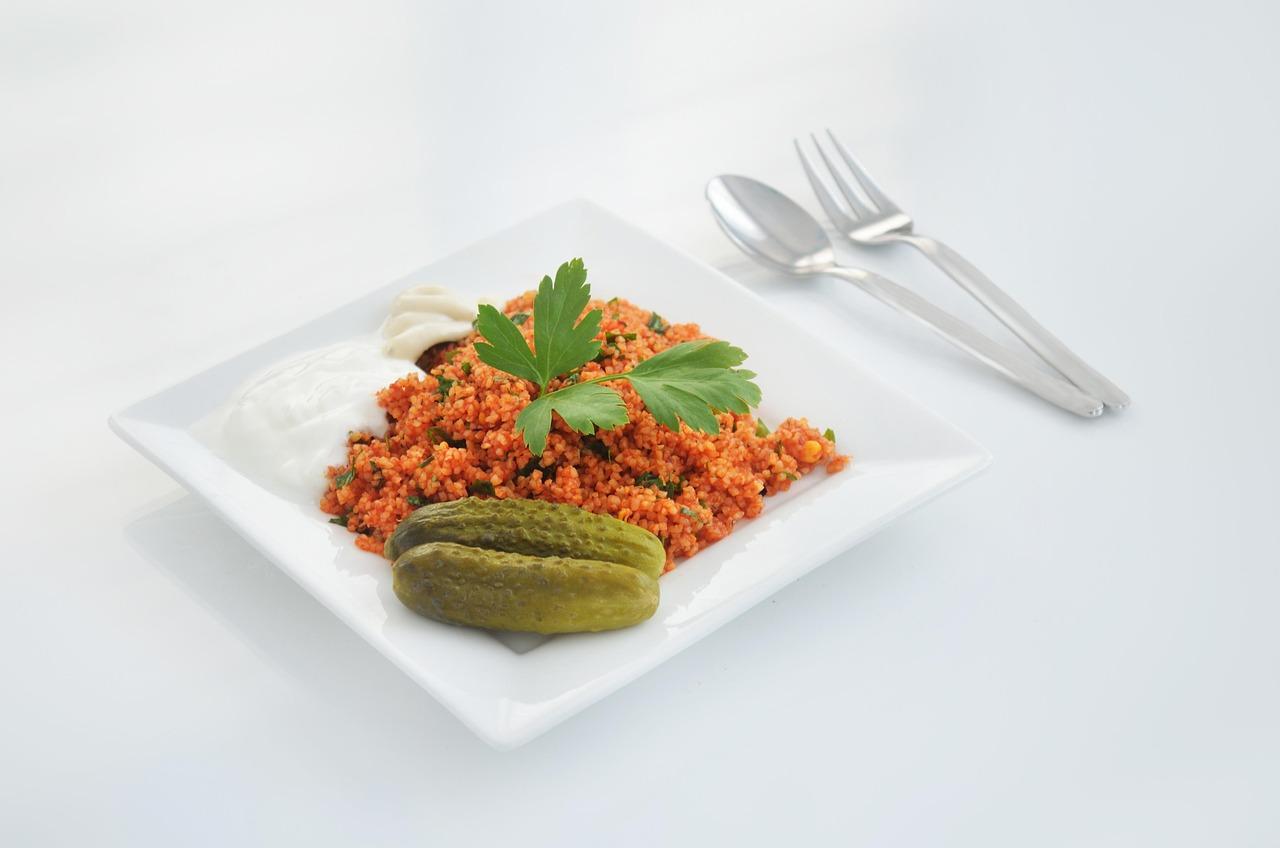
KısırBulgur salad with pepper paste

Kısır comes from southeastern Turkey but is now the dish women across the country bring to 'altın günü', the afternoon gatherings where friends meet at each other's homes over tea. Fine bulgur is softened with hot water and kneaded with tomato and pepper paste until rosy, then mixed with spring onion, parsley, mint, lemon and pomegranate molasses. It is served at room temperature, often wrapped in crisp lettuce leaves. The typical mistake is pouring in too much water, which turns the bulgur mushy; use just enough to cover. Chef's tip: knead the pastes into the warm bulgur with your hands for a full minute so every grain turns red and the flavour goes right through.

by KrazyBadal 0 views

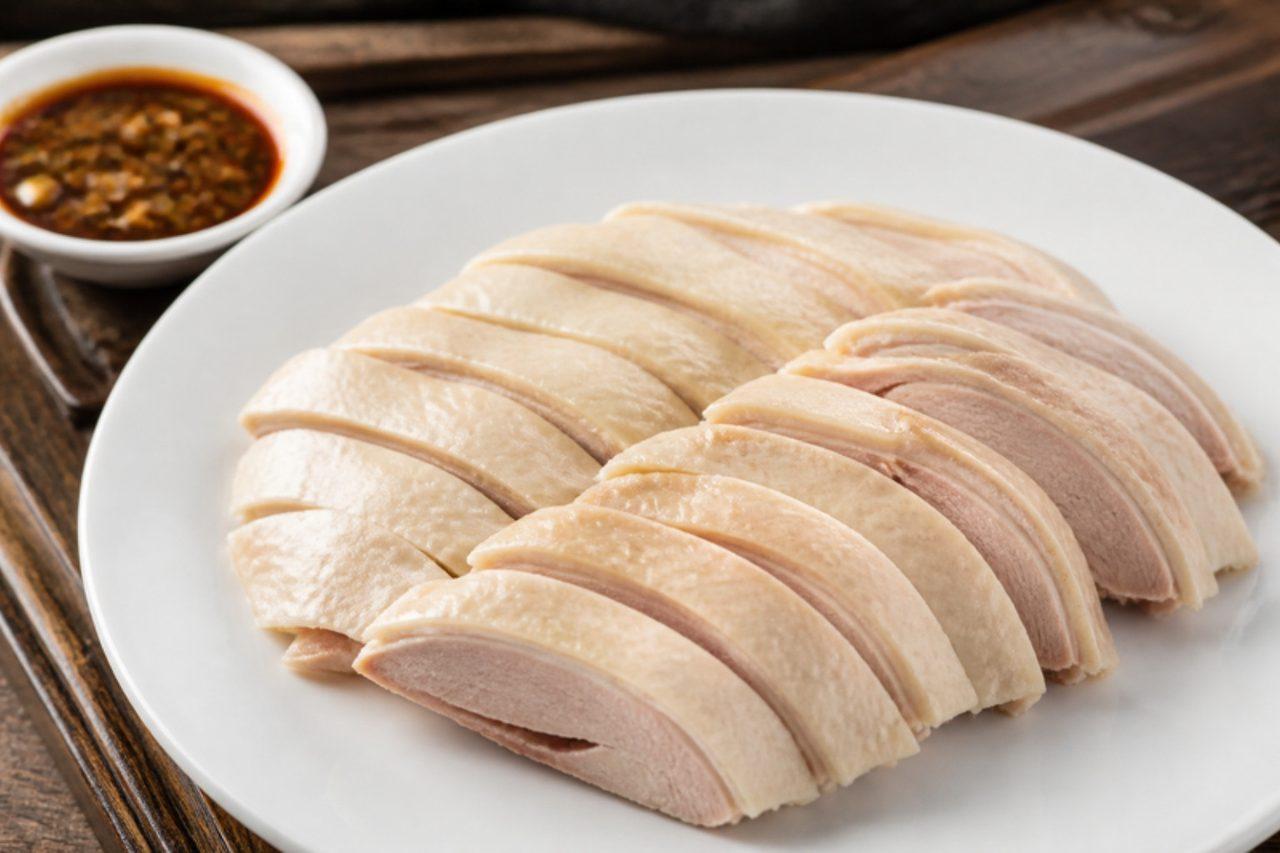
Nanjing salted duck

Nanjing people are said to eat more duck than anyone in China, and this cold, pale salted duck is the one bought by the half from neighbourhood shops for the dinner table, especially around the Mid-Autumn Festival, when the ducks are plumpest. It is cured in pepper salt, brined, then poached at a bare simmer so the skin stays white and smooth, the fat turns clear and the meat is pink-tinged, moist and savoury. Serve it chilled, chopped into pieces, with rice or as part of a cold platter. Start a day ahead, as the duck needs 12 hours of curing and brining in the fridge on top of the cooking time. Chef's tip: toast the salt and Sichuan pepper together until fragrant; the warm, numbing aroma is what makes it taste of Nanjing.

240 minChineseMeatGluten free
by KrazyBadal 0 views

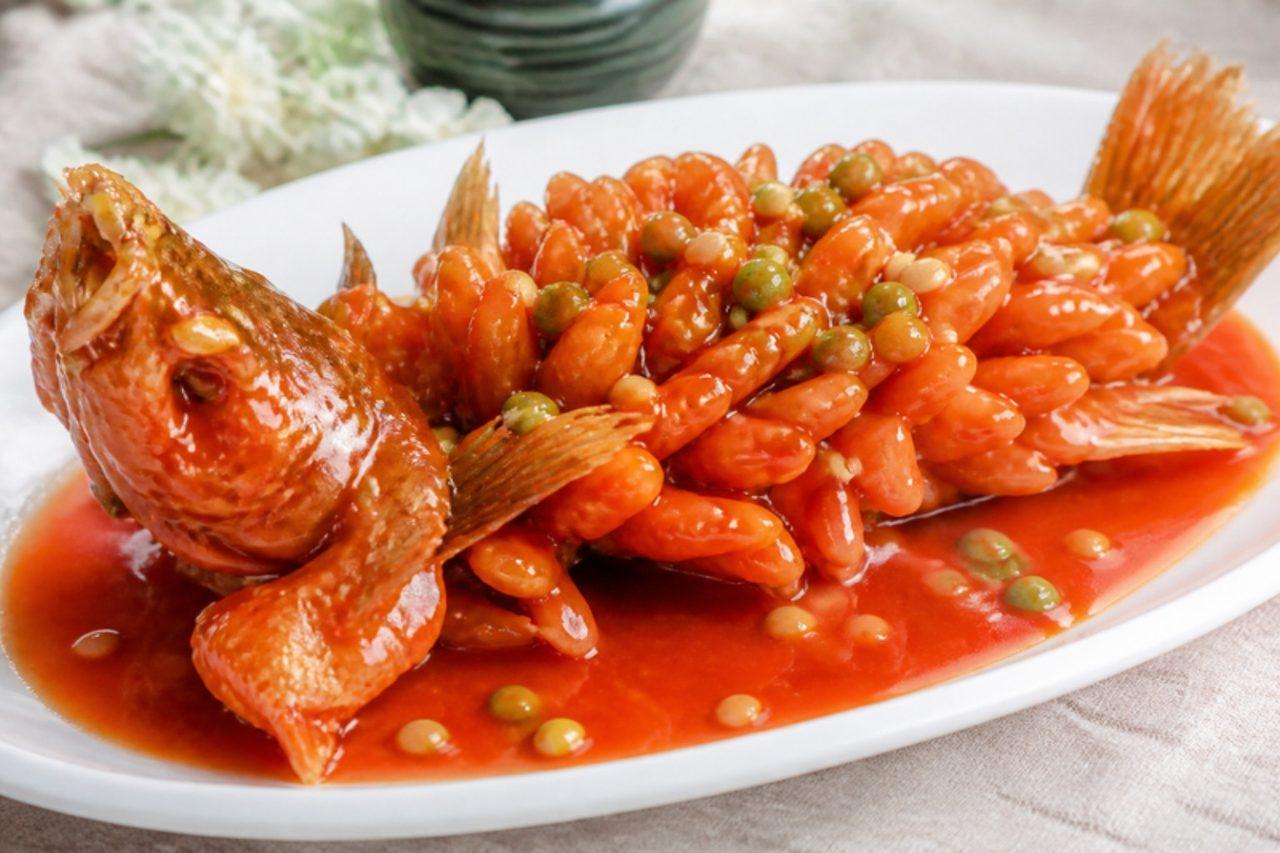
Squirrel-shaped mandarin fish

The showpiece of Suzhou banquets, this fish is deboned, scored into a deep criss-cross and fried so the flesh fans out into spikes; with its tail curled up, someone once decided it looked like a squirrel. The sauce poured over it at the table crackles as it hits the crisp edges, sweet and tangy with tomato and vinegar. Mandarin fish is hard to find outside China, so sea bass is the practical choice. Serve as the centrepiece with rice and a few simple vegetables. Chef's tip: work starch into every cut with your fingers and shake off the excess; any bare patch fries soggy and the spikes collapse.

by KrazyBadal 0 views

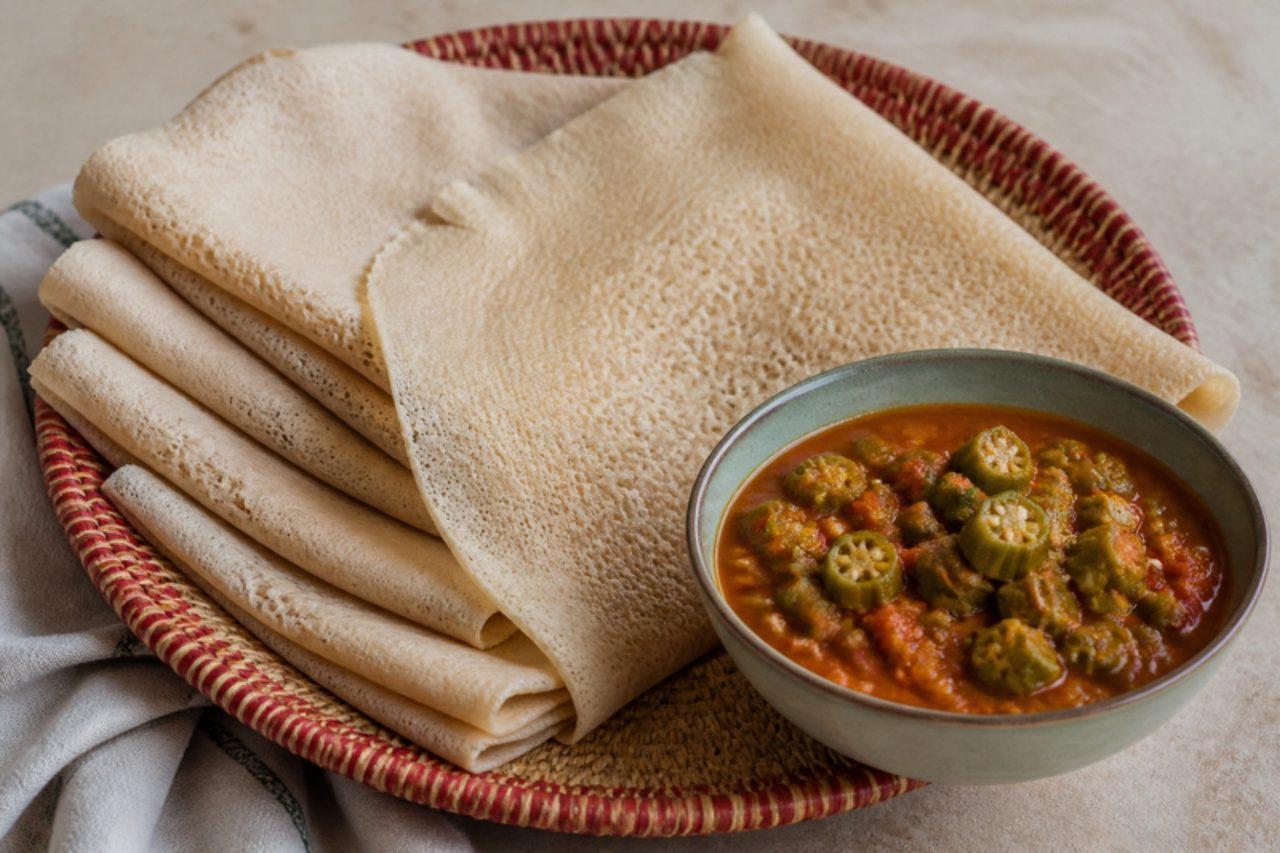
KisraFermented sorghum flatbread

Kisra (kisra rahifa) is the daily bread of northern and central Sudan: a sorghum batter left to sour for a day, then wiped across a very hot iron plate in a single sweep so it cooks into a lacy sheet as thin as paper. In homes it is made early each morning and stacked in folded layers to eat with mullah stews, especially during Ramadan. A wide crêpe pan and a plastic scraper or spatula work at home. Chef's tip: the pan must be hot enough that the batter sets the moment it touches; if it is too cool the sheet sticks and tears.

by KrazyBadal 0 views

Beggar's chicken

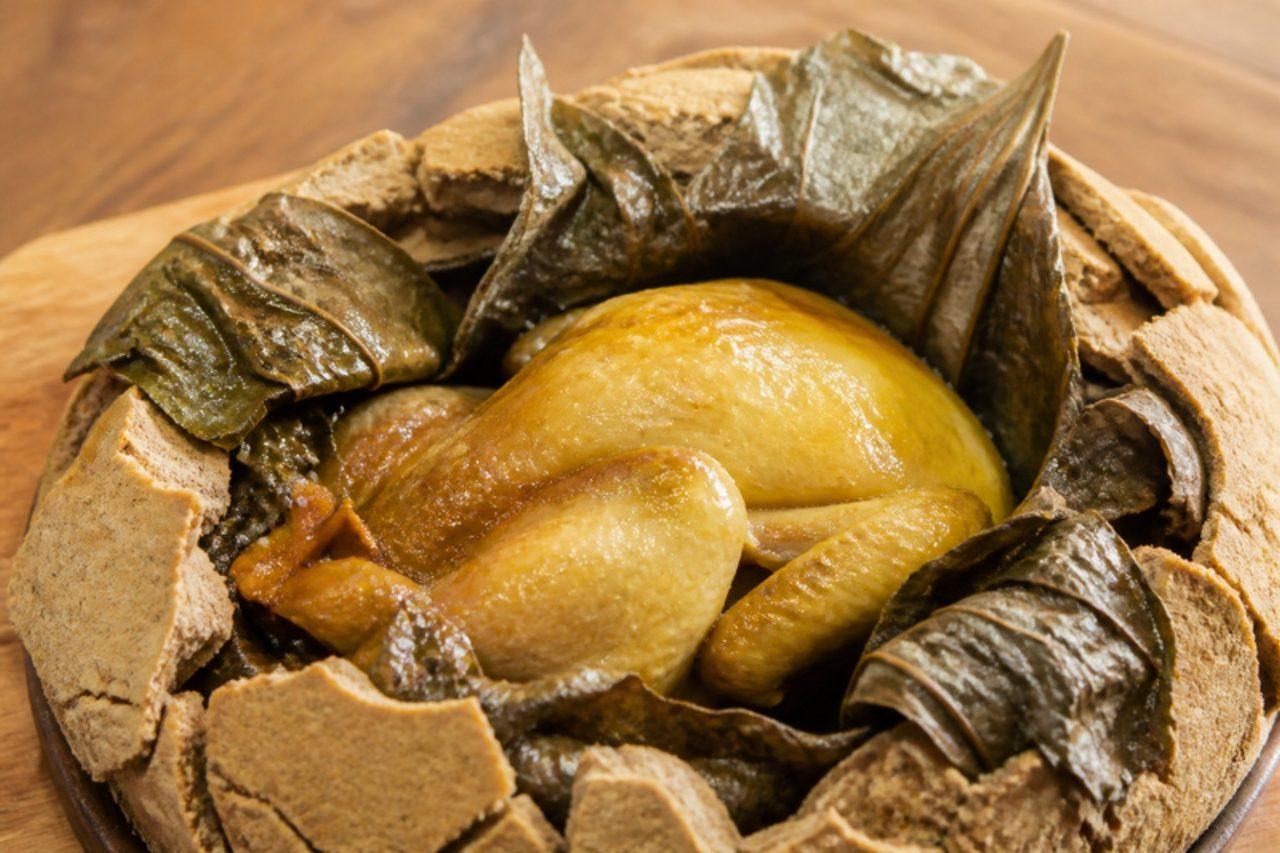
Legend has a hungry beggar near Hangzhou wrapping a stolen chicken in mud and burying it in the embers; restaurants in Hangzhou and Changshu still crack open the crust at the table for a bit of theatre. This home version swaps the mud for a salt-and-flour dough, so it bakes in an ordinary oven. Inside two lotus leaves, the bird steams in its own juices with pork, mushrooms and bamboo shoots, so the meat is fall-apart tender and smells of the leaves. Make it for a special dinner and serve with rice and greens. Chef's tip: the crust is only an oven, not something to eat; seal every crack with a scrap of dough so the steam stays in.

by KrazyBadal 0 views

Longjing shrimp

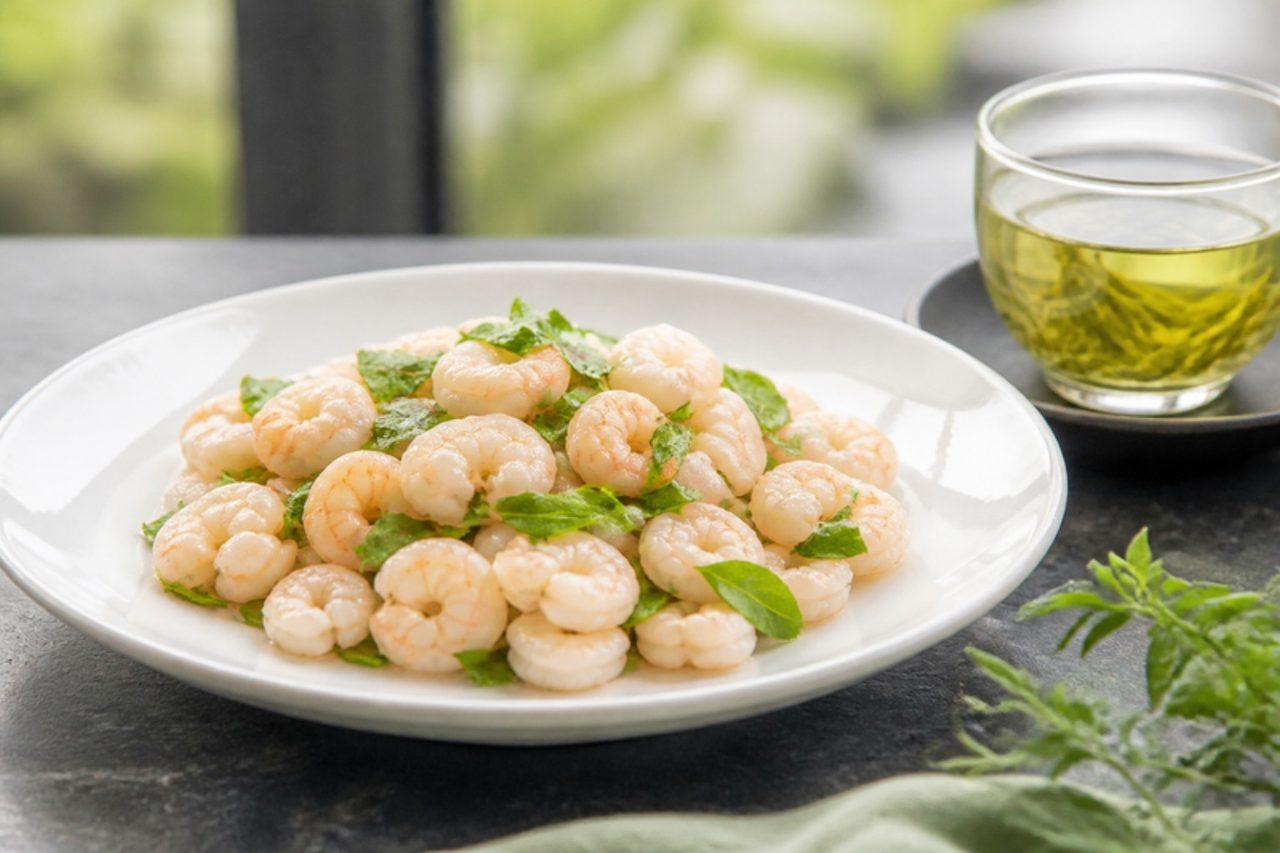
Spring in Hangzhou means new-season Longjing tea from the hills west of the city, and restaurants celebrate it by tossing tiny, pearly river shrimp with the tender tea leaves and a splash of their brew. The result is very delicate: sweet, springy shrimp, a faint grassy and chestnut aroma from the tea, and no heavy sauce at all. It is usually one dish among several at a family meal, eaten with rice. Small raw prawns are the easiest home swap for river shrimp. Chef's tip: brew the tea with water at about 80 °C, never straight from the boil, which makes the leaves bitter.

by KrazyBadal 0 views

KitfoSpiced minced beef

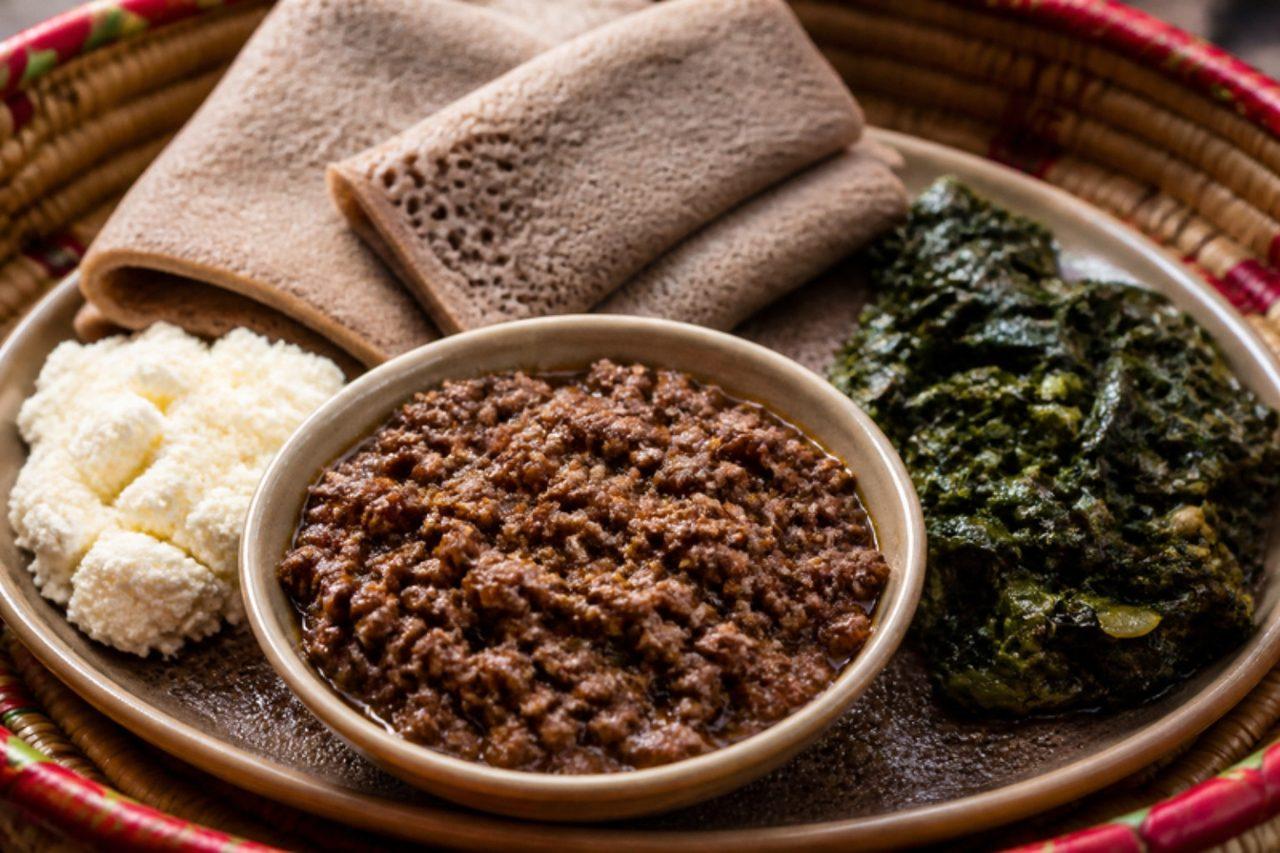
Kitfo comes from the Gurage people south-west of Addis Ababa, and it is the dish Ethiopians order at special kitfo houses or make for Meskel, the September feast of the True Cross. Lean beef is finely minced and stirred with warm spiced butter and mitmita, a hot chilli and cardamom powder. In Ethiopia it is often eaten raw (tire) or barely warmed (leb leb), but raw or lightly warmed minced beef is not safe for home cooks: this version is cooked to 71 °C, which keeps the buttery, fiery flavour with a soft, crumbly texture. Serve with ayib, braised greens and injera or kocho. Chef's tip: mince the beef yourself from a single lean cut if you can, and keep it fridge-cold until the moment it goes into the pan.

by KrazyBadal 0 views

West Lake vinegar fish

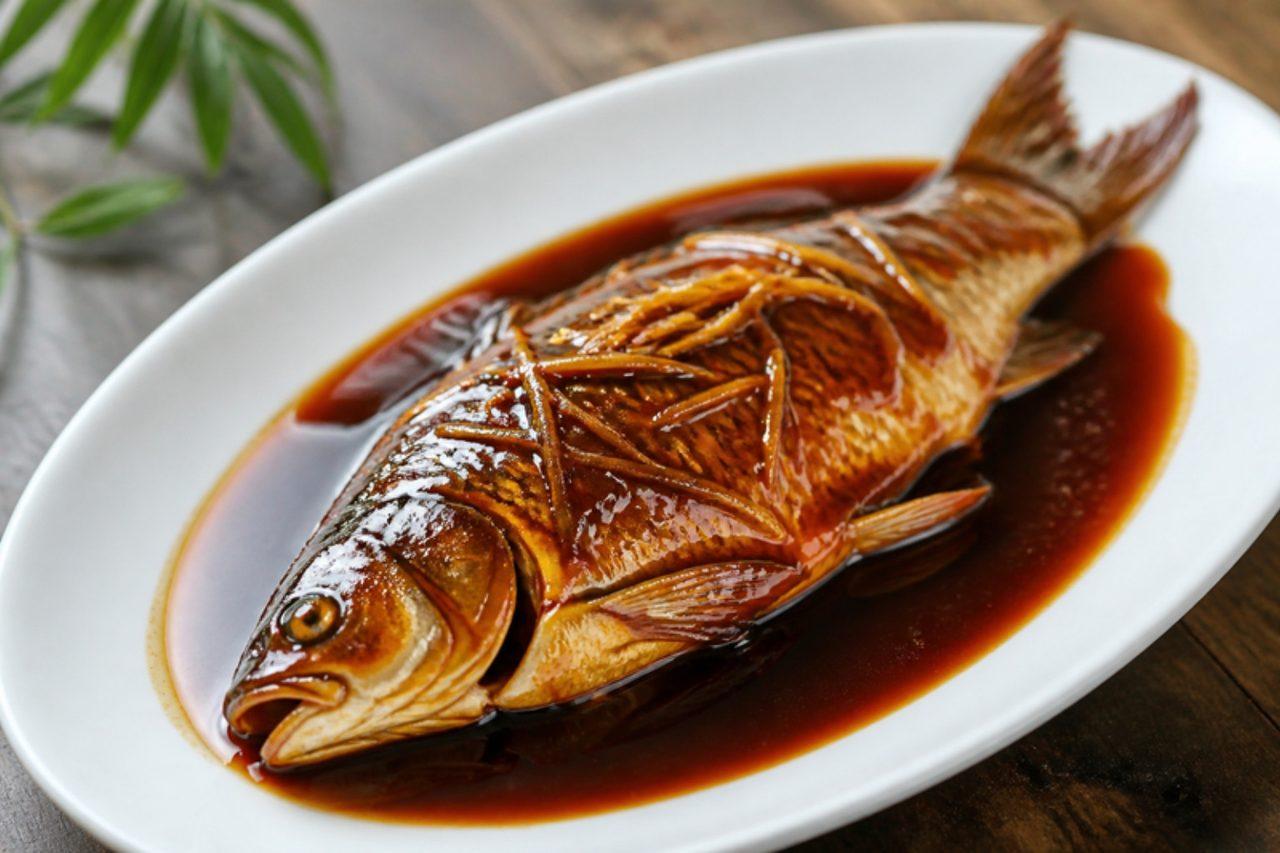
Hangzhou restaurants by West Lake have served this for generations, traditionally with grass carp kept in clean water for a day or two before cooking. The fish is not fried at all: it is butterflied, poached for a few minutes, and coated with a shiny, dark sauce of black vinegar and sugar that tastes sharp first and sweet after. The flesh should be tender enough to fall from the bone at a touch. Carp, sea bass or a thick white fish fillet all work at home. Eat it with rice and a simple stir-fried green vegetable. Chef's tip: thicken the sauce at the last moment and pour it straight over; left to sit, it turns gluey.

by KrazyBadal 0 views

Showing 9 of 7,762 recipes

Show more recipes

Page 668 of 863