


Skip to content
Vegetarian feijoada
Featured recipe

Vegetarian feijoada

Smoky black bean stew

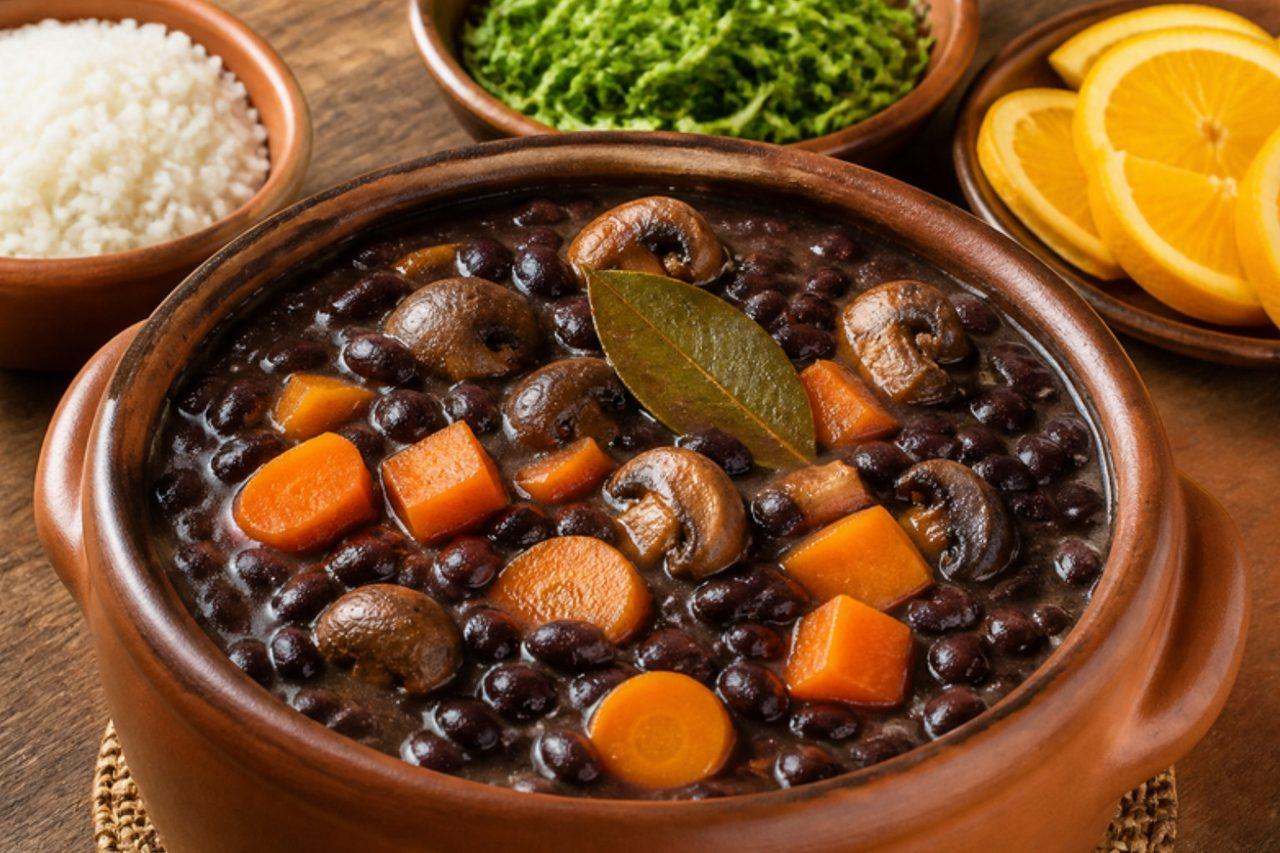
Feijoada is Brazil's national dish, the slow black bean stew that Rio de Janeiro and the rest of the country eat for long Saturday lunches. The classic version is loaded with smoked pork; this feijoada vegetariana gets its depth from well-browned mushrooms, smoked paprika and bay instead, with sweet potato melting into the dark, glossy broth. Serve it the proper way: white rice, couve à mineira, farofa and slices of orange to cut the richness. Chef's tip: once the beans are tender, mash a ladleful against the side of the pot and stir it back in. That's how Brazilian cooks get the thick, velvety caldo that coats the rice, rather than a thin soup.

Read more 0 views

What to eat today?

Around the world

Today's trip: Persian

A new country every day, from every cuisine on the site.

Persian

Ash-e doogh

Yogurt soup with rice and chickpeas 60 minMore from Persian (131) →

This week's collection

Kid-friendly dinners
537 recipes · a new collection every Monday

Latest recipes

Profiteroles

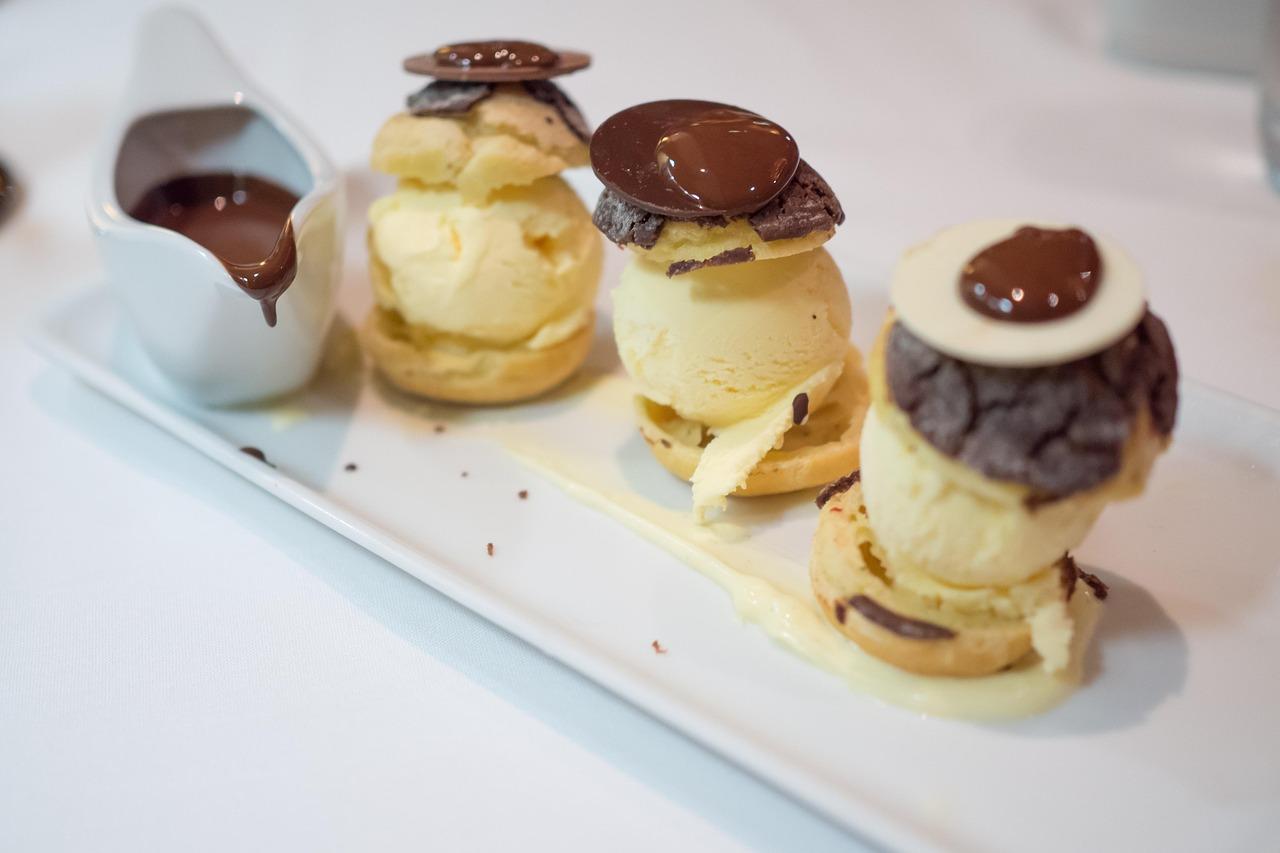
Profiteroles are a Parisian brasserie dessert: small, crisp choux pastry puffs split and filled with vanilla ice cream, then drowned at the table in warm dark chocolate sauce. The contrast is the point: hot sauce, cold ice cream, crisp pastry. Choux is easier than it looks and needs no special tools, just a wooden spoon and some elbow grease. The puffs can be baked in the morning and filled at the last minute. Check your ice cream is free of gelatine. Chef's tip: bake the puffs until deep golden and firm; taking them out pale is the common mistake and they collapse as they cool.

by KrazyBadal 0 views

Tawa mushrooms

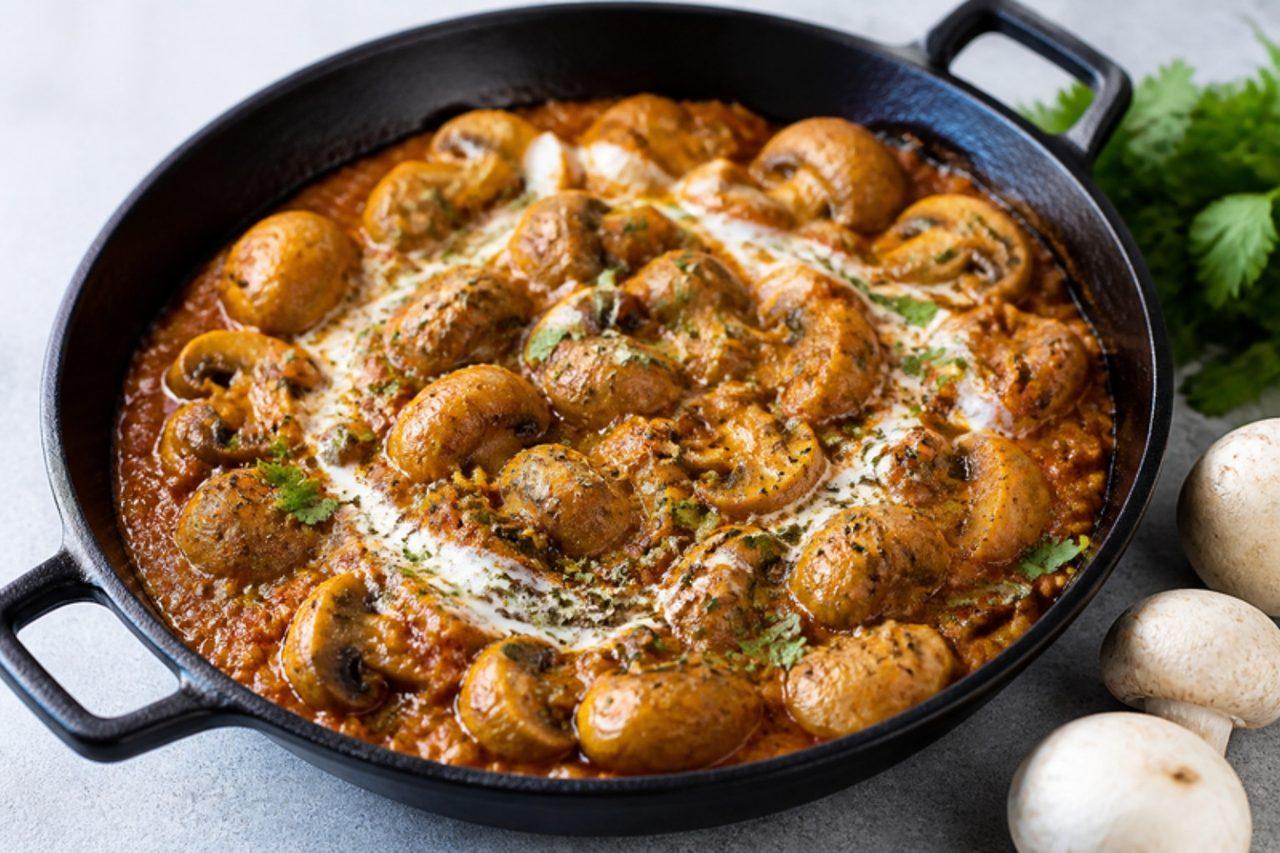
Halved mushrooms cooked on the tawa in a rich masala of browned onions, ginger, garlic and puréed tomato, finished with a little cream and dried fenugreek. It's quick, creamy and full of flavour. Serve hot with naan, paratha or bread straight off the barbecue.

by KrazyBadal 1 views

GalaktobourekoSemolina custard in fillo

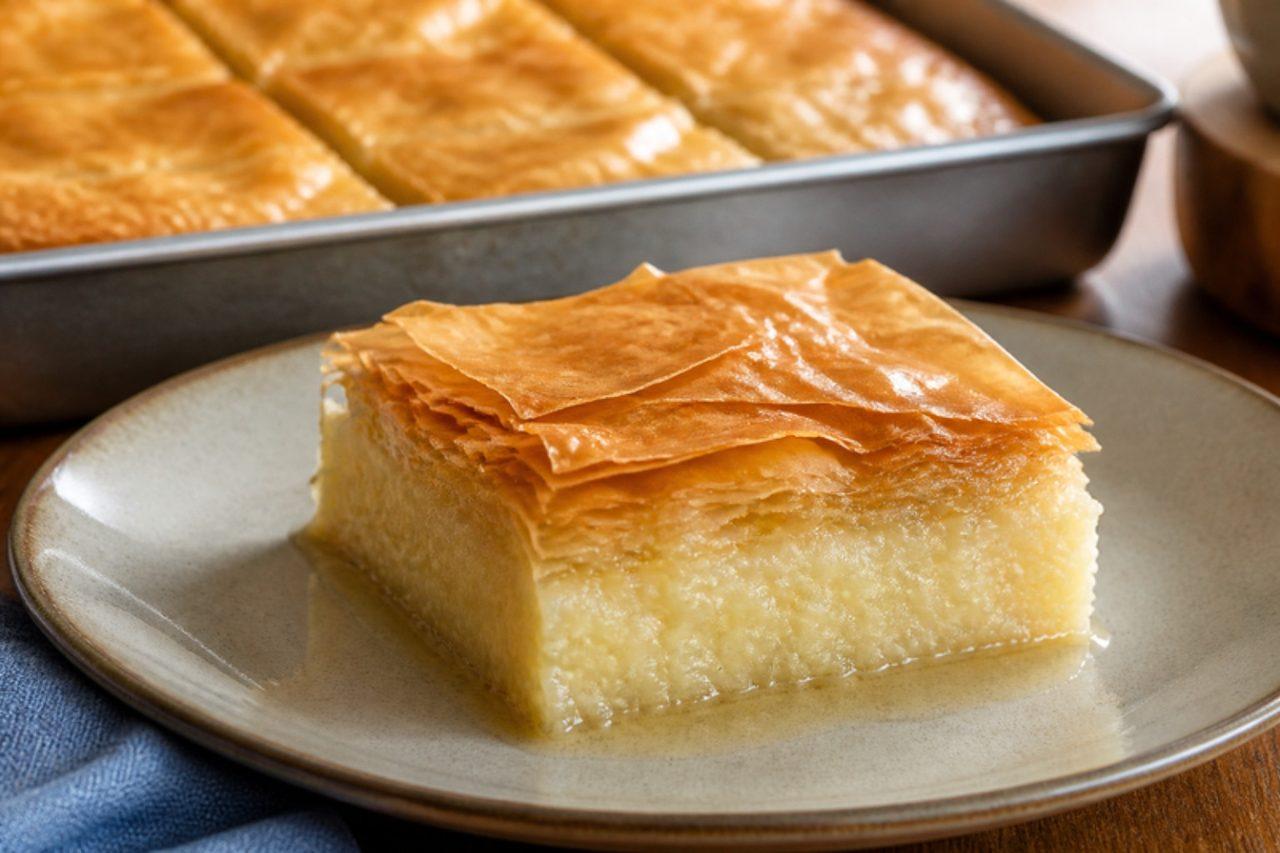
Galaktoboureko is the grand dessert of Greek pastry shops: a thick layer of silky semolina custard baked between sheets of buttered fillo, then soaked with cold lemon and cinnamon syrup the moment it leaves the oven. It's bought by the tray for Sunday lunches, name days and Easter, and eaten slightly warm or at room temperature with coffee. The top shatters, the syrup pools at the edges and the custard stays creamy. It takes patience but no special skill. Chef's tip: pour cold syrup over the hot pie (or hot over cold), never hot on hot; that common mistake leaves the pastry soggy instead of crisp.

by KrazyBadal 0 views

Guyanese black cakeRum fruit cake

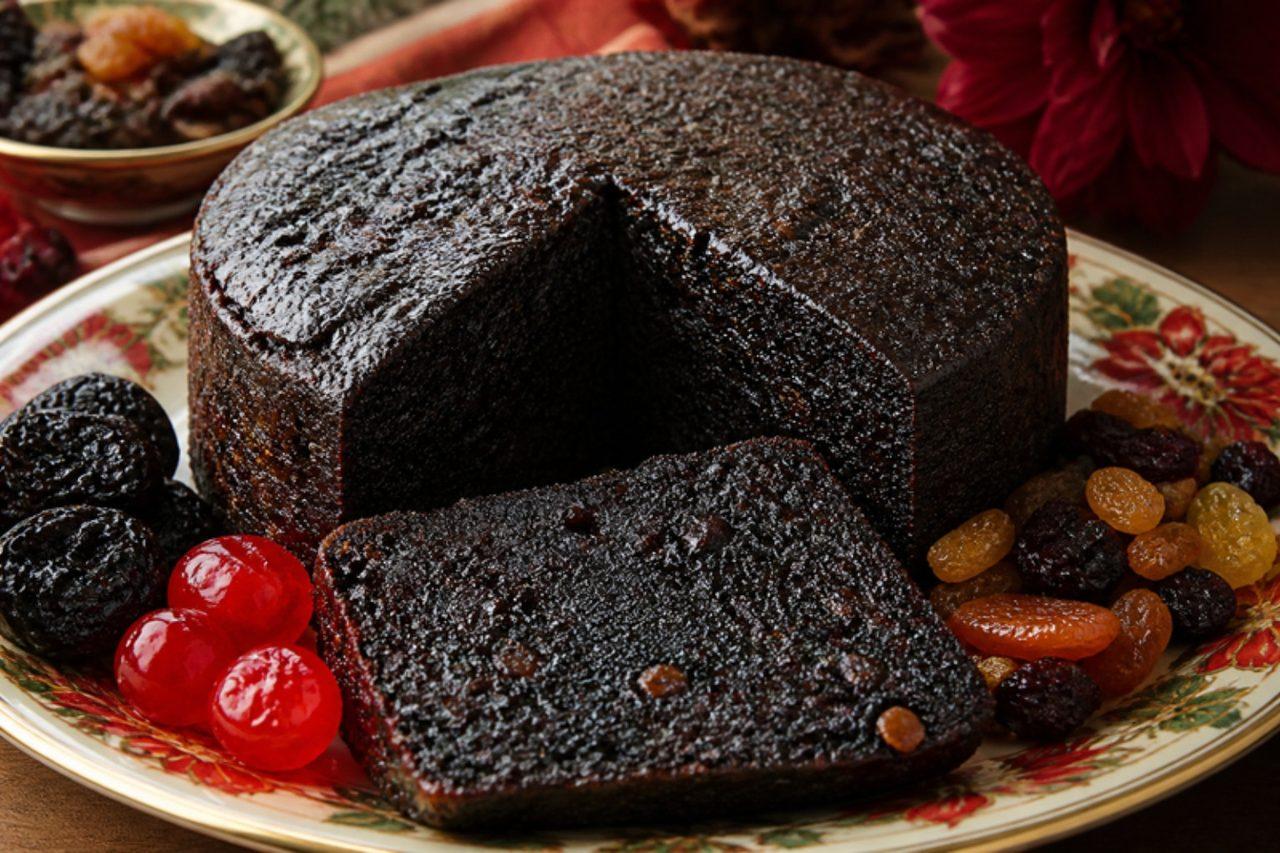
Every Guyanese Christmas has a black cake, and many families start soaking the fruit months ahead, often the year before. Prunes, raisins, currants and cherries are minced and steeped in rum and cherry brandy, then folded into a buttery batter darkened with homemade burnt-sugar syrup, giving a moist, almost black, intensely fruity cake. This version makes the alcohol optional: grape juice soaks the fruit just as well, though the cake keeps for less time. Chef's tip: take the burnt sugar until it's very dark and smoking lightly; stop too early and the cake turns brown and sweet instead of black and bittersweet.

by KrazyBadal 0 views

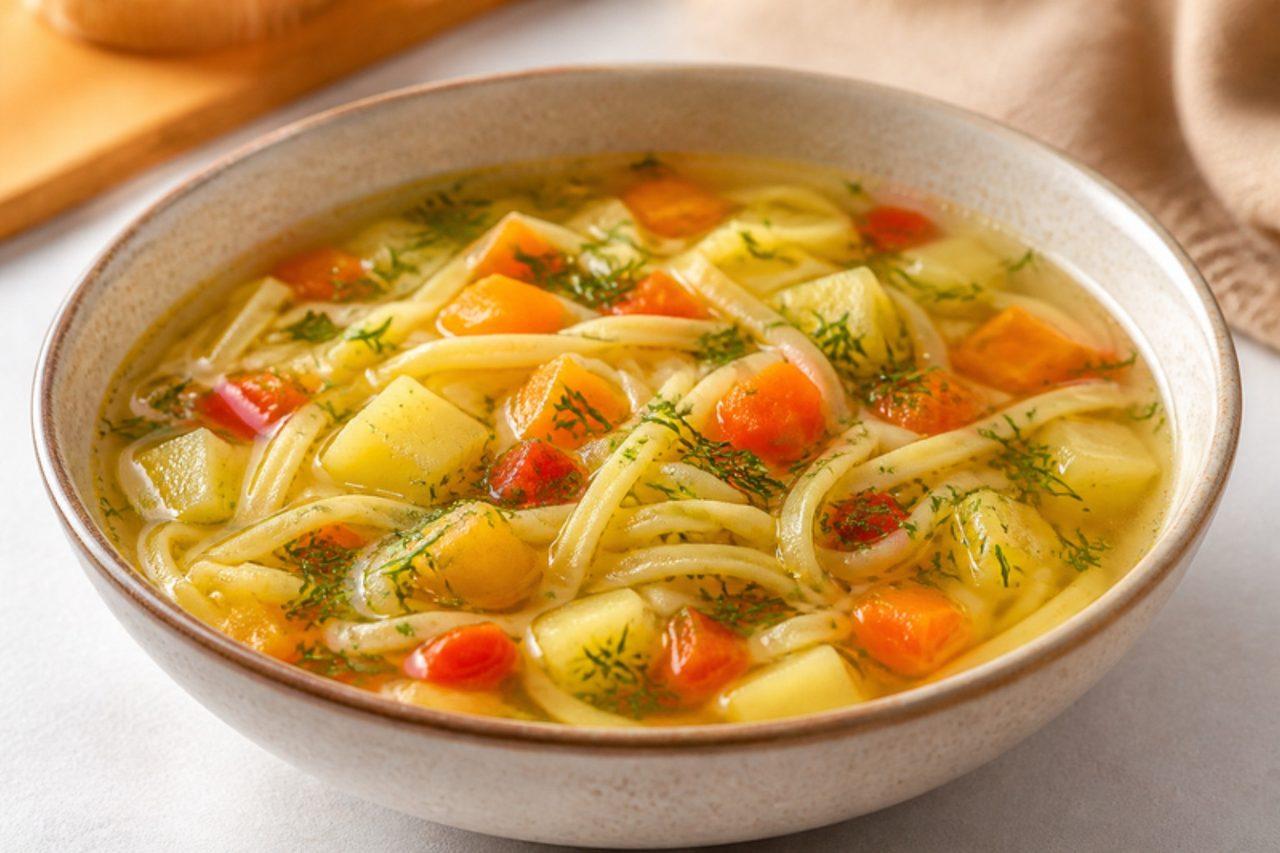
KespeEgg noodles in vegetable broth

Kespe is the plainest and most comforting of Kazakh soups: home-made egg noodles, cut thin with a knife, simmered in broth with potato, carrot and onion. The name comes from 'kesu', to cut. Grandmothers in villages around Karaganda and Pavlodar make it on winter evenings and for anyone feeling unwell, and in Kyrgyzstan the same soup goes by the same name. It is usually cooked in mutton broth; this version uses a well-browned vegetable broth. Chef's tip: dry the cut noodles for 20 minutes before cooking; they hold their shape and don't cloud the broth.

by KrazyBadal 0 views

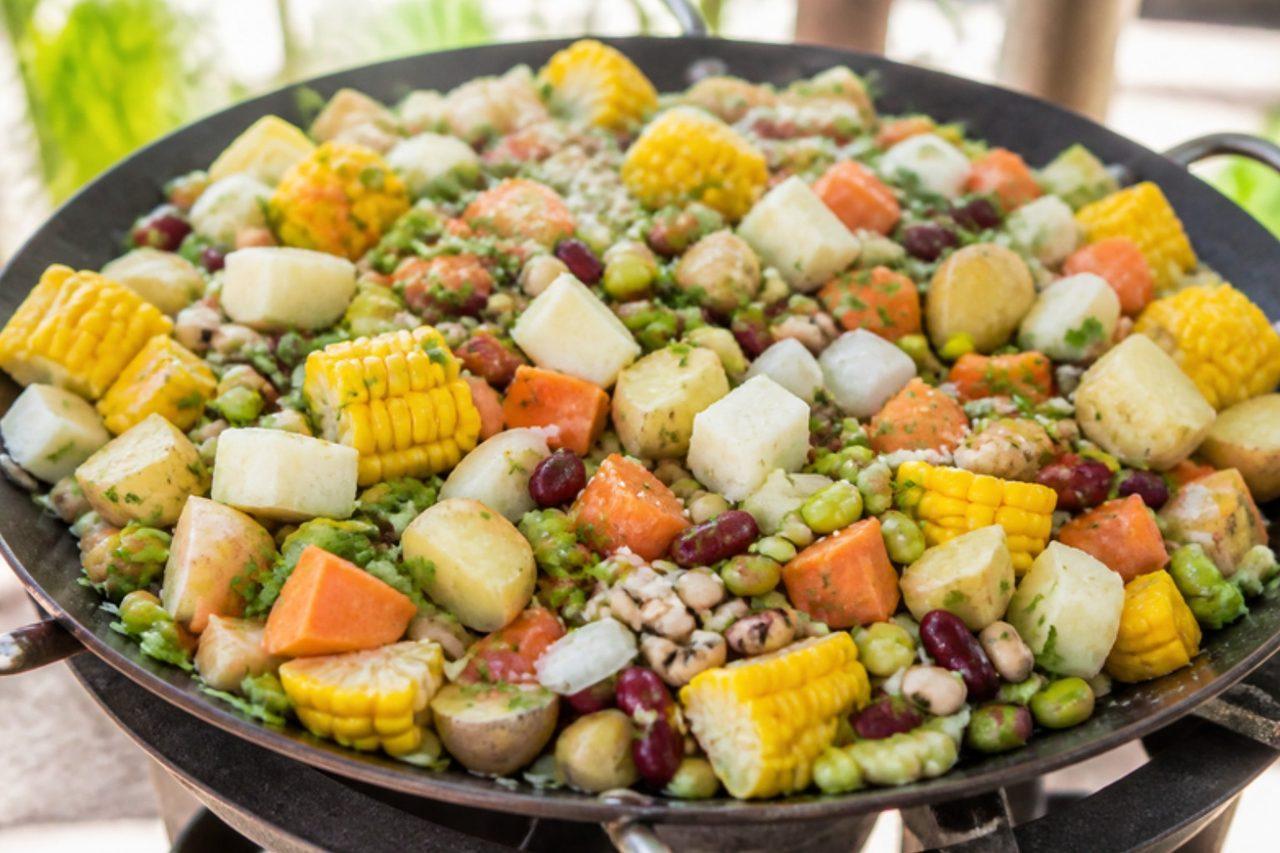
Healthy tawaMixed vegetables on the tawa

A big sizzling griddle of boiled fresh beans and vegetables (peas, pigeon peas, black-eyed beans, soya beans, kidney beans, corn, cassava, sweet potato, baby potatoes and roasted plantain) tossed with sesame seeds, onions and a green chilli, ginger and garlic paste. It's filling, colourful and feeds a crowd at a barbecue. Serve sizzling hot straight from the tawa.

by KrazyBadal 0 views

Galette complèteBuckwheat crêpe with ham and egg

In every crêperie in Brittany, from Rennes to Quimper, the first thing most people order is the complète: a lacy buckwheat galette folded square around ham, melted cheese and an egg, eaten for lunch or a casual dinner with a bowl of dry cider. Contains pork (ham). The batter is just buckwheat flour, water, salt and an egg, so the galette has no wheat; some buckwheat flour is milled alongside wheat, so check the packet if you avoid gluten. A cup of apple juice is a good alcohol-free partner. Chef's tip: rest the batter for at least 2 hours, or overnight in the fridge; it thickens and the galettes cook up thinner and crisper.

by KrazyBadal 0 views

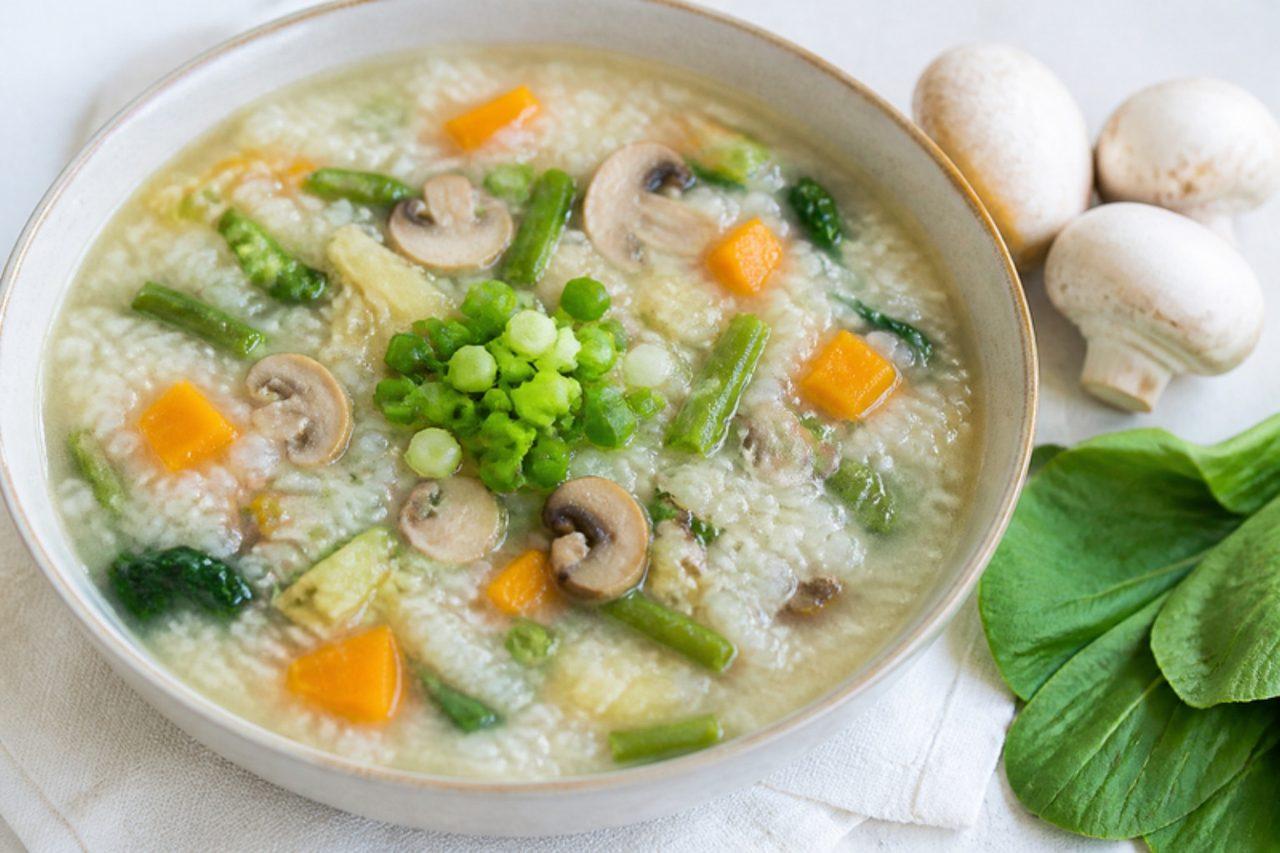
GalhoRice and vegetable porridge

Galho is Nagaland's comfort food, a soft, loose rice porridge cooked with seasonal vegetables, greens, ginger and chilli, sometimes thickened with a spoon of fermented soybean (axone). In Kohima homes it is the dish for cold evenings and for anyone unwell, and in restaurants it is often made with pork; this vegetarian version uses mushrooms and axone for savour. It sits somewhere between khichdi and congee, thick but spoonable. Chef's tip: stir only occasionally; galho should be soupy with distinct grains, not a smooth paste.

by KrazyBadal 0 views

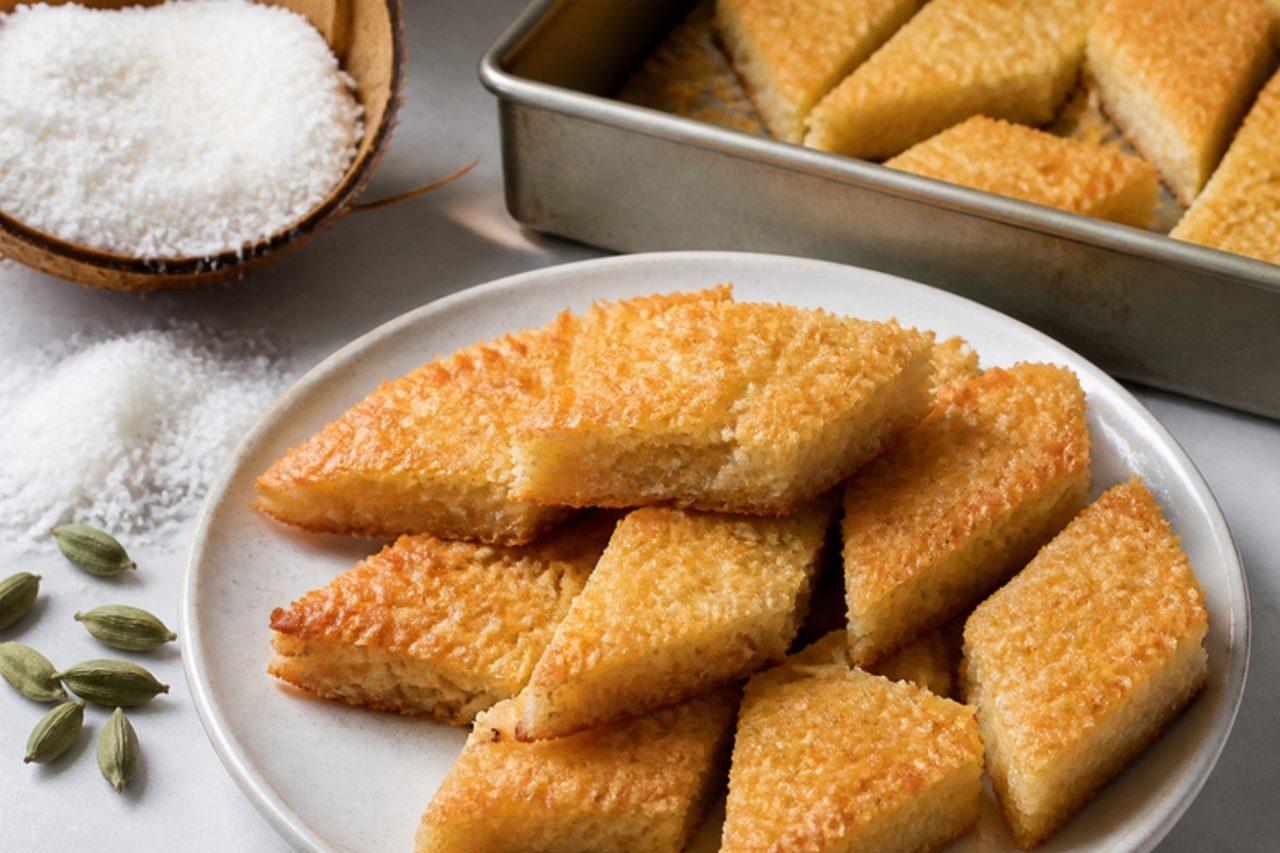
Coconut sweet (kashata ya nazi)

Kashata ya nazi is a simple Swahili sweet of desiccated coconut cooked with milk, sugar, evaporated milk and cardamom until thick, then pressed into a dish and cut into diamonds. It's chewy and sweet, and it keeps well. Store in an airtight container.

by KrazyBadal 0 views

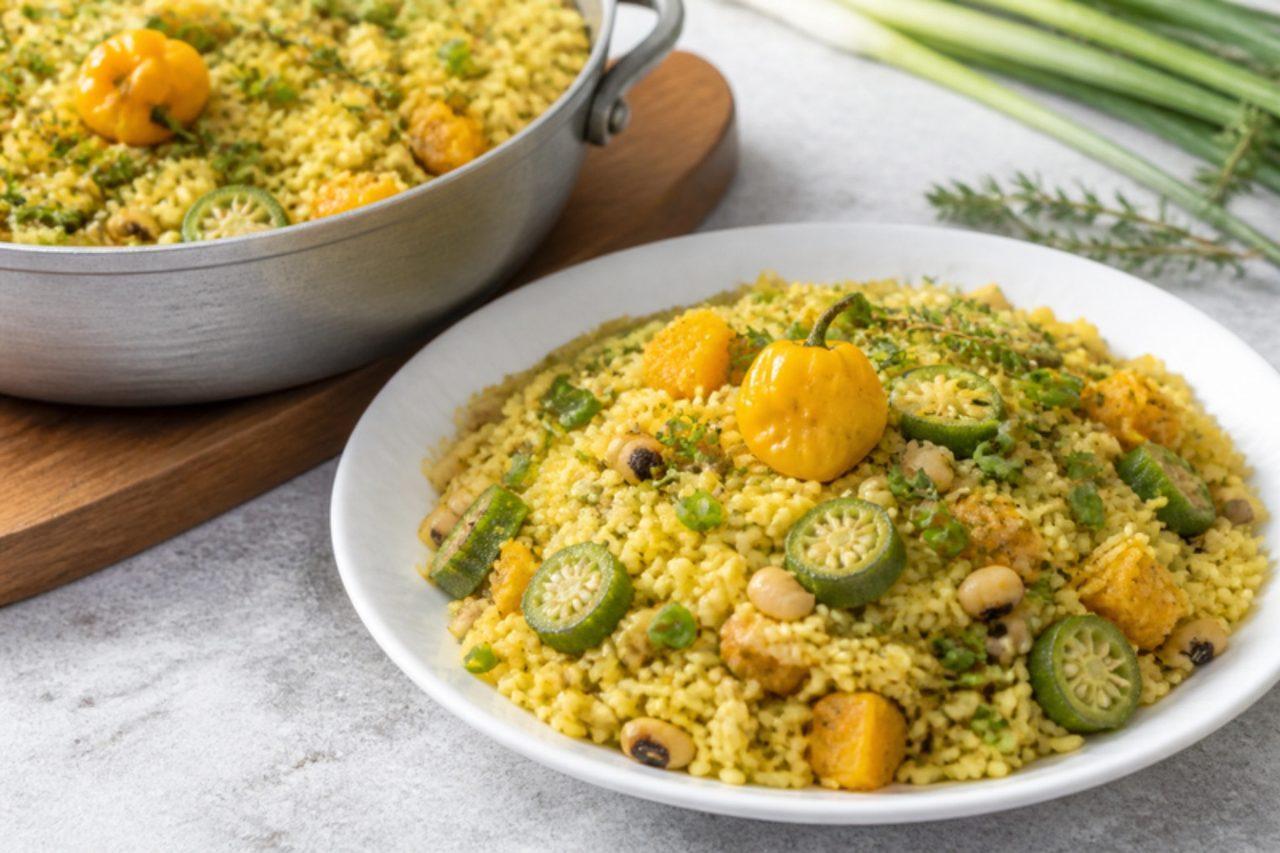
Guyanese cook-up riceCoconut rice with black-eyed peas

Cook-up rice is the dish Guyanese families make to see in the New Year, and on any Saturday when the week's odds and ends go into one pot. Rice, black-eyed peas and vegetables simmer in fresh coconut milk with fresh thyme, spring onion and a whole wiri wiri pepper (small, round and fiery) until every grain is soft and glossy. It's richer and wetter than Jamaican rice and peas, with the vegetables cooked right in. Chef's tip: let the pot sit covered off the heat for 10 minutes at the end; the rice finishes in the steam and a little crust forms on the bottom that people fight over.

by KrazyBadal 0 views

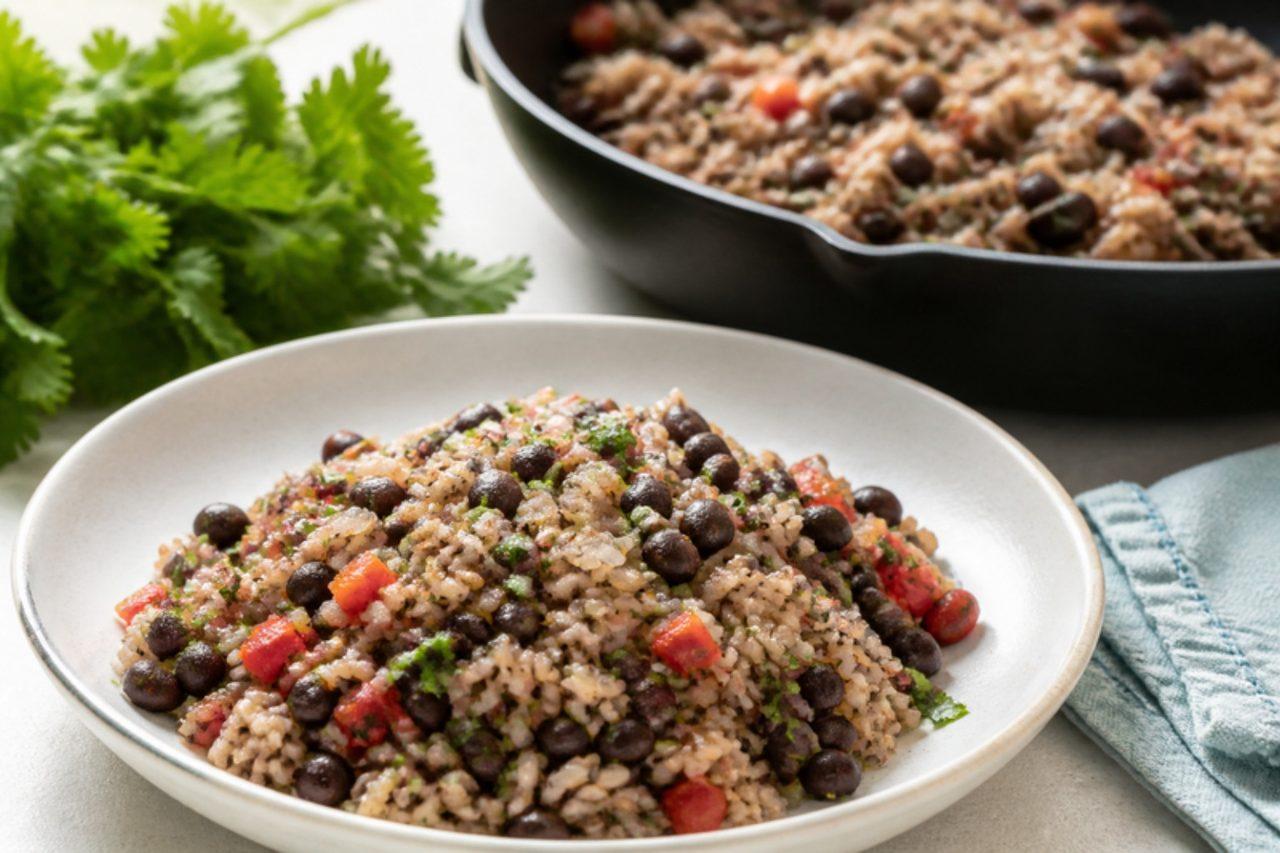
Gallo pintoRice and black beans

Gallo pinto means 'spotted rooster', for the speckled look of rice tossed with beans, and both Costa Rica and Nicaragua claim it. In Costa Rica it's black beans with plenty of coriander and a tangy brown sauce, served at breakfast with eggs, sour cream and fried plantain; in Nicaragua red beans are fried harder with onion until the rice turns rusty. This version follows the Costa Rican breakfast table and gets its tang from cumin and a little soy sauce. Chef's tip: use rice cooked the day before and keep a cup of the bean cooking liquid; that dark liquid is what colours the rice.

by KrazyBadal 0 views

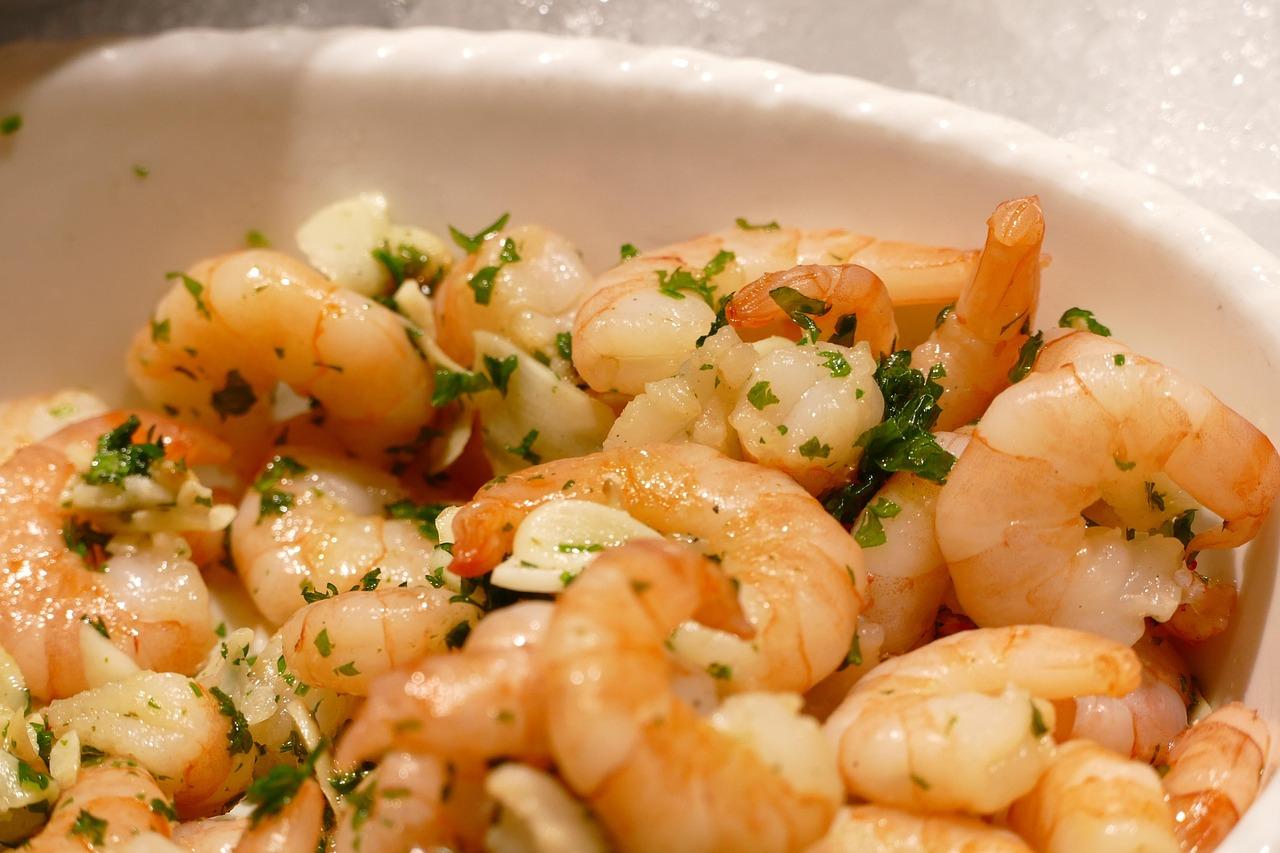
Gambas al ajilloGarlic prawns

Walk into a bar near Madrid's Plaza Mayor or Puerta del Sol and you will hear gambas al ajillo before you see them: peeled prawns still spitting in a small terracotta cazuela of olive oil, sliced garlic and dried chilli. They arrive at the table bubbling, with a basket of bread for mopping up the golden oil, which many people think is the best part. At home it takes ten minutes and works as a tapa for four or a quick supper for two. Chef's tip: pat the prawns completely dry with kitchen paper before they go in, so they sizzle in the oil instead of stewing in their own water.

by KrazyBadal 0 views

Gamja jeonPotato pancakes

On rainy afternoons in Gangwon province, roadside stalls and mountain trail restaurants fry gamja jeon (감자전): pancakes of nothing but grated potato, salt and a few slices of chilli, fried in plenty of oil until the edges turn lacy and glassy-crisp while the middle stays soft and chewy. It is a different thing from a Western rösti, made from a wet purée rather than shreds. Eat them hot with a sharp soy dipping sauce and a bowl of makgeolli or barley tea. Chef's tip: press each pancake thin with the back of a spoon as soon as it hits the pan; thick ones stay gluey inside.

by KrazyBadal 0 views

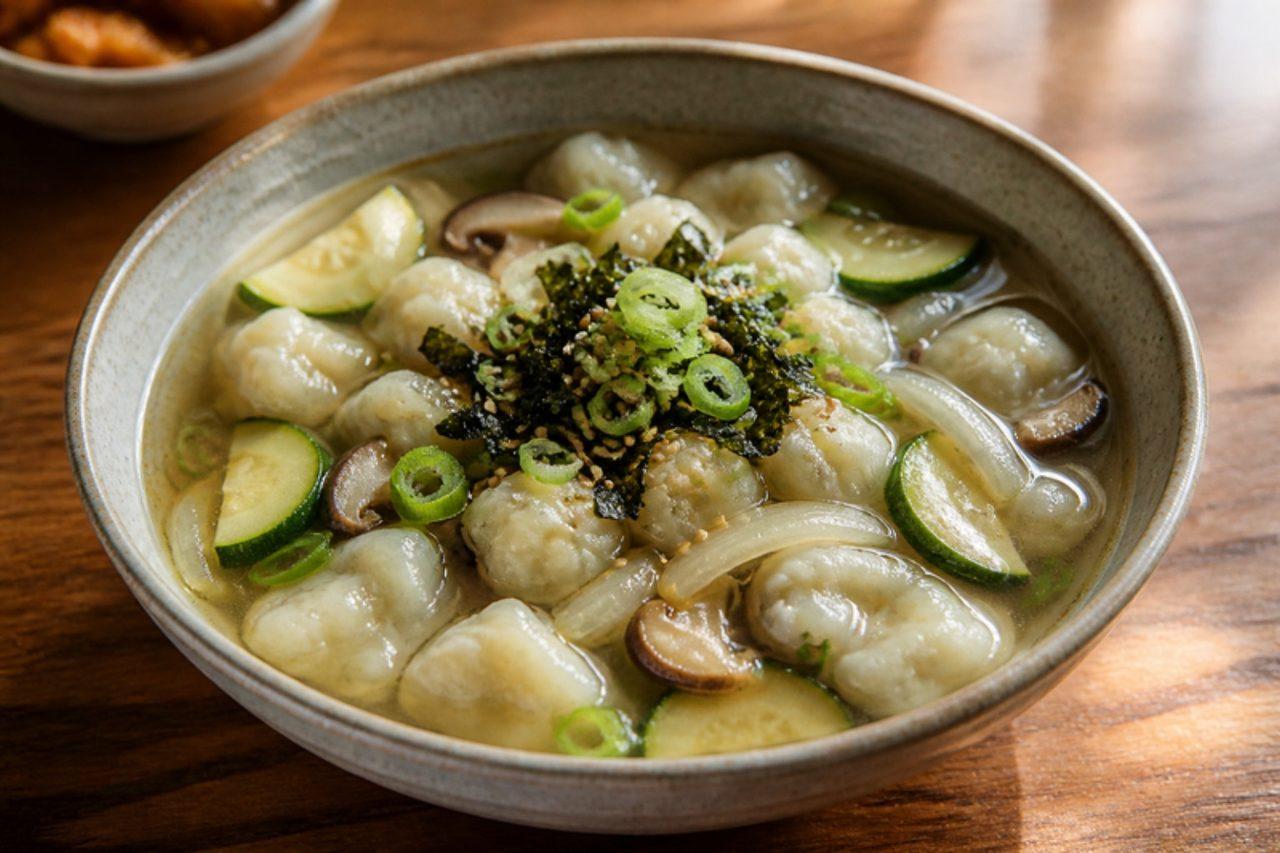
Gamja ongsimiPotato dumpling soup

Ongsimi (옹심이) means 'little bird egg' in the Gangwon dialect, and it describes the small, chewy dumplings that Gangneung cooks make from grated potato and its own starch. Gangwon's mountains grow more potatoes than rice, and ongsimi restaurants around Gangneung still serve the dumplings in plain anchovy or kelp broth with courgette, sometimes with knife-cut noodles added. This version uses kelp and shiitake, so it is vegan and gluten free if you season with tamari. The dumplings are translucent, slippery and springy, nothing like gnocchi. Chef's tip: let the potato water stand until the white starch settles at the bottom, then add every bit of that starch back to the grated potato; it is what makes the dumplings chewy.

by KrazyBadal 0 views

Kazakh milk teaBlack tea with hot milk

Kazakhs drink more tea per person than almost anyone, and at home it is always sut shai: strong black tea, often brewed from Kenyan or Indian leaves, poured into a wide cup (kese) with hot milk or a spoon of cream. The host keeps the cups barely half full and refills them again and again, and a guest turns the cup upside down when they've had enough. In winter in Astana a pinch of salt or a knob of butter may go in. It accompanies baursak, shelpek and every meal. Chef's tip: heat the milk until it just steams and add it to the cup first; scalded, boiled milk gives the tea a cooked taste.

by KrazyBadal 0 views

Madeleines

Madeleines come from Commercy, a small town in Lorraine, where they've been sold in boxes to travellers since the 1700s, and Proust made them famous dipped in lime-blossom tea. These little scallop-shaped sponges are crisp and golden at the edges, soft and buttery inside, and should have a proud hump on the back. French children eat them for goûter, the after-school snack, and they are best within an hour of baking. You'll need a madeleine tin. Chef's tip: chill the batter and the buttered tin before baking; putting room-temperature batter in a warm tin is the common mistake and the madeleines come out flat with no hump.

by KrazyBadal 0 views

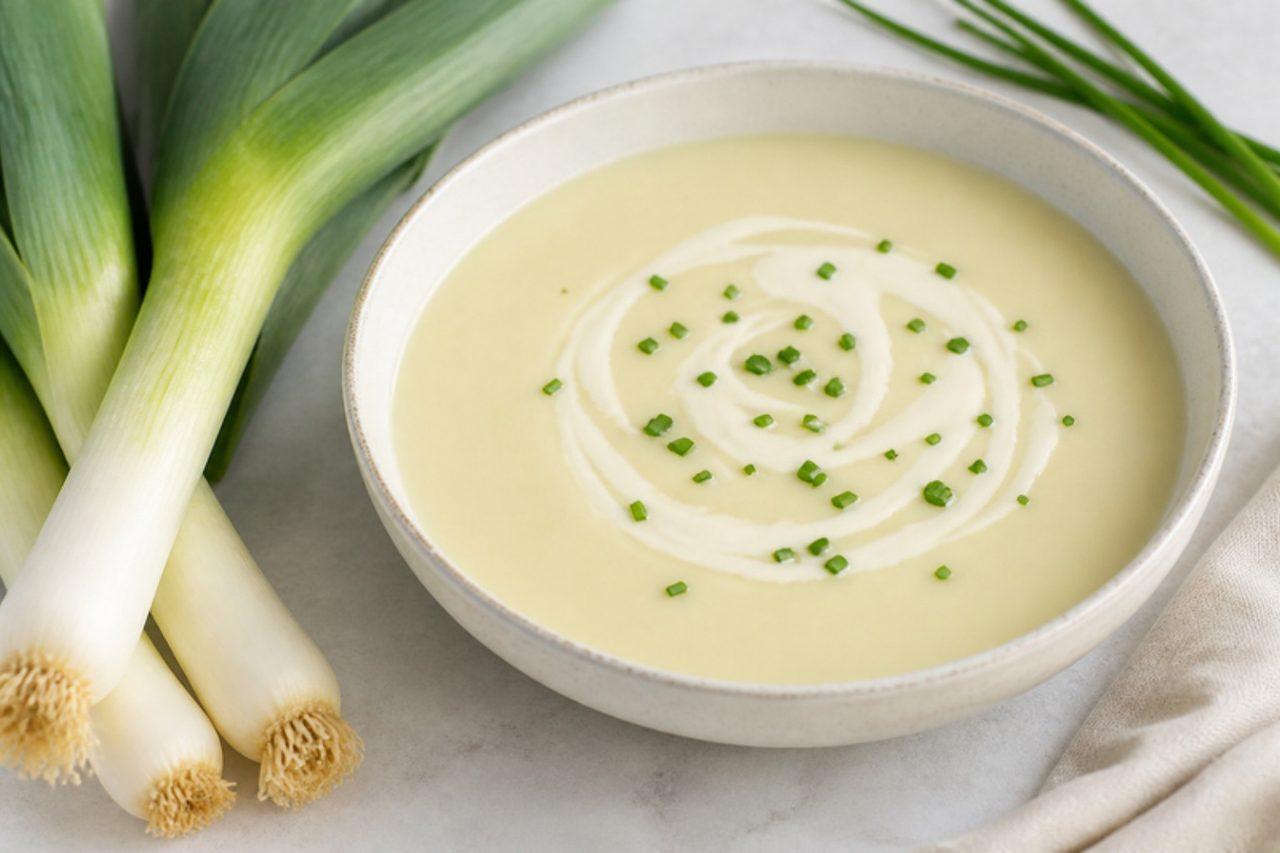
Vichyssoise

Vichyssoise is a creamy leek and potato soup served cold, named after the spa town of Vichy and made famous by a French chef in New York in 1917, who based it on his mother's hot potage. In France it's made in hot weather, when a bowl of something cool and silky is all anyone wants, and served in small portions as a starter, sprinkled with chives. It needs only a few ingredients, so the leeks must be cooked gently to keep the colour pale and delicate. Chef's tip: let the leeks soften without browning; colouring them is the common mistake that turns the soup grey-beige and bitter.

by KrazyBadal 0 views

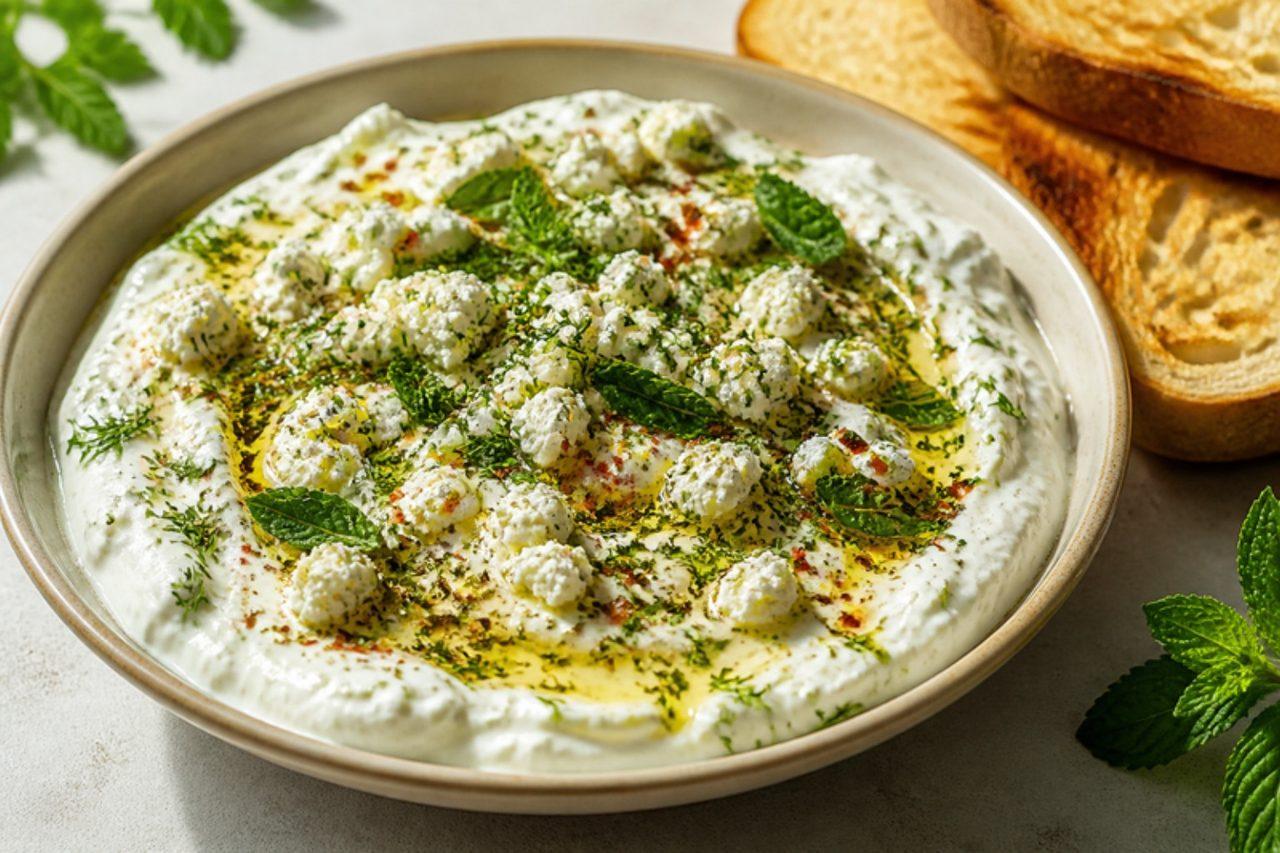
HaydariStrained yogurt and feta dip

Order meze in an Istanbul meyhane and haydari is usually among the first small plates to land: very thick strained yogurt beaten with crumbled white cheese, garlic, dill and mint, then crowned with a drizzle of oil warmed with dried mint and chilli flakes. It is eaten with bread, beside roasted vegetables or with crisp börek, and it takes minutes once you have the yogurt. The mistake to avoid is using thin pouring yogurt, which gives you a runny sauce rather than a dip that holds its shape. Chef's tip: use Greek-style strained yogurt, or hang plain yogurt in a cloth for an hour, and check the beyaz peynir or feta is made with vegetarian rennet.

by KrazyBadal 0 views

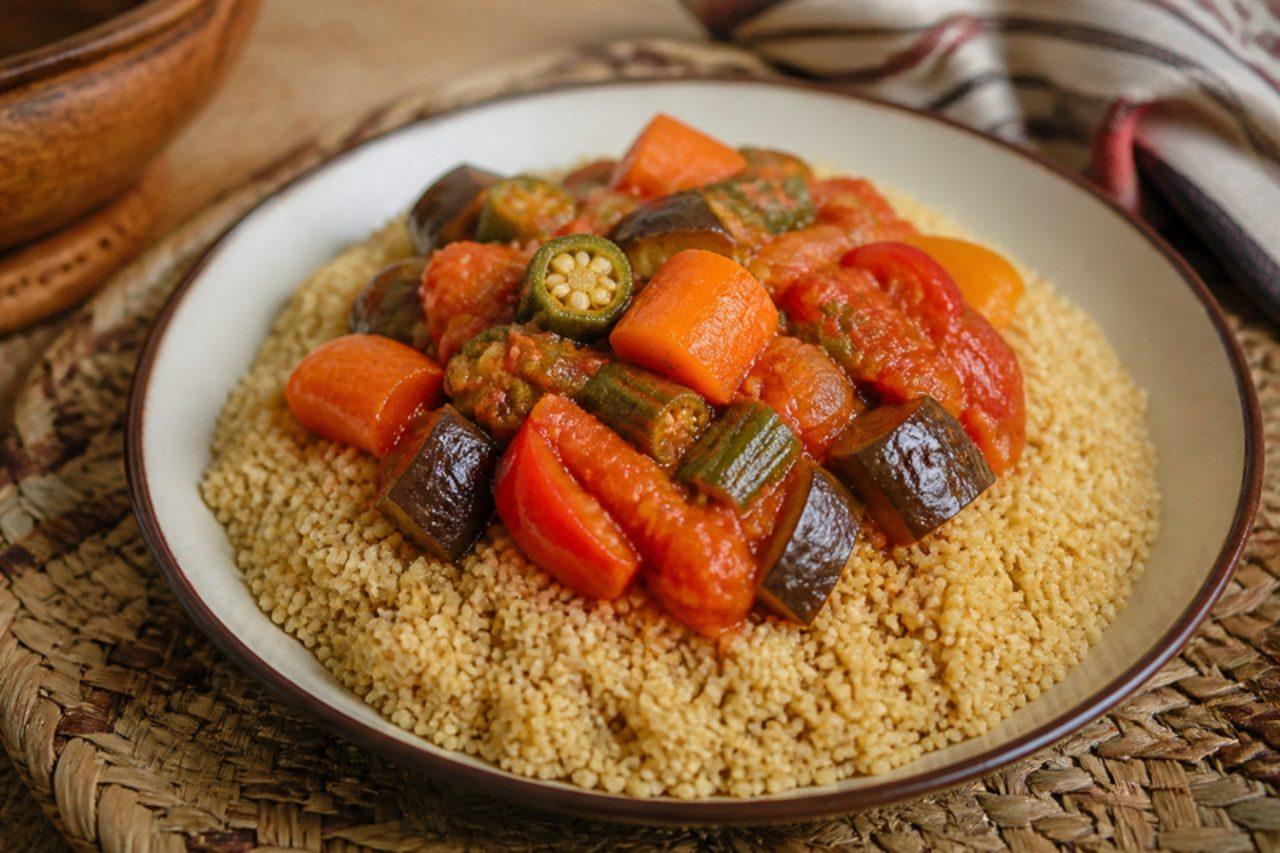
Fonio with vegetables

Fonio is a tiny ancient grain grown in the Sahel and in southern Senegal's Casamance and Fouta regions, where it is steamed like couscous and eaten with a vegetable or peanut sauce. It cooks in minutes and has a light, nutty taste, which has made it popular again in Dakar restaurants. Here it is fluffed with a little oil and topped with a quick stew of courgette, carrot, aubergine and tomato. Chef's tip: wash fonio in several changes of water and drain it in a fine sieve; it often carries fine sand, and gritty fonio is the most common complaint.

by KrazyBadal 0 views

Gansu jiangshui noodlesNoodles in tangy fermented vegetable broth

Tianshui and other towns in Gansu keep a crock of jiangshui going all summer: a pale, sour liquid made by fermenting greens in starchy noodle water. It is heated with chilli, Sichuan pepper and garlic chives and poured over hand-cut noodles, a cooling, refreshing bowl that people say beats the heat. The ferment takes 3–4 days in a warm kitchen, then keeps going for weeks if you top it up. Chef's tip: a spoonful of sauerkraut brine jump-starts the first batch, so it sours cleanly instead of growing off-flavours.

by KrazyBadal 0 views

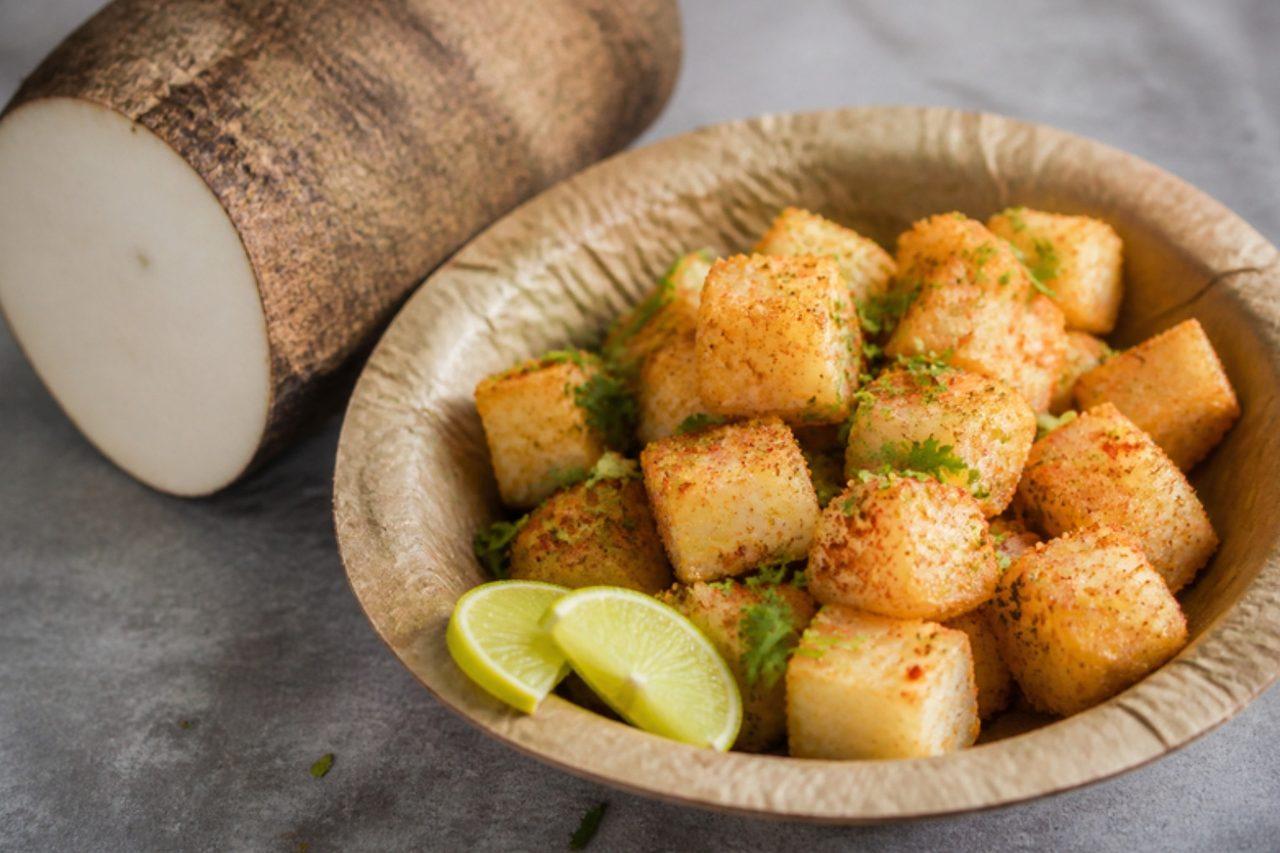
Garadu chaatFried yam chaat

When the nights turn cold in Indore, the stalls of Sarafa Bazaar pile their woks with garadu, a starchy, slightly sticky yam that only appears from November to February. It is boiled, fried until the edges crunch, then shaken with a punchy masala of roasted cumin, black salt and chilli and finished with lime. People eat it standing up from a leaf bowl, often as the savoury stop between jalebi and rabri. Garadu can be hard to find outside Madhya Pradesh; purple yam or white yam from an Asian or African grocer is the closest match, and taro (arbi) works in a pinch. Chef's tip: boil the cubes only until a knife meets slight resistance, then let them steam dry completely, because wet yam spits in the oil and never crisps.

by KrazyBadal 0 views

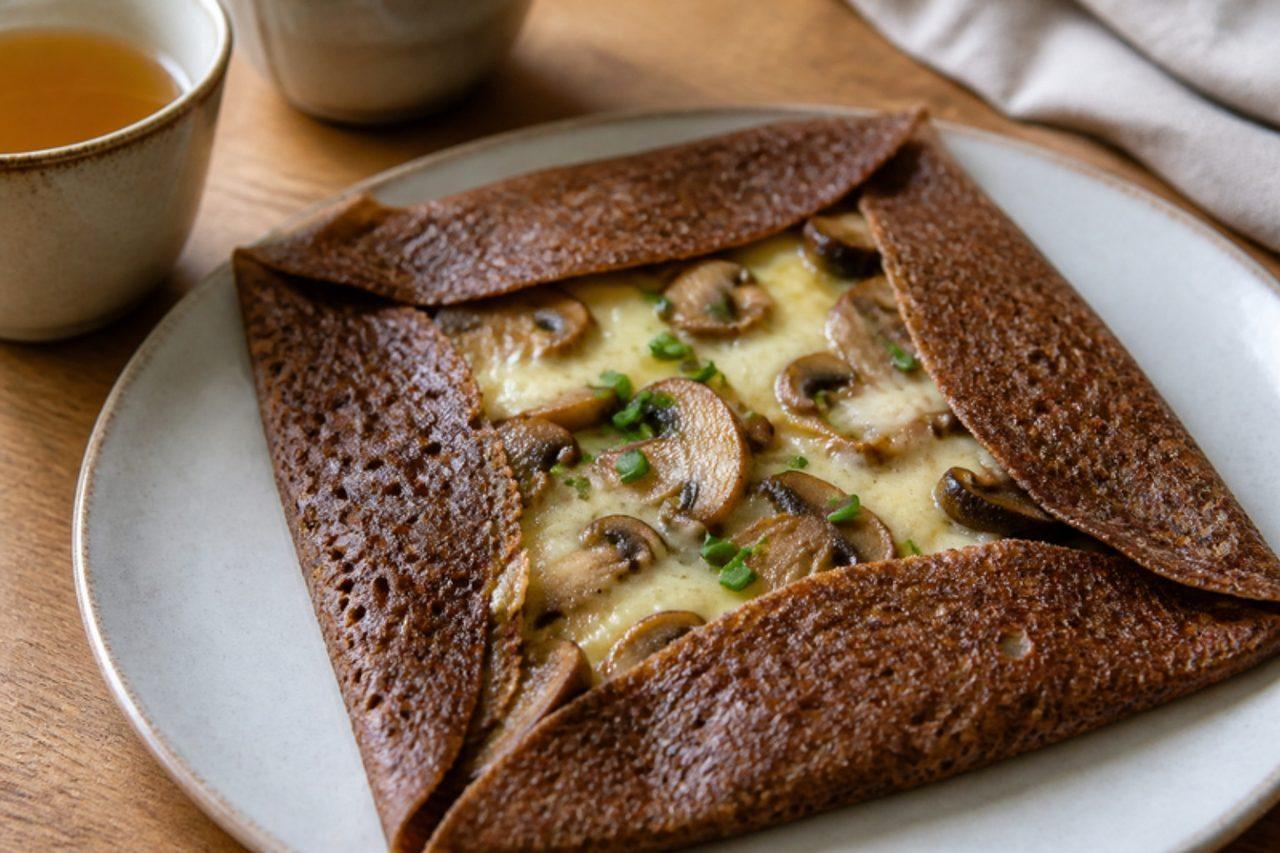
Mushroom and cheese galette

In Brittany, a galette is a large, lacy pancake made from buckwheat flour, water and salt: nutty, a little earthy and crisp at the edges. Crêperies all over the region fold them around savoury fillings and serve them with a bowl of dry cider. This one is filled with garlicky mushrooms, melted cheese and chives, folded into a square so the centre shows. Pure buckwheat is naturally gluten free, but check the packet, as some is milled alongside wheat. Emmental and Gruyère are usually made with animal rennet, so use a vegetarian alternative. Rest the batter if you have time: it can be made the night before. Chef's tip: the first galette is always a test; a pan that isn't hot enough is the common mistake that makes them pale and floppy instead of lacy and crisp.

by KrazyBadal 0 views

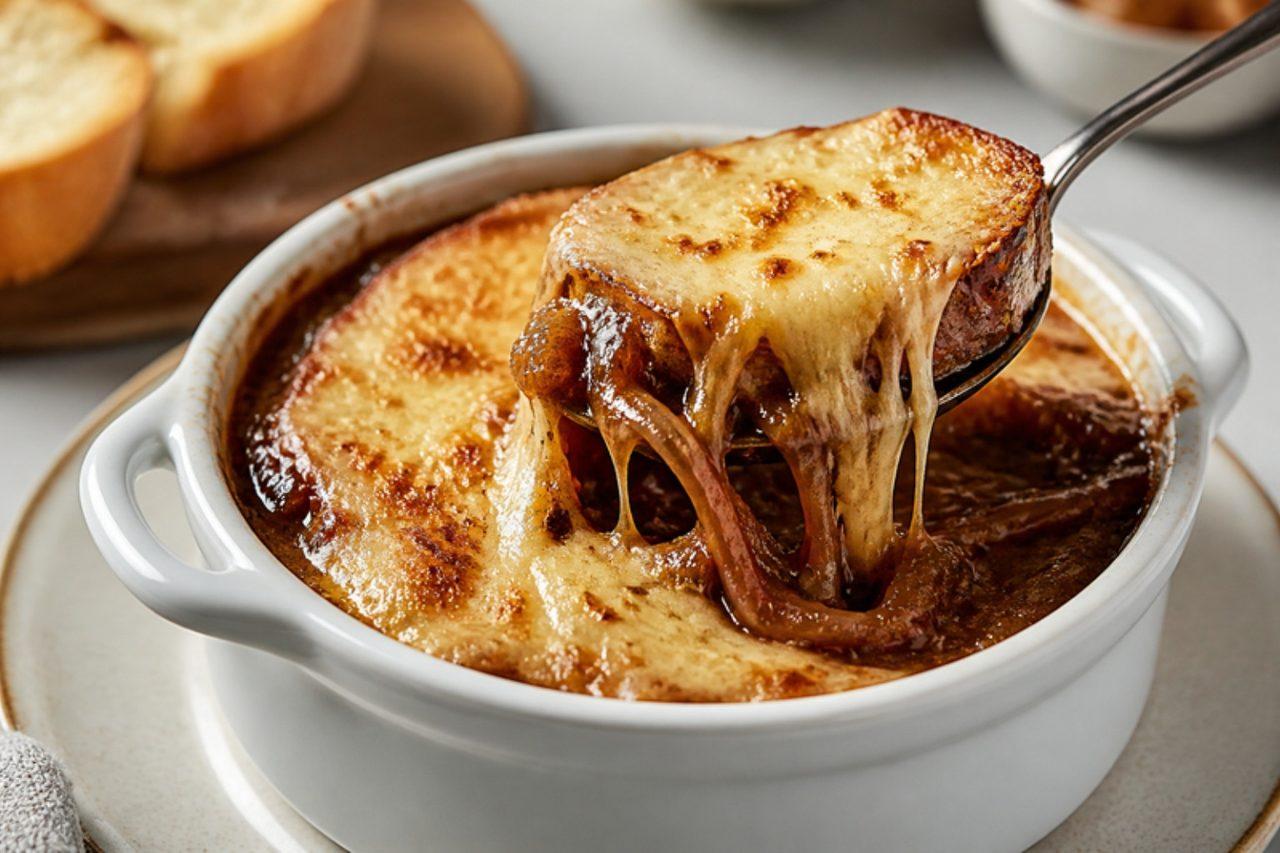
French onion soup

Soupe à l'oignon gratinée was the late-night meal of Les Halles, the old Paris food market, where porters and party-goers ate it at dawn; in Lyon, the city of onions, it's a winter bistro classic. Onions are cooked very slowly in butter until they turn a deep mahogany brown, then simmered in stock with a splash of wine and topped with toasted bread and melted cheese under the grill. The traditional soup uses beef stock; this version uses a rich vegetable stock and lets the deeply browned onions carry the flavour. Gruyère and Comté are made with animal rennet, so use a vegetarian alternative. Chef's tip: give the onions a full hour on a low heat; rushing them over a high heat is the common mistake and they burn before they sweeten.

by KrazyBadal 0 views

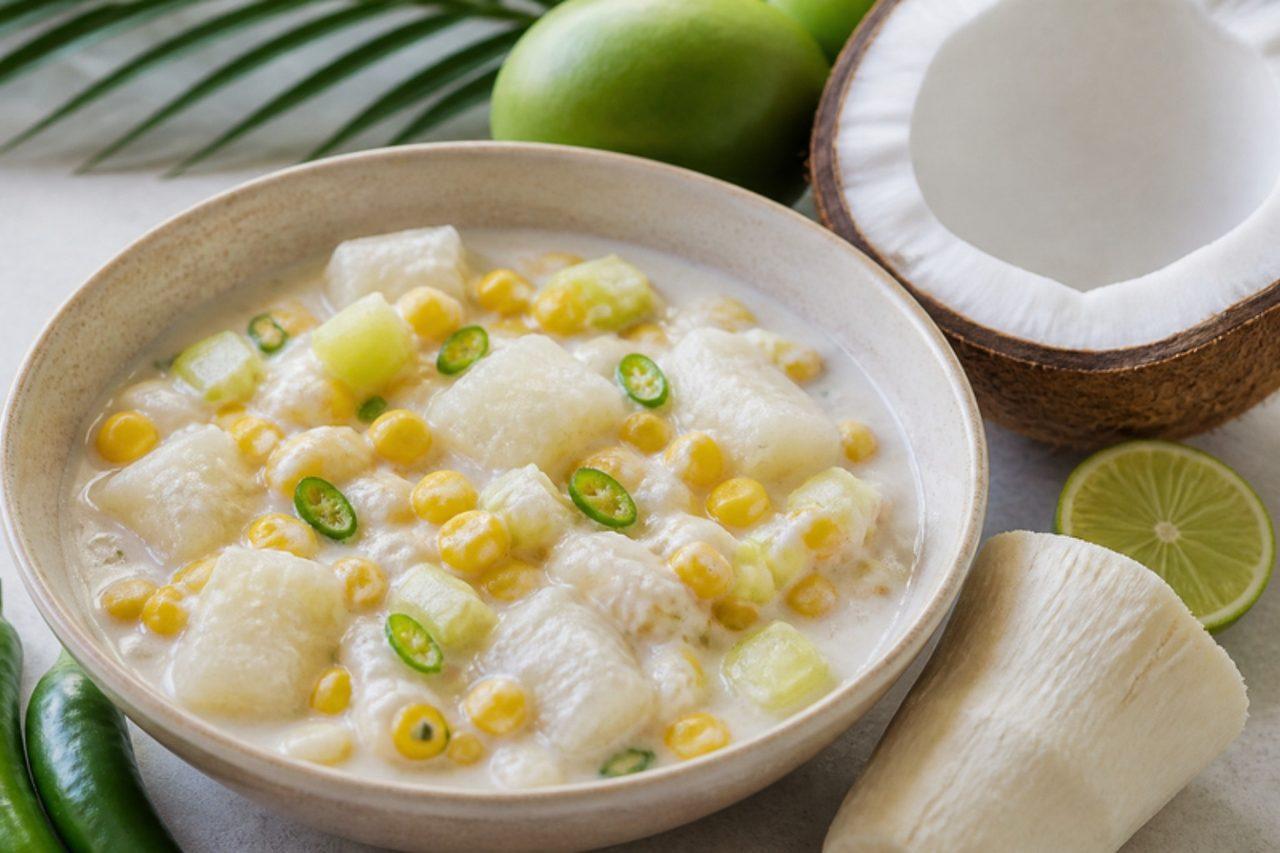
Corn & cassava in coconut milk

A simple Swahili dish of tender cassava and sweetcorn simmered in thick coconut milk with green chillies, a little raw mango and lemon. It's creamy, mild and filling. Serve hot as a side or a light meal.

by KrazyBadal 0 views

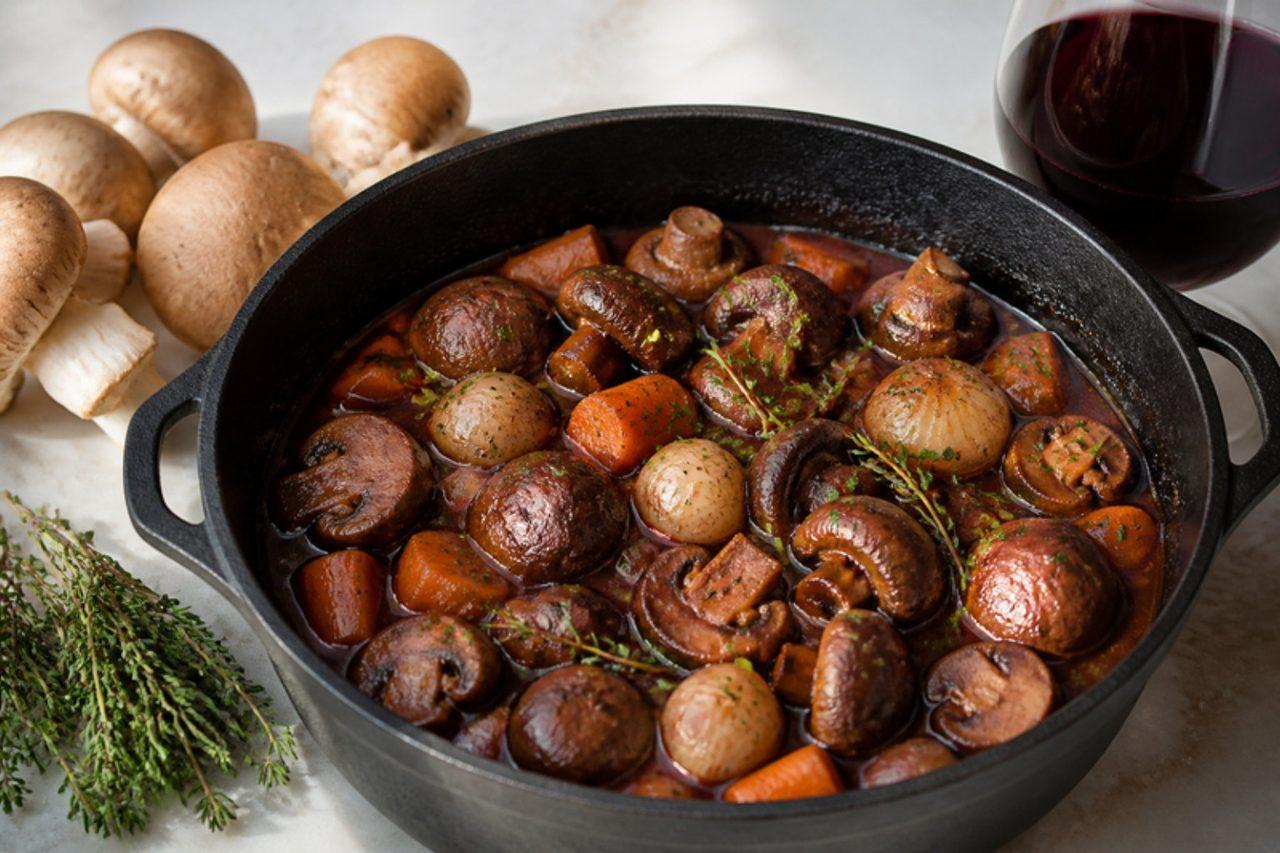
Mushroom bourguignon

Burgundy's famous stew is traditionally made with beef, but the flavours that make it special are all in the sauce: red wine from the region's vineyards, small whole onions, carrots, thyme and mushrooms. This meat-free version gives the mushrooms the starring role, browned hard so they turn meaty and dark, then simmered in a glossy wine sauce. It is a winter dinner in French homes, served over creamy mashed potatoes, buttered noodles or with a crusty baguette. Pick a vegan-friendly wine if that matters to you. Chef's tip: brown the mushrooms in a hot pan in batches until the liquid they release has evaporated; adding them all at once is the common mistake and they boil instead of browning.

by KrazyBadal 0 views

Ratatouille

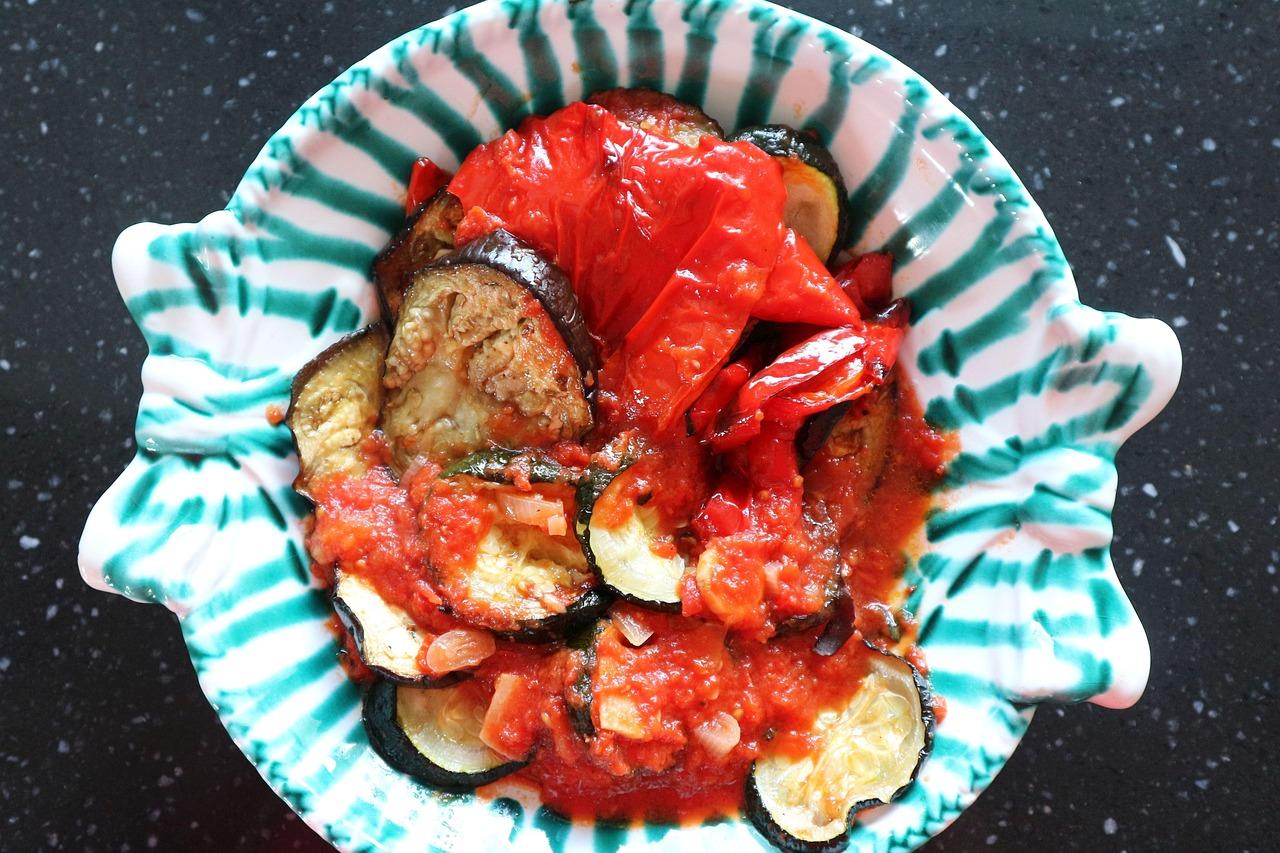
Ratatouille comes from Nice, where it was a peasant stew of whatever the late-summer garden gave: aubergines, courgettes, peppers, onions and very ripe tomatoes, simmered in olive oil with garlic and thyme. Cooks in Nice argue about method, but the most respected version fries each vegetable on its own first, so each keeps its colour and shape before they are brought together in one pot. It's eaten warm with rice, cold the next day with bread, or as a side to an omelette. Chef's tip: brown the aubergine in batches and don't crowd the pan; piling it in is the common mistake that makes it steam into a grey mush.

by KrazyBadal 0 views

Greek yogurt with honey and walnuts

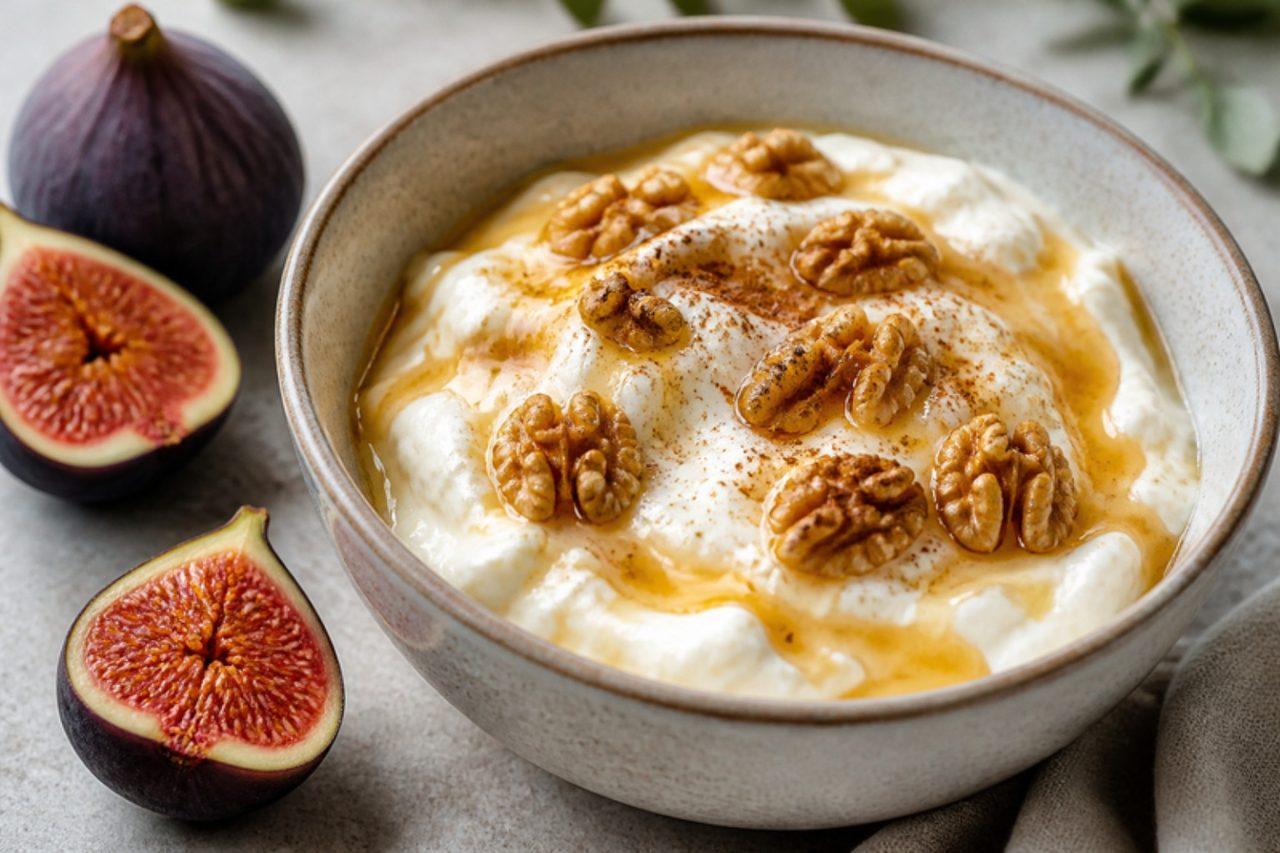
This is the dessert Greek tavernas bring out on the house at the end of a meal, and a common breakfast in homes and hotels from Crete to Corfu. Thick strained yogurt, ideally the sheep's-milk kind with a skin on top, is drizzled with dark thyme honey and scattered with walnuts. Simple as it is, the details matter: rich yogurt, good honey and nuts toasted just before serving. Add fresh figs or a spoon of quince preserve if you have them. Chef's tip: warm the honey for a few seconds so it runs in ribbons; cold honey is the common mistake and just sits in a blob.

by KrazyBadal 0 views

Showing 27 of 7,762 recipes

Show more recipes

Page 673 of 863