


Skip to content
Tashmijabi
Featured recipe

Tashmijabi

Mashed potatoes with stretchy cheese

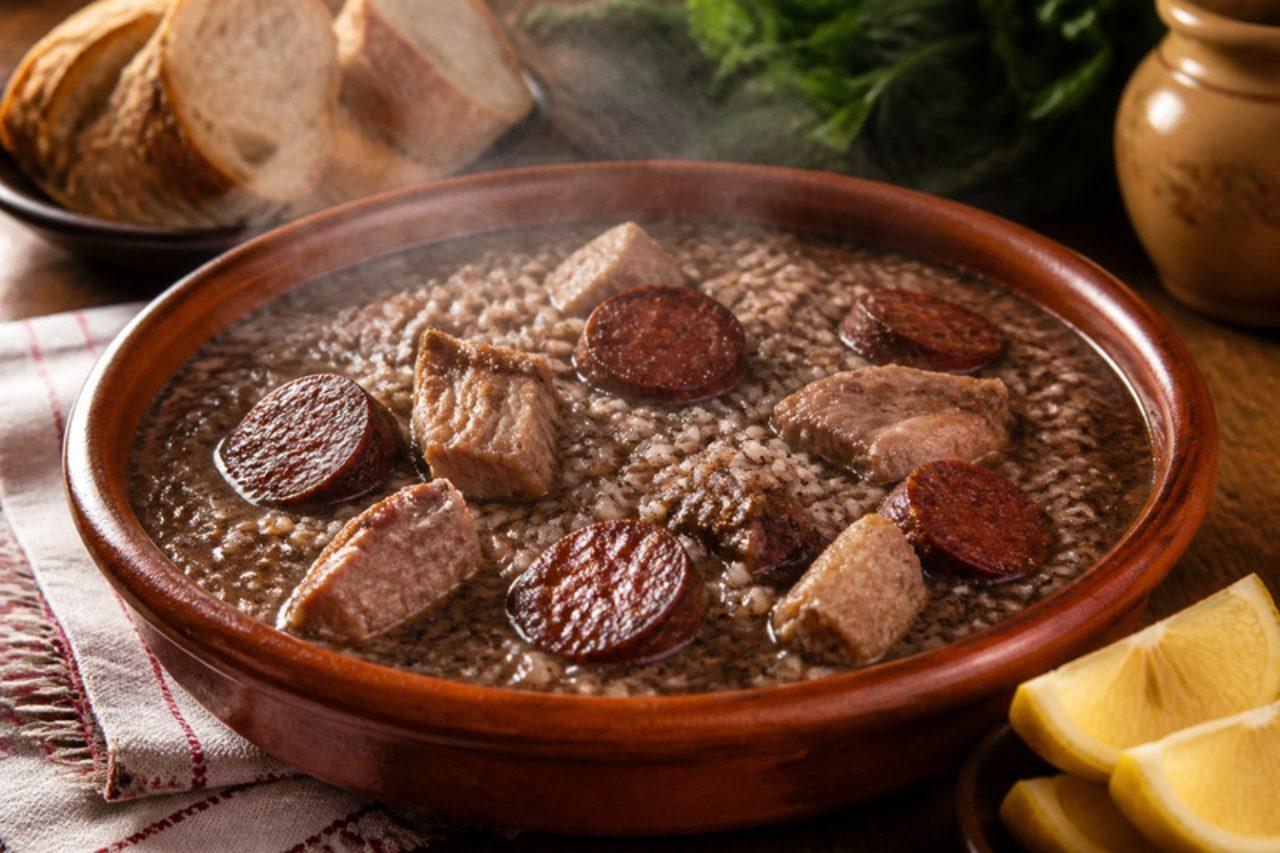
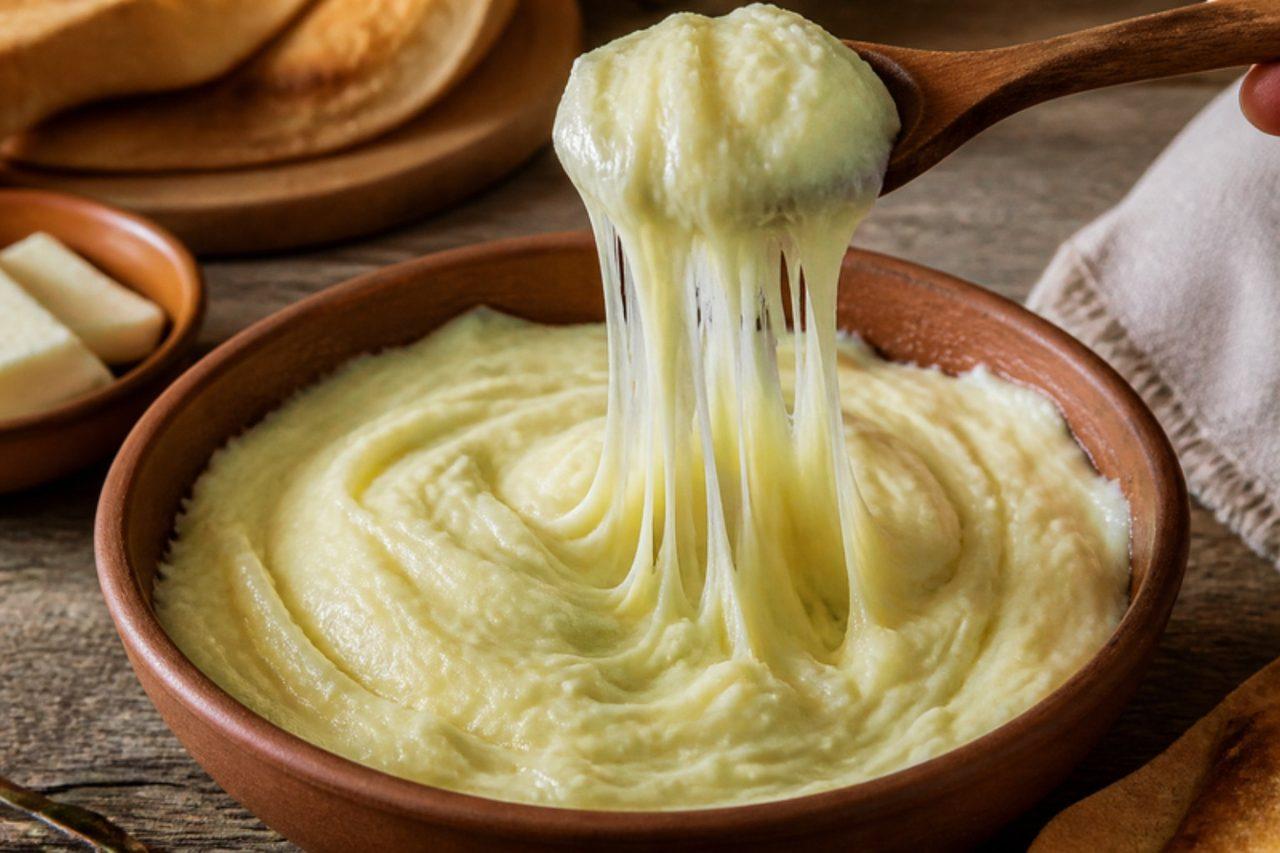
Potatoes grow well in the cold valleys of Svaneti, and tashmijabi is how families around Mestia turn them into a feast dish: they are mashed hot, then beaten with handfuls of young sulguni until the purée becomes glossy and stretches from the spoon in long strands. It is served with grilled meat, kubdari or simply with pickles and Svan salt. A common mistake is letting the potatoes cool before adding the cheese; they must be piping hot for the cheese to melt and stretch. Chef's tip: keep the pan on a low heat while you beat, and use a firm wooden spoon. Most sulguni uses animal rennet; choose a vegetarian one or use mozzarella.

Read more 1 views

What to eat today?

Around the world

Today's trip: Persian

A new country every day, from every cuisine on the site.

This week's collection

Kid-friendly dinners
739 recipes · a new collection every Monday

Coming up

All occasions →

Latest recipes

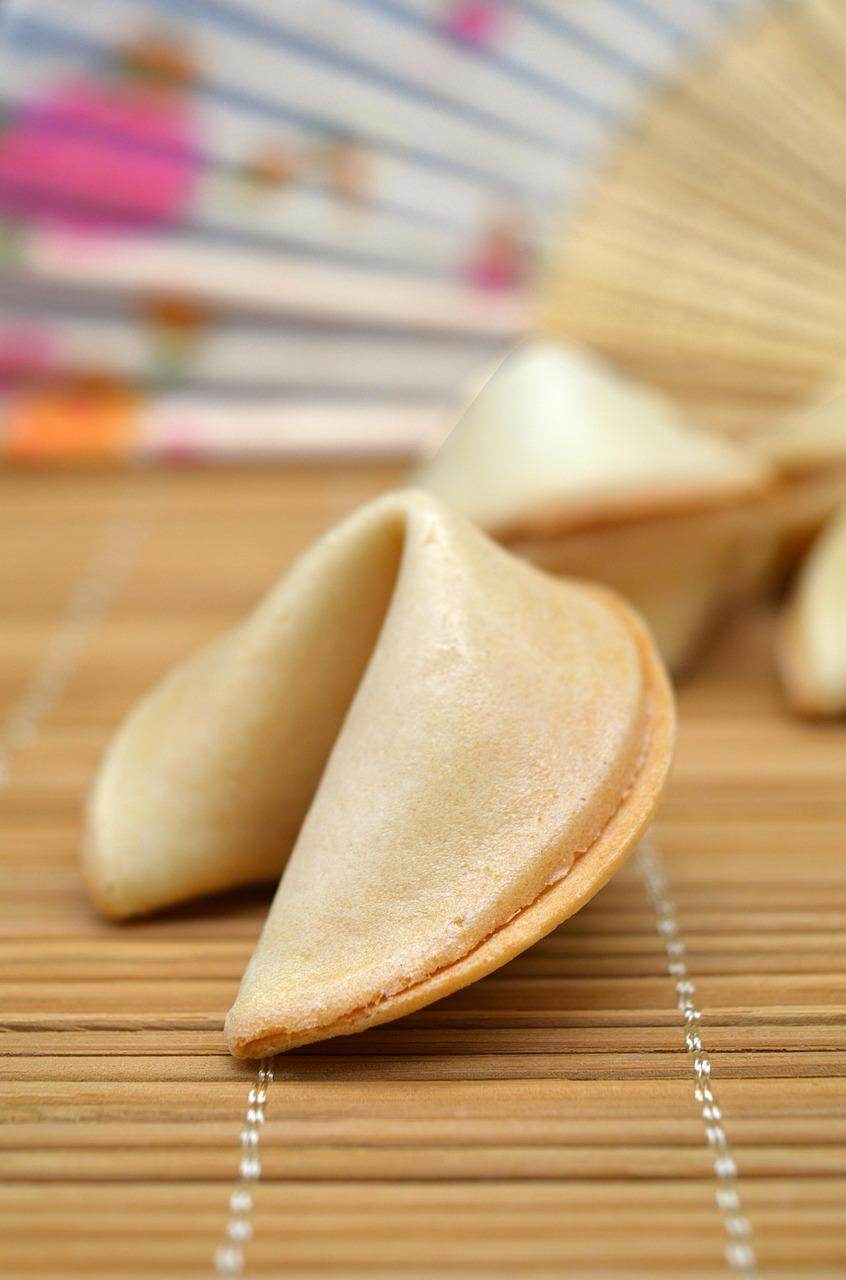
Fortune cookies

Fortune cookies are not from China at all: they were first sold in San Francisco and Los Angeles in the early 1900s, probably from a Japanese tea garden recipe, and Chinese-American restaurants made them famous. A thin vanilla and almond batter is baked into a wafer, then folded while hot around a paper message. Write your own fortunes for a party. Chef's tip: bake only two or three at a time; the wafers set in seconds and crack if you can't fold them fast enough.

by KrazyBadal 0 views

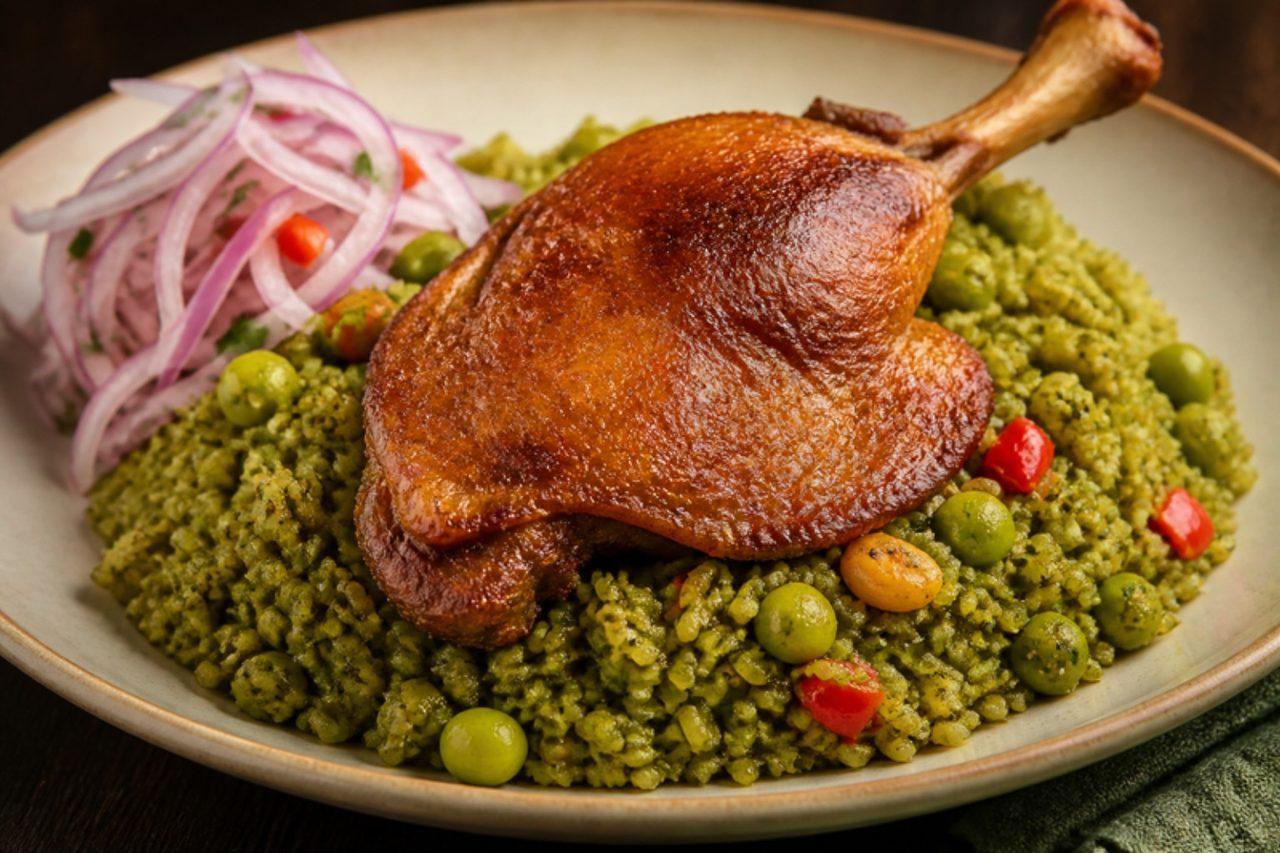
Arroz con patoDuck and coriander rice

Chiclayo and the northern coast claim arroz con pato as their own, and family lunches and big Sunday gatherings there often centre on a deep pot of it: duck legs browned and simmered in dark beer and a purée of coriander and spinach, then rice cooked in the same green, duck-rich liquid with peas, red pepper and ají amarillo. The rice is moist and loose, the duck tender with crisp edges, and it is served with salsa criolla and, often, papa a la huancaína. The beer contains alcohol, and not all of it cooks off; for an alcohol-free pot use alcohol-free beer or the stock swap in the ingredients. A common mistake is skipping the browning, which leaves flabby skin and a pale, fatty rice; render the duck slowly first and pour off excess fat. Chef's tip: let the cooked rice rest under the lid off the heat for 10 minutes before fluffing.

by KrazyBadal 0 views

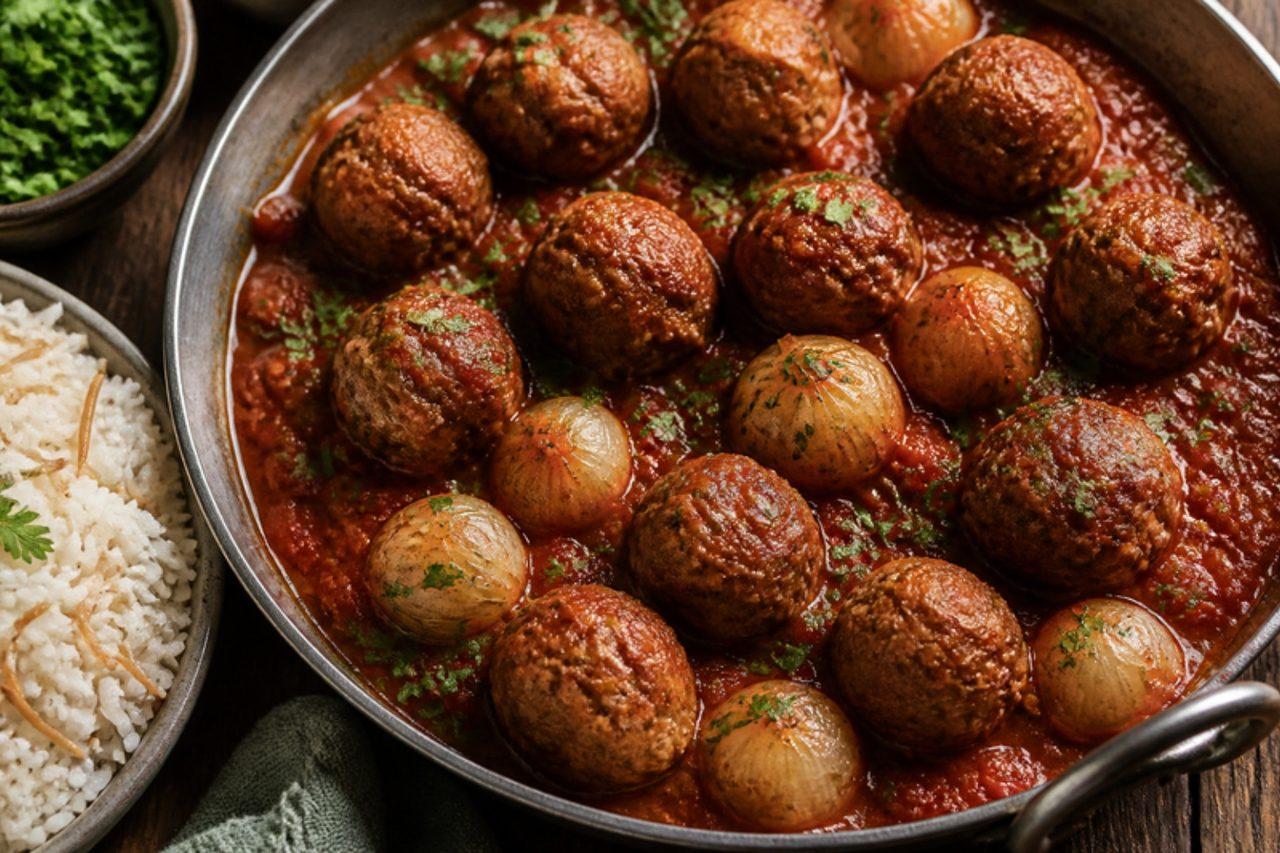
Dawood bashaMeatballs in tomato sauce

Named, so the story goes, after an Ottoman governor who loved it, dawood basha is a homely Damascus and Beirut supper of small spiced meatballs simmered with baby onions in tomato sauce, finished with pine nuts. Families serve it ladled over vermicelli rice, and it is one of the first dishes Syrian children learn to love. The sauce is lightly tangy from pomegranate molasses and fragrant with allspice and cinnamon. Common mistake: crowding the meatballs when browning — they steam instead of colouring; fry in batches. Chef's tip: grate a little onion into the meat and squeeze out the juice first; the meatballs stay tender without falling apart.

65 minSyrianMeatGluten free
by KrazyBadal 0 views

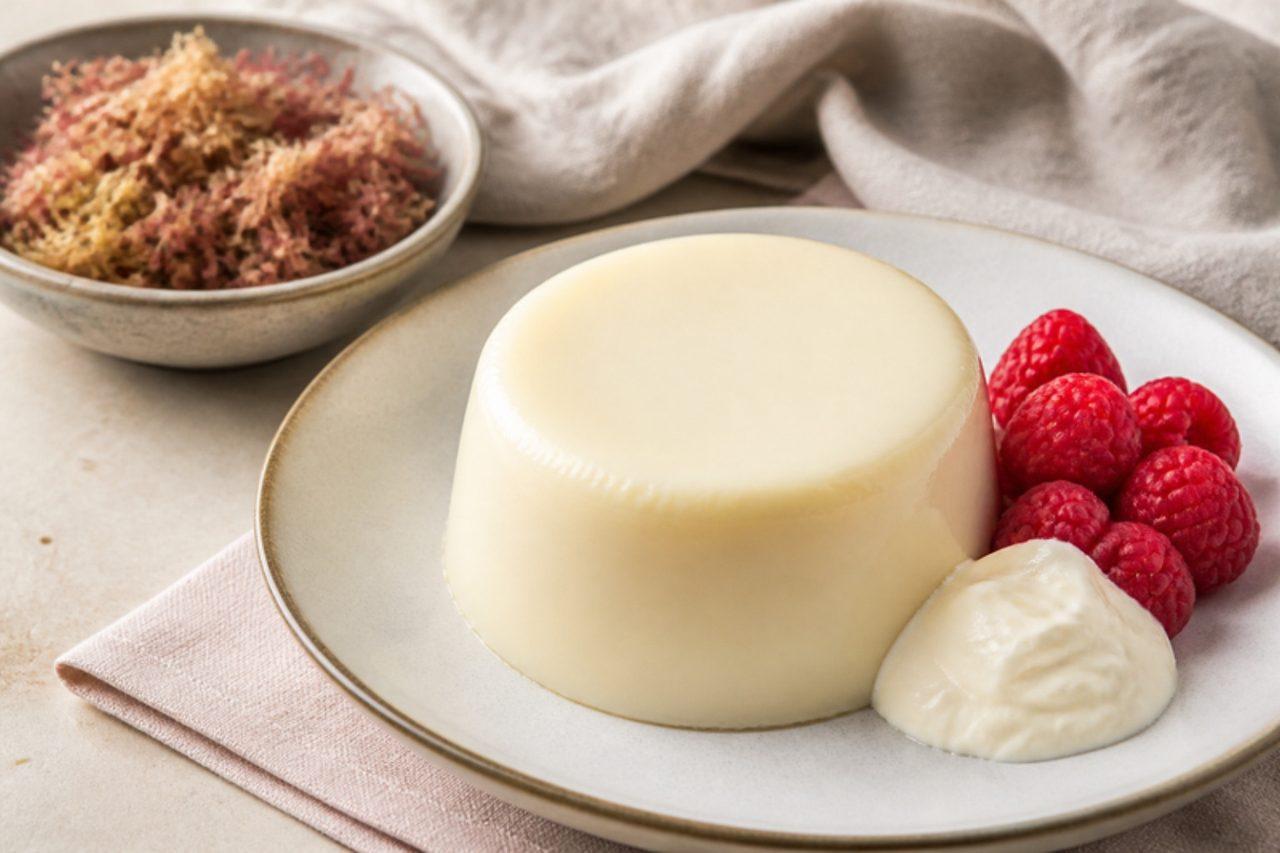
Carrageen moss puddingSeaweed milk pudding

Carrageen is a frilly red seaweed picked from the rocks of the west coast, from Donegal down to Clare, and dried on the grass in the sun. Simmered in milk, it releases a natural setting agent, so this old Irish pudding sets like a soft blancmange without gelatine. It tastes of vanilla and lemon with a faint breath of the sea, and is served chilled with stewed rhubarb or soft fruit. Chef's tip: soak the carrageen well and rinse off the sand before you start; any grit ends up in the pudding.

by KrazyBadal 0 views

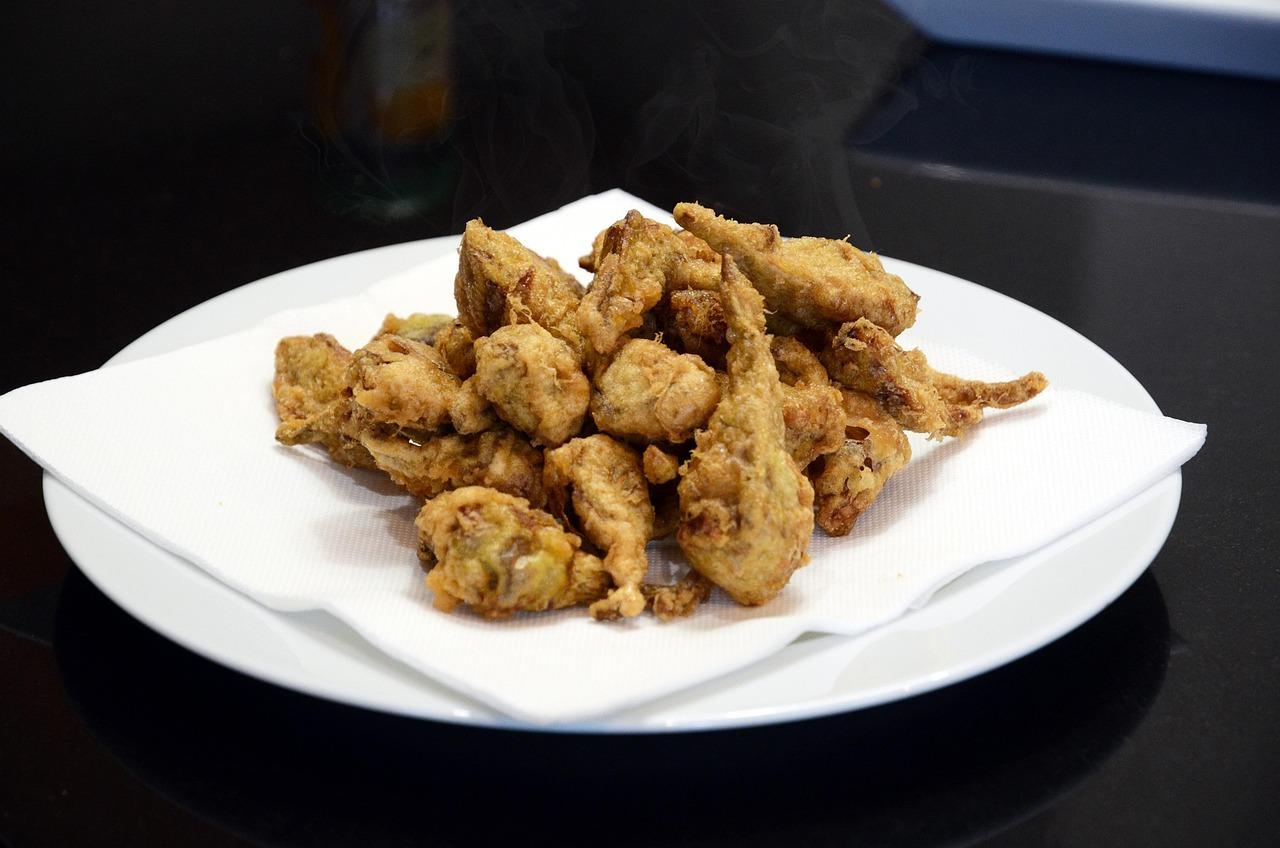
Castroville fried artichokes

Castroville, near Monterey on California's central coast, grows most of America's artichokes and calls itself the artichoke centre of the world. Roadside stands and the annual artichoke festival sell them crisp-fried, the tender hearts dipped in a light batter and served with lemon and garlic mayonnaise. Small 'baby' artichokes are best, as they have almost no choke. Chef's tip: drop each trimmed artichoke straight into lemon water; cut artichokes turn brown within minutes.

by KrazyBadal 0 views

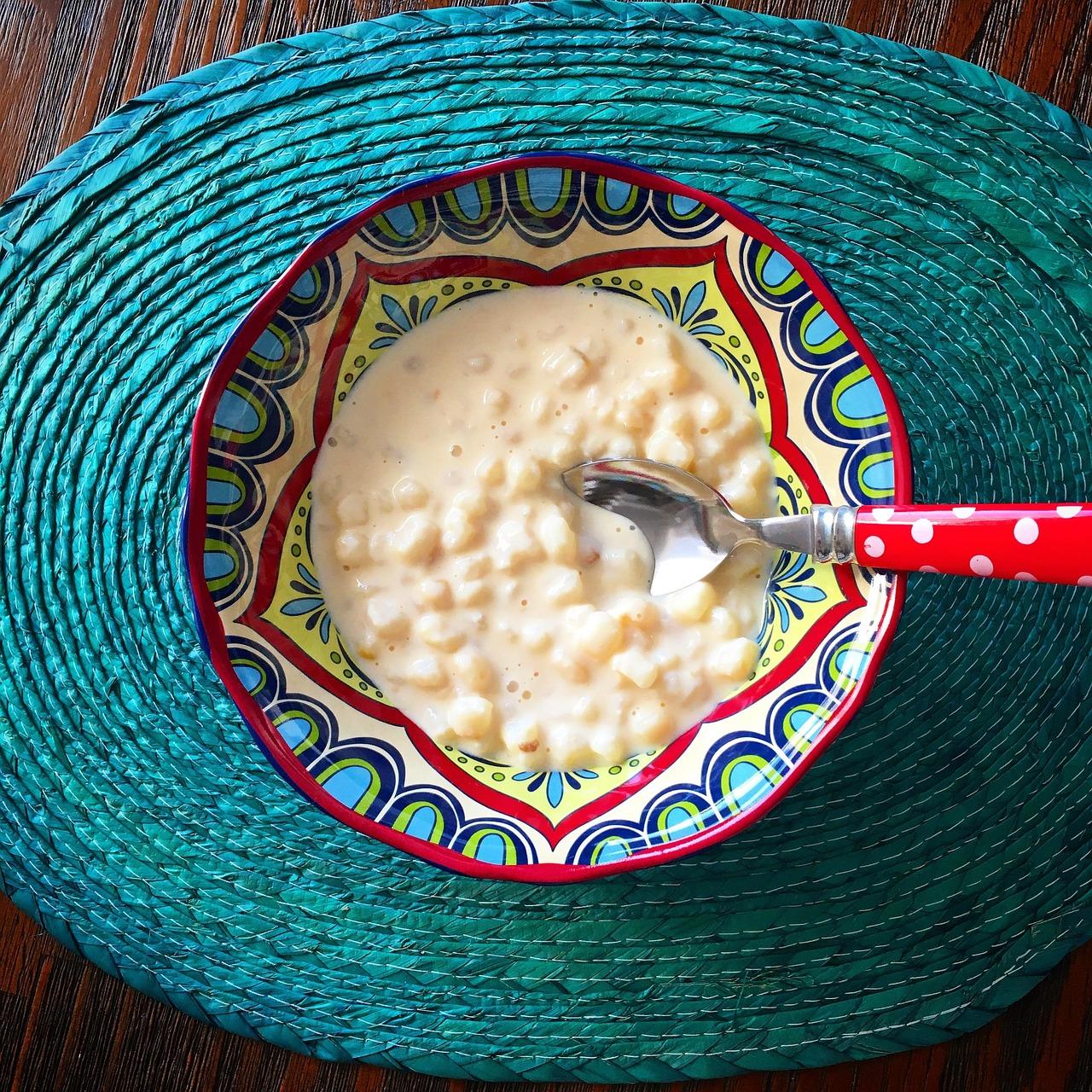
Canjica (mungunzá)Hominy and coconut milk pudding

Big white corn kernels simmered until tender, then cooked again in milk with coconut and peanuts: canjica is the warming bowl that every festa junina from Porto Alegre to Belém hands out in plastic cups on cold June nights. In the Northeast it goes by mungunzá, and in Bahia and Pernambuco it is often made richer with coconut milk. The kernels stay chewy and whole, the broth turns creamy and smells of cinnamon and clove, and the crushed peanuts add a nutty bite. Look for white hominy sold as canjica or milho para canjica in Brazilian shops; dried white pozole corn works too. It needs overnight soaking, which is not counted in the times. The common mistake is rushing the first boil: if the kernels are not fully soft before the milk goes in, they will never soften afterwards. Chef's tip: a pressure cooker cuts the first cook to 35 minutes and leaves the kernels perfectly tender.

by KrazyBadal 0 views

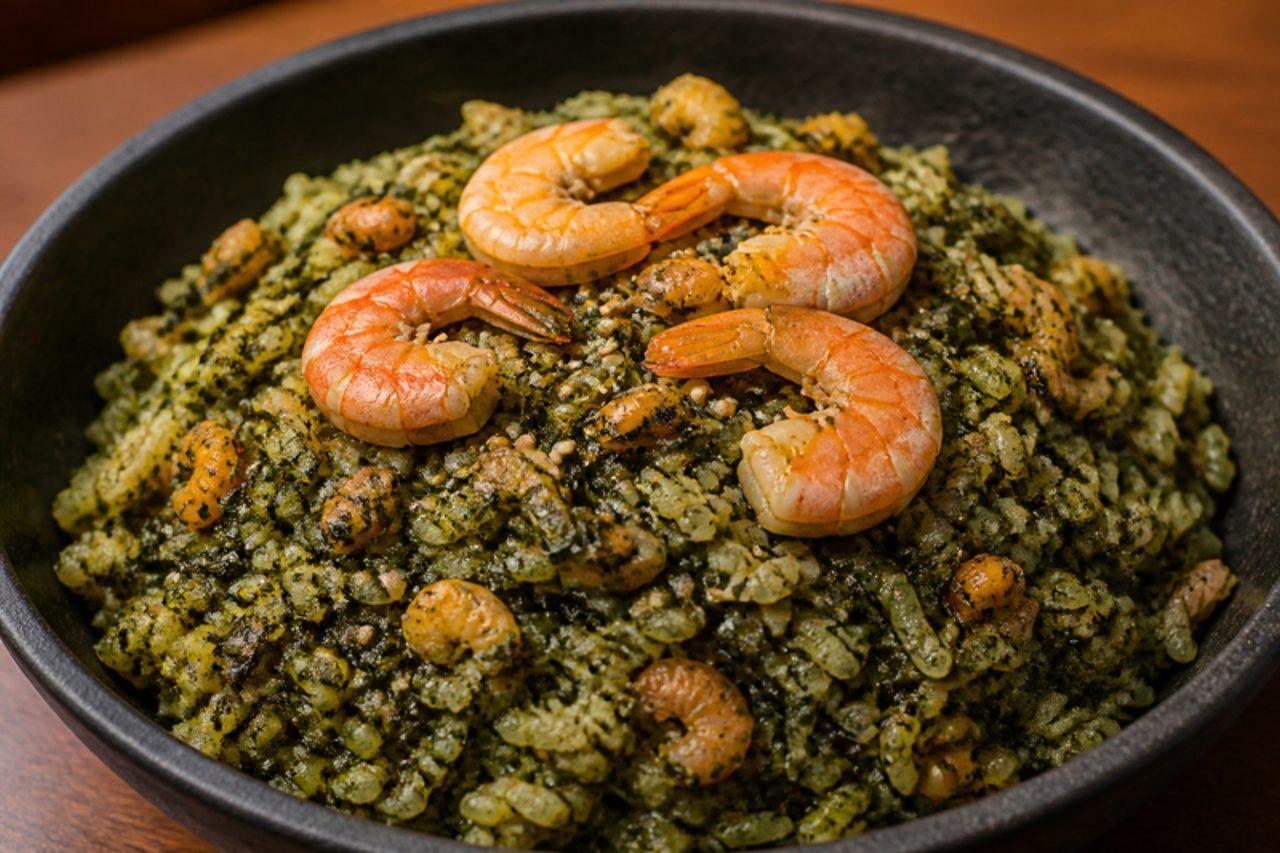
Arroz de cuxáRice with roselle leaves and shrimp

Green-flecked, sharp and nutty, arroz de cuxá is the signature rice of São Luís, served in Maranhão homes and seafood restaurants with fried fish, torta de camarão or a simple fried egg. The sourness comes from vinagreira, the leaves of the roselle hibiscus, cooked down into a thick cuxá sauce with dried shrimp, toasted sesame and a little cassava flour, then stirred into fluffy white rice. Roselle leaves are sold as gongura in Indian grocers and as sorrel leaves in Caribbean shops; spinach with lime juice is a mild stand-in. The common error is under-cooking the leaves, which leaves them stringy; they should collapse into a dark, soft purée. For a vegetarian version, leave out the shrimp and add a spoonful more sesame. Chef's tip: toast the sesame until it just turns gold and starts to pop, then grind it while warm so it releases its oil into the sauce.

by KrazyBadal 0 views

Arroz de lingueirãoRazor clam rice

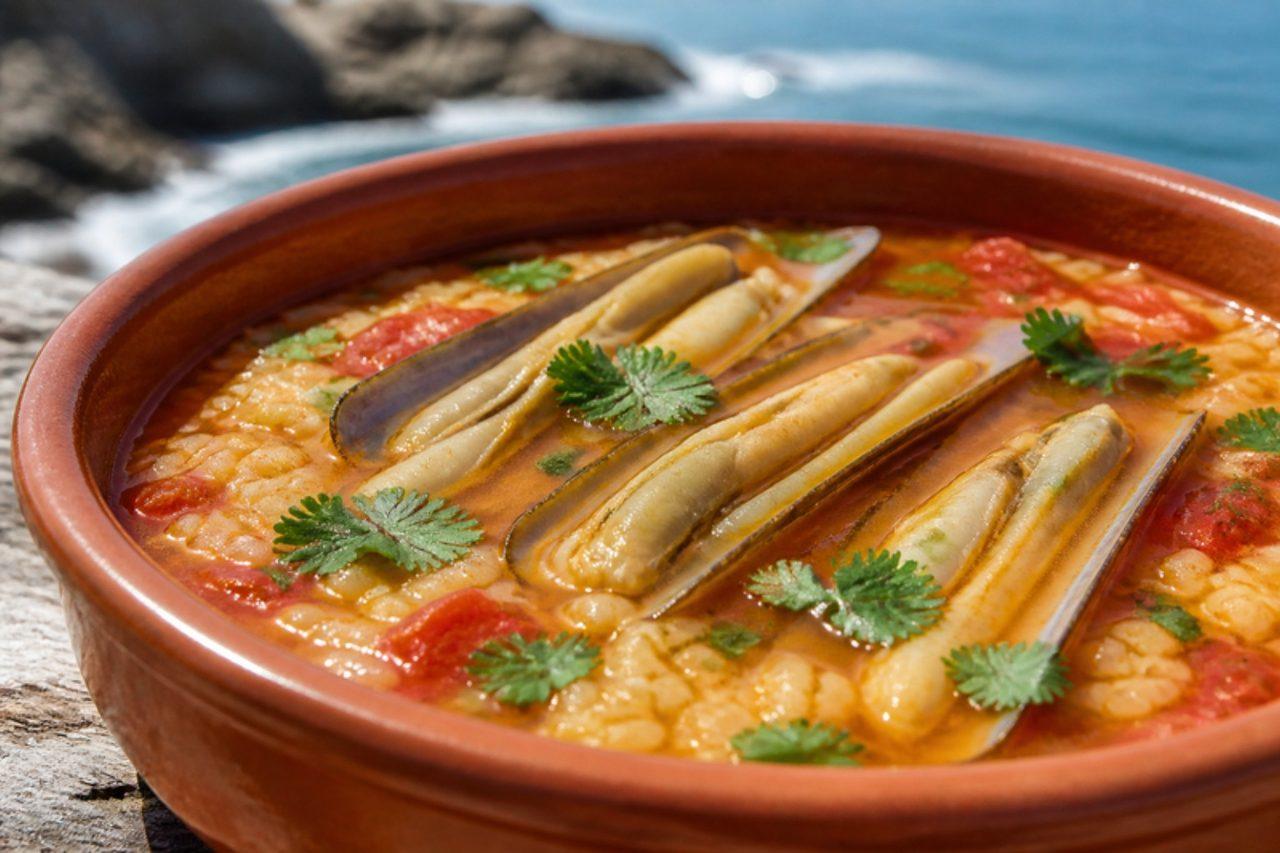
When the tide drops on the Ria Formosa near Fuzeta, pickers dig razor clams from the mud, and by lunchtime the riverside tascas are serving them in this loose, brothy rice, called malandrinho because it should still ripple in the bowl. Tomato, garlic and a big handful of coriander carry the sweet, briny clam flavour. The recipe uses a little white wine; for an alcohol-free version use the same amount of water with a teaspoon of lemon juice. Chef's tip: add the razor clams for the last 2 minutes only, or they turn rubbery.

by KrazyBadal 0 views

Arroz de mariscoSoupy seafood rice

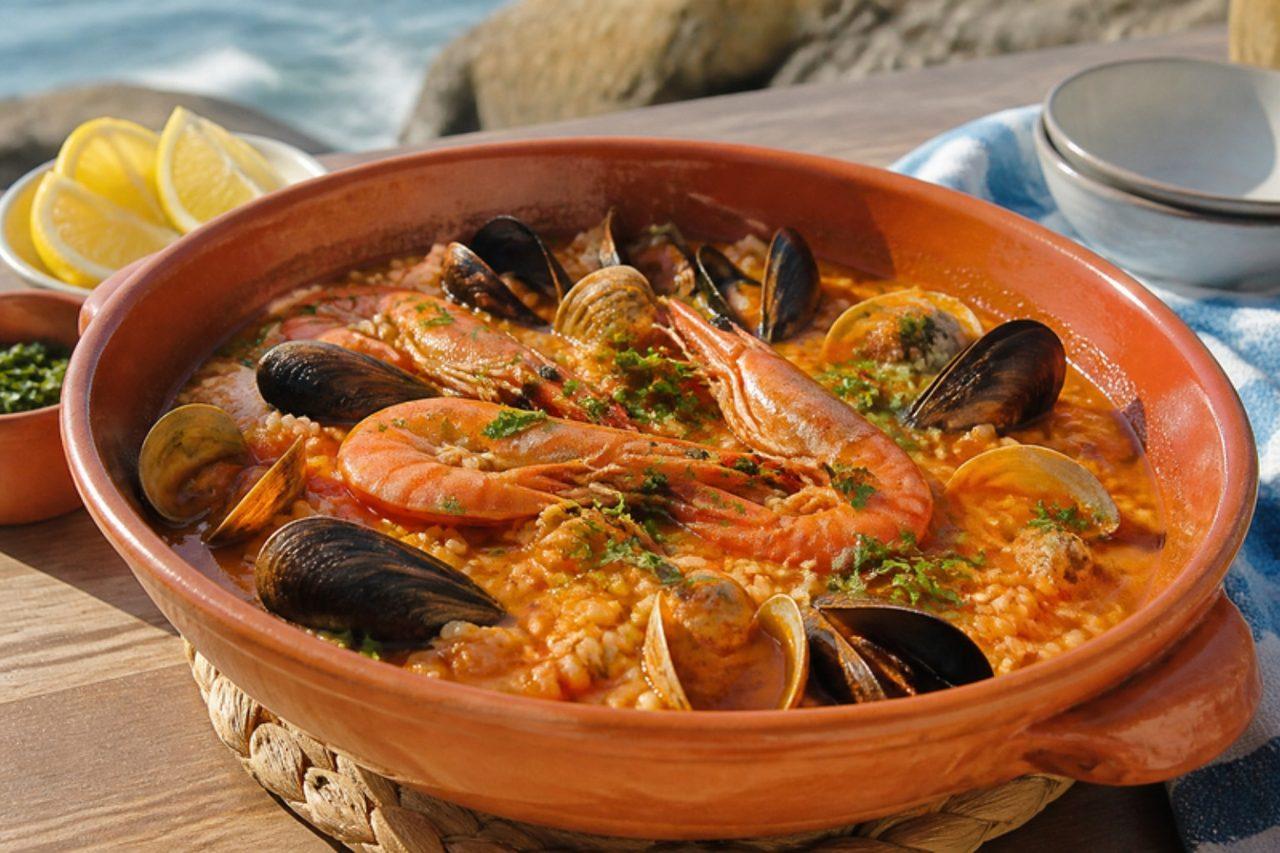
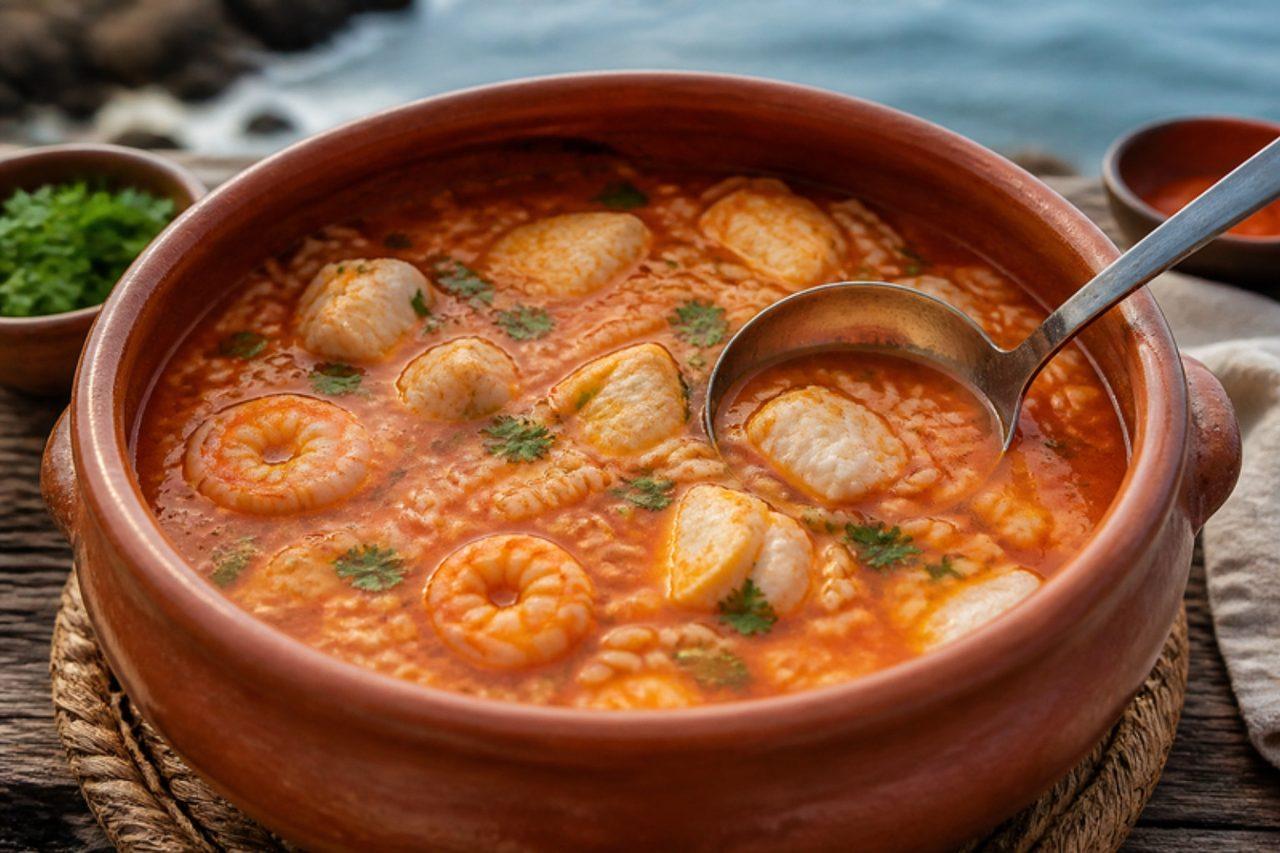
This is not paella. Portuguese arroz de marisco is wet and soupy, eaten with a spoon straight from the pot, and Lisbon families order a big one to share at seafood restaurants on a Sunday, waiting while it is made fresh. The rice simmers in a rich tomato and shellfish broth, then prawns, clams and mussels go in at the end so they stay tender. White wine is traditional and contains alcohol; use more stock instead. A common mistake is letting it stand: the rice keeps drinking the broth, so serve it the moment it is ready. Chef's tip: make the broth from the prawn heads and shells; it is where most of the flavour comes from.

by KrazyBadal 0 views

Arroz de pato à moda de BragaDuck rice with chouriço

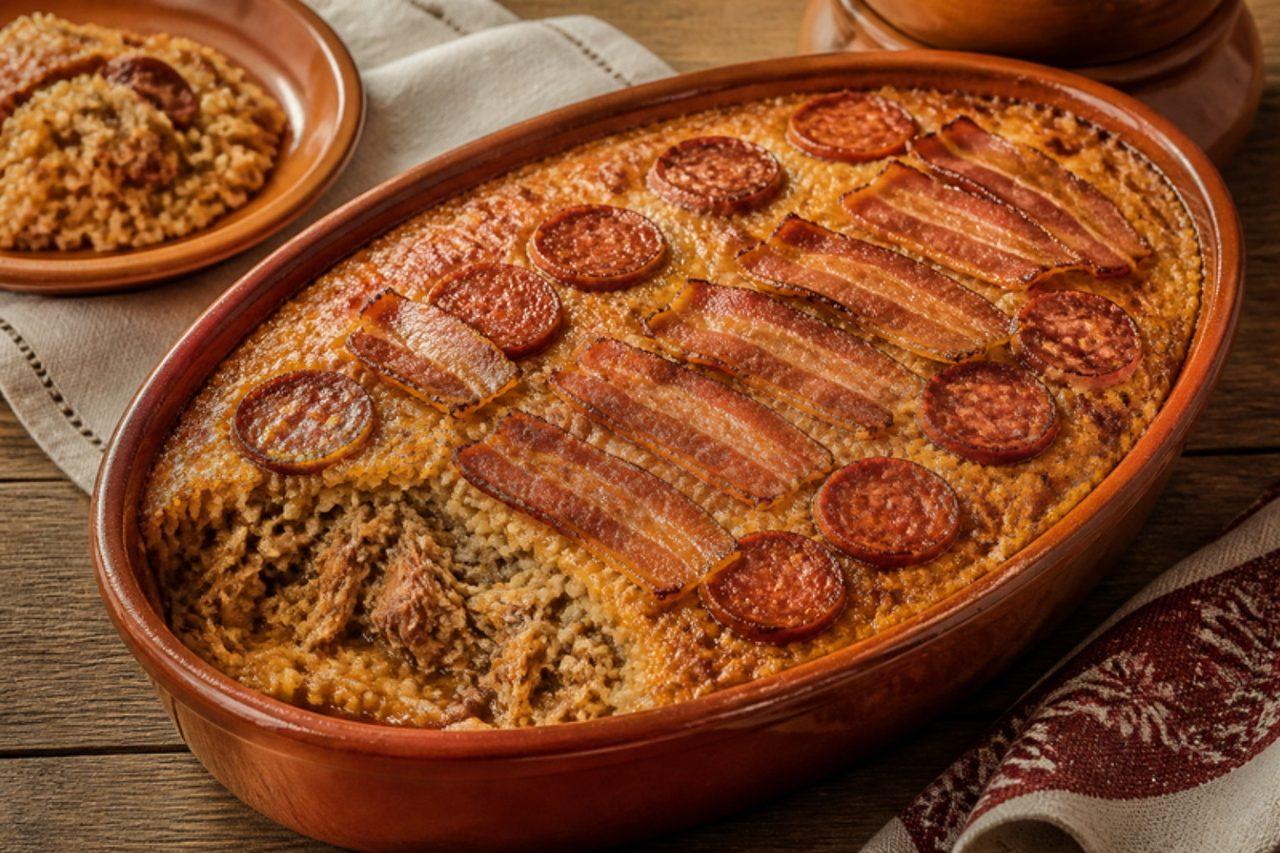
In Braga, duck rice is moister than the crisp-topped versions elsewhere: the rice is cooked in a deep duck broth, layered with shredded meat and slices of chouriço, then given a short spell in a hot oven so the top just colours. It is a festive dish for christenings, weddings and Sunday lunches. This contains pork (chouriço and smoked bacon). Chef's tip: make the broth the day before and chill it, so you can lift off the duck fat and use a spoonful of it to fry the onion.

by KrazyBadal 0 views

Arroz de pica no chãoChicken and blood rice

'Pica no chão' means 'pecks the ground', the Minho name for a free-range farmyard hen, and this soupy rice is how it is cooked for a family gathering in Barcelos or Vila Verde. Traditionally the bird's blood is stirred in at the end with vinegar, cabidela style, giving a dark, tangy, velvety sauce; without it you get a lighter but equally good chicken rice. Use a free-range bird or thighs for proper flavour. A common mistake is letting the rice sit before serving; this is a loose, soupy rice and it thickens fast, so bring it to the table at once. Chef's tip: the rice must be served the moment it is ready, still swimming in broth, because it keeps absorbing liquid.

by KrazyBadal 0 views

Arroz de sarrabulhoRice with mixed meats and blood

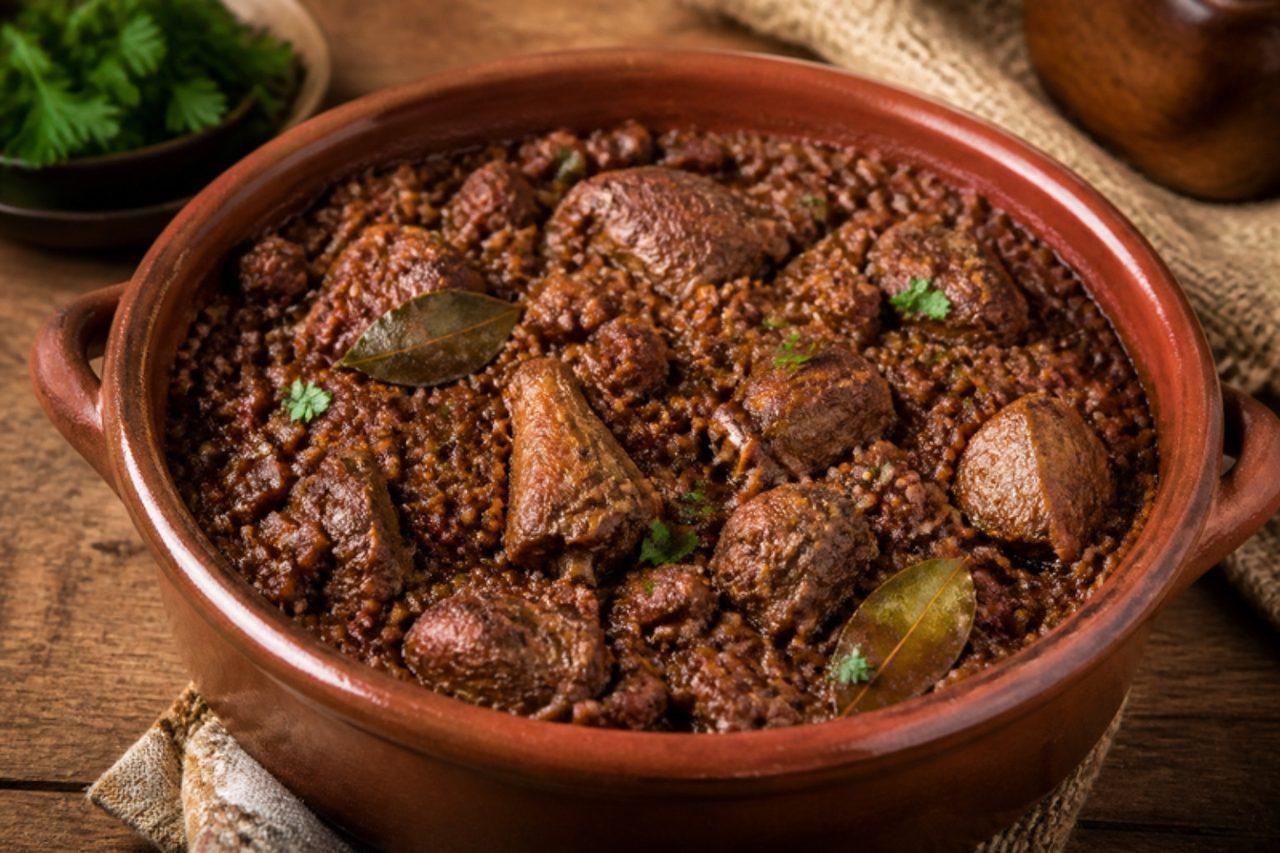
Ponte de Lima, the old market town on the river Lima, is the capital of sarrabulho, and on market Mondays its restaurants serve this dark, soupy rice from enormous pots. This contains pork (pork shoulder, belly and chouriço) and cooked pig's blood. Several meats are simmered together for a rich broth, then shredded and cooked with rice, cumin and blood until it turns deep brown and creamy. It is usually served next to rojões, with lemon to cut the richness. Chef's tip: add the blood at the very end and stir constantly, so it thickens the rice smoothly instead of forming lumps.

by KrazyBadal 0 views

Arroz de tamborilMonkfish and tomato rice

Fish restaurants in Aveiro, Figueira da Foz and the fishing town of Praia de Mira serve this rice in the pot it was cooked in, steaming and loose, with chunks of firm monkfish and a broth coloured by tomato and peppers. It is a lunch for the weekend, eaten slowly near the beach. Monkfish holds its shape well, and its head and bones make a fine stock. You can add prawns if you like. Chef's tip: it should be 'malandrinho', loose and soupy, so take it off the heat while the rice is still slightly firm; it carries on softening at the table.

by KrazyBadal 0 views

Arroz del senyoretPeeled seafood rice

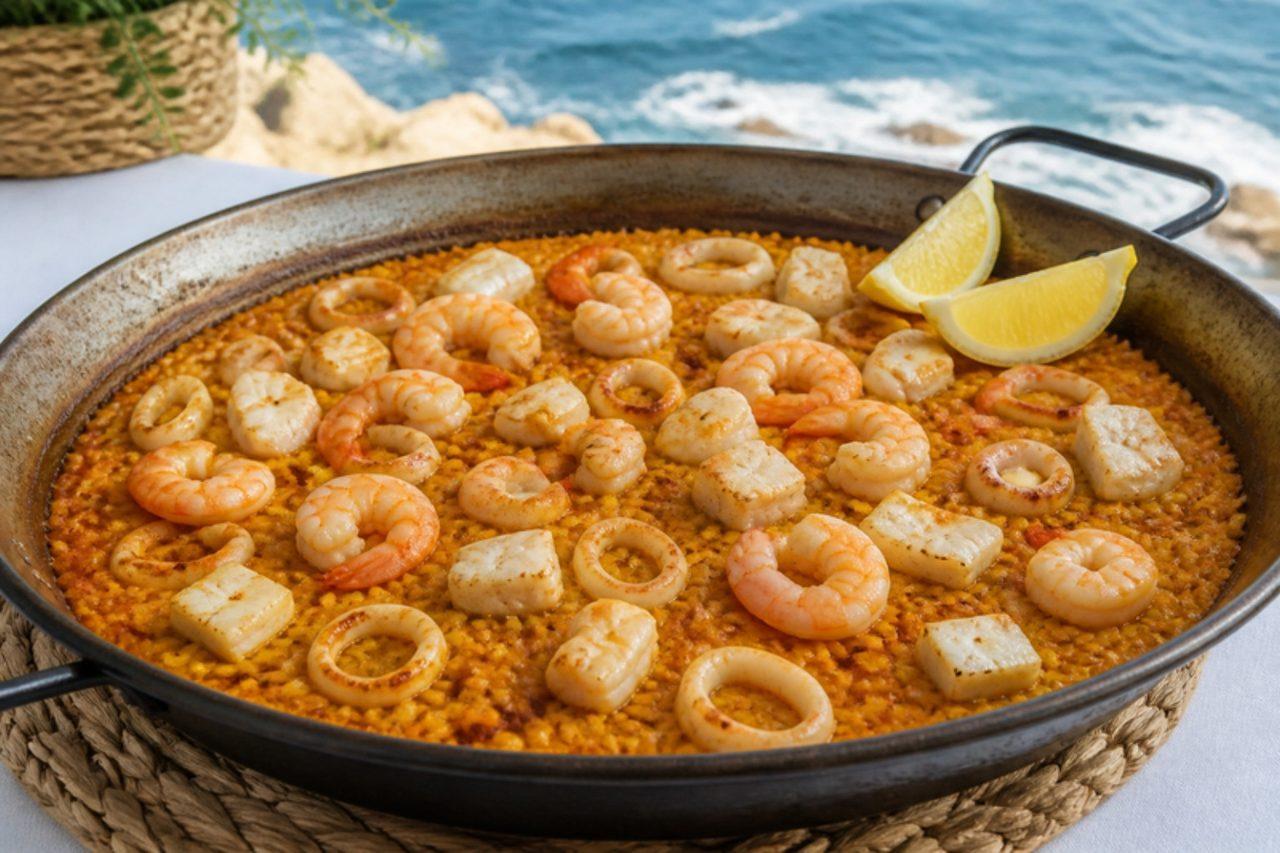
The name means "the little gentleman's rice", after the well-to-do diners at Valencia's beach restaurants in Las Arenas and El Saler who refused to get their hands dirty peeling prawns. So every piece of seafood goes into the pan already peeled and cut to fork size, while the shells are fried into the stock to keep all their flavour. The result is a thin layer of saffron-gold rice dotted with sweet prawn, squid and monkfish, eaten straight from the pan on a summer Sunday. A common mistake is throwing the prawn shells away; they give the stock its depth. Chef's tip: grate the tomato rather than chopping it; the pulp melts into the sofrito and lets it darken quickly.

by KrazyBadal 0 views

Green bean casserole from scratch

Green bean casserole was invented in a test kitchen in the 1950s and spread across the Midwest via church cookbooks; today it is on most American Thanksgiving tables. This version skips the tins: fresh beans in a homemade mushroom cream sauce, topped with crisp shallots you fry yourself. Chef's tip: blanch the beans only until bright green and still squeaky, because they cook again in the oven.

by KrazyBadal 0 views

Chicago giardiniera

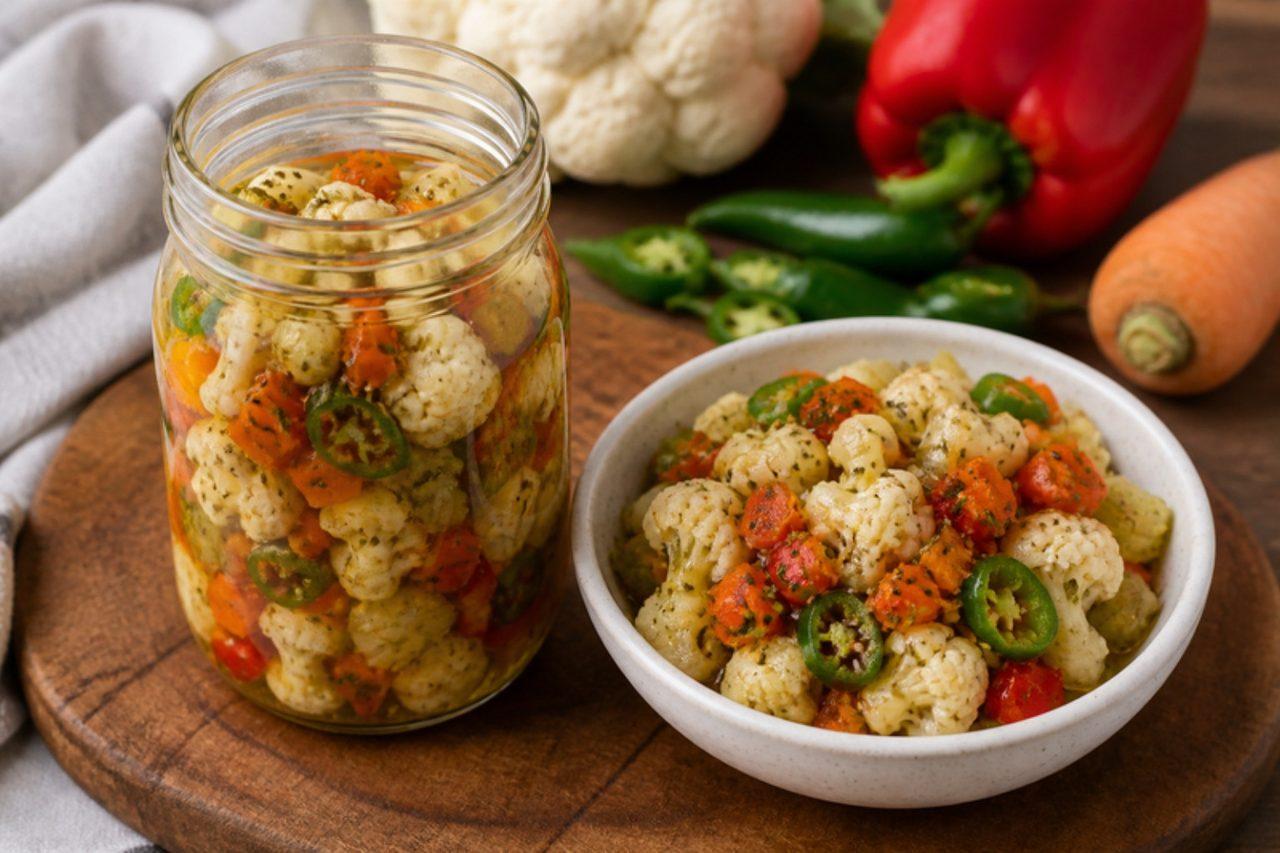
Giardiniera came to Chicago with Italian immigrants, and the city made it its own: a hot mix of chopped chillies, celery, carrot and cauliflower, brined overnight then packed in vinegar and oil. It is what Chicagoans pile on an Italian beef sandwich, a pizza or a sausage, and every deli has its own heat level. Chef's tip: don't skip the overnight salt brine; it draws out water so the vegetables stay crunchy for weeks.

by KrazyBadal 0 views

Clarinhas de FãoGourd and egg yolk pastries

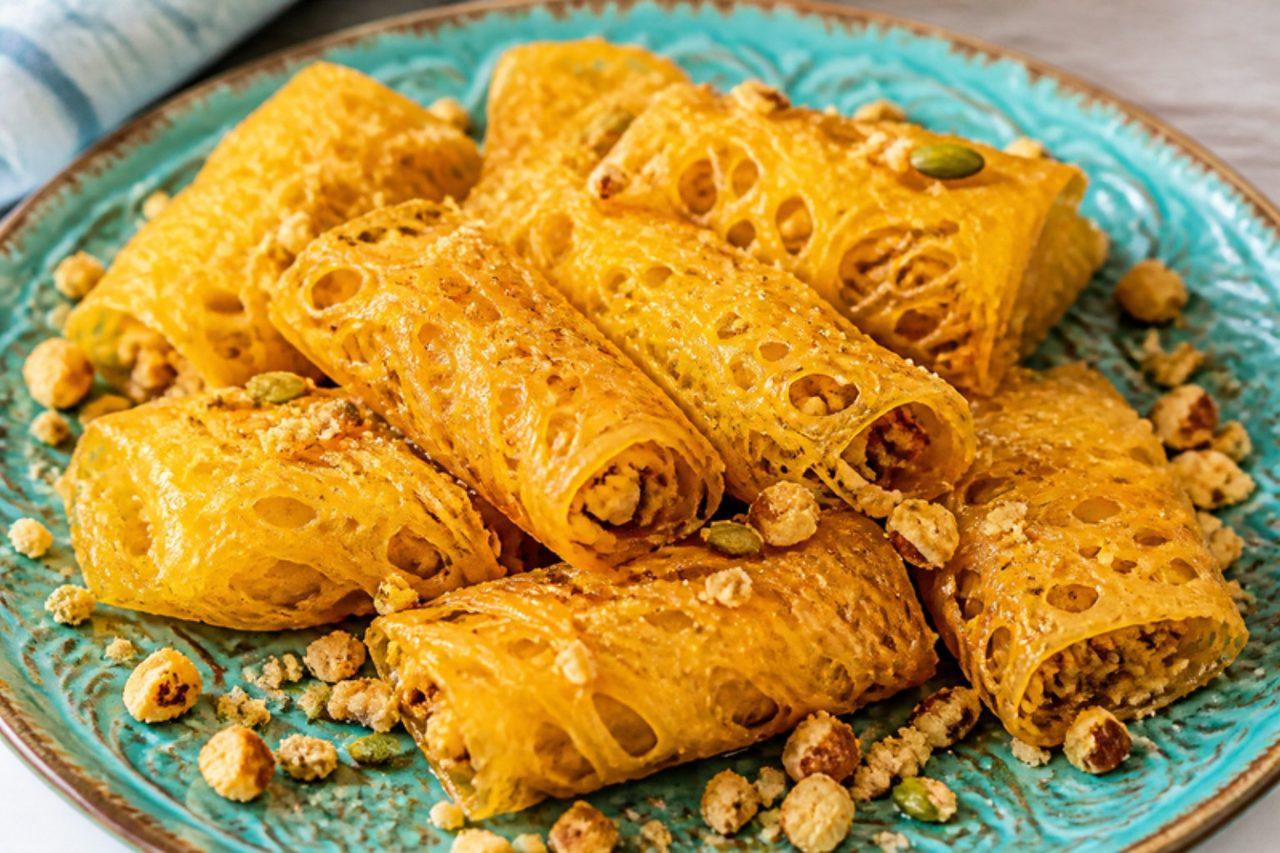
Clarinhas come from Fão, a small riverside town near Esposende, where they are sold warm and sugary from bakery counters and at summer fairs on the Cávado estuary. Thin pastry is folded around a filling of candied fig-leaf gourd (doce de chila) thickened with egg yolk, fried until blistered, then rolled in sugar. Chila jam is sold in Portuguese shops; a thick pumpkin jam works well in its place. A common mistake is overfilling the pastries, so the jam bursts through the seams while they fry. Chef's tip: cook the filling until it is firm enough to hold its shape on a spoon, or it will leak and spit in the oil.

by KrazyBadal 0 views

Cajeta de CelayaGoat milk caramel

Celaya, in the Bajío of Guanajuato, has made cajeta for centuries, once packing it into little wooden boxes (cajetes) that gave it its name. It is caramel cooked from goat's milk, so it is looser and has a gentle tang compared with the cow's-milk dulce de leche of Argentina. Mexicans spread it on crêpes and churros, pour it over ice cream, sandwich it between obleas (wafers) and turn it into glorias. A splash of rum-flavoured 'envinada' cajeta exists, but this one is plain and alcohol-free. Chef's tip: use a pan at least three times the volume of the milk; it foams high when the bicarbonate goes in.

by KrazyBadal 0 views

Welsh cakes

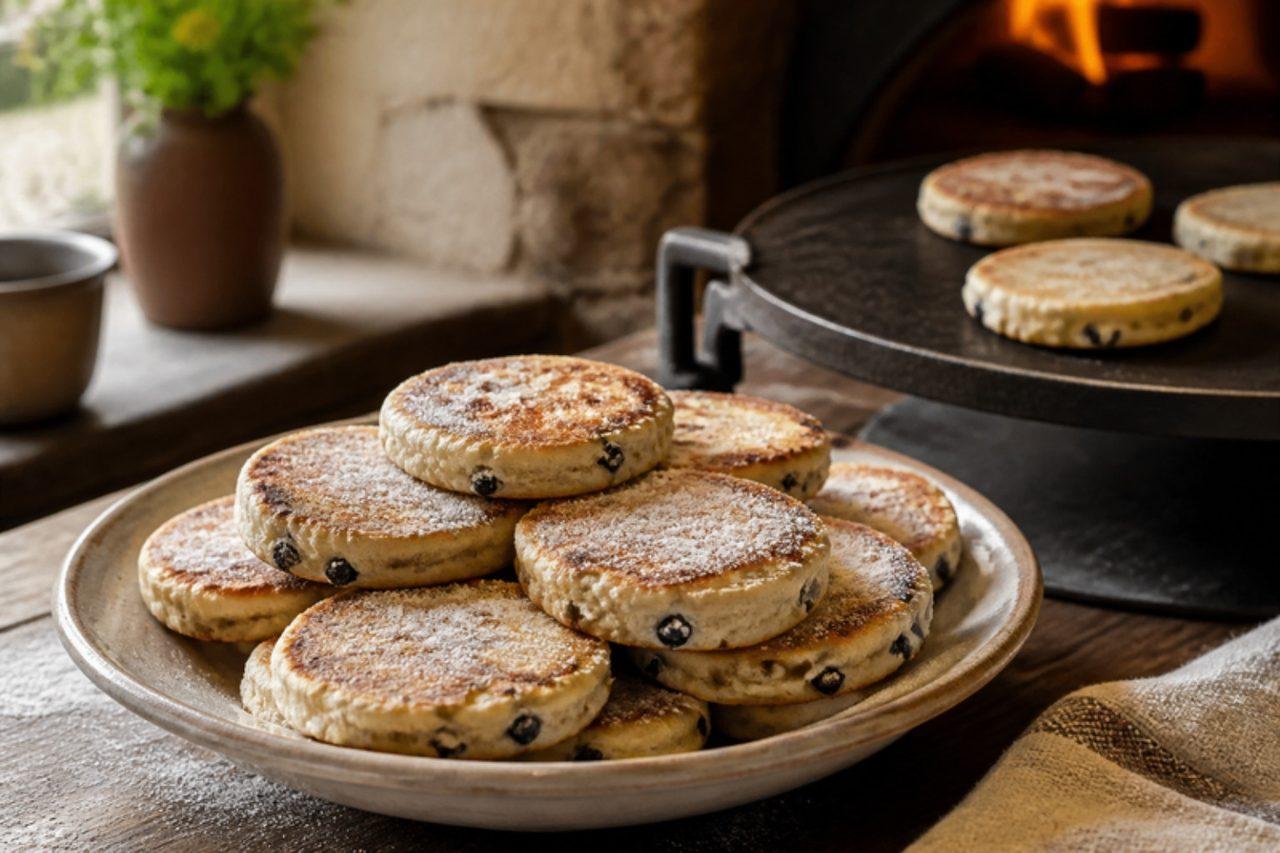
Welsh cakes, picau ar y maen or 'cakes on the stone', are cooked on a cast-iron bakestone in kitchens across Wales and sold warm at markets and rugby matches, and they are a must on St David's Day, 1 March. The dough is like a rich scone with currants and mixed spice, and they are dusted with sugar while hot. Chef's tip: keep the heat medium-low; they need time for the middle to cook before the outside darkens.

by KrazyBadal 0 views

Arroz zambitoRice pudding with chancaca and raisins

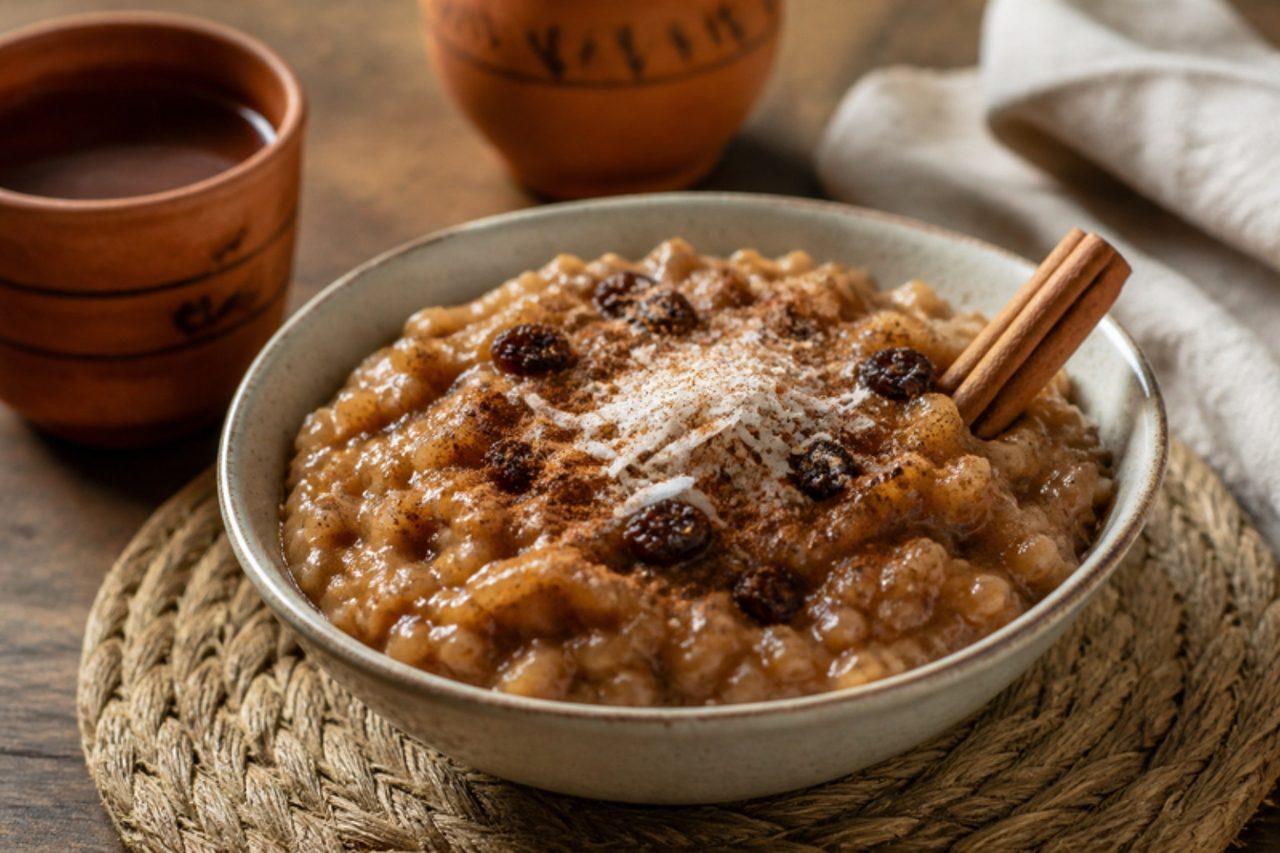
Lima's Afro-Peruvian kitchens gave the city arroz zambito, the dark cousin of arroz con leche: rice simmered with cloves and cinnamon, sweetened with chancaca instead of white sugar, and enriched with milk, coconut and raisins. The name refers to its deep brown colour, and it is sold in cups at markets and from carts alongside mazamorra morada, often half and half in the same cup. It tastes of molasses and spice, soft and creamy with chewy raisins and nuggets of coconut. The way it usually goes wrong is adding the chancaca too soon, before the rice is tender; the sugar firms the grains and they never soften. Serve warm or at room temperature, dusted with cinnamon. Chancaca can be swapped for panela or dark muscovado. Chef's tip: melt the chancaca in a little water first and strain it, as the blocks often contain bits of cane fibre.

by KrazyBadal 0 views

Arrufadas de CoimbraCinnamon sweet rolls

Coimbra's bakeries have sold arrufadas since convent times, and generations of university students have taken them to class wrapped in paper. They are small, pillowy sweet breads enriched with eggs and butter, flavoured with lemon and cinnamon and shaped into neat rounds with a sugary top. They are best on the day, torn open with coffee or a glass of milk. A common mistake is adding too much flour to a sticky dough, which gives dry, tight rolls instead of soft ones. Chef's tip: the dough should feel very soft and tacky; resist adding extra flour, or the rolls turn dense.

by KrazyBadal 0 views

Cañoncitos de dulce de lecheDulce de leche puff pastry tubes

Look at the tray of facturas in any Argentine panadería and the little cannons are easy to spot: flaky tubes of puff pastry, baked around metal moulds and filled from both ends with dulce de leche, then finished with a snowfall of icing sugar. They come from the Italian cannoncini, but here the filling is almost always dulce de leche. Each bite is crisp, buttery and shattering on the outside with a dense, caramel middle, and they sit on the Sunday table next to medialunas and bolas de fraile. Undercooking is the problem to avoid: pale pastry goes soft as soon as the filling goes in, so bake until it is a deep gold all over. Use all-butter puff pastry, and metal cannoli or cream-horn tubes (or rolls of foil). Chef's tip: wrap the strips without stretching them, overlapping each turn by a third; stretched pastry shrinks in the oven and the tubes split.

by KrazyBadal 0 views

Clootie dumplingBoiled spiced fruit pudding

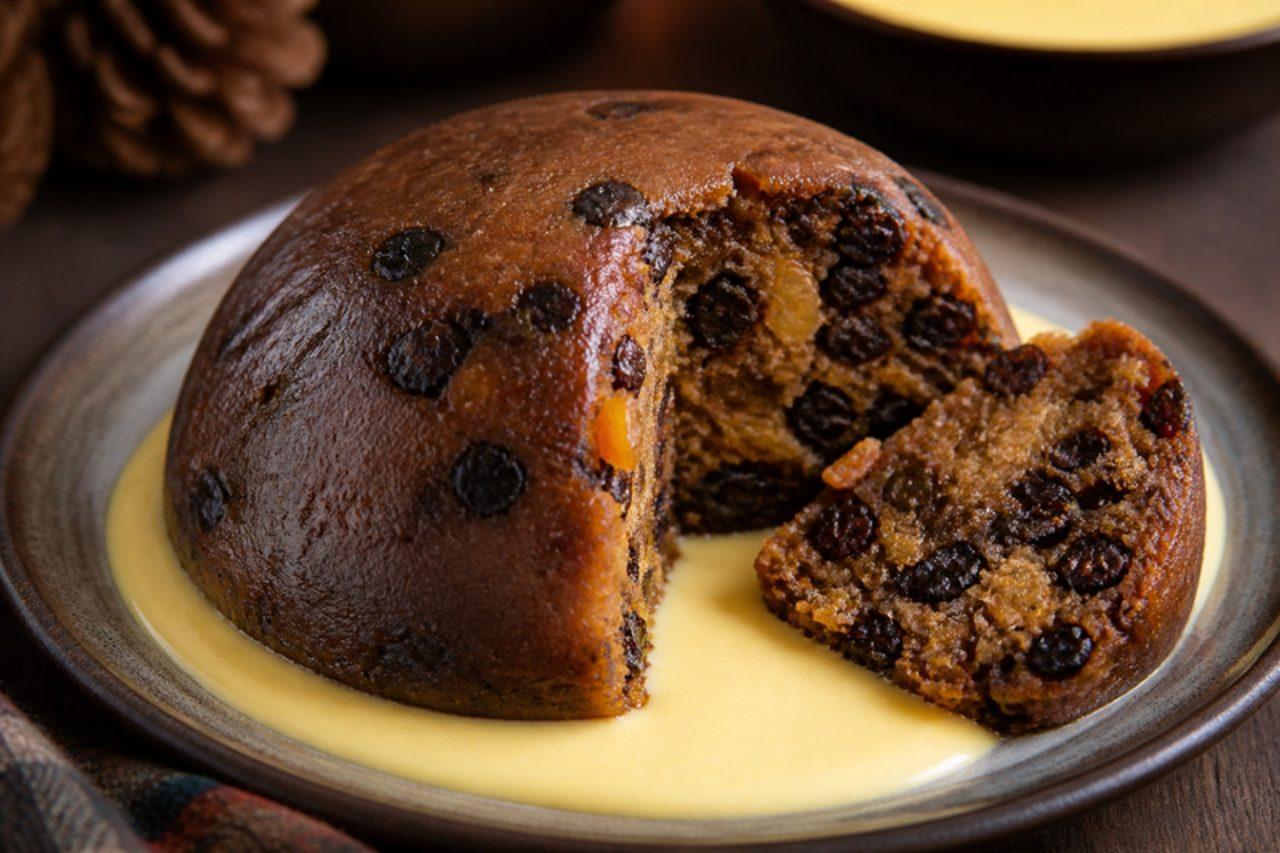
The clootie dumpling takes its name from the cloot, the cotton cloth it is boiled in, and it is the birthday and Hogmanay pudding of Scottish grannies from Fife to the Borders. It is a dense, dark, spiced fruit pudding with a sticky skin that forms when the floured cloth is dried in front of the oven. Leftover slices are fried for breakfast. Traditional recipes use beef suet; this one uses vegetable suet so it stays vegetarian. Chef's tip: dust the scalded cloth thickly with flour before filling it; that flour is what forms the famous skin.

by KrazyBadal 0 views

Caldeirada galegaWhite fish and potato stew

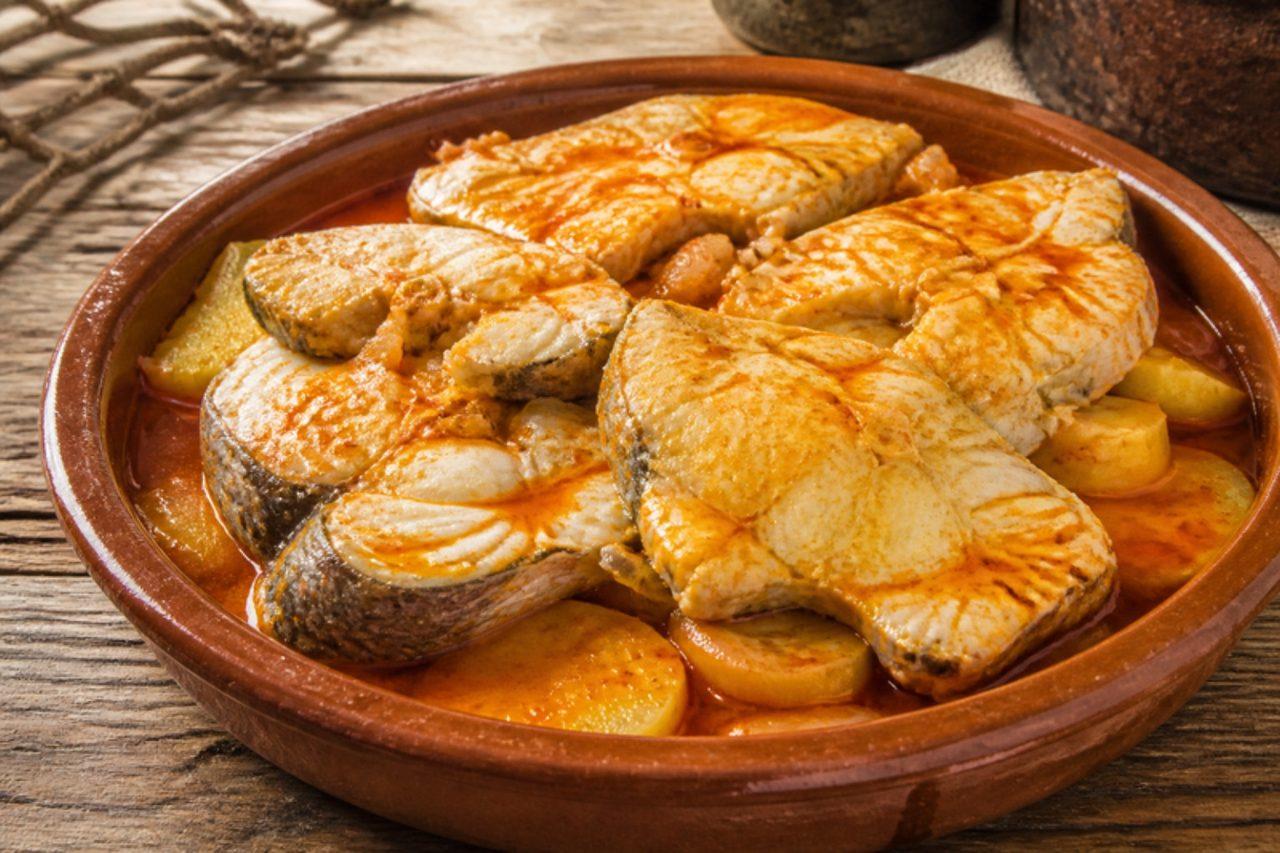
In fishing towns like Ribeira, Bueu and Muxía, caldeirada was the fishermen's way of cooking whatever the boat brought in, and it is still served at seaside restaurants and at the July fiestas of the Virgen del Carmen, patron of sailors. Unlike merluza á galega, it uses several kinds of fish, such as monkfish, ray, conger or hake, layered with potatoes and onion and cooked in very little water, then finished with plenty of ajada. A common mistake is stirring the pot, which breaks the fish into flakes; shake it gently instead. Chef's tip: put the firmest fish at the bottom and the most delicate on top, so everything finishes cooking together.

by KrazyBadal 0 views

Asadillo manchegoRoasted pepper and tomato salad

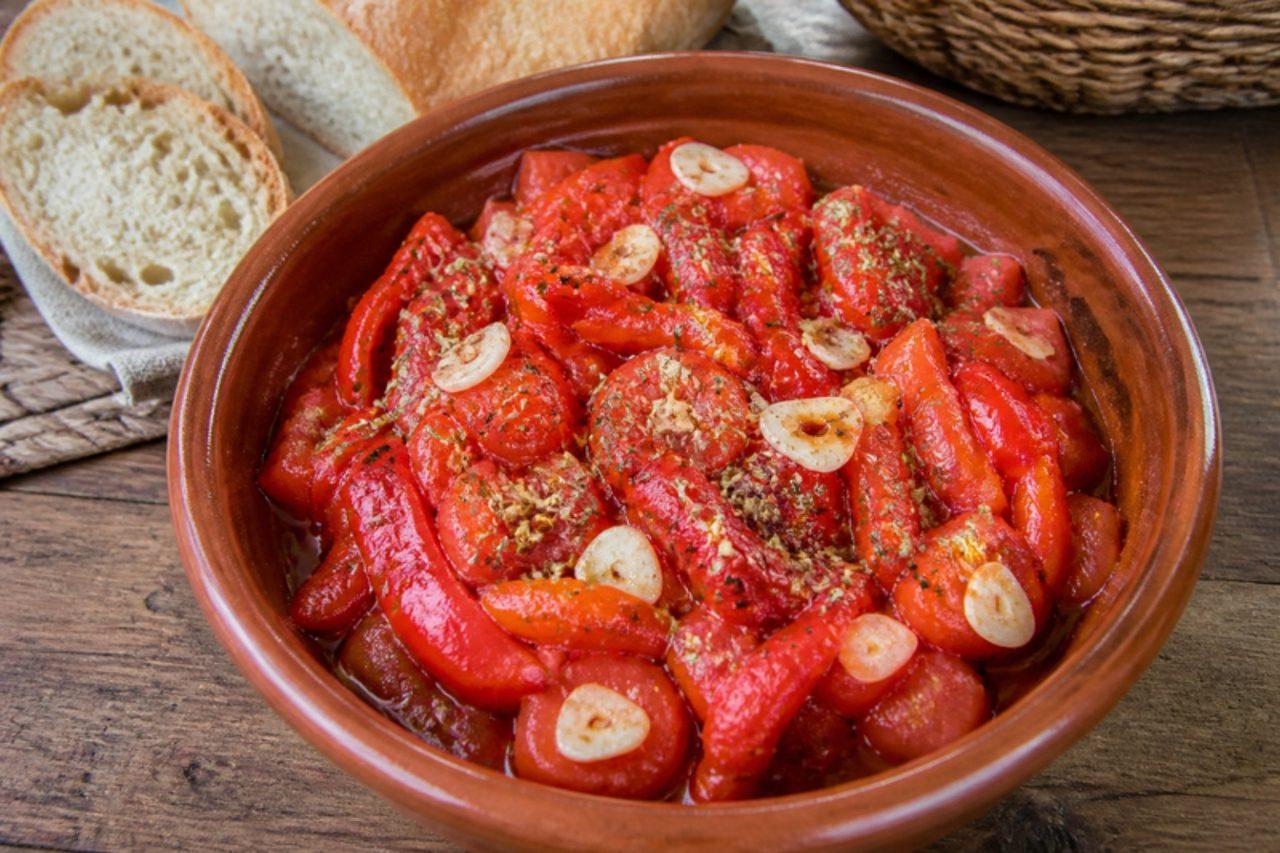
Late summer in La Mancha brings a glut of fleshy red peppers, and around Ciudad Real and Albacete they are roasted with tomatoes, then torn into strips and dressed with garlic, cumin and the local olive oil. Asadillo is served at room temperature as a starter, beside grilled meat or simply with bread at an evening meal on the patio, and it tastes even better the next day. Chef's tip: let the peppers sweat under a cloth after roasting; the skins then slip off in one piece.

by KrazyBadal 0 views

Canutillos de BergaraCustard-filled puff pastry horns

In Bergara, a market town in the Deba valley of Gipuzkoa, pastry shops have sold canutillos since the nineteenth century, and locals buy them by the tray for saints' days and family visits. Puff pastry is wound around metal cones, baked until crisp and caramelised, then piped full of custard scented with lemon and cinnamon. A common mistake is filling them too early: the pastry softens within a few hours, so fill them close to serving. Chef's tip: overlap the pastry strip by a third as you wind it, so the horns don't unravel in the oven.

by KrazyBadal 0 views

Rosquillas de San IsidroAniseed doughnut rings

Every 15 May, crowds head to the Pradera de San Isidro on Madrid's southern edge for the patron saint's festival, and stalls sell rosquillas by the dozen: plain "tontas" (silly ones) and iced "listas" (clever ones). Many families now bake them at home that week. Old recipes ice the listas with raw egg white; this one uses a lemon and icing-sugar glaze, which is safer and sets just as white. Chef's tip: oil your hands to shape the rings; the dough is soft and sticky by design.

by KrazyBadal 0 views

CajuínaClarified cashew apple juice

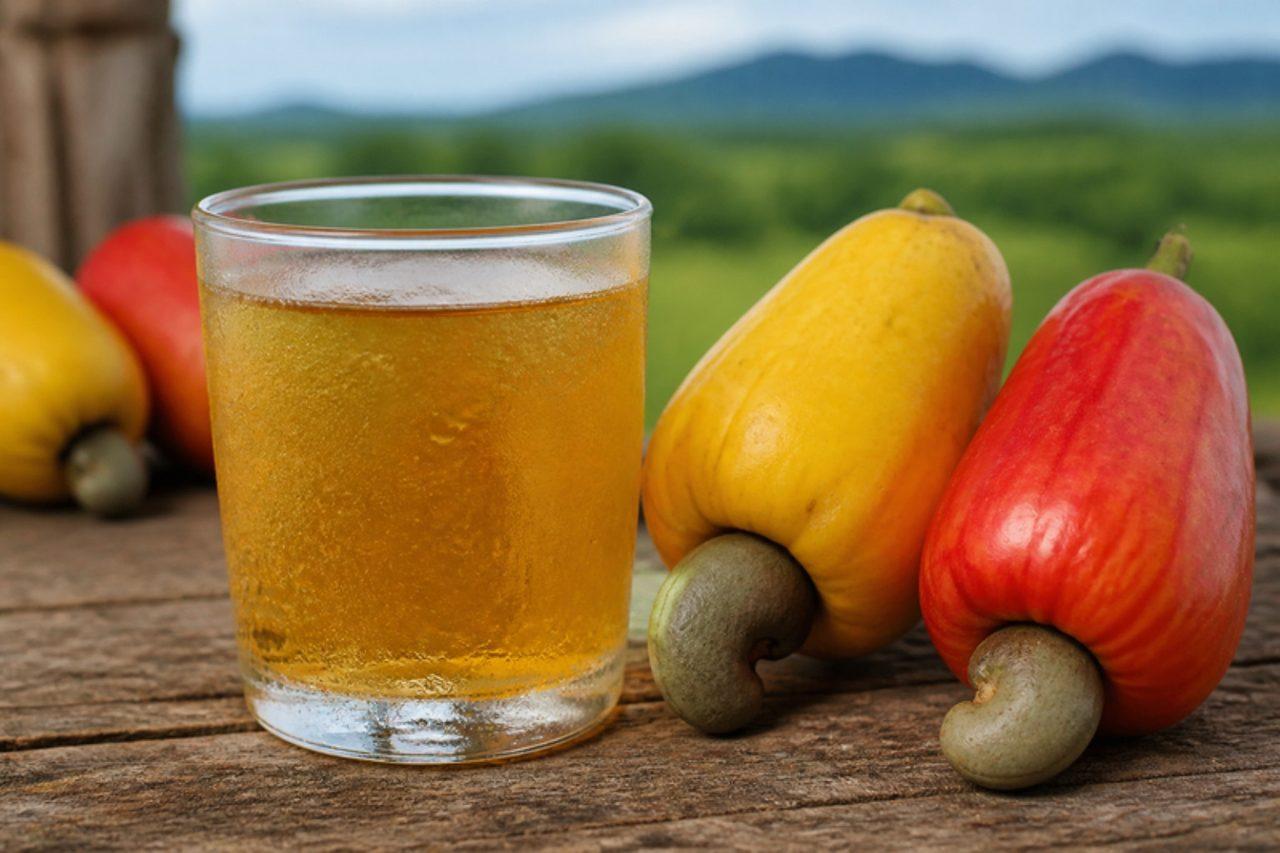
Teresina, the capital of Piauí, treats cajuína as a matter of local pride, and the drink's traditional craft is officially recognised as part of Brazilian cultural heritage. It is cashew-apple juice that has been clarified until crystal clear, bottled and cooked in a water bath until the natural fruit sugars caramelise and turn it amber-gold. No sugar is added. Served ice-cold, it tastes of baked apple and honey with a hint of cashew, smooth and non-alcoholic. Small producers clarify the juice with gelatin or cashew-tree resin; this vegan home version clears it by settling and filtering instead, which takes patience. Real cajuína is shelf-stable thanks to commercial sterilising; this home batch must be kept in the fridge and drunk within a week. Skipping the slow filtering is the usual error, and cloudy juice turns murky brown instead of gold. Chef's tip: let the juice settle in the fridge overnight before filtering and pour off the clear top, leaving the sediment behind.

by KrazyBadal 0 views

Wisconsin beer cheese soup

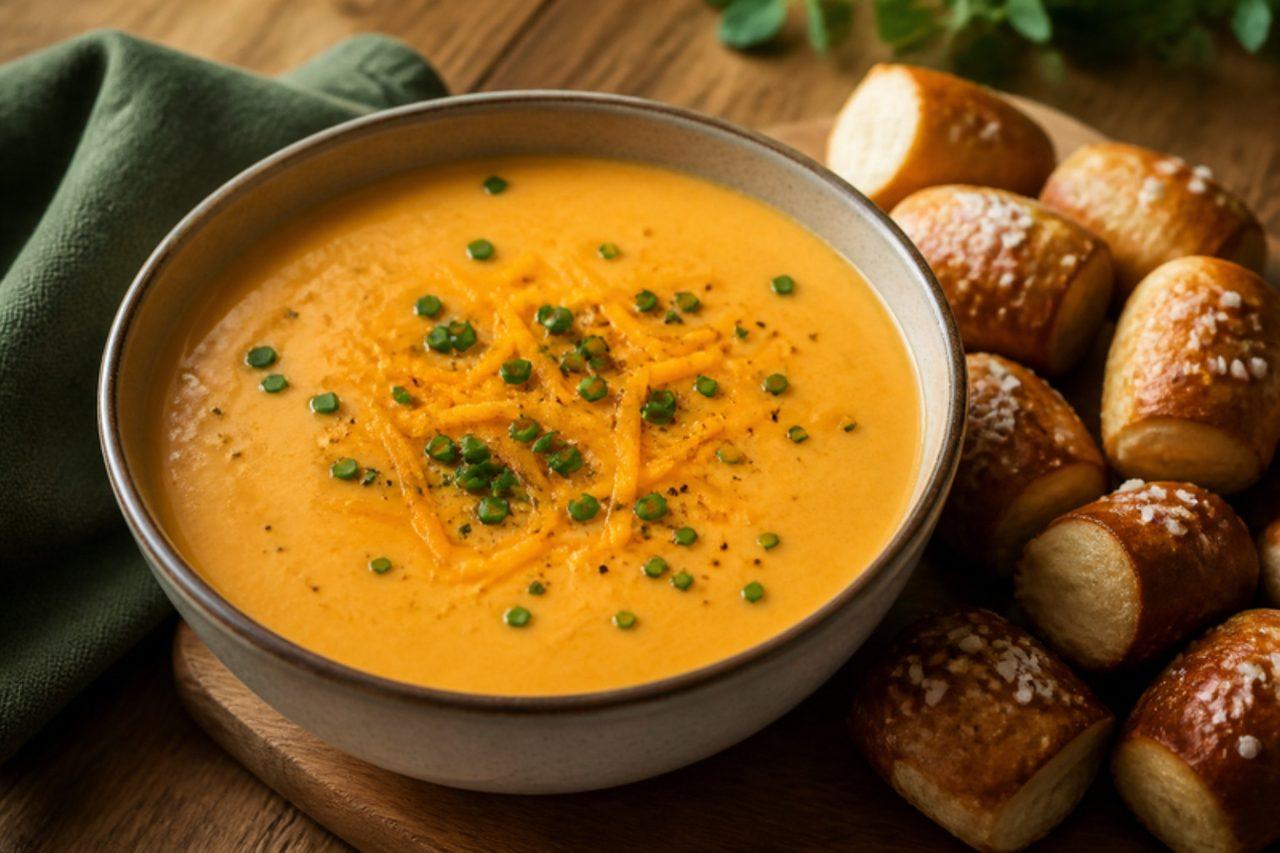
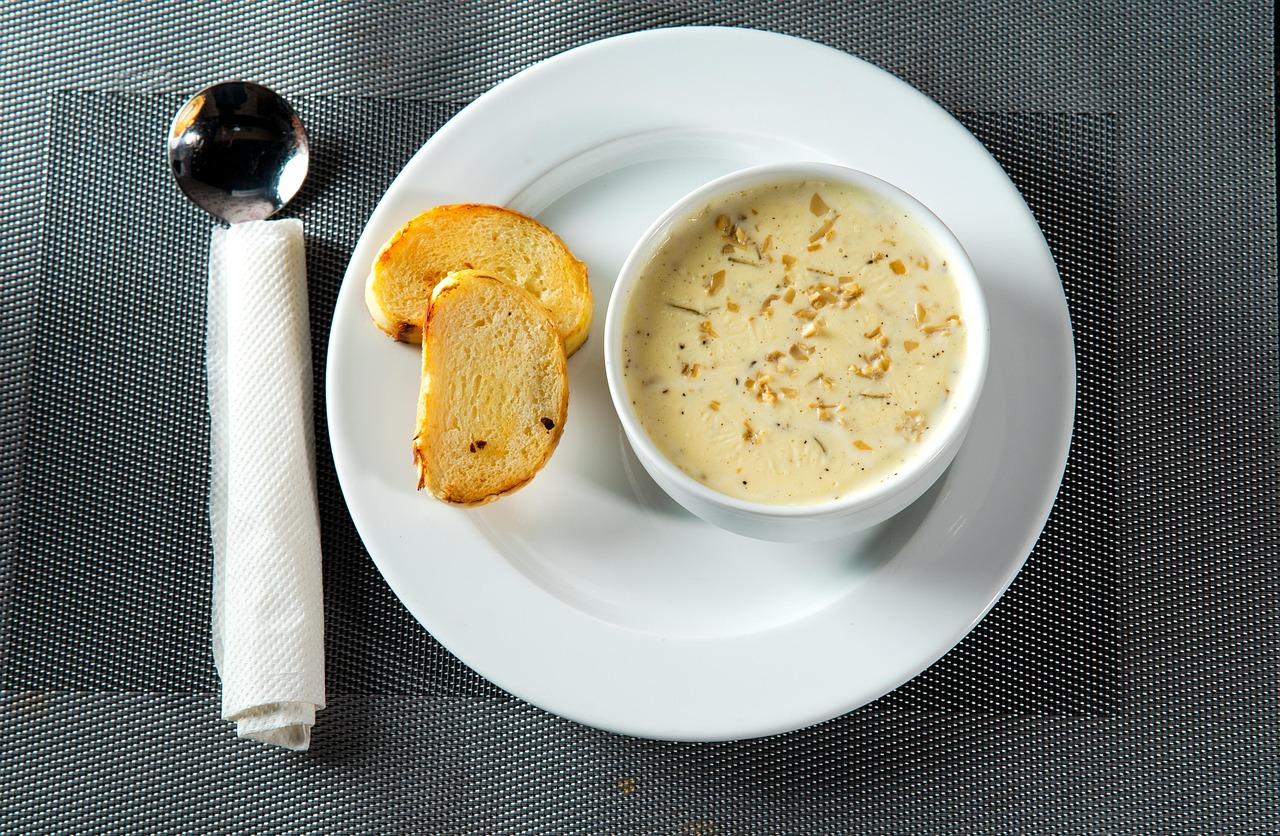
Beer cheese soup is a Wisconsin tavern and Packers game-day classic, made with the state's sharp cheddar and a local lager and served with soft pretzels or popcorn on top. It is thick, silky and tangy, with a little mustard and smoked paprika. It contains beer; most of the alcohol cooks off but not all, so for an alcohol-free version use alcohol-free lager or extra stock with 1 tsp cider vinegar. Aged cheddar is often made with animal rennet, so use a vegetarian cheddar. Chef's tip: add the cheese off the heat, a handful at a time, or it turns grainy.

by KrazyBadal 0 views

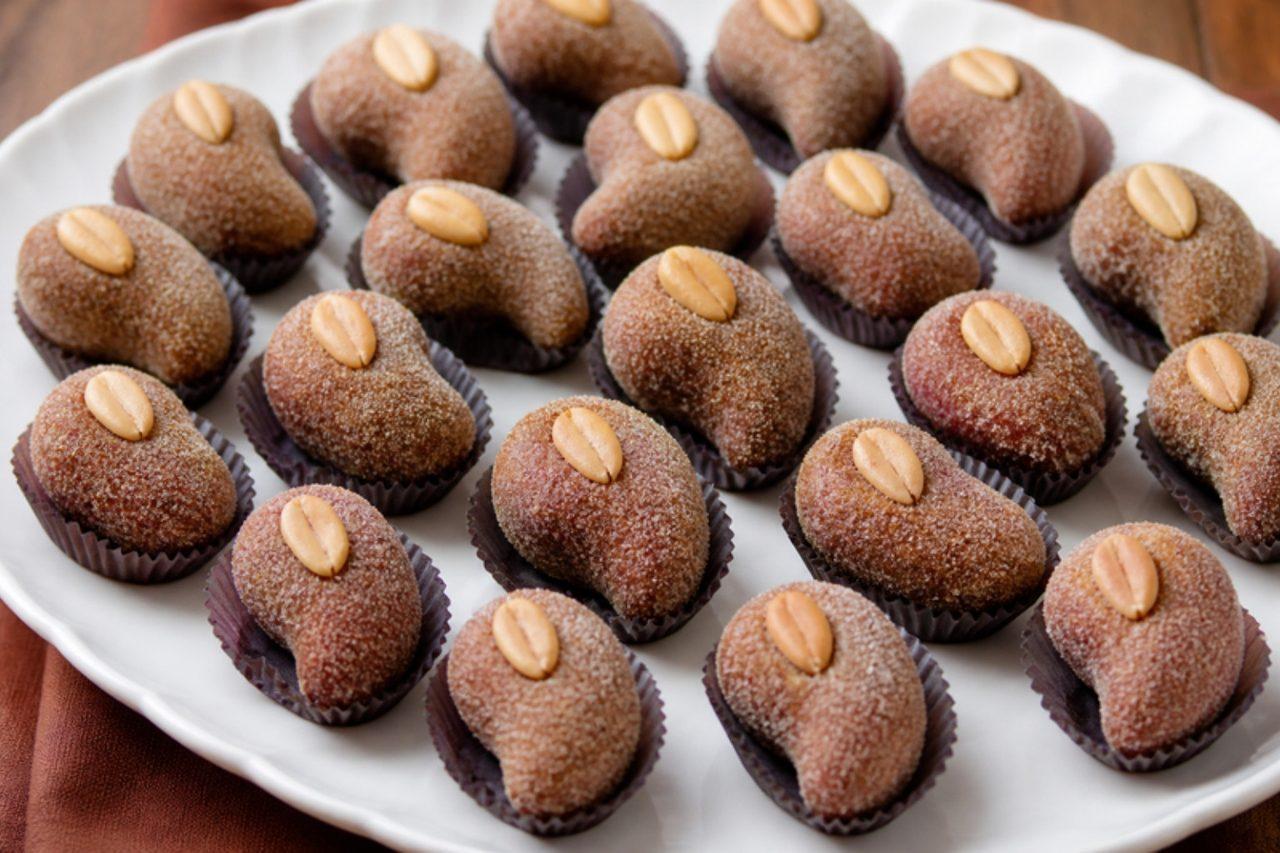
CajuzinhoPeanut and cocoa sweets

Next to brigadeiros on any children's birthday table in Brazil sit the cajuzinhos, small sweets moulded into the shape of a cashew fruit (caju) and crowned with a single peanut that stands in for the nut. The dough is condensed milk cooked with ground roasted peanuts and a little cocoa until it pulls into a fudge, then rolled in sugar. Each one is chewy, peanutty and gently chocolatey, a bite-size sweet that sits in its own paper case. They are a good make-ahead: shaped cajuzinhos keep for 3 days in a cool place. Undercooking the mixture is the usual problem: soft dough will not hold the cashew shape and slumps in the cases. Chef's tip: oil your hands lightly before shaping and roll each ball into a fat sausage first, then pinch one end narrower to get the cashew outline.

by KrazyBadal 0 views

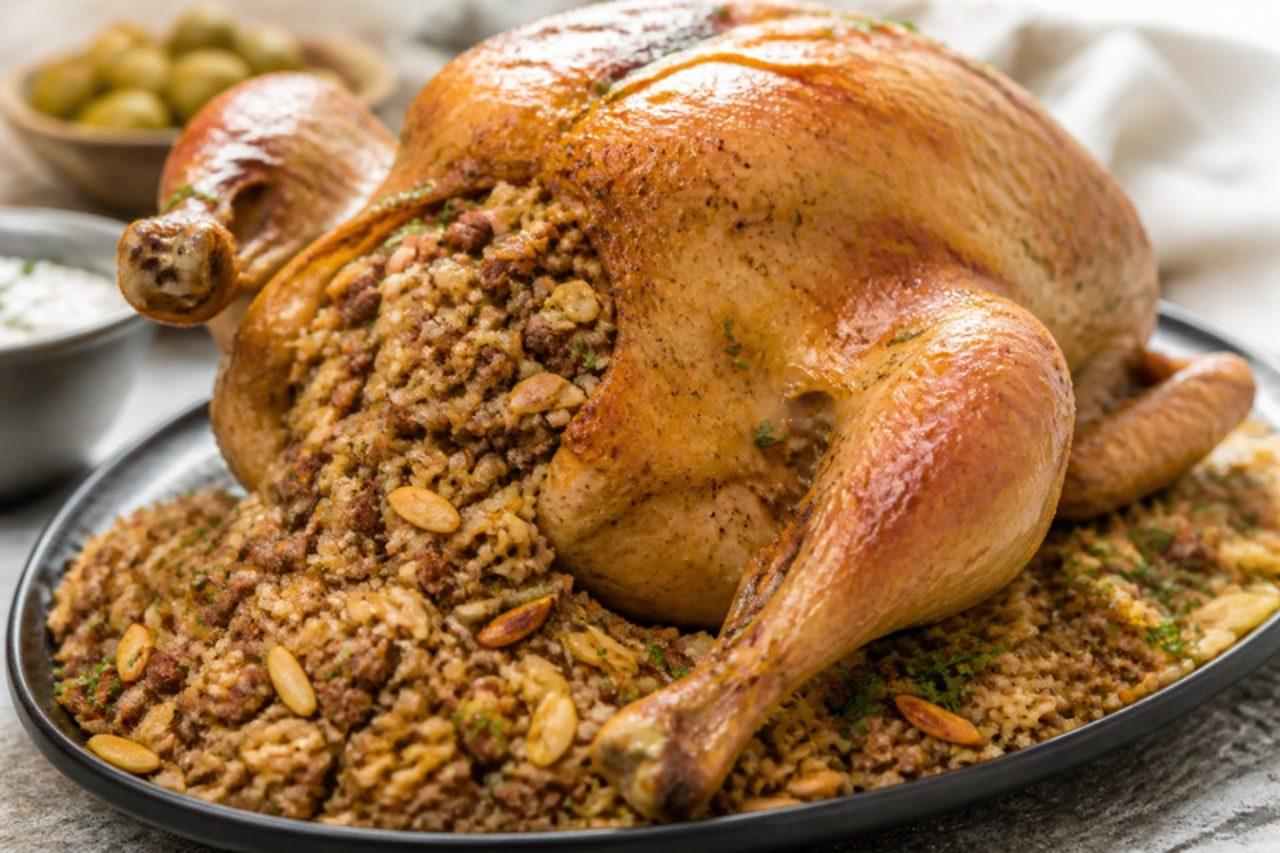
Djaj mahshiRoast chicken stuffed with spiced rice

For Eid, Christmas or a wedding lunch in Palestine, a whole chicken stuffed with spiced rice is the centrepiece: the rice cooked with a little minced lamb, seven-spice and cardamom, packed into the bird and roasted until the skin is lacquered brown, then piled on a platter under handfuls of fried almonds and pine nuts. Serve with yoghurt and a chopped salad. Common mistake: packing the cavity tightly with raw rice, which leaves the centre undercooked; part-cook the rice first and stuff loosely. Chef's tip: simmer the chicken briefly in spiced water before roasting, as many Palestinian cooks do; it seasons the meat and keeps it moist.

by KrazyBadal 0 views

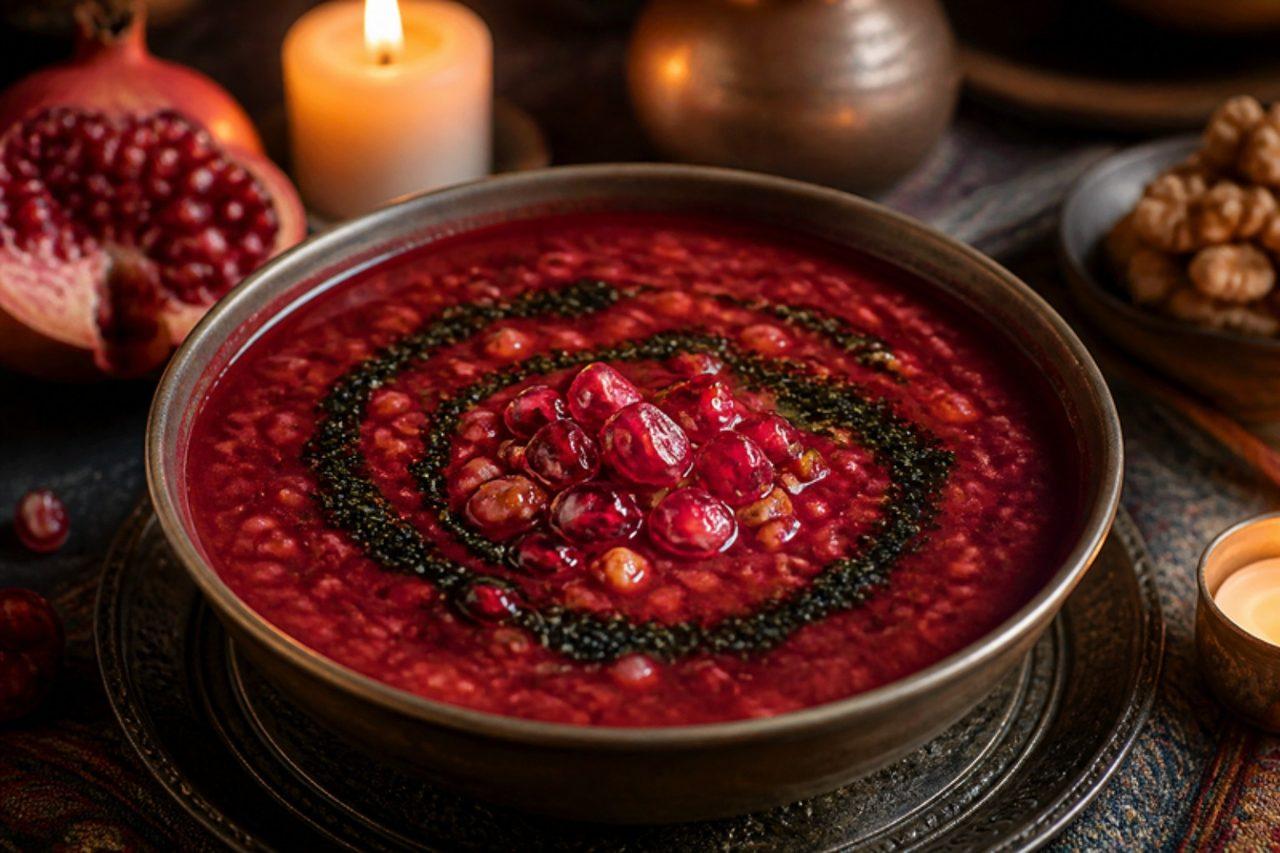
Ash-e anarPomegranate soup with herbs and rice

Ash-e anar is a soup for Yalda, the long December night when families across Tehran, Tabriz and Mashhad stay up late with pomegranates, watermelon and poetry. Fresh pomegranate juice and molasses give the broth a sour-sweet ruby colour, thick with split peas, rice and a mass of parsley, coriander, mint and spring onion. Many families drop in small meatballs; this version leaves them out and finishes with a sizzling garnish of dried mint in oil (nana dagh) for depth. The common mistake is adding the pomegranate too early, which dulls the colour to brown; it goes in for the last half hour. Chef's tip: taste and balance at the end with sugar or more molasses; the soup should make your mouth water, sour first and sweet after.

100 minPersianSoupsVeganGluten free
by KrazyBadal 0 views

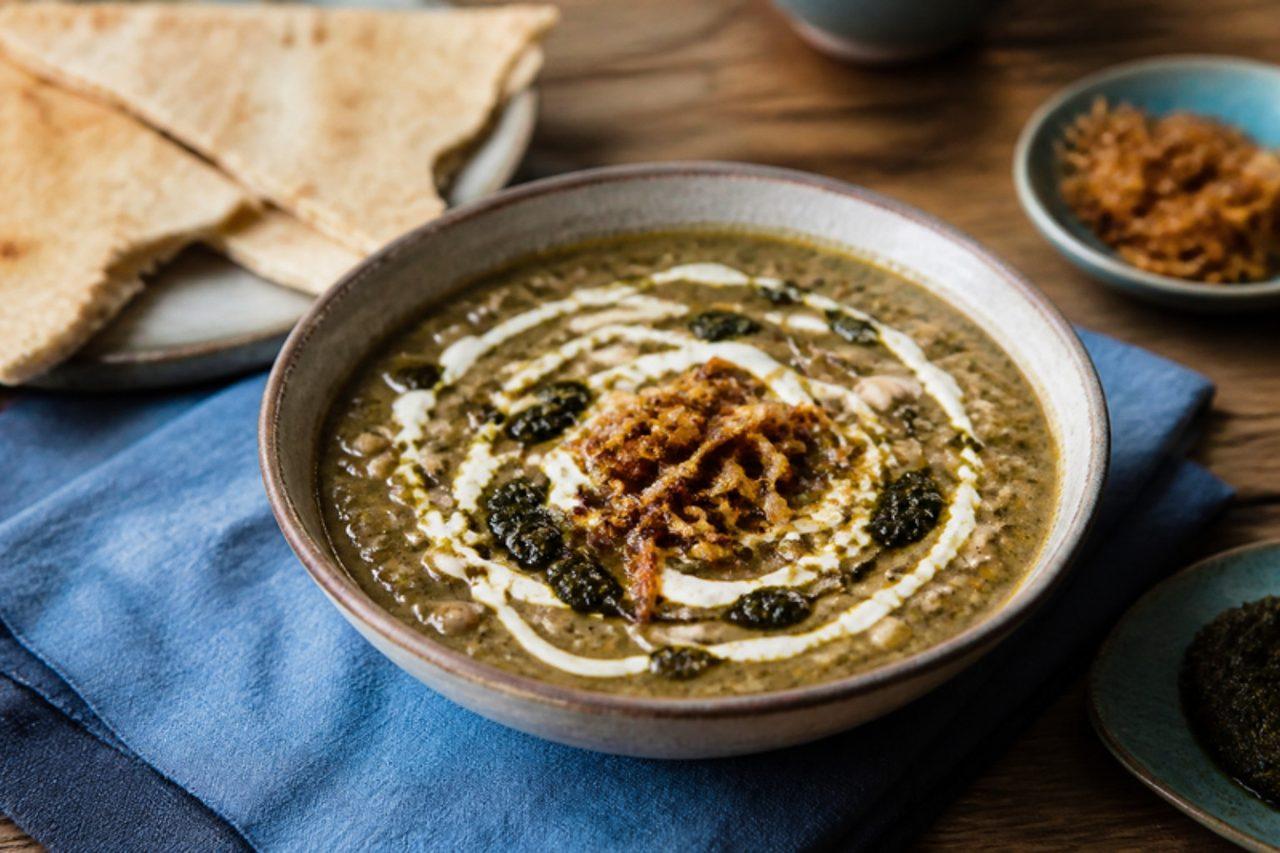
Ash-e kashkWheat, bean and herb soup

Ash-e kashk is the winter ash of Khorasan and the central plateau, simmered in big pots in Mashhad and Neyshabur homes and served from the pot for long Friday lunches. Cracked wheat, chickpeas, beans and lentils cook down with a mountain of herbs until creamy and thick, then each bowl gets a swirl of kashk, crisp fried onion and sizzling mint oil. Kashk is fermented dried whey, made without rennet, so it is vegetarian. A common mistake is adding the herbs too early, which turns them grey and muddy; stir them in for the last 30 minutes only. Chef's tip: stir the kashk in a little hot broth before swirling, so it blends smoothly rather than splitting.

125 minPersianSoups
by KrazyBadal 0 views

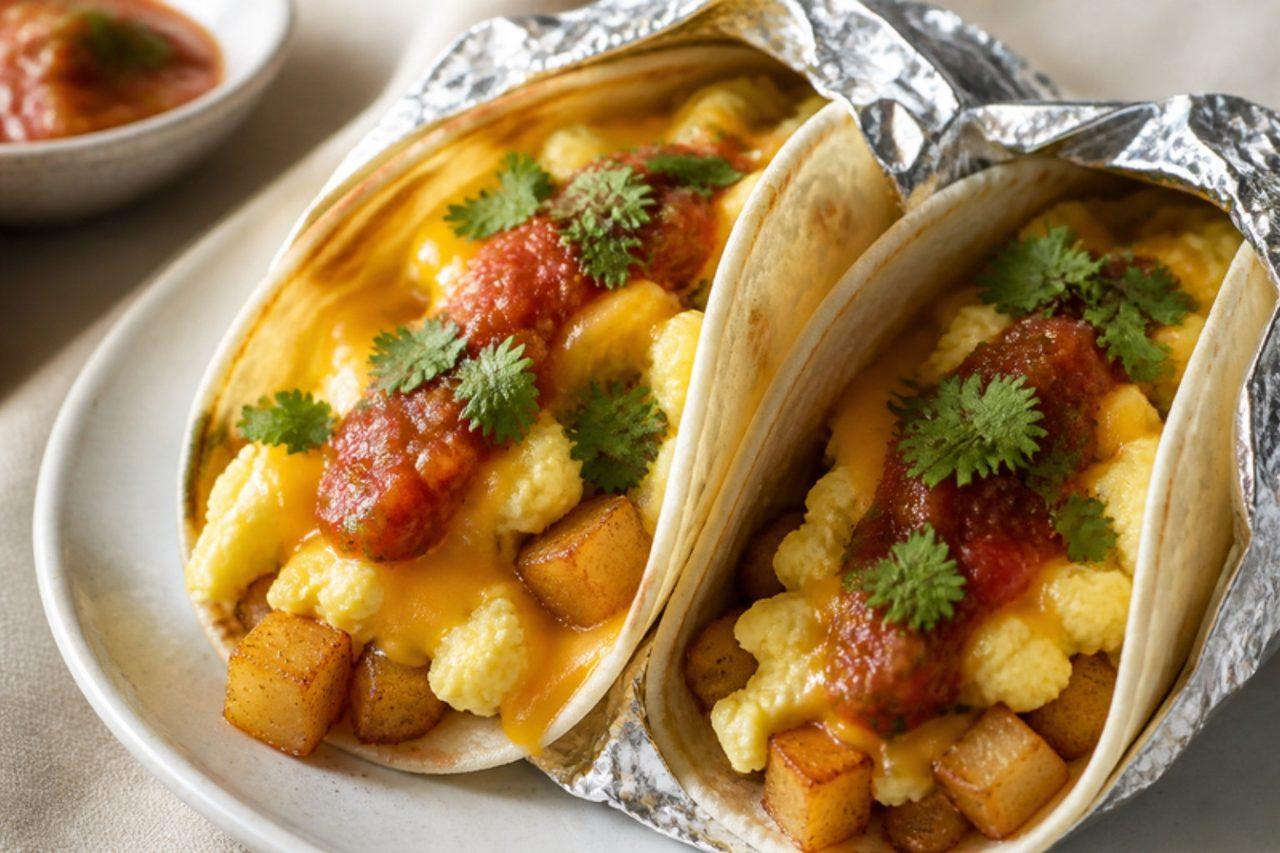
Texas potato and egg breakfast tacos

In Austin and San Antonio the breakfast taco is the morning commute: soft flour tortillas wrapped around fillings like crispy potato, scrambled egg and cheese, bought in foil from taquerías and petrol stations and eaten with salsa. Potato and egg is the classic meatless pairing. Chef's tip: fry the diced potatoes in one layer without stirring for the first few minutes so they get a real crust.

by KrazyBadal 0 views

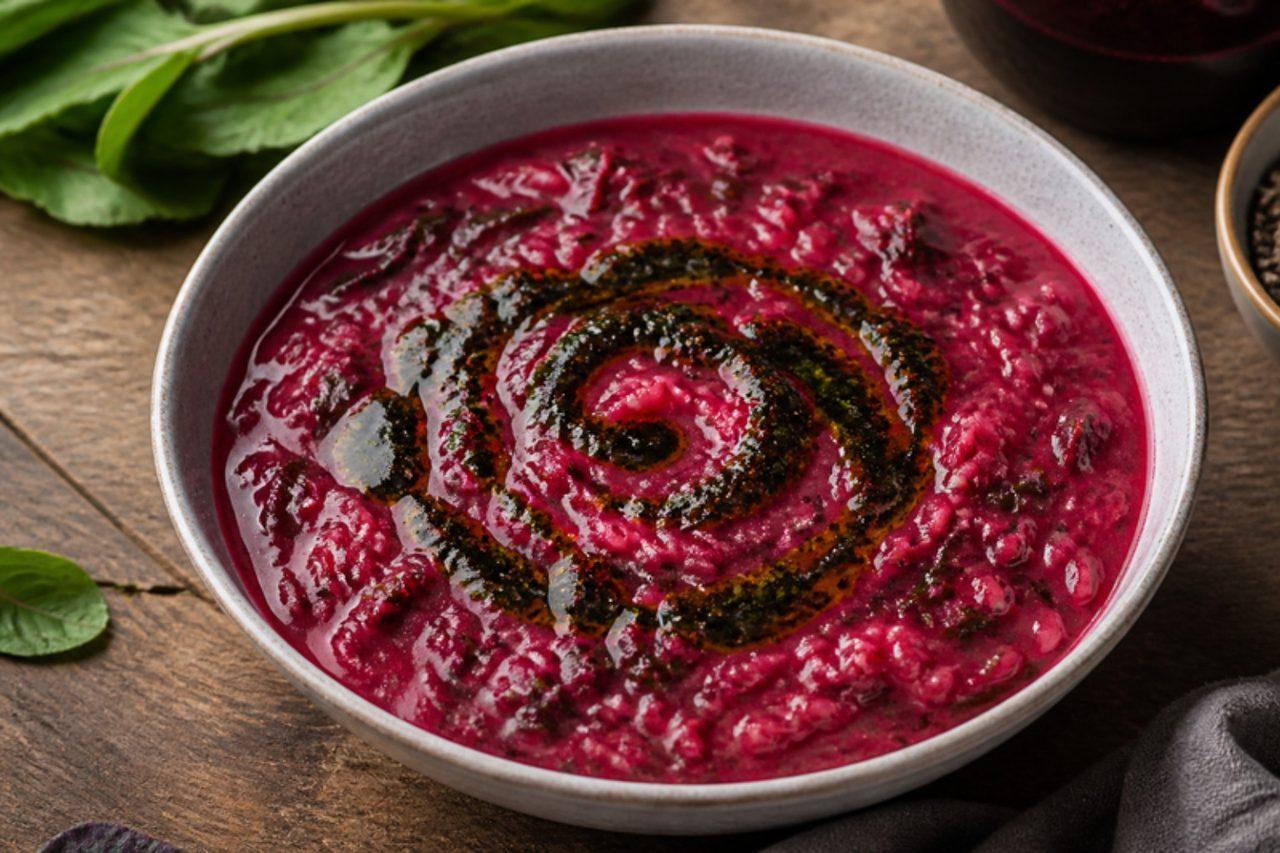
Ash-e shooliBeetroot, spinach and herb soup

In the desert city of Yazd, ash-e shooli is what grandmothers cook on the first cold nights of autumn and through winter, and what they bring to anyone with a cold. It is a thick, deep-red soup of beetroot, spinach and green herbs, thickened with a little flour and balanced between vinegar and a touch of sugar or date syrup, finished with fried mint. Nothing else in Iran tastes quite like it. A common mistake is adding the vinegar early, which keeps the beetroot hard; put it in once everything is tender. Chef's tip: taste and adjust at the very end, adding sour and sweet a spoon at a time until neither one wins.

by KrazyBadal 0 views

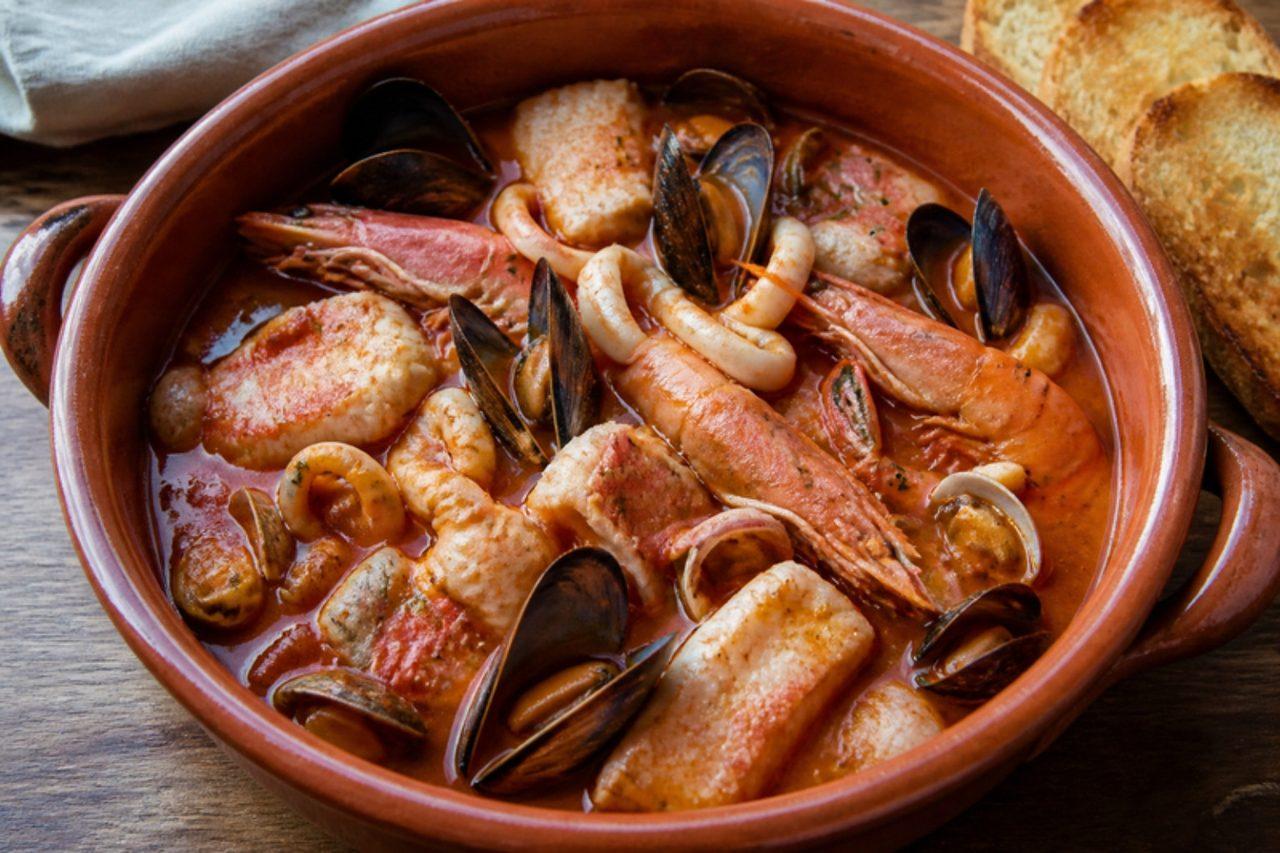
Brodetto all'anconetanaTomato fish stew

Fishermen in Ancona made brodetto from the unsold catch, and the city's harbour restaurants still serve it as a festive dish, traditionally with many kinds of fish: scorpionfish, gurnard, monkfish, cuttlefish, mussels and clams among them. Unlike the saffron brodetto further south at Porto Recanati, this one is red, built on tomato, garlic and a sharp splash of vinegar, and every piece of fish keeps its shape in a thick, peppery sauce. It comes to the table in the pot and is spooned over slices of toasted bread rubbed with garlic. Use whatever firm white fish your fishmonger has; the more variety, the better. Chef's tip: layer the fish by cooking time, firm and bony pieces at the bottom, delicate fillets on top, and shake the pot rather than stirring.

by KrazyBadal 0 views

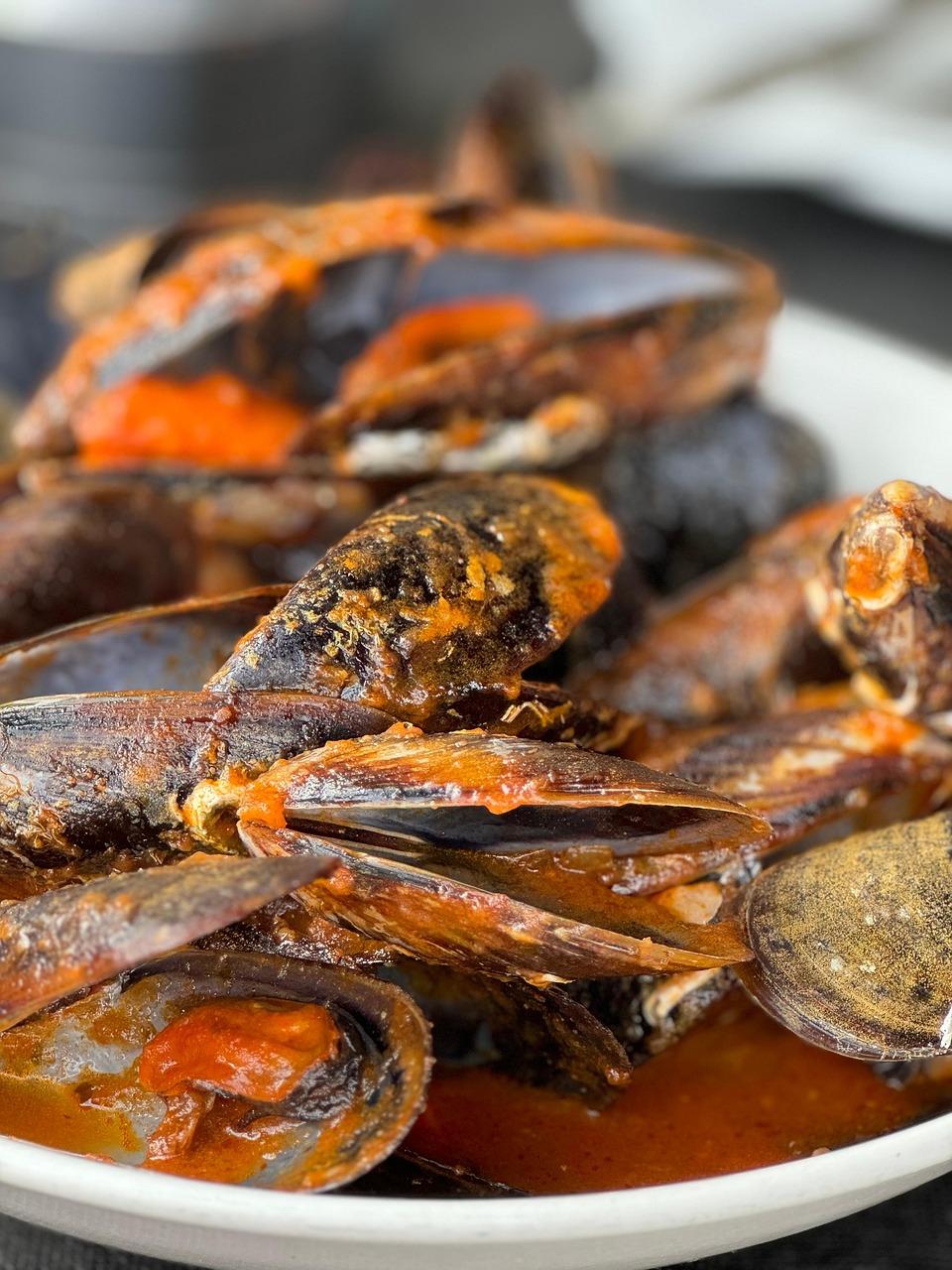
Midia saganakiMussels with tomato and feta

Thessaloniki is Greece's mussel capital, with farms in the Thermaic Gulf a few kilometres from the seafront ouzeries where this two-handled pan arrives, still bubbling, at the table. Mussels steam open in a quick sauce of peppers, tomato and chilli, and crumbled feta melts into the juices at the end. Bread is essential. The classic version adds a splash of ouzo; this one is alcohol-free, using a pinch of fennel seed for that aniseed note (add 2 tbsp ouzo with the tomatoes if you like). Common mistake: overcooking — take the pan off the heat as soon as the shells open. Chef's tip: buy mussels on the day and keep them in the fridge in a bowl covered with a damp cloth, never in water.

30 minGreekFishGluten freeSpicy
by KrazyBadal 1 views

Gachas dulcesSweet aniseed flour porridge

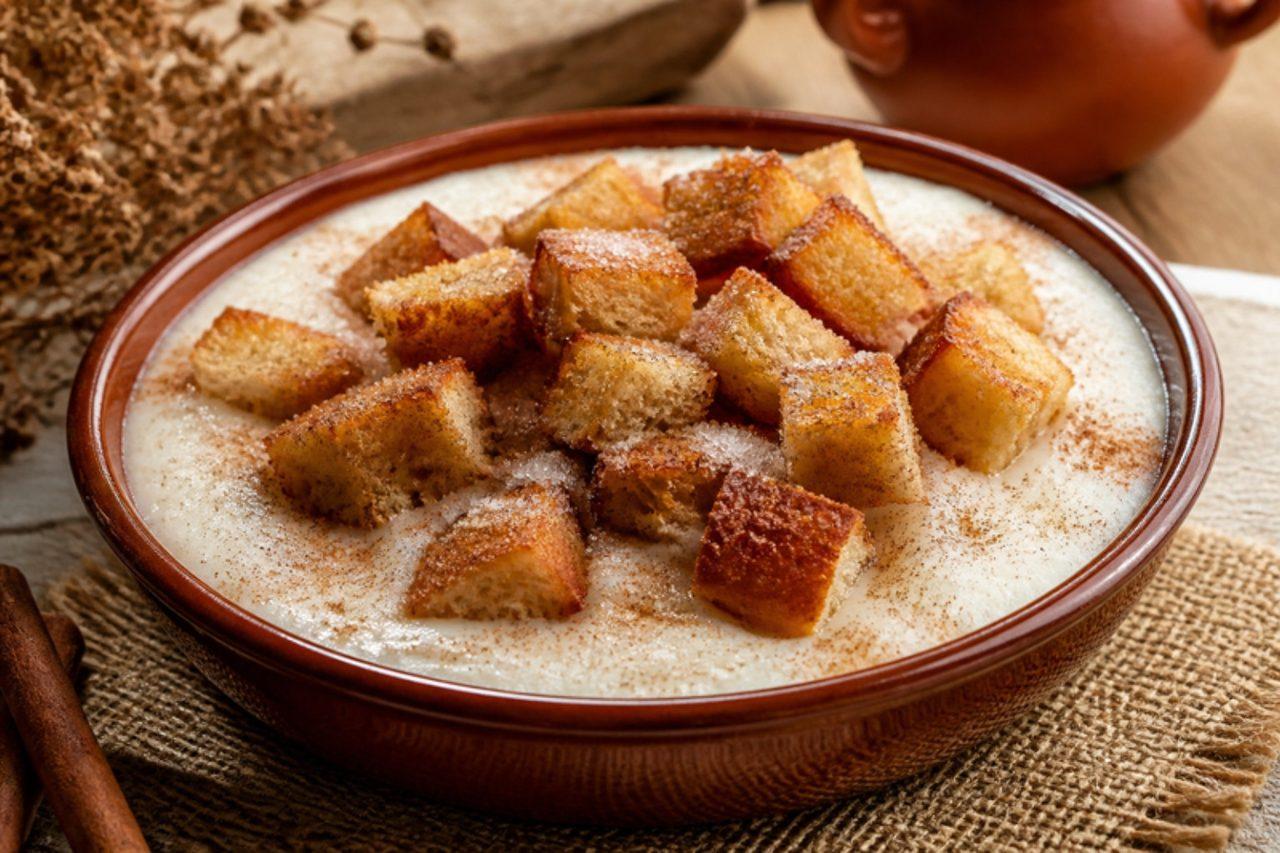
On the night of 31 October and on All Saints' Day, families across La Mancha make sweet gachas: flour toasted in olive oil with aniseed, loosened with milk and sugar into a soft cream, and topped with crisp cubes of fried bread. Each person dips a spoon into the communal dish while the season's first cold nights settle in. Chef's tip: toast the flour in the oil until it smells nutty before adding any milk; raw flour tastes pasty.

by KrazyBadal 0 views

New England corn chowder

When the sweetcorn stands in late summer at farm stands from Maine to Connecticut, corn chowder is what goes on the stove. It is a milky, chunky soup of corn, potato and onion, thickened by simmering the stripped cobs in the stock. Many cooks start it with salt pork; this vegetarian version gets its depth from butter, smoked paprika and the cob stock instead. Chef's tip: scrape the bare cobs with the back of a knife to get the sweet corn 'milk' into the pot.

by KrazyBadal 0 views

Coca de llandaLemon and olive oil sponge

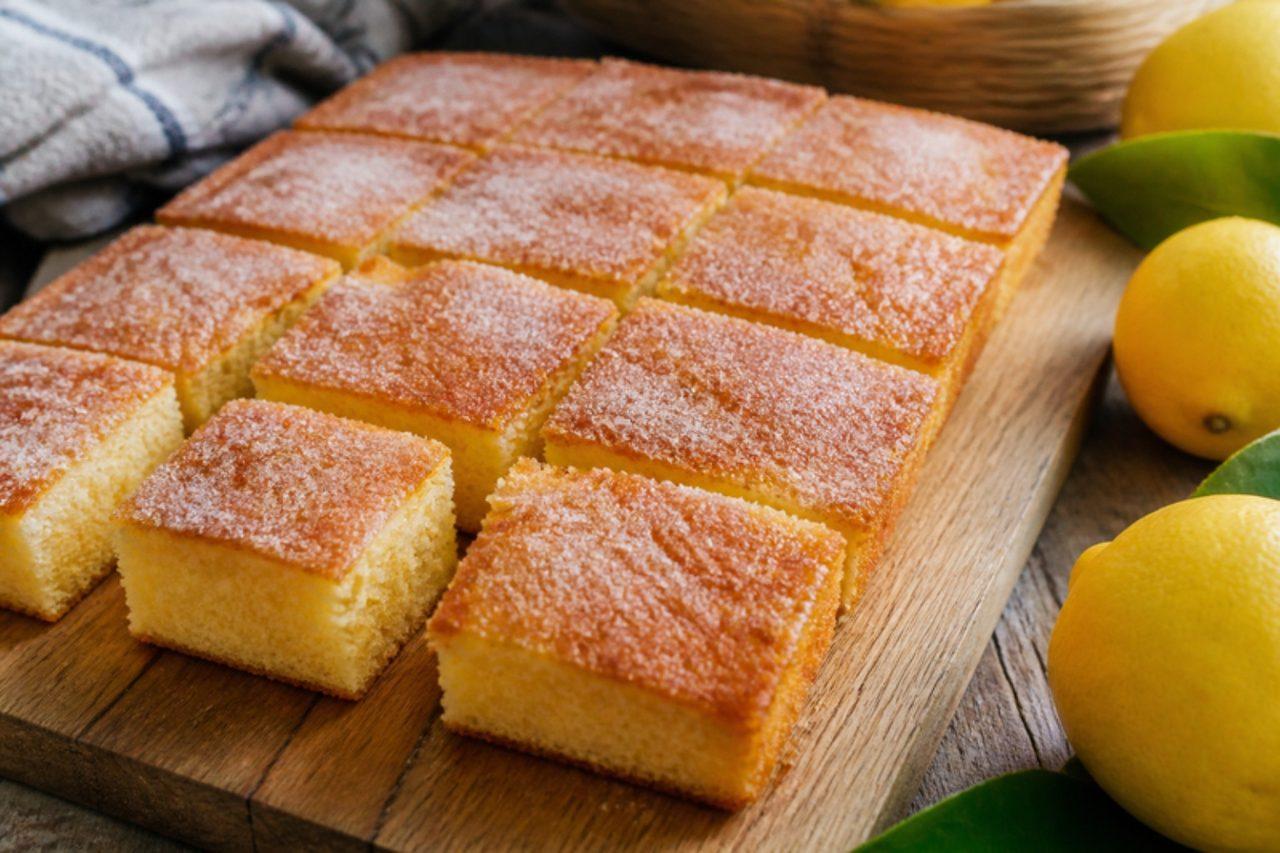
Every Valencian grandmother has a coca de llanda, a plain, fluffy sponge named after the shallow metal tray (llanda) it is baked in, and it turns up at breakfast, at afternoon merienda and in lunchboxes all over the Comunitat Valenciana. Sunflower oil and milk keep it moist for days, lemon zest perfumes it, and a sprinkle of cinnamon sugar on top bakes into a crackly crust. A common mistake is opening the oven in the first 25 minutes, which makes the middle sink. Chef's tip: let the batter rest for 10 minutes in the tin before it goes into the oven; the cinnamon sugar then sits on the surface instead of sinking in.

by KrazyBadal 0 views

Broas de melSpiced molasses biscuits

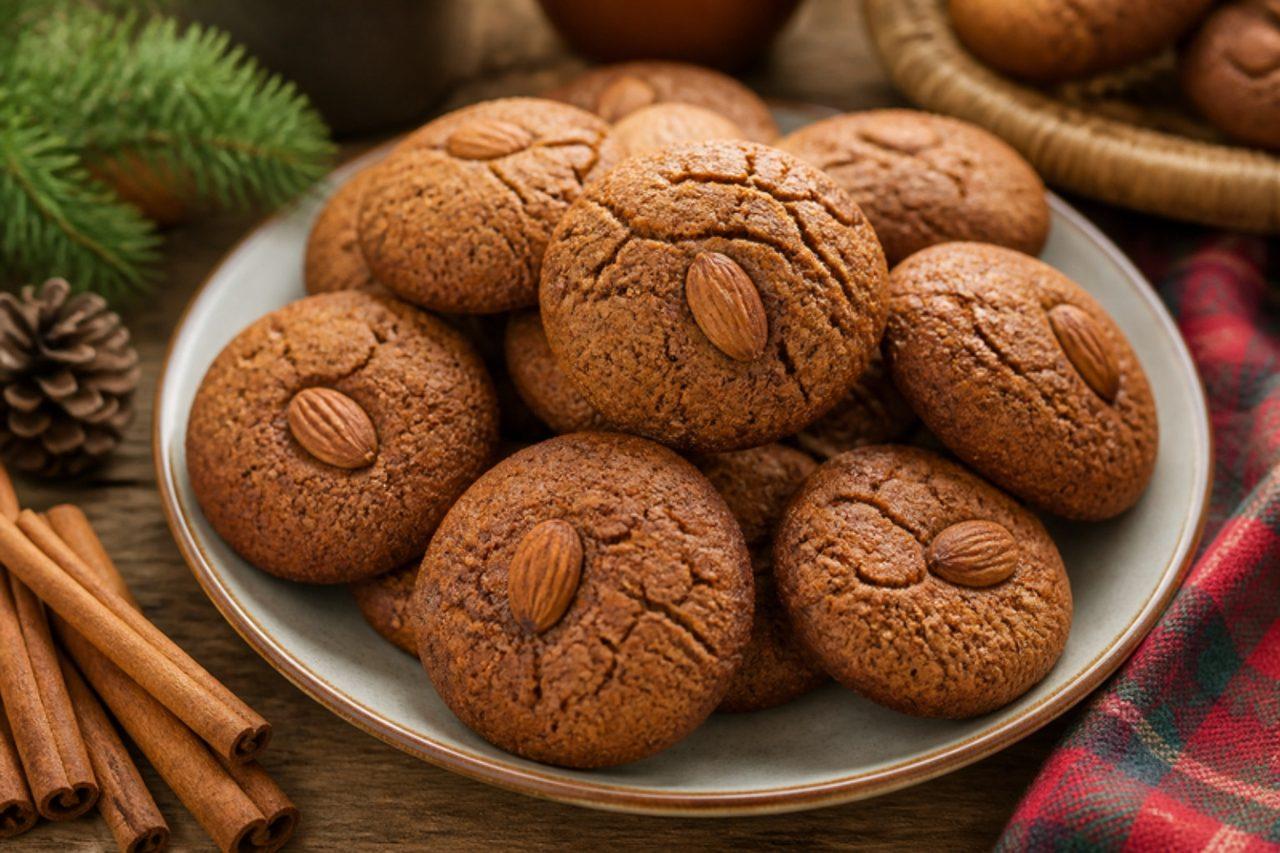
Alongside bolo de mel, every Madeiran Christmas table has a tin of broas de mel: small, round, dark biscuits made with the same sugarcane molasses and spices, crisp at the edge and slightly chewy inside. Children are given them when they go door to door on the Missas do Parto mornings before Christmas, and they are good dunked in coffee or tea. Chef's tip: chill the dough for half an hour before shaping; molasses dough is sticky when warm.

by KrazyBadal 0 views

Bolinho de aipimCheese-stuffed cassava balls

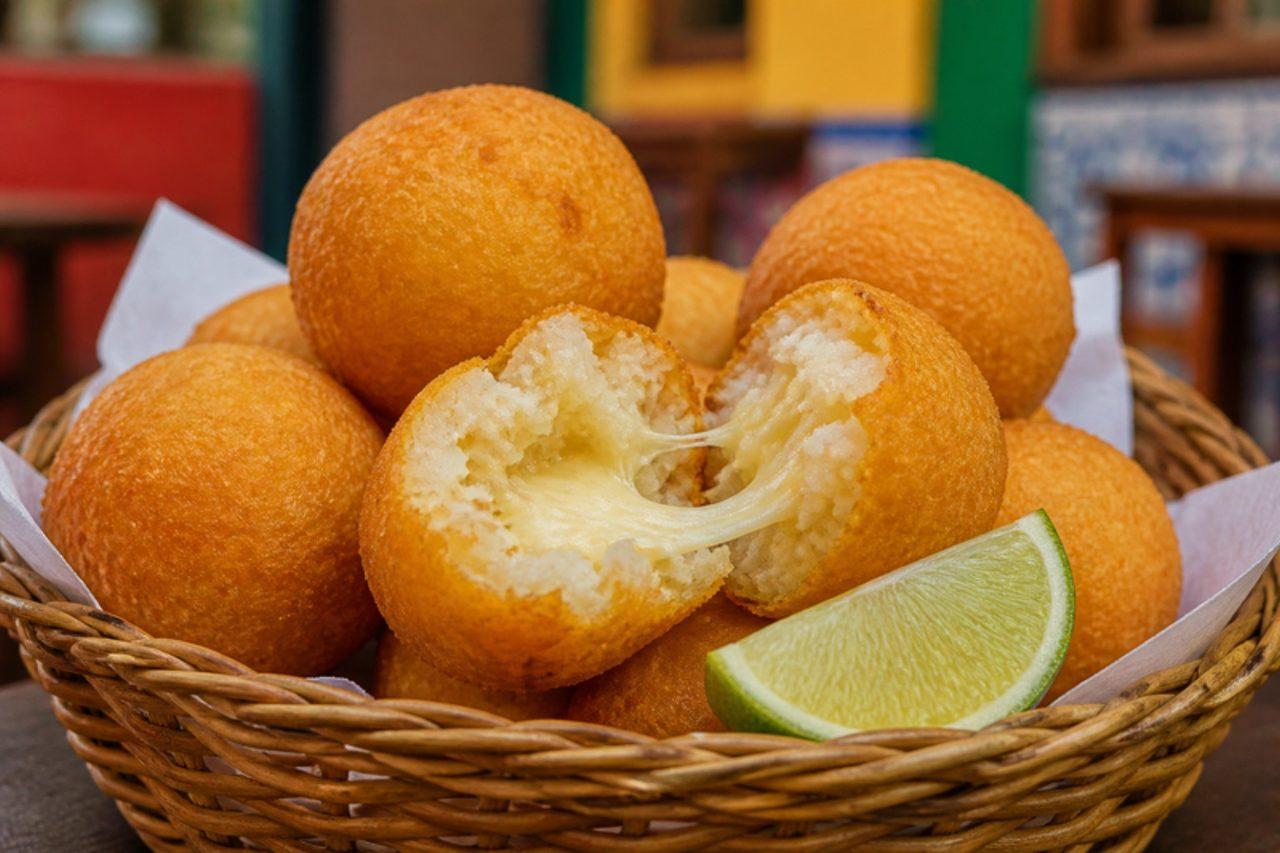
Order a round of chope in a Rio boteco and a plate of these usually follows: golf-ball-sized fritters of mashed aipim (cassava) with a molten cheese centre, crisp and craggy outside, soft and stretchy within. Places like the bars of Tijuca and Botafogo fill them with everything from dried beef to shrimp, but cheese is the classic veggie order. The cassava dough needs no egg or flour to bind it, so they are naturally gluten free. Use a mozzarella or Minas cheese made with microbial rennet to keep them vegetarian. They go wrong when the cassava is mashed while wet: the balls soften and split in the oil. Drain it very well and let the steam escape. Chef's tip: chill the shaped balls for 30 minutes before frying, so the cheese stays inside and the crust sets before the centre melts.

by KrazyBadal 0 views

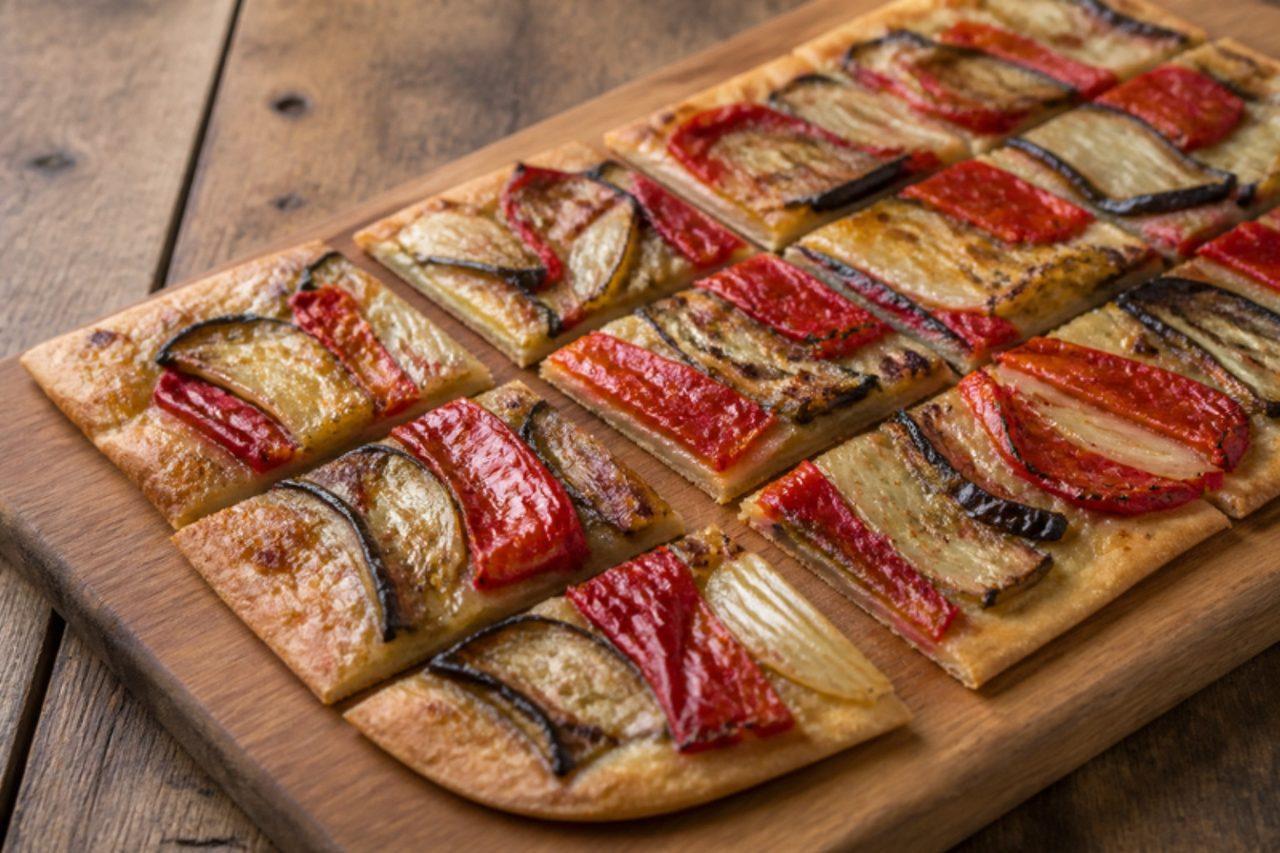
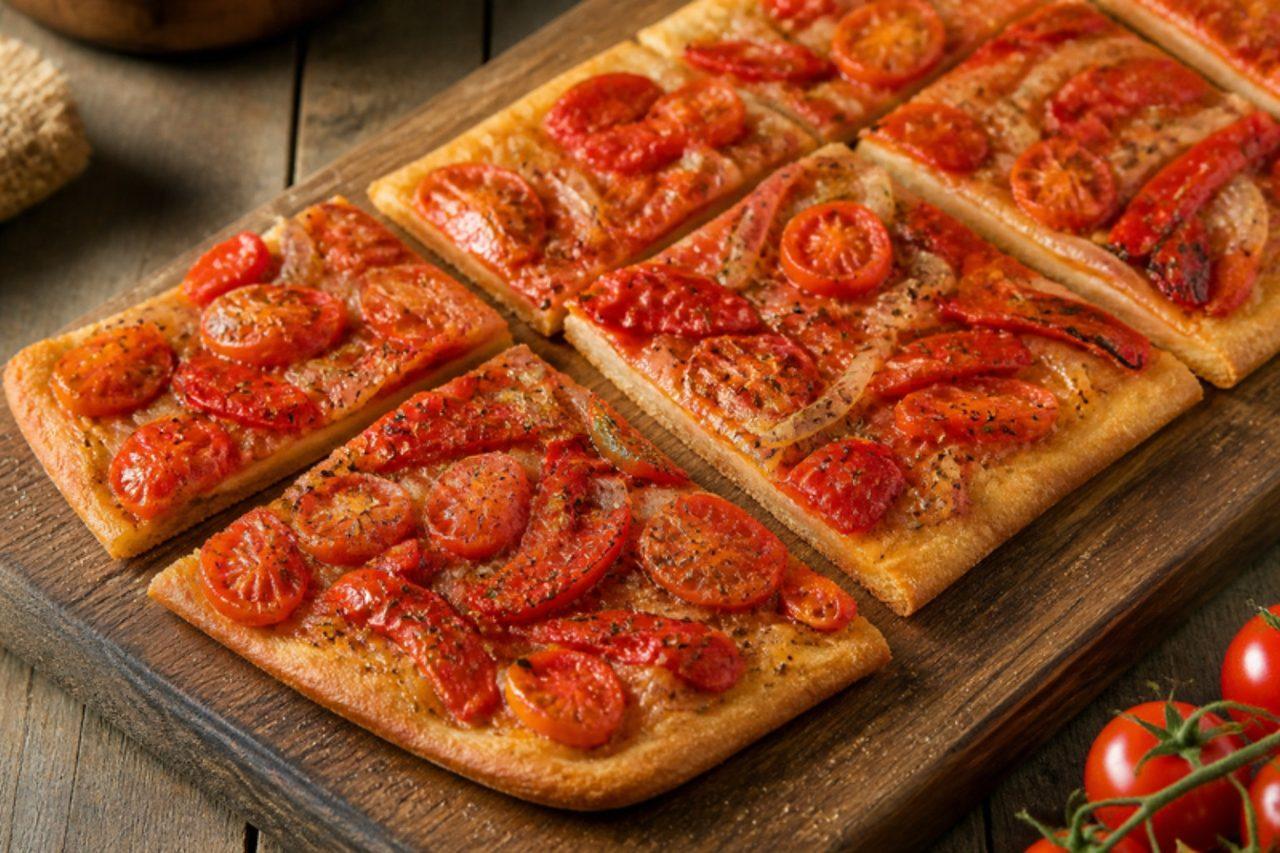
Coca de recapteFlatbread with roasted vegetables

In Lleida and the farmland of inland Catalonia, the coca de recapte was once baked in the village oven on bread day, topped with whatever was in the larder; recapte means provisions. Today bakeries sell long trays of it, and families take slices on Sunday outings. The topping is essentially escalivada: aubergine, red pepper and onion, roasted then laid raw-side-up on the dough. Bakeries often add salted sardines or anchovies; this version is vegetarian. Chef's tip: roast the vegetables only until soft, not falling apart; they cook a second time on the coca.

by KrazyBadal 0 views

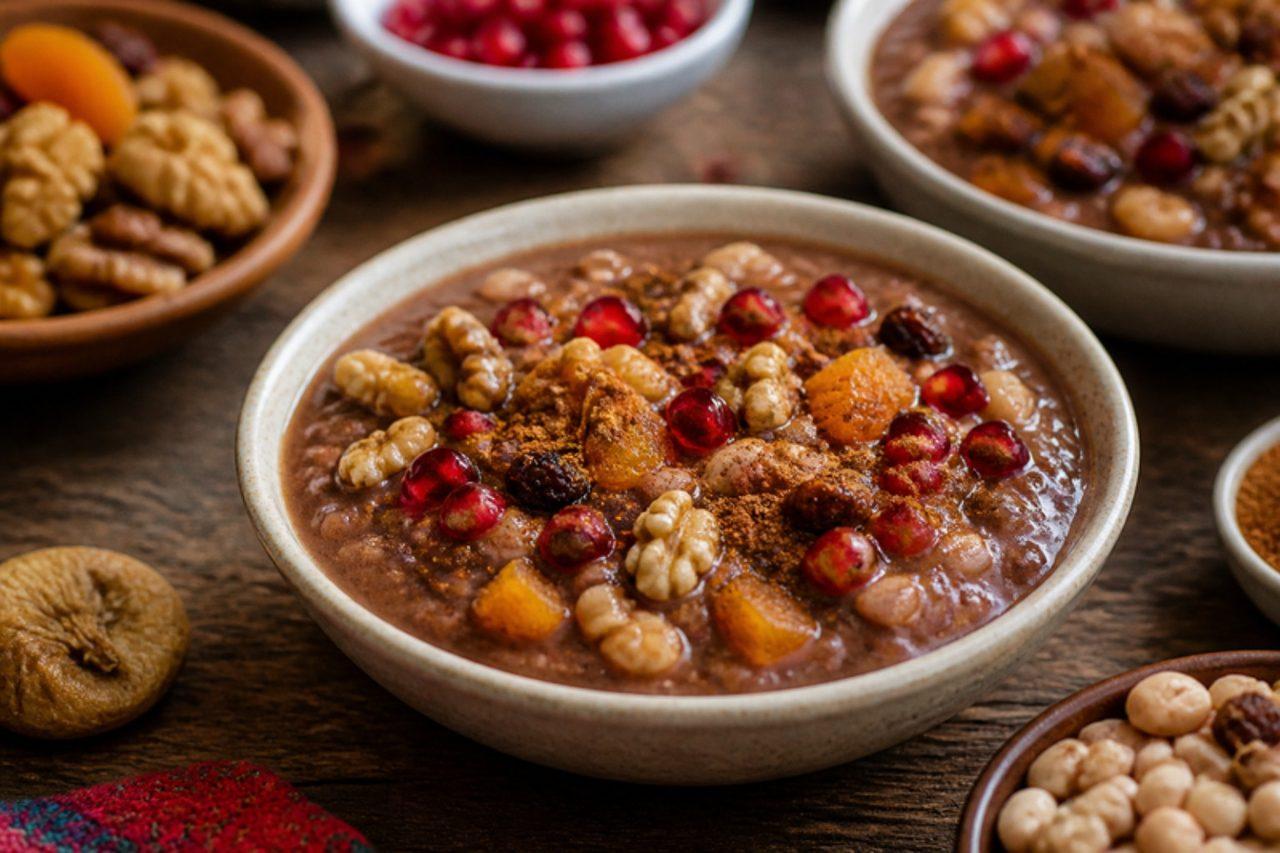
AşureWheat, bean and dried fruit pudding

In the month of Muharram, kitchens all over Anatolia, especially in conservative Konya and Sivas, boil great pots of aşure and send bowls to every neighbour, regardless of faith, so the sweet is as much about sharing as eating. Legend says it was cooked on Noah's ark from the last of the stores, which is why it combines whole wheat, chickpeas, white beans, dried apricots, figs and raisins in a thick, gently sweet pudding. It's topped with walnuts, pomegranate and cinnamon. Common mistake: adding sugar before the wheat is fully tender; sugar firms the grains and they never soften. Chef's tip: soak the wheat and pulses overnight and cook the wheat in its soaking water for the creamiest result.

by KrazyBadal 0 views

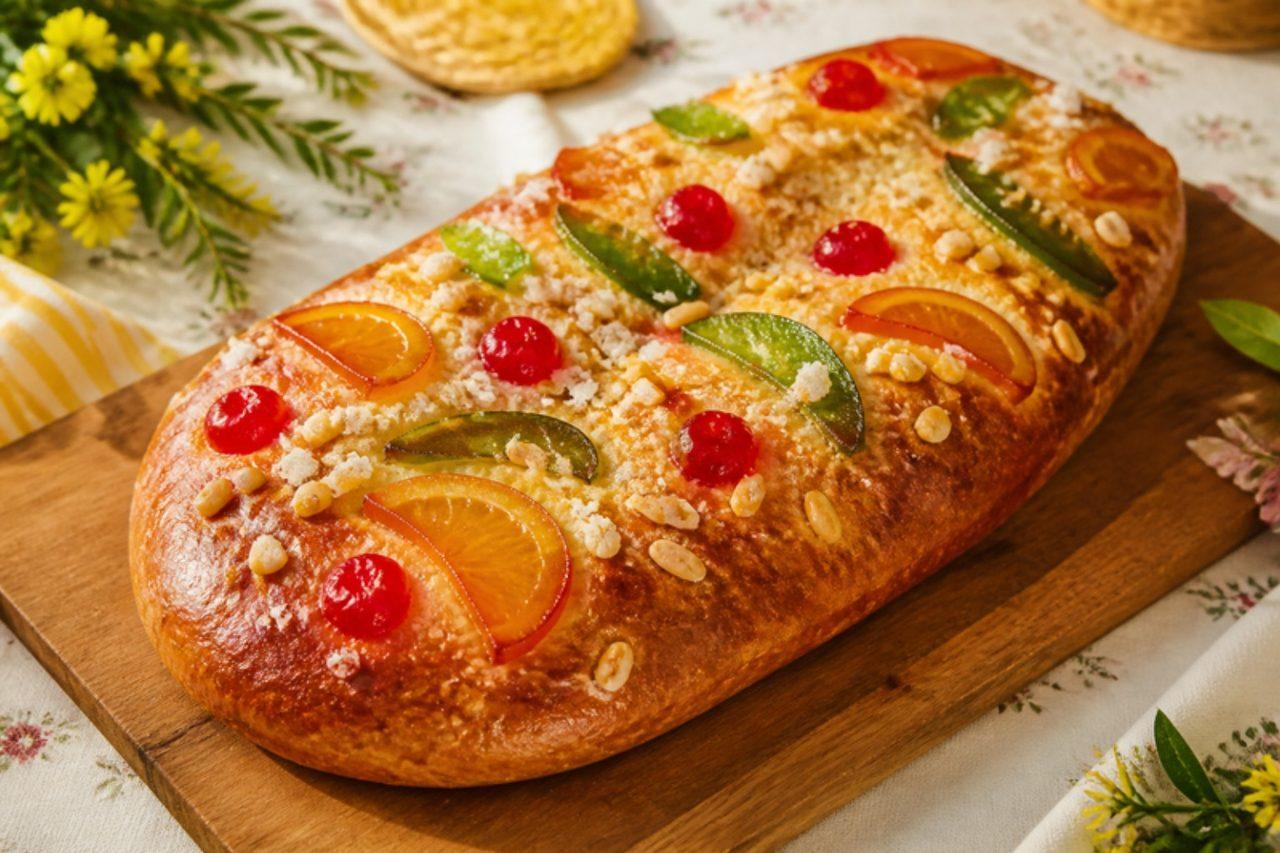
Coca de Sant JoanCandied fruit and pine nut brioche

On the night of 23 June, the Revetlla de Sant Joan, Catalonia lights bonfires, sets off firecrackers on every beach and street, and shares a long oval coca: a soft, lemony brioche topped with candied fruit, pine nuts and crunchy sugar. Bakeries sell thousands, but a homemade one, still slightly warm, is something else. Some recipes add a splash of anise liqueur; this one uses aniseed instead. Chef's tip: give the shaped dough a long, slow second rise; a well-proved coca bakes up light, an under-proved one dense.

by KrazyBadal 0 views

Coca de tomacaRoasted tomato and pepper flatbread

On the night of Sant Joan in late June, Alicante's beaches fill with people eating cocas while the bonfires burn, and coca de tomaca is the plainest and best loved: a thin, olive-oil dough baked under a layer of tomato, red pepper and onion that roasts down to something sweet and jammy. Bakeries in towns like Alcoy and Elche sell it by the slab all year round, and it is just as good cold the next day at a picnic. Many versions add tinned tuna or sardines; this one keeps it vegetable-only, so it is vegan. A common mistake is piling the vegetables on raw and wet, which leaves the base soggy; salt and drain the tomato first. Chef's tip: bake on the lowest shelf so the base crisps before the topping colours.

by KrazyBadal 0 views

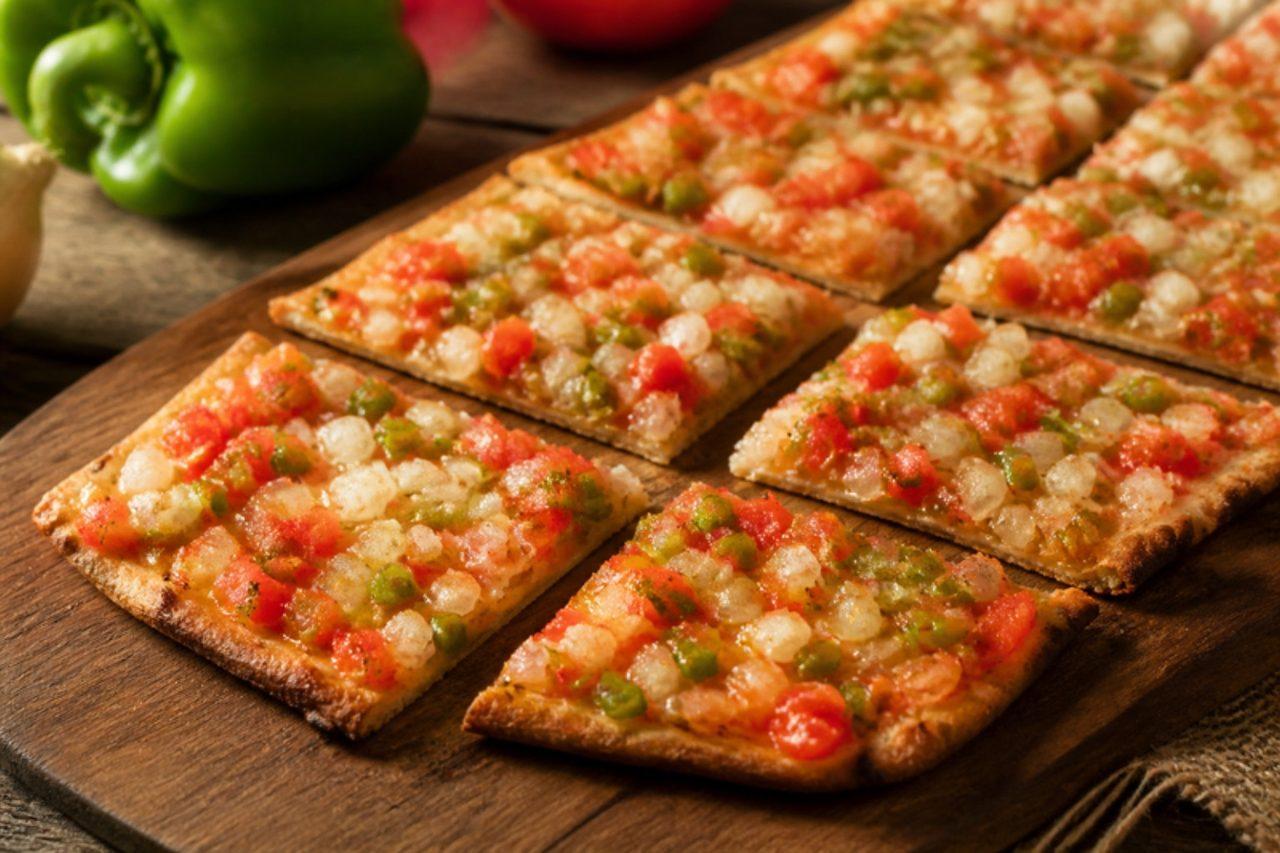
Coca de trempóPepper, tomato and onion flatbread

Bakeries across Mallorca sell coca de trempó by the slab from June to September, and it travels to every beach and village fiesta wrapped in paper. Trempó is the island's summer salad of green pepper, tomato and sweet onion; here it is chopped, drained and baked over a thin, crisp olive-oil dough until the edges of the vegetables just catch. Some bakers work lard into the dough; this version uses olive oil only, so it is vegan. Cut it into squares and eat it warm or cold. Chef's tip: salt and drain the chopped vegetables for 20 minutes before topping, so the base bakes crisp instead of soggy.

by KrazyBadal 0 views

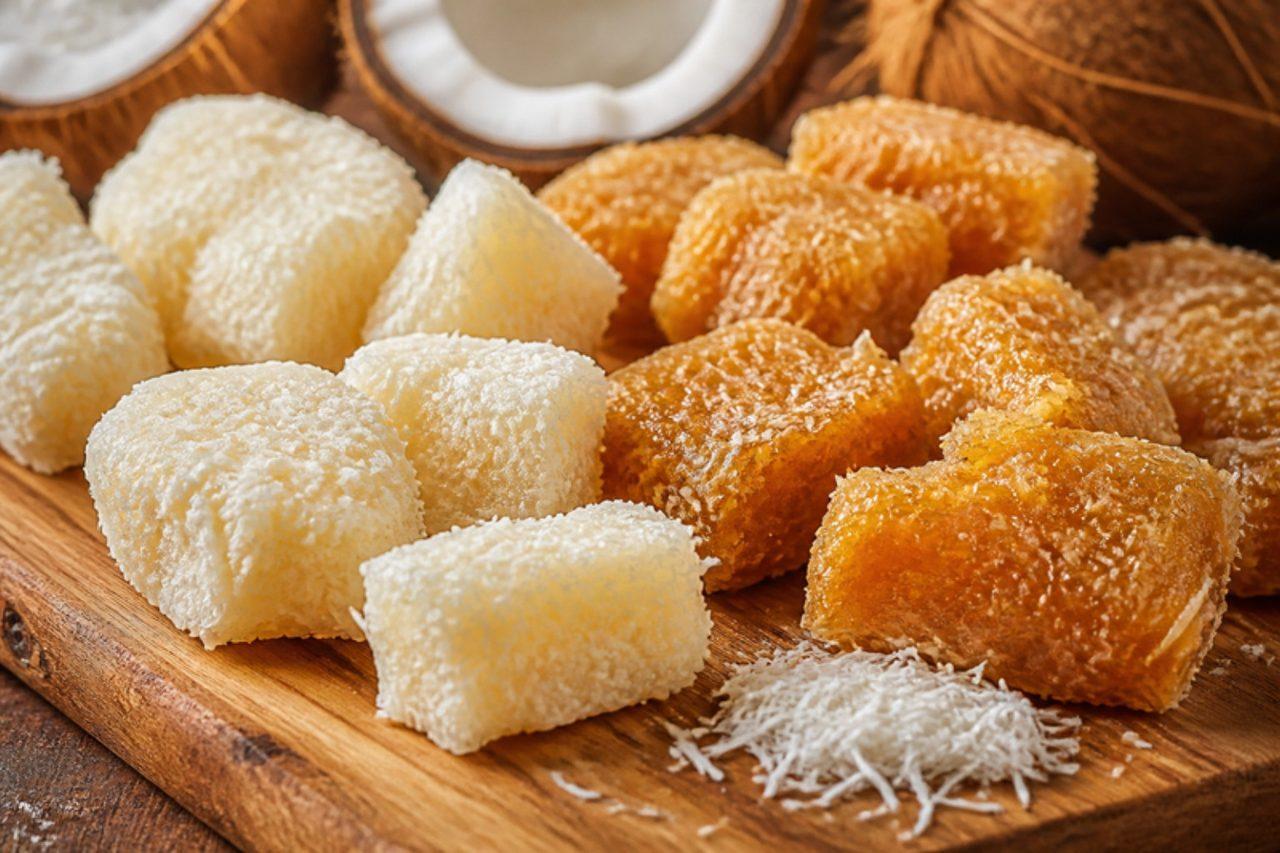
CocadaChewy coconut sweet

Baianas in long white skirts sell cocada from glass-fronted trays in the Pelourinho and on the beaches of Salvador, alongside acarajé, in shades from snow-white to dark caramel. It is the simplest of sweets: fresh coconut cooked in sugar syrup until it binds into chewy, glossy clusters, crisp on the edges and soft inside. Cocada branca keeps the sugar pale; cocada queimada takes the sugar to caramel first, which gives a deeper, slightly bitter edge (see the last step). Freshly grated coconut makes the best texture; frozen grated coconut from Asian or Latin shops is a good second choice. Dropping the mixture too soon is the usual mistake, because it stays sticky and spreads into a flat puddle. Chef's tip: a spoonful should hold its shape on a cold plate before you start dropping the rest.

by KrazyBadal 0 views

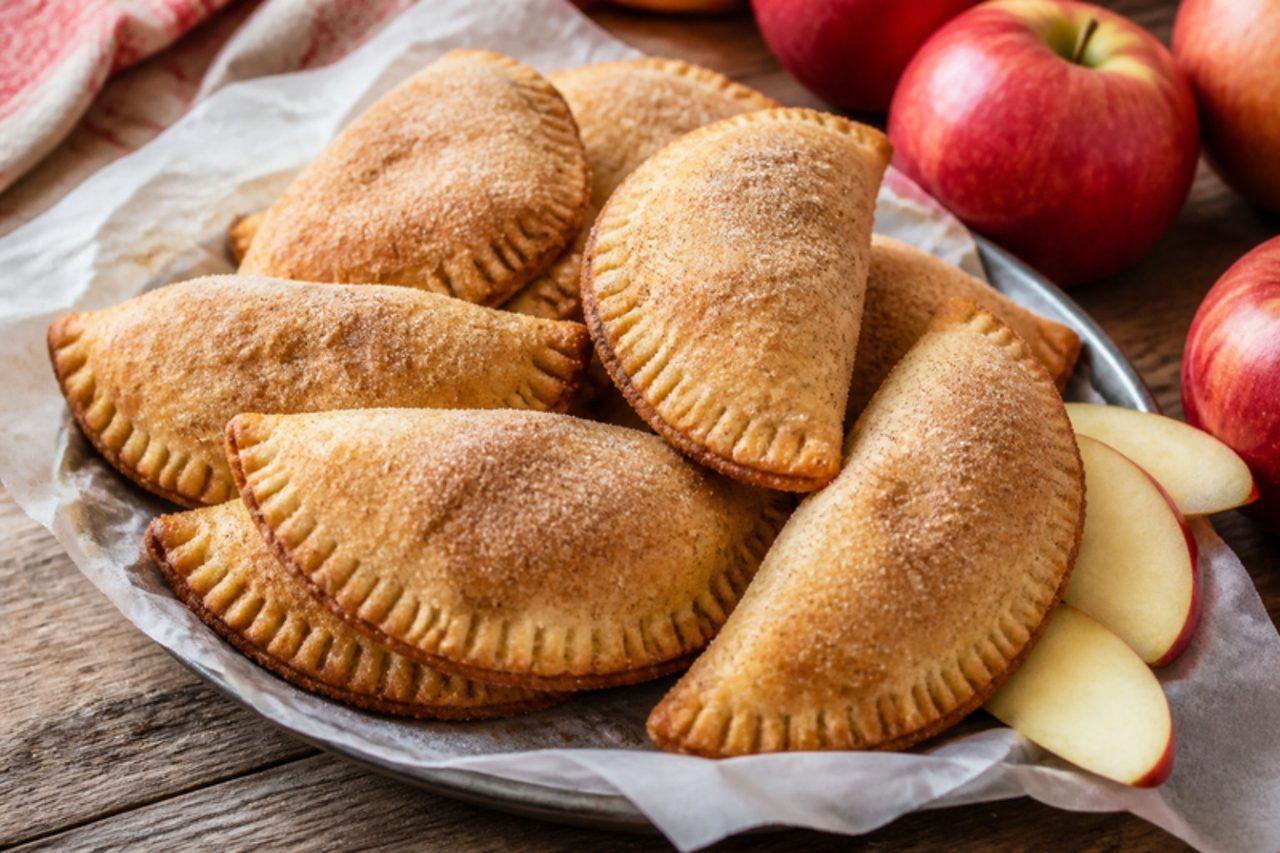
Fried apple hand pies

Fried pies are a staple of Appalachian bake sales, country stores and Grand Ole Opry-era lunch pails across Tennessee, Kentucky and north Georgia, made from apples dried on the porch roof in autumn. The rich filling of stewed dried apple is folded into rounds of tender pastry, crimped with a fork and fried crisp in a skillet. Chef's tip: let the filling go completely cold and use only a heaped tablespoon; overfilled pies burst in the pan.

by KrazyBadal 0 views

Atum de ceboladaTuna in onion sauce

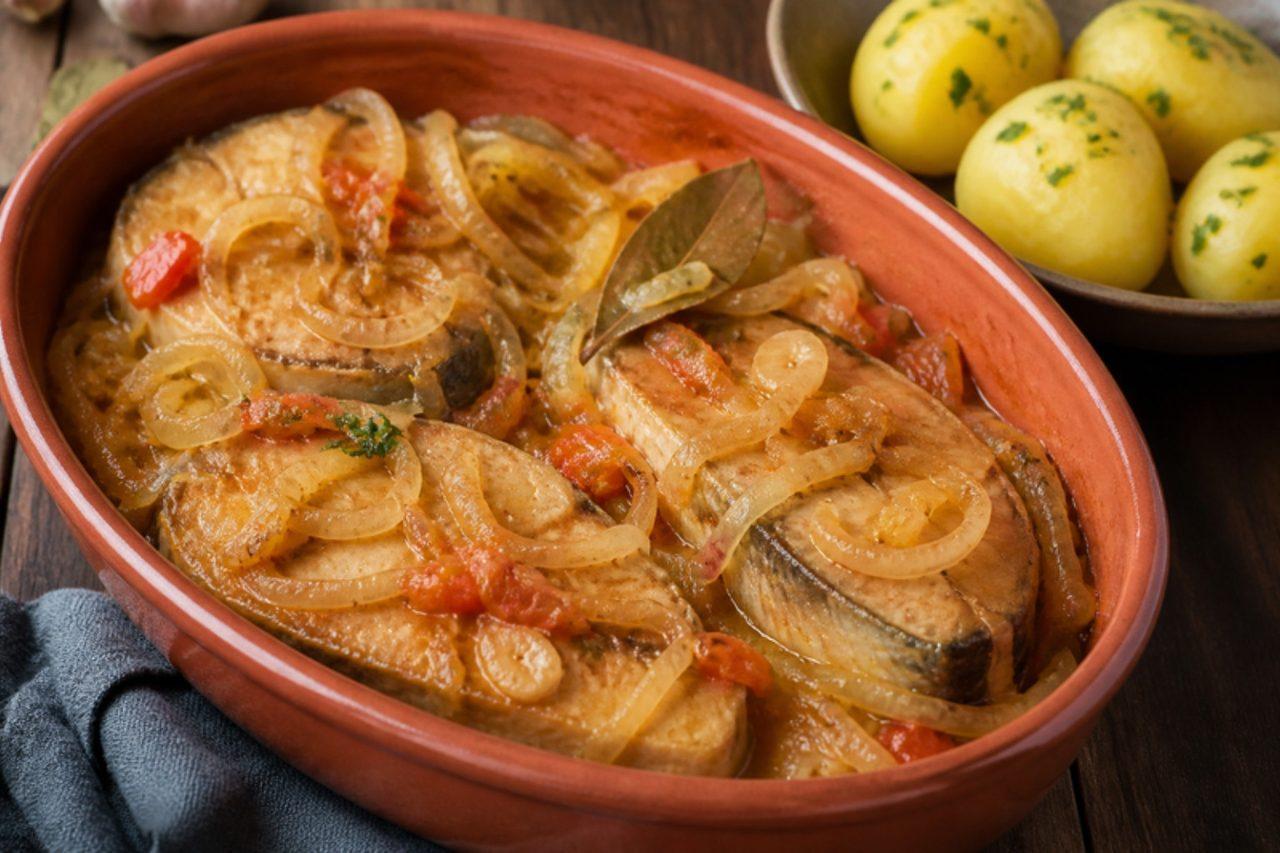
From Vila Real de Santo António to Tavira, cebolada means a deep pan of onions cooked slowly in olive oil with garlic, bay and tomato, finished with a splash of vinegar, and tuna steaks laid in it to braise. Fishing families made it with the cheaper cuts from the tuna traps; restaurants still serve it on weekday lunch menus with boiled potatoes. Chef's tip: give the onions their full 25 minutes, so they turn sweet and jammy before the tuna goes in.

by KrazyBadal 0 views

Atún encebolladoTuna stewed with onions

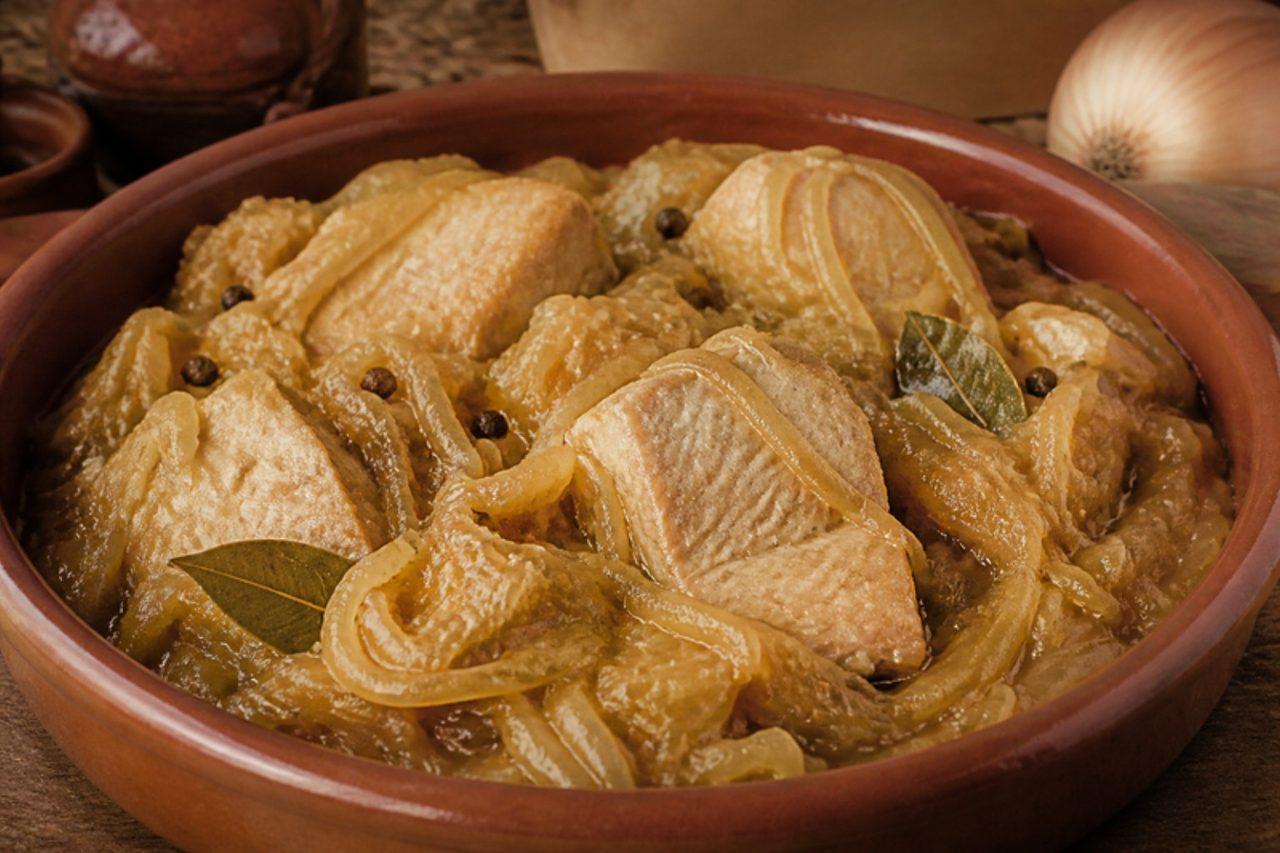
When the almadraba nets bring bluefin tuna ashore in Barbate and Zahara de los Atunes in May and June, households along the Cádiz coast make atún encebollado: chunks of tuna braised in a mountain of onions cooked down until sweet and golden, with bay, pepper and a splash of fino. Any good tuna steak works the rest of the year. This recipe uses wine; the alcohol-free option is in the ingredient note. Chef's tip: the onions take the time, the tuna does not; add it only for the last few minutes, or it turns dry and grey.

by KrazyBadal 0 views

CocarroisVegetable, raisin and pine nut pasties

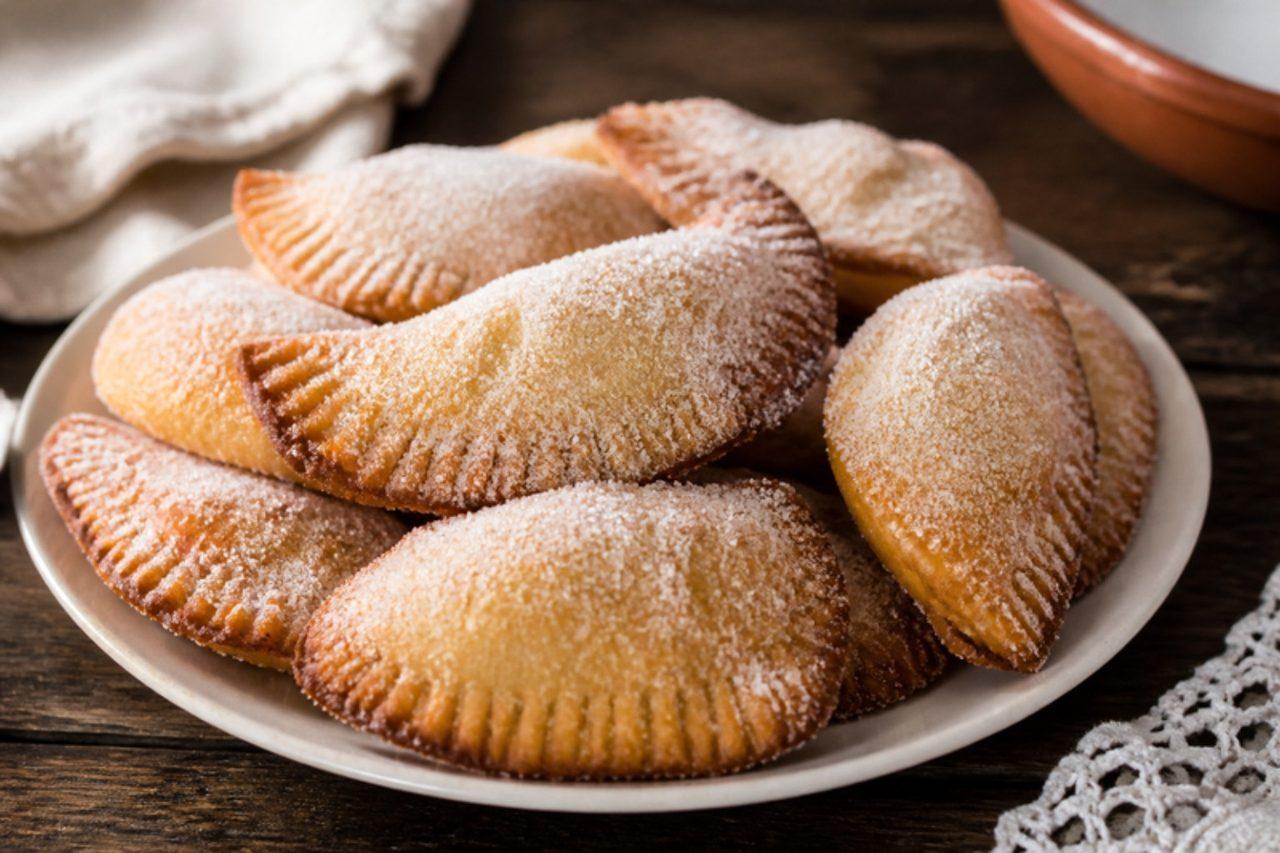
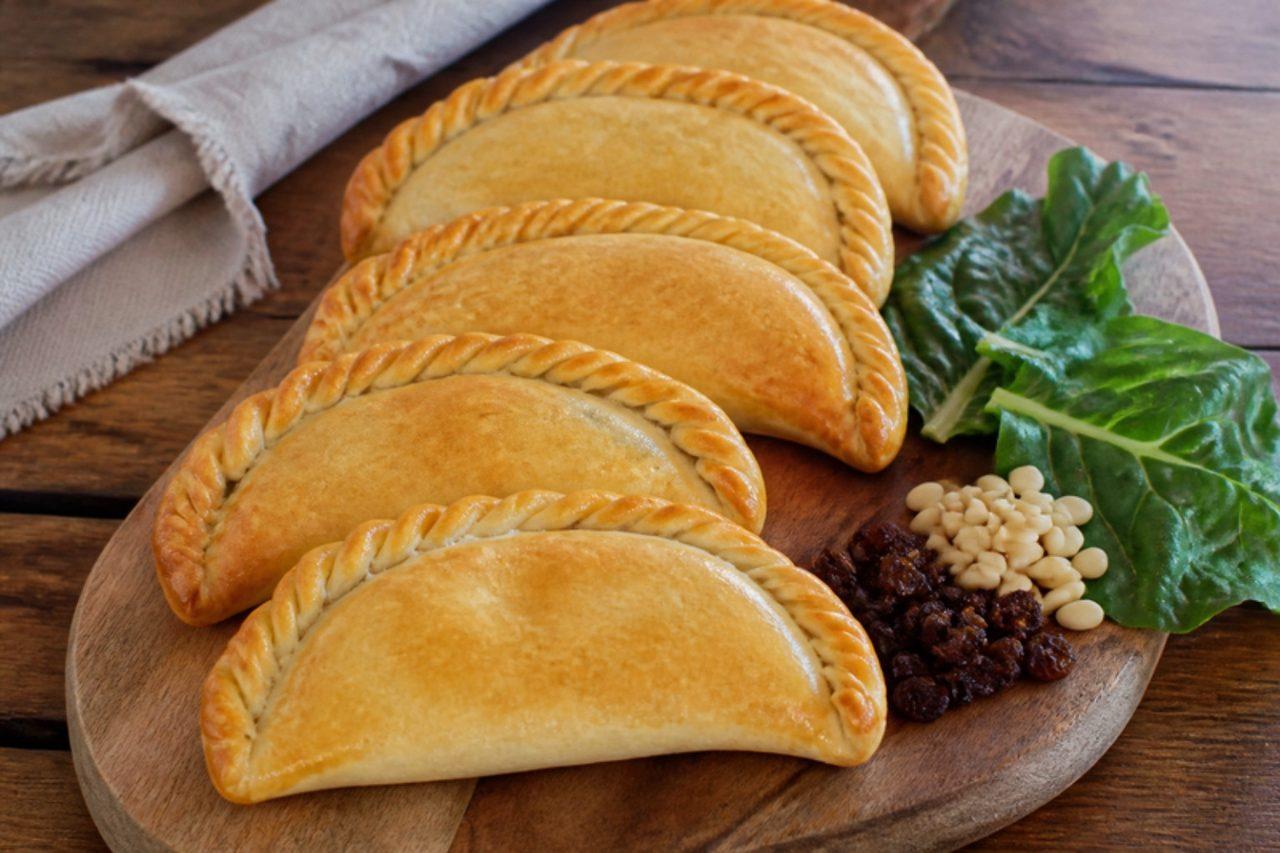
Cocarrois are the half-moon pasties that fill Mallorcan bakery windows in the weeks of Lent, when bakers in Palma and the inland towns made a meatless filling from what the garden gave: chard or spinach, cauliflower, spring onion, raisins and pine nuts, spiced with paprika. The crimped crust, made with olive oil and a little orange juice, bakes crisp and flaky. Many bakeries still use lard; this version is olive oil only and vegan. They are eaten warm or cold, as a snack or a light lunch. Chef's tip: squeeze the raw greens hard after salting, because dry filling is what keeps the bottom crust crisp.

by KrazyBadal 0 views

Shoofly pie

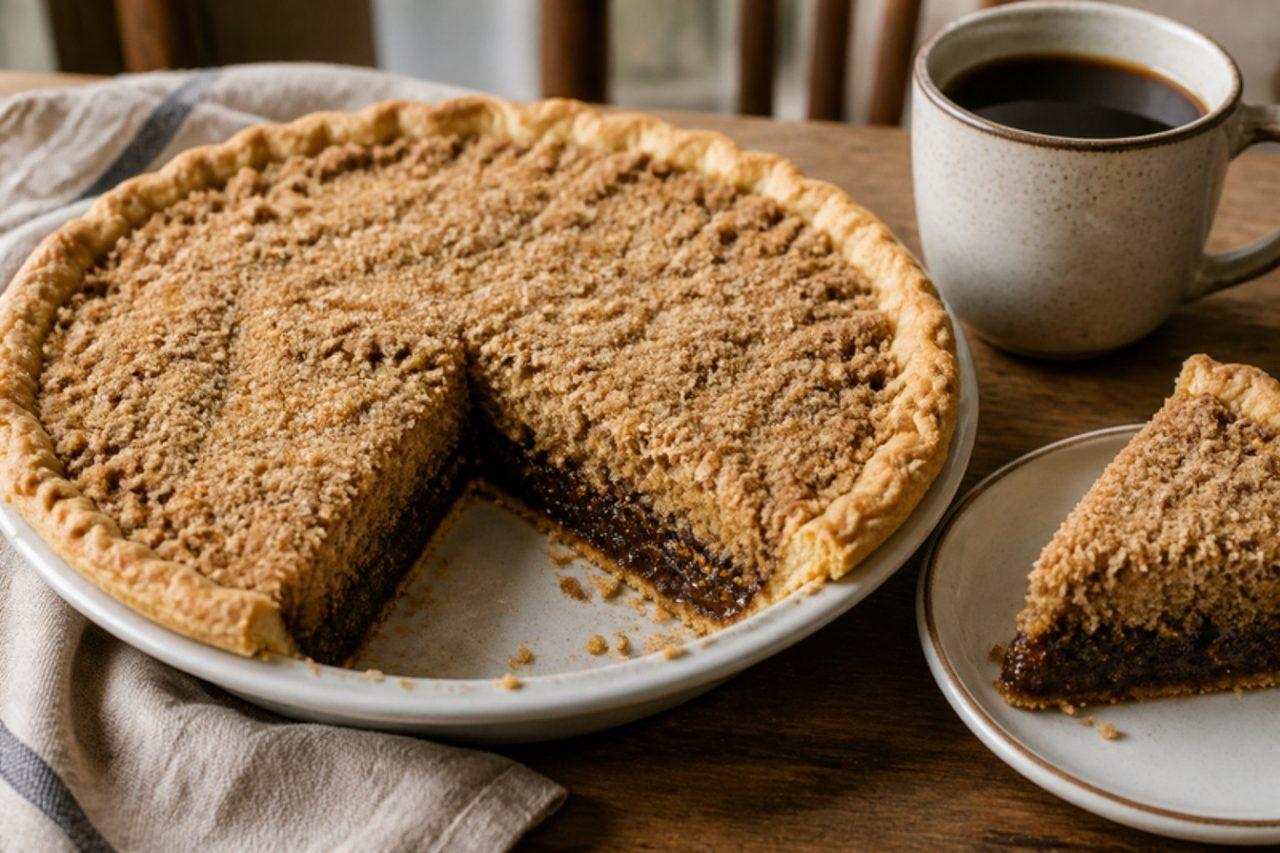
Shoofly pie is the signature sweet of the Amish and Mennonite farms around Lancaster, Pennsylvania, sold at roadside stands and farmers' markets and eaten for breakfast with strong coffee as often as for dessert. This is the 'wet-bottom' kind: a gooey layer of molasses custard under a cakey middle and a buttery brown-sugar crumb. Chef's tip: use mild, light molasses; strong blackstrap makes it bitter.

by KrazyBadal 0 views

Blackened redfish

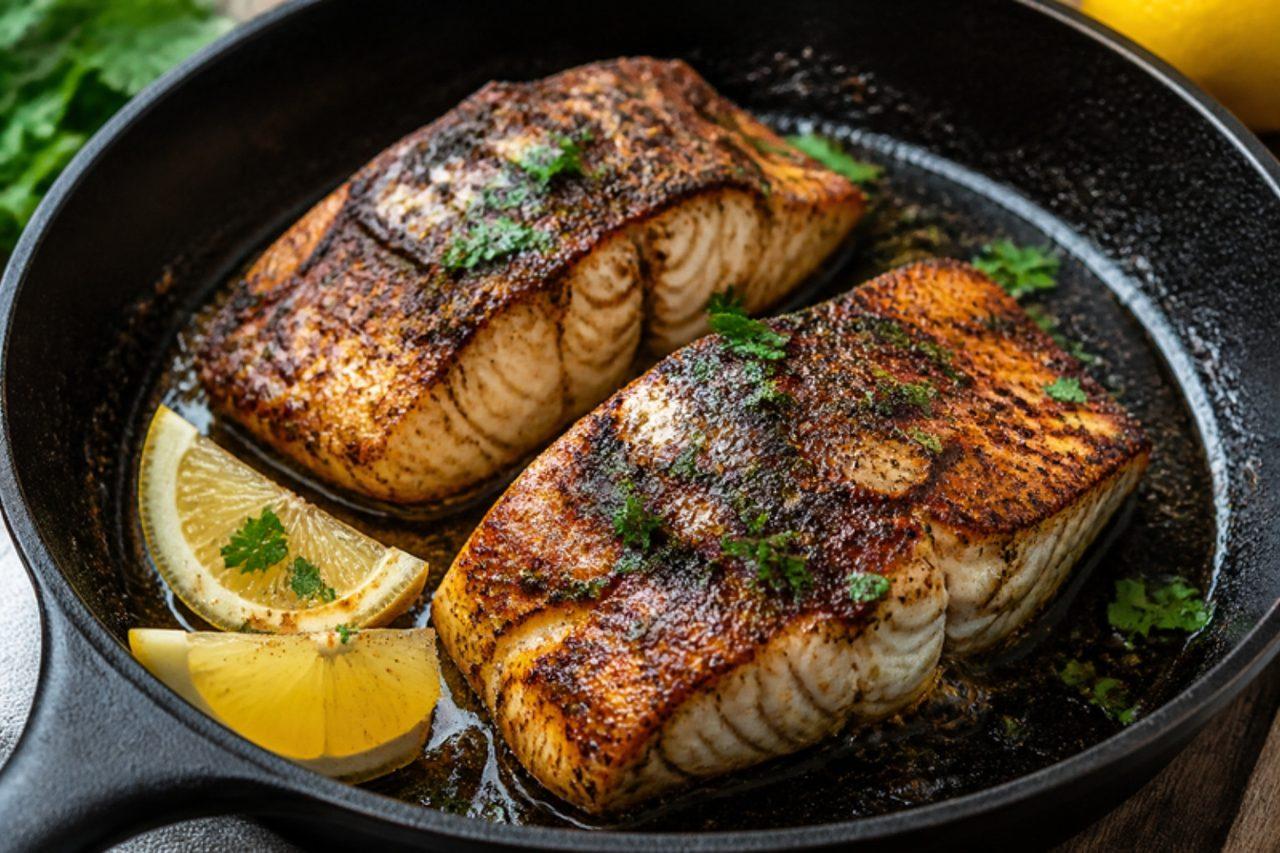
Blackened redfish was the dish that made Cajun cooking famous across America in the 1980s, created in a New Orleans restaurant by a chef from Opelousas. Fillets are dipped in butter, coated thickly in paprika, cayenne, thyme and pepper and seared in a white-hot cast-iron pan, so the spices char into a dark, smoky crust while the fish stays moist. It produces a lot of smoke, so open the windows or cook it outside. Chef's tip: the pan must be heated empty for a full 5 minutes; a lukewarm pan steams the fish instead of blackening it.

by KrazyBadal 0 views

AuszogneStretched doughnuts

Auszogne are the doughnuts of the Bavarian countryside, fried for Kirchweih, the village church fair in autumn, and for Carnival. Each ball of rich yeast dough is pulled over the knees or the backs of the hands so the middle goes almost see-through while a thick, puffy ring stays round the edge; the centre fries crisp, the rim soft and fluffy. They are eaten warm with icing sugar and a cup of coffee. A common mistake is pulling the dough cold: it tears. Let the stretched rounds rest, and keep the oil at a steady 170 °C so the rims cook through before they brown. Chef's tip: stretch them on lightly buttered fingertips, not floured ones, so the dough slides without sticking.

by KrazyBadal 0 views

New Orleans barbecue shrimp

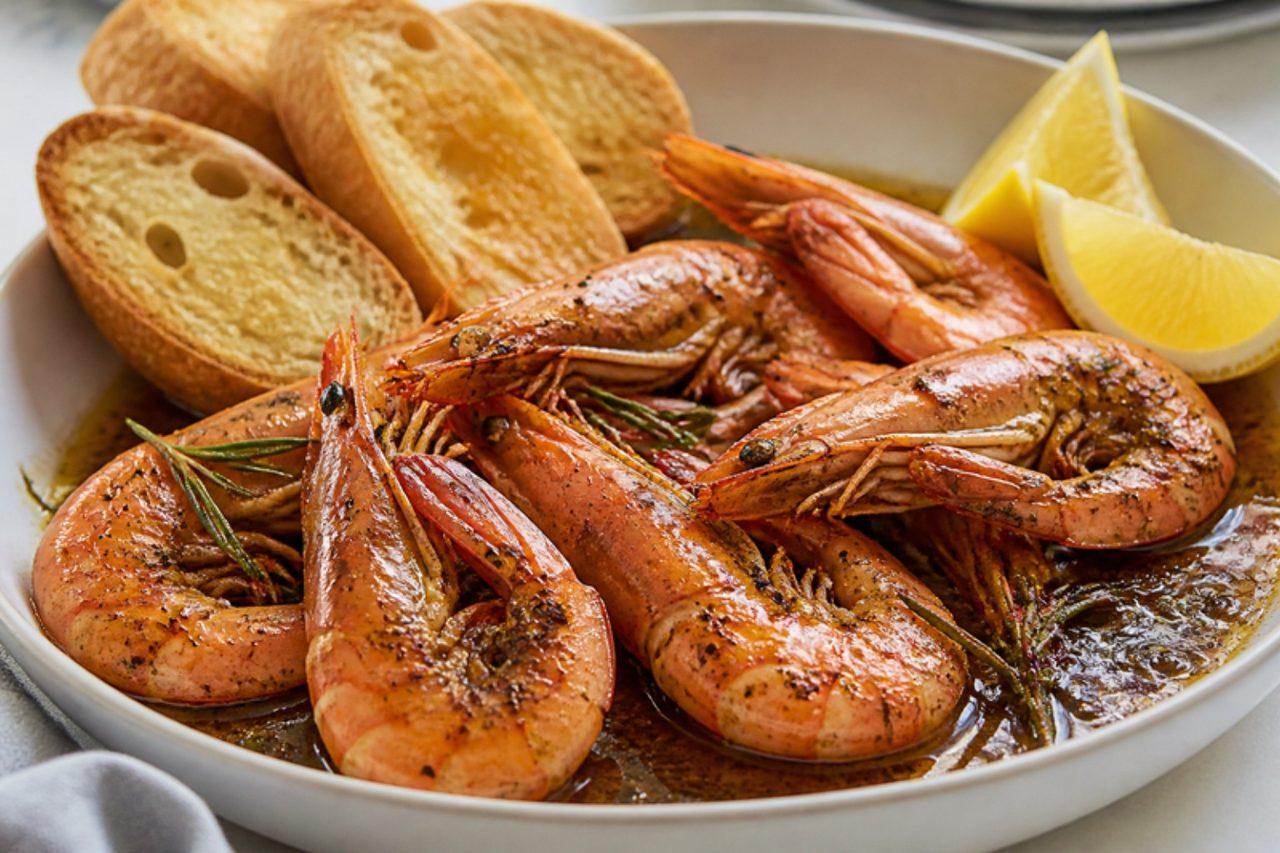
New Orleans barbecue shrimp never touch a grill or a barbecue sauce: they are big head-on Gulf prawns baked or pan-cooked in an outrageous amount of butter, black pepper, garlic, Worcestershire sauce and lemon, made famous in an Uptown restaurant in the 1950s. You peel them at the table and mop up the sauce with French bread. Some cooks add a splash of beer, which contains alcohol; this version uses stock, so it is alcohol-free. Worcestershire sauce contains anchovy. Chef's tip: keep the heads on; they hold the juices that make the sauce.

by KrazyBadal 0 views

Cochinillo asadoRoast suckling pig

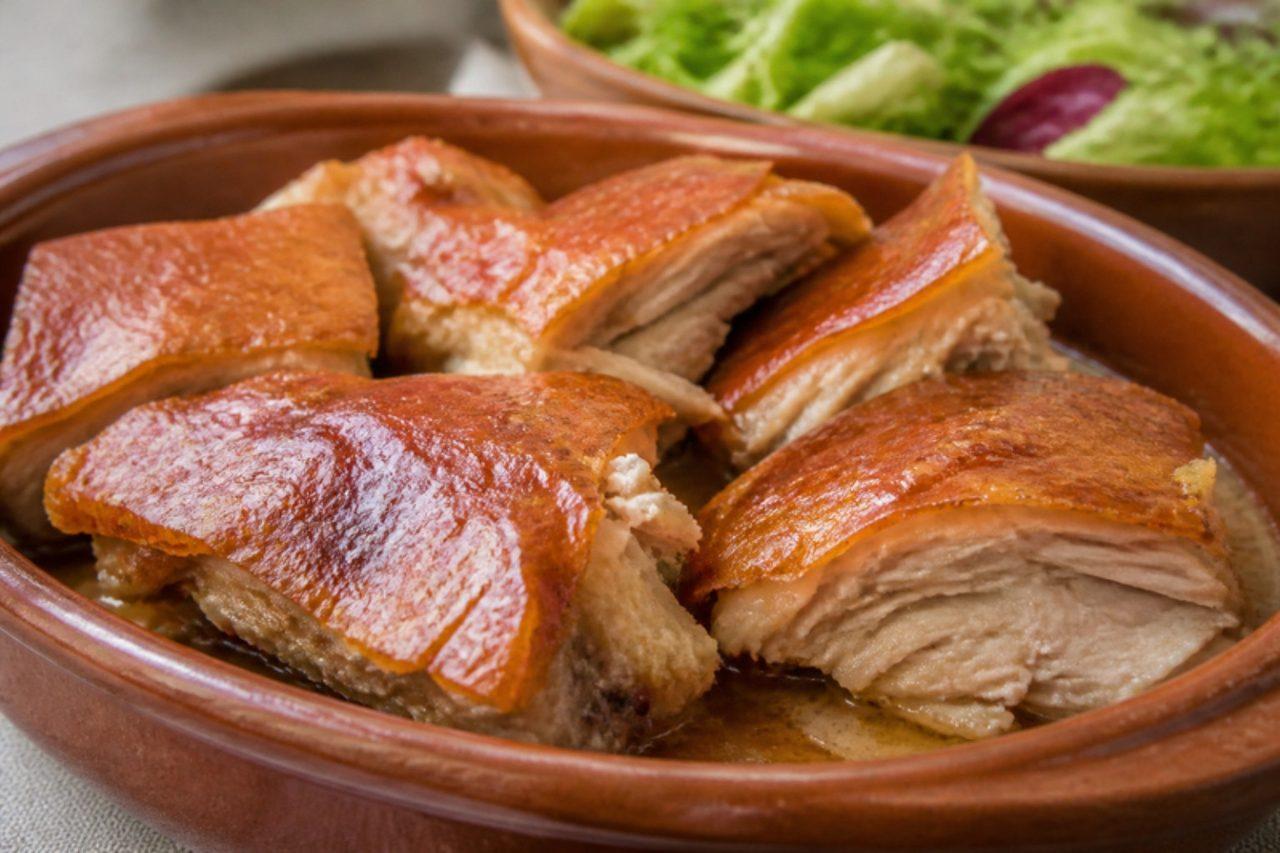
In Segovia, in the shadow of the Roman aqueduct, restaurants bring out the roast suckling pig whole and carve it with the edge of a plate to show how tender it is, then smash the plate for luck. It is the great Castilian Sunday and celebration lunch, served with a plain lettuce salad and nothing else. This contains pork (suckling pig and lard). At home, half a pig fits in most ovens; ask your butcher to split it. Chef's tip: roast it skin-side down in water first, then flip it, so the meat steams tender before the skin turns to glass.

170 minSpanishMeatGluten free
by KrazyBadal 0 views

Avena colombianaChilled oat drink

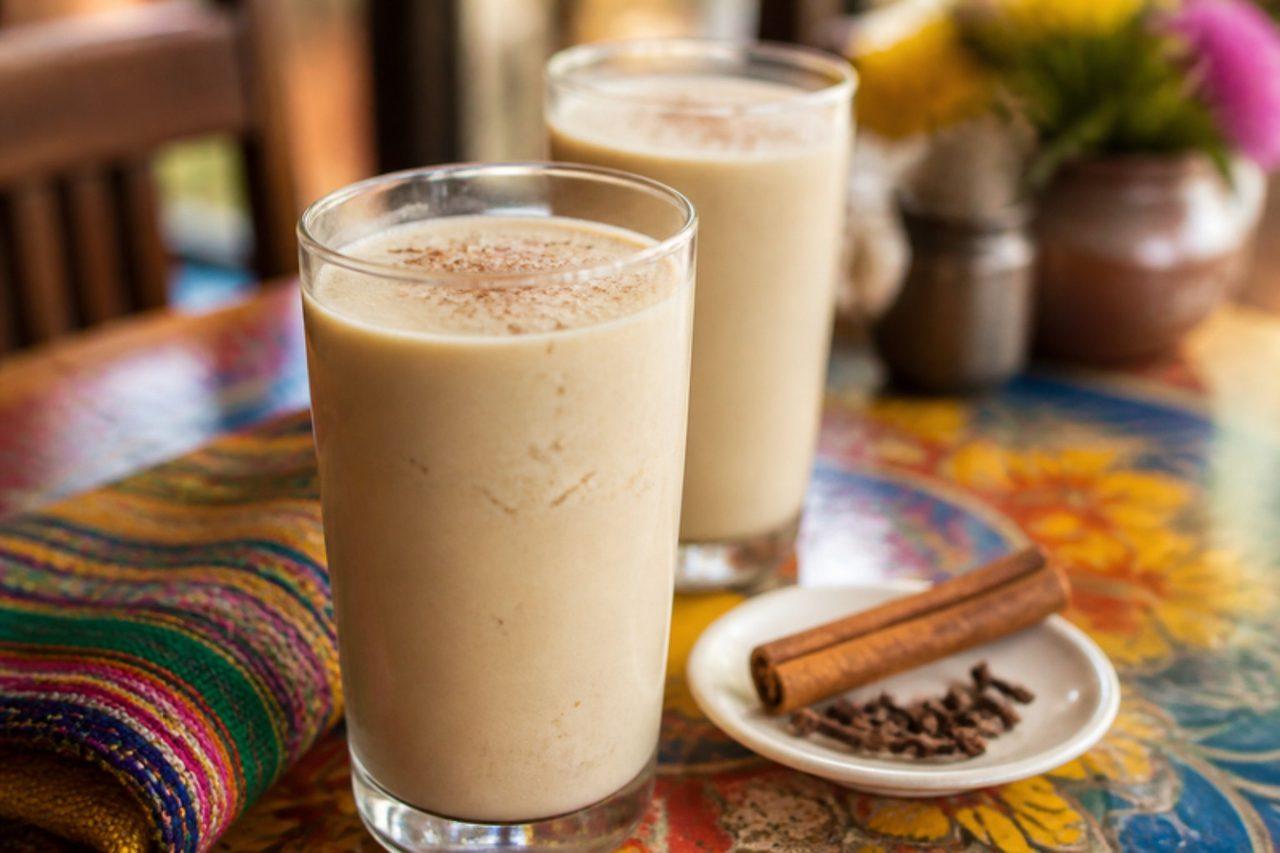
Bakeries all over Colombia keep a fridge of avena in plastic cups, ready to pair with a warm pandebono, buñuelo or almojábana. It is a thick, sweet oat drink cooked in milk with cinnamon and cloves, then blended smooth and chilled until it is creamy and spoonable, somewhere between a milkshake and rice pudding. Children drink it after school, and it is a common mid-morning snack with something baked. Home versions are less sweet and more spiced than shop ones. The thing to watch is texture: if you skip blending or straining, you end up with slimy flecks of oats, so blend thoroughly once it is cooked. It thickens a lot as it chills, so loosen it with cold milk before serving. Chef's tip: toast the oats in the dry pan for 2 minutes first; it gives a nutty, biscuity flavour.

by KrazyBadal 0 views

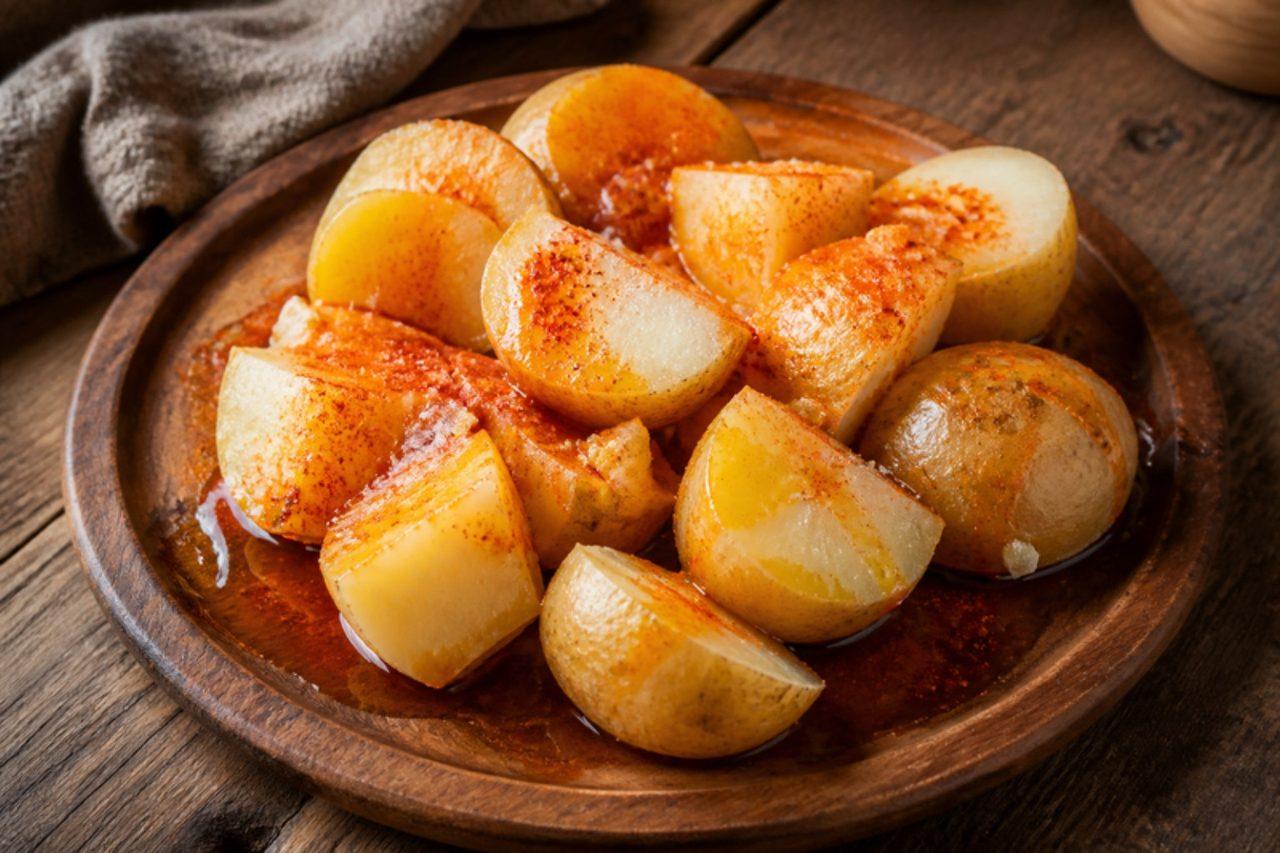
CachelosBoiled potatoes with paprika oil

At Galician fairs, and above all at O Carballiño's octopus festival every August, octopus is served on wooden plates with cachelos: potatoes boiled in their skins, cut into chunks and splashed with olive oil, coarse salt and paprika. They are just as good on their own, as a side for grilled fish or meat. A common mistake is adding paprika to sizzling oil, where it burns in seconds and turns bitter; warm the oil, take it off the heat, then stir it in. Chef's tip: boil the potatoes with a bay leaf and plenty of salt, and leave the skins on, so they stay whole and full of flavour.

by KrazyBadal 0 views

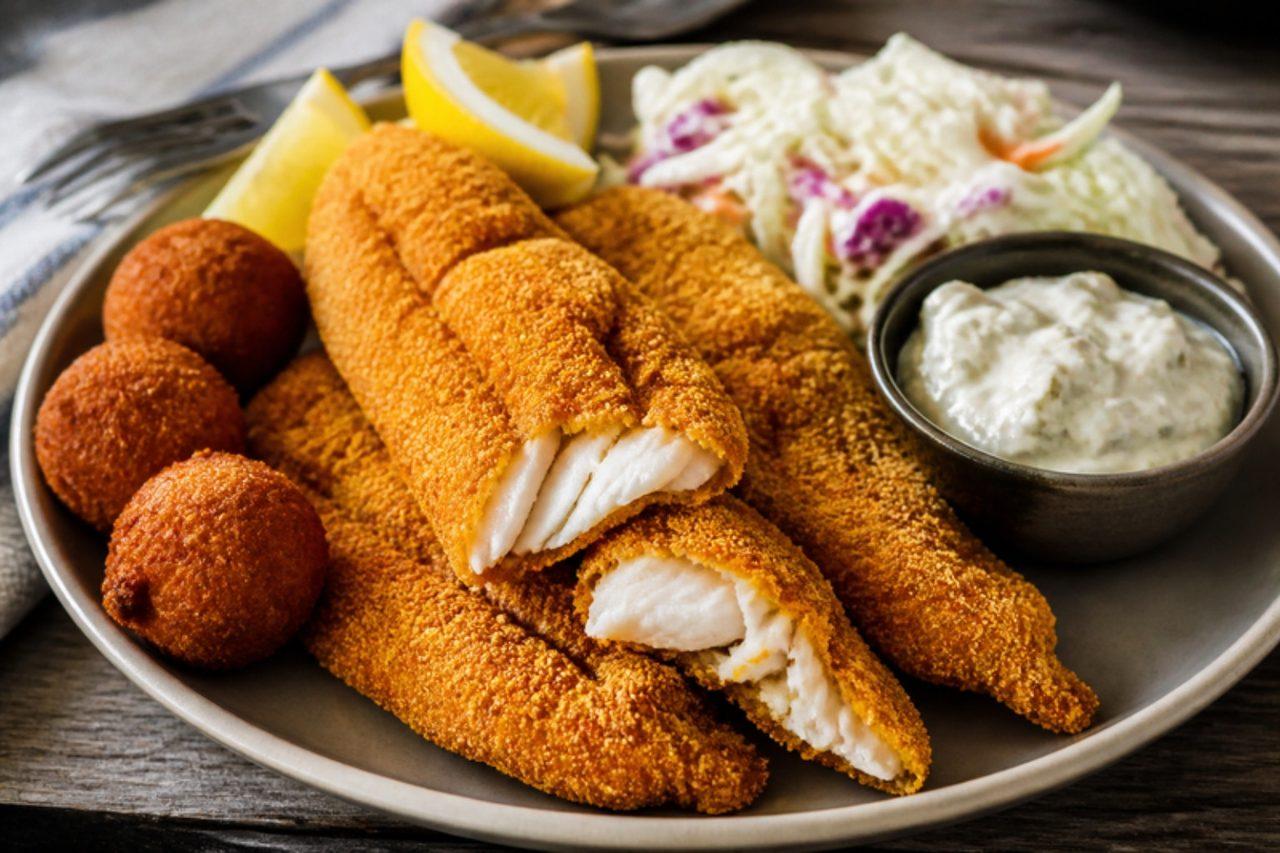
Southern fried catfish

Fried catfish is the Friday night fish-fry and Delta church supper of Mississippi and Arkansas, where much of America's catfish is farmed. Fillets are soaked in seasoned milk or buttermilk, rolled in cornmeal and fried until the crust crackles and the mild, sweet fish inside flakes apart. Serve with hushpuppies, slaw and lemon. Chef's tip: cut thick fillets in half lengthways so they cook in the same time as the crust browns.

by KrazyBadal 0 views

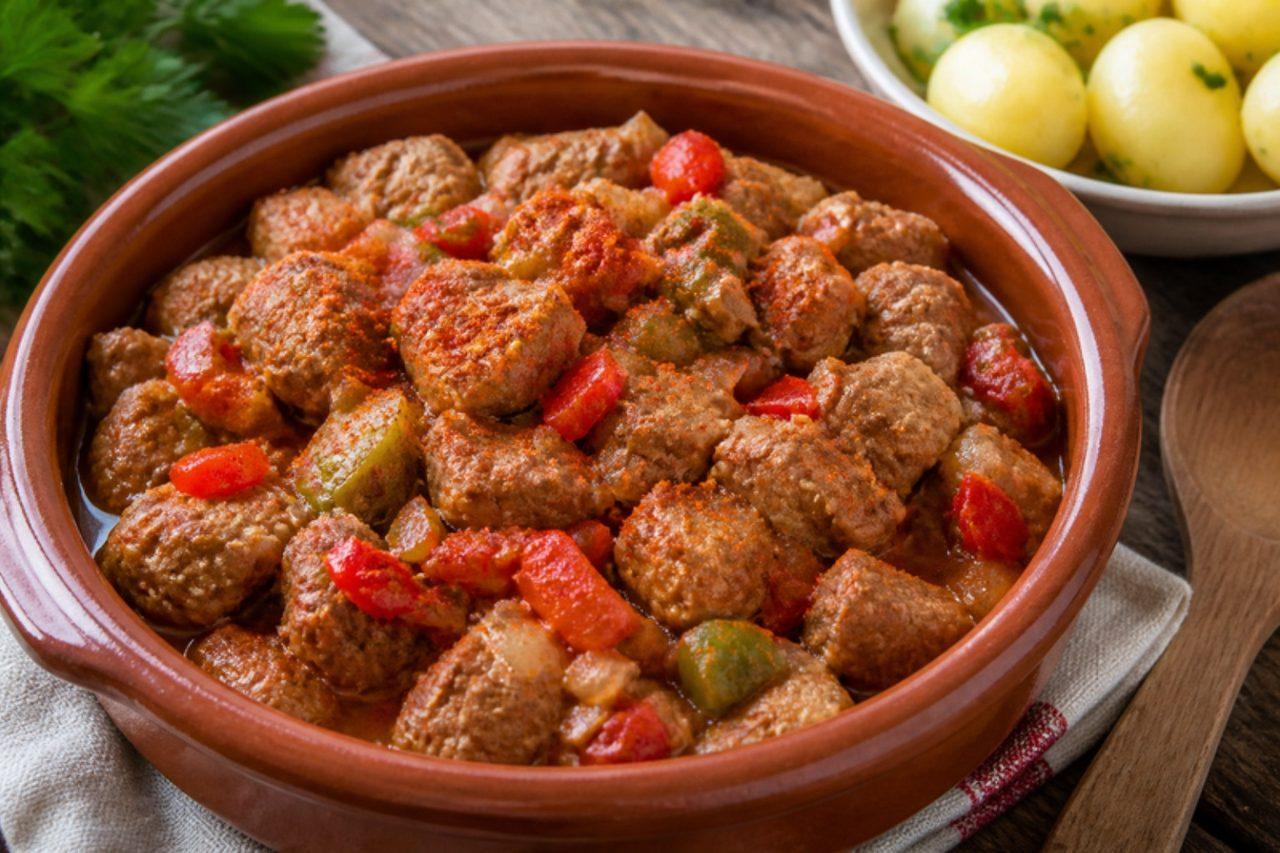
Axoa de veauMinced veal and pepper stew

Axoa (say 'ash-o-a') comes from Espelette, the Basque village whose house fronts are hung with strings of drying red peppers every autumn, and it is still the dish of the October pepper fair and of market-day lunches in Cambo and Bayonne. Veal shoulder is cut into small dice, then stewed with onions, mild green peppers and a good spoonful of ground Espelette pepper, which brings warmth and a fruity, smoky perfume rather than real fire. The result is soft, juicy and brick-red at the edges, best spooned over boiled potatoes or with crusty bread. Chef's tip: stir most of the Espelette pepper in at the end of cooking; long simmering dulls its fragrance.

70 minFrenchMeatGluten free
by KrazyBadal 0 views

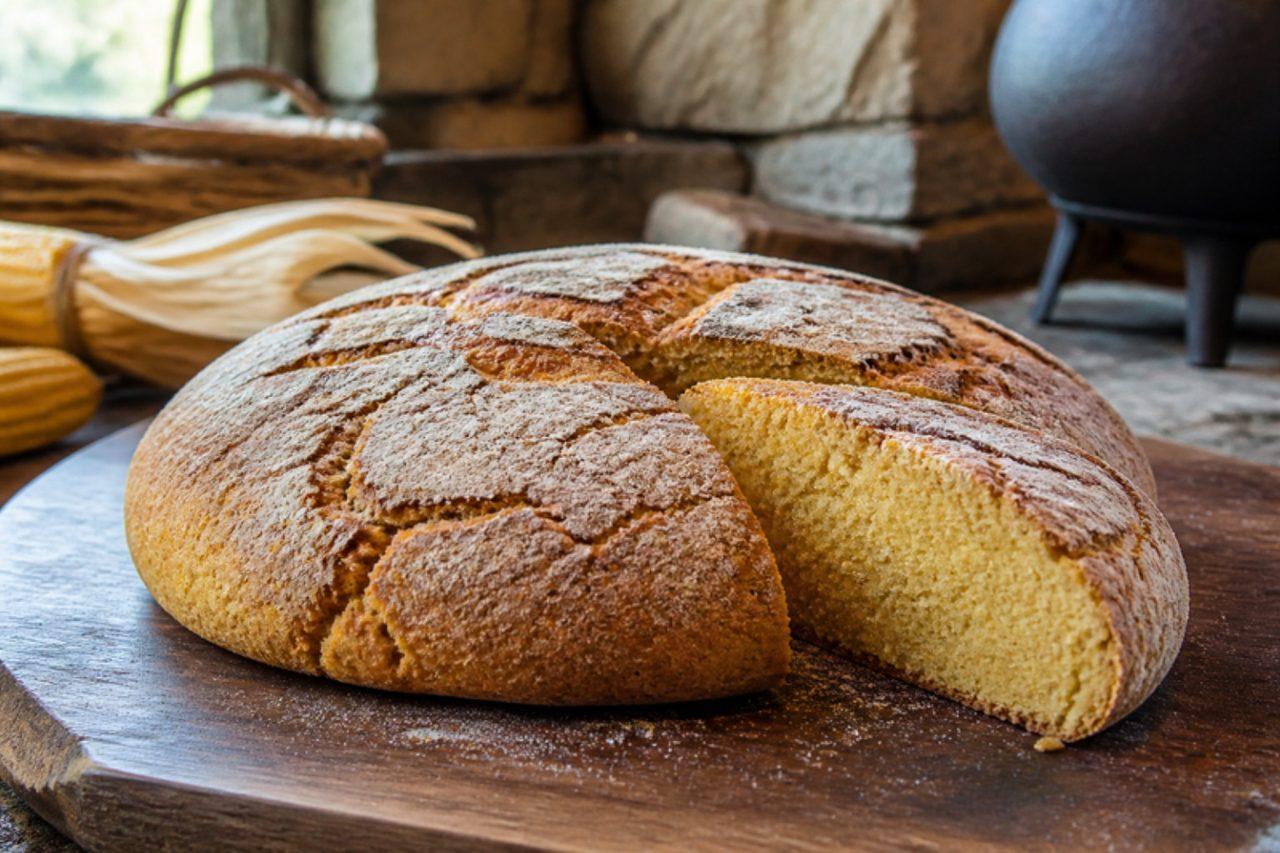
Broa de milhoCorn and rye bread

Across the green hills of the Minho, broa was once baked weekly in a wood oven shared by the village, and a wedge of it still sits beside every bowl of caldo verde and every plate of grilled sardines. The crumb is yellow, close and slightly sweet from the maize, with a thick crust that splits as it bakes. Scalding the cornmeal with boiling water first is what gives it that moist, almost cake-like bite. A common mistake is slicing the loaf hot, while the crumb is still gummy; let it cool for at least an hour. Chef's tip: leave the loaf on a rack for at least two hours before slicing, because cutting it hot leaves the inside gummy.

by KrazyBadal 0 views

Broa de fubáFennel cornmeal buns

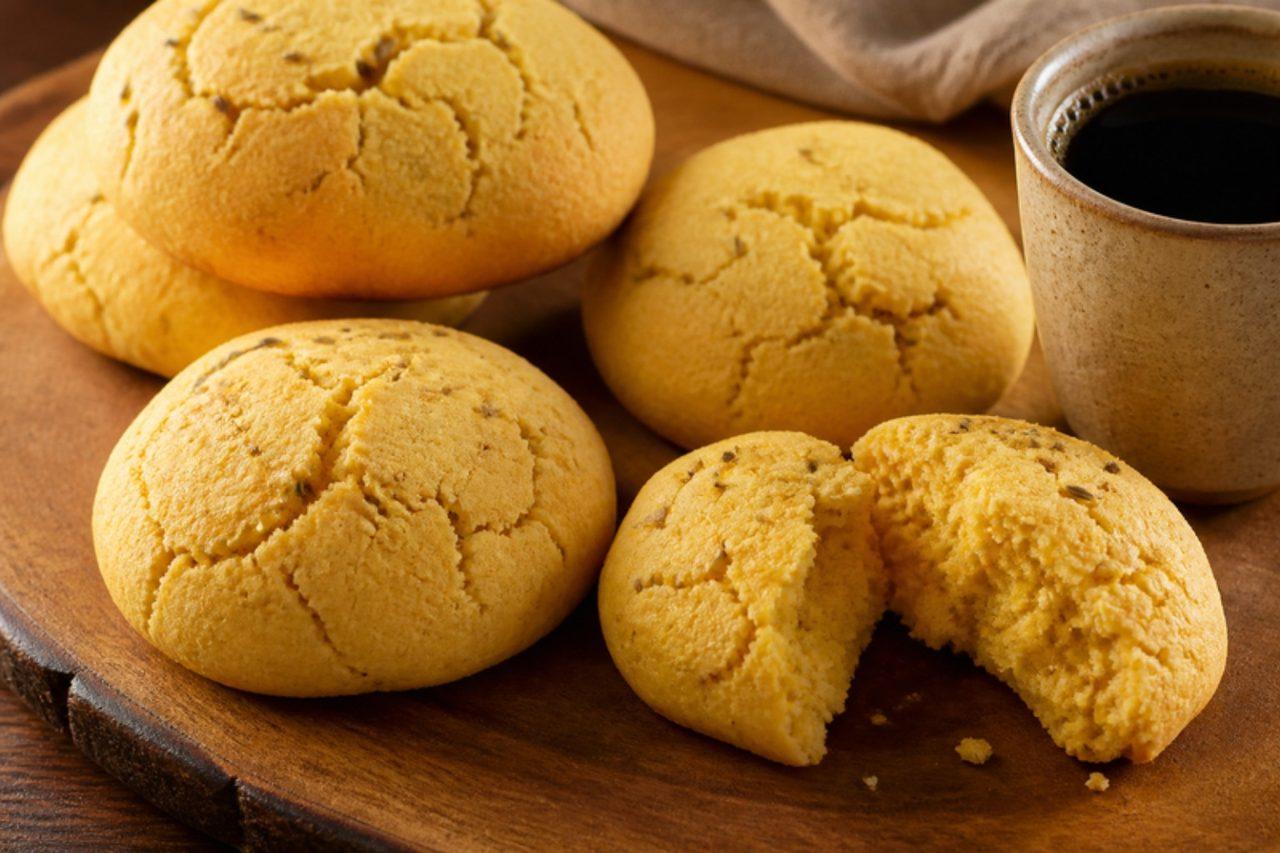
Afternoon coffee on a Minas Gerais farm almost always includes broa: craggy little cornmeal buns, golden and crusty outside, soft and slightly crumbly within, with the faint aniseed note of fennel seed. They are made by first cooking fubá with milk, butter and sugar into a thick porridge, then beating in eggs, flour and baking powder, so the crumb stays moist for days. Padarias in Belo Horizonte and the old mining towns sell them by the dozen. Serve them warm, split and buttered, with strong coffee or café com leite. Underbaking is where most batches fail; pale broas are gummy, so wait for a deep golden crust and a cracked top. Chef's tip: dip your hands in fubá rather than flour when shaping, so the buns get the rough, sandy crust they are known for.

by KrazyBadal 0 views

BrezenknödelPretzel dumplings

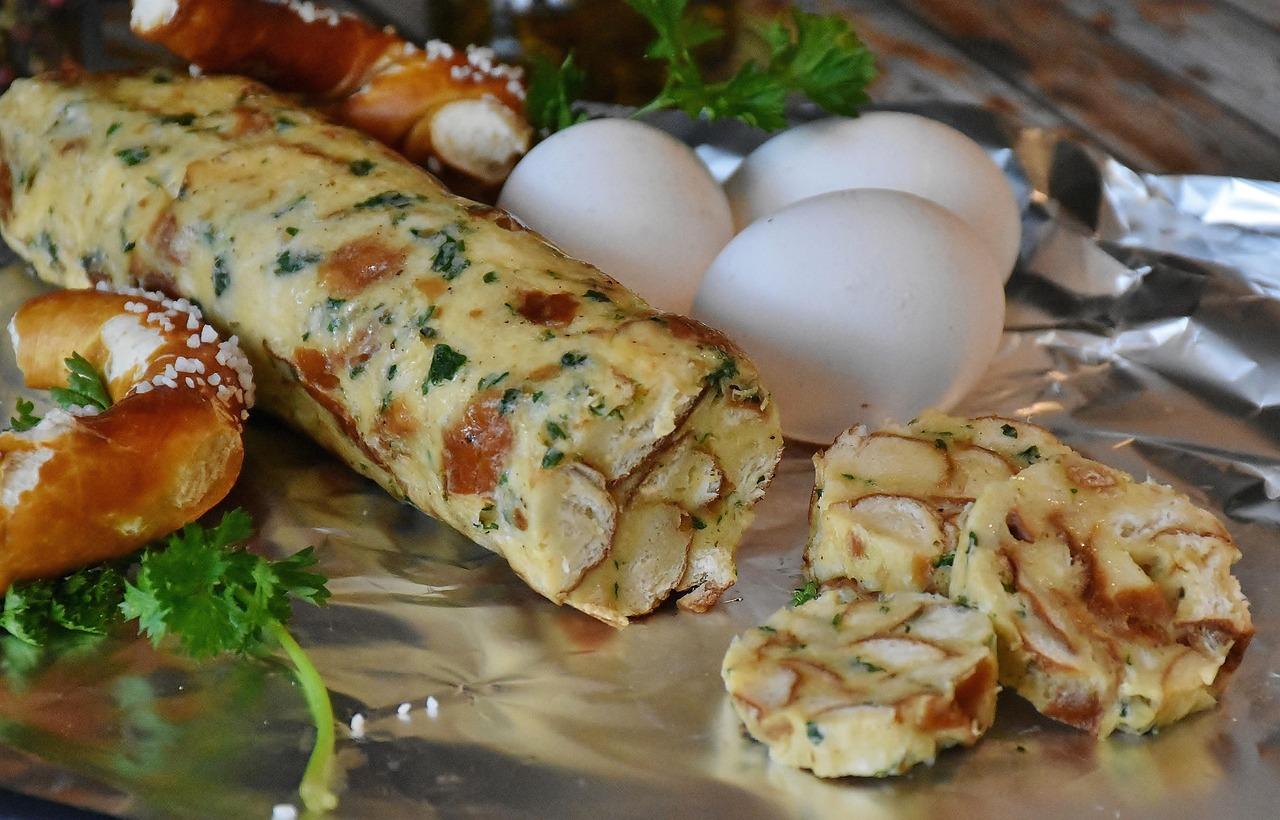
Brezenknödel are what thrifty Munich kitchens make from yesterday's pretzels: the cubes soak in warm milk with egg, onion and parsley, then are shaped into dumplings with a faintly salty, malty crust flavour running through them. They are served on Sundays in place of bread dumplings, alongside a creamy mushroom sauce or a pile of red cabbage, and leftovers are sliced and fried the next morning. The big mistake is adding too much milk: the mixture should hold when squeezed, not drip. Chef's tip: pick off most of the coarse salt before cubing the pretzels, otherwise the dumplings end up far too salty.

by KrazyBadal 0 views

Cuscuz de tapiocaTapioca and coconut cake

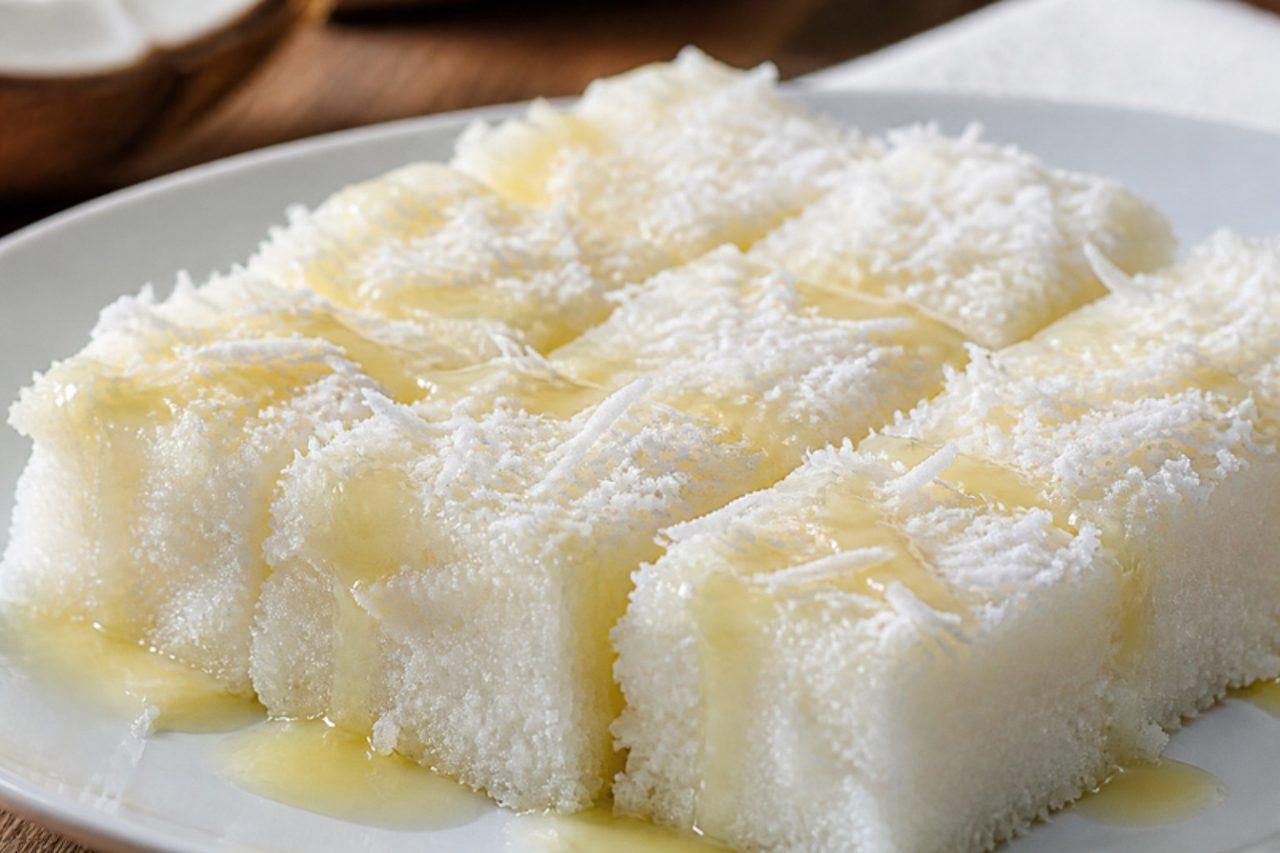
Breakfast stalls in Salvador and the street markets of Recife and Fortaleza sell cuscuz de tapioca by the slice from a big round tray, often with a drizzle of condensed milk on top. It needs no cooking at all: granulated tapioca (tapioca granulada) soaks up hot sweetened milk and coconut milk and swells into a firm, white, bouncy cake with a chewy, pearly texture and a gentle coconut taste. It is eaten cold, at breakfast or as an afternoon sweet with coffee. Granulated tapioca is a Brazilian product made of small irregular crumbs, not pearls; Brazilian shops sell it in bags. Cutting it too early is the usual mistake, and the slices crumble because the granules are still dry at the centre. Chef's tip: pour the liquid in while it is steaming hot and cover the dish straight away; the trapped steam swells the granules evenly.

by KrazyBadal 0 views

BratkartoffelnFried potatoes with onion

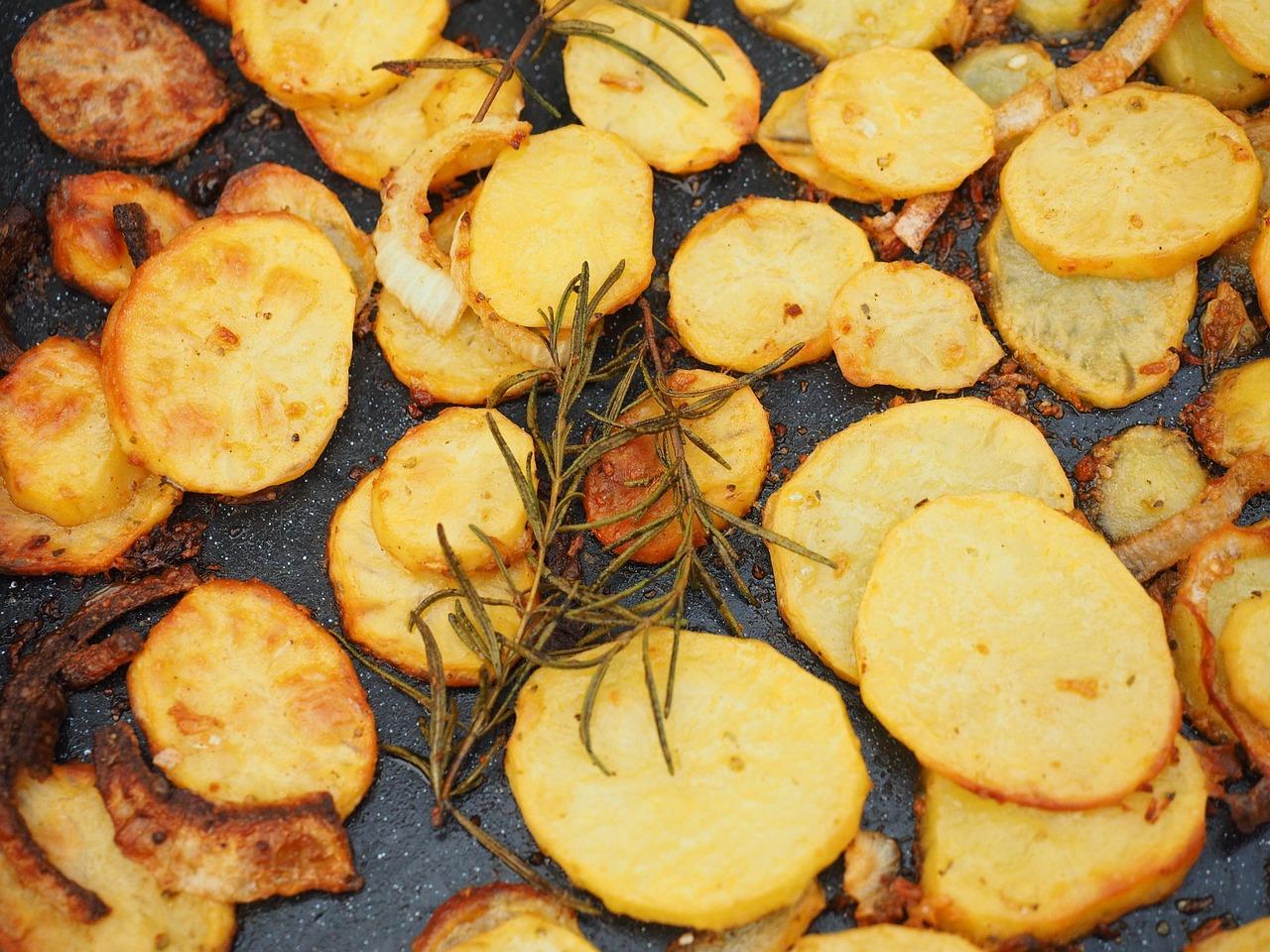
Bratkartoffeln are the potatoes of every German pub and home kitchen, from Hamburg to Munich: yesterday's boiled potatoes sliced and fried slowly in a heavy pan until the edges are crisp and brown, then tossed with onion. They come with fried eggs, pickled herring, Sülze or a green salad, and many cooks add bacon cubes; this version stays vegetarian with butter, onion and marjoram. The mistake everyone makes is stirring too often and crowding the pan: the slices steam instead of crisping. Chef's tip: use waxy potatoes boiled in their skins the day before; cold, firm slices hold their shape and brown far better than fresh ones.

by KrazyBadal 0 views

Mar i muntanyaChicken and prawn casserole

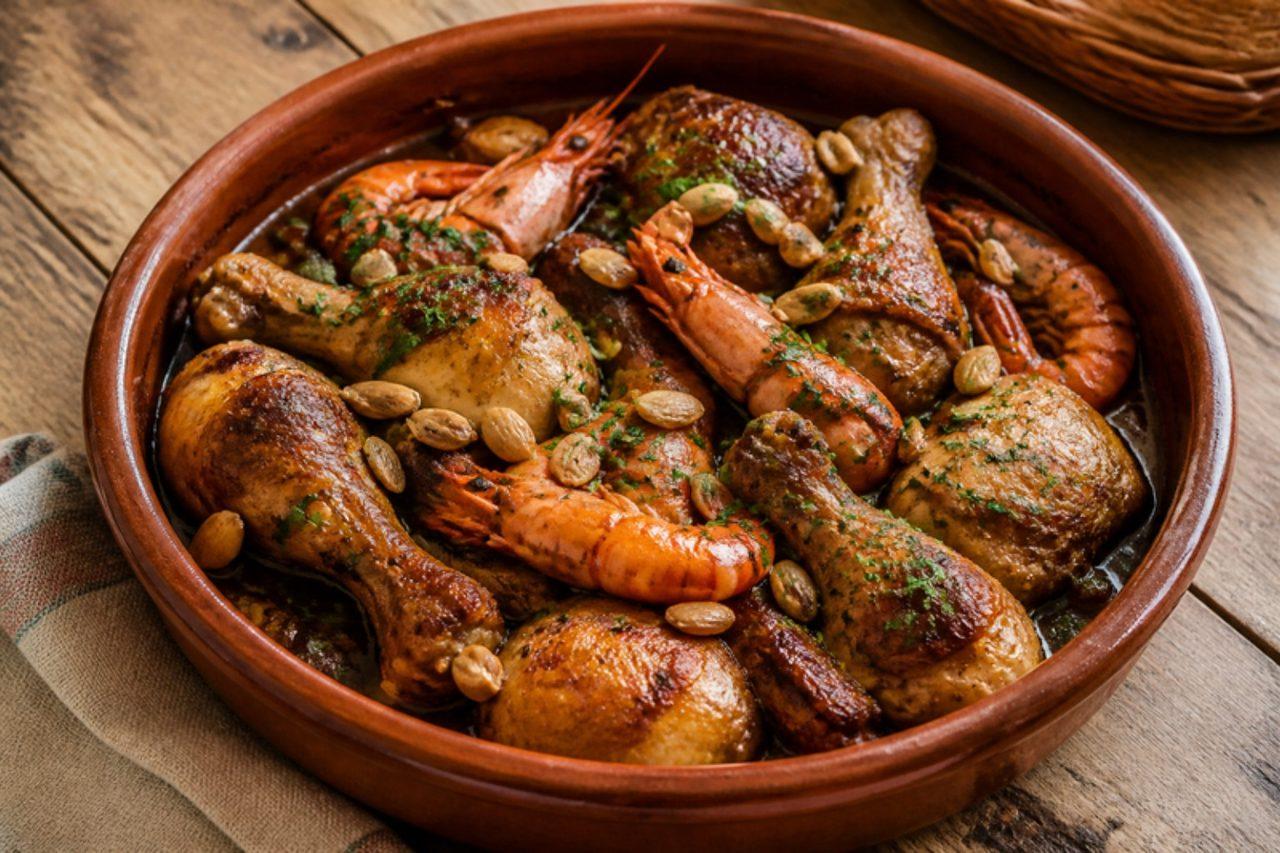
Sea and mountain: the cooks of the Empordà, between the Pyrenees and the Costa Brava, have long put chicken and seafood in one pot, and this version with prawns is the one most families make for a celebration lunch. The sauce is a dark sofrito finished with a picada of almonds, hazelnuts, garlic and a little dark chocolate, which adds depth rather than sweetness. It uses wine; the alcohol-free option is in the ingredient list. Chef's tip: cook the prawns only briefly at the start and return them at the end, so they stay juicy while the chicken braises.

by KrazyBadal 0 views

Boudin balls

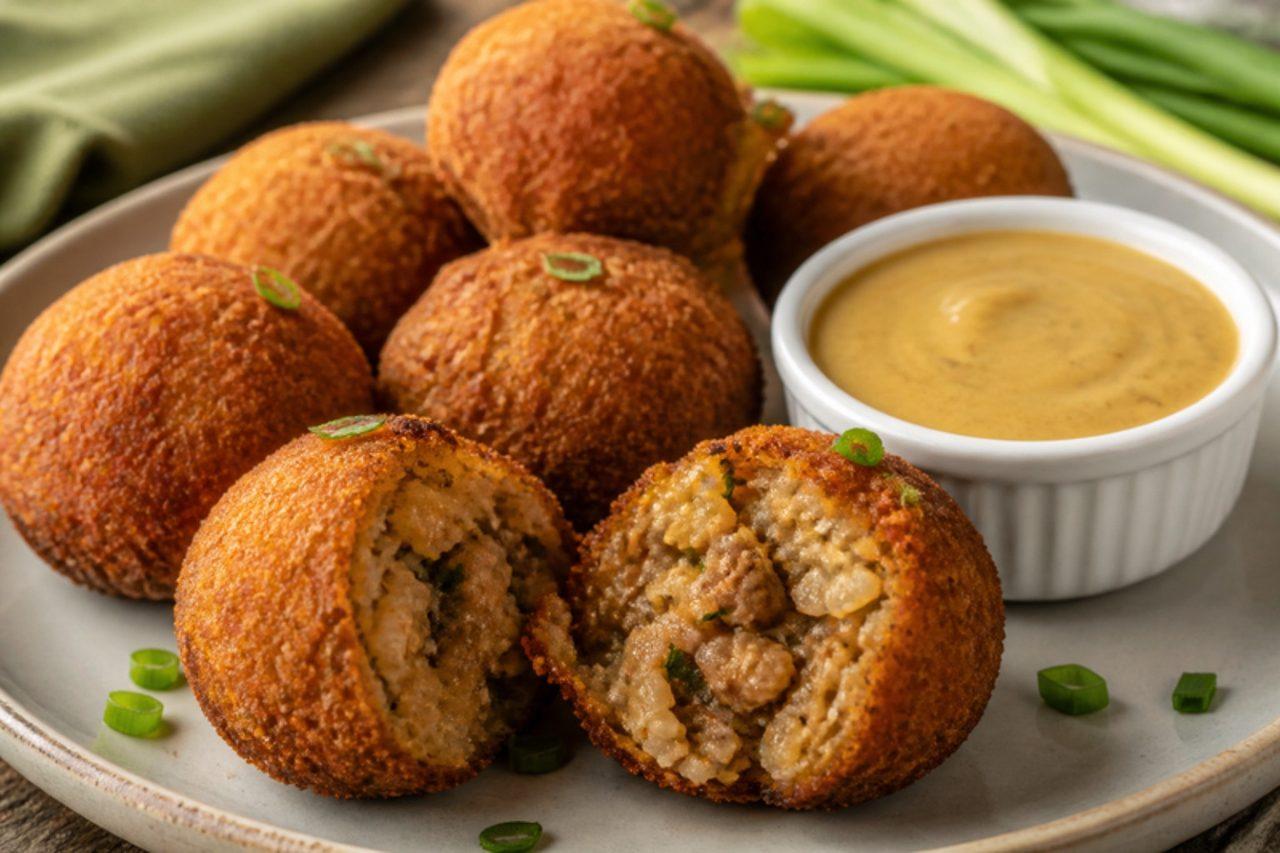
Boudin is a soft Cajun sausage of pork, pork liver, rice and the holy trinity sold hot from the counters of meat markets and petrol stations along Interstate 10 between Lake Charles and Lafayette. Boudin balls take the same filling, roll it in breadcrumbs and fry it, and they are the snack of LSU tailgates and crawfish boils. This recipe uses pork shoulder and pork liver. Chef's tip: chill the rolled balls for 30 minutes before frying so they keep their shape.

by KrazyBadal 0 views

Tortas de almaPumpkin and almond pastries

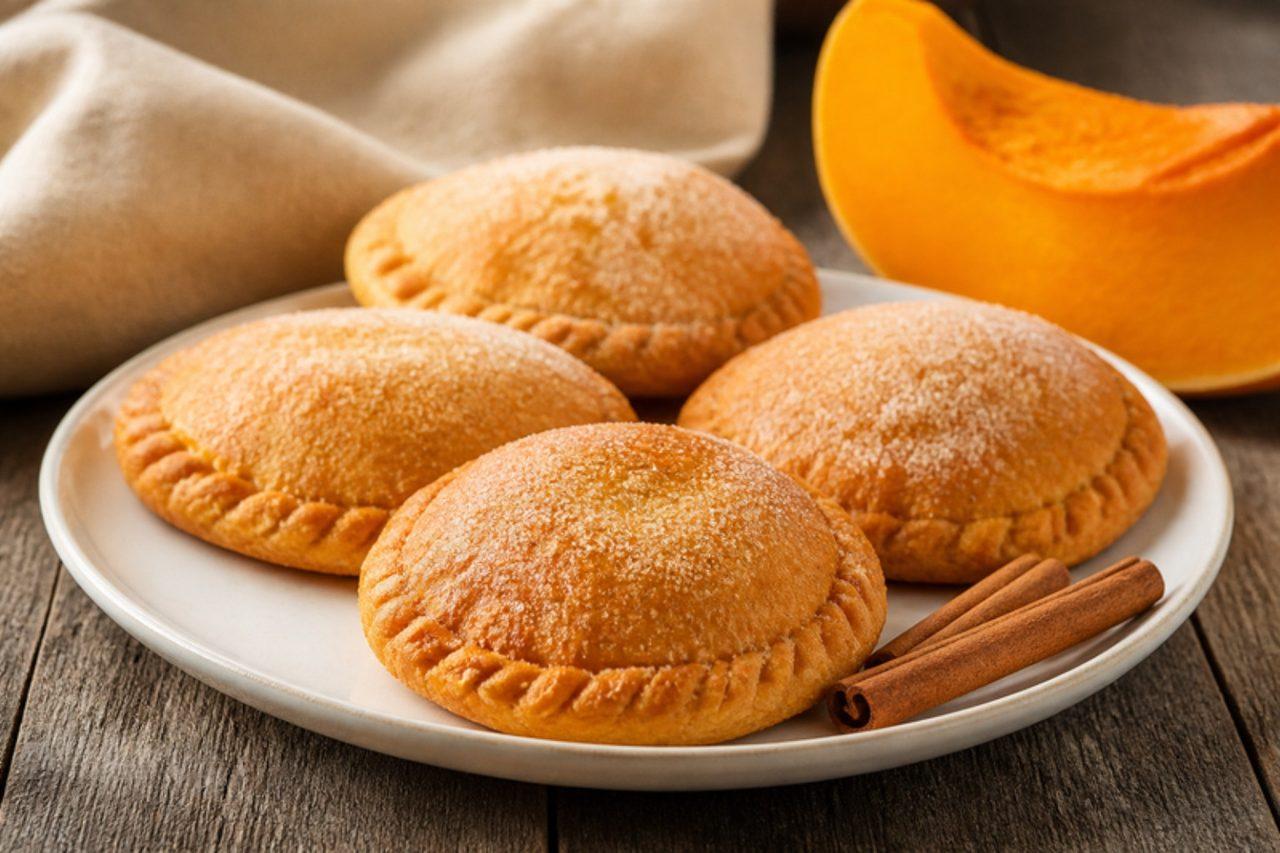
In the province of Teruel, especially around Calamocha and the Jiloca valley, tortas de alma are made at the end of autumn when the pumpkins come in: crisp, flaky olive-oil pastry folded over "alma", a sweet filling of pumpkin cooked down with sugar, almond and cinnamon. They are eaten with coffee at the village festivals and given away by the dozen at All Saints and Christmas. Recipes vary from house to house; this one keeps to the simple, widely made version. A common mistake is a runny filling, which leaks and burns on the tray; cook it until it is thick enough to hold a clean line. Chef's tip: make the filling a day ahead and chill it; cold alma is far easier to spoon onto the pastry.

by KrazyBadal 0 views

Picadas veracruzanasMasa cakes with salsa

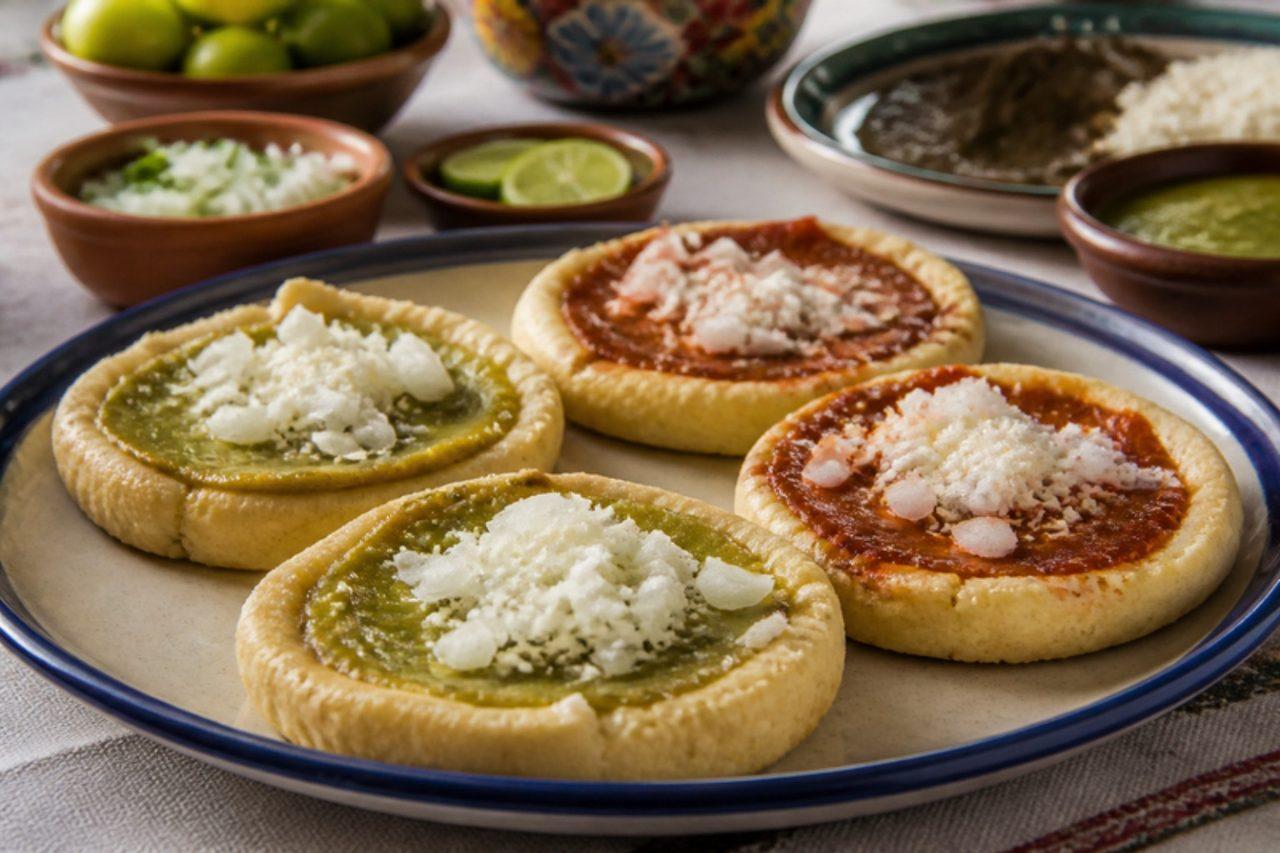
Breakfast in the port of Veracruz and in Xalapa often starts with picadas at a market fonda or a café by the harbour: palm-sized rounds of fresh masa, cooked on the comal, then pinched all around while hot (picar means to pinch) to make little ridges that catch the salsa. Half are spooned with red salsa and half with green, then scattered with onion and crumbled cheese, and eaten with black coffee. Cooks there drizzle them with hot pork lard; this recipe uses a little oil instead. Chef's tip: wet your fingertips in cold water before pinching, so you can work the hot masa without burning yourself.

by KrazyBadal 0 views

Picadinho cariocaDiced beef stew with rice

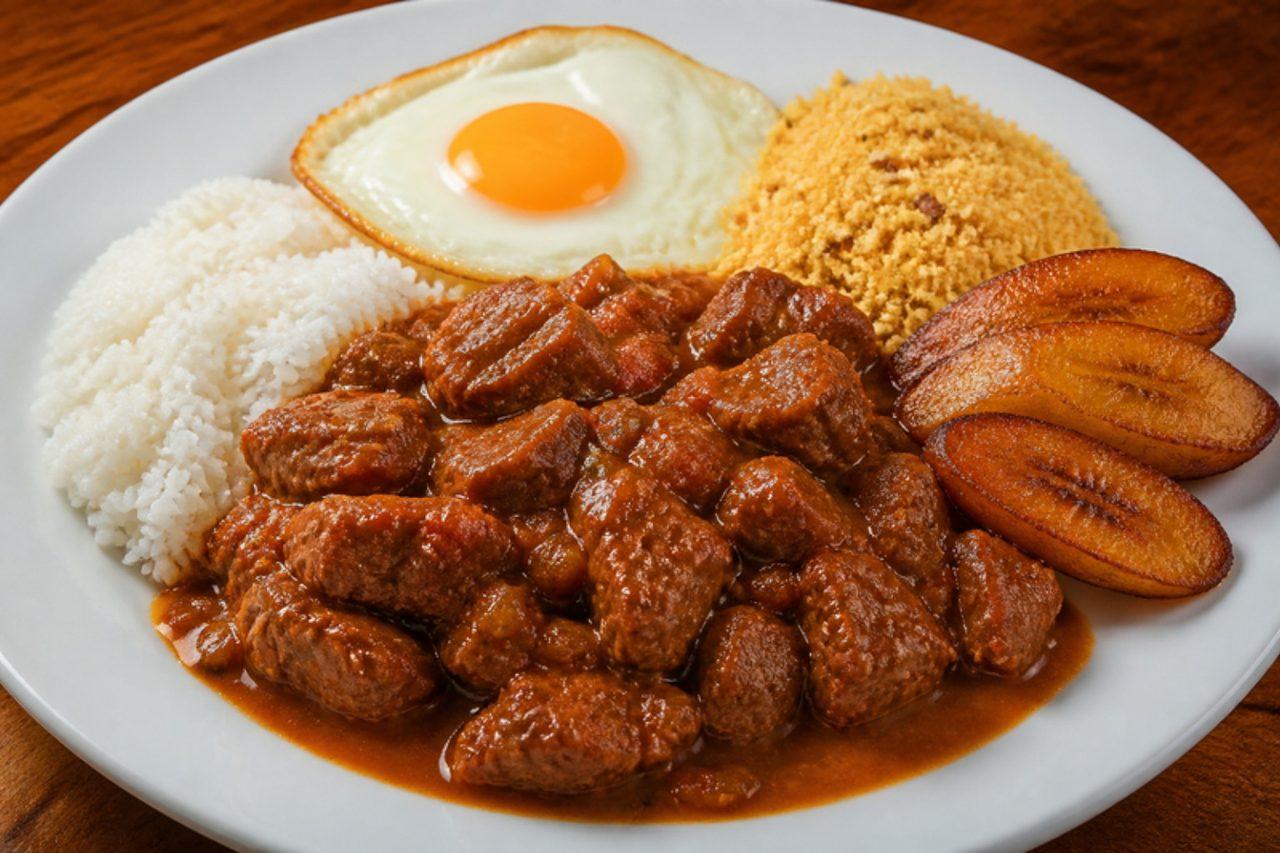
Diced small and simmered in a glossy tomato gravy, picadinho is the plate Rio de Janeiro orders at lunch counters and old bars in Centro, and the one cariocas cook at home when they want comfort. The tender cubes of beef come with white rice, a fried egg with a runny yolk, farofa and slices of banana, and every forkful mixes a bit of everything: savoury, sweet, crisp and soft. The everyday mistake is crowding the pan, so the beef boils grey instead of browning; fry it in batches. Cook the eggs until the whites are fully set; if you are serving pregnant women, young children or older people, cook the yolks firm too. Chef's tip: cut the beef into 1.5 cm cubes; any larger and it is a stew, any smaller and it dries out.

by KrazyBadal 0 views

Picante de polloChicken in red chilli sauce

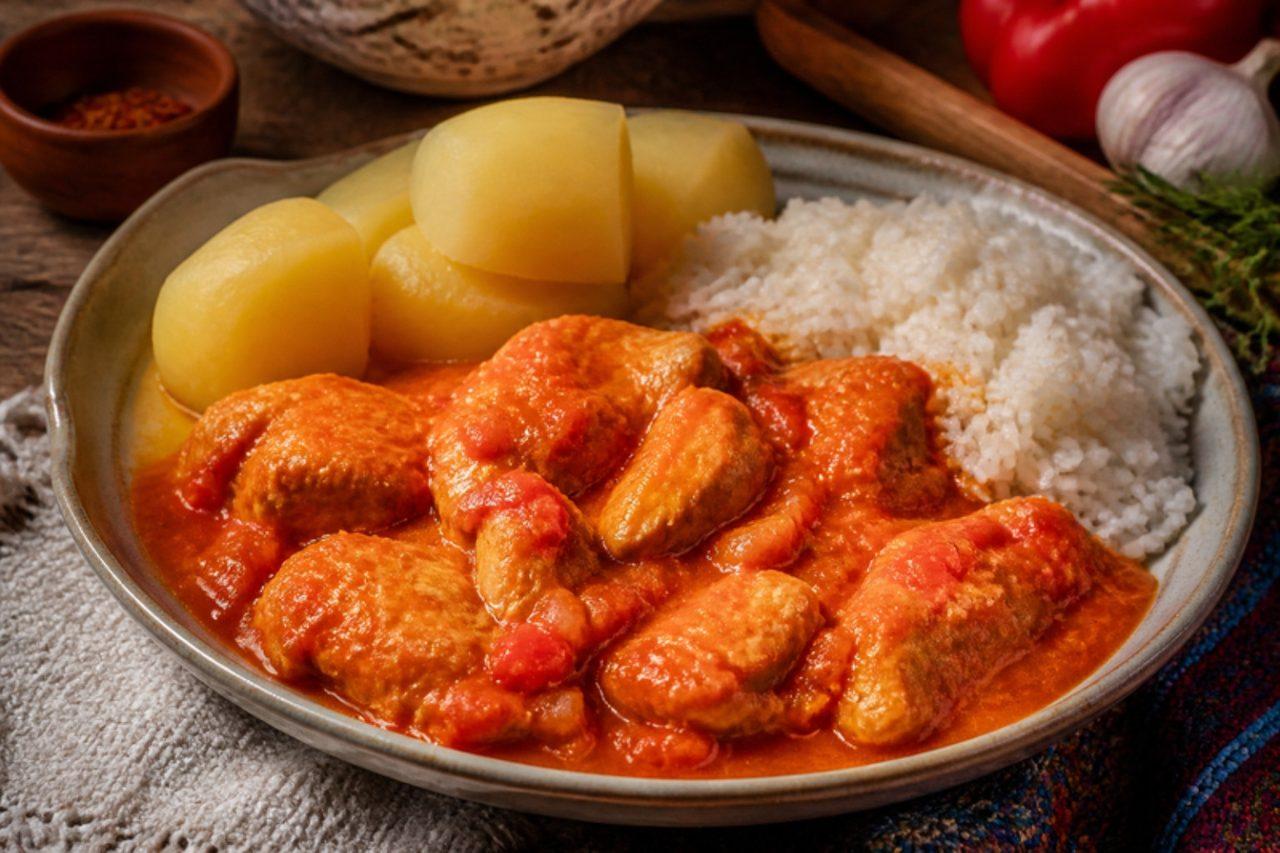
High up in Jujuy, picante de pollo is the dish cooks make for weddings, patronal feast days and Carnival in the Quebrada de Humahuaca, and the small comedores near the markets of San Salvador serve it every Sunday. Chicken pieces are first poached, then finished in a vivid red sauce of ají colorado (ground dried red chilli), lots of onion, tomato and garlic, thickened with the broth; on the plate it goes with white rice, boiled Andean potatoes and often a scattering of crunchy fried potato sticks (papas fritas en bastón) or chopped tomato and onion. It is warming rather than fiery, with a deep earthy chilli flavour. The chicken must reach 74 °C at the bone. Burning the ground chilli is the usual mistake: add it to the pan off the heat or over a gentle flame, or it turns bitter in seconds. Chef's tip: let the stew sit for 15 minutes before serving; the chicken absorbs the red sauce and the colour deepens.

by KrazyBadal 0 views

Showing 72 of 9,812 recipes

Show more recipes

Page 681 of 1,091