


Skip to content
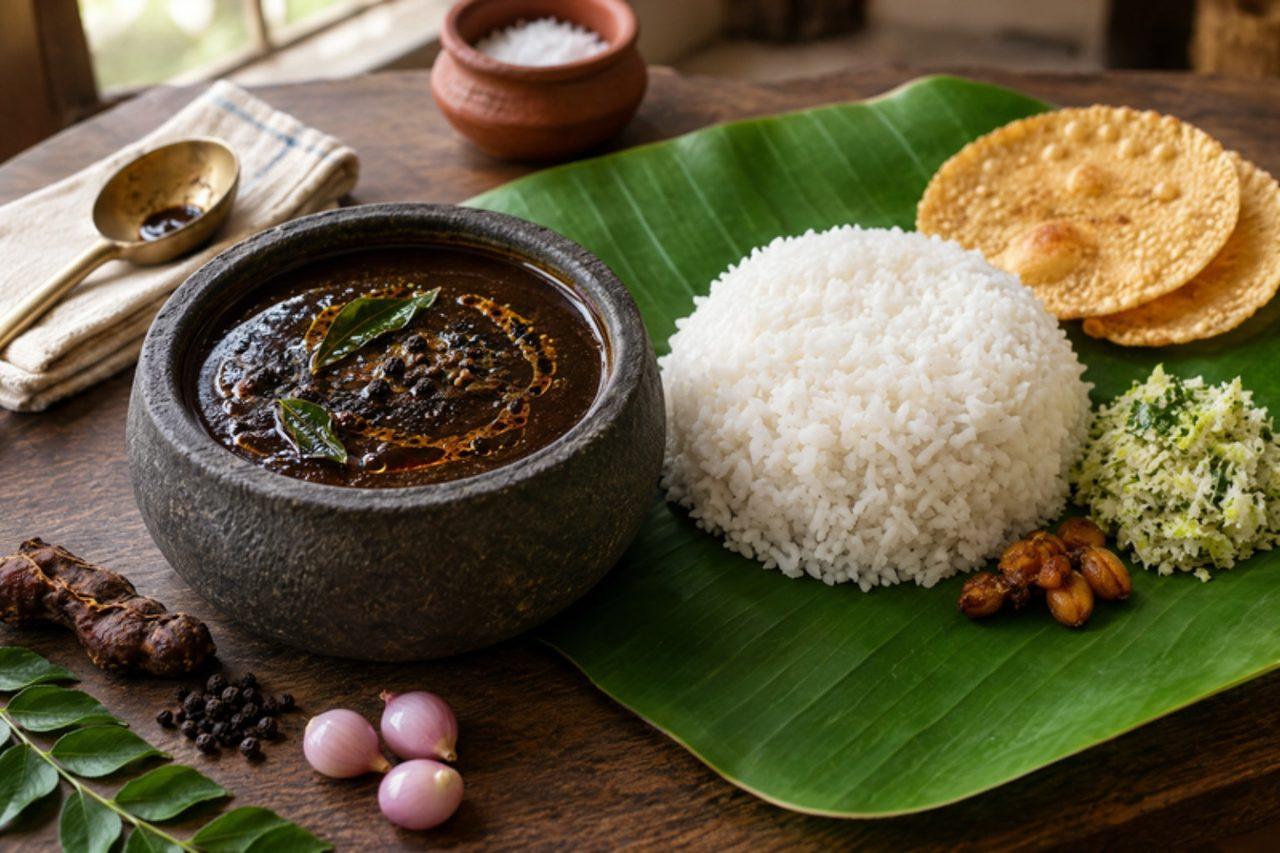
Khichi sambhar
Featured recipe

Khichi sambhar

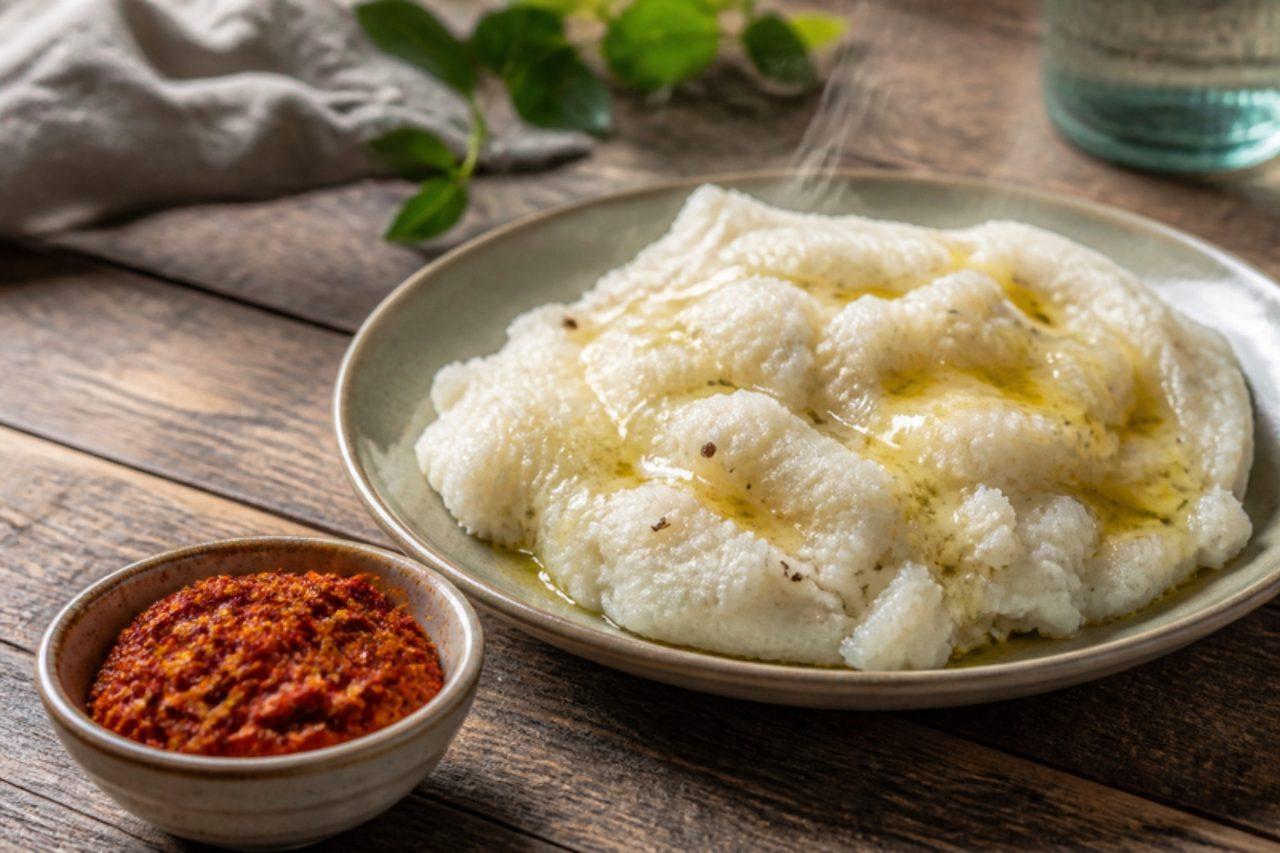
A bright red, tangy Gujarati masala, like a dry pickle masala made with split mustard and fenugreek seeds and sharpened with lemon. It's sprinkled over steaming khichu (khichi), and it's just as good with theplas or a drizzle of oil as a quick dip.

Read more 0 views

What to eat today?

Around the world

Today's trip: Paraguayan

A new country every day, from every cuisine on the site.

This week's collection

Kid-friendly dinners
537 recipes · a new collection every Monday

Latest recipes

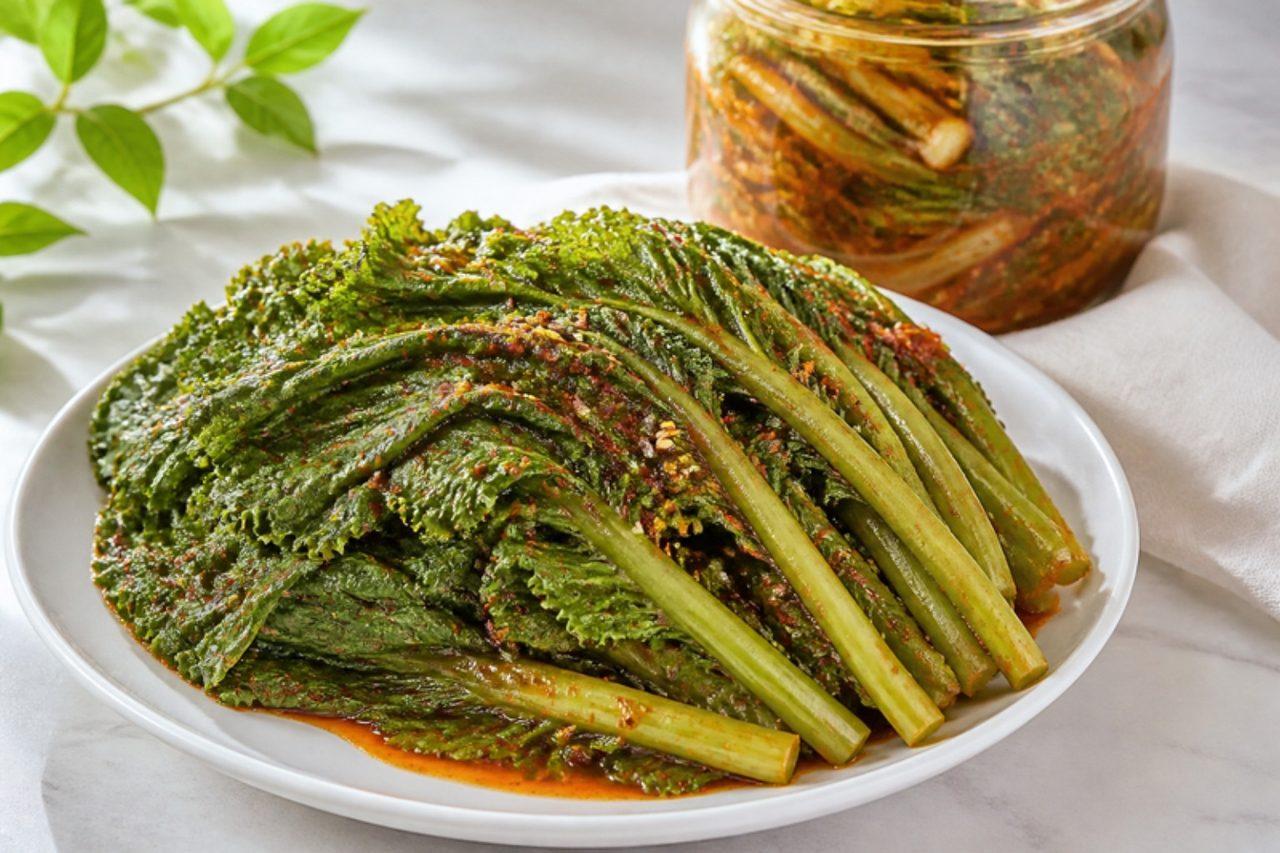
Gat kimchi

Dolsan island, off the port city of Yeosu in South Jeolla, grows a purple-tinged mustard green called gat that is milder and more tender than mainland mustard leaves, and gat kimchi (갓김치) made from it is the region's pride. The leaves keep a hot, wasabi-like bite that softens and turns tangy after a week or two of fermenting. Jeolla kimchi is usually heavy with fish sauce and salted anchovy; this version gets its depth from a kelp-and-rice porridge, pear, onion and soy, so it is vegan. Eat it with plain rice, noodles or on the side of jeon. Chef's tip: salt the leaves stems-first and turn them halfway; the thick stems need longer than the leaves.

by KrazyBadal 0 views

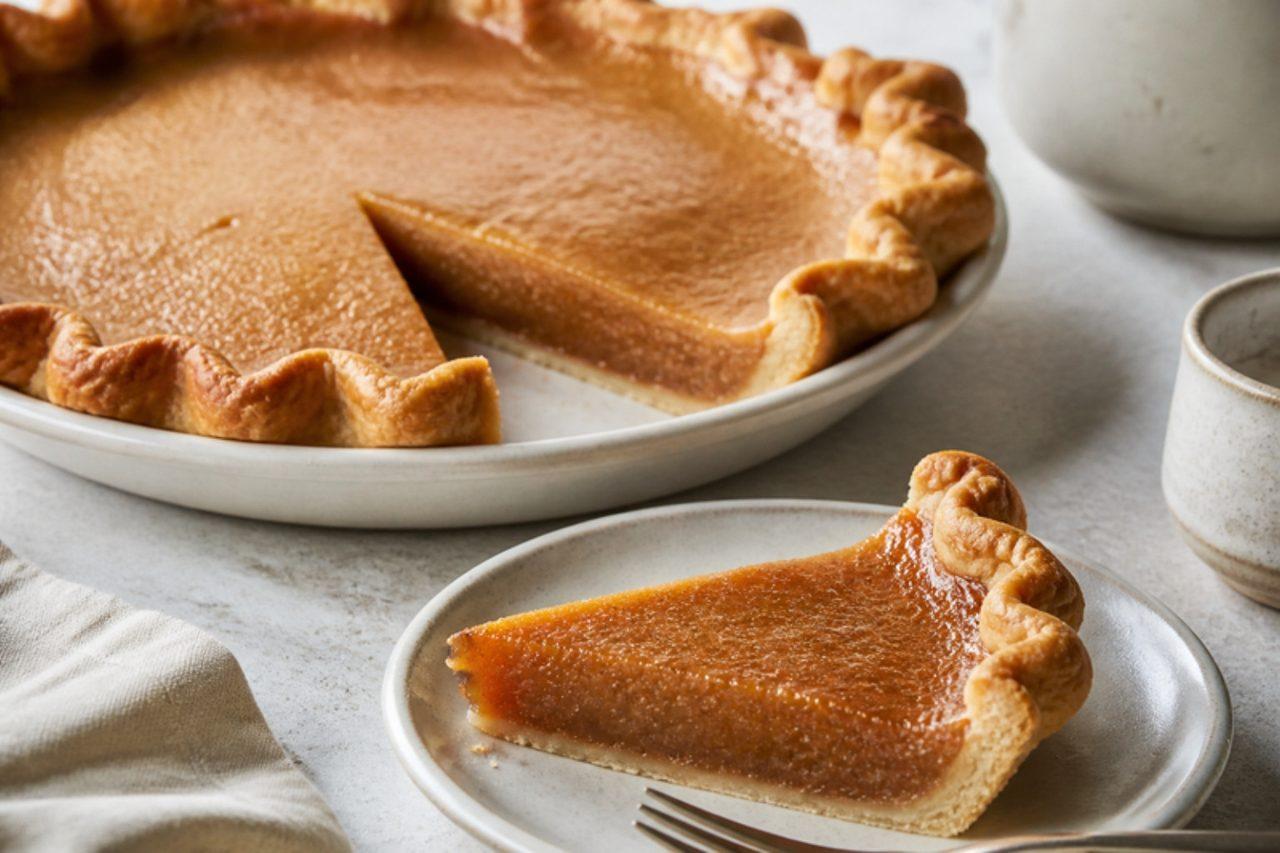
Tarte au sucre

Tarte au sucre is the sweet that closes Québec's holiday réveillon (Christmas Eve feast) and the Sunday meal at grandmother's house. Brown sugar, cream and a little maple syrup are thickened with flour and baked in a buttery shell until set like soft fudge, glossy on top. It's very sweet, so slices are thin, often with a dollop of unsweetened whipped cream. Rural Acadian and Franco-Ontarian families make very similar pies. Chef's tip: let it cool completely, for at least 3 hours; warm sugar pie is runny and only sets as it cools.

by KrazyBadal 0 views

Lotus seed and longan sweet soup

Hue, the old imperial capital on the Perfume River, is famous for its chè: sweet soups and puddings sold from tiny shops where the menu runs to dozens of kinds. The most elegant is chè hạt sen long nhãn, once a palace dessert. Lotus seeds from the city's lakes are simmered until soft and creamy, then tucked inside juicy longan fruit and served in a light, clear syrup. It is eaten warm on cool rainy afternoons or over crushed ice in the hot months. Chef's tip: split each dried lotus seed and pick out any green germ inside before cooking; one missed germ makes the whole bowl bitter.

by KrazyBadal 0 views

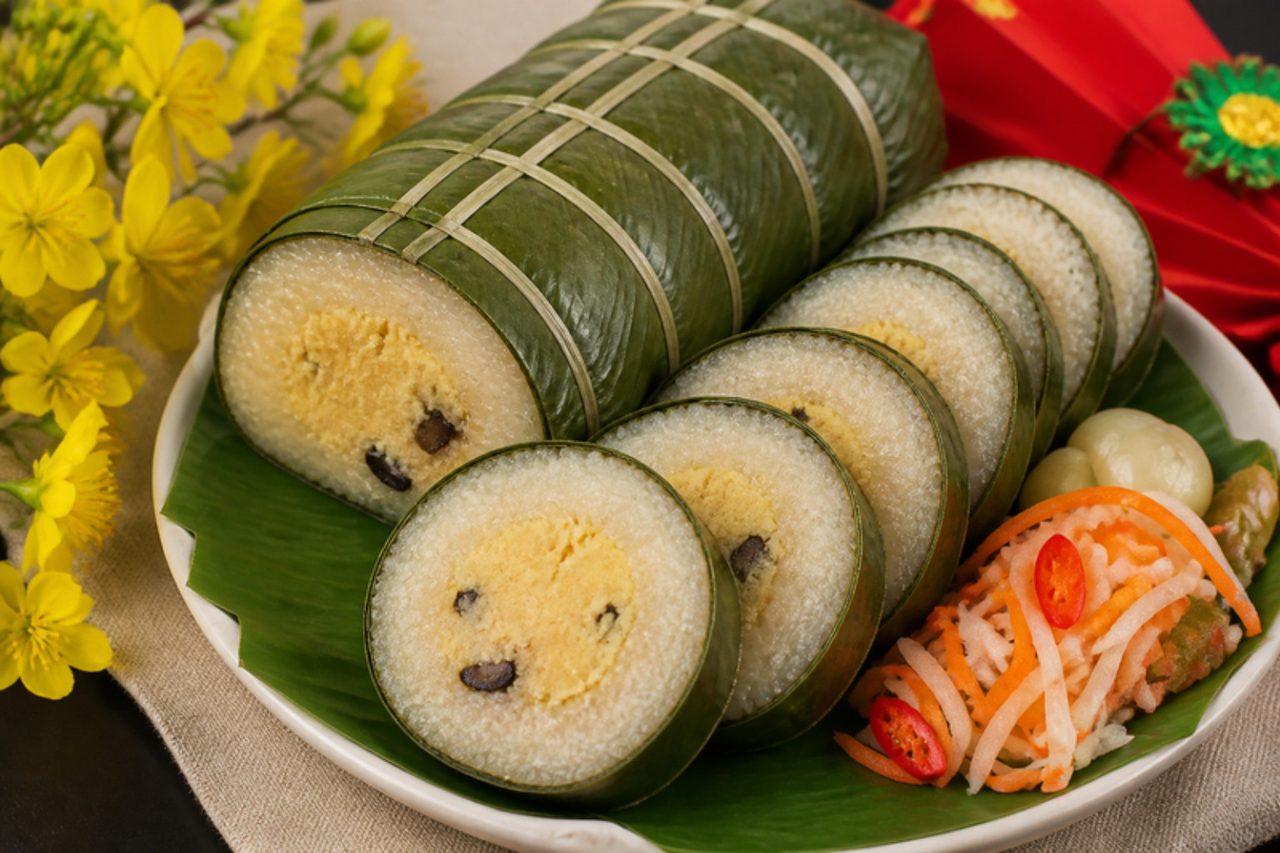
Vegetarian banh tet

In the Mekong Delta, families gather in the days before Tết (Lunar New Year) to wrap bánh tét: long, round logs of coconut-scented sticky rice around a core of mung bean, tied in banana leaves and boiled overnight over a wood fire. The everyday version hides a strip of pork belly in the middle; the chay version here, with peppery shallot-seasoned mung bean, is the one made in Buddhist pagodas and vegetarian households, and some cooks make a sweet bánh tét chuối with ripe banana instead. Slices are cut with a loop of string, eaten with pickled vegetables, or fried until crisp in the days after Tết. Chef's tip: roll and tie the log tightly; a firm parcel is what keeps the water out and gives clean, dense slices.

by KrazyBadal 0 views

Panipopo

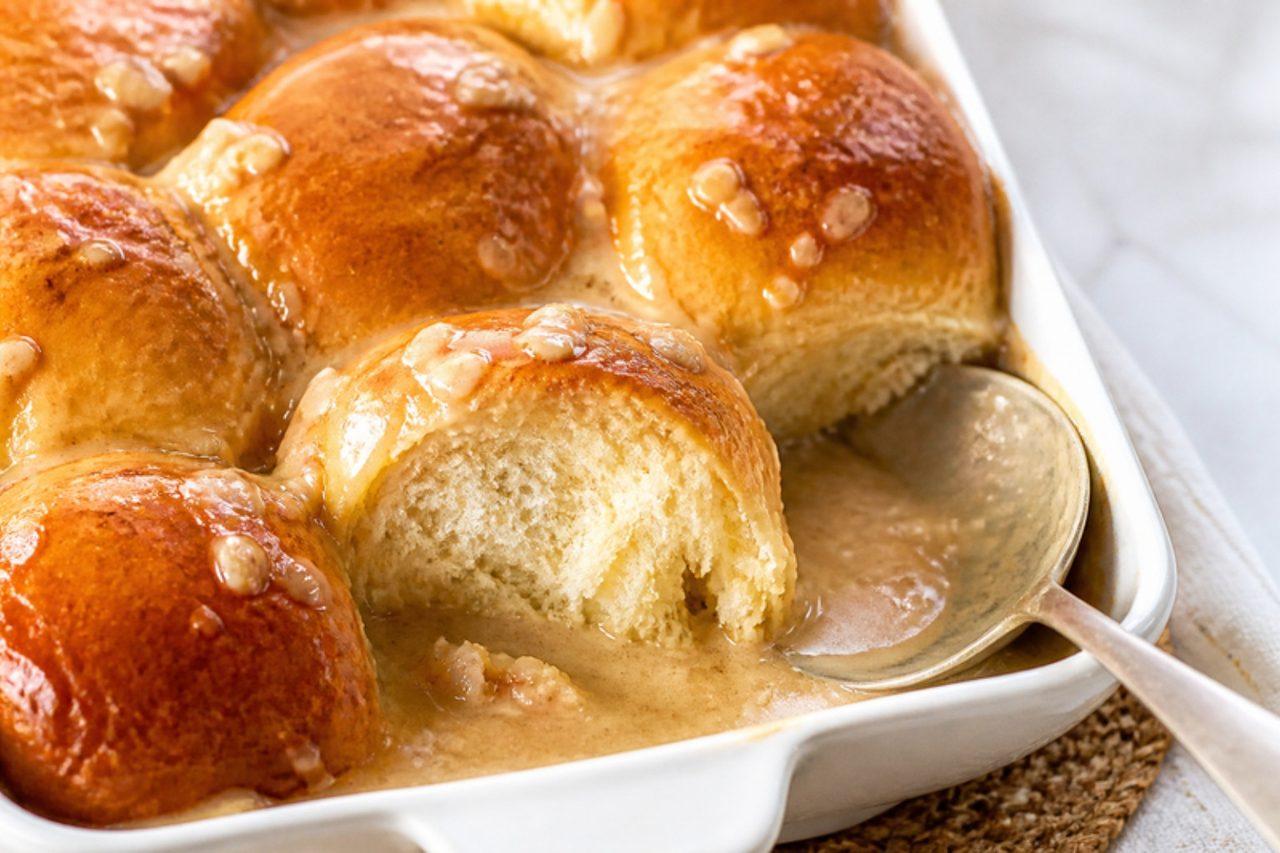
Panipopo (from 'pani', bun, and 'popo', coconut) are soft, sweet bread rolls baked sitting in a pool of coconut milk and sugar, which bubbles into a sticky, caramel-coloured sauce around them. Samoan families bake them for Sunday lunch, fundraisers and church gatherings, and they've spread to Samoan communities in Auckland and Hawaii. Served warm with the sauce spooned over, they're somewhere between a cinnamon roll and a pudding. Chef's tip: pour the coconut sauce around the rolls just before baking, not hours ahead, or the bottoms go soggy instead of sticky.

by KrazyBadal 0 views

Hawaiian tofu poke

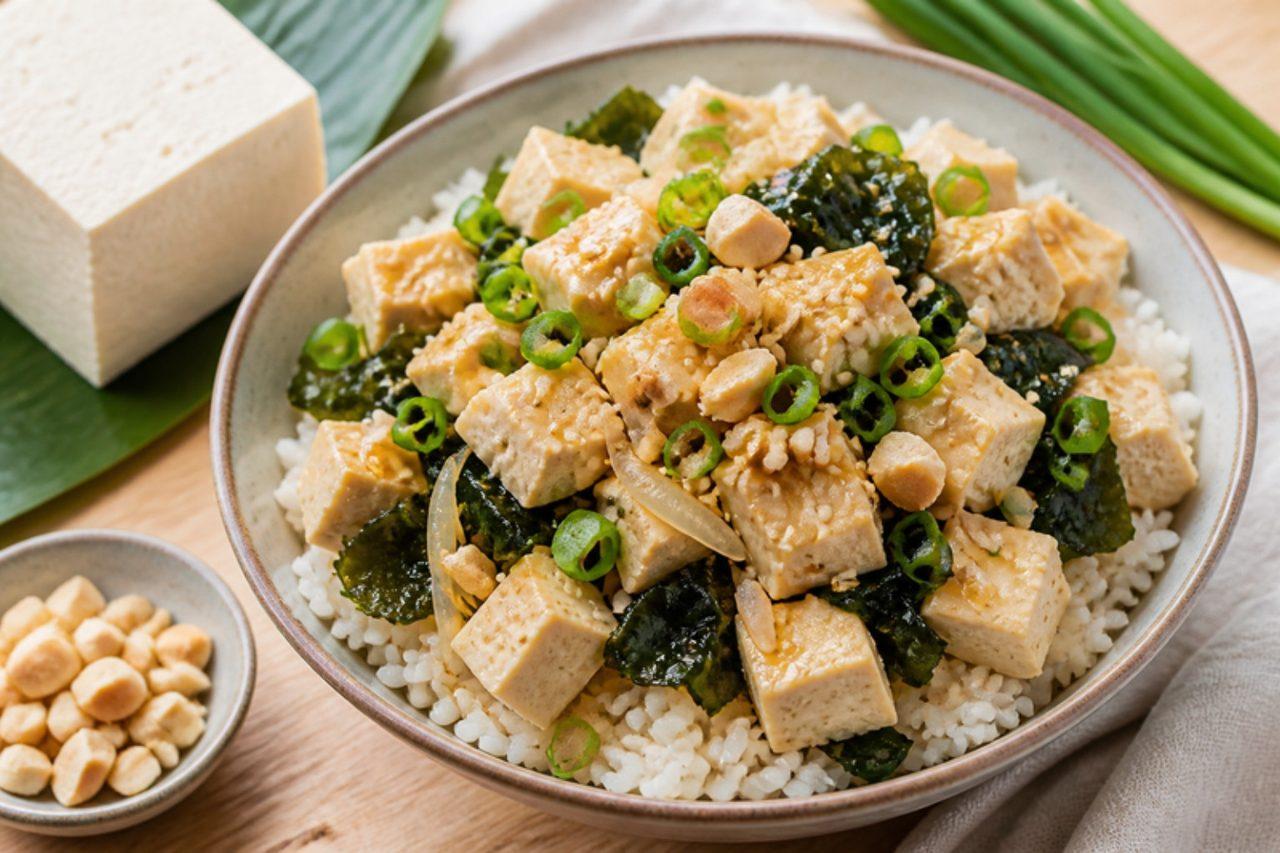
Poke (say 'POH-keh', meaning 'to cut into pieces') is Hawaii's everyday snack: in local markets and at the deli counters of Honolulu, raw cubed fish is tossed with soy, sesame oil, sweet Maui onion, seaweed and inamona (roasted candlenut). Tofu poke has become a standard option at those same counters, and it's how this recipe is written; the original uses raw tuna (ahi) instead of tofu. Serve it as a pūpū (snack) or over rice. Chef's tip: press the tofu well and dry it; firm, dry cubes soak up the dressing instead of watering it down.

by KrazyBadal 0 views

Vegetable tsuivan

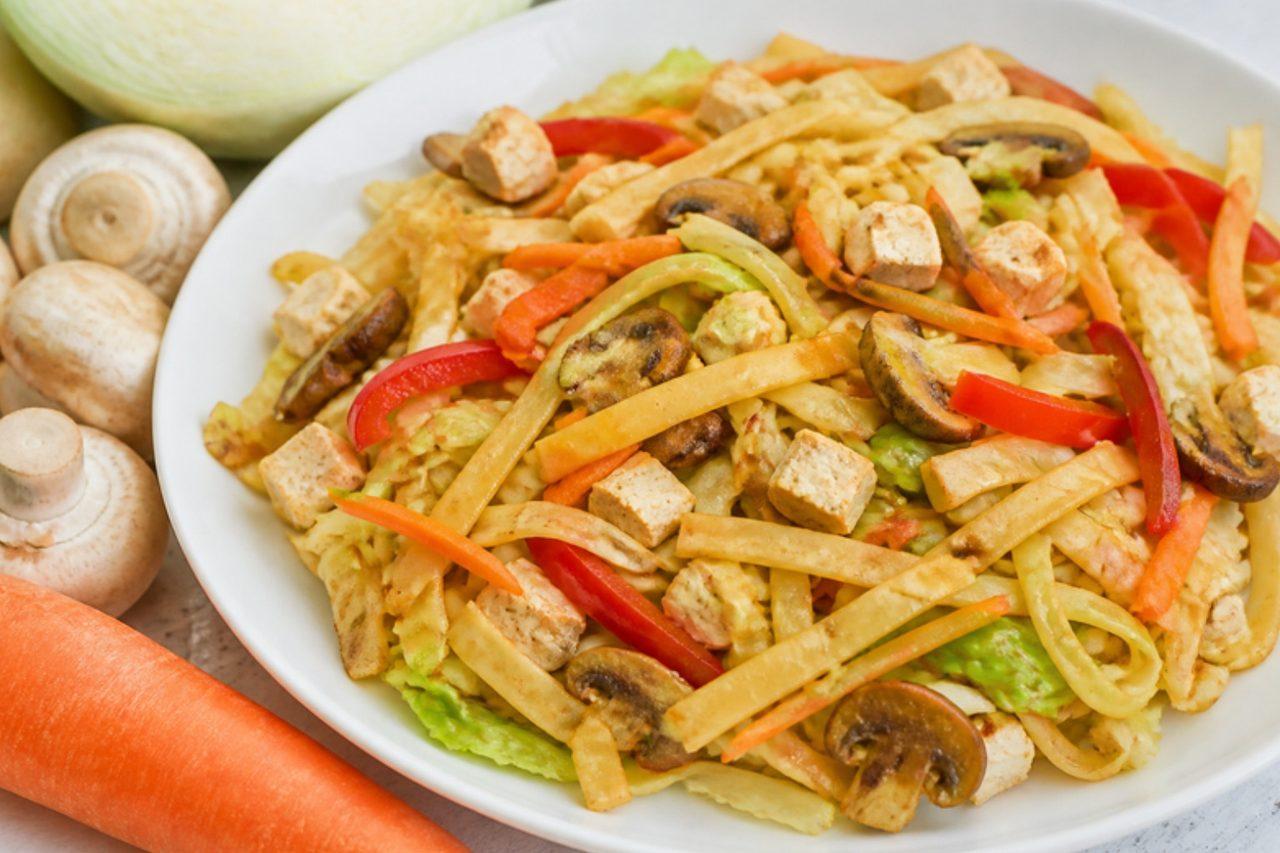
Tsuivan is one of the most-cooked dinners in Mongolia, from Ulaanbaatar apartments to gers on the steppe: homemade noodles laid over a stir-fry and steamed under a lid until they soak up all the juices, then tossed together. It's normally made with mutton; meaty mushrooms and firm tofu stand in here, with carrot, cabbage and onion. Simple and filling, it's often eaten with a pot of salty milk tea. Chef's tip: lay the noodles on top and don't stir until the end; they cook in the steam, not in the liquid.

by KrazyBadal 0 views

Avakaya

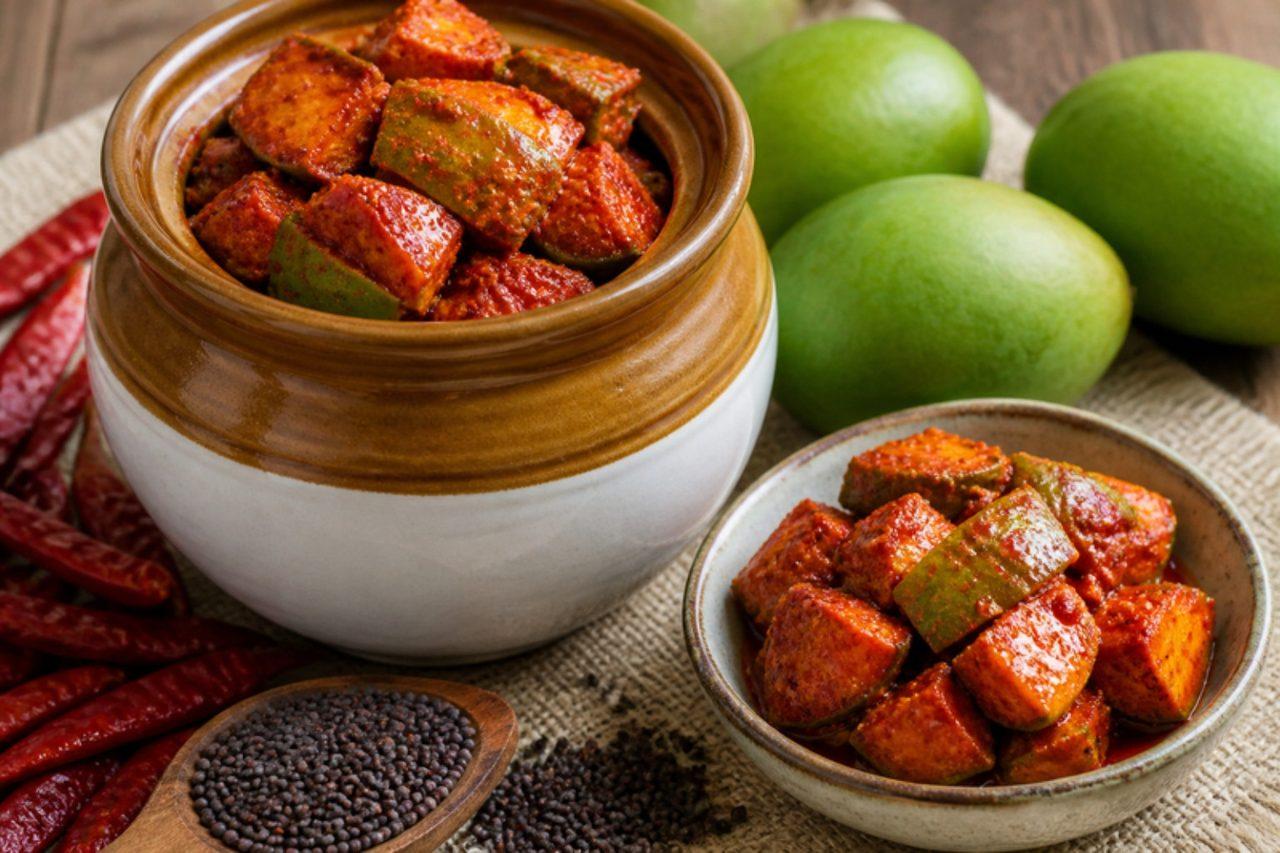
Every April and May, when the hard, sour green mangoes arrive, Andhra homes turn into pickle factories. The mangoes are cut, stone and all, with a heavy cleaver, then mixed with freshly ground mustard, fiery red chilli powder, salt and a flood of sesame oil, and packed into ceramic jars to mature. Avakaya is fierce, pungent, salty and sour, and a tiny piece mashed into hot rice with ghee and dal is many Telugu people's idea of perfect lunch. A jar lasts the whole year. Chef's tip: every piece of mango, every knife and the jar must be bone dry; a single drop of water can turn a whole batch mouldy.

by KrazyBadal 0 views

Fijian cassava cake

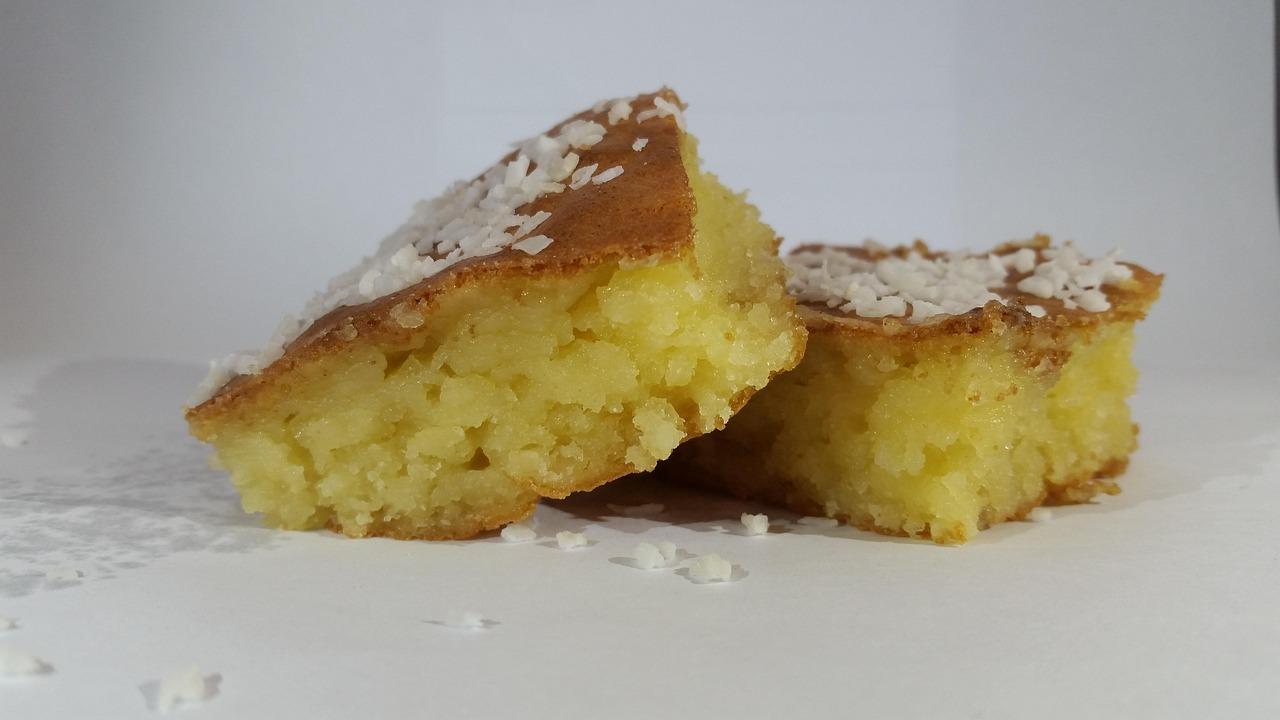
In Fiji, cassava (tavioka) is everyday food, and grated sweet cassava cake turns up at village feasts, church bazaars and morning tea across Viti Levu. Fresh cassava is finely grated and baked with coconut milk, sugar, butter and a little vanilla into a heavy, chewy, golden cake that's cut into squares. It's naturally gluten free and keeps well for a couple of days. Chef's tip: squeeze some of the liquid out of freshly grated cassava; too wet and the cake stays gluey in the middle.

by KrazyBadal 0 views

Pootharekulu

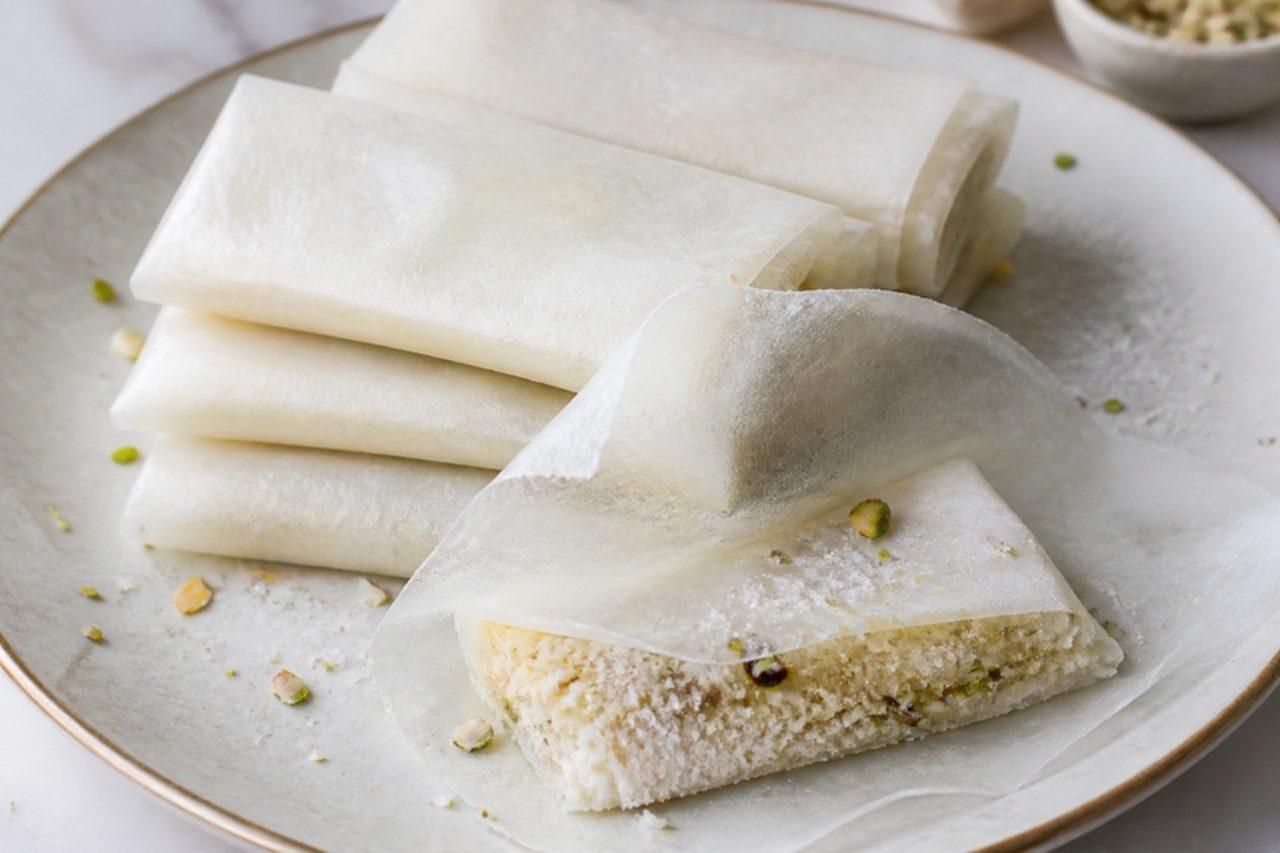
Pootharekulu ('coated sheets') come from Atreyapuram village in the Godavari district, where women make translucent rice-starch films by dipping a cloth in batter and wiping it over a hot, upturned clay pot. Those whisper-thin sheets are then layered with ghee and powdered sugar or jaggery and folded into neat parcels that melt on the tongue. True rekulu need the special pot and years of practice, so this home method spreads a very thin rice batter on an upturned wok or non-stick pan and peels off the dried film. Sheets can also be bought ready-made in Indian shops; then just do the filling. Chef's tip: work with the sheets dry; brush ghee on, never sugar syrup, or they turn soggy and tear.

by KrazyBadal 0 views

Beguni

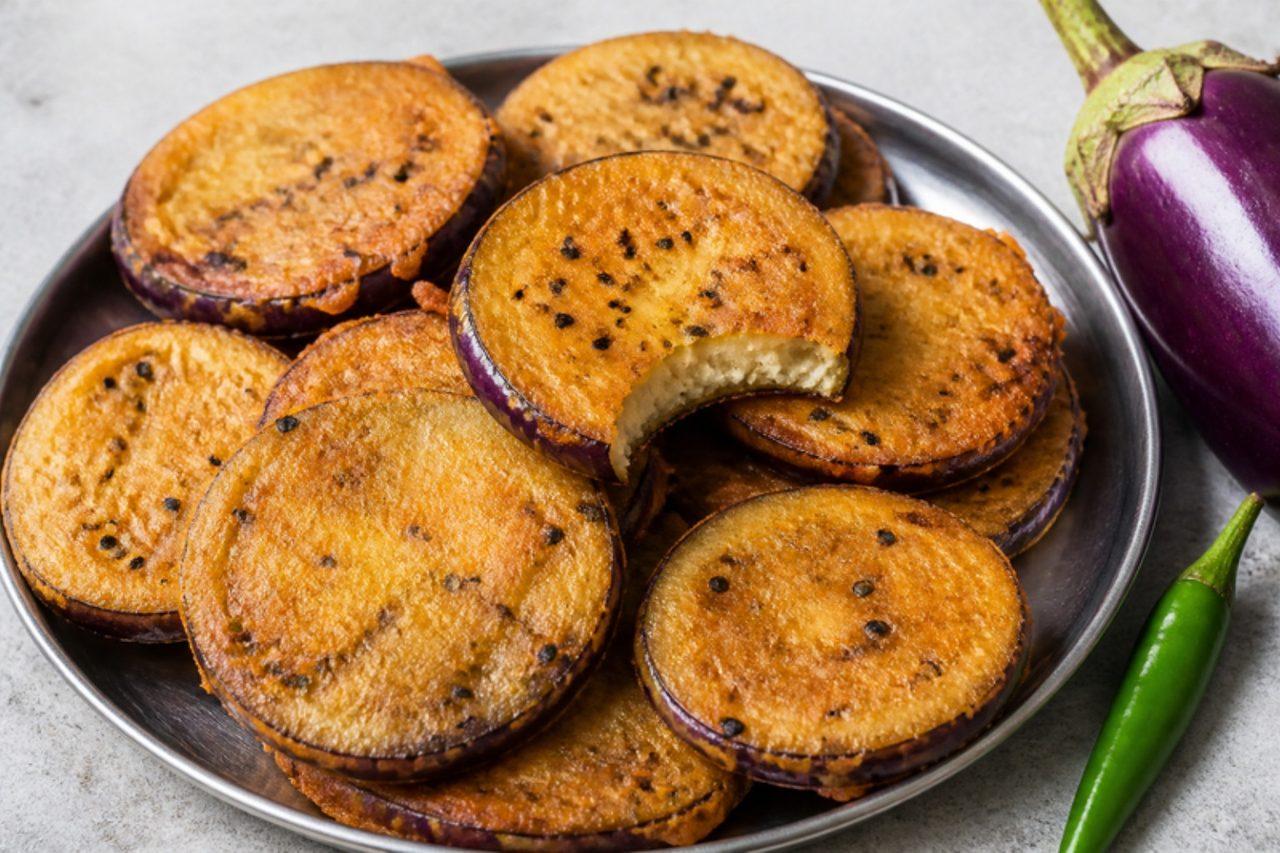
When the monsoon arrives in Kolkata, the telebhaja shops at every para corner start frying beguni: long, thin slices of aubergine dipped in a spiced gram-flour batter and fried until the coat puffs and turns golden. It is eaten with muri and a cup of tea, or alongside khichuri on a wet Saturday. The inside should be soft and creamy, the shell thin and crackly. Chef's tip: a spoonful of rice flour and a pinch of nigella in the batter keep it crisp long after frying. This is a different dish from begun bhaja, where the slices are fried bare with turmeric and salt.

by KrazyBadal 0 views

Mughlai paratha

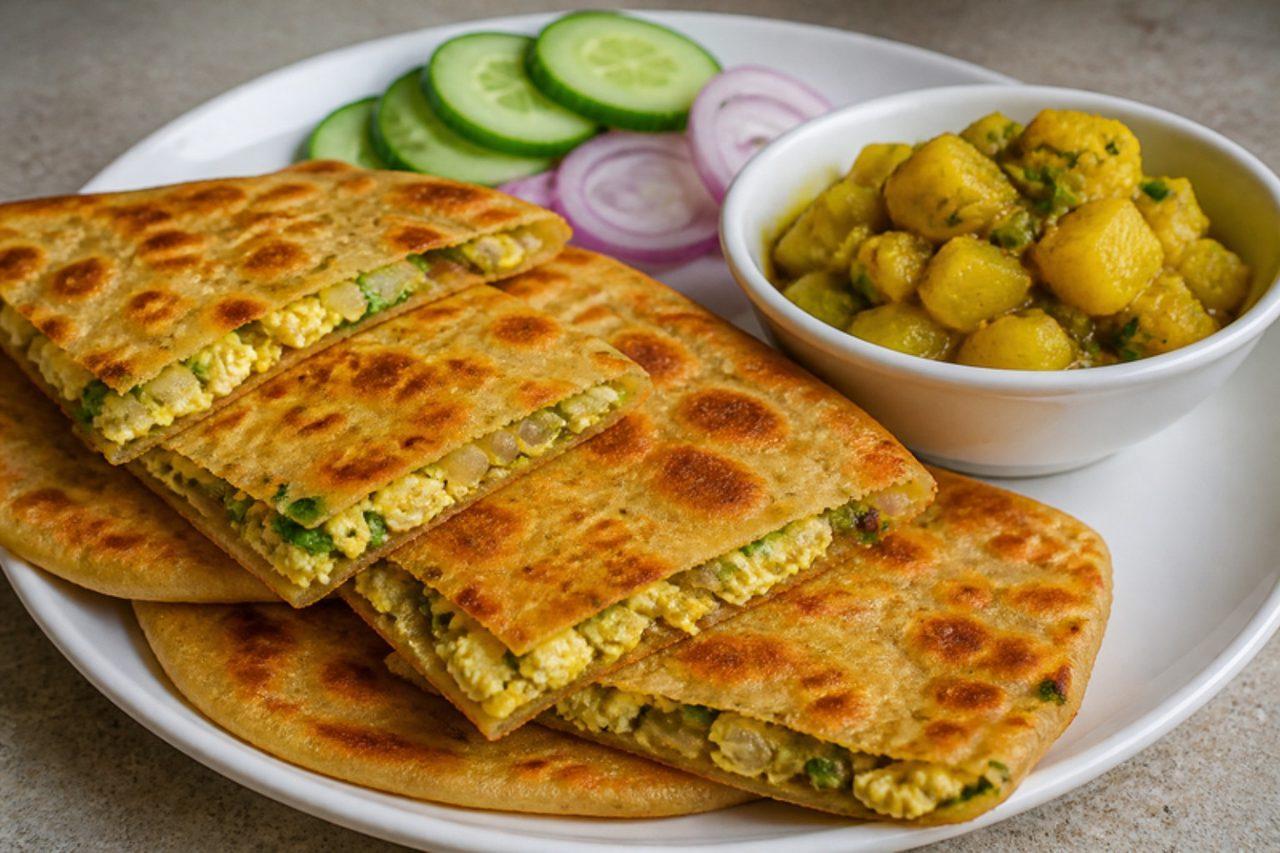
Mughlai paratha is a Kolkata cabin-restaurant classic, the sort of thing eaten at Anadi Cabin or a para stall on a winter evening with a sweet-sour potato curry and sliced cucumber and onion. Paper-thin dough is stretched out on the tawa, a beaten egg with onion, chilli and coriander is poured into the middle, and the sides are folded over into a sealed square parcel that is shallow-fried until it blisters. Many shops add minced meat; this vegetarian version is egg only, the way plenty of Bengali homes make it. Chef's tip: stretch the dough with oiled hands rather than a rolling pin for the thinnest sheet.

by KrazyBadal 0 views

Mul naengmyeon

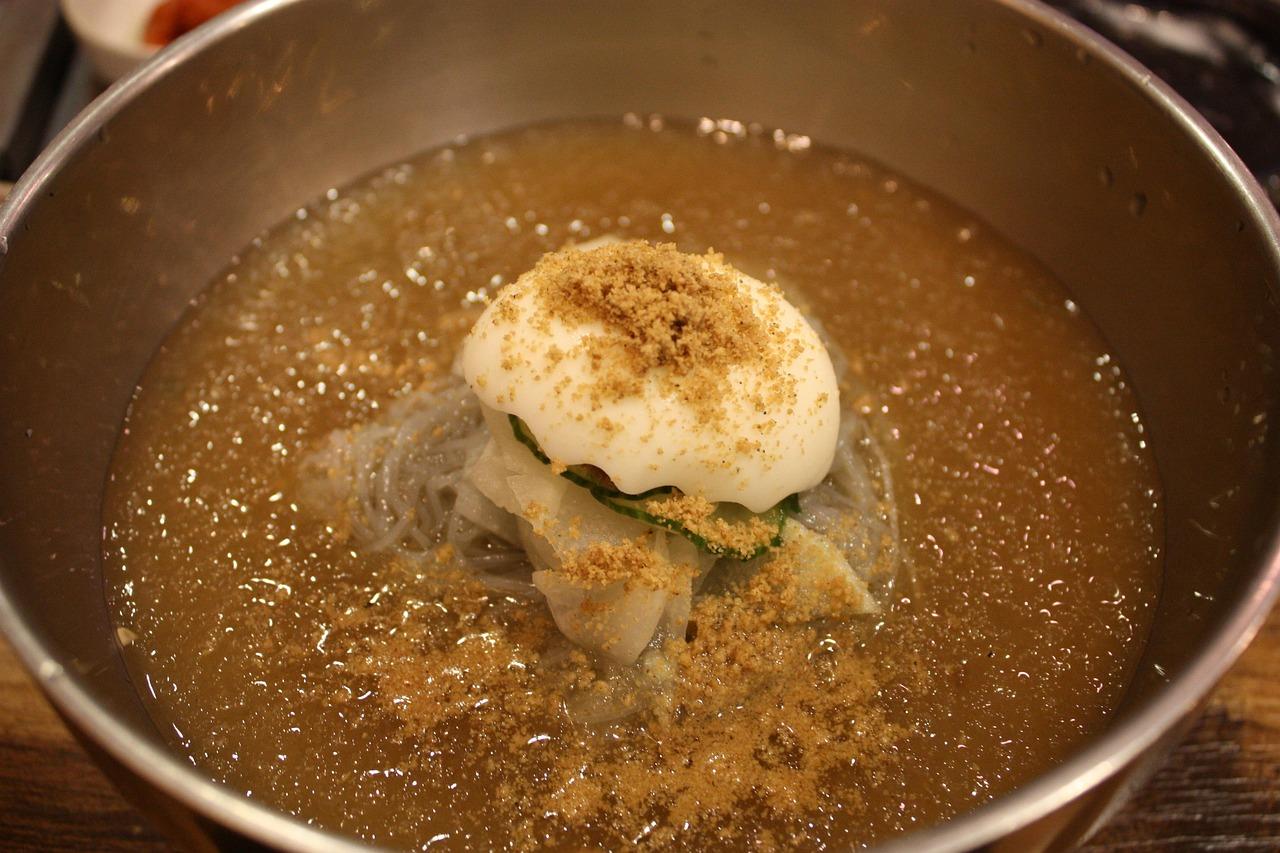
Mul naengmyeon comes from Pyongyang, where it was once a winter dish eaten in heated rooms; after the war, northern cooks opened naengmyeon houses in Seoul, and now it is the first thing people crave on a sticky summer afternoon. The beef broth is served almost frozen, slightly sweet and sharp with vinegar, over long, springy buckwheat noodles. Bottles of vinegar and hot mustard sit on every table so you can adjust each bowl. Plan ahead: the broth needs at least 4 hours in the fridge, or make it the day before. Chef's tip: put the strained broth in the freezer for the last hour, so it turns slushy just as you serve.

by KrazyBadal 0 views

Labra

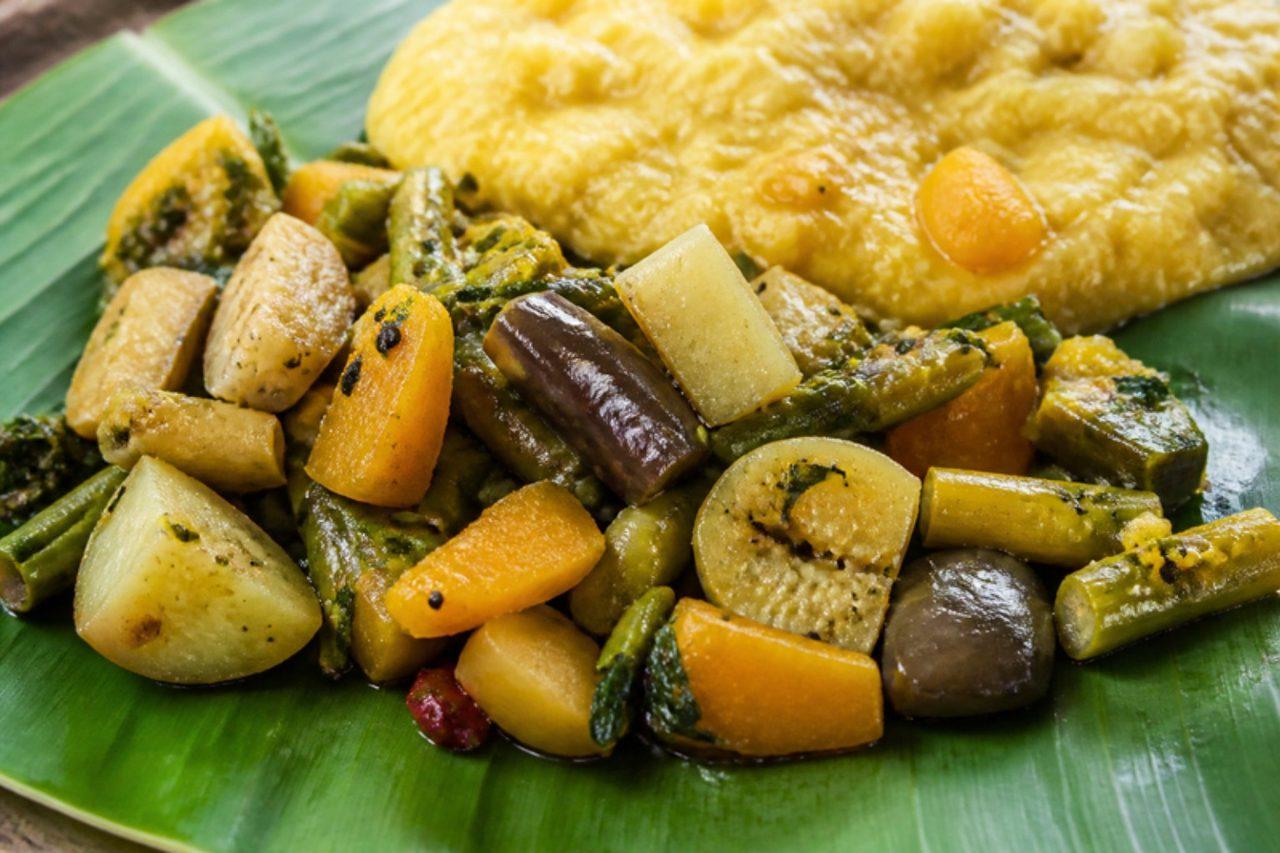
Labra is the vegetable dish of Durga Puja bhog: in community pandals across Bengal it is ladled out beside khichuri and a sweet tomato chutney to hundreds of people sitting in rows. It is a loose jumble of pumpkin, potato, aubergine, radish, sweet potato, raw banana and spinach stalks, cooked with panch phoron and ginger until some pieces melt and others hold. No onion or garlic goes in, because it is temple food. Chef's tip: add the vegetables in order of hardness, so the pumpkin goes soft and sweet while the radish and banana keep their shape.

by KrazyBadal 0 views

Niislel salad

Niislel means 'capital', and this creamy salad is the one served across Ulaanbaatar at Tsagaan Sar (Lunar New Year), birthdays and in every canteen. It descends from the Russian Olivier salad of the Soviet era, made Mongolian with plenty of cucumber and sometimes apple; it usually includes ham or sausage, left out here and replaced with extra egg. It's cool and comforting next to hot buuz (dumplings) or tsuivan. Chef's tip: cut everything into small, even cubes the size of a pea; that uniform dice is what makes it niislel and not just potato salad.

by KrazyBadal 0 views

Kolkata aloo dum

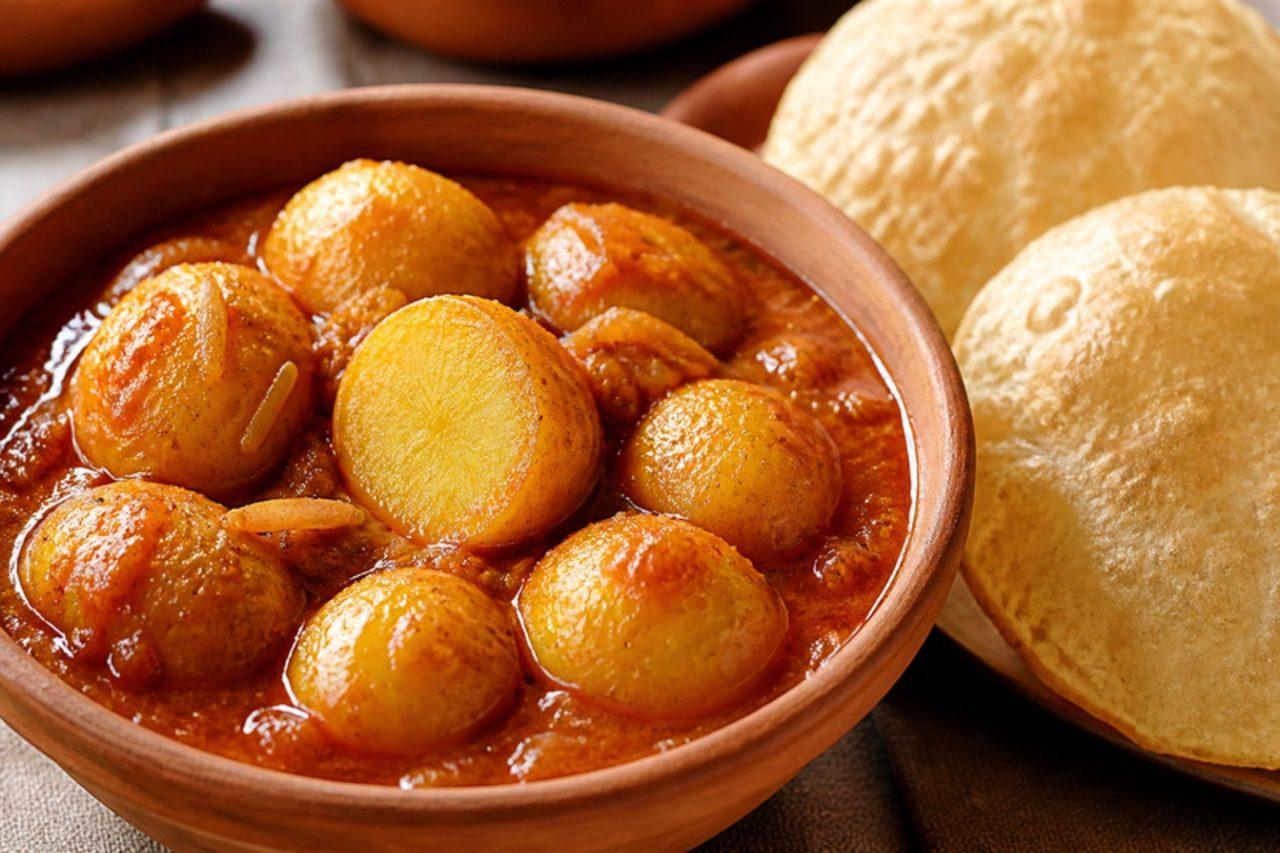
In Kolkata, aloo dum is the partner of luchi: hot puffed puris at a Sunday breakfast, or at the sweet shops and roadside stalls that sell 'luchi-alur dom' as a plate. Bengali aloo dum is thicker, sweeter and more gingery than its Kashmiri cousin, with no yogurt or fennel, and the potatoes are fried until their skins crinkle before they go into the gravy. A little sugar balances the chilli, and a final pinch of roasted cumin-coriander powder gives it the smell of a Bengali kitchen. Chef's tip: prick each boiled potato with a fork so the gravy gets inside.

by KrazyBadal 0 views

Öröm with bread

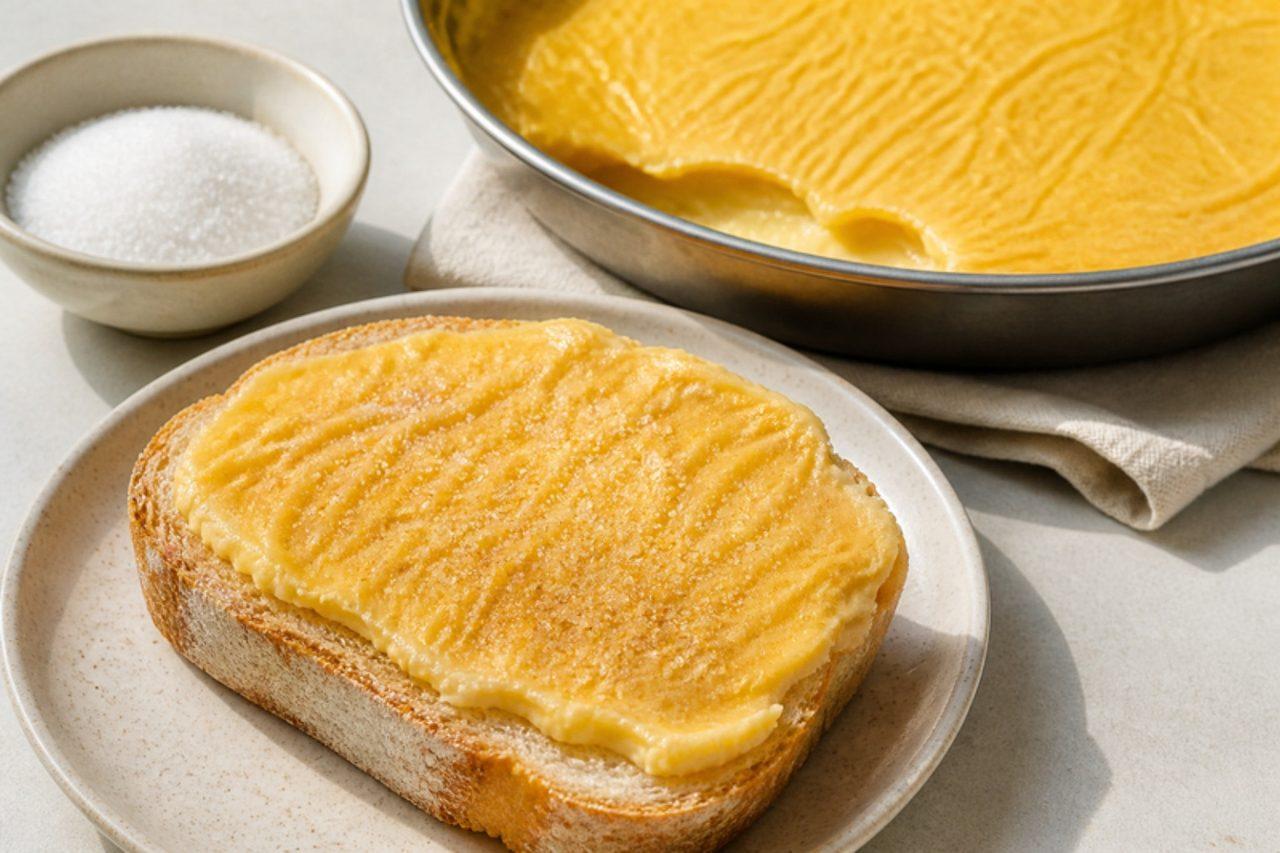
In Mongolian summer, when the herds are milked several times a day, families on the steppe gently heat fresh milk in a wide pan, ladling and pouring it back to froth it, then leave it overnight. By morning a thick, wrinkled, pale-gold skin of cream has formed: öröm. Lifted off and folded, it's spread on boortsog (fried dough) or bread with a sprinkle of sugar and eaten with milk tea. It's rich, slightly nutty and very simple. Chef's tip: use the widest, heaviest pan you own and the lowest possible heat; öröm needs a large surface and patience, not boiling.

by KrazyBadal 0 views

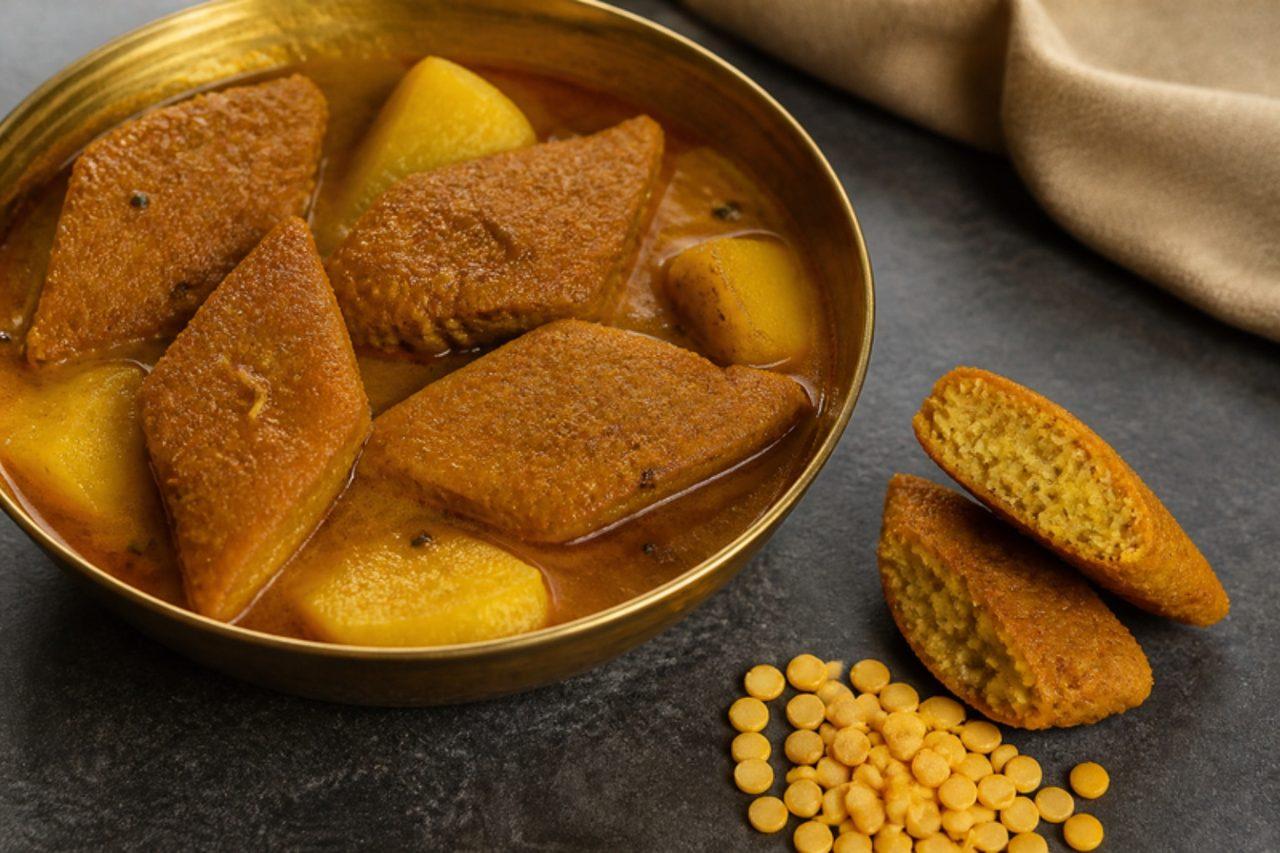
Dhokar dalna

Dhokar dalna comes from the Bengali niramish (vegetarian) kitchen of widows and temple cooks, and it is still cooked in Kolkata homes for festive lunches and Saraswati Puja. Soaked chana dal is ground, cooked with ginger and asafoetida into a thick paste, set in a tray and cut into diamonds, which are fried and then dropped into a thin, fragrant gravy just before serving. The dhoka soak up the sauce like a sponge. Chef's tip: cook the dal paste until it leaves the sides of the pan in one mass; if it is too soft, the diamonds break in the gravy.

by KrazyBadal 0 views

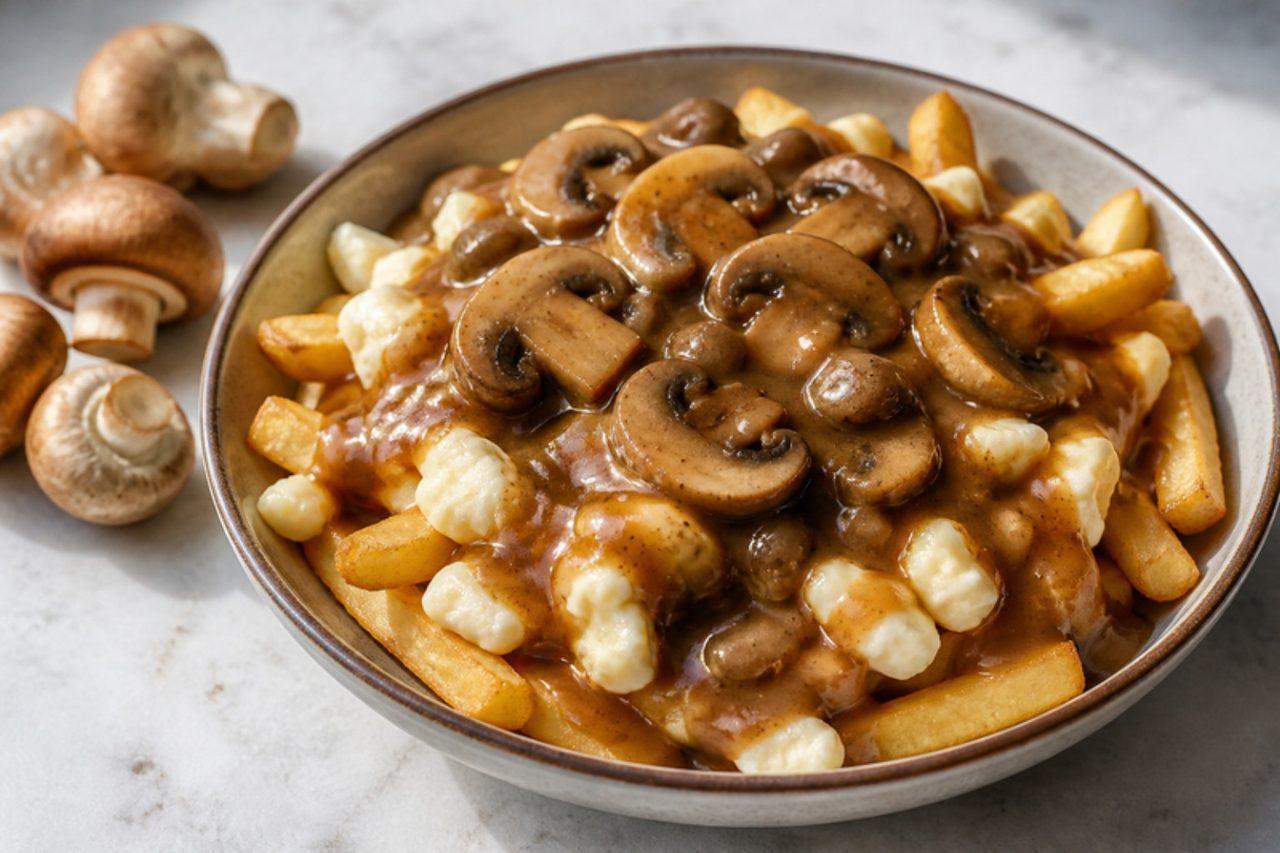
Mushroom-gravy poutine

Poutine was born in rural Québec in the 1950s, at snack bars (casse-croûtes) in towns like Warwick and Drummondville, and is now eaten across Canada at 2 a.m. after a night out and at hockey arenas. The rules are simple: crisp fries, fresh cheese curds that squeak against your teeth, and a hot, savoury gravy poured over so the curds soften but don't fully melt. This gravy is made with browned mushrooms and vegetable stock instead of the usual chicken-beef stock. Chef's tip: keep the curds at room temperature and the gravy very hot; cold curds stay rubbery and lukewarm gravy makes the fries soggy without softening the cheese.

by KrazyBadal 0 views

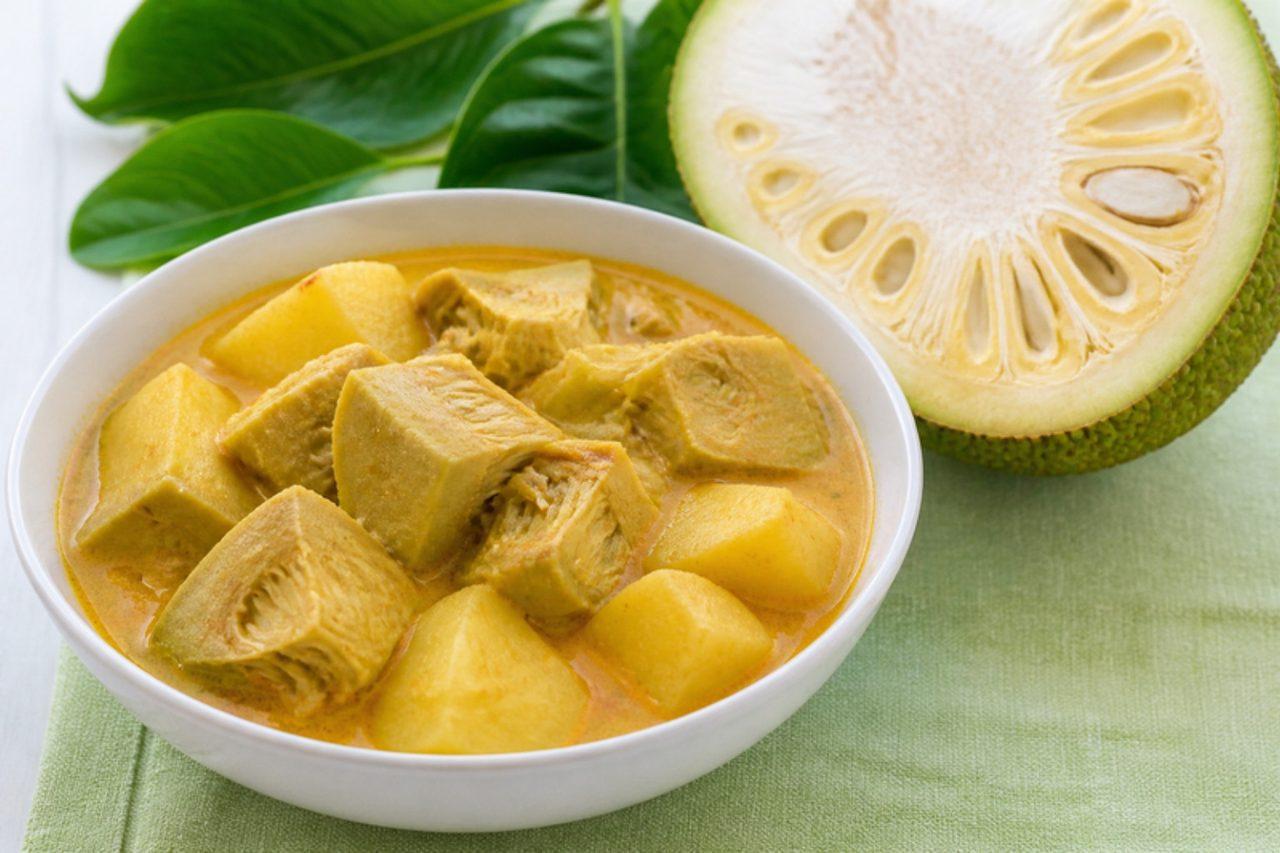
Echorer dalna

In early summer, Kolkata's bazaars sell baby green jackfruit (echor), and Bengali households cook it into a dalna rich enough to be called gachh-patha, 'mutton from the tree'. The jackfruit is boiled, fried with potato and simmered in a ginger, cumin and tomato gravy, finished with ghee and garam masala. Its chewy, meaty texture soaks up the spice. It is a Sunday lunch dish, eaten with rice or luchi. Chef's tip: buy jackfruit no longer than your forearm, with pale seeds; older fruit is fibrous and the seeds are hard.

by KrazyBadal 0 views

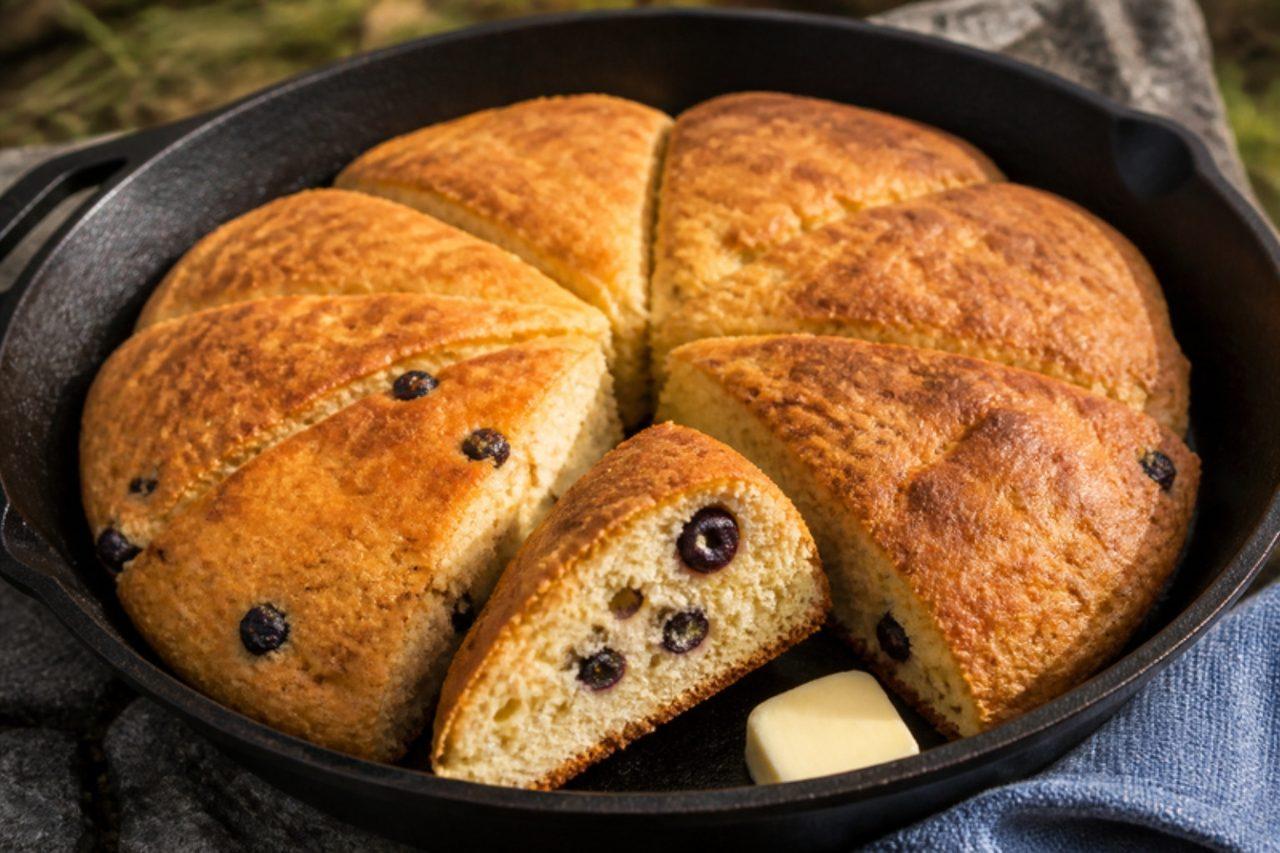
Bannock

Bannock is a quick bread of flour, baking powder, fat and water, cooked in a cast-iron pan, baked, fried or wrapped around a stick over a campfire. It's eaten in First Nations, Métis and Inuit communities across Canada, at powwows, family meals and on the land, and every family has its own version. Its history is complicated: wheat flour and lard reached many communities through trade and government rations, and bannock became both a food of survival and a living symbol of community and resilience. Long before that, Indigenous breads were made from local plants and roots. This is a simple home pan version, not any one nation's recipe. Chef's tip: mix only until the dough just comes together; overworking makes bannock tough.

by KrazyBadal 0 views

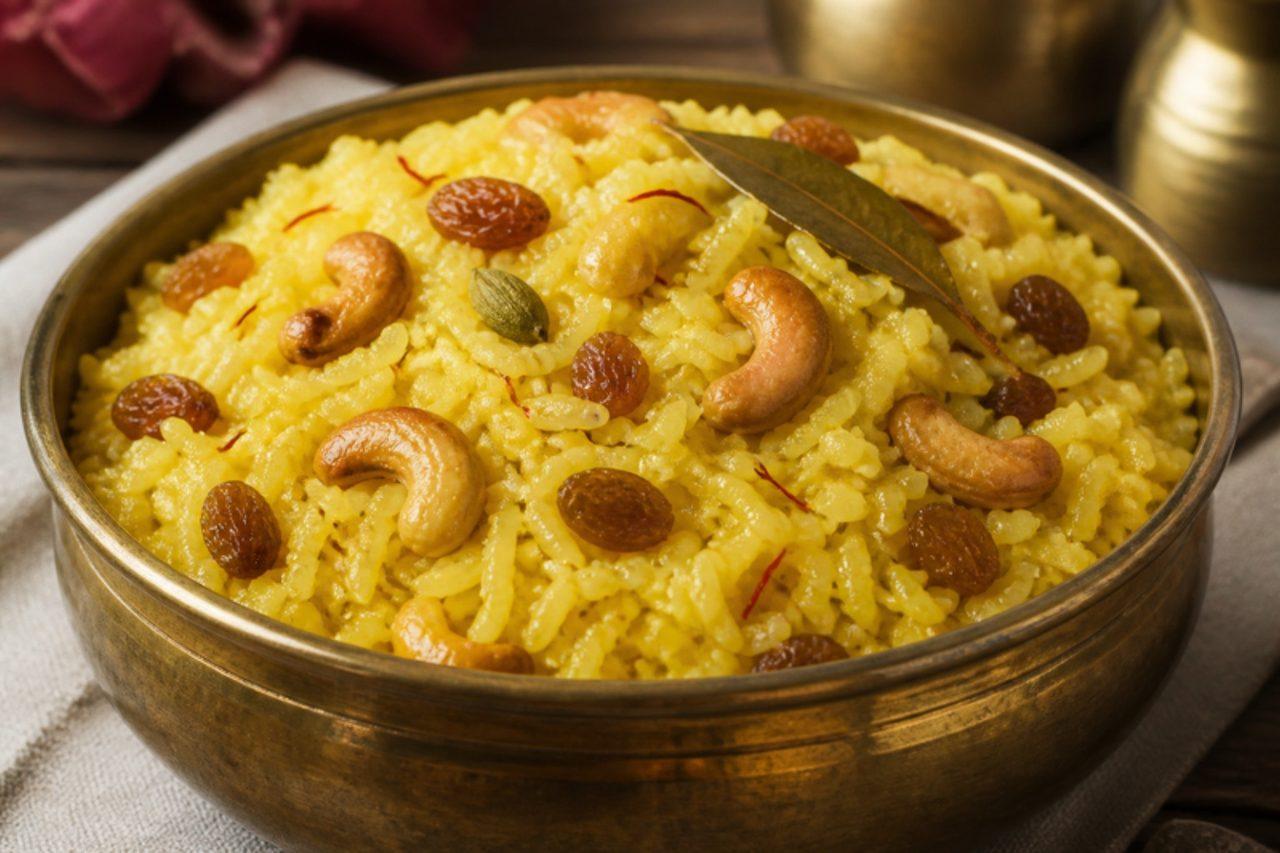
Basanti pulao

Basanti pulao, the 'spring-coloured' pulao, is cooked in Bengali homes for Poila Baisakh (the Bengali new year), weddings, Jamai Shashthi and pujas. It is made with gobindobhog, a short-grain, buttery-smelling rice from Bengal, cooked in ghee with whole spices, turmeric, sugar, cashews and raisins until each grain is glossy and separate. It is distinctly sweet, and is served with aloo dum, chhanar dalna or, in non-vegetarian homes, kosha mangsho. Chef's tip: wash the rice and spread it on a cloth for 30 minutes; dry grains fry in the ghee without breaking.

by KrazyBadal 0 views

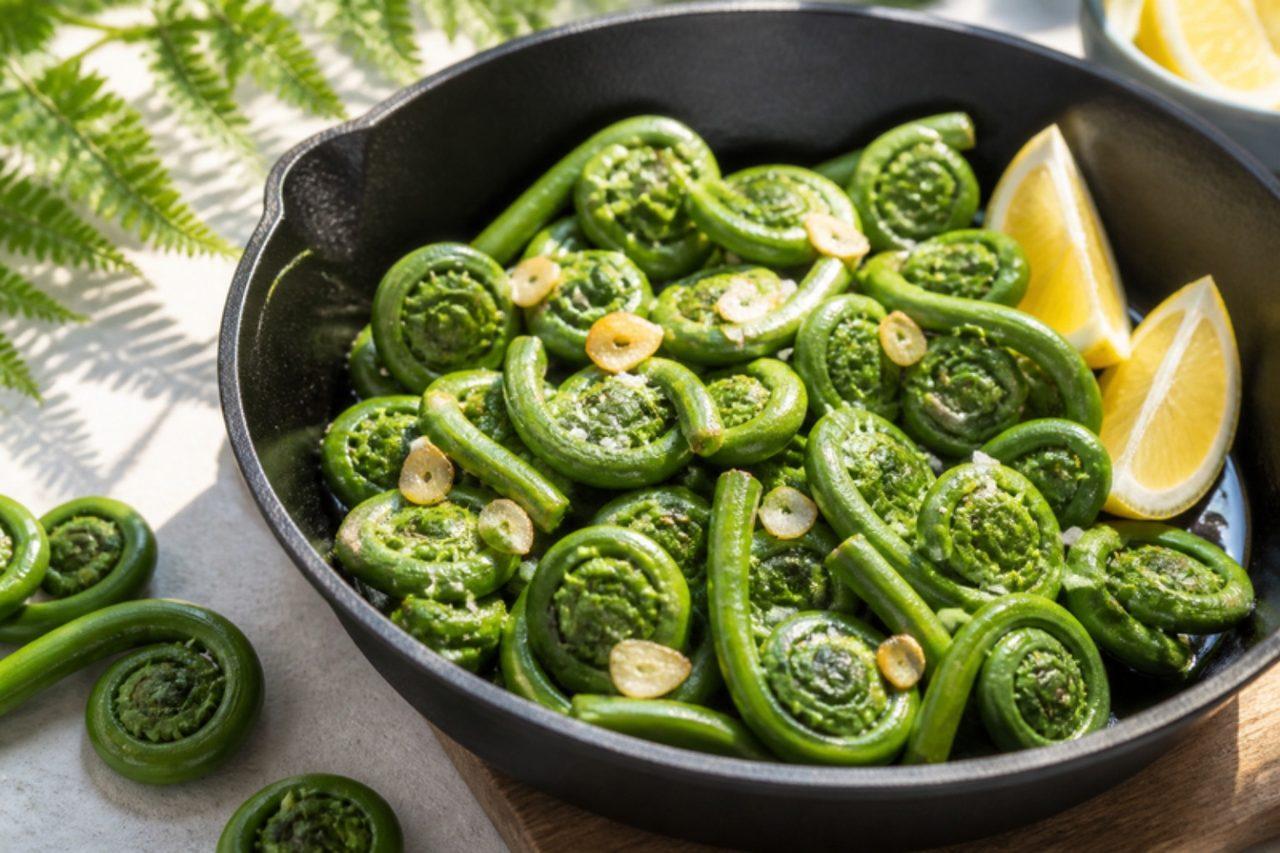
Fiddleheads with garlic butter

For a few weeks in May, the riverbanks of New Brunswick, along the Saint John River, and parts of Maine and Québec sprout fiddleheads: the tightly coiled young shoots of the ostrich fern. Locals forage them or buy them by the bag at roadside stands and farmers' markets, and eat them simply, with butter, garlic and lemon, tasting somewhere between asparagus and green beans with a grassy snap. They're a true taste of Atlantic Canadian spring. Chef's tip: fiddleheads must be boiled for a full 15 minutes before sautéing; undercooked fiddleheads can cause stomach upset, so this step is not optional.

by KrazyBadal 0 views

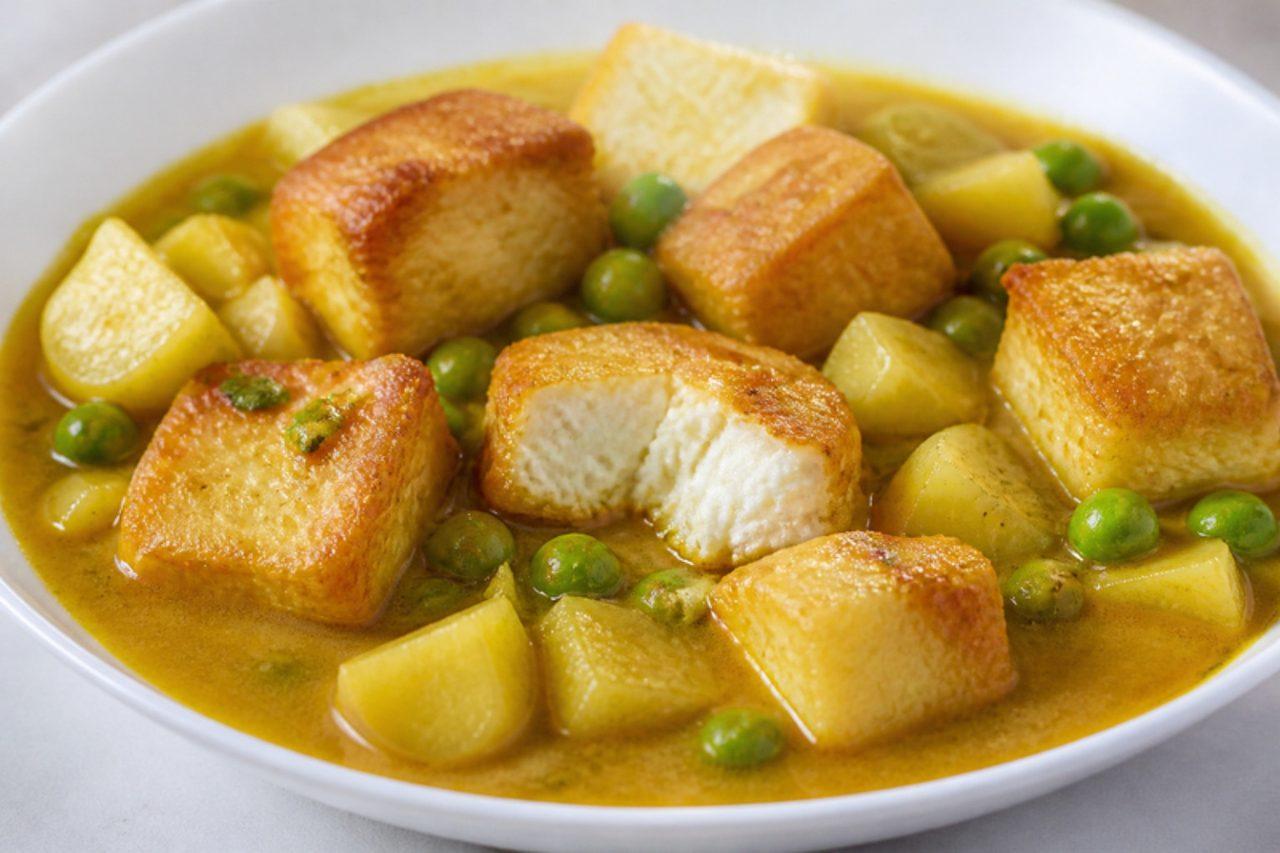
Chhanar dalna

Chhanar dalna is how Bengal uses its fresh chhena, the same curd cheese that goes into rasgulla and sandesh, for a savoury lunch. Freshly split milk is kneaded with a little flour, pressed, cut into squares and fried, then simmered with potato in a thin, gingery tomato gravy scented with bay leaf and cardamom. It is lighter than a North Indian paneer curry and is a favourite on Thursdays and niramish days in Kolkata homes. Chef's tip: knead the chhena with your palm until it feels smooth and slightly greasy; that is what holds the cubes together in the gravy.

by KrazyBadal 0 views

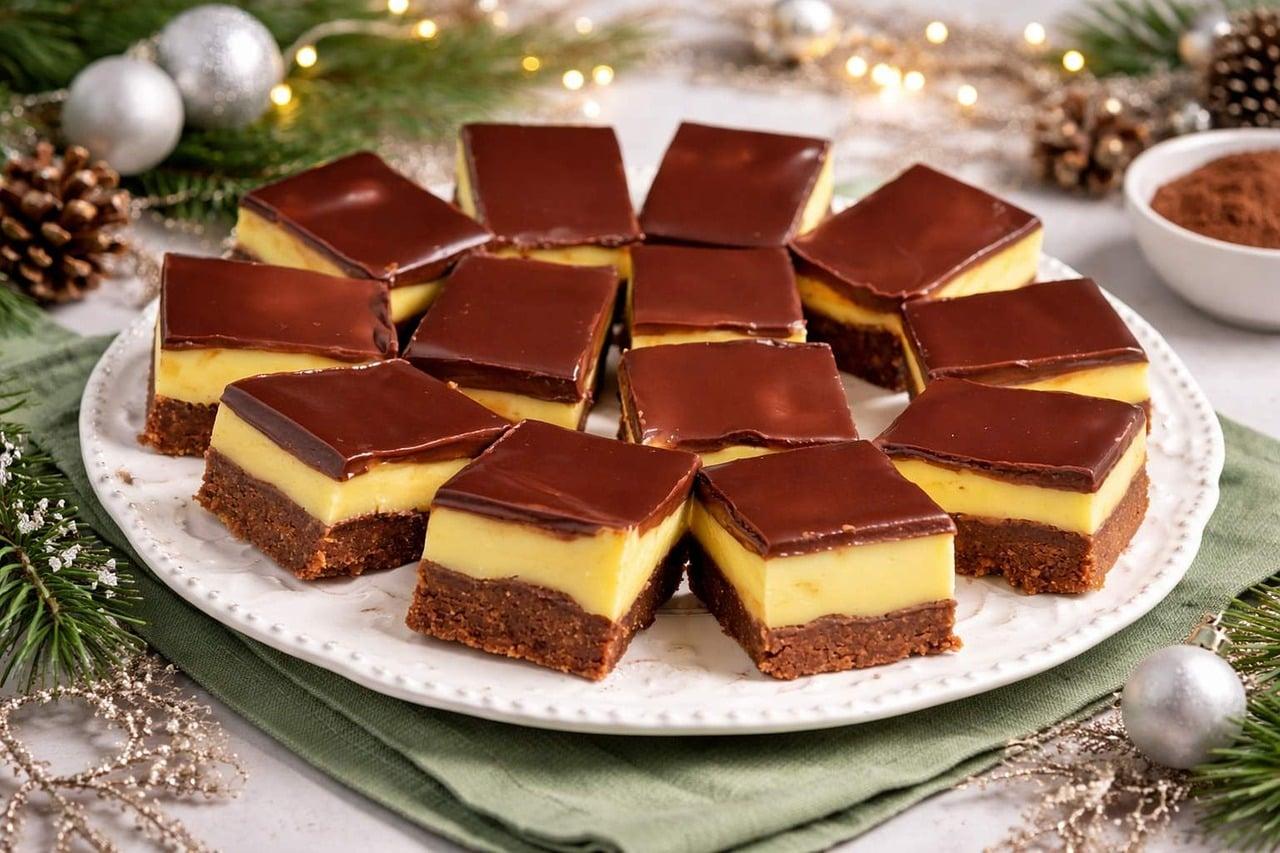
Nanaimo bars

Named after the city of Nanaimo on Vancouver Island, these three-layer bars have been Canada's favourite tray bake since the 1950s, when the recipe appeared in local community cookbooks. A crumbly base of biscuit crumbs, cocoa, coconut and nuts is topped with a thick yellow custard-flavoured buttercream and a snap of dark chocolate. They're made for church sales, Christmas cookie tins and coffee breaks, and need no oven. Chef's tip: dip the knife in hot water and wipe it between cuts; it slices through the chocolate cleanly without cracking it.

by KrazyBadal 0 views

Patishapta

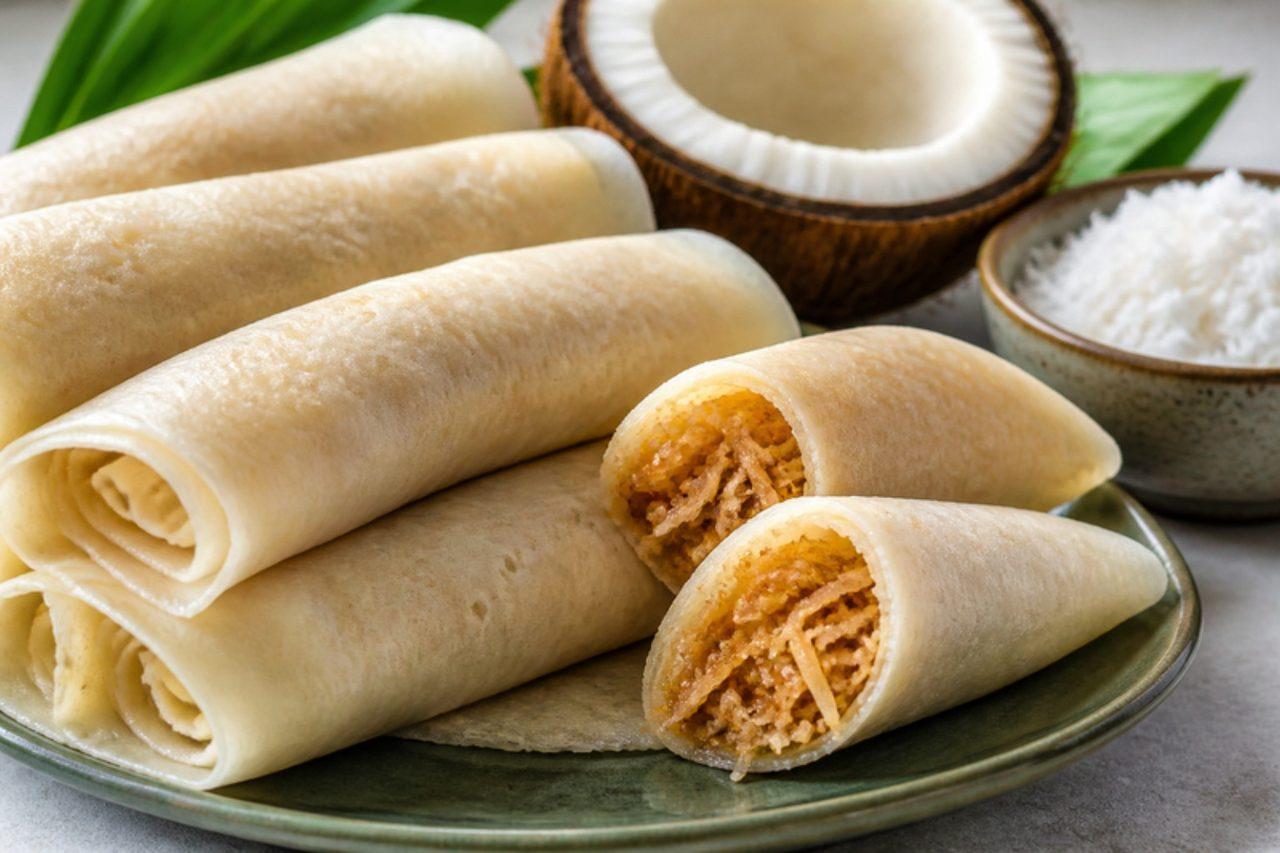
Patishapta is the star of Poush Sankranti in mid-January, when Bengali homes make pithe-puli, sweets of new rice, coconut and the season's nolen gur (date-palm jaggery). A loose batter of rice flour, semolina, plain flour and milk is swirled thin on a hot pan and rolled round a sticky filling of coconut cooked with jaggery and cardamom. The crêpe should be soft and pale, never crisp. Chef's tip: keep the heat low and grease the pan only lightly with a cut potato dipped in ghee, which spreads a film rather than a pool.

by KrazyBadal 0 views

Butter tarts

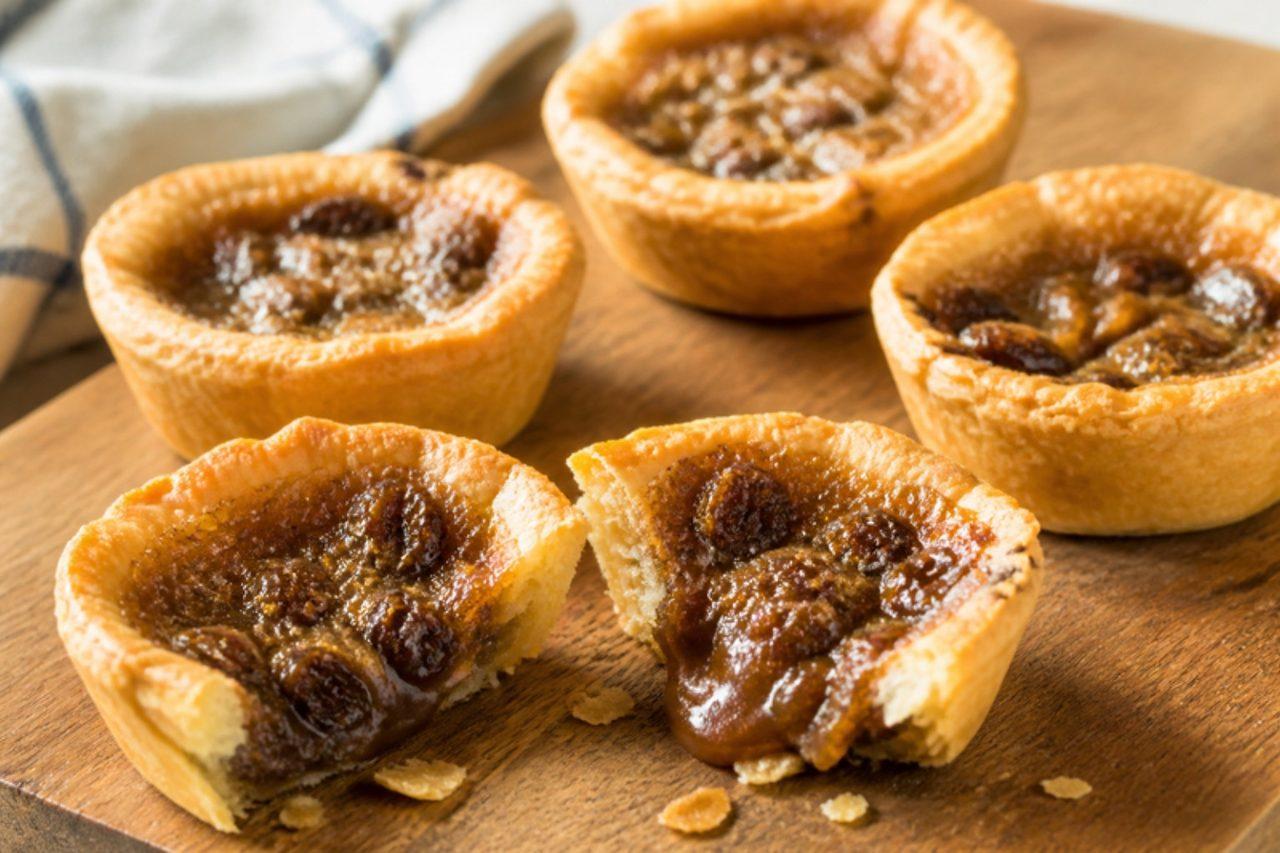
Butter tarts are fiercely loved in Ontario, where towns along the 'Butter Tart Trail' near Midland and Wellington County hold contests, and where Canadians argue about whether raisins belong in them. Small, flaky pastry cups hold a filling of brown sugar, butter, egg and syrup that bakes into a gooey, caramel-like centre with a crackled top. This version adds a little maple syrup and leaves raisins optional. Chef's tip: bake only until the filling bubbles and the edges are set but the centre still jiggles; runny is the goal, but overbaked tarts turn sugary and hard.

by KrazyBadal 0 views

Showing 27 of 7,762 recipes

Show more recipes

Page 686 of 863