


Skip to content
Kisra
Featured recipe

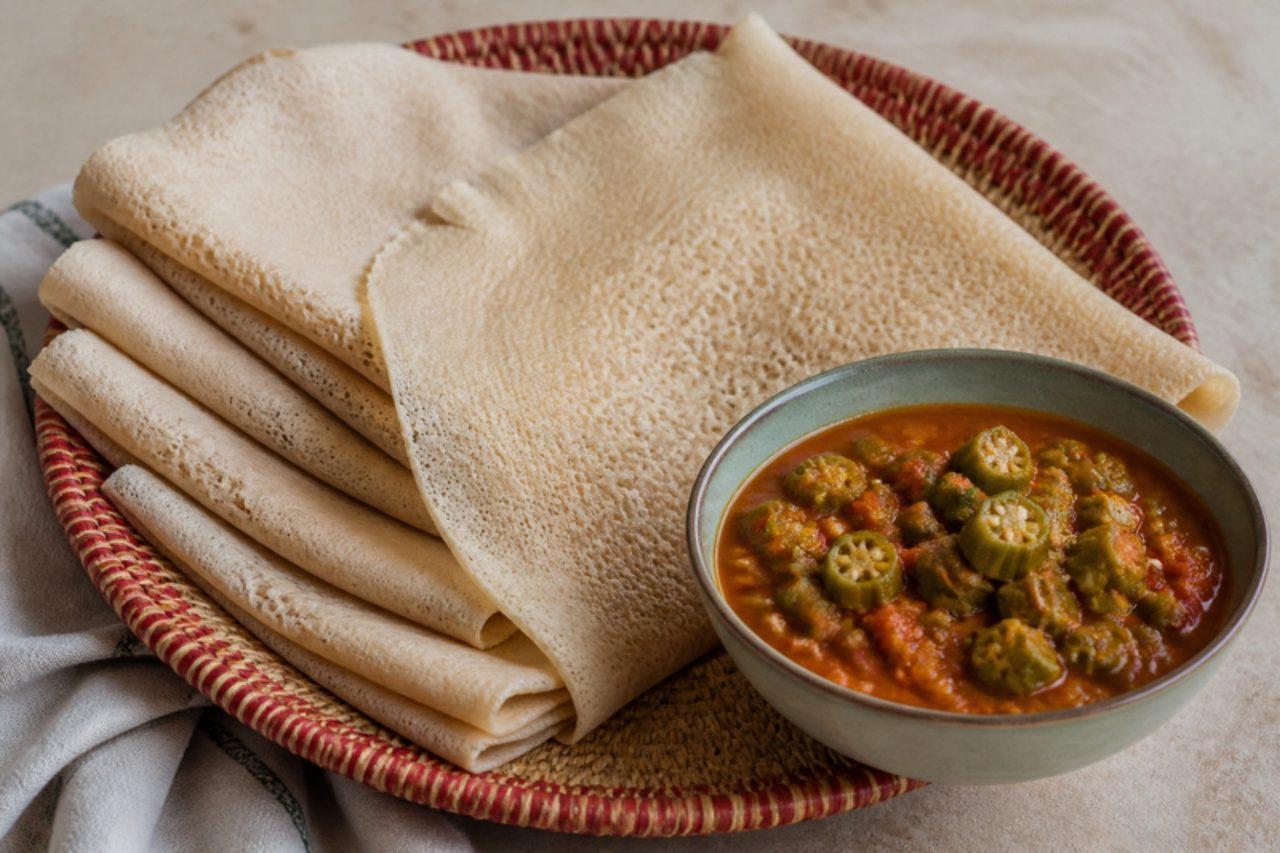
Kisra

Fermented sorghum flatbread

Kisra (kisra rahifa) is the daily bread of northern and central Sudan: a sorghum batter left to sour for a day, then wiped across a very hot iron plate in a single sweep so it cooks into a lacy sheet as thin as paper. In homes it is made early each morning and stacked in folded layers to eat with mullah stews, especially during Ramadan. A wide crêpe pan and a plastic scraper or spatula work at home. Chef's tip: the pan must be hot enough that the batter sets the moment it touches; if it is too cool the sheet sticks and tears.

Read more 0 views

What to eat today?

Around the world

Today's trip: Paraguayan

A new country every day, from every cuisine on the site.

Paraguayan

Chipa

Cheese bread rings 50 minMore from Paraguayan (27) →

This week's collection

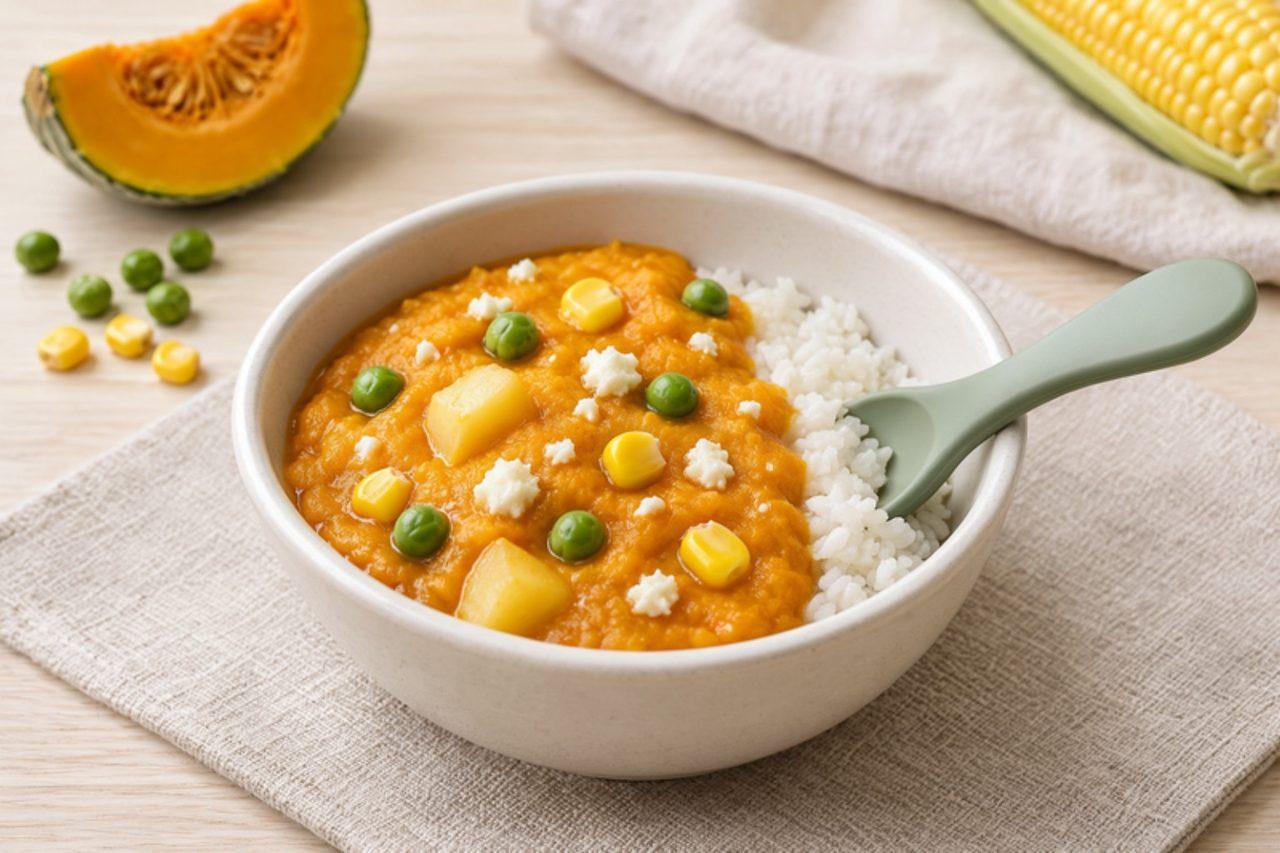
Kid-friendly dinners
537 recipes · a new collection every Monday

Latest recipes

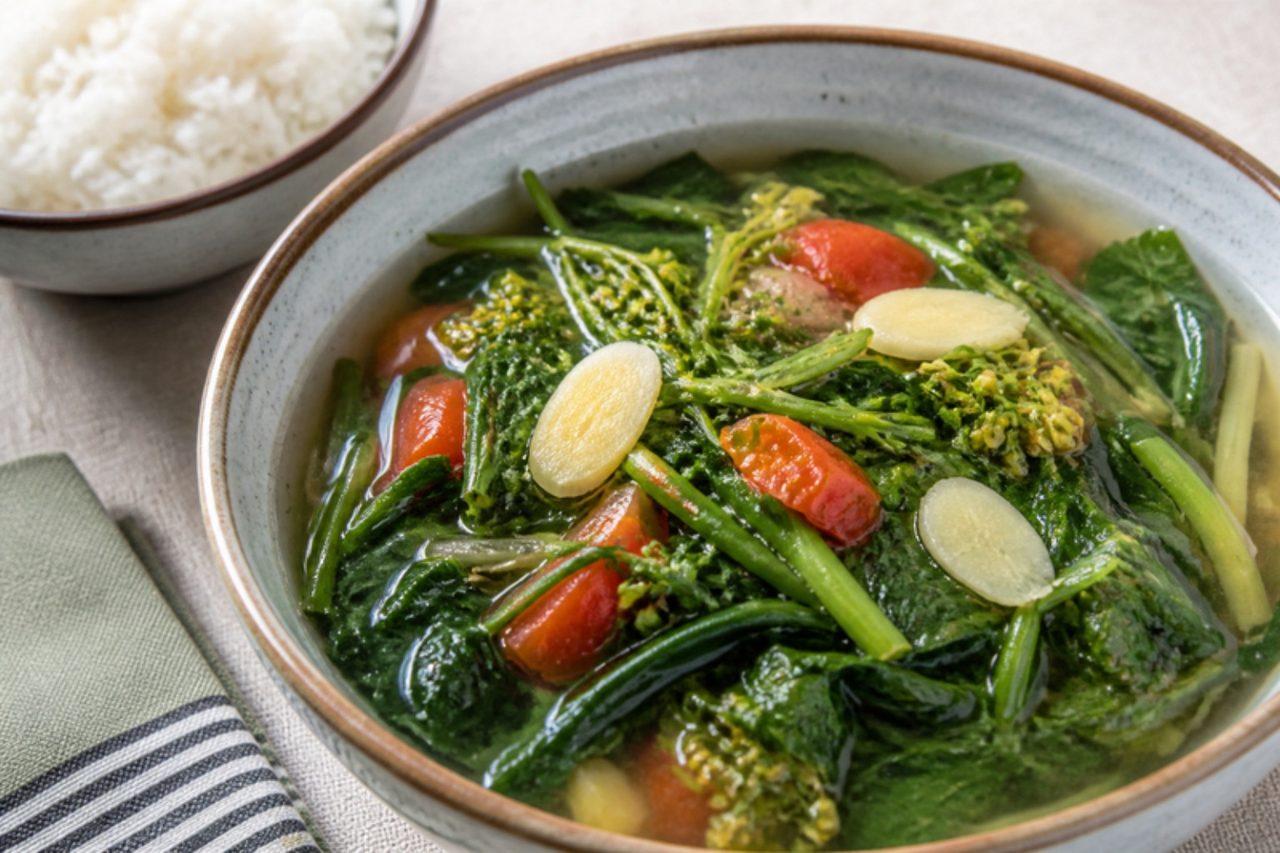
Vegetable romazavaMixed greens and ginger broth

Romazava is often called the national dish of Madagascar: a light, gingery broth of several kinds of leafy greens (brèdes) and tomato, ladled over a big plate of rice. In Antananarivo it usually includes zebu beef; this vegetable version keeps the essential leaves, especially brèdes mafana (paracress), whose flowers and leaves make the mouth tingle. Spinach, watercress and mustard greens work well outside Madagascar. Chef's tip: add the greens in order of toughness and stop as soon as they are tender; romazava should taste fresh and green, not stewed.

by KrazyBadal 0 views

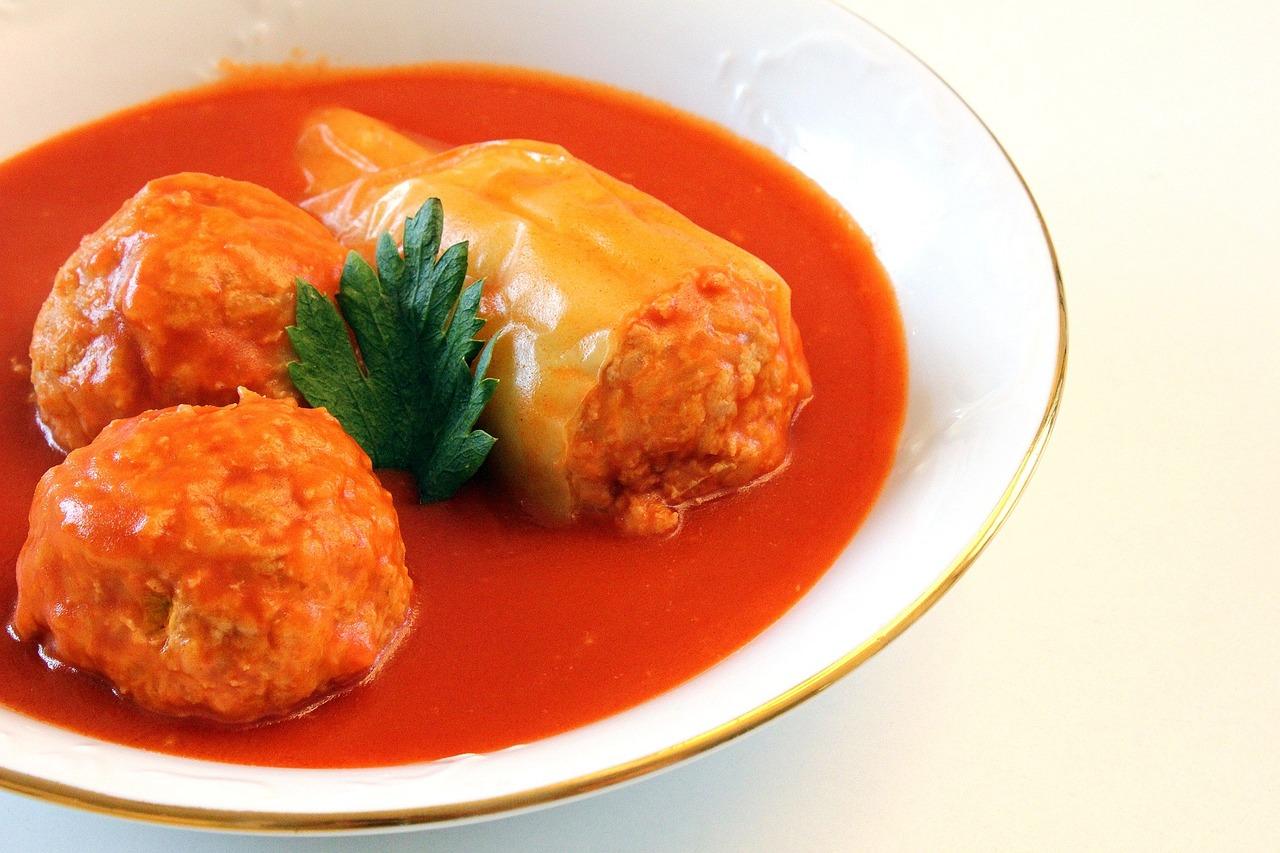
Punjene paprikeStuffed peppers

When late-summer markets in Novi Sad and Belgrade fill up with pale yellow and light green peppers, Serbian kitchens make big pots of punjene paprike to eat for several days. The peppers are packed with seasoned beef and pork mince and rice, stood upright and simmered slowly in a light tomato sauce until meltingly soft. They are served with a dollop of sour cream and bread to mop up the sauce. This recipe contains pork. The easy mistake is stuffing the peppers too tightly: the rice swells and splits them, so leave the top 2 cm empty. Chef's tip: plug each pepper with a slice of potato or tomato before simmering, so the filling stays inside.

105 minBalkanMeatGluten free
by KrazyBadal 0 views

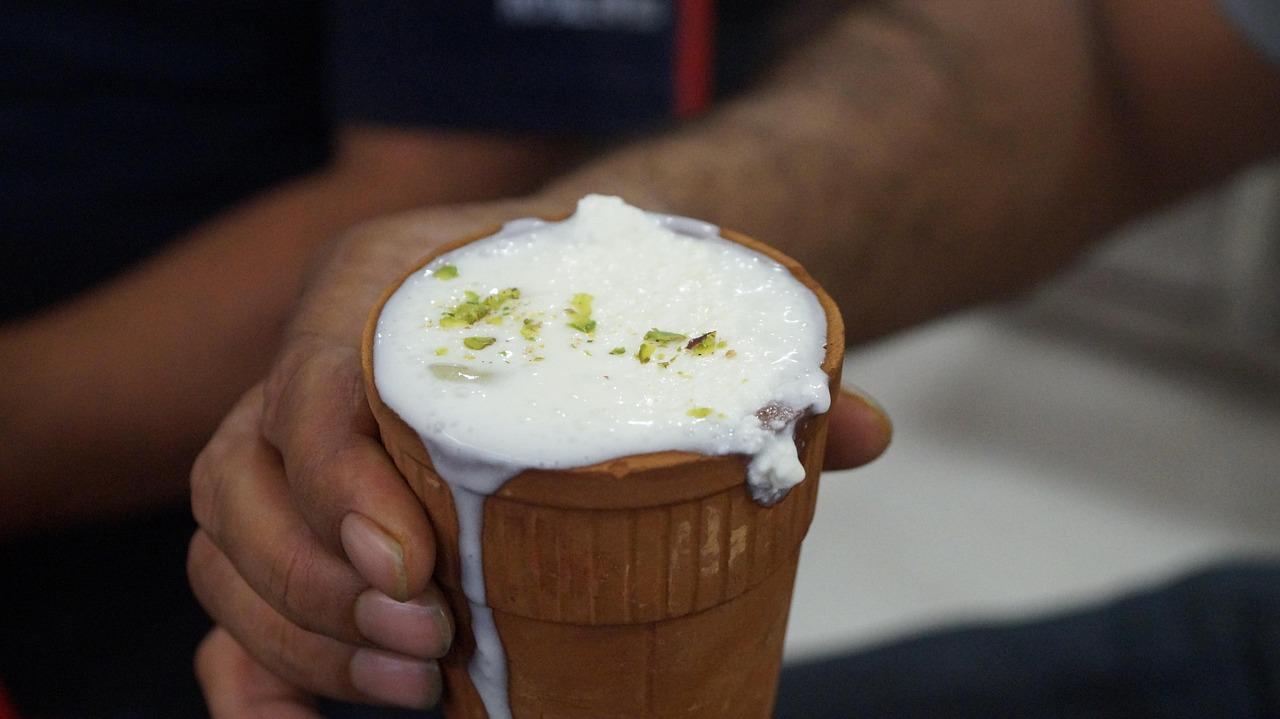
Punjabi lassiSweet yogurt drink with cream

In Amritsar and on the highways across Punjab, lassi comes in a tall steel or brass glass, churned so thick a spoon nearly stands up in it, with a raft of malai (clotted cream) floating on top. It is a summer drink, but Punjabis drink it all year with a stuffed paratha breakfast or after a heavy lunch. This is the plain sweet kind, with no fruit, so the tang of good full-fat yogurt is the whole point. Chef's tip: chill the yogurt, milk and glasses beforehand; cold lassi stays thicker.

by KrazyBadal 0 views

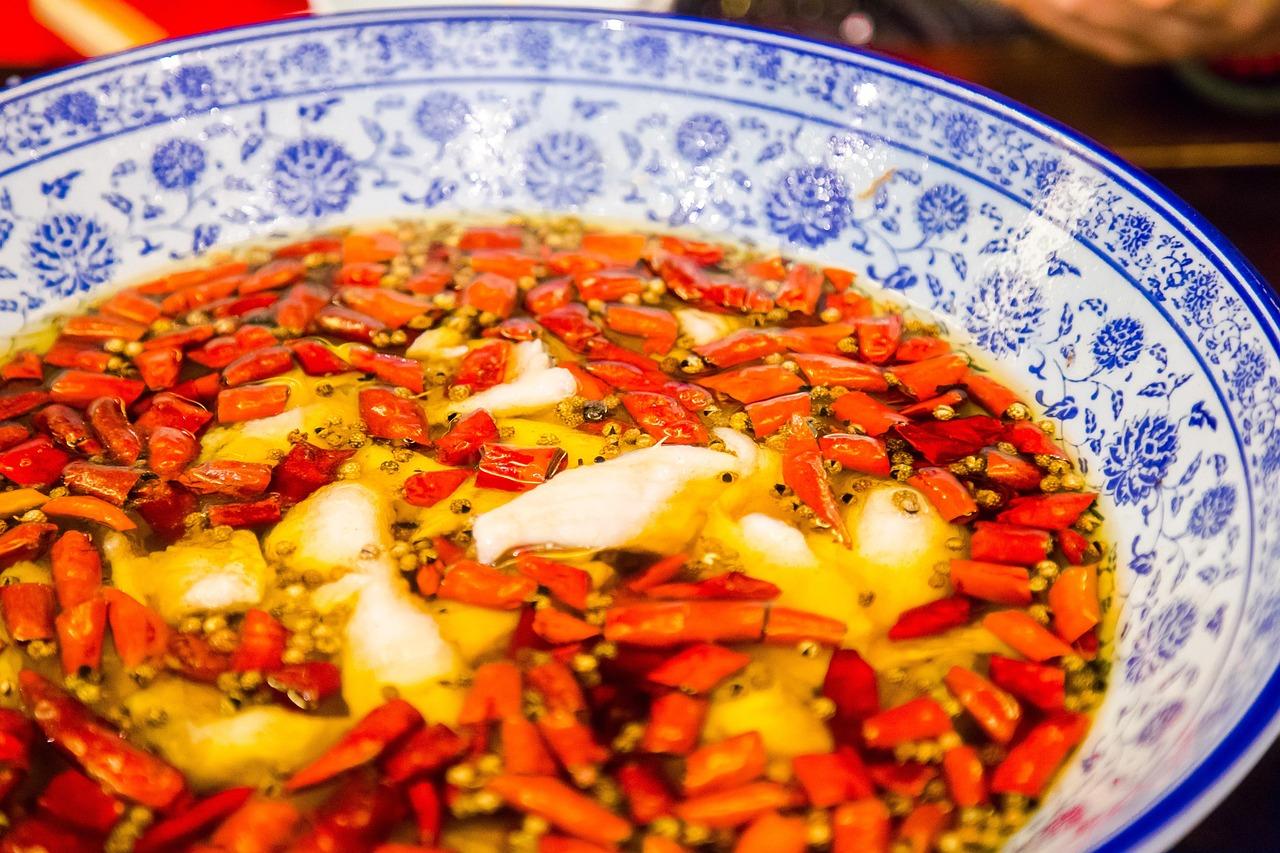
Shui zhu fishFish in chilli broth

'Water-boiled fish' is Sichuan humour at its driest, because what arrives at the table in Chongqing and Chengdu restaurants is a great basin of silky fish slices half hidden under a red sea of chillies and Sichuan pepper, still crackling from a ladle of smoking oil poured over at the last moment. Underneath is a savoury broth of chilli bean paste with soft bean sprouts and celery. It is a dish for sharing with friends over beer or tea: you fish out the slices with chopsticks and leave the oil behind, as everyone does. Plain rice is essential, and something cooling such as smacked cucumber helps. Chef's tip: coat the fish in egg white and cornflour and give it no more than three minutes in the broth; the coating keeps each slice tender and stops it breaking up.

by KrazyBadal 0 views

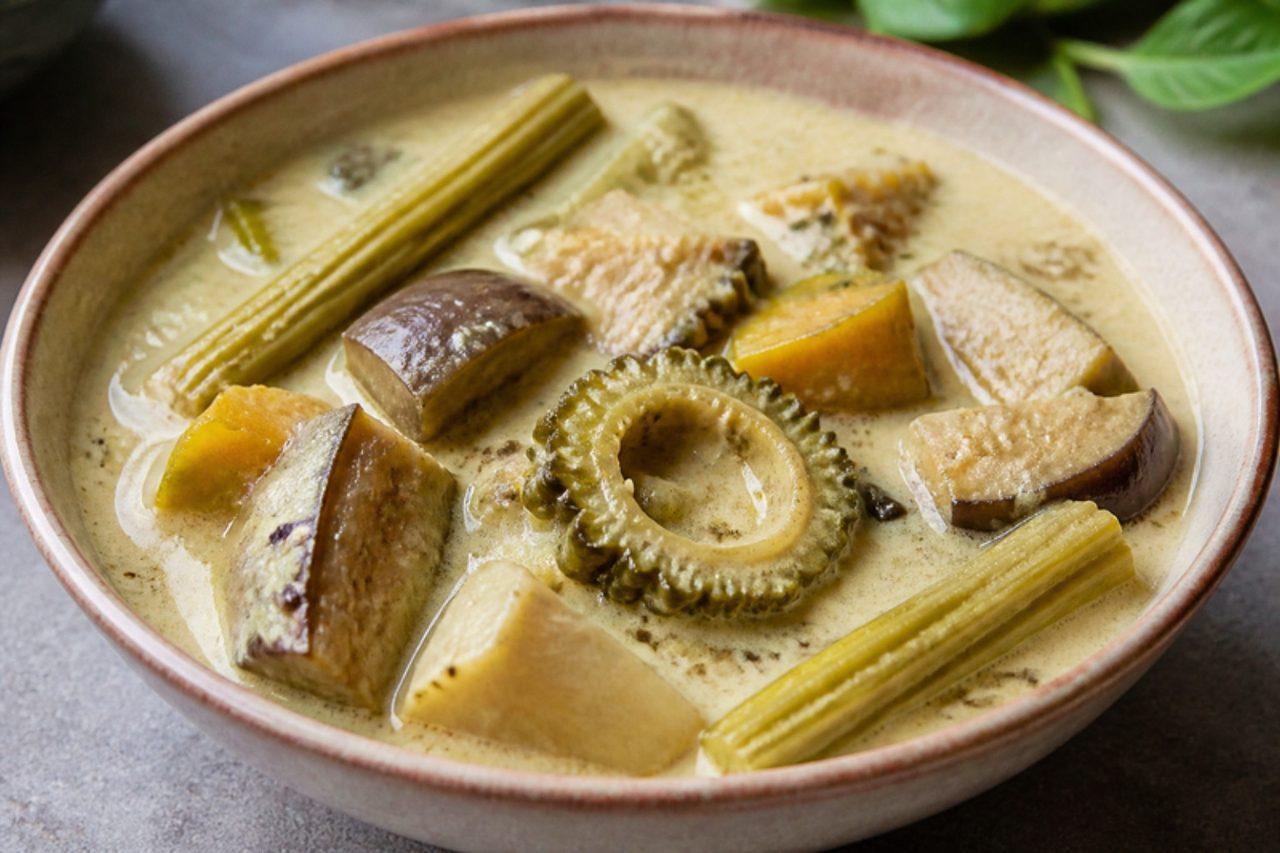
ShuktoBitter mixed vegetable stew

Shukto opens a traditional Bengali meal: a mild, slightly bitter stew of bitter gourd, raw banana, sweet potato, drumsticks and aubergine, eaten with the first mouthfuls of rice to wake up the palate. The vegetables are fried, then simmered with a paste of mustard and poppy seeds and finished with milk and a spoonful of ghee, so the bitterness is balanced by a creamy, faintly sweet sauce. It is a dish of West Bengal's home kitchens, cooked especially in spring. Chef's tip: fry the bitter gourd separately until well browned and add it at the end; this keeps its bitterness pleasant and stops it spreading through the whole pot.

by KrazyBadal 0 views

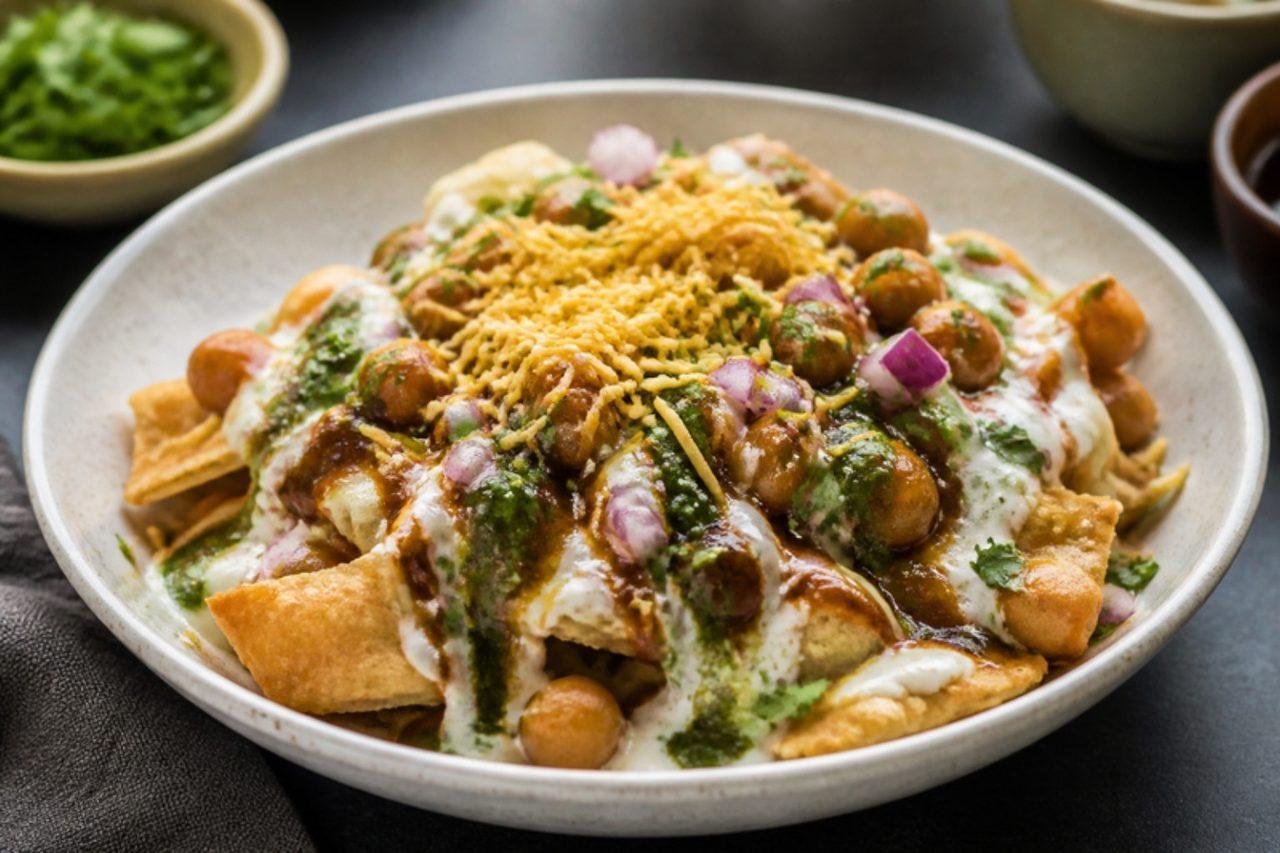
Punjabi chole samosa chaatSamosas with chickpea curry and yogurt

Samosa chaat is how the street stalls of Punjab and Delhi turn yesterday's samosas into the best snack of the day. Samosas are broken open on a plate, covered with a ladle of hot, tangy chole, then cooled down with sweet whisked yogurt, green and tamarind chutneys, raw onion, crunchy sev and a dusting of chaat masala. Every spoonful is hot and cold, crisp and soft, sweet, sour and spicy at once. Use bought samosas or the site's own samosa recipe. Chef's tip: warm the samosas in the oven until crisp before you crush them; a soggy samosa makes a heavy chaat, a crisp one soaks up the chole and still crunches.

by KrazyBadal 1 views

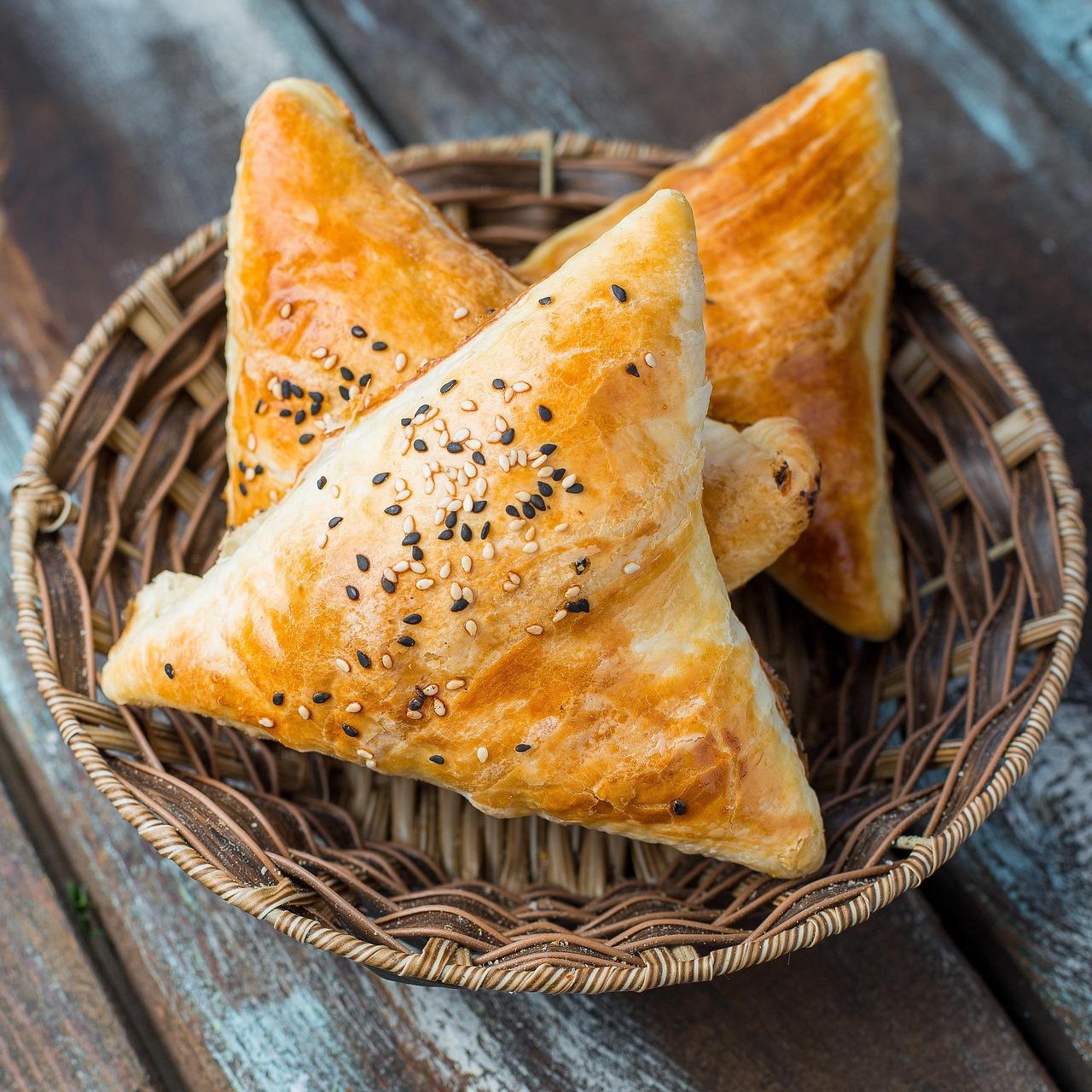
Pumpkin samsaPumpkin pastries

In autumn, when piles of orange pumpkins appear in the Chorsu bazaar in Tashkent, bakers switch some of their samsa from meat to oshqovoq somsa: crisp, flaky triangles filled with diced pumpkin, onion, cumin and a little sugar, baked against the tandoor wall. They are a street snack eaten hot from paper with green tea, and a fasting-friendly favourite at home. The pastry here is the quick laminated dough Uzbek home cooks use, rolled thin, buttered and coiled. Chef's tip: dice the pumpkin small (1 cm) and don't pre-cook it; raw pumpkin steams inside the pastry and stays in tender, distinct pieces instead of turning into purée.

by KrazyBadal 0 views

Pumpkin kibbehBaked bulgur and pumpkin layers

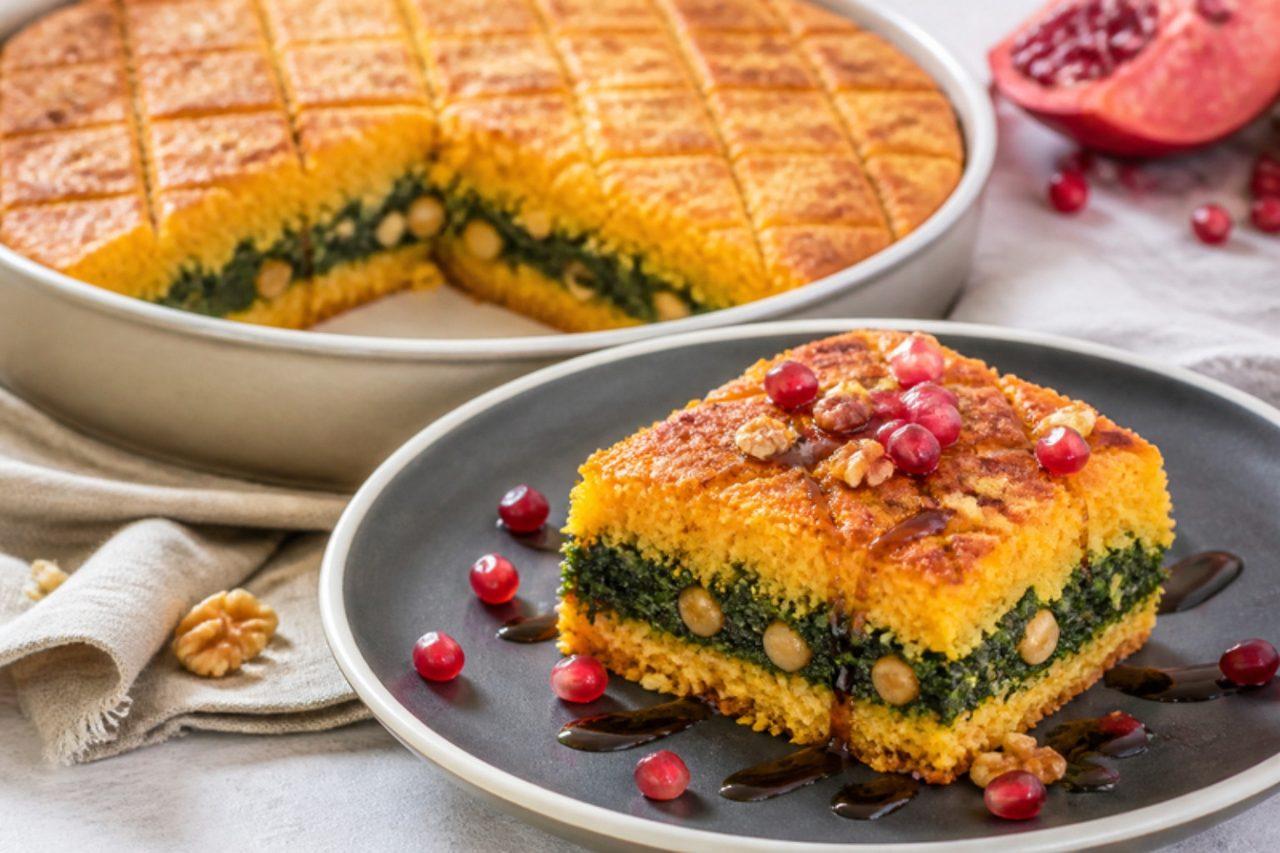
Kibbet laqteen is the Lenten kibbeh of Lebanon's Christian villages, made in the weeks before Easter when meat is off the table: roasted pumpkin is kneaded with fine bulgur, onion and warm spices into a soft dough, which is pressed in layers around a filling of caramelised onion, chickpeas, spinach and walnuts, then baked in a round tray. It is cut into diamonds and eaten warm or cold, often with a plate of pickles and a bowl of salad. The common slip is a wet pumpkin, which makes the dough too sticky to spread; roast the pumpkin rather than boiling it. Chef's tip: score a deep diamond pattern before baking and pour oil into the cuts, so every piece comes out with crisp edges.

by KrazyBadal 0 views

Sigara böreğiFried cheese pastry rolls

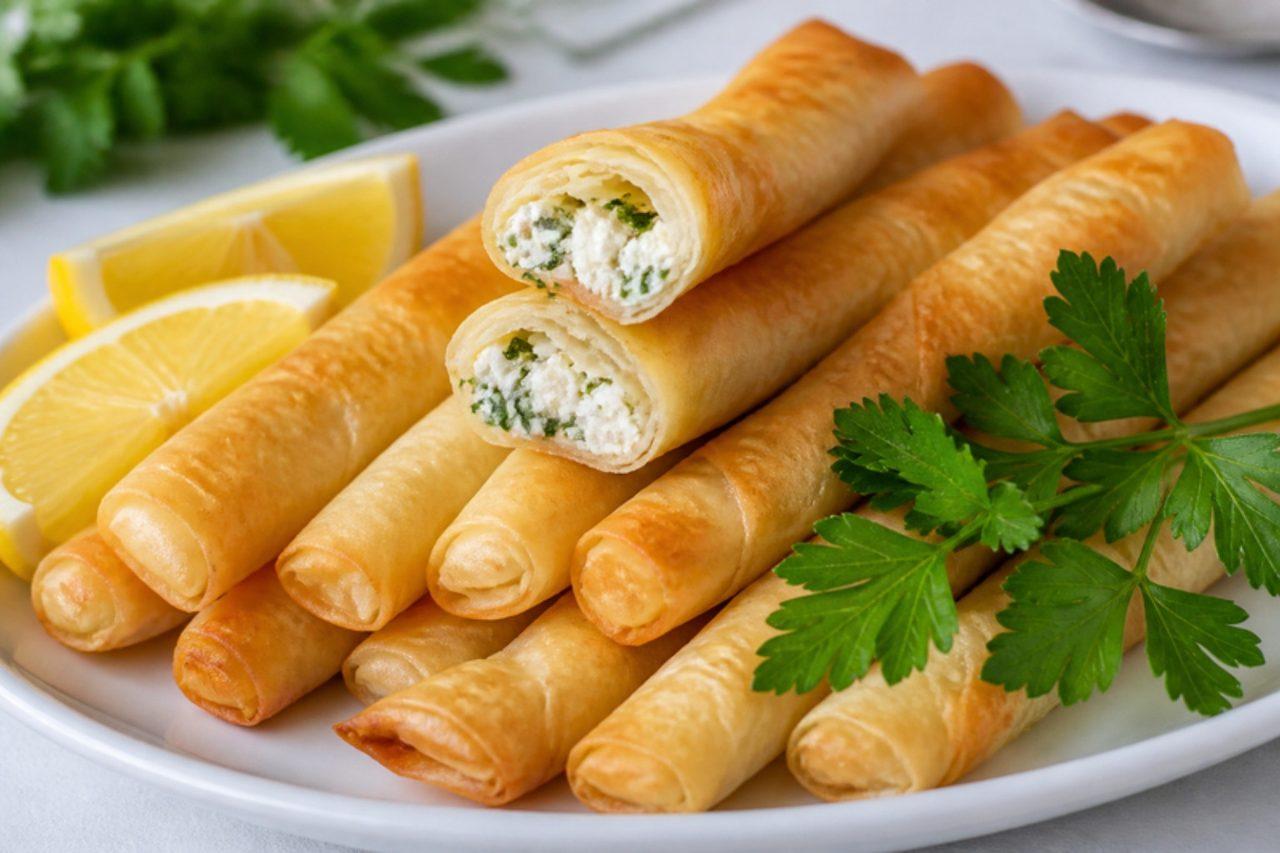
These pencil-thin rolls take their name from the cigarettes they resemble, and they are the börek every Turkish child grows up on. Triangles of yufka (thin Turkish pastry) are rolled round a finger of white cheese and parsley and fried until they shatter when you bite them. They turn up at five o'clock tea parties, on the iftar table during Ramadan and in many a school lunchbox. Yufka is sold in Turkish shops; filo works too if you use two sheets brushed with oil. Chef's tip: shape them all, cover with a damp cloth and fry just before eating; they lose their crunch within an hour.

by KrazyBadal 0 views

Vegetarian char kway teowStir-fried flat rice noodles

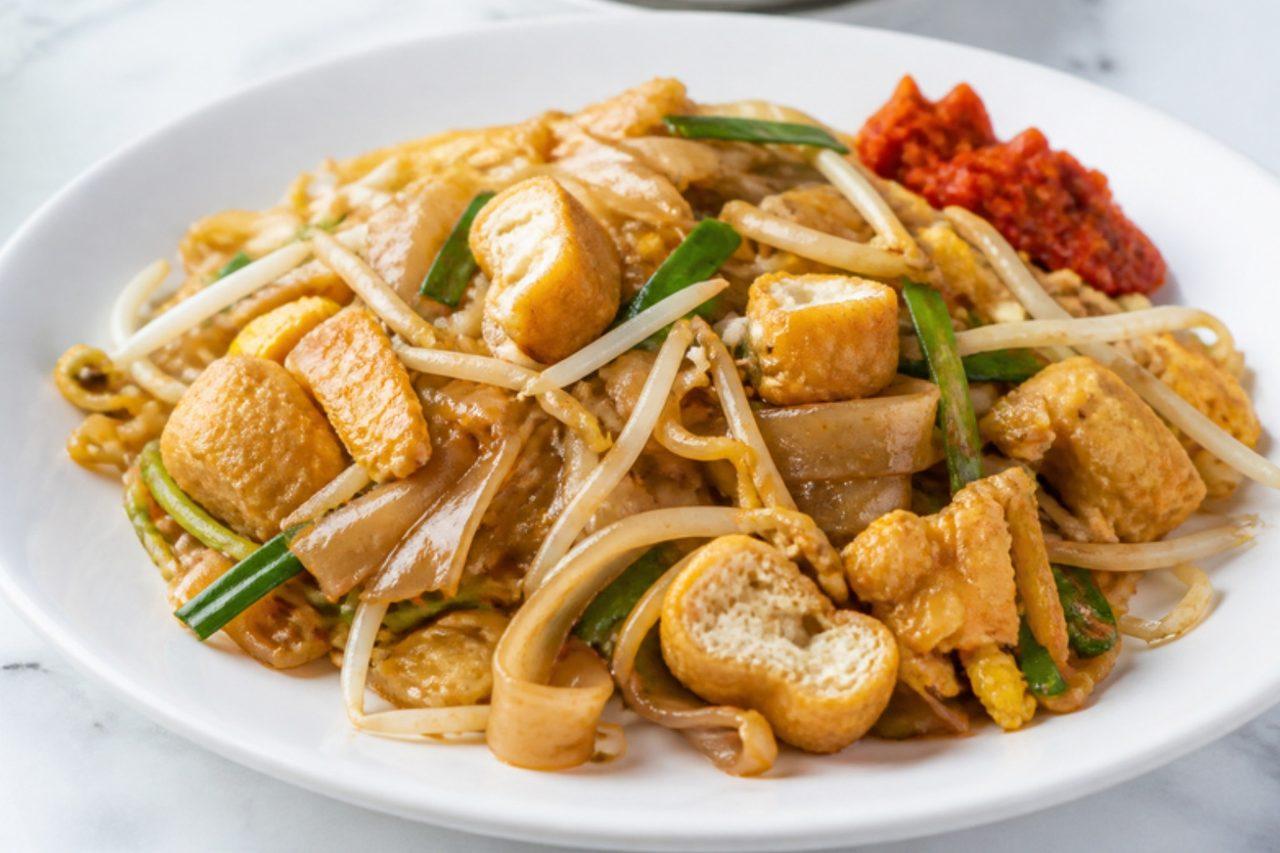
Char kway teow is the dish Singaporeans queue for at hawker centres like Old Airport Road and Zion Riverside: flat rice noodles and yellow noodles tossed over a roaring wok with dark sweet soy, egg, beansprouts and chives until smoky and sticky. The classic uses lard, cockles and Chinese sausage; this vegetarian version gets its richness from fried tofu puffs and plenty of garlic, and its char from a very hot pan. Chef's tip: cook one or two portions at a time; a crowded pan can't get hot enough for the smoky wok hei that defines the dish.

by KrazyBadal 0 views

PumaloiSteamed rice cakes

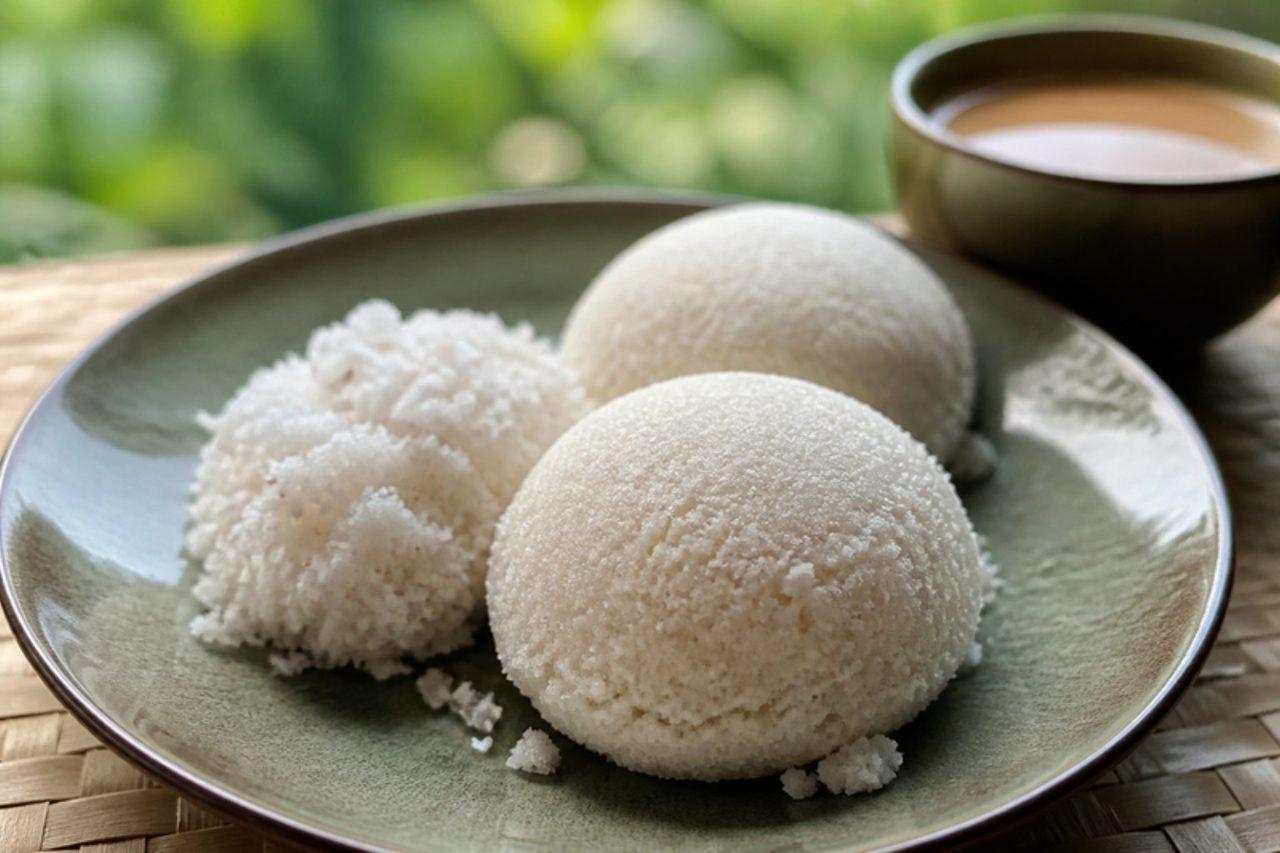
Pumaloi is the everyday breakfast of the Khasi Hills: coarse powdered rice, lightly moistened, packed into a tall steamer (traditionally a bamboo or metal 'khiew') and steamed into a soft, crumbly cake. In Shillong it is sold warm at morning stalls with a cup of sweet tea, and at home it is served with tungrymbai, a vegetable stew or a chilli chutney. It is plain on purpose, like Kerala's puttu but drier and lighter. Chef's tip: the flour should feel like damp sand, holding a shape when squeezed but crumbling easily; any wetter and the cake goes gluey.

by KrazyBadal 0 views

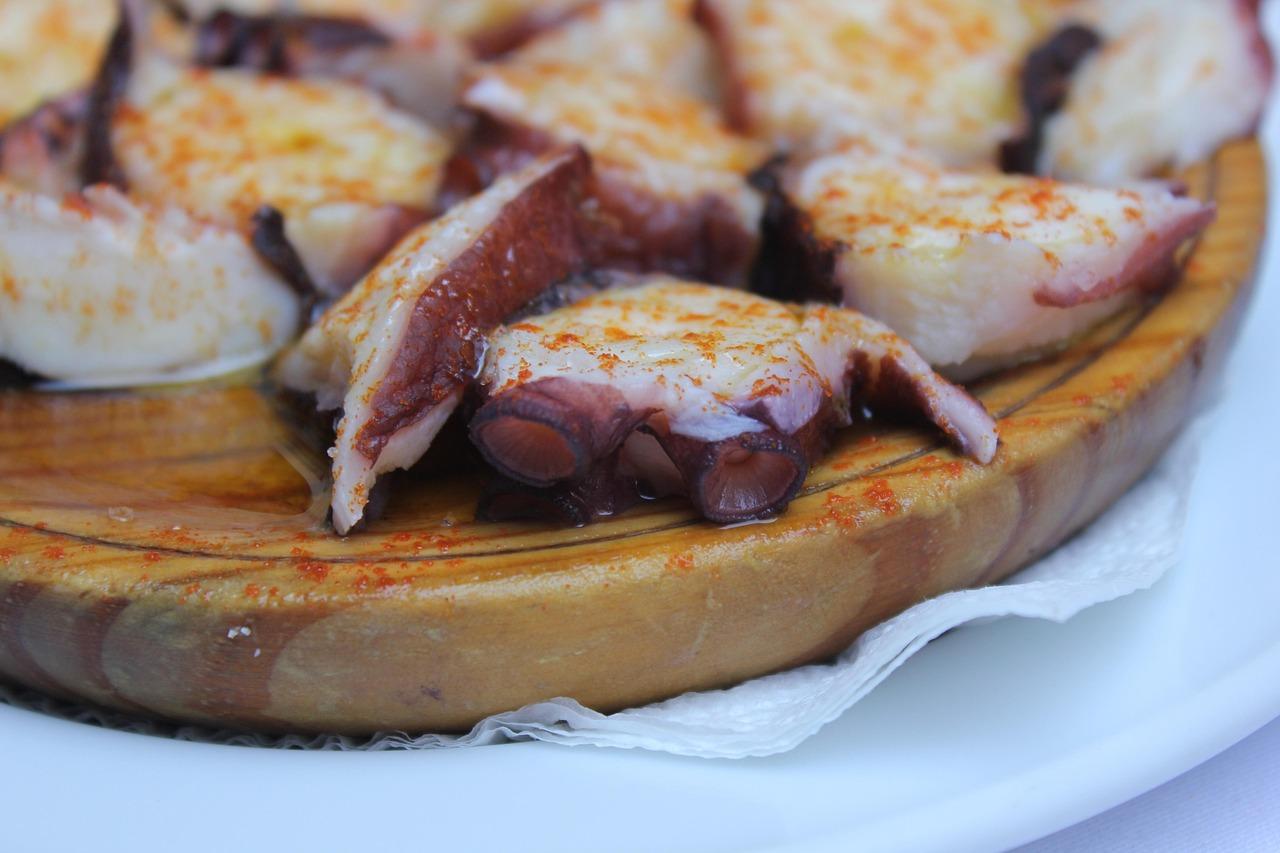
Pulpo a la gallegaOctopus with paprika and potatoes

Pulpo a feira is fair-day food in Galicia: at markets and village fiestas, pulpeiras boil whole octopus in big copper pots, snip it with scissors onto round wooden plates and finish it with coarse salt, pimentón and olive oil. The town of O Carballiño in Ourense holds an octopus festival every August, and you'll find the dish in pulperías across the region all year. At home it is simpler than it looks; the secret is that a frozen octopus is a tender one, because freezing breaks down the tough fibres. Chef's tip: use the octopus cooking water to boil the potatoes, which picks up its flavour and pink colour.

by KrazyBadal 0 views

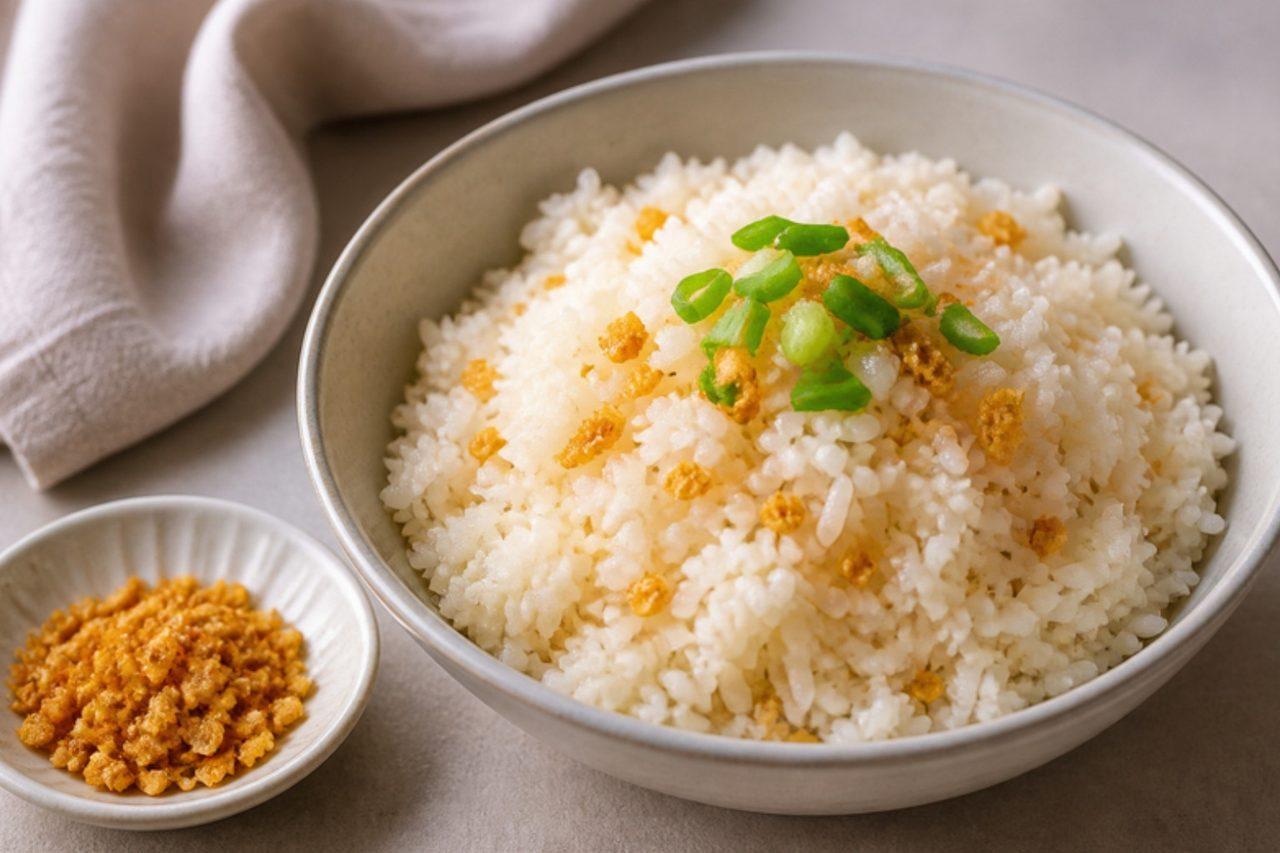
SinangagGarlic fried rice

Sinangag is what a Filipino kitchen does with last night's rice: fried in garlicky oil first thing in the morning and heaped on the breakfast plate. It is the 'si' in silog, the breakfast plates served at every silugan (all-day breakfast stall) in Manila, where garlic rice comes with a fried egg and a choice of cured meat. At home it goes with anything, from tortang talong to a fried egg and tomatoes, and a small dish of spiced vinegar for dipping. Each grain should be separate and lightly toasted, with plenty of crunchy, golden garlic on top. Chef's tip: fry the garlic slowly from cold oil; it browns evenly and the oil takes on a deep, sweet garlic flavour.

by KrazyBadal 0 views

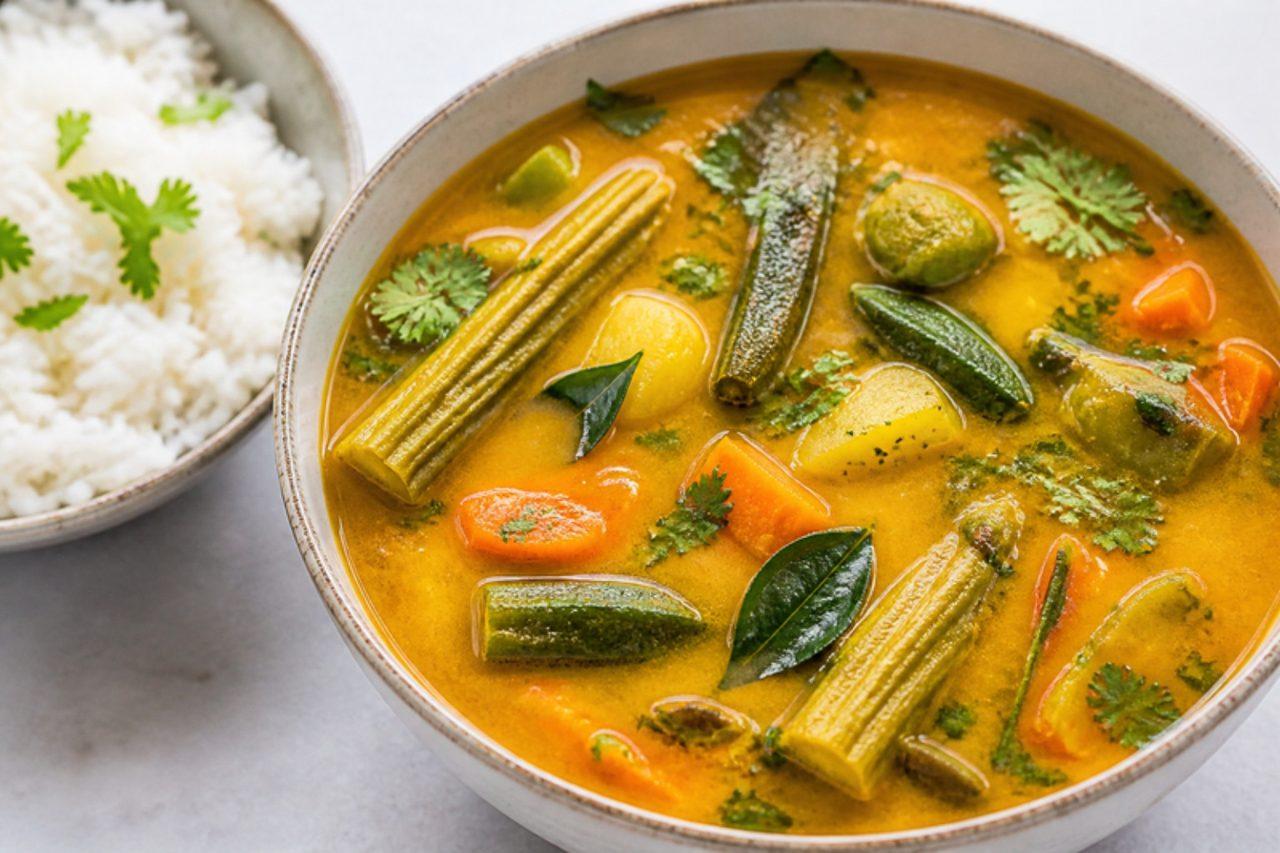
Sindhi kadhiSour gram flour and tamarind curry

Sindhi kadhi is the Sunday lunch of families from Sindh, served in Karachi and Hyderabad homes over plain rice with crisp fried potatoes on the side. Unlike the yogurt kadhis of Gujarat and Punjab it uses no dairy at all: gram flour is roasted in oil until it smells like toasted nuts, whisked into water with tamarind and tomato, and simmered with a crowd of vegetables, typically drumsticks, okra, cluster beans, potato and carrot. The result is thin, sour and gently hot, with a deep golden colour. The common mistake is rushing the roasting of the gram flour; pale flour leaves the whole pot tasting raw and pasty. Chef's tip: cook the drumsticks and potatoes first and add the okra only in the last 10 minutes so it stays whole and does not turn slimy.

by KrazyBadal 0 views

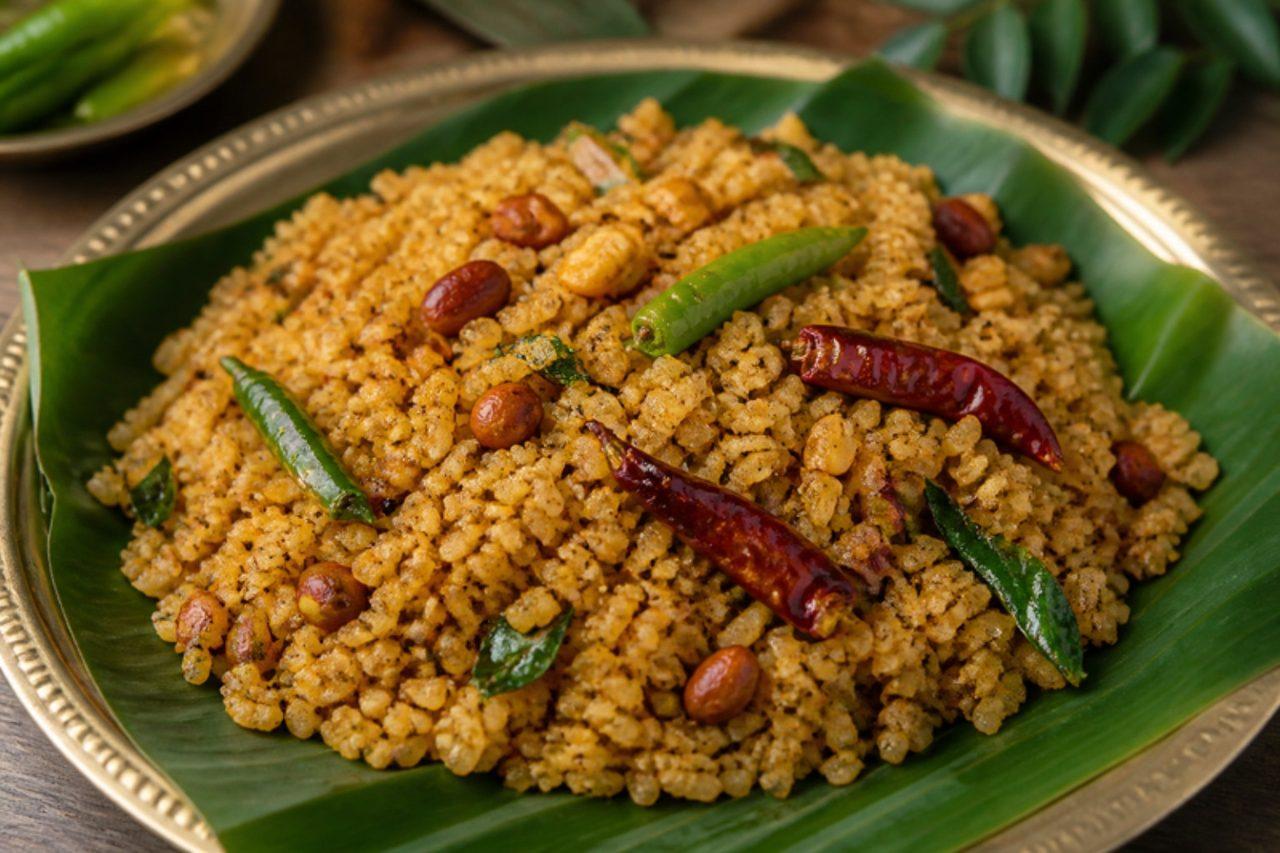
PulihoraTamarind rice

Pulihora is the rice Andhra families cook for Ugadi, Sankranti and every temple festival in between, and it's also the dish wrapped in banana leaves for long train trips because it keeps all day. The Telugu version is sharper and hotter than Tamil puliyodarai or Karnataka puliyogare: cooked rice is tossed with a thick tamarind paste, turmeric, mustard and a hefty tempering of peanuts, chana dal, green and red chillies and curry leaves, with no sweet spice powder. It's sour, hot, nutty and fragrant with sesame oil. Eat it at room temperature with curd or a crisp papad. Chef's tip: cook the tamarind paste until oil separates at the edges; under-cooked tamarind gives the rice a raw, puckery sourness.

by KrazyBadal 0 views

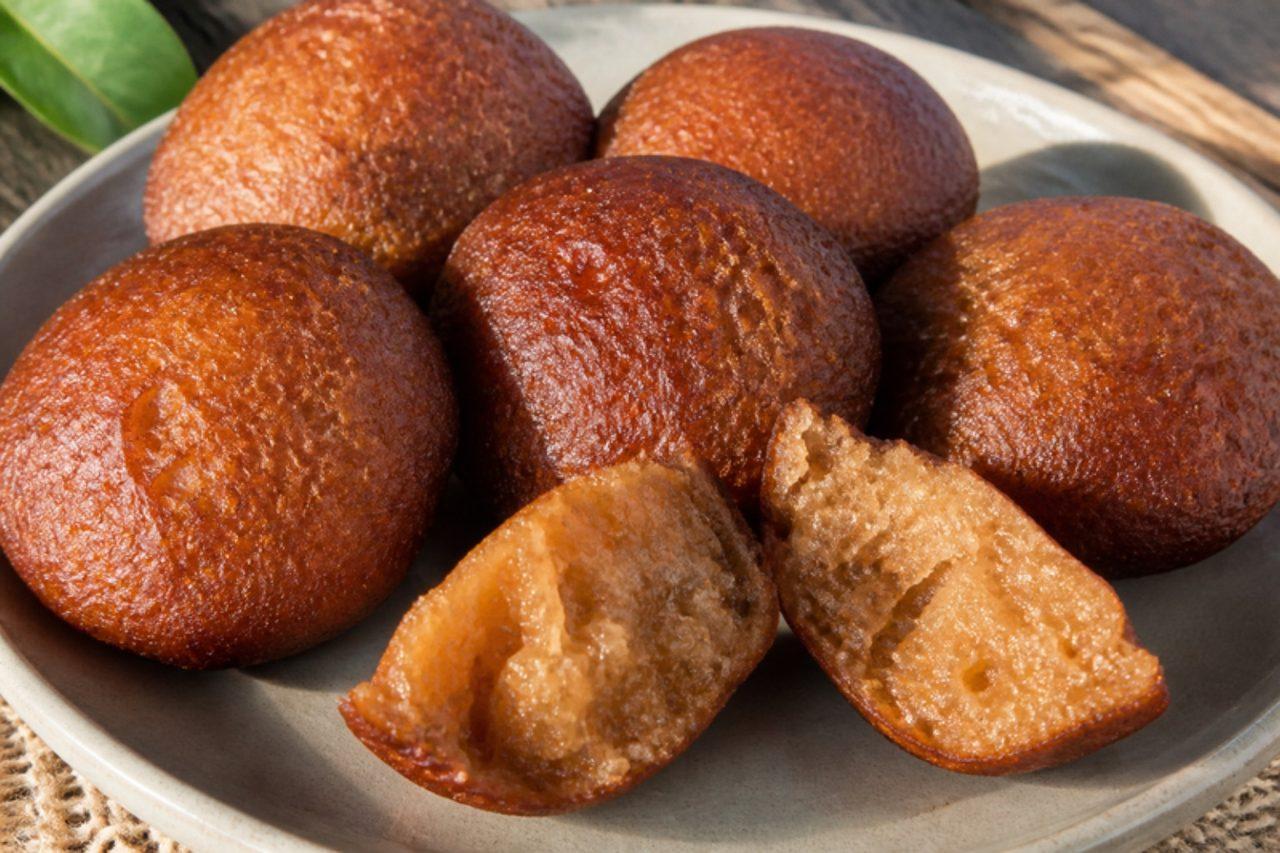
PukhleinFried rice flour and jaggery cakes

Pukhlein are the sweet treats of Khasi tea stalls and celebrations in Meghalaya: a batter of rice flour and jaggery fried into round, puffed cakes that are crisp and caramelised on the outside and chewy within. They are made for Christmas and family gatherings and are sold at Shillong's Iewduh (Bara Bazaar) with red tea. They taste a little like a cross between a doughnut and an Indian anarsa. Chef's tip: rest the batter for at least an hour; the rice flour hydrates and the cakes puff instead of spreading.

by KrazyBadal 0 views

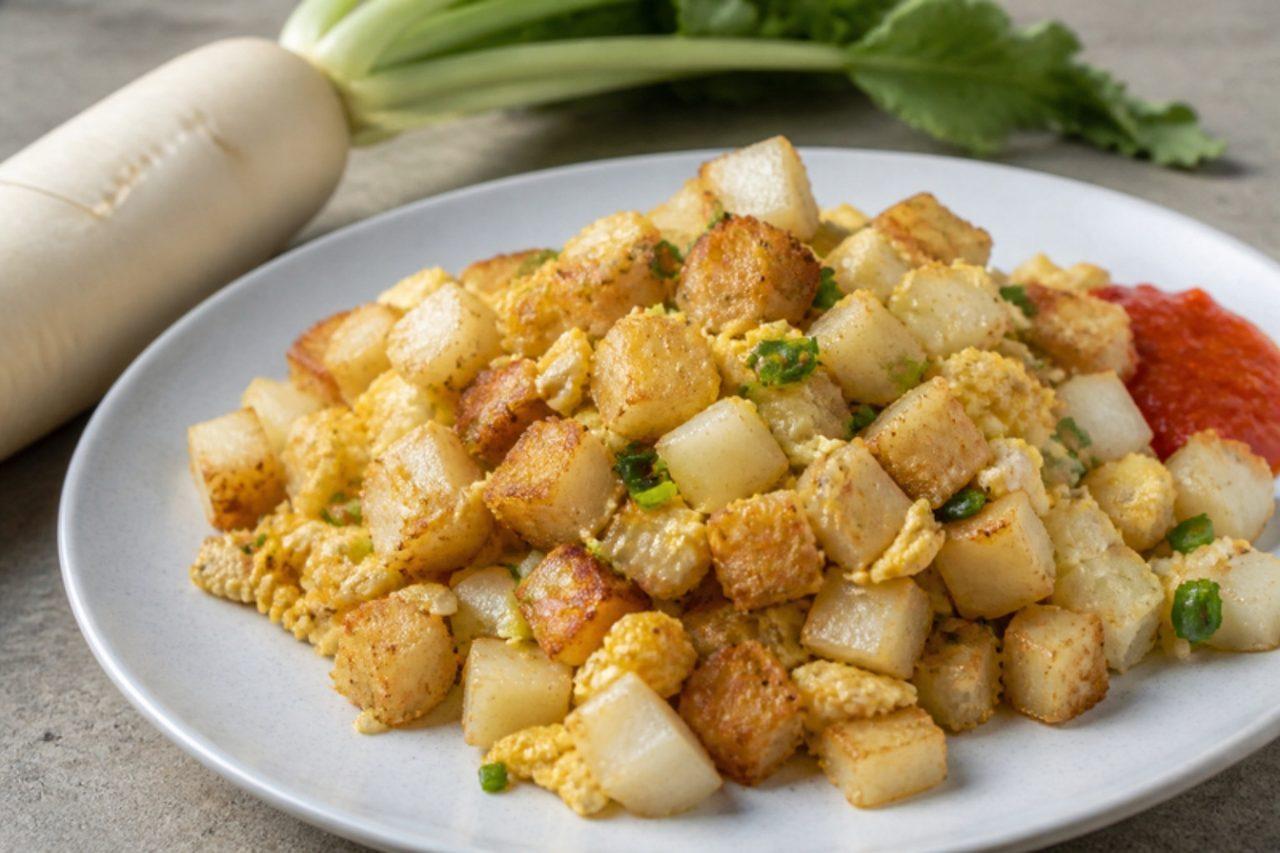
Singapore carrot cake (chai tow kway)Fried radish cake with egg

Singapore's carrot cake has no carrot in it: "carrot" is the local word for white radish (daikon). A steamed cake of rice flour and grated radish is cut into cubes and fried with egg and garlic until crisp and golden, either "white" (plain and eggy) or "black" (with sweet dark soy). It's a breakfast and supper favourite at hawker centres like Chinatown Complex. Most stalls add chai poh (preserved radish); this version leaves it out because many brands are made with fish sauce, and spring onions bring the savoury lift instead. Chef's tip: steam the cake a day ahead and chill it overnight; cold, firm cake cuts cleanly and crisps instead of falling apart.

by KrazyBadal 0 views

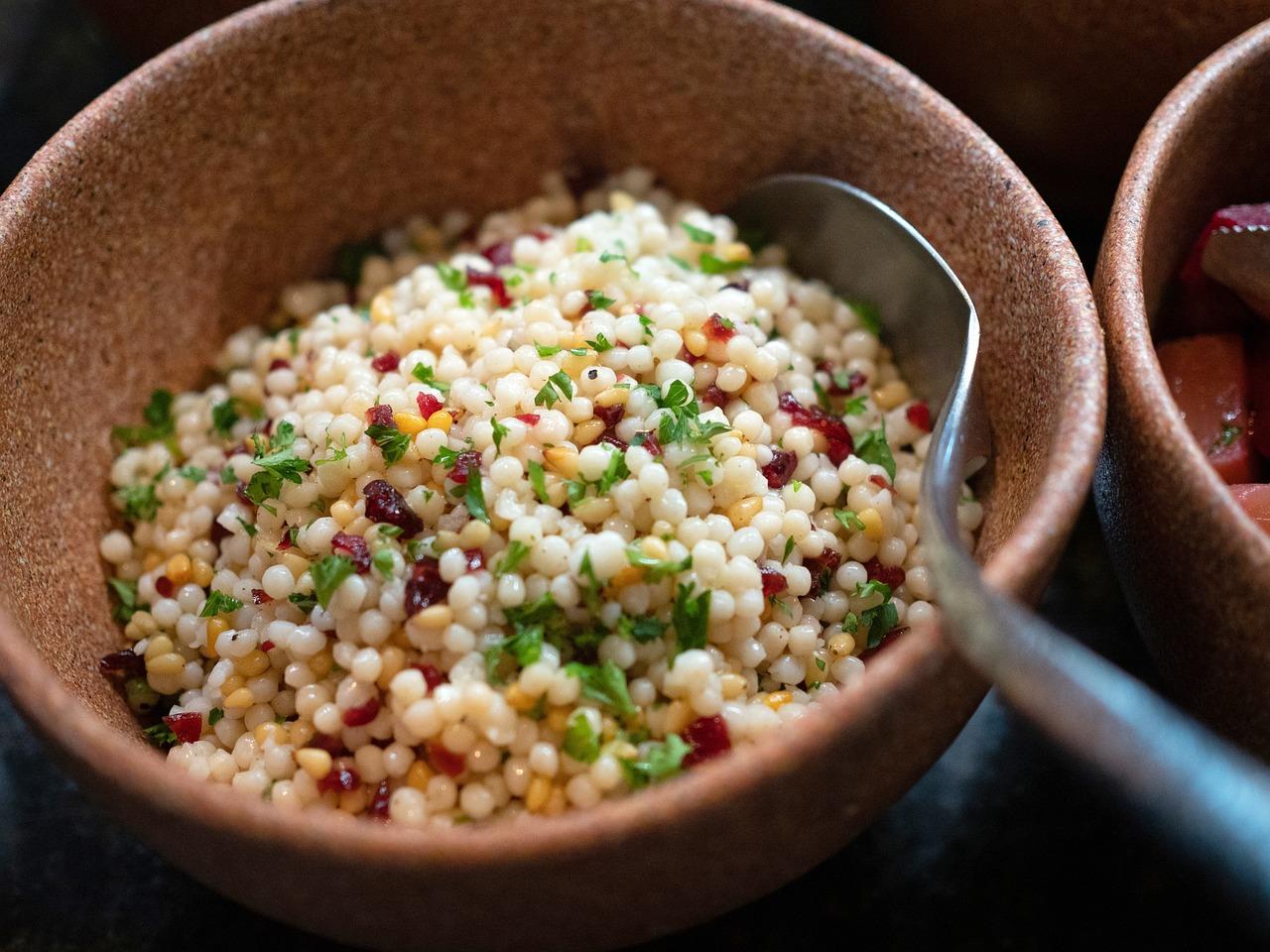
Ptitim with vegetablesToasted pearl couscous with vegetables

Ptitim was invented in Israel in the 1950s, when rice was scarce and the Osem factory was asked to make a wheat substitute; the little toasted pasta pearls soon became the dish every Israeli child grew up on. In homes from Haifa to Be'er Sheva it is cooked like a pilaf, first toasted in oil until nutty, then simmered in stock until plump and chewy. This version folds in courgette, red pepper and peas for a quick weeknight dinner or lunchbox side. Chef's tip: toast the dry ptitim until it smells like popcorn and turns light gold; it gives a much nuttier flavour than boiling it like pasta.

by KrazyBadal 0 views

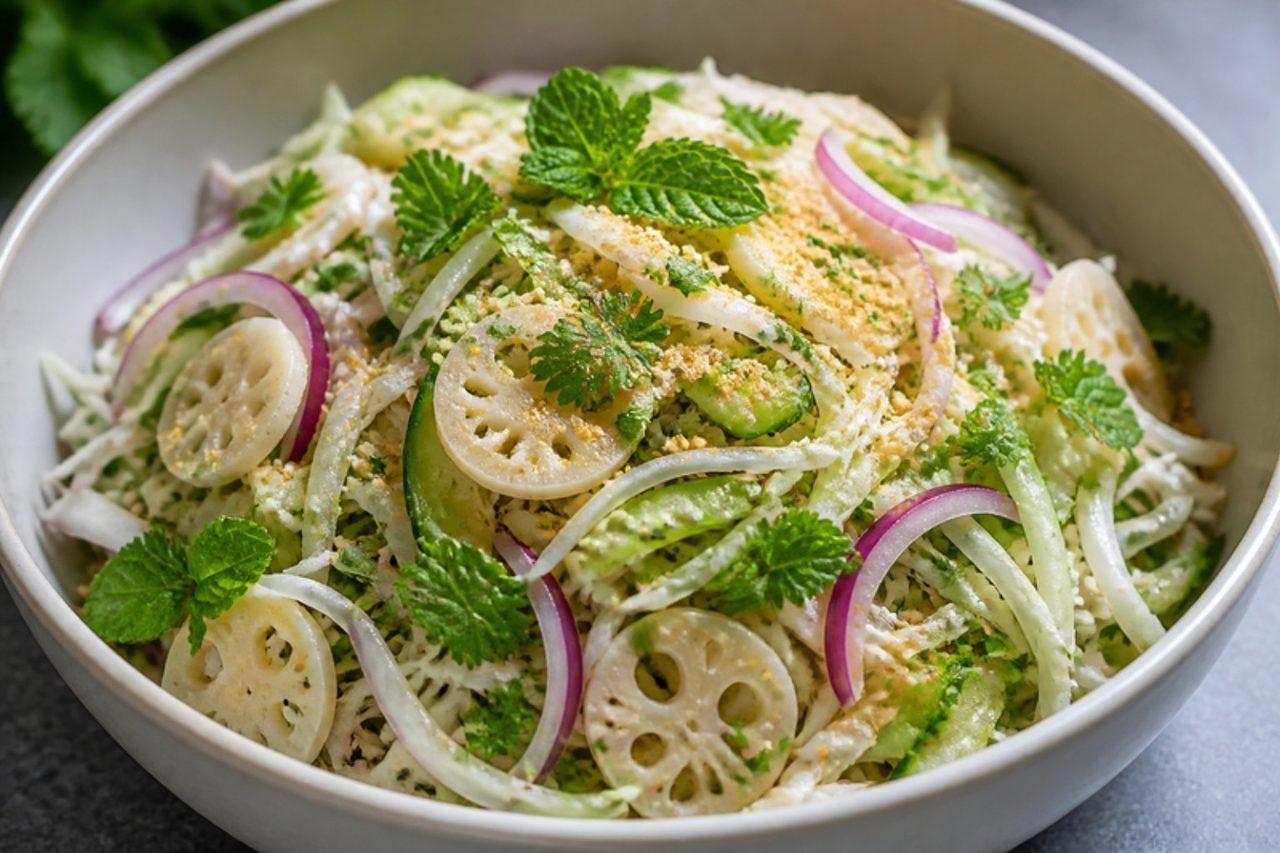
SingjuCabbage and lotus stem salad

Singju is Imphal's favourite evening snack, sold from stalls at Khwairamband market and Thangal Bazar: a pile of finely shredded cabbage, lotus stem, banana flower, onion and fresh herbs, tossed with roasted chilli and toasted gram flour. Most stalls add a little ngari (fermented fish); vegetarian Meitei homes skip it and use extra roasted perilla or sesame and toasted gram flour, which give a nutty, savoury depth. It is crunchy, hot and herby. Chef's tip: shred everything as thinly as you can, almost like hair; the dressing clings better.

by KrazyBadal 0 views

SingodiCoconut milk fudge in leaf cones

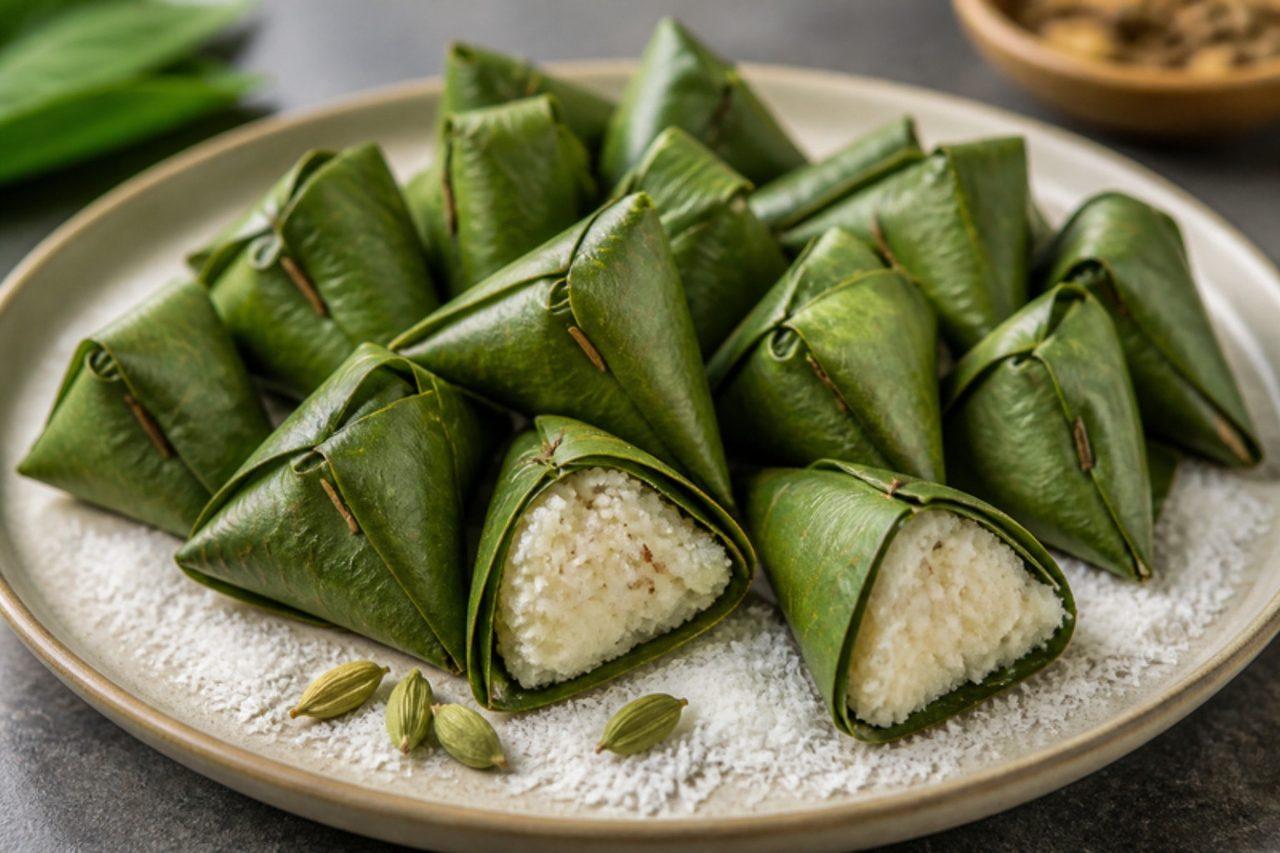
Singodi is Almora's other famous sweet, sold in the same shops as bal mithai but looking nothing like it: a soft, pale mix of khoya and coconut packed into a cone of maalu leaf and pinned shut with a twig. The leaf leaves a faint green, woody scent in the sweet, which is the whole point, and people in Kumaon unwrap them at weddings and on trips home. Maalu leaves are almost impossible to buy elsewhere, so this version uses banana leaf or fresh betel (paan) leaves; both give a gentle leafy aroma. Chef's tip: wrap the singodi while the filling is still warm and leave them in the fridge overnight, so the scent of the leaf soaks in.

by KrazyBadal 0 views

Ptichye molokoSoufflé cake with chocolate glaze

Ptichye moloko, 'bird's milk', is named for the impossible treat in old fairy tales, and in 1978 Moscow's Praga restaurant turned it into a cake: a cloud of vanilla soufflé on a thin sponge, glazed with dark chocolate. Soviet shoppers queued for hours for the boxed version, and it is still the cake for birthdays and 8 March. The soufflé has always been set with agar, a seaweed jelly, which makes it naturally free of gelatine and gives a clean, springy bite. Chef's tip: boil the agar syrup to exactly 110°C (a thread forms between two fingers); undercooked syrup leaves the soufflé weepy and soft.

by KrazyBadal 0 views

PrinsesstårtaMarzipan-covered layer cake

This domed green cake sits in every Swedish konditori window and is the cake for name days, birthdays and the last week of September, which Swedes call Prinsesstårtans vecka. It was first written down in the 1930s by Jenny Åkerström, cookery teacher to three young Swedish princesses, and they adored it. Under the smooth marzipan lie airy sponge layers, raspberry jam, thick vanilla custard and a tall mound of whipped cream. Shop versions often set the cream with gelatine; here the custard is firmed with cornflour and the cream with a little mascarpone, so it is fully vegetarian and still slices cleanly. Chef's tip: assemble the cake the day before you need the custard and sponge, but cover it with marzipan only a few hours before serving; marzipan sweats in the fridge overnight.

by KrazyBadal 0 views

Prawn balchãoSweet-sour prawn pickle curry

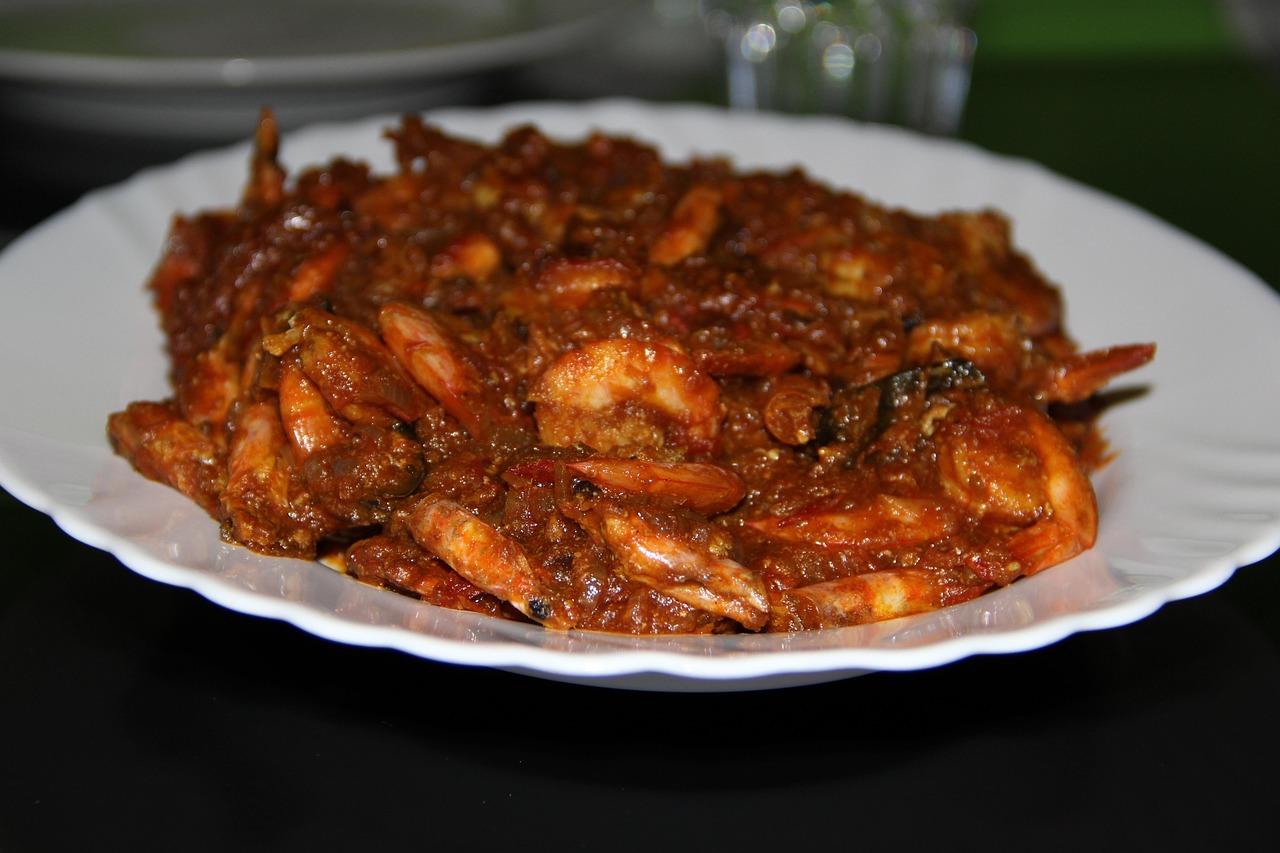
Balchão started as a way to keep the catch from the Goan monsoon season: prawns cooked down in a fierce red masala with vinegar and sugar until they keep like a pickle. In Goan homes a jar sits in the fridge to spoon beside rice and dal, and a fresh batch is served as a main curry on Sundays. Its taste is bold: hot, sharp and sweet all at once. Chef's tip: fry the masala slowly until the oil separates and it turns a deep brick colour; undercooked balchão tastes raw and vinegary.

50 minIndianFishGluten freeSpicy
by KrazyBadal 0 views

Peynirli pideBoat-shaped cheese bread

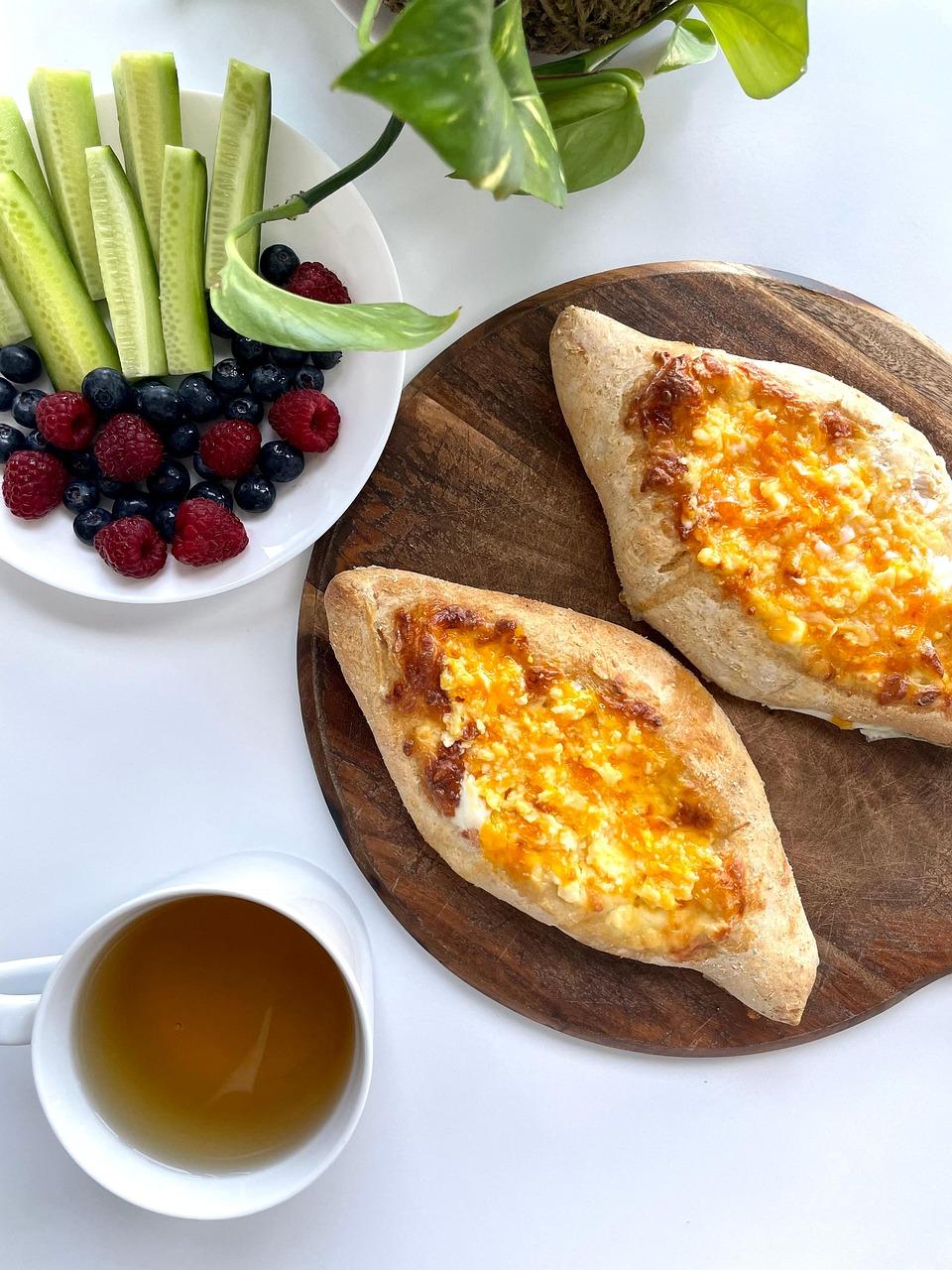
Along the Black Sea coast, from Samsun to Trabzon, the pide salon is where families go on a Friday night, and the oven man shapes each boat of dough by hand before sliding it onto the hot stone floor of a wood-fired oven. The Black Sea way is generous: a pool of melted kaşar and white cheese held inside a rim of soft bread, an egg cracked into the middle for the last few minutes and a knob of butter dropped on as it comes out. Children love tearing off the crusty ends to drag through the cheese. Chef's tip: heat a heavy baking tray or pizza stone in the oven for a full 30 minutes; the hot base is what gives a crisp underside rather than a soft one.

120 minTurkishPizza
by KrazyBadal 0 views

SuqaarSpiced beef stir-fry

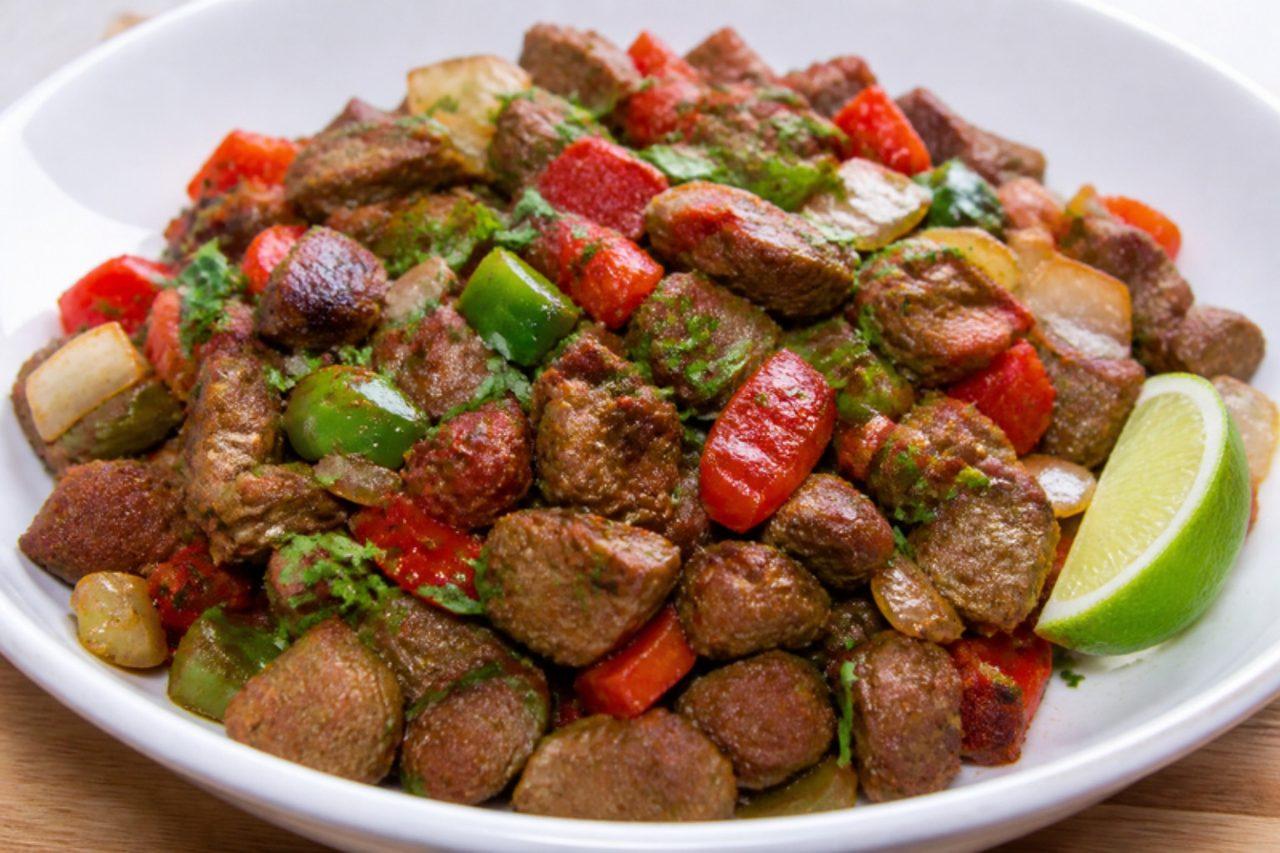
Suqaar is the quick beef dish found everywhere from Mogadishu tea shops to Somali cafés in Minneapolis and London: small cubes of beef or lamb browned with onion, peppers and garlic, seasoned with xawaash, the house spice mix of cumin, coriander, cardamom, cinnamon and turmeric. Somalis eat it for breakfast with canjeero (spongy flatbread) or for lunch with rice or pasta. The mistake is cutting the beef in big chunks, which go chewy; cut it into small 1–2 cm cubes so it cooks fast and stays tender. Chef's tip: add a squeeze of lime and a handful of coriander just before serving.

30 minSomaliMeatGluten free
by KrazyBadal 0 views

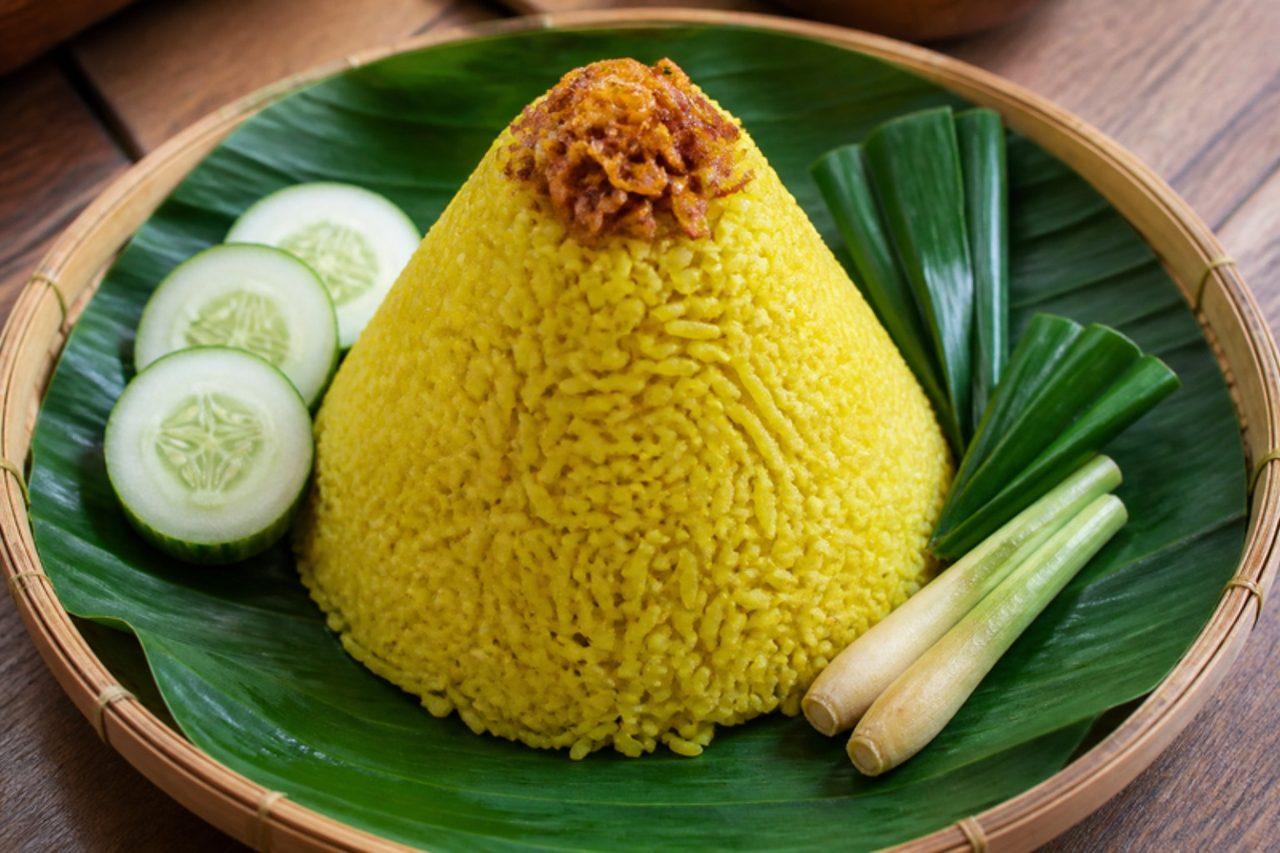
Nasi kuningTurmeric coconut rice

Yellow rice is Indonesia's rice for good news: shaped into a tall cone called tumpeng, it's the centrepiece at birthdays, housewarmings and thanksgiving gatherings across Java, Bali and Sulawesi, and in Manado and Banjarmasin it's also a weekday breakfast wrapped in banana leaf. The grains are cooked in coconut milk with turmeric, lemongrass, salam and lime leaf, so they come out fluffy, golden and gently fragrant, rich without being heavy. Serve it with tempe orek, perkedel, sambal and cucumber for a festive platter. Chef's tip: steam the rice after its first absorption, Javanese style, or rest it covered off the heat for 10 minutes — skipping this gives sticky, uneven grains.

by KrazyBadal 0 views

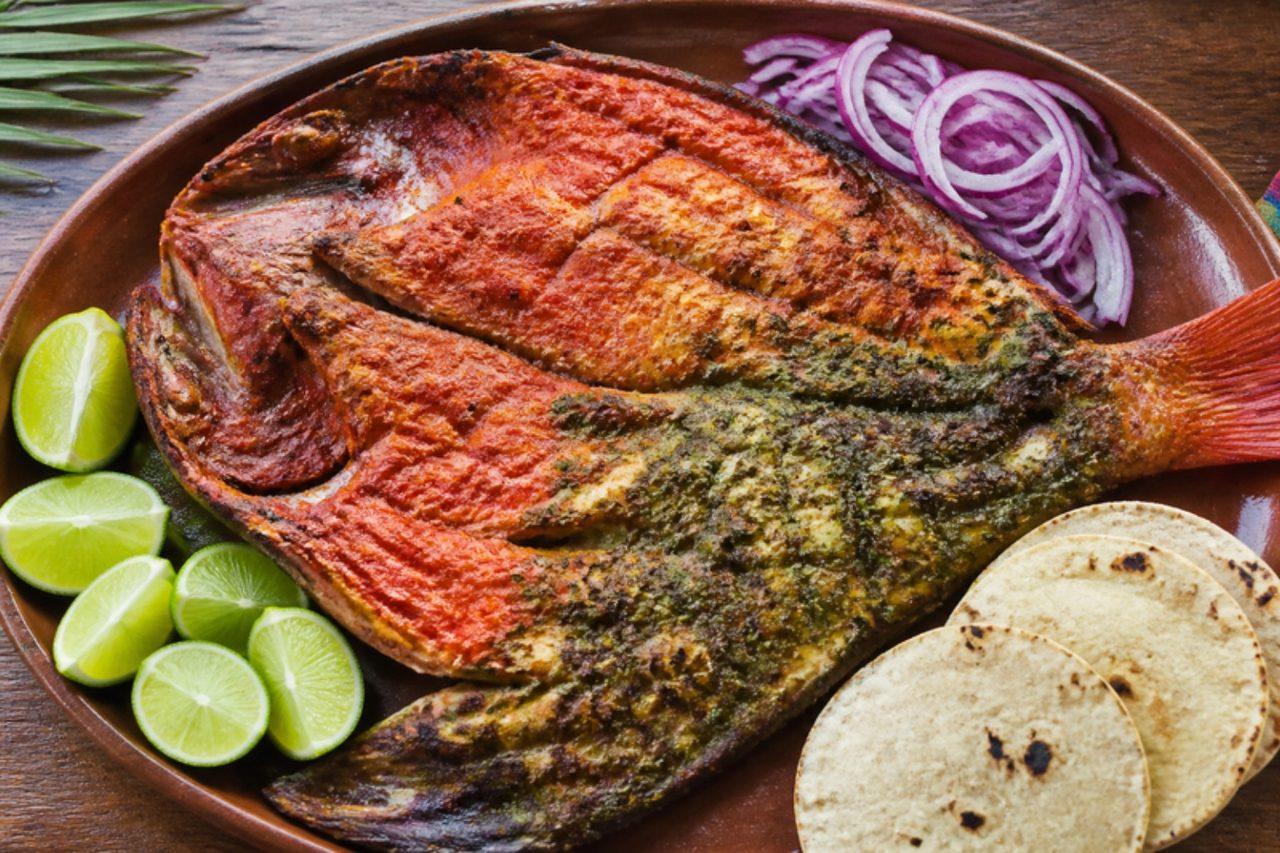
Pescado a la tallaGrilled fish in chilli paste

On the long beach of Barra Vieja, just south of Acapulco in Guerrero, whole fish are split open, painted with chilli paste and grilled over wood embers in palapa restaurants with their feet in the sand. One half gets a brick-red adobo of guajillo and ancho, the other a bright green paste of herbs and fresh chilli, so a single fish brings two flavours to share. It is eaten straight off the platter with tortillas, rice, lime and cold drinks. Chef's tip: cook it mostly skin-side down in a hinged fish basket, so the skin protects the flesh and the fish turns without breaking.

by KrazyBadal 0 views

Showing 27 of 7,762 recipes

Show more recipes

Page 690 of 863