


Skip to content
Egg kalakki
Featured recipe

Egg kalakki

Spicy soft-set eggs

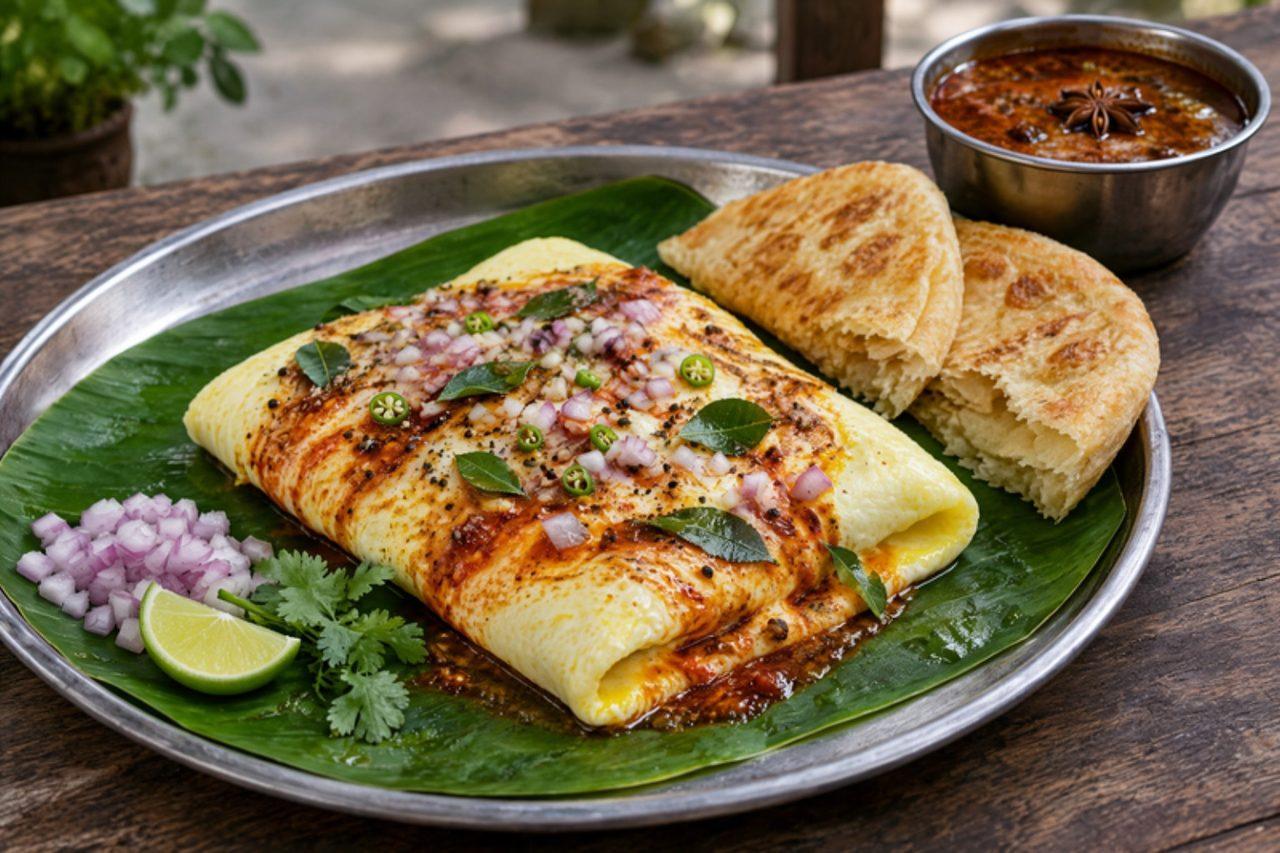
Kalakki means 'stirred up', and it was born on the parotta stalls of Madurai; in Chennai you find it late at night at the parotta shops of Triplicane and along Arcot Road, where the cook whisks eggs with a ladle of the house chicken salna and swirls them on the tawa for under a minute. The result is a soft, wobbly fold of egg, rich with spiced gravy, eaten with flaky parotta. The salna here is a quick home version made with chicken stock, so the dish is not vegetarian. Contains egg. The centre is meant to be just set; for pregnant women, young children or anyone with a weakened immune system, cook it until fully firm. Chef's tip: take it off the heat while the top still looks slightly glossy; it keeps setting on the plate.

Read more 0 views

What to eat today?

Around the world

Today's trip: Paraguayan

A new country every day, from every cuisine on the site.

Paraguayan

Buñuelos de algas

Sea lettuce fritters 35 minMore from Paraguayan (27) →

This week's collection

Kid-friendly dinners
537 recipes · a new collection every Monday

Latest recipes

Vegetarian popiahFresh spring rolls

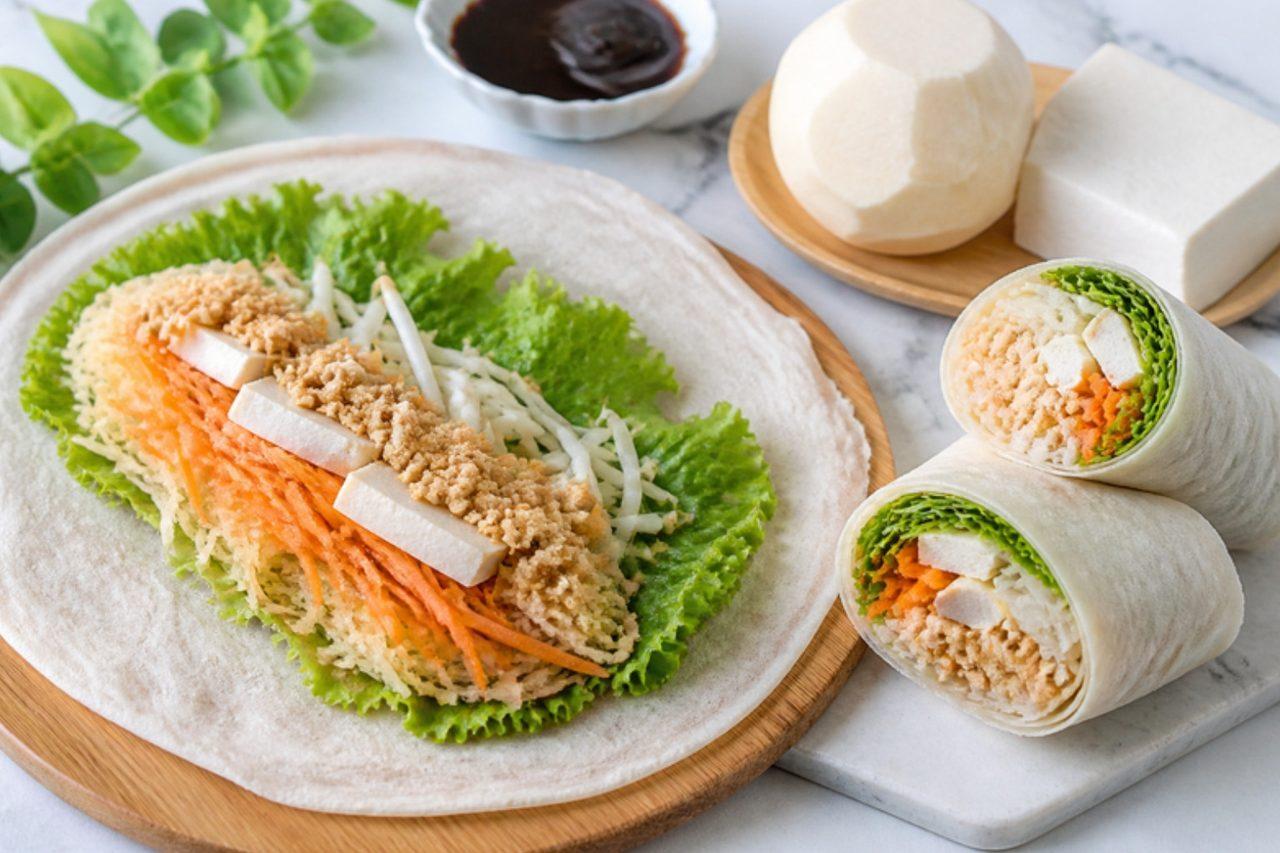
Popiah are the soft, fresh spring rolls that Hokkien and Peranakan families in Singapore make together at home, especially for Qing Ming and family reunions, with everyone wrapping their own at the table. Thin wheat skins are brushed with sweet sauce and chilli, then filled with a slow-braised mix of jicama (bangkuang) and carrot, plus lettuce, beansprouts, egg, peanuts and crispy shallots. This version leaves out the prawns and Chinese sausage and braises the filling in vegetable stock. Chef's tip: drain the braised filling very well before rolling; extra liquid tears the delicate skins.

by KrazyBadal 0 views

Moravské koláčeFilled yeast buns

In the villages of South Moravia and Wallachia, nobody gets married without a mountain of koláče: small round yeast buns with a deep hollow filled with sweetened poppy seed, vanilla quark or povidla (thick plum butter), each crowned with buttery posypka crumble. Relatives bake hundreds for the wedding and send guests home with boxes of them, and they turn up again at village fairs (pouť) and Sunday coffee. Chef's tip: press the hollow deep and wide just before filling; the dough rises again in the oven, and a shallow dip pushes the filling over the edge.

by KrazyBadal 0 views

Moqueca capixabaFish stew with tomato and annatto

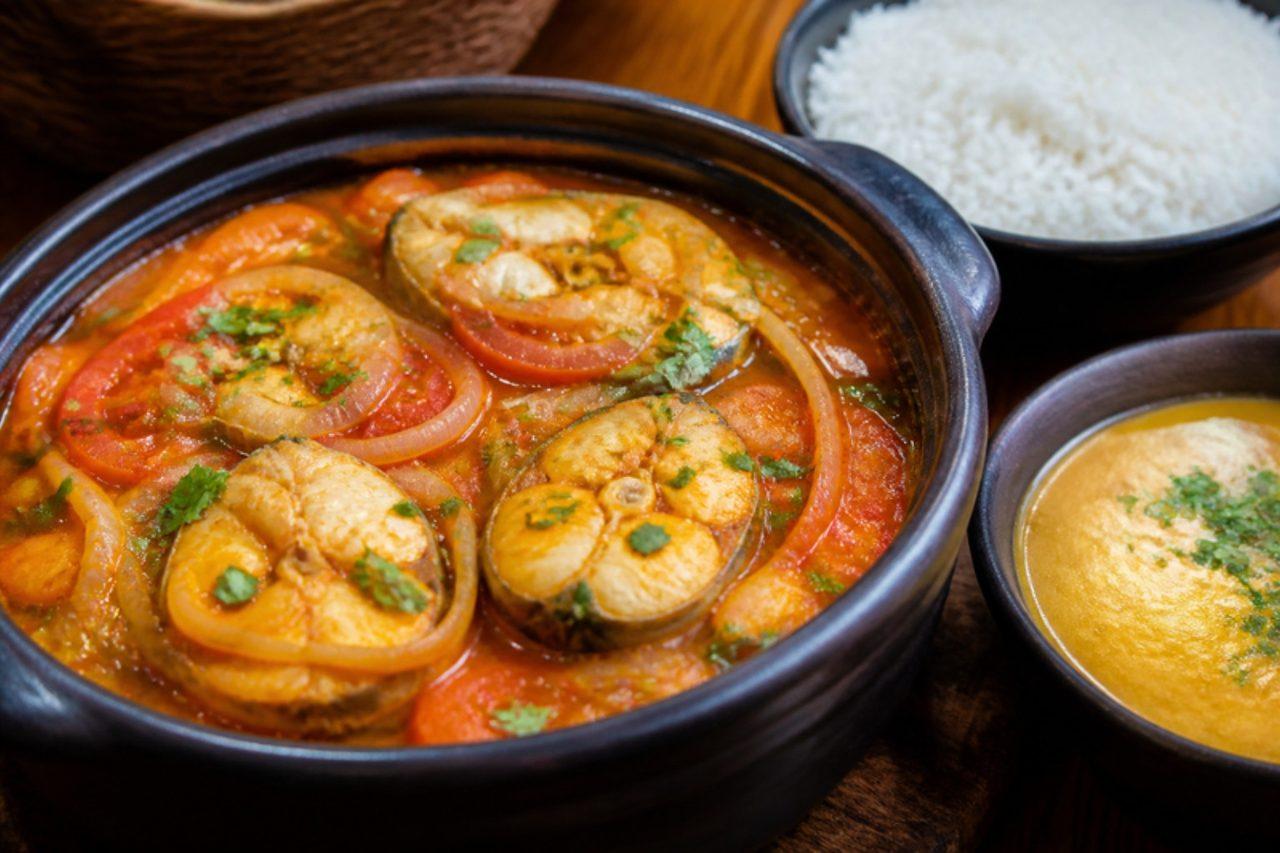
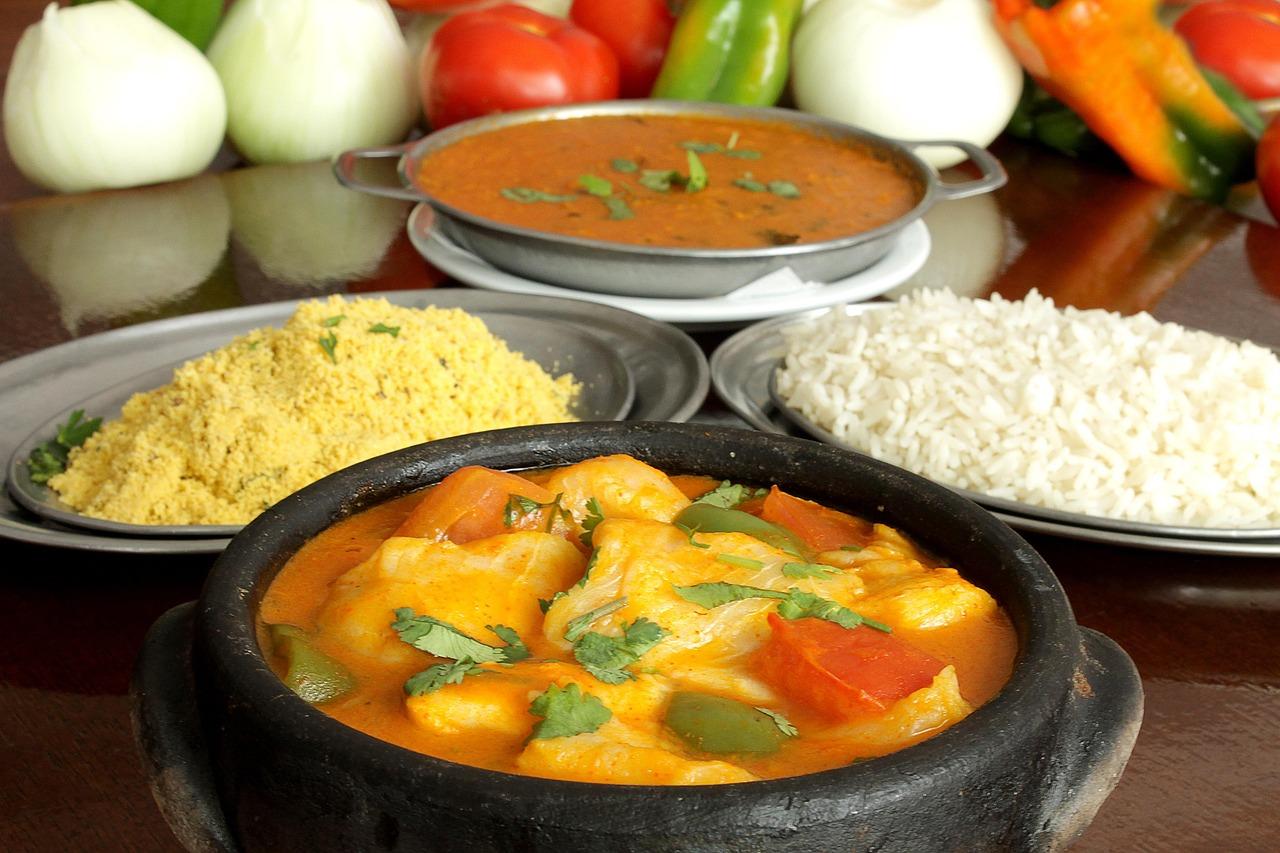
In Vitória, capital of Espírito Santo, people like to say that moqueca is capixaba and everything else is just fish stew. Their version contains no coconut milk and no palm oil: firm white fish is layered with onion, tomato and plenty of fresh coriander, coloured red with annatto (urucum) and olive oil, and cooked in its own juices. It is always made and served in a black clay pot, the panela de barro handmade by the potters (paneleiras) of the Goiabeiras district, whose craft is protected as Brazilian heritage. Families eat it at weekend lunches with white rice and pirão, a porridge made from the fish broth and manioc flour. Chef's tip: no clay pot? Use a heavy cast-iron casserole with a lid; a thin pan heats unevenly and the bottom layer scorches.

by KrazyBadal 0 views

SinangagGarlic fried rice

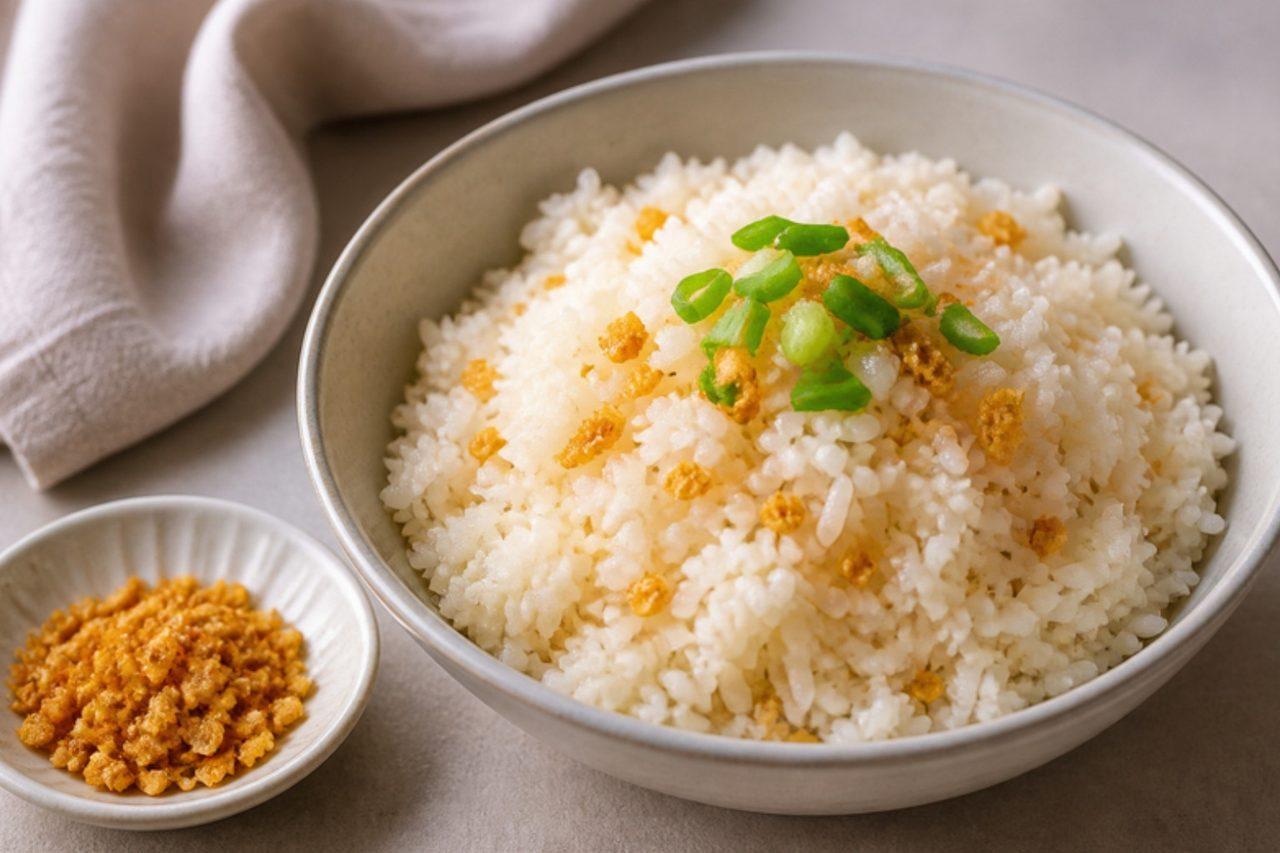
Sinangag is what a Filipino kitchen does with last night's rice: fried in garlicky oil first thing in the morning and heaped on the breakfast plate. It is the 'si' in silog, the breakfast plates served at every silugan (all-day breakfast stall) in Manila, where garlic rice comes with a fried egg and a choice of cured meat. At home it goes with anything, from tortang talong to a fried egg and tomatoes, and a small dish of spiced vinegar for dipping. Each grain should be separate and lightly toasted, with plenty of crunchy, golden garlic on top. Chef's tip: fry the garlic slowly from cold oil; it browns evenly and the oil takes on a deep, sweet garlic flavour.

by KrazyBadal 0 views

Sindhi kadhiSour gram flour and tamarind curry

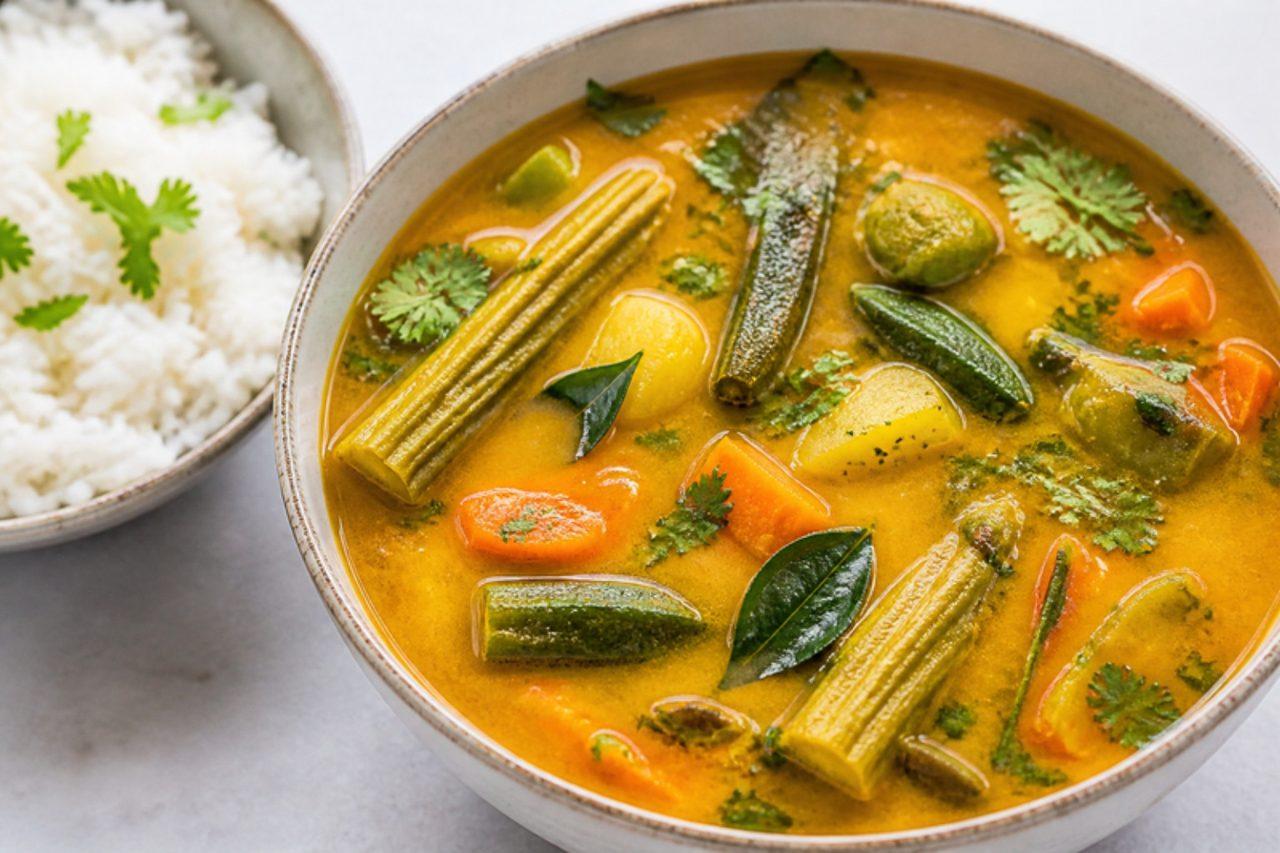
Sindhi kadhi is the Sunday lunch of families from Sindh, served in Karachi and Hyderabad homes over plain rice with crisp fried potatoes on the side. Unlike the yogurt kadhis of Gujarat and Punjab it uses no dairy at all: gram flour is roasted in oil until it smells like toasted nuts, whisked into water with tamarind and tomato, and simmered with a crowd of vegetables, typically drumsticks, okra, cluster beans, potato and carrot. The result is thin, sour and gently hot, with a deep golden colour. The common mistake is rushing the roasting of the gram flour; pale flour leaves the whole pot tasting raw and pasty. Chef's tip: cook the drumsticks and potatoes first and add the okra only in the last 10 minutes so it stays whole and does not turn slimy.

by KrazyBadal 0 views

Moqueca baianaFish stew with coconut milk

Salvador's moqueca baiana is the richer, sunnier cousin of the capixaba one, and the contrast is worth knowing: where Espírito Santo uses only tomato, annatto and olive oil, Bahia adds coconut milk, sweet peppers and dendê, the orange-red palm oil that came to Bahia with enslaved West Africans and runs through its Afro-Brazilian cooking. The result is creamy, golden and fragrant with coriander. In Salvador it is a weekend lunch at the seafront restaurants and at home, served with white rice, a yellow farofa fried in dendê and pirão. Look for dendê (red palm oil) in Brazilian, African or Caribbean shops. Chef's tip: add the dendê near the end; its flavour is strong and fades with long cooking, so a little stirred in late goes much further.

by KrazyBadal 0 views

Moong dal kachoriSpiced moong dal pastries

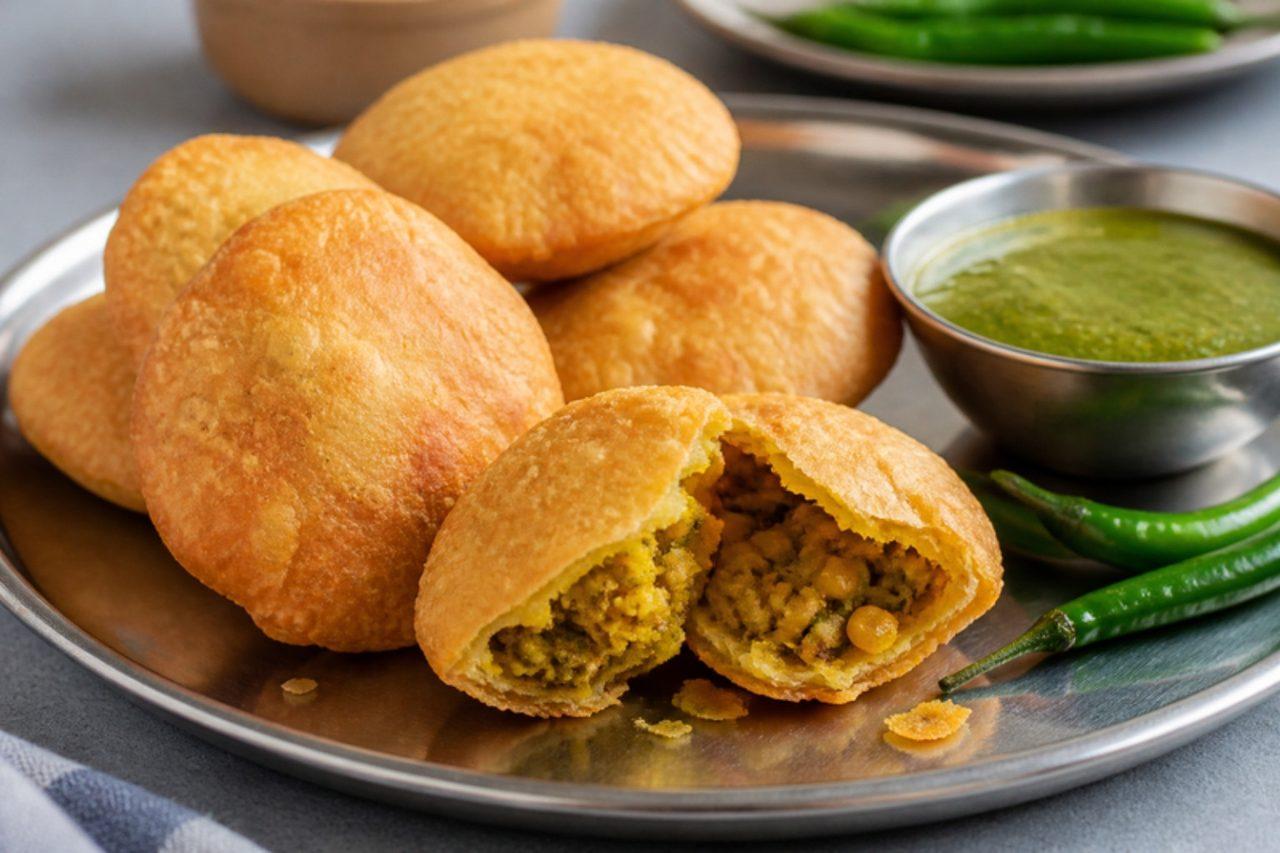
In Jaipur, Rajasthan, moong dal kachori is the street snack people queue for: a round, golden pastry that shatters into flaky layers around a dry, crumbly filling of coarsely ground yellow lentils roasted with fennel, coriander seed and chilli. Because the filling is dry and the crust is fried slowly, they stay crisp for days, which is why families make a big batch before a journey or festival. Serve them warm or at room temperature with tamarind chutney and green chutney, or break them into a bowl of kadhi. Chef's tip: grind the soaked dal coarse and without water, then roast it until it smells like toasted nuts and feels sandy; a wet or under-roasted filling is the reason kachoris go soft.

by KrazyBadal 0 views

Cantonese mooncakes with lotus or red bean pasteFilled pastry mooncakes

Mooncakes are exchanged and eaten all over China at the Mid-Autumn Festival, when families gather under the full moon with tea and fruit. The Cantonese style, from Guangdong and Hong Kong, has a thin, shiny brown crust around a dense, sweet filling of lotus seed paste or red bean paste; this vegetarian version leaves out the salted duck egg yolks. You need a mooncake press (50–75 g size). Chef's tip: rest the baked mooncakes in an airtight tin for 2 days; the crust softens and turns glossy, a change bakers call 'returning oil'.

by KrazyBadal 0 views

Singapore carrot cake (chai tow kway)Fried radish cake with egg

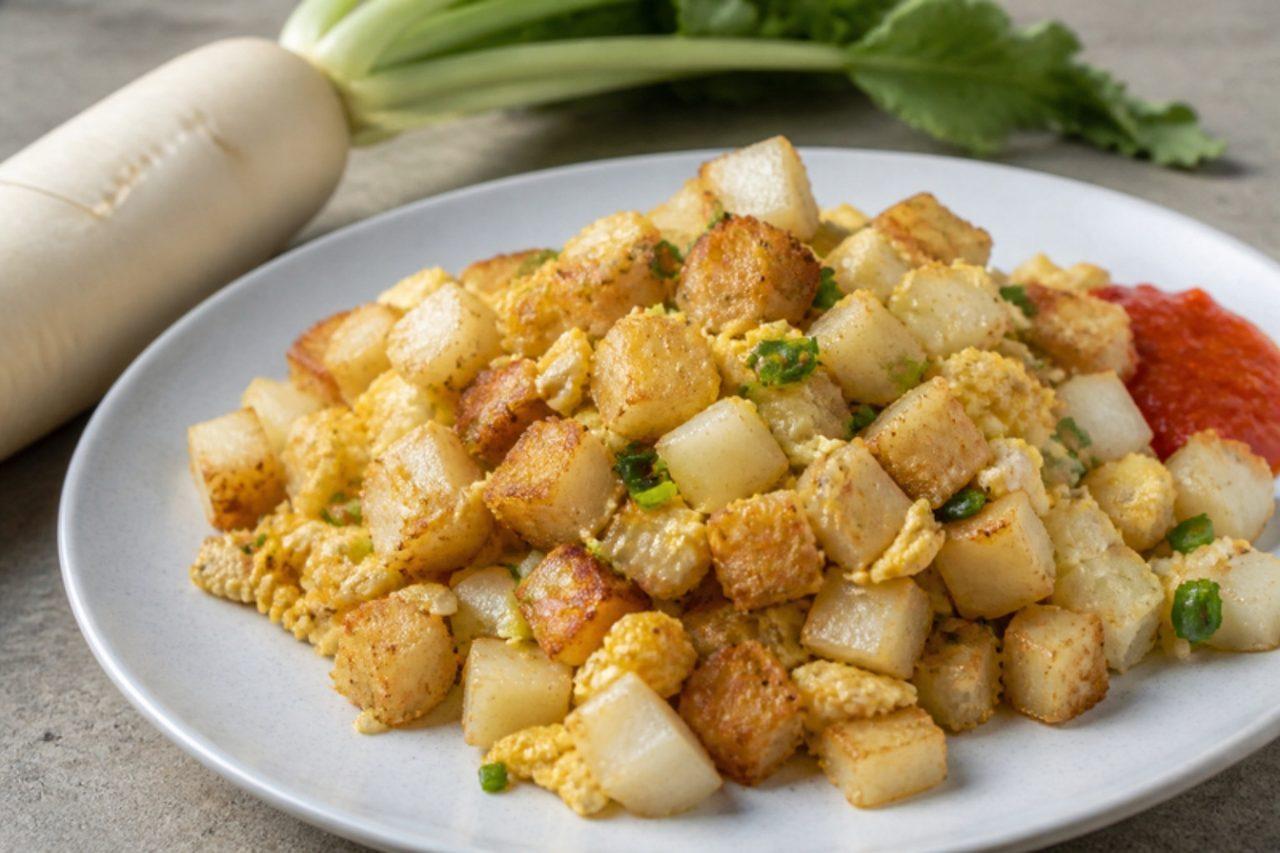
Singapore's carrot cake has no carrot in it: "carrot" is the local word for white radish (daikon). A steamed cake of rice flour and grated radish is cut into cubes and fried with egg and garlic until crisp and golden, either "white" (plain and eggy) or "black" (with sweet dark soy). It's a breakfast and supper favourite at hawker centres like Chinatown Complex. Most stalls add chai poh (preserved radish); this version leaves it out because many brands are made with fish sauce, and spring onions bring the savoury lift instead. Chef's tip: steam the cake a day ahead and chill it overnight; cold, firm cake cuts cleanly and crisps instead of falling apart.

by KrazyBadal 0 views

Monji haakKohlrabi and greens in mustard oil

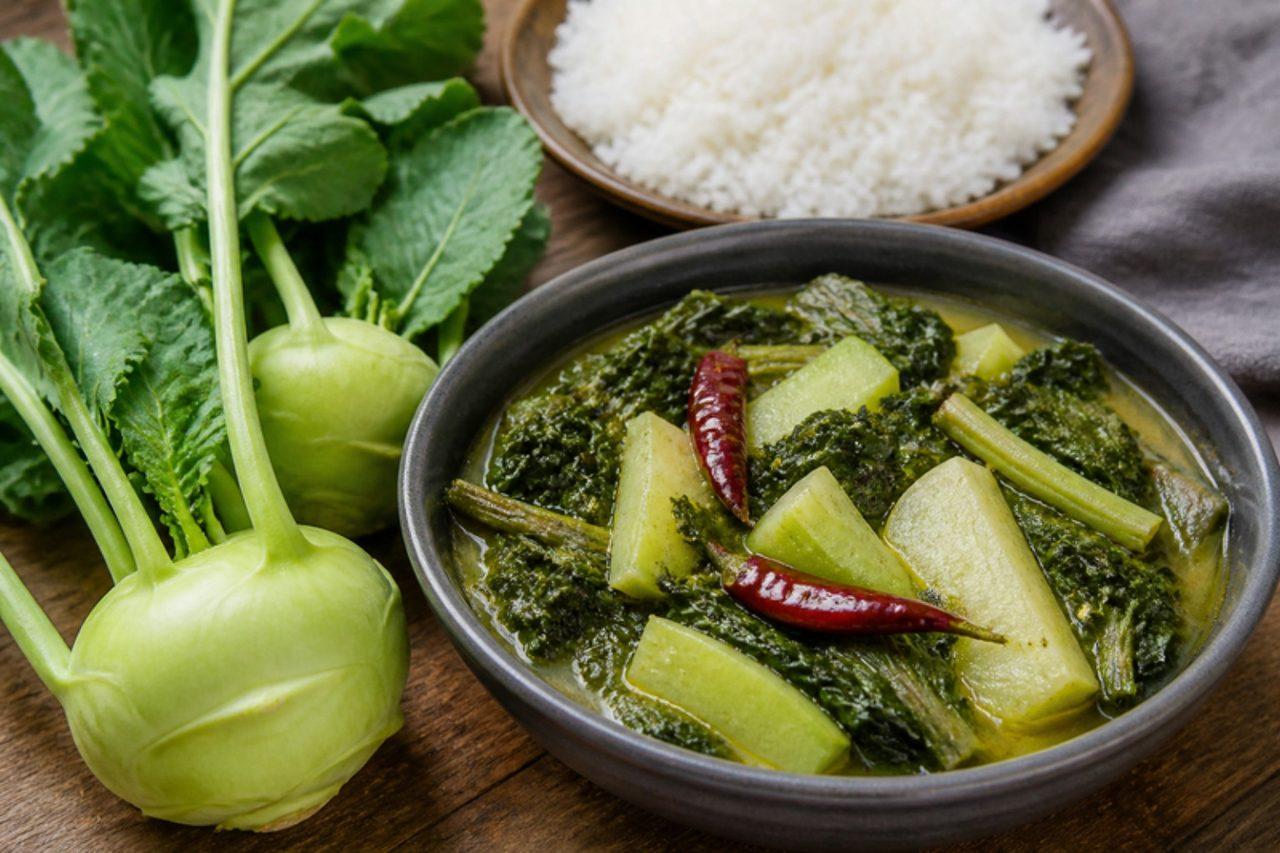
Kohlrabi, monji in Kashmiri, grows in almost every kitchen garden in the Kashmir Valley, and families cook the round bulb and its leaves together in one pot. Like its cousin haak, it is a dish of very few ingredients: mustard oil, dried chilli, a pinch of asafoetida and salt, simmered with a splash of water until the bulb turns sweet and tender. It is eaten through the cold months with plain rice and a bowl of yogurt, and Kashmiris will tell you it tastes best in autumn when the bulbs are young. Chef's tip: buy kohlrabi with fresh, perky leaves attached; if the leaves are tired, add a handful of spinach instead.

by KrazyBadal 0 views

MonjayakiGriddled cabbage and batter

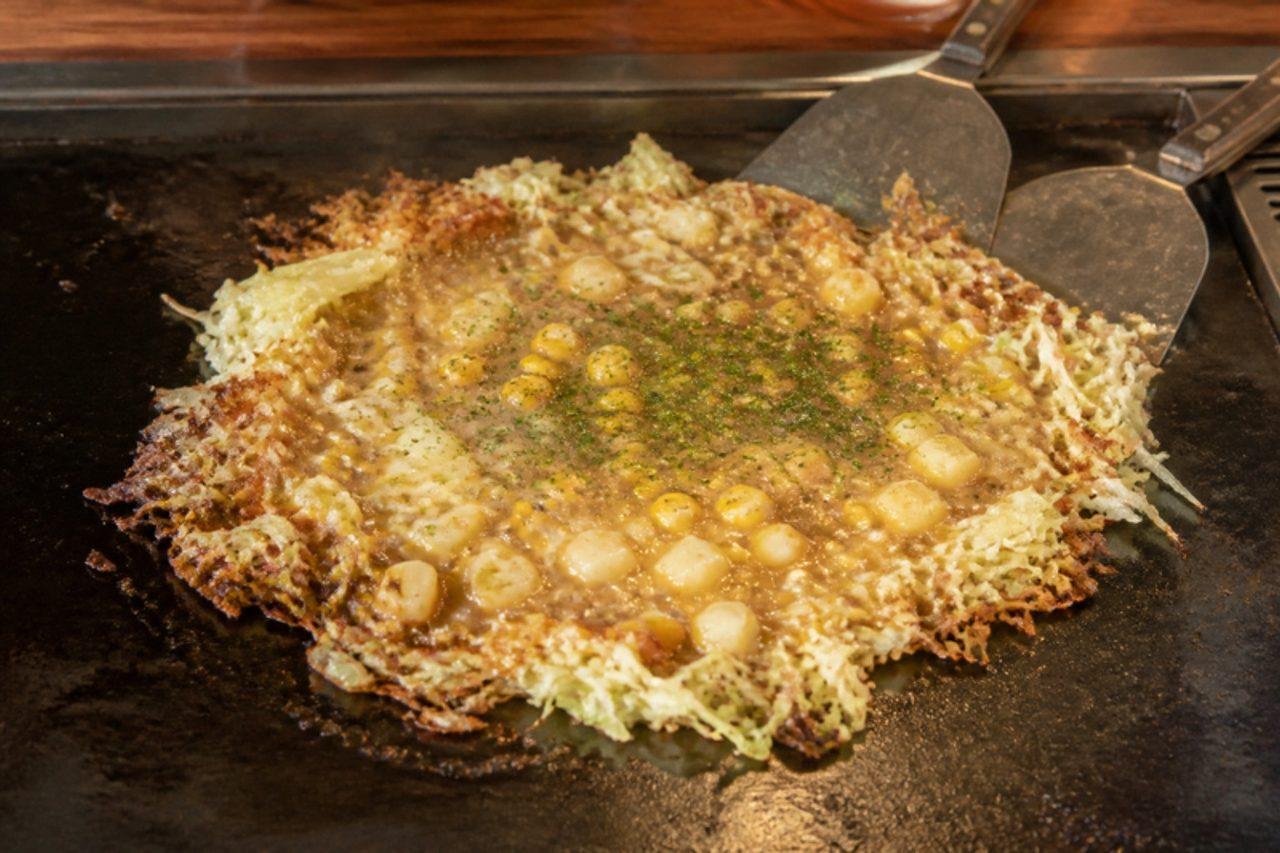
Monjayaki comes from Tsukishima, a small island district in Tokyo Bay, where one street holds more than seventy monja restaurants. It began as a cheap after-school snack at sweet shops, with children writing letters in thin batter on a griddle. Today friends gather round a teppan table, build a ring of chopped cabbage, pour the runny batter into the middle and eat it with tiny spatulas while it is still molten. It never sets into a pancake like okonomiyaki: the texture is gooey, with crisp, toasty bits where it sticks to the plate. Our version leaves out the usual dried shrimp and uses mochi and cheese, a favourite Tsukishima combination. Chef's tip: press a little monja against the hot griddle with your spatula and wait until it crackles. That crisp layer, called the okoge, is the best bite.

by KrazyBadal 0 views

SingjuCabbage and lotus stem salad

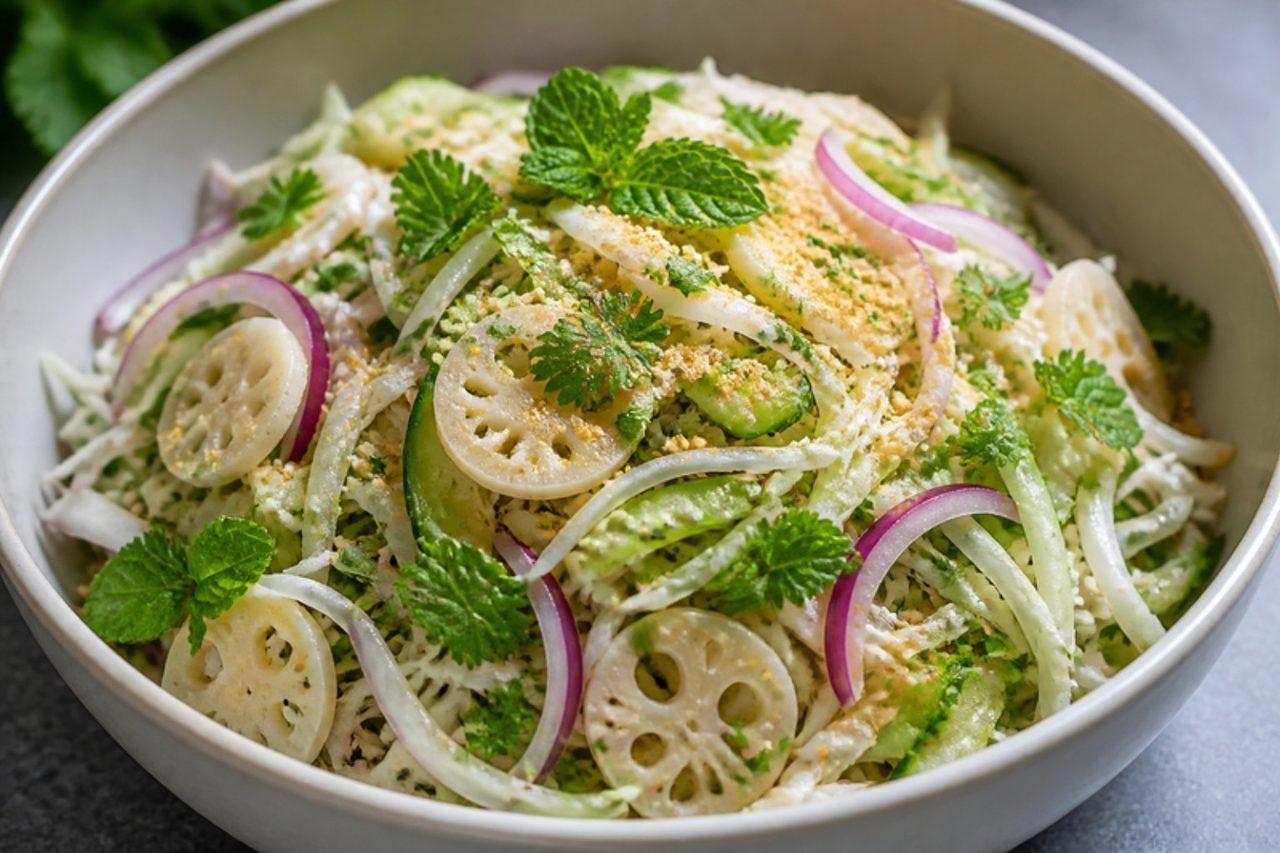
Singju is Imphal's favourite evening snack, sold from stalls at Khwairamband market and Thangal Bazar: a pile of finely shredded cabbage, lotus stem, banana flower, onion and fresh herbs, tossed with roasted chilli and toasted gram flour. Most stalls add a little ngari (fermented fish); vegetarian Meitei homes skip it and use extra roasted perilla or sesame and toasted gram flour, which give a nutty, savoury depth. It is crunchy, hot and herby. Chef's tip: shred everything as thinly as you can, almost like hair; the dressing clings better.

by KrazyBadal 0 views

SingodiCoconut milk fudge in leaf cones

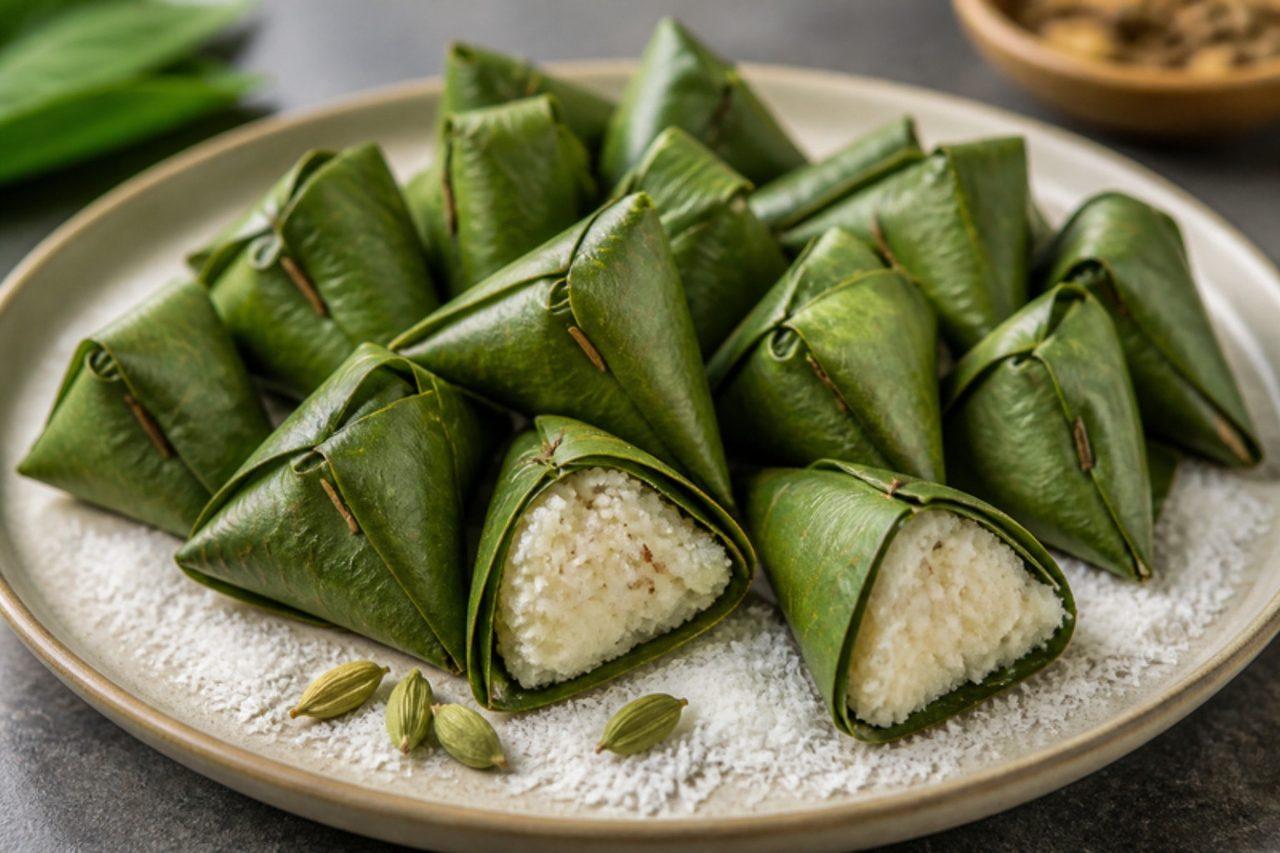
Singodi is Almora's other famous sweet, sold in the same shops as bal mithai but looking nothing like it: a soft, pale mix of khoya and coconut packed into a cone of maalu leaf and pinned shut with a twig. The leaf leaves a faint green, woody scent in the sweet, which is the whole point, and people in Kumaon unwrap them at weddings and on trips home. Maalu leaves are almost impossible to buy elsewhere, so this version uses banana leaf or fresh betel (paan) leaves; both give a gentle leafy aroma. Chef's tip: wrap the singodi while the filling is still warm and leave them in the fridge overnight, so the scent of the leaf soaks in.

by KrazyBadal 0 views

Momiji manjuMaple leaf sponge cakes

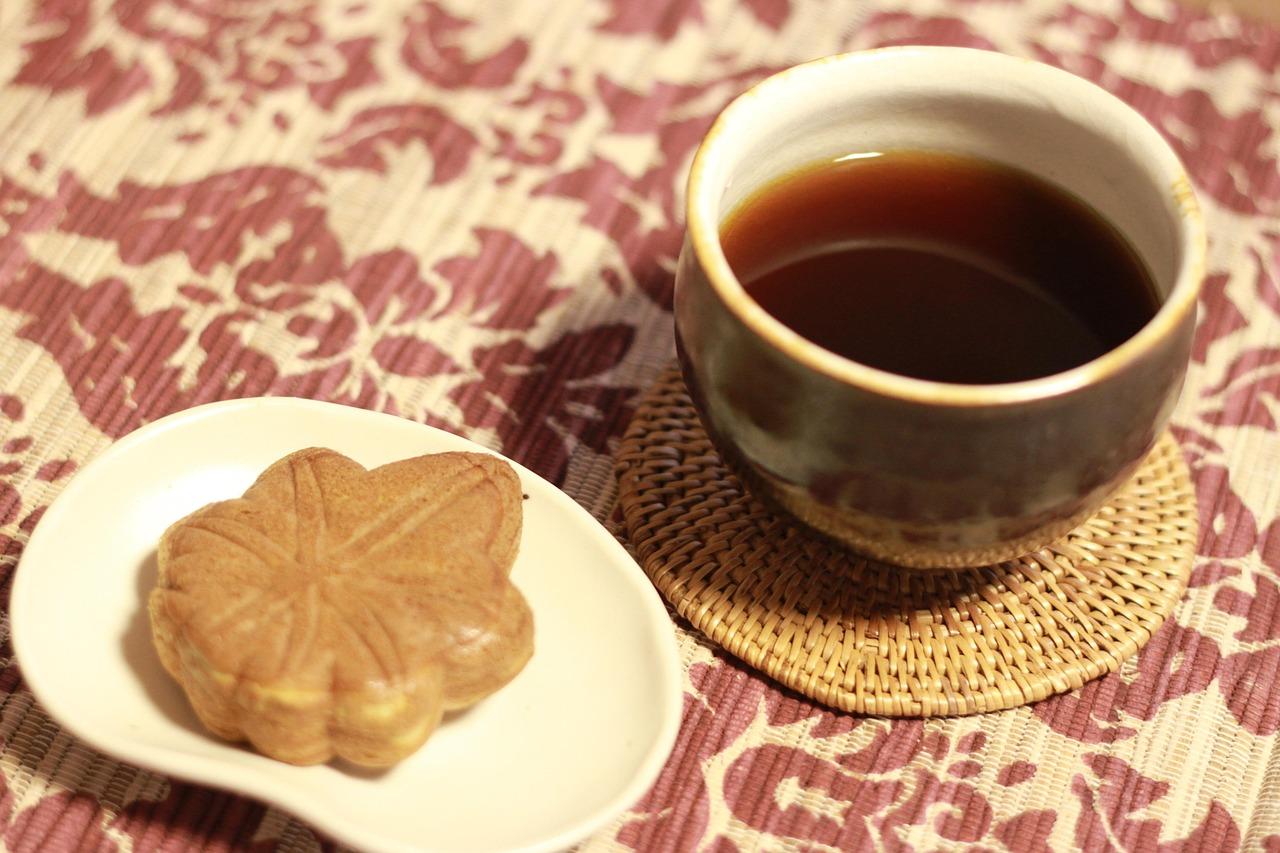
Momiji manju are the souvenir of Miyajima, the sacred island off Hiroshima famous for its floating red torii gate and its maple trees, which turn scarlet each November. A confectioner there first baked them around 1906, and today shops along the island's main street still turn them out of iron moulds while visitors watch. The cake is a soft, honey-scented sponge, the filling smooth red bean paste. Tokyo's Asakusa sells a near twin, ningyo-yaki, baked in the shapes of dolls and temple lanterns; this recipe makes both, depending on your mould. Serve with green tea. Chef's tip: rest the batter for 30 minutes before baking. The flour hydrates, the bubbles settle and the cakes come out smooth and evenly brown.

by KrazyBadal 0 views

Vegetarian smørrebrødOpen sandwiches

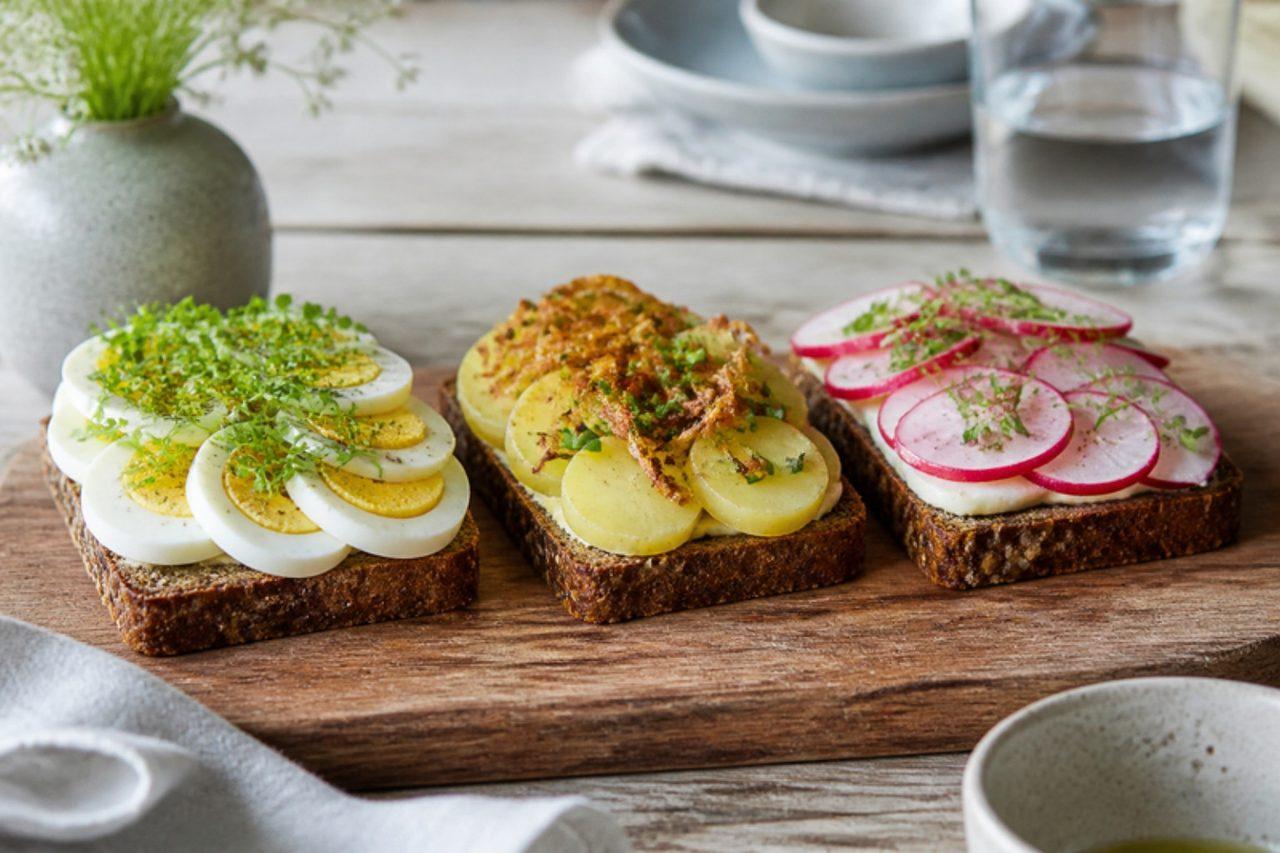
Smørrebrød, 'buttered bread', is Denmark's lunch: a single slice of dense rye bread, buttered right to the edges and piled with toppings so carefully arranged they are eaten with a knife and fork. Copenhagen lunch restaurants such as the old cellar places around Nyhavn serve them in a set order, and at home they make up a Sunday or Christmas lunch table (det kolde bord). Many classics use fish or meat, but three of the best-loved toppings are vegetarian: sliced egg with tomato and cress, waxy new potatoes with crisp onion and chives (kartoffelmad), and peppery radishes on salted butter. Chef's tip: butter the bread thickly and all the way to the crust; in Denmark the butter is the glue that holds the toppings and keeps the rye from going soggy.

by KrazyBadal 0 views

MolokhiaJute leaf soup

Molokhia is one of the oldest dishes on the Egyptian table, eaten across the country from Alexandria to Upper Egypt, usually at a family lunch with white rice and torn baladi bread. The finely minced leaves of the jute plant cook in stock in minutes into a bright green, gently slippery soup; at the end a ta'leya of garlic and ground coriander fried in oil is poured in with a loud hiss. Most families cook it with chicken or rabbit broth, but a well-flavoured vegetable stock makes a lovely, light vegan version. Frozen minced molokhia from Middle Eastern grocers is what most Cairo cooks use too. Chef's tip: some cooks take a sharp breath (the shahqa) as the ta'leya goes in; joke or not, the point is to pour it in while the garlic is still sizzling hot.

by KrazyBadal 0 views

MolletesOpen bean and cheese rolls

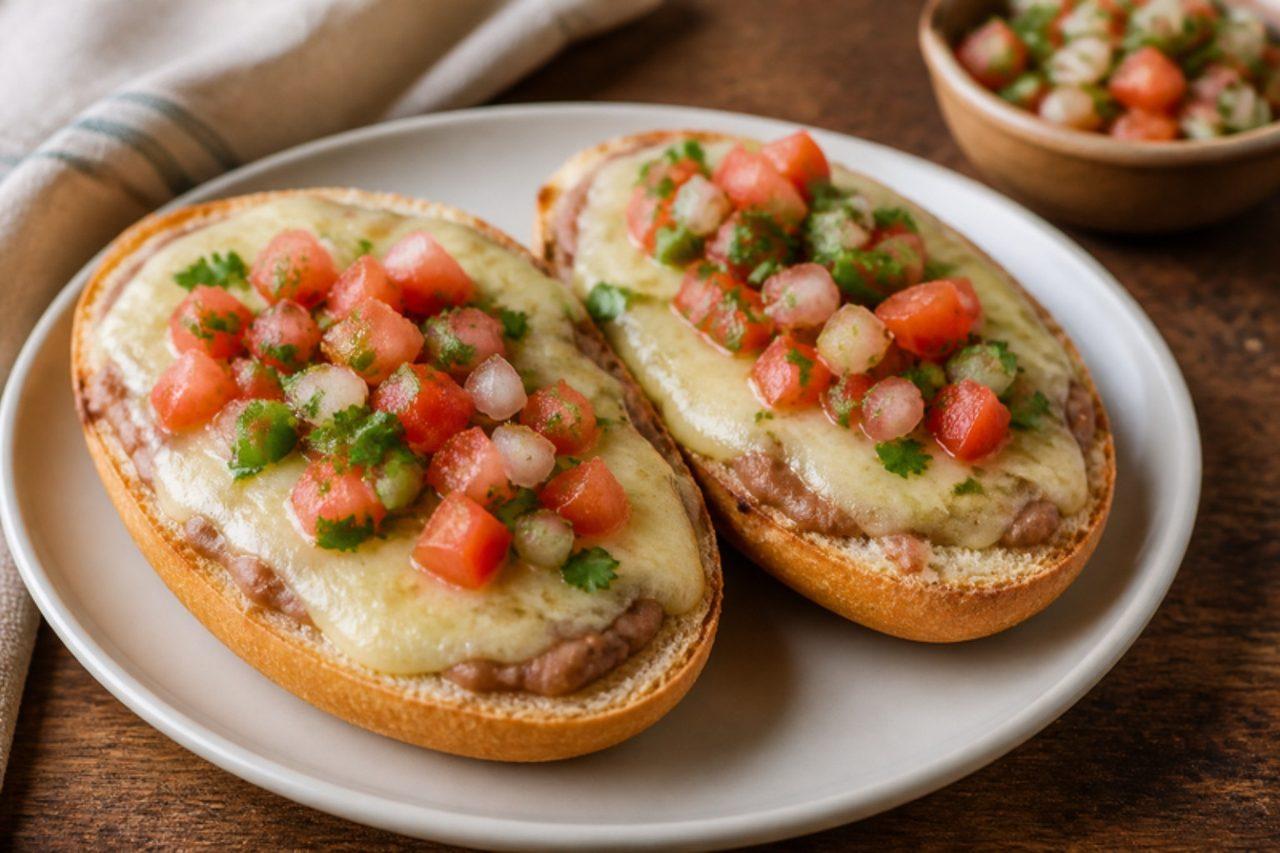
Molletes are a favourite cheap breakfast and after-school snack across Mexico, especially in Mexico City cafés: a bolillo (a crusty, oval white roll) split, buttered and toasted, spread with refried beans, covered with cheese and grilled until bubbling, then topped with fresh pico de gallo. They are crunchy, creamy and gooey, and children love them. Use crusty white rolls or short pieces of baguette if you can't get bolillos, and a mild melting cheese made with vegetarian rennet, such as mild cheddar, mozzarella or Oaxaca cheese. Chef's tip: toast the buttered rolls before adding the beans, so the bread stays crisp underneath instead of going soggy.

by KrazyBadal 0 views

Mole verde with vegetablesGreen mole with vegetables

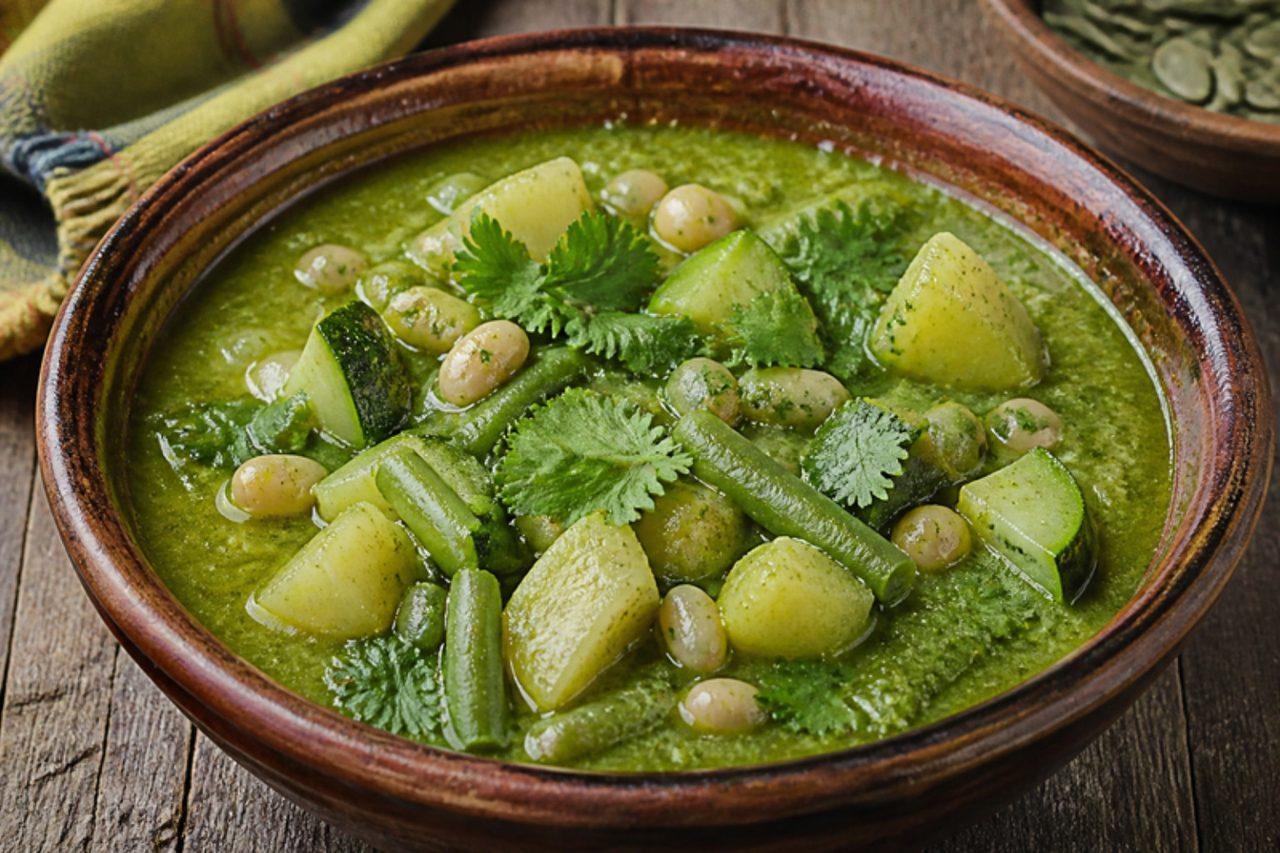
Mole verde is the brightest of Oaxaca's seven moles: instead of dried chillies and chocolate it is built from tomatillos, fresh green chillies and a fistful of herbs (hoja santa, epazote, parsley) and thickened with masa or pumpkin seeds. In Oaxaca it is often cooked with white beans and vegetables, which is how we make it here, with potatoes, courgette, green beans and chayote. The sauce is tangy, herbal and silky, and goes with white rice or warm corn tortillas. It is vegan as long as you use vegetable stock. Chef's tip: blend the raw herbs in at the very end, off the heat; cooked any longer they turn grey and lose their fresh perfume.

by KrazyBadal 0 views

Showing 18 of 7,762 recipes

Show more recipes

Page 719 of 863