


Skip to content
Gubadia
Featured recipe

Gubadia

Layered rice and curd pie

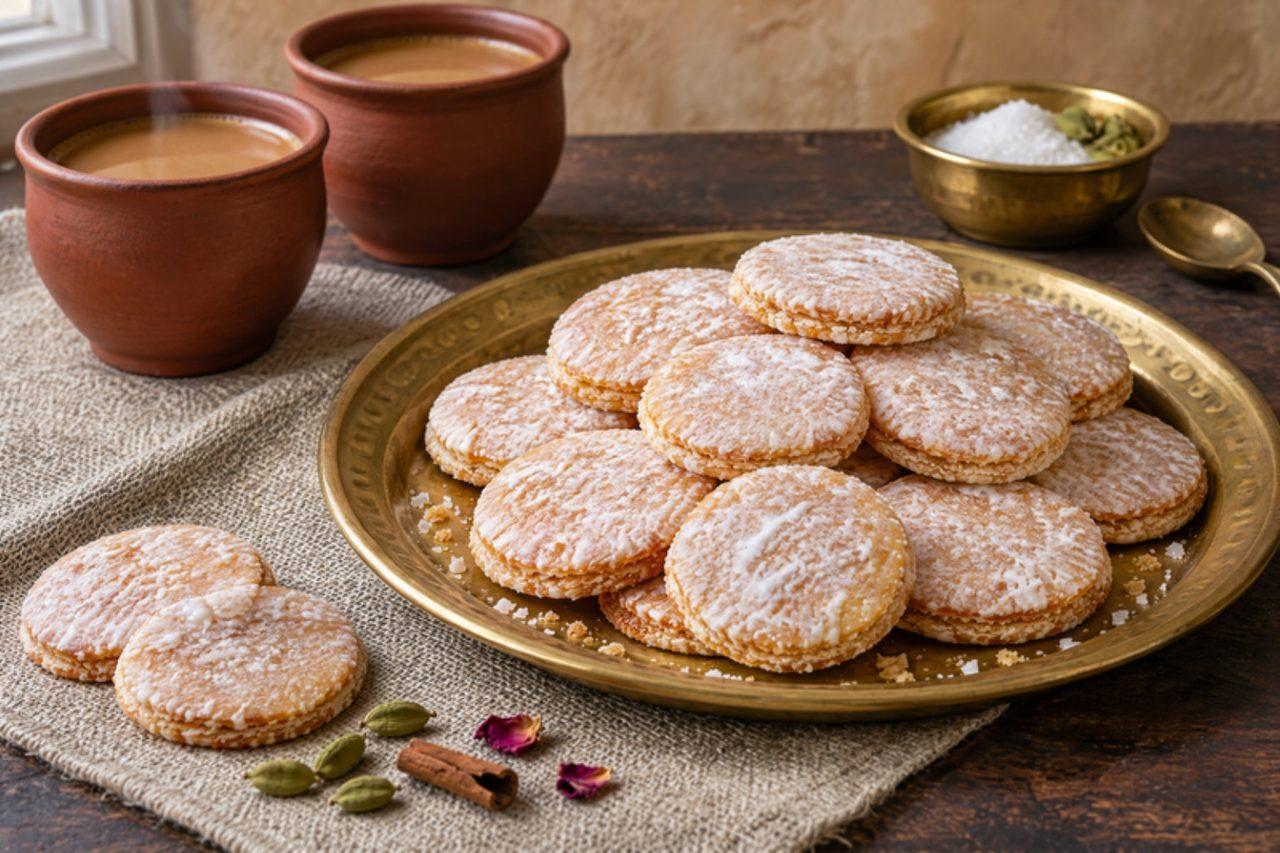
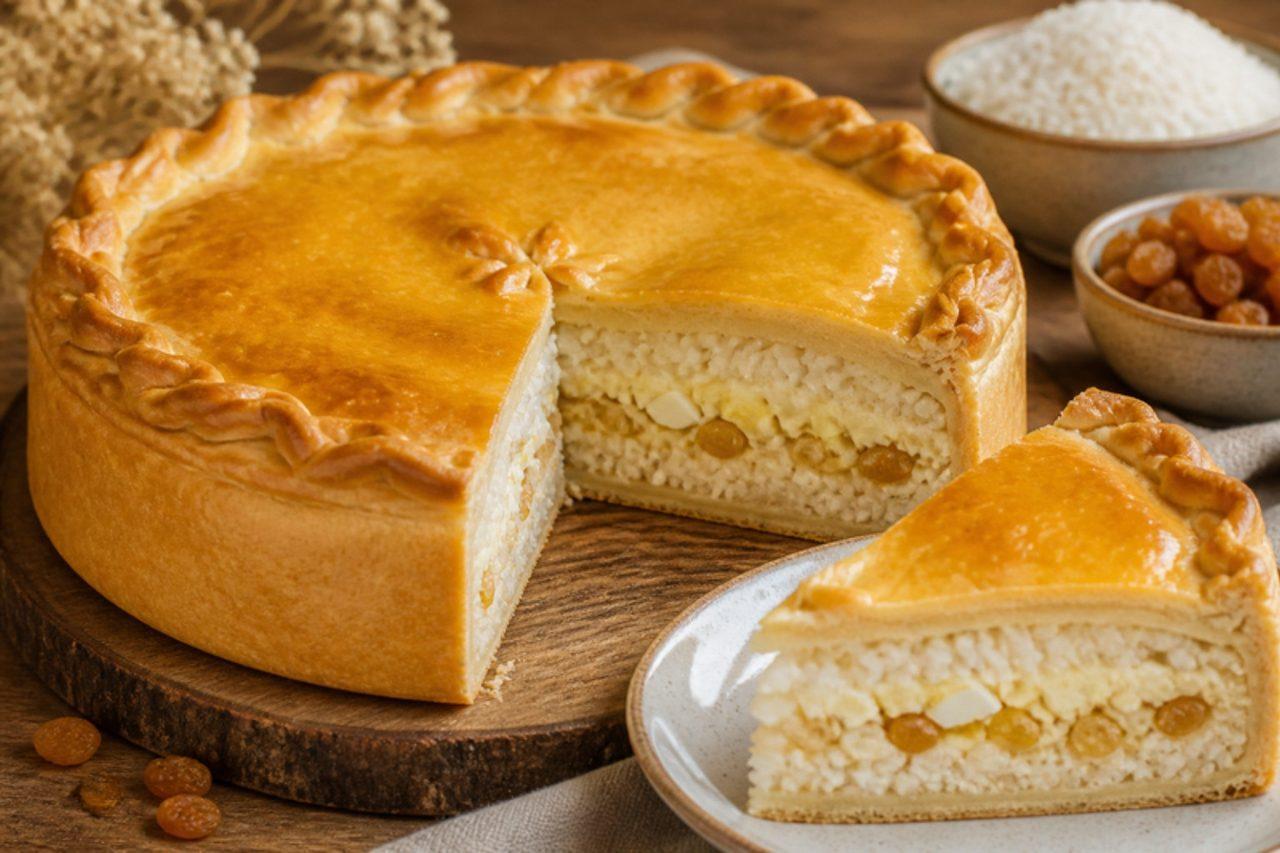
Weddings, Eid and the arrival of honoured guests in Tatarstan call for gubadia, a high round pie that is cut at the table like a cake and served with tea. Inside sit neat layers of buttery rice, kort – Tatar curd cooked down until rosy and fudge-sweet – raisins and chopped hard-boiled egg, under a domed lid of soft yeast dough. Many families add a layer of minced meat with onion; this is the meat-free version, as many sweet tea-table gubadias are. Kort is hard to buy outside the region, so you make it here from tvorog (check the label if you need it rennet-free). Where most people go wrong is a dry pie: every layer needs its share of melted butter. Chef's tip: let the baked pie stand for twenty minutes before cutting so the layers settle and come away in clean wedges.

Read more 0 views

What to eat today?

Around the world

Today's trip: Paraguayan

A new country every day, from every cuisine on the site.

Paraguayan

Ka'i ladrillo

Peanut molasses bricks 40 minMore from Paraguayan (27) →

This week's collection

Kid-friendly dinners
537 recipes · a new collection every Monday

Latest recipes

Wattakka curryPumpkin curry

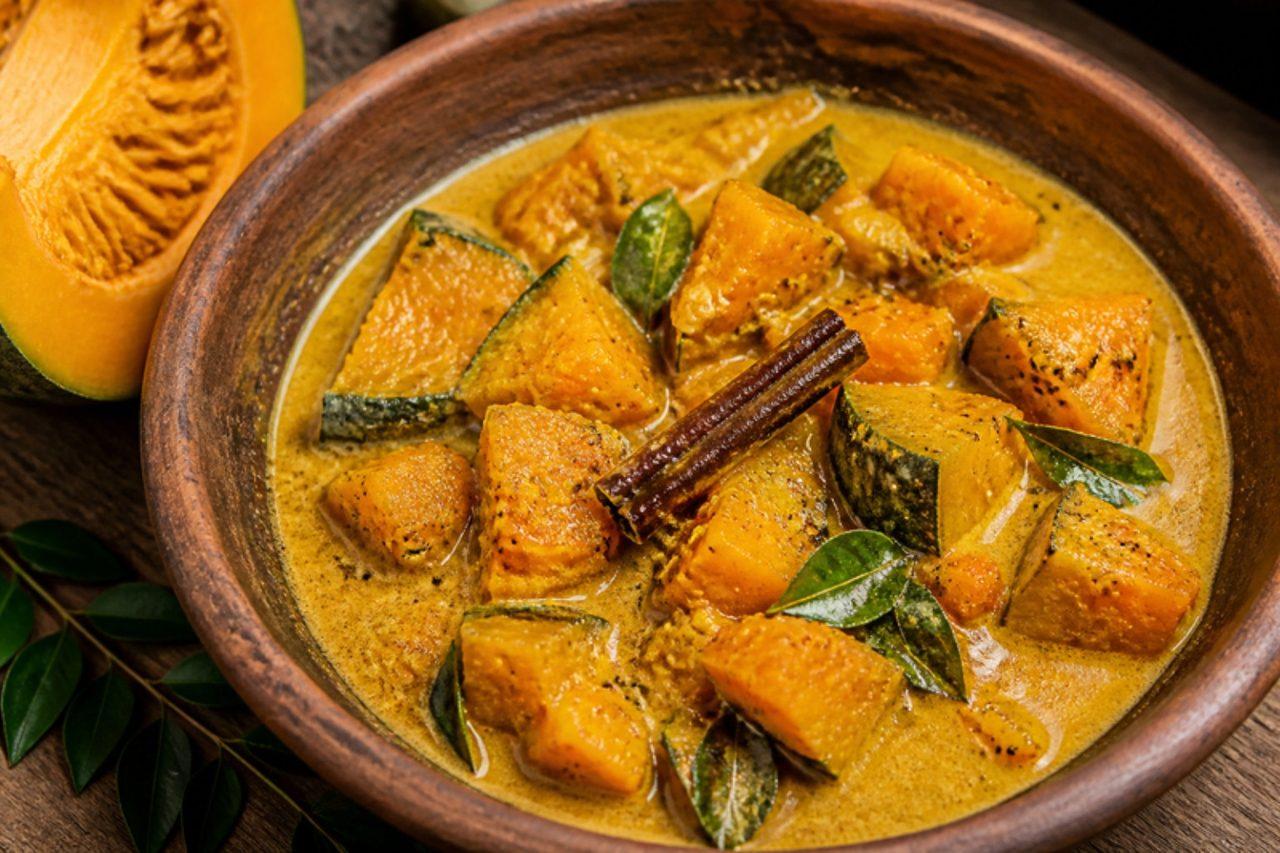
Wattakka (pumpkin) curry is one of the soft, sweet dishes on a Sri Lankan buth (rice) spread, and in villages around Kurunegala it often appears at Poya day almsgivings, when temple meals are always meat-free. The pumpkin is cooked in its skin with dark roasted curry powder, cinnamon, a pinch of fenugreek and pandan, then thickened with coconut milk and a spoonful of ground mustard, which gives it a gentle tang. Some cooks also add toasted coconut paste (kalu pol); we keep it simpler. The common mistake is cutting the pumpkin too small, so it dissolves into mush before the gravy is ready; keep the chunks about 4 cm. Chef's tip: leave the skin on butternut or Kent pumpkin; it holds each piece together and softens completely as it cooks.

by KrazyBadal 0 views

Chilaquiles verdesTortilla chips in green salsa

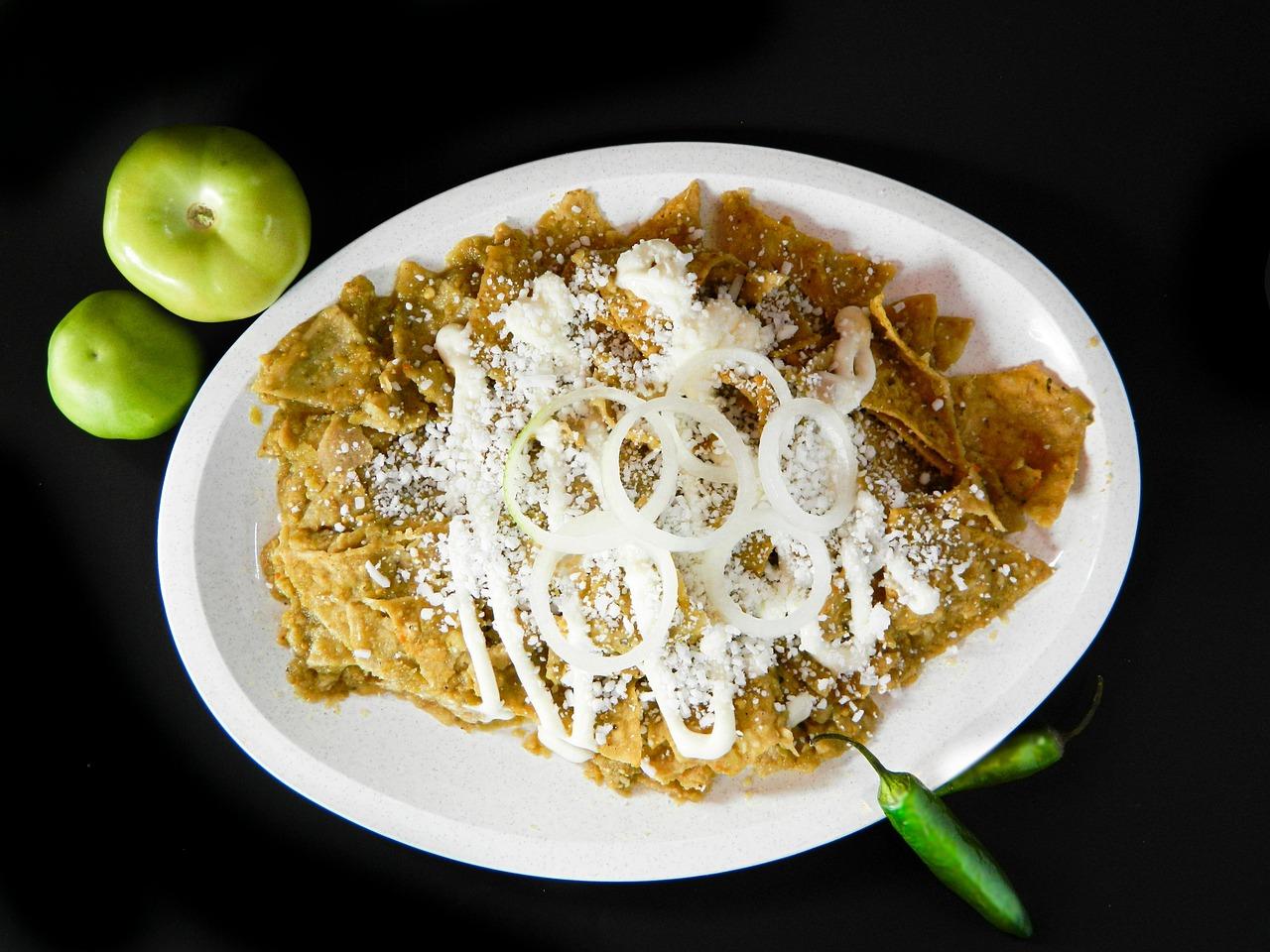
Chilaquiles are Mexico City's favourite breakfast and hangover cure: day-old corn tortillas cut into wedges, fried into crisp totopos, then tossed in hot salsa just long enough to soften at the edges. Chilaquiles verdes use a bright, tangy salsa of tomatillos, serrano chillies and coriander, and come topped with a fried egg, crema, crumbled cheese and raw onion. The best ones keep a little crunch in the middle. Tomatillos are sold fresh or tinned; if you can't find them, use green tomatoes with an extra squeeze of lime. Choose queso fresco made with vegetarian rennet. Chef's tip: toss the chips into the salsa right before serving and take them to the table immediately; chilaquiles wait for nobody.

by KrazyBadal 0 views

Fabada asturianaAsturian white bean stew

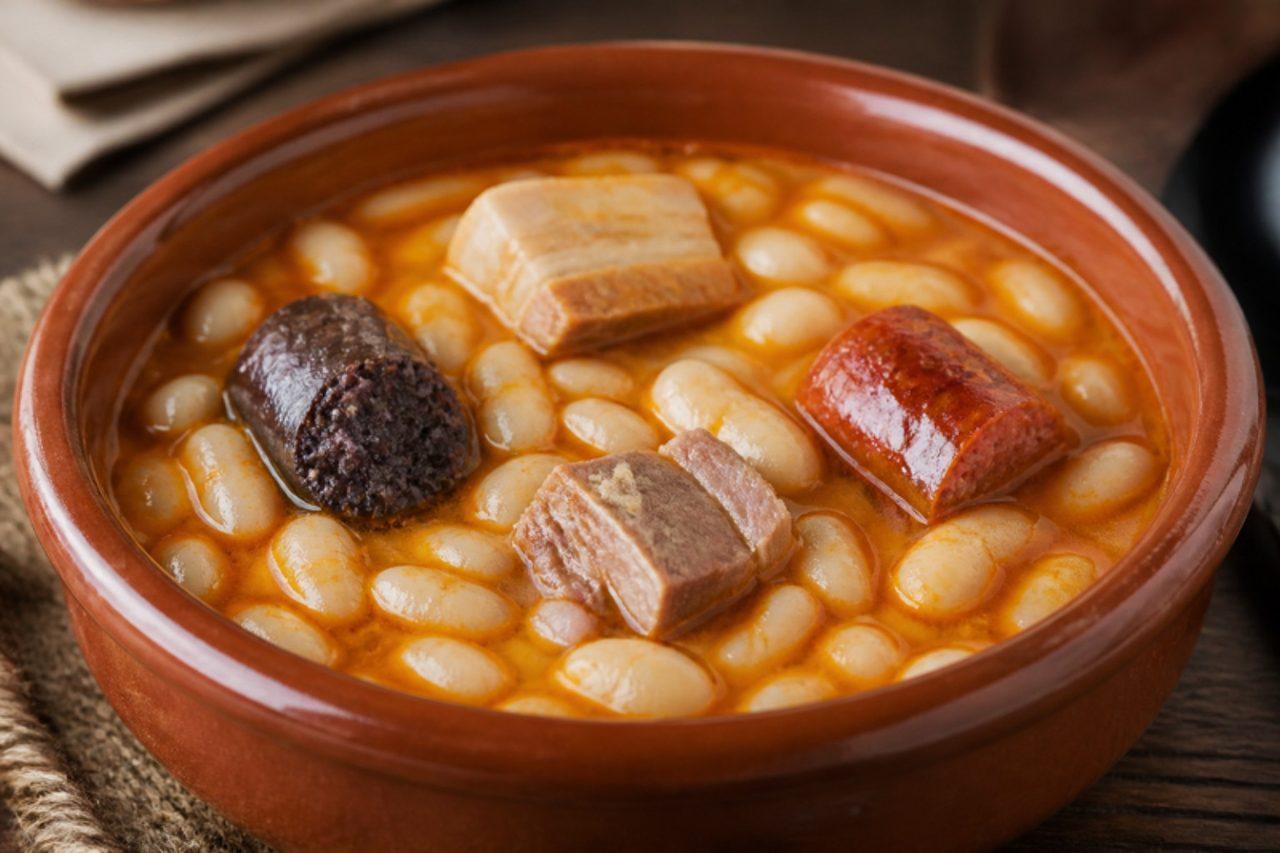
Fabada is the great midday stew of Asturias, on Spain's green, rainy north coast, eaten in winter at long lunches in village casas de comida and cider houses, usually followed by a quiet afternoon. Big, buttery fabes (Asturian white beans) cook slowly with the compango: smoked Asturian chorizo, morcilla, pork belly and lacón (cured pork shoulder). The beans should end up creamy inside and whole outside, in a thick, orange broth coloured by the chorizo. Large dried white beans such as judión or butter beans are the closest substitute if you can't find fabes. Chef's tip: make it the day before; it thickens and tastes better after a night in the fridge.

150 minSpanishMeat
by KrazyBadal 0 views

Monji haakKohlrabi and greens in mustard oil

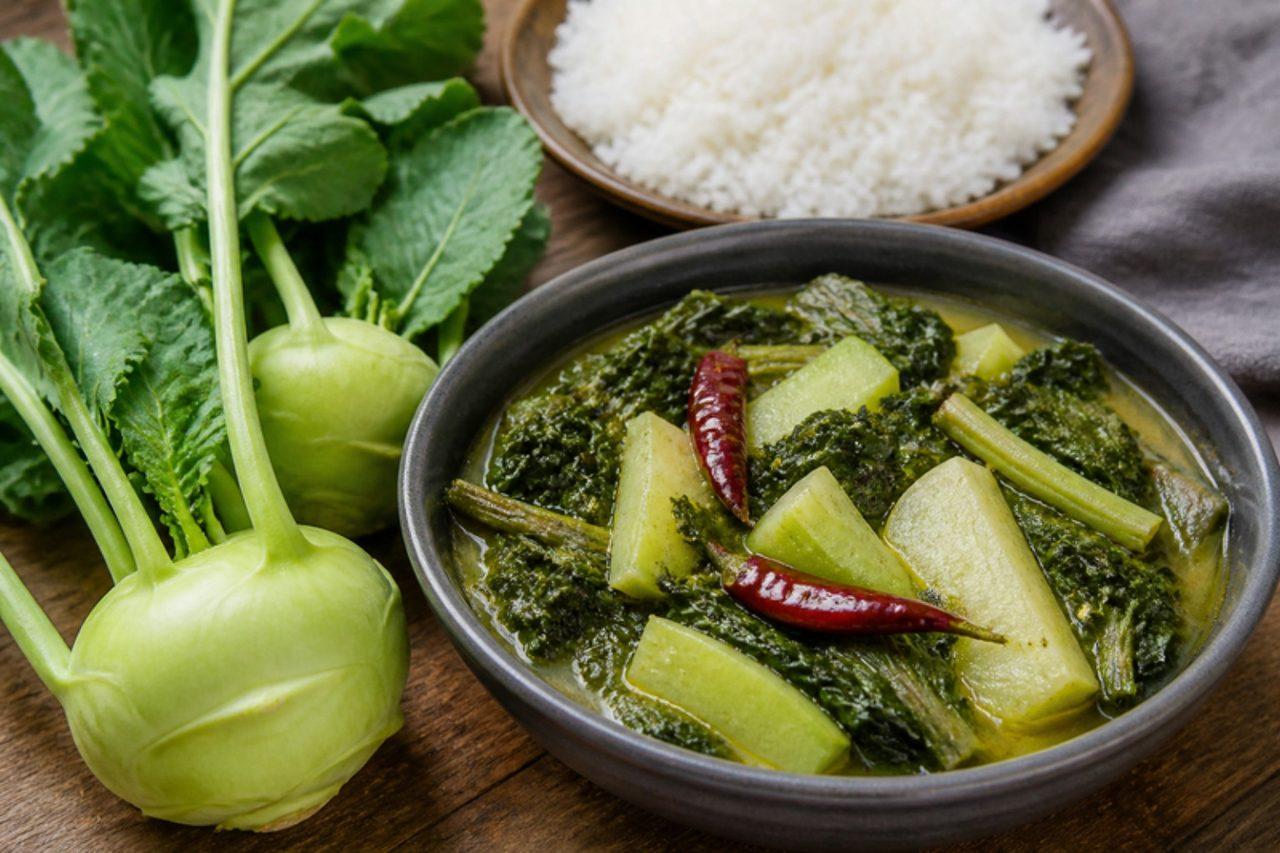
Kohlrabi, monji in Kashmiri, grows in almost every kitchen garden in the Kashmir Valley, and families cook the round bulb and its leaves together in one pot. Like its cousin haak, it is a dish of very few ingredients: mustard oil, dried chilli, a pinch of asafoetida and salt, simmered with a splash of water until the bulb turns sweet and tender. It is eaten through the cold months with plain rice and a bowl of yogurt, and Kashmiris will tell you it tastes best in autumn when the bulbs are young. Chef's tip: buy kohlrabi with fresh, perky leaves attached; if the leaves are tired, add a handful of spinach instead.

by KrazyBadal 0 views

MonjayakiGriddled cabbage and batter

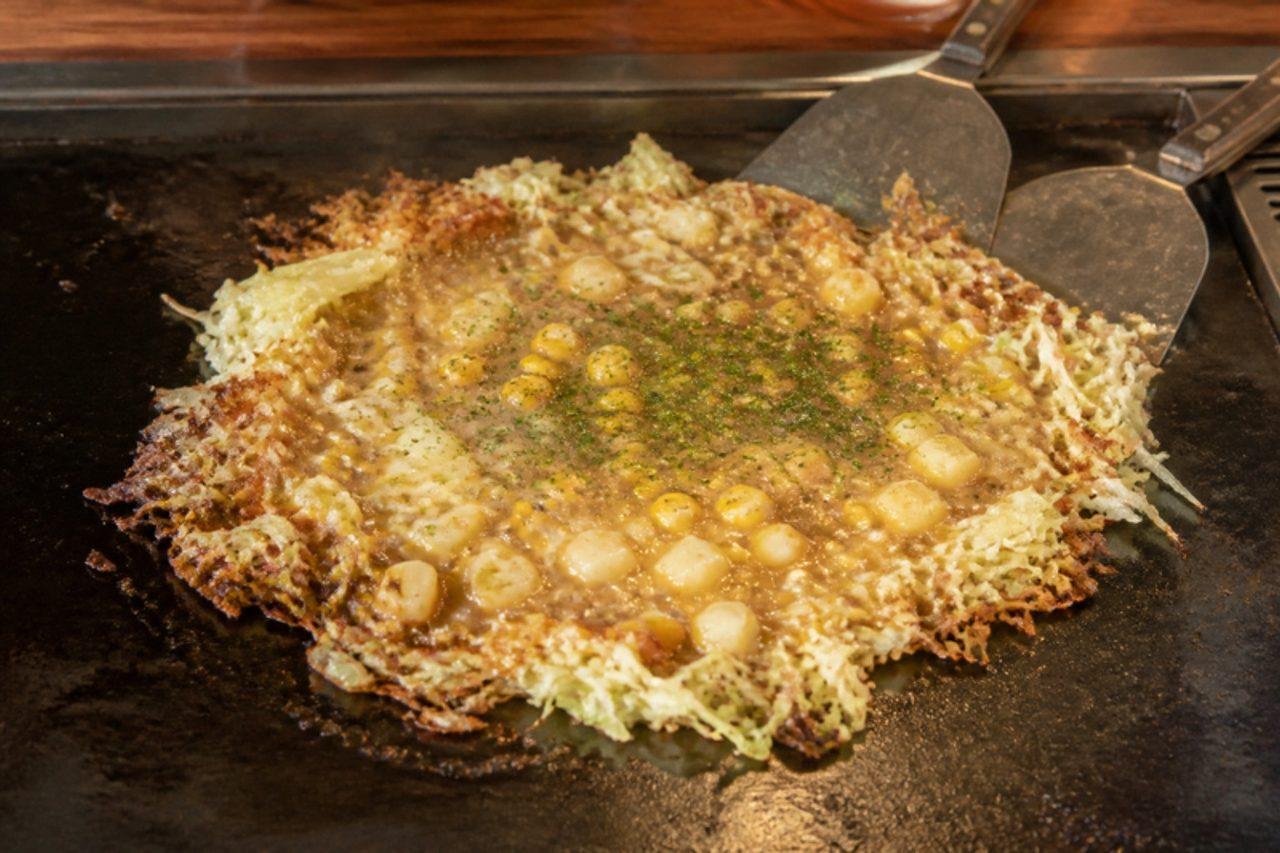
Monjayaki comes from Tsukishima, a small island district in Tokyo Bay, where one street holds more than seventy monja restaurants. It began as a cheap after-school snack at sweet shops, with children writing letters in thin batter on a griddle. Today friends gather round a teppan table, build a ring of chopped cabbage, pour the runny batter into the middle and eat it with tiny spatulas while it is still molten. It never sets into a pancake like okonomiyaki: the texture is gooey, with crisp, toasty bits where it sticks to the plate. Our version leaves out the usual dried shrimp and uses mochi and cheese, a favourite Tsukishima combination. Chef's tip: press a little monja against the hot griddle with your spatula and wait until it crackles. That crisp layer, called the okoge, is the best bite.

by KrazyBadal 0 views

StollenFruit Christmas bread

Dresden has baked Christstollen for more than 500 years, and every December the city holds a Stollen festival with a giant loaf paraded through the old town to the Striezelmarkt. The loaf's shape, folded over and dusted white, is said to show the Christ child wrapped in swaddling cloth. It's a rich, dense yeast bread, heavy with butter, raisins, candied peel and almonds, brushed with melted butter straight from the oven and buried in sugar. It's baked weeks before Christmas and sliced thinly through Advent. Chef's tip: wrap it tightly and let it rest for at least a week before cutting; the flavours ripen and the crumb turns moist.

120 minGermanBaking
by KrazyBadal 0 views

Soto ayamTurmeric chicken soup

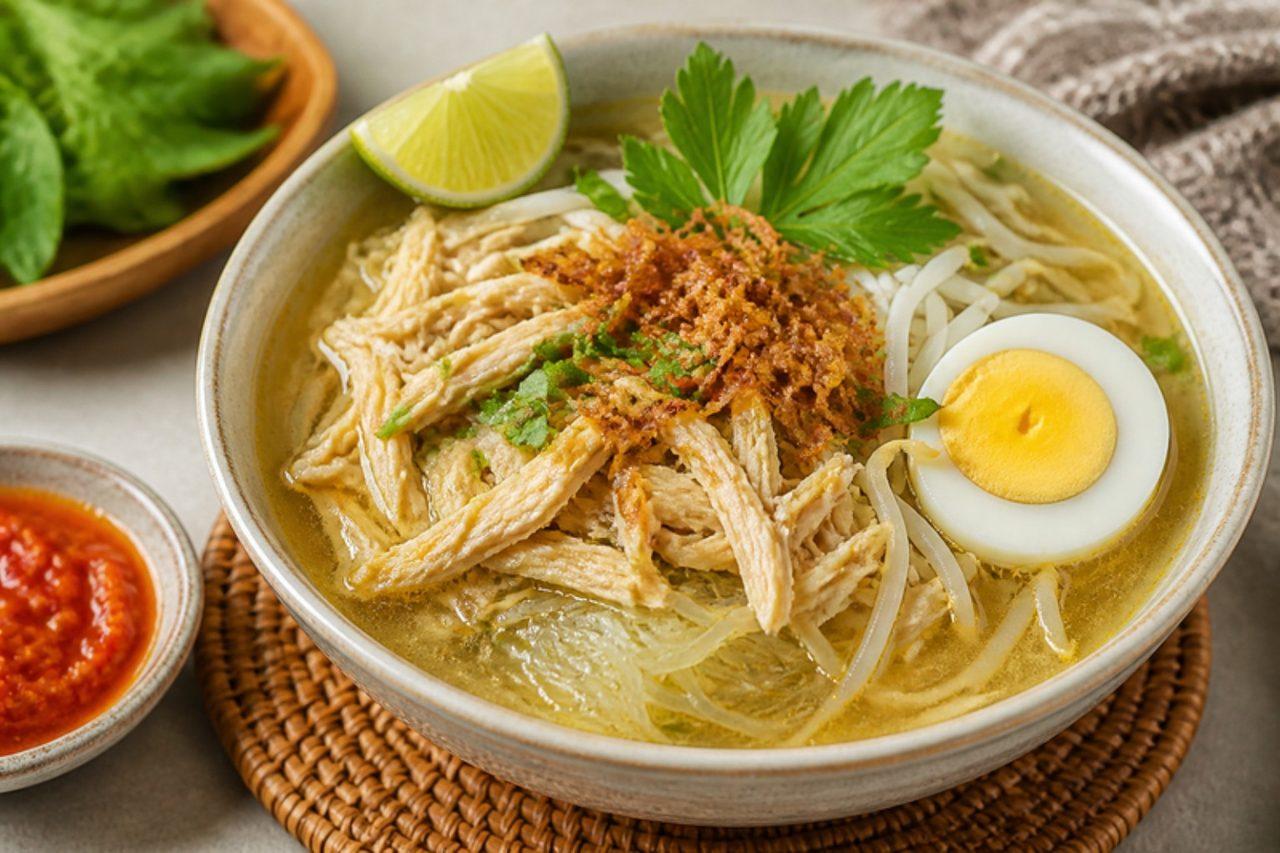
From Lamongan to Semarang, Java's soto carts start ladling before the morning commute, and a bowl of soto ayam is how many people begin a working day. The broth is light but bright yellow with fresh turmeric, scented with lemongrass and lime leaf, and poured over slippery glass noodles, shredded chicken, crunchy bean sprouts and half a boiled egg. Squeeze in lime, stir in as much sambal as you dare and eat it with plain rice or rice cakes on the side. In East Java vendors finish it with koya, a sandy powder of prawn crackers and fried garlic that thickens the broth as you eat. Chef's tip: keep the pot at a lazy simmer the whole time; a hard boil turns the golden broth cloudy and greasy.

by KrazyBadal 0 views

Soto BanjarSpiced chicken soup

Along the rivers of Banjarmasin in South Kalimantan, breakfast often means soto Banjar eaten at a wooden riverside warung, sometimes after a dawn trip to the floating market. Unlike the turmeric sotos of Java, this broth is pale and clear, perfumed with the sweet spices that traders brought up the river centuries ago: cinnamon, cloves, star anise, cardamom and nutmeg. Shredded chicken, glass noodles, carrot and a boiled egg go into the bowl with rice cakes, and lime and a little chilli sharpen it at the table. Chef's tip: toast the whole spices in the pan for a minute before the paste goes in; it brings out their sweetness without the dusty edge of ground spice.

by KrazyBadal 1 views

Soto BetawiBeef and coconut milk soup

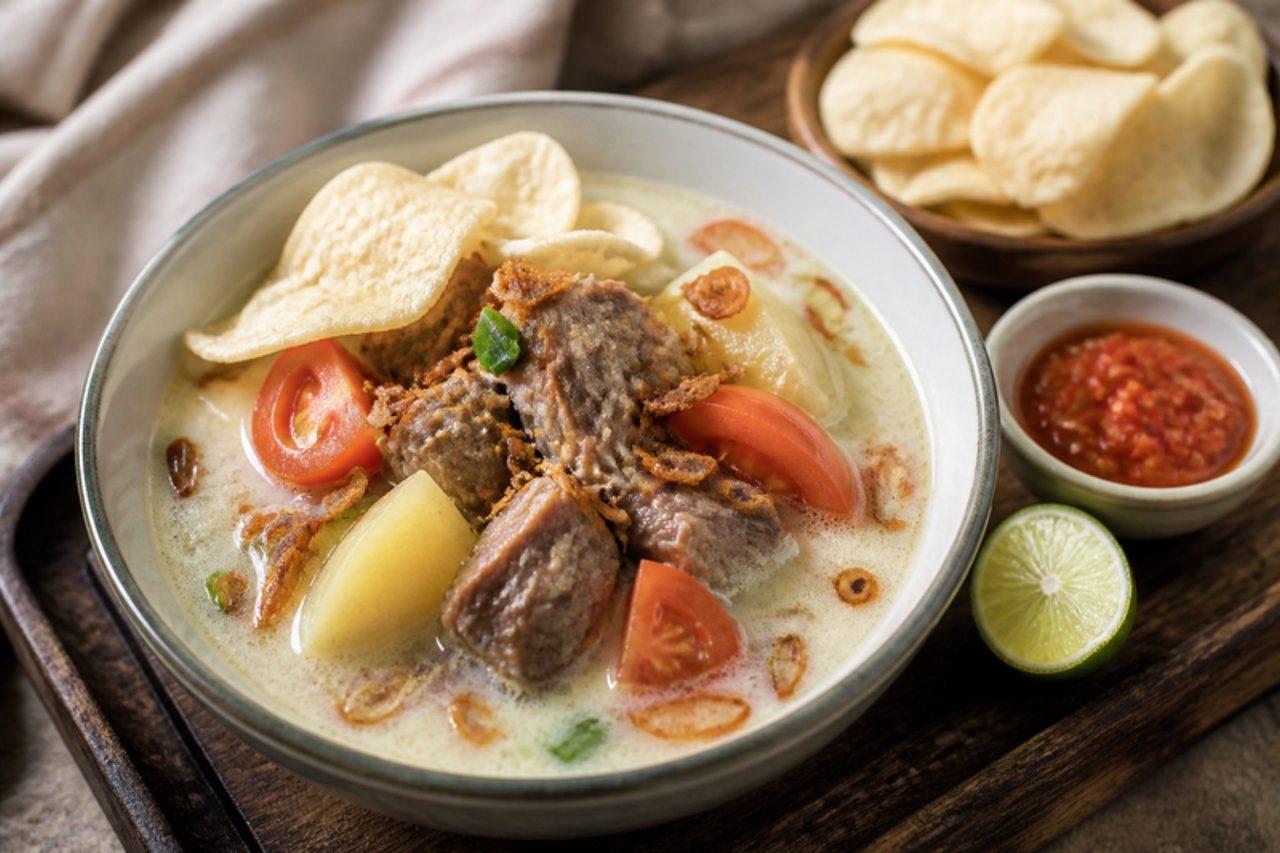
Jakarta's original Betawi community gave the capital this rich, pale-gold soup, and on a Sunday the soto Betawi stalls along the city's side streets are packed with families. Beef brisket (and, for many, tripe) simmers until tender, then goes into a gently spiced broth made creamy with coconut milk and a splash of fresh milk, scented with lemongrass, cinnamon and cloves. Each bowl is loaded with fried potato, raw tomato and spring onion and comes with rice, lime, sambal and bitter-crisp emping crackers. It's comforting and mellow rather than fiery. Chef's tip: for a dairy-free bowl, swap the milk for more coconut milk; the soup will be a little heavier but just as good.

by KrazyBadal 0 views

Soufflé au fromageCheese soufflé

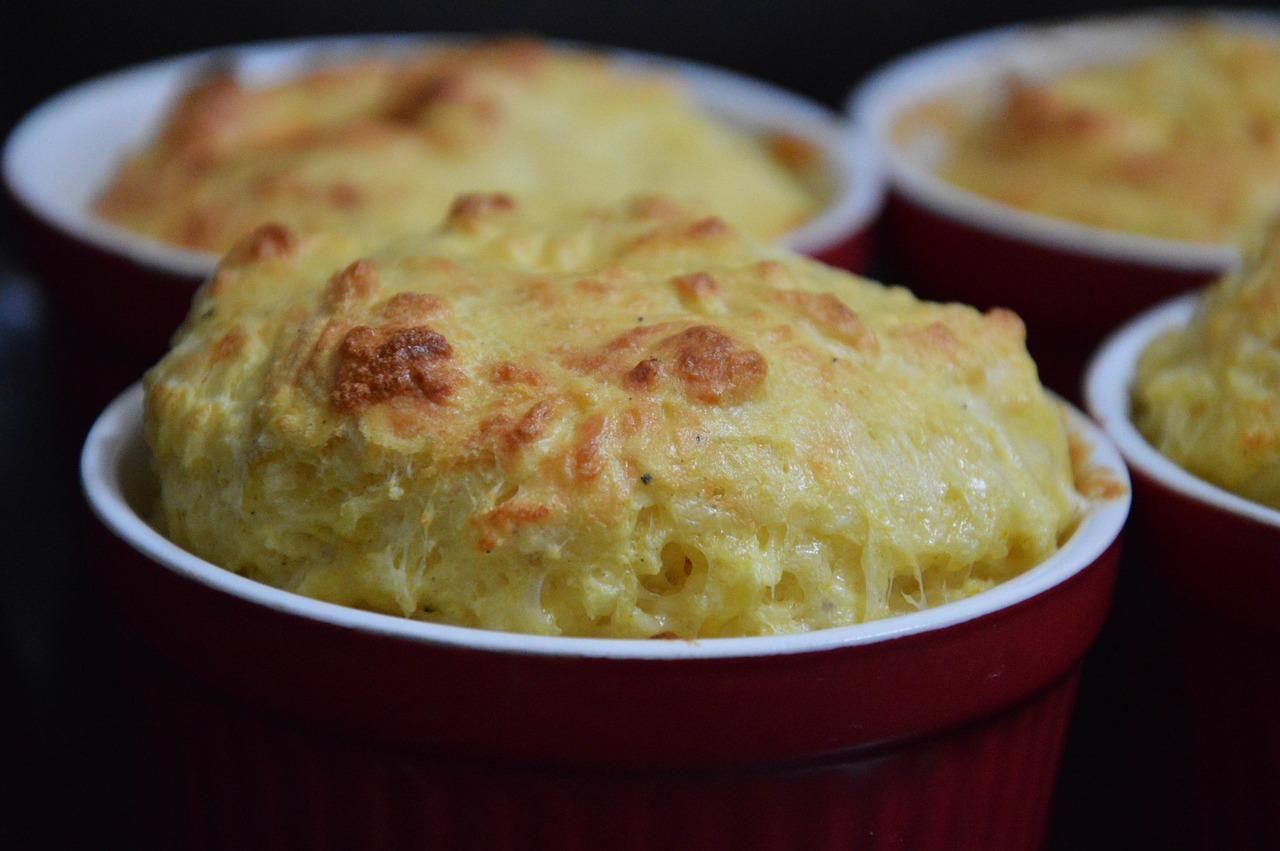
The cheese soufflé is a French bistro classic and a favourite family starter or light supper all over France, often served with a green salad and a glass of white wine. A thick cheese sauce is lightened with whisked egg whites and baked until it rises tall above the dish, golden and crusty outside and soft, almost creamy in the middle. It sounds hard but it's mostly about timing. We thicken the sauce with cornflour so it's gluten free (classic recipes use plain flour). Comté and Gruyère are made with animal rennet, so use a vegetarian alternative. Chef's tip: fold the whites in gently with a big spoon, in three goes; stirring hard is the common mistake that knocks out the air so it never rises.

by KrazyBadal 0 views

Ezogelin çorbasıRed lentil and bulgur soup

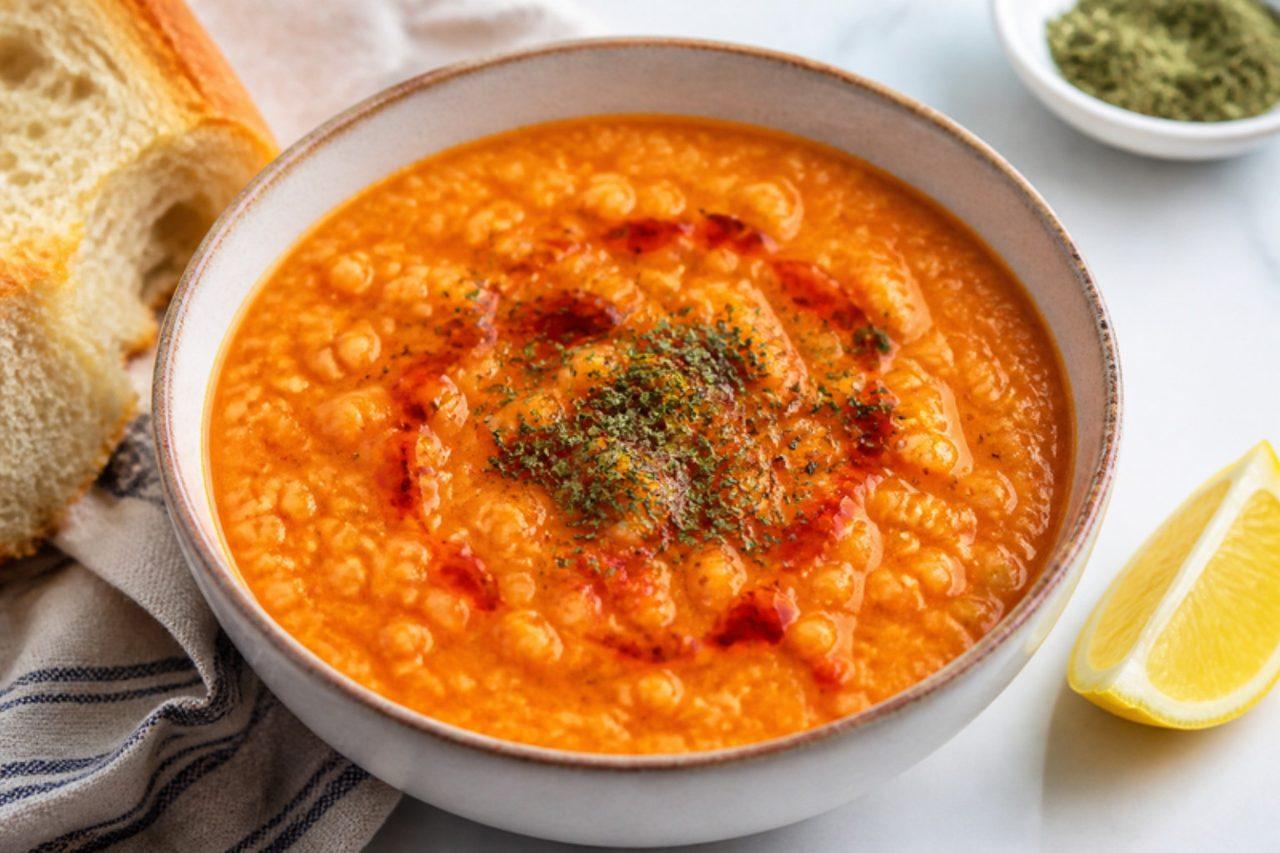
Gaziantep gave Turkey this hearty soup, named after Ezo, a bride from a village near the city whose sad story is still told in folk songs. Unlike the smooth mercimek soup, ezogelin keeps some texture: red lentils, bulgur and a little rice simmer together with tomato and red pepper paste until thick and soft, and plenty of dried mint goes in at the end. In southeast Turkey it is a winter staple, eaten in the morning and as a light supper with bread and a squeeze of lemon. It thickens as it stands, so add a splash of water when you reheat it. Chef's tip: rub the dried mint between your palms over the pot to release its oils just before you serve.

by KrazyBadal 0 views

Soupe au pistouBean and vegetable soup with basil

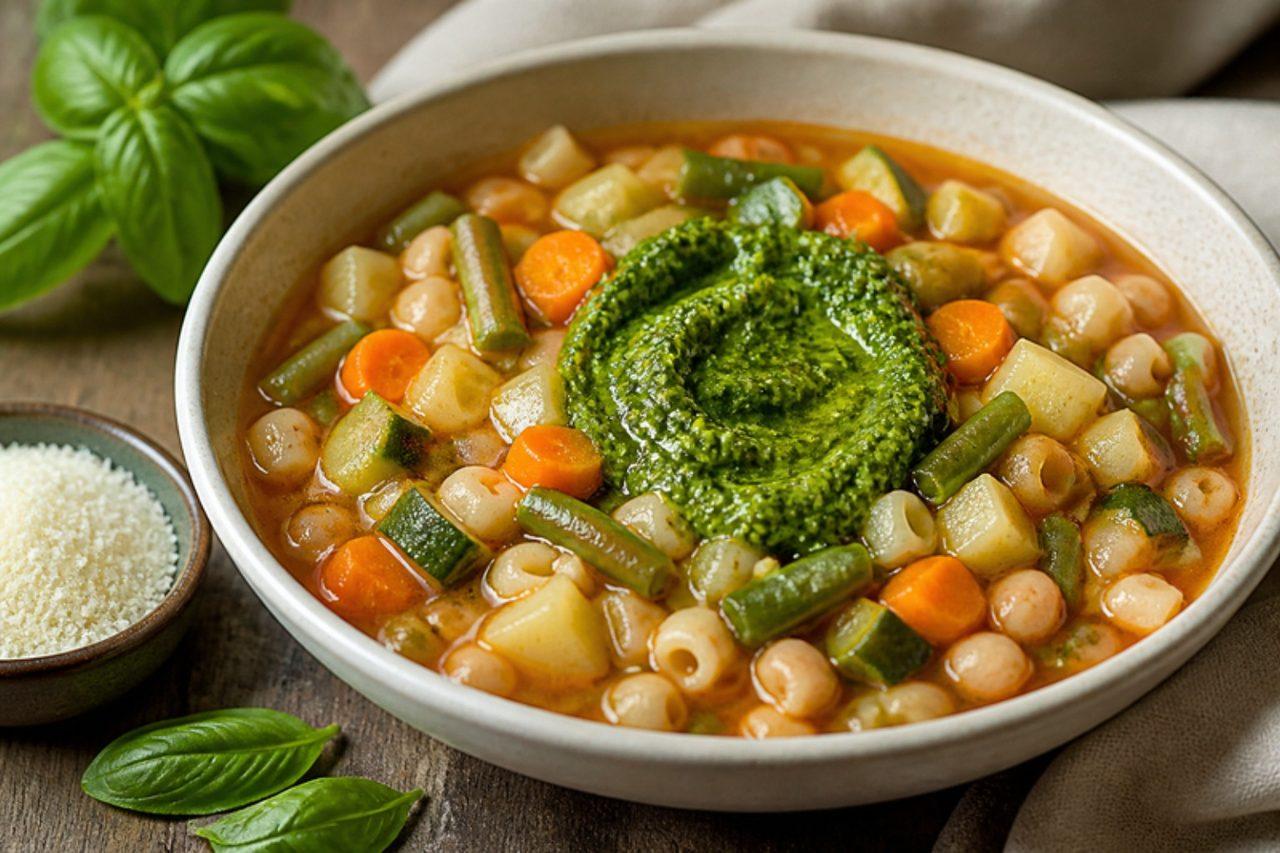
Soupe au pistou is Provence's summer minestrone, eaten from July to September when basil grows thick in the gardens around Marseille and Avignon. Beans, courgettes, green beans, carrots, potato and small pasta simmer in a light broth, then each bowl gets a spoonful of pistou, a pounded paste of basil, garlic, olive oil and hard cheese with no pine nuts. Stirred in at the table, it turns the broth fragrant and green. It is a whole meal with bread. The traditional cheese is Parmesan or aged Gouda, so use a vegetarian hard cheese. Chef's tip: never boil the pistou; adding it to the pot is the common mistake that turns the basil dark and kills its smell.

by KrazyBadal 0 views

Gungjung tteokbokkiSoy rice cakes with mushrooms

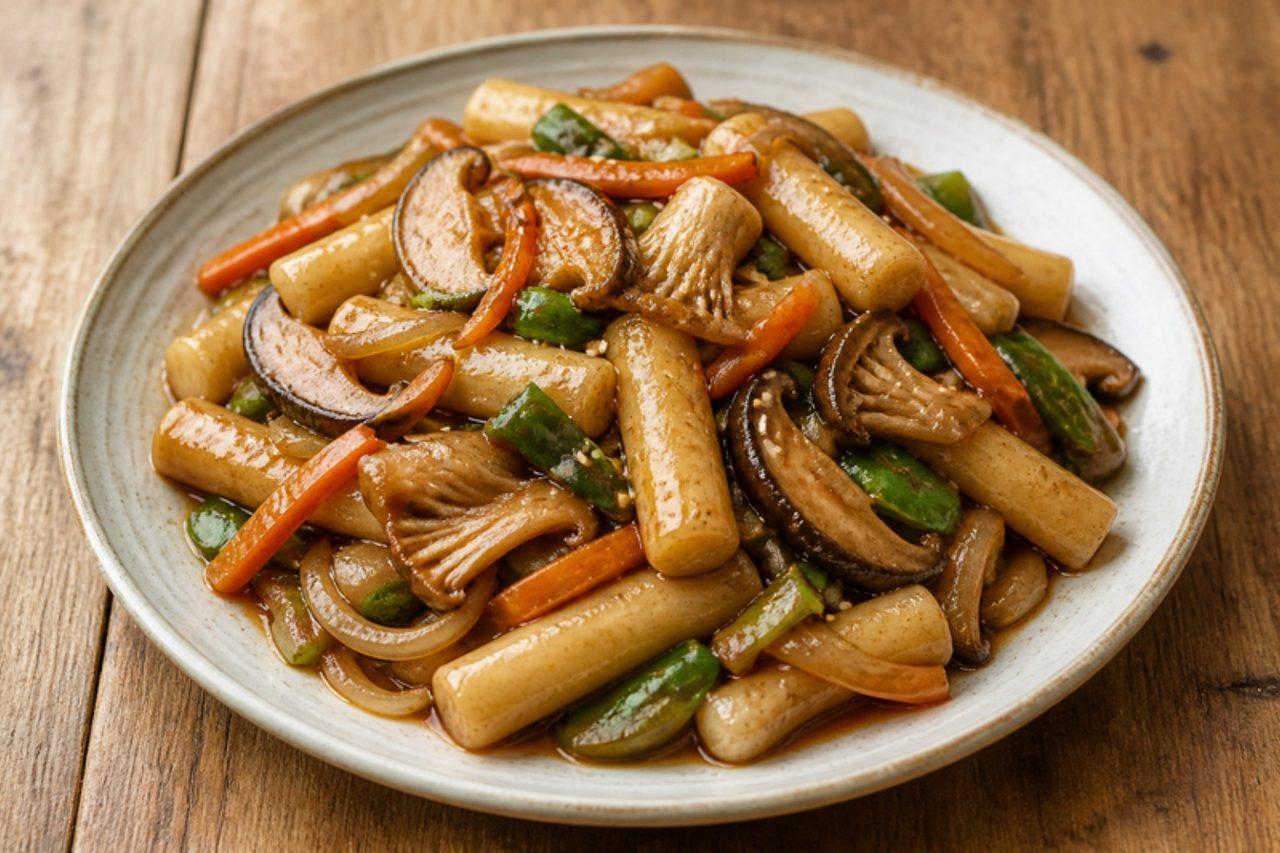
Long before red gochujang tteokbokki took over Seoul's street stalls, the Joseon palace kitchens served gungjung tteokbokki (궁중떡볶이): chewy cylinders of rice cake tossed in a glossy soy and sesame glaze with mushrooms, peppers and onion. It is mild, savoury-sweet and fragrant with toasted sesame, which makes it the version Korean parents cook for children and for anyone who can't take heat. The court recipe used beef; shiitake and oyster mushrooms carry the same savoury depth here. Eat it warm as a snack or alongside rice and kimchi. Chef's tip: soften the rice cakes in hot water before they meet the pan, or the outsides scorch while the centres stay hard.

by KrazyBadal 0 views

Gundruk ko jholSour fermented greens soup

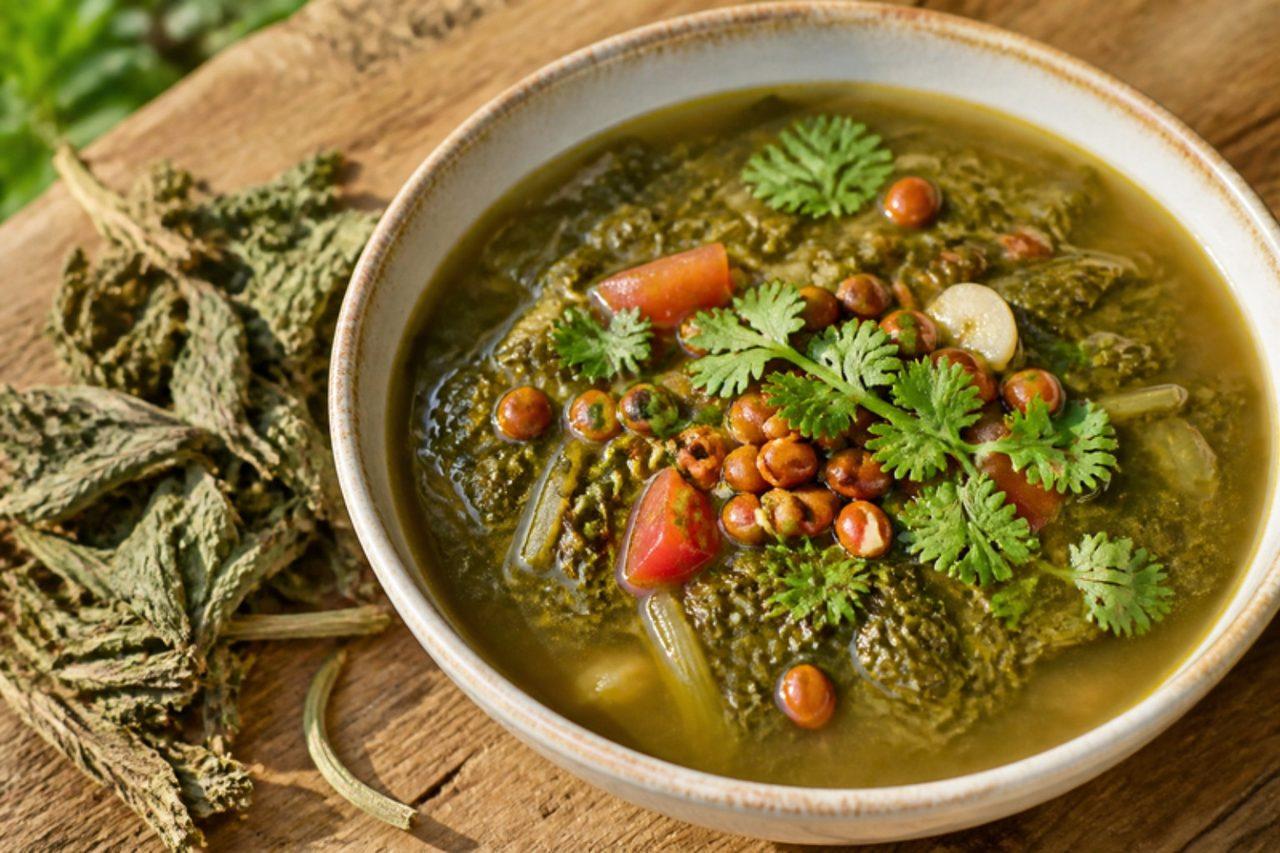
In the terraced hill villages between Pokhara and Ilam, families pack mustard, radish and cauliflower leaves into clay pots after the autumn harvest, let them ferment for a week or two and then sun-dry them into gundruk. That dark, tangy leaf is the store cupboard of the winter months, and its most common use is this thin, sour soup (jhol), served on the side of dal bhat or with dhido, the stiff buckwheat or millet porridge of the hills. It tastes a little like a smoky, vinegary green tea and is light, warming and very cheap. A handful of roasted soybeans (bhatmas) is often thrown in for crunch. The mistake is to cook gundruk without soaking it first, which leaves it gritty and too sour. Chef's tip: squeeze the soaked leaves hard and fry them in the oil until they crackle before you add water; that frying gives the soup its toasty depth.

by KrazyBadal 0 views

Yaprak sarmaRice-stuffed vine leaves

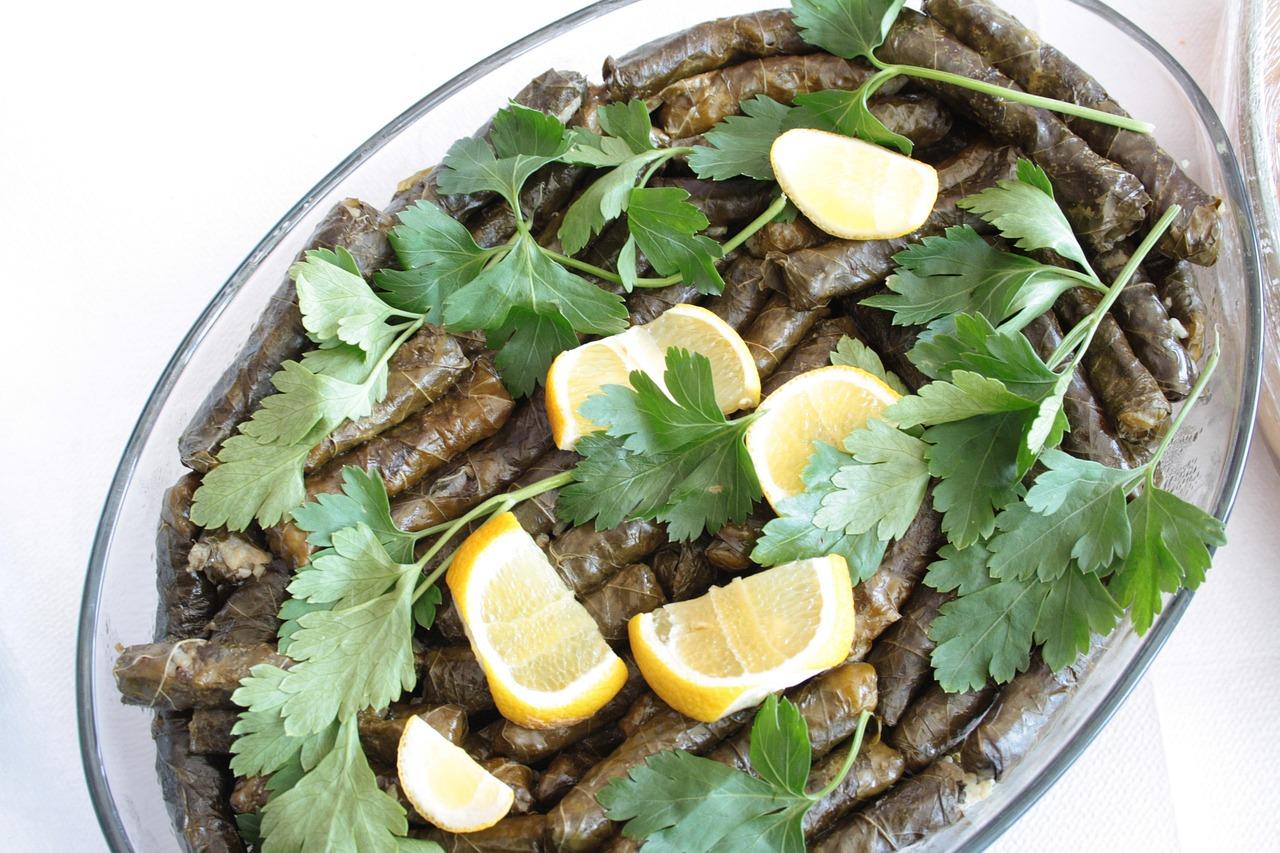
Rolling yaprak sarma is a social job in Aegean kitchens around Ayvalık and Manisa, where vineyards supply the leaves: a tray of grape leaves, a bowl of spiced rice and two or three people talking while they roll. This meat-free version is the olive-oil kind, filled with rice, onion, pine nuts, currants, mint and a pinch of cinnamon and allspice, and served cold as a meze or at tea-time gatherings. Good sarma are thin as a finger and hold together when bitten. A common mistake is overfilling: the rice swells as it cooks and splits the leaves. Chef's tip: use only a teaspoon of filling per leaf and roll firmly but not tight, leaving room for the rice to grow.

by KrazyBadal 0 views

CsirkepaprikásPaprika chicken in sour cream sauce

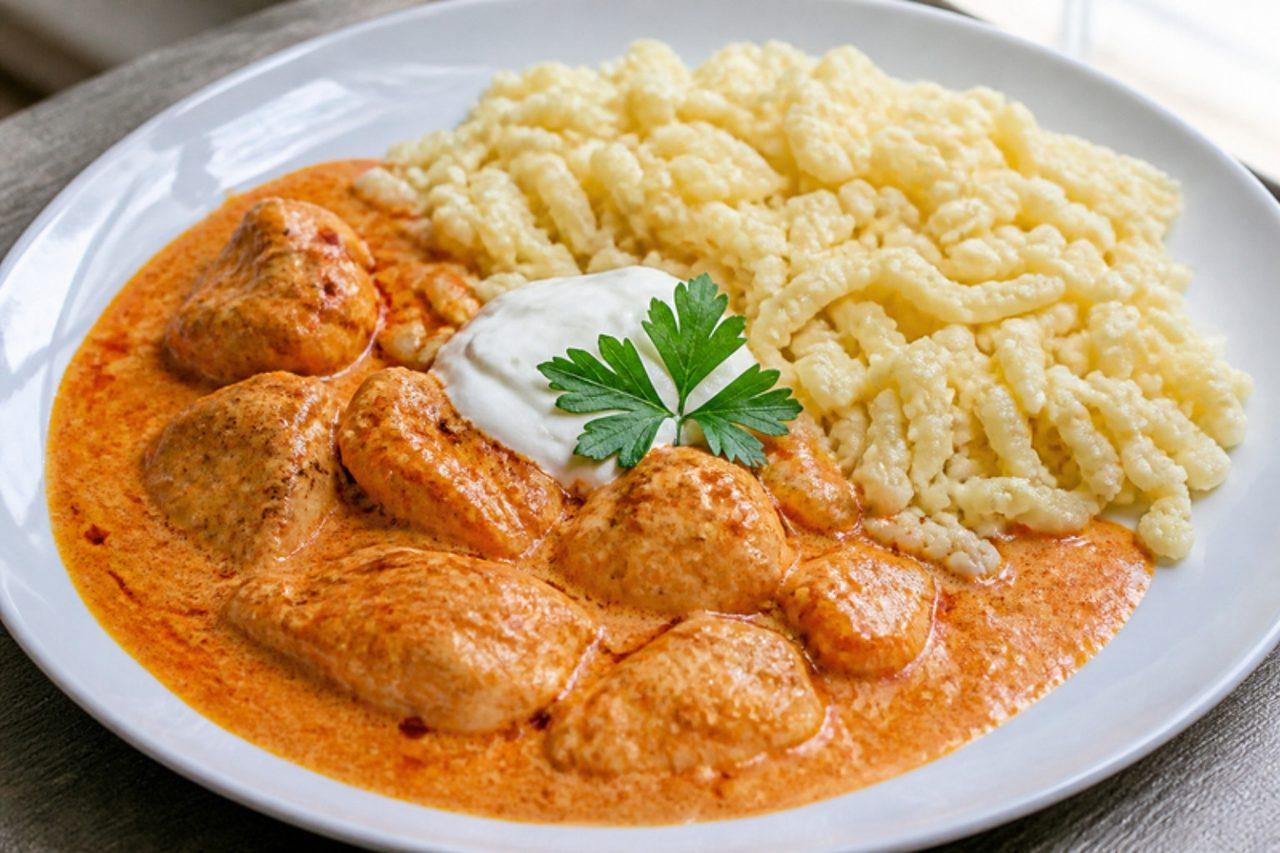
Csirkepaprikás is the Sunday chicken of Hungarian homes, cooked by grandmothers in villages and in Budapest flats alike and always served with nokedli, the little egg dumplings. Chicken thighs braise gently with onion, plenty of sweet paprika, tomato and pepper, then soured cream is stirred in to make a velvety, brick-orange sauce. Chef's tip: mix the soured cream with a spoonful of flour and some hot sauce before adding it; this stops it from splitting.

by KrazyBadal 0 views

Chiles en nogadaStuffed poblanos in walnut sauce

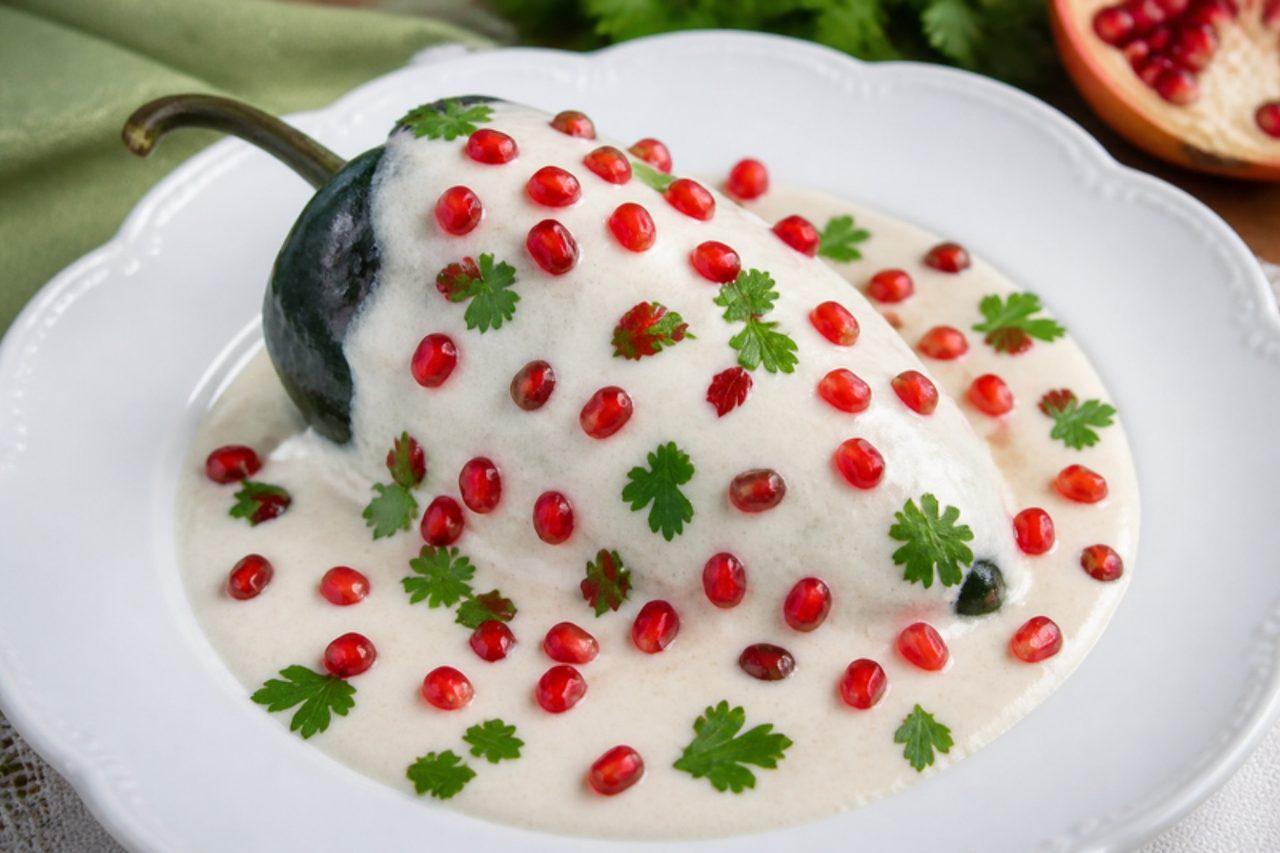
Chiles en nogada belong to Puebla and to September, when fresh walnuts, peaches, pears and pomegranates are all in season and Mexico celebrates its independence: the green chilli, white walnut sauce and red pomegranate are the colours of the flag. Roasted poblano peppers are stuffed with picadillo, a sweet-savoury hash of fruit, nuts and spices, then cloaked in nogada, a cool sauce of fresh walnuts, milk and fresh cheese. Our vegetarian picadillo uses mushrooms for the savoury depth that minced meat usually gives. It is served at room temperature, never hot, as a centrepiece for a celebration lunch. Chef's tip: soak the walnuts in milk overnight and rub off as much of the papery skin as you can; the skins make the nogada bitter and grey. Use a fresh cheese made with vegetarian rennet.

by KrazyBadal 0 views

Chiles rellenosCheese-stuffed poblano peppers

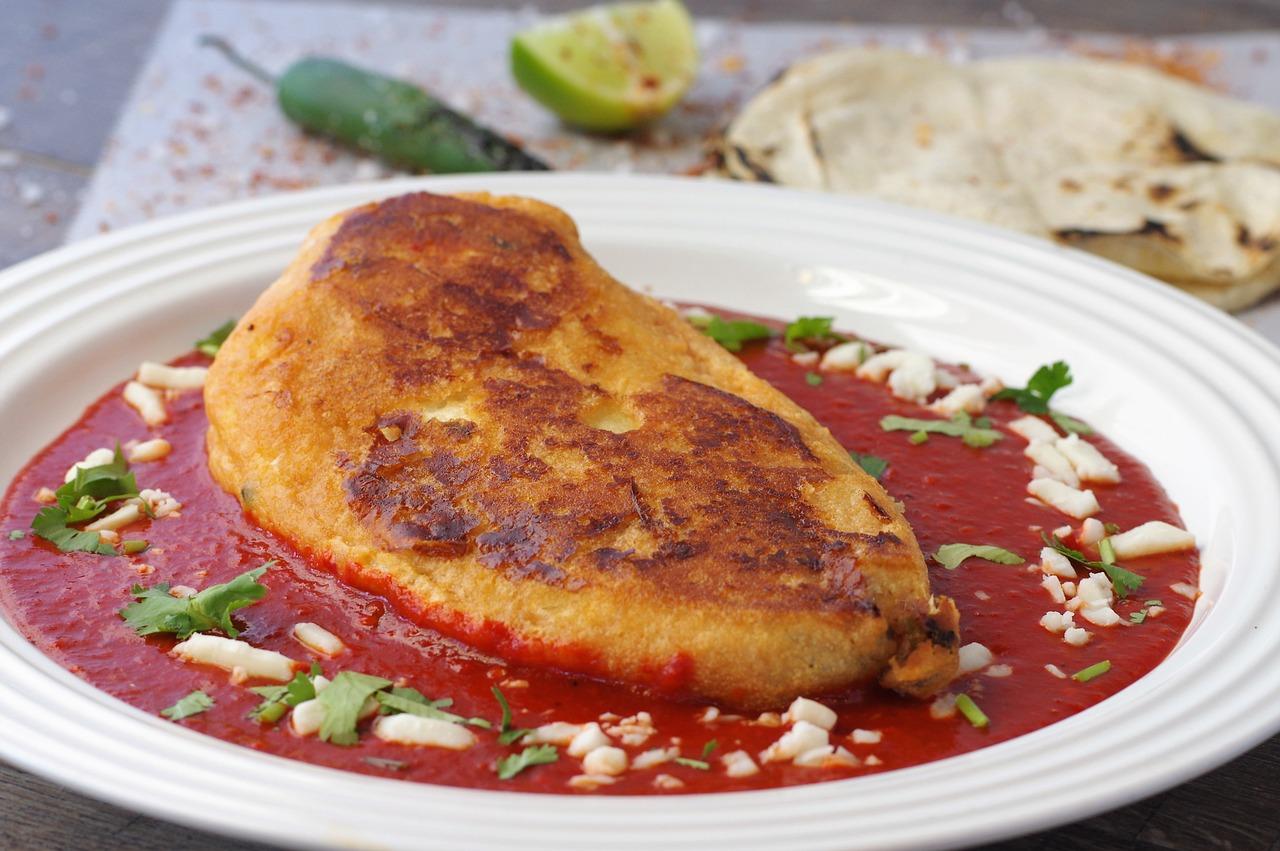
Chiles rellenos de queso are a Puebla classic and a fixture of Mexican home cooking: roasted poblano peppers filled with melting cheese, coated in an airy egg batter called capeado, fried until golden and served swimming in a thin, mildly spiced tomato broth (caldillo). The batter is like a soufflé omelette that hugs the chilli, and the cheese inside stretches in long strings. Serve with arroz rojo and warm tortillas. Choose an Oaxaca cheese or mozzarella made with vegetarian rennet. Chef's tip: the chillies must be completely dry and dusted with rice flour before they go into the batter; any moisture makes the egg slide off in the pan.

by KrazyBadal 0 views

Showing 18 of 7,762 recipes

Show more recipes

Page 728 of 863