


Skip to content
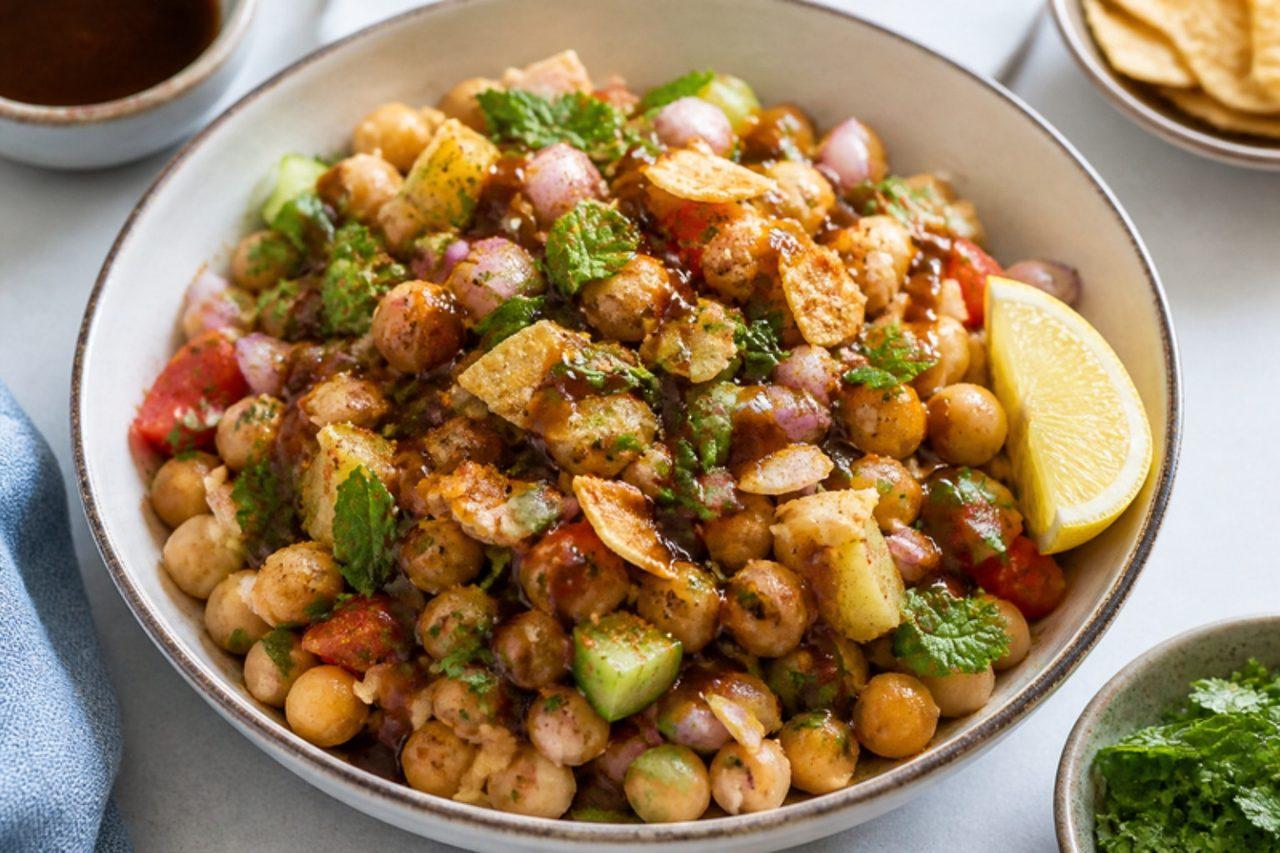
Pakistani chana chaat
Featured recipe

Pakistani chana chaat

Chickpea and potato chaat

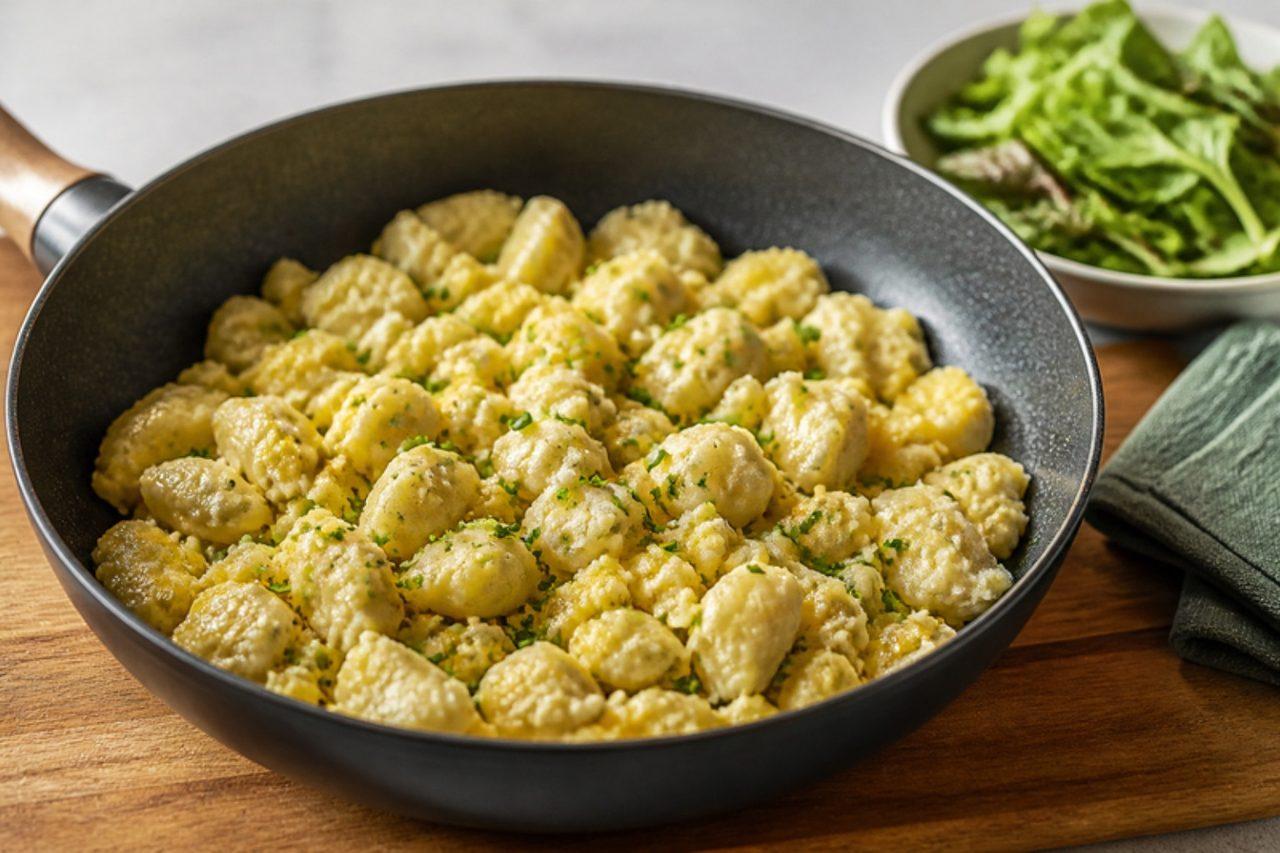
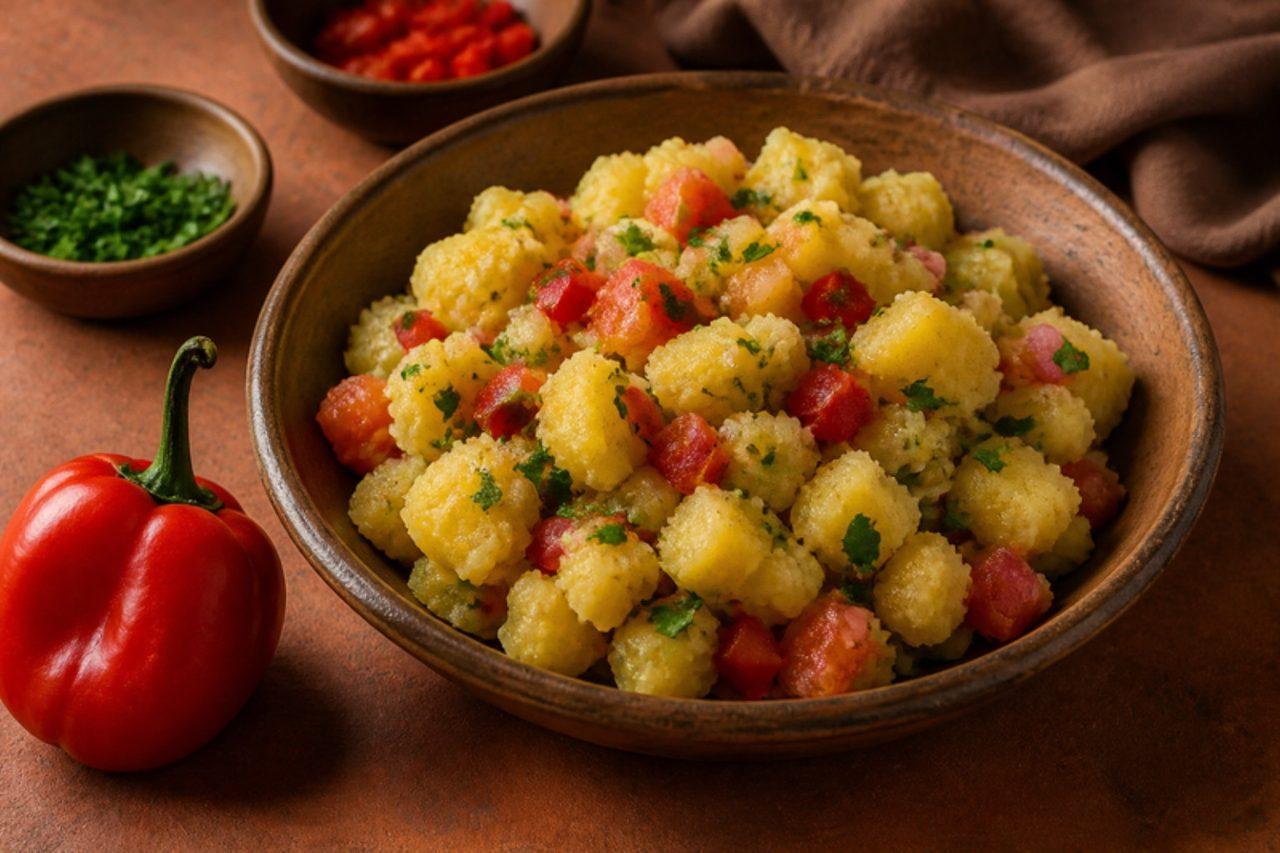
In Pakistan a bowl of chana chaat is on almost every iftar table during Ramadan, next to the dates, pakoras and a jug of red sherbet, and in Lahore and Karachi street vendors toss it to order all year round in big steel bowls. The Pakistani style is simple and sharp: plump chickpeas and potato with raw onion, tomato, green chilli, lots of coriander and mint, tamarind chutney, lemon juice and a heavy hand of chaat masala, served cold or at room temperature. It is a quick, filling, high-fibre snack. People often mix it too early and the onion goes limp and the potato mushy; dress it no more than 15 minutes before eating. Chef's tip: toss the chickpeas with the chaat masala and salt first, before anything wet goes in, so the spice clings to them.

Read more 0 views

What to eat today?

Around the world

Today's trip: Persian

A new country every day, from every cuisine on the site.

Persian

Shir berenj

Rose water rice pudding 70 minMore from Persian (181) →

This week's collection

Kid-friendly dinners
750 recipes · a new collection every Monday

Coming up

All occasions →

Latest recipes

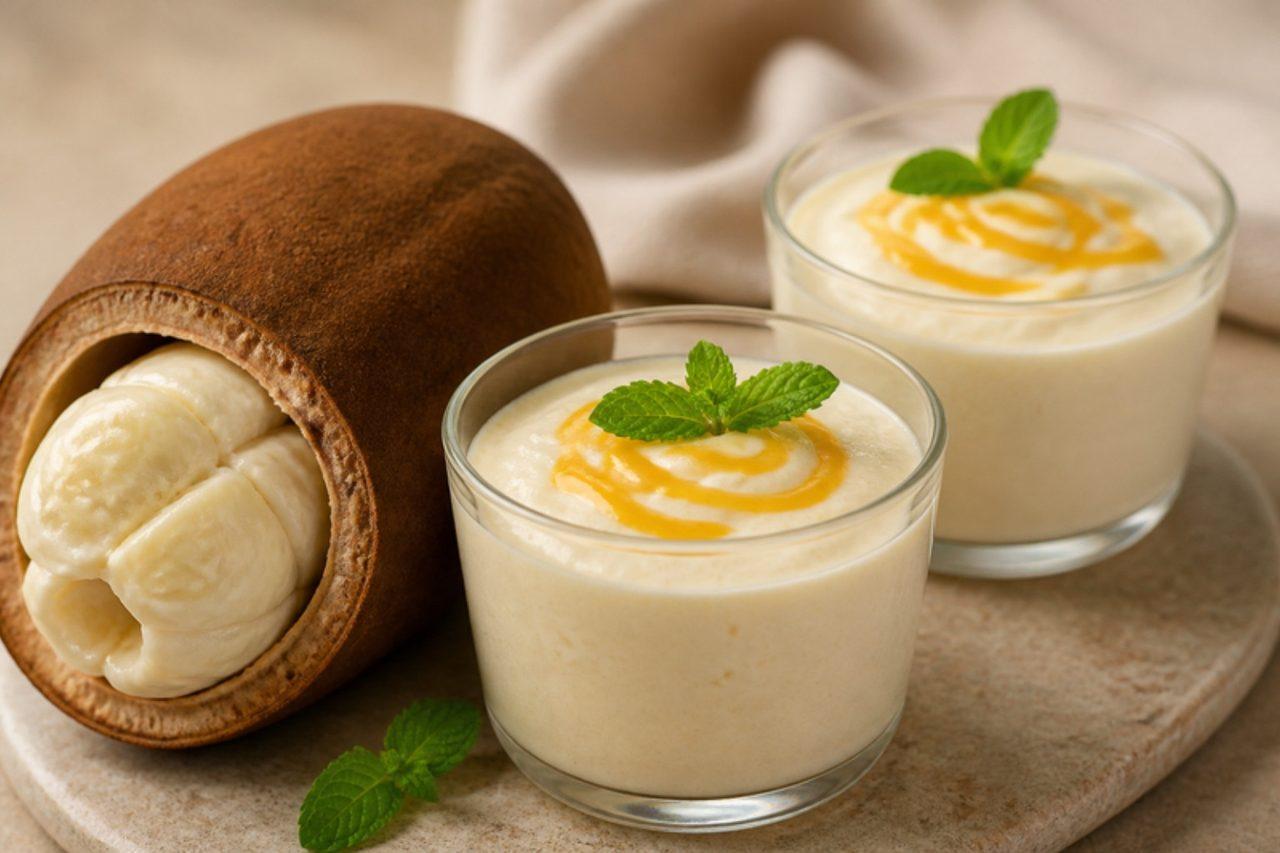
Mousse de cupuaçu

Cupuaçu, a cousin of cacao with a velvety white pulp, smells of pineapple, banana and chocolate at once and is one of the great flavours of Pará. Belém's ice-cream parlours and lunch restaurants turn it into this light, sharp-sweet mousse, and home cooks make it the night before a birthday or Sunday lunch because it is just whipped and chilled. Condensed milk and cream soften the fruit's sourness; a spoon of cupuaçu syrup on top adds colour and bite. Outside Brazil, buy frozen unsweetened cupuaçu pulp from Brazilian or Latin shops. Many cooks blend the cream with everything else, which leaves the mousse runny; whip it separately and fold it in. Chef's tip: thaw the pulp in the fridge rather than in hot water, so it keeps its perfume, and chill the mousse for at least 4 hours.

by KrazyBadal 0 views

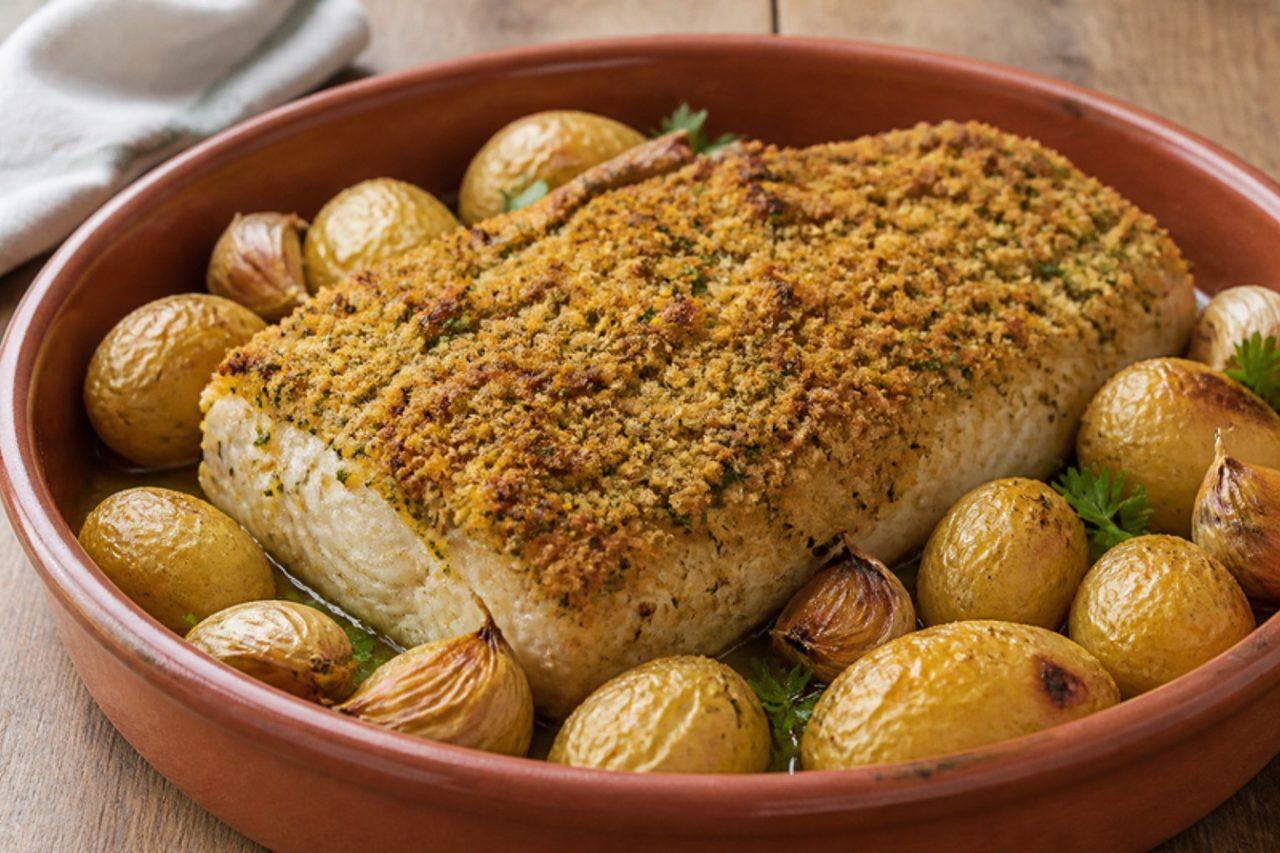
Bacalhau com broaSalt cod with cornbread crust

In central Portugal, where corn broa is the everyday bread, cooks crumble it over thick salt cod loins with garlic, parsley and olive oil, and the dish has become a favourite on restaurant menus from Coimbra to Leiria, especially for Christmas Eve and festive lunches. The crumb crust turns crunchy and golden while the cod stays moist and flaky underneath. It comes with punched potatoes and greens. Chef's tip: use broa that is a day or two old, as fresh crumb goes soggy instead of crisp.

by KrazyBadal 0 views

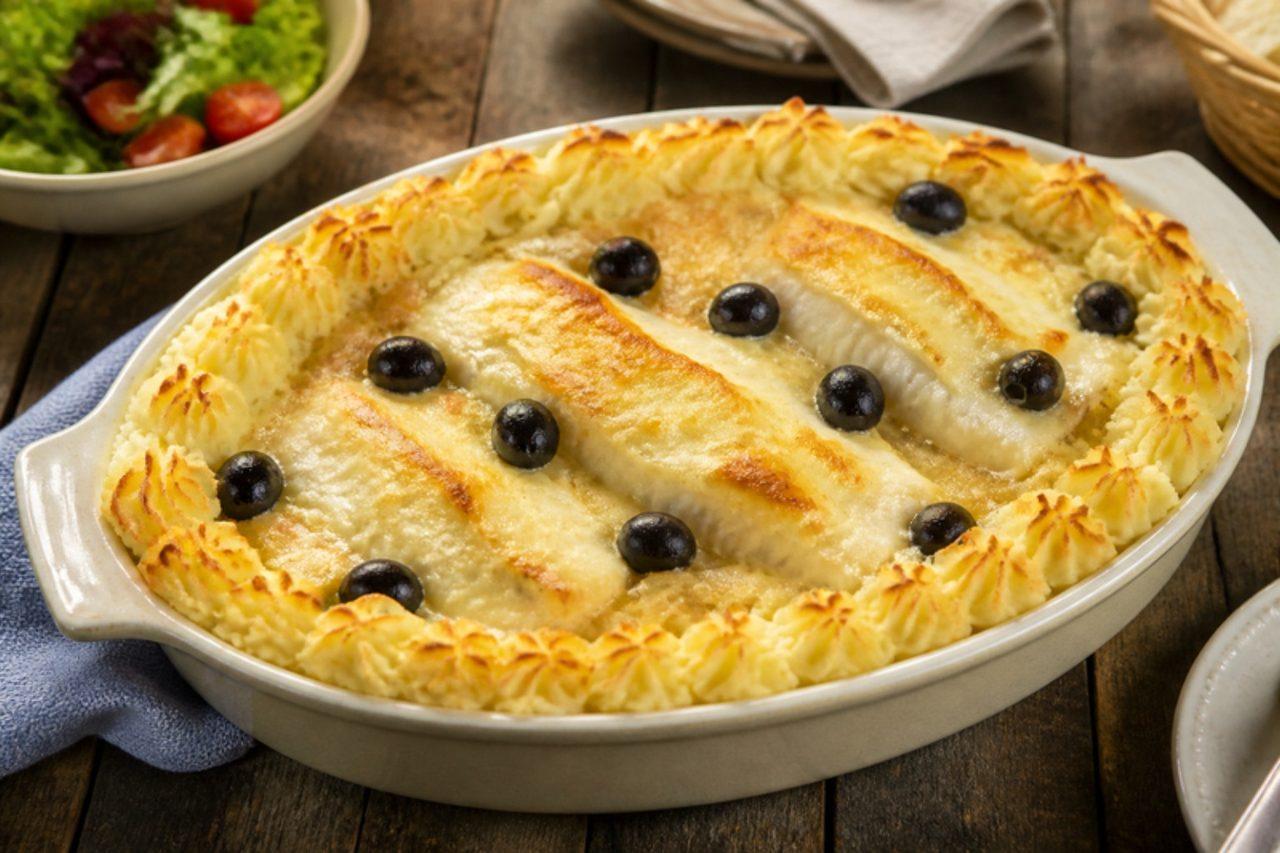
Bacalhau à Zé do PipoSalt cod with mayonnaise mash

Zé do Pipo was the nickname of a Porto tavern keeper in the 1960s whose cod won a national cooking competition, and the dish became a celebration plate in northern restaurants ever since. Thick cod loins sit on a bed of slow-cooked onions, are covered in mayonnaise and ringed with piped mashed potato, then baked until the top turns golden and blistered. Use a good shop-bought mayonnaise made with pasteurised egg; homemade mayonnaise with raw yolks is not for pregnant women, young children or anyone with a weakened immune system. A common mistake is a runny purée; the potato must be stiff enough to pipe, or it slumps under the mayonnaise. Chef's tip: pipe the mash while it is still warm, as cold mash cracks.

by KrazyBadal 0 views

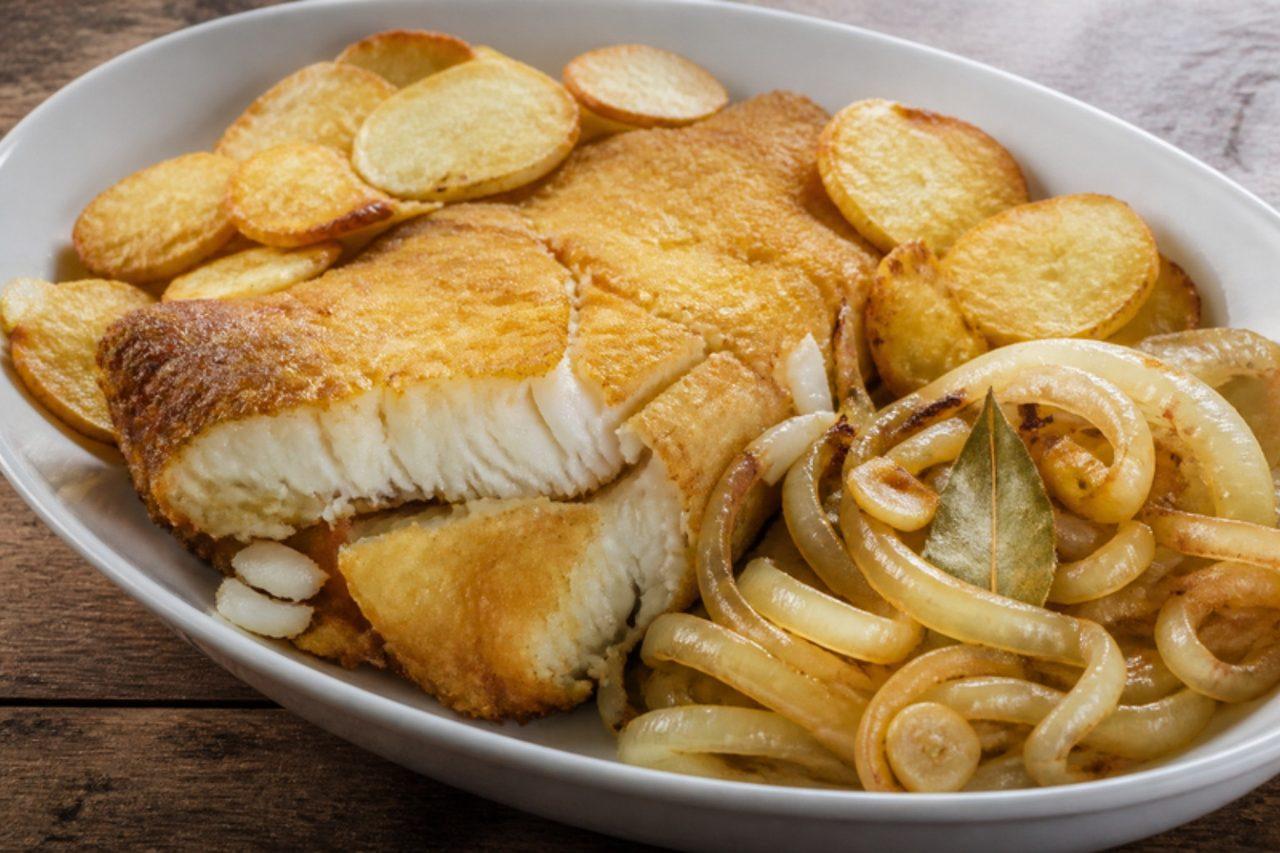
Bacalhau à minhotaFried salt cod with onions

Every Minho restaurant has its bacalhau à minhota on Fridays: a thick loin of salt cod, floured and fried in olive oil, served with crisp potato slices and a tangle of onions cooked in the same oil with garlic and paprika. It is plain, generous country food that relies on good fish. Start two days ahead, as the cod must soak in the fridge to lose its salt. A common mistake is skipping the taste test after soaking; fry a flake first, and soak longer if it is still very salty. Chef's tip: taste a flake of the soaked cod before cooking; if it is still too salty, give it another change of water.

by KrazyBadal 0 views

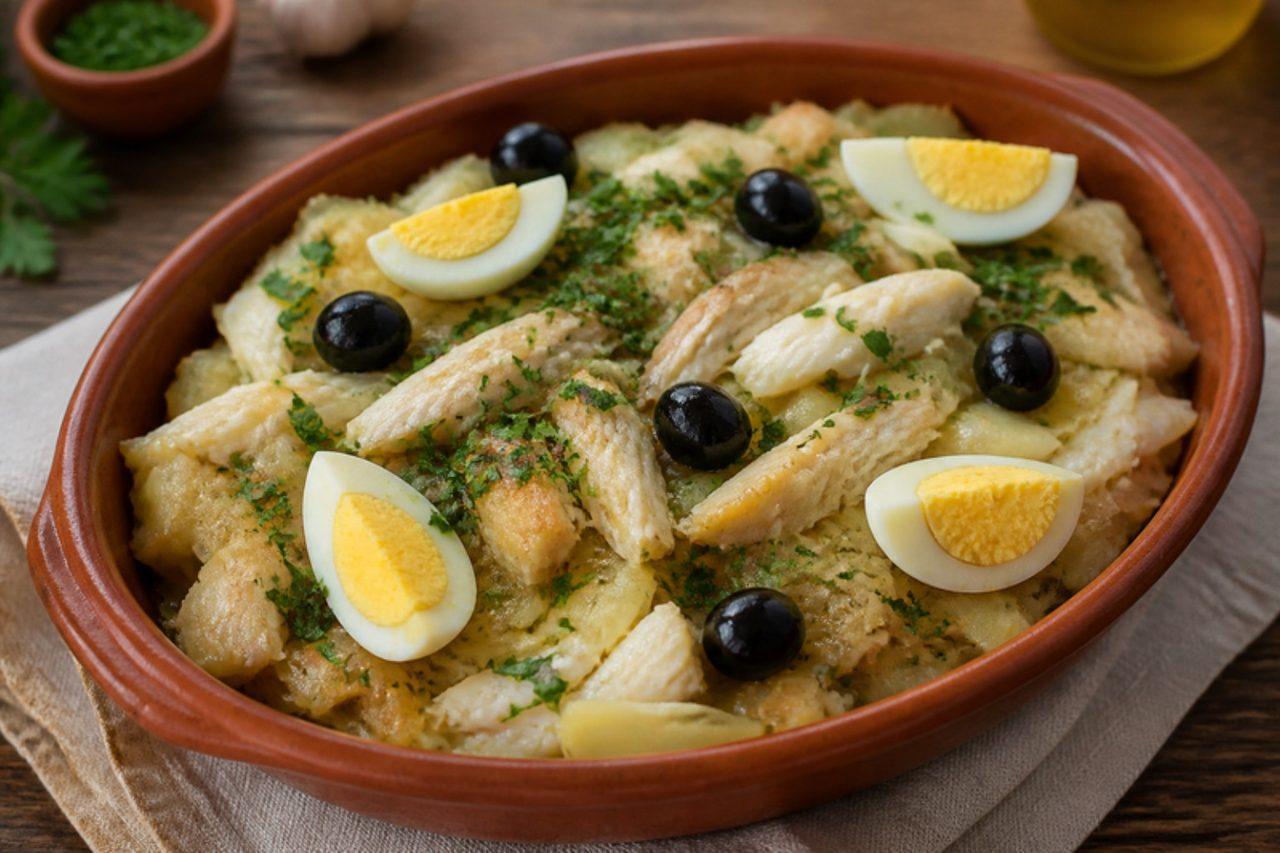
Bacalhau à Gomes de SáBaked salt cod and potatoes

Named after the Porto cod merchant who is said to have created it in the late nineteenth century, this is the city's most loved salt cod dish and a fixture of Christmas Eve and family gatherings across the north. Cod is soaked, warmed in milk, flaked and baked with sliced potatoes and plenty of onions softened in olive oil, then crowned with hard-boiled eggs and black olives. Chef's tip: steep the cod in hot milk rather than boiling it, so the flakes stay moist and come apart in big, glossy pieces.

by KrazyBadal 0 views

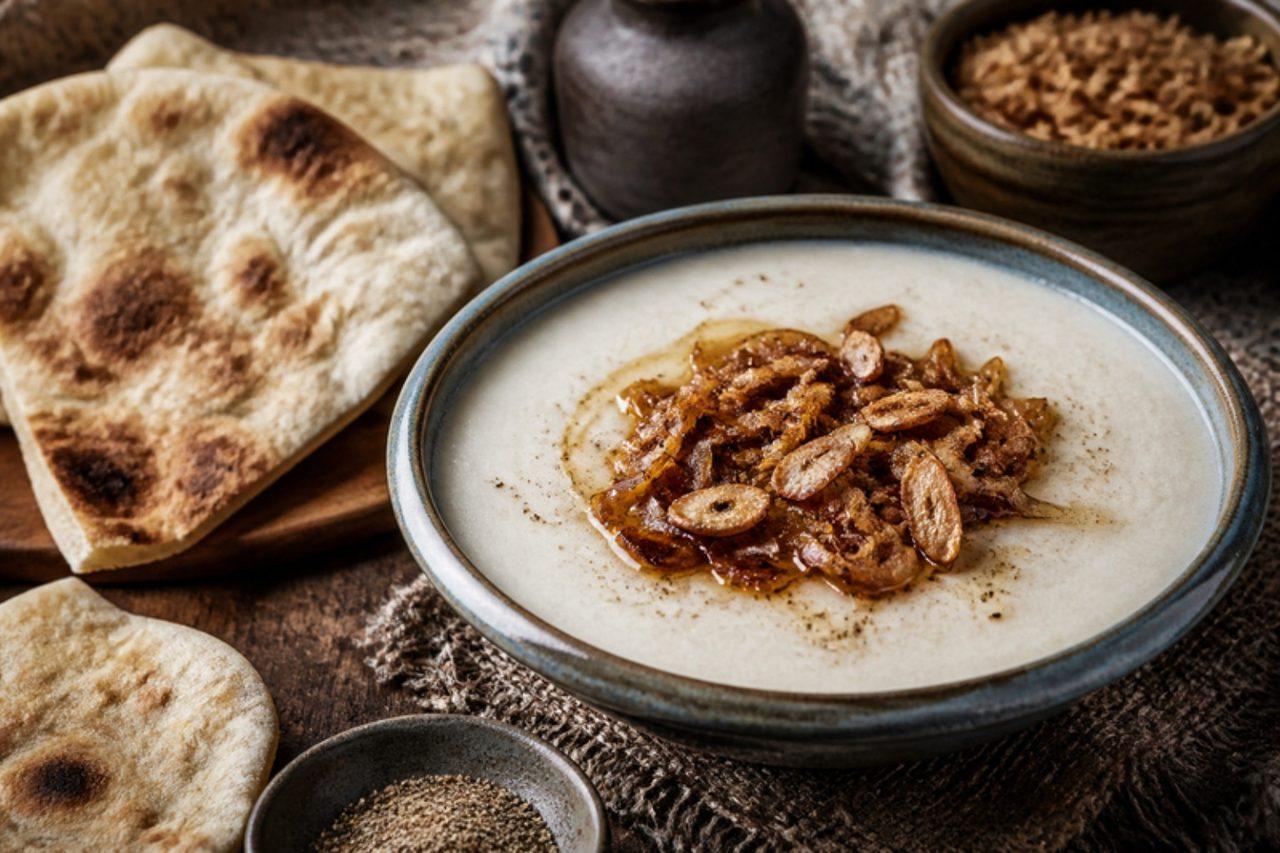
Shorbet kishkFermented yoghurt and wheat soup

In the Bekaa Valley, late summer means spreading bulgur fermented with yoghurt on rooftops to dry, then rubbing it into kishk powder that keeps the family through winter. On a cold morning that powder becomes shorbet kishk, a thick, tangy, porridge-like soup eaten for breakfast with radishes, spring onions and flatbread to scoop it up. Meat-eaters often add preserved lamb (awarma); this version keeps it vegetarian with plenty of garlic and onion fried in olive oil. Kishk powder is sold in Middle Eastern grocers. Common mistake: adding the powder to hot water; it clumps, so always whisk it into cold water first. Chef's tip: finish with a spoonful of garlic sizzled in oil and a pinch of dried mint poured over each bowl.

by KrazyBadal 0 views

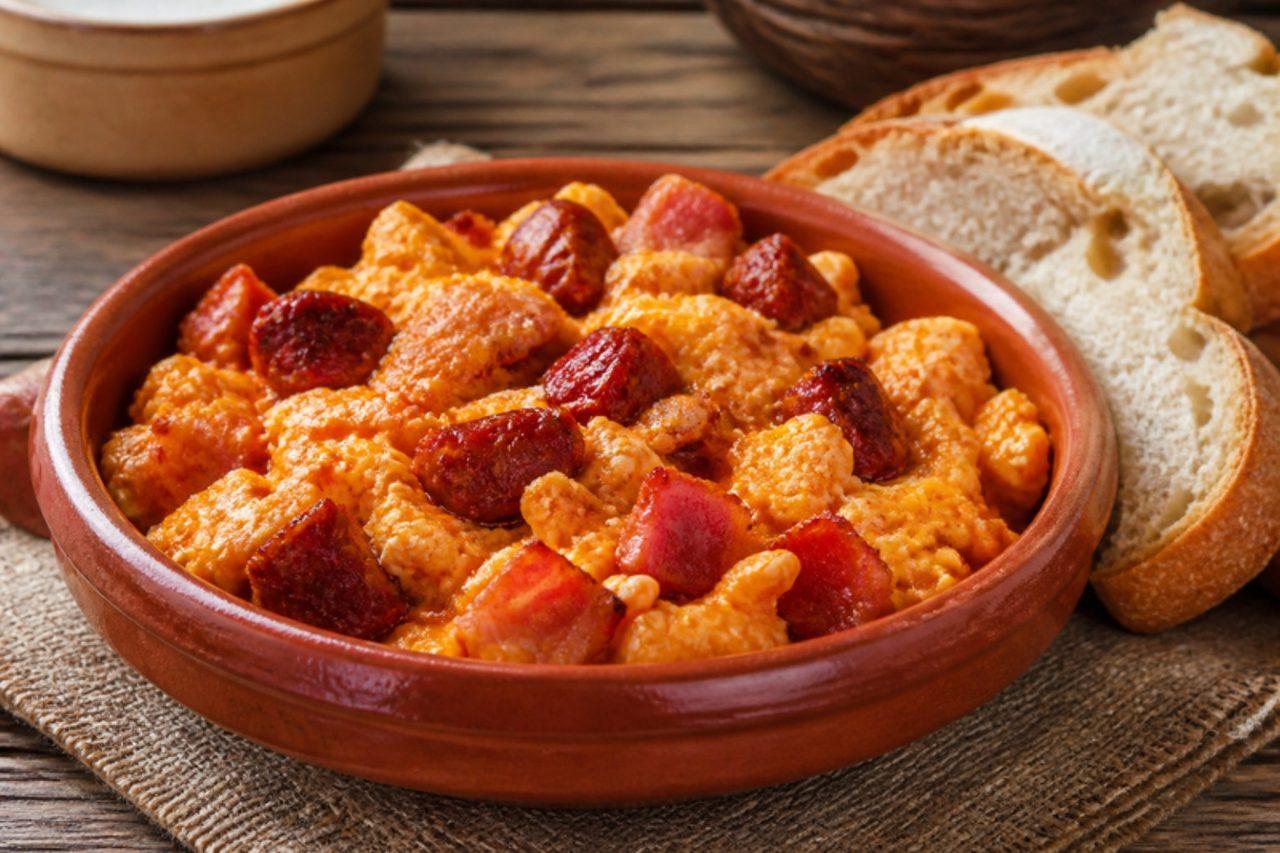
Duelos y quebrantosScrambled eggs with chorizo and bacon

Cervantes names this dish in the first lines of Don Quixote as the knight's Saturday supper, and in La Mancha it is still a quick, filling plate of soft eggs scrambled into fried chorizo and streaky bacon. It turns up for a late breakfast in roadside inns near Campo de Criptana, or for supper on a busy weeknight with bread and a salad. This contains pork (chorizo and bacon). Chef's tip: take the pan off the heat while the eggs still look slightly wet; they finish cooking on the plate.

by KrazyBadal 0 views

Dulce de alcayotaFig-leaf gourd preserve

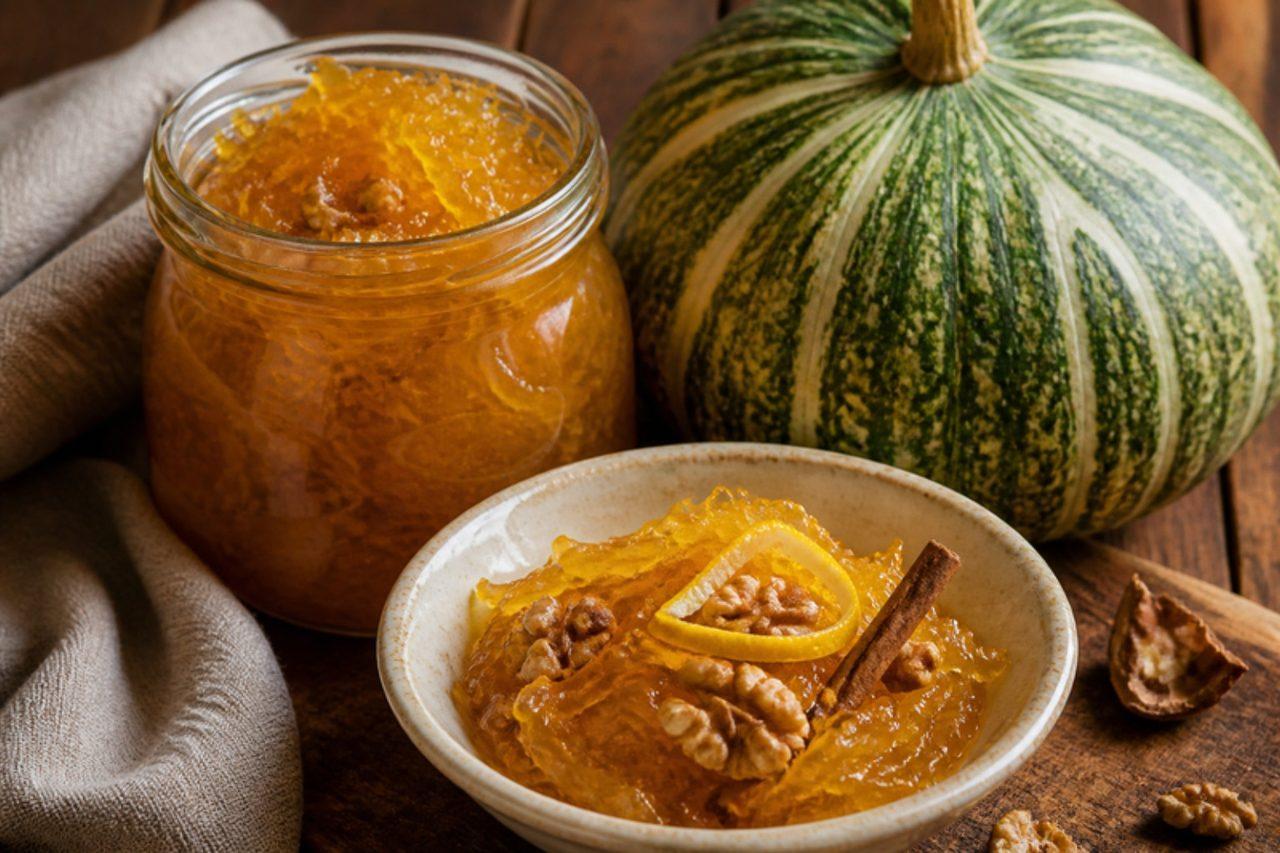
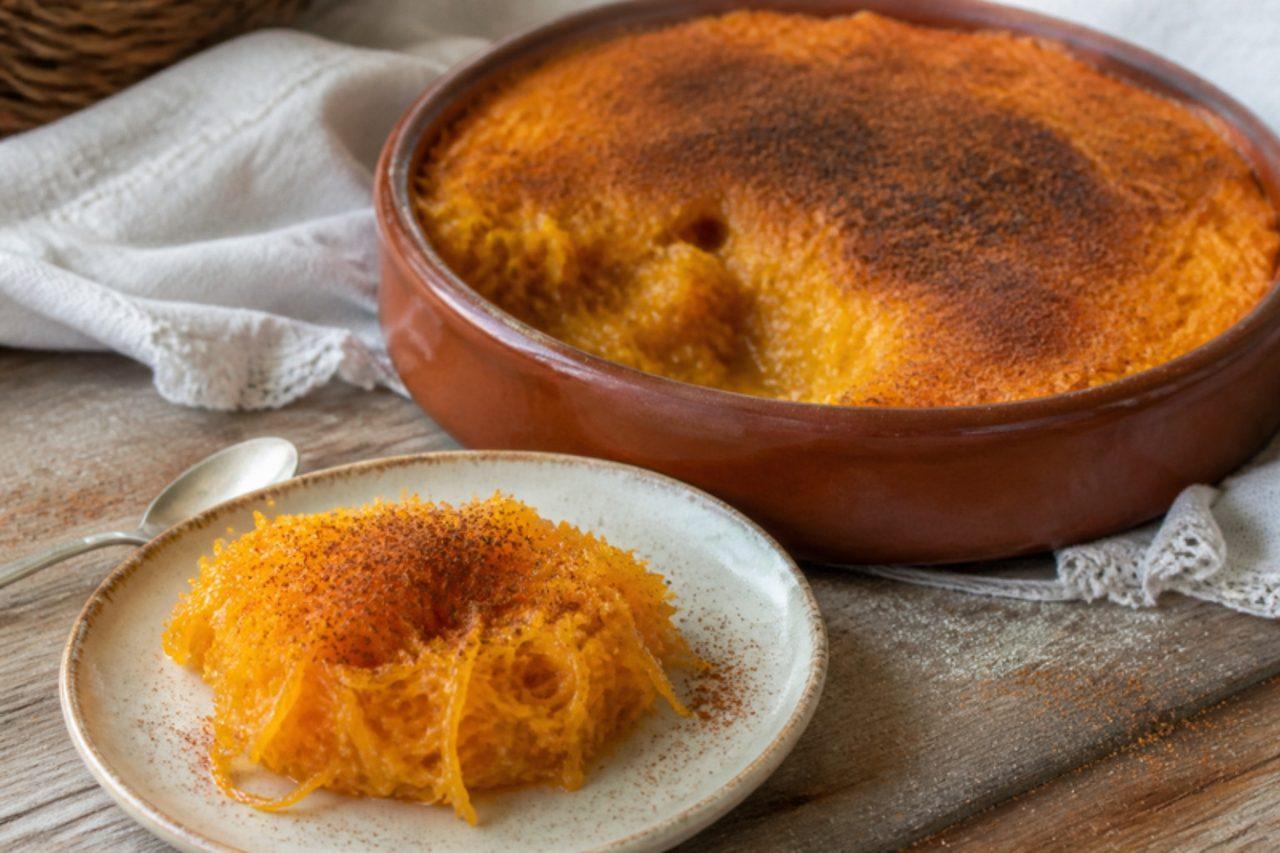
Late autumn in San Juan and Mendoza, the huge striped alcayotas (fig-leaf gourds, Cucurbita ficifolia) are left to cure in the sun, then split open for this preserve: the white flesh separates into long strands like angel hair, which cook in syrup until golden, glossy and translucent, with walnuts and a hint of cinnamon and clove. It is spooned onto bread, eaten with fresh cheese, and used to fill empanadas and pastries. Look for alcayota at Latin American grocers (sometimes sold as chilacayote or cidra); spaghetti squash makes a respectable stand-in. Cooking the syrup too hard is the trap: it caramelises and turns the preserve dark and bitter, so keep it at a gentle bubble. For safe storage, jars must be sterilised and sealed hot. Chef's tip: rinse the cooked strands in cold water before they go into the syrup; it washes off the starch and keeps the threads separate and clear.

by KrazyBadal 0 views

Dulce de batataSweet potato paste

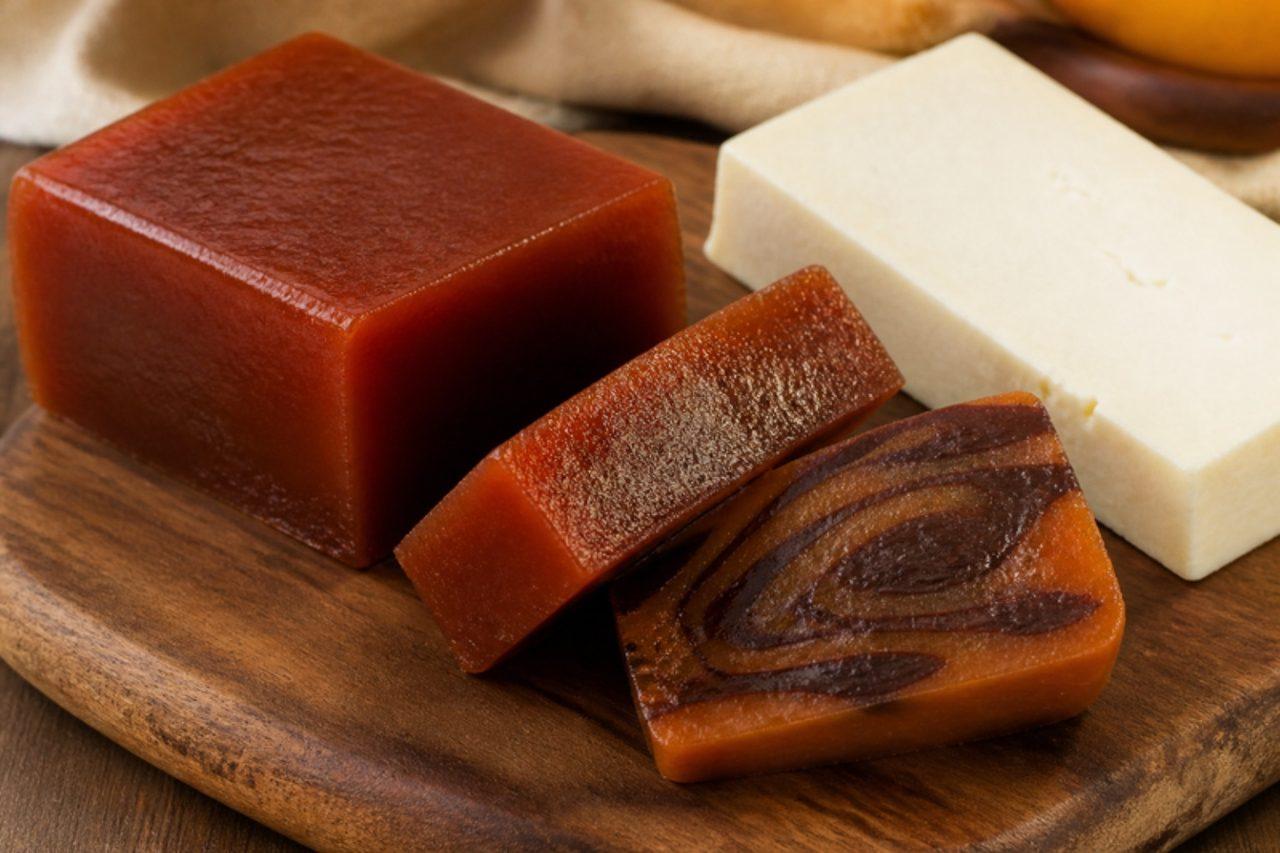
Deep orange and firm enough to slice, dulce de batata is the sweet potato paste Argentines eat with cheese, bake into pastelitos and pasta frola, and pack into school lunch boxes; the classic commercial block often hides a ribbon of chocolate in the centre. Making it at home takes patience at the stove, but the result tastes of real roasted sweet potato and vanilla. Traditional recipes simply cook the purée down for a long time; some factory versions set it with gelatin. This one uses a little agar, a seaweed-based setting agent, so it is reliably firm and stays vegan. Choose pale-fleshed sweet potato (batata) if you can, which gives the classic colour and dense texture; orange-fleshed ones work but set softer. The usual problem is too little cooking, which gives a paste that weeps; it is ready when a spoon drawn through it leaves a clean line. Chef's tip: cover your hand with a tea towel while you stir, because the thick paste spits like lava.

by KrazyBadal 0 views

Dulce de calafateCalafate berry jam

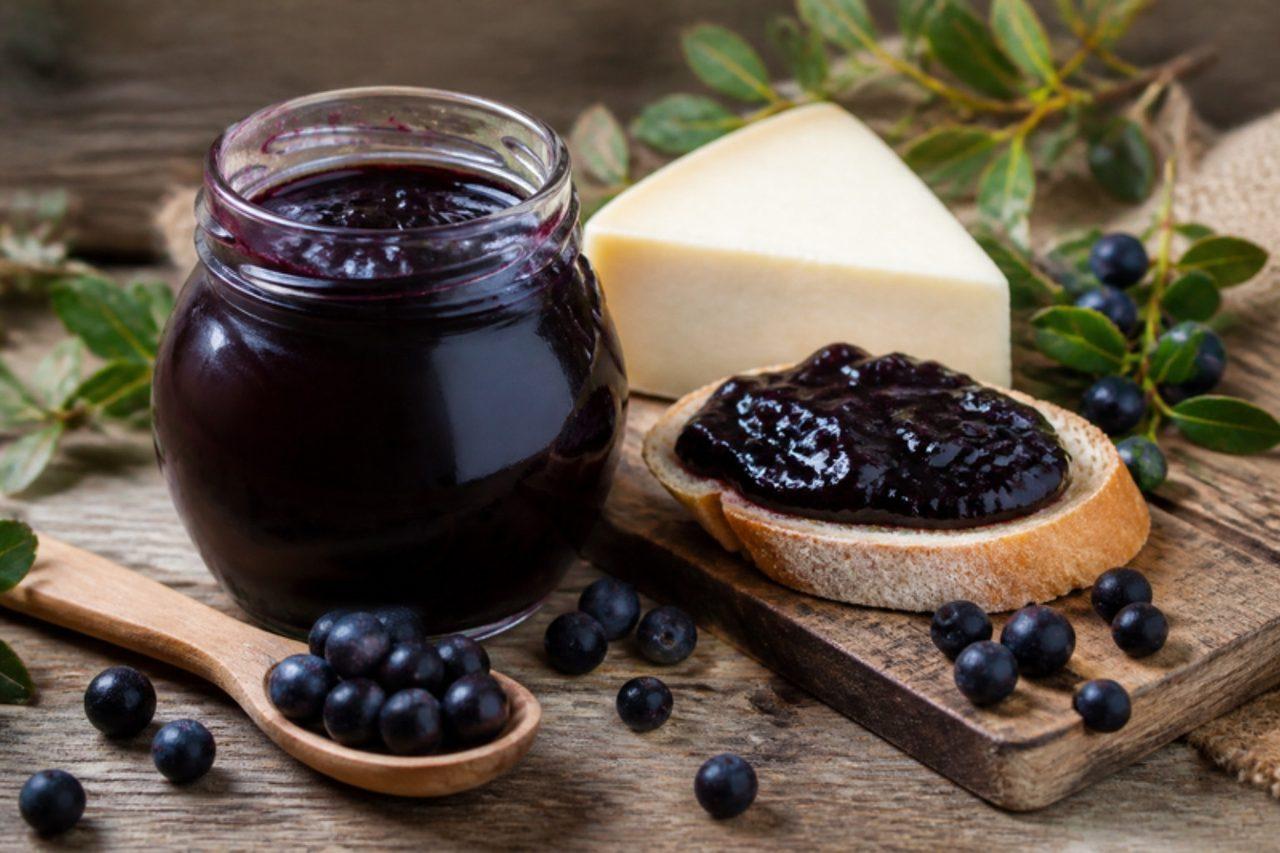
Legend says whoever eats calafate will come back to Patagonia, and in El Calafate, the town on Lake Argentino named after the thorny bush, the small blue-black berries turn up in ice cream, sauces, and above all this jam. The fruit ripens in midsummer across Santa Cruz and Tierra del Fuego; it is tart and seedy, somewhere between a blueberry and a blackcurrant, and the jam is dark purple, glossy and gently spiced by the fruit itself. It goes on bread at breakfast, with a slab of cheese after dinner, or with pancakes. Outside Patagonia, frozen calafate is hard to find; blueberries with a handful of blackcurrants or barberries give a similar balance of sweet and sharp. Overcooking is the slip that turns it into a stiff, dull paste, because the berries are naturally high in pectin, so test early. Chef's tip: crush a third of the berries before cooking; you get a jam with body and some whole fruit to bite on.

by KrazyBadal 0 views

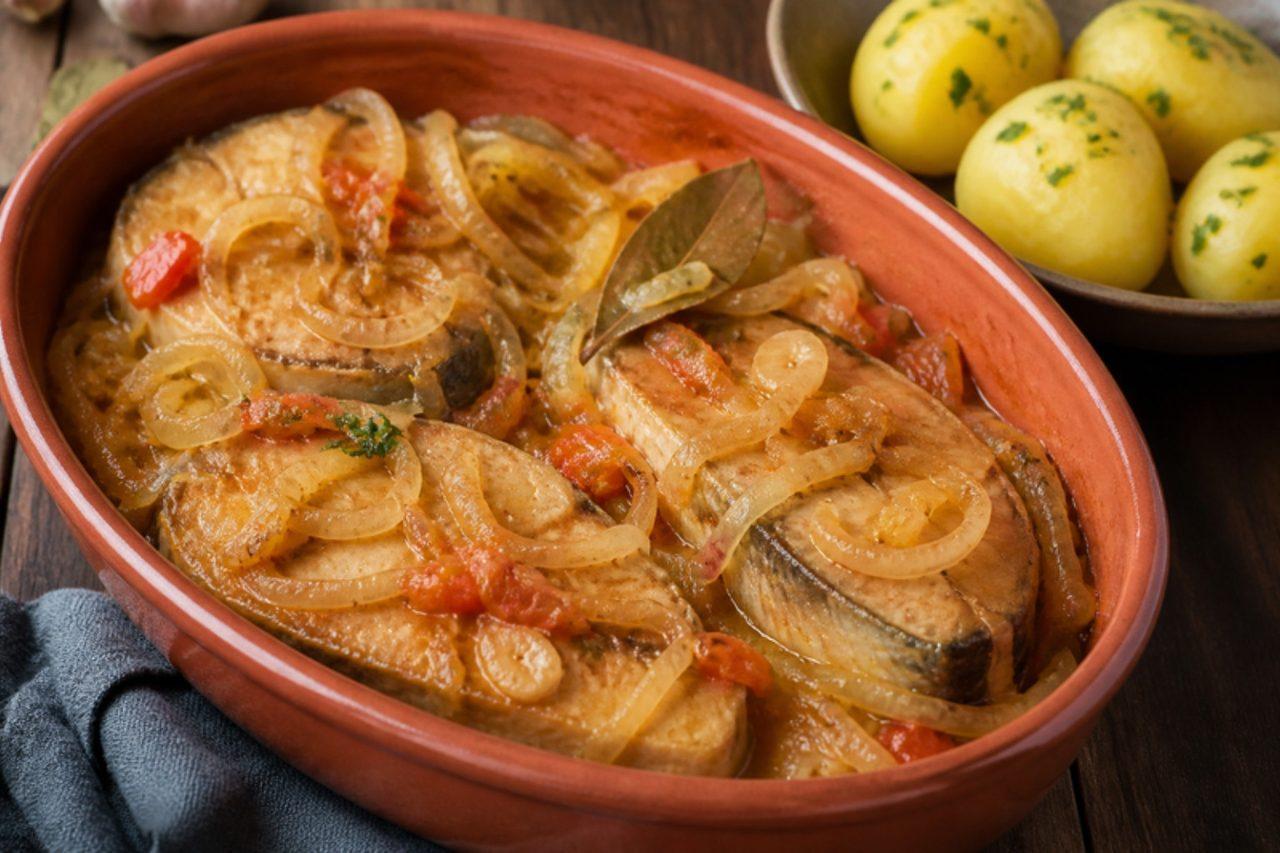
Bacalao a la vizcaínaSalt cod in red pepper sauce

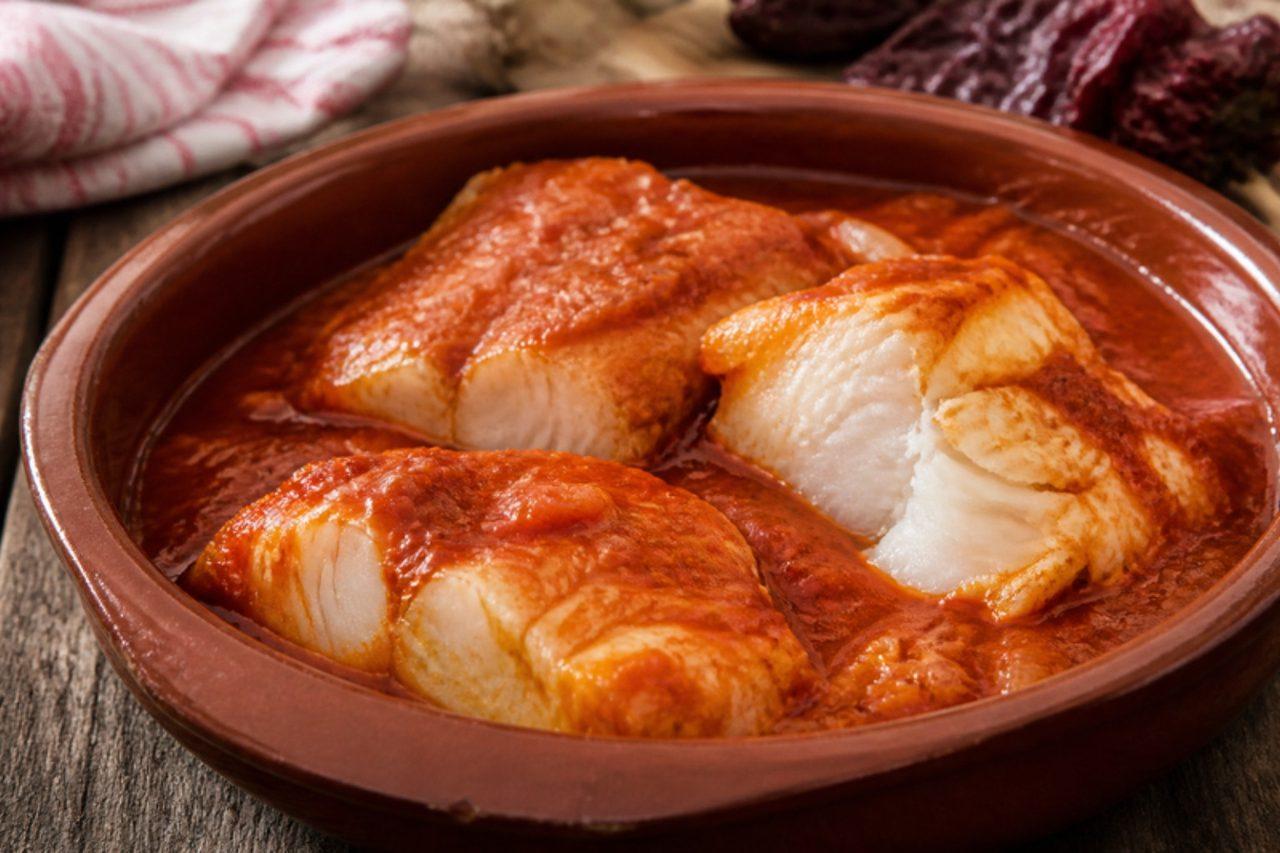
Bilbao's great salt cod dish shows up every Lent and on Good Friday, and in the city's old taverns its sauce is judged as fiercely as the fish. The sauce is made only from onions cooked for a long time and the flesh of dried choricero peppers, with no tomato, which gives it its deep red colour and gentle sweetness. Salt cod needs 36–48 hours of soaking in the fridge, so start two days ahead. A common mistake is hurrying the onions: they need at least 40 minutes on a low heat to turn soft and sweet. Chef's tip: taste a flake of the soaked cod before cooking, and if it's still salty, soak it a few hours more.

105 minSpanishFishGluten free
by KrazyBadal 0 views

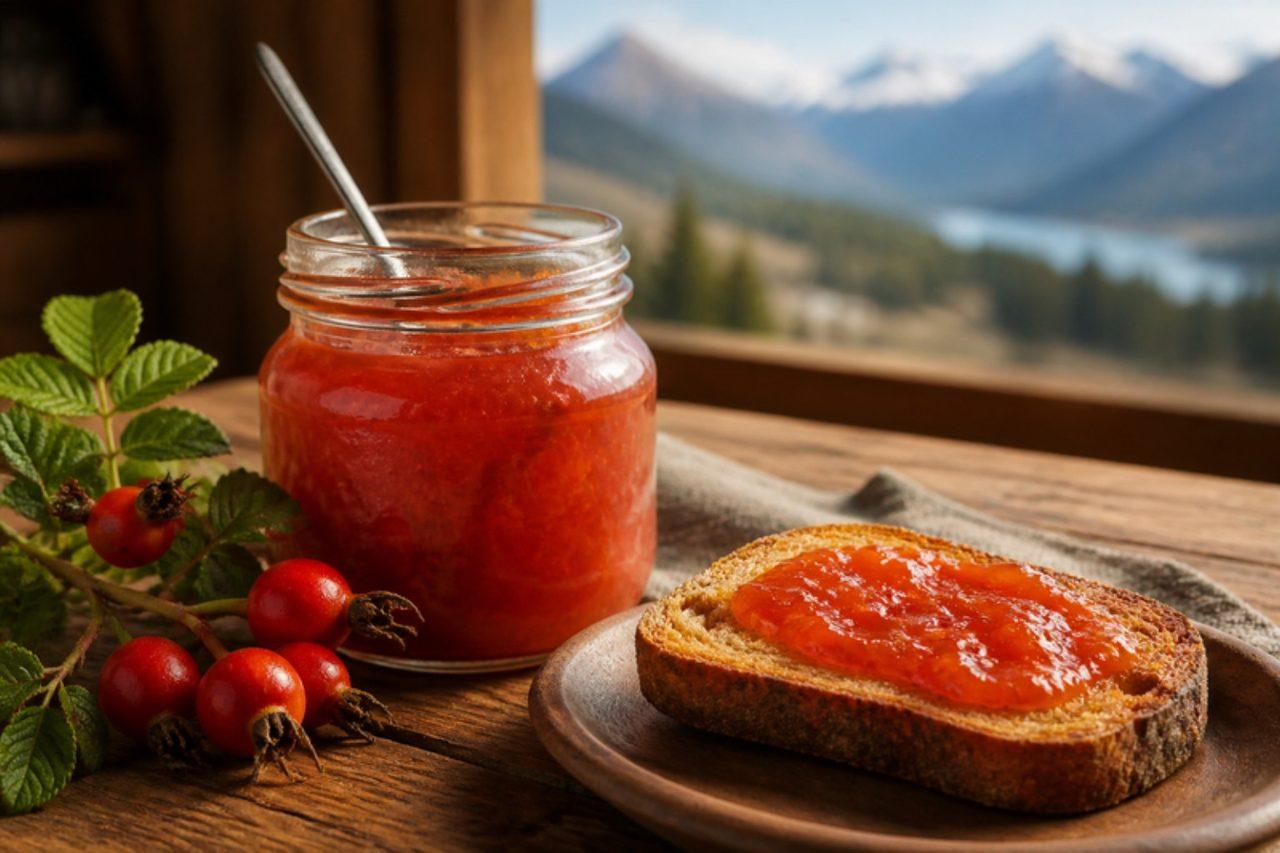
Dulce de rosa mosquetaRosehip jam

Every autumn, from March to May, families along the lakes around Bariloche and El Bolsón and up into Neuquén go out with buckets to strip the wild rose bushes that cover the hillsides, and the shops of the Andean towns fill with jars of this jam. Rosa mosqueta (rosehip) makes a smooth, coral-red preserve with a sharp, fruity, slightly floral flavour and a lot of vitamin C. It is spread on toast with butter, served with fresh cheese, or spooned into yoghurt. Rosehips are full of seeds wrapped in tiny irritating hairs, and not sieving them out properly is the error you will feel in your throat: pass the pulp through a fine sieve or food mill, and then once more. Buy rosehips from a foraging supplier or pick them away from roads, and only if you are sure of the plant. Chef's tip: pick after the first frosts, or freeze the hips overnight; the cold softens them and makes the pulp much easier to sieve.

by KrazyBadal 0 views

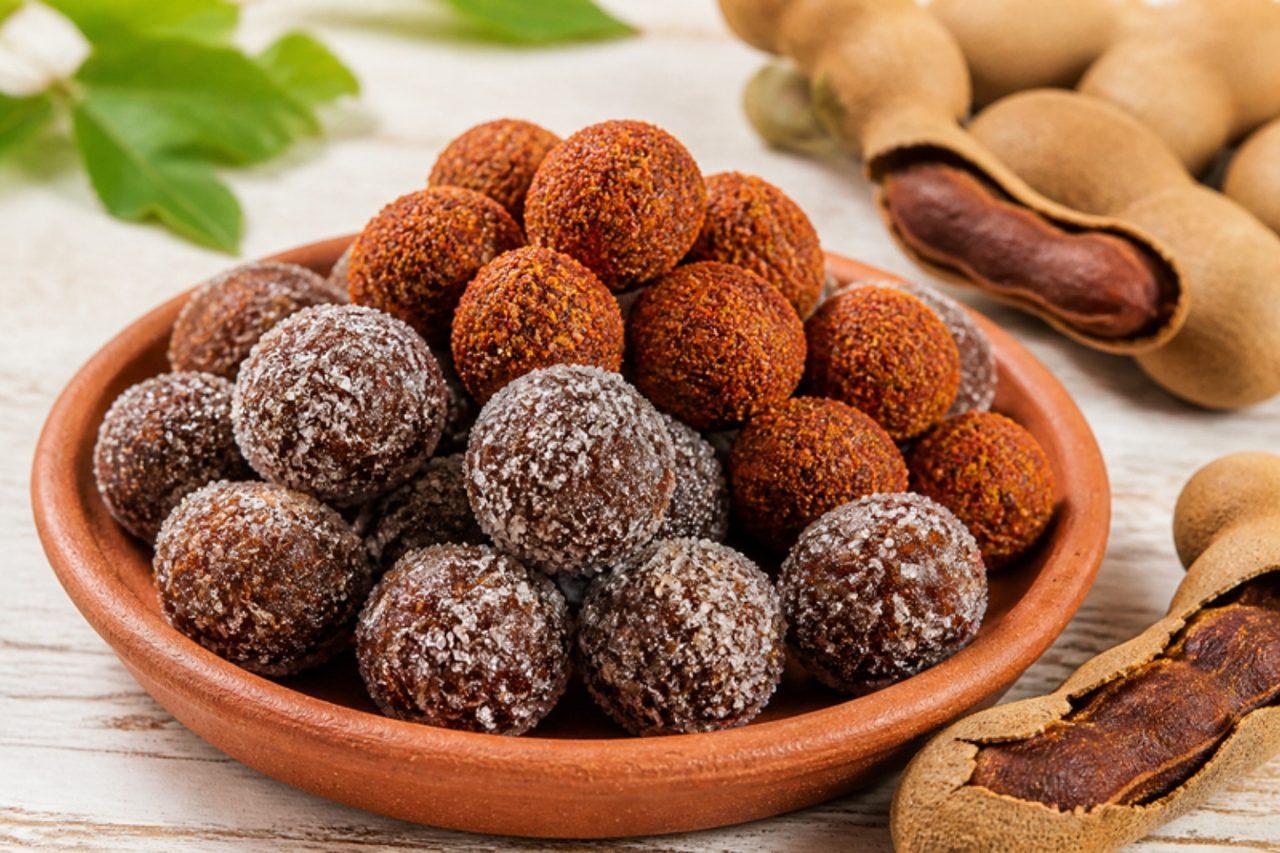
Dulce de tamarindoTamarind sugar sweets

Tamarind trees shade the coast of Guerrero, and around Acapulco and the Costa Chica the sticky pulp is cooked down with sugar into tangy little balls sold in paper twists at beaches, bus stations and corner shops. Children love the sharp sweet-sour pucker; adults buy the ones rolled in chilli and salt. They are naturally vegan and keep for weeks. Chef's tip: use blocks of seedy tamarind pulp from an Asian or Mexican grocer, not the thin concentrate in jars, which will not set.

by KrazyBadal 0 views

Azevias de grãoSweet chickpea fried pastries

Come December, Alentejo kitchens fill with the smell of these: thin, crisp pastries folded around a sweet chickpea paste flavoured with orange and cinnamon, fried until blistered and rolled in cinnamon sugar. Families make them by the hundred and share them with neighbours over Christmas. Many recipes add a splash of aguardente, a grape spirit containing alcohol, to the dough for crispness; it is optional here, and orange juice alone works. This version contains no egg or dairy. A common mistake is rolling the dough too thick; it should be thin enough to see light through, so it bubbles and crisps. Chef's tip: make the filling the day before; cold, firm filling is far easier to wrap.

by KrazyBadal 0 views

Golab (home-distilled rosewater)

Every May the valleys around Kashan and Qamsar fill with pickers gathering Damask roses at dawn for golabgiri, the rose-water festival, when copper stills bubble in village courtyards. Golab is the backbone of Persian sweets, sharbat and rice, and a small batch can be made at home with a stockpot, an upturned lid and a bowl of ice. You need fragrant roses that have never been sprayed: florist roses are not safe to use in food. A common mistake is boiling hard, which cooks the petals and gives a grassy, dull water; the pot should only simmer. Chef's tip: pick the roses early in the morning, when their scent is strongest, and distil the same day.

by KrazyBadal 0 views

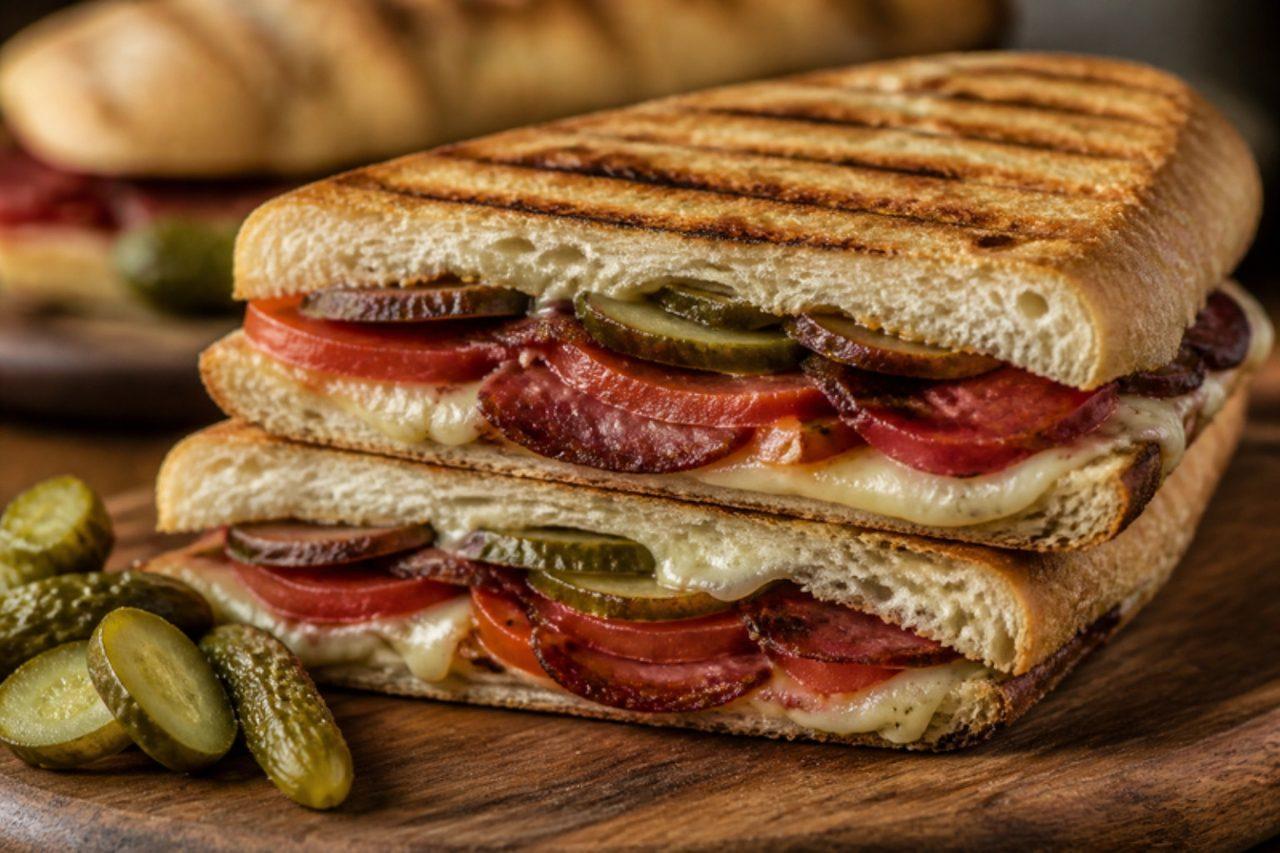
Ayvalık tostuSausage, cheese and pickle toastie

Ayvalık, the olive-oil town on the north Aegean, turned the humble cheese toastie into a feast: a long, soft loaf split and stuffed with kaşar, beef sucuk, beef salami, tomatoes and pickles, pressed hot, then opened up again to be piled with ketchup, mayonnaise and Russian salad. It is eaten for breakfast or as a late snack after a swim. This one has beef sausage and salami, so check the label if you avoid pork. Chef's tip: press it twice, once with the cheese and meats, then again after opening it to add the cold toppings, so the bread stays crisp.

by KrazyBadal 0 views

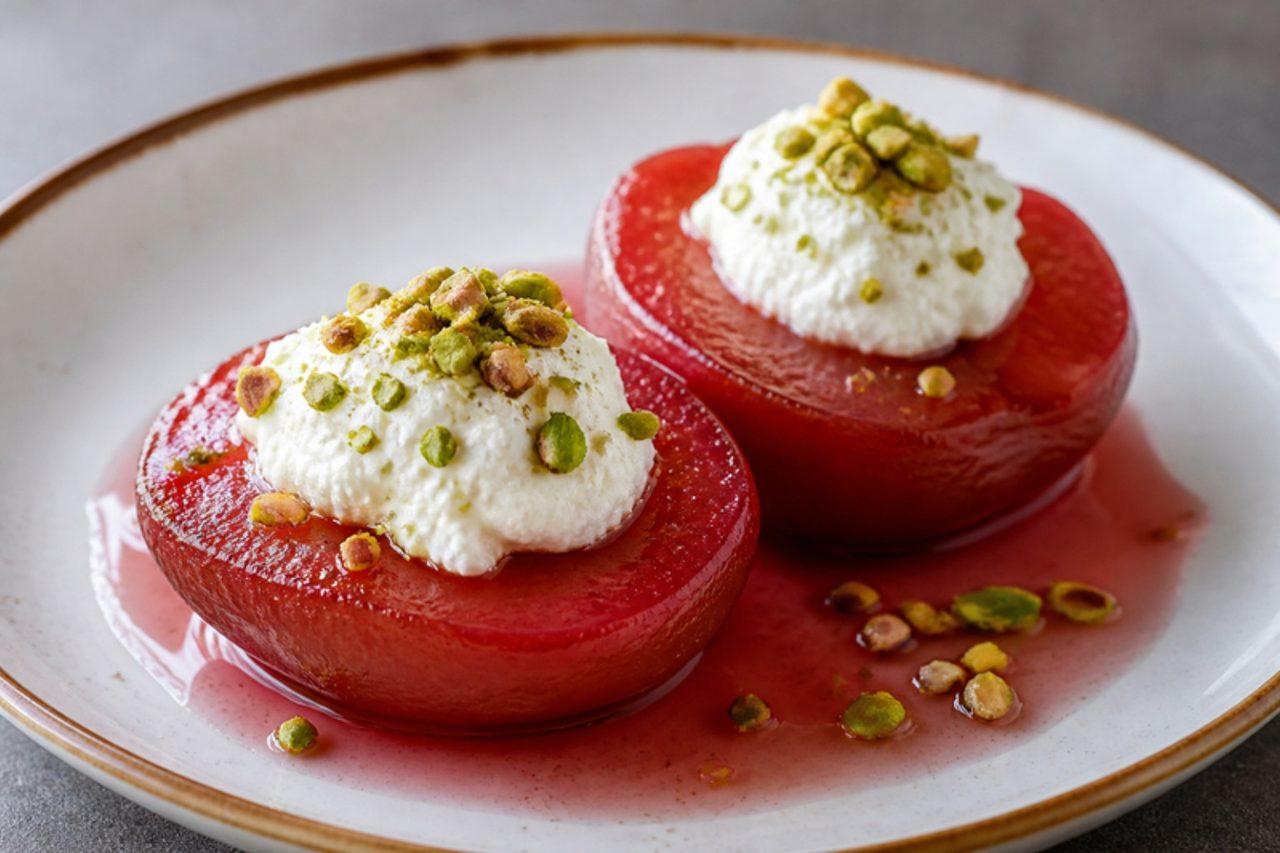
Ayva tatlısıPoached quince with clotted cream

In autumn the market stalls of Ankara and Kayseri are piled with knobbly yellow quinces, and the best-loved thing to make with them is ayva tatlısı: halves poached slowly in syrup with their own seeds and a few cloves until they turn translucent and a deep garnet colour. Each half is filled with thick kaymak or clotted cream and topped with pistachio. Common mistake: rushing it on a high heat; the red colour only comes with long, gentle cooking. Chef's tip: tie the cores and seeds in a little muslin bag and cook them with the fruit; their natural pectin and tannins give the syrup body and that ruby glow.

by KrazyBadal 0 views

Ayran aşıChilled yoghurt and wheat soup

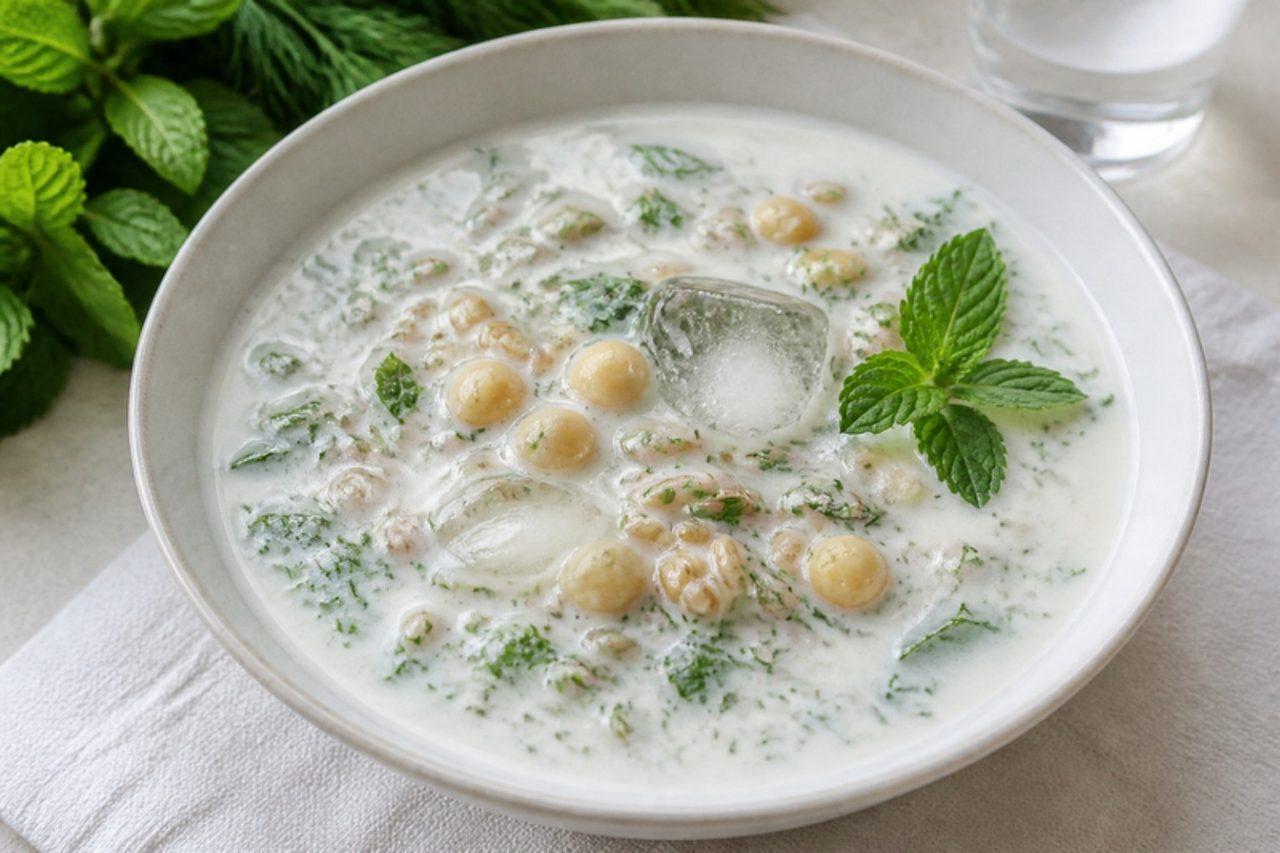
When the summer heat hits the eastern plateau around Erzurum, Erzincan and Sivas, families switch from hot soups to ayran aşı, a cold soup of thinned yoghurt with cooked whole wheat, chickpeas and handfuls of mint, dill and purslane or cucumber. It's ladled from a big bowl at lunch with flatbread, and it's as refreshing as a drink but filling as a meal. Common mistake: adding the grains while still hot, which makes the yoghurt split and turn sour-tasting; cool them completely first. Chef's tip: make it a few hours before serving and chill; the wheat soaks up the yoghurt and the herbs perfume the whole bowl.

by KrazyBadal 0 views

Lighvan-style brined cheese

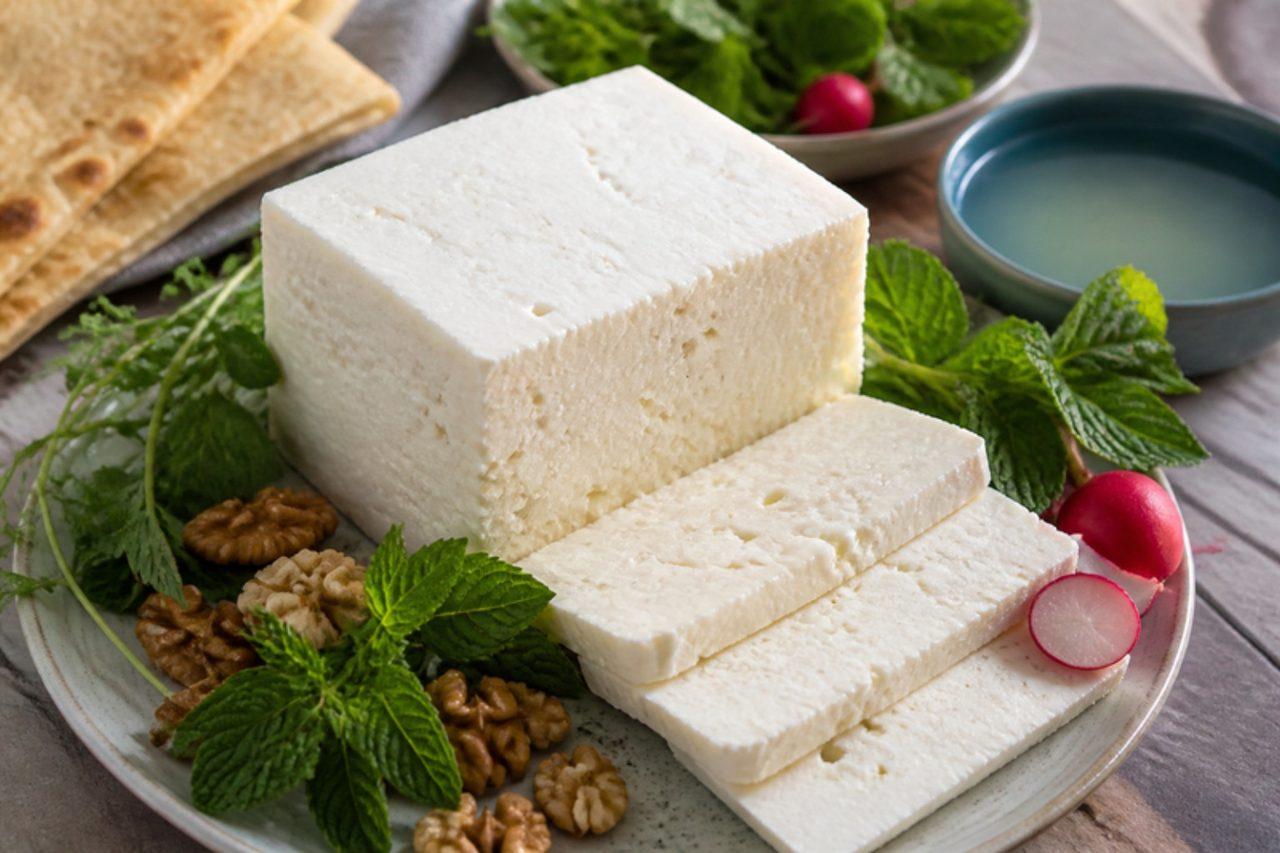
The village of Lighvan, on the slopes of Mount Sahand south of Tabriz, gives its name to Iran's most loved breakfast cheese: a white, holey, tangy sheep's milk cheese matured in brine, traditionally in goatskins or tins in mountain caves. Across Azerbaijan province it is eaten every morning with warm bread, walnuts, fresh herbs and sweet tea. This home version uses pasteurised sheep's milk (or a mix with goat's milk) so it is safe to make in your kitchen. Village Lighvan is set with animal rennet; use a vegetarian (microbial) rennet to keep it vegetarian. The commonest mistake is cutting the curd before it gives a clean break, which loses yield and makes a crumbly cheese. Chef's tip: let the cheese firm in the fridge for a full week in the brine; it develops its classic tang and little holes as it matures.

1500 minPersianBasicsGluten free
by KrazyBadal 0 views

KispiñoSteamed quinoa cakes

Pressed in a fist so each one carries the marks of the cook's fingers, kispiño are small, dense quinoa cakes from the Puno highlands, steamed and then left to dry so they keep for weeks on journeys, herding trips and pilgrimages. Traditional ones are bound with a little lime water (from cal, the mineral) and fat; this home version uses oil and a pinch of aniseed and sugar, so they're vegan and pleasantly savoury-sweet. They're firm and chewy, a little like a grain cake, and good with hot tea, coca tea or a soup on a cold day. The common mistake is making the dough too wet, so the cakes slump in the steamer; it should feel like damp sand that holds its shape when squeezed. Ground quinoa is quinoa flour; grind your own from rinsed, dried and toasted grain, or buy it ready ground. Chef's tip: toast the ground quinoa in a dry pan first until it smells nutty, which takes away any bitterness.

by KrazyBadal 0 views

Irish white pudding patties

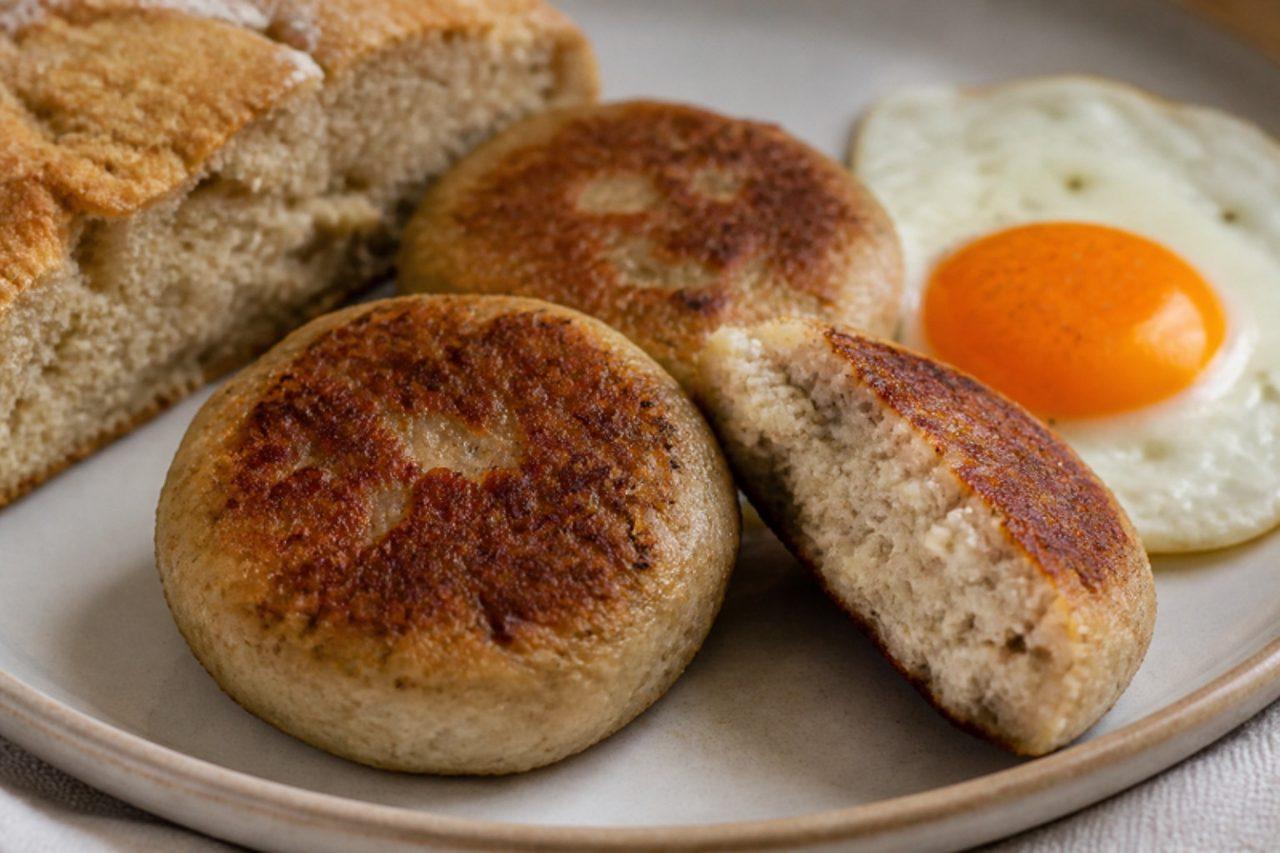
White pudding is the pale partner to black pudding on the Irish breakfast plate, made in butchers' shops from West Cork to Sligo with pork, pork fat, oatmeal, onion and a secret blend of spices. Making it at home in casings is fiddly, so this version shapes the same mix into patties to fry for the full Irish or a breakfast roll. Chef's tip: toast the oats in a dry pan first; it gives the nutty flavour that good shop-bought white pudding has.

by KrazyBadal 0 views

Limerick ham with cider glaze

Limerick was once famous across Europe for its hams, cured in the city's bacon factories, and a glazed ham is still the centrepiece of the Irish Christmas table next to the turkey. This is a gammon joint, which is pork: simmered gently in cider with an onion and spices, then studded with cloves and glazed in a hot oven until sticky and dark. Serve hot with mash and parsley sauce, or cold for St Stephen's Day sandwiches. The cider contains alcohol, which mostly cooks off; for an alcohol-free version use cloudy apple juice. Chef's tip: score the fat in a neat diamond pattern only through the fat, not the meat, so the glaze grips without the meat drying.

200 minIrishMeatGluten free
by KrazyBadal 0 views

Ege ot böreğiWild greens hand pies

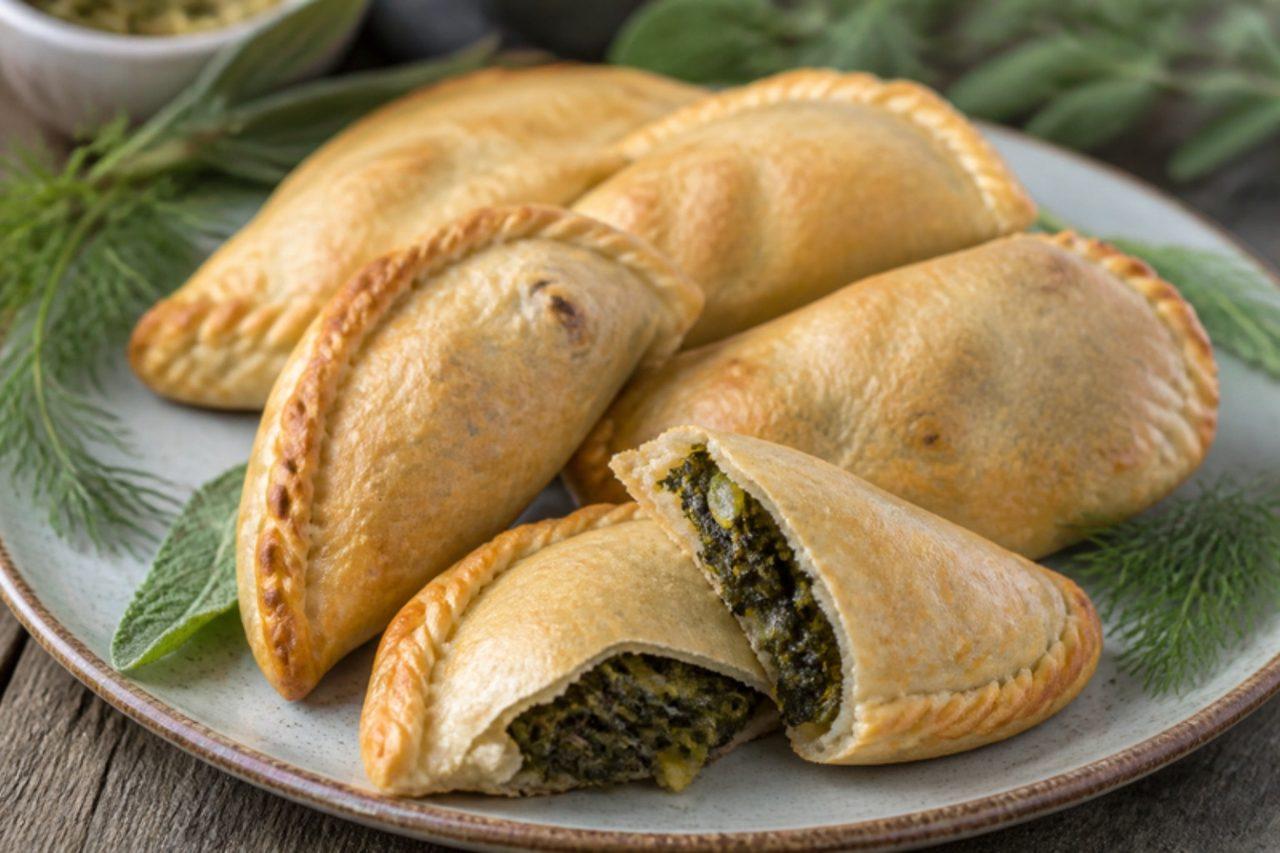
In spring, Aegean women around Urla and Ayvalık forage for wild greens (radika, mallow, wild fennel, chard and sorrel) and fold them into little half-moon pies, fried or baked, for the Hıdırellez spring festival and village picnics. Spinach and chard with lots of dill and mint make a good shop-bought substitute. They are herby, a little sour, and lovely warm or cold with yoghurt. Chef's tip: wilt and squeeze the greens thoroughly; any water left in the filling turns the pastry soggy and makes it burst.

by KrazyBadal 0 views

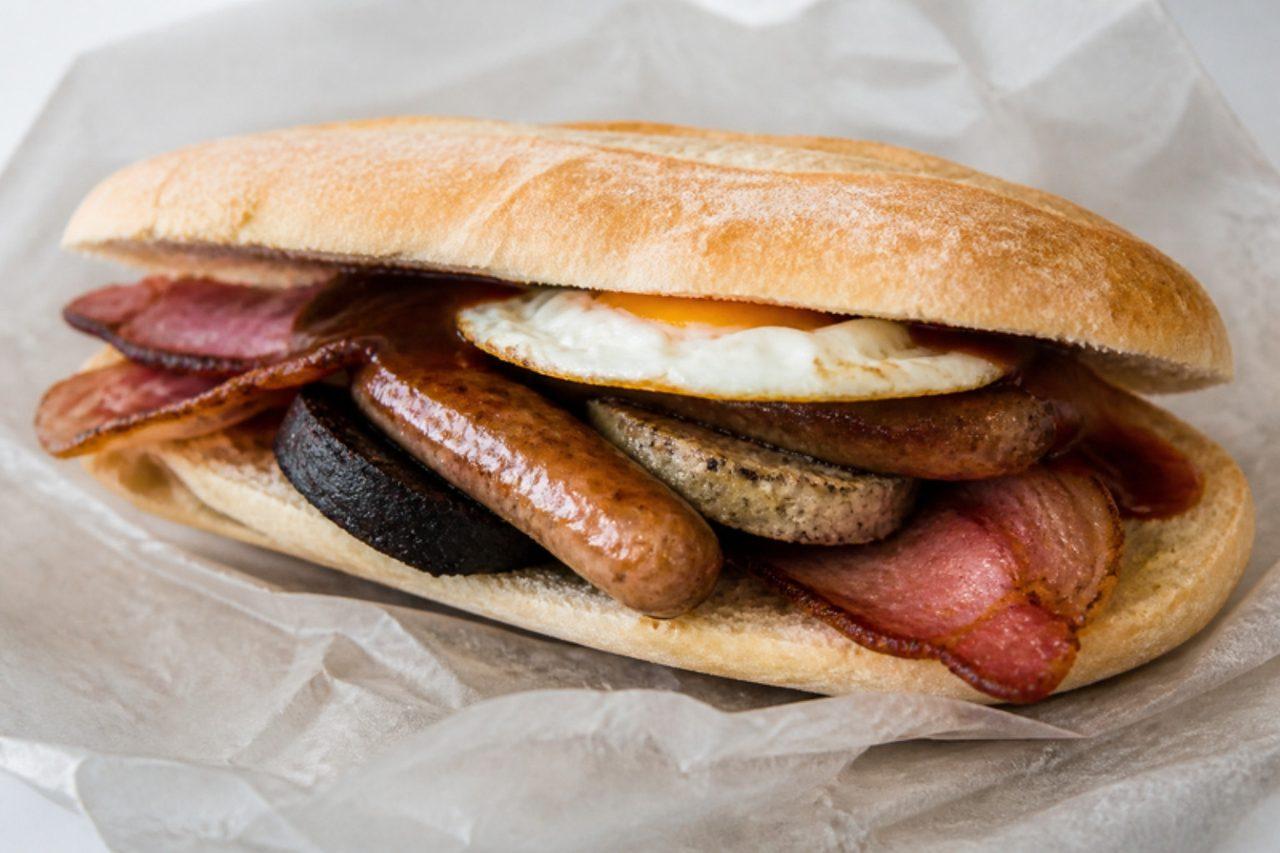
Irish breakfast roll

The breakfast roll is the hot deli sandwich of Irish petrol stations and corner shops, eaten from its paper bag by builders, commuters and students all over the country from early morning. A long, crusty baguette-style roll is packed with what is in a fry: pork sausages, rashers, black and white pudding and a fried egg, with butter and brown sauce or ketchup. Chef's tip: warm the roll in the oven so it is crisp outside and soft within before you load it.

by KrazyBadal 0 views

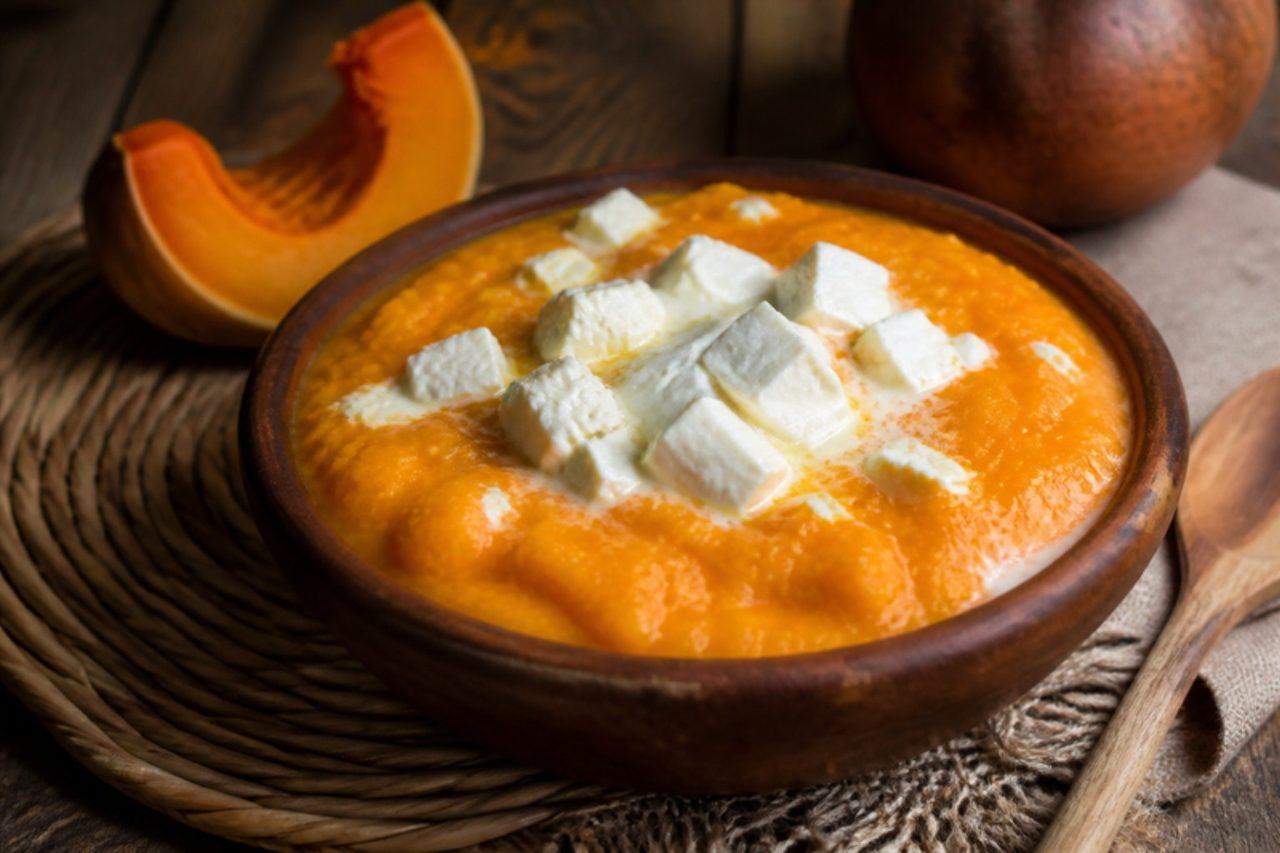
KiveveSquash purée with cheese

Kiveve (also written quibebe) is Guaraní food, cooked across Corrientes and Paraguay as a side for grilled meat or a supper on its own: ripe squash is simmered with onion until it falls apart, then thickened with a spoonful of cornmeal and enriched with milk and fresh cheese until it is smooth, orange and as soft as polenta, slightly sweet and slightly salty. Correntinos often serve it with chipá or sopa paraguaya on the side. The cornmeal is easy to get wrong: added all at once to a hot pot, it clumps into dry little lumps, so slake it first in cold milk and pour it in while stirring. Queso fresco or queso criollo is usually made with animal rennet; choose a vegetarian fresh cheese if needed. Chef's tip: use the deepest orange squash you can find, ideally a ripe Argentine anco or a kabocha; a pale squash gives a watery, bland kiveve.

by KrazyBadal 0 views

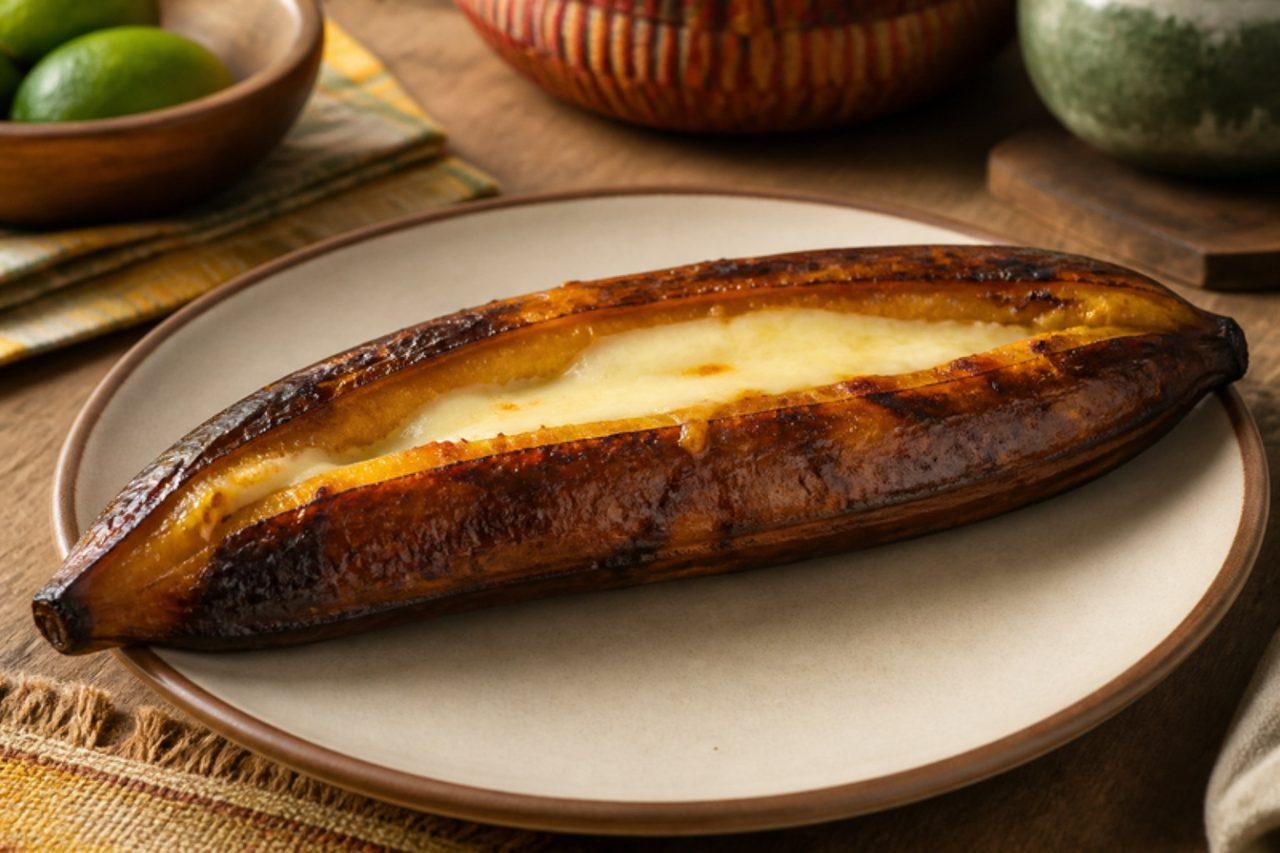
Maduro con quesoBaked plantain with cheese

Cali cooks treat a black-skinned plantain as a treat rather than a fruit past its best, and maduro con queso shows why. The plantain bakes in its own skin until the flesh turns sticky and caramel-sweet, then it is split lengthways and packed with soft white cheese that melts into the hot fruit. In the Valle del Cauca it turns up at home lunches beside rice, beans and a sudado, and at weekend corrientazo counters as the sweet note on a savoury plate. The cheese of choice is a mild, stretchy quesillo or queso campesino, both normally set with animal rennet, so pick a vegetarian mozzarella-style cheese if that matters to you. Where it goes wrong is the plantain: a yellow one with a few spots stays starchy and dry, so wait until the skin is almost completely black and the fruit gives when pressed. Chef's tip: bake the plantains on a tray lined with baking paper, because the sugars leak out of the skins and burn onto bare metal.

by KrazyBadal 0 views

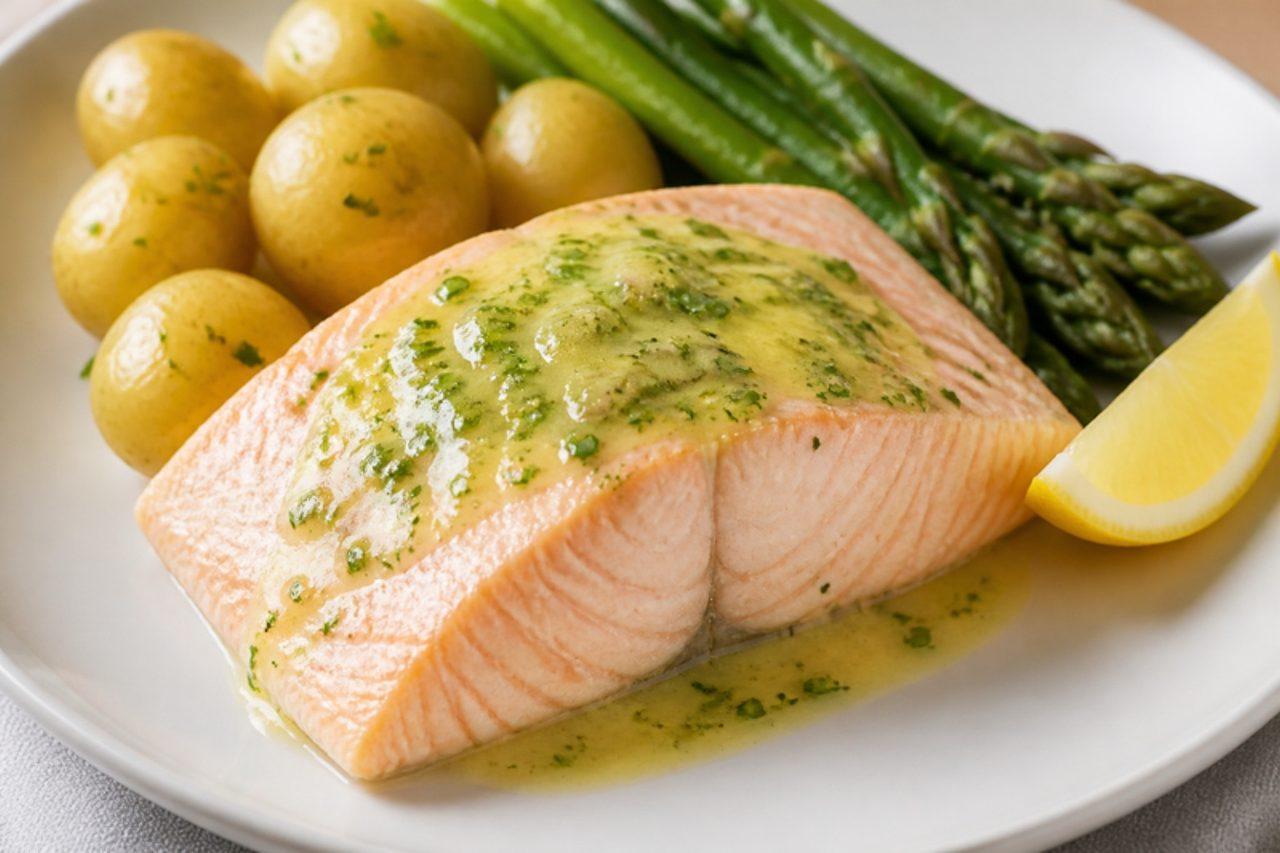
Poached Irish salmon with herb butter

A side of poached salmon is the centrepiece of Irish wedding buffets, First Communion lunches and summer gatherings along the Moy and the Blackwater, where wild salmon once ran thick. Poached gently in a court bouillon, it stays silky and moist, and here it is served warm with a simple chive and lemon butter sauce, new potatoes and peas. Chef's tip: never let the poaching liquid boil; it should barely shiver, or the salmon tightens and leaks white curds.

30 minIrishFishGluten free
by KrazyBadal 0 views

EiernockerlSoft dumplings with scrambled eggs

Eiernockerl is what Viennese grandmothers cook when the larder is nearly bare: a loose flour batter is scraped in little nubs into boiling water, then tossed in foaming butter and set with beaten eggs. In Vienna it turns up on weekday lunch tables and in old-fashioned Beisln, usually with a green salad in a sharp vinegar dressing on the side. The nockerl should be soft and slightly chewy, the egg just set and glossy, with lots of chives. A common mistake is cooking the eggs until dry and grainy; take the pan off the heat while they still look a little wet. Chef's tip: let the batter rest for 10 minutes before you cut it into the water, so the flour swells and the nockerl hold their shape.

by KrazyBadal 0 views

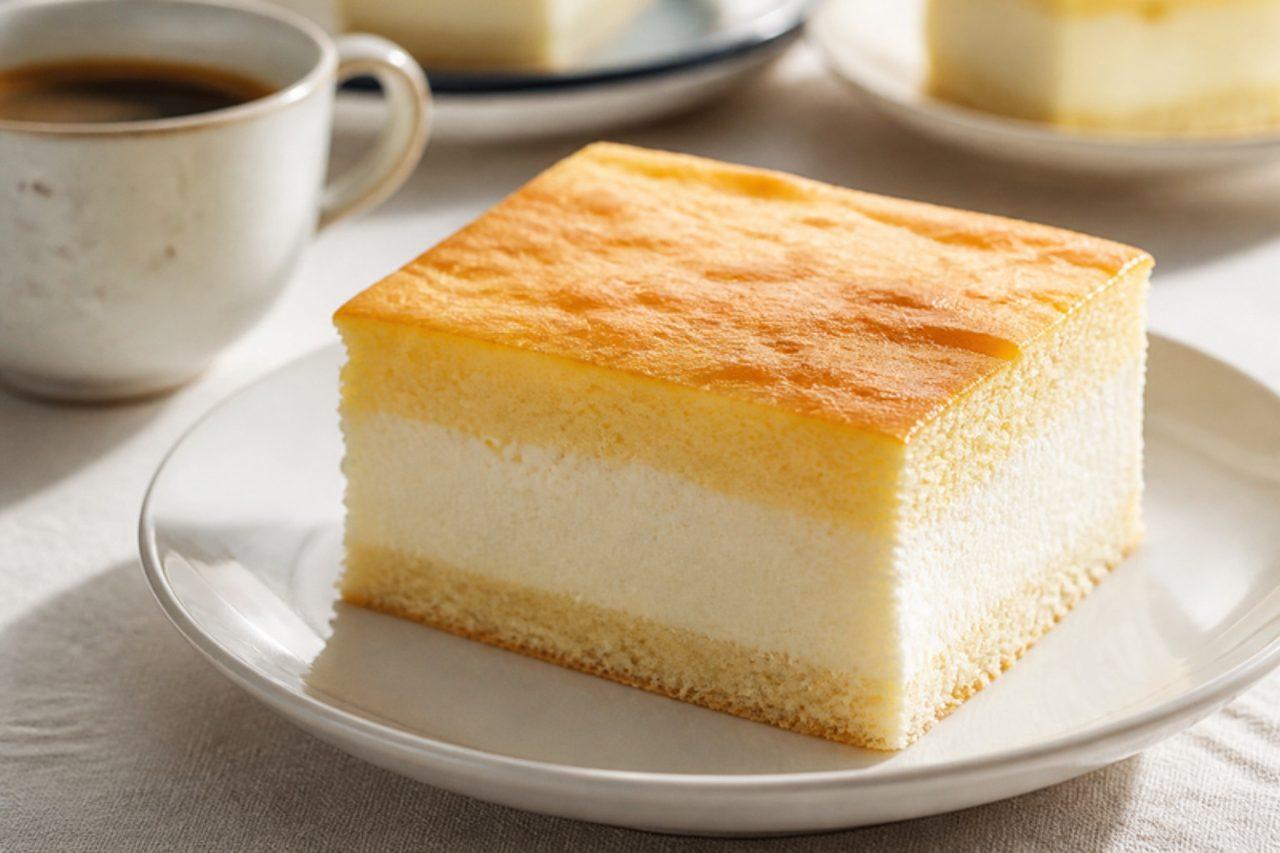
EierscheckeThree-layer quark custard cake

Eierschecke is Dresden's café cake, cut in squares from a big tray in every Saxon bakery: a thin yeasted base, a thick layer of vanilla quark, and on top the 'Schecke', a wobbly, golden egg-and-butter custard that bakes into a soft, almost soufflé-like crust. It is eaten on Sunday afternoons with strong filter coffee, and Saxons argue about whether raisins belong in the quark. A common mistake is pouring the custard on too thickly or baking too hot, so it puffs and cracks; bake it low and slow. Chef's tip: the cake cuts neatly only when completely cold, so make it the day before.

105 minGermanBaking
by KrazyBadal 0 views

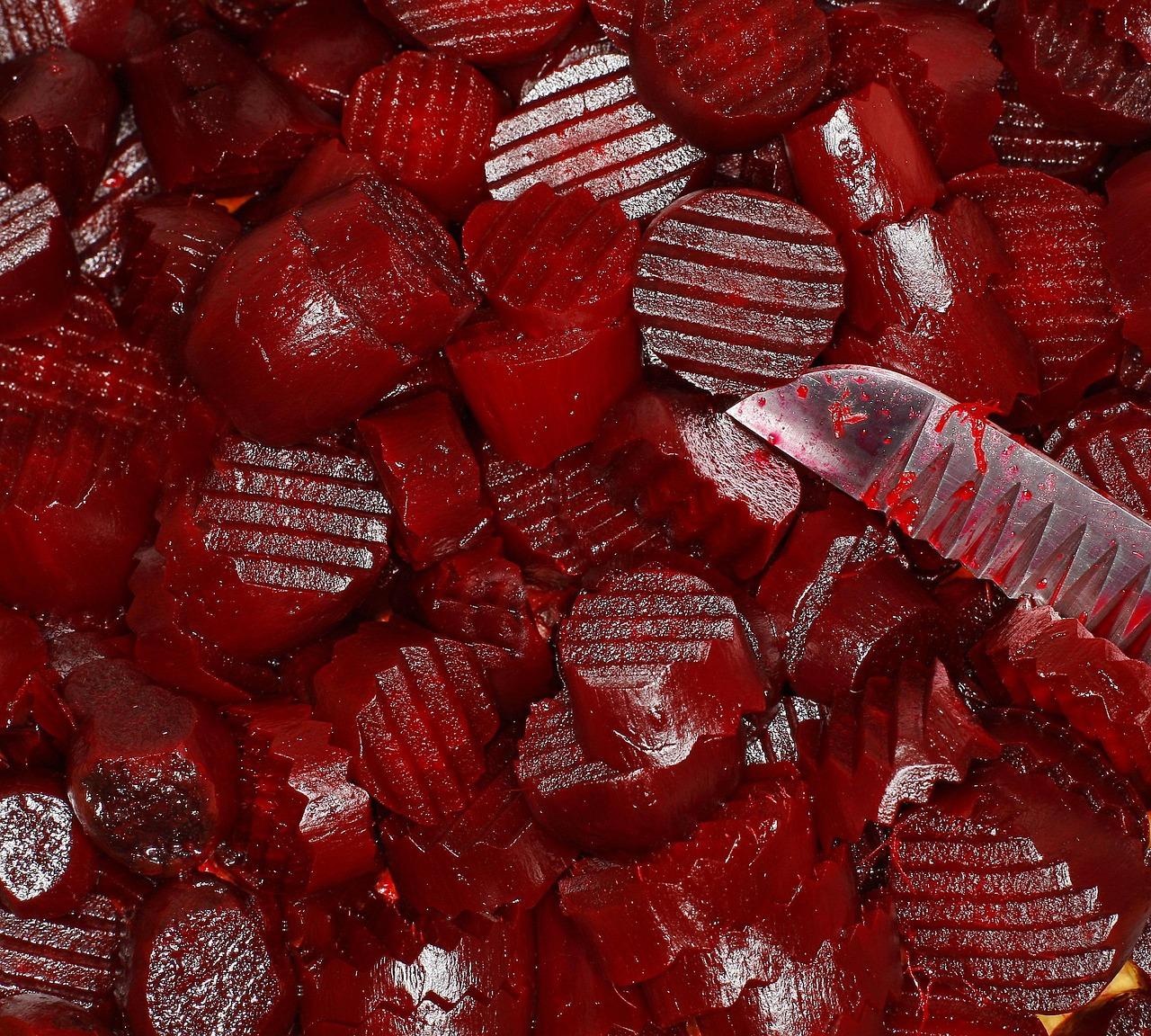
Eingelegte Rote BetePickled beetroot

In Hamburg, Bremen and across Schleswig-Holstein a jar of pickled beetroot sits on the table whenever there is Labskaus, herring or a cold meat platter, and many households still make their own each autumn when the beets come in from the fields. Earthy cooked beetroot is sliced and steeped in sweet-sour vinegar with onion, cloves and a little horseradish, turning gently spiced and jewel red. The mistake people often make is peeling or trimming beets before boiling, which lets the colour and flavour bleed into the water. Chef's tip: wear gloves and use a plastic board when slicing, and slice evenly at about 5 mm so every piece pickles at the same rate.

by KrazyBadal 0 views

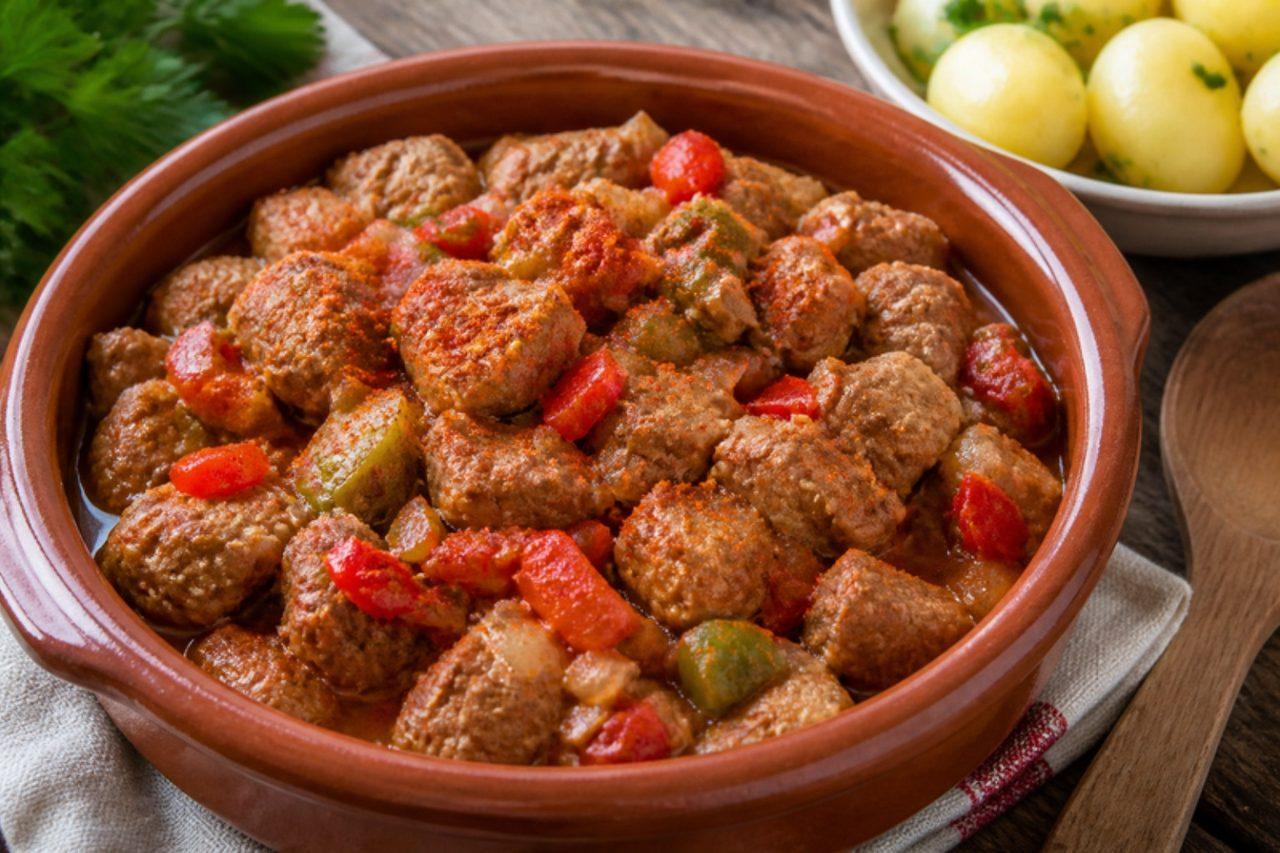
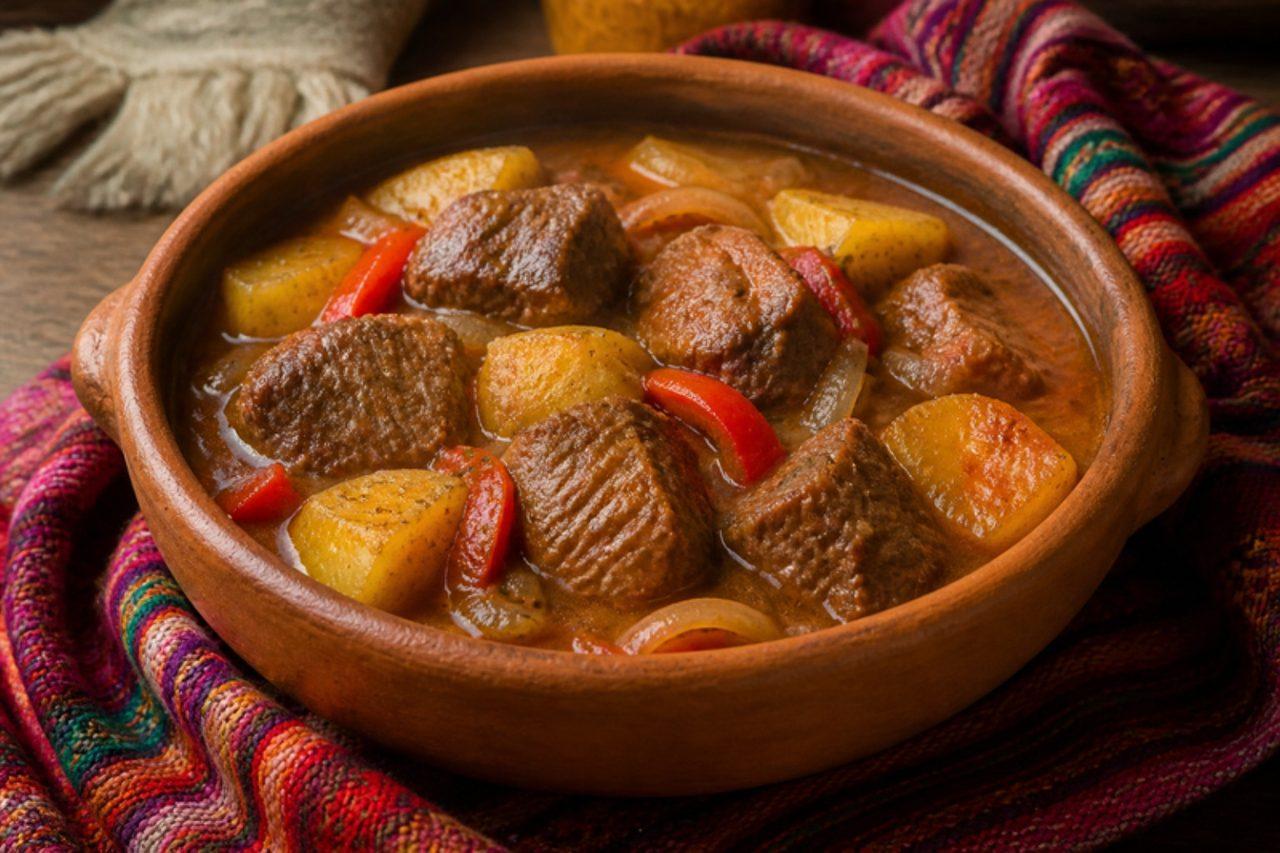
Axoa de veauMinced veal and pepper stew

Axoa (say 'ash-o-a') comes from Espelette, the Basque village whose house fronts are hung with strings of drying red peppers every autumn, and it is still the dish of the October pepper fair and of market-day lunches in Cambo and Bayonne. Veal shoulder is cut into small dice, then stewed with onions, mild green peppers and a good spoonful of ground Espelette pepper, which brings warmth and a fruity, smoky perfume rather than real fire. The result is soft, juicy and brick-red at the edges, best spooned over boiled potatoes or with crusty bread. Chef's tip: stir most of the Espelette pepper in at the end of cooking; long simmering dulls its fragrance.

70 minFrenchMeatGluten free
by KrazyBadal 0 views

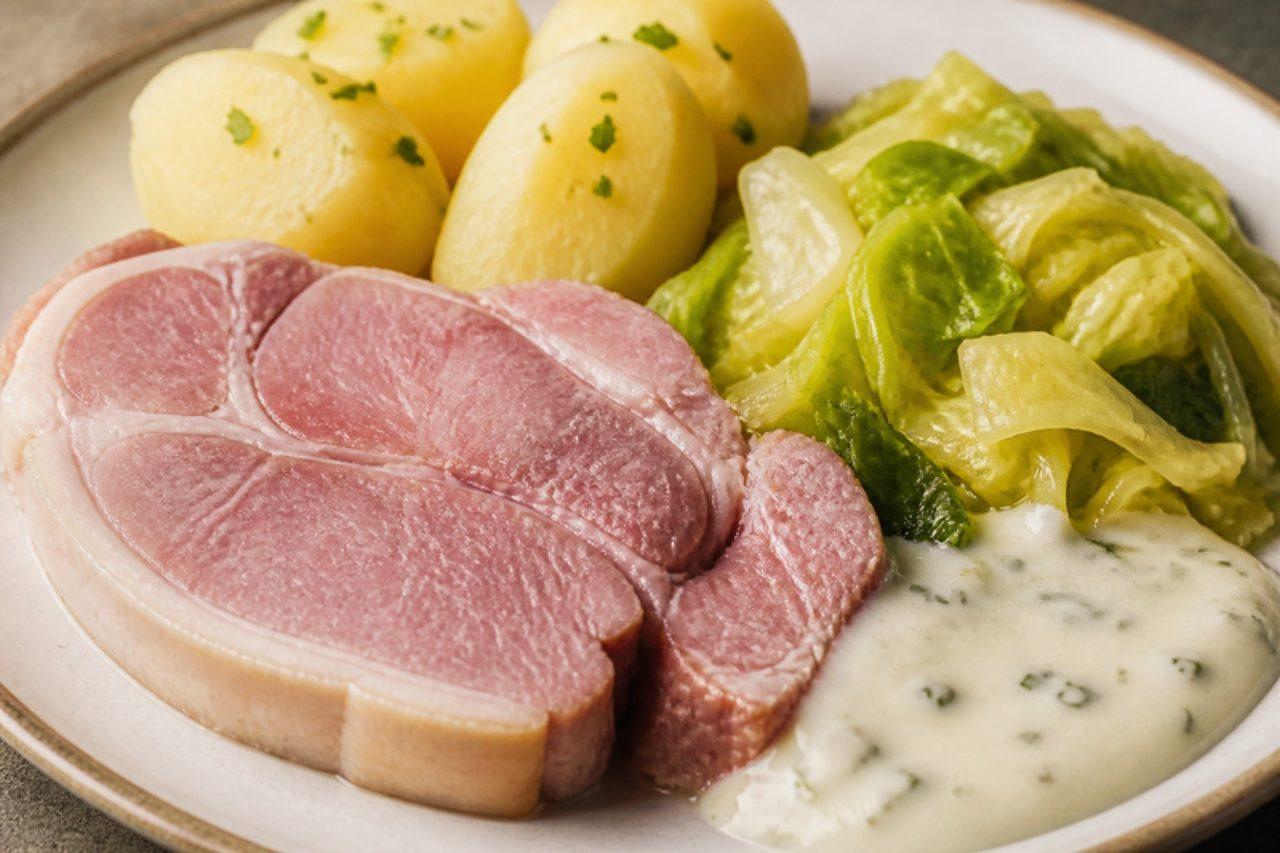
Bacon and cabbage

Bacon and cabbage is the Sunday dinner and the everyday dinner of rural Ireland, cooked in farmhouses from Tipperary to Mayo long before corned beef became the emigrants' version. A joint of cured pork, usually collar or loin bacon, is simmered gently, then the cabbage is cooked in the same salty, porky water, and both are served with floury potatoes and a white parsley sauce. Chef's tip: soak the bacon joint overnight in cold water if it is very salty; ask your butcher, as some cures are milder.

135 minIrishMeatGluten free
by KrazyBadal 0 views

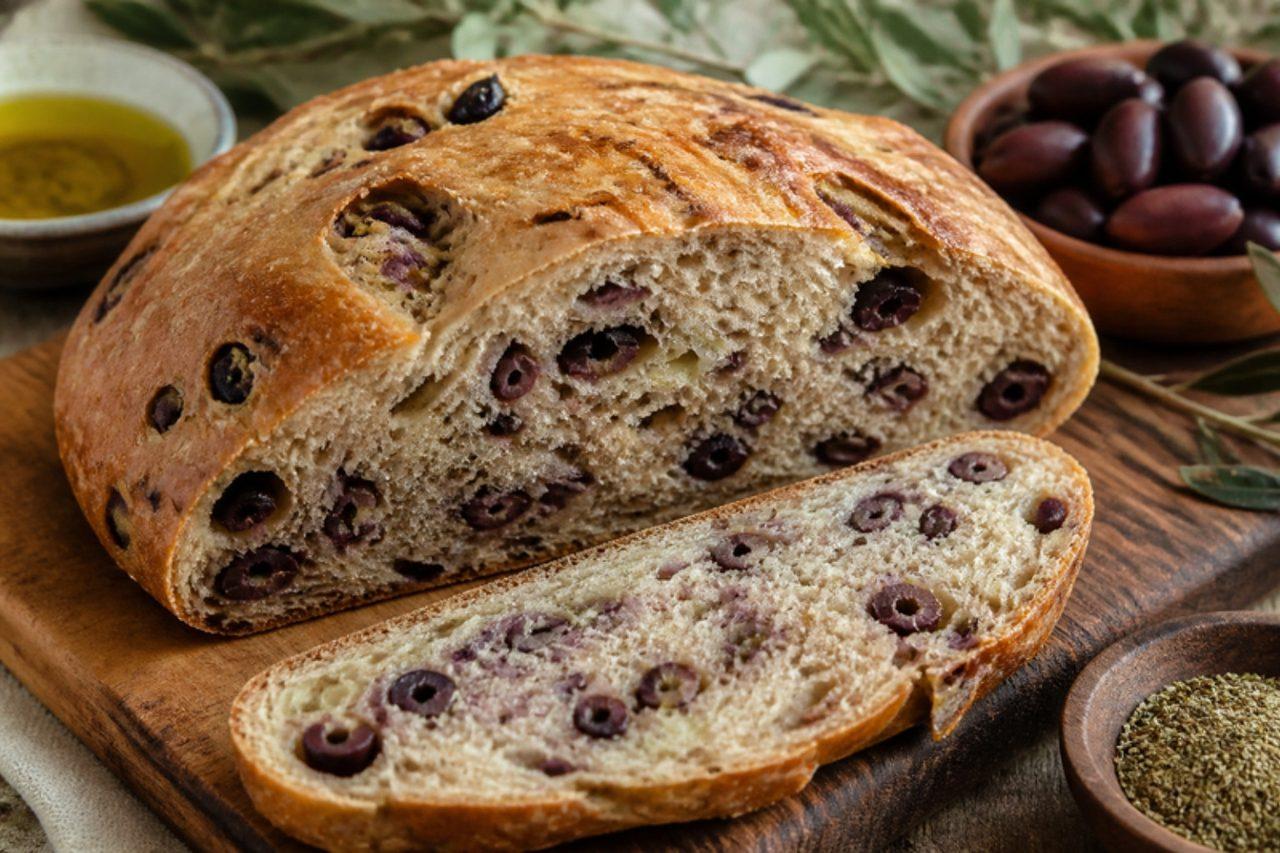
EliopsomoOlive bread

Around Kalamata, where the almond-shaped black olives ripen in groves running down to the Messinian gulf, bakers make eliopsomo for the long fasting weeks of Lent, when bread, olives and oil are lunch. The dough is rich with olive oil and folded with a generous handful of chopped Kalamata olives, soft-fried onion and dried oregano, then baked into a crusty round with a soft, purple-flecked crumb. Slice it with tomatoes and cucumber or dip into soups. Common mistake: adding wet, brined olives straight from the jar — drain and pat them dry, or the dough turns sticky and grey. Chef's tip: fold the olives in after the first rise so they don't break up while kneading.

by KrazyBadal 0 views

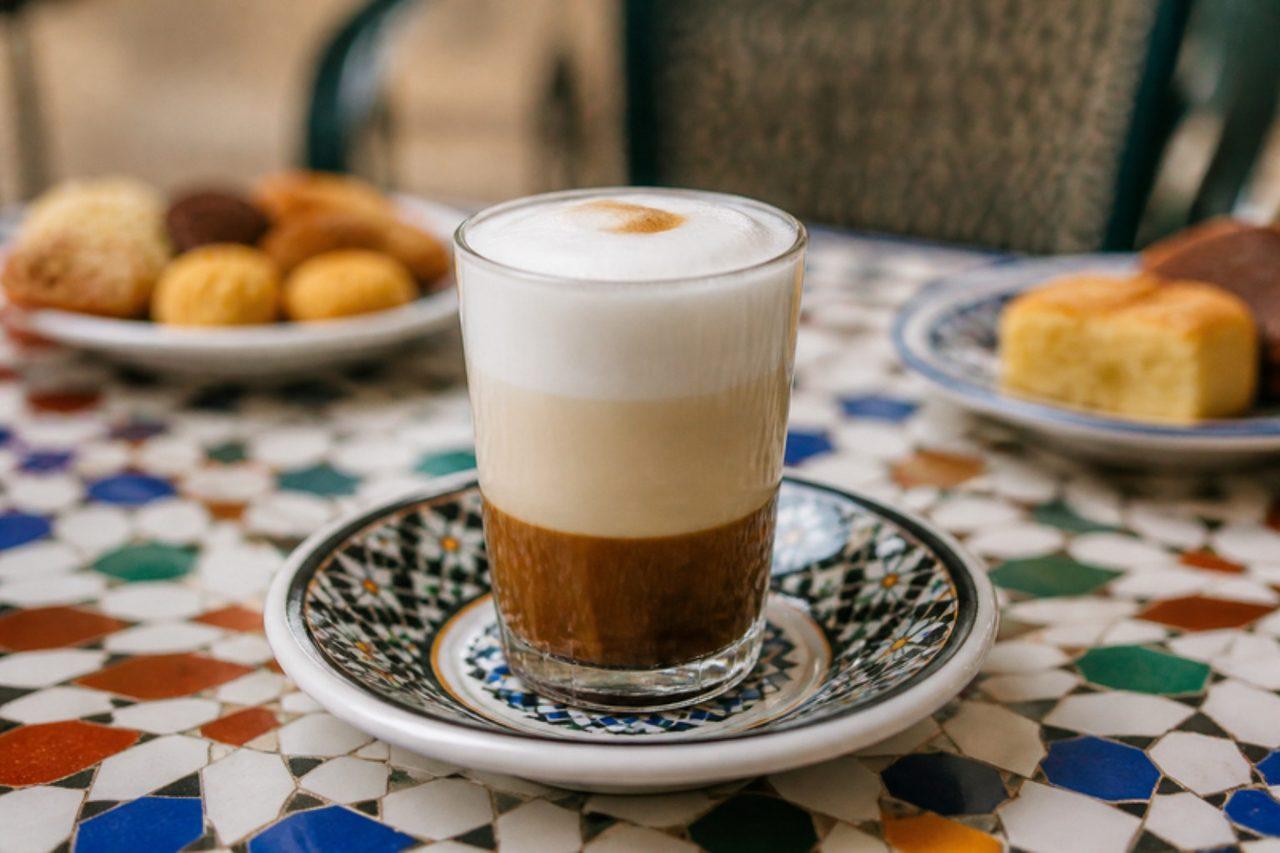
Nous-nous (half-half coffee)

Sit down at a café terrace in Casablanca, Rabat or Marrakech and order a 'nous-nous' (from 'nus', half) and you will get a small glass of half espresso, half steamed milk, often layered so the coffee floats in a dark band over the pale milk with a cap of foam. It is the default morning and afternoon coffee for many Moroccans, sipped slowly while watching the street, usually with a sugar lump or two on the saucer. It is smaller and stronger than a latte and milkier than a macchiato. A moka pot works fine at home if you have no espresso machine. Chef's tip: heat the milk only to 60–65 °C, hot to the touch but not scalding; boiled milk loses its sweetness and the foam collapses, a common mistake.

by KrazyBadal 0 views

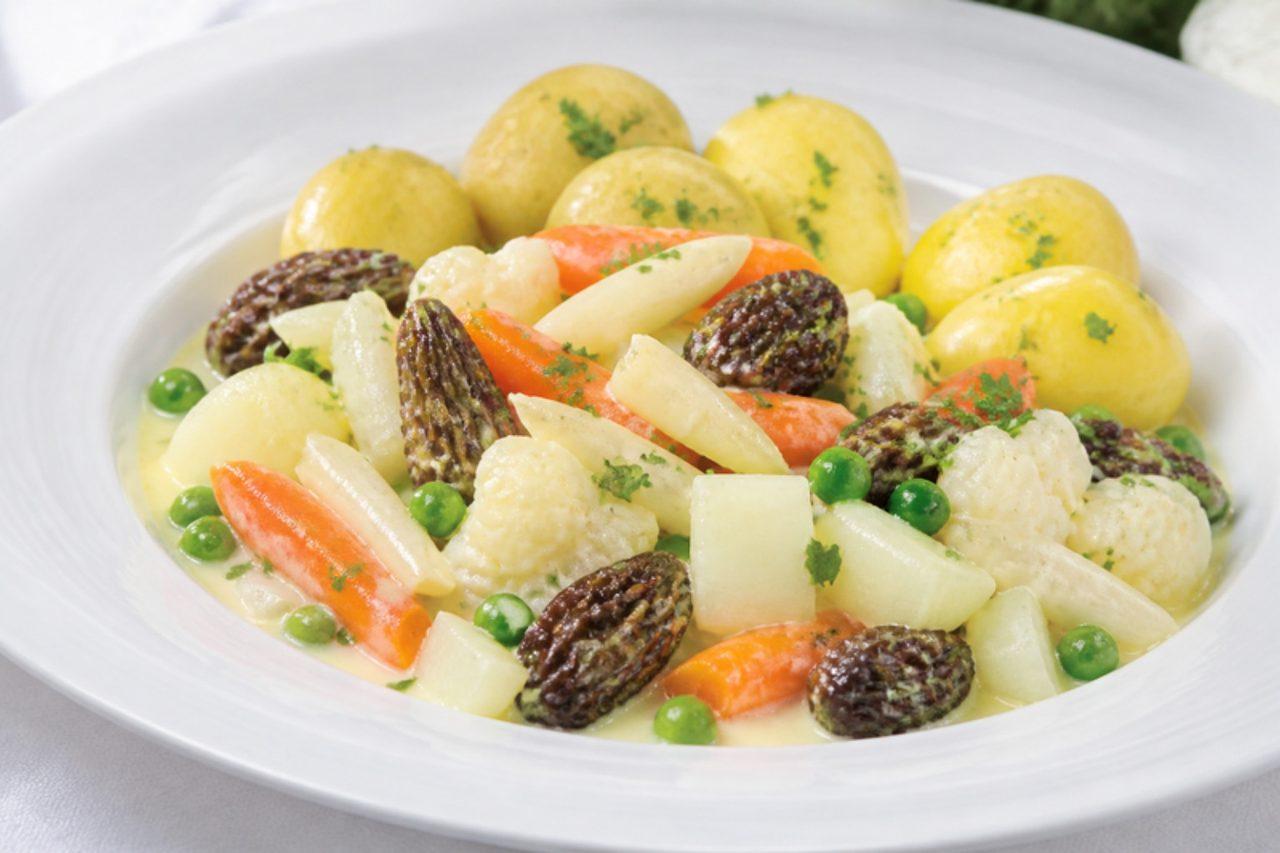
Leipziger AllerleiSpring vegetables with morels

Leipziger Allerlei is Leipzig's showpiece of spring: young carrots, peas, asparagus, kohlrabi and cauliflower, each cooked separately until just tender, then brought together in a light butter sauce with morel mushrooms. The traditional dish also includes crayfish and bread dumplings; this vegetarian version keeps the morels and vegetables, which were always the heart of it, and serves it with new potatoes. Dried morels are easiest to find and give a deep, smoky flavour. A common mistake is boiling everything together in one pot, which turns the dish muddy and over-soft. Chef's tip: save the vegetable cooking water and morel soaking liquid; together they make the stock for the sauce.

by KrazyBadal 0 views

Leipziger LercheAlmond marzipan tartlets

Leipziger Lerchen began as real roast larks stuffed with herbs, sold in Leipzig until the King of Saxony banned songbird hunting in 1876. The city's bakers answered with a pastry that kept the name: a shortcrust tartlet filled with almond-marzipan cream, a cherry or jam hidden in the middle like the bird's heart, and two crossed strips of pastry on top like the string that tied it. Today you find them in every Leipzig café, especially at the Christmas market. A common mistake is overfilling the cases, so the filling bubbles over and the cross sinks. Chef's tip: chill the lined tins for 15 minutes before filling so the pastry keeps sharp edges.

by KrazyBadal 0 views

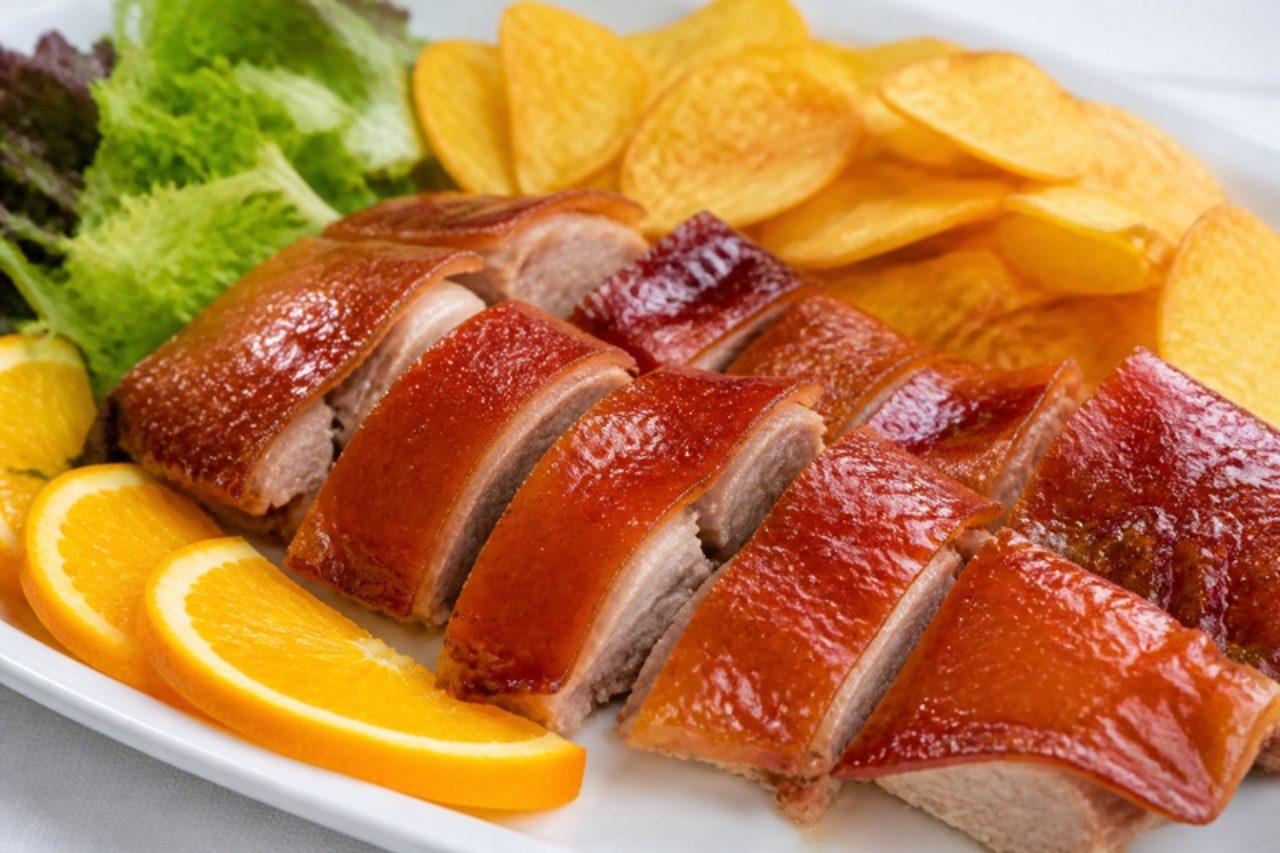
Leitão à BairradaRoast suckling pig

Along the old Lisbon–Porto road through the Bairrada, around Mealhada, restaurant after restaurant roasts suckling pigs whole in wood ovens, and people drive for hours for a Sunday lunch of it. This contains pork (suckling pig and lard). The inside is rubbed with a fierce paste of lard, garlic, black pepper and bay, while the skin roasts to a glassy, crackling sheet. It is served cold or warm with sliced oranges, crisp potato chips and a green salad. A half or quarter pig from a specialist butcher fits a home oven. Chef's tip: keep the skin completely dry and paste only the inside, as any fat or water on the skin stops it crackling.

by KrazyBadal 0 views

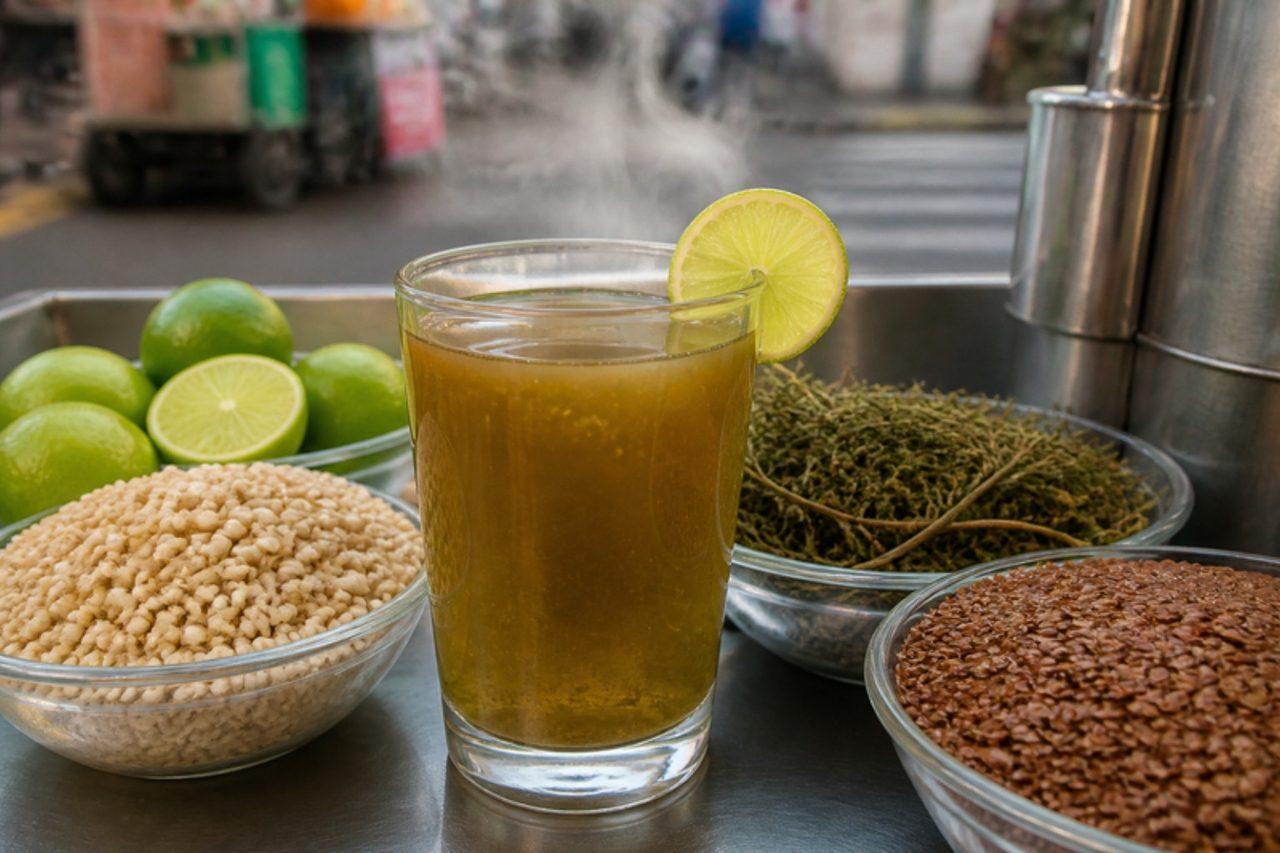
EmolienteBarley and flaxseed herbal drink

Before dawn, all over Peru, emolienteros set up their carts with a row of steaming kettles and jars of herbs, and commuters stop for a glass of emoliente on the way to work. It's a hot infusion of toasted barley, flaxseed and herbs, with lime juice and sugar added to order, and it is drunk for comfort and digestion, especially in Lima's damp winter. The flaxseed gives it a slippery, soothing body; the barley a toasty, almost coffee-like note. Street versions use horsetail, alfalfa, boldo and other herbs; this home version keeps it simple, with horsetail as an option (leave it out if you are pregnant or have kidney problems). The usual error is boiling the flax too long, which makes the drink gloopy; add it for the last 10 minutes only. Serve very hot in glasses, with pan con queso or a sandwich. Barley contains gluten. Chef's tip: toast the barley yourself until it is deep brown; it's what gives emoliente its colour and its roasted flavour.

by KrazyBadal 0 views

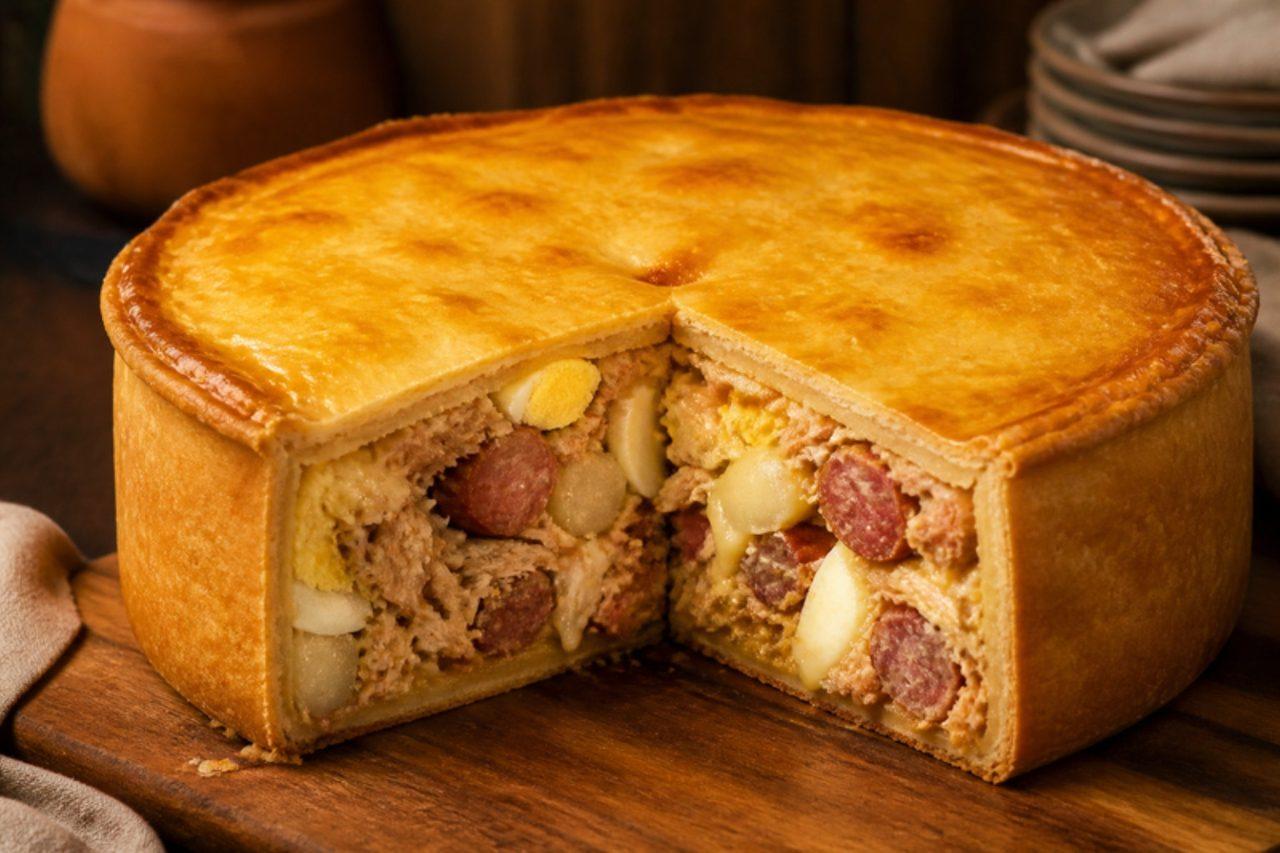
Empadão goianoChicken, pork and cheese pie

In Goiás, the empadão goiano is the pride of padarias and lanchonetes, and families bake it for festas and Sundays in individual clay dishes or one deep tin. Under a short, crumbly lard pastry sits a juicy filling of shredded chicken, cubes of pork loin and pork sausage in a tomato sauce, with slices of fresh cheese, boiled egg and guariroba, a bitter palm heart from the cerrado. It is savoury, rich and slightly bitter, best eaten warm with a tomato salad. Guariroba is sold in jars in Brazilian shops; ordinary palm hearts work but are milder. The pitfall is a filling that is too wet, which makes a soggy base; it should be thick and juicy, not soupy. The chicken must reach 74 °C and the pork 71 °C before it goes into the pie. Chef's tip: chill the pastry-lined dish for 15 minutes before filling so the lard firms up and the pastry stays short.

by KrazyBadal 0 views

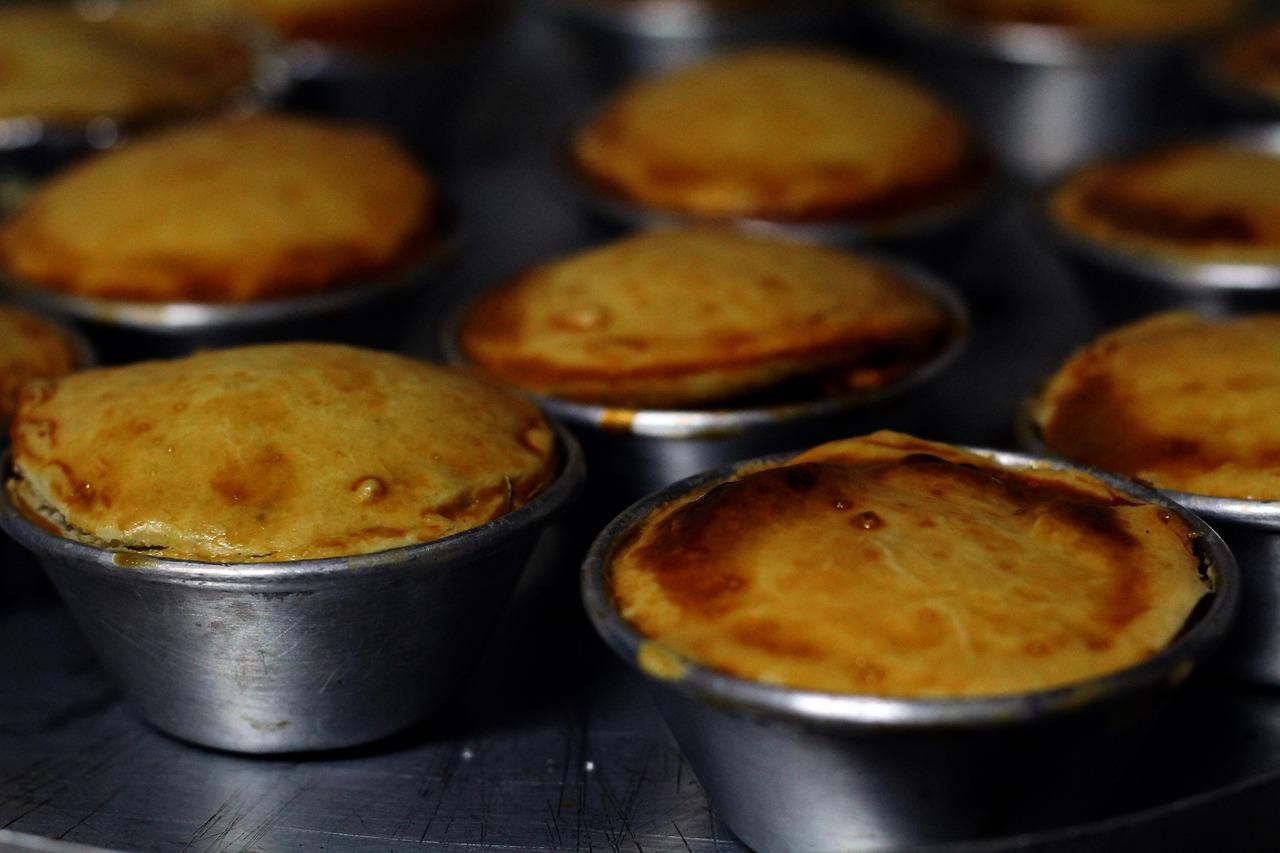
Empadinha de palmitoHeart of palm pies

Rio's padarias and lanchonetes stack trays of empadinhas on their counters, and the heart-of-palm one is the meat-free favourite: a short, buttery crust that melts in the mouth around a creamy, savoury filling of palmito, tomato and olives. They are snack food eaten standing at the counter with a guaraná, party food passed round at birthdays, and something to pack for the beach. The pastry is very rich and almost crumbles at a touch, so press it into tins rather than rolling it. Buy palm hearts from cultivated pupunha or açaí palms rather than wild juçara. Many bakers make the filling too runny, and it boils over and soaks the crust; it should be thick enough to hold a spoon upright. Chef's tip: chill the lined tins for 15 minutes before filling, so the pastry keeps its shape and bakes crisp.

by KrazyBadal 0 views

Empanadas de añejoFried corn potato and cheese empanadas

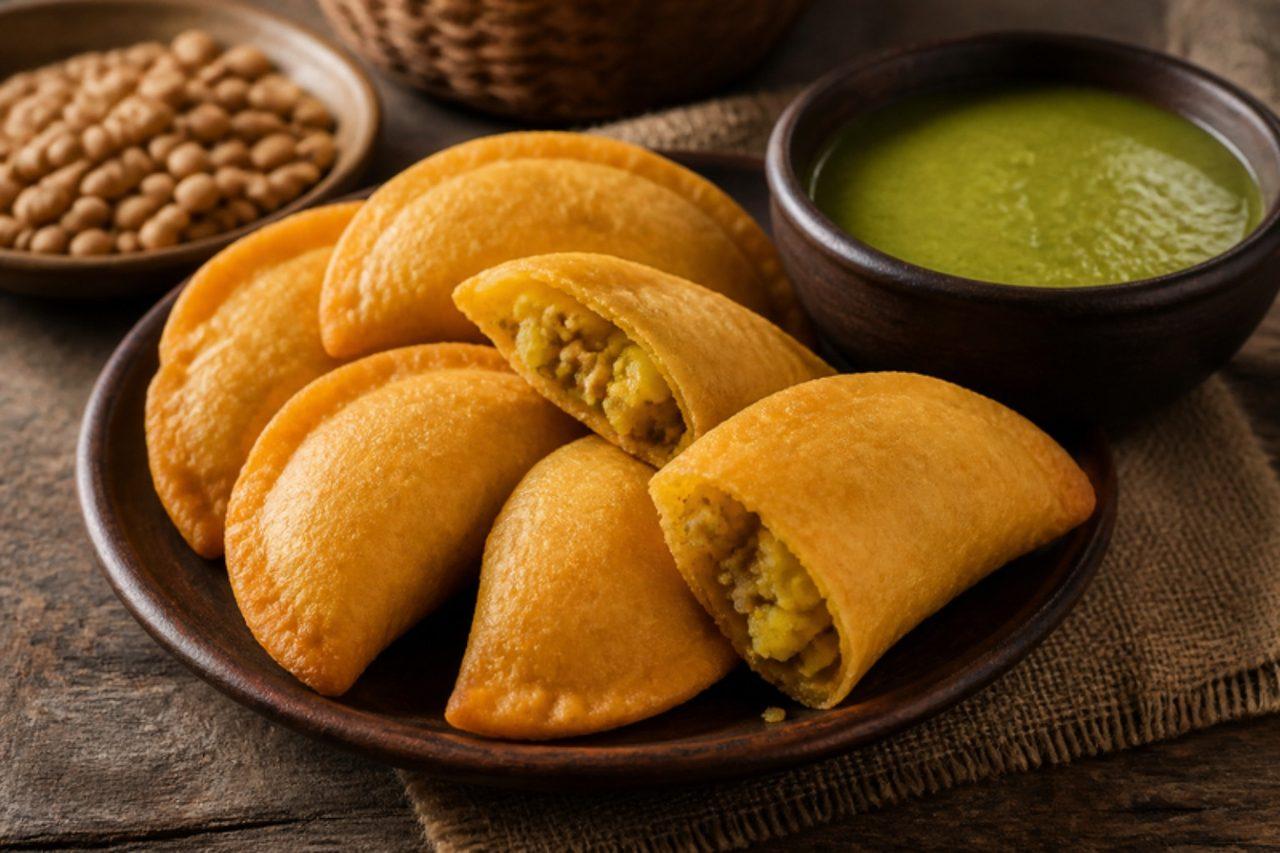
Pasto cafés and street stalls fry empanadas de añejo all morning, and the name gives away the secret: añejo means aged, and the corn dough is left to sour slightly before shaping. That gentle fermentation gives a light, crackly shell with a faint tang that sets them apart from the empanadas of the rest of Colombia. The filling here is the meat-free version Nariño cooks also make, potato stewed with spring onion and achiote and mixed with fresh cheese, and they go to the table with a peanut ají and a coffee. Plan for 24 hours of fermenting. Queso fresco is usually set with animal rennet, so use a vegetarian (microbial-rennet) cheese if needed. Thick dough is the misstep that makes them heavy and greasy; press it thin enough to see light through. Chef's tip: ferment in a cool spot (no warmer than 22 °C), covered, for no more than 24 hours, then chill the dough until you shape it.

by KrazyBadal 0 views

Empanadas de calabazaSweet pumpkin turnovers

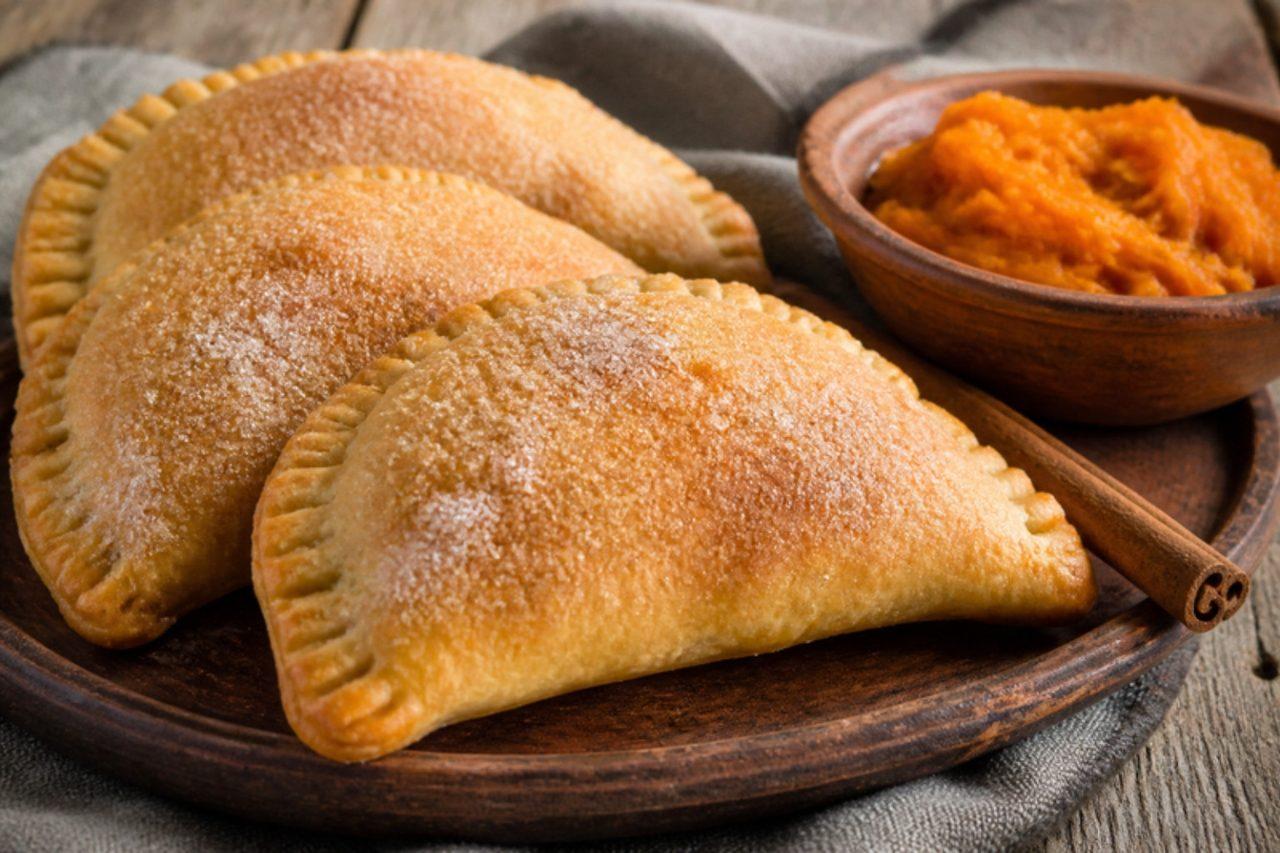
When the cold fronts reach Monterrey in November, panaderías start stacking trays of empanadas de calabaza next to the conchas, and families bake them at home for Day of the Dead and Christmas. A tender, lightly sweet pastry is folded around a thick purée of pumpkin cooked with piloncillo, cinnamon and anise, so each half-moon tastes like a spiced pumpkin pie you can hold. They are eaten with café de olla or a glass of milk. Chef's tip: cook the filling until a spoon leaves a trail across the pan; watery pumpkin turns the pastry soggy.

by KrazyBadal 0 views

Empanadas de pipiánFried corn potato-peanut empanadas

Popayán, the white colonial city of the Cauca, is proud of its tiny empanadas de pipián, fried by the dozen at market stalls and around the Holy Week processions. The filling, pipián, is a stew of small potatoes coloured with achiote and enriched with ground roasted peanuts, so each bite is crisp corn shell, then soft, nutty, savoury potato. They always come with ají de maní, a loose peanut and chilli sauce spooned into the open end. Many households add chopped hard-boiled egg to the pipián; this version leaves it out and is fully vegan. A wet filling is the classic error, as it steams inside and bursts the dough in the oil, so cook the pipián until thick and let it cool before filling. Chef's tip: shape the empanadas on a sheet of plastic cut from a freezer bag; the thin corn dough lifts off cleanly and seals without cracking.

by KrazyBadal 0 views

Avena colombianaChilled oat drink

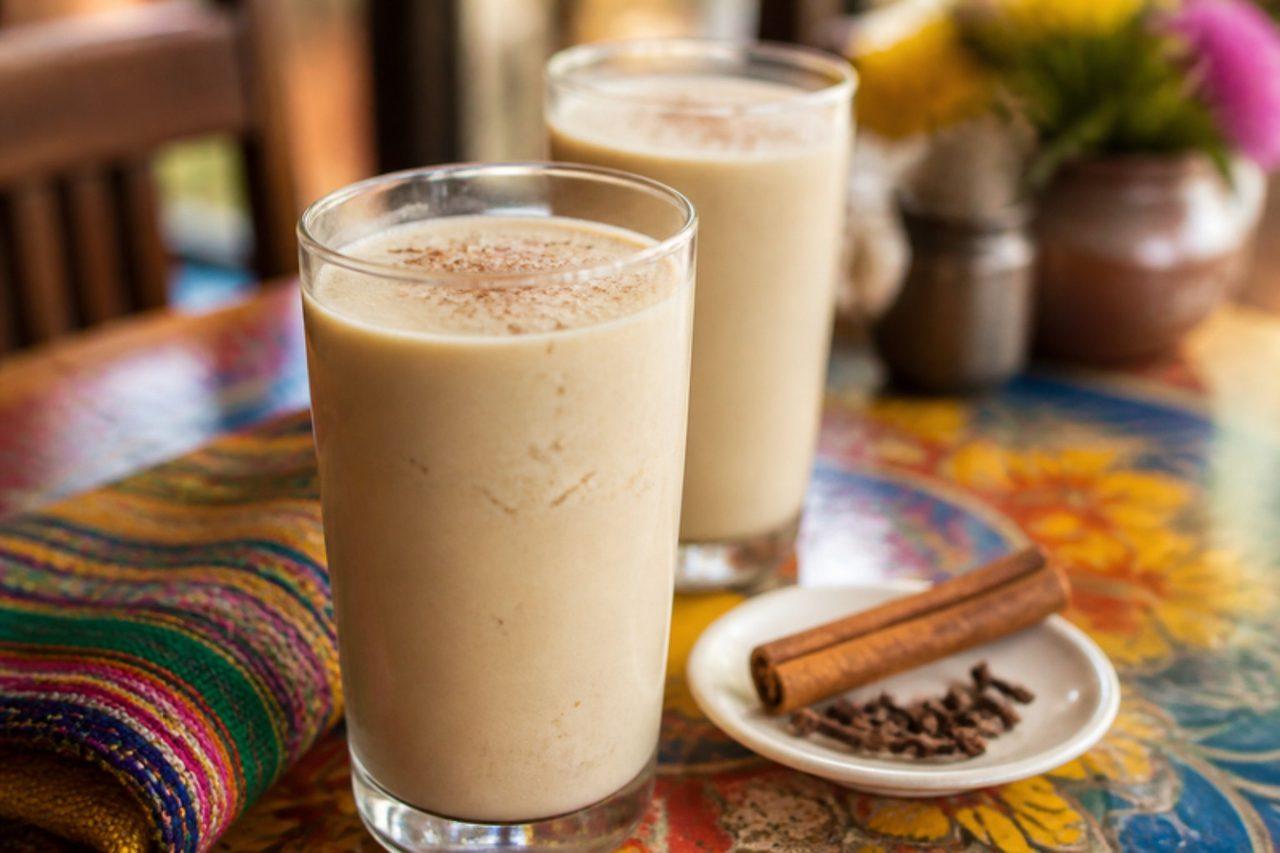
Bakeries all over Colombia keep a fridge of avena in plastic cups, ready to pair with a warm pandebono, buñuelo or almojábana. It is a thick, sweet oat drink cooked in milk with cinnamon and cloves, then blended smooth and chilled until it is creamy and spoonable, somewhere between a milkshake and rice pudding. Children drink it after school, and it is a common mid-morning snack with something baked. Home versions are less sweet and more spiced than shop ones. The thing to watch is texture: if you skip blending or straining, you end up with slimy flecks of oats, so blend thoroughly once it is cooked. It thickens a lot as it chills, so loosen it with cold milk before serving. Chef's tip: toast the oats in the dry pan for 2 minutes first; it gives a nutty, biscuity flavour.

by KrazyBadal 0 views

Empire biscuitsJam-filled iced shortbreads

Empire biscuits sit in the window of every Scottish high-street bakery: two rounds of crisp shortcake stuck together with raspberry jam, topped with white icing and a jelly sweet or half a glacé cherry. They were called Linzer or German biscuits until the First World War. Chef's tip: let the biscuits cool completely before sandwiching, or the jam soaks in and they go soft.

by KrazyBadal 0 views

EncharcadaEgg-yolk threads in syrup

Alentejo convents, Évora's among them, used the yolks left over from egg whites used to starch linen and clarify wine, and encharcada, 'drenched', is one of their richest creations. Egg yolks are poured into boiling syrup, where they set into soft, golden threads and curds, then everything is dusted with cinnamon and browned under a hot grill. It is very sweet, so serve small portions in little dishes, at Christmas or a family celebration. A common mistake is stirring the yolks as they hit the syrup, which turns them into scrambled bits; let them set for a few seconds first, then lift them gently. Chef's tip: strain the yolks first, so no stringy white clings to them.

by KrazyBadal 0 views

Donegal herring in oatmeal

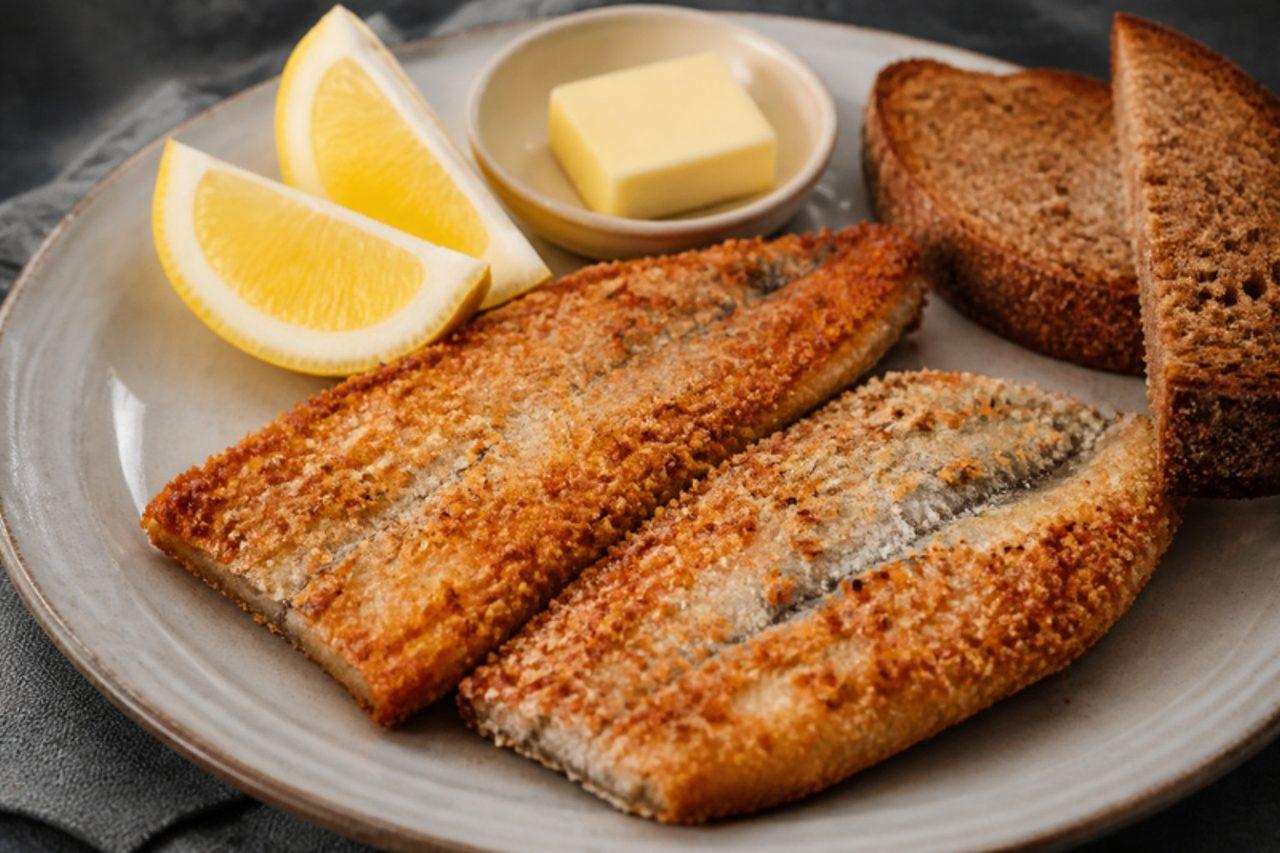
Herring was the silver fortune of Killybegs and the Donegal coast, when the boats came in loaded through the autumn, and the cheapest supper in every fishing village was fresh herring rolled in oatmeal and fried. The oats make a nutty, crunchy crust around the rich, soft fish. Serve with boiled potatoes and a wedge of lemon or a spoonful of mustard. Chef's tip: press the oats on firmly and let the fish sit for 5 minutes before frying, so the coating sticks.

25 minIrishFish
by KrazyBadal 0 views

EnfrijoladasTortillas in black bean sauce

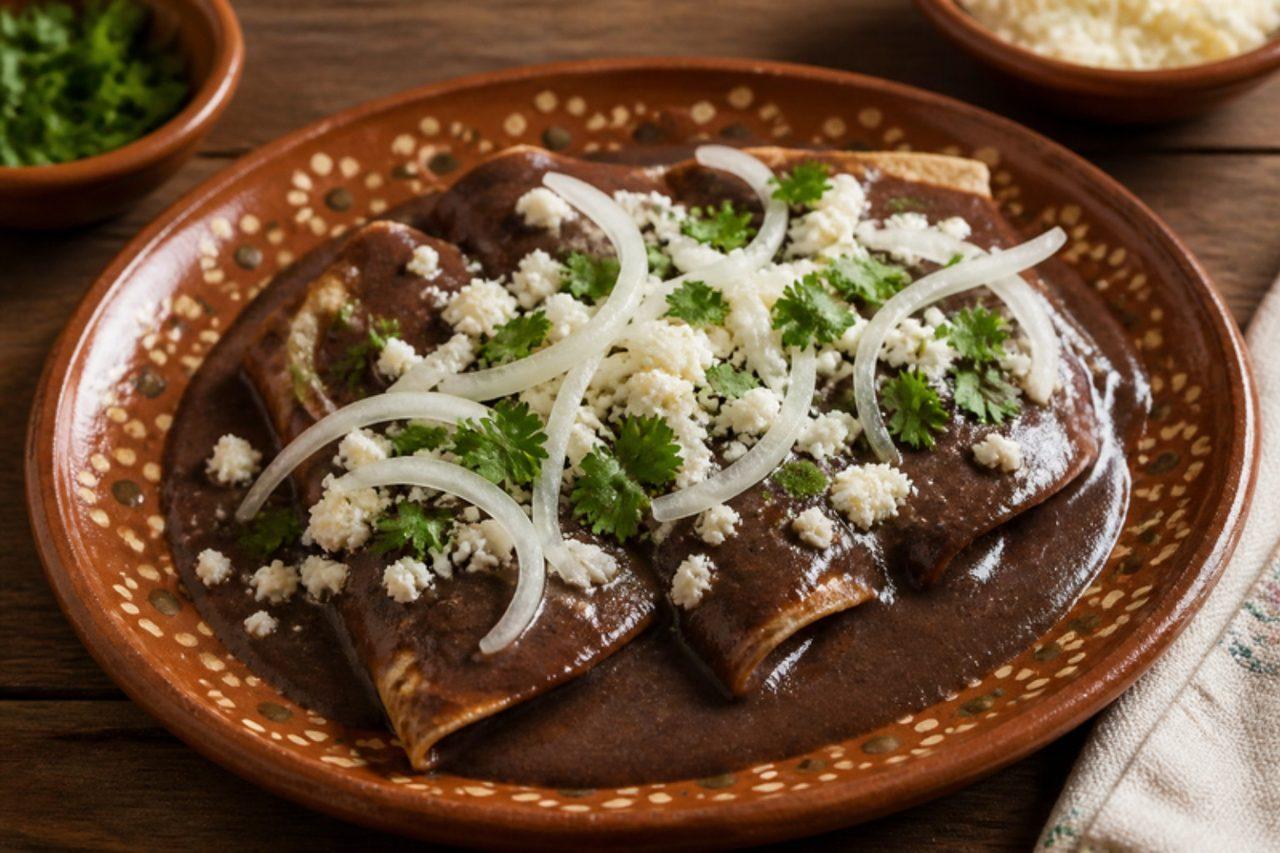
Think of enfrijoladas as enchiladas that swap chilli sauce for beans: warm tortillas dipped in a silky black-bean purée, folded into quarters and scattered with fresh cheese and raw onion. In Oaxaca they are a breakfast and supper dish, made from yesterday's pot of beans, and the purée is perfumed with toasted avocado leaves, which taste faintly of anise. Serve two or three per person with a fried egg or a spoonful of salsa. Queso fresco is often made with animal rennet; use a vegetarian feta or paneer-style fresh cheese if that matters to you. Chef's tip: keep the bean sauce loose, like double cream; it thickens on the plate and a stiff sauce tears the tortillas.

by KrazyBadal 0 views

EnsaïmadaSpiral sweet breakfast pastry

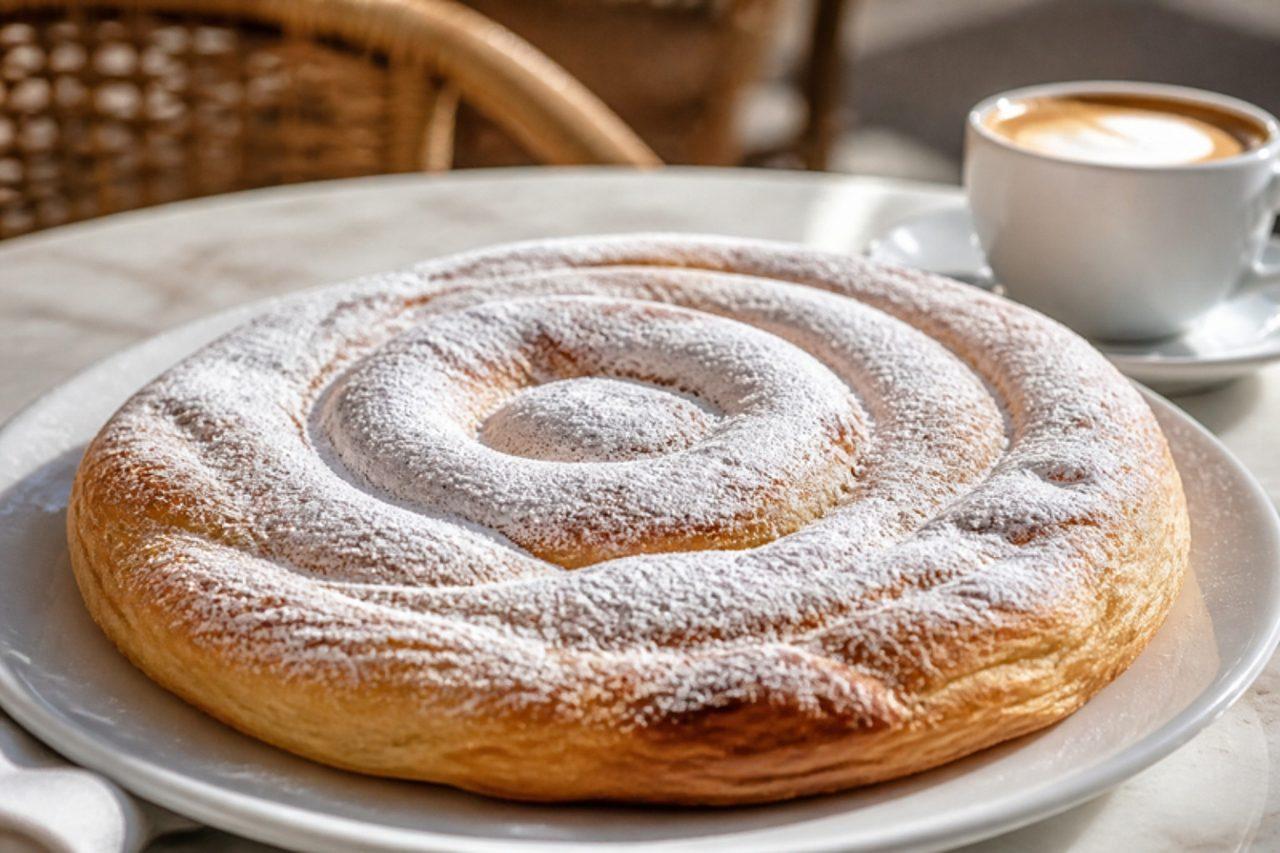
This contains pork: the name comes from saïm, the pork lard brushed over the dough before it is coiled, and it is what gives an ensaïmada its shattering, flaky layers. Mallorcans eat them for breakfast with hot chocolate or coffee, and at Palma airport you will see travellers carrying flat hexagonal boxes of large ones home as gifts. The dough is enriched with egg and sugar, stretched until thin enough to see through, rolled into a rope and wound into a loose spiral, then proved overnight. Chef's tip: oil your hands and the worktop generously before stretching, so the dough slides rather than sticks and tears.

by KrazyBadal 0 views

Ensalada de chontaPalm heart salad

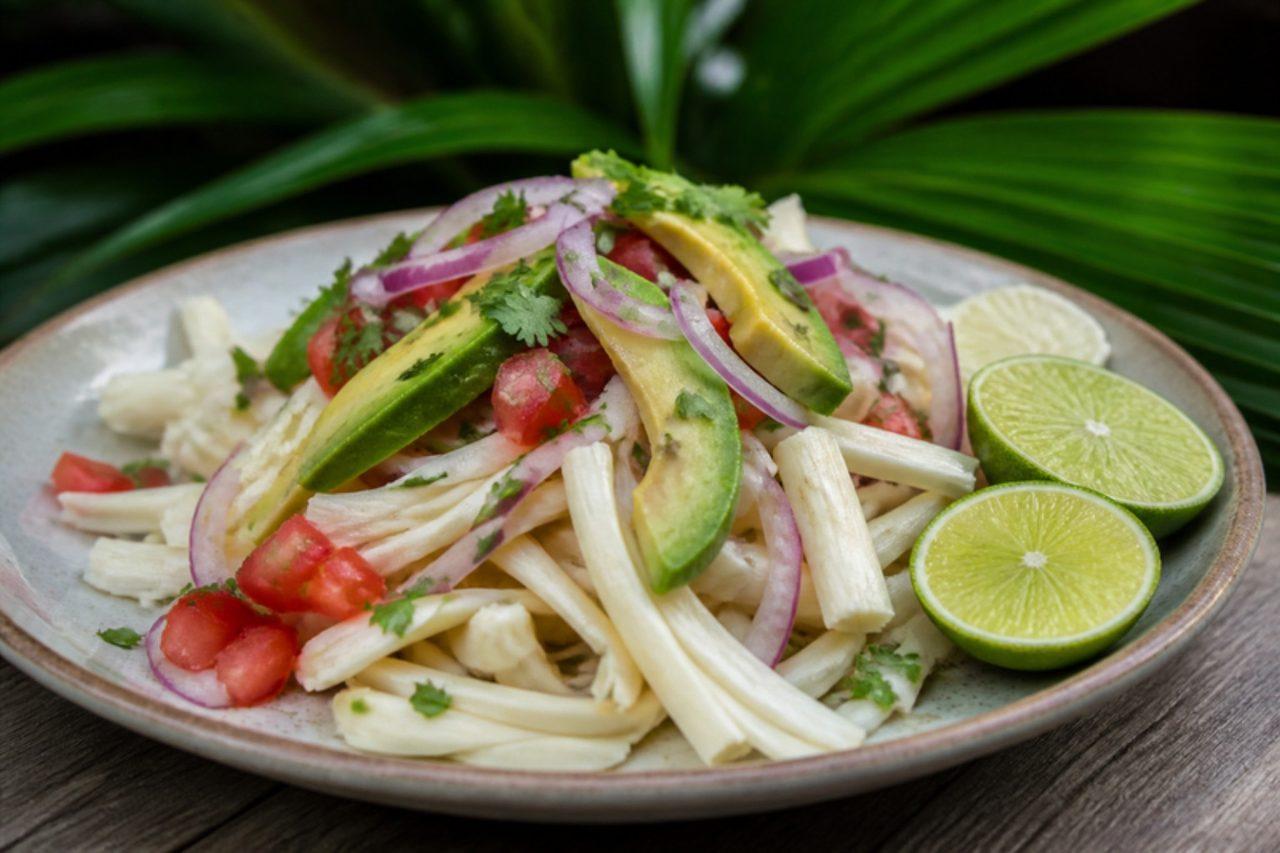
Iquitos restaurants and the riverside cafés of the Peruvian Amazon serve ensalada de chonta as a cool counterpoint to grilled fish and juanes: long, pale ribbons of fresh palm heart, crisp and faintly sweet, tossed with tomato, avocado, red onion and lots of lime. At Belén market you can watch sellers shave the chonta into curls with a big knife. Outside the Amazon, fresh palm heart is hard to find, but good jarred hearts of palm cut into thin strips work well, and the salad becomes a ten-minute job. It's crunchy, juicy and sharp, perfect with rice and beans or any fried snack. Where most people go wrong is adding the avocado and salt early, so the salad turns soupy and grey; dress it at the last moment. Chef's tip: slice the palm hearts lengthwise on a mandoline or with a peeler for thin, curling ribbons that look like the Iquitos original.

by KrazyBadal 0 views

AuszogneStretched doughnuts

Auszogne are the doughnuts of the Bavarian countryside, fried for Kirchweih, the village church fair in autumn, and for Carnival. Each ball of rich yeast dough is pulled over the knees or the backs of the hands so the middle goes almost see-through while a thick, puffy ring stays round the edge; the centre fries crisp, the rim soft and fluffy. They are eaten warm with icing sugar and a cup of coffee. A common mistake is pulling the dough cold: it tears. Let the stretched rounds rest, and keep the oil at a steady 170 °C so the rims cook through before they brown. Chef's tip: stretch them on lightly buttered fingertips, not floured ones, so the dough slides without sticking.

by KrazyBadal 0 views

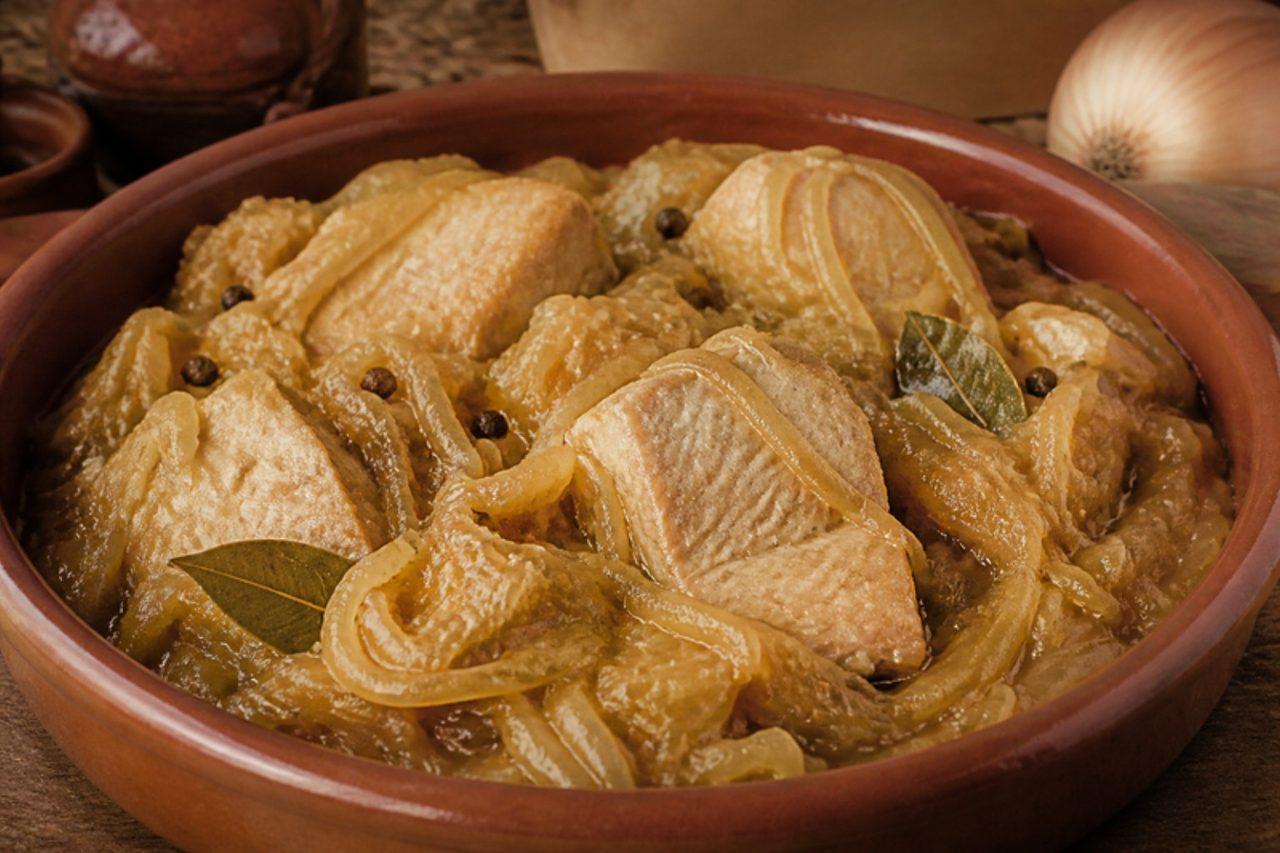
Atún encebolladoTuna stewed with onions

When the almadraba nets bring bluefin tuna ashore in Barbate and Zahara de los Atunes in May and June, households along the Cádiz coast make atún encebollado: chunks of tuna braised in a mountain of onions cooked down until sweet and golden, with bay, pepper and a splash of fino. Any good tuna steak works the rest of the year. This recipe uses wine; the alcohol-free option is in the ingredient note. Chef's tip: the onions take the time, the tuna does not; add it only for the last few minutes, or it turns dry and grey.

by KrazyBadal 0 views

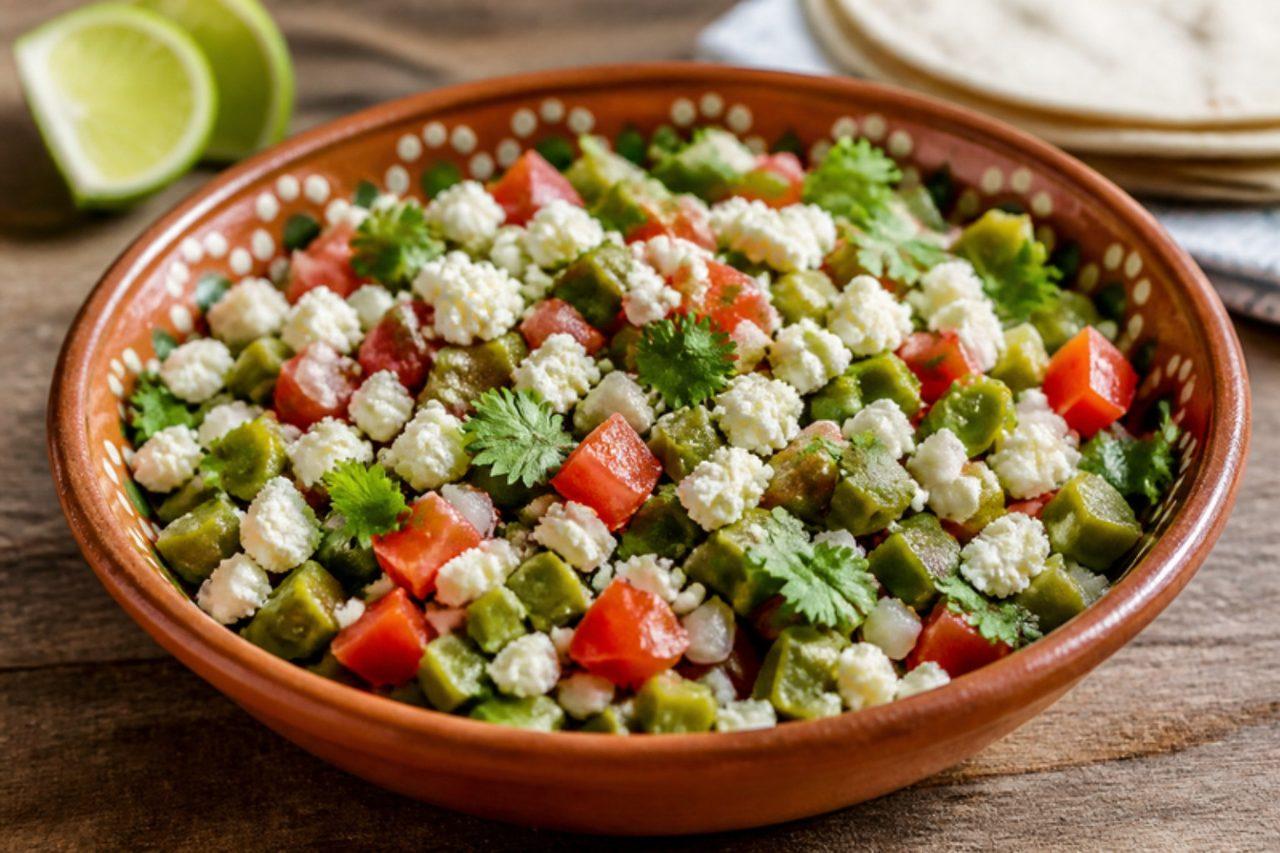
Ensalada de nopalesCactus salad

In the markets of Milpa Alta, south of Mexico City, the nopal growers sell paddles already scraped of their thorns, stacked in towers, and the salad they become is on the side of every comida corrida in the region. Cooked cactus tastes a little like green beans with a lemony edge; dressed with tomato, white onion, chilli, coriander and lime, it is cool and crisp, and the crumbled cheese softens the sharpness. Serve it with rice and beans, inside tacos, or on a tostada. Chef's tip: cook the nopales with a few onion slices and a pinch of bicarbonate of soda; they keep their bright colour and the slime washes away faster.

by KrazyBadal 0 views

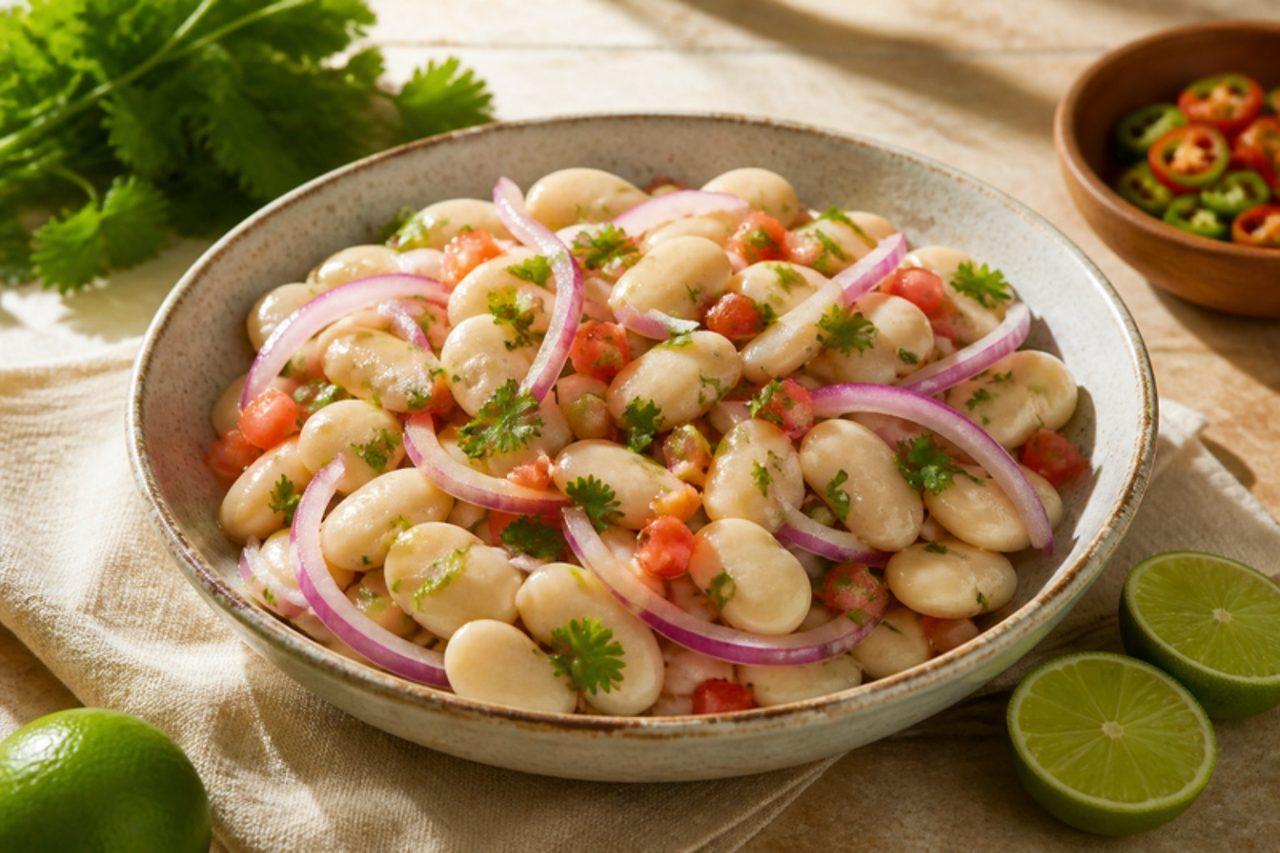
Ensalada de pallaresLima bean and red onion salad

Around Ica, on Peru's southern desert coast, pallares grow in irrigated valleys and dry into fat, flat beans the size of a thumbnail; the region holds them in high regard and sells them by the sack at the Ica market. Cooked until creamy and dressed while warm, they become a filling salad that sits on the table beside fried fish, rice or a plate of boiled sweet potato, and it works as a light lunch on its own. The onion is cut the Peruvian way, in fine half-moons, rinsed so it stays crisp without biting, and the ají limo gives a fruity heat that you can turn up or down. A frequent slip is dressing the beans straight from the fridge: they stay chalky and the lime slides off instead of soaking in. Using dried beans adds an overnight soak; good jarred or canned large lima beans make it a 20-minute dish. Chef's tip: dress the beans while they are still warm with half the lime and salt, then add the onion, tomato and the rest of the lime just before serving.

by KrazyBadal 0 views

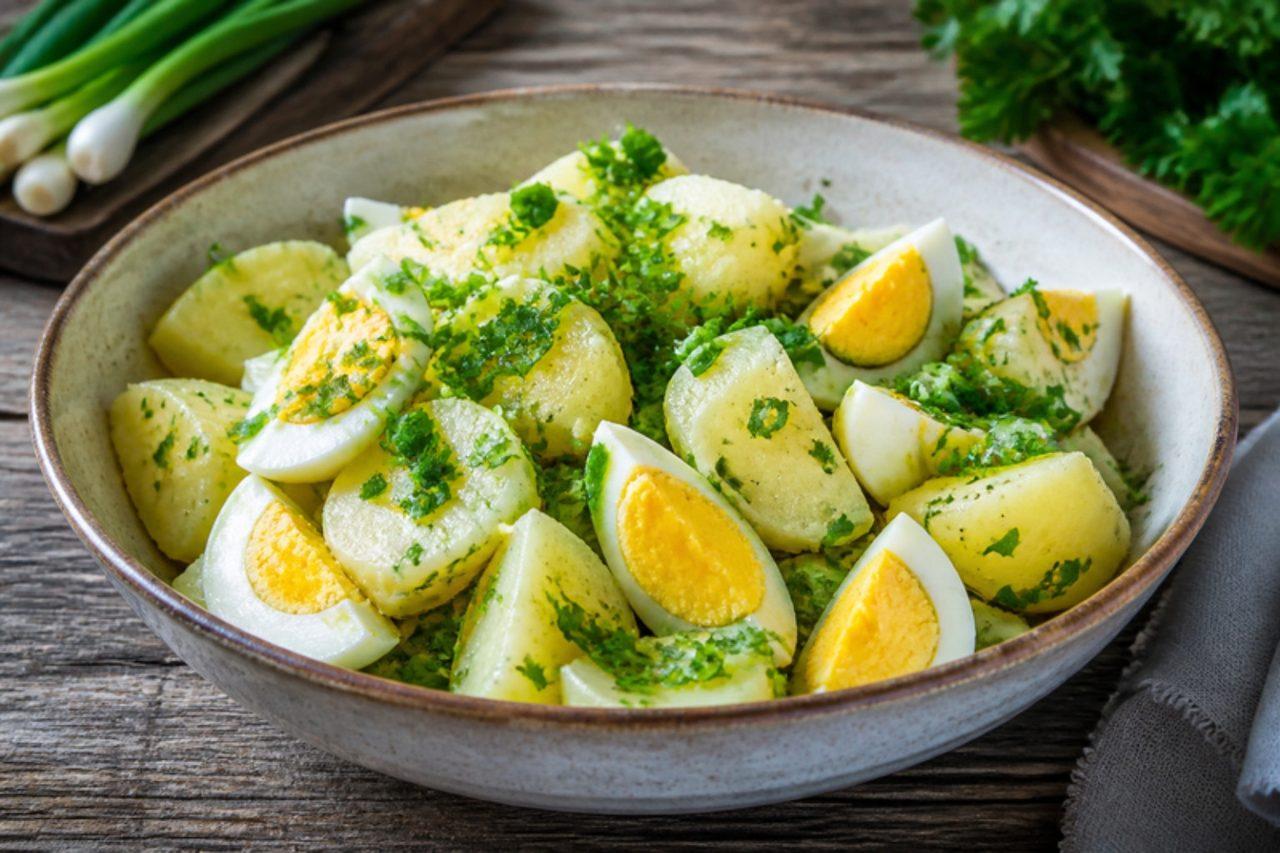
Ensalada de papa y huevoPotato and egg salad

Sunday asados in Argentina tend to come with two salads: the green ensalada mixta and this one, chunks of boiled potato and hard-boiled egg dressed while warm with oil, vinegar, salt and plenty of parsley. Some households stir in mayonnaise, which takes it close to ensalada rusa, but the oil-and-vinegar version is lighter and lets the potatoes taste of themselves. It is mild, soft and slightly tangy, and good at room temperature, which is why it suits an outdoor lunch that goes on for hours. Dressing cold potatoes is the error that leaves the salad bland: warm potatoes soak up the vinegar and oil, cold ones don't. Choose waxy potatoes that hold their shape, and cook the eggs fully for 10 minutes. Chef's tip: sprinkle the vinegar on the hot potatoes first and wait five minutes before adding the oil; the potatoes absorb the acid and the salad tastes seasoned all the way through.

by KrazyBadal 0 views

Atum de ceboladaTuna in onion sauce

From Vila Real de Santo António to Tavira, cebolada means a deep pan of onions cooked slowly in olive oil with garlic, bay and tomato, finished with a splash of vinegar, and tuna steaks laid in it to braise. Fishing families made it with the cheaper cuts from the tuna traps; restaurants still serve it on weekday lunch menus with boiled potatoes. Chef's tip: give the onions their full 25 minutes, so they turn sweet and jammy before the tuna goes in.

by KrazyBadal 0 views

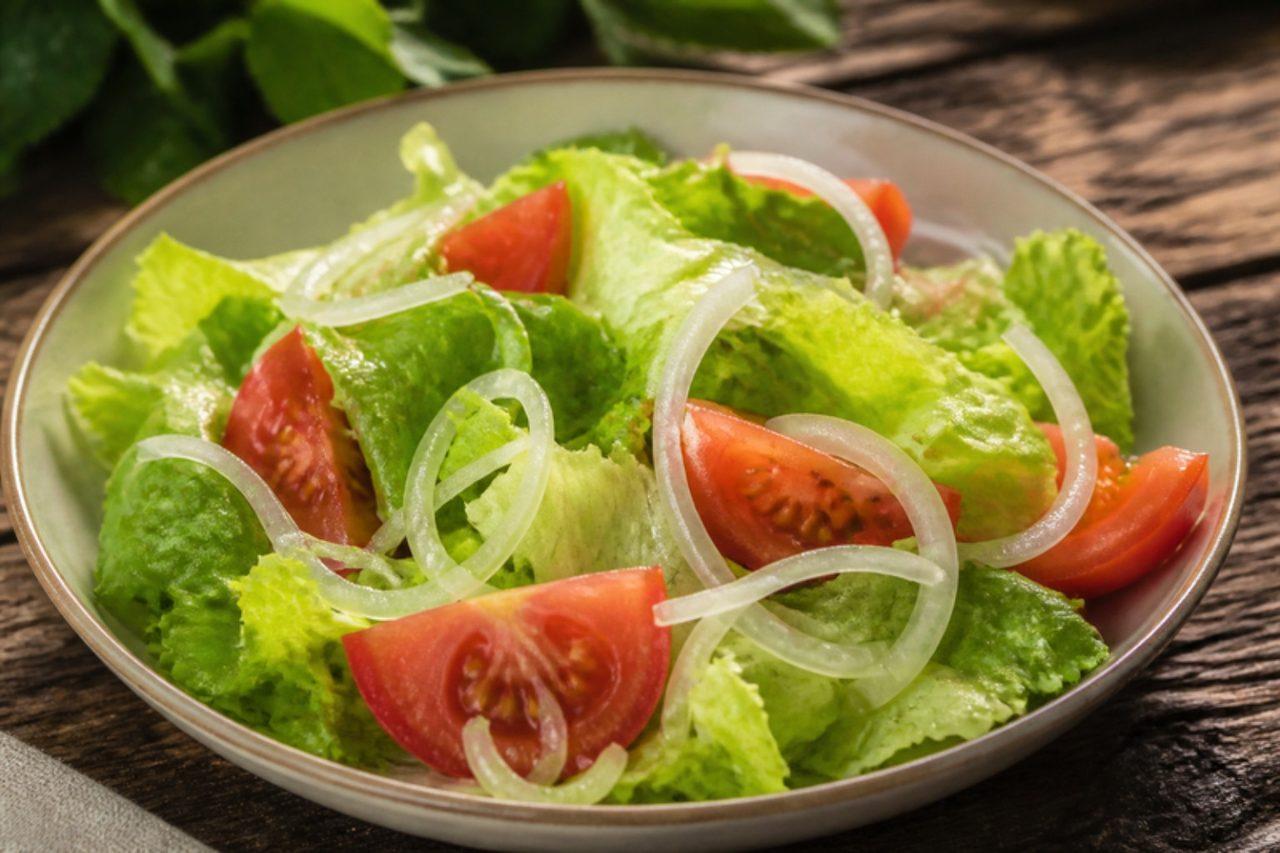
Ensalada mixtaLettuce, tomato and onion salad

Simplicity is the whole idea of the ensalada mixta, the salad that comes with almost every order at a parrilla and sits beside the meat at every family asado: crisp lettuce, ripe tomato and thinly sliced onion, dressed at the table with oil, vinegar and salt from the cruets. There's no mustard, no sugar, no herbs, so the quality of the tomatoes and the crunch of the lettuce carry it. It is cool, sharp and refreshing, and cuts through grilled meat, provoleta and fries. The usual blunder is dressing it too early: the salt pulls water from the tomato and the lettuce goes limp in minutes, so toss it just before it goes to the table. Round butterhead lettuce (criolla) is the classic, but any crisp lettuce works. Chef's tip: soak the sliced onion in iced water for 10 minutes and drain; it stays crunchy but loses its harsh edge.

by KrazyBadal 0 views

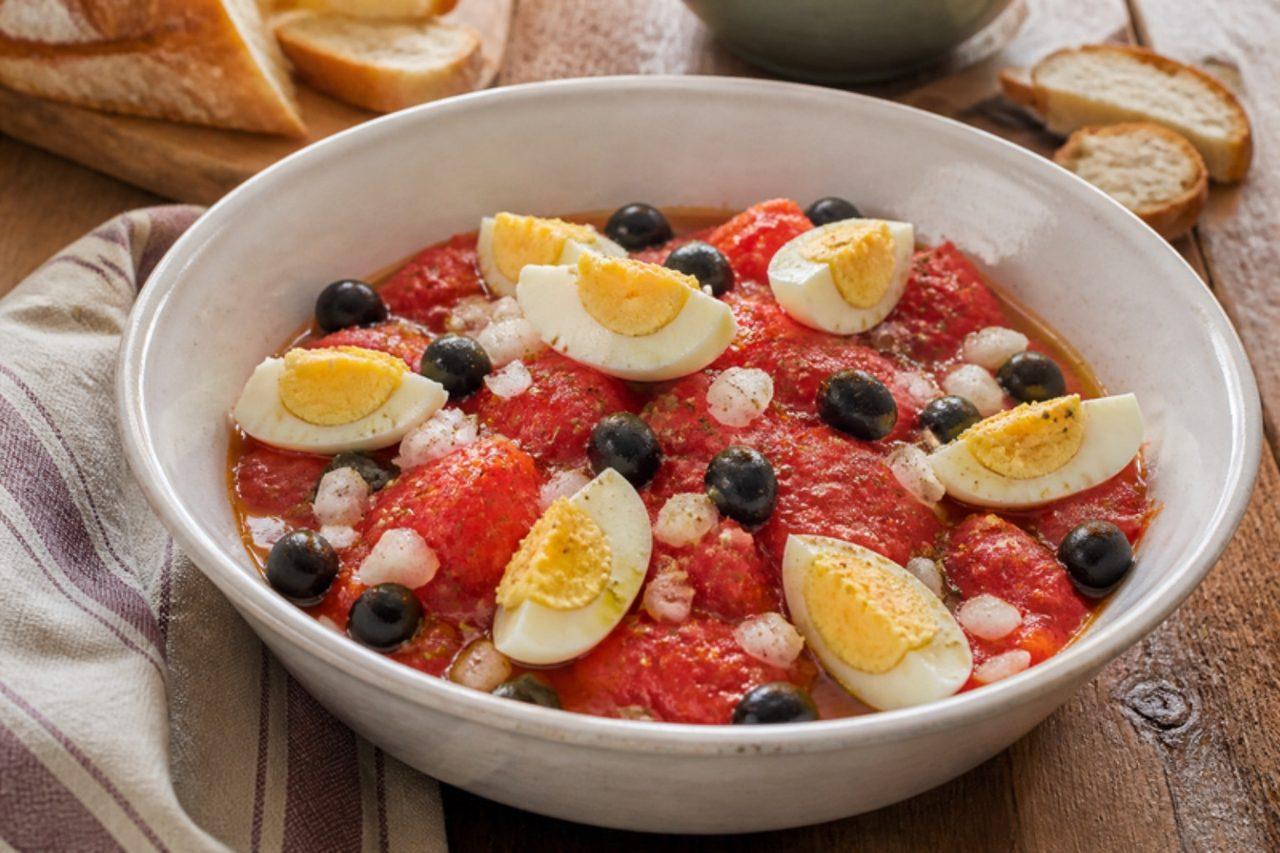
Ensalada murcianaTomato, onion, olive and egg salad

This is Murcia's summer salad, and it surprises visitors because it is built on tinned peeled tomatoes rather than fresh ones. Murcia has long been a canning region, and the sweet, soft preserved tomatoes give a juicy base that is mopped up with bread in bars and on terraces from the city to the Mar Menor. Black olives, onion and hard-boiled egg go on top; bars very often add tinned tuna, which this vegetarian version leaves out. Chef's tip: dress it at least 20 minutes before serving so the onion softens in the tomato juice.

by KrazyBadal 0 views

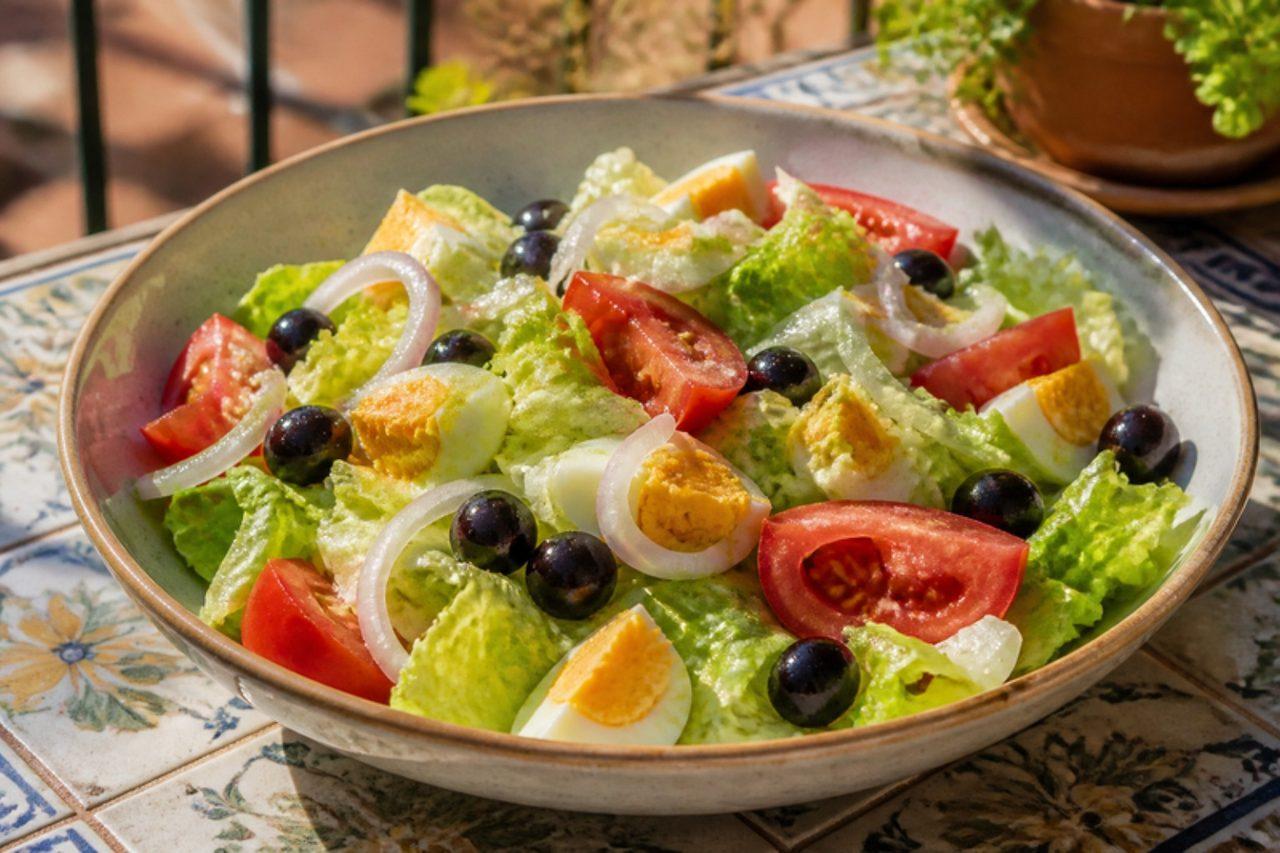
Ensalada valencianaLettuce, tomato and onion salad

Before the paella pan reaches the table at a Valencian Sunday lunch, a big shared bowl of ensalada valenciana goes round: crisp lettuce, thick wedges of summer tomato, sweet onion and black olives, dressed at the table with olive oil, a little vinegar and salt. Restaurants in the Huerta often add hard-boiled egg and tinned tuna; here the tuna is left out and the egg is optional, so without it the salad is vegan. A common mistake is dressing it in advance; the salt pulls water from the tomatoes and the lettuce goes limp within minutes. Chef's tip: soak the onion slices in iced water for 10 minutes, which takes the sharp edge off and keeps them crunchy.

by KrazyBadal 0 views

Ensopado de borregoLamb stew over bread

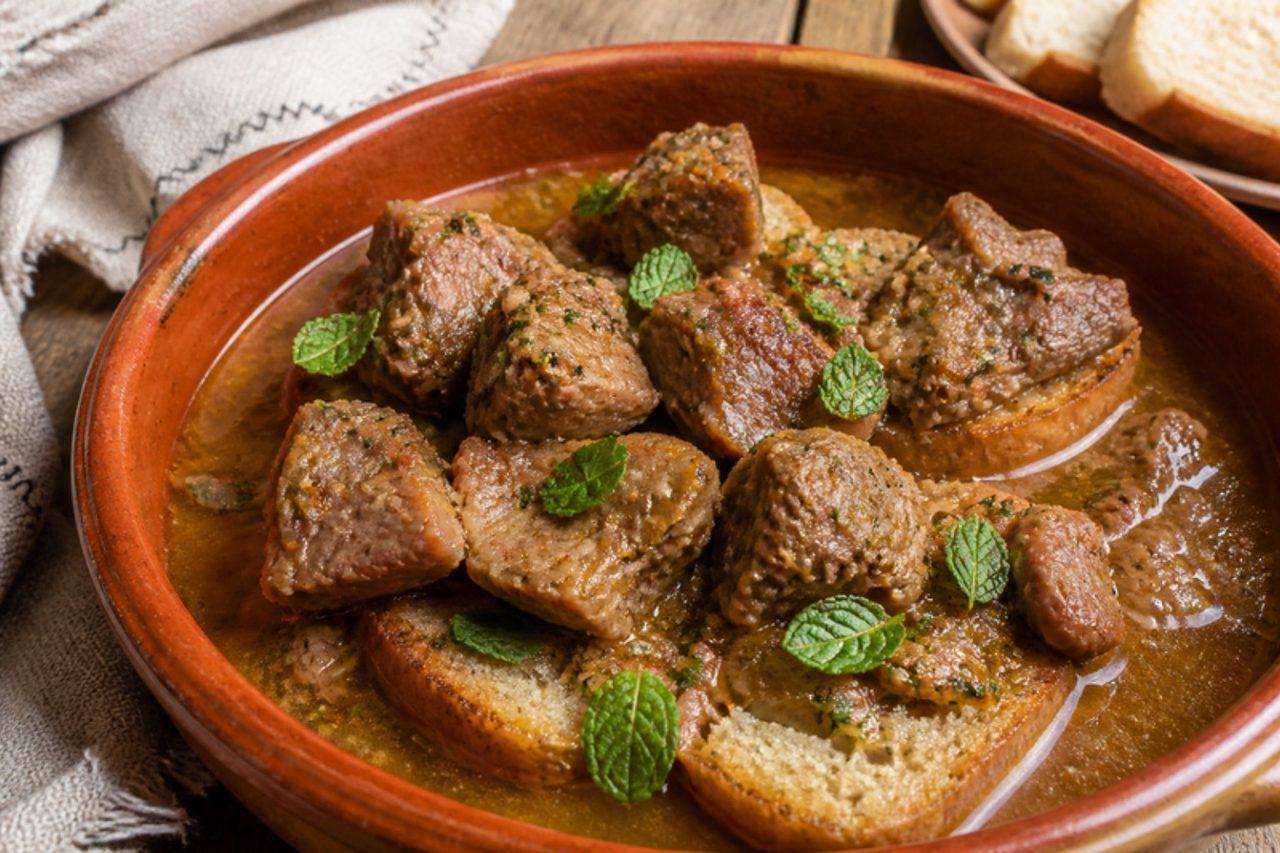
Ensopado means soaked, and the bread is the point: Alentejo shepherds' lamb is stewed with garlic, onion, paprika and a little white wine until it falls off the bone, then the rich broth is ladled over slices of country bread in deep plates. It is Easter food in the region, when the spring lambs are ready, and a dish for long Sunday lunches. The wine contains alcohol; use extra stock with a spoonful of vinegar if you prefer. A common mistake is using lean leg meat, which turns dry; shoulder or neck stays juicy. Chef's tip: marinate the lamb overnight in the fridge with the garlic and paprika; the flavour goes right through.

by KrazyBadal 0 views

Entrecôte bordelaiseRib steak in red wine sauce

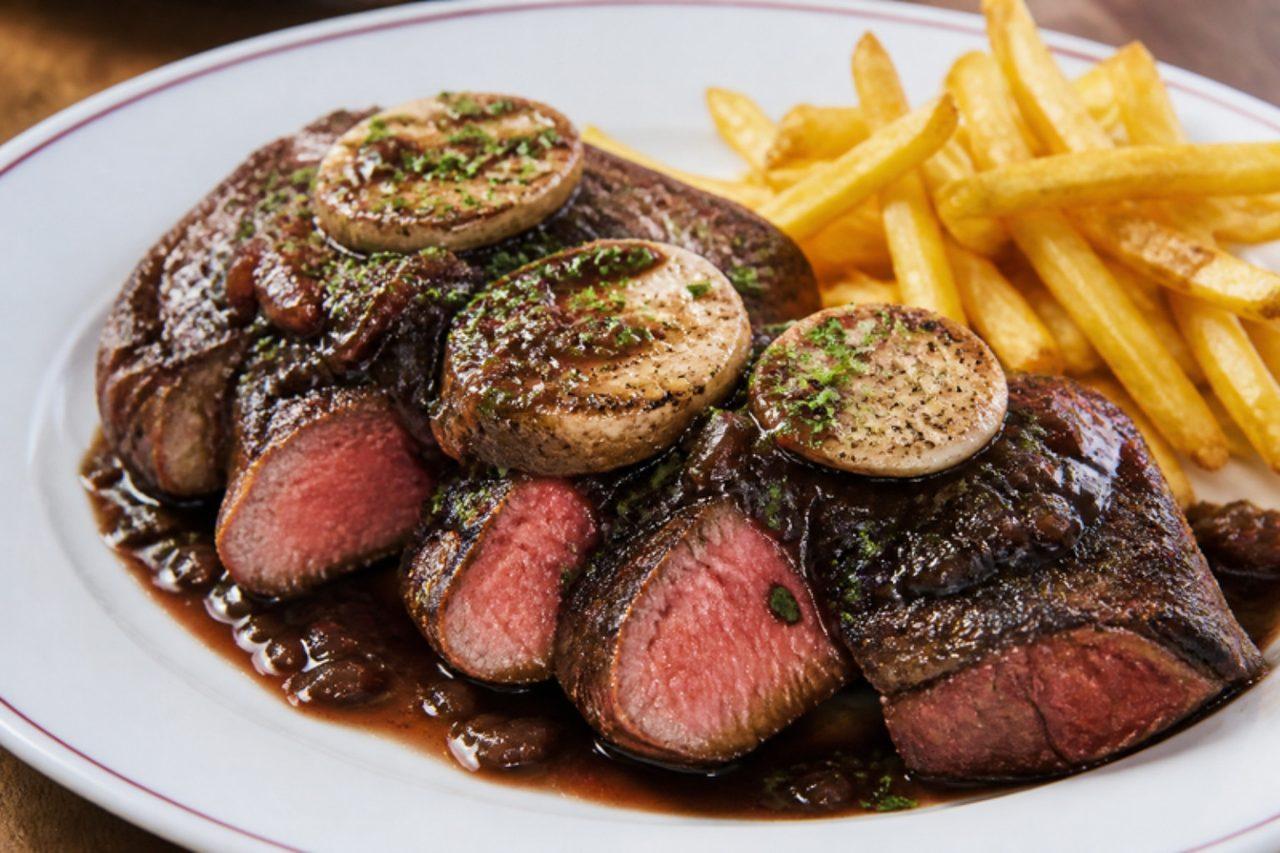
Bordeaux's brasseries, from the quays of the Garonne to the old Chartrons wine-merchant quarter, still grill entrecôte over vine cuttings and serve it with sauce bordelaise: shallots, thyme and red wine reduced to a syrup, then enriched with stock and cold butter. Poached bone marrow, folded in at the end, is the old-school touch and well worth trying. The sauce is glossy, deep and a little sweet against the well-browned, juicy steak. The sauce uses red wine; the ingredient note gives an alcohol-free version. Serve with frites or sautéed potatoes and a crisp green salad. Chef's tip: let the steaks sit out of the fridge for 30 minutes before cooking so the centre cooks evenly.

50 minFrenchMeat
by KrazyBadal 0 views

Entrevero de pinhãoPine nut and mixed meat stir-fry

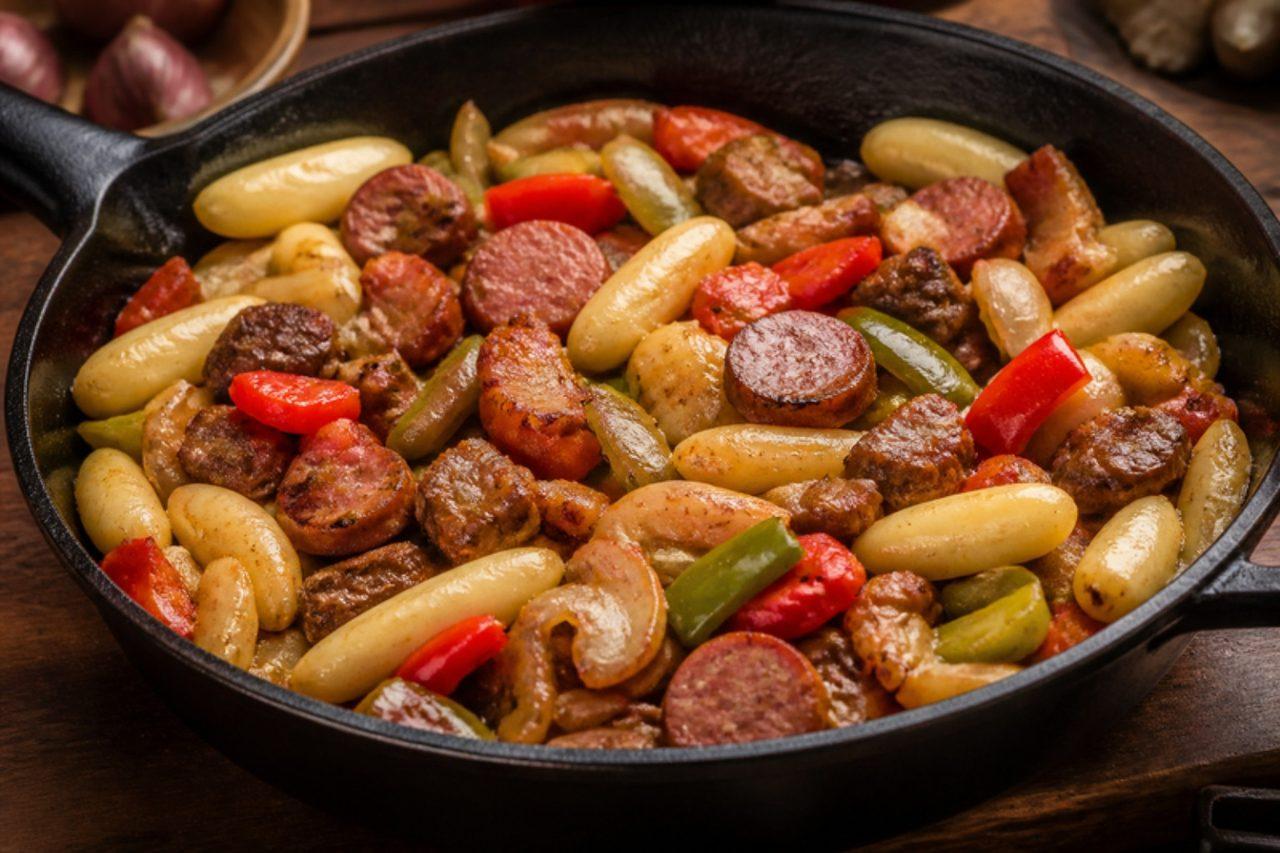
In the cold highlands of Santa Catarina, Lages throws a Festa do Pinhão every winter, and the star is entrevero: a huge pan of beef, pork loin, pork sausage and bacon fried with onions, peppers, tomato and pinhão, the large, starchy seeds of the Araucaria pine. The name means a jumble, and that is what it is, cooked in stages on a wide pan over the fire and eaten straight away. Pinhão tastes like a cross between a chestnut and a potato; vacuum-packed cooked chestnuts are the best stand-in. There is plenty of pork here, so cook every strip through. The pitfall is throwing everything in at once, which stews the meat; add each meat in turn so it browns. Chef's tip: cook the pinhão in a pressure cooker, then peel it while still warm, when the shell and the bitter inner skin come off easily.

by KrazyBadal 0 views

EnyucadoCassava coconut cake

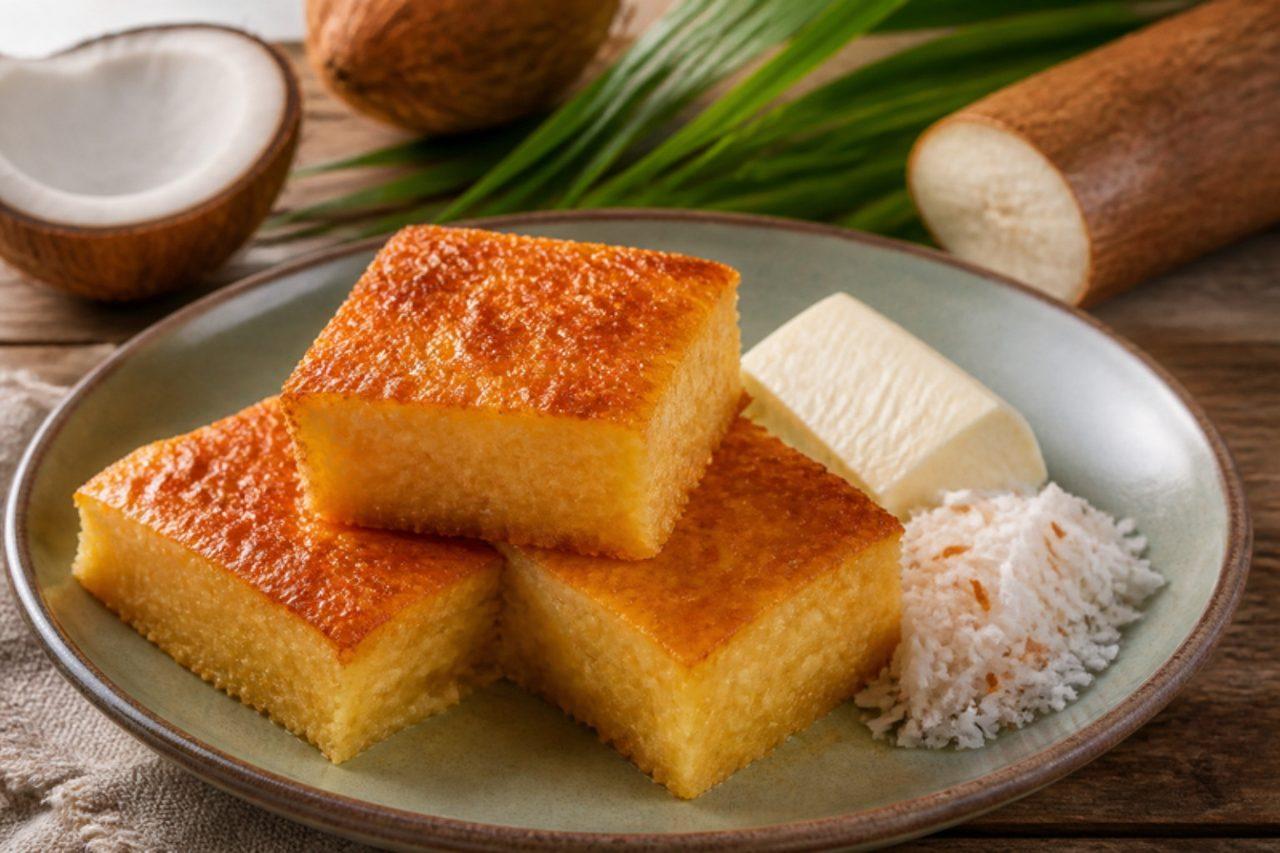
Bakeries and street vendors in Cartagena, Barranquilla and Montería sell enyucado by the square, wrapped in paper, as an afternoon sweet with coffee. It is a dense, moist cassava cake held together by coconut milk, sweetened with sugar, scented with aniseed and given a salty edge by grated white cheese; the top bakes to a golden, slightly chewy crust while the middle stays soft and pudding-like. It is also a fixture at birthday and holiday tables along the coast. Queso costeño is the cheese used; a firm feta-style one is the nearest swap, and as both are usually set with animal rennet, choose a vegetarian (microbial-rennet) cheese. People most often go wrong by cutting it warm: the starch needs at least an hour to set, otherwise the slices are gummy and fall apart. Frozen grated cassava from Latin or African shops saves a lot of work. Chef's tip: squeeze the grated cassava lightly so the cake sets well but stays moist.

by KrazyBadal 0 views

Santa Maria tri-tip

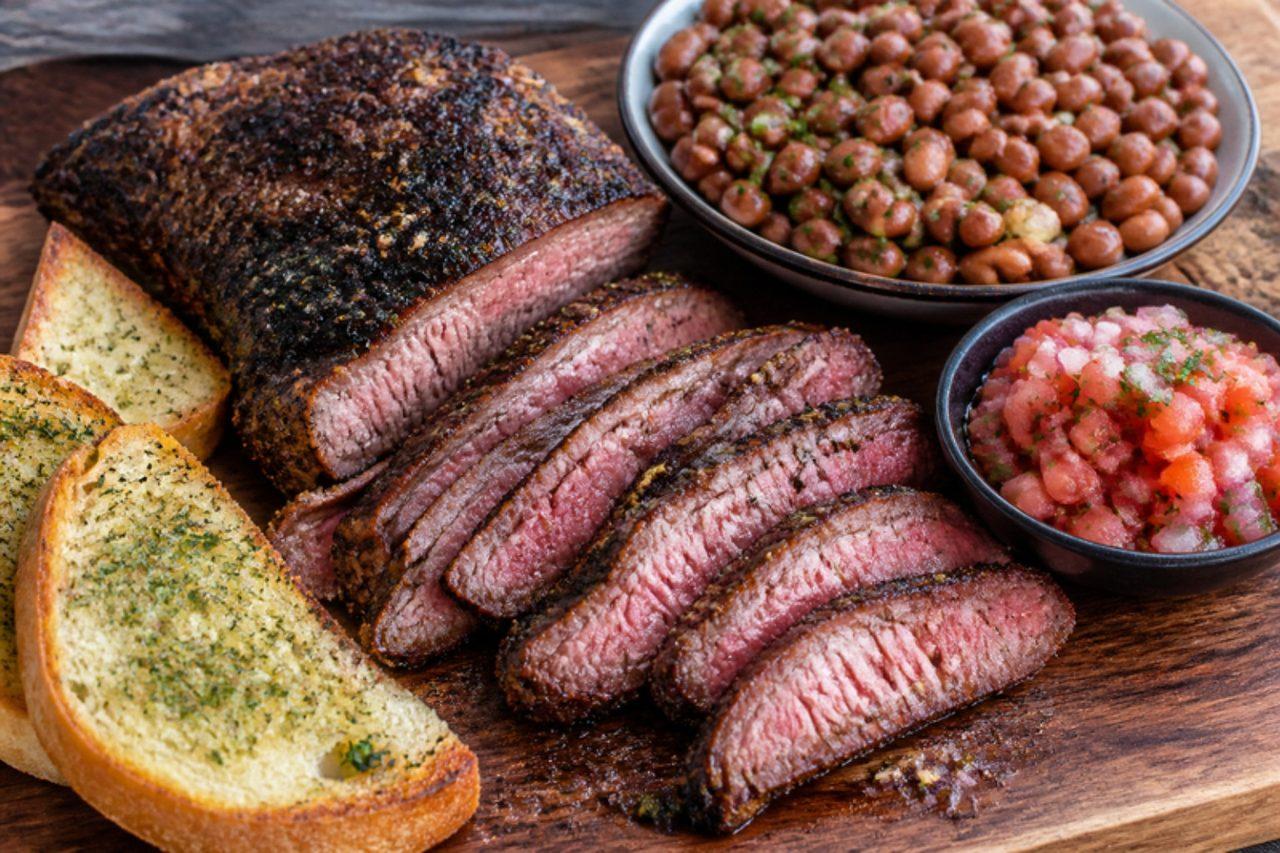
In the Santa Maria Valley on California's Central Coast, ranchers' barbecues over red oak fires gave the state its own style: a triangular tri-tip roast of beef rubbed simply with salt, pepper and garlic, grilled until crusty, then sliced thin. It comes with pinquito beans, salsa and garlic bread at fundraisers and Saturday roadside barbecues. Chef's tip: tri-tip's grain changes direction in the middle, so cut the roast in two where the grain turns and slice each piece across its own grain.

by KrazyBadal 0 views

LemonanaFrozen mint lemonade

From café terraces in Ramallah and Jaffa to juice bars along Hamra Street in Beirut, summer means tall glasses of lemonana: lemons and fistfuls of fresh mint blended with ice into a sharp, sweet, electric-green slush. It is the drink handed to you after a walk through the market at noon, and it cools a mezze lunch like nothing else. Everything goes in a blender, but the mint must be fresh and plentiful. The common mistake is blending the mint for too long, which bruises it and turns the drink murky and grassy. Chef's tip: make a lemon-sugar syrup first and chill it; dissolved sugar sweetens evenly and lets you blend for only a few seconds.

by KrazyBadal 0 views

Mackerel with gooseberry sauce

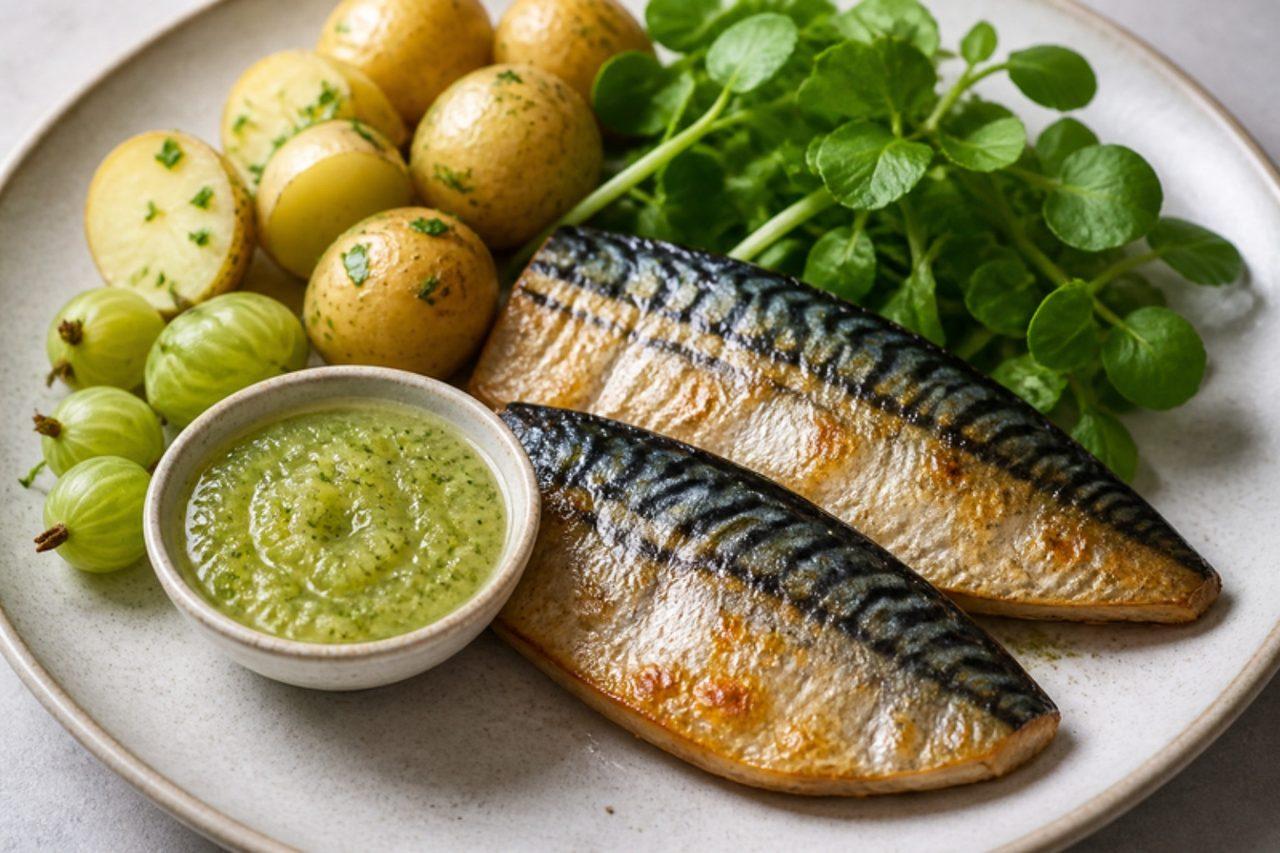
In July and August shoals of mackerel come close to the piers from Kilmore Quay to Killybegs, and children catch them on hand lines for the evening pan. The old Irish partner for the oily fish is a sharp sauce of the gooseberries ripening in the garden at the same time, which cuts through the richness. Serve with new potatoes. Chef's tip: cook the fillets skin-side down almost all the way, so the skin crisps and the delicate flesh stays moist.

25 minIrishFishGluten free
by KrazyBadal 0 views

AşureWheat, bean and dried fruit pudding

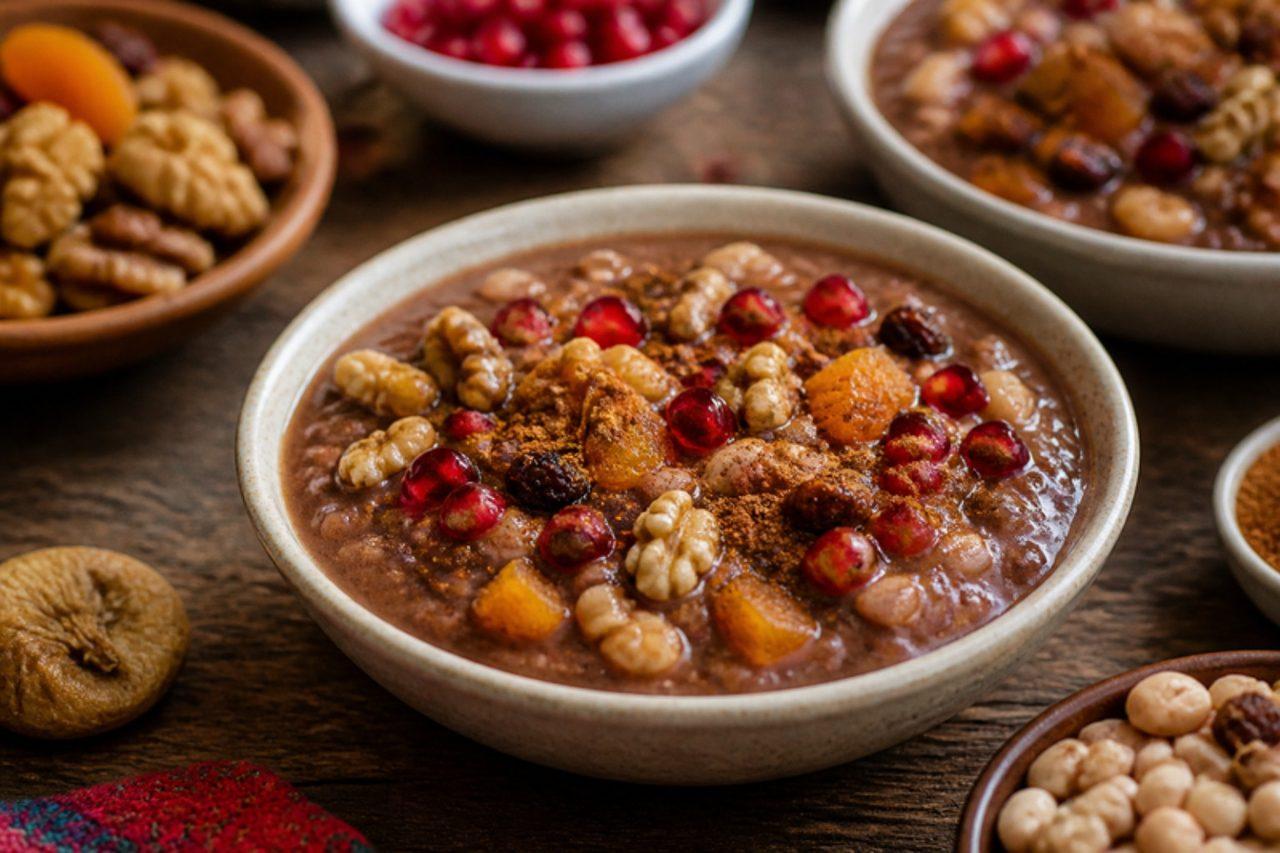
In the month of Muharram, kitchens all over Anatolia, especially in conservative Konya and Sivas, boil great pots of aşure and send bowls to every neighbour, regardless of faith, so the sweet is as much about sharing as eating. Legend says it was cooked on Noah's ark from the last of the stores, which is why it combines whole wheat, chickpeas, white beans, dried apricots, figs and raisins in a thick, gently sweet pudding. It's topped with walnuts, pomegranate and cinnamon. Common mistake: adding sugar before the wheat is fully tender; sugar firms the grains and they never soften. Chef's tip: soak the wheat and pulses overnight and cook the wheat in its soaking water for the creamiest result.

by KrazyBadal 0 views

Espárragos de Navarra con vinagretaWhite asparagus with vinaigrette

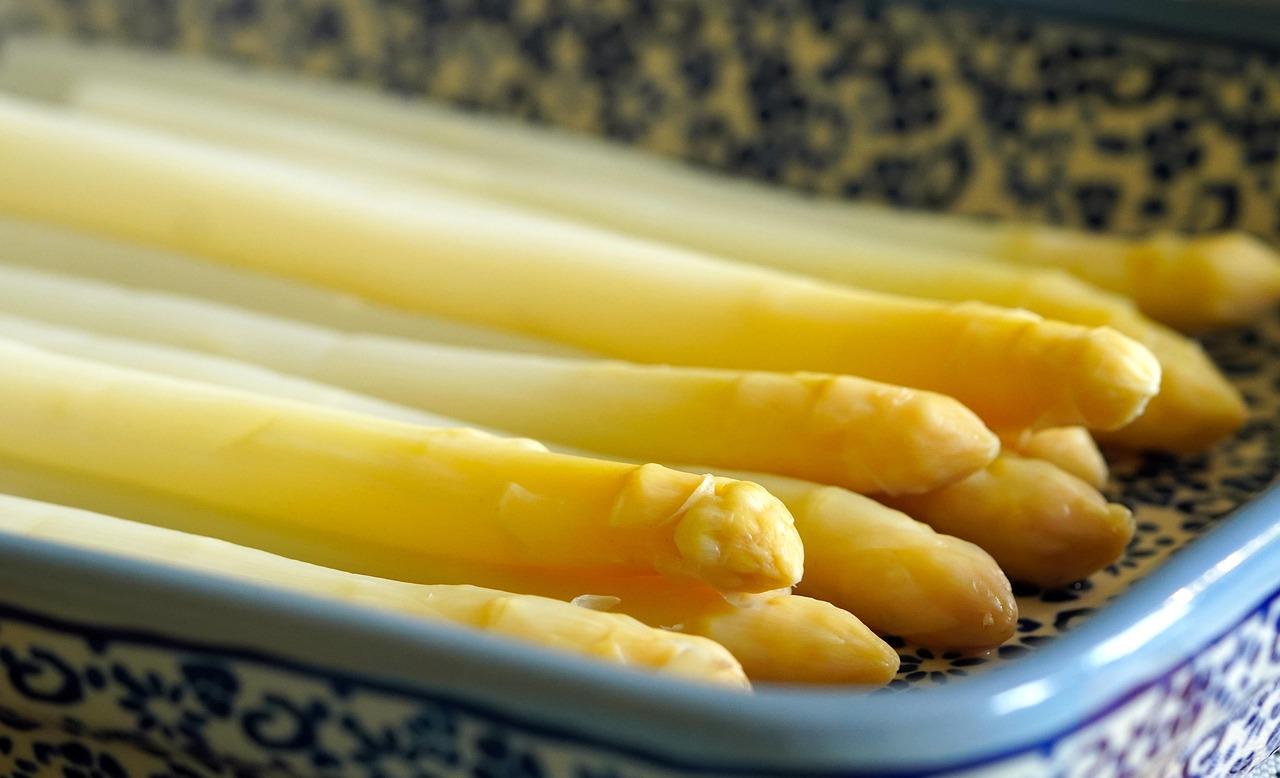
White asparagus grows under mounded earth in the sandy fields along the Ebro and its tributaries, and the Espárrago de Navarra label covers the spears picked there from April to June. In spring, restaurants from Pamplona to Tudela serve them freshly boiled, still warm or just cool, as a starter on their own or with a sharp vinaigrette full of finely diced peppers and egg. The rest of the year the jarred ones are a pantry staple. Chef's tip: add a teaspoon of sugar to the cooking water; it softens the faint bitterness of the stems.

by KrazyBadal 0 views

Erk sousLiquorice root drink

In the lanes of old Damascus and Aleppo, the erk sous seller is heard before he is seen, clacking brass cups as he walks with a great curved jug strapped to his back. His drink is liquorice root, slowly dripped through with cold water, dark, earthy, faintly bitter and naturally sweet, poured with a flourish over the shoulder during Ramadan iftars and hot afternoons. At home a sieve and a cloth do the job. The mistake people make is pouring boiling water over the root, which pulls out harsh bitterness; cold water and patience give a smooth, foamy drink. Liquorice root raises blood pressure if you drink a lot of it, so keep to a glass or two a day and skip it if you are pregnant or have high blood pressure. Chef's tip: a pinch of bicarbonate of soda in the damp root gives the drink its traditional thick, frothy head.

by KrazyBadal 0 views

EscalivadaRoasted aubergine, pepper and onion

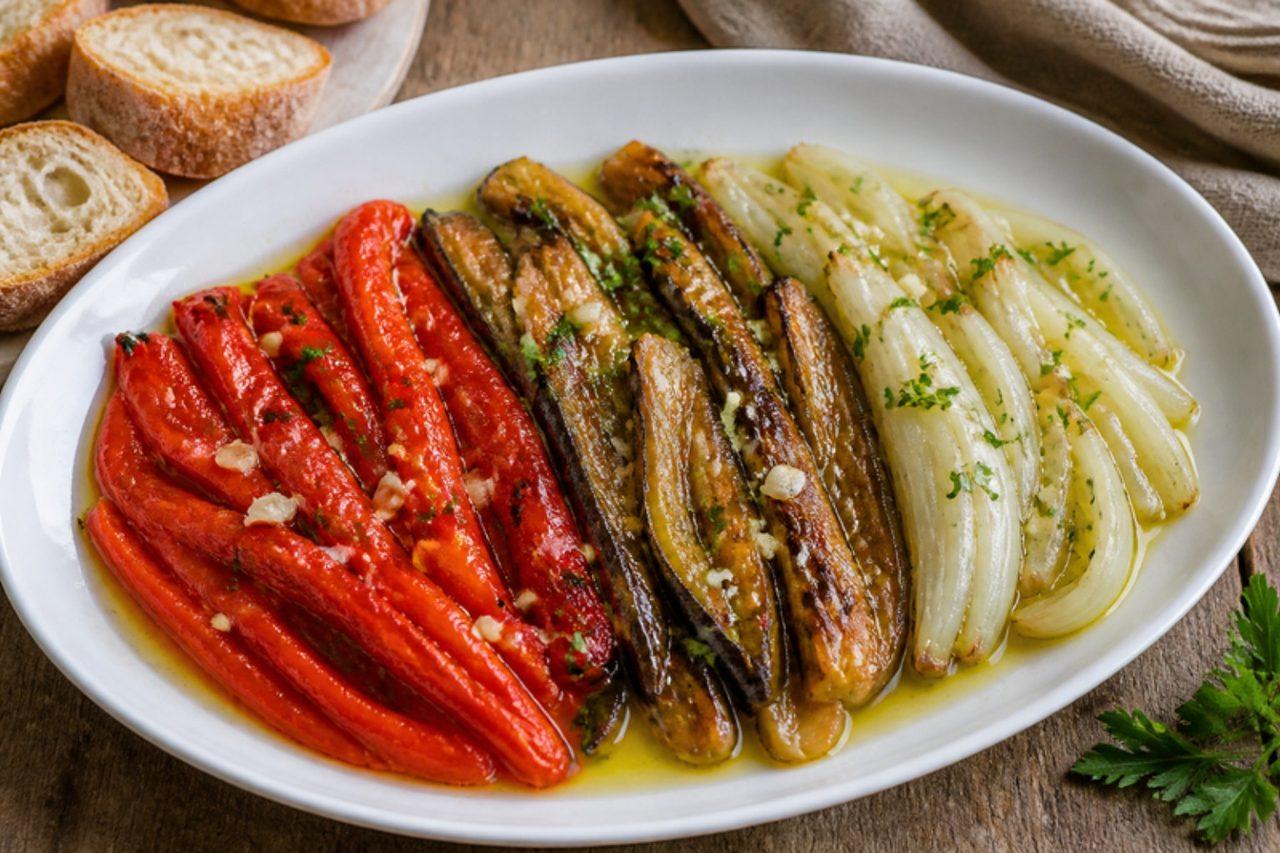
The name comes from the Catalan escalivar, to cook in the embers, and in country masies across Catalonia the vegetables still go straight into the dying fire after a Sunday grill. Aubergines, red peppers and onions char black outside and turn smoky and soft within, then are peeled, torn into strips and dressed with nothing but olive oil, salt and a little garlic. Serve it warm or at room temperature with bread, beside grilled meat, or on toast. Chef's tip: wrap the roasted vegetables in a cloth or put them in a covered bowl for 15 minutes; the steam lifts the skins clean off.

by KrazyBadal 0 views

Escargots de BourgogneSnails in garlic parsley butter

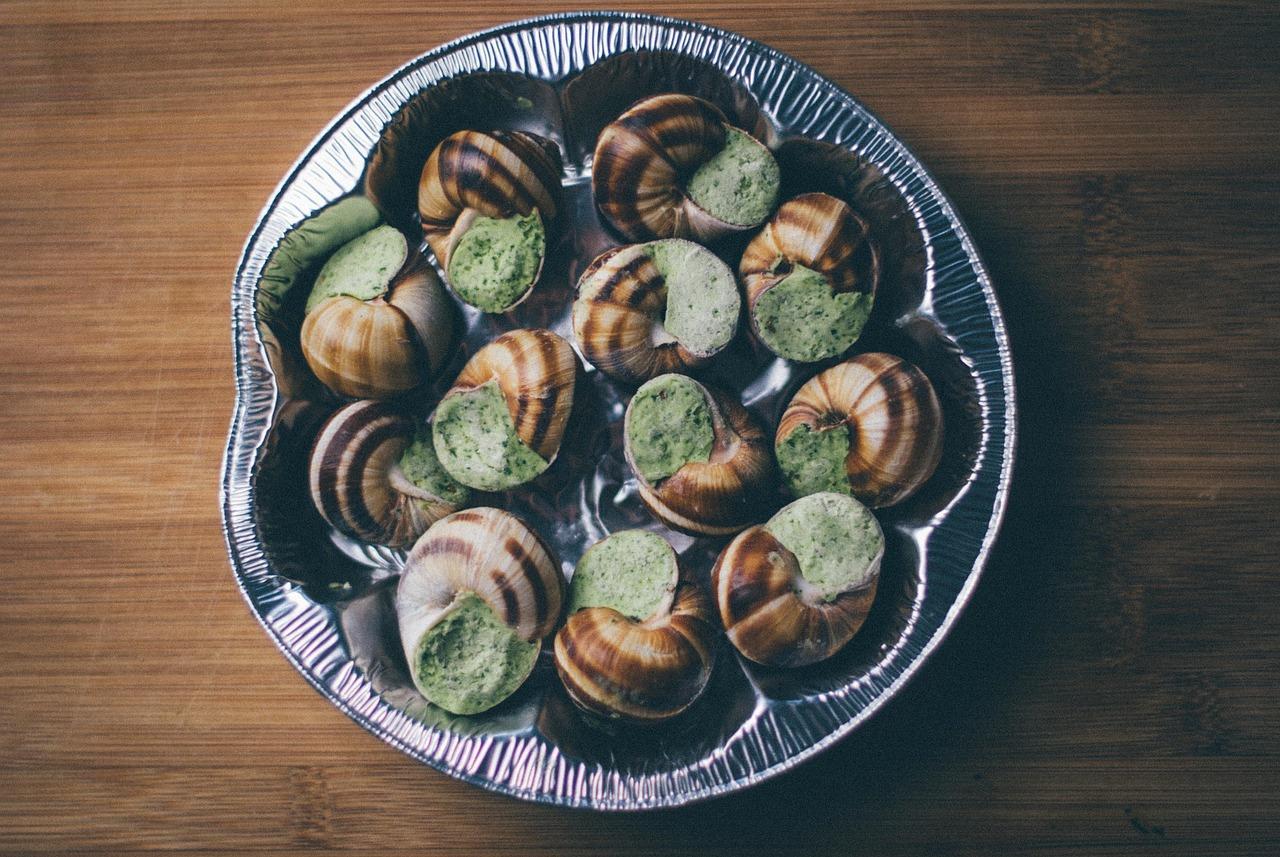
Burgundy snails in green garlic butter are the festive starter of the Côte-d'Or, eaten at Christmas and New Year all over France and in Paris brasseries year round, served by the dozen in dimpled dishes. The snails themselves taste mild and earthy and have a pleasantly firm bite; the real attraction is the sizzling butter packed with garlic, shallot and parsley, mopped up with bread. Live snails need days of preparation, so this recipe uses ready-prepared tinned or jarred snails, with clean shells or snail dishes bought separately. Chef's tip: make the butter a day ahead so the garlic flavour deepens, and pack the shells well so the butter seals the snail in.

by KrazyBadal 0 views

EscribanoCrushed potato salad with rocoto

Mid-morning in Arequipa's traditional picanterías, before the big plates come out, regulars order escribano: a bowl of warm yellow potato crushed with a fork and drenched in rocoto, ripe tomato, vinegar and oil. Local lore says it was a snack for the court clerks (escribanos) who worked nearby, and it is still eaten as a sharp, spicy wake-up with a glass of chicha or a soft drink. The texture should be rough and juicy, somewhere between a salad and a mash, with the red chilli bright against the potato. Don't purée it: overworked potato goes gluey and loses the chunks that hold the dressing. Rocoto is fiercely hot, so start with half and taste. Serve it alone with crusty bread, or beside fried cheese or grilled vegetables. Chef's tip: dress the potatoes the moment they are drained and peeled, while they are steaming, so they drink in the vinegar.

by KrazyBadal 0 views

EsgarraetRoast pepper and salt cod salad

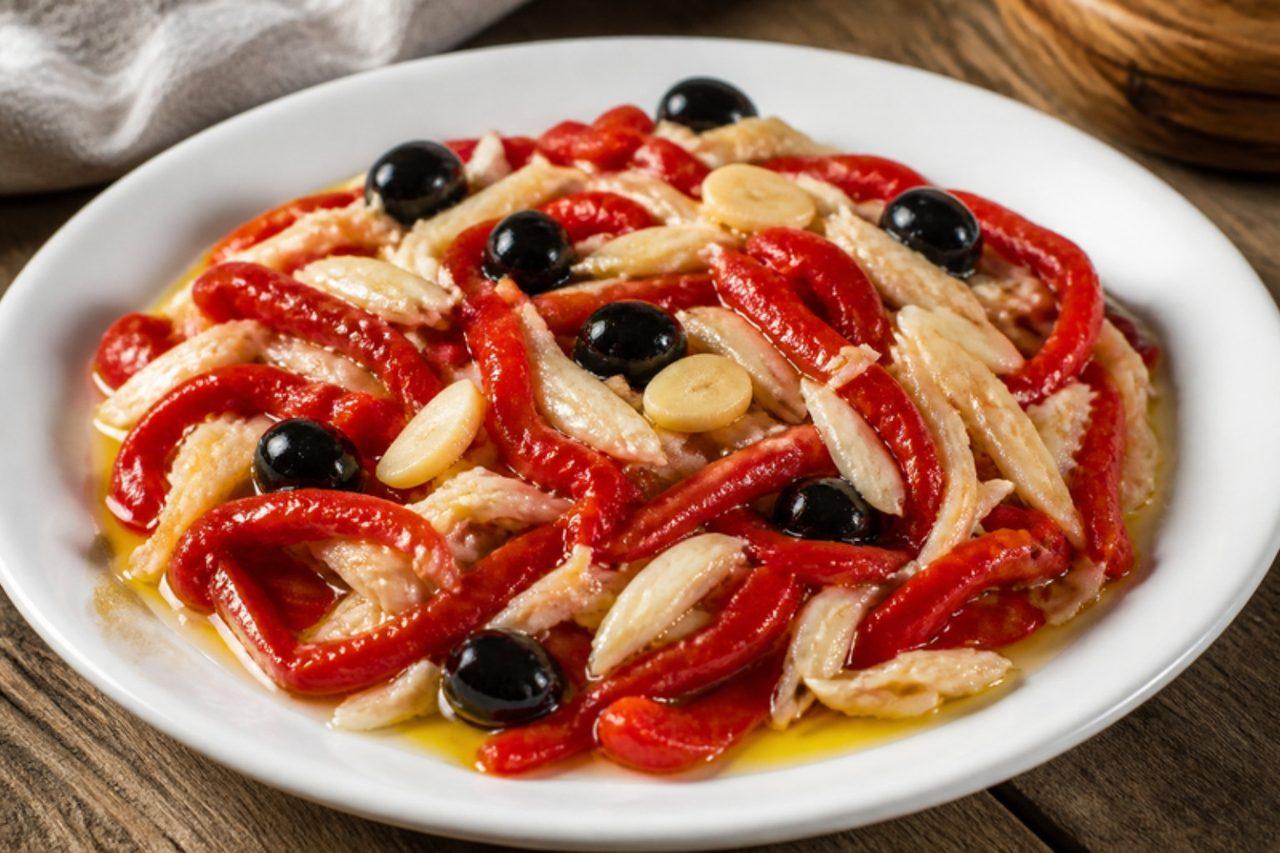
Esgarraet means "torn", and that is the whole technique: red peppers are roasted until soft and sweet, then pulled into strips by hand and layered with shredded salt cod, garlic and plenty of olive oil. Valencia's bars put it out as a tapa with crusty bread, and families make a big dish of it to pick at before a summer paella. Traditionally the cod is only desalted, not cooked, which means it is raw cured fish. That version is not for pregnant women, young children or anyone with a weakened immune system; this recipe gently poaches the cod first, which keeps it tender and makes it safe for everyone. A common mistake is rinsing the roast peppers under the tap to peel them; you wash away the sweet juices. Chef's tip: make it a day ahead; the peppers and cod drink up the garlicky oil overnight.

by KrazyBadal 0 views

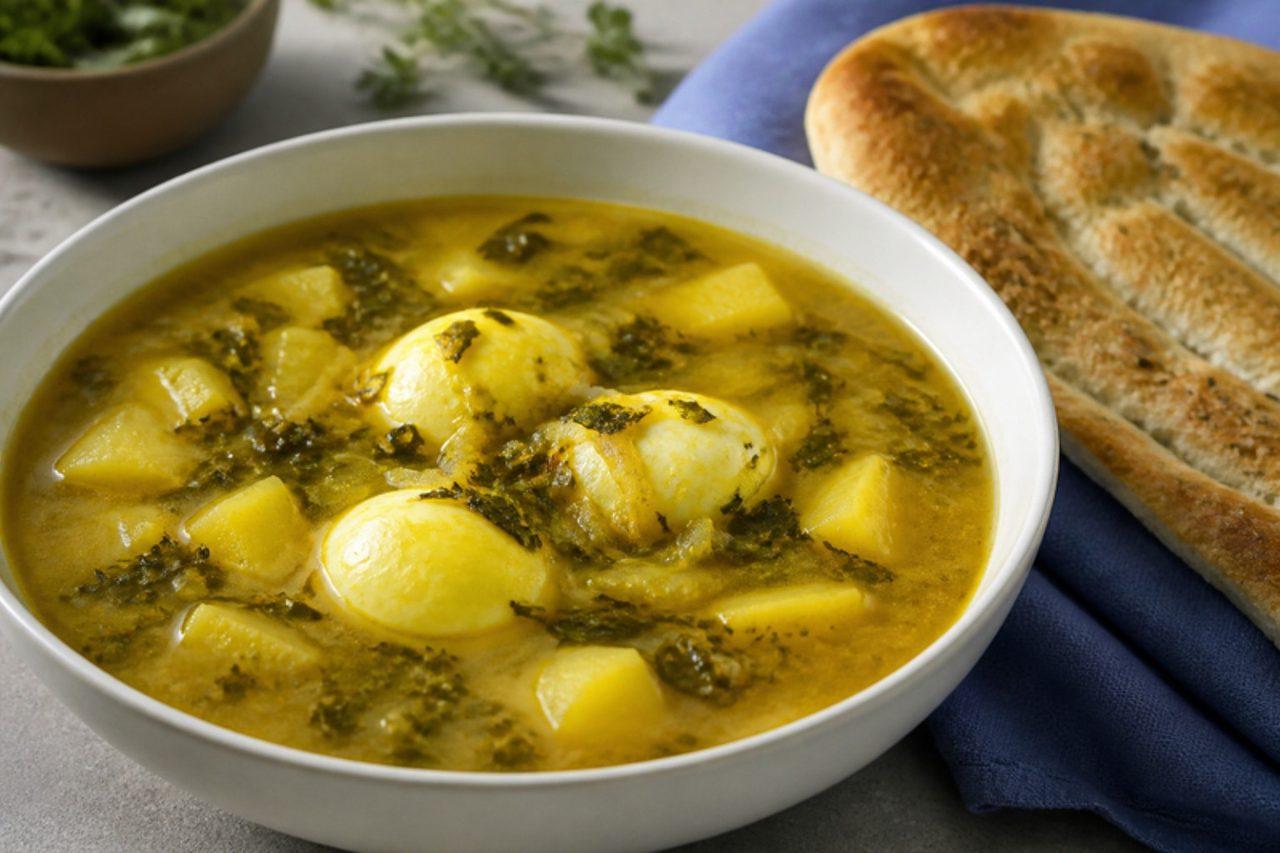
EshkenehOnion, fenugreek and egg soup

Eshkeneh is the soup of the cold north-west, cooked in Tabriz kitchens on winter evenings when there is little in the house but onions, eggs and dried fenugreek. The onions are fried very slowly until sweet and brown, a spoon of flour and turmeric thickens the broth, and eggs are dropped in to poach at the end; a little sour from lemon or dried sour cherries balances it. Azerbaijani families crumble barbari or lavash into their bowls so the bread soaks up the broth. A common mistake is rushing the onions, which leaves the soup thin and harsh rather than mellow and golden. Chef's tip: add the dried fenugreek with the flour, not before, because it scorches quickly and turns bitter.

by KrazyBadal 0 views

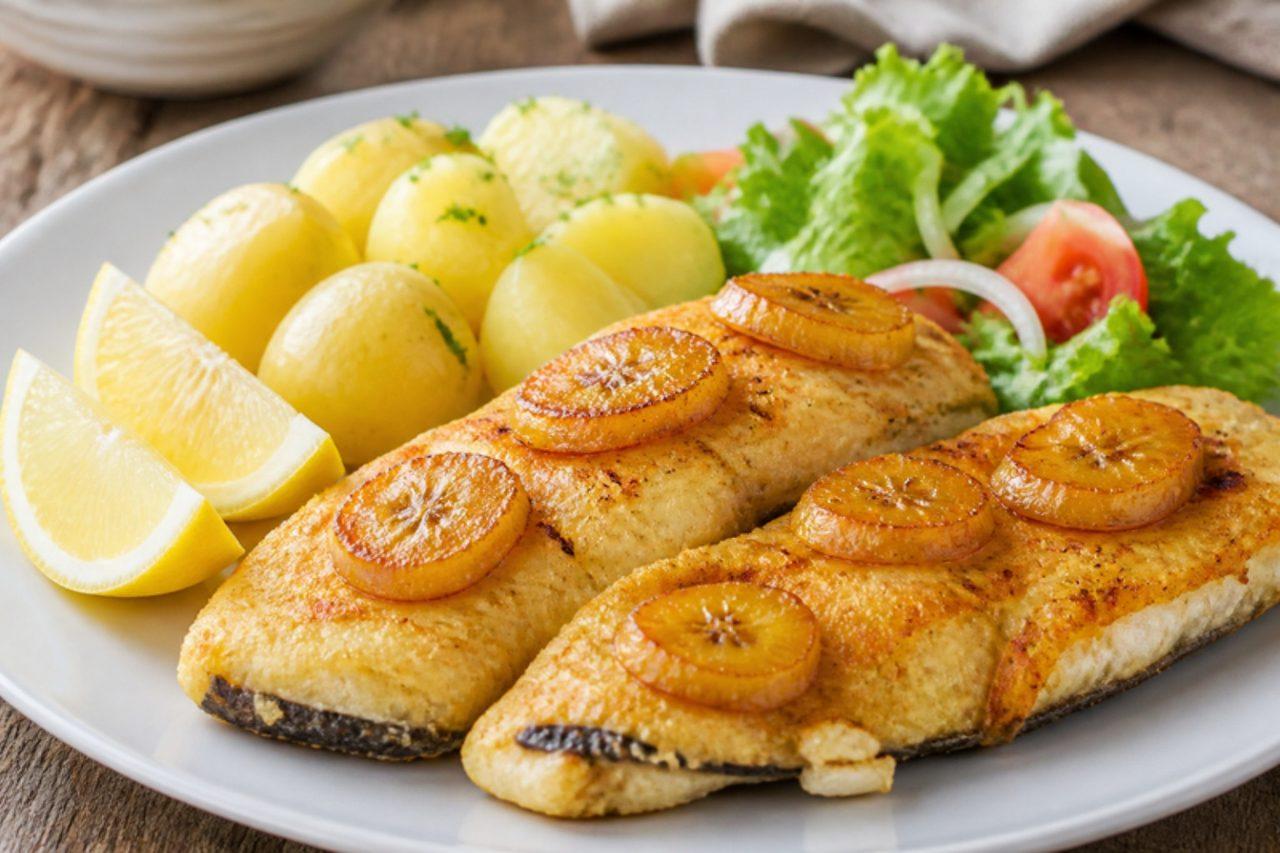
Espada com bananaFried scabbardfish with banana

The long, black, sharp-toothed espada is caught at great depth off Madeira at night, and the Funchal fish market sells it every morning. Its white, tender fillets are eaten everywhere on the island, most famously dipped in egg and fried, then crowned with slices of the small, sweet local banana fried in butter. Black scabbardfish is hard to find elsewhere; hake, ling or cod fillets work well. Chef's tip: pat the fish completely dry before flouring it, so the egg coating clings and fries crisp.

by KrazyBadal 0 views

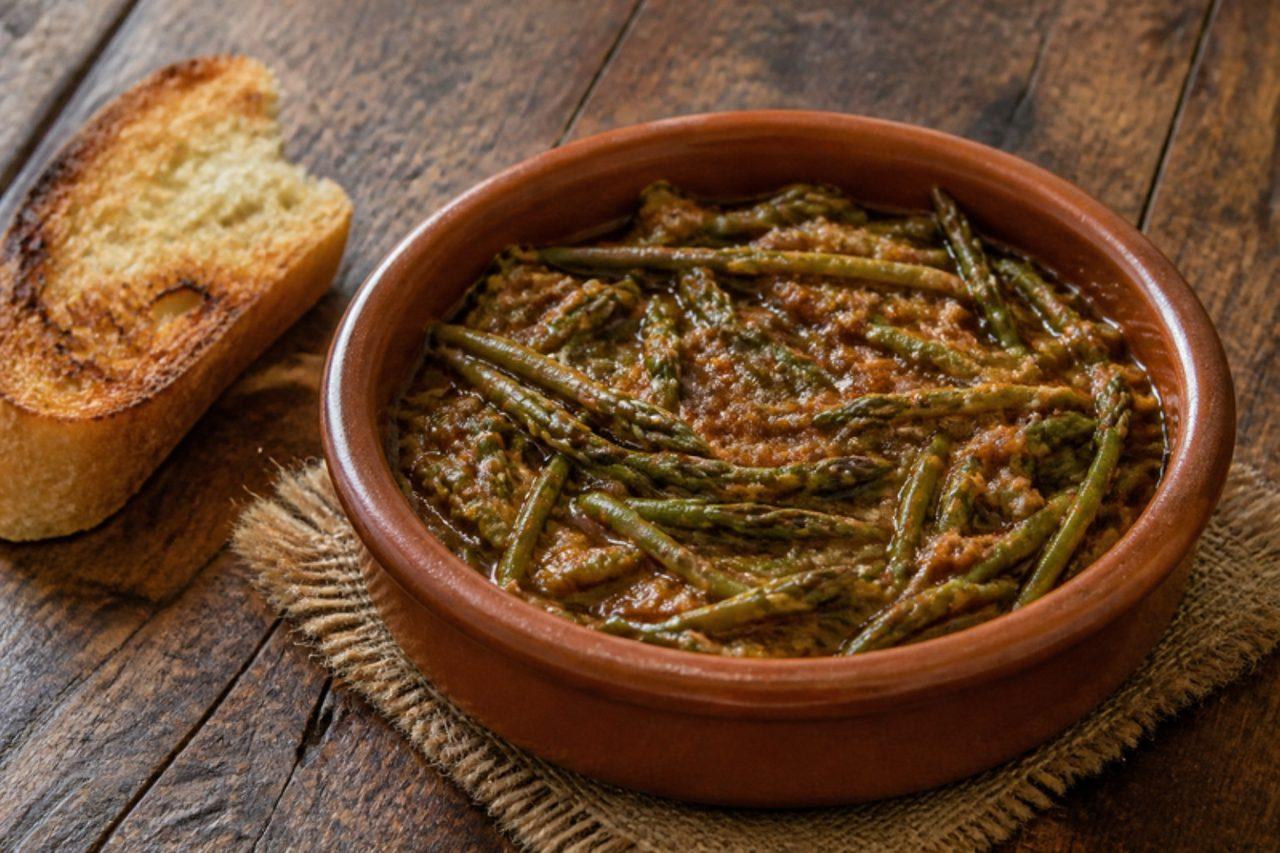
Espárragos trigueros esparragadosWild asparagus with fried bread

From March to May, families around Granada and Córdoba walk the field edges gathering thin, bitter wild asparagus, and the classic way to cook the haul is esparragados: simmered in a sauce of pounded fried bread, garlic, cumin and paprika, with an egg poached on top. Thin green asparagus from the shop works well too. The sauce should be thick enough to hold the egg. Chef's tip: pound the bread and garlic while still warm from the pan; they break down into a smooth paste far more easily.

by KrazyBadal 0 views

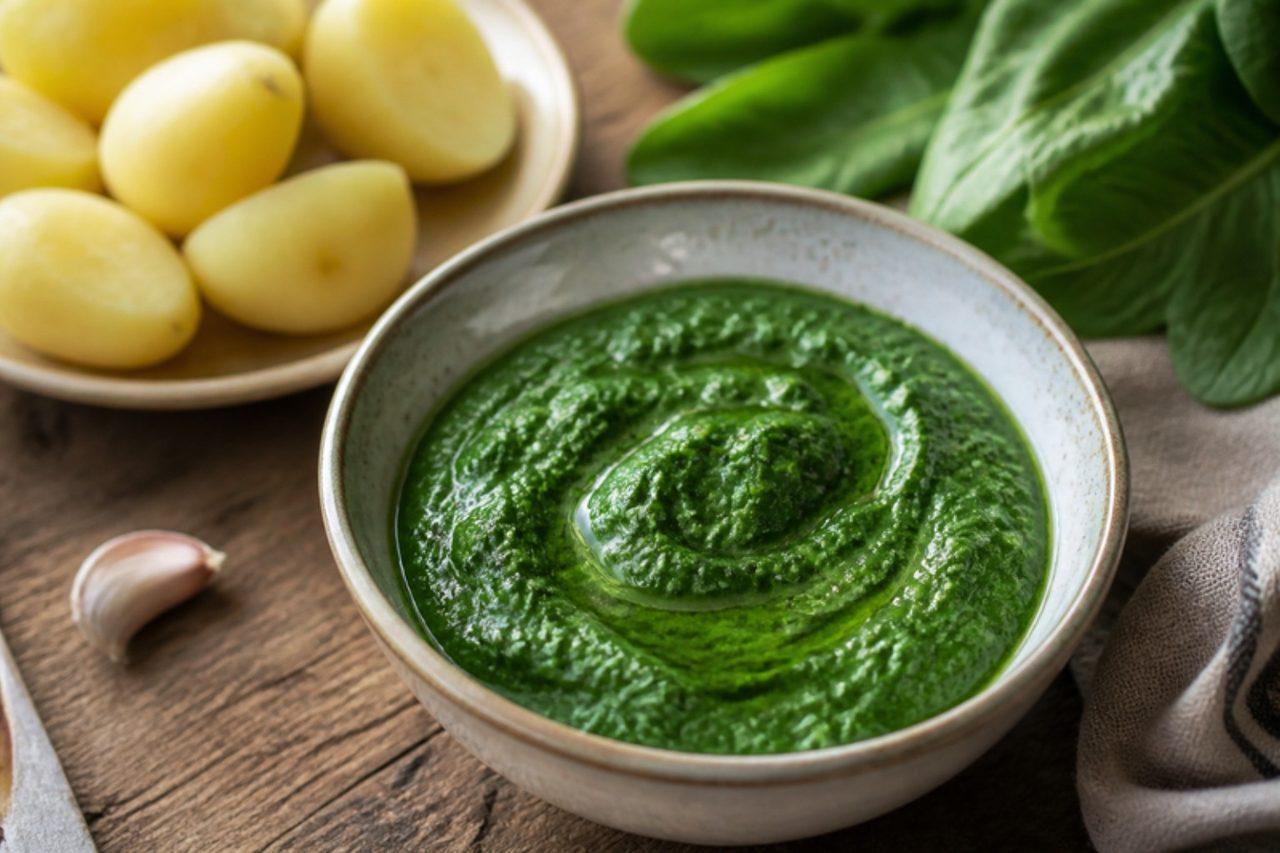
EsparregadoGarlic puréed greens

Fried fish in a Lisbon casa de pasto often comes with a spoonful of soft, dark green esparregado on the side, and the roast lamb at Easter lunch in the Ribatejo does too. Cooks use whatever leaves are in season: turnip tops in winter, spinach the rest of the year, sometimes a handful of wild asparagus. The greens are cooked, chopped very fine and stirred into garlic-scented olive oil with a little flour until creamy, then lifted with a dash of vinegar. It is good with fried cuttlefish, grilled sardines or a fried egg. A common mistake is skipping the squeeze; wet greens make a watery purée, so press out as much water as you can. Chef's tip: squeeze the cooked greens really hard before chopping; watery greens give a thin, grey purée.

by KrazyBadal 0 views

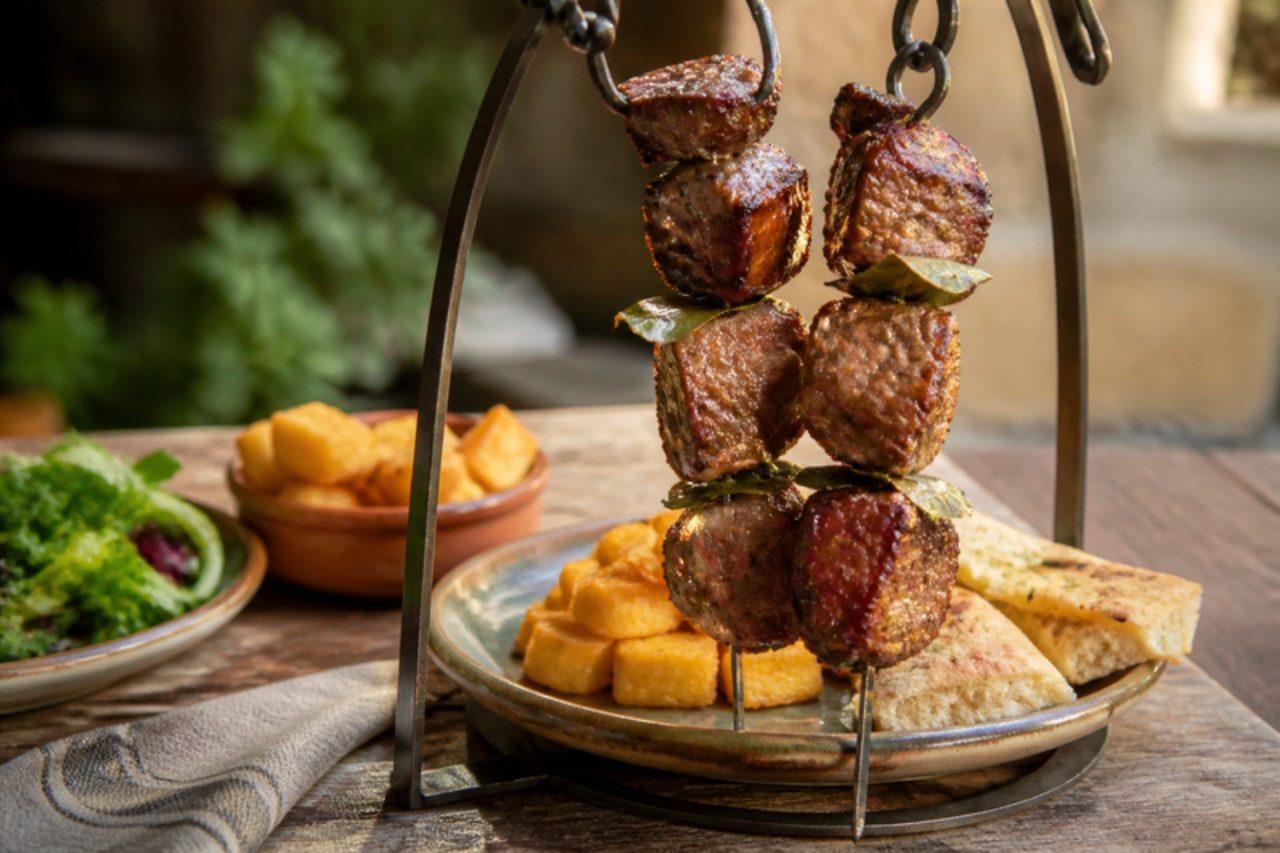
Espetada madeirenseGarlic and bay beef skewers

In Estreito de Câmara de Lobos, on the hillsides above Funchal, the September wine harvest ends with espetada: big cubes of beef rubbed with garlic, salt and crushed bay, threaded onto bay branches and roasted over a wood fire. Restaurants hang the long skewers from hooks above the table, so everyone slides off their own pieces. It is eaten with bolo do caco, milho frito and a salad. Chef's tip: cut the beef into large 4 cm cubes, which stay juicy in the middle while the outside chars.

by KrazyBadal 0 views

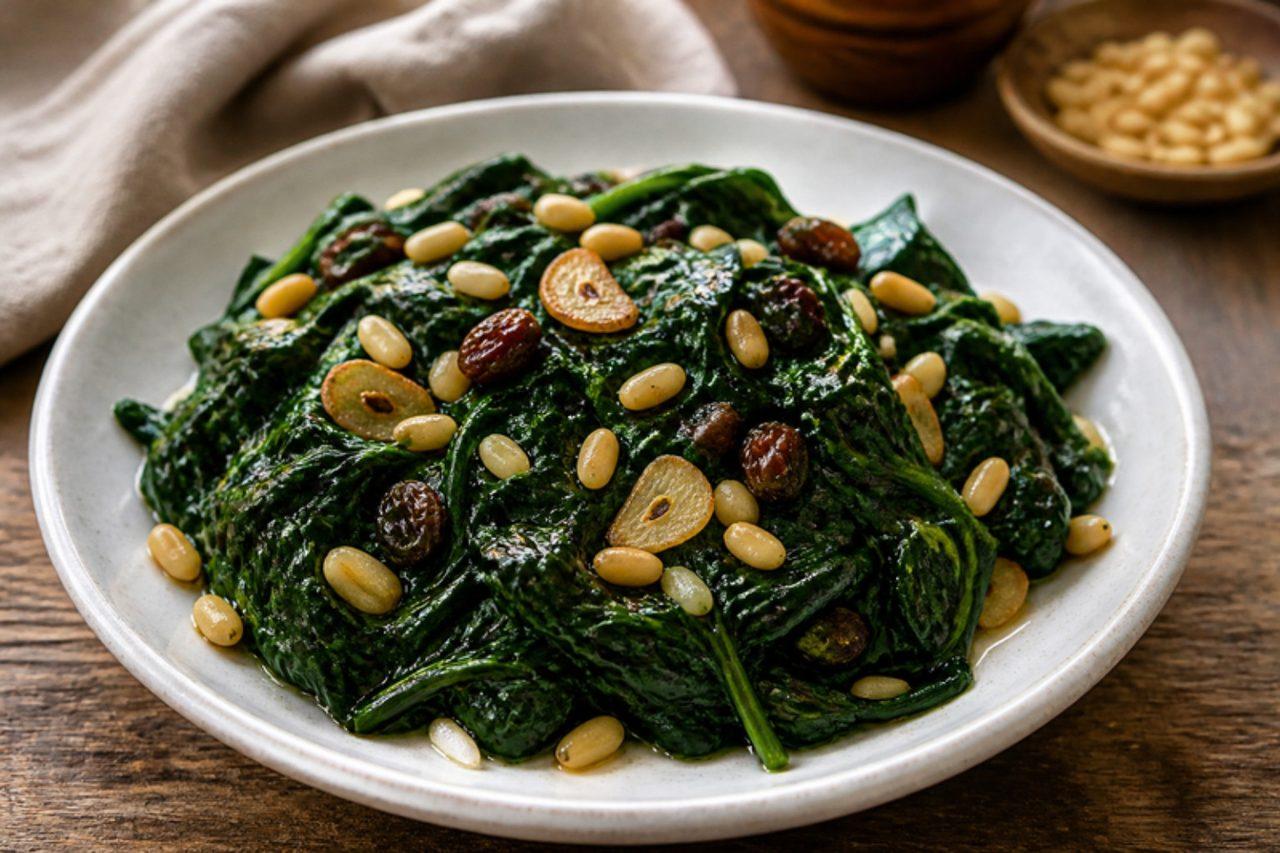
Espinacs a la catalanaSpinach with raisins and pine nuts

This dish carries the sweet-and-savoury taste of medieval Catalan cooking: spinach wilted with plump raisins and toasted pine nuts, sometimes with a little pork fat or anchovy, though olive oil is just as traditional. Families cook it in spring and autumn as a side for fish or chicken, or as a light first course before the main. It takes ten minutes. Chef's tip: soak the raisins in warm water first so they swell and burst sweetly, instead of turning hard in the hot pan.

by KrazyBadal 0 views

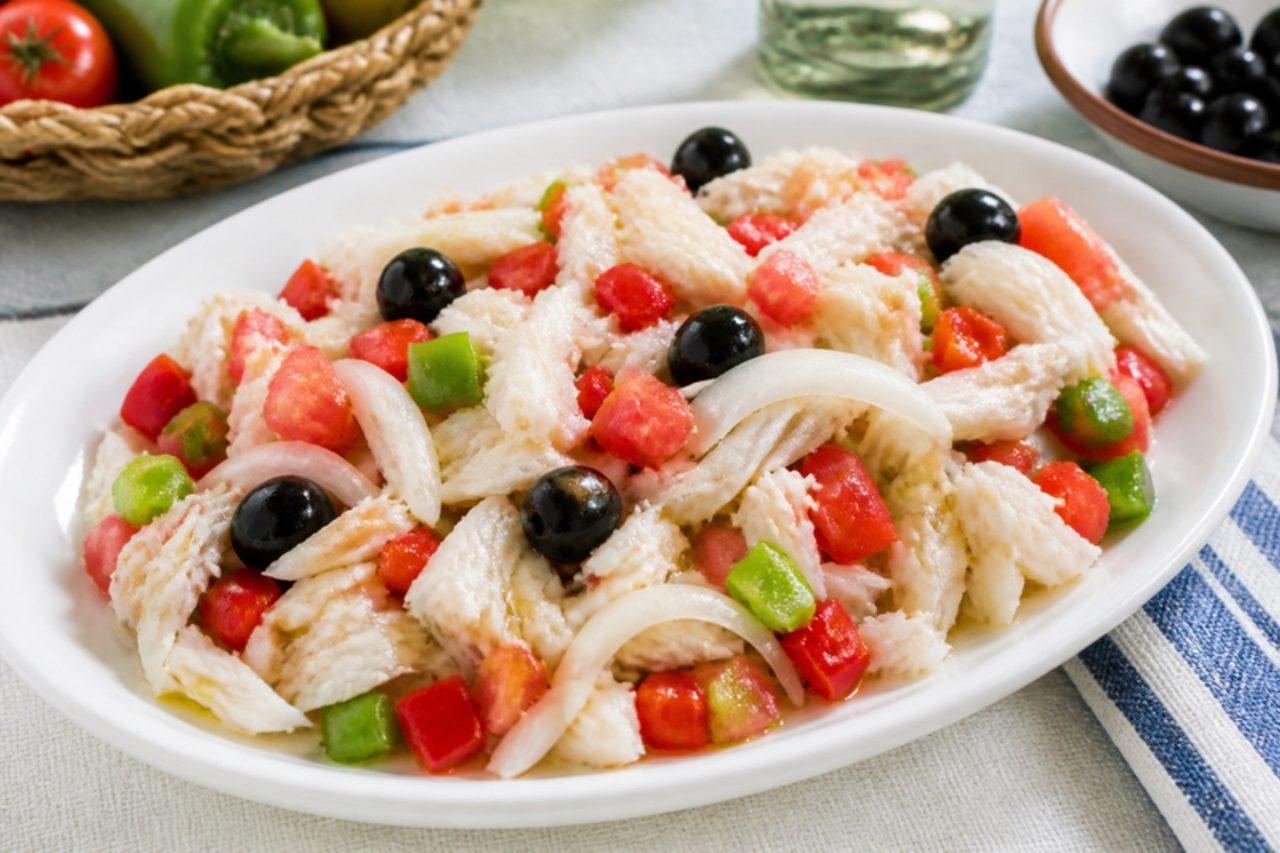
EsqueixadaShredded salt cod salad

Esqueixada, from esqueixar, to tear, is the summer starter of Barcelona's old taverns: salt cod that has been soaked, shredded by hand and dressed with tomato, peppers, onion and black olives. Traditionally the cod is never cooked, only desalted, so it stays translucent and firm; raw cured fish is not for pregnant women, young children or anyone with a weakened immune system. The safer version, given in the steps, poaches the cod gently first, and this is the one to choose whenever in doubt. Chef's tip: tear the cod with your fingers along its natural flakes; a knife makes it mushy and you lose the pleasing chew.

by KrazyBadal 0 views

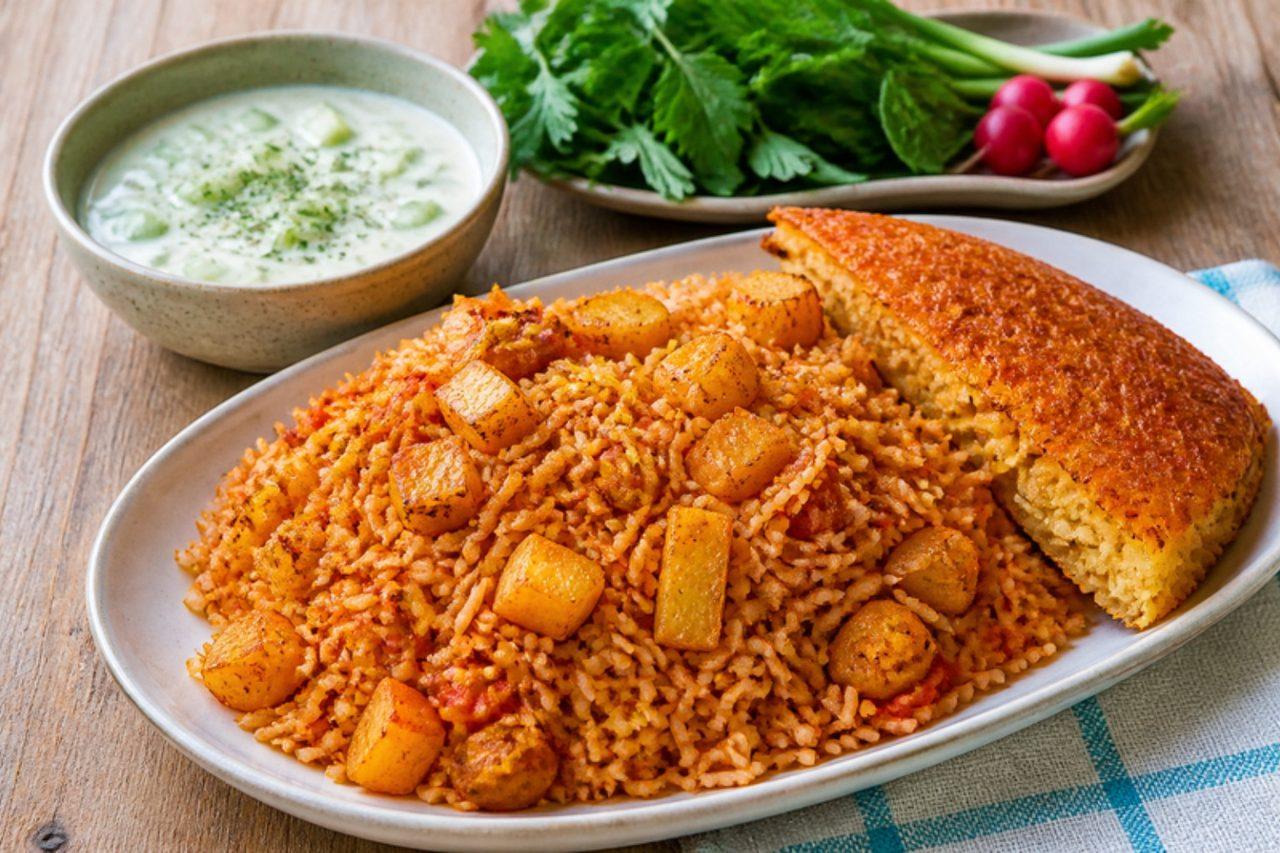
Estamboli poloTomato rice with potatoes

In Tehran flats, estamboli polo is the weeknight rice that turns up when the fridge holds little more than tomatoes and potatoes, and children ask for it by name. Basmati is par-boiled, then layered back into the pot with a turmeric-and-tomato sauce and cubes of fried potato, and steamed under a cloth-wrapped lid until each grain is separate and orange-tinged. The bottom turns into a golden, crunchy tahdig that everyone fights over. Serve it with mast-o khiar, a plate of fresh herbs and torshi. A common mistake is stirring the tomato sauce through boiling rice, which makes it sticky; layer it instead and let the steam do the work. Chef's tip: lay thin potato slices on the base of the pot for the tahdig; they crisp evenly and lift out in one piece.

by KrazyBadal 0 views

EsterházytorteAlmond meringue layer cake

Named after a Hungarian noble family and claimed by both Budapest and Vienna, this torte is a showpiece of Viennese pastry shops, where it sits in the glass counter beside richer chocolate cakes. Five or six crisp-chewy almond meringue layers are stacked with a vanilla custard buttercream, then topped with white icing and the famous feathered chocolate lines. It has no flour at all, so it suits gluten-free guests. A common mistake is baking the layers too pale; they should be light golden, or they go soft and sticky in the cream. Chef's tip: draw the circles on baking paper first and spread the meringue to the line with a palette knife, so every layer matches.

by KrazyBadal 0 views

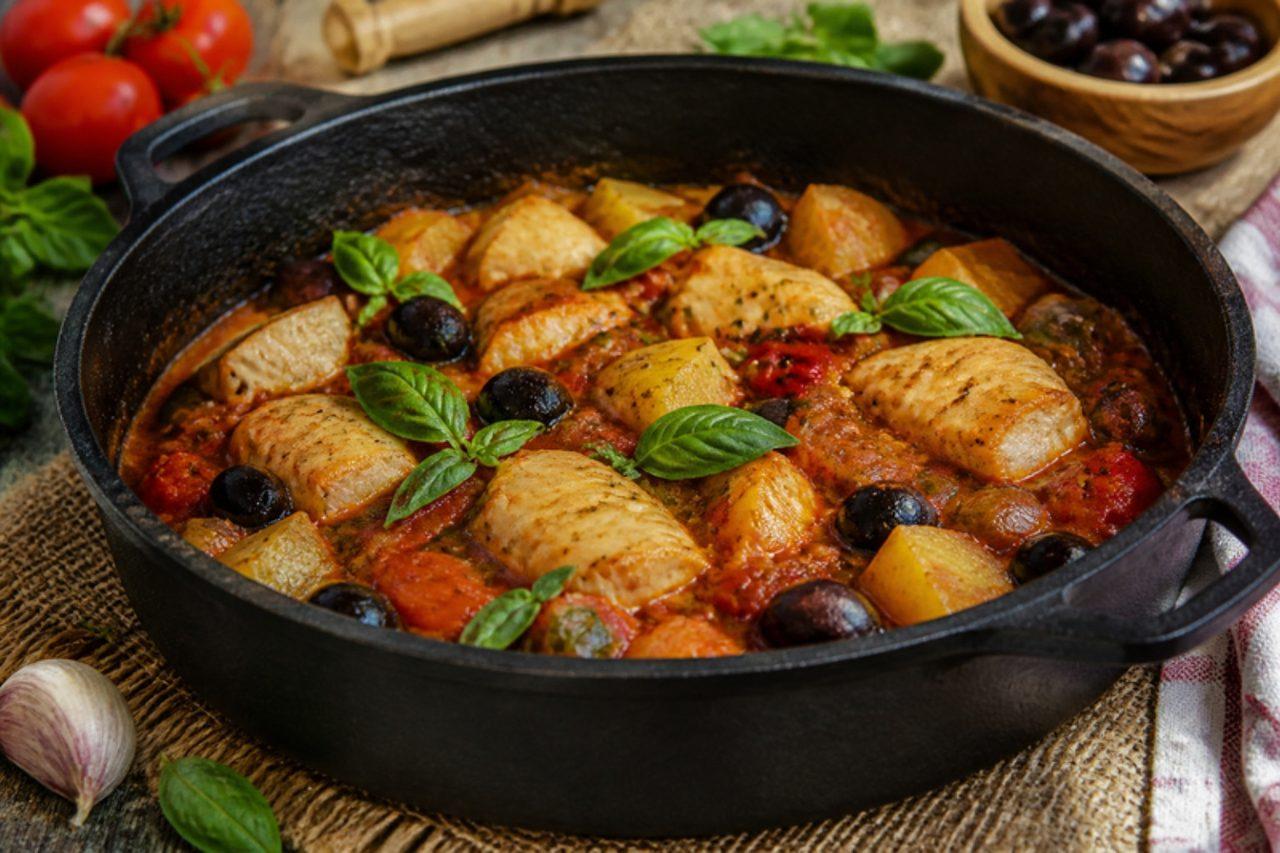
Estocaficada (stockfish niçois)Dried cod stew with tomato

Estocaficada is the old winter dish of Nice's port and old town, where Norwegian stockfish arrived in exchange for olive oil and wine centuries ago; it is still cooked for family Friday lunches and at the city's food festivals. Air-dried cod is rehydrated and stewed slowly with tomatoes, onions, peppers, black olives and potatoes, giving a rich, rust-red stew with a deep, almost meaty flavour. True stockfish is hard to find outside specialist shops and needs 4–5 days of soaking, so this recipe uses salt cod, which is easier and gives a gentler result; the note explains both. Serve in deep plates with crusty bread for the sauce. Chef's tip: add the cod at the end and keep it at a gentle simmer so it stays in juicy flakes rather than turning rubbery.

105 minFrenchFishGluten free
by KrazyBadal 0 views

Estofado de llamaBraised llama stew

Llama herds have grazed the Puna of Jujuy for thousands of years, and in Purmamarca, Tilcara and Humahuaca restaurants now proudly serve their meat to visitors, most often as a slow estofado. The meat is very lean, dark red and mild, a little like venison, and it is braised with onion, red pepper, tomato, cumin, ají molido and a sprig of muña or oregano until tender, then served with Andean potatoes, quinoa or rice. Outside the Andes, llama is sold by a few specialist game and alpaca farms; lean venison or beef topside are the closest substitutes. Treat it like beef and braise it until fork-tender. Because the meat has almost no fat, the common mistake is cooking it at a rolling boil, which makes it dry and stringy: keep the heat low and the lid on. Chef's tip: dust the meat lightly with a little cornflour before browning; it protects the lean pieces and thickens the sauce without making it heavy.

by KrazyBadal 0 views

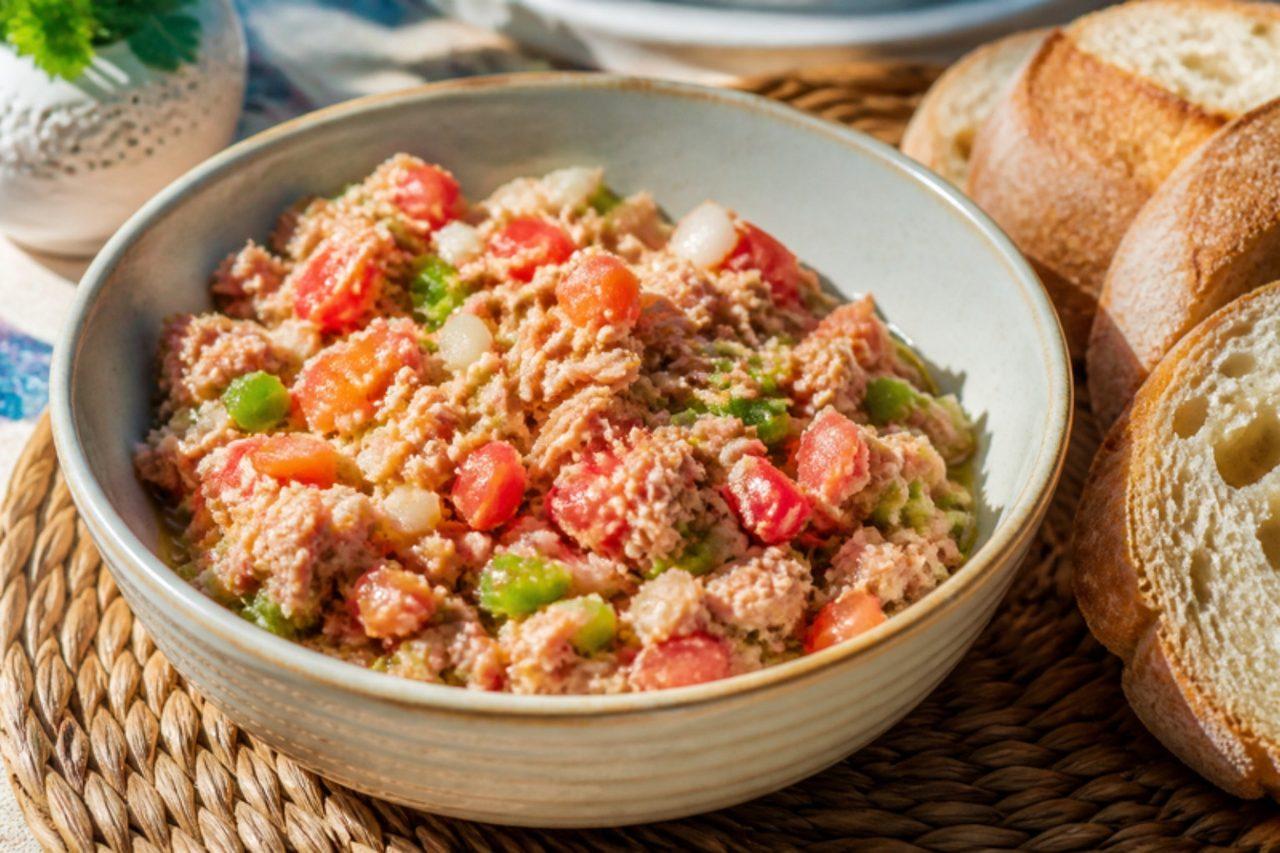
Estupeta de atumShredded tuna salad

Vila Real de Santo António and Tavira grew rich on tuna, and estupeta is what the fishing families made from the salted belly: shredded into threads and tossed with tomato, green pepper and onion in a sharp olive-oil dressing. Today it appears every summer in tascas along the Guadiana as a starter with bread and cold drinks. The traditional salted tuna is cured, not cooked, so it is not for pregnant women, young children or anyone with a weakened immune system; this version uses fresh tuna poached until cooked through, which anyone can eat. Chef's tip: shred the tuna with two forks while it is still warm, as it pulls into finer threads.

by KrazyBadal 0 views

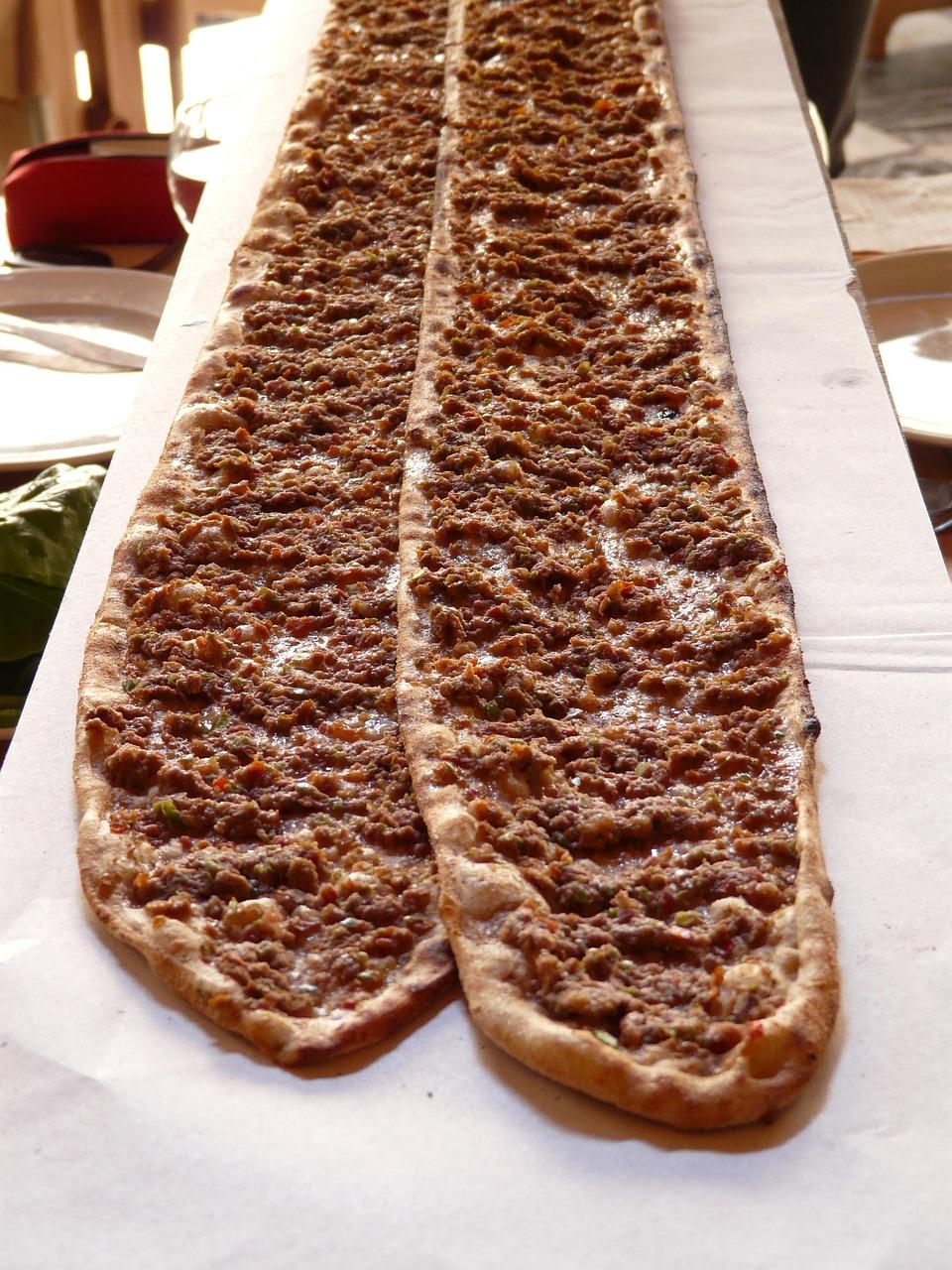
Etli ekmekThin flatbread with lamb mince

In Konya, etli ekmek is the city's own fast food: dough stretched into a strip almost a metre long and thin as card, spread with hand-chopped lamb or beef, onion, tomato and pepper, baked for a few minutes in a stone oven and cut into squares with a pizza wheel. Unlike lahmacun, the topping is generous and the bread is crisp all the way through. At home, make shorter strips on a hot tray and serve with ayran, lemon and a heap of parsley and onion. Common mistake: piling the topping thick, which keeps the base soft; spread it thin right to the edges. The meat must reach 71 °C. Chef's tip: chop the mince again on a board with the onion and peppers; it spreads thinner and cooks faster.

by KrazyBadal 0 views

Etli nohutLamb and chickpea stew

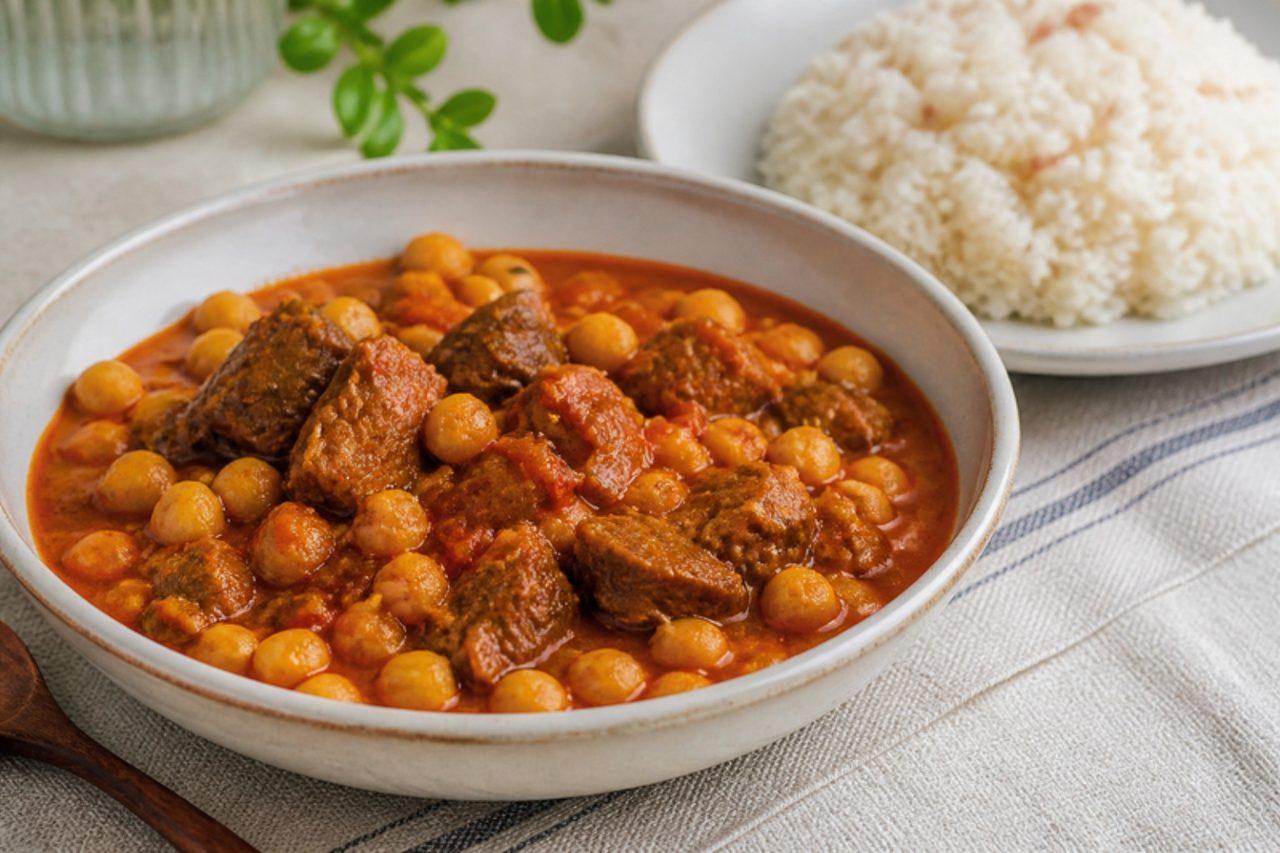
Ask anyone in Turkey for the taste of a school lunch or a lokanta set menu and many will say etli nohut with pilav: chickpeas simmered with cubes of lamb, onion, tomato and pepper paste until the sauce is thick and the chickpeas creamy. Spooned over buttery rice with a few pickles alongside, it is cheap, filling and better the next day. Soaking dried chickpeas overnight makes the biggest difference. Common mistake: adding salt and tomato paste before the chickpeas are tender, which keeps them hard. Chef's tip: brown the lamb in batches so it sears instead of stewing in its own juice; that crust flavours the whole pot.

115 minTurkishMeatGluten free
by KrazyBadal 0 views

Ev eriştesiEgg noodles with walnuts

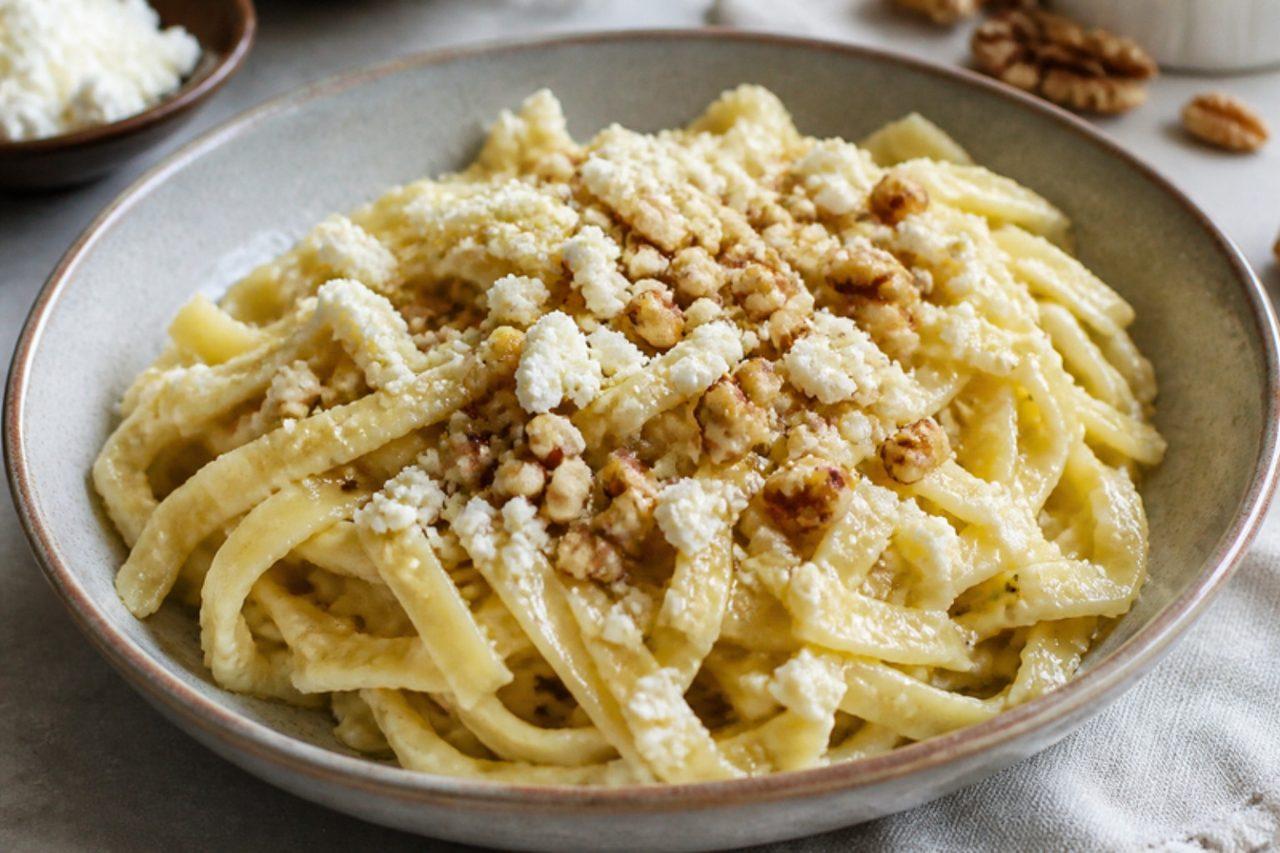
Late summer in Sivas, Tokat and Kayseri villages means erişte days, when neighbours roll out huge sheets of egg dough, cut them into ribbons and dry them on cloths to last the winter. Freshly cut, they cook in minutes and are tossed with browned butter, toasted walnuts and crumbled white cheese, a simple dish that tastes of the farm. Common mistake: cutting the noodles before the rolled sheet has dried a little, so they stick into a clump; let it sit 15–20 minutes until leathery. Feta-style white cheese is often made with animal rennet; use a vegetarian one if needed. Chef's tip: toast a few raw noodles in the butter until golden before the boiled ones go in; they add a lovely crunch.

by KrazyBadal 0 views

Fabes con almejasWhite beans with clams

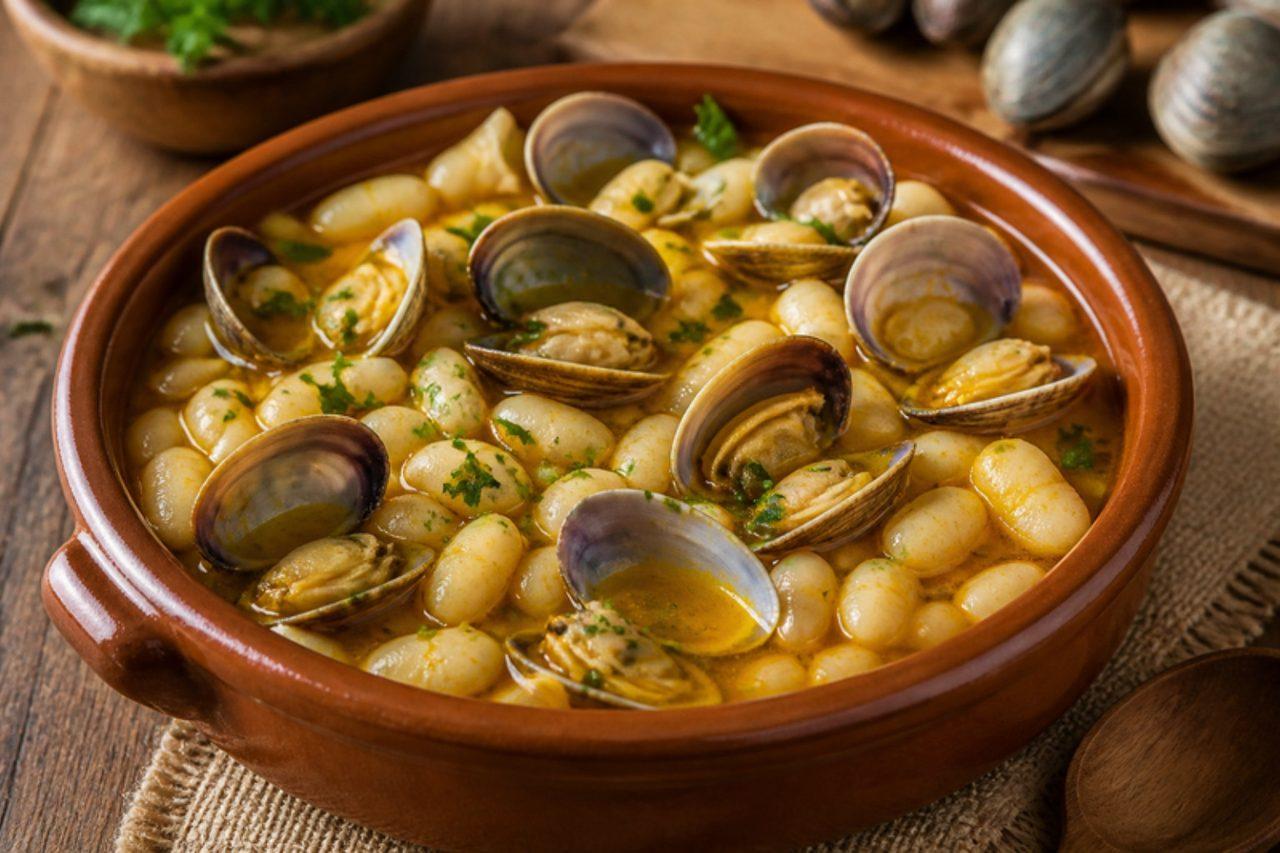
Along the coast, from Lastres to Ribadesella, fabes are cooked not with sausage but with clams, in a pale, saffron-tinted broth that tastes of the sea. It is a dish for a long weekend lunch in a seaside restaurant, eaten slowly with a spoon and bread. The broth uses a glass of dry white wine; an alcohol-free swap is given. Chef's tip: "scare" the beans by adding a splash of cold water whenever the pot boils up during cooking; it keeps the skins whole and the insides creamy.

175 minSpanishFishGluten free
by KrazyBadal 0 views

Ash-e shooliBeetroot, spinach and herb soup

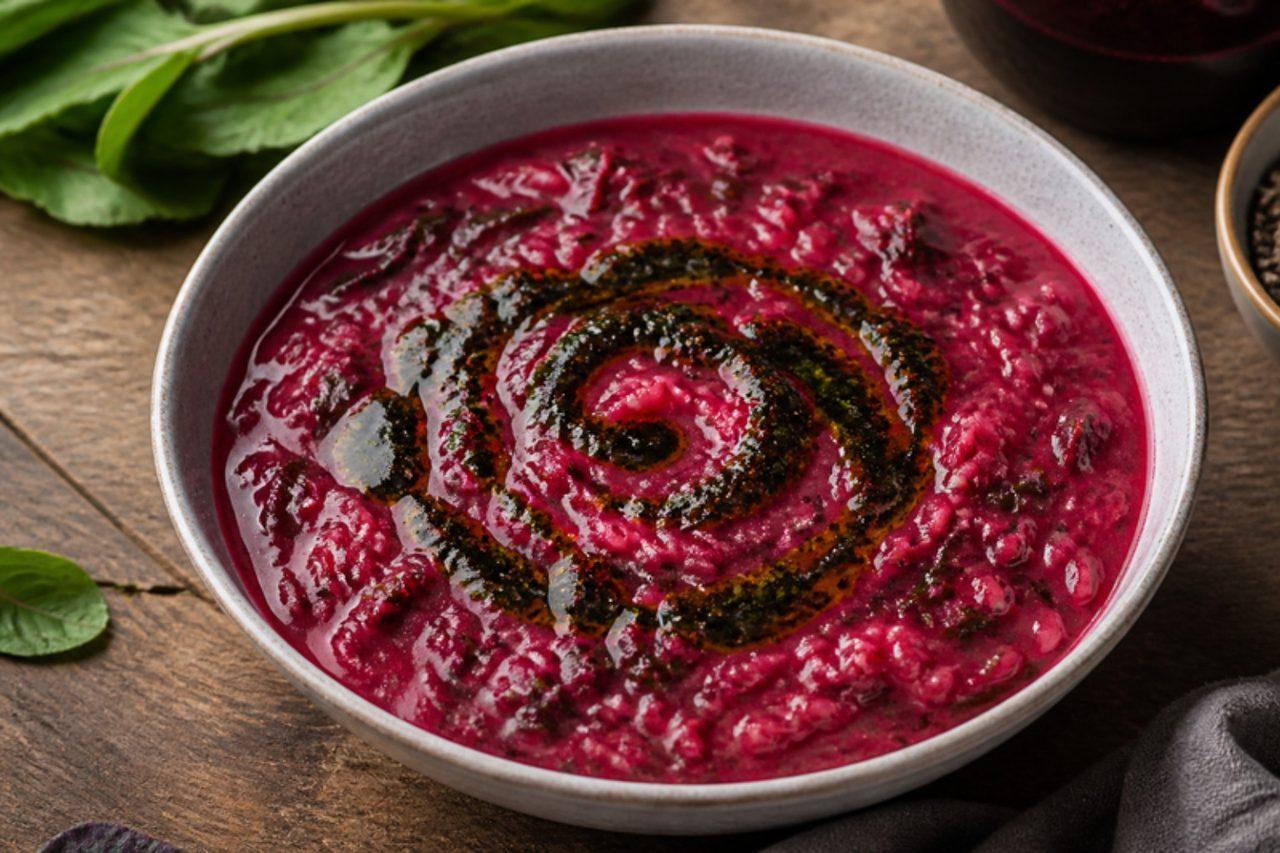
In the desert city of Yazd, ash-e shooli is what grandmothers cook on the first cold nights of autumn and through winter, and what they bring to anyone with a cold. It is a thick, deep-red soup of beetroot, spinach and green herbs, thickened with a little flour and balanced between vinegar and a touch of sugar or date syrup, finished with fried mint. Nothing else in Iran tastes quite like it. A common mistake is adding the vinegar early, which keeps the beetroot hard; put it in once everything is tender. Chef's tip: taste and adjust at the very end, adding sour and sweet a spoon at a time until neither one wins.

by KrazyBadal 0 views

Showing 90 of 10,569 recipes

Page 738 of 1,175